But Why: A Podcast for Curious Kids
But Why is a podcast where kids ask the questions and we find the answers. It covers a wide range of topics from nature and words to the end of the world. Kids can submit their questions via smartphone recording to be featured on the show.
Episodes
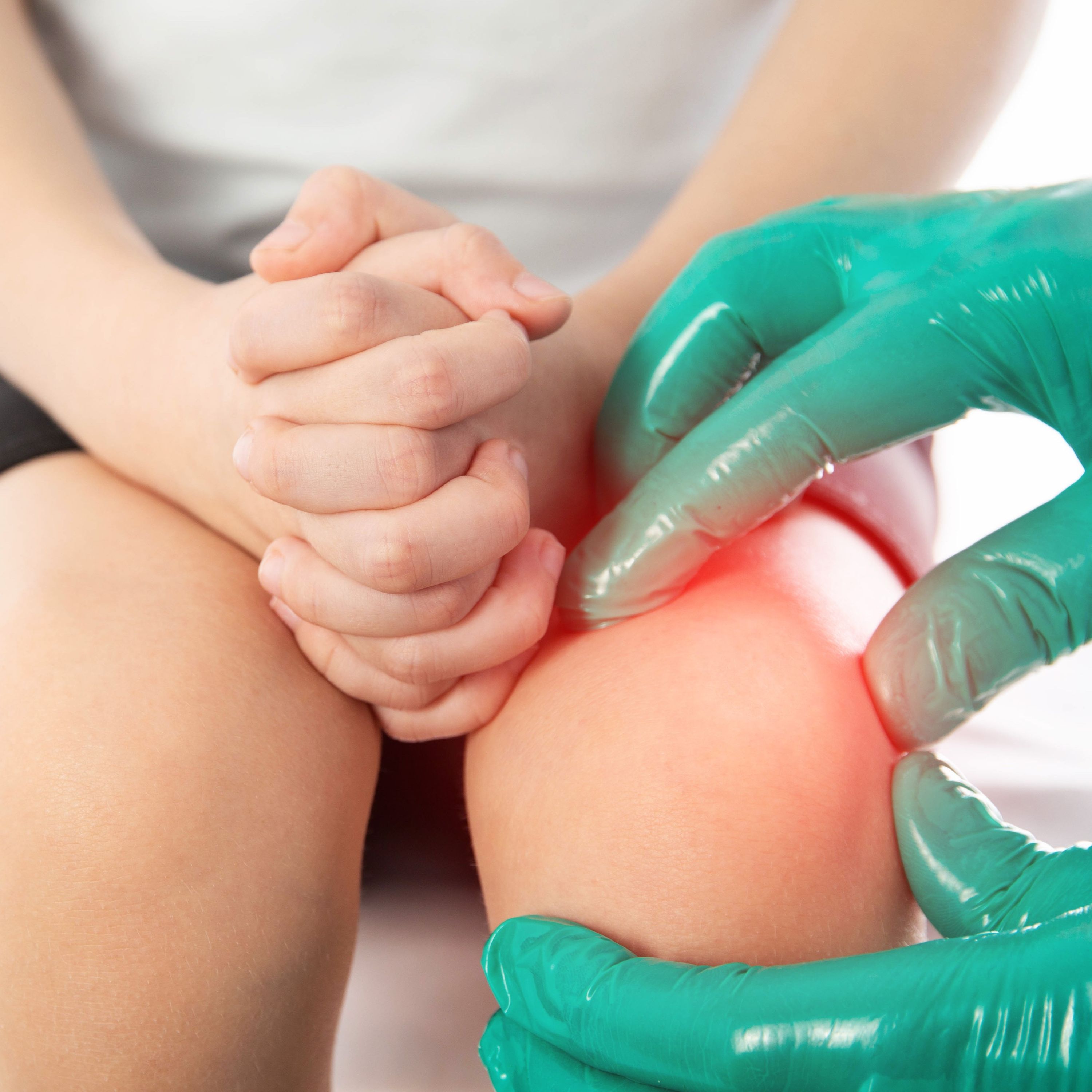
Why do we get growing pains?
As kids, you are constantly growing. You may not be able to feel yourself growing day to day, but if you’ve ever had achy legs at the end of a long day and been told, “Those are just growing pains,” it certainly SEEMS like you can feel yourself growing! In this episode we get answers to all kinds of questions about growing. Dr. Zurisadai Gonzalez Castillo, a pediatric neurologist at the University
300th Episode: What’s your favorite?
This is But Why’s 300th episode! It’s safe to say we’ve answered several thousand questions from kids all over the world. We asked our listeners to tell us about their favorite episodes and today we’re hearing from all of you! We also hear a bit from a few of the podcasts you have on repeat! Download our learning guides: PDF | Google Slide | Transcript
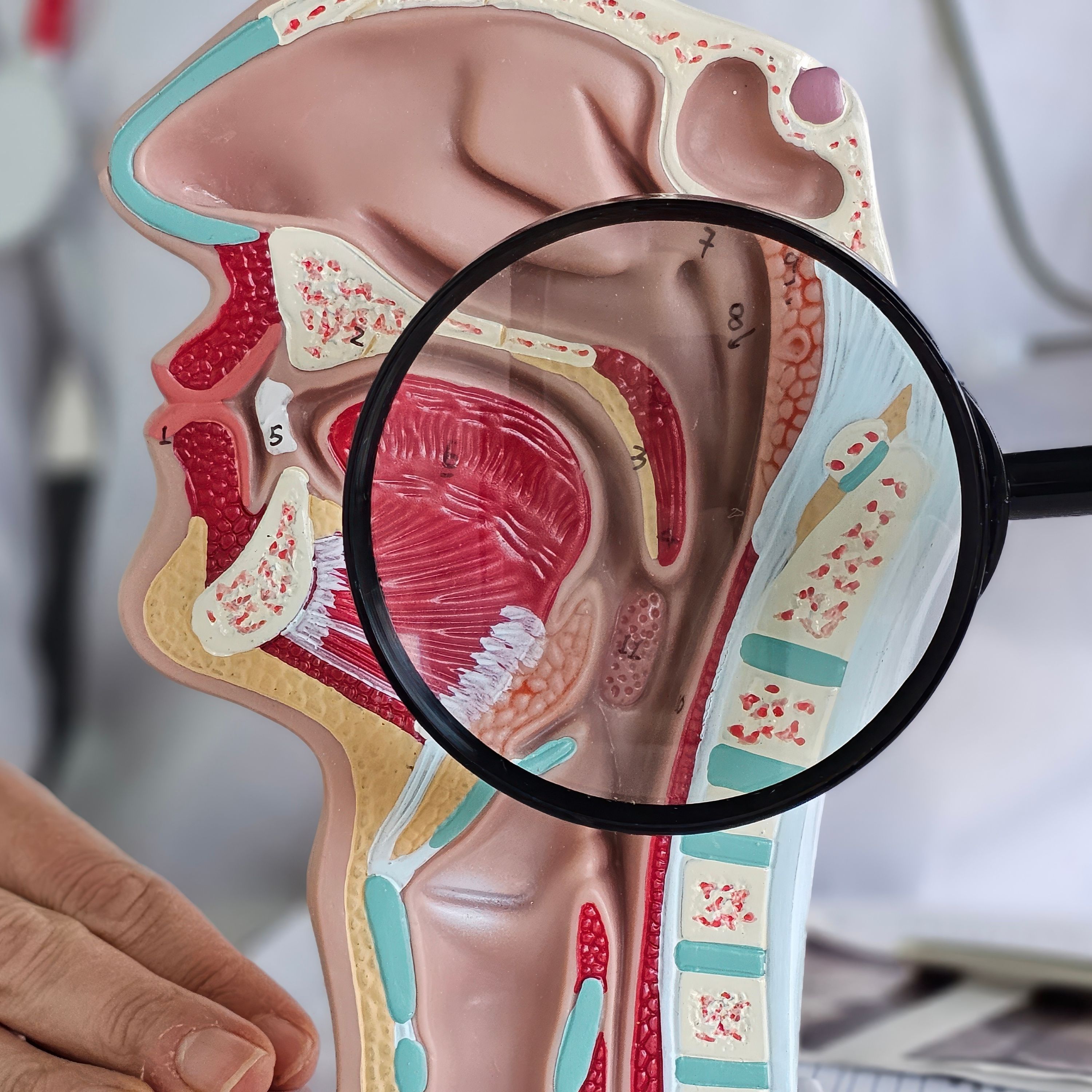
Why does my voice sound weird when it’s recorded?
How does our body make our voice? How do voice boxes work? What makes our voices so different? Why are boys' voices often lower than girls' voices? Why does your voice sound different when you are sick? Why does your voice sound weird when you listen to a recording of yourself? Answers to questions about voices with Dr. Anne Hseu, an otolaryngologist (ear, nose and throat doctor) at Boston Childre
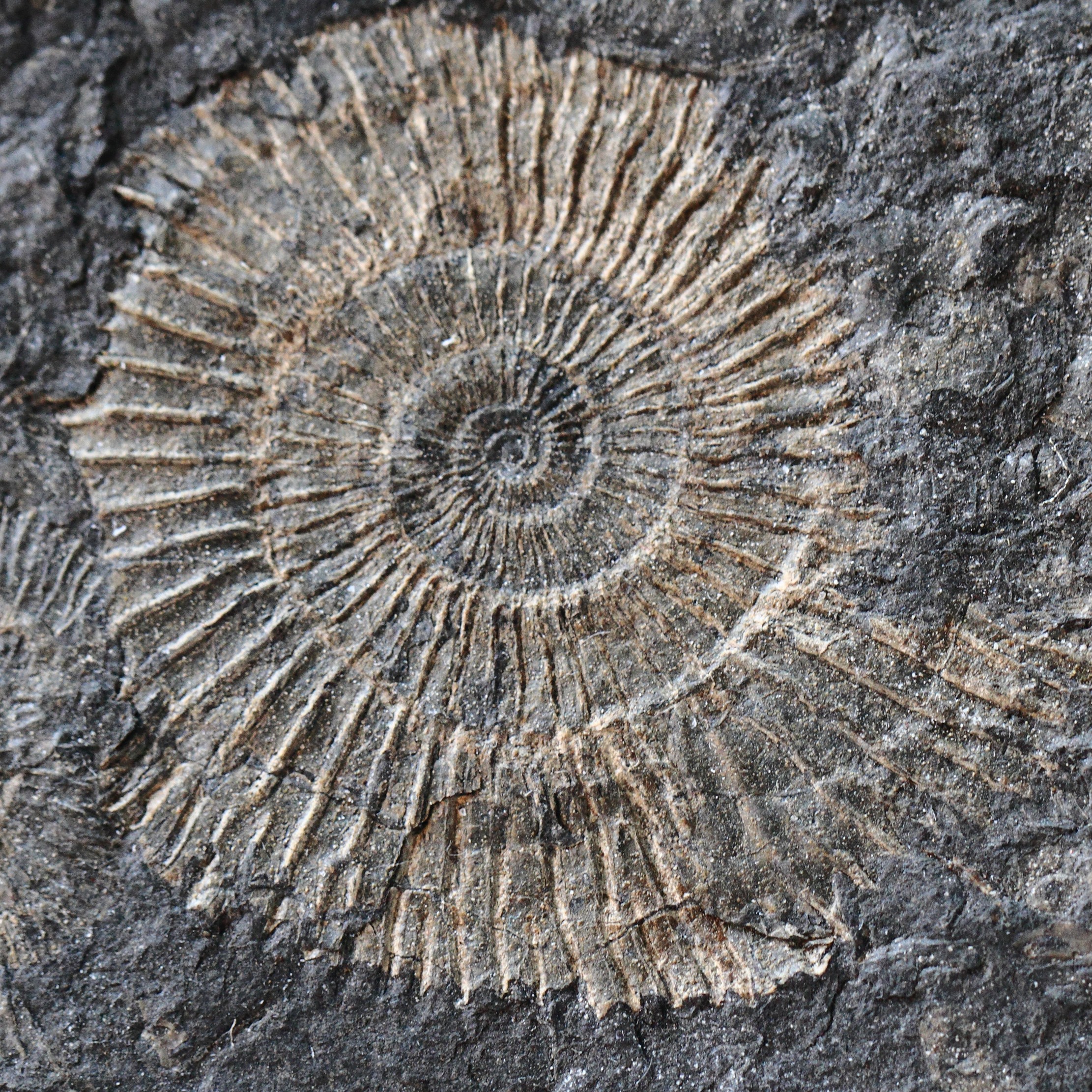
What are fossils?
What is a fossil? How are they formed? Where are they found? What’s the oldest fossil, and what’s the biggest? When you think of a fossil you might be picturing a full dino skeleton preserved at a museum. But fossils come in many different shapes and sizes. We taped this episode all about fossils in front of a live audience at the South Burlington Public Library in Vermont, with special guest Char
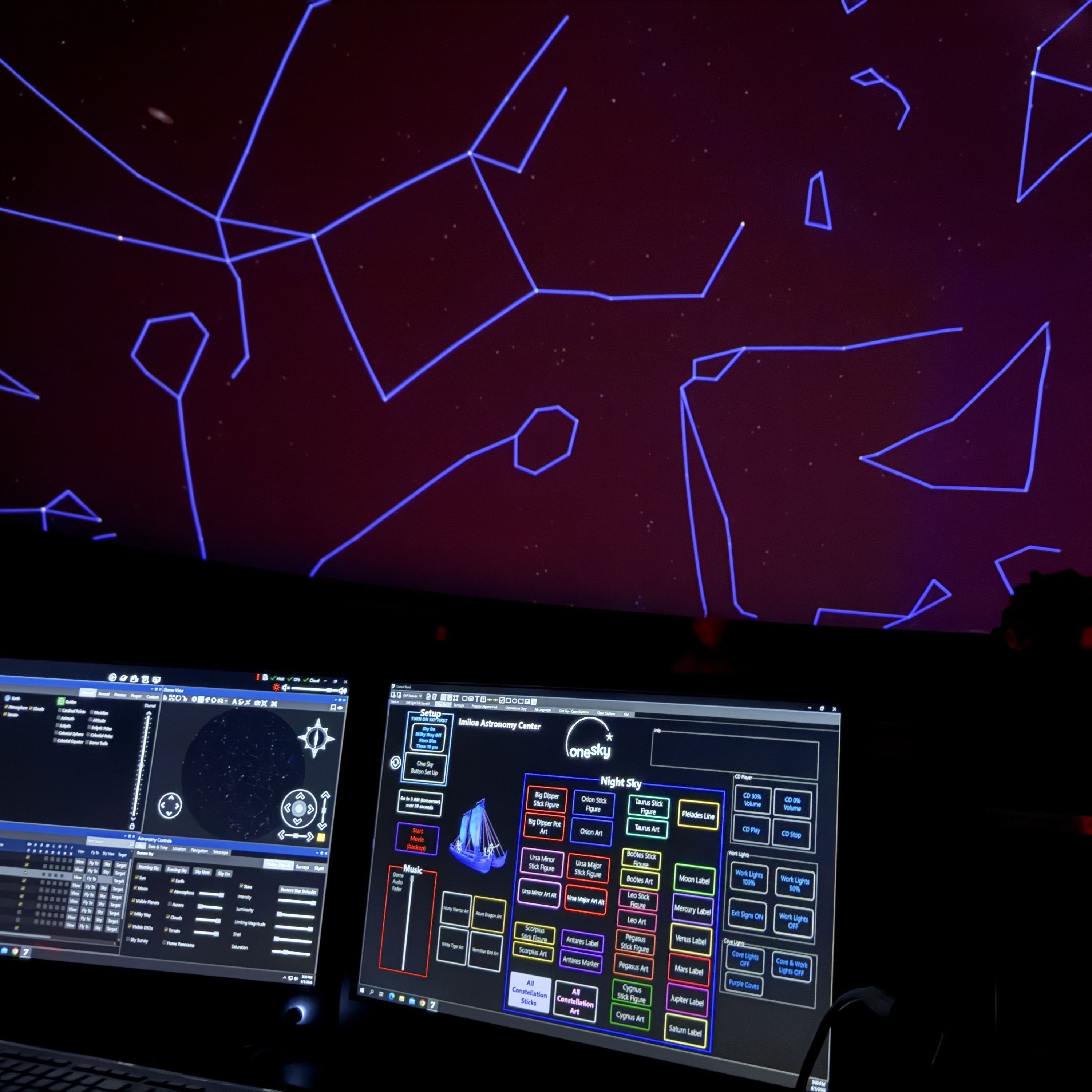
Where do constellations come from?
How are constellations formed? How many stars are there? What are stars made of? Why are there stars in the sky? Why are stars white? Why are some stars red? Why do stars twinkle? Why do we only see the stars at night? Why is the north star always facing north? We answer your questions about the stars and astronomy with Talia Sepersky of the Museum of Science in Boston.Download our learning guides
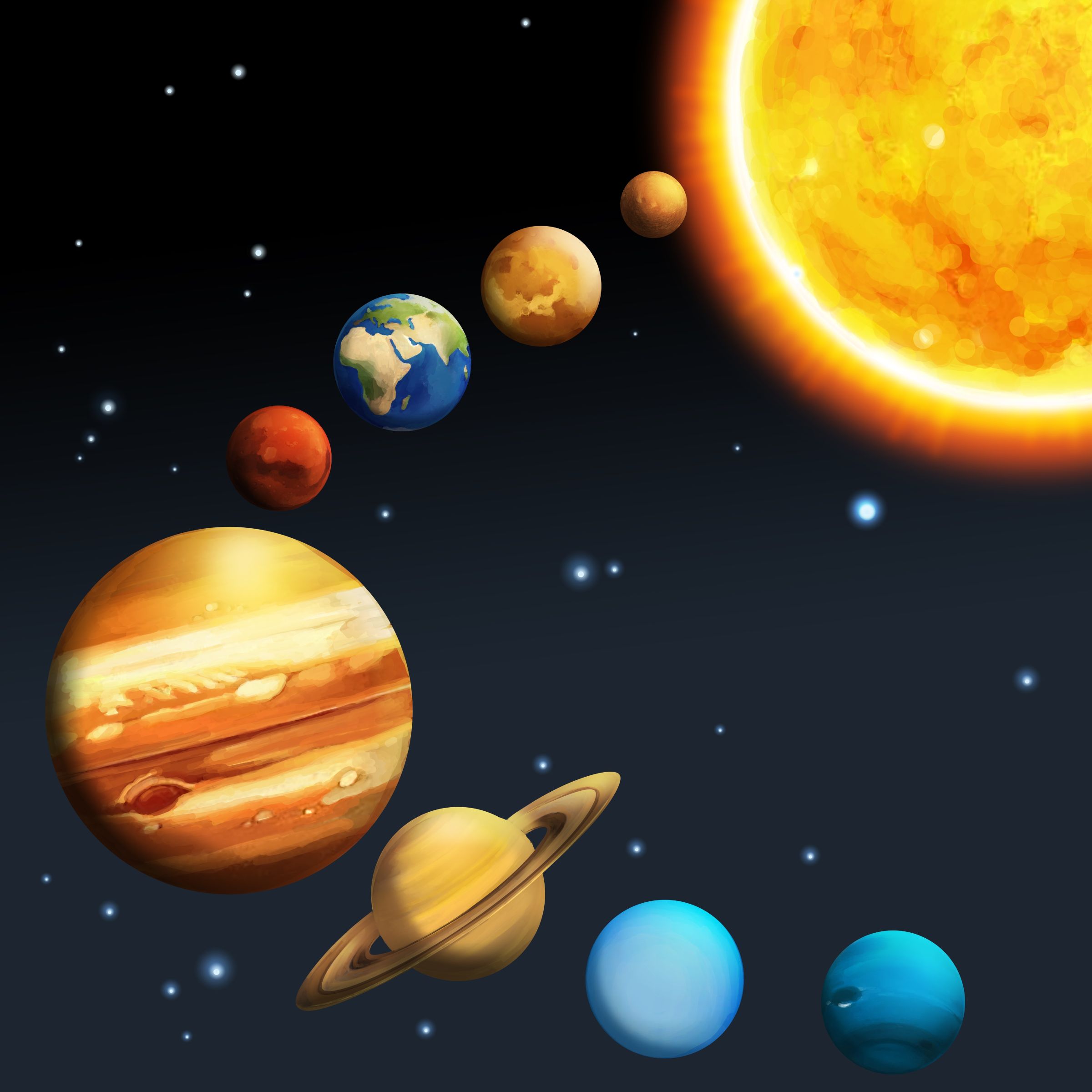
Why does space have so many planets?
Join us on a tour of our solar system with John O’Meara, chief scientist at the W.M. Keck Observatory in Hawaii. We’ll answer all of your questions about planets! How were the planets in our solar system made? Why are some planets made of gas and others are made of rock? How do planets stay in space? Why is Venus the hottest planet if it's not the closest to the sun? Why is Earth more like Mars th

Do animals play?
Have you ever seen your dog play with another dog? Have you seen squirrels chasing each other in the woods? Are they playing or are they doing something else? We look at the behavior of animals with Marco Wendt, Wildlife Ambassador for the San Diego Zoo Wildlife Alliance and host of Amazing Wildlife: A San Diego Zoo Podcast. Also in this episode: Why do pigs like to play in the mud? Why do elephan
When was the first World Cup?
Right now, the 2026 FIFA men’s World Cup is happening across 16 cities in the United States, Canada and Mexico and it’s time to learn a little bit about soccer…or should we say football? That’s one conundrum we’ll be tackling: why is it called soccer in some countries and football in others? We’ll also look at World Cup questions like where the first tournament was played and what makes the trophy

How are video games made?
How are video games made? Who invented the concept? Why do games have levels? Who invented them? Why are game consoles so expensive? Why do people like playing these games so much and do they turn your brain to mush? What do you do if you can’t make yourself stop playing? In this episode, we talk with Patrick Klepek, writer and editor of Crossplay, a newsletter focused on video games and parenting
What is ADHD?
What is ADHD? How does ADHD affect the brain? Why do only some people have it? How can we control our brains? An estimated 11 percent of U.S. kids are diagnosed with the neurological condition known as ADHD, so you may have it or have a friend or classmate with this unique way of thinking. In this episode we explore how you can learn to balance the strengths and challenges of ADHD with Dr. Liz Ang
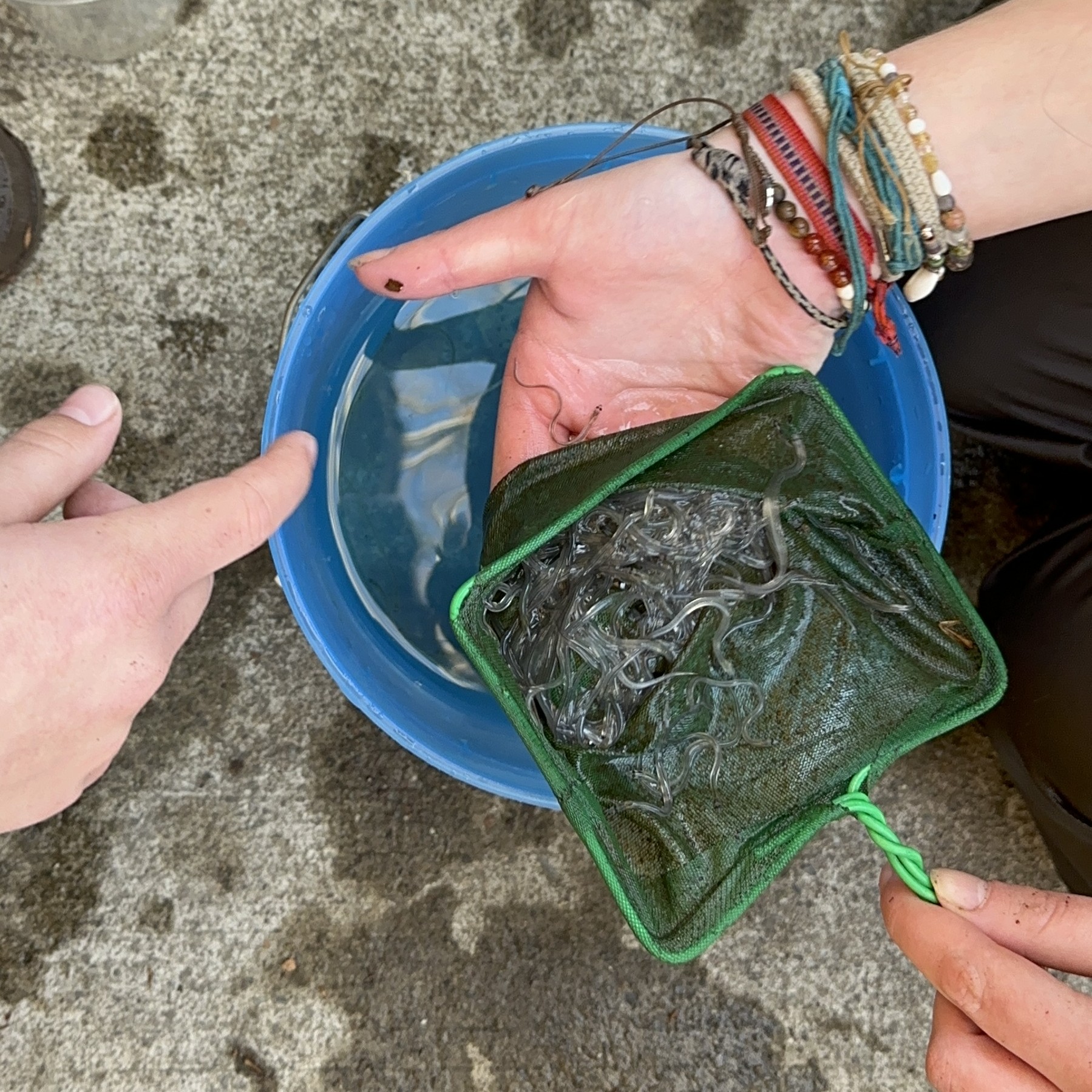
What are eels?
What are eels? And why are some eels electric? We head to Poughkeepsie, New York to learn about eels with Chris Bowser, Hudson River estuary educator with the New York Department of Environmental Conservation. Plus we learn about electric eels. Electric eels have captured the imagination of many people, but they’re not actually considered eels by the scientific community. They’re a type of knife f
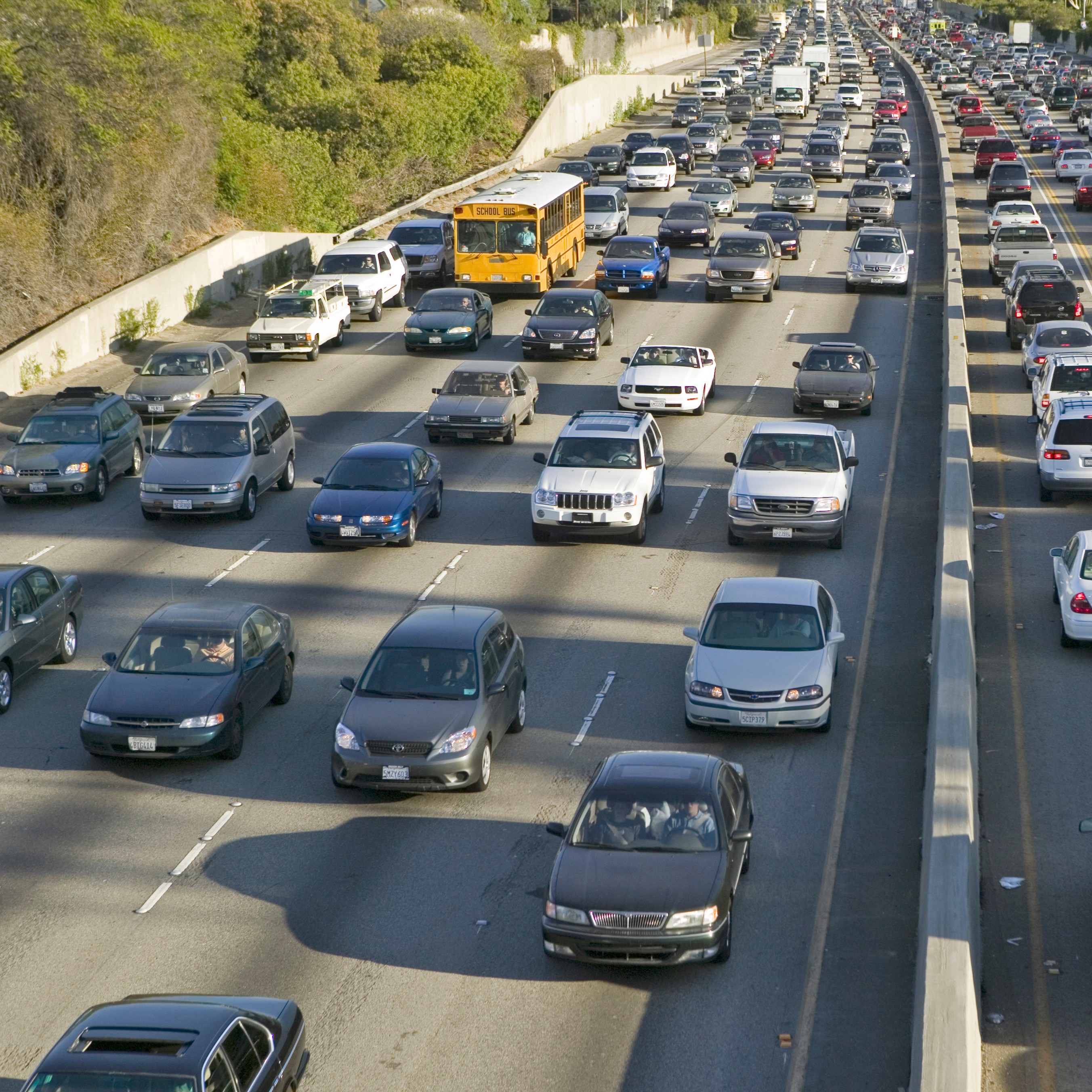
Why does green mean go and red mean stop?
Why is there traffic? How do traffic lights work? How do they know when to turn red and green? Why does green mean go and red mean stop? Why are cars able to go faster than they are allowed to go with the speed limit? Why do we drive on the right side of the road in the United States? Why are some roads bigger than others? Answers to your traffic questions with Mike Knodler, professor and directo
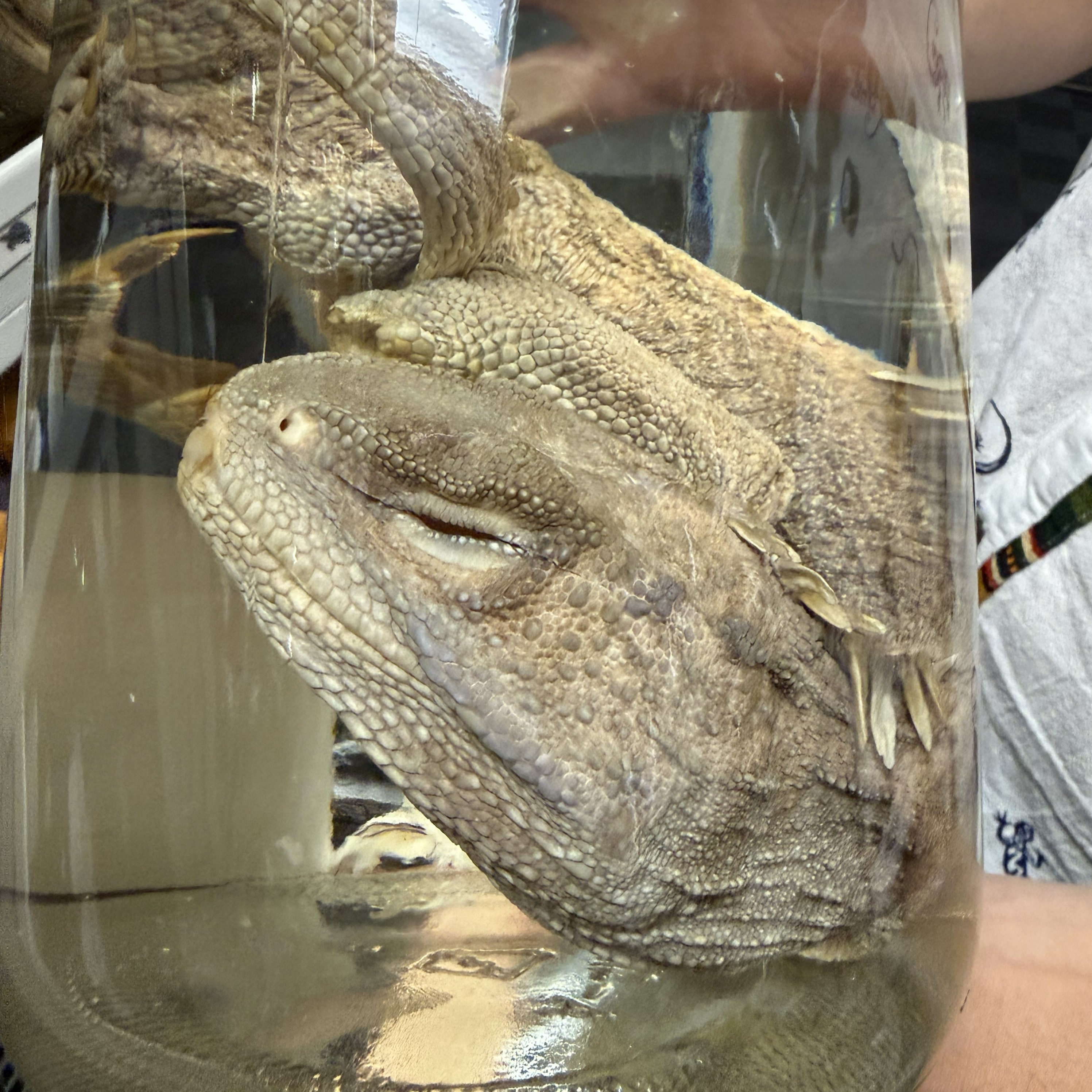
Are Komodo dragons really dragons?
Can’t get enough of lizards? We’re back with a bonus episode answering more of your lizard questions with Adam Clause of the San Diego Natural History Museum. This week, chameleons, Komodo dragons, iguanas, monitor lizards and tuatara! How do chameleons change color? Why are Komodo dragons called dragons and are they endangered? How many babies do monitor lizards have? Why do iguanas have dewlaps?
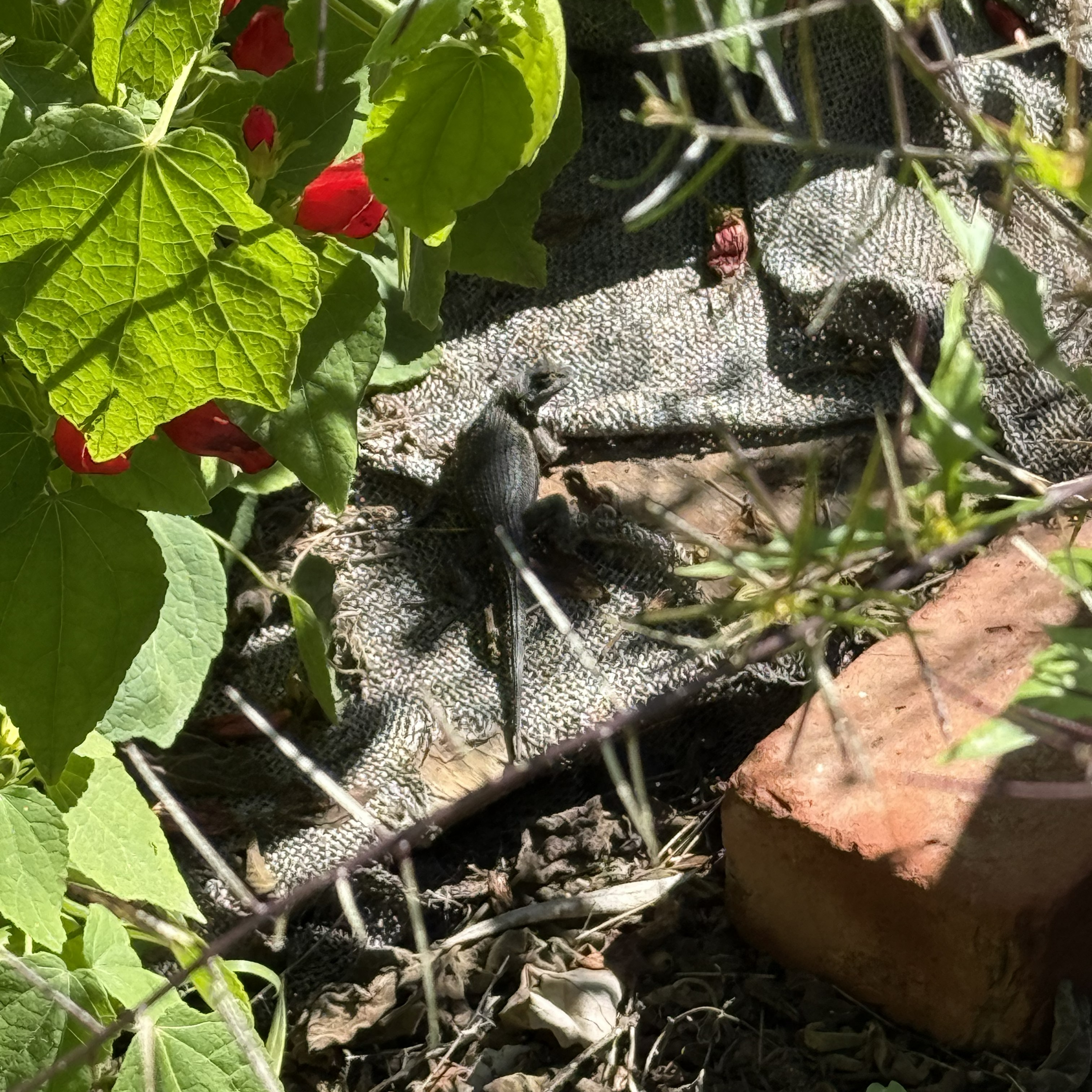
How do lizards grow their tails back?
Deep in the basement of the San Diego Natural History Museum, there are thousands of jars filled with preserved reptiles and amphibians. In this episode, But Why takes a tour with collections manager Adam Clause to answer your questions about lizards! How do lizards climb walls? Do lizards hibernate? Do they sleep? Why are lizards cold blooded? How do lizards grow back their tails if they break
But Why turns 10!
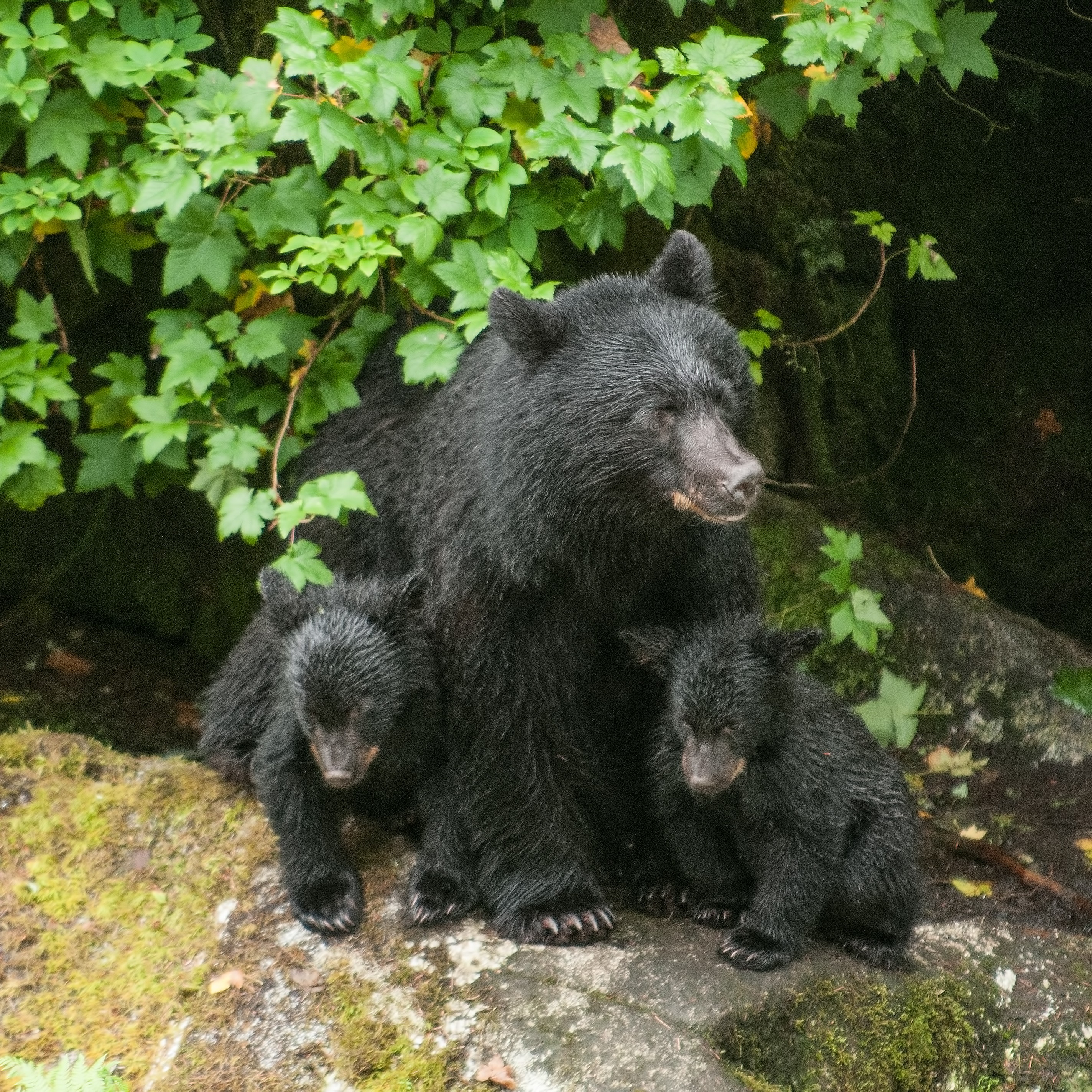
But Why turns ten years old on April 1, 2026! To celebrate this milestone, we’re listening back to our very first episode. We’ve got owls and turtles and bears. Naturalist Mary Holland gets into the details about hibernation–including the questions you may not even have thought to ask, like what about poop? Then we meet a barred owl named Chapin, who is cared for by Outreach for Earth Stewardship
What's it like to be a Kid Governor?
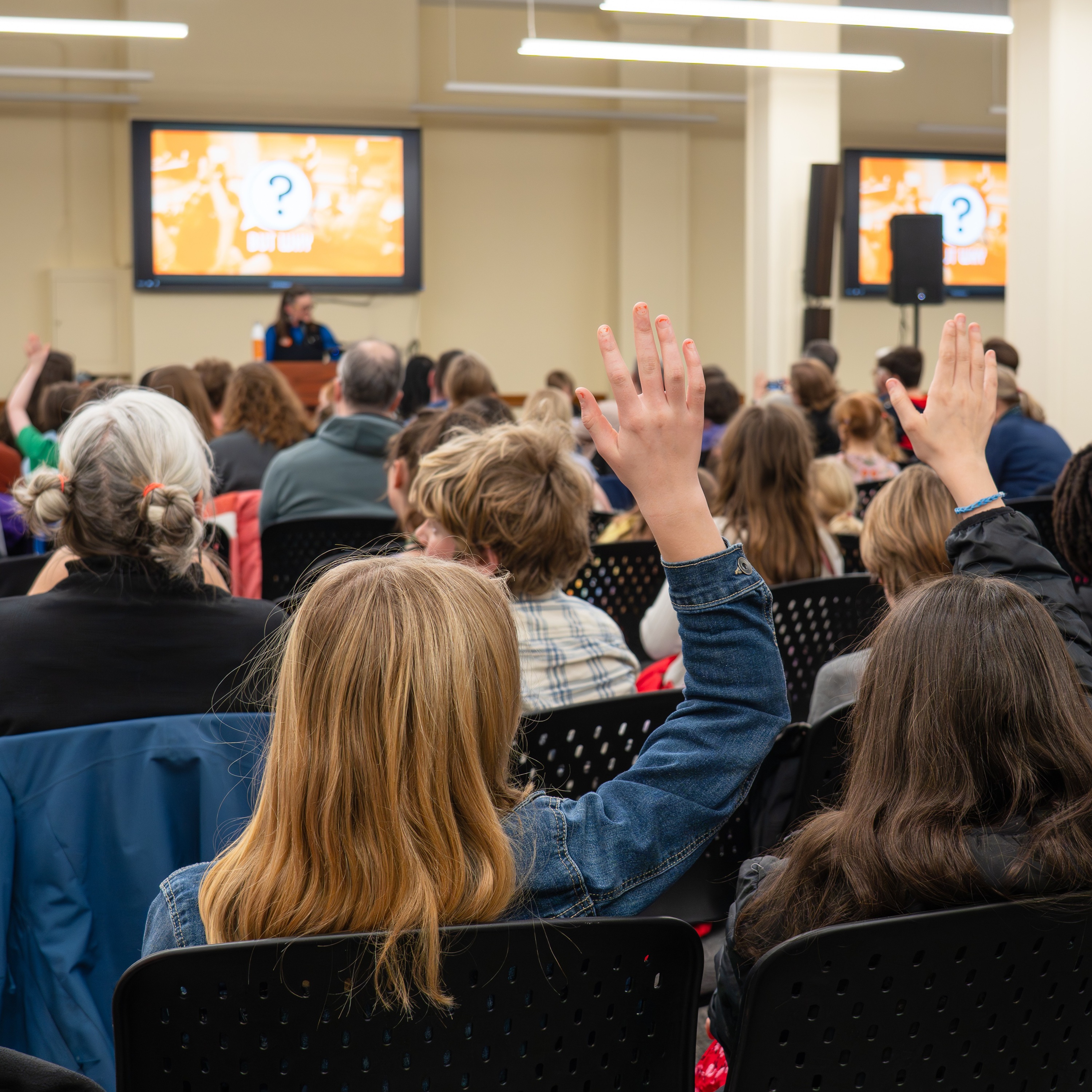
In the United States, voters in each state elect a governor every two or four year terms. The governor is the top official in the state government. But did you know five U.S. states also elect a Kid Governor? It’s a part of a civics education program that helps kids learn about democracy while focusing on a community issue that’s important to them. But Why recently hosted Vermont’s Kid Governor an
How do we know life is not a dream?
Some questions are so big they’re existential, meaning that they get right to the heart of human existence. These are also sometimes called philosophical questions, so for this episode we called up a professor of philosophy, Scott Hershovitz, who teaches at the University of Michigan. He’s also written a book about how adults and kids can have philosophical discussions together. It’s called Nasty,
How did bird dinosaurs survive the meteor?
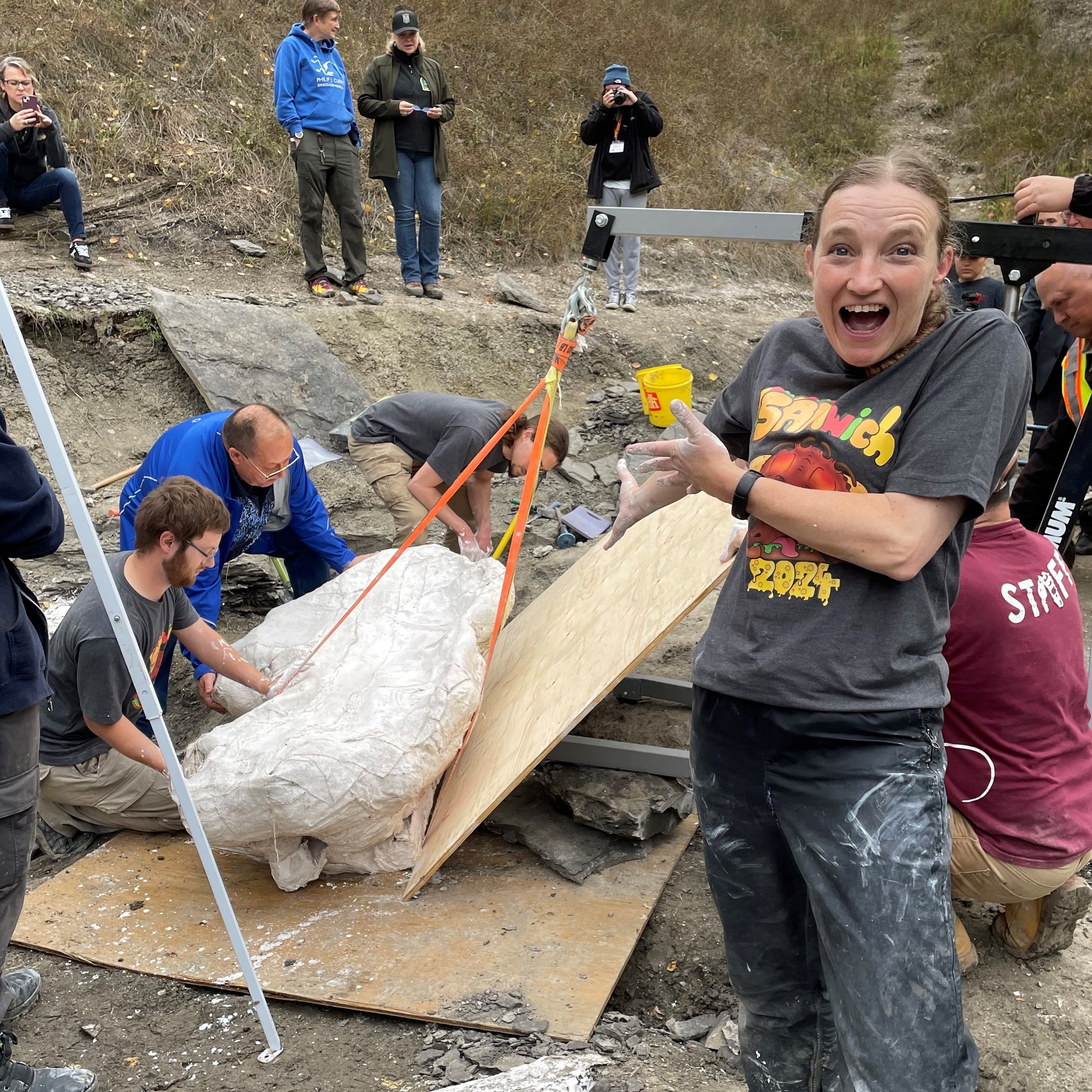
Why did the dinosaurs go extinct? Many of you have learned about the meteorite that scientists say hit the earth 66 million years ago and killed off many dinosaur species. But some dinosaurs survived, and the birds you see flying around today are their direct descendants! In this episode we trace the connection between modern birds and prehistoric dinosaurs. Other questions include:
Were any dino
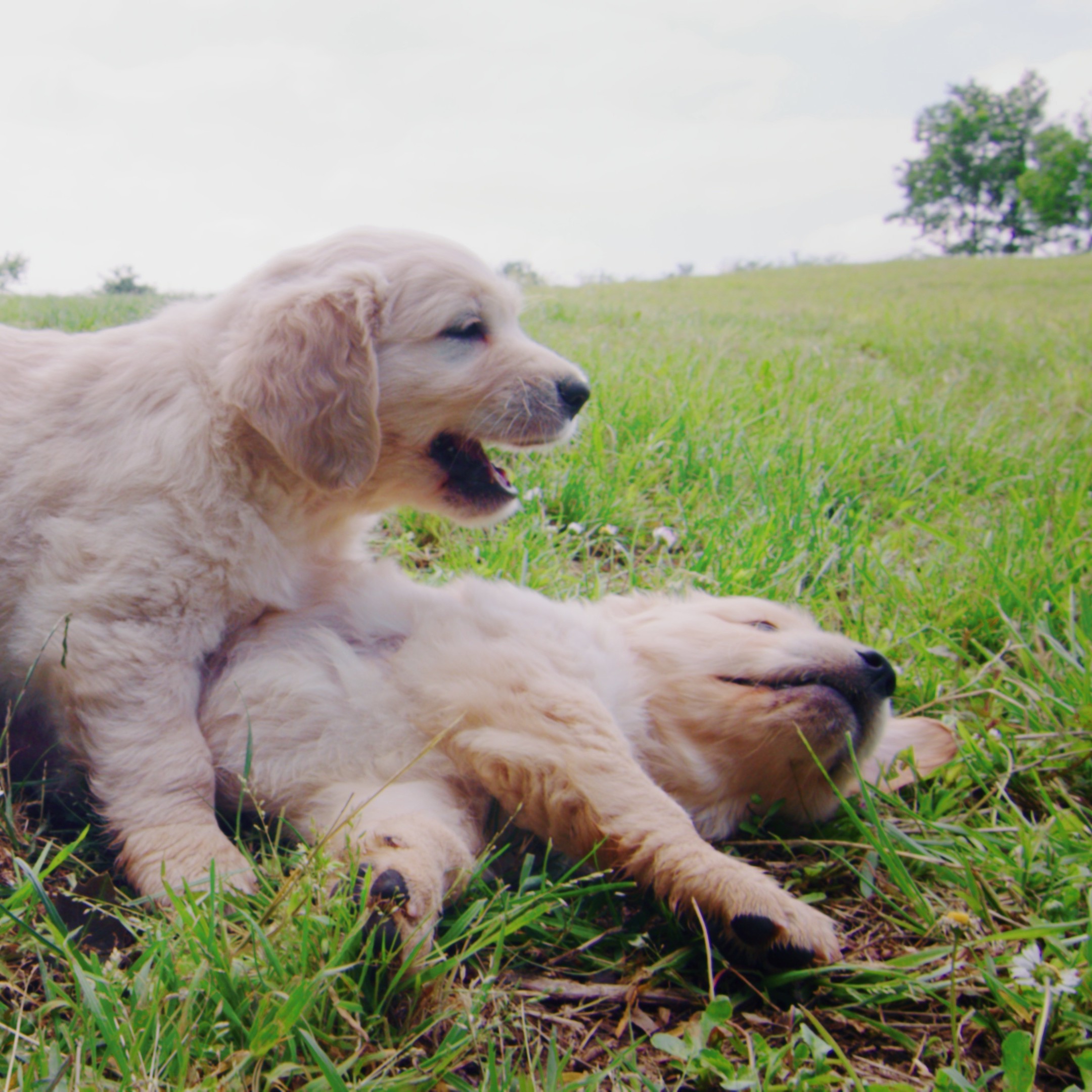
Why are brothers and sisters so annoying?
Why are brothers and sisters so annoying? Why do siblings often look a lot alike? Why do siblings fight? Can your sister be your best friend? Why do we fight with our siblings even if we love them? But Why takes a look at the sibling relationship with Susan Dominus, author of The Family Dynamic.Download our learning guides: PDF | Google Slide | Transcript
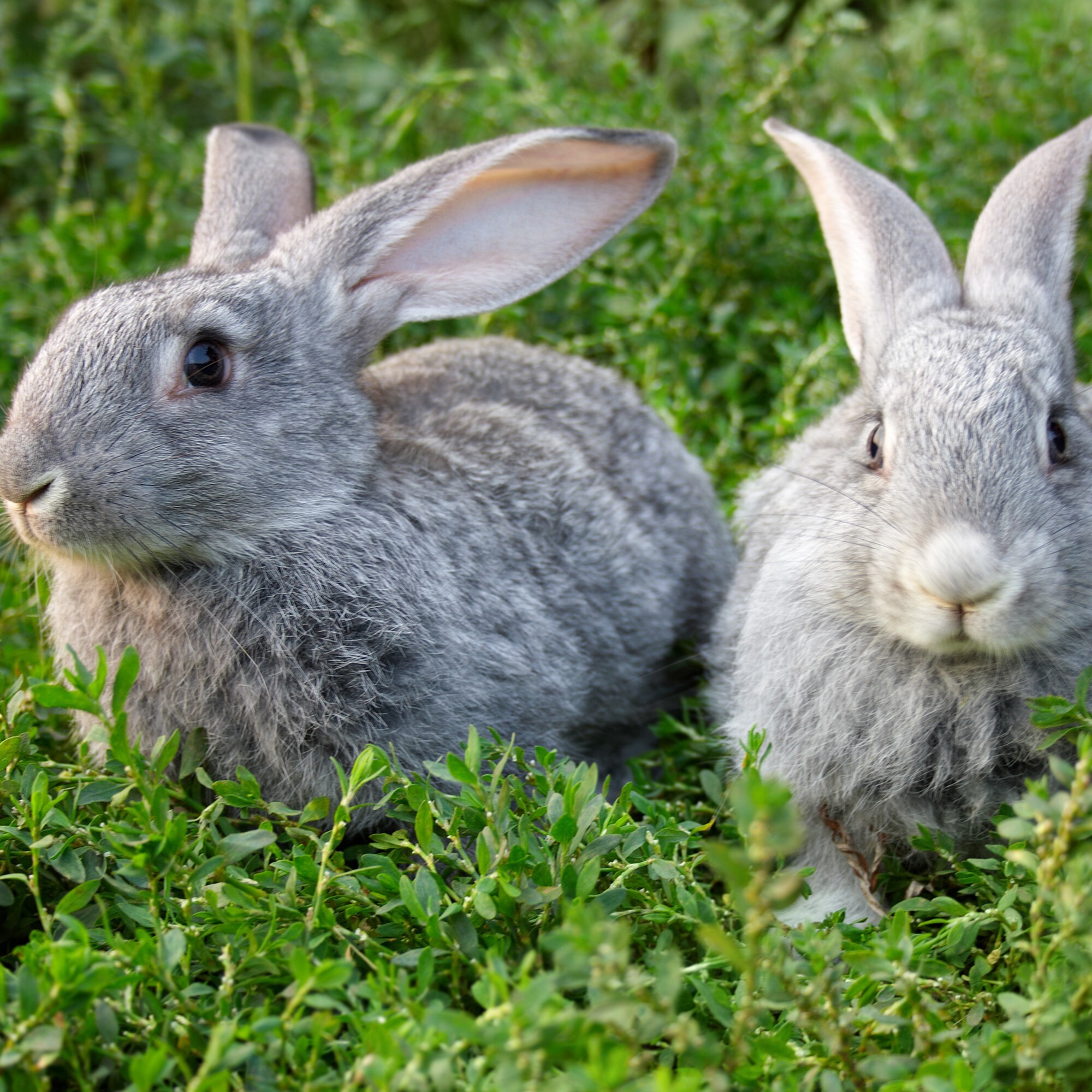
Do bunnies come out at night?
Why are rabbits called bunnies? Why do they have fur? Why do bunnies have puffball tails? Why do rabbits have eyes on the sides of their heads? Why do rabbits hop? Our guest is Margo DeMello, professor of anthrozoology at Carroll College in Montana. She’s also a rabbit rescuer and rehabilitator who is currently caring for 12 rabbits in her home! Download our learning guides: PDF | Google Slide | T
Why can’t we remember being babies?
How does memory work? Why can’t we remember things that happened when we were babies? Why do we forget? Why are some people forgetful? Why do elephants have such good memories. What’s this episode about? I forgot! Oh yeah, how does our memory work! Our guest is Dr. Nick Turk-Browne, professor of psychology at Yale University.Download our learning guides: PDF | Google Slide | Transcript
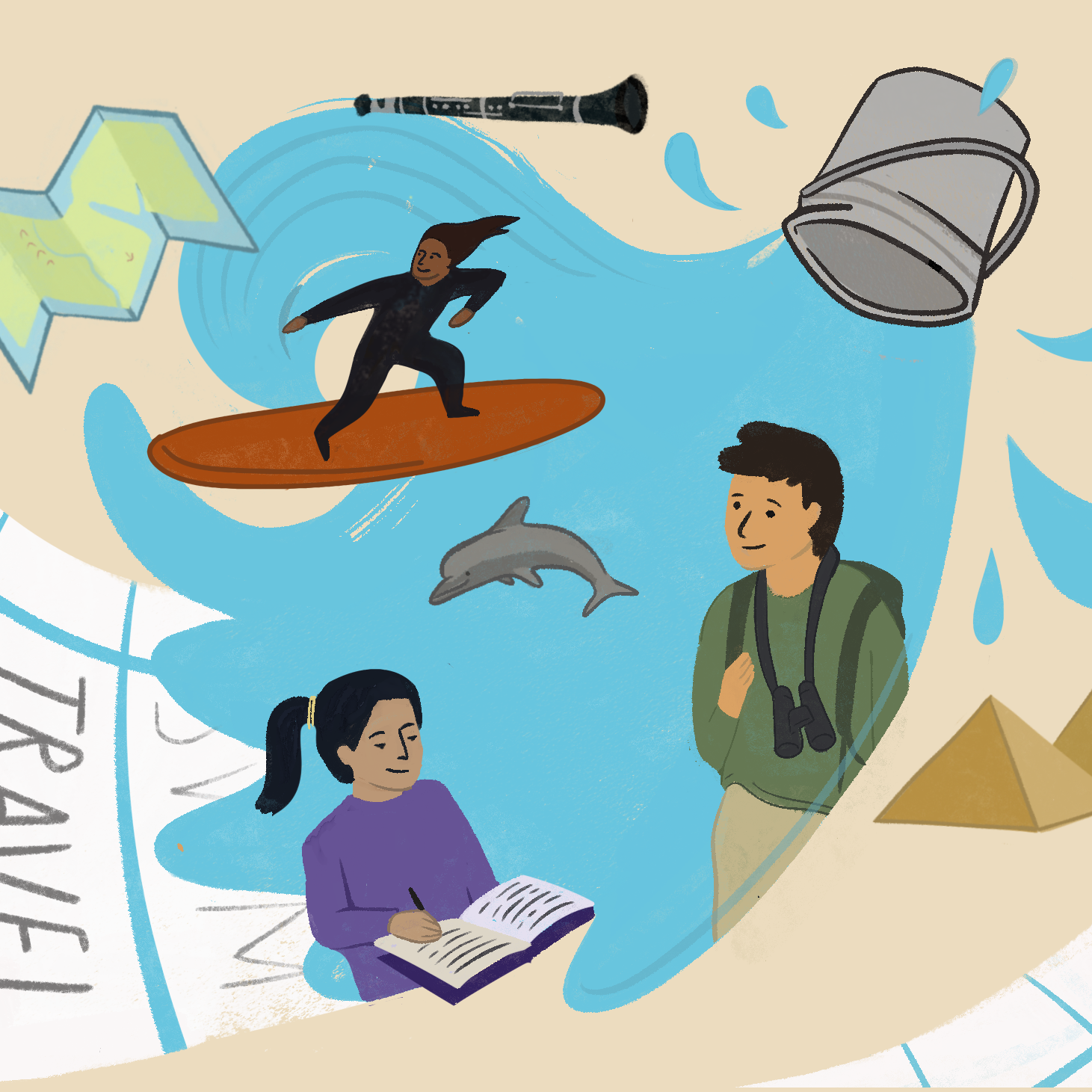
What’s on your bucket list?
Have you ever heard of a bucket list? That’s an expression people sometimes use that means something big you want to do or see or accomplish in your lifetime! For our last episode every year, we like to turn things around and WE ask a question for YOU to answer! Our 2025 end-of-year question is for you to tell us what’s on your bucket list–what’s something really big that you hope to accomplish at

Why do goats sound like humans? A Cozy Critters Collaboration
Have you ever heard a fox scream at night and thought it was a human? And why, when goats bleat, do they sometimes sound like human babies? Animals can sometimes make similar noises but not because they’re feeling the same things. It often has more to do with how similar the sound-making structures in our bodies are! In this bonus episode, we learn about how animals make sounds and how their vocal
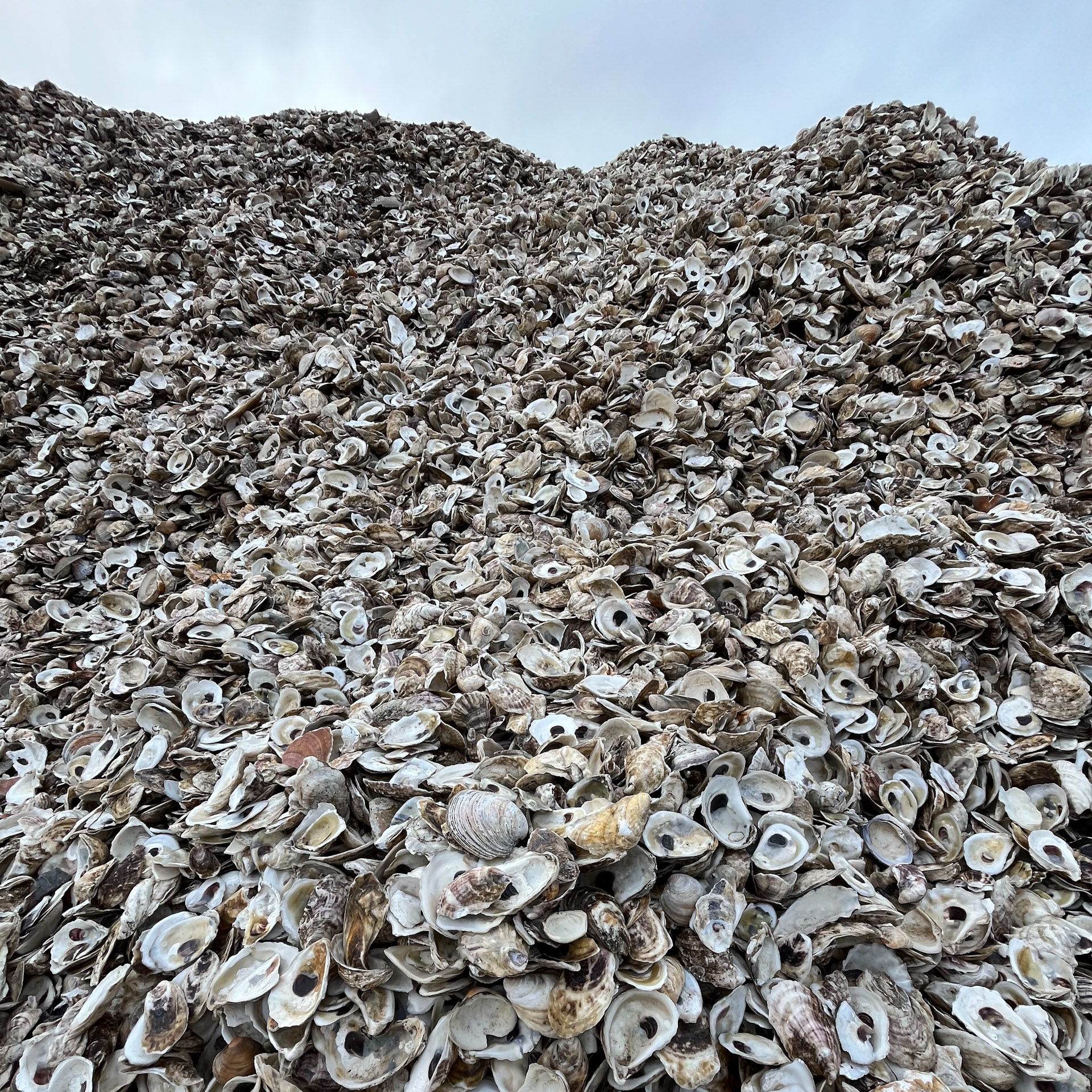
How do oysters make their shells?
On a rainy, windy day, But Why hopped on a ferry and headed to Governors Island in New York City with one thing on our minds - oysters! We met up with Mike McCann of the Billion Oyster Project to learn more about these very special bivalves. How do they get their shells? How long do they live? What do oysters eat and who eats them? Why do people eat oysters without cooking them? Download our learn
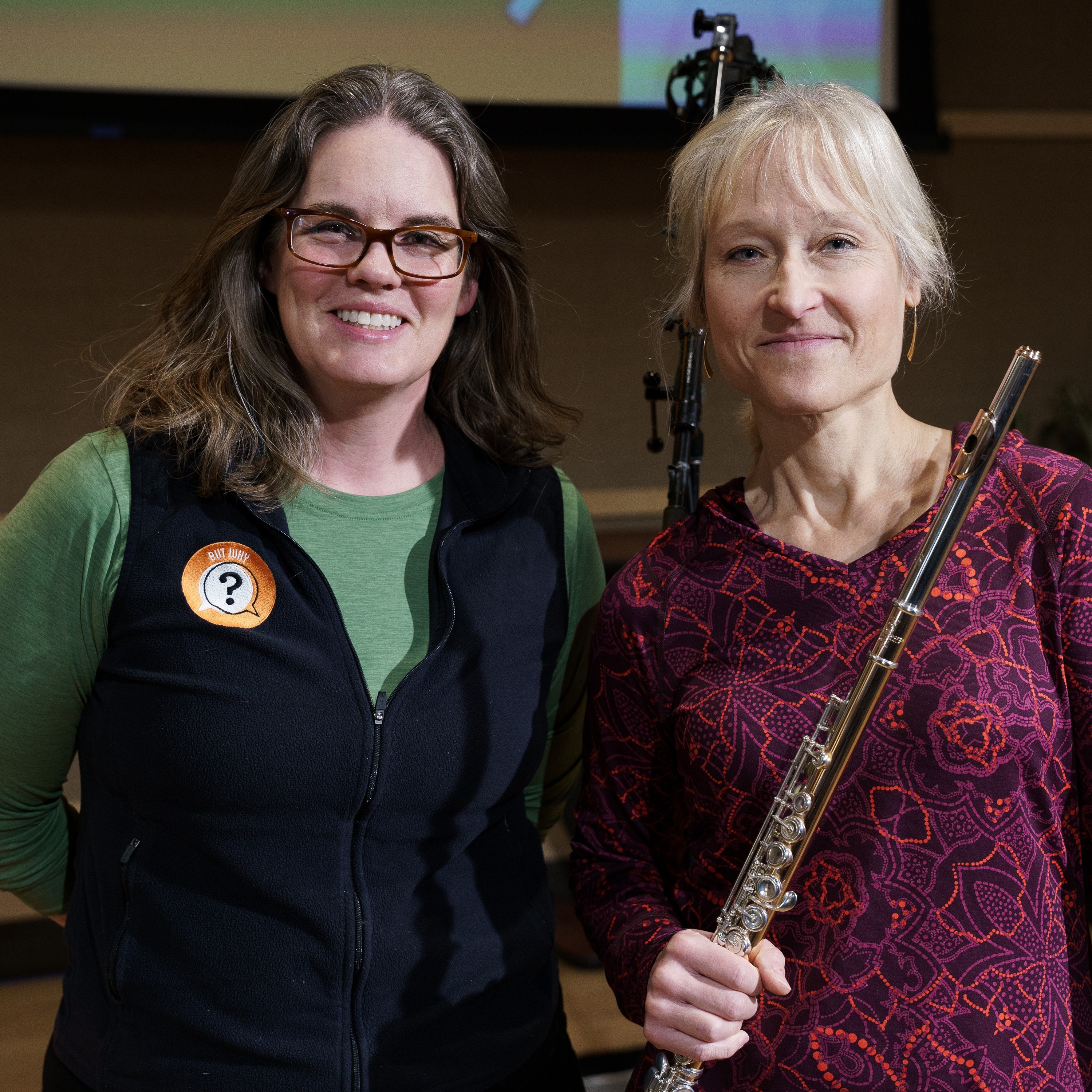
What’s an oboe? How does a flute work? What’s a viola?
How do musical instruments make their sounds? Why do people play music in the first place? What’s a viola bow made out of? How are musical instruments made? How much do professional musicians practice? Three musicians from the Vermont Symphony Orchestra joined families at the Vermont Public Studios for a special live episode during our Curious Kids Day live events. We hear from Melissa Meilens on

How big is a Macy's parade balloon?
The Macy’s Thanksgiving Day Parade is an American tradition. It’s been going since 1924. This year marks the 99th parade (it took three years off during World War II). It’s famous for elaborate floats and huge character balloons that bob above the streets as the parade marches forward. Millions of people watch the parade live in New York City each year, but many many more watch it on TV. And some
Why are there so many colors?
What’s your favorite color? Where do colors come from?Why do people see colors? Does everyone see colors the same way? How many colors are there in the world? We learn about colors with Kassia St. Clair, the author of a book called The Secret Lives of Color. We talk about the science of color as well as all the ways color and culture are intertwined.Download our learning guides: PDF | Google Slide
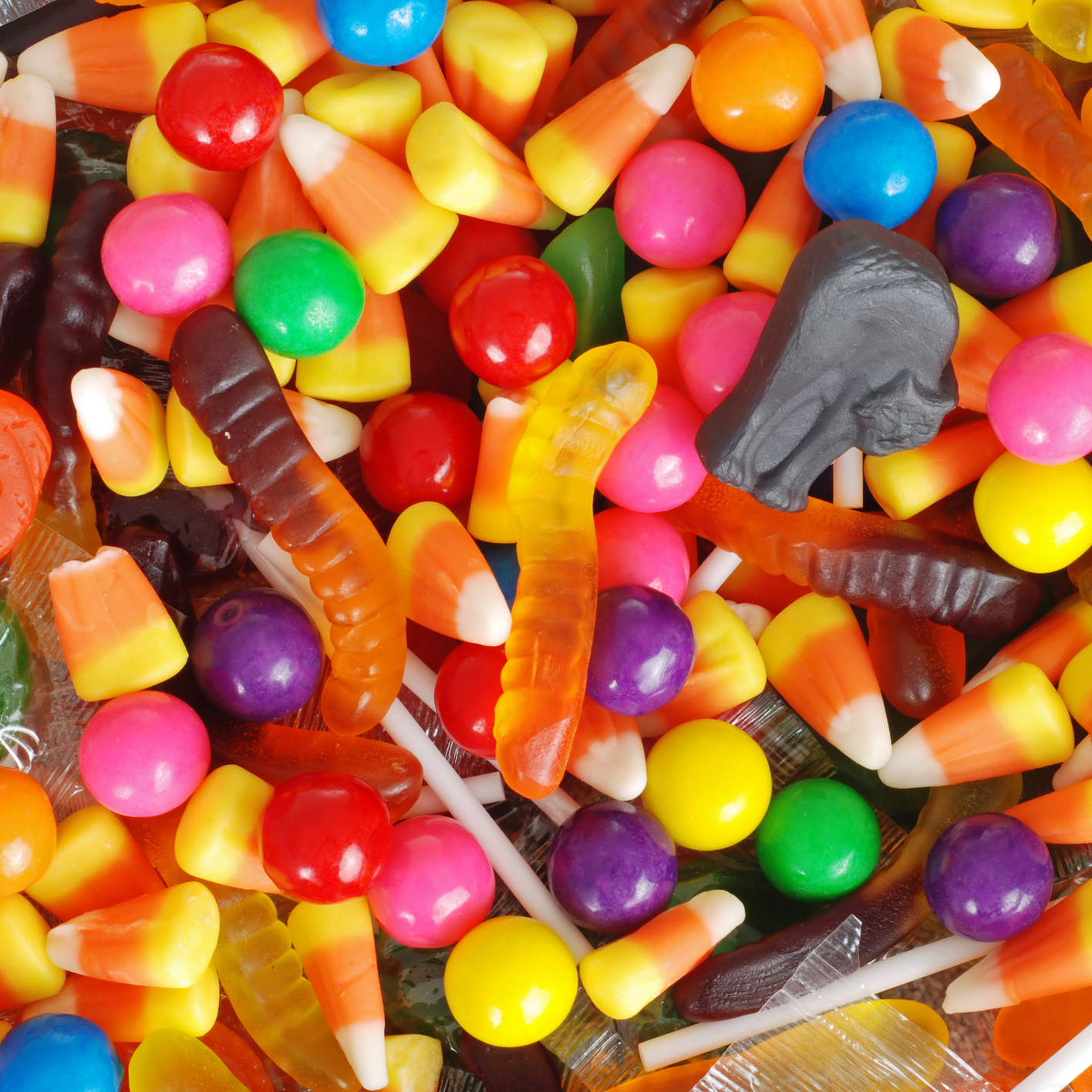
How is candy made?
Who invented candy? Why is it so sweet? Why does hard candy melt in your mouth? How are candy corn, gummies and nerds made? What makes pop rocks pop? We talk with traditional candy makers at Sticky in California and Hercules Candies in New York about how these sweet treats take their shape. And we get a little reminder about why we can’t eat sugar all day, every day.Download our learning guides: P
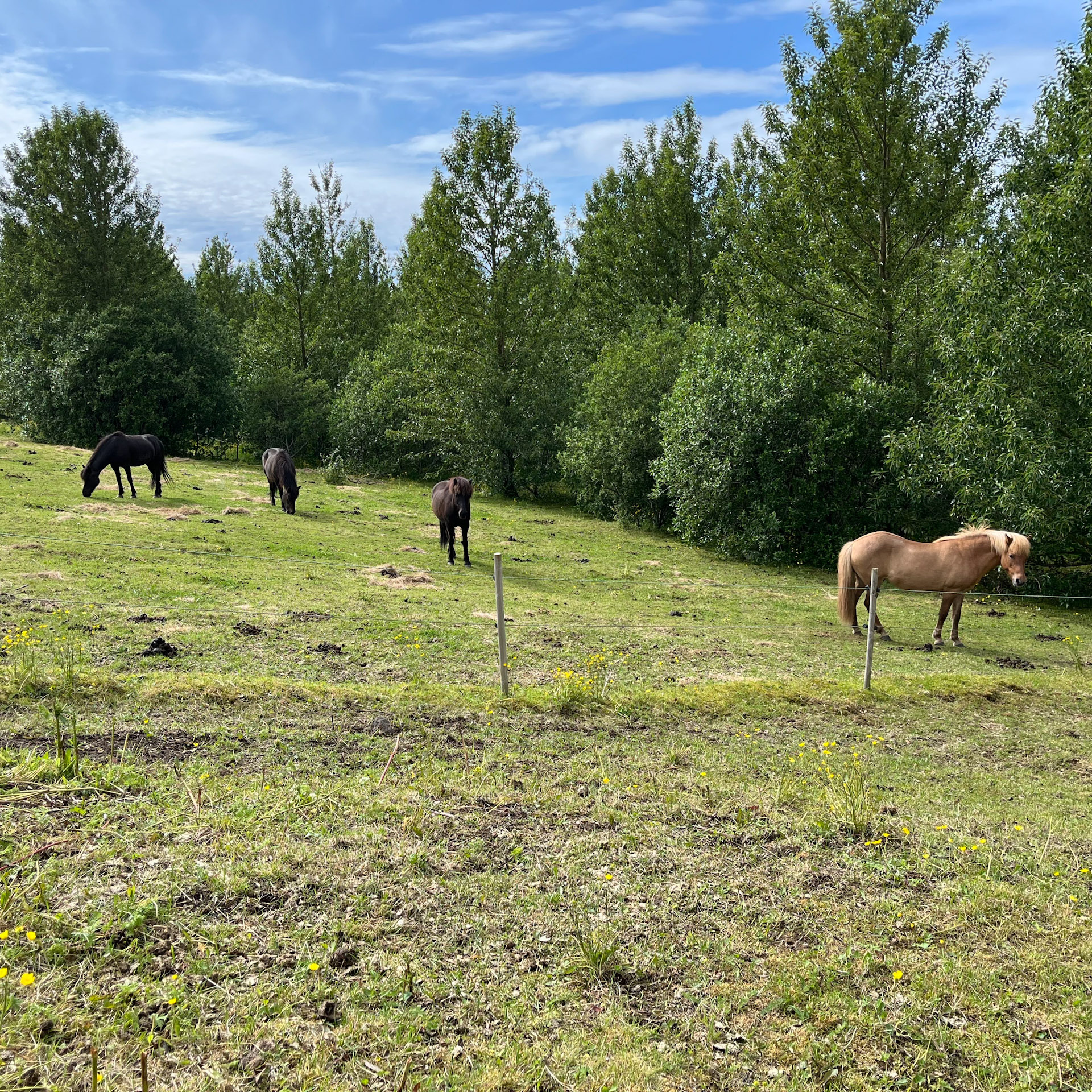
Why do horses sleep standing up?
Why are horses so big? Why do horses have tails and manes? How do their legs move? Are their bones in their hooves? What do they eat and how do they run and jump? We tackle those questions and more in this episode all about horses. We’ll also learn a little bit more about the unique horses in Iceland, where there’s a strict ban on horses coming in from other countries. But Why visited riding instr
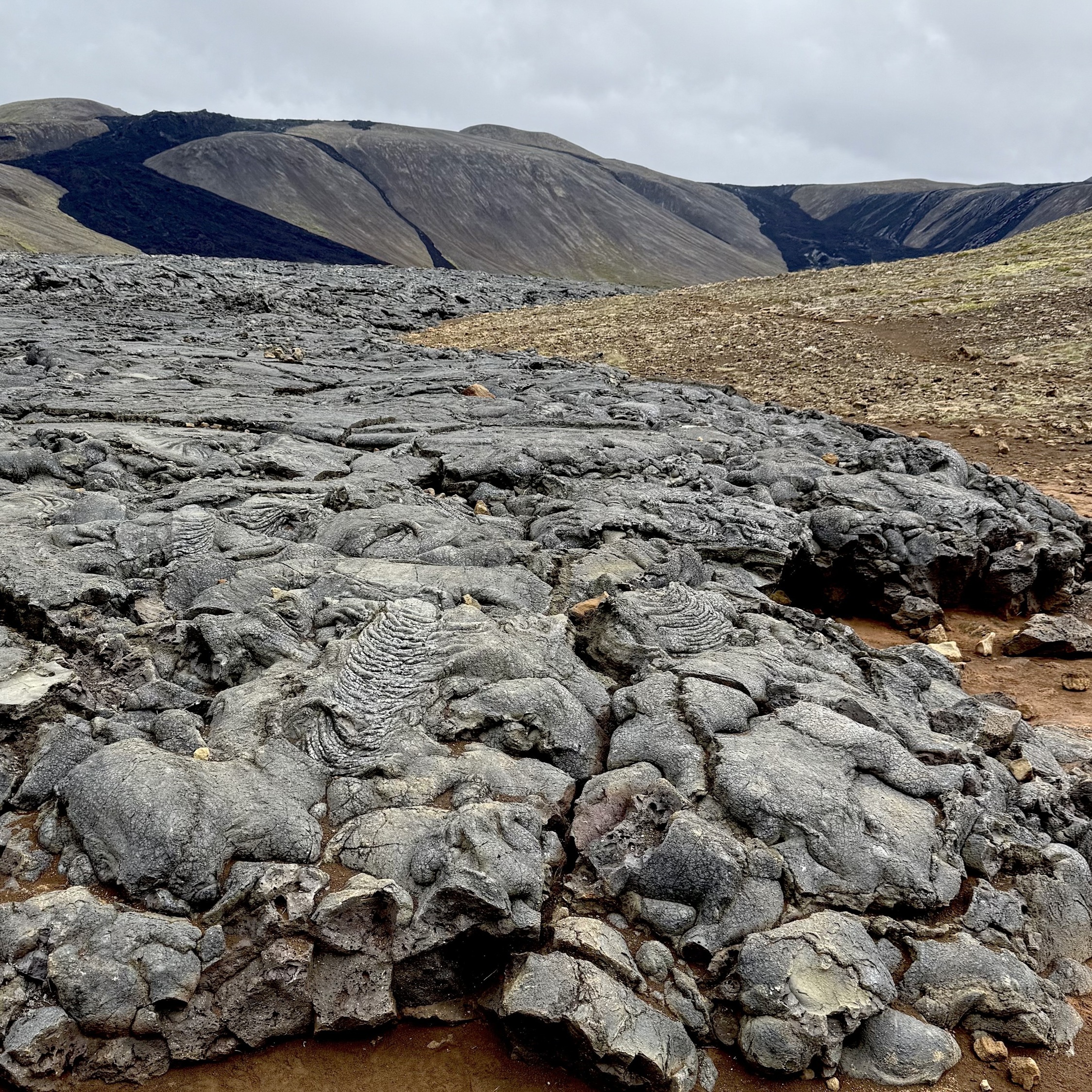
When did volcanoes start existing?
Volcanoes have been erupting on Earth for BILLIONS of years, and they’re still creating new landscapes today! Volcanoes can seem mysterious and scary, but people all over the world have learned to live in close proximity to active volcanoes. Today we answer questions you’ve sent us about how they form, how they erupt, what magma/lava is, and how volcanologists work to predict when they might erupt
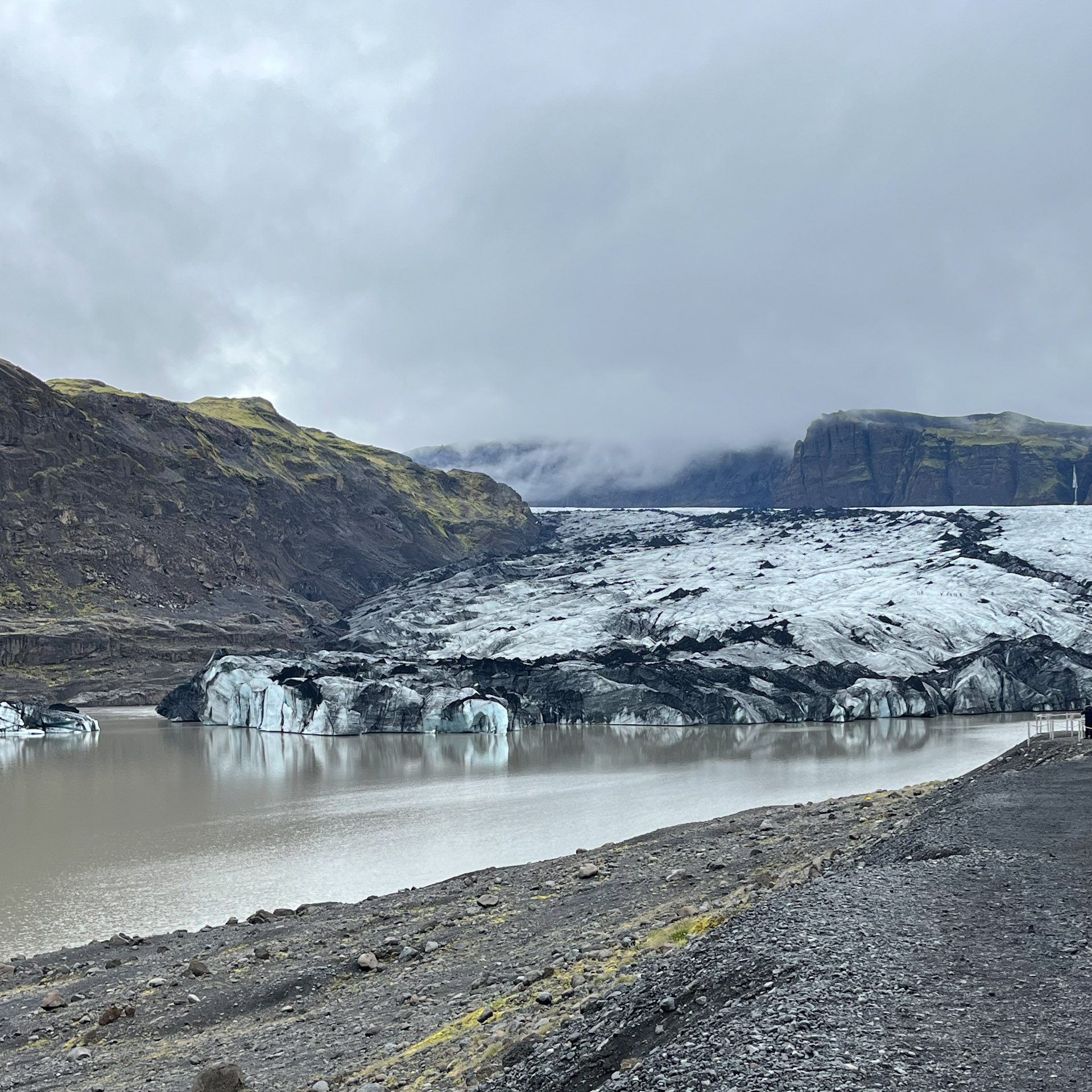
How are glaciers formed?
But Why went somewhere really cool - literally - and we’re taking you along! We visited Sólheimajökull, a glacier in southern Iceland and then talked with University of Iceland glaciologist Guðfinna Aðalgeirsdóttir to discover how glaciers are formed, why they can be different colors, and how they shape the land. (Do you know the difference between a V-shaped valley and a U-shaped valley? Glaciers
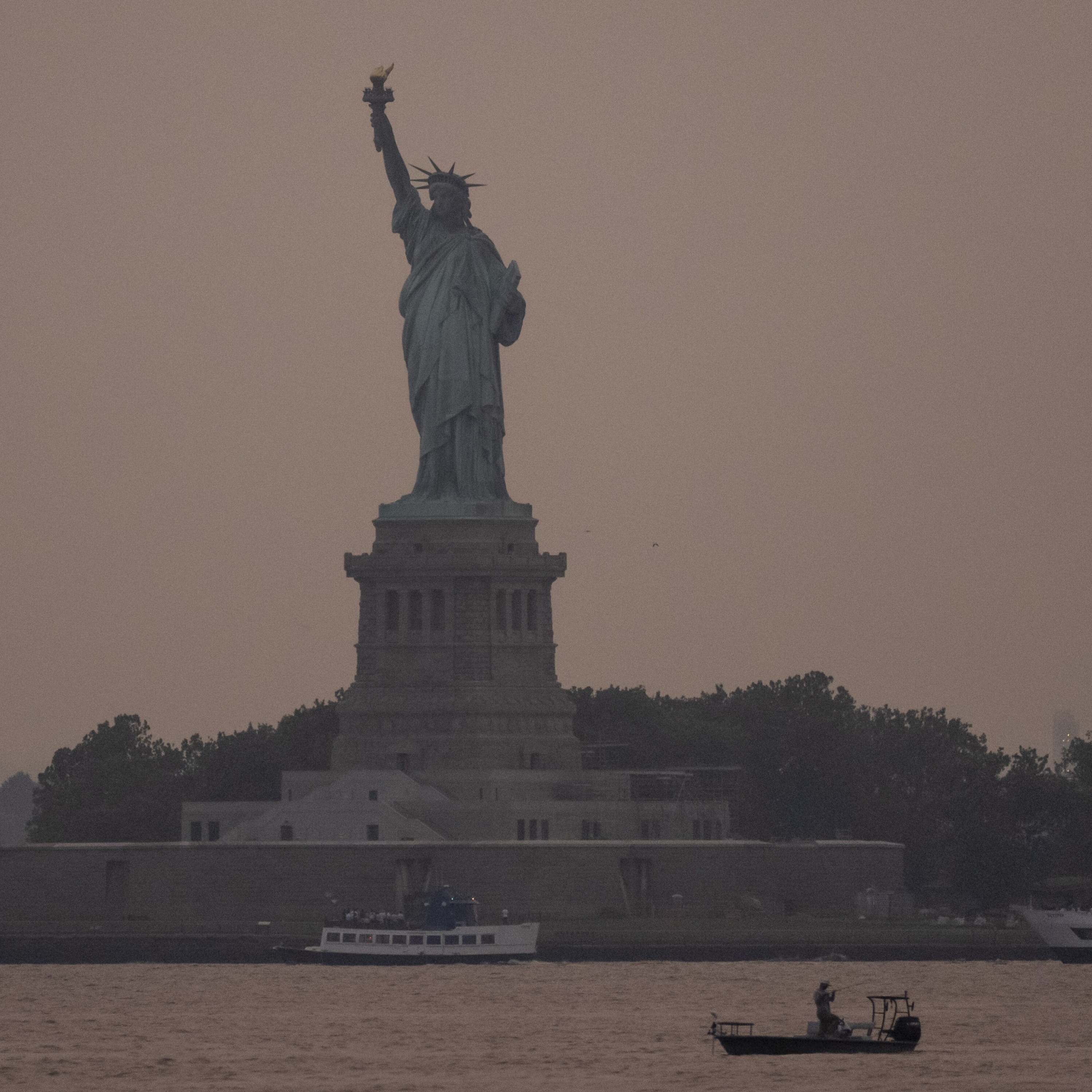
How does wildfire smoke travel so far?
Have you noticed especially hazy skies where you live over the last few summers? While many parts of the world are experiencing more frequent and intense wildfires, even places that are nowhere near the fires are being impacted by the smoke from fires hundreds or thousands of miles away. Wildfire smoke gets so high in the atmosphere, it can be blown across a continent in a matter of days. In this
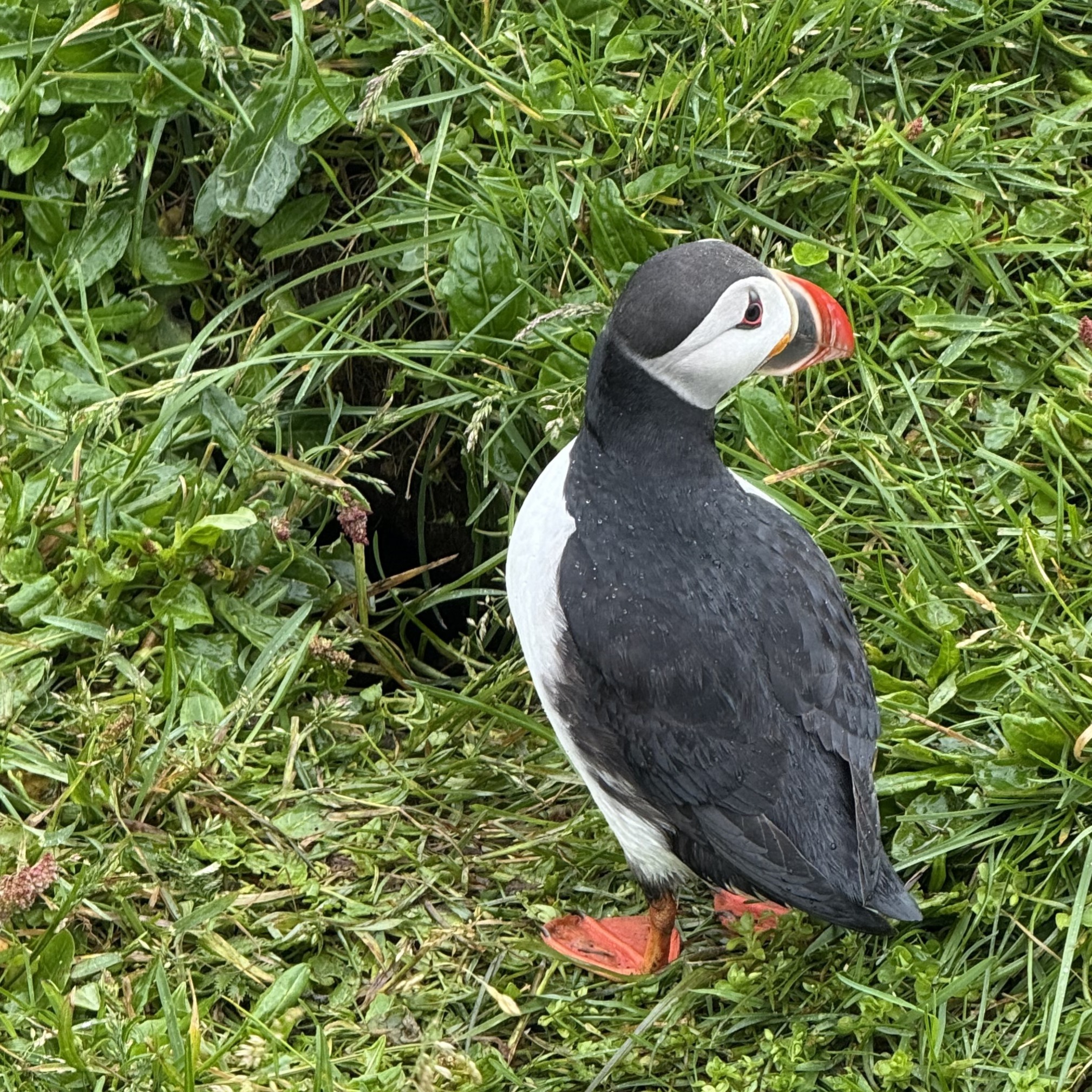
Why are puffins' beaks so colorful?
Have you ever seen a puffin? With their bright beaks, orange feet and black and white coloring, these birds are very cool to look at. And we’ve gotten a lot of questions about them! In this episode, we talk with Don Lyons, an educator and avian ecologist with the Seabird Institute in Maine. What are puffins? Why are puffin beaks so colorful? Why do puffins dig burrows? How do puffins learn to fly?
Who invented the English language?
Where did the English language come from? Why do words have silent letters? Why do some people have accents? Why do some words sound similar? Answers to all of your questions about English and words with sociolinguist Erica Brozovsky, host of a PBS digital show called Otherwords. Download our learning guides: PDF | Google Slide | Transcript
Chameleons, jellyfish and ballerinas! Check out But Why Bites
For today’s episode, we’re doing something a little different! We’re going to be listening to our video series, But Why Bites! (Even without the video part, they’re really cool!) Every other week over on our YouTube channel, we answer one kid question in a short and sweet little video. You can find all of them at the But Why Kids channel while you enjoy this compilation of episodes that we’re call
Who created math problems?
Who created math problems? Why does one plus one equal 2 and not 11? Why do numbers go on forever? Why are numbers for counting? Why do you need math?If you love math, this is the episode for you. And if you hate math…this is the episode for you! We’re answering all kinds of questions and demystifying the science and beauty of the discipline of mathematics with Dr. Melania Alvarez, outreach coordi

Why do some people like spicy food?
Ever wondered why some spices burn your throat while others tickle your nose? Or why some of us live for spicy foods while others sweat at the mere thought of a habanero? How do pickles stay crunchy if they’re sitting in brine for weeks on end? And why do we have such different food preferences from our friends? We’re answering your food questions with chef and author Kenji López-Alt, author of th
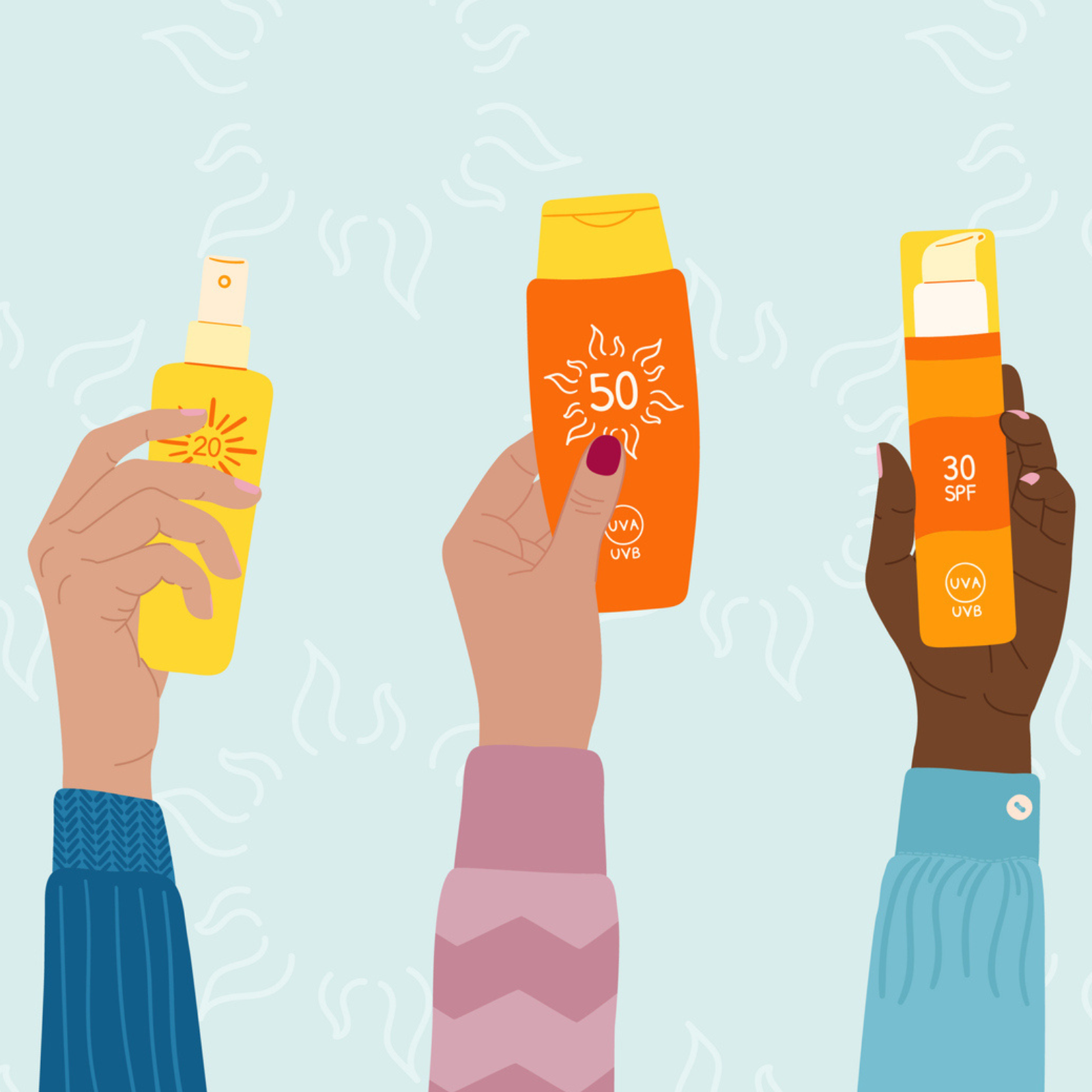
Why do we need to use sunscreen?
It’s summer and that means slathering yourself with sunblock before you’re allowed to go run around outside. Not everyone loves that ritual: sunscreen can be cold or sticky. Sometimes it gets in your eyes, and it always feels like it’s time to reapply JUST as you’re about to jump in the water or go kick the ball. So, what’s the deal? Is it really all that important? We get the scoop from Dr. Jeff
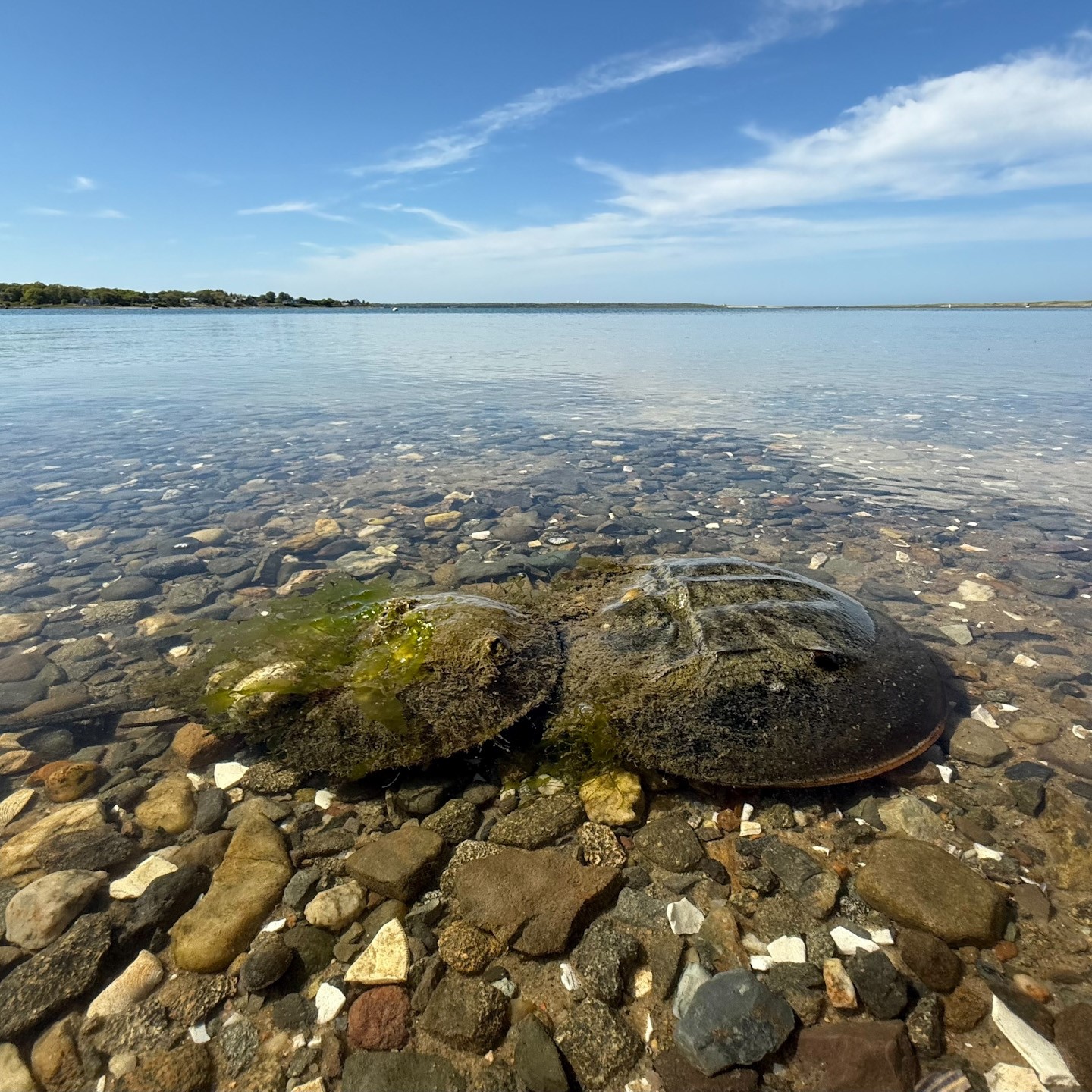
Are horseshoe crabs…crabs?
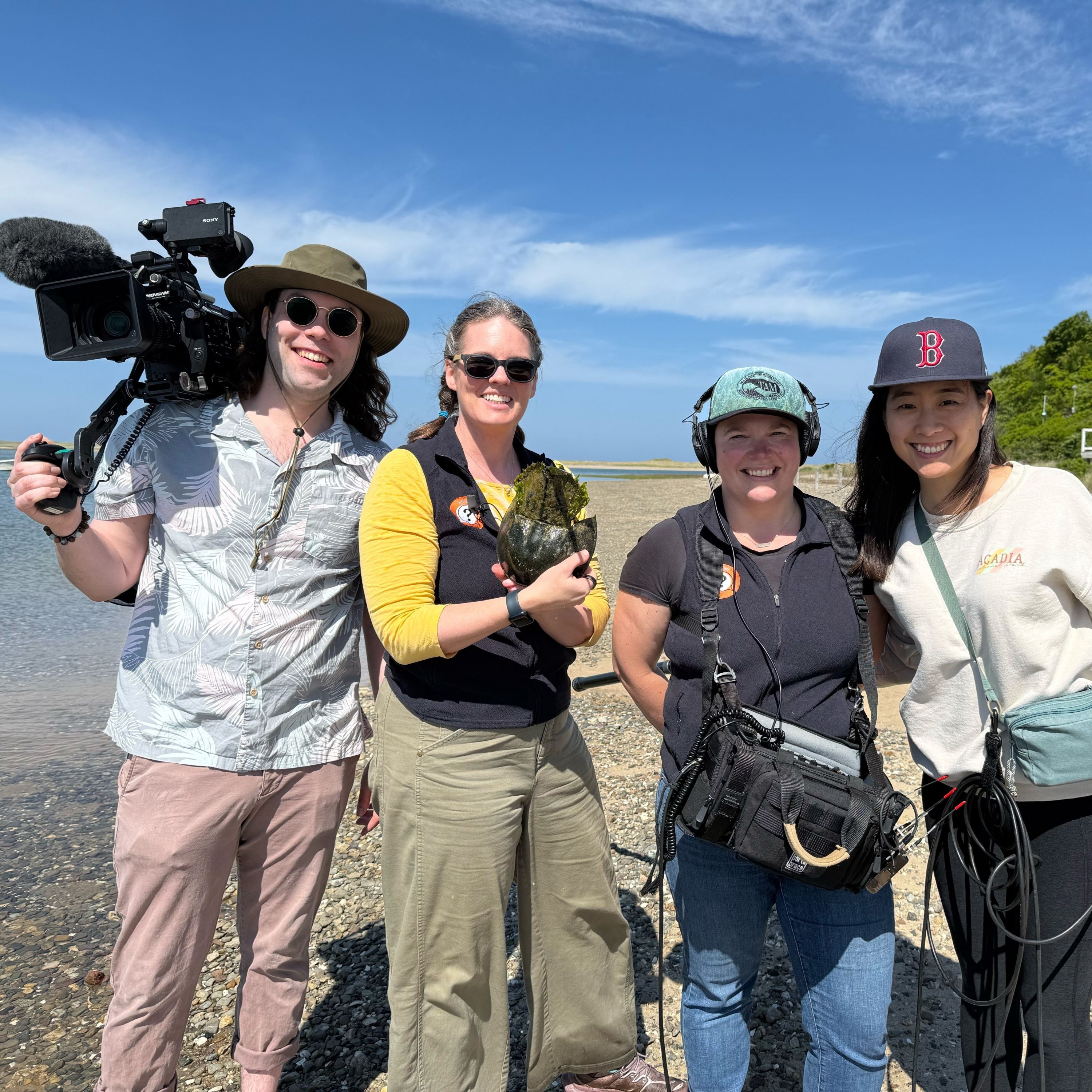
How did horseshoe crabs get their names? Are they even crabs? And did they really exist before the dinosaurs? Early spring presents a unique opportunity to see these living fossils up close as they scuttle up to the shoreline along the Atlantic coast of the United States to mate and spawn. But Why traveled to Cape Cod to see horseshoe crabs up close. There we met up with horseshoe crab expert Sara
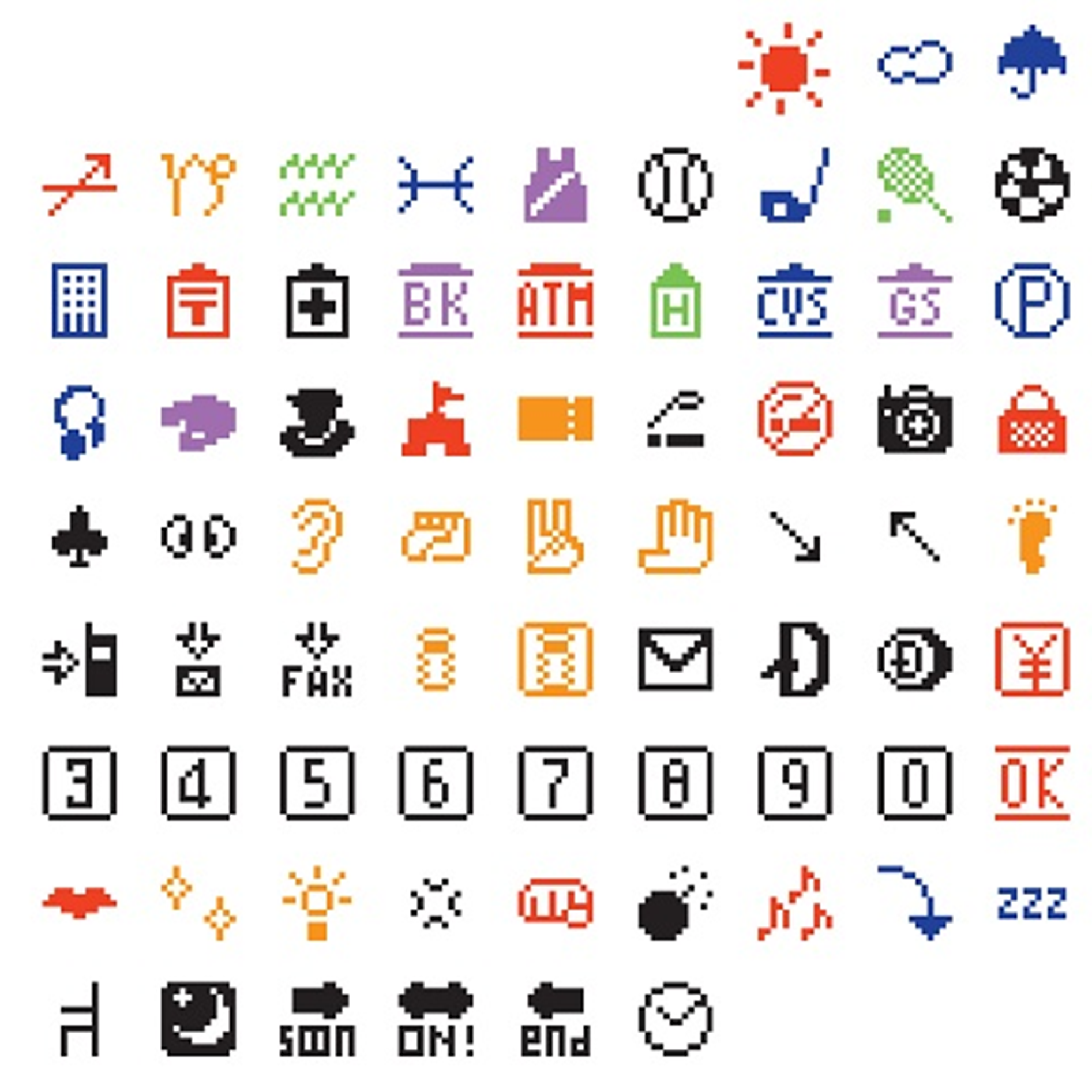
Who invented emoji?
Emoji are those little images you can send in text messages to friends and family. Nine-year-old Leila in New Jersey wants to know how they were invented. So in this episode we find out with Jane Solomon, editor at Emojipedia and Paul Galloway of the Museum of Modern Art in New York. We learn what the first emoji looked like, way back in the dark ages of the 1990s and we explore how emoji may be a
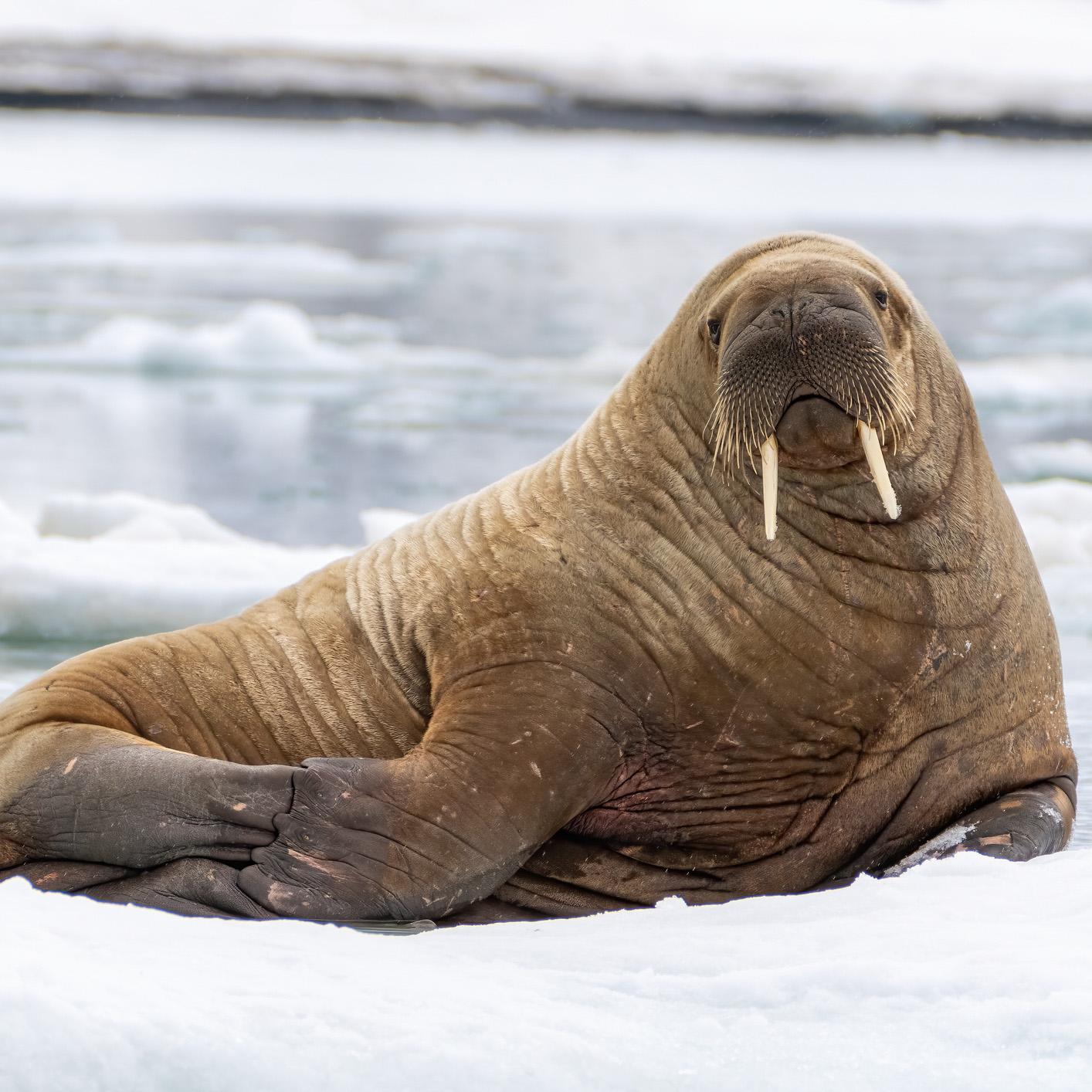
Why do walruses look so weird?
Why do walrus look the way they do? Why do they have such long tusks? Do they have other teeth? Do walruses migrate? We learn all about these majestic giants with Adam Ratner of the Marine Mammal Center in Sausalito, California.Download our learning guides: PDF | Google Slide | Transcript
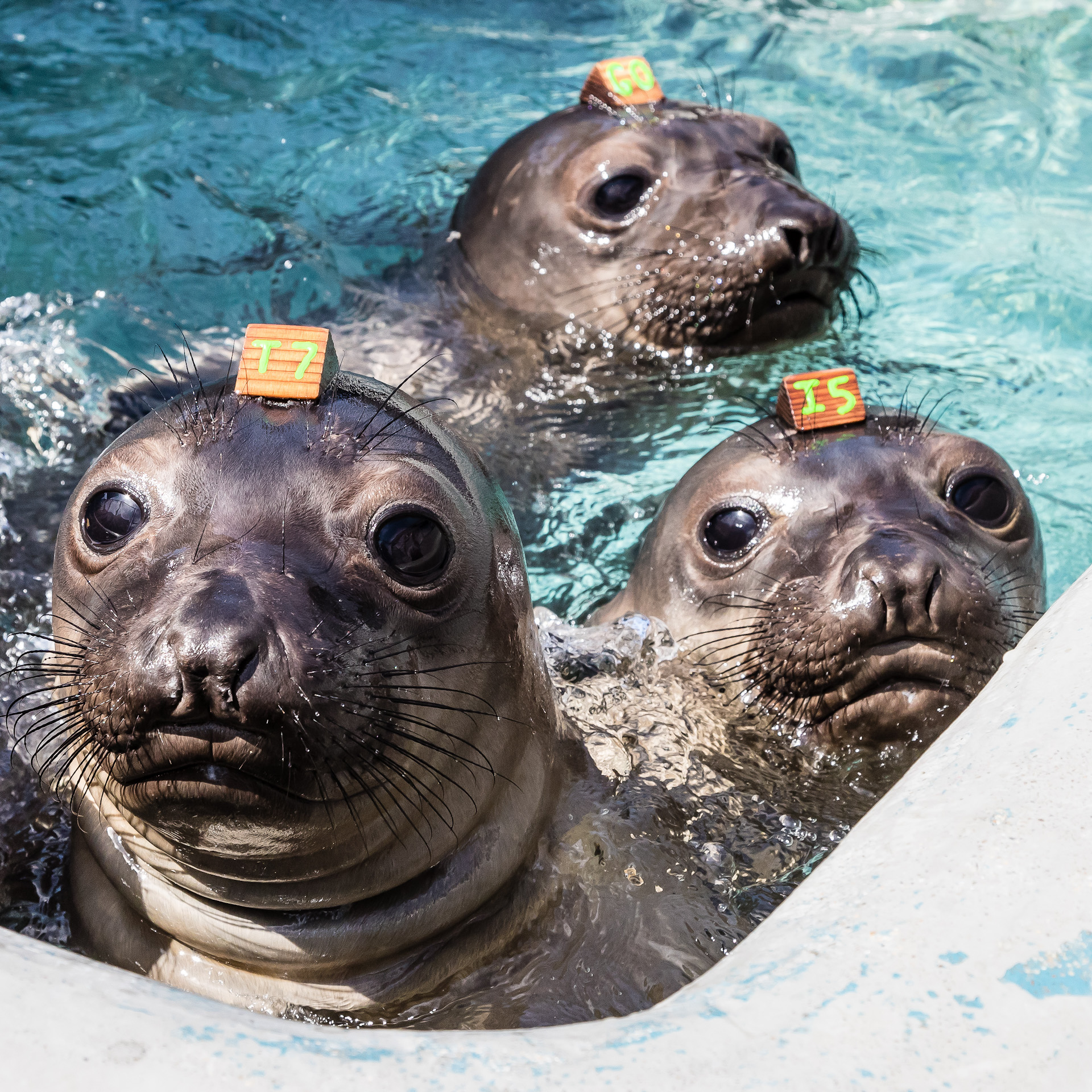
What’s a seal? What’s a sea lion?
What’s the difference between seals and sea lions? Do seals bark? Are they gray? Do harbor seals live in snowy regions? Why do sea lions eat fish? Why do sea lions fight each other? Seals and sea lions are pinnipeds, fin-footed marine mammals, and we’re learning all about them today with a visit to the Marine Mammal Center in Sausalito, California, where marine biologist Adam Ratner answers all yo
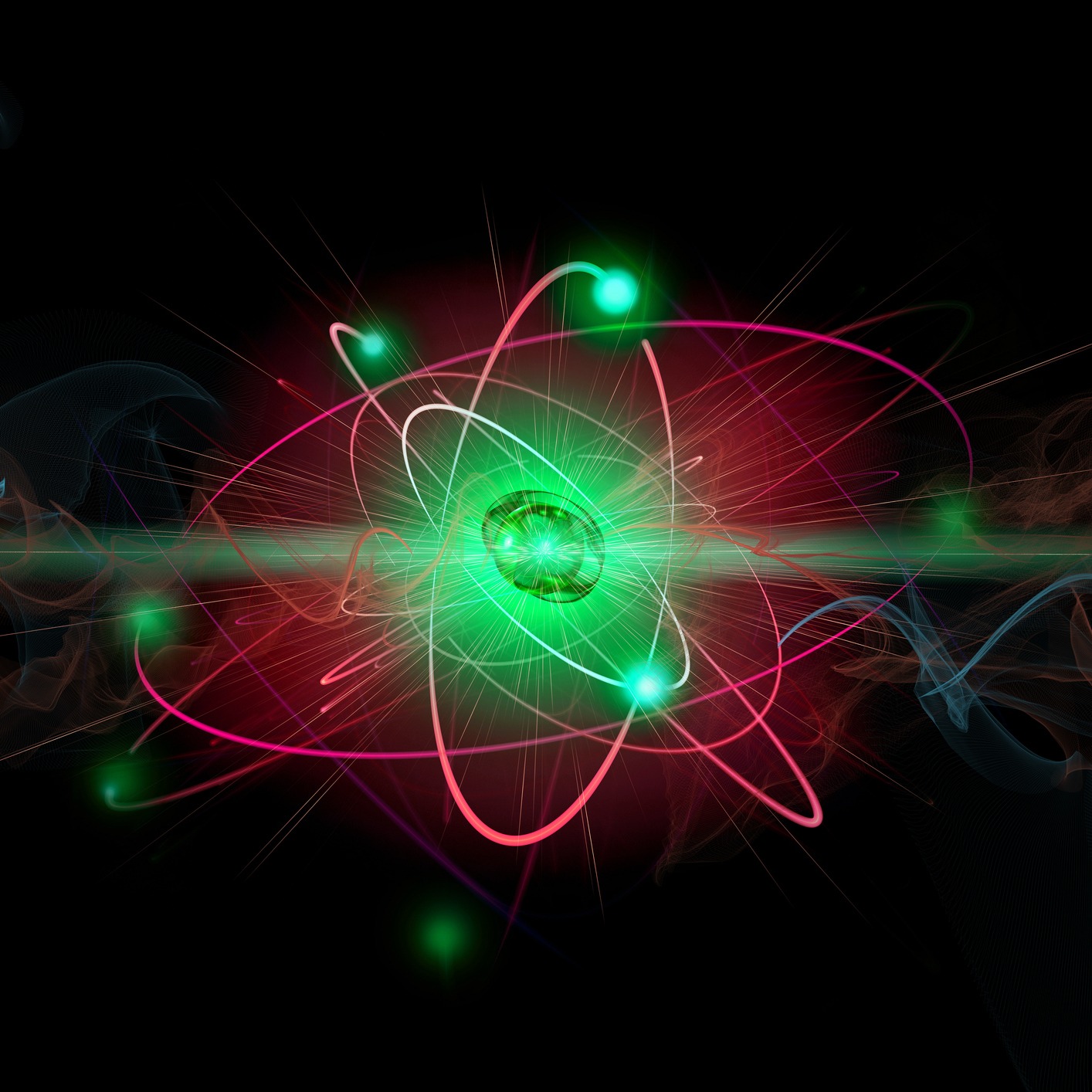
Do atoms never touch?
What are atoms made of? Why is everything made of atoms? Why are atoms so small? How many atoms are there in the world? How did scientists find atoms if we can’t see them? How do atoms get their color? We learn about atoms with Dr. Ben Still, author of “Particle Physics Brick by Brick” and “The Secret Life of the Periodic Table.” His new book, “How the Universe Works,” will be released in Septembe
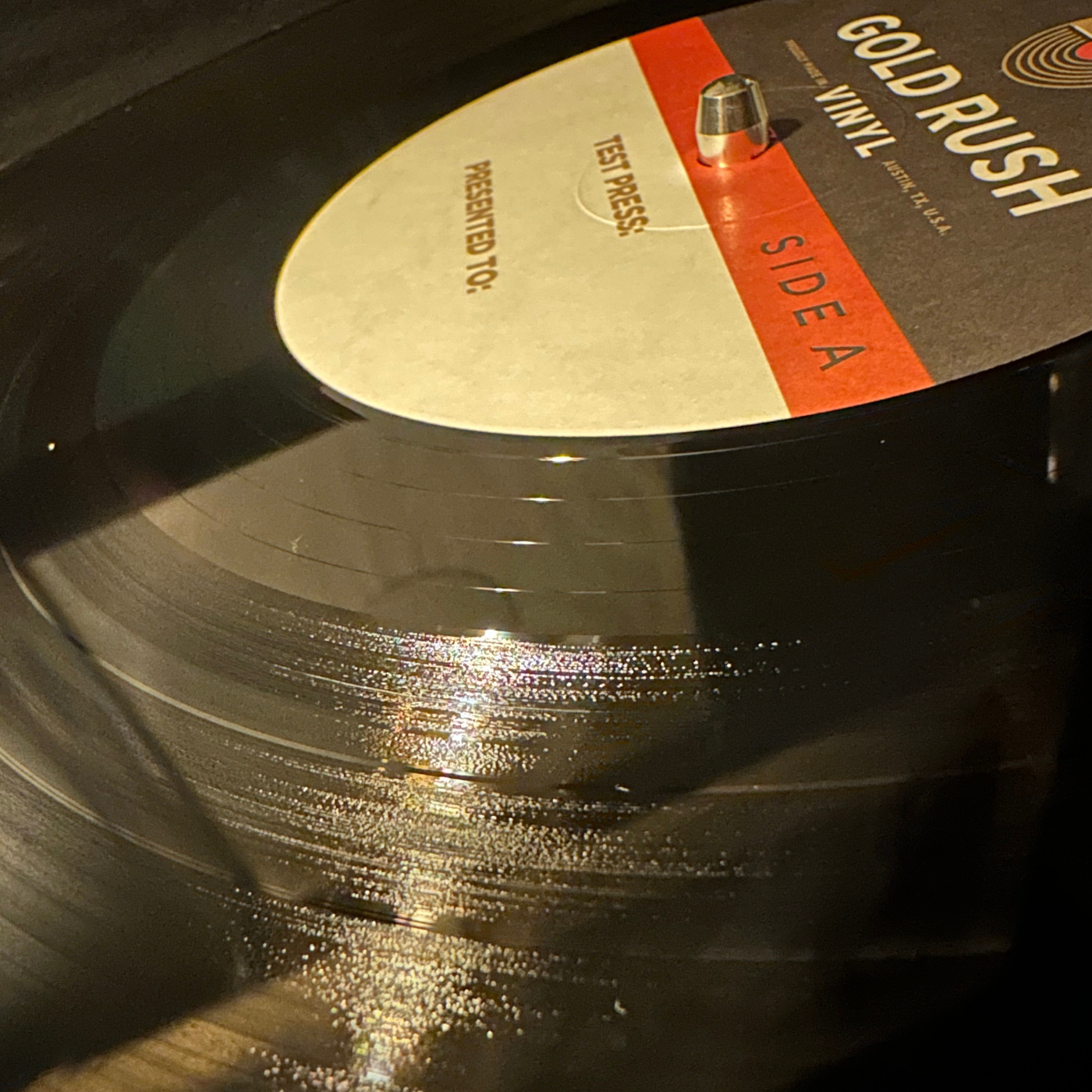
How are records made?
How are records made? How does a record player make sound? Why are we still listening to and buying records when there are so many digital ways to listen to music?! But Why visits Gold Rush Vinyl in Austin, Texas to learn how little plastic beads become brightly colored records that can play back your favorite music or sounds. Download our learning guides: PDF | Google Slide | Transcript
Who invented tacos?
Do you love tacos? Then you’re not alone! Tacos originated in Mexico but they’re popular worldwide and they are ever evolving. Kids have a lot of questions about this favorite food so we visited Nixta Taqueria in Austin, Texas to learn more! Who made the first tacos? And where? What’s the deal with crispy shells vs. soft tortillas? Why do tacos have sauce? Why does corn come in so many different c
What are taxes and tariffs?
No matter how old you are, you’re part of the economy, but it can be tricky to understand what the economy actually is. Plus, what are taxes? What’s inflation? What are tariffs and why have they been in the news so much in 2025? In this episode, we break down economic terms and concepts with business reporter Stacey Vanek Smith.Download our learning guides: PDF | Google Slide | Transcript
Are tapeworms sticky?
Fleas, lice, tapeworms and ticks - these are all examples of parasites, living organisms that live on or in a host species and need this other organism to complete their complex life cycles. Sounds bad, but parasites are essential to a healthy ecosystem! And our guest for this episode says they’re also fascinating and even beautiful. Parasite ecologist Chelsea L. Wood, author of Power to the Paras
Why do trains run on tracks?
How do trains work? We went to Union Station in Washington, DC to answer a whole wagonload of questions with Amtrak's Patrick Kidd.A few years ago, we left our studio in Vermont to hop on the Amtrak Acela train that runs multiple trips per day between Washington, DC, New York City and Boston. But don't worry; we got off before the train departed! It was so much fun, we wanted to bring you that jou
How do you whistle?
How do people whistle? How does whistling make a sound? Why does your tongue change a whistle higher or lower? Can you get a trophy for whistling? Can people with laryngitis whistle? Get ready, we learn all about whistling with musician and champion whistler Emily Eagen and musician Yuki Takeda. And who whistles our theme song? We'll hear from musician Luke Reynolds, and a kid whistling chorus fro
Are wild cats afraid of water?
Are all cats afraid of water? Do wild cats bury their poop? How are the cats that live in your house related to lions and tigers roaming in the wild? We take a walk in the woods with wildlife biologist Emily Carollo. She works with a conservation and research organization called Panthera that’s dedicated to helping all 40 species of wild cats in the world. Why do cats live in different habitats? W
What would your superpower be?
If you could be a superhero, what would you want your superpower to be–and what would you call yourself? That’s what we asked kids for this special end-of-year episode, and we got some amazing answers! Some kids want to fly. Some want to go back in time. One wants to be able to draw everything perfectly the first time. And a surprising number of kids want a super ability to do math!Stories about h
Who decides what robots look like?
Who decides what robots look like? How do robots work and move? How are they controlled? And are robots alive? We tackle all your robot questions in this episode, and we’re taking a field trip to a local factory that uses hundreds of robots to help humans do their jobs. GlobalFoundries, in Essex Junction, Vermont makes microchips that go in all kinds of electronics. In fact, if your adults have a
Why can’t animals talk to us?
Why can’t animals talk to us? Are humans the only animals that can talk? Can different species of animals communicate with each other? We learn about animal communication with Arik Kershenbaum, author of Why Animals Talk: The New Science of Animal Communication. He studies wolves, gibbons, dolphins and hyrax to learn how they communicate. Also in this episode: why are parrots able to speak human w
How does food turn into poop?
Why do we have to poop? Why does fiber make you poop? Why is poop brown? Why does it smell so bad? Why do farts smell bad, too? Yup, we’re going there! In this episode, Mary Roach, author of Gulp: Adventures on the Alimentary Canal, answers your questions about those things that we’re told not to talk about in polite company: poop and farts. We learn how astronauts use the bathroom in space and ho
Why do we have anxiety?
Why do we worry and how can we deal with it? Why do we get anxious? Where does anxiety come from? Anxiety or worry is a hard feeling to overcome, but it’s a universal human emotion. In this episode, we explore anxiety with clinical psychologist Eileen Kennedy-Moore, also known as Dr. Friendtastic. She helps us understand why moderate anxiety is useful and necessary. But too much worry can prevent
How do we vote?
Election Day in the United States is November 5 this year and election officials across the country are already hard at work setting up polling places and processing mail in ballots. Even if you’re not old enough to vote, you can be part of the process. You can watch voting machines be tested, observe the polling places on Election Day, or even watch votes be counted once the polls close. (Sometim
What are red states and blue states?
What is voting? Why (and how) do people vote? Why can’t kids vote? Why are there red and blue states (not to mention donkeys and elephants representing political parties)? How can someone win the most votes but still lose the presidential election? We’re answering kid questions about elections with Bridgett King, a political scientist at the University of Kentucky. Download our learning guides: PD
Introducing ChopChop: Let's Get Corny!
A new food-focused kids podcast is here. It’s called ChopChop and it’s part of a non-profit committed to getting kids and families to cook and eat meals together. Explore tasty recipes on their website! They also publish a quarterly magazine in English and Spanish (a good way to practice a second language). We contributed to their very first episode and we have to say, it’s the corniest episode yo
How do broken bones heal?
Why do we have bones? How do they grow–and how do they know when to stop growing? How many do we have in our bodies? And when we break our bones, how do they heal? What do casts do? And how do you know if you’ve broken a bone? Broken bones are a common occurrence in kids. Up to 40% of girls and up to 50% of boys will break a bone in their lifetime. In this episode, we learn about the role of bones
How do wind turbines work?
How do wind turbines work? How are wind turbines made? What will our energy picture look like in the future? We’re taking a deep dive into wind power, and trying to make the technology understandable, with Josh Castonguay of Vermont utility Green Mountain Power. Download our learning guides: PDF | Google Slide | Transcript
Do earthworms have eyes?
Come along to learn all about the wriggling worms that live in the dirt beneath your feet. Earthworms are everywhere, and there are many species of worms yet to be discovered. How do worms communicate? Why do worms have slime? Why do worms come out when it rains? Answers to all of your worm questions with earthworm detective Sam James. Plus, we learn about worm composting with a kid who’s in charg
How do we learn to swim?
But it’s important to know how to swim if you’re going to be around water! In this episode, Upper Valley Aquatic Center Swim School Director Kana Wyman gives us swimming tips, like how to get comfortable putting our heads in the water, how to float and more.Download our learning guides: PDF | Google Slides | TranscriptA few tips for getting started:
If you don’t live near a pool or body of water,
What’s it like to compete in the Olympics?
We’re celebrating the Olympics and Olympic athletes with an episode chock full of the interviews we’ve done with Olympians. Plus we answer some of the Olympic-themed questions you’ve sent us, starting with: what’s all the hype about winning a big piece of metal? And are those medals really made out of gold, silver and bronze? And we speak with Paralympian Emelia Perry, who’s competing in the parat
Why do we wear clothes?
Have you ever been threading one leg through a pair of pants in the morning and wondered…why do we wear clothes anyway? Or wondered why pockets in clothing designed for girls are sometimes smaller than the pockets in clothing designed for boys? In this episode we tackle questions about clothes with fashion historian and writer Amber Butchart.Download our learning guides: PDF | Google Slides | Tran
Who invented pizza?
How is pizza dough made? How does gluten-free dough rise? Who invented pizza? Is there pizza in every country? Is yeast alive?! Kids love pizza and they have questions! We get answers from Frank Pinello of Best Pizza in Williamsburg and Scott Wiener of Scott’s Pizza Tours. Download our learning guides: PDF | Google Slide | Transcript
Why do oranges have peels?
Why do oranges have peels? Why is the inside of an orange segmented? Why are lemons and limes so sour? Why do lemons have seeds but limes don’t? Why does fruit have juice? How many oranges are in a gallon of juice? How do seedless oranges reproduce? How are oranges available year-round? Why are the fruit and the color both called orange? We’re answering questions about citrus with Fernando Alferez
Do people eat bugs?
Yes! In many parts of the world, insects are a regular part of people’s diets. Bugs are an efficient source of protein, and many cultures find them delicious. Some countries, like the US, don’t have a strong culture of insect cuisine, but that’s starting to change as people look for ways to feed a growing global population without using as many resources as we currently do. So insects might be an
Why do cicadas come out every 17 years?
This spring, trillions of periodical cicadas are emerging from the ground, where they’ve spent 13 or 17 years feeding on xylem (basically, tree juice). The two specific broods emerging this year have not come out at the same time since 1803, and kids may be hearing a lot of news about these loud insects. So today we’re tackling the cicada questions you’ve sent us: Why do cicadas come out every 17
Where does the sky end?
Where is the border between sky and space? That's what 5-year-old Matthias of Durham, New Hampshire wants to know. Alesandra, 3 of Bella Vista, Arkansas wants to know why we can't hold air. In this episode from 2020, we’re joined by anthropologist Hugh Raffles, a professor at The New School, and by astronomer John O'Meara, chief scientist at the Keck Observatory. And we have special scoring by cel
What's cool about cockroaches?
That’s a question a lot of people have, honestly. But a kid named Rosie was bold enough to ask us to investigate why. So, in the latest episode, we dig in on why cockroaches get such a bad rap and why you might want to reconsider if you’re not a fan.Only two percent of the world’s cockroaches are considered pests. Those are the ones that can live in houses and potentially make us sick. But the vas
How do crocodiles chomp?
Why do lizards have scales? Why are reptiles cold-blooded? Why do lizards have long tongues? How do lizards grow their tails back? Are crocodiles dinosaurs? What’s the difference between an alligator and a crocodile? Why do crocodile eyes look like they have mirrors in the back? How do crocodiles chomp? Why do crocodile teeth stay sharp? Why are crocodiles green? Why do crocodiles swim? Answers to
Why do ballerinas wear ballet shoes?
Why do people dance? Where did ballet come from? How do you make pointe shoes for ballet? How does practice make you better at things? But Why visited Dance Theatre of Harlem to get answers to these questions with company artists Derek Brockington and Lindsey Donnell.
Download our learning guides: PDF | Google Slide | Transcript
What is a solar eclipse?
A solar eclipse is coming to North America on April 8, 2024. The moon will line up perfectly between the Earth and the sun, blocking out the sun’s light and casting a shadow that will pass over parts of Mexico, the United States and Canada. People in the path of totality will experience a few minutes of darkness during the day as the moon perfectly covers the sun. Those not in the path of totality
How do invasive species take over?
Why are there Burmese pythons and chameleons in the Florida Everglades? We might not know how those animals arrived but they are causing damage to the natural ecosystem. An invasive species out competes native plants and animals in an ecosystem. So how does this happen? But Why travels to the Everglades to learn more about how and why species end up in places they shouldn’t. Plus, why are we somet
Can snowstorms have thunder?
How is snow made and what’s it made out of? Why is it white and sparkly? Why do snowflakes look different? Can snowstorms have thunder? Why do some places, like mountains, get more snow than others? Answers to all of your questions about snow, with Seth Linden, who works for the National Center for Atmospheric Research in Boulder, Colorado. Plus we hear what it’s like to live at the top of Mount
Why do we need glasses?
How do glasses work? Why do some people need glasses and other people don’t? Why do we have different eye colors? We answer your questions about glasses and eyes in the second of two episodes with Dr. Sujata Singh, a pediatric ophthalmologist at the University of Vermont Medical Center. And we hear from Maggie, a kid with low vision, about what it’s like to need glasses.
Download our learning g
Why do we have two eyes if we only see one image?
What shape are our eyes? What are they made of? How do they work? What’s the point of having two eyes if we only see one image? Why do we blink? What’s the point of tears and why are they salty? We answer your questions about eyes in the first of two episodes with Dr. Sujata Singh, a pediatric ophthalmologist at the University of Vermont Medical Center.
Download our learning guides: PDF | Google
What if the world started spinning backward?
We’ve collaborated with our podcast friends at What If World to bring you the first (and only) episode of…But Why If World! In this episode we jointly answer some “what if” questions. What if cereal could talk to us? What if dinosaurs didn’t lay eggs? What if the world started spinning backwards? Take a listen to this curious collaboration.
Download transcript
What makes you happy?
For our last episode of each year, we often like to ask our listeners around the world to send us something fun. This year, we wanted you to tell us what makes you happy and you had a lot to share on that topic! Our listeners find happiness in spending time with friends, family, and pets and in doing activities they love: playing with friends, toys, arts and crafts, participating in sports, watchi
What's it like to be bilingual?
Almost half the people in the world speak at least two languages. And, it turns out, that includes a lot of But Why listeners! In this episode we talk about what it’s like to speak multiple languages and kids from around the world share phrases in many different languages so we can all learn something new! Plus, linguist and professor Anna Babel answers questions we’ve gotten about languages, incl