Literacy in Color: A Science of Reading Aligned Podcast for Educators
Literacy in Color is a podcast for elementary teachers, literacy coaches, and reading interventionists who want to apply the Science of Reading in engaging ways. Hosted by Michelle Sullivan, a seasoned literacy expert with over a decade of experience, the show offers practical tips, proven strategies, and creative ideas for phonics, morphology, vocabulary, and comprehension. Each episode aims to make literacy instruction colorful and impactful, helping all learners become confident readers.
Episodes

118. Parents for Reading Justice: How Parents are Changing the Literacy System with Brett Tingley (Dyslexia Awareness Month)
Connect with Michelle:Visit: www.michelleandthecolorfulclassroom.comFollow me on Instagram: @michelle_thecolorfulclassroom & @logosliteracyacademyJoin our Facebook CommunitySign up for my NewsletterShop on TPT: The Colorful ClassroomFor Phonics Resources, grab: The COLORFUL Phonics ToolkitWant to Support the Podcast?Make a Donation to Support ProductionInterested in Learning More about Morphol

Beyond Phonics Club is Here! Let's Connect the Pieces of Literacy with Michelle Sullivan & Sarah Paul
Phonics is foundational — but it's not the finish line!You've learned about phonemic awareness, phonics, and decodable text — but what happens when words get longer? When spelling gets more complex and sound alone doesn't tell the whole story? When students can read a word but don't fully understand how it works?There's a bigger picture of literacy to explore, and we want to help you connect the p

117. Beneath the Surface of Words: What English Spelling Reveals and Why It Matters with Sue Scibetta Hegland
What if the English spelling system isn't nearly as irregular as we've been led to believe? What if the letters we sometimes call “silent” are actually telling us something important about a word's structure, identity, or history?Sue Scibetta Hegland, author of Beneath the Surface of Words: What English Spelling Reveals and Why It Matters joins the show for a fascinating conversation about what li

116. All 50 States Have Dyslexia Laws... So Why Are Kids Still Being Left Behind? with Missy Purcell (Dyslexia Awareness Month)
All 50 states now have dyslexia legislation on the books. So why are so many students with dyslexia still caught in a “wait to fail” system? Dyslexia advocate, Missy Purcell joins the show to explore the gap between passing legislation and actually changing outcomes for students.Missy shares the deeply personal story of advocating for her own son after watching him go from a child excited to start

115. From Undiagnosed Dyslexia to Advocacy: Ameer Baraka on the Life-Changing Power of Reading (Dyslexia Awareness Month)
Emmy-nominated actor, dyslexia advocate, and speaker Ameer Baraka explores the human side of unidentified dyslexia. Ameer takes us back to his childhood, when difficulties with reading left him feeling isolated, ashamed, and convinced that he simply wasn’t capable of learning. As his struggles went unidentified, school felt like it wasn’t a place of possibility, and he began searching for another

114. But what exactly are we "waiting to see"? with Barb Golub (Dyslexia Awareness Month)
What does dyslexia actually look like – from preschool through high school – and how can educators recognize when a student’s struggles may be telling us something more?In this Dyslexia Awareness Month bonus episode, Certified Dyslexia Therapist and teacher educator Barb Golub joins the show for an honest, practical, and incredibly fun conversation about recognizing and supporting students with dy
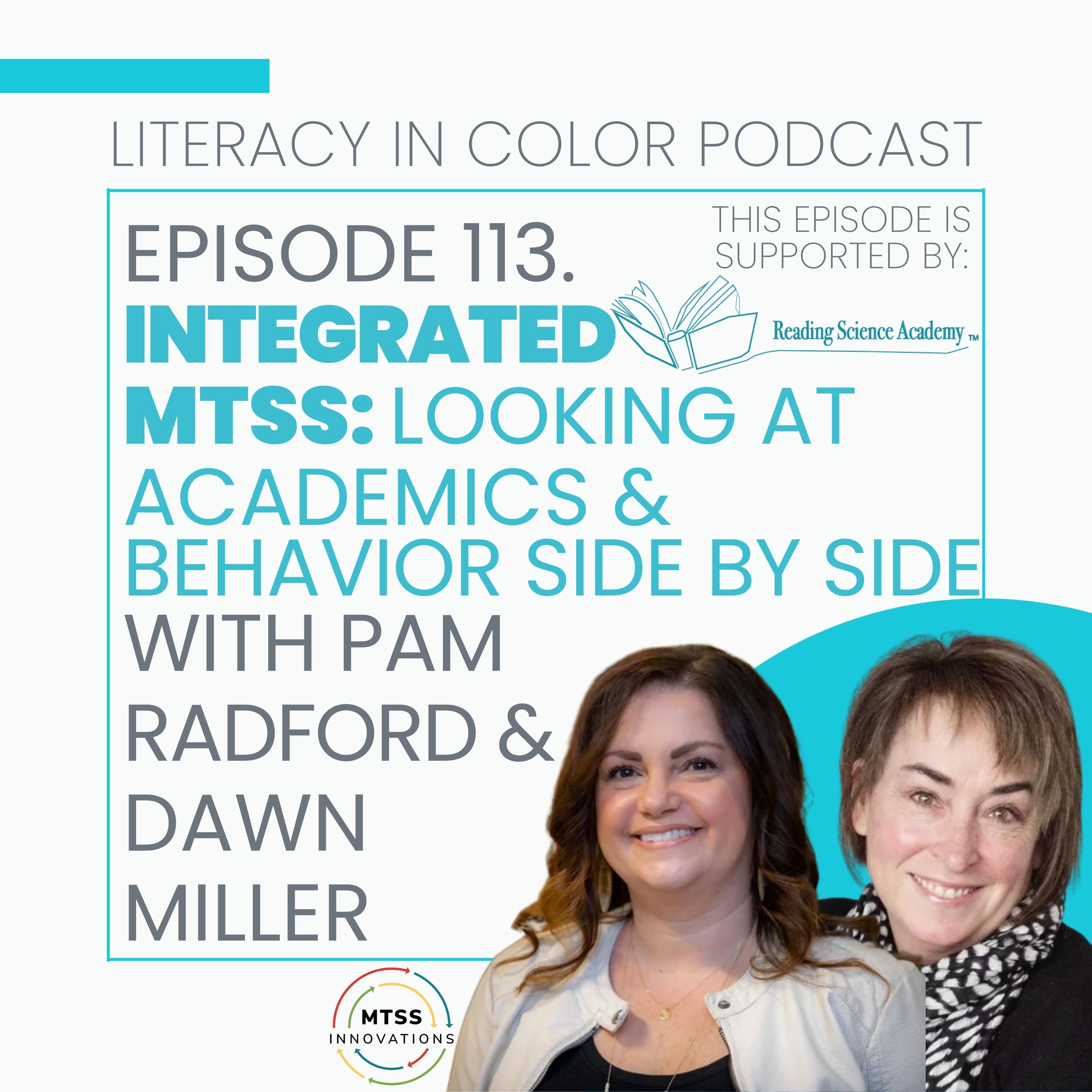
113. Integrated MTSS: Looking at Academics & Behavior Side by Side with Pam Radford and Dawn Miller, MTSS Innovations
What happens when schools treat academics and behavior as two completely separate systems?Dr. Dawn Miller and Dr. Pamela Radford of MTSS Innovations help us explore what it really means to build an integrated Multi-Tiered System of Supports (MTSS): one that recognizes that students’ academic, behavioral, social, and emotional needs don’t exist in isolation.We unpack the powerful relationship betwe

112. Routines for Reading Results with Dr. Sarah Brown & Dr. Kelly Powell-Smith
Dr. Sarah Brown and Dr. Kelly Powell-Smith, co-authors of Routines for Reading Results: A Practical Approach for Accelerating Growth, alongside Dr. Stephanie Stollar and Beth Madden unpack the principles of Direct Instruction and explain why effective reading instruction depends not only on what we teach, but on the intentional design and delivery of instruction.They walk through the four phases o
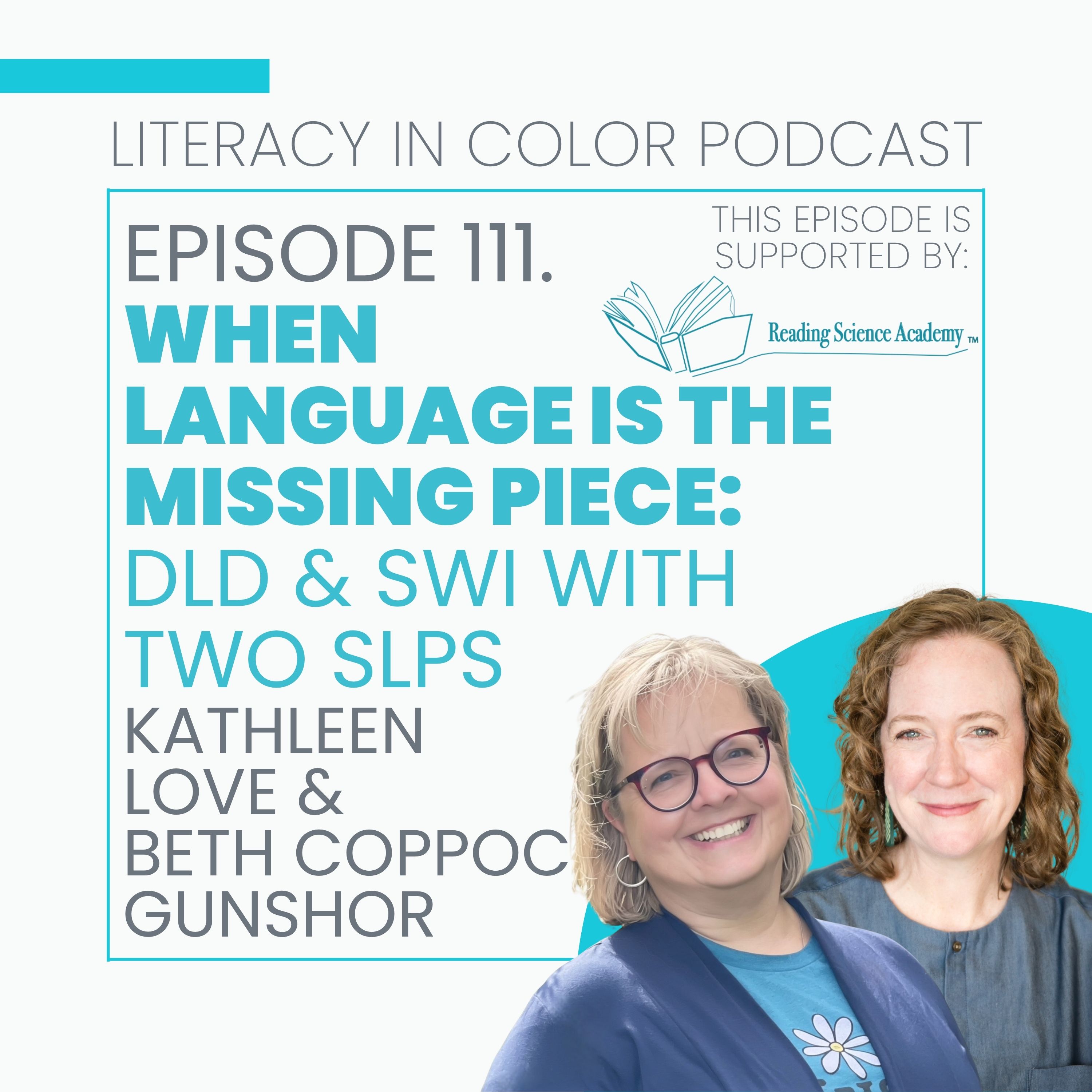
111. When Language is the Missing Piece: DLD & SWI with Two SLPs, Kathleen Love & Beth Coppoc Gunshor
Developmental Language Disorder (DLD) affects approximately 1 in 14 people, yet many educators have never heard of it. So what might DLD actually look like in the classroom? How can we better support students when difficulties with language intersect with dyslexia, ADHD, executive function, reading, spelling, and writing?Speech-language pathologists, Kathleen Love and Beth Coppoc Gunshor take us f

110. Decodable Texts Done Right: How to Leverage Them for Phonics, Fluency, Vocabulary & Writing with Dr. Wiley Blevins
Decodable texts are an important tool for helping readers apply their phonics knowledge, but are we squeezing everything we can out of them?Dr. Wiley Blevins – longtime educator, researcher, author, and one of the most recognized voices in phonics instruction – shares all about choosing and using decodable texts.When it comes to choosing decodable texts, Wiley shares the prevailing thinking around
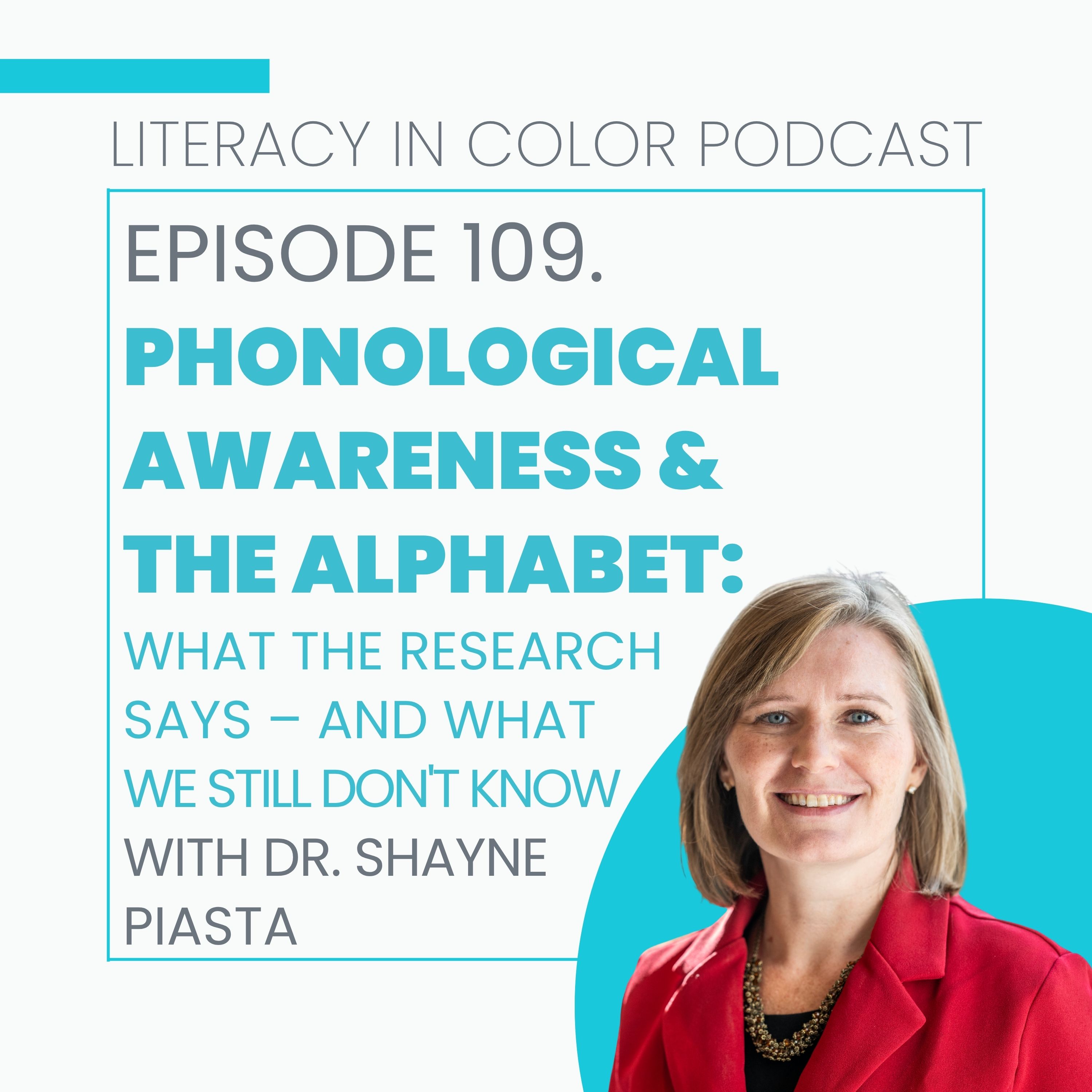
109. Phonological Awareness & the Alphabet: What the Research Says – and What We Still Don't Know with Dr. Shayne Piasta
Before we get into what the research currently says about teaching phonological awareness and the alphabet, this episode begins by breaking down some key terminology. What makes a practice evidence-based? What’s the difference between research-based and research-tested? What should we consider when implementing instruction aligned with the Science of Reading?Dr. Shayne Piasta, Distinguished Profes
108. Making Phonics Richer with Multiple Meaning Words
What if one of the richest language opportunities in your literacy block is already hiding inside your phonics word list? Even the simplest decodable words can carry surprisingly rich meanings. A word like “cap” might be something you wear on your head, the top of a bottle, an action you perform when you cover something, or even part of the phrase “no cap.” Simple to decode doesn't necessarily mea
107. Stop Overcomplicating Big Words: How to Teach Polysyllabic Word Reading with Dr. Devin Kearns
What happens after students master single-syllable words in phonics, but the words in their books keep getting longer?Dr. Devin Kearns takes us for a deep dive into polysyllabic word reading and what the research tells us about helping students tackle increasingly complex words. He explains why the transition into longer words presents challenges that simply don't exist in single-syllable words, i
106. How New York City Is Transforming Reading Instruction with Dr. Katie Pace Miles
What does it actually mean for a word to become "stored" in the brain – and how do we design instruction that helps that happen for every student?In this episode, I'm joined by Dr. Katie Pace Miles, associate professor at Brooklyn College, founder of The Reading Institute, co-founder of CUNY Reading Fellows, and one of today's leading voices in reading science.She not only shares about the cogniti
105. From Imposter Syndrome to Impact: A Literacy Coach's Journey & the Power of SRSD for Writing Instruction with Leah Ruesink
Transitioning from classroom teacher to literacy coach is exciting, but it can also be overwhelming. How do you build trust? Support veteran teachers? Know when to offer advice...and when to simply listen?Today’s episode is part Coaching Conversation, as literacy coach Leah Ruesink shares about her transition to coach and what coaching really looks like behind the scenes. Leah shares some lessons
104. Building the Biliterate Reading Brain: Multi-Component Instruction & Deep Reading with Dr. Maryanne Wolf
One of the most influential voices around “the reading brain”, Dr. Maryanne Wolf, joins the show to tackle that very subject. Our brains were never wired to read. Reading is a learned, plastic circuit that develops through instruction – and how we teach profoundly shapes how that circuitry is built.Dr. Wolf explains dyslexia, why fluency is much more than reading quickly, and why decoding alone is
103. 5 Quick Tips for b/d Letter Reversals
Letter reversals are one of the most common concerns among parents and teachers. In this episode, we dive into what’s happening in the brain when it comes to letter reversals, when reversals may be expected, and 5 practical tips for fixing b/d reversals specifically.Resource Mentioned:Forthcoming Book: Developing Proficient Writers by Amy Siracusano & Michelle Sullivan (Solution Tree, expected
102. Powerful Fluency Instruction & Performance-Based Practices with Dr. Chase Young
Fluency serves as the critical bridge between accurate word reading and deep comprehension, so how can we build it? In this episode, Michelle sits down with literacy scholar, author, and educator, Dr. Chase Young shares what fluency really is, why it matters, and how teachers can transform fluency instruction from repetitive practice into engaging, meaningful learning experiences.Chase shares the
101. Science of Reading Hot Topics: Navigating the Nuance with Anna Geiger, Reach All Readers
The Science of Reading has transformed literacy instruction, but with that shift has come a new challenge: navigating the growing number of debates, disagreements, and hot topics within the field itself.Author, podcaster, and doctoral student Anna Geiger of Reach All Readers joins the show to explore the nuance behind some of the most talked-about conversations in literacy today. We discuss what r
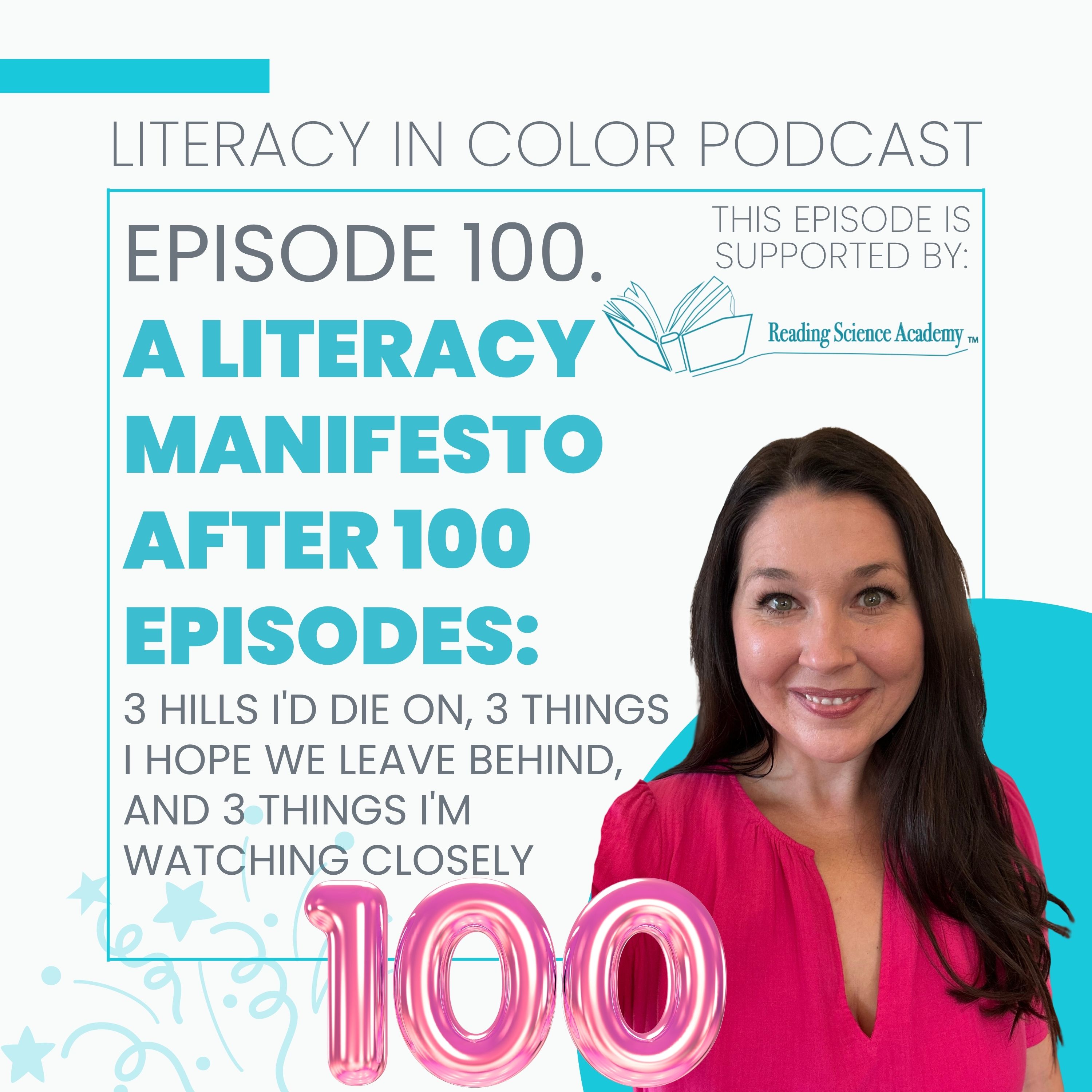
100. A Literacy Manifesto After 100 Episodes: 3 Hills I'd Die On, 3 Things I Hope We Leave Behind, and 3 Things I'm Watching Closely
Happy 100th Episode!!! To celebrate this milestone episode, I share:3 literacy hills I’d die on3 things I hope we can leave behind, and3 things I’m watching closely Thank you for helping make the first 100 episodes possible. Here's to the next 100!Favorite Episodes Mentioned:Playlist (if listening from your computer)Playlist (if listening from a podcast player)This podcast is brought to you by Rea
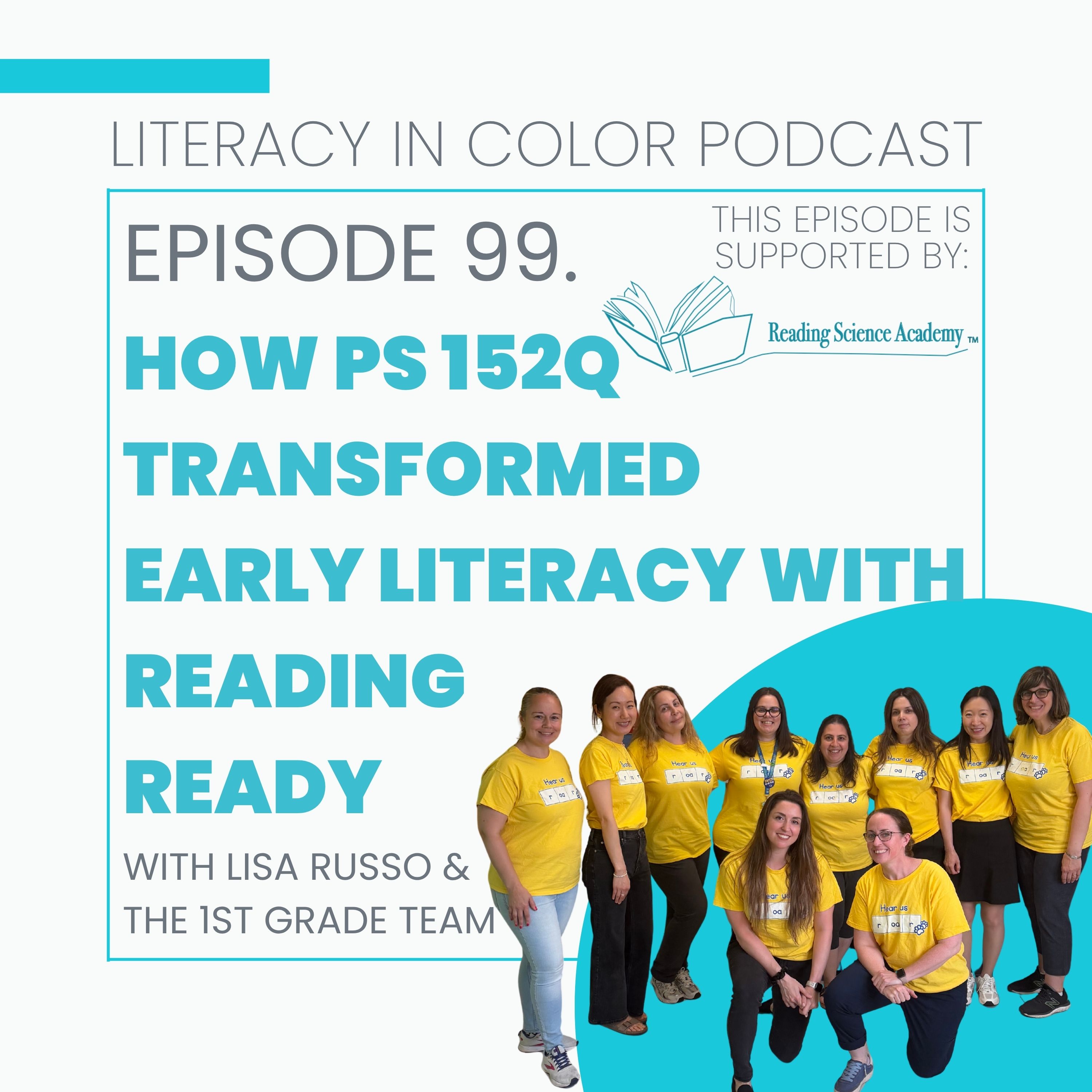
99. How PS 152Q Transformed Early Literacy with Reading Ready with Lisa Russo & the 1st Grade Team
What happens when a school decides that "business as usual" is no longer good enough? Principal Lisa Russo and the first-grade team at PS 152Q to discuss their remarkable literacy transformation. After years of using balanced literacy practices, the school shifted toward structured literacy, embraced the science of reading, and implemented a schoolwide intervention block supported by Dr. Katie Pac
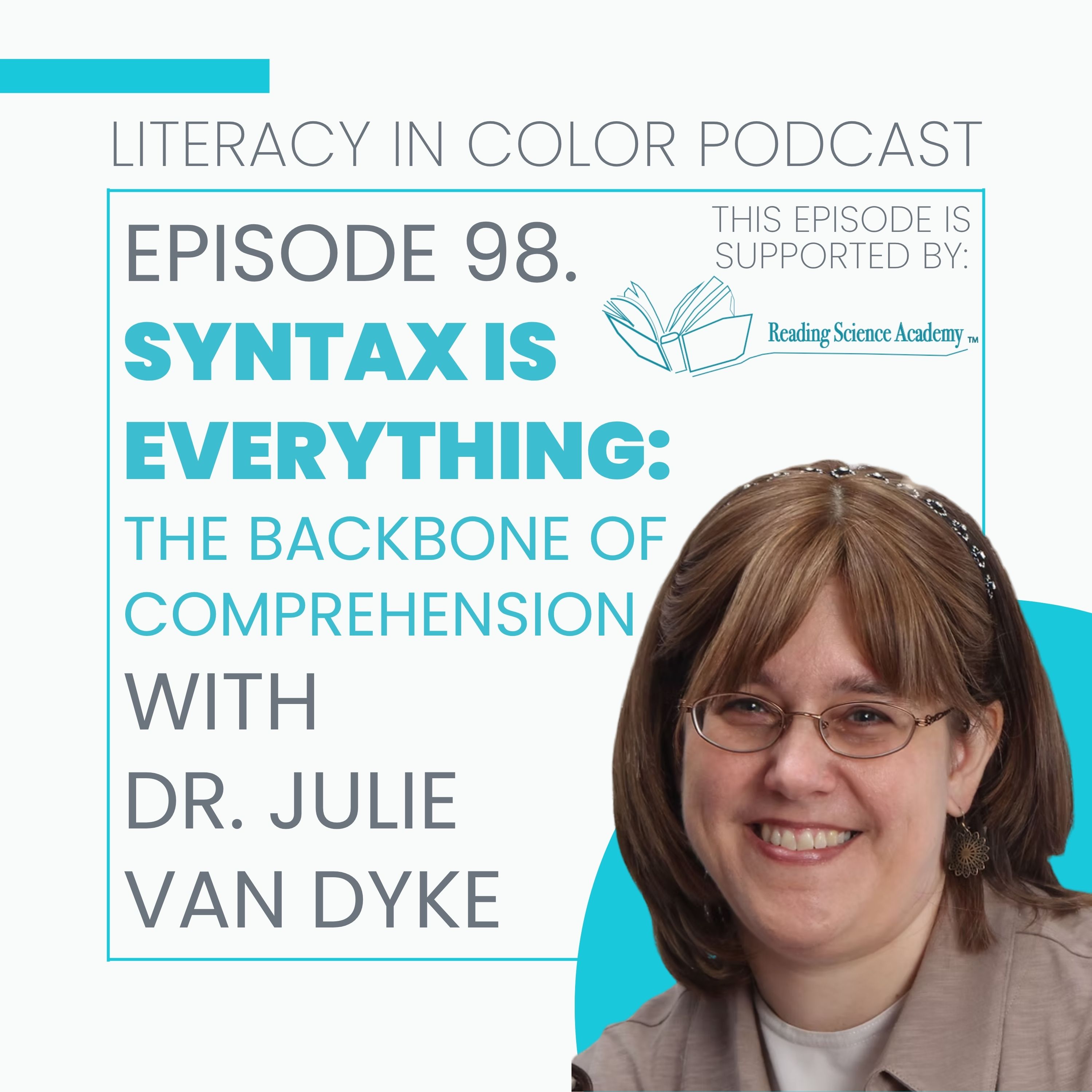
98. Syntax is Everything: The Backbone of Comprehension with Dr. Julie Van Dyke
When educators discuss reading comprehension, the conversation often centers around vocabulary, background knowledge, and comprehension strategies, but what if we've been overlooking one of the most critical components of comprehension all along?Research scientist, Dr. Julie Van Dyke shares about the powerful role syntax plays in reading comprehension. Drawing from decades of research in cognitive
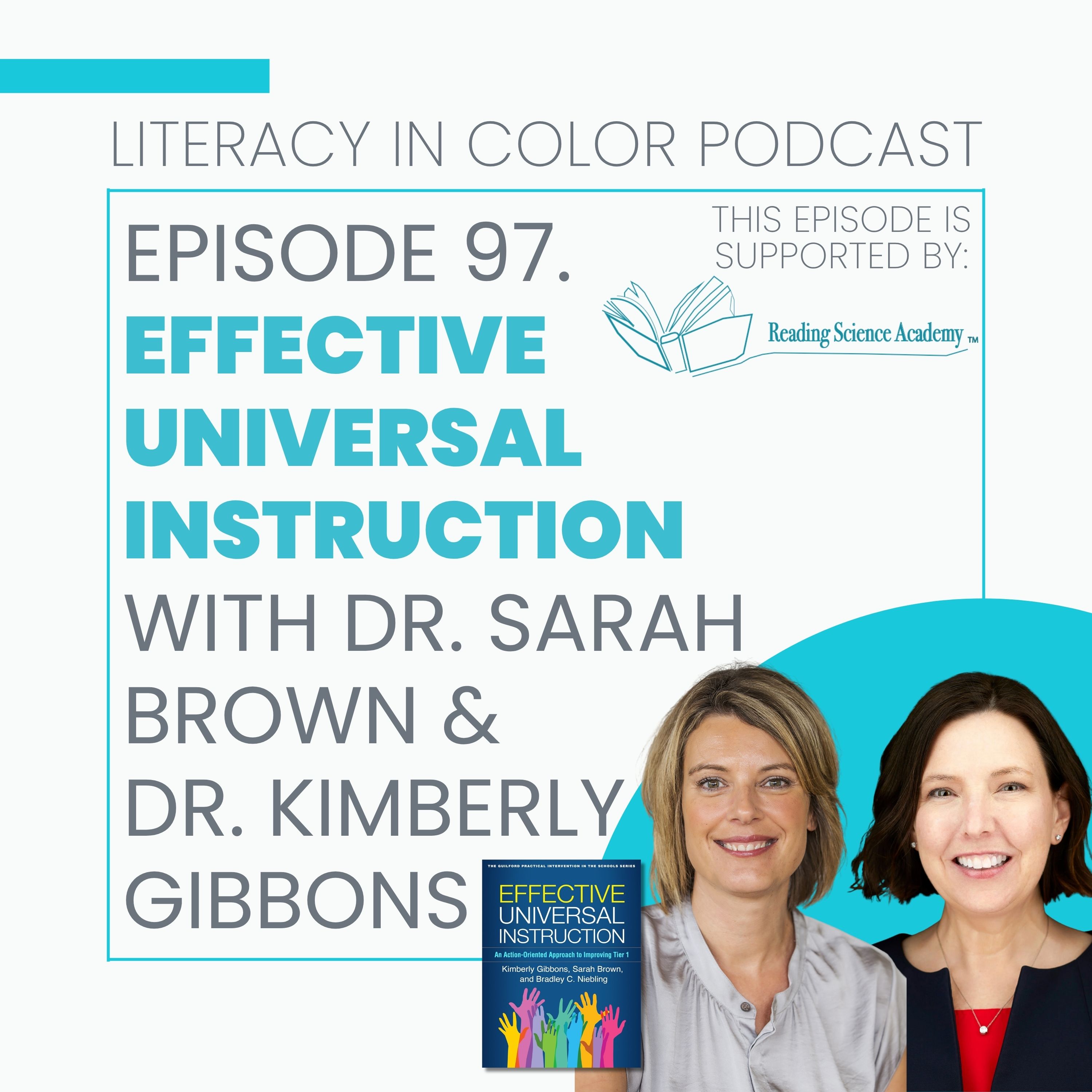
97. Effective Universal Instruction with Dr. Sarah Brown & Dr. Kimberly Gibbons
Drawing from decades of experience in literacy, school psychology, systems-level leadership, and MTSS implementation, Dr. Sarah Brown and Dr. Kimberly Gibbons explain why strong universal instruction is the true foundation of student success. They explore what Tier 1 actually includes, why intervention alone cannot solve widespread literacy struggles, and how leadership, collaboration, fidelity, c
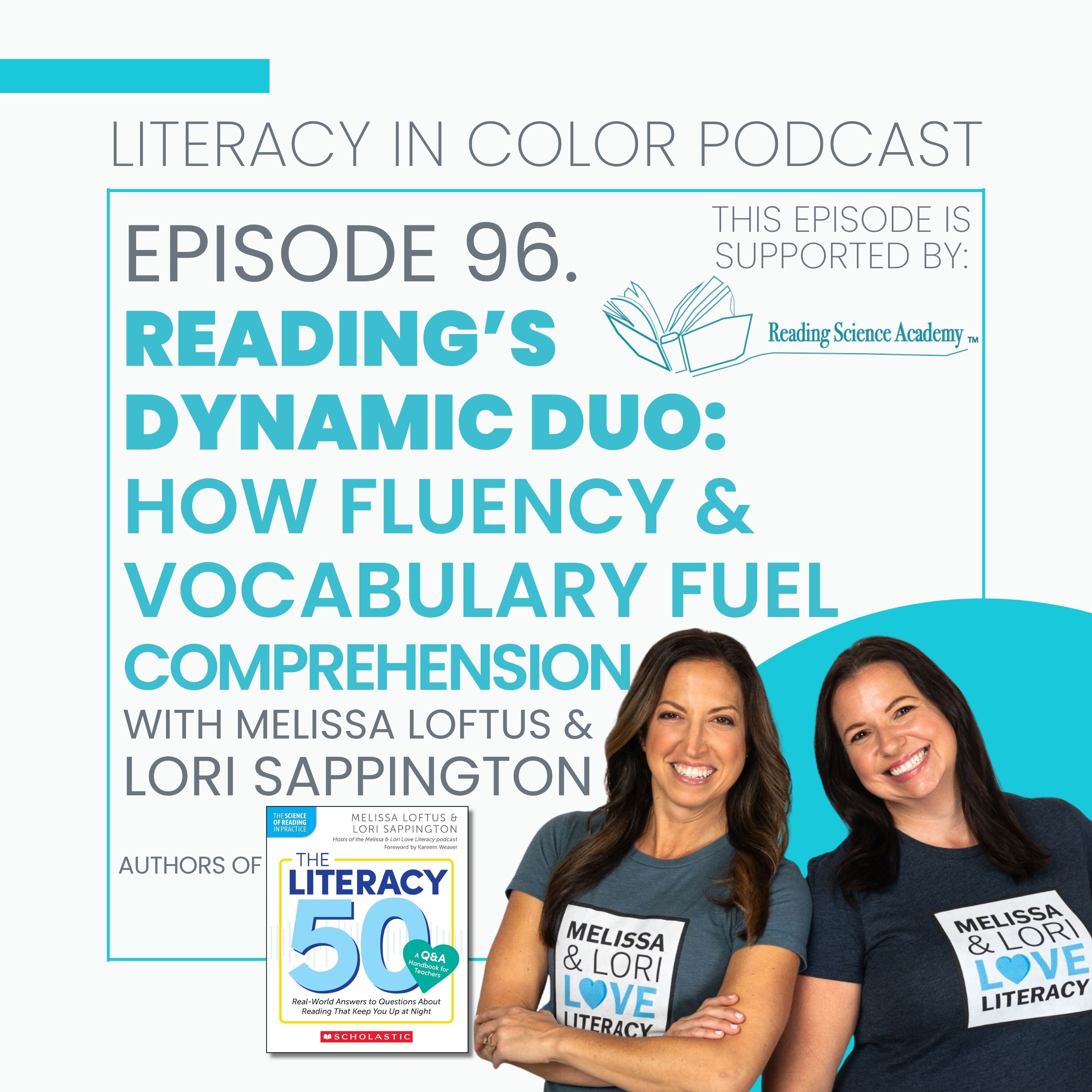
96. Reading’s Dynamic Duo: How Fluency & Vocabulary Fuel Comprehension with Melissa Loftus & Lori Sappington
Melissa Loftus and Lori Sappington from the Melissa & Lori Love Literacy podcast take their hosting hats off for the day to share their expertise around fluency, vocabulary, and comprehension – and why comprehension instruction is far more complex than simply teaching “strategies.”Melissa and Lori explain why comprehension is considered an unconstrained skill, how fluent word recognition frees
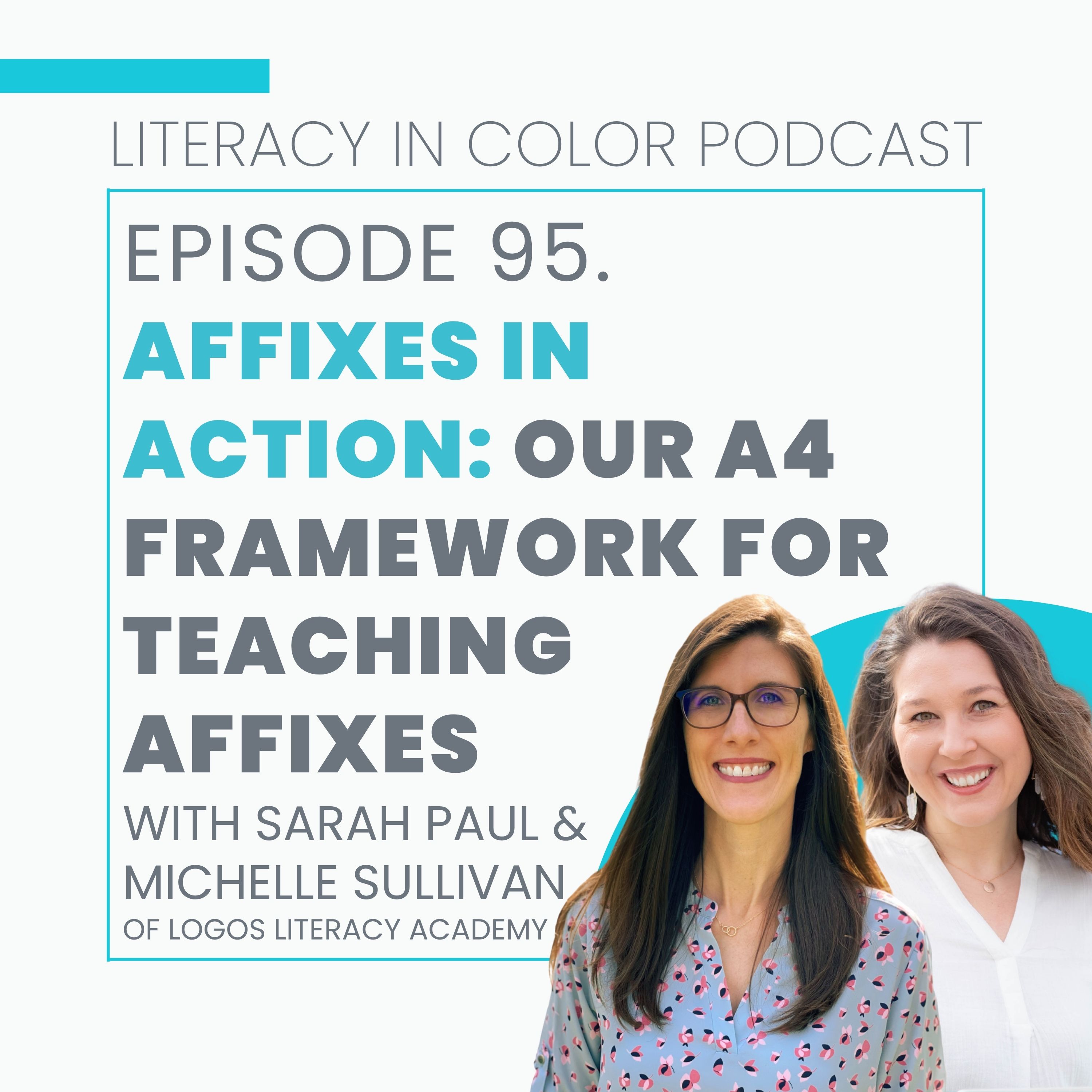
95. Affixes in Action: Our A4 Framework for Teaching Affixes with Sarah Paul and Michelle Sullivan of Logos Literacy Academy
Exciting news! Sarah & Michelle share their signature A4 Framework for teaching affixes inside of Logos Literacy Academy! Rather than treating prefixes and suffixes as isolated definitions to memorize, we explore how affixes function as meaningful structural units that help words grow and change across the English writing system.If you loved the BASE Framework episode, this conversation is the
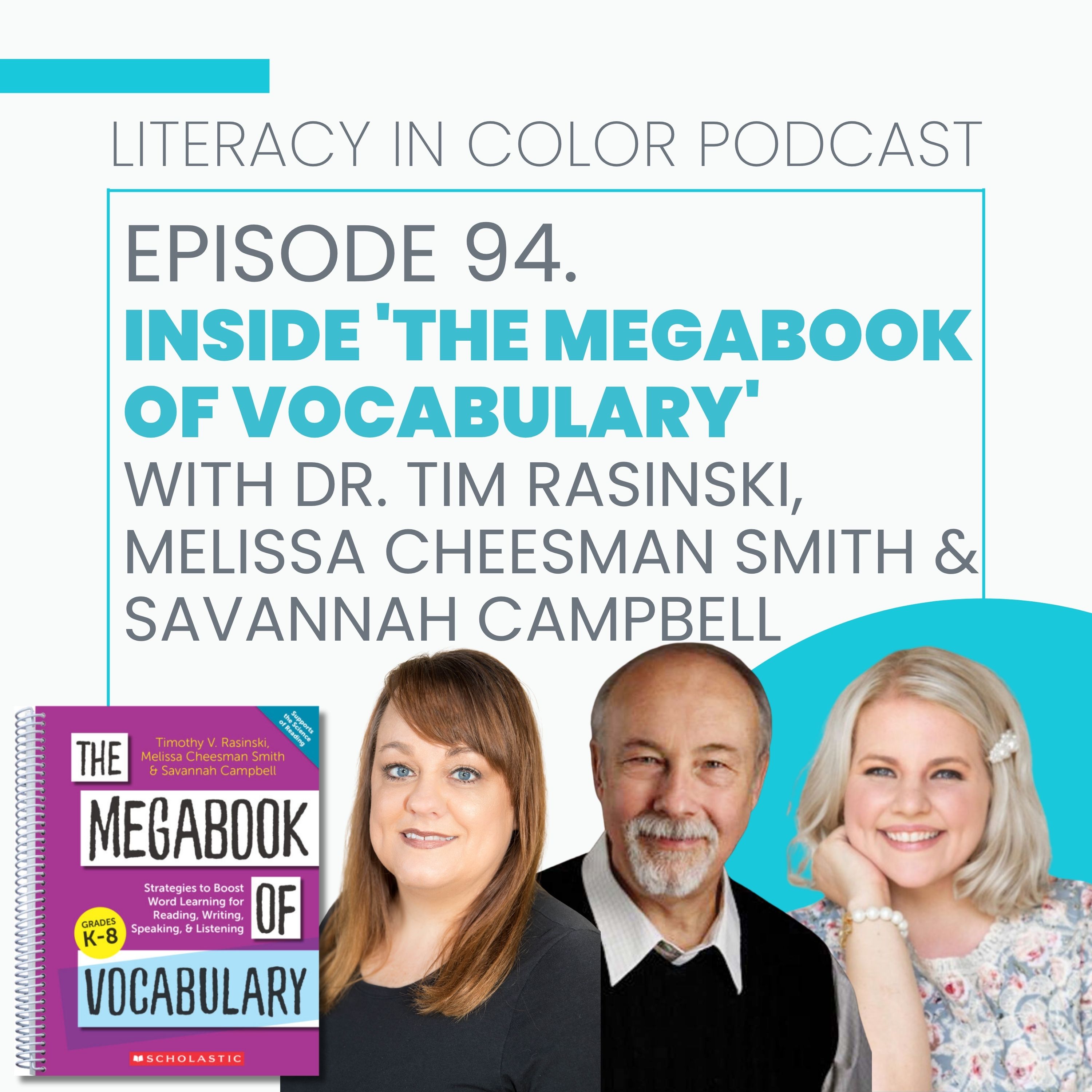
94. Inside 'The Megabook of Vocabulary' with Dr. Tim Rasinski, Melissa Cheesman Smith & Savannah Campbell
Dr. Timothy Rasinski, Melissa Cheesman Smith, and Savannah Campbell join the show to discuss their newest resource, The Megabook of Vocabulary. They unpack why vocabulary is far more than a list of words to memorize. This conversation explores the research behind vocabulary instruction, why background knowledge matters, and how teachers can intentionally build language-rich classrooms without maki
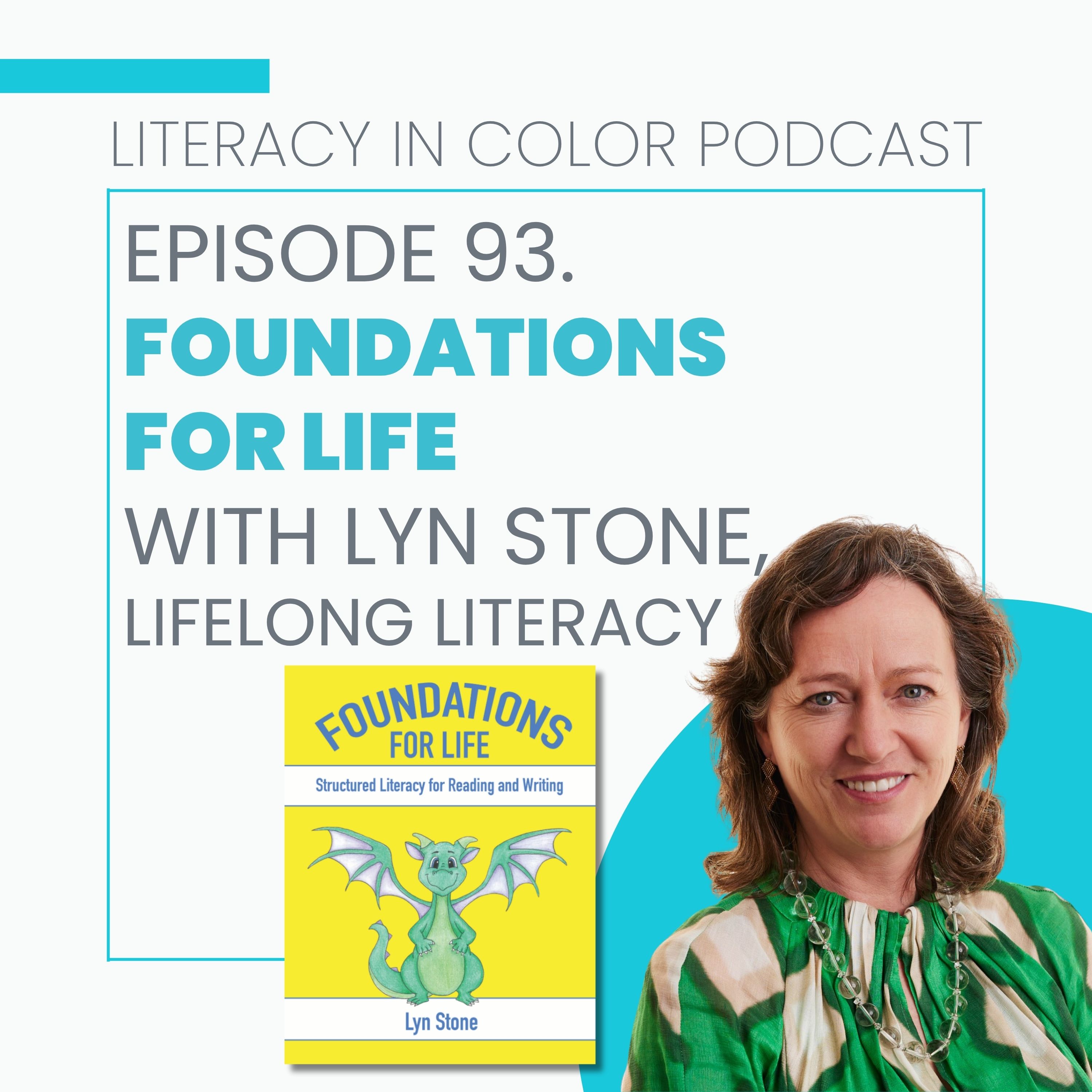
93. Foundations for Life with Lyn Stone, Lifelong Literacy
We hear an awful lot about the importance of foundational literacy skills, but exactly belongs in that foundation? Educational linguist and author Lyn Stone discusses her newest resource: Foundations for Life — a structured literacy intervention manual designed for educators, interventionists, and parents supporting developing readers and writers.Lyn also shares her thoughts on the Science of Read
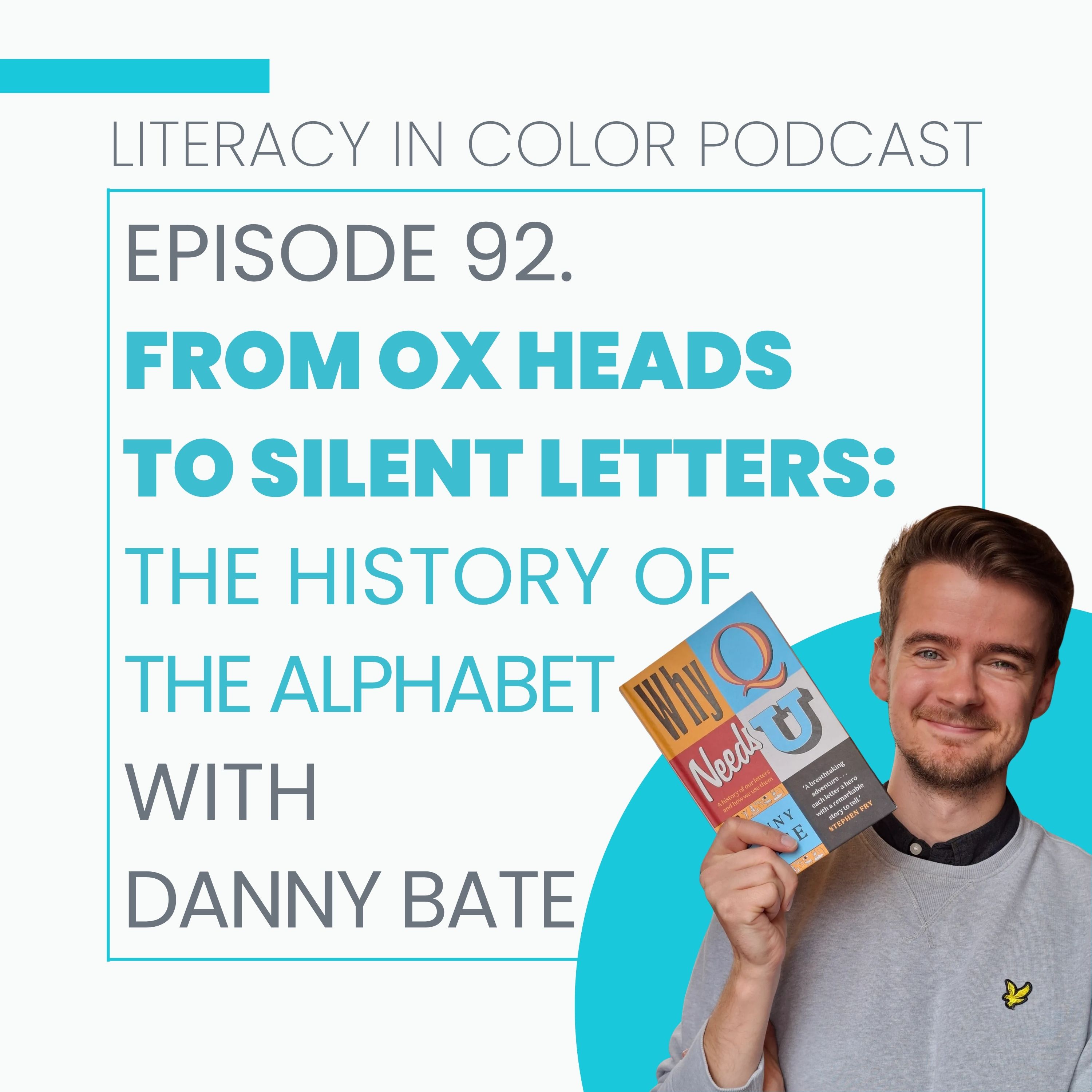
92. From Ox Heads to Silent Letters: The History of the Alphabet with Dr. Danny Bate, author of "Why Q Needs U"
Linguist and author, Dr. Danny Bate brilliantly shares the fascinating history of the alphabet, while also uncovering some of the logic behind English spelling. You’ll hear about the surprising origins of letters (yes, <A> was once an ox’s head!), that vowels weren’t originally part of the alphabet, how the Great Vowel Shift transformed pronunciation, and of course, “Why Q Needs U”. This epi
91. Why Vocabulary Changes Everything (and 3 Simple Shifts for Teachers)
Vocabulary may be just one pillar of literacy, but it’s also the thread that connects reading, writing, speaking, and thinking.In this episode, I’m breaking down why vocabulary truly changes everything when it comes to student learning – and why it deserves more intentional focus in our classrooms. I’ll also share 3 simple, high-impact shifts you can make right away to create a more language-rich
90. Teach Your Child to Read at Home with Reading.com
Stephanie Barber (Learning Product Manager) and Molly Sullivan (Curriculum Manager) from Reading.com share how families can support early reading development at home, without needing a background in education.Together, they unpack what makes Reading.com different from typical literacy apps: it’s not a passive, screen-time experience. Instead, it’s built around co-learning, where a caregiver and ch
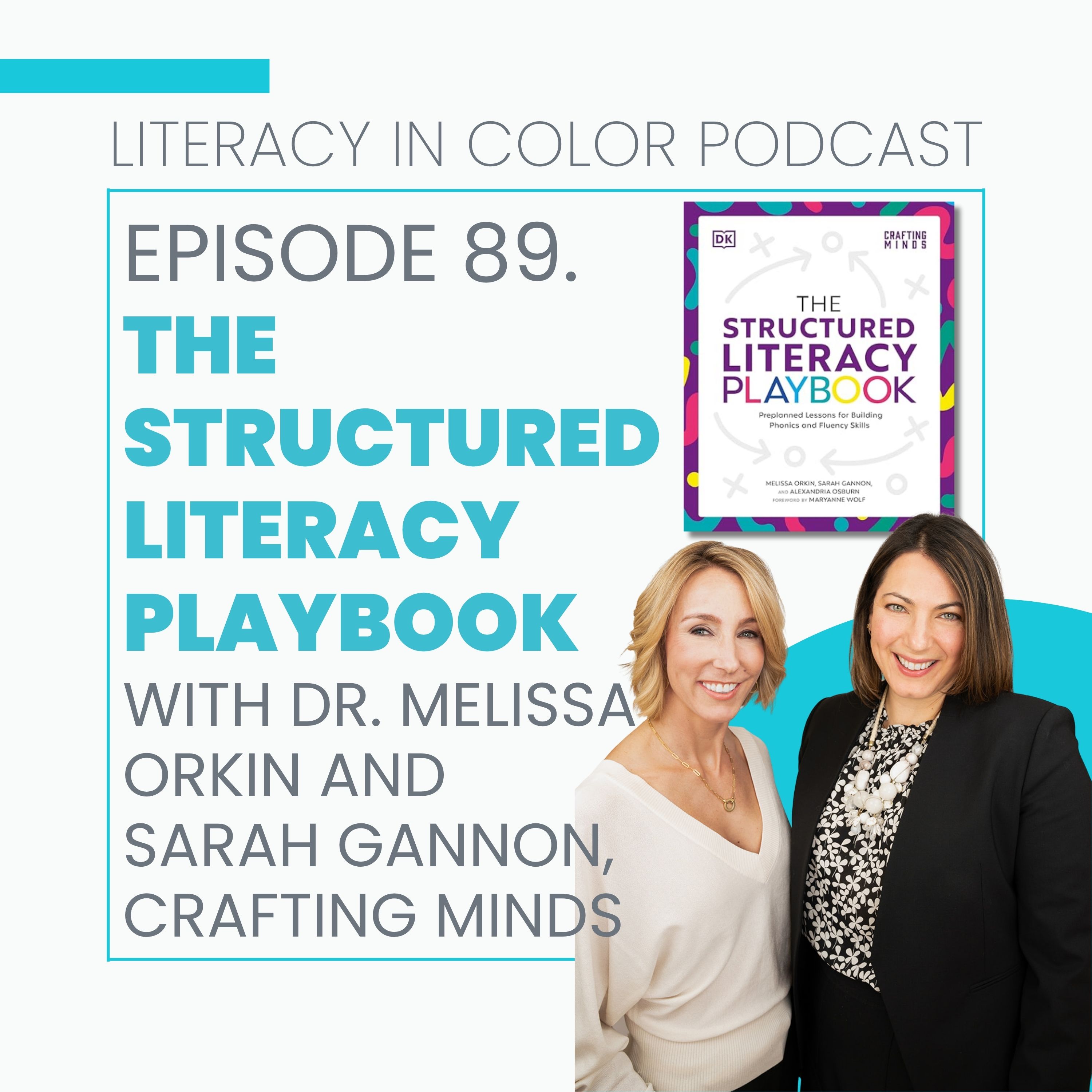
89. The Structured Literacy Playbook with Dr. Melissa Orkin & Sarah Gannon, Crafting Minds
Dr. Melissa Orkin and Sarah Gannon, co-authors of The Structured Literacy Playbook, join Michelle to unpack what it really takes to move students from accurate decoding to fluent, meaningful reading.They explore how teachers can intentionally plan to build fluency using a backward design approach rooted in the brain science of reading.Drawing on the work of Dr. Maryanne Wolf, Melissa and Sarah int
88. Montessori Storytelling: The History of English Spelling with Zil Jaeger
In this episode of Literacy in Color, Michelle chats with Montessori educator and literacy advocate Zil Jaeger to explore a powerful instructional tool: storytelling.Zil shares how Montessori storytelling goes far beyond engagement; it’s a structured, intentional approach to building background knowledge, activating imagination, and anchoring learning in meaningful ways.Key Takeaways:Why storytell
87. Spelling Matters: What the Research Says About Teaching Spelling with Brennan Chandler, PhD
Dr. Brennan Chandler, assistant professor at Georgia State University and researcher specializing in spelling, reading intervention, and literacy development — particularly for students with persistent reading difficulties unpacks what the research sayings about spelling instruction.He shares insights from his large-scale meta-analysis examining decades of spelling intervention research and explai
86. Multisyllabic Spelling Made Simpler: 3 Strategies for Spelling Longer Words
Spelling longer words can feel overwhelming for students - even for those who can read them with ease. In this episode, I unpack why multisyllabic spelling is such a leap and, more importantly, what we can do to support students through it.Rather than relying on memorization alone, this episode explores how spelling is deeply connected to the structure of our language. You’ll walk away with three
85. How to Use Decodable Books (and When to Move Beyond Them) with Elise Lovejoy, Express Readers
In this episode, Elise Lovejoy tackles one of the most important topics in early literacy instruction: how to use decodable books effectively – and how to thoughtfully bridge students from controlled text into authentic reading.Elise explains why decodable texts are such a critical tool for early reading development. She also, though, emphasizes an important truth: decodables are not the entire li
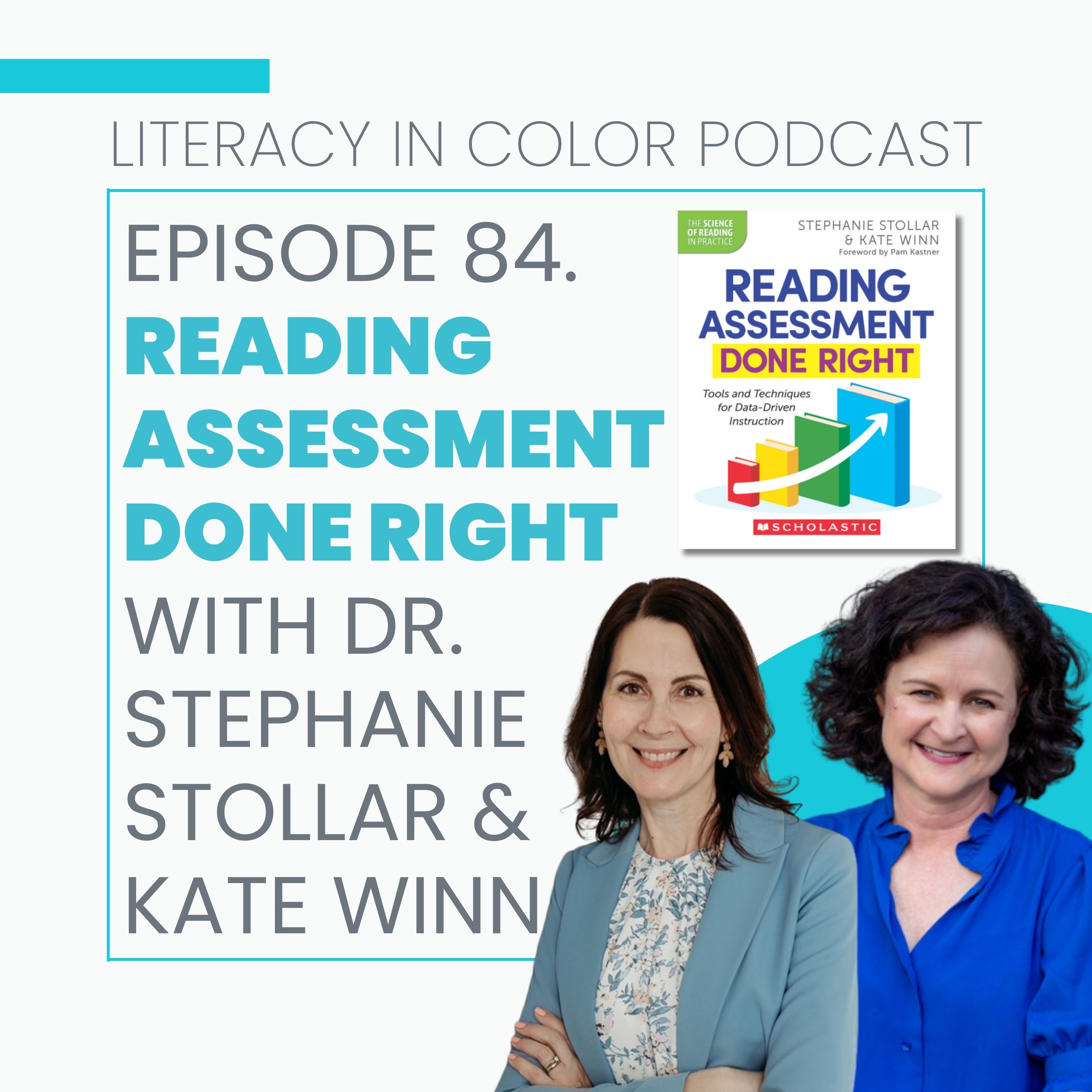
84. Reading Assessment Done Right with Dr. Stephanie Stollar and Kate Winn
Dr. Stephanie Stollar and Kate Winn, co-authors of Reading Assessment Done Right unpack one of the most misunderstood topics in literacy instruction: assessment. Rather than viewing assessment as something teachers must check off their to-do list, they explain how high-quality reading assessments can empower educators and transform instruction. When assessment data is used thoughtfully and linked
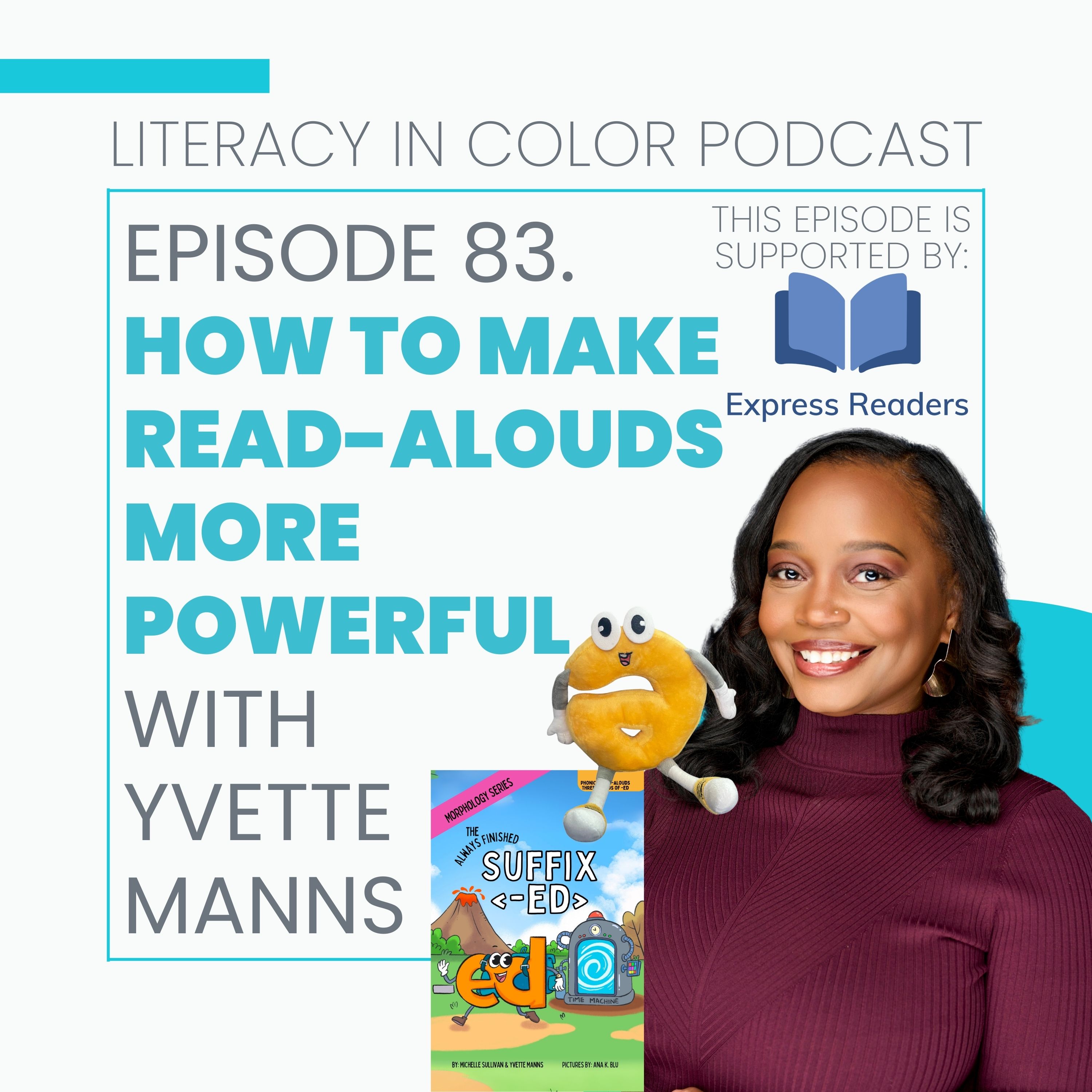
83. How to Make Read-Alouds More Powerful: Joyful Learning in Action with Yvette Manns, Phonics Read-Alouds
In this conversation, Michelle is joined by literacy advocate and author Yvette Manns to explore the power of read-alouds: both for instruction and for joy.Key Takeaways:The difference between reading for pleasure and instructional read-aloudsHow read-alouds build oral language, vocabulary, and connectionPractical instructional moves to make read-alouds more impactfulThe TAPES Method (Tell, Act, P
82. Inside an Upper-Elementary Reading Intervention Toolkit with Sara Marye, Stellar Teacher Company
Sara Marye, founder of The Stellar Teacher Company, joins Michelle to unpack what effective upper-elementary reading intervention can actually look like in the general classroom setting. Together, they explore why students in grades 3–5 may continue to struggle with decoding, how phonics gaps impact both reading and writing, and what classroom teachers can realistically do to support older student
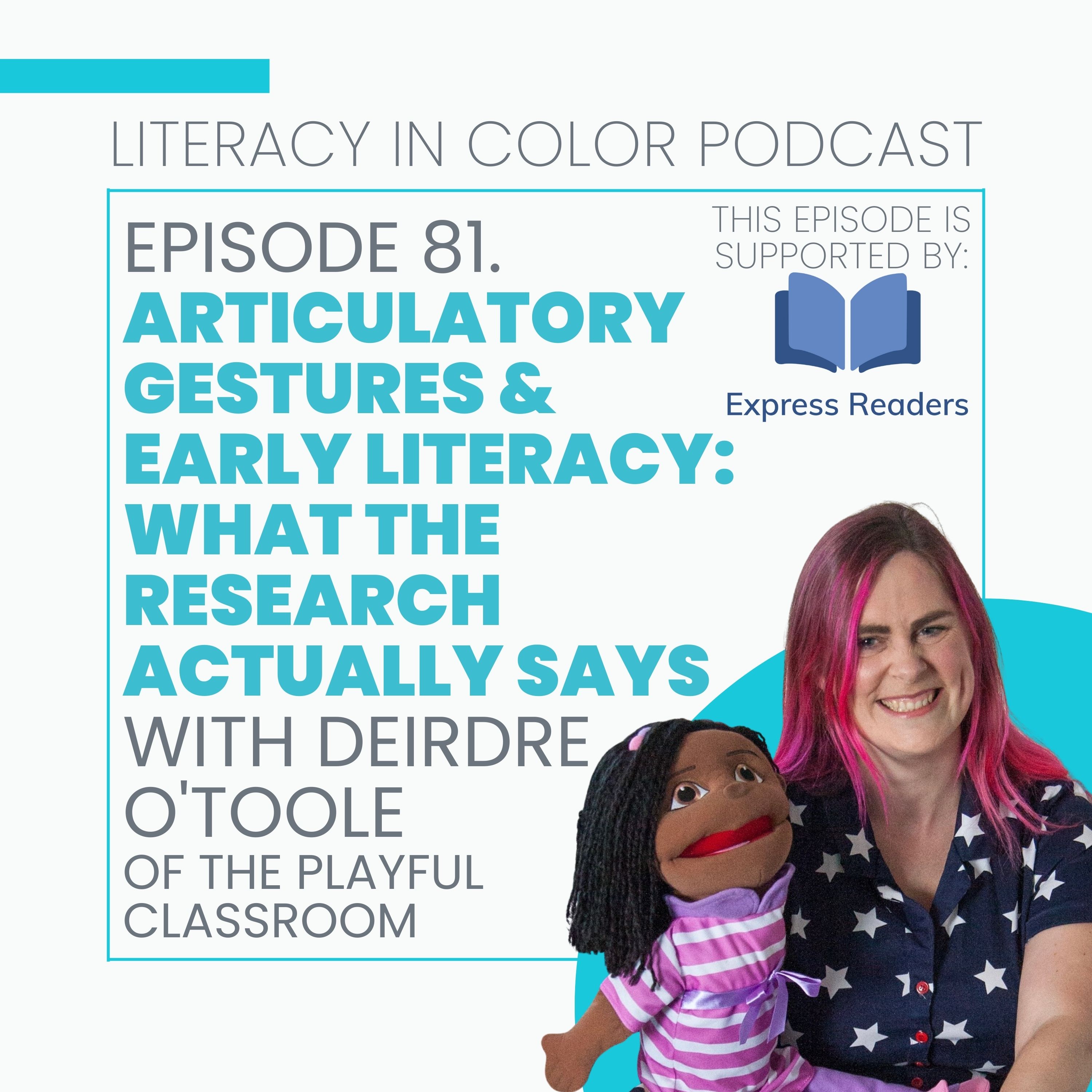
81. Articulatory Gestures and Early Literacy: What the Research Actually Says with Deirdre O'Toole, The Playful Classroom
Deirdre O’Toole’s doctoral research focuses on early literacy acquisition, specifically around articulatory gestures and attention to speech production. In recent years, we hear a lot about Sound Walls being “aligned to the Science of Reading”. In this episode, Dee shares what we know from research, what we don’t yet know, and how small instructional shifts (like simply saying “Look at my mouth”)
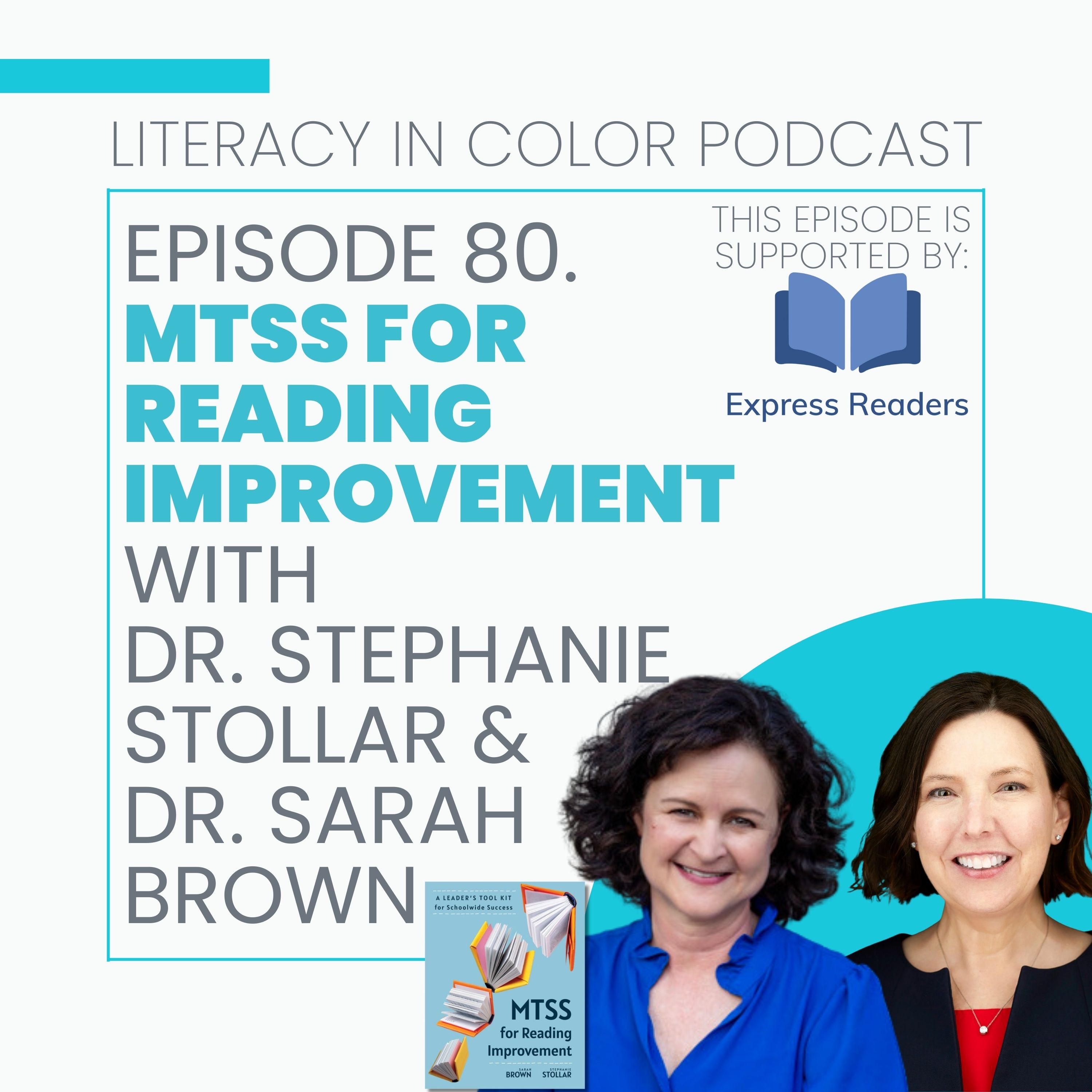
80. MTSS for Reading Improvement with Dr. Stephanie Stollar & Dr. Sarah Brown
MTSS can serve as a true system of support, not just a sorting mechanism, for improving reading outcomes and Dr. Stephanie Stollar and Dr. Sarah Brown share how. Drawing from their book MTSS for Reading Improvement (published under Solution Tree), the conversation bridges the Science of Reading with practical systems-level decision making that supports teachers and students alike.Rather than treat
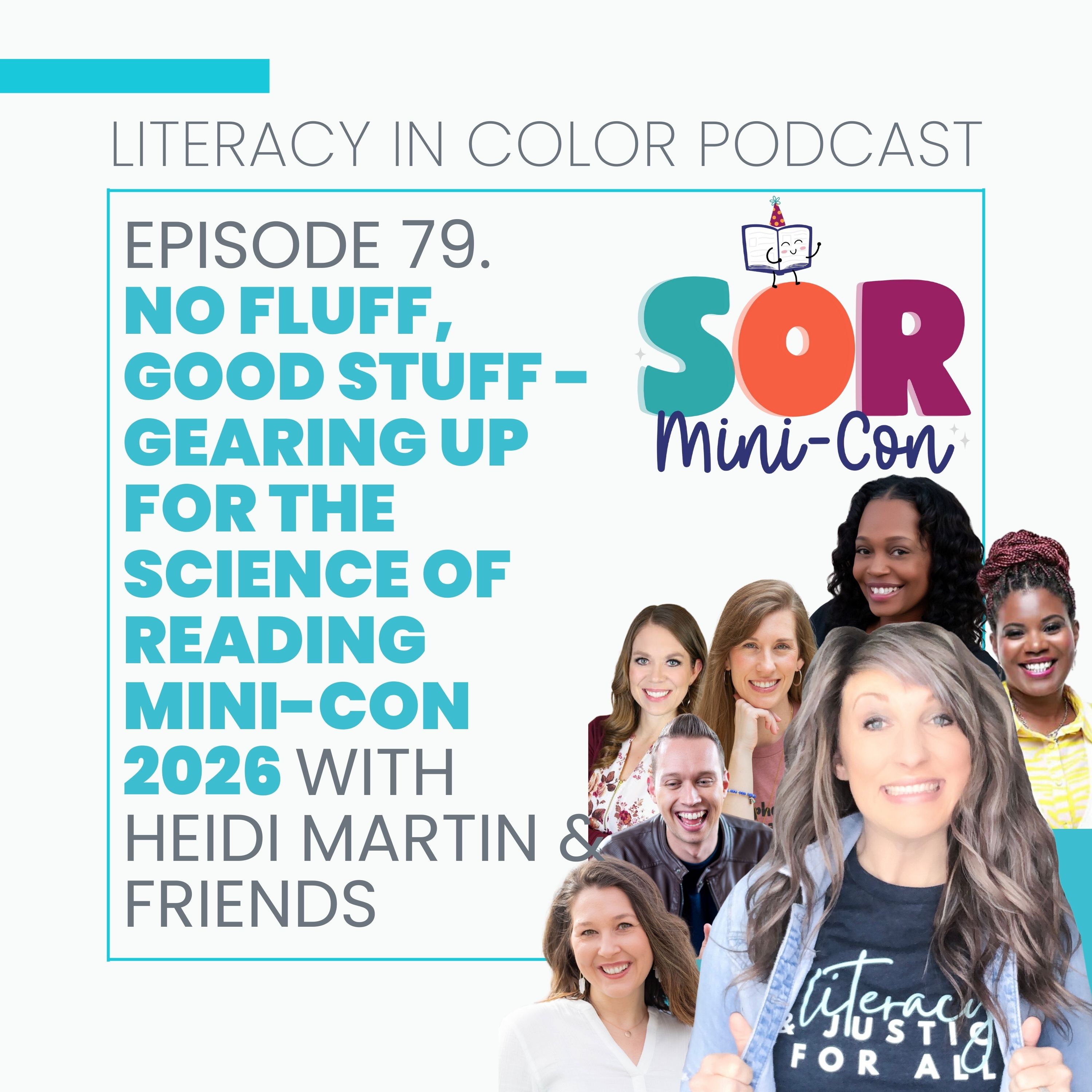
79. No Fluff, Good Stuff - Gearing Up for the Science of Reading Mini-Con 2026 with Heidi Martin & Friends
In this special Science of Reading Mini-Con hype episode, Michelle Sullivan is joined by the presenters behind the Science of Reading Mini-Con to give listeners an inside look at what makes this conference unlike any other.From powerful sessions and hands-on learning to beachside sound baths, mocktails, and real talk about implementation, this episode is your invitation into a literacy experience
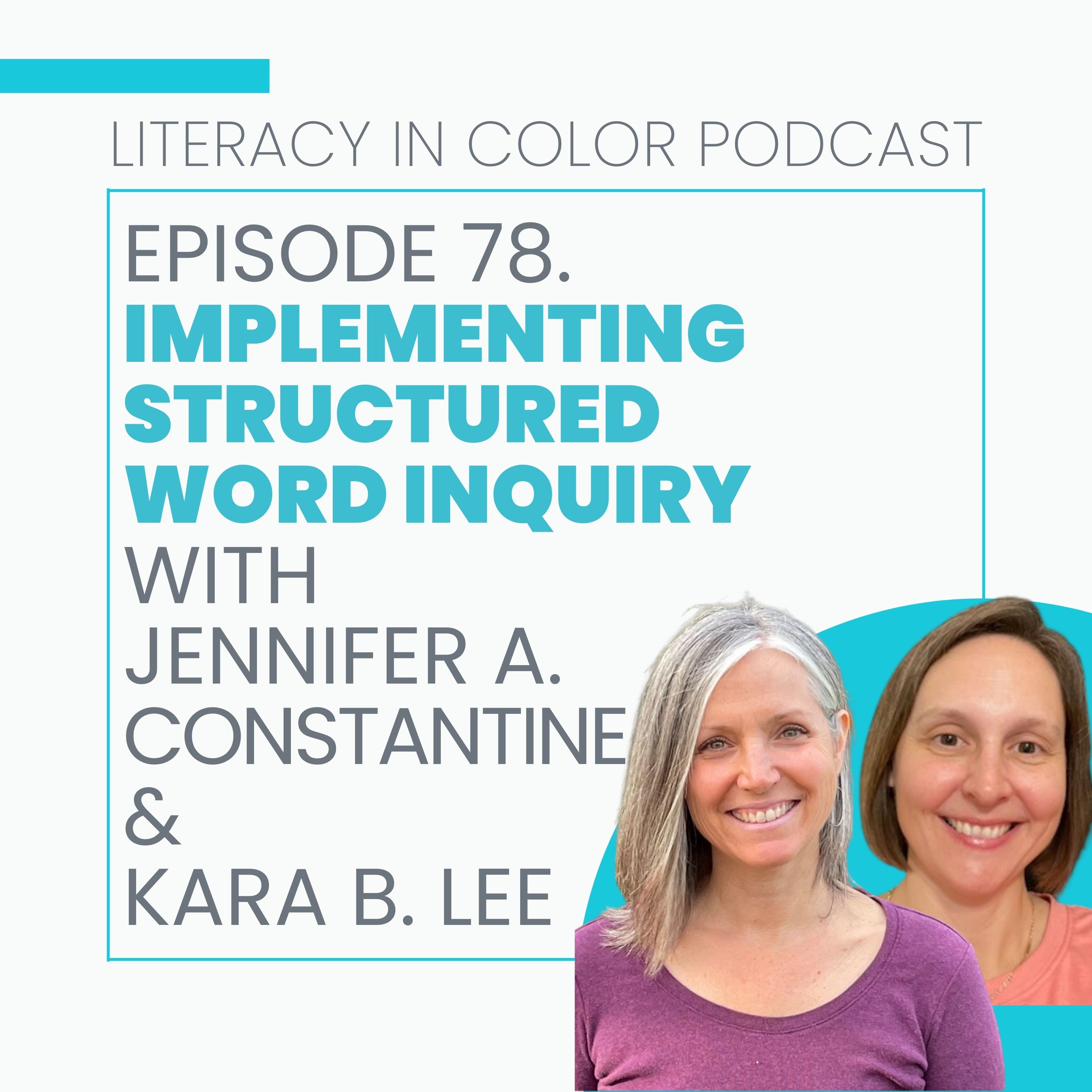
78. Implementing Structured Word Inquiry with Jennifer A. Constantine & Kara B. Lee
Jennifer A. Constantine and Kara B. Lee are two educators with deep experience in assessment, Orton-Gillingham-based instruction, and dyslexia intervention — yet it wasn’t until they encountered SWI that many long-standing questions about English spelling, meaning, and structure finally clicked into place.In this episode, we unpack what Structured Word Inquiry actually is, how it differs from othe
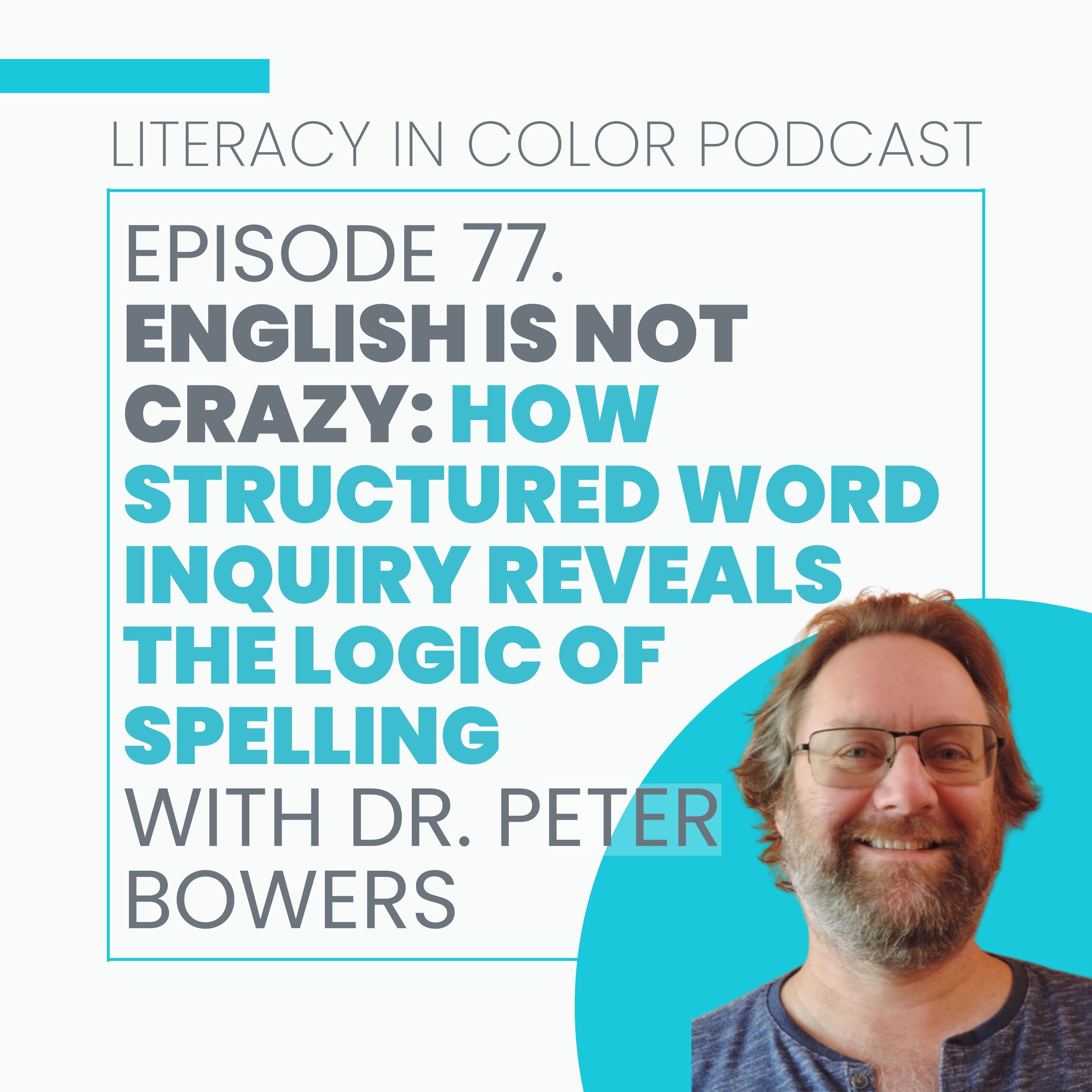
77. English Is Not Crazy: How Structured Word Inquiry Reveals the Logic of Spelling with Dr. Peter Bowers
If you’ve ever said that “English is crazy,” this episode is for you. I’m joined by Dr. Peter Bowers, researcher, educator, and founder of Structured Word Inquiry (SWI). His work has shaped how educators understand the English writing system: not as chaotic or exception-ridden, but as a coherent, meaning-driven system.Dr. Bowers shares the personal moment when English spelling first made sense to
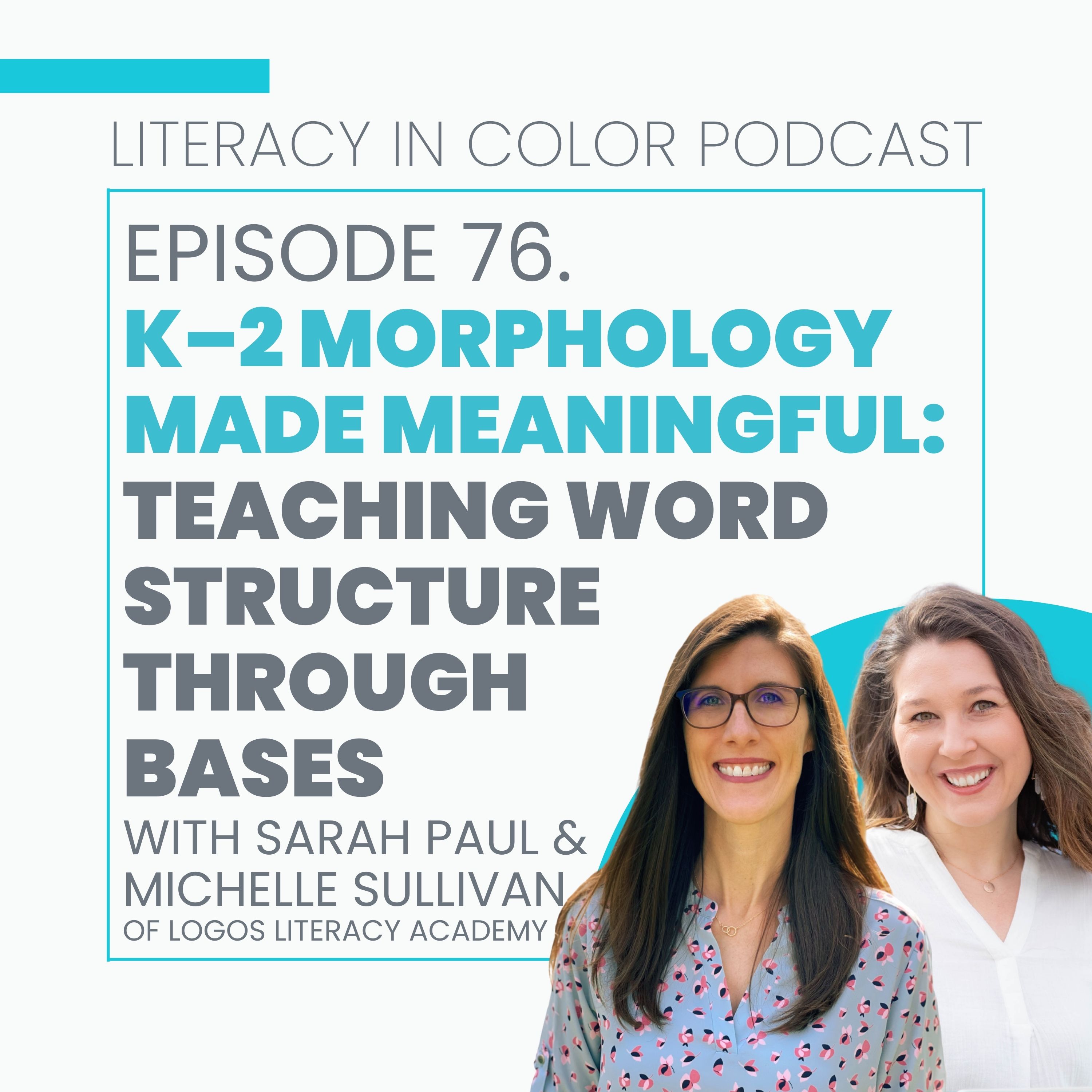
76. K–2 Morphology Made Meaningful: Teaching Word Structure Through Bases with Sarah Paul and Michelle Sullivan of Logos Literacy Academy
Michelle Sullivan is joined by her co-founder of Logos Literacy Academy, Sarah Paul, for a deep dive into K–2 morphology through a base-centered lens.Together, they unpack a question teachers hear all the time:“Morphology is important… but isn’t that for later?”Michelle and Sarah explain why morphology does not start with Greek and Latin – and why young learners are more than ready to explore word
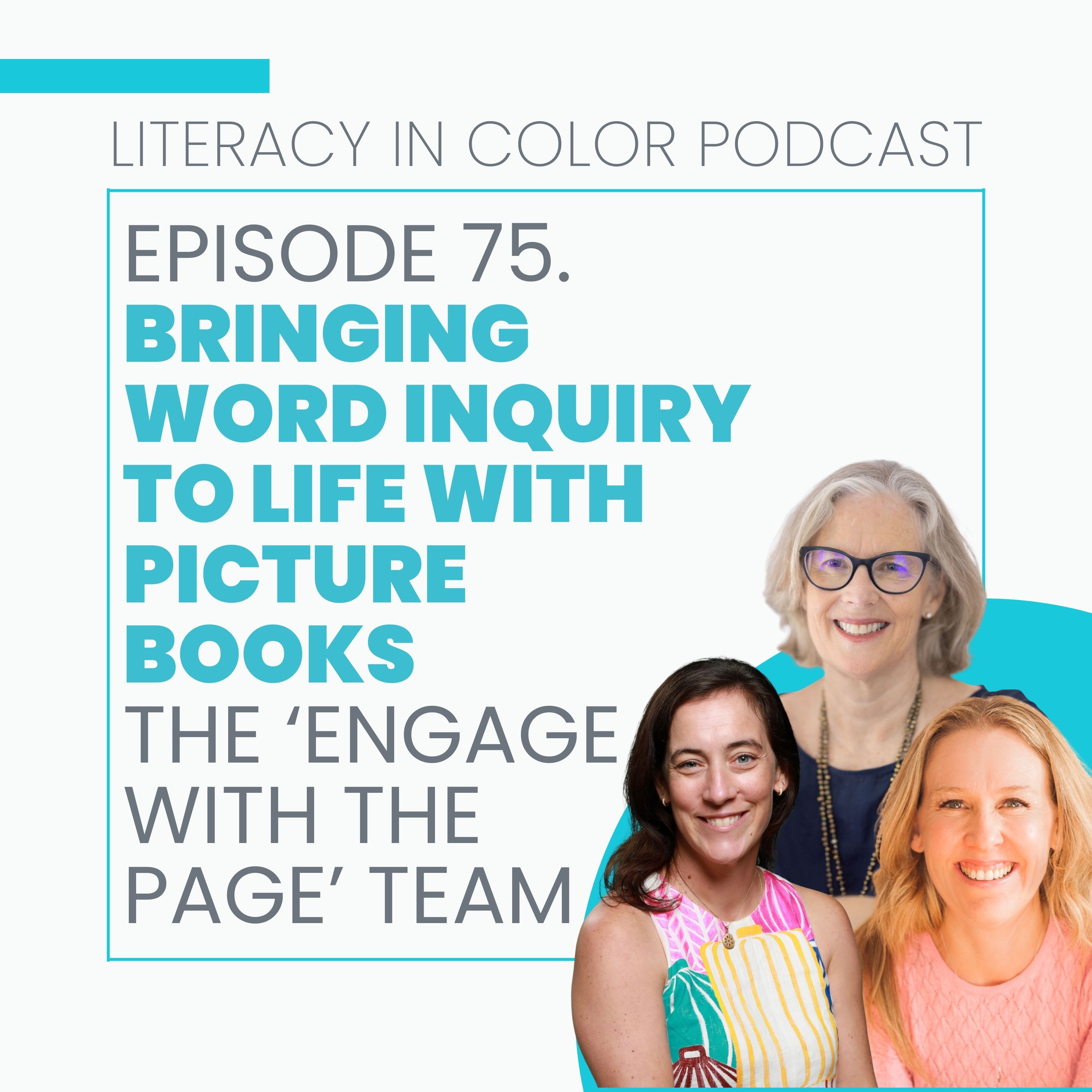
75. Bringing Word Inquiry to Life with Picture Books with Fiona Hamilton, Lauren Hateley-Crowe and Angela Brienza of Engage with the Page & Search Engage
Returning guest Fiona Hamilton, an international literacy consultant and founder of Word Torque, unites with her partners Lauren Hateley-Crowe and Angela Brienza – the team behind Engage with the Page and Search Engage. Together, they help teachers bring meaningful, joyful word inquiry into their daily read-alouds.Together, they unpack how their collaboration began, why picture books are such powe
74. Inside Project Read AI: What Educators Need to Know About AI and Structured Literacy with Viv Ramakrishnan
Artificial intelligence is everywhere – but what does it actually mean for structured literacy and foundational skills instruction?In this episode, I sit down with Viv Ramakrishnan, co-founder of Project Read AI, to unpack what educators truly need to understand about AI, large language models, and how thoughtfully designed technology can support (not replace) teachers.We explore why tools like Ch
73. Why These Holiday Words Are Spelled the Way They Are: Christmas, Hanukkah, and Kwanzaa
Holiday Word Study: Christmas, Hanukkah, and KwanzaaIn this cozy, end-of-year episode, we’re slowing things down for a short and joyful holiday word study investigation. Instead of a full instructional deep dive, this episode invites you to get curious about three words we hear everywhere this time of year:ChristmasHanukkahKwanzaaTogether, we explore where these words come from, what their spellin
72. Raising Up Readers: Scaffolding Strategies to Help Students Access Challenging Text with Jennifer Throndsen
In this inspiring conversation, Dr. Jennifer Throndsen, author of Raising Up Readers: 25 Scaffolding Strategies to Help Students Access Challenging Texts, breaks down what it really takes to accelerate reading achievement for all learners, including multilingual students and those reading multiple years below grade level. Drawing from decades of experience across classroom, district, and state sys
71. Uncomplicate Ed: How the Science of Learning Transforms Classrooms with Ashley Doty
In today’s episode of Literacy in Color, we’re chatting with Ashley Doty, founder of Uncomplicate Ed, an organization dedicated to making teaching and learning clearer, simpler, and more effective. Drawing on two decades of experience across the education landscape (and even a past life as a theater educator!), Ashley brings both heart and science to this conversation.They dig into what the scienc
70. How Effective Literacy Instruction Breaks the School-to-Prison Pipeline with Hilderbrand Pelzer III
In this powerful and deeply moving episode, Michelle welcomes Hilderbrand Pelzer III — award-winning principal, author of Unlocking Potential, national speaker, and a transformational leader whose work inside one of the largest jail systems in America has reshaped conversations about literacy, justice, and hope.Michelle heard Hilderbrand as a keynote speaker at The Reading League Conference and wa
69: What Are Kindergarten Reading Levels? The Hidden Problems Behind Levels A–D
In this solo episode, we take an honest, unflinching look at what are traditionally called Kindergarten Reading Levels: Guided Reading Levels A, B, C, and D — and why these levels do not reflect how children actually learn to read.If you’re a kindergarten teacher, literacy coach, interventionist, or a parent of a beginning reader, this episode will give you the clarity you’ve been craving.Key Take
68. It’s Never Too Late: Helping Older Struggling Readers Succeed with Linda Farrell & Michael Hunter of Readsters
In this powerful episode, Michelle is joined by legendary reading experts Linda Farrell and Michael Hunter, Founding Partners at Readsters. With more than 40 years of experience helping struggling readers — from kindergarten through adulthood — Linda and Michael break down what effective intervention truly looks like, why older learners often continue to slip through the cracks, and how to use ass
67. Small Groups, Big Results with Dr. Julia B. Lindsey
In this episode, Michelle talks with Dr. Julia Lindsey about her brand-new book “Small Groups, Big Results: Evidence-Based Routines to Get Every Child Reading ”, a practical guide to designing effective small-group instruction with the Science of Reading in mind. Julia shares her journey to researcher and author, and explains why the “leveled-text ladder” needs to be left behind. Together they exp
66. Writing Instruction: When You Have the Strategies but Not the System with LaNesha Tabb
If you’ve ever felt overwhelmed teaching writing, you’re not alone. In this episode, Michelle sits down with educator, author, and founder of Reimagine Writing, LaNesha Tabb, to talk about her framework in building confident, independent writers.For years, LaNesha admits she either “barely taught writing” or avoided it altogether — not because she didn’t care, but because it felt impossible to man
65. Supporting Students with Dyslexia Online with Michelle Breitenbach, Read to Rewire (Dyslexia Awareness Month)
October is Dyslexia Awareness Month, and today’s conversation shines a light on the power of online instruction to reach and teach our one in five students with dyslexia.In this episode, I’m chatting with Michelle Breitenbach, founder of Read to Rewire, certified dyslexia practitioner, and creator of the Online with Ease Academy, where she trains teachers to bring multisensory, structured literacy
64. My SOR Betrayal List (and the Podcast's 1st Birthday!)
Literacy in Color is officially ONE year old!I’d like to start this anniversary episode from a place of gratitude with a huge THANK YOU to my Top 10 Guest Episodes of the Year: Dr. Stephanie Stollar, Justin Browning, Lindsay Kemeny, Sarah Paul, Fiona Hamilton with Rebecca Loveless, Dr. David Kilpatrick, Dr. Molly Ness, Dr. Treasa Bowe, Christina Winter, and Jake Daggett.To celebrate this milestone
63. The Power of Parent Advocacy with Melanie Brethour, Soar with Dyslexia (Dyslexia Awareness Month)
October is Dyslexia Awareness Month, and every Friday Michelle is highlighting voices who are changing the landscape for students with dyslexia and their families.In this episode, Michelle sits down with Melanie Brethour, a Montreal-based resource teacher, founder of Decoding Dyslexia Quebec, and the voice behind Soar With Dyslexia. Inspired by her son’s journey with dyslexia, Melanie has become a
62. The Science of Learning: What Every Teacher Needs to Know with Dr. Shane Saeed
How does the brain actually learn or remember something new? In this fascinating episode of Literacy in Color, Dr. Shane Saeed joins Michelle to break down the Science of Learning in a way that’s simple, practical, and classroom-ready.Shane is an Elementary ELA Curriculum Coordinator, national presenter, and author who has spent years helping teachers translate research into action. Together, they
61. From Screening to Support: Coaching Teachers to Reach Every Learner with Jean Peake (Dyslexia Awareness Month)
In this Dyslexia Awareness Month bonus episode of Literacy in Color, I’m joined by Jean Peake, Lower School Literacy Specialist and Orton-Gillingham Practitioner. Jean shares about the importance of early screening, diagnostic assessments, and data-driven interventions – especially for those with dyslexia. Jean’s insights are both practical and heart-centered, reminding us that literacy work is ab
60. Making Reading Research Accessible with Dr. Neena Saha
Research should guide our teaching, but too often, it feels locked away in academic journals, filled with jargon, or disconnected from classroom realities.In this episode of Literacy in Color, I talk with Dr. Neena Saha: educator, researcher, EdTech innovator, and creator of the Reading Research Recap. She’s on a mission to make reading research clear, digestible, and actionable for teachers. So,
59. Teaching Beyond the Diagnosis with Casey Harrison, The Dyslexia Classroom (Dyslexia Awareness Month)
What does it really mean to teach beyond the diagnosis? In this inspiring Dyslexia Awareness Month conversation, I sit down with Casey Harrison—Licensed Dyslexia Therapist, Certified Academic Language Therapist, and founder of The Dyslexia Classroom®—to unpack how we can meet the academic needs of students with dyslexia and nurture their confidence, self-understanding, and advocacy skills.Casey ha
58. Teaching Phonemic Awareness: A Guide for Educators with Dr. Jane Ashby
Phonemic awareness (PA) interestingly is one of the most debated areas of literacy instruction. Should it be taught with letters, without letters, or both? Which tasks matter most? And how much is enough?In this episode of Literacy in Color, Michelle sits down with Dr. Jane Ashby, professor, researcher, and first author of Teaching Phonemic Awareness in 2024: A Guide for Educators. This conversati
57. What Does Dyslexia Really Look Like – and What Can We Do About It? with Heather O'Donnell, New Paltz Multisensory Tutoring (Dyslexia Awareness Month)
We’re kicking off Dyslexia Awareness Month with a conversation that every educator and parent needs to hear: what does dyslexia really look like – and what can we do about it? In this episode of Literacy in Color, I sit down with Heather O’Donnell, founder of New Paltz Multisensory Tutoring, Wilson Dyslexia Practitioner, and Associate-level Orton-Gillingham Academy member. Heather has built a
56. Coaching Outside the Box: Creative Ways to Support Teacher Growth with Christina DeCarbo (Literacy Coaching Conversations)
In this Coaching Conversation, I sit down with Christina DeCarbo, a Pre-K–5 literacy coach, teacher, national presenter, and curriculum author from Northeast Ohio. Christina is also known as Miss DeCarbo, and her work is fueled by a passion for making professional learning engaging, joyful, and practical.Christina shares her journey from first-grade teacher to literacy coach, including her school’
55. What Real Implementation Looks Like with Justin Browning, SOR for More
We all know the saying “when you know better, you do better.” But what happens when we know better…and still don’t see the needle move in reading outcomes?In this episode of Literacy in Color, I sit down with Justin Browning, national literacy consultant and founder of SoR for More, to talk about the missing piece: implementation.Justin draws from years of experience as a teacher, instructional co
54. Blending Strategies
Have you ever had a student rattle off the sounds in a word—/b/… /a/… /t/, only to say “tab,” “balloon,” or even “chicken”? If so, you’re not alone. And here’s the thing: these blending errors aren’t always decoding issues. Often, they’re tied to working memory.In this solo episode of Literacy in Color, we unpack why blending matters, what research tells us, and most importantly, practical scaffol
53. The High Frequency Word Project with Rebecca Loveless & Fiona Hamilton
What if high-frequency words aren’t “irregular” after all?In this episode of Literacy in Color, I sit down with Rebecca Loveless and Fiona Hamilton, co-authors of The High Frequency Word Project, to dig into the stories behind some of the most common words in English.Too often, these little “function words” get handed to students on flashcards with the message: just memorize it. But Rebecca and Fi
52. Phonemic Awareness Research Unpacked with Dr. David Kilpatrick
In this pivotal episode of Literacy in Color, Michelle is joined by psychologist, professor, and reading researcher Dr. David Kilpatrick to untangle some hotly debated ideas surrounding phonemic awareness in the Science of Reading community.This conversation isn’t about taking sides in the “with letters vs. without letters” debate. It’s about getting honest about what the research says, and more i
51. Rethinking Sight Words with Pryor Rayburn, Orton Gillingham Mama
In this episode of Literacy in Color, Michelle sits down with THE Orton Gillingham Mama, Pryor Rayburn to take a deep dive into the hot-button world of sight words and high-frequency word instruction.Pryor busts through common myths, clears up confusing terminology, and explores brain-based practices for teaching high frequency words through the lens of orthographic mapping. Whether you’ve relied
50. The Truth About Progress Monitoring: Myth Busting with Shannon Moore, Moore Literacy Leaps
In this episode, Michelle is joined by instructional coach and literacy specialist Shannon Moore of Moore Literacy Leaps to bust four major myths about progress monitoring in reading instruction.Together, they tackle what progress monitoring really is (and what it’s not), how it fits into the MTSS framework, and why all students, not just those below grade level, deserve targeted goals and regular
49. Set for Variability with Jen Yagid and Wendy Darasz, Informed Literacy
What does it really mean to be “set for variability”? In this episode, Michelle is joined by Jen Yagid and Wendy Darasz of Informed Literacy to break down this complex-sounding but classroom-friendly concept. Together, they demystify set for variability, explore its role in decoding, and share practical classroom examples.If you’ve ever wondered how to support students in correcting their own misp
48. SOR Mini-Con 2025 Recap with Heidi Martin, Jessica Farmer & Yvette Manns
In this heartfelt roundtable episode, Michelle is joined by her Science of Reading sidekicks, Heidi Martin, Jessica Farmer, and Yvette Manns to reflect on the very first Science of Reading Mini-Con! From spark-filled sessions to swag bags and sound baths, this conversation is full of gratitude, laughter, and heartfelt takeaways.They revisit each session, share their most memorable moments, and get
47. Why Representation in Children’s Books Matters—Especially for Black Boys with Tiffany Obeng, Sugar Cookie Books
In this powerful episode of Literacy in Color, I’m joined by lawyer-turned-author Tiffany Obeng, founder of Sugar Cookie Books. Together, we unpack the significance of representation in children’s literature, especially for Black boys, and how her “Andrew Learns” series is challenging the traditional narratives and creating space for all kids to feel seen, celebrated, and inspired.Tiffany shares w
46. Making Words Stick with Dr. Molly Ness on Orthographic Mapping
In this powerful episode, we welcome back Dr. Molly Ness, literacy researcher, educator, and co-author of “Making Words Stick”, the latest release from the Scholastic Science of Reading in Practice series. Together with Dr. Katie Pace Miles, Molly has created a teacher-friendly guide to help educators understand orthographic mapping and implement a 4-step routine that supports the mapping process.
45. A Global Lens on Morphology, Etymology & Literacy Instruction with Dr. Treasa Bowe
In this episode of Literacy in Color, we’re heading across the pond to Ireland for a powerful conversation with Dr. Treasa Bowe, an international literacy leader and passionate advocate for morphology, etymology, and meaningful instruction. With over two decades of teaching experience in both Ireland and the U.S., Dr. Bowe brings a truly global lens to literacy education.Together, we explore what
44. 4 Warm-Up Drills for Effective Phonics Instruction
In this episode of Literacy in Color, we’re diving into 4 quick, high-impact phonics drills that spark engagement and build automaticity, without eating up your entire lesson time.These warm-ups aren’t about “drill and kill.” Instead, they’re short, intentional routines that help students review and retrieve previously taught phonics content. Whether you’re a classroom teacher or interventionist,
43. Rock Your Literacy Block with Lindsay Kemeny
In this episode of Literacy in Color, I’m joined by the incredible Lindsay Kemeny, a trusted voice in the Science of Reading community and author of Seven Mighty Moves and Rock Your Literacy Block. Lindsay shares her journey into structured literacy, sparked by her son’s dyslexia diagnosis, and how that led to a complete transformation in her teaching and professional work.We dive into her brand-n
42. Is the Science of Reading for Multilingual Learners? with Alejandra Ramirez
In this episode of Literacy in Color, Michelle sits down with Alejandra Ramirez, a seasoned bilingual educator, reading coordinator, and literacy leader, to explore one of the most important questions in today’s classrooms: Is the Science of Reading for Multilingual Learners?With over a decade of experience in dual language programs and extensive training in LETRS and Esperanza, Alejandra brings a
41. Small Groups Aligned with the Science of Reading with Christina Winter, Lead in Literacy
In this episode of Literacy in Color, I’m joined by my dear friend, Christina Winter from Lead in Literacy. Together, we dive into one of the hottest topics in structured literacy: small group instruction.While some Science of Reading conversations debate whether small groups have a place in the literacy block, Christina reminds us that when done correctly—grounded in assessment, efficiency, and a
40. Why Read-Alouds Matter: Equity, Comprehension, and Book Access with Dr. Molly Ness
In this powerful episode of Literacy in Color, we are joined by Dr. Molly Ness to explore the deep impact of read-alouds, particularly think-alouds, as well as book access.. Dr. Ness, educator, author of Read Aloud for All Learners, and host of the End Book Deserts podcast, brings her research, experience, and passion to this conversation about how language comprehension is often overlooked, but a
Recommended

Fantasy Flex

زن بودن
Medicine with Meaning

Yours Truly Johnny Dollar Collection

Take Back Your Health®

CBS Radio Mystery Theater | Old Time Radio

Solved Murders - True Crime Stories

紐約鳥|New York Aperture
The Swerve Podcast: Obscure Topics | Conspiracy Theories

The Bread and Banter Podcast

The Church of What's Happening Now: The New Testament
Busted Open
