Investing in Regenerative Agriculture and Food
Investing in Regenerative Agriculture and Food podcast features the pioneers in the regenerative food and agriculture space to learn more on how to put our money to work to regenerate soil, people, local communities and ecosystems while making an appropriate and fair return. Hosted by Koen van Seijen.
Episodes

444 Peter Herz – The most successful food and agriculture investor you’ve never heard of
Peter Herz spent his career as a serial entrepreneur in Silicon Valley deep tech: chips, semiconductors, data storage. Then a doctor's visit in 2010 changed everything. Today he is co-founder and general partner of 1st Course Capital, one of the best-performing food funds you've probably never heard of.So what does a former chip designer invest in? Alt proteins, vertical farms, AI farm s

443 John Schoonbee - Why a $43B reinsurer believes type 2 diabetes is reversible
Four or five eggs, swimming in butter. For breakfast!That is how Dr. John Schoonbee eats. A trained doctor and Global Chief Medical Officer at Swiss Re (a $43 billion reinsurance giant), John studied medicine in South Africa and worked as a GP before following his love of maths into reinsurance. His job is to spot the health trends that shape how long people live; and for the past decade, one tren

442 Francisco Roque de Pinho – Don't say regenerative if you want to raise capital
What if the best argument for regenerative agriculture isn't the planet, but the profit? Francisco Roque de Pinho didn't set out to become a regenerative farmer. He came from capital markets, carbon trading, and strategic consulting — and stumbled into farmland management when distressed clients needed someone to rescue underperforming assets in Uruguay. What he found, through trial and

441 Jacob Israelow - Leaving Goldman to Invest $80M in Regenerative Farmland with Dirt Capital
Jacob Israelow is the founder of Dirt Capital Partners, an investment platform that partners with regenerative farmers and ranchers to help them secure long-term access to the land they farm—and ultimately own it. He left Goldman Sachs and returned to the New York area in 2012, bringing a background in real estate and investing and a growing interest in local food systems. After spending about a y

440 Christian Holzleitner - How EU regulation could unlock the soil carbon market for European farmers and investors
Five years ago, many people in the regenerative agriculture space thought that simply paying farmers for soil carbon storage would rewire the agricultural system in a heartbeat. It turned out to be considerably more difficult. The European soil carbon market has not scaled at the speed needed. The voluntary carbon market has not delivered the financing that was hoped for.Is regulation part of the

439 Farm data can and will be used against you - Live from Groundswell 2026
Only 4% of Benedikt Bösel's customers scanned the QR code on their meat — even though that code would have shown them the life of the specific cow they were eating, its pasture, its movement, everything. The other 96% either trusted the brand completely, or simply didn't care. That number sits at the centre of this conversation.This episode was recorded live at Groundswell 2026, the UK&a

438 Eric Smith - How nutrient quality data rewires the food system
Eric Smith is the founder of Edacious, a company building the infrastructure to make food quality and nutrient density measurable, objective and comparable. After spending years building a nutrition-testing platform capable of measuring macronutrients, micronutrients, bioactives and phytochemicals, alongside the benchmarks and data systems needed to make those measurements useful, he returns to si

437 Abby Rose - Storytelling in Regenerative Agriculture: Who Funds Stories That Shift Systems?
Abby Rose is an experienced agricultural storyteller, co-host of the award-winning podcast Farmerama Radio, and co-founder of the soil monitoring and data platform VidaCycle. With a background spanning technology and hands-on farming on her family's farm in Chile, Abby has spent nearly a decade amplifying the voices of the regenerative farming movement and creating tools to help farmers build

436 Erica Gies - Water always wins, and we can still cool the planet if we let it
Water always wins. The question is whether we let it cool the planet while it does — or keep fighting it until there's nothing left to fight with.Erica Gies is the author of Water Always Wins: Thriving in an Age of Drought and Deluge, and is currently writing her second book, Roots to Sky: How Life and Water Can Help Cool Earth's Climate, due in 2028. She is an environmental journalist w

435 Gonzalo Úrculo - Inside Crowdfarming’s model of 500,000 customers and 350 farmers
An orange farm near Valencia, abandoned for a decade, a family debt, and a website. Seventeen years later: 500,000 customers, 350 partner farmers, 400 employees, and not a single discount ever run.Gonzalo Úrculo is co-founder of Crowdfarming, the direct-to-consumer platform that connects European consumers directly with farmers — no wholesaler, no distributor, no price negotiation after harvest. H

434 Marc Leiber - 200 euros, 160,000 trees, and how to build a syntropic paradise from scratch
200 euros in a bank account, no contract, and a vision. Six and a half years later: 160,000 trees, a soil temperature at 15cm depth of a constant 21°C — while the bare field metres away peaks at 38°C — and a landscape so full of birds that visitors ask to walk through it in silence.Marc Leiber, founder of Grow Back and farmer at Quinta das Abelhas, in Portugal, is German agroforestry practitioner

433 Dimitri Tsitos - Three years of R&D in intensive almonds: can you really do regen?
Dimitri Tsitos, co-founder of Agrosystemic, left Greece a decade ago, spent years working across European farming systems, and eventually landed in Portugal to run what has become one of the most rigorously monitored regenerative trials in Mediterranean intensive tree crop agriculture. He is the lead on the field research side of the Arbo-Innova project, a multi-farm, multi-consortium research pla

432 João Valente - 26 years no-till, outcompeting monocultures, and now teaching his neighbours
João Valente, owner of Monte Silveira, took over his family farm in central-eastern Portugal that was running on tobacco, broccoli, and melons with sixty-five people employed year-round, the rotation designed entirely around subsidies. When the tobacco subsidy disappeared at the end of the 1990s, he found himself with a question: what does this land actually want to be? That question led him to or

431 Diogo Pinho - Why Europe's largest silvopasture system is collapsing and how grazing fixes it
Diogo Pinho started his scientific career in the first DNA sequencing lab in Portugal, then did a hands-on PhD on the soil microbiome of cork and holm oak, studying why the trees get sick, before spending two years with Biome Makers, a soil microbiome analysis company, running labs and translating bacterial and fungal profiles into colour-coded, farmer-readable reports for growers around the world

430 Lara Espirito Santo - Source the cream, not the butter: fixing food waste through regen sourcing
Lara Espírito Santo grew up shuttling between Rio de Janeiro and her father’s industrial farms in Paraguay and Brazil, traded a planned career in politics and international development for a kitchen job at Silo in London, and went on to co-found SEM, the zero-food-waste restaurant in Lisbon she ran with her partner George McLeod until closing it ten days before this conversation (not for financial

429 Raiza Rezende - Closing the gap between soil health and human health
Brazilian-trained chemical engineer, Raiza Rezende left a career path lined up by petroleum, gas, and pharmaceutical companies to study syntropic agriculture with Ernst Götsch, then WWOOFed her way across Spain, Portugal, and Greece before co-founding two organisations working from opposite ends of the same problem: Agrosystemic, which helps large farms in Portugal and Brazil transition toward reg

428 John Gilliland - Why a top UK regen farmer hasn't sold his carbon yet
John Gilliland is a sixth-generation UK farmer and advocate for sustainable agriculture with a legacy in policy, academia, and innovation. As a leader of the ARC Zero project, his own farm is a model for "Beyond" Net Zero practices, where willow cultivation, livestock grazing, and renewable energy initiatives work together in a circular system.He has credits he could sell tomorrow and ha

427 James Barrett - Europe has a water retention problem
Europe doesn't have a water problem. The rain still falls; we've just spent a few hundred years engineering it off the land as fast as we can, which James Barrett likens to hauling your garden clippings to the dump only to drive back in spring and buy compost.James is a regenerative hydrology consultant, founder of Decent Water Company and lead regenerative designer for Ten Lives Festiva

426 Ivana Gazibara - Deploy $1.4 billion in catalytic capital to transform the Midwest agricultural system
The Midwest: 140 million acres of corn and soybeans, rural economies slowly dying, a system with no real long-term future in terms of soil or human health. It's also where roughly 25% of farmland could flip the entire region toward regeneration—but only if you coordinate capital the right way.Ivana Gazibara, Director of Systemic Investment Programmes at the TransCap Initiative, spent two year

425 Daniel Vidal - How to build a zero-waste restaurant with deep ancestral Mexican roots
Daniel Vidal, head chef of Baldío, LATAM's first zero-waste restaurant, joined Koen in the kitchen in Mexico City to talk about what it actually takes to make radical food accessible to the people it was always meant for. When Baldío won a Green Michelin Star, Daniel didn't think to take his mother there for her birthday as the restaurant back then could win over critics but not his own

424 Benedetta Kyengo - The Green Revolution stole her paradise, now she's bringing it back through syntropic agroforestry
As a child in Nairobi, Benedetta Kyengo spent holidays climbing trees and eating mangoes and papayas at her grandmother's food forest in eastern Kenya. Eight years later, every tree was gone, replaced by maize and beans, and her grandmother, who used to send food to the city, was depending on money sent from it. That reversal, from abundance to dependency in a single generation, is the wound

423 Chris Locke - Fermentation is the future of food
Fermentation is the oldest food technology on earth. It happens in our guts, in the soil, in every cup of coffee and most restaurants still throw the juiced lime away. At Baldío, Mexico City's zero-waste restaurant, Chris Locke has built an entire philosophy around that lime: a Korean-style raw syrup, a lacto-fermented powder for seasoning, a tapache, and finally a koji-based shoyu. Four prod
422 Pablo Usobiaga - Building nature's favourite restaurant in Mexico City
An ancient farm system, built by hand on top of water, hidden inside one of the largest cities on earth and almost nobody knows it exists.The chinampas of Xochimilco are human-made islands, constructed over centuries in the lakes that Mexico City was built on. At their peak they fed an entire civilisation. Today, more than 60% are abandoned, the city is slowly swallowing the edges, and once a chin

421 Janet Maro — Farmers are the architects, not the audience
When Janet Maro started building training programs with farmers in Tanzania, she didn't arrive with a curriculum. She asked farmers what they knew, what they needed, and what they could bring to the table — and built from there. That instinct, to treat farmers as the architects rather than the audience, turns out to explain most of what makes Sustainable Agriculture Tanzania unusual: why grou
420 Silke German – Creating the Tesla of beans by saving the milpa system
Mexico has thousands of bean varieties. Most people living in cities know four to five. Silke Gérman is on a mission to change that.She is the founder of La Comandanta, a premium heirloom bean and salsa brand now in its twelfth year of connecting smallholder milpa farmers in central Mexico to retail shelves in Mexico City, the US, the UK, and Germany. Ancient Mexican bean varieties — grown for mil

419 Max Küsters - Why every pioneering regen farm should sell ecosystem services
Gut & Bösel in Alt Madlitz, Brandenburg is one of the largest regenerative farms in Europe — 3,000 hectares of arable land and forestry on some of the sandiest, driest soils in Germany. For years, farmer Benedikt Bösel and his team have been experimenting with agroforestry, holistic grazing, and composting at scale, with no blueprint and no neighbours to learn from. That experimentation costs

418 Sylvia Kuria - Farmers should grow their own food first
Sylvia Kuria started with a kitchen garden and a refusal to use chemicals on food for her newborn. Seventeen years later, she runs Sylvia's Basket, aggregates organic produce across Kenya, trains smallholder farmers on half-acre plots, and helped get agroecology written into county government development plans with real budget behind it. The journey from that first bottle of pesticides to a f

417 Pablo Francisco Borrelli — Grazing carbon credits: the Trojan horse transforming Argentine grasslands
Argentina has just issued its first grazing-based carbon credits and the story behind them is forty years in the making. Pablo Francisco Borrelli, co-founder of Ruuts, has spent the last decade building the infrastructure to get farmers in Patagonia and beyond paid for what their land is actually doing: sequestering carbon, retaining water, and growing more grass than anyone thought possible.The

416 Sherry Hess – Hijacked Flavour: reclaiming taste from the food industry
Your tongue might be the most underused tool we have for understanding food quality — and for moving consumer buying power toward regenerative farming. Sherry Hess, culinary professional, nutritionist, and founder of The Flavor Remedy, makes the case that taste is not a nice-to-have. It is a powerful biological signal, and the food processing industry has understood this far longer than we have.We

415 Kofi Boa - You can see soil health in a single season
African soils were once so alive, nobody called it regeneration, the land just gave. Dr. Kofi Boa, founder of the Center for No-Till Agriculture (CNTA) in Ghana, has spent decades proving they can give again.Boa traces his journey from a burned family farm to one of Africa's most compelling soil restoration demonstration models and makes the case for a distinctly African approach to regenerat

414 Laura Ortiz Montemayor - What if healthy economies meant drinkable rivers
The healthiest economies will show up with drinkable rivers. That is the image Laura Ortiz Montemayor works backwards from — every Monday morning, every investor meeting, every slide deck.Laura is a regenerative finance strategist, founder of SVX Mexico, and co-founder of LARIS — the Latin American Regenerative Investment Summit. This is her third time on the show, and a lot has happened since we

413 Anastasia Volkova - Building the world's largest MRV provider
Regenerative agriculture really works. Data shows that the ability of crops, from planting to harvest, to withstand weather shocks (50-year droughts and floods happening every year, anyone?) correlates very strongly with regenerative agriculture practices. To enable that at scale, MRVs are crucial. Happy to welcome back on the podcast Anastasia Volkova, co-founder of Regrow Ag, the AI-powered plat

412 Emmanuel Luwemba – Disrupting the seed monopolies in East Africa
Seeds, seeds, seeds. It all starts with power and who controls the seeds. But who is actually building scalable companies in this space? Today we have one: a decentralised seed company in Uganda that only works with indigenous seeds, is farmer-owned, and gives power, value, and control back to the farmers. The farmers are trained to select seeds and to grow them, and Emmanuel Luwemba, the founder

411 Pierluigi Scordari - Skin care: the profitable Trojan horse for regen ag
Why are we completely ignoring our biggest organ, our skin? The skin care and cosmetics industry is a 200 billion industry and growing fast, often with great margins. Most of it is filled with barely legal chemicals, but there is a fast-growing natural, even regenerative, beauty space and we talk to one of the leaders.We cover everything with Pierluigi Scordari, Sustainability Manager di N&B N

410 Paul Hawken – Carbon is life, not the enemy
Carbon is life, not the enemy. And in this wide-ranging conversation with the legend that is Paul Hawken, we get into all of it. Paul is an activist, entrepreneur with Project Drawdown and Project Regeneration and prolific writer who started a natural food brand back in the 1970s. We trace his journey through writing Drawdown, Regeneration, and Carbon: The Book of Life and why people loved Drawdow

409 Olusola Sowemimo - How a Nigerian lawyer built a profitable organic farm with standards, data and community
We sit down with Olusola Sowemimo, a lawyer-turned-farmer and founder of Ope Farms in Nigeria, to unpack how grief became a blueprint for organic, traceable, and profitable agriculture. Her catalyst was a cancer conference in California where survivors only ate what they could trace—an idea that reshaped how she thinks about soil, inputs, and integrity. Back home, the early days were rough: antibi

408 Ivan Mandela - Unicorns can wait, African farmers can't
It’s a very interesting time for African agriculture and food, the continent is realising it’s potential to help feed the world, money is flowing into infrastructure to unlock this, more and more talent is coming into the space and the realisation that agro ecology or regenerative agriculture is no longer a nice niche with big margins but has the potential to become the predominant way of agricult

407 Tania Rodriguez Riestra - Systems change investing done right
The food, agriculture and planetary systems, for that matter, are all in serious need of change. No news there. But how? Individual investments and grants, however large, will never be big enough to move these systems. What we need is a serious, deep analysis of the food and agriculture space within a certain context: hundreds of hours of interviews with many stakeholders to map the players, the p

406 Neal Collins – Agrihoods for free-range kids: a Trojan horse for regenerative agriculture
Think about where and how you live. Close your eyes and picture your ideal neighbourhood. We bet it looks something like this: a walkable neighbourhood designed around a fully functional farm, with different types of houses built from healthy, non-toxic, natural materials, multifamily, aging-proof, small but not too small, with plenty of privacy, and affordable. The neighbourhood is designed for m

405 Sylvia Banda - How she trained 60,000 farmers and transformed Zambia's food system
A conversation with Sylvia Banda, Zambian business woman, restaurateur and social entrepreneur about her journey started when when she was 12. She opened her first food company, and she hasn’t stopped since. She now runs a multi-million-dollar business with over 15 restaurants in Lusaka, Zambia, a food- processing company selling traditional Zambian food worldwide, and has trained over 60,000 smal
404 Joe Tomandl – CAFOs have caught up, can regenerative dairy still win?
We are at an interesting moment in the dairy sector. For years, smaller farmers with around 200 cows, who were also great graziers, could undercut the costs of large concentrated dairy operations, keeping costs low, taking healthy margins in good years, and surviving the bad ones.But something has changed: CAFO dairies have grown bigger and bigger (10,000 cows is now normal, and 100,000 is no long
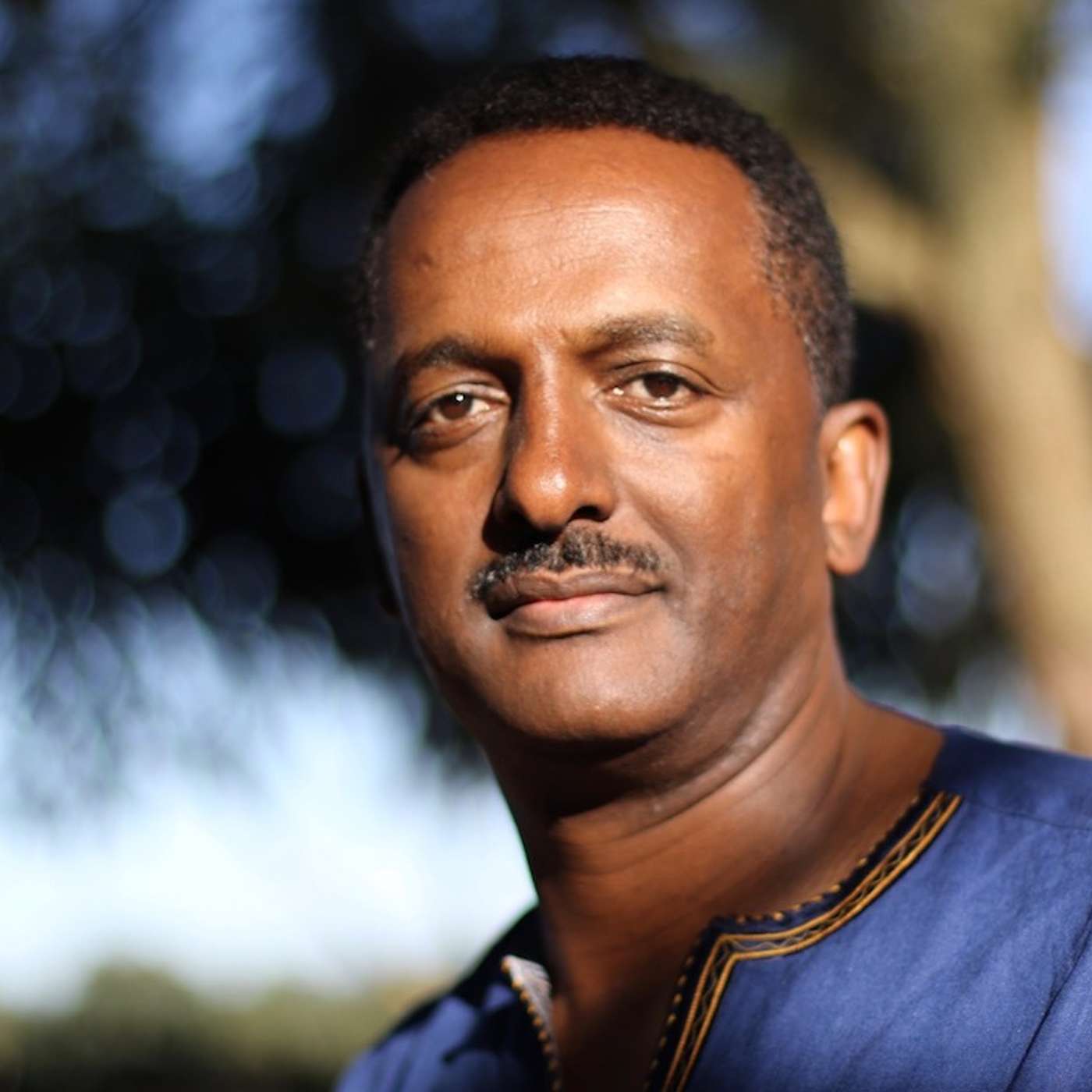
403 Million Belay - Why the USAID shutdown was a gift to agroecology in Africa
The difference between agroecology and regenerative agriculture is the deep social change we need in the food and agriculture system. As Laura Ortiz Montemayor told us once "ecology without social justice is just gardening". Million Belay, who leads the Alliance for Food Sovereignty in Africa, the largest social movement on the African continent, is very clear stop intervening with agric
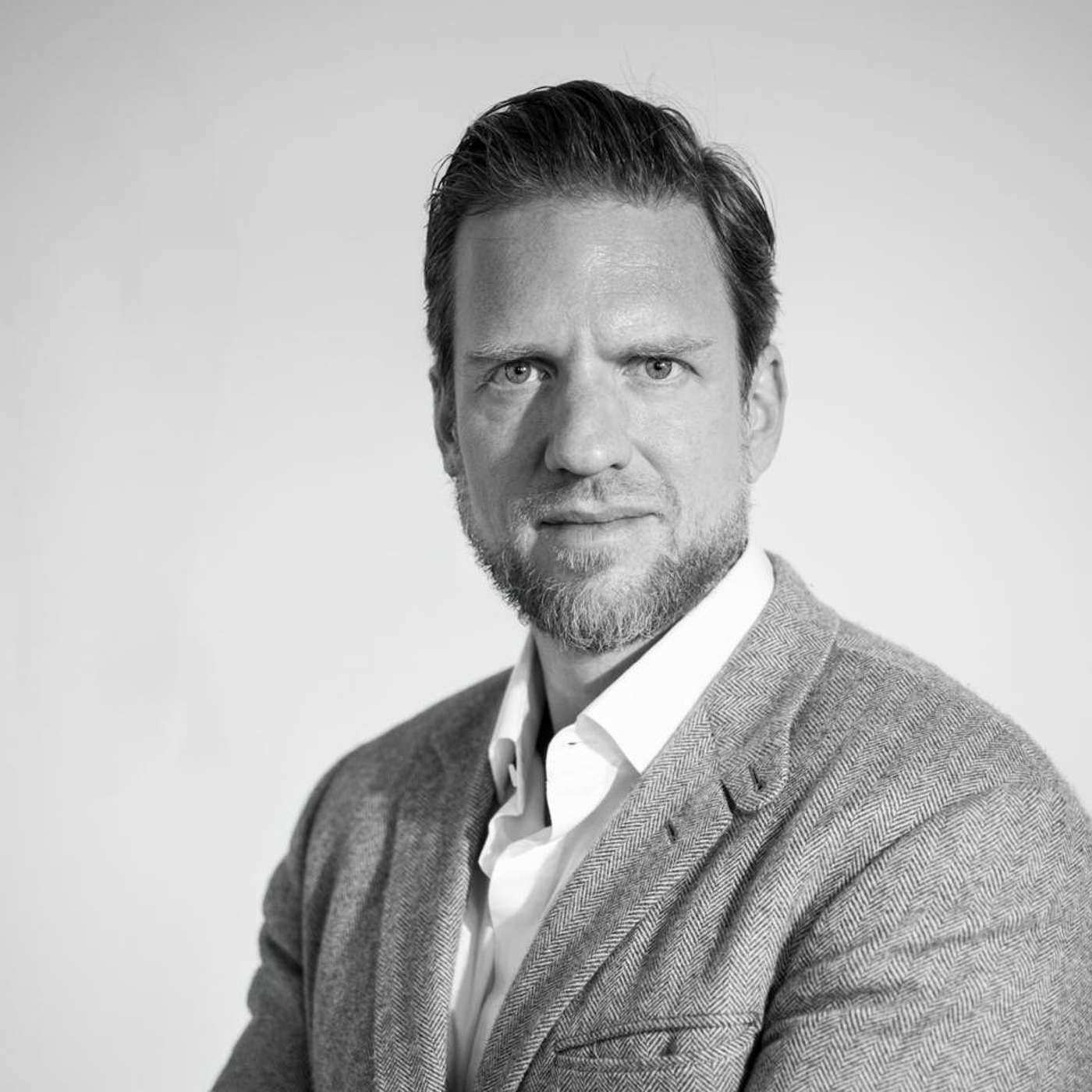
Martin Reiter - Meat Mythbusters (Bonus Episode)
This is deep dive into common misconceptions about red meat, methane emissions from cows, and the feasibility of transitioning to grass-fed beef production. We discuss the health impacts of red meat based on the cow's diet, the actual environmental effects of methane from ruminants, and busts myths surrounding CAFO operations and land use. Cows. Methane. Climate.The debate is louder than ever
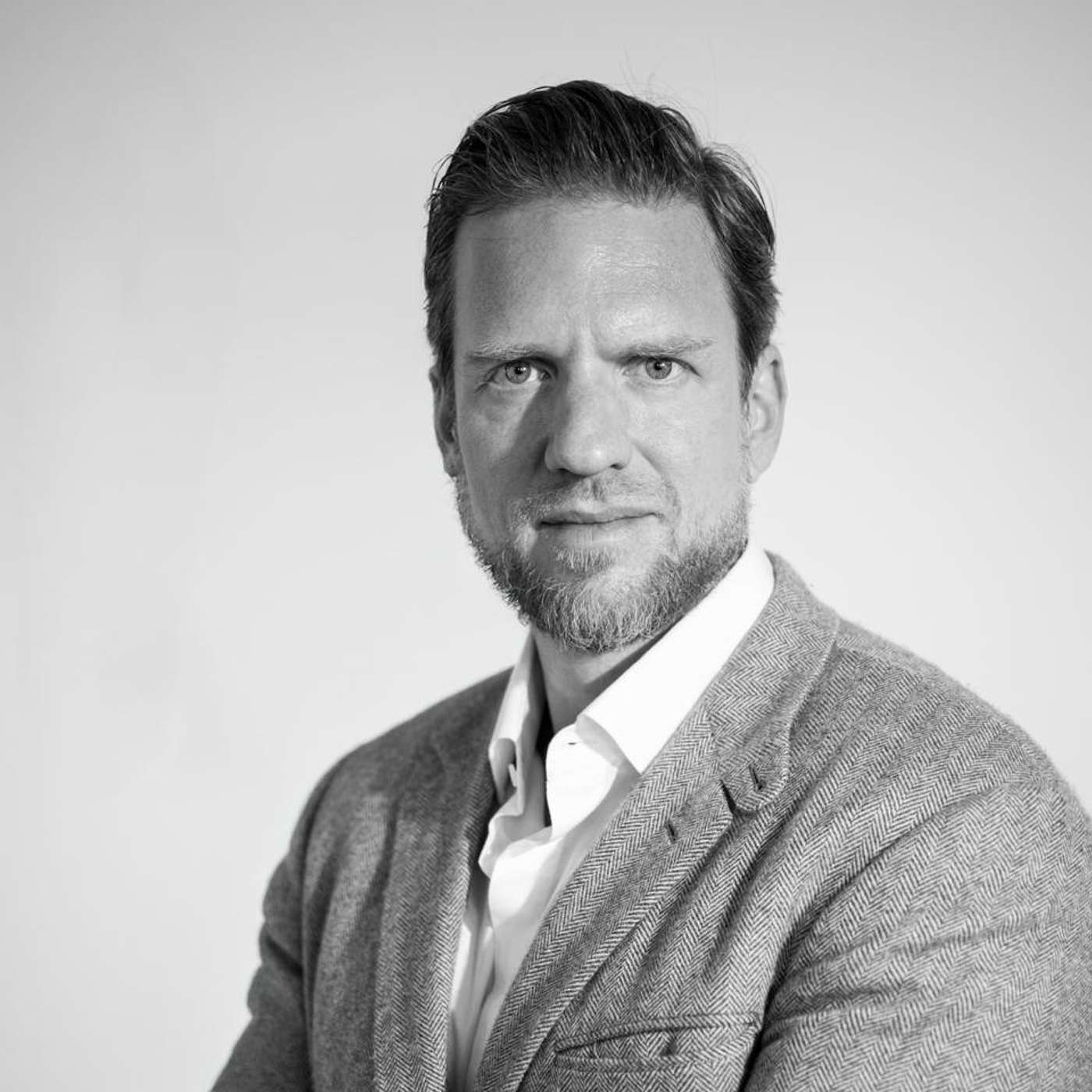
402 Martin Reiter – Building a $100B home for regenerative brands
What is needed to truly move the needle on health? Create more research, more trials on nutrient density, more advocacy? Or, as Martin Reiter, founder of RARE argues, create the next regen Nestlé or Unilever: a 100 billion (yes, that’s a B) regenerative consumer goods conglomerate, with only better-for-you and better-for-the-planet brands. The demand is there; the current incumbents are unable to

401 Bart van der Zande - A venture studio is the solution to all our regenerative challenges
How to get more entrepreneurs building in the regeneration space? If you are a regular listener of this podcast, you have heard us discuss this so many times you probably lost count. No, we are not saying entrepreneurs and companies are the solution to all our problems. But entrepreneurial people who set up companies, but also non-profits and movements— basically people who don’t accept the status

400 Omoke Brian - Inside Africa’s regenerative agriculture opportunity
Bill Gates Foundation works in Africa: what goes through your mind when you hear those words? We all probably quickly have our thoughts ready, but hold on a second. Just as we often talk about farmers without asking them, we often talk about the African continent without asking people actually living there. So, we never fully grasp how big, how interesting, how full of potential, and how fundament

399 AI in Ag: What’s Possible, What’s Not, What Farmers Need to Know @ Groundswell 2025
AI is transforming agriculture, how can farmers and land managers be sure it works for them? What digital twins, soil health metrics, novel robot sensors and other technologies can do to support profitable farming and enable ecosystem service payments—while also addressing critical questions about data rights, governance, and ownership like: How can farmers and landholders retain control of their

398 Thekla Teunis and Gijs Boers - Regenerative practices deliver higher quality and way higher prices in year one
Regenerative practices lead to higher quality and much higher prices in year one and, over time, to lower costs, which makes the regenerative business case in certain cash crops that are exported (spices, tea, coffee, etc.) so strong that it almost spreads on its own. Nothing is easy, but this is really hopeful. In this conversation with Thekla Teunis and Gijs Boers, founders of Grounded, Grounded

What 2025 taught us about making regen bankable, animals, water, chefs, scale, Al in ag, agroforestry, education, food as medicine, ROl, storytelling
This is our 2025 wrap episode. If 2025 had a soundtrack, it would be pressure: pressure on systems, on people, on animals, on land.Heat. Drought. Fire. Flood. Repeating across regions and headlines.But this year we also paid attention to what doesn’t always make the news. We spent time in real conversations with farmers testing new practices in their fields, scientists challenging outdated models,

397 Andres Jara - How a chef-butcher-farmer turned legumes into a scalable, clean-label food that rewards farmers
How do you make legumes great again? This is not a political episode. It’s about something far more urgent: giving legumes the role they truly deserve in our food system. Together with Andres Jara, co-founder of Favamole, we explore what it really takes to build a regenerative food brand in the middle of today’s industrial food landscape. What if a simple, delicious sauce could change crop rotatio

396 Erin Martin - Making America Healthy Again with food as medicine, not Ozempic
Make America healthy again: is that helping the food-as-medicine movement or hurting it? And why is it so important to focus on quality food as medicine- which means nutrient density and real quality- rather than settling for simply “more fruit and vegetables”? Why would you, if you can, deny people with severe diabetes and lower incomes the best-quality food possible, especially when it has the b

395 Alfonso Chico de Guzmán - The ag-tech that brings cows back
Straight from La Junquera farm, in Murcia, Spain, a Walking the Land episode with Alfonso Chico de Guzmán, a regenerative livestock farmer.It starts as a hobby. So, you take a few cows just like someone in the city would take a cat or dog or a chihuahua, and it slowly gets out of hand. But what really enables this kind of grazing in these circumstances is technology, virtual fencing, virtual sheph

394 Stef van Dongen - Trees don’t send invoices so a Catalan valley is rewiring water, forests and finance
A check in conversation with Stef van Dongen, founder of The Pioneers of Our Time. Sitting at the fireplace we trace how neighbors who barely spoke began phoning across ridgelines, how tourism money are flowing uphill to fund forest work, and how a dense, abandoned woodland started opening into a living mosaic that holds water, softens fire, and invites wildlife back. We walk through the mechanics

393 Simon Kraemer - The 'We’ll starve without fertilizer' crowd forgot to check the fields
How do we feed the world? It’s all nice and cute this regenerative agriculture and food stuff, but how do we actually feed the world? By 2050, we’ll need to produce double the amount of food. This is a question you, like me, get a lot, we bet, from banks, pension funds, large institutional players, investors in general, entrepreneurs, and eco-modernists.Our go-to answer was always: go to the most

392 Toby Parkes - Mapping the underground fungi world by building a unicorn
In order to save and more importantly restore biodiversity we don’t need biodiversity or carbon credits; we need biologists to find super profitable business models within the magical deeply complex world of nature. It's the case of Toby Parkes, founder and CEO of Rhizocore, with whom go deep into the third, mostly ignored, and much more complex kingdom: fungi. We talk numbers that matter to
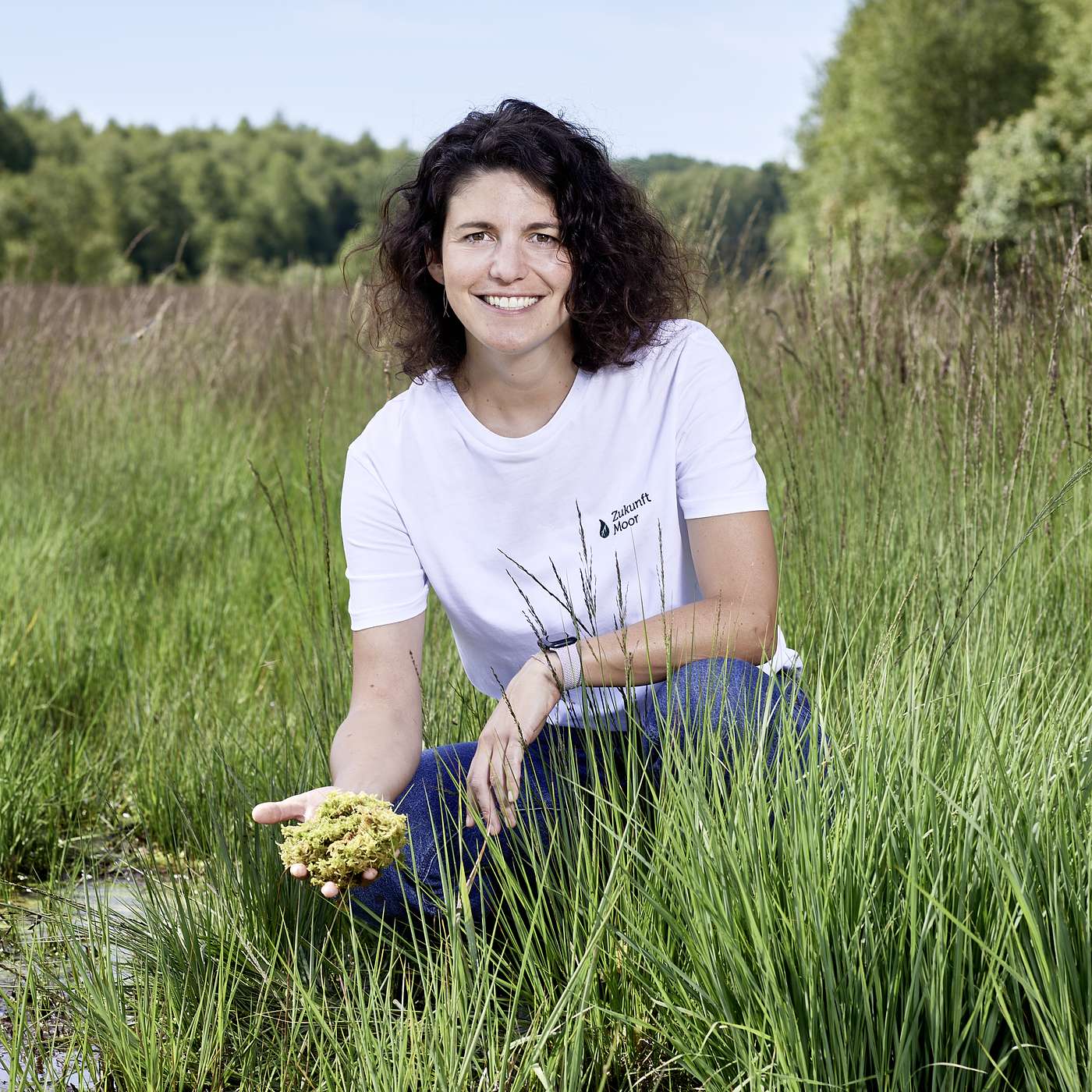
391 Julia Kasper - Rewetting peatlands is the biggest climate opportunity to cut CO2
Meet Julia Kasper, cofounder and CEO of Zukunftmoor, a company rewetting drained peatlands and growing sphagnum moss to transform how we think about agriculture. Their powerful approach reduces greenhouse gas emissions and makes climate-friendly farming possible in peatland regions.Peatlands, peatlands, peatlands: the biggest climate opportunity in agriculture isn’t cover crops or even silvopastur
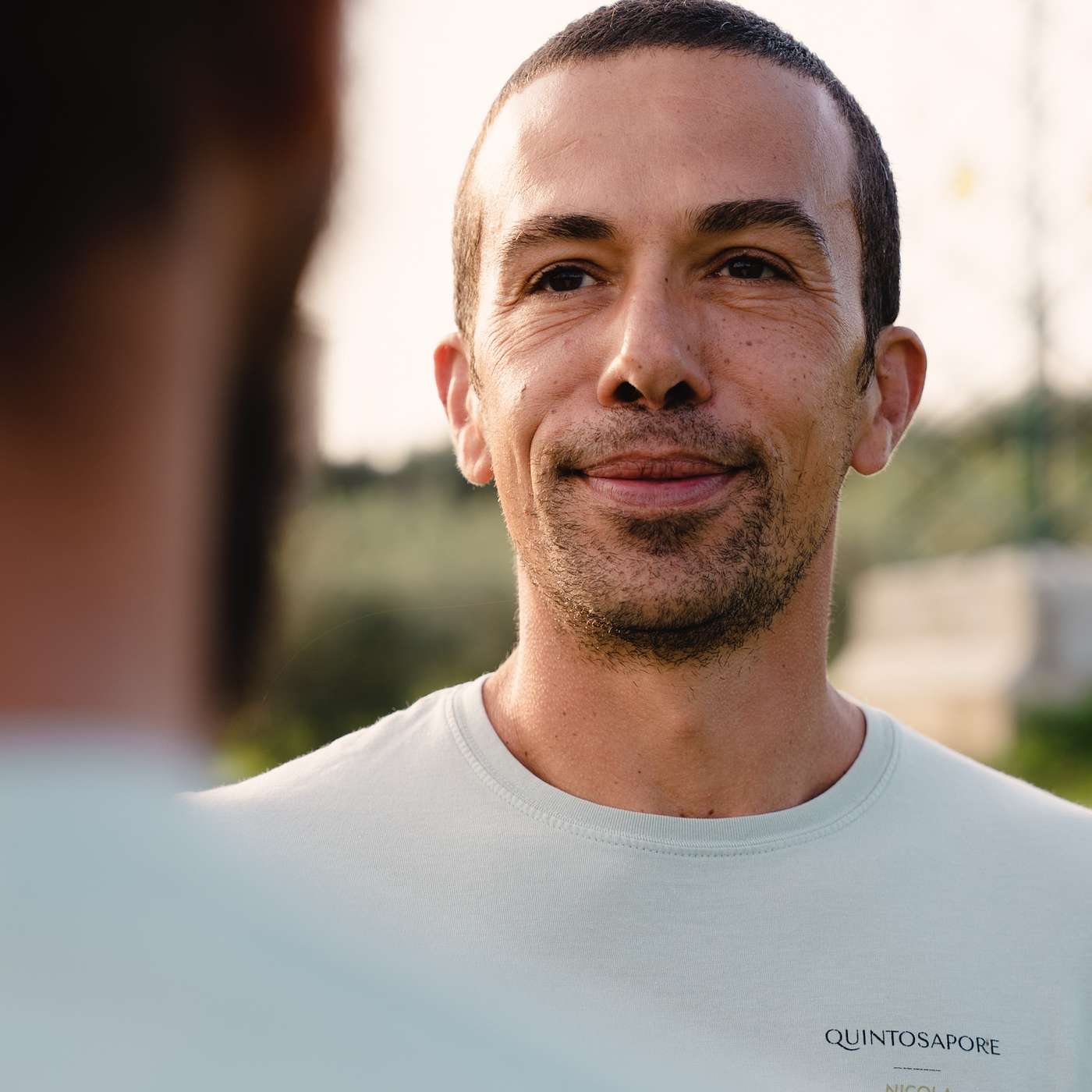
390 Nicola Giuggioli - Building a regenerative brand: from soil health to living wages
Can you pay a decent year-round salary to farm workers, enough to go to a bank, get a mortgage, and still not charge prices that make your produce accessible only to the happy few? What do vibrations, pest management, nutrient density, and processing have to do with it?With Nicola Giuggioli we walk the Quintosapore land, on a hilly but stunning landscape in the green heart of Italy, Umbria, where
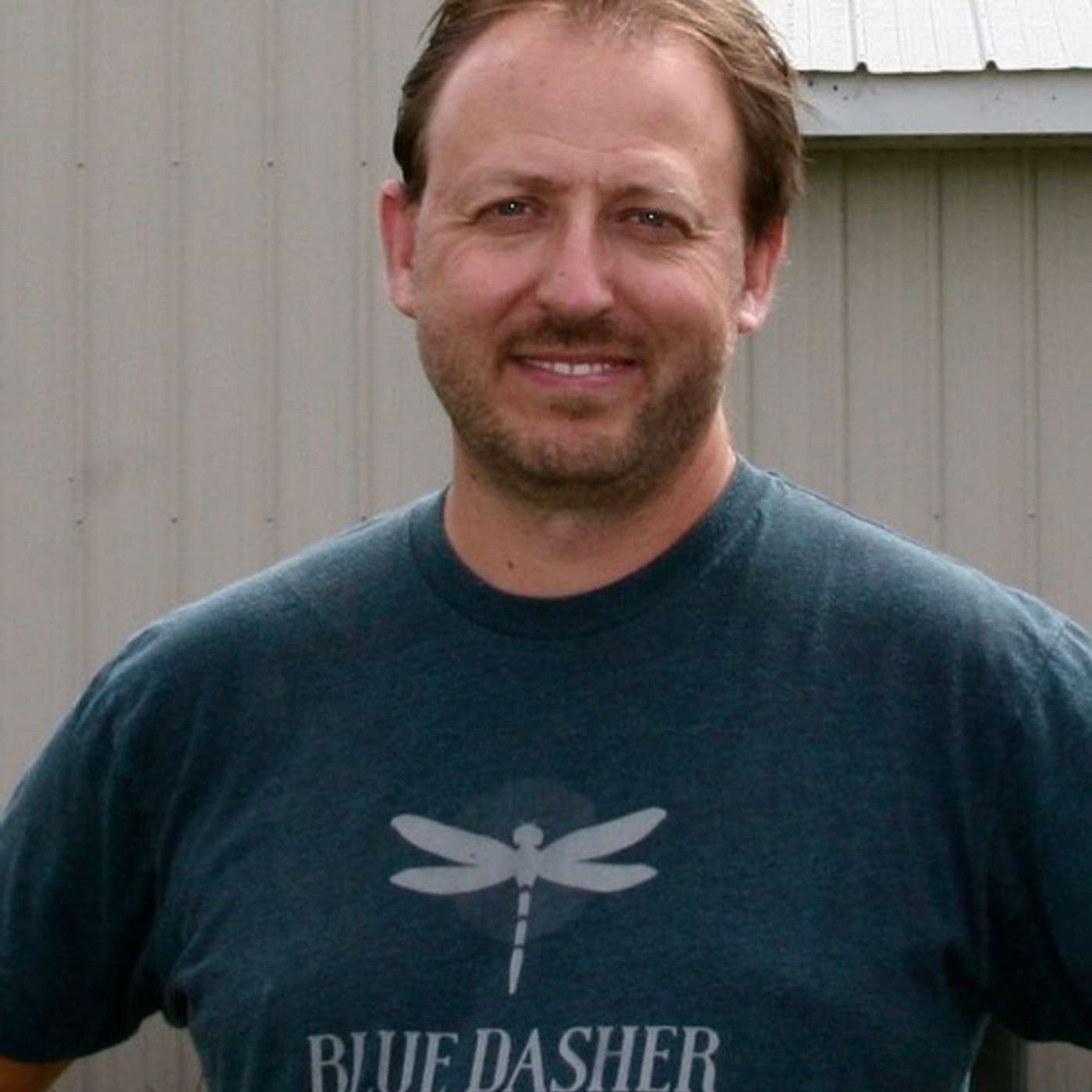
389 Jonathan Lundgren - You need more cows, not fewer, to save the planet
A new conversation with Jonathan Lundgren, one of the world’s most interesting and most cited scientists when it comes to regenerative agriculture. For the last four years, Jonathan and his team have been in full swing with their 1000 Farms Initiative, where they document research and follow regenerative farms, actually closer to 1600 farms now.An episode where we talk about data, data, and more d
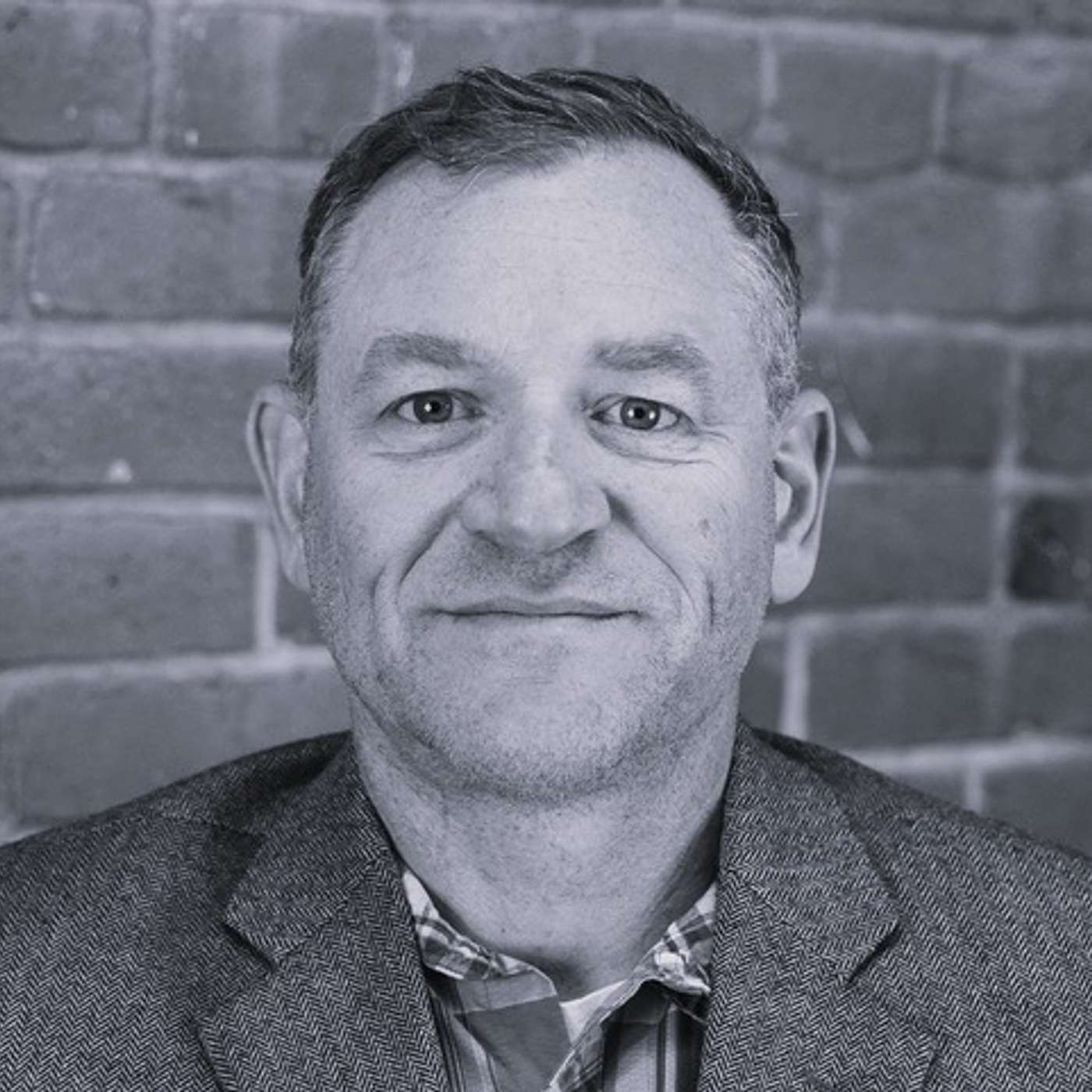
388 Justin Bruch - Organic out-earn conventional, how do we transition more farms and farmers?
A conversation with Justin Bruch, Cofounder-President & CEO of Clear Frontier, born and raised 5th generation Iowa farmer. He has actively farmed on 4 continents and has spent his entire career working in agriculture across North America (USA/Canada), South America, Europe, and Africa. Organic makes more money. This is a financial decision first. Of course, it’s context-specific: we’re talki

387 Douglas Sheil - Why fixing water fixes carbon
Yes, we’re talking again about water cycles and this time with Douglas Sheil, Professor of Forest Ecology and Forest Management at Wageningen University, one of the most famous agricultural universities in the world. Why has it been so difficult to get scientific discoveries, like the biotic pump theory in physics, to enter other fields like climate science and forestry? We talk about the huge pus

386 Lauren Tucker - Inner regen work, gut molds, almonds groves in the Central Valley and taste buds
This is a check-in conversation with Lauren Tucker, co-founder of Kiss the Ground and Renourish Studios. We talk about wrapping up the cohort at Renourish Studio, where they’ve worked for three years with a diverse group of entrepreneurs and investors across the US food and agriculture system.How do you bring the fact that we are part of a living system into your work in commercial organisations?

385 Maria Jensen - Giving cows a voice through epigenetics while improving animal welfare and profitability
A conversation with Maria Jensen, co-founder of Antler Bio, helping dairy farmers identify and address factors limiting their herd’s full potential. What if cows could speak? Especially dairy cows. They would probably share not only the horrors of the dairy industry, but also stories of many dairy farmers who truly try their best to care for their animals and yet still fail. Their cows are neither

384 Thomas Kliemt - A farming incubator with a 75% success rate (that nobody knows about) lands in Germany
A check-in conversation with Thomas Kliemt, formerly part of Kulturland, which has been growing and they are suddenly, after 10 years in the making, an overnight success. In the first 6 months of 2025, they accelerated their fundraising by 100%, raising the same €2.5m they raised in all of 2024.Once you enable access to land, transition it into the commons as an anti-speculation measure, and remov

383 Rasmus Nørgaard - From bricks to soil: rethinking real estate from the ground up
Straight from Copenhagen, a conversation with Rasmus Nørgaard, co-founder of Urban Partners, Home.Earth and Nordhus with over two decades of experience in real estate, pushing the boundaries of sustainability within conventional systems. With Rasmus we dive deep into the world of real estate. The built environment is one of the three major sectors that needs a complete systems change, alongside wi

382 Dianne, Ian and Matthew Haggerty - Food, not commodities: how regenerative agriculture works at scale on 63,000 acres
Legend alarm on the podcast! We are happy to welcome the Haggerty's family, Ian and Dianne, together with their son Matthew, on the podcast sharing their 30+ year journey- from being considered the hippie weirdos to leading a movement in Western Australia- showing that you can absolutely farm regeneratively at scale, in this case over 60,000 acres, with deep regeneration. Leading regenerative

381 Sarah Hellebek - Training Denmark’s next farmers with practitioners, not professors
A walking the land episode with Sarah Hellebek, deputy head at Krogerup Højskole, who spent years at the heart of Denmark’s climate activist movement. By most measures, she was successful, climate made it onto the political agenda, though never strongly enough. But the fight came with a cost: it also made her pretty depressed, she was- in her own words- mostly shouting in front of the Parliament.

380 Frederik Lean Hansen - Double-purpose chickens and the regen dating agency matching landowners with land seekers
A barefoot conversation across his Danish farmland with Frederik Lean Hansen, advisor on regenerative farm finance, revealing the efficiency of his pasture-raised chicken operation and Abunda, the revolutionary business he's building to connect land holders with entrepreneurial farmers.How many times have you visited a farm or heard a story from a farmer or landowner who wished for more peopl

379 Cindie Christiansen - Top 50 Farmers update and the simple tweak to raise millions for regeneration
A check in conversation with Cindie Christiansen, founder of Foodprint Nordic and Top 50 Farmers (no, it’s not a ranking, so nobody “won”). We spoke just six months ago, but this time we met in person to talk about the progress of turning farmers into the next superheroes of climate, water, health, and more.We unpack her vision for systems change in food and agriculture. Directly from one of the w

378 Darren Doherty - 35 years in regeneration training farmers and the role of tech and AI
A conversation with Darren J Doherty, co-founder of Regrarians, in the space of regeneration and regenerating for over 35 years, about the role of technology, AI, and large language models in training farmers and agronomists. We touch on how expensive and too-short workshops are hurting everyone, and why a hybrid model, grounded on the land and in person, combined with much longer online engagemen

377 Rob de Laet - Water is key to cool the planet within 20 years
A conversation with Rob de Laet, project lead of Cooling the Climate and co-author of the book Cooling the Climate: How to Revive the Biosphere and Cool the Earth Within 20 Years. The science is pretty clear and getting clearer by the day: water cools the planet. The more living, healthy vegetation we have on this planet, predominately perennials and thus trees, agroforestry systems and healthy fo

376 Sheila Darmos - Why Greece is leading the regenerative agriculture movement and what the world can learn
A conversation with Sheila Darmos, co-founder of the Southern Lights, based in the southern Peloponnese, Greece with the mission is to spread knowledge, techniques, and the mindset for regenerative practices across all domains of human activity. Sheila is also a co-founding farmer of the European Alliance for Regenerative Agriculture (EARA) and serves as an EU Soil Mission Ambassador.A question we

375 Matt Orlando - From Noma to building the world’s most circular restaurant and disrupting the chocolate industry
A conversation with Matt Orlando, chef, entrepreneur, and former head chef at Noma. He is also the founder of Amass, one of the most circular and fully organic restaurants in the world, which closed at the end of 2022. He then focused on a project in Singapore and is now back in Denmark, currently very busy with, among other things, a new restaurant in Copenhagen.What happens when someone who work

374 Birker, Bösel, Mazzola – The Regenerative Agronomy Gap: who do farmers call?
A conversation with farmer Benedikt Bösel, farmer and regen agronomist Matteo Mazzola and Philippe Birker, co-founder of Climate Farmers. We need regenerative agronomists. Because let’s face it — most farmers trust their agronomist, and the chances that their agronomist is trained in regen are pretty small. We’re moving from the first group of super ambitious, entrepreneurial, and slightly rebelli

373 Anat Shenker-Osorio - Why climate messages don’t land and how to rewrite the regenerative narrative
A conversation with Anat Shenker-Osorio, founder of A.S.O. Communications, a progressive political communication bureau known for slogans such as “Don’t take the temperature, change it” and “A great message doesn’t say what’s already popular; a great message makes popular what needs to be said".We try so hard in the regenerative (and probably any other progressive) space to work on our messag

372 Anand Ethirajalu - Harvesting the clouds: how to transition over 10,000 farmers a year, reducing input costs and increasing profits
A conversation with Anand Ethirajalu, farmer-turned-ecologist and project director for the Save Soil movement.We don’t talk about it much, but we should: a remarkable transition has been unfolding on the Indian subcontinent over the past few decades. Hundreds of thousands- if not millions- of farmers have been trained in regenerative practicesand have successfully made the switch. Yes, with higher

371 Benedikt Boesel - Fully integrating 300 cows into a 1000-hectare arable very sandy farm
It just doesn’t happen very often we record in a field surrounded by cows just after a cow gave birth to a calf. There is not more fitting place to explore the super complex role of animals in the food and agriculture space than walking the landing- and standing amongst the cows- with Benedikt Boesel, founder and farmer at Gut&Bosël, in Alt Madlitz, in Germany. We discuss everything from how m

370 Thomas Hogenhaven – The €22M regen fund that said no to €7M
After three years, Thomas Hogenhaven, founder and managing partner of Planetary Impact Ventures, is back on the podcast. Thomas and his team just turned down a $7 million investment in their fund. That’s right—said no to $7 million. And this wasn’t some shady source of capital either. This was a serious, institutional investor, fully compliant with KYC requirements. So… why walk away?More about th

369 Ichsani Wheeler - We need more large animals in our landscapes
Ichsani Wheeler, co-founder of OpenGeoHub and Envirometrix, challenges dominant assumptions in land use and agricultural design, making the case for more large animals in our landscapes—not fewer. She explains why understanding the maximum ecological carrying capacity of agro-ecological systems is essential for restoring function, productivity, and resilience in both natural and farmed environmen

368 Béla Hatvany - Born in 1938, now thinking AI, enoughness, precision fermentation and building a care economy
A conversation with Béla Hatvany, pioneering entrepreneur in the automation of libraries and the information industry, born in 1938, turned into angel investor and philanthropist, on his journey, what’s enough, the role of AI and EI (empathetic intelligence), and the potential of precision fermentation.Growing up during WWII with bombs literally blowing through his window, Bela's early anger

367 Anthony James - Learning from the legends how to become a positive keystone species
A conversation with Anthony James, host of The RegenNarration podcast, a Prime Ministerial award winner for service to the international community and Honorary Research Fellow at UWA. He has had many legends at his microphone and joins us to share what he’s learned, what he sees, and what he thinks is coming next in regenerative food and agriculture.The pioneers who spent decades developing innova
Recommended
TED Business
Dark Night Tales with Brian King

Fantasy Flex

زن بودن

Medicine with Meaning

Yours Truly Johnny Dollar Collection

Take Back Your Health®

CBS Radio Mystery Theater | Old Time Radio

Solved Murders - True Crime Stories
紐約鳥|New York Aperture
The Swerve Podcast: Obscure Topics | Conspiracy Theories

The Bread and Banter Podcast
