
unSILOed with Greg LaBlanc
unSILOed with Greg LaBlanc is a podcast that features interdisciplinary conversations aimed at inspiring new ways of thinking about the world. It seeks to build a community of lifelong learners who are curious and eager to gain insights about themselves and the world around them. The podcast is produced by University FM.
Episodes
677. AI-Driven Futures: Business Strategies for the Digital Age with Carlos Escapa
Carlos Escapa is a venture partner at Across Legal and Masia VC, an AI expert, investor, and former technology leader at Meta and Amazon AWS. He is also the co-author of The AI Driven Business: Leading, Competing and Thriving in the Age of Artificial Intelligence.
Greg and Carlos discuss why AI adoption is primarily an organizational and talent challenge rather than a pure technology play. Carlos
676. Failing Fast and Learning Hard with Pascal Finette
If how much you learn is directly correlated to how much you fail, how do organizations crack the science behind using failure to their advantage?
Pascal Finette is the co-founder of Radical, an advisory firm that helps organizations turn disruption into competitive advantage. He’s also the author of several books including, Disrupt Disruption: How to Decode the Future, Disrupt Your Industry, and
675. Even Medieval Monks Had Trouble Concentrating with Jamie Kreiner
Even without the attention-consuming technology we’re immersed in today, humans have always been easily distractible. So what distracted the mindful monks of the past? And are there lessons from the monks’ practice that we can apply to today’s level of distraction?
Jamie Kreiner is a history professor at UCLA and the author of The Wandering Mind: What Medieval Monks Tell Us About Distraction. In
674. What Most People Misunderstand About Persuasion & How to Get It Right with Josh Bandoch
It might sound counterintuitive, but when it comes to the art of persuasion, using a logic-first approach is the last thing you want to do. This is because, in reality, every human being is wired to feel first, and reason later.
Josh Bandoch is Senior Vice President for Policy Research at the Foundation for Research Into Equal Opportunity and has spent years becoming a master of persuasion. His l
673. The World’s Progress Has Stagnated & AI Might Not Change That with Carl Benedikt Frey
What does the history of human innovation tell us about the current moment we’re in? It tells us that, despite the computational and AI gains of the last few decades, the world’s progress is a bit flat. Why?
Carl Benedikt Frey is an associate professor of AI & Work at the University of Oxford and directs the Future of Work Programme at Oxford. His latest book, How Progress Ends: Technology, Innov
672. Robot-Proof Yourself: Navigating AI's Impact on Work and Life with Vivienne Ming
Vivienne Ming is the executive chair at Human Trust, Founder and Executive Chair at Socos Labs, Professor, and author of the book Robot-Proof: When Machines Have all the Answers, Build Better People.
Greg and Vivienne talk about how AI will reshape work and why the common narratives are really “lazy myths.” Vivienne argues that AI is superhuman at well‑posed problems but humans still retain a rel
671. The Intersection of Culture and Data with Sebastian Wernicke
Dr. Sebastian Wernicke is a data scientist, a partner at Oxera Consulting, and author of the new book Data Inspired: Building an Organizational Culture of Inquiry for Lasting Transformation.
Sebastian talks with Greg about why he thinks culture, not tools, is the biggest obstacle to effective data/AI adoption. Sebastian critiques the “data deficit” assumption that more data yields obvious answers,
670. Exploring Jewish Assimilation, Legacy, and Identity with Nicholas Lemann
Nicholas Lemann is the Pulitzer-Moore Professor of Journalism at Columbia University and a staff writer for The New Yorker. He is the author of several books, including Higher Admissions: The Rise, Decline, and Return of Standardized Testing, Transaction Man: The Rise of the Deal and the Decline of the American Dream, and most recently, Returning: A Search for Home Across Three Centuries.
Greg spe
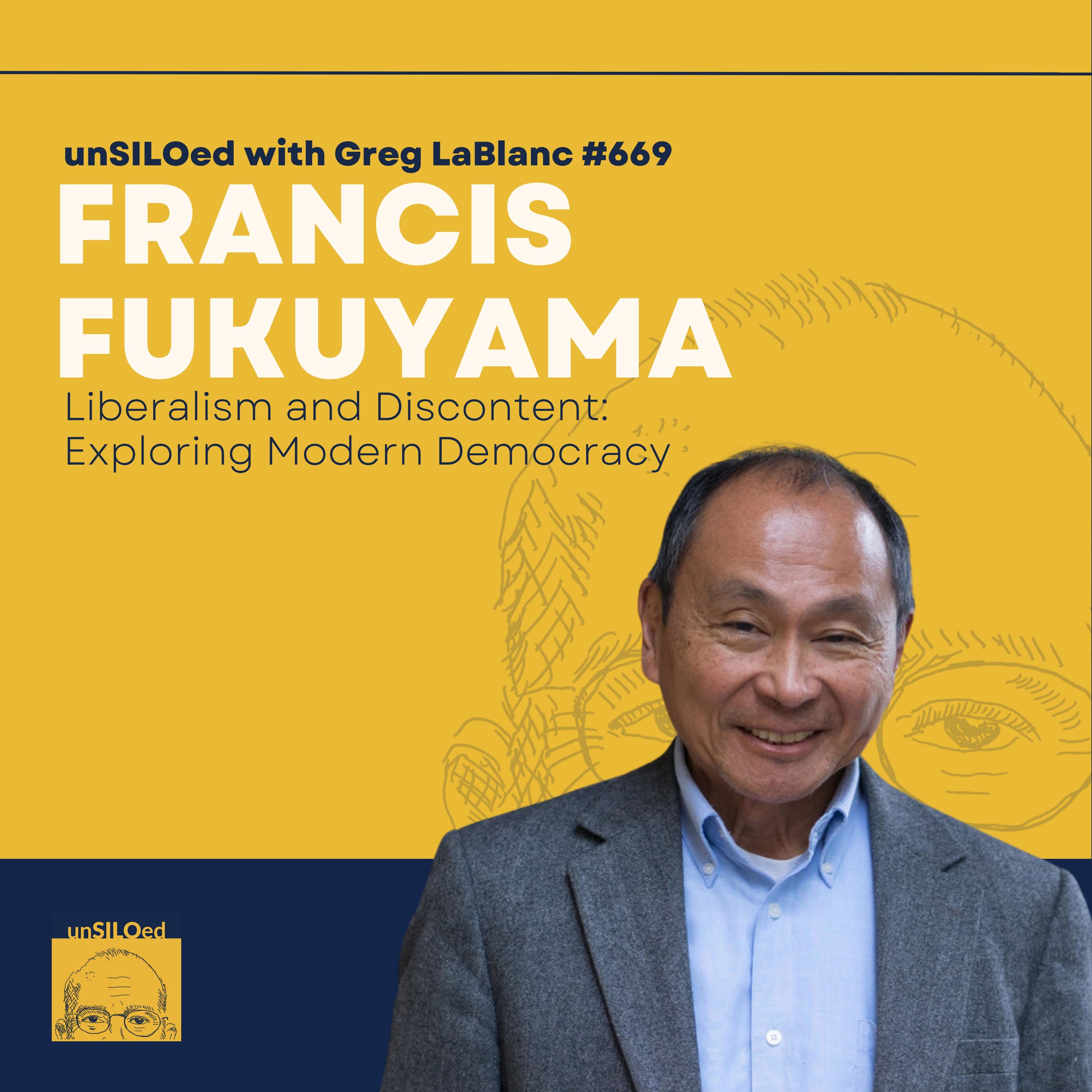
669. Liberalism and Discontent: Exploring Modern Democracy with Francis Fukuyama
Francis Fukuyama is the Olivier Nomellini Senior Fellow at Stanford University's Freeman Spogli Institute for International Studies (FSI), and a faculty member of FSI's Center on Democracy, Development and the Rule of Law (CDDRL). He is also Director of Stanford's Ford Dorsey Master's in International Policy, and a professor (by courtesy) of Political Science. In addition he is the author of sever
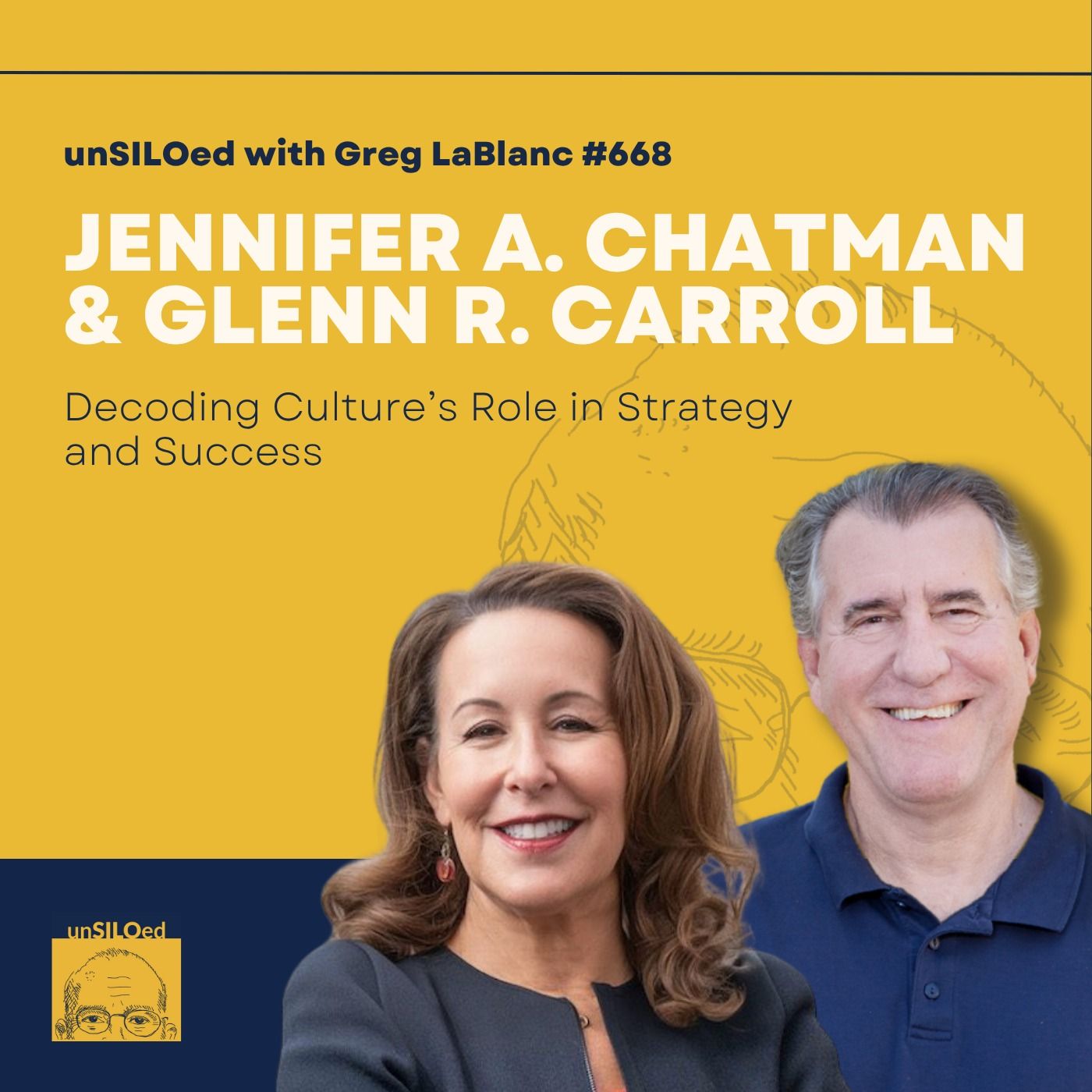
668. Decoding Culture’s Role in Strategy and Success with Jennifer A. Chatman and Glenn R. Carroll
How do leaders create a unified culture at their organizations that’s not only sustainable but propels growth and success?
Psychologist Jennifer A. Chatman and sociologist Glenn R. Carroll put their expertise on management and organizational behavior together in the new book, Making Organizational Culture Great: Moving Beyond Popular Beliefs. Chatman is Dean of the Haas School of Business at UC B
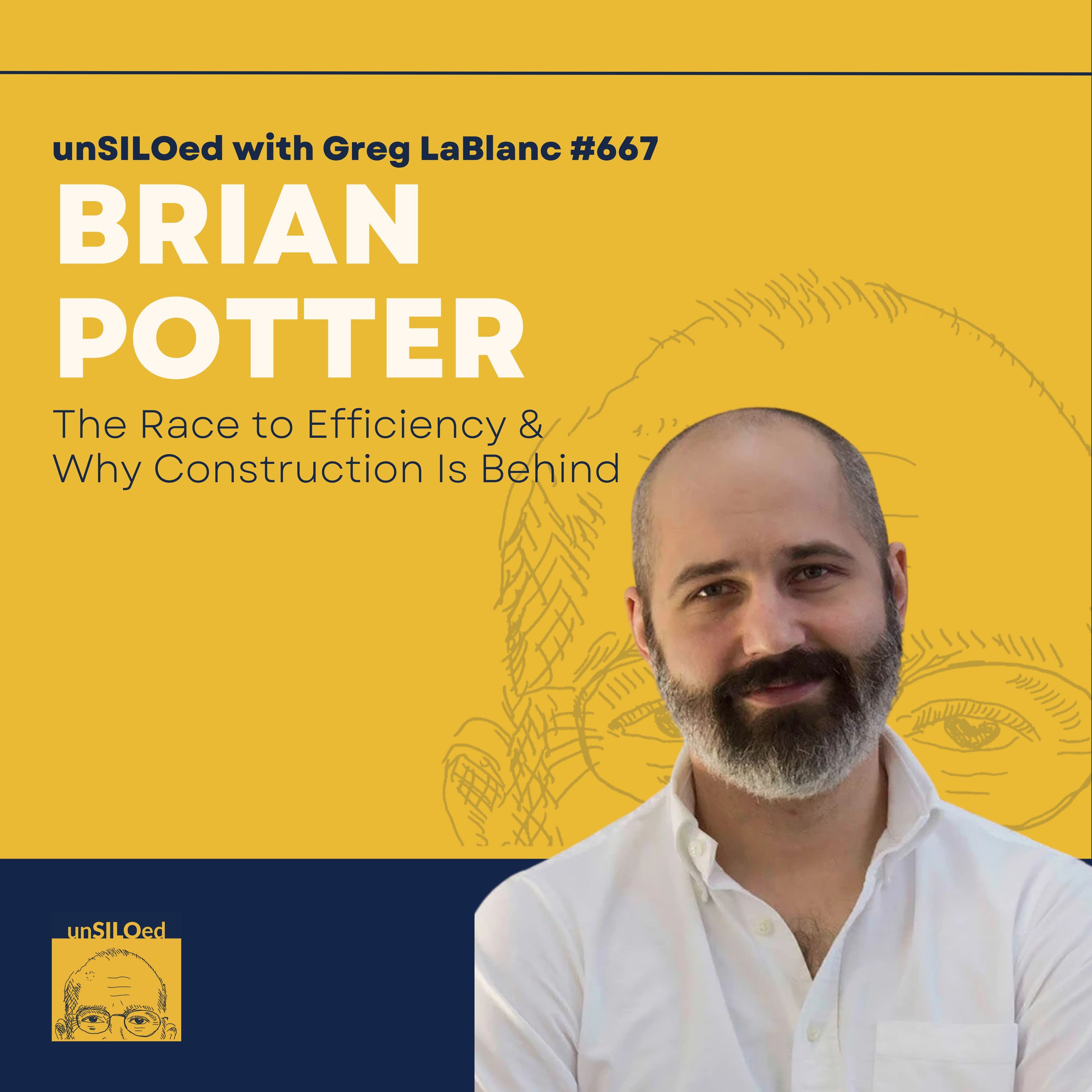
667. The Race to Efficiency & Why Construction Is Behind with Brian Potter
In a world of constant, rapid digital transformation, one industry has struggled to evolve: construction. With all the gains made in efficiency and productivity, what’s holding the construction industry back?
Brian Potter is a senior fellow at the Institute for Progress and author of the book, The Origins of Efficiency which charts the history of production efficiency, examining the great leaps f
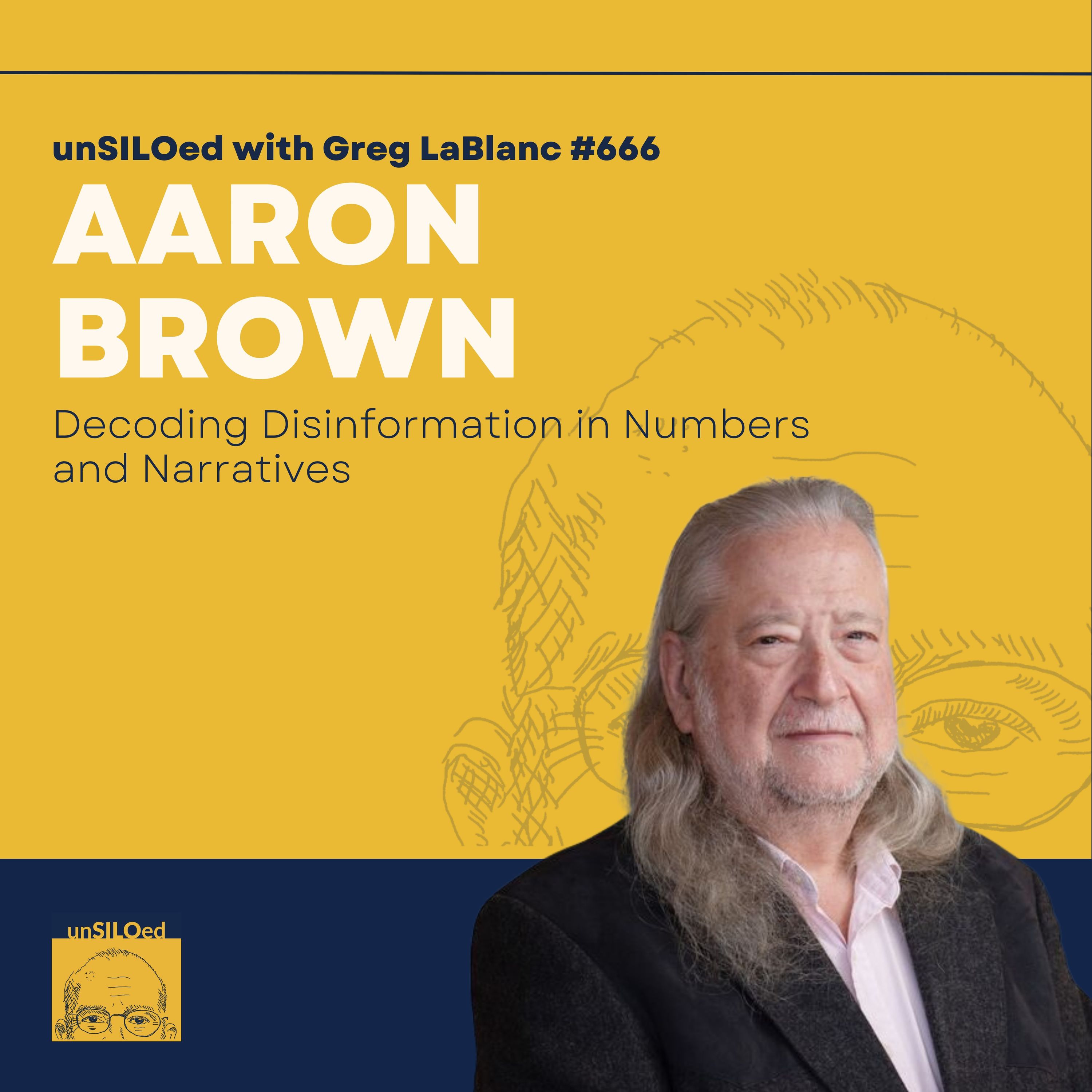
666. Decoding Disinformation in Numbers and Narratives with Aaron Brown
Aaron Brown is an author and risk management professional, formerly the Chief Risk Officer at the hedge fund AQR. Aaron’s recent works are titled Wrong Number: How to Extract Truth From a Blizzard of Quantitative Disinformation and The Poker Face of Wall Street.
Greg and Aaron discuss why quantitatively flawed studies still persist today. Aaron argues that the central problem is not just incompete
665. Understanding Trump’s Leadership Tactics and How to Counter Them with Jeffrey Sonnenfeld
Jeffrey Sonnenfeld is a professor of management and senior associate dean for leadership studies at the Yale School of Management. He is also the author, co-author, and editor of a number of books. His works include The Hero's Farewell: What Happens When CEOs Retire, Firing Back: How Great Leaders Rebound After Career Disasters, and, most recently, Trump's Ten Commandments: Strategic Lessons from
664. A Pessimist’s View on What It Means To Be Human with William Ian Miller
What insights on social psychology can be gleaned from ancient texts?
William Ian Miller is a professor of law at the University of Michigan and prolific author. His work is that of a polymath and covers everything from Icelandic sagas (Bloodtaking and Peacemaking: Feud, Law, and Society in Saga Iceland; 'Why is your axe bloody?': A Reading of Njals Saga) to philosophical meditations on what make
663. The Quest for Authenticity in an Algorithm-Driven World with Kyle Chayka
Kyle Chayka is a staff writer for the New Yorker and also the author of the books Filterworld: How Algorithms Flattened Culture and The Longing for Less: What's Missing from Minimalism.
Greg and Kyle discuss how algorithmic feeds shift culture from the “long tail” promise of niche discovery toward homogenization, rapid fads, and blockbuster dominance. Kyle argues platforms lower barriers to publis
662. Exploring Honesty: Beyond Truth and Lies in the Age of Deception and AI with Christian B. Miller
Christian B. Miller is the A.C. Reid Professor of Philosophy at Wake Forest University and the author of several books. His latest title is The Honesty Crisis: Preserving Our Most Treasured Virtue in an Increasingly Dishonest World.
Greg and Christian discuss what Christian calls ‘The Honesty Crisis.’ He defines honesty as a virtue involving both stable honest behavior (not lying, cheating, steal
661. Navigating AI: The Power of Our Wishes with Nicolas Darveau-Garneau
Nicolas Darveau-Garneau is the founder of Garneau Digital Advisors, is the former chief evangelist of Google, and is the author of the book Be a Sequoia, Not a Bonsai: The Seven Growth Secrets of the World’s Most Successful Companies.
Greg and Nicolas discuss how AI systems are akin to powerful “genies,” but the real power and risk come from the “wishes” humans give them. With everyone having simi
660. The Intersection of Critical Theory and Business Education with Peter Fleming
Peter Fleming is a professor of management at the University of Technology Sydney, and also the author of several books. His recent works are Dark Academia: How Universities Die, Sugar Daddy Capitalism: The Dark Side of the New Economy, and The Death of Homo Economicus: Work, Debt and the Myth of Endless Accumulation.
Greg and Peter discuss doing critical theory inside business schools and how neo
659. Science Journalism, Academic Silos, and the Cost of Being Right with Matt Kaplan
Matt Kaplan is the science correspondent at The Economist and also the author of a number of books. His latest work is I Told You So!: Scientists Who Were Ridiculed, Exiled, and Imprisoned for Being Right.
Greg and Matt discuss how Matt chose science journalism over academia, the value of being a generalist, and how journalists can cross-pollinate ideas from others. They also discuss academic silo
658. Preventing Alzheimer's: Bridging Research and Practice with Dr. Dale Bredesen
Dale Bredesen is the senior director of the Precision Brain Health Program at Pacific Neuroscience Institute and also the founding CEO of the Buck Institute. He also has authored a number of books, including, most recently, The Ageless Brain: How to Sharpen and Protect Your Mind for a Lifetime and
The End of Alzheimer's: The First Program to Prevent and Reverse Cognitive Decline.
Greg and Dale dis
657. Prophecy and Prediction: Exploring AI’s Future with Carissa Véliz
Carissa Véliz is an Associate Professor in Philosophy at the Institute for Ethics in AI, a Fellow at Hertford College at the University of Oxford, and the author of multiple books, including, most recently, Prophecy: Prediction, Power, and the Fight for the Future, from Ancient Oracles to AI.
Greg and Carissa discuss Carissa’s newest work, where she links prediction to surveillance and argues that
656. Startup Governance, Mission Control, and the Failures of Shareholder Primacy with Eric Ries
Eric Ries is an author, podcaster, and founder of The Lean Startup. He hosts The Eric Ries Show and his notable books Incorruptible: Why Good Companies Go Bad... and How Great Companies Stay Great, The Lean Startup, Farther, Faster, and Far Less Drama, The Leader's Guide, and The Startup Way.
Greg and Eric discuss why startups and corporations lose their mission through shifts from founder-to inve
655. Inside The Mind of DeepMind’s Founder with Sebastian Mallaby
How did a teenage video game designer from London become a Nobel Prize-winning scientist behind one of the most consequential technology efforts in history?
Sebastian Mallaby is a senior fellow at the Council on Foreign Relations and author of the new book, The Infinity Machine: Demis Hassabis, DeepMind, and the Quest for Superintelligence which provides an in-depth look into one of the greatest m
654. Predictive Brains, Placebos, Awe, and the Mind–Matter Frontier with Jo Marchant
Jo Marchant is a science journalist and podcast host, and also the author of several books. Her latest works include In Search of Now: The Science of the Present Moment and Cure: A Journey into the Science of Mind Over Body.
Greg and Jo discuss the shared threads across her work: a long view of the history of thought and the mind–body relationship. Jo explains how physics and neuroscience challeng
653. Crafting a Purposeful Life with Tom Rath
Tom Rath is a researcher and #1 NYT bestselling author of 12 books. His latest works are How Full Is Your Bucket? And What's the Point? Turning Purpose Into Your Daily Superpower.
Greg and Tom discuss the broader arc of Tom’s work, translating research on wellbeing, engagement, and strengths into practical tools. Tom describes shifting from self-improvement to “other-improvement,” using Dr. Martin
652. Silent Legacies: How Enlightenment Philosophers Faced Mortality with Joanna Stalnaker
Joanna Stalnaker is a professor of French at Columbia University and also the author of the books The Rest Is Silence: Enlightenment Philosophers Facing Death and The Unfinished Enlightenment: Description in the Age of the Encyclopedia.
Greg and Joanna discuss how Enlightenment figures faced death amid disbelief or tempered religious belief. Joanna says scholars have emphasized 18th-century death
651. Redefining Revolutions: From Ancient Cycles to Modern Movements with Dan Edelstein
Dan Edelstein is a professor of French, history, and political science at Stanford University. He’s also the author of several books on revolution and the Enlightenment, including The Revolution to Come: A History of an Idea from Thucydides to Lenin, Let There Be Enlightenment: The Religious and Mystical Sources of Rationality, Scripting Revolution: A Historical Approach to the Comparative Study o
650. How ‘Nudge’ Policies Shifted the Blame From Systems to Individuals with Nick Chater
How much is on us, as individuals, to fix the world’s great problems? Do initiatives like encouraging homeowners to switch to green energy really move the needle in the battle against climate change? After decades of these types of strategies, it turns out that needle hasn’t moved much.
Nick Chater is a professor of behavioral science at Warwick Business School and author. His latest book, co-aut
649. Bacteria to AI: Technics, Nonconscious Cognition, and Meaning in LLMs with N. Katherine Hayles
N. Katherine Hayles is a professor of English at UCLA and Emeritus Professor of Literature at Duke University. She is also the author of a number of books on consciousness and AI. Her latest book is titled Bacteria to AI: Human Futures with Our Nonhuman Symbionts.
Greg and Katherine discuss technics - recursive feedback loops in which humans and tools co-evolve. Katherine argues that cognitive tec
648. Civilization’s Imbalance and Restoring the Humanities: The Divided Brain with Iain McGilchrist
Iain McGilchrist is a former fellow at Oxford University and the author of a few books, including Ways of Attending: How our Divided Brain Constructs the World, The Matter With Things: Our Brains, Our Delusions and the Unmaking of the World, and The Master and His Emissary: The Divided Brain and the Making of the Western World.
Greg and Iain discuss Iain’s work on hemispheric differences in the br
647. What’s Missing From the Modern Education System with Susan Wise Bauer
Susan Wise Bauer is a prolific author, former instructor at the College of William and Mary, and classical education expert. Her books include, The History of the World series, The Well-Educated Mind: A Guide to the Classical Education You Never Had, Rethinking School: How to Take Charge of Your Child's Education, and most recently, The Great Shadow: A History of How Sickness Shapes What We Do, Th
646. The Economics of Life & Being Human with Pablo A. Peña
How can economic science help you decide which college to attend, or how many children to have, or even who to marry?
Pablo A. Peña is an associate instructional professor of economics at the University of Chicago and the author of Human Capital for Humans: An Accessible Introduction to the Economic Science of People. In the book, he applies economist Gary Becker’s human capital theory to everyda
645. Making Money Work: Banks, Capital Theory, and the Fed’s Blind Spot with Steve H. Hanke
Steve H. Hanke is a Professor of Applied Economics and Founder and Co-Director of the Institute for Applied Economics, Global Health, and the Study of Business Enterprise at Johns Hopkins University in the Whiting School of Engineering. He is also the author and co-author of several books on economics. His latest title is called Making Money Work: How to Rewrite the Rules of Our Financial System.
644. Reclaiming Joy from Screens and Ultra-Processed Foods with Michaeleen Doucleff
What if reducing screen time or eating less processed food didn’t feel like deprivation, but rather it was the key to unlocking more joy and excitement in our lives?
Michaeleen Doucleff, PhD, is a correspondent for NPR’s Science Desk, where she reports on mental health, nutrition, psychology and neuroscience. She’s also the author of Hunt, Gather, Parent: What Ancient Cultures Can Teach Us About
643. In a Good Place: How Built Environments Shape Agency, Wellbeing, and Behavior with Leidy Klotz
How has the new understanding of broken-windows theory helped to reinforce the importance of community ownership? How do built environments also transmit cultural messages? What does good workplace design actually look like?
Leidy Klotz is a professor of engineering, architecture, and a behavioral scientist. He’s also the author of three books: Subtract: The Untapped Science of Less, Sustainabilit
642. Roger Spitz on Future-Readiness: A Call to Adaptability
How did working with first-principles thinking allow SpaceX to maneuver nimbly past established aerospace giants? What are the limits of prediction and scenario models under “deep uncertainty,” and how can we apply them to AI’s potential effects on society?
Roger Spitz is a futurist, the president of Techistential, and the author of several books. His latest titles are Disrupt With Impact: Achieve
641. How to Become an Expert in Conflict with Amy Gallo
Even though conflict is something we all instinctively want to avoid, it’s an essential part of a healthy culture. So what can organizations do to ensure they’re not only managing conflict productively but also leveraging it to make the organization stronger?
Amy Gallo is a contributing editor at Harvard Business Review and author of the books HBR Guide to Dealing with Conflict and Getting Along:
640. From Ancient Merchants to Modern Markets: Sven Beckert's History of Capitalism
How can you trace capitalism from long-distance merchant networks (including 12th-century Aden) to a modern-day world economy? What are alternative stories to the commonly held Eurocentric view of capitalism’s origins?
Sven Beckert is the Laird Bell Professor of History at Harvard University and is also the author of several books. His most recent titles include Capitalism: A Global History, Empir
639. Understanding Stereotypes & How They Impact Us with Claude M. Steele
Claude Steele is a professor of psychology at Stanford University and the author of the landmark book, Whistling Vivaldi: How Stereotypes Affect Us and What We Can Do. His new book, Churn: The Tension That Divides Us and How to Overcome It, takes the theories from Whistling Vivaldi and examines the psychological stress that comes with navigating diversity.
Claude joins Greg to discuss his decades
638. Why Nothing Works: How Progressivism’s Split Led to Today's Governance Gridlock with Marc J. Dunkelman
How is governance dysfunction linked to declining ‘middle-ring’ community ties?
Marc J. Dunkelman is a fellow at Brown University and a fellow at the Searchlight Institute in Washington, D.C. Marc is also the author of two books, Why Nothing Works: Who Killed Progress—and How to Bring It Back and The Vanishing Neighbor: The Transformation of American Community.
Greg and Marc discuss how U.S. prog
637. AI and the Human Mind: Exploring Surprising Parallels with Christopher Summerfield
When AI tells us what we want to hear, is it acting in a rogue way, or is it emulating behavior that society clearly values? How does our ability to sleep enable us to update faster than neural networks currently can, and what will be different when they can update themselves more frequently?
Christopher Summerfield is a professor of cognitive neuroscience at Oxford University, the Research Direct
636. Rediscovering Virtue the Renaissance Way with James Hankins
It’s one of the oldest debates in political philosophy: Do good laws make good men, or do good men make good laws? Minds have been wrestling with this question since the days of Petrarch and Machiavelli, but both sides may have insights that can inform modern political philosophy.
James Hankins is a professor of history at Harvard University, a visiting professor of humanities at the University of
635. The Psychology of Computers with Tom Griffiths
Today's AI has been designed using insights from how humans learn and think about the world. Are there certain psychological lessons we can glean from these artificial minds to further our understanding of human ones?
Tom Griffiths is a professor of information technology, consciousness, and culture at Princeton University. His books, The Laws of Thought: The Quest for a Mathematical Theory of th
634. Gaming Life: The Philosophy of Play and Metrics with C. Thi Nguyen
When the concept of ‘gamifying life’ comes up, scoring is transparent and portable but strips nuance, creating a gap between what’s measurable and what matters. When codifying everything through metrics, massive amounts of nuance is lost, so how can we utilize game theory without reducing everything to a high score?
C. Thi Nguyen is a professor of philosophy at the University of Utah. He is also t
633. The Case for Being Human in a Digital World with Christine Rosen
While philosophers have long wrestled with questions about technology’s impact on humanity, these questions have taken on a whole new level of urgency and significance with the rise of AI, smartphones, and the Internet. It’s more pressing than ever now to ask: What does it mean to be human?
Christine Rosen is a senior fellow at the American Enterprise Institute and a fellow at the University of V
632. Knowing Yourself, Intuition vs. Reason, and the Crisis of Modern Meaning with J. Eric Oliver
How is modern self-knowledge acquired? In what ways can ‘yoga of the mind’ help you find and explore new thoughts and thought processes, giving you ongoing courage to confront discomfort and realign consciousness beyond ego narratives?
J. Eric Oliver is a professor of political science at the University of Chicago and is also the author of several books. His latest titles are How To Know Your Self
631. A Physicist’s View on the Inherent Risks of Financial Modeling with Emanuel Derman
What do particle physicists and Wall Street traders have in common? How did finance become more like physics, and how is physics now becoming more like finance?
Emanuel Derman is an emeritus professor at Columbia in financial engineering and the author of several books, including My Life as a Quant: Reflections on Physics and Finance and Models. Behaving. Badly.: Why Confusing Illusion with Realit
630. What Evolutionary Psychology Gets Wrong About Dating and Attraction with Paul Eastwick
Romantic relationships are something uniquely human — we form attachments and perceive compatibility in ways no other species does. So what explains the idiosyncratic preferences people have for one potential partner over another? And why have popular conceptions based on evolutionary psychology been wrong about when it comes to how humans choose their mates?
Psychology professor Paul Eastwick is
629. Beyond Happiness: The Deep Longing to Matter with Rebecca Goldstein
What if the tale of Genesis were reframed as a story of humanity’s ascent into awareness of mortality and entropy? How are both connectedness and a “mattering project” key to flourishing as an individual?
Rebecca Goldstein is the author of several fiction and non-fiction books, including The Mattering Instinct: How Our Deepest Longing Drives Us and Divides Us, 36 Arguments for the Existence of God
628. The Civic Bargain: Democracy, Knowledge, and the Challenge of Scale with Josiah Ober
A key precondition for democracy is civic trust and commitment to common goods; polarization and party identity undermine this, worsened by modern communication technologies that enable separate realities.
Josiah Ober is a professor of Political Science and Classics at Stanford University and also the author and co-author of several books about Athens, Civics, and Ancient Democracy. His latest tit
627. Unlocking the Secrets of Love and Happiness with Sonja Lyubomirsky
How important are relationships and the feeling of being loved to human happiness? How have the fields of happiness studies and relationship studies converged?
Sonja Lyubomirsky is a professor of psychology at the University of California, Riverside. She is also the author or co-author of the books How to Feel Loved: The Five Mindsets That Get You More of What Matters Most, The How of Happiness:
626. Connective Labor: The Art of Human Connection in a Disconnected World with Allison J. Pugh
How could AI shift medical value toward primary care relationships if pattern-recognition specialties are more automatable? What would people prefer if given the choice between discussing their problems with a human or with non-judgmental empathic AI?
Allison J. Pugh is a Professor of Sociology at Johns Hopkins University and the author of several books. Her most recent works are The Last Human Jo
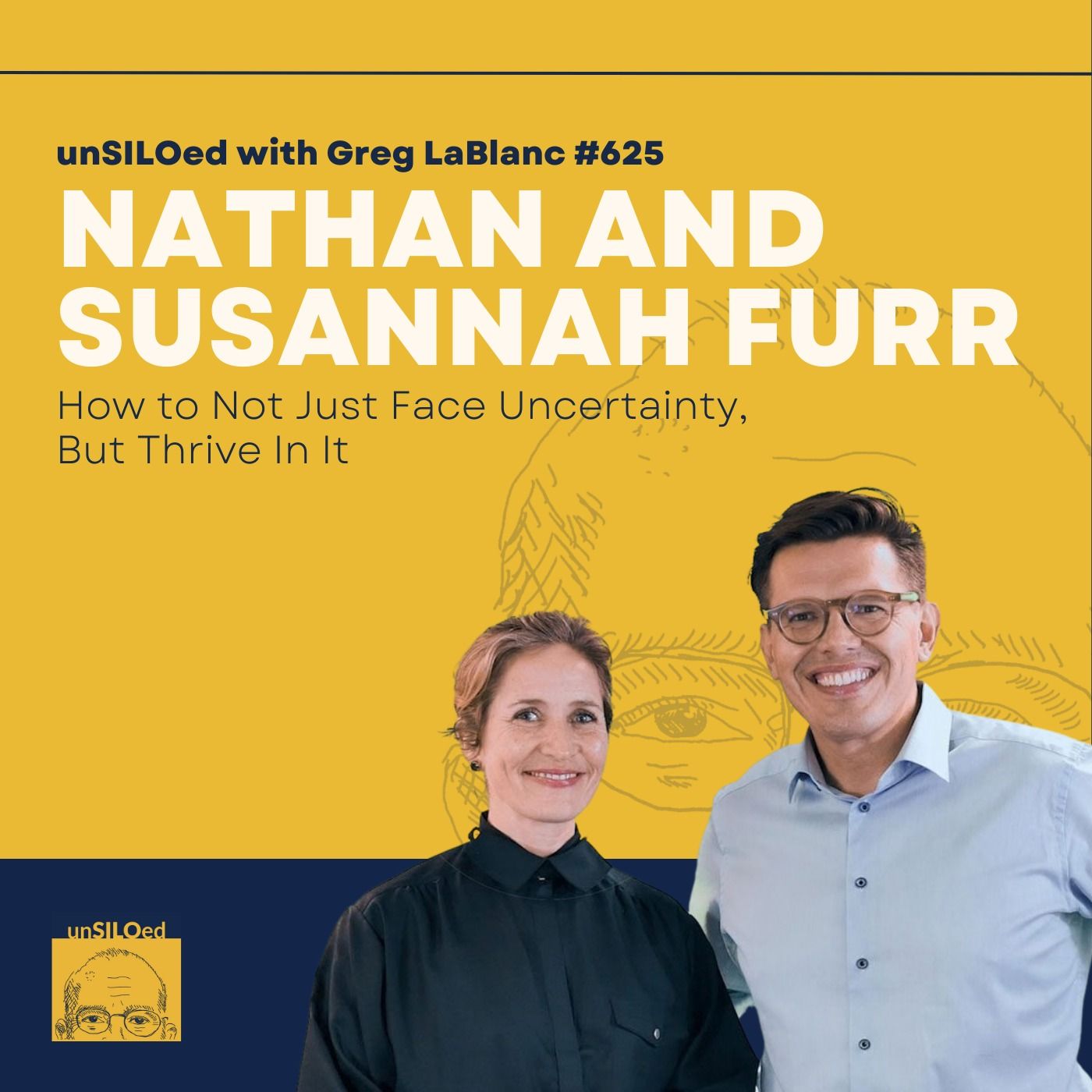
625. How to Not Just Face Uncertainty, But Thrive In It feat. Nathan and Susannah Furr
We live in an age where uncertainty lurks around every corner, but what if uncertainty didn’t have to be an anxiety-inducing, uncomfortable part of life?
The Upside of Uncertainty: A Guide to Finding Possibility in the Unknown, by INSEAD professor Nathan Furr and entrepreneur Susannah Harmon Furr, presents strategies and tools to embrace uncertainty and turn it into opportunity.
Nathan, Susannah
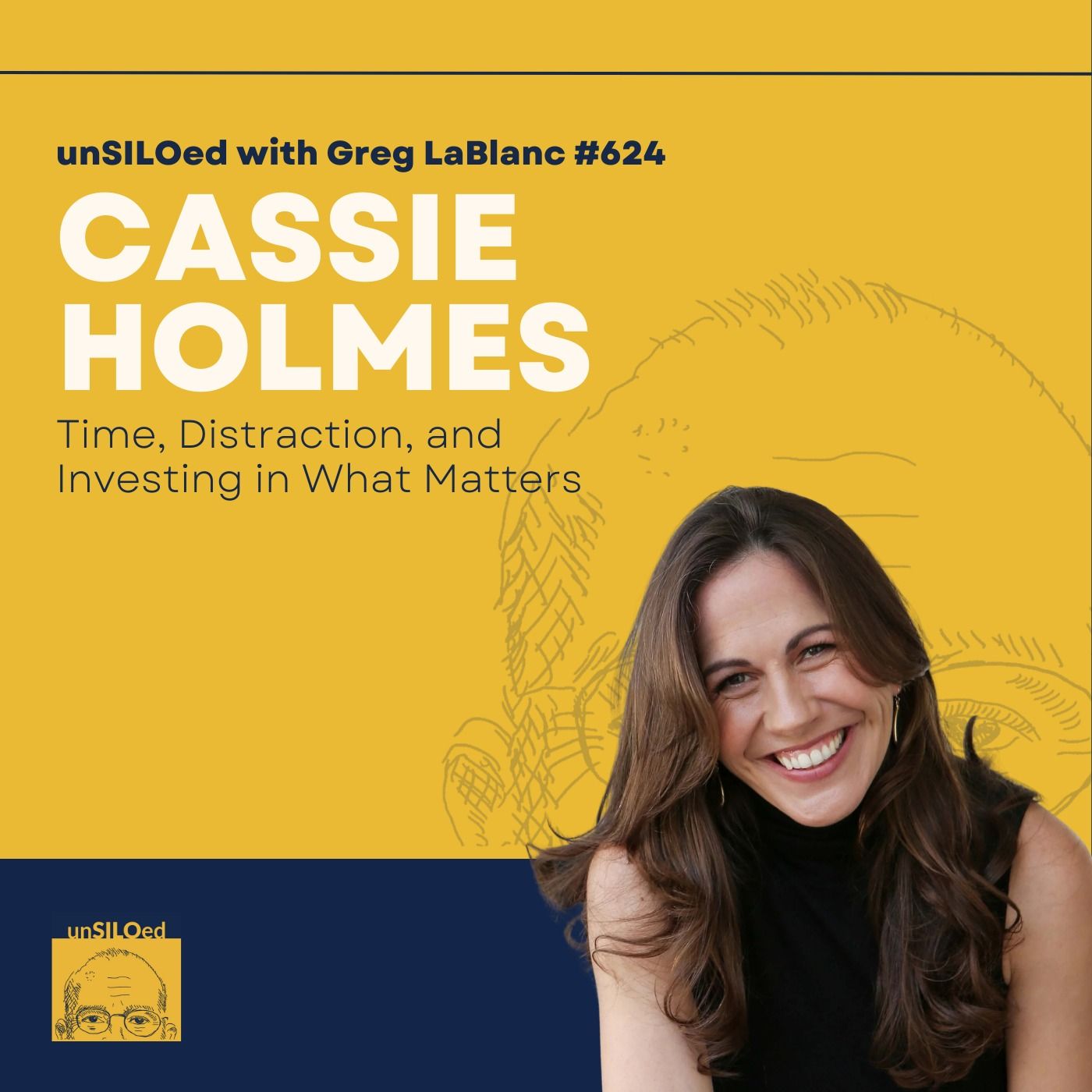
624. Time, Distraction, and Investing in What Matters with Cassie Holmes
What happens when you start thinking of time as a scarce resource? What practical strategies can you use to protect it from being passively spent or hijacked so that you can spend the time you have in more fulfilling and meaningful ways?
Cassie Holmes is a professor at UCLA’s Anderson School of Management, and also the author of the book Happier Hour: How to Beat Distraction, Expand Your Time, and
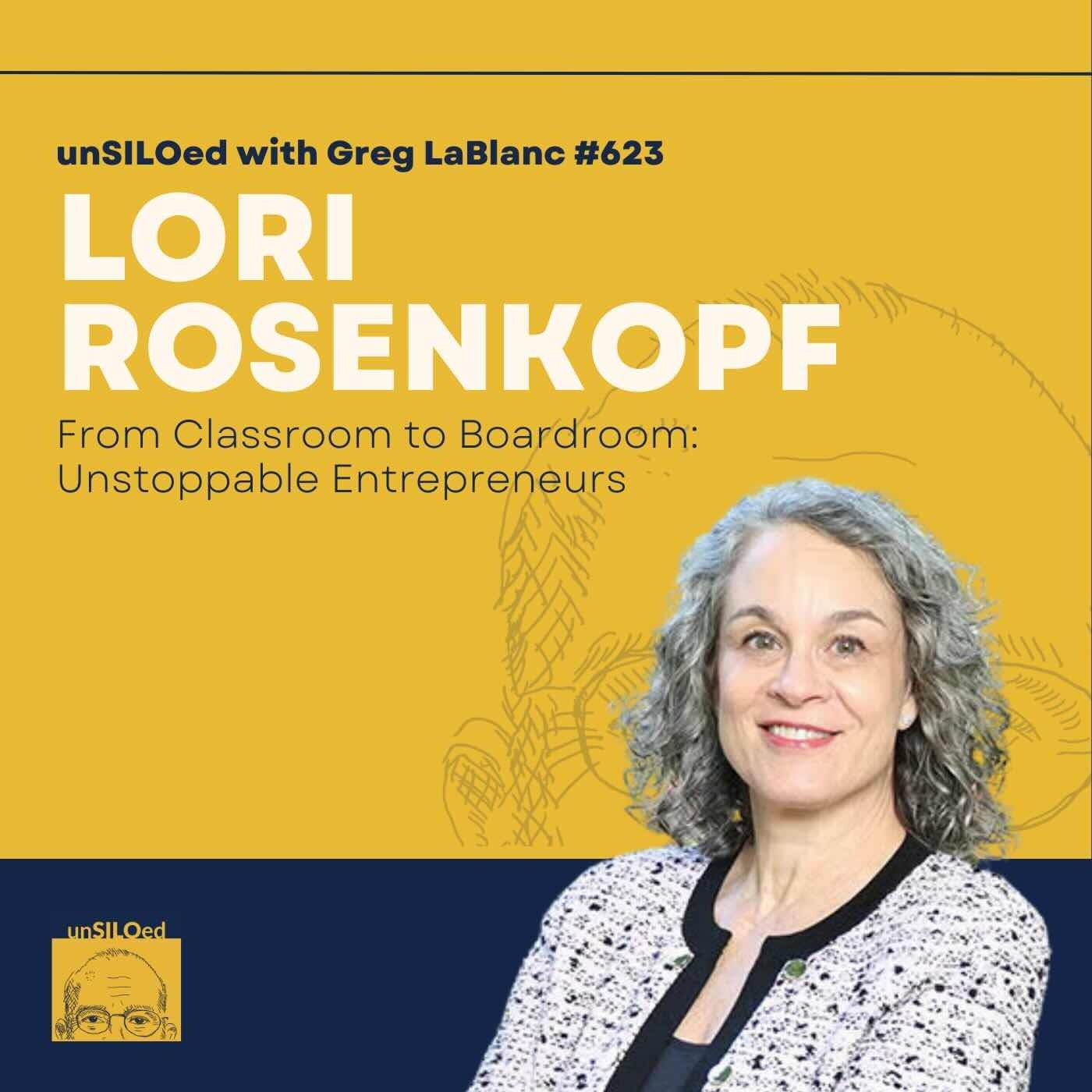
623. From Classroom to Boardroom: Unstoppable Entrepreneurs with Lori Rosenkopf
What makes for a good entrepreneur in today’s start-up landscape? How do you work to scale and when is it right to go from bootstrapping to seeking funding? How are the roots of innovation now fundamentally different than the dot com era?
Lori Rosenkopf is a Professor of Management and also the Vice Dean of Entrepreneurship at the Wharton School, San Francisco campus. She is also the author of the
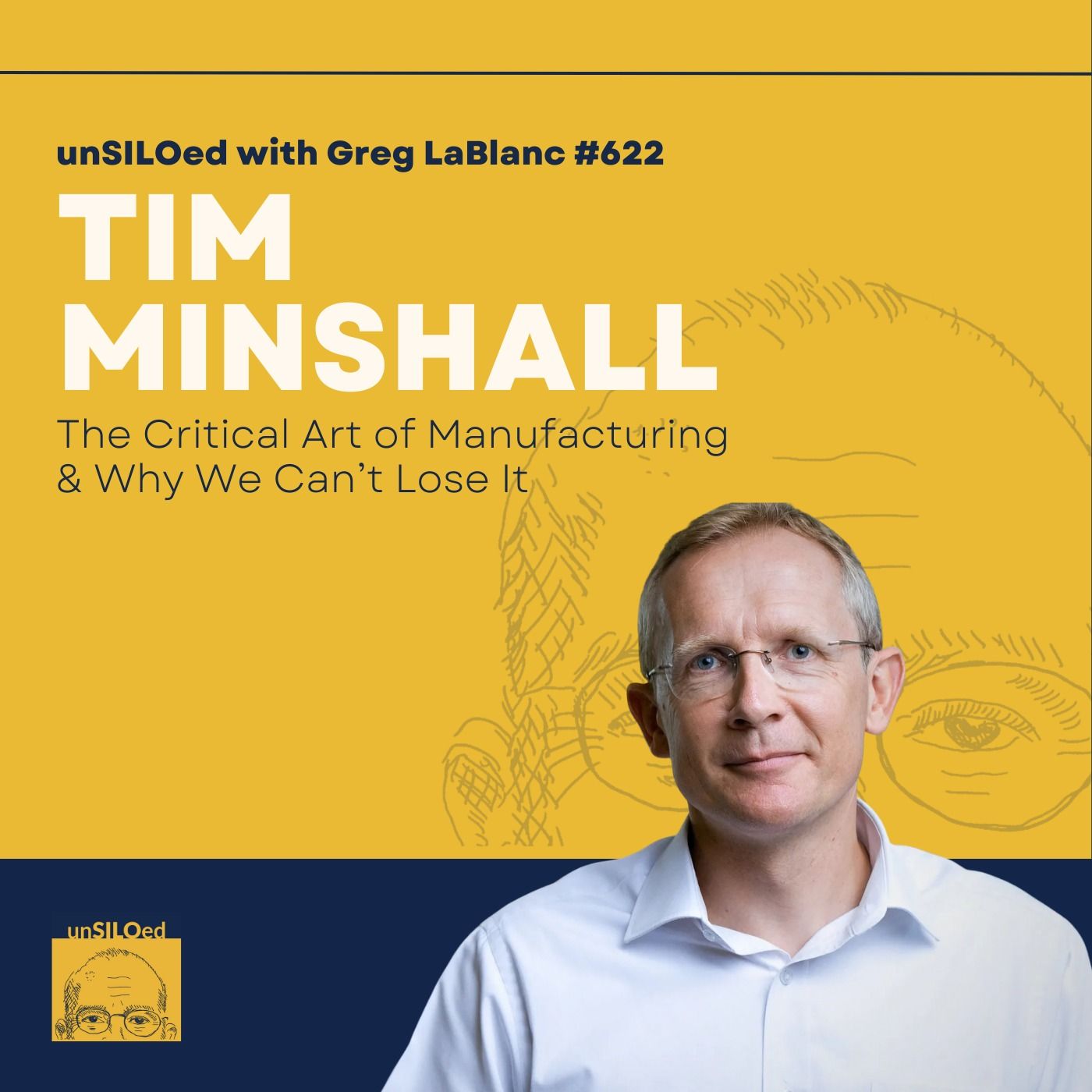
622. The Critical Art of Manufacturing & Why We Can’t Lose It with Tim Minshall
In today’s world where every imaginable product can appear at your doorstep with the click of a button, the art that goes into manufacturing those products is increasingly overlooked.
Tim Minshall is a professor of innovation at the University of Cambridge and the author of How Things Are Made: A Journey Through the Hidden World of Manufacturing. As head of the Institute for Manufacturing, Tim is
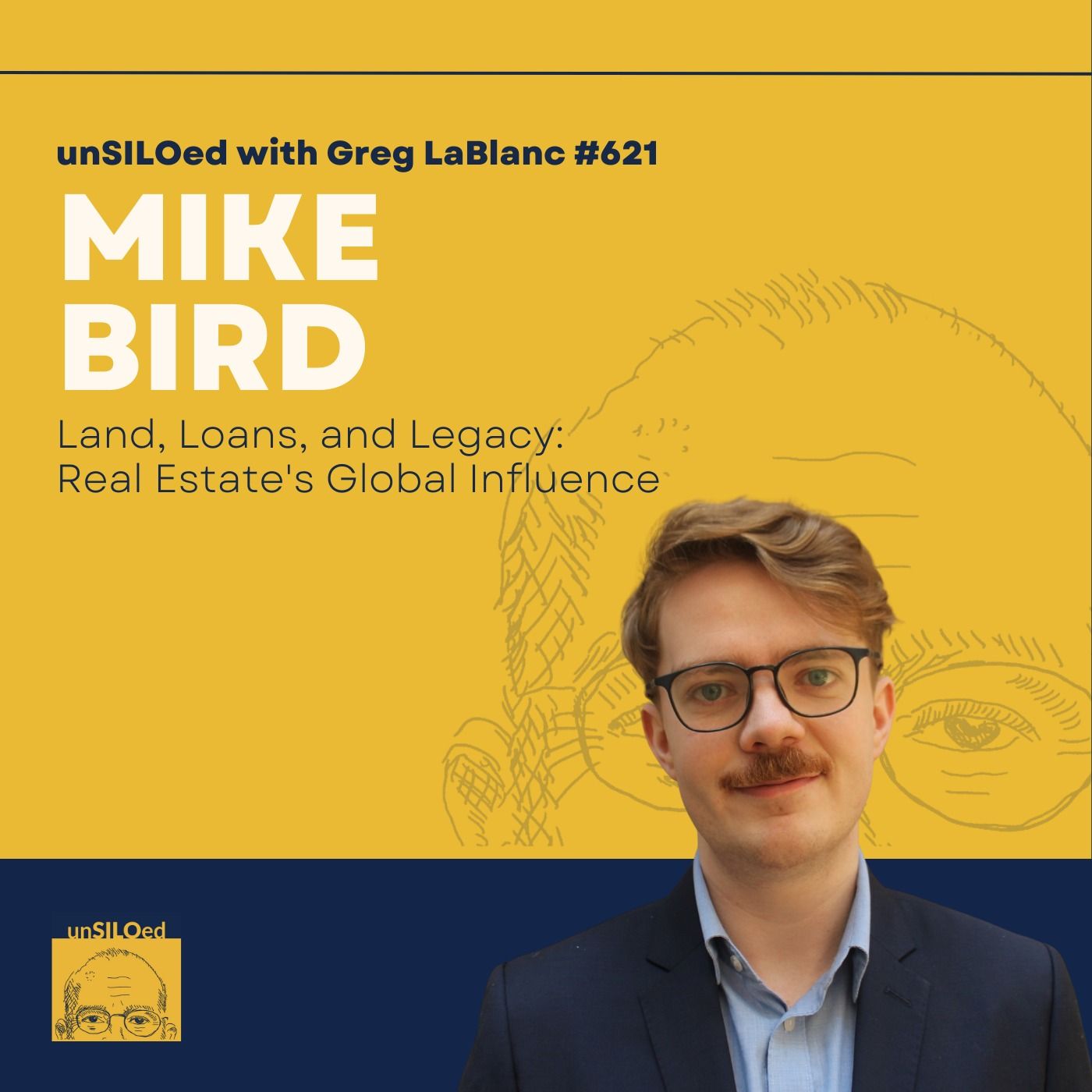
621. Land, Loans, and Legacy: Real Estate's Global Influence with Mike Bird
What is the impact of land reform on economic development? What are the implications of property law when a financial crisis hits? This episode offers a comprehensive look at how land has shaped socio-economic landscapes.Mike Bird is the Wall Street editor at The Economist and the author of the new book, The Land Trap: A New History of the World's Oldest Asset.Greg and Mike discuss the historical
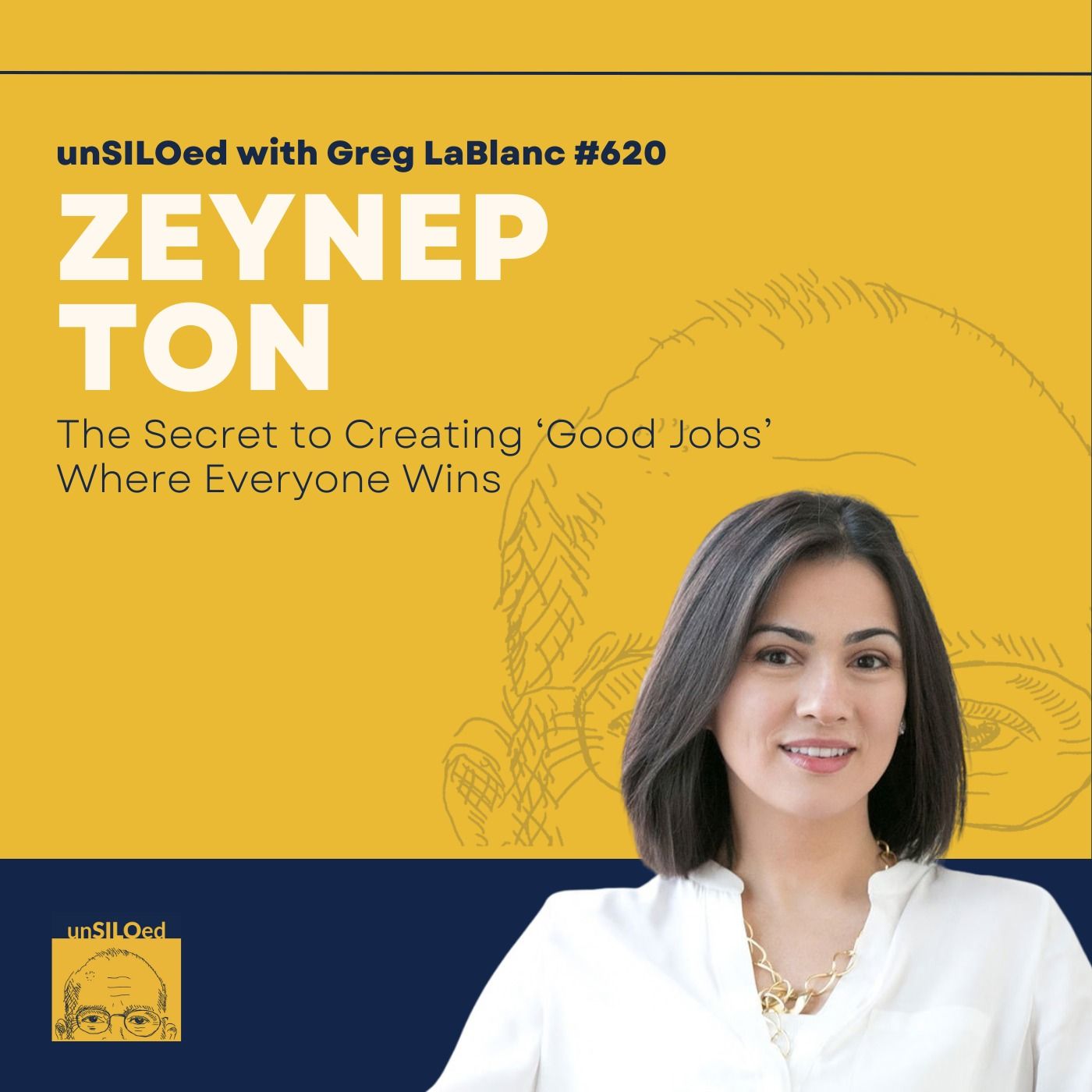
620. The Secret to Creating ‘Good Jobs’ Where Everyone Wins with Zeynep Ton
What if a company could deliver high quality products at low cost, improving the value for customers and giving it a competitive edge, all while offering higher pay and career growth opportunities for its employees and not hurting the bottom line?Zeynep Ton is a professor at MIT’s Sloan School of Management, president of the Good Jobs Institute, and author of The Case for Good Jobs: How Great Comp
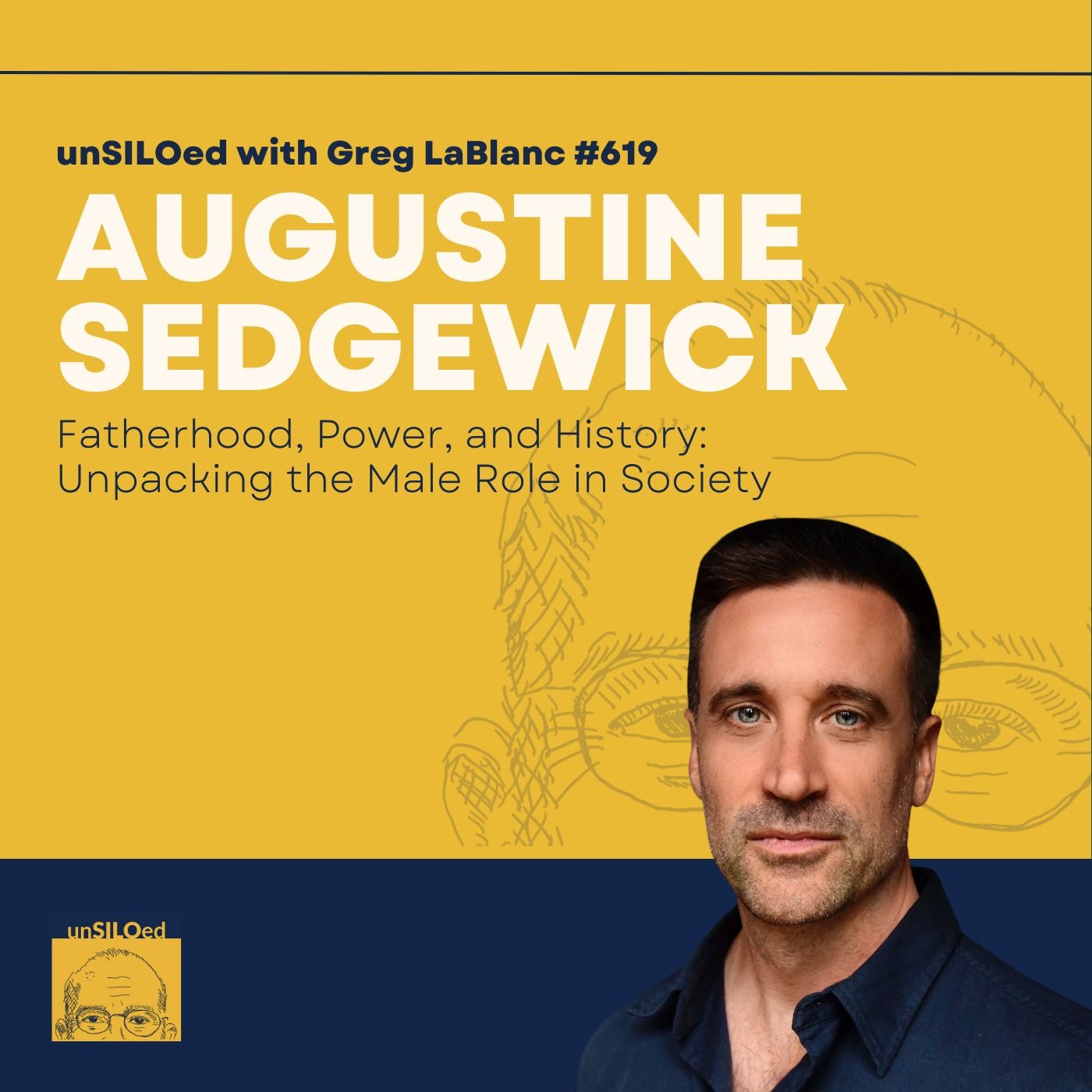
619. Fatherhood, Power, and History: Unpacking the Male Role in Society with Augustine Sedgewick
When did society change from matriarchal to patriarchal, and why? What was the advice on fatherhood from Plato and Aristotle, and how did other writers on the subject put one philosophy of fatherhood on the page but live a very different one in practice?Augustine Sedgewick is the author of two books: Fatherhood: A History of Love and Power and Coffeeland: One Man's Dark Empire and the Making of Ou
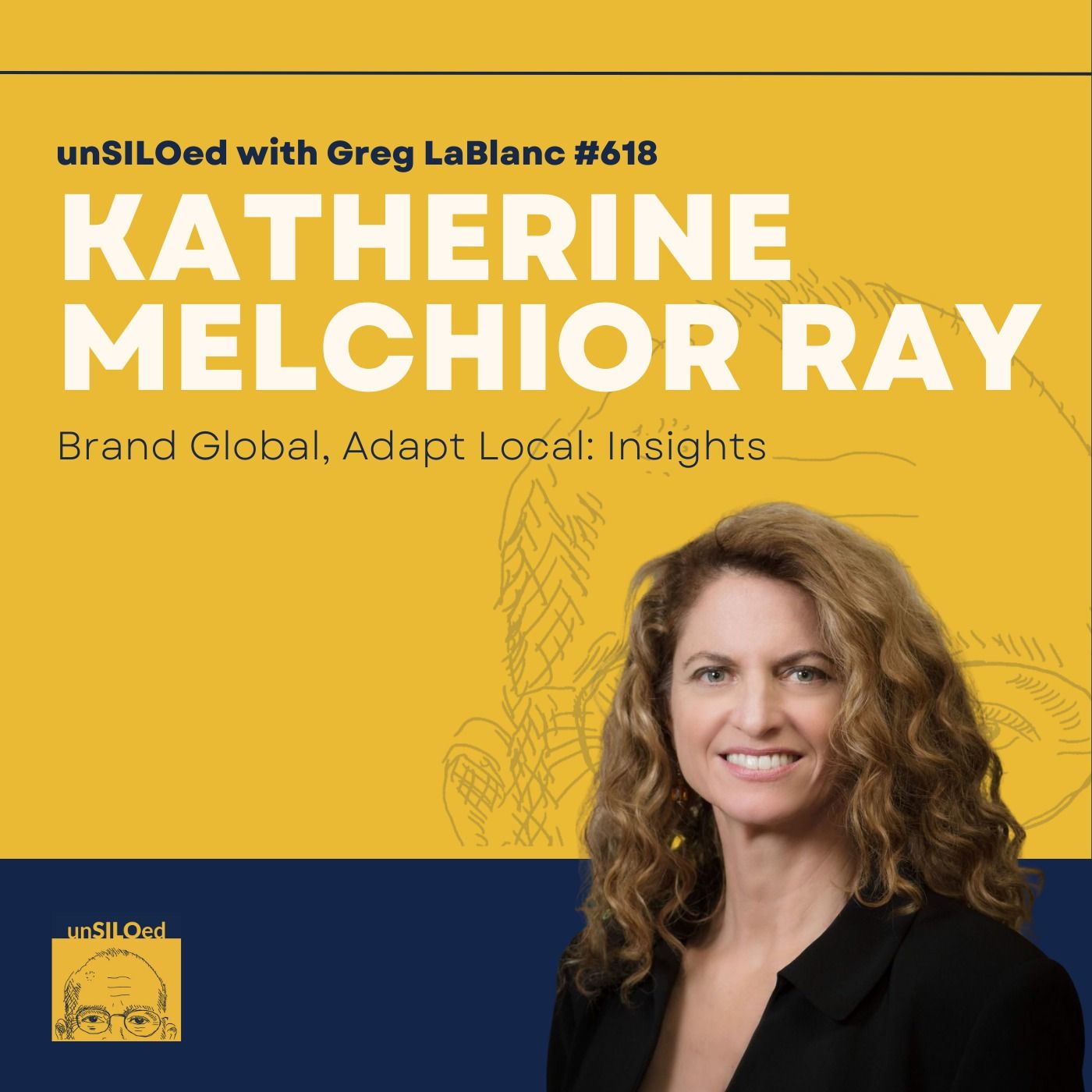
618. Brand Global, Adapt Local: Insights with Katherine Melchior Ray
What challenges come with taking a marketing strategy global, and what strategies can be created to account for and even take advantage of differences from one market to another? How are differences in Japanese culture reflected in the buying practices of the population?Katherine Melchior Ray is a global marketing executive and consultant, who also teaches global marketing at UC Berkeley Haas Scho
617. Navigating Leadership Challenges: Analyzing Systems with Barbara Kellerman
How do bad leaders persist in current-day environments, and how do they use factors like fear, rewards, and the natural difficulty of uprooting entrenched authority to their advantage? Despite the challenges inherent to speaking out, what duty and role do followers play in identifying and addressing bad leadership?Barbara Kellerman is the founder and a fellow at the Center for Public Leadership at
616. Leading Through Learning: Lessons from Life as a CEO with Jeff Immelt
There’s no instruction manual for how to be a CEO, and that role has undergone massive change in recent decades. So how do the leaders of great corporations today prepare themselves to make the hard decisions?Jeff Immelt, former CEO of GE and now current instructor at Stanford University, shares some of his top lessons on leading a major corporation in his book, Hot Seat: What I Learned Leading a
615. Reclaim Your Life from Digital Overload with Paul Leonardi
What are practical strategies to avoid overload and exhaustion in today’s digital world? What norms can organizations create for tool usage, and how can finding offline activities that provide a mental contrast to digital work?Paul Leonardi is the Duca Family Professor of Technology Management at UC Santa Barbara, a consultant and speaker on digital transformation and the future of work, and an au
614. Understanding the Great Divergence: Europe vs China from 1000 to 2000 feat. Guido Tabellini
What changes happened in the histories of Europe and China to create two economies that developed so differently? How did different forms of local cooperation influence state development, rule of law, and economic progress?Guido Tabellini is a professor of Political Economics at the University of Bocconi in Milan, Italy. He is also the author of several books, most recently co-authoring Two Paths
613. Challenging Bureaucracy: Management Insights with Gary Hamel
Where did the concept of management as a profession come from, and how did it develop? Why do bureaucratic practices persist? How can companies break free from those constraints to unlock greater potential and adapt more effectively to the relentless change and competition in today’s business world?Gary Hamel is the founder of the Management Lab, a professor at the London Business School, a visiti
612. Cracking the Code of Effective Meetings with Rebecca Hinds
When are meetings the best way to coordinate and make decisions and when do they make things worse?? How do you use the two-pizza rule to hold effective meetings and what happens when you start including too many people in a process?Rebecca Hinds is the head of the Work AI Institute at Glean and the author of Your Best Meeting Ever: 7 Principles for Designing Meetings That Get Things Done, a book
611. Finding a Strategy for Life, Business, and Everything in Between feat. Geoffrey A. Moore
Whether in markets, organizations, or the universe itself, today’s guest is a master at navigating complex systems where existing models have stopped working, and new ones must emerge.Geoffrey Moore is a consultant in the high-tech sector and a prolific author, with titles including Crossing the Chasm, Inside the Tornado: Strategies for Developing, Leveraging, and Surviving Hypergrowth Markets, an
610. Shaping Spaces: Architecture, Design, and Urban Planning with Witold Rybczynski
What is the real importance of understanding architectural history, and how is its teaching different from the histories of other disciplines? How can good design influence business decisions?Witold Rybczynski is an emeritus professor in the Weitzman School of Design at the University of Pennsylvania. He is also the author of several books on architecture and its history. His most recent titles ha
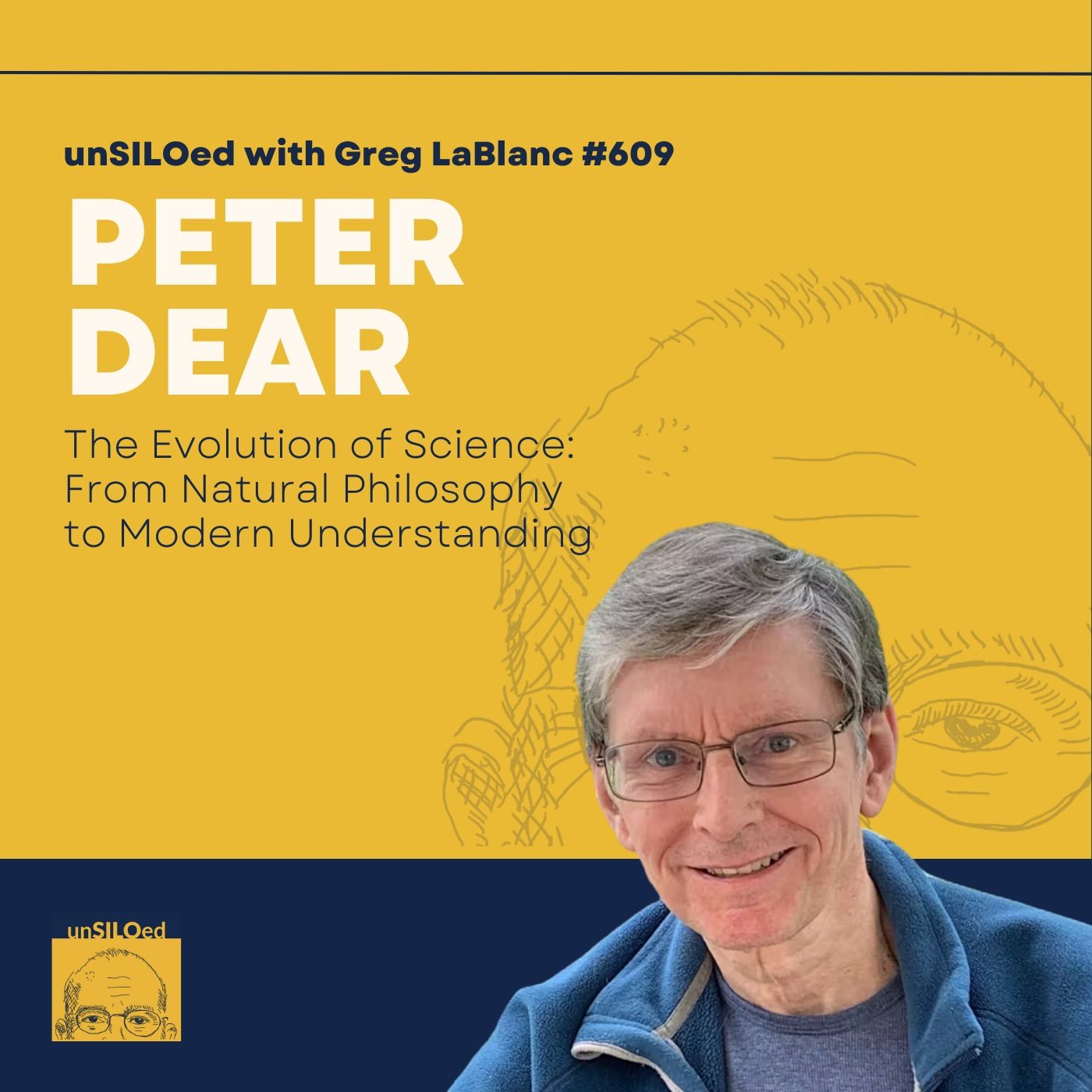
609. The Evolution of Science: From Natural Philosophy to Modern Understanding feat. Peter Dear
What was the role of experimentation in early science? How did past scientific paradigms continue to influence current scientific discourse? What is the utility of understanding the history of science for modern scientists?Peter Dear is a professor emeritus of history at Cornell University, and the author of several books, including The World as We Know It: From Natural Philosophy to Modern Scienc
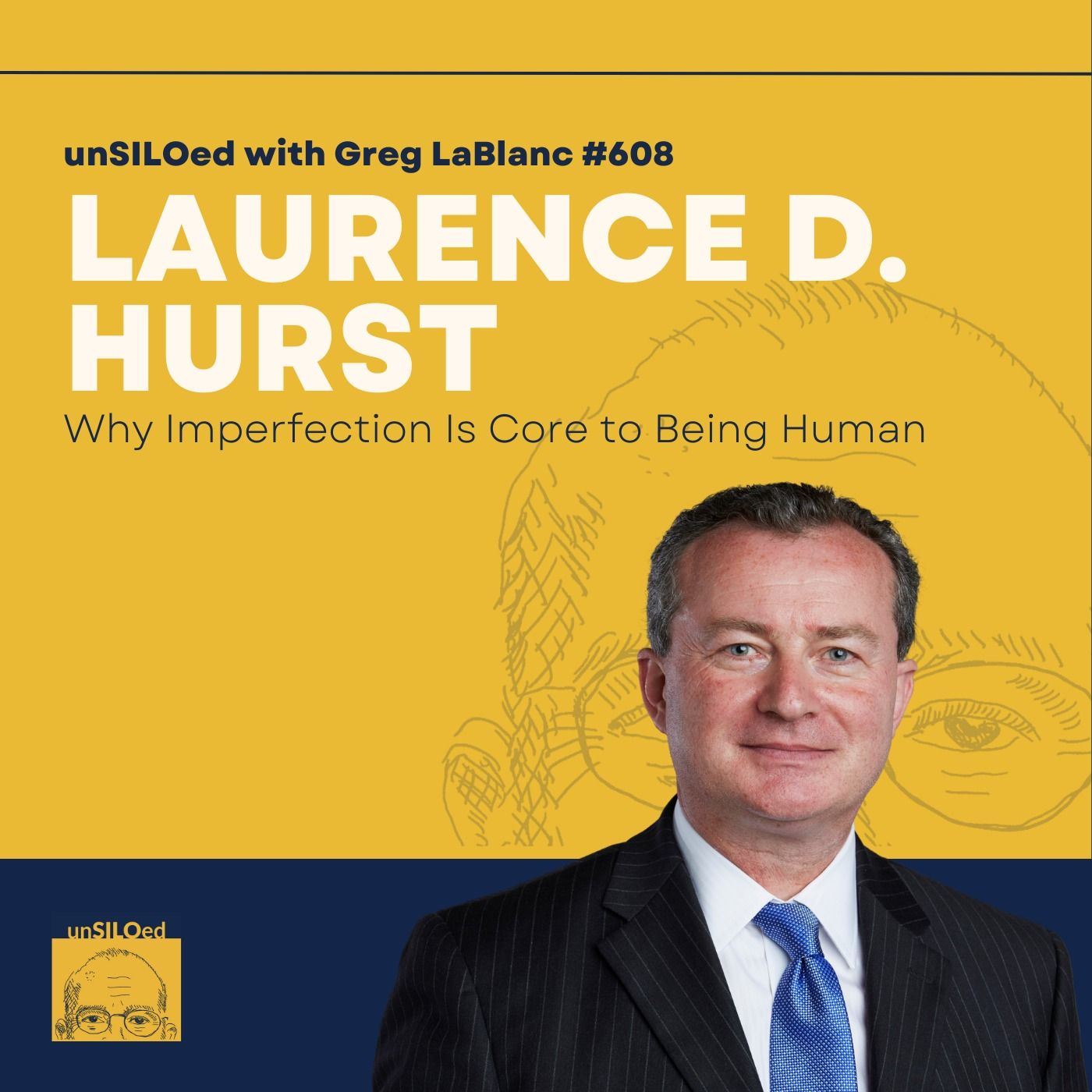
608. Why Imperfection Is Core to Being Human feat. Laurence D. Hurst
While evolution is often thought to be conducive to perfect adaptation, there are plenty of reasons why we never get there. Laurence D. Hurst is a professor of evolutionary genetics in the Milner Centre for Evolution at the University of Bath. His book, The Evolution of Imperfection: The Science of Why We Aren’t and Can’t Be Perfect is an expansive look into the imperfections of the human genome a
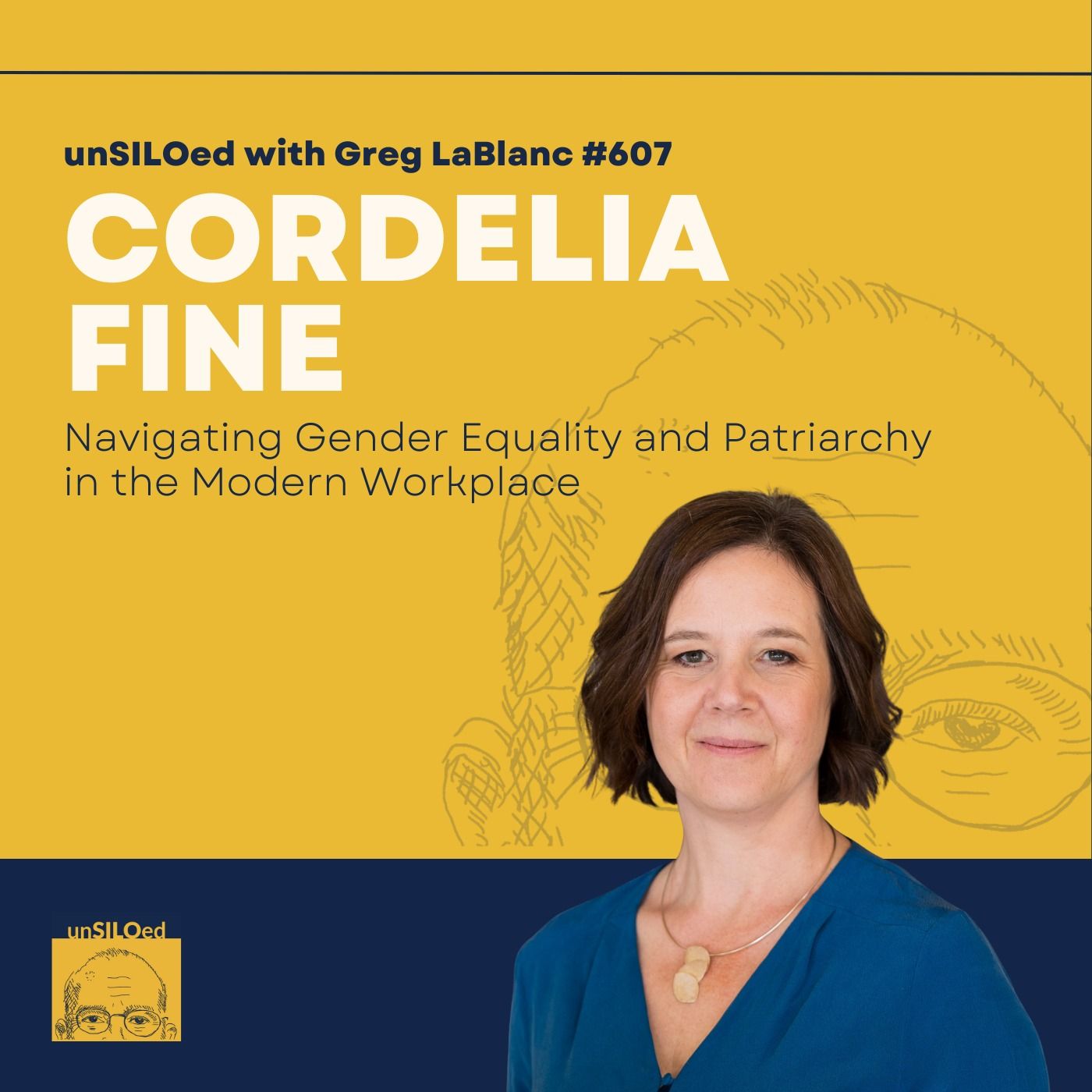
607. Navigating Gender Equality and Patriarchy in the Modern Workplace feat. Cordelia Fine
How can organizations make more equitable changes to their internal norms and structures, to promote fairness over merely seeking profit? What are alternate ways to tackle the difference in agreeableness that underpins many professional gaps between men and women?Cordelia Fine is a professor in the history and philosophy of science department at University of Melbourne, as well as the author of se
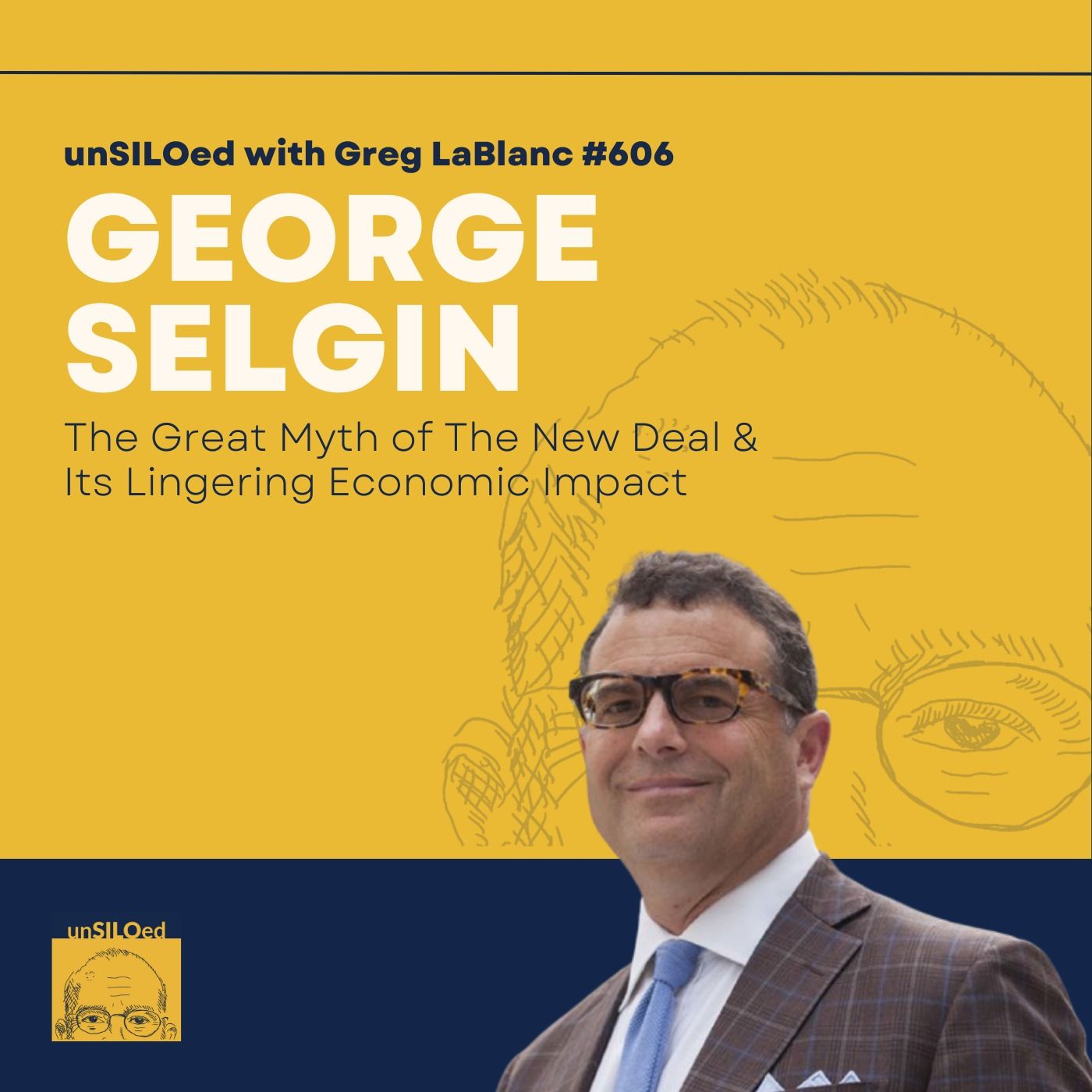
606. The Great Myth of The New Deal & Its Lingering Economic Impact feat. George Selgin
Despite its long-held place in history as the lynchpin of America’s recovery from the Great Depression, what if the New Deal did more to hinder the country’s recovery than help it? George Selgin is a professor emeritus of economics at the University of Georgia and former director of the Center on Monetary and Financial Alternatives at the Cato Institute. His books like, False Dawn: The New Deal an
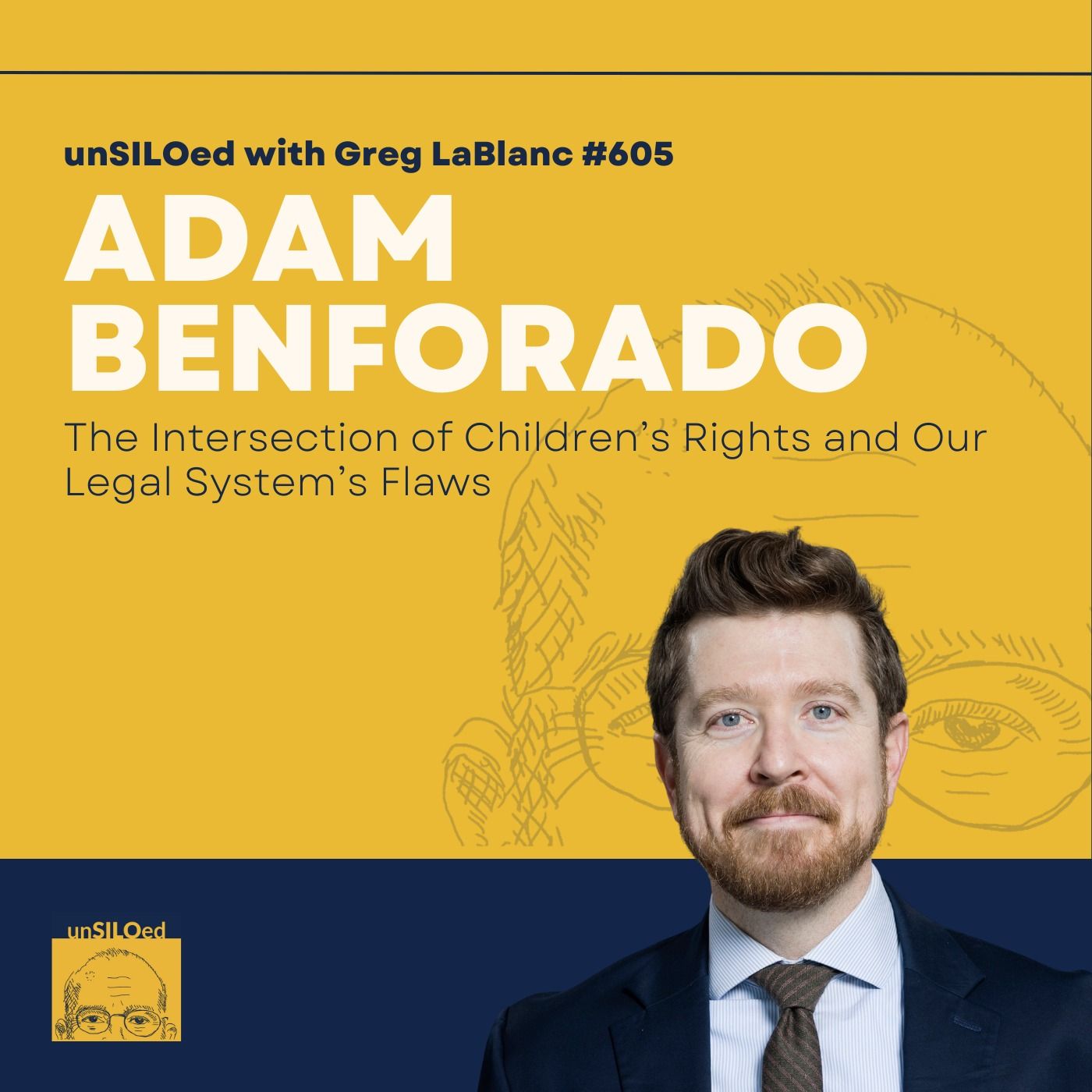
605. The Intersection of Children’s Rights and Our Legal System’s Flaws feat. Adam Benforado
How does our legal system treat children today, and how do policies affecting their parents and communities cascade down to shape their lives? What forces create a pipeline to criminalization, and what would it take to break that cycle for the children who come next?Adam Benforado is a professor of law at Drexel University and the author of two books titled A Minor Revolution: How Prioritizing Kid
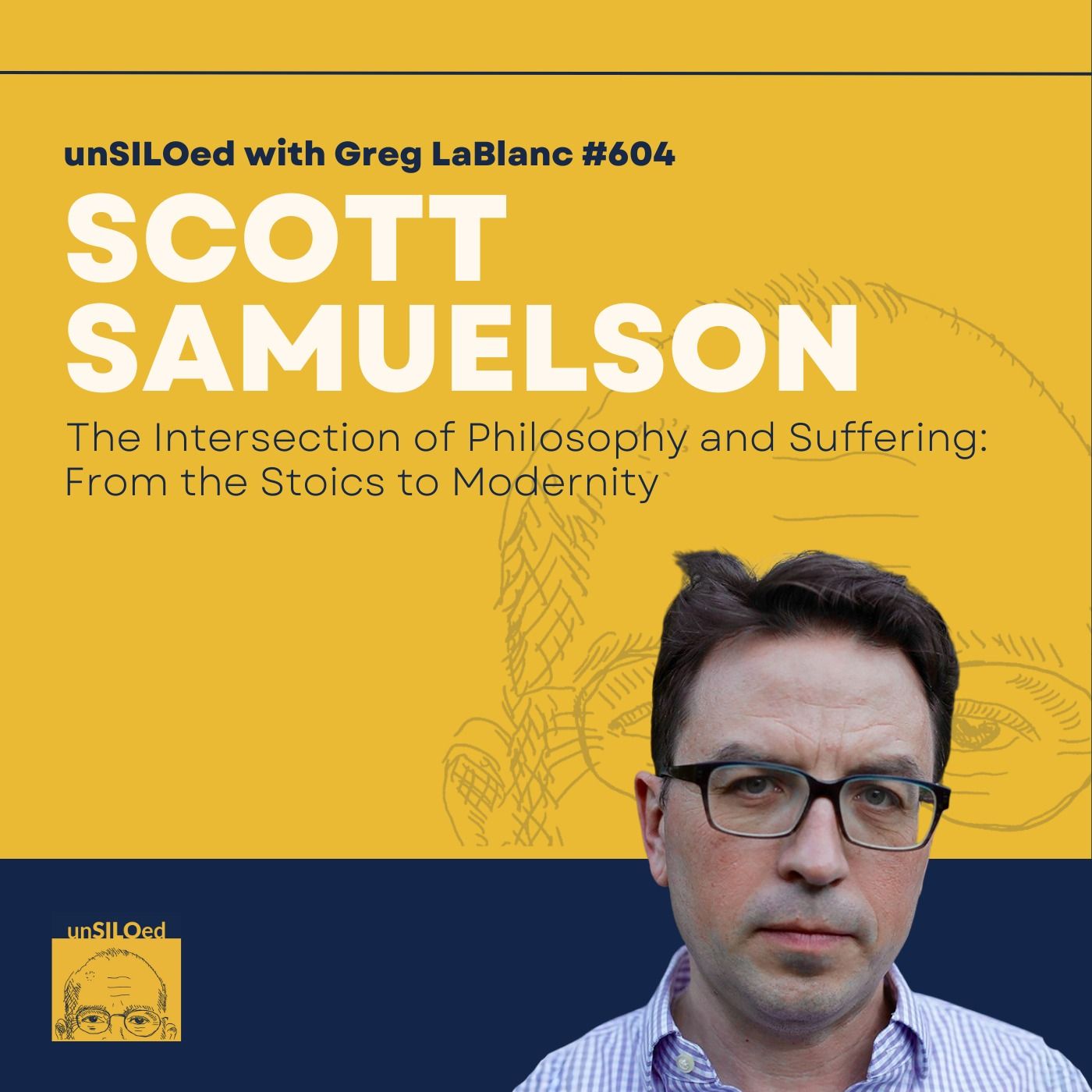
604. The Intersection of Philosophy and Suffering: From the Stoics to Modernity feat. Scott Samuelson
Is the point of life to minimize suffering, or to understand and embrace it on some level? How do different belief structures view the ideal human response to negative situations? Is there a degree of suffering that would be bearable in order to enable something pleasurable that could offset it?Scott Samuelson is a professor of philosophy at Iowa State University and also the author of several boo

603. How to Engineer Serendipity in Your Life, Your Organization and Your Community feat. David Cleevely
What are the nuances of organizational design and risk-taking? What are the roles of both curiosity and trust in fostering an environment ripe for innovation? How can you create serendipity intentionally, and harness its power for your organization?David Cleevely is a British entrepreneur and international telecoms expert who has built and advised many companies, principally in Cambridge, UK. He i
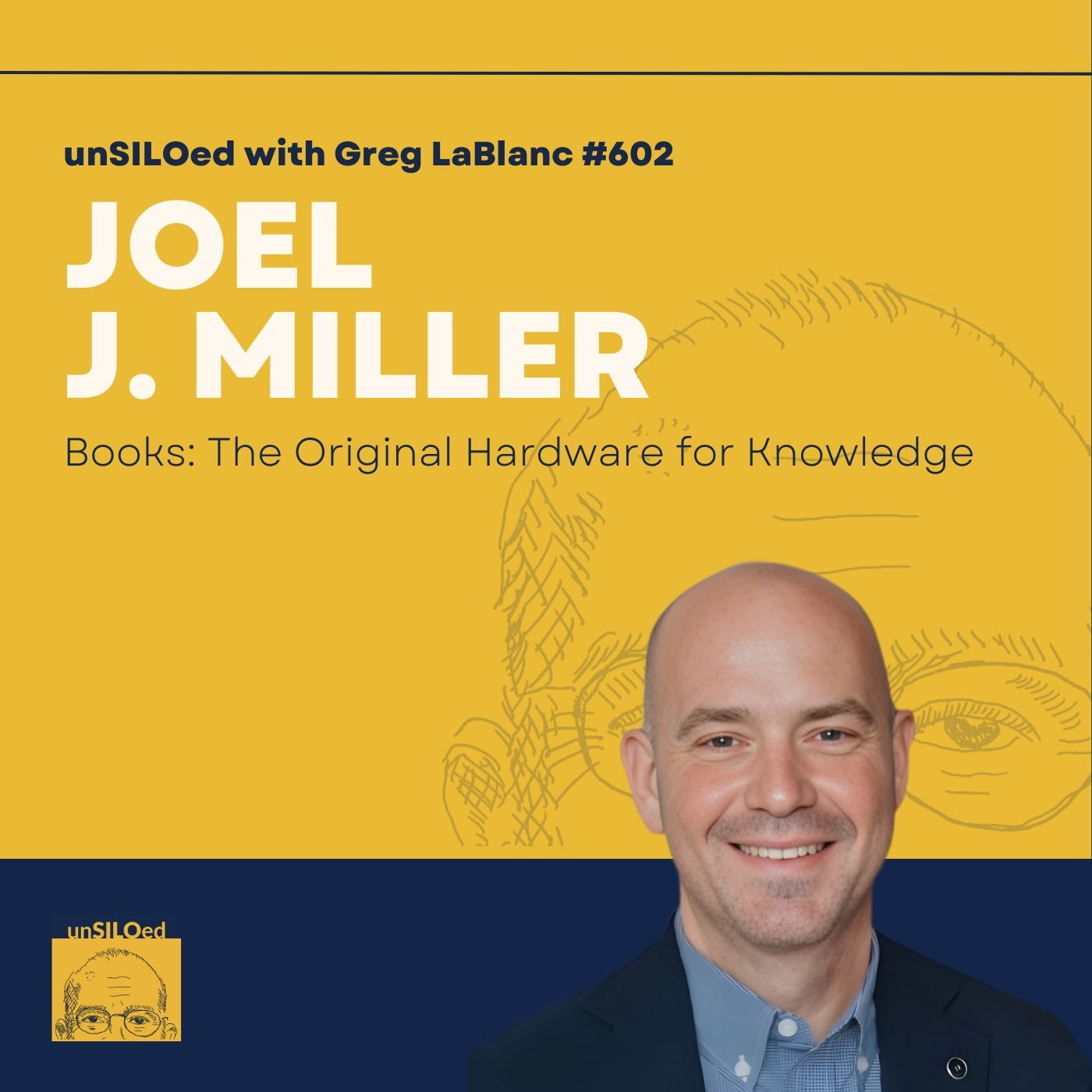
602. Books: The Original Hardware for Knowledge feat. Joel J. Miller
If ideas and knowledge are the software, then books have always been the longest-running hardware.Author and former publishing executive Joel J. Miller’s latest book, The Idea Machine: How Books Built Our World and Shape Our Future, delves into the history and evolution of books as a physical technology for idea transmission.Joel and Greg discuss the book’s origins from ancient times with Socrates
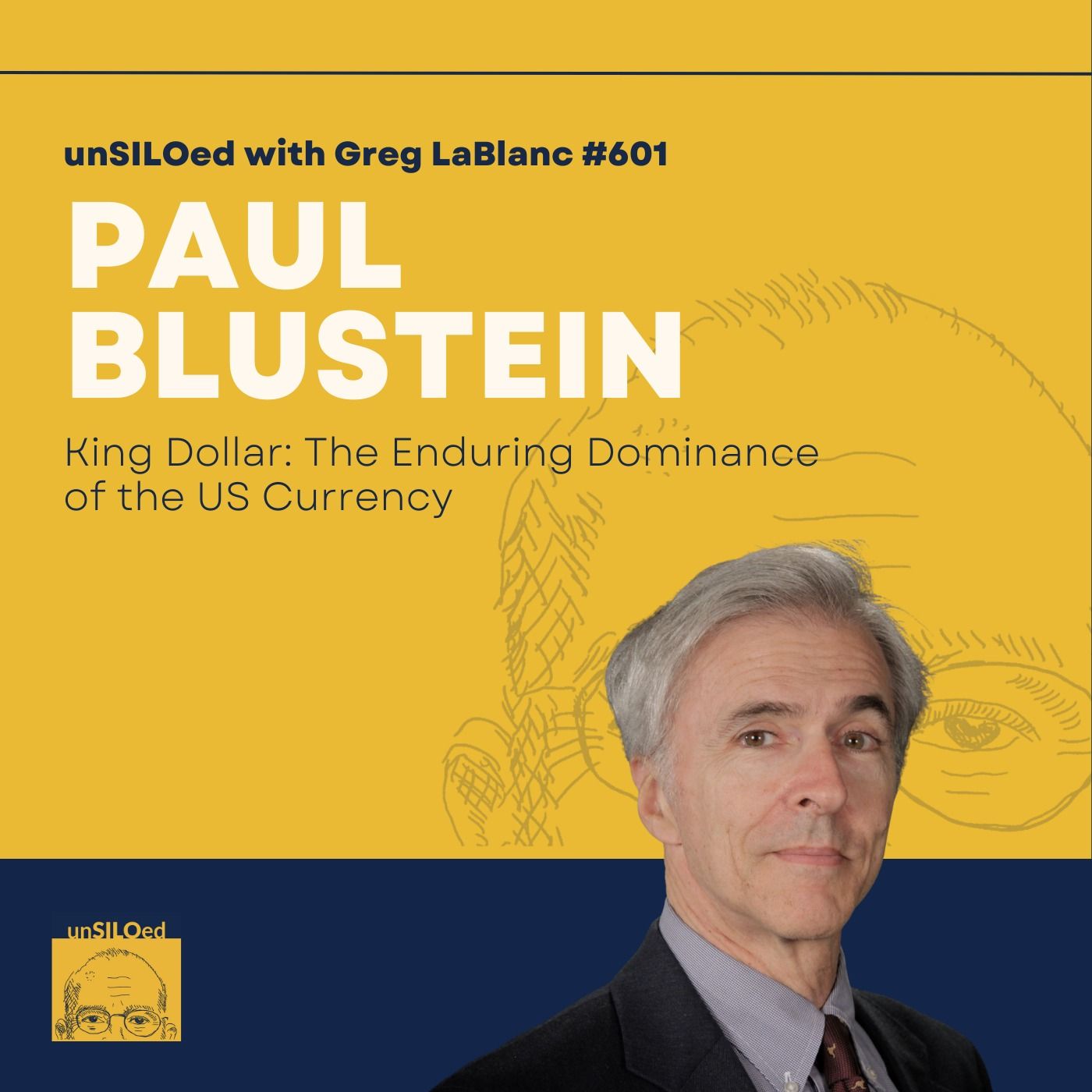
601. King Dollar: The Enduring Dominance of the US Currency feat. Paul Blustein
How did the US Dollar become the dominant currency internationally? What keeps other currencies, fiat or crypto, from displacing the dollar's role? Does the aggressive use of sanctions by the US Government put the dollar's role at risk?Paul Blustein is with the Center for Strategic and International Studies, as well as an author and journalist. He has written several books including his latest wor
600. The Intersection of Business Theory and Practice feat. Jay Barney
Unlike some other academic fields, the study of business has always had the challenging task of striking a balance between theory and practice. How can theoretical concepts aid business practitioners in real-world situations? And how can business academics expand their understanding of theory through that real-world application? Jay Barney is a professor of strategic management at the University
599. Why Authenticity Might Not Be the Answer feat. Tomas Chamorro-Premuzic
Why might ‘bring your whole self to work’ be terrible professional advice, and what should we be thinking about instead? Why does authenticity come into play more now than in previous generations? Tomas Chamorro-Premuzic is a professor of business psychology at University College London and Columbia. He is also the author of several books, including Don't Be Yourself: Why Authenticity Is Overrated
598. Becoming an Evangelist feat. Guy Kawasaki
How do evangelism and business go hand in hand? Well, for today’s guest, evangelism is the purest form of sales. Guy Kawasaki is the Chief Evangelist at Canva and former Chief Evangelist for the Macintosh Division at Apple. He’s a prolific author, speaker, and podcaster, with hit books like Think Remarkable: 9 Paths to Transform Your Life and Make a Difference, Wiser Guy: Life-Changing Revelations
Recommended

McKinsey on Consumer and Retail

megahired.com

Telli Talks with Telli Swift

Harmonize Your Life: Conversation on Self-Care for Women of Color

Lighting the Legal Career Path

High Performance Mindset | Learn from World-Class Leaders, Consultants, Athletes & Coaches about Mindset

Pintastic® Pinterest Podcast

Learn 50 English Phrases While You Sleep | Everyday English Phrases & Vocabulary

The Daily

The Joe Rogan Experience

World News Tonight with David Muir

Talk About Talk - Executive & Leadership Communication Skills
