You Must Remember This
You Must Remember This is a storytelling podcast that explores the secret and/or forgotten histories of Hollywood's first century. It is the brainchild of Karina Longworth, who writes, narrates, records, and edits each episode. The podcast is a heavily-researched work of creative nonfiction, navigating conflicting reports and mythology to uncover what really happened behind the films, stars, and scandals of the 20th century.
Episodes
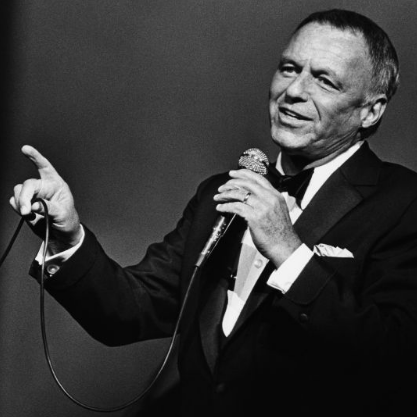
2: Frank Sinatra in Outer Space
Welcome to the second episode of You Must Remember This, the podcast devoted to exploring the secret and or/forgotten histories of Hollywood’s first century. Today, we look back to 1979, when — while the music world was full of punk and post-disco coke rock, and the movie world was making the transition from the “New Hollywood” of the ’70s into the blockbuster age — Frank Sinatra recorded Trilogy:
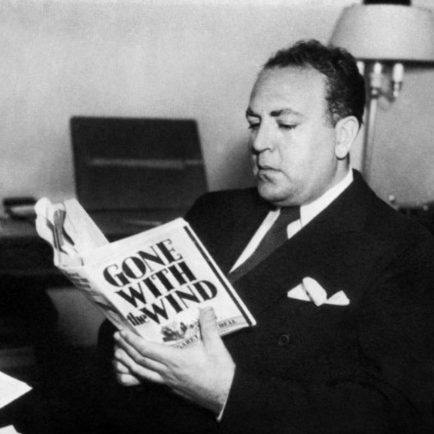
3: Happy 110th Birthday, Val Lewton
A Very Special Halloween Episode! The writer-producer Val Lewton produced and ghost-wrote 11 films in just three years as head of the horror unit at RKO, many of which — Cat People, I Walked With A Zombie, The Curse of the Cat People, The Body Snatcher — were huge hits, helping to keep the troubled studio afloat in the early 1940s, and becoming influential genre film classics. Lewton died super yo
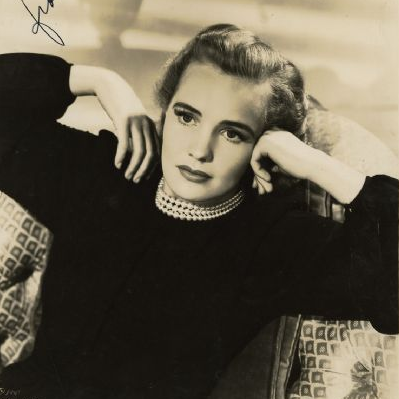
4: (The Printing of) the Legend of Frances Farmer
During the last year of his life, Nirvana’s Kurt Cobain was obsessed with Frances Farmer, an actress from his hometown of Seattle who died in 1970. Farmer’s beauty and unique screen presence made her a star, but her no-bullshit ballsiness made her a pariah — and a target of the hostile media — in 1930s Hollywood. Farmer’s career went down the tubes in the 1940s when a couple of incidents of inconv
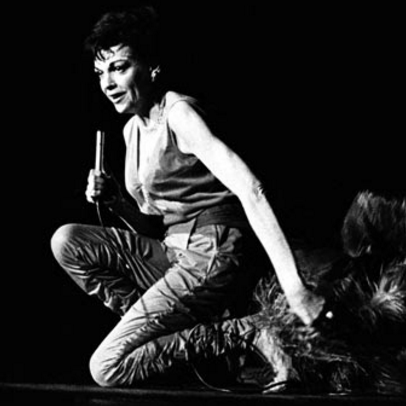
5: The Lives, Deaths and Afterlives of Judy Garland
Today we’re commemorating the life and career of Judy Garland, who died 45 years ago this month. Signed to a studio contract at the age of 13, encouraged to become a pill addict as a teenage MGM contract player, crowned a superstar by The Wizard of Oz at age 17 and married for the first time at 18, Garland lived more than her share of life before reaching legal maturity. But today, we’re going to
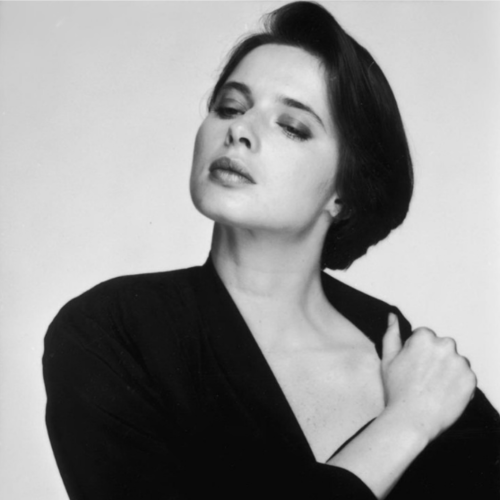
6: Isabella Rossellini in the 1990s
Today we celebrate the 62nd birthday of actress/model/filmmaker Isabella Rossellini. She was born into Hollywood scandal: her mother, Ingrid Bergman, was denounced on the floor of Congress for her adulterous relationship with Isabella’s father, Italian neorealist director Roberto Rossellini. Isabella herself would go on to have romances with Martin Scorsese and David Lynch, finding her signature f
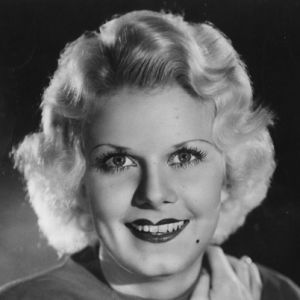
7: The Many Loves of Howard Hughes, Chapter 1
The first episode of a multi-part series on the Hollywood romances of Howard Hughes traces Hughes’ arranged marriage at age 18 to Southern society belle Ella Rice; his affairs with silent star Billie Dove and Jean Harlow, who Hughes helped to establish as a sex symbol whose body was used to evoke both money and military might; and his attempt to invent himself as the most powerful independent prod
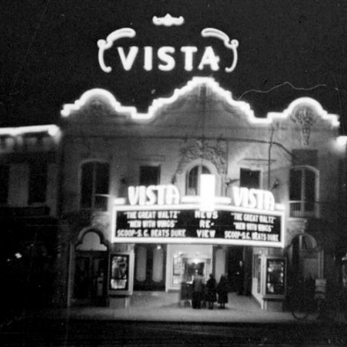
8: Follies of 1938, Part 1: Hollywood’s Greatest Year
This micro-episode sets up a topic we’ll be exploring throughout the summer: the films, stars and scandals of 1938. By midway through that year, Hollywood was in such a desperate downswing — and so concerned that Americans were losing interest not just in specific movies but in moviegoing as a habit — that the studios banded together to launch a massive PR campaign to convince the public that 1938
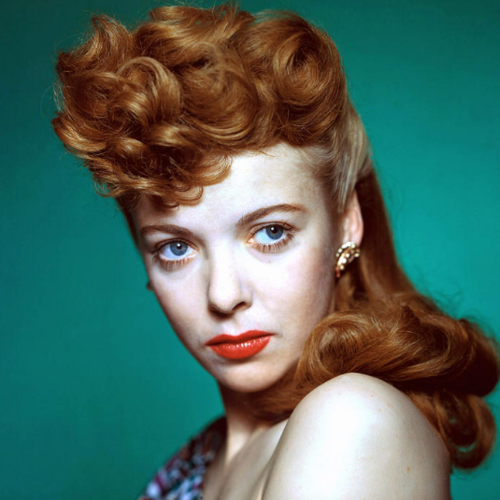
9: The Many Loves of Howard Hughes, Part 2: The Many Loves of Ida Lupino
In this second installment of our ongoing series, The Many Loves of Howard Hughes, we explore the life, loves and work of Ida Lupino. Hughes dated Lupino when she was a teenage starlet; nearly 20 years later, after Lupino had become the only working female feature director in 1940s Hollywood, Hughes signed his ex-girlfriend’s production company to a deal at RKO. Hughes supported Lupino as a direct
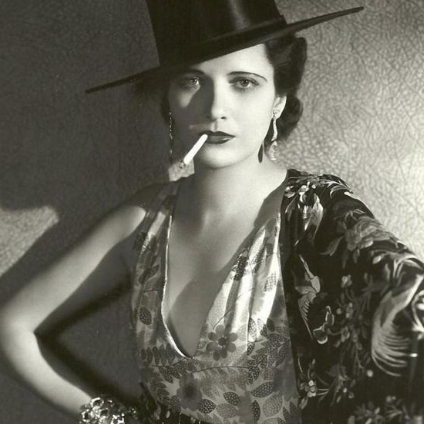
10: Follies of 1938, Chapter 2: Kay Francis, Pretty Poison
In May 1938, the Independent Theater Owners Association published a full-page paid editorial in The Hollywood Reporter, branding a number of big stars — including Mae West, Marlene Dietrich, Greta Garbo, Joan Crawford, Katherine Hepburn and others — as “poison at the box office,” and urging the studios to cut their ties to expensive names who no longer had the drawing power they once did at the bo
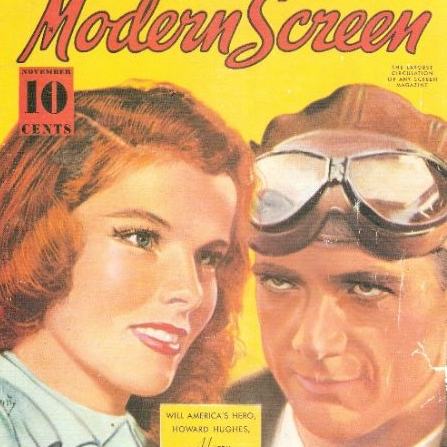
11: The Many Loves of Howard Hughes: Katharine Hepburn, 1938
A crossover episode, uniting our two ongoing series, The Many Loves of Howard Hughes and Follies of 1938, focusing on Hughes’ relationship with Katharine Hepburn, which peaked and crashed in 1938. Introduced by Hughes’ close confidant, Cary Grant, Hepburn and Hughes became a celebrity couple in the modern mold: mutually attracted in part based on the fame of the other, they were hounded by paparaz
12: Madonna, from Sean to Warren, Part One
Over the course of two episodes, we will explore the high-cinephile period of Madonna's life and work, roughly bracketed by her relationship with Sean Penn and ending with the dissolution of her rebound affair with Warren Beatty.
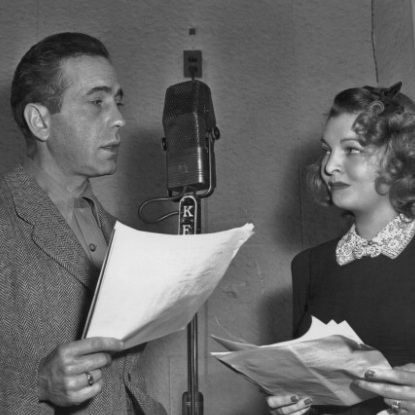
13: Bogart, Before Bacall
A look at how Humphrey Bogart became Bogey, tracing his journey from blue blood beginnings through years of undistinguished work and outright failure, to his emergence in the early 1940s as a symbol of wartime perseverance.
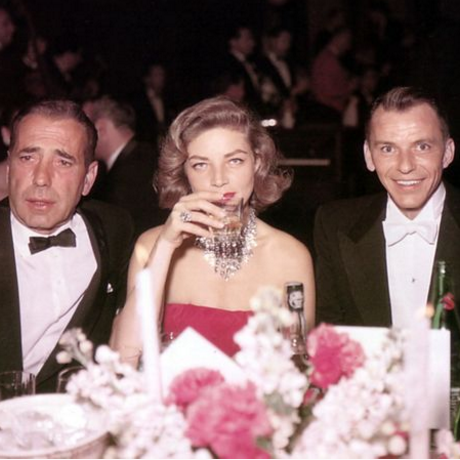
14: Bacall, After Bogart
When Humphrey Bogart died, Lauren Bacall was just 32 years old. This is the story of how Bacall spent the remaining 57 years of her life, and her lifelong struggle to find a balance between being Mrs. So-and-So, and being Lauren Bacall.
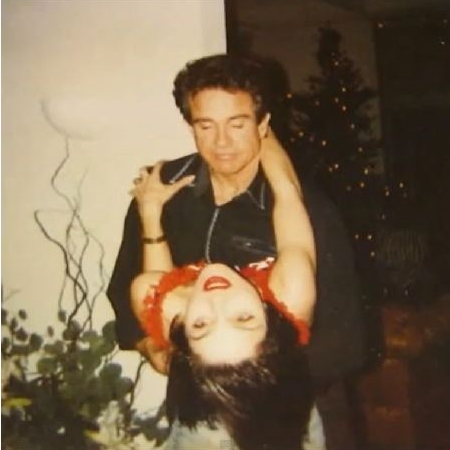
15: Madonna, from Sean to Warren, Part Two
In the concluding chapter of a two-part episode about Madonna and movies, we talk about her mutually beneficial professional and personal involvement with Warren Beatty.
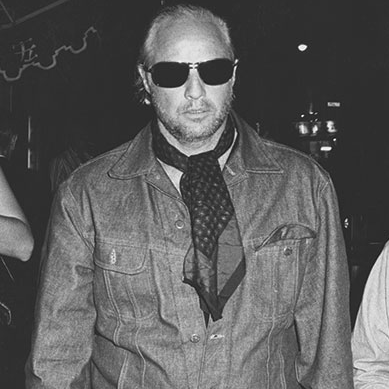
16: Marlon Brando 1971-1973
This is the story of how, with two movies shot in 1971, Marlon Brando turned his career around, spent his regained celebrity capital on an act of social activism, and put Hollywood's culture of self-adoration in its place.
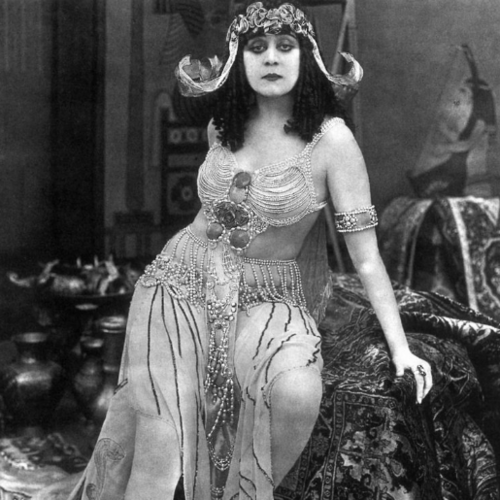
17: Theda Bara, Hollywood’s First Sex Symbol
Theda Bara might be the most significant celebrity pioneer whose movies you’ve never seen. She was the movie industry’s first sex symbol; the first femme fatale; and she might have been America’s first homegrown goth.
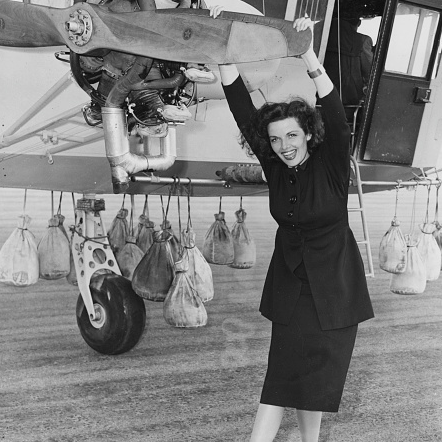
18: The Many Loves of Howard Hughes, Chapter 4: Jane Russell
Our long-running series on the women in the life of the infamous aviator/filmmaker continues with a look at Hughes’ professional and personal relationship with Jane Russell, which began in 1940 when Hughes randomly pulled a photograph of the 19 year-old out of a pile, and lasted for most of her film career.
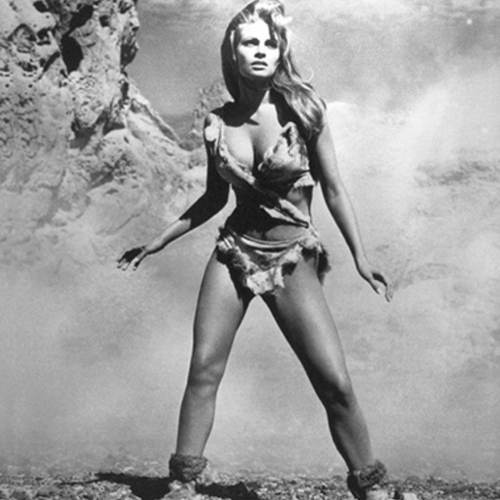
19: Raquel Welch, From Pin-up to Pariah
Raquel Welch, a former cocktail waitress and divorced mother of two, found herself in the odd position of being an old-fashioned sex goddess in the age of flower children and feminism.
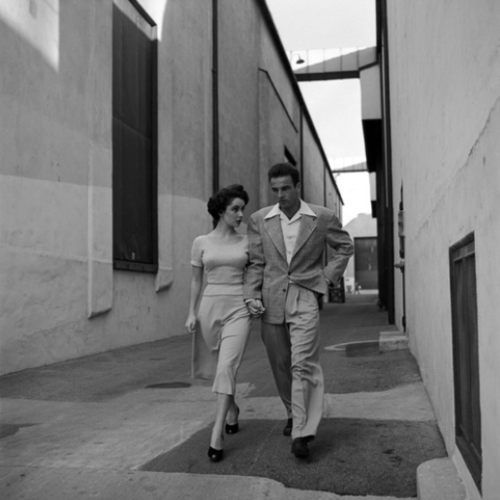
20: LIZ <3 MONTY
Elizabeth Taylor and Montgomery Clift were best friends and co-stars in three films. This episode tracks Taylor's relationship with the troubled Clift, from their first, studio-setup date through his untimely death.
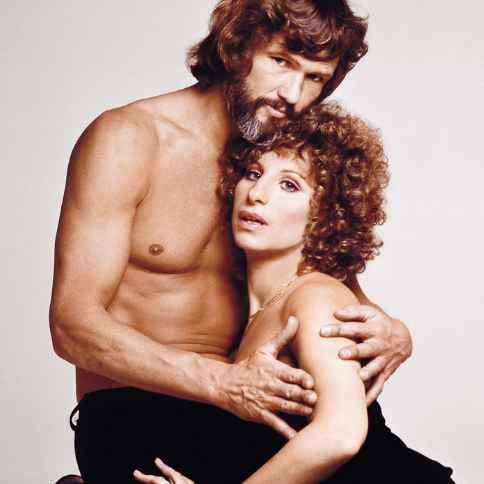
21: The Birth of Barbra Streisand’s A Star is Born
There have been four Hollywood films made under the name and/or with the basic story of A Star is Born. The most reviled version is the one starring Barbra Streisand, made in 1976 and produced by Barbra’s hair dresser-turned-boyfriend Jon Peters.
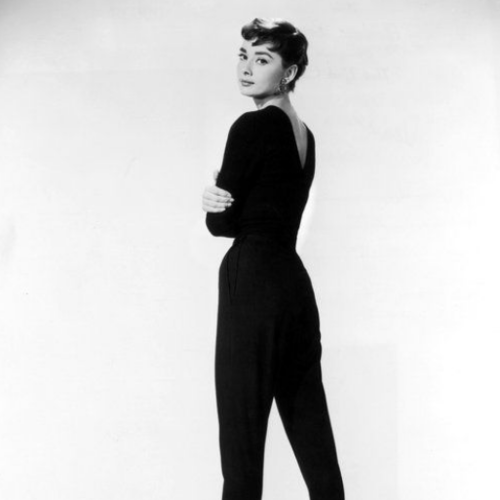
22: Audrey Hepburn: Sex, Style, and Sabrina
Audrey Hepburn was the first glamorous actress whose style seemed to be to dress for herself, and not to appeal to men. Today we’re going to talk about a film which sparked this evolution, Sabrina.
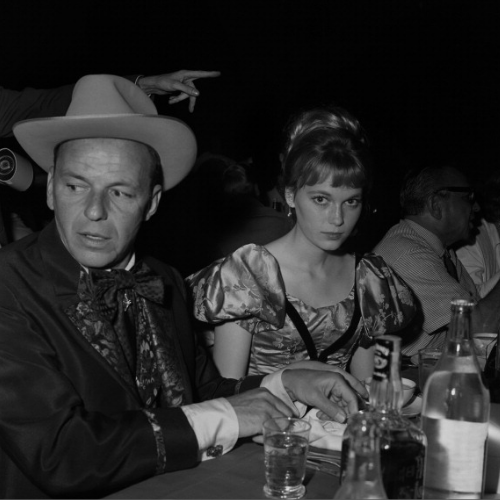
23: Mia Farrow in the 1960s, Part One: Mia & Frank
Before Mia Farrow was an outspoken activist, devoted mother to 14 children, and the famously jilted partner of Woody Allen, she was … a lot of other things. Today in the first of a two parter, we’ll begin to explore Mia Farrow’s life and career from 1960-1970.
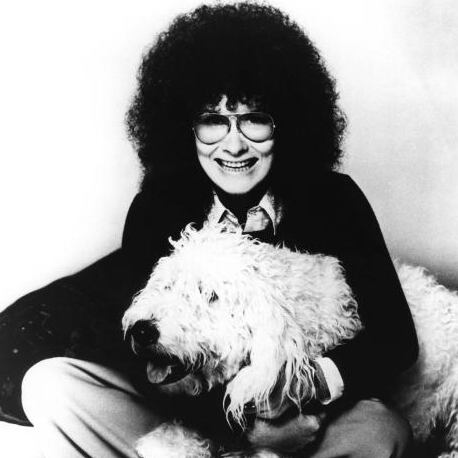
24: Mia Farrow in the 1960s, Part Two: Mia & Dory
Part Two of Mia Farrow in the 1960s traces Mia’s flight to India, studying transcendental meditation with the Beatles, the movies Secret Ceremony and John and Mary, her affair with Andre Previn, and the impact it had on Previn's wife, Dory.
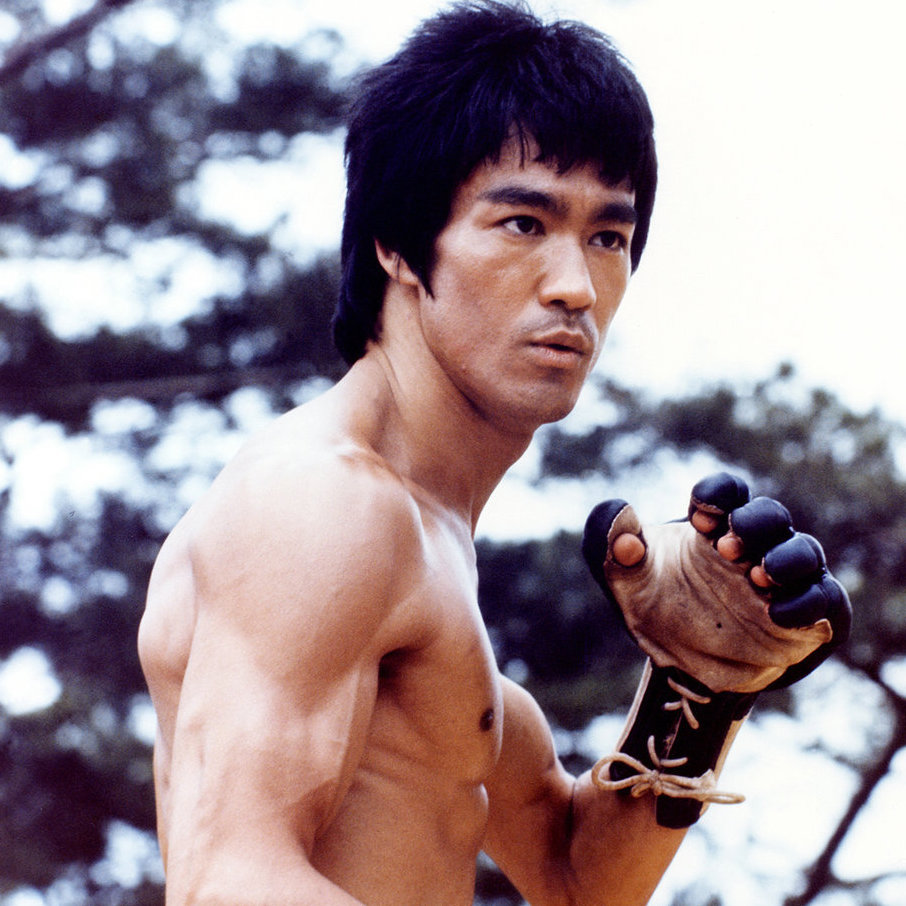
25: The Short Lives of Bruce and Brandon Lee
In this episode, we’ll explore what really happened to Bruce and Brandon Lee, and discuss how an extraordinarily talented artist went from a victim of Hollywood’s racism to one of the industry’s biggest moneymakers long after his death.
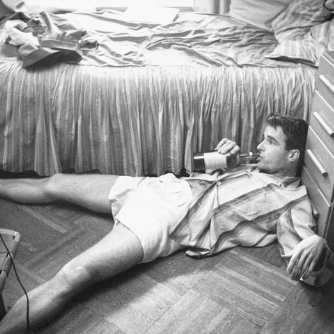
26: Tales of Celebrity Drunkenness, 2014
In our first annual end-of-year clip show, we'll listen to some of the booziest excerpts from the 25 episodes of You Must Remember This released thus far.
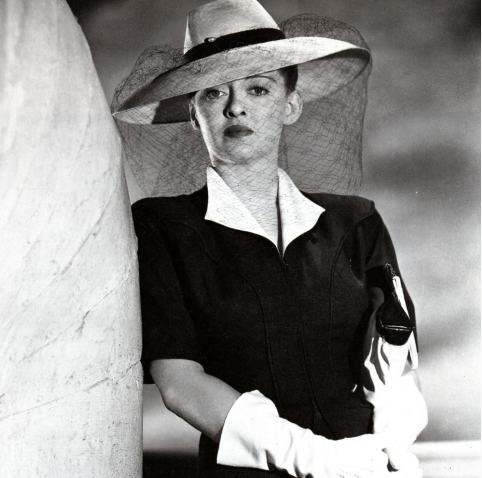
27: Star Wars Episode I: Bette Davis and the Hollywood Canteen
In the first installment of 'Star Wars' (about the experiences of stars during wartime, not Chewbacca or Mos Eisley), Karina Longworth looks at Bette Davis and the Hollywood Canteen.
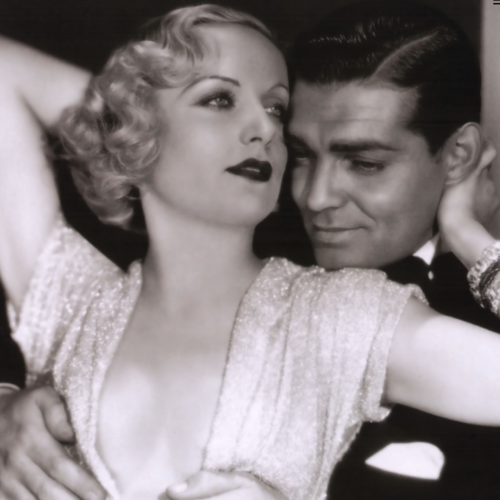
28: Star Wars Episode II: Carole Lombard and Clark Gable
The queen of screwball comedies married the king of Hollywood in 1939, but Lombard's 1942 death in a plane crash on the way home from a trip to sell war bonds drove Gable into a physical and emotional breakdown, and eventually the Army.
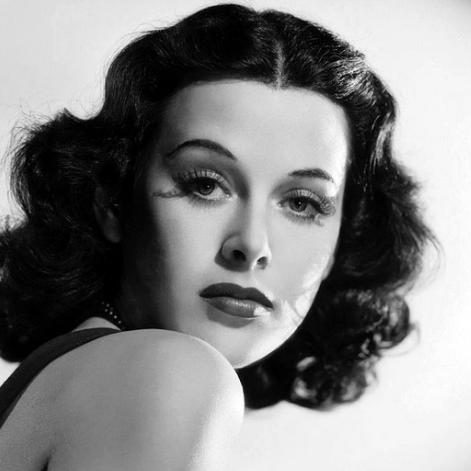
29: Star Wars Episode III: Hedy Lamarr
Hedy Lamarr was a pioneer in more ways than one, including, but not limited to, scandalous movie sex scenes, radio control technology, breast implants, frivolous lawsuits, and celebrity shoplifting.
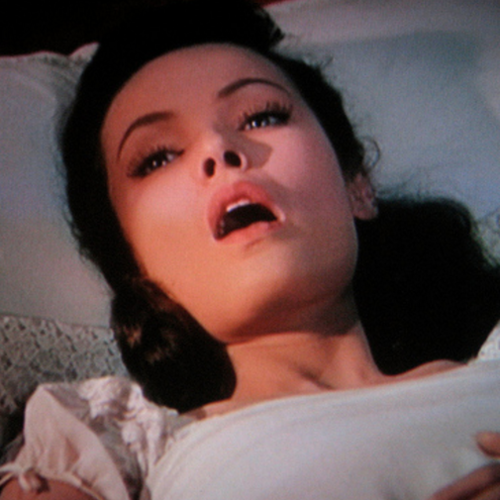
30: Star Wars Episode IV: Gene Tierney (Or: The Many Loves of Howard Hughes, Chapter 5)
The luminous star of a number of key film noirs and melodramas of the 1940s, Gene Tierney's personal life was highly dramatic and heartbreakingly tragic.
31: Star Wars Episode V: Rita Hayworth and Orson Welles
The Citizen Kane boy wonder's second wife was the former Margarita Cansino -- a dancer-turned-actress whose Hispanic heritage Hollywood went to great lengths to obscure.
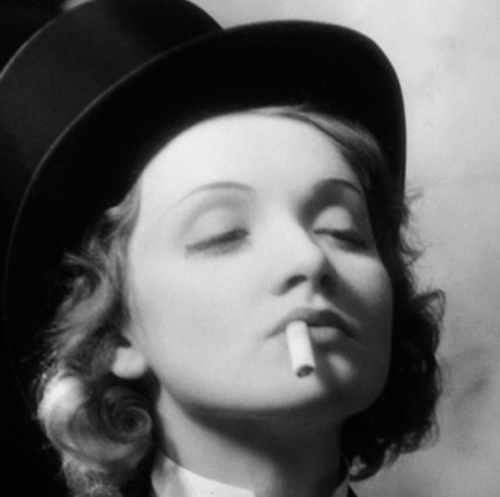
32: Star Wars Episode VI: Marlene Dietrich
One of the most glamorous stars of the 1930s -- and also one of the first androgynous sex symbols -- Marlene Dietrich was a German actress turned major Hollywood star, one who essentially became the USO's female Bob Hope.
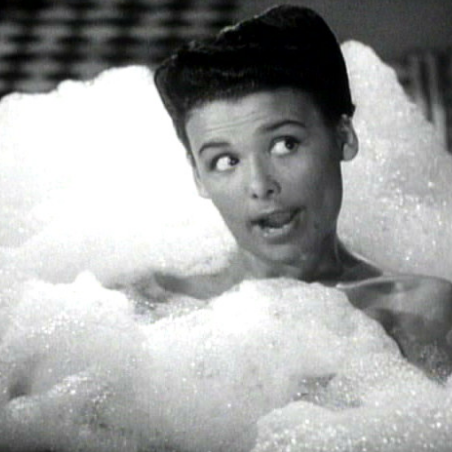
33: Star Wars Episode VII: Lena Horne
Stunning singer/actress Lena Horne was the first black performer to be given the full glamour girl star-making treatment. But as the years went on and her studio failed to make much use of her, Horne started feeling like a token — and she wasn’t wrong.
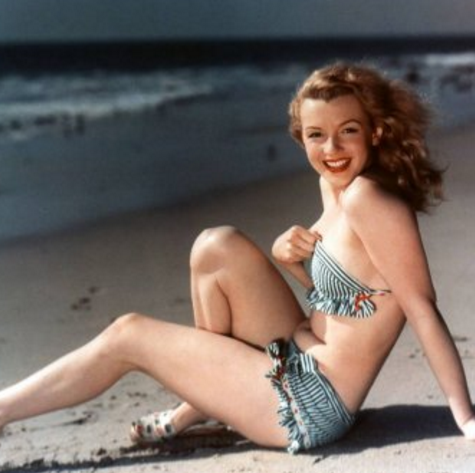
34: Star Wars Episode VIII: How Norma Jeane Became Marilyn Monroe
Today’s episode tells the secret, forgotten, and highly disputed story of the making of Marilyn Monroe, arguably the most potent Hollywood sex symbol of all time.
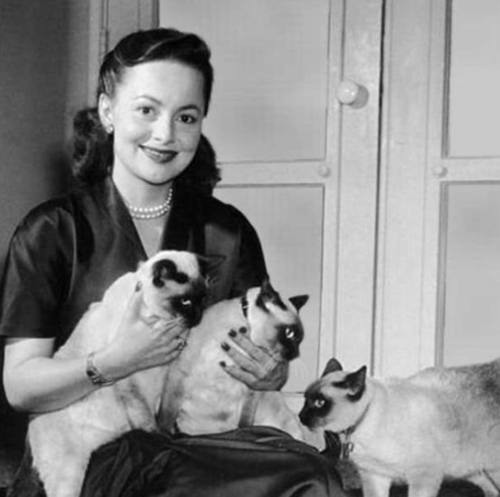
35: Star Wars Episode IX: Olivia de Havilland and John Huston, with Special Guest Rian Johnson
She was the raven-haired beauty whose lily white persona was forged by supporting roles in Gone With the Wind and several Errol Flynn swashbucklers. He was the real-life swashbuckler whose directorial debut, The Maltese Falcon, was an enormous success.
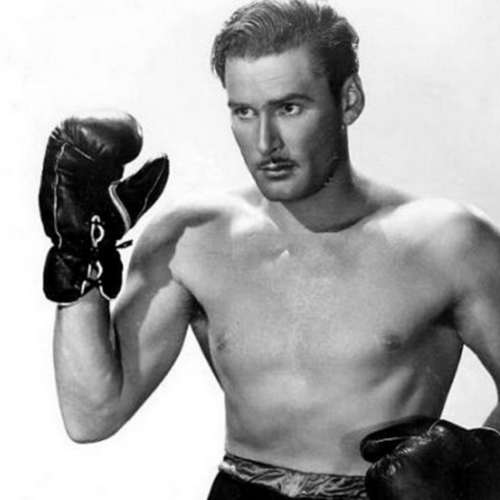
36: Star Wars Episode X: Errol Flynn
Errol Flynn arrived in Hollywood in 1934 and almost immediately became a massive star, his swashbuckler-persona propelling many of the decades biggest action hits. But his dashing good looks and life-of-the-party personality masked a shady past.
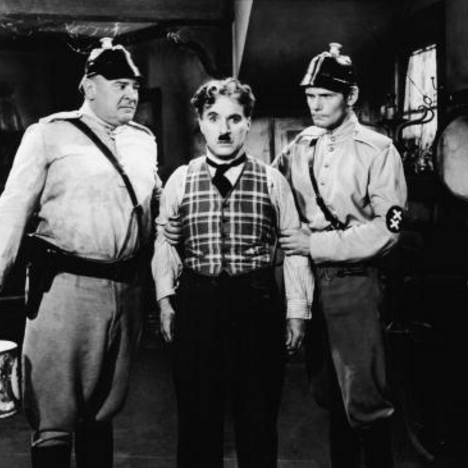
37: Star Wars Episode XI: Charlie Chaplin
Charlie Chaplin’s most successful (and controversial) film was The Great Dictator, a vicious satire of Adolf Hitler. We’ll explore the connections between the two men, and explain why most of Hollywood tried to stop the film from being made.
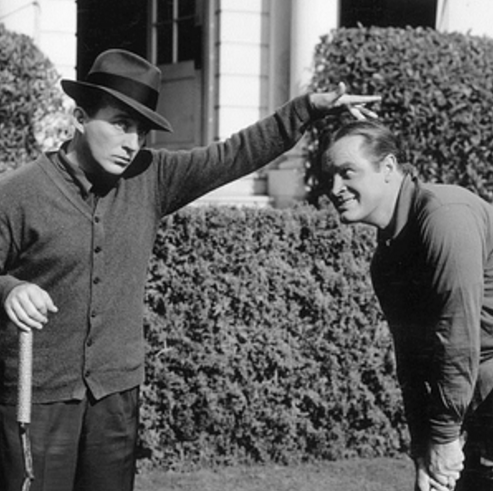
38: Star Wars Episode XII: Bob Hope vs. Bing Crosby
Bob Hope is remembered as the 20th century celebrity most devoted to entertaining the troops. Bing Crosby, Hope’s partner on seven Road to… films, sang the song that became an unlikely alternate national anthem during World War II.

39: Star Wars Episode XIII: Walt Disney
Walt Disney changed Hollywood and brought millions of children and adults boundless joy. And yet, Disney’s legacy is marred by the common perception that he was also a racist, misogynist and anti-semite.
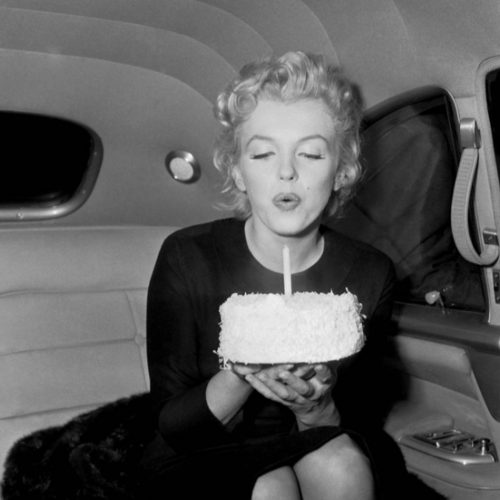
40: The You Must Remember This One Year Anniversary Ask Us Anything Show
You Must Remember This turns one year old this month, and to celebrate, Karina takes questions from listeners. Topics range from book recommendations to the blacklist to baseball to Karina’s abandoned, unfinished novel.
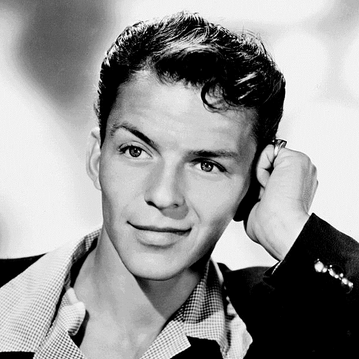
41: Star Wars Episode XIV: Frank Sinatra Through 1945
Frank Sinatra's rise to fame coincided almost exactly with the run up to and fighting of World War II. Unlike so many young men, famous or otherwise, Sinatra didn't enlist, and the controversy over whether or not he was a draft dodger hung over his head.
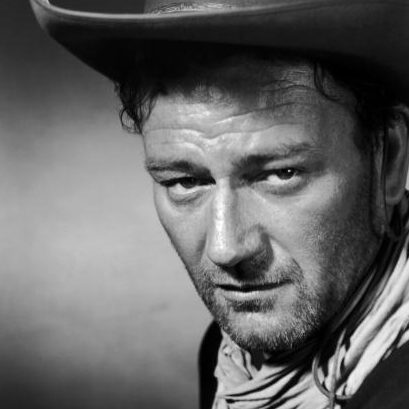
42: Star Wars Episode XV: Why John Wayne Didn’t Sign Up
No actor on movie screens in the 1940s embodied American patriotism and unpretentious masculinity better than John Wayne. But Wayne didn’t have the defining experience of most adult American men of the 1940s — Wayne didn’t enlist to serve in World War II.
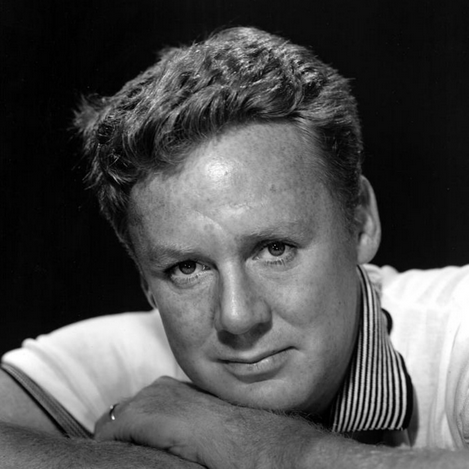
43: Star Wars Episode XVI: Van Johnson
Van Johnson was MGM’s big, all-American heartthrob during World War II, an one of the most reliably bankable stars in Hollywood, on and off, for over a decade. Off-screen, he was an introvert with a mysterious personal life.
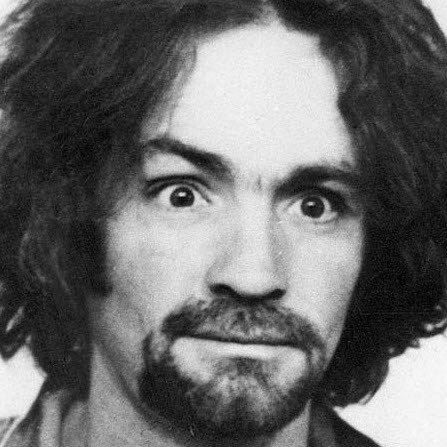
44: Charles Manson’s Hollywood, Part 1: What We Talk About When We Talk About The Manson Murders
This season, You Must Remember This will explore the murders committed in the summer of 1969 by followers of Charles Manson. Today, we’ll talk about what was going on in the show business capital that made Manson seem like a relatively normal guy.
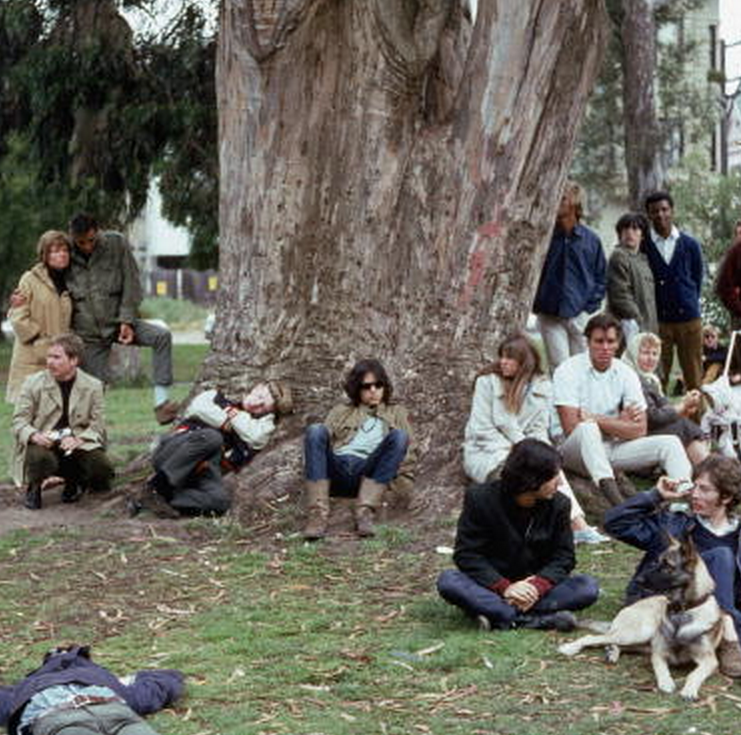
45: Charles Manson’s Hollywood, Part 2: How Manson Found His Family
Today we're tracing Charles Manson's life from his birth to a teenage con artist, through multiple stints in reform schools and prisons, and finally to San Francisco circa 1967, where Manson began to try out his guru act on the local hippie kids.
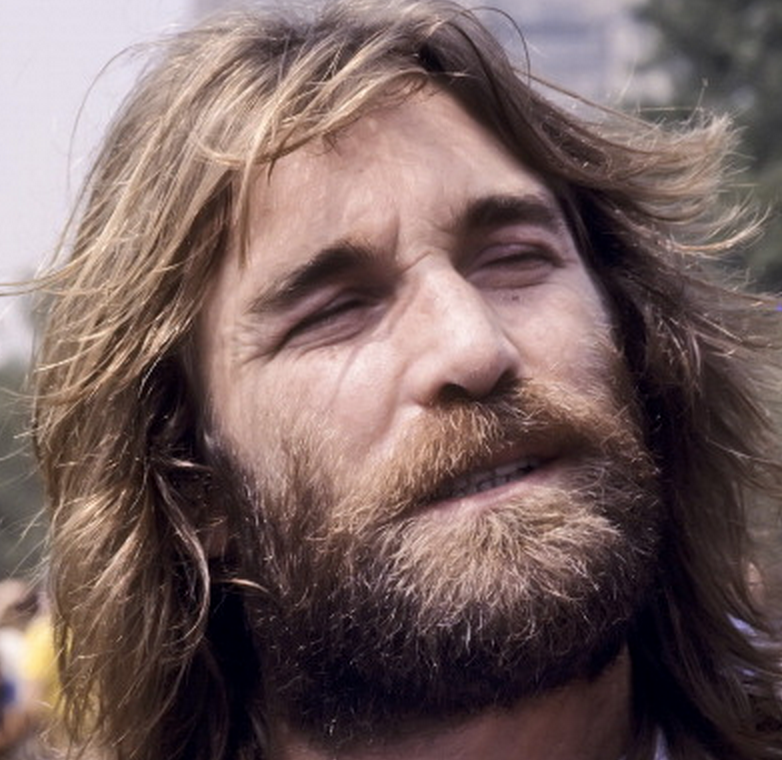
46: Charles Manson’s Hollywood, Part 3: The Beach Boys, Dennis Wilson, and Charles Manson, Songwriter
In this episode we’ll talk about Charlie Manson’s arrival in Los Angeles, discuss Dennis Wilson’s life and the role he played in enabling Manson’s rock n’ roll delusions, and explain how The Beach Boys came to record a song written by Charles Manson.
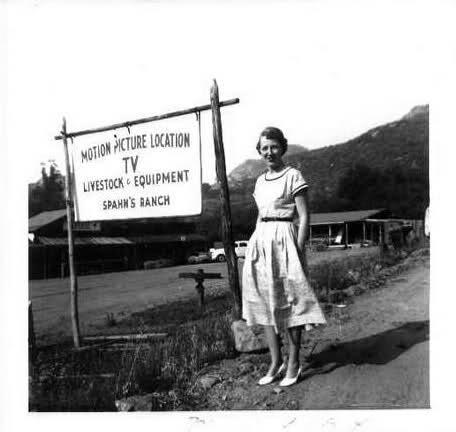
47: Charles Manson’s Hollywood, Part 4: Spahn Ranch and the Beatles’ White Album
After wearing out his welcome at Dennis Wilson’s house, Manson moves his family to Spahn Ranch, a dilapidated Western movie set where the cult starts preparing for Helter Skelter, Manson's made-up apocalypse inspired by The Beatles.
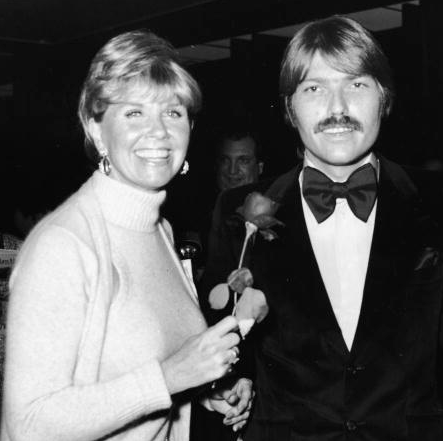
48: Charles Manson’s Hollywood, Part 5: Doris Day and Terry Melcher
Charles Manson became convinced his best chance at rock stardom was impressing Terry Melcher, a record executive who had made stars out of The Byrds, who was also Doris Day's son and Candice Bergen's boyfriend.
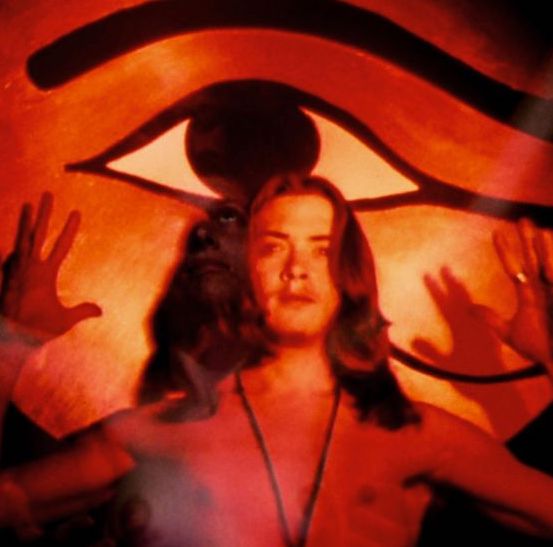
49: Charles Manson’s Hollywood, Part 6: Kenneth Anger and Bobby Beausoleil
The first person to go to jail for a Charles Manson-associated murder was Bobby Beausoleil, a charismatic would-be rock star who had put in time as a muse to Kenneth Anger -- child actor-turned-occultist experimental filmmaker and author.
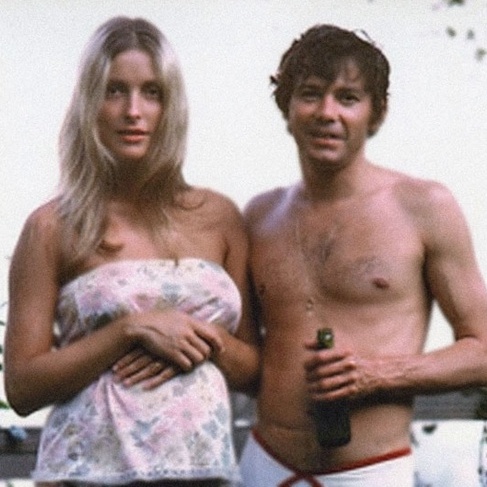
50: Charles Manson’s Hollywood, Part 7: Sharon Tate and Jay Sebring
In the first of two episodes about the Manson Family’s most famous victim, we’ll trace actress Sharon Tate’s early years, her romance with celebrity hairdresser Jay Sebring, and the on-set affair that changed the course of Tate’s life and career.
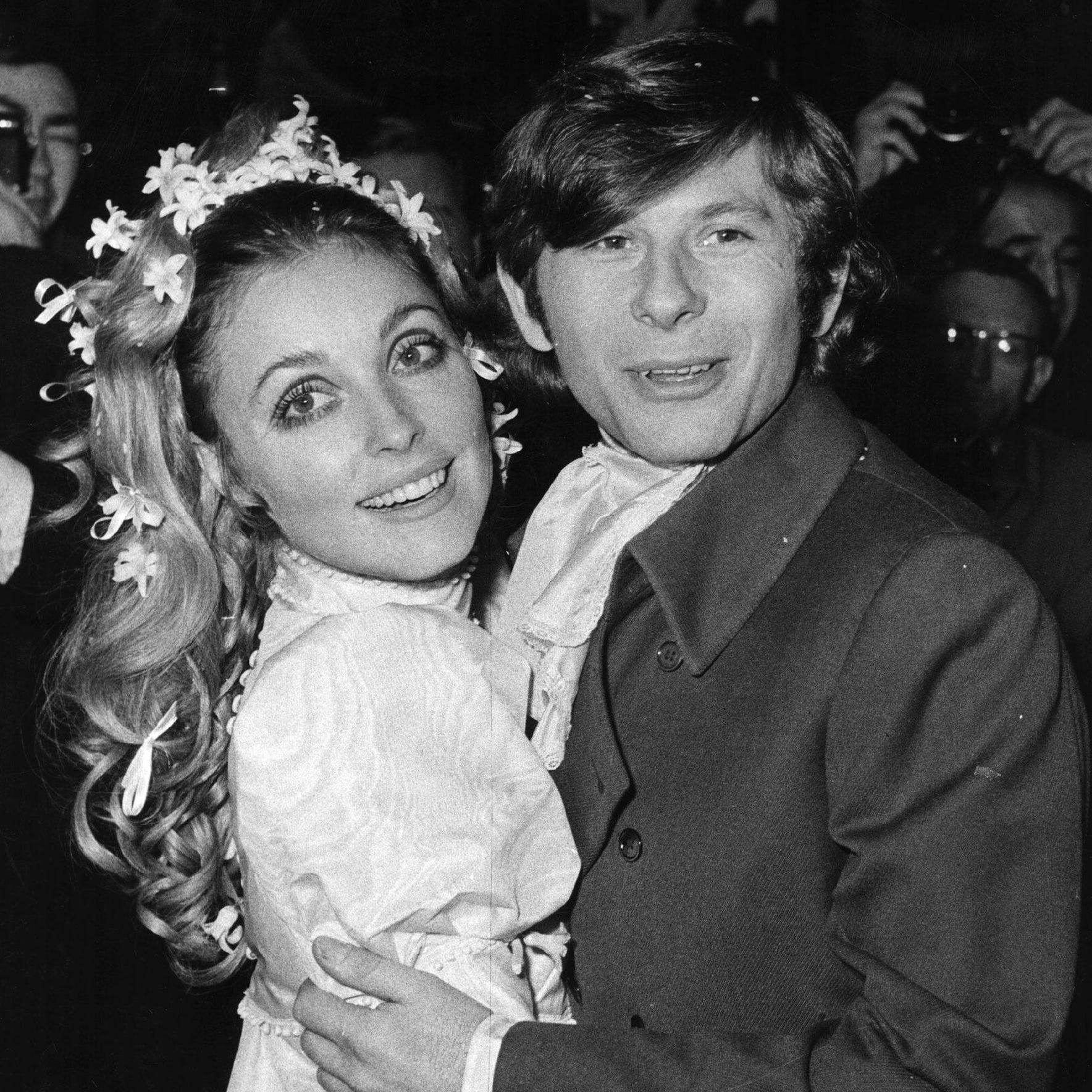
51: Charles Manson’s Hollywood, Part 8: Sharon Tate and Roman Polanski
While trying to launch her own acting career, Sharon Tate fell in love with, and eventually married, Roman Polanski, the hotshot Polish filmmaker who had his first massive American hit in the summer of 1968, Rosemary’s Baby.
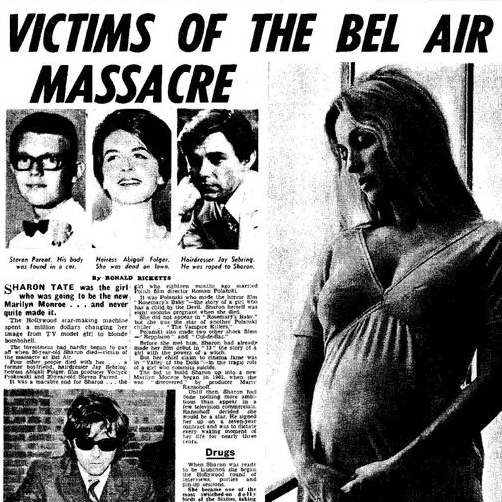
52: Charles Manson’s Hollywood, Part 9: August 8-10, 1969
Over the course of a single weekend, half a dozen hippies massacred seven people. This episode includes disturbing details about very violent crimes.
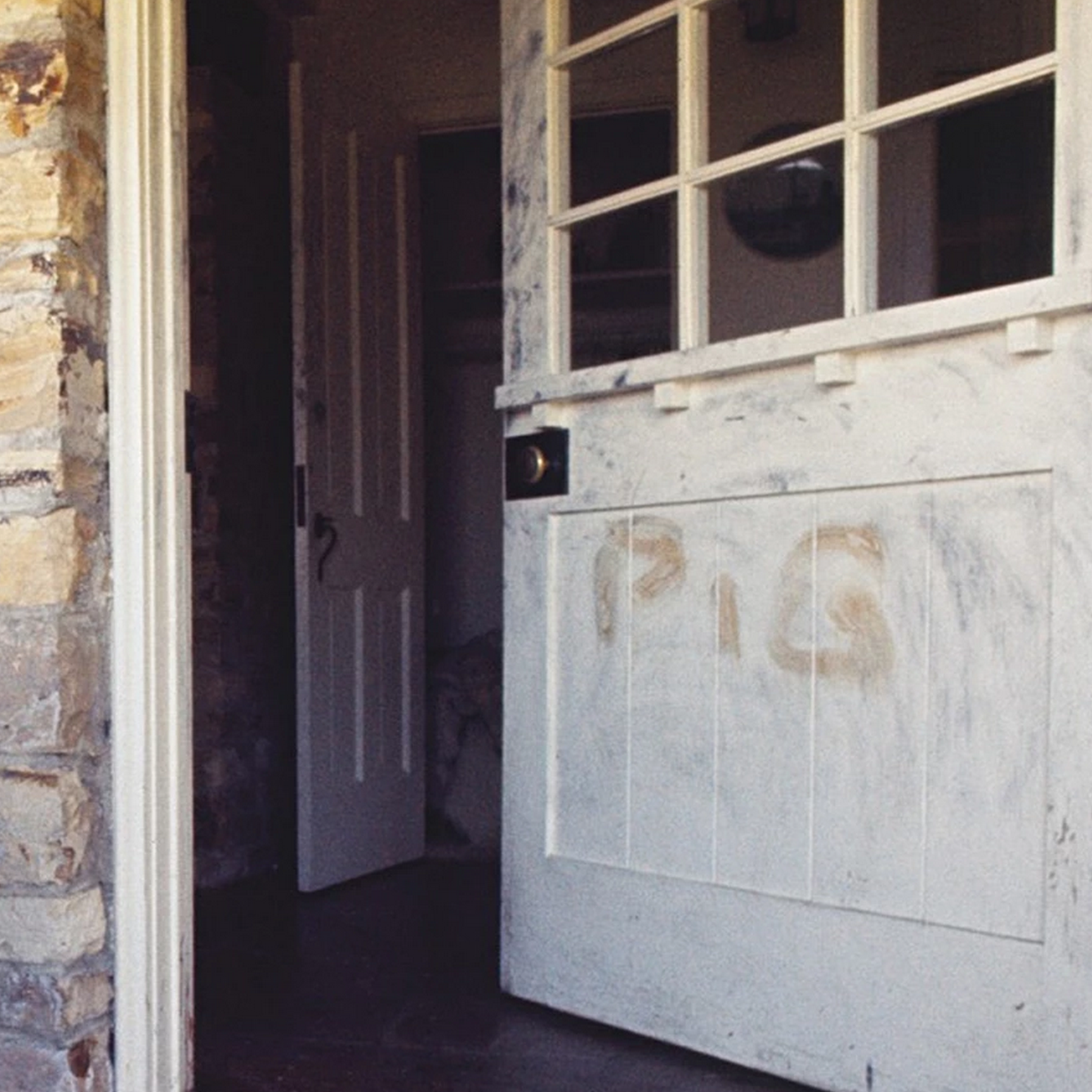
53: Charles Manson’s Hollywood, Part 10: Roman Polanski After Sharon Tate
Roman Polanski was in London the night his pregnant wife was murdered in their home. He returned to Los Angeles, devastated, to find himself wanted for questioning in a crime which the LAPD, initially, had no idea how to solve.
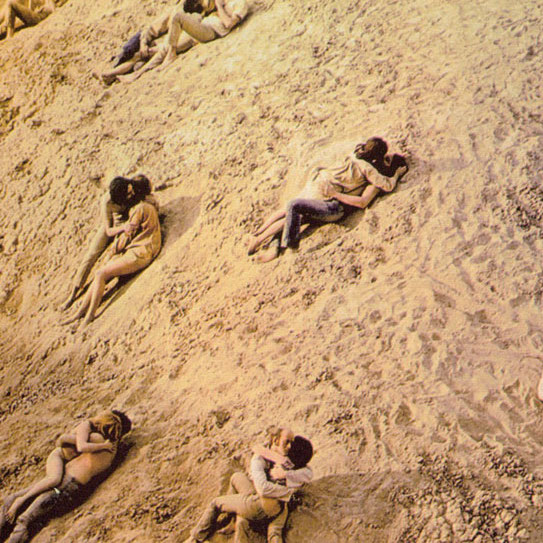
54: Charles Manson’s Hollywood, Part 11: Death Valley ’69
After the murders, Manson moved his family to the depths of the California desert. There, even before they were finally apprehended by the law, their utopia started to fall apart. Hollywood was in the process of being changed by Dennis Hopper's Easy Rider, a film shot partially in the same desert where Manson was now hiding. The Family and their flight to Death Valley -- and the impossible dream o
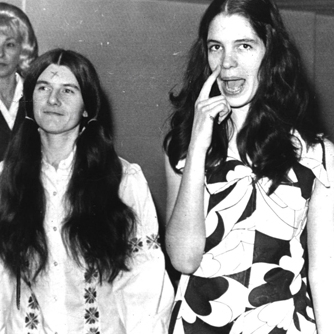
55: Charles Manson’s Hollywood, Part 12: The Manson Family on Trial
The trials of the Manson family became a kind of public theater which a number of current and future filmmakers found themselves caught up in. Joan Didion bought a dress for a Manson girl to wear to court, Dennis Hopper visited Manson in prison, and a young John Waters attended the trial and took inspiration for his legendary film, Pink Flamingos.
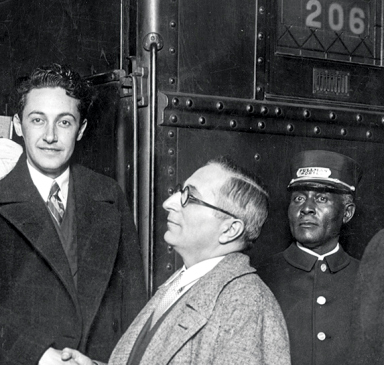
56: MGM Stories Part 1: Louis B. Mayer vs. Irving Thalberg
This season we're going to tell 15 stories about different people who worked at the same movie studio over the course of five decades, as the movie industry transitioned from silents to sound, into its Golden Era and finally into its television and counter-culture-hastened decline. Established in 1924, MGM was the product of a merger of three early Hollywood entities, but the only person working t
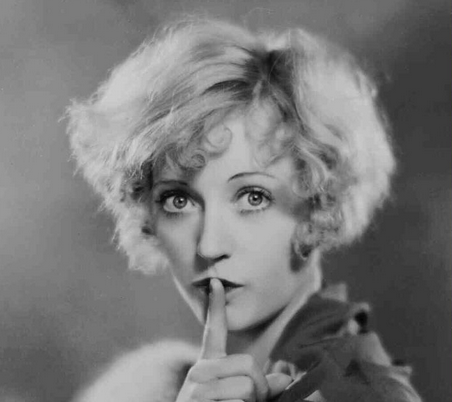
57: MGM Stories Part 2: Marion Davies, William Randolph Hearst, and Citizen Kane
Marion Davies is enshrined in memory as the gorgeous but questionably talented mistress of publishing magnate William Randolph Hearst -- thanks in part to the depiction of a Davies-esque character in Orson Welles’ Citizen Kane. But Davies’ involvement with the much older Hearst both ensured she would have a movie career, and perhaps doomed Davies to ridicule and limited stardom. This episode will
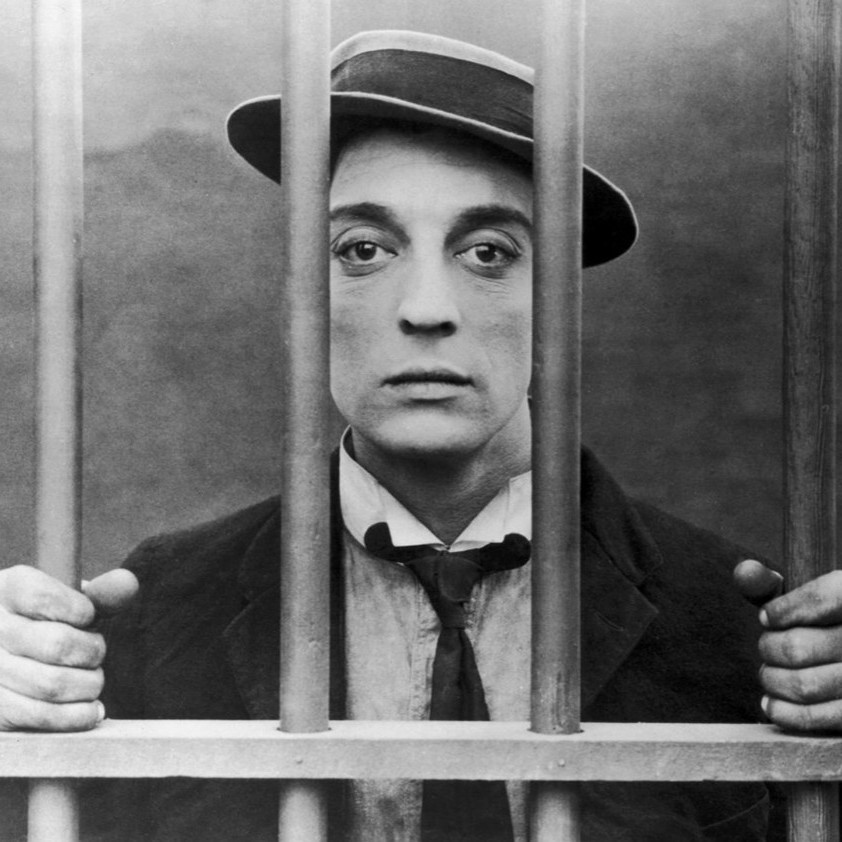
58: MGM Stories Part 3: Buster Keaton’s Biggest Mistake
In 1928, silent comedy star Buster Keaton made what he would later call “the worst mistake of my career”: against the advice of fellow silent comedy auteurs like Charlie Chaplin, he gave up his independent production shingle and signed a contract with MGM. A vaudevillian who got his start working with Roscoe “Fatty” Arbuckle, by the late 1920s Keaton had established himself as a solo writer, direc
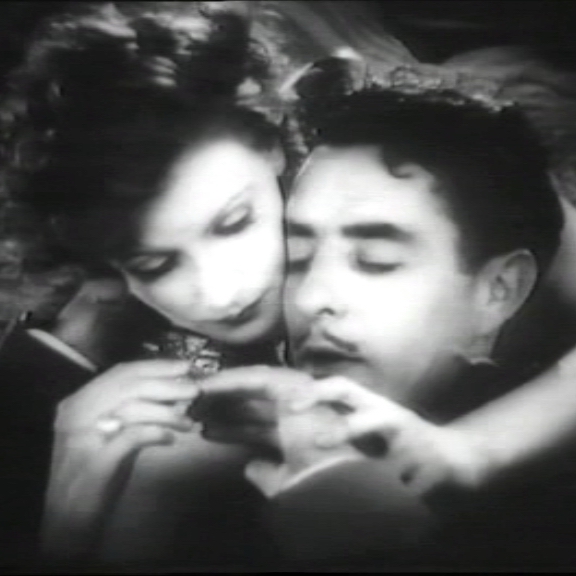
59: MGM Stories Part 4: John Gilbert and Greta Garbo
Rising romantic lead John Gilbert signed with MGM in 1924 and the next year he starred in King Vidor’s The Big Parade, the studio’s biggest hit of the silent era. That same year, Louis B. Mayer brought his new discovery to Hollywood: an enigmatic Swedish actress named Greta Garbo. Garbo and Gilbert starred together in the romantic melodrama Flesh and the Devil, and began a relationship in real-lif
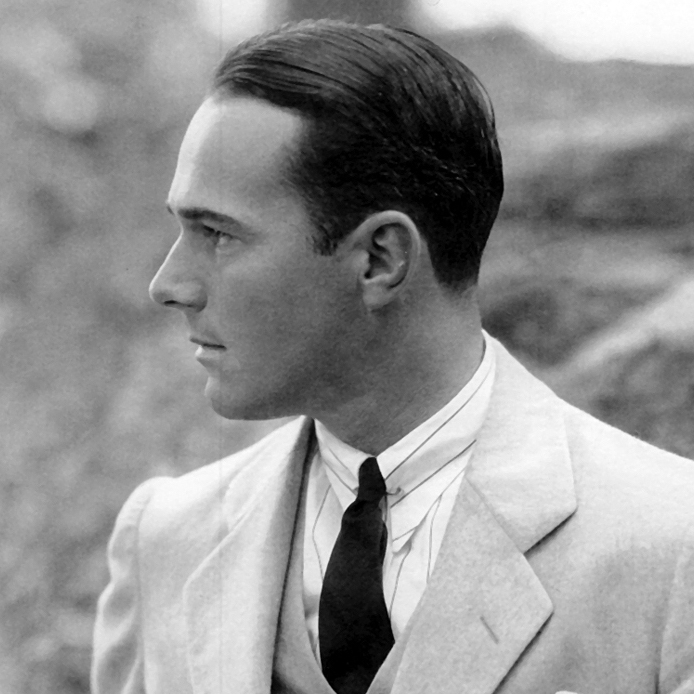
60: MGM Stories Part 5: William Haines and Hollywood’s First Openly Gay Marriage
The rare silent star who made a relatively smooth transition to sound films, William “Billy” Haines was one of the top box office stars of the late 1920s-early 1930s. Beginning in 1926, Haines started living with Jimmie Shields, and the two men became one of the most popular couples on the Hollywood social scene, facing little if any homophobia among the industry’s elite. But as times changed and
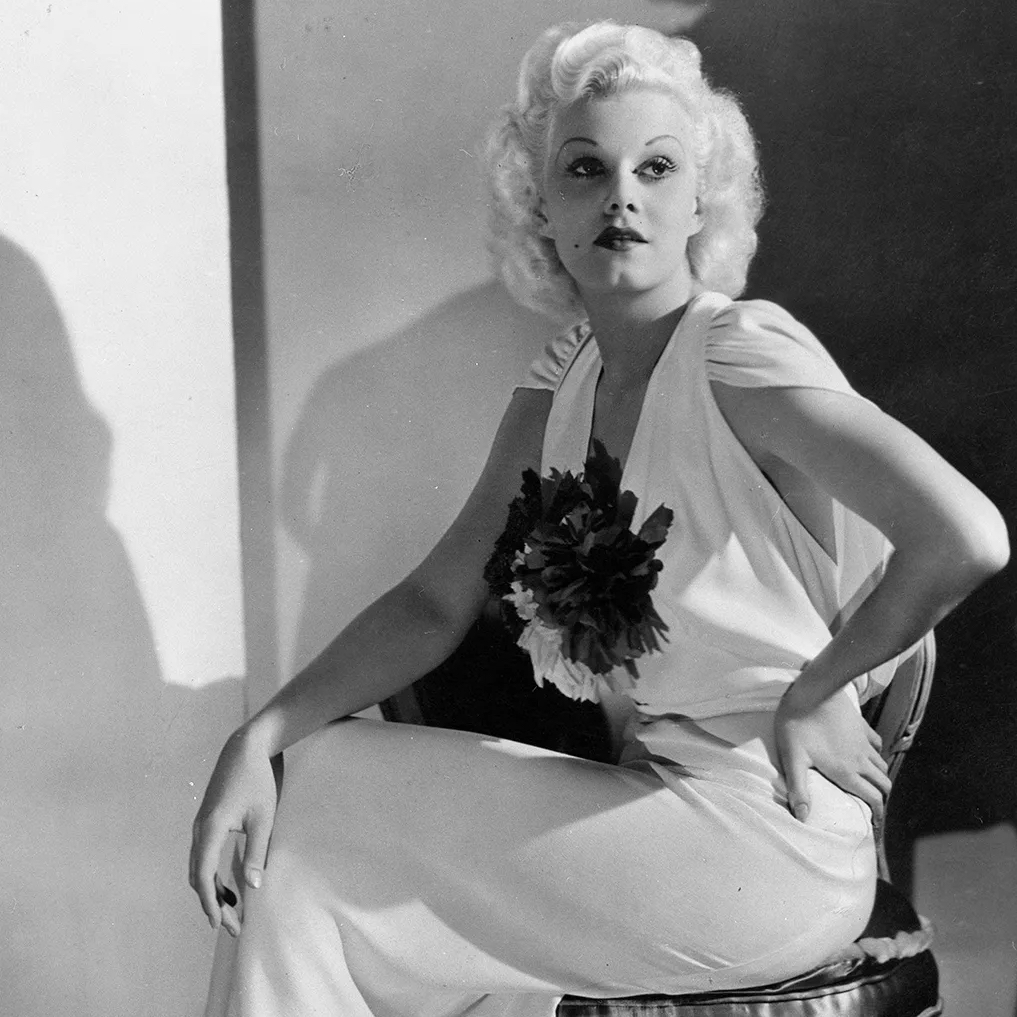
61: MGM Stories Part 6: Jean Harlow
As part of the publicity campaign for his film Hell’s Angels, Howard Hughes made Jean Harlow a star, branding her “The Platinum Blonde.” But after Hell’s Angels, Hughes couldn’t figure out what to do with Harlow, so she ended up signing a contract with MGM, at the urging of Paul Bern, who became Harlow’s new impresario and husband. Despite the fact that Louis B. Mayer had dismissed her as a “flooz
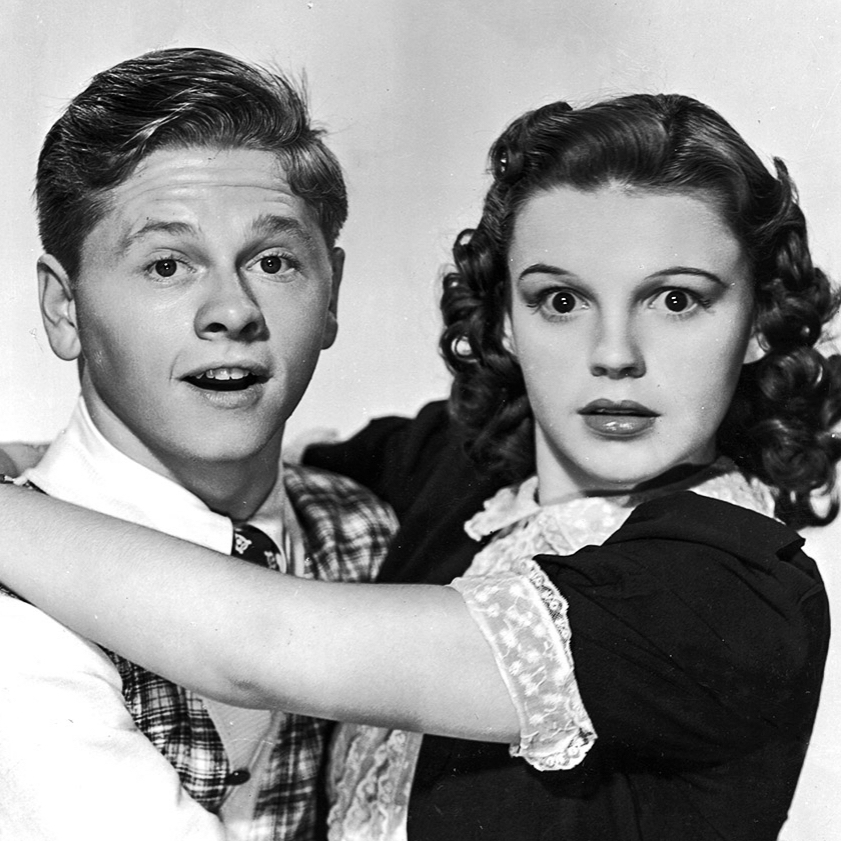
62: MGM Stories Part 7: MGM's children: Mickey Rooney and Judy Garland
After Irving Thalberg’s death in 1936, Louis B. Mayer doubled down on "family entertainment" at MGM. To support this new wave of content, Mayer started signing younger and younger performers to groom into stars — training them in song and dance, creating a schoolhouse on the MGM lot to comply with state educational requirements, and keeping the kids chaperoned by publicists day and night. This epi
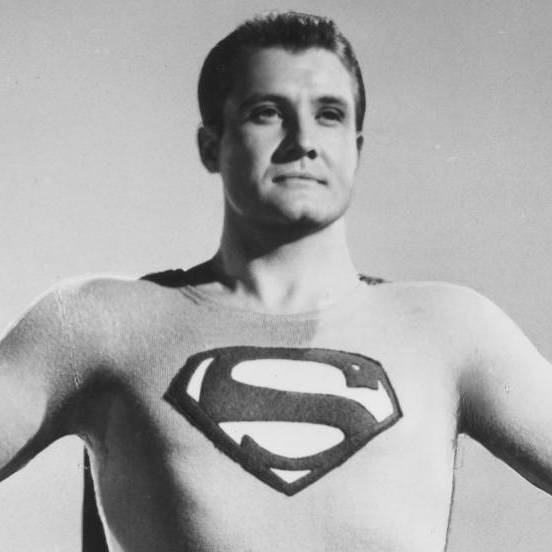
63: MGM Stories Part 8: Eddie Mannix
In the new Hollywood satire from the Coen Brothers, Josh Brolin plays a studio "fixer" named Eddie Mannix. The real Eddie Mannix was a New Jersey-born reputed gangster who rose through the ranks at MGM to become the studio's general manager. His position required ensuring that the darker, more scandalous actions of MGM’s biggest names were kept hidden from the public and press at large. While devo
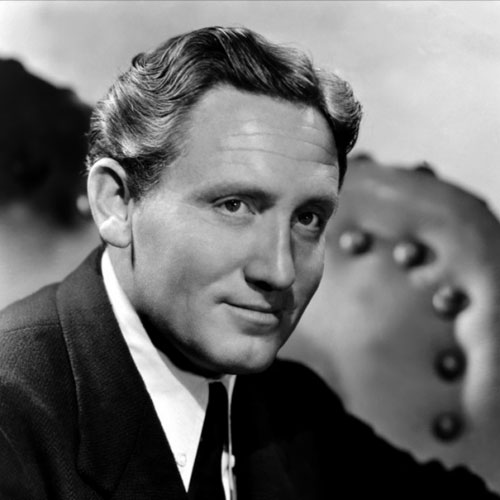
64: MGM Stories Part 9: Spencer Tracy
When Spencer Tracy signed with MGM, he was a character actor better known for his problem drinking (and very public extramarital affair with Loretta Young) than for his movie hits. But the studio made him a star, and by the time Katharine Hepburn was looking for a male star who could play a prototypical American male opposite her very idiosyncratic persona, Tracy was the obvious choice. Tracy and
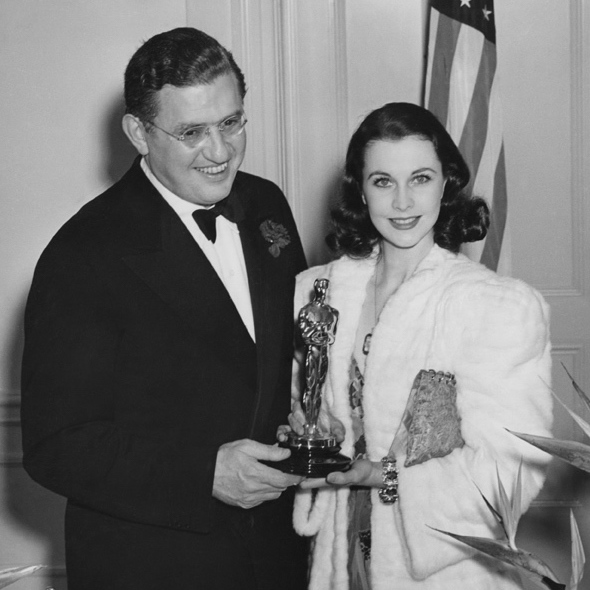
65: MGM Stories Part 10: David O. Selznick Part One: The Mayers and Gone With the Wind
In 1930, after putting in time at MGM and RKO, Paramount executive David O. Selznick married Irene Mayer, the daughter of L.B. Mayer. Irene’s father would soon thereafter bring Selznick to MGM to fill in for an ailing Irving Thalberg, but MGM was too small for Selznick’s dreams. He started his own independent studio, through which he created the original A Star is Born, the only Hitchcock movie to
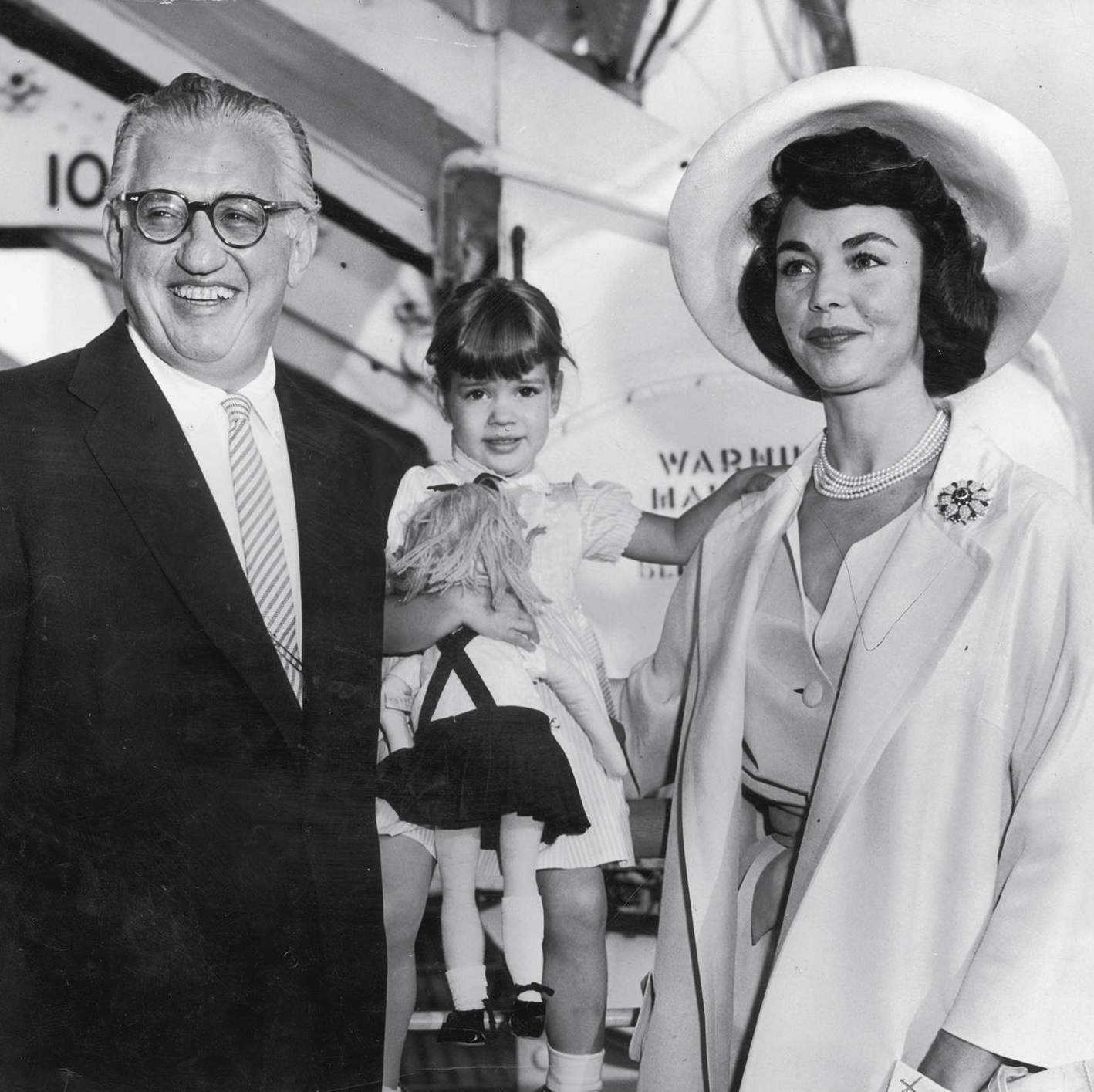
66: MGM Stories Part 11: David O. Selznick Part Two: Jennifer Jones and Robert Walker
In 1941, Selznick signed a young actress named Phylis, who was then married to actor Robert Walker. Selznick renamed Phylis “Jennifer Jones,” and set to work turning her into a star, helping her to earn an Oscar for her first film under her new name. Selznick and Jones also began an affair, and Selznick’s romantic and professional obsession with Jones would result in the destruction of both of the
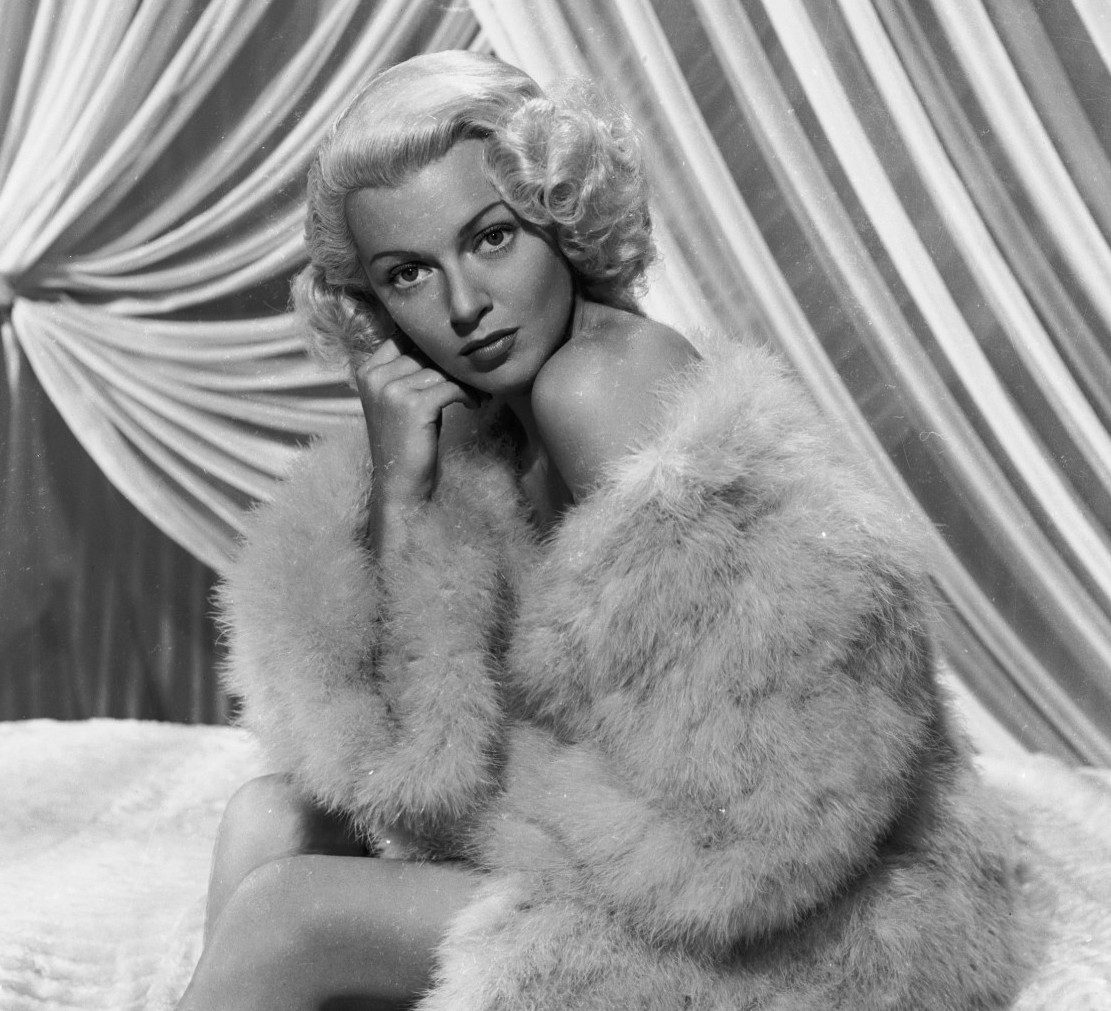
67: MGM Stories Part 12: Lana Turner
The legendary "Sweater Girl" was one of MGM’s prized contract players, the epitome of the mid-century sex goddess on-screen and an unlucky-in-love single mom off-screen who would burn through seven husbands and countless affairs. After nearly twenty years as a star not known for her acting prowess, Turner's career suddenly got interesting in the late 1950s, when the hits The Bad and the Beautiful,
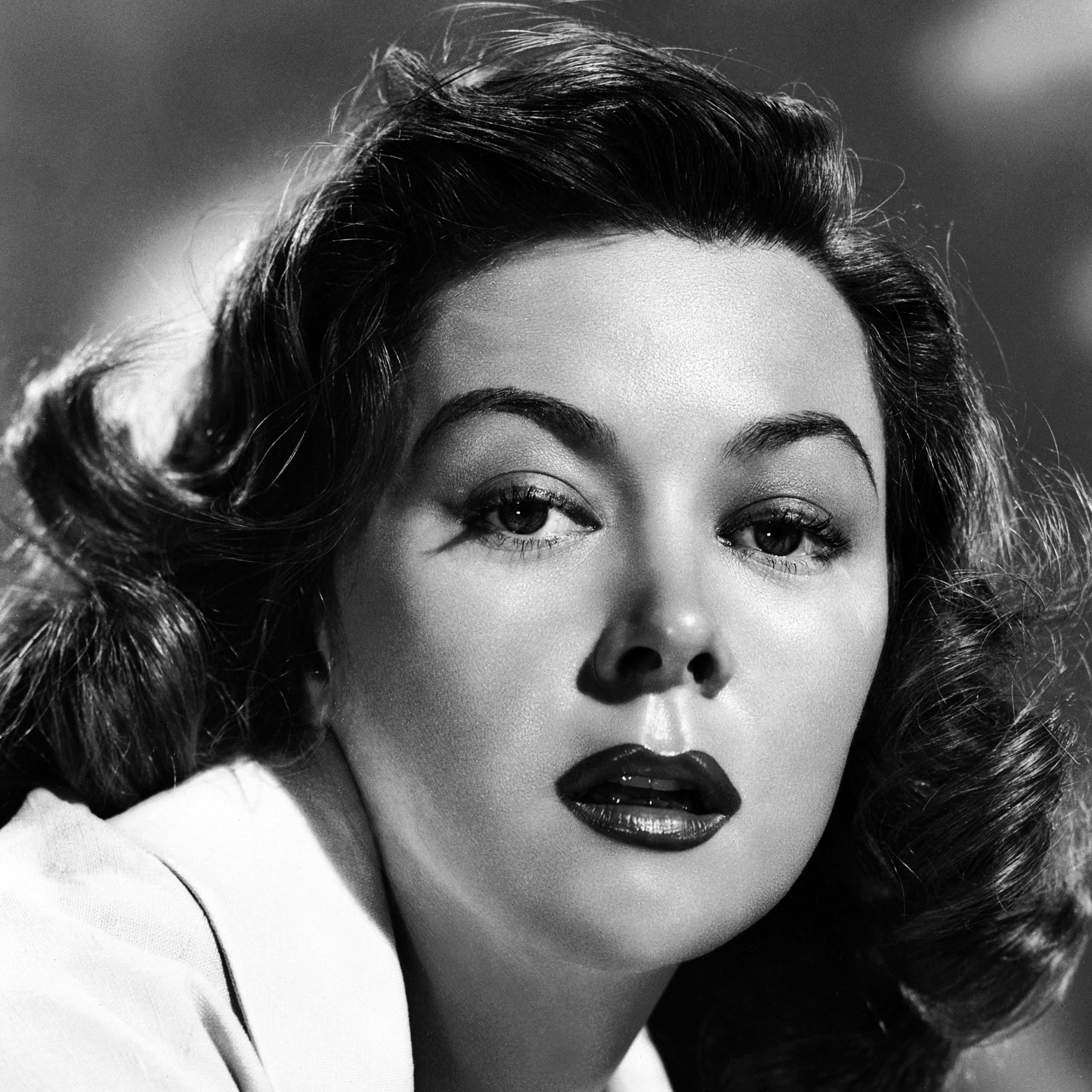
68: MGM Stories Part 13: Gloria Grahame
Gloria Grahame arrived in Hollywood in 1944, after Louis B. Mayer personally plucked her from the New York stage, and changed her name. But Grahame was the rare actress who Mayer didn’t know how to turn into a star. Finally in 1947, Mayer gave up on Grahame and sold her contract to RKO, where she flourished as a femme fatale in film noir. Grahame's career would be marred by her compulsive plastic
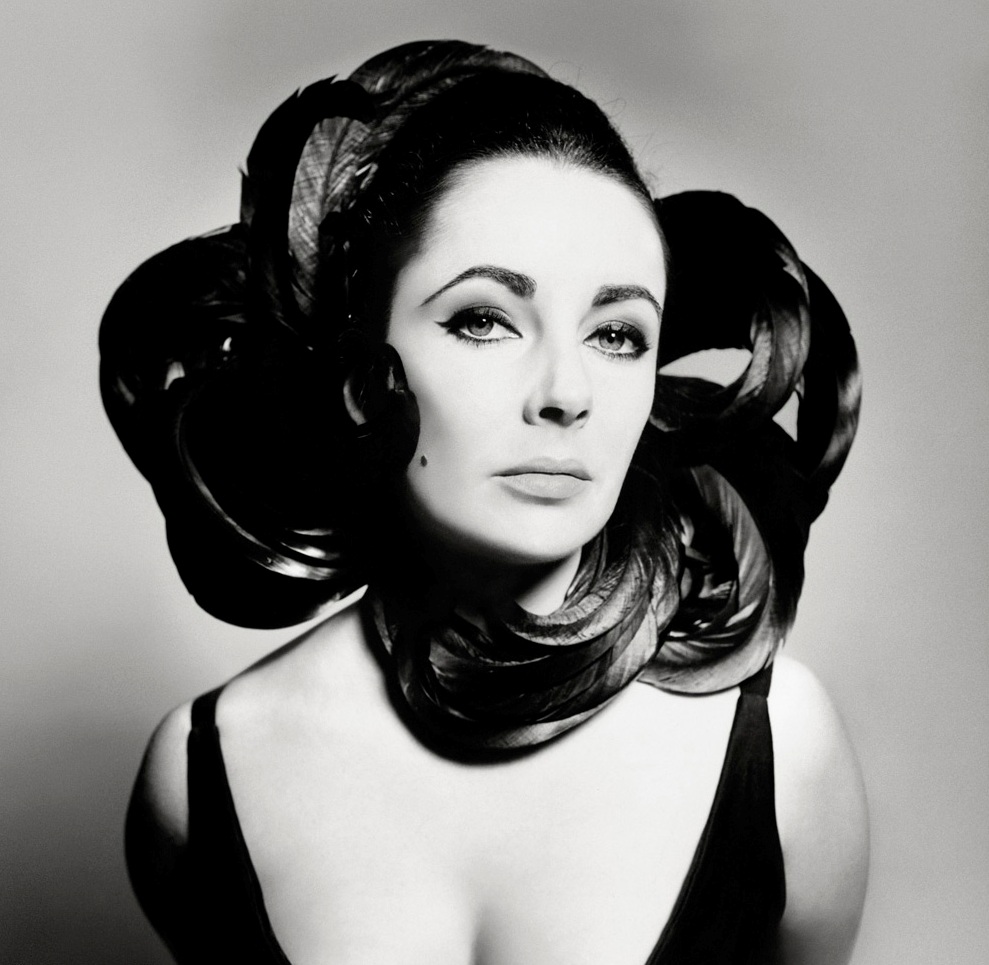
69: MGM Stories Part 14: Elizabeth Taylor, The MGM Years
Elizabeth Taylor grew up on the MGM lot, spending 18 years as what she referred to as “MGM chattel.” The last four years of that 18 year sentence were arguably the most interesting. From 1956-1960, she made a run of really interesting films including Giant, Cat on a Hot Tin Roof and Butterfield 8, and she met the “love of her life”, Mike Todd, and turned him into her third husband. When Todd died
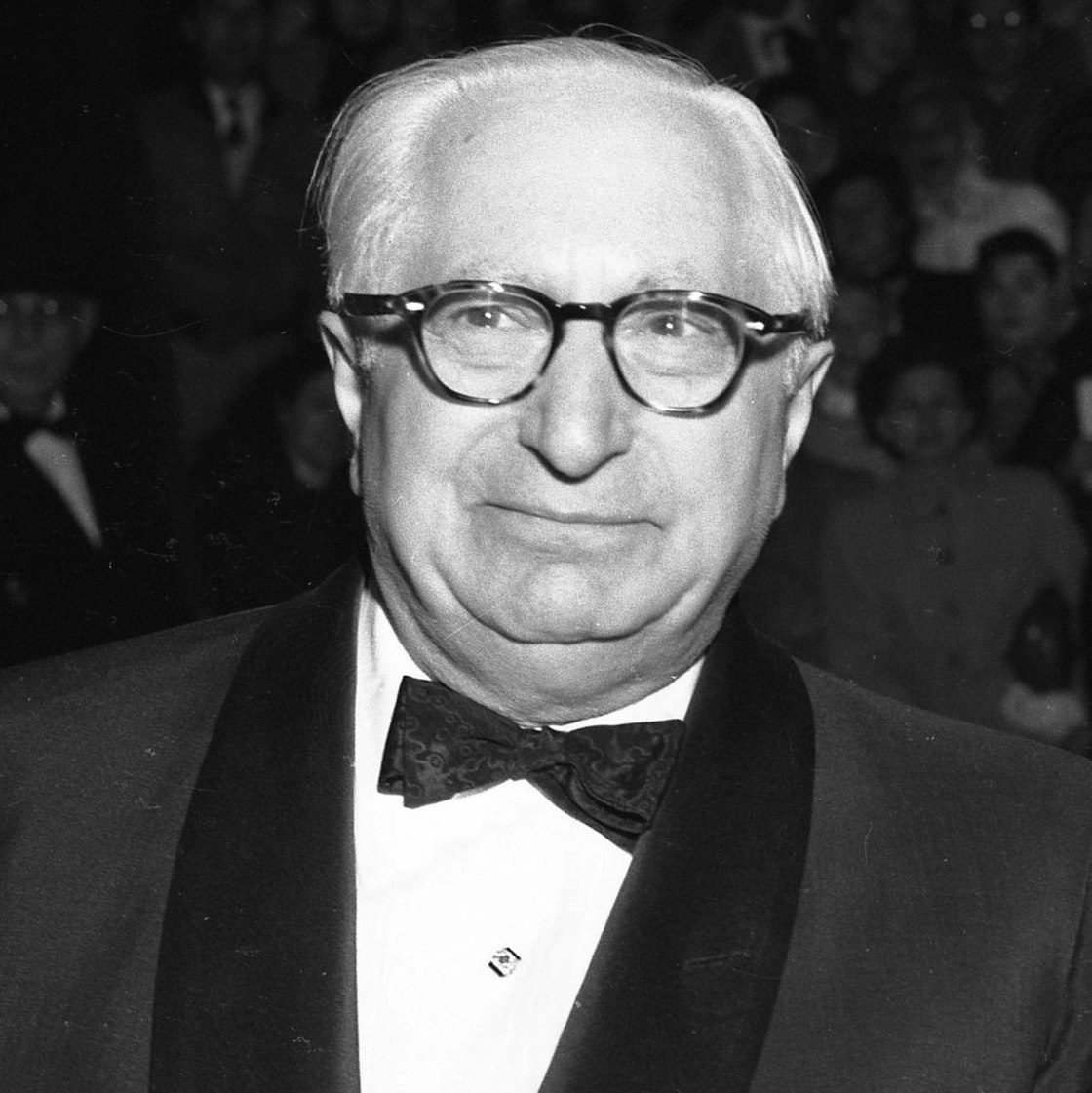
70: MGM Stories Part 15: Mayer’s Downfall
In the 1940s, Louis B. Mayer was the highest paid man in America, one of the first celebrity CEOs and the figurehead of what for most Americans was the most glamorous industry on Earth. In 1951, Mayer was fired from the studio that bore his name. What happened -- to Mayer, and to Movies on the whole -- to hasten the end of the golden era of hollywood?
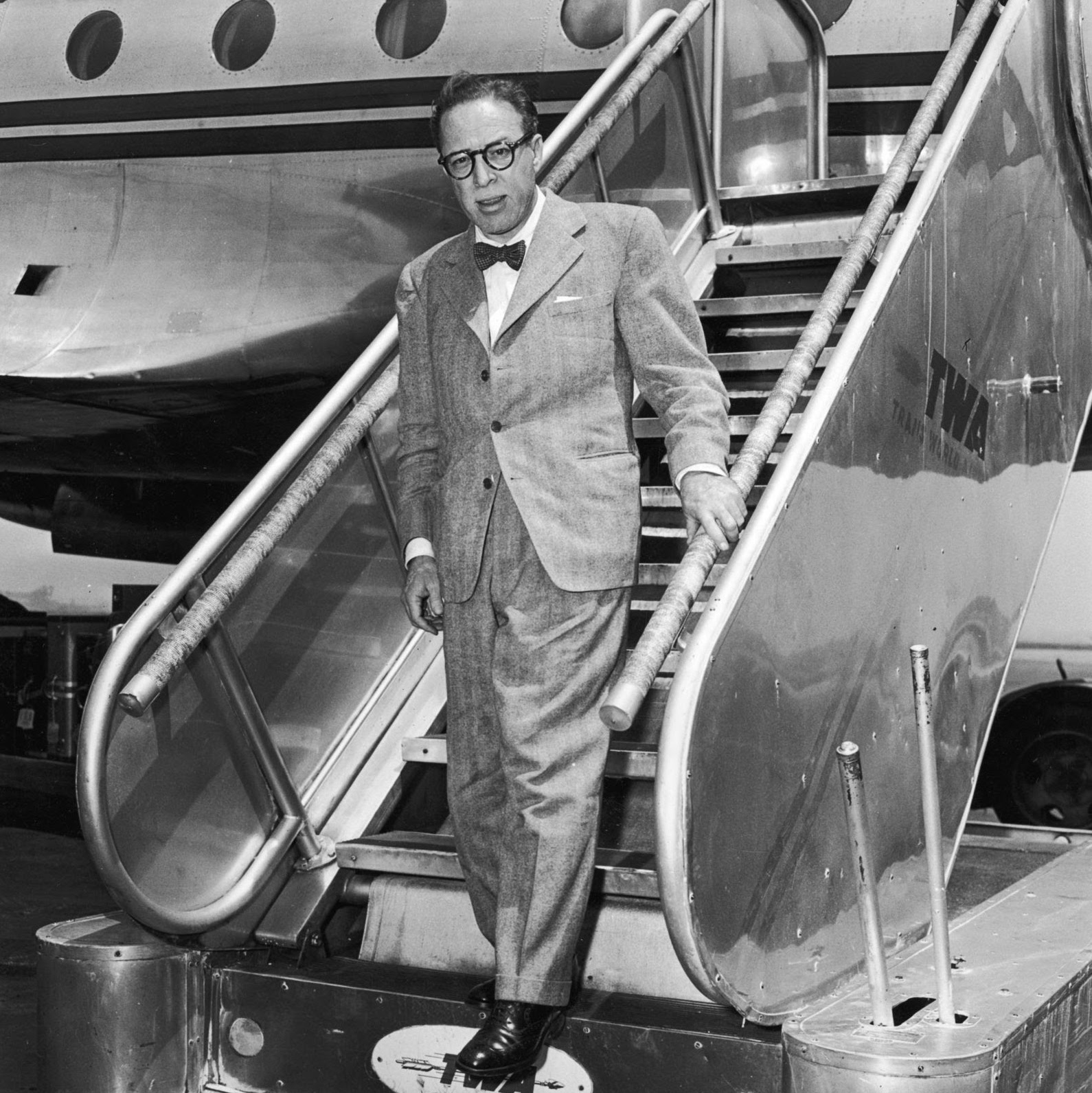
71: The Blacklist Part 1: The Prehistory of the Blacklist
This episode will trace the roots of both communism and anti-communism in Hollywood, through the Depression, union struggles and scandals, and World War II. The major characters of the series will be introduced, including members of the Hollywood Ten like Dalton Trumbo and Edward Dmytryk, two Party members who collaborated on a film called Tender Comrade, which starred one of Hollywood's proudest
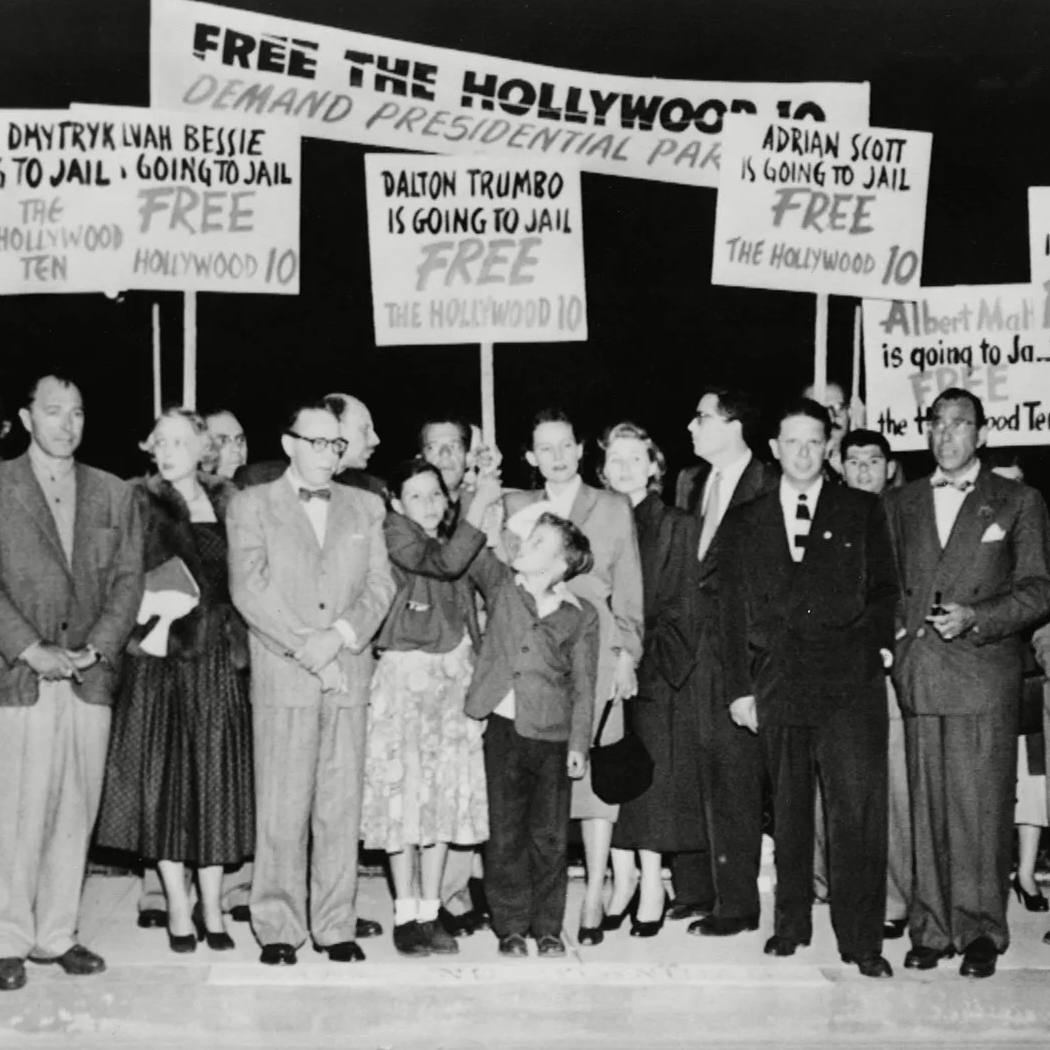
72: The Blacklist Part 2: Crossfire – The Trials of the Hollywood Ten
In 1947, the House Un-American Activities Committee subpoenaed dozens of Hollywood workers to come to Washington and testify to the presence of Communists in the film industry. 19 of those who were subpoenaed announced that they wouldn't co-operate with the Committee; of those 19, 10 "unfriendly" witnesses were called to the stand and refused to answer "The $64 Question": "Are you now or have you
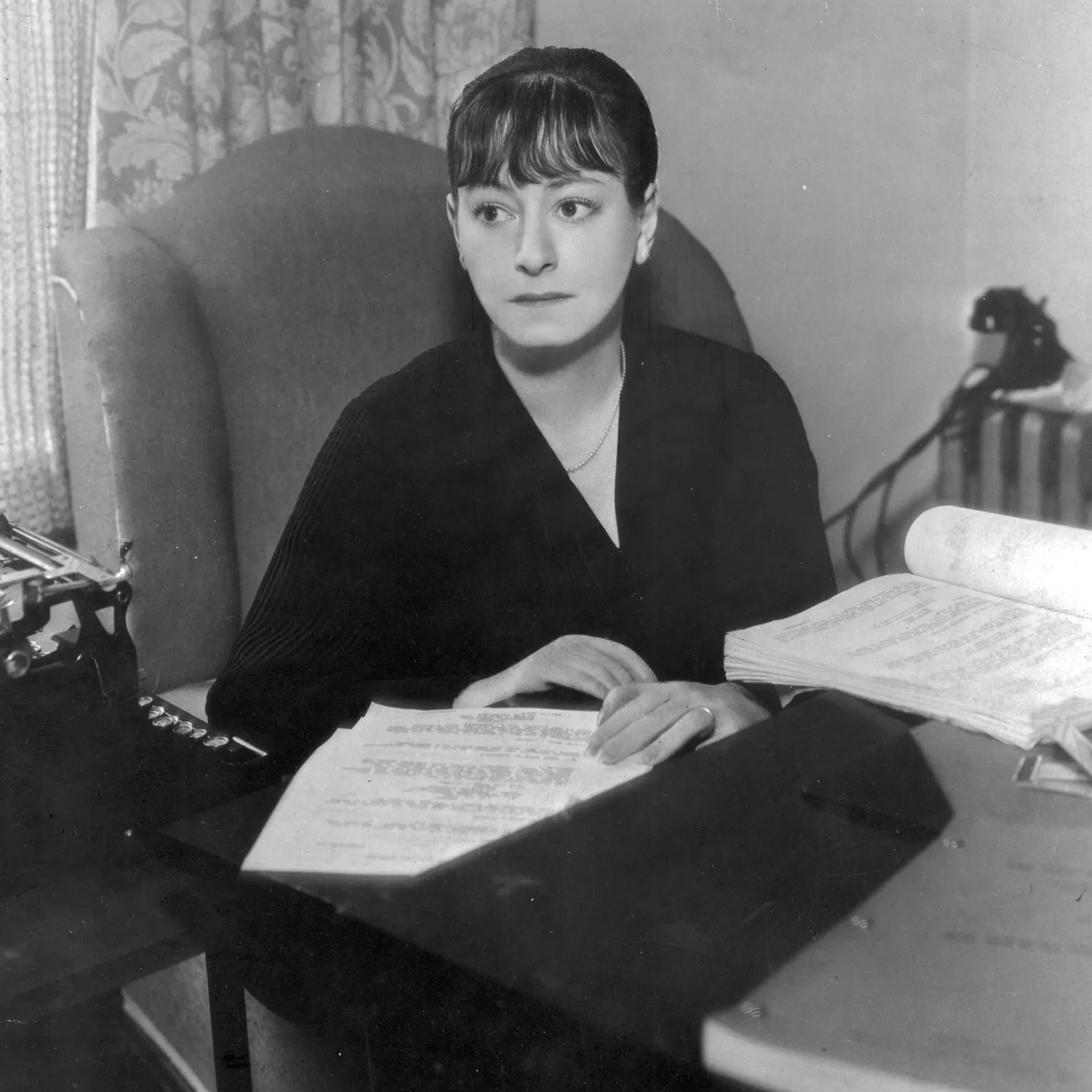
73: The Blacklist Part 3: Dorothy Parker
The New Yorker columnist, poet and celebrated Algonquin Roundtable wit spent years in Hollywood, working as a screenwriter in partnership with her second husband, Alan Campbell, and contributing to important films such as the original A Star is Born and Alfred Hitchcock’s Saboteur. Much to the surprise of many of her closest friends, beginning in the late 1920s Parker became increasingly drawn to
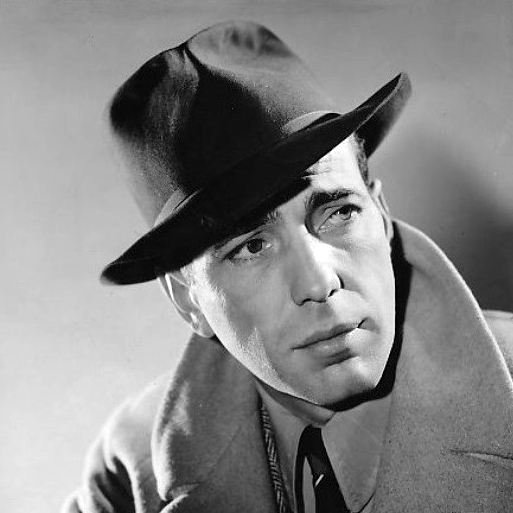
Blacklist Flashback: Bogey Before Bacall
Humphrey Bogart was Warner Brothers' most valuable star in 1947, when he, his wife Lauren Bacall, his future African Queen co-star Katharine Hepburn, his friend and frequent director John Huston and many other stars actively protested HUAC. We'll get into that next week. This week, we're flashing back to our episode on Bogart from 2014, describing how the Casablanca star struggled to find his nich
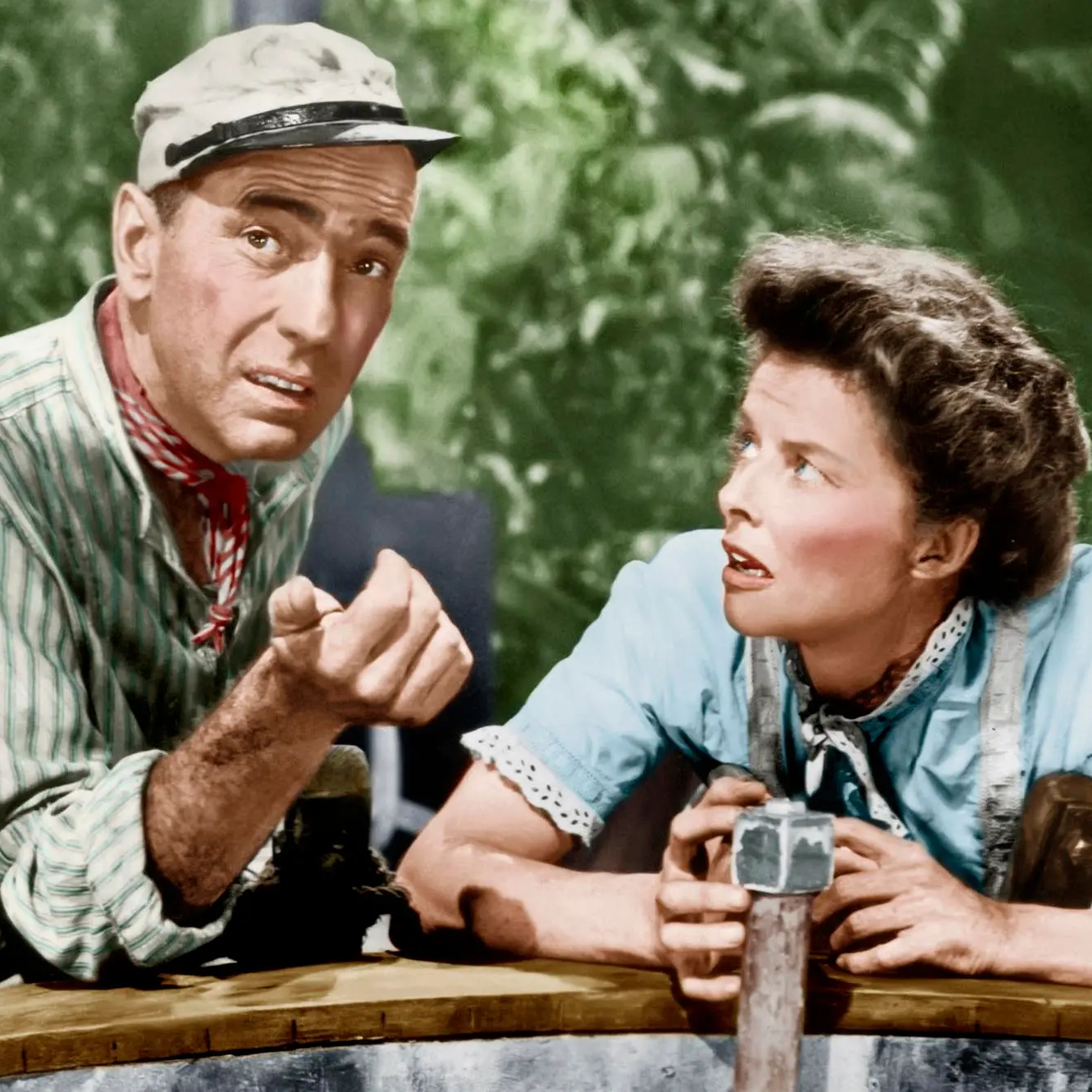
74: The Blacklist Part 4: The African Queen: Humphrey Bogart, Katharine Hepburn and John Huston
In the late 1940s, as the country was moving to the right and there was pressure on Hollywood to do the same, Katharine Hepburn, Humphrey Bogart and John Huston all protested HUAC in ways that damaged their public personas and their ability to work in Hollywood. Hepburn’s outspokenness resulted in headlines branding her a "Red" and, allegedly, audiences stoning her films. Bogart and Huston were pr
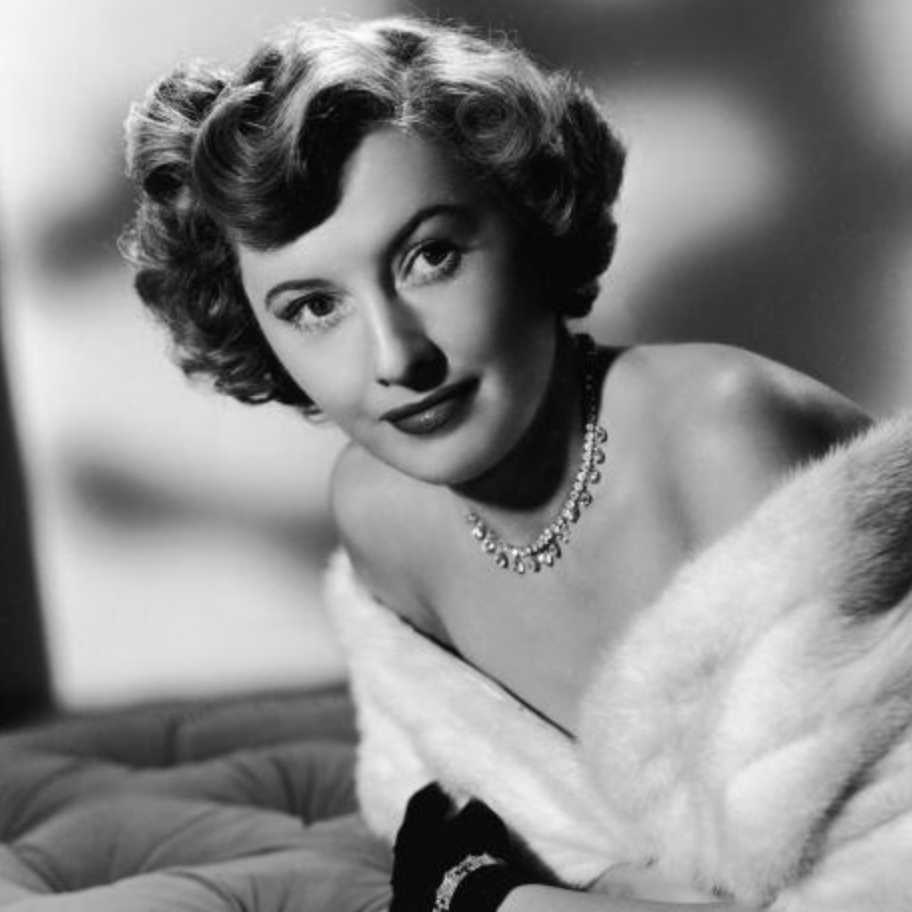
75: The Blacklist Part 5: The Strange Love of Barbara Stanwyck: Robert Taylor
Barbara Stanwyck’s first marriage helped to inspire A Star is Born. Her second marriage, to heartthrob Robert Taylor, didn’t make sense in a lot of ways, but the pair were united by their conservative politics. Both joined the blacklist-stoking Motion Picture Alliance for the Preservation of American Ideals, but only Taylor testified before HUAC. Called to shame MGM for forcing him to star in wart
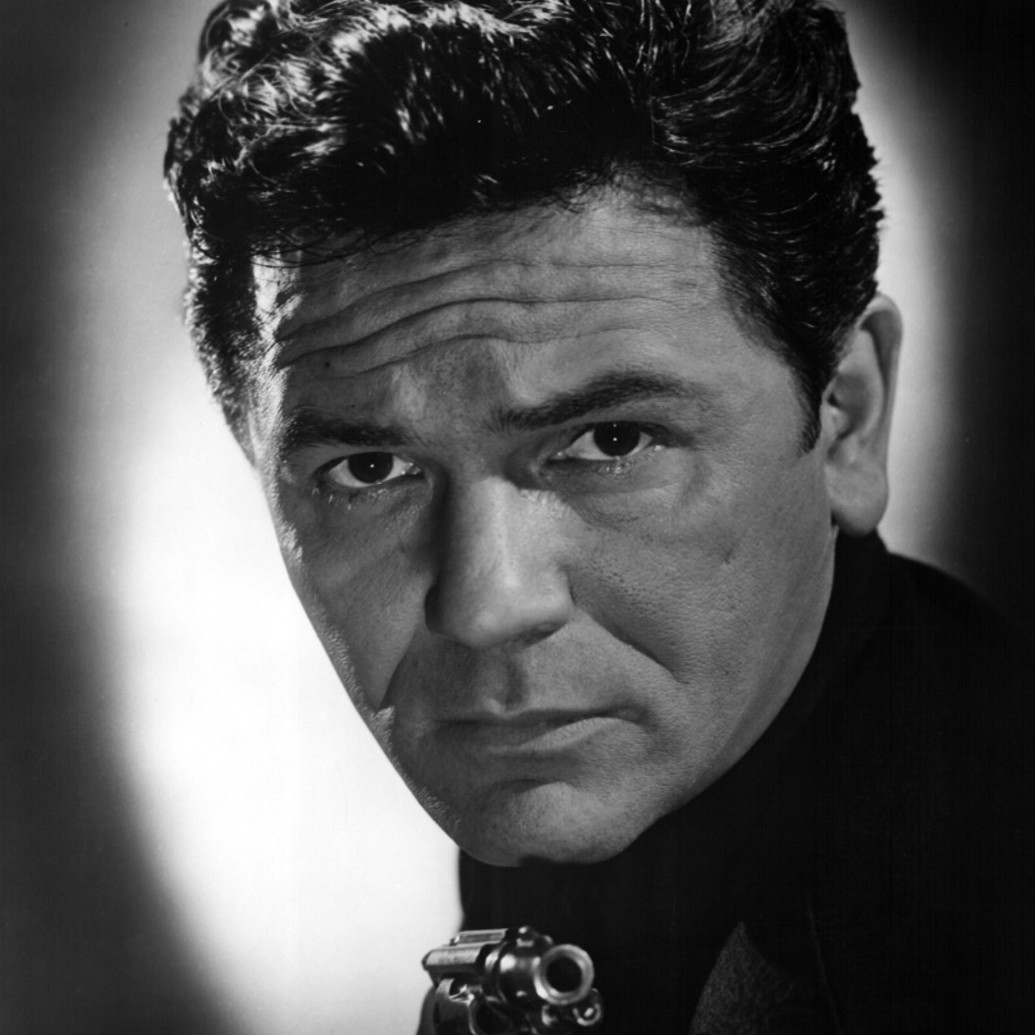
76: The Blacklist Part 6: He Ran All The Way: John Garfield
John Garfield was Brando before Brando -- a Method-style actor who repped the New York working class while becoming a major sex symbol in film noir and World War II films. Garfield was not a Communist; most of his friends -- and his wife -- were, but they mostly thought “Julie” was well meaning but not a serious political animal. HUAC disagreed, and in the early 1950s, Garfield became the biggest
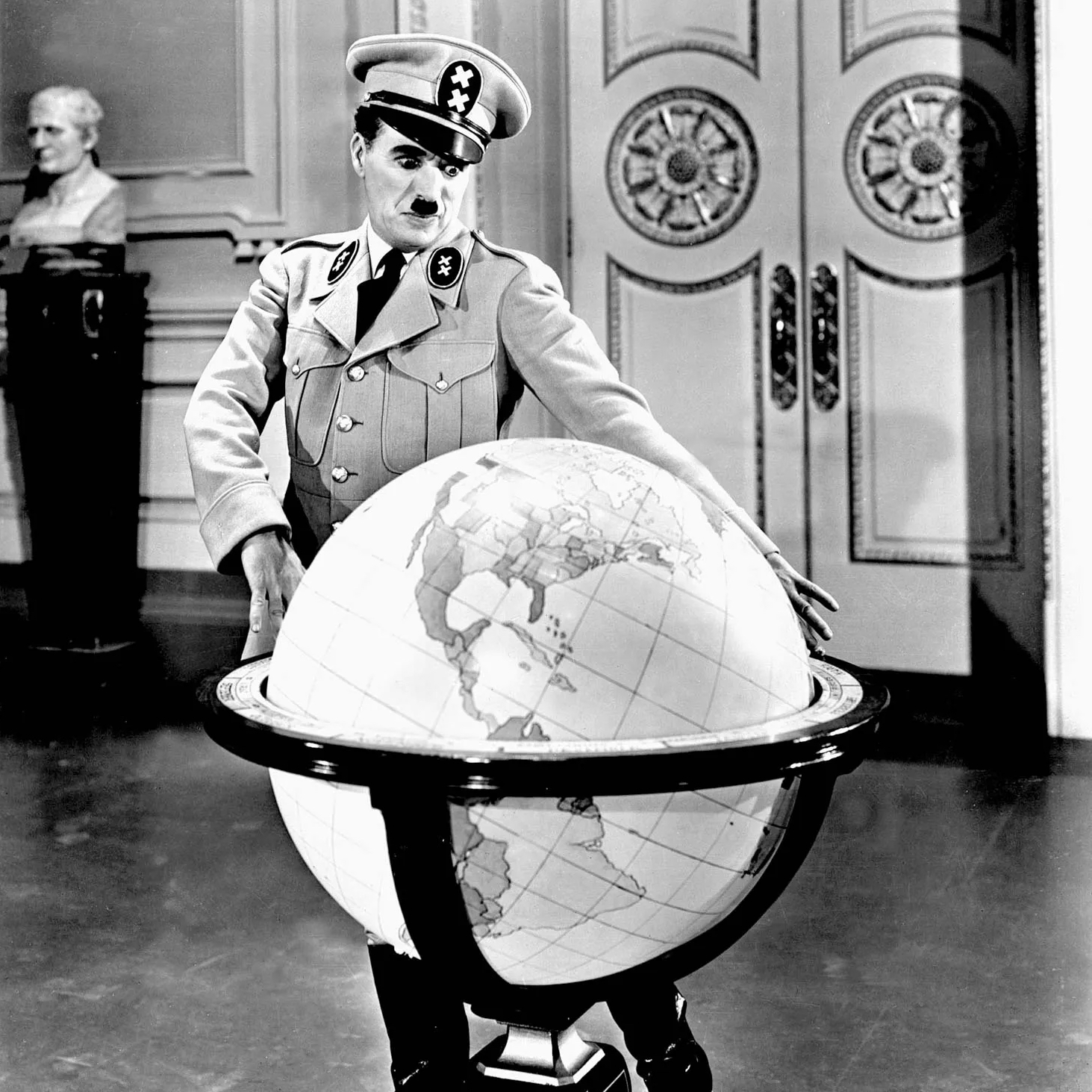
Blacklist Flashback: Charlie Chaplin During World War II
In 1922, Charlie Chaplin was one of the most beloved men in the world. In 1952, after over a decade of being publicly shamed, he was essentially manipulated into self-deportation. What happened in between? We’ll explain over two episodes, beginning with this flashback to an episode that originally ran in March 2015, detailing Chaplin’s politics, his fascination with Adolf Hitler, the making and re
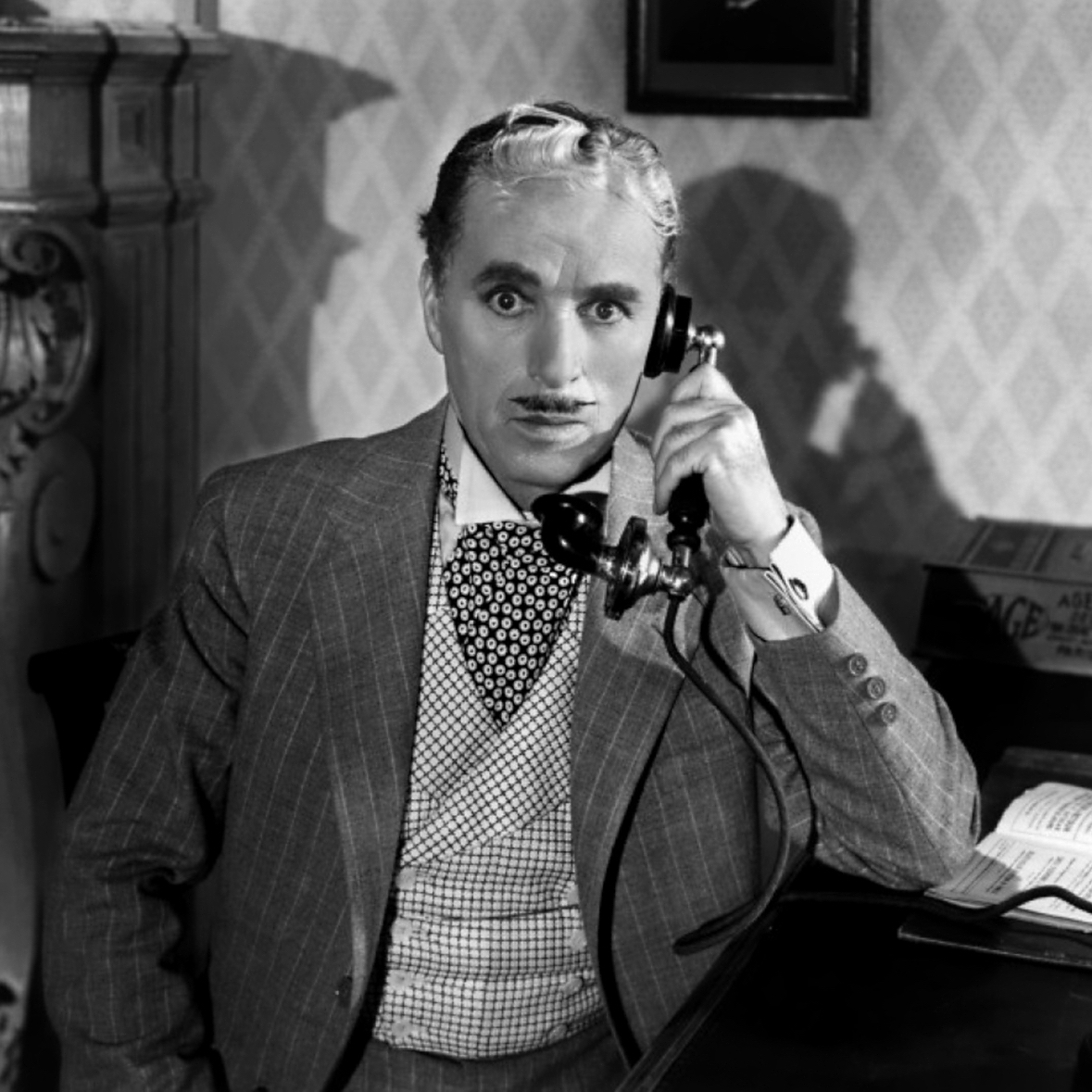
77: The Blacklist Part 7: Monsieur Verdoux: Charlie Chaplin's Road to Hollywood Exile
Picking up where last week’s episode left off, we’ll catch up with Chaplin’s post-The Great Dictator activism, talk about Chaplin’s savage satirical follow-up, Monsieur Verdoux, and explain the witch hunt that ended with him forced to leave his adopted home, and Hollywood career, behind. This episode is brought to you by Audible.com, who has more than 180,000 audiobooks and spoken-word audio produ
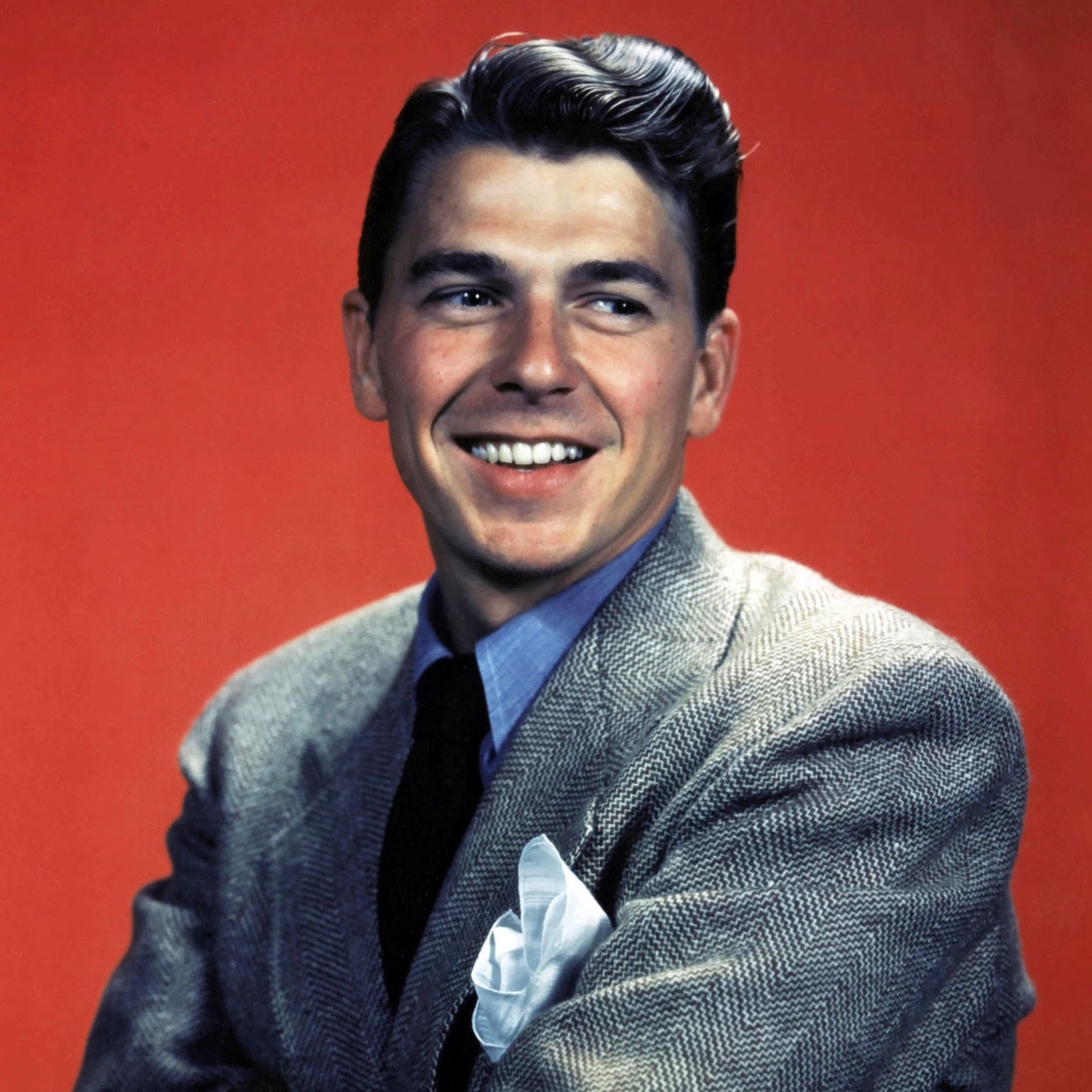
78: The Blacklist Part 8: Storm Warning: Ronald Reagan, the FBI and HUAC
The post-war Communist witch hunt had a big impact on Ronald Reagan’s evolution from movie actor to politician, and from Democrat to Republican. And Ronald Reagan had a major personal impact on the witch hunt’s manifestation in Hollywood, the Blacklist. This episode will trace the years in which Reagan was primarily known as a movie and TV star, and explore his two marriages to actresses, his test
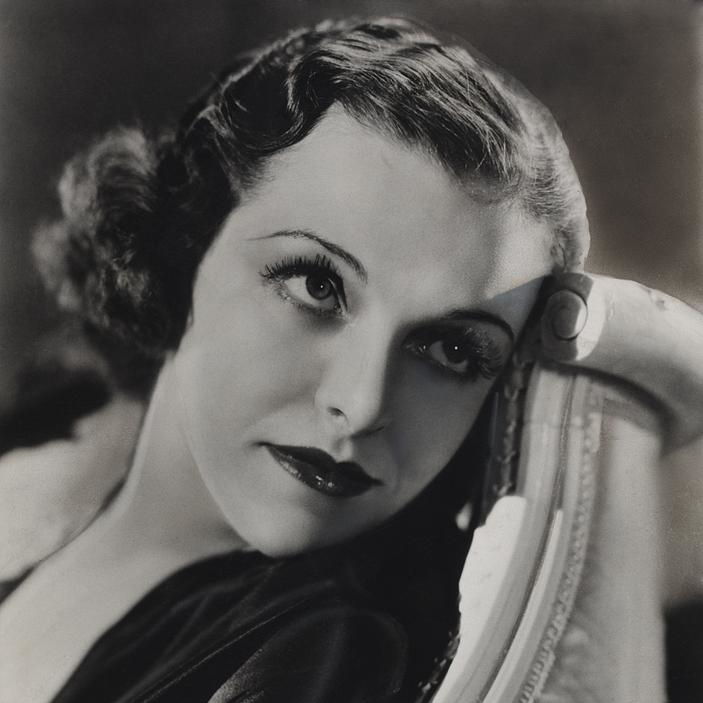
79: The Blacklist Part 9: She: Richard Nixon + Helen Gahagan Douglas
The wife of actor Melvyn Douglas (Ninotchka, Being There), Helen Gahagan Douglas transformed herself from a Broadway and opera star into an exciting new politician in the days of FDR. A persistent, nagging voice of conscience in Congress during the time of HUAC and nuclear panic, Douglas’ political career came to an end amidst irresponsible allegations that she was a Communist supporter -- many of