
Mayo Clinic Health Matters
Mayo Clinic Health Matters brings you the latest medical advice, news and research to help you live a happier, healthier life. Join host Kristen Meinzer in conversation with Mayo Clinic’s leading medical experts as she asks all the questions you’re eager to (or maybe even afraid to) ask, letting curiosity lead the way. Wondering if you might have ADHD? Or how your pet affects your health? Be part of an informative—and fun—discussion about one of the most important topics: your health.
Episodes

Is the gut microbiome overhyped?
The gut microbiome is one of the great medical discoveries of our time. It could revolutionize the way we treat GI issues, autoimmune diseases, obesity, neurodegenerative diseases and even mental health. But has the internet started getting ahead of what the science actually says?
On this episode of Health Matters, gastroenterologist Purna Kashyap, M.B.B.S., helps us understand what the research

What to do when you hear “you have cancer”
No one wants to hear their doctor say "you have cancer." But if that happens, the conversation will affect your life for years to come.
On this episode of Health Matters, medical oncologist Pooja Advani, M.D., pulls back the curtain on what those early conversations look like and gives us advice on how to handle such an overwhelming diagnosis.
Find us online at Mayo Clinic Press for mo

Most strokes are preventable – here’s how
Strokes seem sudden, but they can actually be years in the making. In fact, 80% of strokes are preventable. So what can you do today to help prevent a stroke further down the line?
On this episode of Health Matters, we talk with radiologist David Miller, M.D., about the stroke risk factors you can control.
Find us online at Mayo Clinic Press for more health and wellness articles, podc

Why sexual pleasure matters for your health
One of the biggest challenges with vaginal health is feeling like we can't talk about it. There’s a lot of shame, embarrassment and misinformation surrounding this part of our bodies.
On this episode of Health Matters, we talk with internist and women’s health specialist Jewel Kling, M.D., about everything from anatomy and sexual pleasure to sexual dysfunction.
Sign up to receive Mayo Clini

How AI is changing the cancer game
AI is becoming part of everyday life. But doctors have been using and studying AI in medicine long before it entered the mainstream. What promise does AI hold for better cancer care? And what parts of medicine should it never replace?
On this episode of Health Matters, we're talking with radiologist Dr. Matthew Callstrom about how he uses AI in his practice, what the research shows and how AI cou
Is drinking bad for you now?
Drinking has been part of life for longer than recorded history. But these days, many are skipping that beer or glass of wine to protect their health. So is drinking totally bad now? And if not, how much is actually OK?
On this episode of Health Matters, we're talking with psychiatrist Dr. Bhanu Kolla about the long-term effects of alcohol and whether it's time to break up with drinking.
Sign u
Bunions: To treat or not to treat?
Do you see a bony bump when you look down at your feet? If so, you might have a bunion. And if you don’t, you probably want to keep it that way.
On this episode of Health Matters, we’re talking with podiatrist Dr. Martin Ellman about how to care for your feet, whether high heels cause bunions and whether it’s actually better to go barefoot.
Sign up to receive Mayo Clinic Press emails.

When you need a hormone panel – and when you don’t
It seems like everyone's talking about hormone panels. But are they worth the hype — and the cost? And are your hormones really the problem?
On this episode of Health Matters, endocrinologist and women's health expert Dr. Ekta Kapoor explains what a hormone panel can — and can't — tell you about your health.
Sign up to receive Mayo Clinic Press emails.
Find us online at Mayo Clinic Press for m

Can you trust health news?
Breaking news! This podcast episode is going to change everything you thought you knew about health … or is it? Catchy headlines and viral videos are everywhere — but can you trust them?
On this episode of Health Matters, registered dietitian Joy Heimgartner guides us through all the twists and turns research results can take as they move from the lab to your For You Page. She explains how studie

How to tame chronic inflammation
Some inflammation is helpful, but too much can do more harm than good. These days, chronic inflammation is linked to a wide range of health conditions, from joint pain and digestive issues to heart disease and fatigue. So how do you know whether chronic inflammation is contributing to your health concerns — and what can you do about it?
On this episode of Health Matters, we talk with rheumatologi

Liver cancer: Beyond the diagnosis
The liver is the largest internal organ in the human body and the only one with a significant ability to regenerate. But that doesn't mean the liver is invincible. Liver cancer is harder to detect than some other cancers — and challenging to treat. So who is likely to get liver cancer, and how can you reduce your risk?
On this episode of Health Matters, we talk with liver and pancreatic surgeon Dr

Are You Prepared for the Next Disaster?
Midwest tornadoes. East Coast hurricanes. West Coast wildfires. Giant earthquakes and towering waves. Emergencies can bring out the biggest challenges — and surprising strengths — in people and healthcare systems alike. So how do you care for your health when your world might literally be falling apart?
On this episode of Health Matters, we’re talking with emergency management coordinator Deb Tes

Bladder Cancer: More Common Than You Think
Bladder cancer is one of the 10 most common cancers in the U.S. On top of that, it can be difficult to diagnose. But it also has some very clear causes — which means there are real steps you can take to reduce your risk.
On this episode of Health Matters, we talk with urologist Dr. Timothy Lyon about the surprising connection between the bladder and the lungs, cutting-edge treatments like incisio

Ow, My Back!
Back pain has a way of stopping life in its tracks. One minute you’re bending down to pick up a shoe, and the next you’re flat on your back, wondering how something so small could cause so much pain — and what you can do to feel better.
In this episode of Health Matters, we talk with physiatrist Dr. Nick Canzanello about why back pain happens, when it may be serious, and what you can do to preven

Lung Cancer: Should You Get Screened?
Lung cancer currently accounts for about one in five cancer deaths. But only a fraction of people who are eligible for lung cancer screening are getting screened. So why aren’t more people getting screened?
On this episode of Health Matters, we talk with pulmonologist Dr. Brett Bade and oncologist Dr. Konstantinos Leventakos. They’re part of a team delivering cutting-edge lung cancer care, and the

What’s This Rash?
Dandruff, eczema, rashes, redness — dermatitis can take many forms. While symptoms can be frustrating, uncomfortable or even painful, effective treatment options are available.
On this episode of Health Matters, dermatologist Dawn Marie Davis, M.D., joins us to explain the different types of dermatitis, how to manage symptoms, and what actually works when it comes to skin care. She also helps sep
When Doctors Do Improv: Arts in Medicine Part 2
What if your doctor prescribed a poem? What if the surgeon removing your tumor took an improv class?
On this episode of Health Matters, we continue our conversation on the intersection of art and medicine. First, Dr. Shelley Noland — a hand and peripheral nerve surgeon and medical director of the Center for Humanities in Medicine — joins us to explore what the science says about the healing power
Can Art Heal Us?: Arts in Medicine Part 1
Art feeds the soul — but can it also help the body heal? Mayo Clinic’s Arts at the Bedside program is exploring exactly that.
On this episode of Health Matters, we’re joined by artist Robin Anderson, who brings creativity directly to patients’ bedsides, and patient-turned-artist Katie White, who left Mayo Clinic with not just a new heart, but a new creative passion.
Together, they share how art
Are GLP-1s Everything We Hoped For?
If the past year has shown us anything, it’s that GLP-1s are here to stay. But as time passes, we’re also learning more about them — from new uses to new side effects to unexpected cultural trends. So have these drugs really lived up to the promise of easy weight loss?
On this episode of Health Matters, Mayo Clinic dietitian Tara Schmidt rejoins us — one year after our original GLP-1 episode — to
Why is Cancer So Hard to Cure?
Curing cancer is often talked about as a pie-in-the-sky goal. Given how difficult cancer can be to detect — let alone treat — a cure can sometimes feel out of reach. But what if a real cure for many types of cancer is closer than we think — perhaps just a decade away?
On this episode of Health Matters, oncologist Dr. Tanios Bekaii-Saab joins us to explain what makes cancer so challenging to cure,

How to Poop the Right Way
It’s time to talk about poop. While poop can feel awkward or uncomfortable to talk about, it can offer valuable clues about your health. So what might your poop be telling you?
In this episode of Health Matters, gastroenterologist Dr. Xiao Jing Iris Wang shares practical guidance on healthy bowel habits, how to manage constipation and diarrhea, and whether there really are “right” or “wrong” way

What Happens When You're the Only Doctor for Miles
How does healthcare in rural America differ from care in cities? The answer is more complex than familiar images of house calls and close-knit communities.
On this episode of Health Matters, Steven Furr, M.D., of the American Academy of Family Physicians draws on more than 40 years of experience practicing rural medicine. He explains what makes rural populations unique, how closely connected rura
Stroke Isn’t the End of the Story
Many people find strokes frightening to think about, but advances in stroke care continue to improve survival and recovery. What has changed, and what should patients and families know about stroke symptoms, treatment and prevention?
On this episode of Health Matters, neurologist James Klaas, M.D., explains how stroke treatment has evolved, what signs and symptoms require immediate attention, and
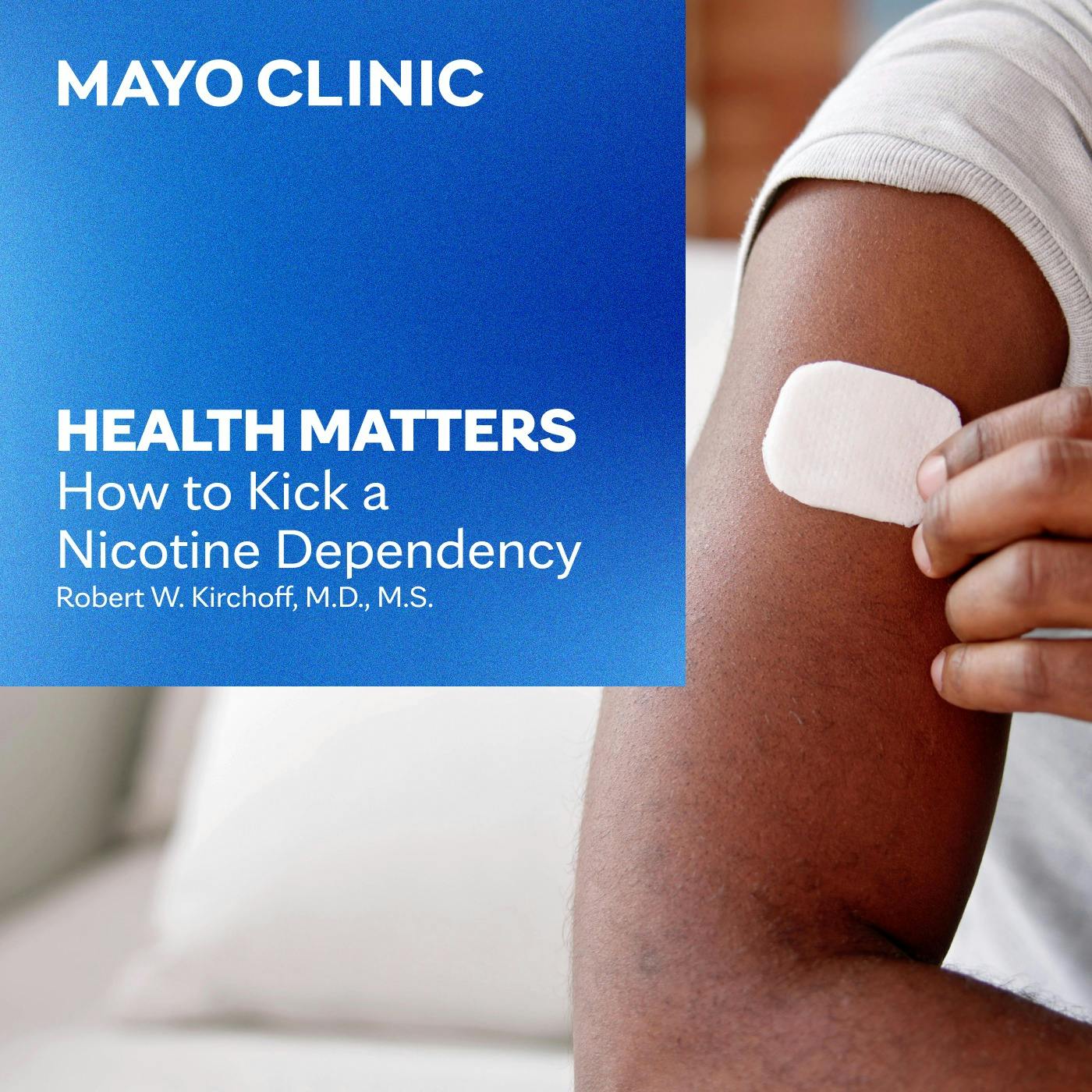
Breaking Up with Nicotine: How to Kick a Nicotine Dependency
Why is nicotine so hard to quit? What’s the best way to do it?
In this episode of Health Matters, Dr. Robert Kirchoff breaks down the science of addiction. He explains why the method of nicotine use — including pouches, vaping, smoking and chewing tobacco — matters and discusses how GLP-1 medications may play a future role in smoking cessation.
Sign up to receive Mayo Clinic Press emails.
Find u

How Modern Science Is Changing Advanced Prostate Cancer
On this episode of Health Matters, genitourinary oncologist Dr. Elisabeth Heath breaks down what we know — and what we’re still learning — about the prostate and prostate cancer. She also shares the latest advances in treating metastatic prostate cancer and explains how many people diagnosed with advanced disease can still live full, fulfilling lives.
Sign up to receive Mayo Clinic Press emails.

What's Happening to my Body? Navigating the Different Stages of Menopause
You’ve been dealing with headaches, joint pain and sudden trouble concentrating. Could it be menopause?
The menopause transition can be confusing, especially because there’s no single set of symptoms or treatments. In this episode of Health Matters, Dr. Denise Millstine discusses how perimenopause and menopause are diagnosed, the latest on hormone therapy, and how our understanding of this stage o
Brushing Your Way to Better Health: How Oral and Dental Health Go Beyond the Mouth
We all want a bright set of pearly whites, but teeth are more than what meets the eye. Your mouth and teeth serve as gatekeepers for your body, helping protect your heart, lungs and other organs from bacteria, pathogens and disease.
On this episode of Health Matters, we talk with Dr. Sarah Lee, a prosthodontist, about how oral health and overall health go hand in hand — and how to optimize your de

Attack of the Pickleball Elbow: Treating Sports Injuries
Tennis elbow, golfer’s elbow, Little League elbow — and now, even pickleball elbow.
Staying active has countless benefits, but sports can be tough on your tendons. And you don’t have to be an athlete to end up with a “sports injury.” So, what are the early signs to watch for, and how can you prevent injury in the first place? Is there anything you can do to speed up recovery?
On this episode of He
Under Pressure: How to Lower High Blood Pressure
Nearly half of American adults have high blood pressure—many without even realizing it. So what do those two numbers really mean for your health? And is your high blood pressure preventable, treatable... or even reversible?
On this episode of Health Matters, we're talking with Dr. Gary Schwartz about hypertension, how to get your numbers within range, and whether you should be measuring your bloo

Do's and Don'ts for Keeping Your Microbiome Healthy
Your colon is more than a pit stop for waste — it houses a lush, thriving ecosystem of bacteria, viruses, fungi and parasites. These organisms affect everything from your digestion to your immune system — and maybe even your mental health. So how can we harness the power of the gut microbiome? And when it comes to “gut-healthy” diets and products, who should you believe?
On this episode of Health

There's Over 200 Types of Headaches: Which One Do You Have?
Nearly everyone experiences a headache at some point in life, but not all headaches are created equal. They can have different causes, pain levels and effects on your daily functioning.
In this episode of Health Matters, we’re talking with neurologist Dr. Amaal Starling. She takes us on a tour of the world of headaches — from nursing a garden-variety tension headache to being plagued by migraines.

Ovarian Cancer: Know Your Risk and How to Reduce It
Ovarian cancer may not be the most common or talked-about cancer, but like any major disease, it can turn your life upside down. While the risk of developing ovarian cancer is comparatively lower, it’s harder to detect — there’s no reliable way to screen for it, and early symptoms can be vague. Still, some dedicate their careers to advancing its treatment.
On this episode of Health Matters, we tal
Yes, You Actually Do Need Vaccines, Part 2
We're back for a second installment of the Vaccines episode, digging further into vaccines and dispelling misinformation about them.
On this episode of Health Matters, Dr. Gregory Poland returns to explain why women have better immune responses to viral vaccines than men, how "natural infection" is NOT safer than vaccines, and what the future of vaccines looks like.
Sign up to receive Mayo Clinic
Yes, You Actually Do Need Vaccines
No one likes being poked with a needle, but it’s way better than getting seriously sick. It can be hard to stay up to date with all your vaccinations, though: There’s a new COVID vaccine every year, the new RSV vaccine in 2023, and... when was the last time you got a tetanus booster?
On this episode of Health Matters, Dr. Gregory Poland explains how vaccines are made, what a world without them wou
Thriving with HIV: Everything You've Missed Since the '90s
More people are living with HIV than ever before. And no, it's not because transmission rates have spiked. It's because people who are HIV positive are living longer, healthier lives—a radical change from decades past.
On this episode of Health Matters, we're celebrating how far we've come with Dr. Maryam Mahmood, and learning more about HIV looks like today.
Sign up to receive Mayo Clinic Press
Gland Central: Understanding the Thyroid
Roughly 20 million Americans already have some form of a thyroid issue. And it's estimated that over half of them... are completely unaware of it.
On this episode of Health Matters, Dr. Mabel Ryder breaks down the thyroid's important role in the body and how it affects all organs — and what happens when it's not functioning optimally.
Sign up to receive Mayo Clinic Press emails.
Find us online a

When Good Food Goes Bad: How to Protect Yourself from Food Poisoning
Most people know not to eat the potato salad that’s been sitting on the picnic table for 8 hours. But what about leftover takeout, raw cookie dough, or produce and meat recalls? Is your gurgling stomach a herald of doom? On this episode of Health Matters, we talk with Dr. Christine Ragay-Cathers about what happens when food goes bad, common culprits, and how to keep your stomach safe.
Sign up to
Vital Outdoor First-Aid Lessons Before the Big Hike: Medical Best Practices That Could Save Your Life
The sun on your face, the wind in your hair, the earth crunching under your boots… what’s not to love? Well, maybe blisters. Or spider bites. Or a sprained ankle. Actually, a lot of things can go wrong in nature. But with preparation, you can make good decisions and take in all the benefits fresh air has to offer. This episode, we’re joined by Dr. Neha Raukar to talk about outdoor first aid—what t
The Mental Health Conversation Your Primary Team Wishes You Would Have
You probably know that modern mental health care doesn’t mean lying down on a couch and looking at ink blots. But you might not realize that for many folks, mental health care starts in primary care. Your primary care physician could be your first—and maybe only—stop on your way to mental wellness.
On this episode of Health Matters, we talk with Dr. Jen Brull, a family physician and the president
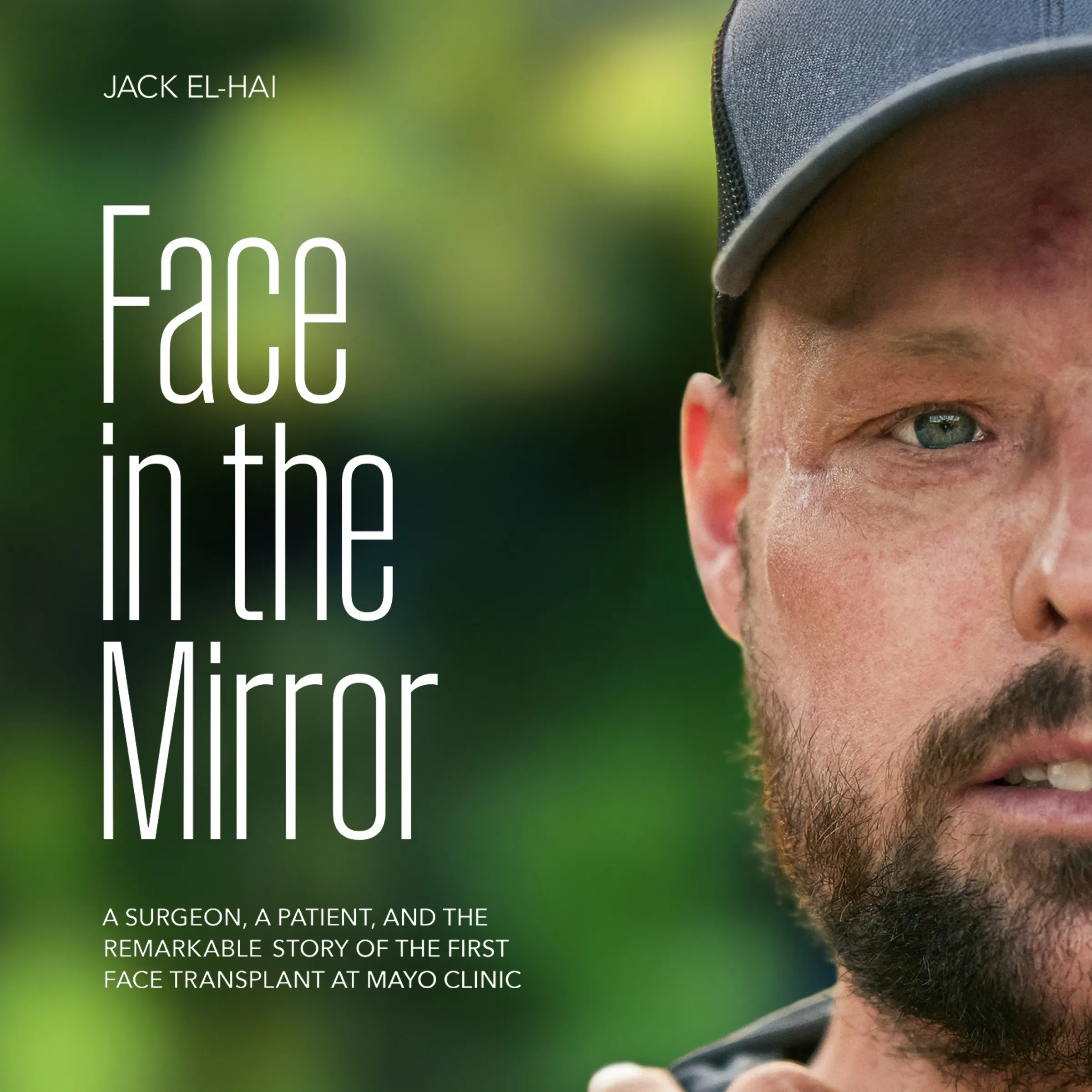
BONUS EPISODE: Face in the Mirror
We're excited to share an audio preview of our new book, Face in the Mirror: A Surgeon, a Patient, and the Remarkable Story of the First Face Transplant at Mayo Clinic.
You can order your print copy of the book from Mayo Clinic Press, or keep listening to the audiobook on Audible, Libro.fm, Audiobooks.com, or wherever you get your audiobooks.
Advertising Inquiries: https://redcircle.com/brandsPri
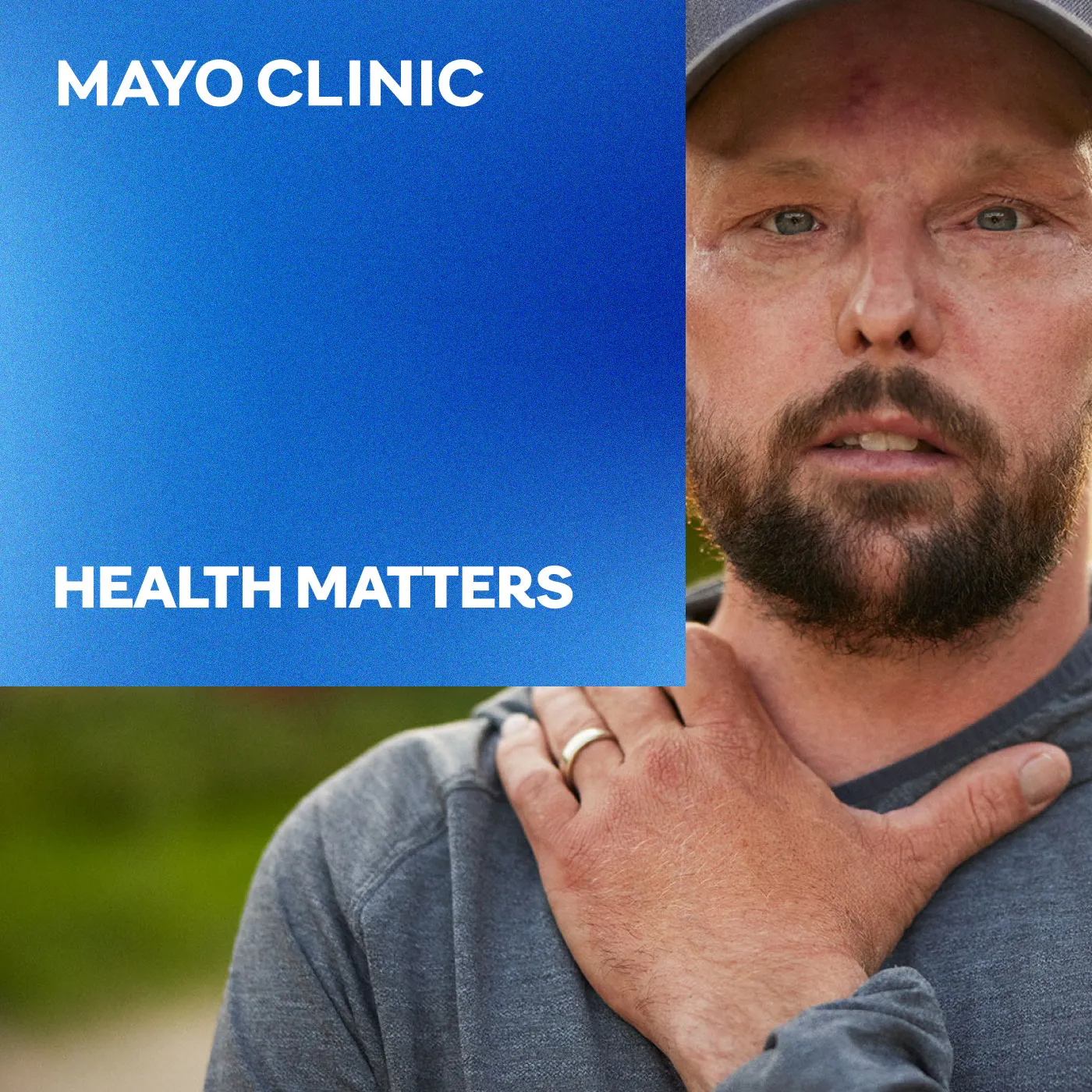
A Surgeon, a Patient, and the Remarkable Story of the First Face Transplant at Mayo Clinic
The first face transplant was performed in 2005. Since then, only about 50 face transplants have been done in the entire world. It’s a complex surgery that requires all the expertise a surgeon can bring to the table. It can also be life-changing for patients.
On this episode of Health Matters, we’ve got two amazing guests: Dr. Samir Mardini, a facial plastic surgeon who performed Mayo Clinic’s fi
The Skincare Secrets Doctors DO Want You to Know: Reclaim Skin Health, Rejuvenation and Vibrance
In today's world, skincare is largely focused on aesthetics, but what about its impact on our physical well-being?
In this episode of Health Matters, Dr. Saranya Wyles joins us to discuss the vital functions of our skin, tips for maintaining its health, and the latest advancements in skin healing and rejuvenation.
Sign up to receive Mayo Clinic Press emails.
Find us online at Mayo Clinic Press fo
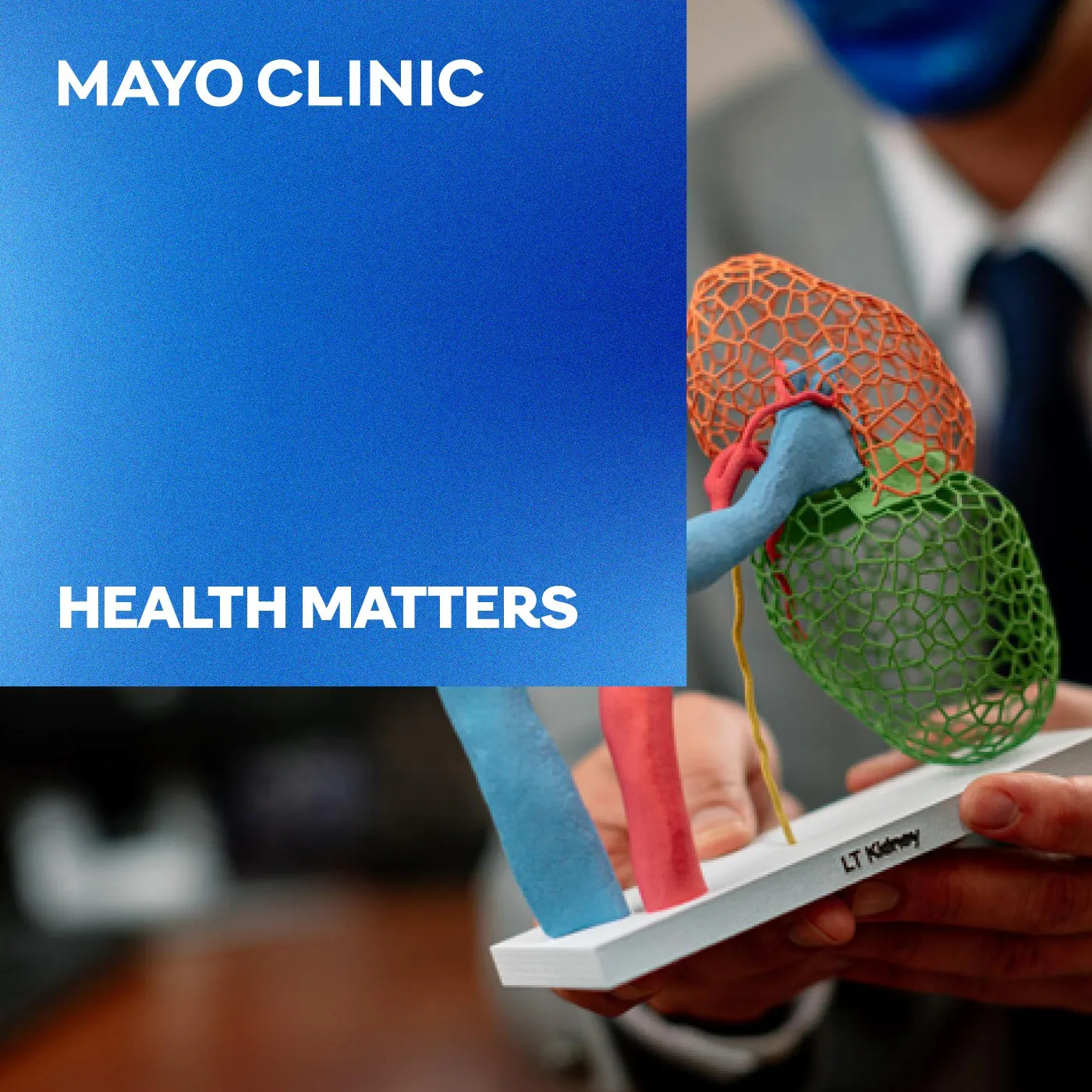
Changing the Future of Your Kidneys: PKD and Beyond
When was the last time you thought about your kidney? If you’re a healthy individual, maybe not so much. But this unassuming organ is vital—and kidney diseases, like polycystic kidney disease, can put people at serious risk of health complications.
On this episode of Health Matters, we’re talking with Dr. Fouad Chebib to sing the praises of the small but mighty kidney, learn how to maintain kidney
When Do I Need a Tetanus Vaccine?
Remember the childhood warning about rusty nails and tetanus? Turns out, there’s more to the story.
On this episode of Health Matters, Dr. Priya Sampathkumar unpacks the truth about tetanus—how it spreads, the signs of infection, and why staying up to date on your vaccines is crucial.
Find us online at Mayo Clinic Press for more health and wellness articles, podcasts and books.
Do you have feedbac
Tomorrow's Cure: AI Powered Stethoscopes Improve Access to Heart Care
We've got a special episode for you today from our friends at Tomorrow's Cure! Tomorrow's Cure is a Mayo Clinic podcast that is bringing the future of healthcare to the present.
The stethoscope, one of the most iconic symbols of medicine, was invented over 200 years ago. Today, artificial intelligence is revolutionizing this essential tool, empowering doctors to detect cardiac disease at its earli
Beyond Ozempic: The GLP-1 Boom
Ozempic. Wegovy. Mounjaro. Zepbound. You’ve probably heard the name of one of these drugs in the past few years—maybe you’ve even thought about taking them. Every day, more Americans are taking these drugs known as GLP-1s, either for chronic conditions like diabetes or, increasingly, for weight loss. So do these drugs deliver on the promise of easy weight loss? And are they right for everyone? Thi
I Have Breast Cancer - Now What?
Life after a breast cancer diagnosis is rarely the same as it was before. Breast cancer changes your relationship with your body. It changes your relationship with the people around you. It changes life’s daily rhythms. But that doesn’t mean life can’t be richer, more meaningful and perhaps even healthier. Living with breast cancer is about more than just surviving. It’s about thriving and continu
Pregnancy: The Heart's First Stress Test
Cardiovascular disease accounts for more than a fourth of pregnancy-related deaths in the U.S. The good news is that doctors believe the vast majority of those are entirely avoidable.
On this episode of Health Matters, Dr. Niti Aggarwal shares how heart issues during pregnancy aren't just a temporary condition for nine months -- instead, they're actually a predictor of heart health for the rest of
Facts on Fertility, Part II
If you're struggling with infertility, what are your options for available treatment?
On this episode of Health Matters, Dr. Zaraq Khan returns to share the details on IUI, IVF, ICSI, third party reproduction, and more. He'll also break down the myth of cyropreservation, and explain newer experimental technologies -- from ovary and uterine transplants to the use of mouse models for harvesting and
Facts on Fertility, Part 1
One out of eight couples in the United States experience difficulty getting pregnant. A large and often unspoken contributor to that statistic? Male factor infertility.
On this episode of Health Matters, Dr. Zaraq Khan breaks down all the necessary components to create a pregnancy, and shares his thoughts on how infertility -- generally a couple's issue -- has become a woman's social burden to car
How to Sleep Better
Sleep: it's complicated. Our sleep quality is at the root of countless health issues. So, how do we change our habits?
On this episode of Health Matters, we're speaking with Dr. Timothy Morgenthaler, a sleep medicine specialist and the director of Mayo Clinic’s Center for Sleep Medicine, about how to sleep better. Dr. Morgenthaler shares tips about maintaining a consistent sleep schedule and opti
Feel the Burn? GERD and Acid Reflux
Heartburn, acid reflux, GERD—what’s the real difference? In this episode of Health Matters, gastroenterologist Dr. Dawn Francis breaks it down, explaining why an estimated 1 in 5 Americans experience frequent reflux symptoms. We dive into how diet factors into your gastro health, the mechanics of the digestive system, and the lifestyle changes you can make to get alleviate your reflux symptoms.
Supplements, Simplified
1 in 5 people use herbs and other dietary supplements to improve their health and well being. But with all the conflicting information out there, it can be hard to tell: Are supplements good for you, or not?
On this episode of Health Matters, Dr. Brent Bauer talks about the possible benefits and pitfalls of taking supplements, and how to go about choosing the best products for you.
Buy Dr. Bauer's
How the News Rewires Your Brain
Constantly tuning into the news can feel stressful, and sometimes... inescapable. Even when you turn off your TV, you'll still find out what's going on - online, through friends, or through social media. So how can we find ways to be calm when it feels like we're constantly being bombarded?
On this episode of Health Matters, clinical psychologist Adam S. Anderson talks about how our bodies are wi
Who's the Queen of Hemorrhoids?
Awkward. Taboo. The stuff of juvenile comedy. That's how many people would describe hemorrhoids, if they even talk about them at all. And if the emotional discomfort isn't enough, they're also pretty physically uncomfortable.
But for something we don't talk about, a LOT of us experience them. One in two people will experience a hemorrhoid by the time they reach 50.
On this episode of Health Matter
Is My Dog or Cat Improving My Health?
Pets are close to our hearts — and they’re good for our hearts. Having a pet is linked to a whole host of cardiovascular benefits, from reduced blood pressure to increased physical activity. So snuggle up with your pup, and let’s learn how caring for our animals helps us care for ourselves, too.
On this episode of Health Matters, cardiologist Dr. Francisco Lopez-Jimenez talks with us about the co
What Happens If an Astronaut Gets Sick in Space?
Space: the final medical frontier. This is the interview with Dr. Jan Stepanek. His continuing mission: to explore strange new medicine; to seek out new treatment and new conditions; to boldly treat where no doctor has treated before.
Or in other words, on this episode of Health Matters, we talk with aerospace medicine specialist Dr. Jan Stepanek about what medicine looks like in outer space. Buck
How Much Sun Is Too Much Sun?
Nothing says summer like fun in the sun. But that can also give us cancer! In fact, skin cancer is the most common form of cancer in the U.S. — one in every five Americans will develop it. So how do we enjoy the sun, soak up its benefits, and stay safe?
On this episode of Health Matters, we talk with dermatologist Dr. Naiara Sbroggio Barbosa about Vitamin D, choosing the right sunscreen, and how
Should I Be Signing Up for a Polar Bear Plunge?
Sweating. Freezing. Sweating. Freezing. That's the “nordic cycle,” or alternating between a sauna and cold water. More spas are offering both hot and cold therapies as part of their services, and at-home sauna tents and ice baths are becoming more and more popular. But how beneficial are these methods of extreme temperature exposure for your health? And are they always safe?
On this episode of Hea
Who's Afraid of Brain-Eating Amoebas?
In 2023, both a toddler in Arkansas and a swimmer in Texas died from the infection of a brain-eating amoeba, Naegleria fowleri, likely contracted from local water sources. ""Brain-eating amoebas"" is a scary headline that sounds like something out of the Twilight Zone, but just how worried should we be? And how serious are the ramifications of infection? (Spoiler: They're pretty darn serious.)
On
Is This ADHD?
Distraction runs rampant in our society — we can all relate. But when you have ADHD, navigating a chaotic world can be especially challenging. And adult ADHD is on the rise. During the pandemic, diagnoses and prescriptions for ADHD in adults increased significantly. So what’s driving this increase in diagnoses? And how do you tell if you yourself have ADHD, or are experiencing a typical level of d
Health Matters Trailer
Join host Kristen Meinzer in conversation with Mayo Clinic’s leading medical experts as she asks all the questions you’re eager to (or maybe even afraid to) ask, letting curiosity lead the way. Wondering if you might have ADHD? Or how your pet affects your health? Be part of an informative—and fun—discussion about one of the most important topics: your health.
Advertising Inquiries: https://redcir
Introducing: Mayo Clinic Health Matters
We're excited to introduce our new show, Health Matters, where we're talking with leading medical experts from Mayo Clinic about their insights and opinions on the latest health and wellness subjects and information.
New episodes starting August 6 right here in your feed.
Find us online at Mayo Clinic Press for more health and wellness articles, podcasts and books.
Do you have feedback, questio
Ask the Mayo Mom: Baby’s First Bites
When an infant starts experimenting with solid foods, their whole world expands. Like breast milk and formula, food is fuel for your body and a vehicle for love. But it is also a cornerstone of culture, defining a shared national identity. It provides entertainment and spreads joy. And it helps us understand the world and our place in it.
On this episode of Ask the Mayo Mom, host Dr. Angela Matt
Ask the Mayo Mom: The eyes of a child
The retina is a thin layer of tissues, cells, and nerves that line the back wall inside the eye. This layer has millions of light sensing cells that receive and organize visual information according to the Mayo Clinic.
On this Ask the Mayo Mom edition of the Q&A podcast, host Dr. Angela Mattke is joined by Dr. Brittni Scruggs, an ophthalmologist at Mayo Clinic Children’s Center. Dr. Scruggs is a
Advancing treatments for acute myeloid leukemia
Acute myeloid leukemia (AML), also called acute myelogenous leukemia, is a cancer of the blood and bone marrow, the spongy tissue inside bones where blood cells are made. The disease progresses rapidly, affecting a group of white blood cells called myeloid cells, which normally develop into mature red blood cells, white blood cells and platelets.
"There are acute and chronic leukemias, explains D
Tips for living younger, longer by preventing disease
While we know that health affects longevity and quality of life, it can be difficult to change bad habits. People often try to make sweeping New Year's resolutions, only to fail.
In fact, Jan. 17 is the date that the average America breaks their New Year's resolution.
Dr. Stephen Kopecky, a Mayo Clinic preventive cardiologist, says a better approach is to focus on small steps that add up over time
Understanding pituitary tumors
Pituitary tumors are abnormal growths that develop in your pituitary gland. Pituitary tumors can cause too much or too little of the hormones that regulate important functions of your body to be produced. Most pituitary tumors are noncancerous growths called adenomas, which remain in your pituitary gland or surrounding tissues and don't spread to other parts of your body.
"It's very uncommon for a
Ask the Mayo Mom: Peanut allergies
Recently, new treatment options have become available to those living with severe peanut allergies. We will be exploring what's new in this area and who could potentially benefit.
On this Ask the Mayo Mom edition of the Q&A podcast, host Dr. Angela Mattke is joined by Dr. Martha Hartz. Dr. Hartz is a Pediatric Allergist-Immunologist at Mayo Clinic Children's Center and is also an Assistant Profe
Microsurgery can help treat lymphedema
One of the potentially painful side effects of cancer treatment is lymphedema. Lymphedema is tissue swelling caused by the buildup of fluid that's usually drained through the body's lymphatic system. Because lymph nodes are an important part of the lymphatic system, lymphedema can be caused by cancer treatments that remove or damage the lymph nodes.
"During cancer treatment, sometimes lymph nodes
Holiday travel, gatherings likely to increase the spread of respiratory viruses
Three respiratory viruses — COVID-19, influenza and respiratory syncytial virus, or RSV — are currently circulating in the U.S., and experts worry that holiday travel and gatherings could fuel their spread and further increase the number of cases.
Recently, the Centers for Disease Control and Prevention (CDC) issued a health alert about the fall season increase in cases of influenza and RSV infect
An inside look at invention at Mayo Clinic
At Mayo Clinic, the Department of Business Development is the front door to business. From technology commercialization to strategic partnerships, the ultimate goal of innovation at Mayo Clinic is to improve health outcomes and benefit patients.
Business Development has two divisions:
Mayo Clinic Ventures, which is Mayo’s technology development and commercialization group, responsible for assisti
Ask the Mayo Mom: Facial paralysis and reanimation surgery
Facial paralysis can affect one side or both sides of the face and can affect eye closure, the smile and lower lip movement. Facial paralysis can be caused by a variety of syndromes and can also be the result of a birth defect, a tumor, or trauma.
When facial paralysis occurs in children, it impairs a child’s ability to move their facial muscles and show facial expression. Surgery can be done to r
Mayo Clinic Q&A podcast: The latest options for treating epilepsy
Epilepsy is a neurological disorder in which brain activity becomes abnormal, causing seizures or periods of unusual behavior, sensations, and sometimes loss of awareness. Anyone can develop epilepsy and epilepsy affects both males and females of all races, ethnic backgrounds, and ages.
Treatment with medications or sometimes surgery can control seizures for the majority of people with epilepsy. S
Ask the Mayo Mom: Vitamins, nutritional supplements and special diets for children
Commercials and advertisements often target parents, suggesting they should give their kids vitamins and supplements to help them grow strong and stay healthy. But is it true?
The short answer is no.
"By and large, when kids are generally healthy, when they're growing well, when there is no big concern, there's really no need for any extra vitamins or supplements," says Dr. Erin Alexander, a May
Survivorship after surgery for lung cancer
More than 200,000 people in the U.S. will be diagnosed with lung cancer in 2022, according to the National Cancer Institute. A new lung cancer diagnosis can be scary and confusing, but having a support system can help.
"Probably the best advice I give patients with lung cancer is to build your village of support around you," says Dr. Shanda Blackmon, a Mayo Clinic thoracic surgeon. "Always see if
Caring for veterans
Like all patients, military veterans bring their unique experiences and backgrounds with them as they navigate medical and end-of-life care. At Mayo Clinic, programs are in place to honor military service and care for veterans.
Mayo Clinic Hospice is a partner of the We Honor Veterans Program run by the National Hospice and Palliative Care Organization. The Hospice team provides the high level of
Barrett’s esophagus requires monitoring and treatment to decrease esophageal cancer risk
Barrett's esophagus is a condition in which the lining esophagus becomes damaged by acid reflux, which causes the lining to thicken and become red. Over time, the valve between the esophagus and the stomach may begin to fail, leading to acid and chemical damage of the esophagus, a condition called gastroesophageal reflux disease, or GERD. In some people, GERD may trigger a change in the cells tha
Navigating a new epilepsy diagnosis
Epilepsy is a neurologic central nervous system disorder in which brain activity becomes abnormal, causing seizures or periods of unusual behavior, sensations and sometimes loss of awareness.
Seizure symptoms can vary widely. Some people with epilepsy simply stare blankly for a few seconds during a seizure, while others repeatedly twitch their arms or legs. Having a single seizure doesn't mean you
Advances in bone marrow transplant and cellular therapy
Mayo Clinic performed its first bone marrow transplant in 1963 and today hundreds of people receive blood and marrow transplants every year at Mayo Clinic in Arizona, Florida and Minnesota. Recently, Mayo Clinic in Rochester, Minnesota celebrated its 10,000th blood and marrow transplant.
Bone marrow transplant is used to treat blood cancers and related disorders by infusing healthy blood-forming s
Recommended

True Crime Classics
The Healer Revolution

Becoming: HER with Nikki Spoelstra

Booked, Blonde & Busy w/ Olivia Ponton

McKinsey on Consumer and Retail

megahired.com

Hard Knocks Podcast
Effective Weight Loss for Moms | High protein, Strength Training, Lose Weight, Meal Planning, Fat Loss, Healthy Habits

The Human-Animal Connection - Pet Life Radio Original
Infinite Health with Dr. Arasi Maran

The Daily

World News Tonight with David Muir
