
Foreign Policy Live
Each week, Foreign Policy Live features a substantive conversation on world affairs. Host and FP editor in chief Ravi Agrawal is joined by leading foreign-policy thinkers and practitioners to analyze key issues in global politics, from the U.S.-China relationship to conflict and diplomacy. FP Live is your weekly fix for smart thinking about the world. Foreign Policy magazine subscribers can watch these interviews live and submit questions and suggestions.
Episodes

Can America Stay Ahead of China on AI?
It is well known that at least part of Washington’s reluctance to regulate artificial intelligence comes from wanting to make sure the United States stays ahead of China. But what exactly are the two countries racing for? Matt Sheehan, a co-director of the China AI Initiative at the Carnegie Endowment for International Peace, joins FP’s Ravi Agrawal to explain the countries’ very different d

Can Development Work in Wartime?
How can you tackle poverty and create infrastructure amid an active conflict? Alexander De Croo is the head of the U.N. Development Program, and he joins FP’s Ravi Agrawal to make the case for spending development dollars on building long-term resilience. He’s exploring solutions to opium poppies in Afghanistan, electric grids in Ukraine, and sanitation in Gaza, even as major donors such as the Un

The Case for Trump’s Global Strategy
U.S. Ambassador to the United Nations Mike Waltz has become one of the Trump administration’s most visible spokespeople, publicly explaining and defending its policies on everything from Iran to Venezuela and Sudan. But how has Washington’s global role changed as the White House pulls back from multilateral institutions? How does the administration make the case for an unpopular war in Iran? Waltz
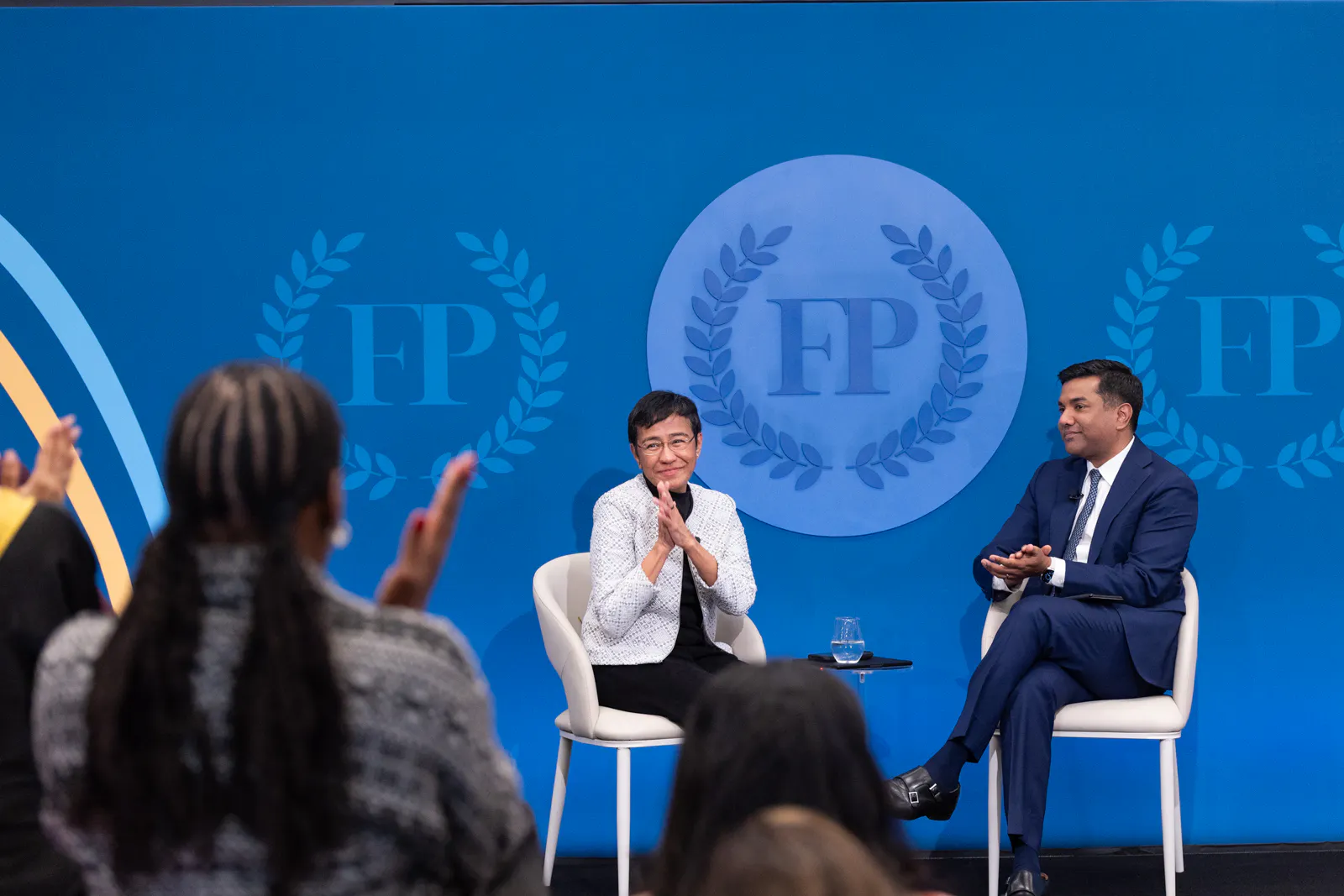
Maria Ressa on Fighting Back Against Big Tech
Maria Ressa is one of the most inspiring journalists of our age, a media leader whose bravery against authoritarianism earned her the Nobel Peace Prize in 2021. Now, she’s focusing her energy on artificial intelligence and Big Tech and how ordinary citizens can reclaim their attention, their time, and their democracies. She’s also a co-chair of the United Nations Independent International Scientif

How to Create a Billion Jobs
Ajay Banga has a simple north star as he runs the World Bank: jobs, jobs, jobs. And for good reason. The World Bank estimates that developing countries are on track to create only a third of the approximately 1.2 billion jobs they will need to keep up with demand. How can countries and companies bridge this gap? Banga sat down with FP’s Ravi Agrawal to detail how the bank is mobilizing private cap

‘Ask Me Anything,’ and Why Ravi’s Kyiv Visit Left Him So Worried
It’s time for another ask-me-anything edition of FP Live. After a trip to Kyiv, FP editor in chief Ravi Agrawal explained why new developments in drone technology have him worried about conflicts around the world. Plus, he takes on the energy market, why both the United States and Iran have overreached in their ongoing conflict, and how Chinese President Xi Jinping sees the world.
Ravi Agra

Has Trump Peaked?
In this bonus episode, host Ravi Agrawal presents his recent essay arguing that U.S. President Donald Trump has peaked. While Trump still has two years left in office and immense potential for global disruption, Ravi makes the case that his coercive powers are in clear decline, as seen through a depleted military and an array of global moves to de-risk from the White House. As companies and countr
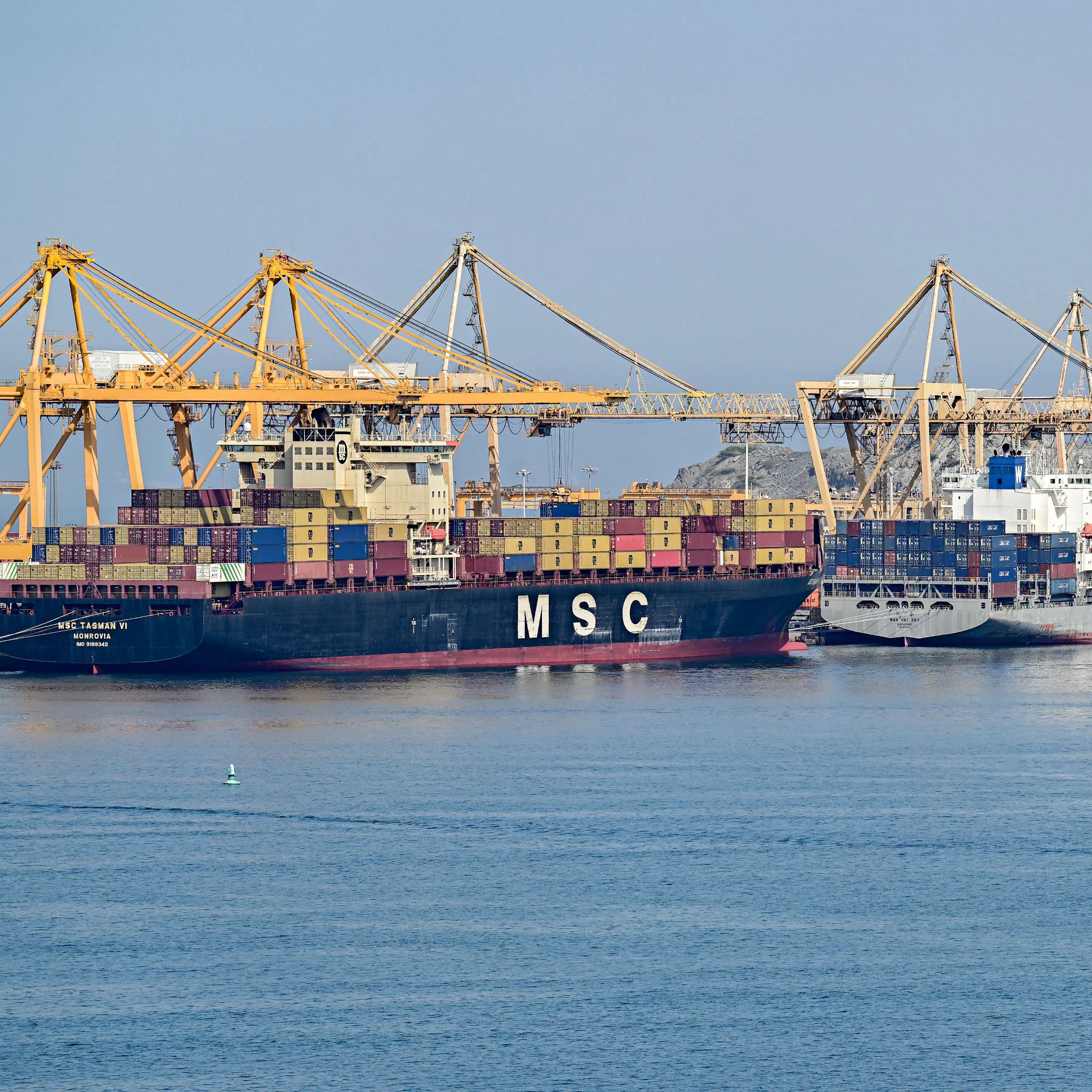
The Industry That Explains the World
Behind every major decision, whether by a family buying a home or a shipping company deciding to transit the Strait of Hormuz, lies the judgment of the insurance markets. How do insurers evaluate risk, and what can we learn from how they attach a premium to conflict or natural disasters? John Doyle, the president and CEO of Marsh, a conglomerate that includes the world’s largest insurance broker,

The Only Way to Save Global Order?
The global order may be broken, but international relations scholar Charles A. Kupchan has a plan to remake it. In a forthcoming Foreign Policy essay, he argues that because power is becoming more diffuse, regional groupings such as the European Union and Association of Southeast Asian Nations will become more essential. But to really manage global governance, he proposes the creation of a h

Why America Is Running Out of Munitions
The United States is burning through some of its most advanced munitions in its war with Iran this year. By some accounts, inventories of high-end Patriot and THAAD interceptors may be depleted by as much as 80 percent. Replacing them could take years, even as military planners worry about needs in Europe and the Indo-Pacific. Tom Karako, director of the Center for Strategic and International Stud

Why Your Political Anger Feels Futile
Political outrage is a constant part of modern life, from social media to surges of global protests. But what actually changes? Why do so many structural issues seem deeply entrenched despite high levels of voter turnout? Anton Jäger has a term for this mismatch: hyperpolitics. He joins FP Live to explain the paradox of politicization without institutionalization, why right-wing parties maneuver t
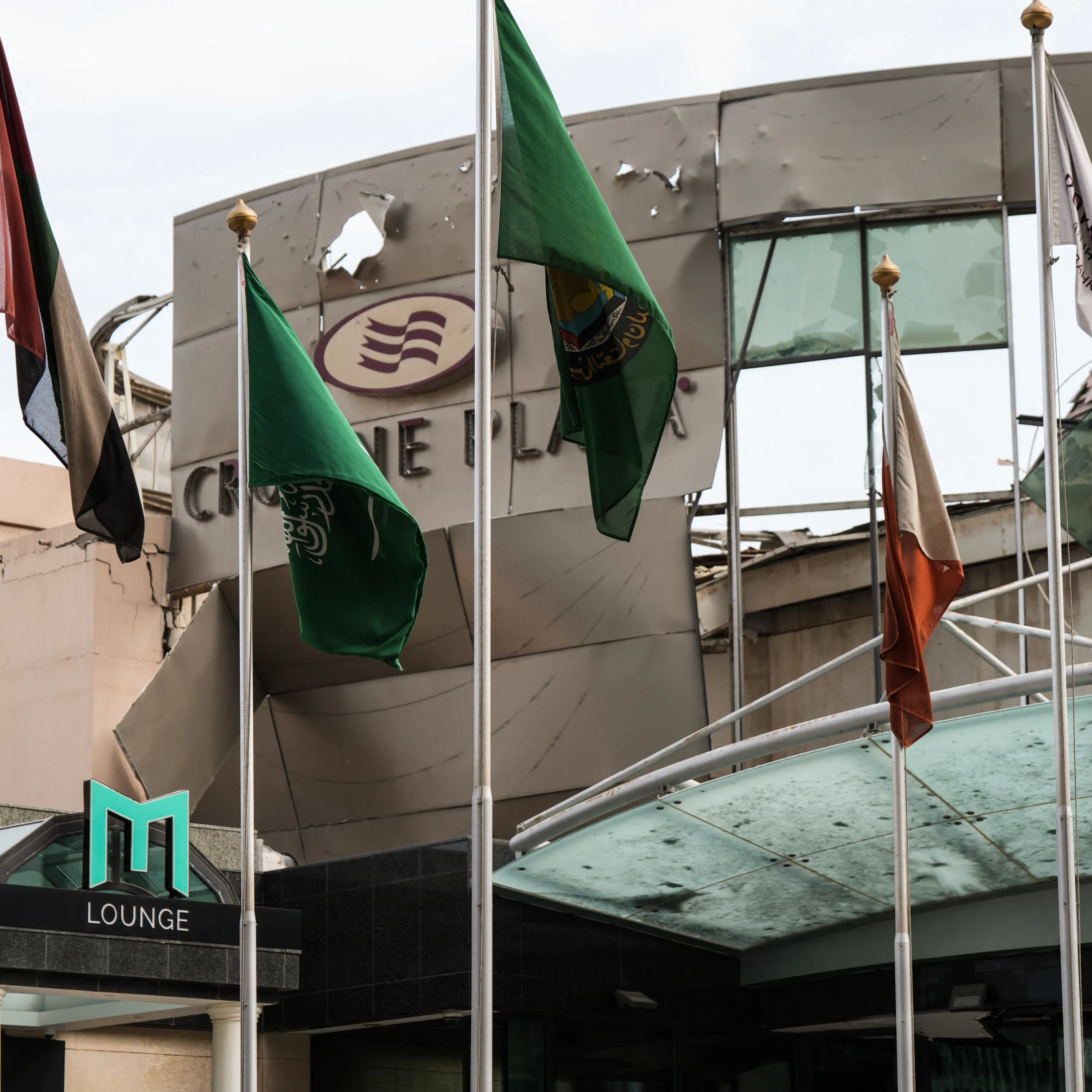
The Gulf’s Postwar Playbook
Gulf countries like Qatar, Saudi Arabia, and the United Arab Emirates have created entire cities and world-class airlines off the back of energy riches and U.S. security. The Iran war has upended the calculations of the Gulf monarchs. How are they rethinking their strategies? Allison Minor worked on Gulf policy in the Biden administration and joins FP Live to share her analysis.
Plus, Ravi

Why Everyone Is Talking About Chokepoints
The Strait of Hormuz may be the chokepoint of the moment, but it’s actually not even the one that’s most concerning to Eddie Fishman, the author of Chokepoints: American Power in the Age of Economic Warfare. He explains why U.S. dollar dominance, Chinese critical mineral control, and the semiconductor supply chain are more potent in terms of how much they can impact geopolitics—and how countries a

Why the Energy Crisis Isn’t Worse—Yet
The ongoing war in Iran has been called the biggest energy crisis in history. How is it changing the plans of countries and companies? Which changes will be permanent? Ravi turns to Daniel Yergin, the world’s foremost expert of the oil industry and its history. Yergin is the vice chairman of S&P Global and the author of The Prize, The Quest and, most recently, The New Map: Energy, Climate, and the

The Iran Expert Trump Fired
Iran and the United States are locked in a familiar pattern. Conflict has resumed, both sides seem caught in an escalation trap, and oil prices are rising. What would it take for Tehran and Washington to both save face and step back? Ravi Agrawal turns to career diplomat and Iran expert Nate Swanson, who was fired by the Trump administration last year.
Plus, Ravi shares his read on India’s

Is the Trans-Atlantic Relationship Over? A Debate.
Is the trans-Atlantic relationship over? Nathalie Tocci argues that it cannot be rebuilt as it was: The liberal order that birthed trans-Atlanticism is gone, and a fundamental breach of trust has occurred. Alexandra de Hoop Scheffer sees it differently: Trans-Atlanticism was never based only on values but also on security, economic, and technological interests. The relationship has now entered a p

Can Ukraine Win in Russia?
Ukraine has a new strategy in its full-scale war with Russia: using drones to attack deep into Russian territory and bring the war home to the Russian people for the first time. Has this put Moscow on the backfoot? What will it mean for the chances of a deal? Dmytro Kuleba, a former Ukrainian foreign minister and senior fellow at Harvard University’s Belfer Center, joins FP Live for a frank and re

Is Trump Really Planning to Invade Cuba?
After the United States ousted Venezuela’s Nicolás Maduro in January and then took out Iran’s senior leadership in the following months, U.S. President Donald Trump set his sights on Cuba, claiming that he would have the “honor of taking” the island. Michael Bustamante, a leading historian of Cuban-American relations, joins FP Live to assess the White House’s strategy and Havana’s options.
Plus,

The Geopolitics of SpaceX and Elon Musk
SpaceX’s initial public offering broke records as the largest ever and one that (briefly) made Elon Musk the first trillionaire. But just how much power should one person or one company have in space? Quinn Slobodian, a co-author of Muskism: A Guide for the Perplexed, joins FP Live to argue that Musk’s network of integrated companies—from X to Starlink—amplifies not only his economic power but his
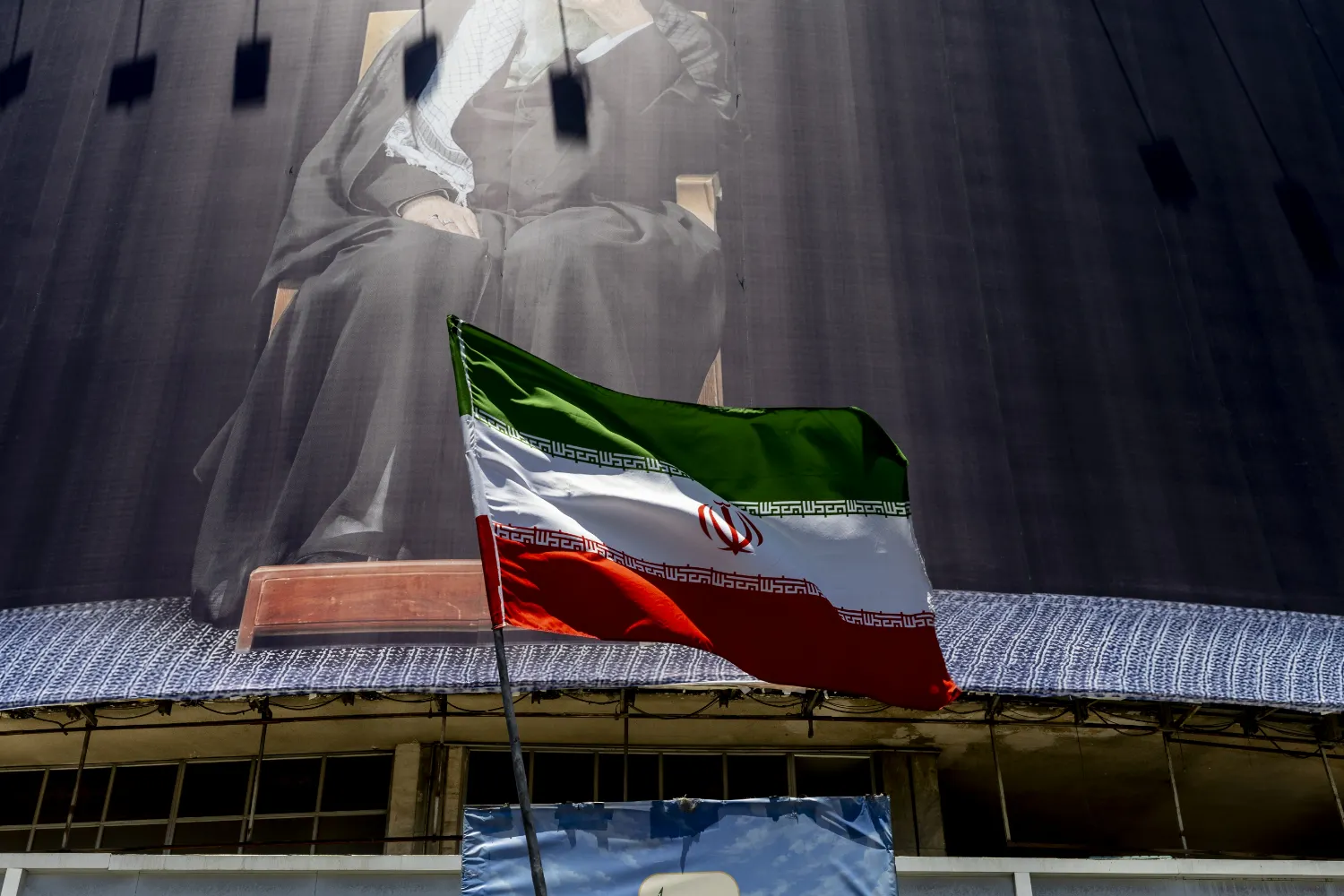
Deciphering the U.S.-Iran Deal
The United States and Iran have struck a memorandum of understanding to end the war that began in February. Will the deal last? And what does it mean for the United States, the Middle East, and the world? Ali Vaez has long been involved in unofficial dialogues with Iran and the United States, and he joins FP Live to analyze the deal.
Plus, Ravi shares his read on why the cease-fire deal, despite
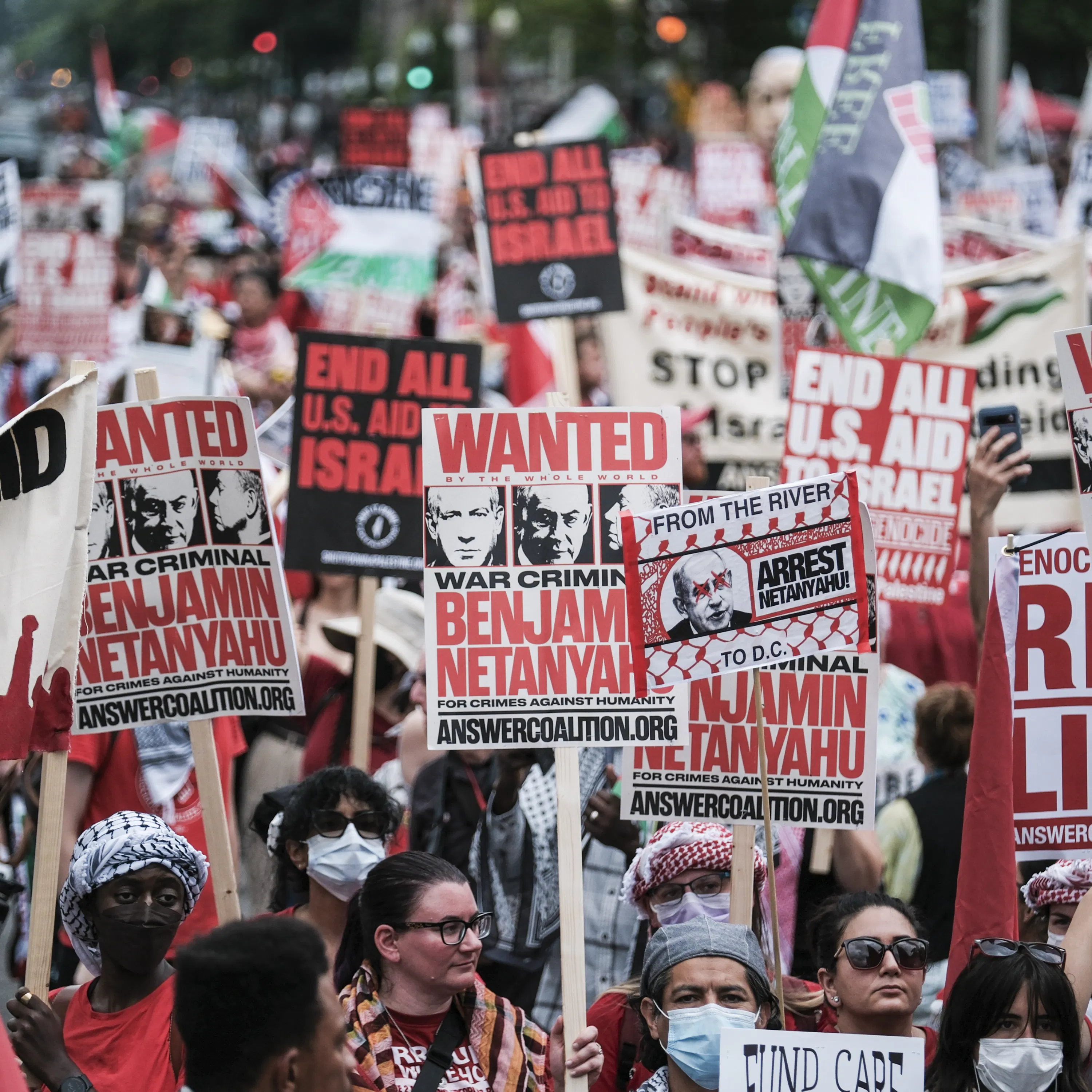
Is the U.S.-Israel Special Relationship Over?
U.S. public opinion is undergoing a dramatic shift, with more and more Americans calling for less military support to Israel. So, is the “special relationship” between the two countries over? According to an essayist in Foreign Policy’s latest print issue, the partnership has peaked—and the only way to go is down. Why is that, and how did we get here? Joshua Leifer, a columnist for Haaretz and aut

The Geopolitics of the World Cup
This week, the largest-ever World Cup will commence. Across the three host countries—Canada, Mexico, and the United States—48 teams will play 104 matches in 16 cities. But it also comes amid a particularly fraught geopolitical backdrop. Not only have the three hosts spent the last year sparring over immigration, trade, and even national sovereignty, but one of them, the United States, is at war wi

How to End the Iran War
What would it take to end the Iran war? What exit strategies are still available to the United States? Robert Malley, a former lead negotiator of the 2015 Iran nuclear deal and the Biden administration’s special envoy for Iran, joins FP’s Ravi Agrawal to discuss the current talks to open the Strait of Hormuz.
Plus, Ravi offers his read on why U.S. President Donald Trump is wavering between two e

How to Survive a Chaotic World
If the rules-based order is broken, what comes next? And who will lead it? Mark Leonard argues in his new book, Surviving Chaos: Geopolitics When the Rules Fail, that the coming system will be “un-order,” governed not by China or the United States but by no one at all. Are states responding quickly enough? Leonard, who is the director of the European Council on Foreign Relations, joins FP Live’s R
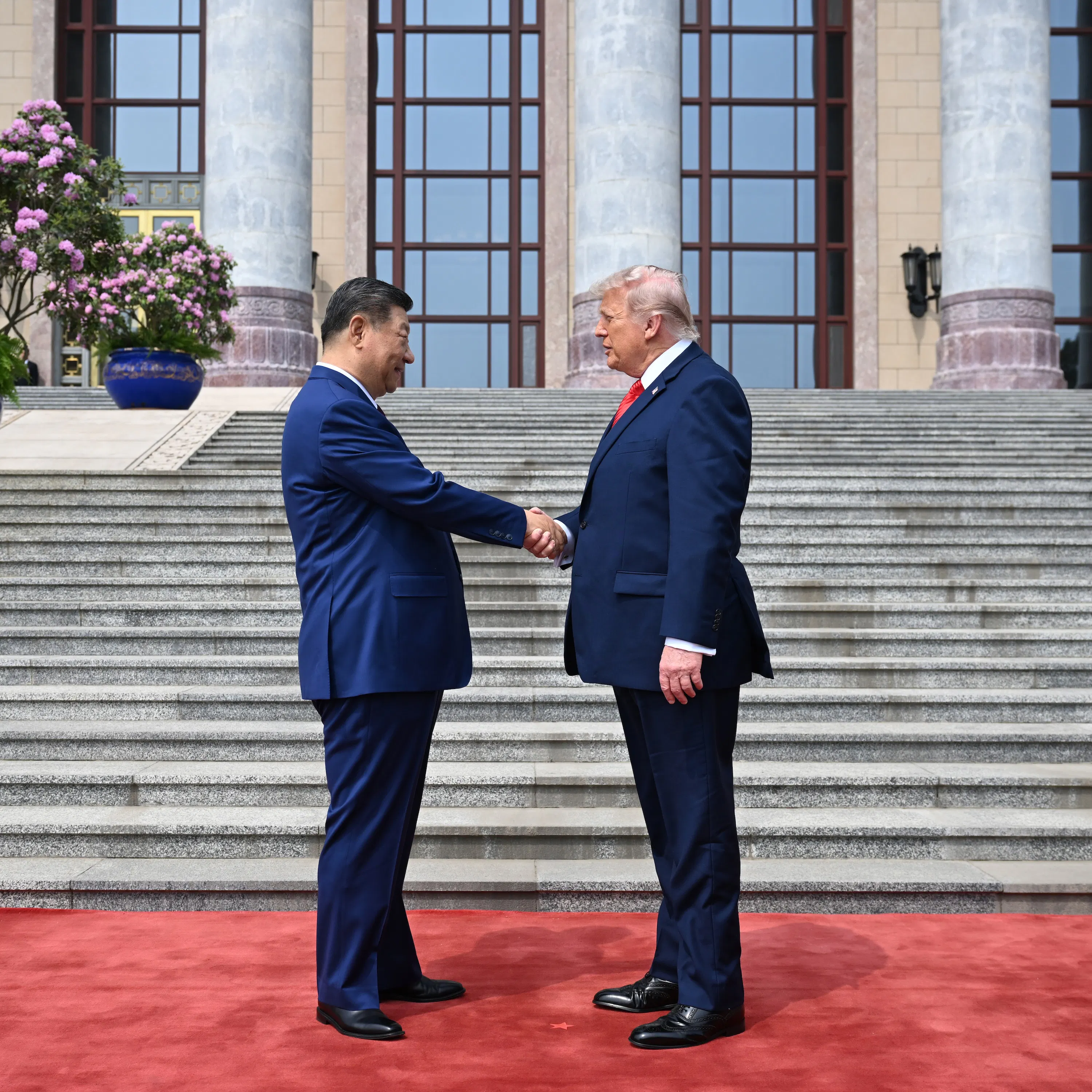
Trump, Xi, and a New Balance of Power
U.S. President Donald Trump arrived in Beijing for his meeting with Chinese President Xi Jinping to great fanfare but left with little to show for it. What does the Trump-Xi summit reveal about the balance of power between the world’s two biggest economies? Rana Mitter, a top historian of China, joins FP Live to discuss where the world’s most important relationship is headed.
Plus, Ravi shares hi

Is Russia the Unintended Winner of Trump’s Iran War?
There’s little doubt that the conflict in Iran has hurt much of the world economy. But not Russia. Data suggests that the Kremlin has already made billions of dollars in additional oil revenue since the United States and Israel attacked Iran. But beyond just cash, how much will this change President Vladimir Putin’s broader strategy? And what does this mean for the fate of the war in Ukraine? Alex

The surprisingly normal streets of Tehran
While the conflict in Iran has dominated headlines in the last two months, accounts of ordinary life in the Islamic Republic are scarce. According to journalist Ali Hashem, who spent six weeks in Tehran and has visited several times in the last decade, life in the capital looks more normal than one might imagine. Shops and restaurants are largely open, and regular people seem to be rallying around

‘Ask Me Anything’—the Iran War Edition
It’s time for another ask-me-anything edition of FP Live. This one takes on the war in Iran from many angles: the economic impact, regional balance of power, the longer-term global impact, and much else. Producer Dana Sherne puts audience questions to FP’s editor in chief Ravi Agrawal.
Ravi Agrawal: The World Is Paying the Price for America’s War
Ravi Agrawal: Trump Is Losing the War in Iran
St

Where the Iran War Goes From Here
The extension of a fragile cease-fire in the Middle East has left the region with no clear path forward. The Strait of Hormuz is still blocked, which means the global energy crisis will get worse. But Tehran’s new leaders are suffering too. What is their plan? Iran expert Karim Sadjadpour joins FP Live to discuss the shifting state of the war.
Plus, Ravi shares his read on how the war’s economic
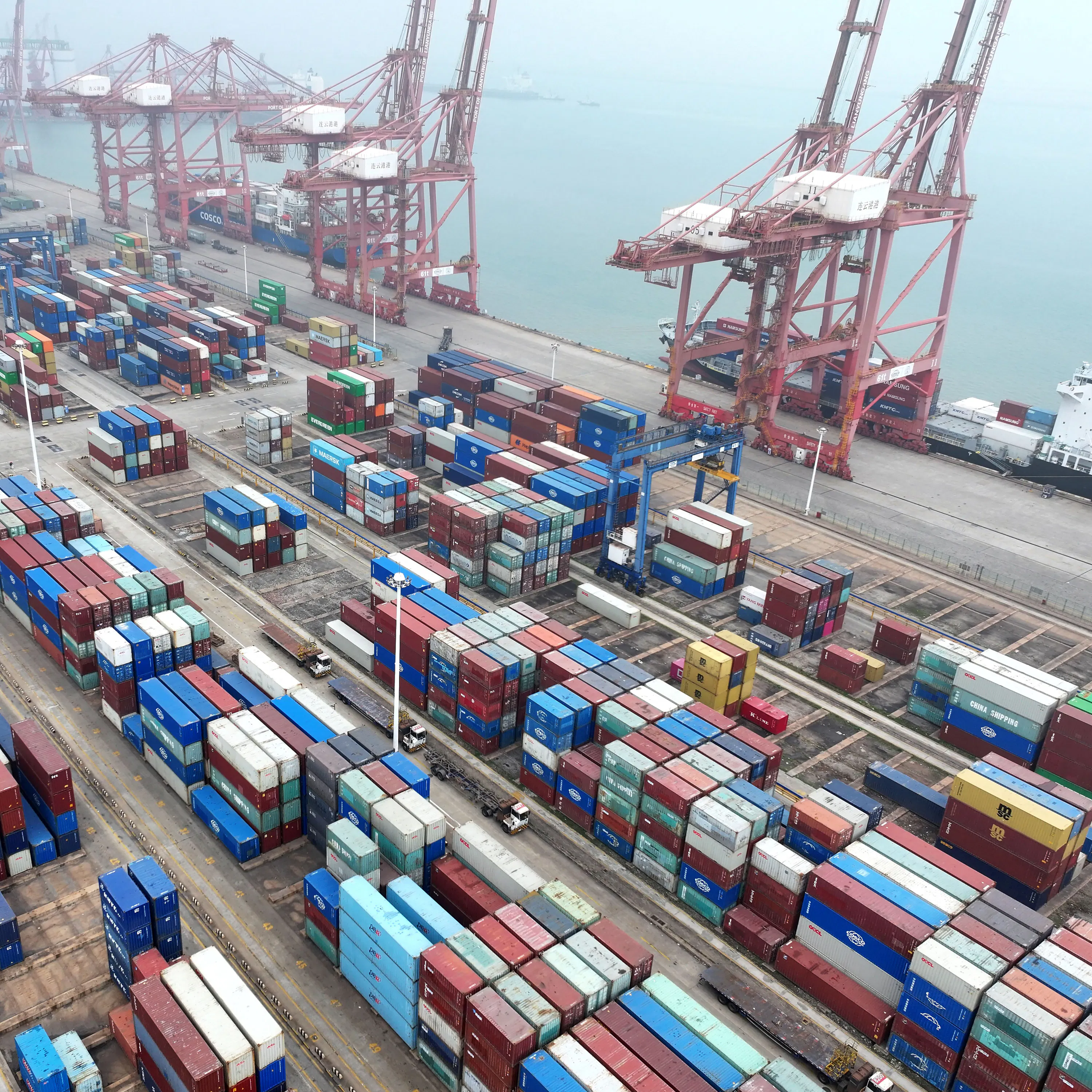
How Much Will the Iran Conflict Hurt the Global Economy?
The closure of the Strait of Hormuz is like a ticking time bomb for the global economy, disrupting the flow of energy and rippling through industries from agriculture to semiconductors. How bad could it get? The International Monetary Fund has cut its forecast for global growth this year from 3.4 percent to 3.1 percent in the best-case scenario and 2 percent in the worst case. What countries will

Is America Becoming a Rogue State?
The Iran war has become the most serious foreign-policy challenge for U.S. President Donald Trump in his second term. But does it reveal a larger point about U.S. power? Stephen M. Walt, a professor at Harvard University and Foreign Policy columnist, argues that it does and that the United States is increasingly acting like a rogue state. What damage will this cause, and what can countries do abou
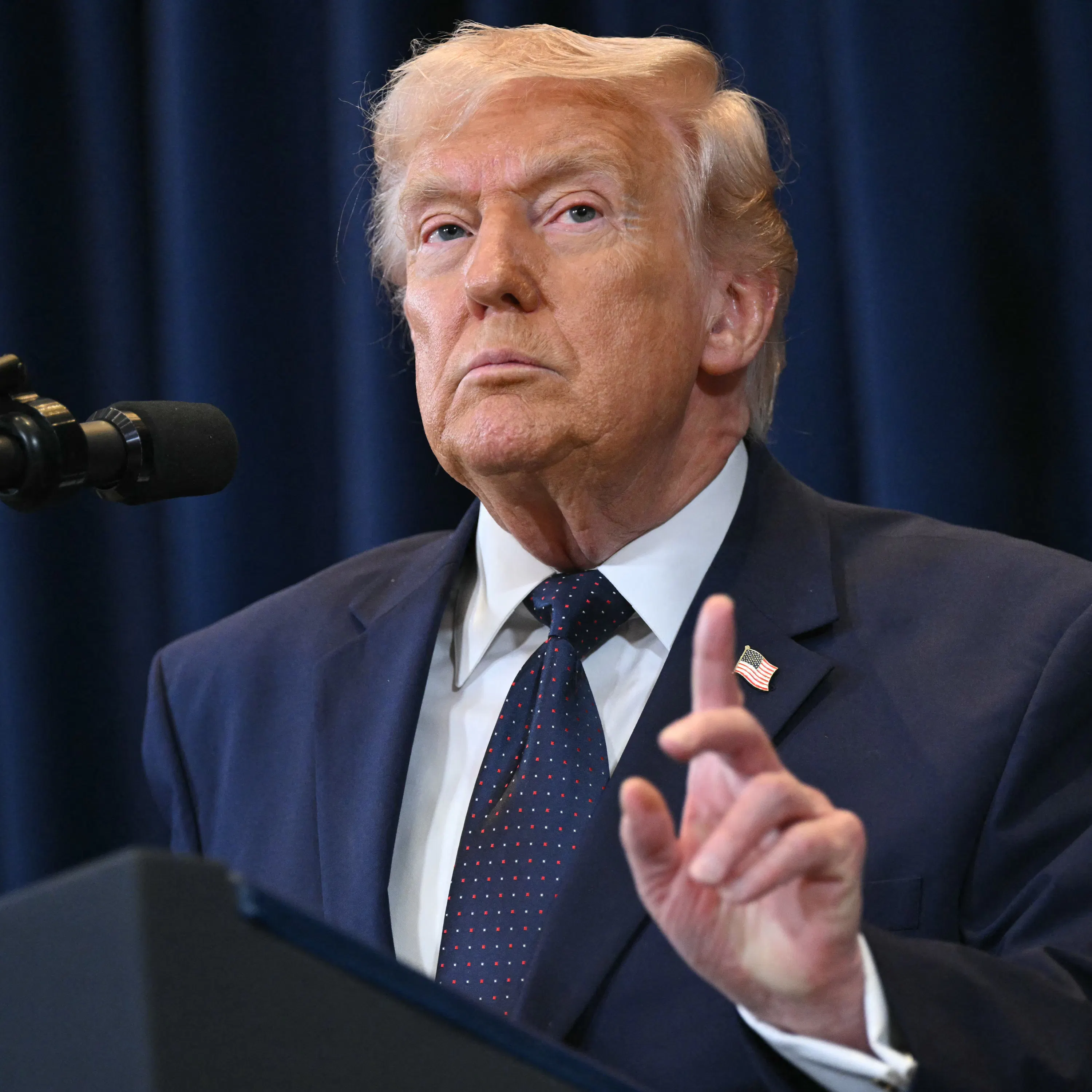
An Iran Hawk’s Take on the Cease-Fire
The Trump administration’s plans in the Middle East are often criticized by those who say he shouldn’t have attacked Iran. But the White House is also facing flak from those who say that it didn’t go far enough. John Bolton is a longtime proponent of regime change in Iran. He served as national security advisor in the first Trump administration before falling out with the president. Bolton joined
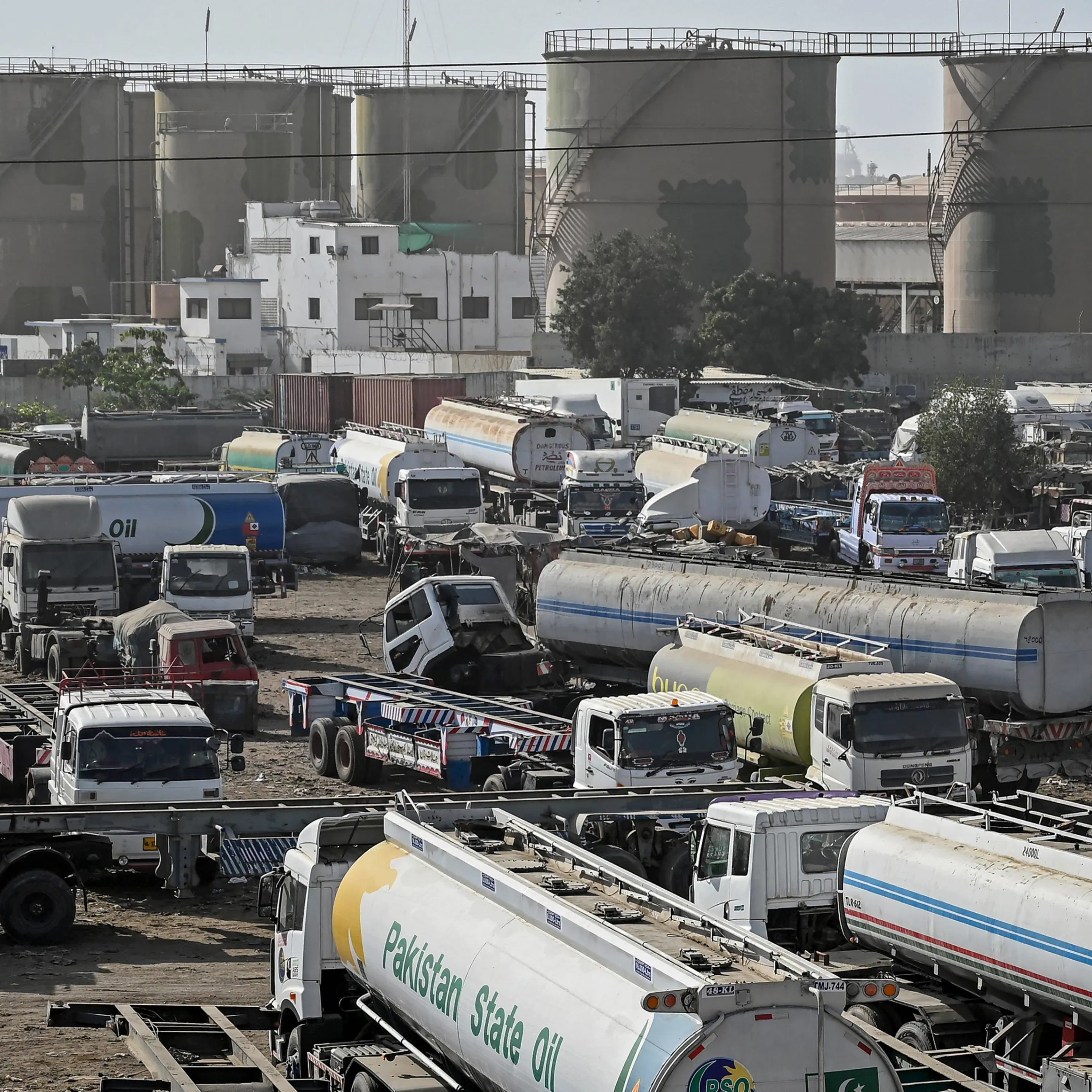
The Iran War Cease-Fire and the Return of the Energy Weapon
After news of a 14-day cease-fire in the middle east conflict, Ravi shares his initial thoughts and analysis.
Plus, the rationale for attacking Iran revolved around security. How did the global narrative become about energy? Iran’s strongest weapon has turned out to be its ability to strangle the Strait of Hormuz, an important trade choke point. What does the return of energy as a weapon mean for
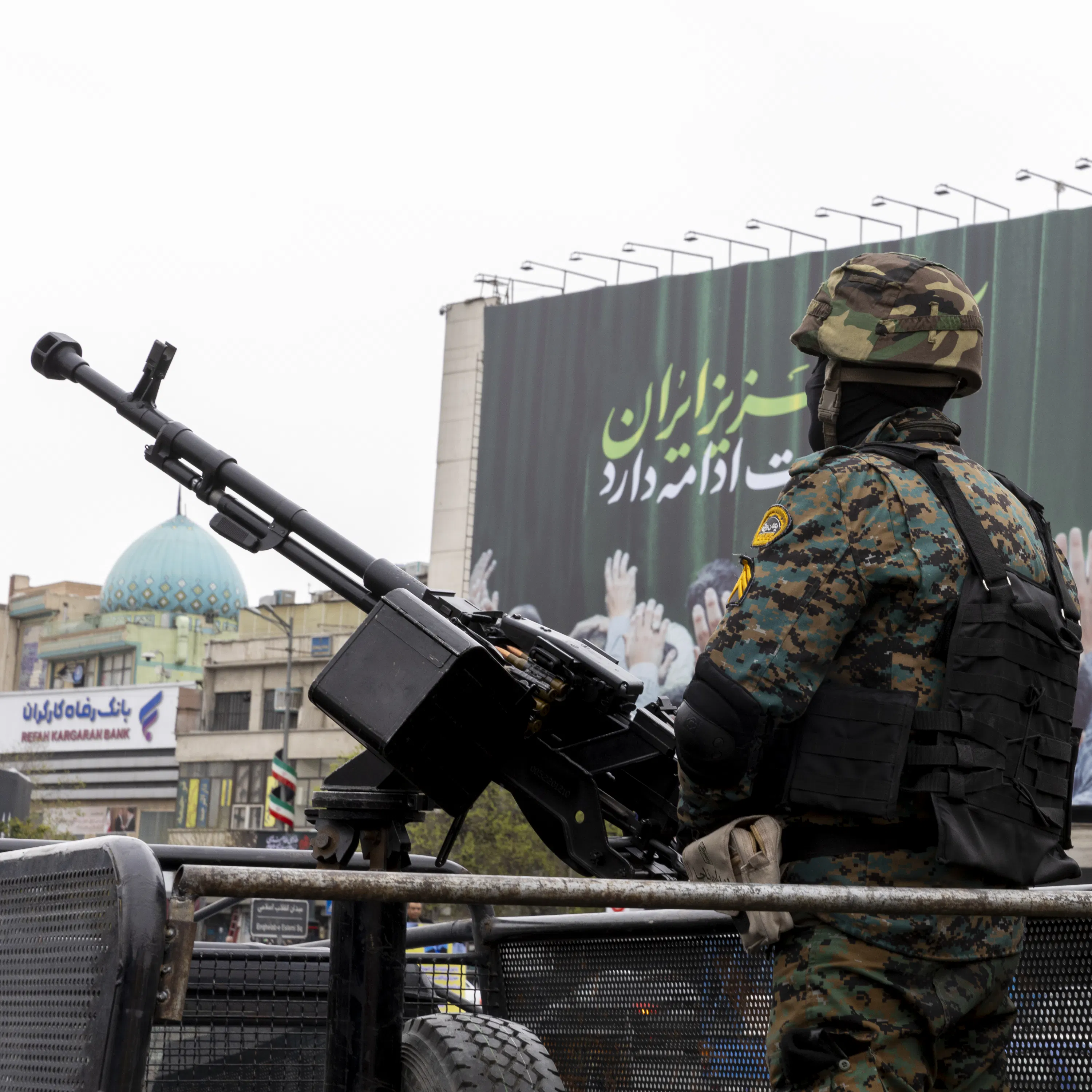
What Is Iran’s Endgame?
As the U.S.-Israel war against Iran enters a second month of conflict, how is Tehran’s surviving leadership thinking about an endgame? And how will the conflict reshape geopolitics in the region?
Ali Vaez has extensive contacts with Iranian lawmakers and sits down with Ravi Agrawal to discuss the regime’s options. Vaez is a project director at the International Crisis Group.
Plus, Ravi’s Read on
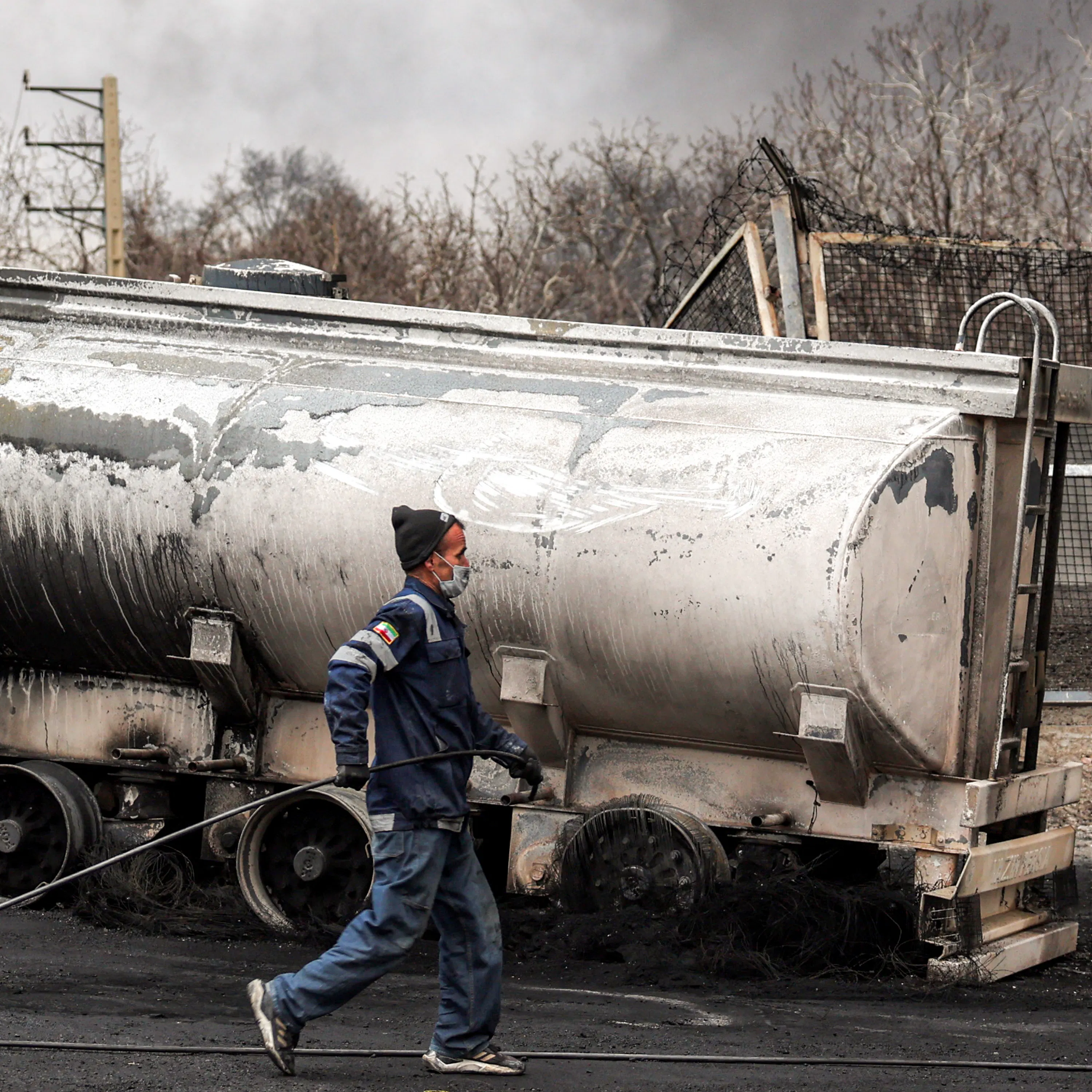
How High Could Oil Prices Go?
Crude and gas prices are soaring after the closure of the Strait of Hormuz and attacks on regional energy infrastructure amid war in the Middle East. How bad could the energy shock get and for how long? FP columnist Jason Bordoff sits down with Ravi Agrawal to discuss.
Bordoff previously served in the Obama administration as a senior director for energy and climate change in the National Security
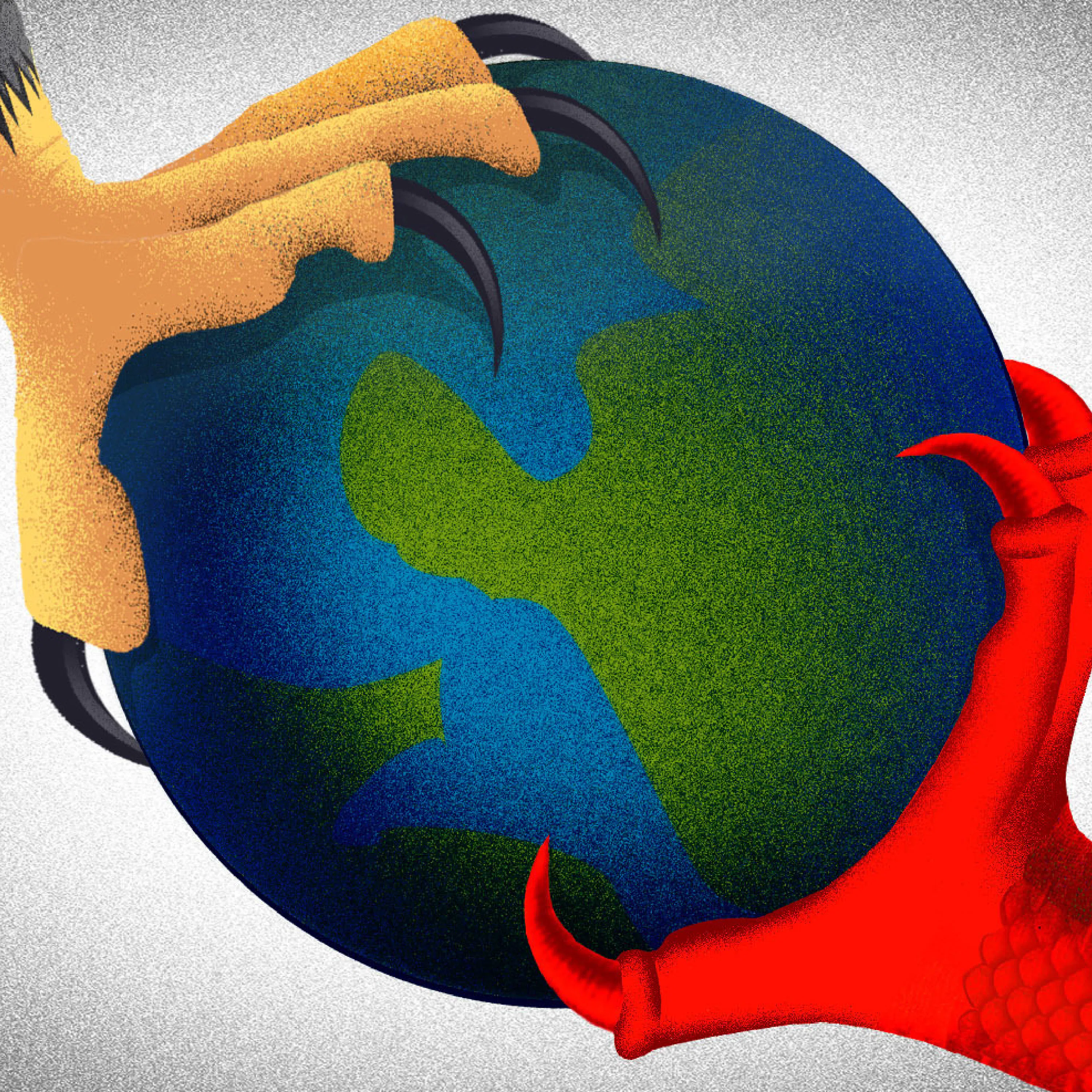
The World After Trump
It’s widely accepted that the post-WWII order has changed, but the question remains—what comes next? Political scientist Hal Brands maps out three possible scenarios in a cover essay for Foreign Policy’s latest print issue and joins FP Live to discuss.
Brands is a professor of global affairs at the Johns Hopkins School of Advanced International Studies and the author of The Eurasian Century: Hot
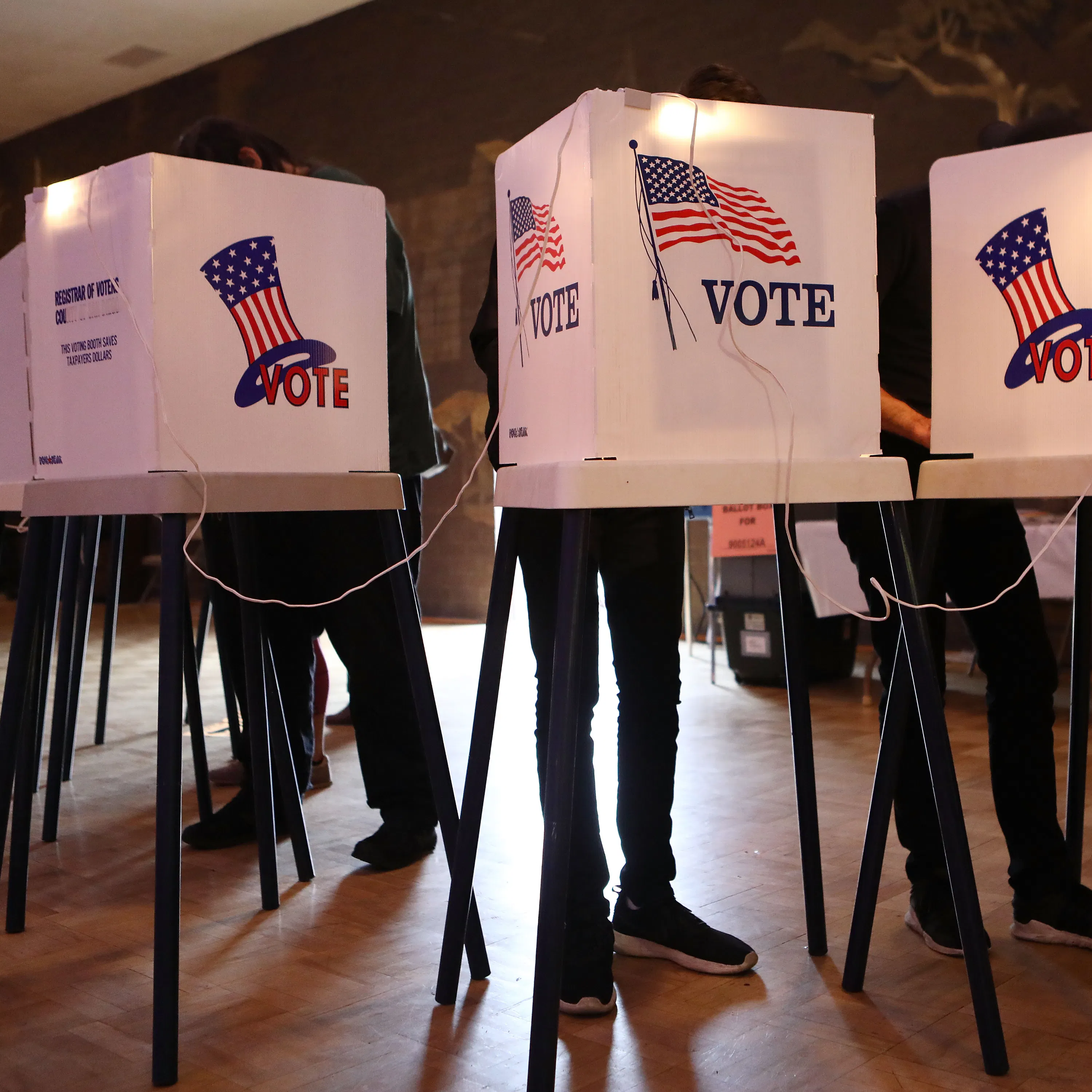
How to Have Politics Without Politicians
It’s no secret that democracy is in trouble. Studies show that a growing number of countries are less free, and polls suggest ordinary citizens are losing faith in their governments. What can be done to fix this?
Hélène Landemore has a radical solution: to get rid of politicians and electoral politics and instead create assemblies of ordinary citizens. She explores this concept in her new book, P
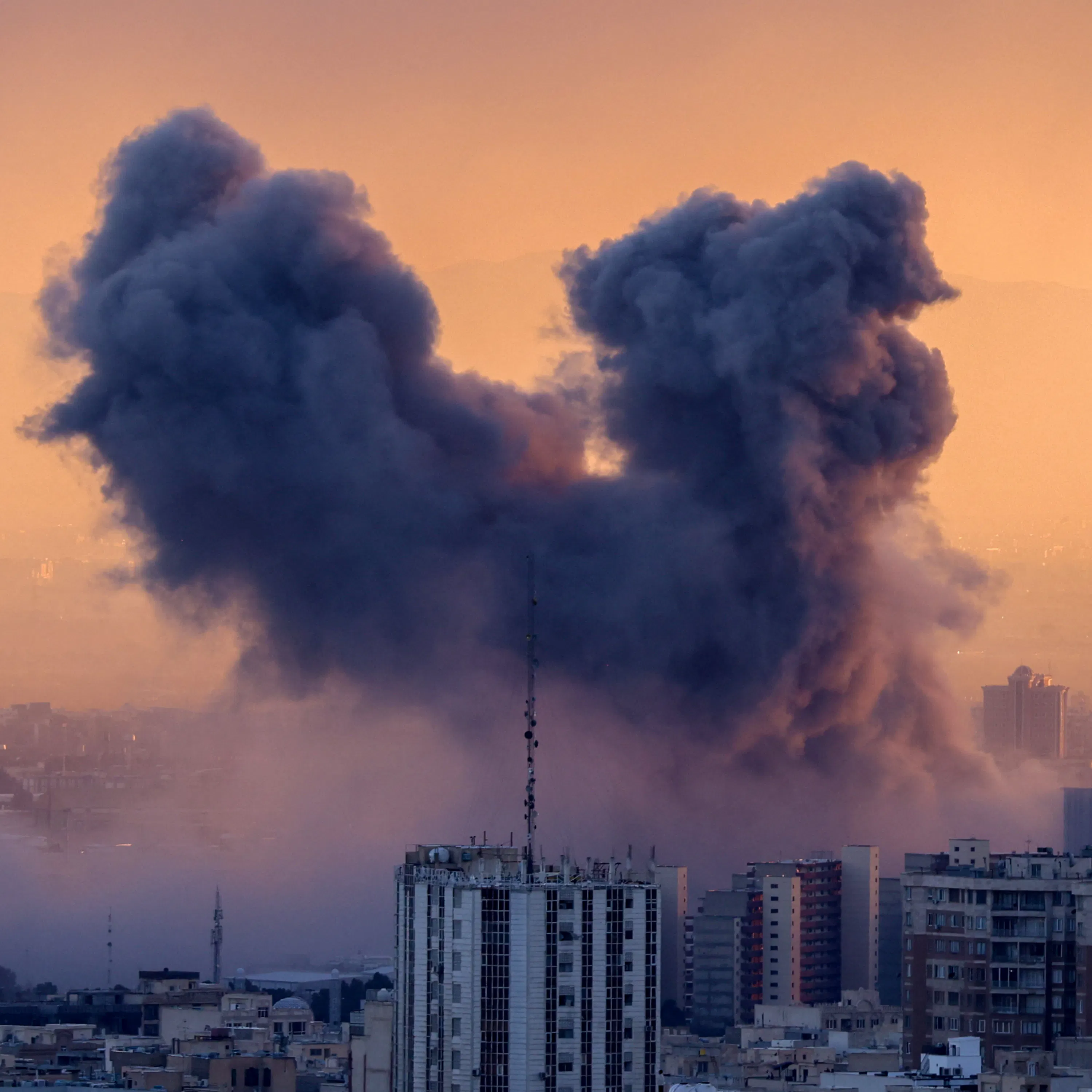
A Debate Over the War in Iran
As the war in Iran soon enters its third week, two experts join FP Live for a debate. Were the United States and Israel justified in attacking Iran? And will the war advance U.S. interests in the region, or set them back? Trita Parsi and Matthew Kroenig sit down with executive editor Dan Ephron to discuss.
Parsi is the executive vice president at the Quincy Institute, and Kroenig is an FP columni
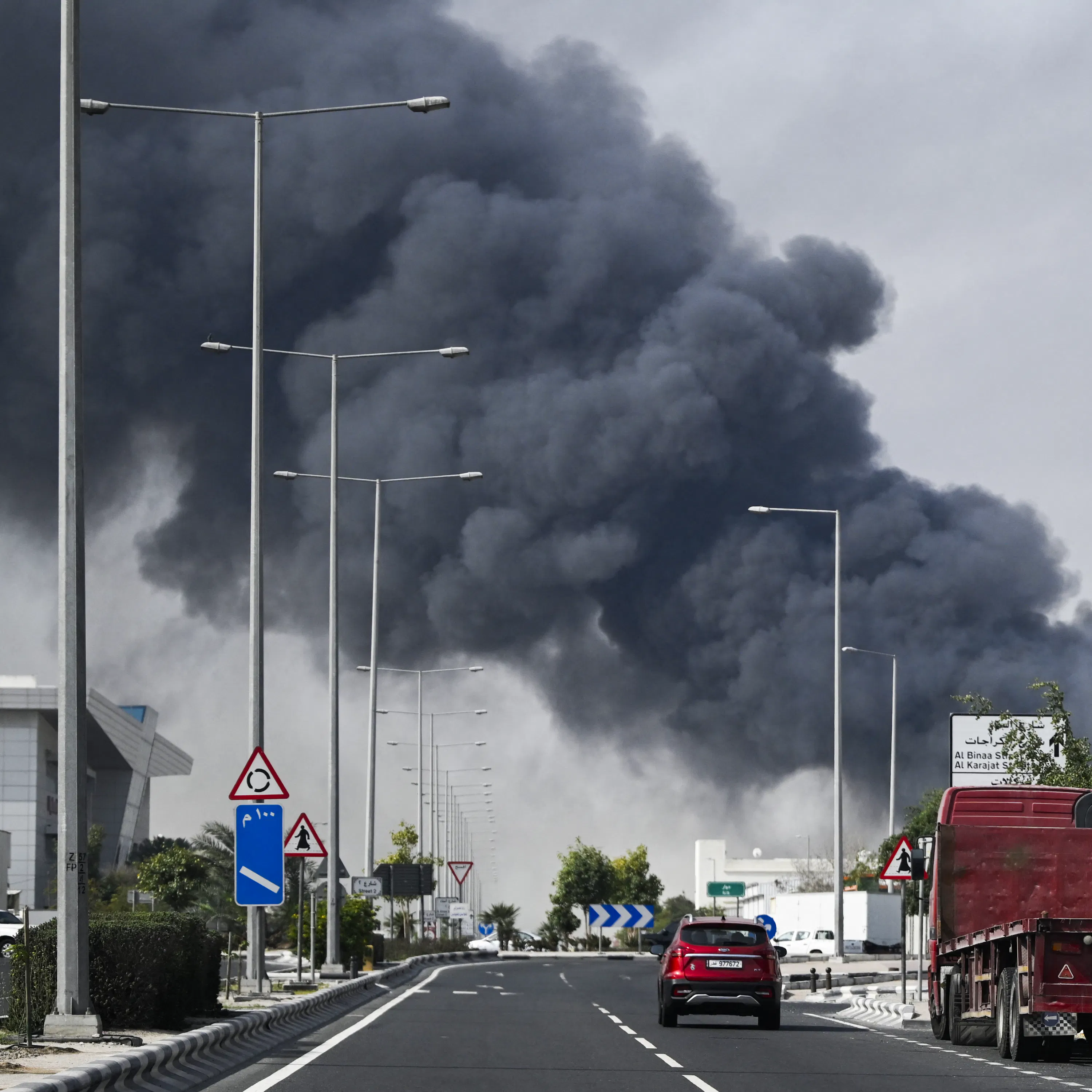
Will the Gulf States Join the War?
As the United States and Israel attack military facilities across Iran, Tehran has been retaliating. But it has attacked Gulf countries more than it has targeted Israel. Why? And how will the likes of Qatar, Saudi Arabia, and the United Arab Emirates respond? Will it shift their geopolitical alignment away from the United States?
Regional experts Mina al-Oraibi, the editor in chief of the Nationa

War in the Middle East
On Saturday, Israel and the United States struck Iran, killing Supreme Leader Ayatollah Ali Khamenei. Tehran has been responding with volleys of missiles aimed at Israel—and also at several other countries in the region. How will the conflict end? How long can Tehran sustain this fight? Iran expert Vali Nasr joined Ravi Agrawal for an emergency episode that ran live on the afternoon of Monday, Mar

What a U.S. Attack on Iran Will Look Like
As U.S. President Donald Trump considers a military strike on Iran, what are the options on his table? What will his military advisors recommend he should and shouldn’t do? David Petraeus has often been in the position of providing such advice to the White House, and he joins FP Live to explain what could happen in the coming days. Petraeus ran U.S. and allied forces in the Middle East as the head

Kurt Campbell on Trump’s China Ambiguity
U.S. President Donald Trump’s China policy often seems deliberately ambiguous. Is that a virtue or a flaw? Kurt Campbell is a longtime China watcher who rose up to run Asia policy under the Biden administration. He was the original architect of the so-called “pivot to Asia” during the Obama administration. He joins FP Live to discuss Trump, former U.S. President Joe Biden, and the world’s most imp

Is the Nuclear Club Expanding?
Is the age of nuclear nonproliferation over? There are certainly worrying signs. New START, the main nuclear treaty between the United States and Russia, recently expired. China is rapidly expanding its nuclear arsenal. Talks to bring Iran back to the negotiating table seem to be at an impasse. And one increasingly hears about the possibility of South Korea or Japan going nuclear. What can the wo

The “America First” Defense Strategy
The Pentagon’s policy chief Elbridge Colby recently called for a “NATO 3.0”, stating that the United States would “continue to provide the U.S. extended nuclear deterrent” to Europe, but when it came to most defense matters, Europe would need to “assume primary responsibility.” Colby is the undersecretary of war for policy and joins FP Live host Ravi Agrawal at the annual Munich Security Conferenc

FP at MSC: How to Navigate a Trade War
U.S. tariffs have upended decades of trade policy, but new U.N. data shows that the economies suffering most are those that can least afford a setback. At the Munich Security Conference (MSC), FP’s Ravi Agrawal hosted a panel on the trade wars, with policymakers on the front lines of these economic changes: Ngozi Okonjo Iweala, the director-general of the World Trade Organization; Finnish Presiden

Will the United States Attack Iran?
With the White House continuing to threaten military action against Tehran even as diplomatic talks continue, Iran expert Karim Sadjadpour joins FP Live host Ravi Agrawal to discuss what might come next. Sadjadpour is a senior fellow at the Carnegie Endowment for International Peace.
Plus, One Thing from Ravi on a sobering new report about a world “Under Destruction.”
A transcript of J.D. Vance’

One-on-One with Greece’s PM
FP’s Ravi Agrawal sits down with Greek Prime Minister Kyriakos Mitsotakis to discuss NATO, a shifting European defense strategy, and more.
Plus, One Thing from Ravi on the rising nuclear threat.
Ravi Agrawal: Greek PM: ‘I haven’t given up on the trans-Atlantic relationship.’
Stavros Papastavrou: The Trans-Atlantic Energy Relationship Is Stronger Than Ever
Kristi Raik: Europe’s 4 Different Ways

Why Greenland Matters
U.S. President Donald Trump’s pursuit of Greenland has brought a geopolitical hot spot—the Arctic—back into the fore. Host Ravi Agrawal is joined by Heather A. Conley, one of the leading experts on the region, to hear more.
Plus, One Thing from Ravi on China’s latest military purge.
Casey Michel: Annexing Greenland Would Be a Strategic Catastrophe
Imran Bayoumi: Trump’s Greenland Threats Paper

FP at Davos: Trump, Carney, and the Geopolitics of Material
Host Ravi Agrawal is joined by world leaders and industry executives on the sidelines of the World Economic Forum in Davos, Switzerland. The panelists include Bandar Alkhorayef, Saudi Arabia’s minister of industry and mineral resources; Jonathan Price, the president and CEO of Teck Resources; Boitumelo Mosako of the Development Bank of Southern Africa; and SandboxAQ’s Jack Hidary.
Plus, One Thing
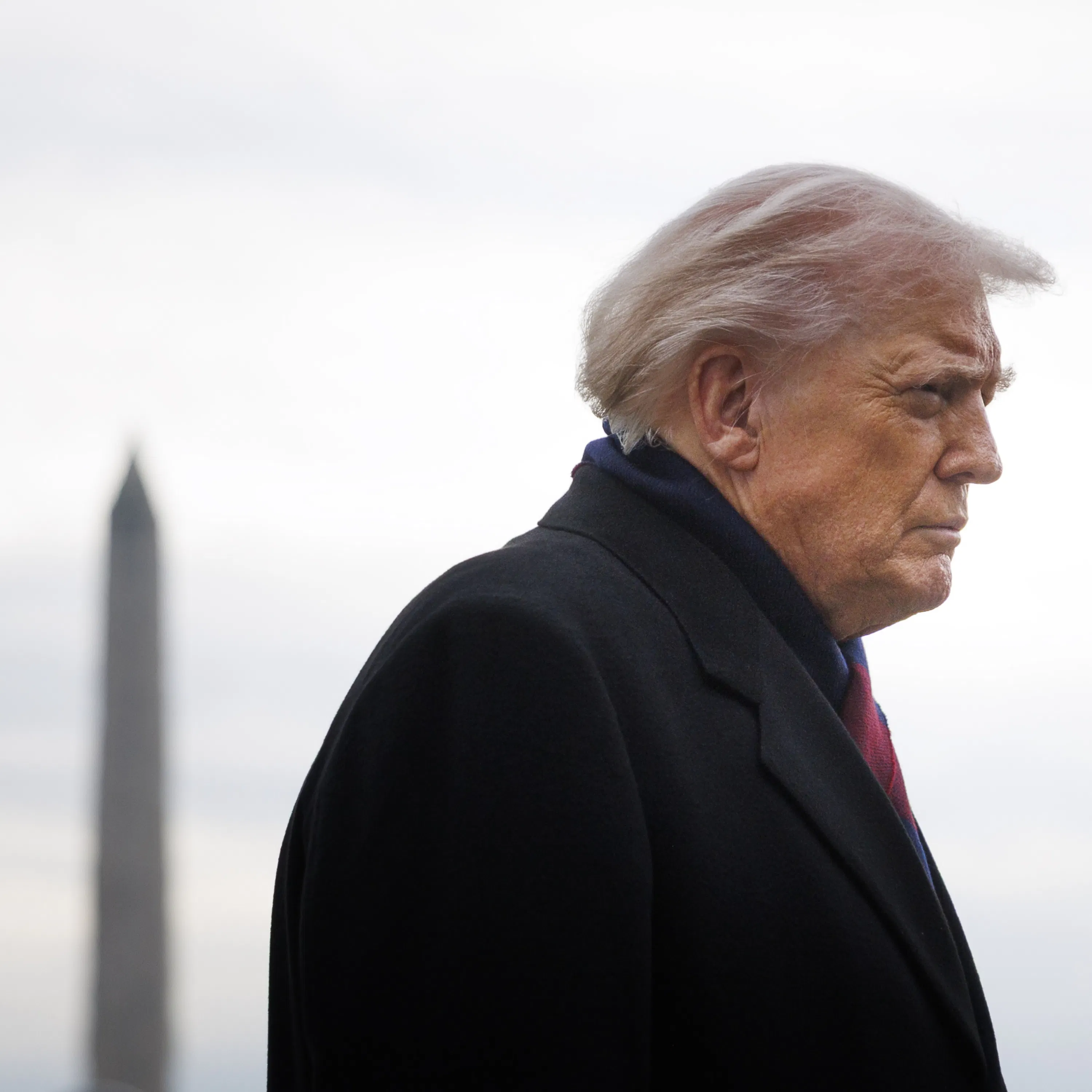
Ian Bremmer on One Year of Trump 2.0
What is driving U.S. President Donald Trump’s foreign policy in his second term? Eurasia Group President Ian Bremmer says it is the “law of the jungle ... it’s always been about power.” Bremmer sits down with Ravi Agrawal to share his assessment of Trump 2.0 and what the coming months could look like.
Plus, Ravi’s One Thing on U.S universities and immigration.
New York Times: Chinese Universitie

The Case for Trump’s Venezuela Plan
What comes next after U.S. President Donald Trump’s shocking capture of Venezuelan President Nicolás Maduro? Does Trump have a day-after plan? Most experts say no. But FP columnist Matthew Kroenig disagrees, arguing in a recent piece for Foreign Policy that a plan is coming into focus. He shares his take with Ravi Agrawal.
Plus Ravi’s One Thing on the nationwide protests in Iran.
Alireza Nader a

Venezuela’s Future and Other Conflicts to Watch in 2026
Comfort Ero joins FP Live for her annual analysis of the 10 conflicts to watch this year.
Plus Ravi’s One Thing on the stunning capture of Nicolás Maduro and the future of Venezuela.
Ravi Agrawal: 5 Unanswered Questions About Trump’s Venezuela Plan
Comfort Ero and Richard Atwood: 10 Conflicts to Watch in 2026
Casey Michel: Annexing Greenland Would Be a Strategic Catastrophe
Christopher Sabat

Looking Ahead to 2026
We begin 2026 with a look ahead. New York Times chief White House correspondent Peter Baker joins host Ravi Agrawal to share his take on what’s to come in the new year.
Learn more about your ad choices. Visit megaphone.fm/adchoices

Looking Back at 2025
New York Times chief White House correspondent Peter Baker sits down with Ravi Agrawal for a 2025 review. What have we learned from the first year of the Trump administration’s second term? And how have the White House’s foreign-policy choices in particular differed from previous presidencies?
Vanity Fair Exclusive: Susie Wiles, JD Vance, and the “Junkyard Dogs”: The White House Chief of Staff on

Will the U.S. Attack Venezuela?
Tensions continue to rise off the coast of Venezuela as U.S. President Donald Trump orders a blockade on sanctioned ships to and from the country. James Story served as the U.S. ambassador in Caracas under both the Trump and Biden administrations, and he shares his predictions on what might happen next.
Plus Ravi’s One Thing on India, Pakistan, and 2025’s great U.S. policy pivot.
Keith Johnson
The New (Sovereign) Wealth of Nations
Is the growth of sovereign wealth funds, especially in the Middle East, transforming geopolitics? Jared Cohen, co-head of the Goldman Sachs Global Institute, sat down with FP’s Ravi Agrawal to discuss why sovereign funds are so pivotal today.
Note: This discussion is part of a series of episodes brought to you by the Goldman Sachs Global Institute.
Jared Cohen and George Lee: The New Wealth of
One-on-one with Hillary Clinton
Former Secretary of State Hillary Clinton sits down with Ravi Agrawal in front of a live audience at the annual Doha Forum in Doha, Qatar. The two discussed the Trump administration’s just-released National Security Strategy, the impacts of U.S. foreign policy around the world, women’s rights, how Democrats can revive their fortunes, and also a controversy over remarks Clinton recently made about

How Critical Minerals Explain Trump’s Policy
Name a consistent throughline in the Trump administration’s foreign policy. The answer could very well be the global scramble for critical minerals. What are they and why are they so important? Why is China so far ahead and how can the United States catch up? Mining expert Gracelin Baskaran sits down with host Ravi Agrawal to discuss.
Plus Ravi’s One Thing on Trump’s attacks on boats off the coas

The Good News on Women’s Rights
Despite headlines suggesting otherwise, this week’s guest says women’s rights around the world are making real gains. Lyric Thompson, the founder and CEO of the Feminist Foreign Policy Collaborative, sits down with host Ravi Agrawal to share more.
Transcript: The Good News on Women’s Rights
Lyric Thompson: Women’s Rights Are Winning
Rebecca Turkington and Saskia Brechenmacher: Trump Erases Wom

The ‘Ask-Me-Anything’ Episode
It’s time for another Ask-Me-Anything edition of FP Live. Executive Producer Dana Sherne puts your questions to host Ravi Agrawal.
Alexandra Sharp: Ramaphosa Capitalizes on Trump’s Absence at G-20 Summit
Christian Caryl: Don’t Call This a ‘Peace Plan’
Rachel Oswald and John Haltiwanger: Trump’s Ukraine Peace Effort Devolves Into Chaos Over Conflicting Stories
Ryan C. Berg: Toppling Maduro With
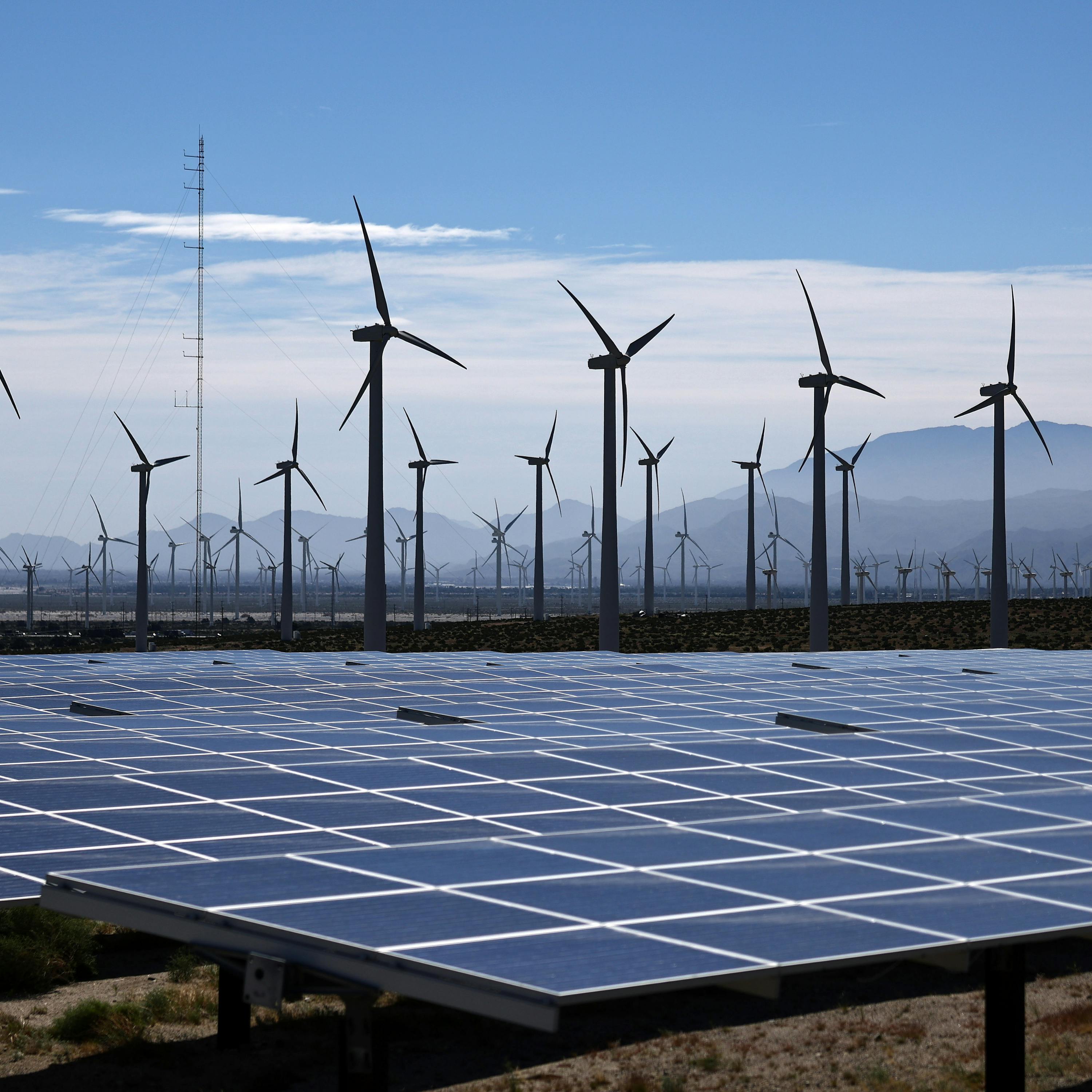
Can Solar Energy Save the Planet?
Climate summits such as the ongoing COP30 conference can often seem like a place where countries agree to disagree and little gets done. But Bill McKibben says there’s one key reason for hope: the sun. New advances in panels and battery technology mean solar power will soon provide a growing share of our electricity consumption.
McKibbon is the author of the new book Here Comes the Sun: A Last C
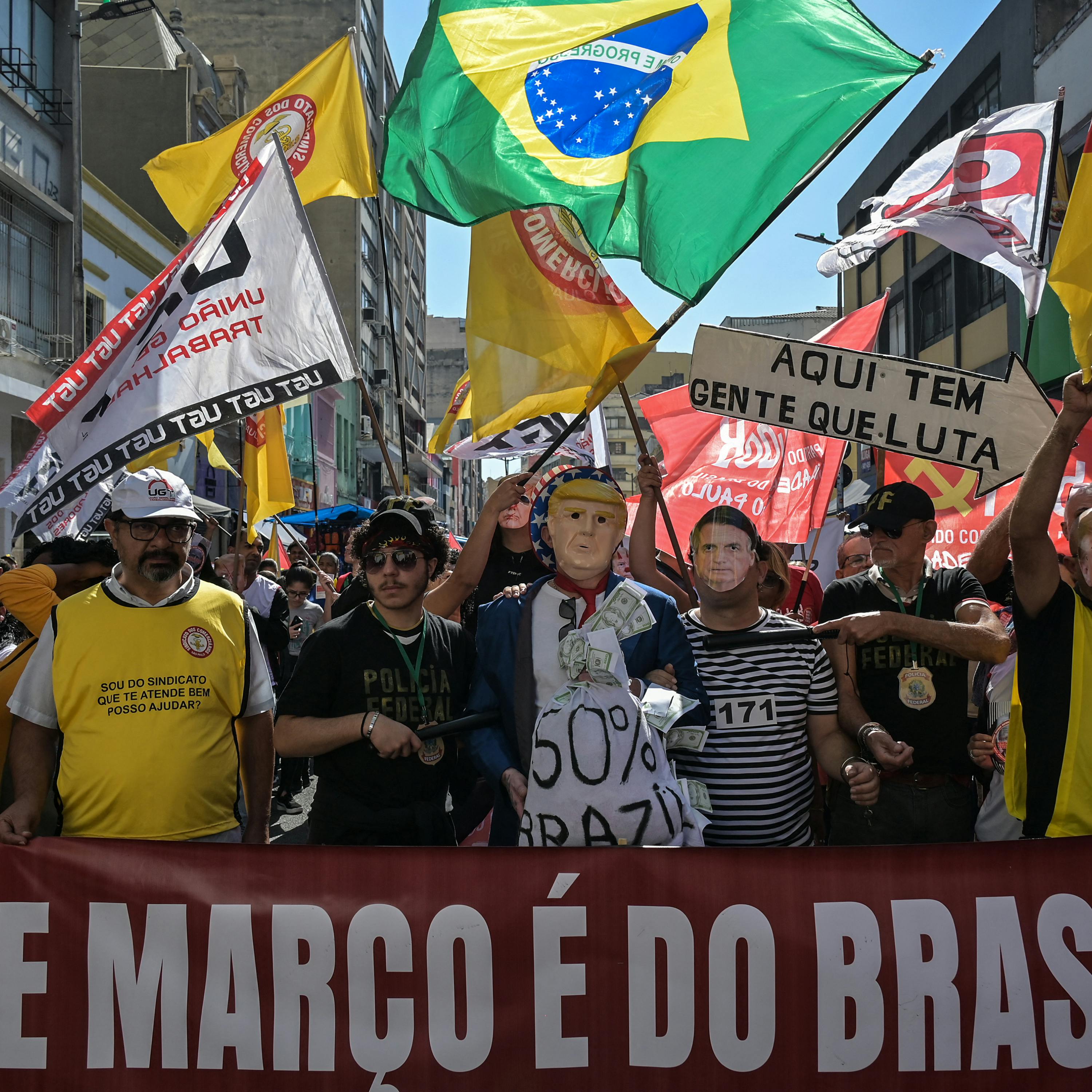
Is Trump Angling for Regime Change in Venezuela?
As the United States points its biggest warship at Venezuela, what is the White House trying to achieve in Caracas? How does it fit into the Trump administration’s broader Latin America policy? And how is the region responding? Host Ravi Agrawal sits down with scholar Oliver Stuenkel for answers.
Stuenkel is a leading Latin America scholar and senior fellow at the Carnegie Endowment for Internati
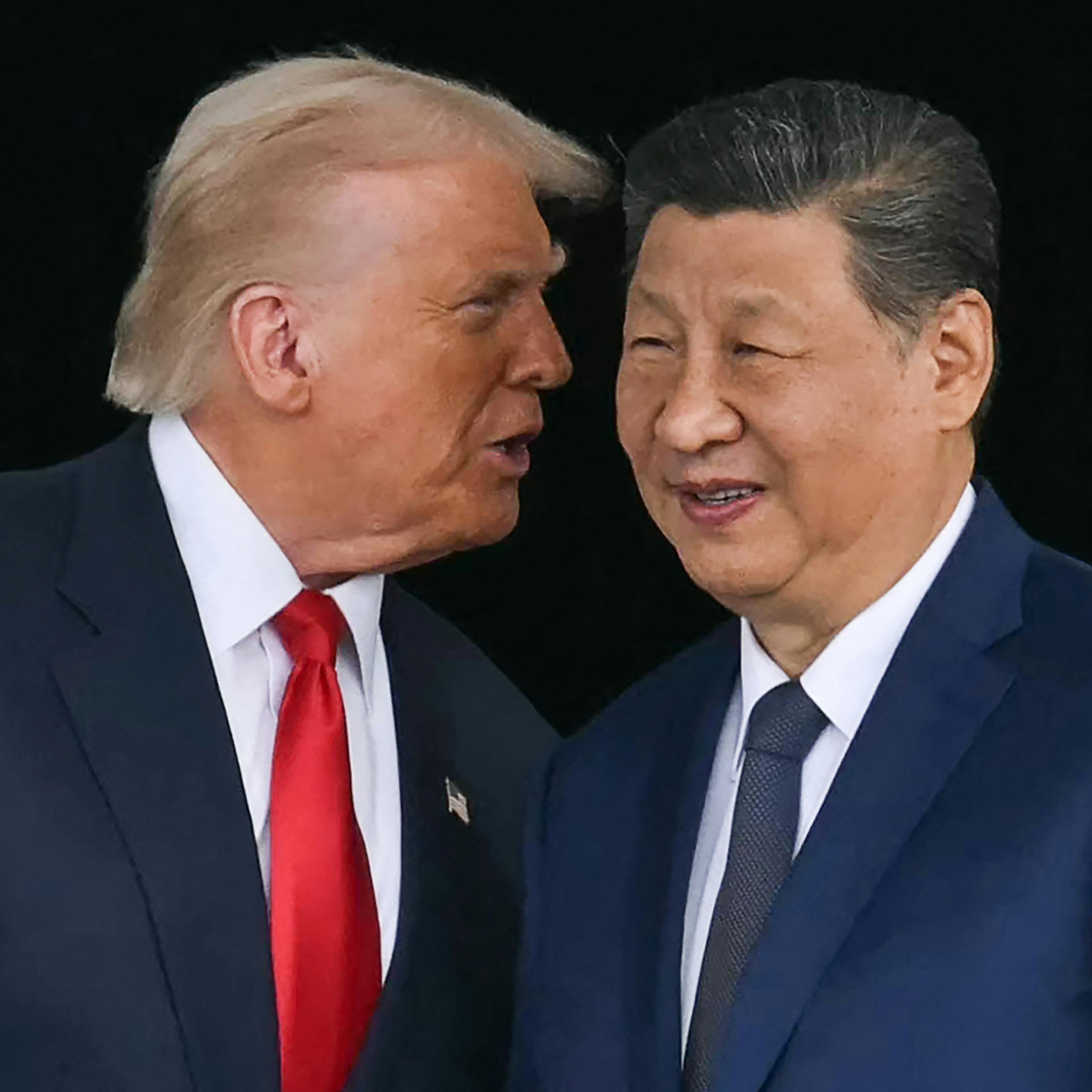
Unpacking the Trump-Xi Meeting
China analyst and former policymaker Elizabeth Economy sits down with Ravi Agrawal to unpack the meeting that took place last week between U.S. President Donald Trump and Chinese President Xi Jinping. What was agreed to? What does it mean for the broader trajectory of the world’s most important bilateral relationship?
Plus, Ravi’s One Thing on Trump threatening military action in Nigeria.
Kọ́lá

Is the AI Economy a Bubble?
Is the AI boom a bubble? What happens if it pops? Economist Jared Bernstein joined FP Live to sound the alarm on the growth and investment in the AI sector.
Plus, Ravi’s One Thing on the first Trump-Xi meeting in six years.
James Palmer: Trump and Xi Step Back From the Brink—for Now
Rishi Iyengar, Christina Lu, and Keith Johnson: What Trump and Xi Did—and Didn’t—Agree To
Sahil Shah: Trump’s V

What’s Behind Trump’s Expansionist Instincts?
How can history help make sense of U.S. President Donald Trump’s foreign policy? Pulitzer Prize-winning author and historian Greg Grandin shares how Trump’s imperialist impulses may be inspired by the country’s Founding Fathers, and that he “rummages around the trash bag of history to find what’s useful at any given moment.”
Plus, Ravi’s One Thing on the recent U.S. sanctions on Russian oil compa

The Road Ahead for Palestine
With the cease-fire more than a week old, Palestinians now turn to what comes next: rebuilding and governing. Former spokesperson for the Palestine Liberation Organization Diana Buttu sits down with Ravi Agrawal to share her perspective.
Plus, Ravi’s One Thing on the Trump administration’s moves on Venezuela.
Diana Buttu: A ‘magic pill’ made Israeli violence invisible. We need to stop swallowin

Are Young Americans Swinging Right?
43 percent of voters under 30 supported U.S. President Donald Trump in the 2024 election, a 7 percent jump in support from both the 2016 and 2020 elections. What’s underpinning this rightward shift among young voters? Conservative commentator and journalist Emily Jashinsky shares her take.
Plus, Ravi’s One Thing on the Israel-Hamas deal over hostages and an end to hostilities.
Megan DuBois: The
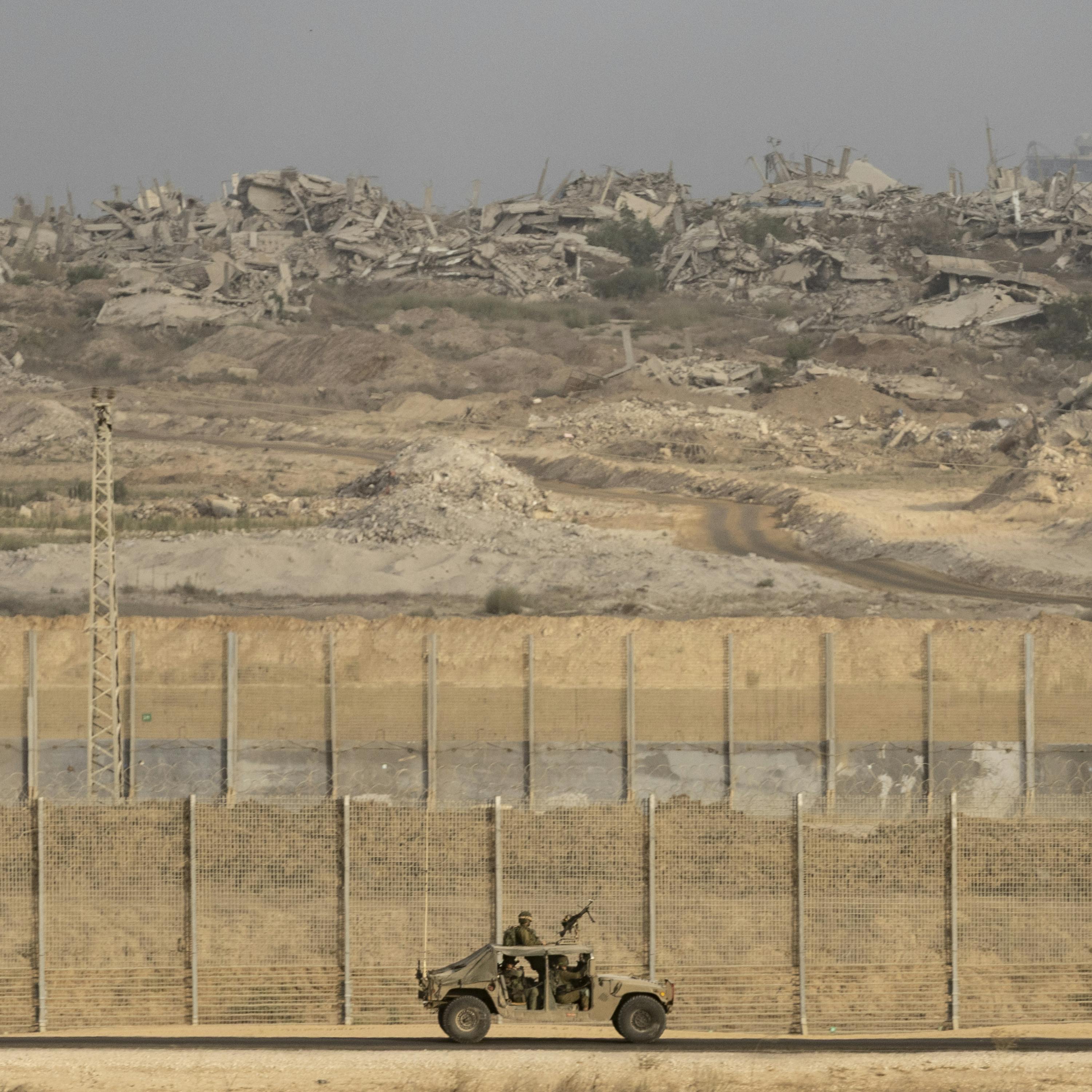
The World After Oct. 7, 2023
Tuesday marks two years since Hamas’s attack on Israel on Oct. 7, 2023. Since then, Israel has decimated Gaza in what many independent organizations are calling a genocide and attacked several countries in the region. How have all of these events impacted the world? FP columnist Stephen M. Walt sits down with Ravi Agrawal to share his take.
John J. Mearsheimer and Stephen M. Walt: The Israel Lobb

A U.S. Shutdown and a Constitutional Crisis
With increased polarization and ongoing budgetary disputes, the U.S. government does not seem to be acting in the way that the American forefathers intended. Host Ravi Agrawal brings on historian Jill Lepore to share more. Lepore is a professor at Harvard University and the author of We the People: A History of the U.S. Constitution.
Plus, One Thing from Ravi on the U.S. government shutdown.
Ris
Will Qatar Continue to Mediate Between Hamas and Israel?
Qatar often presents itself as a neutral mediator in the world’s trickiest problems, but on Sept. 9, its sovereignty was violated as Israel launched a strike to assassinate top Hamas leaders in Doha. Will Qatar change its strategy? No, explains Majed al-Ansari, the spokesperson of the country’s Foreign Ministry, at a live event with host Ravi Agrawal along the sidelines of the 80th U.N. General As
One-on-One With Europe’s Top Diplomat
How is Europe navigating the Trump administration and a troubling moment in the trans-Atlantic relationship? FP Live host Ravi Agrawal sits down with Kaja Kallas, the European Union’s top diplomat, on the sidelines of the United Nations’ annual meetings to discuss relations with Washington, Russia’s war in Ukraine, recognizing Palestine, and dealing with China.
Plus, One Thing from Ravi on a spa

Adam Tooze on the End of Development
The dismantling of the U.S. Agency for International Development this year left countries scrambling, with many analysts going as far as calling the shutdown inhumane. But values were never the real driver of the global development agenda, says FP columnist Adam Tooze—it was actually about power. Now that the United States has stepped back, can China fill the void? Does it want to? Tooze sits down

A “War Plan” for the Democratic Party
Michigan Sen. Elissa Slotkin has a plan for the U.S. Democratic Party. She’s promoting what she calls a “war plan” to revive the middle class as a way for her party to not only challenge President Donald Trump—and win the future for America. She joins host Ravi Agrawal to game out how to put her vision into action.
Plus, One Thing from Ravi on the Russian drones fired into Polish airspace earlie

Is Trump America’s First Post-Unipolar President?
FP columnist Emma Ashford makes the case that we’re entering a post-unipolar world—that countries can sense that the United States is no longer an unchallenged superpower. If that’s the case, how should Washington adapt its foreign policy?
Ashford sits down with host Ravi Agrawal to discuss her new book, First Among Equals: U.S. Foreign Policy in a Multipolar World.
Plus, One Thing from Ra

Is Trump Making India Turn Away From the United States?
The relationship between the world’s two largest democracies—India and the United States—could be in trouble. Indian Prime Minister Narendra Modi warmly embraced his Russian and Chinese counterparts at a summit this week, shortly after the Trump administration pushed ahead with sky-high tariffs on Indian exports. Is New Delhi considering a shift in its geopolitical posture?
Former Indian Foreign

Former Iranian FM to Trump: ‘Stop Listening to Bibi’
We talk a lot about Iran on this show, but we don’t often hear from Iranian leaders. I wanted to change that this week—and so I asked Mohammad Javad Zarif to come on the program. Zarif played a major role in crafting Iranian foreign policy over the last 15 years, as foreign minister from 2013 to 2021 and as the lead negotiator of the Joint Comprehensive Plan of Action. While Americans perceived hi
If Americans Are Lawyers and Chinese Are Engineers, Who Is Going to Win?
The United States and China are constantly looking for a leg up in their rivalry for geopolitical primacy. But what if the real advantage lies in adopting a bit of the other’s culture? A new book makes the case that while China has become an engineering state obsessed with building, the United States has become a lawyerly society focused on procedures and blocking. Can they learn from each other?

Grading Trump’s Ukraine Diplomacy
The Trump-Putin summit on Friday, followed by Monday’s unprecedented White House meeting with Ukrainian President Zelensky and seven other European leaders, has left analysts wondering whether recent diplomacy will result in an end to hostilities—or if it’s all just pageantry. Andrea Kendall-Taylor and Sergey Radchenko sit down with Ravi Agrawal to debrief these two high-level meetings.
Kendall-T

The Future of Europe’s Defense
European leaders, having agreed to spending 5 percent of their GDP on defense, now must decide where that money goes. What factors should they consider to make sure the money leads to the continent’s growth and a cutting-edge defense industrial base? Ravi Agrawal sits down with Jared Cohen, the president of global affairs at Goldman Sachs, to discuss.
Note: This discussion is part of a series of

How to Navigate the Trade Wars
Harvard University professor and economist Dani Rodrik first questioned in the late 1990s whether globalization had gone too far. He joins FP Live to share his take on the Trump administration’s tariffs and how to navigate a historically turbulent moment in global trade.
Jamieson Greer: Trump’s Trade Representative: Why We Remade the Global Order
Dani Rodrik: Where Is the Global Resistance to Tr
Recommended

K-Drama Obsessed Mamas | Beyond “Just One More Episode!”

True Crime Classics

The Healer Revolution

Becoming: HER with Nikki Spoelstra

Booked, Blonde & Busy w/ Olivia Ponton

McKinsey on Consumer and Retail

megahired.com

Hard Knocks Podcast

Effective Weight Loss for Moms | High protein, Strength Training, Lose Weight, Meal Planning, Fat Loss, Healthy Habits

The Human-Animal Connection - Pet Life Radio Original

Infinite Health with Dr. Arasi Maran

The Daily
