
UnCommon Law
UnCommon Law explores the intersection of legal issues, public policy, and storytelling. Host Matthew S. Schwartz examines high-profile legal stories, such as AI regulation, affirmative action in college admissions, and the power of federal agencies. The podcast also delves into lighter topics, like whether a haunted house can be sued for being too scary. It won the American Bar Association's Silver Gavel Award for Media and the Arts.
Episodes

When Judges Stop Believing the Government
Federal courts run on a quiet assumption: when the government speaks, it's telling the truth. Over the past two episodes of UnCommon Law, we've watched longstanding norms between the White House and the Justice Department erode. Now we turn to the judges.
Over the next two episodes, we'll look at how the courts are responding to Justice Department attempts to carry out the president’s agenda — th
SPECIAL: Justice Stephen Breyer on Trump, the Rule of Law, and Whether the Supreme Court is Political
In this special episode of UnCommon Law, former Supreme Court Justice Stephen Breyer sits down with Bloomberg Law's Matthew S. Schwartz to discuss the Court, executive power, Dobbs, judicial independence, and the rule of law. Reflecting on nearly three decades on the bench — and the perennial question of whether politics shapes when justices choose to retire — he explains how justices make decisio

How the DOJ Decides Who Gets Charged and Who Doesn't in America
How does the Justice Department decide who gets charged with a crime and who doesn't?
In the post-Watergate era, the Justice Department developed policies and institutional safeguards intended to separate political considerations from prosecutorial decisions: typically career attorneys delve into the law and investigate the facts, evaluate the evidence needed to secure a conviction, and recommen

Justice Transformed: When DOJ Norms Disappear
When Robert Jackson stood in the Great Hall of the Justice Department in 1940 and told the country's federal prosecutors that they held more power over life, liberty, and reputation than any other person in America, he was not describing a rule written into law. He was describing a creed. For the better part of a century, attorneys general from both parties invoked Jackson's words as a kind of sha

Justice Transformed: Trailer
For decades, the Justice Department has operated with a widely shared understanding: that prosecutors should follow the evidence, not the president.
That understanding was never written into law; it was shaped by norms. And now those norms are being tested.
This season on UnCommon Law, we hear from former attorneys general, constitutional law scholars, and federal prosecutors who have watched fr

5. Did Schoolhouse Rock Lie to Us?
A generation of schoolchildren learned from Schoolhouse Rock that bills become laws through careful committee work, open debate, and thoughtful compromise. But as this episode of UnCommon Law makes clear, that tidy version of lawmaking no longer reflects reality. Instead, leaders often craft omnibus bills in back rooms and create deliberately vague laws that punt hard decisions to federal agencie
4. Chevron is Dead. Is the Administrative State Still Alive?
In this episode, we explore the aftermath of the Supreme Court’s decision to overturn the Chevron doctrine through the Loper Bright case, examining its impact on the regulatory landscape in America.
In just the first six months after Loper Bright was decided, courts cited the case more than 400 times, leading to the invalidation of new agency rules 84% of the time. This has affected policies rang
3. Loper Bright: How a Little Boat Made Big Waves
Federal agencies expanding their power beyond congressional intent? Unelected bureaucrats making policy decisions? Regulatory whiplash?! According to the litigants urging the Supreme Court to strike down the Chevron doctrine in the Loper Bright case, those were the harms Americans would continue to face if Chevron deference were allowed to continue.
But striking down the pivotal legal principle t
2. The Fishermen Who Took Down a Giant
Wayne Reichle – who’s been in the fishing business his whole life – had never heard of the Chevron doctrine. That's the two-step legal test that courts used for the past 40 years to decide whether a federal agency had the authority to make a regulation.
"No idea," said Reichle, president of New Jersey-based Lund's Fisheries. "Myself, and many, many fellow fishermen had no idea what the Chevron do
1. Deadly Haze: How an Invisible Bubble of Pollution Changed the Way Government Regulates Everything
Congress often passes major legislation setting out broad principles, and then lets the federal agencies sort out the details. But what should an agency do if Congress’s instructions are ambiguous or silent?
That was the question facing the Supreme Court 40 years ago, when the Reagan administration's Environmental Protection Agency adopted a business-friendly interpretation of key provisions of th

NEW SERIES TRAILER: The Rise and Fall of Agency Power
This season on UnCommon Law, join us as we explore the rise and fall of agency power, and what that could mean for the future of regulation in America.

BONUS: How Quinn Emanuel Lawyers Save 50 Billable Hours With One Click
Generative AI has promised to reshape the practice of law ever since ChatGPT emerged. However, it's been unclear just how large law firms are using AI. Has it changed how practitioners do their jobs on a daily basis? Are we witnessing the emergence of a revolution in how lawyers do their work?
Uncommon Law's Matthew Schwartz sits in as guest host on this episode of On the Merits. He talks with Joh
6. From Errors to Efficiency: Can AI Transform the Practice of Law?
In the season finale of UnCommon Law, we explore the power of AI to transform legal practice. Featuring insights from top law professors, a federal judge, and industry leaders like John Quinn, founder of Quinn Emanuel, we ask: Can AI’s promise of efficiency overcome its risks—and redefine the future of law?
Guests:
John Quinn, founder of Quinn Emanuel Urquhart & Sullivan, LLP
Daniel Ho, professo

5. AI Dilemma: Can US Legislators Take Action Before It's Too Late?
Deepfakes. Disinformation. Algorithmic bias. Job displacement. These are just some of the harms legislators and regulators worry about when they think about how to tackle the risks posed by artificial intelligence.
The first episodes of this season of UnCommon Law deal with generative AI in the copyright law context, since the technology uses massive amounts of copyright protected work. But while

4. Artists Argue AI Art Illegally Steals Work and Threatens Careers
The US copyright system encourages human creativity. So does it make sense to grant a copyright to work created by AI with the click of a button? And, if AI generated artwork is given copyright protection, how would that impact the livelihoods of creative professionals?
In our last episode, we looked at Jason Allen’s AI-generated artwork, "Théatre D’opéra Spatial," and the arguments why it should

3. You Can Create Award-Winning Art With AI. But Can You Copyright It?
The art world was rattled when Jason M. Allen won first place in the Colorado State Fair for "Théatre D’opéra Spatial" — digital artwork created with artificial intelligence.
Allen had revised his text prompts hundreds of times before landing on the final work; Allen considers Space Opera Theater his creation. But some artists hated his victory. "They were saying I was falsely attributing authorsh
2. AI Trained on Famous Authors’ Copyrighted Work. They Want Revenge – Part 2
Generative AI tools are already promising to change the world. Systems like OpenAI's ChatGPT can answer complex questions, write poems and code, and even mimic famous authors with uncanny accuracy. But in using copyrighted materials to train these powerful AI products, are AI companies infringing the rights of untold creators?
This season on UnCommon Law, we'll explore the intersection between art

1. AI Trained on Famous Authors’ Copyrighted Work. They Want Revenge – Part 1
Generative AI tools are already promising to change the world. Systems like OpenAI's ChatGPT can answer complex questions, write poems and code, and even mimic famous authors with uncanny accuracy. But in using copyrighted materials to train these powerful AI products, are AI companies infringing the rights of untold creators?
This season on UnCommon Law, we'll explore the intersection between art

Can a Haunted House Go Too Far? 'Carrie' Scare Leads to Lawsuit
When Scott Griffin visited the Haunted Trail, he expected to be scared. But he did not expect what happened after he thought the scare was over.
This special Halloween episode of UnCommon Law tells the true story of a man terrorized by a haunted house attraction. Griffin bought a ticket to a haunted house — but ended up getting more than he bargained for: two broken wrists. He sued for negligence

5. If Lina Khan's FTC Bans Noncompete Clauses, What Happens Next?
In the conclusion of UnCommon Law's season-long exploration of noncompete agreements, we look at the Federal Trade Commission's authority to ban the clauses nationwide.
We’ve reviewed how the ban would work and explored the policy arguments for and against it. Now we delve into a more fundamental question: Does the FTC even have the power to make a substantive rule like this one?
It's been 50 year
SPECIAL REPORT: The End of Affirmative Action in College Admissions
The Supreme Court has effectively ended the use of race as a factor in college admissions.
In a 6-3 ruling, along ideological lines, the divided Supreme Court struck down the admissions programs of Harvard and the University of North Carolina, which both used race as a factor in their admissions process.
Today, on this special edition of UnCommon Law, we’ll learn how the court came to its decisi

4. The Case Against the FTC's Proposed Ban on Noncompetes
In its proposal to ban noncompete agreements nationwide, the Federal Trade Commission has touted the potential benefits to workers and the economy. But how would a ban impact business owners?
This week on UnCommon Law, part four of our series on the agency's proposal. Why are so many business owners so adamant that they need to be able to use noncompetes, even when other legal tools — like trade

3. Did California's Noncompete Ban Fuel Silicon Valley Innovation?
California is one of just three states where noncompete agreements are almost completely banned. California is also the home of Silicon Valley, the global hub of technological innovation. Is that just a coincidence? Or would Silicon Valley be as successful even if noncompete agreements were allowed?
This week on UnCommon Law, part three of our ongoing series on the Federal Trade Commission's prop

2. A Hair Stylist and Salon's Legal Battle: A Noncompete Case Study
This week on Uncommon Law: the second episode in our podcast series about the Federal Trade Commission’s proposed nationwide ban on noncompete agreements. We’ll look at one Minnesota hair salon and see how noncompete agreements often play out in the real world. What happens when employees leave the hair salon and try to strike out on their own?
Guests:
Heidi Hautala, a hair stylist in Minnesota

1. 'She Can't Own Me': Inside the FTC's Proposed Ban on Noncompetes
This season on UnCommon Law, we’re exploring one of the most expansive Federal Trade Commission proposals of the last half century: a near-total nationwide ban on noncompete clauses. We’ll examine arguments for the ban, and talk to workers who’ve had their livelihoods crushed by oppressive covenants not to compete. We’ll look at arguments in favor of keeping noncompetes, and talk with business own
![Why Does the FTC Want to Banish Noncompetes? [Trailer]](https://megaphone.imgix.net/podcasts/a184ec54-fa72-11ed-8126-2b8380ebe27d/image/ea4ff2.png?ixlib=rails-4.3.1&max-w=3000&max-h=3000&fit=crop&auto=format,compress)
Why Does the FTC Want to Banish Noncompetes? [Trailer]
This season on UnCommon Law, we’re exploring one of the most expansive Federal Trade Commission proposals in modern history: a nationwide ban on noncompete clauses. Coming May 31st.

4. Affirmative Action's Diversity Dilemma Spells Its Doom
It’s been almost 20 years since Justice Sandra Day O’Connor, intentionally or not, set an affirmative action countdown in motion. On Oct. 31, the Supreme Court heard arguments that Harvard and the University of North Carolina go too far in their use of race in admissions. Will the diversity rationale — the heart of affirmative action defenses since 1978 — convince this staunchly conservative court

3. Meet Affirmative Action's Biggest Foe, Edward Blum
For decades, over multiple decisions, the Supreme Court has been clear: The U.S. Constitution allows colleges to take race into account when they craft their incoming classes. And yet race-conscious admissions policies continue to face attacks.
Today, on part three of our four-part series on affirmative action, we’ll meet the man who has perhaps done more than any other in recent memory fighting t

2. Diversity on Trial: Affirmative Action's Michigan Test
In 1978, the Supreme Court allowed colleges to take race into account when crafting their incoming classes. Throughout the '80s and '90s, that’s what many schools did: To get a diverse incoming class, universities used race as one factor among many.
But some schools get a lot of applicants — tens of thousands of students applying for just a few thousand spots. How do you complete an individualized
1. Affirmative Action Faces Toughest Test in a Generation
For more than 50 years, colleges and universities around the country have taken race into account as they craft their incoming classes. But now a pair of lawsuits could change the face of higher education in this country. It’s the biggest challenge to affirmative action in a generation. And, given the makeup of this Supreme Court, it is very likely affirmative action in college admissions could be
![Affirmative Action Is Back at the Supreme Court [Trailer]](https://megaphone.imgix.net/podcasts/f22bf314-4e5b-11ed-8dd8-538afc89836c/image/276873.png?ixlib=rails-4.3.1&max-w=3000&max-h=3000&fit=crop&auto=format,compress)
Affirmative Action Is Back at the Supreme Court [Trailer]
A pair of lawsuits has made its way to the Supreme Court — and just who gets into which college could change dramatically. This season on UnCommon Law, we’ll explore the arguments — and the people — driving this latest battle over affirmative action. Does the Fourteenth Amendment’s Equal Protection Clause prohibit all discrimination based on race? Can the Constitution be used to remedy society’s i
Big Law Gender Gap: Re-imagining the Legal Workforce [Bonus Episode]
Law firms have a gender equity problem. Data has shown that women struggle to reach the upper levels of the profession, and that those who do had to work harder than their male counterparts. For example, two thirds of female attorneys say they've been perceived as less committed to their careers, compared with just two percent of male attorneys, according to a 2019 ABA survey.
The reasons why aren
Why the Supreme Court's Gun Decision Matters So Much [Bonus Episode]
In a landmark 2nd Amendment decision on Thursday, the Supreme Court struck down New York's gun licensing law. It's a decision that transforms where and when a gun can be carried. And, for the first time, the Court recognized a constitutional right to carry a gun outside of the home, in public. If you know this is a big deal, but you're not sure why, or you just want a refresher on how we go here,
2. Beyond NIL: Will College Sports Become a Free Market?
The new era of name, image, and likeness in college sports has seen rapid change. For instance, initially athletes were signing deals directly with brands and companies. Now, so-called “NIL collectives” are amassing multi-million-dollar funds to attract star recruits. Critics say these funds are being used as back-door recruiting inducements which violate the NCAA’s interim NIL policy.
Many colleg
1. The NIL Era: Paying NCAA Athletes Is Changing Sports
College sports is closing out the first year of the name, image and likeness era for athletes.
Since July 1 2021, athletes have been free to earn money from marketing deals on their NIL rights, including through endorsements, appearances, modeling, and hosting camps. One UCLA basketball player even launched his own cryptocurrency. The right of publicity now belongs to collegiate athletes. This com
![The End of an Era: Beveridge's Outgoing Chairman Ben Wilson on Leadership, Law and Life [Bonus Episode: Black Lawyers Speak]](https://megaphone.imgix.net/podcasts/cb0df076-68d2-11ec-81c2-533af2e72884/image/uploads_2F1607535723491-0gytetp10xqv-af1fcb1d4d42202d47dcd6bf18e8108e_2FBlack-Lawyers-Speak-Apple-3000x3000.png?ixlib=rails-4.3.1&max-w=3000&max-h=3000&fit=crop&auto=format,compress)
The End of an Era: Beveridge's Outgoing Chairman Ben Wilson on Leadership, Law and Life [Bonus Episode: Black Lawyers Speak]
On January 1, Ben Wilson will officially conclude his tenure as chairman of Beveridge & Diamond and retire from the firm.
As first reported by Bloomberg Law, Wilson, affectionately regarded as the dean of Black partners at major law firms, announced his retirement this fall after 45 years in legal practice, 35 of those years with the firm.
Wilson became chairman of the Washington, D.C.-based Bever

3. Why Can't We Have One Bar Exam for All Jurisdictions?
Some frustration with the bar exam comes not just because it’s a hard test. Differences in state licensing requirements can mean attorneys may have to take the bar exam multiple times.
In the final episode of [Un]Common Law’s three-part look at the bar exam, we ask why can't there be one bar exam for all U.S. jurisdictions? A national bar exam that eliminates the need for a patchwork of state test
2. Could a Law School Diploma Substitute for the Bar Exam?
In the wake of the Covid-19 pandemic, five U.S. jurisdictions opted to suspend their July 2020 bar exams. Instead, these jurisdictions granted licensure to new attorneys through "diploma privilege.” That's the practice of admitting new attorneys to the state bar, and allowing them to practice law, contingent on their graduation from an ABA-accredited law school only. It does not require taking and

1. Is It Time to Kill the Bar Exam?
In all U.S. jurisdictions except Wisconsin, passing a bar exam is a requirement to obtain a license to practice law. However, the Covid-19 pandemic forced some state authorities to adopt alternative paths to licensure for recent law school graduates.
In the wake of those changes, criticism of the bar exam has blossomed into a movement to reform or eliminate the test altogether. These critics argue
![5. Whistleblower Says Facebook Knowingly Profits From Hate Speech [UnChecked: Bonus Episode]](https://megaphone.imgix.net/podcasts/369f30aa-2573-11ec-9a22-478c26a582fc/image/Apple-Podcast-Cover-UnChecked-Final-3000x3000.png?ixlib=rails-4.3.1&max-w=3000&max-h=3000&fit=crop&auto=format,compress)
5. Whistleblower Says Facebook Knowingly Profits From Hate Speech [UnChecked: Bonus Episode]
Frances Haugen, the whistleblower whose revelations have prompted a congressional investigation into Facebook revealed herself publicly in an interview that aired on CBS on Sunday night. Haugen is the source of thousands of internal company documents that were leaked to U.S. lawmakers and the Wall Street Journal.
A data scientist, Haugen was hired by Facebook in June of 2019 to lead the company’s

4. Regulating Social Media as a Threat to Humanity
Concerns over the harmful impact of social media are rising to a fever pitch. In the past decade, everyone from conspiracy theorists to foreign governments have used social media to spread election disinformation, sow discord, and peddle viral conspiracies.
This month, the Biden administration and the U.S. Surgeon General accused social media platforms of being the primary source of misinformation

3. What Would Breaking Up Big Tech Change?
Cracking down on large tech companies may be one of the few remaining areas of political consensus in Washington D.C. However, many legal experts caution that antitrust cases could take years to complete and the outcomes are far from certain.
Still others claim that the recent focus on antitrust is more about punishing tech platforms for being successful. They argue that it would have little impac

2. Social Media Bans Are Not About Free Speech
Permanently revoking users’ access to social media platforms— a practice known as “deplatforming “— isn’t a new concept, but the high-profile ban of President Donald Trump has raised new questions about censorship and free speech in the internet age.
For years Twitter famously clung to its identity as “the free speech wing of the free-speech party.” Meanwhile, Facebook employed a policy that mostl

1. Would Scrapping Section 230 Break the Internet?
In the months since the January 6 attack on the Capitol, one thing people on both sides of the political aisle seem to agree on, is that social media bears at least some responsibility for spreading the lies that led to the attack. But, is that true? And if it is, even a little bit, what should lawmakers do about it? Those questions are what [Un]Common Law will explore in our new series called “Un

Introducing: UnChecked
For our next season of [Un]Common Law, we’re wading into the thorny debate over Big Tech and social media. Companies like Facebook, Google, Amazon, Twitter are much bigger than they were 20 years ago, but is this a problem?
Is Big Tech impinging on your right to free speech? That depends on who you ask. And what about the increased influence of hate-speech, conspiracy theories and disinformation t
![Eric Holder on Diversifying the Judiciary [Bonus Episode: Black Lawyers Speak]](https://megaphone.imgix.net/podcasts/cbbc3646-c309-11eb-906f-6f90481fb700/image/Black-Lawyers-Speak-Apple-3000x3000.png?ixlib=rails-4.3.1&max-w=3000&max-h=3000&fit=crop&auto=format,compress)
Eric Holder on Diversifying the Judiciary [Bonus Episode: Black Lawyers Speak]
Earlier this year [Un]Common Law published a podcast series looking at the experiences of African American lawyers and judges working in the legal industry—which, to this day, remains one of the least diverse professions in America. Now, more than a year since George Floyd’s murder, and the wave of soul-searching in the legal industry that followed, 16 of the nation’s largest law firms, nine of wh

15. If Qualified Immunity Is Bad Policy, Why Can't We Fix It?
In the wake of Derek Chauvin’s conviction in the murder of George Floyd, lawmakers in both parties said they were “cautiously optimistic” that the trial could provide new momentum to overcome the political hurdles that have stymied efforts at policing reform.
In a speech before a joint session of Congress on Wednesday, President Joe Biden formally called on lawmakers to resurrect the George Floyd

14. Derek Chauvin Verdict: Legal Community Reactions
It took the jury less than 11 hours, to pronounce Derek Chauvin guilty on all three counts of murder in the second and third degree, as well as second-degree manslaughter. While there are many shoes yet to drop before this case is finally complete. Including sentencing, and there will surely be an appeal after that. Also, attention will now shift toward the criminal trial, later this summer, of th

13. Closing Arguments in the Derek Chauvin Murder Trial
With closing arguments completed on Monday, April 19, former police officer Derek Chauvin’s fate rests in the hands of a jury of his peers.
Chauvin is charged with second-degree murder, third-degree murder and second-degree manslaughter.
Joining host Adam Allington to discuss closing arguments in the nation’s most intensely-watched police brutality trial since Rodney King is Kami Chavis, a profess

12. Could Chauvin Win an Appeal if Convicted?
Closing statements in the Derek Chauvin trial are set to begin on Monday. The former Minneapolis police officer is facing charges of second-degree murder, third-degree murder, and second-degree manslaughter. Many attorneys agree that Chauvin faces an uphill battle to avoid being found guilty on at least one of the charges. That sets up, what would surely be, an appeal of the verdict.
Has Chauvin’s

11. The Defense Rests Its Case in the Derek Chauvin Trial
Defense attorney Eric Nelson has a big task to accomplish this week in the murder trial of former police officer Derek Chauvin as he set out to rewrite the narrative of George Floyd's final moments that prosecutors diligently laid out over a two-week period.
All told, the prosecution called nearly 40 witnesses to the stand over the two weeks, including fellow police officers, medical experts and e

10. George Floyd: Minnesota's Spark of Life Testimony Explained
The prosecution wrapped up it’s case in the murder trial of Derek Chauvin on Monday, April 12.
Over the course of more than two weeks the jury heard extensive testimony about George Floyd's health problems and struggles with drug addiction. But thanks to an obscure legal doctrine, the jury was also allowed to hear testimony aimed at humanizing George Floyd.
Floyd’s younger brother, Philonise Floyd

9. Derek Chauvin Trial: What You Need to Know
Former Minneapolis police officer Derek Chauvin's trial has been a two-week whirlwind of emotional witness testimony so far, including police department officials, bystanders, medical experts, and an overwhelming amount of video evidence.Opening statements from the prosecution used a viral video of Chauvin kneeling on George Floyd's neck for more than nine minutes before his death to convince juro

8. Police Training and Use Of Force in the Derek Chauvin Trial
The chief of the Minneapolis Police Department testified this week that the tactic used by Derek Chauvin to restrain George Floyd, pressing his knee into his neck, did not follow police policy.
“I absolutely agree that violates our policy,” testified Chief Medaria Arradondo at Chauvin’s trial.
In the second week of testimony in the Chauvin trial, the state called law enforcement experts to testify

7. Powerful Testimony From Opening Witnesses in Chauvin Murder Trial
Opening statements in the murder trial of Derek Chauvin, began this week.
During his opening statement Monday, Eric Nelson, the attorney for the former Minneapolis police officer Derek Chauvin, indicated that a key part of the defense strategy would be to argue that drugs and health problems caused Floyd's death.
Nelson also claimed that a crowd of onlookers who witnessed Floyd's death made the re

6. How ‘Lived Experience’ Impacted Chauvin Jury Selection
The jury in the trial of former Minneapolis police officer Derek Chauvin is noteworthy for its diversity. About 13.5 percent of Hennepin County, Minnesota is African American and, of the 15 jurors (including the three alternates), nine are White, four are Black and two are mixed race, according to the court.
Still, many experts, including Andrew Gordon, a Deputy Director at The Legal Rights Center

5. All Eyes On Minnesota As Police Reforms Go Into Effect
Jury selection in the Derek Chauvin case wrapped up Tuesday, March 23.
Of the 15 jurors selected thus far, two are white men, three Black men, one Black woman, six are white women and two are multiracial women, according to the court.
George Floyd's death last May at the hands of Minneapolis police officers has made Minnesota ground zero for the debate over police reform, and specifically policies

4. ‘Defund the Police’ Efforts Pitting Cities Against States
In the aftermath of Floyd’s death, citizens across America took to the streets to demand police reform and accountability. Now almost a year later dozens of cities and states have changed policies, or enacted laws that restrict the use of violent force by police.
In addition to municipal and state level changes, in March the House of Representatives passed the George Floyd Justice in Policing Act
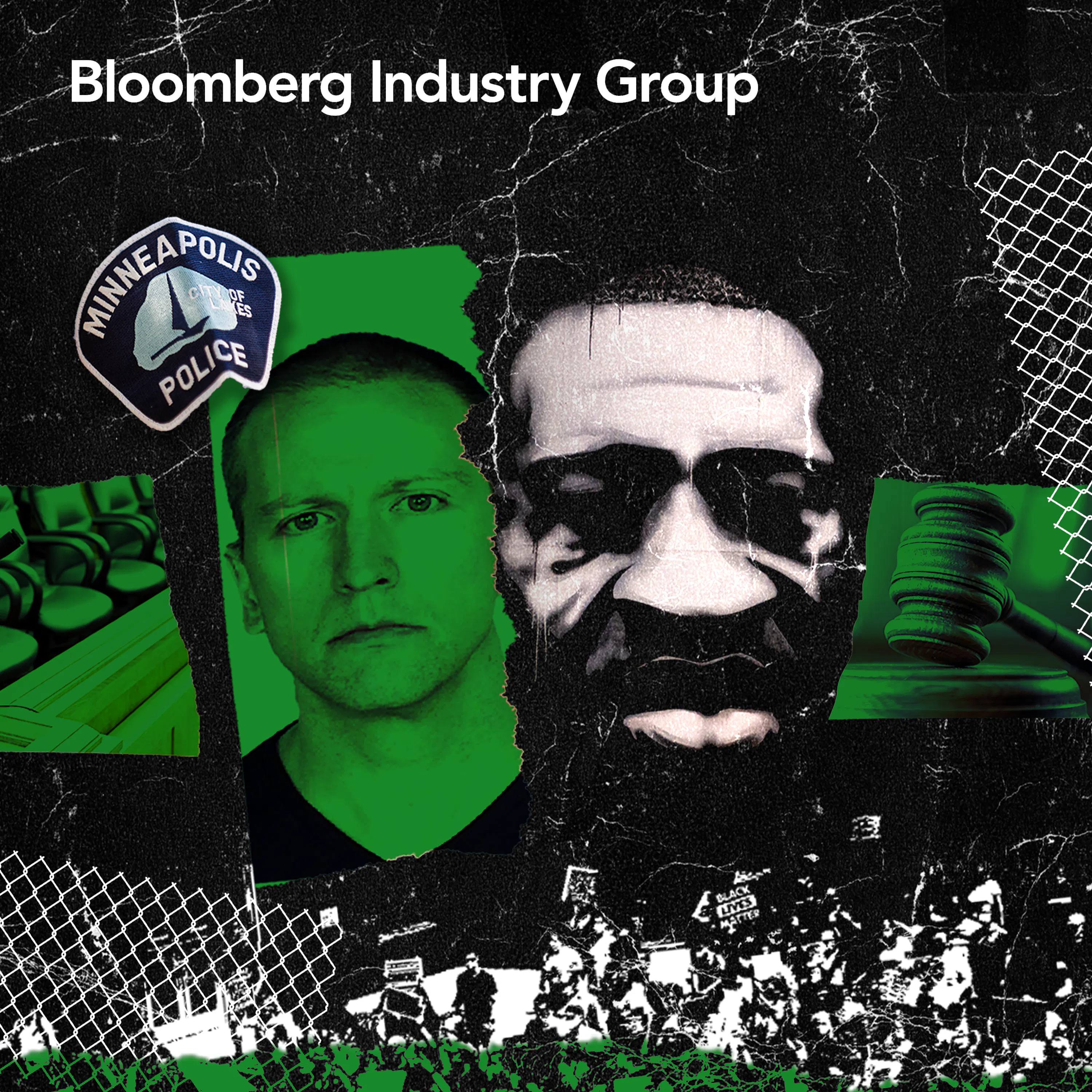
3. Why It's Difficult to Prosecute Chauvin Despite Video
Prosecutors seeking to criminally charge police officers face a number of obstacles. There is a high bar when it comes to proving intent, and police officers are generally granted leeway in what many consider to be a difficult job that requires split second decision making. Moreover, law enforcement officers place citizens under restraint tens of thousands of times every day. And even then, in the

2. Who is Peter Cahill?: The Judge On The Chauvin Trial
The third-degree murder charge against Derek Chauvin have been reinstated. This is in addition to charges of second-degree murder and second-degree manslaughter. As of March 11, there was no appeal from defense, and jury selection is moving forward. But what do we know about the man overseeing the murder that launched last summer’s protests following the killing of George Floyd?
Speaking from behi

1. The Death of George Floyd: Police on Trial
The trial of former Minneapolis police officer Derek Chauvin, who is charged with second-degree unintentional felony murder and second-degree manslaughter in the death of George Floyd, begins this week with the task of finding 12 jurors who can set aside their opinions and render a unanimous verdict. But in a high-profile case such as this, with so many strong opinions already formed, criminal law

Black Lawyers Speak, Ep. 5
In "Black Lawyers Speak: Stories of the Past, Hopes for the Future," we have looked at how the current focus on diversity and inclusion in Big Law is playing out. We have heard from key players at law firms, law schools and corporations about how issues or diversity and inclusion are being treated in the wake of last summer's police shootings and protests.
In episode five, we turn our attention to

Black Lawyers Speak, Ep. 4
In "Black Lawyers Speak: Stories of the Past, Hopes for the Future," we have looked at how the current focus on diversity and inclusion in Big Law is playing out. We have heard from key players at law firms and in corporations about how they are doing the hard work of culture change, and how, through their work, they are underscoring the argument that diversity is good business.
In episode four, w
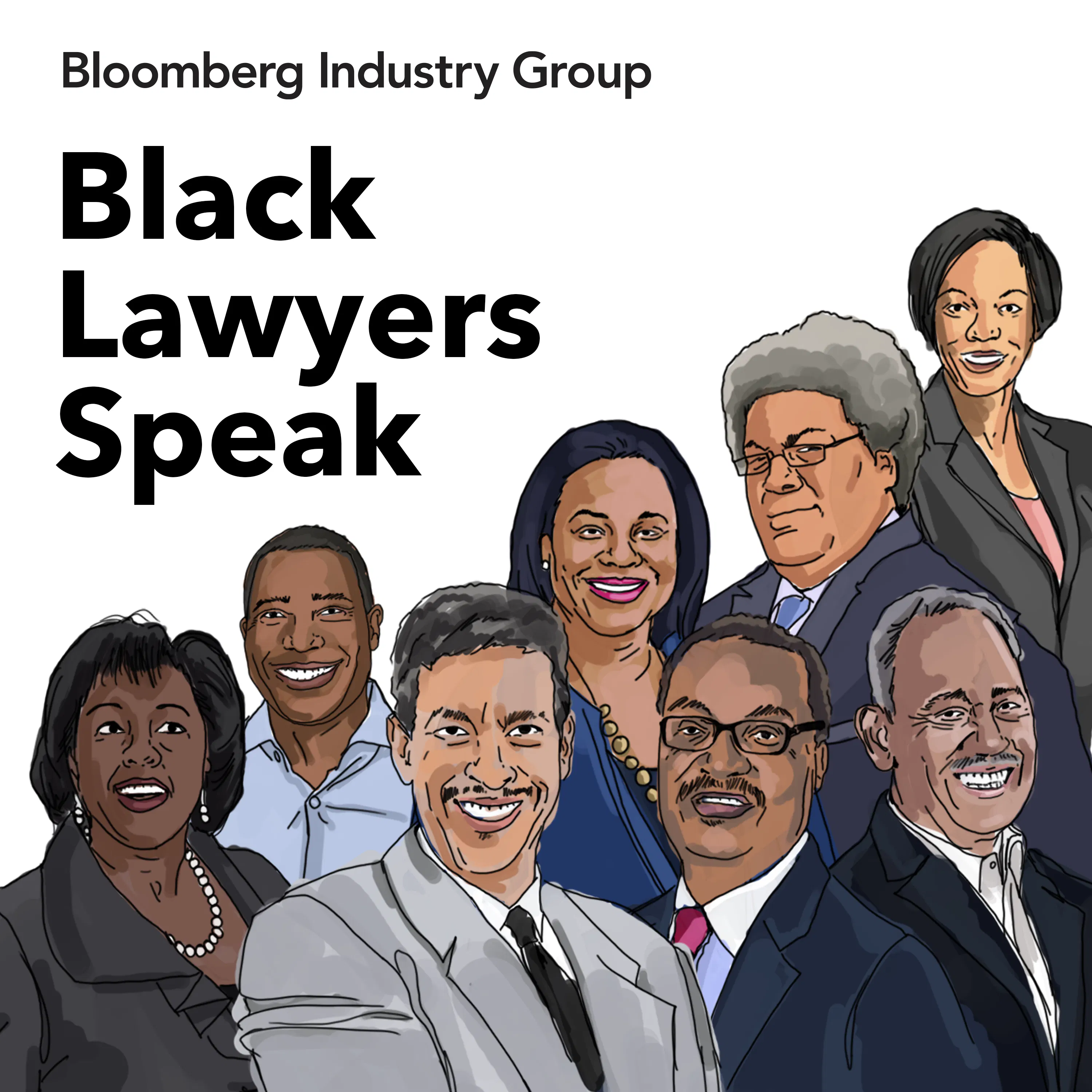
Black Lawyers Speak, Ep. 3
In the wake of last summer’s protests, more law firms in the AmLaw 200 are being more vocal about plans to increase their diversity. For decades, Big Law has been one of the least diverse industries in America, especially when it comes to Black lawyers. In episode three of Black Lawyers Speak, we focus on the legal education pipeline and whether law schools and law students can push law firms to b

Black Lawyers Speak, Ep. 2
Despite the increased emphasis on diversity and inclusion in law firms, the legal profession remains among the least diverse of any profession today. According to the American Bar Association’s National Lawyer Population Survey, in 2007 just 4% of active attorneys identified as Black or African American. Since that time, the number has remained largely flat at around 5%, despite decades of diversi
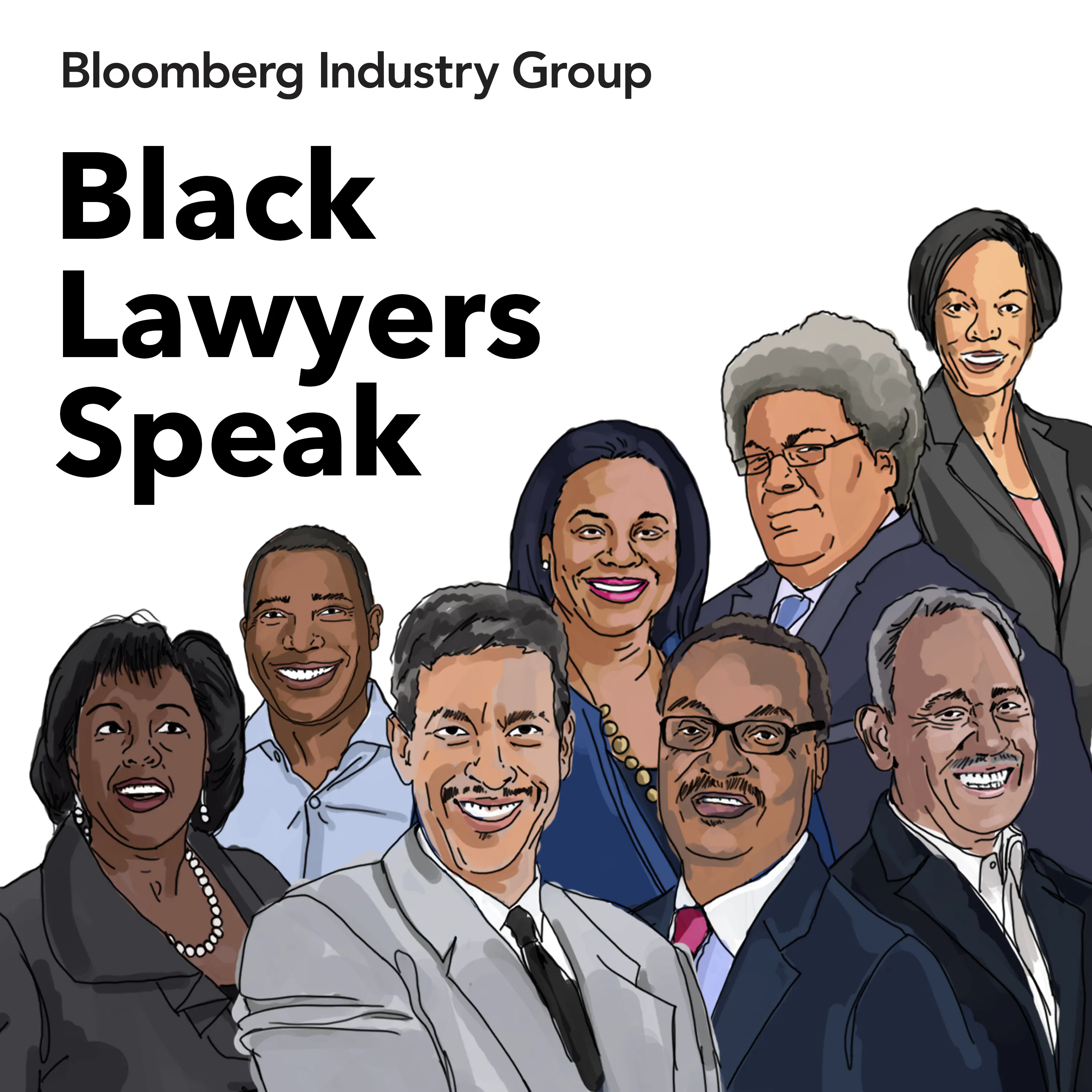
Black Lawyers Speak, Ep. 1
For months now, law firms and companies across the nation have joined the national dialogue on race and equality—sprouting up amid outcry over the deaths of George Floyd, Breonna Taylor and others — to take a fresh look at how their corporate cultures can better incorporate diversity and inclusion. But every effort to change culture comes with a cost: disruption of the status quo. Is the legal pro

Introducing: Black Lawyers Speak
Despite decades of work to educate more Black lawyers, the percentage of Black associates and partners in firms across the U.S. remain very low, and well below those of other professional careers. Big Law firms across the board are ramping up social justice efforts as the nation engages in a renewed dialogue on race and equality. But some have accused firms of using minorities as “diversity props”
Business, Interrupted
Businesses all across the country have been shutdown for days, weeks, or even months at a time due to the coronavirus pandemic. Many assumed their insurance policies would help them defray some of their lost revenue. But those assumptions were, by and large, wrong.
In this special audio documentary, “Business, Interrupted” we look at why insurers denied the claims of their shuttered policyholders.
![7. Business of Bees: Live in Seattle [Bonus Episode]](https://megaphone.imgix.net/podcasts/a4c1c716-58a4-11ea-a955-6f317033046e/image/uploads_2F1605042374258-cyogoruj8g7-d0fbc15eb2265b7c73b79423ea5f937b_2FBusiness+of+Bees.jpg?ixlib=rails-4.3.1&max-w=3000&max-h=3000&fit=crop&auto=format,compress)
7. Business of Bees: Live in Seattle [Bonus Episode]
A discussion of the state of pollinator ecology and economics hosted by Adam Allington at the American Association for the Advancement of Science's annual meeting. Guests include Peter Nelson, director of the documentary film, “The Pollinators,” and Donna McDermott, a PhD candidate at Emory University studying the impact of pesticides on bumble bee behavior.
6. Of Pollinators and Pesticides
Bees are up against a lot these days: a shrinking habitat, invasive mites, Colony Collapse Disorder, and even the pesticides on the crops they help pollinate. Hosts Adam Allington, Tiffany Stecker and David Schultz dig into recent studies that show nectar and pollen contaminated with insecticides may be harming bees much more than previously thought.
5. Invasion of the Beehive Bodysnatchers
The drastic decline in honeybee populations is no secret. For years, pesticides were thought to be the leading cause of increased die-offs. But new studies suggest that the parasite Varroa destructor, which sounds like it belongs in a sci-fi film, might be affecting bee health more than we thought.
4. Honeybees Don’t Need to be ‘Saved’
Fluffy black and yellow-striped honeybees are the poster species for environmentalists working to save these struggling insects. But what about the other thousands of bee species pollinating crops and flowers? Hosts Adam Allington and David Schultz explore how the honeybee came to be the classic bee.
3. How Bees and Farmers Got Together
Commercial honey bees take laps around the U.S. to pollinate fruits, veggies and nuts – and their services aren’t cheap. But they are essential. Hosts Adam Allington and Tiffany Stecker talk with farmers in California about the rising costs of hives and how those traveling bees could be pushing native pollinators out of their habitats.
2. Apis Mellifera
Hosts Adam Allington and David Schultz take us back to the earliest days of beekeeping in Egypt and tell us how humans and honeybees formed a partnership that has spanned thousands of years and several continents. In addition to the obvious benefits of producing honey, Apis Mellifera, also known as the European honeybee, has also inspired the imagination of thinkers and philosophers from the “land
1. The Big Business of Bees
In the premiere episode of Business of Bees, we dive deep into the modern bee-conomy. Hosts Adam Allington and Tiffany Stecker start in the almond fields of California, where farmers need bees for the largest managed pollination event in the world. The effects of Colony Collapse Disorder are still being felt, but we find out that the business of bees is actually booming.
Introducing: Business of Bees
These days about one in three bites of food you eat wouldn’t be possible without commercial bee pollination. And the economic value of insect pollination worldwide is estimated to be about $217 billion. But as important as bees have become for farming, there’s also increasing signs that bees are in trouble. In the decade-plus since the first cases of Colony Collapse Disorder were reported, bees ar
Recommended

Infinite Health with Dr. Arasi Maran

The Daily
World News Tonight with David Muir

English Vocabulary Help
The Joe Rogan Experience

TED Talks Daily

Learn English B1 with Daily News | English Listening Practice

Talk About Talk - Executive & Leadership Communication Skills
English with Olivia | Slow Conversations & Vocabulary
Stand In The Circle
SLOW ENGLISH PODCAST (A1-A2) With Subtitles | Daily Videos | English With Us Podcast

Learn English A2 with Daily News | Simple English Listening Practice
