
Hi-Phi Nation
Hi-Phi Nation is a philosophy podcast that blends narrative journalism with big ideas. It explores stories from everyday life, law, science, popular culture, and unusual human experiences to raise thought-provoking questions about justice, knowledge, the self, morality, and existence. The show seeks answers with the help of academics and philosophers. It is produced and hosted by Barry Lam of UC Riverside.
Episodes
Rise of the Music Machines
On this show we explore three different AI and machine-generated music technologies; vocal emulators that allow you to deep fake a singer or rapper’s voice, AI-generated compositions and text-to-music generators like Google Music LM and Open AI’s Jukebox, and musical improvisation technologies. We listen to the variety of music these technologies generate, and two guitarists face off against an AI
Effective Altruism and its Critics
Curtis is setting aside a large chunk of money to donate to charity, and it is up to us to persuade him where he should donate it. Luckily, philosophers, economists, and the nonprofit world have been thinking a lot about this issue in recent years. On this episode, effective altruism’s defenders and critics try to persuade Curtis of where he should donate. Who is the most effective in persuading a

The Problem with Gig Work
Willy and Heidi were both gig workers for Shipt, the fast-delivery app for groceries or same-day shopping. In 2020, they both realised: the pay algorithm had changed. Now, they couldn’t tell what a job would pay, or whether it would earn or lose them money. Instead of just taking it, they decided to fight back.In the gig economy, companies like Shipt, Instacart, and UberEats all use black box pay
Love in the Time of Replika
We explore the lives of people who are in love with their AI chatbots. Replika is a chatbot designed to adapt to the emotional needs of its users. It is a good enough surrogate for human interaction that many people have decided that it can fulfill their romantic needs. The question is whether these kinds of romantic attachments are real, illusory, or good for the people involved. Apps like Replik

Living in a Zoopolis
A zoopolis is a future society that philosophers envision where wild, domesticated, and denizen animals have full political and legal rights. What would that look like? In this episode, we look at how animals were put on trial in medieval European courts, and how animal rights advocates are bringing animals back into the courtrooms to sue people and the US government.We then look at what the scien
The Digital Future of Grief
When Justin’s mom was diagnosed with cancer, he knew he wanted to keep talking to her after she died. So together they made an AI version of her, training it on her speech patterns and memories. Now he is scaling his findings so that anyone can continue their relationships with loved ones after their deaths. Justin even believes this can one day lead to digital immortality.Grief experts are only n

Season 6 Trailer
Coming April 11, 2023, Season 6 of Hi-Phi Nation will look at the future; of work, of love and sex, life and death, our relationship with animals, creativity in music, and philanthropy. Stories include people trying to create digital avatars of dead loved ones, people in exclusive relationships with AI chatbots, animals who are seeking legal protection in courts, the gig economy, AI music, and eff

Cannibals
In our final episode on monsters, we investigate why people who eat people are the funkiest people in the afterlife. We talk to a man who has actually eaten parts of other people, many times, about why he thinks consuming human flesh should be normalized. We then consider the age-old question of how God is supposed to resurrect a cannibal and all of his victims when most of the flesh of the victim

Zombies
The second in a three-part series on monsters in philosophy. We trace the cultural history of zombies from voodoo folklore, George Romero films, and the zombies used in philosophical thought experiments. Folklore, film and philosophy seem to converge on the idea that consciousness above all else is what a creature needs to have to be worthy of moral concern, something a zombie lacks. But we have n

Vampires
The first in a three-part series on monsters in philosophy. We trace the cultural history of vampires from Eastern European folklore to Twilight, and even look at the practices of real vampires, people who seek out and consume blood or psychic energy. The vampire went from demon to attractive monster in the course of a few centuries and raises a deep question for us about how different we can be,

Memorials
When tragedy strikes an individual, a nation, or an entire people, artists and architects are tasked with designing a public display that memorializes the event and its victims. But how do you do that? In this episode, art historian and podcaster Tamar Avishai examines the Denkmal Memorial to the Murdered Jews of Europe in Berlin, the Vietnam War Memorial in DC, and others to look at how respectin

Life, Edited
The first two gene-edited species meant to be introduced into the wild are currently in their final stages of approval, with trials already underway for the Oxitec mosquito, and the ESF American Chestnut. In this episode, we examine what these gene-edited species are, what they do, and how they are the beginnings of bio-engineering in the era of massive anthropocentric ecological change. We then l

Hi-Phi Nation Presents: Decoder Ring, The Alberta Rat War
Barry invites Willa Paskin of Slate's Decoder Ring podcast to talk about their recent episode, The Alberta Rat War, as a set up to next week's Hi-Phi Nation episode on genetic engineering. We then proceed to that episode.Rats live wherever people live, with one exception: the Canadian province of Alberta. A rat sighting in Alberta is a major event that mobilizes the local government to identify an
The Selfless Kidney Donor
Penny Lane gave up months of wages and weeks of her life to have her kidney cut out and given to someone she never knew, and who may never thank her. She is one of about 200 people in the US a year who give up a kidney altruistically. What motivates someone to do that? Evolutionary psychologist Michael McCullough believes that not only is there true altruism amongst the human species, but that it
The Man of Many Worlds IV
David Lewis steps off a plane from Australia in 2000 and falls seriously ill. In the final year of his life, he decides to take on Christianity, but does not live long enough to write a paper, leaving only his notes. His longtime friend Philip Kitcher turns the notes into Lewis' final piece on the evil of the Christian God. In our final episode of the series, we look at the philosophy of religion
The Man of Many Worlds III
In 1968, David Lewis decides that one truth can unify every theory he's had about the nature of the universe. It is the truth that every possible world is equally real. Lewis not only argues for this view, but devises a distinctive way of arguing for it, a method of doing philosophy that is as influential as his views. Meanwhile, a soon-to-be colleague and rival, Saul Kripke, reads Lewis' paper an
The Man of Many Worlds II
What was David Lewis like as a person? The consensus is that he did not know how to converse. At Swarthmore, David Lewis discovers he has a knack for philosophy and none at all with women, leading to a lifelong examination of the norms for conversation. By the time he reaches Harvard, he is ready to meet the love of his life, but almost fails out of the program in the process. By the end of his Ha
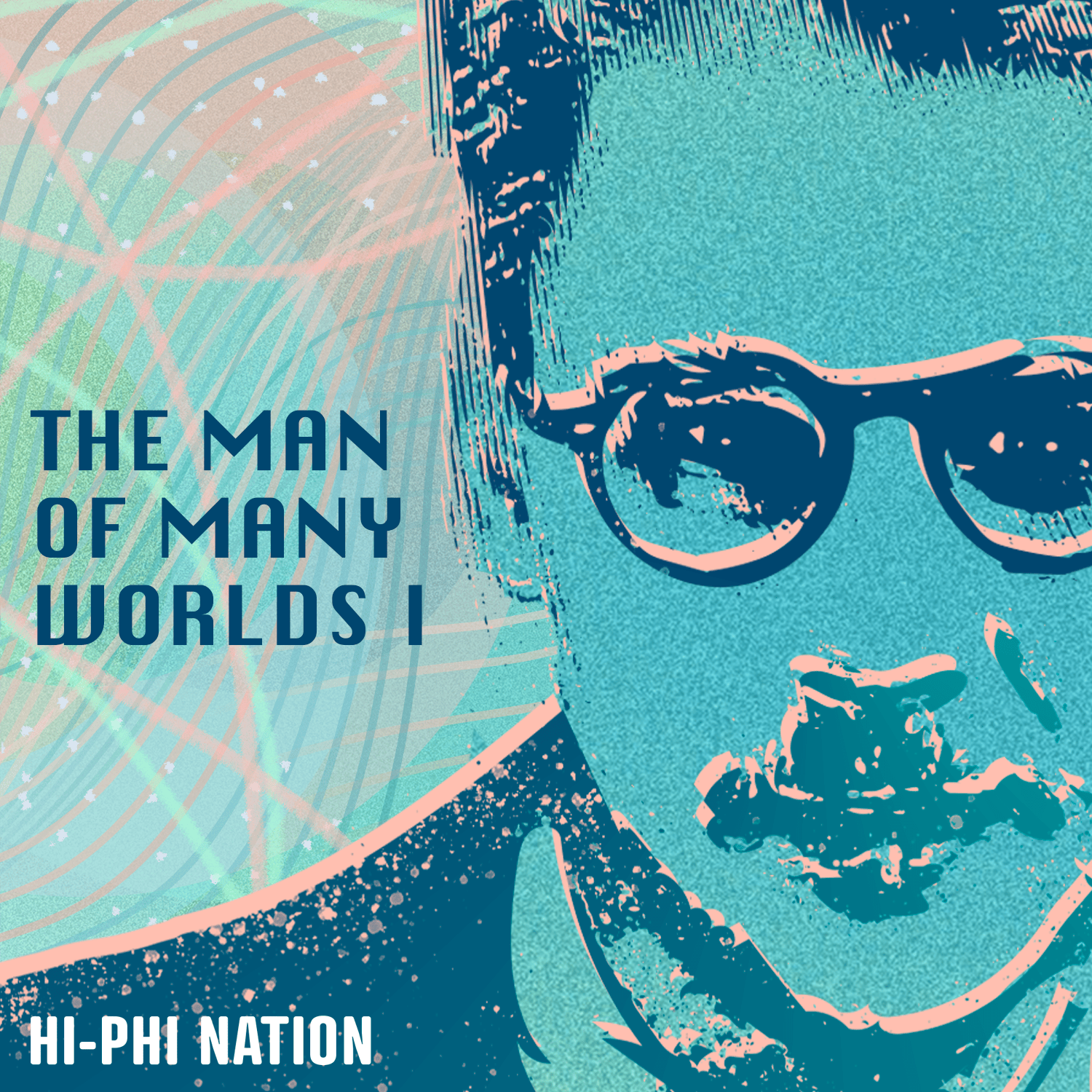
The Man of Many Worlds I
David Lewis was one of the greatest minds of the 20th century, who few outside of academia know much about. By the time of his death in 2001, he was the greatest systematic thinker in metaphysics since the Enlightenment. In Part 1 of a four-part series, we follow his journey from sick little boy in Oberlin, Ohio to teenager learning about free will from Iris Murdoch. We accompany the story of his
Hi-Phi Nation Presents: Into the Zone (When We Were Cyber)
Barry updates listeners on what to expect in Season 5 of the show, currently in production. In the meantime, he introduces you to Into the Zone, a Pushkin podcast by writer Hari Kunzru. This episode is about the time Hari was in philosophy graduate school in the 90s and attended an early conference about cyberculture that leads him to visit philosopher Manuel DeLanda. Subscribe to Into the Zone on
Justice and Retribution | Crime and Punishment
A woman spends 40 years in and out of prison for shoplifting and finally gets a break from a judge in her late 50s. She uses the opportunity to abolish a jail and transform her city. This week we look at prison abolition and the arguments for eliminating all punishment from the system. From the denial that we have free will, to the view that perpetuating injustice disqualifies the state from punis
The Loophole | Crime and Punishment
Two men committed a double murder in rural Maine in 1990. Only one pulled the trigger. The state prosecutor decided to try them separately, but that was a mistake, and both were acquitted. Then the Feds came in, and sentenced one man to life in prison for a crime he was already acquitted of doing. How is this possible in America? The answer is a loophole in criminal law. Today we examine that loop
Punishment without End | Crime and Punishment
A teen-aged girl gets caught with a suitcase stuffed with powdered cocaine, and she comes before a federal judge. That judge learns that a felony conviction carries punishments for life for her. He embarks on a mission to get all other judges to shorten prison sentences in light of this. Meanwhile, a researcher learns of a pervasive but secretive practice where prosecutors, defense attorneys, and
Redemption in Solitary | Crime and Punishment
Erick Williams tells the story of how one bad night in the chow hall got him into solitary confinement at Walpole. The path out of solitary, and eventually out of prison, took another decade. On this episode, we look at the unique power of the Department of Corrections to do with prisoners what they will at their discretion. Philosopher Lisa Guenther tells the history of solitary in America, and t
Gender Justice | Crime and Punishment
On this episode, we look at feminist and progressive prosecution; how does a prosecutor balance the aims of prosecuting more gender-based crimes while also being sensitive to the problems of mass incarceration? We look at the story of one Maine prosecutor who is winning victories in sexual assault cases that were once deemed unwinnable, and whether this lowers the bar of burden of proof to unjust
The Informant | Crime and Punishment
This week we go inside investigative operations in NYPD internal affairs and in the war and drugs to look at the police use of discretion to selectively break laws in order to pursue the bad guys. One former FBI special agent turned political philosopher argues that local and federal law enforcement are the biggest threat to the rule of law in their ongoing use of discretion to secure informant de
Police Discretion | Crime and Punishment
Is a mobile home a home or a car? Is a car parked inside a home part of the home? The answer to these stoner philosophical questions determine the scope of police power. Over the last 100 years, the Supreme Court has presided over the expansion of police discretionary powers to stop, search, and arrest people through litigation over automobiles. This week, we look at the stories of those decisions
Plus: Mens Rea versus Moral Luck | Crime and Punishment
In this Slate Plus segment, Barry is joined by Sarah Lustbader to discuss the issues raised in Episode 1: Criminal Minds. Sarah expresses skepticism about the significance of mens rea in ordinary prosecution of street crimes, Barry uses the opportunity to discuss the issue of moral luck as an explanation of why egregiousness of outcome seems to be the driving factor for prosecution rather than men
Criminal Minds | Crime and Punishment
One place where law and morality are supposed to agree is that there should be no crime without a criminal mind, what is called “mens rea” in criminal law. But there have been a proliferation of crimes that do not require knowledge or intent, contributing to over-prosecution and overincarceration. Conservative and libertarian lawmakers have claimed the moral high ground over progressives in advoca

Sponsored: Delivering Extraordinary Experiences with Customer Experience Expert Liliana Petrova
When it comes to closing a deal, generating client referrals, or getting repeat business, understanding how to elevate the customer’s experience can make all the difference, and can often be a philosophical approach. So how do you go above and beyond to deliver extraordinary experiences? To find out, host JulieGurner talks to customer experience guru and former Head of Customer Experience Programs
Season 4: Crime and Punishment (Trailer)
From writing criminal laws to rights denied to the formerly incarcerated, every single stage of the criminal justice system runs on unquestioned assumptions about right and wrong, responsibility and excuse, freedom, protection, and discretionary decision-making. This season of Hi-Phi Nation will question and examine those assumptions. The season begins on May 2nd, 2020, and will feature exclusive

YOLO Apologetics
Drake coined “YOLO,” short for “you only live once” in 2011, and then later apologized for all the douchiness it subsequently engendered. But the spirit is ancient, and cross-cultural, speaking deeply to the kind of decision-making that is supposed to make for the good life. It seems to be saying that risk and spontaneity should be valued above prudence and planning. Is that true?This week we tak
The Illusionist
Pyotr Tchaikovsky composed and conducted his final symphony in 1893. He died 9 days later, after having knowingly drunk an unboiled glass of water during a cholera epidemic. Deep into the symphony, Symphony no. 6, there is a paradoxical passage that, when played, no one will be able to hear. This is because Tchaikovsky scored it to contain a musical illusion. We uncover the mystery of why he put
Uncivil Disobedience
In Australia, vegan and animal liberation activism has recently become intense and disruptive, invading farms, restaurants, and city centers. They’re doing everything from rescuing animals to blocking traffic, and occupying steakhouses. Some argue that these new activists are needlessly victimizing innocent farmers, business owners, and consumers. Others argue that the activists are only doing wha

For Women Only (pt. 2)
In the 40 years since the events at Olivia Records, gender categorization seems to pop up sporadically in the mainstream press, leading to what sociologists Laurel Westbrook and Kristen Schilt call "gender panics," and then they disappear only to emerge again at some other time. An analysis of gender panics show that people fear some gender nonconformists but seem perfectly fine with others. It t
For Women Only (pt. 1)
It is currently very difficult to get your gender legally changed in the U.K, That might change. In recent months, philosophers have been drafted into making complicated and contentious arguments about what it is to be a man, woman, or any other gender in the service of advancing or blocking the movement for trans-rights and recognition. In particular, it has exposed a conflict between trans-right
Demons of Democracy
Preschool kids get their first taste of democratic participation when they vote on their class name, and democratic private schools try to display the value of democracy by making kids vote on everything, even the school budget. Does it work or do kids make terrible decisions?One diagnosis of our modern-day political problems is that too many stupid people are voting for stupid things. There are t

Name of God (2019)
A few days after the New Zealand Mosque massacre, Dr. Thaya Ashman heard about a woman who was too afraid to come out in public in her hijab for fear of being targeted. So Dr. Ashman had an idea to invite every person in New Zealand to wear a headscarf in public. The result was quite different from what happened in America three years ago, when a woman who tried to make a similar gesture of good w
The Forever War
This year will mark the 18th anniversary of the war in Afghanistan, the forever war characterized by regime change, a surge, drawdowns, and then re-engagement across three Presidential administrations. We take a retrospective of the entire war, from the forgotten events of the lead-up to its total financial and moral costs to date. Journalist Douglas Wissing and Professor Neta Crawford of the Cost
No Offense
What if you could sue someone for calling you a racial slur? In the 90s, one country that always looked very similar to America decided to allow it, rolling back the rights to free speech in the interest of protecting victims of hate speech. Is the result a slippery slope to government tyranny, or a more harmonious society? The moral right to hate speech does not run as deep in the U.S. as most pe
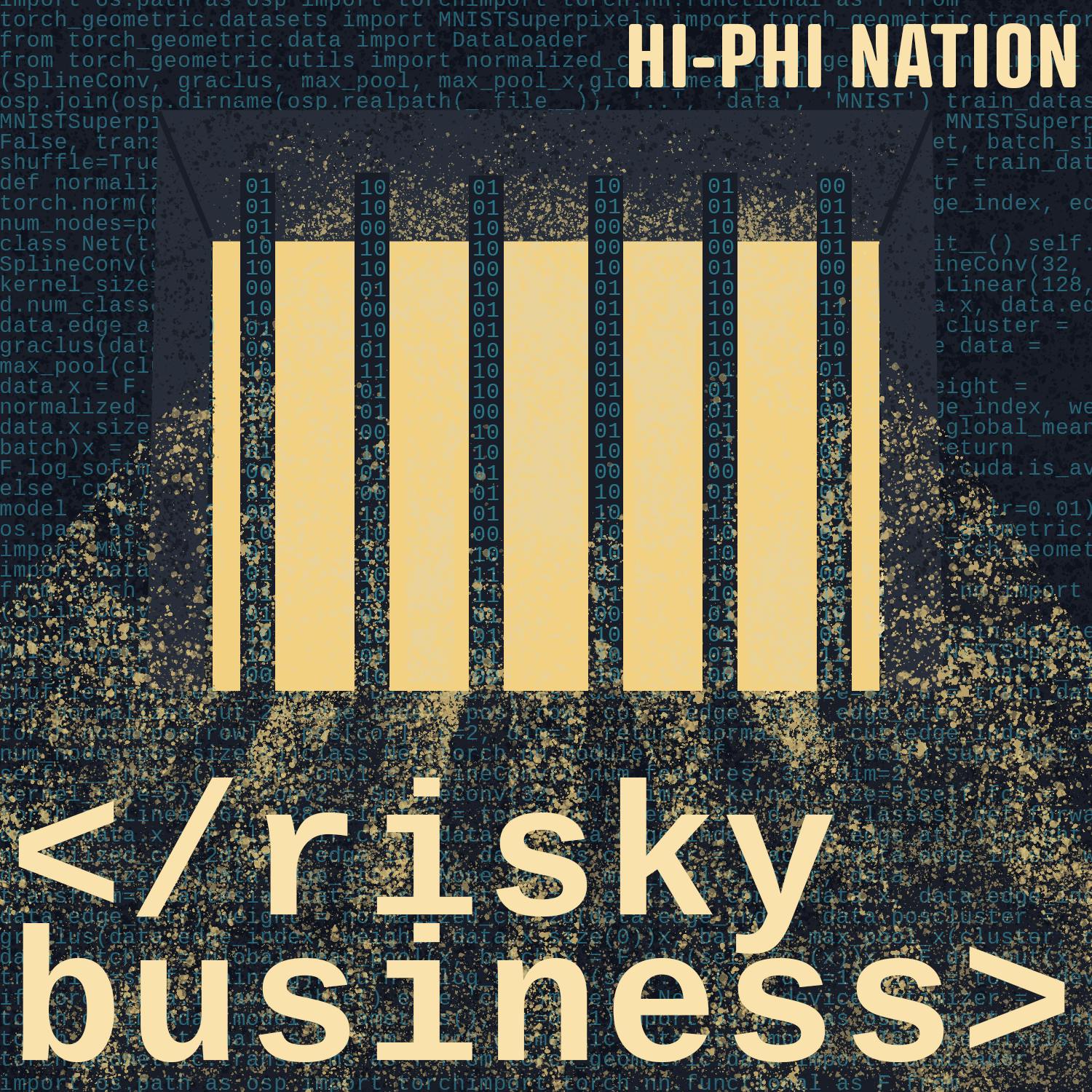
Risky Business
How many innocent people should we be allowed to arrest and jail in order to prevent a single dangerous person from being free? The Supreme Court has refused to answer this question, but algorithms have, and many courts across the country are going with the algorithm.At different stages of the criminal justice system, computerized risk-assessment algorithms are slowly replacing bail hearings in de
(Bonus) The Battle over CSOCs
On this bonus episode, I go into some of the history between the LAPD police commission and the Stop LAPD Spying Coalition, and feature some of the tape from the Central station CSOC protest that didn't make it into the episode, including some creepy stuff that happened toward the end of the protest. I then talk to Sarah Brayne about the possibility of using surveillance technology to monitor the

The Precrime Unit
Predictive policing technology is spreading across the country, and Los Angeles is the epicenter. A small group of LA activists are in a lopsided campaign against billions of dollars in city, federal, and Silicon Valley money using algorithms to predict where and when the next crime is going to occur, and even who the perpetrators are going to be. Barry embeds with the Stop LAPD Spying coalition f
Season 3 Preview
After two successful seasons, philosophy in story form comes to Slate on January 31st, 2019. On Season 3, we look at stories of risk, experiments in democracy, the reality of social categories, illusions of the senses.Join Slate Plus to unlock full, ad-free access to Hi-Phi Nation and the rest of your favorite Slate podcasts. Subscribe directly from the Hi-Phi Nation show page on Apple Podcasts o
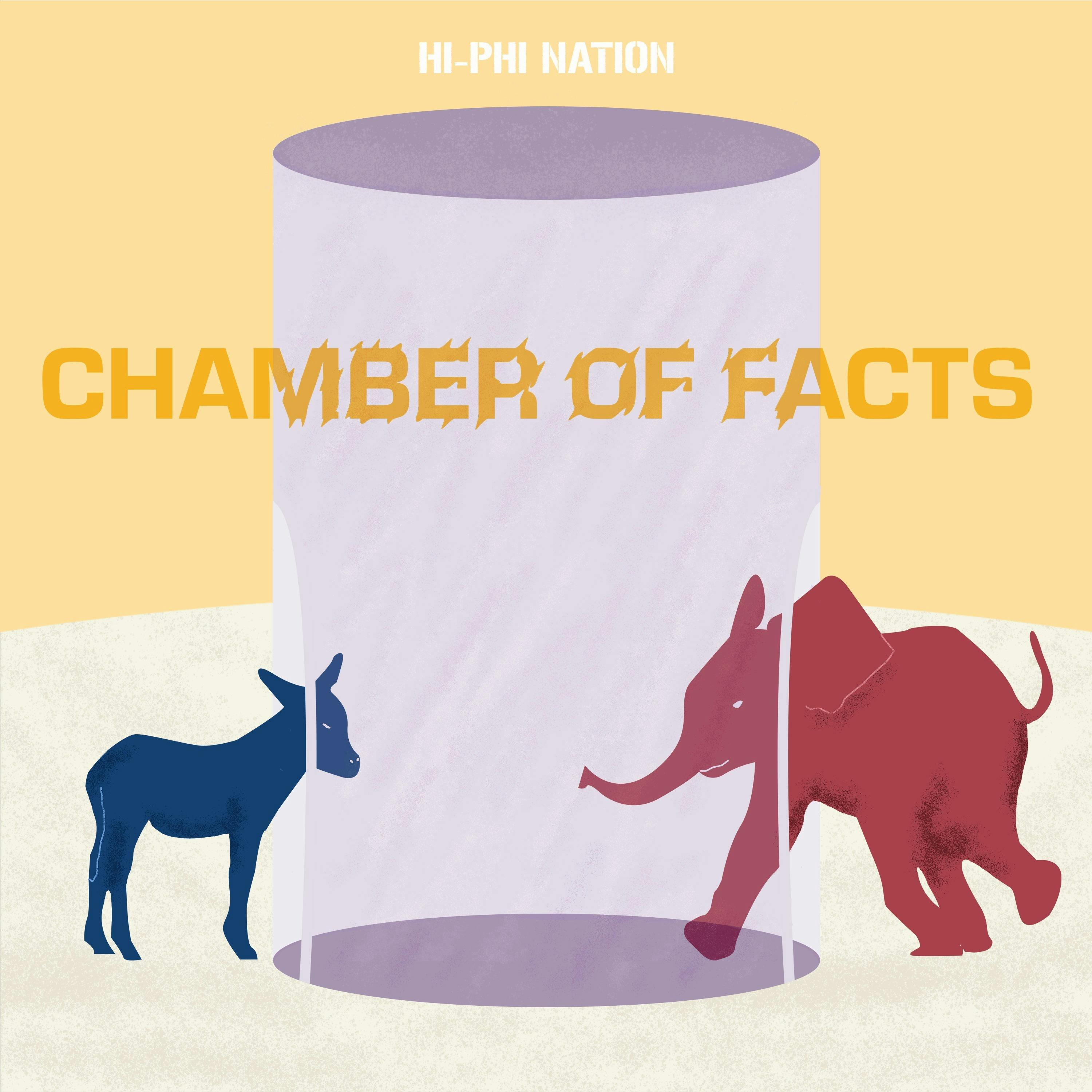
Chamber of Facts
Do people of opposing political parties believe in different facts? The mantra at the moment is that they do, because of media echo chambers, motivated reasoning, and ideological blindspots. But a more careful look reveals a different answer, with perhaps even more startling consequences. This week we follow two conservative Republicans who consumed a liberal newsfeed for two weeks, and we look at
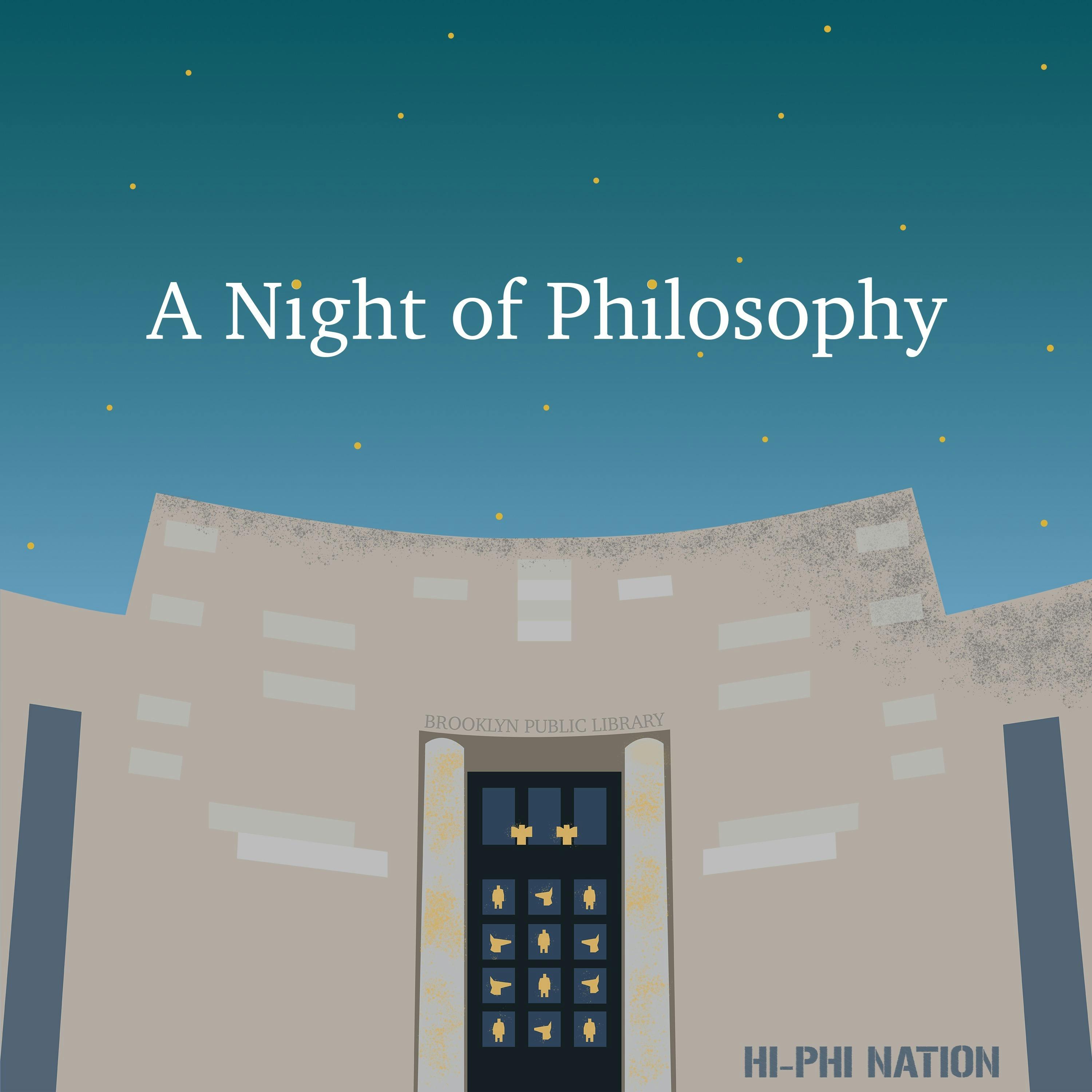
A Night of Philosophy
Hi-Phi Nation stays overnight at the Brooklyn Public Library during the 2018 Night of Philosophy. From 7pm to 7am on a Saturday night, thousands of New Yorkers swarmed the central library for acrobats, musicians, and philosophy. Meanwhile, we present philosophy shorts about the definition of life, the nature of good and the morality of revenge, and moral relativism. At the event, producer Sandra B
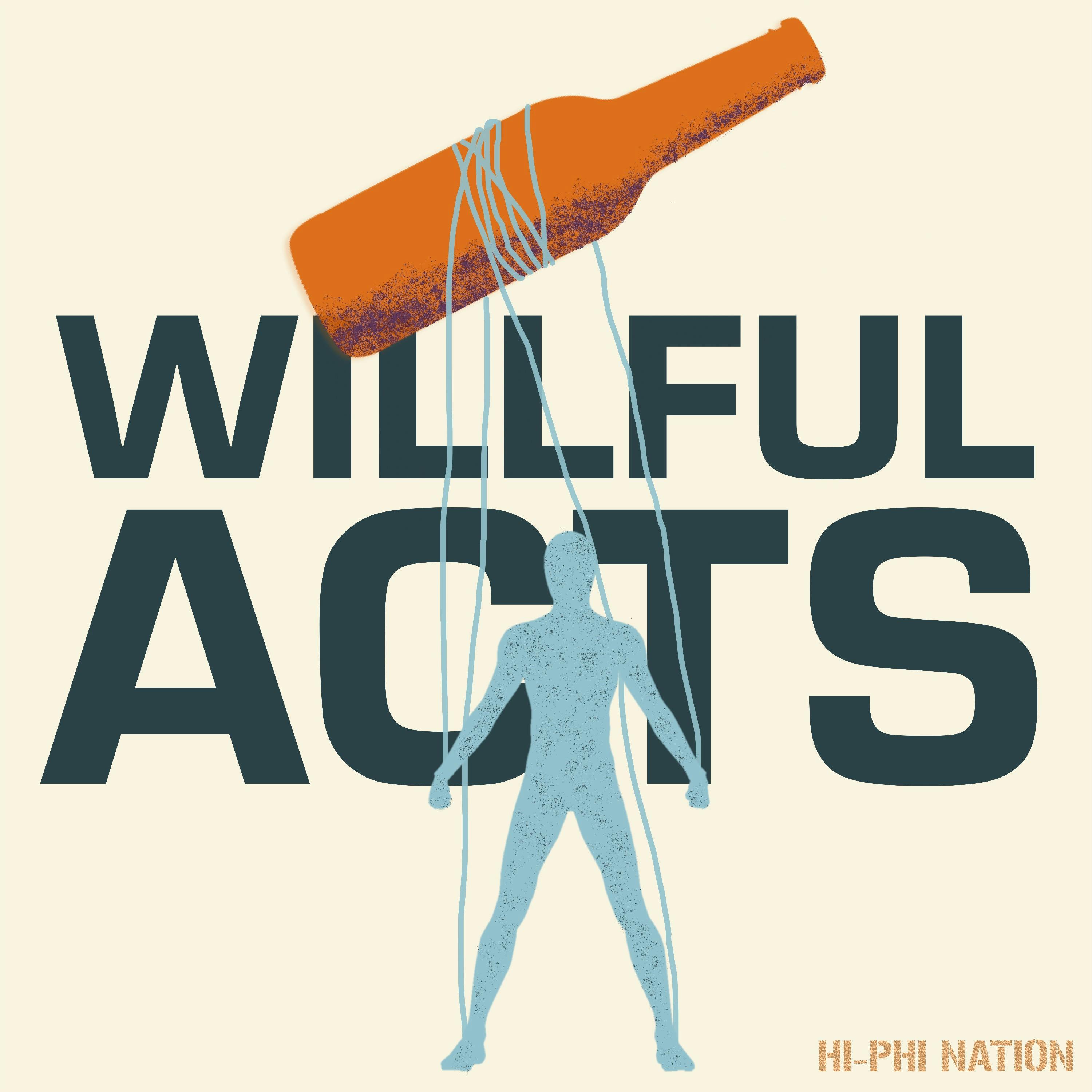
Willful Acts
Army veteran Jim McKelvey applied for his VA benefits and was denied for willful misconduct. Thirty years later, Julie Eldred was sent to prison for a willful violation of probation. Both challenged, both got to a Supreme Court with the promise to change the law of the land. The disease model of addiction has been litigated a handful of times in the history of American law. Every time the same iss
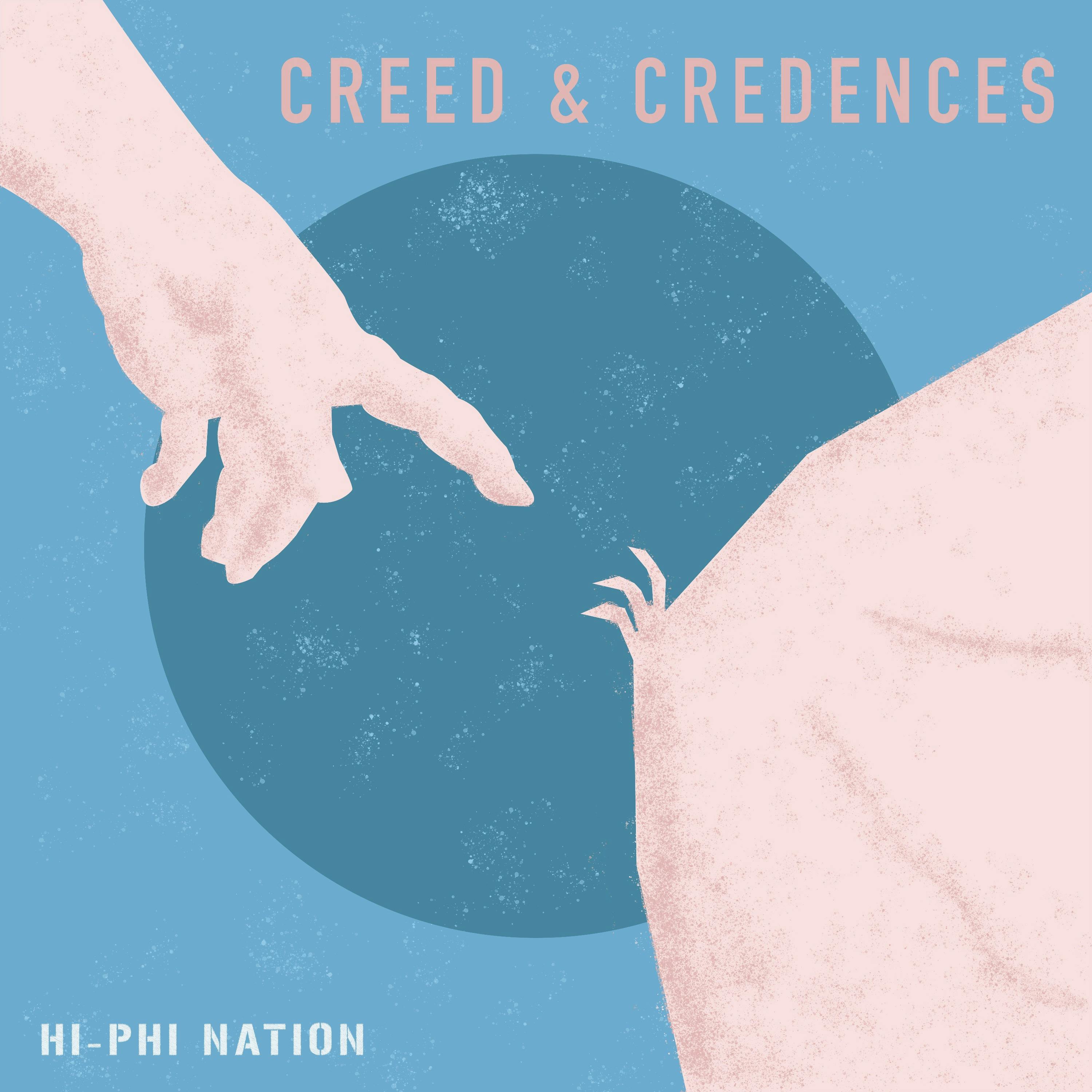
Creed and Credences
Dave has been hunting for the one decisive piece of scientific evidence that will settle one of Christianity's most challenging questions. On this episode we look at two stories of people trying to reconcile their religious and empirical beliefs about the world, and hear from a philosopher whose theory says that their attempts may be futile. Guest voices include Dave Woetzel, Laura Jean Truman, an
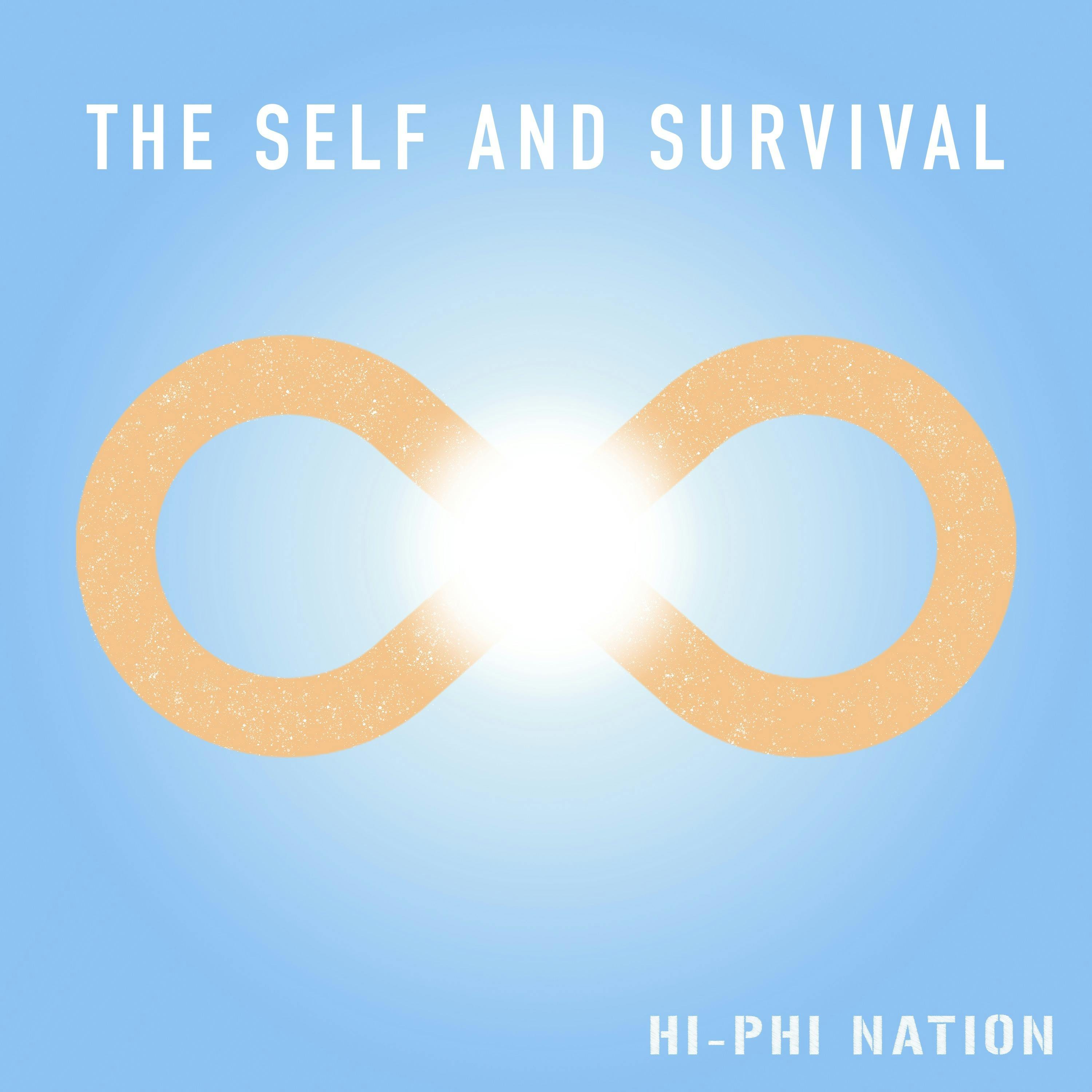
The Self and Survival
In ordinary life, it is usually not hard to know who you are and who you used to be. For a small group of children around the world, their knowledge seems to conflict with what modern science believes is possible. On this episode, we tell stories of unusual childhood memories to examine the nature of the self, and what needs to survive in order for a person to survive. We delve into the strange ph

Cover Me Softly
When Lori Lieberman was 19 years old, she went to a concert of a singer she didn't know, and ended up writing a poem that would become one of the greatest cover songs of all time. This week we are going to look at the art of covering in popular music, and how that art marked the conversion from a classical model of musical aesthetics to a contemporary one. Popular music in the modern era is metaph

Freedom and Hostile Design
Some acts of expression are awesome, while others suck, and one philosopher has a new theory about the difference. Using this theory as a guide, we look at some of the suckiest things that ever sucked in urban design, and the street artists and compassionate vandals who are trying to fight them. We use these stories to investigate how public spaces are becoming less free and more coercive. Guest v
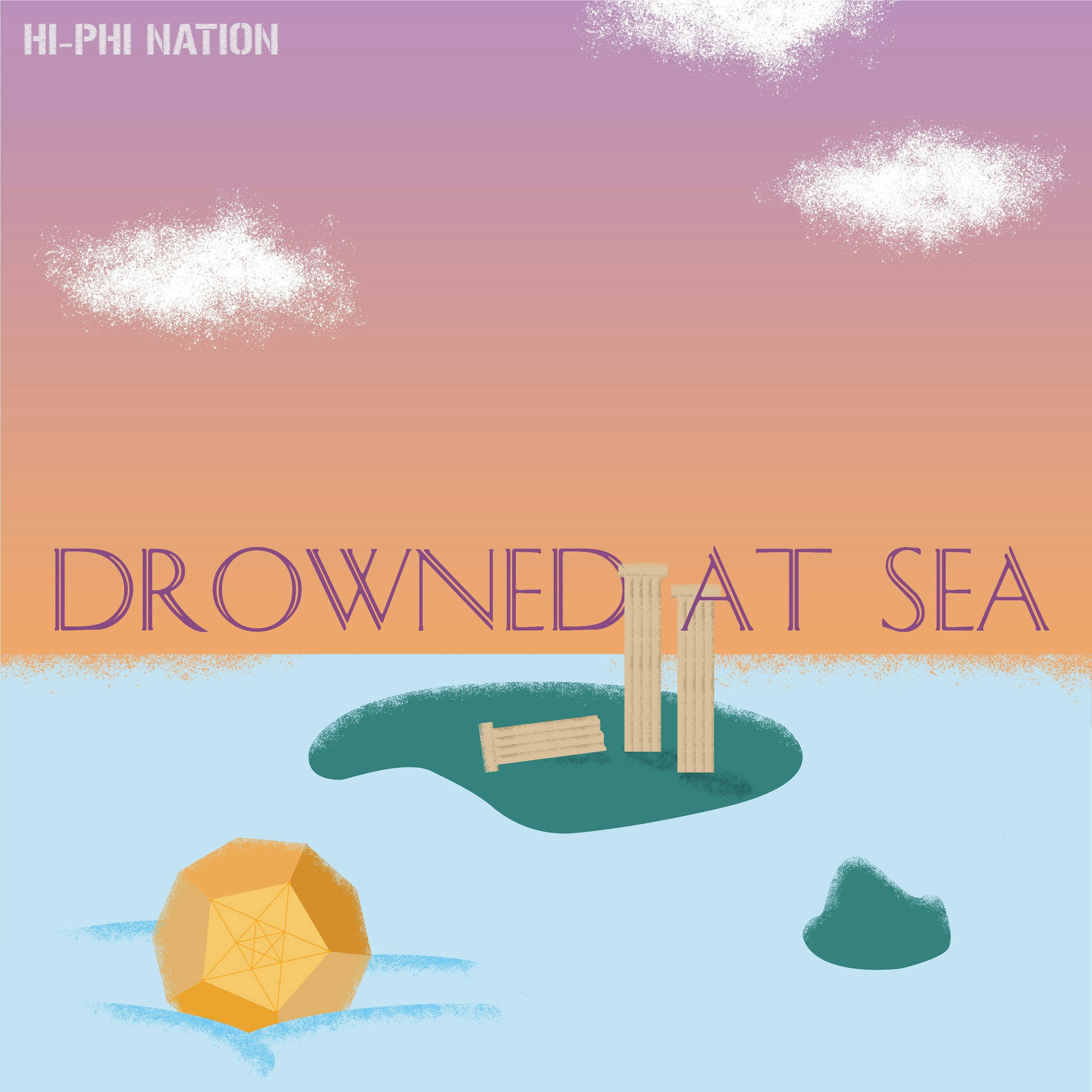
Drowned at Sea
In the process of preparing to testify in a divorce case, Brian had to study one of the strangest books he had ever come across, where religion, mathematics, and the apocalypse intersect. This week, we look at how a religious cult of number worshipers on the Italian coast gave rise to modern science, mathematics, philosophy, and music. In the interim 2500 years, as we have increased our knowledge

The Ethics Bowl
High school students from around the country converge on the University of North Carolina for a weekend of moral dilemmas. We follow twenty-four of the nation's top ethics teams competing in the 2017 National High School Ethics Bowl, and take a whirlwind tour of moral philosophy in the process. Guest voices include Walter Sinnott-Armstrong, Geoff Sayre-McCord, Jeff Sebo, and students from high sch
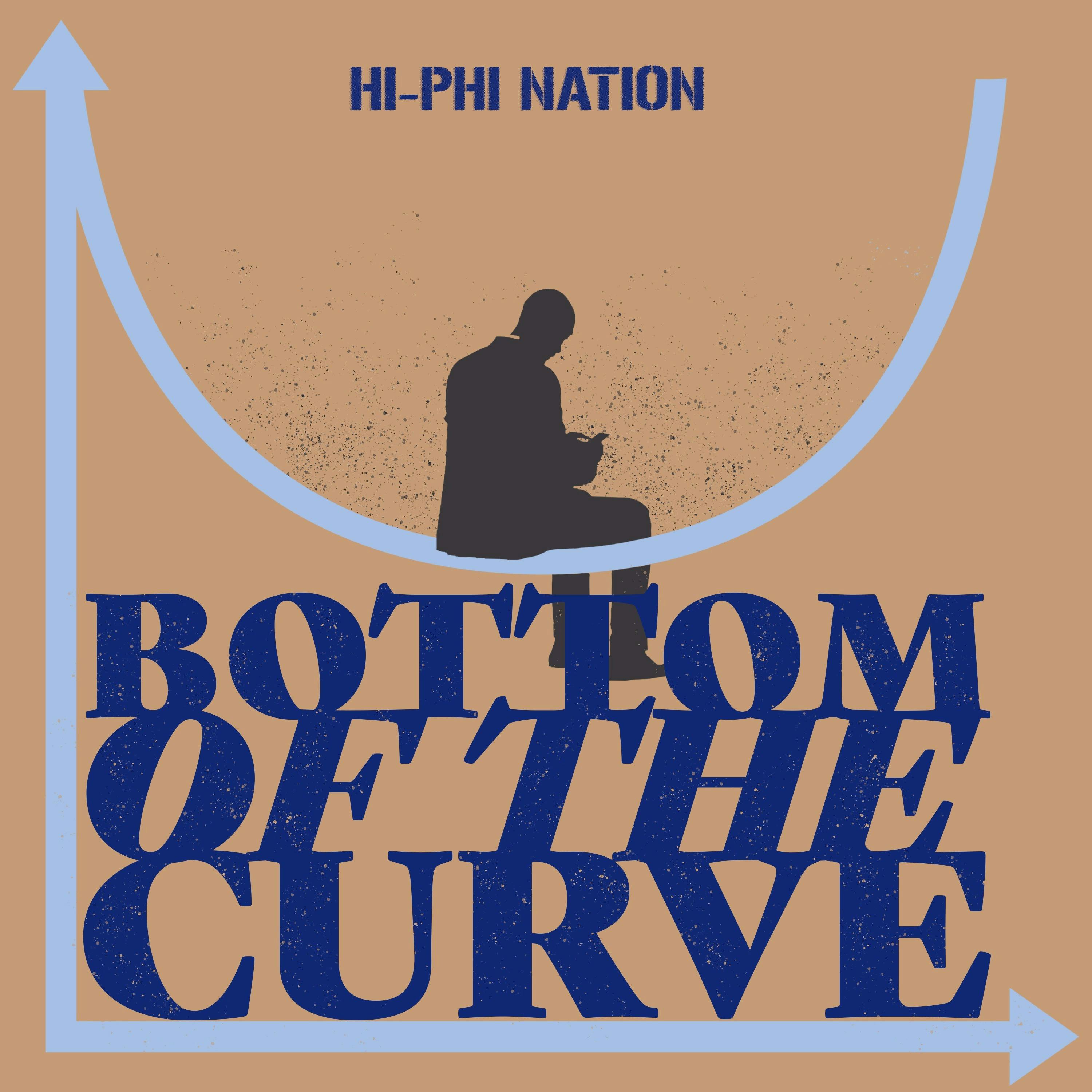
The Bottom of the Curve
At the beginning of their adult lives, millennials are trying to find out what it means to be happy in their 20s, not knowing that they have no where to go but down. Meanwhile, three highly successful people find themselves at the bottom of life's happiness curve, and try to find their way back up. The show today is about a demographic inevitability, the midlife crisis, and how we seek happiness i

A Better Love
On our season finale, we follow a mother's love through the stages of life to seek wisdom about what love is, what love does, and why love happens. We follow five mothers at five different stages of motherhood, from the joys and anxieties of birth, letting go, coming back, being proud, and saying goodbye. We then turn to the philosophy of love and life, to figure out the role of love in the shape
The Ashes of Truth
Documentary film and science do not appear to have much in common, except that, philosophically, they have everything in common. Two men met in 1971 and had a disagreement, which turned into an assault, and then 45 years of disdain. One of them was the most cited philosopher of the 20th century, the other is one of the most influential documentary filmmakers of his generation. It was a disagreemen
Be a Man
Our ideas of manhood and womanhood determine the ways in which we raise and socialize our children, but how much does gender in a particular society depend on that society's relationship with violence? What happens when, all of a sudden, women are allowed to participate in a form of violence once reserved for men? This week, we investigate the effects and side effects of gender norms arising from
Hackademics II: The Hackers
One scientist decided to put the entire field of psychology to test to see how many of its findings hold up to scrutiny. At the same time, he had scientists bet on the success-rate of their own field. We look at the surprising paradoxes of humans being human, trying to learn about humans, and the elusive knowledge of human nature. Guest voices include Brian Nosek of the Center for Open Science, An
Hackademics I: The Control
After years of unusual episodes dating back to her childhood, Anita went to the doctor and was told there was nothing medically wrong with her. "She had a gift," she was told, and she was sent down the street to an ESP lab. Parapsychology is the scientific study of telepathy, clairvoyance, telekinesis, precognition, and spirits. Or is it? The field has been pushed to the fringes of science for dec
The Cops of Pop
Two records from 1983 achieved minor novelty fame, and then faded away, only to emerge 20 years later as the originators of a curious genre of pop music in the age of social media. This peculiar genre raises questions about how we should think about genre, musical aesthetics, and artistry in the time of industrially-produced music and digital reproduction. Guest voices include Jordan Roseman, aka

The Name of God
With a small gesture of good will toward Syrian refugees, one woman incurred the wrath of evangelical Christians on social media. The resulting chaos helped write the next chapter in a thousand year-old controversy concerning Christianity, Islam, their shared origins, and the nature of God. Guest voices include Larycia Hawkins, Michael Mangis, Karly Bothman, Paul Griffiths, and Amir Hussain.Join S
Soldier Philosophers Part 2: The Morality of War
For some reason, when people kill others in wars, we do not judge them morally and legally in the same way as we judge them when they kill in civilian life. Is there a justification for this difference, or is it only a convenient myth? We go to West Point to see what soldiers themselves think and teach about the morality of killing in war. Just as the US winds down two major unconventional wars, p
Soldier Philosophers Part 1: Moral Exploitation
When one Army soldier discovered the propagation of torture tactics during the Iraq war, he engaged in a one-man mission inside the organization to learn about their origins, and the effect they had on lower-level soldiers who were implementing them. From there, he took on the Bush administration. Years later, he is training to be a philosopher.As a new U.S. administration takes hold, with talk of
The Wishes of the Dead
Our lives are controlled by the invisible hand from the grave. Trillions of dollars of the economy are devoted to executing the wishes of people who died long ago, rather than satisfying the desires of the living. We follow the story of the Hershey fortune to show how a 19th century industrialist constructed the oddest business structure to ensure that his wishes would be fulfilled hundreds of yea
Season One Trailer #1
A brand new show bringing storytelling together with philosophy, Hi-Phi Nation aims to do for philosophy what Freakonomics did for economics, what Invisibilia does for cognitive psychology, and what all of your favorite podcasts do for your entertainment and enlightenment. Our inaugural 10-episode season will launch in late January 2017. Hosted and produced completely independently by Barry Lam, p
Recommended

Effective Weight Loss for Moms | High protein, Strength Training, Lose Weight, Meal Planning, Fat Loss, Healthy Habits

The Human-Animal Connection - Pet Life Radio Original

The Daily

World News Tonight with David Muir
The Joe Rogan Experience

English Vocabulary Help
TED Talks Daily

Learn English B1 with Daily News | English Listening Practice

Talk About Talk - Executive & Leadership Communication Skills

English with Olivia | Slow Conversations & Vocabulary
Stand In The Circle

SLOW ENGLISH PODCAST (A1-A2) With Subtitles | Daily Videos | English With Us Podcast
