
Kindergarten Cafe Podcast: Simple Tips for Teaching Kindergarten
The Kindergarten Cafe Podcast offers weekly tips and tricks for kindergarten teachers who are overworked or overwhelmed. Host Zeba McGibbon shares strategies to save time, work smarter, and support students with engaging lessons. The podcast covers everything from arrival to dismissal, providing fresh ideas for the classroom.
Episodes

156. Mistakes in Supporting Learning at Home
Almost every family wants to help their child learn at home, but teachers can accidentally make that help feel overwhelming, unrealistic, or unclear. If you have ever sent home a homework packet and wondered whether it was really helping anyone, this episode will help you rethink what supporting learning at home can look like in a way that works for real families with real schedules.In this episod

155. Why Parent Communication Breaks Down
Strong family partnerships do not fall apart because of one bad conversation. They fall apart because expectations were never clearly set in the first place, and by the time there is a problem, everyone is already caught off guard. This episode breaks down the most common reasons family communication breaks down and exactly what to do to prevent those situations before they start.In this episode,

154. Is Kindergarten Still Developmentally Appropriate? What the Research Says w/ Kate @evidencebasedkate
Kindergarten has changed, and if you’ve ever wondered whether the expectations we’re placing on our youngest learners are actually developmentally appropriate, this conversation is for you.In this episode, I’m joined by Kate, also known as @EvidenceBasedKate on TikTok, who has spent 20 years in education as a classroom teacher and curriculum writer and now helps bridge the gap between educational

153. No Letter or Number Knowledge What Now
If a student has come to you with little to no letter or number knowledge and your first instinct is to panic, this episode is here to help you take a breath and make a plan instead. Kids arrive in kindergarten from different places, and not knowing letters or numbers is not a crisis, it is a starting point.In this episode, I share:why a child arriving with no letter or number knowledge is not som

152. How I Teach Foundational Skills
If you have been wondering what small group instruction actually looks like in a real kindergarten classroom, not the idealized version, but the practical, flexible, works-for-actual-five-year-olds version, this episode is for you. I walk through exactly how I approach literacy and math instruction, including when to pull small groups, what happens in them, and how to work smarter instead of reinv

151. Mistakes in Teaching Letters and Numbers
Sometimes students are not struggling because something is wrong. Sometimes it’s how the material is being taught, or because a curriculum is moving too fast for where they actually are. This episode is an honest look at the most common mistakes teachers make when teaching letters and numbers, and how to fix them before they create bigger gaps down the road.In this episode, I share:why moving to r

150. Why Students Fall Behind Early
Kindergarten teachers know that kids arrive with wildly different backgrounds and levels of readiness, and it can be hard to know what to do when a student is already struggling in the fall. This episode is a practical guide to understanding which foundational skills matter at the start of the year, how to spot gaps early, and what to do about them before they grow.In this episode, I share:why kid

149. Fixing a Classroom With No Routines
If you are a few weeks into school and your classroom already feels chaotic, or if routines you taught at the start of the year have slowly fallen apart, this episode is your reset plan. It is never too late to start over, and knowing exactly how to do it makes all the difference.In this episode, I share:how to figure out what went wrong with a routine so you can fix the problem instead of just ge
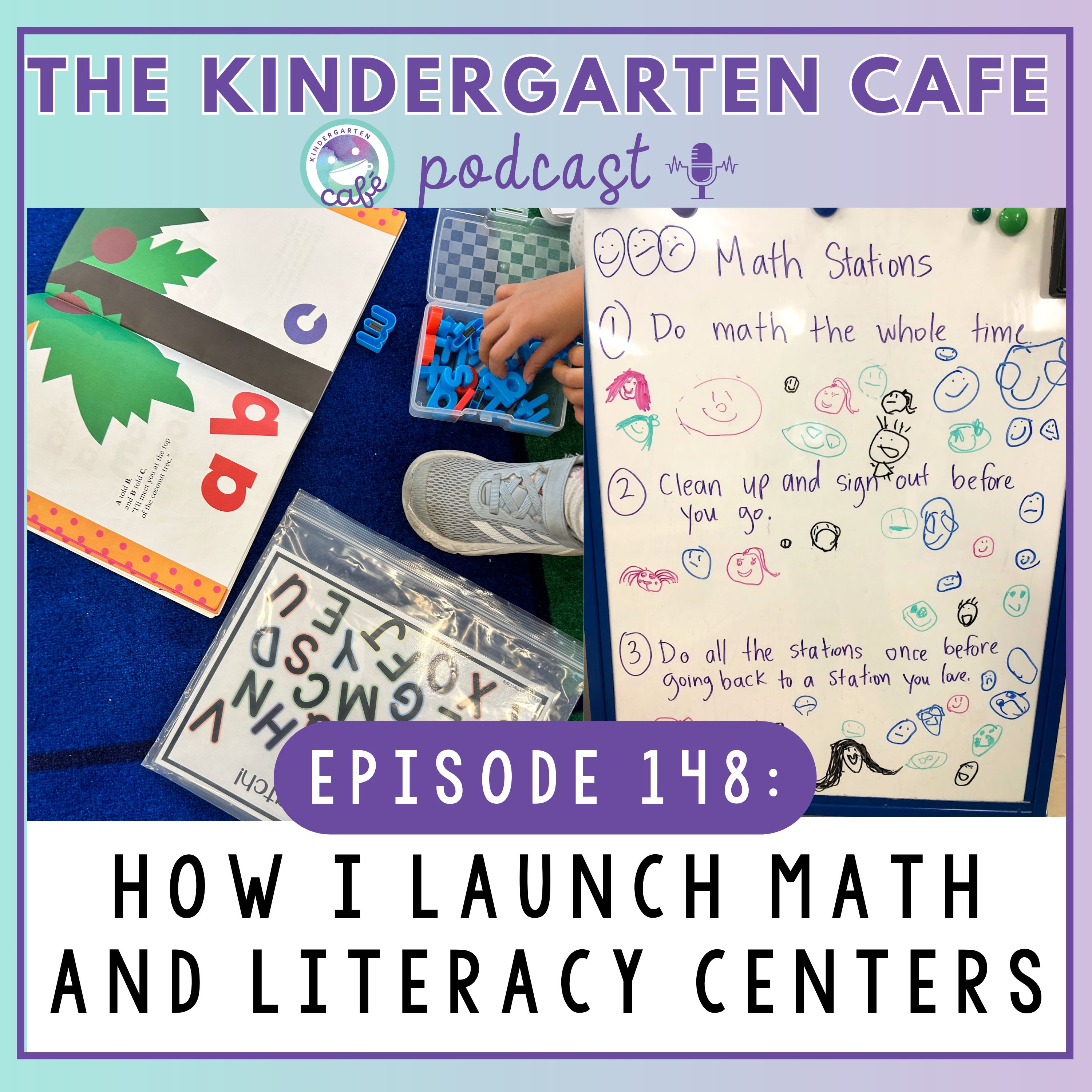
148. How I Launch Math and Literacy Centers
Independent centers do not just happen because you set out the materials and hope for the best. They happen because you took the time to launch them the right way, one step at a time. If you have ever felt like your centers were chaotic or kids just could not handle them, this episode walks you through exactly how to introduce math and literacy centers so students can actually be successful.In thi
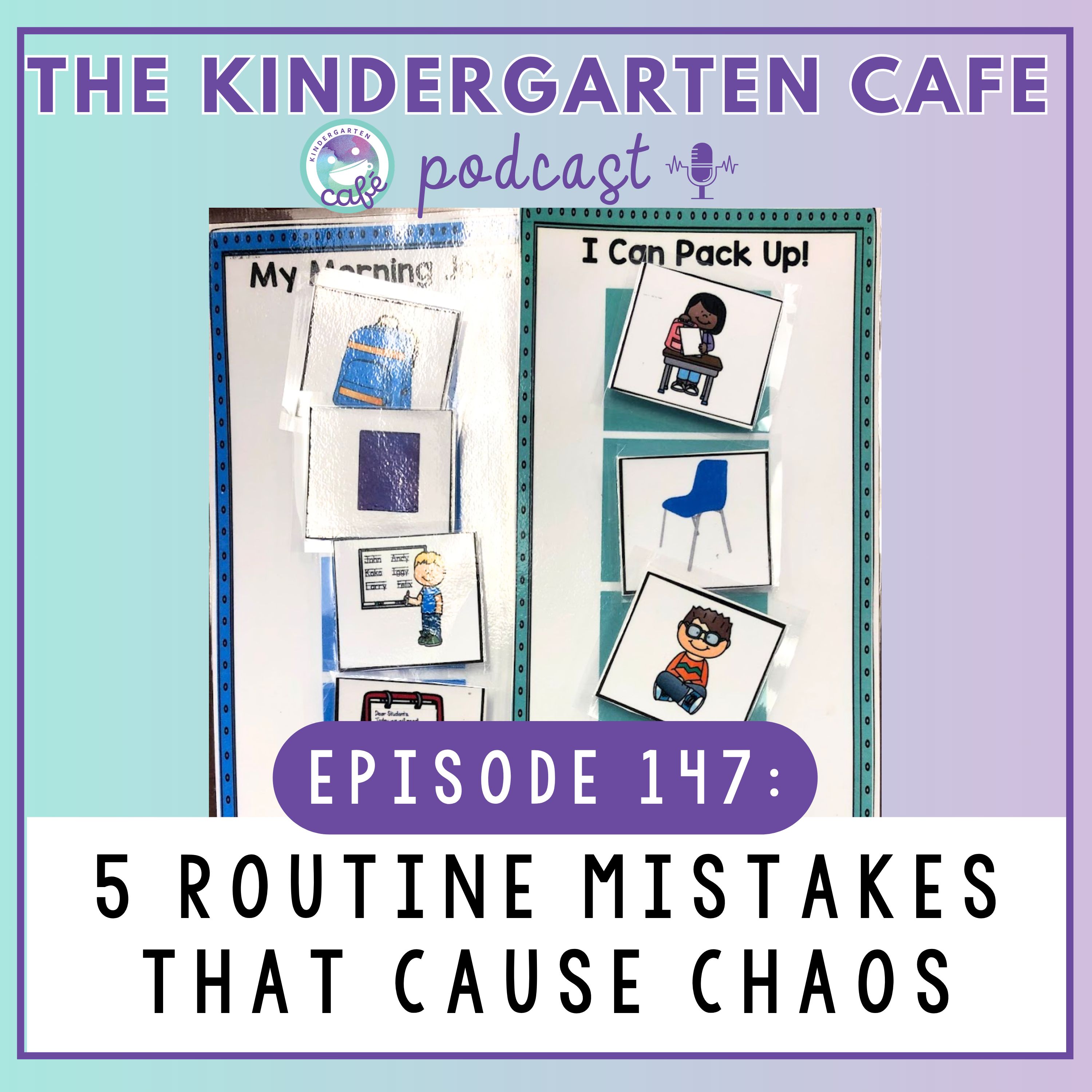
147. 5 Routine Mistakes That Cause Year-Long Chaos
Classroom chaos rarely comes out of nowhere. Most of the time it can be traced back to specific mistakes made in the first weeks of school when routines were being introduced. If your classroom has felt harder to manage than it should, this episode breaks down the five most common routine mistakes and exactly how to avoid them.In this episode, I share:why "assume nothing, teach everything" and "go

146. Why Your Routines Aren’t Working Yet
If you have taught a routine, practiced it, and still feel like it is just not sticking, there are a few things that could be happening. Routines in kindergarten take weeks and sometimes months to build, and understanding why they break down is the first step to actually fixing them. This episode gets into the reasons routines fall apart and exactly what to do about it.In this episode, I share:why
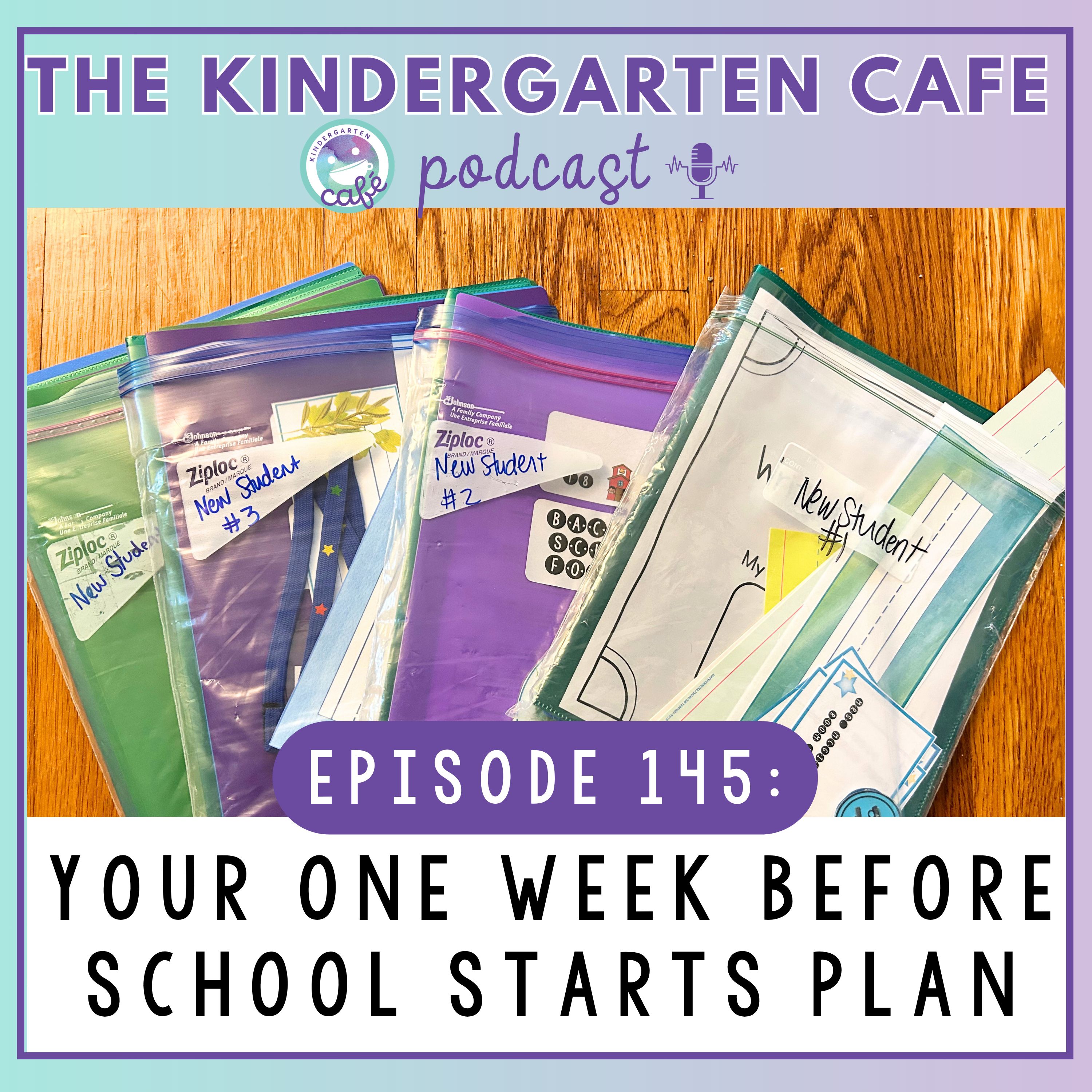
145. Your One Week Before School Starts Plan
If you have one week left before school starts and you are not sure whether to spend it laminating, decorating, or just trying to breathe, this episode wraps up our July miniseries with exactly what to prioritize in that final stretch. The short answer is that mental readiness matters just as much as the physical kind, and you do not need everything done to walk in ready.In this episode, I share:w
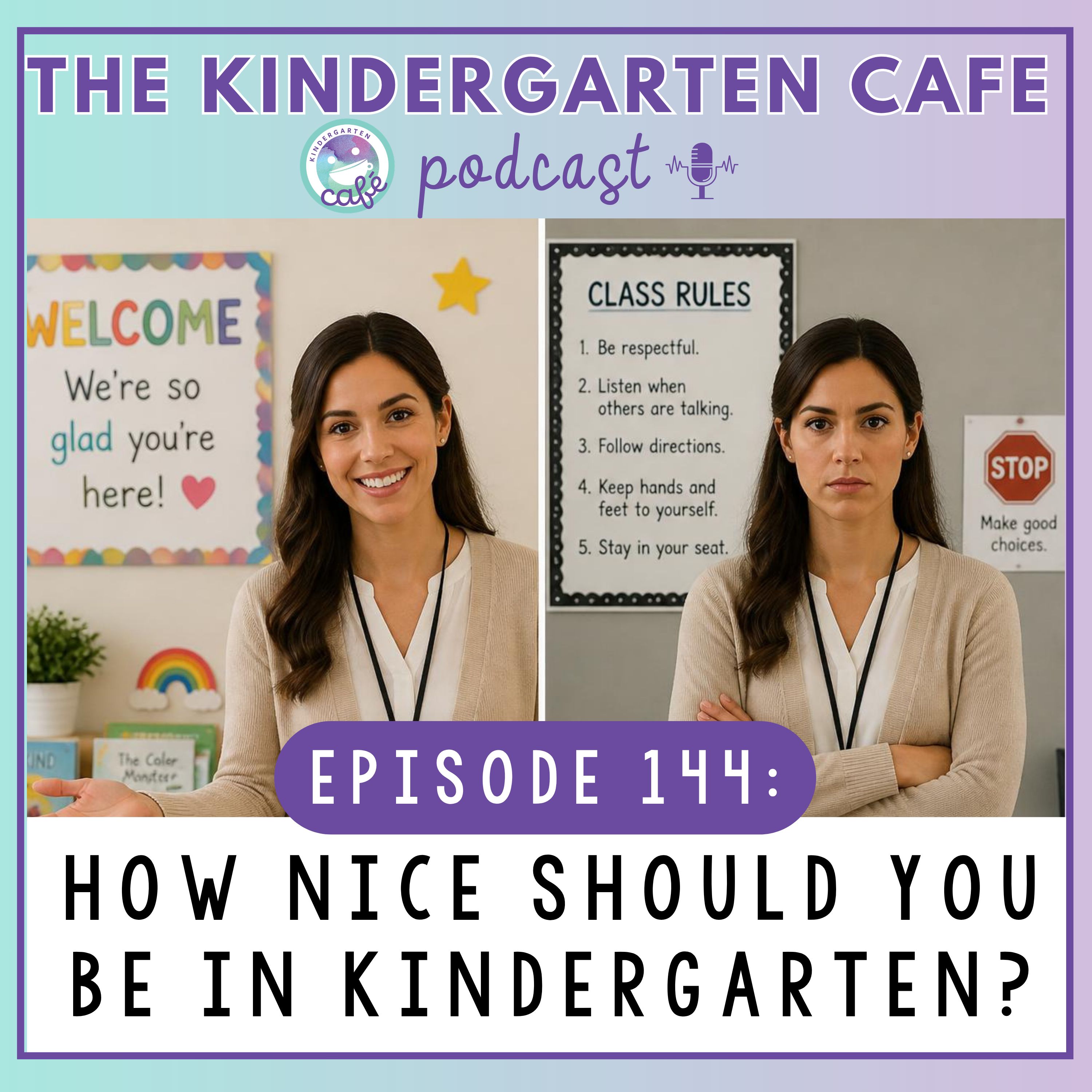
144. How Nice Should You Be in Kindergarten?
If you have ever heard the old advice "don't smile until November or December" and wondered if that is what good classroom management looks like, let me just say….I disagree. Fear-based classrooms do not build respect or learning, and you do not have to choose between being warm and being in control of your room.In this episode, I share:why fear-based classrooms fail and how building genuine, warm
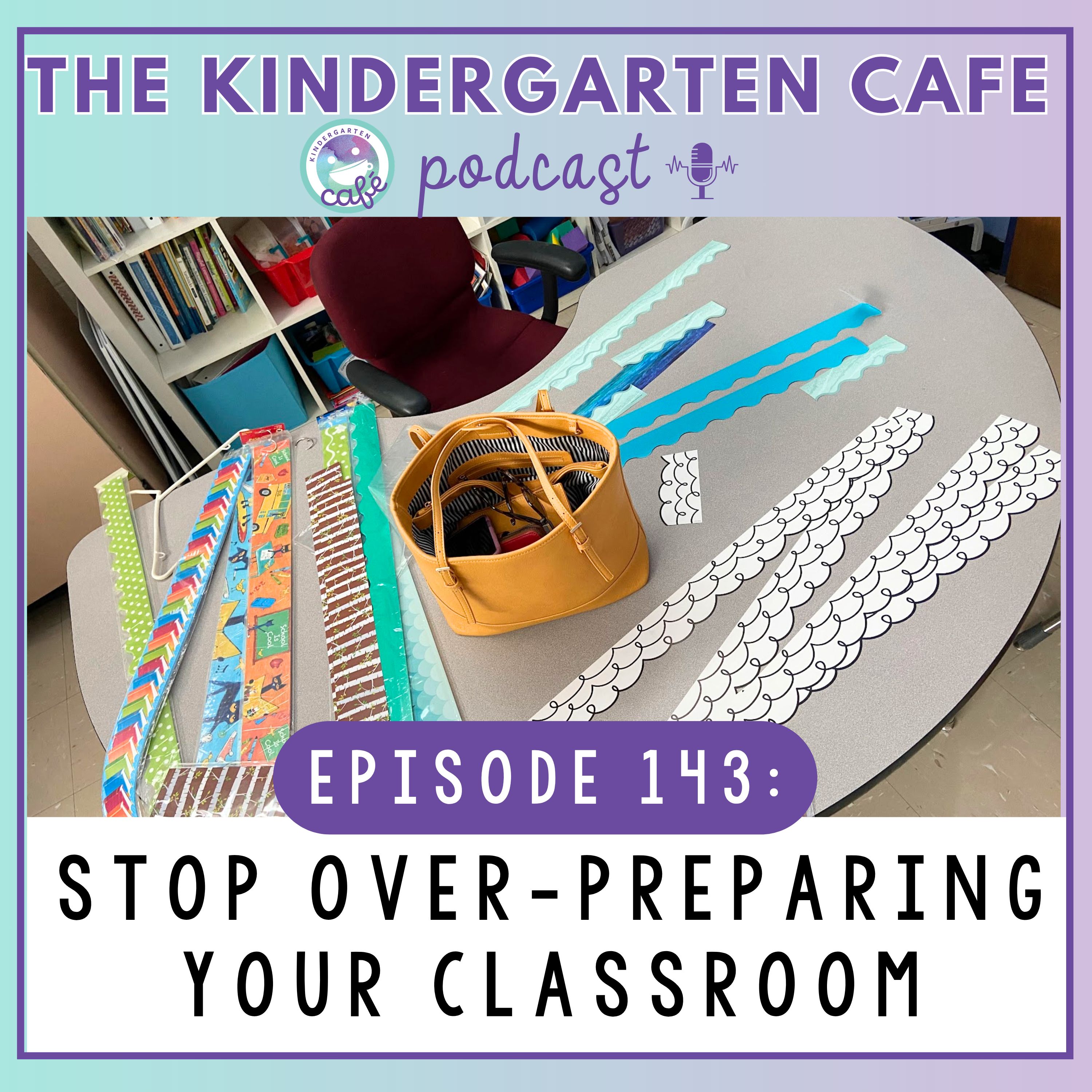
143. Stop Over-Preparing Your Classroom
If your summer has been spent working nonstop, prepping every center, and printing decorations right up until the last hour before school starts, and you still end up feeling exhausted instead of ready, this episode is for you. Overpreparing your classroom feels productive, but it is often not the thing that actually sets you up for a successful first day.In this episode, I share:why overpreparing

142. What Actually Matters Before the First Day of School
If you have spent your summer feeling pressure to make your classroom Pinterest perfect, this episode is here to take that weight off your shoulders. A beautiful classroom is not the same as a kindergarten ready classroom, and what your students actually need before day one has nothing to do with matching bins or a coordinated theme.In this episode, I share:why students notice feeling safe, knowin
141. Questions to Ask and Answer Before the School Year Starts
If summer break has you staring at a long list of things to fix, buy, or change in your classroom, and you are not sure where to even start, this episode will help you slow down before you dive in. Whether you are a brand new kindergarten teacher or a returning one, the most useful thing you can do this July is ask yourself the right questions first, so the time and energy you do put in actually m
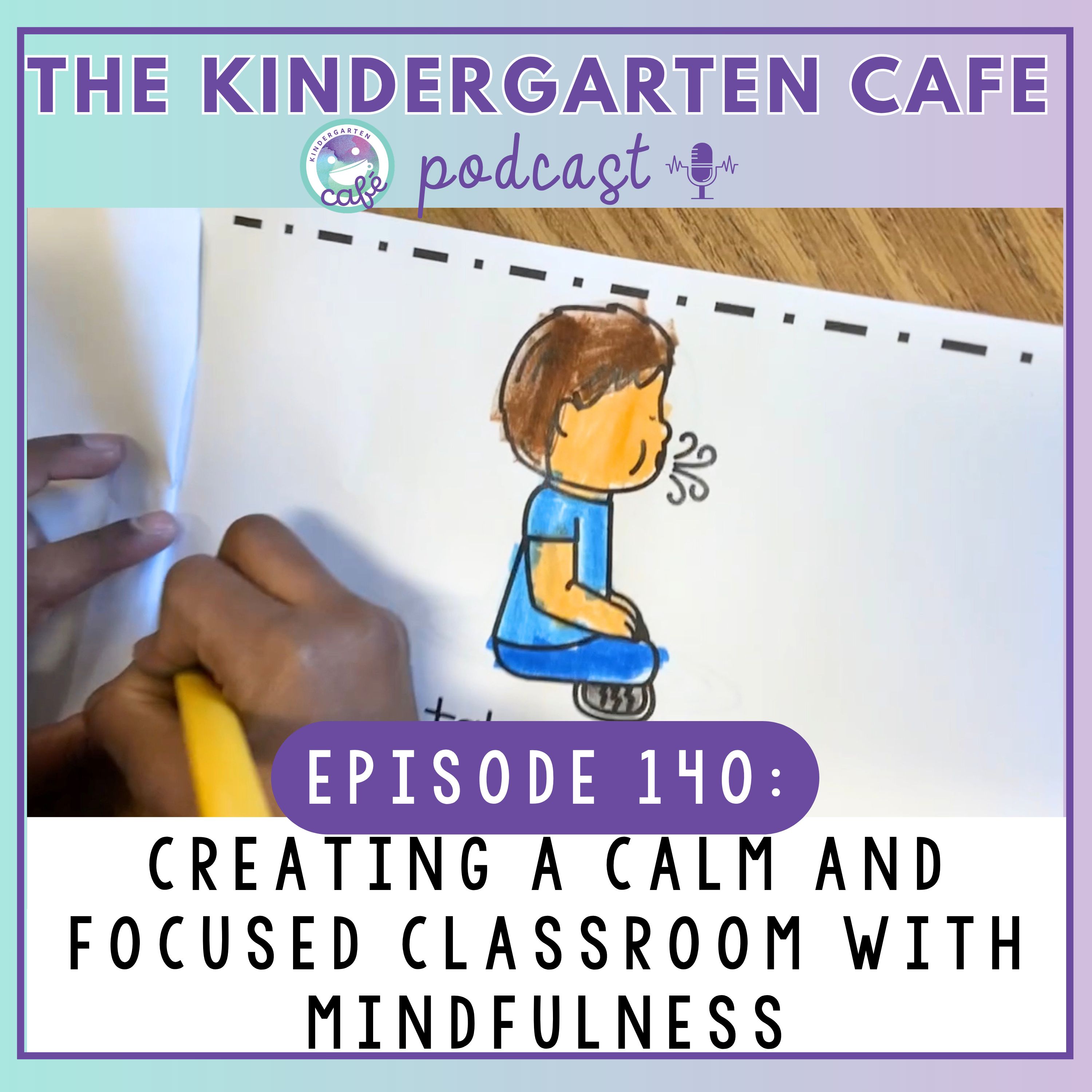
140. Creating A Calm And Focused Classroom With Mindfulness
If you find yourself constantly reminding your students to sit down, stop talking, or refocus and it feels like you are saying the same things on repeat all day, this episode is for you. What looks like a behavior problem is often a skill gap, and mindfulness gives you a practical, low-prep way to actually teach kids how to calm their bodies and reset so they are ready to learn.In this episode, I
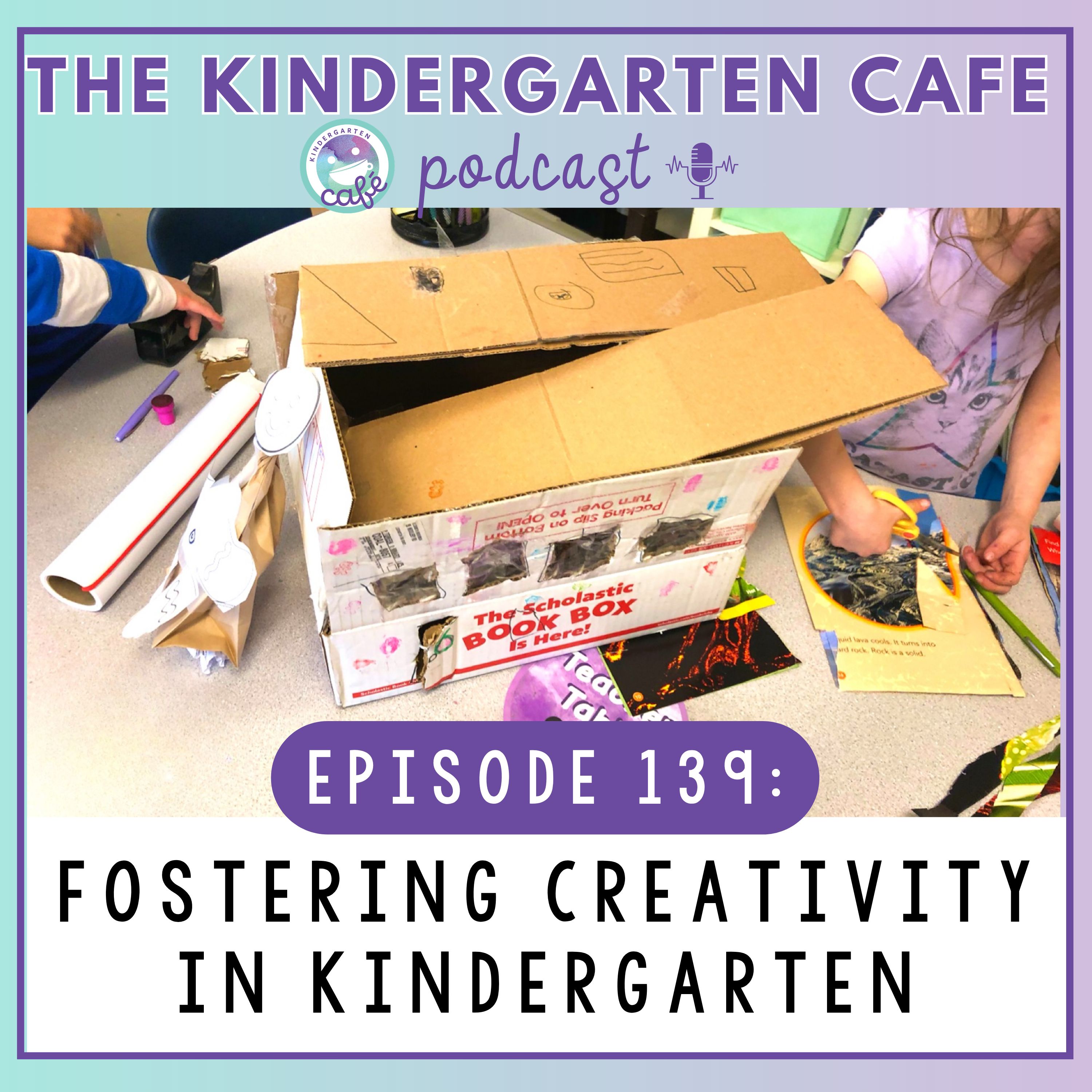
139. Fostering Creativity in Kindergarten
If you have been wanting to bring more creativity into your kindergarten classroom but are not sure where to start (or you love the idea of a creation station but the thought of managing the mess stops you every time) this episode is for you. Creativity in kindergarten is not about cute crafts where everyone's project looks the same. It is about giving kids space to think, invent, and surprise you
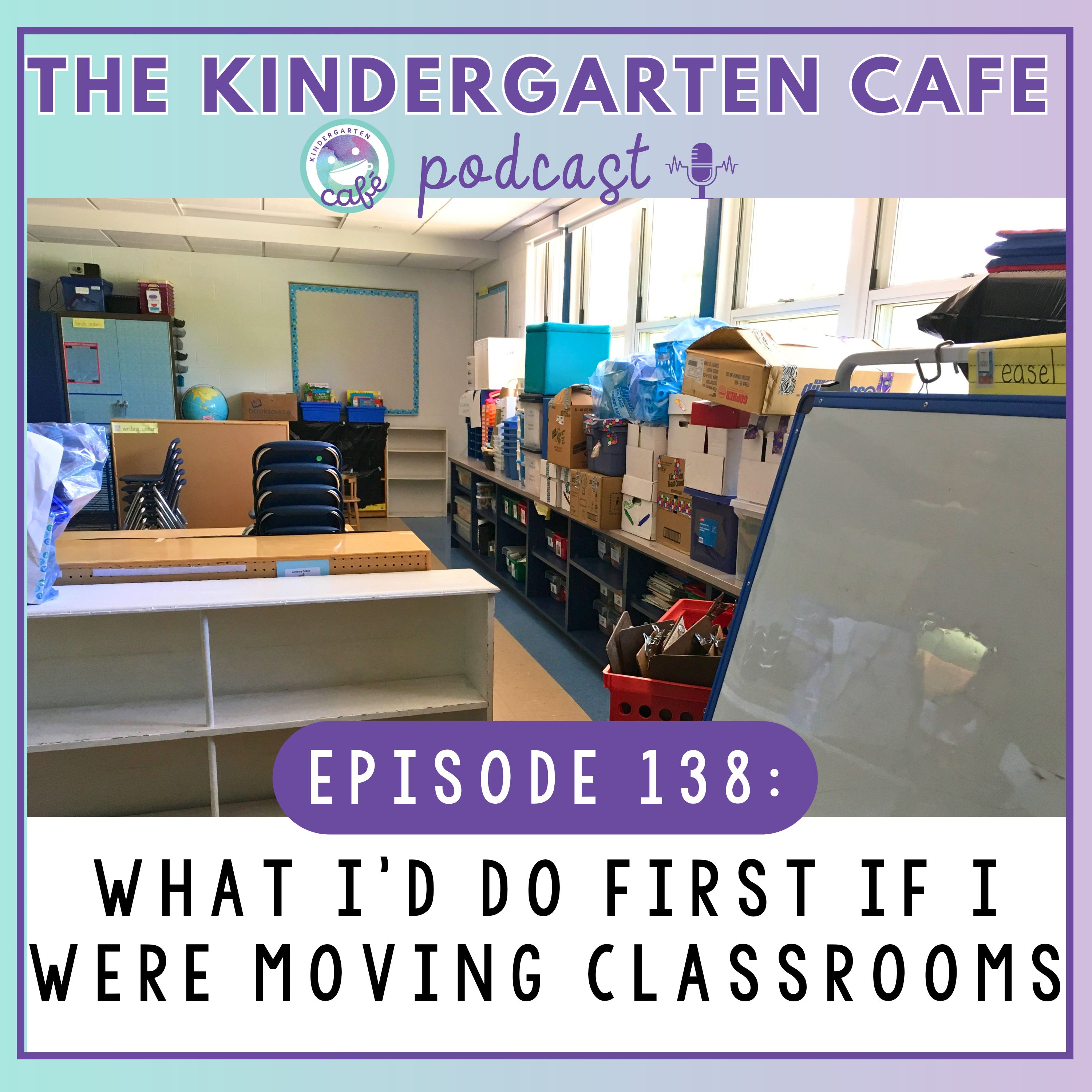
138. What I’d Do First If I Were Moving Classrooms
Moving into a new classroom, whether you are changing schools, switching grades, or just getting a different room, can feel like a lot all at once. There is new furniture, new materials, and no roadmap for how any of it fits together yet. If you are standing in the middle of it all wondering where to even begin, this episode will walk you through exactly what to do first.In this episode, I share:w

137. What I’d Do If I Were New to Kindergarten
If you will be brand new to teaching kindergarten next year, or switching to kindergarten from another grade, the excitement is probably mixed with a whole lot of "where do I even start?" Kindergarten is its own world, and no matter how many years you have in the classroom, nothing fully prepares you for it until someone who's been there walks you through it. This episode is that walk-through.In t
136. Did You Have a Hard Kindergarten Year? Let's Talk About Why
If this school year felt harder than expected, more exhausting than rewarding, or like you were constantly trying to keep up, this episode is an honest and encouraging conversation for kindergarten teachers.I talk directly to teachers who are ending the year drained and wondering why teaching kindergarten felt so hard. Whether it was your first year or your twentieth, I want you to know that strug

135. End-of-the-Year Social Emotional Learning: Supporting Big Feelings Before Summer
The end of the school year can bring excitement, celebration, and fun, but it also brings a lot of feelings. In this episode, I talk about how to support students socially and emotionally as the school year comes to a close.Many children are processing more than adults realize. They may be excited for summer while also feeling sad about leaving their teacher, nervous about a new classroom, worried

134. Creating a Smooth Transition from Kindergarten to First Grade
The move from kindergarten to first grade is exciting, but for many students, it can also feel like a really big change. In this episode, I share how to support children emotionally, socially, and academically as they prepare for the transition to first grade.Some students are thrilled and ready. Others may feel nervous, anxious, or overwhelmed about leaving a classroom that has become their safe

133. Engaging End-of-Year Activities for Kindergarteners
The end of the year brings a very real energy shift in kindergarten. Kids are tired, routines start to feel old, and the big transition to summer or first grade can bring excitement for some students and a lot of anxiety for others. In this episode, I share how to keep the classroom fun and engaging at the end of the year without throwing out the structure that kids still need.I explain why end-of
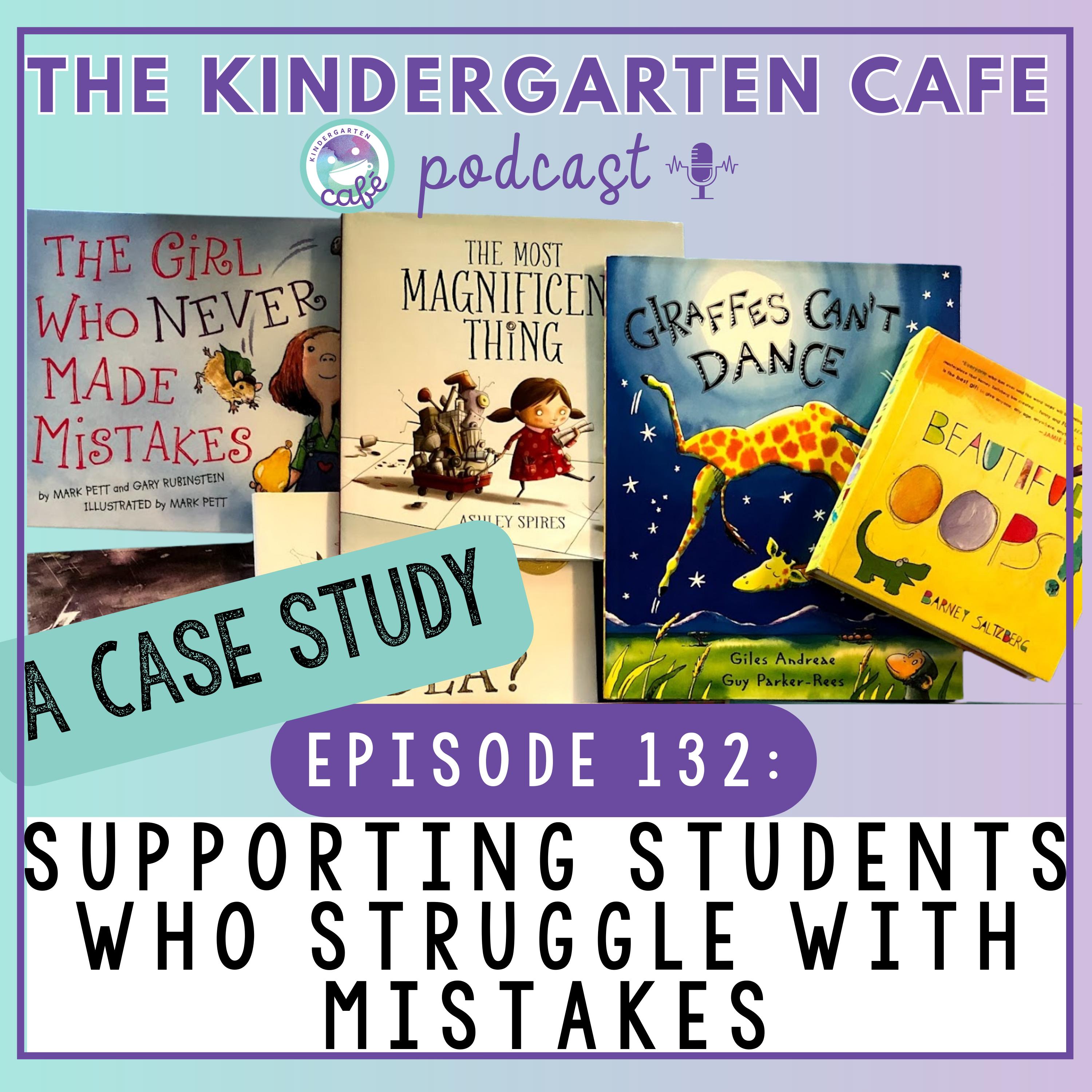
132. Supporting Students who Struggle With Mistakes
A worksheet gets crumpled and thrown away. Tears start over one small error. A student refuses to even begin because they’re afraid of getting it wrong.I’m sure you’ve seen this in your classroom.In this episode, I explain what’s really going on when students struggle to handle mistakes, and how to support them in a way that helps them move forward.You’ll hear how these reactions often stem from a
131. Building Self-Confidence In Kindergarteners
Self-confidence plays a huge role in how students learn, take risks, and see themselves in the classroom and kindergarten is a critical time to begin shaping that identity. This episode shares practical, everyday strategies teachers can use to help students build confidence and develop a positive sense of themselves as learners.You’ll hear why confidence isn’t just about feeling good, it directly
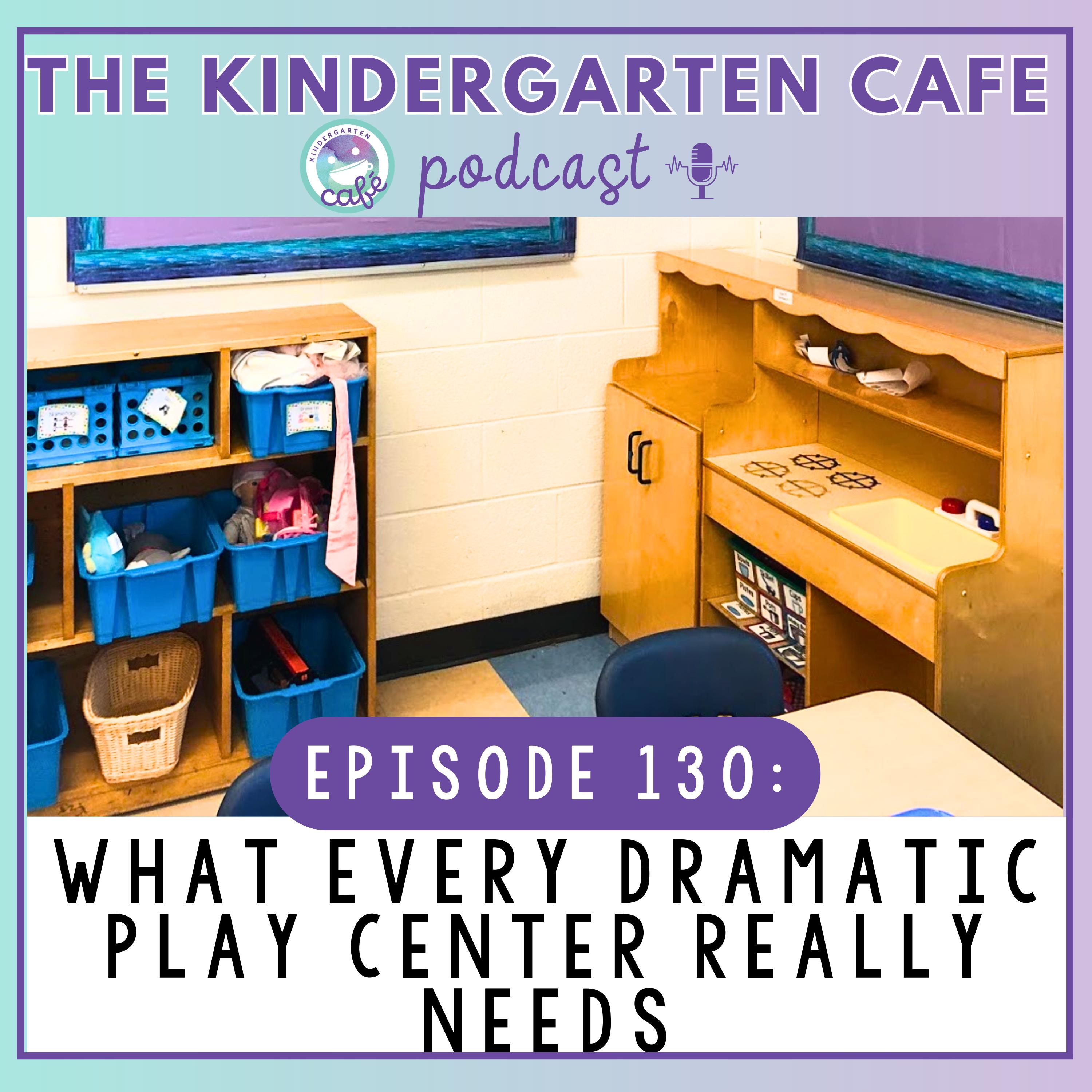
130. What Every Dramatic Play Center Really Needs
Dramatic play is one of the most powerful learning areas in an early childhood classroom, but many classrooms are losing it or aren’t sure how to set it up effectively. In this episode, I break down what every strong dramatic play center should include and how to keep the area engaging for students throughout the year.You’ll hear how dramatic play supports language development, social skills, imag
129. What Principals Really Want You to Know About Hiring, Interviews, and Getting the Job
If you are applying for a new teaching job, hoping to switch schools, changing grade levels, or trying to land your very first classroom position, this episode is packed with the kind of advice you usually only hear behind closed doors.I am joined by not one, but two elementary principals, Jake and Rob, for an honest conversation about what really matters in the hiring process. From getting the in
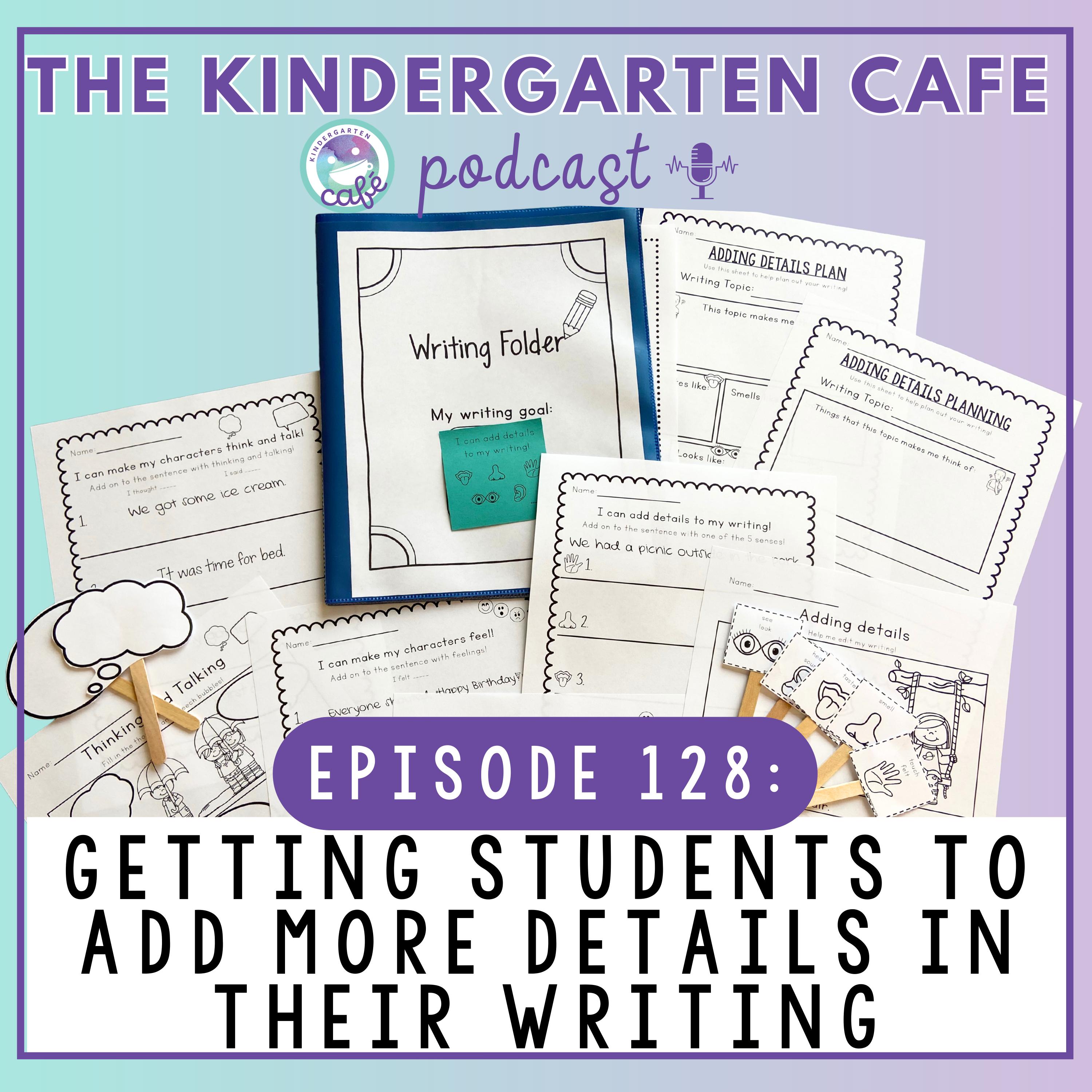
128. Adding Details In Writing
In kindergarten writing, the main goal is helping students write a strong, clear sentence. But once some students are ready to go further, the next step is learning how to add meaningful details that bring their stories to life.In this episode, I share simple strategies for teaching young writers how to expand their stories without overwhelming them. I explain how to break the skill into manageabl

127. Field Trip Tips!
Planning a field trip can feel exciting… and slightly terrifying at the same time. In this episode, I share all the practical tips I’ve learned over the years to make field trips smoother, safer, and far less stressful for teachers. Everything from choosing the right location to organizing groups and managing the day-of logistics. If you’ve ever worried about keeping track of 20+ kids in a crowded
126. Making the Shift to Systematic Phonics Intruction with Melanie from Phonics Rules for Kids
Phonics can feel… well, stressful. For teachers and parents. I invited Melanie Jeffrey, host of the Phonics Rules for Kids podcast and former K–3 classroom teacher turned phonics coach to talk about what actually helps early readers become confident decoders (and what looks like reading but is really just guessing).Melanie shares how her instruction shifted from leveled texts and “cueing” strategi
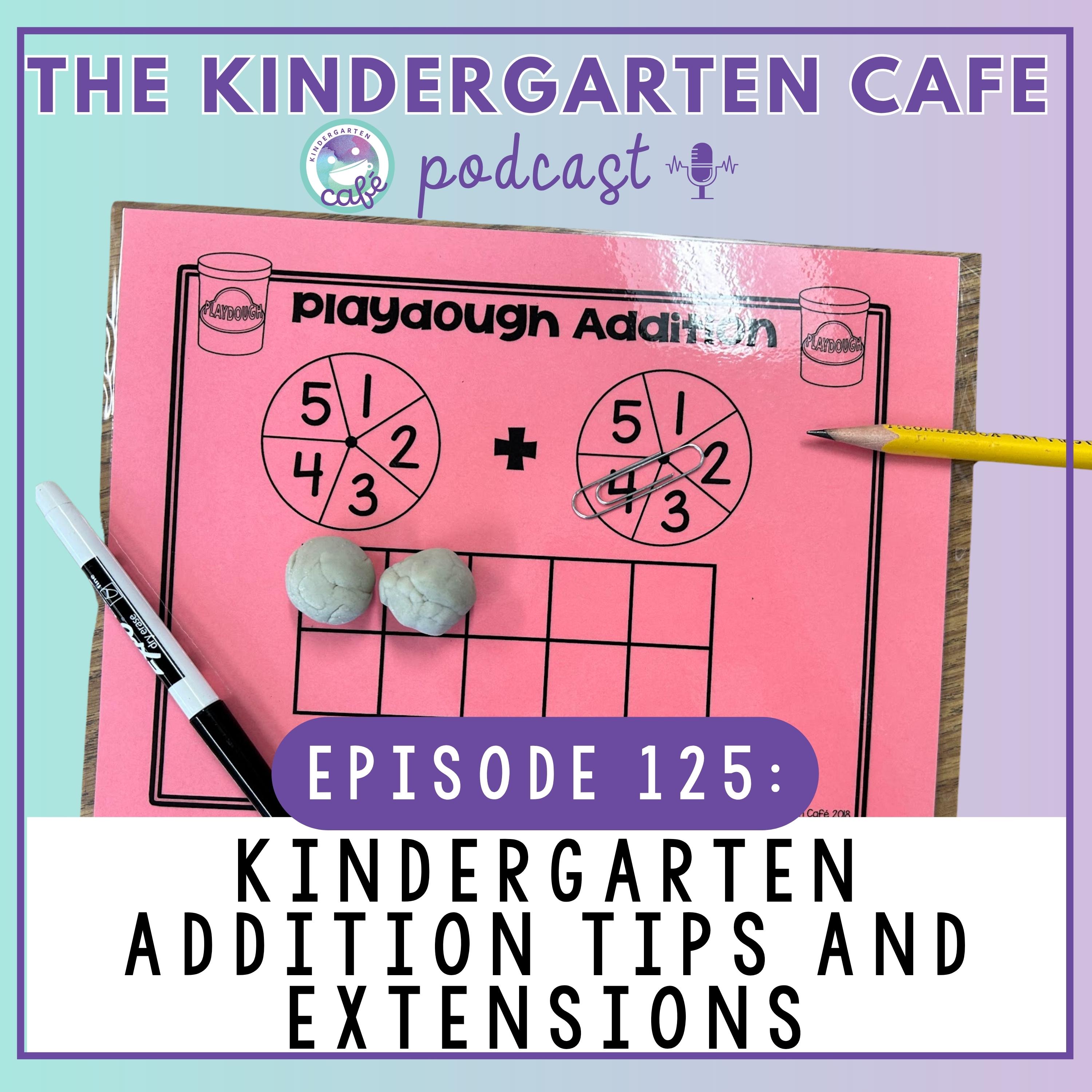
125. Kindergarten Addition Tips and Extensions
This episode tackles two opposite classroom math challenges: students who don’t get addition, and students who’ve already mastered it. Whether you're trying to build understanding from the ground up or keep your addition knowers engaged, I shares real, classroom-tested strategies that go beyond just “more worksheets.”In this episode I share:Why addition often breaks down when students move too qui
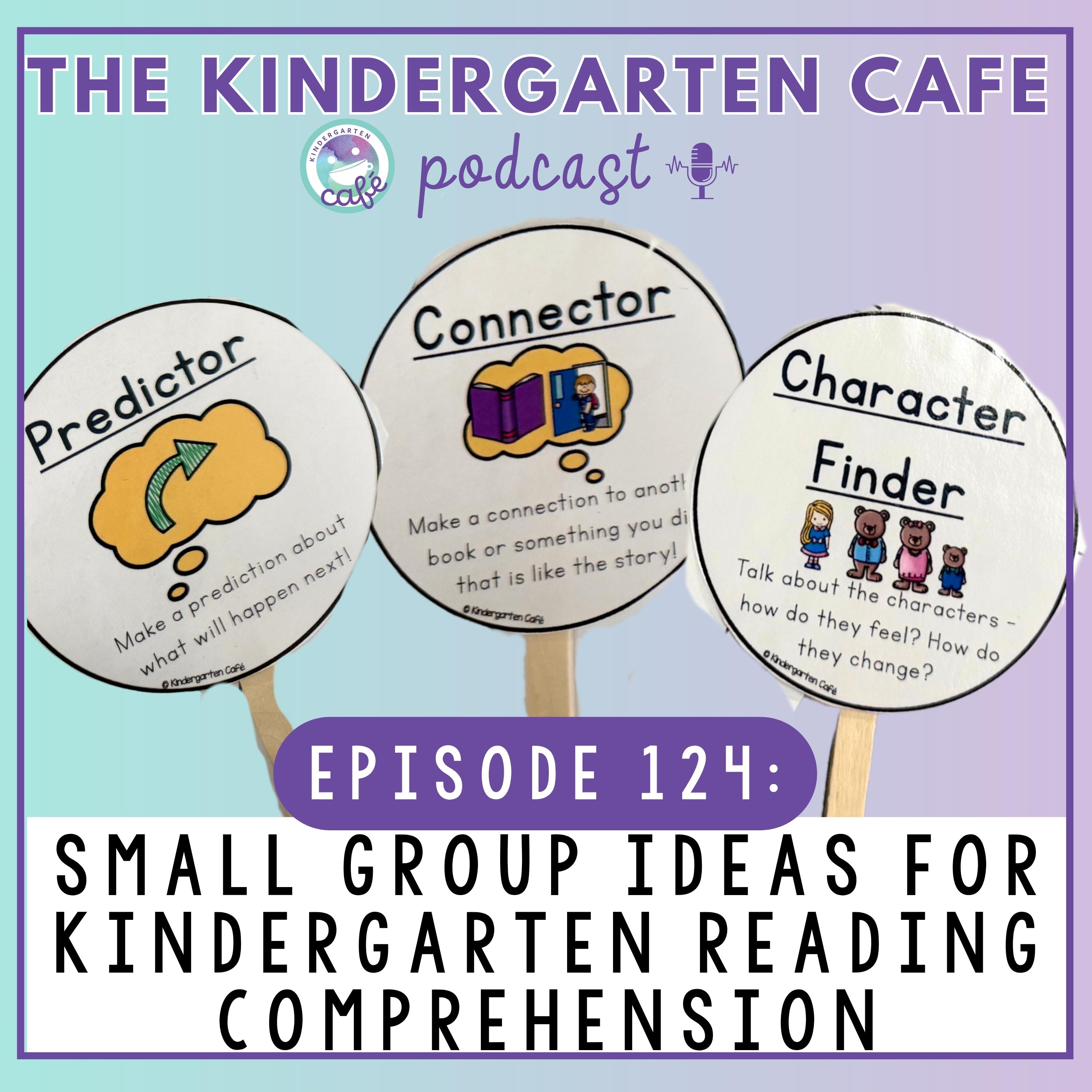
124. Small Group Ideas for Kindergarten Reading Comprehension
Your students are finally decoding with confidence, so what’s next? In this episode, I share what comprehension-focused small groups can look like once your students are fluent readers. Spoiler: it’s about more than just “did they understand the story?”In this episode I share:Why decoding must come first before comprehension groupsHow comprehension is built through modeling, discussion, and real c
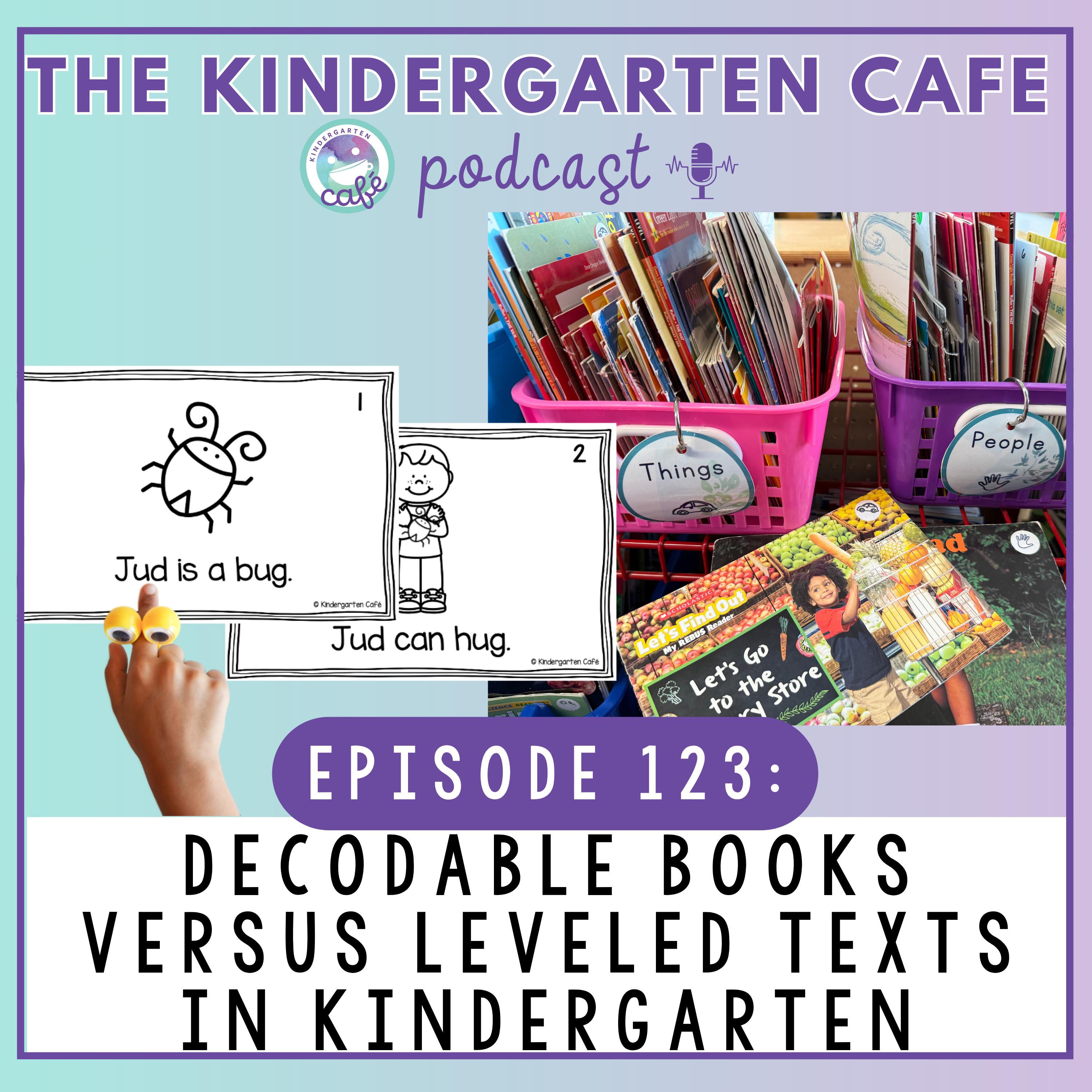
123. Decodable Books vs Leveled Texts in Kindergarten
Feeling torn between leveled readers and decodables? There are strong opinions out there, but in this episode, I share the difference between the two and what I use in my classroom (and why). I also share my favorite decodable resources and how I use them during small groups and independent reading time.In this episode I share:The difference between decodable vs. leveled booksWhy I stopped using l
122. Navigating Tricky Team Dynamics w/ Jenna from @ThatStrongTeacher
Grade-level teams can make your year feel supportive… or completely draining. In this episode,I’m joined by Jenna Everetts (aka @ThatStrongTeacher) to talk honestly about navigating team dynamics, communication challenges, and collaboration struggles teachers face at every stage of their career.We unpack what to do when you feel unheard, left out, or pressured to teach in a way that doesn’t align
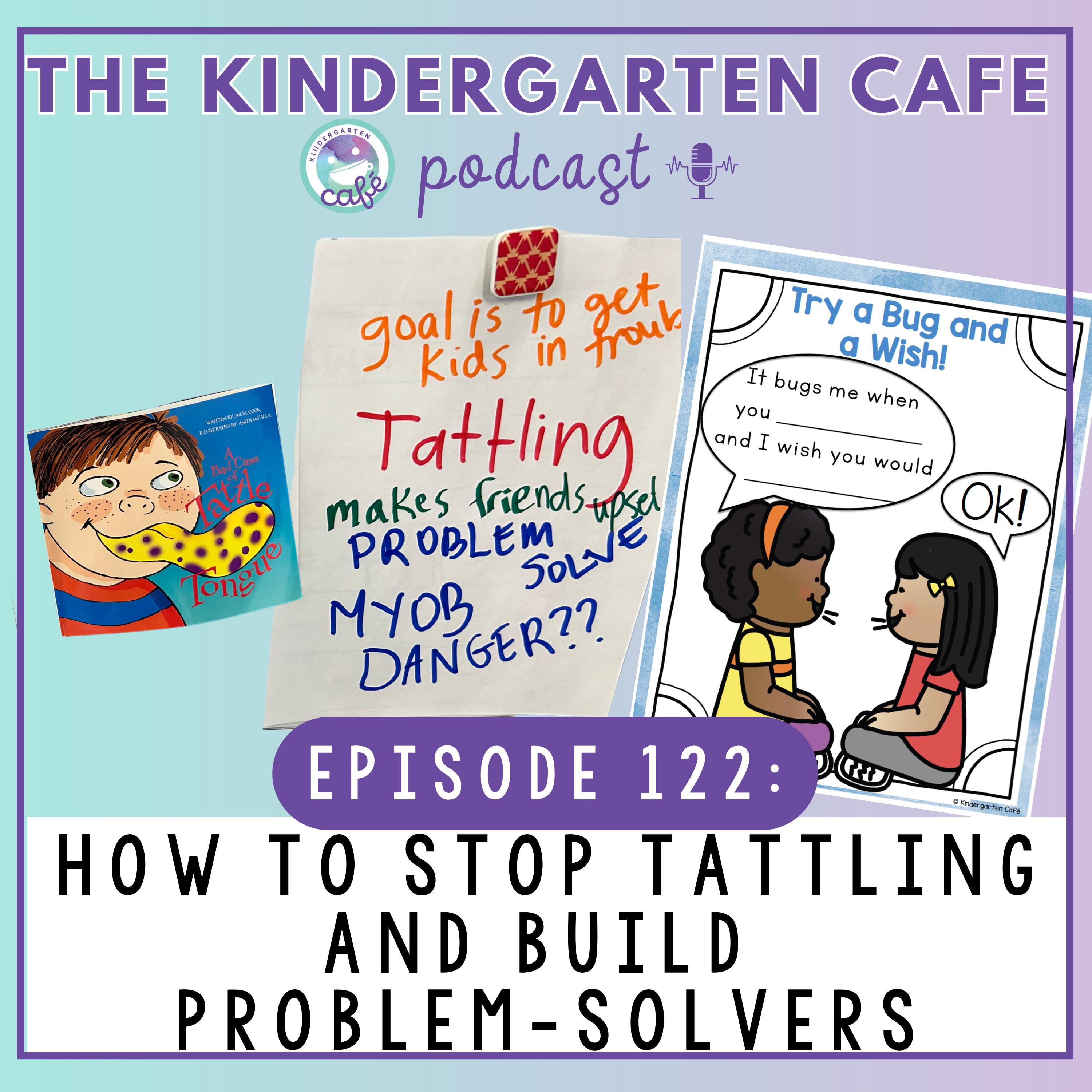
121. How to Stop Tattling and Build Problem-Solvers
If you feel like you're spending all day listening to “he said/she said” drama, this episode is for you. I share my favorite strategies for reducing tattling and teaching students to manage problems on their own. Plus, learn why teaching kids to “take care of themselves” is a life skill that goes way beyond kindergarten.In this episode I share:How to teach kids to solve conflicts with the “Bug and
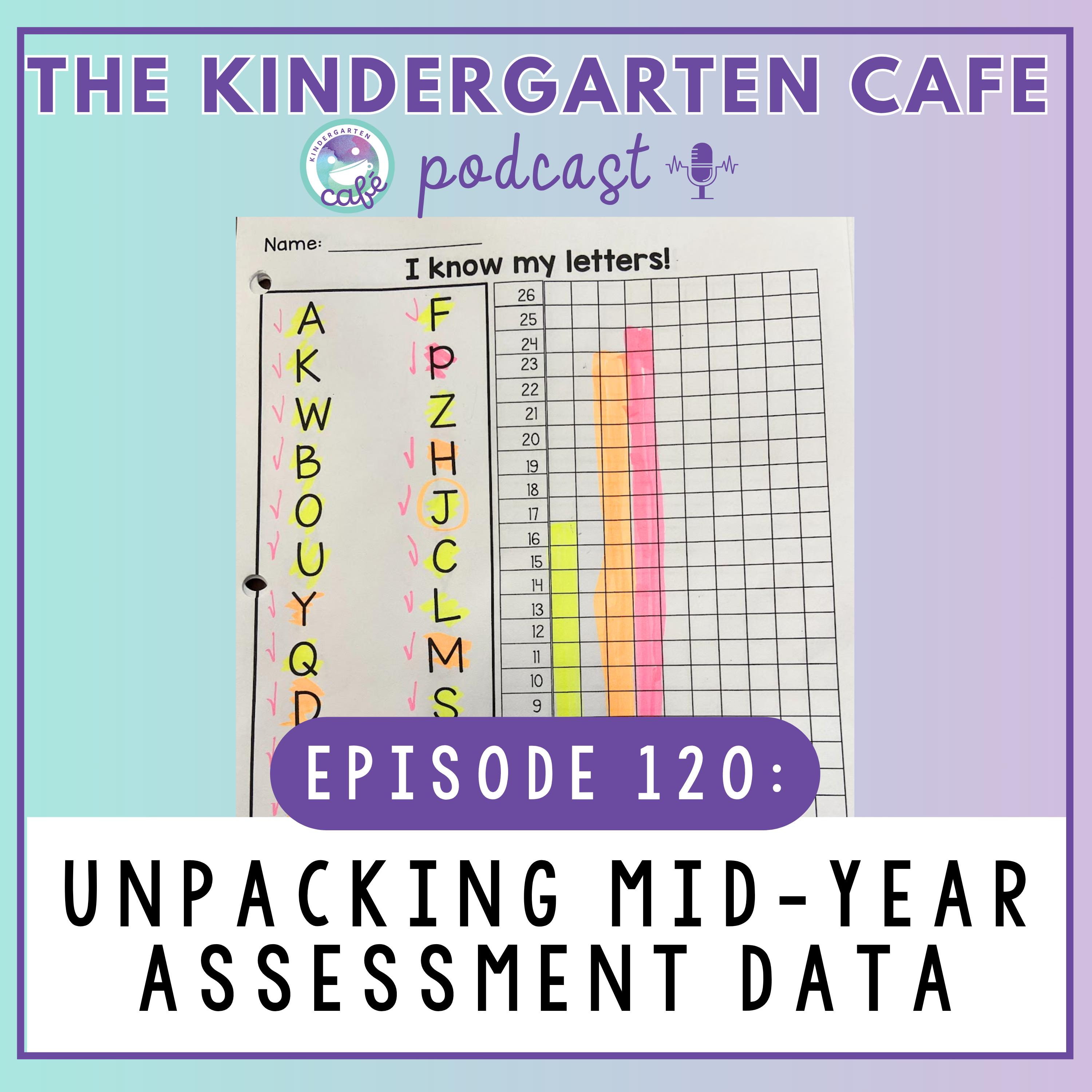
120. Unpacking Mid-Year Assessment Data
Midyear assessments are in and if you're feeling overwhelmed, or just plain frustrated, this episode is here to help. I’m answering three real teacher questions about assessment results, struggling students, and managing all that data.In this episode I share:What to do when students aren’t showing the progress you expectedHow to turn midyear data into small group plans that actually move the needl

119. Easy Small Group Ideas for Blending and Decoding Success
Have students who know their letters and sounds… but freeze when it’s time to blend them into a word? This episode is for you. I’m walking you through exactly how I support early readers in small groups who need extra help with blending and decoding and it’s simpler than you think.In this episode I share:My go-to small group structure for decoding supportWhy a quick sound review still mattersHow n
118. Top Strategies for Teaching Personal Space in Kindergarten
If your students are constantly hugging, poking, piling on the rug, or just way too close for comfort…well, it’s not just your classroom. In this episode, I’m answering two teacher questions about handling personal space.In this episode I share:My favorite read-aloud and activity for teaching personal spaceEasy rug-time fixes to cut down on chaosHow to teach kids to ask before hugging or holding h
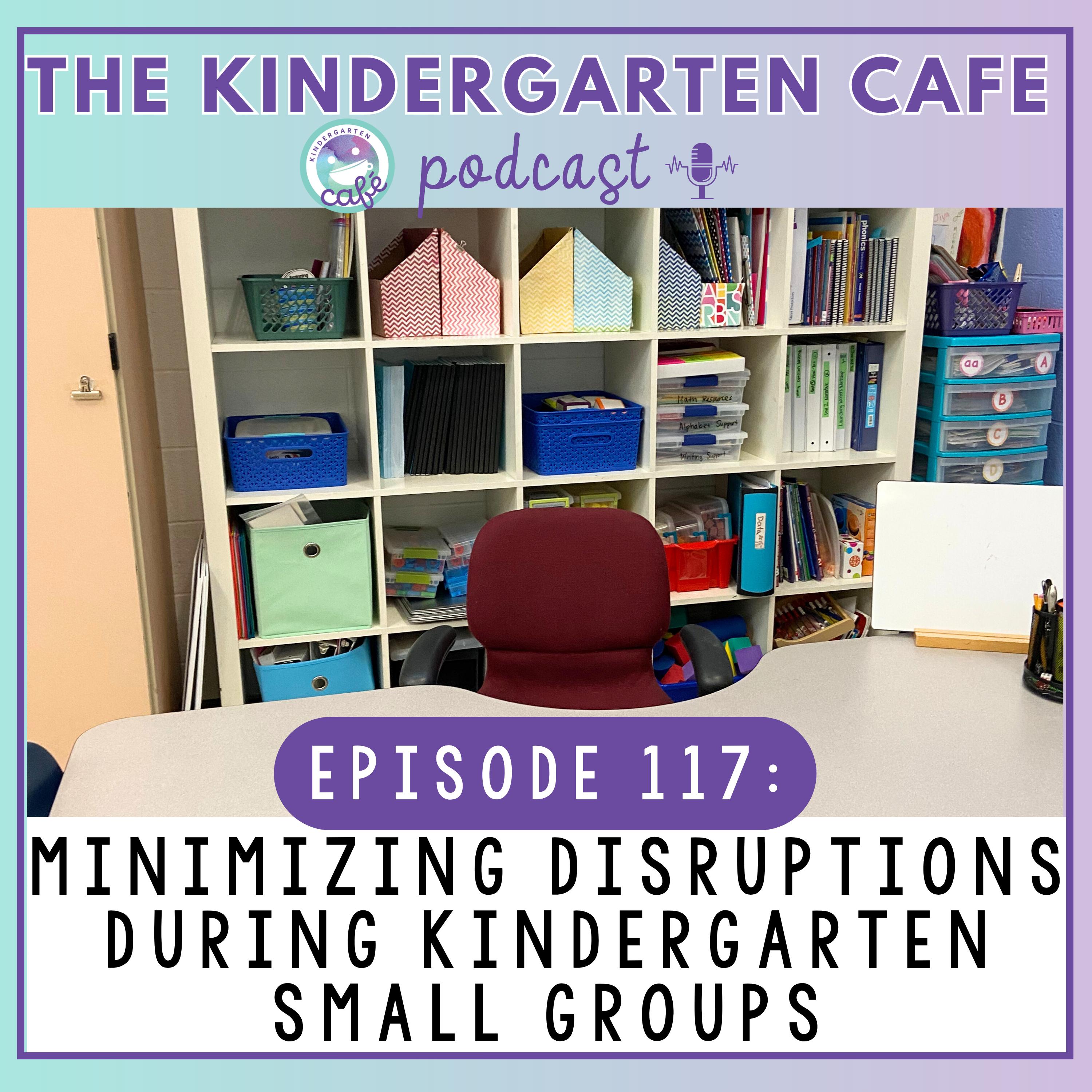
117. Minimizing Disruptions During Kindergarten Small Groups
One of the most common questions I get from teachers is: "How do I keep the rest of the class under control while I’m teaching small groups?" If you’re trying to pour into a handful of kids at your table, but out of the corner of your eye, you see three students arguing over a marker, two more asking for help, and someone else who’s supposed to be reading… I’m walking you through what actually wor
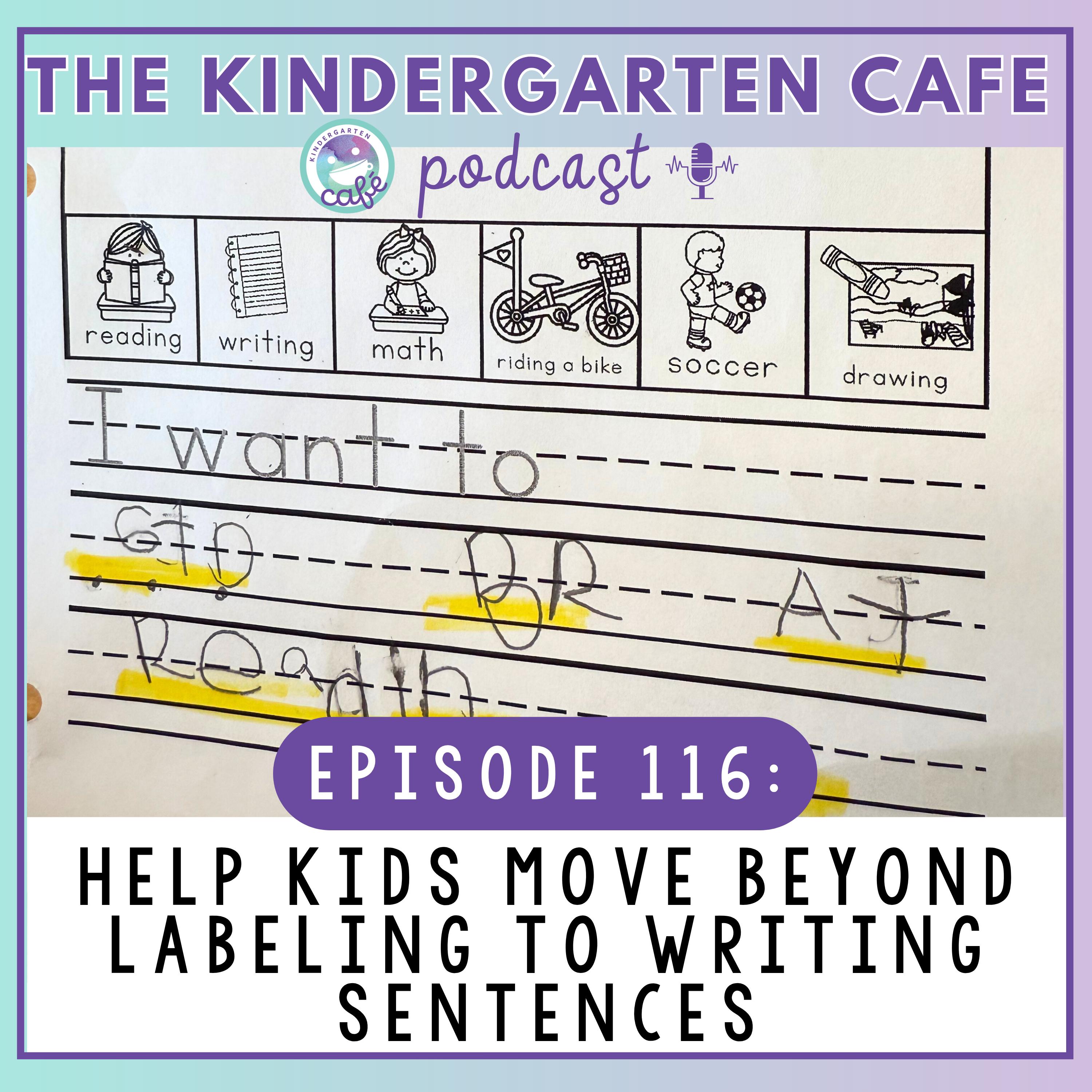
116. Help Kids Move Beyond Labeling to Writing Sentences
Are your students stuck at labeling their pictures and freezing when it’s time to write sentences? Today we’re tackling this super common writing hurdle with strategies that actually work in a real kindergarten classroom. With simple, supportive ideas to help students go from oral storytelling to complete sentences.In this episode I share:How to move from ideas to full thoughts on paperWhy oral st
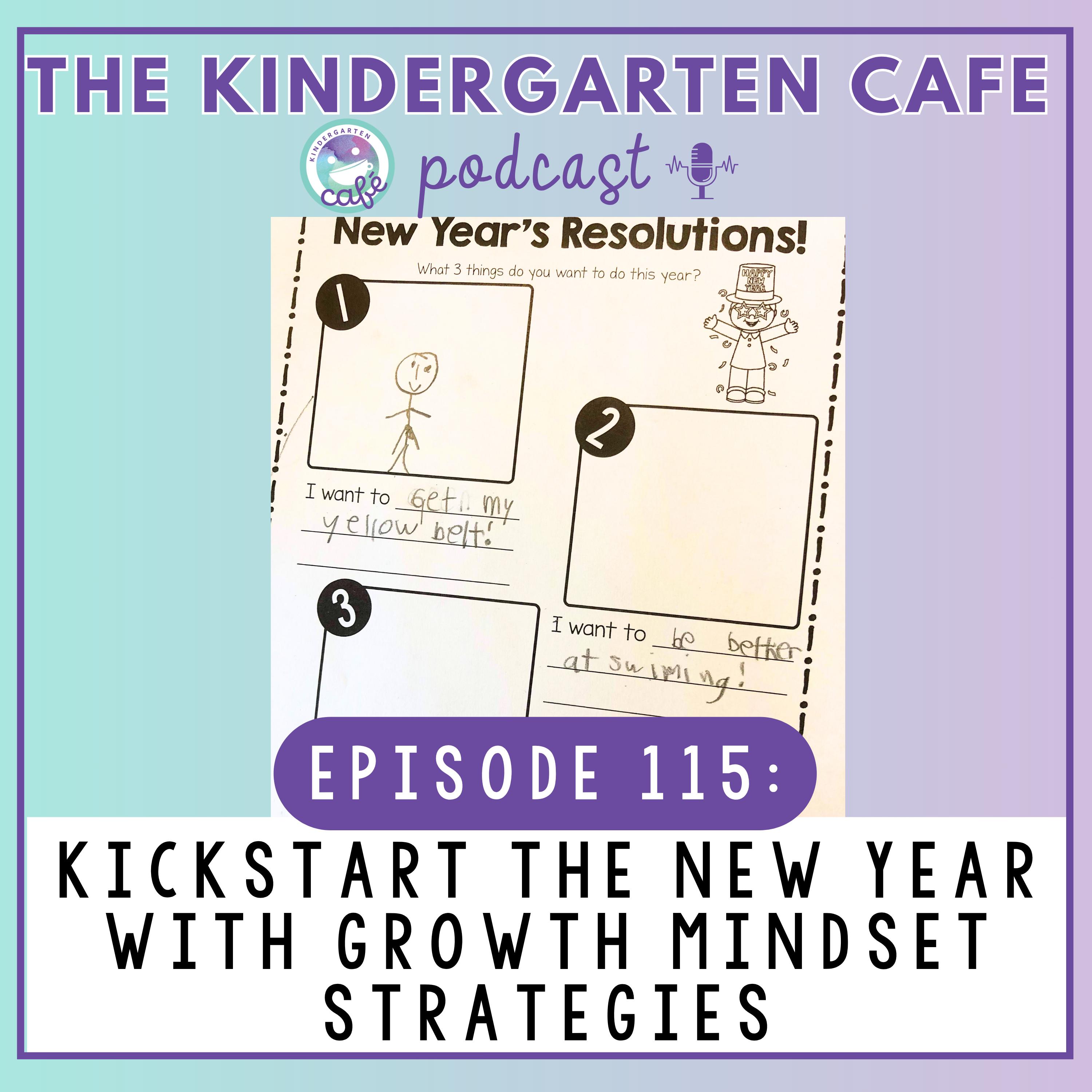
115. Kickstart the New Year with Growth Mindset Strategies
New year, new mindset! In this episode, we're talking all about growth mindset. What it actually looks like in a kindergarten classroom and how you can start teaching it in simple, meaningful ways. Whether you’re heading back after winter break or saving this for later, you’ll walk away with clear ideas you can use right away.In this episode I share:How to explain “persistence” to young learnersA
114. A Developmental Approach to Teaching Writing with Melissa from Teaching to Transform
Let’s talk about the real kind of kindergarten writing, where every student is on their own unique journey.In this episode, I’m joined by literacy consultant and podcast host Melissa Morrison (of Getting Students to Write) to unpack what it looks like to teach writing in a developmentally appropriate way. We talk about why some students are still scribbling while others are crafting full stories a
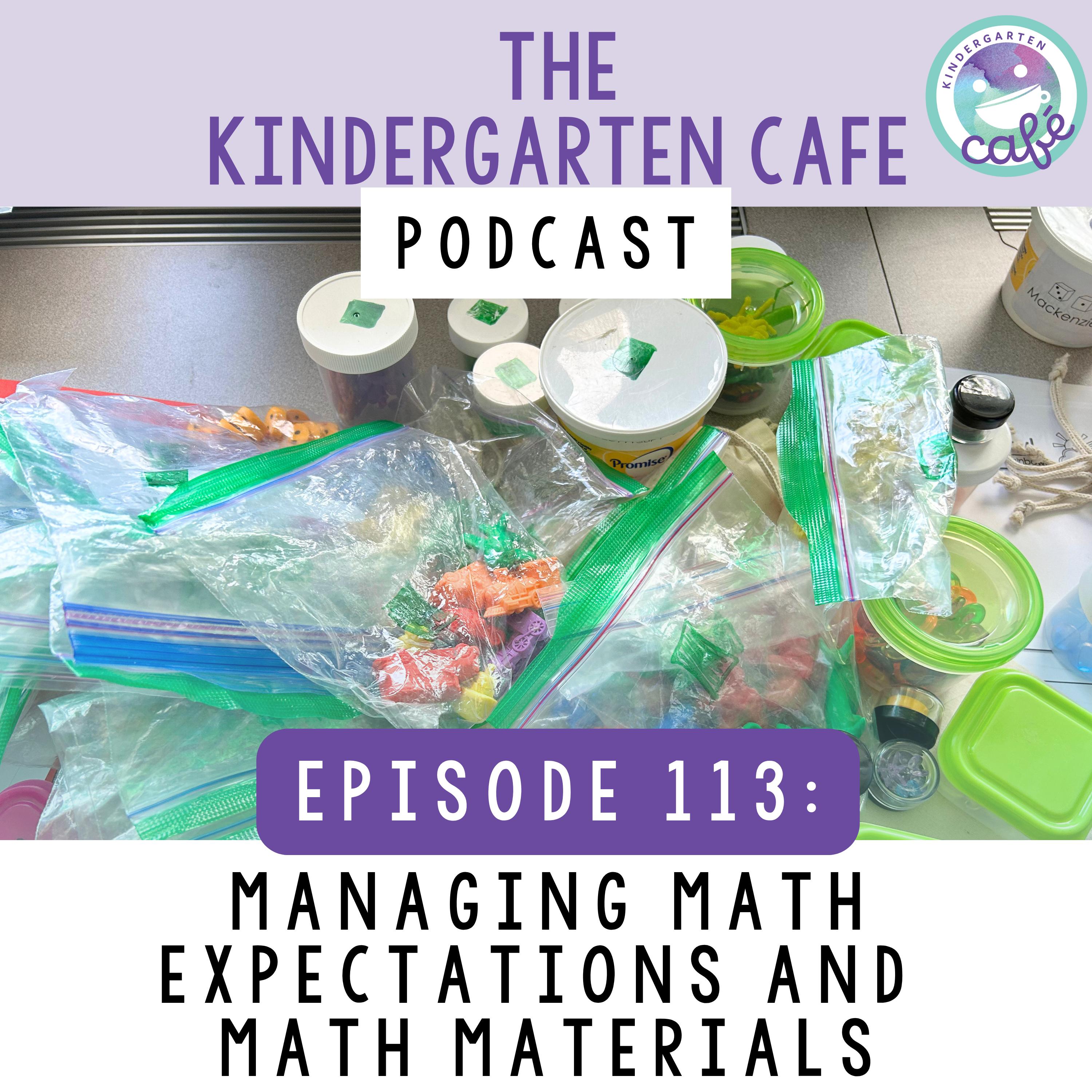
113. Managing Math Expectations and Math Materials
This week, I’m answering two real questions from teachers like you, all about math in kindergarten.If you've been wondering how to organize counting collections without drowning in buttons and cubes… or what students should realistically be able to count and write by December… you're in the right place.In this episode I share:How I organize and rotate counting collections (without spending a fortu
112. A Kindergarten Social Studies Year-Long Plan
What should kindergarten social studies actually look like across the school year?In this episode, I’m giving you a big-picture breakdown of how I teach social studies in kindergarten, how the family unit fits in, and how I structure my curriculum to help students explore their classroom, local, and global communities.If you’ve ever wondered how to make your social studies lessons more meaningful,

111. A Kindergarten Social Studies Unit: Families
Teaching about families in kindergarten is about so much more than who lives at home. It’s an opportunity to build empathy, celebrate diversity, and create an inclusive classroom community.In this episode, I’m sharing how I approach a social studies unit on families with care, intention, and developmentally appropriate strategies that honor all types of family structures.Whether you're teaching th
110. Honest Talk on Handling Teacher Burnout and Difficult Students
Some years in the classroom just feel harder than others. This one’s for the teachers who’ve cried in the car, vented to their partner, or counted down the minutes until dismissal. You're not alone and there are ways to feel like yourself again.In this deeply personal episode, I’m answering a heartfelt question from a kindergarten teacher who asked: “How do you keep showing up every day when
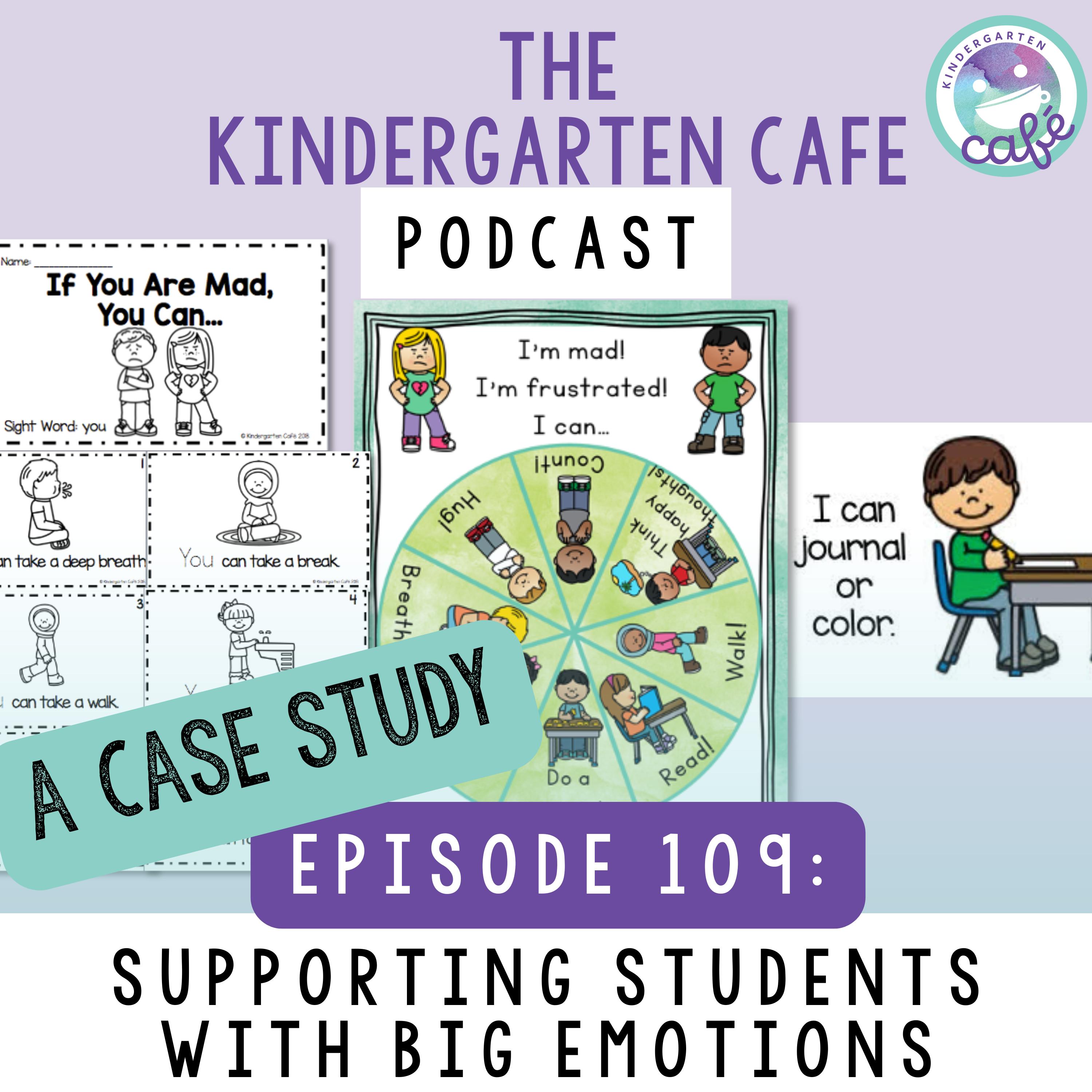
109. Kindergarten Case Study: Supporting Students With Big Emotions
If you’ve ever felt at a loss for how to support a student who cries over everything… or melts down in frustration when things don’t go their way… this episode is for you.In today’s episode, I’m sharing two real-life case studies of students with big emotions and big reactions and how I’ve supported them in the moment and over time using a combination of observation, behavior analysis, and social-
108. How to Teach Emotional Intelligence in Kindergarten
One of the most important things we can teach in kindergarten isn’t academic…it’s emotional. In this episode, I’m walking you through how to teach emotional intelligence to young learners so they can better understand, express, and regulate their feelings.In this episode I share:Why identifying emotions is a foundational step in social-emotional learningHow to teach emotions through pictures, song
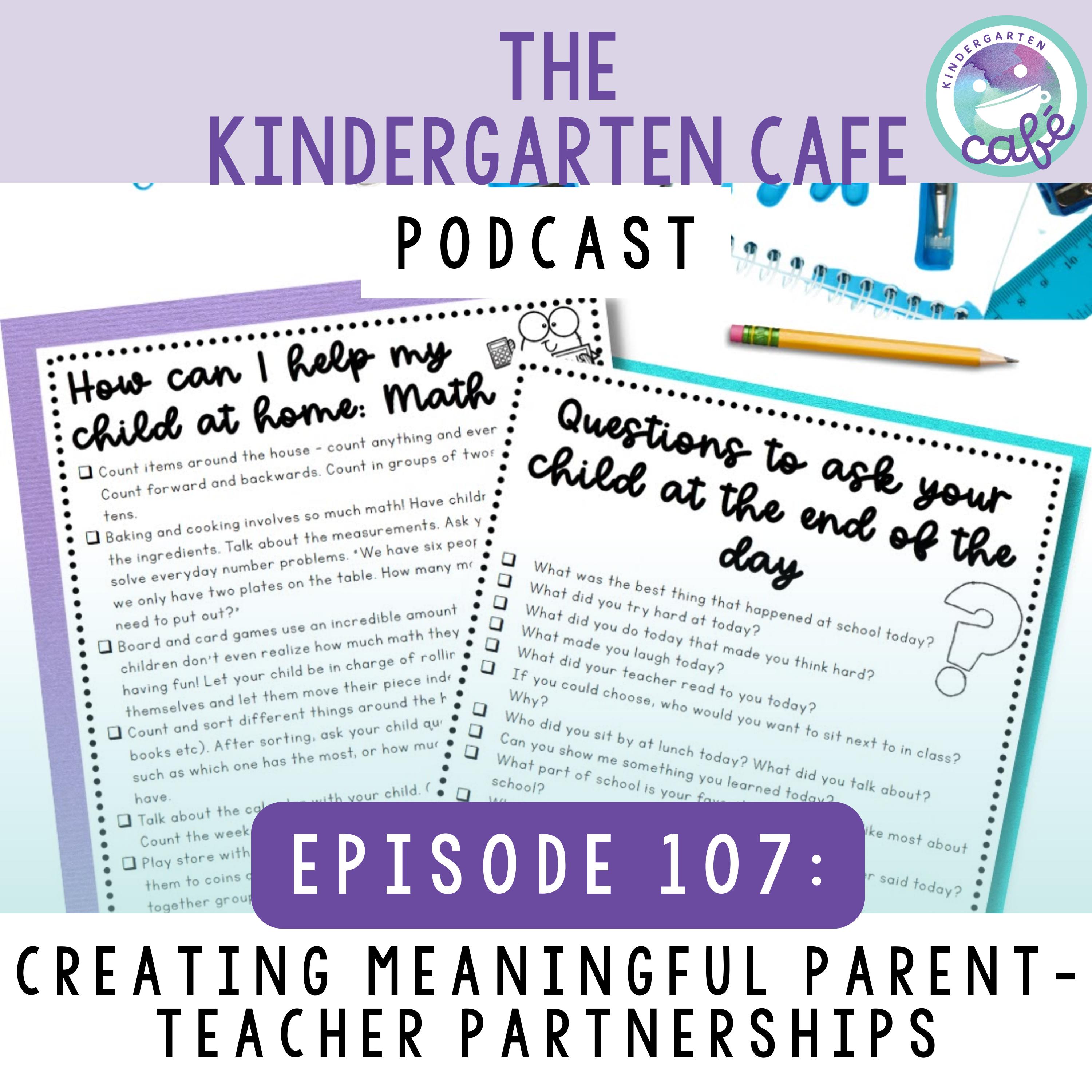
107. Creating Meaningful Parent-Teacher Partnerships
If you've ever wondered how to build better communication and trust with your students' families, this episode is for you. I’m sharing practical, real-life ways to create meaningful partnerships with families beyond just sending home permission slips or scheduling conferences. From quick updates and phone calls to celebrations and caregiver inclusivity, I’ll walk you through the systems and strate
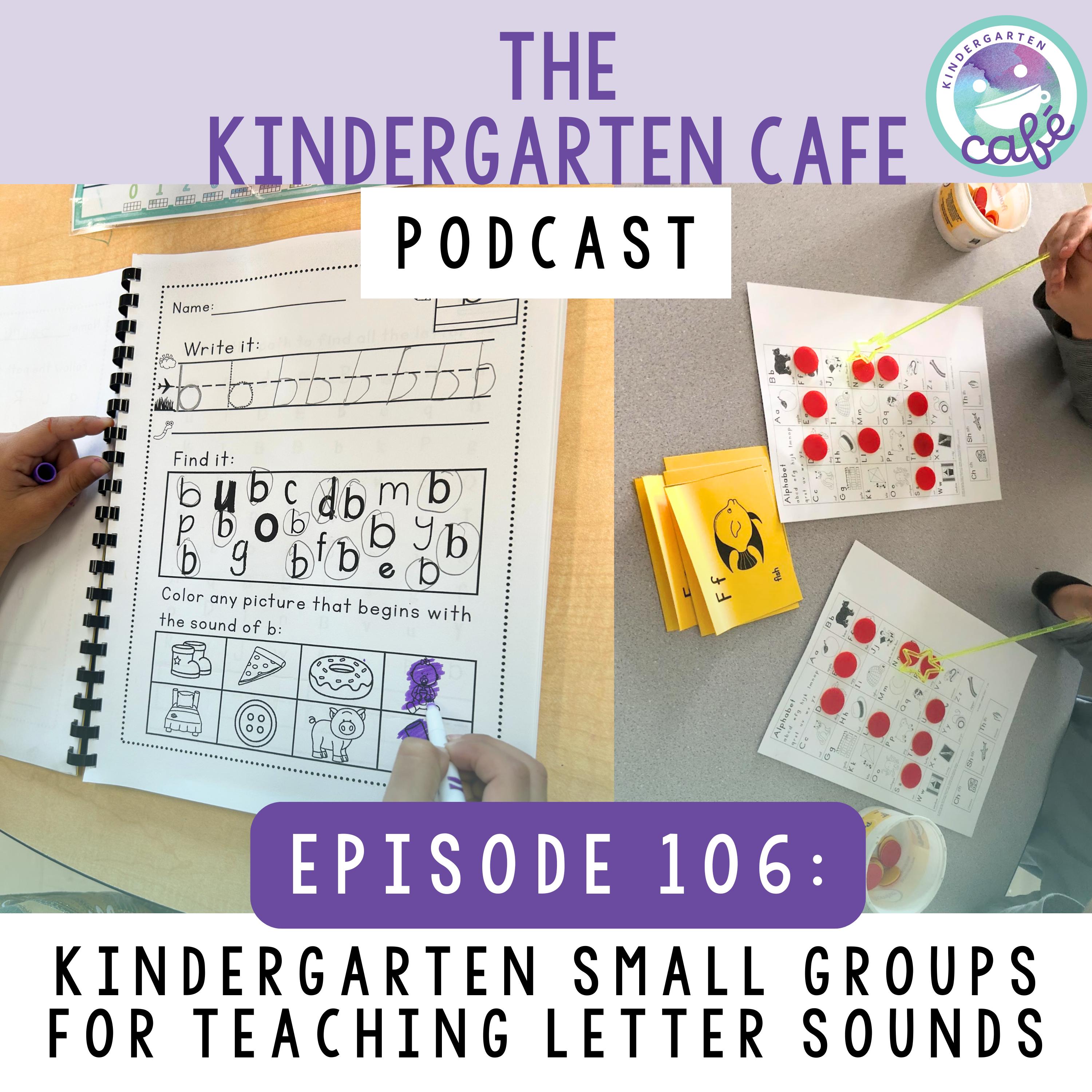
106. Kindergarten Small Groups for Teaching Letter Sounds
Small groups don’t have to look like “reading groups.” Especially when your students aren’t ready for reading yet. You’re still building those foundational skills, and that absolutely counts as important, impactful small group work. Building off last week’s episode on supporting students who come into kindergarten without any letter or sound knowledge, today I’m sharing exactly how I structure sma
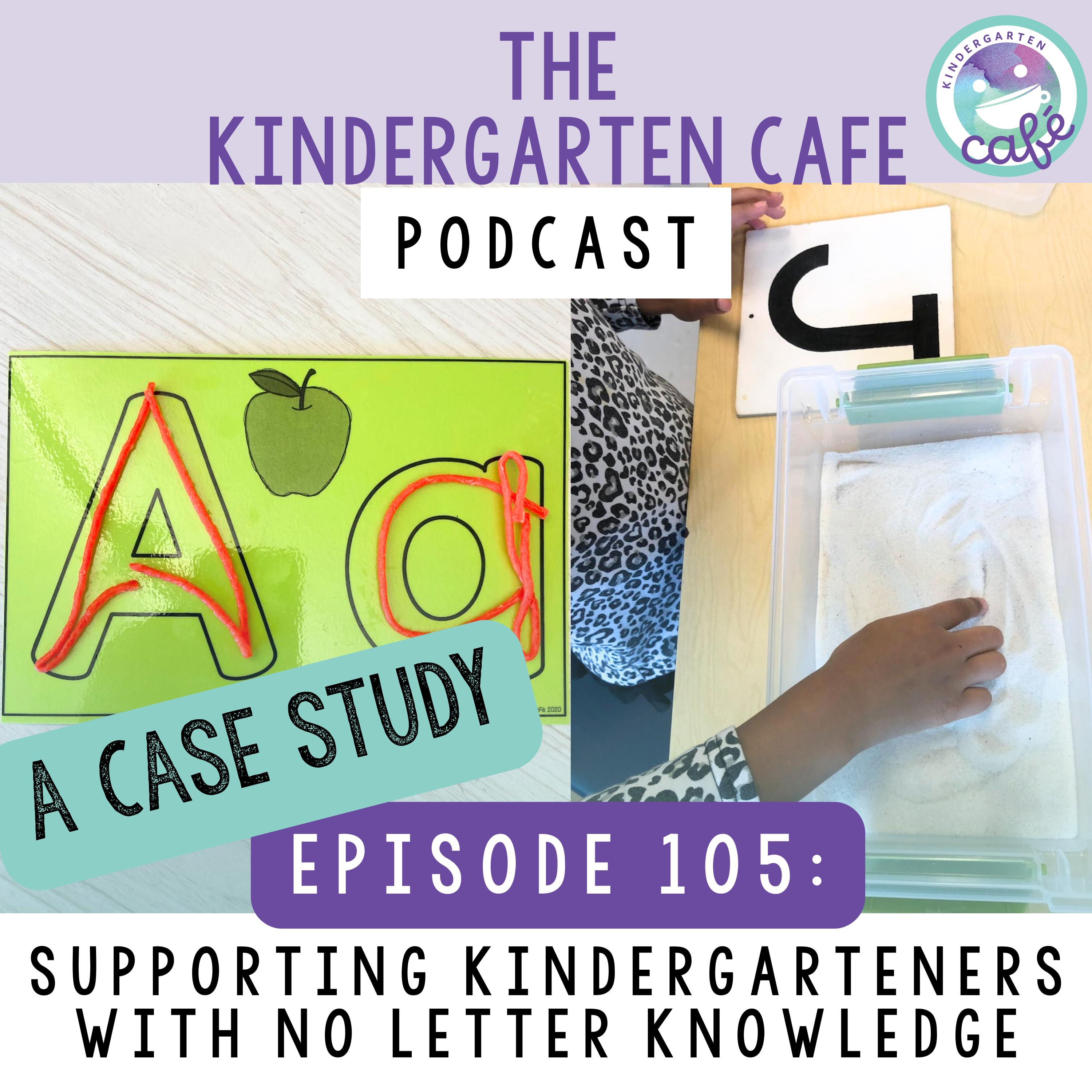
105. Kindergarten Case Study: Supporting Kindergarteners With No Letter Knowledge
It can feel overwhelming when a student comes to kindergarten with zero letter or sound knowledge. But I promise, there’s no need to panic. In this episode, I’m walking you through exactly how I approach this situation with compassion, confidence, and a clear plan. Just because they don’t know their letters yet doesn’t mean they won’t. Most students just need time, exposure, and support. This epis
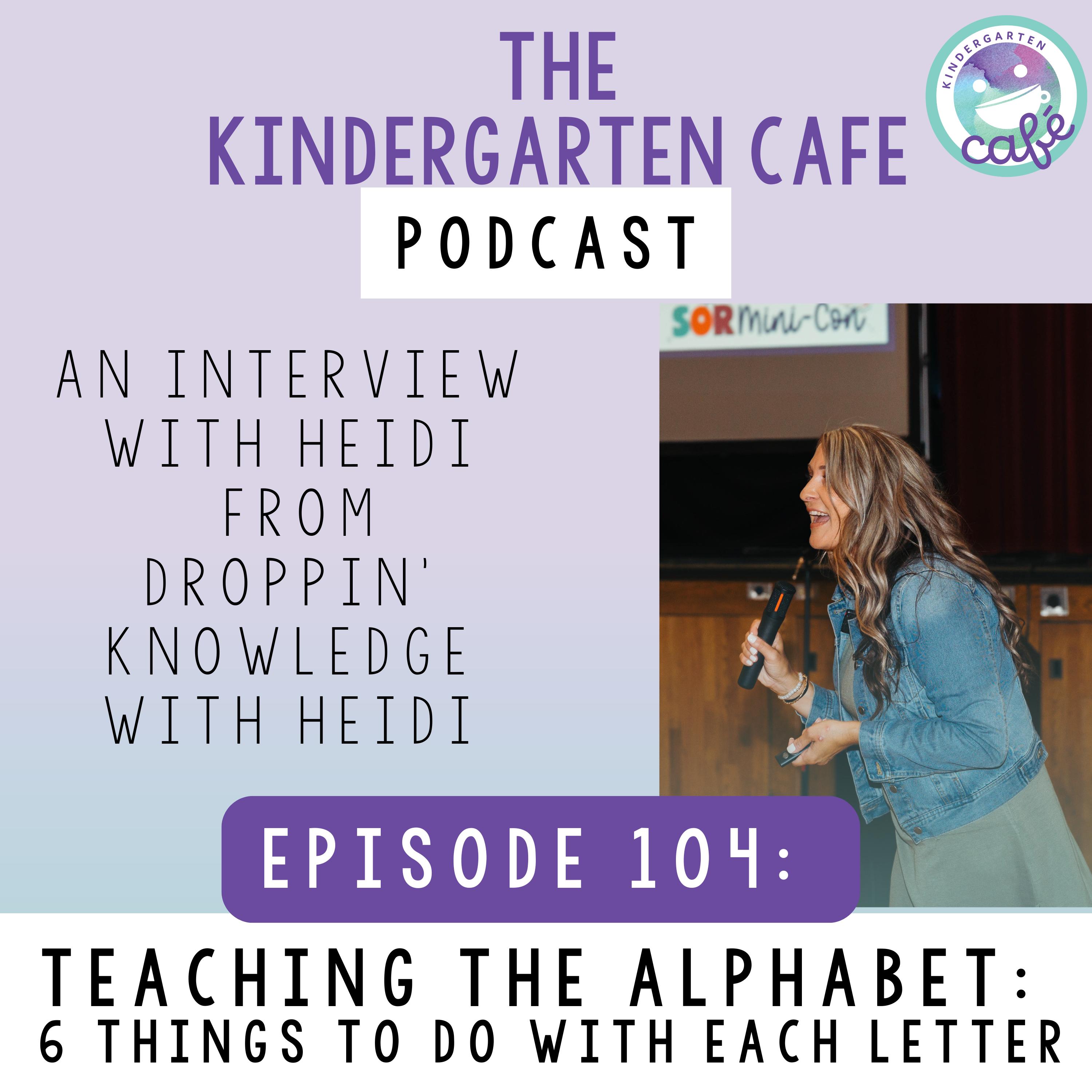
104. Teaching the Alphabet - 6 Things To Do with Each Letter w/ Droppin' Knowledge with Heidi
If you're deep in the alphabet trenches like I am right now, this episode is for you. I'm joined (again!) by Heidi from Droppin’ Knowledge with Heidi to talk all about how to teach letter sounds and letter names using research-backed best practices in ways that are practical and doable for real classrooms.Heidi is a national LETRS Early Childhood trainer and a former K–1 teacher, and she’s here to
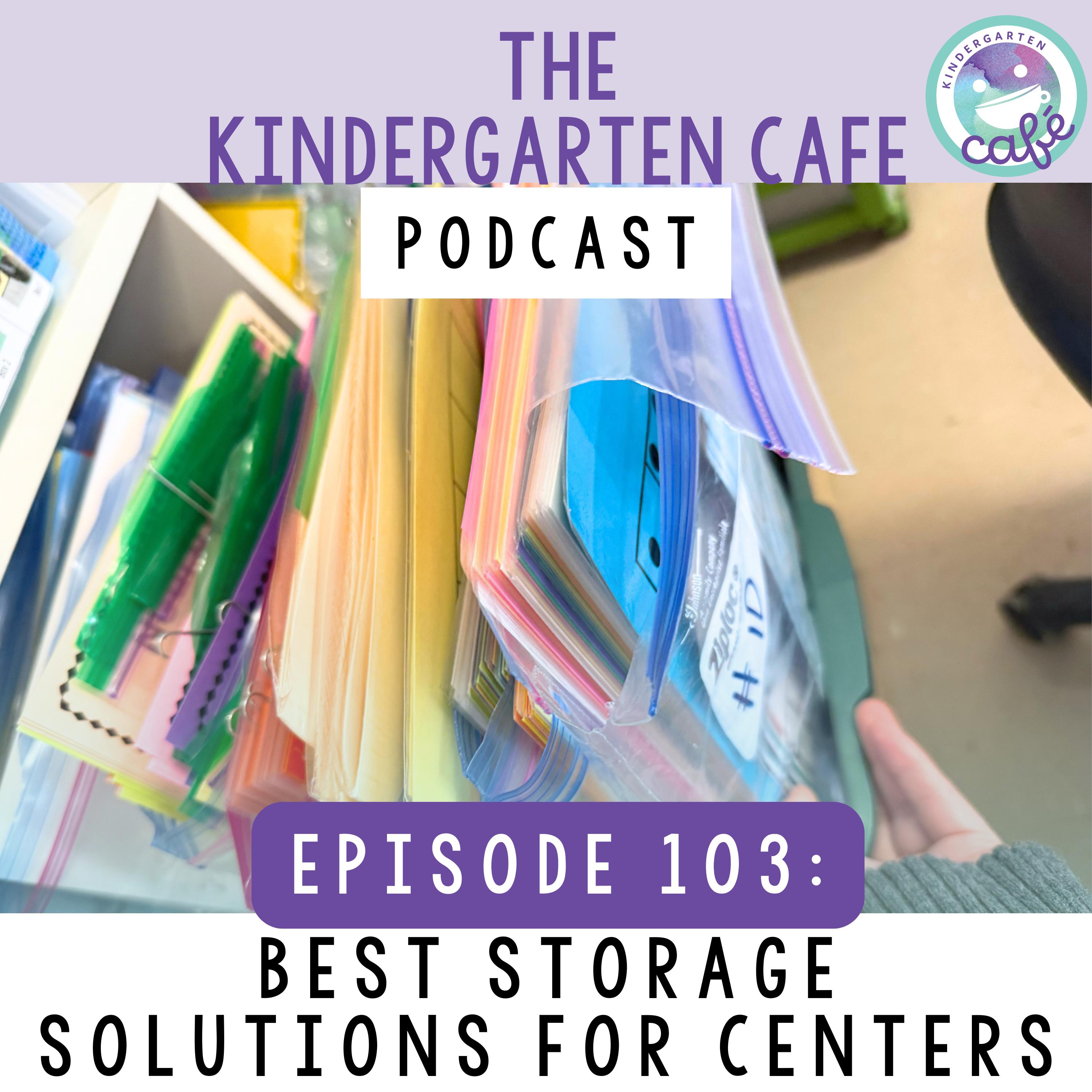
103. Best Storage Solutions for Centers in Kindergarten
Wondering how to manage all those center materials without creating chaos or drowning in bins and bags?In this episode, I’m breaking down how I organize my math and literacy centers in a way that actually works for me (and might just work for you too!). I’ll walk you through what I’ve tried, what didn’t stick, and what I finally figured out about keeping things easy to grab, easy to store, and eas
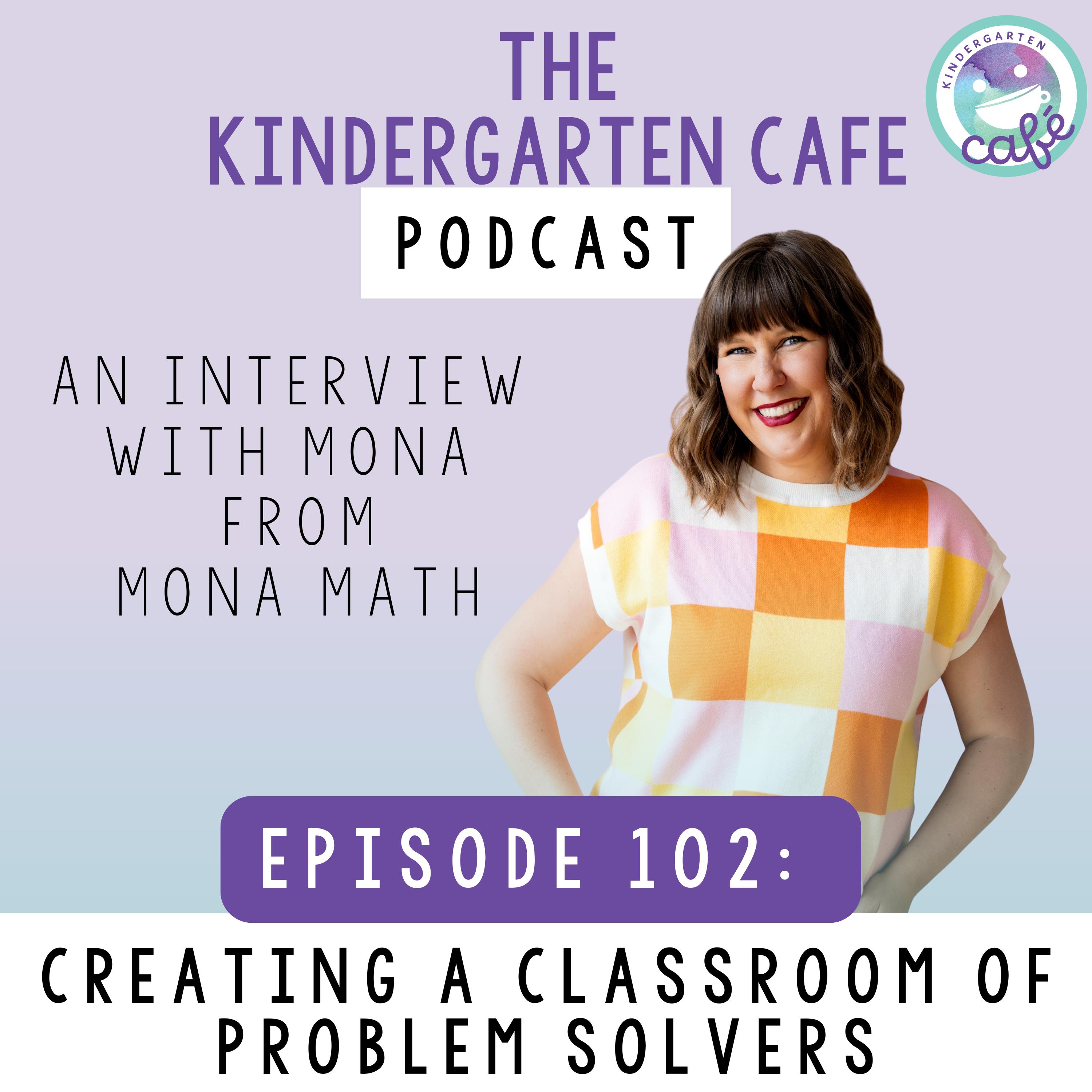
102. Creating a Classroom of Problem Solvers
In this episode, I’m joined by my friend and returning guest, Mona from @HelloMonaMath and the Math Chat podcast! If you’ve ever felt unsure about how to actually teach word problems - especially in early childhood - you are going to love this conversation.Mona shares her 5-step routine for solving word problems, and trust me, this is the kind of structure that will change how you think abou
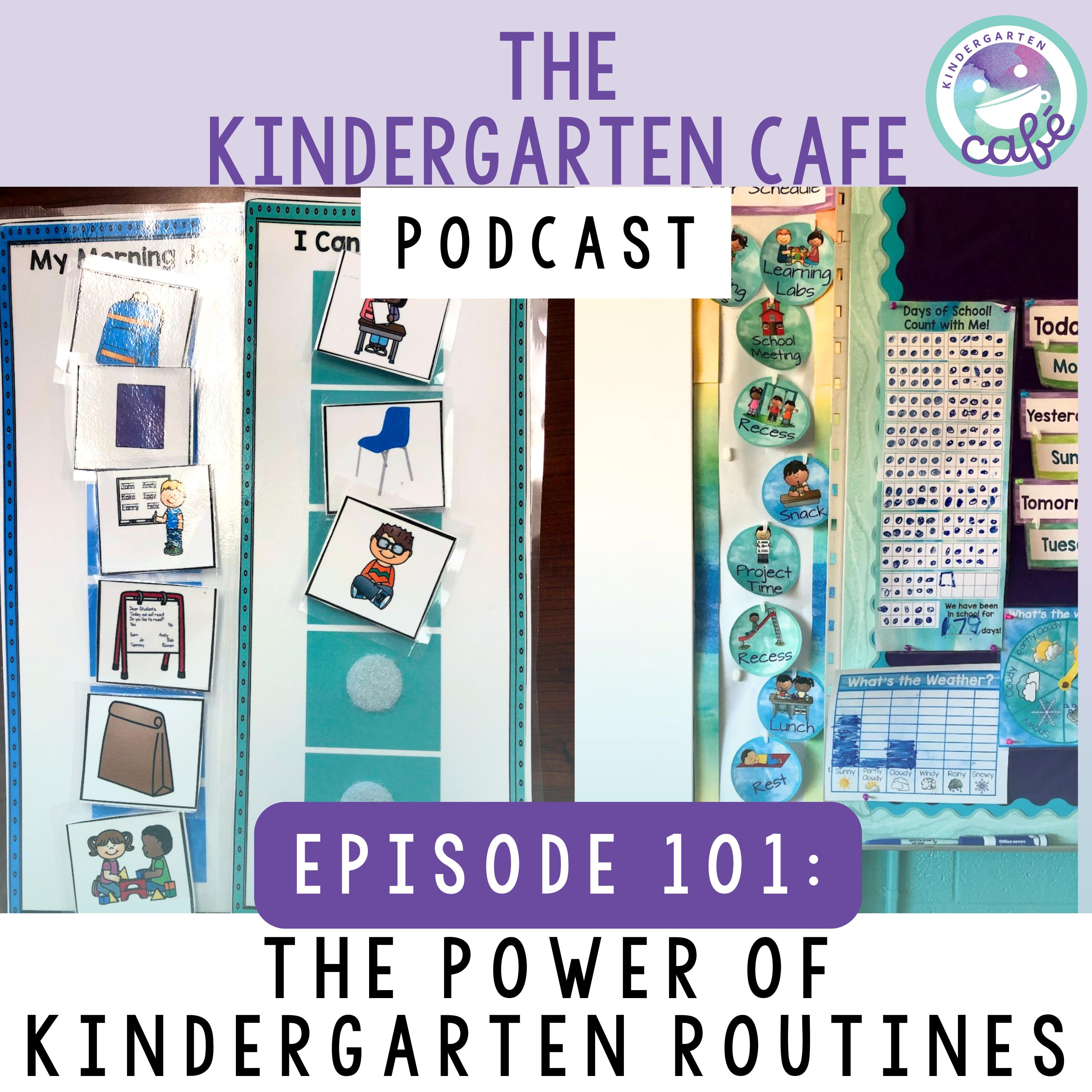
101. The Power of Kindergarten Routines
At this point in the year, it’s tempting to shake things up, but don’t ditch your routine just yet.In today’s episode, I’m sharing why sticking to consistent routines is one of the best things you can do for your students right now. We’ll talk about how routines help kids feel safe, reduce anxiety, and build independence. And how you can stay motivated, even if you’re tired of singing the same son
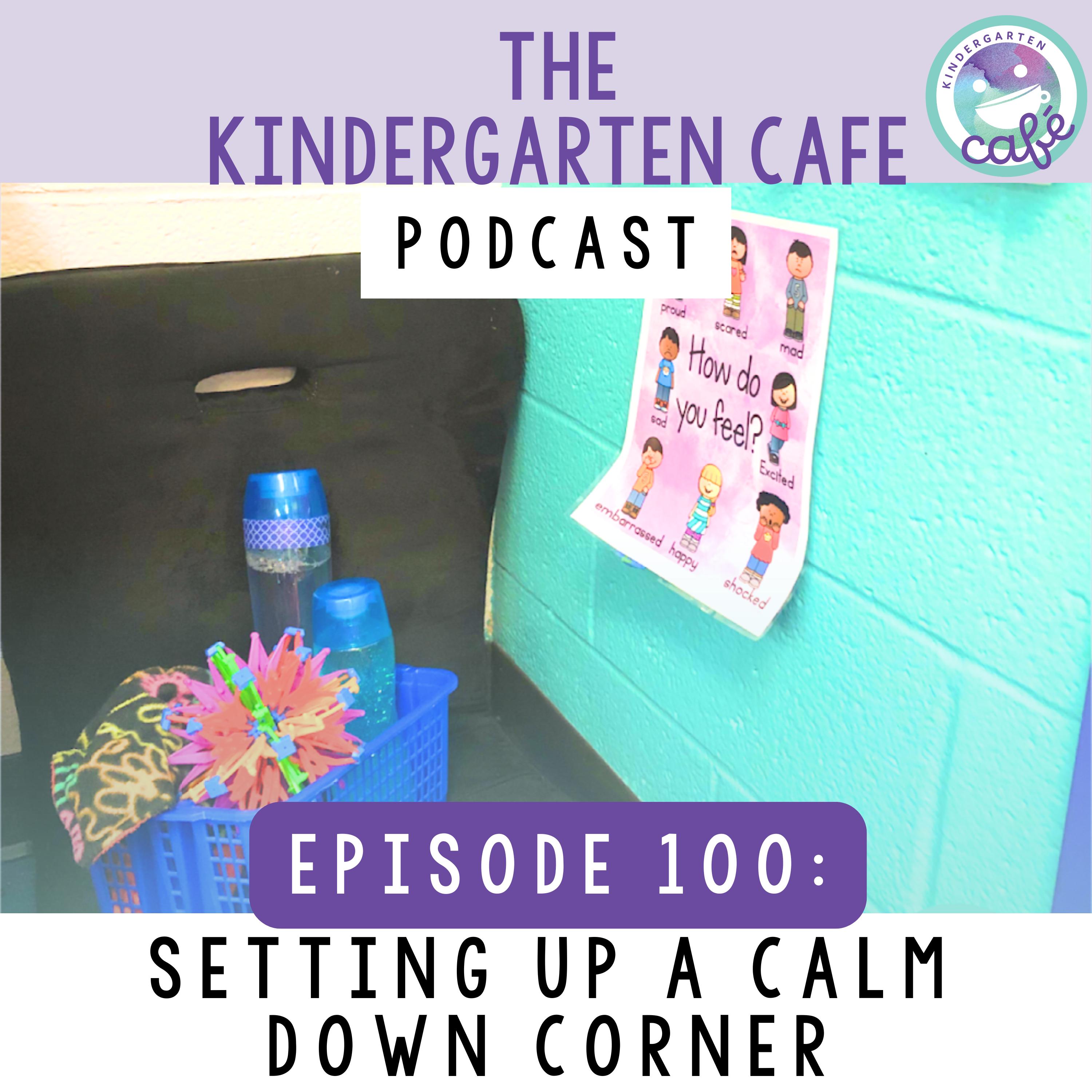
100. Setting Up A Calm Down Corner For Your Classroom
This episode marks 100(!) episodes of Kindergarten Café, and we’re talking about something every classroom should have: a calm down corner.I’m walking you through what it is, why it matters, how to set one up (without needing a ton of stuff), and how to introduce it so students actually use it to regulate and not avoid learning or feel punished.In this episode I share:Why this space isn’t a timeou
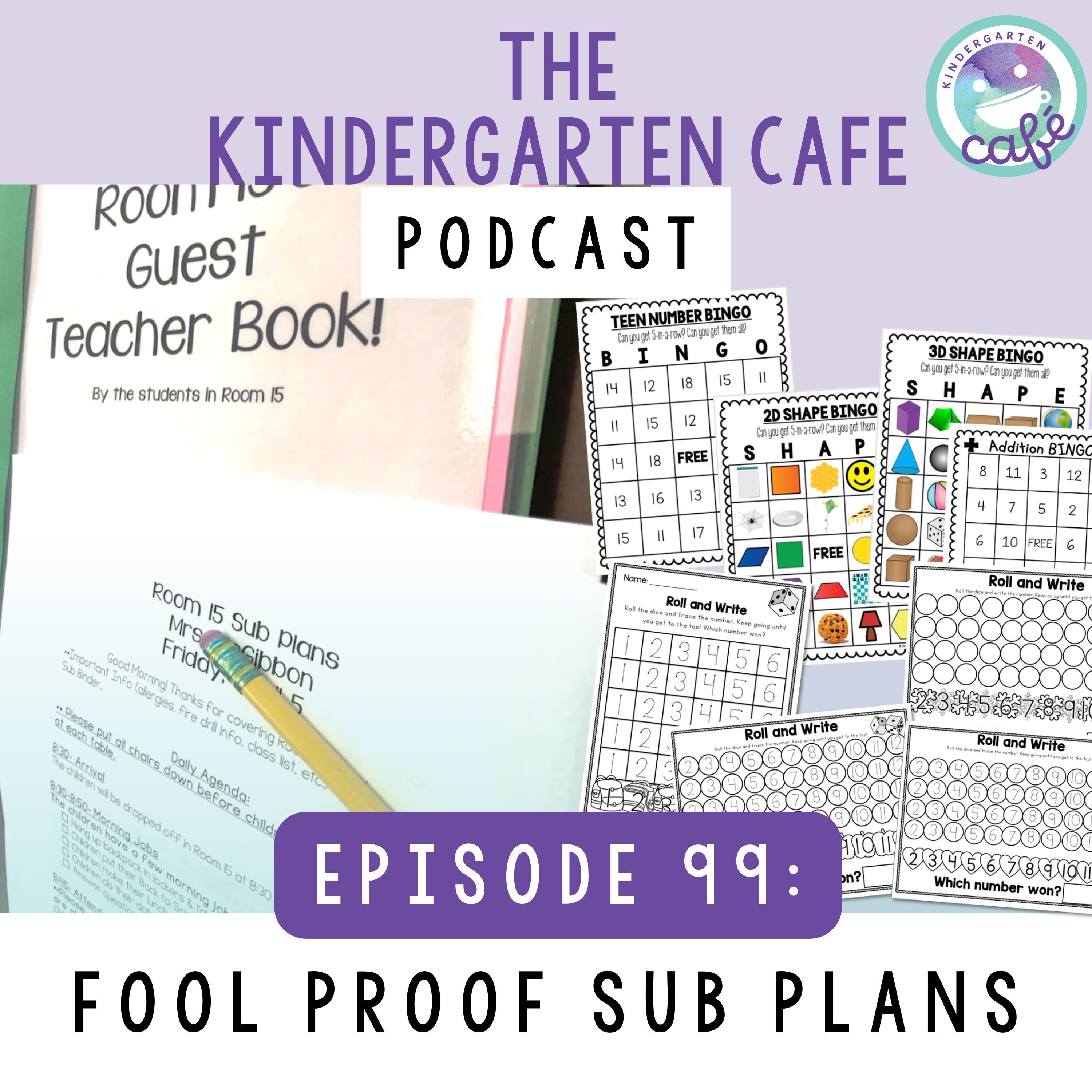
99. Fool Proof Sub Plans
Let’s face it…you will have to miss a day of school and you never know who’s going to walk through the door as your sub. That’s why creating clear, simple, and effective sub plans is a must! Not just for your sanity, but to make the day run smoothly for your students and the sub. Whether you’re planning ahead or need last-minute ideas, this episode will help you prep once and reuse all year long.&
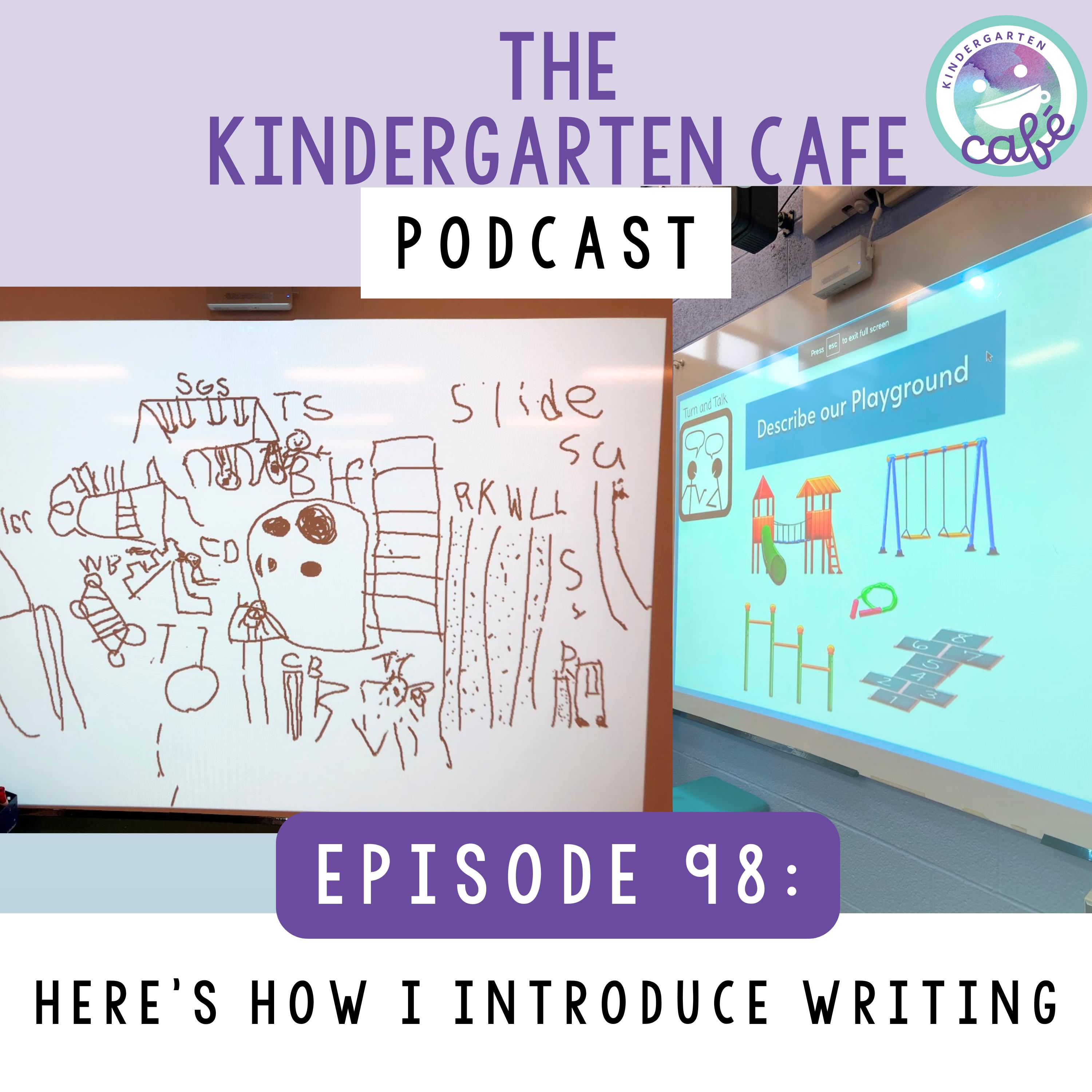
98. Here’s How I Introduce Writing
A common mistake in kindergarten is starting writing too soon. In this episode, I’m walking you through what I actually do in the first month before introducing Writer’s Workshop - and why skipping these steps can lead to frustration for everyone (you included!). Writing in kindergarten is a journey and it takes time. The goal isn’t perfection, it’s confidence, progress, and connection. I’ll share

97. Meet the Teacher: Setting the Tone for a Positive School Year
Today we’re talking about how to set up a meaningful before-school Meet the Teacher event. Not a curriculum night or open house, but that special time when families and students come in before the first day to explore the classroom, ease nerves, and kick off the year with calm and connection.If you’re planning your Meet the Teacher visit or want to make yours run more smoothly, this episode is ful

96. What to Teach the First Month: Getting Kindergarten Off to a Great Start
The first month of kindergarten is not easy!! Not going to sugarcoat it…there’s a reason people compare it to herding cats! But it does get better, and how you use this first month truly sets the tone for the rest of the year.In this episode, I’m walking you through exactly what to focus on during those first few weeks - from establishing routines to introducing materials, building classroom commu

95. Preparing for Kindergarten: The 3 Things I Did Before the First Day
The first day of kindergarten is full of excitement and nerves! Whether it’s your first year or your tenth, there’s always that feeling of not knowing exactly what to expect. In this episode, I’m sharing the three non-negotiables I do every single year (no matter how hectic the summer has been) to feel calm, confident, and ready for day one. Everything else? That's a bonus. If your classroom isn’t
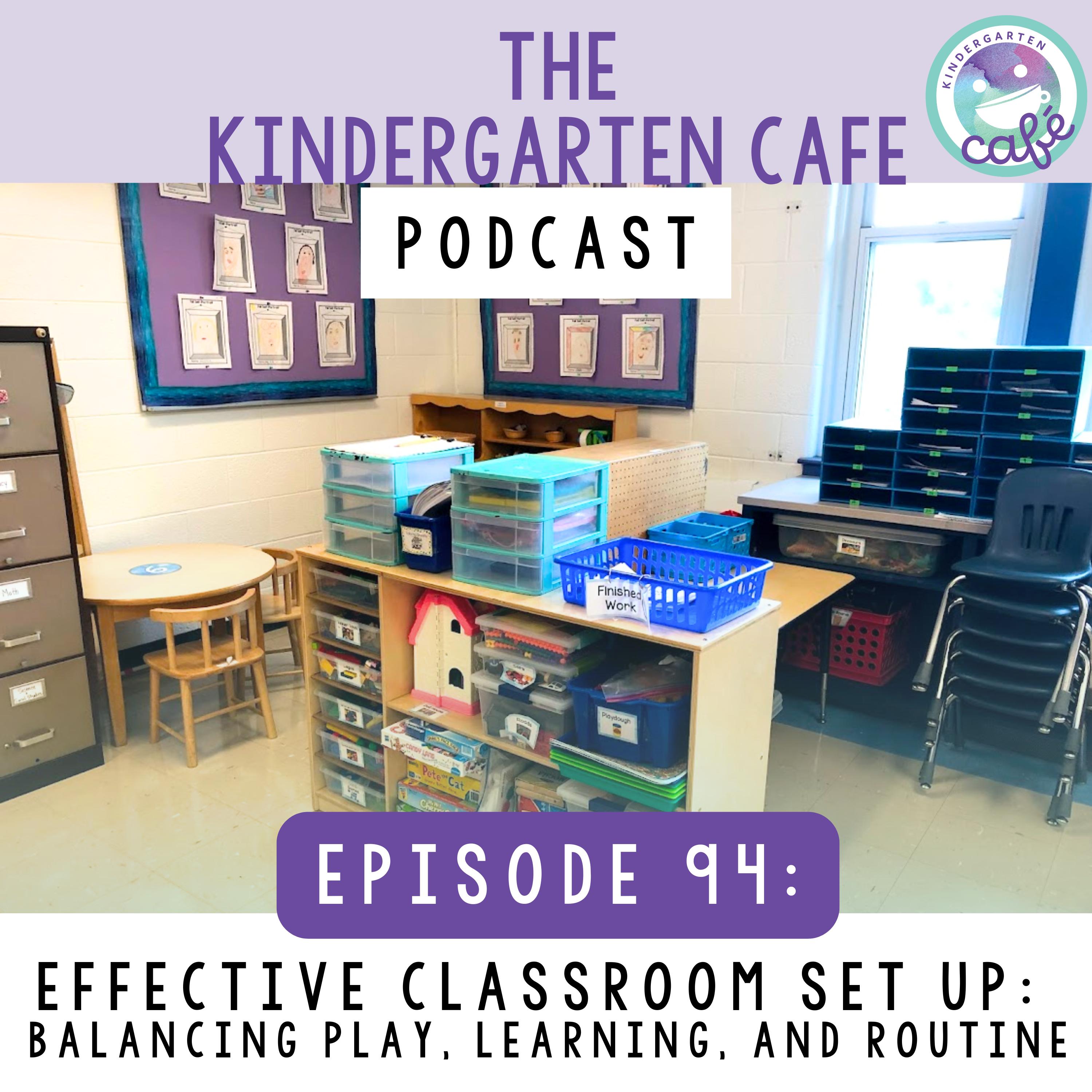
94. Effective Classroom Setup: Balancing Play, Learning, and Routine
In this final episode of our Classroom Setup Mini-Series, I’m walking you through how to set up your classroom in a way that balances play, learning, and daily routines. Because yes, it’s absolutely possible to do all three without losing your mind or your floor space. You’ll hear how I use key classroom areas (like tables, the rug, and even my teacher table!) for both academics and play, plu
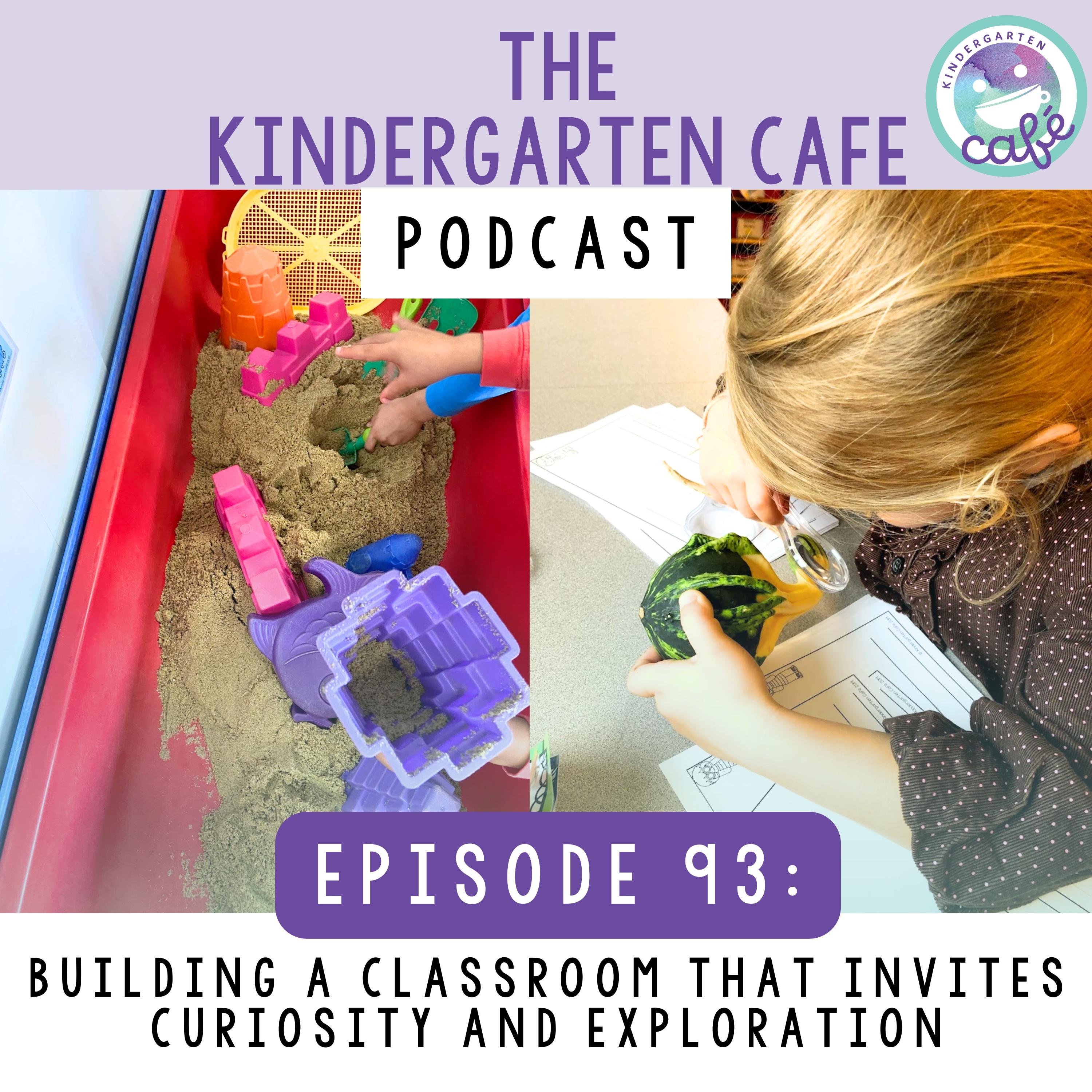
93. Building a Classroom That Invites Curiosity and Exploration
In this week’s episode of our Classroom Setup Mini-Series, we’re focusing on how to set up your classroom in a way that naturally invites curiosity, creativity, and exploration. Something every kindergarten classroom needs.I’m sharing simple, teacher-tested ideas for creating thoughtful play areas like a science center, sensory table, block corner, and dramatic play zone—even if you’re short on sp
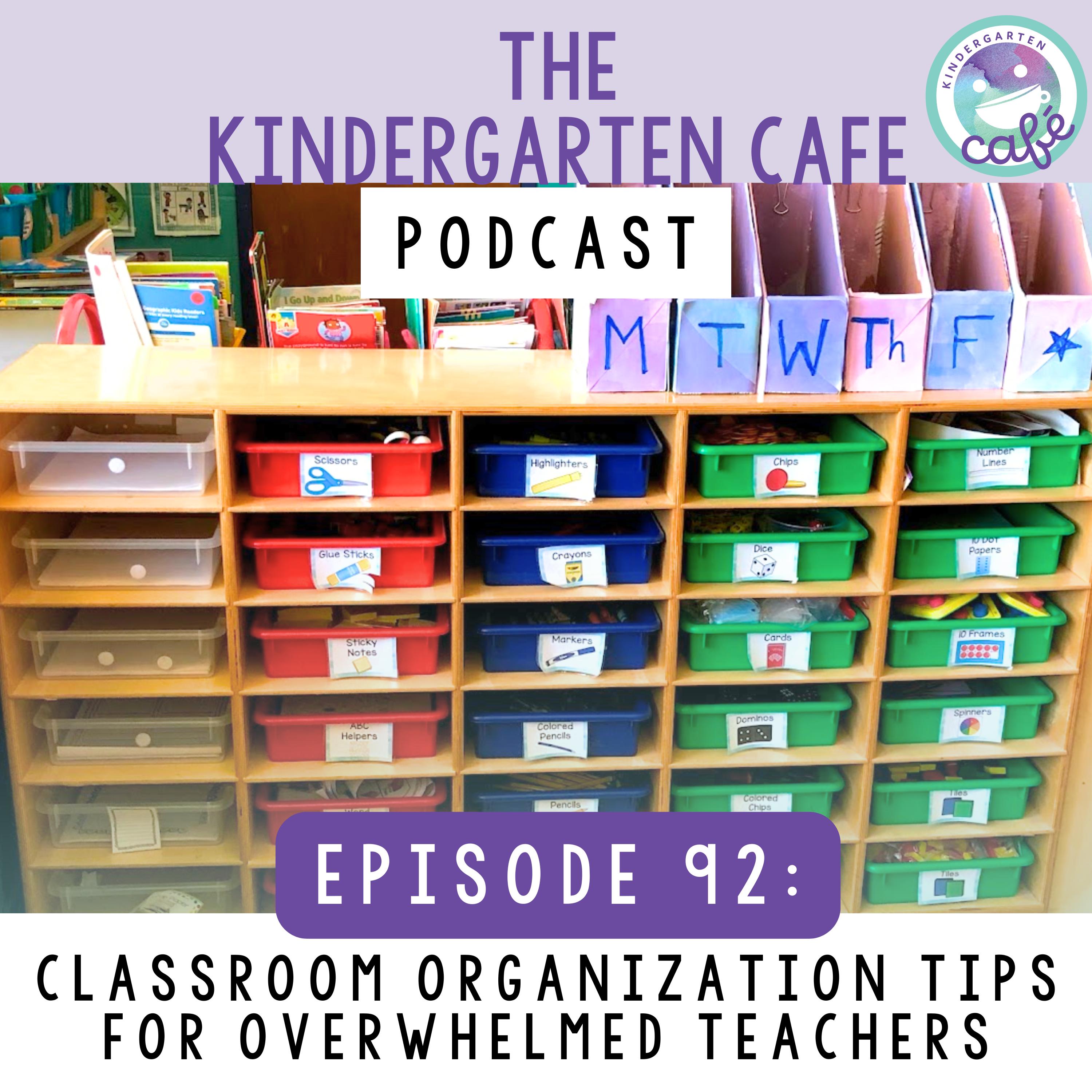
92. Classroom Organization Tips For Overwhelmed Teachers
Welcome to the Classroom Setup Mini-Series! We’re kicking things off with one of the most important (and sometimes overwhelming) parts - classroom organization.Whether you're in a brand-new classroom or just trying to make your space work better this year, I’m sharing the tried-and-true tips that have helped me create systems that actually work for both teachers and students. We’ll talk about wher
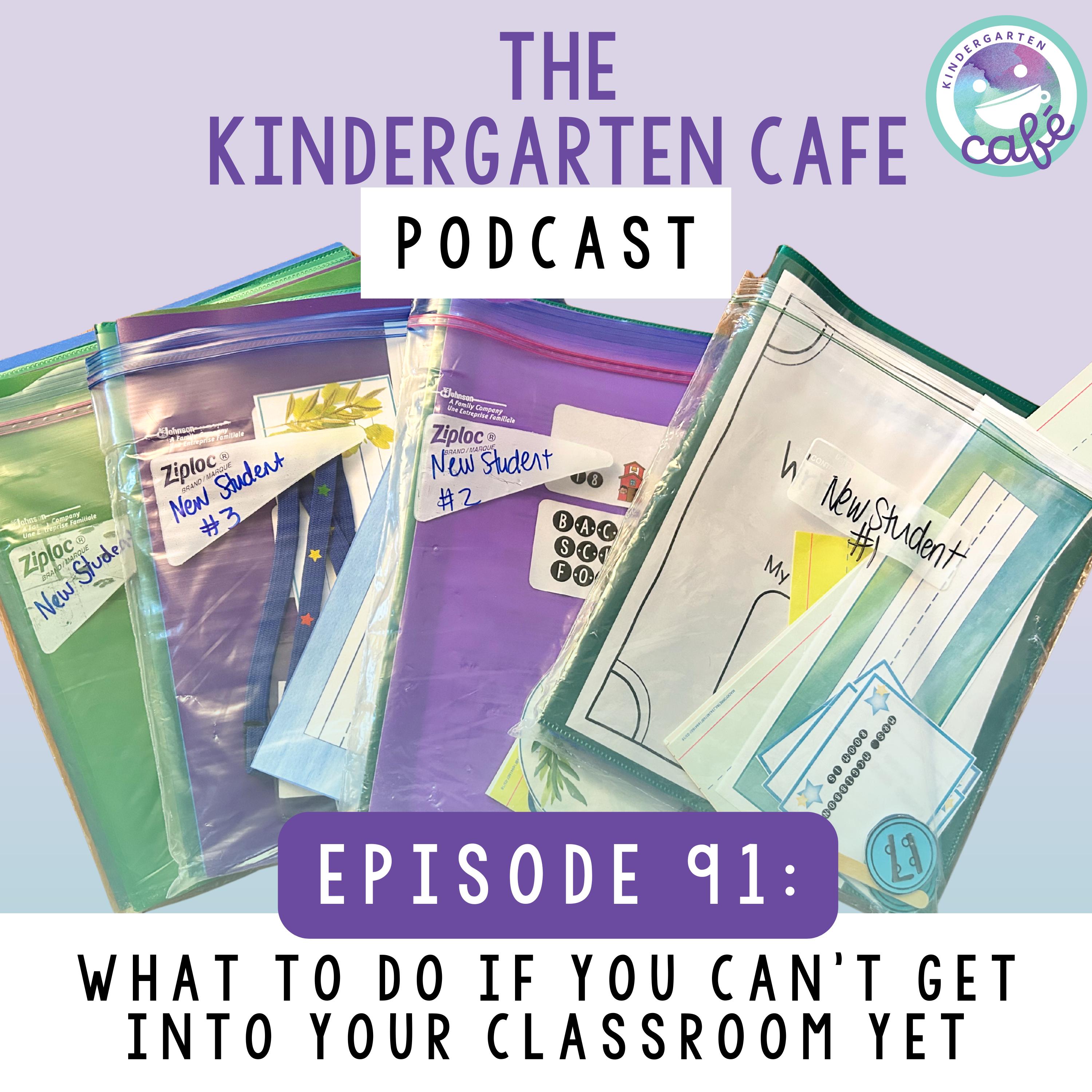
91. What To Do If You Can’t Get Into Your Classroom Yet
If you’re itching to start getting ready for back-to-school but still can’t get into your classroom…this is for you! There is so much you can still do from home to feel more prepared and a whole lot less stressed when the school doors finally open!In this episode, I’m sharing practical things you can start on this summer. I’ll also walk you through five must-have routines to plan before day one, a
90. Building a Manageable Summer Plan for Kindergarten Teachers
You made your summer prep list last week - now what? In this episode, I’m walking you through how to turn those reflections into a simple, manageable plan for the summer months. Whether you’re hoping to improve classroom routines, get organized, or grow your teaching skills, I’ll help you break things down so you don’t burn out before the school year even begins. You’ll hear practical examples, ti
89. How to Recharge and Reflect for a Better Kindergarten Year Ahead
Summer is upon us (some of you have already got a head start)! But no matter whether you are already on summer break or soon to be, it is so important to create an intentional summer plan that balances rest, reflection, and preparation. I encourage you to take a little time at the start of summer to reflect on what went well during the school year and what could be improved. In this episode I guid
88. Summer learning with Kindergarten Cafe
It’s June, teacher friends! Which means some of us are officially in summer mode while others (like me!) are counting down the days. In this shorter episode, I’m giving you a sneak peek at everything happening this summer at Kindergarten Café - from free challenges to coaching and resources to help you prep for the new school year without the overwhelm.Whether you’re a brand new kindergarten teach
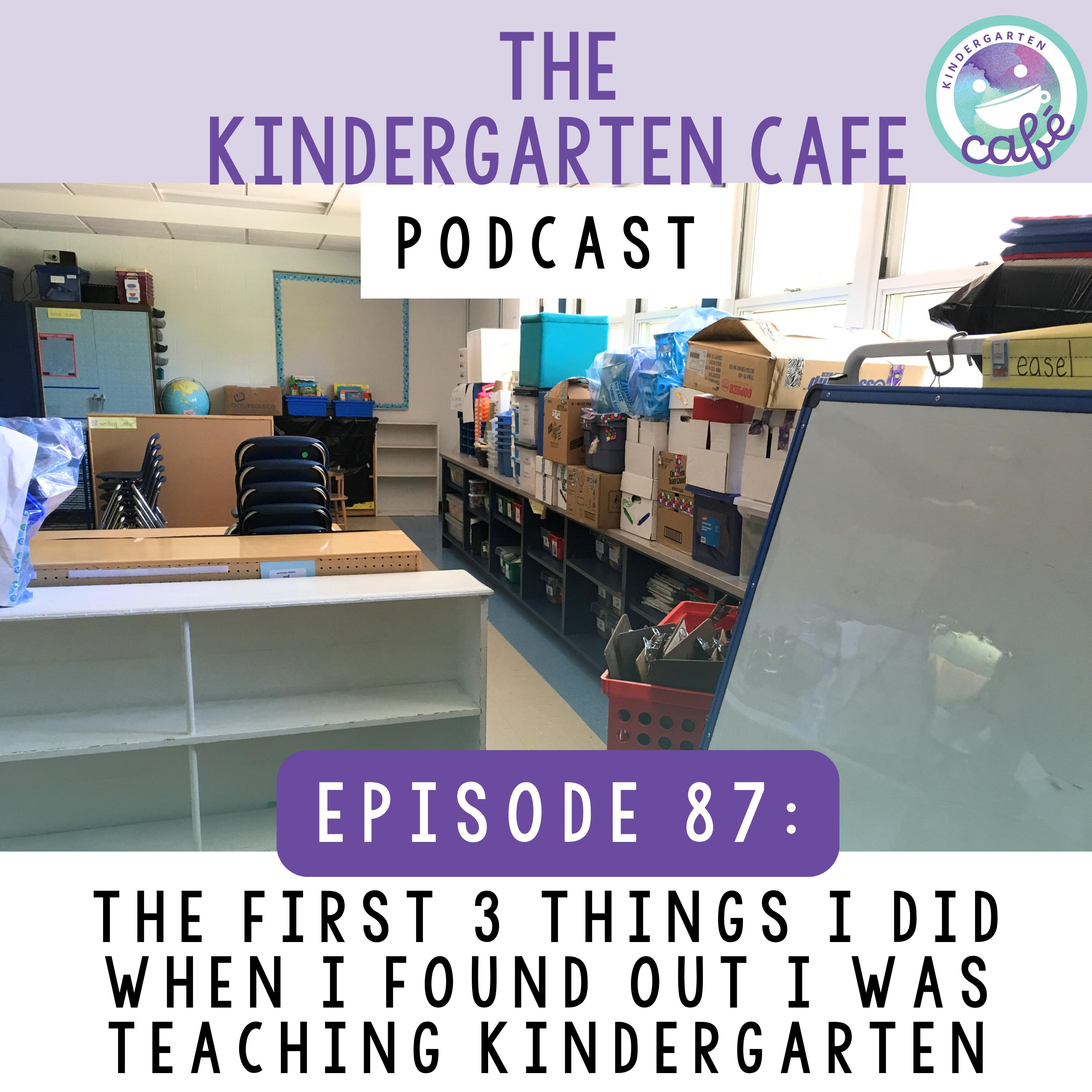
87. The First 3 Things I Did When I Found Out I Was Teaching Kindergarten
Did you just find out you are moving to Kindergarten? In this episode, I share my experience as a first-time kindergarten teacher, giving you some tips that helped me my first year. It can be pretty emotional when discovering your new teaching assignment and what helped me most was seeking mentorship from an experienced kindergarten teacher. Reviewing lesson plans helped me manage classroom activi

86. Is Kindergarten the Right Grade for Me?
Are you wondering if Kindergarten is the right grade for you? I have taught several grade levels so in this episode I share the differences between Kindergarten and upper grades. Kindergarten has some unique challenges but also so many rewards! For those unsure about their right grade level fit, I offer strategies and support for building student independence. Ultimately, it is so important to ali
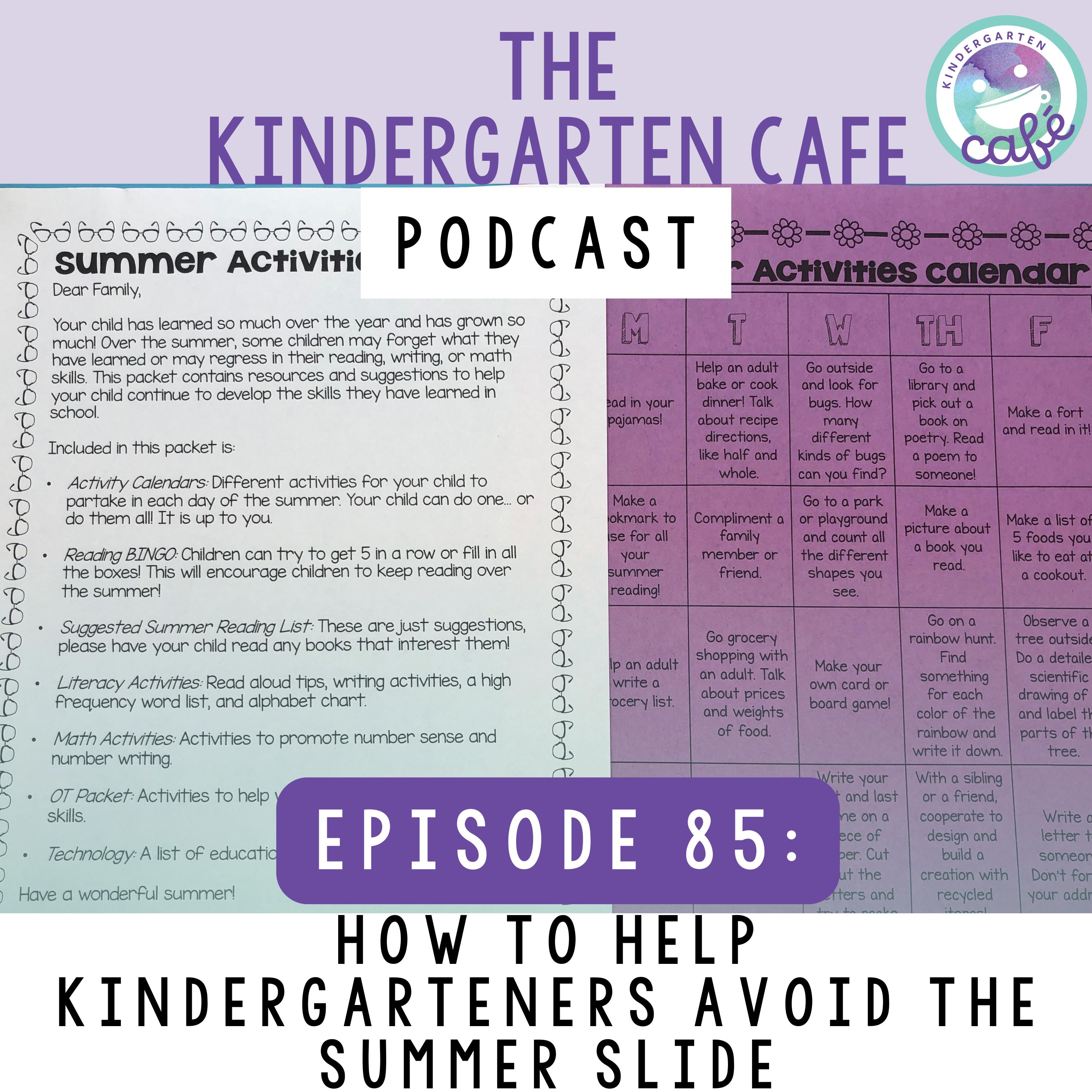
85. How to Help Kindergarteners Avoid the Summer Slide
The summer slide is inevitable unless we encourage and help parents keep the learning over the summer going. In this episode, I share strategies to keep their learning on track and in fun ways to where the students actually enjoy what they are learning. I provide activities parents can incorporate into daily routines to make learning fun and engaging. Preventing the summer slide is so important fo
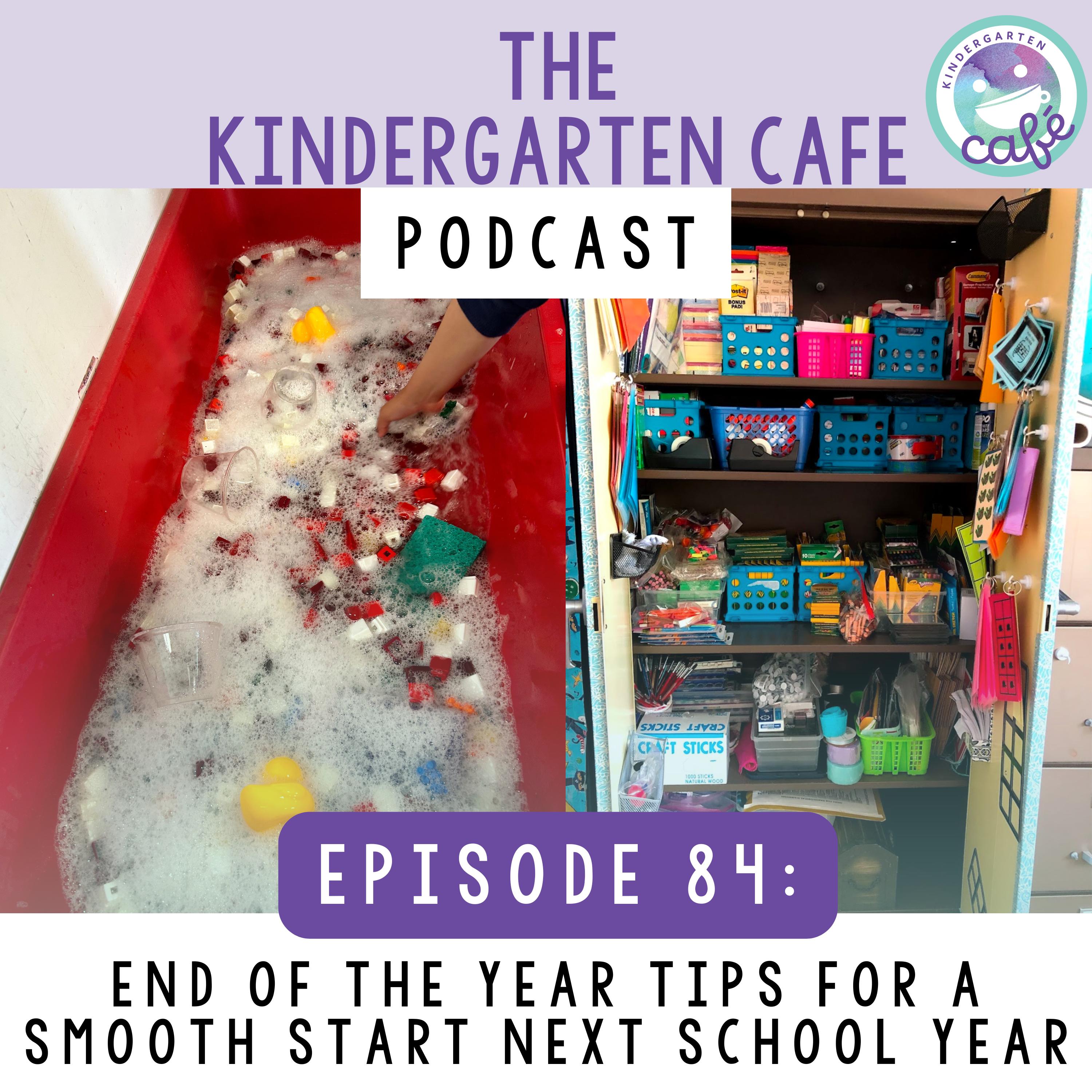
84. End of the Year Teacher Tips to Prepare for a Smooth Start Next School Year
I know you are thinking there is no way I can already be thinking about next year, but I promise… if you prepare for the upcoming school year as the current one wraps up…your future self will be thanking you. This episode gives you so many tips on things you can do now such as organizing classroom materials, taking note of unused supplies, creating a supply list of what you will need next year. In
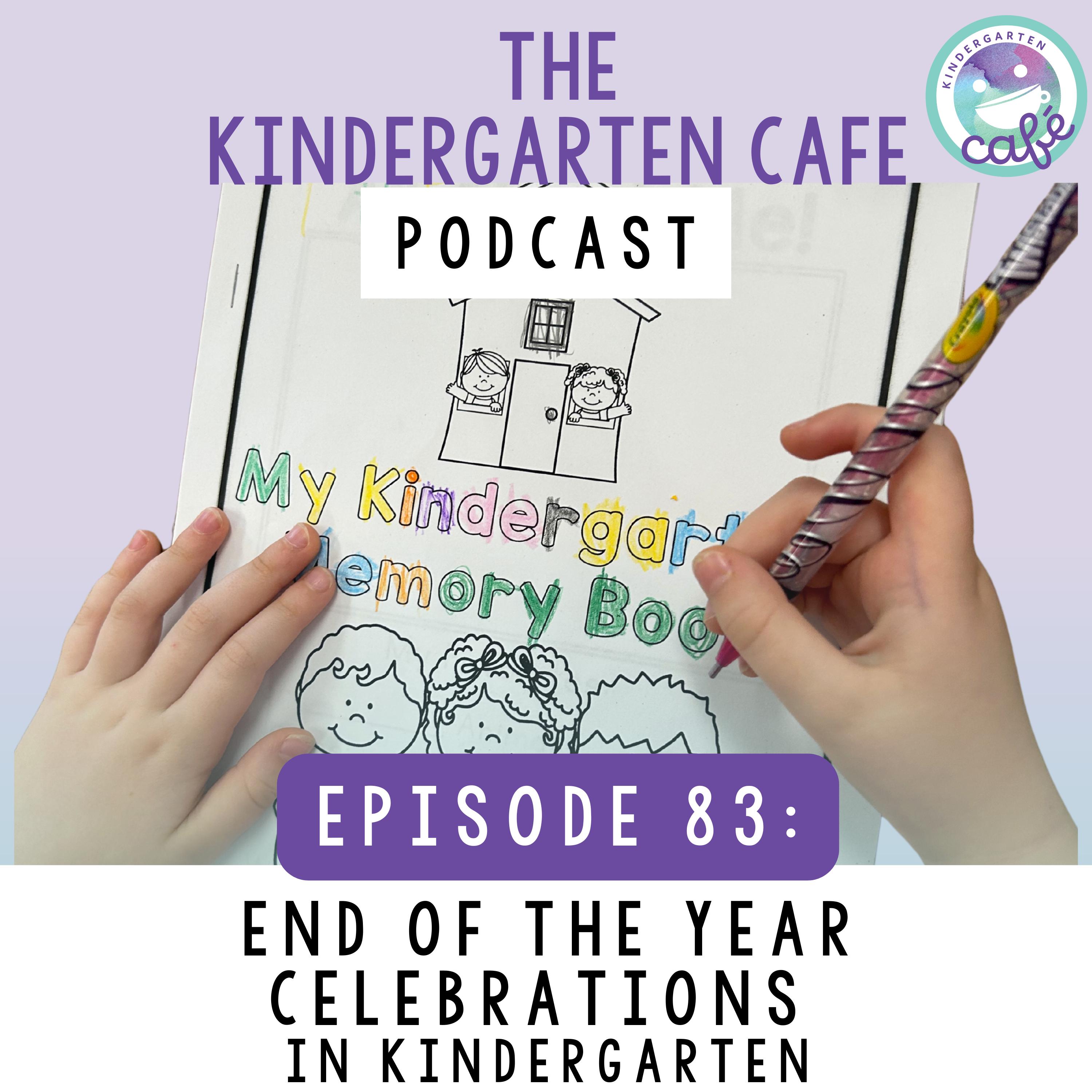
83. End of the Year Celebrations in Kindergarten
Celebrating kindergarten students and their families by recognizing growth and achievements at the end of the year is so important. In this episode I discuss effective strategies, such as creating personalized memory books and organizing an end-of-year party with slideshows and student portfolios. I also suggest incorporating theme days to engage students. I encourage kindergarten teachers (new or
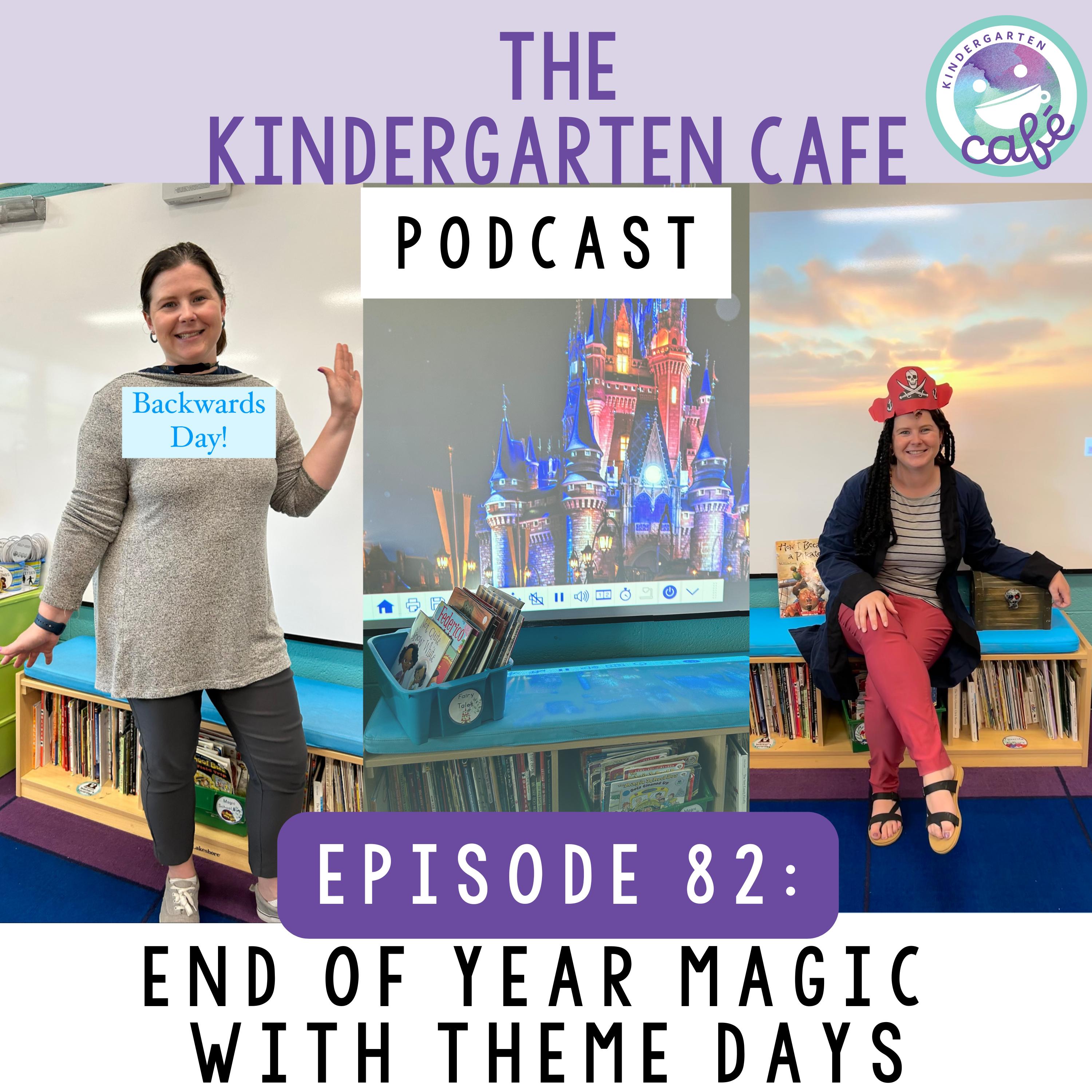
82. End-of-Year Magic: Unleashing Excitement with Theme Day Ideas
The end of the year is quickly approaching! In this episode I share some of the end-of-the-year celebrations specifically designed for kindergarten teachers aiming to enhance excitement and engagement during this transitional time. I share my approach to implementing themed days leading up to the school year's end, shifting focus from an anxious countdown to a series of joyful experiences. I

81. Science of Reading 101 With Heidi from Droppin' Knowledge
In this episode we have Science of Reading expert Heidi, from Droppin’ Knowledge who shares her journey into learning about Science of Reading and the importance of decoding skills over traditional sight word memorization. We discuss strategies for teachers to adapt outdated curriculum, focus on phonological awareness, and provide developmentally appropriate instruction for diverse classrooms. If
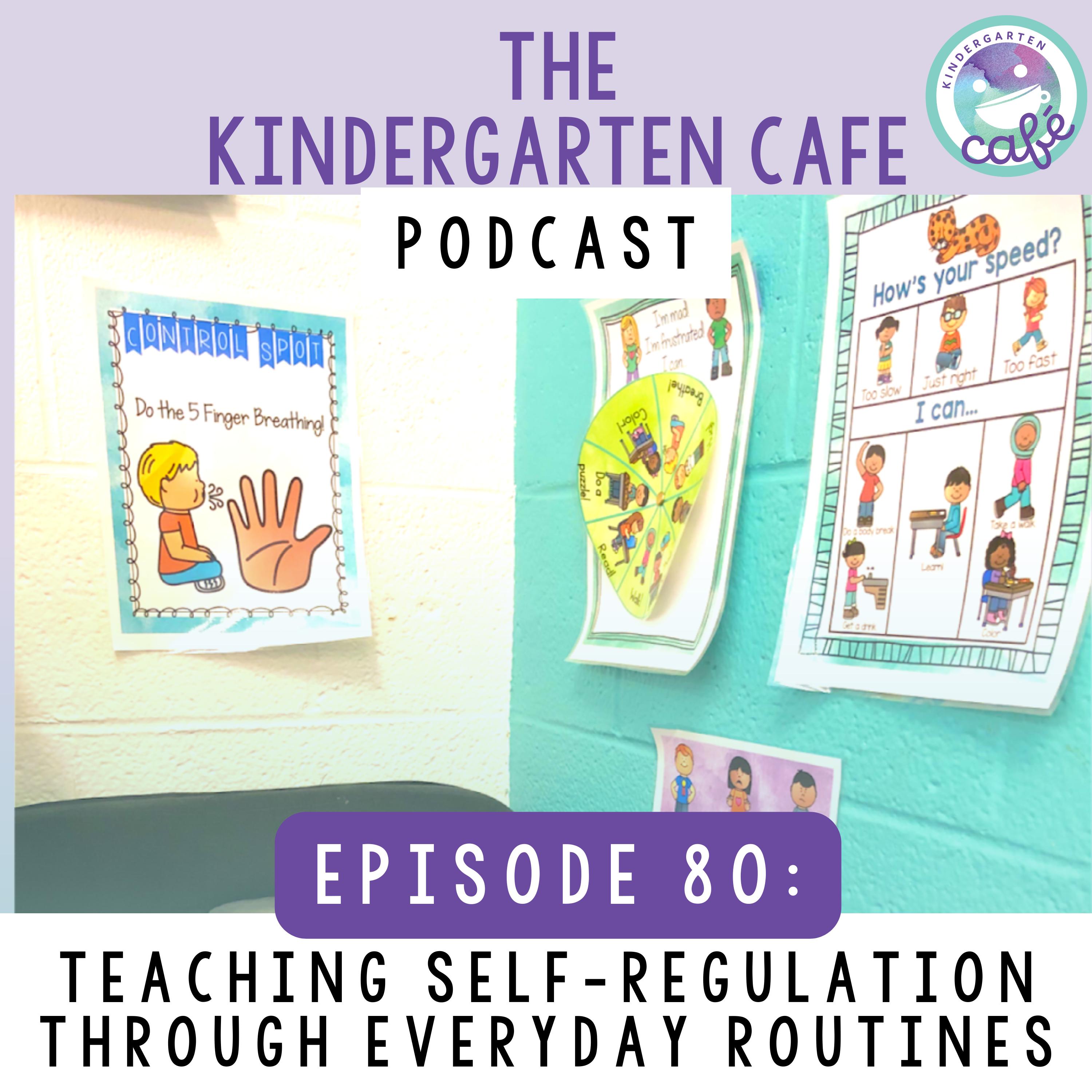
80. Teaching Self-Regulation Skills Through Everyday Routines
Being able to have self-regulation skills is essential for students. In this episode, I talk about how to teach self-regulation skills through daily classroom routines. I share practical strategies, including engaging activities like voice volume greetings and techniques such as five-finger breathing to help students calm down during transitions. I emphasize creating a 'control spot' or ‘calm corn
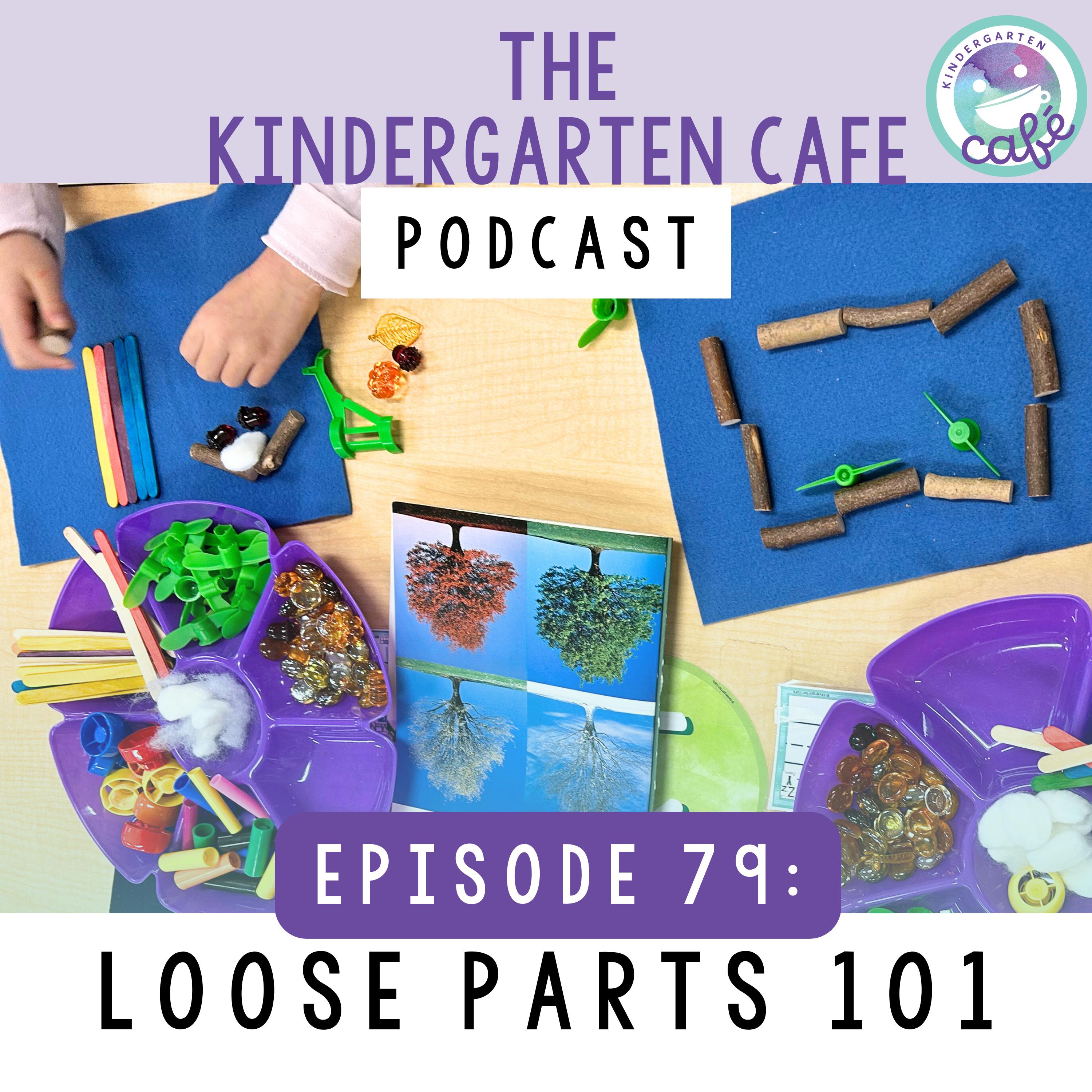
79. Loose Parts 101: Creative Play and Learning for Young Children
In this episode, I share how my classroom play center, Loose Parts, is sparking creativity and self-expression in young learners. Using everyday items like those from my recycling bin, there is so much power in open-ended materials in imaginative play. I also discuss simple organization strategies and how introducing materials gradually helps kids stay engaged. Through play, students develop story
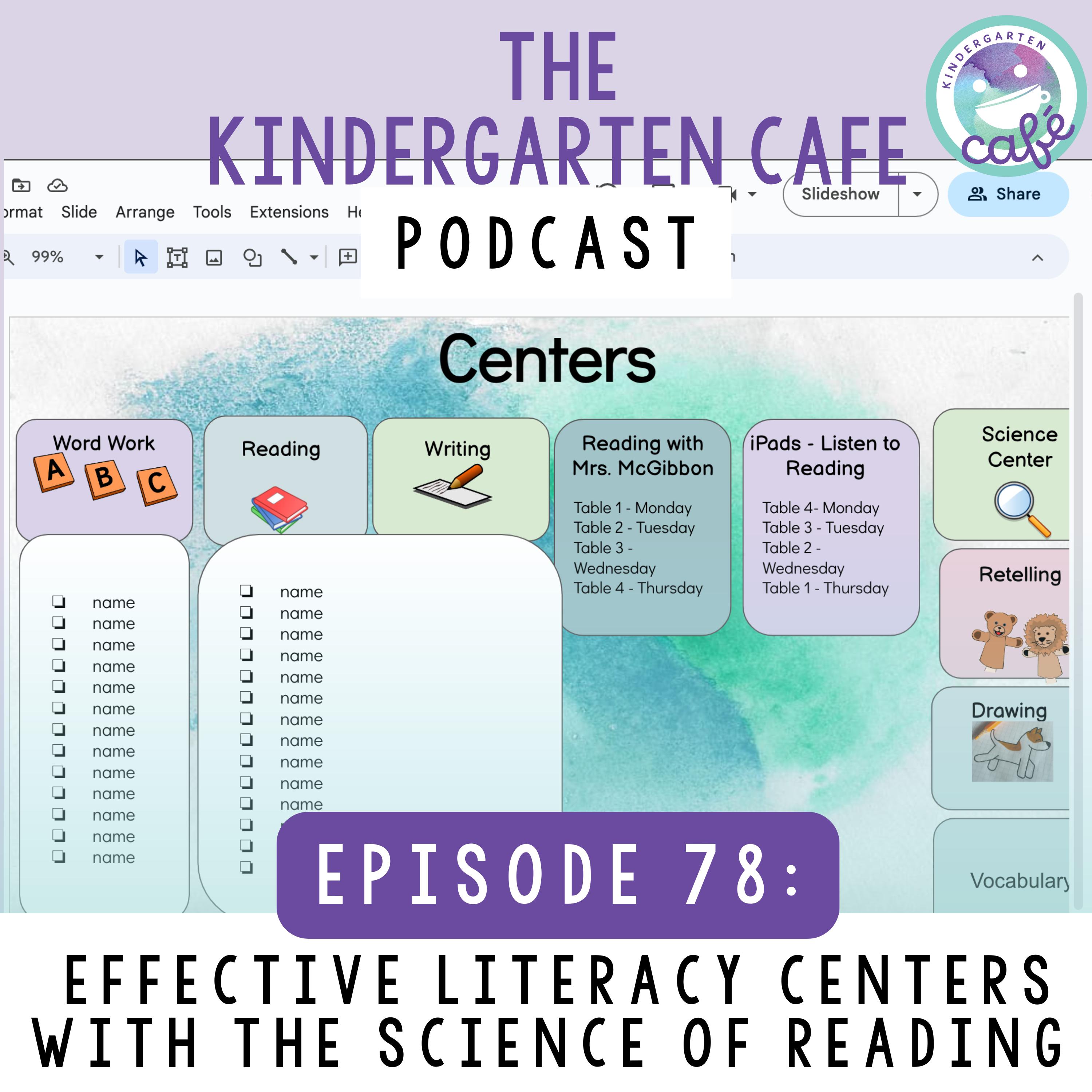
78. Building Effective Literacy Centers with the Science of Reading
What are your thoughts on the Science of Reading? Well, in this episode, I explain what the Science of Reading is and its impact on designing effective literacy centers. I highlight the key pillars of literacy instruction: phonemic awareness, phonics, fluency, vocabulary, and comprehension, and advocate for a balanced approach. I also tell you about the various literacy centers I implement, includ
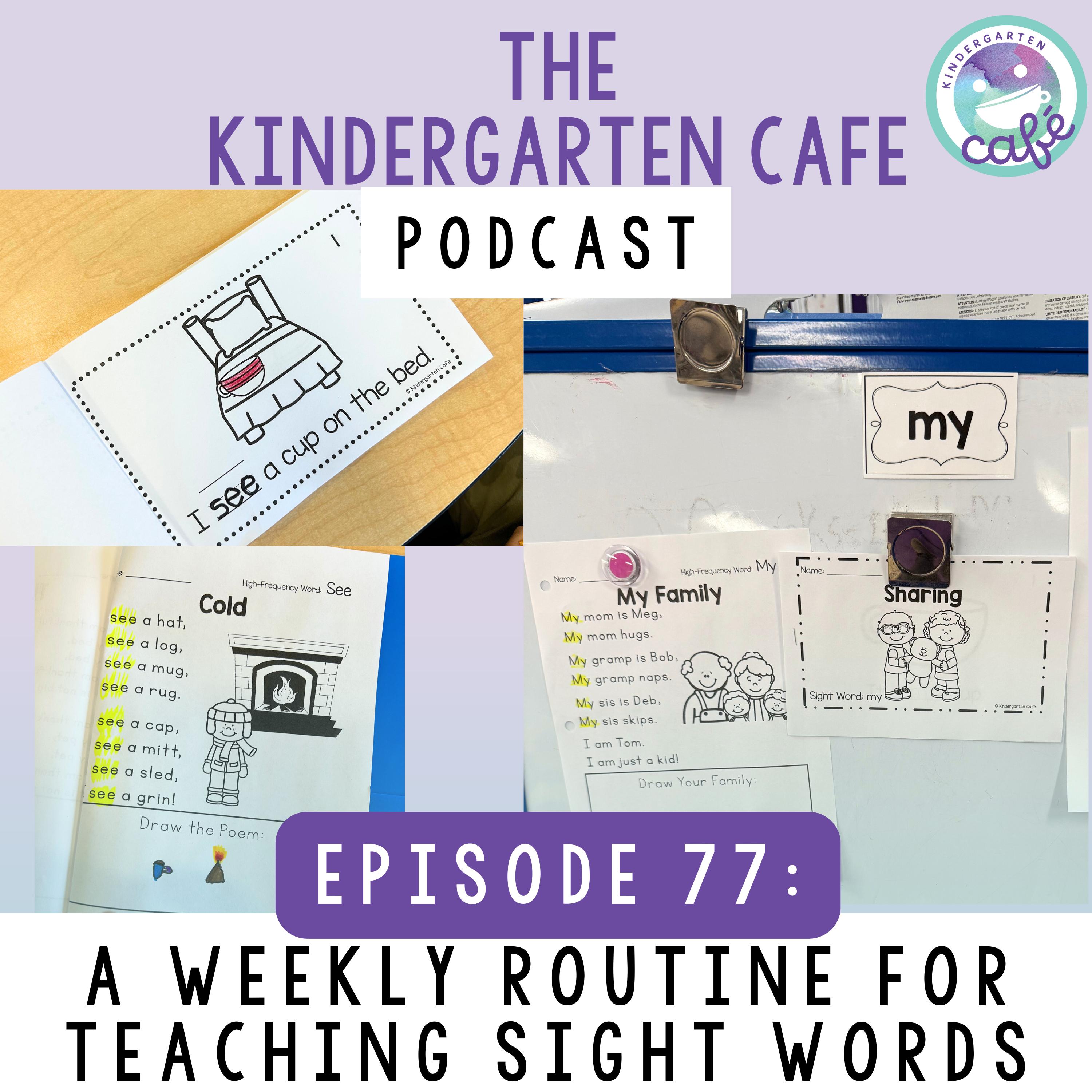
77. A Weekly Routine for Teaching Sight Words in Kindergarten
Teaching sight words, high-frequency words, trick works, whatever you choose to call them are a key element of early literacy. In this episode, I discuss the evolution of sight word instruction, and talk about outdated methods of rote memorization with a more effective strategy that introduces one word per week. It’s a necessity to memorize high-frequency words that often defy phonetic rules, such
Recommended

Yours Truly Johnny Dollar Collection

Take Back Your Health®

CBS Radio Mystery Theater | Old Time Radio

Solved Murders - True Crime Stories

紐約鳥|New York Aperture

The Swerve Podcast: Obscure Topics | Conspiracy Theories

The Bread and Banter Podcast

The Church of What's Happening Now: The New Testament

Busted Open

Deadline: White House

Panda Show - Picante
Crickets Corner
