
Marketplace
Every weekday, host Kai Ryssdal helps you make sense of the day's business and economic news — no econ degree or finance background required. "Marketplace" takes you beyond the numbers, bringing you context. Our team of reporters all over the world speak with CEOs, policymakers and regular people just trying to get by.
Episodes

Less coverage, more profit
UnitedHealth Group just reported Q3 earnings: Total revenue was down but profits were up. How’s it possible? A decline in Medicaid enrollment, AI-driven billing tools, and some good ol’ corporate diversification. We’ll get into it. Also in this episode, we continue our coverage of the labor force in Mumbai with trips to an Oscar-winning visual effects studio and an English-language night
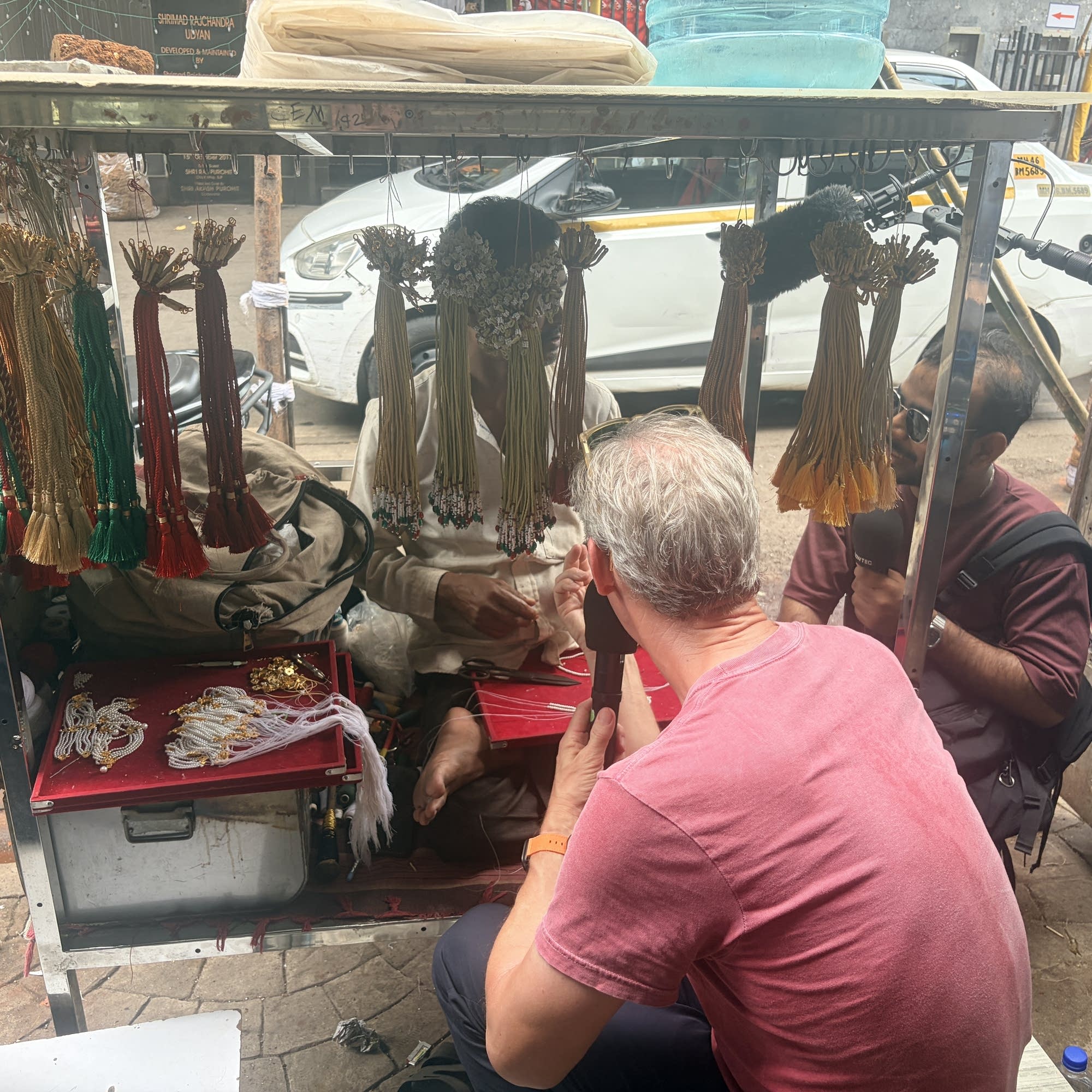
In India, a demographic golden age dawns
As the workforces of the U.S., U.K., and similar wealthy Western nations age, other countries with younger populations grow at a clip. Nowhere is this more true than India, where the median age is 29 (a decade younger than the U.S.) and GDP is growing at nearly 8% annually. As part of our ongoing “Age of Work” series, “Marketplace” host Kai Ryssdal and ADP Chief Economist Nela Richardson

Surprise, you've got medical bills!
A 2020 law aimed at eliminating surprise medical expenses has shifted some unpredictable costs away from patients. The law was supposed to incentivize jointly set reasonable prices between hospitals and insurers, but instead, there’s been a whole lot of finger pointing — and employers are left holding the bag. Also in this episode: The agriculture economy goes K-shaped, a sailor finds a s

Don't move a muscle!
First-time unemployment claims (layoffs, basically) have come in below 200,000 for four weeks running — the longest stretch since 1969. At the same time, the economy only barely added jobs in September. Few layoffs, barely any new jobs, and it makes ya start to wonder, just how petrified can this labor market get? Also in this episode: AI doomers touch grass at a monthly Bay Area picnic,

How's the stock market doing, minus AI?
The S&P 500 has hit more than two dozen record highs this year, and it’s got AI firms to thank. In fact, it’s easy to forget that a lot of other public companies are in a tough spot. In this episode, why there’s a widening bifurcation of the stock market. Plus: Rising auto loan delinquencies could be a warning sign for broader consumer strife, financial institutions kick off Q3 earnin
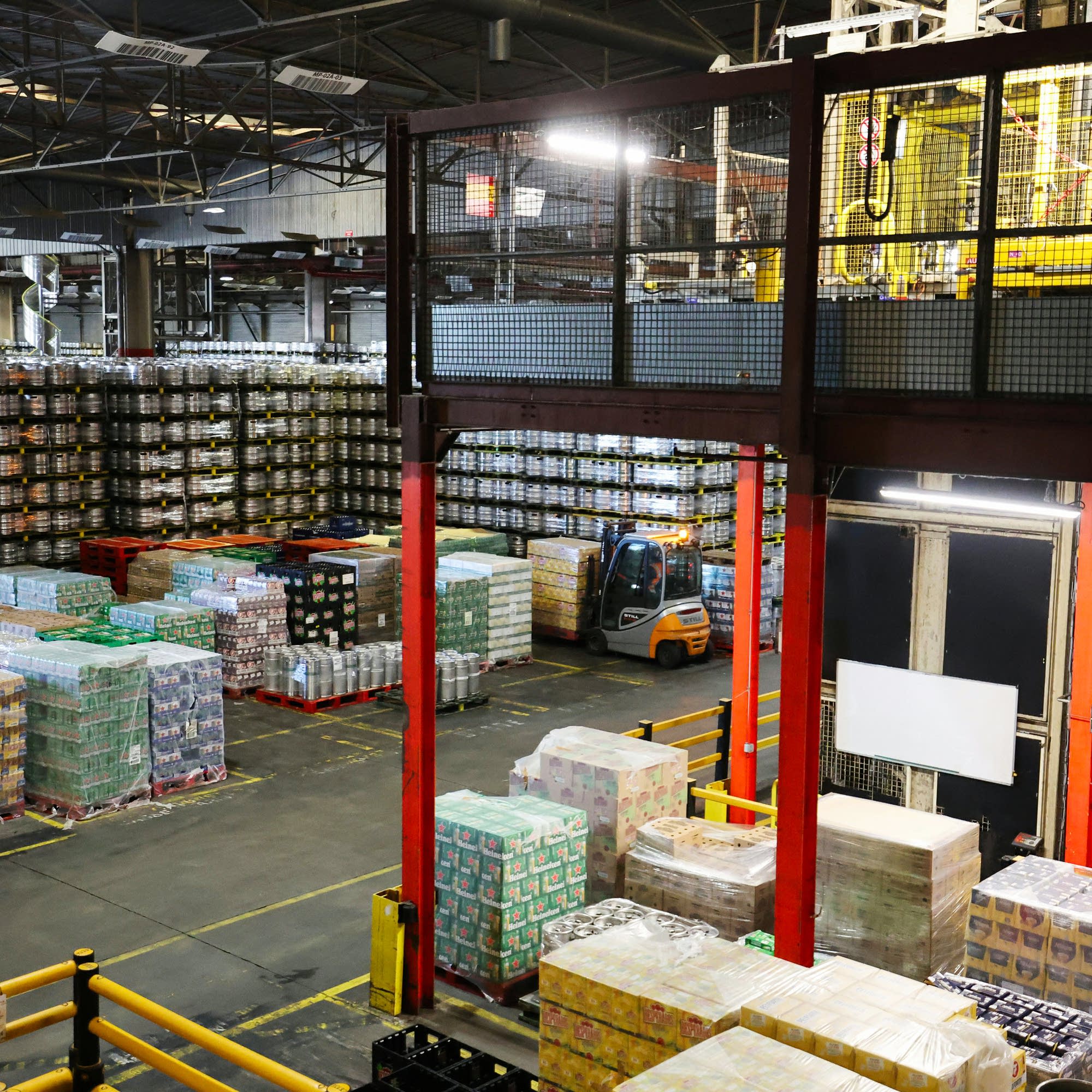
We're stocking up
We got fresh data showing imports and inventory levels are up. Is it a sign of a strong economy, or a sign businesses are bracing for impact? In this episode, AI remains a major driver of this strange economy. Plus: The U.S. is simultaneously importing and exporting a ton of semiconductors, the euro drops to a 17-month low, and monetary policy disproportionately impacts Black employment r
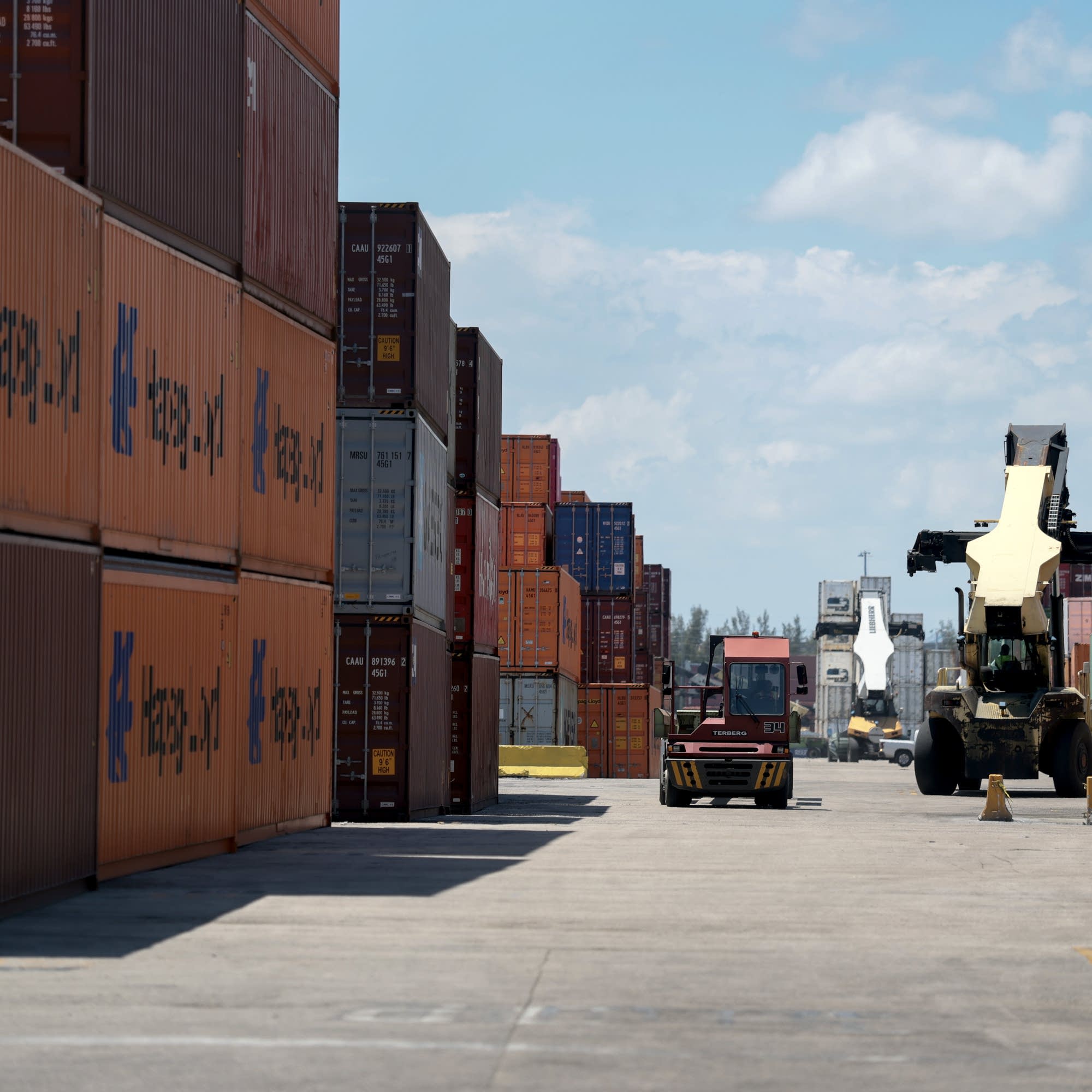
A tale of two deficits
Despite Trump’s best efforts (a flurry of loosely targeted tariffs), the U.S. trade deficit is widening. But why is it widening? And what does it all have to do with foreign investment in government debt and the strength of the U.S. dollar? We’ll explain. Plus: Electric truck sales rev up amid record-high diesel prices, a 19th-century novelist popularized economic theory for her broad aud

Nike's not just doing it
In Nike’s earnings report this week, the brand said it may begin shrinking its operations and laying off workers. It’s been losing market share for a while now. We look at what went wrong in the last decade. Also in this episode: the government-funded EV discounts that still remain, the business of affiliate links, and a former business owner’s mini retirement during fatherhood.Every stor
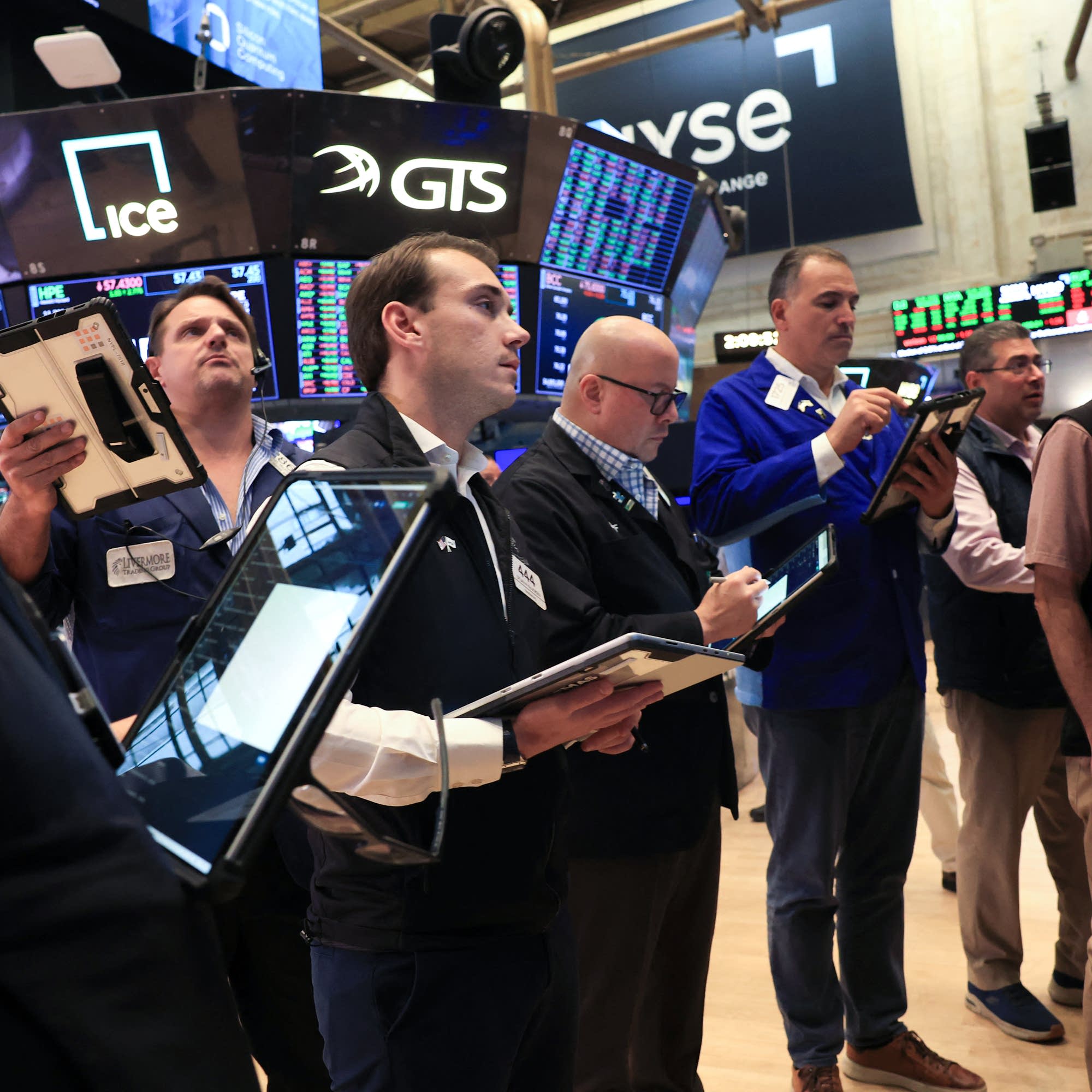
Inflation held steady in August. Yay?
The PCE price index (that's the Fed's preferred measure of inflation) held steady year-over-year in the latest report. Economists expected it to move up. So, why didn't it budge -- and why aren't we all celebrating? Also in this episode: Seasonal work is hard to find so far this fall, Trump's immigration crackdown weakens construction productivity in South Texas, and Kai explains the long
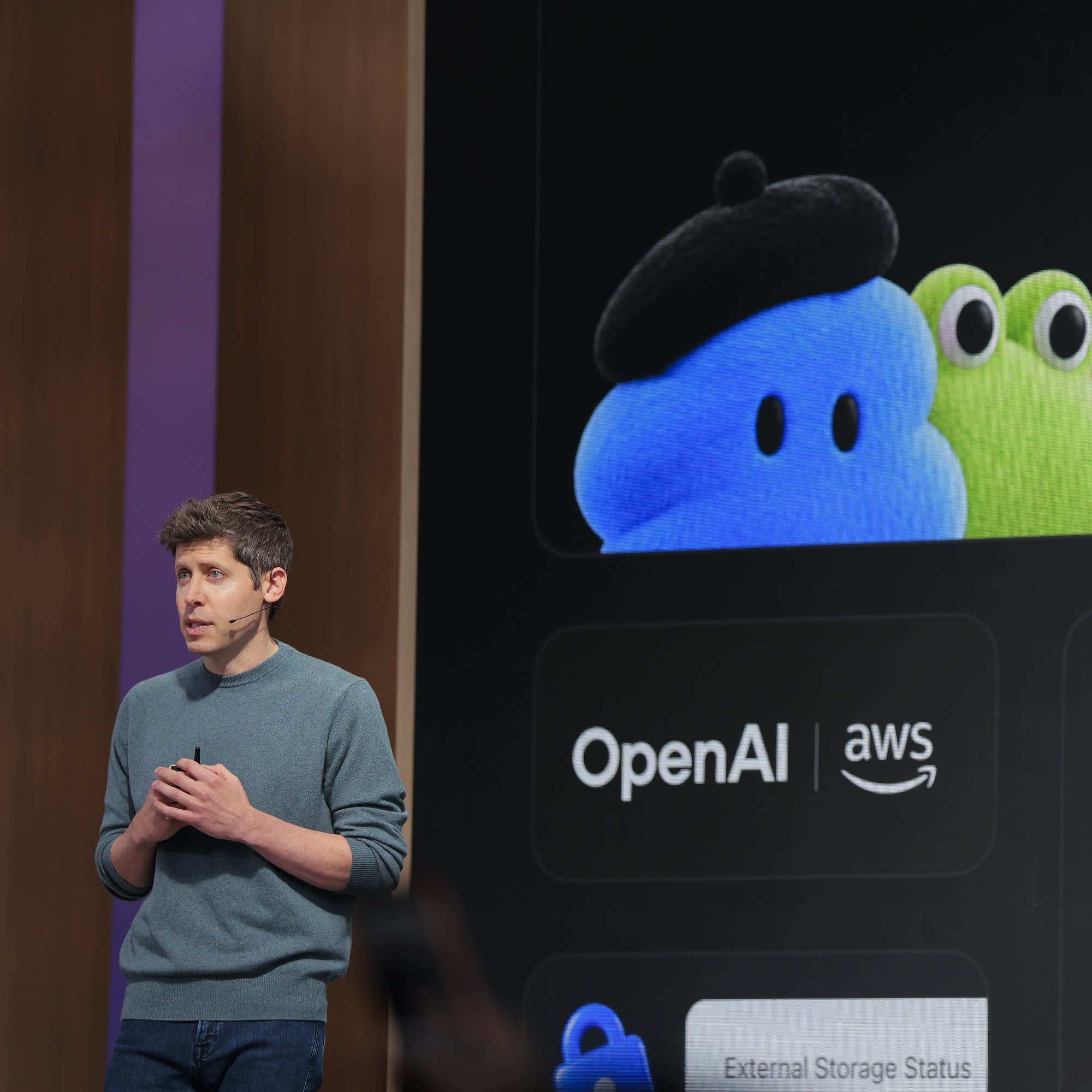
OpenAI is staying private (for now)
OpenAI just announced it will delay its IPO due to ongoing AI safety concerns. But when you’re a company as big as OpenAI, where does your funding come from? In this episode, venture capital doesn’t cut it. Plus: Second quarter GDP was revised up thanks to all that corporate AI investment, Kai breaks down why the labor market is kinda like a bathtub, and farmers turn to agritainment as cr
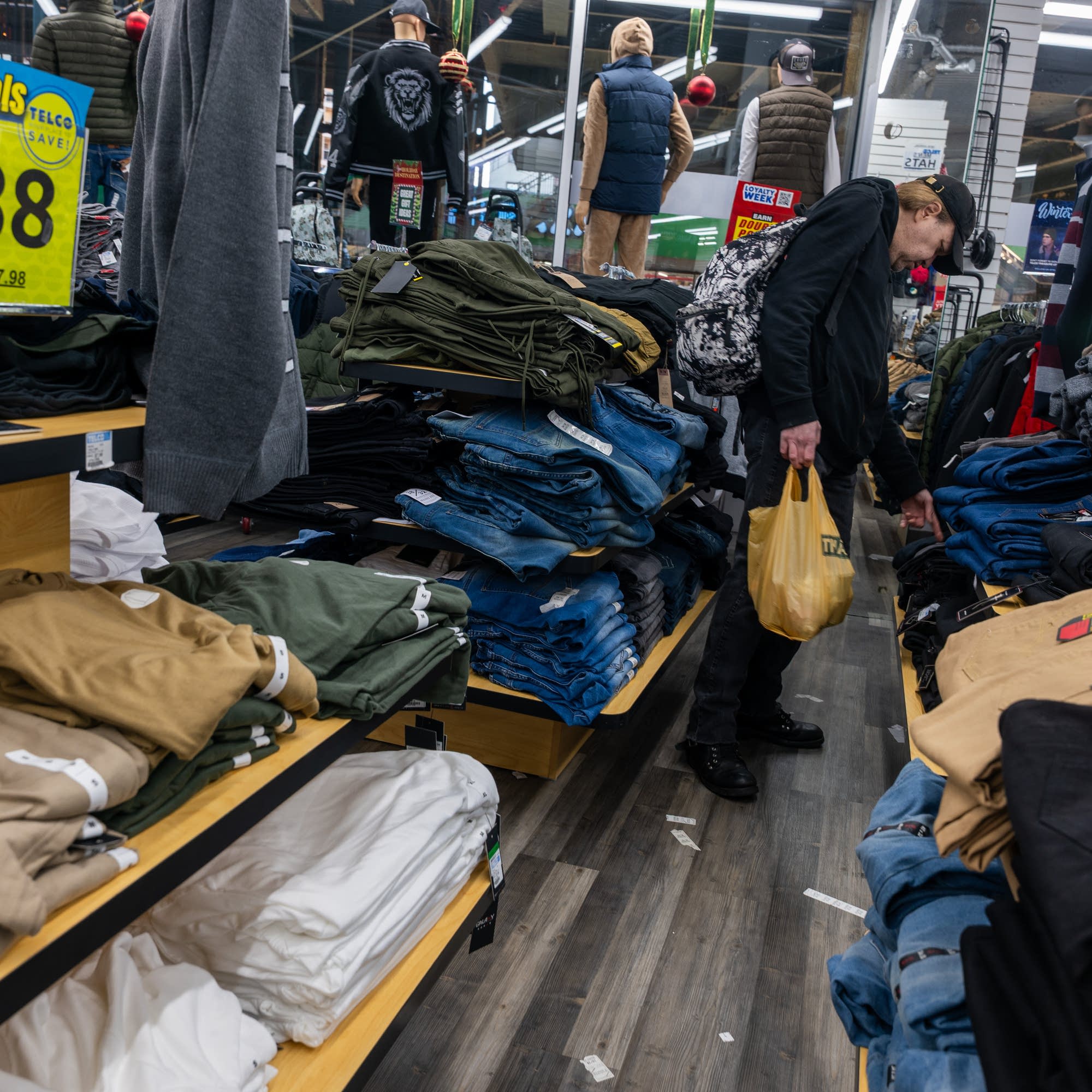
Consumer confidence slides to 12-year low
Consumer confidence fell to a 12-year low in September, according to The Conference Board. The index has been trending down for a couple years, but this latest decline was steep. One reason? Upper-middle class respondents are starting to feel the pressure, too. Also in this episode: The economic forces behind GDP growth might run out of steam soon, the low-hire low-fire labor market march

Nvidia's record-breaking stock buyback
Apple used to be the leader in buying back shares. Now, Nvidia has broken the tech company’s record, announcing Monday that it would add $150 billion to its stock buyback program, on top of $80 billion pledged a few months ago. The chipmaker’s profits have continued to surge, as tech companies pour money into data centers and AI infrastructure. Is this a smart way for Nvidia to spend its
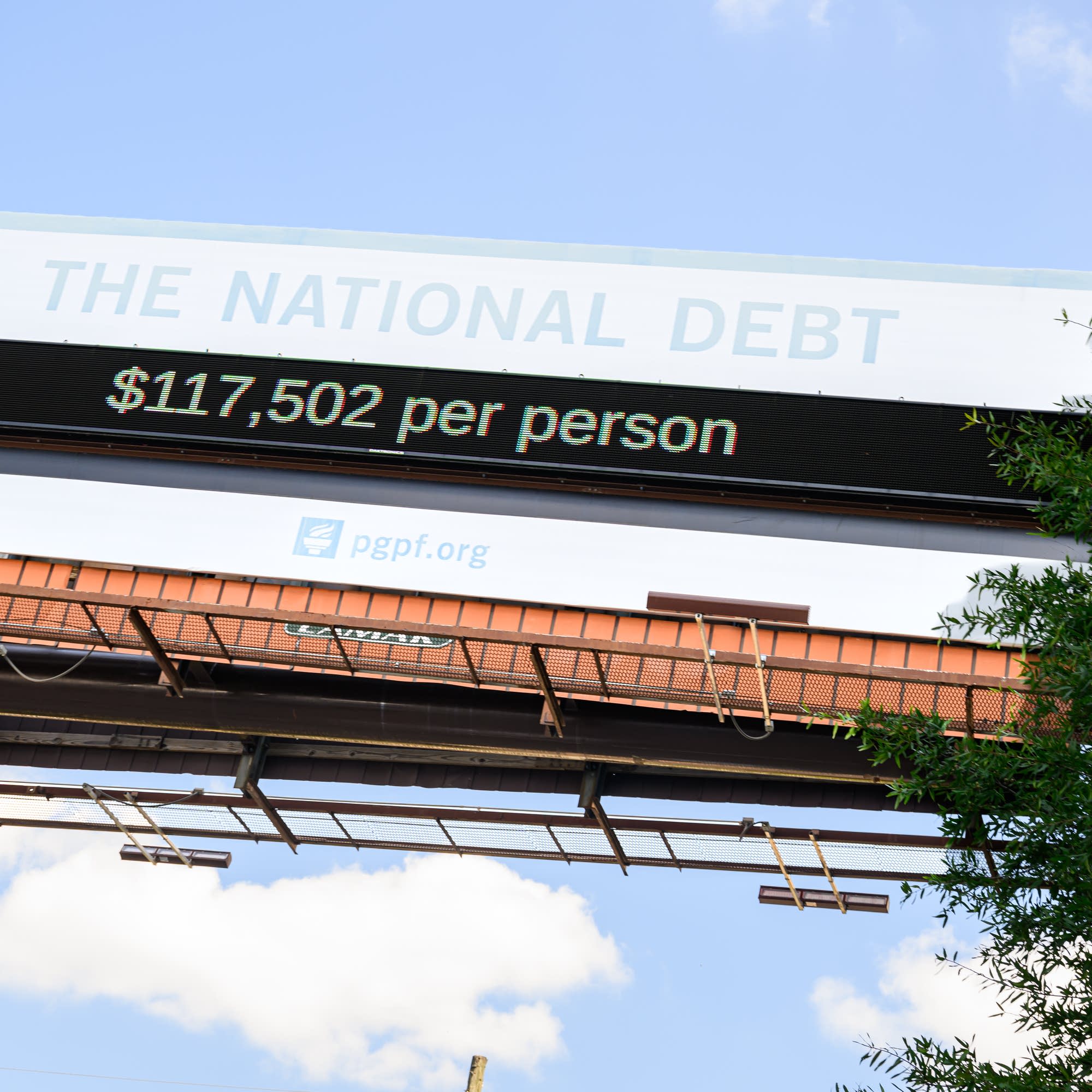
High interest rates could balloon the national debt
What happens to government debt, the budget deficit, and the overall economy if interest rates stay elevated? For a new report, the Congressional Budget Office crunched the numbers. By 2056, public debt would grow to an eye-popping 222% of GDP. Plus: Trump administration cuts decimated soil conservation programs, a new report highlights the impact of private equity investments on climate
Fed officials speak up on inflation
As Federal Reserve Chairman Kevin Warsh attempts to limit forward guidance, analysts are zeroed in on other Fed officials’ public comments. Turns out, they’ve got plenty to say. In this episode, central bankers make their voices heard. Plus: Layoffs push workers to pivot careers entirely, catastrophe modelers warn a strong El Niño is brewing, and potato farmers struggle in the wake of an

Tension grows in the housing market
Bad news first: Mortgage rates are topping 7% and, fittingly, mortgage applications are down. On the bright side, home prices aren’t completely frozen and listings are actually up. Question is, in this stuck housing market, when will things budge? Also in this episode: A running resurgence parallels popularity peaks in the aughts and ‘80s, Nashville-style hot chicken sees international su
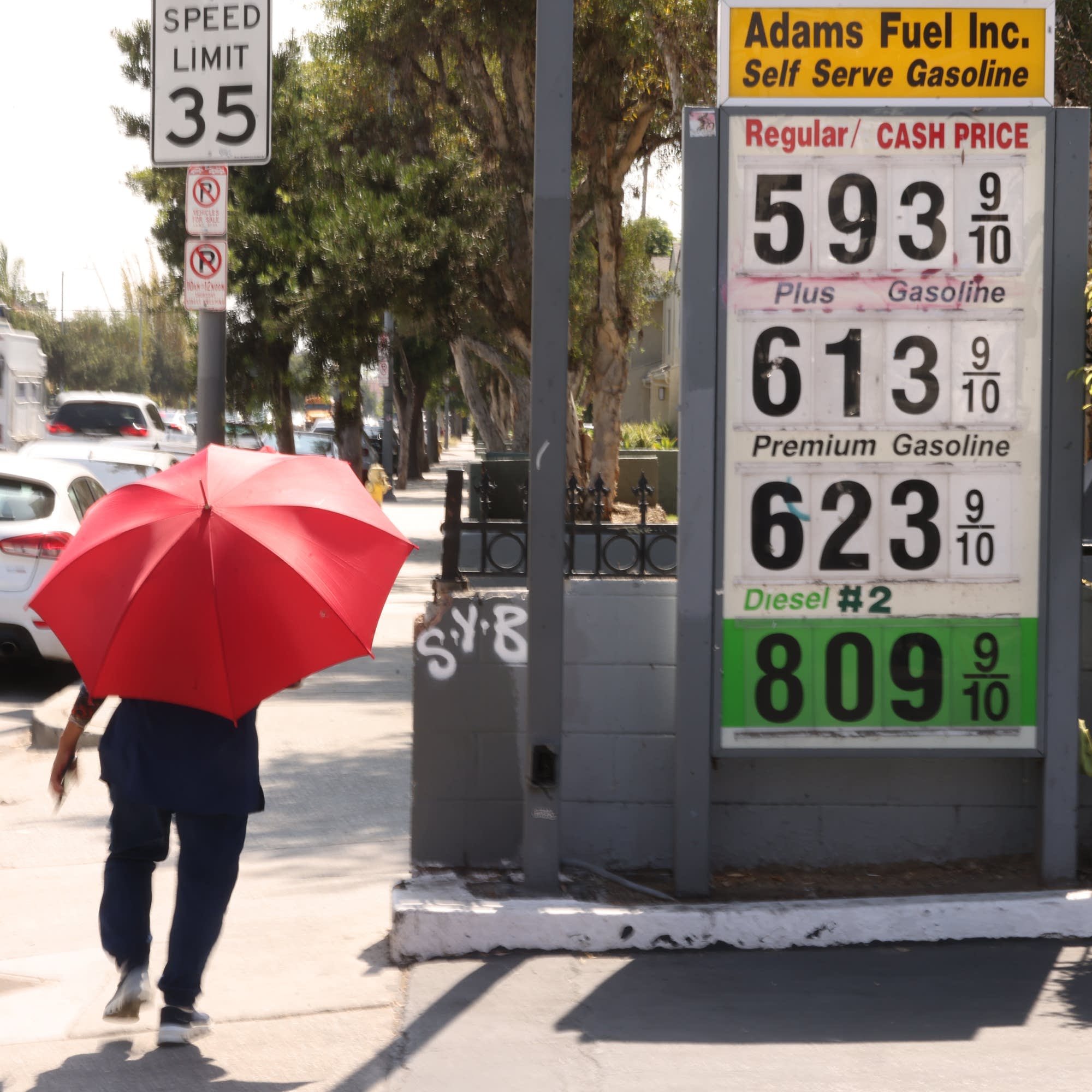
Time for a diesel export ban?
Diesel costs have nearly doubled over the last year, breaking record highs. In fact, some lawmakers are calling on the Trump administration to halt all diesel exports until they cool off. But experts say it's a recipe for price chaos that will leave us right back where we started. Also in this episode: A wide crude oil spread persists, butter and cheese become a bright spot on grocery rec
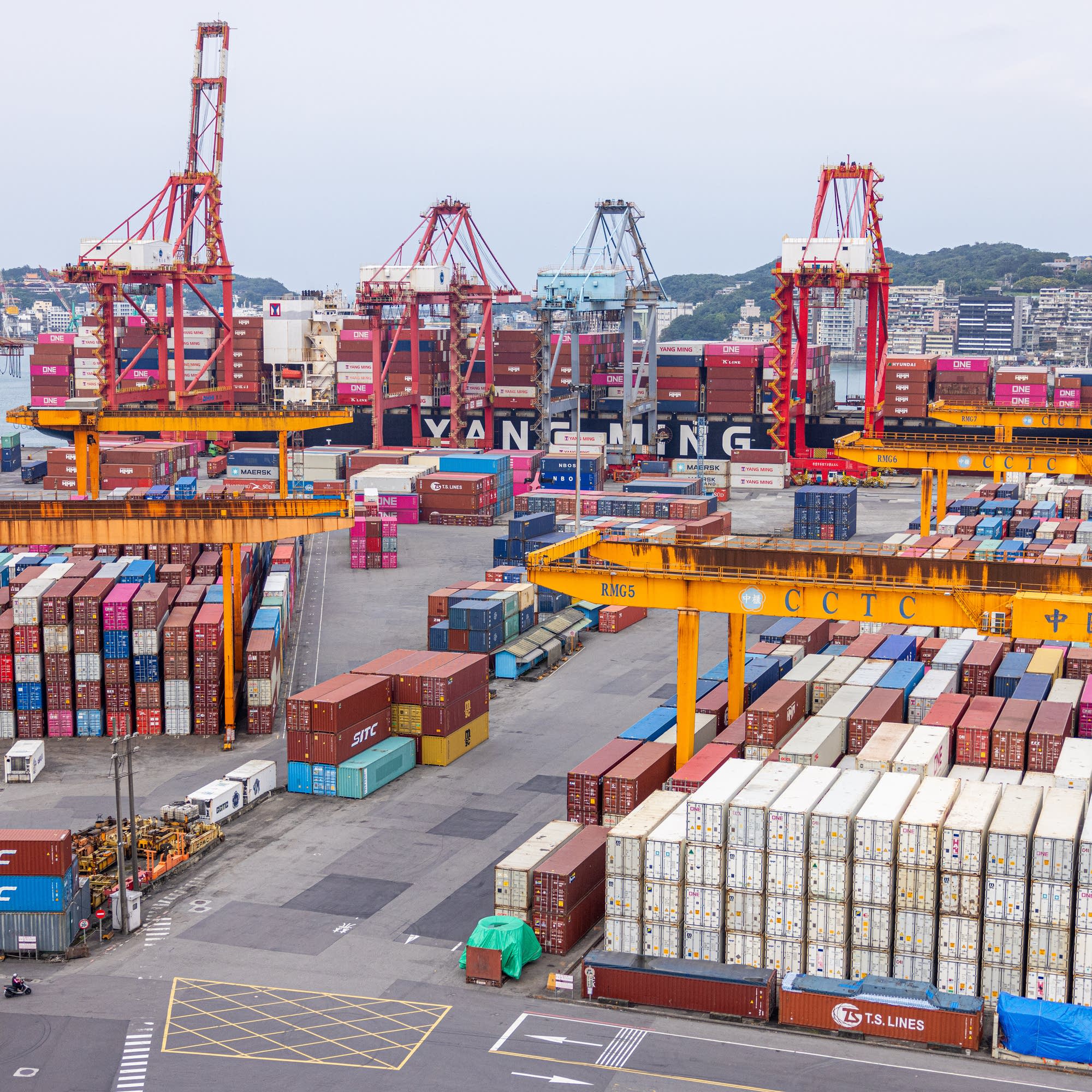
The state of U.S.-China trade
President Trump will meet with Chinese President Xi Jinping this week, and AI safety is likely to define the agenda. But what about those pesky tariffs? In this episode, we lay out the fraught trade relationship between the U.S. and China. Plus: Airlines trim their flight schedules to combat high fuel prices, the price of copper may tell us less about global economic growth than it used t
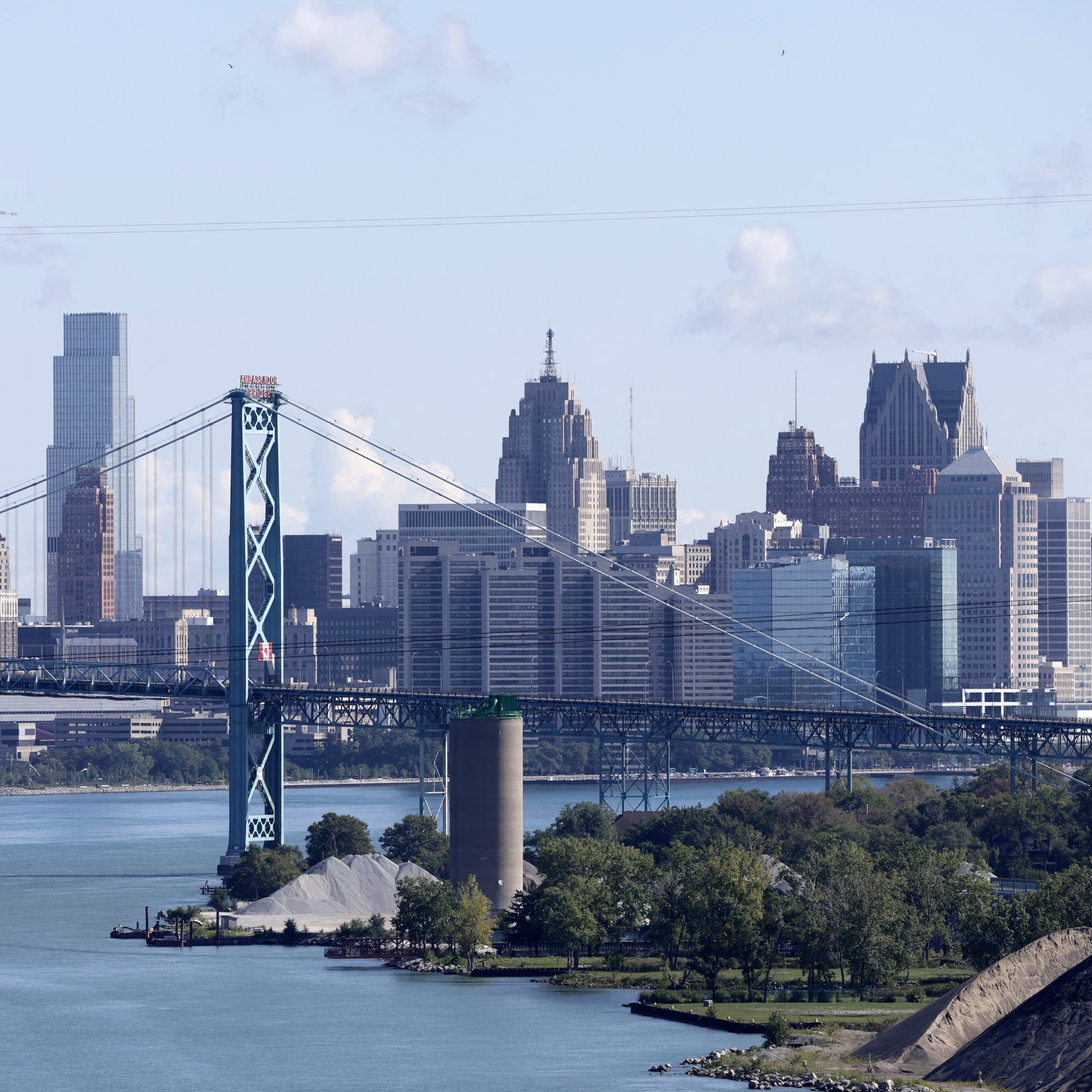
Caught in the Canada trade war crossfire
The Trump administration has doubled down on its trade war with our neighbors to the North — the U.S. is set to ban the import of several Canadian products, including beer and whey protein, in a few weeks. Small businesses on both sides of the border are caught in the middle. In this episode, we visit a few of them to understand how they’re coping. Plus: Banks stand to lose money as Treas
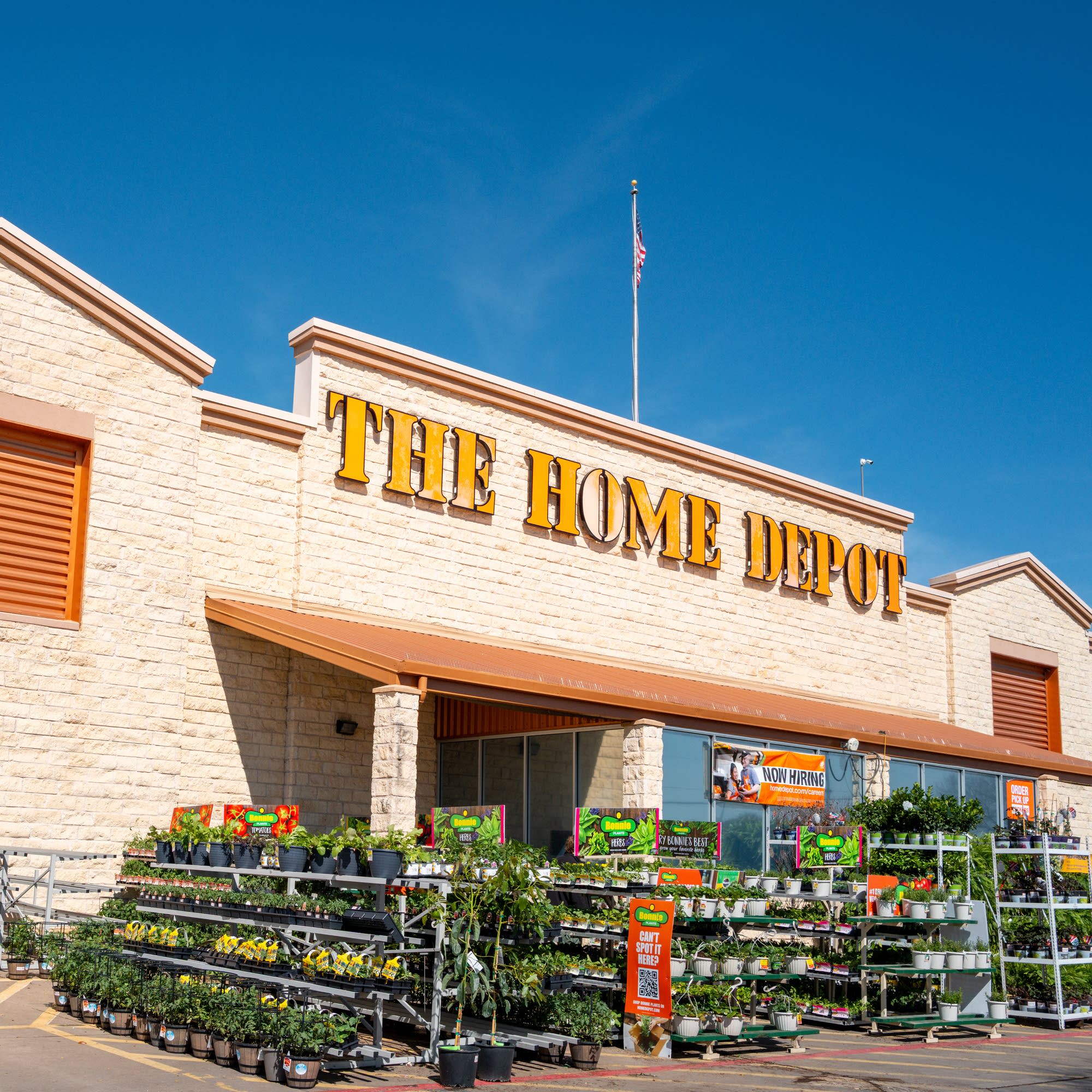
Home improvement stores feel the pinch
Retail sales jumped 1.2% in August after falling in July. But building materials stores — think Home Depot or Lowe’s — still saw a dip. That’s because stretched consumers are putting off “nice-to-haves,” like home renovations. Also in this episode: The future of global energy demand will be driven by a mix of renewables and fossil fuels, high school students take a new AP class melding bu

Bond traders take a turn in the spotlight
The yield on 10-year T-notes climbed to its highest point since 2007 on Wednesday, as the Fed raised its key rate for the first time since July 2023. Swirling inflation and uncertainty have put all eyes on the bond market. So what’s it like to be a bond trader, suddenly at the center of attention? In this episode, we check in with a few of them. Plus: Higher borrowing costs will likely fu
Imports are way, way up
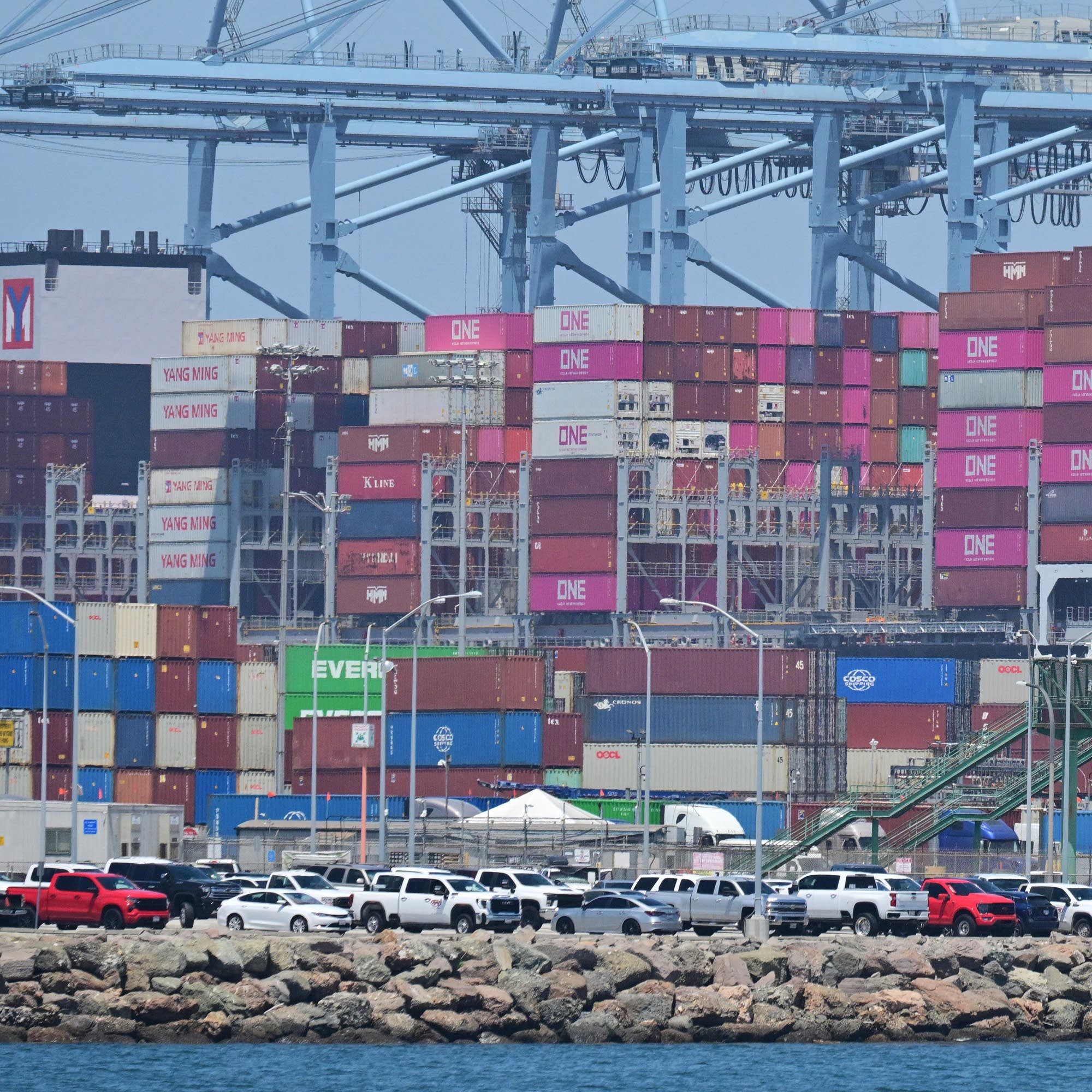
August marked the third-highest level of container imports to the U.S. on record. Sure, it’s usually a busy month for holiday shopping inventory, but there’s also that pesky looming inflation and ongoing tariff uncertainty. In this episode, why U.S. retailers are stocking way up. Plus: The stock market braces for a likely Fed rate hike, wildlife highway crossings save money and lives, and

A cast of hawkish central bankers
At this week’s FOMC meeting, it’s likely Fed governors will hike interest rates. They won’t be alone. The EU raised rates last week and Japan is expected to do the same at its upcoming meeting. These central bankers are all dealing with similar inflationary pressures, and hawkish rate-setters stick together. Also in this episode: The U.S. dollar rises in anticipation of a rate hike, diese

Inflation trumps wage gains
The latest BLS data put real hourly wage gains at -0.3% last month, compared to last year. That’s thanks to inflation running hotter than pay raises. To make up for it, some workers are putting in extra hours or dipping into their savings. In this episode, how much longer can Americans cope with what are effectively inflation-driven pay cuts? Plus: The gender wage gap slows economic produ

What's the new normal for global oil?
Oil industry analysts were hopeful earlier this year that Trump’s war in the Middle East would be short-lived. But it’s become clear that an open flow of oil through the Strait of Hormuz will require sustained cooperation between the U.S. and Iran. S&P Global now expects dampered production and choppy prices to continue into 2027. Also in this episode: Trucking costs are pushed up by

The case for healthcare price caps
Healthcare affordability is top-of-mind for many Americans right now. And for a long time, state legislators’ only avenue for easing that burden was through care subsidies. But what about looking at the problem from a whole new angle? In this episode, two states, unalike in their political leanings, try out healthcare price caps. Plus: Rising oil prices push up short-term bond yields, mor

Canada taxes back
Canada levied a range of tariffs on U.S. goods Tuesday, escalating an ongoing trade war launched by President Donald Trump. It isn’t the first time the two countries have tiffed over trade, but it is, by at least one historian’s estimation, unprecedented. In this episode, we trace the neighboring nations’ historic partnership, and weigh what’s next. Plus: Small business owners report mixe

As prices rise, so too does our credit reliance
Prices are rising faster than average wages in this economy, and many Americans have turned to credit to keep up. They are paying it off for now, but what happens if the Fed raises interest rates later this month? Also in this episode: Artificial intelligence appears to be the cause of some job cuts in the finance sector, business owners along Spain’s Camino de Santiago report busier foot

Wage growth disappoints
This economy added twice the amount of jobs expected in August, which is good news for the labor market. Still, the latest jobs report showed average hourly earnings were up just 3.1% annually — the slowest growth in more than five years. In this episode, when we can expect wages to start keeping up with inflation. Plus: American tourism to Europe is up, some farmers rely on decades-old m

Chevron's big bet
American oil giant Chevron plans to funnel $7 billion into its Venezuela operations over the next five years, with a goal of more than doubling its production in the country. In this episode, we explain what Chevron has to gain from the deal and why other oil companies are hesitant to follow. After that: Can zero job growth be part of a healthy labor market? Are diesel prices affecting ra
Even higher diesel prices are coming
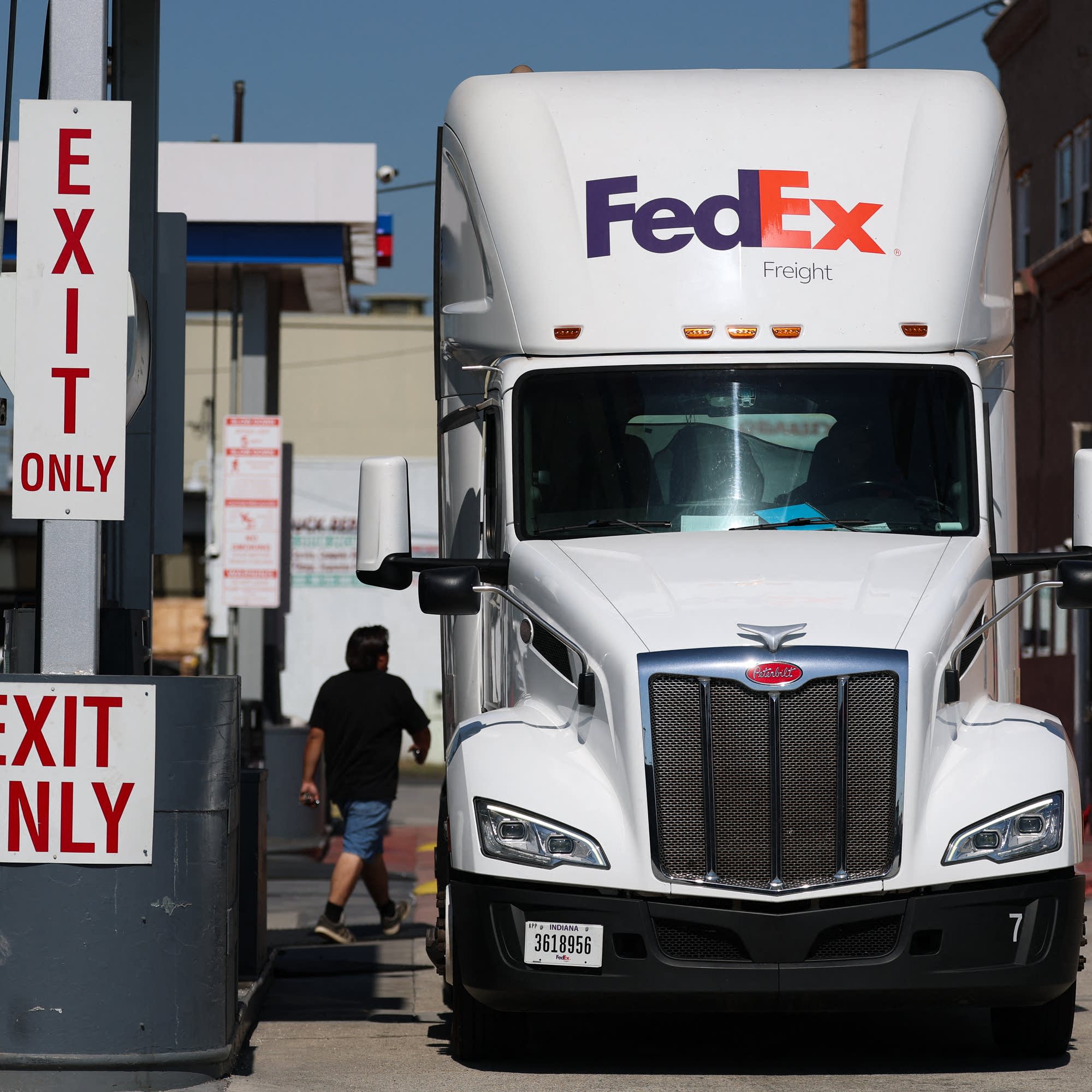
The average cost of a gallon of diesel was $5.68 on Wednesday — just 13 cents shy of a record high. Tariffs and ongoing wars are both to blame. But so is a seasonal upswing that happens every fall. In this episode, why diesel prices are likely going to get even steeper before they cool off. Plus: A computer model helps make the case for fewer mandated parking spots in city construction pr

Borrowing costs go boom
Bond yields jumped to multi-decade highs in some countries this week, as market anxiety about inflation and the Iran war grows. The U.S. is not exempt from this turmoil. Borrowing rates could balloon, affecting the Fed and your wallet. We’ll explain. Also in this episode: The labor market barely budges in July job openings and labor turnover data, U.S. solar energy storage capacity nearly
Oil markets brace for maintenance season
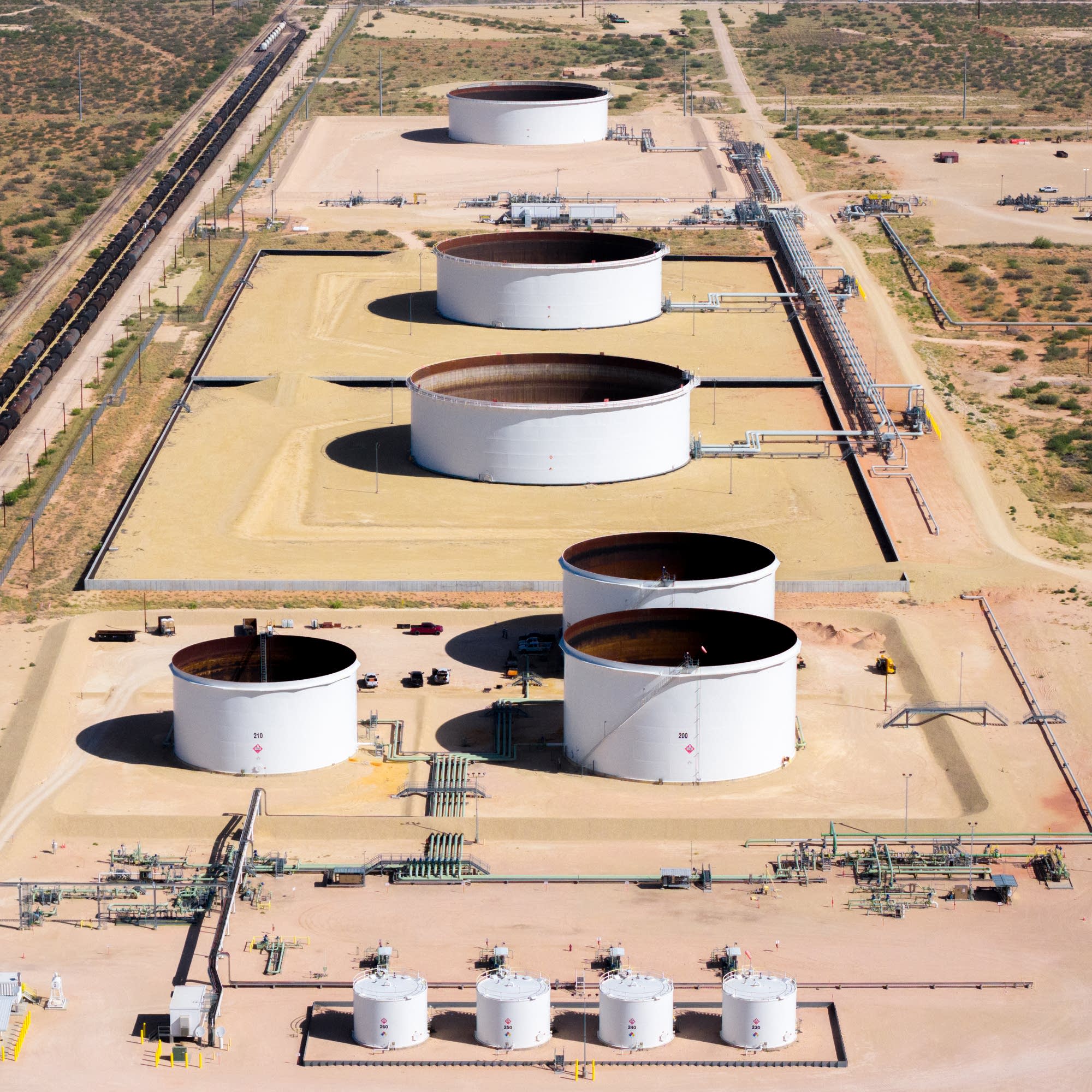
In Texas oil country, September usually marks the beginning of maintenance season. But with refineries running at near-100% capacity to meet increased demand, this fall might look a bit different. In this episode, can the global oil market weather an even tighter supply squeeze? Plus: Fed watchers expect an interest rate hike in September despite Trump’s opposition, U.S. consumers keep up

The ongoing cost of ICE raids on Latino entreprenuers
It’s been more than a year since the Trump administration intensified ICE raids in immigrant communities across the U.S. Latino entreprenuers say the toll on their businesses has been worse than the pandemic. In this episode, the ongoing economic harm caused by Trump’s relentless deportation agenda. Plus: Small businesses grapple with more tariff uncertainty, Canada posts strong GDP growt

Grass is always greener
The NFL is back in a couple weeks, and so is artificial turf. Several NFL stadiums rolled out the green carpet this summer for World Cup matches, which are mandated to be played on grass. For the 92% of NFL players who prefer the real stuff, it’s proof-of-concept — and could become a players union bargaining objective come 2030. Also in this episode: Nvidia announces eye-popping long-term
How much power does the Fed really have?
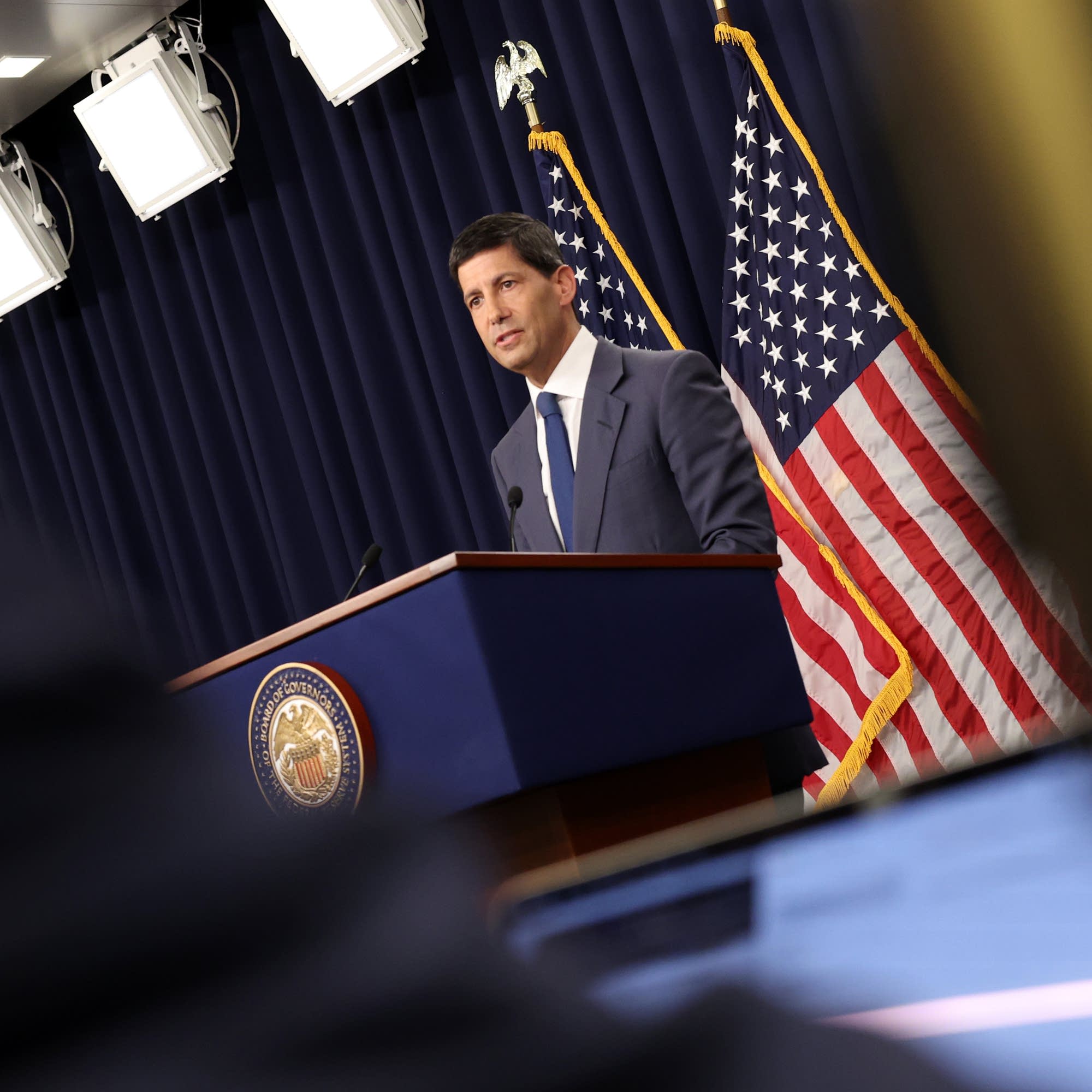
Another month, another PCE report that put annual core inflation meaningfully above the Fed’s 2% target. The central bank has been fighting high inflation for more than five years now. At a certain point, you might start to wonder, does the Fed even have the power to fix it? Also in this episode: Consumer confidence falls, transportation durable goods orders tick up, and Arizona’s Great R
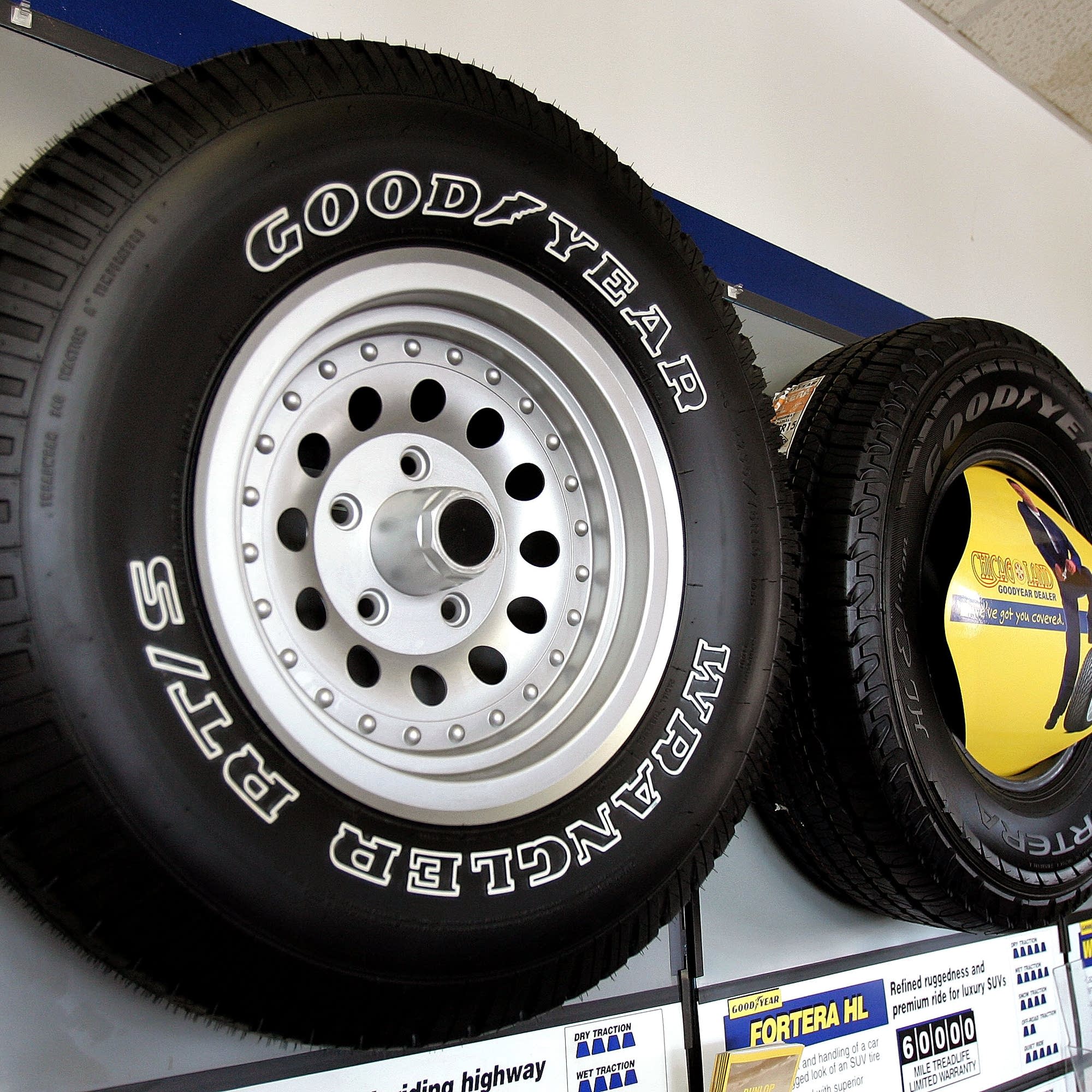
Preparing for an AI tax crisis
If artificial intelligence really does replace human labor, the U.S. could be in for a tax revenue crisis. That’s because high unemployment shrinks the pool of taxable wages. In this episode, we visit Akron, Ohio — the former tire capital of the world — to learn what happens when lost jobs snowball into lost government funding. Plus: Economists hope for cake but will settle for crumbs in
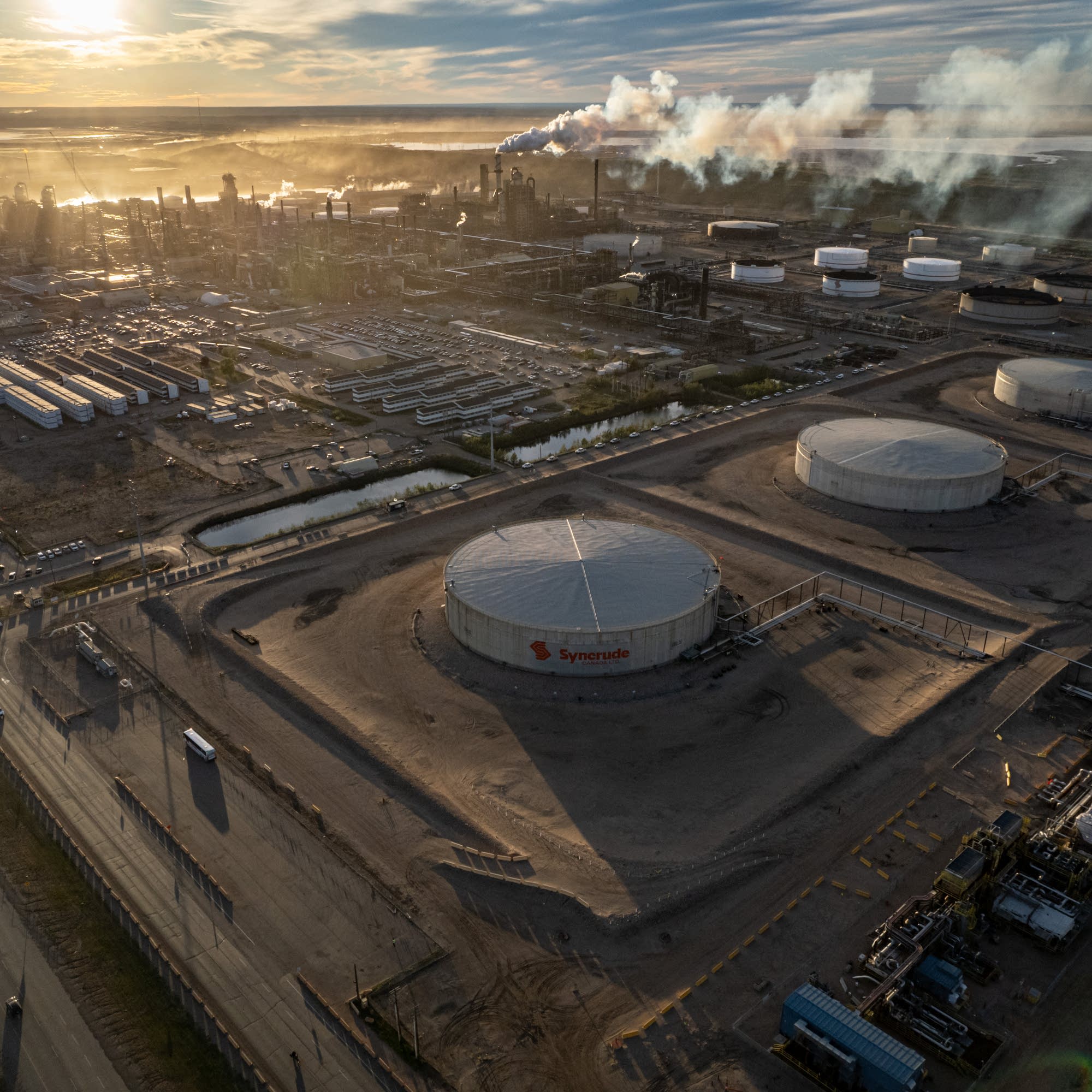
Does Canada need new energy partners?
Fuel hasn’t been touched in the trade clash between the U.S. and Canada (yet). It’s probably because the countries have an interdependent energy relationship — American refineries rely on Canadian crude; 90% of Canadian crude exports go to the U.S. But as tensions escalate, we started to wonder: Is Canada looking for alternative buyers? Also in this episode: Imported Mexican cattle could

When unemployment becomes endless
According to the Bureau of Labor Statistics, at least 1.8 million Americans have been actively looking for a fulltime job for more than 27 weeks. That’s over six months. In this episode, two people tell us what it’s like to navigate a never-ending job search. Plus: A surge in lone star ticks threatens the cattle industry, McDonald’s keeps huge amounts of data on frequent customers, and th

Sec. Bessent's big plan to finance the national debt
Treasury Secretary Scott Bessent’s buyback of long-term bonds was a bit of a letdown this week — the interest rates barely budged. The Treasury’s next move in its quest to rein in the national debt will be to issue a ton more short-term securities. But that might not be such a good idea, either. In this episode, we’ll catch you up on the bond market turmoil. Plus: Multifamily construction
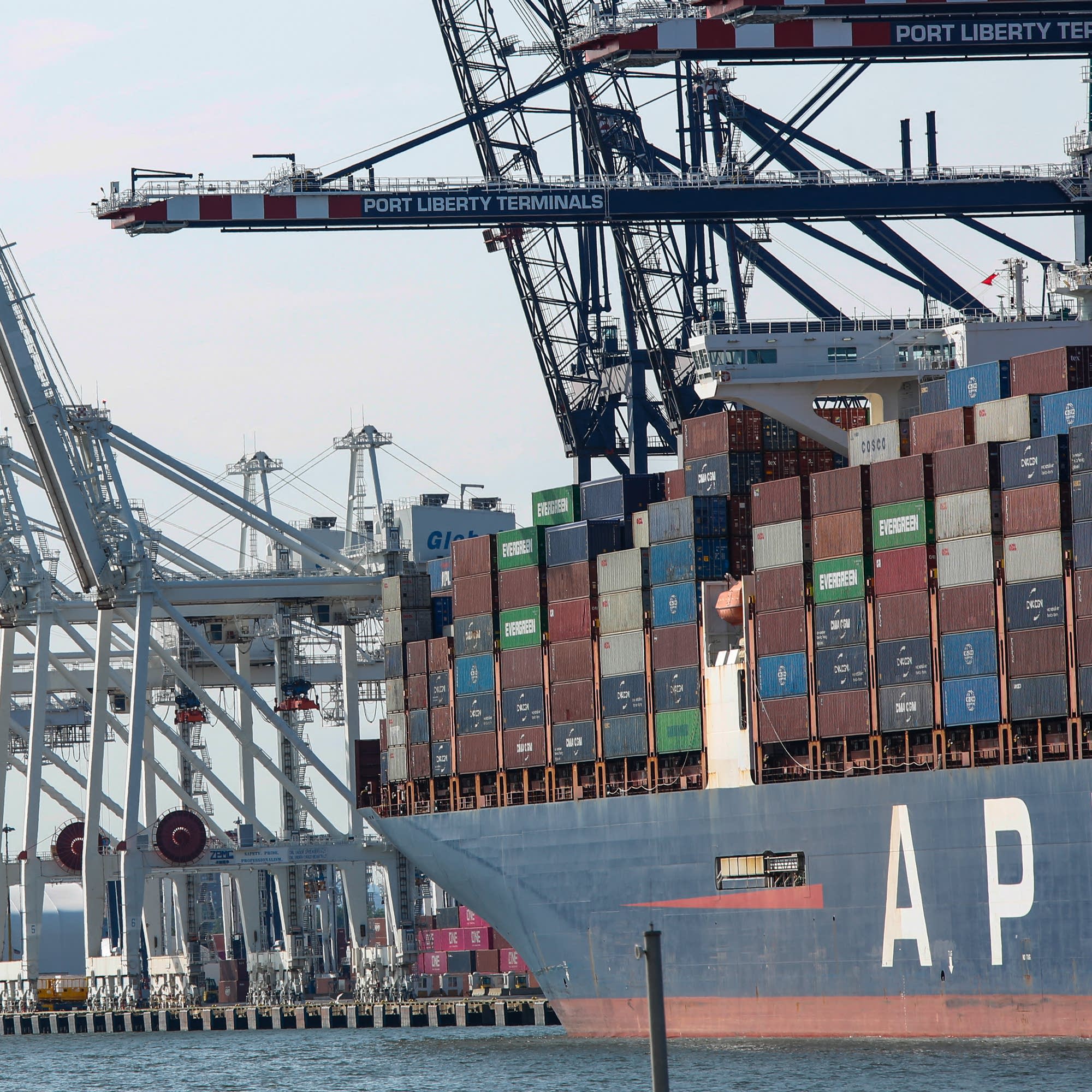
Let's import some inflation
The price of imported goods, sans energy, was up 4.5% year-over-year in July. Data center buildout is driving that jump — imported computer prices were up 17%. In this episode, we explain why import price inflation is distinct from regular inflation and what that leap means for Fed rate-setting. Plus: U.S. oil firms ink deals with Venezuelan producers, the Treasury excecutes on major bond

Got beef?
Cattle herds are at a national low not seen since the 1950s. That’s driving up the price of beef for consumers, but it’s also affecting the companies that process cows into steaks and burgers. In this episode, why meatpacking plants are shuttering. Plus: Home Depot stays afloat despite a “frozen” housing market, retailers prepare to release quarterly earnings, and interior design is stuck

Consumer sentiment takes a tumble
Consumer spending fell in early August, according to preliminary results from the University of Michigan’s survey. July retail sales were down, and the average price of gas is nearing a record high for August. In today’s episode, we look at how consumers could be cutting discretionary spending as a result. Also, we’ll look at why China’s economy may be in trouble, the value of GDP as a st
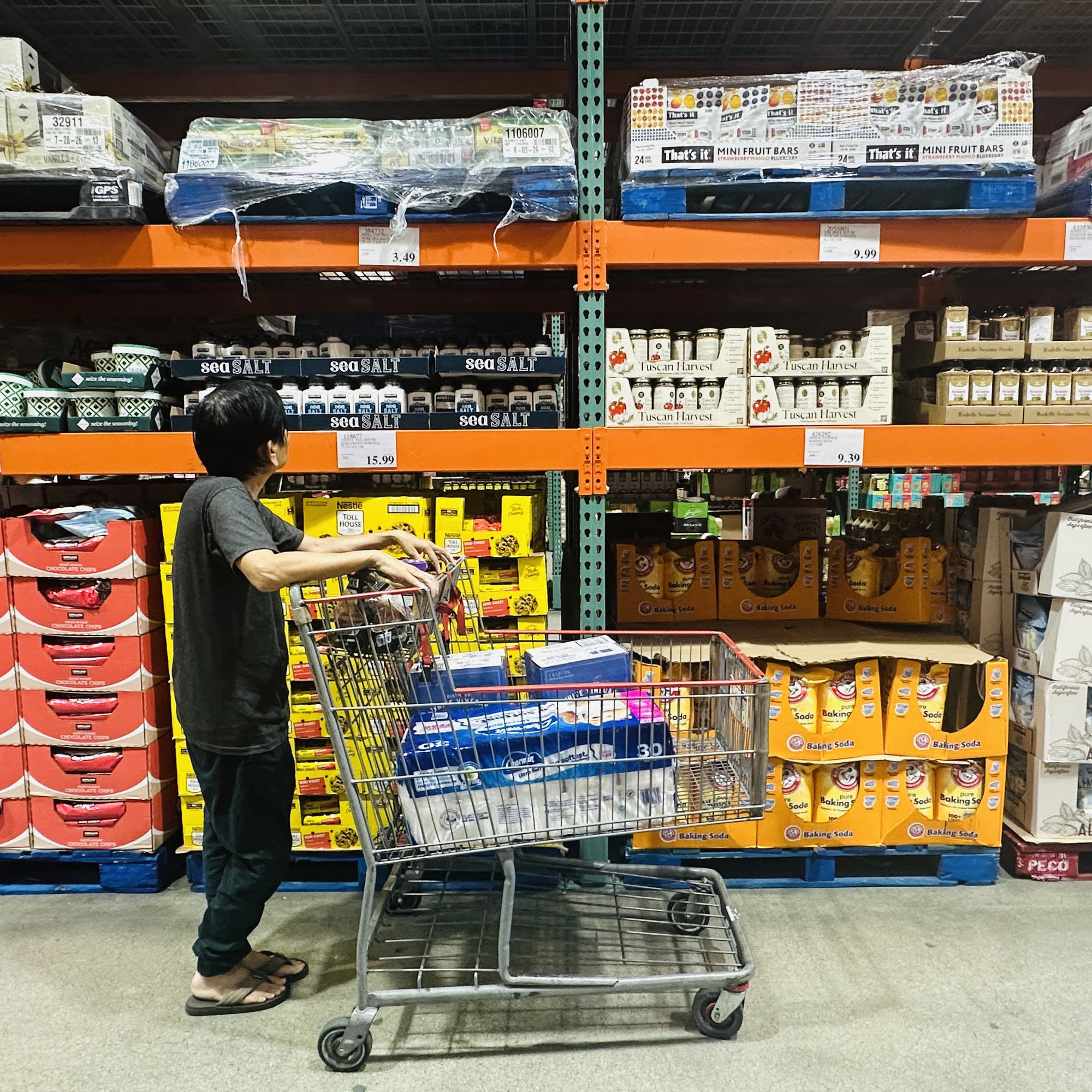
Retail feels the squeeze
In the Commerce Department’s retail sales report for July, sales at stores of all kinds were down 0.6%, when a modest increase in sales had been expected. Though some discretionary purchases are up, consumers are certainly tightening their belts. Also in this episode, we look at the decline of Etsy, how businesses near the Canadian border are dealing with fewer visitors, and the staying p
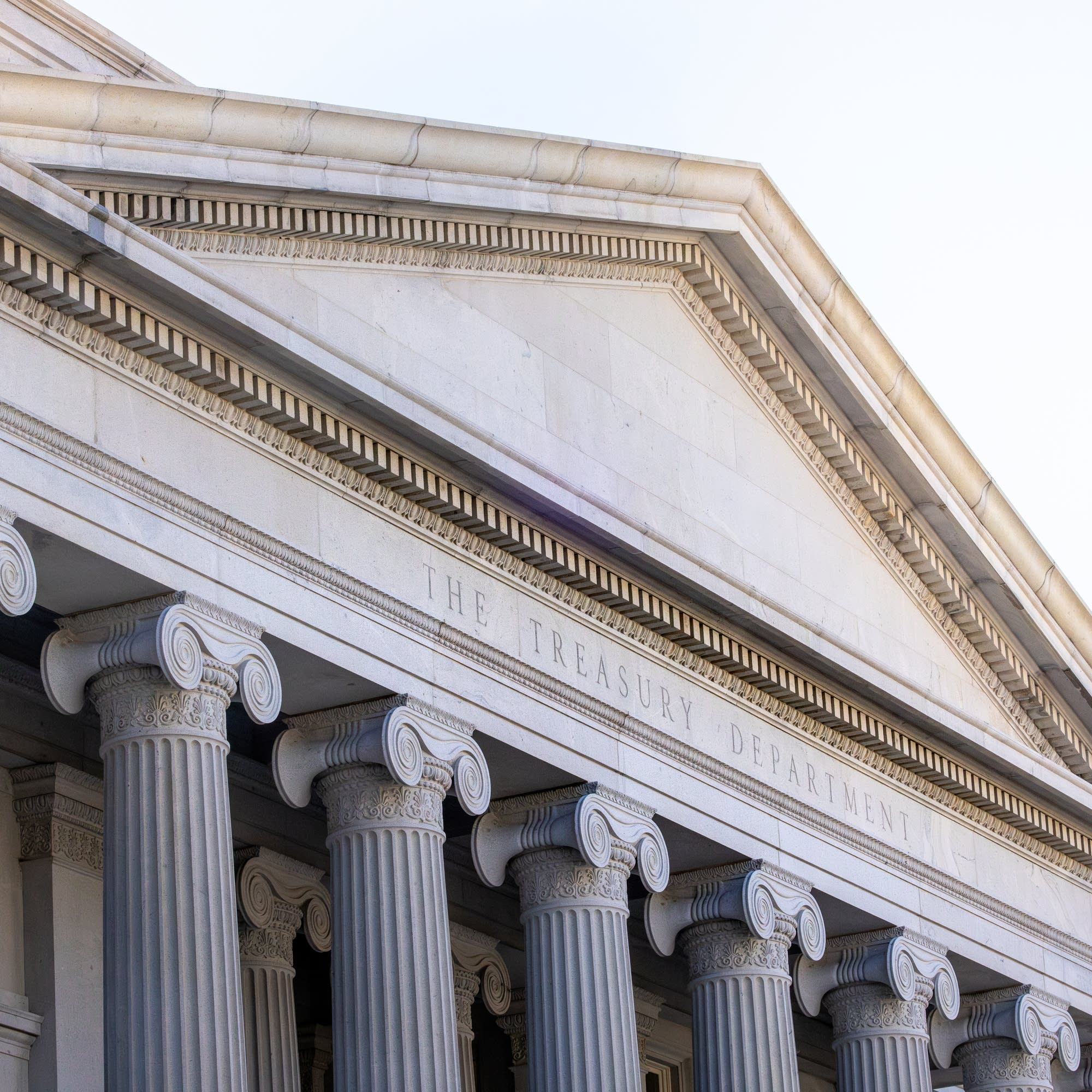
Long-term bond yields hit a long-term high
The government is selling 30-year bonds with interest rates at a quarter-century high. We talk with Greg Ip at the Wall Street Journal about how that could be a warning from investors over stubborn inflation and mounting debt. Also in this episode, we look at how energy prices shape the Producer Price Index, rising prices for retailers, and coal slipping as an energy source, before diving

Steep inflation, meet slow wage growth
The average household’s buying power has slipped by about 0.1%, when the latest CPI report is compared to last week’s jobs numbers. In layman’s terms, Americans took a pay cut over the last year. But economists aren’t so clear on what comes next. In this episode, we’re on the inflation-outpacing-wages beat. Plus: Drivers brace for continued high gas prices, fractional homeownership startu
Credit card delinquencies climb
Credit card delinquencies are sitting at 13% so far this year. It’s the highest national rate since the tail-end of the Great Recession. The aftermath of the COVID-19 pandemic, including high inflation and job uncertainty, is partially to blame. Also in this episode: Home equity lines of credit become more popular as traditional borrowing rates climb, small business owners are cautious bu

Whoosh, there go our wage gains
More bad news from last week’s jobs report: Wage growth slowed to 3.2%, the lowest yearly rate in five years. Combine that with high inflation, and consumers are losing purchasing power. In this episode, where did the wage growth go? Plus: Temp firms report increased demand, Bed, Bath & Beyond’s parent company wants to expand into services, and Pringles implements AI on the production
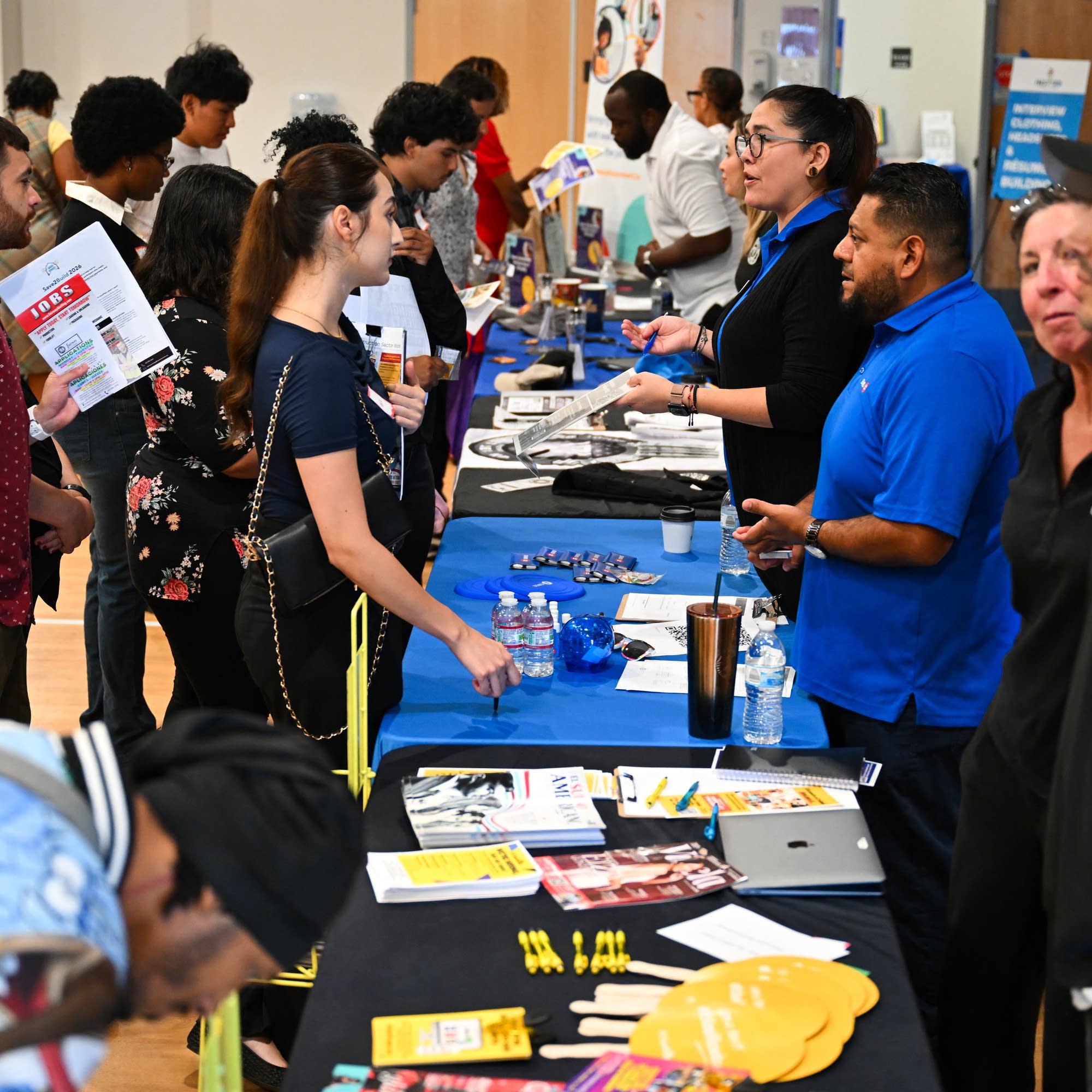
Job losses reveal a shakier labor market
The July jobs report is out, and it’s a doozy: The U.S. labor market shed a net 23,000 jobs last month. Previous months, which saw moderate gains, were revised down. In this episode, which sectors cut the most roles, and what it all signals about the broader economy. Plus: Climbing car prices lock buyers in longer-term loans, communities combat a teacher shortage by building affordable ho
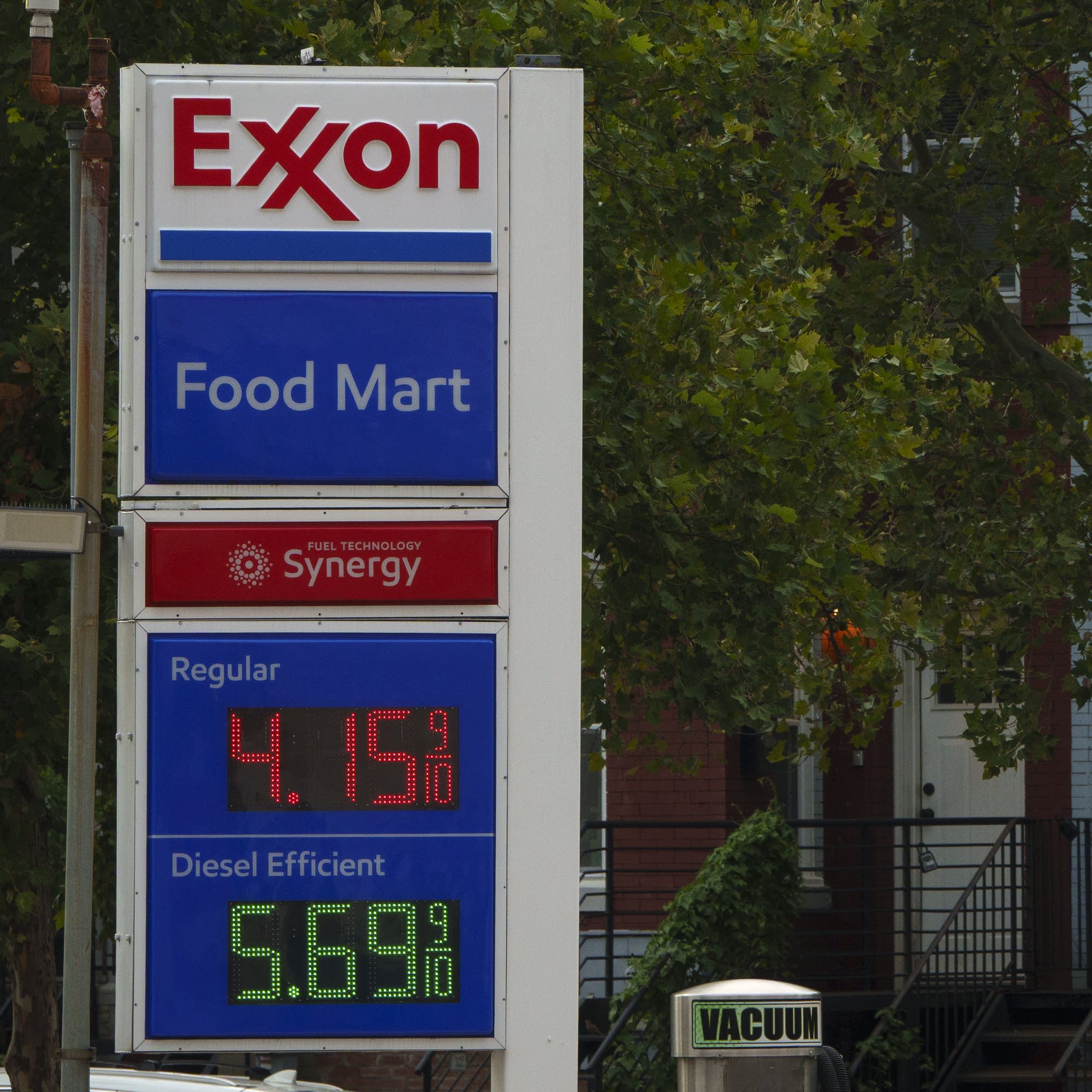
Should there be an oil export ban?
As high gas costs pile up for drivers, Big Oil is getting jumpy. That’s because one way to bring prices down, at least temporarily, is an oil export ban. The Trump administration hasn’t signaled support for such a ban, but oil firms are being proactive, by lobbying the White House to find alternatives. Also in this episode: CEOs are sour on this economy, a major university invests big in
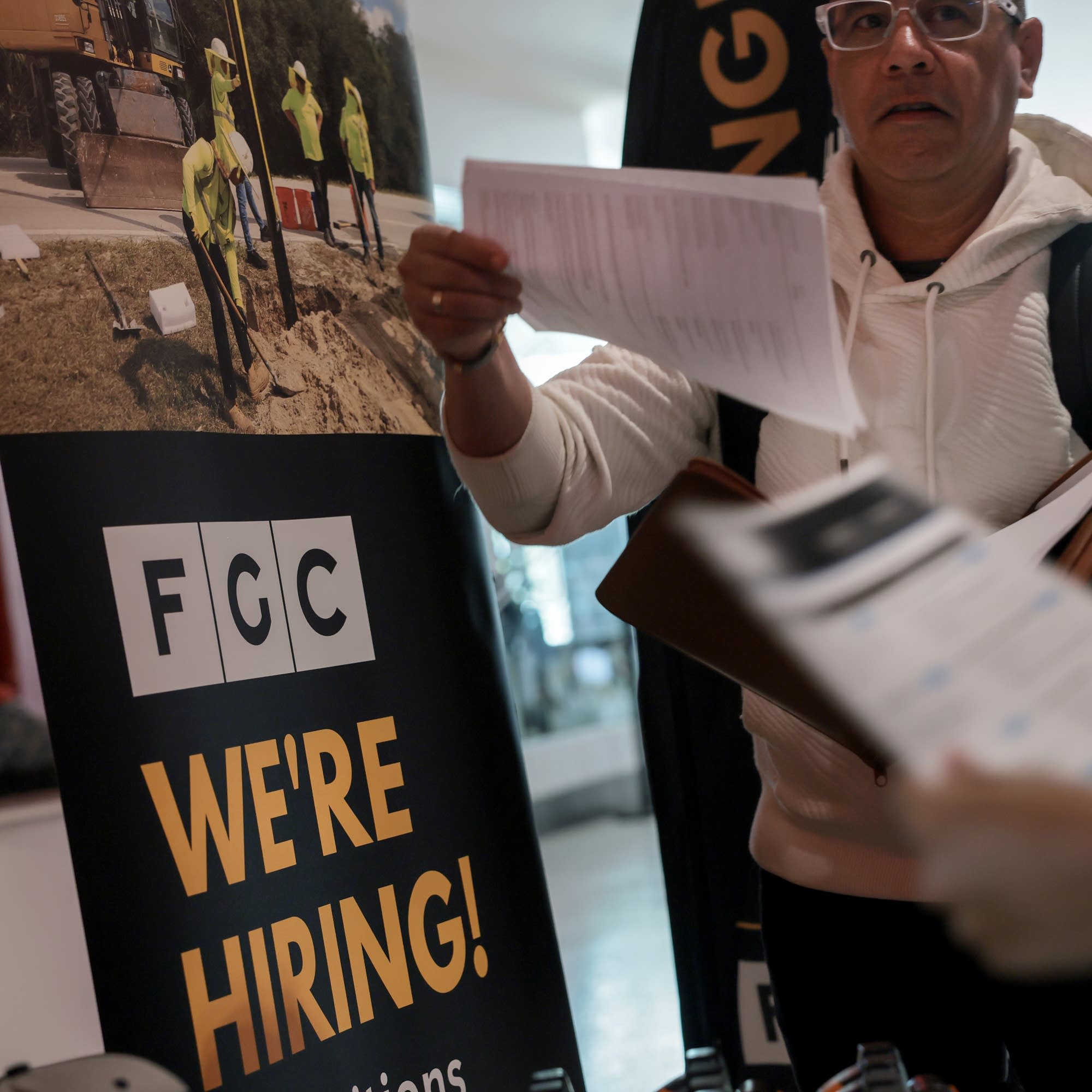
Want a raise? You might have to find a new job
You know how wages have, on average, stagnated when you account for inflation? Well there’s one group that saw some actual wage growth last month: Job changers. Pay growth for people who switched jobs was 7% in July, according to ADP. Unfortunately, that doesn’t mean the entire labor market is heating up — some in-demand labor sectors might be accounting for most of that bump. Also in thi
Recommended

پلی لیست | PlayList

Conspiracy Files with Paige Carter

Bad Friends

Learn 50 English Phrases While You Sleep | Everyday English Phrases & Vocabulary

This Past Weekend w/ Theo Von
Dateline NBC

Back to the 80s Radio

Crime Stories with Nancy Grace

Bible Tea

این نقطه

TED Business

Dark Night Tales with Brian King
