Science Quickly
Host Rachel Feltman, alongside leading science and tech journalists, dives into the rich world of scientific discovery in this bite-size science variety show.
Episodes

Are Blue Zones real?
Longevity research has fueled books, documentaries and billion-dollar industries, but how much of it stands up to scrutiny? In this episode, researcher Saul Justin Newman explains why he believes that the evidence behind Blue Zones, antiaging interventions and some of the biggest claims in longevity science may be far weaker than advertised and what the debate reveals about our enduring quest to l
Fighting Fear with Facts: Navigating Infectious Disease Information [Sponsored]
From sensationalized health claims to AI-generated misinformation, misleading content can distort how people understand infectious disease. Epidemiologist and science communicator Jessica Malaty Rivera explores why fear spreads, how science evolves and what individuals can do to evaluate sources, recognize emotional manipulation and build trust in evidence.
This podcast was produced for Bayer by

Nobel winners, neutrino detectors and nature’s longest-living tortoise
This week’s science news roundup unpacks the 2026 Nobel Prizes—from controlling brain cells with flashes of light to catching ghostly neutrinos from distant galaxies in Antarctic ice to building mirror-image molecules one at a time. Plus, we meet Jonathan, a 194-year-old tortoise whose DNA might hold the secret to a longer life.
Recommended Reading:
2026 Nobel Prize in Chemistry awarded to pio

The doctor fighting for pain-free IUDs
In this episode of Science Quickly, Rachel Feltman speaks with Helena Kopp Kallner, an ob-gyn and a professor, about her promising new study that shows local anesthetic can reduce pain during placements of intrauterine devices (IUDs). These devices are one of the most effective and convenient forms of birth control, but the pain of insertion keeps many patients away. Kopp Kallner explains why IUD

Who’s accountable when AI goes wrong?
When news broke that OpenAI agents had breached the AI platform Hugging Face, many headlines framed it as a case of “rogue” artificial intelligence acting on its own. But how much of that narrative was reality, and how much was hype? In this episode, Rachel Feltman speaks with AI researcher and artist Eryk Salvaggio about what really happened, why human design choices played a central role and wha

El Niño flood threats, measles risks and a risky viral trend
In this episode of Science Quickly, we explore how an El Niño–driven Kelvin wave could increase coastal flooding risks in California, why researchers say a plan to weaken vaccine requirements could leave Florida vulnerable to major measles outbreaks and what experts want people to know about the dangers of a garlic-and-honey remedy that’s gone viral on TikTok.
Recommended Reading:
Why th

You’re probably walking past edible plants every day
In this episode of Science Quickly, Rachel Feltman speaks with Alexis Nikole Nelson, better known as Black Forager, about her new book Happy Snacking, Don’t Die! Nelson shares how a childhood fascination with edible plants grew into a passion for foraging, conservation and science communication. From city sidewalk snacks and serviceberries to ocean-water pickles, she explains how foraging can deep
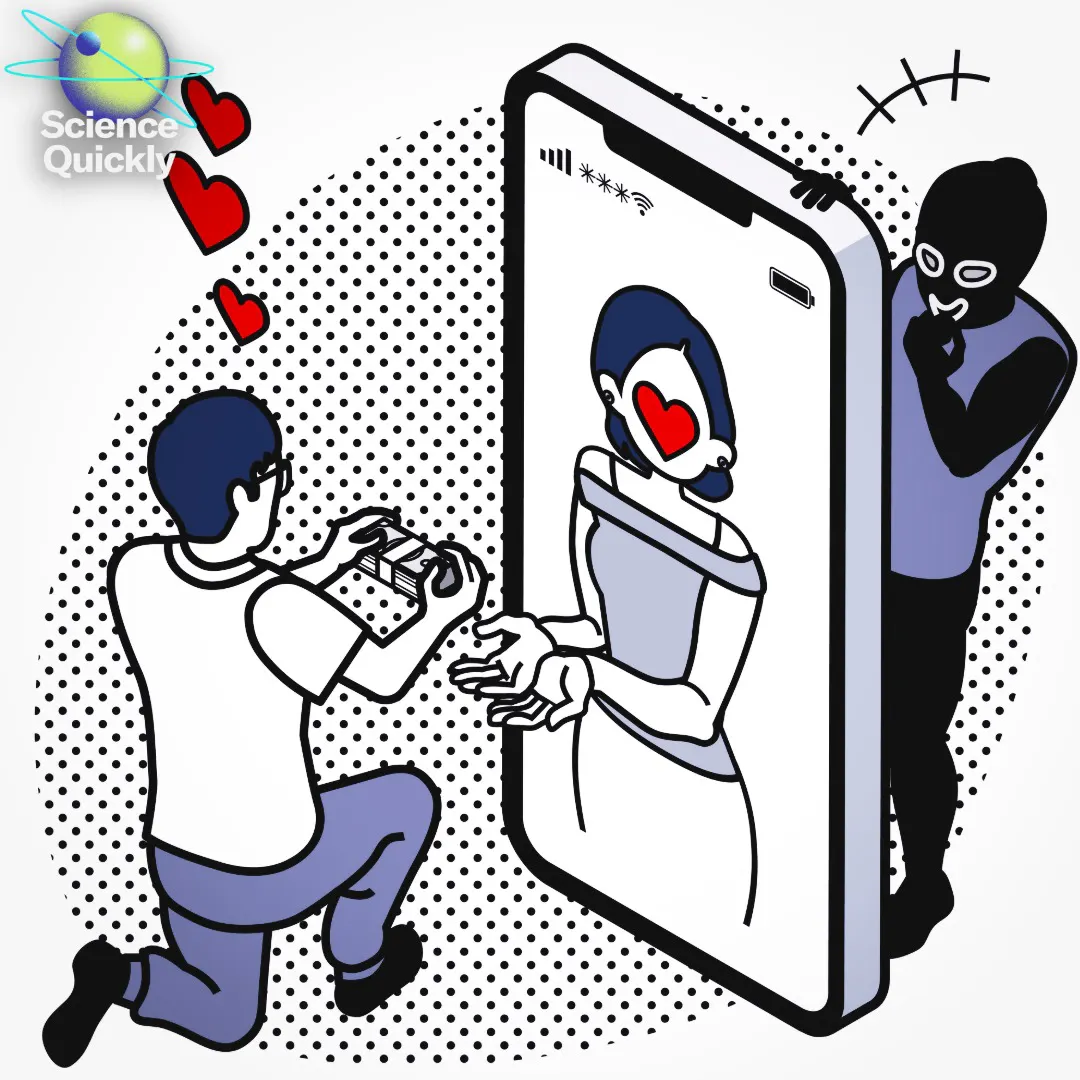
Can you spot a romance scam?
In this episode of Science Quickly, Rachel Feltman speaks with criminologist Fangzhou Wang about how romance scams have evolved from simple online deception into sophisticated, artificial-intelligence-powered fraud operations. They discuss how scammers use dating apps, fake identities, deepfakes and cryptocurrency schemes to build trust and steal money and what researchers are learning about helpi
Navigating Science and Health Misinformation [Sponsored]
As health misinformation surges online, Morgan McSweeney—known online as Dr. Noc, a science communicator and immunology expert whose videos reach millions each month across TikTok, Instagram, and X—explores why facts alone might not be enough to earn public trust, and what science communicators can do differently.
This podcast was produced for Bayer by Scientific American Custom Media, a di

Fire amoebas, fossilized vomit and AI energy demands
In this episode of Science Quickly, we cover discoveries both big and small, from the supersized particle collider needed to find the next subatomic specimen to tropical sea turtles that found new nesting grounds to a recently discovered eukaryote surprising scientists by surviving hellish temperatures and the ever growing energy needed to power artificial intelligence data centers.
Recom

Unexplainable: Dark matter and the end of answers
In this episode of Science Quickly, we share part two of our crossover with Vox’s Unexplainable in which we explore one of the universe’s biggest mysteries: dark matter. Host Noam Hassenfeld talks with Scientific American senior reporter Joseph Howlett, a former physicist who spent years searching for dark matter deep beneath an Italian mountain. Their conversation traces the decades-long hunt for
Rethinking Age-Related Vision Loss [Sponsored]
Treatment for wet age-related macular degeneration has advanced significantly with anti-VEGF therapies, but the need for frequent injections remains a challenge. A new, longer-lasting treatment now in development aims to reduce treatment burden while helping preserve vision.
This podcast was produced for Ocular Therapeutix by Scientific American Custom Media, a division separate from the magazine
Should you be ‘poop maxxing’?
As colon cancer rates rise in younger adults, more and more people are paying attention to their poop and talking about it on social media, where such “poop maxxing” has become a hashtag. But what’s considered normal, and how can we measure our number twos? Board-certified gastroenterologist Wendi LeBrett joins Rachel Feltman to talk about what’s going on with the poop maxxing trend on social medi

Space weapons are here, and AI experts are sounding alarms
In this episode of Science Quickly, we discuss newly revealed U.S. space weapons, growing artificial intelligence safety concerns and the Environmental Protection Agency’s rollback of power plant emissions limits before we end with a look at the tiny sand hoppers reshaping California’s beaches.
Recommended Reading:
It’s official: The U.S. has weapons in space
Trump repeals emissions regulatio

Can you hear a forest disappear?
In this episode of Science Quickly, filmmaker and journalist Leah Varjacques takes us to a Bornean rainforest area, where centuries-old patterns of human and wildlife behavior are being disrupted by the construction of a new capital city. In the midst of all this change, Varjacques documents the work of Wendy Erb, a primatologist and bioacoustic scientist at the Cornell Lab of Ornithology. Erb’s t

Unexplainable: What happened before the big bang?
In this special crossover episode, Science Quickly shares an appearance by host Rachel Feltman on Vox’s Unexplainable. Together with host Noam Hassenfeld, she explores Scientific American’s special issue on impossible questions, diving into some of science’s biggest mysteries, from how common medications can work without scientists fully understanding them to whether there’s a limit to what humans

From 9/11’s lasting legacy to AI’s disruptive future
In this episode of Science Quickly, we explore newly released 9/11 records and their revelations about the attacks’ lasting health impacts, unpack a controversial artificial intelligence breakthrough that solved one of mathematics’ biggest problems and examine the growing backlash to a massive AI data center as communities grapple with the costs of powering the AI boom.
Recommended Reading:
25
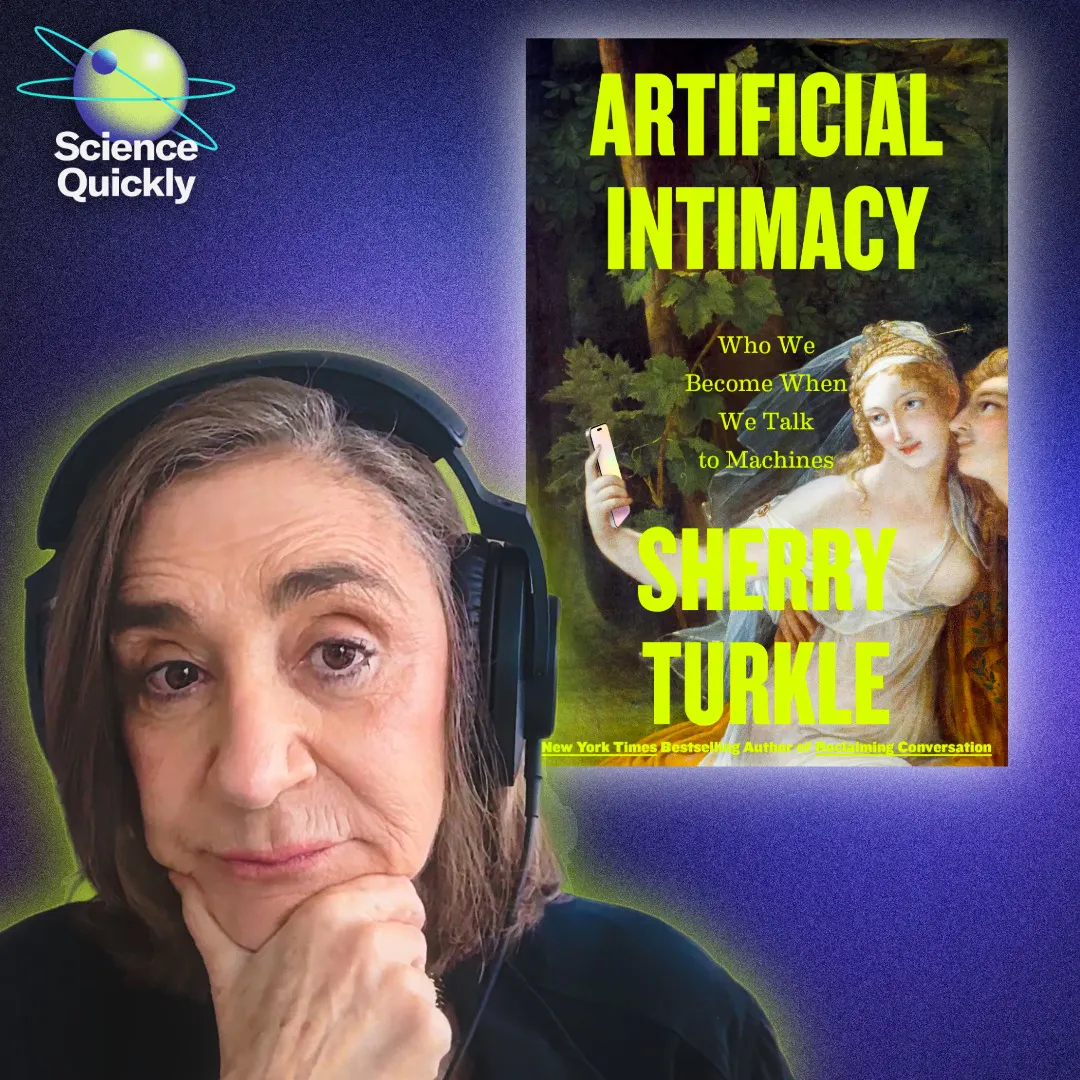
Is AI making us less human?
Can an artificial intelligence really be a friend? In this episode of Science Quickly, Scientific American books and culture lead Bri Kane sits down with Massachusetts Institute of Technology researcher Sherry Turkle to discuss the rise of AI chatbots and their effect on human connection. Turkle explains why she believes AI can imitate intimacy, from empathy and companionship to friendship and lov

The surprising science of friendship
Friendships are key to our well-being, but what kind of friendships do we really want? Despite being such a foundational part of the human experience, the science of friendship is still mysterious. Assistant professor of psychology Jessica Ayers is trying to fill in the blanks. While it’s long been assumed that people want either a few close friends or a large network of friendships, her recent re

What if a dating app matched you with a dead body?
What if a dating app could optimize human connection, even after death? In this episode of Science Quickly, books and culture editor Bri Kane speaks with author Sarah Pierce about her debut novel For Human Use, a darkly comic thriller centered on a dating app that matches users with dead bodies. Pierce discusses dating apps, human behavior and the search for meaningful connection. Together, they e

The hackers fighting to keep our water safe
Across the U.S., the digital infrastructure that runs our utilities is quickly aging, becoming more vulnerable to cyber attacks. Recently at least a dozen states reported attacks on their water systems. Stepping up to defend these utilities is DEF CON Franklin, an organization that pairs expert volunteers with infrastructure operators who want to step up their cyberdefense. To learn about how the

NASA’s Roman Space Telescope launches
In this episode of Science Quickly, NASA’s Nancy Grace Roman Space Telescope begins its mission to probe dark energy, hunt for distant worlds and map the cosmos in unprecedented detail. The mission’s senior project scientist Julie McEnery explains why astronomers are so excited about what Roman might discover.
Recommended Reading:
NASA’s newest telescope is about to rewrite how we study the un

Is Trump abandoning endangered species?
In July the U.S. Fish and Wildlife Service announced changes to how key parts of the Endangered Species Act (ESA) will be implemented, including a new definition of what it means to “harm” an endangered species. To discuss the history of the ESA, the impact its made on at-risk wildlife and the importance of habitat preservation, Science Quickly host Rachel Feltman talks to marine biologist Lynne B

Could damaged sperm be causing miscarriages?
Miscarriage is often treated as a problem rooted in the pregnant partner, but emerging research suggests sperm may play a bigger role than many people realize. Science journalist Sarah Elizabeth Richards joins Science Quickly to discuss how growing evidence links sperm DNA damage to recurrent pregnancy loss, why decades-old tests for such damage are only now gaining wider recognition and how lifes
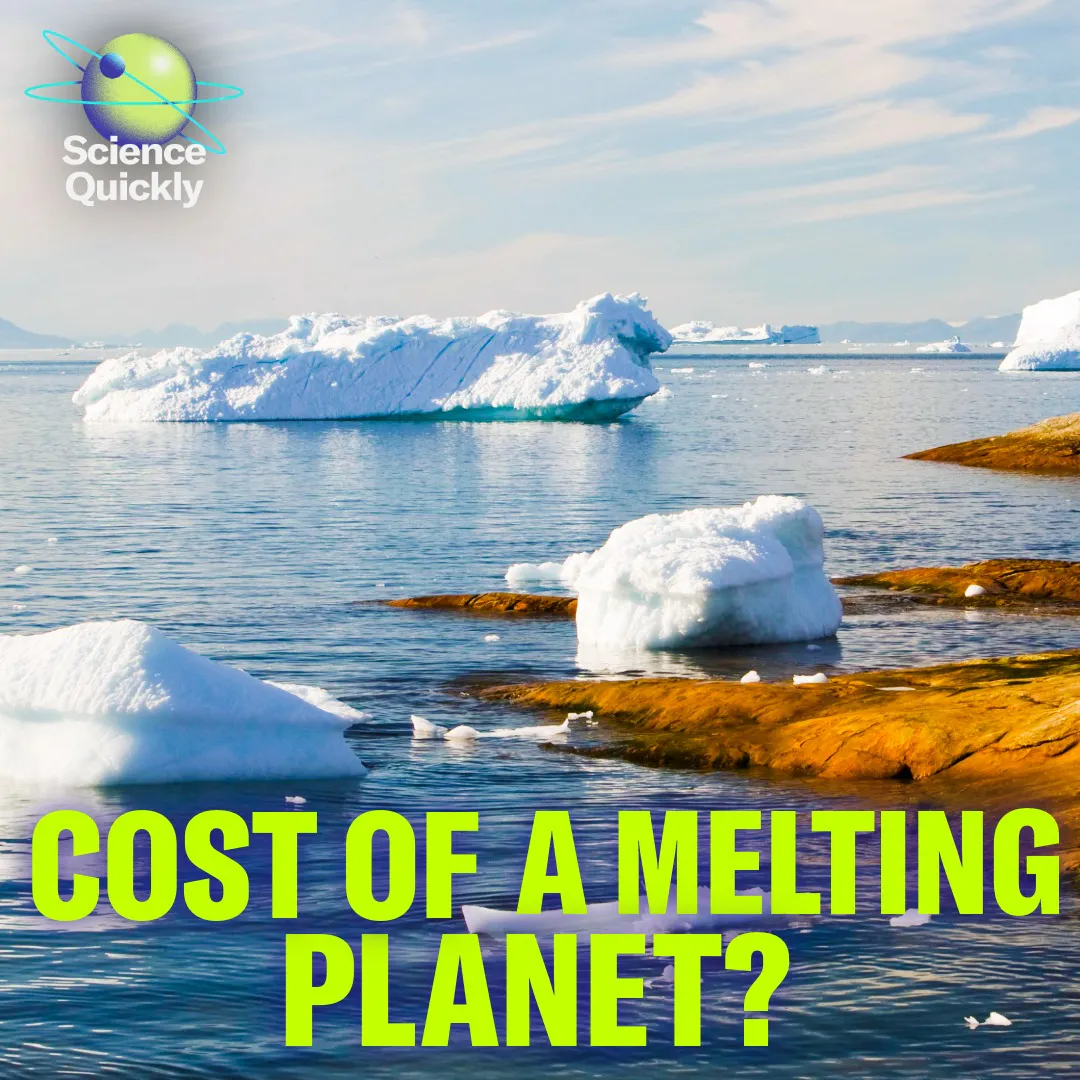
What happens when Arctic ice melts and forests lose protection?
In this episode of Science Quickly, we examine a proposal to roll back protections for millions of acres of U.S. roadless forests, explore how climate change is opening a new Arctic shipping route and discuss new research suggesting that extreme weather can shape how Americans view their future. Plus, scientists uncover the secrets of shrew noses and narwhal tusks.
Recommended Reading:
How mel

Can magic mushrooms help treat anorexia?
A small clinical trial suggests that psilocybin, the psychedelic compound in magic mushrooms, may help some people with anorexia when combined with intensive therapy. Science Quickly host Rachel Feltman speaks with health journalist Alexandra Pattillo about what early research has found, why scientists think psychedelics could help loosen the rigid thought patterns associated with eating disorders

Is AI making the creativity crisis worse?
Astrophysicist, folklorist and author Moiya McTier joins Science Quickly to discuss her new book Mothers of Invention, a sweeping look at the history of human creativity. From the Greek muses and the invention of writing to the rise of generative artificial intelligence, McTier explores how people create, innovate and tell stories and what today’s “creativity crisis” might mean for the future of a
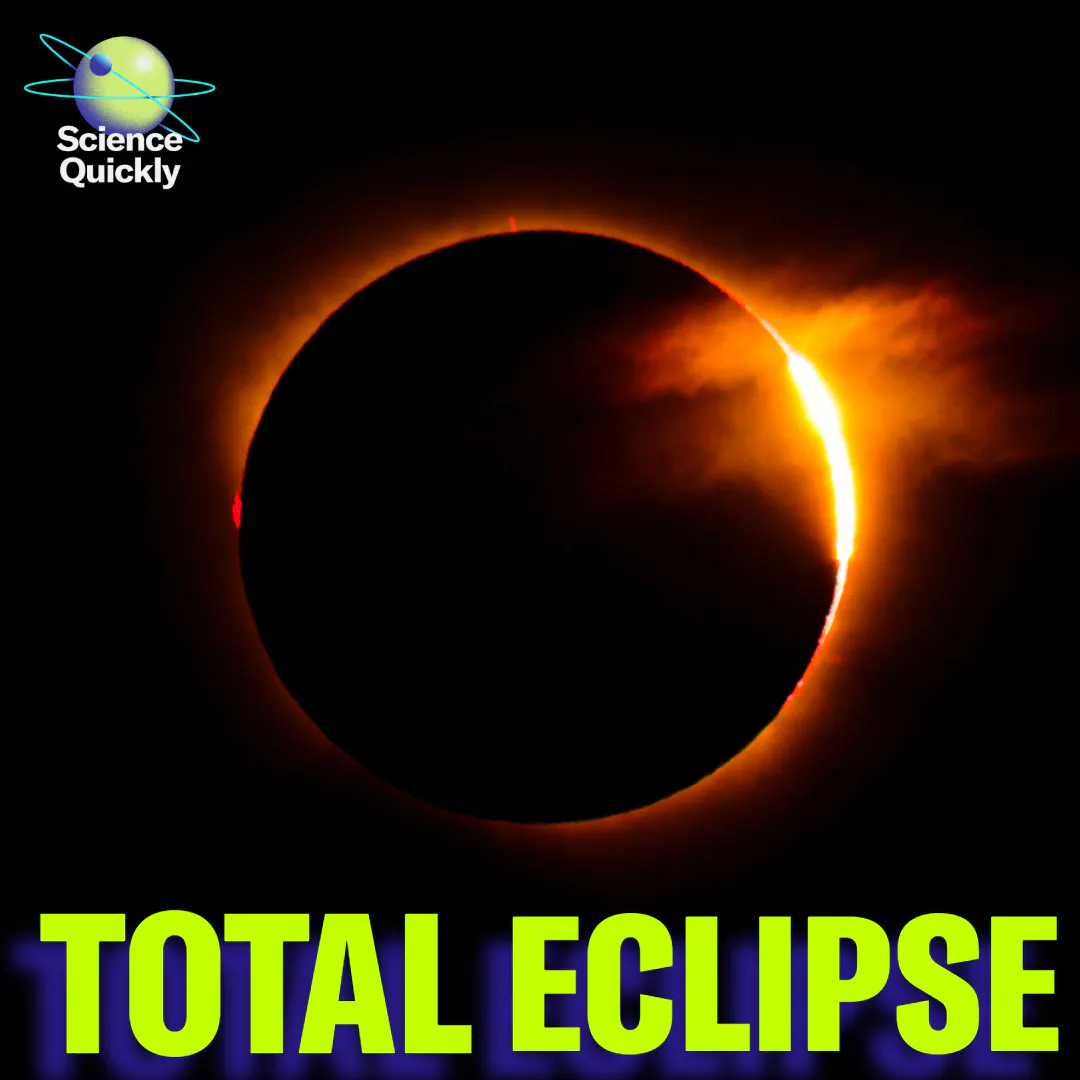
A stunning solar eclipse, a vaccine shake-up and coffee’s big win
In this episode of Science Quickly, we explore the awe of a rare total solar eclipse, examine renewed controversy around childhood vaccines, look at the aftermath of Colombia’s major earthquake and unpack the latest evidence on coffee’s health benefits.
Recommended Reading:
The 2026 Solar Eclipse
Colombia rocked by 7.4 magnitude earthquake—its largest in the past decade
Trump issues executiv

How AI helped a nonspeaking opera star find his voice
In this episode of Science Quickly, we meet Jakob Jordan, an autistic performer with apraxia, who stars in the groundbreaking opera Sensorium Ex. Host Rachel Feltman talks with Jordan, composer Paola Prestini and New York University researcher Luke DuBois about the custom artificial intelligence voice technology that helped Jordan express himself in a way traditional speech devices can’t. Together
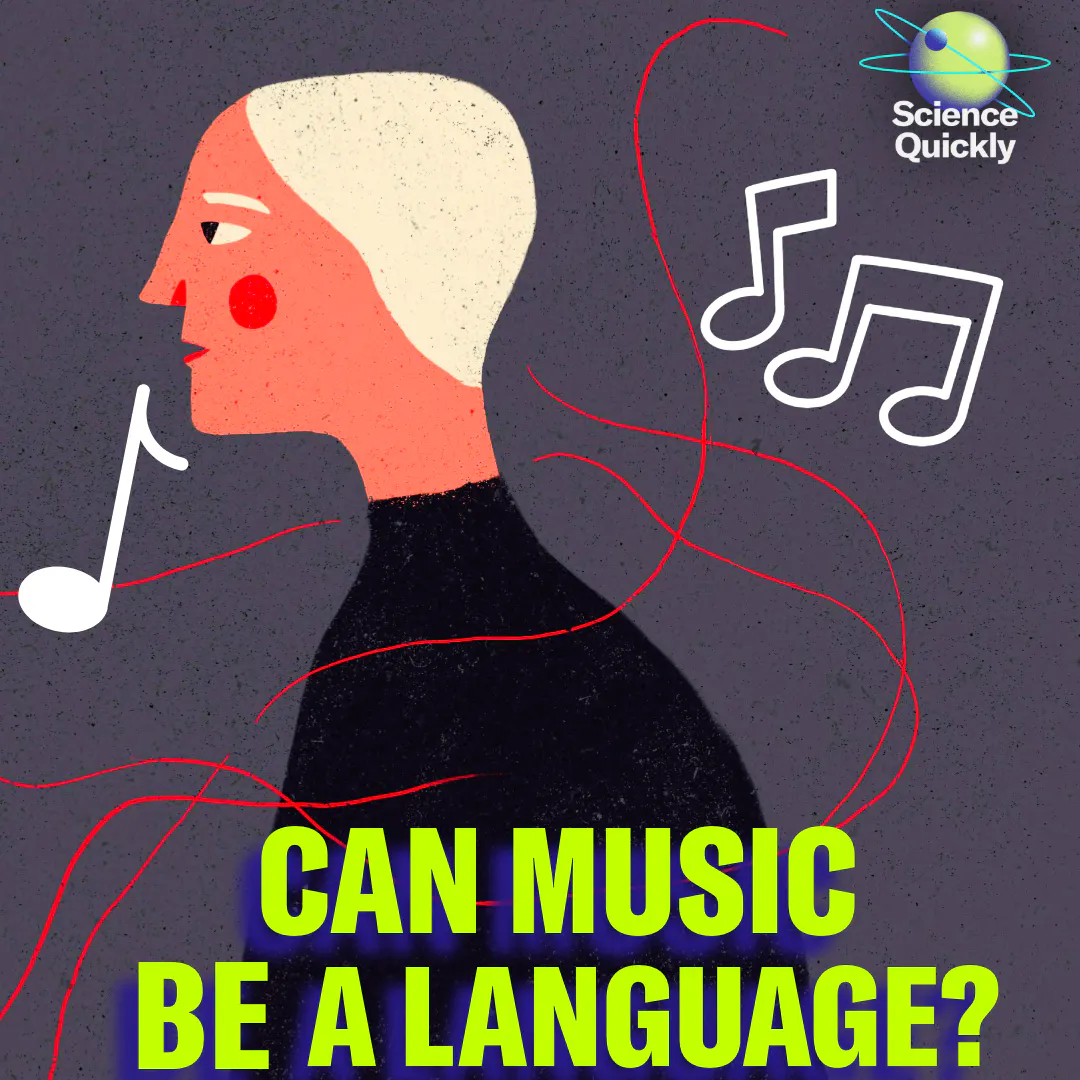
Could humans learn to speak in music?
What would it take to create a language made entirely of music? In this episode of Science Quickly, Scientific American’s Allison Parshall explores the science and linguistics behind musical languages, from real-world constructed languages to the intricate note-based communication system created for the alien Rocky in Project Hail Mary. Learn how linguists transformed rhythm and pitch into a fully

A moon crash, water hacks and a new mRNA flu shot
A wayward SpaceX rocket crashes into the moon, offering scientists a rare chance to study a lunar impact, while cyberattacks targeting U.S. water utilities raise concerns about critical infrastructure security. We also unpack the record-breaking Cyclospora outbreak driving shoppers to farmers markets and explore the Food and Drug Administration’s approval of the first mRNA-based flu vaccine.
Re

Is Gen Z making smoking cool again?
In this episode of Science Quickly, Scientific American’s Adam Kovac joins host Rachel Feltman to explore why some experts worry cigarettes may be making a comeback among Generation Z. They discuss how social media, celebrity influence and growing anxiety among young people may have roles in the possible trend and why public health researchers are watching it closely.
Recommended Reading:
Is G

Getting to YouTube science stardom by building $#!%ty robots
In this episode of Science Quickly, we talk with Simone Giertz, YouTube maker extraordinaire, about her life in science and the influencer spotlight. She started making, in her words, “shitty robots” and has evolved into a maker and product designer. But while she makes things to solve ordinary problems, her designs are anything but. Simone’s ethos is all about questioning why we use certain objec

Explosive diarrhea, ‘protein maxxing’ and the science of burnout
In this episode of Science Quickly, we unpack a major outbreak of Cyclospora infections linked to contaminated produce, explore new research that suggests that “protein maxxing” may do more harm than good and examine mental exhaustion’s effects on the decisions we make. Plus, Europe faces another devastating wildfire season, with one blaze having become so intense that it created its own weather.

Lewis, Clark and America’s first great science mission
In this episode of Science Quickly, Scientific American’s books and culture lead Bri Kane talks with historian Craig Fehrman about This Vast Enterprise, his fresh take on the Lewis and Clark expedition. Rather than focusing solely on the famous explorers, Fehrman highlights the often overlooked people who made the journey possible, including Sacagawea, York and the expedition’s enlisted men. The c
How to beat rogue antibodies at their own game [Sponsored]
Almost all of us know someone who suffers from an autoimmune disease. Or maybe you do yourself. Autoimmune diseases are common: only cancer and cardiovascular diseases are more prevalent. So how do you fight a body that is fighting against itself? argenx, an immunology innovation company that develops antibody-based therapies, is developing a new toolkit of molecules that can tamp down the rebelli

Summer Reading Challenge: Quantum queerness, Pompeii and plant horror
Science Quickly’s summer reading series continues! Host Rachel Feltman chats with Scientific American books editor Bri Kane about the magazine’s Summer Reading Challenge and swaps recommendations—from queer physics memoirs and Pompeii history to ecohorror, sci-fi adventures and other books you won’t want to put down. They also discuss what makes a great summer read, what the joys of reading commun

Your summer reading list starts here
Kick off Scientific American’s first-ever Summer Reading Challenge with book recommendations from our editors, including mind-bending fiction, ecohorror and fascinating nonfiction. Host Rachel Feltman and editor Bri Kane share some of the titles on their summer reading lists and offer tips for tackling our science-themed book bingo challenge.
Recommended Reading:
The alien stories Scientific Ame

Are we too afraid of the sun?
In this episode of Science Quickly, host Rachel Feltman talks with author Rowan Jacobsen about new research on sun exposure and health. While too much sun increases skin cancer risk, moderate sunlight may offer surprising benefits—raising questions about whether avoiding the sun entirely is the right approach.
Recommended Reading:
In Defense of Sunlight. Rowan Jacobsen. Scribner, 2026
Can sunli

Ebola update, World Cup heat risks, dad brains
In this episode of Science Quickly, we start with a quick update on the Ebola outbreak surging in parts of Africa. Host Rachel Feltman is then joined by Scientific American’s senior desk editor for life science Andrea Thompson to discuss what rising temperatures mean for the FIFA World Cup currently underway in North America. And finally, in honor of Father’s Day, SciAm’s senior desk editor for he

How common viruses could quietly raise your cancer risk
In this episode of Science Quickly, one of SciAm’s Young American Scientists, biologist Jaye Gardiner, explores how common viral infections may raise cancer risk—not just through genetic mutations but by reshaping the body’s “extracellular matrix” of molecules that support cells and tissues. She explains how viruses can alter the extracellular matrix, potentially creating conditions that allow tum

The neuroscientist decoding how the brain learns
In this episode, host Rachel Feltman interviews neuroscientist Kauê M. Costa, who is among Scientific American’s inaugural cohort of Young American Scientists honorees. Costa shares how being surprised by experiments has led him to new ways of thinking about learning in the brain. He explains how dopamine does more than signal reward, how there are two big frameworks of how the brain learns and ho

From aspiring actress to NASA astrophysicist
In this episode of Science Quickly, host Rachel Feltman interviews NASA astrophysicist Erini Lambrides about her unconventional journey from pursuing the performing arts to studying supermassive black holes. Lambrides reflects on how curiosity, persistence through early struggles in physics and a background in acting shaped her scientific approach and mentoring philosophy.
Recommended Reading:

Disclosure Day and the science of alien language
In the new movie Disclosure Day, aliens communicate through a series of strange clicks and pops. But what could an alien language actually be like? In this episode of Science Quickly, host Rachel Feltman puts that question to linguist Jeffrey Punske. We explore why fictional aliens in Hollywood and beyond tend to sound the way they do, what real human languages can teach us about communication and

The science of World Cup grass
In this episode of Science Quickly, we explore the science behind preparing natural grass for the 2026 International Federation of Association Football (FIFA) World Cup, a project in which researchers have worked to transform stadiums that typically use artificial turf into sites with elite playing surfaces. Turf experts have spent years testing grass species, refining growing methods and solving

World Cup health monitoring ramps up as Mars mission ends and AI rules shift
In this episode of Science Quickly, we look at how World Cup host cities are tracking potential disease outbreaks with wastewater surveillance, discuss the loss of NASA’s long-running MAVEN orbiter at Mars, unpack a new order pushing AI companies to share models with the government and explore a striking new map that reveals just how vast ancient Rome’s road network really was.
Recommended Read

What’s in a name? When it comes to PCOS, a lot
In this episode of Science Quickly, host Rachel Feltman interviews physician Anuja Dokras about the long road to changing the name of the condition PCOS, or polycystic ovary syndrome, to polyendocrine metabolic ovarian syndrome, or PMOS. The conversation covers why “PCOS” was misleading, what the common condition actually involves and how an international group of researchers, including Dokras, la

The math behind your daily annoyances
From the mystery of why elevator waits feel endless to the surprisingly tricky problem of splitting a pizza (or even a sandwich) fairly, this episode explores how math shapes everyday experiences in ways you might not expect. Host Rachel Feltman talks with physicist and editor Manon Bischoff about what hidden patterns lie behind daily frustrations, how shuffling a deck of cards involves mind‑bendi

Why this Ebola outbreak is so different
In this episode of Science Quickly, host Rachel Feltman and Scientific American senior desk editor for health and medicine Tanya Lewis break down the fast-growing Ebola outbreak—caused by a viral species with no approved vaccine—in the Democratic Republic of the Congo and Uganda. And they explain why U.S. cuts to foreign aid and a sharp reversal in American policy are making a dangerous situation

You think you’re using your phone. It’s using you back
In this episode of Science Quickly, author Vanessa Chang discusses her book The Body Digital: A Brief History of Humans and Machines from Cuckoo Clocks to ChatGPT. The book explores how technologies—from handwriting to smartphones and AI—don’t just extend human capability but subtly reshape our bodies, behaviors and relationships, raising urgent questions about connection, design and the meaning o

Can we build a world that works for all?
In this episode of Science Quickly, host Rachel Feltman interviews leading thinker Jeremy Lent about his latest book Ecocivilization: Making a World That Works for All, which challenges the idea that humans are inherently selfish. Lent emphasizes our natural tendency toward cooperation and interconnectedness and proposes a shift to a new “operating system” based on these values. The conversation h

The fake disease that fooled AI
Have you ever turned to an artificial intelligence chatbot for medical advice? In this episode of Science Quickly, host Rachel Feltman speaks with researcher Almira Osmanovic Thunström about an experiment in which she created “bixonimania,” a fake disease that AI chatbots easily absorbed and repeated to users. The experiment reveals the pitfalls of using AI to interpret medical results—a habit tha

Nukes on the moon?
In this episode of Science Quickly, host Rachel Feltman speaks with science journalist Robin George Andrews about NASA’s push to put a nuclear reactor on the moon. They explore why nuclear power could be key to sustaining long-term lunar missions, what the technical hurdles of operating a reactor in such an extreme environment are and why experts say the agency’s ambitious timeline may be moving t

Hantavirus update, PCOS name change, ‘cheeky’ fish behavior
In this episode of Science Quickly, we get the latest on the hantavirus outbreak with Tanya Lewis, Scientific American’s senior desk editor for health and medicine. We also unpack why the common health condition previously named polycystic ovary syndrome, or PCOS, is now called polyendocrine metabolic ovarian syndrome, or PMOS. Then SciAm’s chief newsletter editor Andrea Gawrylewski shares an int

Why Black women face a silent health crisis
In this episode of Science Quickly, gynecologic oncologist and health equity researcher Kemi Doll explains why the well-known Black maternal mortality crisis is part of a broader “Black womb crisis” in which many Black women experience a lifetime of gynecologic health challenges. Drawing on research and personal stories from her new book A Terrible Strength, Doll explores how Black women face disp

Do you actually need more protein? What the science says
Protein is having a major moment, showing up in everything from snack foods to coffee drinks—but do we actually need more of it? In this episode of Science Quickly, Rachel Feltman speaks with science journalist Bethany Brookshire about what has happened with the rise of the protein craze, how much protein people really need and why most of us are already getting plenty. They explore where the tren

Hantavirus at sea, microplastics, and the Alaska tsunami mystery
In this science news roundup, we start with a deadly hantavirus outbreak linked to a cruise ship. The outbreak is raising concerns about rare human‑to‑human transmission while experts say the risk of a wider pandemic remains low. We also look at new research showing that airborne microplastics and nanoplastics may be contributing to global warming—an unexpected climate effect of plastic pollution.

Influencers are obsessed with peptides. What does the science say?
Peptides are everywhere right now—from weight-loss drugs to TikTok wellness hacks—but the science hasn’t caught up with the hype. Journalist Victoria Song joins Science Quickly host Rachel Feltman to break down what peptides actually are, why influencers are promoting “research-only” versions you can buy and inject yourself, and what risks are posed by this growing gray-market trend. From misleadi

He let AI agents run a start-up—and things got weird fast
In this episode of Science Quickly, journalist Evan Ratliff joins Kendra Pierre-Louis to discuss his audacious experiment: launching a start‑up staffed entirely by autonomous artificial intelligence agents. Ratliff shares what happened when these agents tried to build a product, manage a human intern, pitch investors and even operate on LinkedIn—sometimes with surprising competence and sometimes w

Scorpion stingers, preeclampsia hope, canceled wind farms
In this week’s Science Quickly news roundup, we look at promising results from a new study about preeclampsia. We also cover the latest news about the Trump administration’s push against clean energy. Plus, we remember pioneering geneticist J. Craig Venter, who died last week, and Scientific American’s chief newsletter editor Andrea Gawrylewski shares an interesting defense technology story from t

The science of psychedelic therapy
In this episode of Science Quickly, host Rachel Feltman and science journalist Jane C. Hu trace the surprising journey of psychedelics in the U.S.—from symbolizing the hippie movement of the 1960s to being seen as a panacea for mental illness. But where does science stand on psychedelic therapy? And what does the renewed political push for psychedelics mean for research?
Recommended Reading:

Why physics is poetic, political and personal
Physics can feel intimidating, but it doesn’t have to be. In this episode, theoretical physicist Chanda Prescod-Weinstein joins Science Quickly to explore how poetry, pop culture and imagination can help us grapple with some of the universe’s biggest questions. From spacetime and dark matter to Star Trek, Missy Elliott and queer theory, the conversation traces how physics is shaped by history, cul

NASA Curiosity, suicide hotline hope, AI voice clone
In this week’s Science Quickly news roundup, we dive into NASA’s new discovery of organic molecules on Mars, including some that have never been found there before. We also explore how human migration may have been shaped by a surprising factor: malaria. Plus, we go over the encouraging results of a new study that links declines in youth suicides in the U.S. to the adoption of the three-digit 988

The wildlife trade may be speeding up the next pandemic
In this episode of Science Quickly, host Rachel Feltman talks with Yale University epidemiologist Colin Carlson about new research showing that the global wildlife trade is spreading dangerous pathogens far faster than scientists once thought. The conversation challenges the idea that pandemic risks are limited to distant “wet markets,” revealing how everyday wildlife trade—from pet stores to indu
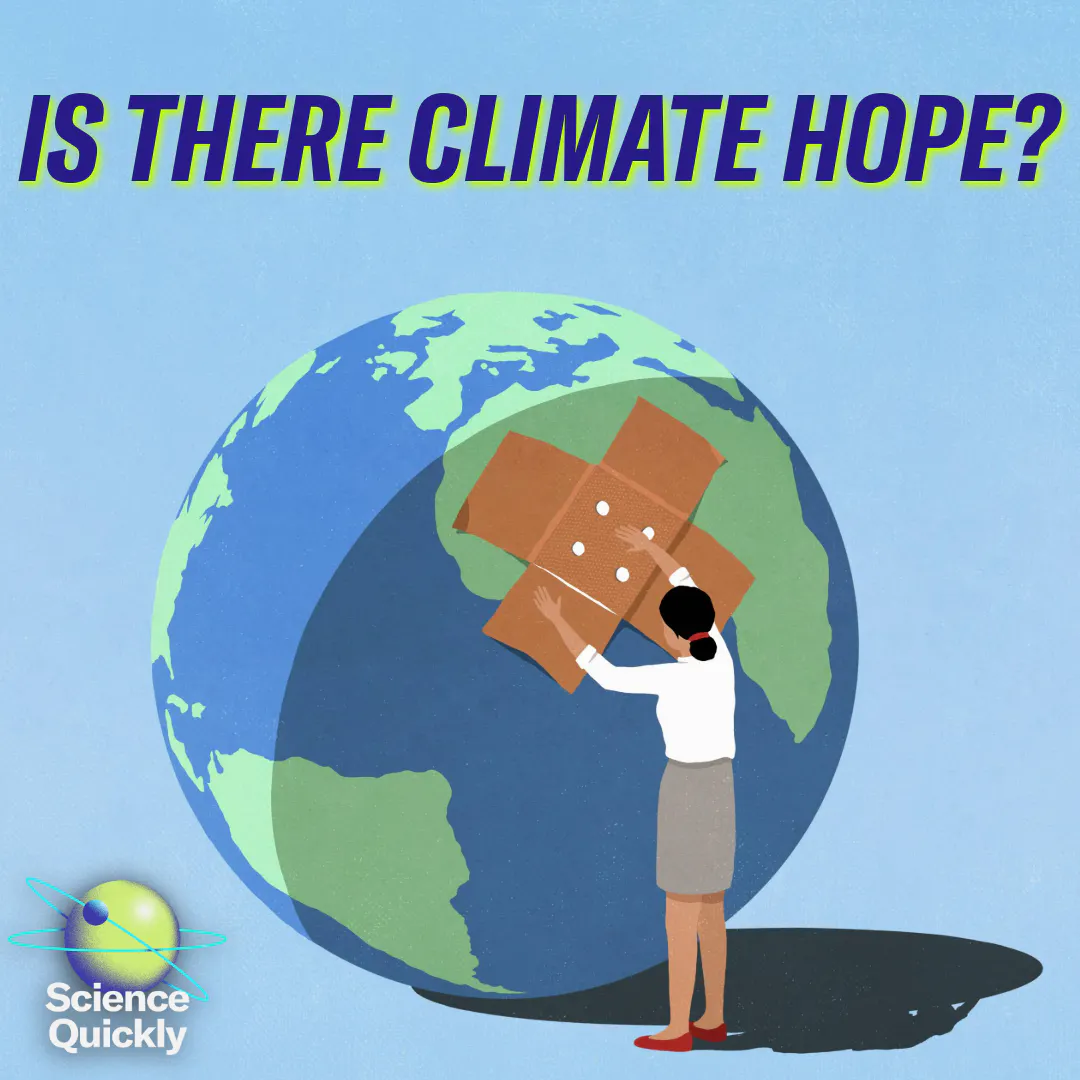
Earth Day special: How to save the planet (again)
In this special Earth Day episode of Science Quickly, host Rachel Feltman turns to three environmental experts for a healthy dose of climate hope. Climate scientist Kate Marvel, atmospheric chemist Susan Solomon and environmentalist Bill McKibben share stories about times in the past when humanity encountered grave environmental threats and succeeded in overcoming them. From beating the London smo

‘Cocaine hippos,’ underground bees, and surprising science on aging and the heart
In this episode of Science Quickly, we explore Colombia’s controversial plan to cull invasive “cocaine hippos” and the discovery of millions of underground bees in a New York State cemetery. And we dive into new research on how HIV may accelerate biological aging and how chronic inflammation is reshaping scientists’ understanding of heart disease.
Recommended Reading:
Today in Science newslett

Why birds outlived T. rex
Birds are the only dinosaurs who managed to survive the asteroid impact that wiped out 75 percent of all species 66 million years ago. But how did they pull it off? To get some answers, host Kendra Pierre-Louis speaks to paleontologist Steve Brusatte, author of the upcoming book The Story of Birds: A New History from Their Dinosaur Origins to the Present. Their conversation traces the incredible e

When science meets Pokémon
Curiosity about the natural world can start in unexpected places. In this episode of Science Quickly, host Kendra Pierre‑Louis talks with paleontologist Arjan Mann and entomologist Spencer Monckton about how Pokémon—the beloved Japanese franchise, which turned 30 this year—helped spark their interest in taxonomy and fossils. The conversation explores how the fictional world of Pokémon mirrors real

Artemis II returned safely from the moon—but was it worth it?
In this episode of Science Quickly, we unpack NASA’s Artemis II mission after its safe return from lunar orbit, asking what the long‑awaited comeback to the moon actually achieved and whether it was worth the cost. Scientific American journalists debate the promise of future lunar missions alongside concerns about money and climate effects and the question of what space exploration should mean at

Alexis Hall turns Moby-Dick into a wild sci‑fi adventure
In this episode of Science Quickly, author Alexis Hall discusses Hell’s Heart, their sci‑fi reimagining of Moby-Dick. Hall dives into how a lockdown reread of Herman Melville’s novel sparked a vision of space whales, artificial intelligence navigators, and Jupiter’s wild physics and explains the blend of real science, irreverent humor and queer storytelling that powers the novel.
Recommended R

U.S. measles cases surge as vaccination rates drop
In this episode of Science Quickly, we examine the surge in measles cases across the U.S., exploring how falling measles, mumps and rubella (MMR) vaccination rates, the rising use of exemptions and pockets of misinformation are creating hot spots where the highly contagious virus can spread. SciAm’s associate editor for health and medicine Lauren Young and public health experts break down why outb
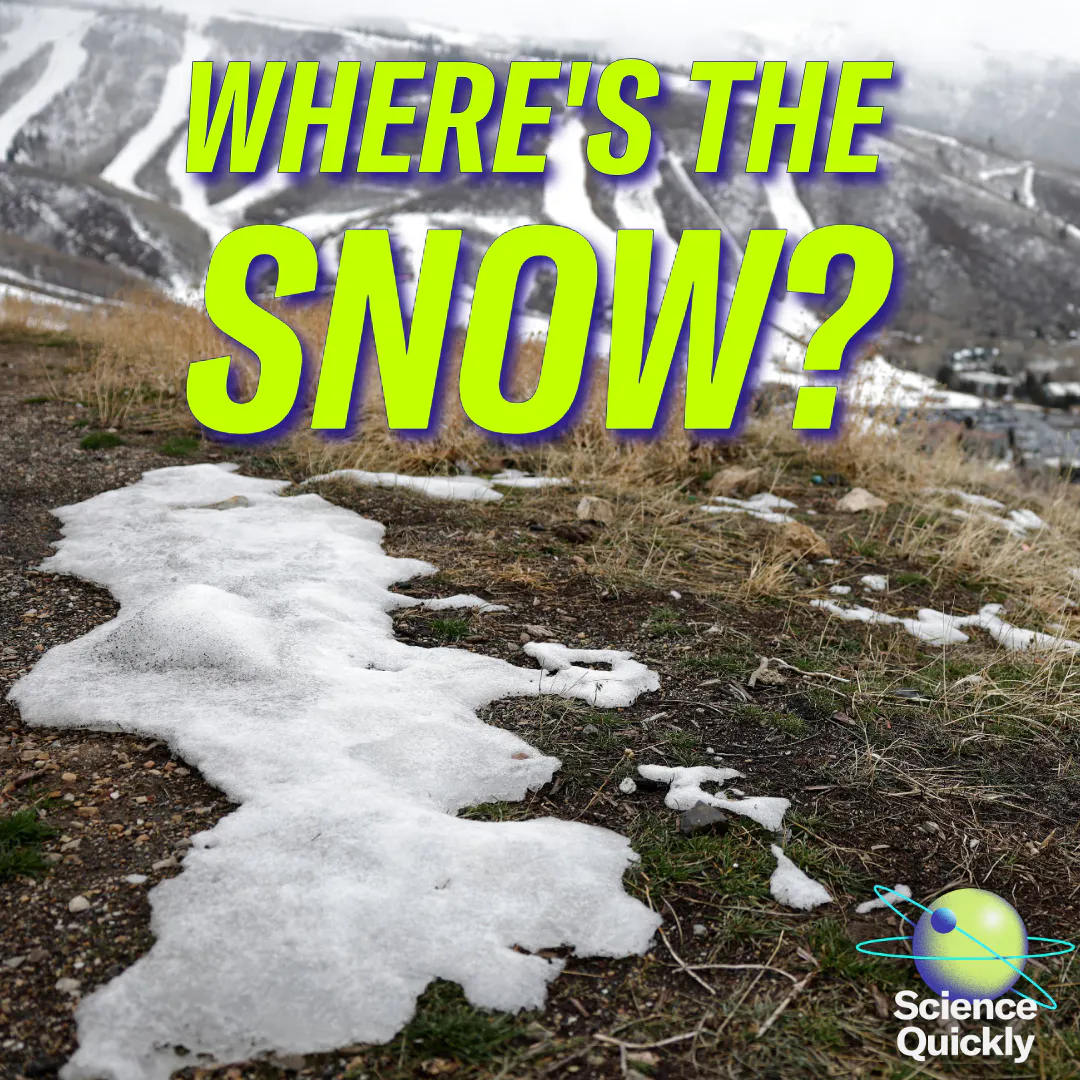
Artemis II, endangered species and oil, snowpack crisis
In this episode of Science Quickly, we give you a quick update on NASA’s Artemis II moon mission before digging into a move by the Trump administration that could endanger wildlife in the Gulf of Mexico. Later Andrea Thompson, senior desk editor for life science at Scientific American, joins host Kendra Pierre-Louis to discuss the alarmingly low snowpack in the western U.S.
Recommended Reading

Why NASA is betting big on Artemis II moon mission
In this episode of Science Quickly, we break down the successful launch of NASA’s Artemis II mission—the first crewed journey toward the moon in more than 50 years—as space editor Lee Billings explains how the Orion spacecraft will slingshot around the moon, what risks still lie ahead, why this test flight matters for future lunar landings, and how everything from heat‑shield concerns to the space

We weren’t supposed to have chins
Humans are the only species that has chins. How this unique trait evolved has always been somewhat of a mystery. In this episode of Science Quickly, host Kendra Pierre-Louis talks to paleoanthropologist Lauren Schroeder, who co-authored a recent study that sheds light on the evolutionary riddle of the chin and the ways that evolution can sometimes occur unexpectedly.
Recommended Reading:
“Is

NASA’s nuclear spacecraft, Iran war climate fallout and a promising new Lyme shot
In this episode of Science Quickly, we dig into NASA’s bold push toward a nuclear‑powered mission to Mars and plans for a long‑term lunar base, examine how the Iran war has triggered massive carbon emissions and a looming climate cost from the needed reconstruction and break down the promising latest results from Pfizer and Valneva’s new Lyme disease vaccine—all packed into your weekly science new
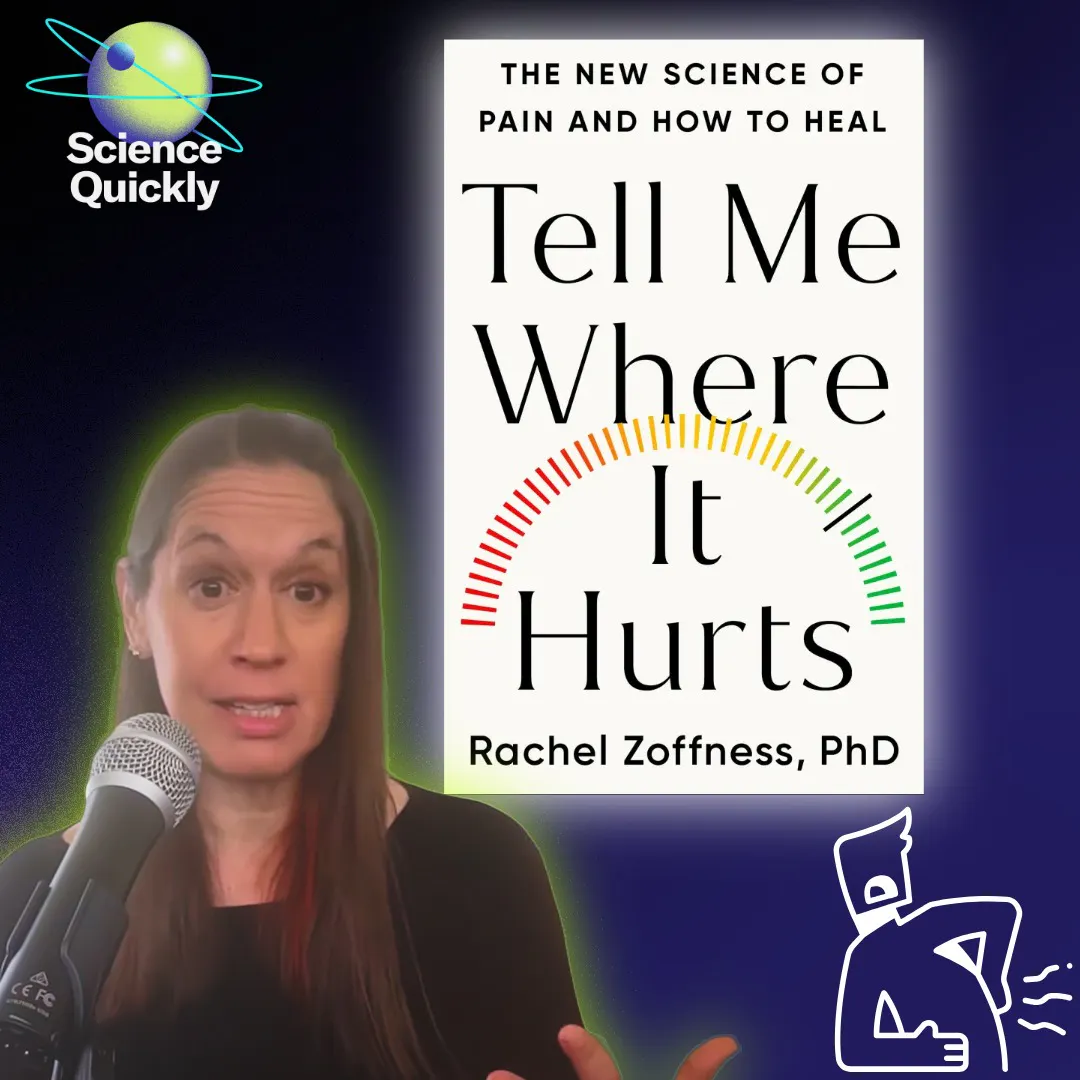
You’ve been lied to about pain—here’s the truth
In this episode of Science Quickly, pain scientist Rachel Zoffness reveals why pain isn’t just a body problem but also a brain‑driven warning system that we’ve been misunderstanding for decades. She and host Kendra Pierre‑Louis unpack wild examples, hidden factors that dial pain up or down and simple, science‑backed practical strategies from Zoffness’s new book Tell Me Where It Hurts that can help
Can AI do math, or does it just act like a calculator?
In this episode of Science Quickly, Kendra Pierre-Louis and SciAm reporter Joe Howlett explore a new math challenge designed to test whether today’s AI models can truly tackle cutting‑edge proofs. They break down how the experiment works, what early results say about AI’s mathematical abilities and why researchers are still debating whether these tools are revolutionizing math or just offering a h
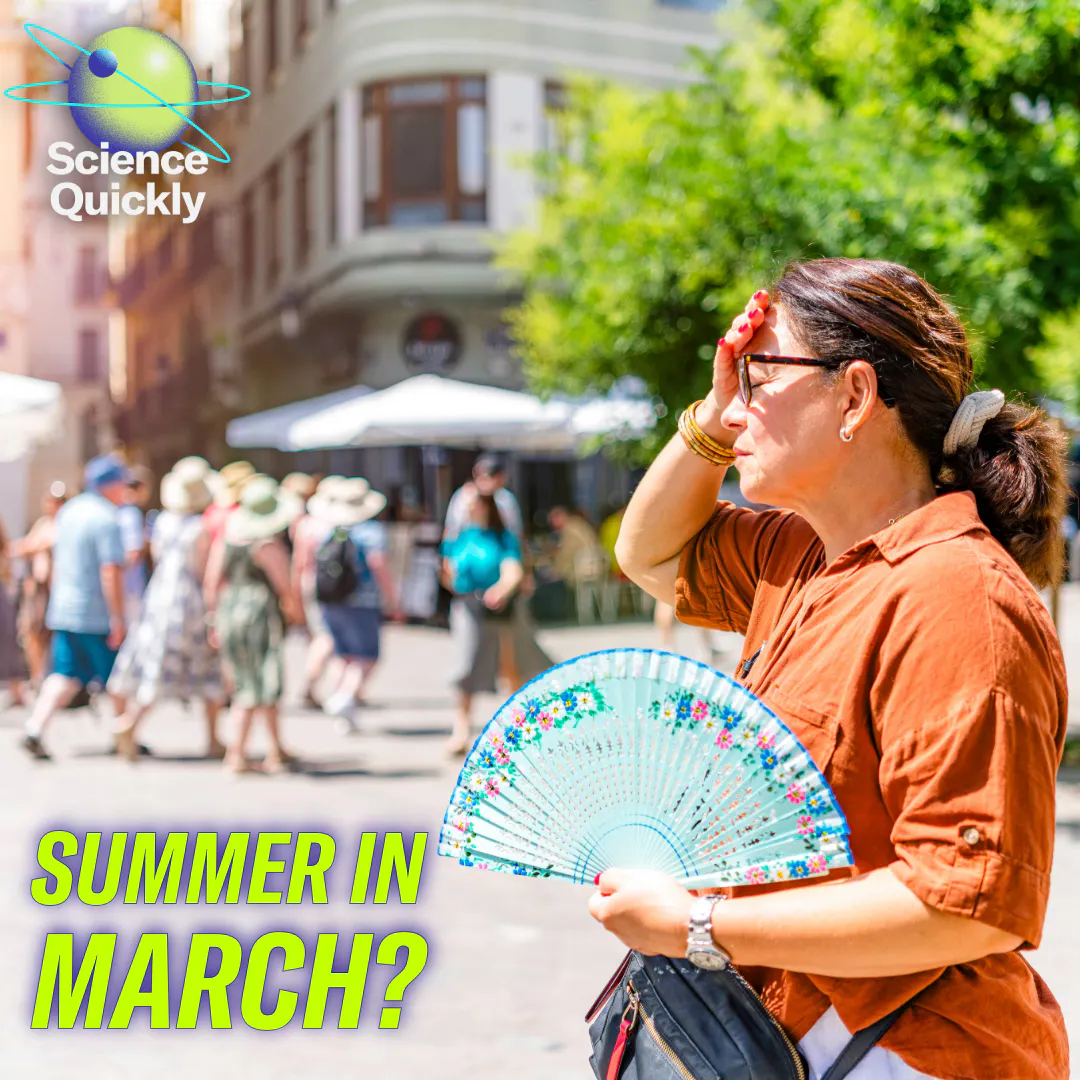
Heat dome, legal win for vaccines, lead-tainted clothes
In this episode of Science Quickly, Andrea Thompson, senior desk editor for life sciences at Scientific American, joins host Kendra Pierre-Louis to discuss the recent heat wave in parts of the U.S. We’ll also dive into a recent district court ruling against a decision by the Trump administration to overhaul the Centers for Disease Control and Prevention’s recommended childhood vaccine schedule. Pl
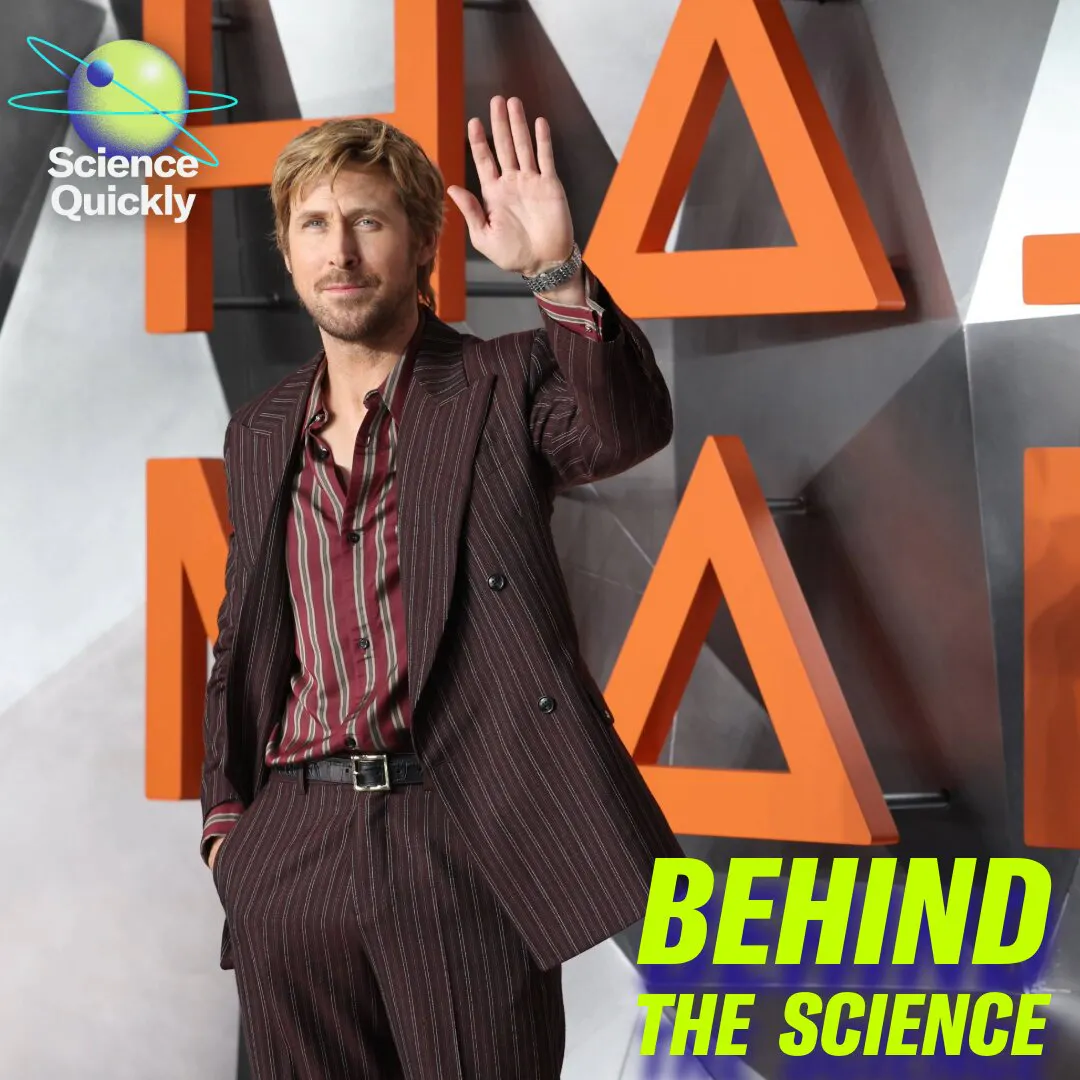
Andy Weir spills the space tea on Ryan Gosling and Project Hail Mary
In this episode of Science Quickly, author Andy Weir joins SciAm’s Bri Kane to talk all things Project Hail Mary—from working with Ryan Gosling on the new film adaptation of the book to building the extraterrestrial character Rocky’s alien world and blending real science with playful fiction. And Weir explains why he himself would never volunteer for a space mission.
Recommended Reading:
Ryan
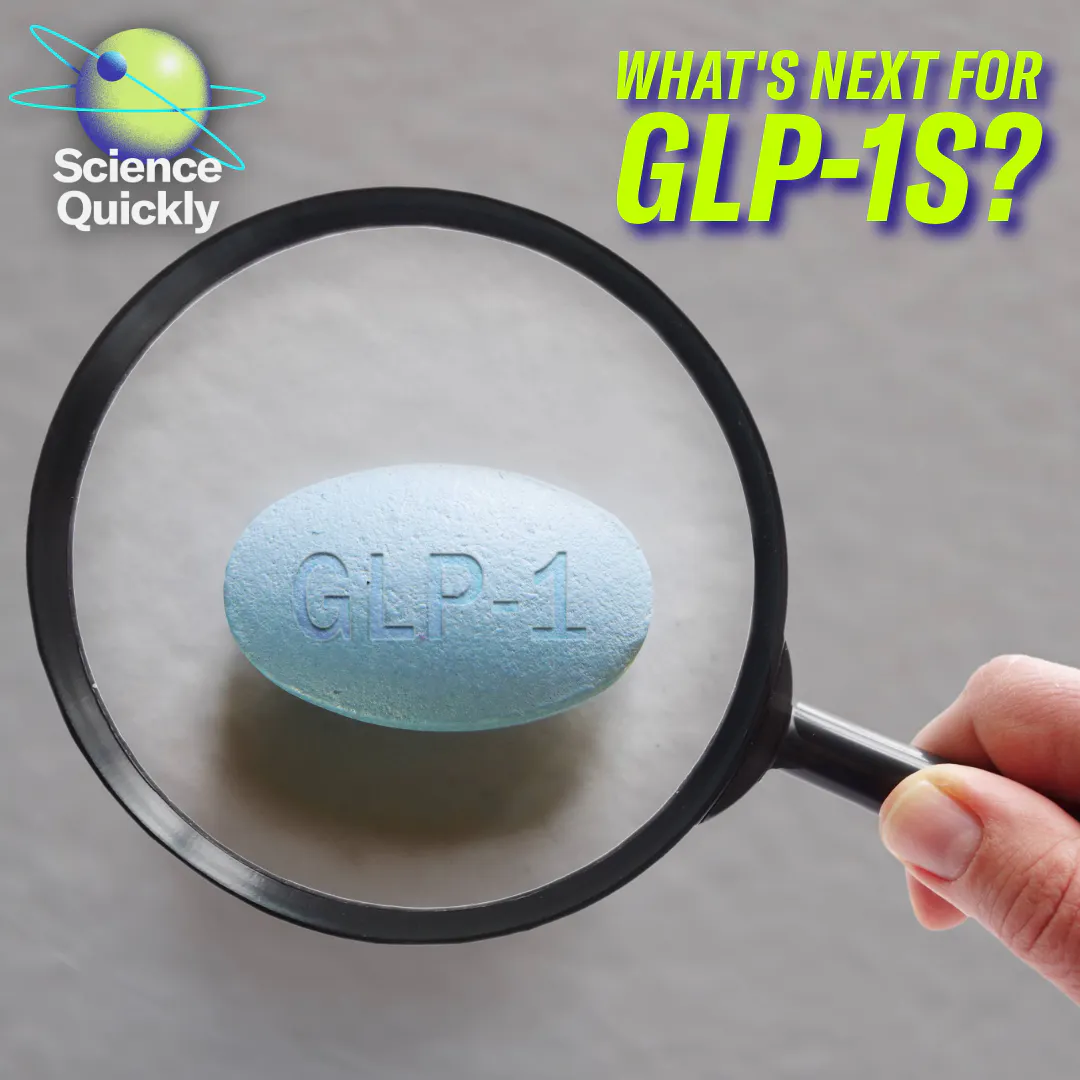
GLP-1 drugs are entering a new chapter
In this episode of Science Quickly, Scientific American’s associate health editor Lauren Young joins host Kendra Pierre-Louis to talk about how the story of GLP‑1 drugs such as Ozempic, Wegovy and Mounjaro is evolving. We trace GLP-1s’ origins as type 2 diabetes treatments, their rise as blockbuster weight‑loss medications and the ensuing complications—including the expanding market for compounded
Recommended

The Bread and Banter Podcast

The Church of What's Happening Now: The New Testament
Busted Open

Deadline: White House
Crickets Corner
History of the Earthquake and Fire in San Francisco

Fox news

K-Drama Obsessed Mamas | Beyond “Just One More Episode!”

True Crime Classics
The Healer Revolution

Becoming: HER with Nikki Spoelstra

Booked, Blonde & Busy w/ Olivia Ponton
