
The Henry Center Archive
This is an archive of public lectures and conversations where scholars and pastors offer careful reflection on a range of biblical, theological, and ecclesial topics. The Henry Center for Theological Understanding seeks to bridge the gap between the academy and the church by cultivating resources and communities that promote Christian wisdom. This is accomplished through a cluster of initiatives aimed at applying practical Christian wisdom to important kingdom issues.
Episodes
What Does John Tell Us about Idolatry | Steve Bryan
Lecture Title - Reading John Among Rivals, Old and NewThe Gospel of John cuts across the grain of secular culture in much the same way as it entered into the ancient world—as a text that sets out a striking claim about the presence of the invisible God in the material world. We understand what John is and who it was for by considering how the Gospel works as Scriptural reasoning tailored for those
What Does Luke Tell Us About Hospitality | Jeannine Brown
Lecture Title - Narrative Theologizing in the Gospels: Luke and HospitalityIt often seems easier and more obvious to go to New Testament letters for theology than to the Gospels. Yet the Gospel writers are themselves “theologizing” in light of the arrival of the Messiah, and they offer rich theological stories for interpretation and preaching. A captivating theme in Luke’s Gospel expressed narrati

Should We Pray for Healing | Interviewing Todd Billings Part 2
Discussion Topic - Healing and Resurrection Hope
Resurrection hope is often muted in churches today as cultural forces of the modern West deny the reality and potency of death. What does genuine resurrection hope entail? Cancer patient J. Todd Billings and Taylor Worley recognize the tendency to equate hope with healing and prolonging life as long as possible. In this discussion, they emphasize t
Should We Pray for Healing | Interviewing Todd Billings Part 1
Discussion Topic - Healing and Resurrection Hope
Praying for healing is a controversial topic because it is difficult to know how to pray for someone with an incurable illness. Should "incurable" even be part of a Christian vocabulary? What does it mean to pray with someone rather than pray for someone? What theological assumptions undergird the way we pray? Do we believe in the power of prayer o
How to Ward off Despair | D. A. Carson
Lecture Title - A Firm Foundation: Six Pillars of Faith in the Midst of Suffering and Death
Without exception, human beings come face to face with suffering and evil. We may entertain only the vaguest and most cliché-driven grasp of such matters until we ourselves suffer, or until we ourselves recognize the sheer malignity of evil in ourselves or others—and then suddenly we swirl around and gradu
How Does the Incarnation Integrate Science & Theology | Kevin Vanhoozer
Lecture Title - T. F. Torrance’s Kataphysical Poetics: How the Incarnation Relates Science to Theology
For T.F. Torrance, theological and scientific inquiry stand or fall together. Whereas Western scientists and theologians, ancient and modern, too often depend on universal methods and criteria, Torrance’s fundamental axiom is to think everything, from amoebas to the Alpha and Omega, in ways appr
What Are the Emotions of God | John Piper
Lecture Title - The Glory of God and the Gladness of Man: Essential Affections in Edwards and the Life of the Church
"Edwards probed the affections and religious experience with an intensity unique to the eighteenth century and perhaps the centuries since," McClymond and McDermott tell us in their book on Edwards' theology (2011). The upshot of that probing, Dr. John Piper will demonstrate in thi
What Is the Joy of All Joys | John Piper
[An archived sermon from Trinity College chapel]
Sermon Title - What is the Joy of all Joys?
Do you feel more loved by God when he makes much of you or when at great cost to himself frees you to enjoy making much of him forever? Thinking and preaching through this question has been one of Dr. John Piper's life passions. Yet it is a question that is prone to misunderstanding, especially by believe
How Should Christians View Religious Diversity | Harold Netland
Discussion Topic - Religious Pluralism and Christianity
A fuller discussion of this issue is available in an essay written by Dr. Harold Netland, which is available for free online at: www.christoncampuscci.org
Until the modern era, Christians largely took it for granted that Christianity is the one true religion for all humankind. By the late twentieth century, however, there were growing numbe
What does Mark Tell Us About Suffering | Elizabeth Shively
Lecture Title - Embracing the Cross: Scriptural Patterns and the Challenge of Discipleship in Mark
In the Gospel of Mark, Jesus calls his followers to embark on a transformative journey marked by suffering and self-sacrificial service, with the promise of a glorious future beyond immediate perception. This journey is central to the concept of discipleship in Mark; without it, discipleship doesn’t
Intercultural Perspectives on Ministry Among Emerging Adults | Alcántara, Bell Profit, & Roh
Intercultural perspectives on emerging adulthood bring important depth and texture to any and all conversations about emerging adulthood. Each panelist in our intercultural perspectives panel share fresh stories and significant experiences drawn from their time working in non-white, immigrant, and diaspora ministry settings. By sharing their stories, they identify points of convergence and diverge
What Is the Dream Church | Interviewing Greg Waybright Part 2
[Discussion/interview date: March 26th 2009]
The Center was pleased to welcome Trinity's former president back to campus. Dr. Waybright addressed the subject of ecclesiology through consideration of two passages in Ephesians. His talks are entitled "The Dream Church". His first sermon covered Ephesians 1:3-14 and is entitled "God's Idea--Not Mine", while his second covered Ephesians 2:11-22 and is
What Is the Dream Church | Interviewing Greg Waybright Part I
[Discussion/interview date: March 24th 2009]
Discussion Topic - What is the Dream Church?
The Center was pleased to welcome Trinity's former president back to campus. Dr. Waybright addressed the subject of ecclesiology through consideration of two passages in Ephesians. His talks are entitled "The Dream Church". His first sermon covered Ephesians 1:3-14 and is entitled "God's Idea--Not Mine", whi
How Do We Live with Heartache | Carolyn Gordon
Sermon Title - "I Hope You Dance": A Sermon on Lamentations 3
Dr. Carolyn Gordon muses about how we survive “the next day,” that is the day after the day we never wanted to live through, when we wake up after a broken relationship, jobless, or bereft. She narrates Jeremiah’s story. His call from God was to prophesy from a life full of hardship and tragedy. And there were moments when he thought h
How Are Racial Relations in the U.S. | Emerson, Sanders, and Hong [Parts 1-3]
Discussion Title - Race in the US: The State of Race Relations [Parts 1-3]
---Henry Center archive audio---
(Dr. Peter Cha is currently Professor of Church, Culture and Society at Trinity Evangelical Divinity School.)
Peter Cha, Associate Professor of Pastoral Theology at Trinity Evangelical Divinity School, hosts a Henry Center dialogue with Michael Emerson, Alvin Sanders, and Peter Hong, who e
What Is the Ministry of Reconciliation | A Panel with Cha, Netland, & Reynolds
Discussion Topic - Church and Reconciliation: State of the Issue
Doctrine and doctrinal issues are not merely aloof ideas that flit about within the closed precincts of academic institutions, but the living reality of the people of God located within local neighborhoods, neighborhoods replete with all layers of broken relationships. Positively, churches everywhere have been entrusted with the “mi
How Does God Reconcile : And Calls Us--Yes, Us--to Follow | Gregory Waybright
Sermon Title - God and Sinners Reconciled: And Calls Us--Yes, Us--to Follow (Mark 8:34-38, 10:17-31)
Greg Waybright continues his two-part series (part 1) on God and reconciliation in the gospel of Mark. He expounds Christ’s call to radical discipleship in Mark 8:34-38, and describes the path we can walk down alongside our eternal brothers and sisters in Mark 10:28-31. The hard work of reconcilia
How Does God Reconcile : He Enters In | Gregory Waybright
Sermon Title - God and Sinners Reconciled: He Enters In (Mark 7:24-30)
Dr. Greg Waybright turns to an unlikely passage as he begins his first of two (part II) messages on God and Reconcilation. Expounding Mark 7:24-30, the story of the Syrophoenecian woman, Waybright draws out the ways that Jesus entered in to the lives of the disenfranchised, the sick, the marginalized, and the poor to reconcile
How Is Personhood Political | Anthony Bradley
Lecture Title: Lost in Policy? The Person Beyond Public and Social Utility
Contemporary Christian debates about public policy tend to rely on simply reading one’s preferred political views into Scripture. Often lost in the conversation, are the very people themselves. Drawing on resources from the tradition of Christian social thought, Bradley will call us to a vision of the human person ordered
Why Should We Reconcile | Ralph West
Sermon Title - Looking Up and Looking Out: A Theology of Reconciliation
There is something about the verticality of life. Whether telephone poles or sky scrapers. But we don’t simply look up; we also look out. There is also something horizontal. In our embodied existence, we see the two dimensions. Even on the cross, there is a vertical and a horizontal directionality. One is ineffective without
How to Be Useful to God | Interviewing Alistair Begg
Post-Lecture Interview with the Speaker
Lecture Title - Inadequacy: The Surprising Secret to Being Useful to God
The NBA champions this year was a team made up of fewer stars and less glitz than their opponents. We might say that humility triumphed over hubris. There are lessons-a-plenty in this for an evangelical church that routinely produces all-stars. Such an approach endangers the recipients
Debating Social Justice & Mission | Albert Mohler & Jim Wallis
Debate Question - Is Social Justice an Essential Part of the Mission of the Church?
North American Evangelicals have recently experienced a revival of interest in issues of social justice. The growing sentiment among many today is that Jesus preached "good news to the poor," and was indeed among the poor and marginalized. These Christians believe that the implications of these facts sho
What Does Jesus Tell Us about Friendship | Jonathan Pennington
Lecture Title - A Kingdom of Friends: Matthew’s Vision for the “We” of Discipleship
Matthew’s Gospel presents a profound and nuanced vision of what it means to flourish as humans through becoming disciples of King Jesus. Flourishing in the kingdom of heaven requires a proper relationship to God, to other believers, and to the world outside of the church (“I, We, and They”). In this lecture, we wil
Debating Justification & Liberation | Douglas Campbell & Douglas Moo
Debate Question: Is the Lutheran Approach to Pauline Justification "Justified"?
Martin Luther and other reformers viewed Pauline justification as primarily, if not exclusively, a forensic matter between us and God. We are justified before God, through faith in Jesus Christ, according to his finished work on the cross. If one believes the gospel message, then one is justified before God.
How Do We Finish Well | Bryan Loritts
Sermon Title - Finishing Well (1 Cor. 9:24-27)
Bryan Loritts comes from a long legacy of faithful men and women extending from his great, great grandfather Peter, an illiterate slave who loved the Word, to his father, Dr. Crawford Loritts. He celebrates this legacy in his sermon on 1 Corinthians 9:24-27. In this passage, Paul urges his readers to run with radical excellence and to compete with sac
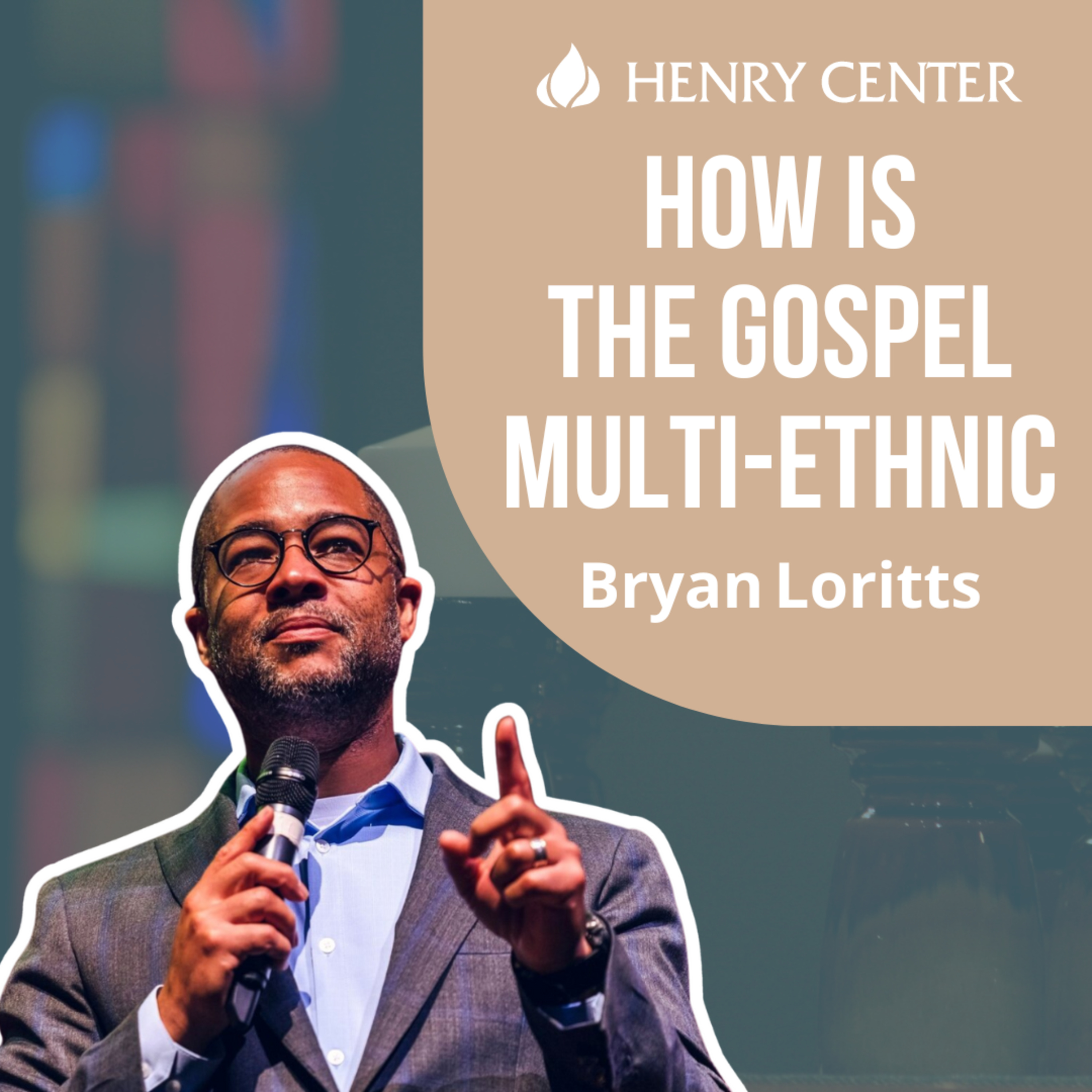
How Is the Gospel Multi-Ethnic | Bryan Loritts
Sermon Title - The Multi-Ethnic Church (Eph. 2:11-22)
In a sermon on Ephesians 2:11-22, Brian Loritts makes a passionate appeal to Bible believing Christians to note the Gospel's vertical and horizontal dimensions. The Gospel addresses both reconciliation between God and sinners and reconciliation of all peoples in Christ. Loritts laments the fact that the modern church in America has resisted mul
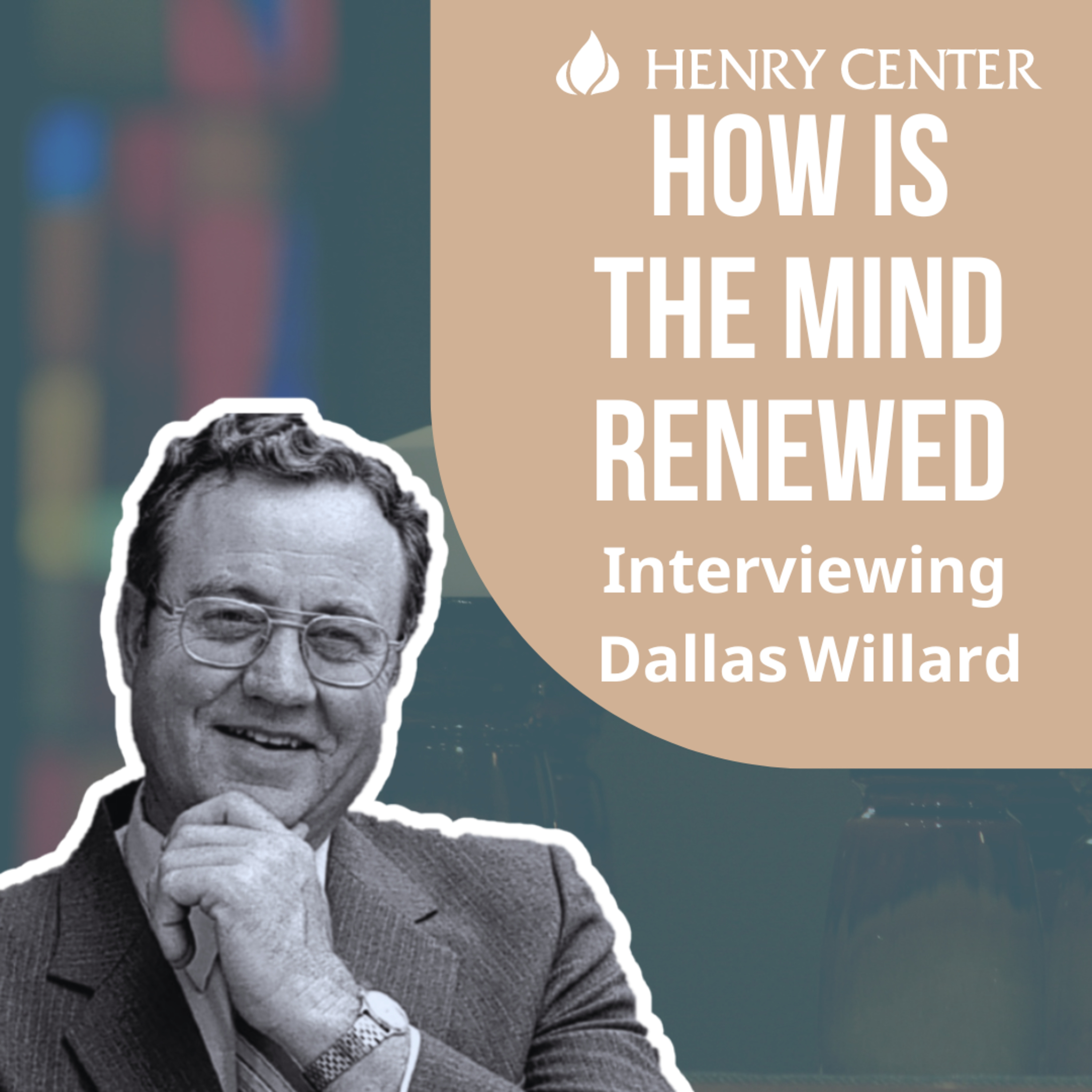
How Is the Mind Renewed | Interviewing Dallas Willard
Lecture Title - Transformed by the Renewing of the Mind: The Use of Scripture in "Spiritual Formation"
The Apostle Paul tells us to "not be conformed to the world, but be transformed by the renewing of your mind" (Rom. 12:2). But how are we to go about renewing our mind? We will explain the role of scripture in the renewing of the mind, and the role of the pastor and the congregation in this proce
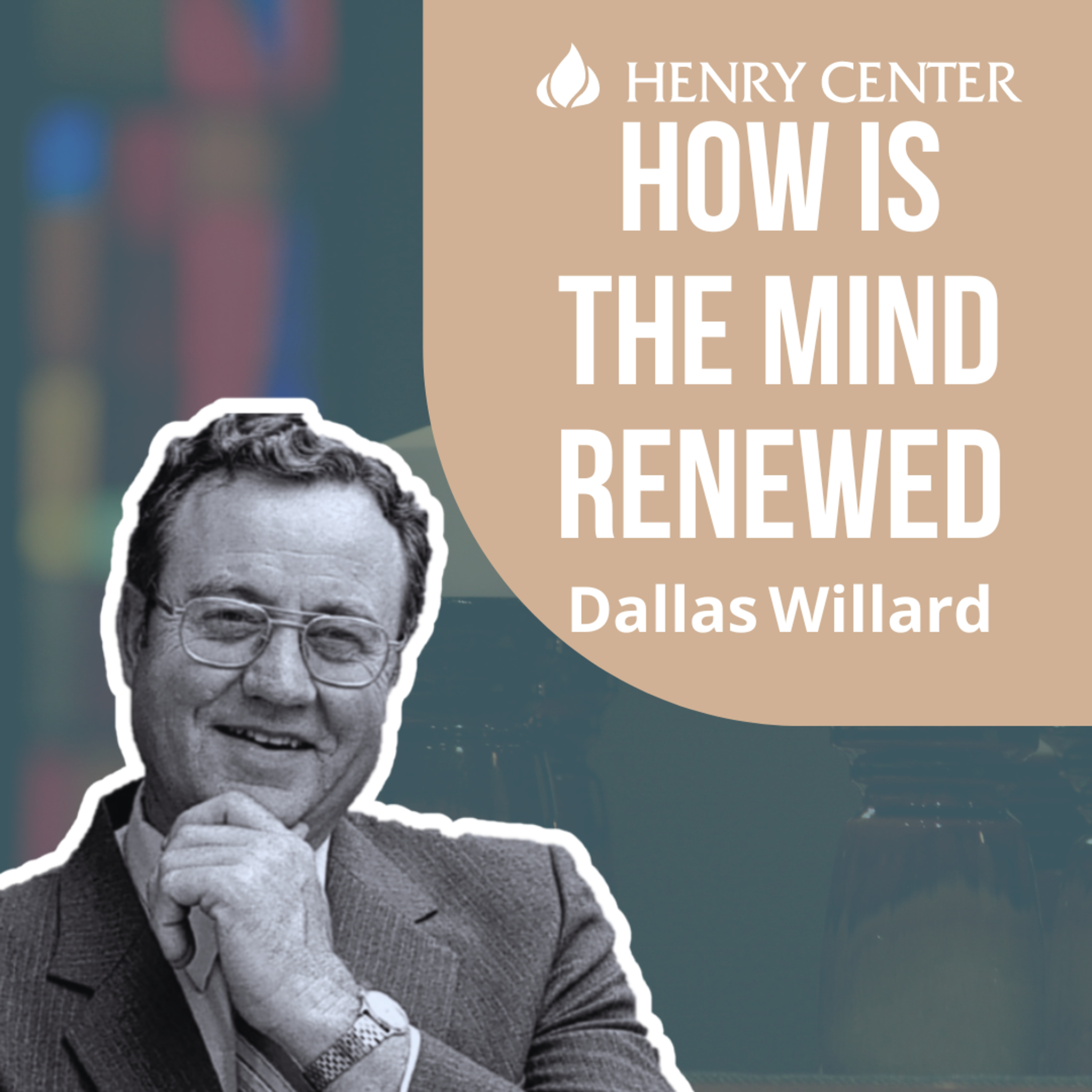
How Is the Mind Renewed | Dallas Willard
Lecture Title - Transformed by the Renewing of the Mind: The Use of Scripture in "Spiritual Formation"
The Apostle Paul tells us to "not be conformed to the world, but be transformed by the renewing of your mind" (Rom. 12:2). But how are we to go about renewing our mind? We will explain the role of scripture in the renewing of the mind, and the role of the pastor and the congregation in this proce
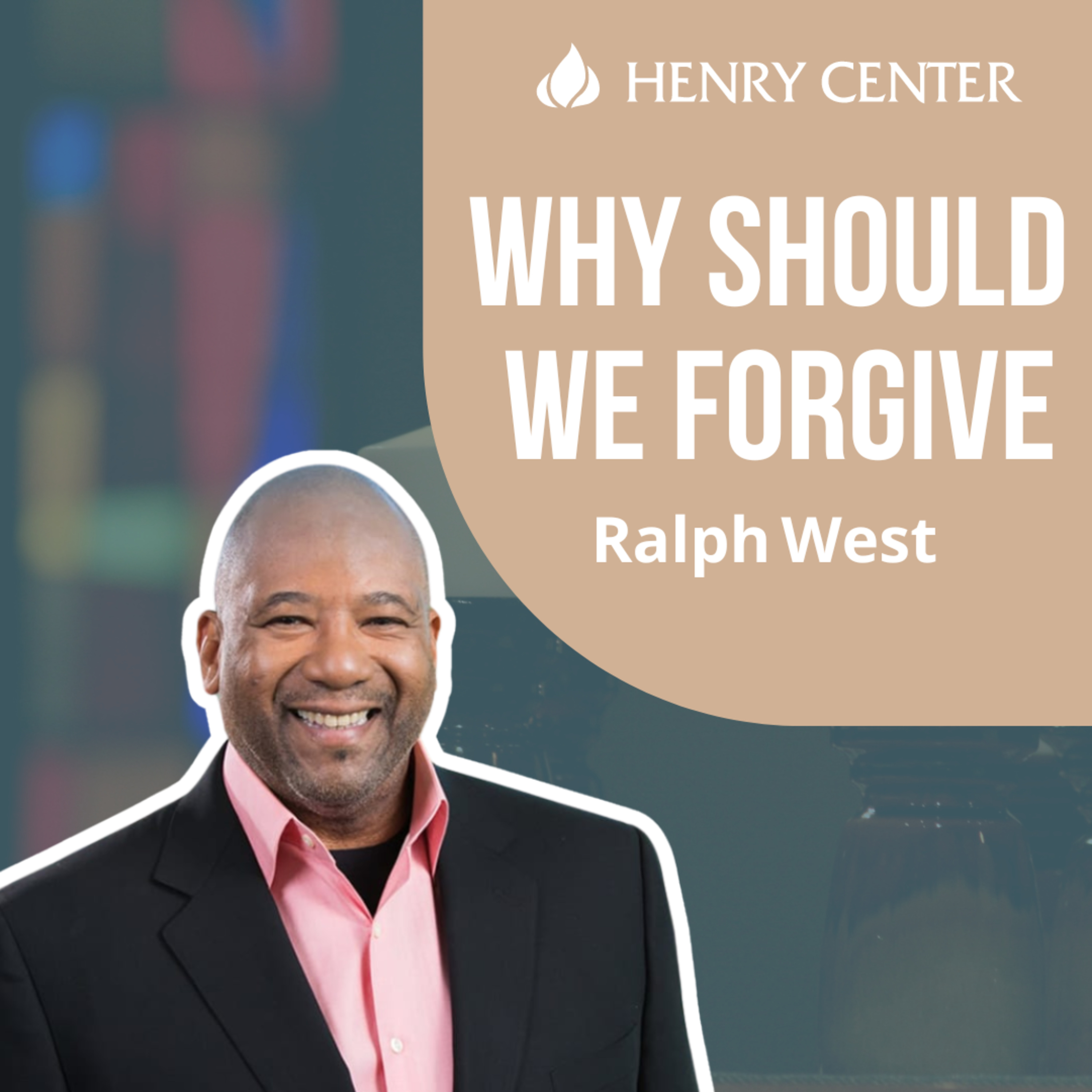
Why Should We Forgive | Ralph West
Sermon Title - Gracing & Disgracing Grace: Forgiveness and Reconciliation
Preaching on Jesus’ famous parable of forgiveness (Matthew 18), Rev. Ralph West warns us against Disgracing Grace, in a manner similar to the Unforgiving Servant. This doesn’t mean that forgiveness is easy. It wasn’t easy for Jesus, and it isn’t easy for us. Whenever evil is put on a face, someone that looks a whole lot
How Does Christ Satisfy Us Fully | Henri Blocher
Sermon Title - The Final Christ
In John 4:7-14 and 6:27-40, Jesus uses the universal symbols of bread and water to draw people to himself, awakening in them a sense of their deeper hunger and thirst. He is the greater Jacob and the greater Moses, offering people the living water and bread of life - eternal life - that will satisfy them forever with himself. Those who eat and drink of Christ will n
How Is Salvation Possible | Henri Blocher
2015 Kantzer Lecture #6 - Possibility and Salvation
In the final lecture Blocher concludes by accounting for the place of possibility in God’s response to the intrusion of evil, contending that the truth about evil can only be known through God’s response of salvation. Blocher maintains that in the biblical portrait that evil is an intruder, preceding salvation. Salvation is God’s reply and repai
Was Evil Always Possible | Henri Blocher
2015 Kantzer Lecture #5 - Was Evil "Possible" Before it Arose?
The fifth lecture explores the question of whether evil was possible before it arose, either ontologically or logically, as related to God and to humanity. Accordingly to Blocher, evil is neither ontologically nor logically possible with God. That God who is sovereign should permit decrees and that his beloved creatures shou
What Does the Bible Say about Possibility | Henri Blocher
2015 Kantzer Lecture #4 - "Possibility" in Biblical Perspective
Blocher’s fourth of six lectures is an attempt to discern through Scripture the contours of possibility. Blocher first analyzes possibility with respect to God. He argues that Scripture associates various notions of possibility with God. For example, things can be possible without actually happening. There is a legitimate n
What Is Possibility | Henri Blocher
015 Kantzer Lecture #3 - Thinkers on "Possibility"
Whereas in the first of his Kantzer lectures, Blocher introduced the function of possibility in explanation of evil in the thought of many important theologians and philosophers, in this his third lecture, he considers various philosophers’ concept of possibility itself. After Leibniz, Blocher argues, possibility is such a common concep
What Is Evil | Henri Blocher
2015 Kantzer Lecture #2 - Exploring the Quasi-Concept and the Area of Evil
Continuing his analysis of the idea of evil, lecture two provides some “impressionistic” starting points to the idea of evil, before giving an analysis of Leibniz’s threefold articulation of evil as metaphysical, physical, and moral. We often apply the idea of evil in at least one of four senses: (i) evil is what is not as
Why Is Evil Possible | Henri Blocher
2015 Kantzer Lecture #1 - Introduction: Evil Possible—A Misleading Facility
At the outset of his 2015 Kantzer Lectures, Henri Blocher recognizes three central questions that arise from the fact of evil: Whence does evil come? What is evil? How long, O Lord? Blocher admits there is legitimacy of the human search for a rational explanation of the evil and notes the important role that the idea of “
When Can We Experience Intimacy with God | Nicholas Wolterstorff
2013 Kantzer Lecture #8 - The Understanding of God Implicit in the Eucharist
In the final Kantzer lecture of the series, Nicholas Wolterstorff turns to conclude his exploration by unpacking the theological implications of the Eucharist for his project. Noting that this is not the place to adjudicate between competing understandings of the act, Wolterstorff selects one account—that of John Calvin—
How Does God Respond | Nicholas Wolterstorff
2013 Kantzer Lecture #7 - God as One Who Speaks
Having completed his exploration of God as one who listens, Wolterstorff now turns to the understanding of God implicit in the belief that God is one who speaks. He begins by pointing out that in a good many of our liturgical acts we are listening to what God says by way of what humans say. Wolterstorff begins his exploration by critiquing Karl Bart
When Does God Hear Favorably | Nicholas Wolterstorff
2013 Kantzer Lecture #6 - God as One Who Hears Favorably
Wolterstorff begins his sixth lecture by unpacking the understanding of God implicit in the liturgical act of requesting that God would hear our addresses favorably. What view of God is implied by the participant’s refrain, “Hear our prayer oh Lord”? After surveying the possible moods or stances appropriate for supplication—wishfulness, des
How Does God Listen to Us | Nicholas Wolterstorff
2013 Kantzer Lecture #5 - What Are We Saying When We Say that God Listens?
Wolterstorff responds to questions raised by portraying God as the God who listens and speaks. After responding to potential objections that “listening” and “speaking” are anthropomorphisms not properly predicted upon God, he proposes an alternative reading of Thomas Aquinas on the issue. Though normally understood to be a
What Is Healthy Discipleship | Kelly Kapic
Lecture Title - Go Therefore and Make Humans: Discipleship in an Inhumane World
We live in a frenetic age of unrealistic expectations, fostered by unrelenting voices both outside and inside of us. Through subtle and not so subtle forces we are constantly expected to do more and be more. Exhaustion, shame, and anxiety pervade, and all too often they also shape the church’s life. In this context, on
When Does God Listen to Us | Nicholas Wolterstorff
2013 Kantzer Lecture #4 - God as Listener
Wolterstorff breaks new theological ground by considering the reality that God is a listener. Employing the concepts of speech-act theory and an analogy of social structure, he distills what making such a predicate of God entails. Often people are in alienated relationships, which in some way prevent them from speaking and listening to one another. This r
Why Do We Speak to God | Nicholas Wolterstorff
2013 Kantzer Lecture #3 - God as One Who Listens and Speaks
In his third lecture, Wolterstorff considers the understanding of God implicit in some of the fundamental types of Christian liturgy. He submits that the address of God is the most common type of action that occurs in the enactment of Christian liturgy. In addressing someone. In the act of (strongly) addressing God the participants of Ch
Why Is God Worthy of Worship | Nicholas Wolterstorff
2013 Kantzer Lecture #2 - God as Worthy of Worship
In the second lecture, Wolterstorff explicates what he calls the implicit understanding of God within the Christian liturgy as a whole (or as it accords with the convergence of the five traditions he is considering), the third and highest level of implicitness (see lecture 1). The highest level of implicitness is the assumption that God is worthy
How Should God Be Worshipped | Nicholas Wolterstorff
2013 Kantzer Lecture #1 - The God We Worship: A Liturgical Theology
In this first Kantzer lecture, Nicholas Wolterstorff provides the overarching structure to his liturgical project. Using as his main interlocutors liturgical theologians Schmemann and von Allmen, and working at the convergence of Orthodox, Episcopal, Catholic, Lutheran, and Reformed traditions, Wolterstorff expounds his ontology
How to Be Useful to God | Alistair Begg
Lecture Title: Inadequacy: The Surprising Secret to Being Useful to God
In this lecture, Alistair Begg considers God's pattern of using unlikely and ordinary characters and addresses the possibility that what we regard as a hindrance may be the key to usefulness in God's service.
Alistair Begg (DDiv Westminster Theological Seminary) is Senior Pastor at Parkside Church. He is author of man
How Is God Free | Bruce McCormack
2011 Kantzer Lecture #7 - The Being of God as Gift and Grace: On Freedom and Necessity, Aseity and the Divine Attributes
In his seventh and final lecture, Professor McCormack concludes with a treatment of God’s being and attributes. Of particular interest is his notion of Freedom. Freedom, he suggests, is not freedom in the face of options. Rather, God’s freedom is the freedom to follow through w
How Does the Trinity Act in the World | Bruce McCormack
2011 Kantzer Lecture #6 - The Processions Contain the Missions: Reconstructing the Doctrine of an
Immanent Trinity
In this sixth lecture, Professor McCormack develops his doctrine of the immanent trinity by grounding his conclusions in the teaching of the New Testament as expounded in the fourth lecture, and in line with the Christology he constructed in the fifth lecture. The basic contours of h
What Should We Think about Christ | Bruce McCormack
2011 Kantzer Lecture #5 - Which Christology? Refining the Economic Basis of the Christian Doctrine of God
In this fifth Lecture, Professor McCormack begins the constructive work of his project. His goal is to develop a thoroughly post-metaphysical doctrine of God. For McCormack, this means that everything said about God must be founded on what can be known through the history of His revelation in
What Does the New Testament Say about God | Bruce McCormack
2011 Kantzer Lecture #4 - The God Who Reveals Himself: The Mystery of the Trinity in the New Testament
In the fourth lecture, Professor McCormack provides dense exegesis of the relevant biblical material regarding the problem of the trinity in the New Testament. This pertains in particular to the biblical witness to deity of the Son, His relationship to the Father and to the Spirit. Endorsing an
What Does Modern Theology Say about God | Bruce McCormack
2011 Kantzer Lecture #3 - The Great Reversal: From the Economy of God to the Trinity in Modern Theology
In this survey of the Doctrine of God in the modern world, professor McCormack narrates the rise of modern theology from Spinoza, through Kant’s critique of classical metaphysics and on to the philosophical theology of Hegel, all of which engendered the philosophical and theological milieu in w
How Did the Doctrine of the Trinity Develop | Bruce McCormack
2011 Kantzer Lecture #2 - From the One God to the Trinity: The Creation of the Orthodox Understanding of God
Bruce McCormack inaugurated his Kantzer Lectures by surveying the contemporary theological and ecclesiological landscape in America, including denominational transformation and doctrinal erosion in the evangelical church. In particular, McCormack explored the state of evangelical thinking
What Do Evangelicals Think about God | Bruce McCormack
2011 Kantzer Lecture #1 - Is the Reformation Over? Reflections on the Place of the Doctrine of God in Evangelical Theology Today
Bruce McCormack inaugurates his Kantzer Lectures (the first of seven) by surveying the contemporary theological and ecclesiological landscape in America, including denominational transformation and doctrinal erosion in the evangelical church. In particular, McCormack ex
Where Can We Find Assurance | Stephen Williams
2009 Kantzer Lecture #6 - An Exposition of Romans 9-11 with a Positive Proposal
Professor Williams' sixth and final lecture dwells on the relation of election to several key themes: universalism, justification, perseverance and above all, assurance. Though he insists that election grounds assurance, nevertheless, all must heed both the promises regarding salvation and the warnings for falling
What Is the Paradox of Election & Agency | Stephen Williams
2009 Kantzer Lecture #5 - Election, Regeneration, and Faith
The fifth lecture turns more explicitly toward systematic theological formulation. Williams’s primary questions here include the paradox of man’s freedom and God’s call, and the question of God’s justice and mercy in the decision to elect some but not all. In keeping with much of Williams series thus far, however, he is quick to re-emphas
How Is Election Particular | Stephen Williams
2009 Kantzer Lecture #4 - The Question of Election and Particular Atonement
In his fourth lecture, Professor Williams turns to election in the New Testament. He is particularly concerned here with predestination and election statements and the proper deployment of such statements in systematic formulation. Williams himself advocates reading these statements along broadly Augustinian lines and in d
How Is Election Both Privilege & Responsibility | Stephen Williams
2009 Kantzer Lecture #3 - The Question of Election as a Determination of Destiny
This third lecture begins the biblical consideration of the doctrine of election with a consideration of election in the Old Testament. The primary trajectory of Williams lecture is towards evaluating the dichotomy of election as privilege and election as responsibility. Leslie Newbigin and his emphasis upon election
How Did Barth Understand Election | Stephen Williams
2009 Kantzer Lecture #2 - Barth on Election Integrated with Mozart, Beethoven and Brahms
In this lecture, Williams takes account of the enduring influence of Barth’s doctrine of election. He briefly lays out the major contours of Barth’s construction before going on to evaluate its merits. The lecture, however, becomes as much about instruction in interpreting other theologians and speculation as
How Should We Understand Election | Stephen Williams
2009 Kantzer Lecture #1 - The Election of Grace: A Riddle without Resolution?
Stephen Williams brings a discussion of the issues that arise in debates about election. In subsequent days, Dr. Williams details Karl Barth’s view on the topic of election and the related topics of Christian perseverance and particular atonement, including an exposition of Romans 9-11. Dr. Williams then developed Barth
How Is the Church Dependent upon Christ | John Webster
2007 Kantzer Lecture #6 - He Will Be With Them
In his sixth and final lecture, Professor Webster turns to the Church. Webster begins by appraising the recent trend of elevating Ecclesiology to a sort of first theology. Ultimately his remarks are critical, especially regarding the movements ontological re-ordering of Christ and the Church. Webster’s correction involves properly understanding the fu
How Is Christ Exalted Present to Us | John Webster
2007 Kantzer Lecture #5 - The Presence of Christ Exalted
The primary focus of Professor Webster’s fifth lecture is upon the presence of the exalted Christ as the Church’s head. The task of filling out the presence of the exalted Christ entails developing Christ’s fulfillment as Prophet, Priest and King. The location of the exalted Christ’s presence is the Church and the Church is the social sphere
Why Did the Word Become Flesh | John Webster
2007 Kantzer Lecture #4 - Immanuel
In the fourth lecture of the series, Professor Webster carefully explicates each word of the all-important phrase, “The Word became flesh.” In so doing, Webster’s discussion spans an impressive breadth of theological relationships, including the relationships of immanence and transcendence, created and uncreated, human and divine, history and eternity, Word and f
How Is God Present Everywhere | John Webster
2007 Kantzer Lecture #3 - God Is Everywhere but Not Only Everywhere
In this third lecture, Professor Webster addresses three primary subjects relating to God’s presence with God’s creatures: the omnipresence of God to creaturely reality, divine providence, and the covenant between God and creatures. With respect to the omnipresence of God, Webster speaks in particular to the immensity of God, a sp
What Are the Divine Perfections | John Webster
2007 Kantzer Lecture #2 - God’s Perfect Life
Webster second lecture is composed of three sections. First, Webster offers an initial orientation to God’s perfections, most notably, the notion of God’s aseity. Second, he moves to a description of God’s perfections in God’s own life, namely, in God’s Trinitarian life. Third and finally, Webster moves to a brief exposition of the divine perfections in
How Is God Present with Us | John Webster
2007 Kantzer Lecture #1 - Immanuel, God's Presence With Us
In this first lecture, John Webster introduces the project at hand. Webster first reviews several proposals for the nature of Christ’s presence to us that have been offered in the last half-century, he then goes on to outline his own proposal. Webster indicates that in the coming lectures, the question of fellowship will go beyond the natu
How Does Love Lead to Right Knowing | James K. A. Smith
Sermon Title - Love's Knowledge: A Sermon on Philippians 1
In this chapel message, James K. A. Smith speaks to life in theological education with the Augustinian insight that in order to know rightly, our loves must be healed, particularly through the Spirit-charged practices of corporate worship and spiritual discipline.
James K. A. Smith (PhD Villanova University) is Professor of Philosophy at C
What Is the Secular | Interviewing Craig Carter
Lecture Title - Augustine and the Secular in Christendom and Modernity
This lecture addressed the growing relevance of Augustine in debates concerning secular space. Particular attention is given to how Augustine's City of God delineates a positive conception of secular space and its role in civil society. A distinction between Augustinianism and Triumphalism is made to differentiate Augustine's c
How to Define a Human Person | Kevin Vanhoozer
Lecture Title - The Human Person: A Grammatical Subject
TEDS professor Kevin Vanhoozer raises the question of how one can define a human person. The first step is to differentiate between a person and a non-person. A person is someone, not something. Vanhoozer traces the history of "person" in the Trinity. "Person" comes from the Latin "persona," meaning "a playe
How Should a Christian Pursue Justice | John Perkins
Lecture Title - Love is the Final Fight
Dr. Perkins, born in rural Mississippi in 1930, will share an autobiographical journey of pursuing justice in a world overwhelmed by oppression & brokenness. His perseverance through the Civil Rights Movement and his voice within the Evangelical Church continue to shape how Christians understand justice, reconciliation, and a call for multi-ethnic minist

How to Share a Common Life with Others | Walter Kim
Lecture Title - Loving God and a Catechesis of Civic Discipleship
Today’s moral and social challenges are complex, and Christians are often ill-equipped to address the disruptions and disputes of ideological battles. Malformed responses to the challenges expose not only deficiencies of theological imagination but also a frailty of discipleship. How does Scripture encompass culture and human flouri
What Is the Relationship of Humility & Power | Dennis Edwards
Lecture Title - Power and Humility in Theological Education
Christians in the first century were largely marginalized in their world, yet possessed power to develop communities of love and justice that transformed lives. Humility was a chief identity marker for early Jesus-followers. Christian Scripture presents paradoxes related to power and humility: (1) God’s power is often most evident in thos

How Is Poetry Formative | Christina Bieber Lake
Lecture Title - ‘O Taste and See’: Poetry as Theological Invitation
In Leisure the Basis of Culture, Josef Pieper explains that stillness and quietness of soul are necessary to see the real—especially that all things have been created through Christ and for him. But bounded by a culture of “total work,” we live lives of quiet desperation, exhausted and unable to slow down and attend to the arts. T
What Is Genuine Pastoral Ministry | Winn Collier
Lecture Title - Ancient Vision and Fresh Courage: Reawakening Our Pastoral Imagination
Suffering from an epidemic of scandal, the scourge of celebrity, and the general malaise (if not antipathy) toward the church, it’s a difficult time to be a genuine pastor. Truthfully, though, it’s always been a difficult time to, as St. John of the Cross said, put “love where love is not.” The good news is the

How Can Christians Engage Contemporary Art | Elissa Yukiko Weichbrodt
Lecture Title - The Art of Confession, or How the Art You Don’t Like Can Grow Your Love for God
Contemporary art can often be unexpected or downright unsettling in its form and subject matter. In that, it may actually remind us of the startling actions and embodied metaphors employed by Old Testament prophets like Ezekiel and Isaiah. They intentionally disrupted their audiences for the purpose of
What Is the Relationship between Love & Knowledge | Joshua Jipp
Lecture Title - Learning to Love, Loving to Learn: Going to Seminary with the Apostle Paul
What is theological education for? In times of tumult, transition, and upheaval, returning to this most basic question can provide guidance for what we’re doing. Likely, all of us would agree that the pursuit of learning—some type of knowing—is at the heart of theological education. But given that the subjec
How Does the Ascension Renew Mission | Chris Ganski
Lecture Title - The Ascension of Christ and the Renewal of Christian Mission
We live in an age of increasing anxiety about the future of the church, as many are asking about what makes the church relevant within the world today. The true relevance of the church, however, is not found by looking to the world, but above the world. The theological backdrop of the church’s mission is Jesus’ ascension
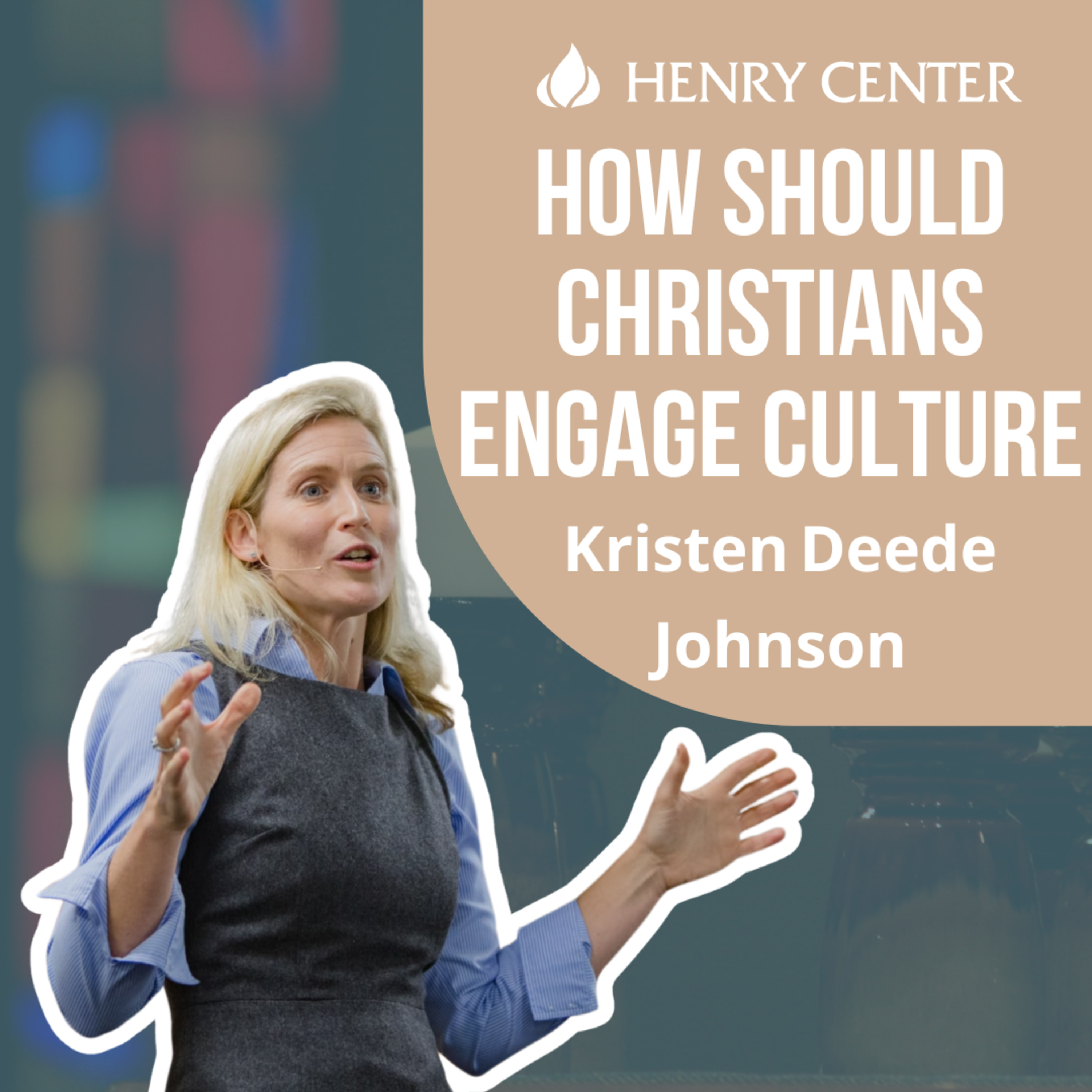
How Should Christians Engage Culture | Kristen Deede Johnson
Lecture Title - Reconsidering the Great Commission: Discipleship and Cultural Engagement
Many are asking questions about what it means to fulfill the Great Commission today, wondering how we are to be formed as disciples who can live faithfully in this complex cultural time. Exploring the origins of the term, “the Great Commission,” and the role this final command of Jesus has played in shaping co
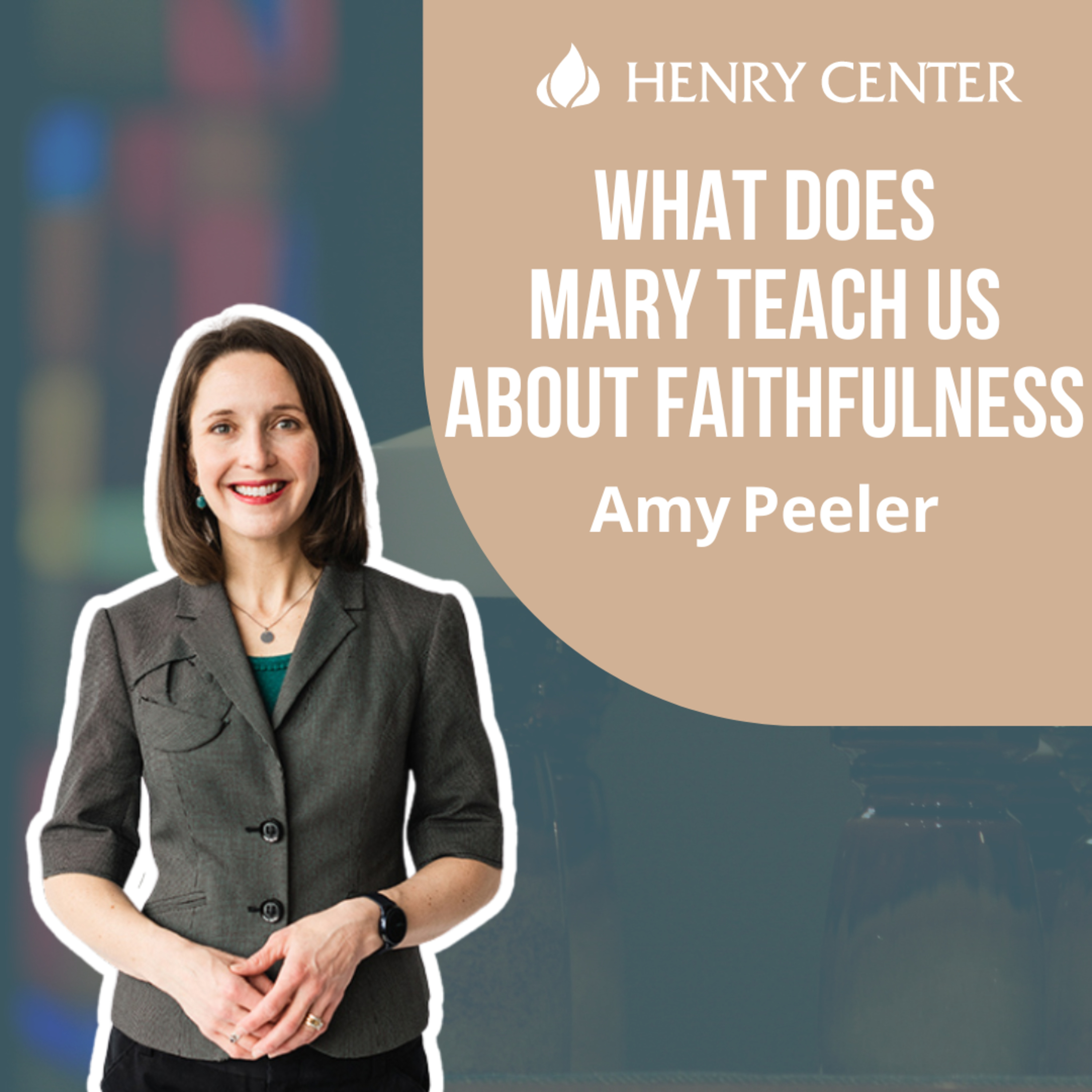
What Does Mary Teach Us about Faithfulness | Amy Peeler
Lecture Title - Embodied Discipleship: Mary, Jesus, and Engendered Faithfulness
The New Testament does not say much about the mother of Jesus, but what is recorded offers a powerful example of Christian faithfulness. In some instances, however, she has been lifted up only as an example for women, especially for those of the Catholic or Orthodox expressions of the faith. Attention to her story reve
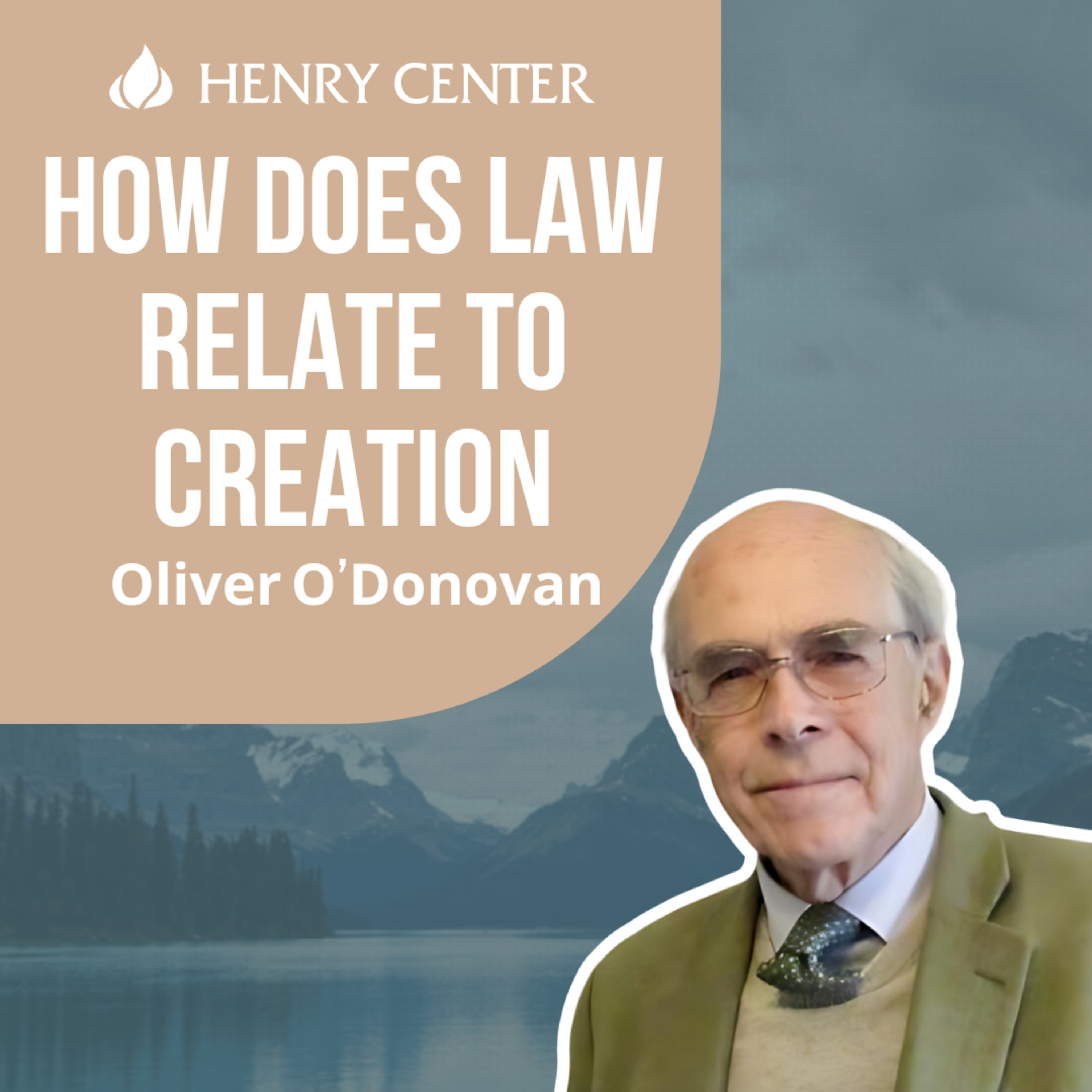
How Does Law Relate to Creation | Oliver O'Donovan
Lecture Title - Creation, Law, and History
It is usual to expound the idea of creation by referring to "law" as the principle of regularity and predictability that inheres in the order of the world. But the term "law" is often supposed to be equivocal, meaning one thing as applied to creation and something else as a norm of free human conduct. In this lecture, O'Donovan argues that in its various

How Does Augustine View Human Will | Han-luen Kantzer Komline
Lecture Title - The Art of Willing: God’s Grace & Human Willing in Augustine’s Preaching
Augustine is well known for his abstract reflections, early in his career, on the role of human free choice in introducing sin into God's good creation. But this, for Augustine, was just one small part of the larger story of human willing in relationship to God. In this lecture, we will consider how August
Recommended

Stuff You Should Know

Crickets Corner

Forever Hallmark Christmas Podcast

Backcountry Hunting Podcast

The Daily

World News Tonight with David Muir

English Vocabulary Help
The Joe Rogan Experience

TED Talks Daily

Talk About Talk - Executive & Leadership Communication Skills

Learn English B1 with Daily News | English Listening Practice

English with Olivia | Slow Conversations & Vocabulary
