Trumponomics
Tariffs, crypto, deregulation, tax cuts, protectionism, are just some of the things back on the table when Donald Trump returns to the Presidency. To help you plan for Trump's singular approach to economics, Bloomberg presents Trumponomics, a weekly podcast focused on the Trump administration's economic policies and plans. Editorial head of government and economics Stephanie Flanders will be joined each week by reporters in Washington D.C. and Wall Street to examine how Trump's policies are shaping the global economy and what on earth is going to happen next.
Episodes

Germany’s New Approach to Global Trade
What does Germany’s economic strategy tell us about the shifting global order? Stephanie Flanders is in Germany at the Berlin Global Dialogue, where she speaks with Chancellor Friedrich Merz about the pressures reshaping Europe’s largest economy, why he supports a tougher response to Chinese imports and how he intends to handle the Trump administration’s harsher line toward Ukrai
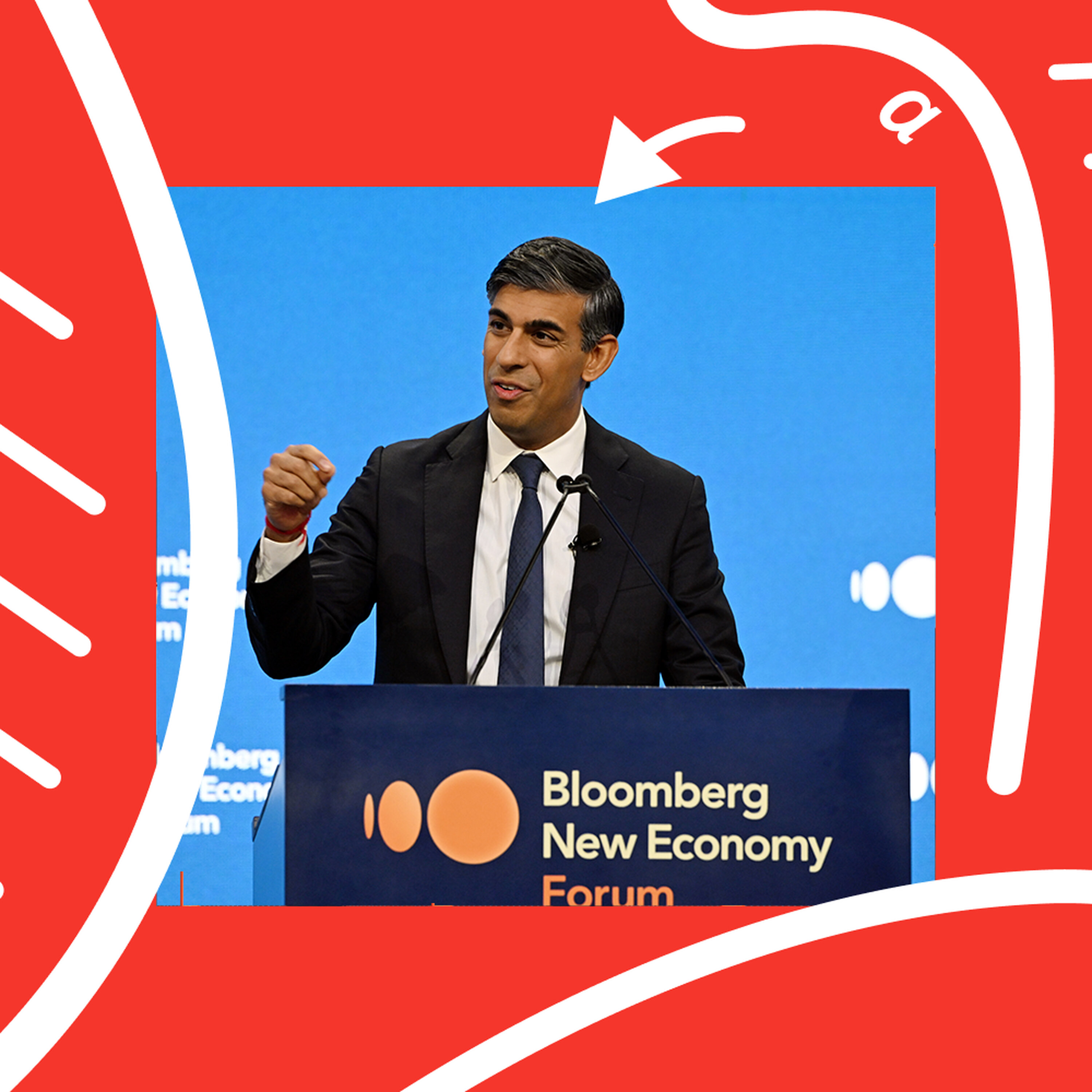
Live from New Delhi: What the World's Financial Leaders Fear Most
What does the global economy look like from the rooms where some of the world’s biggest investment and business decisions are made? Stephanie Flanders is in New Delhi for Bloomberg’s New Economy Forum, where she speaks with Bloomberg Chief Economist Tom Orlik about the risks building beneath the surface — from higher borrowing costs to the vast sums flowing into artificial intell

Is Trump About to Lose America’s Farmers?
Donald Trump’s wars, both the global trade version and the real one on Iran, are increasing costs for America’s farmers -- traditional followers of the Republican president who just might be reconsidering their allegiance. Stephanie Flanders speaks with Bloomberg’s Steven Dennis and former US Department of Agriculture chief economist Joe Glauber about why deep red farm states lik
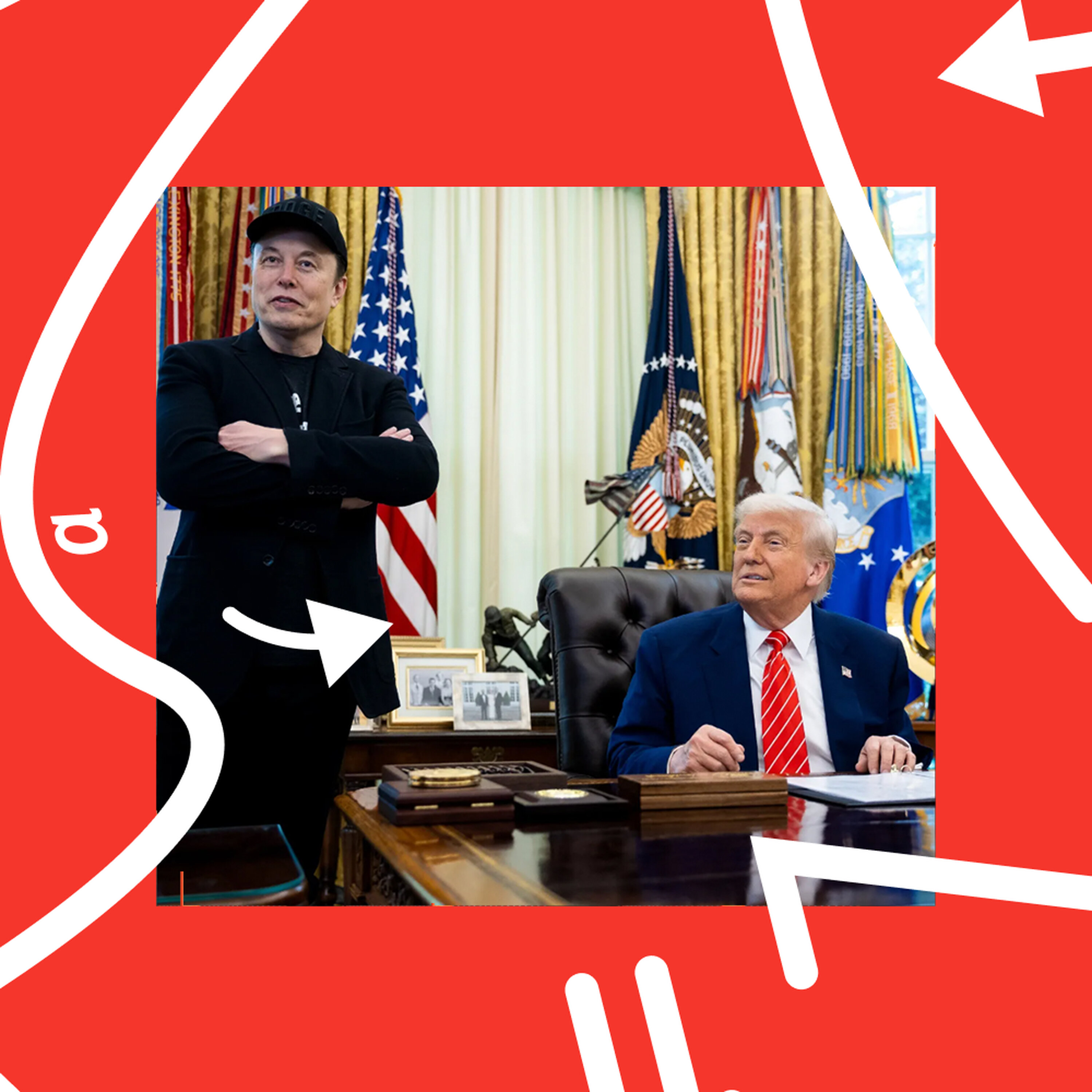
Why Governments Can’t Unplug From Elon Musk
Elon Musk may be an extreme figure, but the authors of Muskism: A Guide for the Perplexed argue he represents a much bigger dynamic that's quickly taking shape, one where promises of “sovereignty through technology” may permanently embed tech figures such as himself at the center of government and society. Stephanie Flanders speaks with Ben Tarnoff and Quinn Slobodian about how Musk tu
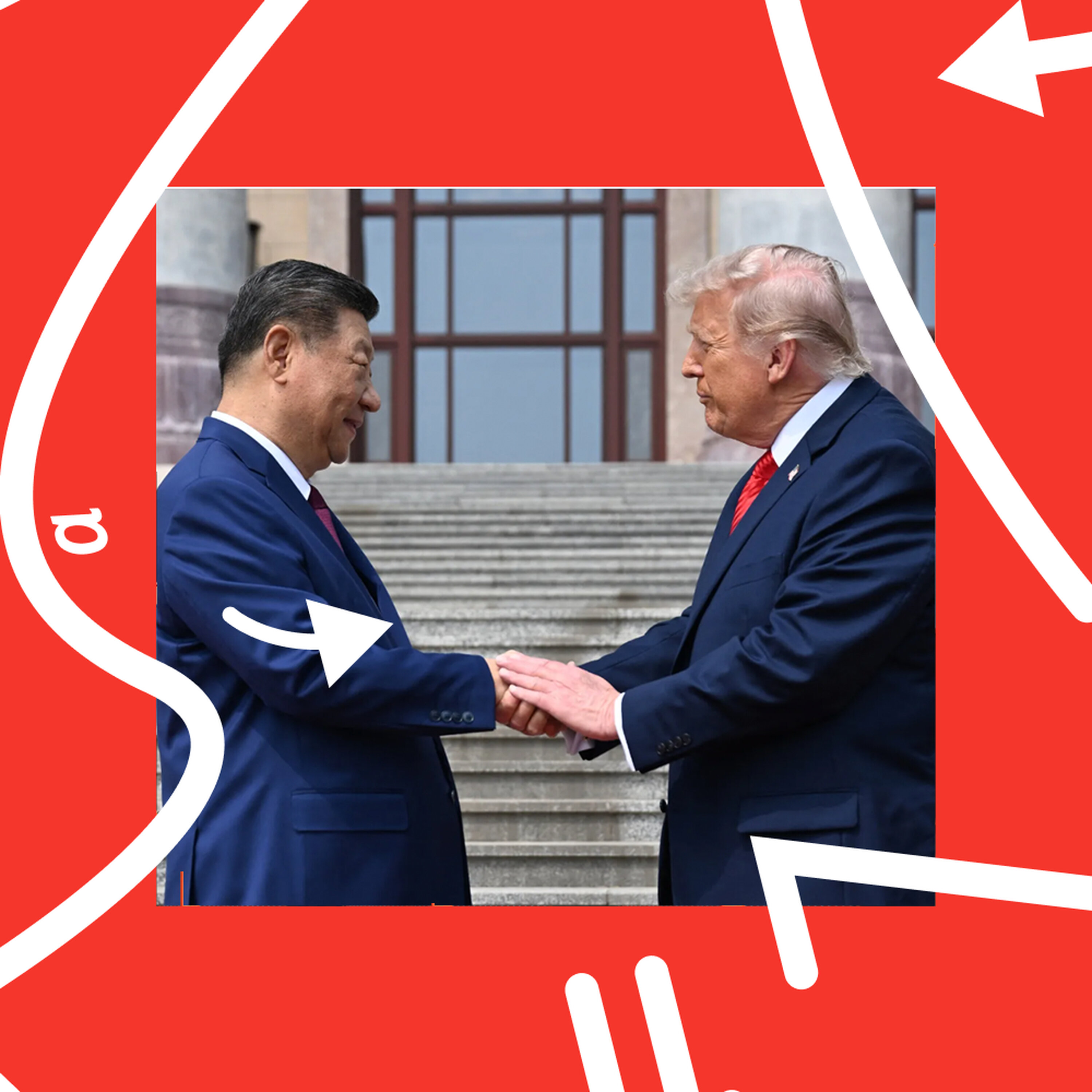
The Tough AI Questions Looming Over the Xi-Trump Summit
As Chinese President Xi Jinping meets with US President Donald Trump in Washington, this week's episode of Trumponomics asks whether the world’s leading AI powers can move beyond summit pageantry and start managing the dangers created by their technological rivalry. Host Stephanie Flanders speaks with Bloomberg Executive Editor Dan Ten Kate and Geoeconomics analyst Michael Deng about why dis

Why 5% Treasury Yields May Be Just the Beginning
The US 10-year Treasury yield has breached 5%, but the forces pushing borrowing costs higher may run much deeper than the latest economic shocks. Stephanie Flanders is joined by Bloomberg Opinion columnist John Authers and Jamie Rush of Bloomberg Economics to discuss how demographics, rising government debt and the artificial intelligence investment boom are reshaping the price of money — an

Cory Doctorow Says Be Skeptical of the AI Sales Pitch
Artificial intelligence companies are spending extraordinary sums on the promise that their technology will transform the global economy. Author and technology critic Cory Doctorow joins Trumponomics host Stephanie Flanders to challenge that sales pitch, arguing that AI may be useful without delivering the cost savings or profits investors expect — and warning of the consequences for workers
"The Economics Show": Breaking China’s rare earths chokehold
In the US-China trade conflict, rare earth metals are Beijing's ultimate trump card. Last year, China ramped up restrictions on these key industrial elements, spooking industry, and forcing the US toclimb down. Since that wake-up call, the US has worked hard to reduce its dependence on China. It has spent huge sums backing mining companies, penned eye-catching deals and moved t
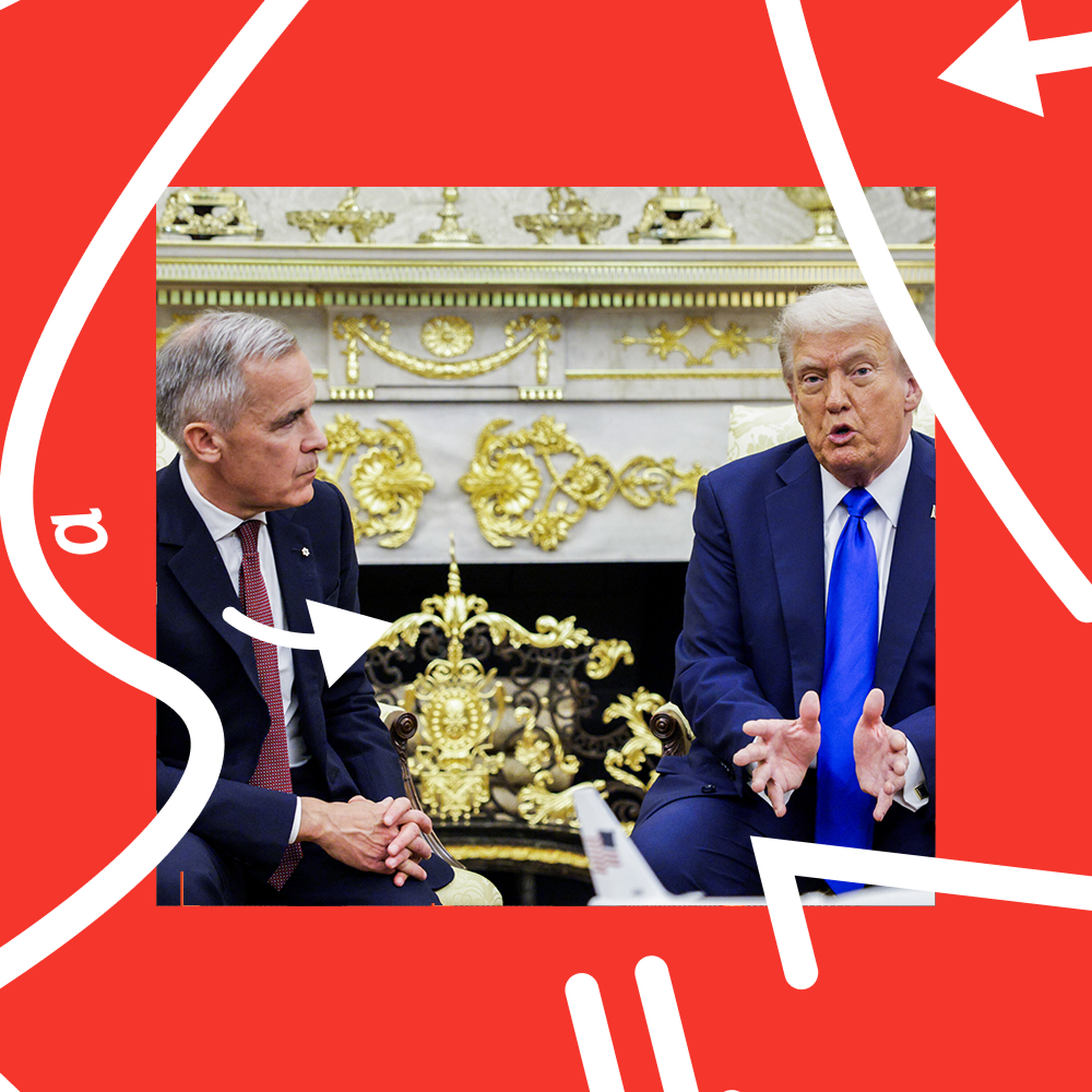
As Canada Turns From the US, Is China the Alternative?
With tensions rising between Canada and the US over the latest broadsides in President Donald Trump's trade war, the White House is threatening even more levies following Prime Minister Mark Carney's announced dollar-for-dollar retaliation. The rupture between Ottawa and Washington is becoming harder to dismiss as temporary, with the war of words increasingly implicating the broader relationship b
Why Inflation Could Be Good News for Japan
Can inflation in Japan be a sign of a healthier economy? On this week's episode of Trumponomics, Stephanie Flanders is joined by Taro Kimura, an economist with Bloomberg Economics, and Bloomberg News Senior Editor Chris Anstey to explore the potential cost and benefits of a weakening yen. Together, they examine Japan’s shift away from decades of deflation, why US Treasury Secretary Scott Bes

Introducing: Our Town
Our Town from Bloomberg’s Big Take podcast follows residents of Gainesboro, Tennessee, after a group of far-right Christians moves in with plans for a radical social experiment. Listen to episode 1 here.See omnystudio.com/listener for privacy information.
What Is Fed Chair Kevin Warsh Trying to Say?
Kevin Warsh has spent his first three months as chair of the Federal Reserve pretty tight-lipped about his views on the economy, a stark contrast to how central bank policymakers have traditionally communicated with market participants. On this episode, host Stephanie Flanders speaks with Bloomberg Opinion columnist Bill Dudley, a former president of the Federal Reserve Bank of New York, and Robin
Why AI Isn't Actually Boosting Productivity
Why aren't we seeing the productivity boom the artificial intelligence industry has promised? Stephanie Flanders is joined by Oxford University professor and How Progress Ends author Carl Benedikt Frey to explore why rapid advances in AI haven't yet translated into stronger economic growth. Together they examine the productivity struggle, the race between the US and China for AI leadership and wha
The Tariff Trade-Off
US President Donald Trump's trade war may be here to stay, despite the fact that billions of dollars in tariff revenue has been refunded to companies after the Supreme Court ruled his initial levies illegal. Stephanie Flanders is joined by Bloomberg senior writer Shawn Donnan and Anna Wong, chief US economist at Bloomberg Economics, to explore what if anything the policy has delivered for US manuf
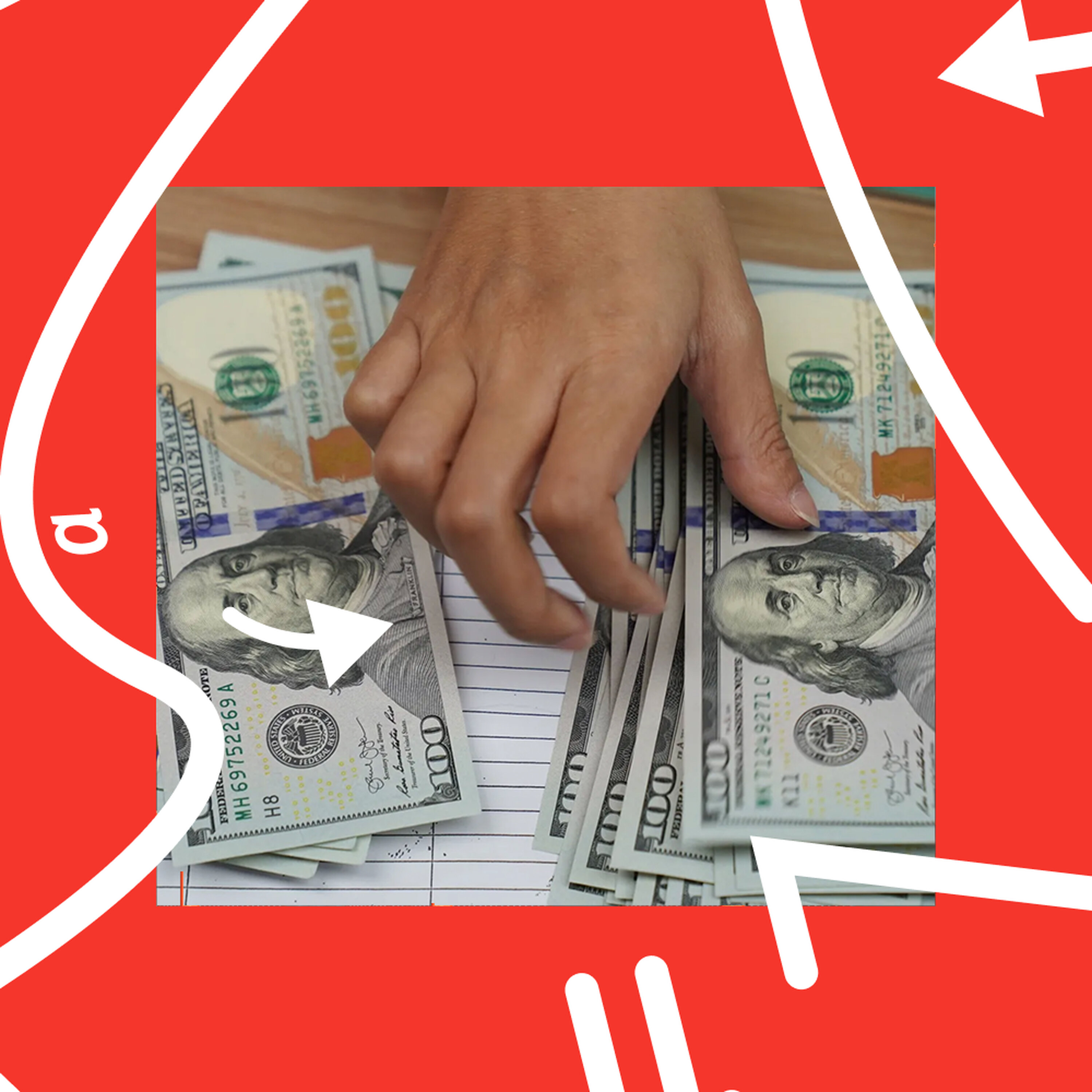
Can the US Actually Tax Billionaires?
As wealth becomes increasingly concentrated — and artificial intelligence threatens to shift even more income from workers to investors — has the US tax system become outdated? Stephanie Flanders speaks with Harvard professor Jason Furman, a former economic adviser to President Barack Obama, and Bloomberg reporter Caitlin Reilly about wealth taxes, capital gains, inheritance and whethe
Are We Being Priced Out of Happiness?
Americans are spending less time with friends, nights out are getting more expensive and even major sporting events are becoming harder to afford. Stephanie Flanders speaks with Bloomberg reporter Ben Steverman and economist and author Richard Layard about what the "fun shortage" says about the economy, rising inequality and whether loneliness is becoming a political and economic problem.See omnys

The $2 Trillion Global Arms Race
A new, $2 trillion global arms race is underway — but this time it's being driven by artificial intelligence, drones and hypersonic weapons. Stephanie Flanders is joined by Becca Wasser, a geo-economics analyst with Bloomberg Economics, and Gerry Doyle, a senior editor for Bloomberg News, to explore how rising defense spending could reshape economies, redefine warfare and alter the future of
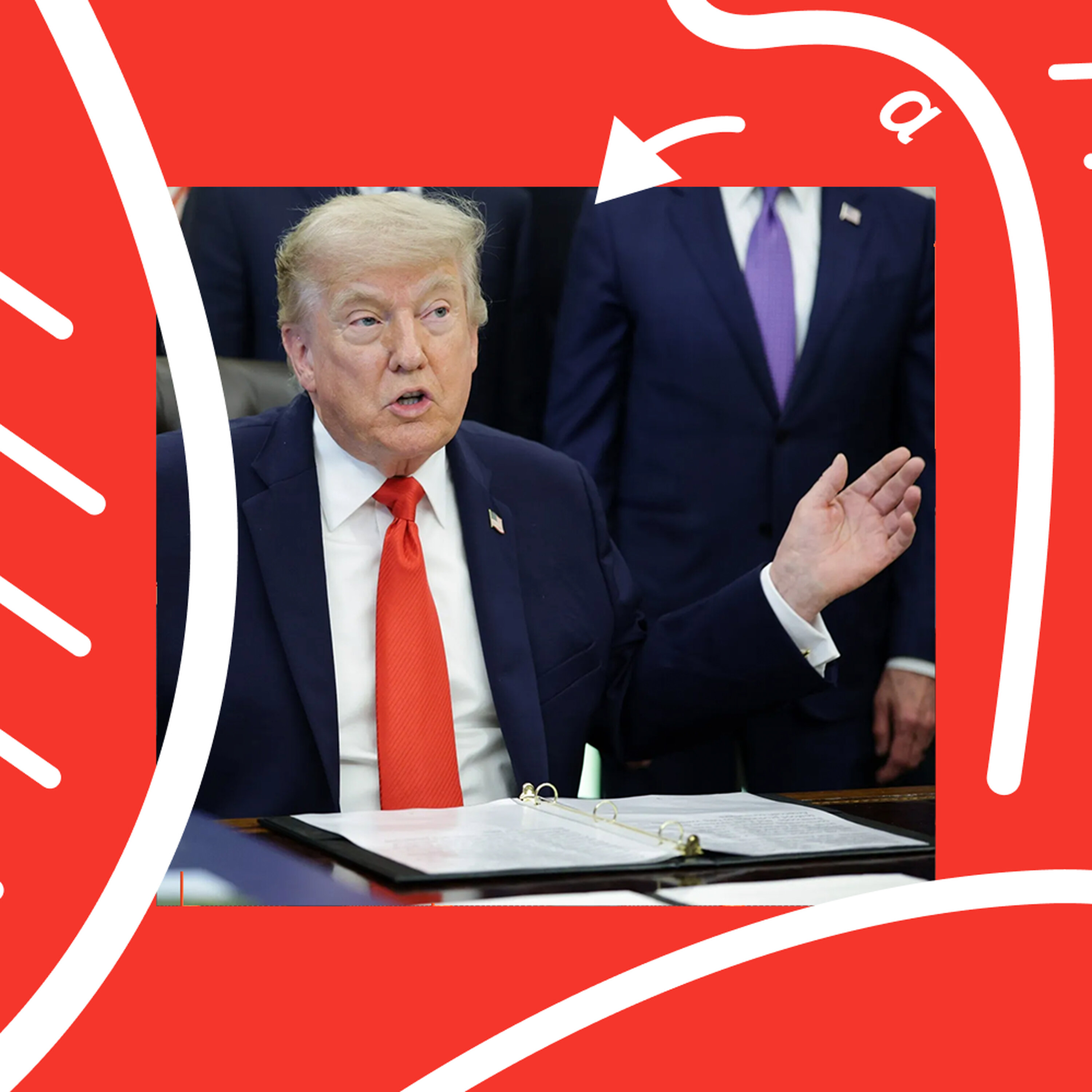
The Midterms May Hinge on One Thing: How the Economy Feels
The economy may look resilient on paper, but voters aren't buying it. Bloomberg's senior national correspondent Nancy Cook and Stuart Paul, who covers the US and Canadian economies for Bloomberg Economics, break down why affordability, gas prices, and lingering economic anxiety could reshape the battle for Congress—and whether Republicans can change the narrative before November.See omnystud
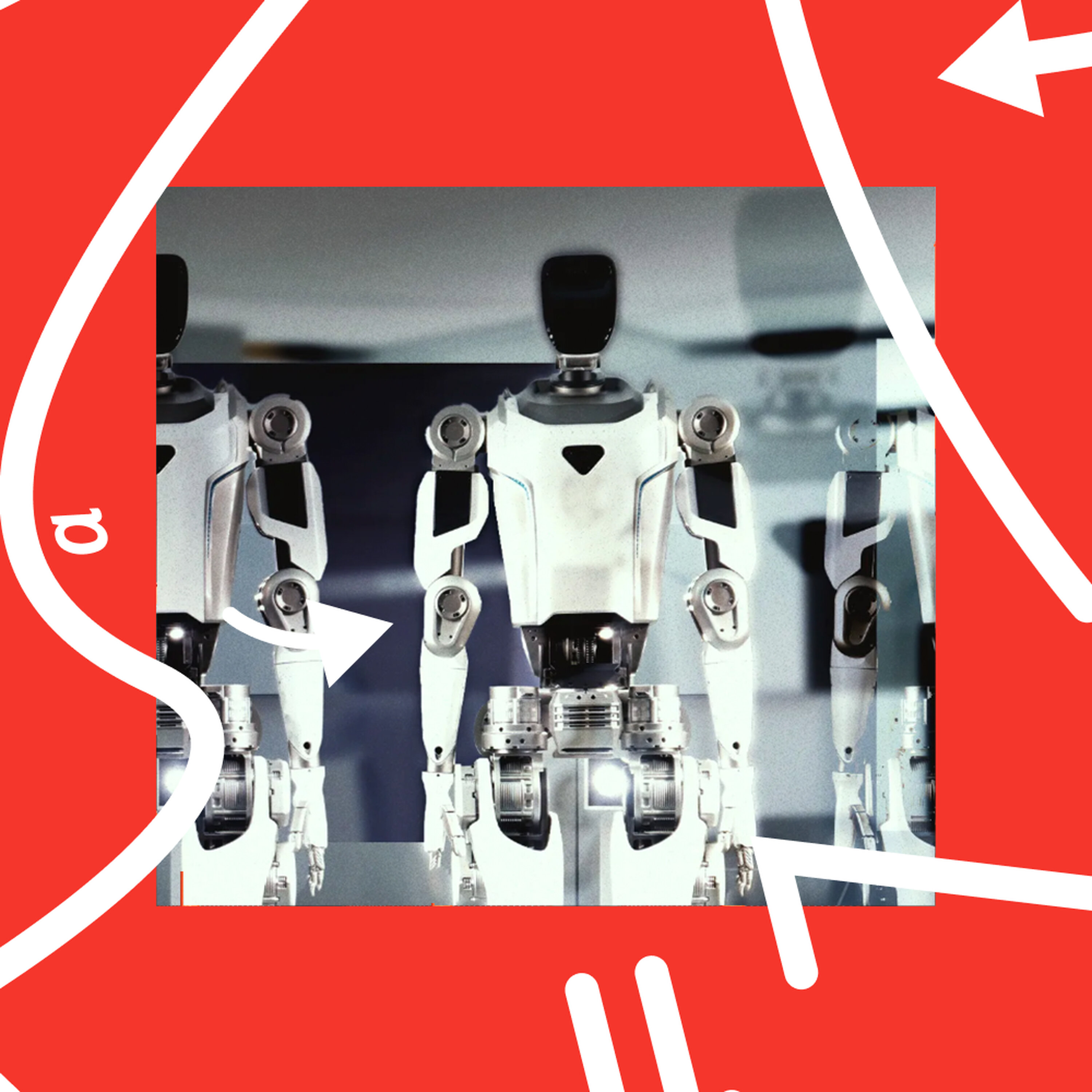
What If AI Simply Ruins Your Job Instead of Taking It? (with Sarah O'Connor)
Artificial intelligence is often discussed in terms of how many jobs it will eliminate, but Sarah O’Connor argues the biggest concern may be not what it does to the quantity of jobs, but the quality. Speaking on Bloomberg’s Trumponomics podcast about her new book, We Are Not Machines: The Fight for the Future of Work, the Financial Times columnist said AI and automation are increa
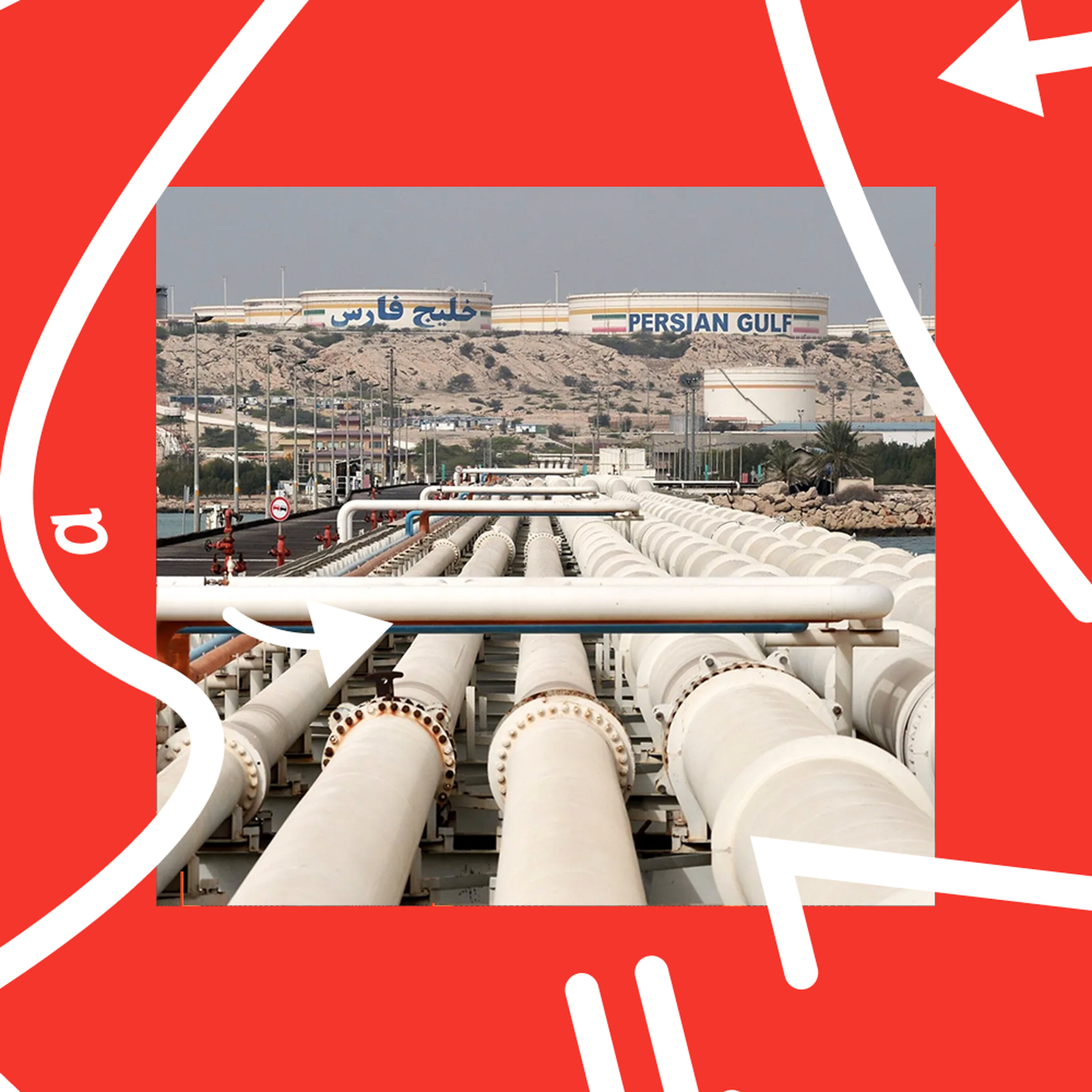
How Fast Can the World Recover From a Hormuz Shock?
For 100 days, the world watched as one of its most important energy chokepoints got choked. Now, as the Iran war appears to be easing, Bloomberg Opinion columnist Javier Blas and Jamie Rush, Director of Global Economics, debate how quickly oil markets can recover, and what we've learned about China's growing influence over global energy demand.See omnystudio.com/listener for privacy information.
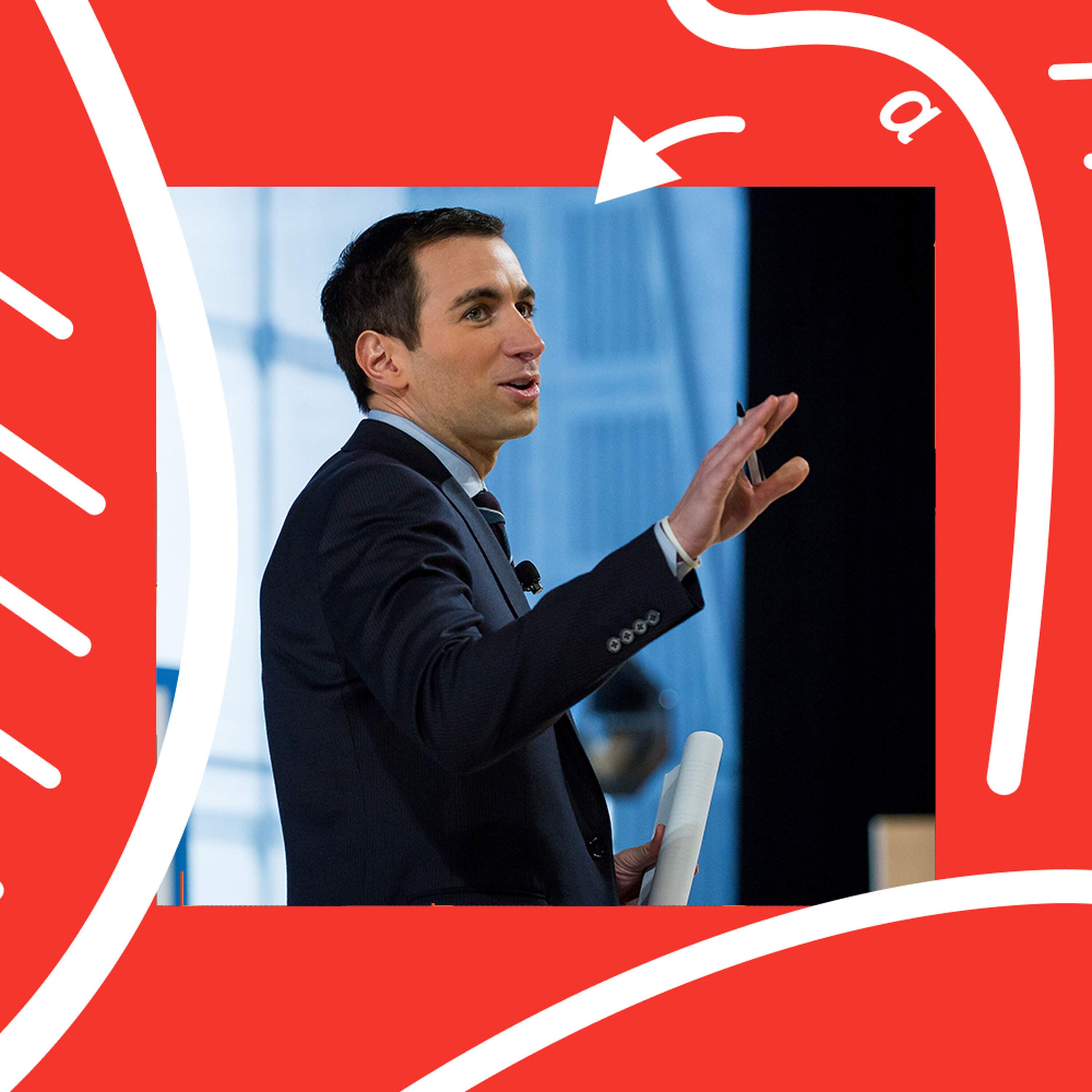
Why 2026 Is Beginning to Look Like 1929 (with Andrew Ross Sorkin)
Almost a century after the Wall Street crash of 1929, Andrew Ross Sorkin says he believes some of its most dangerous ingredients are reappearing. Joining Stephanie Flanders on Trumponomics, the financial journalist and author of 1929: Inside the Greatest Crash in Wall Street History argues that today’s market is filled with “eerie parallels” to the late 1920s. These inc
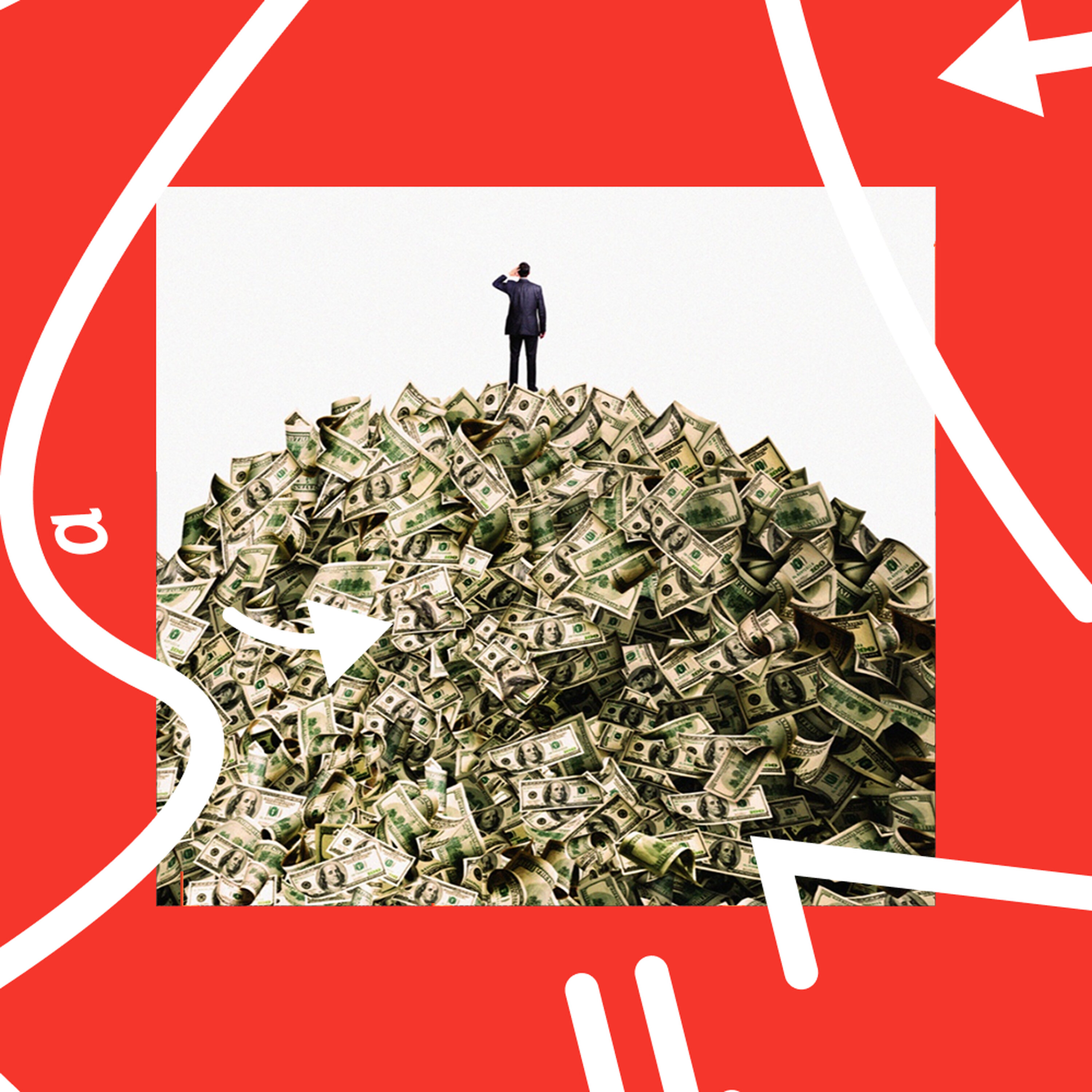
Is the US Economy Dangerously Dependent on the Rich?
The idea of a “K-shaped economy” has become one of the most persistent themes about the US economy: While some households continue to thrive, in particular the wealthy ones, everyone else falls further behind. On this episode of Trumponomics, host Stephanie Flanders, Moody’s Analytics Chief Economist Mark Zandi and Bloomberg Economics’ Andrew Sacher explore whether that nar
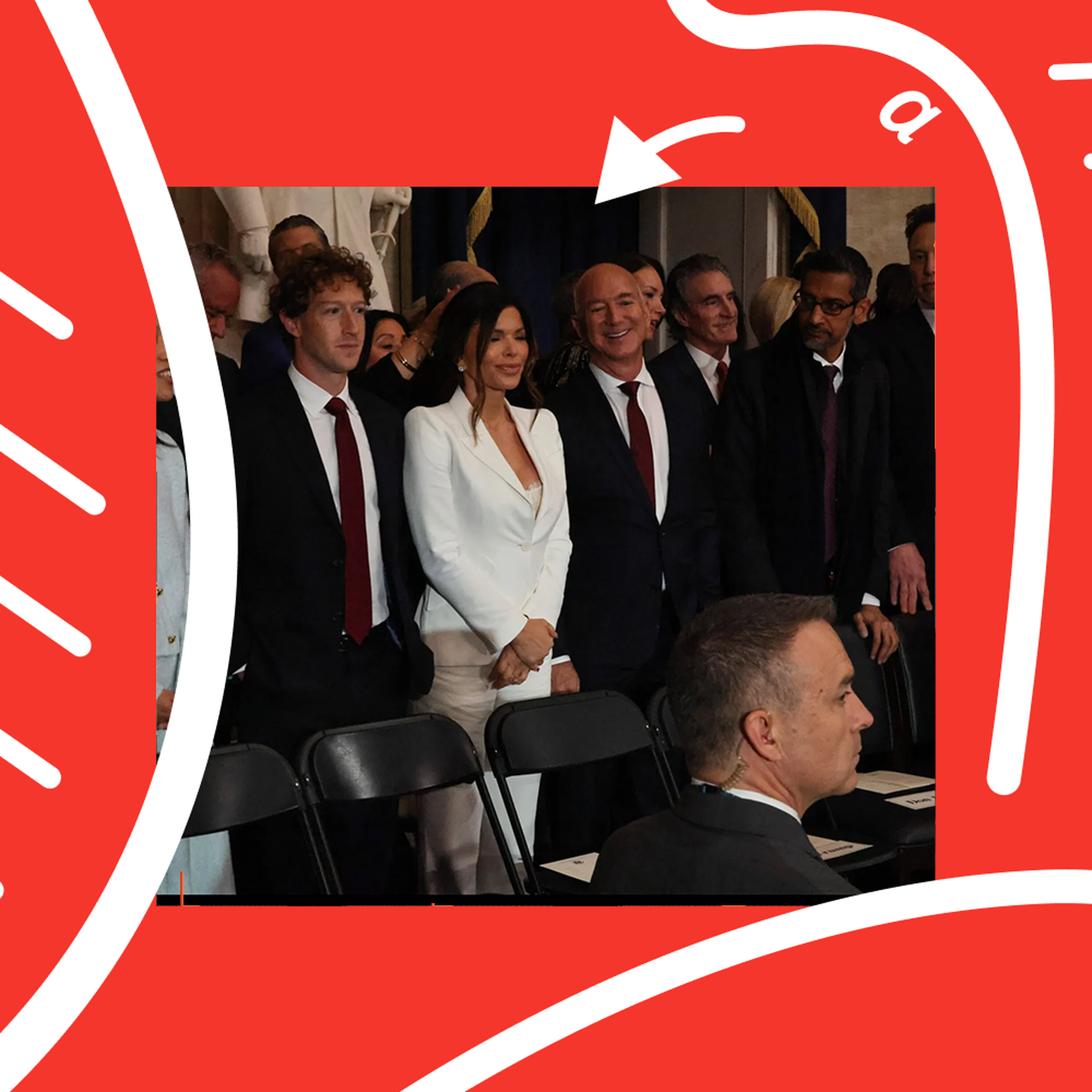
Why Is America Turning Against Big Business?
A Gallup poll reported last year that just 15% of Americans said they had a great deal or quite a lot of confidence in big business, a record low. Since then, fear of artificial intelligence has made matters worse. So why is big business increasingly unpopular in Donald Trump's America? What does it tell us about the state of the nation and the long-term strength of the world's largest economy? On
The Great Bond Car Wreck — in Slow Motion
Across developed markets, bond markets are staging a slow-motion car wreck. As Opinion columnist and senior markets editor John Authers puts it, the phenomenon is truly global. Authers and Robin J. Brooks, a senior fellow at the Brookings Institution and former chief economist at the Institute of International Finance, join host Stephanie Flanders to explain why investors have turned sharply again
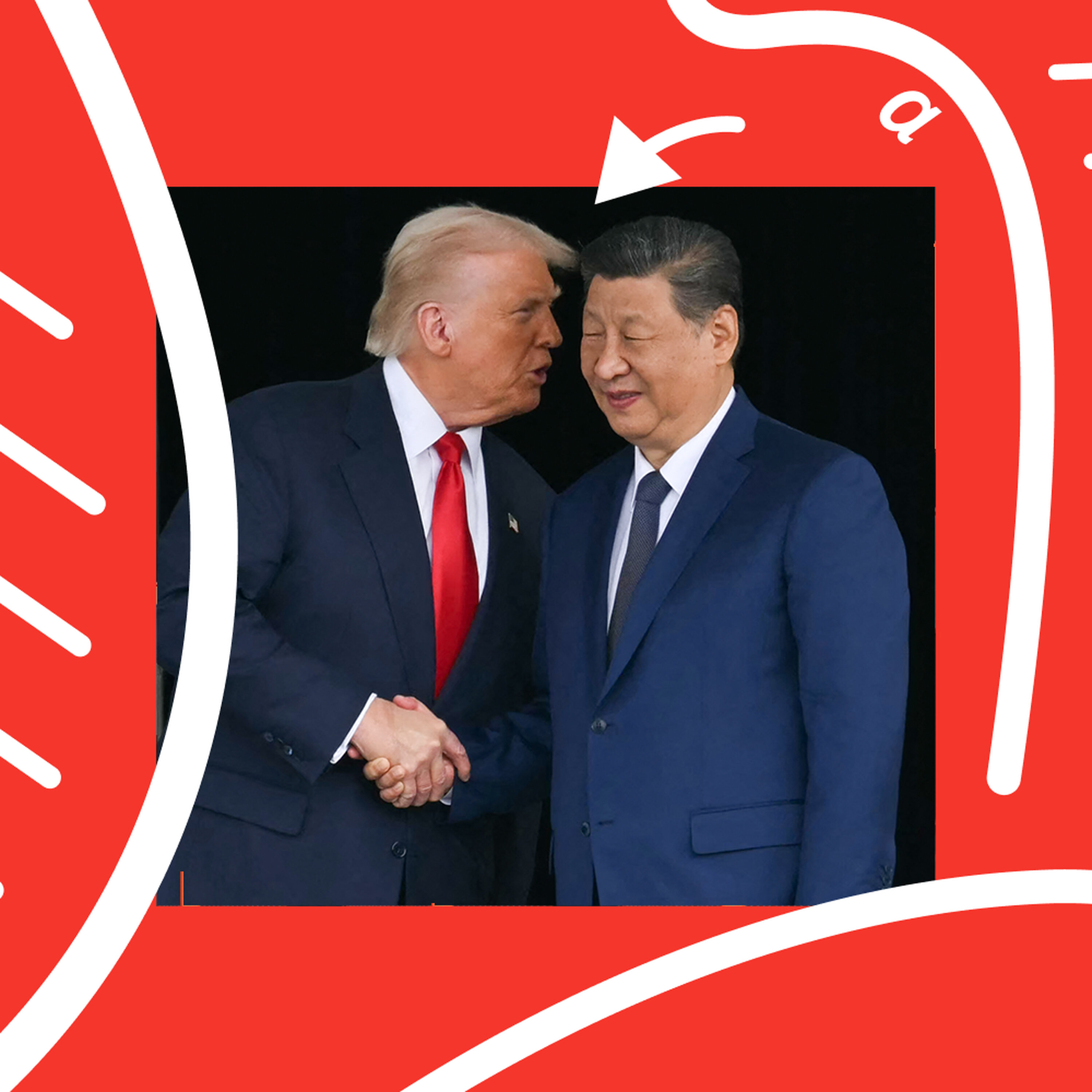
Why the US Must Engage China on AI Safety Before It’s ‘Game Over’
Sebastian Mallaby of the Council on Foreign Relations and author of The Infinity Machine: Demis Hassabis, DeepMind and the Quest for Superintelligence joins host Stephanie Flanders. He says Chinese AI is closing the gap—and that means Washington can’t afford to ignore safety talks.See omnystudio.com/listener for privacy information.
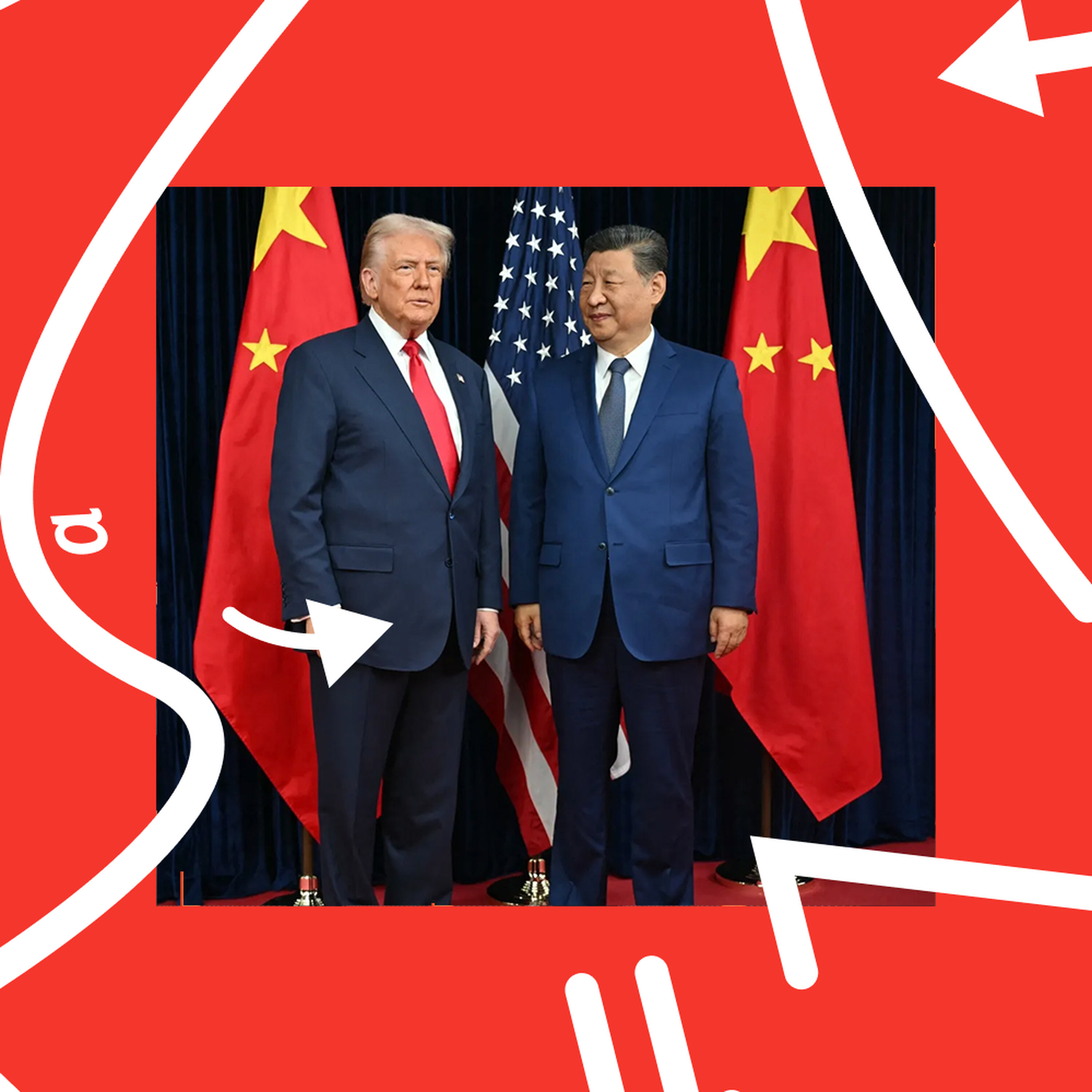
Will the Xi-Trump Summit Be Over Before It Starts?
As a high-stakes Trump–Xi summit looms, tensions over the Iran war and defiance of US sanctions threaten to derail what could be one of the year’s most consequential meetings. Stephanie Flanders is joined by Jennifer Welch, chief geoeconomics analyst for Bloomberg Economics and Bloomberg News executive editor Dan Ten Kate to unpack whether the talks will happen—and what’s r
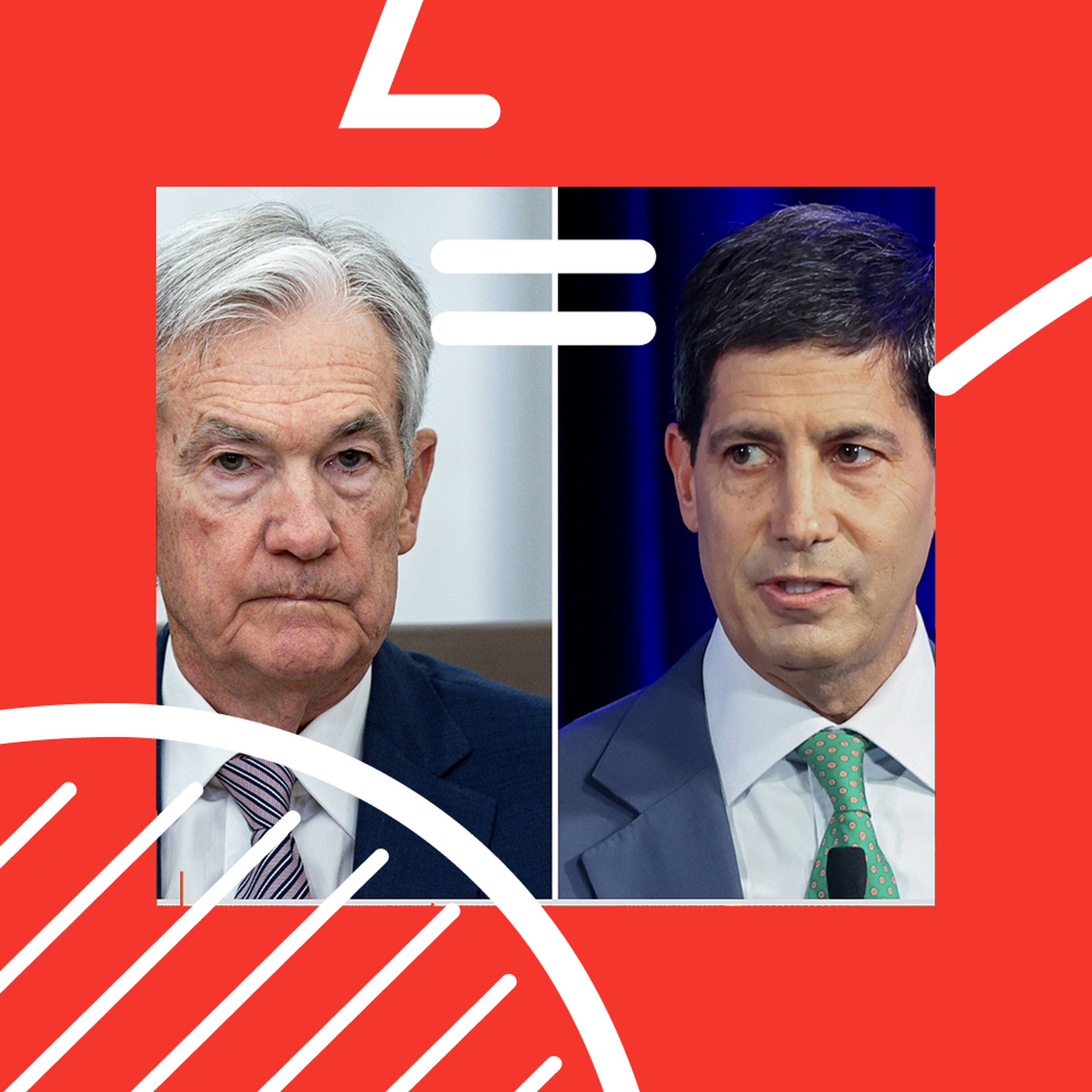
Kevin Warsh Eyes Fed ‘Regime Change’ With Less Talk, New Models
On the day of what could be Jerome Powell’s final Federal Reserve meeting as chair, Trumponomics shifts focus from a largely uneventful near-term outlook for rates to a more consequential question: what comes next under Kevin Warsh, Donald Trump’s pick to lead the central bank. Host Stephanie Flanders is joined by Krishna Guha, Vice Chairman and Head of Economics and Central

Will Mythos Ruin or Save the Global Financial System?
A new artificial intelligence model blindsided policymakers at meetings of the International Monetary Fund, raising fears of faster, more-sophisticated cyberattacks on the global financial system. But the same technology also is being touted by its builders as the most powerful defense banks could have. On this week’s episode of Trumponomics, host Stephanie Flanders and guests Michael D
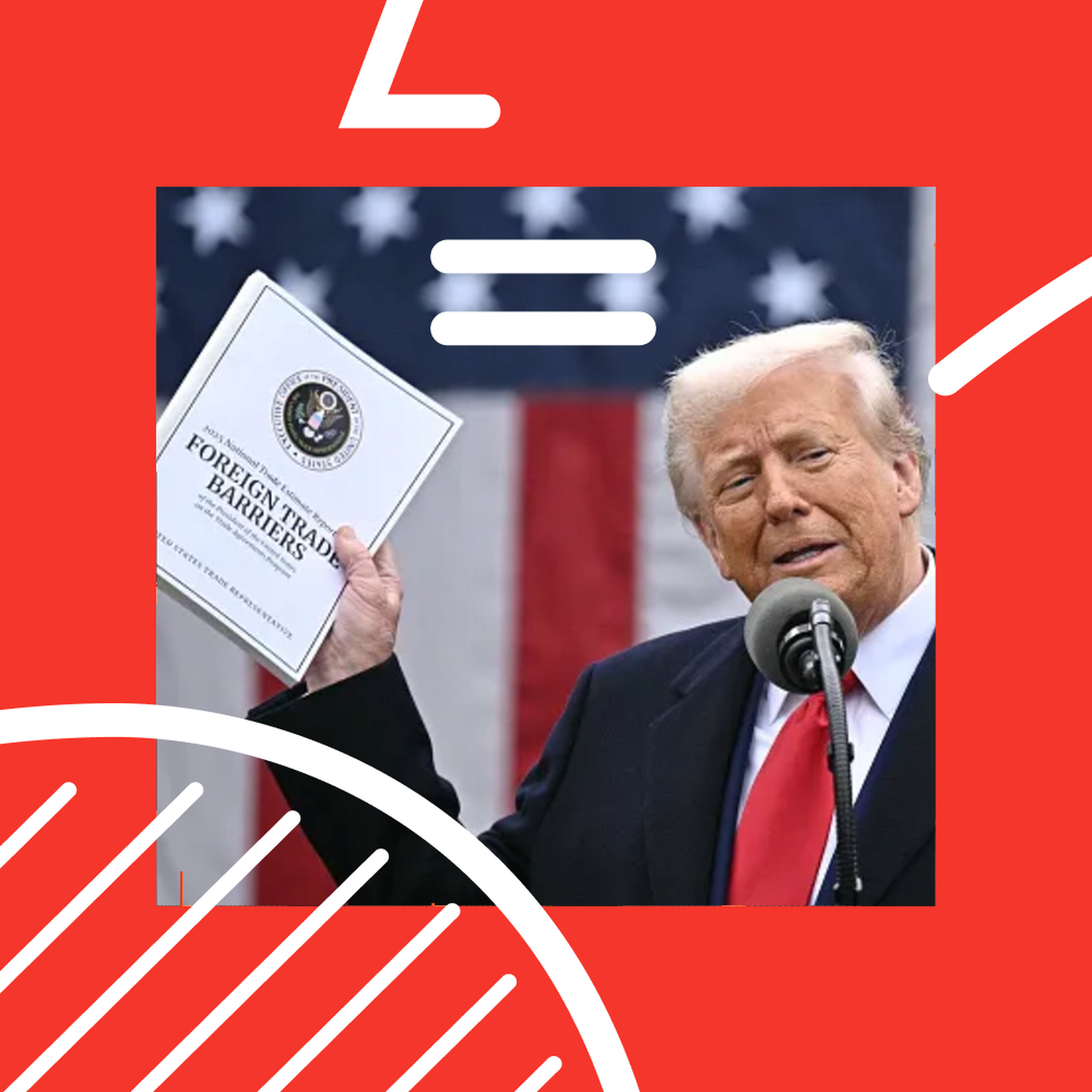
How Trump’s Tariffs Plus Iran War May Help US Manufacturing
It’s now been one year since Donald Trump’s sweeping attempt at global tariffs, and the economic fallout has been more nuanced than either critics or supporters predicted. On this episode of the Trumponomics podcast, host Stephanie Flanders speaks with Anna Wong of Bloomberg Economics and Oren Cass of the conservative think tank American Compass about a US economy that, in many respect

The Long-Term Global Economic Damage From the War With Iran
On this episode of Trumponomics, host Stephanie Flanders examines how the US-Israel war with Iran has choked one of the world’s most vital shipping routes and tested the foundations of global trade. With traffic through the Strait of Hormuz severely constrained and hundreds of vessels backed up, the disruption is pushing up energy prices and raising fresh concerns about the reliability of su
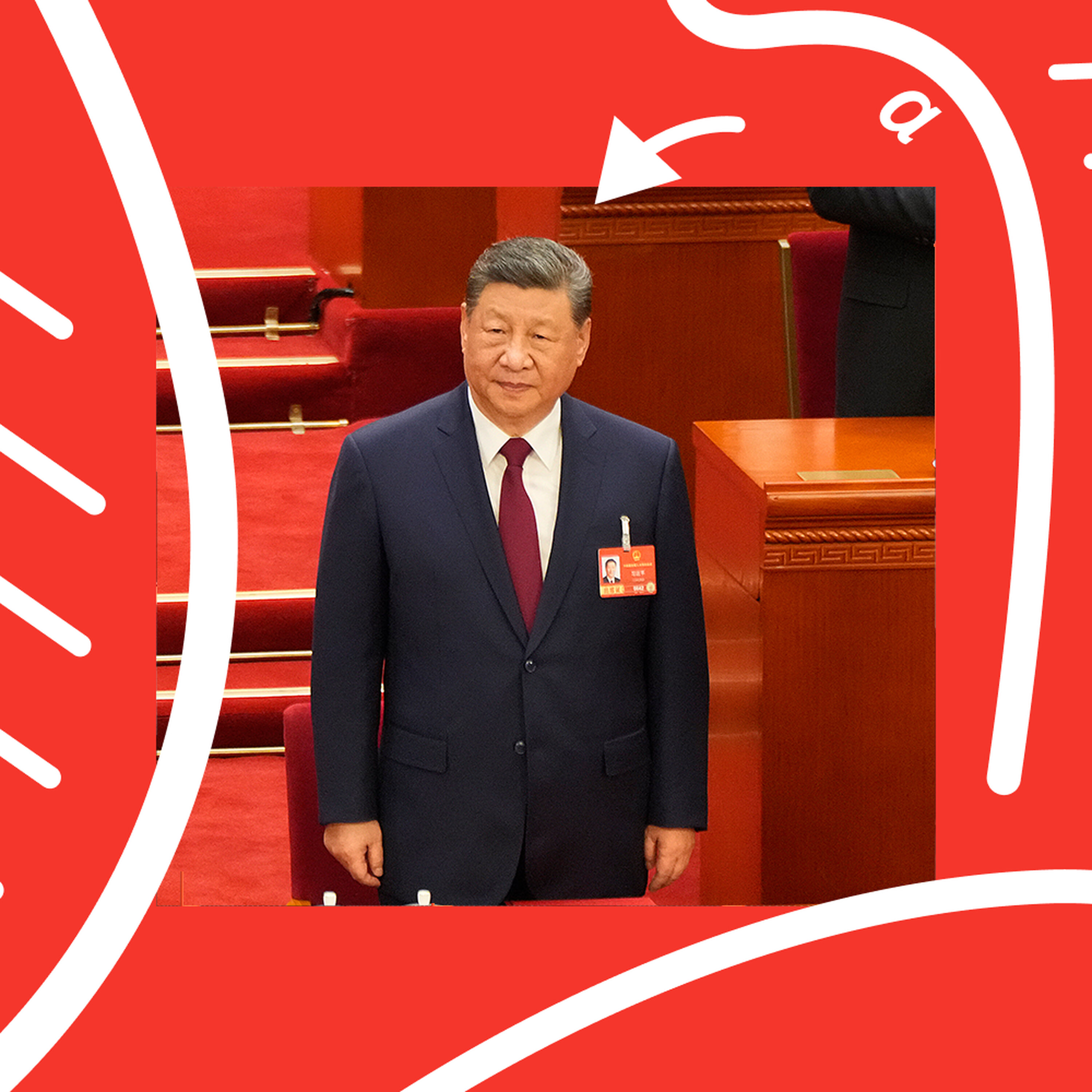
How China Is Winning the War With Iran
On this episode of Trumponomics, host Stephanie Flanders examines how the US-Israel war with Iran has presented China with two golden opportunities. The conflict provides Beijing with a chance to both widen its global diplomatic sway as the “adult in the room” and study the military tactics of its chief rival in real-time. Flanders is joined by Bloomberg's Fran Wang, who has spent almo
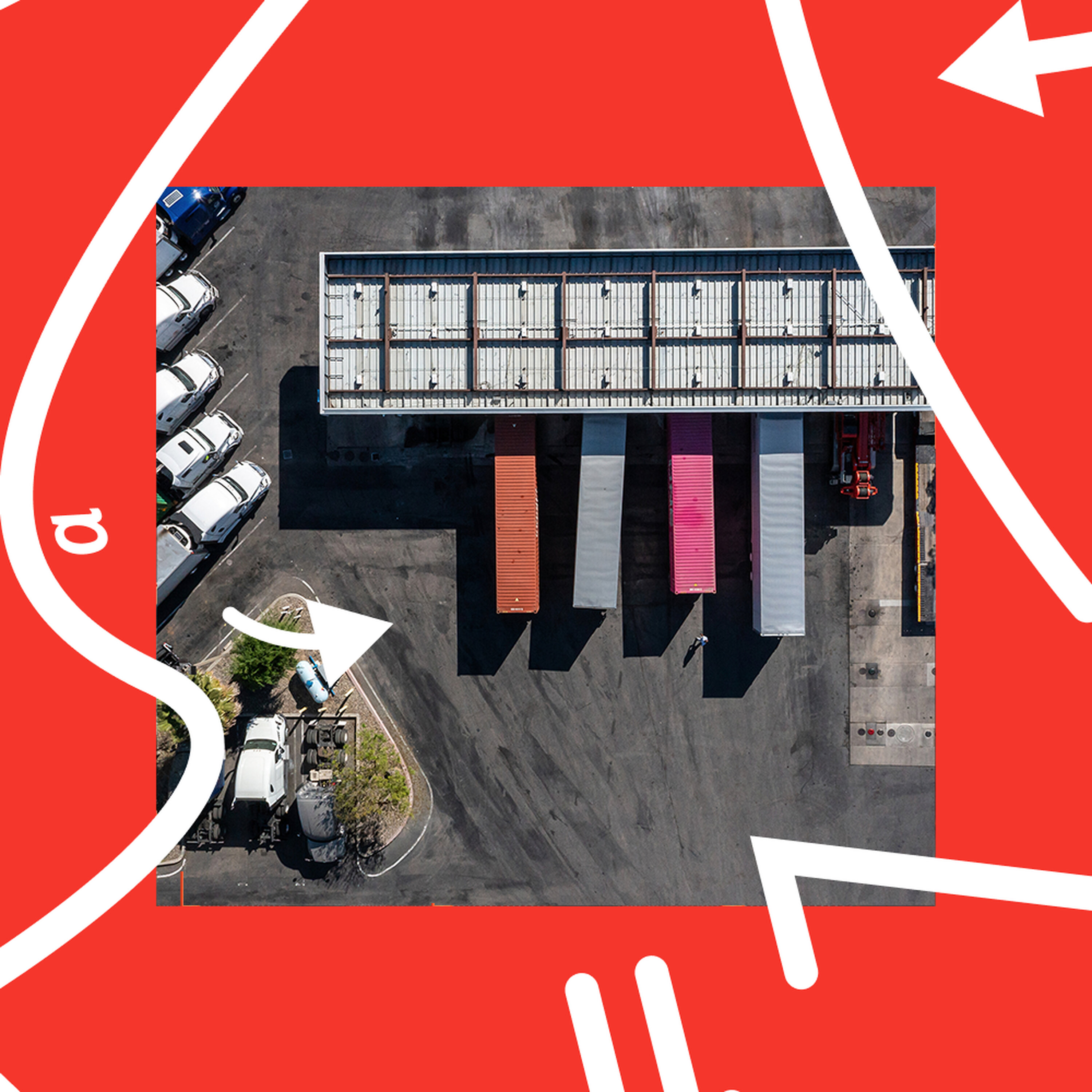
Iran’s Lesson for Trump in Economic Warfare
A month into the US–Israel war with Iran, the global economy is already feeling the strain — such as surging oil prices and shifting interest rate expectations. Host Stephanie Flanders speaks with Tom Orlik and Dina Esfandiary from the Bloomberg Economics team about how Iran has managed to turn economic pressure into strategic leverage, complicating the outlook for President Donald Tru

AI Is Being Built to Replace You—Not Help You
Stephanie Flanders sits down with Nobel Prize–winning economist Daron Acemoglu to unpack one of the most urgent questions facing the global economy: how is artificial intelligence changing the future of work, and what are the potentially dire consequences for society and democracy?See omnystudio.com/listener for privacy information.

What You Know About Recessions Could Be All Wrong
Everything we think we know about recessions is wrong—or at least mostly wrong—according to ExxonMobil Chief Economist Tyler Goodspeed. He argues downturns aren’t the inevitable result of overheated booms and don’t arrive simply because expansions last too long. In his new book, Recession: The Real Reasons Economies Shrink and What to Do About It, which spans 350 years of U
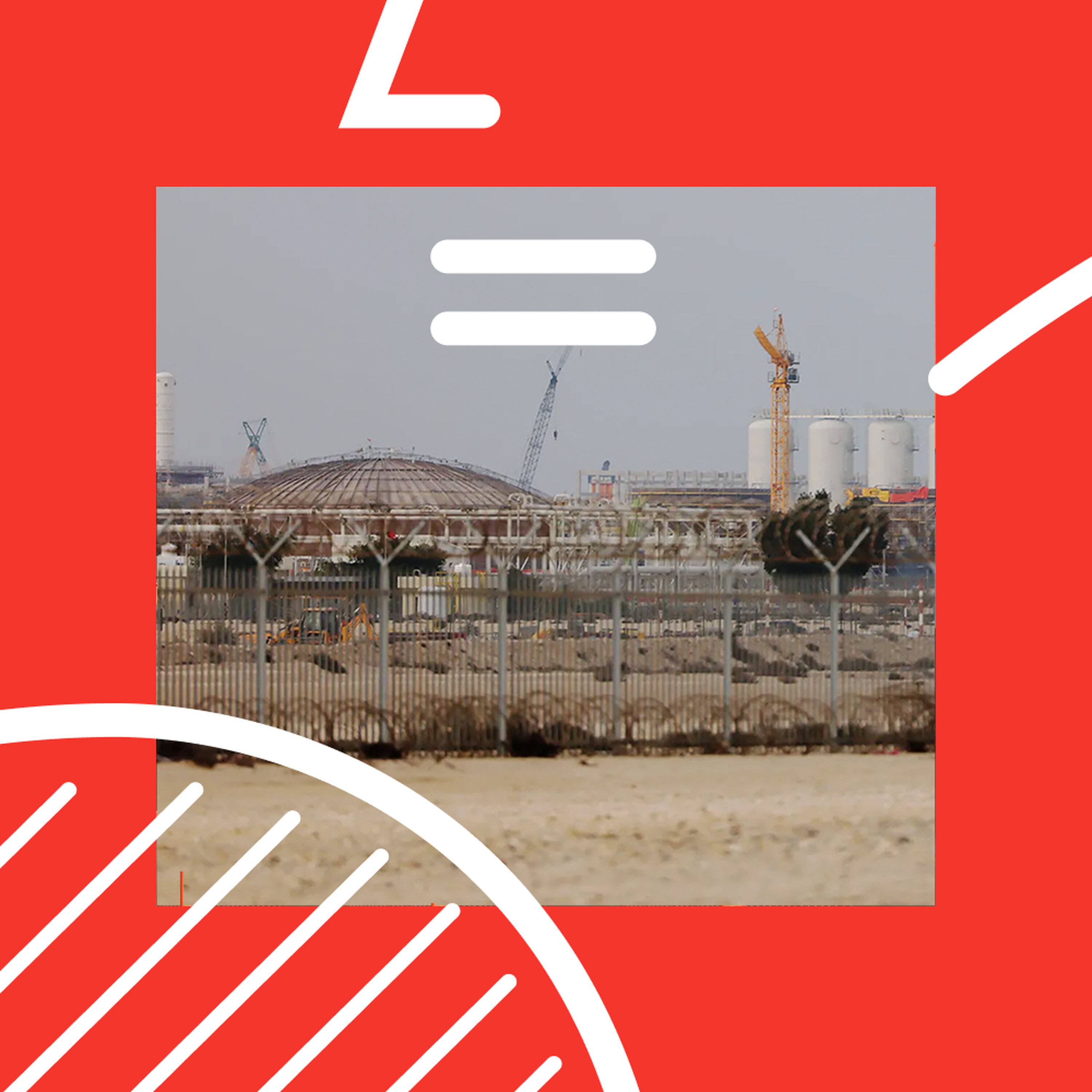
Countdown to a Global Energy Shock
Oil and gas traders are confronting a potential worst-case scenario after the US-Israeli strike on Iran Saturday: the Strait of Hormuz is effectively paralyzed, Saudi Arabia’s largest refinery is shut and Iran has hit Qatar’s giant liquified natural gas export facility. On this week’s episode of Trumponomics, host Stephanie Flanders speaks to Bloomberg Opinion columnist Javi
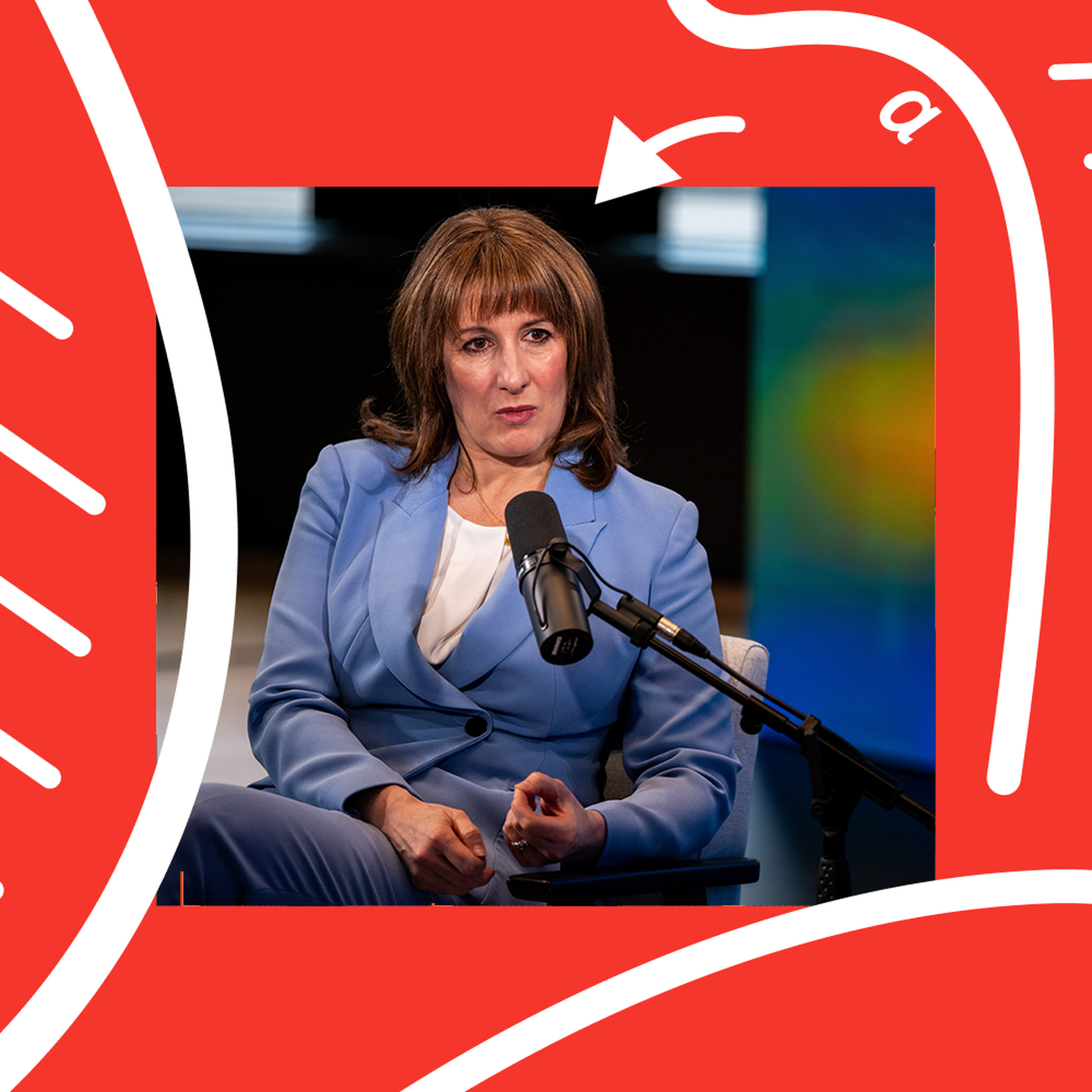
Exclusive: Rachel Reeves on Iran Shock, US Trade and Inflation Risks
On this bonus episode, Chancellor Rachel Reeves says Britain's pending trade deal with the US won't affect its view on the conflict with Iran, as she discusses the UK's economic future. The chancellor sat down with Bloomberg's Head of Economics and Government Stephanie Flanders after issuing her Spring Statement on Tuesday, as she seeks to convince markets and voters that Britain’s public fi
Introducing: Bloomberg This Weekend
'Bloomberg This Weekend' features unique conversations on business, news, lifestyle and culture. Join David Gura, Christina Ruffini and Lisa Mateo Saturdays and Sundays for discussions with business leaders, lawmakers and cultural icons. Watch the show LIVE on Bloomberg Television from 7AM-10AM Eastern Time. Listen to the show LIVE on Bloomberg Radio from 7AM-10AM Eastern Ti
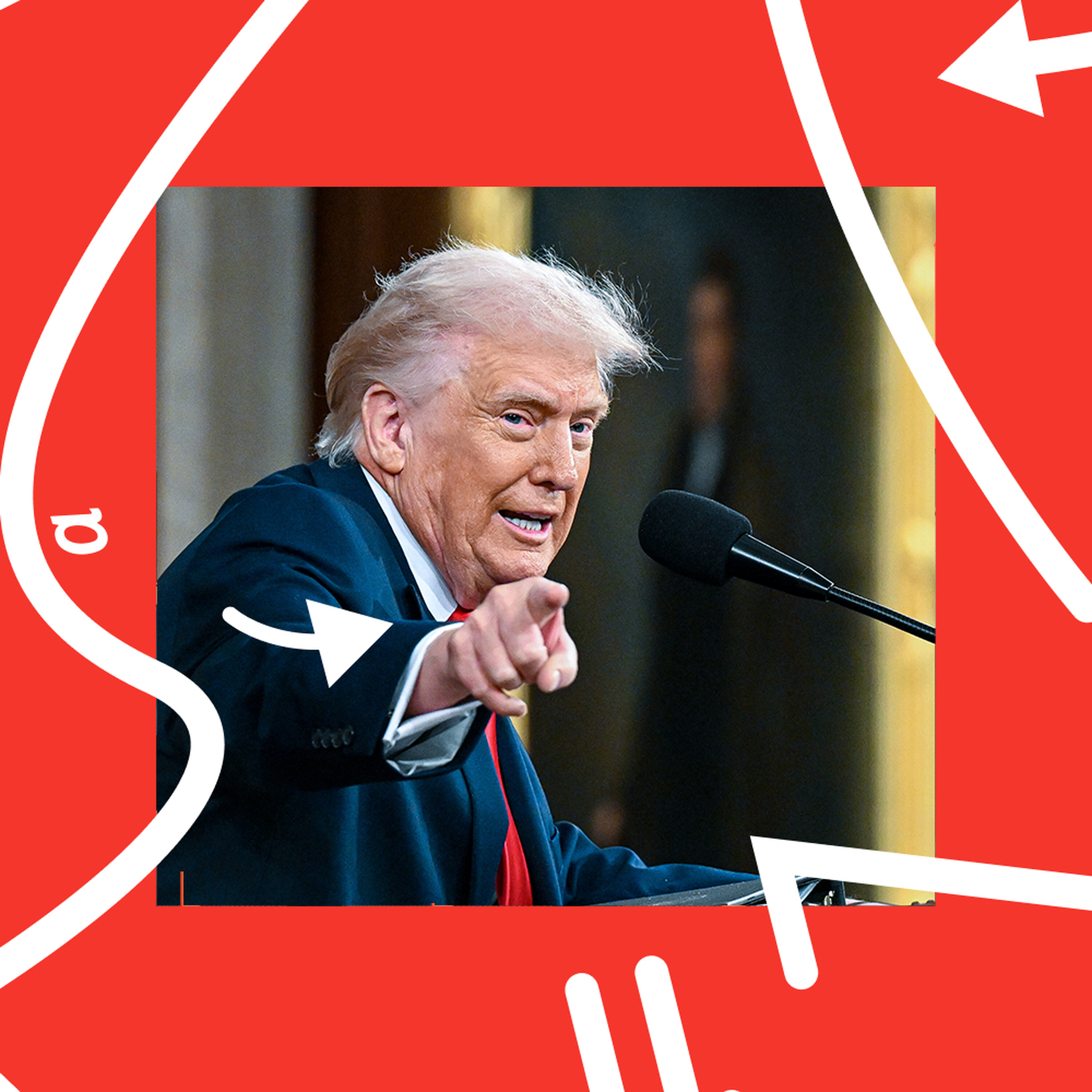
Trump’s Rosy Economic Message Faces a Reality Check
On this episode of Trumponomics, host Stephanie Flanders speaks with Josh Green, national correspondent at Bloomberg Businessweek, and Anna Wong, chief US economist for Bloomberg Economics, about President Donald Trump’s upbeat economic message during his State of the Union address and the reality on the ground. Affordability fears remain despite government data indicating slowing inflation,
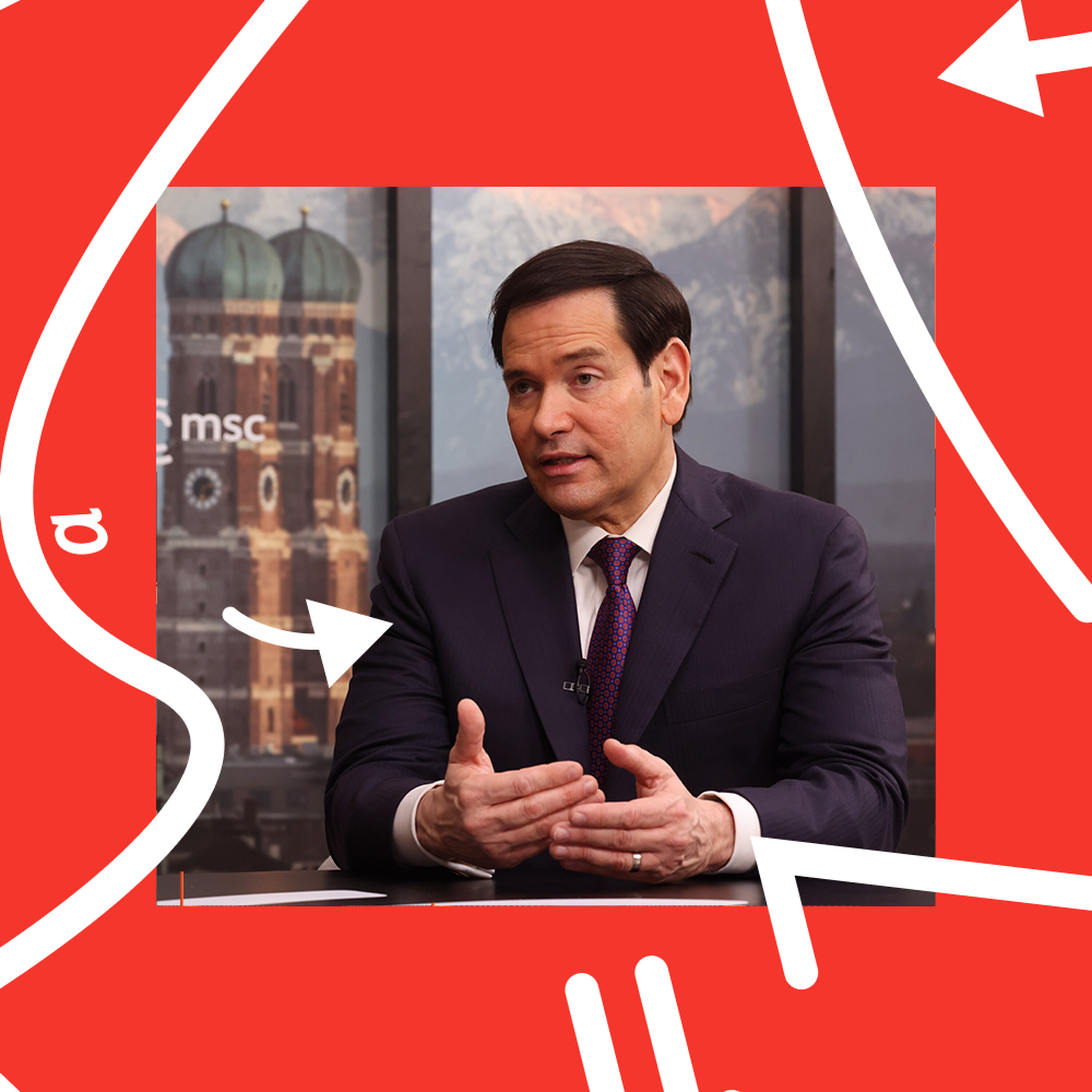
What Munich Means for the Shifting Global Order
Host Stephanie Flanders is joined by Bloomberg News Editor in Chief John Micklethwait and Jennifer Welch, chief geoeconomics analyst for Bloomberg Economics, to unpack the Munich Security Conference and what it revealed about the shifting global order. From Secretary of State Marco Rubio’s rising influence inside the US administration to Europe’s rethinking of nuclear deterrence and ti
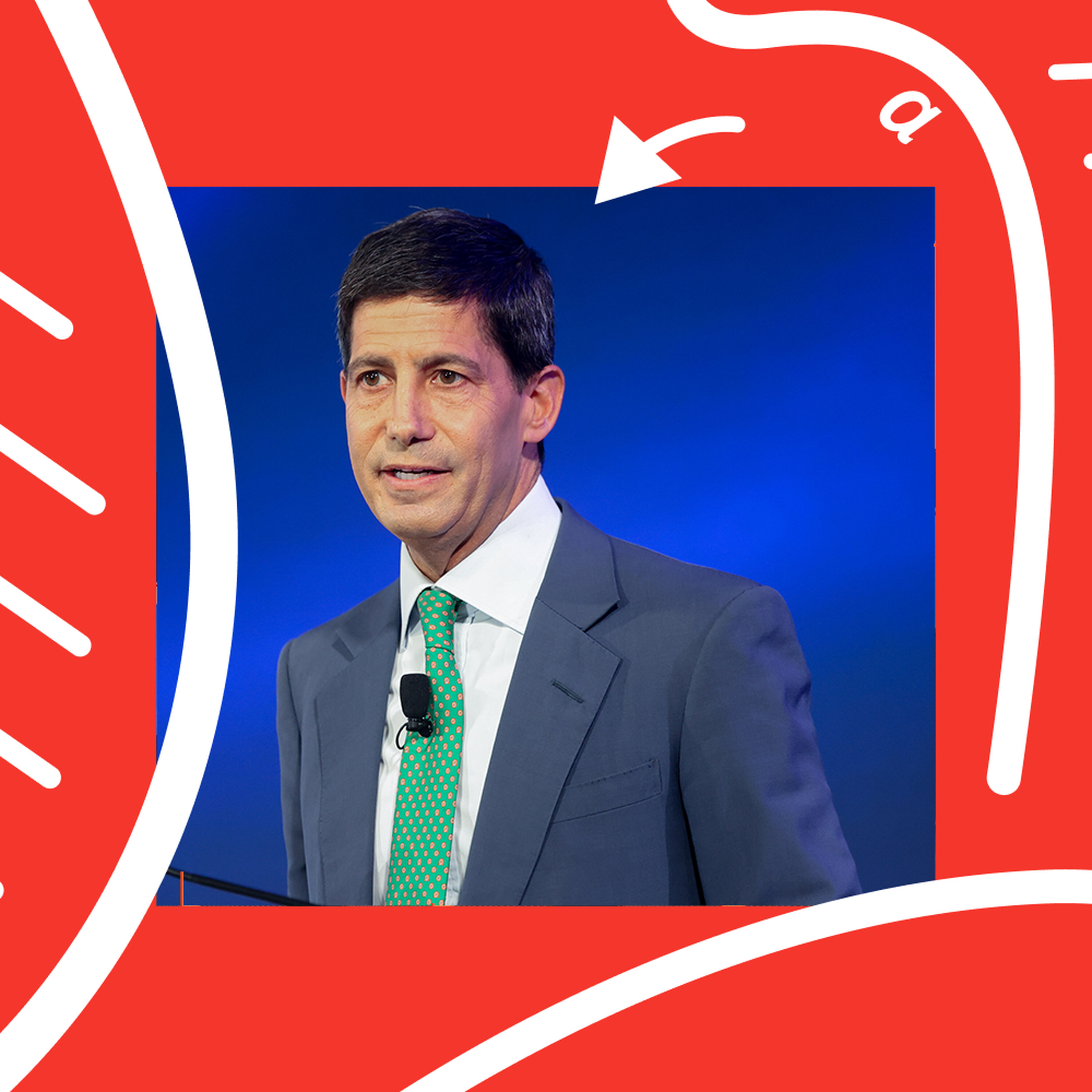
Understanding Kevin Warsh's Plan for the Fed
Donald Trump has been touting his pick to replace Fed Chair Jerome Powell as an economic boon, claiming Kevin Warsh will help deliver an improbable 15% rate of US growth. But financial markets will likely be content with something less hyperbolic: reassurance he won’t simply do the president’s bidding. The former Fed governor’s nomination initially sent yields and the dollar
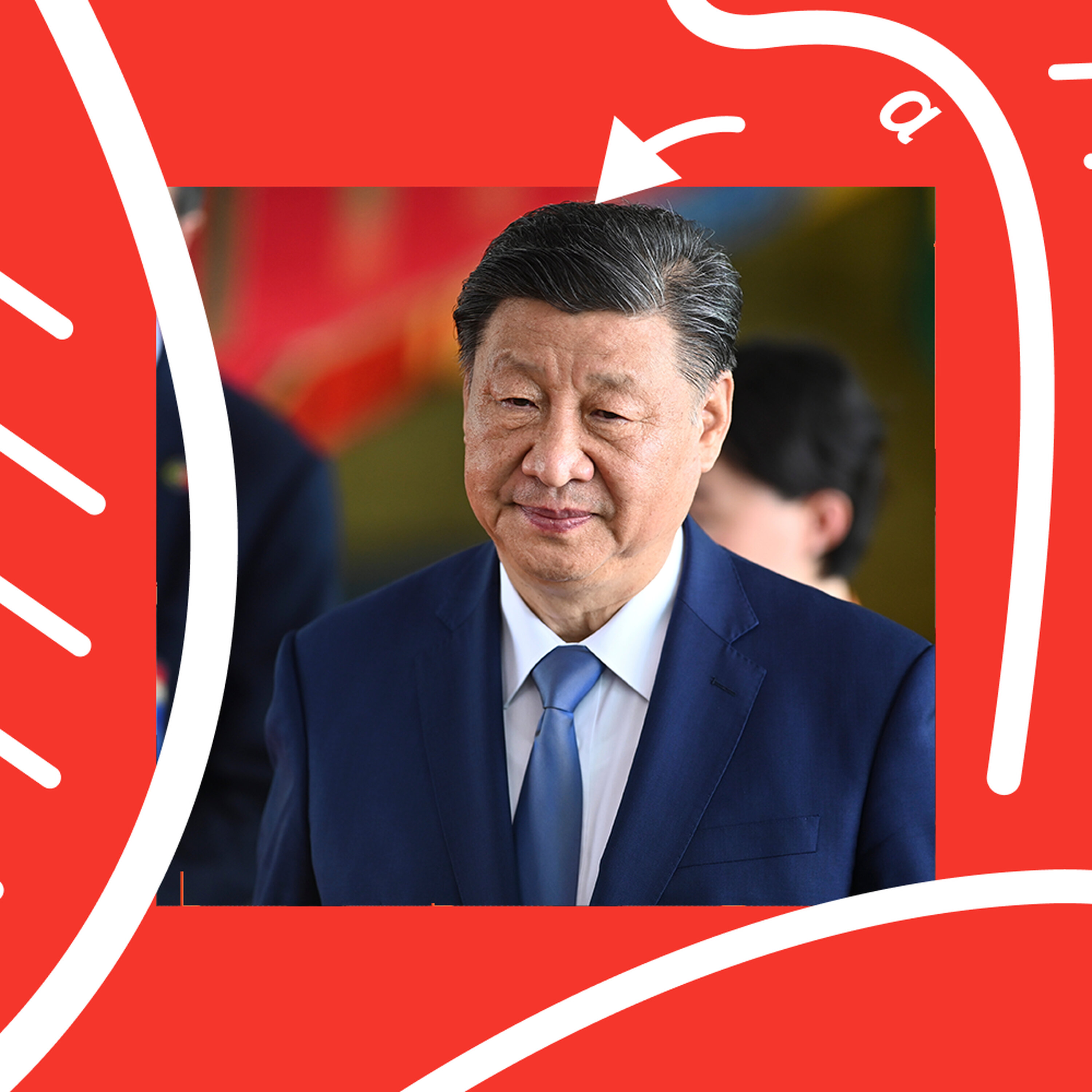
How Trump’s Year of Disruption Has Only Helped China
Donald Trump returned to office promising once again to rein in China’s economic rise. Instead, his first year back has delivered Xi Jinping something close to the opposite: a world more open to Chinese exports, more willing to hedge against Washington and increasingly uncertain about the reliability of the US or its commitments. On this episode of Trumponomics, host Stephanie Flanders speak
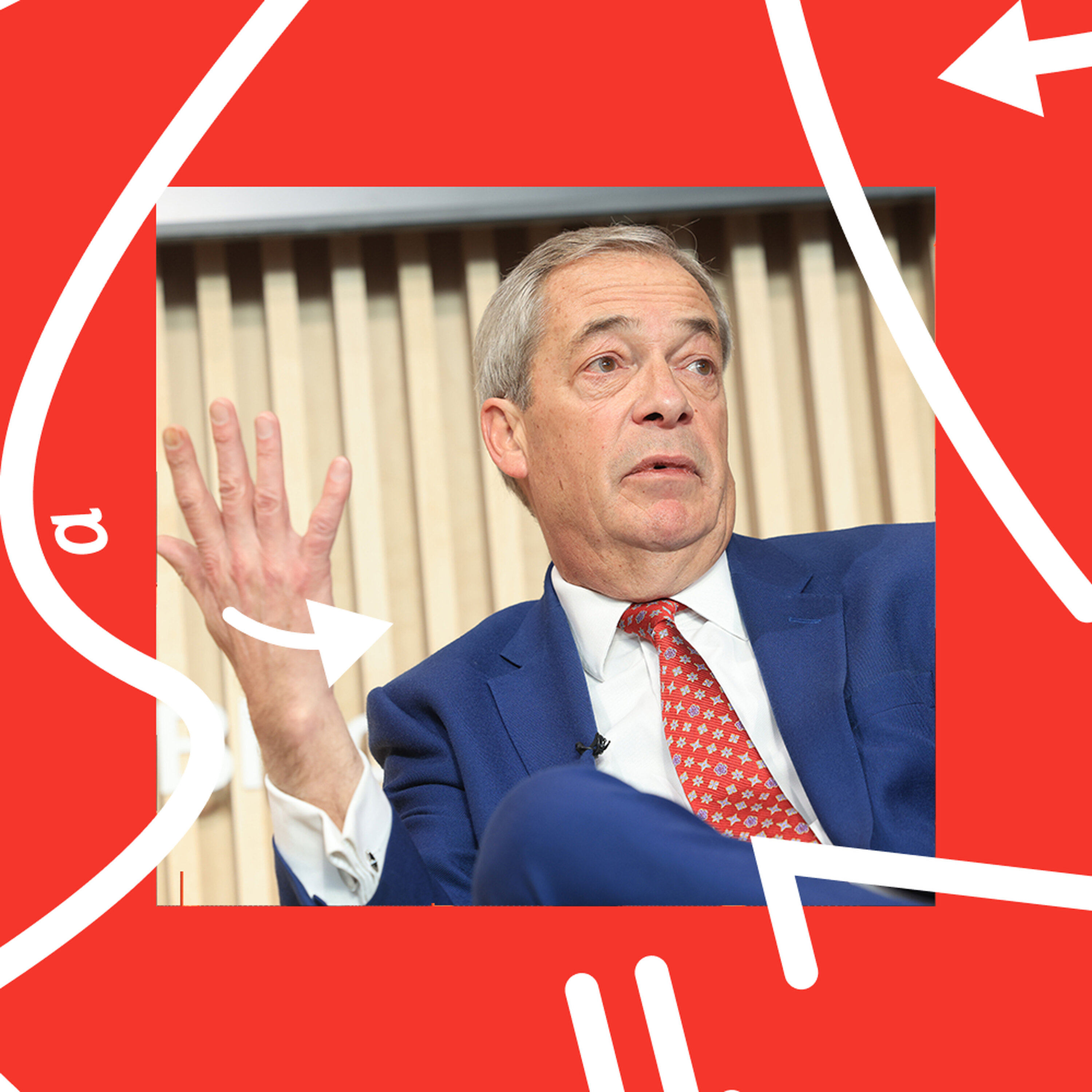
Nigel Farage at Davos: 'The Consensus Era Is Over'
Nigel Farage sits down with Stephanie Flanders on the sidelines of the World Economic Forum in Davos to argue that Brexit and Donald Trump weren’t shocks, but the opening chapters of a global shift away from consensus politics and globalization. From US growth and NATO to China, energy and Britain’s post-European Union future, Farage lays out his vision of "national interest" in a frac

Live from Davos: Greenland Shock Tests Europe’s Spine—and Strategy—at Davos
At the World Economic Forum in Davos, Donald Trump’s return is forcing allies, executives and investors to rethink how they deal with an economic superpower that keeps everything “on the table.” In this episode of Trumponomics, host Stephanie Flanders, Bloomberg News Editor in Chief John Micklethwait, Bloomberg Television host Annmarie Hordern and Sridhar Natarajan, Bloomberg New
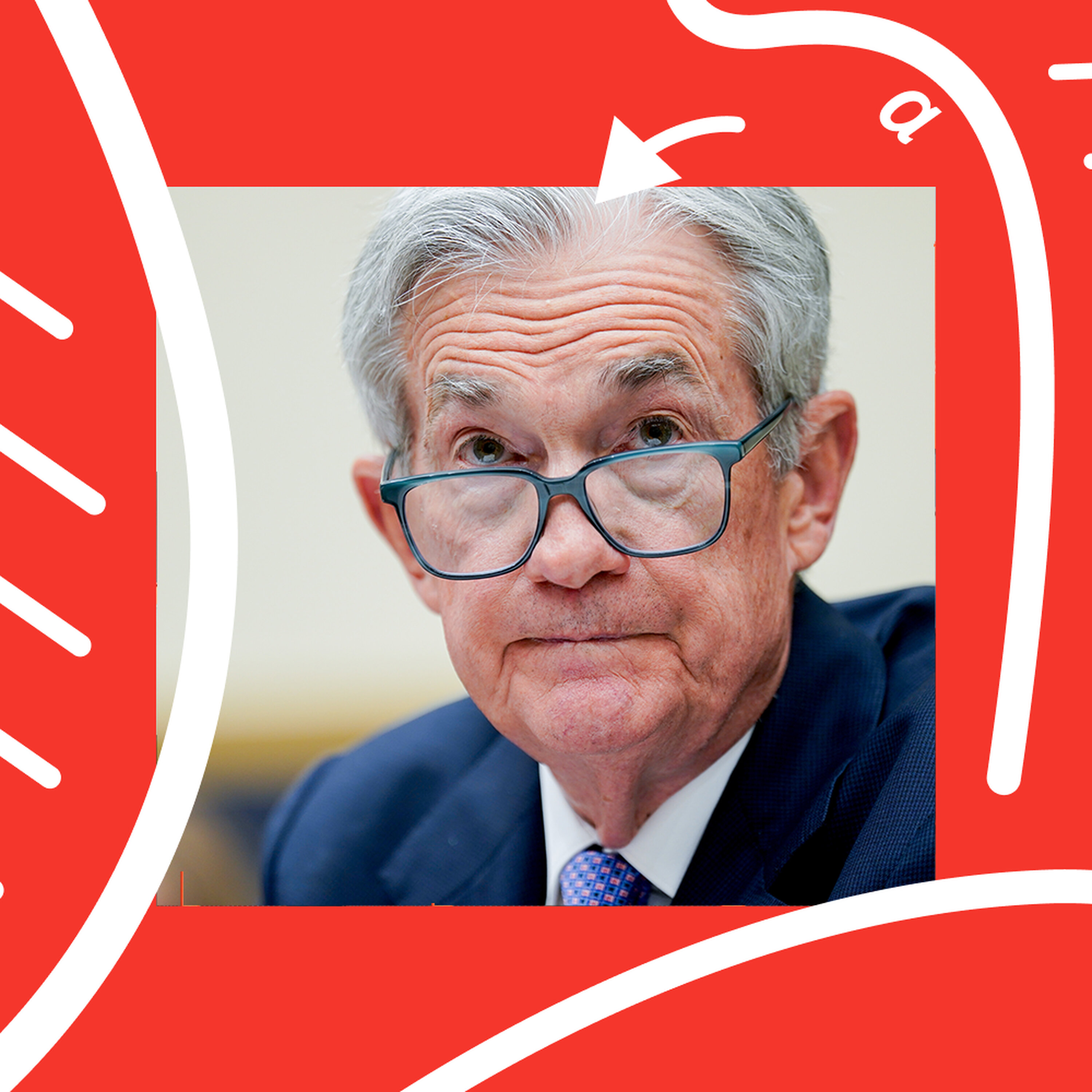
How the Powell Probe Could Blow Up Trump’s Fed Plans
Host Stephanie Flanders, Bloomberg’s head of government and economics, is joined by Anna Wong, chief US economist for Bloomberg Economics, and Bloomberg News senior Washington correspondent Saleha Mohsin to unpack the political backlash sparked by the Trump administration's criminal probe into Fed Chair Jerome Powell, including rare pushback from a few Republican lawmakers and Donald Trump&r

What Trump's Venezuela Attack Means for the Global Economic Order
This week, Stephanie Flanders examines the economic fallout of the US attack on Venezuela and Washington asserting effective control over the South American country. The discussion focuses on what this means for global oil markets, US economic power and the rules-based international order. Javier Blas, a columnist for Bloomberg Opinion and energy expert, and Bloomberg Economics analyst Chris Kenne
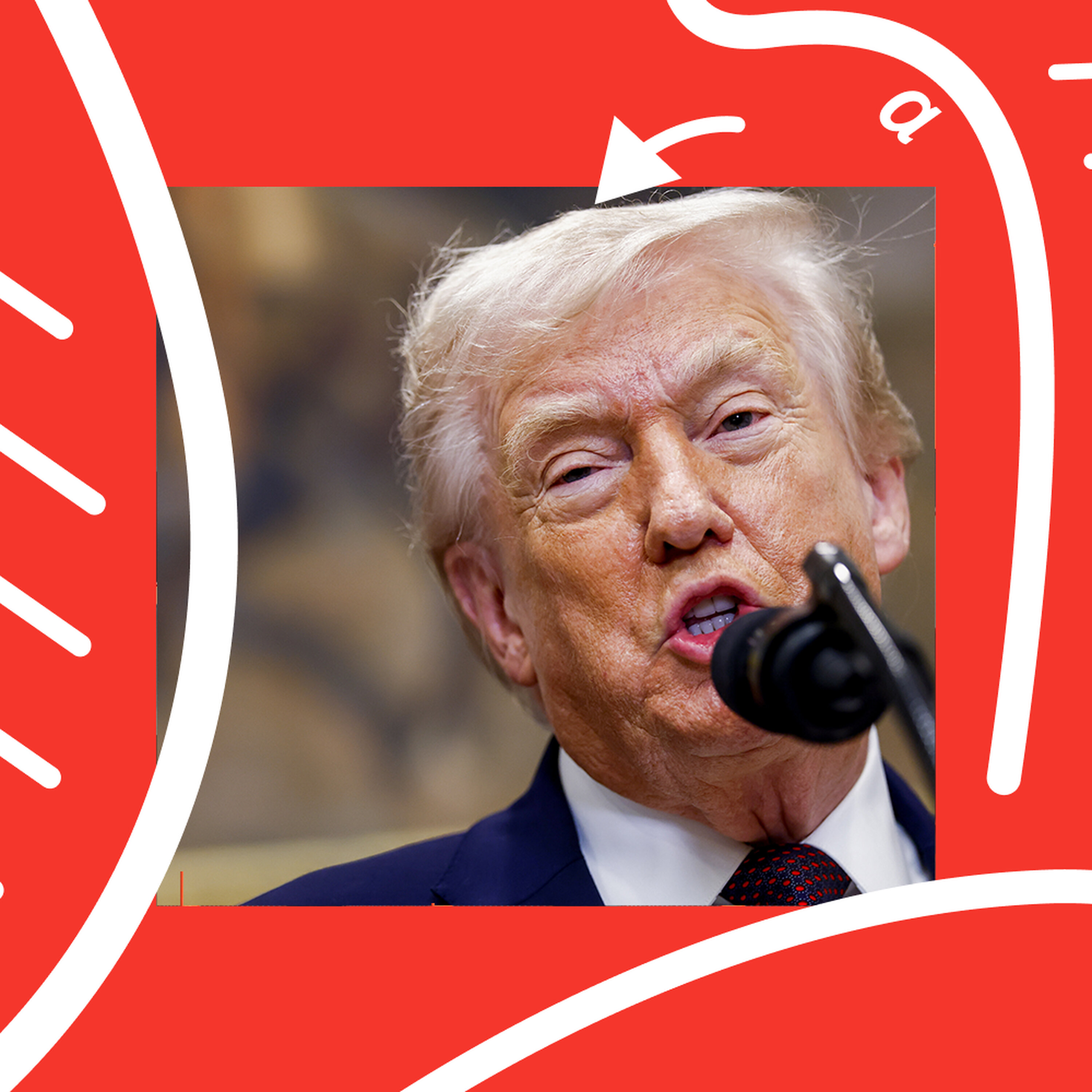
The Year Ahead: Tariffs, AI and Fed Independence
Host Stephanie Flanders is joined by Bloomberg Economics Chief Economist Tom Orlik, Bloomberg Opinion columnist Parmy Olson and Bloomberg News US politics editor Mario Parker to look back at a chaotic 2025—marked by Donald Trump’s messy April tariff rollout and a presidency defined by seemingly deliberate uncertainty—and ask what it means for 2026.See omnystudio.com/lis

The Other Insurance Cost Fueling the US Affordability Crisis
How are rising insurance costs—both health and automotive—becoming a major driver of the affordability crisis spreading across America? And what are the implications for next year’s midterm elections? Bloomberg reporter Rachel Cohrs Zhang, who covers health policy, and Boston Bureau Chief Brooke Sutherland join to discuss. See omnystudio.com/listener for privacy information.
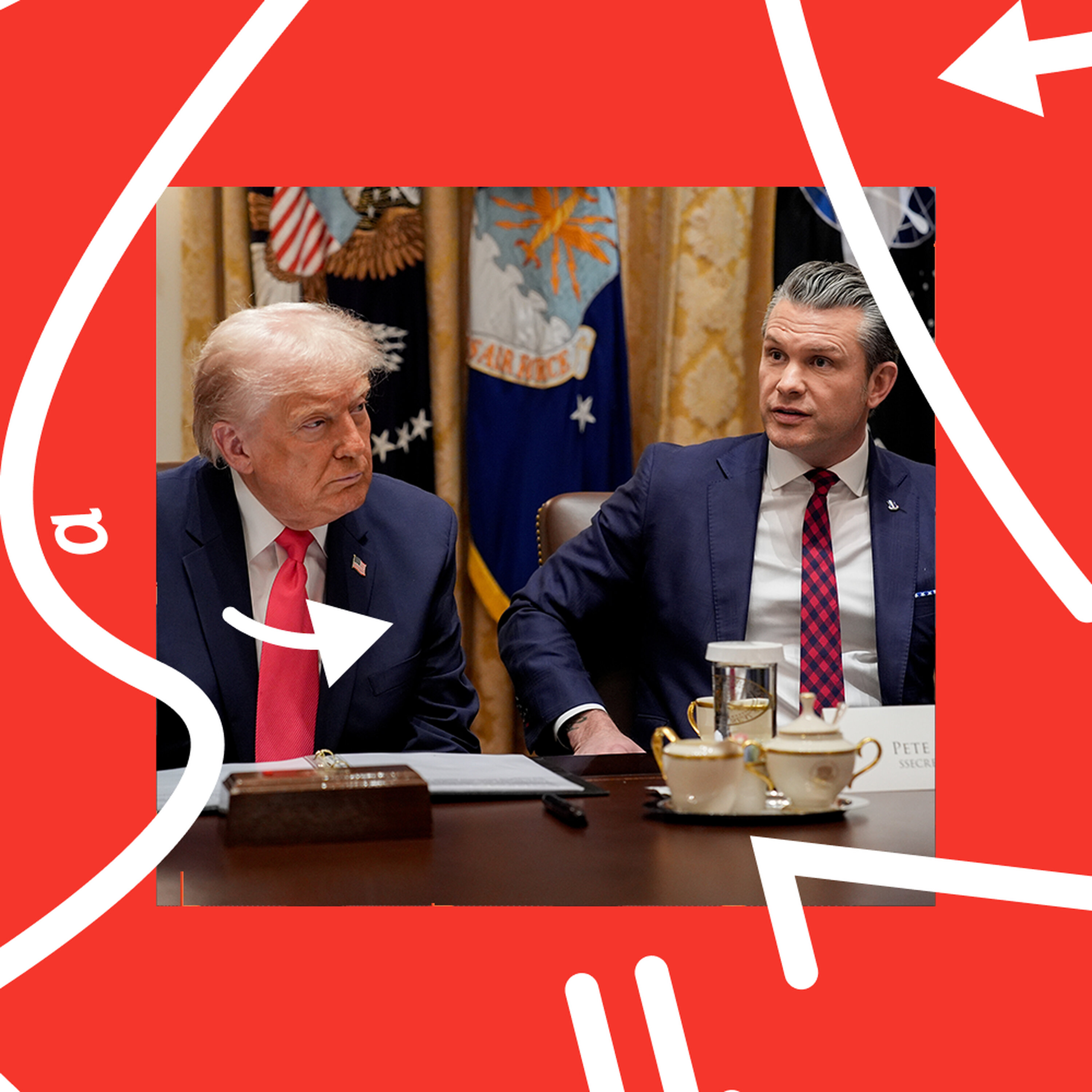
How Trump Sees Economic Survival at the Heart of National Security
When the Trump administration posted its 29-page national security strategy on Dec. 5, it presented foreign governments with a jarring reinterpretation of America’s place in the world and how it sees traditional allies. On this episode of Trumponomics, host Stephanie Flanders, along with Adam Farrar, senior geoeconomics analyst for Bloomberg Economics, and Shawn
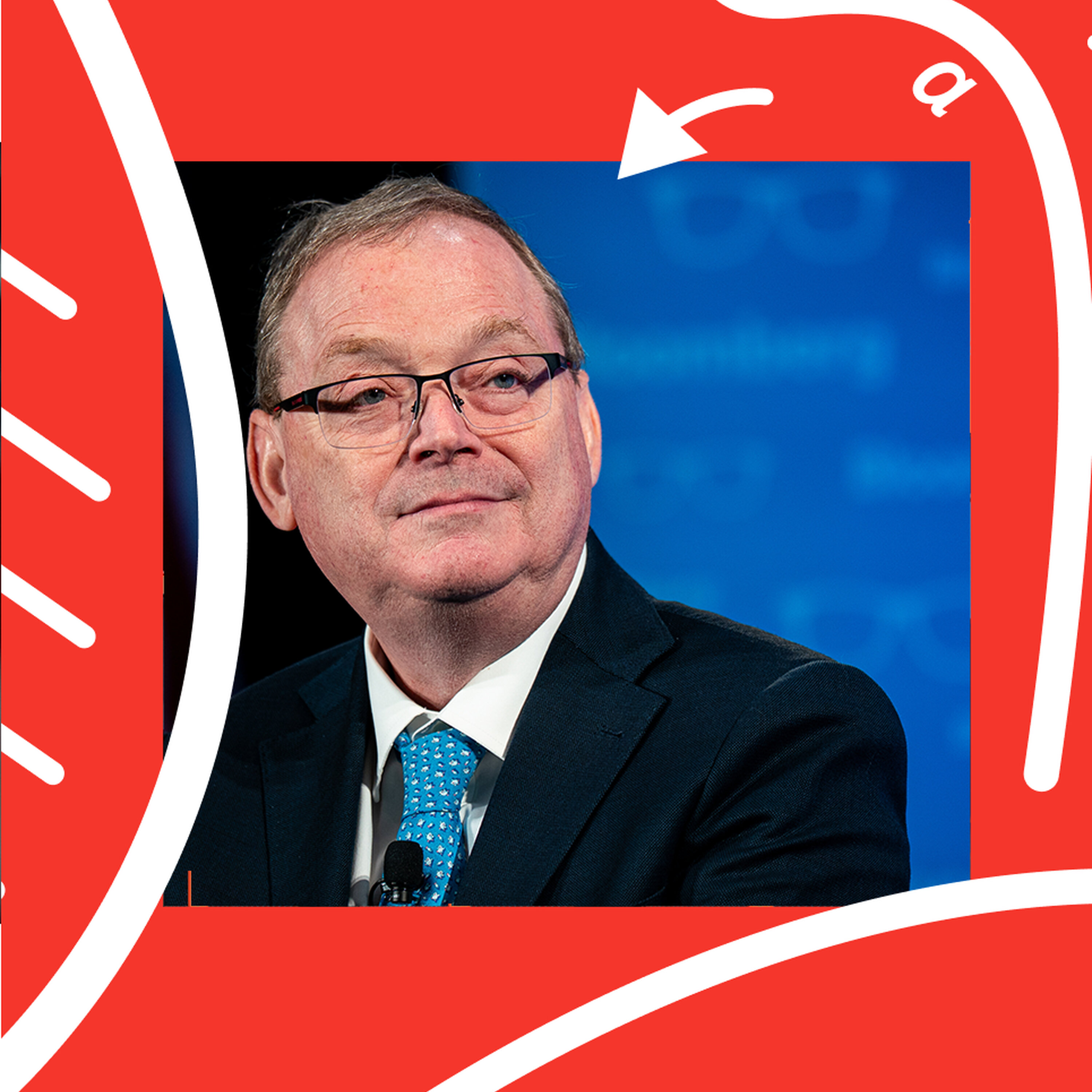
What Happens If Kevin Hassett Becomes Fed Chair?
US President Donald Trump may soon name Kevin Hassett as the next Fed chair, subject to Senate confirmation. So what happens if he gets the job when Jerome Powell's term ends next year? On this episode of Trumponomics, host Stephanie Flanders, Bloomberg Economics Chief US Economist Anna Wong and Washington correspondent Saleha Mohsin unpack why Hassett has emerged as the likely pick, and what
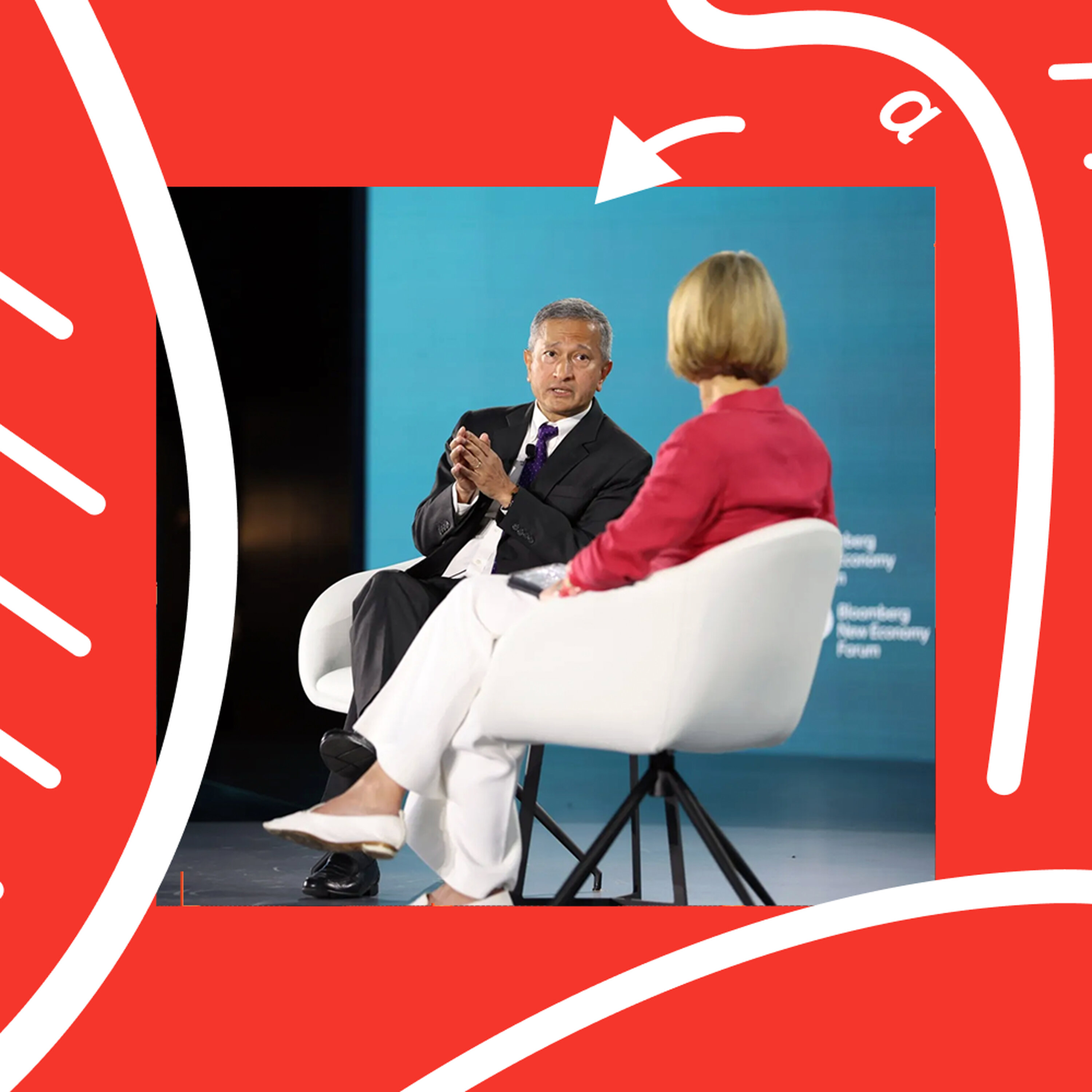
Live from Singapore: Keeping Globalization Alive Amid 'Geopolitical Climate Change'
On this episode of Trumponomics, host Stephanie Flanders sits down with Singapore Foreign Minister Vivian Balakrishnan to unpack the shifting dynamics of global trade in an era of US protectionism and rising geopolitical tension. From Donald Trump' retreat from America's postwar role to the deepening lack of trust between Washington and Beijing, Balakrishnan explains why today’s economic dis
How Trump’s Tariffs Are Everywhere and Nowhere
On this week’s episode of Trumponomics, host Stephanie Flanders, Bloomberg’s head of government and economics, dives into what she calls “the curious case of the everywhere, nowhere tariffs.” Since President Donald Trump’s return to the White House, his sweeping new trade levies—pitched as a way to “liberate” the US economy—have dominated
Democrats Find a Potent Political Weapon Named ‘Affordability’
On this week’s Trumponomics, host Stephanie Flanders explores how Democrats are repurposing President Donald Trump’s 2024 campaign theme—affordability—as their own political cudgel, and whether it could lead to more victories in 2026. Bloomberg political correspondent Nancy Cook and The Atlantic writer Annie Lowrey join to unpack the politics and policy
Rahm Emanuel’s Recipe for America is Getting ‘Back to Basics’
On this week’s Trumponomics, we sit down with former White House Chief of Staff for Barack Obama and Chicago Mayor Rahm Emanuel. A former Democratic congressman and ambassador to Japan, Emanuel—who won’t rule out a run for president in 2028— joins host Stephanie Flanders to share his “pro-America” economic agenda, arguing that the real reason US polit
Mexico’s High-Stakes Gamble in Dealing With Trump
On this week's Trumponomics, host Stephanie Flanders focuses on Mexico, one of America's largest trading partners and a nation with a lot at stake in Donald Trump's global trade war. Flanders is joined by Alex Vasquez, Bloomberg economy and government reporter in Mexico City, and Felipe Hernandez, who covers Latin America for Bloomberg Economics. They discuss how Mexico’s first female presid
Introducing: The Mishal Husain Show
Make sense of the world with one essential conversation, every week. Mishal Husain, one of Britain's best interviewers, brings her signature blend of curiosity and tenacity to weekly conversations with world leaders, business titans, and cultural icons, revealing who they really are and how they see the world changing around them.Follow the podcast wherever you listen, so you don't miss an episode
Why China Is Gaining the Upper Hand in Trump’s Trade War with Arthur Kroeber
Gavekal Dragonomics’ Arthur Kroeber joins Trumponomics to discuss how the latest tit-for-tat reveals Beijing’s growing leverage in its standoff with Washington. After a period of quiet, the trade war between the US and China reignited in recent weeks when Washington expanded its export controls and Beijing hit back with restrictions on rare-earth exports. China expert Arthur Kroeb
Ex-New York Fed President Bill Dudley on Trump and Central Bank Independence
In this special bonus episode of Trumponomics, host Stephanie Flanders sits down with former New York Fed President Bill Dudley for a candid conversation about the future of the Federal Reserve. Dudley offers rare insider insight into the balancing act facing Chair Jerome Powell—weighing sticky inflation, artificial intelligence-driven growth and a shaky labor market—while warning
Is Government Debt Too High and How Much Should We Care?
This week on Trumponomics, we explore the global surge in government debt and why investors still seem unfazed, especially when it comes to the US. Joining the conversation are Jason Furman, former chair of President Barack Obama’s Council of Economic Advisors, and Rupert Harrison, former adviser to UK Chancellor George Osborne. Recorded live in Bloomberg's London offices at an event fo
Why This US Government Shutdown Is Different
This week’s episode of Trumponomics explores why the current US government shutdown may be different from previous iterations, why it may last longer than most and how it could end up triggering a recession. With the shutdown in its second week, host Stephanie Flanders, head of government and economics, and her guests Matthew Glassman, senior fellow at the Government Affairs Insti
Managing the News in the Age of Trump
This week, we're widening the lens a bit with a panel from the Bloomberg event "Women, Money and Power." Host Stephanie Flanders spoke with Alessandra Galloni, editor in chief of Reuters, and Zanny Minton Beddoes, editor in chief of The Economist, about how their news agencies are grappling with the sheer volume of news coming out of Washington and the Trump administration's aggress
Who Loses—and Maybe Wins—From Trump’s New H-1B Fee
On this episode of Trumponomics, host Stephanie Flanders explores US President Donald Trump’s decision to impose a $100,000 fee on new H-1B visa applications, which industries will lose the most from this new expense for foreign workers and a potential long-term silver lining for India, the source of most of them. Bloomberg Economics analyst Michael Deng explains the cost
Is Trump Bringing an End to US Free Market Capitalism?
Host Stephanie Flanders, Bloomberg’s head of government and economics, is joined by Bloomberg managing editor Shelly Banjo and senior reporter Ian King to discuss how Trump has changed the rules for corporate America, and whether this marks a permanent change. See omnystudio.com/listener for privacy information.
Trump Isn’t the Only Reason the Price of Money Is Rising
Why is the price of money rising and what does US President Donald Trump have to do with it? Stephanie Flanders is joined by Bloomberg Economics' Jamie Rush and Tom Orlik to explore the global forces driving up interest rates, from defense spending to deglobalization, and what higher borrowing costs mean for governments, businesses and households.See omnystudio.com/listener for privacy information
Why Are Stocks Hitting Records Amid US Uncertainty?
On this episode of Trumponomics, we explore the curious moment in markets where most investors see equities as overvalued but don’t want to sell just yet. Host and Bloomberg Head of Government and Economics Stephanie Flanders is joined by Bloomberg Economics economist Anna Wong and Everything Risk author Ed Harrison.Read more: https://www.bloomberg.com/news/articles/2025-08-31
What Is the Anti-Trumponomics Agenda?
It’s been a little more than seven months since US President Donald Trump returned to the White House, and much has been made of his administration’s unprecedented actions when it comes to trade, geopolitics and domestic matters. There are plenty of detractors pointing to the downsides of the Republican’s moves, but we hear less about what the US should be doing instead. It
Is Economic Self-Sufficiency a Myth?
Host Stephanie Flanders speaks with journalist and author Ben Chu to unpack his latest book, Exile Economics: What Happens if Globalisation Fails. As President Donald Trump calls for the US to break its dependence on foreign imports and bring all production “back home,” Chu pulls back the curtain on what abandoning globalization would actually look like—not in theory, b
Why the End of US Dollar Dominance Is Now Possible
On this episode of Trumponomics, we explore the impact of President Donald Trump’s economic policies on the standing of the US dollar, and the consequences for the US and global economies if the greenback is no longer the world’s primary reserve currency. As our guests explain, it seems that a reckoning has been in the making for some time.Barry Eichengreen, professor of econ
The Unintended Consequences of Trump’s Tariff Strategy
With US President Donald Trump’s self-imposed Aug. 1 deadline having come and gone, trading partners across the globe are digesting what his new threatened tariffs might mean for them. But it’s early days yet in Trump’s trade war, and everything from the unexpected movement of the dollar to negative jobs data and $1 trillion in trade exemptions continues to cloud the pictur
The Promise and Peril of Trump’s Big AI Plan
On this week’s Trumponomics, we unpack the promise and peril for America of Trump’s AI vision. Host Stephanie Flanders is joined by Michael Deng, geoeconomics technology analyst for Bloomberg Economics, and Parmy Olson, a columnist with Bloomberg Opinion and author of the book Supremacy: AI, ChatGPT and the Race That Will Change the World. Together, they discuss ho
Is Trump Right About the Fed Getting It Wrong?
On this episode of Trumponomics, we discuss whether Jerome Powell has overestimated the risk of inflation stemming from the US trade war. Joining us are Oren Cass, founder and chief economist at American Compass and Anna Wong, chief US economist at Bloomberg Economics who served in various roles in Trump’s first administration. Along with host Stephanie Flanders, they examine whether the Fed
Trump’s Financial Reforms: Needed Correction or Ticking Time Bomb?
This week, we examine whether Donald Trump’s efforts to deregulate traditional finance and move crypto further into the mainstream are laying the groundwork for a financial crisis or simply fixing bureaucratic overreach stemming from the last one. Christine Harper, a member of Bloomberg’s editorial board and co-author of a memoir by former Federal Reserve Chair Paul Volcker, and
Will Trump’s Bill Trigger a ‘Big, Beautiful’ Energy Crunch?
This week, we explore how the legislation’s attack on renewable energy may push up electricity bills and damage US competitiveness in AI. The tax credits in President Joe Biden’s sprawling Inflation Reduction Act were introduced to help the US keep up with rising electricity demand by making clean power sources cheaper. But now the big bill has changed all that, and an executive order
What Will Be the Economic Fallout of Trump’s Immigration Crackdown?
On this episode of Trumponomics, we focus on US President Donald Trump’s crackdown on immigration, what’s at stake for businesses and the economy, what harm has been done already and whether the administration could change course. Jonathan Levin, a Bloomberg Opinion columnist focused on US markets and economics, and Kate Davidson, Bloomberg’s managing editor f
Bonus: Cathie Wood Says the Trump Era Is Reviving Corporate Risk Appetite
Earlier this month host Stephanie Flanders sat down with Cathie Wood, the founder, CEO and chief investment officer of ARK Investment Management, at the Founders Forum Global conference in Oxford. They were joined by Bloomberg Editor-in-Chief John Micklethwait and Bloomberg TV UK Correspondent Lizzy Burden. Wood gives her take on the 'great rotation' out of US stocks, why she believes invest
Can the World Count on ‘TACO’ Anymore?
In this episode of Trumponomics, we explore whether Donald Trump’s attack on Iran changes the calculus on his “reciprocal” tariffs and a looming deadline. Host Stephanie Flanders is joined by John Authers, senior editor for markets and a Bloomberg Opinion columnist, and Shawn Donnan, senior reporter covering economics, to discuss how markets have been thinking about the July dead
Why Oil Prices Are Decoupling From Geopolitical Threats
On this episode of Trumponomics, we ask what Israel’s war with Iran, Donald Trump’s public musings about sending America to fight again in the Middle East and a potentially soaring oil price would mean for the US economy—and the 79-year-old Republican’s economic plans. We also address why those high oil prices haven’t yet come to pass.Host Stephanie Fla
Live from Hong Kong: Why China Can Afford to Wait for a Deal, and the US Can’t
Stephanie Flanders leads a panel from the Hong Kong Invest conference to unpack the latest round of high-stakes trade talks between the US and China, exploring why Beijing may still have the upper hand and how far any decoupling of the two economies will go. She's joined by Robin Xing, Chief China Economist at Morgan Stanley, Lotus Asset Management Chief Investment Officer Hao Hong, and Bloomberg
Bonus: How Is Trump Changing US Economic Competitiveness?
What kind of US economy will emerge from the policies of Donald Trump? Will it be more or less competitive and resilient than what the president inherited at the start of the year? Host Stephanie Flanders put that question to an all-star panel at the Milken conference in May. Here's an edited version of the conversation that followed, featuring Gary Cohn, IBM Vice Chairman, former director
What Happens If Trump Doesn't Pull Back on His Trade War?
This week, we’re checking in on the status of Donald Trump’s trade war. Host Stephanie Flanders is joined by Anna Wong, chief US economist at Bloomberg Economics, for insight into the economic impact of the US president’s policies so far, and Bloomberg White House Reporter Josh Wingrove, who unpacks how the strategy is evolving. They analyze the legal battle over Trump’s ta
Why Tariffs Can’t Fix America's Economic Malaise
Framed as a tool to protect American workers, rebalance trade and revive the nation’s domestic industry, the tariffs levied by Donald Trump came with a promise of bold results. On this episode of Trumponomics, Richard Baldwin, professor of international economics at IMD Business School, says the trade war is unlikely to accomplish its stated goals and that the world may v
Recommended

Learn 50 English Phrases While You Sleep | Everyday English Phrases & Vocabulary

This Past Weekend w/ Theo Von

Dateline NBC

Fantasy Flex

CBS Radio Mystery Theater | Old Time Radio

Back to the 80s Radio

ABC News Update

Crime Stories with Nancy Grace

Bible Tea

این نقطه
TED Business

Dark Night Tales with Brian King
