Modern Law Library
Modern Law Library is a podcast that explores the law through conversations with authors of legal books. Host Lee Rawles interviews writers of fiction and non-fiction, covering legal theories, historical events, true crime, and law-inspired storytelling. The show airs twice a month and has won a Lisagor Award.
Episodes
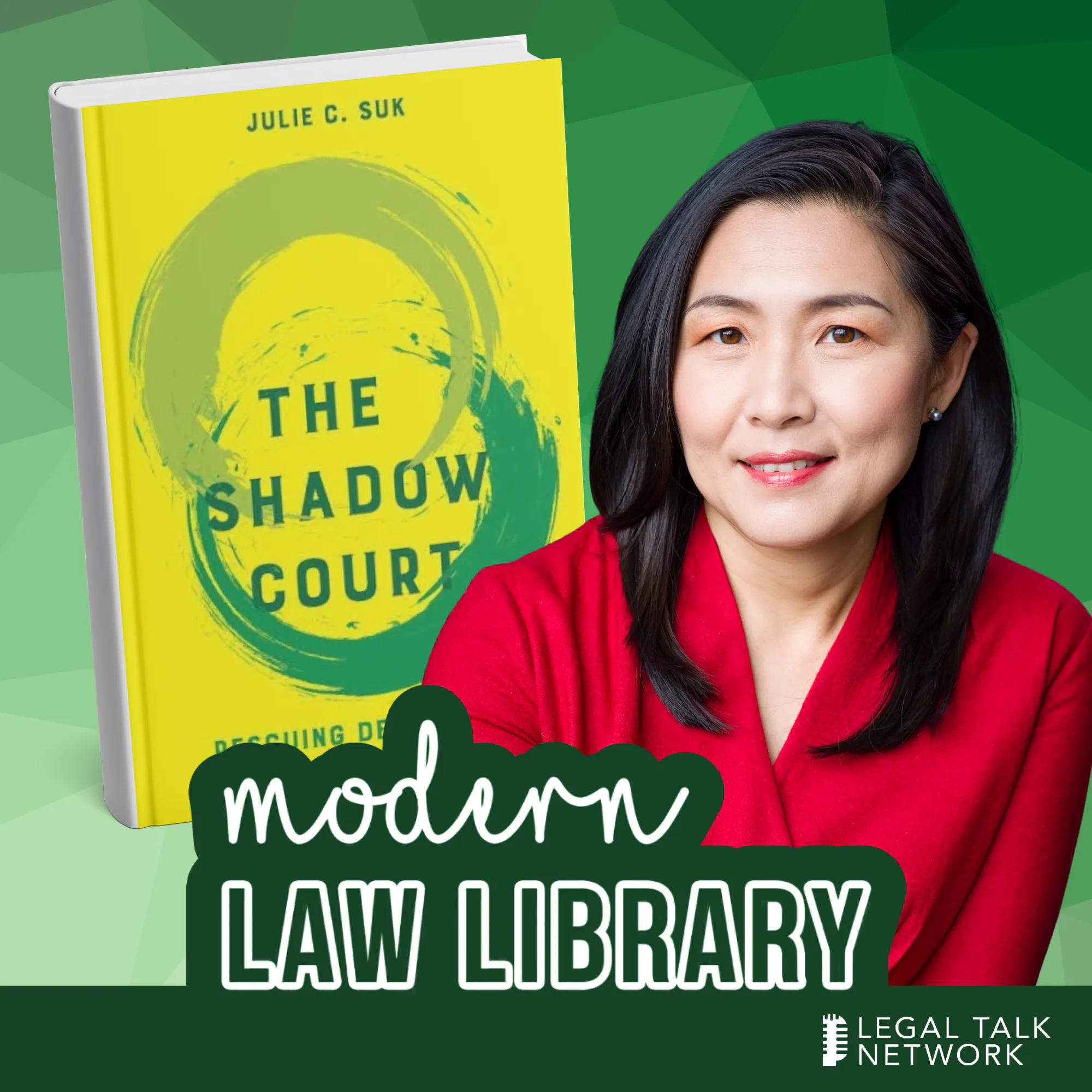
Could a shadow court restore the balance of power to American democracy?
Julie Suk is worried about American democracy.
"Over time, the control of our constitutional future has really been in the domain of the judiciary and the executive branch, with the judiciary increasingly green-lighting actions by the executive branch," Suk tells host Lee Rawles. "And at the same time, our institutions, our lawmaking institutions that are supposed to represent the people ha

Where are America's hate speech laws?
"In most other countries, there are laws, criminal laws that prohibit the expression of racial hatred or incitement to racial hatred," says Samantha Barbas, author of Hate Speech: The Legal and Cultural History of an American Dilemma, in this episode of the Modern Law Library. "There are no hate speech laws in the United States, and that makes the U.S. a true exception, a true outlier in the
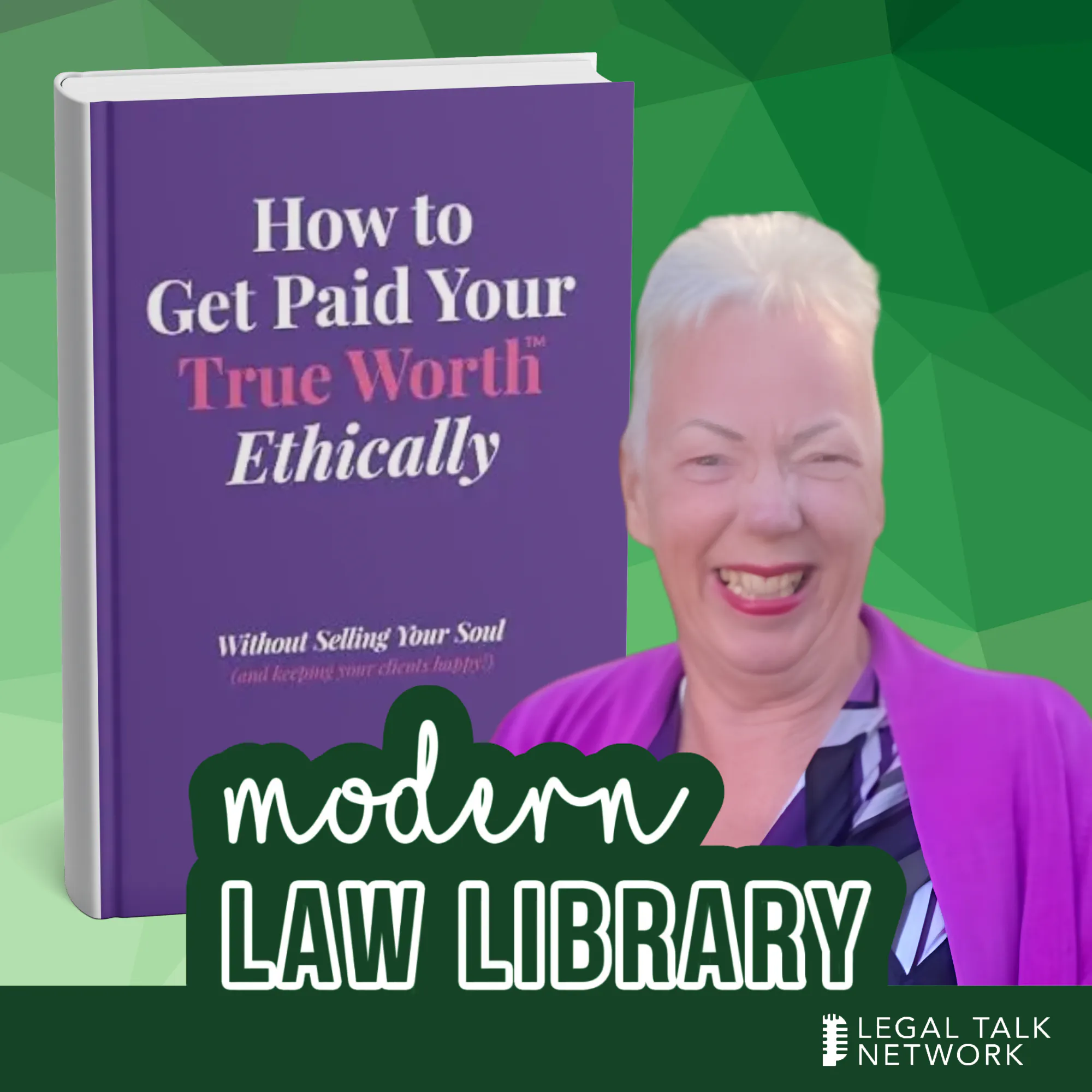
Are you getting paid what you're really worth?
Vanessa Ugatti is the True Worth Expert, a UK-based international keynote speaker, transformational trainer and coach, and author of How to Get Paid Your True Worth Ethically, Without Selling Your Soul.
Through her unique True Worth™ Methodology, Vanessa helps forward-thinking law firms and sole practitioners get paid their true worth ethically, without over-servicing, discounting or losing clien
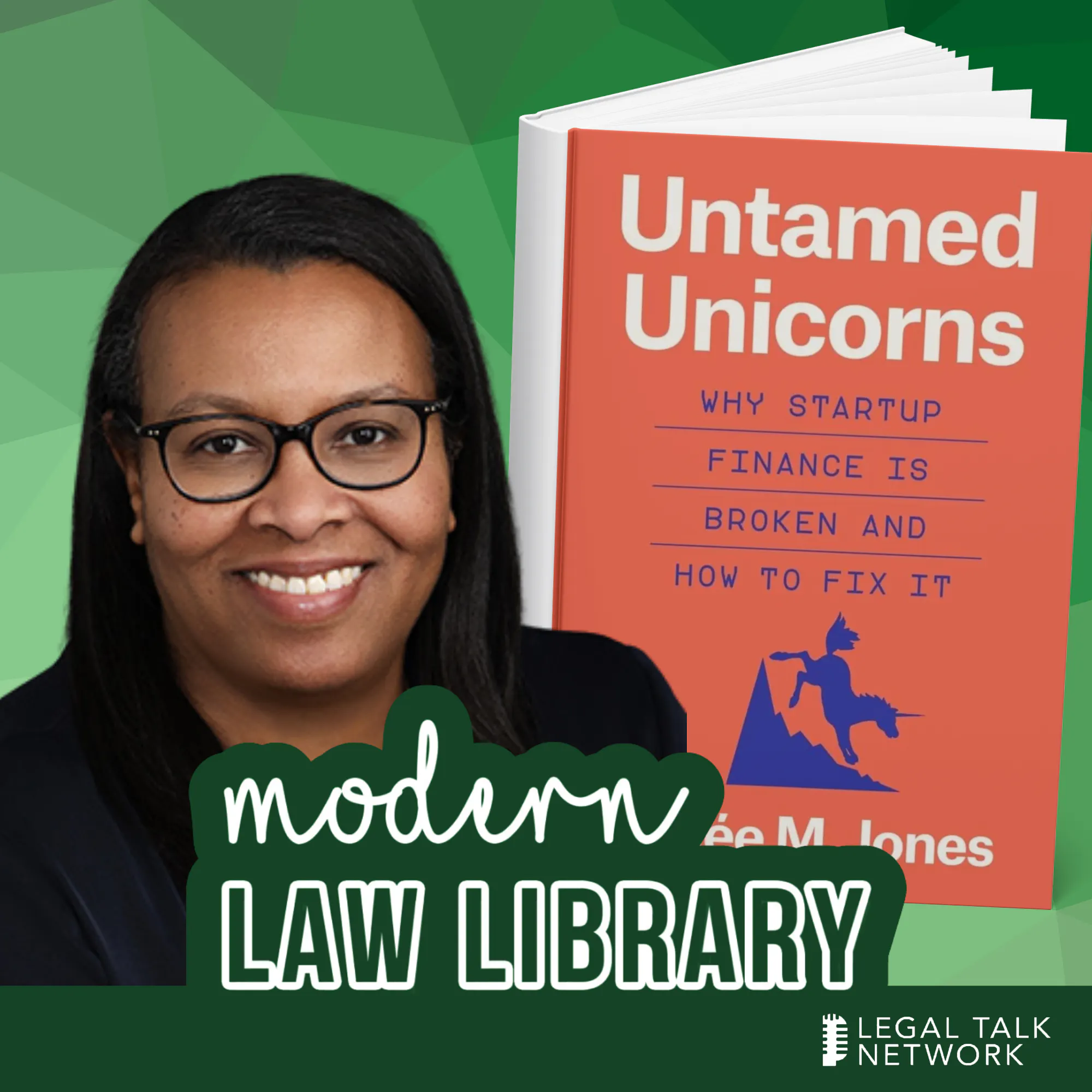
We need to rein in Silicon Valley unicorns, says law prof
In Silicon Valley, a "unicorn" is a private startup with a net worth of $1 billion. As the term suggests, these were once incredibly rare creatures. Most startups would go public within 4-7 years, long before they had a $1 billion valuation. But two key pieces of legislation made the rare into the rampaging, starting in 1996.
In her new book, Untamed Unicorns: Why Startup Finance is Broken a
Summer Reading and Still Perplexed About AI?
For this year's summer reading recommendations, host Lee Rawles shares three recommended reads, three books on her to-be-read pile, and three TV shows she's enjoyed. The recommended reads are all fiction this time around, ranging from a spooky contemporary, to a historical novel about the Black Death, to a frothy sweet romance novel. Her to-be-read pile includes a Danish book about time loops, a h

Alexander Hamilton, Aaron Burr, and the body in the well
In January 1800, Elma Sands's dead body was found in a New York City well. The case has captivated people ever since, not least because in the resulting trial, defendant Levi Weeks was represented by Alexander Hamilton, Aaron Burr, and a future Supreme Court justice.
The Girl from Greenwich Street: A Novel of Hamilton, Burr and America's First Murder Trial is a historical fiction novel by La

'Lessons for a Warming Planet' offers hope and cautions
Environmental law in the United States can be a double-edged sword.
"I think that when people think about environmental law, very frequently what they mean is environmental protection, and what that misses is the other side of the coin, that there is a whole lot of law that is meant to exploit the environment," says law professor Brig Daniels.
When Daniels and his writing partner Alejandro Camac
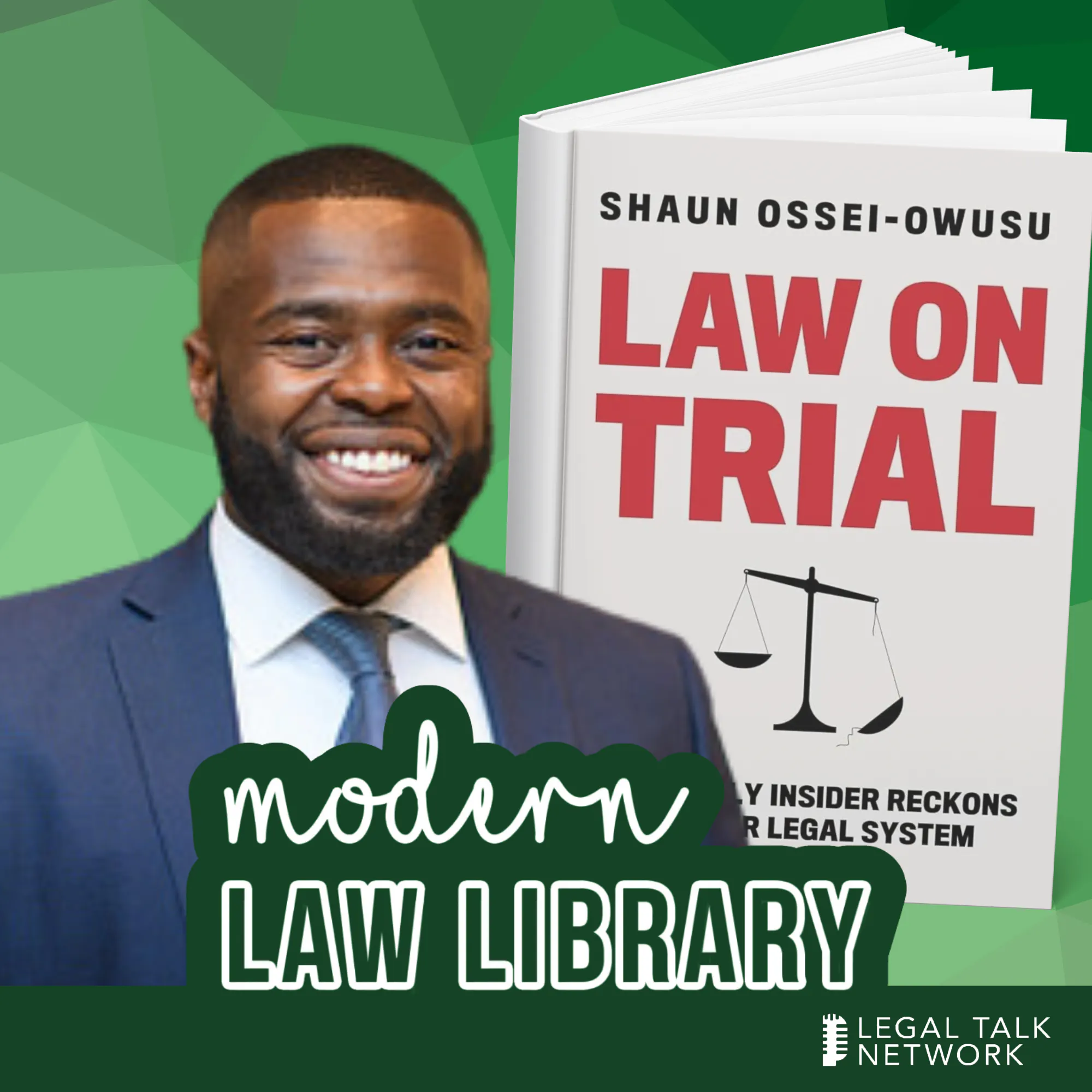
'Unlikely insider' critiques how law school thinking can reinforce injustices
When Shaun Ossei-Owusu looked around at his classmates at UC Berkeley School of Law, there were many upper middle class children of lawyers who were coming straight from their undergraduate degrees. There were not many people like him, a child of Ghanaian immigrants who grew up in an impoverished South Bronx community and was now finishing his PhD as a returning student.
That background and his a
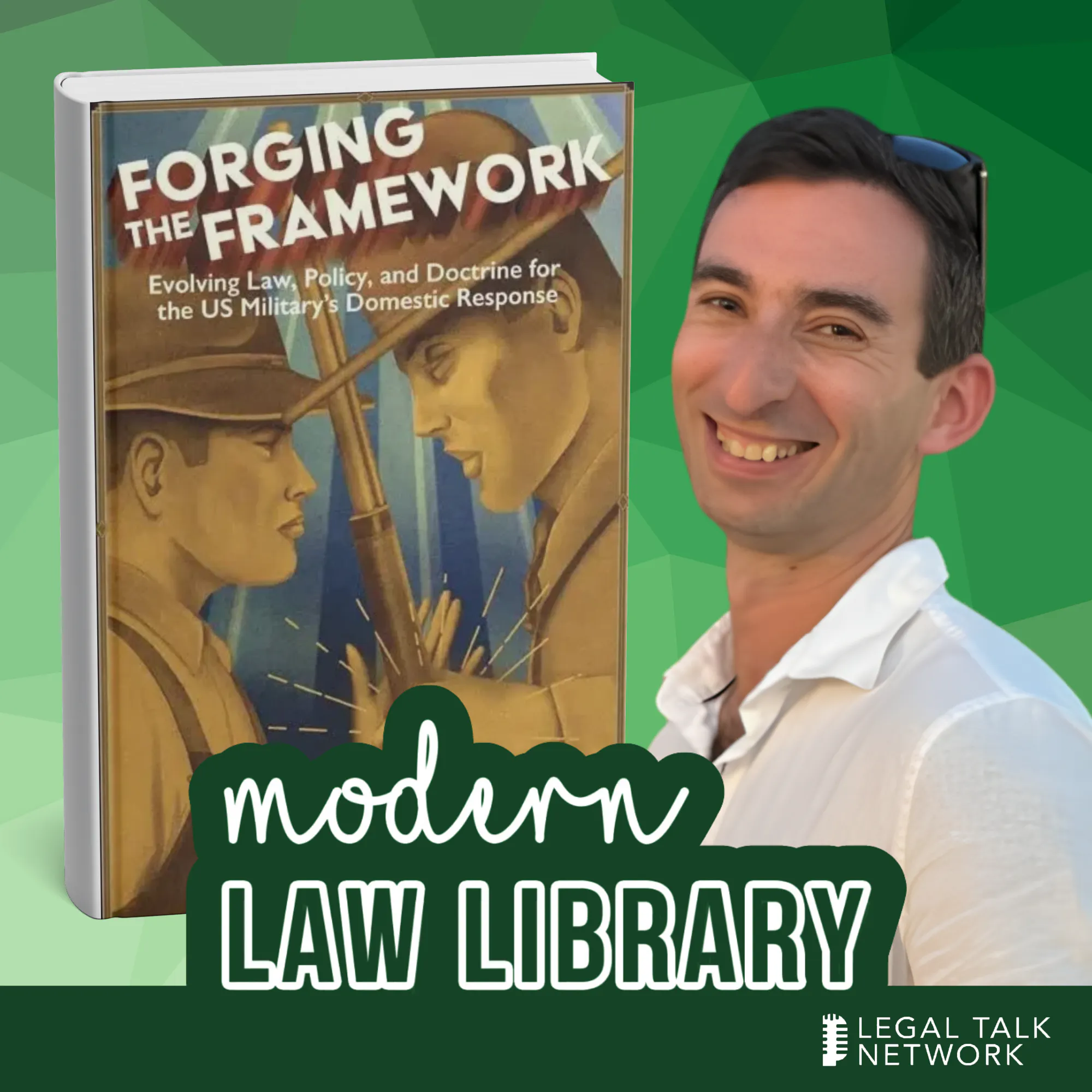
How we deploy the military domestically, and why
The Third Amendment to the Constitution forbids the quartering of troops in Americans' houses. It's a reminder of how uneasy the people of the country have been about the domestic deployment of our soldiers. There are robust rules about how the military can be used on American soil, but how did those rules come about?
It's a question that National Guard officer Jonathan Bratten hoped to help answ
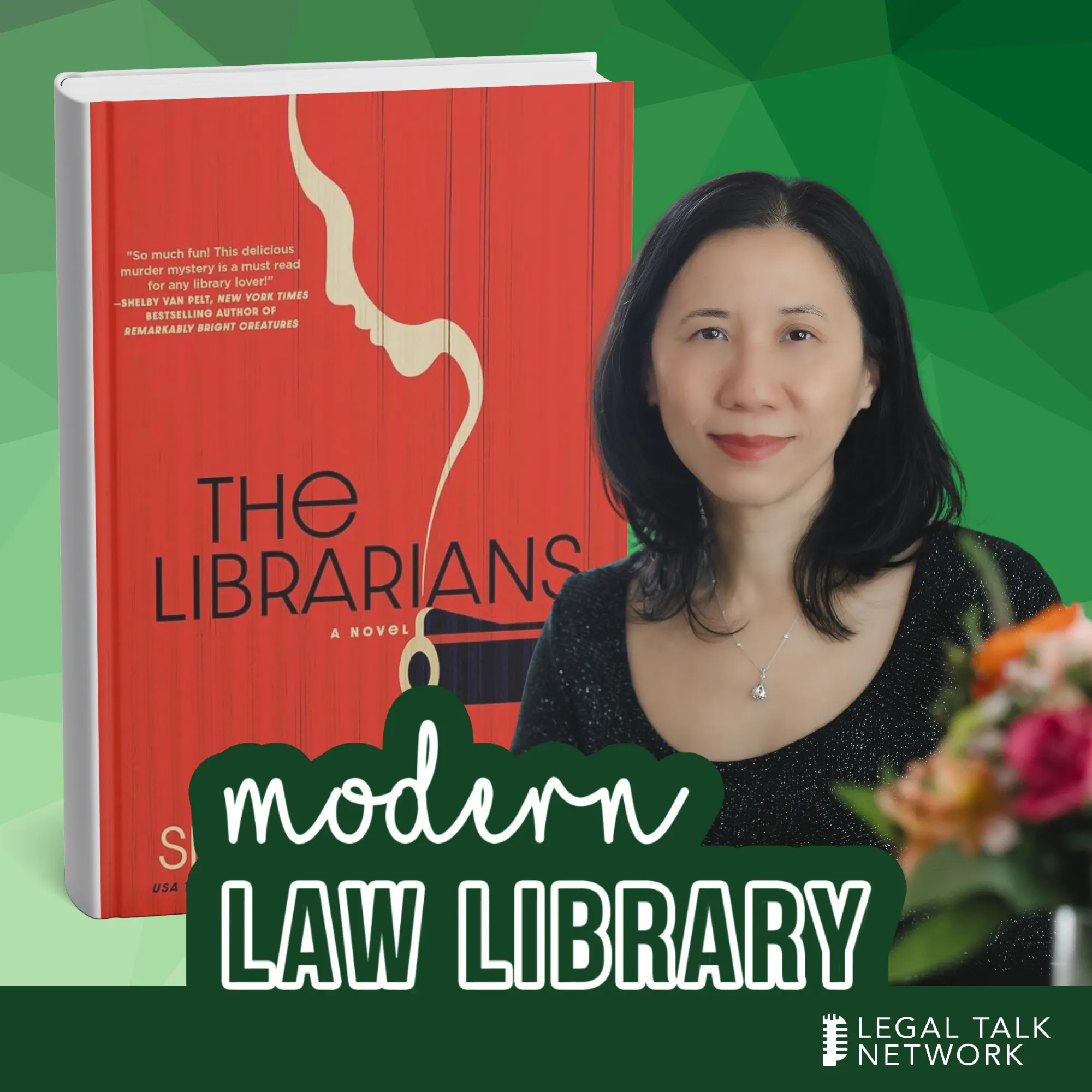
Sherry Thomas's sleuthing librarians and gender-bent Sherlock
Coming across the right book at the right time can make all the difference, says Sherry Thomas, author of the popular Lady Sherlock series. In her case, picking up a historical romance from the library led to her writing career.
"Two years into my career as stay-at-home mom, I grabbed a historical romance, which I devoured growing up," Thomas tells the Modern Law Library's Lee Rawles. "I grabbed
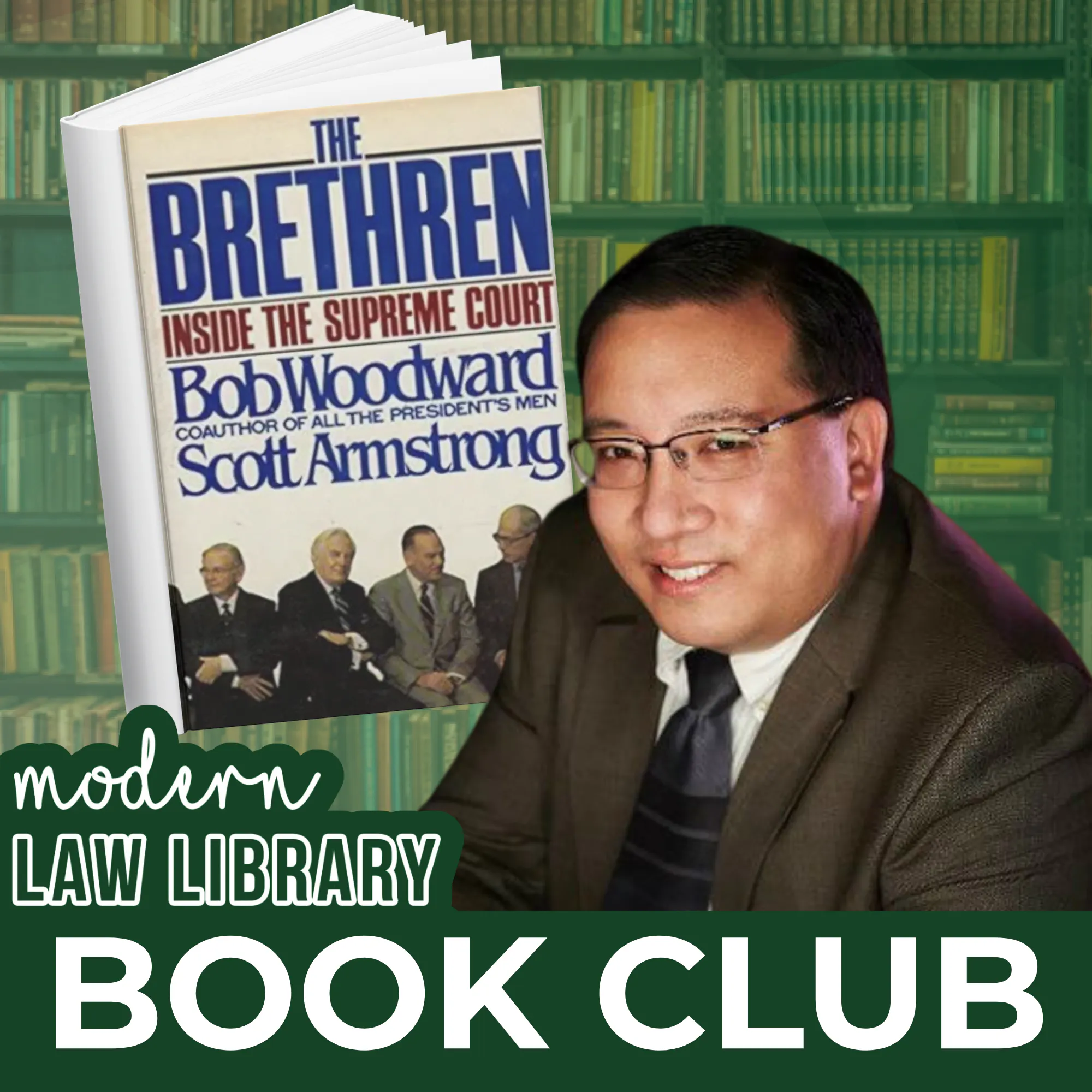
Book Club: The Brethren introduces Tricky Dick's chief justice
It's time for the first official meeting of the Modern Law Library Book Club, and Lee has invited on her friend (and go-to Nixon expert) Victor Li to talk about his experience reading the 1979 bestseller The Brethren: Inside the Supreme Court. As both a lawyer and journalist, Victor gives his thoughts on how Woodward and Armstrong were able to pierce the secrecy of the Supreme Court and show the b
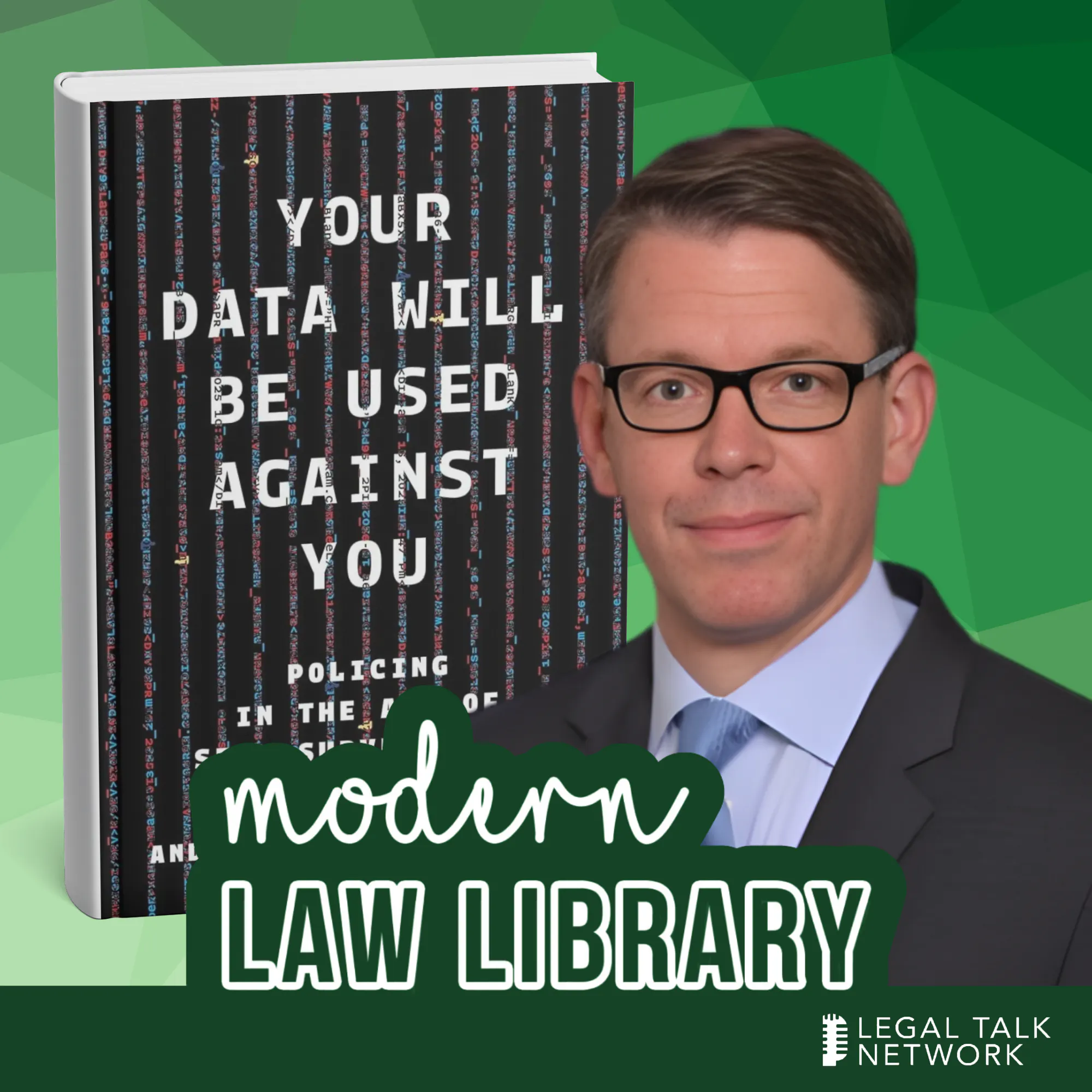
Your household devices are tracking you—but who else is watching?
Your smartwatch tracks your heart rate and counts your calories. Your Ring camera lets you know when a package has been delivered. The GPS in your car smoothly directs you to a restaurant you've never been to before.
We've grown used to getting a technological assist for everything from finding our keys to checking where our children are at curfew. But the consumer electronics which can make our

Introducing the Modern Law Library Book Club
For more than a decade, the Modern Law Library has been chatting with authors about their books. But there haven't been many opportunities to talk directly with our listeners, and we want that to change. We are so excited to announce that we are launching a monthly book club series, which will appear in your normal podcast feed.
This year, we are going to be diving into The Brethren: Inside the
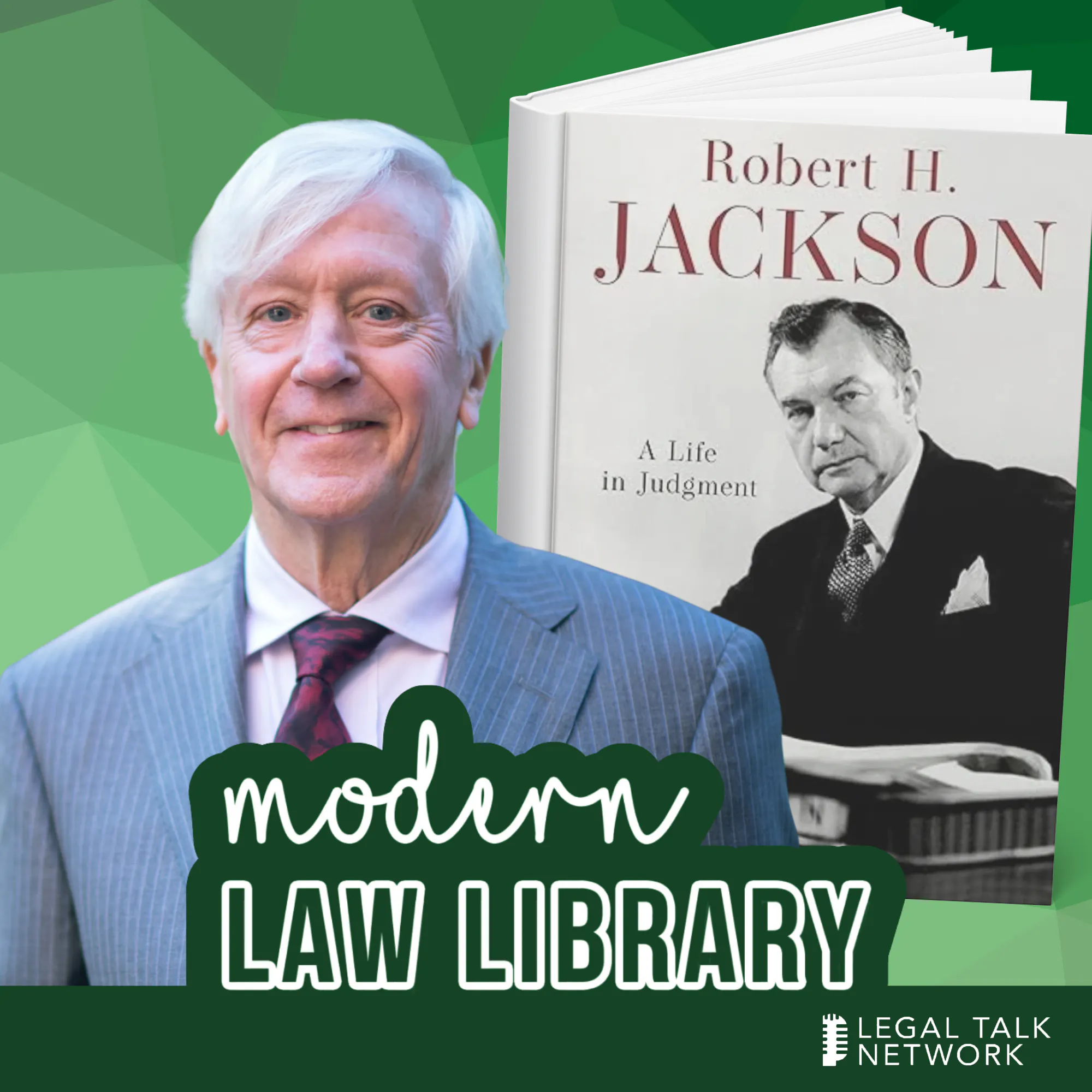
Meet the 'inscrutable' SCOTUS justice who made the Nuremberg trials possible
Robert H. Jackson was not an easy man to know, but "I found being in Robert Jackson's company on the whole a great pleasure," says G. Edward White, author of the new biography Robert H. Jackson: A Life in Judgement.
A longtime ally of Franklin Delano Roosevelt, Jackson served as both Solicitor General and Attorney General before FDR nominated him to the U.S. Supreme Court. However, he often pined

The Help: What labor rights do domestic workers have
A foundational principle of Anglo-American law is that "a man's house is his castle." It establishes rights ranging from privacy to justifiable homicide. But what about when your castle is another person's workplace? What rights do they have?
In Bringing Law Home: Gender, Race and Household Labor Rights, Katherine Eva Maich examines the history of labor protections for nannies, housecleaners and
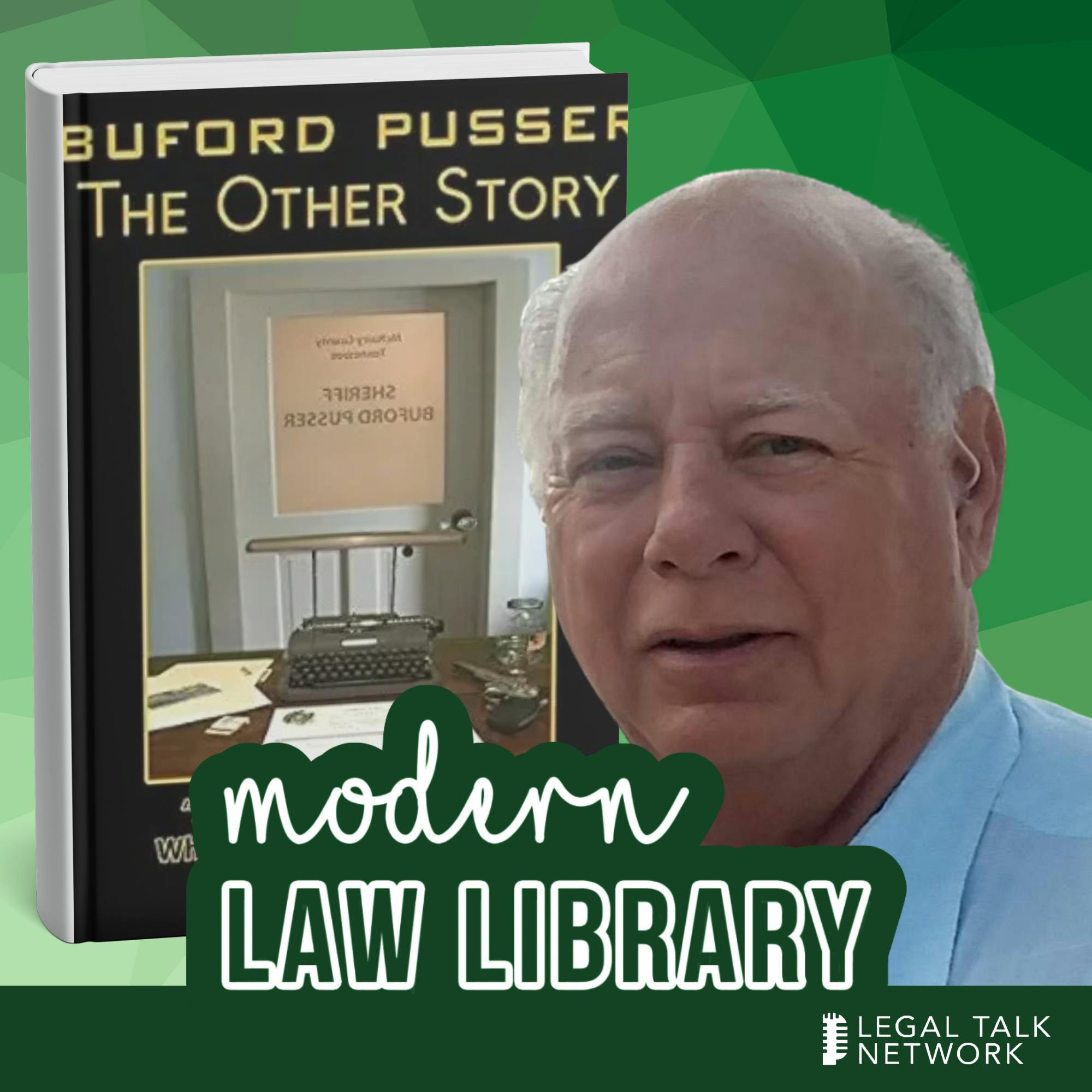
Cold case investigation into 'Walking Tall' sheriff uncovers murder
In the movie 1973 film Walking Tall, Sheriff Buford Pusser is a heroic law enforcement officer in small-town Tennessee whose fight against the Dixie Mafia leads to an ambush and shooting that left his beloved wife Pauline dead.
The movie and its sequels and remakes made Pusser, who died in a 1974 car crash, into a folk hero. Dwayne "The Rock" Johnson played him in the 2004 Walking Tall remake. Th

What place do prisons have in democracies?
The idea that prisoners should be treated humanely was discussed by Enlightenment Era aristocrats, "but the idea that they are people who are peers is new," says Yale Law professor Judith Resnik.
"As Democratic norms turned us all into equal citizens, equal persons in a jurisdiction, the question of government's relationships in courts, policing, schools and prisons changed over the last hundred

Pop culture picks of 2025
Looking for something to occupy yourself over the holidays, or to kick off your 2026? Lee Rawles is joined by her fellow Legal Talk Network hosts Stephanie Everett of the Lawyerist podcast and Conrad Saam and Gyi Tsakalakis of Lunch Hour Legal Marketing to share what books, TV shows and movies they enjoyed this year. They also share some of their own resolutions for 2026–and reveal a special new p

John Lennon's lawyer explains how the musician's deportation case changed immigration law | Rebroadcast
December 8th marks the 45th anniversary of John Lennon's death in 1980. In this special rebroadcast of Modern Law Library, we're looking back at how his immigration helped expose corruption within the Nixon administration and rewrote the immigration process. His attorney, Leon Wildes, sat down with Lee Rawles and his son Michael Wildes to discuss what the case and the legal legacy Lennon left behi
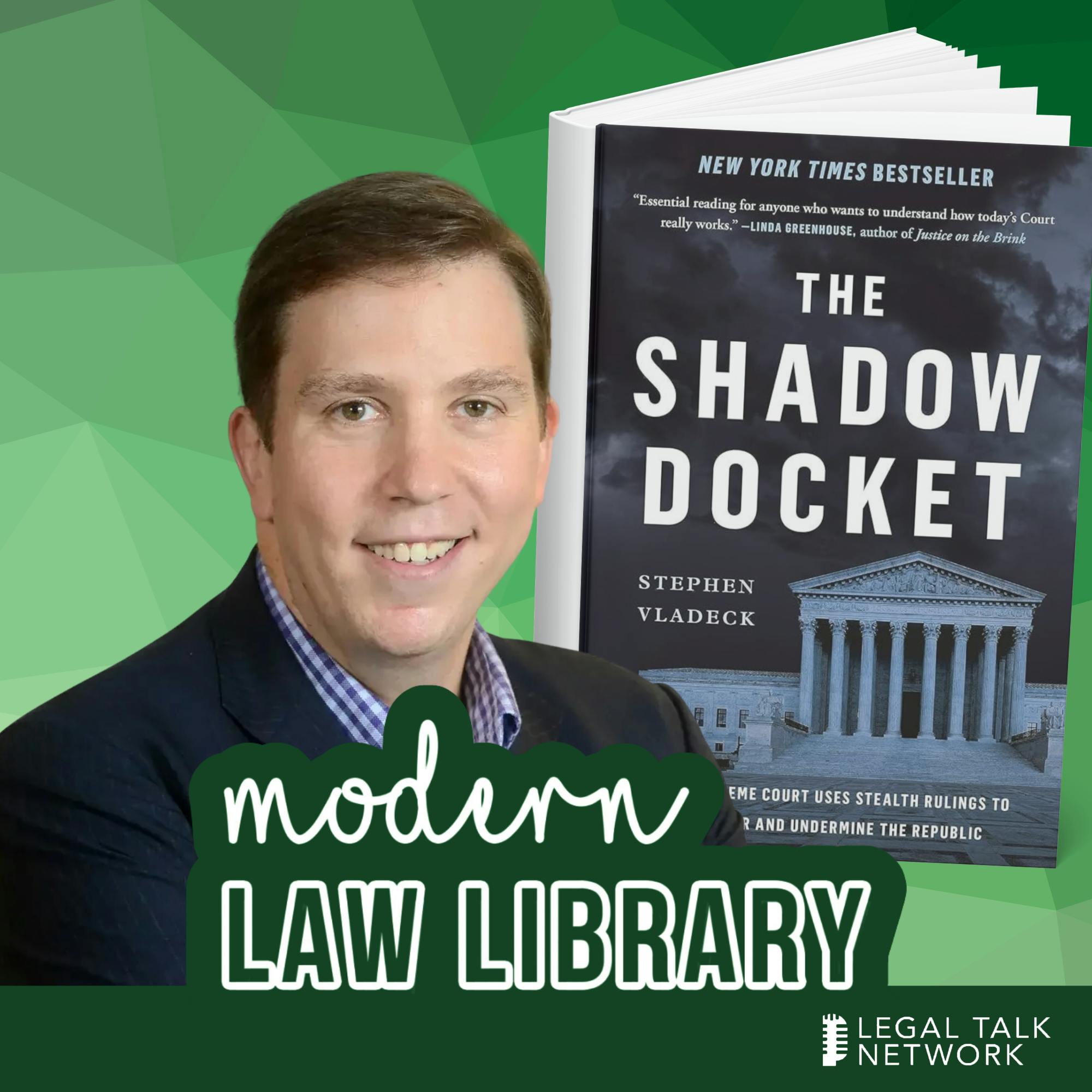
‘The Shadow Docket’ shines light on an increasingly uncommunicative Supreme Court | Rebroadcast
If you’re dreading your family’s lack of communication this Thanksgiving, here’s a conversation about another group that’s saying less and less with real consequences. In this rebroadcast, University of Texas law professor Stephen Vladeck joins The Modern Law Library to discuss The Shadow Docket and how the Supreme Court’s growing use of secretive, unsigned emergency orders is reshaping transparen
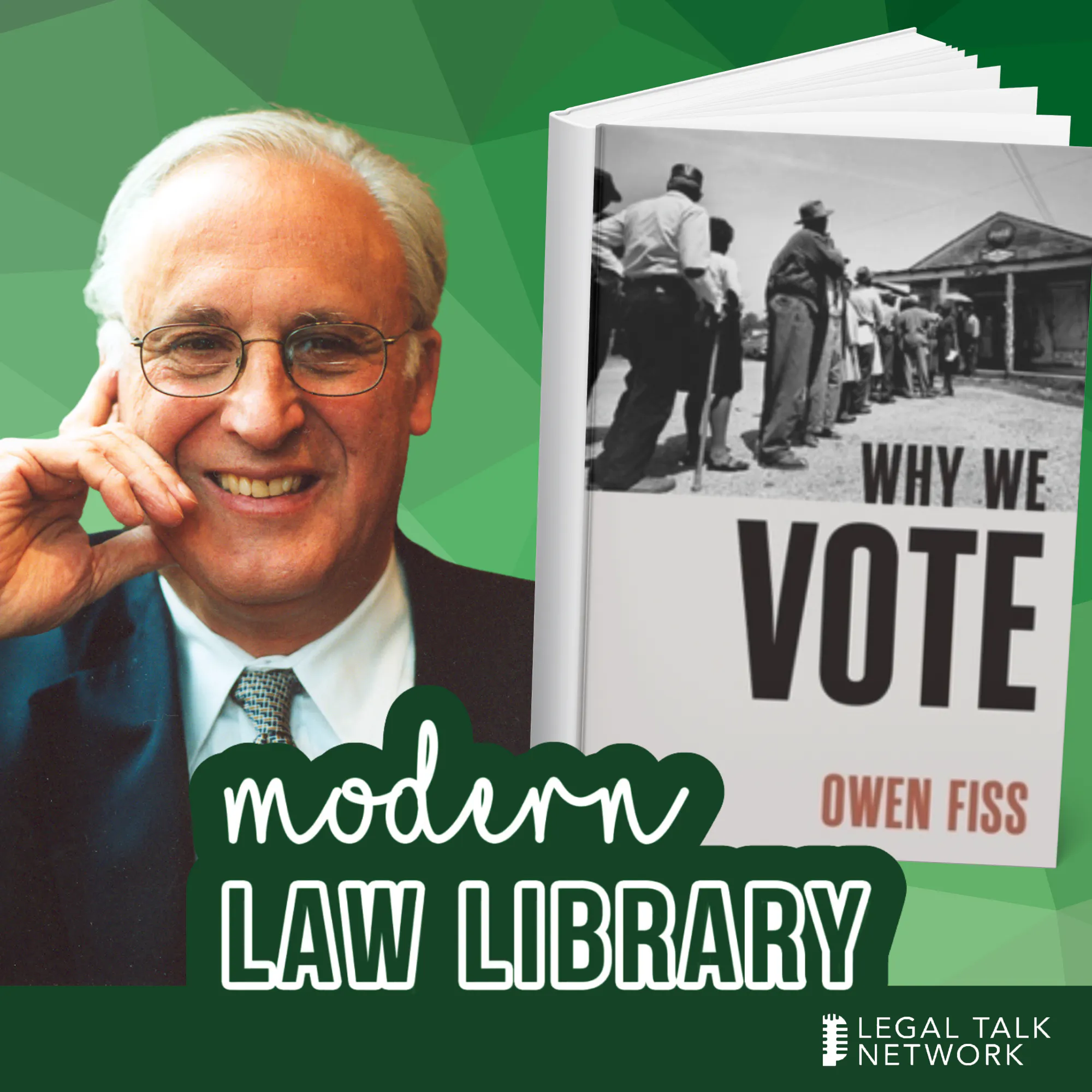
Yale Law’s Owen Fiss talks about threats to democracy and ‘Why We Vote’ | Rebroadcast
It’s election week in the U.S., and while many eyes are on the polls, we’re revisiting a conversation that reminds us why voting matters in the first place. In this rebroadcast, Yale Law professor Owen Fiss reflects on his work enforcing the Civil Rights and Voting Rights Acts, the courts’ role in protecting democracy, and why casting a ballot remains both a privilege and a duty.
-----
After 50
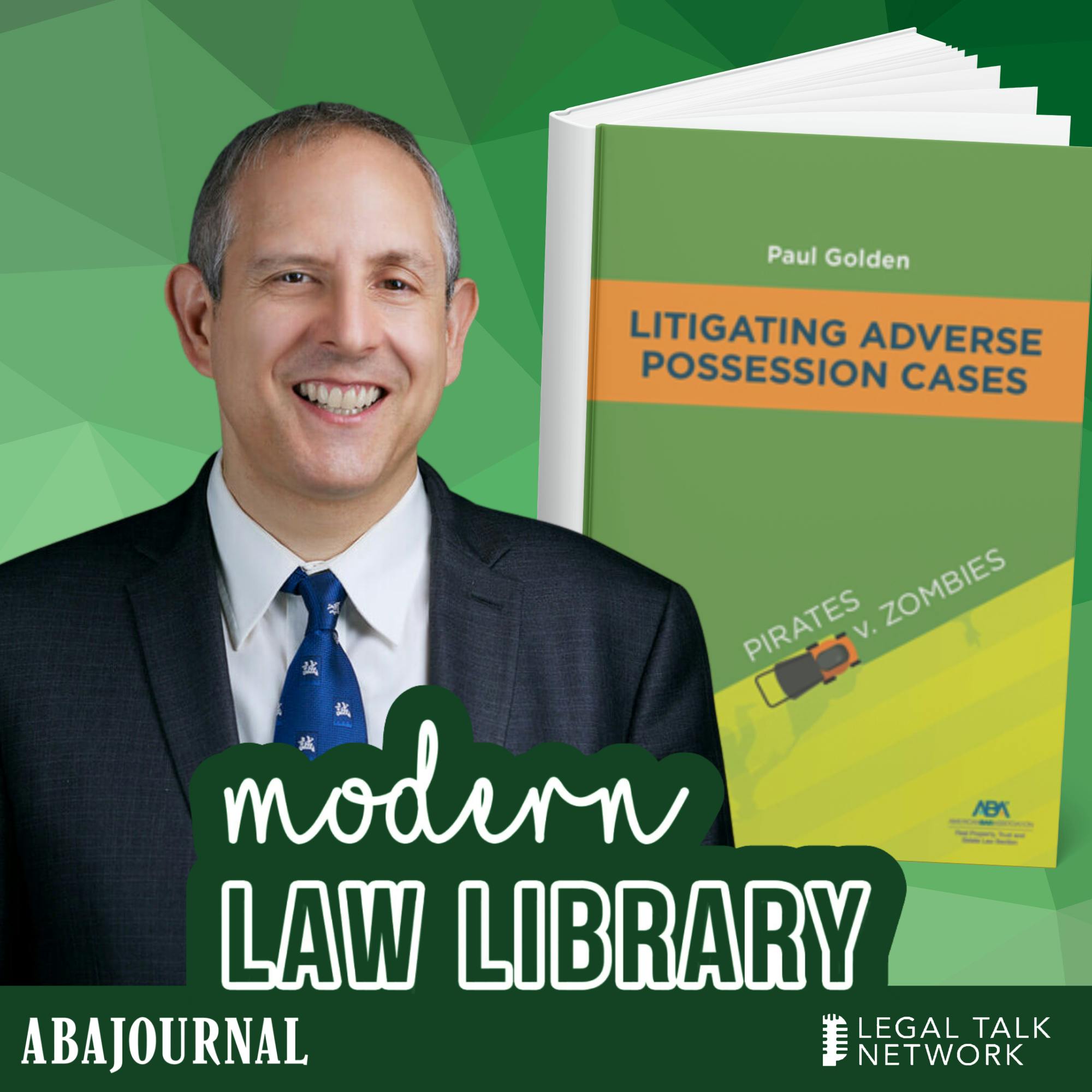
Users keepers: Pirates, zombies and adverse possession | Rebroadcast
As Halloween swiftly approaches, we’ve conjured up a classic from the Modern Law Library crypt. What do zombies and pirates have to do with the law? Grab your candy and find out as host Lee Rawles is joined by Paul Golden, author of Litigating Adverse Possession Cases: Pirates v. Zombies.
—----
“Trespassing plus time equals adverse possession,” Paul Golden writes in his new book, Litigating Adv
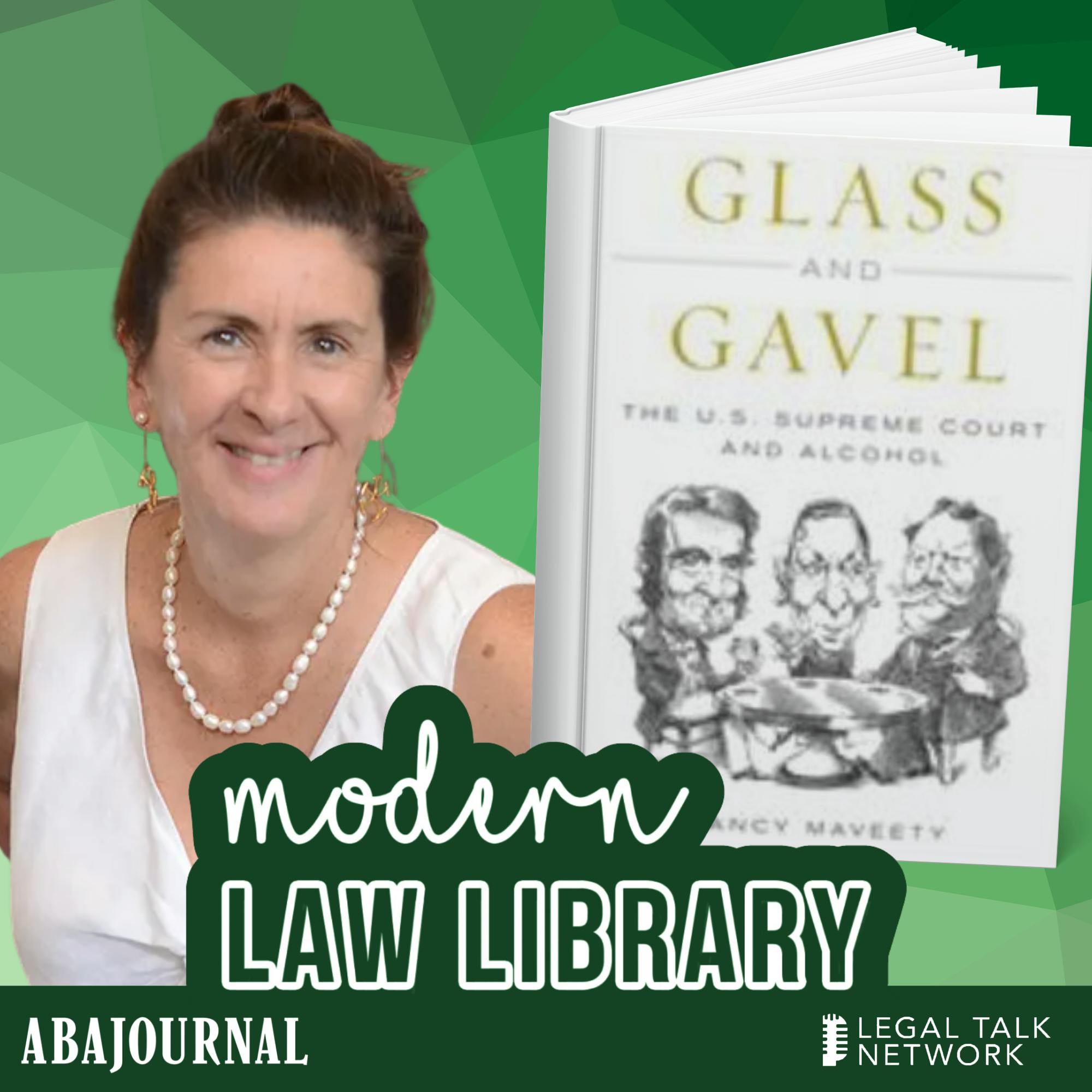
The Supreme Court’s colorful history with alcohol gets a look in ‘Glass and Gavel’ | Rebroadcast
As the Supreme Court returns to the bench, we’re raising a glass to a favorite from our archives. In this episode, Nancy Maveety shares stories from Glass and Gavel, where cocktails meet constitutional law.
-----
From the earliest days of the U.S. Supreme Court, alcohol has been part of the work lives and social lives of the justices. In the book “Glass and Gavel: The U.S. Supreme Court and Alco
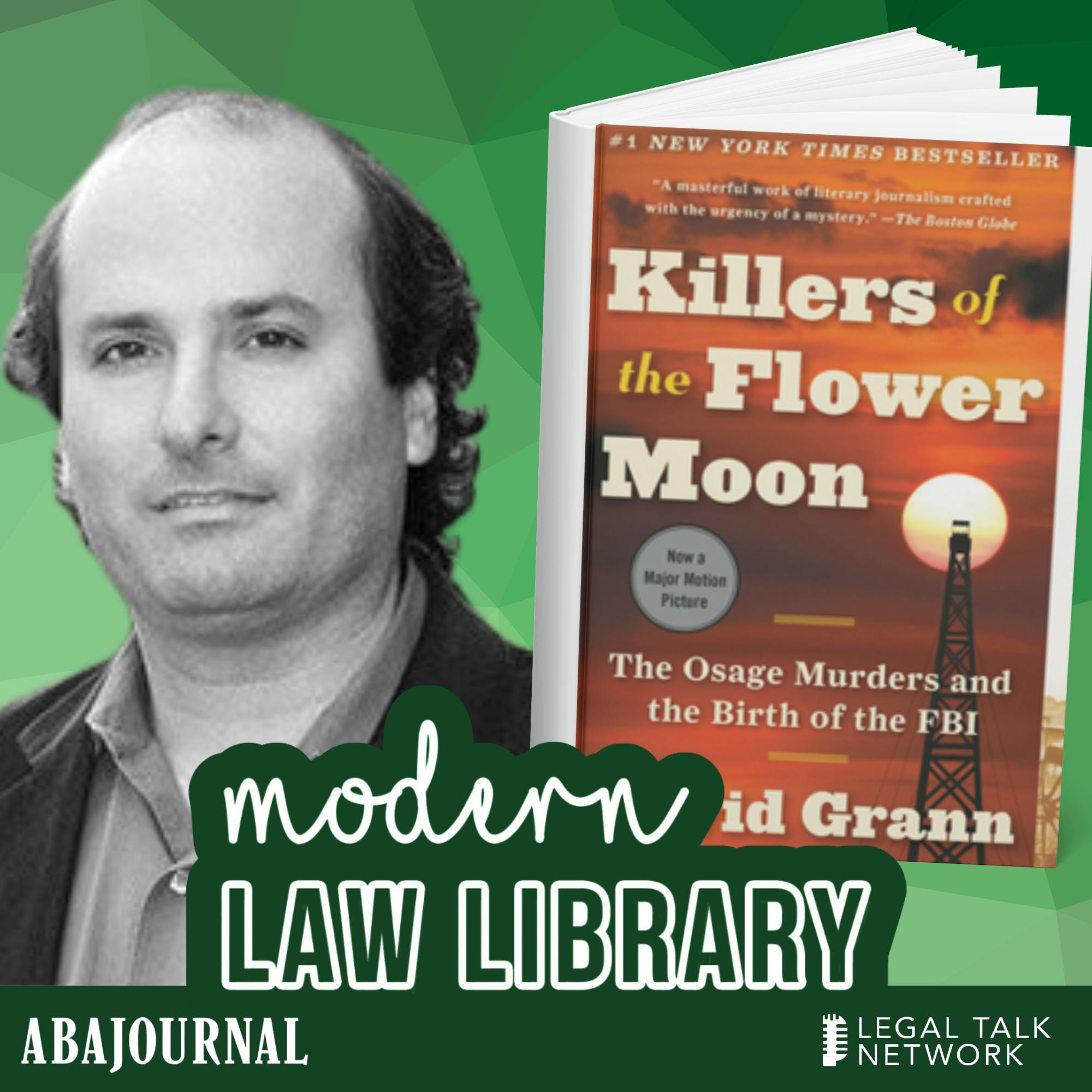
David Grann uncovers the deadly conspiracy behind murders of oil-rich Osage tribe members | Rebroadcast
As Native American Day approaches on September 25, we’re revisiting a story that still resonates today. Author David Grann takes us inside the Osage murders—a chilling chapter in U.S. history where oil wealth brought tragedy, corruption, and the rise of the FBI.
-----
Although the Osage tribe had been forced from their ancestral lands by the U.S. government, through shrewd and careful bargaining
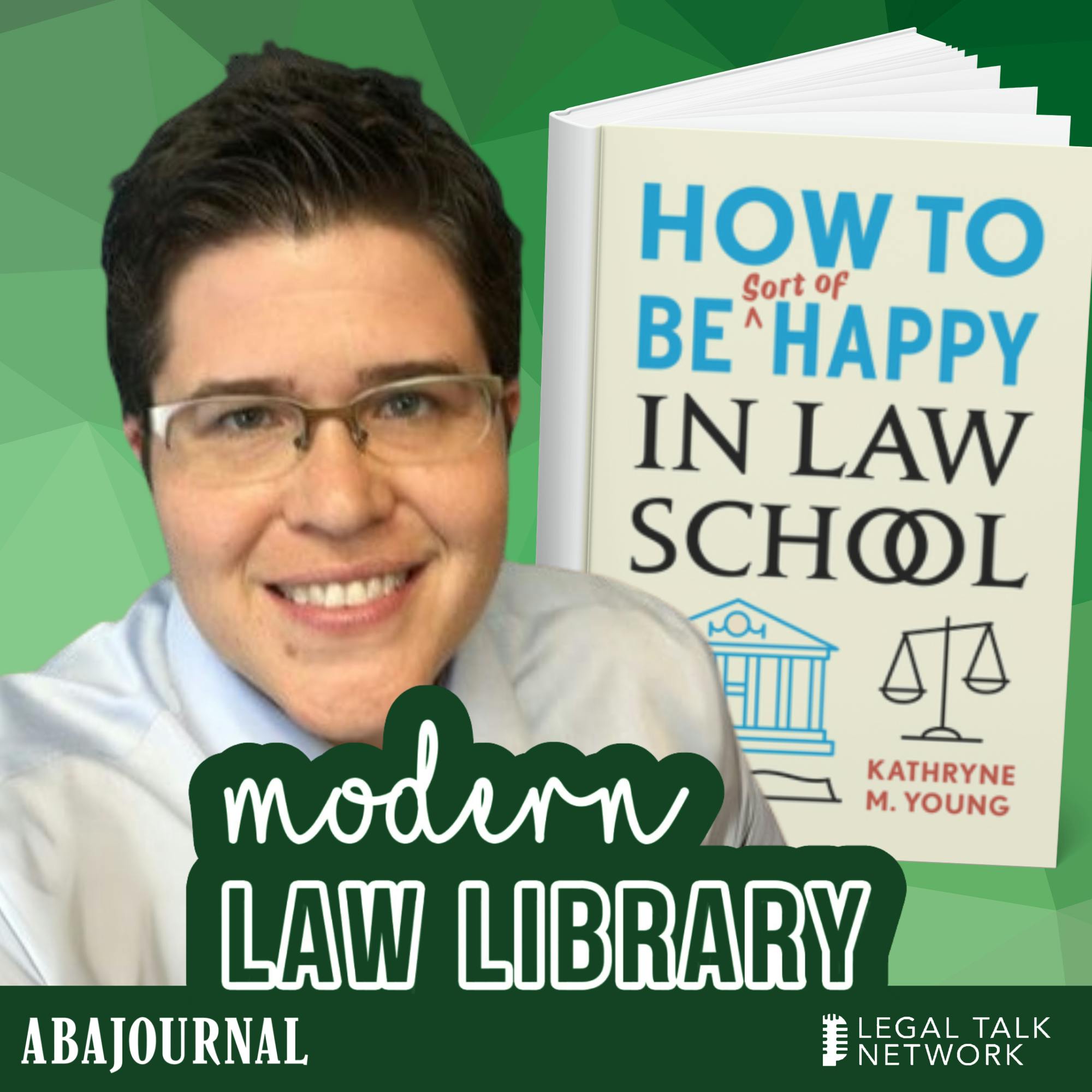
How to be (sort of) happy in law school | Rebroadcast
As summer winds down and school beckons, we’re looking back in our archives and assigning some back-to-school reading—grown-up style. In this episode, Professor Kathryne M. Young shares advice from her book How to Be Sort of Happy in Law School—from tackling imposter syndrome to finding your own path through law school’s pressures.
—--
Law school can be a lonely, stressful time, and it’s easy to
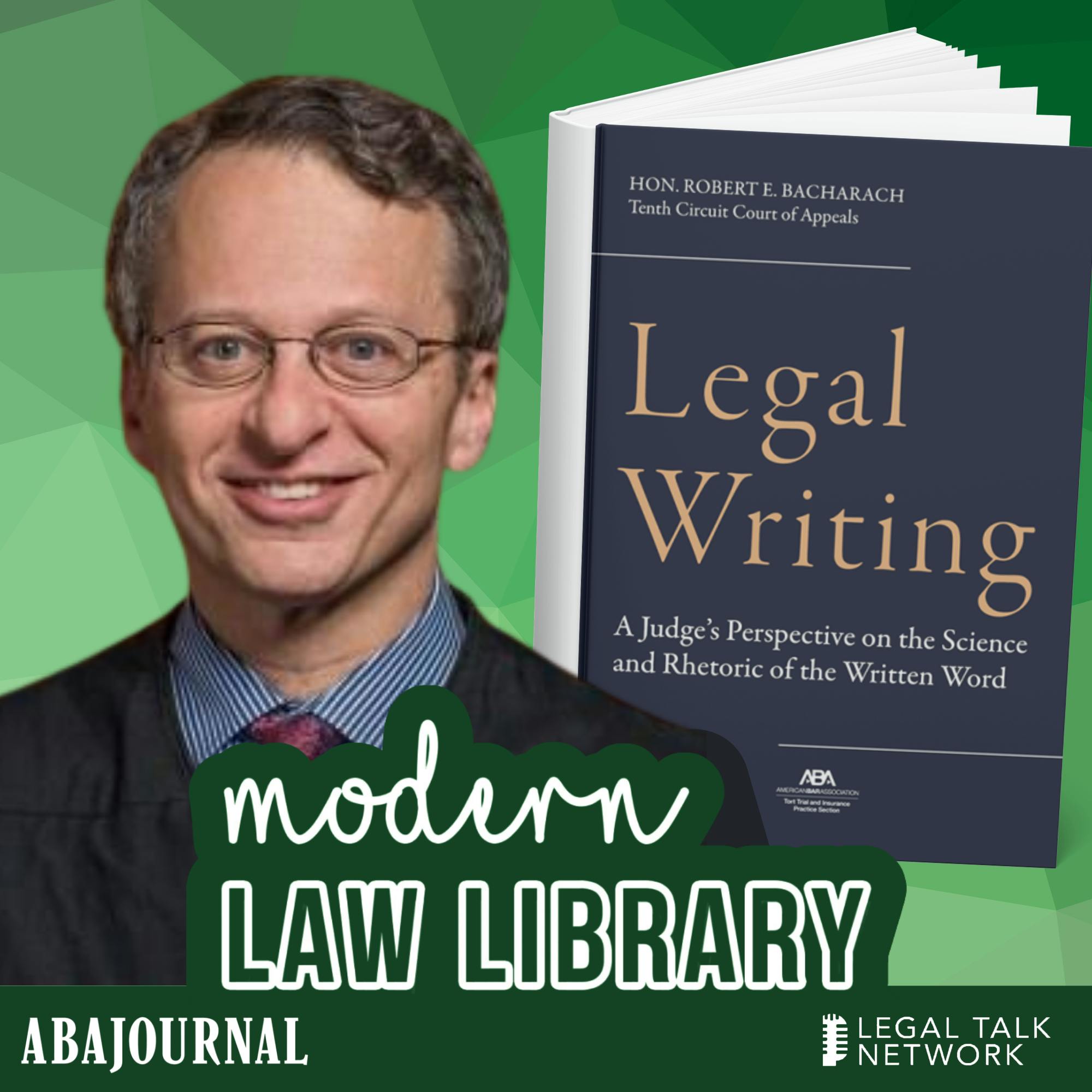
Need to sharpen your legal writing? 10th Circuit Court judge shares his tips | Rebroadcast
As summer winds down and school beckons, we’re looking back in our archives and assigning some back-to-school reading—grown-up style. In this episode, Judge Robert Bacharach shares insights from his book on the science of persuasive legal writing and why judges love to talk about language.
—--
There’s plenty of conventional wisdom about what makes a good legal brief or court opinion. Judge Rober
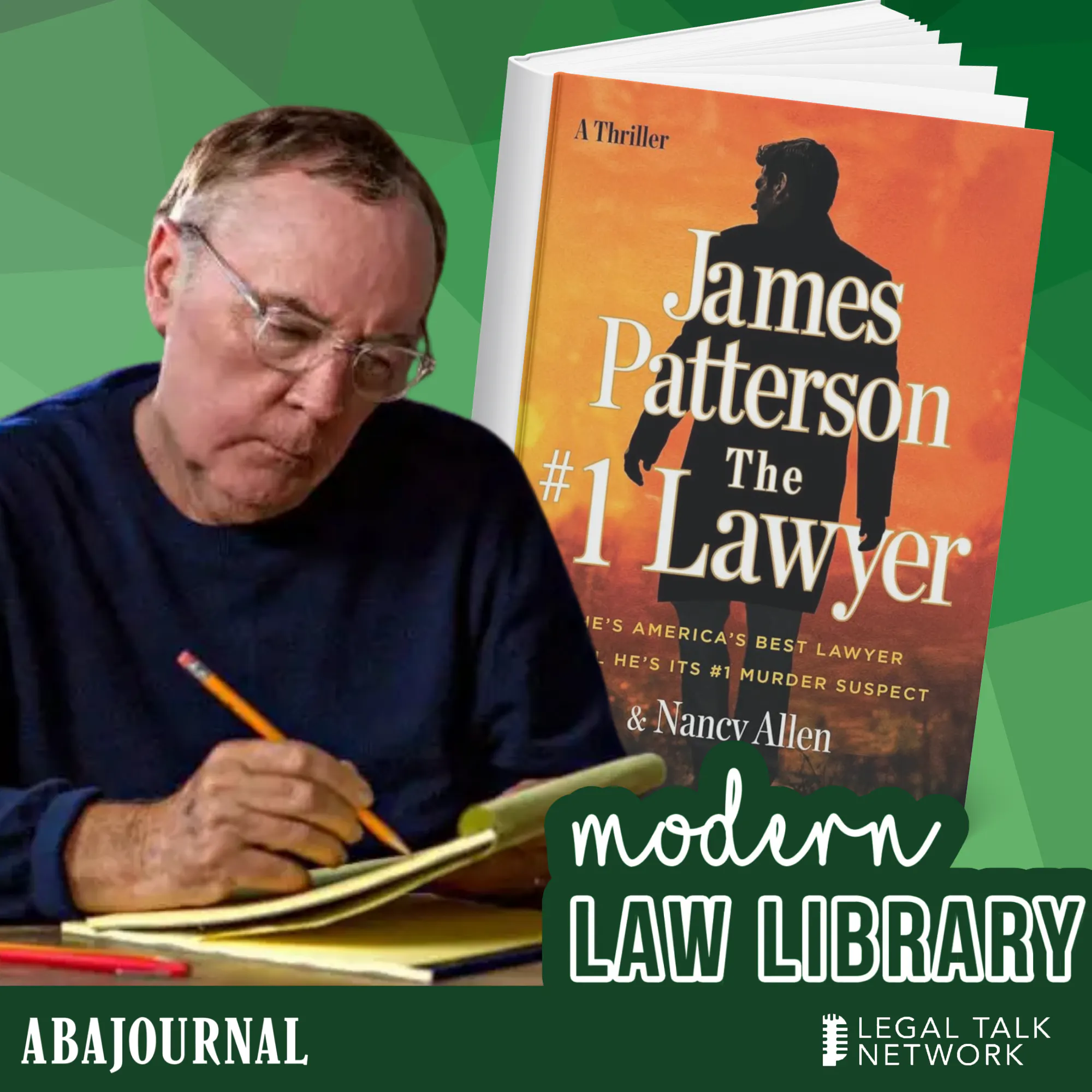
James Patterson dishes on his new legal thriller, ‘The #1 Lawyer’ | Rebroadcast
With a new legal thriller on the horizon, we're revisiting James Patterson’s 2024 interview about #1 Lawyer. The bestselling author shares how he builds courtroom suspense and what makes a legal story truly gripping.
—--
James Patterson has written bestsellers in many genres. But as he tells the ABA Journal’s Lee Rawles in this episode of The Modern Law Library, he has always been fascinated by
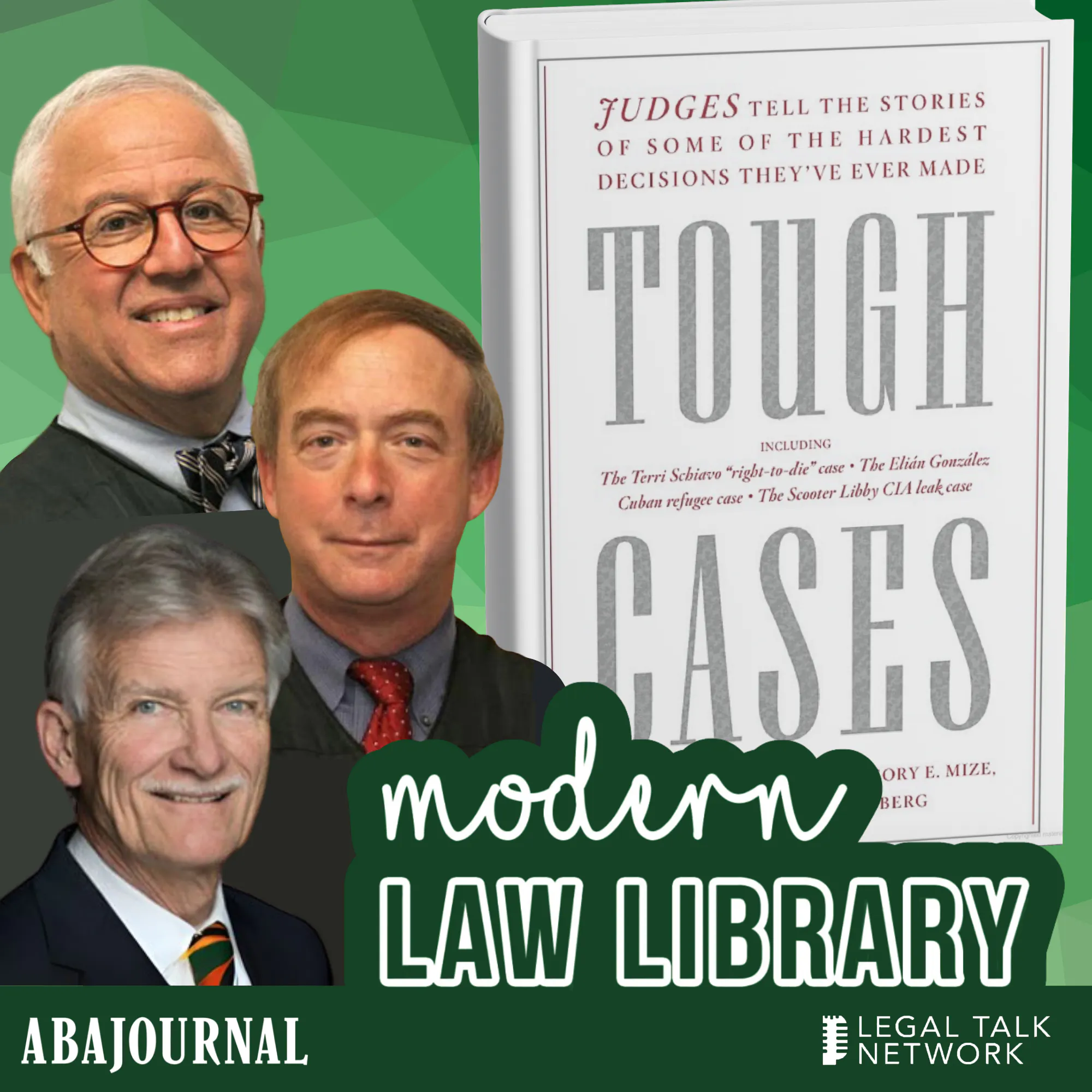
3 trial court judges share the tough cases that stuck with them | Rebroadcast
This month, we're revisiting some standout conversations from our archives. In this episode, three seasoned trial court judges reflect on the cases that have stayed with them throughout their years on the bench.
-----
All judges have cases that stick with them and linger in their memories. Sometimes it was because of the high profile of the case, and sometimes an obscure case had personal resona
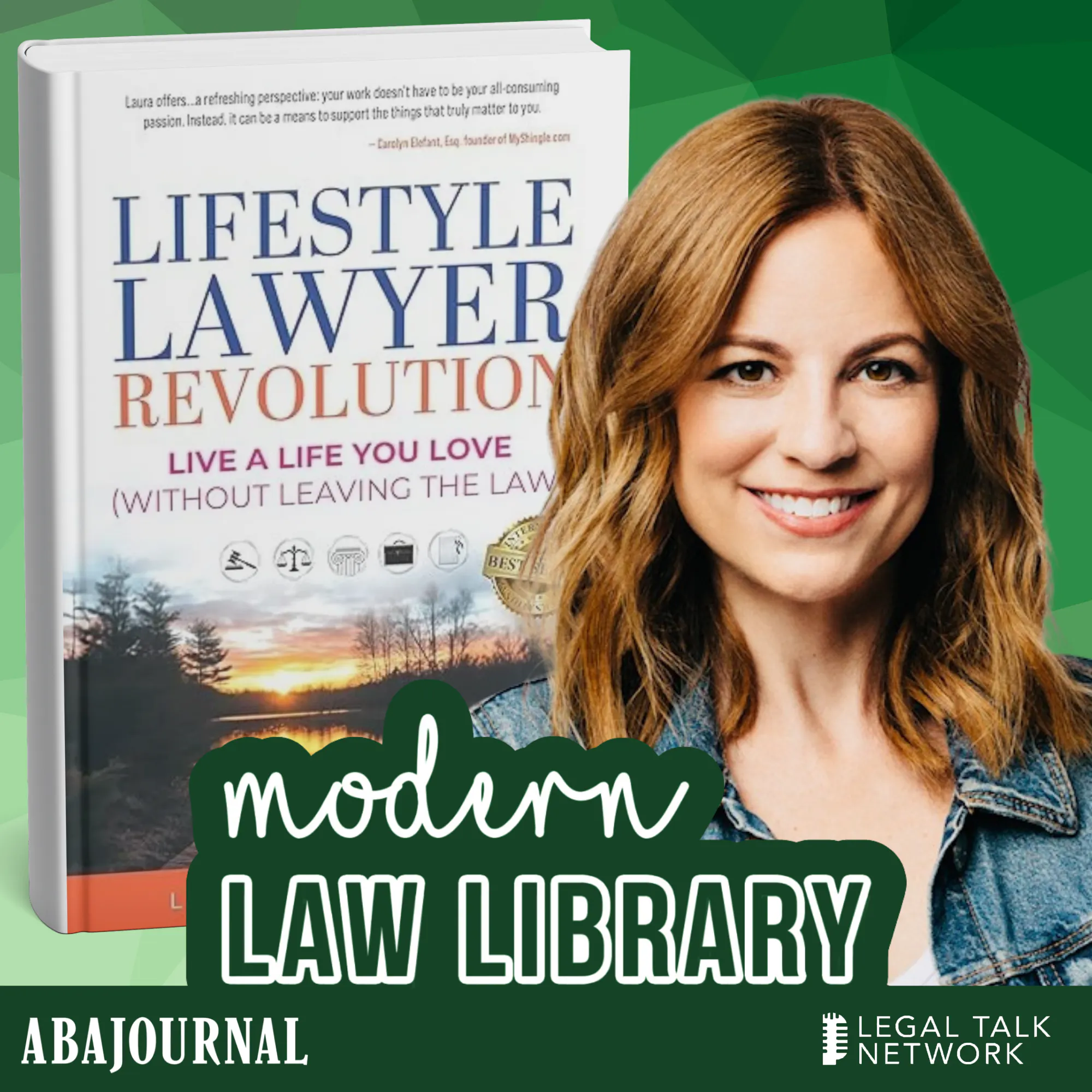
Try estate law for a practice with work-life balance, says ‘Lifestyle Lawyer Revolution’ author
Laura Cowan started her career in finance, earning a CPA and working at Ernst & Young and Goldman Sachs. When she decided to go to law school at 35, she knew that she wanted to launch a boutique firm with a practice area that complemented that financial background. Estate law seemed a good fit—but fate threw her a curve ball just as she launched her firm.“I had to turn my entire practice virtual o
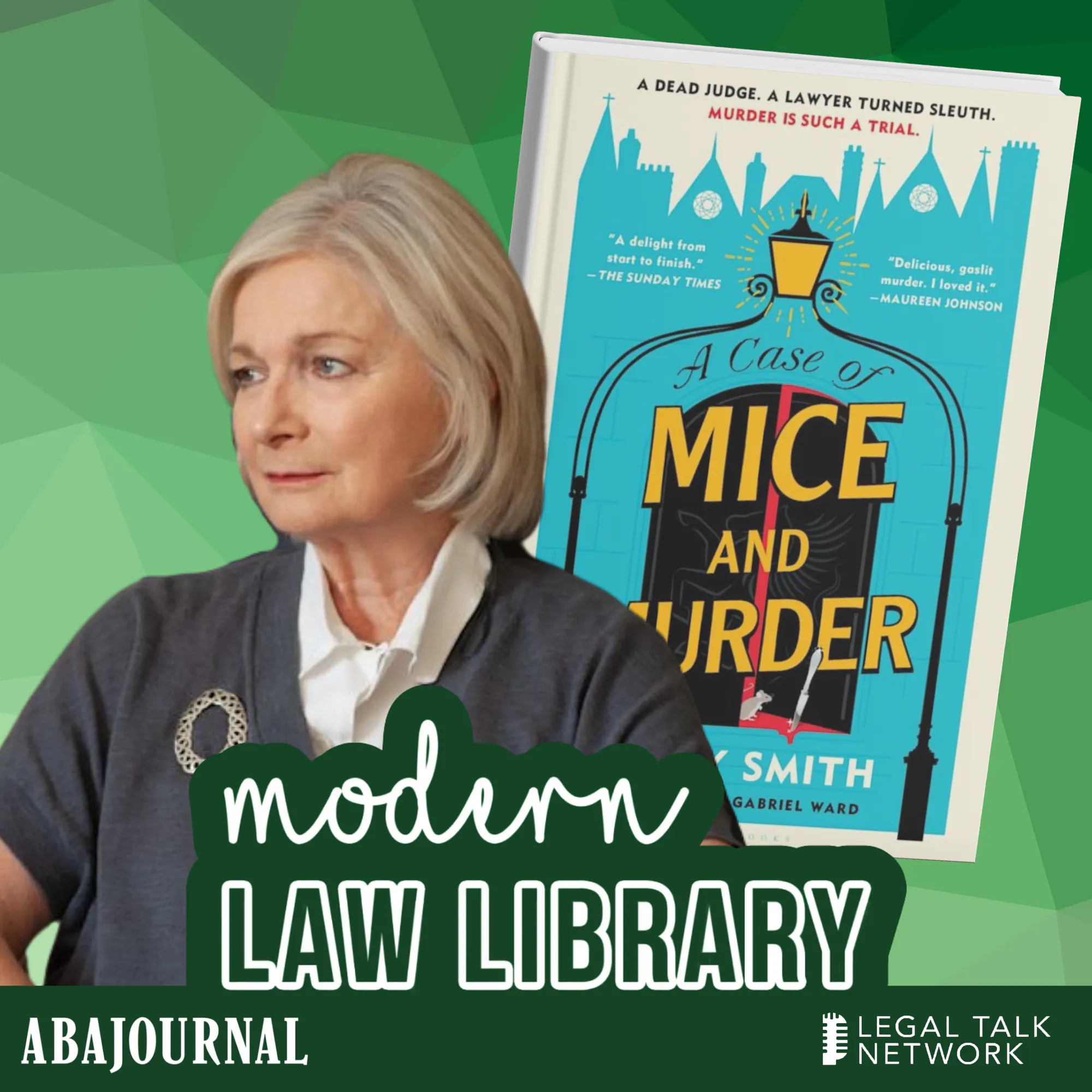
Barrister’s new mystery novel offers glimpse inside the Inner Temple
Since it was seized from the Knights Templar in the 14th century, the Inner Temple in London has housed acolytes of a different sort: men (and eventually women) who serve as advocates of the law. Sally Smith spent her legal career—and now is spending her retirement—inside the 15 acres that comprise the Inner Temple, now one of the four Inns of Court. Smith has previously written non-fiction books
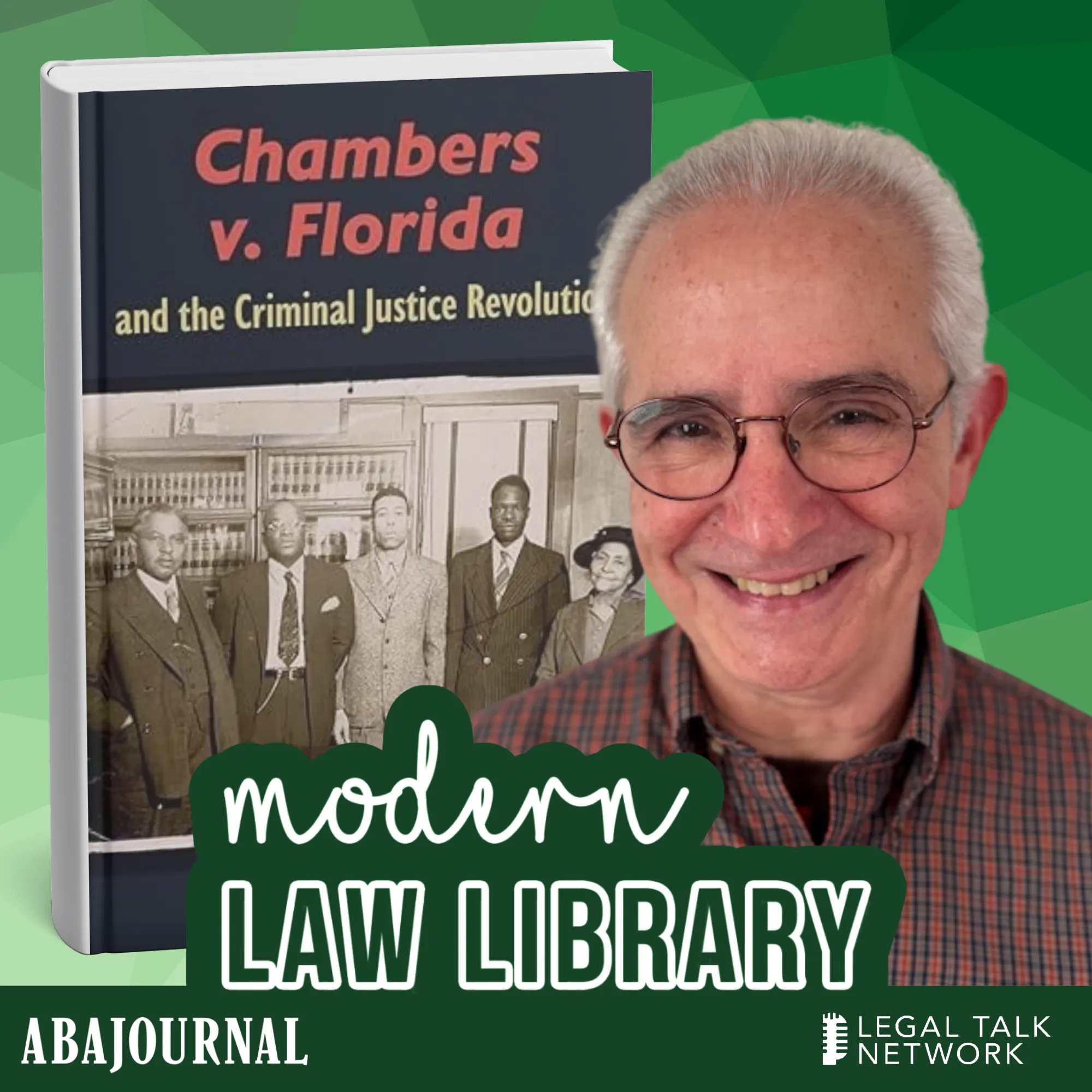
How a Florida murder and an unlikely justice created a ‘criminal procedure revolution’
In Chambers v. Florida and the Criminal Justice Revolution, historian and former ABA Journal reporter Richard Brust lifts the veil on a case that laid the groundwork for some much more famous civil rights victories. On May 13, 1933, shopkeeper Robert Darsey was robbed and murdered in Pompano, Florida. Four Black migrant farm workers—Izell Chambers, Walter Woodard, Jack Williamson and Charlie Davis
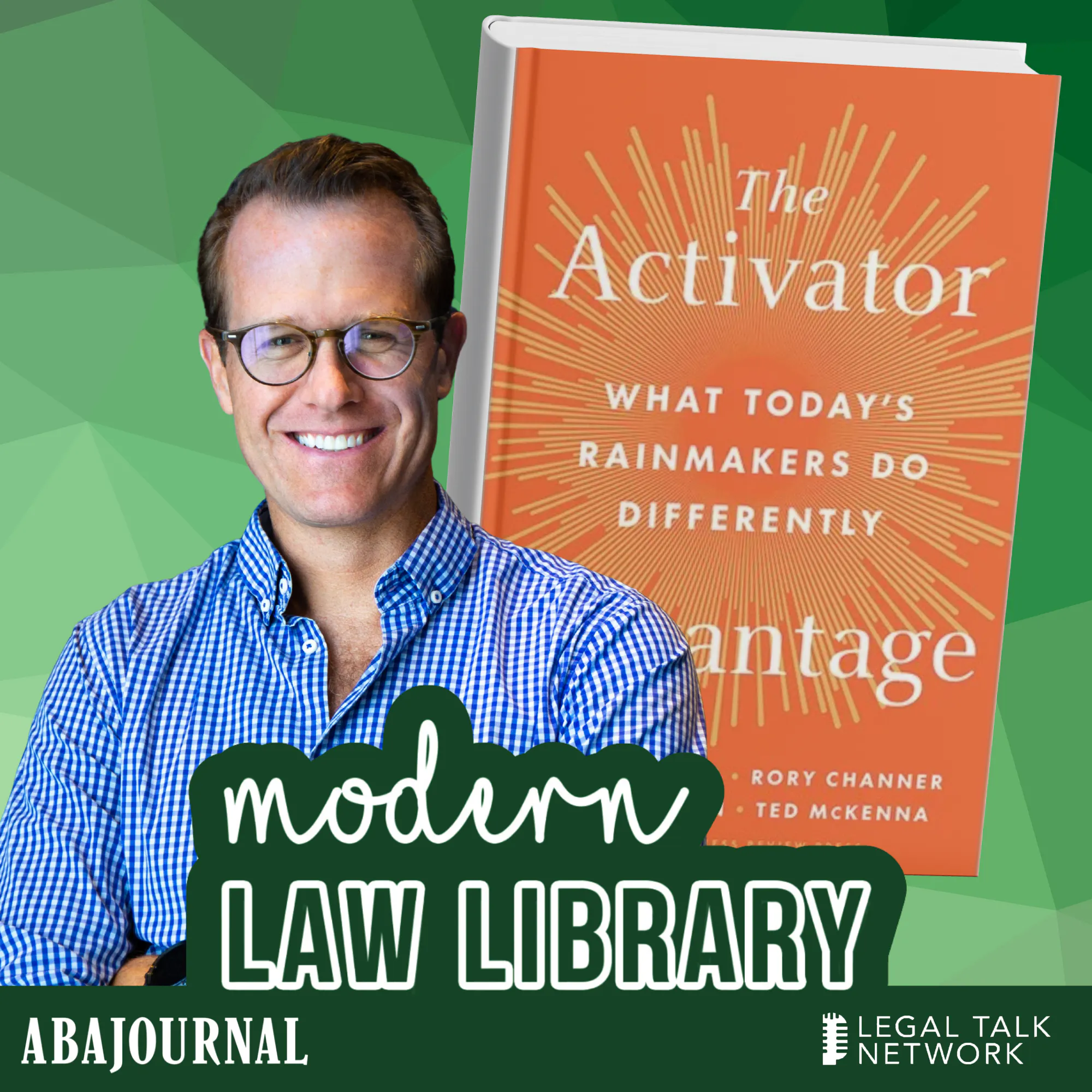
What today’s rainmakers do differently
Matthew Dixon, co-founder of DCM Insights, is a researcher who’s spent much of his career studying the shared characteristics and behaviors of successful B2B salespeople. In 2011, he released a study called “The Challenger Sale.” While giving a keynote on his findings at an annual partner retreat, an audience member stood up and challenged him.
“He said, ‘Dr. Dixon, you’ve been talking for 45 min

Perplexed about AI? Richard Susskind wants to help
For nearly 30 years, Richard Susskind has written books asking lawyers to envision the future of the law and the legal profession in ways that stretch the imagination. Susskind has been one of the foremost proponents of the transformative potential of technology in legal services. Now, he's asking us to imagine larger transformation still: a world in which AI reigns and humanity faces being sideli

‘Secrets of the Killing State’ exposes realities of lethal injection
Execution by lethal injection is seen by many Americans as a less barbaric alternative than older methods like hanging, firing squads and electrocution. It is easy to assume that the process must resemble euthanasia procedures for terminally ill people or pets. The reality is very different, says Corinna Barrett Lain, a law professor and death penalty expert.
Lain didn’t initially intend to make

‘Patenting Life’ shares tales from a career on the cutting edge of science and the law
Jorge Goldstein entered the fields of science and law at a time of immense change for them both. In the 1970s, huge strides were being made in biogenetics and microbiology, and in the 1980s, the intellectual property community was being asked to answer some giant questions they raised, like: How can you describe life, legally? Can a living being be patented? Who owns the material from your body?

How thinking like an athlete can make you a better lawyer
Peak performance in high-stress environments. It’s the goal for the basketball players taking the court during March Madness, but just as much for players on a different kind of court. Lawyers can and should learn a lot from elite athletes, says Dr. Amy Wood.
In this episode of the Modern Law Library, Wood shares her insights with the ABA Journal’s Lee Rawles. Wood, a clinical psychologist, has

This Harvard Law prof thinks constitutional theory is a terrible way to pick a judge
What if we are asking the wrong questions when selecting American judges? Mark Tushnet thinks our current criteria might be off.
“We should look for judges who are likely to display good judgment in their rulings … and we shouldn’t care whether they have a good theory about how to interpret the Constitution as a whole—and maybe we should worry a bit if they think they have such a theory,” the Harv
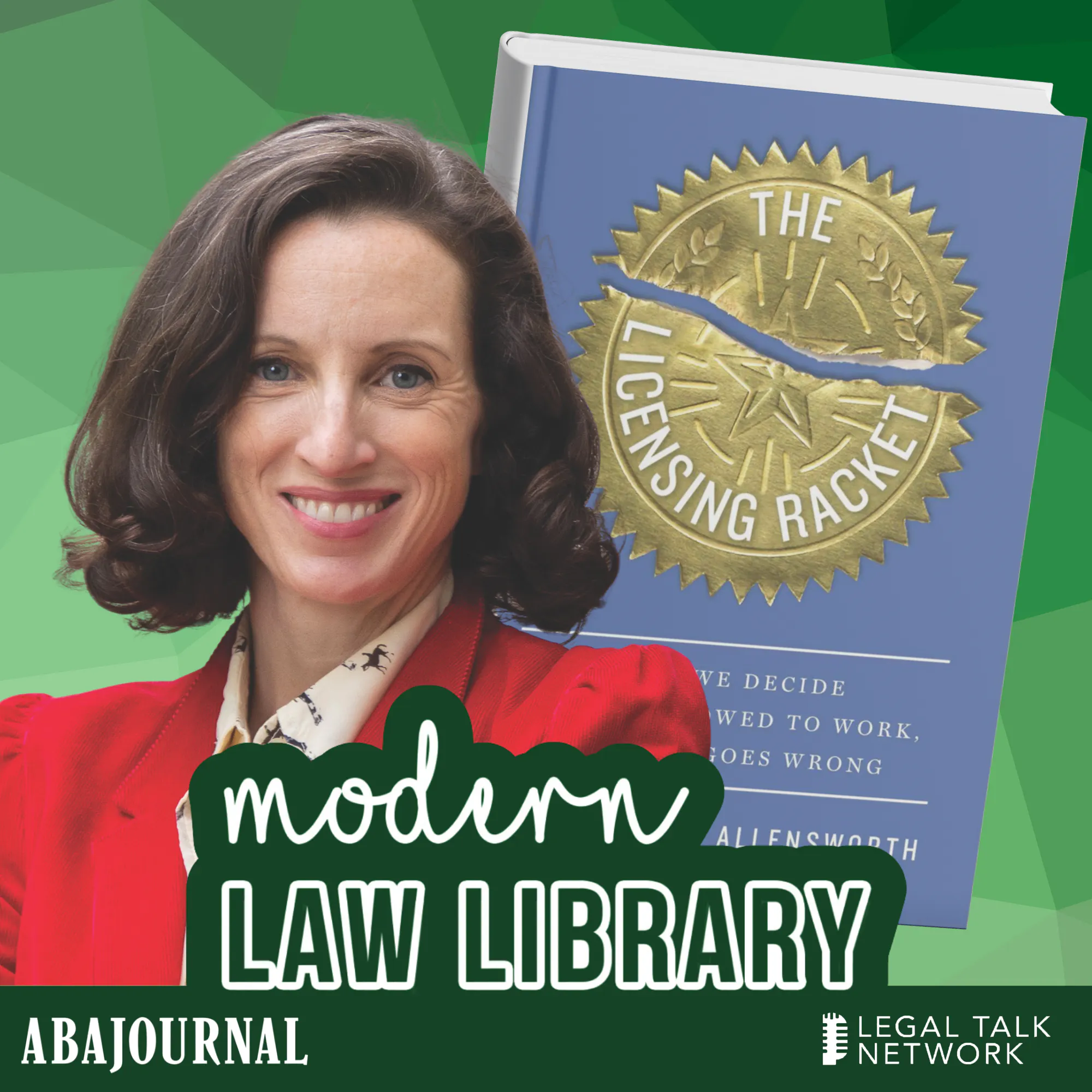
'The Licensing Racket' takes aim at professional licensing in America
Should you need a license for that? For law professor and antitrust expert Rebecca Haw Allensworth, there are huge problems with professional licensing in America—and her solutions might not make anyone completely happy.
In her new book, The Licensing Racket: How We Decide Who Is Allowed to Work, and Why It Goes Wrong, Allensworth takes a deep dive into the history and function of licensing in th

Former Watergate prosecutor and friends reflect on life in 'Legal Briefs'
For some people, retirement is an opportunity to kick back and finally relax. But for Roger M. Witten, it was a chance to finally tackle that book he'd been thinking about writing. With a little help from longtime friends and colleagues, Legal Briefs: The Ups and Downs of Life in the Law was born.
Witten's aim was to reach a general audience and given them an idea about what a life in the law co

When should life sentences be overturned? Judge shares how he decides
A federal judge’s new book is giving readers a rare inside glimpse at how a judge determines which prisoners deserve to have their sentences overturned.
In his memoir, Disrobed: An Inside Look at the Life and Work of a Federal Trial Judge, Judge Frederic Block introduced readers to his colorful life and career. In Crimes and Punishments: Entering the Mind of a Sentencing Judge, he explained the

Our favorite pop culture picks in 2024
It's the time of year when The Modern Law Library likes to look back on the media that we've enjoyed: our annual pop culture picks episode. This year, host Lee Rawles is joined by the ABA Journal reporters Danielle Braff and Anna Stolley Persky, and Victor Li, an assistant managing editor and host of the Legal Rebels Podcast.
Naturally, their favorite books are discussed. But they also have movi

Horse-loving lawyer left the law to help run a Colorado ranch
Ami Cullen grew up loving horses and competing in hunter/jumper events. But when it came to her career, she decided that law would be her calling. She graduated from law school and began work with a firm in Maryland working on medical malpractice cases. Then a visit to a Colorado dude ranch changed everything.
In Running Free: An Incredible Story of Love, Survival, and How 200 Horses Trapped in a

What went wrong–and right–with 10 famous trials
J. Craig Williams believes empathy is an important quality to be a trial lawyer. It’s served him in his profession, and it’s a tool he has also been using as an author trying to get into the minds of people from past eras.
In How Would You Decide? 10 Famous Trials That Changed History, Book One, Williams examines cases and trials from history through the lens of a modern trial lawyer. He uses the
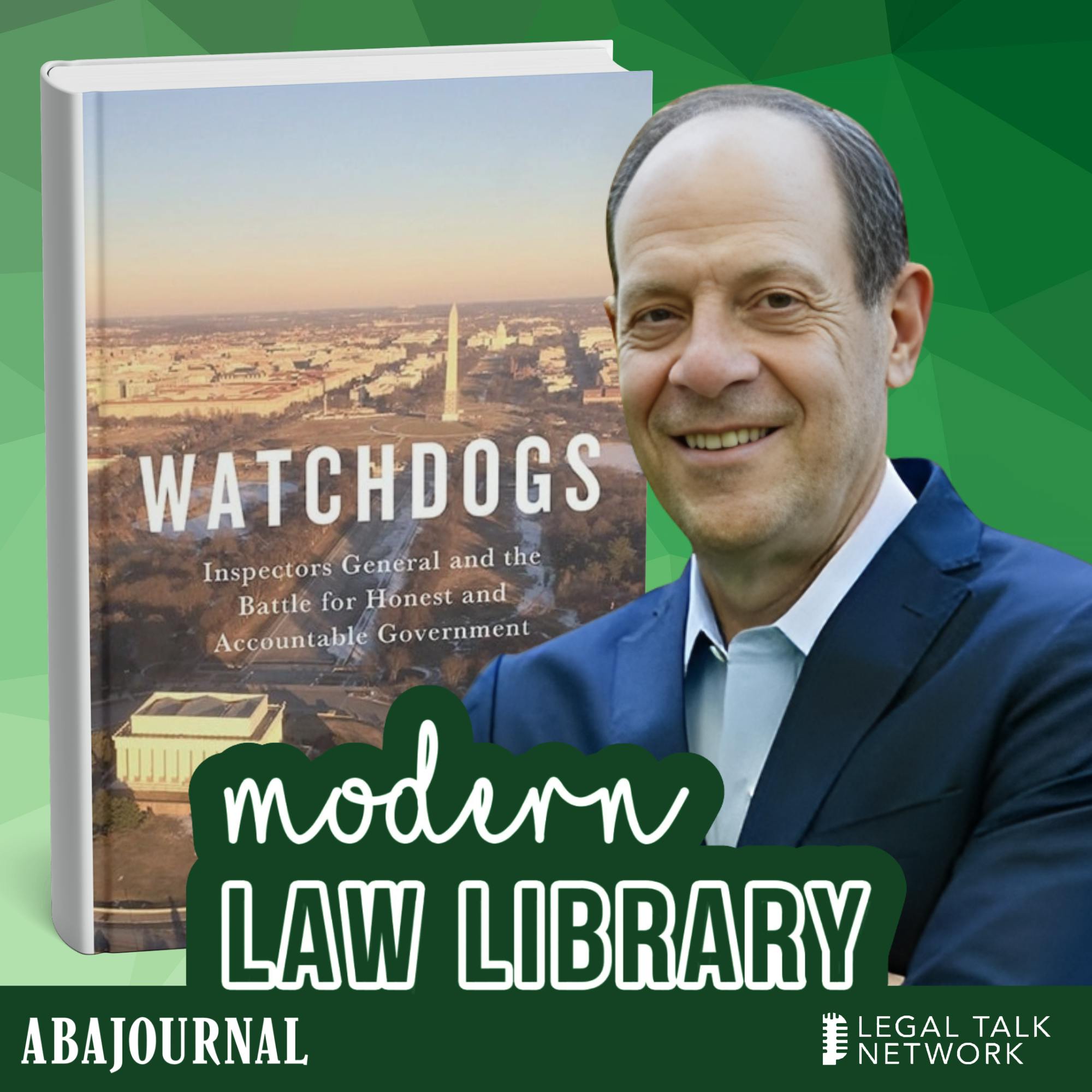
'Watchdogs' author has no regrets about choosing civil service over the NBA
Glenn Fine's career-long crusade against corruption might have its roots in his college days. As a point guard for the Harvard basketball team, Fine had his personal best game on Dec. 16, 1978, the same day he interviewed for–and received–a Rhodes scholarship. He put up 19 points against Boston College, including eight steals, and the team nearly eeked out a win against the favored Boston players.

Meet the sheriffs who believe they are ‘The Highest Law in the Land’
The first image conjured in your mind by the word “sheriff” might be the protagonist of a Wild West movie or Robin Hood’s foe, the Sheriff of Nottingham. But unless you’re a resident of Alaska, Connecticut, Hawaii and Rhode Island, there’s likely an elected law-enforcement official in your area who holds that title.
In The Highest Law in the Land: How the Unchecked Power of Sheriffs Threatens Demo

'Company' is the perfect short story collection for spooky season
Most—though not all—of the 13 short stories in Company deal with members of the Collins family. Three generations of narrators bear witness to the changing fortunes of the family, and as with any witness statement, everyone has a different perspective on what actually happened. Also, there are ghosts—and at least one witch.
The matriarch and patriarch of the Collins family ran a jazz club in Atla

The Supreme Court is a liberal body–when it comes to legal writing
Jill Barton spent the first decade of her career working as a journalist, with the Associated Press Stylebook always at hand to determine word usage and punctuation choices. But when she became an attorney, she says, she realized that there was no single equivalent style guide when it came to legal writing—and she had to adjust to using the Oxford comma.
As a professor of legal writing at the Univ
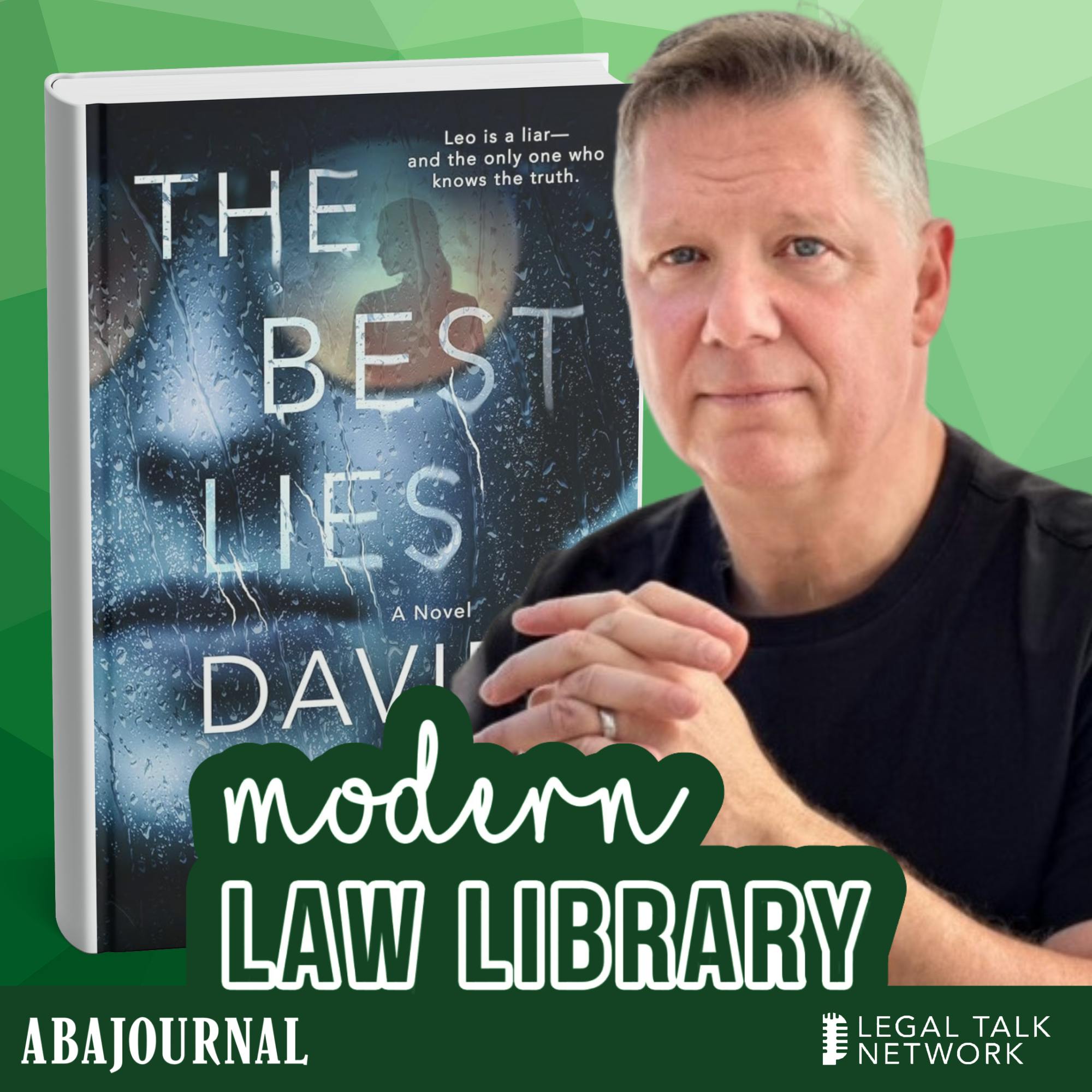
Legal thriller author David Ellis's day job? Appellate court justice
Justice David W. Ellis has served on the Illinois Appellate Court for the 1st District for nearly 10 years. But readers may know him better as author David Ellis, writer of more than a dozen legal thrillers.
Ellis had enjoyed creative writing as a youth, he tells the ABA Journal’s Lee Rawles in this episode of The Modern Law Library. But during his college and law school years, he was focused sole

'Shaping the Bar' author says bar exam protects legal profession, not public
The goal of the bar exam is to be a gatekeeper for the legal profession and protect the public. But the current system, dominated by the Uniform Bar Examination, gets a failing grade from Joan Howarth, an academic, an attorney and the author of Shaping the Bar: The Future of Attorney Licensing.
Summer reading picks and why a YMCA-funded crusade against obscenity matters today
Do you need some distractions during vacation travel or while lying directly under your A/C unit and sweating? It’s time for The Modern Law Library’s summer recommendations episode, in which host Lee Rawles shares her pop culture picks with you, plus a re-airing of one of our older episodes with current relevance.
As states navigate a post-Dobbs world, a series of federal and state regulations kno

'The Lawyer Millionaire’ author shares the 7 biggest money mistakes lawyers can make
Finances are a fraught area for many attorneys. Despite a high earning potential, new lawyers often start out with a financial disadvantage due to the opportunity cost of the years devoted to school and bar prep, coupled with high student loans. People who chose to get JDs instead of MBAs often find themselves having to operate as entrepreneurs to launch a small firm or solo practice. In The Lawye
‘The Originalism Trap’ author wants to see originalism dead, dead, dead
Originalism is the ascendant legal theory espoused by conservative legal thinkers, including the majority of U.S. Supreme Court justices. But far from being an objective framework for constitutional interpretation, says author and attorney Madiba Dennie, its true purpose is to achieve conservative political aims regardless of the historical record.
In The Originalism Trap: How Extremists Stole th
How to strike up conversations that build your book of business
Networking is something that comes naturally to some people. But if the idea of talking to strangers makes you break out into a cold sweat, there’s help and hope, says Deb Feder, author of the book After Hello: How to Build a Book of Business, One Conversation at a Time.
“You have picked a profession that is never finished meeting people,” Feder writes of lawyers. A practicing lawyer for many year
When states’ rights and healthcare access clash
From COVID-19 response to the overturning of Roe v. Wade, the results of 50 states having individual approaches to public health, medical outcomes and healthcare access raise troubling questions. A husband-and-wife team of University of Utah professors dig into the ethics of the American healthcare system in States of Health: The Ethics and Consequences of Policy Variation in a Federal System.
Les
'In the Shadow of Liberty' shines light on American immigration history
When the Trump administration's policy of separating families at the country's borders was announced, opposition from the public and the legal community was swift. The outcry and judicial decisions led to a reversal of the administration's stated policy. But detention and family separation have a long history in this country, history professor Ana Raquel Minian says.
Minian, who immigrated from Me
Users keepers: Pirates, zombies and adverse possession
“Trespassing plus time equals adverse possession,” Paul Golden writes in his new book, Litigating Adverse Possession Cases: Pirates v. Zombies. When someone has occupied or used a piece of property as though they own it for long enough, a court could determine that they are the rightful owner—regardless of what the paperwork says. It’s a concept more popularly discussed as squatter’s rights.
In th
James Patterson dishes on his new legal thriller, ‘The #1 Lawyer’
James Patterson has written bestsellers in many genres. But as he tells the ABA Journal's Lee Rawles in this episode of The Modern Law Library, he has always been fascinated by legal thrillers, courtroom dramas and crime novels. He even considered becoming a lawyer, before his literary career took off.
In his newest release, The #1 Lawyer, James Patterson partnered with co-author Nancy Allen to te
'When Rape Goes Viral' looks at why cases like Steubenville happen
Three high-profile cases of sexual assault in 2012 followed a basic pattern: A teenage girl was sexually assaulted at a house party by one or more teenage boys while she was incapacitated by alcohol. The attacks were recorded and the photos, videos and stories were shared on social media or via texts. The photos and videos were used to ridicule the victims among their peers. Those texts and posts
NY law prof is calling on ‘Lawyer Nation’ to reform
Ray Brescia, a law professor at Albany Law School, has taken a hard look at the country’s legal system in his new book, Lawyer Nation: The Past, Present and Future of the American Legal Profession.
In this episode of The Modern Law Library, Brescia tells the ABA Journal’s Lee Rawles about the efforts in the late 19th and early 20th century to exclude people from the legal profession who were not p
'Police & the Empire City' explores race and the origins of the NYPD
In Police & the Empire City: Race & the Origins of Modern Policing, Matthew Guariglia looks at the New York City police from their founding in 1845 through the 1930s as “police transitioned from a more informal collection of pugilists clad in wool coats to what we can recognize today as a modern professionalized police department.”
From the beginning, race and ethnicity had a major impact in the p
Yale Law's Owen Fiss talks about threats to democracy and 'Why We Vote'
After 50 years as a professor at Yale Law School, Owen Fiss says his students are still idealistic and passionate about the rights won in the Civil Rights Act of 1964 and Voting Rights Act of 1965. As a young lawyer in the late 1960s, Fiss worked with the Department of Justice to implement those laws. A classroom discussion in the spring of 2020 prompted him to draw upon his legal expertise and de
Access to justice can be achieved, says ‘Law Democratized’ author–but not without change
In 2013, the ABA Journal named Renee Knake Jefferson a Legal Rebel for her work co-founding the Michigan State University’s ReInvent Law Laboratory and rethinking how legal services could be delivered to consumers. In 2024, she’s taking a look back at more than a decade of research and experimental programs aimed at improving access to justice–the successes and the failures.
On this episode of the
How to plan your post-law life
There are lawyers who love the practice of law so much, they’ll only leave it feet first, in a box. But for those who’d prefer to exit the bar before closing time, Kevin McGoff has advice on planning that next chapter.
In his book, Finding Your Landing Zone: Life Beyond the Bar, McGoff describes his dawning realization that he was missing out on experiences while his life was dominated by his lega
Our favorite pop culture picks in 2023
It's the time of year when The Modern Law Library hosts like to look back on the media we've enjoyed, our annual pop culture picks episode. This year, host Lee Rawles is joined by three ABA Journal reporters: Julianne Hill, Amanda Robert and the Journal's newest employee, Anna Stolley Persky. Naturally, the four discuss their favorite books, but they also have movies, TV shows, podcasts and even a
How is the true crime genre impacting the way people think about innocence?
Human beings have told stories about violence and victims from our earliest records. In the nineteenth and twentieth centuries, newspapers and magazines flourished on crime coverage. Hollywood has churned out crime movies and TV shows, based both in fiction and non-fiction. But after the incredible success experienced by the podcast Serial in 2014 and the documentary series Making a Murderer in 20
Law grad turns culinary passion into TikTok fame and a brand new cookbook
Like many others, Jon Kung figured law school would be a safe harbor to weather the storms of the Great Recession. But after emerging from the University of Detroit Mercy School of Law in 2011, Kung changed course.Kung, who is non-binary, says the realization the practice of law was not for them hit after they helped the local prosecutor’s office achieve a conviction in a murder trial. They receiv
How reckoning with trauma can help you, your clients and the legal profession
“You can’t think yourself out of trauma,” the introduction to Trauma-Informed Law: A Primer for Lawyer Resilience and Healing warns. “An analytical response is insufficient. As lawyers and law students, we have been trained to learn only with our minds. But there are other epistemologies—other ways of knowing and interacting with the world.”
Trauma-Informed Law, published by the ABA Law Practice D
Transform your negotiations with a win-win-win mindset, says author
Moving from a “win-lose” mentality to a “win-win” mentality has been a central focus of the field of negotiation and conflict resolution since the 1980s, says Sarah Federman. Working to walk away with a deal that pleases both sides was a huge departure from the idea that one side of a transaction will necessarily lose.
But Federman, author of Transformative Negotiation: Strategies for Everyday Cha
Tales of 3 generations of Black women intertwine to form 'Memphis'
Admittedly, Tara M. Stringfellow became an attorney simply because her first book of poetry didn’t sell and she needed an income. But after a few years at Crown Castle in Chicago doing family and real estate law, she left, heading straight to the Master of Fine Arts program in creative writing at Northwestern University to get back into the writing game—this time with a lawyer’s sharpened pencil.
Complex litigation judge has 50 ideas to simplify the courts
As both an attorney and judge, Thomas Moukawsher has spent the majority of his career dealing in complex litigation. And the Connecticut Superior Court judge would like to make the legal system—well, less complex.
In this episode of the Modern Law Library, Moukawsher and the ABA Journal's Lee Rawles discuss his ideas and his new book, The Common Flaw: Needless Complexity in the Courts and
Summer reading and back-to-law-school tips
It’s time for the Modern Law Library’s summer recommendations episode, in which host Lee Rawles shares her pop culture picks with you, plus a re-airing of one of our older episodes with current relevance.
This year, that episode is our 2018 interview with Kathryne M. Young about How to Be Sort of Happy in Law School. Young used her background in sociology to gather data from students, alumni, facu
Trial lawyer’s tales include wins, losses and international intrigue
The year was 1961. Freshly minted attorney James J. Brosnahan had been on the job as a federal prosecutor in Phoenix for two days when he was handed his first trial: a capital murder case. Twelve days into the job, he’d won his first jury trial, and caught the trial bug. (Though to his relief, the two young defendants escaped the death penalty.) For the next six decades, Brosnahan chased every opp
Is family court too flawed to be fixed?
Jane M. Spinak did not set out to write a book arguing for the abolition of family court. She thought she would be making the case for a set of sensible reforms. But the more she dug into the history of the family court system, the previous attempts at reform, and the examples of real world harms the system had caused, the more she began to believe there was no saving it.
In this episode of the Mo
Didn't get it in writing? There may still be a way, says author of 'Litigating Constructive Trusts'
“If you don’t have it in writing, you’re out of luck.” That’s the common wisdom you’ll hear from TV judges, helpful uncles, well-meaning friends and even lawyers in your life. But while getting an agreement in writing is a best practice, in some cases you—or your clients—might have more options than you think to enforce a unwritten agreement.
While the foundational principle of the Statute of Frau
'My Mom, the Lawyer' explores women's work and personal lives through the eyes of their children
While directed at young children, a lawyer's book also speaks to lawyers who are moms, letting them know that being both can be a busy but fulfilling life.
As Michelle Browning Coughlin, of counsel at ND Galli Law in Louisville, Kentucky, was raising her two daughters, she wanted her kids to understand what lawyers do. She worried that children only knew the type of lawyers who commonly appeared i
SCOTUS faces ‘a catastrophic loss of institutional legitimacy,’ warns author
In his new book, The Supermajority: How the Supreme Court Divided America, Michael Waldman identifies three times the U.S. Supreme Court caused a public backlash against itself—and warns the court may be well along the path to a fourth massive public backlash.
In this episode of the Modern Law Library, Waldman walks the ABA Journal’s Lee Rawles through the prior episodes of backlash, starting with
‘The Shadow Docket’ shines light on an increasingly uncommunicative Supreme Court
In The Shadow Docket: How the Supreme Court Uses Stealth Rulings to Amass Power and Undermine the Republic, University of Texas law professor Stephen Vladeck argues the U.S. Supreme Court is expanding its powers at the expense of the rule of law and public transparency.
A case ordinarily comes before the U.S. Supreme Court after a long appellate process; receives a public hearing where the case is
End of the Cold War launched new efforts to build the rule of law
As chunks of the Berlin Wall were being torn down by jubilant crowds on November 9, 1989, James Silkenat was serving his term as chair of the ABA International Law Section. But he is the first to admit he did not immediately anticipate what that event would mean for the Cold War, or that monumental changes that soon be taking place across Europe and Central Asia. It was that event, however, that s
Author and lawyer explores English family's ties to Nazi Germany in 'The Mitford Affair'
Heather Terrell, who writes under the pen name Marie Benedict, has written about novelist Agatha Christie in The Mystery of Mrs. Christie, and in Lady Clementine, she looked back on the life of Winston Churchill’s wife, Clementine Churchill. Now, in her historical novel The Mitford Affair, she has turned her attention to three English sisters—Unity, Nancy and Diana Mitford—with the rise of Nazi Ge
‘Never Far from Home' brings readers from NYC projects to 90s hip-hop scene to Microsoft offices
Bruce Jackson grew up shuttling between Brooklyn and Manhattan public housing projects. His journey led him to Hofstra University, then Georgetown Law. He ditched a white-shoe firm job to launch a career in entertainment law, and represented some of the hottest hip-hop and rap artists in the 1990s. When Napster changed the music industry, Jackson left for Seattle and Microsoft, where he traded in
Recommended

Infinite Health with Dr. Arasi Maran

The Daily

World News Tonight with David Muir
The Joe Rogan Experience

English Vocabulary Help

TED Talks Daily

Learn English B1 with Daily News | English Listening Practice

Talk About Talk - Executive & Leadership Communication Skills
English with Olivia | Slow Conversations & Vocabulary
Stand In The Circle

SLOW ENGLISH PODCAST (A1-A2) With Subtitles | Daily Videos | English With Us Podcast

Learn English A2 with Daily News | Simple English Listening Practice
