
Who Arted: Weekly Art History for All Ages
Who Arted is an art history and art education podcast that explores art in all its forms, from traditional fine art to video game design, dance, and culinary arts. Each episode tells the story of a different artist and artwork, making art history fun and accessible to everyone. The podcast is written and produced by an art teacher and releases new episodes every Monday and Friday.
Episodes

Robert Longo | Men in the Cities
My guest this week is Tim Bogatz from The Art of Education and host of Art Ed Radio. He was kind enough to join me to talk about Robert Longo.
American artist Robert Longo rose to prominence as a defining figure of the late 20th-century art scene, widely recognized for his monumental scale, multidisciplinary projects, and cinematic aesthetic. His breakthrough series, Men in the Cities, created i

TLDR Aztec Art
Aztec art served as a vital instrument of statecraft, religious ceremony, and cosmic order rather than individualized aesthetic expression. Organized into royal and religious guilds, master artisans known as tolteca worked in dedicated neighborhoods across Tenochtitlan, mastering lapidary arts, stone carving, and metalwork. Elite featherworkers (amanteca) produced radiant mosaic tapestries, headdr

TLDR Anish Kapoor | Cloud Gate (The Bean)
Sir Anish Kapoor is an internationally acclaimed British-Indian sculptor celebrated for his pioneering investigations into scale, void, and perceptual depth. Emerging in the early 1980s as part of the New British Sculpture movement, Kapoor initially gained renown for forms coated in intense, unbound raw pigments, a technique influenced by traditional Hindu ritual powders, before expanding into col

TLDR Friedensreich Hundertwasser
Friedensreich Hundertwasser (1928–2000) was an Austrian visual artist, architect, and environmental philosopher renowned for his vibrant, unconventional aesthetic and radical ecological convictions. Rejecting the rigid straight lines and functional geometric grids of modernist architecture, Hundertwasser championed organic forms, irregular contours, spirals, and vivid mineral pigments. His artisti

Ettore Sottsass | Carlton & Memphis Design
Ettore Sottsass was an Italian architect and designer who transformed the design landscape of the late 20th century by challenging the rigid functionalism of modernist architecture. Born in Austria and trained in Turin, Sottsass cultivated a philosophy centered on human joy and playful expression, values cemented during his time as a prisoner of war in World War II. After gaining international acc

Author Interview CJ Denton | La Pittura
My guest this week is CJ Denton, author of a new novel called La Pittura. While his work is historical fiction, in preparation for the book, he conducted extensive research into the life of Artemisia Gentileschi, one of the most celebrated painters of the Italian Baroque era. We discussed her life and work particularly focusing on Self-Portrait as the Allegory of Painting (La Pittura), painted dur

Author Interview: Ryan T. Pozzi | The Mess that Made Them
Today I have a bonus episode in the feed. I originally planned to release my interview with Ryan T. Pozzi on Monday, but due to technical difficulties, I had to flip things around. Today, his new book, The Mess that Made Them, is hitting stores. The book focuses on the difficult circumstances that shaped a number of different artists. In our conversation, we focused primarily on Suzanne Valadon.

TLDR Eugène Delacroix | Liberty Leading the People
Eugène Delacroix stands as one of the defining figures of 19th-century French art and the leading pioneer of the Romantic movement. Rejecting the rigid, line-driven academic standards of Neoclassicism championed by contemporaries like Jean-Auguste-Dominique Ingres, Delacroix embraced raw emotion, expressive brushwork, and radiant color inspired by Peter Paul Rubens. From his controversial Paris Sa

Joseph Ducreux | Self-Portrait of the Artist in the Guise of a Mocker
Joseph Ducreux (1735–1802) was an innovative French portrait painter known for defying the rigid conventions of 18th-century academic art. After training under masters such as Jean-Baptiste Greuze, Ducreux gained acclaim for his pastel work, miniatures, and precise observational likenesses. His talent earned him royal commissions, including a diplomatic assignment to Vienna to paint a portrait of
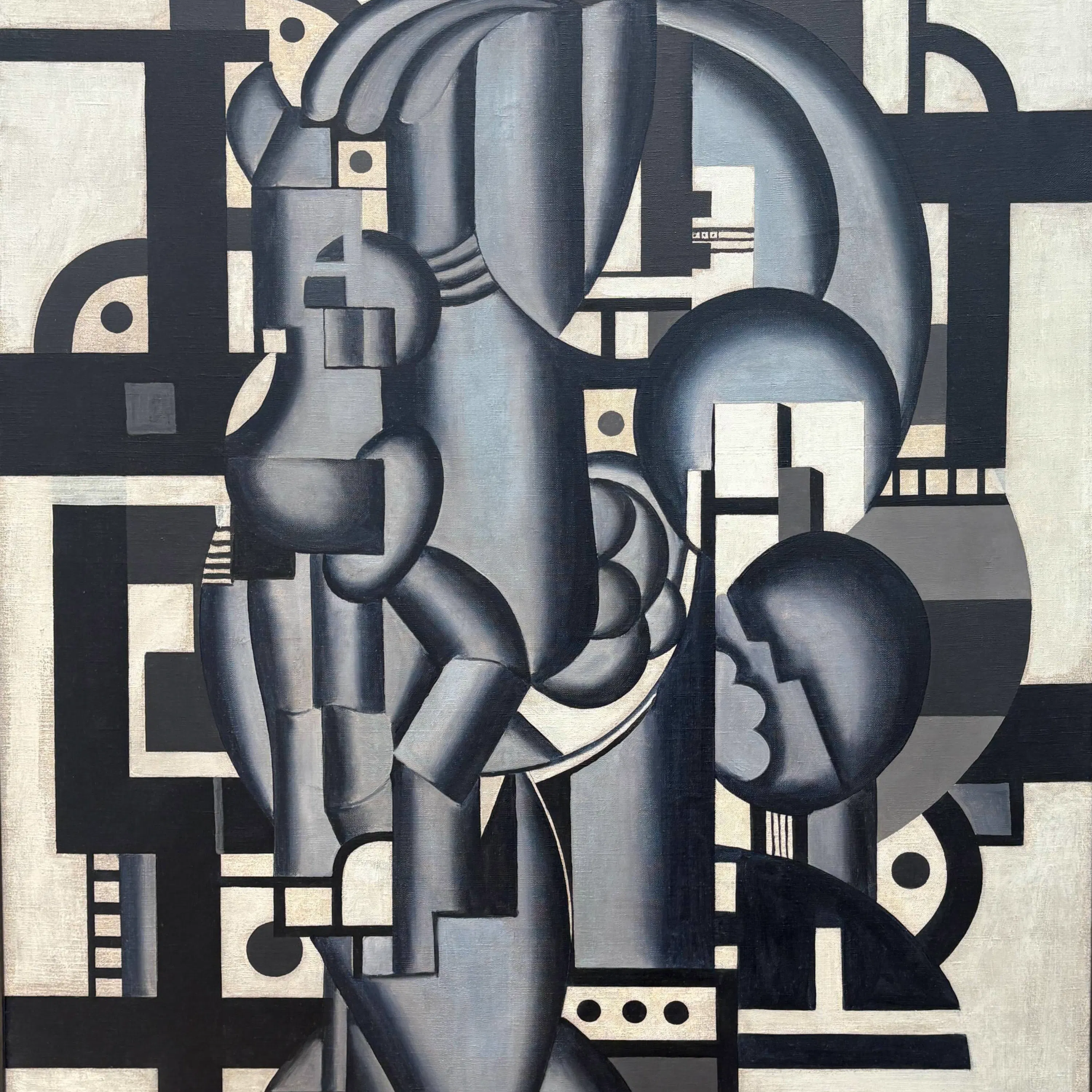
Fernand Léger | Composition in Blue
Fernand Léger was a pioneering French modernist painter whose foundational training as an architectural draftsman profoundly shaped his structured, geometric approach to art. After absorbing the influence of Paul Cézanne and collaborating among avant-garde circles in Paris, Léger developed a distinct variation of Cubism characterized by cylindrical, tubular forms, a style contemporary critics dubb

Stuart Davis | Swing Landscape
Stuart Davis was an influential 20th-century American modernist painter who bridged European abstract movements like Cubism with distinctively American subjects and aesthetics. Born in 1892, Davis studied under Ashcan School leader Robert Henri in New York, where he initially focused on urban realism before finding inspiration in European avant-garde styles at the landmark 1913 Armory Show. Throug

Tamara de Lempicka | Tamara in a Green Bugatti (encore)
Tamara de Lempicka remains the definitive icon of the Art Deco era, blending polished Cubist techniques with the glamorous, high-stakes atmosphere of the Roaring Twenties. From her harrowing escape during the Russian Revolution to her transformation into a Parisian socialite and eventually a Hollywood favorite, her life was a calculated masterpiece of self-invention. Her signature style, character

Artist Interview Emil Wilson | The Nightingales
My guest this week is Emil Wilson, the author and illustrator behind the new graphic novel, The Nightingales. Wilson started his career in advertising before attending art school in his fifties, spurred by the sudden loss of a friend that motivated him to finally take a leap of faith and pursue his true creative passions. We dive into the moving, true story of compassion from 1985 that inspired th

Francisco Goya | The Third of May 1808 (encore)
Francisco Goya (1746-1828) is one of Spain's most important and complex artists. His career bridged the gap between the Old Masters and the modern era. He found success as a court painter for the Spanish monarchy, creating bright, lively tapestry designs for the royal palaces. However, a devastating illness in 1792 that left him completely deaf marked a profound turning point. His art took on a da

Neil Harbisson | Cyborg Artist (encore)
Neil Harbisson is a contemporary artist who hears colors. He deliberately chose to hear colors and to make that happen, he underwent surgery which has caused him to become the first person ever to be issued a government ID recognizing him as a cyborg.
Harbisson has a condition known as achromatopsia. For him and others with complete achromatopsia, all three types of cones in the retina are nonfun

David Hockney | A Bigger Splash (encore)
Explore the life and work of David Hockney, one of the most influential British artists of the 20th and 21st centuries. Born in Yorkshire in 1937, Hockney's rebellious spirit and prodigious talent were evident from his early days at the Royal College of Art. His move to Los Angeles in 1964 marked a pivotal moment, as he swapped the grey skies of England for the bright, constant sunlight of Califor
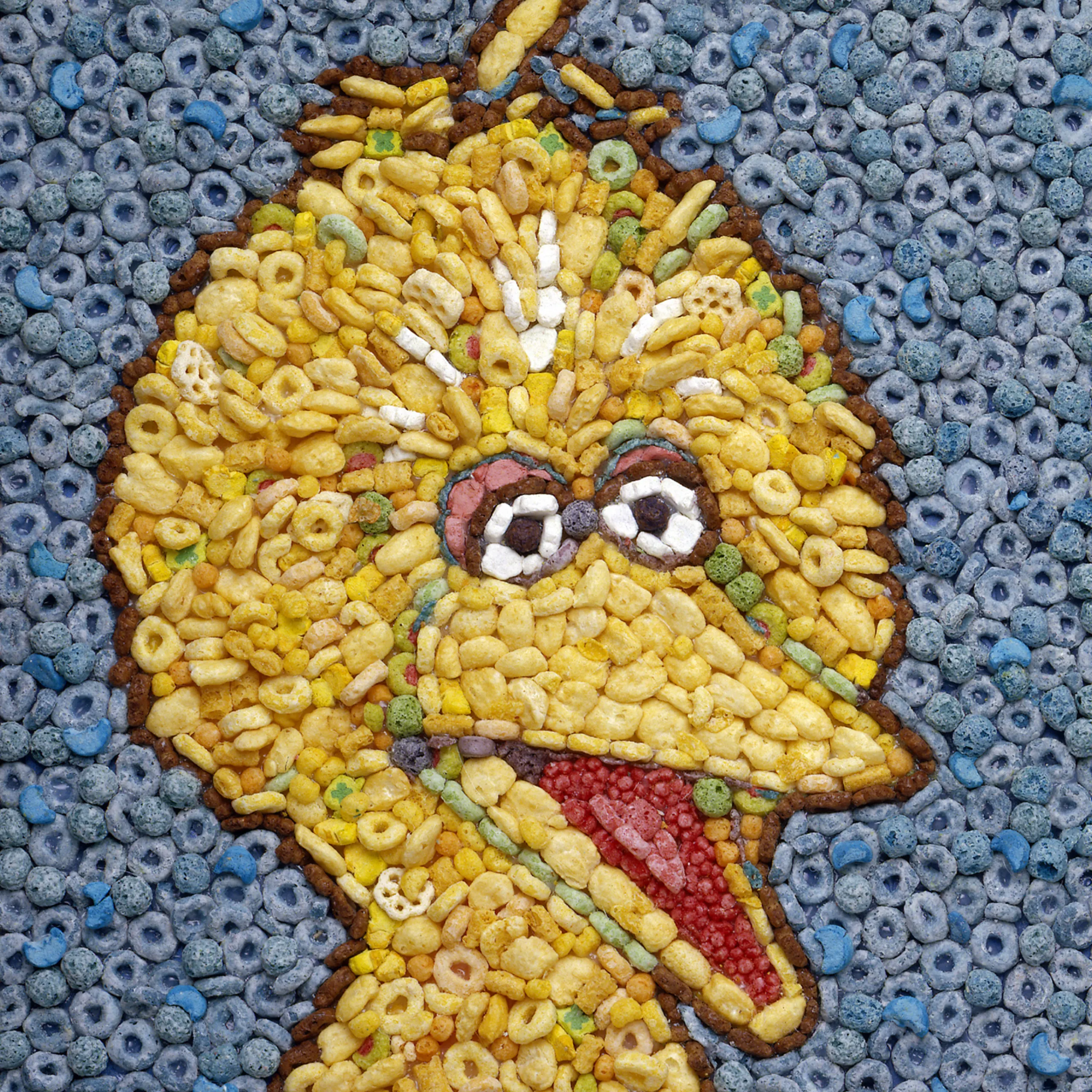
5 Artists Who Take Playing with Their Food to a Whole New Level (encore)
Today I thought it would be fun to switch things up a little bit. Instead of focusing on just one artist and artwork, I’ve got 5 artists who work with food in ways most people would never consider. Jason Mecier creates mosaic portraits of celebrities using their favorite snacks, vices, and trash, making him a prominent figure in "junk art." Vik Muniz recreates famous paintings on a large scale

TLDR Illuminated Manuscripts (encore)
Illuminated manuscripts are the stunning, handcrafted books of the medieval world, created through a meticulous process in monastery workshops known as scriptoria. Scribes would copy text onto processed animal skin, or vellum, while artists known as illuminators added intricate illustrations and shimmering gold leaf. The term 'illuminated' comes from this dazzling use of gold and silver, which mad

Joan Miró | The Farm (encore)
Joan Miró, a renowned Spanish painter, sculptor, and ceramicist, was born in Barcelona on April 20, 1893. Initially steered towards business, Miró's true passion was art. He studied at Barcelona's La Llotja School of Fine Arts and later the Escola d'Art. A period of illness led him to Mont-roig del Camp, a pivotal experience that solidified his commitment to painting and connection to nature. Miró

Alfred Stieglitz | The Steerage (encore)
I am taking some time off to rest over the summer. I will be putting encore presentations of previous episodes to make it easy for those who subscribe to the feed to discover or rediscover some great artists/works. I will be back with new episodes right around back to school season.
Alfred Stieglitz is considered by many to be the father of modern photography. He looked at the camera as not simp
Possibilities
Possibilities is a groundbreaking documentary that explores the enduring legacy of Helen Keller and the contemporary experiences of individuals who are blind, deafblind, or have low vision. My guest this week is Tony Stevens, one of the producers of the film and Assistant Vice President of Communications at the American Foundation for the Blind (AFB). The film bridges historical achievements with

Claes Oldenburg (encore)
Claes Oldenburg (1929-2022), the Swedish-born American sculptor, wasn't your typical artist. He wasn't interested in grand figures or historical scenes. Instead, he found inspiration in the most unexpected places: the everyday objects that cluttered our lives. His art, a blend of Pop Art and gigantic whimsy, continues to transform cityscapes around the world.
I am taking some time off to rest o

Jack Kirby (encore)
Jack Kirby created some of the biggest names in the golden age of comics including: Fantastic Four, the X-Men, Iron Man, Black Panther, The Incredible Hulk. He basically populated the Marvel Universe. In 1970 though he felt like he wasn't getting the credit he deserved there and left Marvel for DC. There he created a series, Fourth World which I imagine he thought would demonstrate his brilliance

TLDR Sol LeWitt
Sol LeWitt was a pioneering American artist who played a crucial role in defining the Minimalist and Conceptual art movements. Born in Hartford, Connecticut, in 1928 to Russian immigrant parents, LeWitt pursued his early education in fine arts at Syracuse University before serving in the U.S. Army during the Korean War. Following his military service, he moved to New York City in 1953, where he im

TLDR Hatshepsut's Mortuary Temple
Queen Hatshepsut reigned as the fifth pharaoh of the Eighteenth Dynasty during Egypt’s New Kingdom period. Initially occupying the traditional role of queen consort to her half-brother Thutmose II, she assumed the regency for her infant stepson, Thutmose III, following her husband's death around 1479 BCE. By the seventh year of her regency, she broke with Egyptian tradition by officially crowning
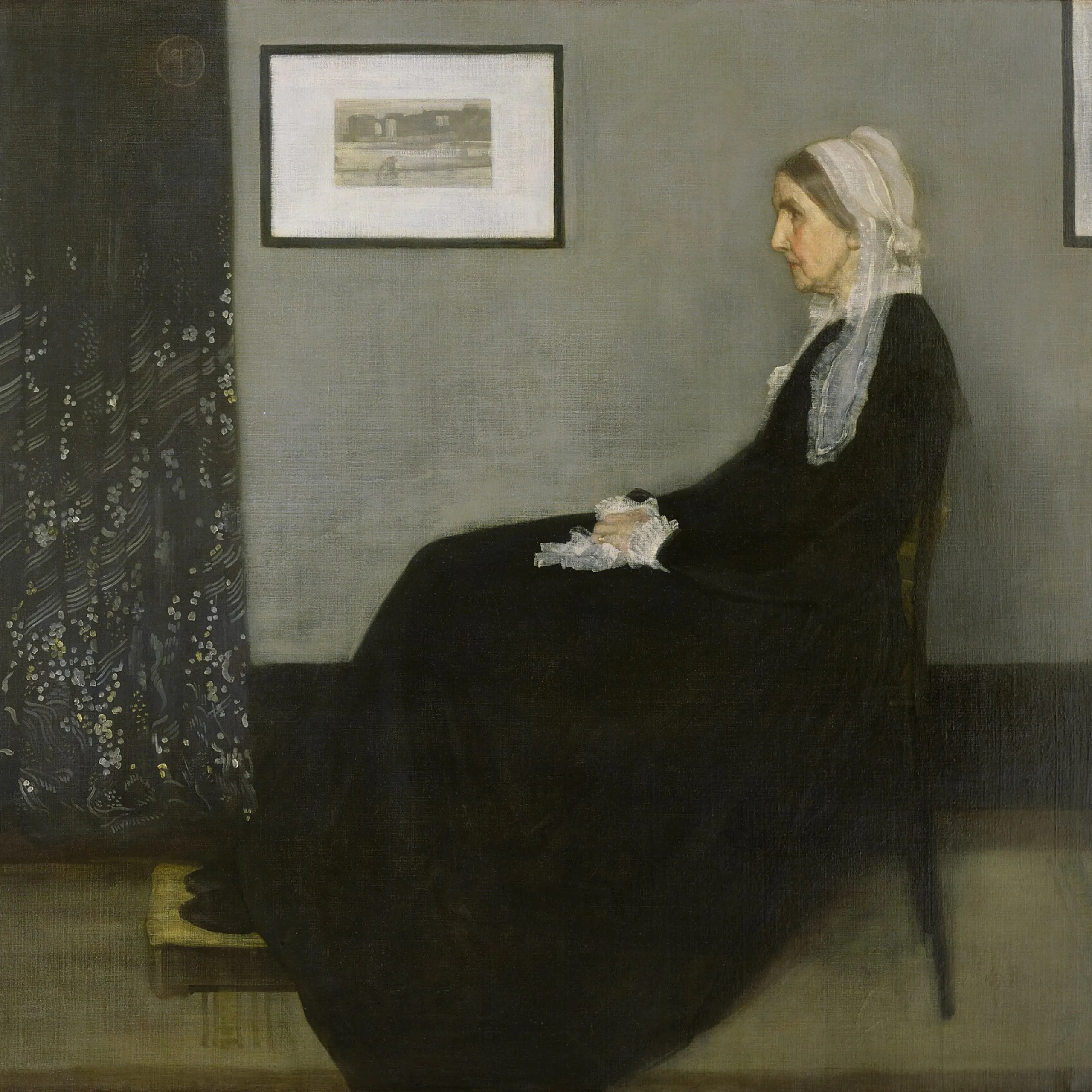
James McNeill Whistler | Arrangement in Grey and Black No. 1 (Encore)
James Abbott McNeill Whistler was a prominent figure in the Aesthetic Movement focusing on "Art for art's sake." One of Whistler's most renowned works is "Arrangement in Grey and Black No. 1," widely known as "Whistler's Mother," painted in 1871. This oil on canvas depicts his mother, Anna McNeill Whistler, seated in profile. Despite Whistler's insistence that the painting be appreciated for its f

TLDR Henri Rousseau | The Equatorial Jungle
French Post-Impressionist painter Henri Rousseau is widely celebrated as one of the most significant self-taught artists in history. Born in Laval, France in 1844, Rousseau worked for years as a government toll collector before retiring early to dedicate himself entirely to his art. Because he bypassed traditional academic training, he eschewed standard techniques like linear perspective. Instead,

TLDR Paul Klee | Twittering Machine
Paul Klee, born on December 18, 1879, in Switzerland, developed into one of modern art's most influential figures, crossing paths with major movements such as Expressionism, Cubism, and Surrealism. Raised in a deeply musical family, he trained extensively as a violinist and played with the Bern Music Association by age eleven before pivoting to the visual arts and moving to Munich in 1900 to study

TLDR Giuseppe Arcimboldo | The Librarian
The Italian Mannerist painter Giuseppe Arcimboldo, born in Milan around 1526 or 1527, began his career creating traditional religious artwork, stained glass windows, and tapestries for local cathedrals alongside his father, Biagio. In 1562, Arcimboldo relocated to Vienna to serve as a court portraitist for Habsburg Emperor Ferdinand I, a prestigious role he maintained under successors Maximilian I

TLDR Peter Max
Peter Max, born Peter Max Finkelstein in Berlin in 1937, is a legendary German-American pop artist whose multicultural childhood profoundly shaped his vibrant creative style. After fleeing Nazi Germany with his family in 1938, Max spent a decade in Shanghai, China, before traveling through Tibet, Israel, and Paris, exposing him to a diverse array of global artistic traditions. Upon immigrating to
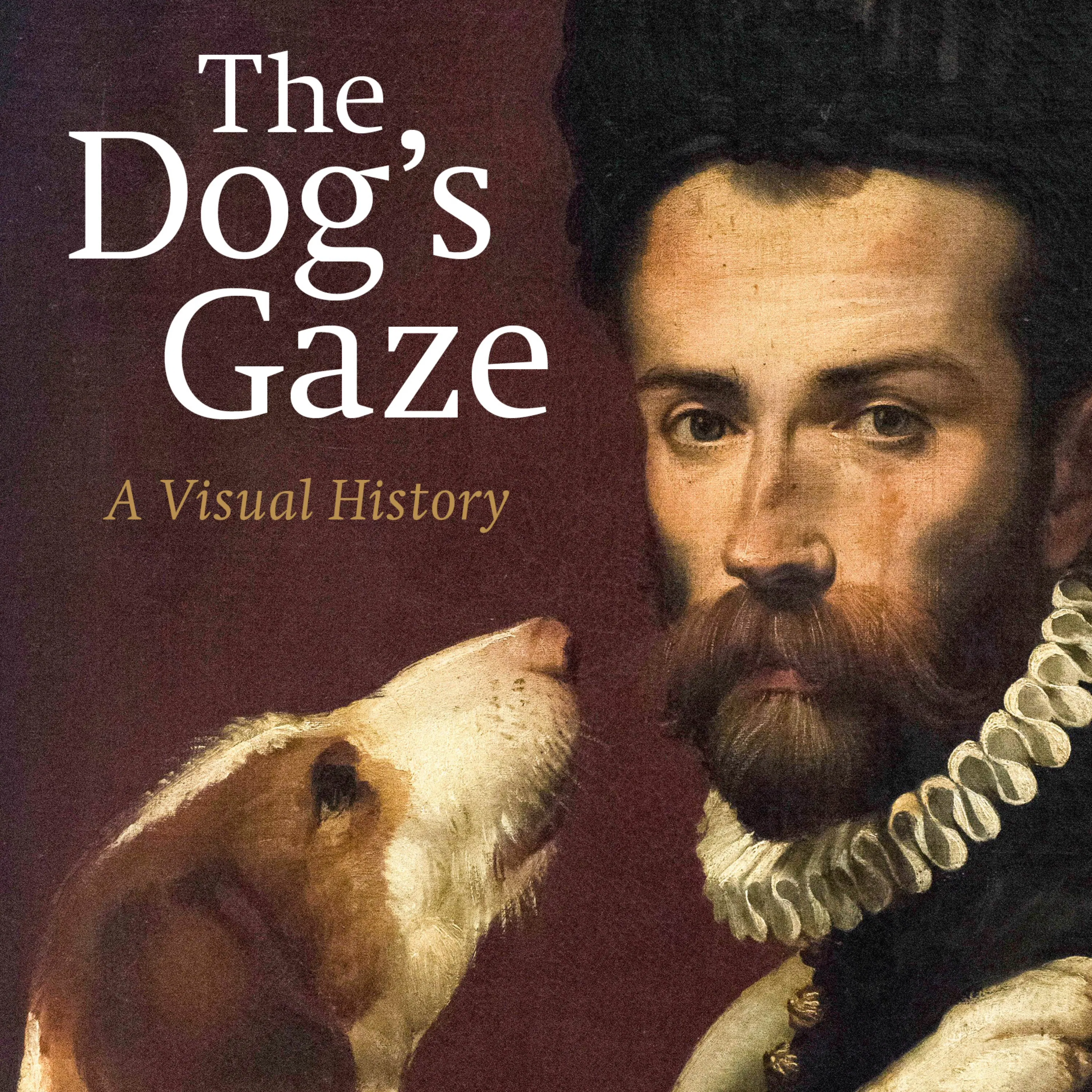
Author Interview Thomas Laqueur | The Dog's Gaze
My guest this week is author and historian Thomas Laqueur to discuss his new book, The Dog's Gaze: A Visual History. Laqueur explores the deep biological, evolutionary, and cultural connection between humans and dogs as told through centuries of masterpiece paintings. From the ancient petroglyphs of the Arabian desert to Velázquez's intricate court scenes, the gaze of a dog functions as an invitin

The Parthenon
The Parthenon, a crowning achievement of Classical Greek architecture, was constructed on the Athenian Acropolis between 447 BCE and 432 BCE during the golden age of Athens. Commissioned under the leadership of the prominent statesman Pericles, the monumental project brought together the master sculptor Phidias and the brilliant architects Iktinos and Kallikrates. Embodying the ideals of structura

The Marine Corps War Memorial
Today, I am sharing an episode of my other podcast Fun Facts Daily focusing on the Marine Corps War Memorial and the iconic image of soldiers raising the flag.
The Marine Corps War Memorial in Arlington, Virginia, honors all United States Marine Corps personnel who lost their lives in service to their country since 1775. Sculpted by Felix de Weldon, the massive bronze statue recreates the iconi

TLDR Jasper Johns | Flag
Jasper Johns, born May 15, 1930, in Augusta, Georgia, significantly influenced mid-century American painting by reintroducing recognizable, everyday imagery into fine art. After pursuing an art degree at the University of South Carolina and studying at the Parsons School of Design, Johns served in the U.S. Army during the Korean War. Upon returning to New York City in 1953, he established a studio
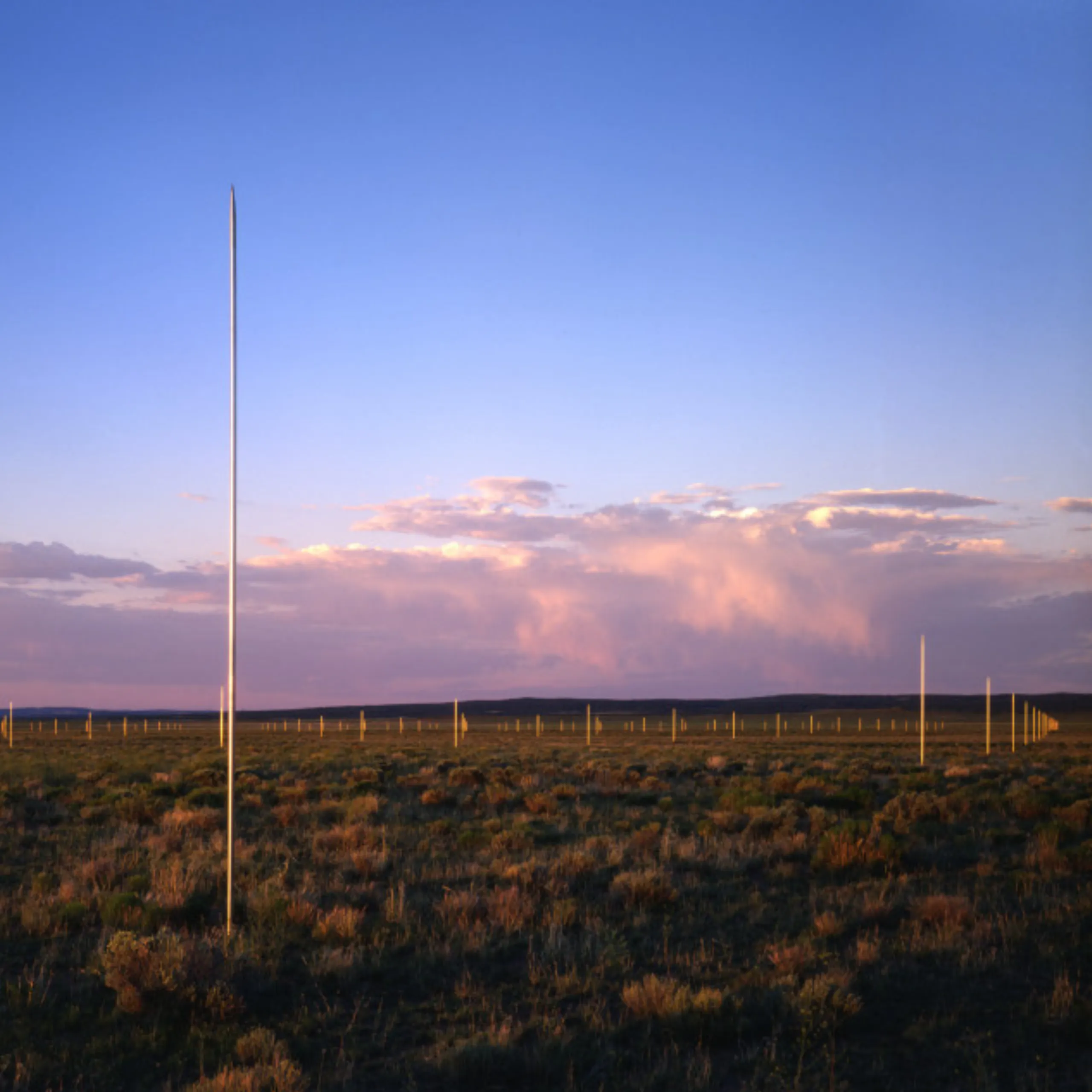
Walter De Maria | The Lightning Field (encore)
Walter De Maria (1935-2013) was a pivotal figure in Minimalism, Conceptual Art, and Land Art, known for large-scale environmental installations. His significant works include The New York Earth Room and The Lightning Field. The Lightning Field, commissioned by the Dia Art Foundation and completed in 1977 in Catron County, New Mexico, comprises 400 stainless steel poles arranged in a precise grid,

TLDR El Greco | The Burial of the Count Orgaz (encore)
Domenikos Theotokopoulos, better known as El Greco, was a singular figure in art history who bridged the gap between Byzantine tradition and Western modernism. Born in Crete in 1541, he trained as an icon painter before moving to Venice and Rome, where he absorbed the vibrant colors of the High Renaissance. However, his bold personality and vocal criticism of local heroes like Michelangelo made it

TLDR Nan Madol
Nan Madol is an ancient archaeological site situated off the eastern shore of Pohnpei in the Federated States of Micronesia. Constructed between 1200 and 1600 CE, the city served as the administrative and ceremonial seat of the Saudeleur Dynasty, which unified the island’s population of approximately 25,000 people. Often referred to as the "Venice of the Pacific," the site consists of nearly 100 a

Charles and Ray Eames | Eames Lounge Chair and Ottoman (encore)
Charles and Ray Eames were an iconic husband-and-wife design team who became leaders of the Mid-Century Modern movement. Their partnership began at the Cranbrook Academy of Art, merging Charles's architectural and structural background with Ray's keen artistic eye for color and form. A critical development in their career was perfecting a method for molding plywood into complex shapes, a technique
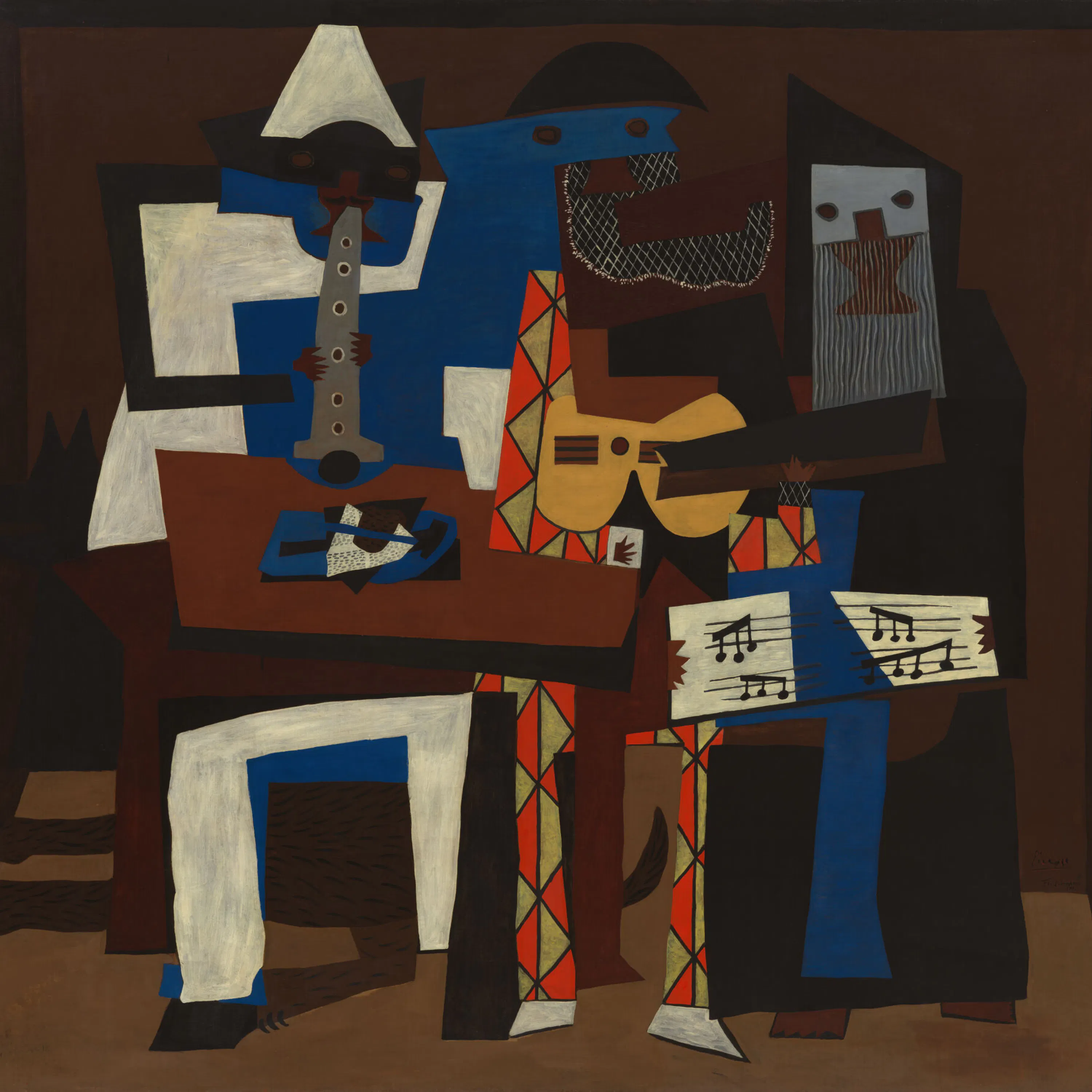
TLDR Pablo Picasso
Pablo Picasso remains one of the most influential figures of 20th-century art, with a career spanning over 80 years and an estimated output of 50,000 works. Born in Málaga, Spain, in 1881, Picasso was a child prodigy whose technical mastery reportedly surpassed that of his father, an academic painter, by the age of 13. After moving to Paris in 1904, he navigated through several distinct stylistic
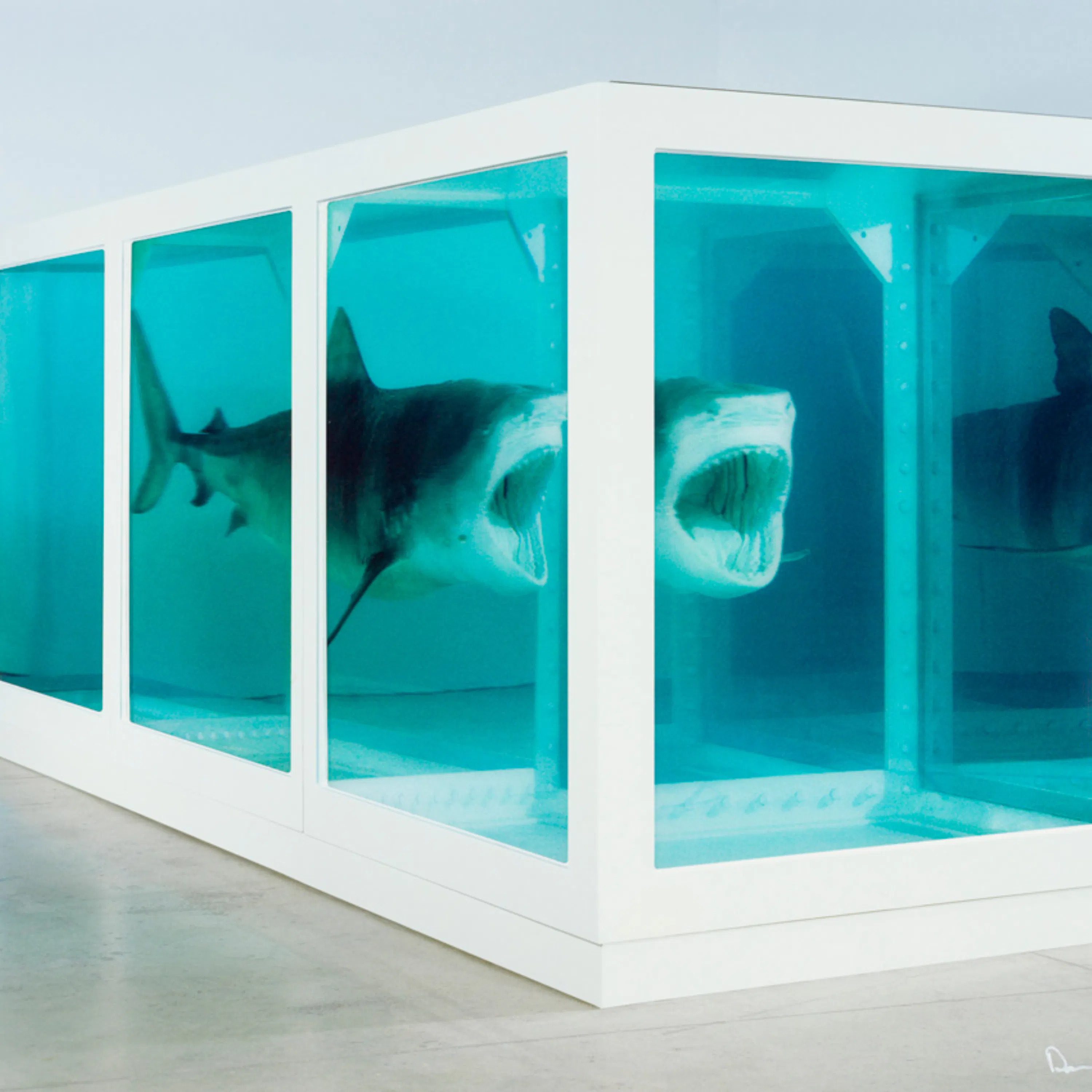
TLDR Damien Hirst | The Physical Impossibility of Death in the Mind of Someone Living
Damian Hirst is a pivotal figure in contemporary art, best known as the leading force behind the Young British Artists (YBA) movement that transformed the London art scene in the 1990s. Born in Bristol and raised in Leeds, Hirst’s trajectory toward international fame began during his studies at Goldsmiths College, where he organized the landmark 1988 independent exhibition, Freeze. By securing a w
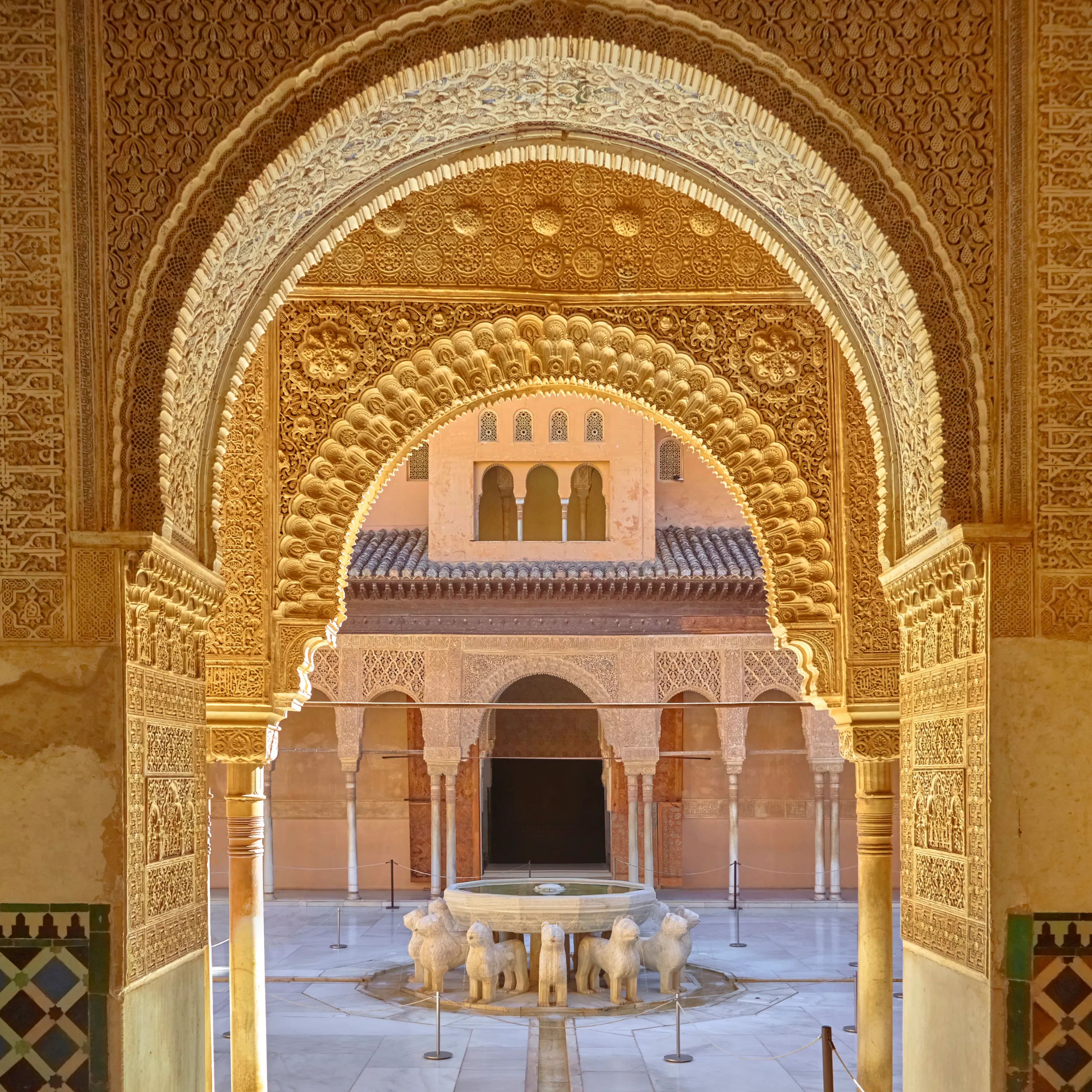
TLDR The Alhambra
The Alhambra is a majestic palace and fortress complex situated on Sabika Hill in Granada, Spain, representing the pinnacle of Moorish architecture in Western Europe. Originally built on the ruins of a small Roman fortification, the current structure's modern history began in 1238 under Mohammed ibn al-Ahmar, the founder of the Nasrid dynasty. Over the 13th and 14th centuries, subsequent rulers su
DayGlo Colors (encore)
This is an encore presentation of my episode about how DayGlo colors work and how they were developed by a pair of brothers in the 1930s. This spring has been very busy for me with responsibilities for work and family. I am taking. a bit of a break for a few weeks to rest and recharge, but I am planning some new episode that will be released in May.
Listen Ad-Free on Patreon.
For just $3 pe
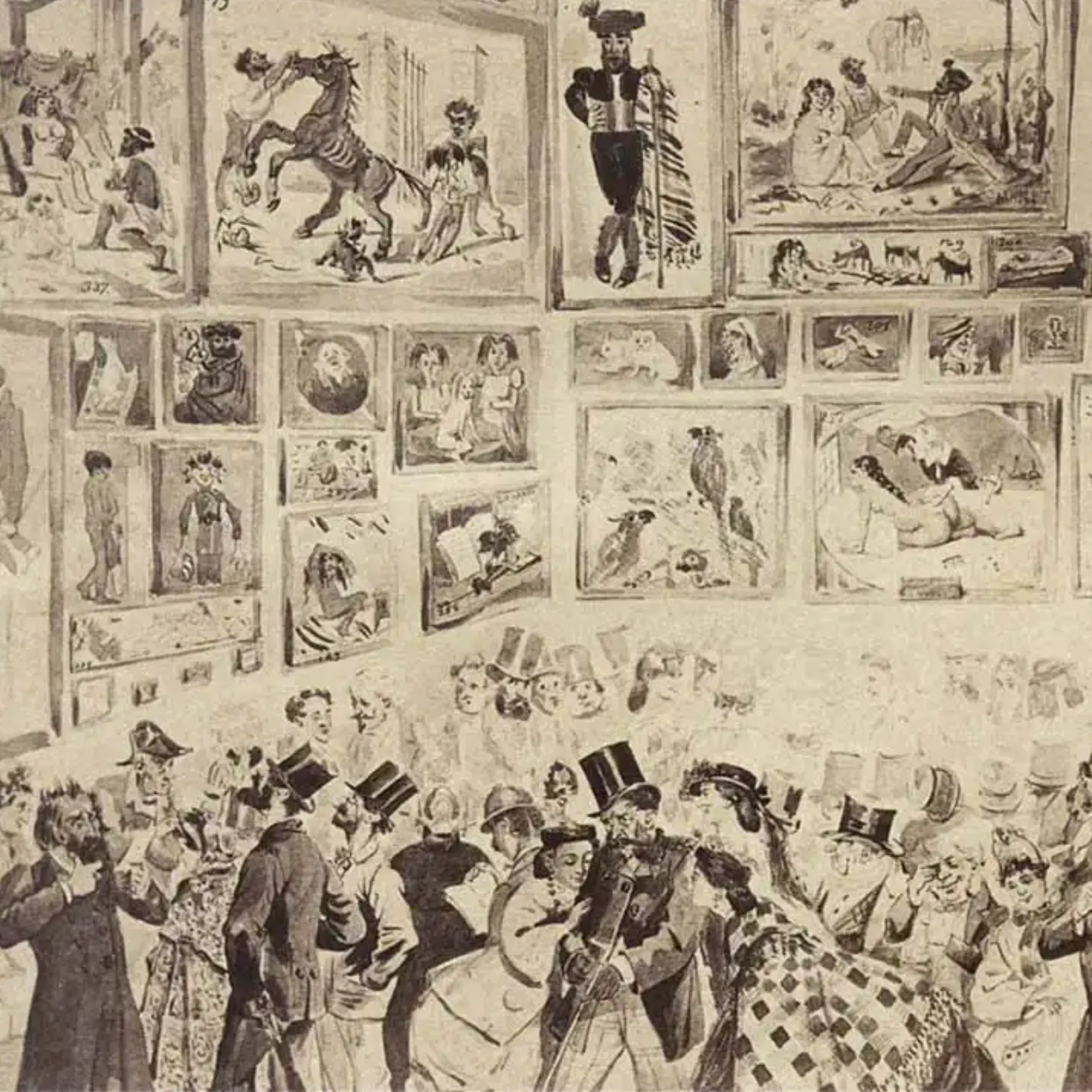
The Salon des Refusés (encore)
In mid-19th century Paris, the prestigious Paris Salon, sanctioned by the Académie des Beaux-Arts, reigned as the art world's epicenter, acting as the primary gateway to artistic success. By 1863, mounting rejections ignited public outcry, compelling Emperor Napoleon III to establish the groundbreaking Salon des Refusés. This exhibition, held at the Palais de l'Industrie, showcased rejected artist
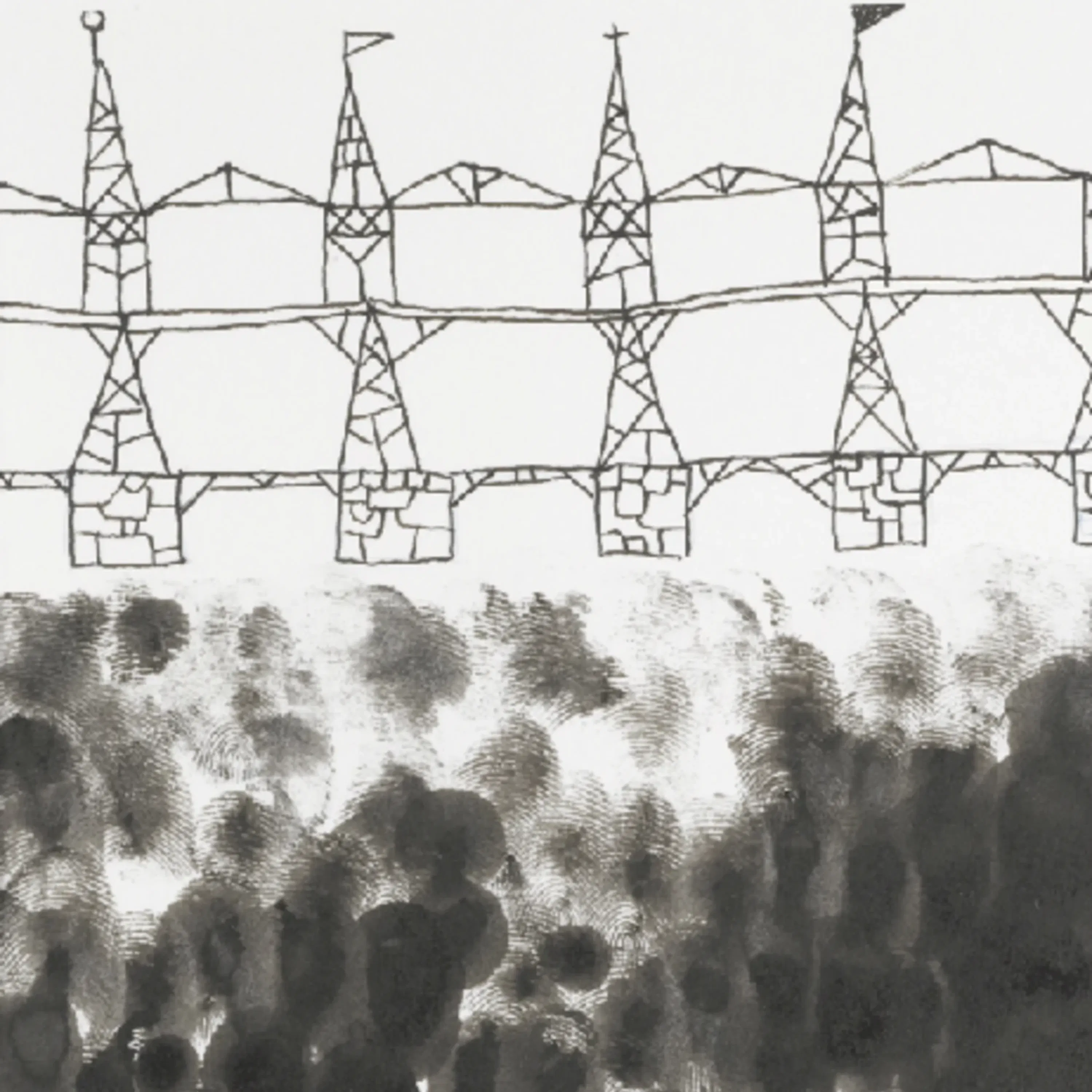
The Curious Case of Nat Tate (encore)
The art world is full of interesting characters. In so many ways, the artist‘s biography can be as important as their work. Nat Tate was an interesting character introduced to critics and tastemakers in 1998 when David Bowie hosted a dinner party to help launch a new book Nat Tate: Am American Artist 1928-1960. While the book has the sleepy title of a non-fiction book, it was actually a novel fram
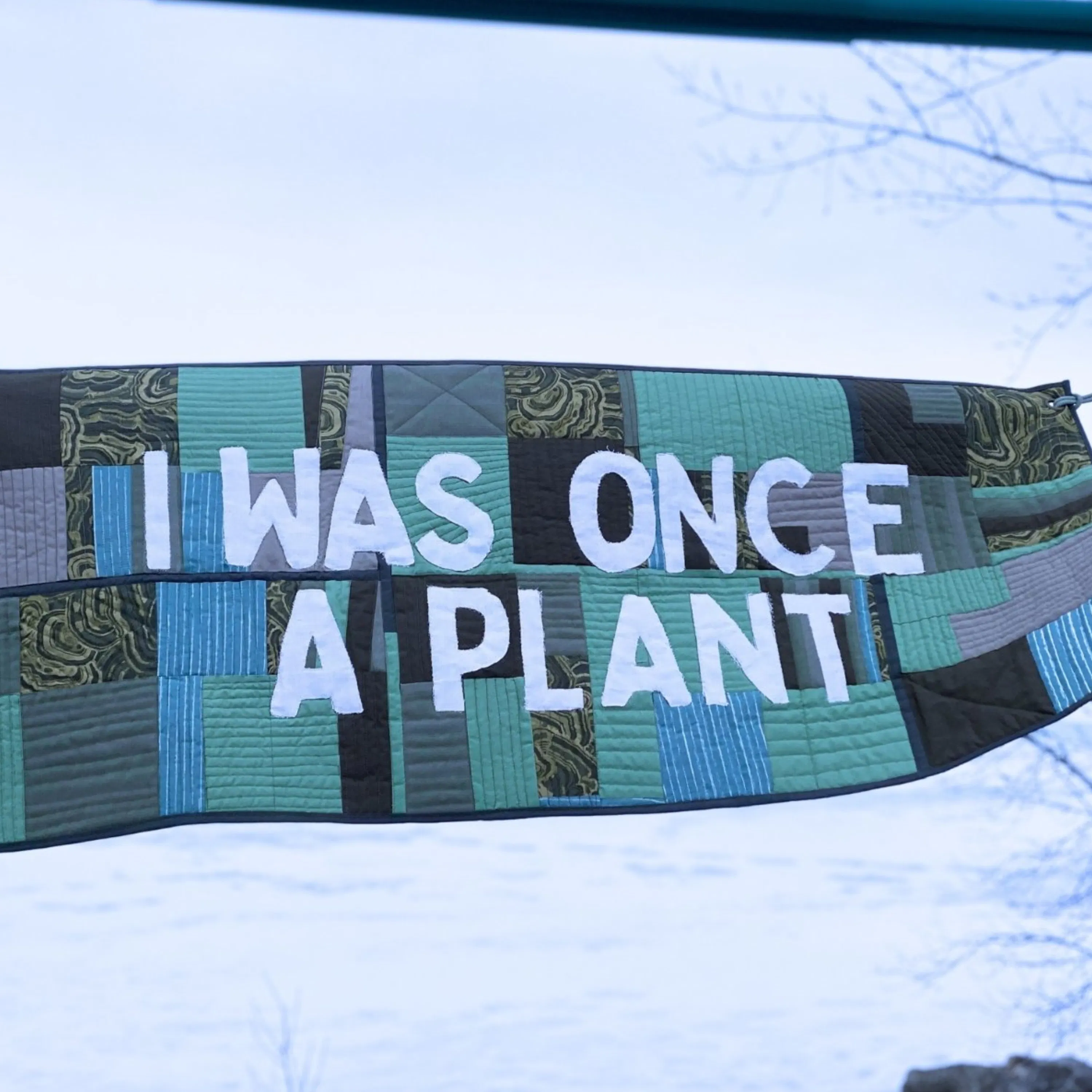
Artist Interview | Ian Capstick
Ian Capstick’s creative evolution spans from theatrical performance and prop making to a high-stakes career as a political pundit and creative director. After years of advocating for marginalized voices in Canada’s capital through his agency, MediaStyle, Capstick transitioned into fiber arts, finding a new medium in "quilty banners". His work intentionally blurs the historical divide between fine
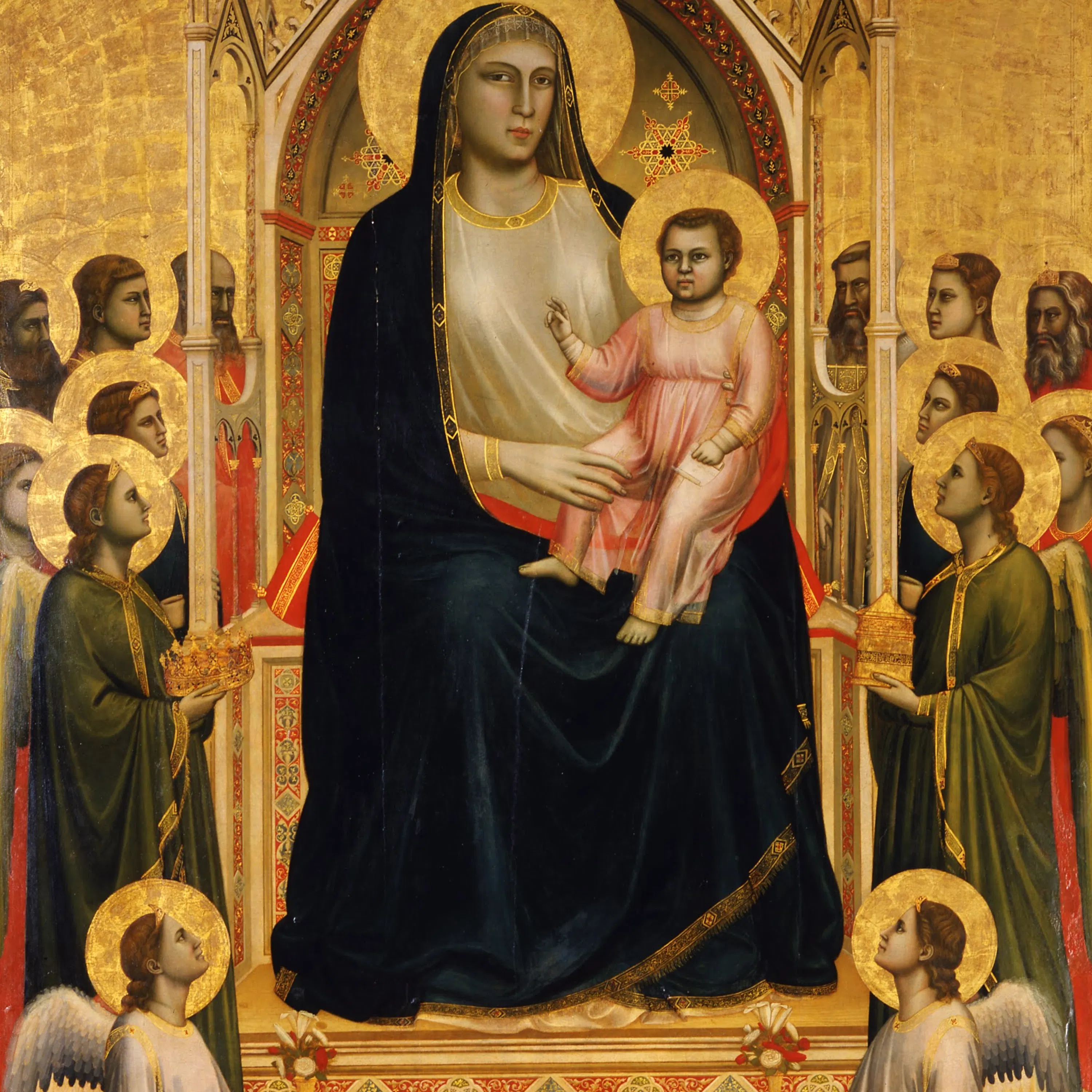
Giotto | Ognissanti Madonna
Giotto di Bondone, born around 1267 near Florence, is widely recognized as a pivotal figure who transformed the trajectory of Western art by breaking away from the flat, spiritual symbolism of the Byzantine style. Legend, as recorded by the 16th-century biographer Giorgio Vasari, holds that the master painter Cimabue discovered Giotto as a young shepherd boy sketching lifelike sheep on a rock. Dur
Announcement: The Winner of Arts Madness 2026
Today, we’re going to look back at the winner of this year’s Arts Madness Tournament. I want to say a big thank you to everyone who has been listening and participating in the Tournament. This year was the biggest one yet. We started with 64 diverse artists and artworks. After six weeks of head to head matches and 13,757 votes Frank Lloyd Wright has come out on top.
Wright was been a formidable
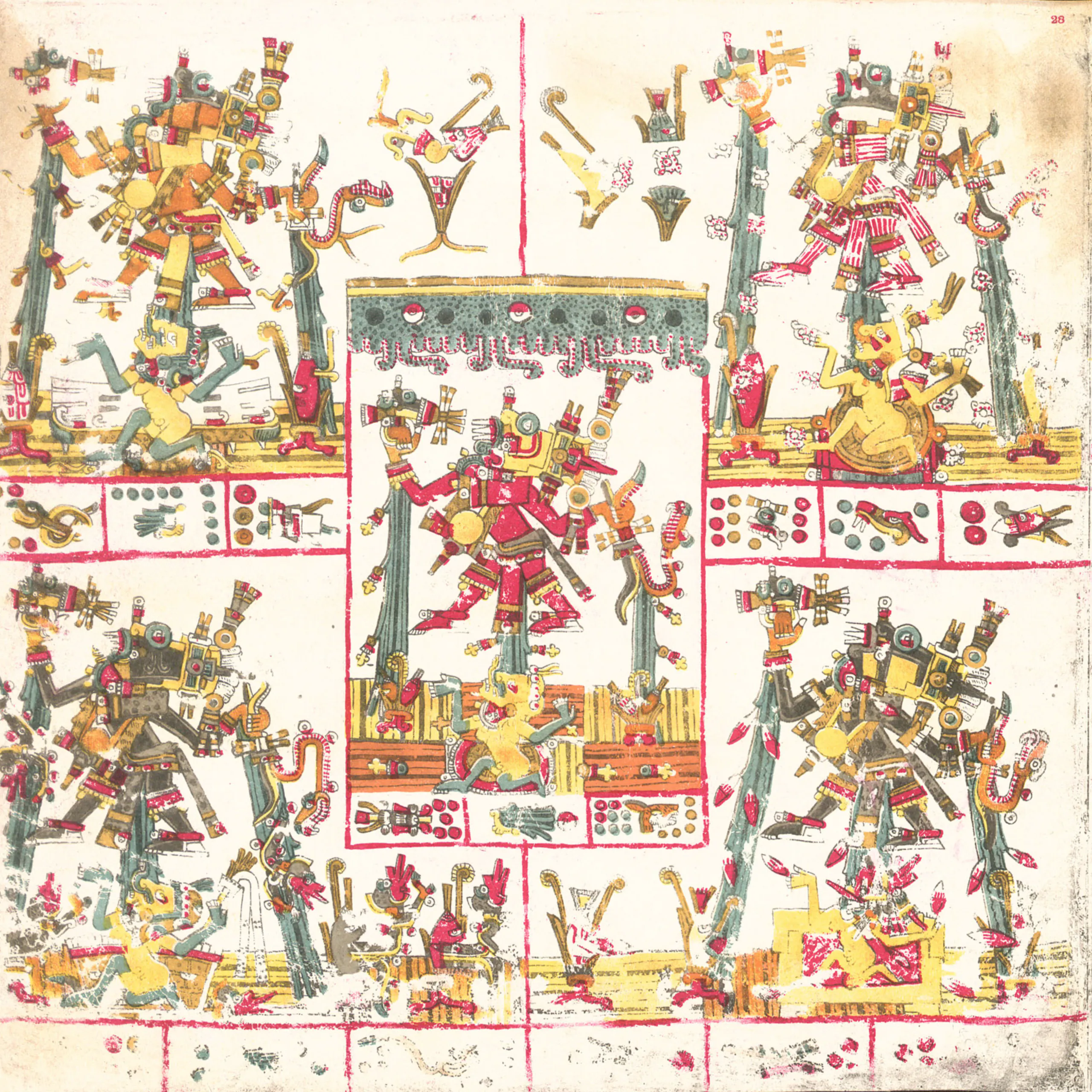
Codex Borgia
The Codex Borgia is a pre-Columbian Mesoamerican manuscript, a 36-foot folded document made of animal hide, dating from the 13th to early 16th centuries. Created by Indigenous peoples, likely in central Mexico, it serves as a religious and divinatory almanac used by priests. Filled with intricate depictions of deities like Tezcatlipoca, Quetzalcoatl, and Tlaloc, it illustrates the 260-day tonalpoh

Author Interview Kory Stamper | True Color
This week, I got to talk to Kory Stamper, author of True Color: The Strange and Spectacular Quest to Define Color, exploring how color is a complex intersection of physics, physiology, and psychology. Human color perception is defined not just by wavelengths of light, but by the brain’s interpretive processes using specialized cells in the retina known as rods and cones. While rods detect light an
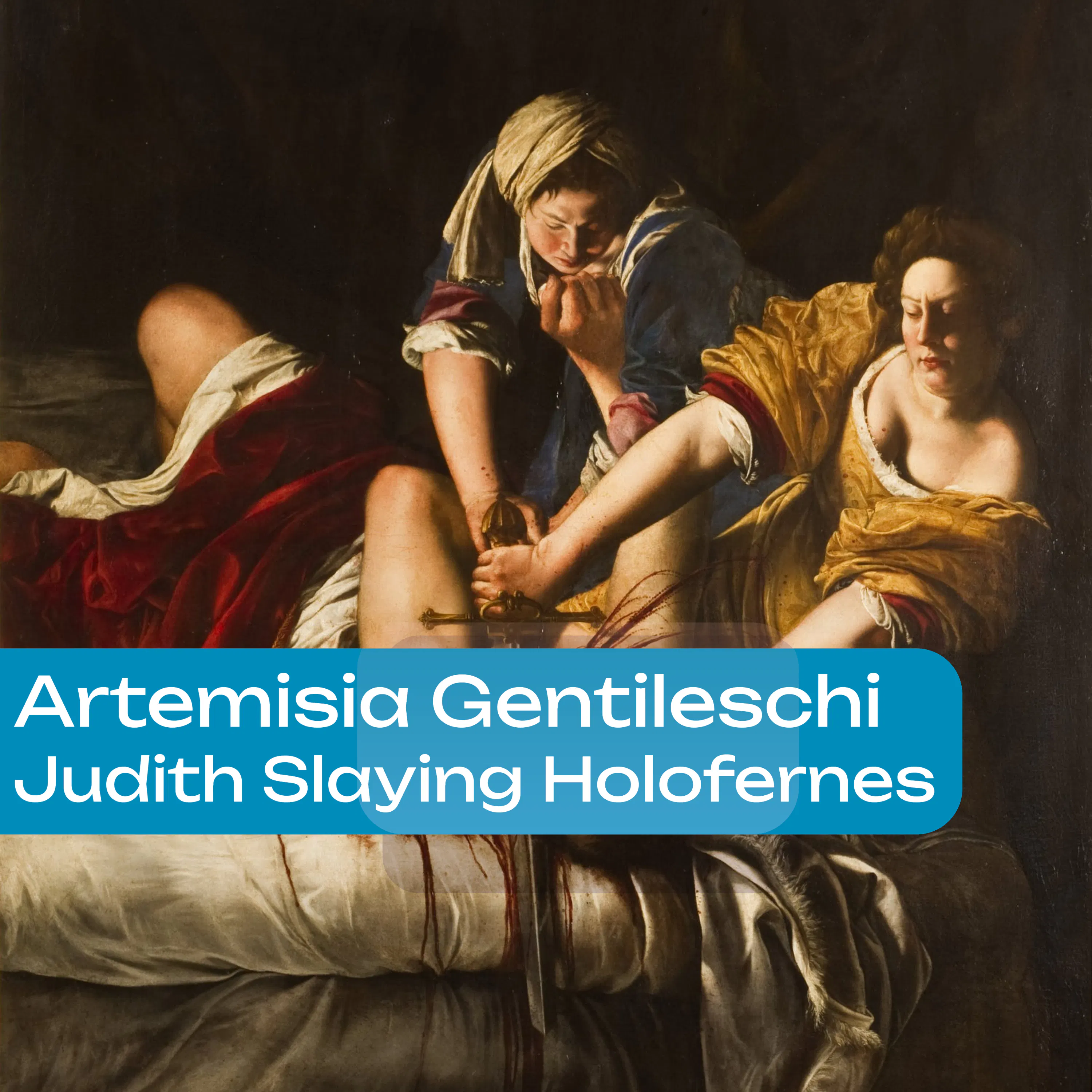
Artemisia Gentileschi | Judith Slaying Holofernes
Artemisia Gentileschi (1593–1653) was a preeminent Italian Baroque painter and one of the most accomplished artists of the 17th century. Born in Rome as the daughter of the esteemed painter Orazio Gentileschi, she developed her craft in an era where women were largely excluded from formal art academies and professional guilds. Despite enduring a traumatic assault by a tutor and a grueling, high-pr

Gavin Whitehead | Raven
This week, I have an interview with Gavin Whitehead, the creator and host of The Art of Crime and a new limited series, Raven.
Find Gavin online:
Raven
The Art of Crime
www.theartofcrimepodcast.com
The African American Wax Museum of Harlem was established in 1989 by the eccentric artist and fashion designer Raven Chanticleer. Located in the basement of a brownstone on 164th Street, the mus

Chuck Close
Chuck Close said when a problem seems overwhelming, you should break it down into smaller pieces. To tackle the photorealistic faces, Chuck Close would use a grid. He broke the image down into sections allowing him to focus on the lines, shapes, and proportions one little bit at a time. In his early works, he would erase the grid as he painted, but as he matured, he chose to lean into the grid. He

Alfred Sisley | Flood at Port-Marly
Alfred Sisley (1839–1899) was a pivotal figure in the Impressionist movement, uniquely distinguished by his unwavering devotion to landscape painting. Born in Paris to affluent British parents, Sisley initially moved to London to pursue a career in commerce but found himself captivated by the landscape works of John Constable and J.M.W. Turner at the National Gallery. Upon returning to France in 1

Ludwig Mies van der Rohe | Seagram Building
Ludwig Mies van der Rohe, a pivotal figure in 20th-century architecture, began his career in Germany, where he was deeply influenced by his early exposure to masonry and materials. Born in 1886, Mies refined his minimalist aesthetic, famously summarized by the motto "less is more," through his work in Berlin with modern design pioneers like Peter Behrens. His tenure as the director of the Bauhaus
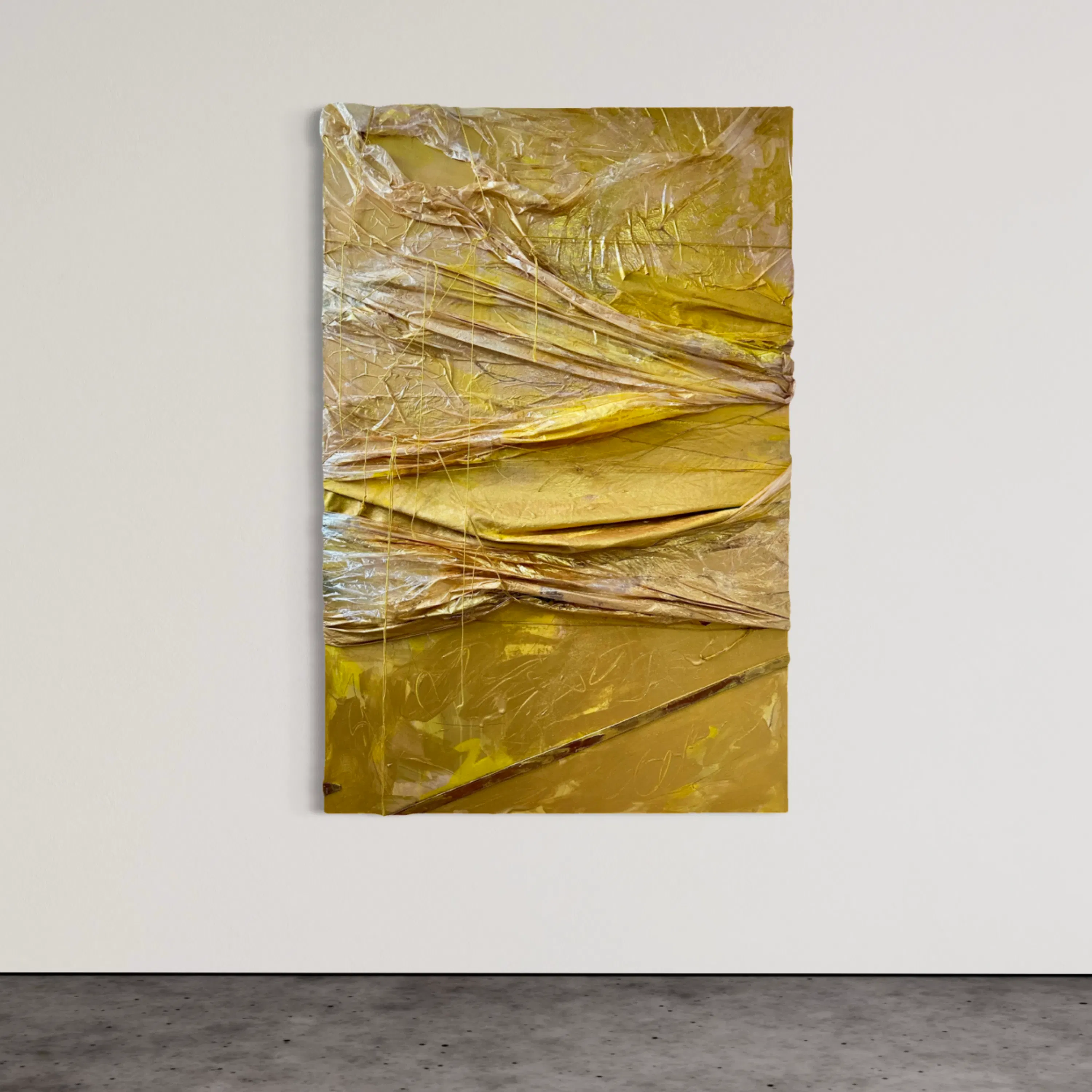
Artist Interview | Cristallina Fischetti
Fischetti’s work often explores "abstract medicine"—the idea that art can serve as a vehicle for healing and spiritual inquiry. Her background in professional dance and yoga heavily informs her physical approach to painting, which she describes as a ritualistic performance. Fischetti often incorporates personal history and organic elements into her work, such as the use of wine to represent her It

Fun Facts About Paint and Glitter
Today I am sharing a bit from my other podcast, Fun Facts Daily. It has been wonderful making Who ARTed for the last few years and the spring is always one of my favorite times as we get into the Arts Madness Tournament, but for the last year, I have been working on Fun Facts Daily to help shine a light on some of the awesome things in the world beyond art. I hope you enjoy these episodes sharing

Architect Interview | Alexander Josephson
Alexander Josephson is a Toronto-based architect, lecturer at the University of Toronto’s Daniels Faculty of Architecture, and the visionary co-founder of PARTISANS. Since its inception in 2012, PARTISANS has established itself as an award-winning architecture studio dedicated to subverting expectations through the integration of design, technology, and cultural storytelling. Beyond traditional ar

Michelangelo | The Sistine Chapel Ceiling
Michelangelo was considered to be one of the greatest examples of a Renaissance man. He is also one of the worst examples of personal hygiene. Learn a little bit about the artist who painted the ceiling on the Sistine Chapel.
Related episodes:
Michelangelo | The Sistine Chapel Ceiling
Art Smart: The Renaissance
This is an encore presentation. Every January/February, I release daily

Maria and Julian Martinez | Black on Black Pottery
Maria Martinez belonged to the Tewa-speaking Pueblo people, known for their rich artistic heritage. Pottery-making was deeply rooted in Puebloan culture, serving as a means of artistic expression and a reflection of their close connection with the natural world. Maria grew up watching her family members create pottery, learning the traditional techniques. Of course, we seldom talk about those who
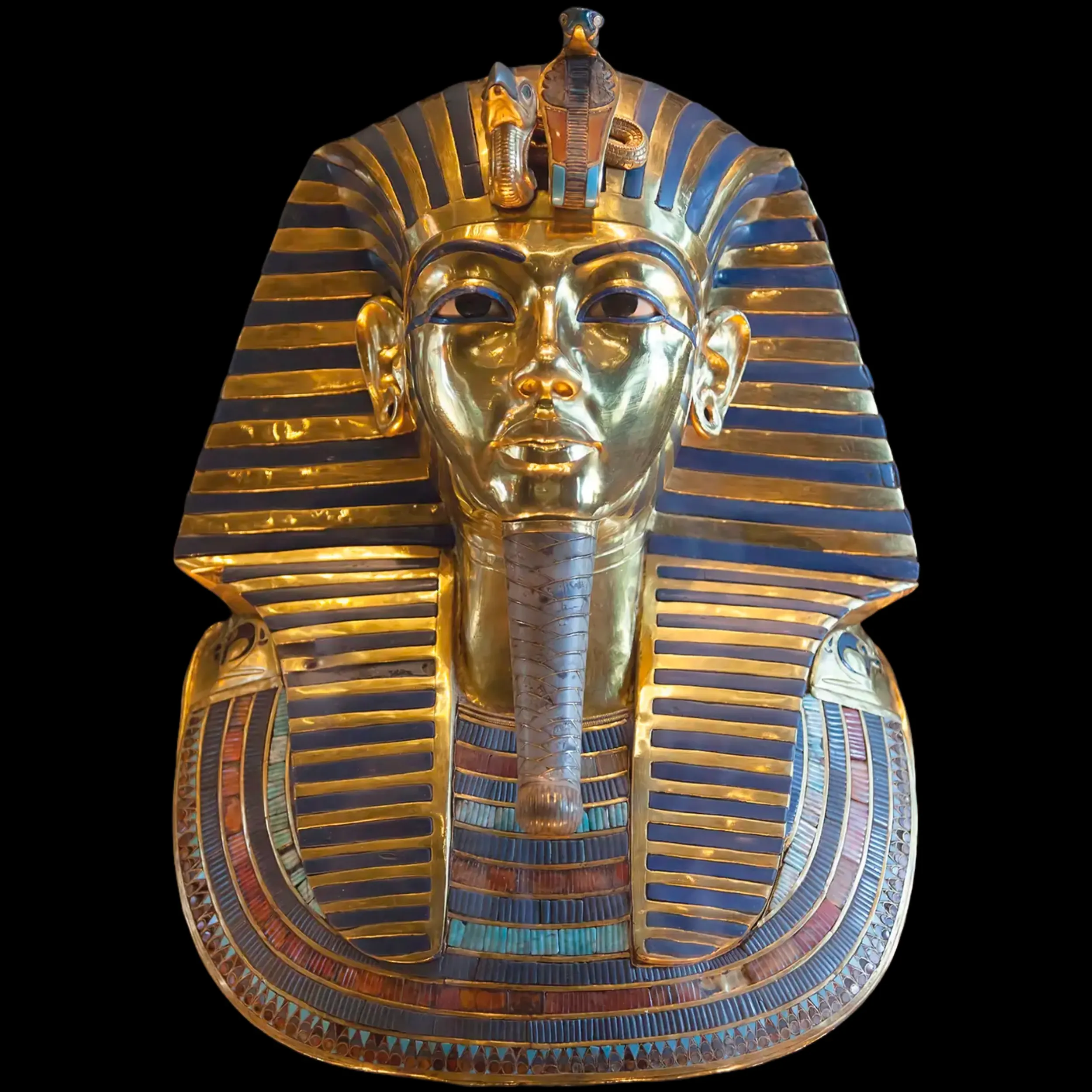
The Treasures of King Tutankhamun's Tomb
On November 26, 1922, Howard Carter prepared to enter the tomb of a little-known pharaoh. Nobody had set foot inside the space for over 3,000 years, but as Carter held up his candle, his partner, Lord Carnarvon who had financed the expedition called out asking if he saw anything. Carter responded, “Yes, wonderful things.” Though his reign may have been short, the treasures found in Tutankhamun’s t
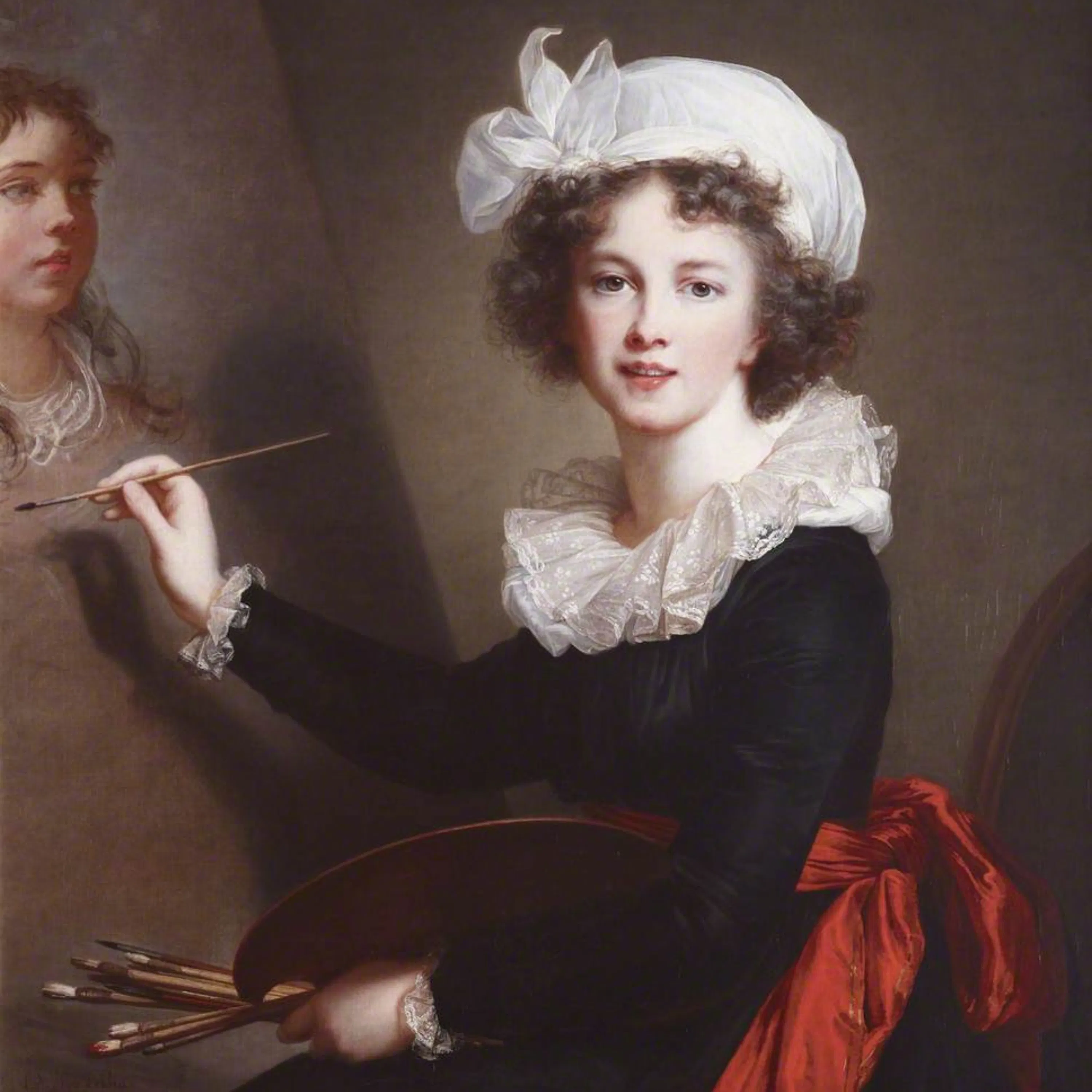
Elisabeth Vigée Le Brun
In 1778, Elisabeth Vigée Le Brun met Marie Antoinette at the Royal palace in Versailles. The queen had heard of Le Brun’s talent and asked to paint her portrait. Marie Antoinette loved the way Le Brun painted her and from that point on, she was pretty much her official royal portrait painter. Le Brun painted 30 portraits of the queen. Almost as quickly as her star rose, her fortunes changed. In 17

Artist Interview | Jason deCaires Taylor
Jason deCaires Taylor, is a UK-based contemporary artist who has seamlessly merged art and environmental activism. Renowned for his captivating underwater sculptures, Taylor's creations serve as a powerful reminder of the urgent need to address environmental concerns. Crafted with meticulous detail, his sculptures not only captivate the eye but also provide a haven for marine life, fostering the g

Angkor Wat
Angkor Wat is the largest religious structure in the world, located in Siem Reap, Cambodia. Built in the 12th century by King Suryavarman II, it is dedicated to the Hindu god Vishnu and was likely intended as the king's tomb. The temple's construction, which involved 300,000 workers and took over 30 years, showcases the Khmer Empire's impressive architectural and engineering skills. Its intricate

Claude Monet | Stacks of Wheat (End of Summer)
My guest this week is Jen Leban from The Art of Education. For any fellow art teachers listening, check out The Art of Ed Community and I had the priviledge of writing for the AOE magazine last year, so check out my articles. We're kicking off the annual Arts Madness Tournament and I thought there would be no better way to start things off than inviting Jen to join me for a friendly discussion abo
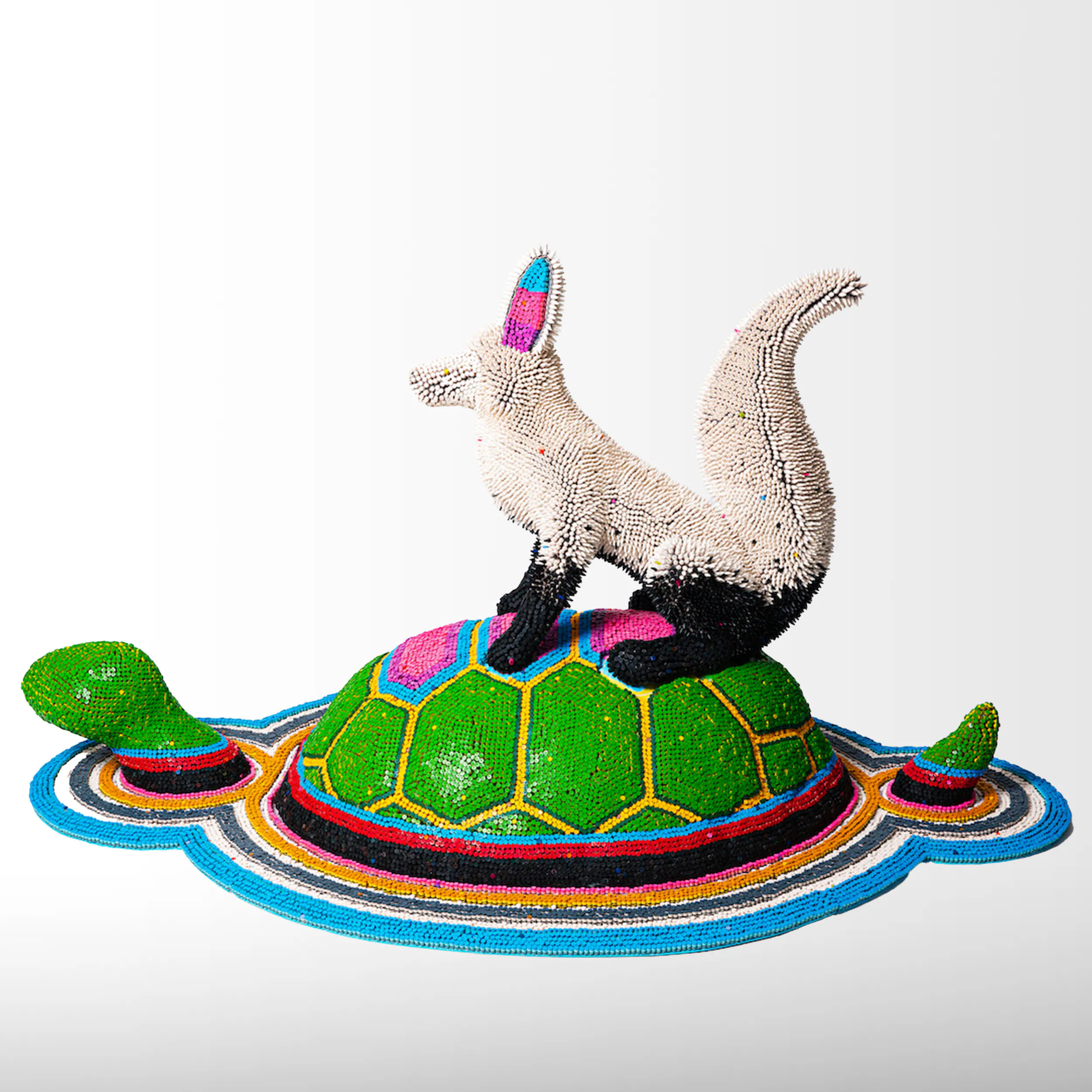
Artist Interview | Herb Williams
Herb Williams is an incredibly talented sculptor bringing crayons to a whole new dimension. I sat down to talk to Williams about his background, his artistic influences, and exactly how and why he uses crayons to sculpt. He shared his memories of making art as a child as well as his experience working in a foundry making lost wax castings before he decided to pursue a literal dream of making sculp

Diego Velazquez | Las Meninas
Diego Velazques was one of the most significant painters of Spain's Golden Age in the 17th century. He was a master of both portraiture and genre painting, Las Meninas is a sort of mix of both. We see people who seem rather formally dressed by today’s standards, but the subject is also, it was a peak behind the curtain of royal life. Withing the work, the first focal point would be the little girl
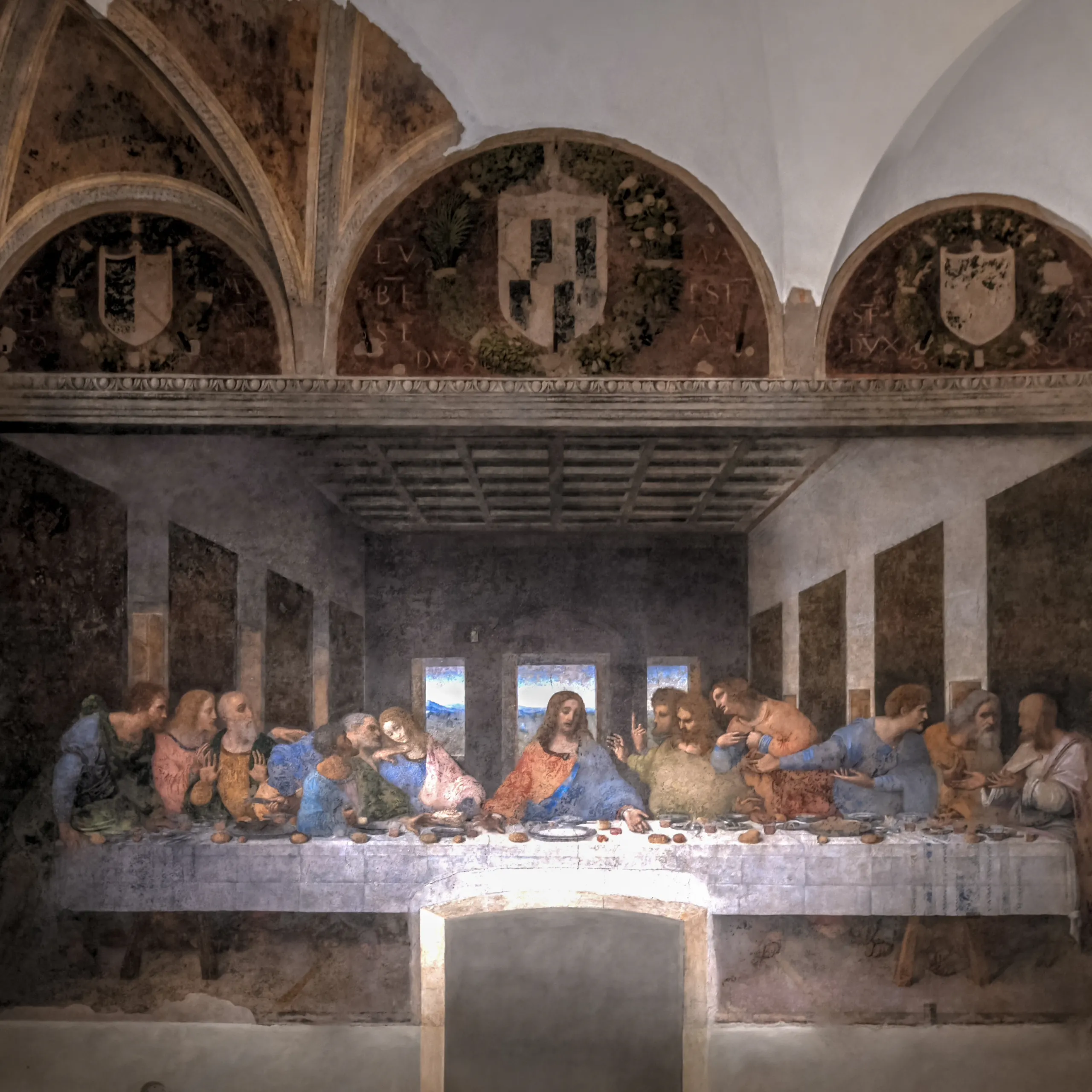
Leonardo da Vinci | The Last Supper
One Leonardo da Vinci’s most famous works is not housed in a museum. It is in the Convent of Santa Maria in Milan Italy. It seems totally fitting for a depiction of the last supper was painted on the wall in the convent’s dining hall. Visitors today are often surprised by how enormous the work it. The People are life sized on this massive 15 by 29 foot painting. Another surprising fact is that whi
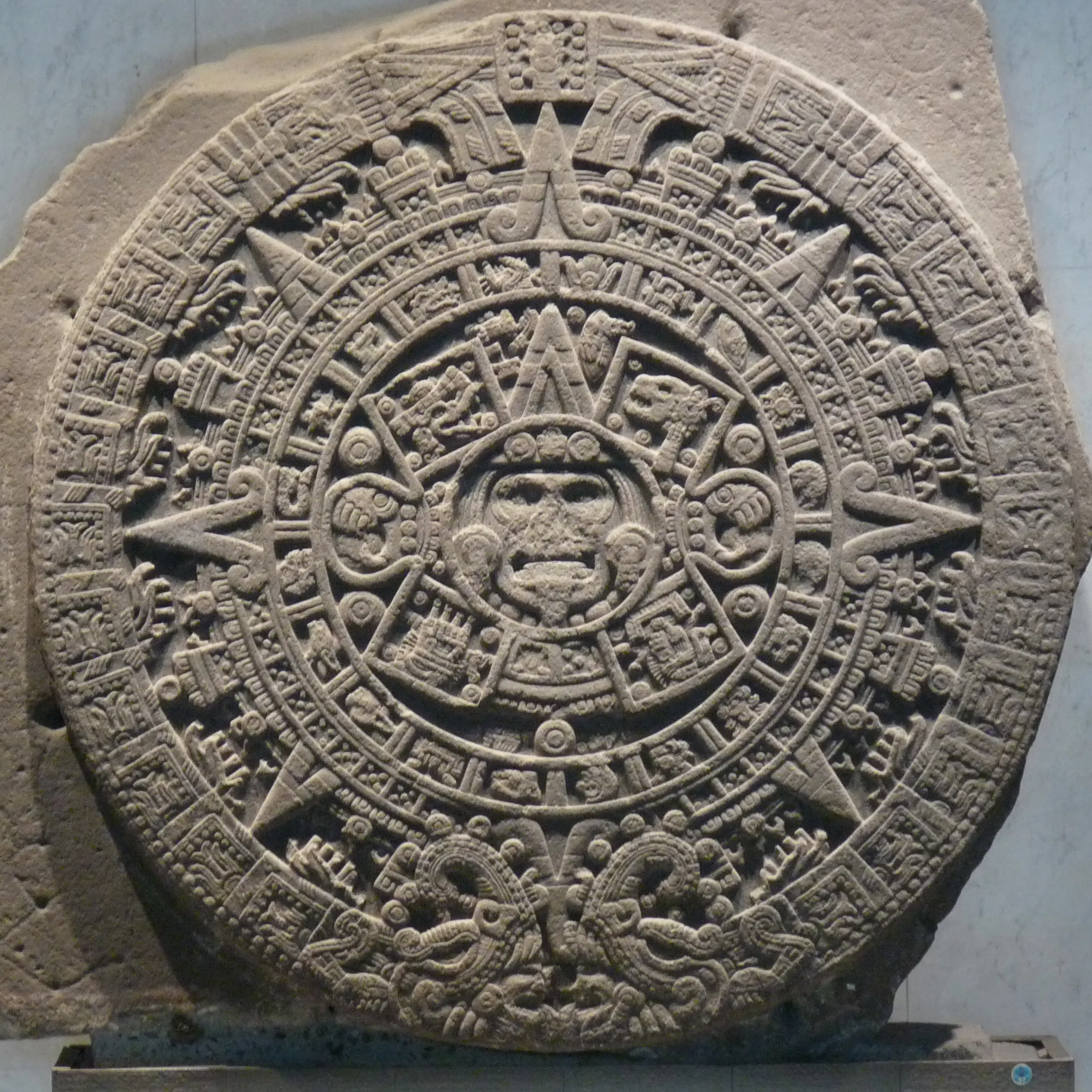
The Aztec Calendar Stone
The Aztec Sun Stone, also known as the Calendar Stone, is a large, round stone carving that represents Aztec mythology and cosmology. It depicts the five consecutive worlds of the sun, with the date 13 Reed marking the start of the fifth and final sun. It was created in the 15th century and is about 3 and a half meters wide, almost a meter thick, and weighs 25 tons. Learn more about the history an

Caravaggio | The Calling of Saint Matthew
Michelangelo Merisi, born in 1571 amidst the darkness of the plague, would come to be known not by his christened name but by the name of his birthplace – Caravaggio. Orphaned young, the specter of loss would forever paint itself onto the canvas of his life. Yet, from this darkness, a genius of light and shadow would emerge, revolutionizing the art world with his raw and dramatic style.
While con

Rachel Whiteread | Embankment
Rachel Whiteread is a prominent British sculptor and a leading figure among the Young British Artists (YBAs) who rose to prominence in the late 1980s. Unlike the provocative work of her peers, Whiteread’s art is characterized by a quiet, minimalist focus on "negative space"—the empty air inside or around everyday objects. By casting these voids in industrial materials like plaster, resin, and conc
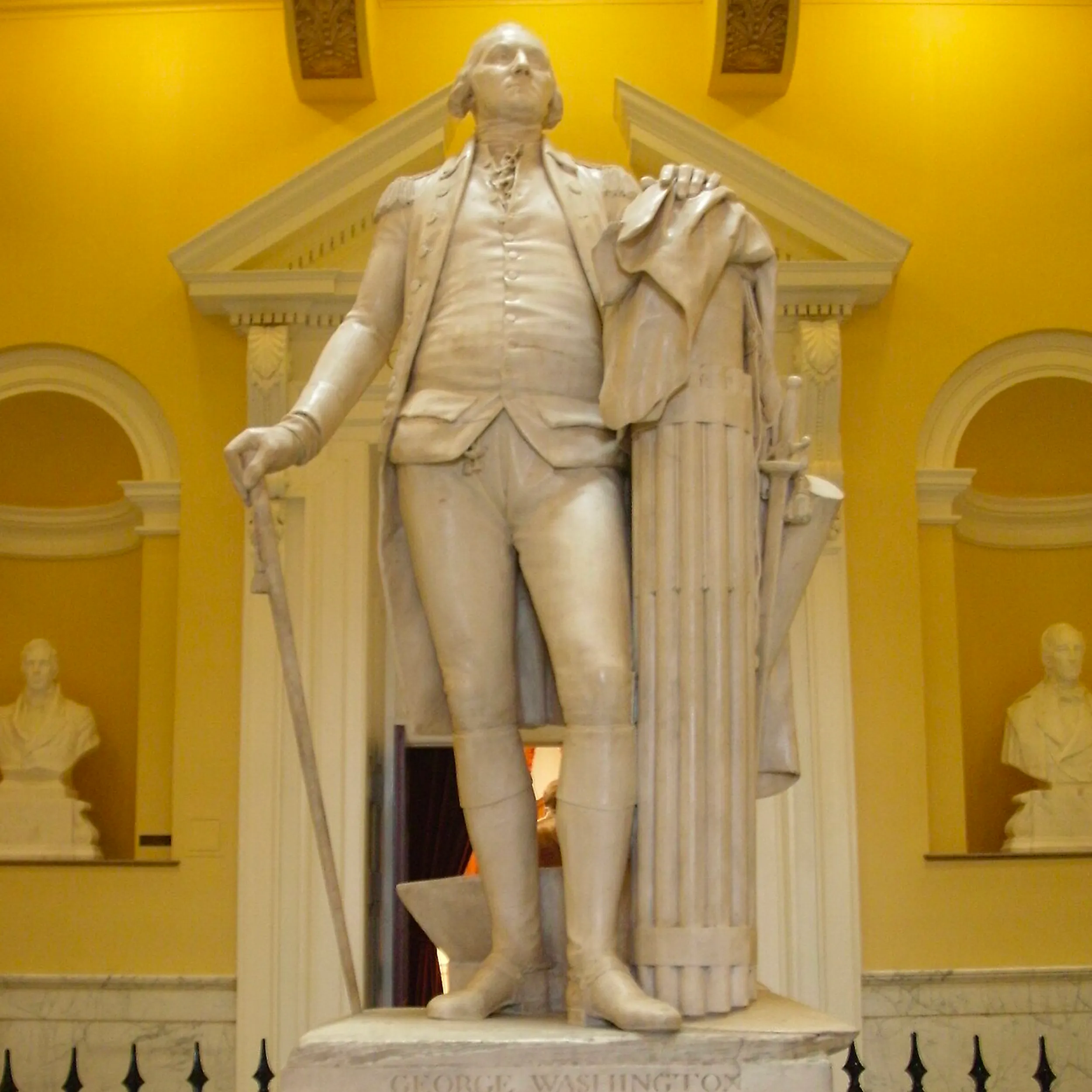
Jean-Antoine Houdon | George Washington
Jean-Antoine Houdon was one of the greatest neoclassical sculptors in the late 18th century. Shortly after the American Revolution, the governor of Virginia asked Thomas Jefferson to find a sculptor to make a marble statue of George Washington for the state capital building. Jefferson was a self-taught architect and a big believer in the neoclassical movement's use of symbolism in art to convey a
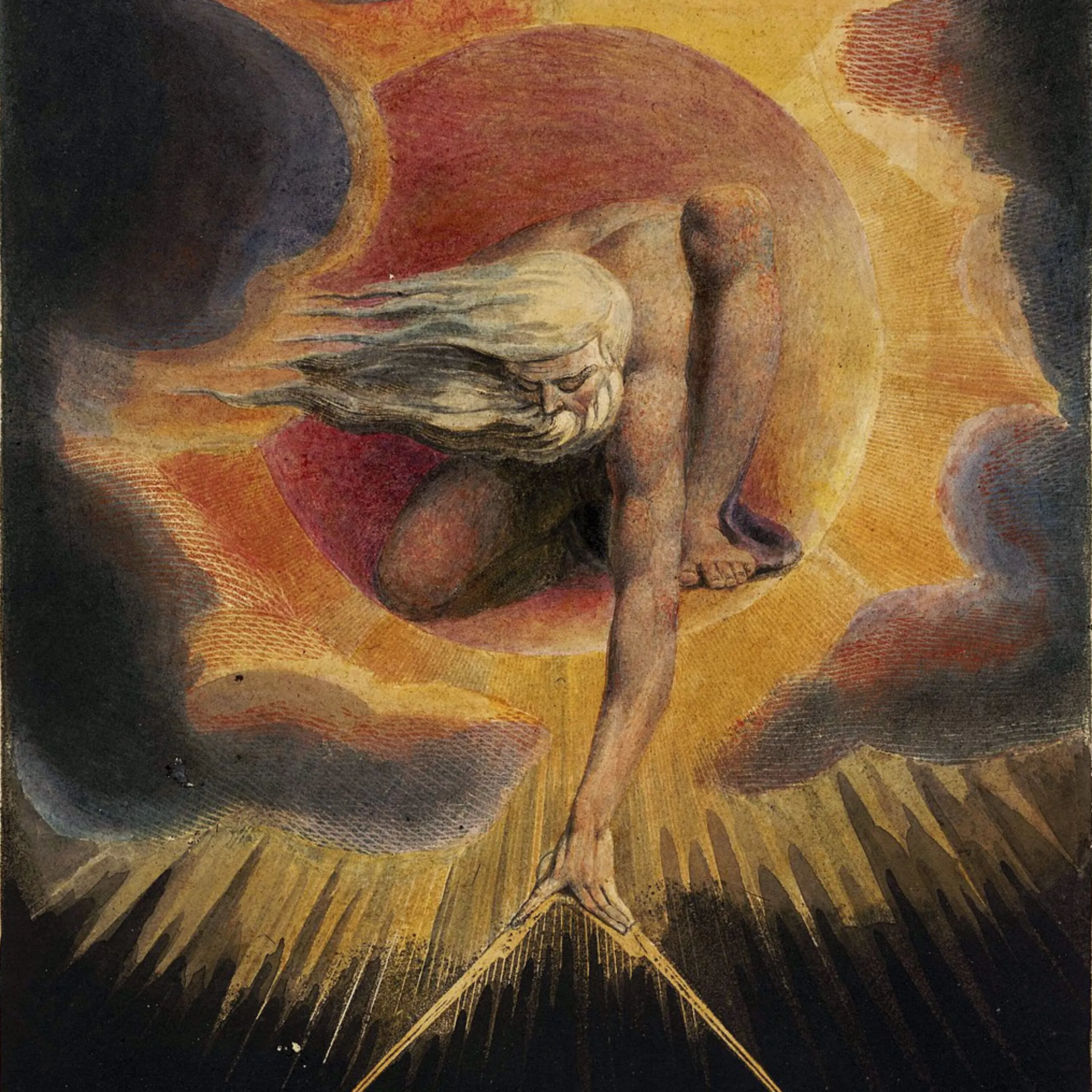
William Blake | The Ancient of Days
My guest this week is Mark Vernon, author of Awake! William Blake and the Power of Imagination. We discussed William Blake, the famous poet and visual artist known for his spiritually charged work. The piece we discussed was The Ancient of Days.
This is an encore presentation. Every January/February, I release daily episodes to refresh everyone's memory on the 64 artists and artworks that
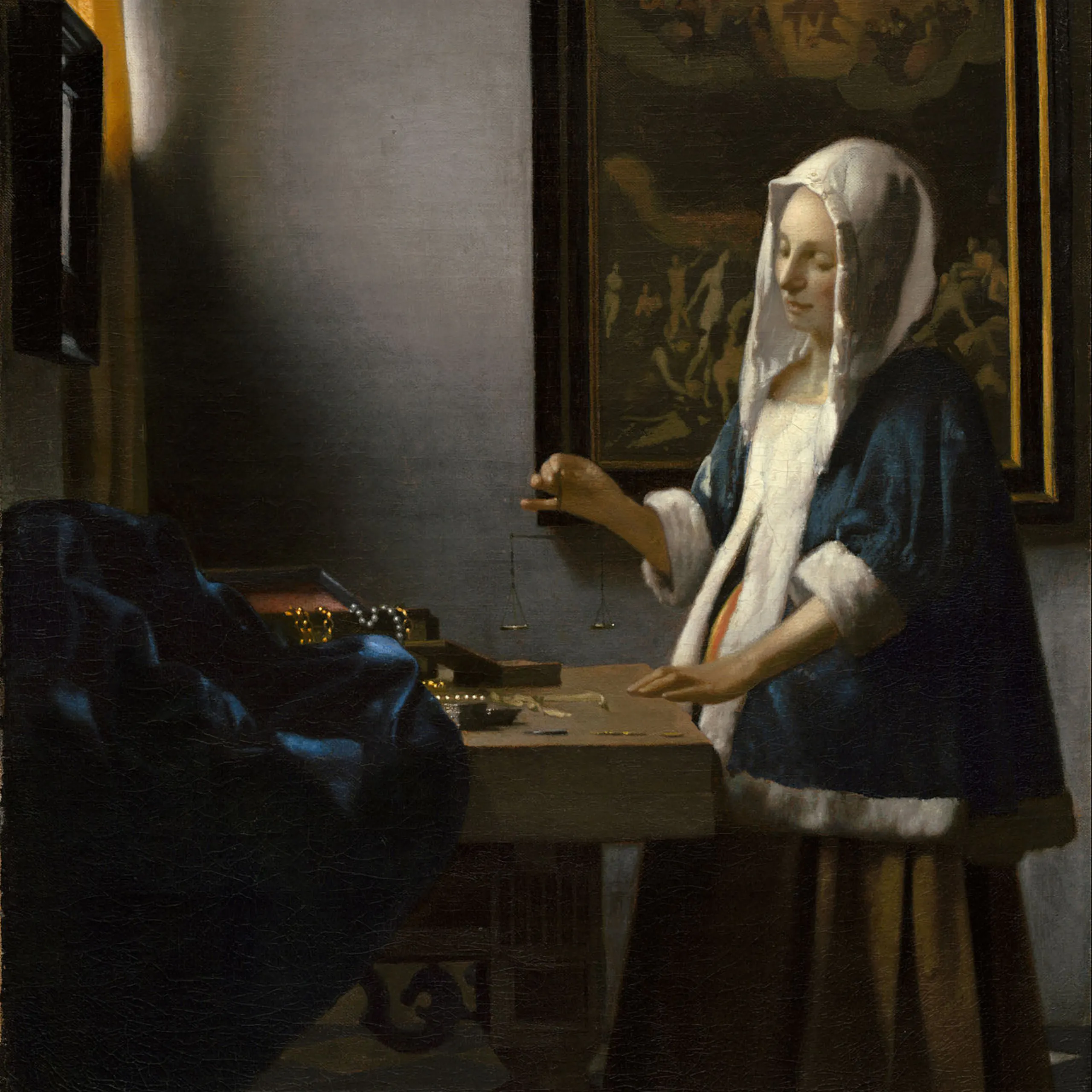
Johannes Vermeer | Woman Holding a Balance
Johannes Vermeer created stunning works and he is widely celebrated as one of the greatest painters of the Dutch Golden Age. This painting, Woman Holding a Balance is a work intended to encourage temperance and moderation being mindful that divine judgment is looming in the end.
Related episodes:
The Unbelievable Story of Han van Meegeren
Jan van Eyck | The Arnolfini Portrait
This is a

The Alexander Mosaic in the House of Faun, Pompeii
The Alexander Mosaic, also known as the Battle of Issus Mosaic, is a masterpiece of ancient Roman artistry that continues to captivate viewers with its detailed depiction of a pivotal moment in history. Unearthed in the House of the Faun in Pompeii, this intricate mosaic offers a glimpse into the military prowess, political ambition, and cultural exchange of the ancient world.
The mosaic captures

Felix Gonzalez-Torres | Untitled (Portrait of Ross in L.A.)
Felix Gonzalez-Torres was a conceptual artist who became well known in the 1980s and 90s for his works that broke down the barrier between artist and audience. Many of his works invited the audience to become a part of the creative process making the work more dynamic and engaging.
This is an encore presentation. Every January/February, I release daily episodes to refresh everyone's memory on t

Jean-Michel Basquiat | Horn Players
Jean-Michel Basquiat has created some of the most highly valued American paintings ever to go on auction. Basquiat sought to remake art history in his image, and I would say he was successful. His triptych, Horn Players, is one of the artworks required for the AP Art History curriculum studied by American high school students.
In the middle of February 1981, a group exhibition opened at P.S.1 in

Andy Warhol | Marilyn Diptych
Andy Warhol's Marilyn Diptych is a commentary on the nature of fame, celebrity, and mass media. Warhol appropriated a well-known image of Monroe, using repetition and contrasting colors to create a work that is both iconic and unsettling. The diptych format, traditionally used for religious works, elevates Monroe to a figure of almost religious significance, while also highlighting the manufacture
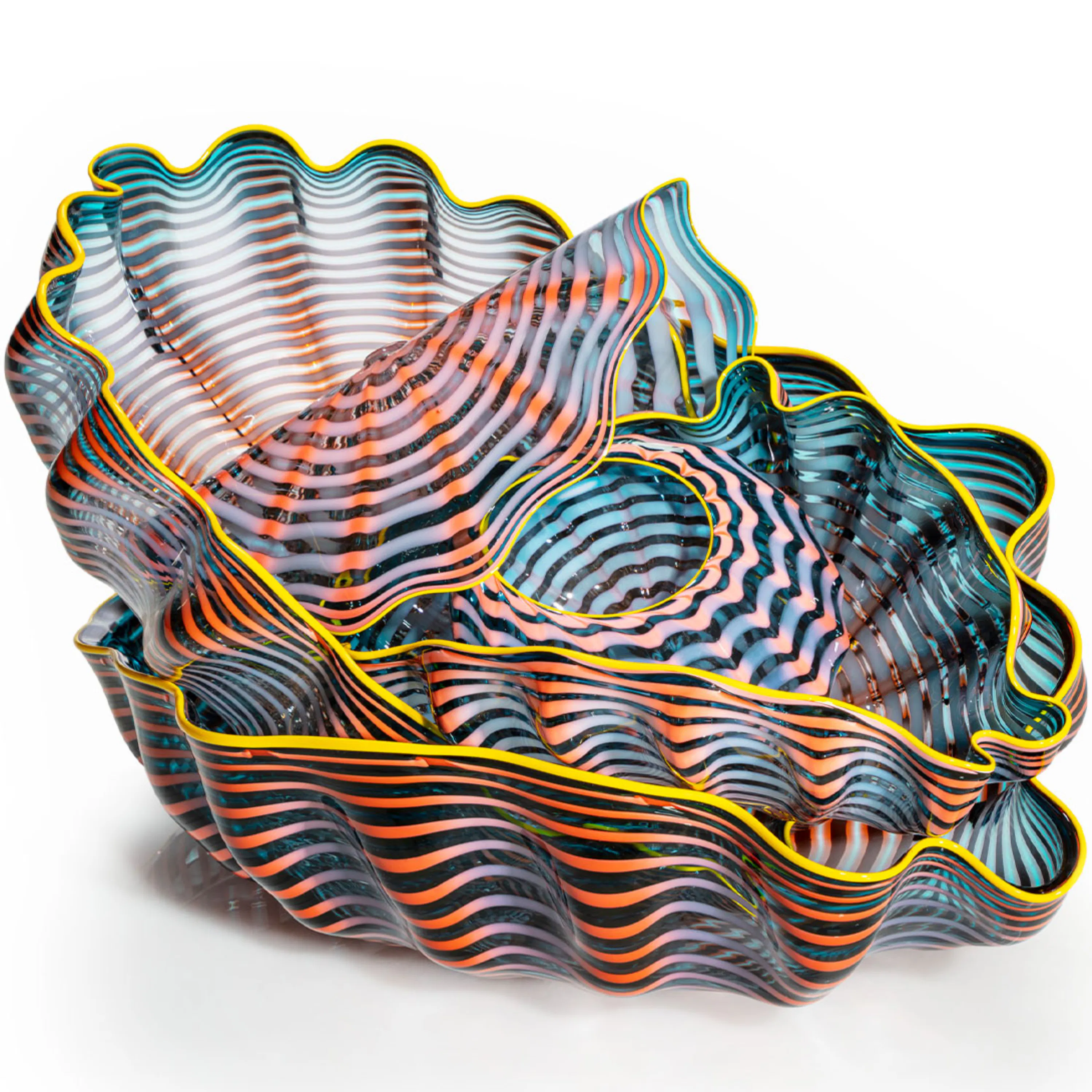
Dale Chihuly | Seaforms
Born in 1941 in Tacoma, Washington, Dale Chihuly is a pioneering figure who transformed glass from a functional, industrial material into a celebrated medium for fine art. Influenced by the rugged landscapes of the Pacific Northwest and early experiences in interior design, Chihuly’s artistic journey began with an experimental weaving project in 1963 where he first fused glass shards into a tapest

The Longmen Grottoes
China's Longmen Caves or Longmen Grottoes are a UNESCO world heritage site. Starting in the 5th century CE, artists chiseled away at the limestone carving out around 2300 caves and 110,000 statues. Because they were constructed over such a long period, the sculptures in the Longmen Caves not only reflect the religious tradition, but they track changes in artistic style over the centuries.
Related

Keith Haring | Three Eyed Smiley Face
Keith Haring, renowned for his iconic pop art and graffiti, rose to fame in the 1980s New York art scene. His signature style, characterized by bold lines, vibrant colors, and symbols like the radiant baby and barking dog, often conveyed social messages. Haring's art wasn't confined to galleries; it flourished in public spaces, notably subway stations, making it accessible to everyone. Despite his
Recommended

Effective Weight Loss for Moms | High protein, Strength Training, Lose Weight, Meal Planning, Fat Loss, Healthy Habits

The Human-Animal Connection - Pet Life Radio Original

Infinite Health with Dr. Arasi Maran

The Daily

World News Tonight with David Muir

English Vocabulary Help

The Joe Rogan Experience
TED Talks Daily

Learn English B1 with Daily News | English Listening Practice

Talk About Talk - Executive & Leadership Communication Skills

English with Olivia | Slow Conversations & Vocabulary

Stand In The Circle
