
Hotel Bar Sessions
Hotel Bar Sessions is a podcast where real philosophy happens, hosted by Leigh M. Johnson, Jennifer Kling, and Bob Vallier. The show features informal, engaging discussions on philosophical topics, often recorded in a hotel bar setting. It aims to make philosophy accessible and enjoyable for a broad audience.
Episodes
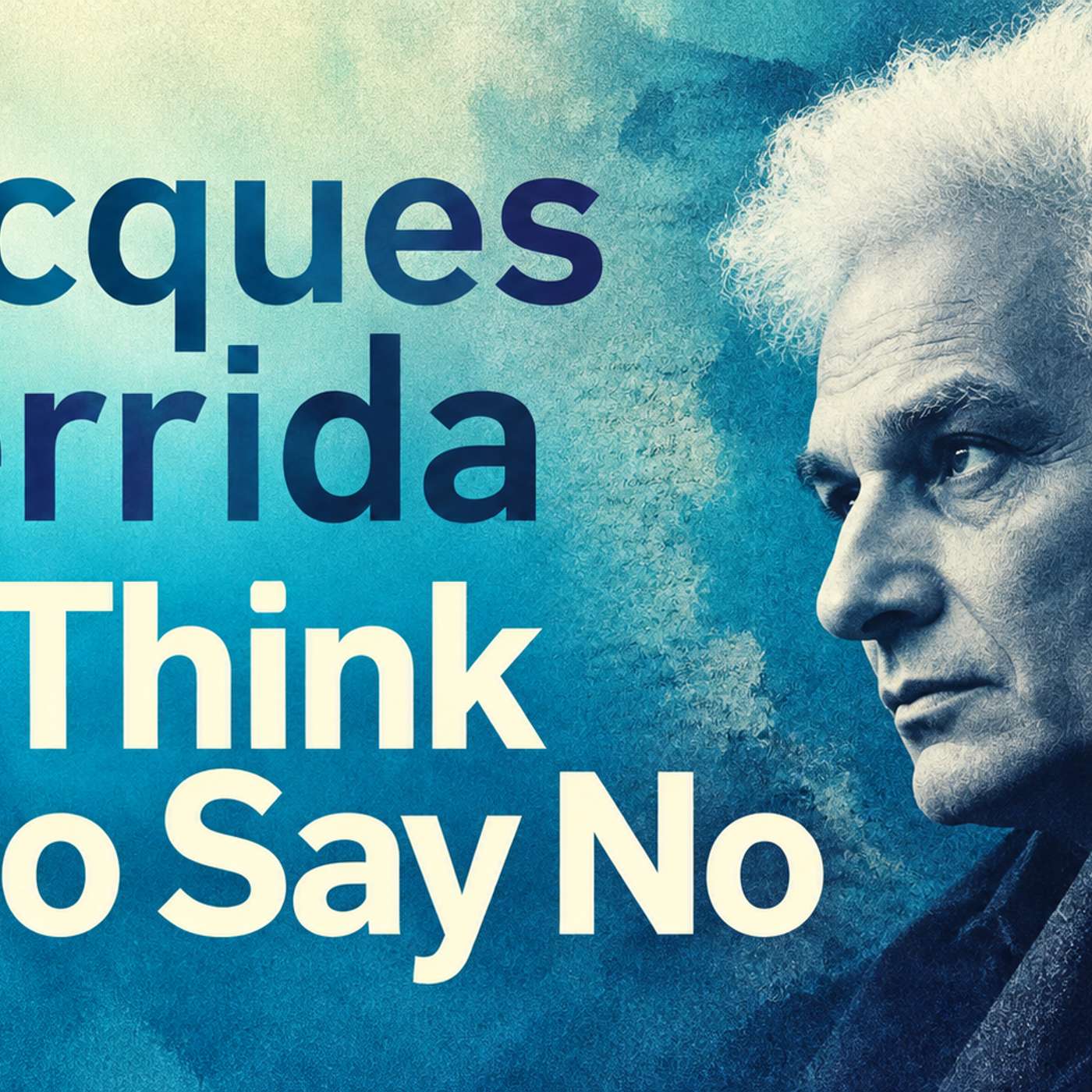
MINIBAR: Derrida's First Lecture Series (with Bob Vallier)
In this very special "Minibar" episode of Hotel Bar Sessions podcast, co-host Bob Vallier gives us both a sneak peak into and the historical context surrounding the recent English translation (by Michael Naas and Pascale-Anne Brault) of Jacques Derrida's very first lecture series from academic year 1960-1961-- before Derrida became "Derrida"-- entitled To Think is To Say No (Fordham UP, 2

David Foster Wallace's "This Is Water"
For the final "deep dive" of Season 16, the HBS co-hosts have selected an unusual text to ground our conversation, namely, a commencement speech by novelist David Foster Wallace entitled "This is Water" (delivered at Kenyon College in 2005). In it, Wallace provides a uncannily accurate (if disheartening) description of the mundaneness of everyday "adult" life, then uses it as a springboa
Boredom
We've talked about the attention economy more than once on this podcast, and the diagnosis hasn't changed: nearly everything around us is built to capture our attention and then sell it. What we haven't asked is what all that scrambling is supposed to be rescuing us from. The answer, it turns out, is boredom. Nobody pays cash to be bored and no app is designed to deliver it, yet a small b
Sikh Ethics (wtih Keshav Singh)
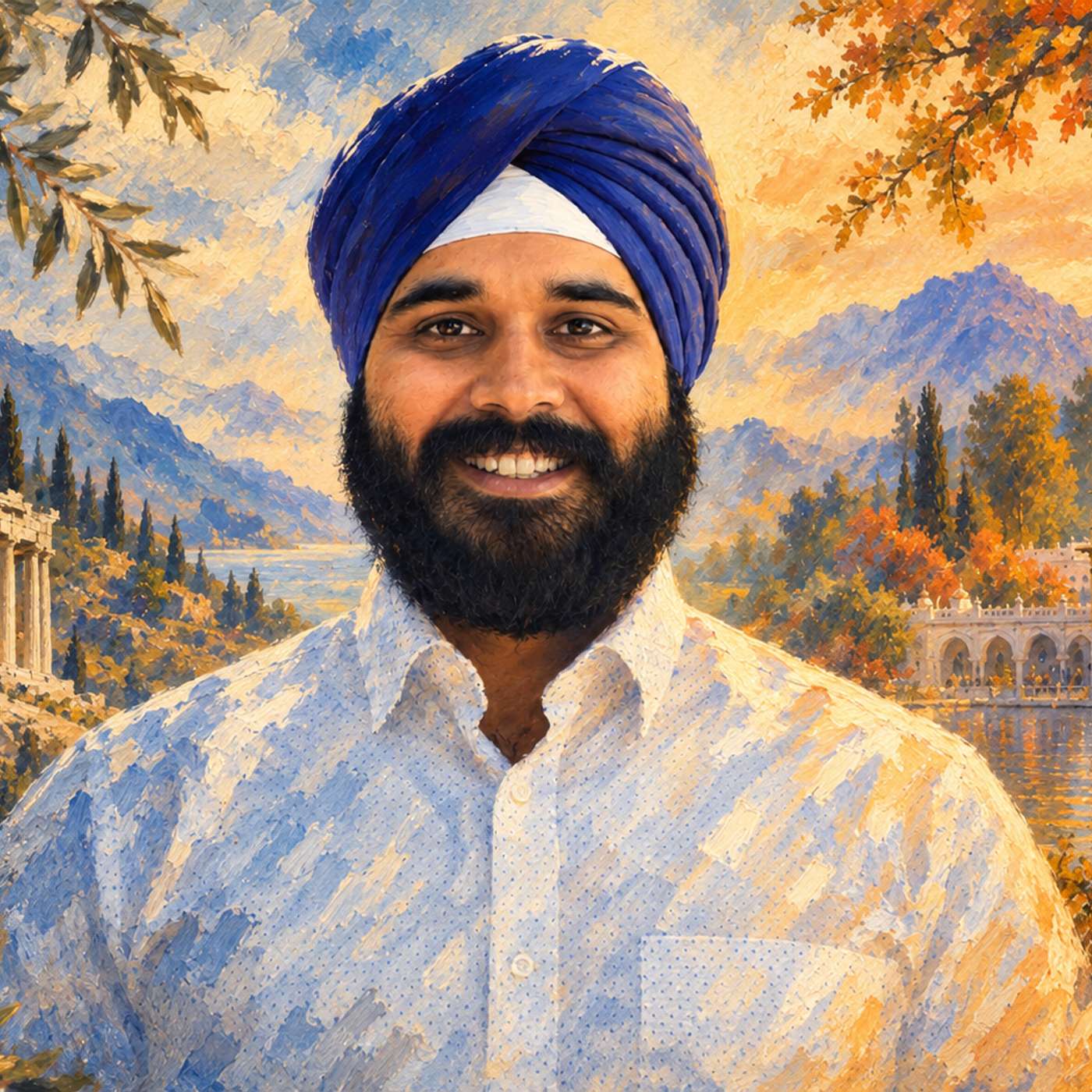
Over the past several decades, Anglophone philosophy has been trying to remember that it wasn't born in Athens. Syllabi now include Confucius and the Buddha, journals run special issues on Africana and Indigenous thought, and "global philosophy" has become a recognized field. Yet, one of the world's largest religious traditions, with a scripture that is entirely philosophical poetry meant
Confidence Men (with Landon Frim)
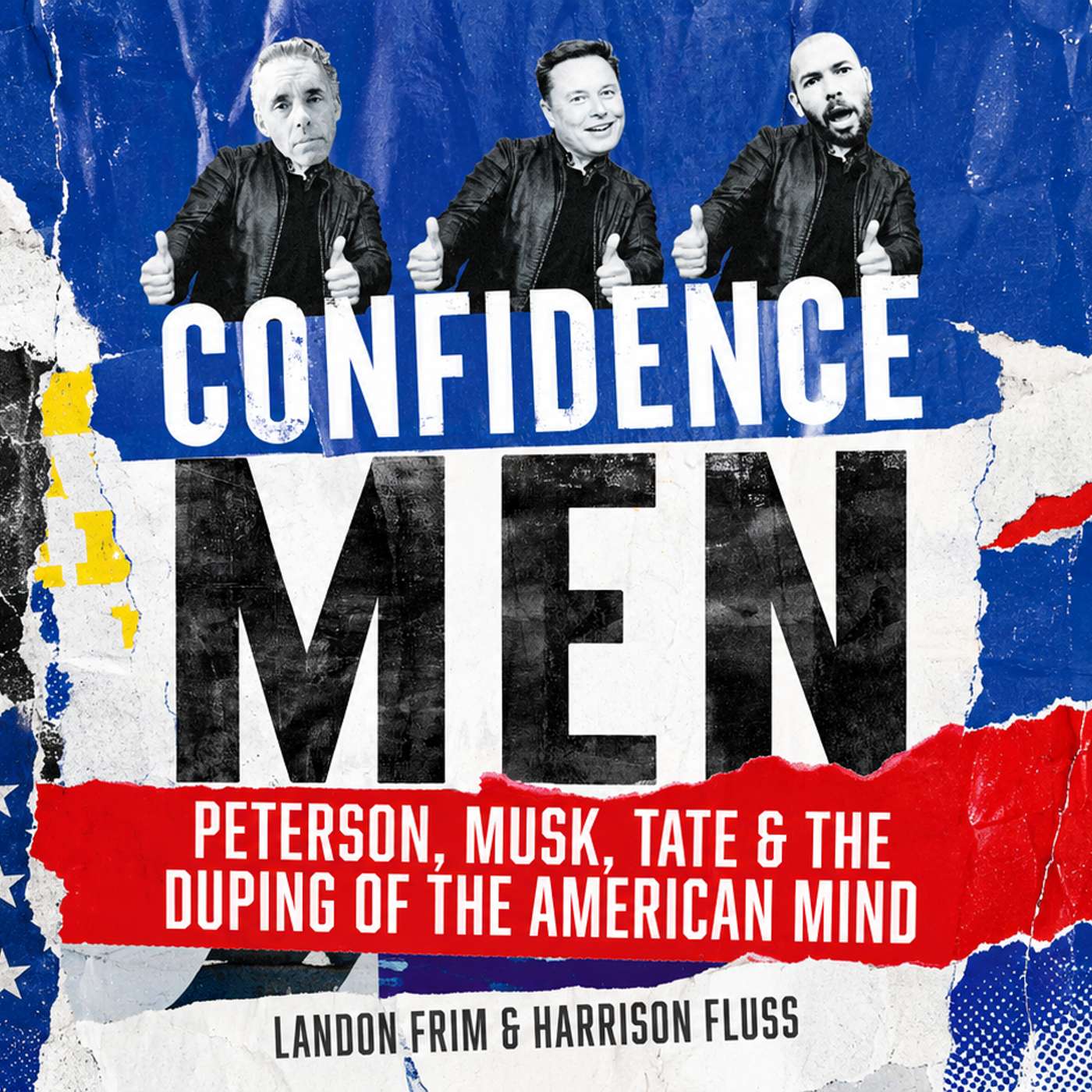
Con men: From the sophists of ancient greece to the current grifter in chief, philosophy has been at odds with them for millennia, and given their success, it seems like it’s been a losing battle. Some of their success is because, as one famous grifter remarked, there’s a sucker born every minute. We’ve seen then in many guises–snake oil salesmen, televangelists, self-help gurus–but the

Fashion
You are wearing an outfit right now. Maybe you chose it deliberately this morning, or maybe you grabbed it off the floor, but either way it is currently saying things about your class, your gender, your politics, your relationship to the very idea of caring how you look. Roland Barthes argued that this is what separates fashion from “mere clothing.” Fashion is clothing that has become a l
Betrayal
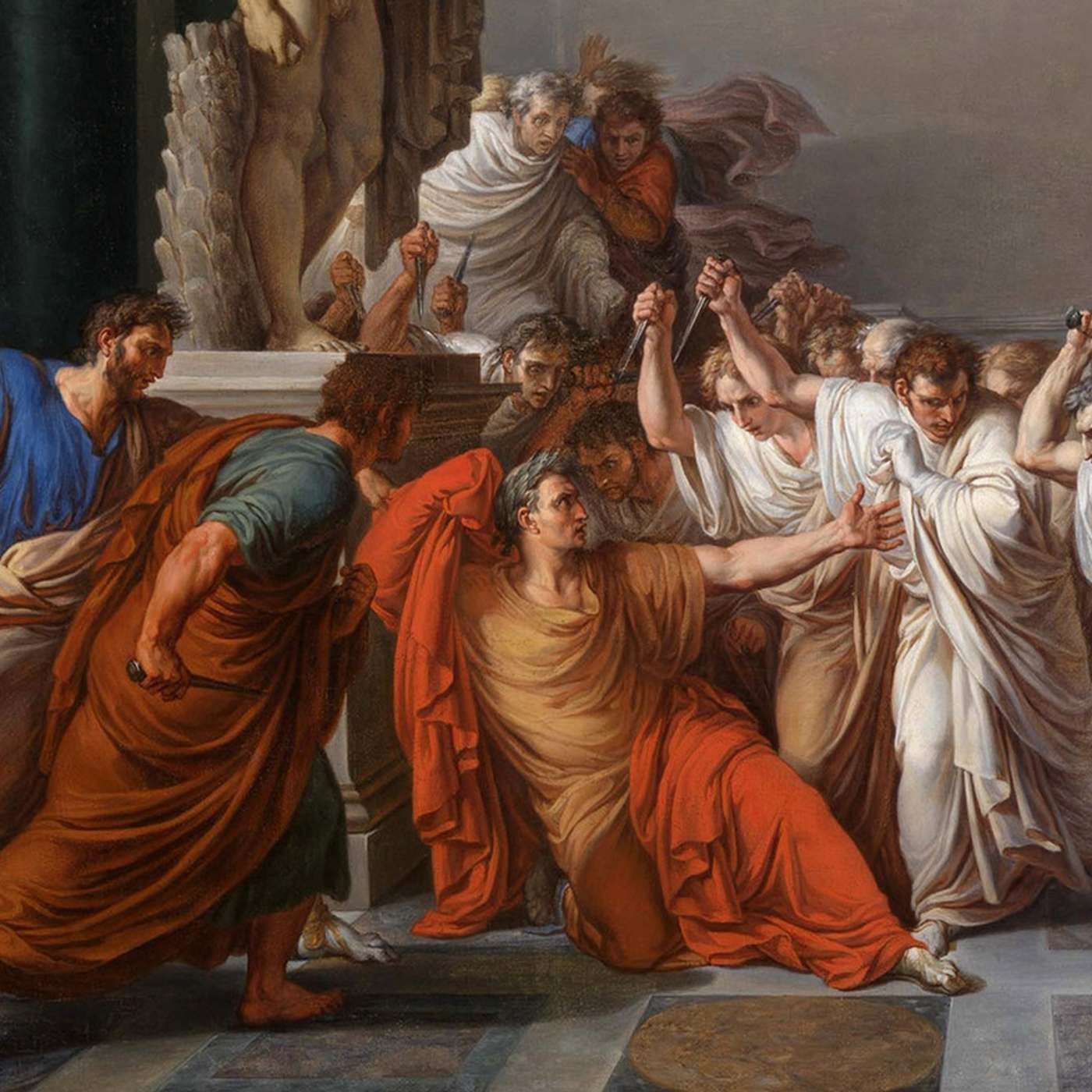
There are plenty of ready-to-hand moral sanctions for lies told and promises broken. We know how those wrongs work, we know what the apologies sound like, and we know, more or less, how to move on from them. Betrayal is different. Ask anyone who has been betrayed and they'll tell you: the apology did nothing, the explanation did nothing, and the well-meaning friend who said "you should ha
The Q Word
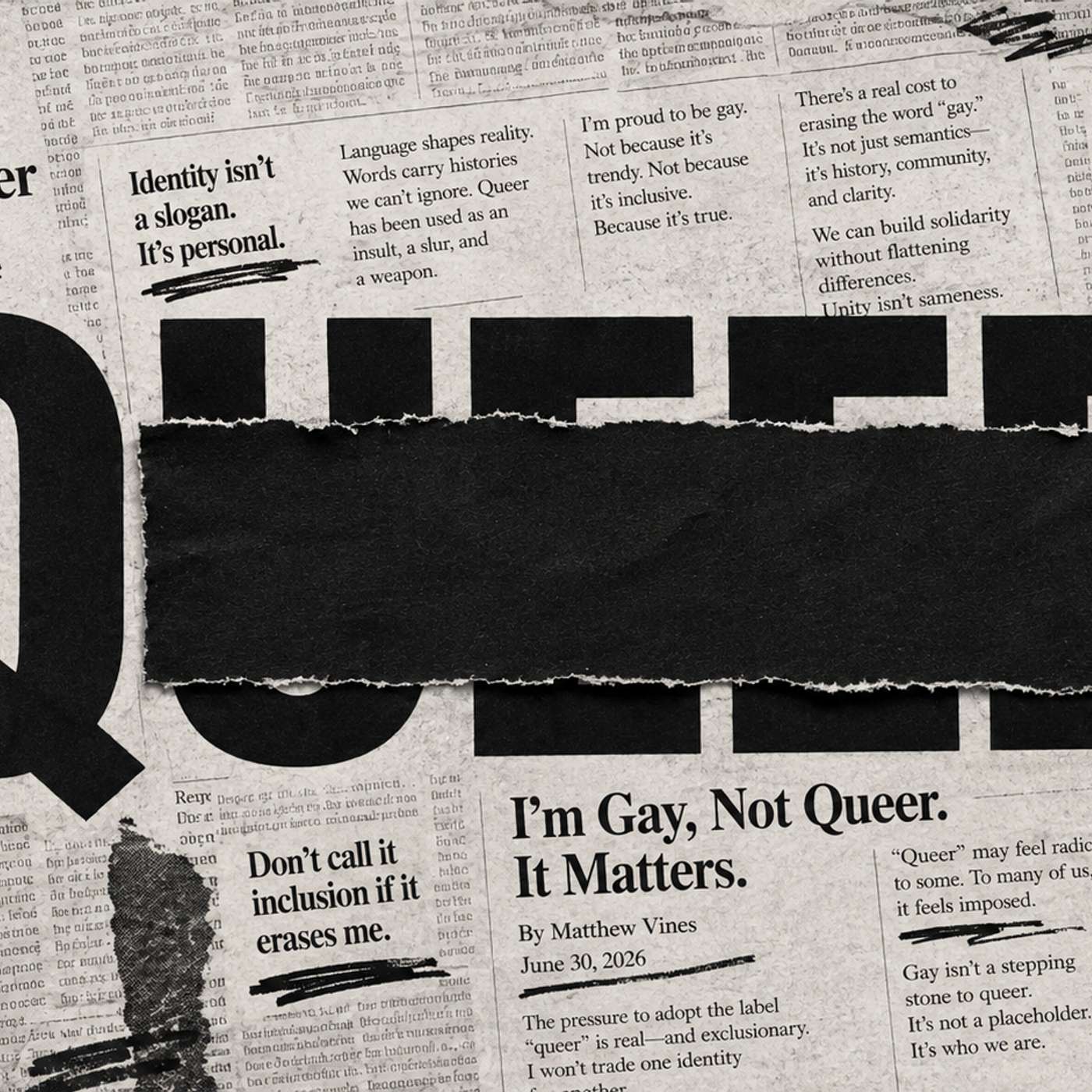
At the beginning of April, the Wall Street Journal published an op-ed from Ben Appel titled "I'm Gay, but That Doesn't Make Me Queer." On the last day of Pride Month 2026, the New York Times followed with an op-ed by Matthew Vines titled "I'm Gay, Not Queer. It Matters." Both were written by white, cisgender gay men, and both made the same argument: the hard-won gains of the gay rights mo
Failure
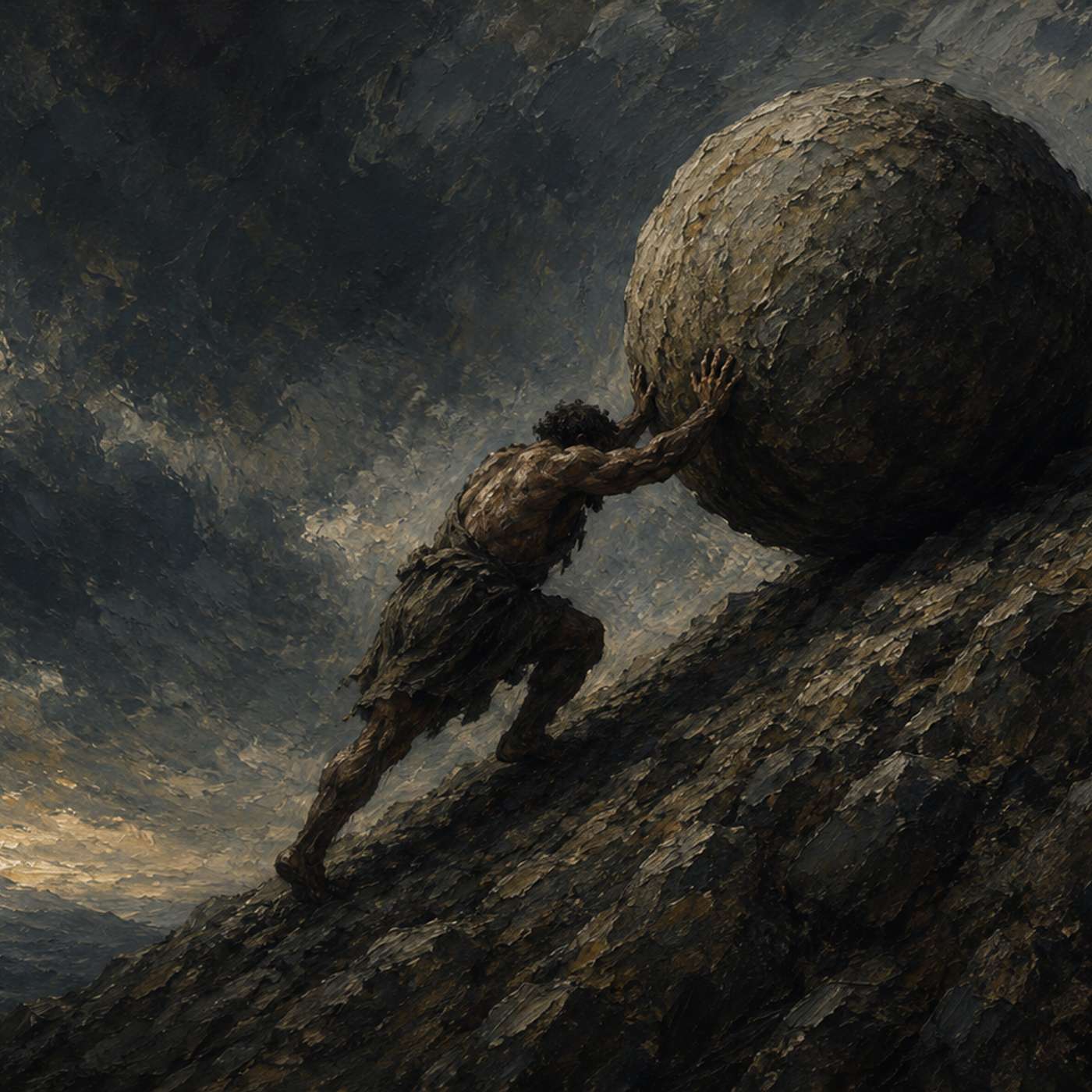
We live in an age with a curiously cheerful relationship to failure. But that optimism was built for a world that no longer quite exists. For three generations now, doing everything right-- getting an education, holding down a full-time job, following the sensible plan-- has stopped reliably buying a house or a secure retirement. When a single failure can be genuinely ruinous, the advi
Multi/Race/Less/Ness (with Jon Ivan Gill)
Our guest for this episode, Jon Ivan Gill (Gustavus Adolphus College), argues in his recent book, Multi/Race/Less/Ness (Bloomsbury, 2025) that race is trauma. Not that race "causes" trauma, but rather that the assignment of metaphysically fixed and static racial categories to people is itself a trauma. Gill contends that we are coerced to accept the limitations imposed by racial categori

Trust
Surveys say we're living through a "trust crisis," and some version of that has been true since at least the '70s. Confidence in the press, in the courts, in public health agencies, in elected officials, in one another has been down, and still going down. At this point, mistrust reads as our default civic posture. And yet here we all are, getting through our days by handing out trust more

The Right to Die
When Leigh's cat Sugar was dying of congestive heart failure, the vet's office offered her something almost no human being will ever be offered: the chance to hold her, to tell her she was loved and thank her, and to be present while a doctor helped her die without pain, without fear, and not alone. Afterward, Leigh's first thought was, I hope my death is this good. Most of us won't get o
Rules
What's the difference between a rule that describes the world and one that governs it? Leigh, Jen, and Bob start with a complaint about Robert's Rules of Order and end up in the deep end: the categorical imperative, the social contract, the rule of law, and what it would mean to live without any rules at all. Full episode notes available at this link:https://hotelbarpodcast.com/podcast/ru
Gilles Deleuze and the Philosophy of Sense (with Nathan Widder)
Gilles Deleuze is multifaceted and his works seemingly heteroclite, which has made it difficult to assess what a “Deleuzian” philosophy may be, even if there are a host of philosophical concepts that bear his signature. Most secondary works on him tend to approach him through one of his works on the canonical philosophers, arguing, for example, that Deleuze is and always was a Nietzschea
Disorienting Cisgender (with Perry Zurn)
We are living through the most intense public argument about gender in living memory, and somehow managing to conduct it without agreeing on what the most basic terms mean. The word cisgender — or just cis — is either standard vocabulary on HR onboarding documents and medical intake forms or, depending on where you live and who holds power at the moment, possibly a slur, possibly banned f
Sports
Sports are one of the few remaining arenas of public life where tens of millions of people voluntarily agree to care about the same thing at the same time. As the World Cup reminds us every four years, sports can build identities, drive economies, organize civic loyalties, and transform old geopolitical wounds into something that at least resembles a game. Whether you played Little League

MINIBAR: Mythos, Fable, Farce (with Leigh M. Johnson)
In the spring of 2026, Anthropic released to the public what it described as its most capable AI model to date... and then the U.S. government shut it down seventy-two hours later. That subsequent sequence of events, both strange and almost operatic in its timing, is the kind of thing we might genuinely call "unprecedented." It was also a crystalline illustration of something philosophers
MINIBAR: Art and Phenomenology (with Bob Vallier)
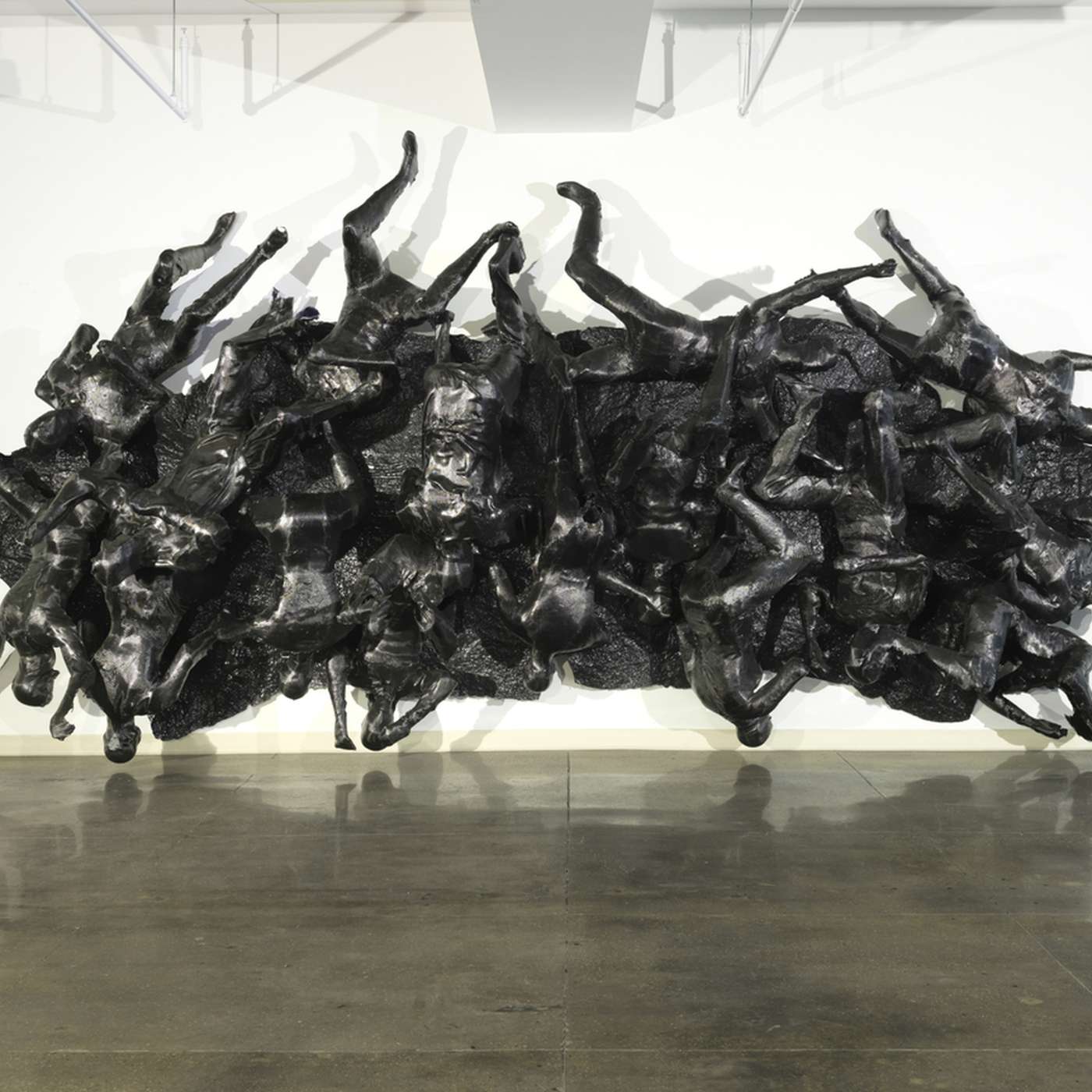
We tend to think of art as something you look at — a canvas on a wall, an object behind velvet rope, something that holds still while you decide what you think of it. But a tradition in contemporary art has spent the better part of sixty years insisting that this picture is wrong. The artwork isn't the object. It's your body moving through the space it creates. In this minibar episode, Bo
MINIBAR: Hanlon's Razor (with Jennifer Kling)
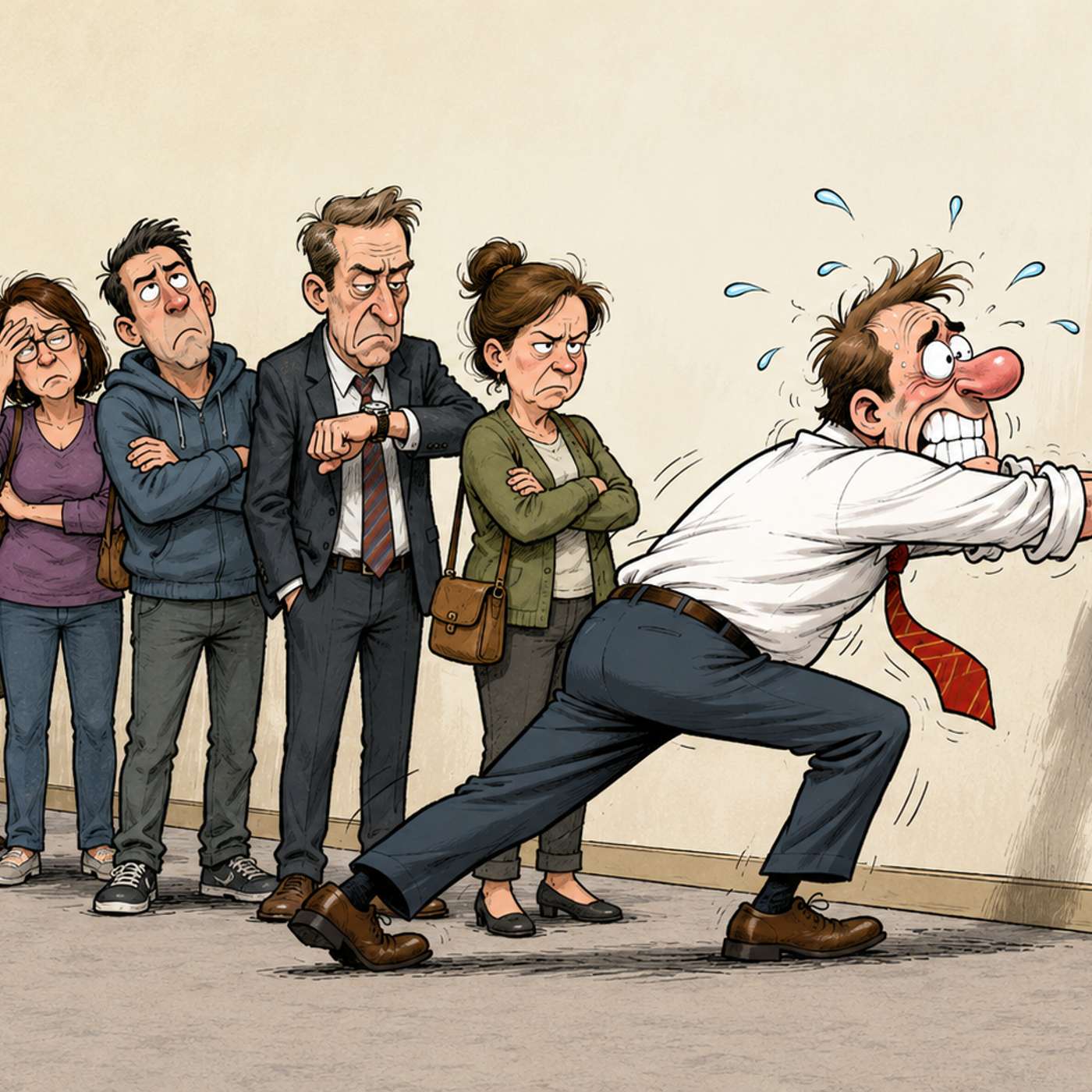
The HBS co-hosts are diligently at work prepping for Season 16 so, in the meantime, enjoy this "Minibar" episode from Jennifer Kling explaining the merits and demerits of employing Hanlon's Razor in our everyday lives! Full episode notes available at this link:https://hotelbarpodcast.com/podcast/hanlons-razor---------------------SUBSCRIBE to the podcast now to automatically download new e

REPLAY: Food (with Bob Valgenti)
While our co-hosts are on a short break between seasons, enjoy this REPLAY episode of one of our favorite conversations from Season 15 with Dr. Robert T. Valgenti, philosopher and professor at the Culinary Institute of America, who dropped by the hotel bar to chat with us about food, the “gastronomic event,” the ethics and politics of cooking and eating, and what it means to be human. Bo

Foucault's "Panopticism"
What does it mean to say that visibility is a trap? Why does the simple awareness that we might be watched work on us so effectively that we end up policing ourselves better than any guard ever could? And if disciplinary power now operates through every camera in every pocket and every satellite overhead, is there anywhere left that isn't already inside the panopticon?For the final episod

Goodhart's Law
Somewhere in the last forty years, quantification stopped being one tool of economic governance among others and became the whole operating system. Inside the firm, shareholder value crowded out almost every other account of what a company was supposed to be for. In macroeconomic debate, GDP figures got promoted from diagnostic instrument to final verdict on whether things were going well

A**holes
So what exactly is an asshole? Is it a settled character type, or just a way of behaving that anyone might fall into on a bad day? Why does asshole behavior provoke us as it does, and why does it seem so much harder to resist now than it once was? If assholes are produced by social conditions (and they appear to be), what conditions produce them, and which ones might produce fewer?This ep
De-Skilling
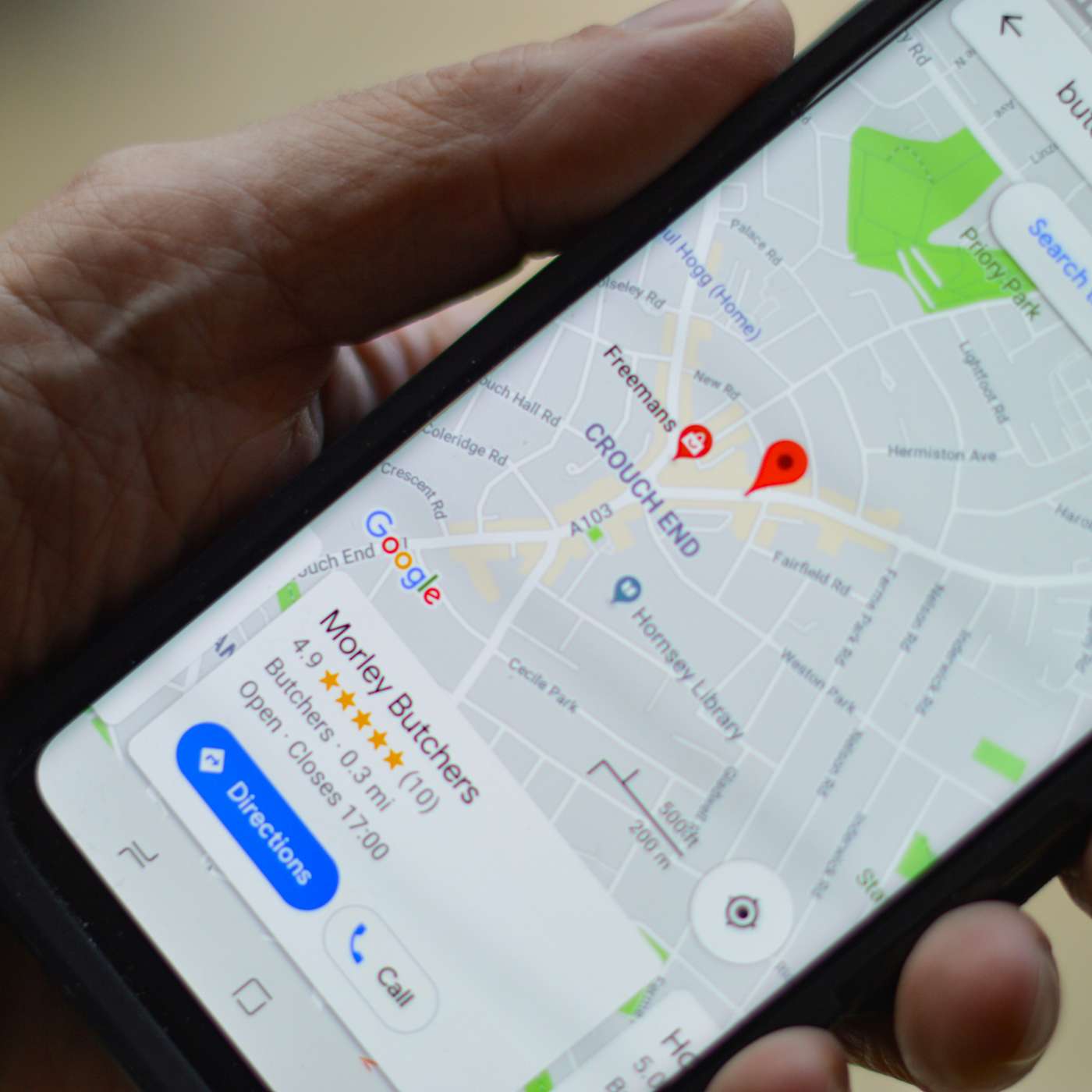
What happens to a skill when you stop needing it? In this episode, we're talking about the quiet, subtle erosion that happens when technology simply takes over a task and the human capacity for it begins, almost imperceptibly, to fade. This is de-skilling: a phenomenon with deep roots in the history of labor and capitalism, newly urgent in an age of GPS, generative AI, and algorithmic eve
War Crimes
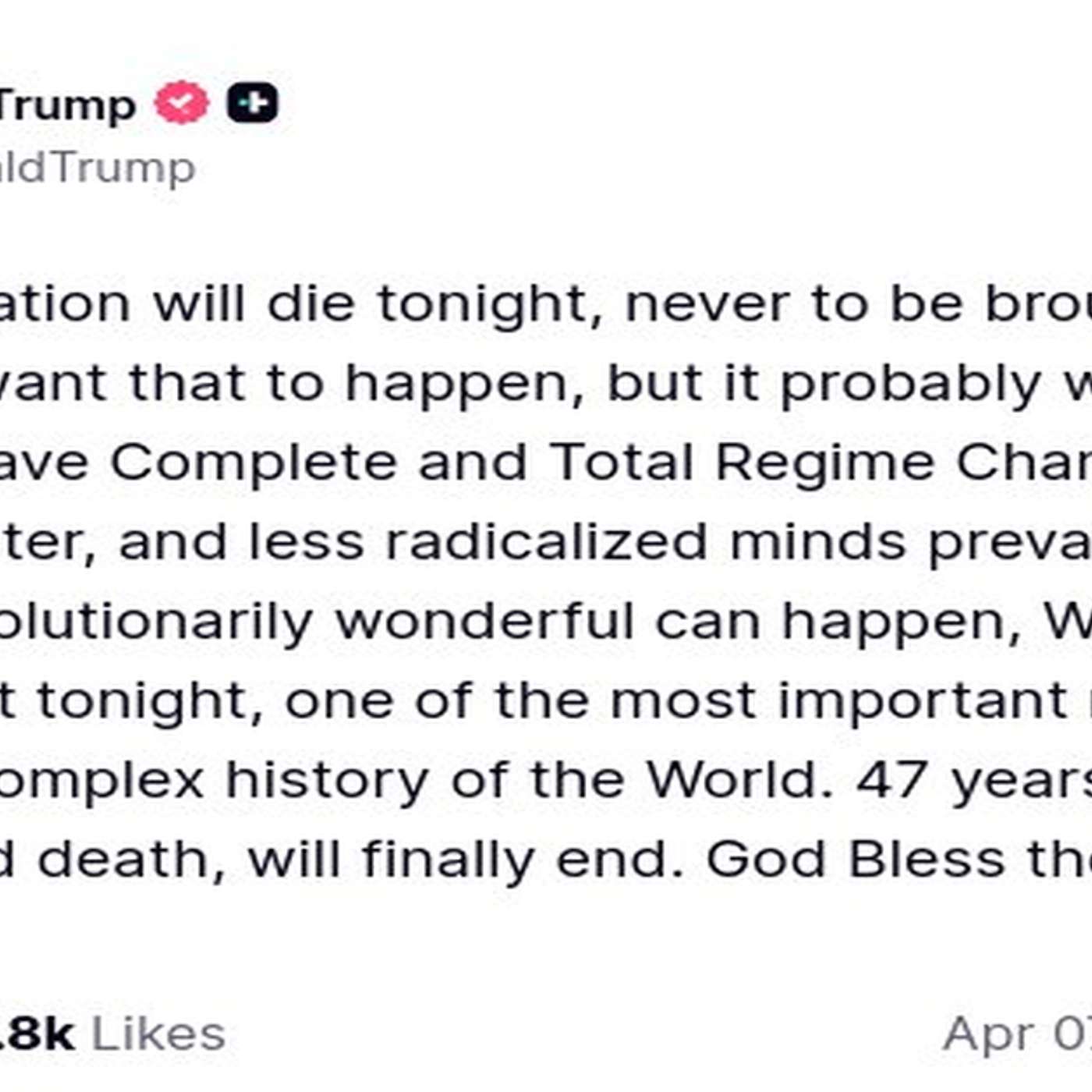
Few topics generate more heat and less light than war crimes — and few topics deserve more careful philosophical attention right now. When a sitting American president has publicly threatened to destroy an entire civilization in a social media post and the language of "domestic terrorism" is being stretched to cover political opponents, the legal and moral categories we use to talk about
Violence
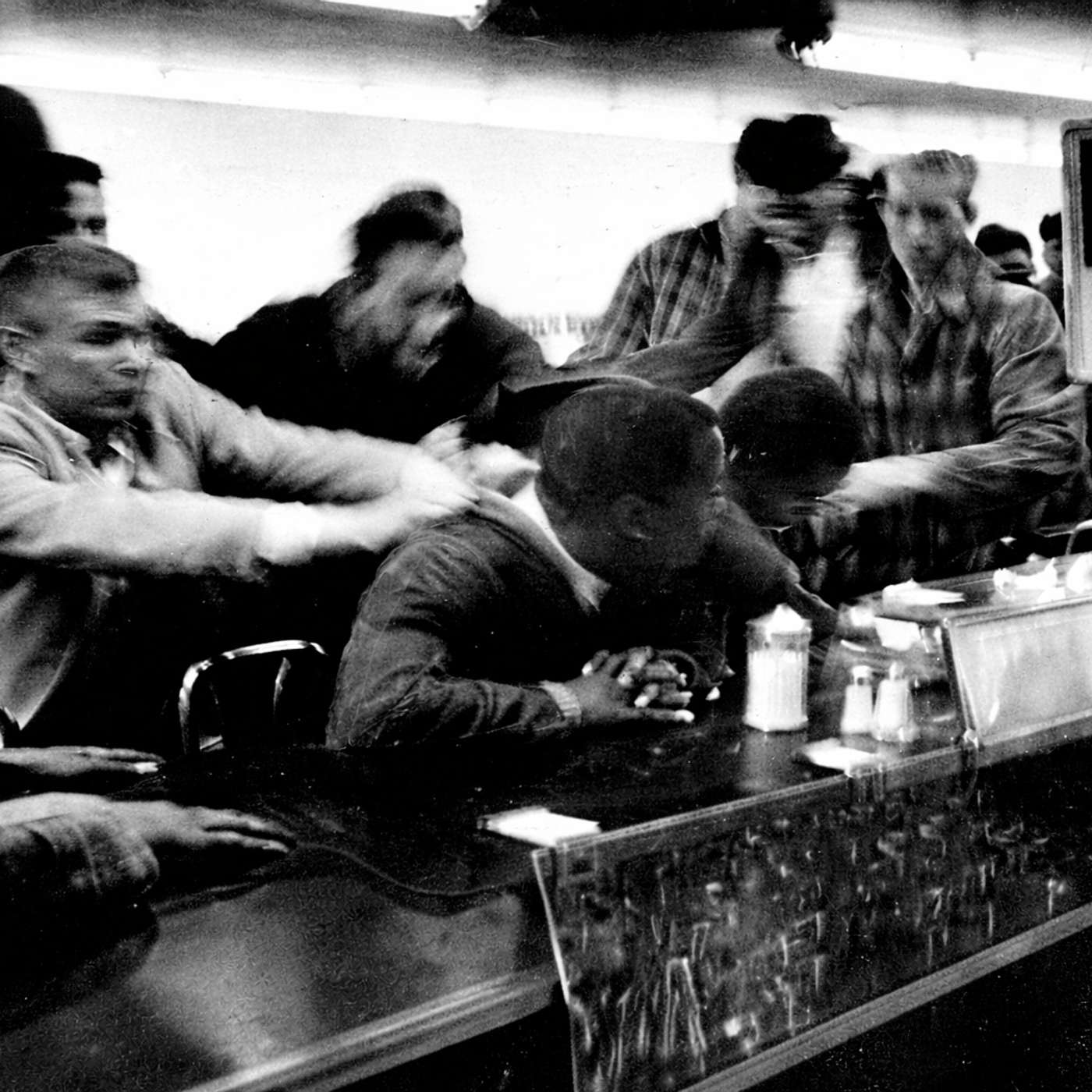
Violence is everywhere right now... or is it?When you press people to define "violence," you'll often find that their grasp on the concept is slippery at best. We think we know what it means, but that certainty tends to evaporate the moment someone asks whether a slur counts as violence, or a system that denies you healthcare until you die counts as violence, or refusing to recognize some

Possible Worlds
Philosophy has always been drawn to the question of what's possible, what could be, what might have been, and what we might yet become. In a political moment when the distance between the world as it is and the world as we want it to be feels especially stark, the tools philosophers use to navigate that gap — thought experiments, counterfactuals, ideal theory, and fiction — have never fel
Strange Bedfellows: Adorno and Strauss (with Jeffrey Bernstein)
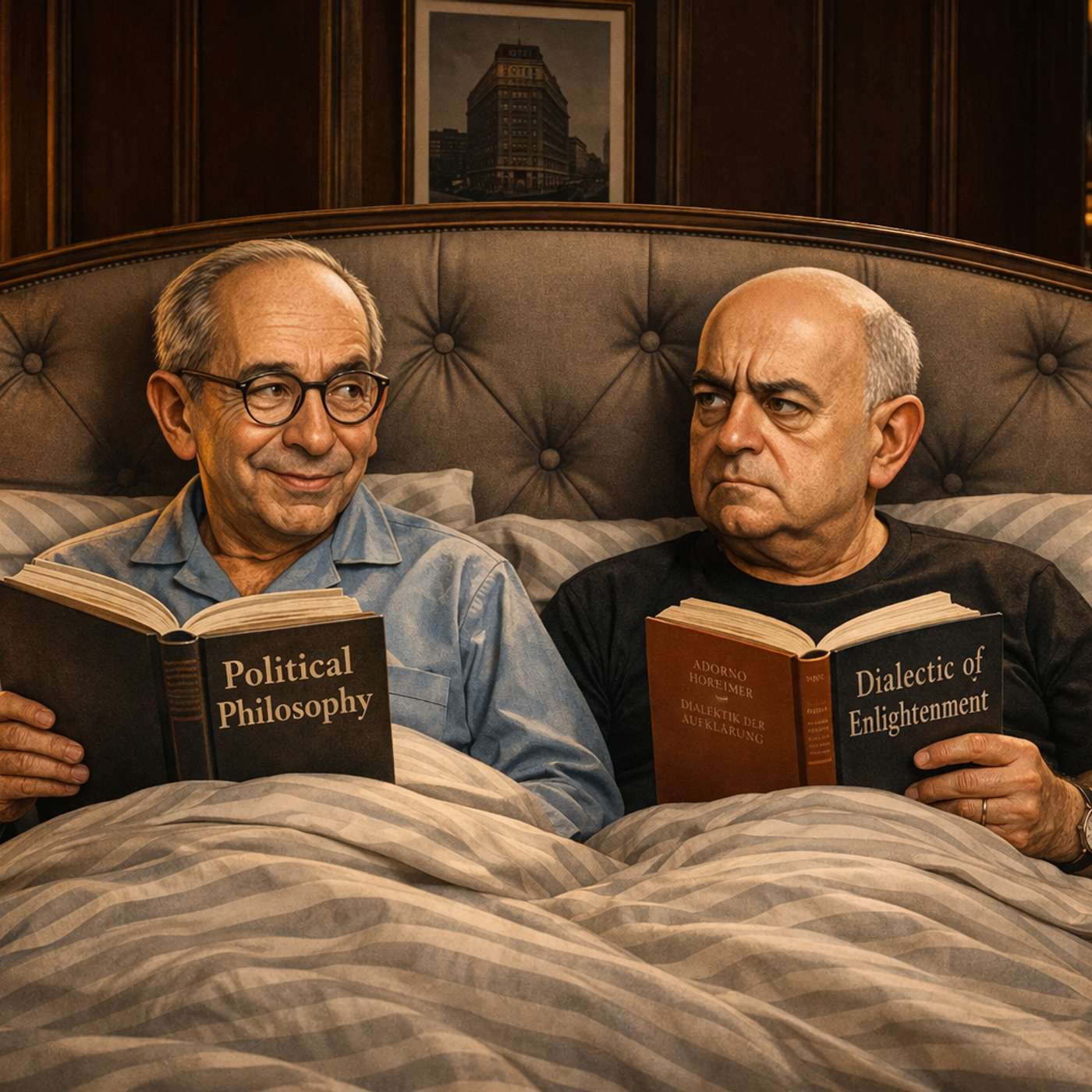
The word "fascism" gets thrown around a lot these days, sometimes so freely that it starts to lose its edge. But what would it actually mean to develop a philosophy of anti-fascism, a sustained, rigorous intellectual framework for understanding how fascism takes hold and what might inoculate us against it? That question feels newly urgent in a political moment when the ideological infrast
Philosophy on Drugs (with Justin Smith-Ruiu)
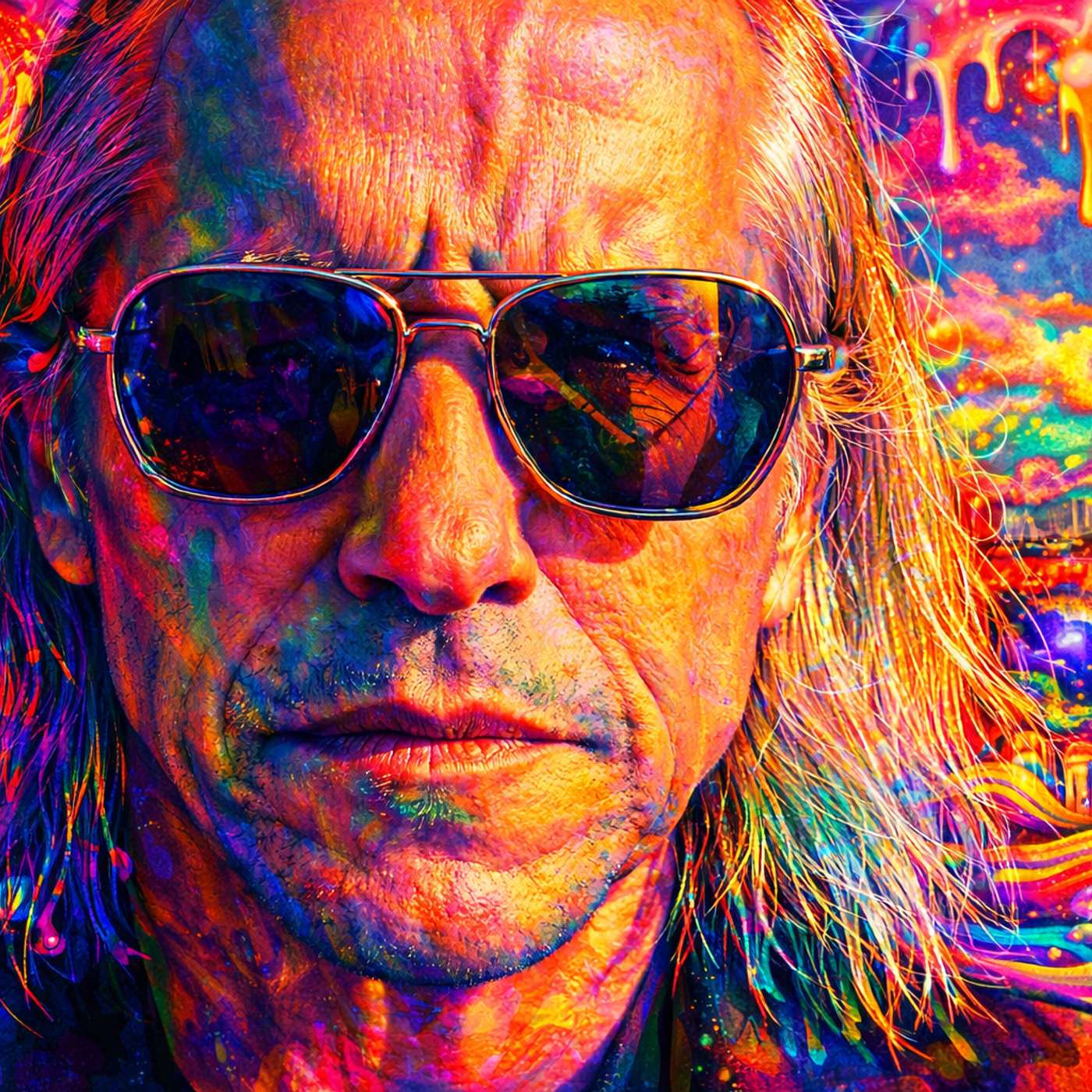
We are living through a peculiar moment in the long, complicated history of humans and mind-altering substances. After decades of prohibition and stigma, psychedelics have staged a remarkable comeback — not just in underground culture, but in university laboratories, clinical trials, and mainstream news. Researchers are exploring psilocybin and MDMA as treatments for depression and PTSD,
Against the Future (with Simon Critchley)
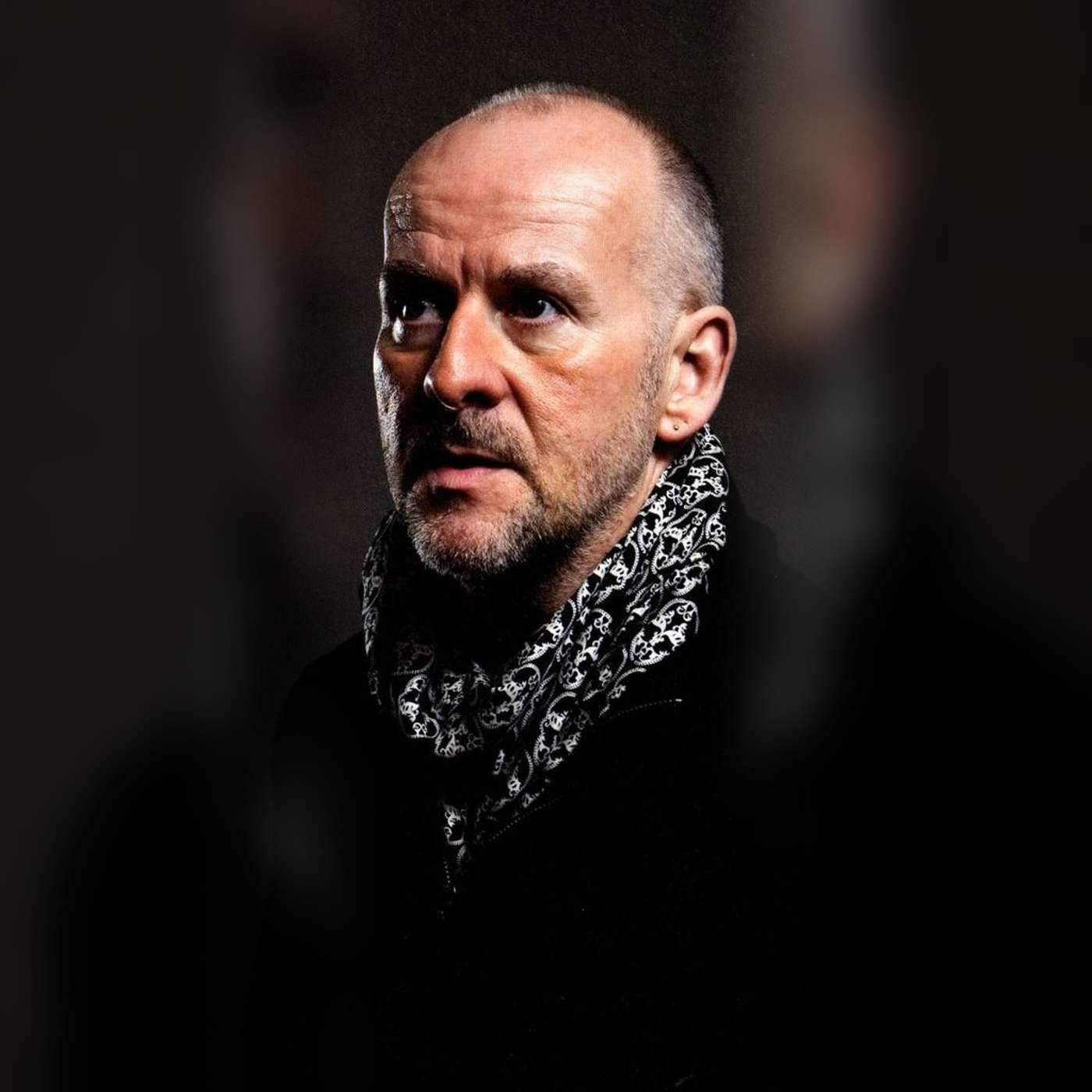
Philosophers have had many conceptions of the future–metaphysical, eschatological, ontotheological, dialectical, fatalistic, idealist, materialist, and more–and these in turn have been central to discussions of free will and determinism, freedom and constraint, hope and despair. But our guest Simon Critchley, Hans Jonas Professor of Philosophy at the New School, is against all of them!

Family "No Contact" (with Kiran Bhardwaj)
There have been many reports in the last several years of a growing trend of estranged families in the United States. For those who make the decision to go "no contact" (or "low contact") with their family members, the response from non-family members can be a mixed bag of support and judgment... often independent of the person's reasons for making that choice. What’s going on with the co

Food (with Bob Valgenti)
This week, our co-hosts are joined at the bar by Dr. Robert T. Valgenti, philosopher and professor at the Culinary Institute of America to talk about food, the “gastronomic event,” the ethics and politics of cooking and eating, and what it means to be human.Full episode notes available at this link:https://hotelbarpodcast.com/podcast/food---------------------SUBSCRIBE to the podcast now t

Anonymity
Anonymity is usually sold as a kind of freedom: the ability to speak without fear, to move through public space without being tracked, to test ideas and identities without immediate consequences. In this episode of Hotel Bar Sessions, the co-hosts pull up stools to ask whether anonymity actually liberates—or whether it more often dissolves responsibility. Starting with Plato’s Ring of Gyg
Catastrophic Philosophy
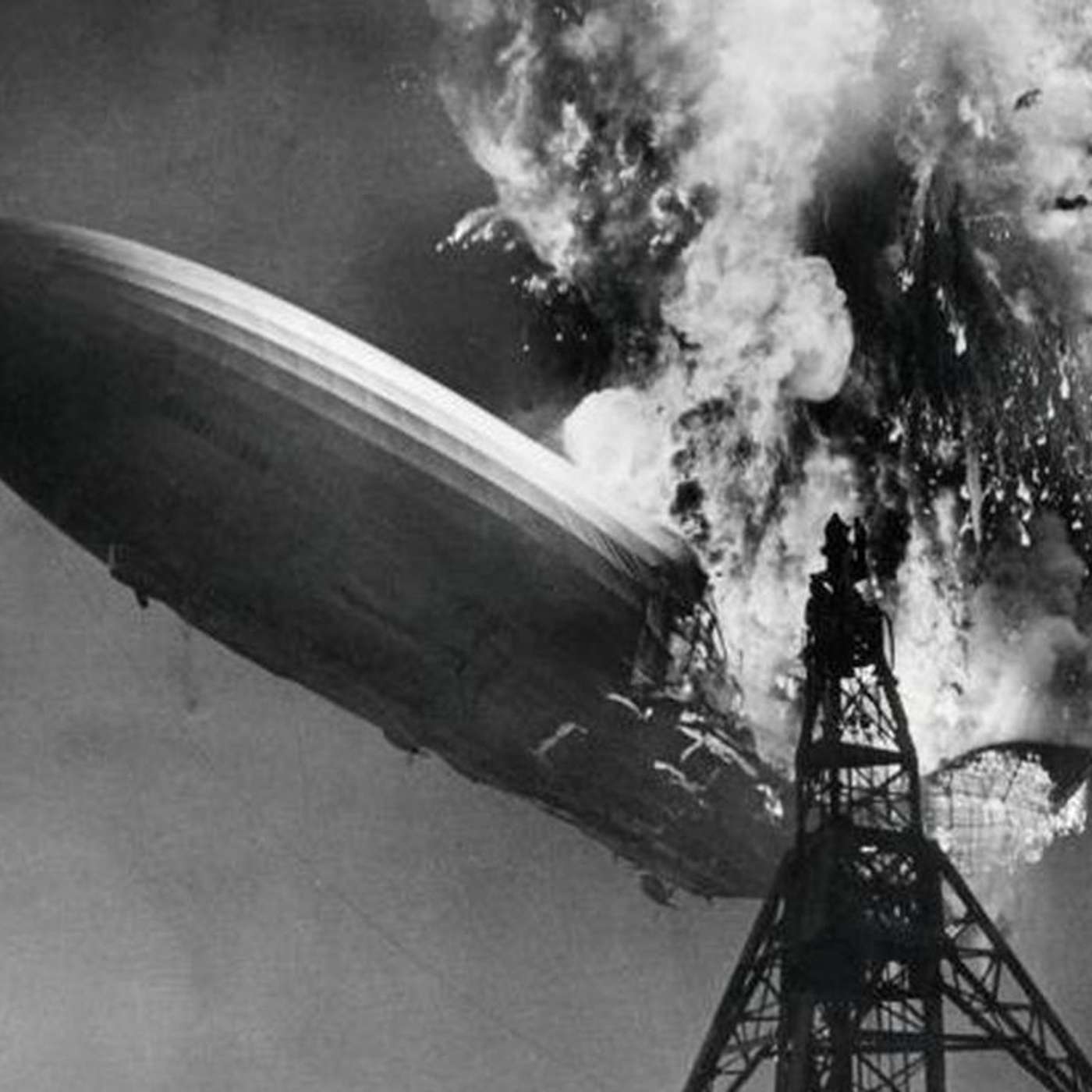
Catastrophe usually sounds like a synonym for disaster—but in this episode, it’s treated as a philosophical concept: a “downturn” that scrambles a world’s legibility and forces a basic question—what can still be believed now? Starting from Greek tragedy (where catastrophe names a plot’s turning point), the conversation traces how ruptures—ancient, modern, natural, political—expose finitud
Intelligence(s)
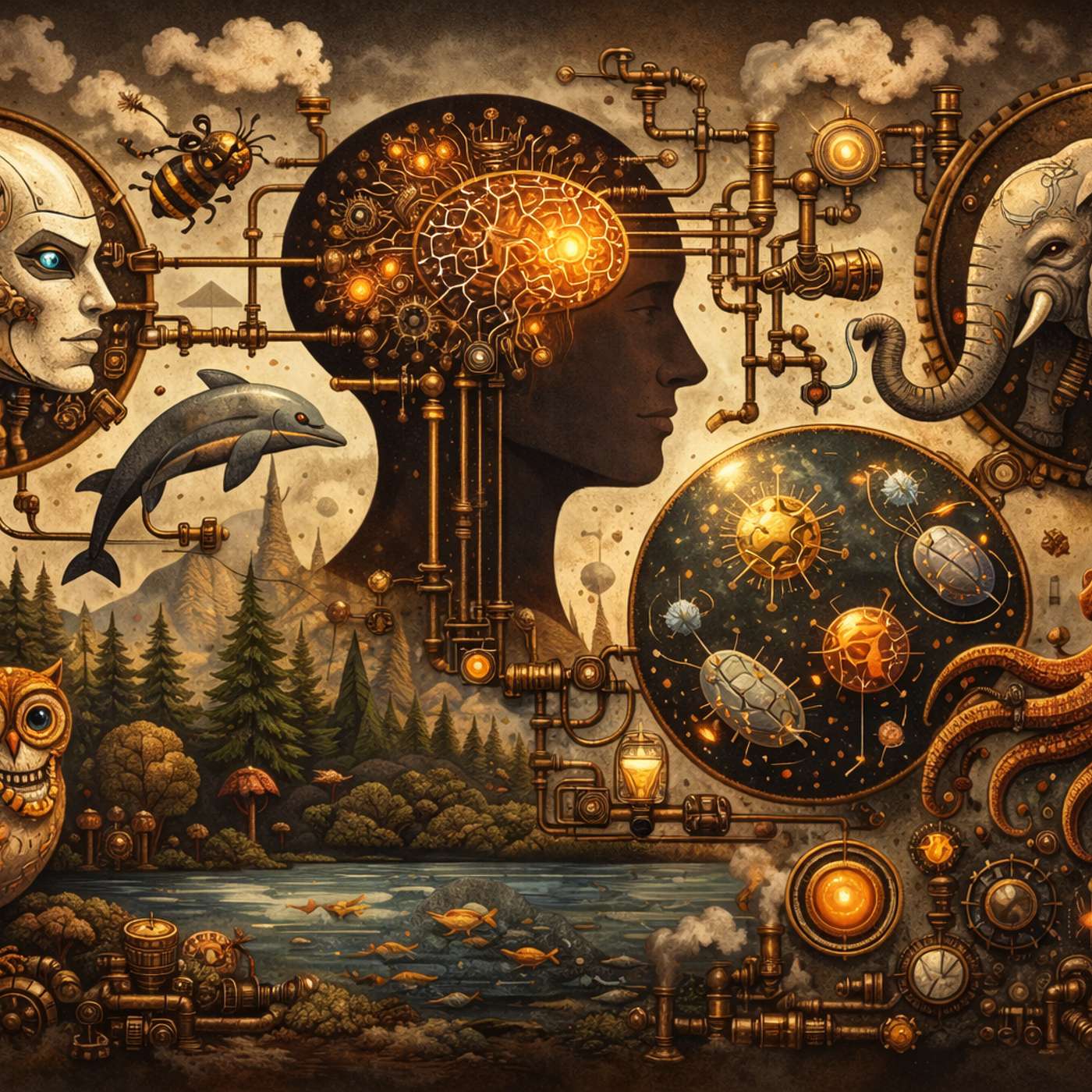
What do we mean when we talk about intelligence—and who, or what, gets counted as intelligent in the first place? In this episode of Hotel Bar Sessions, our co-hosts pull up stools at the bar to tackle the idea of intelligence(s) as a plural, contested, and deeply political concept.Starting from a working definition of intelligence as the capacity to navigate a domain toward ends, the con

MINIBAR: Algorithmic Nostalgia (with Leigh M. Johnson)
Why do AI's fabricated memories "feel" so true?Hotel Bar Sessions is currently between seasons and while our co-hosts are hard at work researching and recording next season's episodes, we don't want to leave our listeners without content! So, as we have in the past, we've given each co-host the opportunity to record a "Minibar" episode-- think of it as a shorter version of our regular con
MINIBAR: Uncivil Obedience (with Jen Kling)
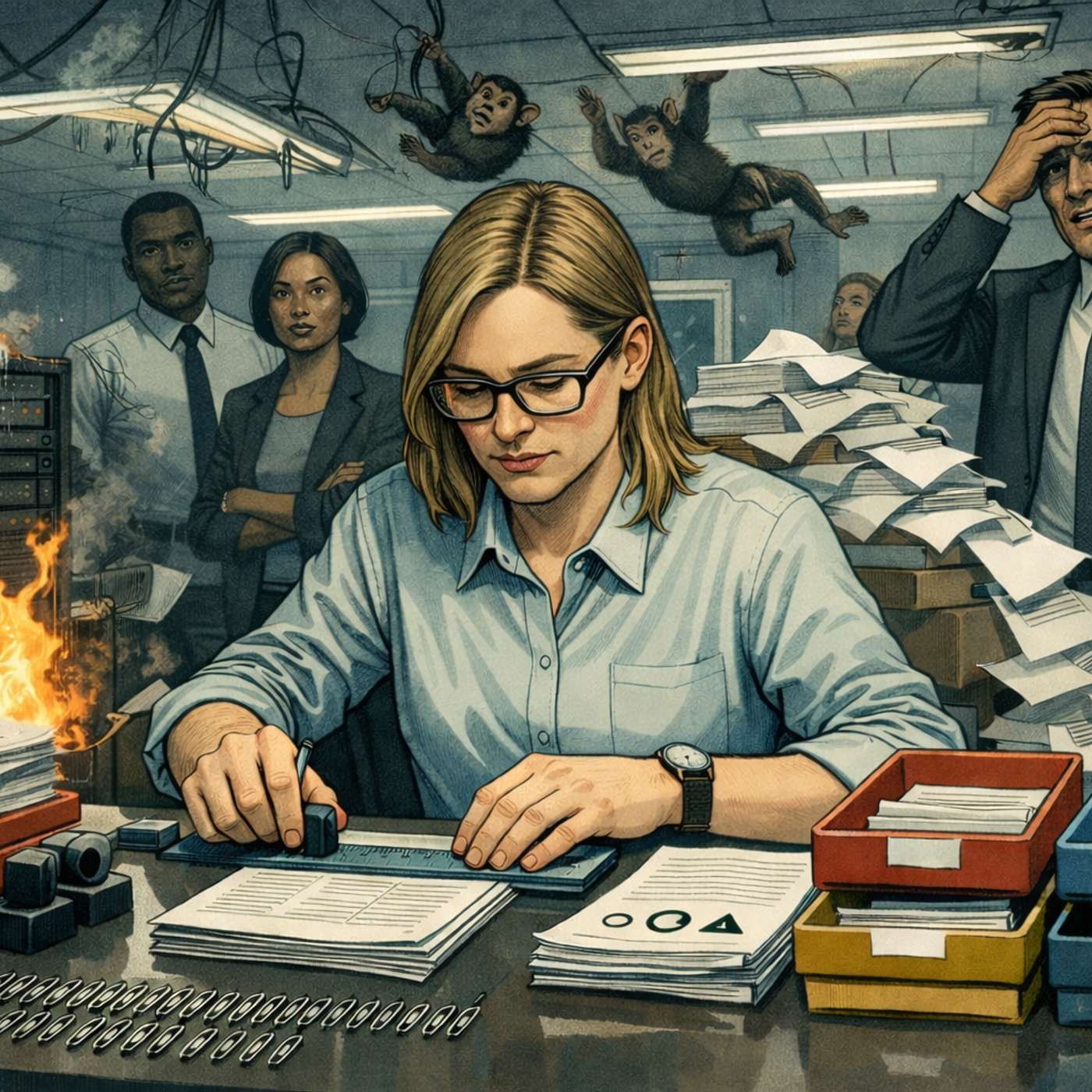
What happens when we follow the letter of the law, while refusing to cooperate with its spirit?Hotel Bar Sessions is currently between seasons and while our co-hosts are hard at work researching and recording next season's episodes, we don't want to leave our listeners without content! So, as we have in the past, we've given each co-host the opportunity to record a "Minibar" episode-- thi
MINIBAR: Pain (with Bob Vallier)
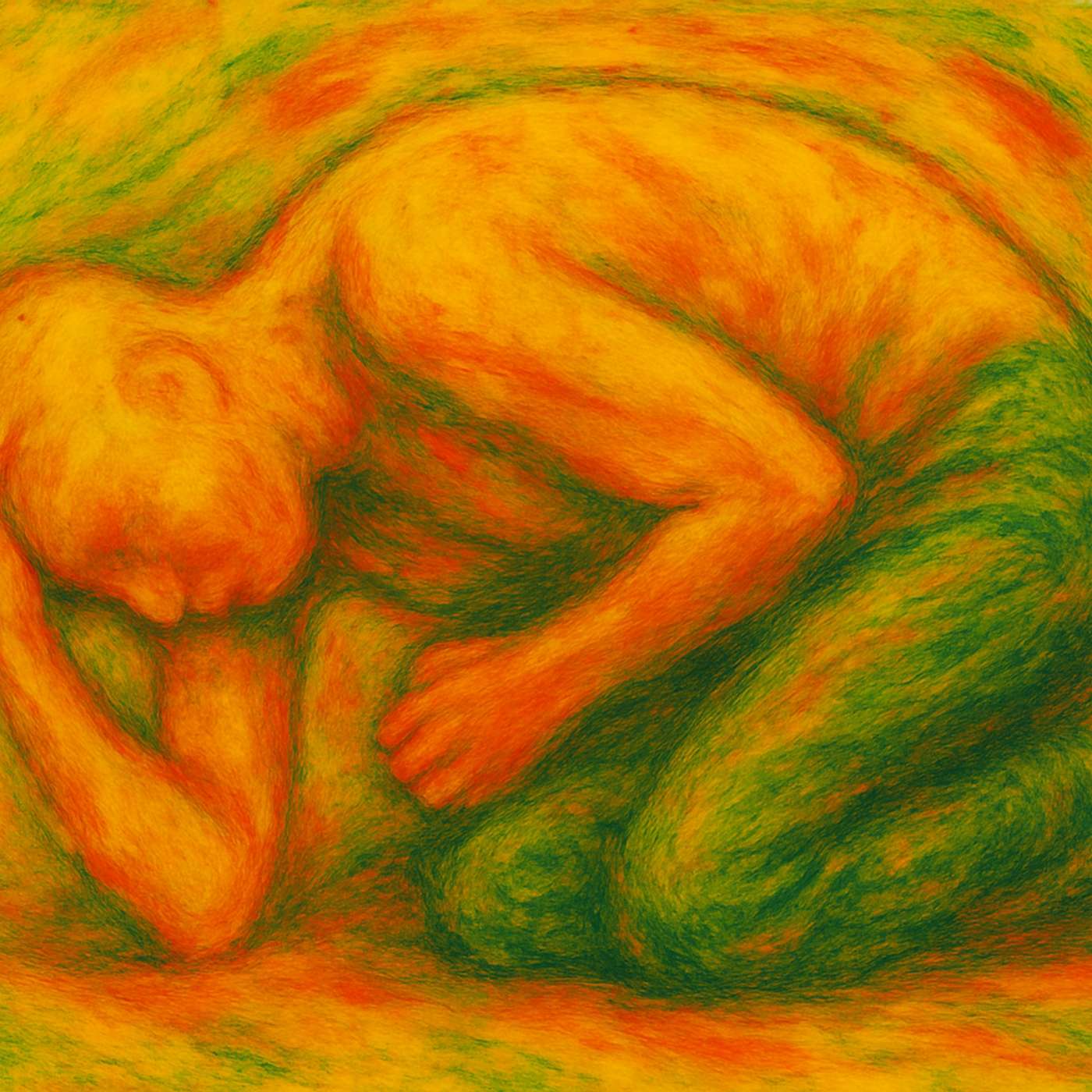
What can the body, in pain, teach us about the hilarity of our own finitude?Hotel Bar Sessions is currently between seasons and while our co-hosts are hard at work researching and recording next season's episodes, we don't want to leave our listeners without content! So, as we have in the past, we've given each co-host the opportunity to record a "Minibar" episode-- think of it as a short

Marilyn Frye's "Oppression"
How might "oppression" be best understood as a "cage"? This week the HBS co-hosts take a deep dive into a true classic of feminist philosophy: Marilyn Frye’s 1983 article “Oppression.” We unpack Frye’s understanding of oppression and argue about some of Frye’s more infamous examples, such as her claim that men holding doors open for women is sexist. Is she really correct that oppression c
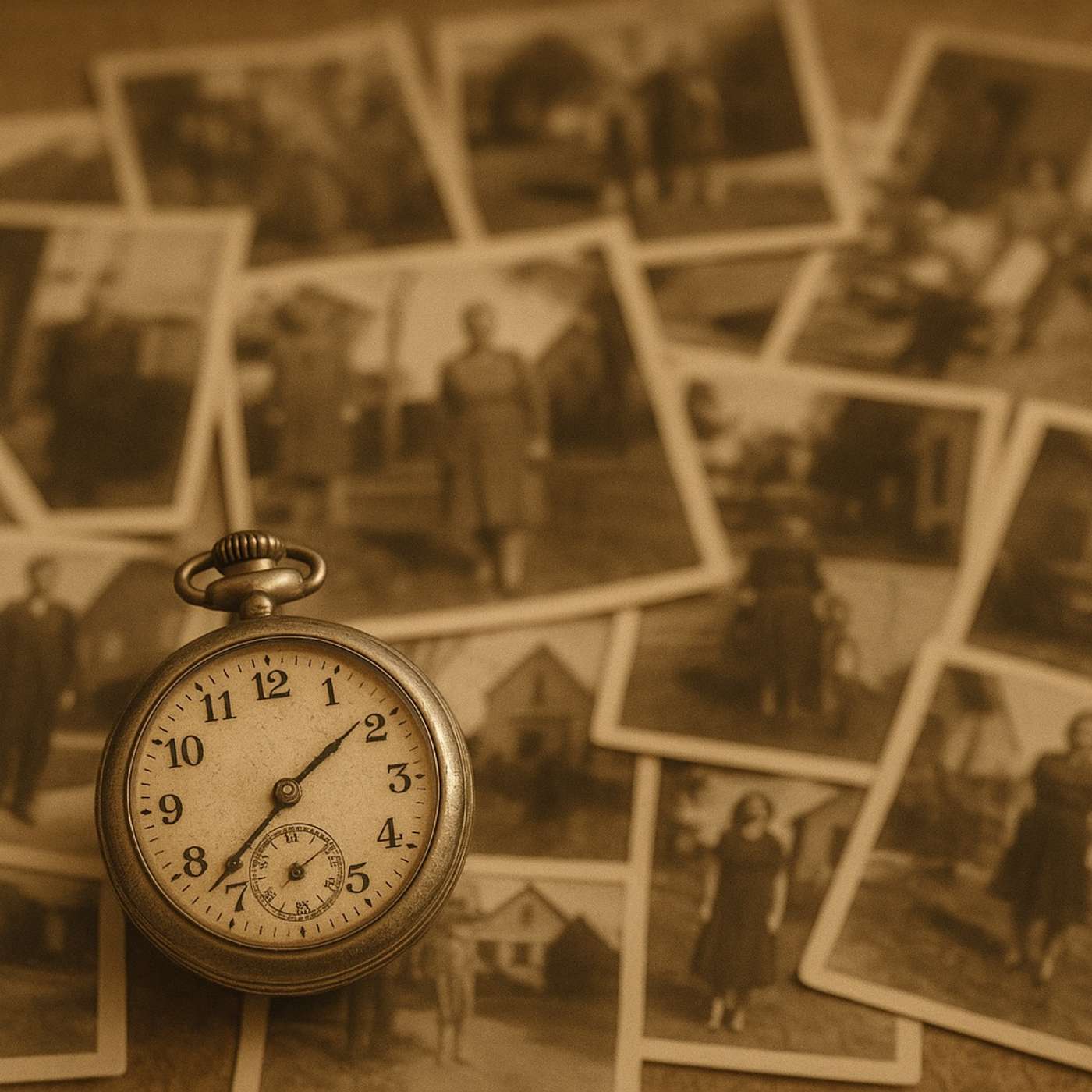
Nostalgia
"Nostalgia" is a portmanteau coined in 1688 by Johannes Hofer, combining the Greek nostros (homecoming) and algos (pain, ache). Hofer was a medical student, and he invented this term to describe a kind of melancholia, a somewhat depressive state–- and so, from its inception, "nostalgia" was viewed as a mood disorder. For the Romantics, it was a sentimentality for the past, the good old

Sophistry
Bad arguments are nothing new, so why does it appear as if they have become so pervasive in public discourse? When we watch so-called "debate" videos with titles like "Conservative professor DESTROYS woke student" or "Liberal pundit OWNS Conservative Senator," are we actually watching a rational debate? Is anyone learning anything in these exchanges? Or, as is most likely, are we watching

The Enshittification of... everything?
This week’s episode takes Cory Doctorow’s term “enshittification” and uses it as a diagnostic for late-capitalist life, not just for tech platforms but for democracy, higher education, and work more broadly. Our co-hosts unpack Doctorow’s three-stage model—platforms start out good to users, then pivot to serving business customers, and finally squeeze both users and customers to extract m

Quiet Resistance (with Tamara Fakhoury)
Many of us think of resistance as "protest," communicative acts aimed at fighting injustice, and done with others in public. But what happens when that kind of resistance isn’t possible or safe? When showing up, or waving a sign, or making a public speech might get you jailed, or silenced, or disappeared? Is it possible to resist oppression without following Western scripts surrounding pr
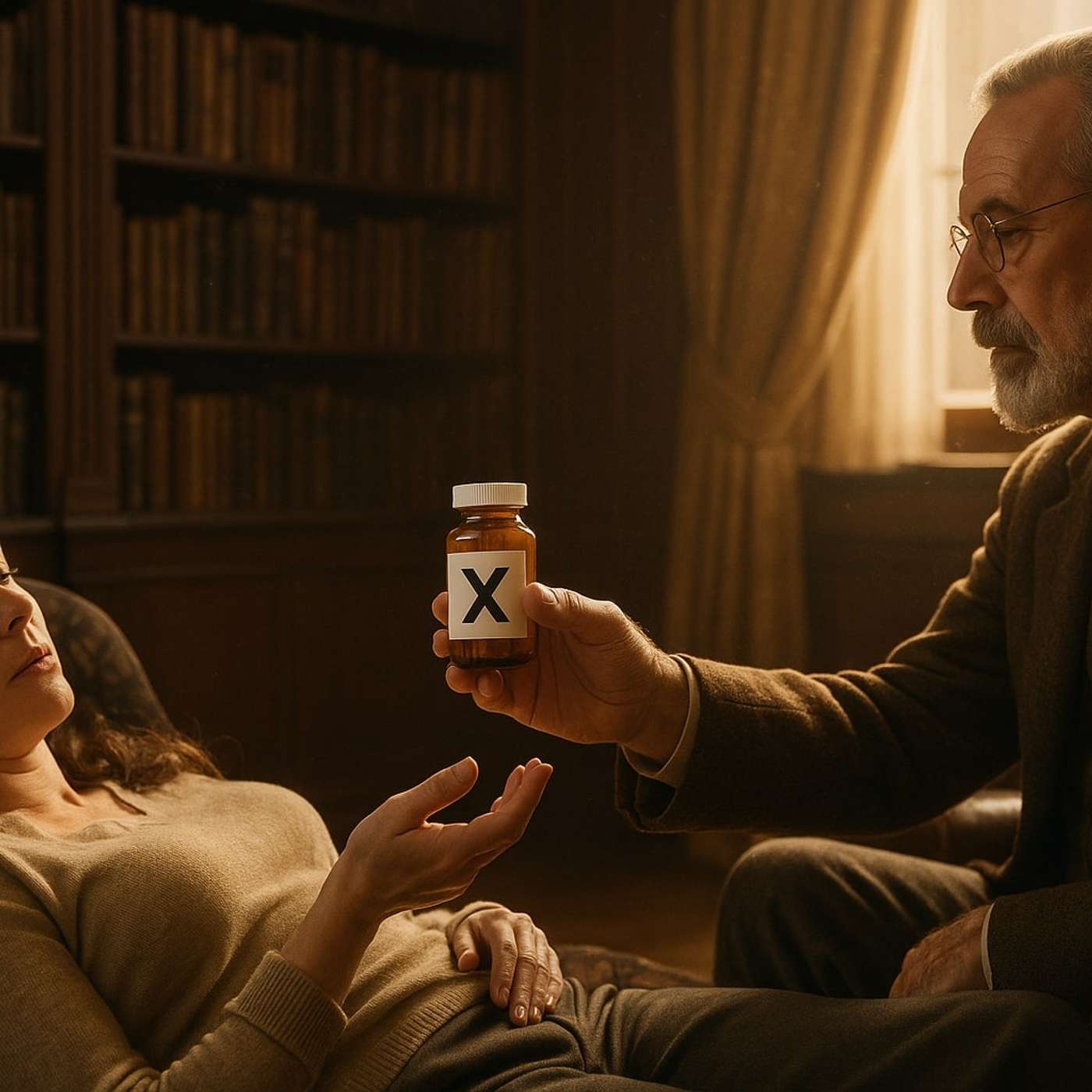
Therapy
What does it mean to be “well-adjusted” in a society that might itself be profoundly unwell? And when we use therapy-speak to explain everything from bad relationships to bad politics, do we risk losing sight of moral responsibility for bad behavior altogether? Is self-knowledge even possible in a world built on historical and political denial?Grab a drink, get comfortable, and join us fo
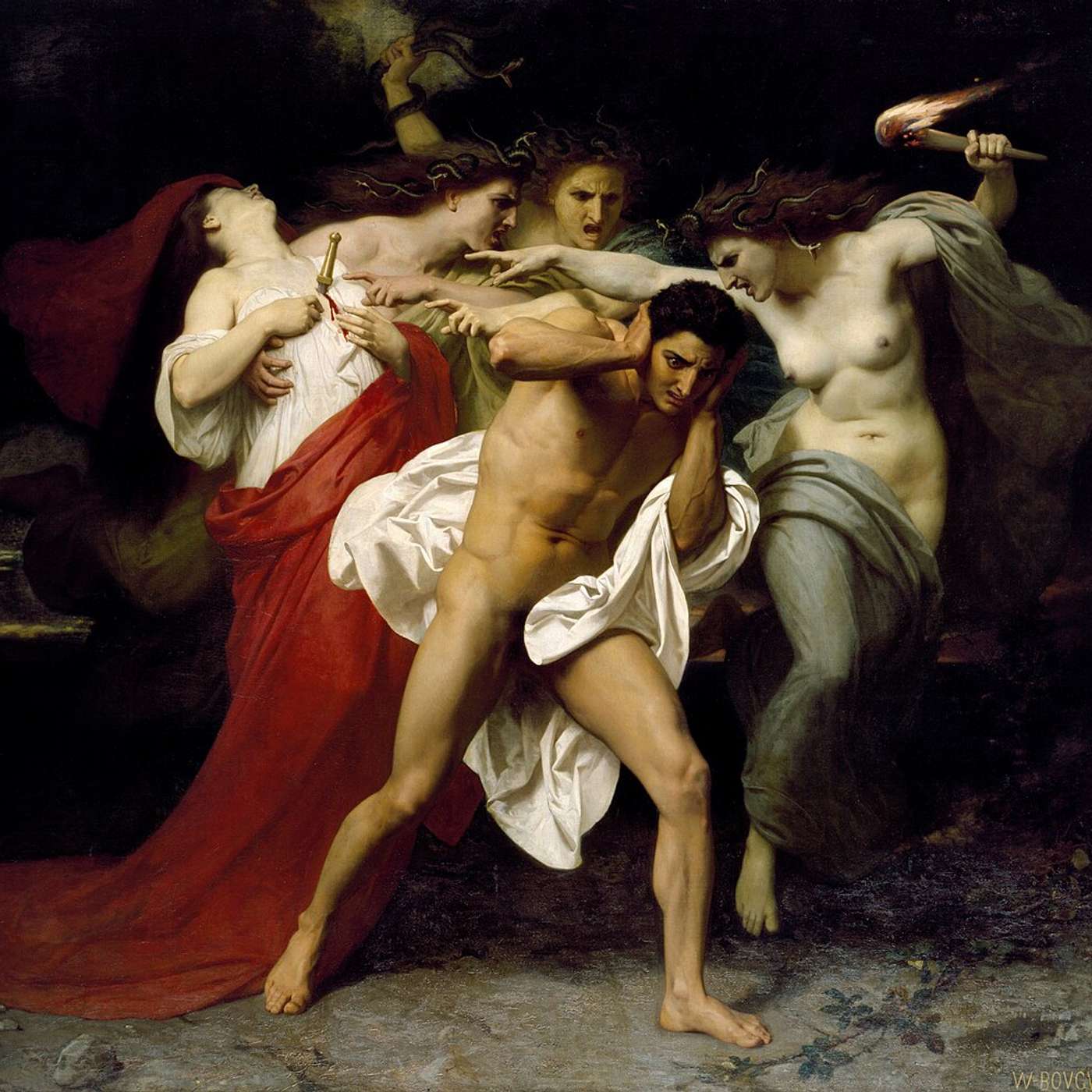
Furious Minds (with Laura K. Field)
This week’s episode of Hotel Bar Sessions brings political theorist Laura K. Field (author of Furious Minds: The Making of the MAGA New Right) into the bar to talk about the intellectuals cranking the rhetoric up to eleven while insisting they’re just “doing Great Books.” We follow the trail from Straussian seminar rooms and conservative think tanks to Trump rallies and “no kings” protest
Imagination (with Stephen T. Asma)
The imagination has regularly been subordinated to so-called "rational" or "scientific" models of thought. This week, we're joined by Stephen T. Asma (Columbia College, Chicago), who argues that imagination has deep, perhaps pre-linguistic, roots that ought to be recovered. What if we re-centered the powers of imagination, rooted in imagistic thinking and bodily gestures (like dance), in
Comedy
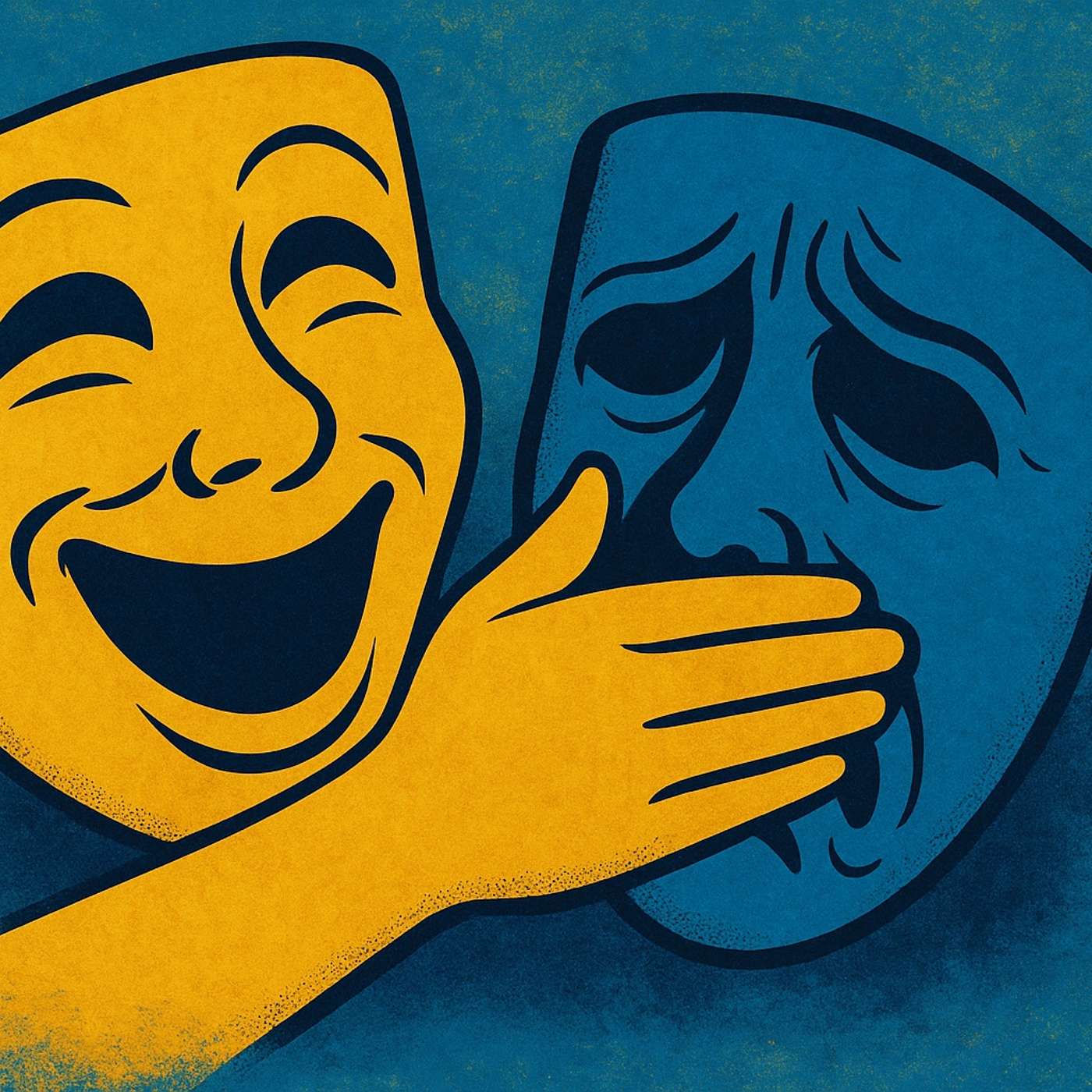
This week’s episode of Hotel Bar Sessions on the topic of comedy is a gut buster, not least because one of your co-hosts pretends to be a stand-up comedian at night-- the only job for a philosopher that pays less than being an adjunct professor! Comedy is a historically and philosophically rich topic, starting with primitive hominids drawing penises on cave walls. Our cohosts' begin with
The Hills We Die on
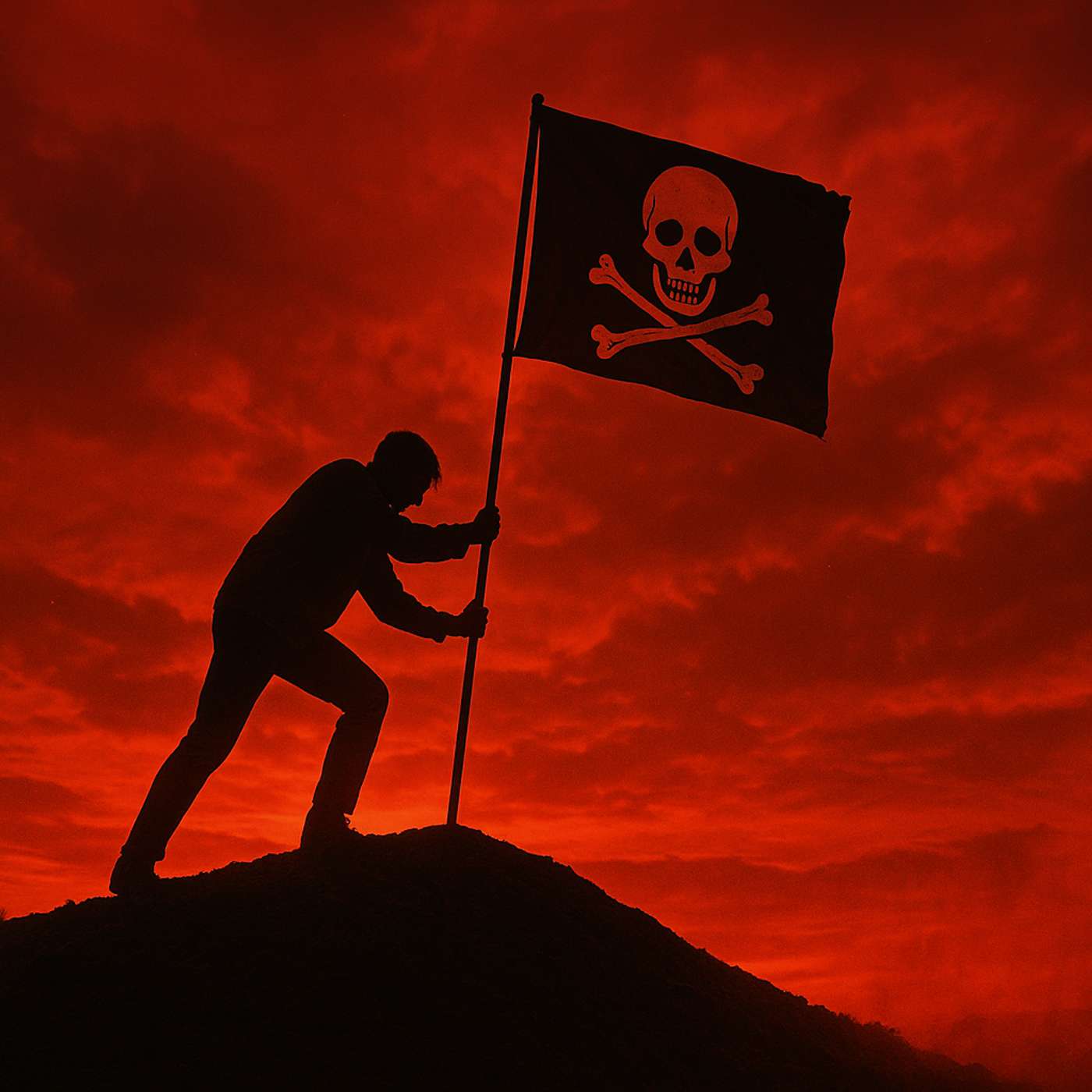
How do we choose the "hills" that we're willing to die on? Are we actually willing to DIE on them? If not, what would it take to convince us to climb back down the hill and compromise?This week , our co-hosts are digging deep into the question of our "deepest commitments," trying to find where there is room for compromise, and where the lines we draw are ultimately un-crossable.Full episo
Meet the NEW Co-Hosts!
How do we choose the "hills" that we're willing to die on? Are we actually willing to DIE on them? If not, what would it take to convince us to climb back down the hill and compromise?This week , our co-hosts are digging deep into the question of our "deepest commitments," trying to find where there is room for compromise, and where the lines we draw are ultimately un-crossable.Full episo

Eternity
What does it mean to speak of eternity? Is eternity best understood as infinite time, stretching endlessly forward and backward, or as something wholly outside of time—a changeless, timeless "eternal now"? In this episode, the hosts wrestle with these competing conceptions, drawing on philosophy, theology, and personal experience to ask whether eternity is a thinkable concept or a regulat

Crowds and Mobs
What makes the difference between a crowd singing in unison at a concert and a mob storming the gates of power? In this episode, the hosts take listeners into the messy, unpredictable space where solidarity teeters on the edge of chaos. They unpack how naming a gathering as a “mob” is never neutral—it does political work, shaping both public perception and police response. From the joyful
Free Will (with Mark Balaguer)
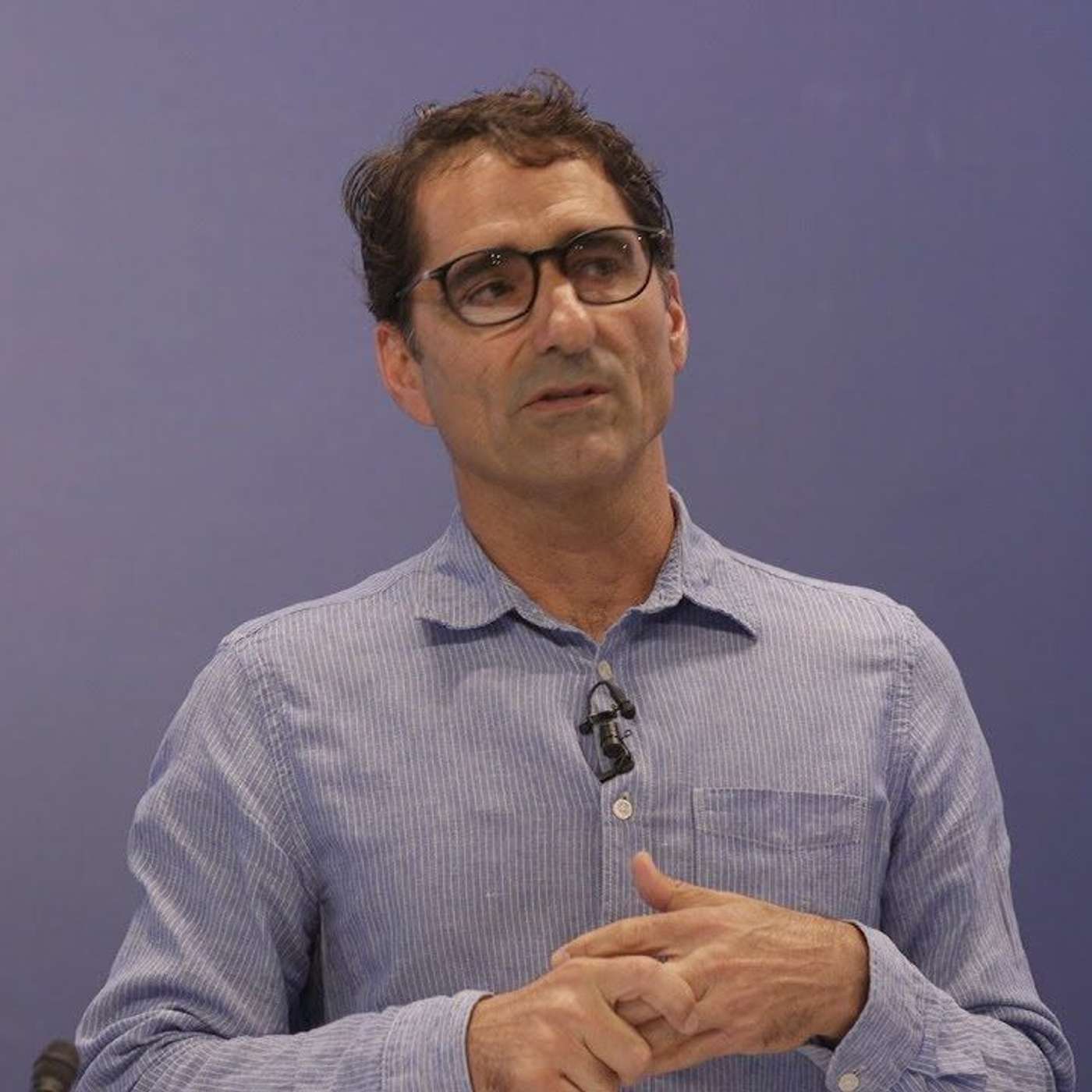
When we make choices, are these choices free? That is, are we able to choose one thing over another, to do one thing rather than another, independent of the laws of physics, including the biology and chemistry of our bodies and brains? Or are all of our choices determined by processes that could, in theory, be traced back to deterministic causes, if only we had enough information?Whether
How The Manosphere Killed Cool (with Robin James)
This week, we're joined by scholar, editor, and philosopher, Robin James, to talk about her provocative recent essay entitled “We’re through being Cool: Tech Bros, Manosphere Influencers, Ancient Greek Masculinity, and AI,” posted at James' blog, It’s Her Factory. When we think about "cool," we think about effortless, confident, style... but being cool has always been about more than styl
The "Expertise" Crisis
Today, there seems to be an intense distrust of experts in all sorts of fields. From medical experts in the Centers for Disease Control and the Department of Health and Human Services, to “elite intellectuals” at Universities and Colleges, no one who has expertise is beyond suspicion. We hear that we should “do our own research” and not trust what those with training and knowledge tell us

MINIBAR: Cancer
Hotel Bar Sessions is on it's regular "break" between seasons, but we're offering up these "minibar" sessions from our co-hosts (individually) in in the interimThis week, listen to HBS co-host Talia Mae Bettcher talk about her recent run-in with cancer, and the long, dark night of the soul it inspired.Full episode notes available at this link:https://hotelbarpodcast.com/podcast/cancer----
MINIBAR: In Defense of Metaphysics
Hotel Bar Sessions is on it's regular "break" between seasons, but we're offering up these "minibar: sessions from our co-hosts (individually) in in the interimThis week, listen to HBS co-host Rick Lee talk about what metaphysics really is, how it's often misunderstood, and why it's so important. Full episode notes available at this link:https://hotelbarpodcast.com/podcast/in-defense-of-m

MINIBAR: Living in Occupied D.C.
Hotel Bar Sessions is on it's regular "break" between seasons, but we're offering up these "minibar: sessions from our co-hosts (individually) in in the interimThis week, listen to HBS co-host Leigh M. Johnson talk about what it's like to live in "occupied" D.C. as a new resident.Full episode notes available at this link:https://hotelbarpodcast.com/podcast/living-in-occupied-dc-----------

Arendt's "Banality of Evil"
This week, the HBS hosts discuss Hannah Arendt’s concept of the banality of evil.In 1961, Adolf Eichmann was put on trial in Israel for crimes against humanity and crimes against the Jewish People. The philosopher Hannah Arendt covered the trial for The New Yorker. Her articles were collected in the book Eichmann in Jerusalem, which had the subtitle, A Report on the Banality of Evil. What

Major Life Changes
In this week’s episode, the HBS hosts talk about positive and negative major life changes.While change is a part of life, major changes can cause major upheavals in one’s sense of oneself in relation to the world. Indeed, they may teach us to perceive life anew. What might such changes show us, if anything, about traditional philosophical concepts such as the self, the good life, autonomy
Doomscrolling
We all doomscroll. Often late at night, we scroll through social media or news feeds for a “minute,” which turns into hours. We seem to be chasing bad news. What are we looking for, if anything? What do we hope to get out of it? Is this a bad habit, or are there good aspects to it? Doomscrolling just might be changing our sense of time, of responsibility, and of witnessing. So put down yo

NPC Energy
Are you even playing the game?In this episode of Hotel Bar Sessions, co-hosts Rick Lee, Talia Mae Bettcher, and Leigh M. Johnson dive deep into the meme-turned-metaphor of “NPC Energy,” unpacking its cultural roots and existential weight. Originally a gaming term describing non-player characters who move on rails and repeat scripted lines, “NPC Energy” has become a way to call out people

Public Philosophy (with Kate Manne)
Is public philosophy just academic outreach in a new outfit, or is it something else entirely? In this episode, we're joined by Kate Manne (Cornell University) to ask what happens when philosophers leave their usual habitats and try to meet people where they actually live. We talk about the push to be legible outside the profession, the risk of being dismissed inside it, and the slippery

Silence
What do we mean when we talk about silence? Is it the absence of sound—or something more complicated? In this episode, we dig into the many meanings of silence: as a weapon and as a refuge, as an imposed condition and a chosen strategy. We consider the roles silence plays in protest, punishment, pedagogy, intimacy, and oppression, and ask whether some kinds of silence can speak louder tha
The War on "Radical Ideology"
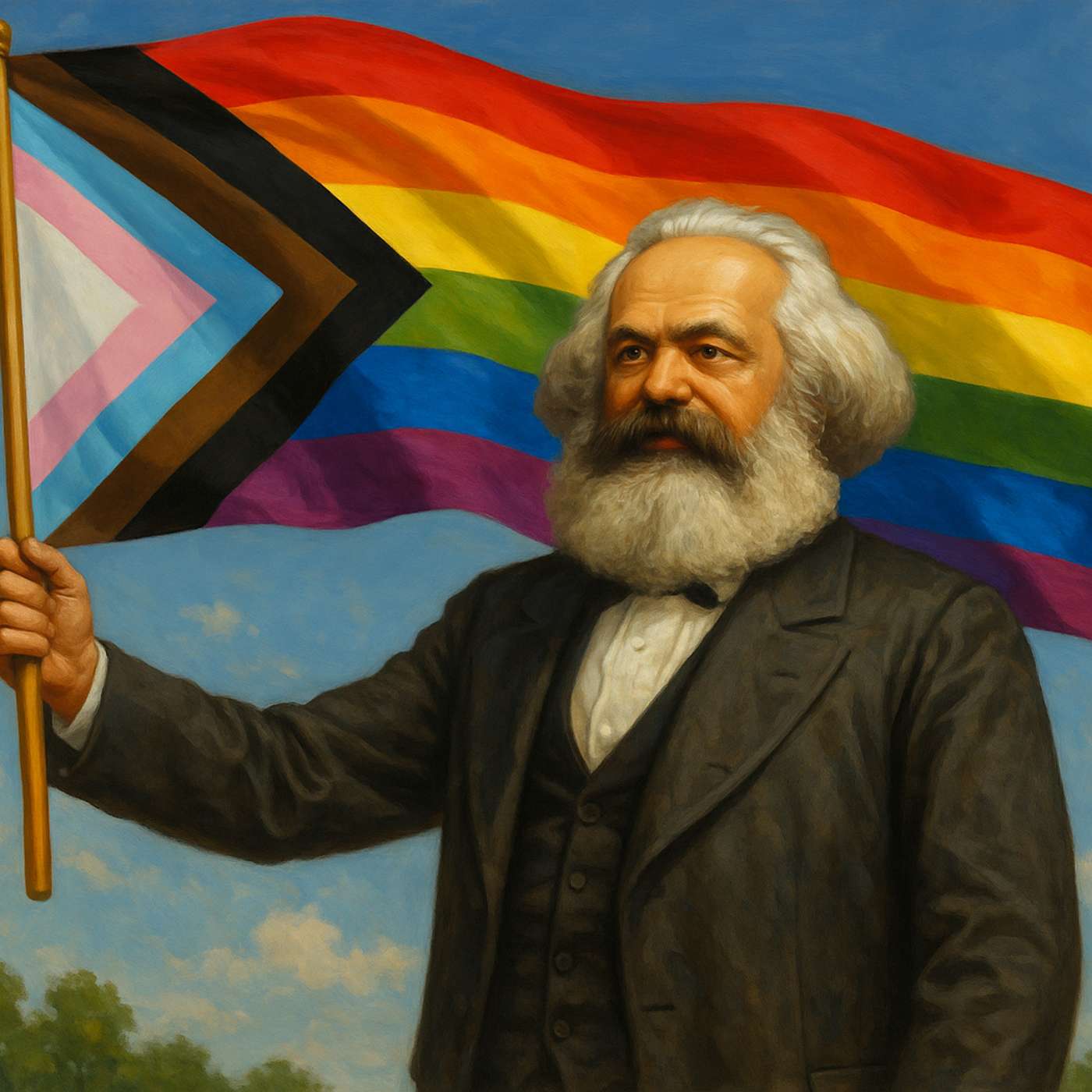
This week, we're unpacking the Trump administration’s war on so-called “radical ideology”—a campaign targeting what it calls “gender ideology” and “equity ideology.” We explore what these terms are meant to signal, what work they do rhetorically and politically, and how they function to delegitimize trans and BIPOC lives. Drawing from Marxist accounts of ideology, we examine how ideology

Sovereignty
Who or what rules the world today? And by what right?In this episode, your favorite philosophers-on-tap—Talia Bettcher, Rick Lee, and Leigh M. Johnson—pull back the curtain on one of political theory’s most enduring (and most elusive) concepts: sovereignty. From dusty monarchs and divine right to corporations, constitutions, and contested rights, they explore how sovereignty continues to

Interpretation
The central debate this week? Whether interpretation goes “all the way down.” Leigh stakes out a position, arguing that even the simplest acts of clarification are interpretive performances grounded in systems of meaning. Talia, donning her analytic hat, pushes back hard—insisting that certain discursive acts, like clarifications and first-person avowals of emotional states, are distinct
Panic Now? (with Ira Allen)
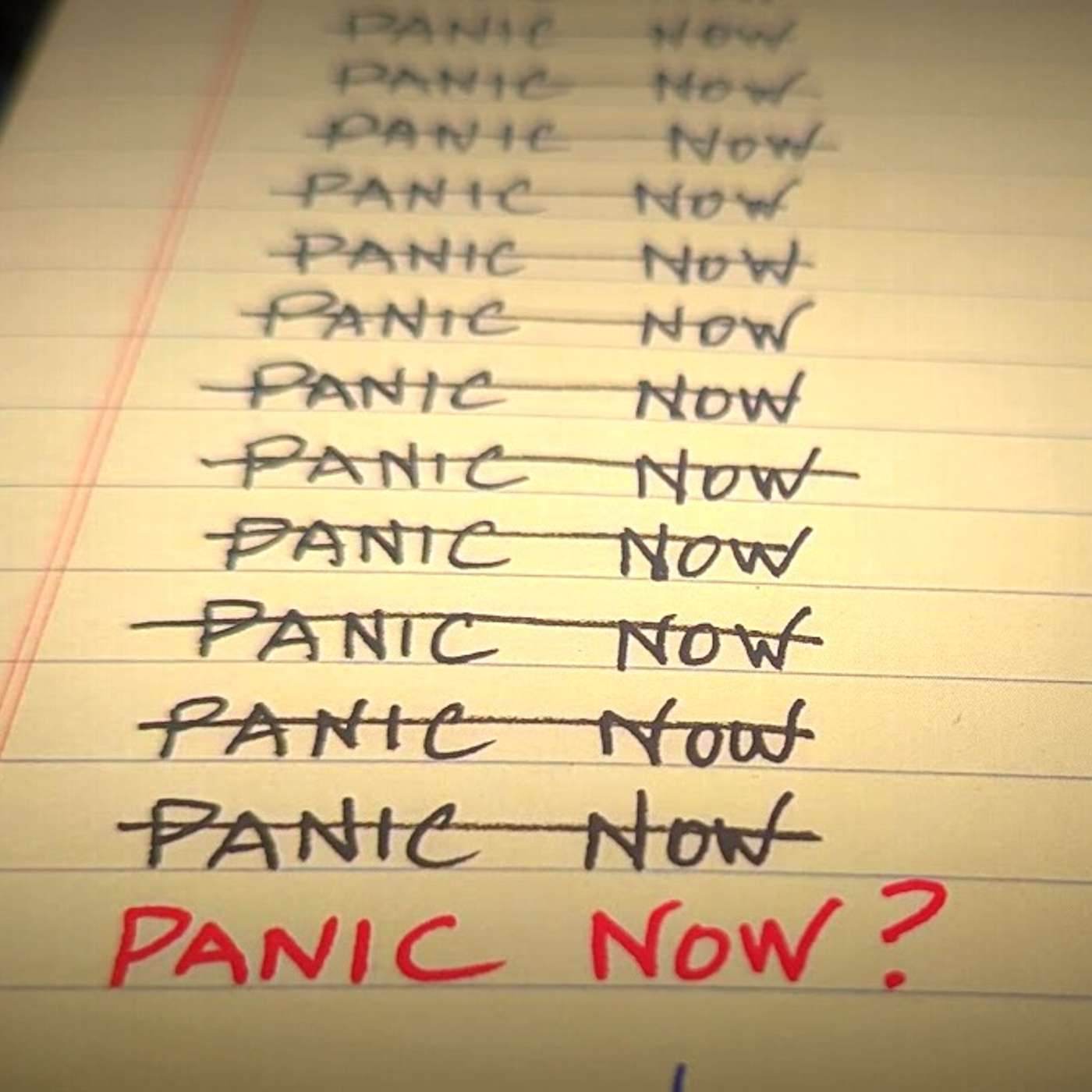
Is it time to panic? In this episode, we invite rhetorician Ira Allen to the bar to explore the possibility that, yes, it might be—and that panic isn’t just an irrational breakdown but a vital, even necessary, affective response to the ongoing collapse we’re all living through. Allen’s recent book Panic! Now: Tools for Humanizing in an Age of Staggered Collapse challenges the neoliberal i
Private Parts
How can we talk, or think, about "private parts" in a philosophical way?In this provocative and unexpectedly tender episode of Hotel Bar Sessions, co-hosts Leigh M. Johnson, Rick Lee, and Talia Mae Bettcher unpack the philosophical complexities of “private parts.” What starts as a playful premise quickly becomes a deep exploration of bodily privacy, modesty, and the moral and social codes

The Future of the University
Can the University be saved? Should it be saved? In this sobering and timely episode of Hotel Bar Sessions, co-hosts Leigh M. Johnson, Rick Lee, and Talia Mae Bettcher tackle the existential crisis facing higher education in the U.S. and beyond. Nothing is off limits in this conversation! From the increasing defunding of universities to their alignment with neoliberal capitalism, we're l

Cringe
In this episode of Hotel Bar Sessions, your favorite philosophical trio—Leigh Johnson, Rick Lee, and Talia Bettcher—dive headfirst into the squirmy, complicated world of cringe. From wedding speeches gone wrong to tone-deaf icebreaker confessions, they unpack the peculiar affective cocktail we experience when someone's self-presentation dramatically misfires. Cringe isn’t just about secon
Tragic Temporality (with Sean Kirkland)
Sean Kirkland unpacks living on the edge of "was" and "not yet."What if time isn’t just something we move through—but something that shapes us, wounds us, and makes us who we are? In this episode of Hotel Bar Sessions, Leigh and Rick sit down with philosopher Sean D. Kirkland (DePaul University), author of Aristotle and Tragic Temporality, to talk about what Aristotle can teach us about t
What is Philosophy?
In this season-opening episode of Hotel Bar Sessions, Rick Lee and Leigh Johnson welcome new co-host Talia Mae Bettcher, a leading voice in trans philosophy and feminist theory, to dive into the deceptively simple but persistently perplexing question: What is philosophy?This wide-ranging conversation explores whether philosophy is defined by its methods (argument, critique, concept creati

REPLAY: Zionist ressentiment, the Left, and the Palestinian Question (with Zahi Zalloua)
What can Frantz Fanon and Friedrich Nietzsche teach us about the Israeli/Palestinian conflict?[NOTE: This episode originally aired on October 11, 2024.]This week, we're joined by Zahi Zalloua (Whitman College) to discuss the final chapter of his most recent book The Politics of the Wretched: Race, Reason, and Ressentiment (Bloomsbury, 2024)-- entitled "Zionist ressentiment, the Left, and

REPLAY: Trans Philosophy (with Talia Mae Bettcher)
The HBS co-hosts learn why it's not just about pronouns.[This episode originally aired in November 2023.]In recent years, society has witnessed a seismic significant shift in our understanding of gender. For some, the binary notion of gender, once seen as immutable and fixed, has given way to a more inclusive and fluid understanding of identity… a transformation that has brought to the fo
Fearless Speech (Foucault on Parrhesia)
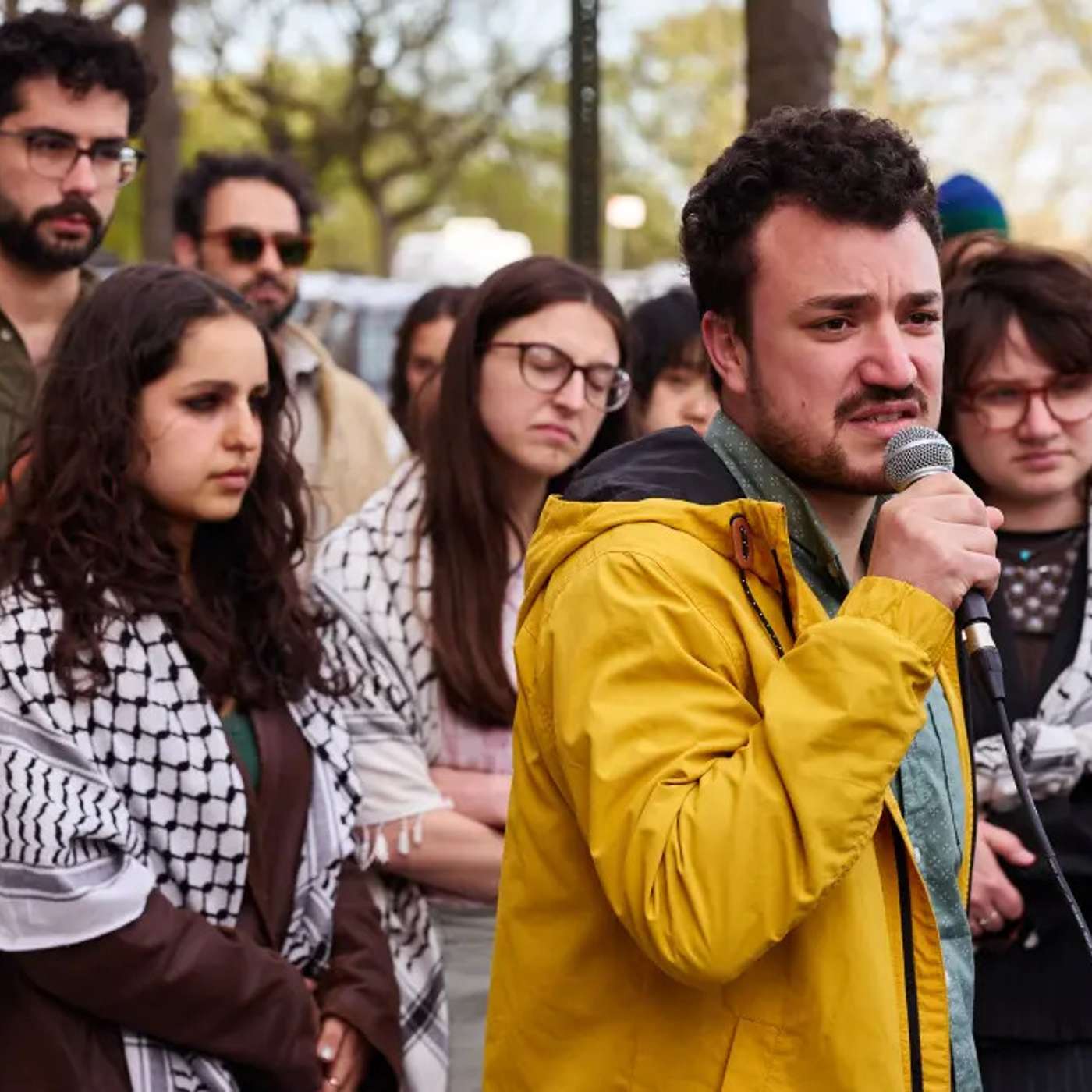
Who, if anyone, is speaking truth to power these days?In the Season 12 finale of Hotel Bar Sessions, we take a deep dive into Michel Foucault’s late lectures on parrhesia, the ancient Greek concept of "fearless speech." But don’t be fooled—this isn’t a dusty historical exercise. With campuses erupting in protest, free speech weaponized by the powerful, and truth-tellers increasingly under
Are Universals "Real"?
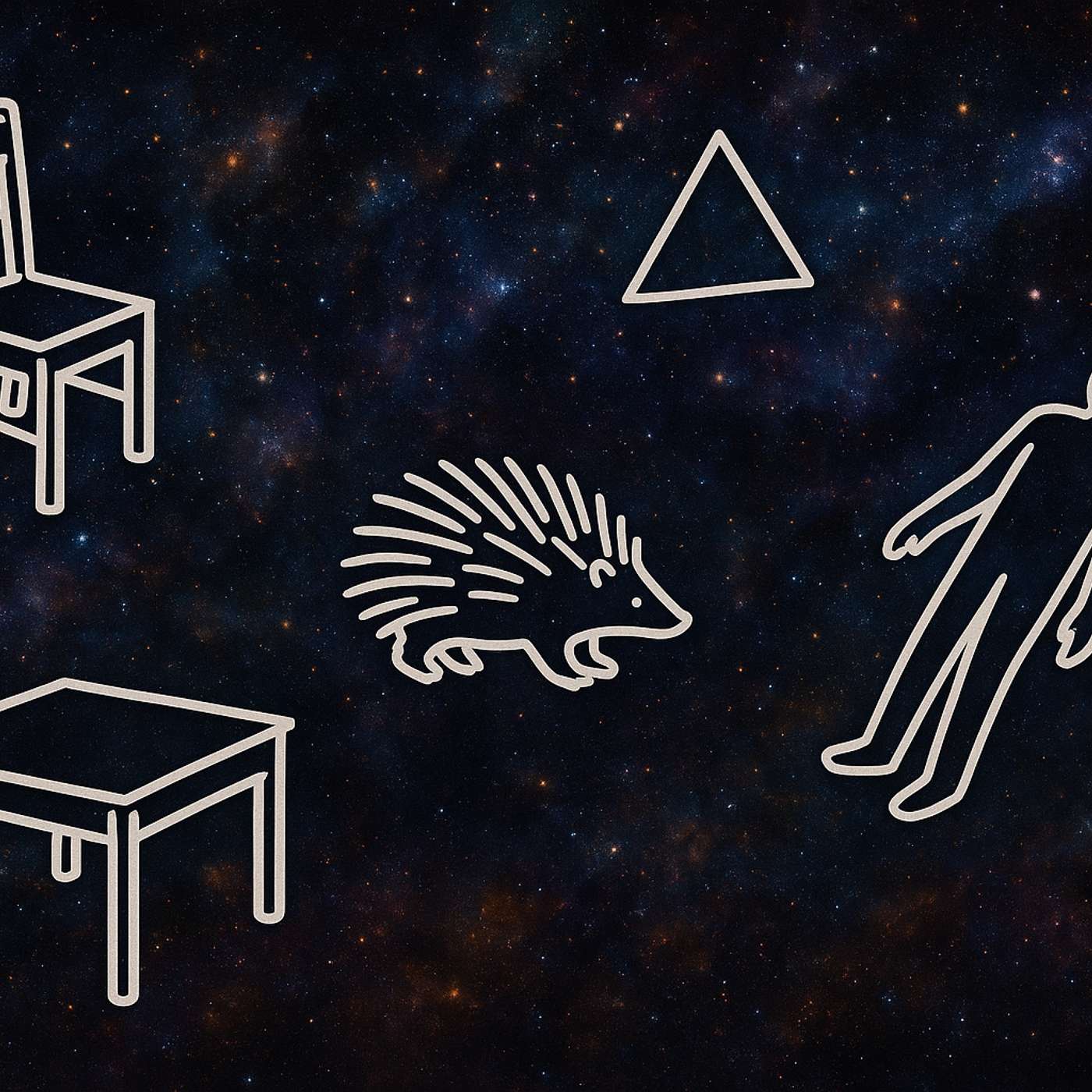
Do universals “exist”? Are they real? And why are we talking about porcupines so much?!In this episode, Leigh, Rick, and Devonya dive headfirst into one of philosophy’s oldest and knottiest questions: Is “porcupine-ness” a real thing, or just a name we slap on pointy animals?Starting with the simple question of what makes a beer a beer (and not a Long Island iced tea), this wide-ranging c

Totalitarianism (with Peg Birmingham)
Can democracy be saved from totalitarianism? In this episode, the co-hosts are joined by political theorist Dr. Peg Birmingham (DePaul University) for an urgent discussion on the topic of totalitarianism. Starting with a critique of what counts as “the people” in democratic systems, our conversation unpacks the entanglement of nationalism and racism, the dangerous erosion of the rule of l
El roto, Lo huachafo, Lo jodido (with Carlos Amador)
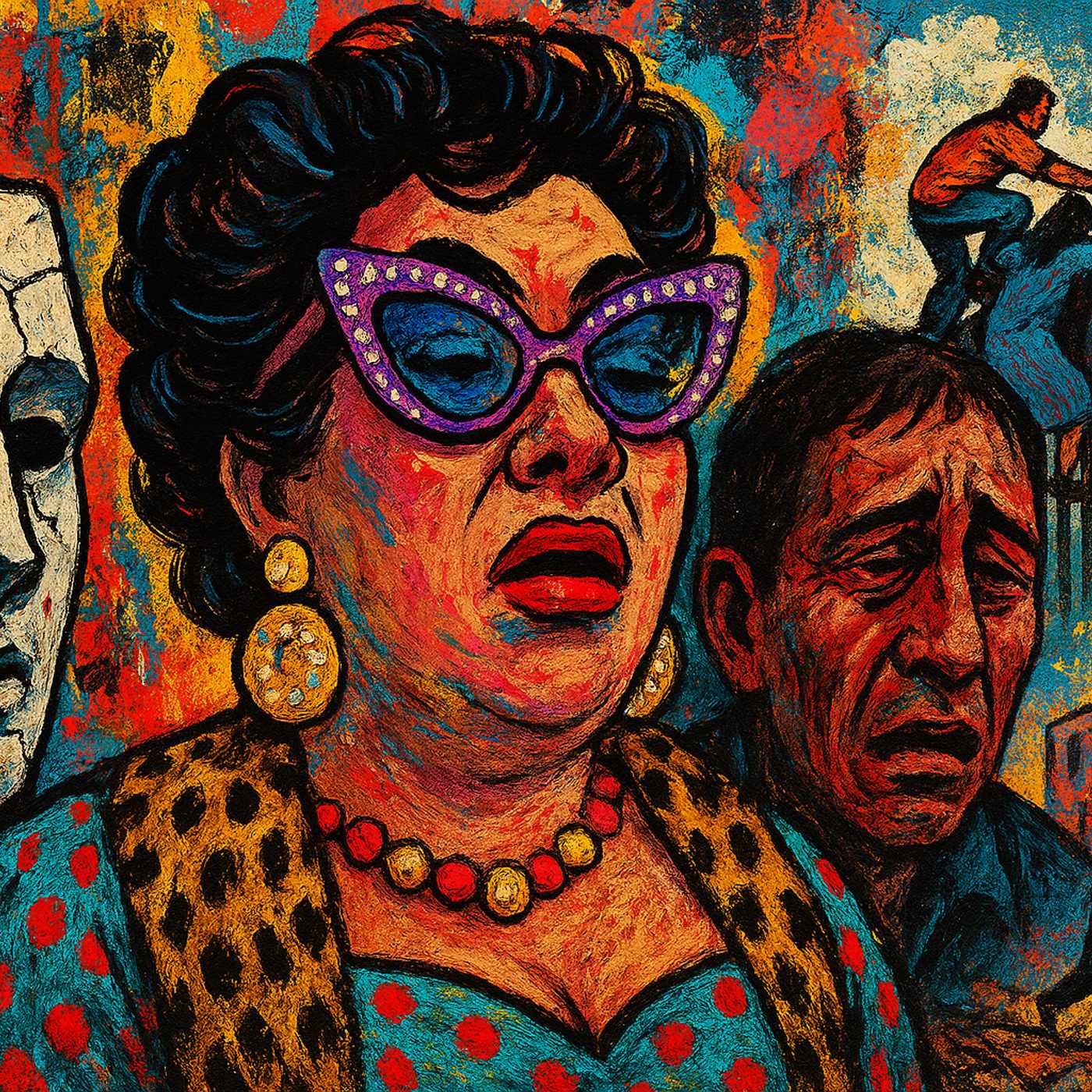
Carlos Amador on Latin American aesthetics, precarity, and what it means to be completely f*cked. In this episode, the HBS crew welcomes Carlos Amador—Associate Professor of Spanish in the Department of Romance Languages and Literature at the University at Buffalo SUNY—for a raw and wide-ranging conversation about lo jodido: the aesthetic, political, and material condition of being well a

The Establishment Clause
This week, we're pulling up a seat at the intersection of faith, governance, and democracy as we take on the Establishment Clause—that little First Amendment provision that’s supposed to keep church and state in their own lanes. But is that how it’s really playing out?Leigh, Rick, and Devonya dig into the history and contemporary implications of the separation of church and state, from sc
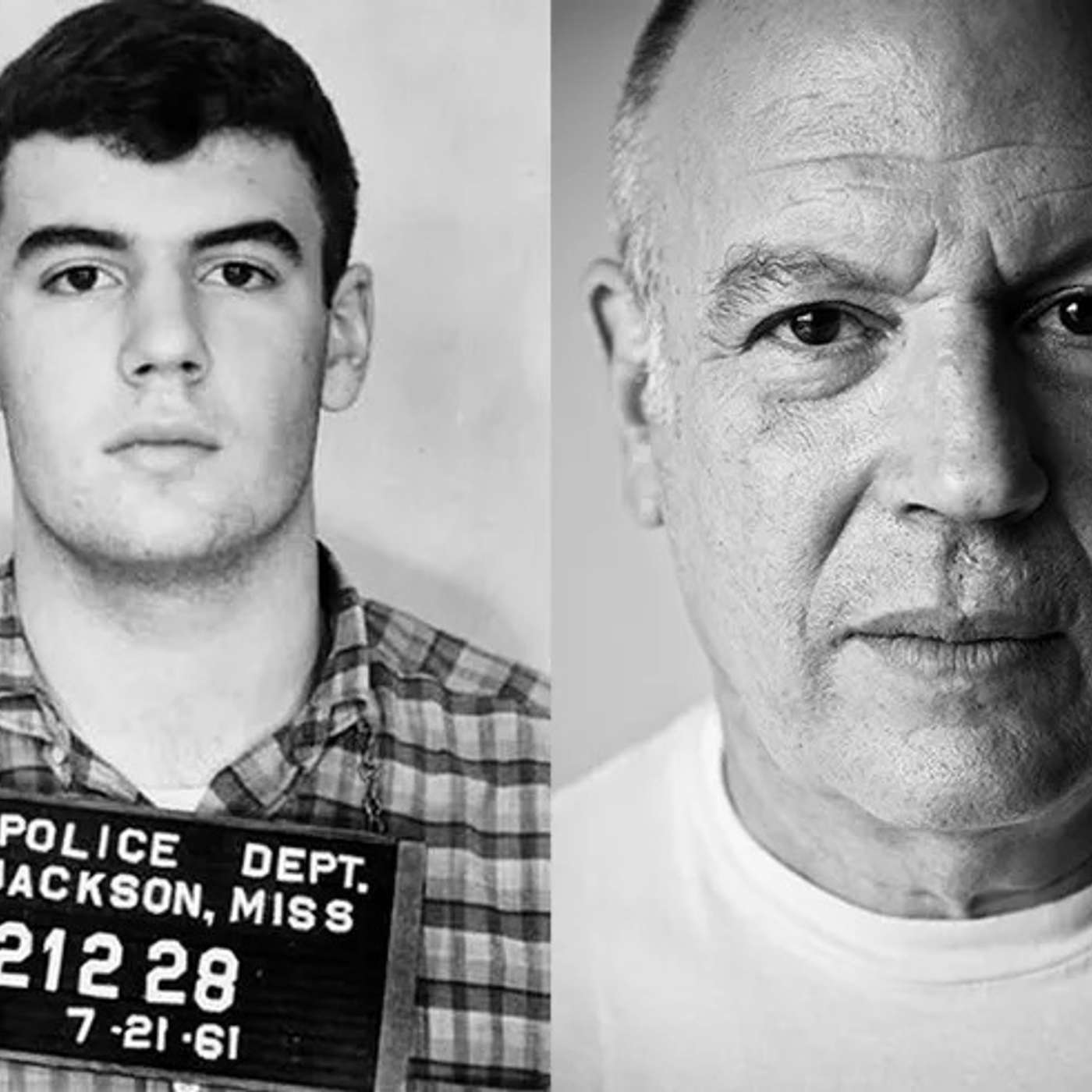
DEI Then and Now (with Paul Breines)
Who's afraid of DEI? And why?Diversity, Equity, Inclusion, and Accessibility (DEIA) initiatives have become institutional mainstays in corporate and academic settings—but they are currently under attack. In this episode of Hotel Bar Sessions, Leigh and Devonya sit down with Freedom Rider and retired Associate Professor of History at Boston College, Paul Breines, to reflect on the evolutio
Recommended

Hard Knocks Podcast
Effective Weight Loss for Moms | High protein, Strength Training, Lose Weight, Meal Planning, Fat Loss, Healthy Habits

The Human-Animal Connection - Pet Life Radio Original

Infinite Health with Dr. Arasi Maran

The Daily

World News Tonight with David Muir

English Vocabulary Help
The Joe Rogan Experience

TED Talks Daily

Learn English B1 with Daily News | English Listening Practice

Talk About Talk - Executive & Leadership Communication Skills
English with Olivia | Slow Conversations & Vocabulary
