Sticky Notes: The Classical Music Podcast
Sticky Notes is a classical music podcast that aims to make classical music accessible to everyone, from newcomers to lifelong enthusiasts. Hosted by Joshua Weilerstein, the show features interviews with great artists and in-depth explorations of pieces from the repertoire. It covers all eras of music with both basic and deep dives, emphasizing that classical music is for everyone. Seasons 1-5 are being re-recorded for improved sound quality and will be re-released.
Episodes

Chopin Piano Sonata No. 2 (The One With the Funeral March)
When the great pianist and composer Frederic Chopin decided to write a piano sonata in 1837, fashions had turned against the genre itself. Perhaps it was a feeling that Beethoven had essentially "finished" the genre, or perhaps it was a sense that a non-Germanic composer couldn't possibly master a form such as the Sonata, but Chopin's forays into the realm of the Piano Sonata were not generally ap

Gerald Finzi: Dies Natalis
As I've often said, I love doing Patreon-sponsored episodes in part because they allow me to discover music I might never have encountered otherwise. Today's episode is one of those, because the truth is that before I made it, I had heard of Finzi, but that was about it. I knew nothing about the circumstances of his life or his music, and while I knew this was a hole in my musical knowledge, I had

Shostakovich Symphony No. 6
Dmitri Shostakovich: "I have set myself a task fraught with tremendous responsibility, to express in sound the immortal image of Lenin as a great son of the Russian people and as a leader of the masses. I have received numerous letters from all over the Soviet Union with regard to my future symphony. The most important advice contained therein was to make considerable use of musical folklore." In

Grieg: Peer Gynt
Grieg's Peer Gynt suites are among the best-known and best-loved works of classical music in the world. They are practically embedded into popular culture, being used in a dizzying number of cartoons, advertisements, and films. In the classical music world, as with Beethoven's 5th symphony, they have almost become a cliché, and they are often performed on so-called Pops concerts. The two big hits

Mozart Clarinet Concerto
When it comes to a piece like the Mozart Clarinet Concerto, a few words or phrases regularly come up: the concerto is described as "mellow" or Mozart's "swan song," but most often it is described as "perfect." Such a perfect piece as Mozart's Clarinet Concerto must have been hugely popular during Mozart's lifetime, right? It must have been played all over, by all the virtuoso clarinetists of the d

Bohuslav Martinu Symphony No. 1
It took a lot to make the composer and critic Virgil Thomson happy. He was famous for savaging new works he didn't like, and the truth is, he didn't like very many new works at all. One exception was Bohuslav Martinů's very first symphony, written in 1942. Thomson said this: "The Martinů Symphony is a beaut. It is wholly lovely and doesn't sound like anything else." The story of how this symphony

Scriabin Poem of Ecstasy
Thence the universe resounds
With a joyful cry I AM. These are the final lines of Alexander Scriabin's epic Poem of Ecstasy, a 300-line poem that takes nearly 10 minutes to read aloud and is one of the most surreal texts in the world. Scriabin wrote a Poem of Ecstasy in text and a Poem of Ecstasy in music simultaneously. Both are absolutely wild, with the musical Poem of Ecstasy being a 20-minut

Sibelius Tapiola
Ancient, mysterious, brooding savage dreams; Within them dwells the Forest's mighty God, And wood-sprites in the gloom weave magic secrets. These lines are affixed to the first page of Sibelius' tone poem Tapiola, a piece that is mysterious in many ways and stands as Sibelius' last completed major work. You might be expecting me to say that Sibelius died soon after its composition, but this is n

Arthur Honneger, Symphony No. 3, "Liturgique"
In the aftermath of World War II, the Swiss composer Arthur Honegger, who had been living in occupied Paris throughout the war, wrote a new symphony entitled "Liturgical." He wrote an extended commentary on the piece, which included these lines: "My intention in this work was to symbolize the reaction of modern man against the morass of barbarism, stupidity, suffering, machine-mindedness, and bur

Dvorak Piano Quintet, Op. 81
In 1872, at the age of 31, Dvořák wrote a Piano Quintet designated as Opus 5. Dvořák was not a prodigy like some other famous composers; instead, his development as a composer was slow and steady. Later in his life, he would look back at some of these early pieces with a mix of nostalgia and embarrassment, burning some and revising others. In the case of the Op. 5 Piano Quintet, Dvořák decided to

Mozart String Quartet, K. 465, "Dissonance"
You might be wondering: why on earth would I choose a piece that is literally called "Dissonance" when I was looking for something a bit simpler or cleaner to talk about on the show today? Actually, Mozart's Dissonance quartet, probably his most famous and beloved quartet, was not called "Dissonance" by Mozart, and the rest of the piece is thought of as one of Mozart's most outgoing and cheerful

Bonus Episode: Beethoven 5 en français!
Bienvenue dans cette édition spéciale du podcast Sticky Notes en français ! Aujourd'hui, nous parlons de la symphonie la plus célèbre du monde, et de la symphonie que nous allons interpréter à Lille les 21, 22 et 23 mai, la 5e symphonie de Beethoven. Et veuillez me pardonner pour toutes les erreurs de prononciation dans ma deuxième langue ! Bonne écoute ! »

Liszt Faust Symphony
Thank you to Jerry for sponsoring today's episode on Patreon! Goethe's Faust is considered to be the greatest work of German literature. This sprawling, 2-part play occupied Goethe's life for nearly 60 years, from its original version, begun in 1772, all the way to Goethe's final revisions before his death. It inspired just about every Romantic era composer who came after it, including Beethoven,

Schubert: Die Schöne Mullerin Mini-Episode No. 1 (Free Preview)
This is a free preview of my new series of mini-episodes over on Patreon all about Schubert's Die Schöne Mullerin, one of the great masterpieces of the 19th century. Each week we'll explore one song from the cycle, in a series of 21 episodes! Come join us over on Patreon.com/stickynotespodcast and thanks for listening!

Wagner: Prelude and Liebestod from Tristan and Isolde w/Case Scaglione
This is a continuation of my new series where I learn about a new piece from a great friend/musician. This week I'm thrilled to welcome Case Scaglione, the Music Director of the Orchestre National D'Ile de France, for a discussion of the Prelude and Liebestod from Wagner's Tristan and Isolde. This is one of the most beloved pieces in the entire repertoire, and my longtime skepticism of Wagner has

Lili Boulanger: Psalm 130
The story of Lili Boulanger's life is one of the most fascinating and tragic in all of musical history. A remarkably precocious talent, Boulanger learned to read sheet music before the alphabet, played the violin, piano, cello, and harp, and composed regularly from a young age. Despite her talent and commitment, Boulanger suffered from chronic illness her entire life, which severely dampened her b

Tchaikovsky Symphony No. 6 (Part 2)
In a letter to Tchaikovsky's nephew Vladimir Davydov, Tchaikovsky wrote: "I'm very pleased with its content, but dissatisfied, or rather not completely satisfied, with the instrumentation. For some reason it's not coming out as I intended. It would be typical and unsurprising if this symphony were torn to pieces or little appreciated, as that wouldn't be the first time such a thing had happened.
Tchaikovsky Symphony No. 6 (Part 1)
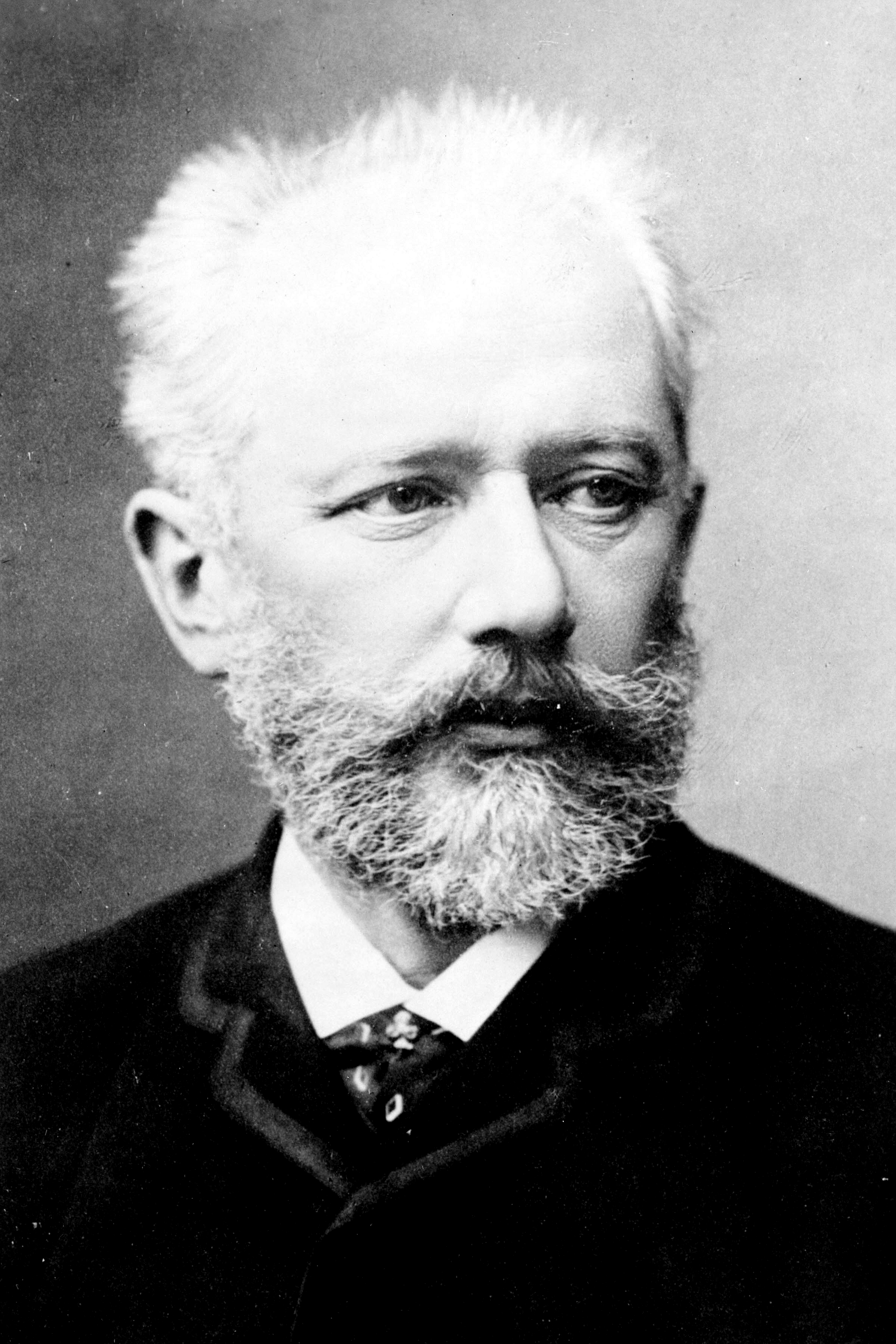
The great and somewhat controversial conductor Leopold Stokowski said this about Tchaikovsky: "His musical utterance comes directly from the heart and is a spontaneous expression of his innermost feeling. It is as sincere as if it were written with his blood." I couldn't agree more with Stokowski, because I think he hits on a word that has made Tchaikovsky's music so powerful to almost every audi

Beethoven String Quartet, Op. 59, No.2
I'm always tickled by composer trivia questions, like which standard canon works begin in a major key and end in a minor key? I'll give you one, but please comment others below: Mendelssohn's 4th Symphony. Well, how about this one: how many of Beethoven's 16 string quartets end in a minor key? The answer? Just one, Op. 59, No. 2, the subject of today's show. And that minor key is hugely important

Brahms Symphony No. 2 LIVE w/ The Aalborg Symphony
Brahms spent much of his adult life battling with his ambition to write the next great symphony and his terror at the shadow of Beethoven standing behind him. Brahms tortured himself for 14 years with his first symphony, and only published it when he was 49 years old. But when that symphony finally came out, it was a relative success for a new work, and with immense relief, Brahms quickly turned o
Zemlinsky: The Mermaid
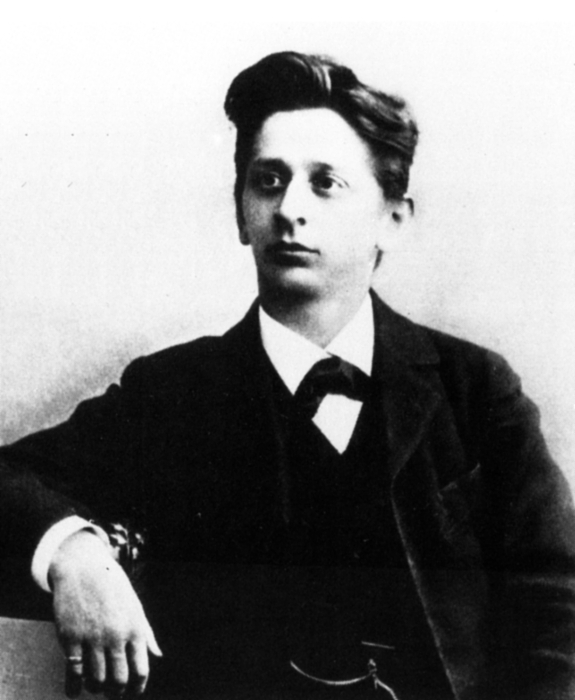
The story of Alexander von Zemlinsky's The Mermaid begins with a passionate love affair and ends in heartbreak of the most unabashedly big-R Romantic kind. In 1900, the young, fabulously talented, and famously beautiful Alma Schindler came to Zemlinsky's home to study composition. Wildly passionate feelings soon developed between them, and Alma wrote the following in her diary: "I would gladly be
Pergolesi Stabat Mater
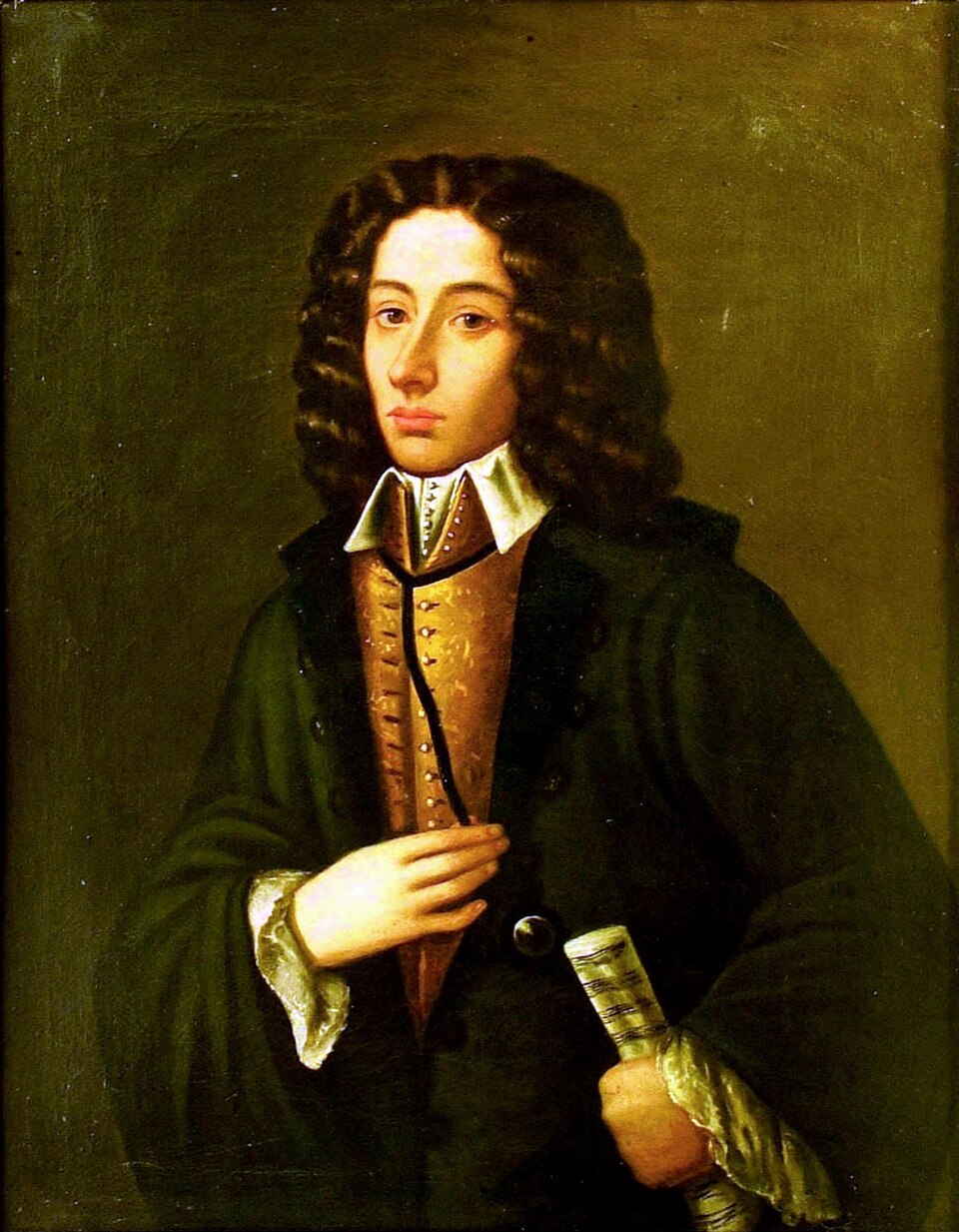
Many aspects of Giovanni Battista Pergolesi's life seem relatively normal when it comes to composers of the Baroque era. He was prolific, died young, and his music became very famous only after his death. However, all three of these facts are complicated by the unique circumstances of Pergolesi's life. He was somewhat prolific, but dozens of pieces that were once attributed to him are no longer co

Rachmaninoff Piano Concerto No. 2
We humans seem to love comeback stories, and there is no comeback quite as compelling in the classical music world as Rachmaninoff's Second Piano Concerto. It was written three years after the disastrous premiere of his First Symphony, a premiere so catastrophic that it lives on in the annals of musical history, and is the essential starting point for understanding the Second Piano Concerto and ho
Handel Messiah w/ Aram Demirjian
A piece that I have been asked to cover probably a dozen times is Handel's Messiah. It's a piece I love, but a piece that I've never conducted or played, and so therefore I don't know it incredibly well. There are plenty of pieces like this in the repertoire, and so I've decided to start a new series on Sticky Notes, which will be to take pieces that I don't know very well and to bring on experts
Gustav Holst: The Planets
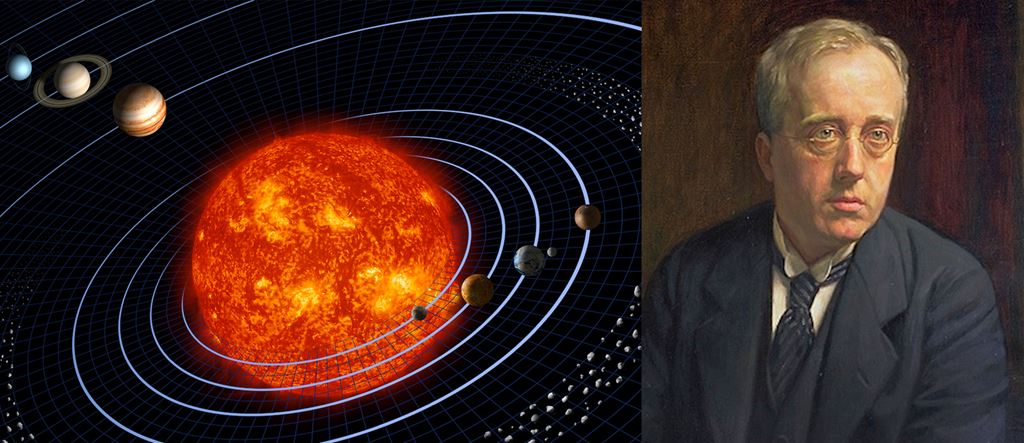
Mr. Holst, wherever you are, I apologize in advance for what I'm about to say. From my research, I know you resented this fact, but unfortunately, I think it's true. Here it is: despite the large catalogue of music Gustav Holst composed, much of it wonderful, he is essentially a one-hit wonder in the classical music world, à la Pachelbel, Dukas, Mascagni, and others. His one hit is a big one, thou
Franck Symphony in D Minor
In the 1960s, Leonard Bernstein famously helped to popularize the music of a then relatively obscure composer, Gustav Mahler. His work, as well as the work of other conductors, made Mahler into a classical-music household name. Mahler's symphonies are played every year all over the world, and he is firmly ensconced in the so-called canon of standard orchestral repertoire. Would it surprise you to
Ravel and Falla: Echoes of Spain
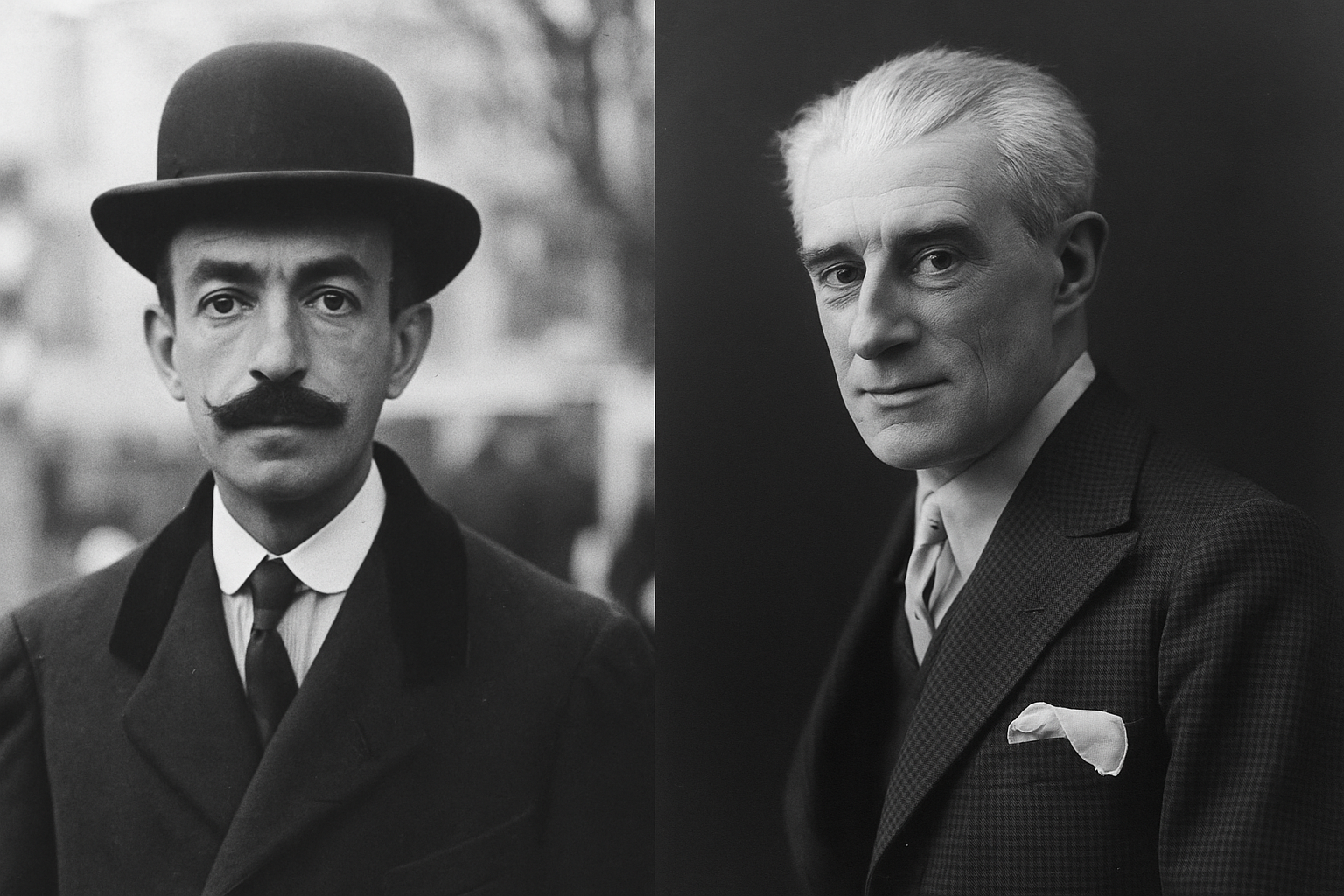
Nowadays it's hard to imagine Maurice Ravel as a "bad-boy" revolutionary, a member of a group whose name can be loosely translated as The Hooligans. To most listeners today, Ravel's music is the very picture of sumptuous beauty. But the group he belonged to, Les Apaches ("The Hooligans"), earned its name because of its members' uncompromising attitudes about music; attitudes that clashed sharply w
Shostakovich Symphony No. 10 LIVE w/ The Aalborg Symphony
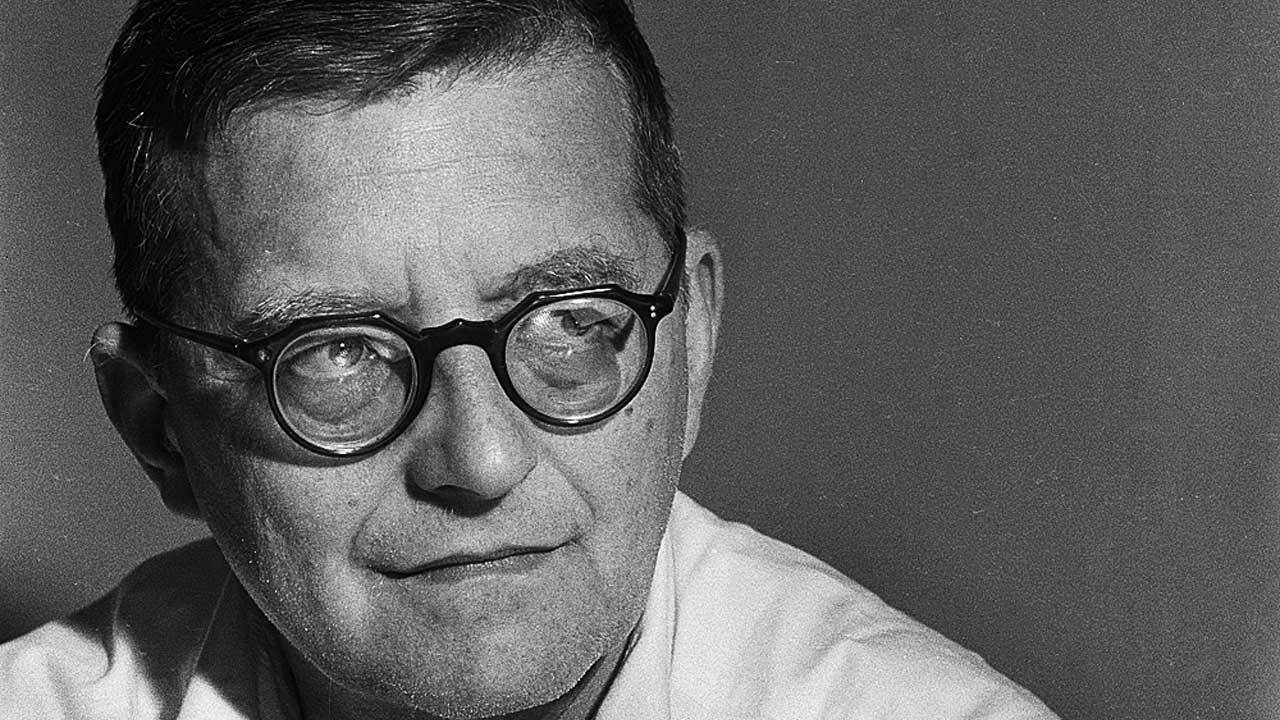
Longtime listeners of Sticky Notes know that Shostakovich's 10 symphony was the inaugural piece covered on the show. It's been 8 years(!) since that show, so I've totally re-written the episode and had the privilege of presenting this new version live with the Aalborg Symphony Orchestra last week in Aalborg. Shostakovich, like so many composers before him, was obsessed with musical codes and messa
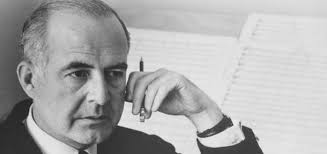
Barber Violin Concerto
There are so many great apocryphal stories in the long history of classical music, from the reason Tchaikovsky wrote his Sixth Symphony to what famous composers supposedly said on their deathbeds, to my favorite story: how Joseph Haydn's Symphony No. 96, The Miracle, got its name. Apparently, during the premiere of the symphony, a chandelier fell, but miraculously didn't hit anyone. Hence, The Mir
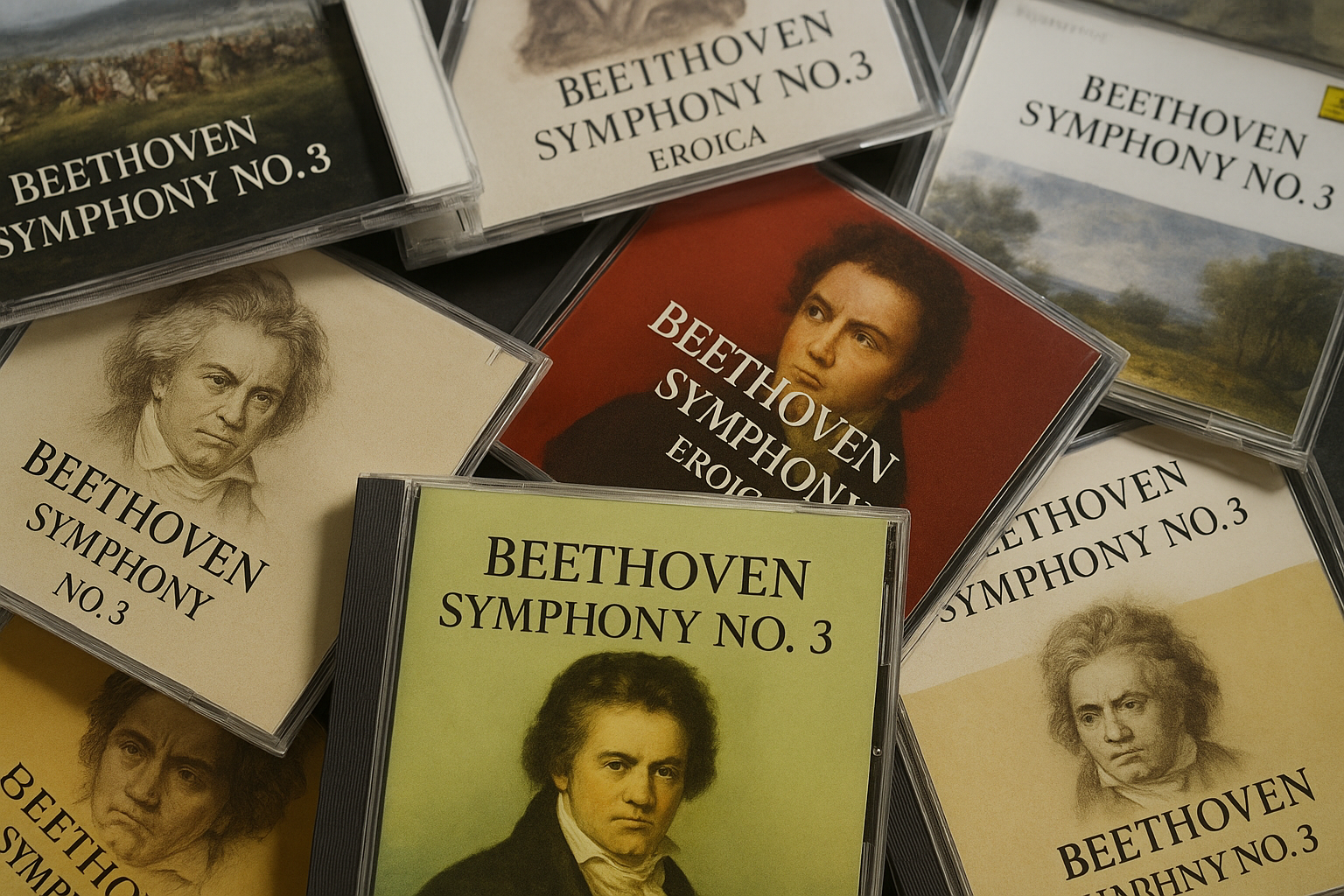
100 Years of Beethoven's Eroica (recordings)
One of my favorite things about having Patreon sponsors is that they often suggest the most fascinating pieces and topics for shows. Adrian, who sponsored a show last year, gave me one of my favorite prompts when he suggested looking at works based on literature. Now he's sponsored another episode, this time with an equally compelling idea that I was eager to explore right away. His prompt was: "T
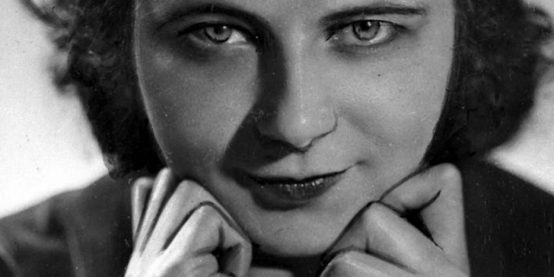
The Life and Music of Grazyna Bacewicz
The great Polish composer Witold Lutoslawski said this after the premature death of his contemporary Grazyna Bacewicz: "She was born with an incredible wealth of musical talent, which she succeeded to bring to full flourish through an almost fanatical zeal and unwavering faith in her mission. The intensity of her activities was so great that she managed, in a cruelly-shortened life, to give birth
Sticky Notes meets You'll Hear It
I had such a wonderful time joining the jazz podcast You'll Hear It! We talked about the meeting of jazz and classical music, a topic I've explored before, but never in this much depth and never with so much input from jazz musicians and experts like Peter Martin and Adam Maness. We talk about great jazz and classical composers, but we also talk about the strange divide between jazz musicians and
Impressions in Blue: Ravel & Gershwin
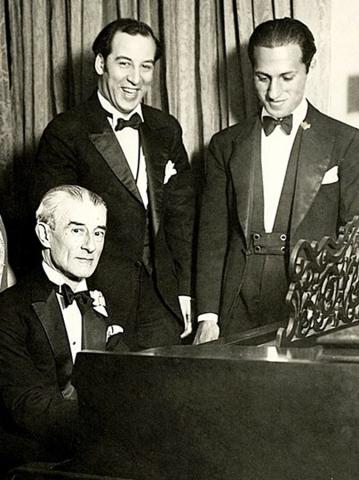
In the mid-1920s, Maurice Ravel wrote a letter to the legendary composition teacher Nadia Boulanger. Boulanger's class was a mecca for composers, both young and old, and musicians from all over the world vied to study with her. But Ravel's letter wasn't on his own behalf. Instead, he urged Boulanger to take on a young student whom Ravel himself had declined to teach. He wrote: "There is a musician
Beethoven Piano Sonata in B Flat Major, Op. 106, "Hammerklavier" - Part 2
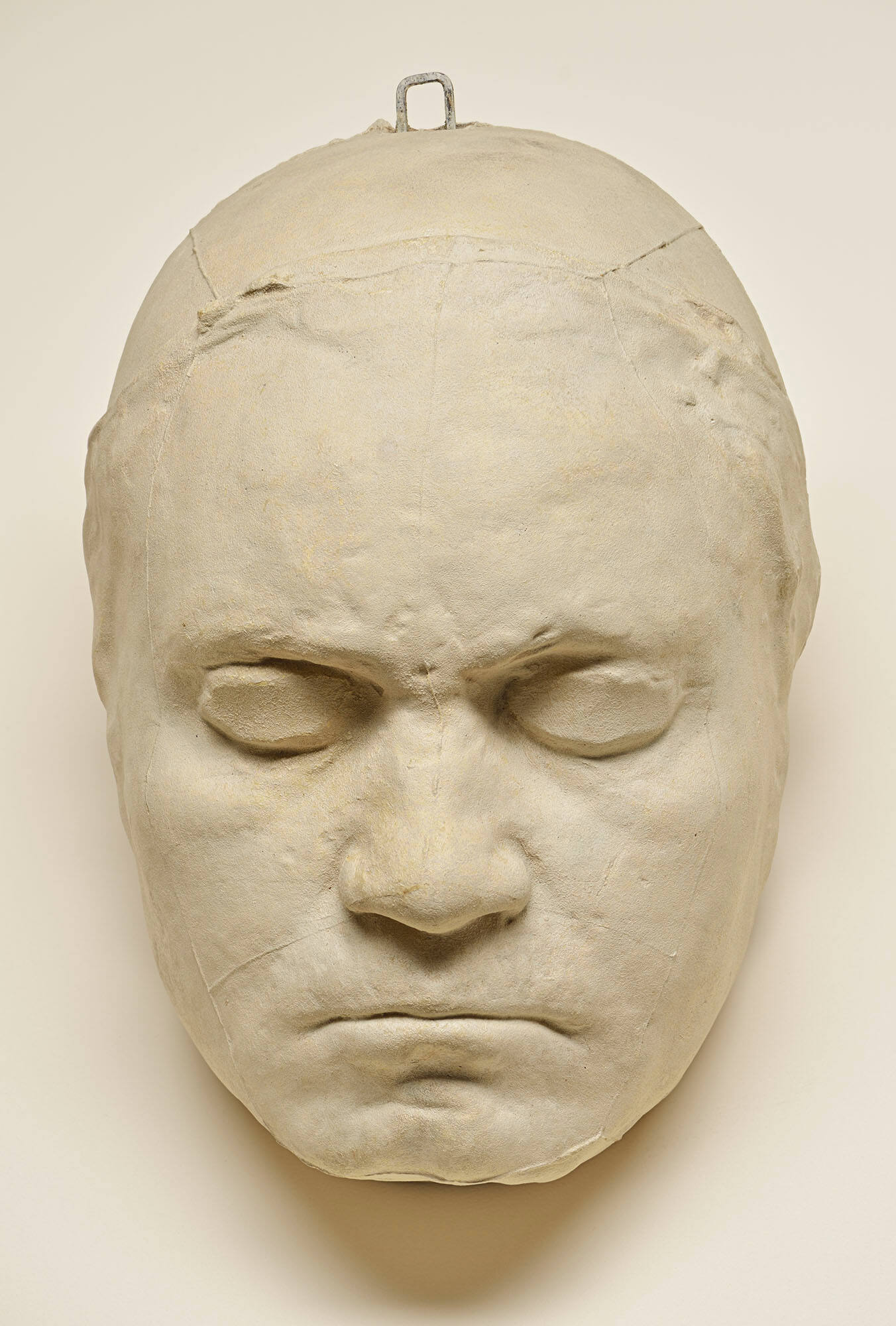
There is a special category when it comes to Beethoven; a catalogue that doesn't include complete symphonies, sonatas, concerti, string quartets, etc., but just single movements. This is the catalogue of great Beethoven slow movements. Beethoven's slow movements are like a great Tolstoy novel. They span the gamut of human experience and also reach beyond it, into something we cannot understand but
Beethoven Piano Sonata in B♭ major, Op. 106, "Hammerklavier" - Part 1
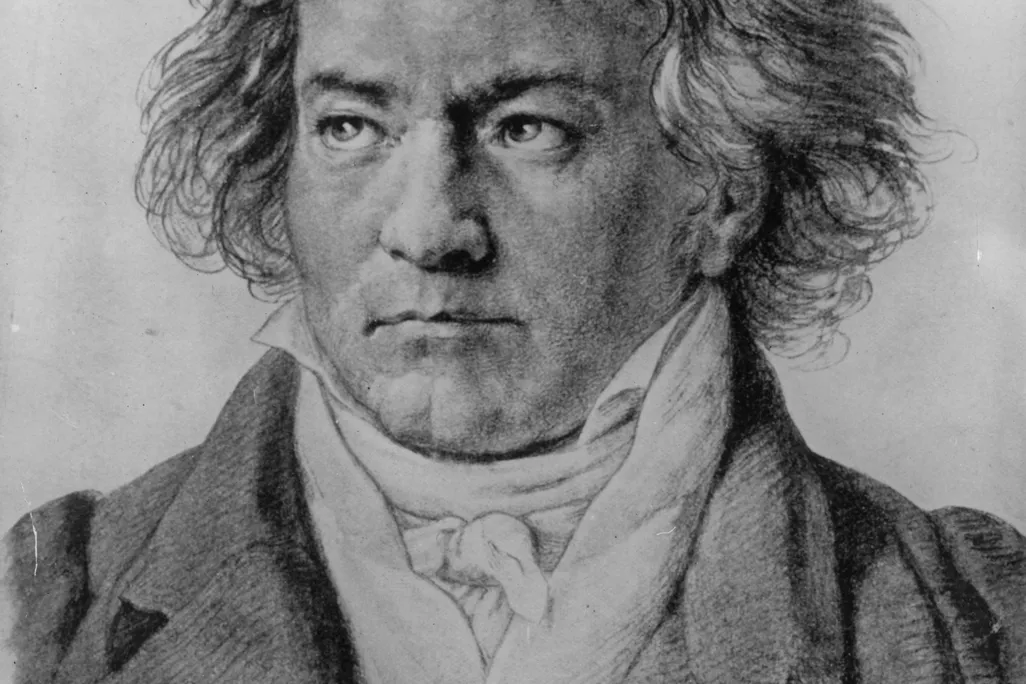
Beethoven once wrote to his publisher: "What is difficult, is also beautiful, good, great, and so forth. Hence everyone will realize that this is the most lavish praise that can be bestowed, since what is difficult makes one sweat." If this credo manifests itself most powerfully in any one of Beethoven's works, it might be the piece we'll talk about today, the piano Sonata Op. 106, nicknamed, "Ham
Weill: The Seven Deadly Sins
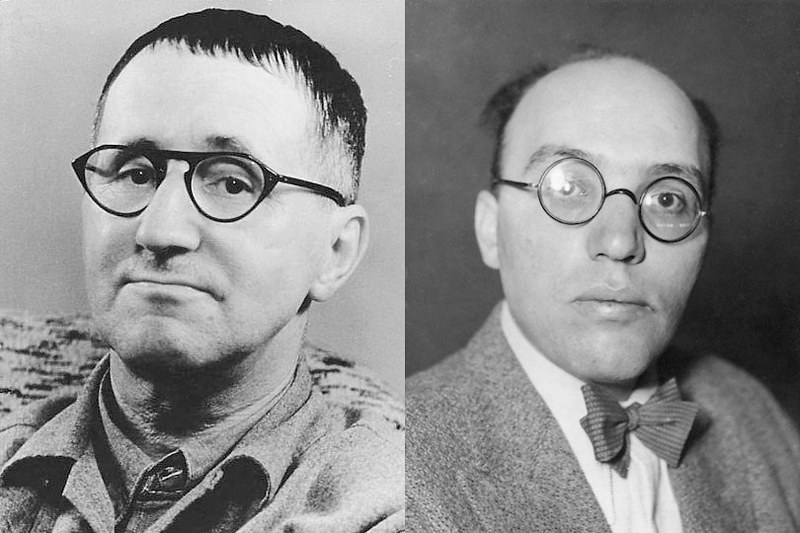
The collaboration between Kurt Weill and Bertolt Brecht is rightly legendary. The two men could not have been more different from each other, and like the Brahms/Joachim relationship I mentioned in my recent show about the Brahms Double concerto, the friendship between Weill and Brecht was stormy to say the least. The two collaborated on some of the most memorable works of the Weimar era in German
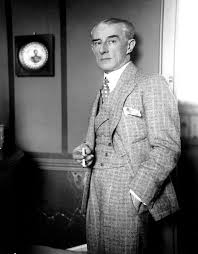
The Ravel Sound with Norbert Müllemann and Stefan Knüpfer
I so enjoyed making this latest episode in my collaboration with G Henle Publishers. I talked with two absolute experts in their fields, Norbert Mülleman and Stefan Knüpfer, all about how to edit Ravel's music, and how to create the Ravel sound on the piano. This episode definitely veers into some very nerdy territory, but Norbert and Stefan are both so brilliant at explaining very high level con

Dvorak Violin Concerto
Admit it: if you're a fan of classical music—or even just a regular concertgoer—you might have glanced at the title of this episode and done a double take. The Dvořák Violin Concerto? Not the Cello Concerto? One of the things I love about my job as a conductor—and my side gig as a podcast host—is bringing audiences and listeners like you pieces you may never have heard before, even if they're by e

Brahms Double Concerto
It's entirely possible that we would not know the name of Johannes Brahms very well if Brahms hadn't met Joseph Joachim as a very young man. Joachim, who was one of the greatest violinists of all time, had already established himself as touring soloist and recitalist, and he happened to know the musical power couple of Robert and Clara Schumann quite well. Joachim encouraged Brahms to go to Dussel

Copland Clarinet Concerto
The commission for a new Clarinet Concerto from the great American composer Aaron Copland came from a rather unlikely source: Benny Goodman, the man known as the King of Swing. Goodman was one of the most famous and important jazz musicians of all time, but in the late 1940s, swing music was on the decline, and bebop had taken over. Goodman experimented with bebop for a time but never fully took t

Steve Reich: Different Trains
Steve Reich, the great American contemporary composer, provided this program note about his work Different Trains: "The idea for the piece came from my childhood. When I was one year old my parents separated. My singer, song-writer mother moved to Los Angeles and my attorney father stayed in New York. Since they arranged divided custody, I travelled back and forth by train frequently between New Y
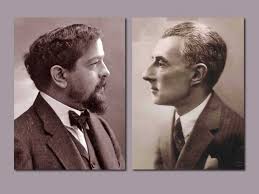
Best of Frenemies: Debussy and Ravel
Debussy and Ravel are often described as the prototypical musical impressionists. It is often said that the two composers are the closest equivalents to the artistic world of Monet, Renoir, Pisarro, Degas, and others. But both Ravel and Debussy (like Monet for that matter), vehemently rejected the term Impressionism, and they both felt that they were striking out on their own individual paths in t

Shostakovich Cello Concerto No. 1
It's hard to overstate the depth of the connection between Dmitri Shostakovich and the legendary cellist Mstistlav Rostropovich. Shostakovich and Rostropovich were extremely close friends, and Shostakovich wrote and dedicated several works to him, including the piece we're going to talk about today, the first Cello Concerto. Rostropovich had been desperate to get Shostakovich to write a concerto f

Ravel, Ravel, Ravel, w/Boris Giltburg and G. Henle Verlag!
Magician, Swiss Watchmaker, Aloof, Elegant, Precise, Soulful, Childlike, Naive, Warm: these are all words that have been used to describe Maurice Ravel, a man of elegant contradictions. But perhaps these contradictions are why his music remains so beloved and universally appealing to so many musicians and audience members. Ravel has long been one of my favorite composers, and I always adore listen

Amy Beach, "Gaelic" Symphony
Amy Beach is a name that might not be familiar to you. She was born in 1867 and died in 1944, and her life was one of the most fascinating and varied in musical history. She was a child prodigy, became a successful pianist, and then pivoted to composing at her husband's request. She was one of the first successful composers without any training from Europeans, and when her Gaelic Symphony was perf

Sticky Notes en Français! Shostakovich Symphonie No. 13 (Bonus Episode)
Voici un épisode bonus spécial de Sticky Notes en français, en avant-première de mes concerts avec l'Orchestre National de Lille, présentant la 13e symphonie de Shostakovich. Si vous souhaitez écouter la version anglaise de cet épisode, elle est disponible dans les archives. Je m'excuse pour toute mauvaise prononciation en cours de route, et j'espère que vous l'apprécierez ! This is a special bonu

Smetana: Ma Vlast
Nationalism, patriotism, cultural identity, a sense of home; these are concepts and ideas whose popularity have ebbed and flowed throughout history. Nationalism has been seen as a natural expression of cultural identity and pride, and it also has been at the core of virulent racism and xenophobia. Patriotism has been used as a cudgel by all sides of the political spectrum for good and evil, and a

Berg Violin Concerto
In the early 1930s, at the height of the atonal and twelve tone movement in music, the American violinist Louis Krasner commissioned a concerto from the Viennese Composer Alban Berg. Berg declined at first, saying that his idiom was not appropriate to a concerto and that he did not belong in the world of Wienawski and Vieuxtemps, two relatively obscure composers nowadays who wrote virtuoso showpie

Beethoven String Quartet, Op. 135
There is nothing like hearing a Late Beethoven String Quartet for the first time. Beethoven's late string quartets, Op. 127, Op. 130, Op. 131, Op. 132, and Op. 135, are among the 5 greatest pieces of music ever written for any combination of instruments. They reach a kind of cosmic understanding of the world that is unparalleled, and they remain the Mount Everest of every string quartet's repertoi

Berlioz Symphonie Fantastique LIVE w/ The Aalborg Symphony
I'm so happy to share this live episode of Sticky Notes that I did with the Aalborg Symphony Orchestra in Denmark back in October! This episode covered Berlioz's remarkable Symphonie Fantastique - the ultimate symphonic thrill ride. Join the orchestra and I as we talk our way through this symphony, from it's opium fueled back story, to its innovative structure and style, to the dreams and reveries

Shostakovich Symphony No. 8
Here are two statements by Dmitri Shostakovich about the same piece, the 8th symphony that we are talking about today: Statement No. 1, Shostakovich's published comments about the symphony when it was first performed in 1943: The 8th Symphony reflects my…elevated creative mood, influenced by the joyful news of the Red Army's victories…. "The Eighth Symphony contains tragic and dramatic inner confl

Literary Works in Classical Music
My Patreon sponsor for this episode, Adrian, set me a challenge: The influence of literary works on classical compositions, exploring pieces inspired by poetry, novels, or plays. He also asked me to do something else, and I'm going to quote him here: Also, if I may add something regarding the episode: It is of course possible to make an episode about the influence of literature on music by simply

Brahms Clarinet Quintet
The muses were Ancient Greek goddesses of inspiration. Throughout history, the term muse has been used to describe any number of people, all of whom inspired works of great art and/or literature. In the popular imagination, muses are almost always women, inspiring brilliant men to their greatest artistic achievements. Why am I bringing this up? Because in the case of the piece we are going to talk

Politics in Classical Music
Classical music and politics have never been easy bedfellows. Composers and performers throughout history have relied on patronage and support from wealthy sources in order to keep their dreams afloat, and so unlike many other forms of music, classical music often has the reputation of being a politics-free zone. But the truth is that there is a whole repertoire of classical music that is infused

Bernstein: Symphonic Dances from Westside Story
The original production of Westside Story ran for 732 performances, spawned a movie that won 11 Academy Awards, and is still a go to on every list of the greatest Broadway Musicals ever written. The collaboration between Leonard Bernstein, Stephen Sondheim, and Jerome Robbins was a revolution on par with the collaborations of Stravinsky, Diaghilev, and Nijinsky on the Rite of Spring. No Broadway

A Conversation with Composer Caroline Shaw
Caroline Shaw is one of the most fascinating, innovative, and brilliant composers of our time. Since winning the Pulitzer Prize in 2013, she rocketed onto the scene and has stayed there ever since, writing music that has captivated audiences around the world. In this conversation, which dates back to 2020(so there is a bit of pandemic talk at the beginning), we talked about her musical upbringing,

Ives Three Places in New England
In 1929, the conductor Nicolas Slonimsky contacted the American composer Charles Ives about performing one of his works. This was a bit of a surprise for Ives, since he had a checkered reputation among musicians and audience members, if they even were familiar with his name at all. In fact, he was much more famous during his lifetime as an extremely successful insurance executive! Ives mostly comp

William Grant Still Symphony No. 1, "Afro-American"
Fundraiser link here: https://www.eventbrite.com/e/1026719635067?aff=oddtdtcreator On October 29th, 1931, The Rochester Philharmonic in New York State presented the world premiere of a new symphony by the composer William Grant Still. A symphonic premiere is always something to look out for in musical history, but this one had an even greater significance. The premiere of Wiliam Grant Still's Firs

Gershwin: Rhapsody In Blue
"It was on the train, with its steely rhythms, its rattle-ty bang, that is so often so stimulating to a composer – I frequently hear music in the very heart of the noise.... And there I suddenly heard, and even saw on paper – the complete construction of the Rhapsody, from beginning to end. No new themes came to me, but I worked on the thematic material already in my mind and tried to conceive the

Bartok Violin Concerto No. 2
During Bartok's life, the violin concerto we now know as Violin Concerto No. 2 was simply known as Bartok's only violin concerto. The reason? His first concerto, written when he was a much younger man, had never been performed or published. This was a deeply painful memory for Bartok, who had written the concerto for a woman he was in love with, Stefi Geyer, but Geyer refused both Bartok's advance

Dvorak Symphony No. 7
In December of 1884, Dvorak wrote to a friend about the composition of a new symphony: "I am now busy with this symphony for London, and wherever I go I can think of nothing else. God grant that this Czech music will move the world!!" He was in the midst of working on what would become his 7th symphony, and even though it is nowhere near as popular as his 9th symphony(The New World Symphony) or ev

Shostakovich Symphony No. 4
Shostakovich's 4th symphony is not for the faint of heart. It is a massive work, around an hour in length, and it calls for the second largest orchestra of any in Shostakovich's output. It is uncompromising, sometimes brutal, and it isn't nearly as lyrical that later Shostakovich has in spades. But with all that said, many people, including myself, consider this symphony Shostakovich's symphonic m

Beethoven Symphony No. 5
They are the most famous 8 notes in not only Western Music, but probably in all of music. If you walk down the street and ask someone to name a painting, they might say the Mona Lisa. A movie? Maybe Star Wars. A piece of classical music? Certainly, it would be Beethoven 5. But why? What makes those 8 notes so arrestingly powerful? Well, this week, we're going to take a deep look at this ub

Mozart Requiem
This show is a bit different today. Last year I did a live video podcast on Mozart's Requiem for my Patreon subscribers. I've now edited that show into an audio-only version for everyone to be able to listen to, since this is such an essential piece and there's so much to talk about with it! The audio only version won't get into as much granular detail as the video podcast did, and it won't includ

The Life and Music of Lili Boulanger
The history of classical music is littered with the stories of great composers who tragically died young. The composer I've been talking about for the last two episodes, Franz Schubert, died at 31. Mozart died at 36, Mendelssohn at 38, Bizet at 37, Gershwin at 38, Gideon Klein at 25, Purcell at 36. The composer I will tell you about today is part of this sad list. Lili Boulanger, one of the most

Schubert Sonata in B Flat, D. 960 (Part 2)
There are a few tropes when it comes to Schubert's late music. The pieces are very long. They have four movements. The first two movemnts are expansive, magisterial explorations of the human psyche, and the last two movements are much lighter, almost like two different pieces are at play. All of these tropes fit the Schubert B Flat Sonata we started talking about a couple of weeks ago. After the

Schubert Sonata in B Flat, D. 960 (Part 1)
For a long time I've received emails and messages from people asking, and sometimes demanding, that I explore the solo piano repertoire. Other than a look at the Goldberg Variations of Bach, I've basically neglected a huge amount music, including some of the greatest works ever written. Why have I been doing this? Well, if I'm totally honest, it's been slightly out of a sense of intimidation. I'm

Mozart Piano Concerto in D Minor, K. 466
H.C. Robbins Landon, the great musicologist, once wrote about Mozart that his music was "an excuse for mankind's existence and a small hope for our ultimate survival." I couldn't agree more, especially when it comes to a piece like the one we're going to talk about today, Mozart's Piano Concerto in D minor, NO. 20, or K. 466. These days, Mozart is still one of the most popular composers in the w

What is a Mode?
My first interaction with the musical term modes was Leonard Bernstein's brilliant Young People's Concert, also called What is a Mode? In that show, Bernstein showed how modes are an essential part of what makes modern music, meaning pop and rock music, tick. This was central to Bernstein's point during this amazing show, which is available on Youtube, and he punctuated his discussion with multipl

Brahms Piano Concerto No. 1
In 1857, Brahms wrote to his friend Joseph Joachim about his first Piano Concerto, saying, " "I have no judgment about this piece anymore, nor any control over it." Brahms first began sketching his first piano concerto in 1853, but it would be five full years before Brahms finished the piece, and another year until its first performance. During that time, the piece became a Sonata, then a sympho

Fast, Furious, Fortissimo
Very often, when I tell people that I'm a classical musician, I am told, "wow, I love classical music! It's so relaxing!" I think almost all classical musicians have heard that before, and you know what? Sometimes, it's true! Classical music can be relaxing! But sometimes, and actually pretty often, classical music is NOT relaxing. It is exciting, emotional, passionate, and can make your heart rac

Copland Symphony No. 3
There has always been a debate about "The Great American Symphony." By the time most prominent American composers got around to writing large scale symphonic works, the symphony had very nearly gone out of fashion. To many musicians and thinkers, the symphony had passed on with the death of Mahler. With the advent of atonality, which essentially destroyed the developmental structure that symphonie

An Exploration of Klezmer Music w/ Abigale Reisman
Klezmer music has always been very close to my heart, even as a classical violinist. During the pandemic I attempted to learn Klezmer clarinet, and soon I began collaborating with the great Klezmer(and classical!) violinist Abigale Reisman on her work for Klezmer band and orchestra called Gedanken. Abigale taught me so much about Klezmer music, including the fact that despite its reputation as a c

Schumann Symphony No. 3, "Rhenish"
In 1850, Robert Schumann accepted a position as the new Music Director in Dusseldorf. This job had a lot of responsibilities, including conducting the city orchestra. Schumann, along with his wife, the legendary pianist Clara Schumann, and their 7 children moved to Dusseldorf. The city made a huge to do about the Schumann's arrival, welcoming him with balls, speeches, and parades. This was a new a

Beethoven String Quartet, Op. 59, No. 1
In 1806, the 36 year old Beethoven received a commission from the Russian ambassador in Vienna, Count Andreas Razumovsky. Razumovsky wanted a set of string quartets for what would soon be his house string quartet which included some of the finest players Vienna had to offer. As part of his commission, Razumovsky asked Beethoven to include a Russian theme in each one of the quartets. Beethoven obli

Ethel Smyth Serenade in D
I've mentioned Ethel Smyth a few times in the past on this show. This is partly because of her music, and partly because she remains one of the most interesting people who ever lived. She was a composer of course, but she was also a conductor and an author, as well as a political activist. Specifically, she was a suffragette, fiercely advocating for the rights of women to vote in her home country

Dvorak Cello Concerto
When you think of the genre of the concerto, you might be thinking of something like this: virtuoso fireworks, perhaps over romantic gestures designed simply to show the soloist off, and a rather pedestrian orchestral part, giving the soloist all of the spotlight while the conductor and orchestra are mere accompanists. Of course, this is a huge generalization and it isn't true about many concerto

Bernstein: Symphonic Dances from Westside Story
We're back! Welcome to Season 10! Leonard Bernstein to his wife: "These days have flown so -- I don't sleep much; I work every -- literally every -- second (since I'm doing four jobs on this show -- composing, lyric-writing, orchestrating and rehearsing the cast). It's murder, but I'm excited. It may be something extraordinary. We're having our first run thru for PEOPLE on Friday -- Please may the

Dvorak Symphony No. 9, "From the New World" - LIVE with the Aalborg Symphony!
I had the great joy to do my first ever live edition of Sticky Notes last month with the Aalborg Symphony in Denmark. For this concert, I chose a piece that is extremely close to my heart, Dvorak's New World Symphony. The story of the New World Symphony is a fascinating one. The symphony was the result of an extraordinary series of events, with Dvorak coming to America in 1892, meeting the great s

Lutoslawski Concerto for Orchestra
Throughout the history of Western Classical Music, folk music has imprinted itself as an invaluable resource for composers from all over the world. In fact, it's easier to make a list of composers who never used folk music in their compositions than it is to make a list of the composers who did! This tradition began long before the 20th century, but the work of composers like Bartok and a resurgen
Recommended

Backcountry Hunting Podcast

The Daily
World News Tonight with David Muir

English Vocabulary Help

The Joe Rogan Experience

TED Talks Daily

English with Olivia | Slow Conversations & Vocabulary

Talk About Talk - Executive & Leadership Communication Skills

Learn English B1 with Daily News | English Listening Practice
Stand In The Circle
SLOW ENGLISH PODCAST (A1-A2) With Subtitles | Daily Videos | English With Us Podcast

Learn English A2 with Daily News | Simple English Listening Practice
