
The Allusionist
The Allusionist is a podcast about language, hosted by Helen Zaltzman. Each episode explores the origins, quirks, and stories behind words and phrases. The show delves into etymology, linguistics, and the cultural impact of language. It features interviews with experts and enthusiasts, making language fun and accessible.
Episodes
Tranquillusionist: cheesy cheesybobs
This is the Tranquillusionist, in which I, Helen Zaltzman, say a series of words to relax your mind, replace a hectic interior monologue, maybe lull you to sleep, hopefully quell the mental uproar just for a little while. Today: nicknames for woodlice AKA rolypoly bugs AKA slaters AKA all these other things; and a list of cheeses from Great Britain and Ireland. If you need to skip the woo
231. Lingthusionist
“Linguistics and language is such a good mechanism for being curious,” says Lauren Gawne, linguistics prof, author of the book Gesture: A Slim Guide, and cohost of the podcast Lingthusiasm. I'm in vacation mode (although not on actual vacation alas), so today's episode is a fun chat with our nice pal about making language podcasts, the firey digestive punishments for linguistics rese
230. Draculae part 4: Transformation
Throughout the Draculae miniseries, about the Swedish and Icelandic translations of Dracula that played fast and loose with the original text, I've been wondering a couple of questions: why are cover versions of songs and remakes of films so normal and acceptable, whereas cover versions in book form cause such a stir? And do these Scandinavian Draculae count as fan fiction? And if not, wh
229. Draculae part 3: Hunting Down the Count
Many mysteries accompany the revelations that Powers of Darkness, the Icelandic and Swedish versions of Dracula, are not direct translations of Bram Stoker's original, but stories that significantly differ in character names, plot and runtime. Like: did Bram Stoker write it himself, to publish some raunchy content that British censors would forbid? Was Powers of Darkness based on his earl
228. Draculae part 2: Surprises in the Vaults
Happy World Dracula Day to all who celebrate! Visit theallusionist.org/draculae2 for more information about the topics in this episode plus a transcript.This is the second episode of the Draculae miniseries, about a literary mystery which came to me via a meme: “Someone translated Dracula into Icelandic, and it took over 100 years for anyone to point out he just made a fanfic re
227. Draculae part 1: Enter the Castle
A literary mystery came to me via a meme: “Someone translated Dracula into Icelandic, and it took over 100 years for anyone to point out he just made a fanfic rewrite of what he wanted the story to be.” In this first instalment of a short series about three versions of Dracula, we familiarise ourselves with the plots of Dracula published by Bram Stoker in 1897; the Icelandic version Makt
226. Suburbia
"The word ‘suburbia’ sort of evokes a very fixed idea of a place that is identikit, that all suburbs are the same, that within the suburb everything is the same, that all people are the same, all experiences are the same," says social historian and author John Grindrod, "I think it has this kind of flattening-out facility, that word, that isn't true."Content note: this episode contains on
225. Hues
You know what's an absolutely pesky kind of word to define in a dictionary? Colour names. A passel of lexicographers spent years - decades, even - trying different ways to describe colours in words for Webster's Third International Dictionary. It was such a huge, complicated effort that it took twelve years for former Merriam-Webster lexicographer Kory Stamper to write a book about it.Con
224. Cosmic Hairball
Pack your oxygen tank, we're going to space. There’s a lot of etymology up there.Visit theallusionist.org/cosmic-hairball for more information about the topics in this episode plus a transcript of the episode.The singing and score is by Martin Austwick. Download his own songs that aren't about space milk at palebirdmusic.com and on Bandcamp.The show is taking a little break, and will
223. Bonus 2025
It's the annual parade of Bonus Bits! Every year, the show's guests say too many interesting things and/or stuff that isn't languagey enough, so I save it up and release it in a delightful melange of facts and thoughts, about language and also not about language. That melange is today, and it includes dinosaur mouths and dinosaur poop, psychedelic plants, feminist cookbooks, and taking a
222. A Christmas Carol
Today, we read the novelisation of The Muppet Christmas Carol, also known as the 1843 festive lit hit A Christmas Carol by Charles Dickens. Read by me, Helen Zaltzman; music, sound effects and additional vocals are by Martin Austwick of palebirdmusic.com.Content warning: 200-year-old attitudes towards disability. Also warning for GHOSTS.Scroll way down your podfeed or go to theallusionist
221. Scribe
"I have never felt so naked. That's how exposed I felt at the idea that my handwriting was going to be seen by the world," says Tim Brookes, founder of the Endangered Alphabets Project and author of the new book about handwriting By Hand: Can the Art of Writing Be Saved? Writing the book (yes, by hand!) celebrates the act of handwriting, even overcoming the shame arising from his own.Visi
220. Disobedience
“The more we look into social structures, the more many of us realize we don't fit into them," says So Mayer, author of the new book Bad Language, "So each phrase or set of vocabulary is another piece of that dismantlement.” We discuss finding vocabulary for oneself, coming out as a speech act, growing up under Section 28, busting through oppression and shame, and joyous listening.Content
219. Making Trouble
A change of scene for one episode: recently the brilliant poet and performer Molly Naylor interviewed me for her podcast Making Trouble, about creativity, and she kindly let me run a version of that episode here for you. We're talking about ideas, but also long-term creative careers, mortality, podcasting, external validation, and Molly offers some great prompts for either sparking ideas
218. Banned Books
It's Banned Books Week. Honorary youth chair Iris Mogul and Sam Helmick, president of the American Library Association, talk about what it is, why it matters so much, and how you can get involved.Visit theallusionist.org/bannedbooks for more information and many links about today's topics, plus a transcript of the episode.Support the show at theallusionist.org/donate and as well as keepin
217. Bread and Roses, and Coffee
In their heyday of the 1970s and 1980s, there were more than 200 - possibly more than 400 - feminist restaurants and coffee shops in the USA and Canada. These places were aiming to change ways of working, and upend the hierarchies of restaurants; to provide food that was ethically sourced and affordable to customers, while providing staff with a decent wage; to signal to particular kinds
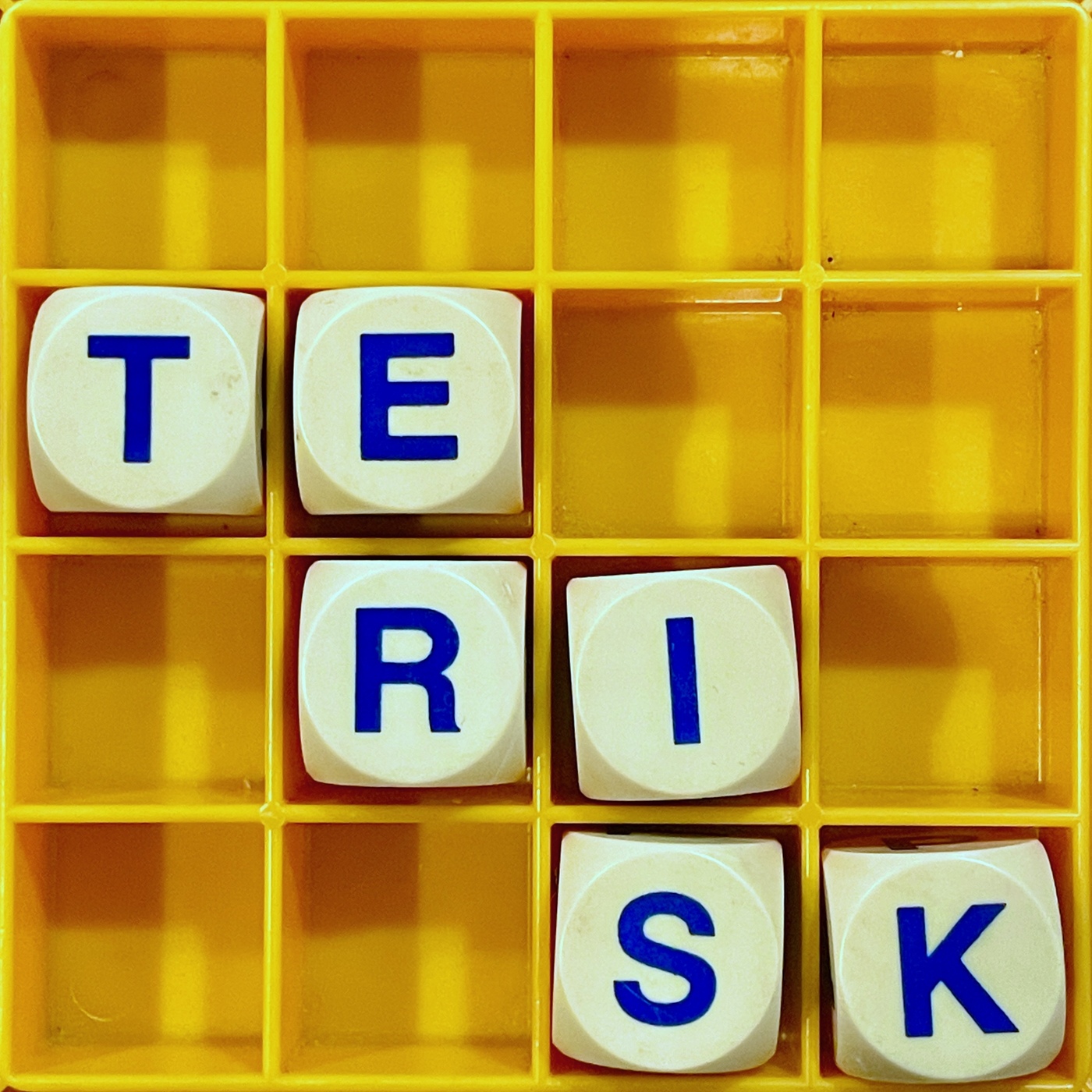
216. Four Letter Words: Terisk
Watching the film Legally Blonde one day with the subtitles on, numerous perfectly innocuous words were partially asterisked out, because of a technological problem I can't name here lest this episode be blocked from your podfeed, thus becoming an example of the problem itself.Who's to blame? A 900-year-old man from Lincolnshire. Although he didn't ask for this either.Content note: this e
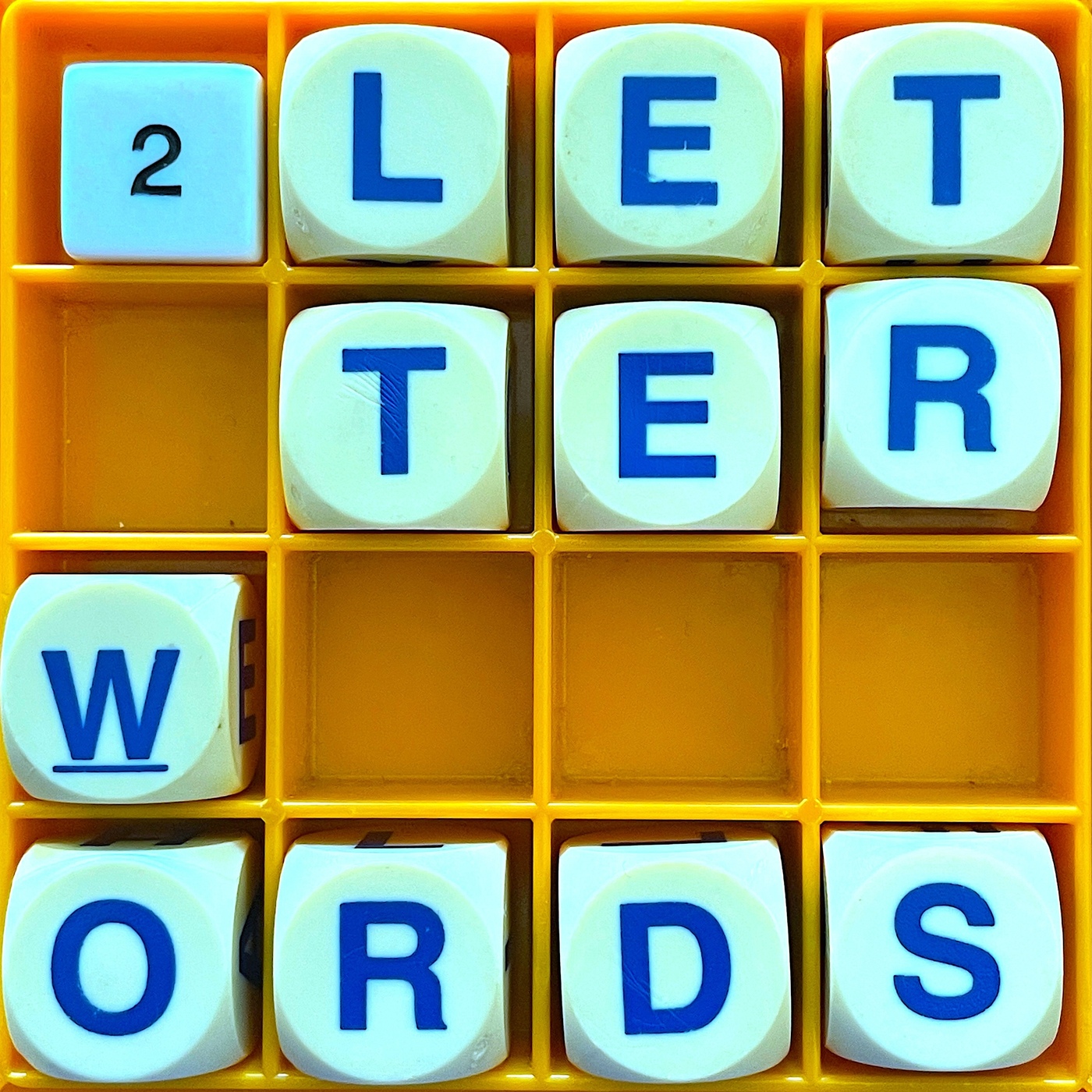
215. Two-Letter Words
Listener Erica commented: "Perhaps an idea for a bonus ep of Four Letter Word season would be one on two-letter words: there’s an established list that Scrabble nerds end up memorizing, and it’s full of weirdness." In fact, there are TWO established lists, NASPA, the North American Scrabble Players Association, which has currently 107 two-letter words, and Collins Scrabble Words, formerly
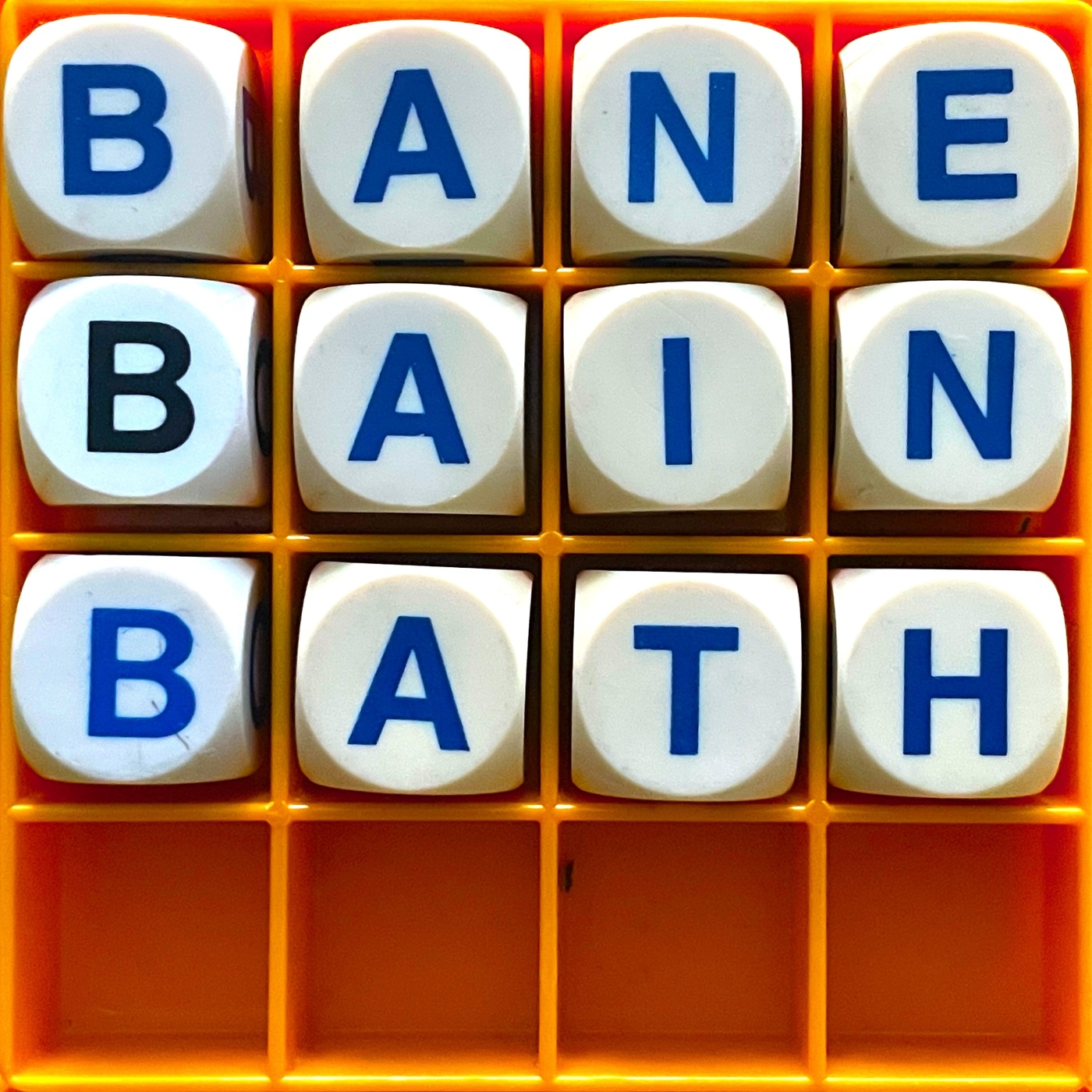
214. Four Letter Words: Bane Bain Bath
For today’s instalment of Four Letter Word season, we’re hopping from ‘bane’ to ‘bain’ to ‘bath’, via poison gardens, doll’s eyes, alchemists, placentas and waterborne curses.Visit theallusionist.org/bane for more information about today's topics, plus a transcript of the episode.Support the show at theallusionist.org/donate and as well as keeping this independent podcast going, you also
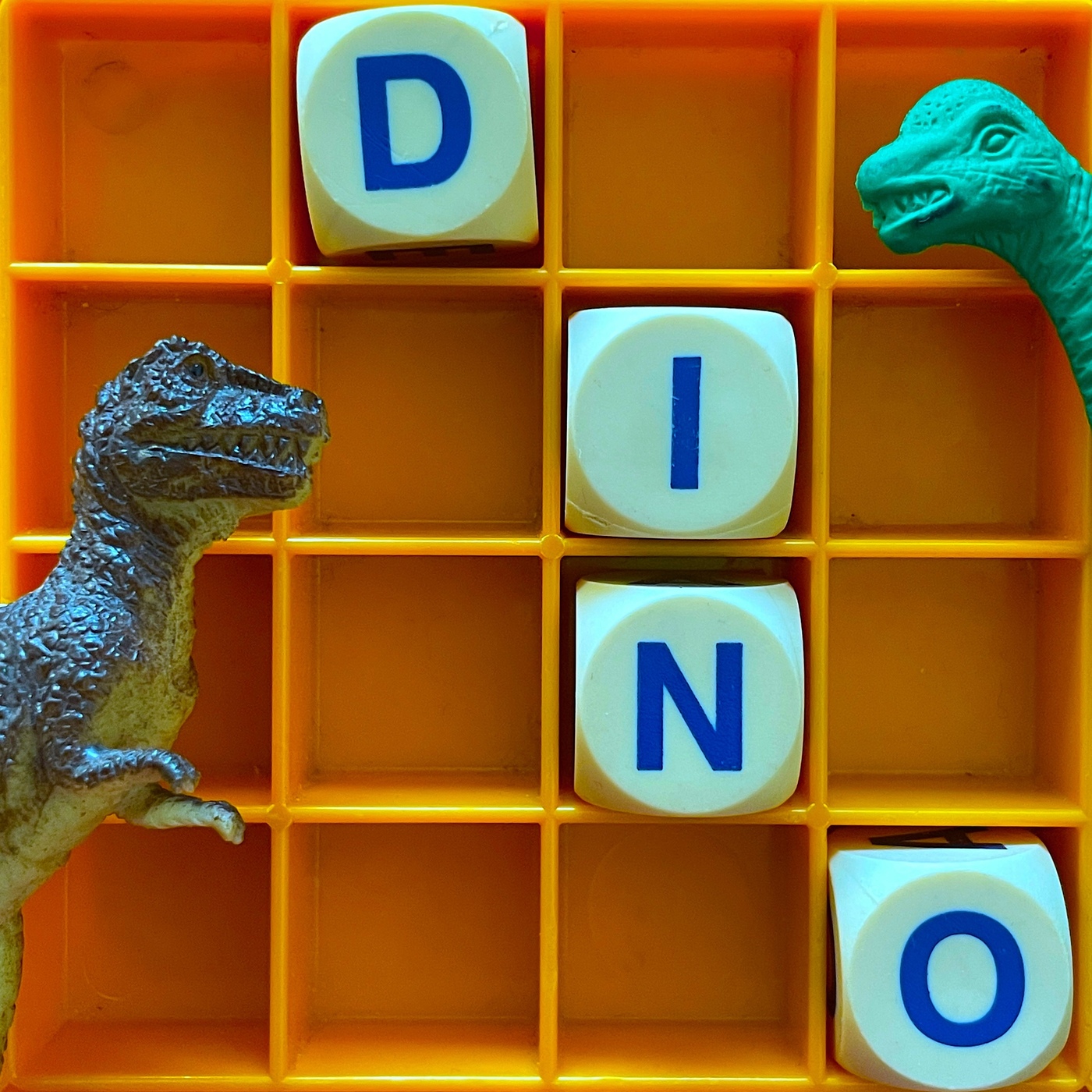
213. Four Letter Words: Dino
The latest four letter word of Four Letter Word season is dino. 'Dinosaur' is derived from Greek 'terrible lizard', and they could have called it 'whopping great lizard' or 'sublime lizard' or 'hey cool lizard', but no. TERRIBLE. Professor Hannah McGregor of Material Girls podcast and author of the book Clever Girl: Jurassic Park explains humans' relationship with language for dinosaurs,
212. Four Letter Words: Park
Get in, winner: we're going on a field trip. We're spending the day in five of Vancouver's city parks with Justin McElroy, Municipal Affairs Reporter for the CBC and ranker of Vancouver's 243 parks at VancouverParkGuide.ca. Together we ponder: what IS a park? You think you know, then along comes a slab of concrete called a park to test your taxonomy.Visit theallusionist.org/park for photo
211. Four Letter Words: -gate
The other day was the 53rd anniversary of the break-in at the Watergate Hotel, which not only caused a lot of political uproar, it had a big linguistic legacy: the suffix -gate to mean a scandal. Today, as part of Four Letter Word season, we have a list of -gates - royal, sporting, political, food, showbiz - it's a non-exhaustive list because there are so many, and new ones are being spaw
210. Four Letter Words: 4x4x4 Quiz
Four Letter Word season continues with a quiz (which is a four-letter word itself) about four letter words. Test your etymological knowledge, and hear about the original nepo baby, John Venn's invention that wasn't the venn diagram, brat, gunk, rube, the time(s) Led Zeppelin changed their name, and plenty more.Play along while you listen - there's an interactive scoresheet at theallusioni
209. Four Letter Words: Serving C-bomb
Ten years ago, on the fourth episode of the show, I investigated why the C-word is considered a worse swear than the others. Since then - well really just in the last three years or so - there has been a huge development: the word has hit the mainstream as a compliment, in the forms of serving it and -y. Linguists Nicole Holliday and Kelly Elizabeth Wright discuss this use of the word ori
208. Four Letter Words: Ffff
Welcome to Four Letter Word season!We're kicking off with one of the most versatile words: it can be a noun, verb, punctuation, expostulation, full sentence on its own; it can be an intensifier, an insult and a compliment... and a Category A swear, which is why I've had to sanitise it for the title lest your pod app takes exception. And of course, content note: this episode contains many
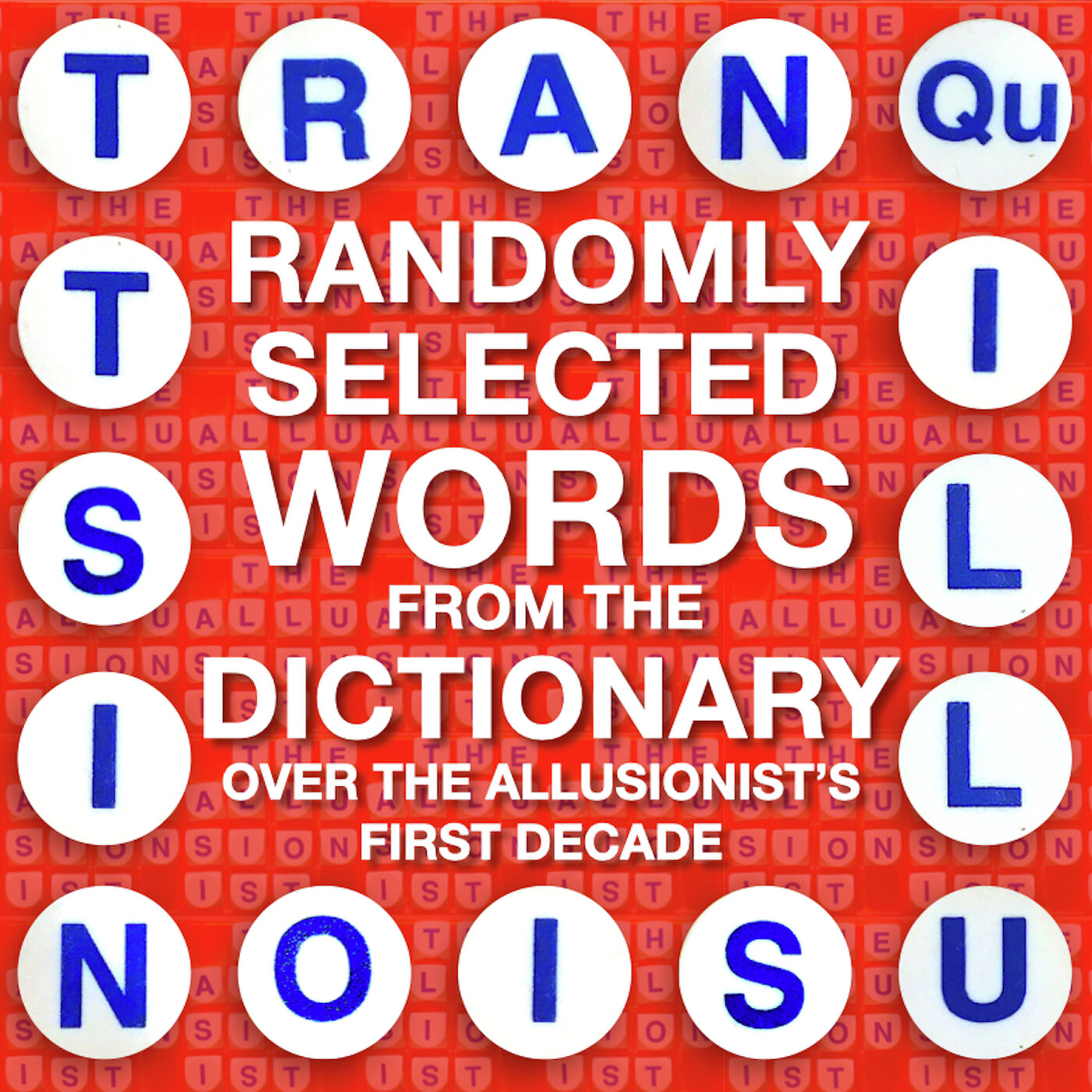
207. Randomly Selected Words from the Dictionary
Happy tenth birthday to this show! To celebrate, here's every randomly selected word from the dictionary from the first decade of the show. Visit theallusionist.org/randomlyselectedwords to read the transcript and get other Tranquillusionist episodes. The podcast is taking a break until early May 2025, but the Allusioverse will continue to be in full swing: become a member at theallusion
206. Bonus 2024
It's the annual parade of Bonus Bits - things this year's guests said that I couldn't fit into their episodes, and/or weren't about language, but now is their time to shine. We've got tricorn hats, changing your dog's name, Boston cream pie, parmesan vs vomit, the placebo effect's negative sibling, the universal blank, headache poetry and bawdy riddles. And more! Thanks to, in order of ap
205. Lexicat, part 2: now with added Dog
In Lexicat part 1, we met the author Mary Robinette Kowal and her cat Elsie, and learned about how they communicate via a set of buttons programmed with words. In part 2, two talking dogs, Bastian and Parker - and their humans, Joelle Andres and Sascha Crasnow - join us too, and explain how they discovered some very unexpected things about what their animal companions are thinking and fee
204. Lexicat, part 1
Elsie the cat has a set of 120 buttons programmed with words. She uses them to lie, swear, apologise, express grief and frustration and love to her human, the author Mary Robinette Kowal, who talks about what's involved in learning to communicate via language buttons with companion animals. And animal behaviour expert Zazie Todd explains how animals might be interacting with human languag
203. Flyting
In 15th and 16th century Scotland, in the highest courts of the land, you'd find esteemed poets hurling insults at each other. This was flyting, a sort of medieval equivalent of battle rap, and it was so popular at the time that the King himself wrote instructions for how to do it well. Writer and Scots language campaigner Ishbel McFarlane and historical linguist Joanna Kopaczyk explain t
202. Singlish Singlish
There's so much more to say about Singlish after last episode that we're saying some more of it this episode. Poet and academic Gwee Li Sui, author of Spiaking Singlish: A Companion to how Singaporeans Communicate, describes the resistance he received in Singapore when he published Singlish translations of literary works - and why they are important and celebratory for Singlish. And Stace
201. Singlish
"If you grow up being told that one of your first languages, Singlish, is actually a bad version of an already existing language, you kind of get this sense that “I'm just bad at language,” says Bibek Gurung, a former linguist who grew up in Singapore speaking Singlish with his family and friends, while schools and the government tried to quash it. "Language is a fundamental human skill.
Tranquillusionist: Ex-Constellations
This is the Tranquillusionist, in which I, Helen Zaltzman, give your brain a break by temporarily supplanting your interior monologue with words that don't make you feel feelings. Note: this is NOT a normal episode of the Allusionist, where you might learn something about language and your brain might be stimulated. The Tranquillusionist's purpose is to soothe your brain and for you to le
200. 200th episode celebratory quiz!
I can scarce believe that I've made 200 episodes of this show, but here we are! To celebrate, here is a quiz about language where all the questions were set by YOU, the beautiful brainy listeners. Play along with me - there's a score sheet you can use over at theallusionist.org/200, plus the episode's transcript and links to more information about some of the topics. If you want to help m
199. 199 ideas that I hadn't made into podcasts yet
Next episode is the 200th, therefore this is the 199th. I raid the 66 pages of ideas for episodes I have been keeping for nearly a decade, and present to you 199 that I have not yet made into podcasts (except for this one). Find the episode's transcript, plus more information about the topics therein, at theallusionist.org/199ideas. If you fancy concocting a quiz question for the imminent
198. Queer Arab Glossary
Since 2019, Marwan Kaabour has been collecting Arabic slang words used by and about queer people, first for the online community Takweer, and now the newly published Queer Arab Glossary. "When researching for this book, I discovered so much of the sociopolitical, cultural, linguistic, and historical layers that make up the words," he says. He also discovered quite a lot about frying, whit
197. Word Play 7: Word Sport
At the Scripps National Spelling Bee, behind the spectacle of kids vying to be champion spellers, a whole lot of work goes on to make words into this word sport. Offering a peek into the apiary are the Bee's executive director Corrie Loeffler, and Ben Zimmer and Jane Solomon from the Bee's word panel. Find out more about this episode, get the transcript, hear the other Beelusionist episod
196. Word Play 6: Beeing
I went to the 2024 Scripps National Spelling Bee, to marvel at kids spelling words I had mostly never even heard of. But when you’re at Bee Week, the competitive spelling is merely the tip of the icebee. Find out more about this episode, get the transcript, and listen to the rest of the Word Play series, at theallusionist.org/beeing. And visit spellingbee.com for all the information about
195. Word Play 5: 100 Pages of Solvitude
Cain's Jawbone, a murder mystery cryptic puzzle novella in the form of 100 pages presented in the wrong order, has many millions of possible solutions but only one that is correct. 86 years after it was published, writer, comedian and crossword constructor John Finnemore solved it. And then, craving another 100-page cryptic puzzle murder story, he wrote his own. Get the transcript of this
194. Word Play 4: Good Grids
Exciting things have been happening with crossword puzzles in the US: more constructors, more outlets to get puzzles published, clues and answers that would never have appeared even a few years ago, and puzzle packs raising a whole lot of money for charities and humanitarian causes. You hear from crossword constructor extraordinaire Erik Agard, Juliana Pache of BlackCrossword.com, Rachel
193. Word Play 3: Lemon Demon
AJ Jacobs makes The Puzzler podcast, wrote The Puzzler book, and sometimes turns his whole life into a puzzle. He comes bearing word games, explanations of anagrams being used to precipitate wars and were key evidence in trials, tips for writing with a quill, below-the-knee insults, and tales of living constitutionally. AJ's new book is The Year of Living Constitutionally: One Man's Humbl
192. Word Play part 2
This episode, and the next couple of episodes, are about word games! Today, Joshua Blackburn recounts how his sons' uninspiring English homework led to him inventing the language quiz game League of the Lexicon; and Kathryn Hymes and Hakan Seyalıoğlu of Thorny Games explain how they make topics like language loss and deciphering alien language into creative play. Get the transcript of thi
191. Hypochondria
The word 'hypochondria' has travelled from meaning physical ailments in a particular region of your body, to ones that are only in your mind. It has been in fashion, and thoroughly out; it has been subject to a range of treatments; it has been lucrative for quacks; and it's a very understandable form of anxiety - which I have, and so does Caroline Crampton, author of the new book A Body M
190. Craters
"It's quite a big undertaking going through every named feature in the whole solar system and trying to find out who that person was." When PhD student Annie Lennox discovered a crater on Mercury, she got the chance to name it. Which sent her on a bigger space mission. Content note: this episode contains mentions of, but not descriptions of, sexual violence. Get the transcript of this epi
Tranquillusionist: Person In Scene
This is the Tranquillusionist, in which I, Helen Zaltzman, soothe your brain by saying a load of words that don’t really mean very much, to give you an emotional break by temporarily supplanting your interior monologue with something you can benignly ignore. Note: this is NOT a normal episode of the Allusionist, where you might learn something about language and your brain might be energi
189. Mouthful of Fortune
At Lunar New Year, certain foods are particularly lucky to eat. Why? Because in Chinese, their names are puns on fortunate things. Damn, maybe noodles are all it takes to get me into puns after all... Professor Miranda Brown, cultural historian of China specialising in food and drink, explains the wordplay foods of new year, and why names are so resonant in Chinese. Get the transcript of
188. Lipread
Lipreading has been in the news this month, thanks to gossip-stoking mouth movements at the Golden Globes that the amateur lipreaders of The Internet rushed to interpret. But lipreading tutor Helen Barrow describes how reading lips really works - the confusable consonants, the importance of context and body language - and gossip maven Lainey Lui explains why these regularly occurring lipr
187. Bonus 2023
It's our annual end of year parade of all the extra good stuff this year's podguests talked about, including a mythical disappearing island, geese, human dictionaries, the dubious history of the Body Mass Index, Victorian death department stores, and much more. In order of appearance, we hear from: Translator and author Caetano Galindo on how the countril Brazil got its name Lexicographe
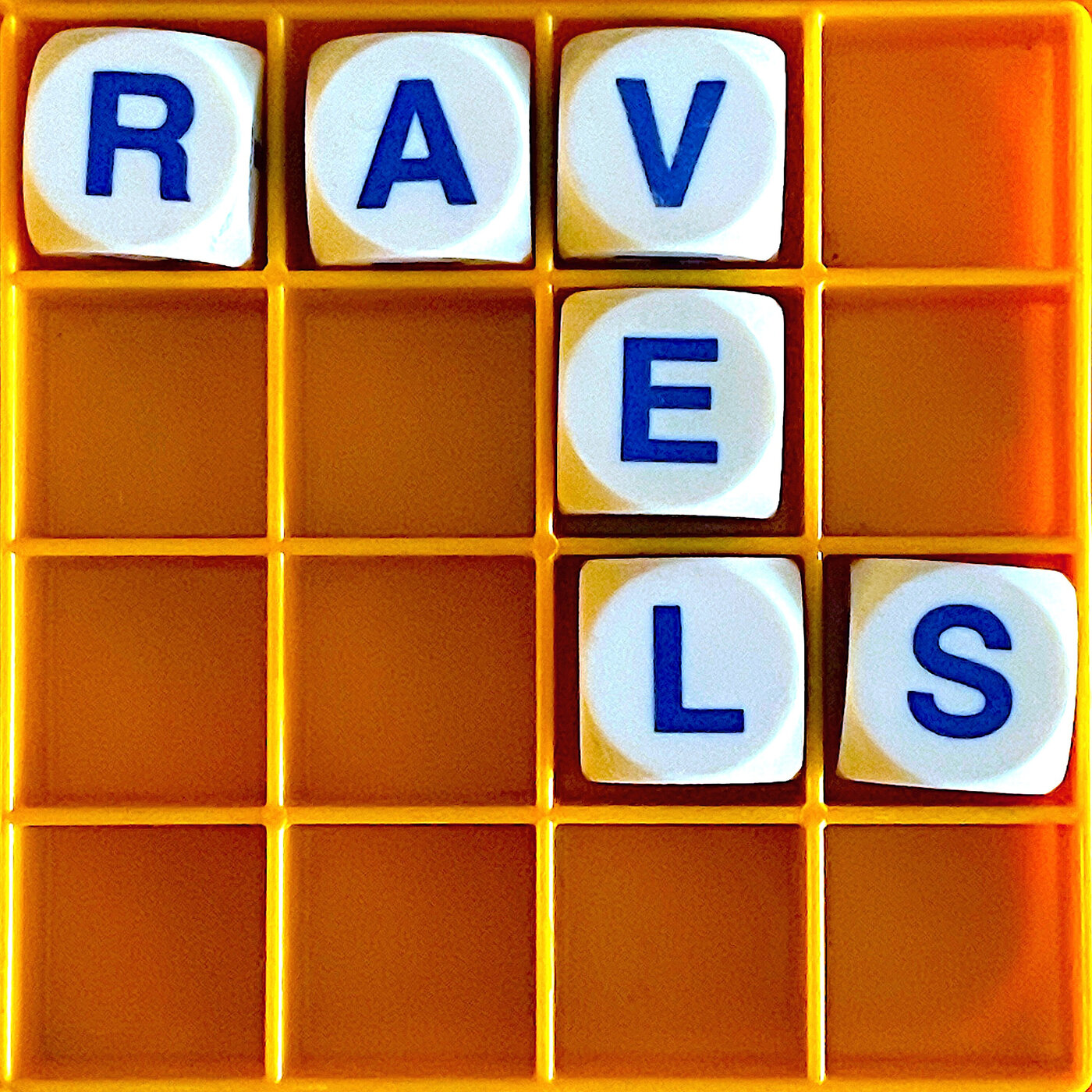
186. Ravels
We’ve got knitting! We’ve got eponyms!! We’ve got knitting eponyms!!! Which come with a whole load of battles, f-boys, duels, baseball, espionage, scandals - and socks, lots of socks. Fibre artist and Yarn Stories podcaster Miriam Felton discusses why grafting should ditch the name 'kitchener stitch'; we learn about the eponymous cardigan; and three towns in Ontario take pretty different
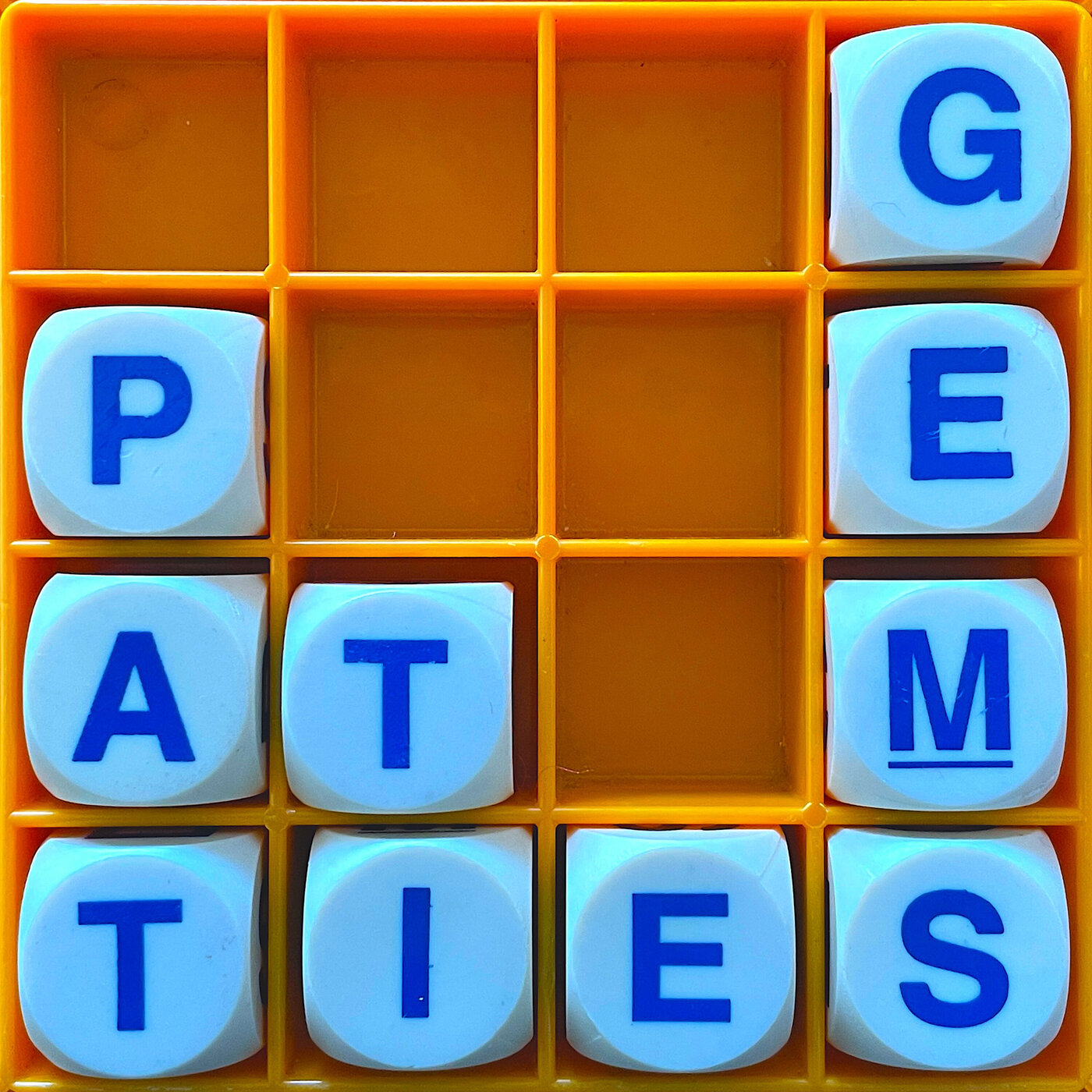
185. Gems and Patties
We’re returning to the theme of renaming, for two food-related renamings: the first one that mostly happened, the second that mostly did not - but in a good way. Dr Erin Pritchard persuaded a British supermarket to rebrand a type of sweets that had a slur in their name. And Chris Strikes recounts the renaming conflict that was the Toronto Patty Wars of 1985. Content note: the first part o
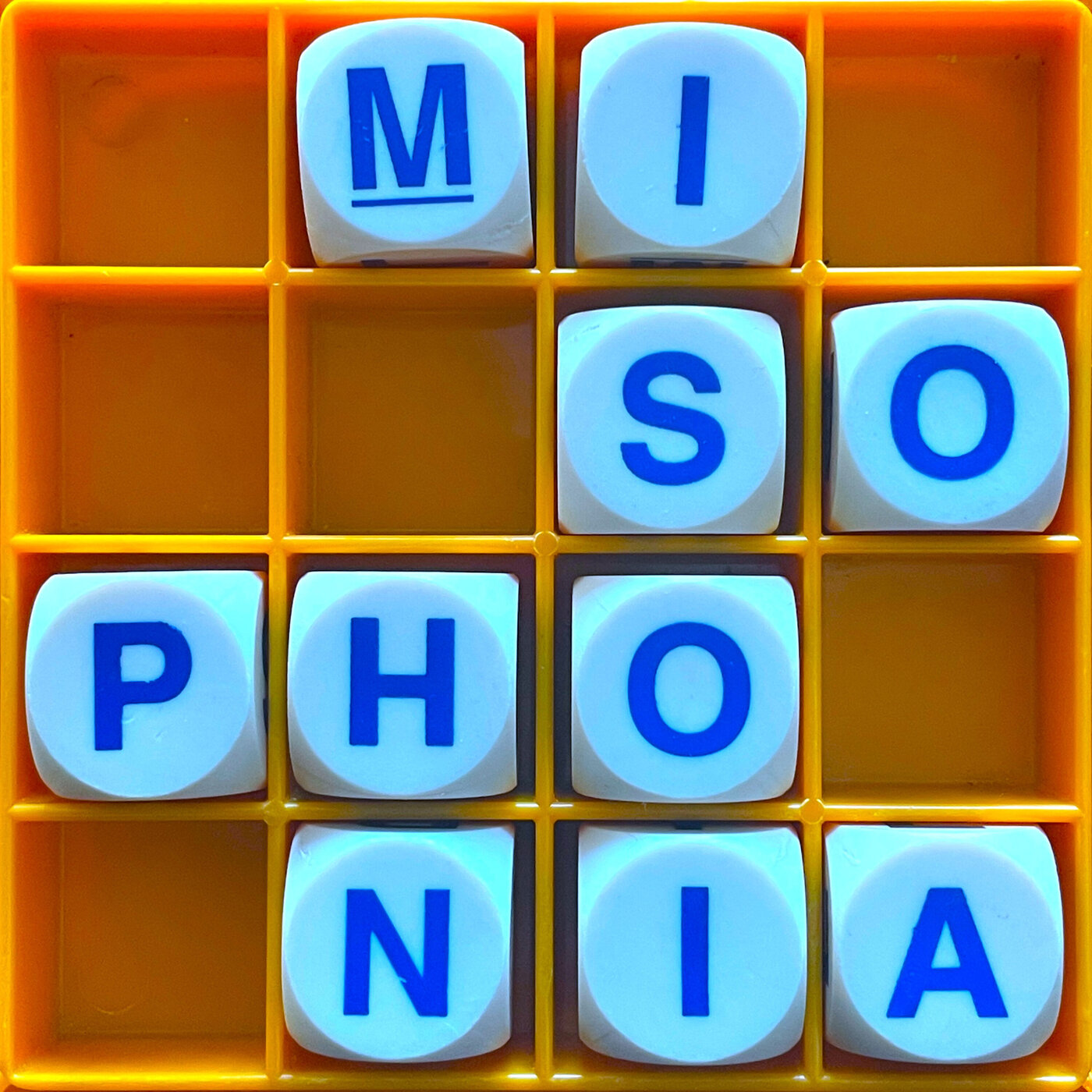
184. Misophonia
The word 'misophonia' describes a condition that statistically, 20 per cent of you have: an extreme reaction to certain sounds. "For me, it was a relief to have a word for what I'd been experiencing," says Dr Jane Gregory, author of the new book Sounds Like Misophonia: How to Stop Small Noises from Causing Extreme Reactions, "because I thought for a long time that I was really uptight or
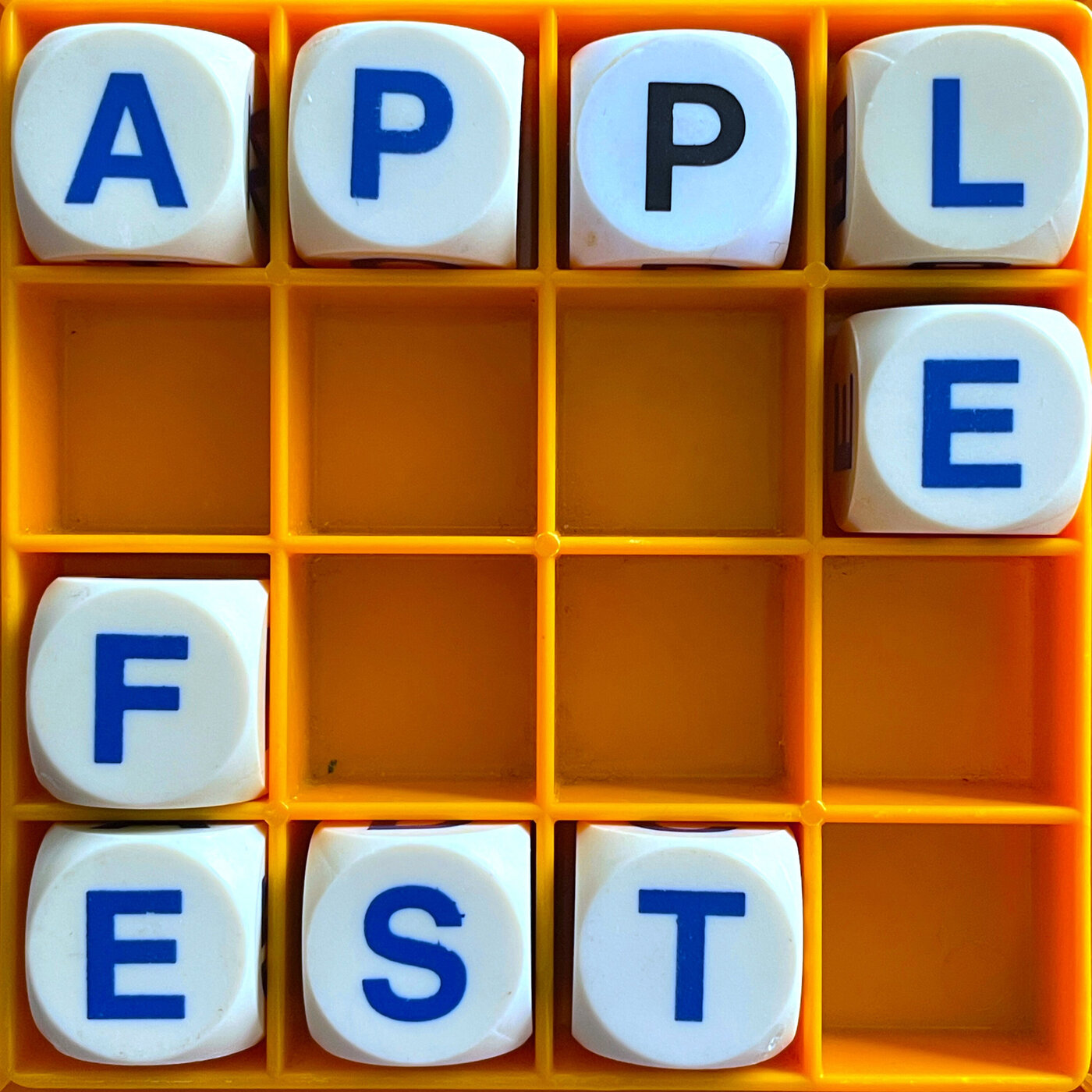
Apple Fest!
All aboard, we're off to the 2023 Apple Festival at the University of British Columbia, to taste some apples and, most importantly, enjoy some apple names. And before that, we return to the classic Sporklusionist applesode to refresh our memory about how apple names are chosen - eponyms, portmanteaus, geography, or corporate R&D, just like how our ancestors named apples. Dan Pashman h
183. Timucua
When Spanish missionaries arrived in what is now called Florida, there were 100,000-200,000 Timucua people in the region. Just two centuries later, there were fewer than 100. Soon, with all the people who spoke it dead, the Timucua language died out, too, preserved only in a few Spanish-Timucua religious texts. In the 21st century, linguistic anthropologist Aaron Broadwell and historian A
182. Siblings of Chaos
Lexicographer, author and Dictionary Corner resident Susie Dent has been studying words to make us feel happy. She brings etymologies concerning cows, gas, guts and fat, of bellies and breathing and bonanzas. And some that came from the high seas and aren't made up! Find out more about this episode and the topics therein, and obtain the transcript, at theallusionist.org/siblings-of-chaos.
181. Cairns
There's an abiding myth that the landmark dictionaries are the work of one man, in a dusty paper-filled garrett tirelessly working away singlehandedly. But really it took a village: behind every Big Daddy of Lexicography was usually a team of women, keeping the garrett clean, organising the piles of papers, reading through all the citations, doing research, writing definitions, editing, s
180. Project ENABLE
Sterling Martin was in grad school, studying C. elegans worms, when COVID19 hit and suddenly he found himself in lexicography, as part of a team creating a Navajo-English dictionary of science terms. Browse the dictionary at EnableNavajo.org, and donate to help the project add more educational materials at navajobiology.square.site. Find out more about this episode and the topics therein,
179. Andy Quiz
It's the annual etymology quizlusionist! I’m on a family holiday for the first time since 1988, so enlisted my brother Andy Zaltzman of the Bugle podcast to test his/your wits on singing goats, explosives, mythological Greek sweeteners, attics, left-handedness and whales.Can you beat Andy’s score? Play along using the interactive scoresheet at theallusionist.org/andyquiz.Become a member o
178. Uranus
Have you ever wondered why the planets in our solar system are all named after Roman deities, except two of them? One of those exceptions is Earth. The other is Uranus. Content note: there are mentions of Ancient Greek and Roman deities and their terrible sexual behaviours and violent vengeance. Also category B and C swears. Find more information about this episode and a transcript at the
Tranquillusionist: Gay Animals
This is the Tranquillusionist, in which I, Helen Zaltzman, say a load of words which aren’t really about anything, so that your brain gets a little gentle diversion from thinking and/or feeling. Today: a list of gay animals.Find a transcript at theallusionist.org/gay-animals. Several other Tranquillusionists and nearly 200 Allusionist episodes that are actually about something - are at th
177. Fat part 2
“The starting point is, and the research questions are all framed by: 'We know it's terrible to be fat, but how terrible is it?' Not: 'What would it take to give effective healthcare to fat people?'” says Aubrey Gordon, writer of the new book You Just need to Lose Weight and 19 Other Myths About Fat People, star of the documentary Your Fat Friend, and podcaster of Maintenance Phase. And i
176. Fat part 1
It should just be an accurate descriptor of my body, but the word 'fat' has shaped so much more of my life, and our society. "There is this whole set of baggage that we are all culturally bringing to this word all the time," says Aubrey Gordon, writer of the new book You Just need to Lose Weight and 19 Other Myths About Fat People, star of the documentary Your Fat Friend, and podcaster of
175. Eurovision part 2
Oh, you thought the Eurovision Song Contest was about songs? Or a fun international TV event that brings people together in lots of different countries? Or watching extremely vigorous dance numbers? OK, it is, but it's also about some pretty thorny language-related politics. Historian Dean Vuletic, author of Postwar Europe and the Eurovision Song Contest, discusses Eurovision's many lingu
174. Eurovision part 1
There aren't many multilingual, multinational television shows that have been running for nearly seven decades. But what makes the Eurovision Song Contest so special to me is not the music, or the dancing, or the costumes that range from spangletastic to tear-off: no, it's the people butting heads about language. Historian Dean Vuletic, author of Postwar Europe and the Eurovision Song Con

173. Death
"You can't redead the dead by you saying something shit," says Cariad Lloyd of Griefcast and author of You Are Not Alone; nevertheless when you're bereaved, people still are usually so nervous to say the wrong thing that they often don't say anything at all. And especially not the word 'dead'. Maybe what we need, says council funeral officer Evie King, author of Ashes To Admin, is a "jazz
172. A Brief History of Brazilian Portuguese
"The myths, or the received wisdom, about Portuguese language in Brazil is that, of course we know we speak a very different version of the language, but this has always been explained to us as maybe perhaps a defect of sorts?" says linguist and translator Caetano Galindo, author of Latim em Pó, a history of Brazilian Portuguese. "You look deeper into things and you find you have to wrap
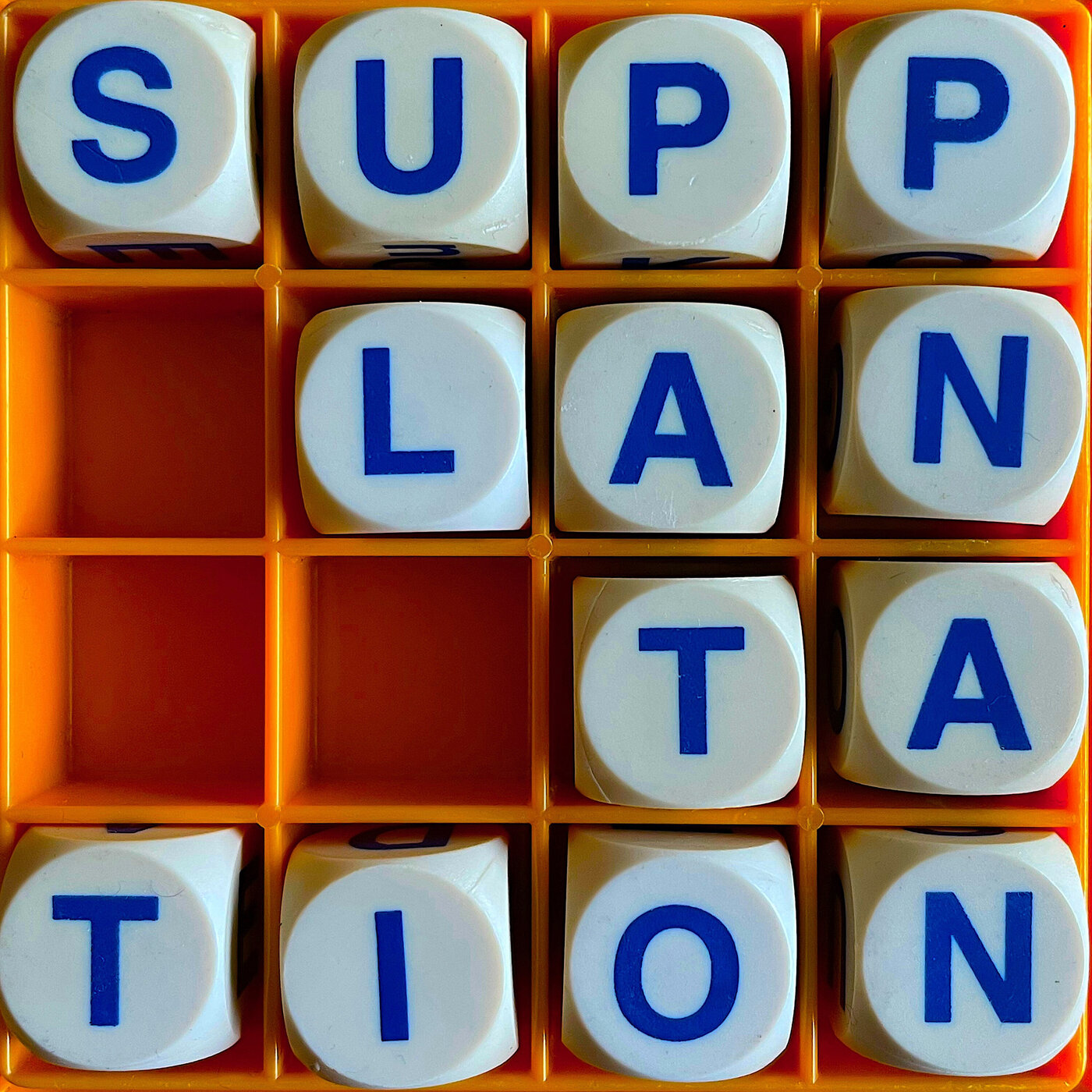
171. Supplantation
Last episode, I mentioned that in London, Ontario, in 2019 a 9-year-old named Lyla Wheeler had launched a petition to rename her street, currently called Plantation Road. This episode, Lyla, now aged nearly thirteen, and her mom Kristin Daley recount the reasons why Lyla campaigned for this name change, how the neighbours reacted, what happened when the wider world heard about it, and why
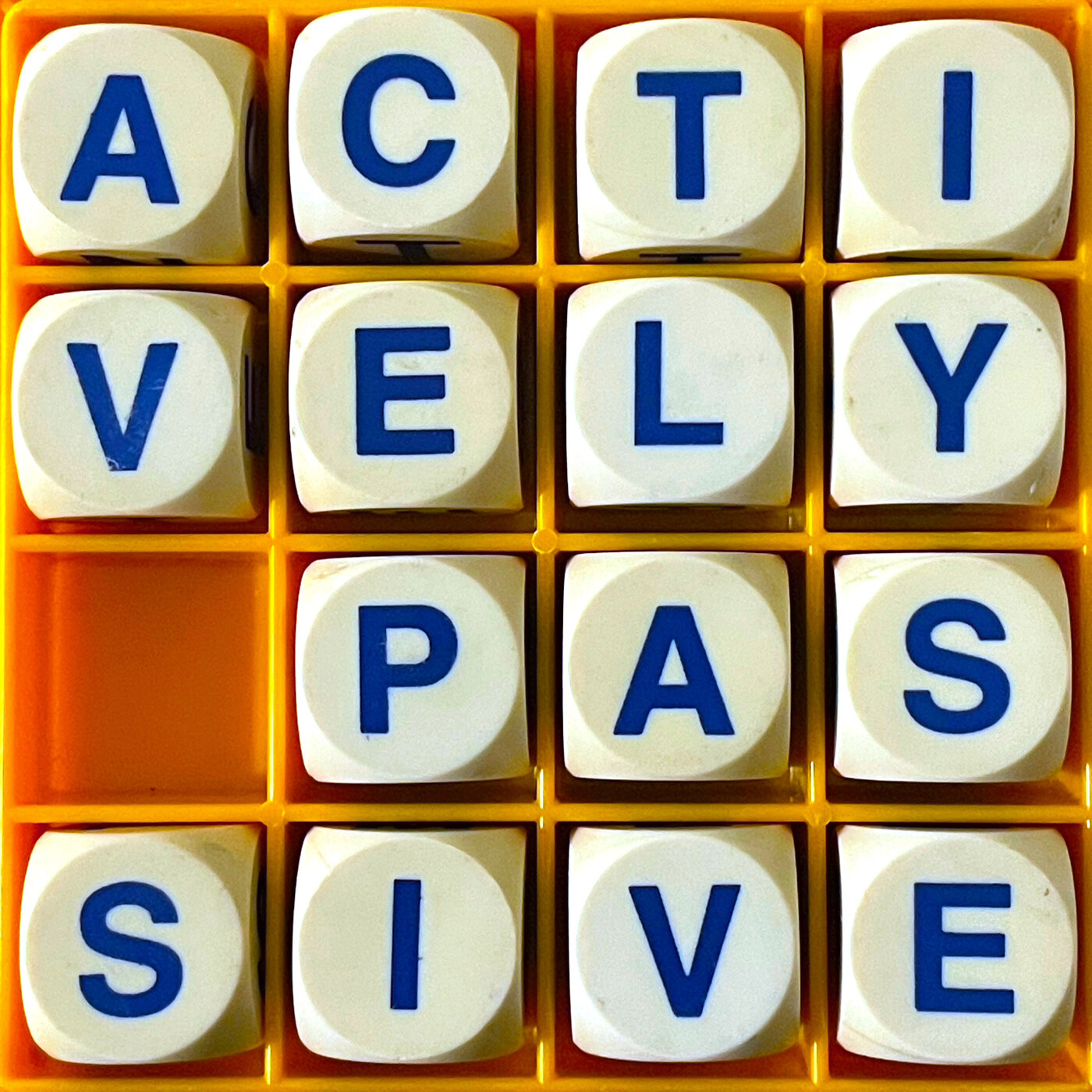
170. Actively Passive
Over the past few years, numerous products and places with the word 'plantation' in their names have rebranded. As for the word 'plantation' itself, architect and writer Kennedy Whiters of unRedactTheFacts.com advocates for replacing it with a more truthful term. She also watches out for use of the grammatical passive voice, because "It hides who did what to whom." Content note: this epis
169. The Box
Erwin Schrödinger is one of the "fathers of quantum mechanics". He also sexually abused children. Trinity College Dublin recently denamed a lecture theatre that had been named after him - but his name is still on an equation that won the Nobel Prize for physics. And a cat. Writer and historian Subhadra Das recounts how and why you rename a university building, and retired physicist Martin
168. Debuts
There’s been a recurring theme on the show over the years, of filling gaps in language, removing stigma and bias, finding better ways to express ourselves and talk about our feelings and our bodies. Today Kalle Rocklinger, sex educator with RFSU, the National Association for Sexuality Education in Sweden, talks about how and why over the years, the RFSU has come up with and publicised new
167. Bonus 2022
What do the hippocampus, homophones, Little Women, worrying and egg hacks have in common? They all star in the 2022 parade of Allusionist bonus bits! This year's guests provide some extra fascinating facts, thoughts and feelings: in order of reappearance, Jing Tsu, Morénike Giwa Onaiwu, Tim Clare, Stephanie Foo, Lewis Raven Wallace, Charlotte Lydia Riley, Hannah McGregor, Kristen Meinzer
166. Fiona part 2
“I don't think that anyone should come away from this conversation not wanting to use the name Fiona. I think this is a beautiful and rich history. It might not be quite the history that you imagined, but I think it's a beautiful history," says writer and performer Harry Josie Giles. She and PhD researcher Moll Heaton-Callaway investigate this complicated name with fascinating history. Th
165. Fiona part 1
A lot of people assume that Fiona is a very old Scottish name, but the first known Scottish Fiona is from the 1890s: Fiona Macleod, the enormously popular novelist of Scotland's Celtic Revival movement. But when she suddenly stopped writing in 1905... there turned out to be far more surprises about Fiona Macleod than the novelty of her name. Writer and performer Harry Josie Giles and PhD

164. Emergency
When is a war not a war? When the British Empire called it an 'emergency' so they didn't have to abide by wartime rules or lose their insurance payouts. Artist and researcher Sim Chi Yin reflects on the Malayan Emergency, a 12-year conflict that doesn't get talked about much now by either side; and historian Charlotte Lydia Riley considers the various reasons why the British opted for the
163. Rhino Borked Guy
Provoked by current events, we've got three political eponyms for turmoiled times. Get ready for explosives, presidential pigs, Supreme Court scrapping, and wronged rhinos. Content note: there is some description of torture about halfway through the episode. Find out more about this episode and get extra information about the topics therein at theallusionist.org/rhino, where there's also
162. Self-Help
Self-help is a multibillion dollar genre of books, and Kristen Meinzer and Jolenta Greenberg of By the Book podcast have lived by the advice of more than eighty of them. They discuss the ways these books use language to get into your brain, the negging and the euphemisms, what can actually be helpful, and why we should be more like dog. Content note: we discuss dieting and sizeism, and th
161. Sentiment
Empathy and kindness can be noble concepts in themselves, but as terms are thrown around enough to have become buzzwords, and in the process lose some of their meaning and purpose. Audiomakers Sandhya Dirks and Julia Furlan, and academic and podcaster Hannah McGregor, discuss the value and pitfalls of appealing to the emotions. Content note: there are mentions of parental death, cancer in
160. Coward
“Anxiety is the parrot sidekick that rides on my shoulder and occasionally squawks warnings in my ear,” says Tim Clare, poet and podcaster and author of the book Coward: Why We Get Anxious & What We Can Do About It. We talk about anxiety, cowardice, magic bullets vs silver bullets, the scary Bible, and seagulls. Content note for discussion about mental health, unsurprisingly, and colo
159. Bufflusionist
Grab your stake and crucifix pendant, we're going vampire-hunting! Well, vampire-etymology-hunting. The podcast Buffering the Vampire Slayer, which recaps the TV show Buffy the Vampire Slayer episode by episode, invited me to answer their listeners' questions of language that the show had provoked. Together with BVTS hosts Kristin Russo and Jenny Owen Youngs, I tackle the etymology of cov
158. Creature Quiz
There's lots of fun etymology of creatures and a lot of fun etymology derived from creatures, and now it is gathered into this fun playalong quiz about animal etymologies!There's an interactive answer sheet at theallusionist.org/creaturequiz, plus more information about various animals and etymologies, and as always the full dictionary entry for the randomly selected word.And come to see
Tranquillusionist: Australia's Big Things
This is the Tranquillusionist, in which I, Helen Zaltzman, say a load of deliberately boring words to distract your interior monologue from whatever dystopian stew it is in. Today: a list of the Big Things of Australia. The Allusionist is on tour in Australia with the new live show Your Name Here, all about eponyms. Before you get too tranquil, visit theallusionist.org/events for dates a
Recommended

Exposing Workplace Bullying

Everyday AI Made Simple - AI For Everyday Tasks

FemTech Focus

Not Too Sensitive - Empowering Highly Sensitive People (HSPs) To Own Their Sensitivity

Mother Daughter Relationship Show

Skin Deep MDs with Dr. Mamina Turegano, Dr. Lindsey Zubritsky and Dr. Jenny Liu

girl talk 🎧🫧

Booked, Blonde & Busy w/ Olivia Ponton

LOVE SOMEONE with Delilah

Classical Christian Education

Veritas Vox - The Voice of Classical Christian Education

Enjoy Teaching Again | Elementary, Teacher Burnout, Student Behavior, SEL, Classroom Management
