Marketplace Morning Report
Get up to speed on the news each morning with our daily radio show and podcast, “Marketplace Morning Report,” hosted by Kimberly Adams. We give you the economy without the anxiety, in the amount of time it takes to brew a cup of coffee. Start your day with us, on air or by downloading our podcast, for context and perspective on the economic news that matters to you.
Episodes
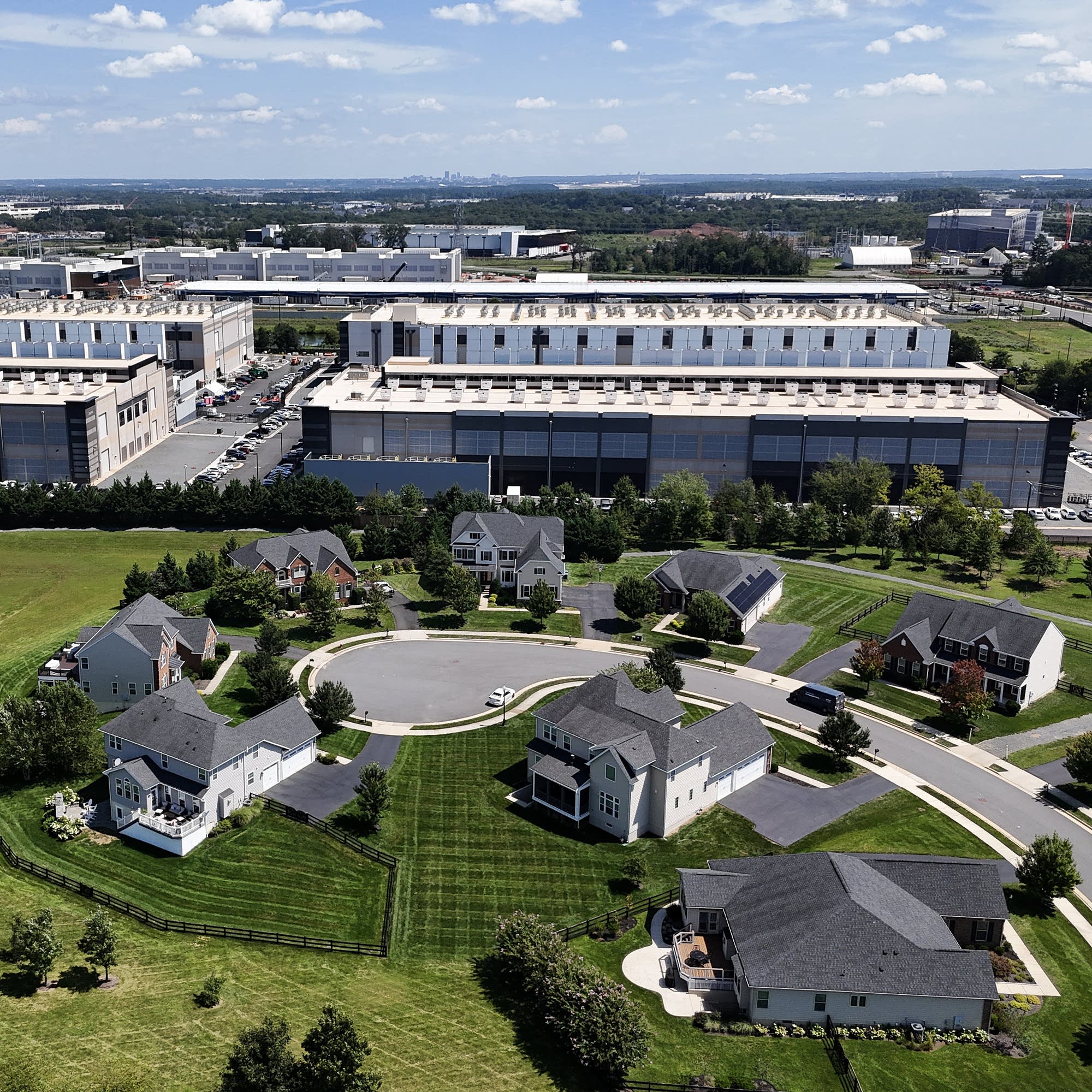
Tensions in the data center capital of the world
Loudoun County, Virginia, claims the highest concentration of data centers anywhere in the world. Thanks to those data centers, the county’s tax base has swelled. But data centers depreciate over time, meaning the older they are, the less tax revenue they generate. So, to keep the cash flowing, the county has needed to keep approving new ones. Cue the backlash. But first, higher energy pr
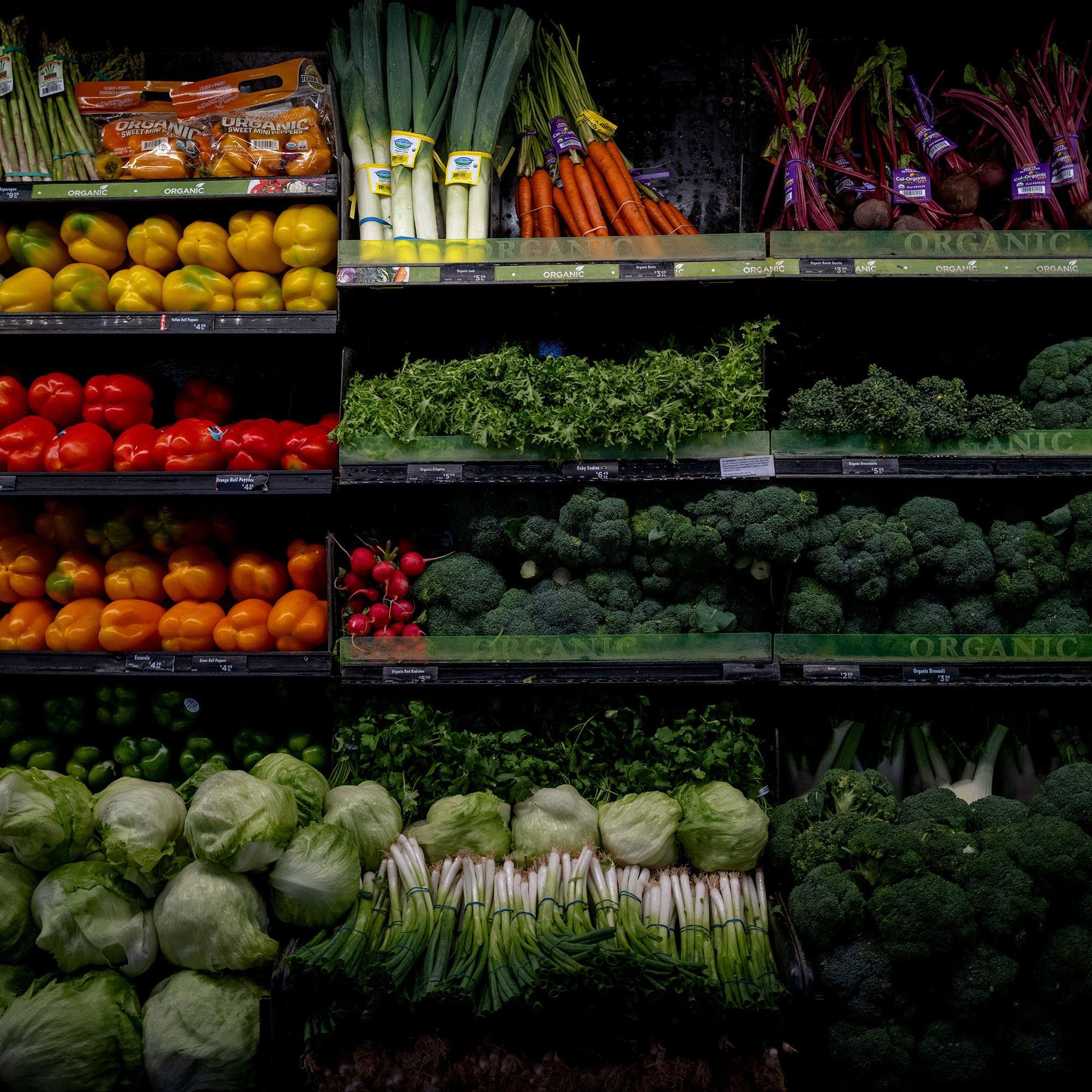
Where grocery prices are headed
Inflation ran 3.7% year over year in September. One kind of bright spot? Grocery prices are only rising at about half the overall rate. But there are signs that high diesel prices are starting to trickle into some of the prices we pay at the checkout. And later this morning: how skyrocketing borrowing costs are affecting developing nations and how CEOs are thinking about AI investment.Eve

What keeps people gambling
Americans have wagered more than $600 billion on sports since the Supreme Court paved the way for states to legalize sports betting back in 2018. And something like 2.5 million adults have a problem with gambling. This morning, why people keep betting — even when the odds are against them — and what can be done about it. Also in this morning's podcast: a hotter-than-anticipated inflation
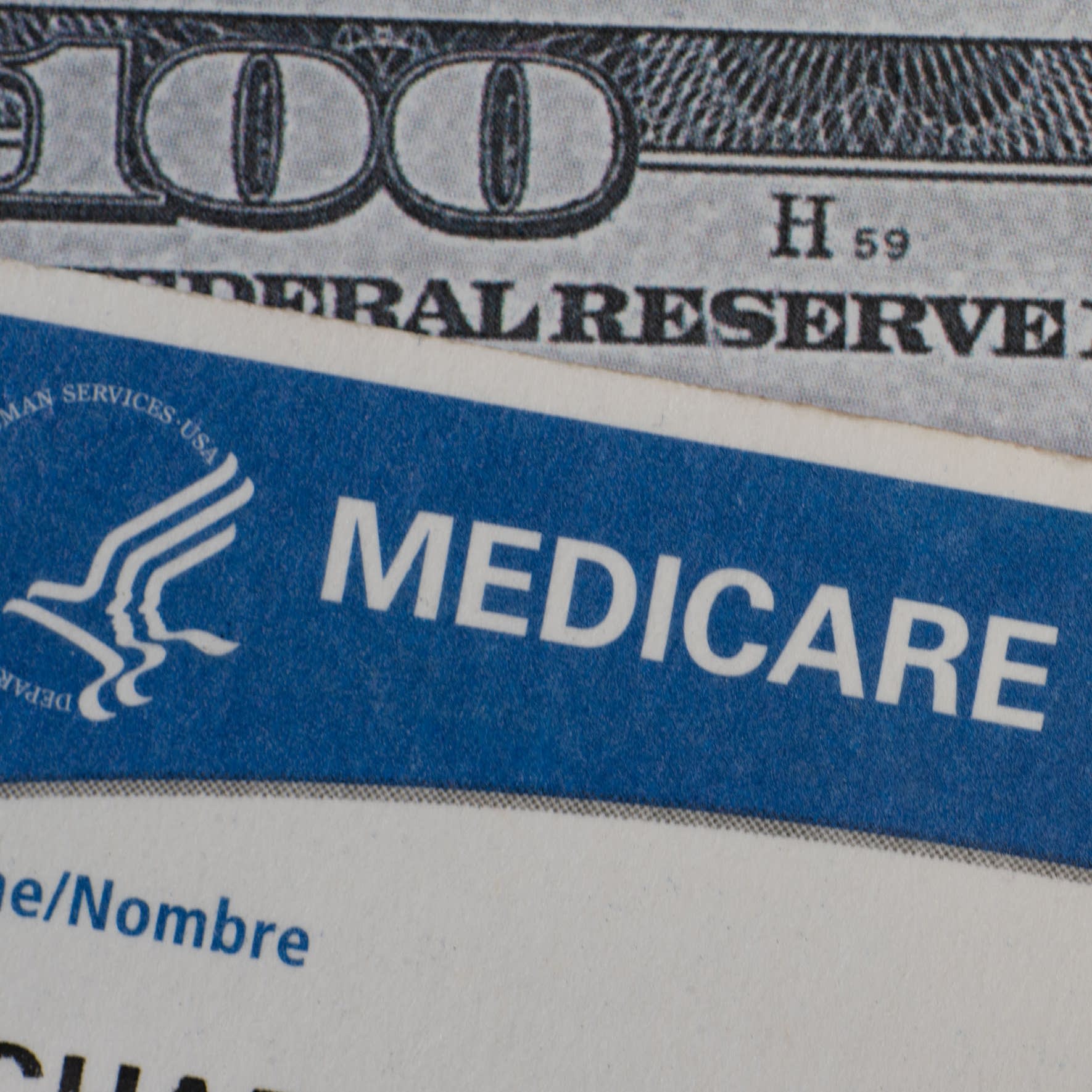
Changes are coming to some seniors' healthcare plans
Open enrollment for Medicare starts tomorrow. Seniors will have until early December to review their health insurance options for next year and sign up for either a traditional Medicare plan through the federal government or a Medicare Advantage plan through a private insurance company. Thing is, some big insurers like UnitedHealthcare and Blue Cross Blue Shield are dropping some Medicare

A small bump in Social Security checks
Tomorrow, the Social Security Administration will announce their Cost of Living Adjustment (COLA), and seniors are expected to see a small increase in their monthly checks next year. It could be a meaningful change for struggling retirees: 74% of people on Social Security have reported making financial changes due to rising costs outpacing their benefits. Then, an update on the global bon

How a housing recession could impact the economy
Inflation, war, high borrowing costs, and of course, the Fed’s rate hikes: There’s a lot of reasons why mortgage rates have shot through the roof recently. Because of this, when we get the National Association of Realtors report on existing home sales for September, experts expect to see sales in decline — again. Usually that has a lot of spillover effects on the economy. Is that true tod
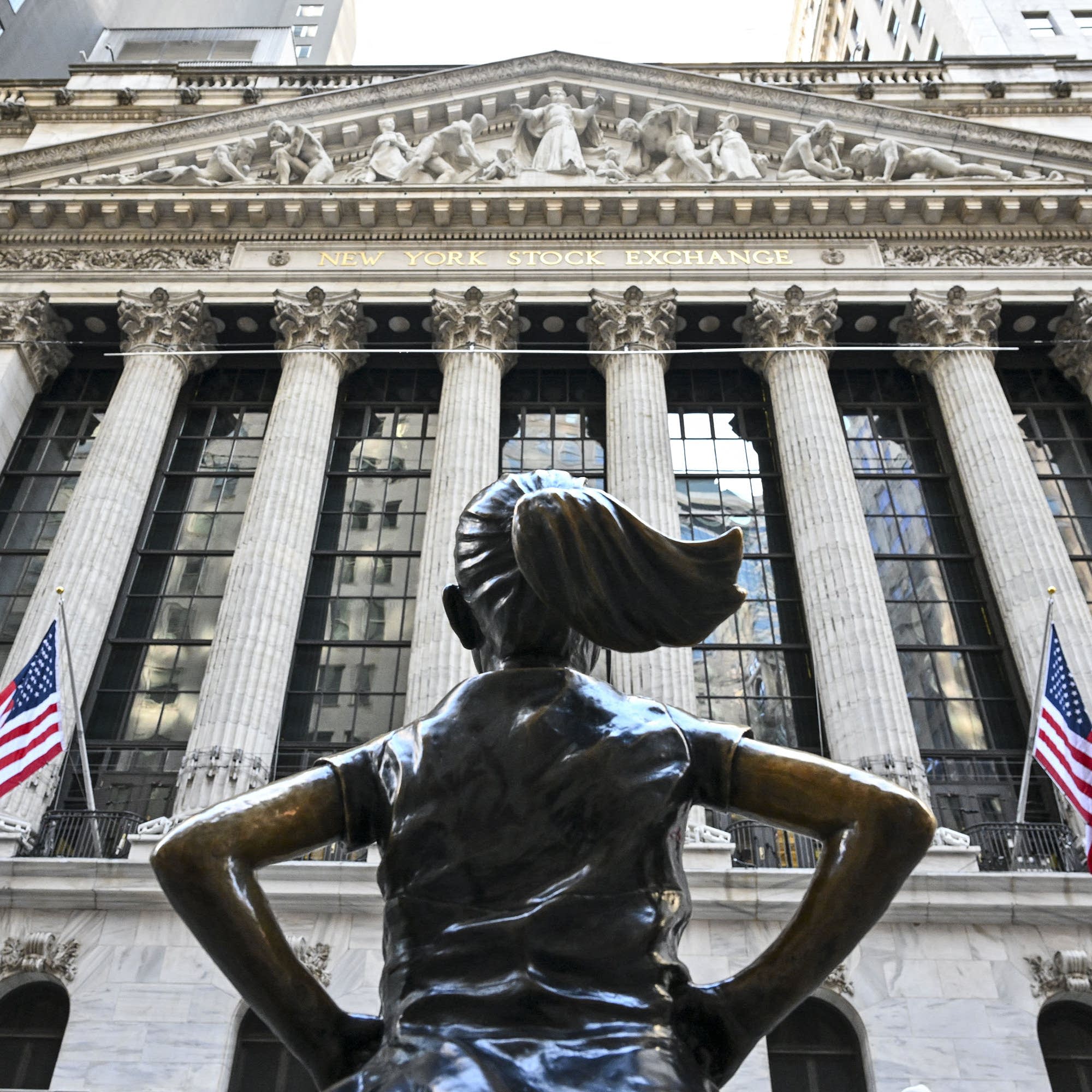
Outlooks, bank earnings, and a Nobel win
To kick off this morning's show, a survey by the National Association for Business Economics shows that economic forecasters predict lingering inflation and higher interest rates. We'll dig into those outlooks. Then, big banks report their financial results this week, and they could give us a sense of how higher interest rates and higher long-term bond yields are working their way through

What it means to win the Nobel Prize in economics
Two Americans, Stanford's Robert E. Hall and Columbia's Michael Woodford, have won this year's Nobel Memorial Prize in Economic Sciences and will split the almost $2 million prize for models that help governments maintain stability while navigating big swings in the economy. To mark the occasion, we reached out to a couple of past prize winners to hear how things have been going since. Th
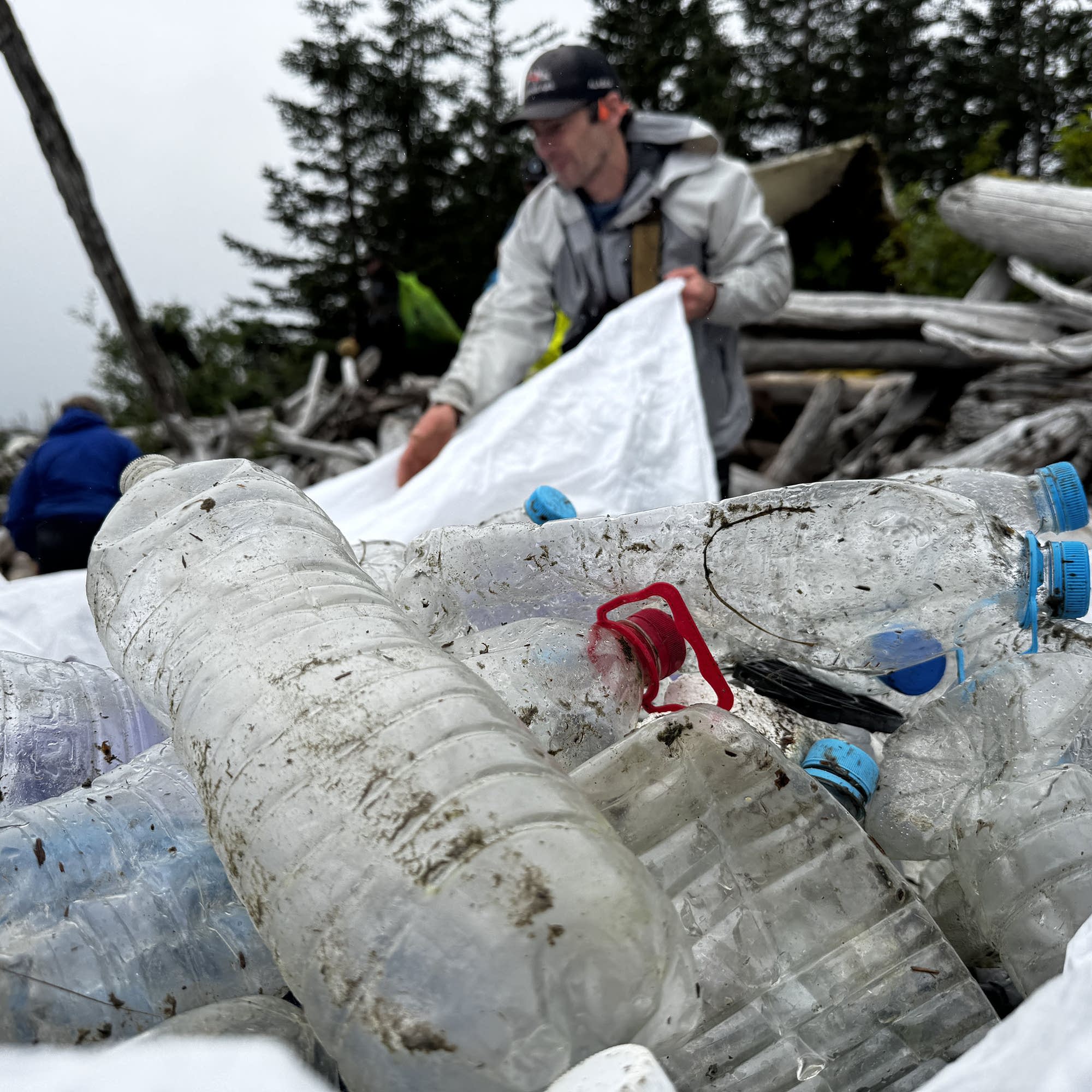
A beach full of trash with nowhere to go
Two years ago, Congress approved millions of dollars in funding to clean some of the nation’s dirtiest beaches. Many of those beaches are also some of the hardest to access. But then, cuts by the Trump administration's Department of Government Efficiency effectively killed the project. Now, there’s no clear future for all that trash. In this morning's podcast, we head to a remote Alaskan
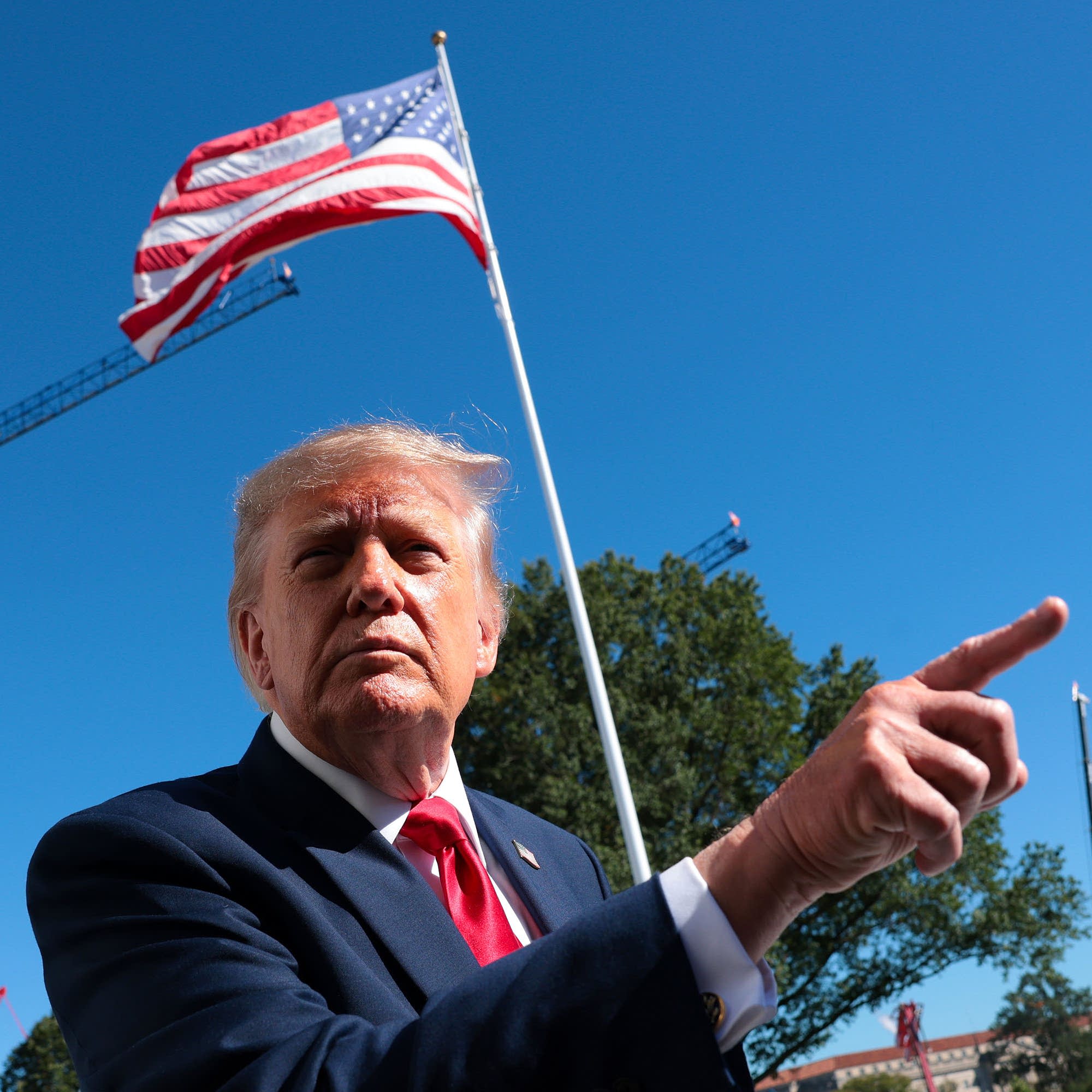
Trump's crackdown on foreign students and workers
The Trump administration announced yesterday that it will no longer allow Microsoft, Adobe, and a handful of other companies to sponsor foreign workers for green cards and accused nine universities of abusing the J-1 temporary student visa program. Earlier this week, it also proposed a rule raising the fee for international students who want to stay in the U.S. and work temporarily throug

What AI is doing to jobs in creative fields
There's been a lot of mixed data coming out about how AI is affecting the labor market. An analysis by writer and economist Joey Politano found that the U.S. has lost more than 200,000 creative sector jobs over the last four years. But just how much can we blame AI? Plus, we continue our conversation with WUSF reporter Jessica Meszaros about the high cost of energy bills in Florida.Every
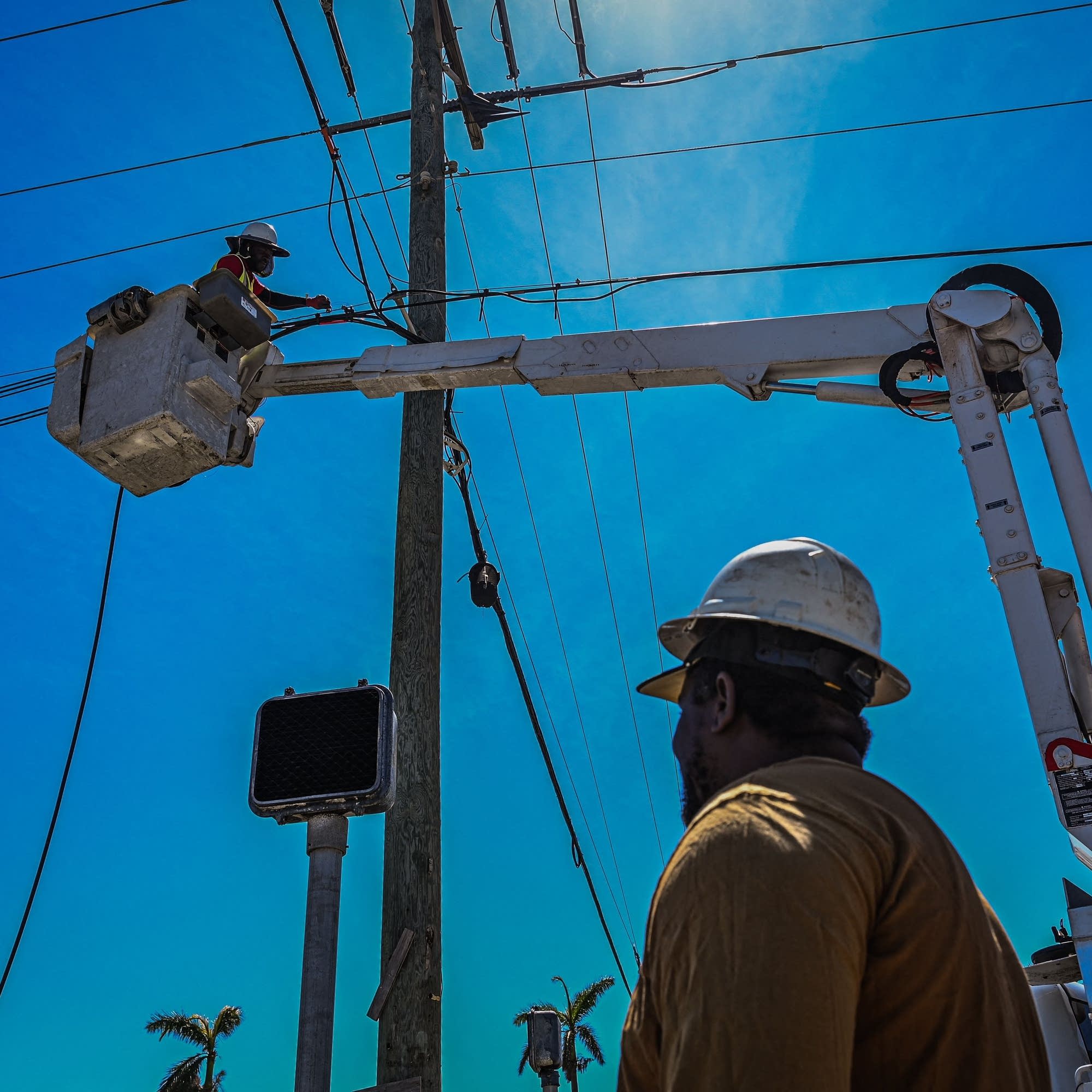
The cost of power in the Sunshine State
Energy bills in Florida have jumped by as much as 70% over the past 10 years, according to reporting by WUSF reporter Jessica Meszaros. This morning, we'll help explain why that is and discuss rate hikes by investor-owned utility companies, the role of government-appointed approval commissions, and whether there are any alternatives. But first, a snapshot of consumers' expectations for th

A check-in on the hobby economy
Like so much else in the economy, the cost of hobbies — recreational activities, the ways we fill our free time — is on the rise. But according to recent analysis from the Bank of America Institute, consumers aren’t shying away from those higher prices. We hear more. Also in this episode, we have a preview of meeting minutes from the Federal Reserve, then examine mortgage rates and Treasu
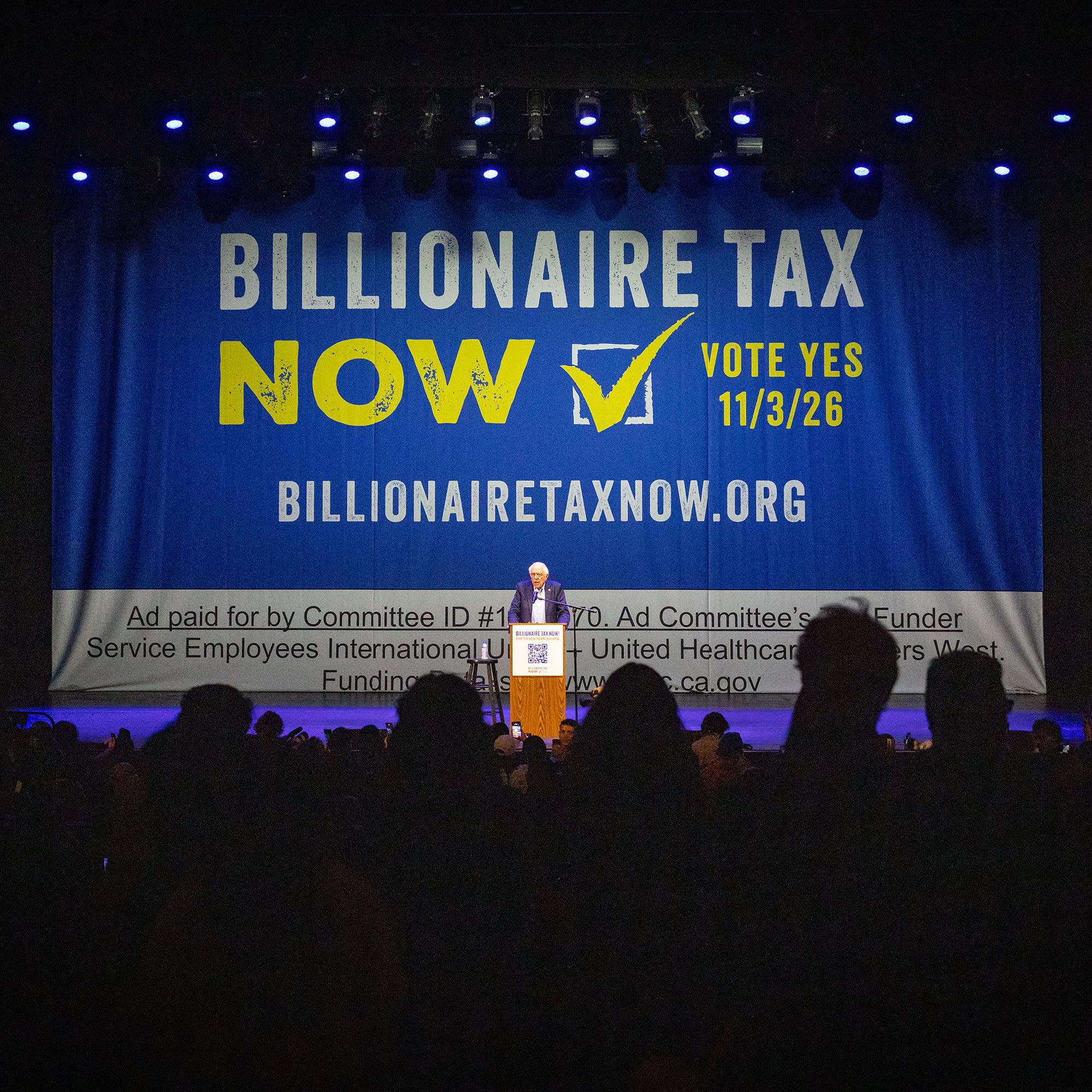
Taxing the rich to pay for healthcare for the poor
An initiative on the California ballot would levy the nation’s first wealth tax on billionaires. Supporters say the proceeds would help offset President Donald Trump’s sweeping healthcare cuts and that it could be a blueprint for other states, but critics argue that the temporary infusion of cash is a giveaway to politicians. We dig into the arguments. But first, it’s been a bit of a roug

Russian refineries and the price of diesel
Diesel is still hovering at around $6 a gallon. President Donald Trump says Ukrainian air strikes on Russian oil refineries are exacerbating a global shortage of diesel and pushing up prices, but Ukraine isn’t letting up. We have the latest this morning. Then, a recent proposal from the Environmental Protection Agency could make it harder for communities to find out about AI data centers

Is college even worth it these days?
More Americans than ever are questioning the value of higher education. A new survey from Gallup finds that just 31% of adults in the U.S. think a college education is “very important.” That’s the lowest since Gallup first asked that question nearly 50 years ago. Some of the big reasons? The cost of a college education and employment concerns in the AI age. And later, more than 2 million
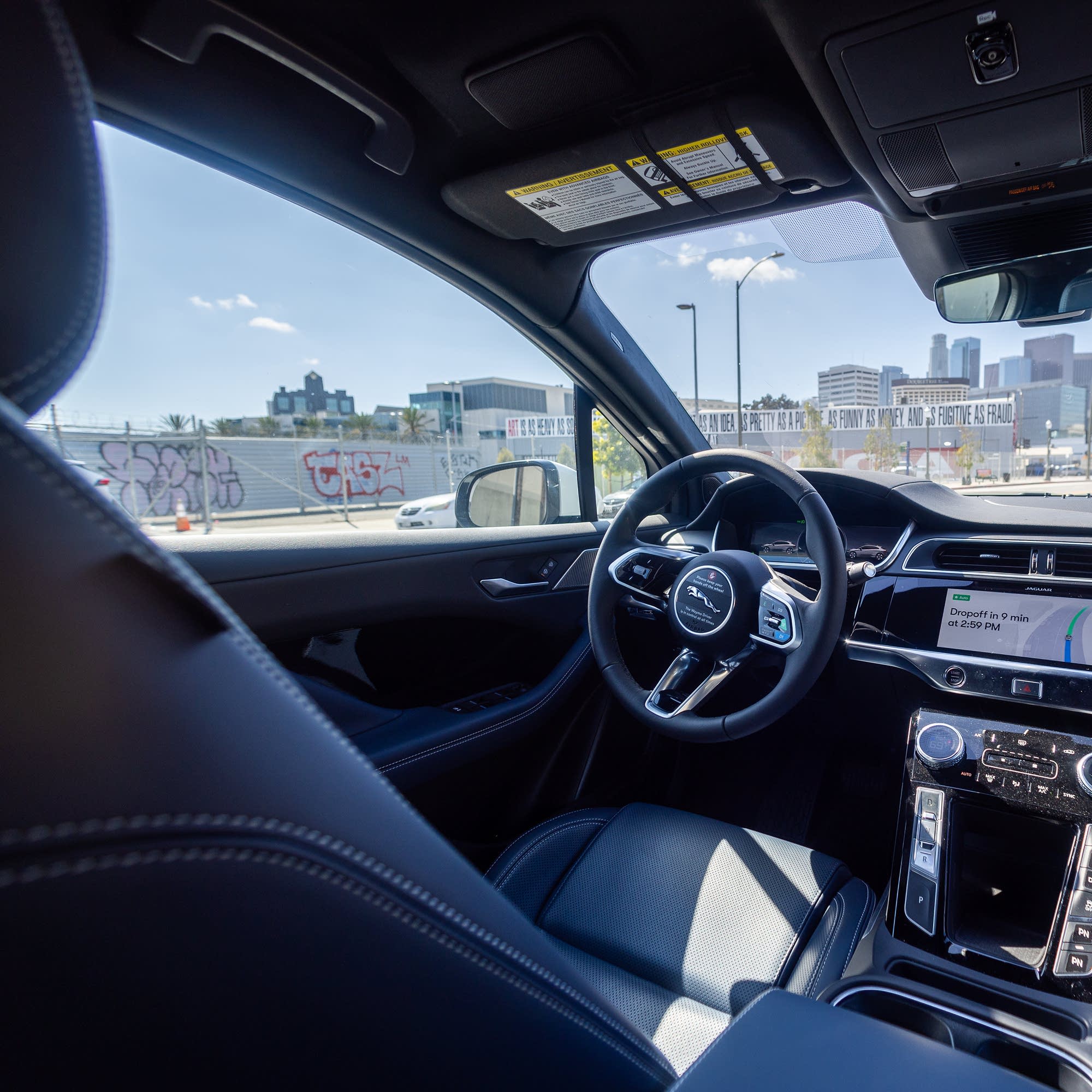
How do you feel about driverless cars?
More Americans are familiar with autonomous vehicles than they were a decade ago. But if a self-driving car is in their future, most still want the option of taking the wheel, a new survey finds. This morning, we explore consumers' thoughts on driverless cars. Also on this morning's program: we keep an eye on the bond market and the oil market. Plus, how one Brooklyn-based makerspace is h

Let's get our hands dirty for just a bit
This year has been dominated by headlines about artificial intelligence. But as the AI buildout accelerates, some are looking for ways to slow down. This morning, "Marketplace Morning Report" host Kimberly Adams takes a trip to MakerSpace NYC, a community workshop where people were busy sewing, welding, drilling, and more. For some, it's just for fun; for others, it’s helping launch small
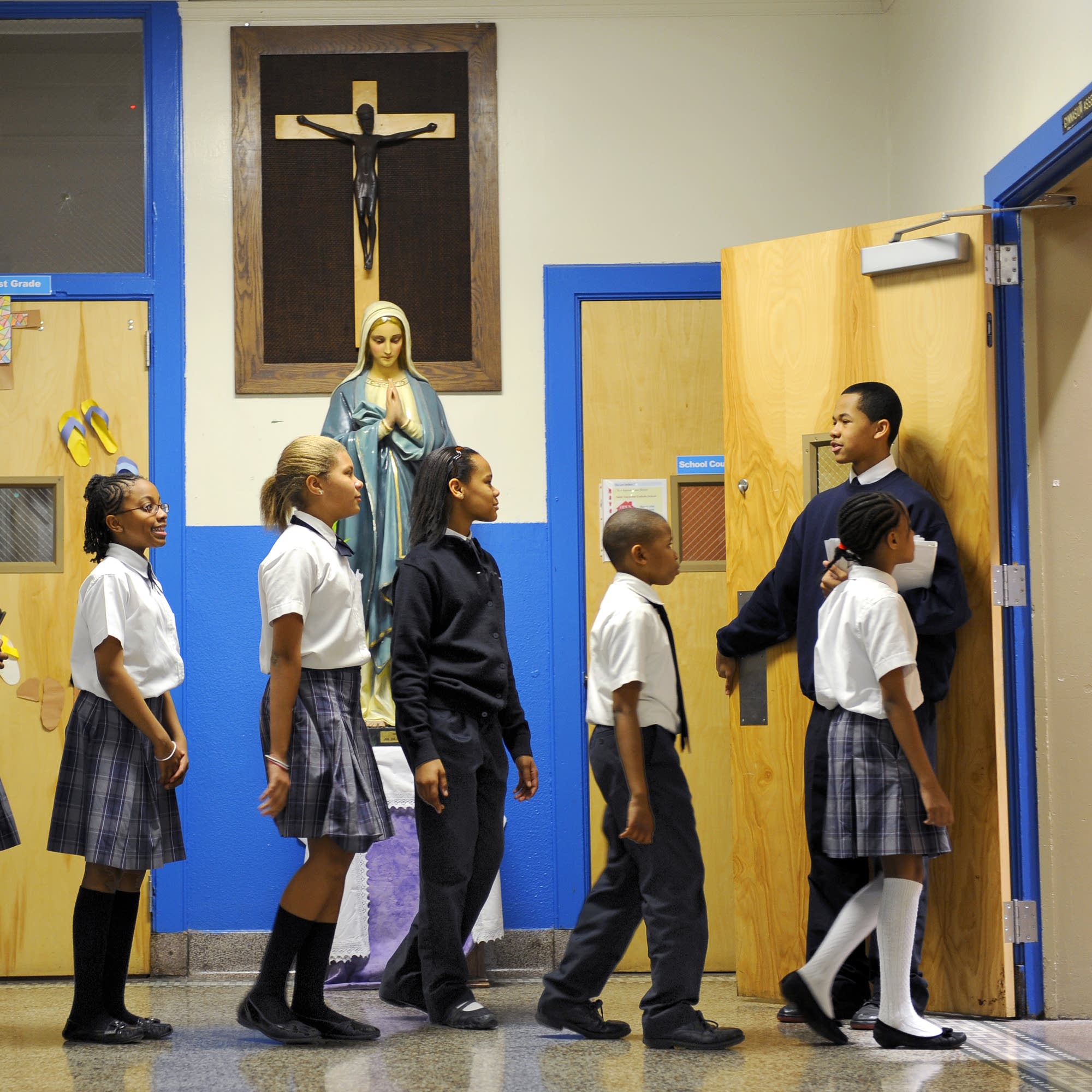
Understanding the new federal school choice program
This week, the Treasury Department released rules for a new nationwide school choice program that could end up providing billions of dollars to students attending private schools. Taxpayers will be able to opt in to the program by giving up to $1,700 to third-party groups that provide scholarships to students, and can later deduct that donation from their taxes. Many public school advocat

From layoff to relocation
After being laid off this summer, Montrose Fell felt the pressure to scramble and find a new position. But after a year of funding cuts to the National Institutes of Health, the biomedical industry was flooded with overqualified candidates. So, Fell decided to pursue permanent residency in Canada. “The current scientific climate in the United States was not one where I thought I would thr

Mortgage rates climb, sidelining homebuyers
On Mortgage News Daily, the average rate for a 30-year fixed is now up to 7.6%. And as the cost of a mortgage has gone up, the demand for home loans has dipped to a two-year low, according to the Mortgage Bankers Association. Then, some lenders surveyed by the Federal Reserve reported that they’ve been noticing a pickup in delinquencies, as higher costs burden both families and businesses
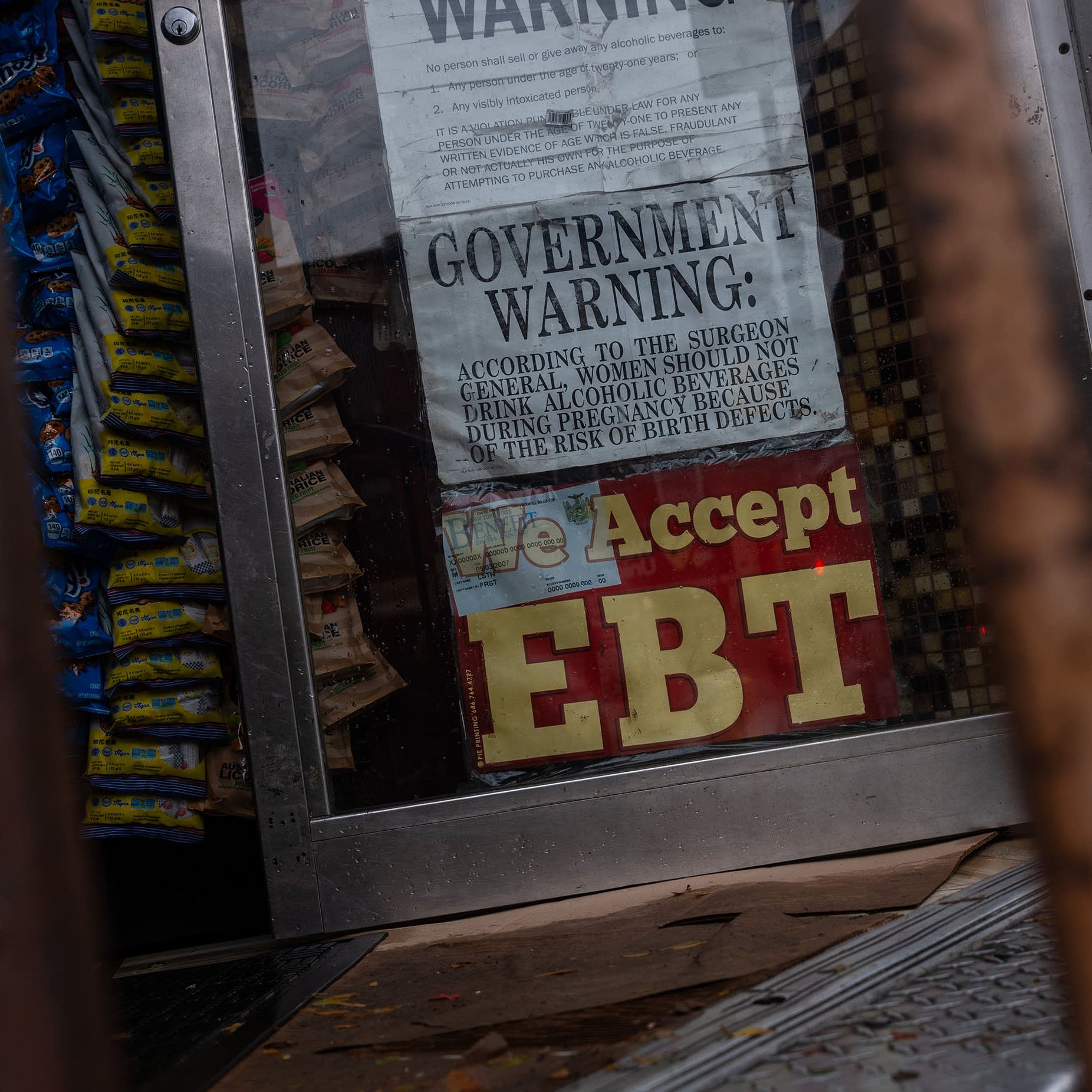
A big change to SNAP kicks in today
Starting today, states are now responsible for a bigger share of the administrative costs that come with running the SNAP food assistance program. It used to be a 50-50 split with the federal government, but now states will take on 75% of the costs. We explore the impacts. We also discuss fresh inflation data and consumer spending figures. Plus, should Big Oil pay for some of the damage c

Even middle-income folks are struggling to pay rent
We’re almost at the start of a new month. For many, that means it’s time to pay rent. But meeting those monthly payments is becoming increasingly difficult. A new report from the Urban Institute found that one in five working-age renters struggled to pay rent last year, and the share of middle-income renters who are facing these challenges grew by the largest margin. We unpack, but first

What's old-school is new again
Corded headphones are so back. Bose announced new wired earbuds this week and is calling the renewed interest a “cultural renaissance.” It’s all part of a revival for older tech — things like analog alarm clocks and point-and-shoot cameras — especially among Gen Z consumers. We'll explore the trend this morning. Plus, we’ll head to South Texas, where skilled trades programs are preparing

A ban on Canadian booze
The Trump administration is ramping up its trade war against Canada. As of this morning, the U.S. has officially banned imports of Canadian wine, beer, and spirits, along with motorcycles, molasses, and whey protein. Is this escalation getting the two sides back to the negotiating table? Also: a preview of the Federal Reserve's preferred measure of inflation and why one childcare worker l
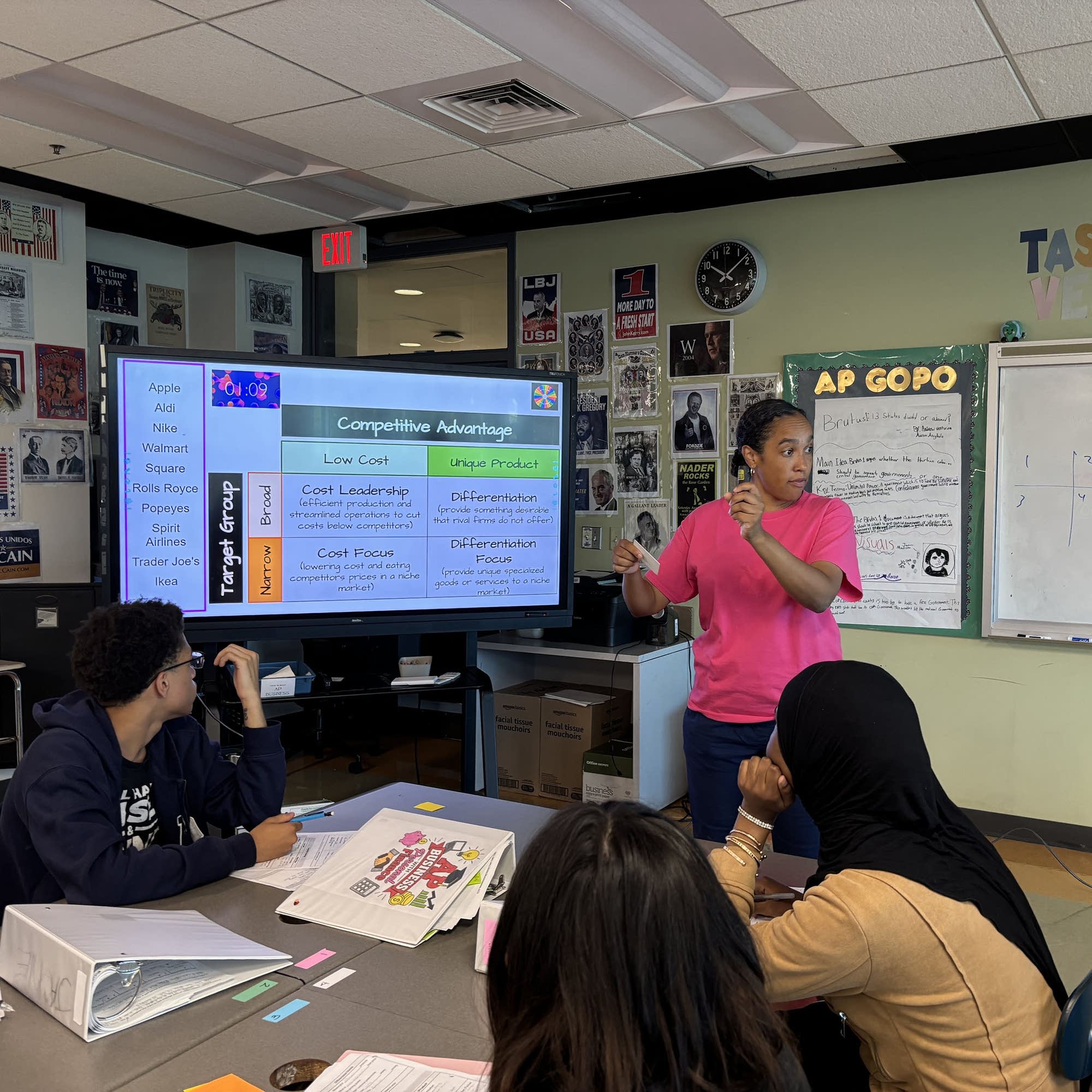
High school lessons in business and personal finance
One new course debuting this school year is AP Business with Personal Finance. It comes from the College Board, which is also behind the SAT, and is being taught in thousands of classrooms across the country. This morning, we head to one Baltimore school to learn about the impact of finance-oriented courses. But first, the pool of money for low-income energy assistance programs may be str
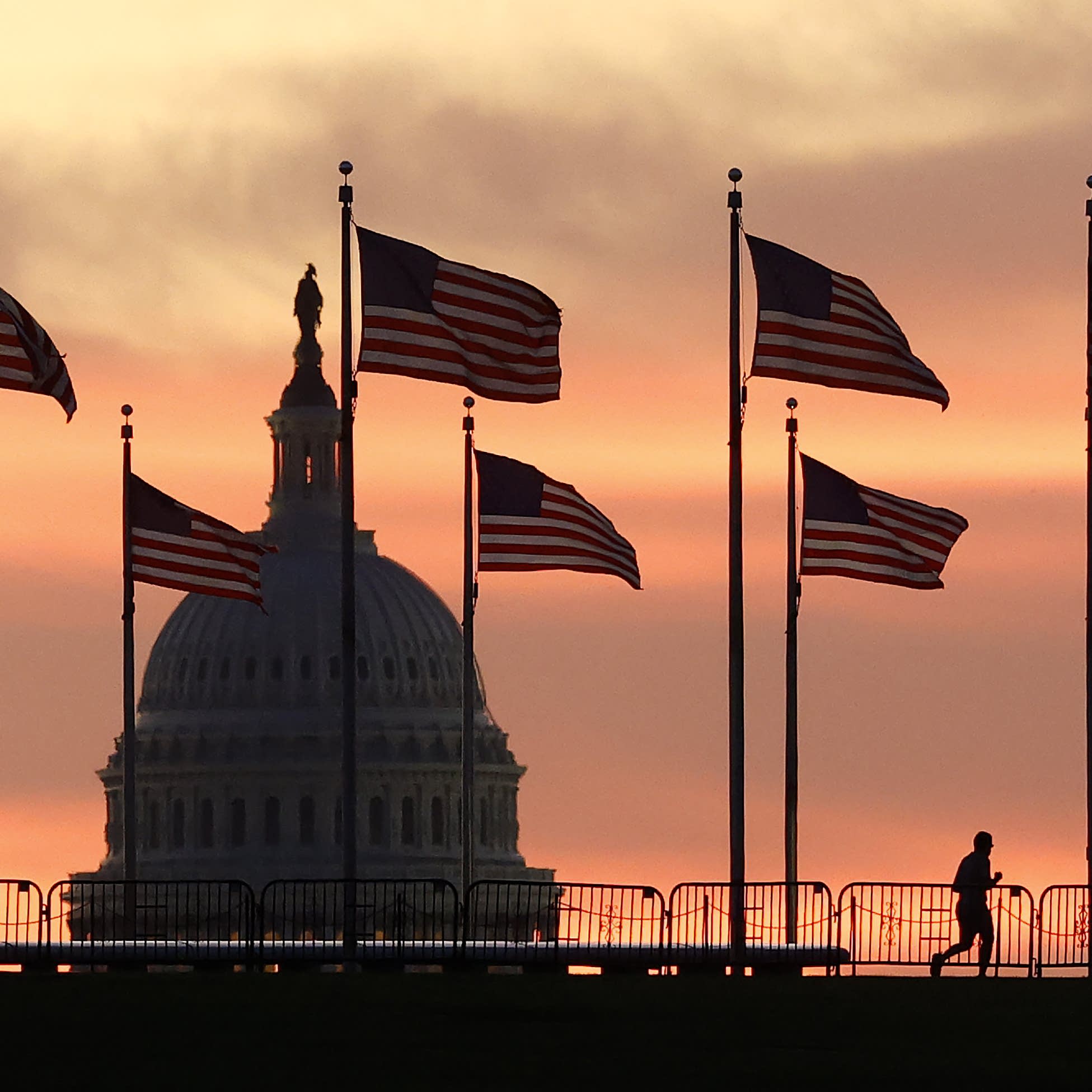
Our trust in the federal government is dwindling
Only 27% of the public trusts the federal government, according to a new survey from the Partnership for Public Service. This morning, we continue our conversation with Max Stier, president and CEO of the Partnership for Public Service, about our perception of government institutions and the current crossroads we're at in terms of building a better — and more trustworthy — future. But fir
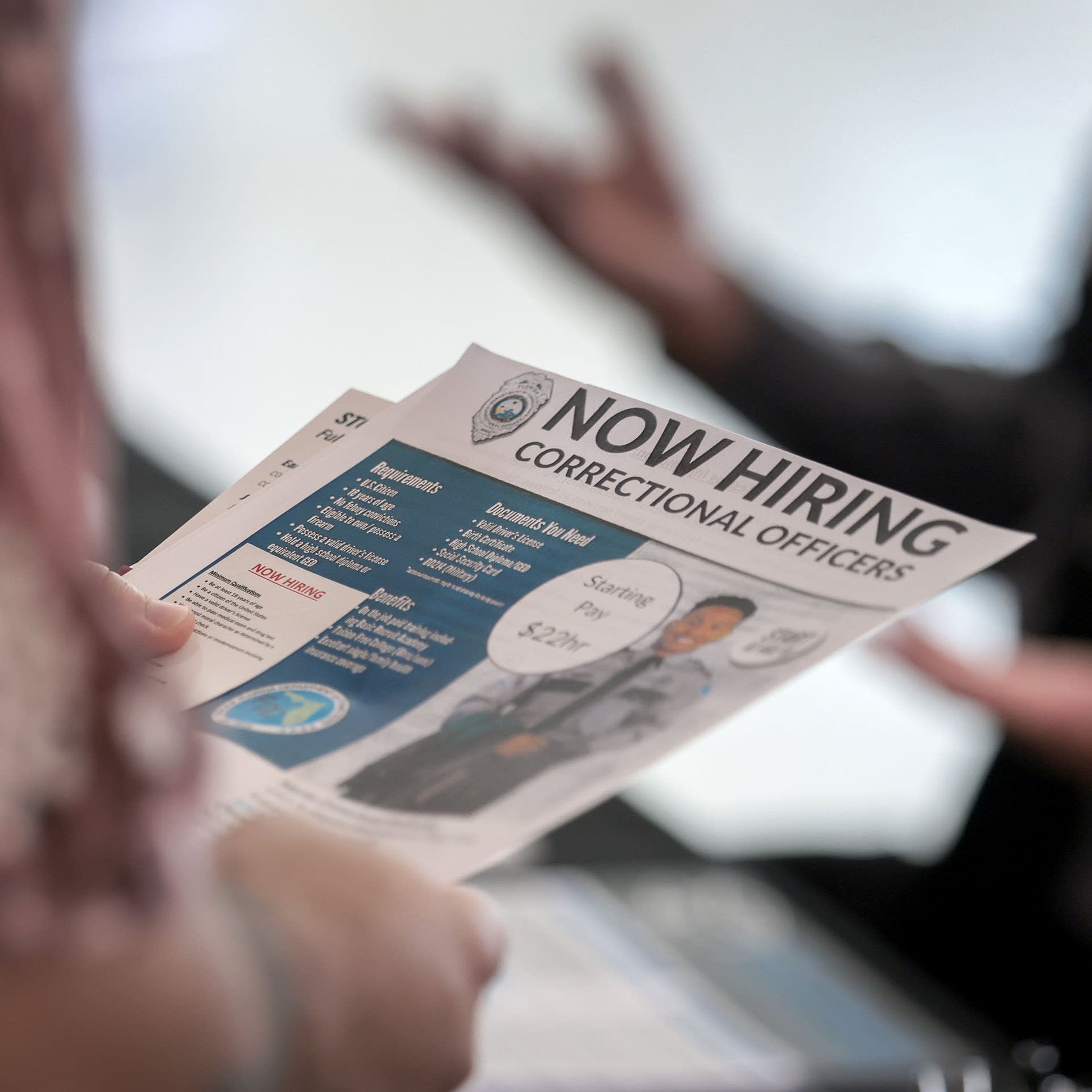
Prepping for a deluge of labor market data
On Tuesday, the Labor Department will report how many job openings were posted in August. On Wednesday, the Bureau of Economic Analysis will report how much personal income grew in August. And on Friday, the Labor Department will report how much hiring occurred this month. So what types of jobs are employers trying to fill? Also on this morning's episode: lowered tariffs with China and a

Day 2 of the U.S.-China summit
Chinese President Xi Jinping is continuing his meetings with President Donald Trump today, and trade representative Jamieson Greer told CNBC this morning that the two sides have already come to agreements on a number of issues. Earlier this week, Treasury Secretary Scott Bessent also announced that the U.S. and China would be extending a trade truce initially struck in October 2025. This

Happy 9/25!
Today, people across the country are celebrating Dolly Parton Day. They’re encouraged to wear rhinestones, listen to her music, and be generous. Sept. 25 was chosen because the date harkens back to the hit song “9 to 5.” It is perhaps the singular ode to the eight-hour American workday. So in Parton’s honor, we look into the origin of that schedule. But first, with world leaders gathering

Sin City tourism and data center discourse
This morning, we continue our conversation with Yvette Fernandez, a reporter for the Mountain West News Bureau and Nevada Public Radio, about some of the biggest economic news stories coming out of the state. In this episode, we hear how tariffs and immigration enforcement are hampering Las Vegas' tourism rebound and how Nevada is trying to establish guardrails for AI data centers. But fi
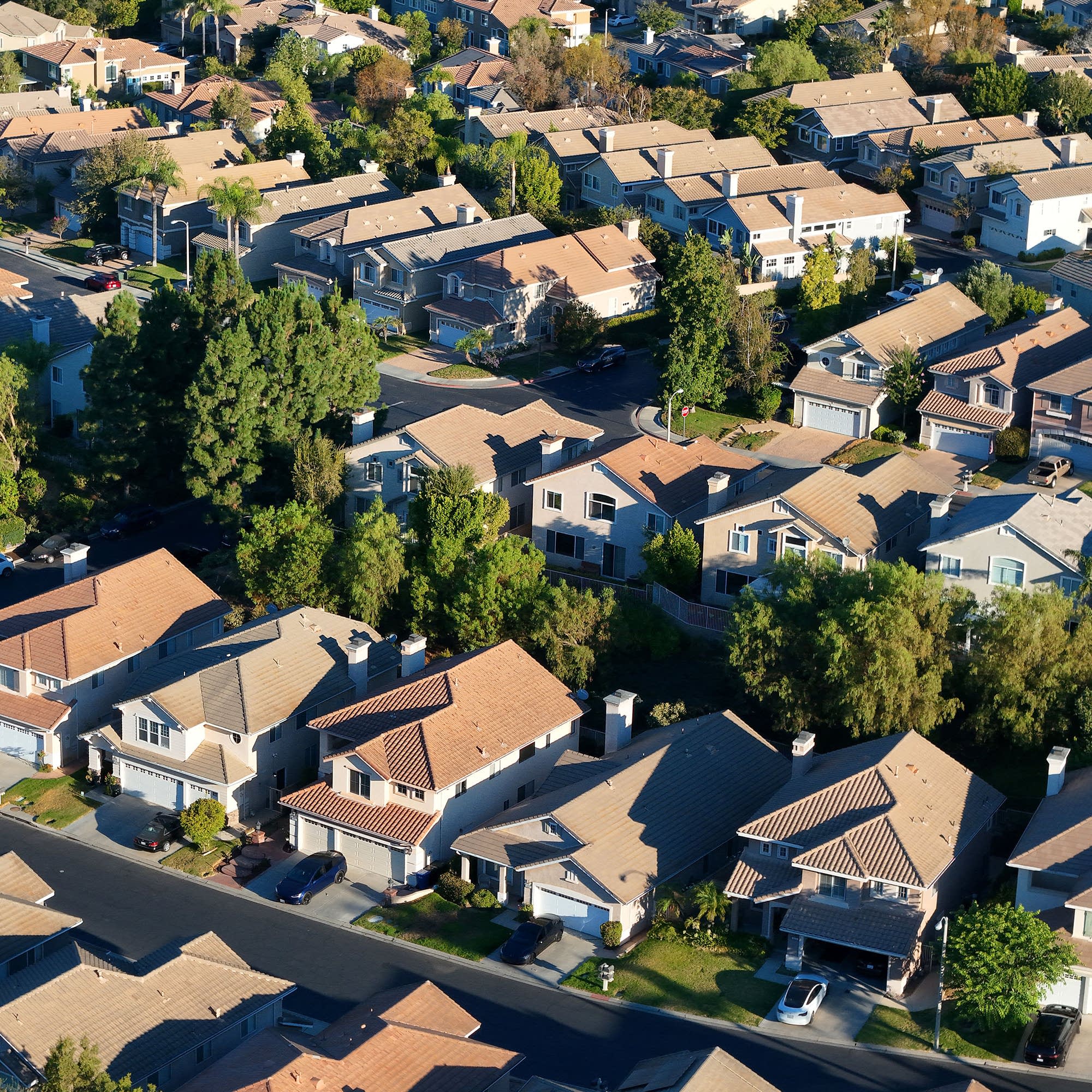
Opting for riskier mortgages
The average rate on a traditional 30-year fixed mortgage just rose above 7.1% — the highest it’s been in more than two years. That’s pushing more people toward adjustable-rate mortgages, where the rate changes typically after five, seven, or 10 years. But these mortgages can be a riskier bet. We hear more. Then, we learn how changes to immigration policy are impacting hospitality workers

The Ukraine war is pushing up diesel prices
Attacks on Russian oil refineries have contributed to rising diesel prices in recent months. President Donald Trump met with Ukrainian President Volodymyr Zelenskyy on the sidelines of the UN General Assembly yesterday to urge him to stop attacking Russian energy infrastructure. Zelenskyy said his side is ready for an "energy ceasefire” — if Russia would do the same. Also on the show: Fed
What counts as a small business?
Whether a business is considered “small” in the government’s eyes is pretty important. It determines whether the business is eligible for federal aid money and federal contracts. Now, the Small Business Administration is proposing some changes to how it defines “small business.” We'll explain. Then, we’ll dig into the state of AI protections and trade ahead of this week's meeting between
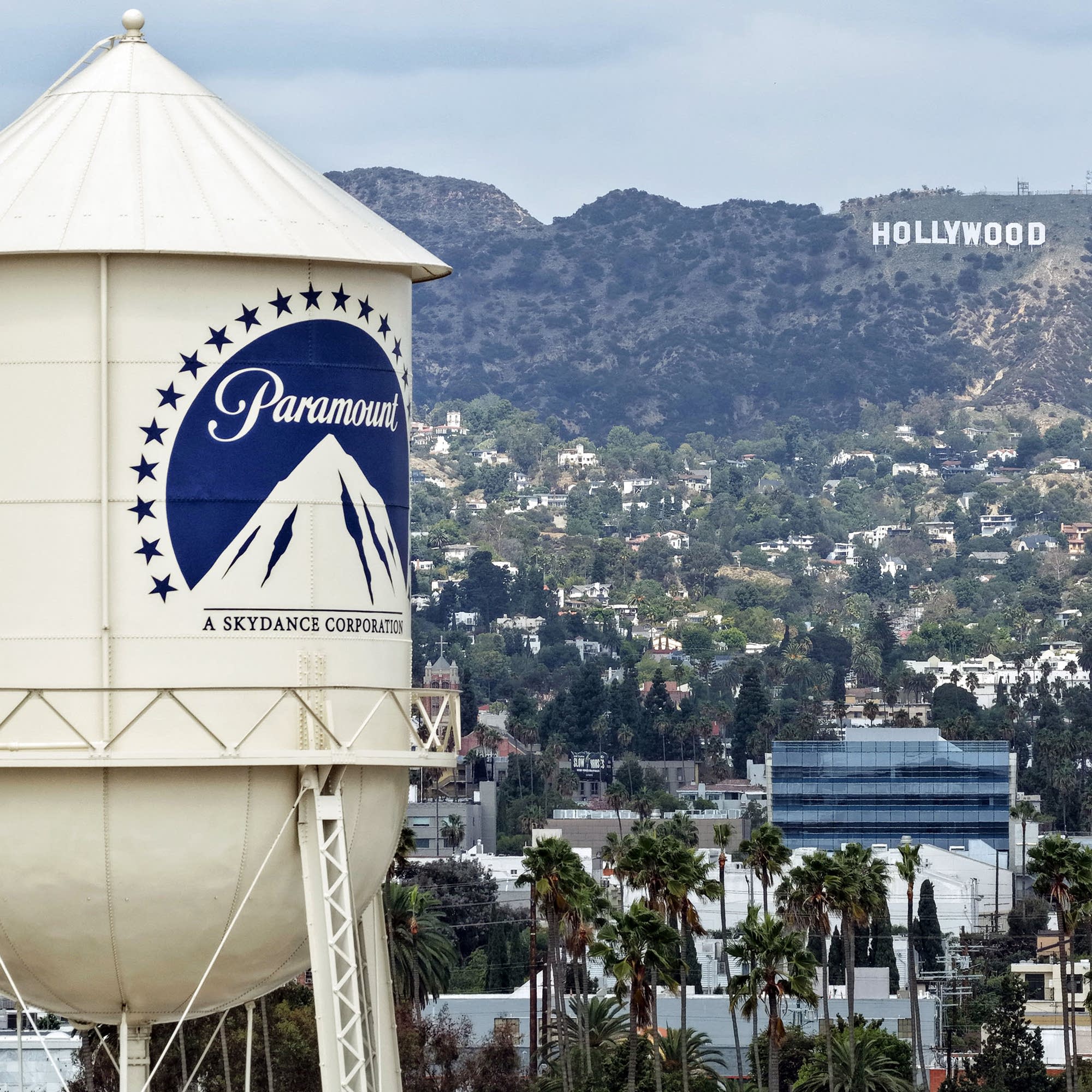
Clearing the way for a Paramount-Warner Bros. merger
Paramount Skydance reached a settlement yesterday, clearing the last major roadblock to its $111 billion acquisition of Warner Bros. Discovery. The takeover will give Paramount and its CEO David Ellison control over both CBS and CNN, while also combining control over two major streaming services, Paramount+ and HBO Max. Today, we provide an explainer. Also, data center developers in Texas
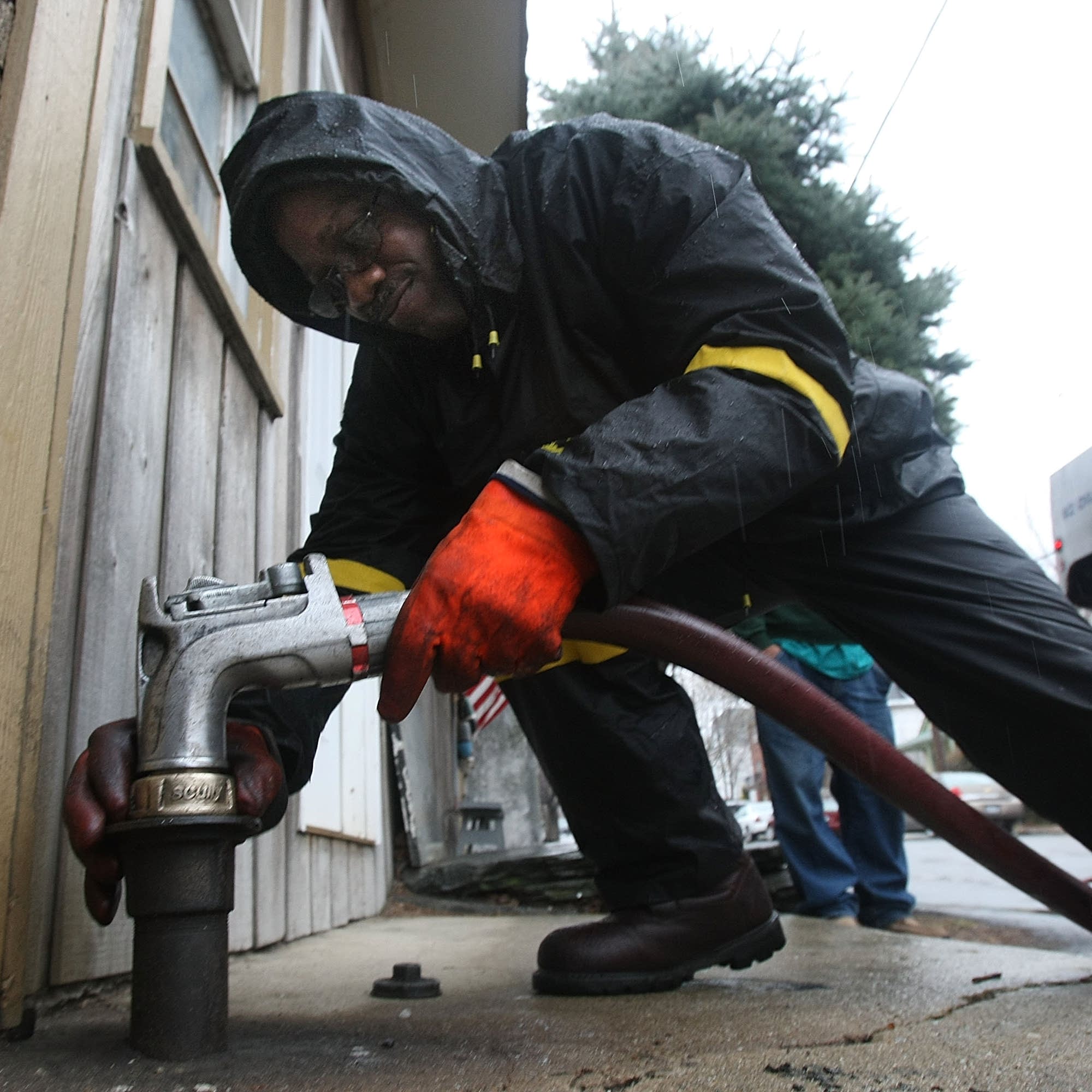
For many, higher costs to stay warm this winter
The war in Iran and the ongoing war in Ukraine are keeping oil prices high, which we've already seen at the gas pump. But with winter coming, another type of fuel is also getting more expensive: heating oil, which is used mostly in the Northeast to heat homes. We'll hear more. Then, we're well into college football season, so let’s dig into the massive range of how much schools are paying
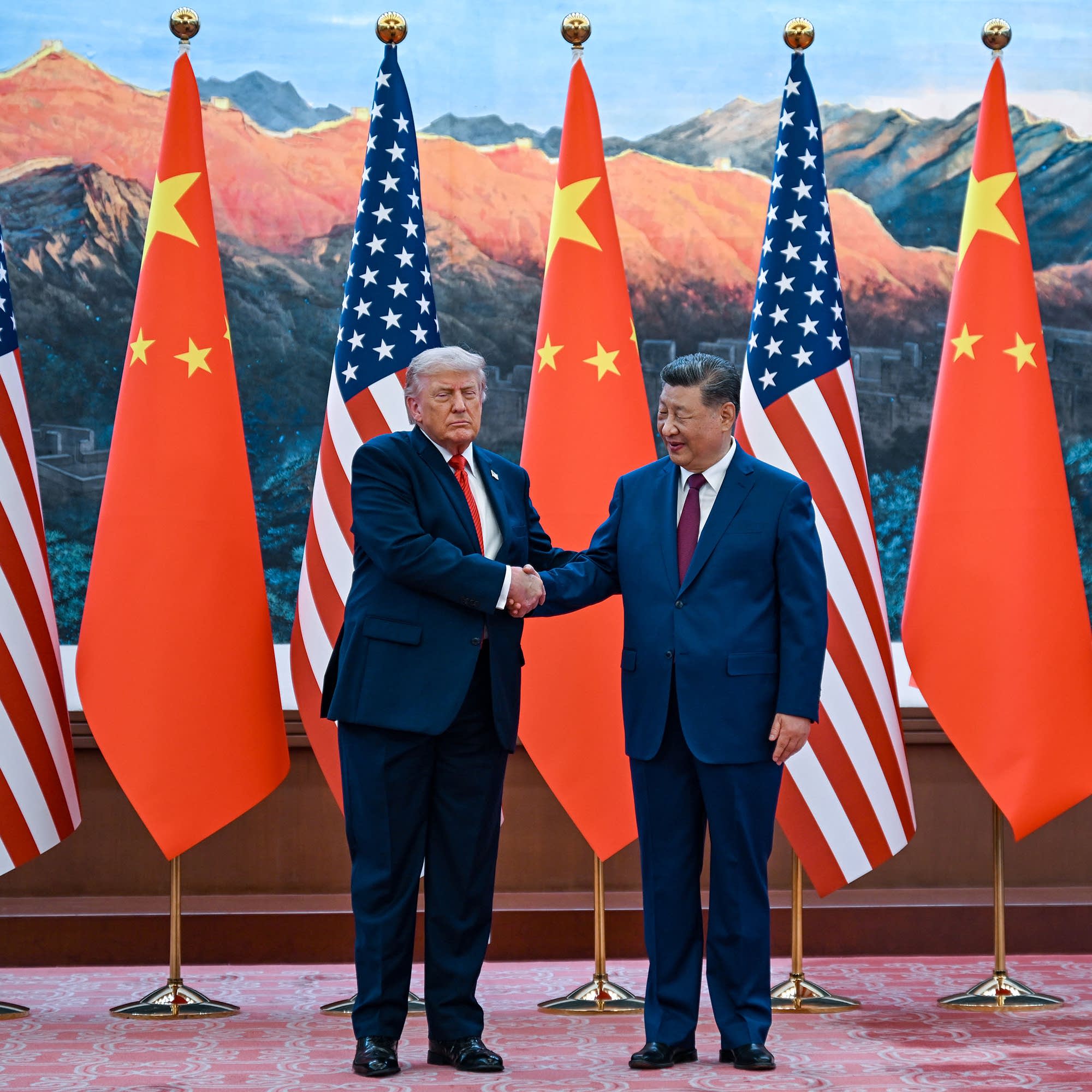
A potential U.S.-China AI agreement?
U.S. and Chinese officials met yesterday in New York to try to pave the way for some kind of agreement on AI, and President Donald Trump and Chinese leader Xi Jinping are scheduled to meet later this week in Washington. This morning, we have details on what to expect from the upcoming meeting and how likely any agreement might be. Then, we discuss oil market movements, as well as how Fede
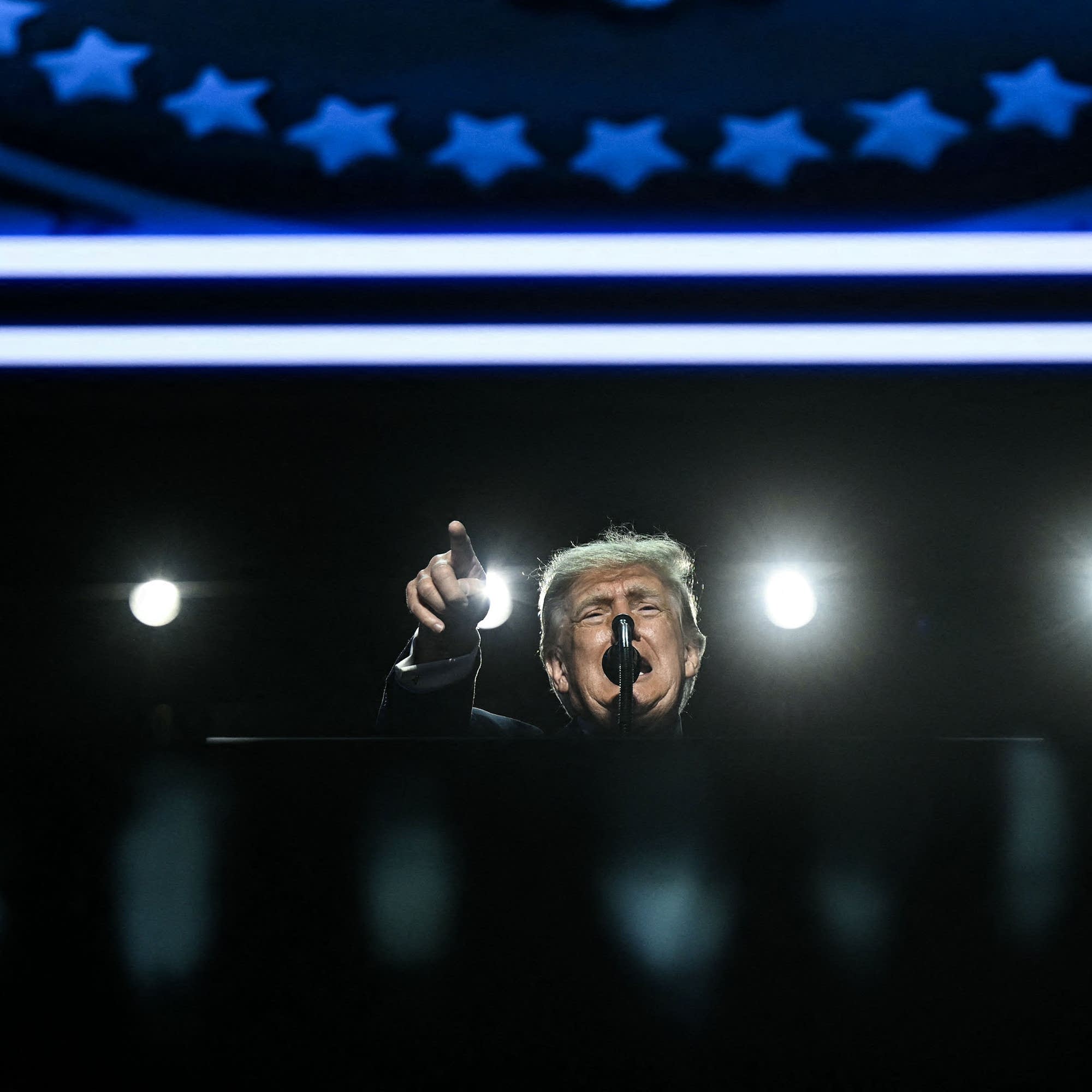
What to know about Trump's new green card policy
Under a new public charge rule under the Trump administration, immigrants could be denied a green card if they — or their U.S.-born children — have received certain kinds of public assistance, like food or housing assistance, Medicaid, or free school lunch. More than 20 states and a separate group of cities are suing to try to block the changes, which went into effect on Friday. Then, can
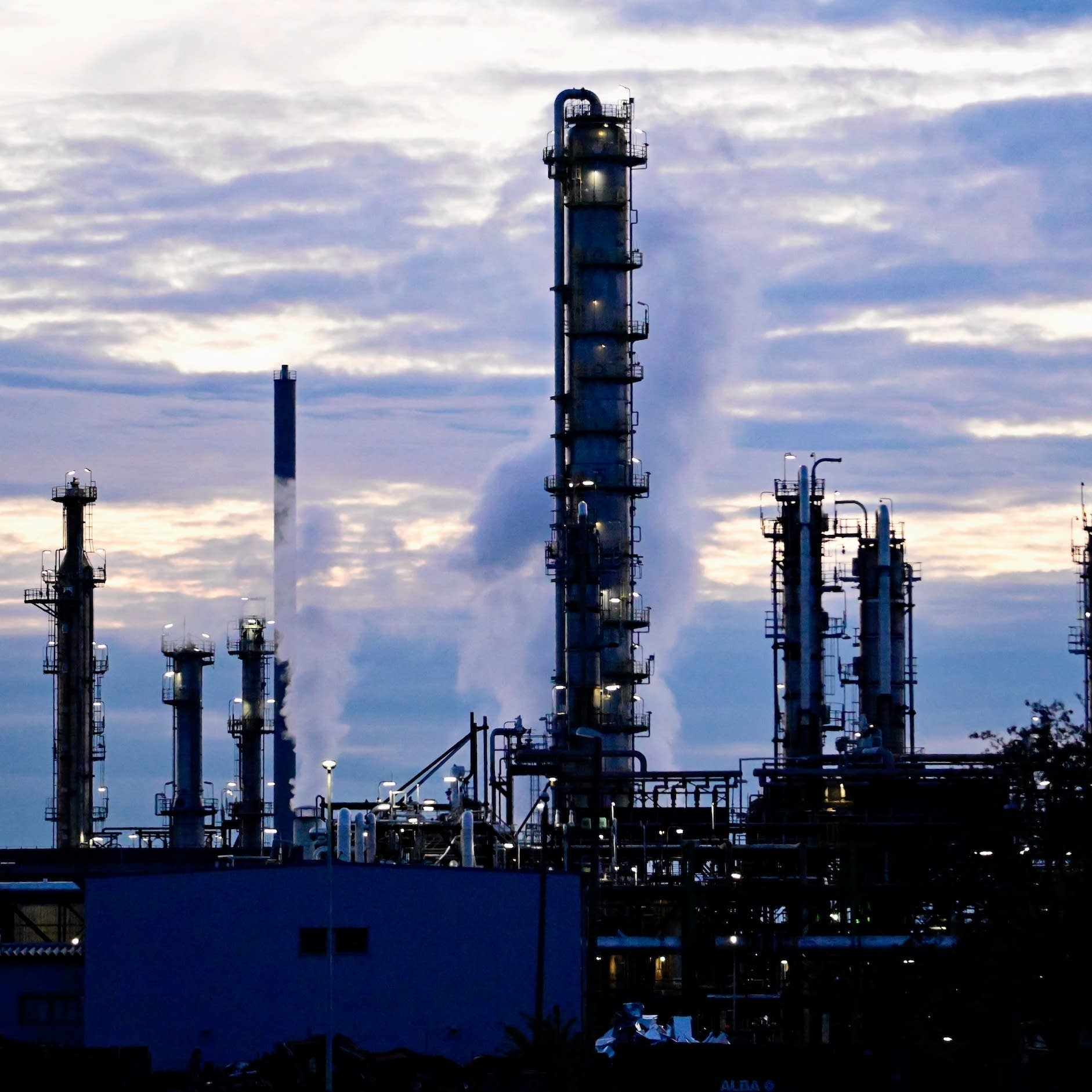
No relief for high oil prices
Nearly seven months after Israel and the United States attacked Iran, oil prices are holding at over $100 a barrel. How long will prices remain elevated, and how is oil getting through the region via alternative routes? Then, this year’s monsoon season in India has been drier and more uneven than usual. We'll discuss how that could hit the rural economy there particularly hard and push fo
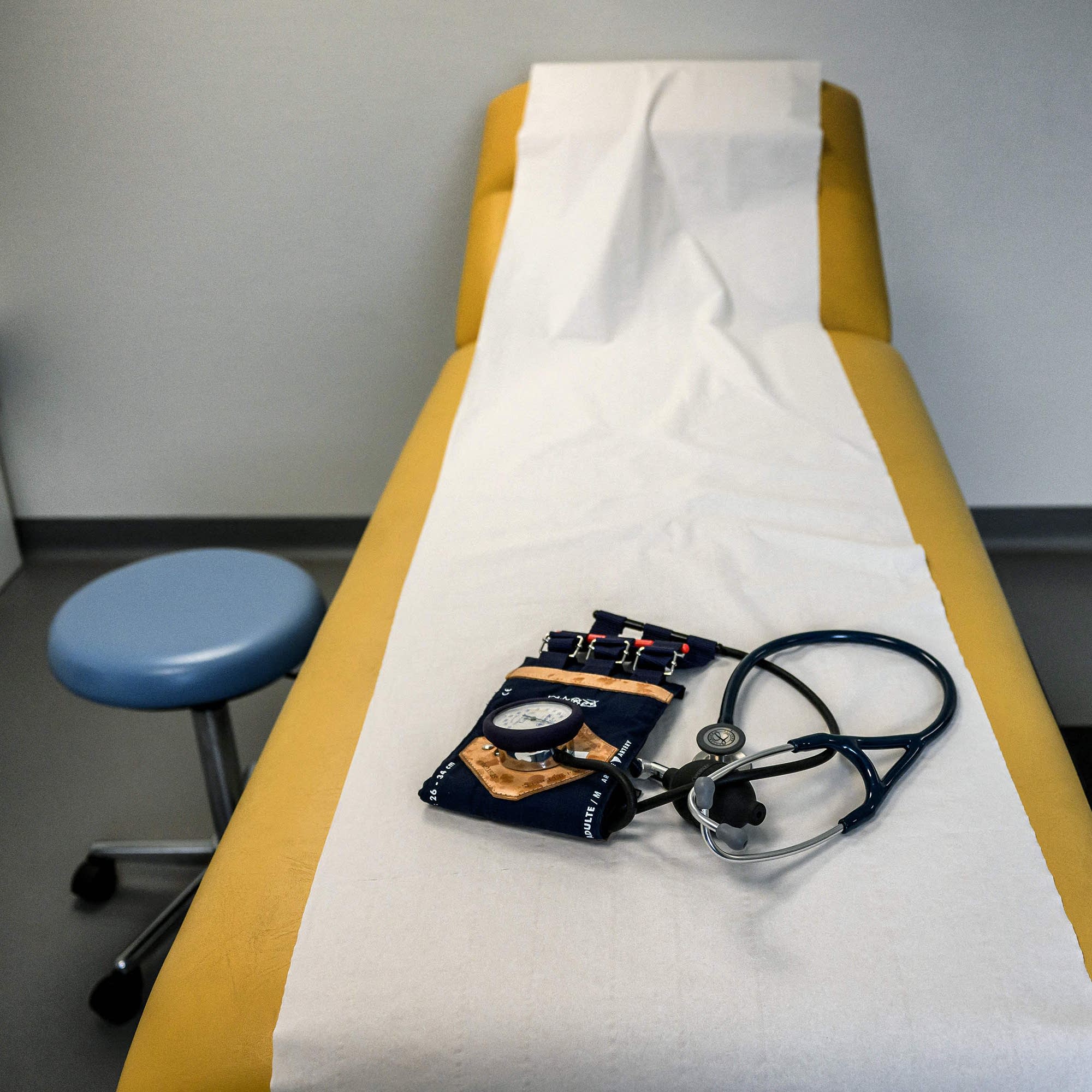
Health insurance doesn't always protect you from medical debt
You can still pile up medical debt even if you have insurance. In fact, a new Commonwealth Fund survey says almost one in three working-age adults with private insurance are paying off medical bills or debt. We unpack. Then, disruption to the Strait of Hormuz is a workplace story, too. Thousands of seafarers have been stuck aboard ships near the Strait since February. We learn what the co

The human costs of Medicaid cuts
The big Republican tax and spending law that President Donald Trump signed a little more than a year ago made significant cuts to Medicaid funding. States scrambling to make up for that deficit are now pulling back on some home health services. Today, we'll get into the promises codified by the Americans with Disabilities Act, how Medicaid cuts threaten those promises, and what it means f

Airfares have been taking off
One of the fastest-rising prices last month was airline fares. They were up 23% year over year in August, according to the latest reading of the consumer price index, and they’ve been climbing steadily all year. Thing is, demand hasn't slowed, though. We dig in. Also on the show: the higher prices driving the Fed's push for higher interest rates and how Medicaid cuts are starting to show
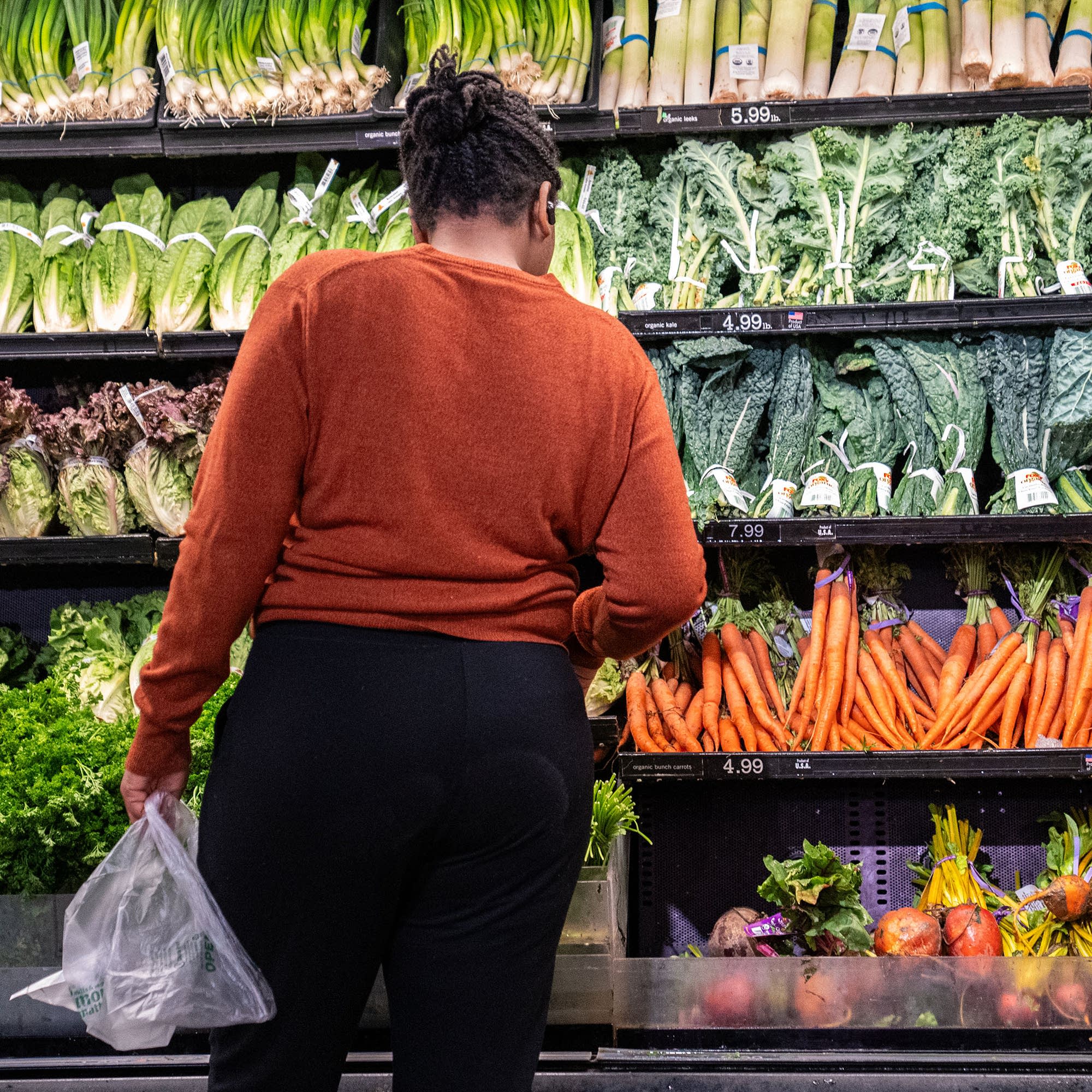
Rising diesel prices will mean rising grocery prices
The average price of a gallon of diesel just passed $6 for the first time late last week. Since then, it’s kept climbing and hit $6.31 a gallon this morning. A year ago, it was well under $4. That, of course, has implications for all sorts of other prices across the economy, too — particularly at the grocery store. We explain. Plus, what will a "quieter" Federal Reserve do about persisten
Where interest rates go from here
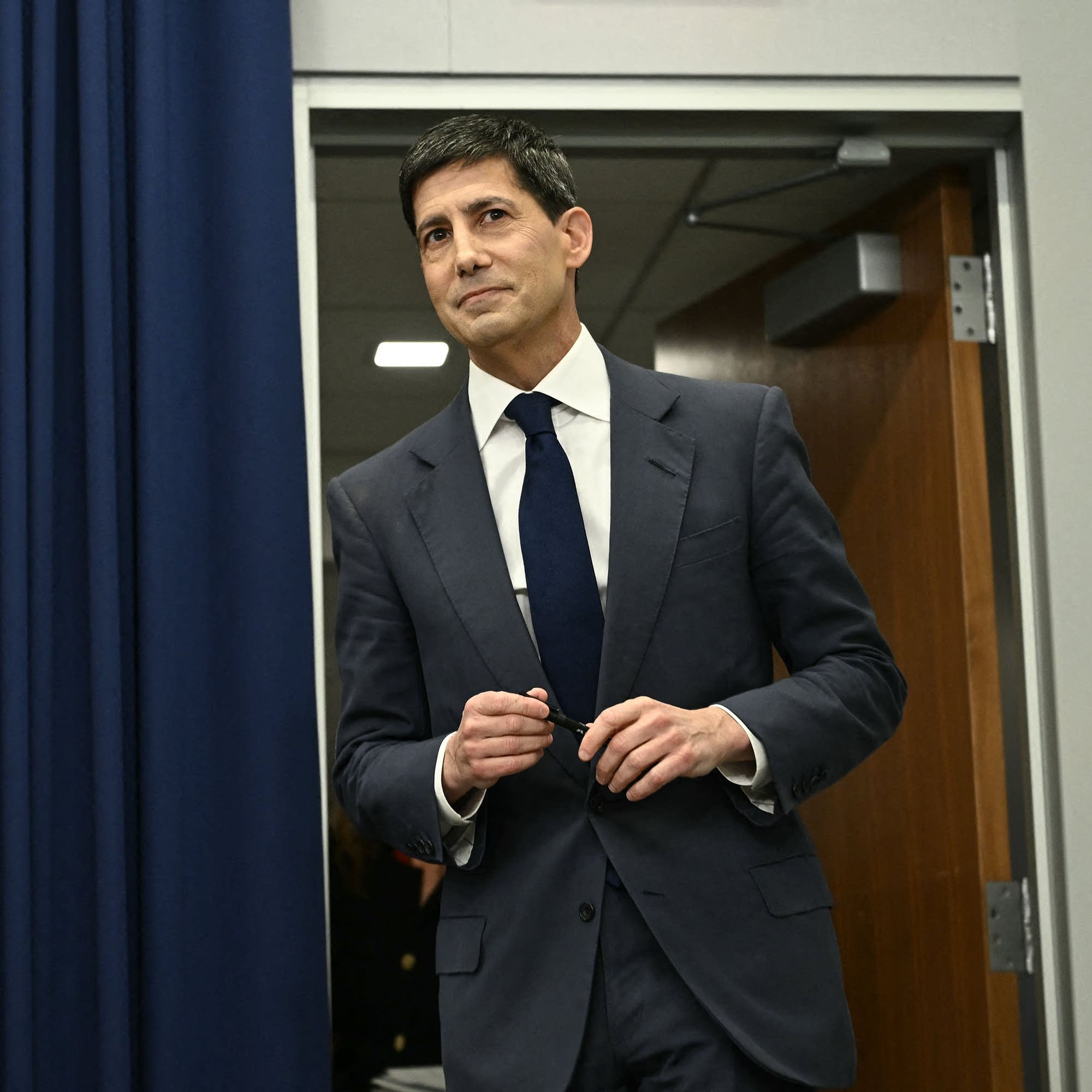
Later today, we’ll learn whether Federal Reserve officials have decided to raise interest rates or leave them alone. Either way, economists and investors will be looking for an explanation from Fed Chair Kevin Warsh and some hints about what comes next. Then, a sprawling copyright lawsuit over reggaeton's defining rhythm, which has targeted Bad Bunny, Karol G, Daddy Yankee, and hundreds o
Why a 10-year bond at a 5% yield is a pretty big deal
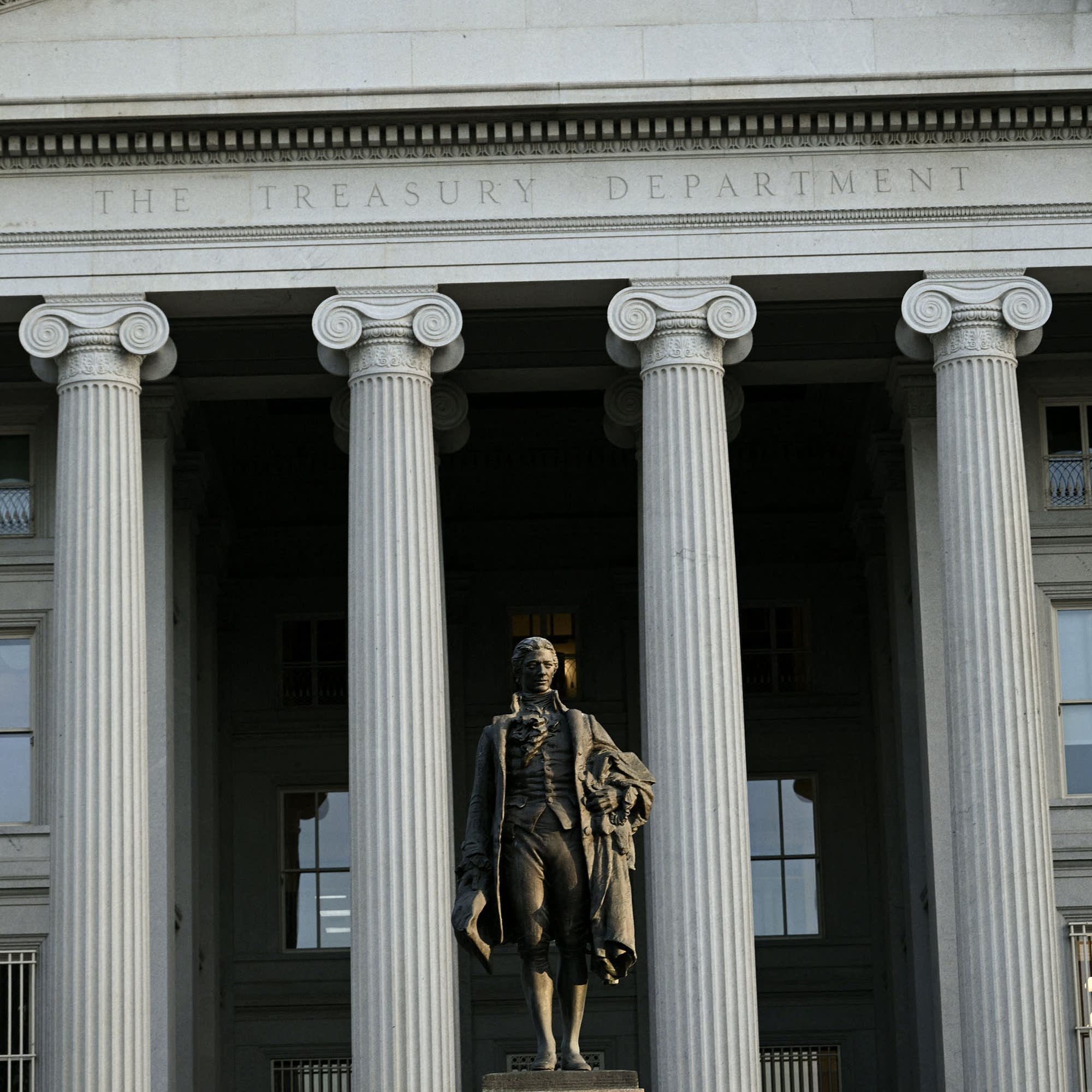
The yield or interest rate on 10-year Treasury bonds has reached the critical threshold of 5%. This is a key rate because it’s tied to some major borrowing costs for consumers. This morning, we have more on why bond yields are rising and how they could affect you. Also on the show: how rate hikes actually work to bring inflation down, and we continue our earlier conversation about the ris
Understanding the "stealthy wealthy"
Picture someone wealthy; your image may be of some tech billionaire. Now picture the wealthiest person you know. Odds are it's not a Silicon Valley tech mogul or Wall Street banker; it's probably a small business owner. Turns out, wealth from successful small business owners dwarfs the Forbes 400. A new book, "The Everywhere Millionaire," explores its scale. This morning, we have a conver
More pain at the pump to come
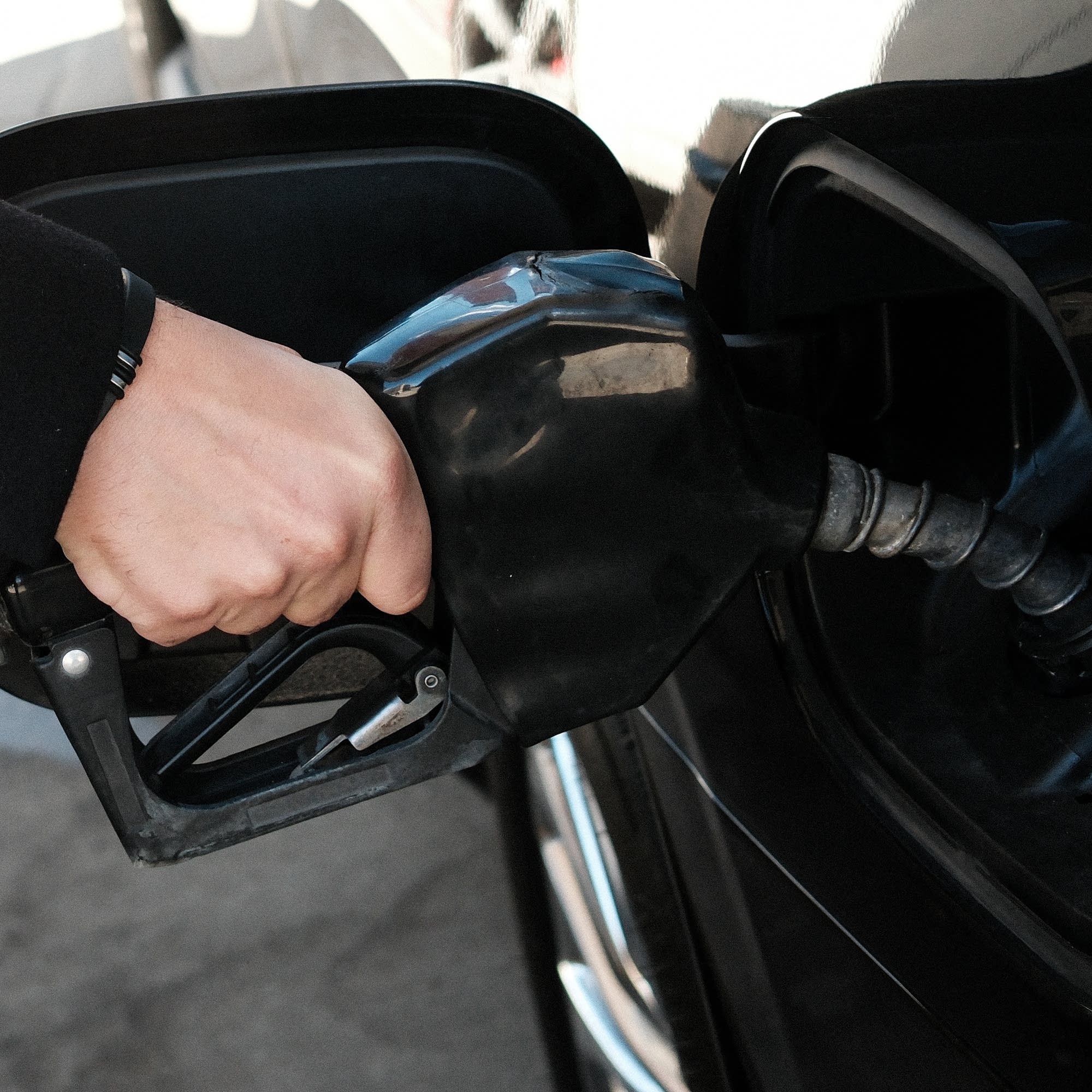
Crude oil prices are up again this morning. For months, we've been hearing about the Strait of Hormuz, how the slowdown of oil tanker traffic there has affected prices, but the fighting is now affecting oil flows in other parts of the Middle East. Brent crude, the global benchmark, is trading above $108 a barrel — up about 10% over the past week. We have the latest and what it means for y

The case for an AI slowdown
The push for guardrails for Artificial Intelligence took on new urgency over the weekend. The leaders of several AI companies called for a slowdown in AI research in the name of safety. Dario Amodei, CEO of Anthropic, issued an open letter on Saturday arguing that now is the time to "slow the pace of AI research." We'll unpack. Then, Cleveland pitches its job market to recent college grad

Inflation, energy, and bond market interventions
This morning, we got consumer price index data for August. Prices went up 0.4%, and annual inflation is running at 3.4% — in line with expectations, but still way above what the Fed would like to see. Today, we'll break down the fresh inflation data, as well as rising bond yields, global interest rates, energy price fluctuations, and more of this week's market news. Plus, a Canadian busin

Sometimes, a trade war is good for business
Haven Greens is a 5-acre indoor farm located in King City, Ontario, Canada. They grow cut baby leaf greens like lettuce. The majority of leafy greens consumed in Canada come from abroad. Since the trade war with the U.S. began, Haven Greens has grown and made big inroads with Canadian supermarkets. This morning, we check in with its CEO and founder. But first: what's ahead for oil prices
Recommended

Medicine with Meaning

Yours Truly Johnny Dollar Collection

Take Back Your Health®

CBS Radio Mystery Theater | Old Time Radio

Solved Murders - True Crime Stories

紐約鳥|New York Aperture

The Swerve Podcast: Obscure Topics | Conspiracy Theories

The Bread and Banter Podcast

The Church of What's Happening Now: The New Testament

Busted Open
Deadline: White House

Panda Show - Picante
