
Future Ecologies
Future Ecologies is an independent, ad-free podcast that explores our eco-social relationships through stories, science, music, and soundscapes. Each episode weaves together narrative and interviews with expert knowledge holders, offering a unique perspective on nature and our connection to it. The format varies from documentary storytelling to stream-of-consciousness sound collage, with episodes released approximately monthly. The podcast is supported by its listeners.
Episodes
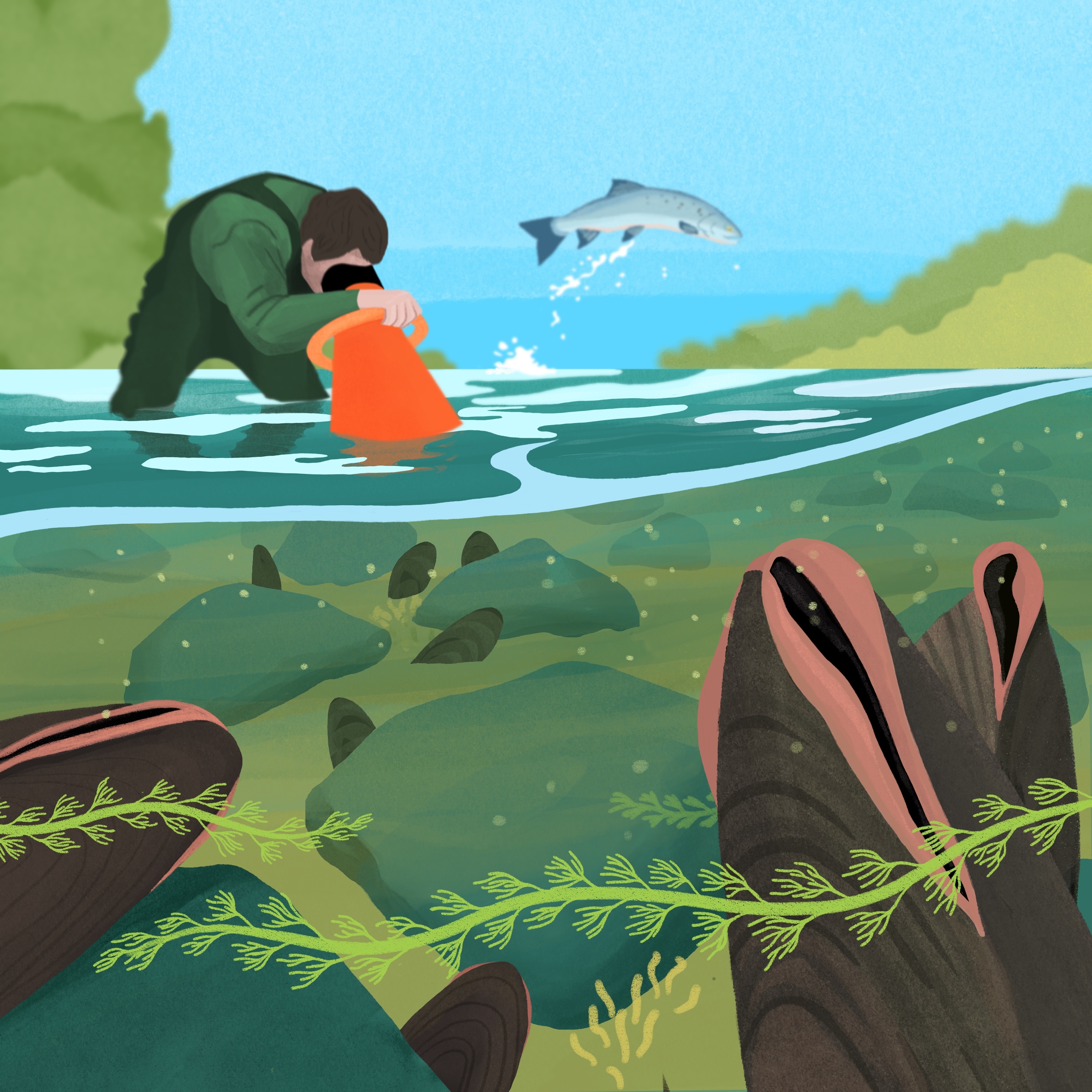
FE6.10 - Mussel Memory
On the emerald isle of Ireland, an easily-overlooked creature holds the history of a nation within its shell. From the rise and collapse of heavy industry, to a bloody civil war, the riverbeds of Ireland have been witness — and they tell a story of change and possibility stretching far beyond any human lifetime.With the help of guest producer Caitlin Kennedy, we're tracing the modern arc of Northe

Future Ecologies presents Ideas: What the River Wants to Be (Part 1)
We have a soft spot for food systems that challenge the modern convention: food systems like forest gardens or sea gardens that don’t at all look like vast rows of monocultures, but instead blend into the landscape — to the point of being invisible — at least until you’ve learned how to see them.It just so happens that, not far from us (in the Cowichan Estuary), there’s another kind of ancient foo
![[HYPHAEDELITY] Chelsey Armstrong x Leigh Joseph — The State of Ethnobotany](https://artwork.captivate.fm/8d77c3f0-65a4-42f8-bae2-10548f63eea1/Hyphaedelity-cover.jpg)
[HYPHAEDELITY] Chelsey Armstrong x Leigh Joseph — The State of Ethnobotany
Spring is here, and (not to brag, but) around these parts, the smell of flowers is in the air, and everything seems to be buzzing with life. Times like these, it’s hard not to have plants on the brain, and we fully endorse you getting out to meet your green neighbours. While you do that, we thought you’d like to hear from two of our favourite plant enthusiasts: Chelsey Armstrong and Leigh Joseph.Y
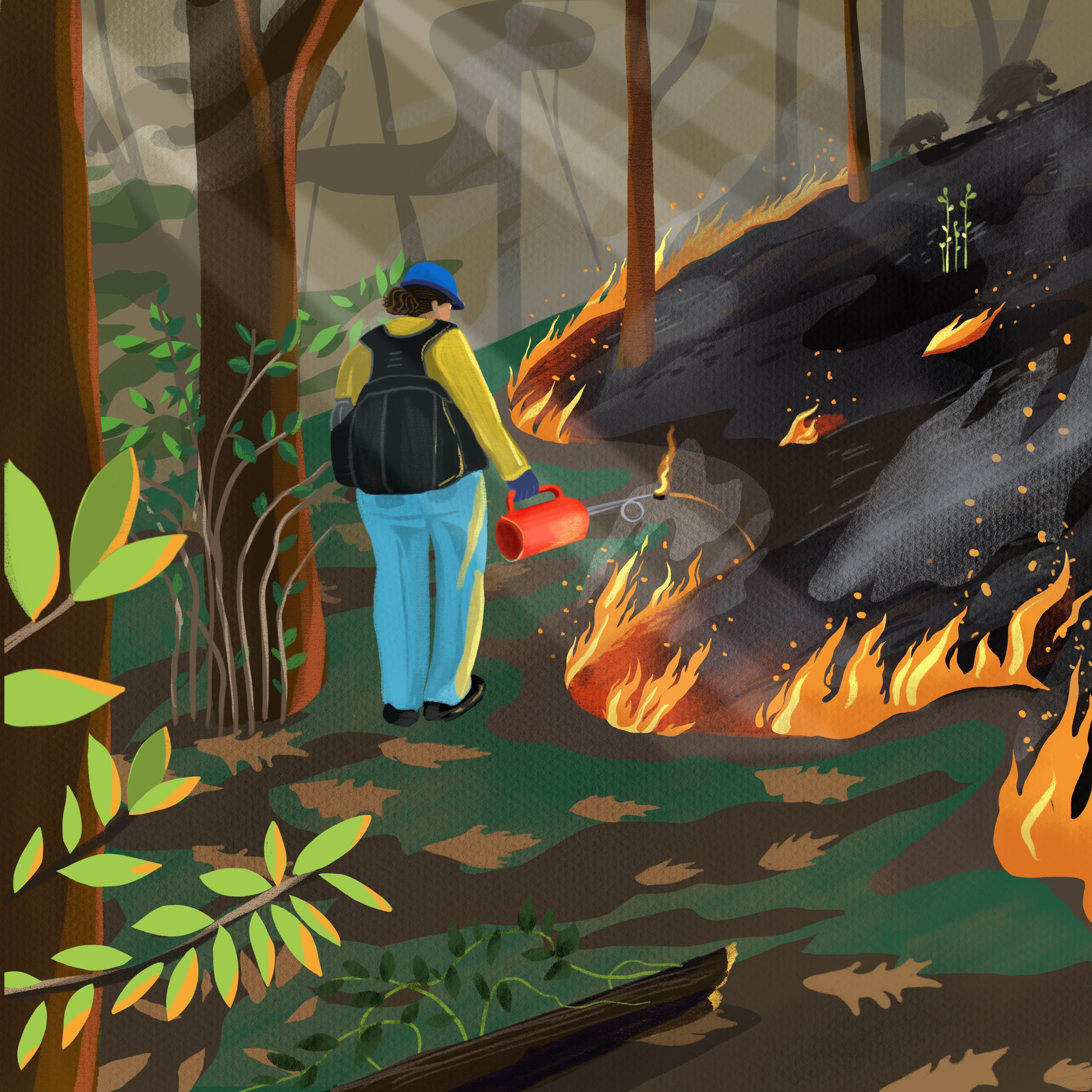
FE6.9 - On Fire: Out of the Green, Into the Black
So you want to put good fire on the ground, but how?? We're taking you to Yurok territory (at the mouth of the Klamath River) to join the Cultural Fire Management Council for 3 days of burning — not just for fuel management, but for all sorts of cultural and ecological values: food, wildlife, materials, and more. We're finally moving from theory to practice, as we learn what it really means to be
![[HYPHAEDELITY] Eric Higgs x Laura Govers — Seagrass Restoration on a Moving Island](https://artwork.captivate.fm/f1d355c9-5c14-4381-925c-f03f42ba27a4/Hyphaedelity-cover.jpg)
[HYPHAEDELITY] Eric Higgs x Laura Govers — Seagrass Restoration on a Moving Island
Eric Higgs (of FE3.1, FE3.2, FE3.3, and FE4.9) sits down with Laura Govers, who has been working on bringing eel grass back to the Netherlands' Wadden Sea — on an island that moves, no less!This conversation covers the low-tech solutions that they concocted to plant hectares of eel grass, the social invisibility of the marine domain, and the semantics of "restoration" in a rapidly changing world.C

FE6.8 - For Peat's Sake
Bogs are our absolute favourite places to be. They’re not only tremendously important ecosystems, rich in exquisite biodiversity and massive stores of carbon, they’re also uniquely beautiful. These serene, colourful spaces jumble land and water into something at once both alien and familiar.In this episode, we explore the wonders and the mysteries of peatlands, through the story of one very specia
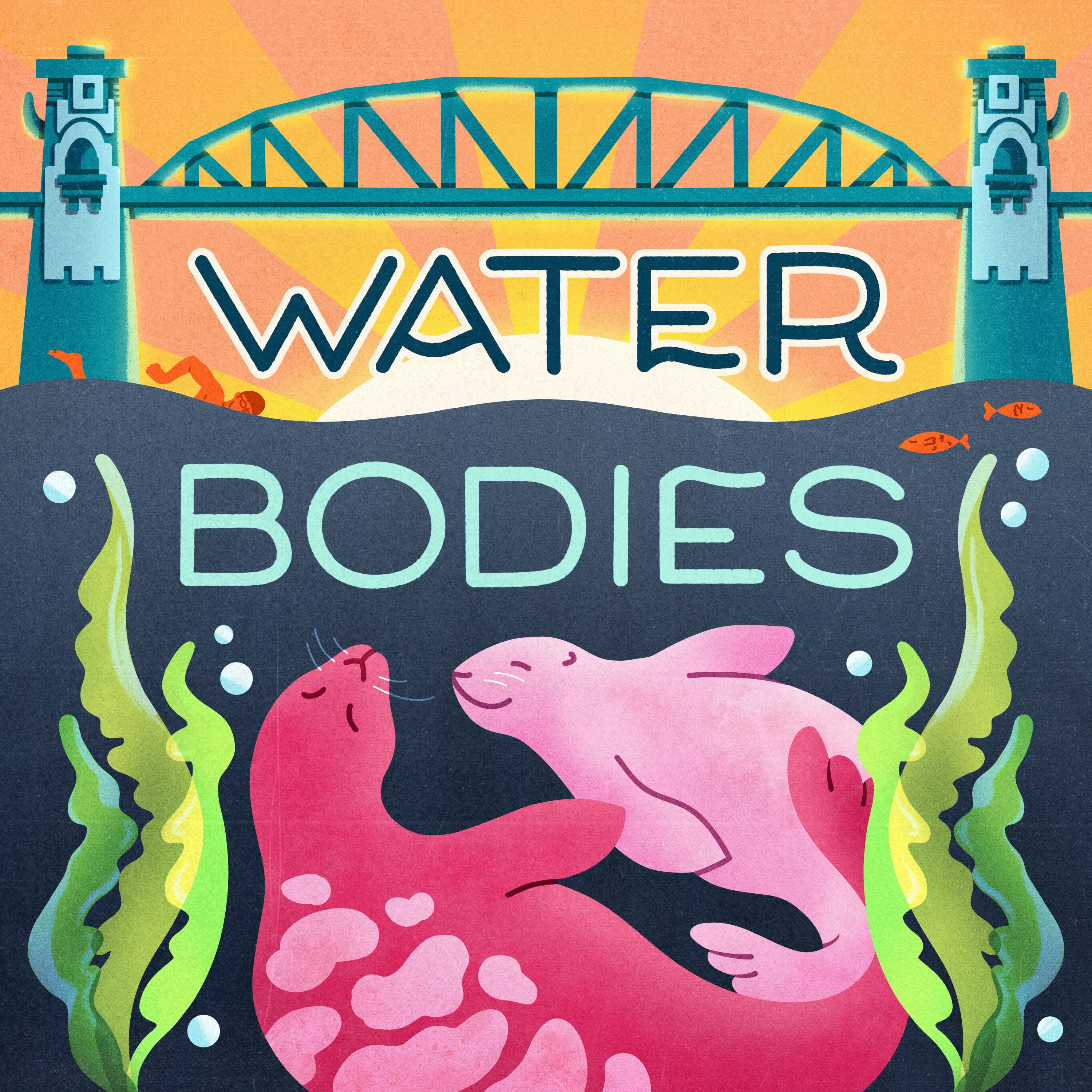
A podcast for False Creek
Mendel has another show to share with you: WaterbodiesIt's a video podcast dedicated to a particular body of water we have here in Vancouver, called False Creek, but more generally it’s about how we can transform our urban spaces into thriving, biodiverse, celebrations of living nature — for everyone’s benefit.If you live in a city on a coast, and you dream of swimming in clean waters, tidepooling

In conversation with Threshold and Drilled
We had the opportunity to hang out with two of our favourite podcasters: Amy Martin of Threshold, and Amy Westervelt of Drilled.We've previously featured both of their work on the Future Ecologies feed, and we couldn't pass up the chance to talk shop about the latest (fantastic) seasons of their respective shows, and get to know more about their personal journey. That's this episode: Part 1In the
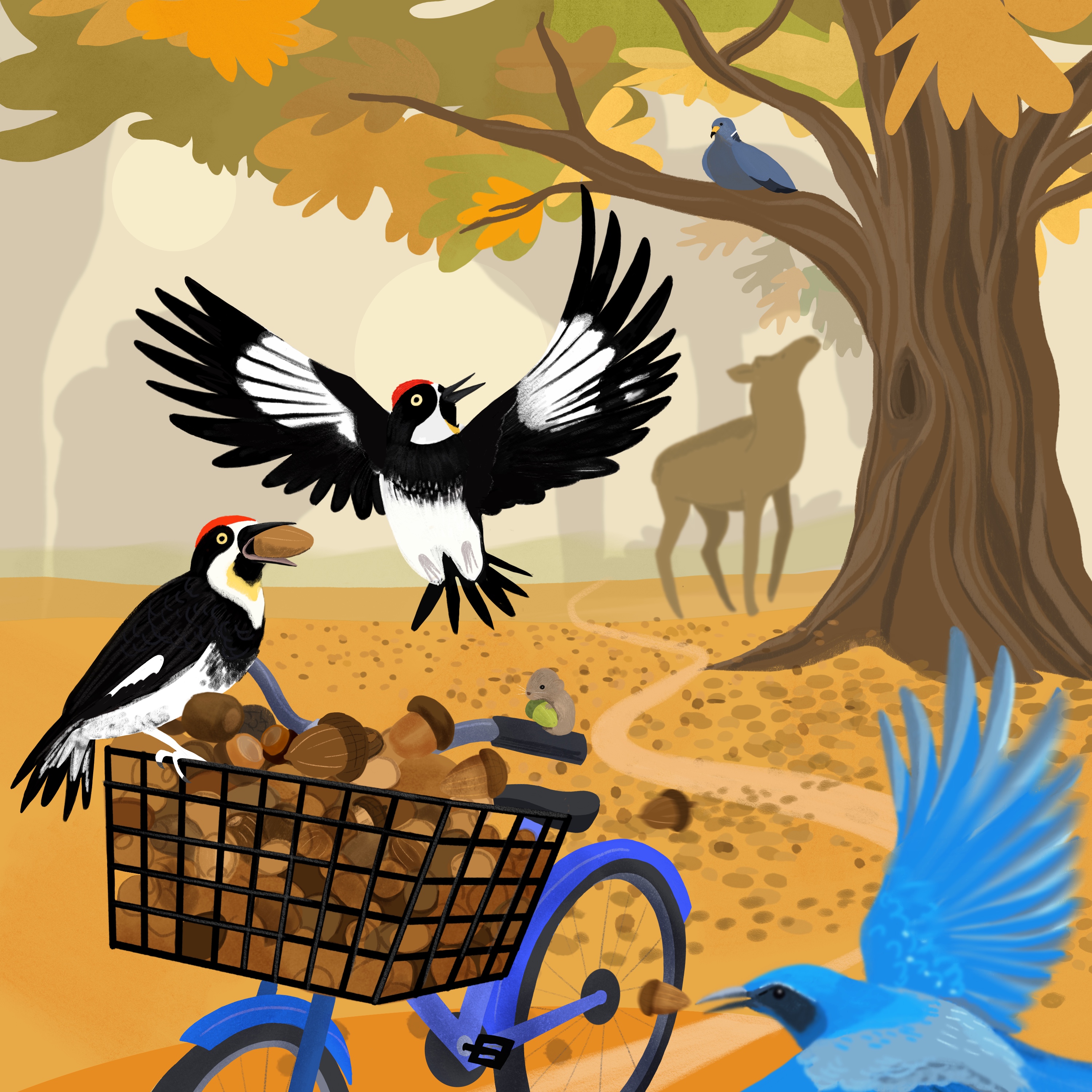
FE6.7 - Critical Mast
What do you call it when a population of podcasts mysteriously drop episodes on the same topic at the same time? It's Critical Mast!We're so proud to present this nutty experiment in community podcasting, with its roots going back to the very beginning of our show (and the beginning of our dedication to silly puns).Thanks to help from our pals at Jumpstart Nature, Golden State Naturalist, Learning
![[HYPHAEDELITY] Sadie Couture x Hannah Tollefson — Tidewater and the Nature of Logistics](https://artwork.captivate.fm/65fd8bcf-73f5-4485-875e-5746d7bb542d/Hyphaedelity-cover.jpg)
[HYPHAEDELITY] Sadie Couture x Hannah Tollefson — Tidewater and the Nature of Logistics
We've got another edition of our intermittent interview show for you, this one featuring Sadie Couture in conversation with Hannah Tollefson.You'll remember Sadie as co-producer and reporter of FE3.4 — Dama Drama. Since then, she’s become a PhD student in Communication Studies at McGill University pursuing research at the intersection of media history, sound studies, and feminist science and techn
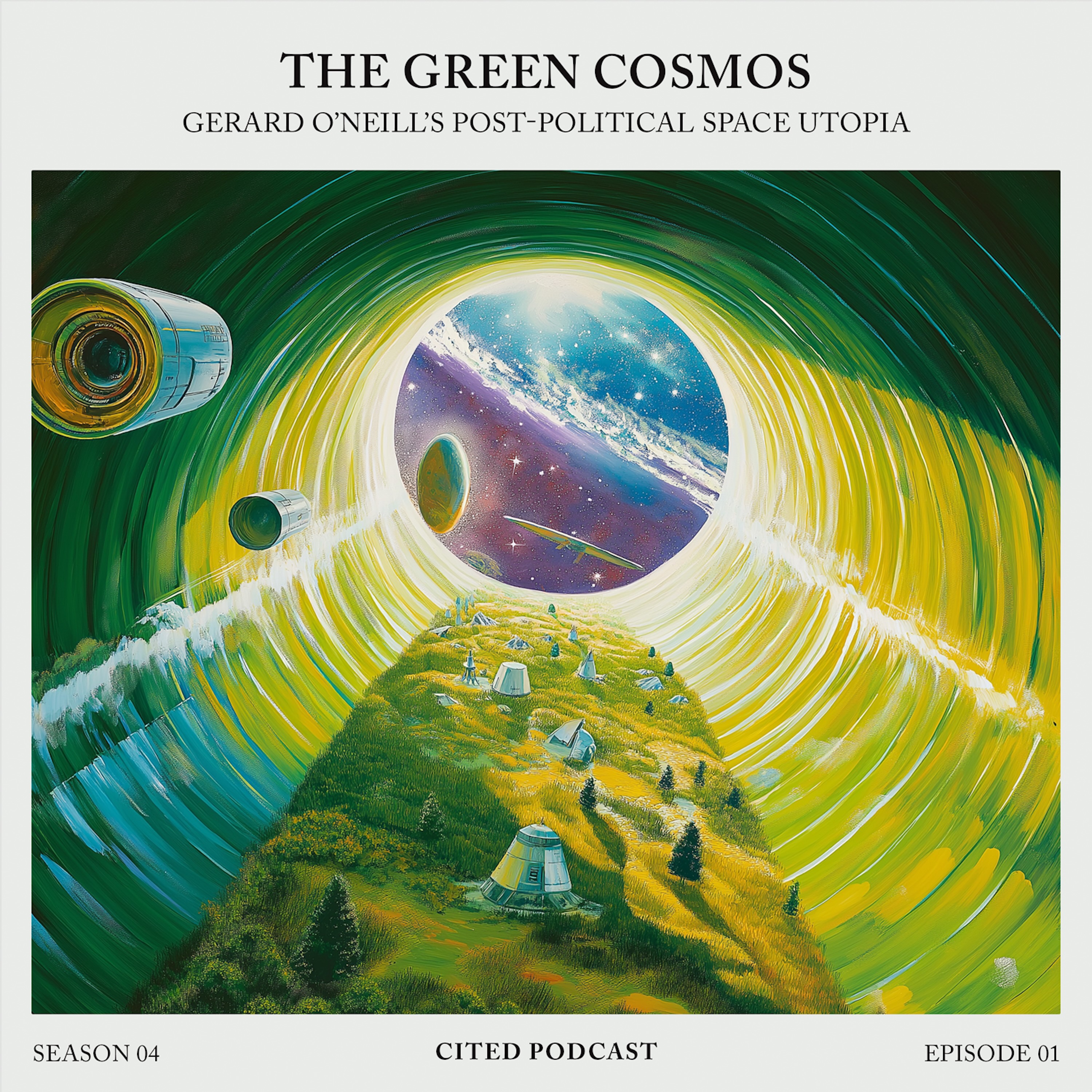
Future Ecologies presents: Green Dreams (from Cited)
We’ve got a great guest episode for you today, coming courtesy of our friends over at the podcast Cited.They’ve got a new series out called “Green Dreams” — covering stories of radical environmentalist thought leaders, and the ripples they’ve left on the present day. We wanted to share with you the very first episode from this series, called “The Green Cosmos”, covering Gerard O’Neil’s 1970s visio
FE6.6 - Landings
We’ve got something a little different for you: something a little less in the sciences, and a little more in the humanities — in the realm of language and human experience.Today, through a series of conversations, we’re exploring the notion of what it means to have a relationship to land, to be or not be of a place (in other words, to belong or not) and how the intrinsic tensions in all that may
Future Ecologies presents: Circle of Voices & Javan Hunt
It's a double feature!With help from recordist/anthropologist/podcaster Louise Romain and musician/conservationist Javan Hunt, we're visiting the Caribbean. First, off the coast of Colombia, on the islands of San Andrés, Providencia and Santa Catalina, and next a musical excursion to Grand Bahama.— — —From Reef to Ridge is an audio documentary love story with the Ocean, the reef, and its
![[HYPHAEDELITY] Adam Davis x Tim Male — Non-partisan Environmental Policy](https://artwork.captivate.fm/0dfac6a2-a85f-4ee4-957f-a9837dbdb27c/SLEKqQpp8rkQMrzfffrC9q1I.jpg)
[HYPHAEDELITY] Adam Davis x Tim Male — Non-partisan Environmental Policy
Hello! As you know well, we're not the news. The news is generally bad, and we prefer to not be bad news. So, it's a funny thing for us to release an episode about politics.In this edition of Hyphaedelity, our interlocutor Adam Davis (EIP, FE5.6) and his guest Tim Male (EPIC) discuss going from working at an environmental NGO to within the White House, the role of executive orders, the state of en
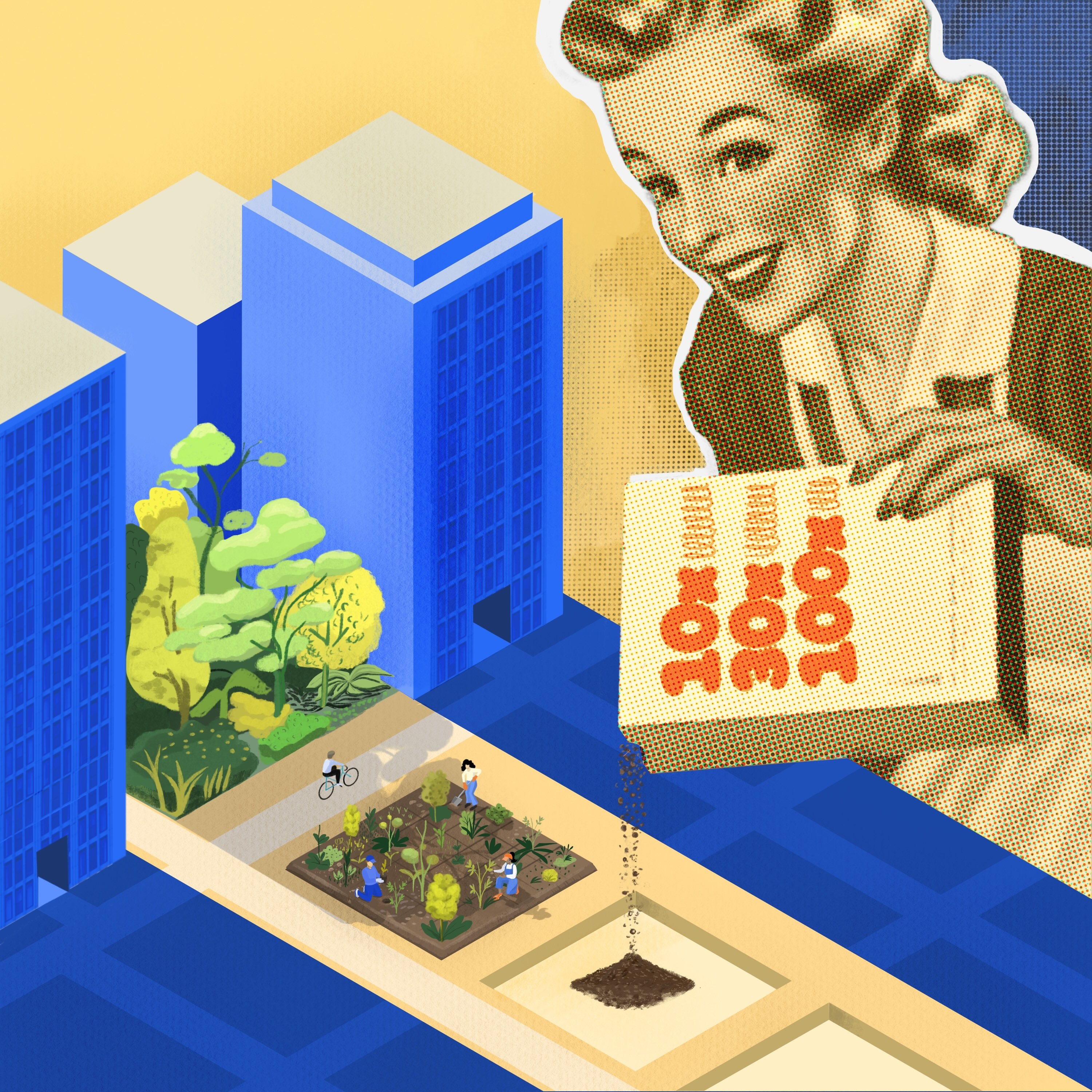
FE6.5 - The Method
The Miyawaki Method of micro-forestry is a viral sensation: sprouting tiny, dense, native tree cover in neighbourhoods all around the world. With the promise of afforestation at a revolutionary speed, this planting technique has become the darling of green-space enthusiasts, industry, and governments alike — yet few professional or academic ecologists have commented on its efficacy, or even seem t
Announcing: Waterbodies
Mendel here with an exciting announcement:I'm producing a new video podcast for a local environmental advocacy organization: the False Creek Friends Society.False Creek, as the name suggests, is not a creek. It’s a tidal slough, and it’s one of the most visible waterways here in Vancouver, where I live. It’s right next to downtown, and it’s always bustling with life. It also has a reputation for b
![[HYPHAEDELITY] Sarah Jim x Lucas Glenn — Ecologically-engaged art](https://artwork.captivate.fm/87911025-fd46-4d86-affa-6bdb2477d6e3/gFByJb56QOj-GPXwrnPLvxuH.jpg)
[HYPHAEDELITY] Sarah Jim x Lucas Glenn — Ecologically-engaged art
We're excited to introduce our brand new spin-off format: Hyphaedelity (which will ironically be somewhat lower-fi than our usual output).Here’s the deal: Hyphaedelity is our experiment in chatcasting, but with a twist. On each episode, we’re inviting a past guest from Future Ecologies to conduct their own interview, and bring us all along to sit in on their conversation.We wanted to see what woul
FE6.4 - Humane Being
When is it ethical to kill one thing to save another? Lethal intervention is a common practice in the field of wildlife management, especially when the survival of a species hangs in the balanceFor as long as we’ve existed, human beings have employed killing as one of our primary responses to adversity. We seem to believe at some deep level that if we have a problem, killing the manifestation of t

Future Ecologies presents: Nature's Genius
Today, it's our pleasure to bring you an episode from our friends at Bioneers, who have just released a 6-part series called Nature's Genius.Follow Bioneers wherever you get podcasts, or listen to the rest of the series at bioneers.org/natures-genius/This is episode 1 — The Universe Beneath Our Feet: Mapping the Mycelial Web of LifeImagine an underground web of mind-boggling complexity, a bustling

FE6.3 - Get Yer Ass Outta Here!
In this very special donkumentary, we’re headed to the Mojave Desert — to Death Valley, in particular — where we find one animal at the centre of a heated debate in land management: the hardy wild burro (AKA donkey, ass, or Equus asinus).These feral burros, beloved by some and reviled by others, are an introduced species in the desert southwest, but are uniquely entangled in its human history. Sin
![[UNLOCKED] Skye Augustine // Diving deeper into Sea Gardens](https://artwork.captivate.fm/55ed8725-3d6e-4e30-b825-9e796d71be71/bmskhehJqz1II5GwOgzjo3Xv.jpg)
[UNLOCKED] Skye Augustine // Diving deeper into Sea Gardens
We’re unlocking one of the conversations from our bonus feed.In this interview, building on episode FE6.2, Mendel speaks with Skye Augustine, a leading voice uplifting the science, history, and culture of Sea Gardens. In a time where so much of the future feels uncertain, the resiliency of Sea Gardens over millennia is (at least to us) a source of deep comfort and inspiration.What’s more, if you’r

Future Ecologies presents: Hark (from Threshold)
We're borrowing an episode from one of our all-time favourite shows: Threshold, a Peabody Award-winning documentary podcast about our place in the natural world.Now in their 5th Season, "Hark", Threshold producer Amy Martin is exploring sound itself: investigating what it means to listen to the nonhuman voices on our planet — and the cost if we don’t. With mounting social and ecological crises, wh

FE6.2 - SEA / GARDEN
Food security, climate adaptation, and vibrant biodiversity all in one place — welcome to the ancient and diverse technologies of Sea Gardening.These widespread (but often overlooked) monumental rock features are proof positive of thriving Indigenous maricultural systems all around the Pacific Rim, since time immemorial. These spaces are not only simply stunningly beautiful spots to hang out, they

FE6.1 - FOREST / TREE
Season 6 kicks off in the deep dark woods: the simplified, post-industrial forests of the world — the only forests that many of us have ever known.Join us as we meet foresters in British Columbia, Vermont, and Scotland, all working to embrace the messy art of ecological forestry. Because if we want our forests to be old growth-ier, we might not be able to just wait and leave them alone. It mi

Auditory Compost / Convergence: The Music of Season 5
As is tradition, we're releasing all the original music we composed for the latest season of Future Ecologies as a set of soundtracks. For the first time ever, they are also available on all major music streaming services. Enjoy!Auditory Compost by Sunfish Moon LightBandcamp, Spotify, Apple MusicConvergence by ThumbugBandcamp, Spotify (Side A | Side B), Apple Music (Side A | Side B)– – –

Future Ecologies presents: The Merry Monarchs
We're excited to share another beautiful guest episode with you today.In this piece, originally broadcast in 2 parts on The Wind (one of our favourite podcasts), producer Eleanor Qull is taking us on a pilgrimage in honour of, and in tribute to that most collective monarch — the monarch butterfly. Through those lepidopteran migrants, it’s a story of scale, agency, and spiritual offering in a chan

Future Ecologies presents: The Right to Feel (Part 2 — Eulogies)
Future Ecologies presents "The Right to Feel," a two episode mini-series on the emotional realities of the climate crisis.The second and final episode, “Eulogies,” is based on fictional writing from the class. Students imagine and eulogize something that could be harmed by the climate emergency, and then imagine a speculative future in which action was taken to mitigate that harm.Over a two-year p

Future Ecologies presents: The Right to Feel (Part 1 — Climate Feelings)
Future Ecologies presents "The Right to Feel," a two episode mini-series on the emotional realities of the climate crisis.This first episode, “Climate Feelings,” is a collection of students’ non-fiction essays and reflections on their personal realities of living with and researching the climate crisis. The first episode opens with an introductory conversation between Naomi Klein and series produc

FE5.10 - Everything Will Be Vine
Vision without eyes? Intelligence without a brain? Are plants more akin to us than we have been prepared to acknowledge? Or are they different in ways we will forever strain to imagine? One way or another, a vine with some unusual abilities is shaking the field of botany to its foundations.On this episode: Zoë Schlanger (author of the newly-released, New York Times bestselling book The Light Eater

FE5.9 - Home on the Rangelands: Where the Deer and the Antelope Play (Part 3)
In this conclusion to our trilogy, we're looking at a proposal to move beyond the concept of "rangelands" through the rewilding of the American west — meaning, the return of forgotten landscapes, species, and ecologies not commonly seen in generations (not to mention improved water and carbon storage). But at least one thing isn't compatible with this vision: grazing cattle on public lands.Catch u

FE5.8 - Home on the Rangelands: The Beef and the Butterflies (Part 2)
Our series on cows and rangelands continues in the weeds and in the thorns, looking at a specific piece of public land where livestock are being employed to give some endangered species a new lease on life.In this 3-part series, we're hearing from impassioned scientists and land managers with diametrically opposed opinions on the concept of "rangelands" — by some estimates, accounting for 50-70% o
FE5.7 - Home on the Rangelands: Welcome to Cowlifornia (Part 1)
The introduction of cattle to western North America has undeniably contributed to massive ecosystem change. But could cows be as much a part of the solutions as they are the problem?In this 3-part series, we're hearing from all sides of this issue: impassioned scientists and land managers with diametrically opposed opinions on the concept of "rangelands" — by some estimates, accounting for 50-70%
Welcome to Future Ecologies
Future Ecologies is an independent podcast about the living world and its interrelations. The show varies in format, but this is a taste of what you can expect. New to the show? Find our whole back catalogue and subscribe for new episodes — right here in your podcast app, or at futureecologies.net Been with us for a while? Send this trailer with someone who shares the planet with you.— — —This ad-

FE presents: Women's Work
We’re slowing down for the holidays, and we hope you are too.But we didn’t want to leave you without something great to listen to, so we’re borrowing an episode from one of our favourite podcasters: Ashley Ahearn is the independent science and environmental journalist behind several series covering life in the rural American West. If you haven’t already listened to Grouse, on sage grouse, or Musta

FE5.6 - Making a Living
How do we account for nature? We can build on it and we can take from it, but what is its intrinsic value — in and of itself?On this episode: Adam Davis (of Ecosystem Investment Partners), and a cultural transformation happening right now — reshaping the intersection of environmentalism and capitalism. Welcome to the restoration economy.— — —Music: Thumbug, Local Artist, Yu Su, SFMLCover art:
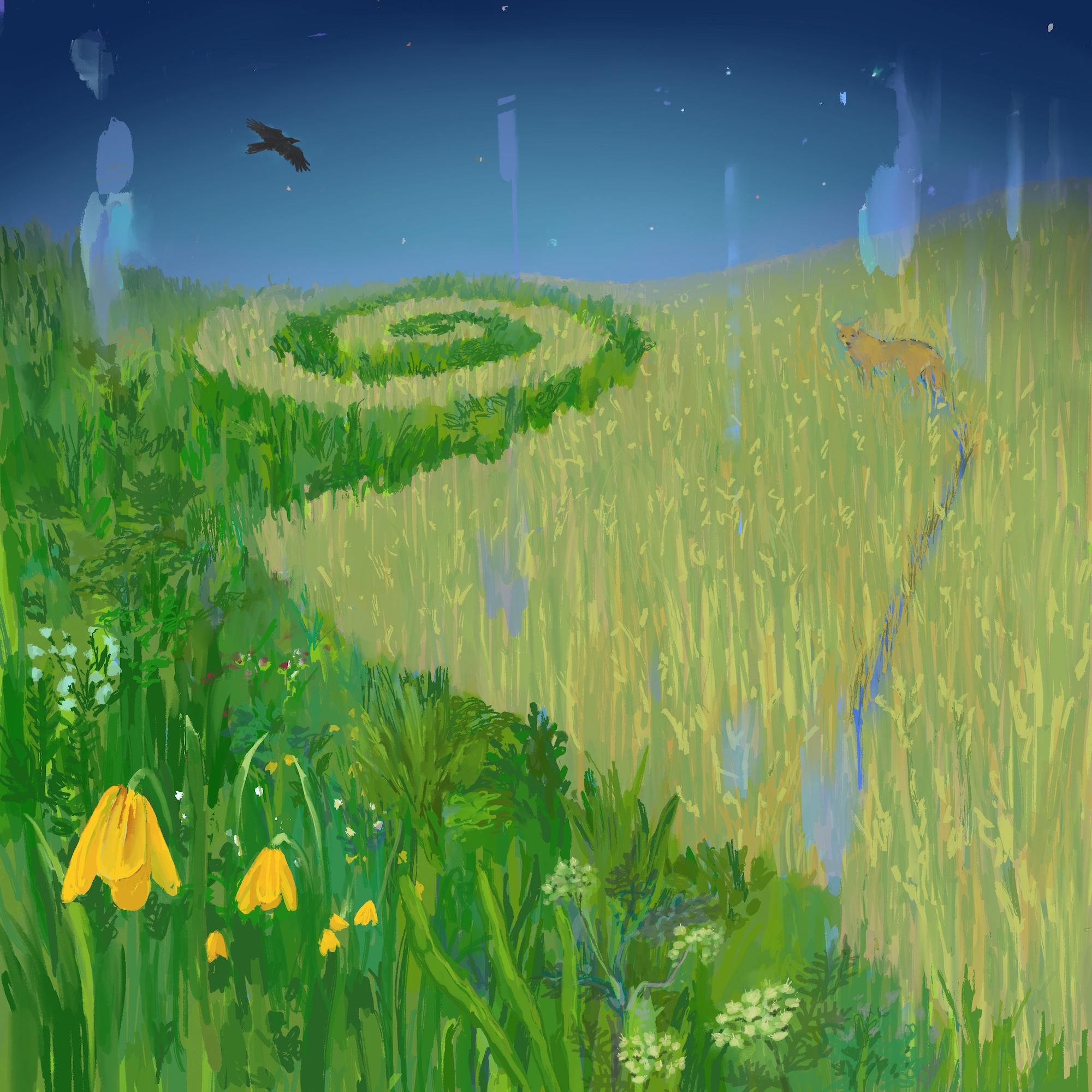
FE5.5 - On Fire: Walking on Two Legs
Meet the Fire Watchers of Skeetchestn: the people keeping their community safe during nearby wildfires, and working to bring good fire back to the land. Join us for this conclusion to our visit to Secwépemc territories as we discuss a way to bring different knowledge systems together: a synthesis of western science and Indigenous understanding.This is the 5th instalment in our series of indetermin
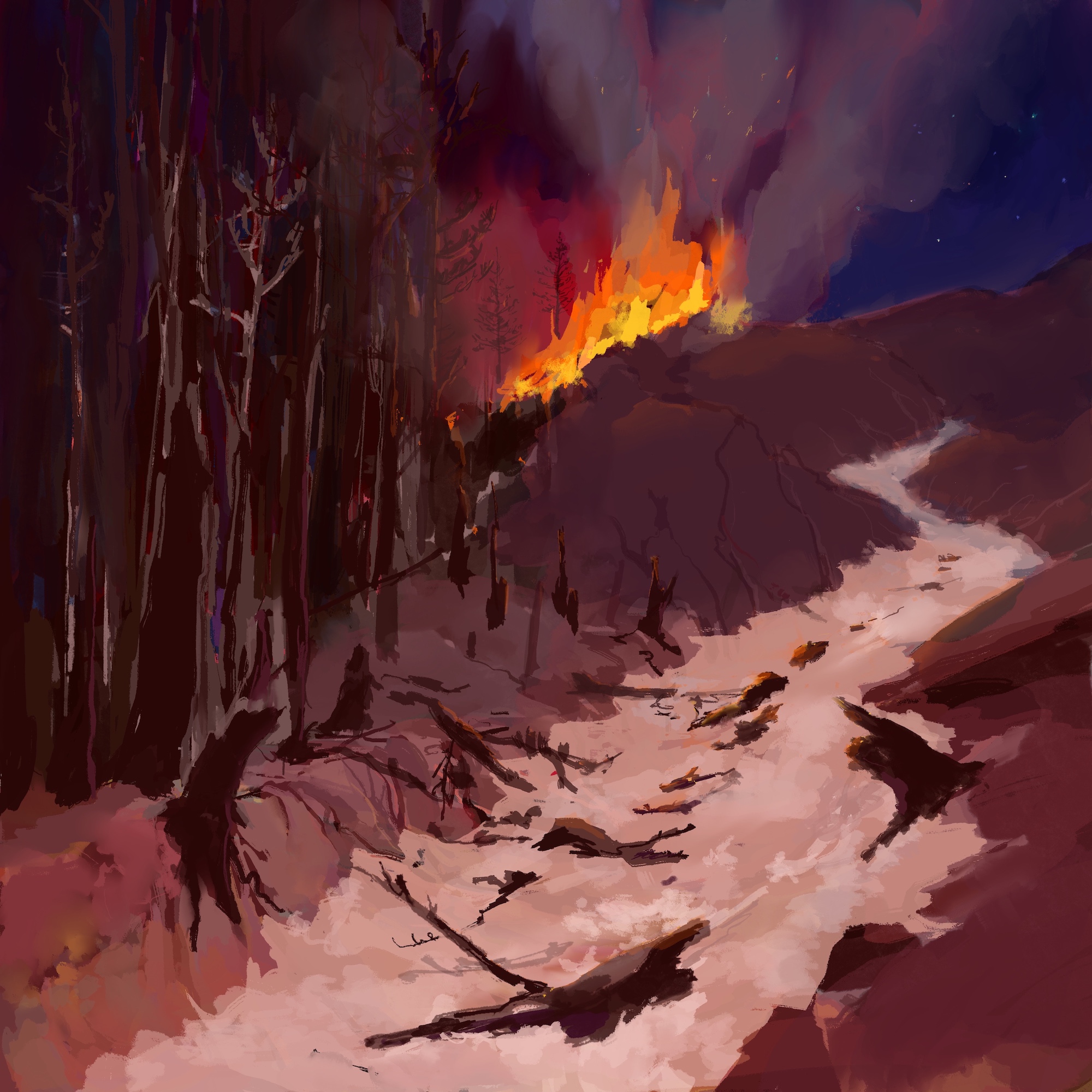
FE5.4 - On Fire: Under Water
What happens after the smoke clears? What does recovery look like when the disasters never end?In this episode, we're visiting the sites of some of BC's biggest burns of 2017 and 2021 – making the link between the mega-fires and the floods and landslides that followed. We'll hear about how the land is (and isn't) recovering, and the factors that spell the difference.This is the 4th instalment in o

Future Ecologies presents: Inherited
Inherited is a climate storytelling podcast by, for, and about young people. We're bringing you Season 3, Episode 1: "Mama's House", a personal story of family loss, structural resilience, and survival in an era of climate change.Find all of Season 3, including behind-the-scenes interviews with each of the 8 storytellers, wherever you get your podcasts, or at yr.media/inherited/–––September 15-17

Earthkin's Trial by Fire
In this bonus conversation, Adam catches up with Fern Yip (guest producer on FE2.3) about her recent close call with wildfire, with lots of practical advice for those living on forested lands.For photos and a transcript of this conversation, see futureecologies.net/listen/earthkins-trial-by-fireLearn more about Fern at earthkin.ca— — —Find Earthkin's September workshops in Vancouver: earthkin

FE5.3 - Cosmopoetics
How do our dreams shape our reality? Tonight, with the help of scientists, artists, philosophers, and historians, we're sprinkling a little stardust on our understanding of the more-than-human — from fish, to demons and gods.This episode features the words and voices of Lucia Pietroiusti, Filipa Ramos, Alex Jordan, Sophie Lunn-Rockliffe, Rain Wu, Nahum Mantra, Onome Ekeh, Federico Campagna, Yussef
[TEASER] Miriam Quick and Duncan Geere // Data Sonification
Get to know our friends and collaborators, Miriam Quick and Duncan Geere — the hosts of Loud Numbers, a data sonification podcast.How do data visualization and sonification differ? What are the possibilities and pitfalls? And how can you incorporate the practice into your life?— — —Hear the entire conversation wherever you get podcasts — join our community at patreon.com/futureecologies—
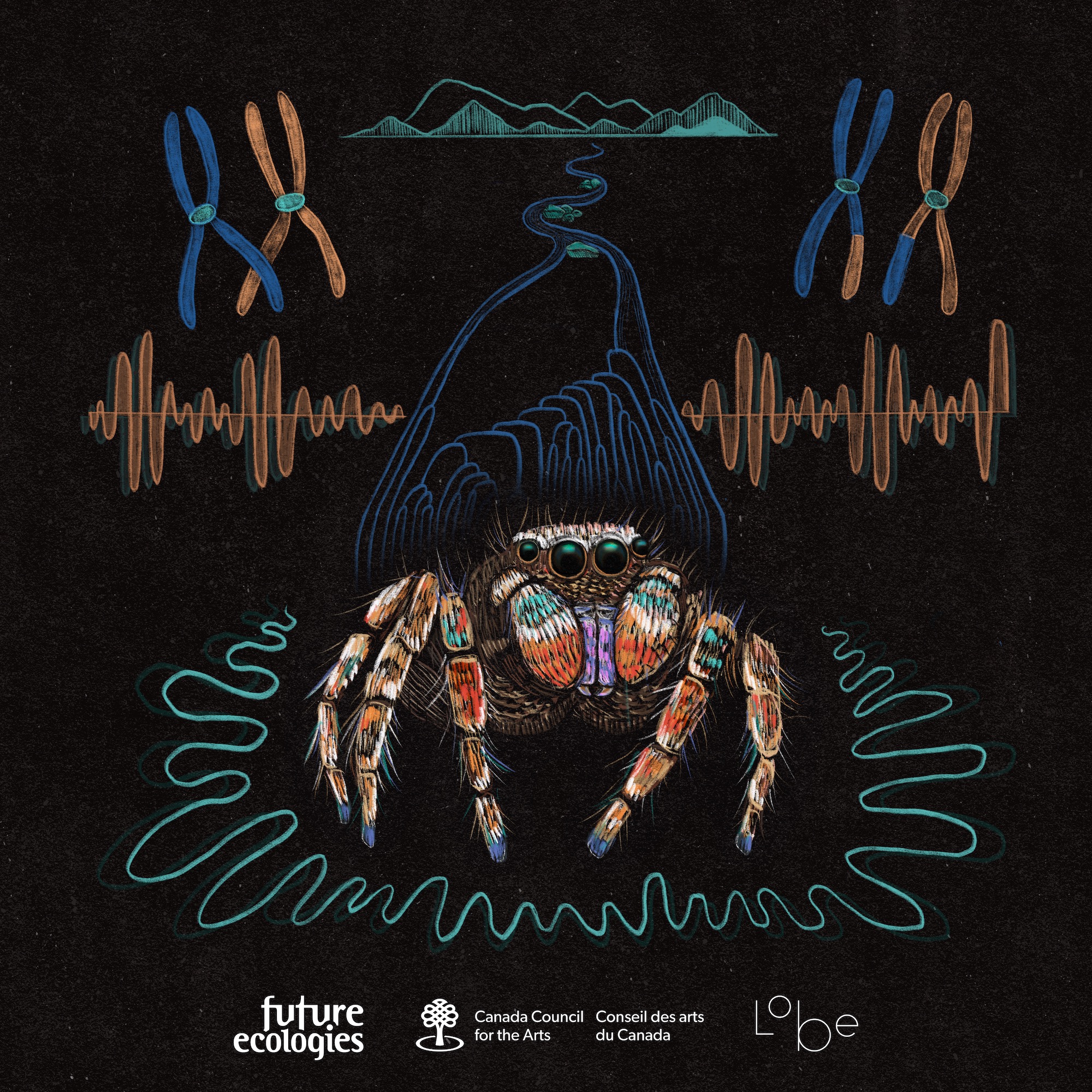
FE5.2 - Spiders Song (Part 2)
Spiders Song is a story about a quest to hear the greatest symphony on Earth: the music of evolution. Along the way, we get to know some of nature’s most surprising musicians — the paradise jumping spiders.Part 1 is the SpidersPart 2 is the SongHeadphones advised.— — —For credits and much more, visit futureecologies.net/listen/fe-5-1-spiders-songMissed Part 1? You can find it wherever yo
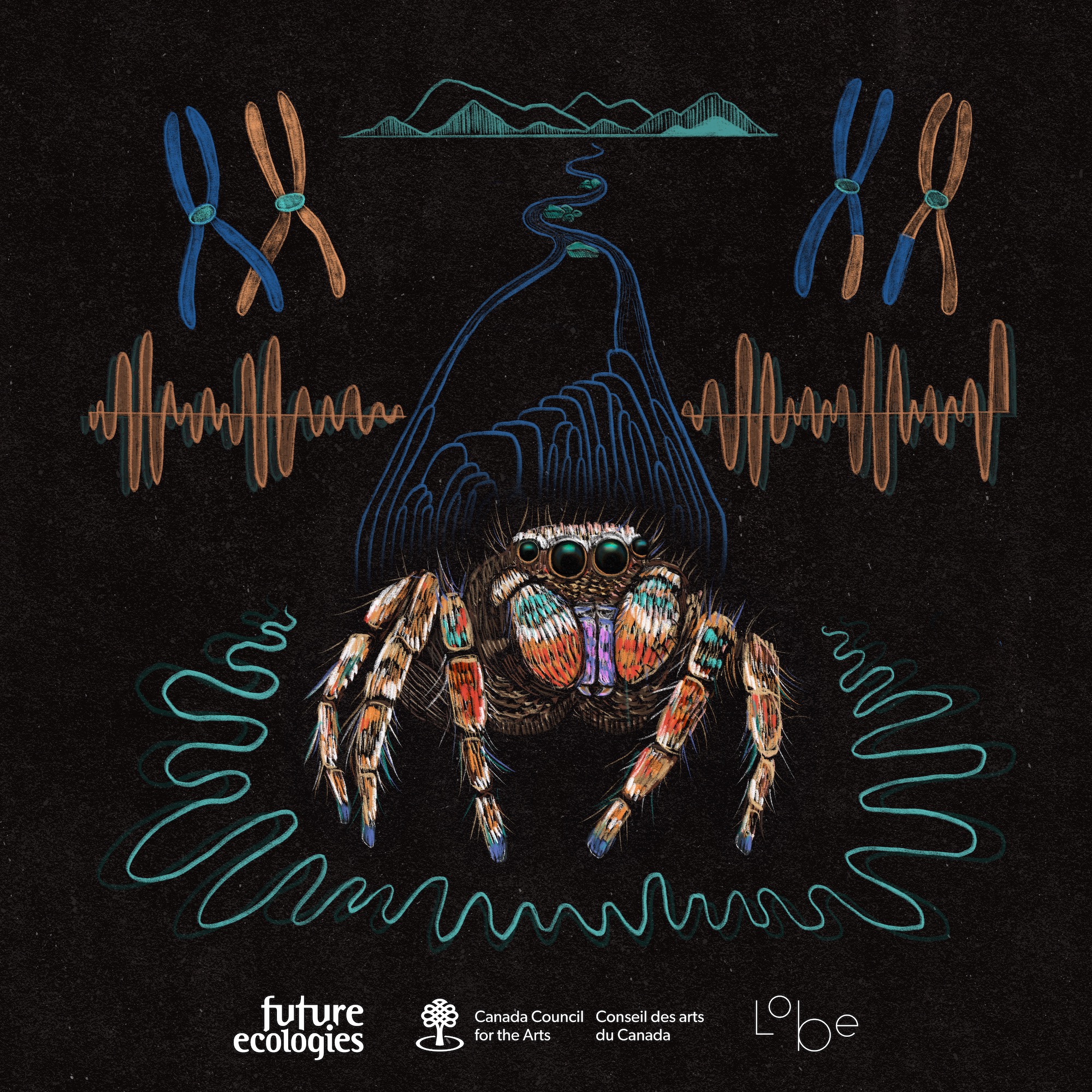
FE5.1 - Spiders Song (Part 1)
Spiders Song is a story about a quest to hear the greatest symphony on Earth: the music of evolution. Along the way, we get to know some of nature’s most surprising musicians — the paradise jumping spiders.Part 1 is the SpidersPart 2 is the SongHeadphones advised.— — —For credits and much more, visit futureecologies.net/listen/fe-5-1-spiders-songYou can listen to Part 2 right now — find

Future Ecologies presents: Love and Radio
From Love and Radio:Adam Zaretsky is a bioartist who explores the manipulation of DNA, the fringes of genetic modification, and butts up against the ethical boundaries of science and beyond.— — —Future Ecologies season 5 arrives July 7. Listen early at patreon.com/futureecologies

Future Ecologies presents: Emergence Magazine
When the Earth Started to SingProduced by Emergence Magazine, this sonic journey written and narrated by David G. Haskell brings us to the beginning of sound and song on planet Earth.The experience is made entirely of tiny trembling waves in air, the fugitive, ephemeral energy that we call sound. Spoken words combined with terrestrial sounds invite our senses and imaginations to go outward in
![[TEASER] Jonathan Kawchuk // Paleo-Acoustics](https://artwork.captivate.fm/692bba7f-716e-4b59-97ad-f72c0be7c0a1/DLG58khWdUfBxdQABW0ADTl9.jpeg)
[TEASER] Jonathan Kawchuk // Paleo-Acoustics
We're trying out a new format of bonus content over on our Patreon feed: casual, conversational interviews that go behind the scenes of some of the content on the main feed.In this first edition, our guest is Jonathan Kawchuk: composer, sound artist, and volunteer paleontologist. Jonathan's work is in both FE4.10 Geopoetics and the Emergence Magazine piece we recently featured When the Earth Start
![[UPDATE] FE4.2 - Terminal](https://artwork.captivate.fm/0efb2554-ae66-4831-a54b-85c56603be37/ALbEbbvb3iBOhrk4D1hRtKlk.jpeg)
[UPDATE] FE4.2 - Terminal
At the heart of the Salish Sea lies the Fraser River Estuary: home to over half of the population of the Province of British Columbia, thousands of endemic species, and one world-famous pod of orcas. But as the human population of the region has grown, wildlife populations — including salmonids, orcas, and over 100 species at risk — have been plummeting.As economic imperatives press up against eco
![[UPDATE] FE1.9 - Swimming Upstream](https://artwork.captivate.fm/dbd1d803-9084-4050-b168-9e4a7ca35bbc/g7UDG45JfWcHTaVZghw-S_GS.jpeg)
[UPDATE] FE1.9 - Swimming Upstream
Dams remain one of the ultimate demonstrations of human power over nature. Wild rivers can be tamed to deliver energy for industry, lakes for recreation, and water for agriculture. But severing the link between land and sea has come with grave ecological costs. The impact of dams on salmon populations has been especially obvious and painful.This is part one of a two-part series on dam removals. In
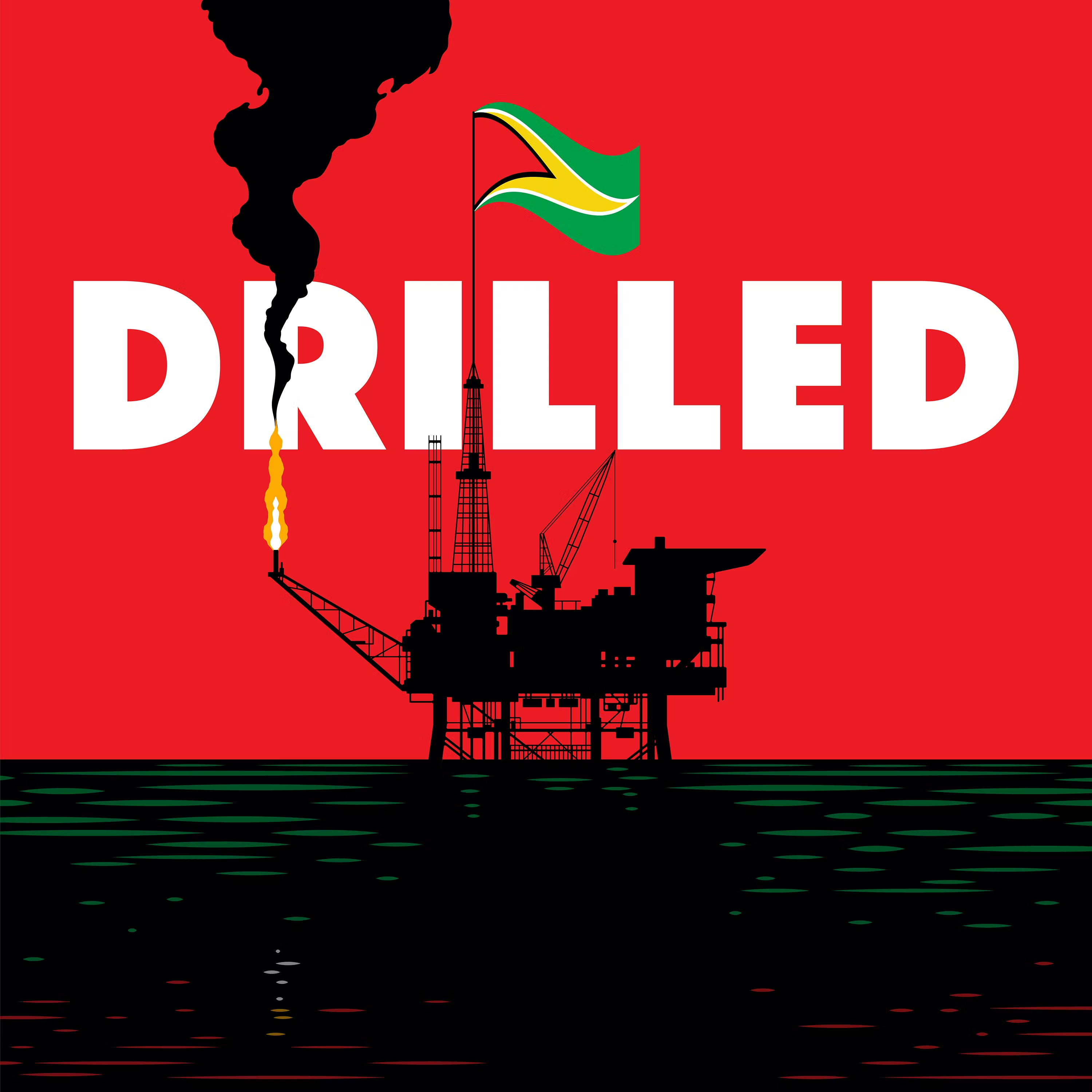
Future Ecologies presents: Drilled
We're sharing an episode from our friends over at Drilled. Four years ago, the Drilled podcast asked a question that changed how people thought about climate stories: What if we stopped acting like the climate crisis was inevitable and instead treated it like it truly is...the crime of the century? Now, the original true crime podcast about climate change is back with a new season all about the op
Electrical Storms / Sympoiesis: The Music of Season 4
We work hard to make sure our music doesn’t just complement our voices, but actually tells a story all of its own. Now that our 4th Season is complete, as per usual, we’ve compiled all the original music that went into it, and we’re releasing it as an album. This year, that album takes the form of two companion volumes.Volume 1: Electrical Storms by Sunfish Moon LightVolume 2: Sympoiesis by thumbu
FE4.10 - Geopoetics
“We need geopoetics because geopolitics necessitate other ways of being… Proposing alternate narratives to the hegemonic ones we are caught in is the work and play of geopoetics.”– Erin Robinsong, Geopoetics in the Mess/MeshEnclosed is the last episode of our 4th season: a sympoietic stream of consciousness; on language, art making, and more-than-human interconnection.Find a transcript, full credi
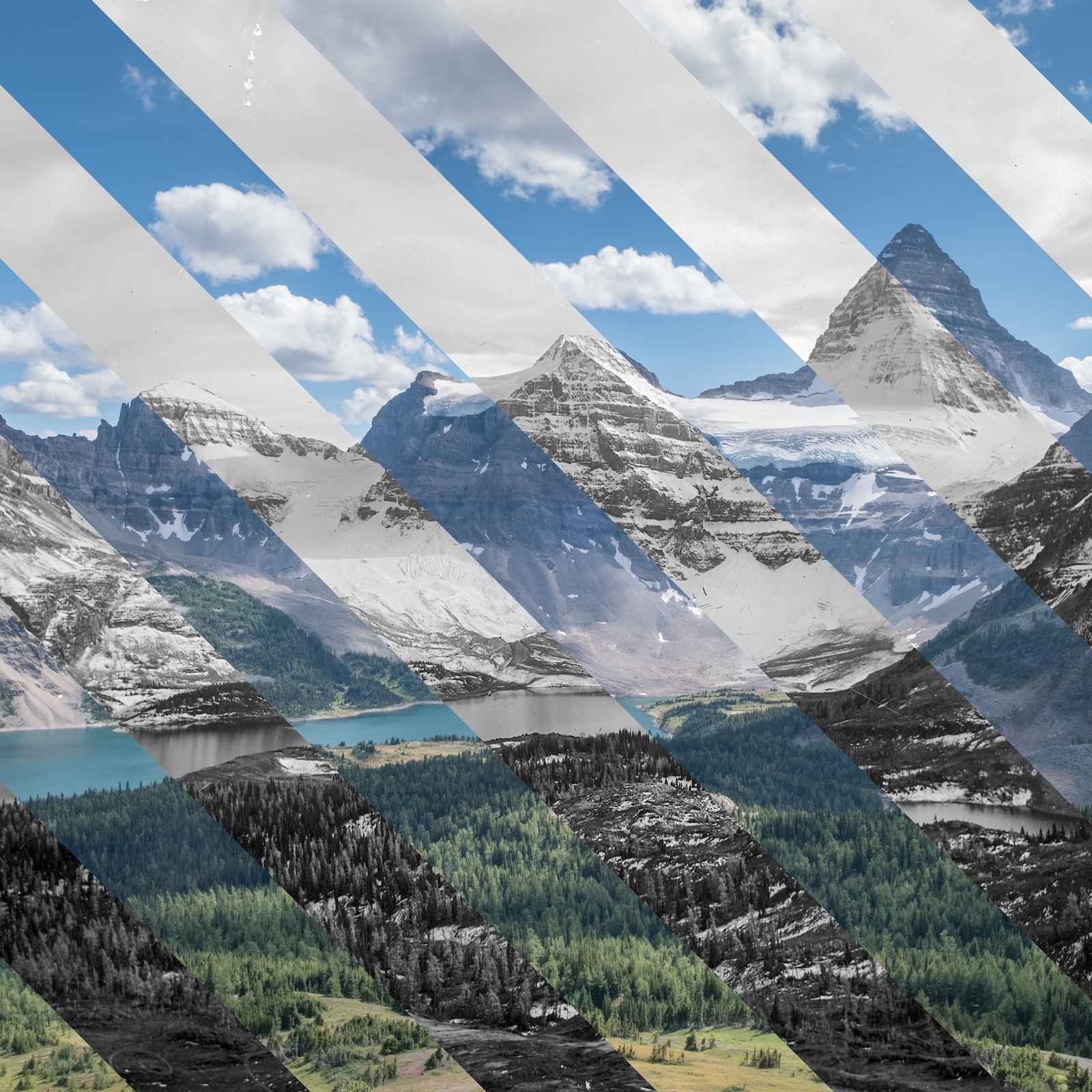
FE4.9 - Mountain Legacies
From a distance, mountain landscapes may appear timeless and immutable. Take a closer look, however, and montane ecologies reveal themselves to be laboratories of radical transformation: rocks weather and fall; ecosystems burst into life for brief intervals; tree-lines shift; and wildfires rage. Even the very peaks themselves inch inexorably upwards or downwards with the flow of time.Amidst all th

Future Ecologies presents: Life in the Soil
In this episode, Anja and Matthias go on an underground safari through the hidden jungle of the soil. We hear from Diana Wall about a tiny worm that is so tough it survives in Antarctica. Richard Bardgett introduces us to collembola, also known as springtails. Stefan Scheu and Maddy Thakur reveal which animals are considered the “wolves of the soil”, and Kate Scow delves into bacterial communities

Future Ecologies presents: Hot Farm
Our latest episode — on soil carbon and regenerative agriculture — could never have fit everything that needs to be said on the topic. So, we're leaning on a couple of other podcasts that we think you'll love. First up, we're running an episode from Hot Farm, from our friends at the Food and Environment Reporting Network. It's all about what farmers are doing (or could be doing) to take on the cli

FE4.8 - Ground Truthing
Can we sequester our carbon and eat it too?For the first time in 4 seasons, we're discussing natural climate solutions, and in particular, regenerative agriculture. Joining us is agrologist and fellow podcaster, Scott Gillespie (of Plants Dig Soil) to get into the nitty gritty of farming for soil carbon — its promise, possibility and feasibility.———Support Future Ecologies (pay what you can >$1

We Walk the Earth: podcasting through connection with Mendel Skulski
We Walk the Earth is a podcast that explores creativity, curiosity, and cultural evolution through personal conversations, and the occasional sonic journey.In this episode, Mendel and Sergio discuss podcasting, art, music, hope, and lots more besides. We hope you enjoy this peek behind the curtain into the making of Future Ecologies, and Mendel's unfiltered inner monologue.— — —Subscribe to We Wal
FE4.7 - Phase Change
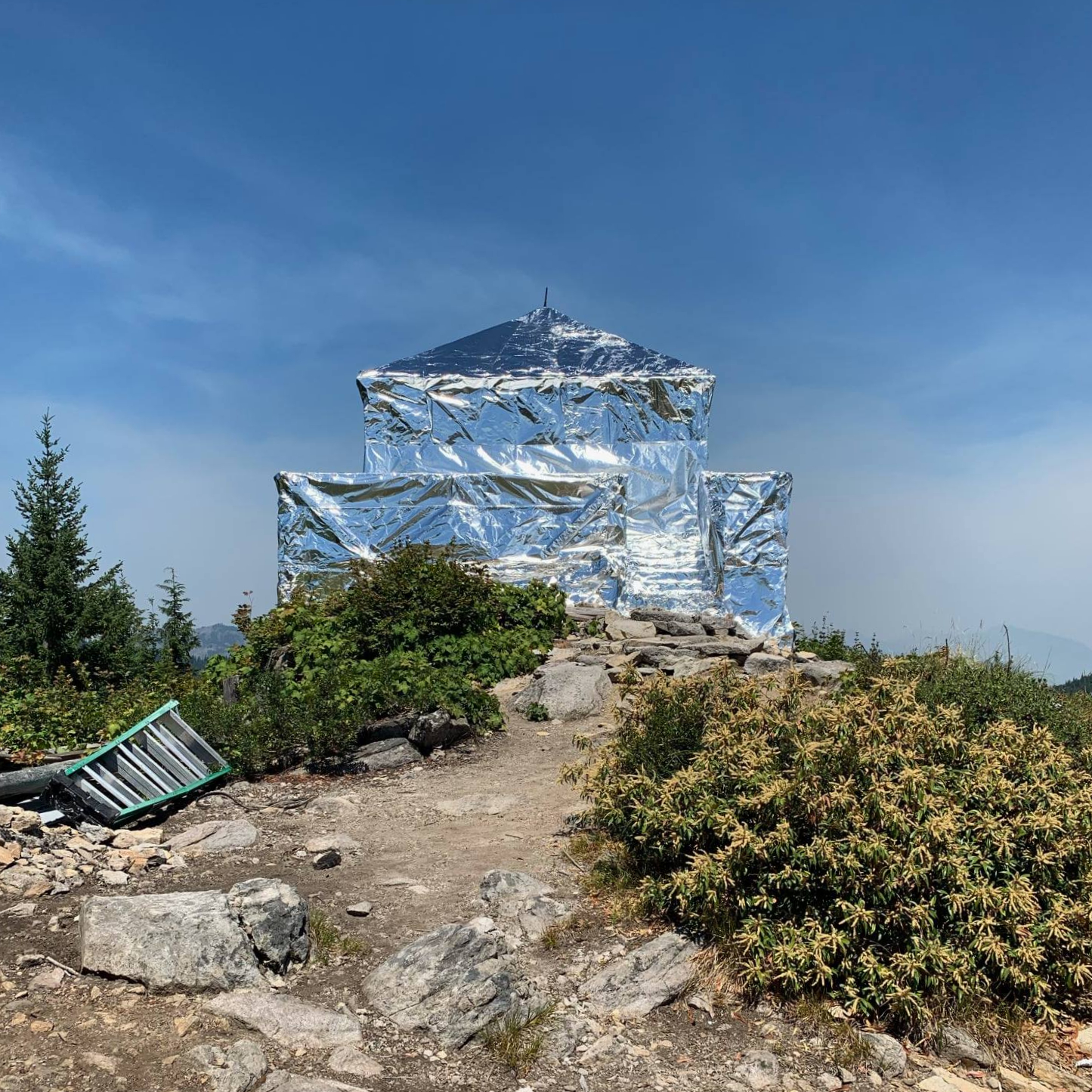
A story of memory, ghosting, and fire: how we can change the place we call home, and how it too can change around us.Another version of this story, along with many other works of art, can be found in the pages of Fire Season II– – –💖 Support Future Ecologies: join our community on Patreon at futureecologies.net/patronsYou'll get exclusive bonus content, access to one of the best discord servers ou

FE4.6 - An Island Unto Itself
What does it mean to live on an island? Is it to be independent from, or inexorably dependent on the rest of the world? And when the ecosystem's physical limitations are so clearly circumscribed, do people behave more "environmentally"?In this episode, we visit Adam's home island of Galiano, and find out just how big its ecological footprint really is.– – –Explore the full One Island, On

Future Ecologies presents: The Wind
Listening to The Disintegration Loops during wildfire season — a review of William Basinski’s seminal album as a meditation on looping thoughts, physical disintegration, and fire.– – –Subscribe to The Wind wherever you get your podcasts, and visit thewind.orgYou can find a transcript of this episode at https://the-wind.simplecast.com/episodes/the-disintegration-loops/transcript
FE4.5 - Model Citizens: Bearly Legal (Part 2)
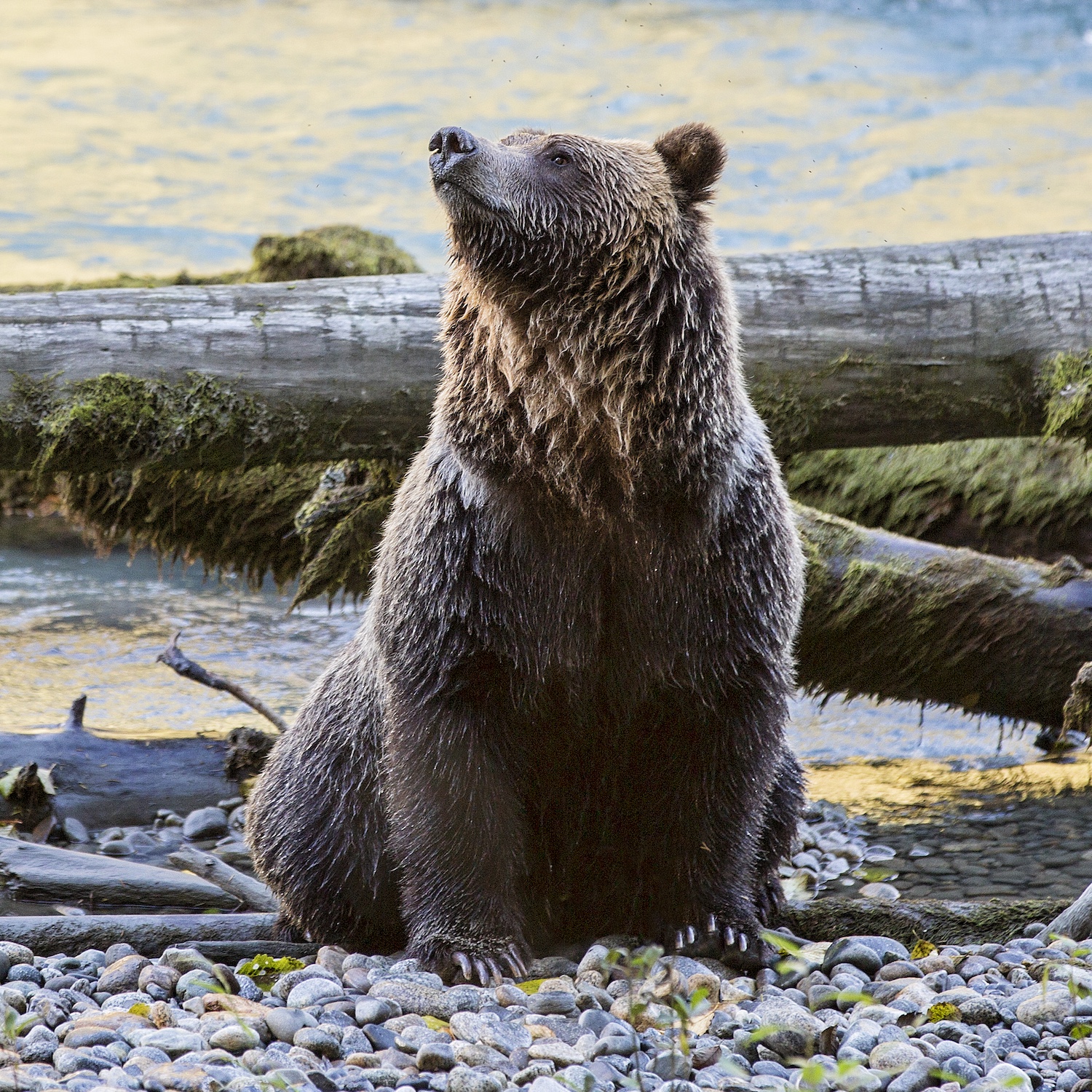
The North American Model is just one story of how wildlife conservation can be practiced. In part 2 of this mini-series we tell another: of restorative human–predator relationships and local self-determination.We're bringing you a success story from the Great Bear Rainforest, and another articulation of how we can relate to wildlife — complete with its own set of guiding principles, naturally.For
FE4.4 - Model Citizens: Fair Game (Part 1)
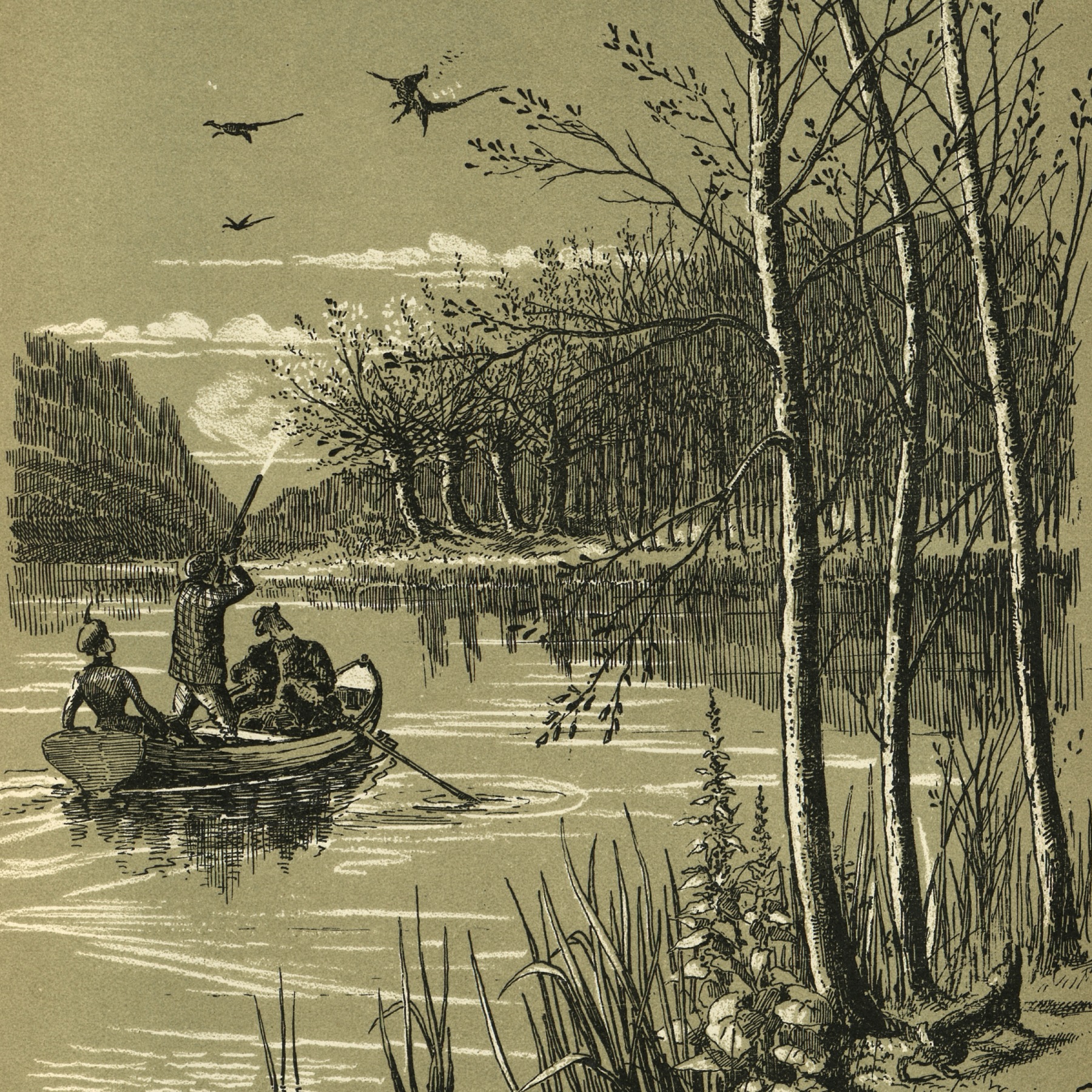
North America abounds in wildlife — but why?At the turn of the last century, many observers believed that species that we take for granted today would disappear forever. In this episode, we share a story about the way that wildlife conservation came to be practiced, the lives that it privileged, and the lives that it left out.But despite any controversy, one aspect of the North American Model of W

FE4.3 - A Tiny Wilderness
What can a brand new patch of nature tell us about Europe's ancient history?In this episode, we touch down in the Netherlands, where an unconventional experiment (the Oostvaardersplassen) has shaken up both the field of ecology and Dutch society. What started as a bird watcher’s obsession with thousands of trekking geese, led to a criticism of one of the central tenets in ecology: ecosystem succes
FE4.2 - Terminal
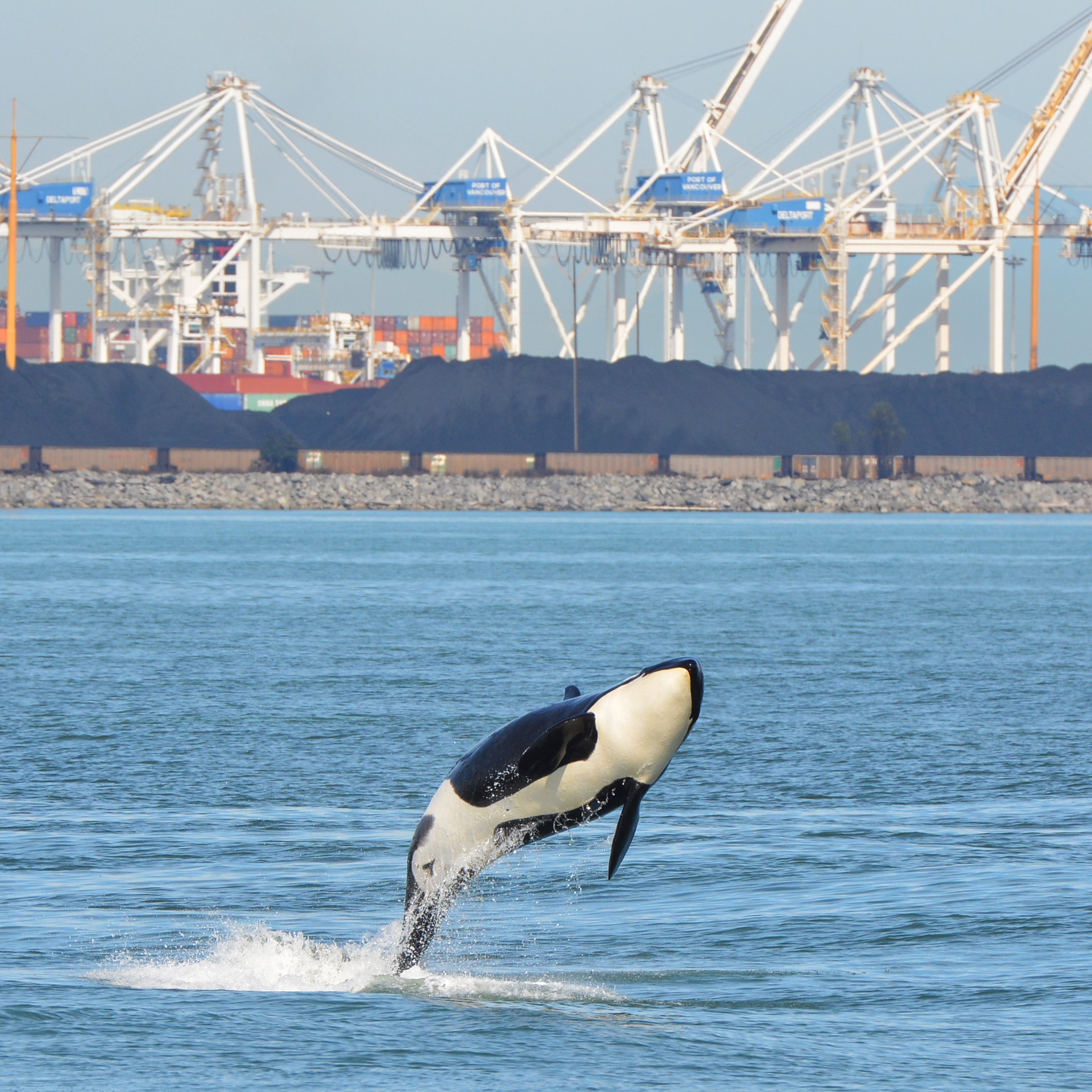
At the heart of the Salish Sea lies the Fraser River Estuary: home to over half of the population of the Province of British Columbia, thousands of endemic species, and one world-famous pod of orcas. But as the human population of the region has grown, wildlife populations — including salmonids, orcas, and over 100 species at risk — have been plummeting.As economic imperatives press up against eco
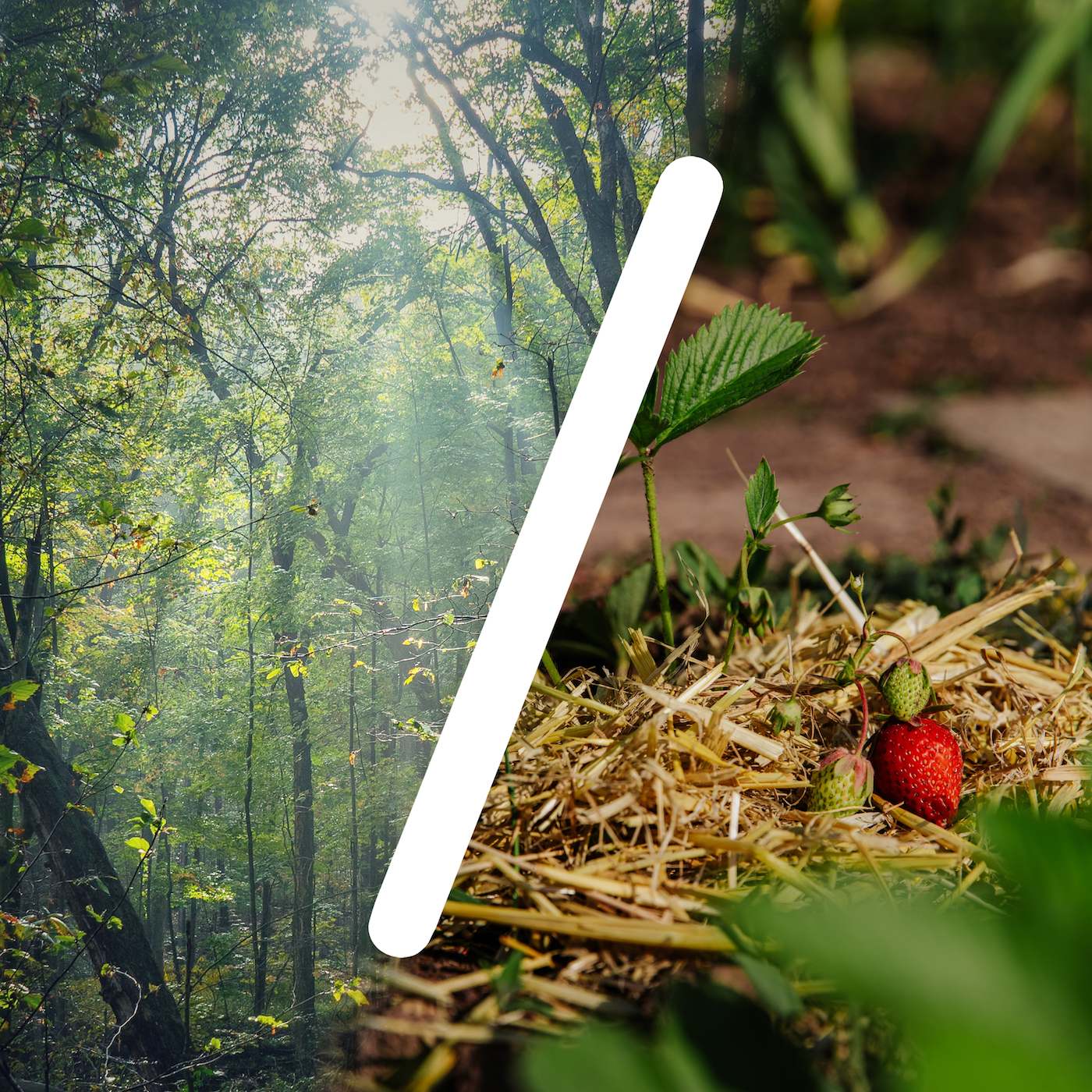
FE4.1 - FOREST / GARDEN
Are agriculture and biodiversity always at odds? In the late 1970s, a radical environmental movement rejected this dichotomy — rebuking conventional farming in favour of holistic & mutualistic principles, with the dual promise of plentiful food and a vibrant ecosystem.When Permaculture was first articulated, it emerged from a simple question: why don’t our food systems look more like forests?

Future Ecologies presents: Race Against Climate Change
We're featuring another guest episode. This time, from Canada's National Observer: a new podcast called Race Against Climate ChangeEpisode 1 – How We EatSUMMARY:Everybody’s gotta eat, but who’s feeding us, and what else are we eating up along the way? In this episode we chew on the ways our food affects our climate, and what can be done about it. Professor and author Lenore Newman discusses food s

Future Ecologies presents: MEDIA INDIGENA
We're featuring another podcast we think should be in your feed (if it isn't already): MEDIA INDIGENA.This episode, originally released on May 27 2021, features a conversation with Dr. Max Liboiron – Director of the Civic Laboratory for Environmental Action Research, and author of the new book Pollution is Colonialism.Don't miss Part Two of this important discussion. Find episode 259 of MEDIA INDI

Future Ecologies presents: How to Save a Planet
We’ve got an amazing 4th Season headed your way! While we’ve got our heads down for the rest of the year, we’re going to feature some episodes from other podcasts we think you’ll love.First up is an episode from the kind folks at How to Save a Planet. Dedicated Future Ecologies listeners might notice that this episode connects nicely with some of the work we covered in our first season, specifical
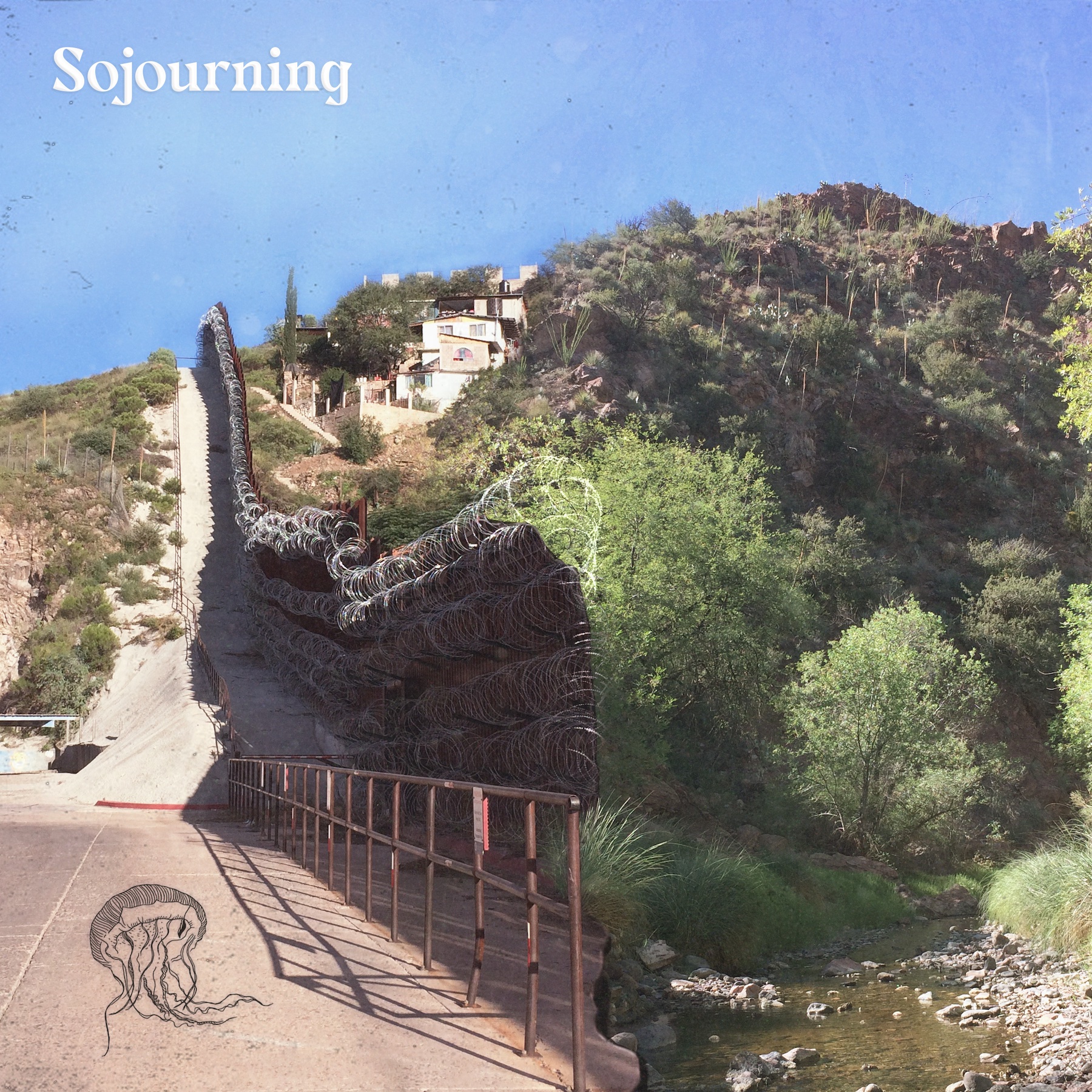
Sojourning: the music of Future Ecologies Season 3
A few quick announcements!Get in touch with us: https://www.futureecologies.net/#contact-sectionMeet the musicians we've featured: https://www.futureecologies.net/musicDownload the Official Soundtrack of Season 3: https://www.futureecologies.net/season-3-ost💖Support the show and join our Patreon community: https://www.patreon.com/futureecologies

FE3.10 - Goatwalker: An Open Wound (Part 4)
What is a border? Is it simply an edge: a sharp transition between one state and another? Or does it stretch beyond a single dimension, warping land and people through a self-perpetuating 'otherness'?In this final chapter of Goatwalker, we uncover the ties that bind ecosystems, identities, and communities of all sorts – migrant or otherwise. We'll walk a path to restorative justice: a way to foste
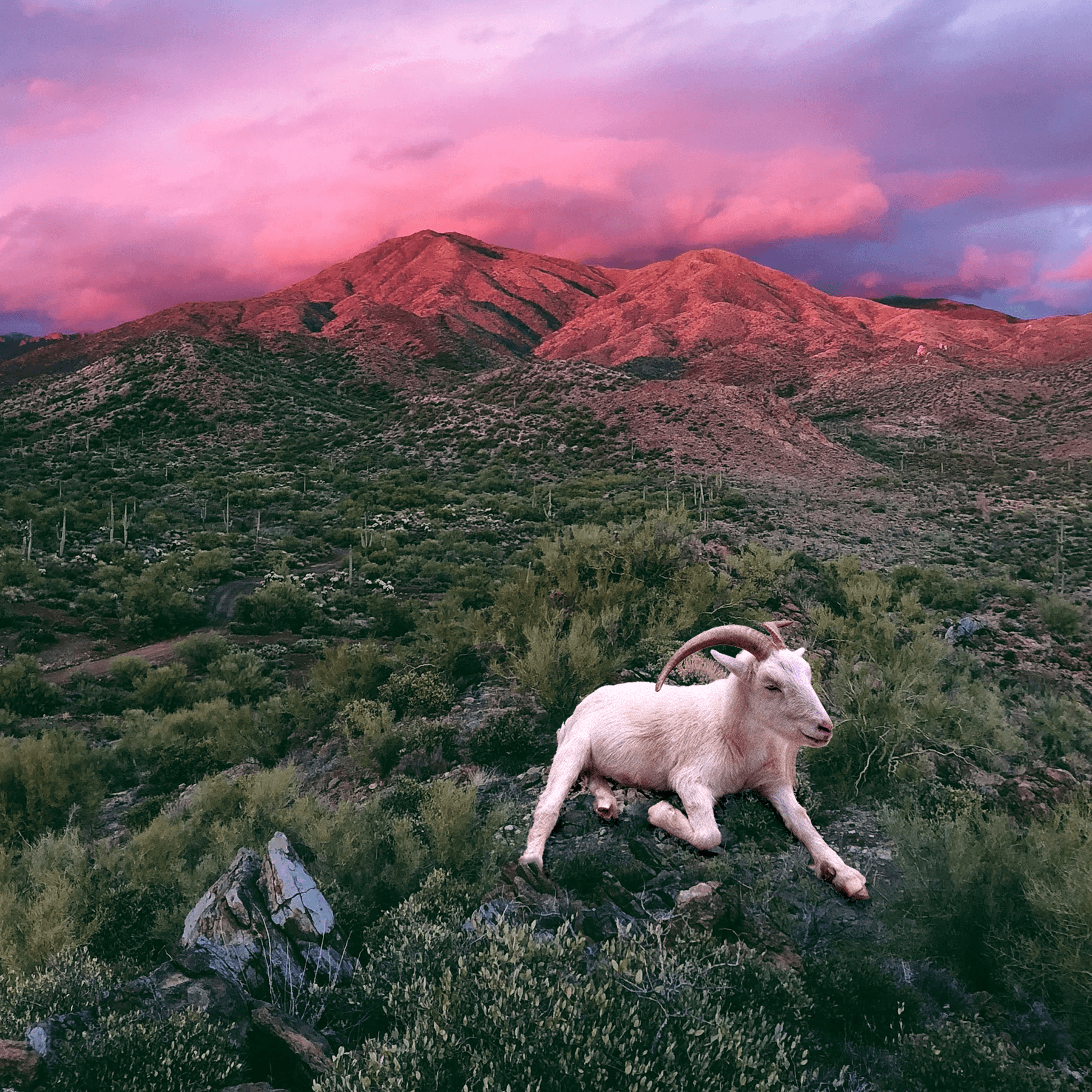
FE3.9 - Goatwalker: Saguaro Juniper (Part 3)
Having finished his work in the Sanctuary Movement, Jim Corbett allowed his focus to broaden, bringing his system of ethics to the land itself. Jim had gathered many people around him throughout the Sanctuary days: a group that shared a deep, abiding love for the more-than-human world. Together they would establish a herding community – a herd in which they would all be members – grounded in a pra

FE3.8 - Goatwalker: Sanctuary (Part 2)
In the early 1980s, the outbreak of civil war across Central America forced unprecedented numbers of refugees to seek asylum in the United States, putting the recently passed 'Refugee Act' of 1980 to the test. There was just one catch: the Reagan Administration was providing funding to right-wing governments that most of these refugees were fleeing. As a result, Central American refugees making th
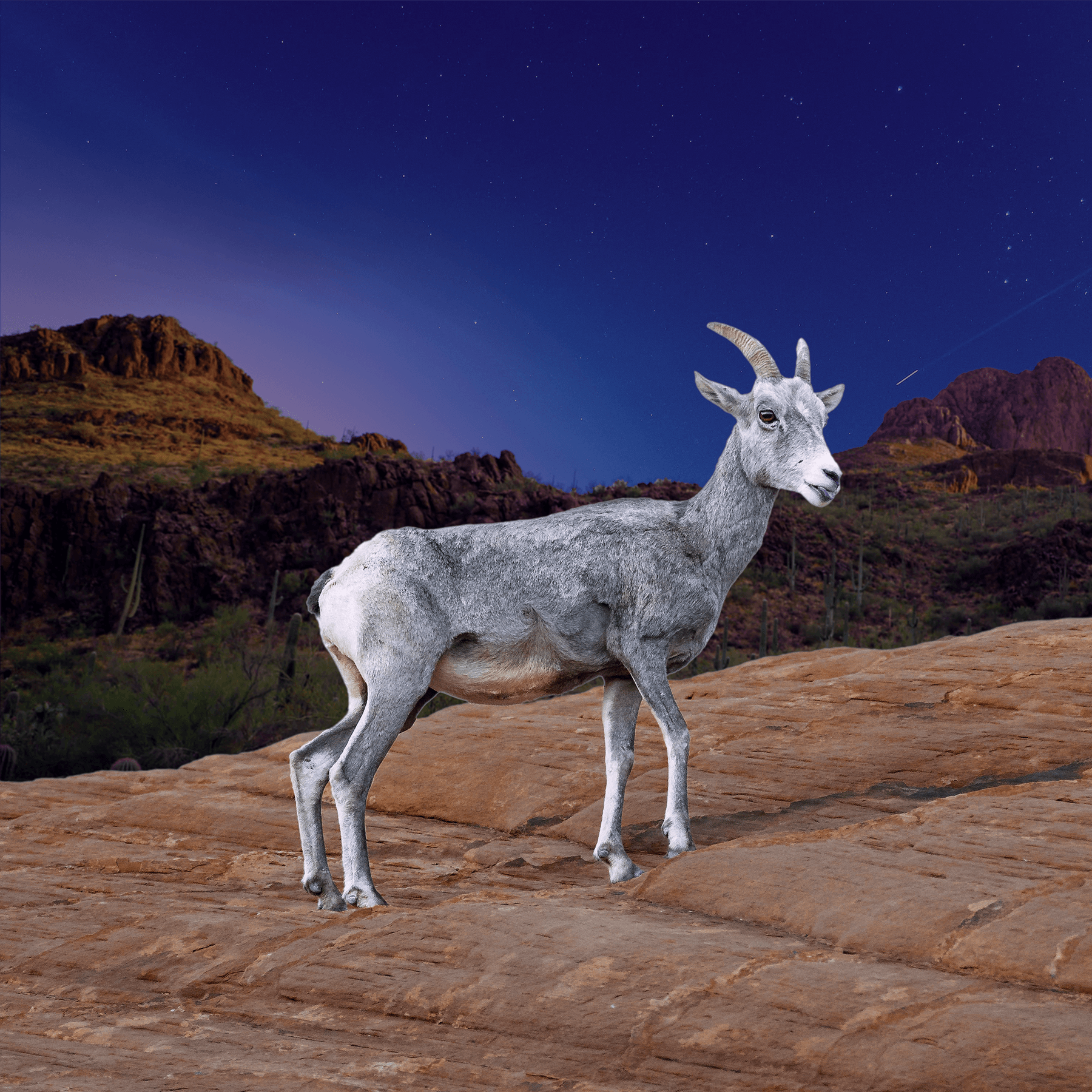
FE3.7 - Goatwalker: On Errantry (Part 1)
Jim Corbett was not your typical rancher. Over the course of decades roaming the borderlands of the desert southwest, he developed a practice that he referred to as 'goatwalking' - a form of prophetic wandering and desert survival based on goat-human symbiosis. For Jim, 'goatwalking' provided both physical and spiritual sustenance, and allowed him to become at home, for a time, in wildla

FE3.6 - Making Sense of Each Other
Mushrooms that smell? Fungi can be pungent, provocative, and at times irresistible. While we might not always recognize it, we're in constant chemical communication with the world around us through olfaction. For those with the senses to discern them, aromas, perfumes, stinks, and stenches can all convey useful information. Some scents are warnings, and others are deterrents, but the most alluring
FE3.5 - What on Earth is Ground?
In collaboration with the Serpentine Galleries, Future Ecologies presents a choral, poetic collage featuring the voices of The Understory of the Understory: a virtual symposium bringing together practitioners from many disciplines to consider the ground beneath our feet across ecologies, politics and spiritualities. With vignettes ranging from co-evolution to condensation, from medicine to mycomor

FE3.4 - Dama Drama
Guest producers Sadie Couture and Russell Gendron explore the concept of invasive species through a look at a small island community, a species doing some serious damage to the ecosystem, and the complex issues at play when a plant or animal moves into a new territory.Sadie and Russell talk to current and former residents of Mayne Island, Indigenous elders, and conservation professionals to think

FE3.3 - Nature, by Design? Freakological Fallacies (Part 3)
Sometimes it feels like we're all living in a garbageosphere – an ecosystem of trash and detritus. But despite the extent of anthropogenic impacts, life is resilient and infinitely creative.Hyper-ecologies, novel ecosystems, freakosystems – different names for the same thing: never-before-seen assemblies of lifeforms, born of human disturbance. These profoundly weird ecologies are persistent, and

FE3.2 - Nature, by Design? The Path to the Wilderness Lodge (Part 2)
This episode is the second in a 3-part series. Before listening to this one, you may want to catch up with FE3.1 - Nature, by Design? Part 1: Taking the Neo-Eoscenic RouteAs we continue to discuss the practice of ecological restoration, an important question emerges: is wilderness itself an illusion? We all have a picture of wilderness in our minds, but how did that image come to be? Join us for a
![[UNLOCKED] Seaweed Sojourning 1: Light and Colour](https://artwork.captivate.fm/3fd9e6cf-1048-417c-8aaf-a52e78b28cbb/1fwd-9m3g6mf3ioeyzhv2cae.jpeg)
[UNLOCKED] Seaweed Sojourning 1: Light and Colour
For a new season of bonus Patreon mini-episodes, we’re going beyond kelp worlds to meet the rest of our seaweed sojourners.Today, we’re stepping into a world of colour – of light, and shadow. Our first algal introduction is a stunning seaweed, known to some as rainbow leaf (or Mazzaella).We're unlocking this first episode of of our Patreon-exclusive series: “Seaweed Sojourning”, as we explore The
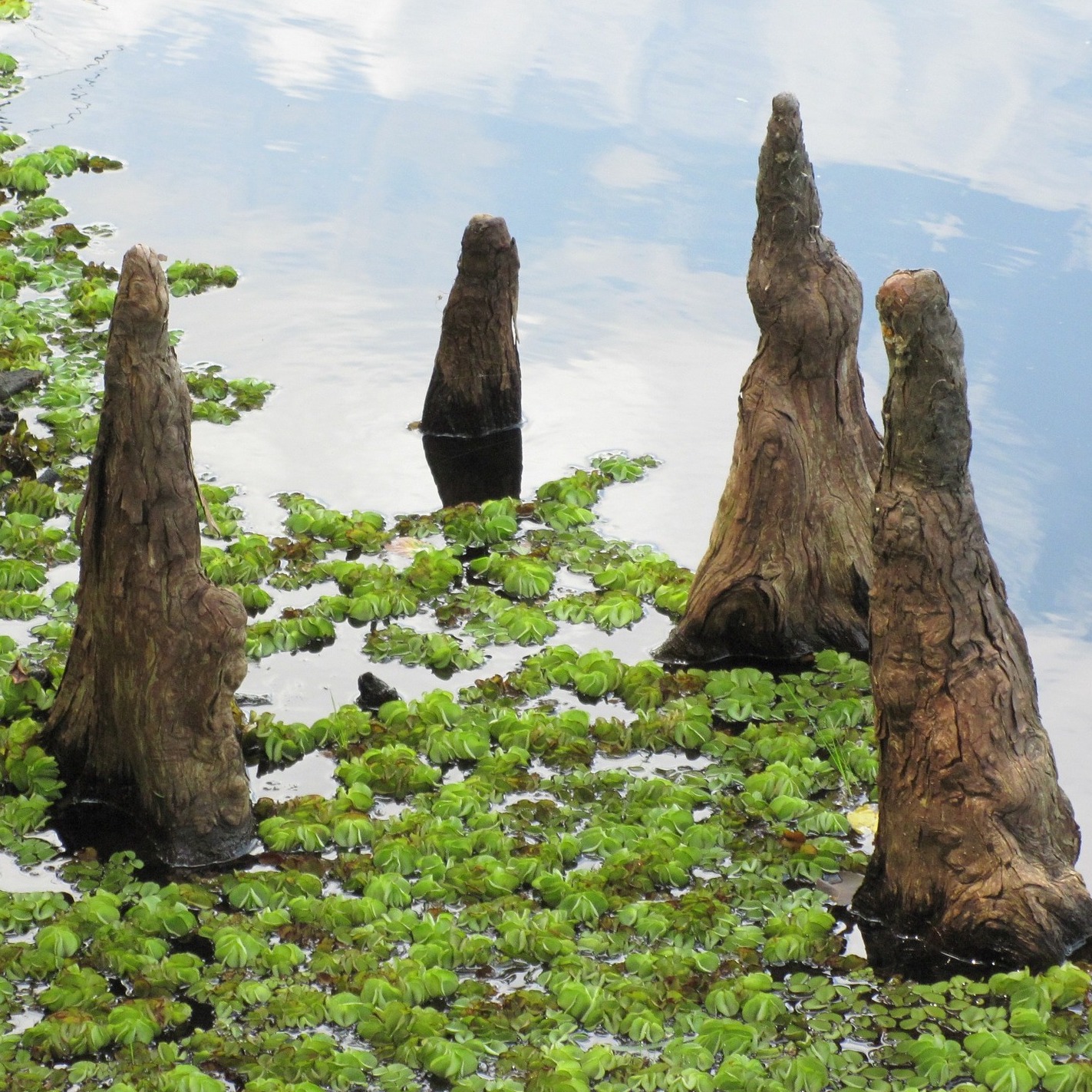
FE3.1 - Nature, by Design? Taking the Neo-Eoscenic Route (Part 1)
Is “Nature” a real thing, or is it just an idea? When we talk about restoring ecosystems, what are we restoring them to? Or more precisely, when?This episode is the first part of a conversation between Mendel, Adam, and two of Adam’s mentors, wherein we explore what it means to practice ecological restoration as a form of art.Click here for photos and details of Oliver’s artwork / restoration proj

Future Ecologies presents: Back to Earth - Queer Currents
What is queer ecology? How do queer theory and artistic practice inform environmental activism and climate justice? How can we think decolonisation and queerness together?Victoria Sin welcomes guest host Serpentine Assistant Curator, Kostas Stasinopoulos to dive into transformation, queerness, the natural and unnatural, wild, decolonial and submerged perspectives. Together with guests Ama Josephin
Recommended

McKinsey on Consumer and Retail

megahired.com

Hard Knocks Podcast

Effective Weight Loss for Moms | High protein, Strength Training, Lose Weight, Meal Planning, Fat Loss, Healthy Habits

The Human-Animal Connection - Pet Life Radio Original

Infinite Health with Dr. Arasi Maran

The Daily

World News Tonight with David Muir
The Joe Rogan Experience

English Vocabulary Help
TED Talks Daily

Learn English B1 with Daily News | English Listening Practice
