
Shocked
Are you tired of the same climate and energy stories? A warmer world is here. We’re living with it. Now what? Will countries ever stop burning fossil fuels? Should we use less energy? Can we adapt to a warmer world? What will it cost? Sometimes, we need to start by reexamining things we thought we knew. Axios journalist Amy Harder and University of Chicago economist Michael Greenstone share new ways of thinking about the challenge from people on the frontlines as well as cutting-edge solutions — like changing the earth’s atmosphere, making batteries out of sodium and using artificial intelligence to predict the weather. Listen to learn about energy, climate, and the shocking ideas that will change your perspective.
Episodes
Markets for Pollution
In theory, the free market should help solve climate change. In reality, it’s rarely that simple. This episode explores how emissions markets work, where they’re taking off to reduce pollution, and why economists still believe markets are essential—if politics will let them be.More on the pollution market in India: https://emissionsmarkets.org/evidence-from-india/More on the scale up efforts: http
Farmer's A.I.manac
Accurate weather forecasts save lives—but not everyone gets them. In this episode, Amy Harder looks at how AI is transforming weather prediction in places where the stakes are highest and the resources are few. Can better data close the climate survival gap?More on the underlying research: https://epic.uchicago.edu/research/long-range-forecasts-as-climate-adaptation-experimental-evidence-from-deve
Battle of the Batteries
To compete with China’s dominance in battery technology, the U.S. needs more than just ambition—it needs new chemistry. This episode traces the rise and fall of an American sodium battery startup and the quiet race to build a cheaper, safer, next-generation power source. Can innovation outpace geopolitics—or does the future already belong to lithium?More on Shirley Meng: https://climate.uchicago.e
The Vulture Effect
In the 1990s, millions of vultures quietly vanished from India—and the consequences were deadly. This is the story of how a cheap painkiller set off a chain reaction involving rabid dogs, polluted water, and tens of thousands of human deaths. Economists now say it may be the most expensive extinction you’ve never heard of, and is just one example of how wildlife extinctions impact our human world.
Bonus: A Climate Conversation Across the Aisle with Lisa Murkowski and Heidi Heitkamp
What does pragmatic climate policy look like today? In this special episode, our Michael Greenstone sits down with Senator Lisa Murkowski (R-Alaska) and former Senator Heidi Heitkamp (D-North Dakota) for a frank conversation about regulation, the energy transition, and the politics of bipartisan climate action. The two senators don’t always agree—but they share a belief that durable change starts

Moneyball for the Environment
For years, the EPA tried to inspect as many polluters as possible—but with limited staff, only a small fraction of sites could be checked each year. This episode looks at how a new, AI-driven approach is helping regulators target the worst offenders, and the data shows it actually works. What happens when environmental enforcement goes evidence-based?Read the op-ed that started it all: https://www
Geoengineering
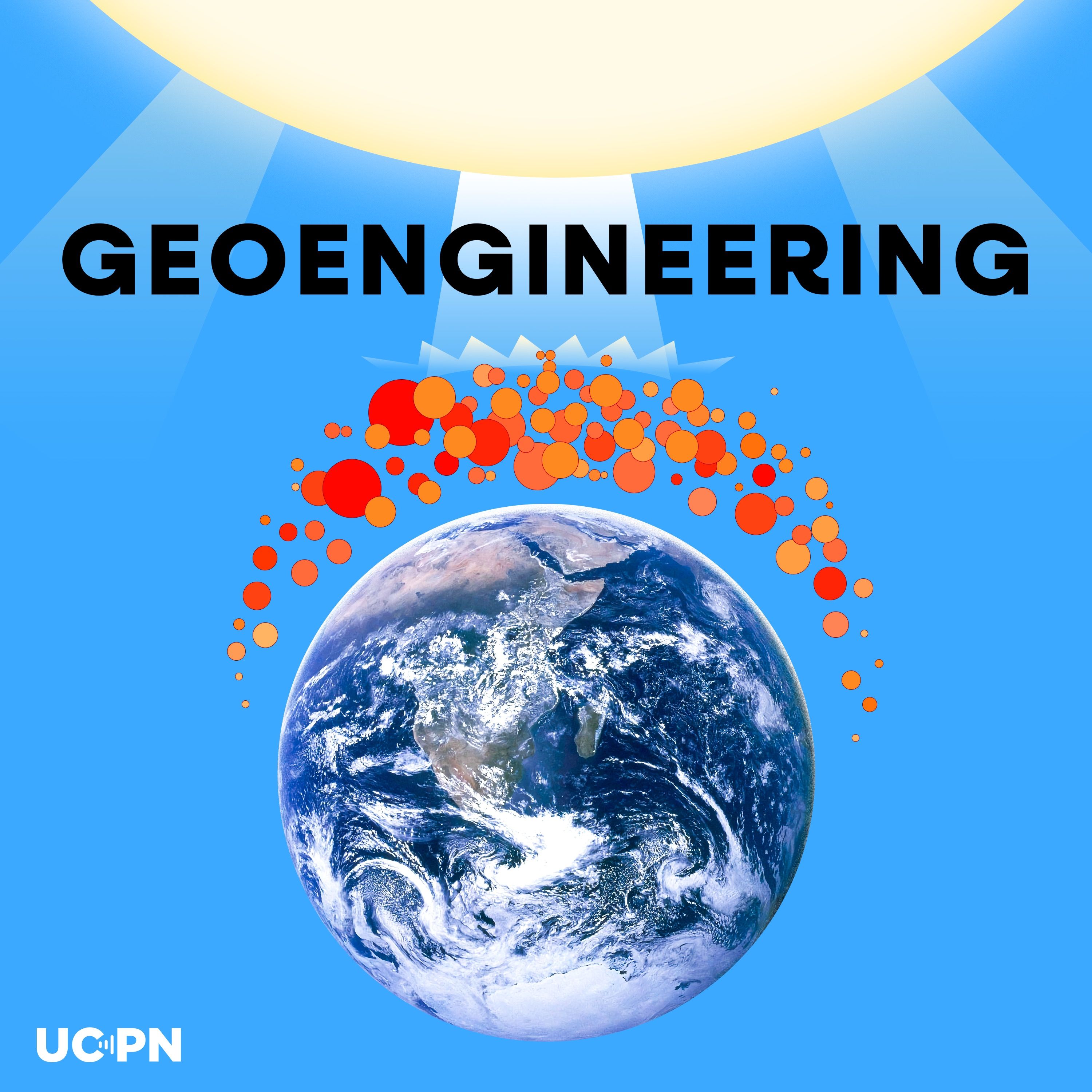
When disaster strikes and funding fails, some experts and leaders are considering a Plan B: deliberately cooling the planet by reflecting sunlight back into space. This episode traces the science, the politics, and the ethics of geoengineering—from volcanic eruptions to oil companies investing in carbon capture. What happens when the future starts to sound like science fiction?More from David Keit
Water Rising
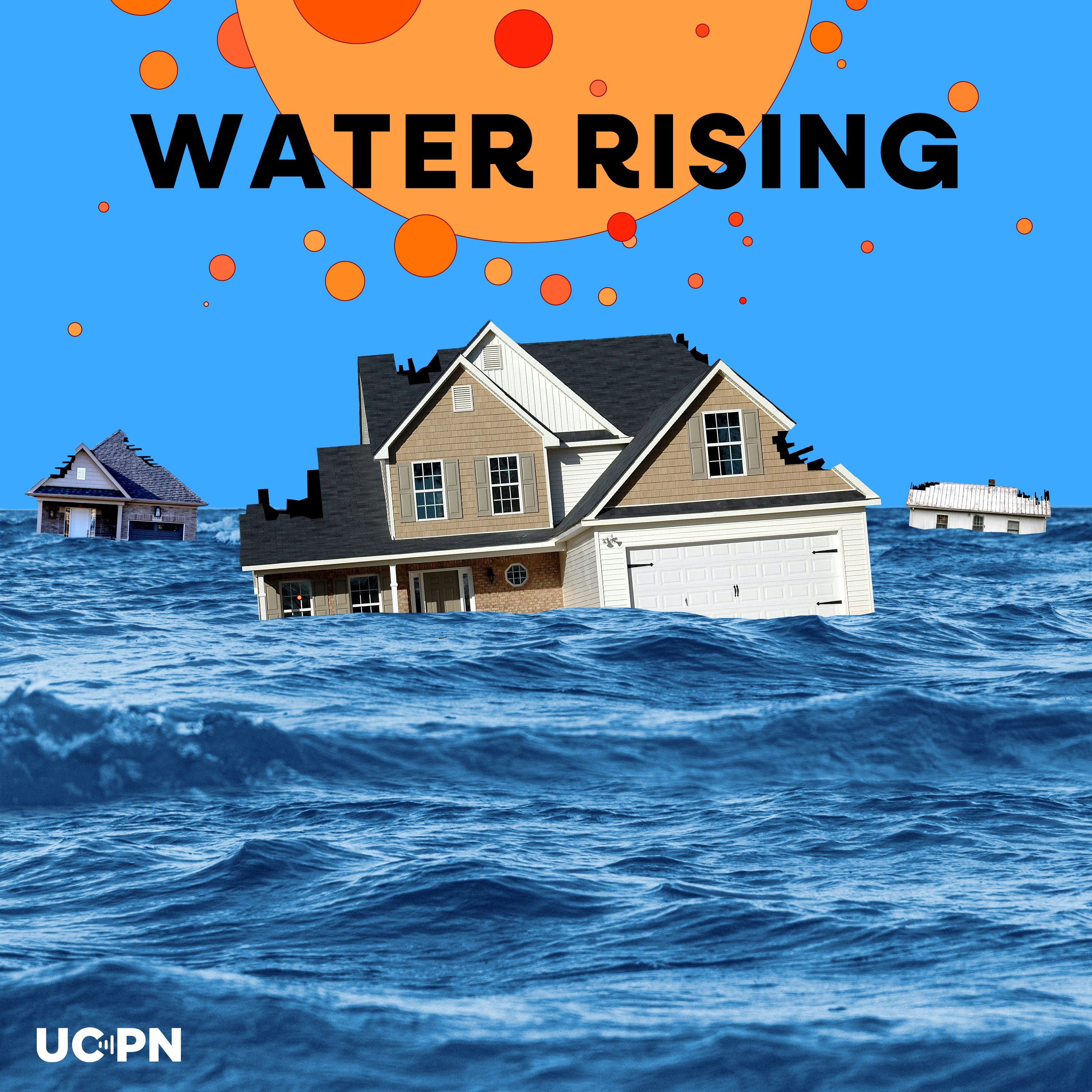
Sea level rise doesn’t look like a single global flood—it looks like repeated, localized disasters: flooded streets, collapsing home values, and hard choices about where to live. This episode explores how coastal communities, housing markets, and homeowners are reckoning with a slow-moving crisis that is already reshaping where and how we live. When water comes to your doorstep, who gets to stay—a
Temp Agency
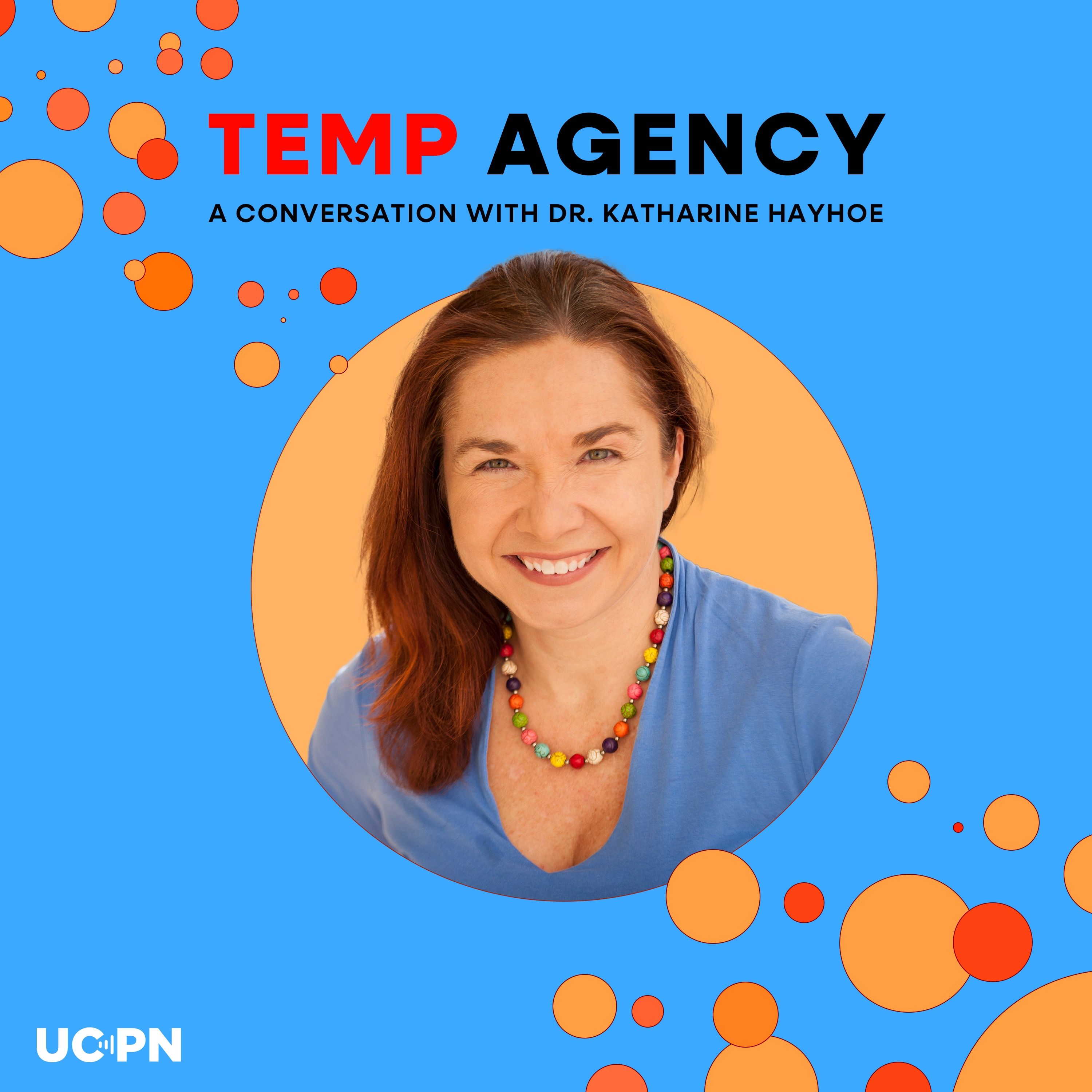
The world isn’t on track for the worst-case climate scenario anymore—but that doesn’t mean the future is safe. In this episode, climate scientist Katharine Hayhoe explains how human decisions are the biggest source of uncertainty in climate projections, and why our choices still matter. Progress is real—but so is the risk of stopping short.
Shocked is part of the University of Chicago Podcast Ne
Serious Money
Oil transformed Guyana from one of the world’s poorest countries into one of its fastest-growing economies—practically overnight. In this episode, we explore how oil wealth is reshaping life in Guyana, from new infrastructure to rising inequality, and ask what this moment reveals about the global tradeoffs between development and decarbonization. When the fastest route to a better life is funded b
Climate Disinformation
For decades, fossil fuel companies spread doubt about climate science—even as their own research confirmed the danger. In this episode, Shocked traces how climate disinformation evolved from denying the problem to undermining the solutions, and why the U.S. has become especially vulnerable to it. What if the biggest obstacle to climate action isn’t scientific—it’s psychological, political, and pro
Bad Energy
Air conditioning isn’t the luxury some consider it to be—it’s essential to life in a warming world. The real problem is the fossil fuels that power it. This episode of Shocked explores what it means to use energy well, from AC to AI, and whether “less” is always the right answer.Special thanks this episode to Ankit Kalanki More from Michael Greenstone: https://climate.uchicago.edu/people/michael-g
Unintended Consequences
From protest camps to courtroom battles, activists have tried for years to stop oil pipelines—but the oil keeps flowing. This episode examines why restricting supply doesn’t always mean reducing demand, and how climate action can lead to surprising outcomes when economics takes over. What happens when a win on principle leads to a loss in practice?More on the pipeline vs rail study: https://climat
A warmer world is here. Now what?
Are you tired of the same climate and energy stories? A warmer world is here. We’re living with it. Now what? Will countries ever stop burning fossil fuels? Should we use less energy? Can we adapt to a warmer world? What will it cost? Sometimes, we need to start by reexamining things we thought we knew.
Shocked is part of the University of Chicago Podcast Network and produced by Magnificent Noise
Recommended

Take Back Your Health®

CBS Radio Mystery Theater | Old Time Radio

Solved Murders - True Crime Stories

紐約鳥|New York Aperture
The Swerve Podcast: Obscure Topics | Conspiracy Theories

The Bread and Banter Podcast

The Church of What's Happening Now: The New Testament

Busted Open

Deadline: White House

Crickets Corner
History of the Earthquake and Fire in San Francisco

Fox news
