AuDHD Flourishing
The monotropic neurotype of Autism + ADHD holds strengths and challenges. Typical advice often doesn't work for us. Your AuDHD host, Mattia Maurée (they/them), shares research, lived experience, and practical advice from coaching over 400 neurodivergent folks. They focus on feeling better first, before tackling the big life design questions. You're doing great, you belong here, and it's possible to feel a lot better.
Episodes
160 Doing Things Mode
Something I've noticed: my brain seems to be in "not doing things" or "doing things" mode.Pushing myself too much during okay executive function days tends to lead to multiple days of recovery.So ironically, doing a bit less on those days has made for a more consistent capacity...AuDHD Flourishing resources:Transcript Doc (often a few weeks behind, but we do catch up!)Matti
159 Imaginary To-Do Lists
A silly hack I use to calm my brain down. You can also use it to track your interests or other patterns over time.AuDHD Flourishing resources:Transcript Doc (often a few weeks behind, but we do catch up!)Mattia's NewsletterLike Your Brain community space (Patreon/Discord) Hosted on Acast. See acast.com/privacy for more information.

An Emmy winner's trick for ADHD idea overload, from The ADHD Channel for Women
AuDHDer Cate Osborn (Catieosaurus) interviews Adam Reid about idea overload... relevant whether or not you're a creative professional or writer like Adam! Thanks to The ADHD Channel for Women from Understood.org for letting me post this episode. You can find all of their episodes here. (And Sep 22 2026 they put out an episode on ADHD & PMDD, which is a thing people ask me about a lot!)AuDH
158 Communicating With Truth-Haters
Many AuDHDers have shared stories with me about some version of the following: There is a problem staring them in the facePeople in power don't want to hear about it This comes up a lot at work. The more subtle version is trying to get someone to give a straight answer about exactly what needs to be done, or how. And they act like it's somehow an affront to their authority... so confusing! If you
157 Your Brain Learns Fast
Part of what hyperneuroplasticity means is that your brain learns quickly on many fronts... including from negative data. This has some obvious downsides!The good news is that what might feel like excruciatingly slow learning in other areas (8-18 repetitions) is actually normal. Your brain just learns fast sometimes ;)The other good news is that 2 data points does NOT equal a predictive pattern ye
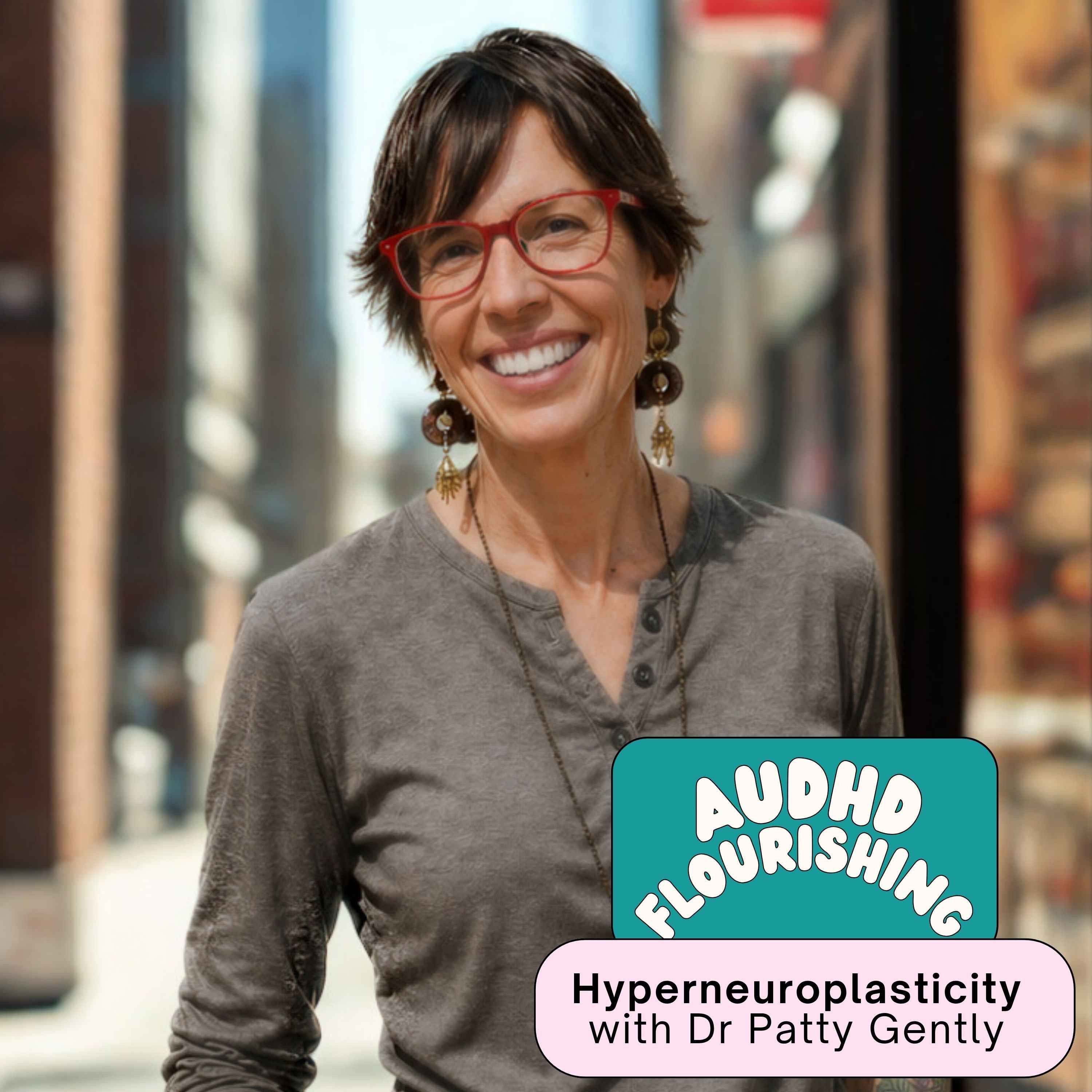
156 Hyperneuroplasticity with Dr Patty Gently
Dr. Patty Gently is one of the most important researchers and voices in the gifted neurodivergence space. Her free online community, Bloomers, has a few thousand mostly 2e members.And her research around hyperneuroplasticity is filling in some gaps in the literature to explain some of our experiences!Love Your Brain course (and the Sep/Oct 2026 live round info) - starts Sep 8Connect with Patty:Aph
How to Make Projects Happen - Repost
AuDHD brains face many challenges when it comes to projects. It's something I've put a great deal of time and learning into, both personally and professionally. This episode covers many ideas and approaches that tend to work for us.Key Takeaways:We usually learn to use what I call the Adrenaline-Anxiety Approach. While effective short-term, it can lead to burnout and other issues.A monotropic appr
155 Making & Keeping Friends
Making friends is hard. Developing and keeping those friendships is hard. It's literally work! Today I talk about my friendship journey, more to give examples and share what I've learned rather than to teach. Because this is a deeply personal topic that's affected by your current capacity!Mentioned upcoming live round of Love Your Brain course (Sep-Oct 2026)AuDHD Flourishing resources:Transcript D
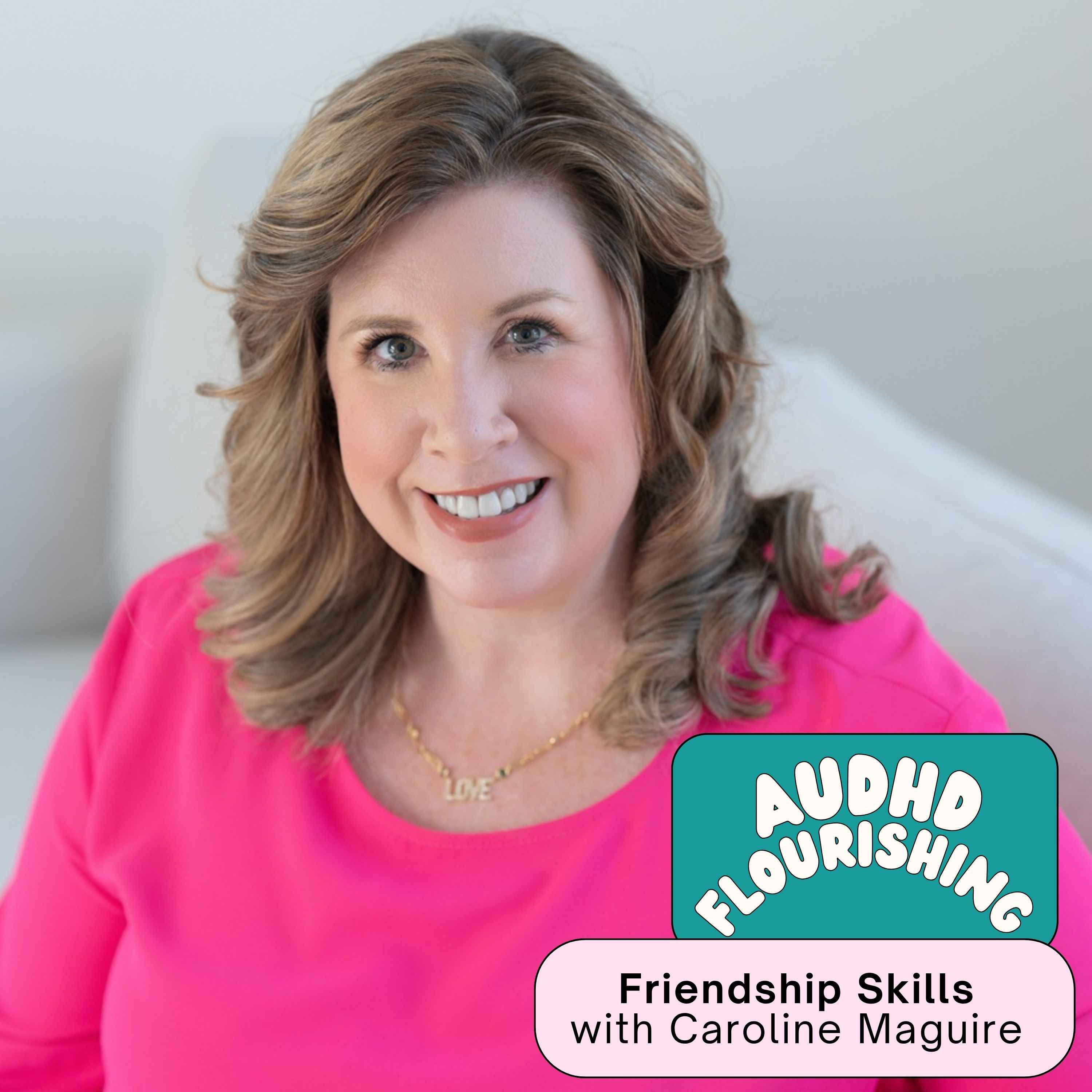
154 Friendship Skills with Caroline Maguire
Caroline Maguire is passionate about learning how to bring your whole neurodivergent self to friendships... and not scaring people off!Her book, Friendship Skills for Neurodivergent Adults, includes not only skills but red and green flags, and info on masking vs adapting (which we also talk about in the episode).Mentioned in episode: next week's workshop with Grace BezaireConnect with Caroline:Boo
153 Polyamory & Community Bonds
Thanks for the great topic suggestion from the community: polyamory & strengthening community bonds. Those are quite intertwined for me, since I've been out as poly/RA and exclusively in open relationships for almost 20 years now.This is a collection of thoughts on what I've noticed while being poly, and how it overlaps with community building and relationship maintenance in general.AuDHD Flou
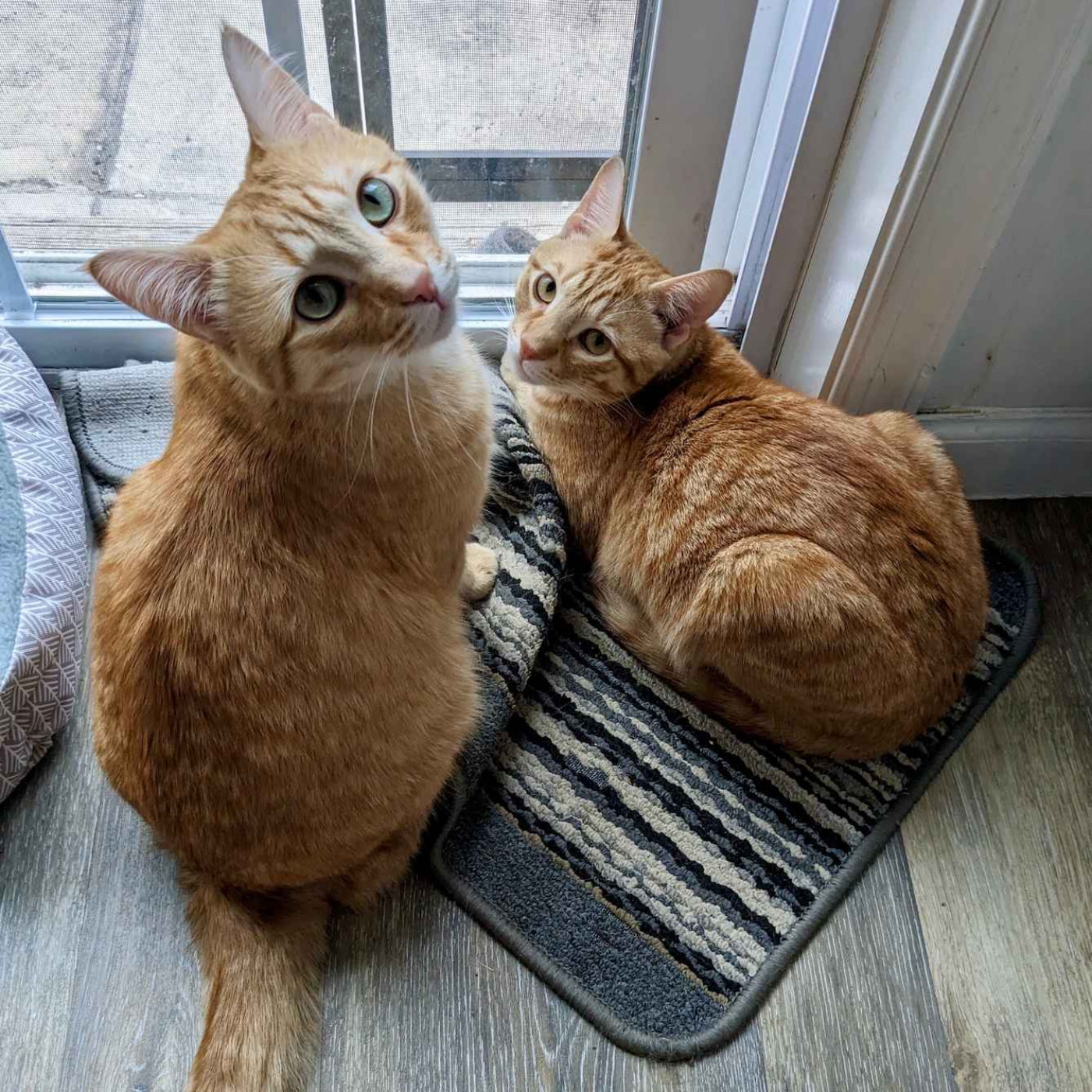
152 You Can't Trick a Nervous System
My cats Mac & Cheese (see episode pic) have been having a hard time. I've learned a lot observing their reactive nervous systems because it's so easy to feel compassion for them.This episode uses that extended metaphor to also talk about when AuDHD nervous systems feel reactive, including with meltdowns that can include anger or violence. Depending on how much reactivity is affecting y
151 The Skill No One Knew You Needed
The skill no one knew you needed: how to emotionally regulate while doing a task. It's simple yet difficult. And undiagnosed neurodivergent parents were even less likely to be able to help on some fronts, if they never learned how either.This is a skill you can practice (which the end of the episode covers), and there are many AuDHD factors complicating it for us. Even with different emotional pro
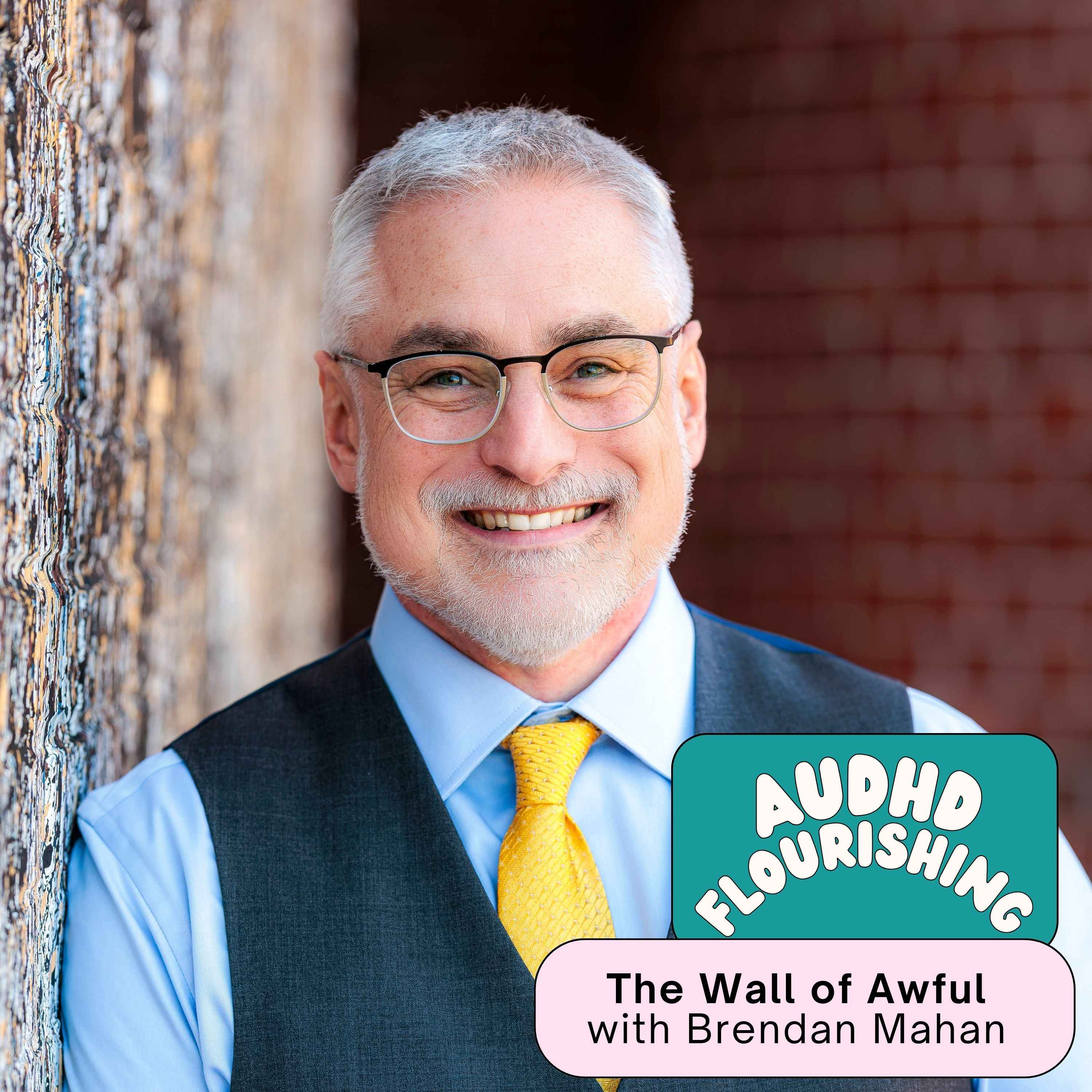
150 The Wall of Awful with Brendan Mahan
Brendan Mahan's concept of The Wall of Awful has taken on a life of its own. While originally geared toward ADHD, it's also extremely applicable to other neurodivergent folks including autism, AuDHD, OCD, and PDA.In short, there are a bunch of tough emotions built up over time between you and tasks that are difficult for you (whether or not anyone else believes they are easy). While you may instin
149 The Consistency That Matters
"Consistency" can feel like a dirty word in neurodivergent land... Consistency is a tool, not a final answer. It can be a better fit than habits for our brains (see past 3 episodes) It can be part of building systems that work for us (including reminders, since forgetting is a big reason for inconsistency) Kindness and self-compassion are where consistency REALLY matters, because they build capaci
148 Breaking Bad Habits
Builds on last two episodes: Self-Awareness vs. Solutions and Habits are Hard (but also very cool)Breaking "bad" habits is different (and more difficult) than building new habits. I also recommend not being too aggressive about it if those coping mechanisms are load bearing psychologically ;)AuDHD Flourishing resources:Transcript Doc (often a few weeks behind, but we do catch up!)Mattia's Newslett
147 Habits are Hard (but also very cool)
There's some evidence that ADHD brains in particular may have trouble forming habits as they're traditionally thought of. But that doesn't mean they have no value for us!This episode is about how to lean into the part of habit formation that may work for us (spoiler alert, you may need WEIRD rewards)Builds on last week's episode, Self-Awareness vs. Solutionsp.s. hopefully the birdsong in the backg
146 Self-Awareness vs. Solutions
You may have been told that you're "so self-aware," yet struggle to actually implement solutions. In the moment, you might be lacking the support, the executive function, the initiation energy, etc.Introspection and self-awareness are great, but they're not the end of the process.AuDHD Flourishing resources:Transcript Doc (often a few weeks behind, but we do catch up!)Mattia's NewsletterLike Your
145 Mediocrity is a Needed Step
In the context of learning a musical instrument, it's obvious that there's a period of not being good at it. Whether you call it mediocrity or a skill gap, there's often a gap between where you are and where you want to be. There are many cases in which we can only improve by doing, trying, and yes, failing. It's uncomfortable and that's normal. You don't have to like it, but it is a step in learn
144 Don't Do All the Things
Trying to do all of the things, all of the time is a recipe for being stuck.Instead, do some of the things, some of the time.The episode also talks about a couple of imagination techniques that may help with some types of PDA or other demand avoidance.AuDHD Flourishing resources:Transcript Doc (often a few weeks behind, but we do catch up!)Mattia's NewsletterLike Your Brain community space (P
143 Creative Blocks & Insecurities
Last week we talked about creative entrepreneurship.This episode is about my recent & current creative blocks and insecurities that cover some of the difficulties of being a professional creative.And because people may ask: here's my pre-transition voice, and more-or-less current voiceRelated episodes: 100 Creative Time Limitations24 Redefining Creative Success with Chris HaleAuDHD Flourishin
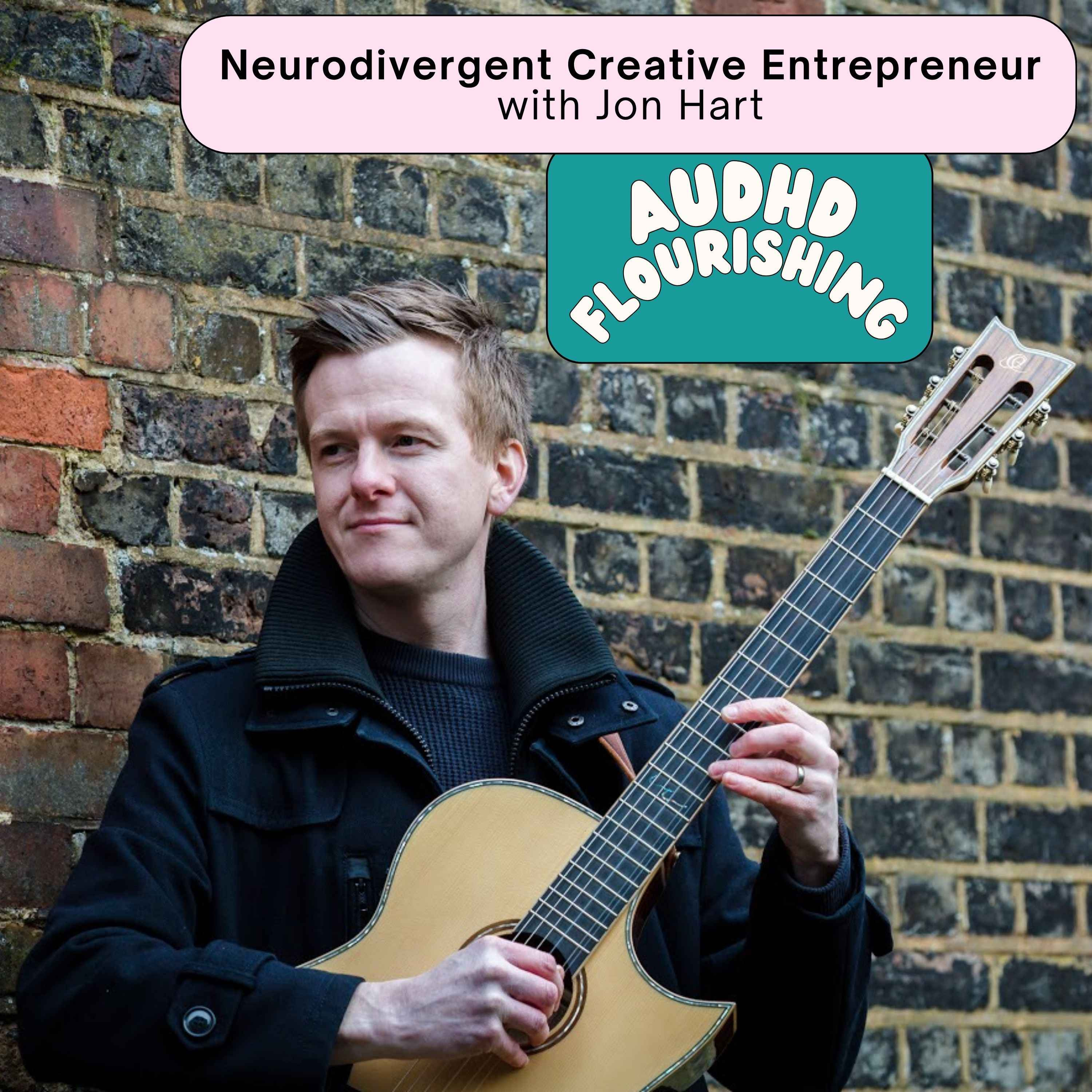
142 Neurodivergent Creative Entrepreneur with Jon Hart
Jon Hart is building an online space for neurodivergent musicians. And our conversation focused on the entrepreneurship side of things, because occasionally our disability disables us!Being a creative entrepreneur has its own challenges. One of which is having too many ideas... Connect with Jon: neurodivergentmusicians.com & the research questionnairejonhartmusic.comAuDHD Flourishing resources
141 Predictive Processing - another autism explanation
Predictive Processing (or coding) differences are a relatively new proposed idea about an underlying mechanism of autism. Preliminary studies do show differences, but not necessarily "deficits," which I think is promising.While it may not explain everything, it's a compelling theory that resonates in my anecdotal experience.More reading/listening on predictive processing:The predictive coding theo
140 What's Your Energy Level?
I just had a shocking experience regarding my own energy levels while on vacation. Truly, I never would have predicted it even if you laid out all of the details going in.This episode is about figuring out what drains and rejuvenates your energy, so you can start to choose where that (technically limited) bucket of energy goes.AuDHD Flourishing resources:Transcript Doc (often a few weeks behind, b
You Are Not a Burden - Repost
The story of a meltdown. For me these days, that includes some intrusive thoughts around being a burden.You are not a burden. And even if we are sometimes, that's okay. I want to be a part of communities that can carry each other sometimes.repost of ep 23Like Your Brain community spaceTranscript DocEmail Newsletter Hosted on Acast. See acast.com/privacy for more information.
When the Body Simply Cannot - Repost
This week I pushed my body way too far, even though I was having trouble parsing that in the moment. The story is also a great analogy for how other ND internal needs feel (including PDA).Even with all the info, self-kindness, and support, I still struggle to find that exact line of capacity. It's okay that it's hard to figure out!This is the perfect and slightly ironic follow-up from last week's
139 Alexithymia - Feeling While AuDHD
Alexithymia is common in AuDHDers, and involves having trouble identifying and communicating emotions. There are a lot of reasons this can be the case, including: interoception differenceslack of useful training in emotional skills & languagedifferent emotional experiences than expected in the situationChildhood Emotional Neglect (which can cause alexithymia) Alexithymia is NOT a disorder! It'
138 Your Money Big Picture
I would guess that most AuDHDers struggle with money in one way or another. Saving or planning for the future can be particularly difficult to emotionally attach to in the same way we connect with wanting something in the present moment. I use several tools to stay emotionally connected to my money big picture, and spoiler alert none of them is a budget: tracking all income closely a multi-tab fin
137 Spending and Money Unfairness
This & next week are two episodes on money & finances as a follow up to last week's interview (more from Hyperfocus here).Justice sensitivity can highlight the unfairness we often feel between our financial situations and those of people who haven't struggled to find and keep work. For example, AuDHDers often experience conflict with bosses who think we ask too many questions or have a bad
136 Financial Therapy with Christine Hargrove
Thanks again to Hyperfocus with Rae Jacobson for sharing this interview with financial therapist Christine Hargrove. She shares ADHD-focused advice that is useful for AuDHD folks as well! And the next two weeks will touch on other financial topics from this foundation.I especially love the line, "The best budget is one you can follow on your worst day" Learn more about Hyperfocus with Rae Jacobson
Paper Planners & Tasks Feeling Real
I just started using a paper planner again for the first time in many years, and the coolest thing is noticing that calendared blocks of time feel more "real" to my brain when I've written them by hand. That tangibility in turn seems to be making it easier to stick with things. Caveat that it can always be the initial dopamine surge of any new system! That said, if it's working, I say try new tool
135 Slow Processes are Frustrating
Sometimes... a process is happening, internally. It can be integration, change, growth, positive disintegration... and sometimes it's unclear. Either way, the uncertainty can be disconcerting and frustrating!AuDHD Flourishing resources:Transcript Doc (often a few weeks behind, but we do catch up!)Mattia's NewsletterLike Your Brain community space (Patreon/Discord) Hosted on Acast. See acast.c
134 Worst Tasks for AuDHDers
With an interest-based nervous system + AuDHD cyclical energy, the hardest tasks for us areBoringAnnoyingHigh Stakes and/orDifficultThe episode covers how and why they're difficult, and some starting points for each one.The steps from later in the episode:If you're struggling to start something, identify if it's Boring, Annoying, High Stakes, or Difficult.Give yourself compassion for why that make
133 Anger and Aloneness
If you're feeling angry lately, that makes a lot of sense! It's not a bad emotion. In fact, it can feel quite motivating to create change. But what if you are feeling isolated and/or don't have capacity to directly create that change right now? That's where nourishing and care work come in, even if they're only for you (for now).While I don't use the word self-care in the episode, that's in part t
132 Is This Your True Desire?
Sometimes I mix up true desires with interests and hyperfocus. But what about the persistent and even lifelong interests? Where do they fit in?This episode is for anyone who wants to throw their life out the window and start over when in the throes of a new interest ;) You're not broken!AuDHD Flourishing resources:Transcript Doc (often a few weeks behind, but we do catch up!)Mattia's NewsletterLik
131 Disordered Eating and AuDHD
This goes along with the interview about Embodied Exercise. For many people, the other side of that coin is eating. And rates of disordered eating are higher among Autistics, ADHDers (especially women), and trans and gender non-conforming folks.The episode only briefly touches on ARFID, an eating disorder more likely to affect autistic people for multiple reasons. If you know someone who could be
Your Core Self-Care Need - Repost
Most people have one or two core self-care needs that, if they're met, everything else feels easier. This episode is about how to figure out yours... and what to look out for when you hear people preaching about their own!There's also acknowledgment that your neurodivergent body and brain may process things in different ways, so the following questions may not be that useful for you.Figuring out y
130 Unclear Discomfort
it is what it isAuDHD Flourishing resources:Transcript Doc (often a few weeks behind, but we do catch up!)Mattia's NewsletterLike Your Brain community space (Patreon/Discord) Hosted on Acast. See acast.com/privacy for more information.
129 Embodied Exercise with Martha Munroe
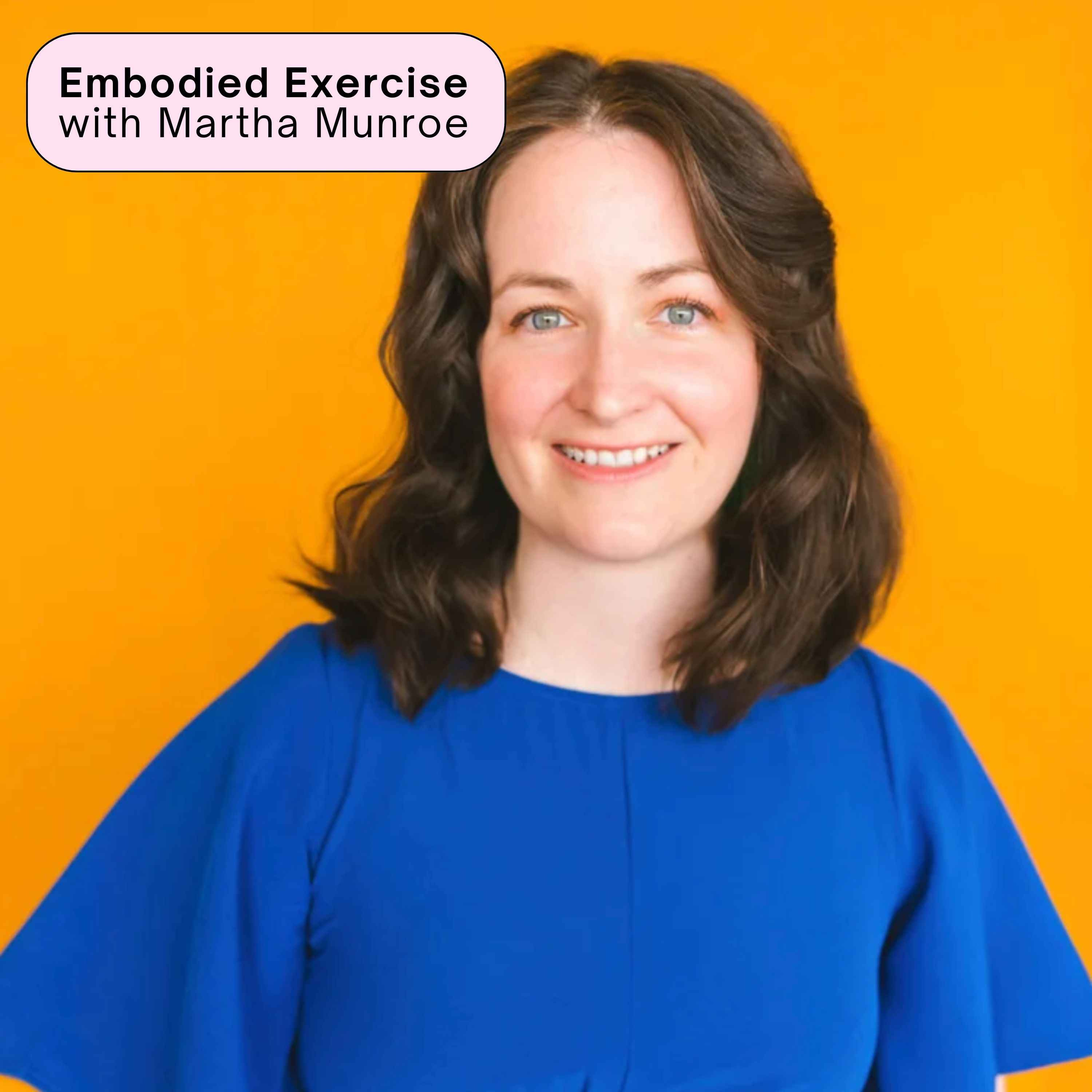
Martha Munroe, a neurodivergent personal trainer, was noticing patterns in the ways her clients talked about exercise and their bodies. They were often driven by external goals (aesthetics, performance, what others think) vs. the internal experience of movement.She reframes exercise as a way to explore and express through embodiment. Also, reclaiming exercise (not only movement) by offering gentle
128 AuDHD Parenting
Parenting as an AuDHDer is challenging and misunderstood. Many parents I speak to are near or in burnout at any given time, especially if they had kids before discovering their neurotype (which is common). This episode is based not on my experience as a parent, but my experience having spoken and heard from many AuDHD parents, and what I see working for them.This is in part a follow up to last wee
127 Diagnosed After My Kid with Julie M Green
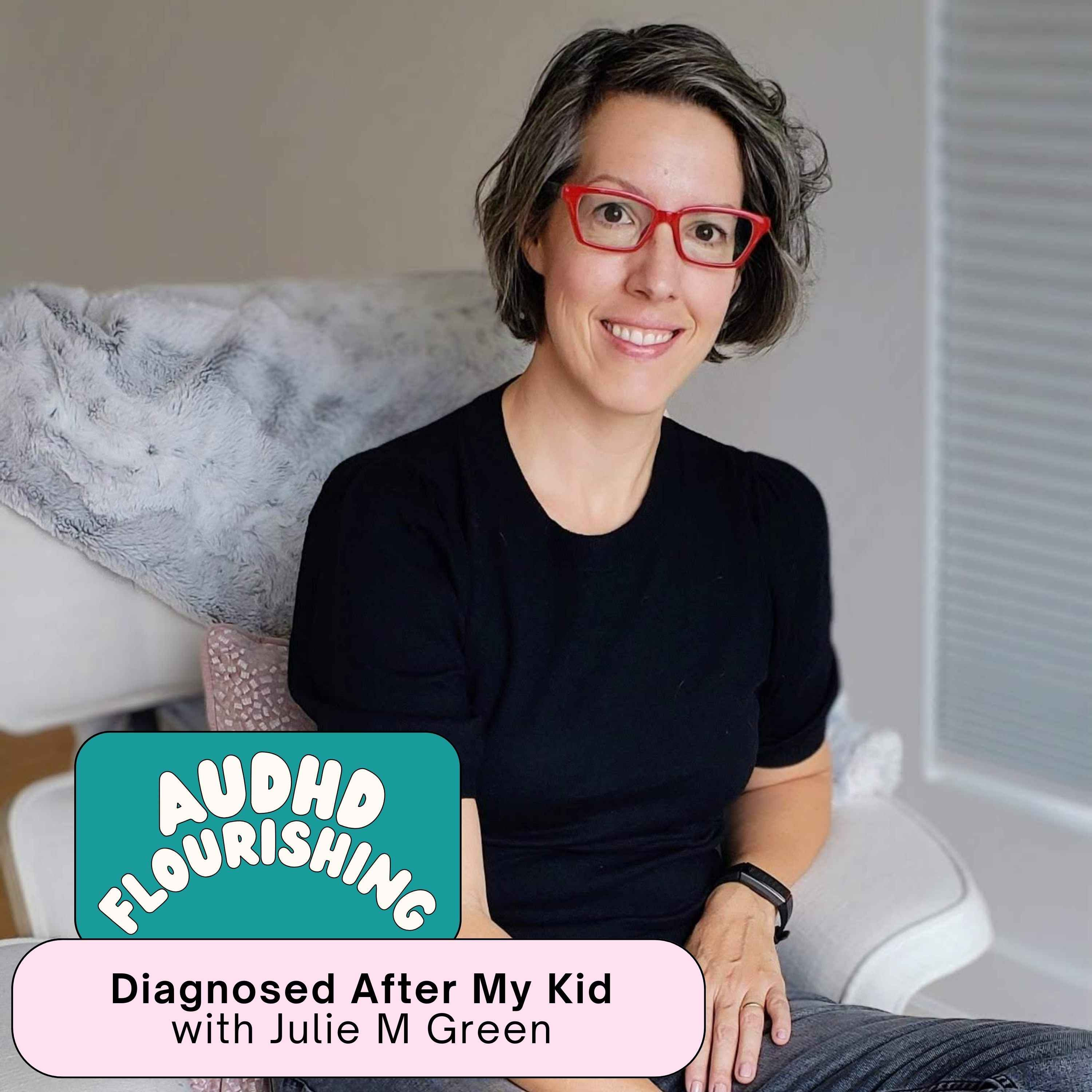
Julie M. Green is the author of Motherness: A Memoir of Generational Autism, Parenthood, and Radical Acceptance. She shares about how difficult early parenthood was, how different her autism presents versus her kid's, and navigating school and regulation skills.The book is a vulnerable look at some of the challenging and lighthearted moments of raising an autistic kid.Connect with Julie:Her b
Surviving Out of Spite - Repost
You deserve to survive this. Please stay.And if staying out of spite helps you, it has gotten me through some tough times.My Medium article, "Please Stay, We Need You"Repost of ep. 75Crisis Resources:USA-based anonymous crisis chatInternational crisis linesVarious types of crisis resources in about 10 countriesResources:Transcript DocEmail NewsletterLike Your Brain community space Hosted on A
126 Slow Days Make Flow Days
Flow is pleasant and often productive. It may also require some guardrails to be healthy for AuDHDers, especially those of us on the very monotropic side. It's often easy for us to get into flow and hyperfocus, and to stay in them until they stop feeling pleasant.Adding in more rest and recovery, including preparatory rest as needed, can really help!It's also okay to avoid flow states for a period
125 Autistic Play Saves Lives with Max Alexander
Max Alexander is an artist and play worker who has mapped some common shapes of autistic play. He's passionate about neuro-affirming play for all ages.Play is both a healing tool, and can help prevent some of the effects of trauma (we touch on this lightly, a concept I learned from Linda Thai) One possible way to apply the play styles is noticing which ones speak to you, and which ones you're alre
124 AuDHD Leadership Matters
AuDHD leadership touches on last week's interview with Dr Megan Anna Neff. And it goes beyond the visible leadership of creating content, or being in the public eye.AuDHD leadership can includebeing your authentic selfvisibly meeting your sensory needssharing what helps you (whether or not it's advice)Mentioned in episode:- Do Less program for 2026 (starts Jan 15, reach out by Jan 7)Email mattia@m
123 Creating AuDHD Content with Dr Megan Anna Neff
Dr Megan Anna Neff is a neurodivergent therapist and thought leader, who became popular in 2022 with their "Misdiagnosis Monday" series. Their thoughtful content has helped many thousands of AuDHDers and other neurodivergent folks feel seen and understood.Today we talk abouthaving a small business as a neurodivergent person (including PDA at the end)the questions and concerns we have about creatin
122 Do Less (of what you don't want, to make room for what you do)
Doing less of what's harming you opens up time and energy. You can enjoy that as rest, and if desired, eventually fill it in with what you do want.AuDHDers often need to move at a slower pace, in many ways. Sometimes we then have creative bursts that move fast... but the space comes FIRST!Mentioned in episode:Do Less program for 2026 (starts Jan 15)book, Anti-Diet by Christy Harrison (affiliate li
121 AuDHD Belonging with Pasha Marlowe
Pasha joins again to talk about what they've learned in the past two years since last being on the show! We talk about belonging, triggers in relationships, and much more.She also shares the ableism behind the scenes of an autism training from a large (unnamed) org.Mentioned in episode:Pasha's website & LinkedInInstagram @neuroqueercoachTikTok @neuroqueercoachPasha's YouTubeAuDHD Flourishing r
120 Decluttering & Perfectionism
Decluttering, organizing, and cleaning my home in a more routine way is having some interesting effects on my perfectionist tendencies! (Plus, perfectionism comes up in the decision-making process; more on that in my interview on A Slob Comes Clean, which I'll link here when it's out.)Specifically, a cleaner space = less decision fatigue = lower cognitive load = more executive function resources f
119 Get Unstuck At Home with Dana K White
Dana K White, like me, couldn't find advice that worked for her. So she made it up! And it turns out, it was helpful for many other people too.After writing an anonymous blog about cleaning her overwhelmingly cluttered home, Dana "came out" and started helping others too. Also, many of those people let her know she seems to have ADHD ;)Her explanations have already helped me a lot, and given me ho
118 Transitions Support AuDHD Productivity
Transitions are one of THE things that support the way that productivity shows up for AuDHDers! Transitions don't have to be all about work: play and rest can be transitions too. And sometimes we need transition time into and out of work, play, AND rest!Today I talk in more detail about how long transitions can take for me (routinely 30-60 minutes). If that's true for you, a 20-minute chunk of wor
117 PDA + AuDHD
PDA is the Persistent Drive for Autonomy (community term), or pathological demand avoidance (clinical & pathologizing term). What happens when PDA, ADHD, and autism all overlap? Well... stress and relationship challenges!Thankfully, everything that helped me feel more safe has also made my PDA more manageable. There are many approaches to build that safety.This episode is a follow-up to the in
Creative Resistance: Mattia on PDA: Resistance and Resilience
It's been a running joke (that wasn't initially a joke) that I'm totally going to do a PDA episode very soon... since the very first episode of AuDHD Flourishing.Now we have one, thanks to Chris Wells and Marni Kammersell for interviewing me on PDA: Resistance and Resilience, and letting me cross-post the episode here!Mentioned in episode:Full show notesAuDHD Flourishing Episode 87: Giftedness &am
116 Stimulants: a 2-year review
About two years ago, I started ADHD stimulant medication as a regular (most days) thing. I've mentioned it here and there on the podcast. This is my most concentrated "review" of the main things I've noticed over the past two years. To be clear, when I mention a factor that might make stimulant meds more of a burnout risk, I'm not saying those folks shouldn't try it! Just to be very careful not to
115 That Advice is Backwards
One reason most advice doesn't work for us is that it's backwards. It's telling us to do/have the end result, rather than showing us how to get there.In the case of safety or shame, it's pretty clear that we can't just leap to the end of the process (if there even is one with a traumatized body).Mentioned in episode: Toxic Shame: What it is and How to Heal From it (YouTube, Heidi Priebe. Her take

114 Queer! AuDHD! BIPOC! with TQ
TQ (they/them) is a queer, trans, physically disabled, AuDHD Chinese-Singaporean artist, author/host of the upcoming book/podcast Queer! AuDHD! BIPOC!, and community facilitator for other queer neurodivergent BIPOC.In true ND fashion, we range over many topics, including the importance of community and hearing your own stories as a person with multiple intersecting identities. You can pre-order a
113 The Urge for Minimalism & Visual Cues
Also on YouTube for some visualsMy urge for minimalism is partly to provide myself with the visual cues I desperately need, without overwhelming myself with visual clutter. And, there has been a specifically classist push for minimalism that sometimes causes me to get rid of too much.Here's an excellent thread about minimalism, class, and why you're probably not a hoarderI especially loved the ide
112 ADHD in Women and Girls
Thanks to Hyperfocus with Rae Jacobson for letting me cross-post this important discussion about one of the first longitudinal studies of ADHD in women and girls!Full show notes, timestamps, and Transcript available on Hyperfocus' site(Ep 5, The “devastating” findings of a decades-long ADHD study, Dec 5, 2024 has the full version; it was reposted Aug 28 2025 with more brief notes)Show notes:Dr. St
111 Shame Wrecks Identity
Chronic shame makes us feel all kinds of terrible things that often are the triggers that send people to therapy.It's caused in part by relational rupture without repair, especially as an infant and child.While there's no quick fix, recognizing the signs and beginning to gently work with it does help over time.This is episode 10 of a series of 10 that started with 102 AuDHD Therapy That Works with
110 New Neurodivergence Model with Darren Glencross
Darren Glencross was diagnosed near the beginning of 2025, and since then has written multiple books and come up with a new framework for people to explore outside of the medical model.It includes: Pattern Language, Inner Orbit with 12 satellites (and Their Orbit), and the Carry KitIt's exciting to explore community-led models!Connect with Darren: Darren's writings & Inner Orbit bookMessage on
How to Make Projects Happen - Repost
AuDHD brains face many challenges when it comes to projects. It's something I've put a great deal of time and learning into, both personally and professionally. This episode covers many ideas and approaches that tend to work for us.Key Takeaways:We usually learn to use what I call the Adrenaline-Anxiety Approach. While effective short-term, it can lead to burnout and other issues.A monotropic appr
109 Use More Lube
This ep also available on YouTube"use more lube:" do what you need to do to make life easier, more comfortable, and more pleasurable for you in the moment.This goes beyond sensory needs, though that's often where we start.You may not be sure what you want on the grand scale (or it feels impossible to get there). But being kind to yourself, and meeting your needs moment-to-moment, helps create a co
108 Using Intuition Practically
Intuition has been a way to interface with my body, even when the relationship with my body was contentious.While I won't share the trauma stories that led to the subtitle (Intuition Saved My Life), I have a variety of examples of how unconscious information can surface in a useful way.ep. 7 in an interconnected 10-episode seriesMentioned in episode:Free Workshops registration linkLove Your Brain
107 Whack-a-Mole is Killing Us
It often feels easiest to do what's right in front of us. And that's lovely, a lot of the time, and uses our strengths!And... it starts to feel bad if we're in whack-a-mole mode almost all of the time, and don't have spacious time to comprehend the whole of our experience.This ties into our sensory needs and leans more into the psychological side of these needs.Mentioned in episode:Whack-a-Mole fr
106 Being Yourself While Doing Stuff with Maria Bowler
Maria Bowler recently published the book Making Time: A New Vision for Crafting a Life beyond Productivity. It's a relaxing take on doing what you want to do, and feeling okay while doing it.One of the main themes is being present, and being true to yourself even if you're doing boring stuff you don't want to do. Finding those moments of resonance that turn the entire activity into building self-t
105 Emotions Are Hard For a Reason
The Autistic community has taken many approaches to reframing what the diagnostic criteria calls "Persistent deficits in social communication and social interaction across multiple contexts." There's the double-empathy problem, for example, in which Autistic people have an easier time understanding each other where allistics struggle and vice versa. Childhood Emotional Neglect, while a relatively
104 Why Your Day Sucks
This episode is also on YouTubeIf our sensory needs are not met, even an otherwise okay day will still feel... off somehow. And then that gap between how we feel and how we think we "should" feel can make it even worse (that one's not a topic in this episode, just a thing that happens).If our sensory needs ARE met, sometimes even tough circumstances can feel not that bad.To be clear, this is not a
103 How I'd Therapy Now (20 years in)
Lessons learned from ~17 years of therapy over the last 20 years. How I'd approach therapy now based on that.What to look for in therapists, goal-setting in therapy, and reasons to quit your current therapist. Also connects back to last week's interview with Joe about AuDHD therapy.Links mentioned:Book Decolonizing Therapy (also mentioned last week, affiliate link)Blog post on finding a neurodiver

102 AuDHD Therapy That Works with Joe Sosta
Joe Sosta is a Licensed Marriage and Family Therapist and late-realized AuDHDer. He shares some of our questions about therapy as an AuDHD adult, and we talk about the ups and downs of therapy and modalities. Note: "The Discord" mentioned is part of the Like Your Brain (Patreon) community spaceThis is the first of 7 interconnected episodes Connect with Joe:https://www.therapywithjoe.comhttps://bar
Healing Relational Trauma with Pasha Marlowe - Repost
Reposting popular episodes June 2025. Back atcha in July with some spicy takes!Original show notes:Pasha Marlowe speaks brilliantly about how to navigate trauma, triggers, and sensory needs in relationships as an AuDHD person.Making it concrete, we both talk about a recent meltdown with our respective partners, and how we navigated those during and after.This is a deeply un-shaming episode—we sti
Autistic Meltdowns & Shutdowns - Repost
In June I'm re-posting the most popular episodes from the show while I take a step back to look at the big picture. Update: the re-thinking has happened and retooling is in process :DOriginal show notes:Meltdowns and shutdowns appear to be a natural release valve for an overwhelmed autistic brain. They feel out of control and can be quite distressing.While there are ways to push them off, I experi
What AuDHDers Need - Repost
In June I'm re-posting the most popular episodes from the show while I take a step back to look at the big picture (because my monotropic brain has trouble doing that while also pumping out new content).Original show notes:What do AuDHDers need (beyond the obvious needs all humans have)? And why do those needs matter?This episode covers some important ones:Being able to engage with our interests (
What is AuDHD (and do you have it?) - Repost
In June I'm reposting the most popular episodes from the show while I take a step back to look at the big picture (because my monotropic brain has trouble doing that while also pumping out new content). Mentioned in outro:Experimenting Your Way to an Extraordinary LifeOriginal show notes:AuDHD = autism + ADHD... and also I experience it as its own neurotype, and not simply two "disorders."Here are
101 Time Cannot Be Wasted
Time the body needs to transition, meet needs, rest and recover is NOT wasted time! I don't know that it's even possible to "waste time" outside of ableist capitalist structures. If you still have ableist thoughts, that's okay. We all do! It's worth resting anyway.Resources mentioned: Neuraluxe's post about parentificationCar fundraiser for DV survivor (my sibling)When your abuser threatens suicid
100 Creative Time Limitations
If you have multiple interests, realistically you probably don't have enough time to develop all of them to the degree that you'd like. And even with more targeted pursuits, many of us are busy because of real life and capitalism.What this means is that we have to make tough choices. I talk about some of the ways I've worked through this, where I'm at with it currently, and some questions to ask y
99 a little more or less
To change something, I've been playing with telling myself I'll do "a little more or less." It is less exciting than a huge plan... but also easier on my nervous system!Love Your Brain course info & live round updateResources:Transcript DocEmail Newsletter: Nothing Wrong With UsLike Your Brain community space (Patreon) Hosted on Acast. See acast.com/privacy for more information.
98 Meeting Intensity Needs
This year I've been trying to meet my intensity needs in more "healthy" ways, while also recognizing that sometimes that doesn't feel possible. And that's okay!Love Your Brain course info & live round updateResources:Transcript DocEmail Newsletter: Nothing Wrong With UsLike Your Brain community space (Patreon) Hosted on Acast. See acast.com/privacy for more information.

97 Handling Daily Life with Vanessa Gorelkin, OT
Vanessa Gorelkin is an Occupational Therapist who often works with ND folks. She shares about compassionate approaches to daily life tasks.The main tool she shared is creating a crisis kit to use when experiencing distress in public, at work, or anywhere that you can't be fully unmasked. List of suggested items below.Crisis kit items suggested in episode:alcohol swabs (to smell for state change)in
96 Building Our Own Systems
Reflecting on the interview with Anna, who shared about accommodations for her students and herself. Learning how to build our own systems/structures is often more useful than being handed a system. Because no matter how much dopamine we get initially from a new tool or system, it inevitably becomes stale. Instead of throwing the whole thing out the window every time, I've learned how to pull forw
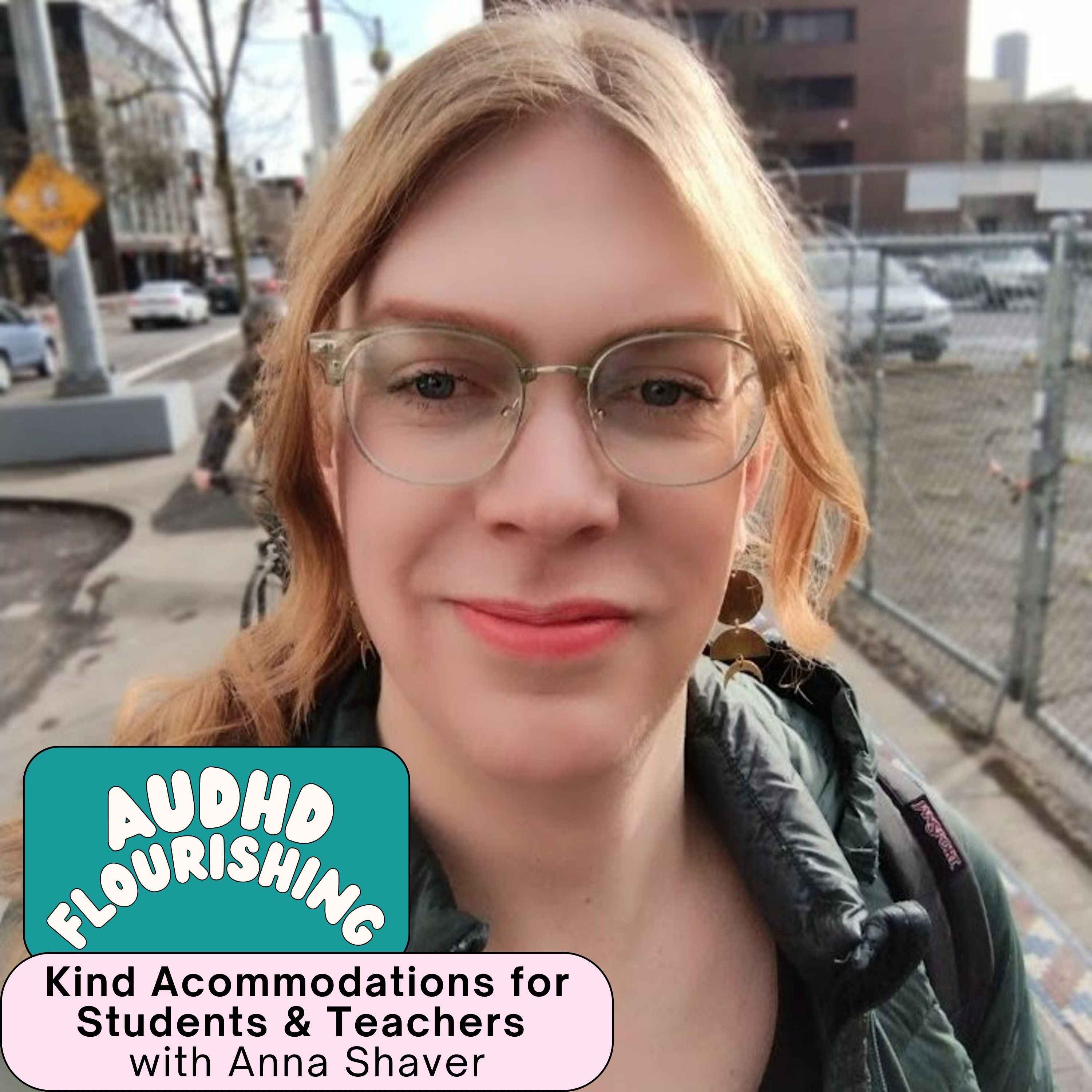
95 Kind Accommodations for Students & Teachers with Anna Shaver
Anna is an educator who has developed an incredible approach with accommodations at the core (for the student AND herself!). It makes sense pedagogically, and it's working! With a core of psychological safety, students are able to explore writing and language with their own goals in mind.We've also known each other since I was 15... so we talk a bit about the mysterious backstory of living in a Ch
94 Coping Mechanisms
Coping mechanisms can be a pathologizing term. What's the difference between coping mechanisms and intensity or interests?This episode also touches back to the interview on sobriety with Amy in ep. 92. As well as this note on a positive AA experience from a listener.Resources:Transcript DocEmail Newsletter: Nothing Wrong With UsLike Your Brain community space (Patreon) Hosted on Acast. See ac
Recommended

Deadline: White House
Crickets Corner

History of the Earthquake and Fire in San Francisco

Fox news

K-Drama Obsessed Mamas | Beyond “Just One More Episode!”

True Crime Classics
The Healer Revolution

Becoming: HER with Nikki Spoelstra

Booked, Blonde & Busy w/ Olivia Ponton

McKinsey on Consumer and Retail

megahired.com

Hard Knocks Podcast
