Biomanufacturing & Fermentation Technology
Welcome to Biomanufacturing & Fermentation Technology, the podcast where microbes meet manufacturing and science turns into scalable reality. In each episode, we dive inside real bioprocesses, from lab-scale experiments to commercial fermenters, to unpack how products are actually made, fixed, and optimized in the real world. Expect candid conversations on fermentation failures and breakthroughs, scale-up war stories, regulatory realities, emerging technologies, and the decisions that separate a promising culture from a profitable process. Whether you are a scientist, engineer, entrepreneur, or simply curious about how biology builds the future, this show offers a behind-the-scenes look at the art and science of biomanufacturing.
Episodes
The Power of Good Enough
"The Power of Good Enough" is a poignant short film that follows a successful individual as they reflect on their past and narrate the reality of an imperfect childhood. Rather than presenting a picture-perfect upbringing, the story highlights how navigating early struggles, unmet expectations, and everyday flaws ultimately built the resilience and drive needed for future success. It ser
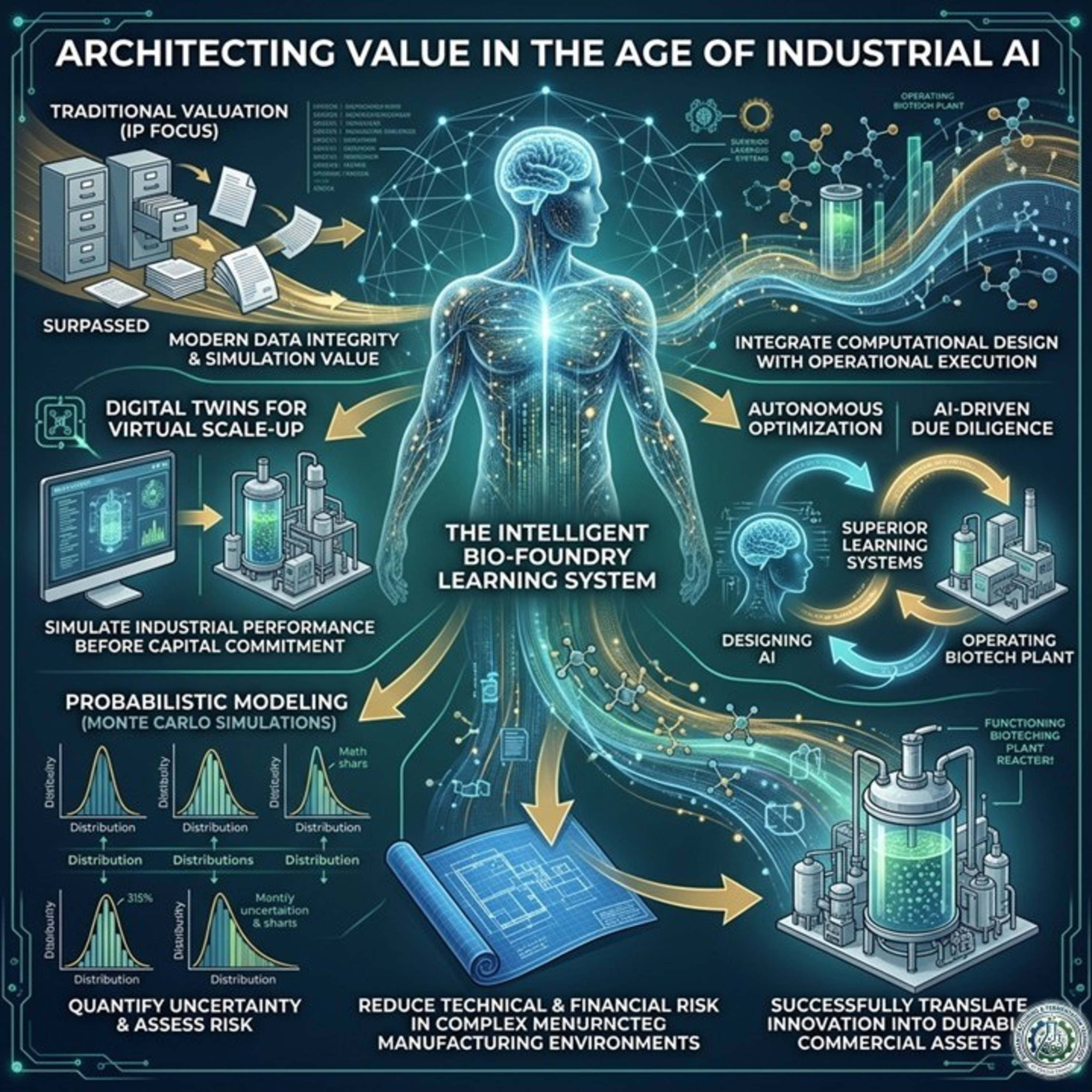
Architecting Value in the Age of Industrial AI
This episode explores how artificial intelligence, digital twins, and probabilistic modeling are revolutionizing the valuation and development of industrial biotechnology. Modern company value is shifting away from simple intellectual property toward data integrity and the ability to simulate industrial performance before committing significant capital. By utilizing digital twins for virtual scale
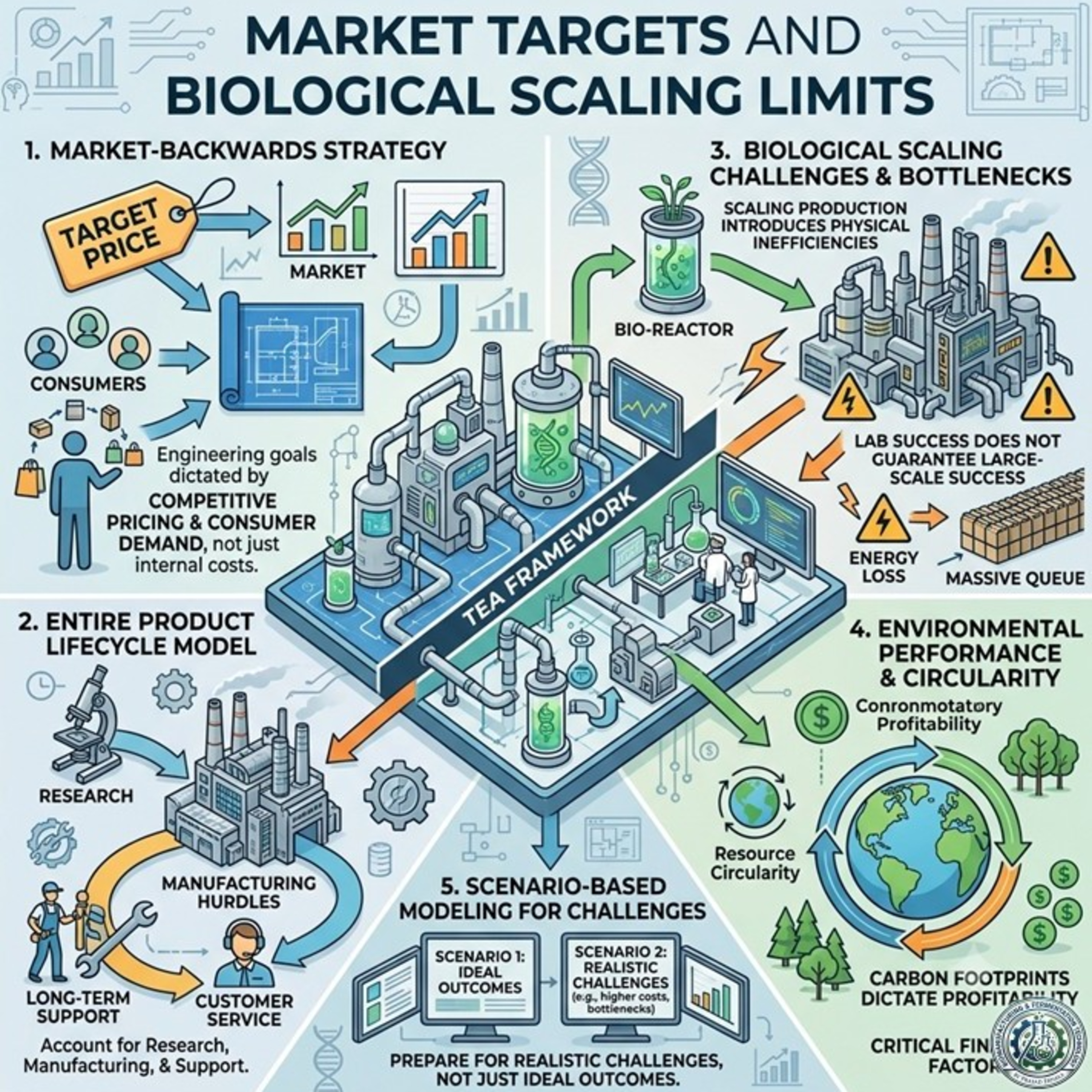
Market Targets and Biological Scaling Limits
The provided episode outlines a modern framework for techno-economic analysis (TEA), emphasizing that industrial success requires more than just basic cost estimation. This approach advocates for a market-backwards strategy where engineering goals are dictated by competitive pricing and consumer demand rather than internal production costs. A viable economic model must account for the entire lifec
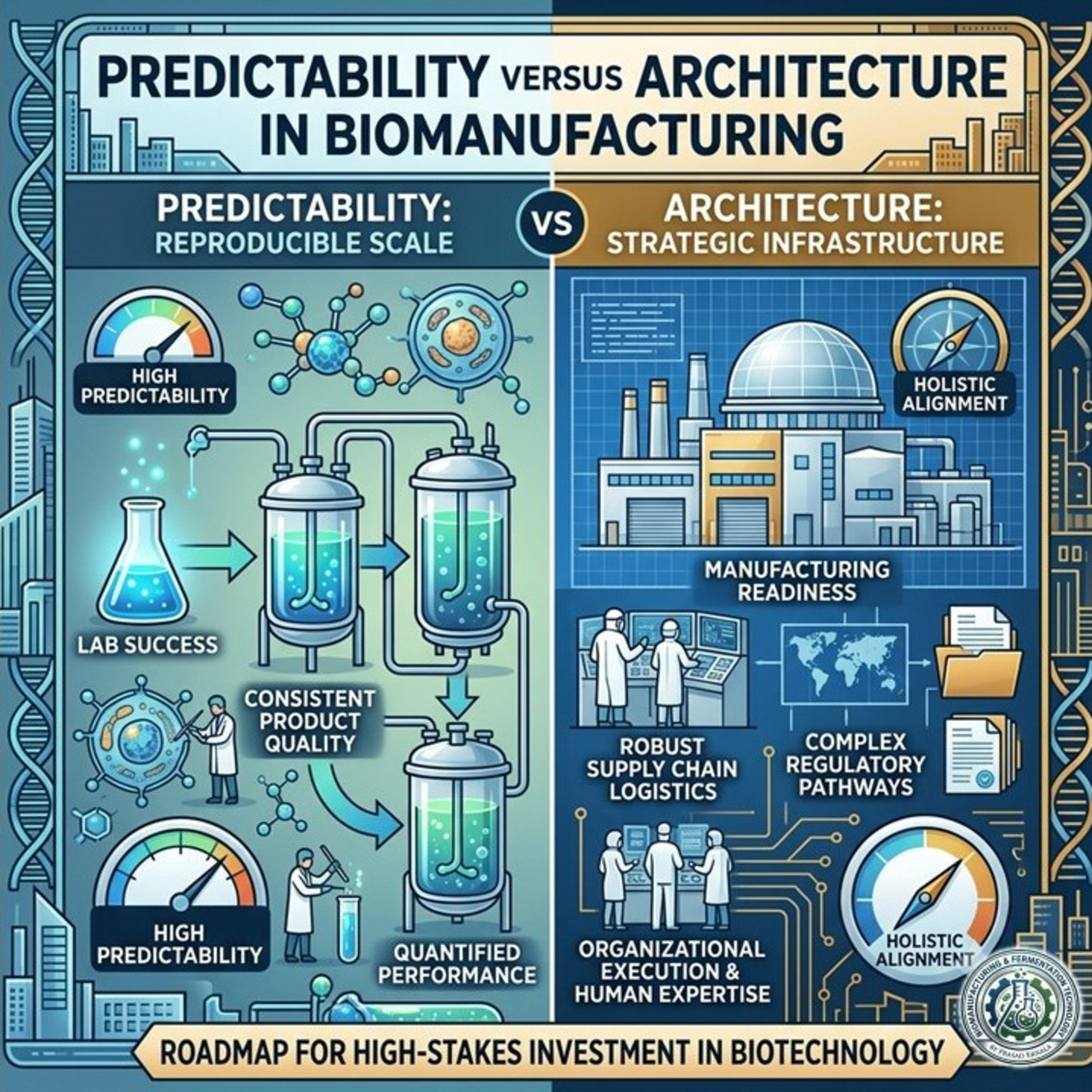
Predictability versus architecture in biomanufacturing
This episode details a comprehensive framework for evaluating high-stakes investments in fields like biotechnology and industrial life sciences. It emphasizes that scientific validity must move beyond laboratory success to ensure that technologies are both reproducible and predictable at scale. Investors are encouraged to look past simple patent counts to analyze manufacturing readiness and the st
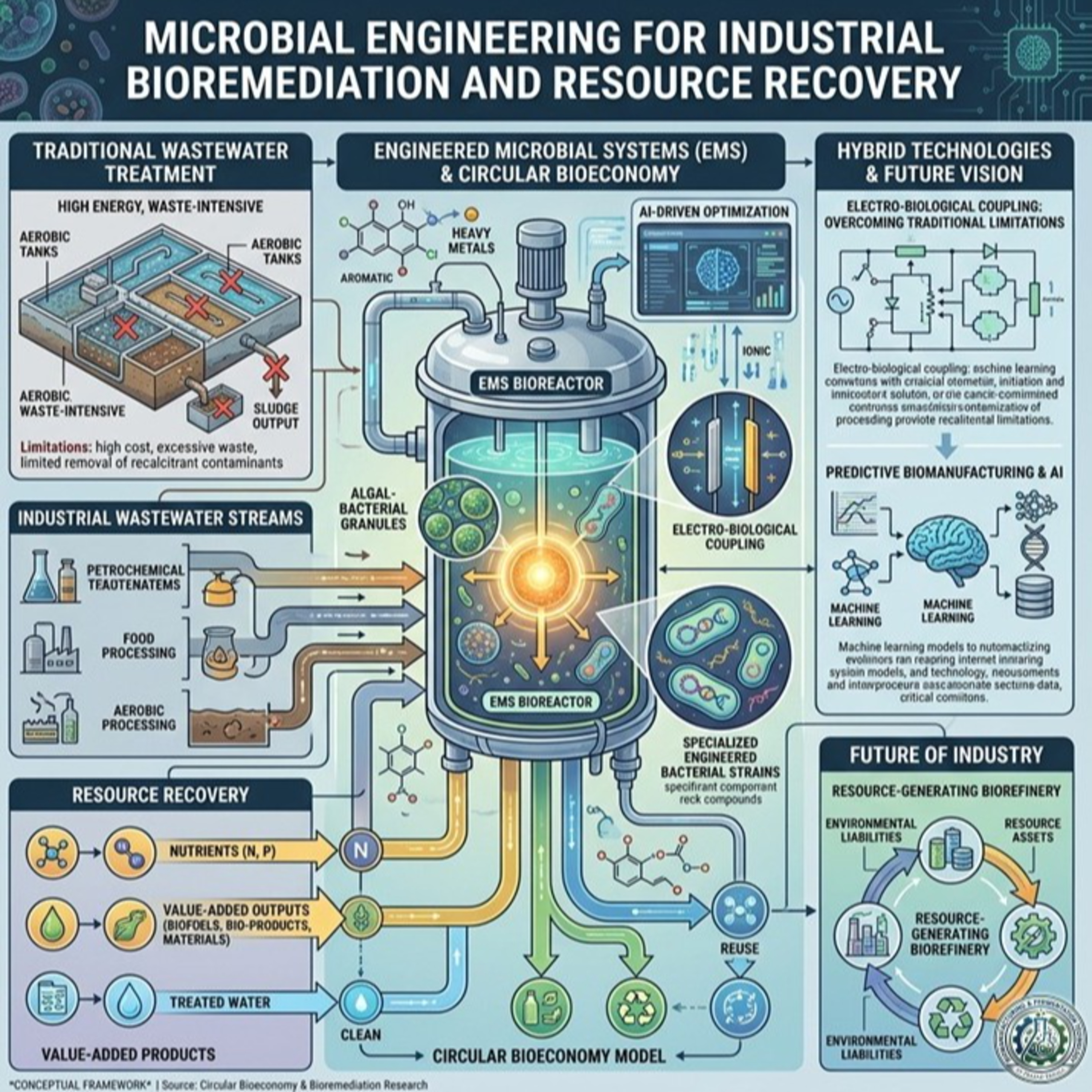
Microbial Engineering for Industrial Bioremediation and Resource Recovery
This episode outlines a transformative shift in industrial wastewater management, moving from simple pollutant removal to a circular bioeconomy model. It highlights how engineered microbial systems, such as specialized bacterial strains and algal-bacterial granules, can efficiently break down recalcitrant contaminants while recovering valuable nutrients. By integrating hybrid technologies like ele
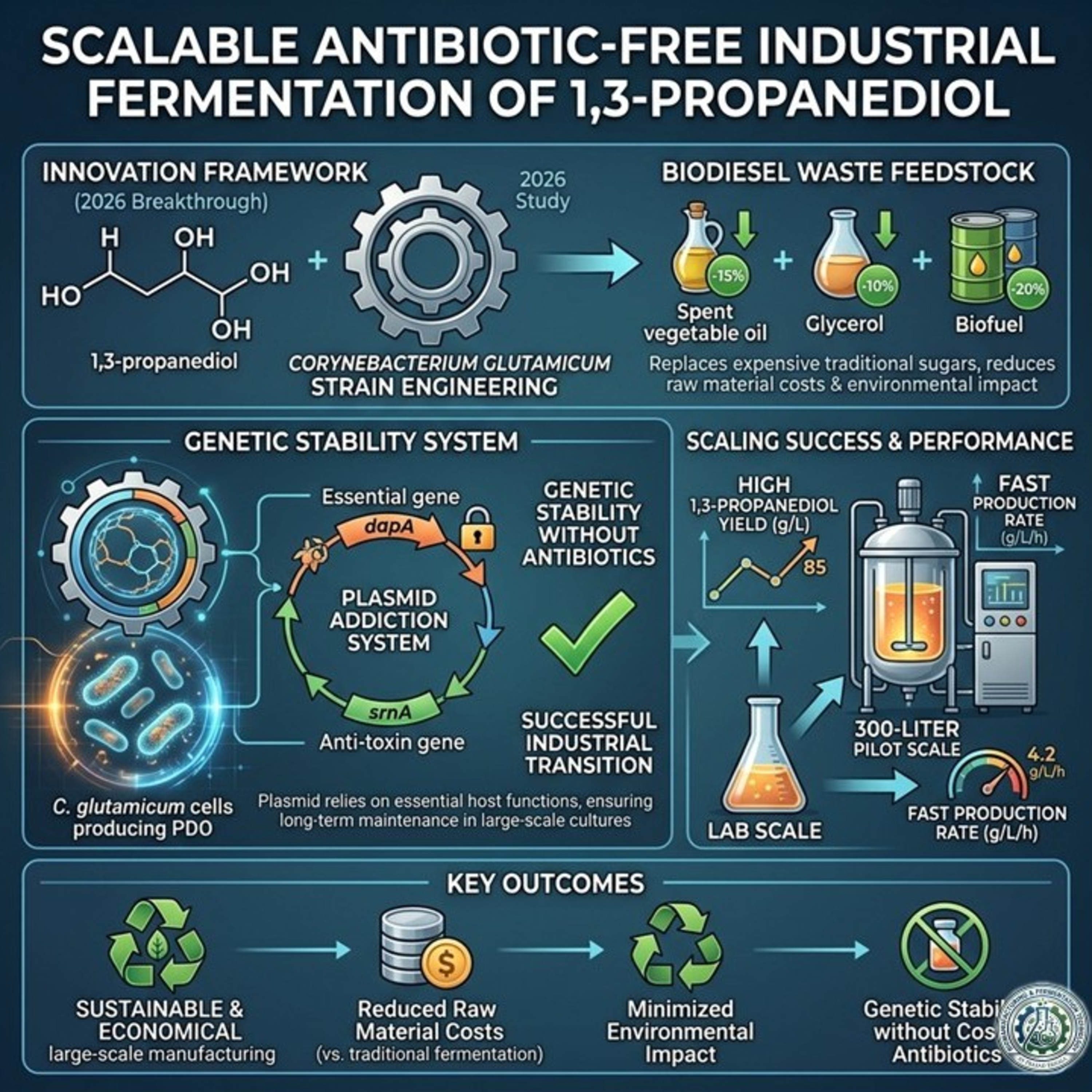
Scalable Antibiotic-Free Industrial Fermentation of 1,3-Propanediol
In this episode, A 2026 study details a breakthrough in the industrial production of 1,3-propanediol, a versatile chemical used in cosmetics and polyesters. By engineering a robust strain of Corynebacterium glutamicum, researchers achieved high yields using biodiesel waste instead of expensive traditional sugars. This method is particularly significant because it utilizes a plasmid addiction syste
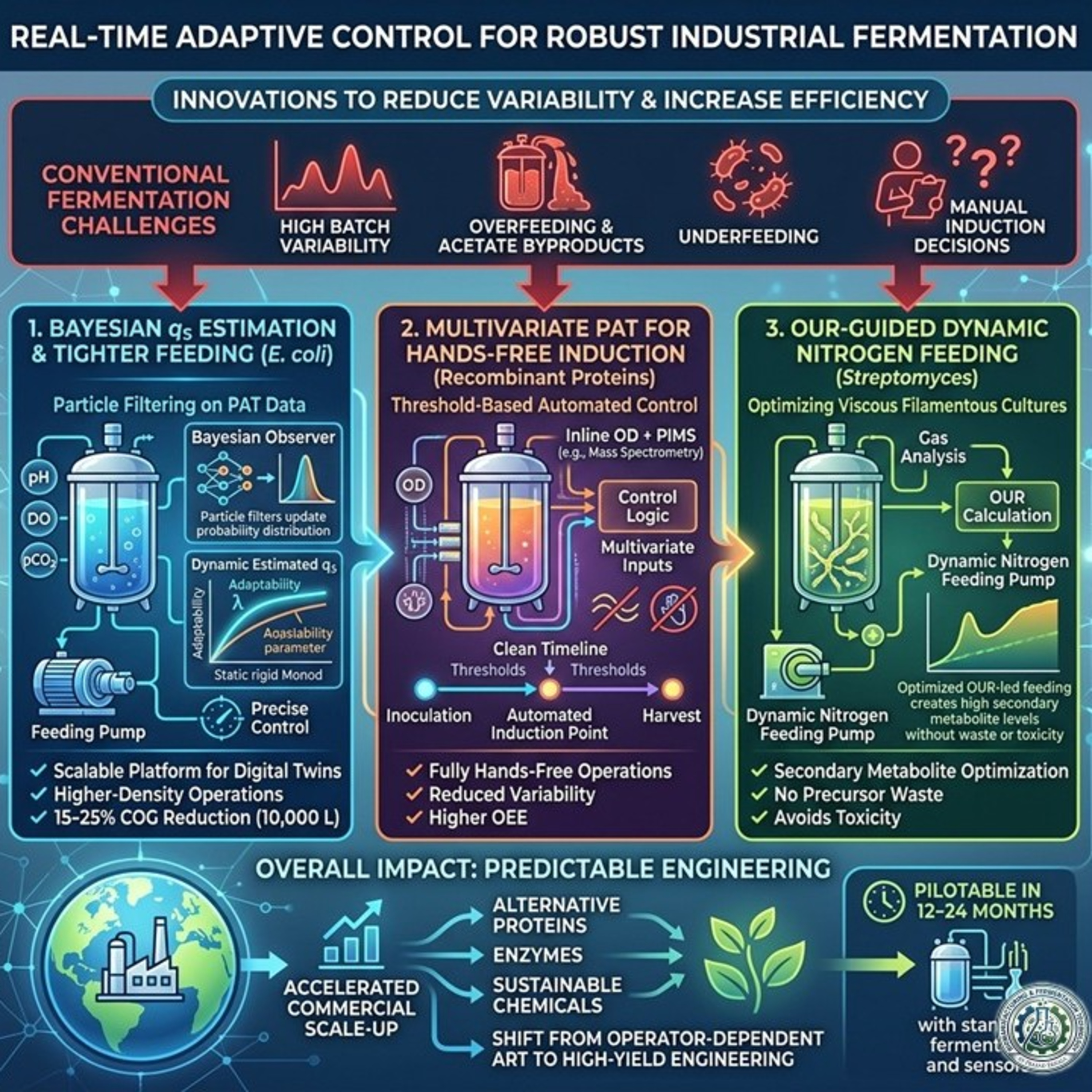
Real-Time Adaptive Strategies for Robust Scale-Up
Industrial fermentation continues to suffer from high batch variability, overfeeding-induced byproducts (e.g., acetate), underfeeding starvation, and manual induction decisions. Three 2024–2026 papers from Bioprocess and Biosystems Engineering, Biotechnology Progress, and Process Biochemistry introduce practical control innovations with strong pilot pathways: a Bayesian observer that dynamically e
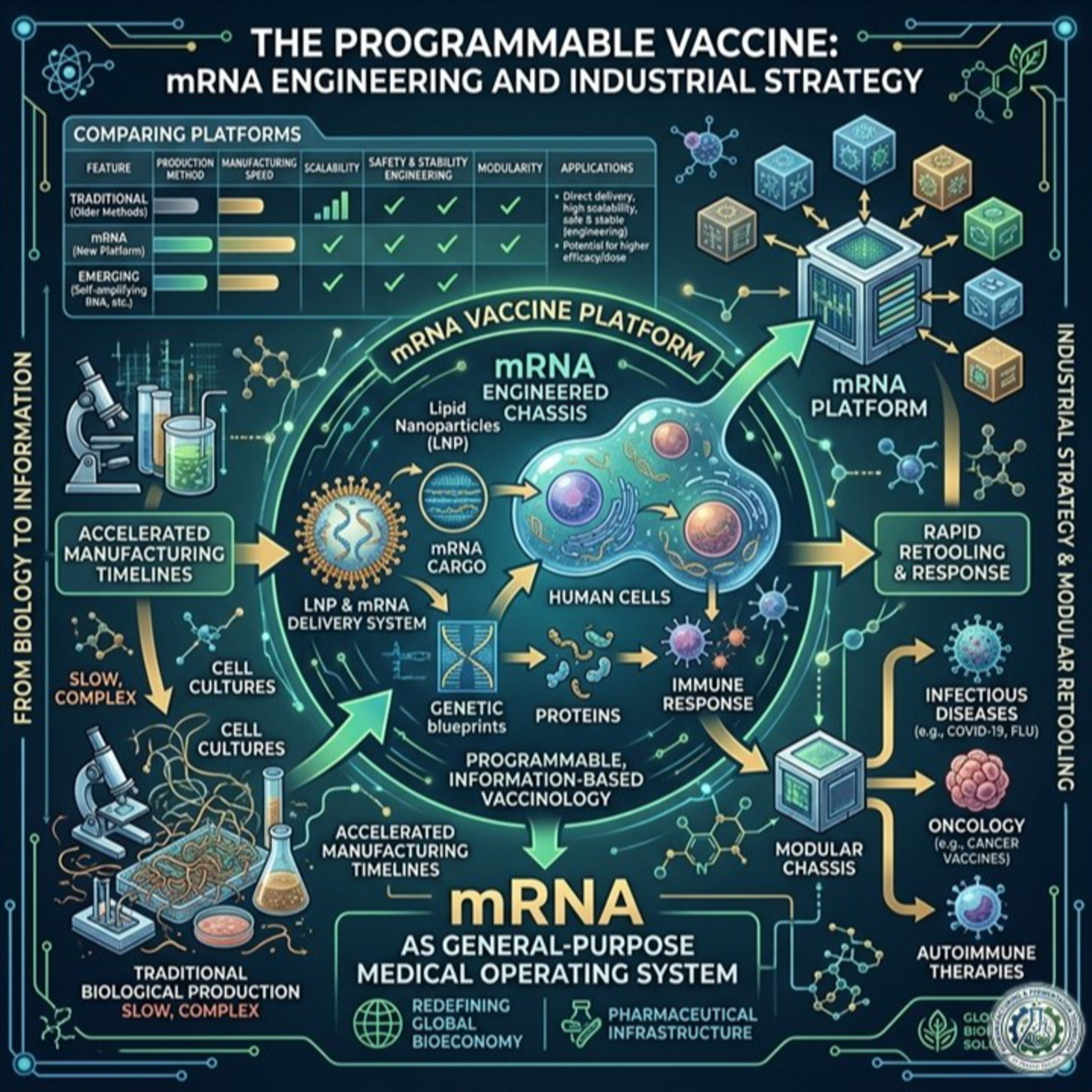
The Programmable Vaccine: mRNA Engineering and Industrial Strategy
This episode explores the transformative shift in vaccinology from traditional biological production to a programmable, information-based approach using mRNA technology. By utilizing lipid nanoparticles to deliver genetic blueprints directly into human cells, this platform bypasses the need for complex cell cultures and significantly accelerates manufacturing timelines. The source details the engi
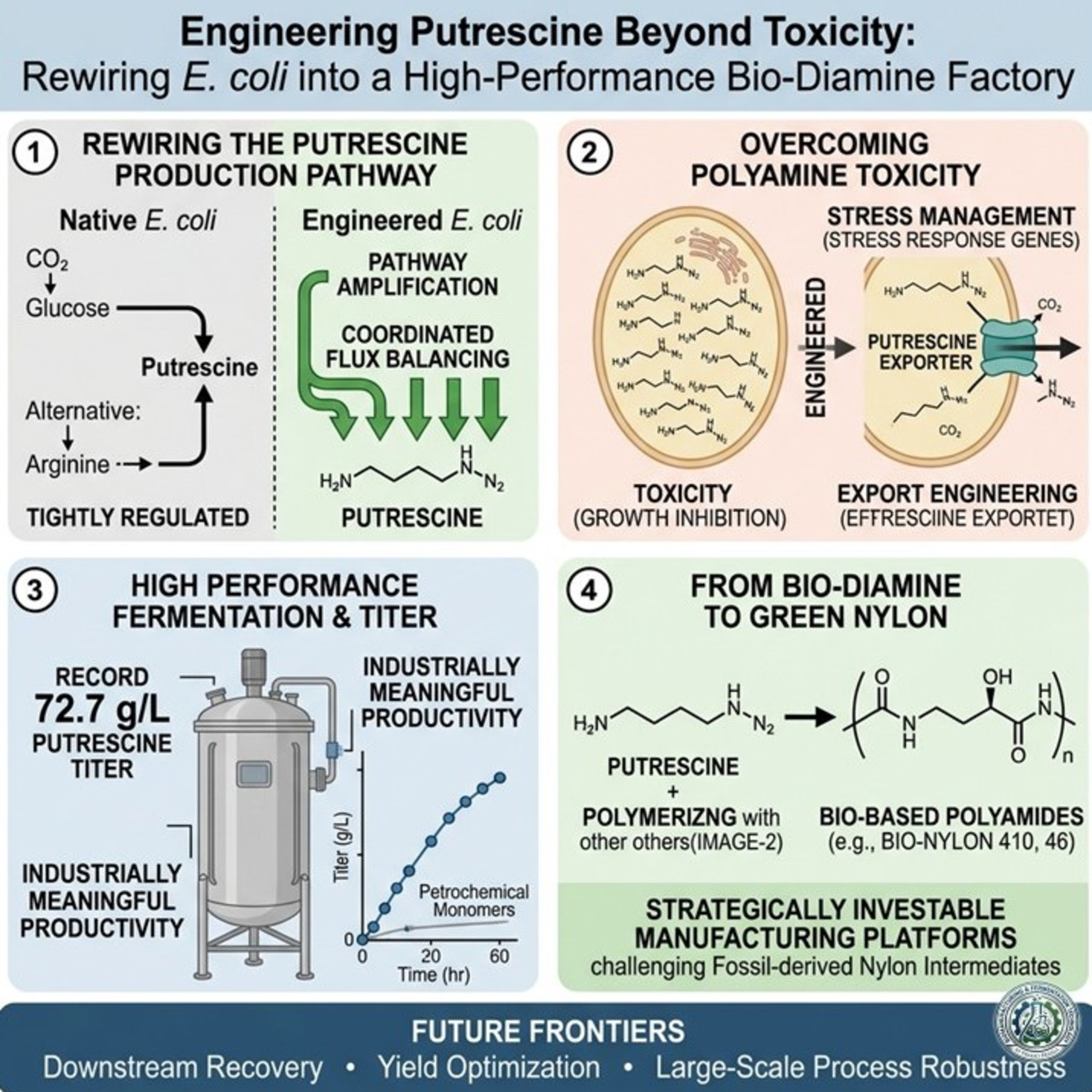
Engineering Putrescine Beyond Toxicity: Rewiring E. coli into a High-Performance Bio-Diamine Factory
The latest advances in microbial putrescine biosynthesis signal a major transition in industrial metabolic engineering, where diamines are emerging as credible bio-based alternatives to petrochemical monomers in polyamide and specialty chemical manufacturing. Through systems-level metabolic rewiring of Escherichia coli, researchers achieved a record 72.7 g/L putrescine titer from glucose with indu
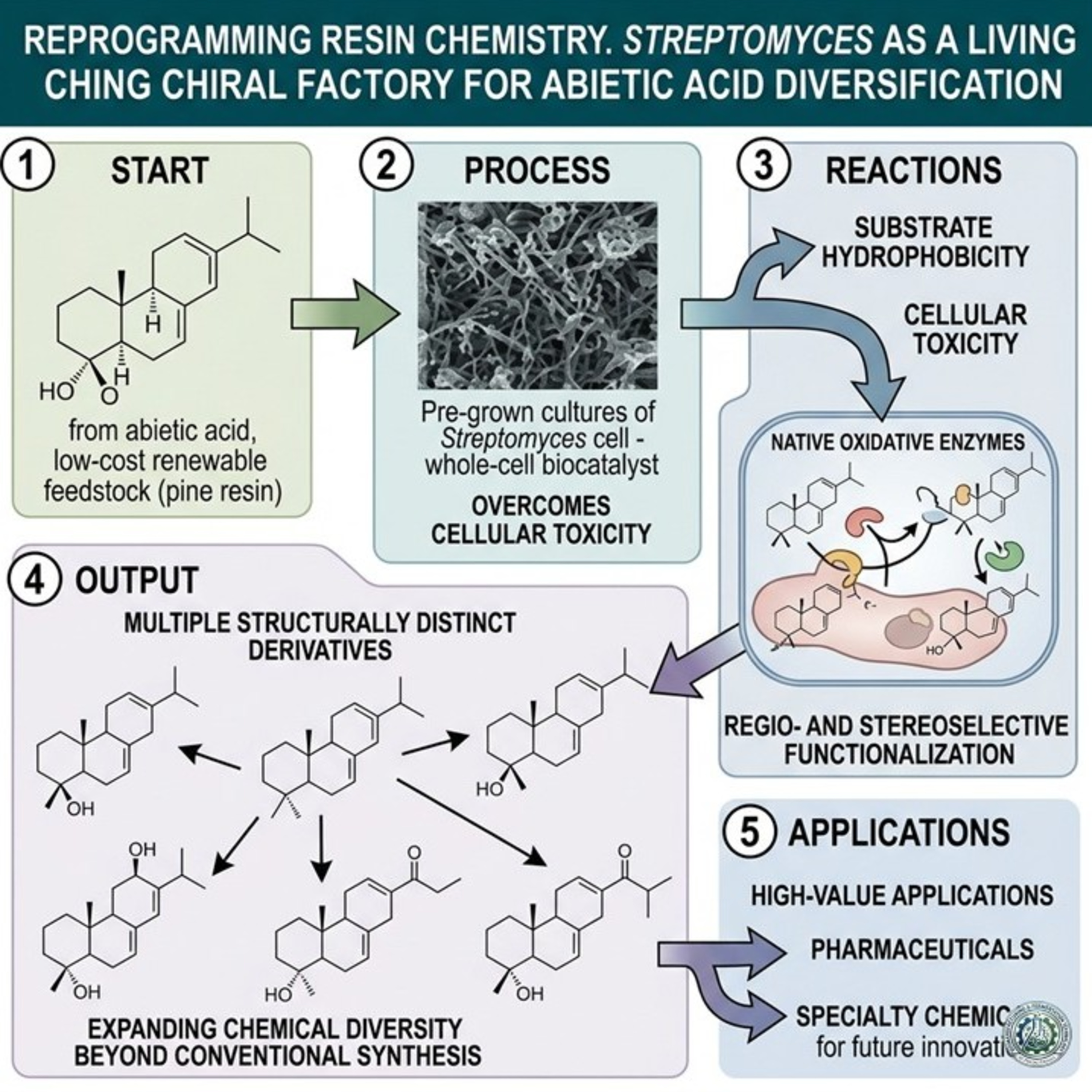
Reprogramming Resin Chemistry. Streptomyces as a Living Chiral Factory for Abietic Acid Diversification
This study demonstrates the use of Streptomyces as a whole-cell biocatalyst to selectively oxidize abietic acid into multiple structurally distinct derivatives. By leveraging native oxidative enzymes, the platform achieves regio- and stereoselective functionalization of a challenging diterpenoid substrate, expanding its chemical diversity beyond the reach of conventional synthesis. The work establ
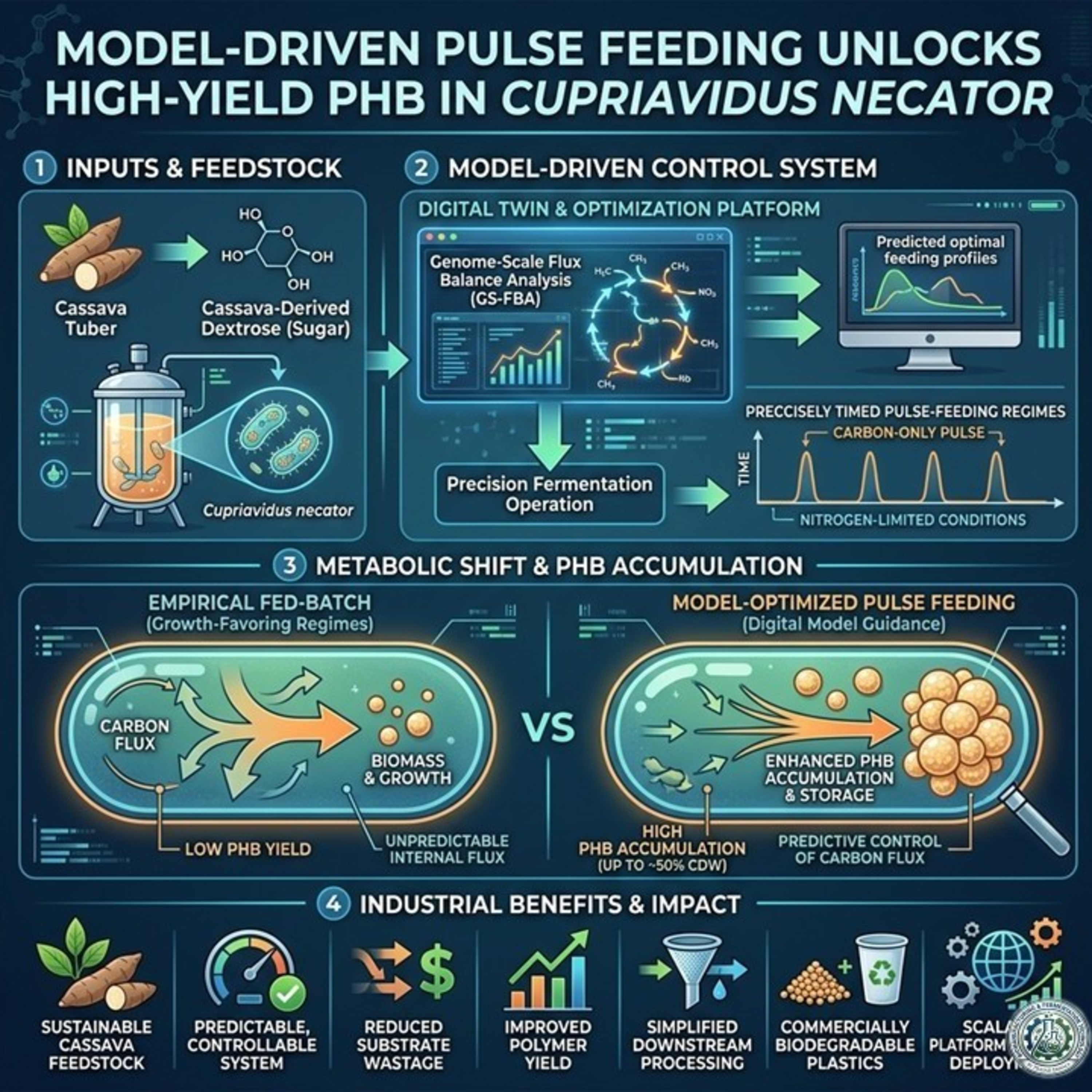
Model-Driven Pulse Feeding Unlocks High-Yield PHB in Cupriavidus necator
This study presents a compelling advancement in sustainable biopolymer production by demonstrating how cassava-derived dextrose can be efficiently converted into polyhydroxybutyrate (PHB) through a model-informed fed-batch strategy. By integrating genome-scale flux balance analysis with precisely timed pulse-feeding regimes, the authors shift Cupriavidus necator metabolism from biomass growth towa
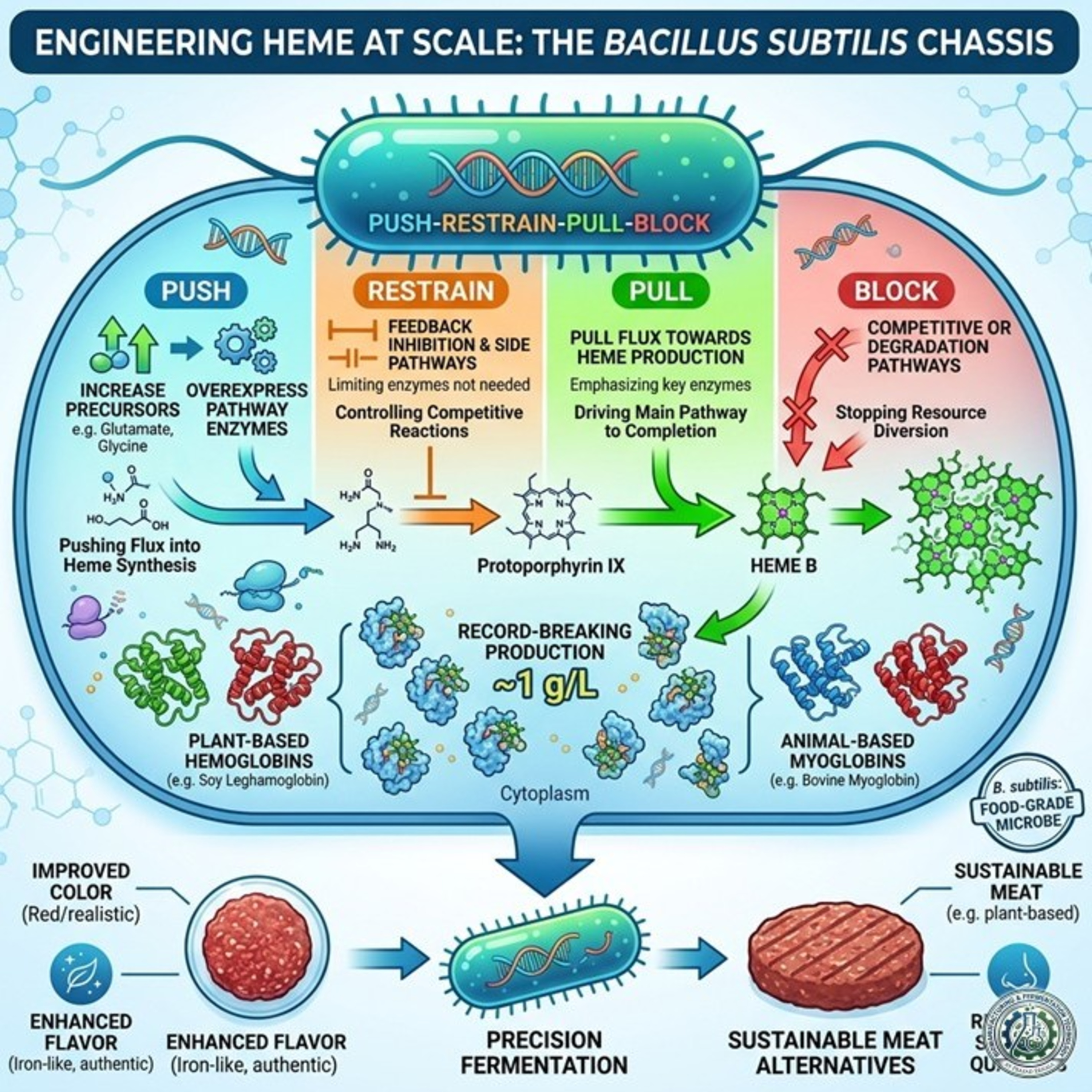
Engineering Heme at Scale: The Bacillus subtilis Chassis
In this episode we discuss the results of Researchers who have successfully engineered the bacteria Bacillus subtilis to serve as a highly efficient production host for active hemoglobins and myoglobins. By utilizing a sophisticated "push–restrain–pull–block" strategy, scientists optimized the internal metabolic pathways to significantly increase the supply of heme, a critical cofactor f
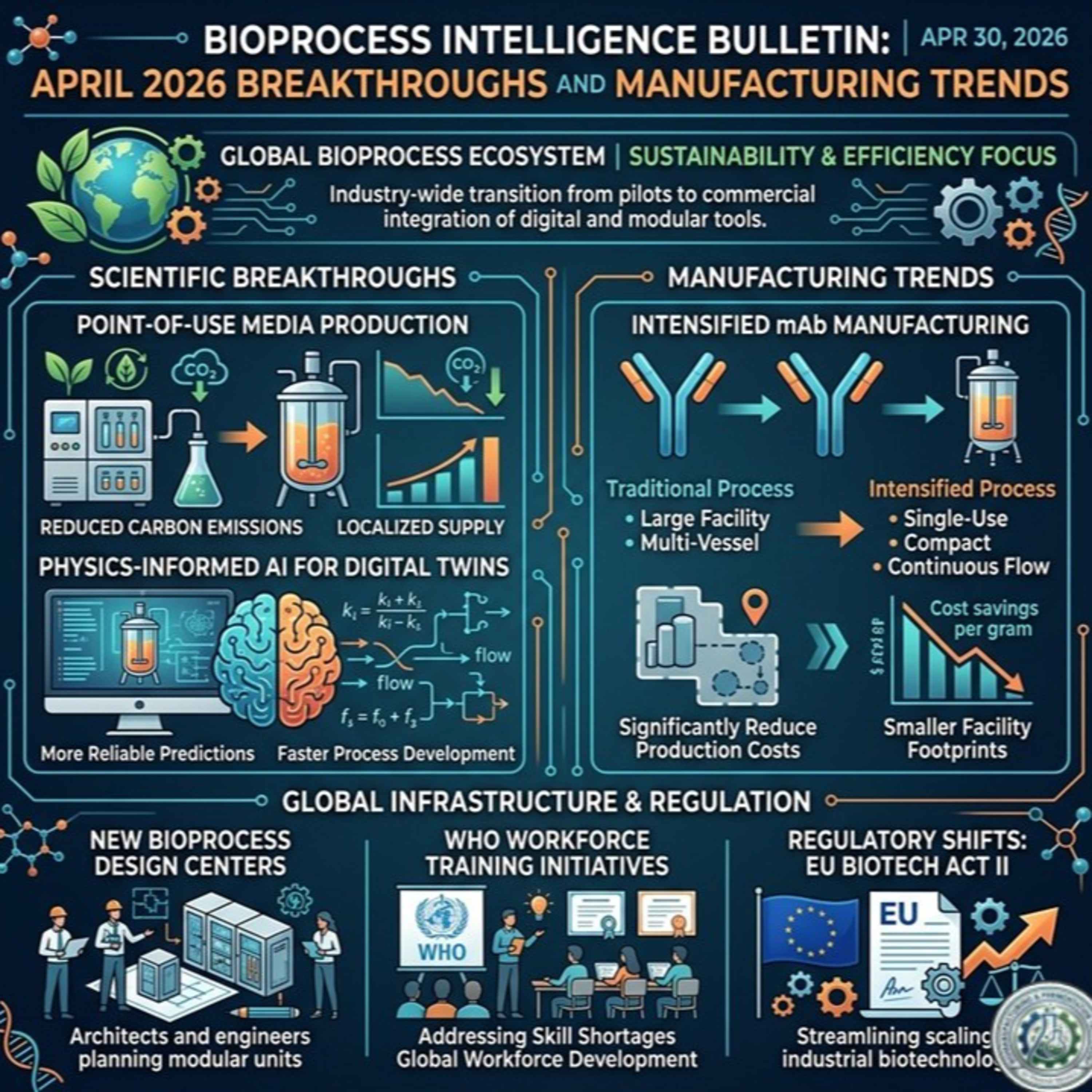
Bioprocess Intelligence Bulletin: April 2026 Breakthroughs and Manufacturing Trends
Apr 30, 2026The provided discussion on report outlines the state of the bioprocess and biomanufacturing industry as of April 2026, focusing on technological shifts toward sustainability and efficiency. Key scientific breakthroughs include point-of-use media production to lower carbon emissions and the adoption of physics-informed AI for more reliable digital twins. Major industry trends highlight
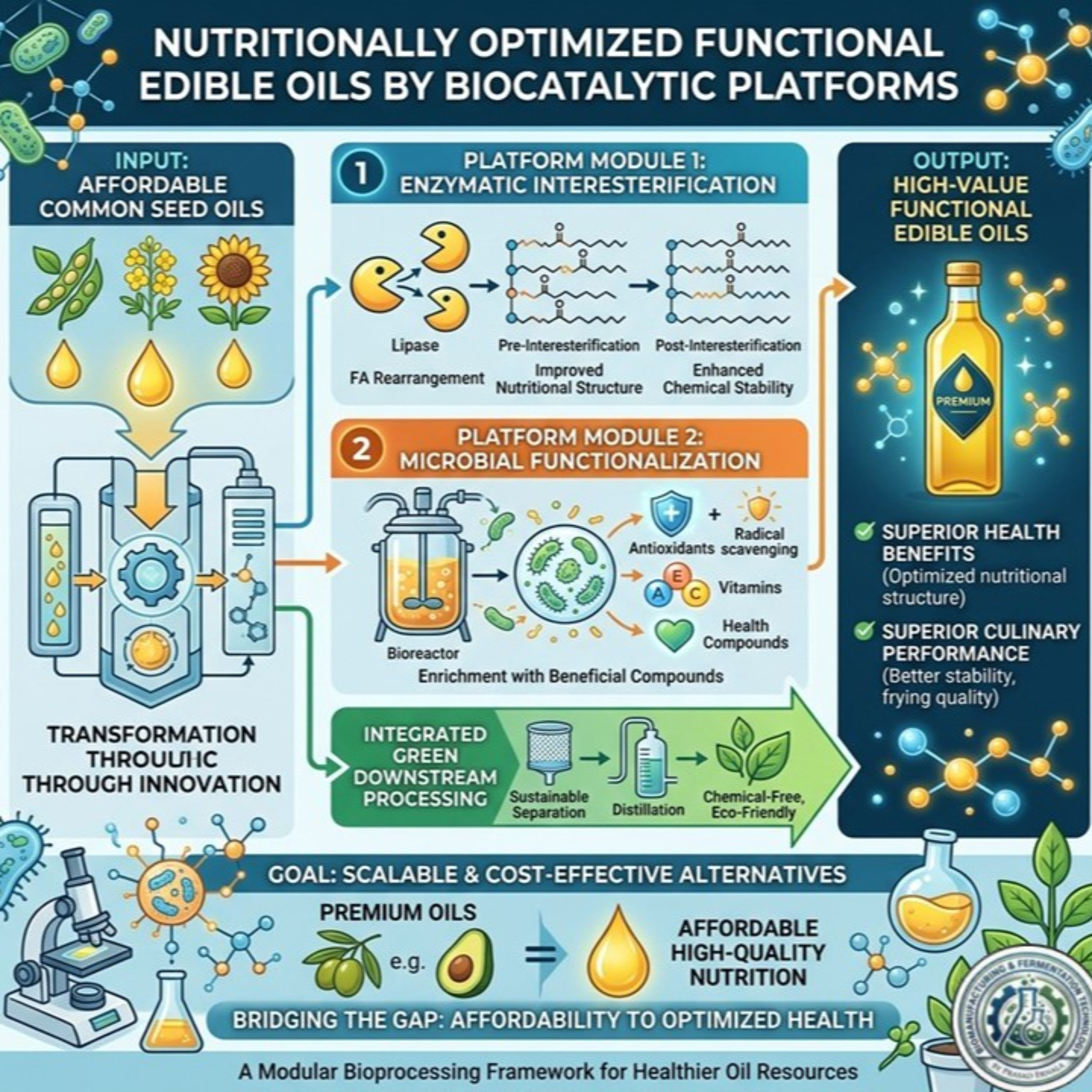
Nutritionally Optimized Functional Edible Oils by Biocatalytic Platforms
This episode describes a modular biocatalytic platform designed to transform affordable, common seed oils into high-value functional edible oils. The process utilizes enzymatic interesterification to rearrange fatty acids, improving the oil's nutritional structure and chemical stability. Additionally, microbial functionalization is employed to enrich these oils with beneficial compounds like a
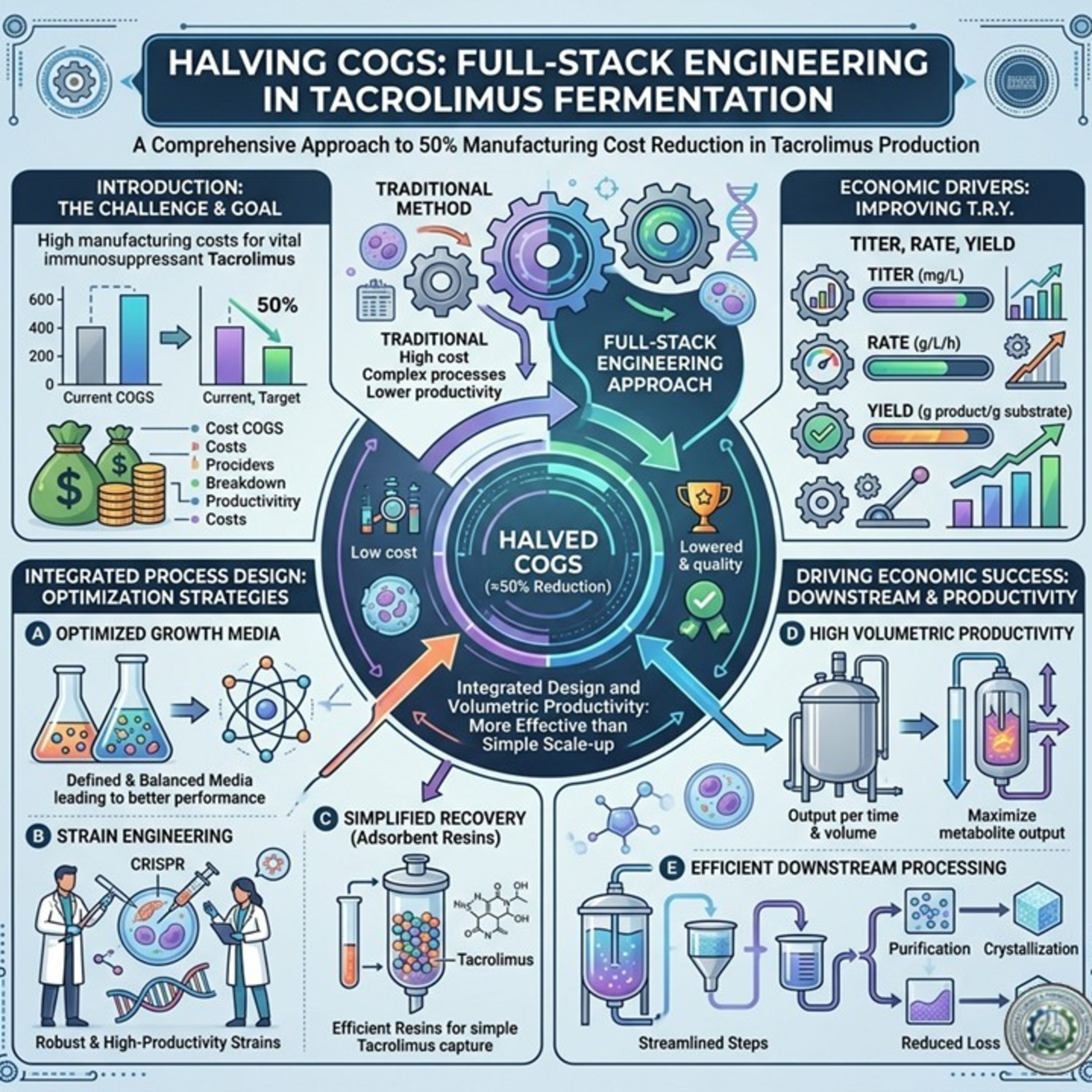
Halving COGS Full-Stack Engineering in Tacrolimus Fermentation
This episode explores strategies for reducing manufacturing costs in microbial fermentation, specifically focusing on the production of the immunosuppressant tacrolimus. The authors argue that a 50% reduction in costs is achievable by viewing the process as a comprehensive engineering challenge rather than focusing solely on biology. Key economic drivers include improving titer, rate, and yield, w
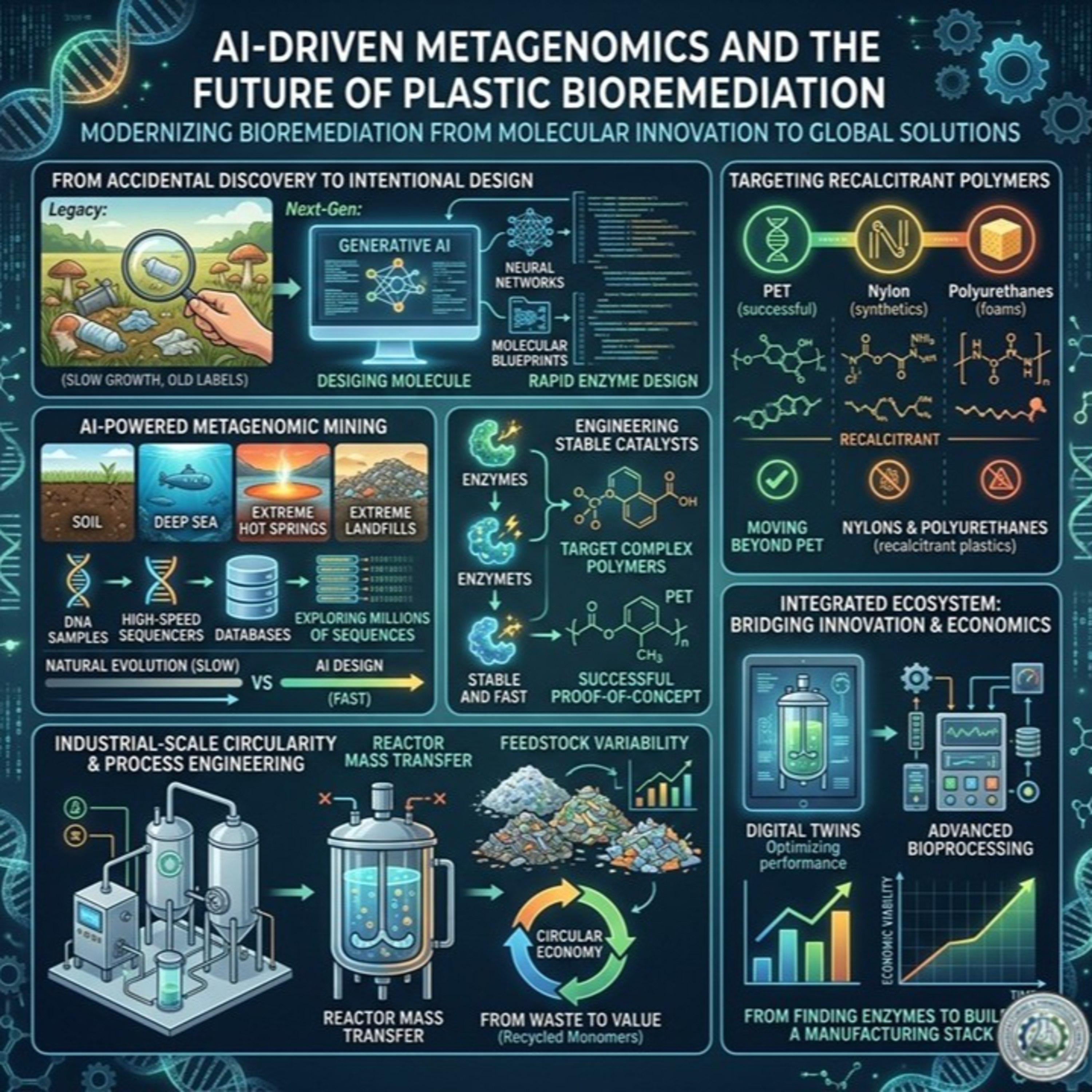
AI-Driven Metagenomics and the Future of Plastic Bioremediation
This discussion explores the modernization of plastic bioremediation, detailing a shift from accidental discovery to the intentional design of enzymes. By leveraging generative AI and metagenomic mining, researchers can now engineer stable catalysts that target complex polymers much faster than natural evolution. The sources emphasize that while PET depolymerization serves as a successful proof of
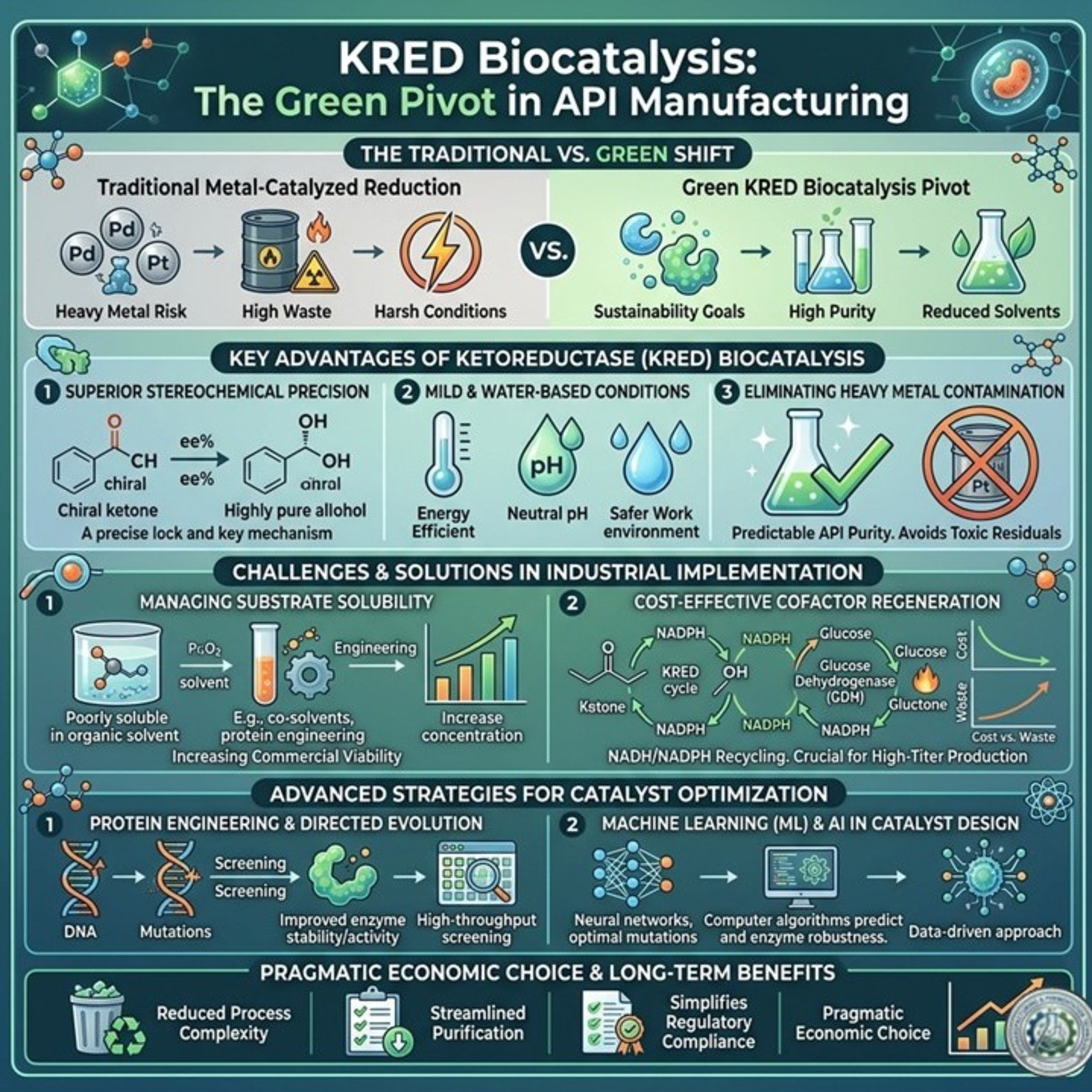
KRED Biocatalysis - The Green Pivot in API Manufacturing
The provided discussion examines the strategic shift in pharmaceutical manufacturing from traditional metal-catalyzed reductions toward the use of ketoreductases (KREDs) to meet modern sustainability and purity standards. These biocatalytic proteins offer superior stereochemical precision and operate under mild conditions, effectively eliminating the risk of heavy metal contamination in active pha
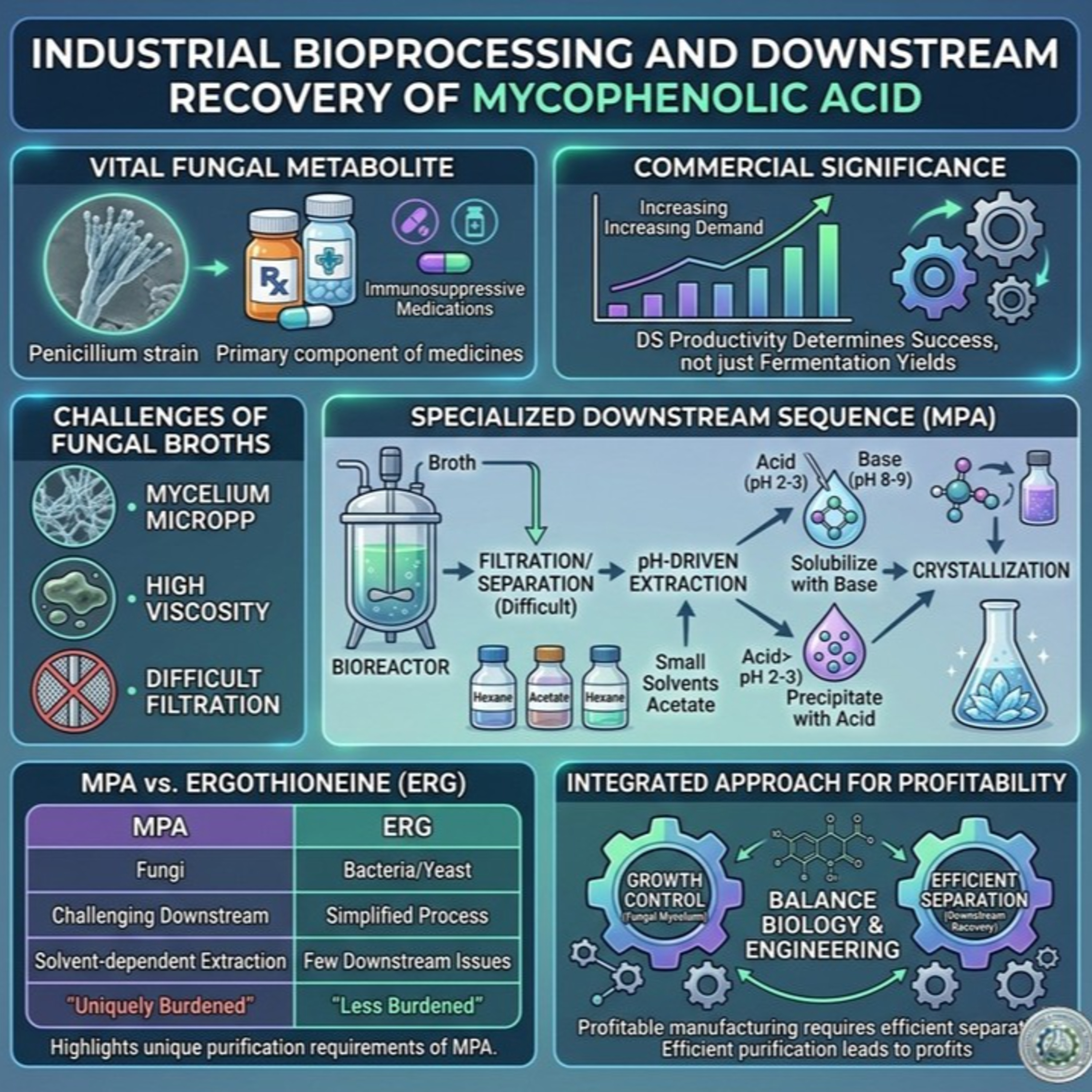
Industrial Bioprocessing and Downstream Recovery of Mycophenolic Acid
The episode examines the industrial production of #mycophenolic acid (MPA), a vital fungal metabolite used for immunosuppressive medications. While increasing fermentation yields is important, the source emphasizes that #downstream processing is the primary factor determining commercial success due to the complex nature of fungal broths. Challenges such as high viscosity and difficult filtration n
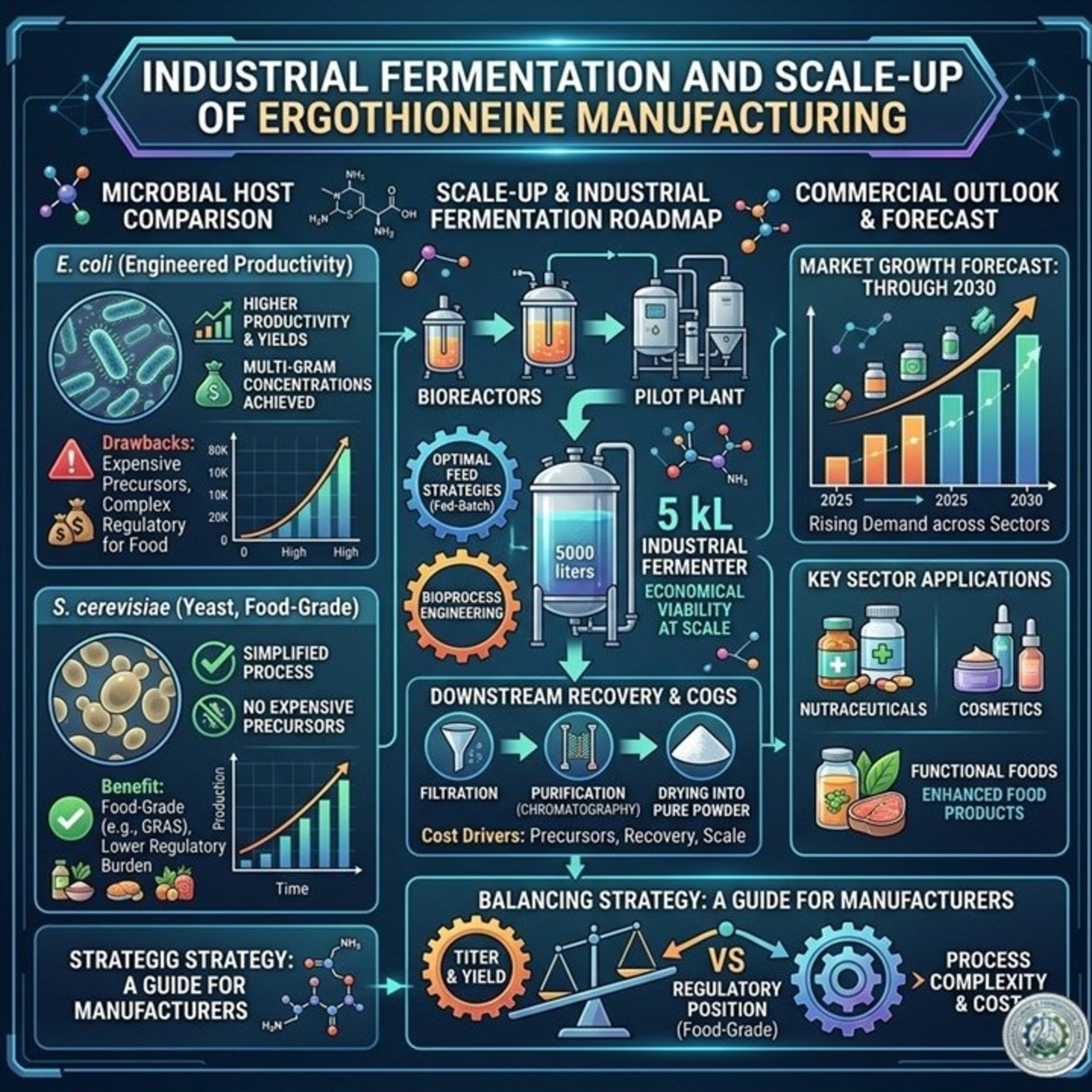
Industrial Fermentation and Scale-up of Ergothioneine Manufacturing
This episode examines the transition of #ergothioneine from a niche antioxidant to a mass-marketed ingredient produced through industrial fermentation. It compares two primary microbial hosts, E. coli and S. cerevisiae, highlighting that while the former achieves superior productivity and higher yields, the latter offers a simplified, food-grade production process without the need for expensive ch
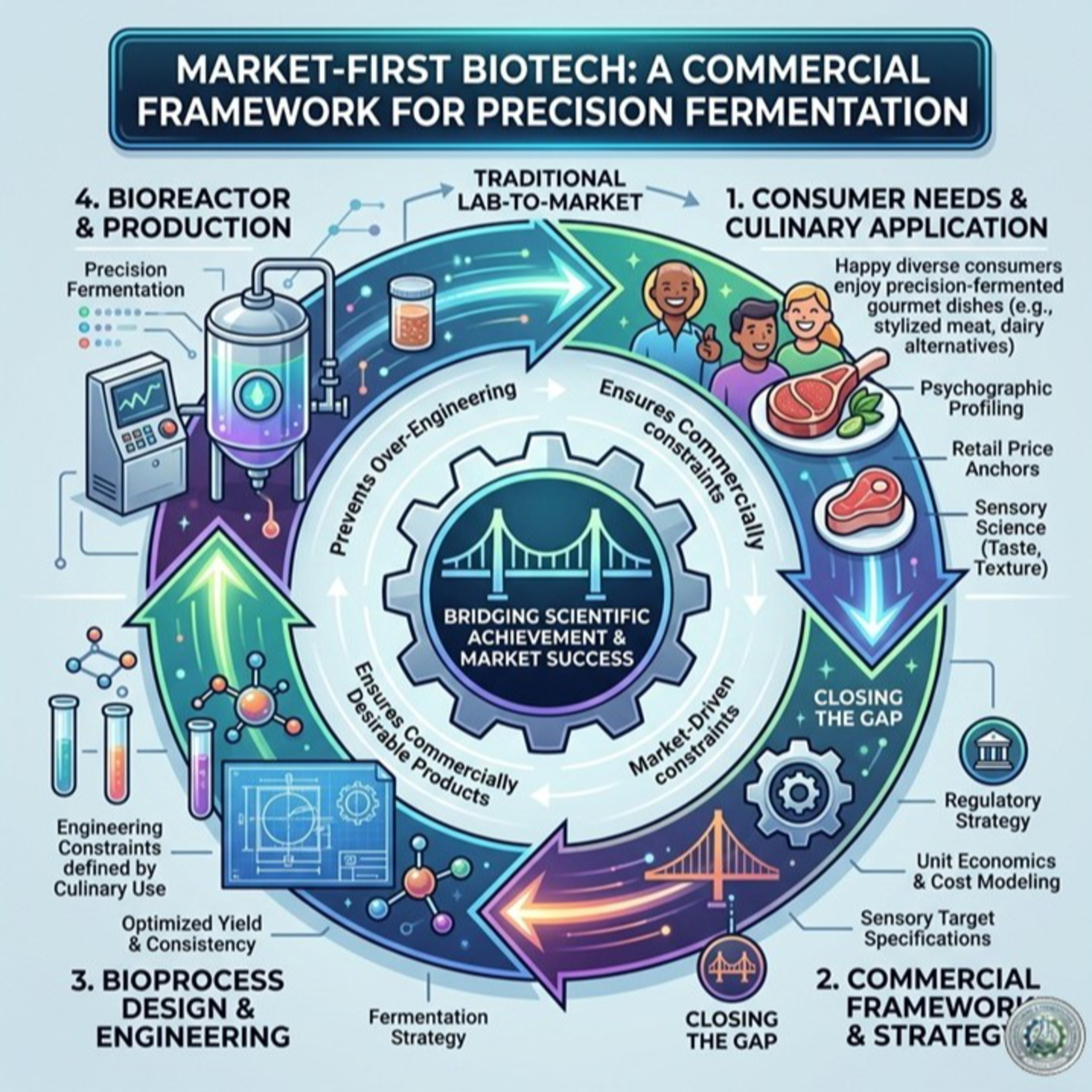
Market-First Biotech-A Commercial Framework for Precision Fermentation
The provided Discussion outlines a Commercial-Backbone Framework for the biotechnology industry, specifically focusing on precision fermentation and consumer-facing products. It advocates for a strategic shift from traditional "Lab-to-Market" methods to a market-driven approach that begins with consumer needs and works backward to the bioreactor. This model integrates sensory science, re
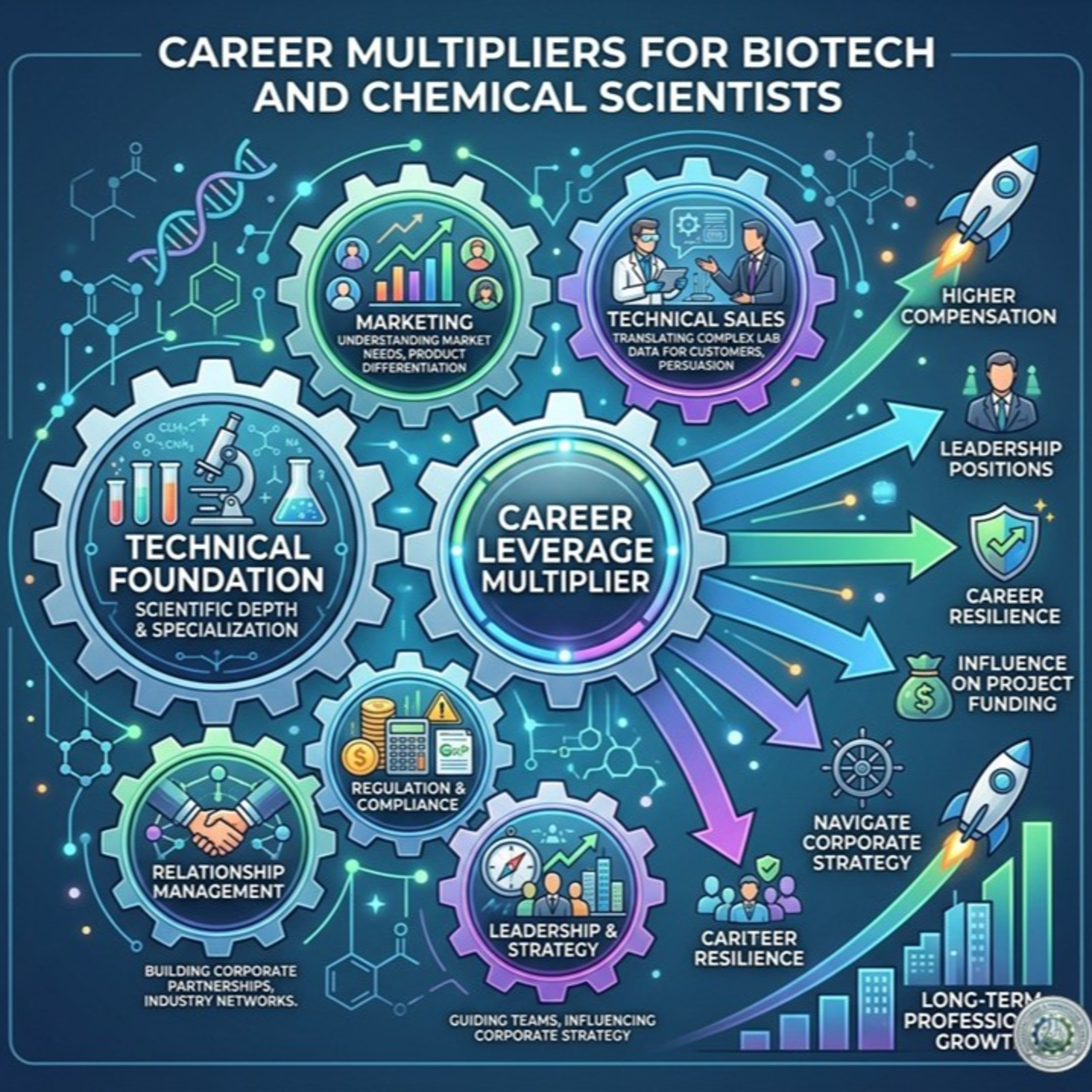
Career Multipliers for Biotech and Chemical Scientists
Modern biotech and chemical industries are increasingly prioritizing commercial and communication skills over exclusive technical specialization. This shift means that scientists who master marketing and technical sales are better positioned for leadership, higher compensation, and career resilience. Rather than abandoning research, these professionals use business literacy and persuasion to bridg
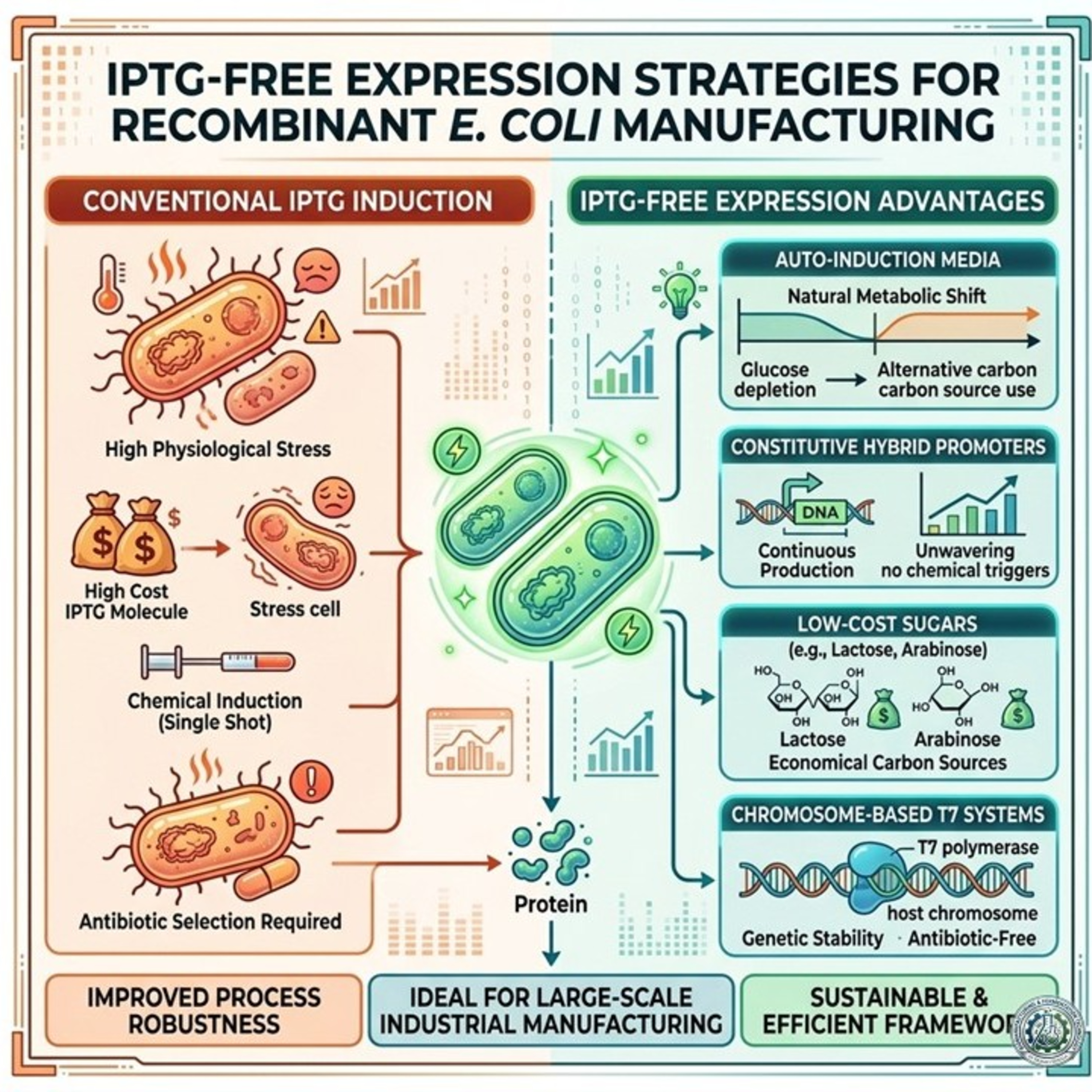
IPTG-Free Expression Strategies for Recombinant E. Coli Manufacturing
The episode details various IPTG-free protein expression strategies designed to overcome the high costs and physiological stress associated with traditional induction methods in E. coli. These alternatives include auto-induction media, which utilize natural metabolic shifts, and constitutive hybrid promoters that allow for continuous production without any chemical triggers. Other approaches, such
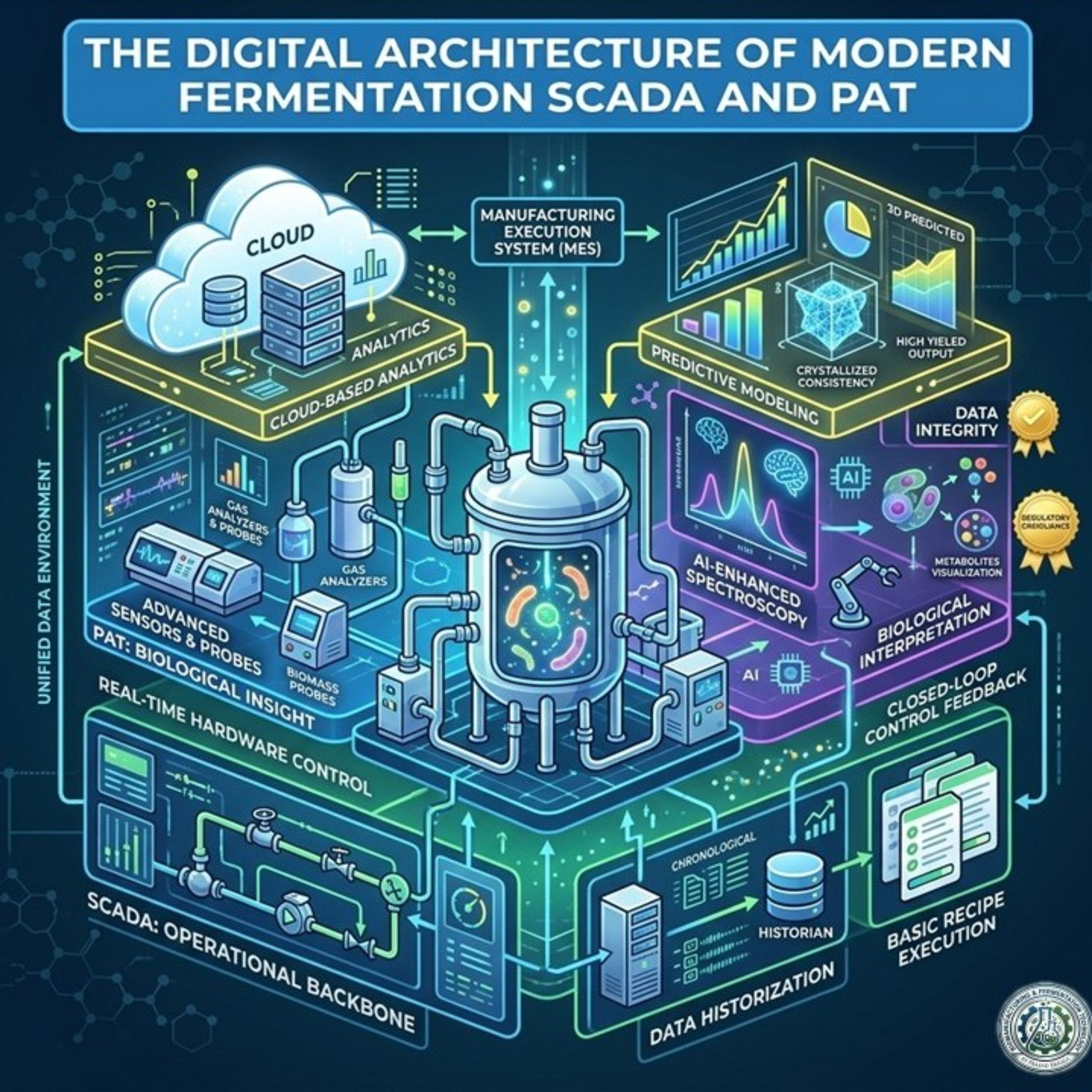
The Digital Architecture of Modern Fermentation SCADA and PAT
The discussion examines the evolving relationship between SCADA systems and Process Analytical Technology (PAT) within the context of modern fermentation and bioprocessing. While SCADA serves as the foundational operational backbone by managing real-time hardware control, data historization, and basic recipe execution, PAT provides a sophisticated layer of biological insight through advanced senso
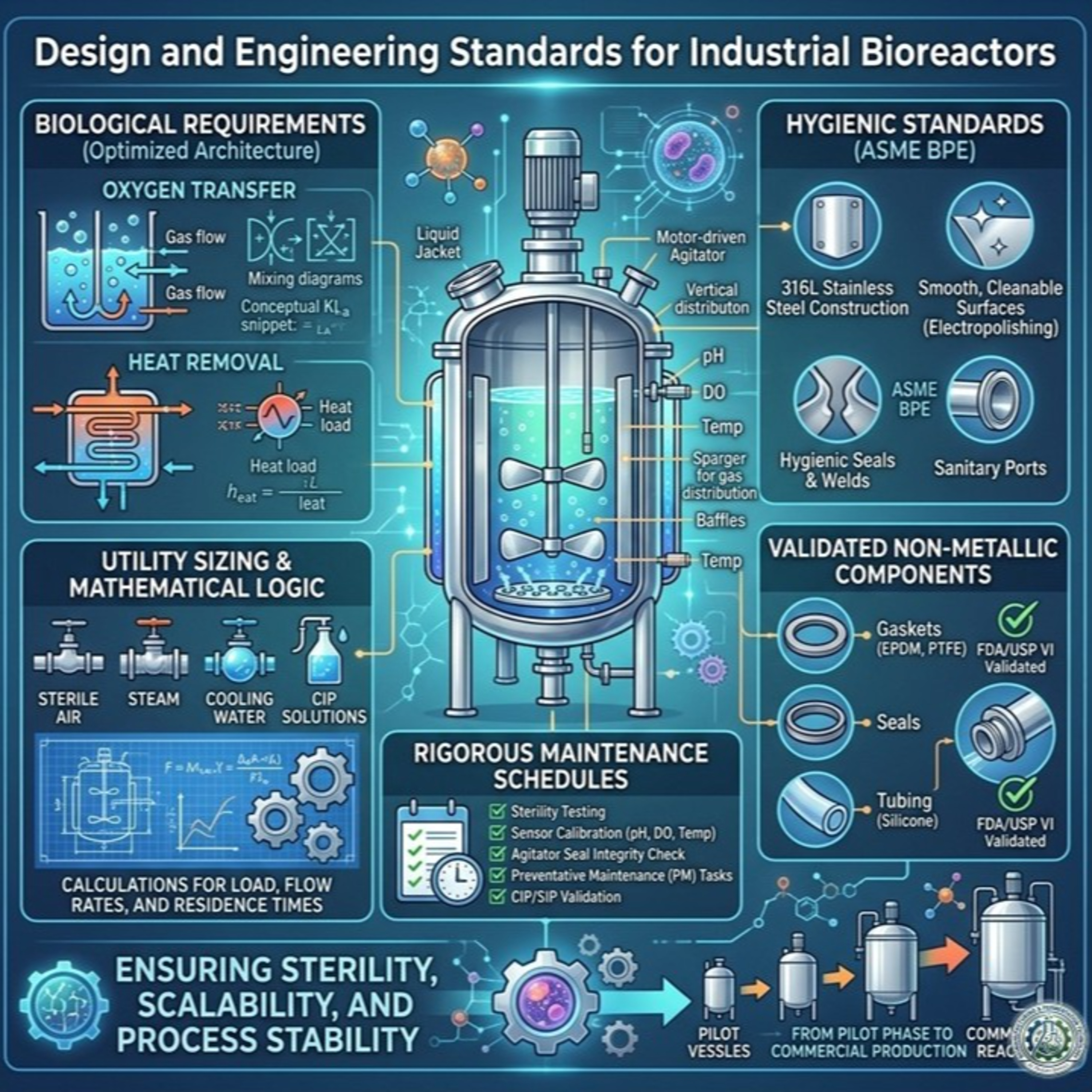
Design and Engineering Standards for Industrial Bioreactors
This talk outlines the engineering standards and design principles essential for constructing high-performance bioreactors and fermenters used in bioprocessing. It emphasizes that a vessel’s architecture must be tailored to specific biological requirements, such as oxygen transfer and heat removal, while adhering to ASME BPE hygienic standards and using 316L stainless steel. Beyond mechanical cons
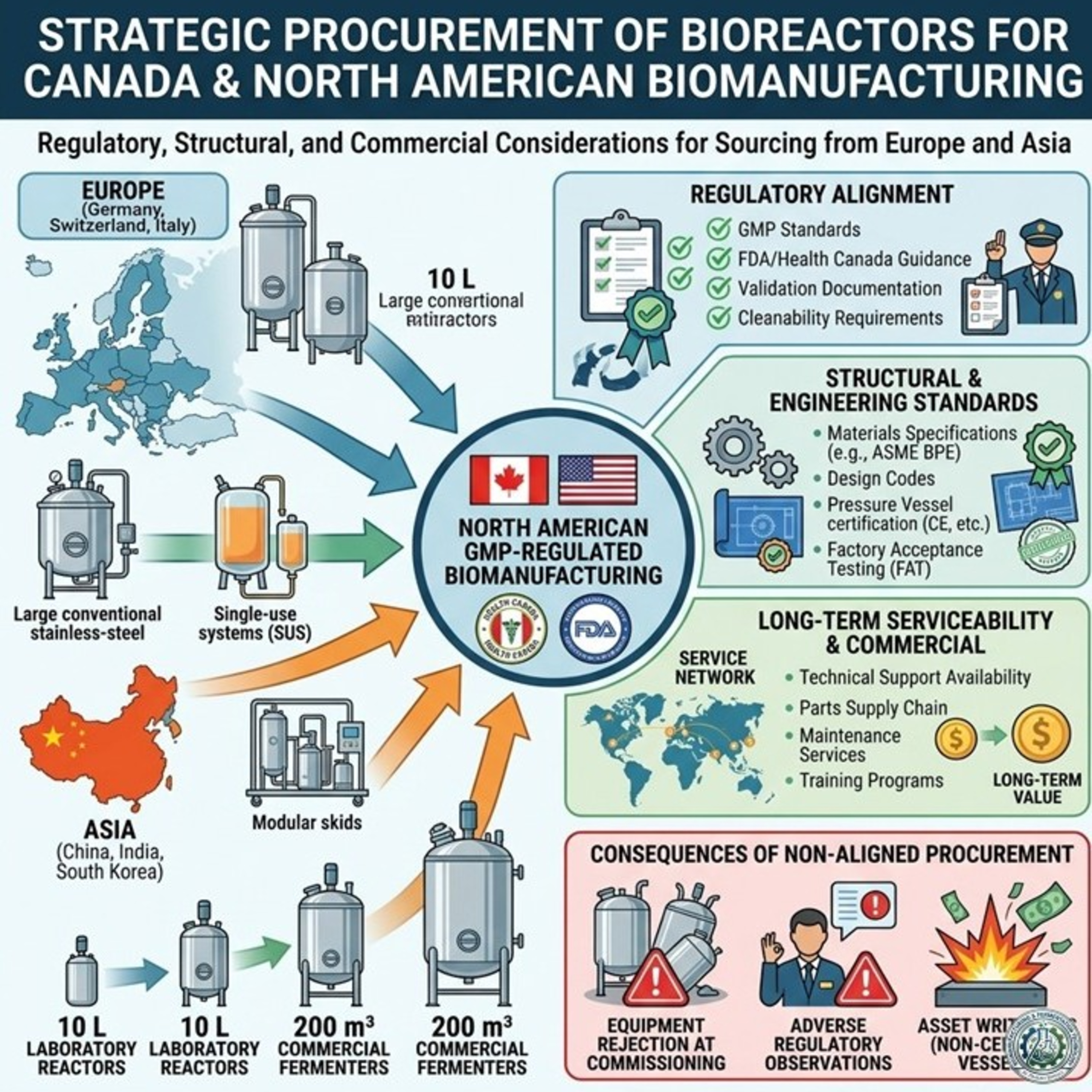
Strategic Procurement of Bioreactors for Canada & North American Biomanufacturing
This Discussion examines the regulatory and commercial complexities of sourcing bioreactors from global markets for use in North American biomanufacturing. While European suppliers offer high-tier compliance and established engineering standards, Asian manufacturers provide significant cost savings that must be balanced against certification risks. A critical challenge for importers is ensuring th
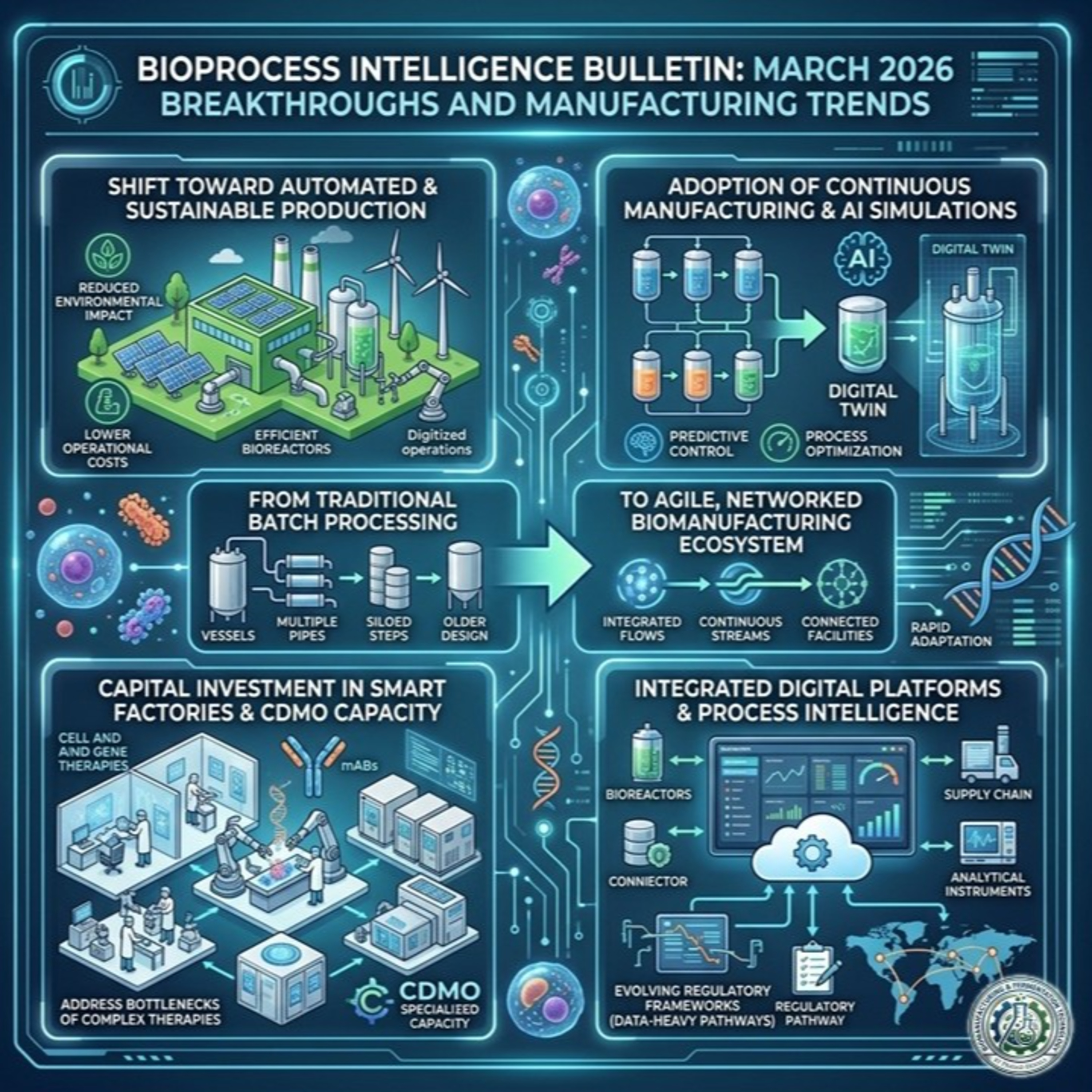
Bioprocess Intelligence Bulletin: March 2026 Breakthroughs and Manufacturing Trends
The provided bulletin details a shift toward automated, digitized, and sustainable production methods across the biopharmaceutical and fermentation sectors. Industry leaders are increasingly adopting continuous manufacturing and AI-driven simulations to reduce environmental impact and lower operational costs. Significant capital is being directed into smart factories and specialized CDMO capacity
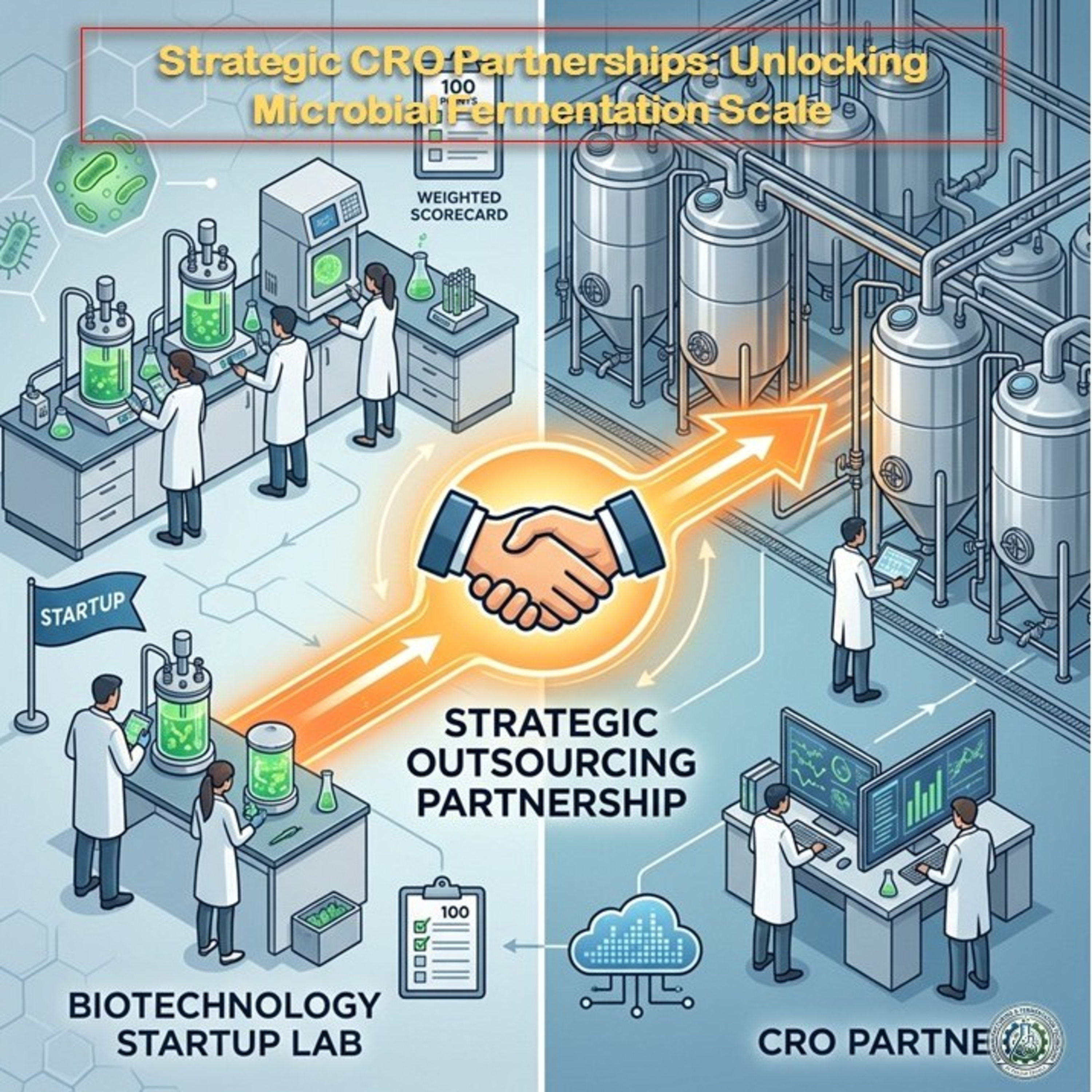
Microbial Fermentation Outsourcing: A Strategic Bioprocess Development Guide
This industry review examines the strategic benefits of partnerships between small biotechnology firms and contract research organizations specifically within the field of microbial fermentation. Because small startups often lack the capital and infrastructure for large-scale production, they increasingly rely on outsourced expertise to improve product yields and accelerate development timelines.
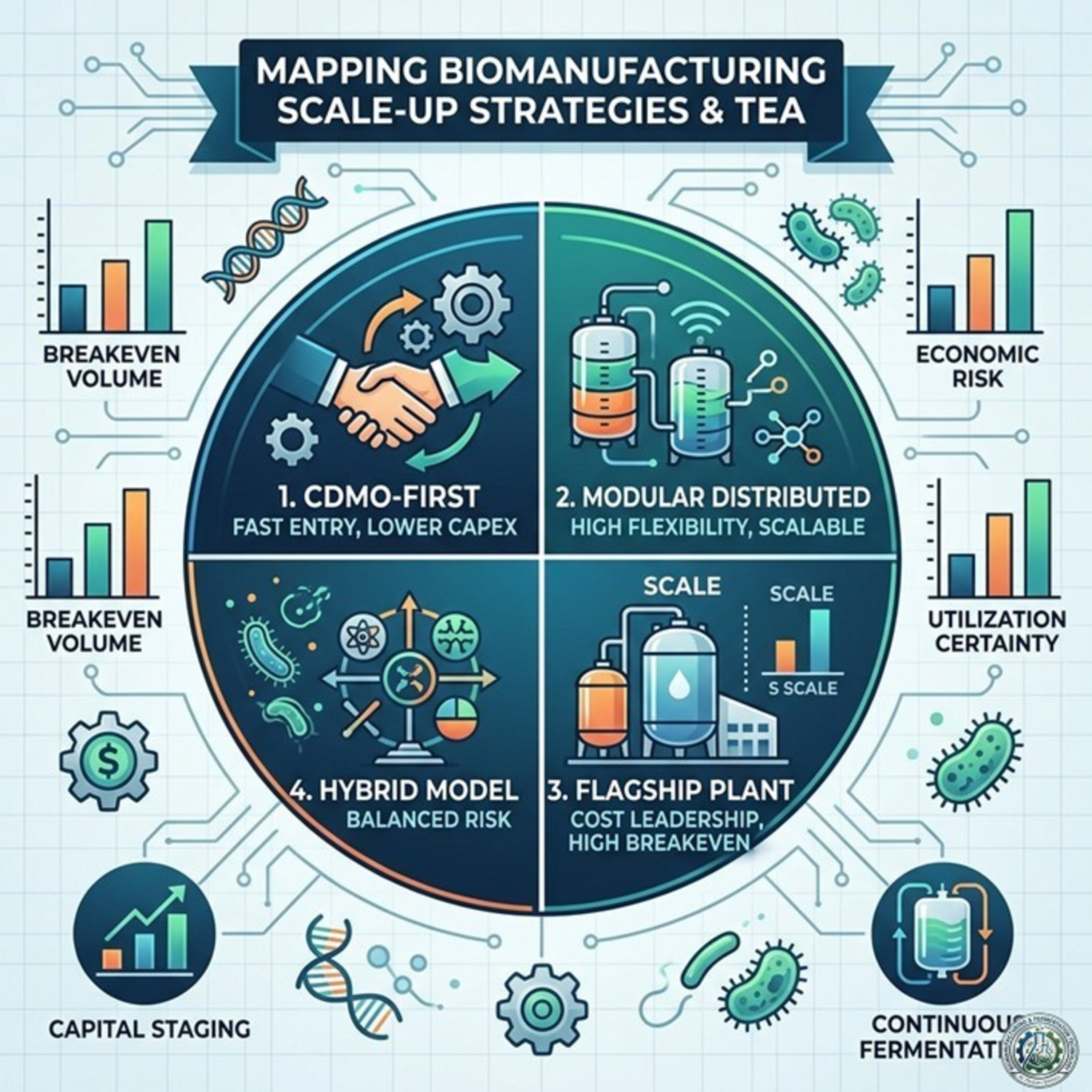
Biomanufacturing Scale-Up Strategies and Techno-Economic Models
These talk outline various strategic frameworks for biomanufacturing, focusing on how companies can balance capital expenditure against production costs and market speed. The text details four primary models: a CDMO-first approach for rapid entry, modular distributed units for flexibility, large-scale flagship plants for cost leadership, and a hybrid model for balanced risk. Each strategy is evalu
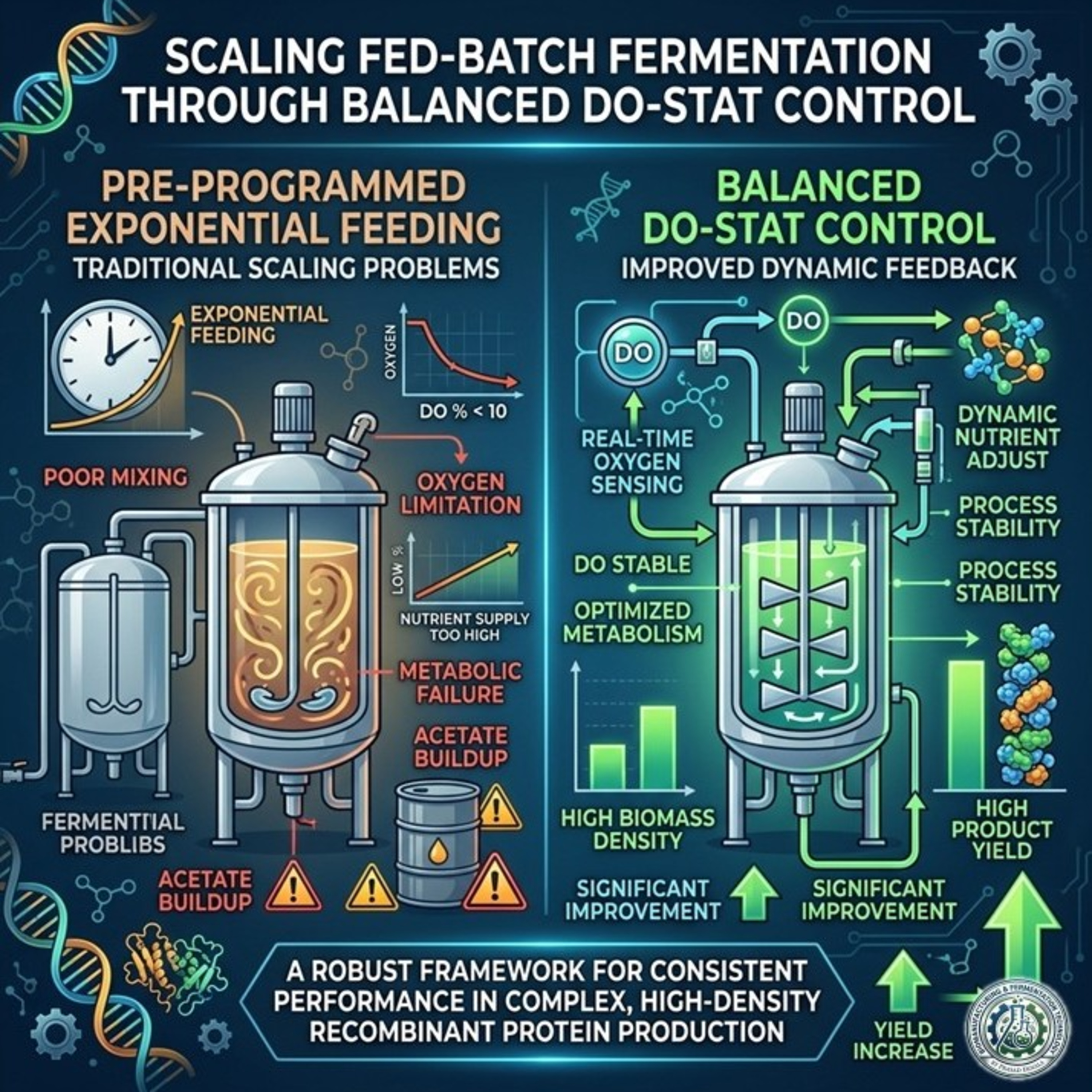
Scaling Fed-Batch Fermentation Through Balanced DO-Stat Control
The provided talk examines the critical challenges of scaling up fermentation processes from laboratory settings to large industrial volumes. It highlights how industrial-scale production suffers from poor mixing and oxygen limitations, often leading to metabolic failures and the buildup of toxic by-products like acetate. To address these issues, the discussion advocate for a balanced DO-stat cont
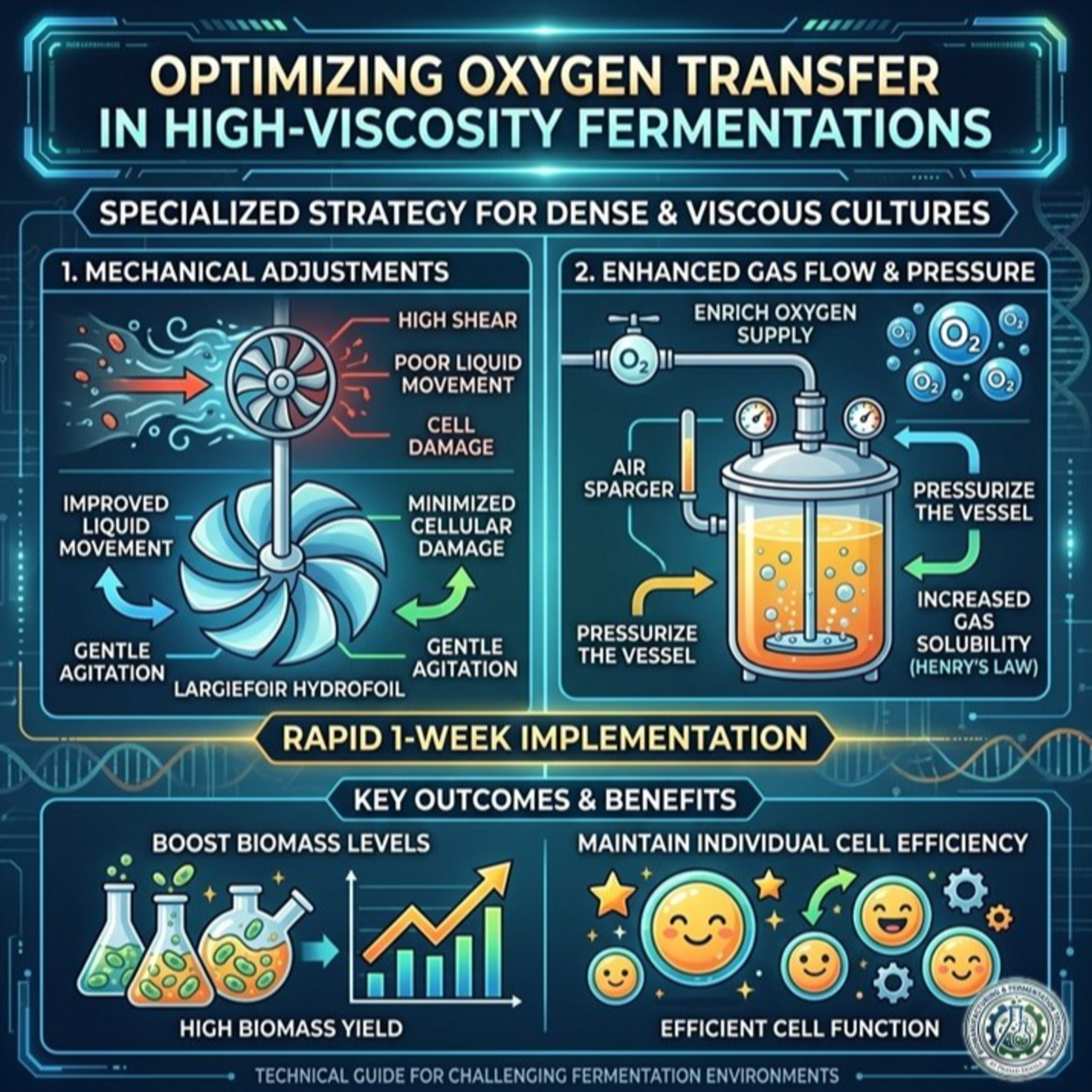
Optimizing Oxygen Transfer in High-Viscosity Fermentations
The provided discussion outlines a specialized strategy to overcome oxygen deficiencies during the cultivation of dense, high-viscosity microorganisms. To achieve this, the guide suggests swapping traditional turbines for large-diameter hydrofoils that improve liquid movement while minimizing cellular damage. The methodology further recommends enriching the gas supply with higher oxygen concentrat
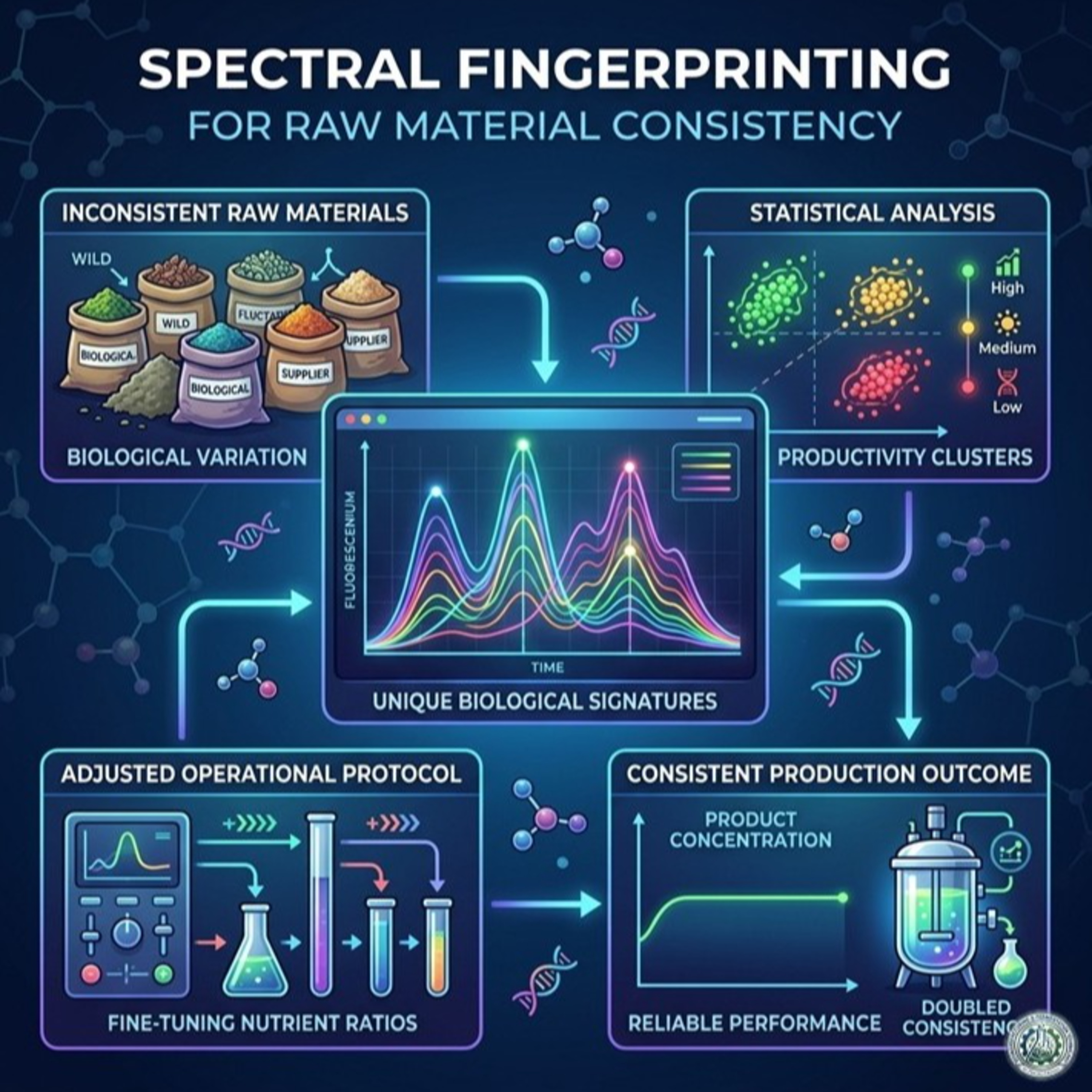
Spectral Fingerprinting for Raw Material Consistency
This talk details a strategy for managing inconsistent raw materials by using advanced spectral fingerprinting techniques. By applying fluorescence spectroscopy to incoming supplies, manufacturers can identify unique biological signatures that indicate how a material will perform during production. These batches are then categorized into productivity clusters using statistical analysis to predict
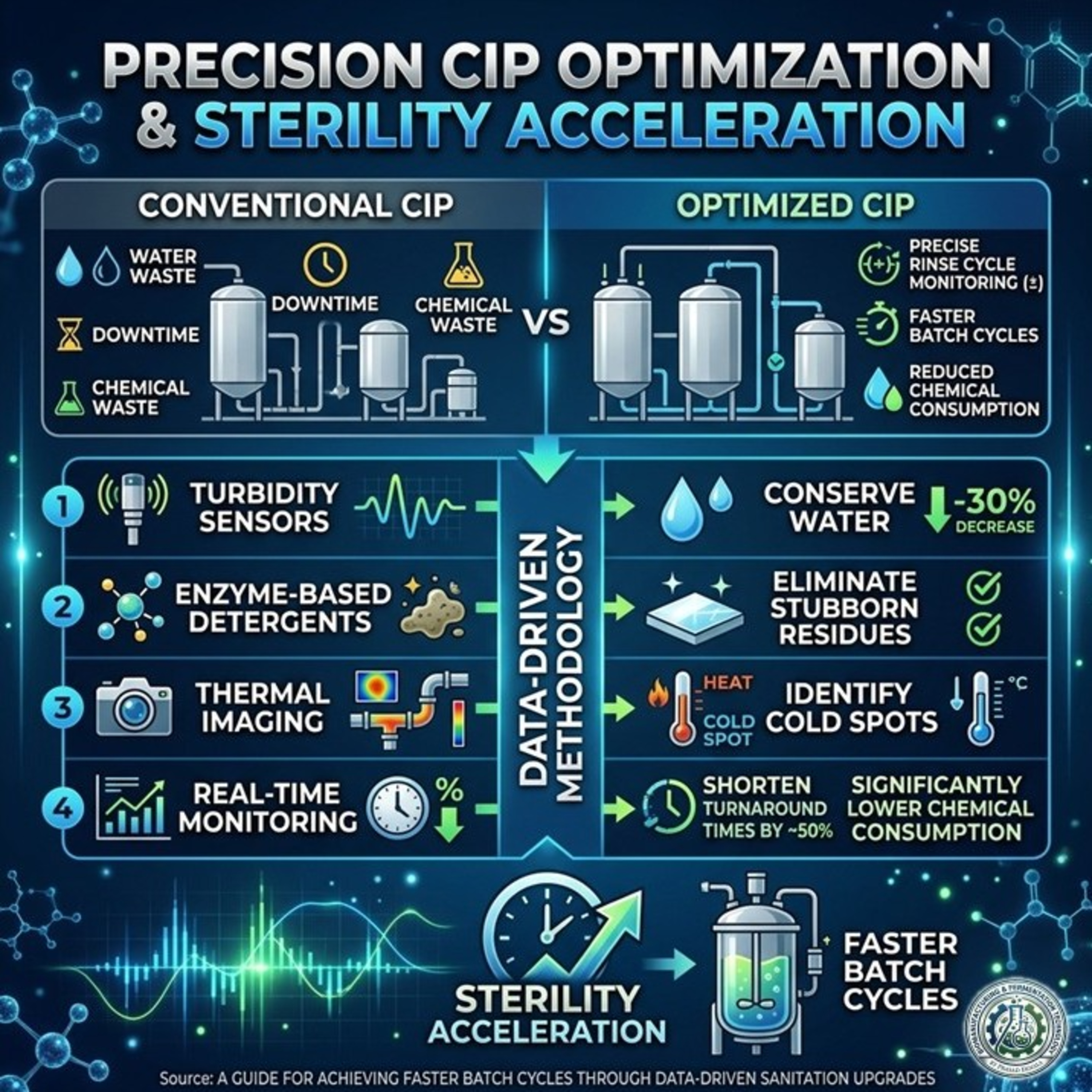
Precision CIP Optimization and Sterility Acceleration
The provided talk details a strategic approach to enhancing industrial cleaning efficiency while maintaining rigorous sterility standards. By integrating turbidity sensors, facilities can precisely monitor rinse cycles to conserve water and reduce operational downtime. The methodology also suggests utilizing enzyme-based detergents and thermal imaging to eliminate stubborn residues and identify co
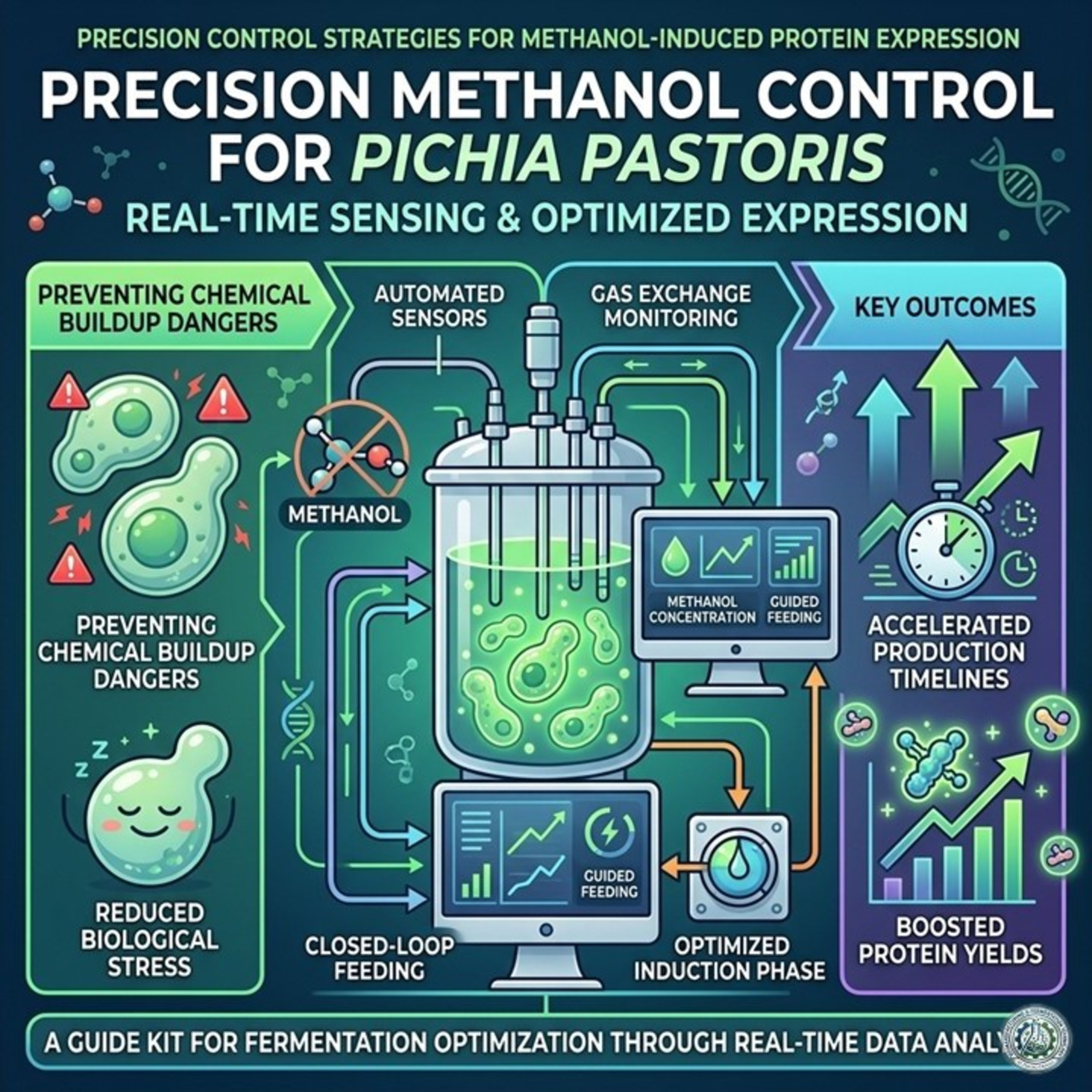
Precision Control Strategies for Methanol-Induced Protein Expression
This talk outlines a technical strategy for improving methanol management during the cultivation of Pichia pastoris. To prevent chemical buildup from harming the cells, the text suggests using automated sensors to maintain specific concentration levels and monitoring gas exchange ratios to guide feeding. Implementing these closed-loop control methods allows for a more efficient induction phase by
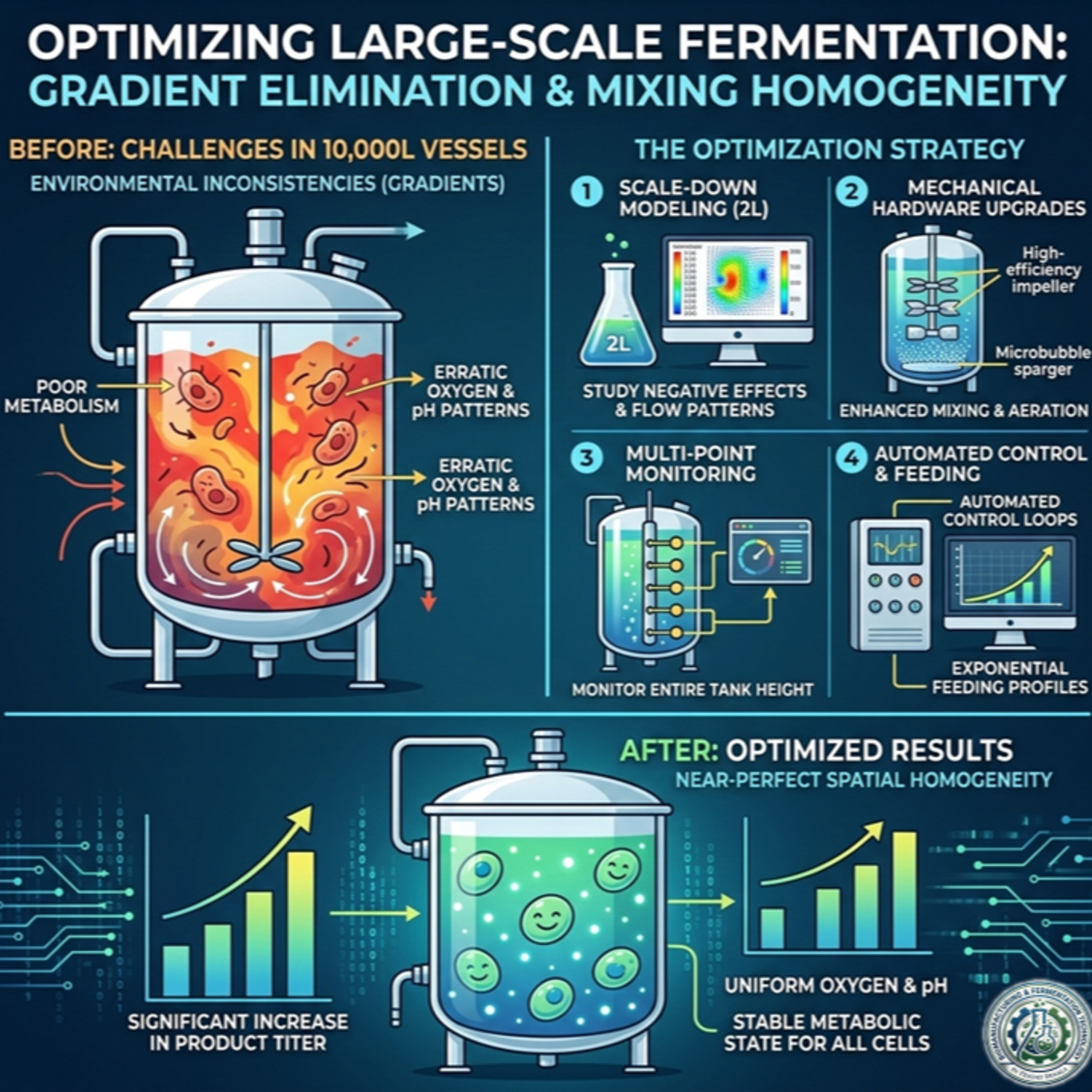
Optimizing Large-Scale Fermentation Through Gradient Elimination and Mixing Homogeneity
This episode outlines a comprehensive strategy to eliminate environmental inconsistencies within large-scale fermenters by ensuring oxygen and pH levels remain uniform. The process begins with scale-down modeling at the 2-liter level, using computational fluid dynamics to replicate and study the negative effects of gradients found in 10,000-liter vessels. To solve these issues at scale, the discus
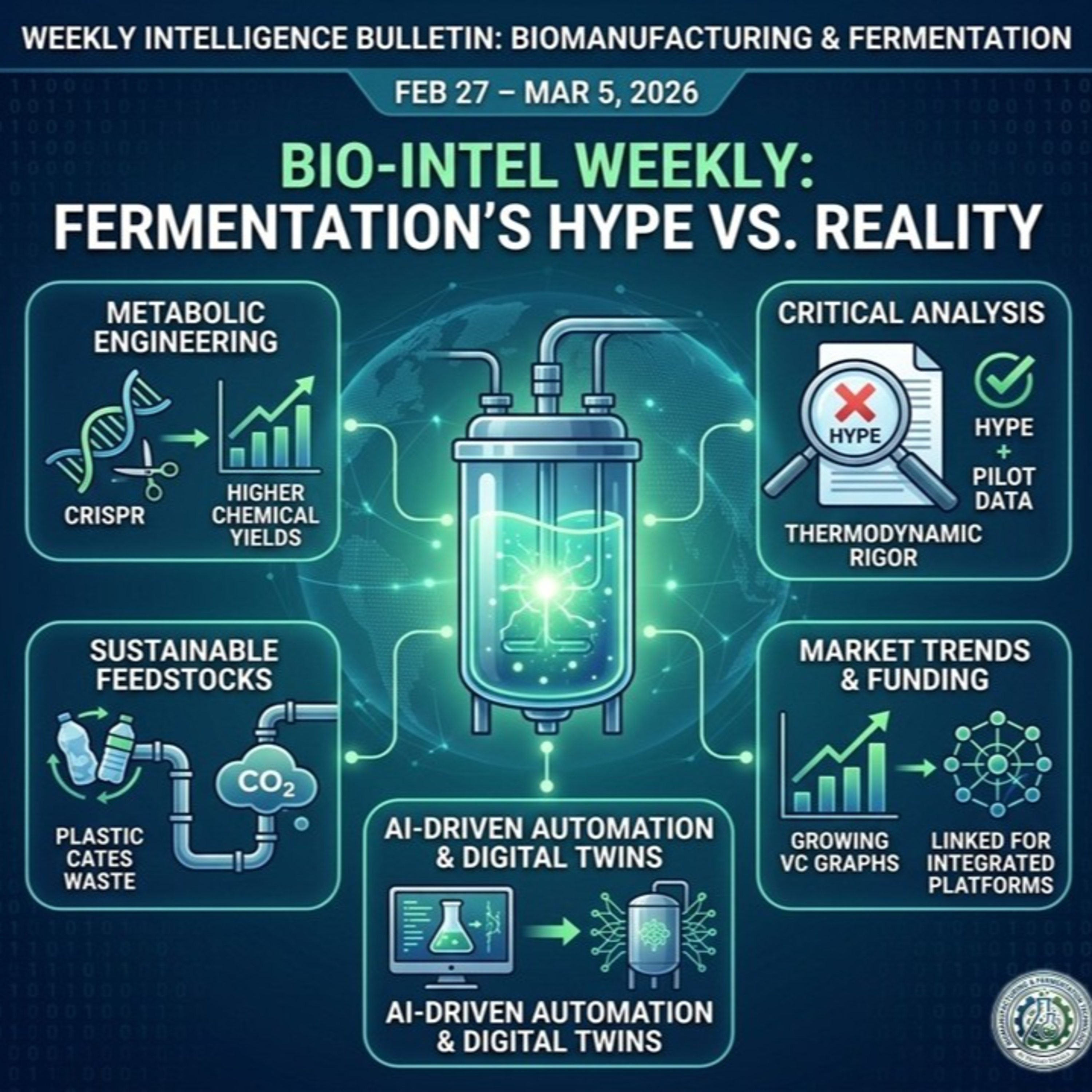
Weekly Intelligence Bulletin Biomanufacturing and Fermentation (February 27 – March 5, 2026)
This intelligence bulletin summarizes recent global progress in biotechnology and industrial fermentation during early 2026. The report highlights metabolic engineering breakthroughs, such as using CRISPR and adaptive evolution to stabilize microbial pathways for higher chemical yields. It also examines bioreactor innovations and the transition to sustainable feedstocks, including plastic waste an
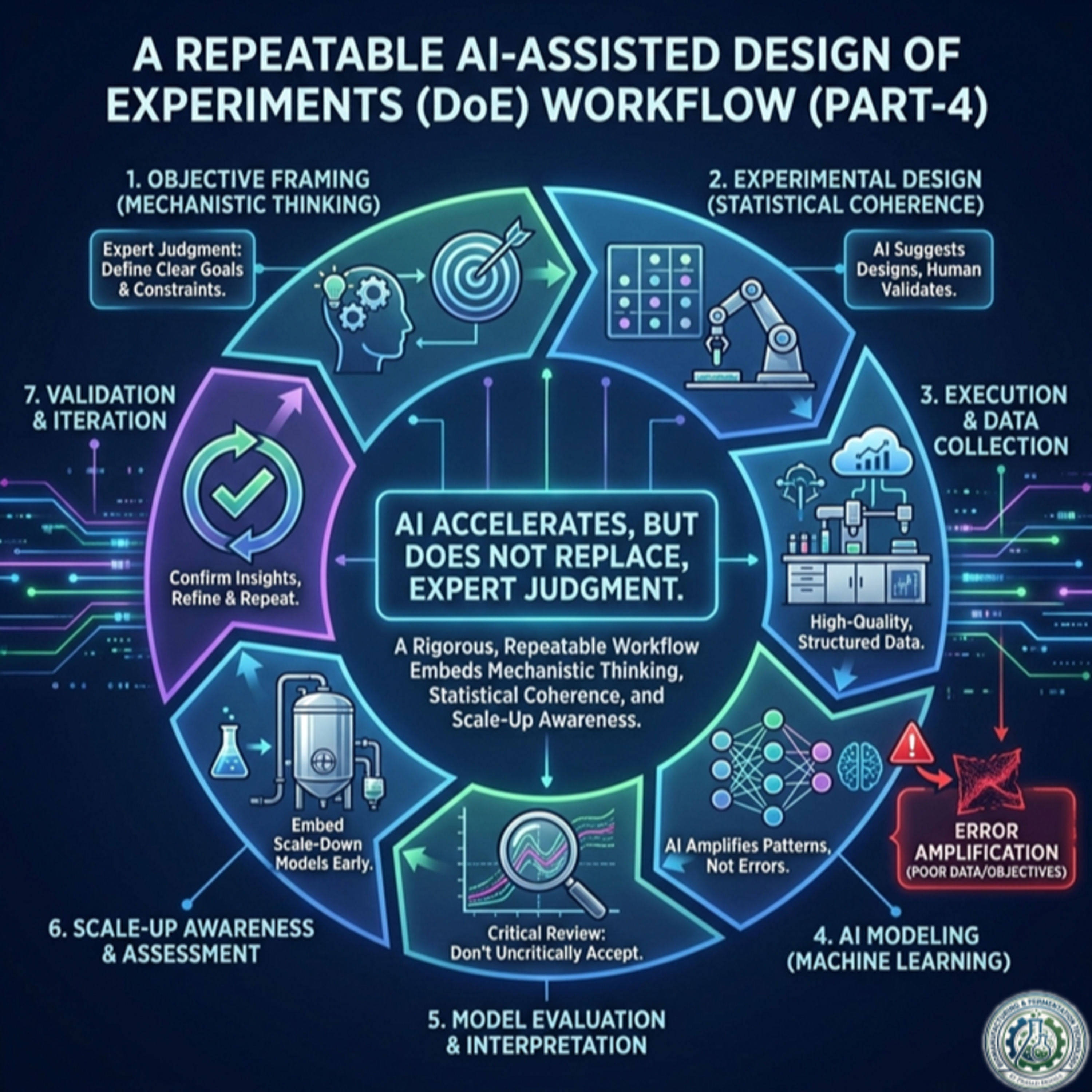
A repeatable AI‑assisted Design of Experiments (DoE) workflow. (Part-4)
An AI‑assisted Design of Experiments (DoE) workflow is only as powerful as its weakest step: if objectives are poorly framed, data poorly executed, or models uncritically accepted, AI will amplify error rather than insight. A rigorous, repeatable workflow must therefore embed mechanistic thinking, statistical coherence, and scale‑up awareness from the outset. The following sections analyze each st
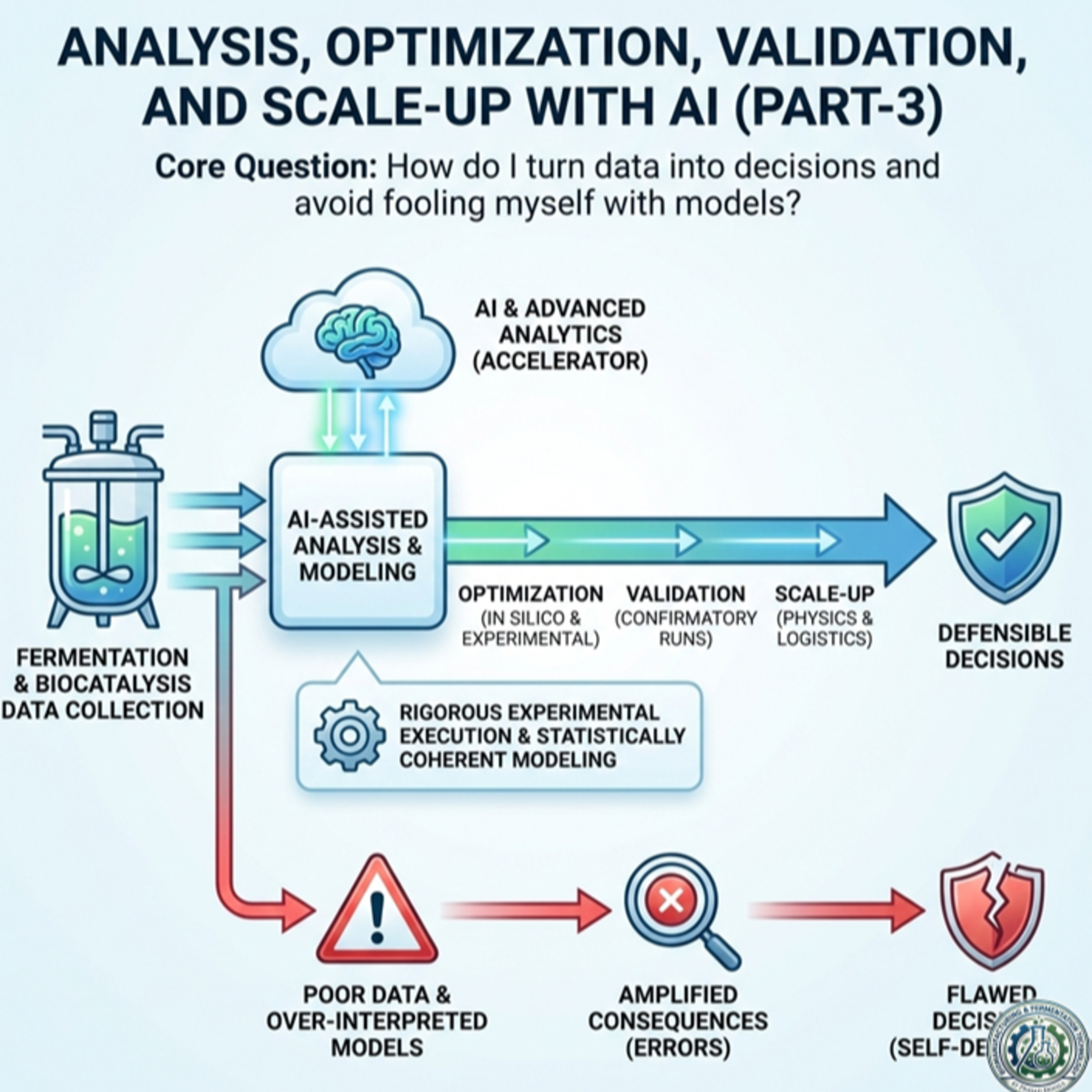
Analysis, Optimization, Validation, and Scale-Up with AI (Part-3)
Turning data into defensible decisions in bioprocess development requires more than sophisticated AI; it demandsrigorous experimental execution, statistically coherent modeling, and explicit consideration of scale‑up physics. AI and advanced analytics can accelerate each step, but they also amplify the consequences of poor data and over‑interpreted models. The subsections below examine the critica
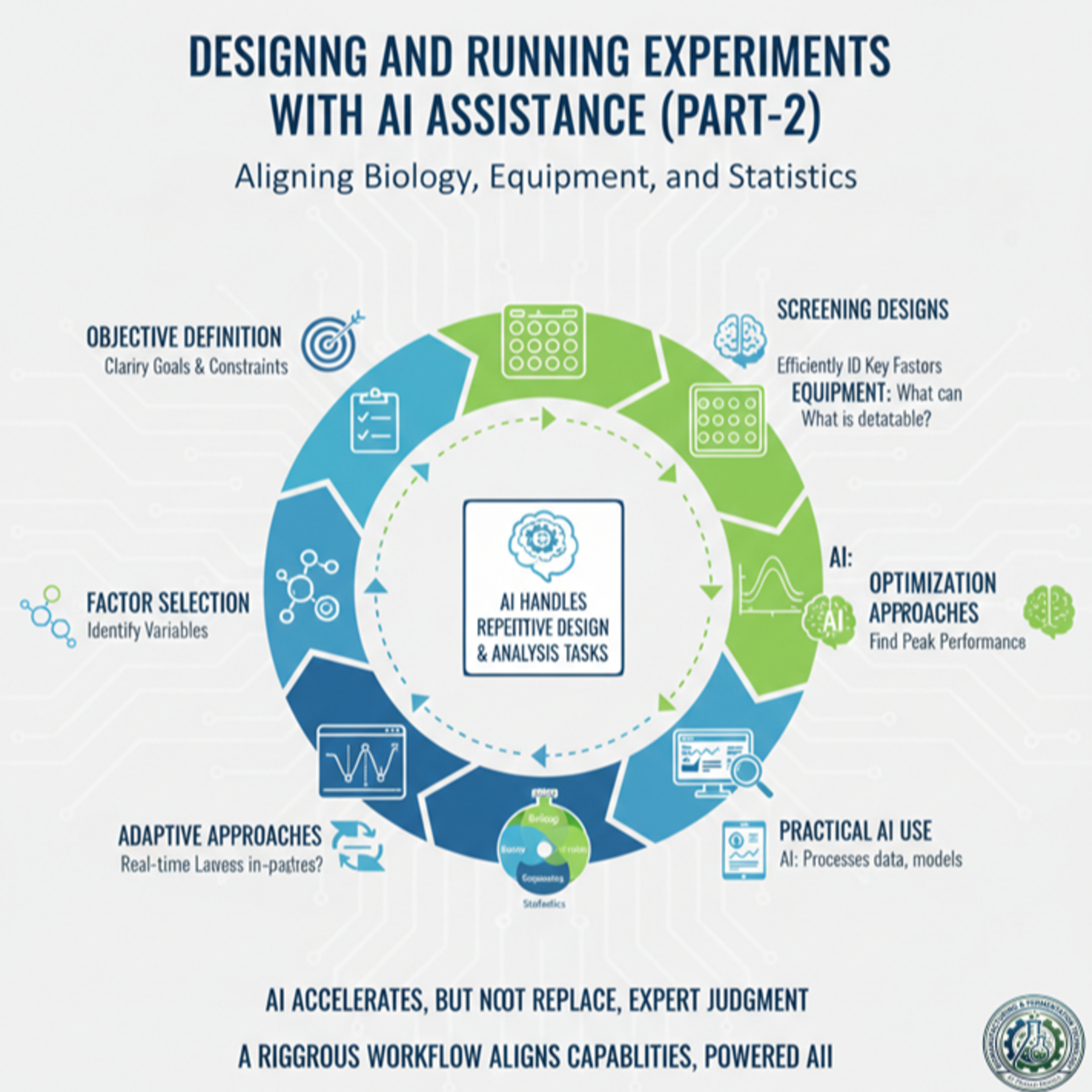
Designing and Running Experiments with AI Assistance (Part-2)
Designing and running experiments with AI assistance is ultimately an exercise in constraint management: aligning what biology can do, what equipment can deliver, and what statistics can support, while letting AI handle repetitive design and analysis tasks. The sub‑topics below follow the natural flow from objective definition through factor selection, screening and optimization designs, to modern
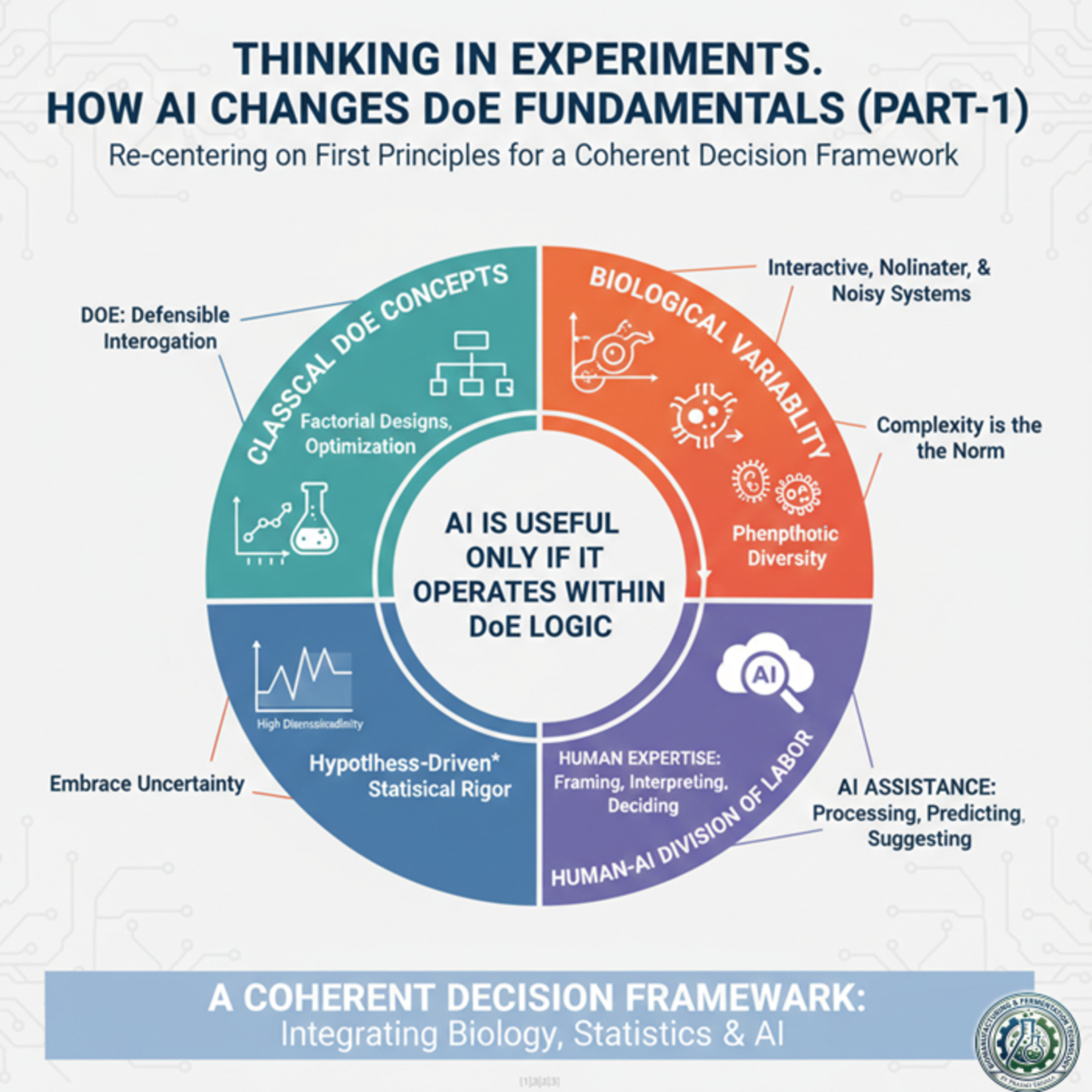
Thinking in Experiments. How AI Changes DoE Fundamentals (Part-1)
Thinking in experiments under an AI‑rich toolbox requires re‑centering on first principles: biological systems are interactive, nonlinear, and noisy; DoE is still the most defensible way to interrogate them; and AI is useful only to the extent that it operates inside that logic. The sub‑topics below articulate how classical DoE concepts, biological variability, and a human–AI division of labor fit
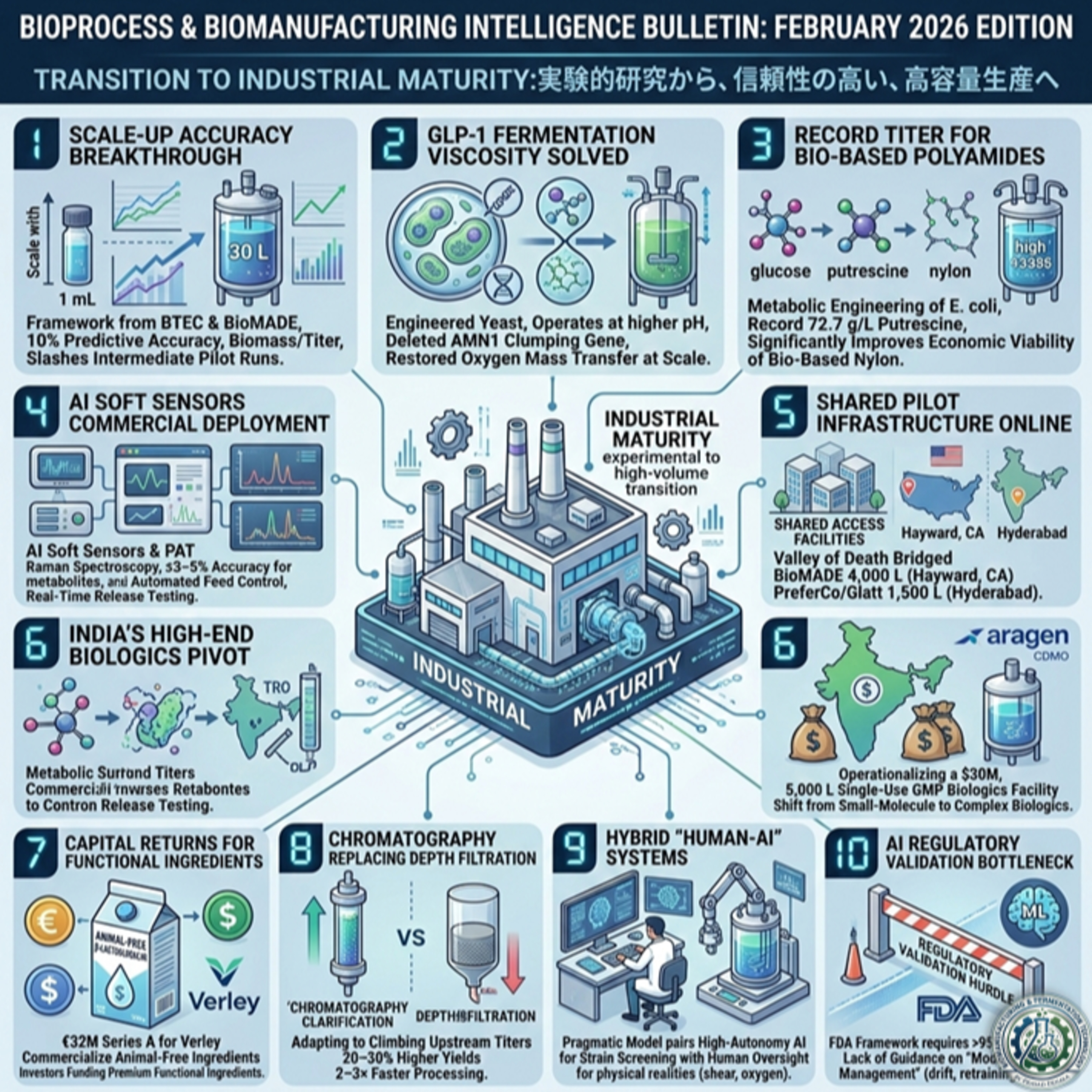
Bioprocess and Biomanufacturing Intelligence Bulletin: February 2026 Edition
This bioprocess and biomanufacturing report from February 2026 highlights a shift toward industrial maturity through significant technical and economic breakthroughs. Key scientific advancements include a highly accurate scale-up framework and engineered yeast strains designed to overcome production barriers for GLP-1 drugs. The text also tracks the integration of AI-driven sensors and real-time m
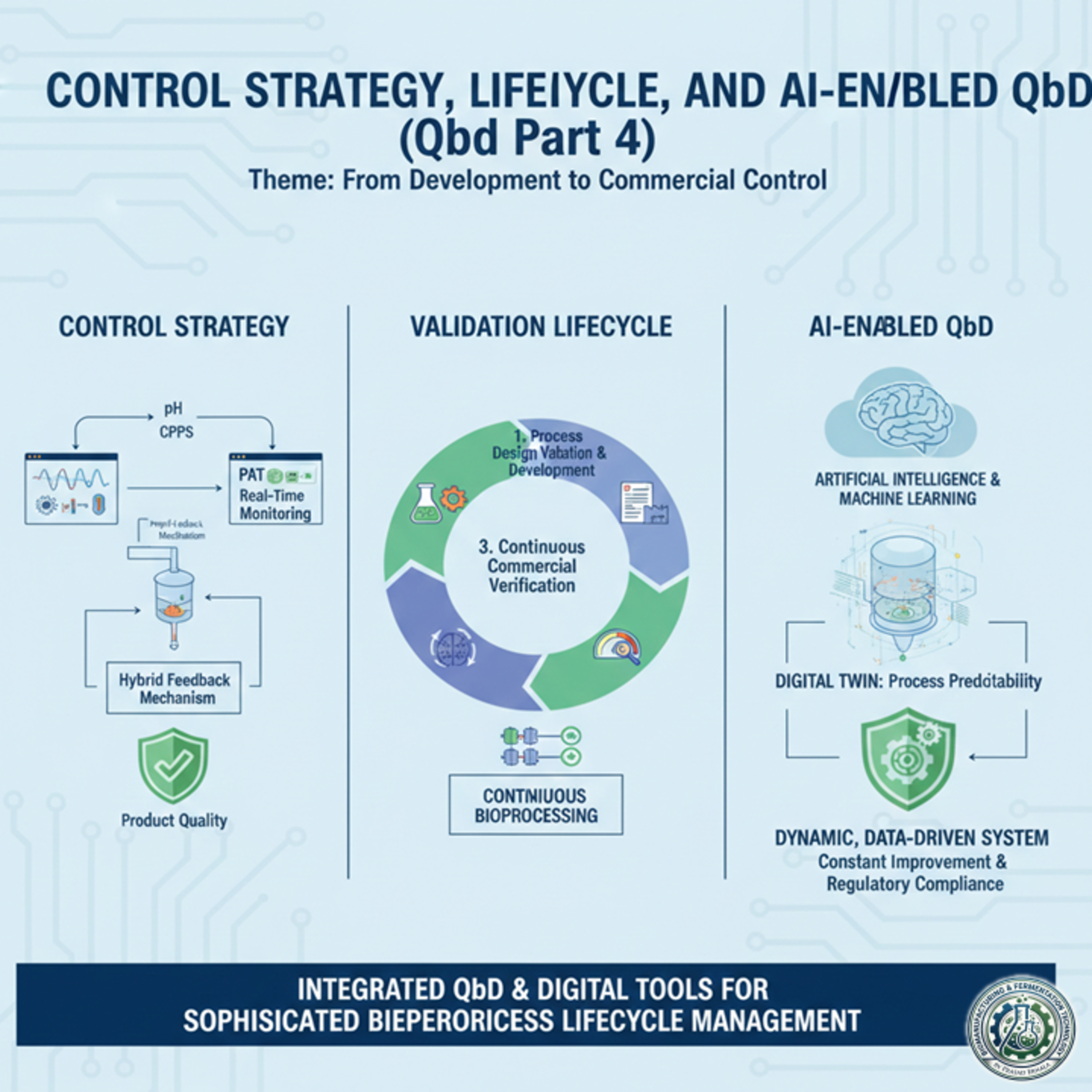
Control Strategy, Lifecycle, and AI-Enabled QbD (QbD Part-4)
This part outlines a sophisticated framework for bioprocessing lifecycle management by integrating Quality by Design (QbD) principles with advanced digital tools. It details how a robust control strategy links process parameters to product quality through real-time monitoring and hybrid feedback mechanisms. The sources describe a multi-stage validation lifecycle that transitions from initial desig
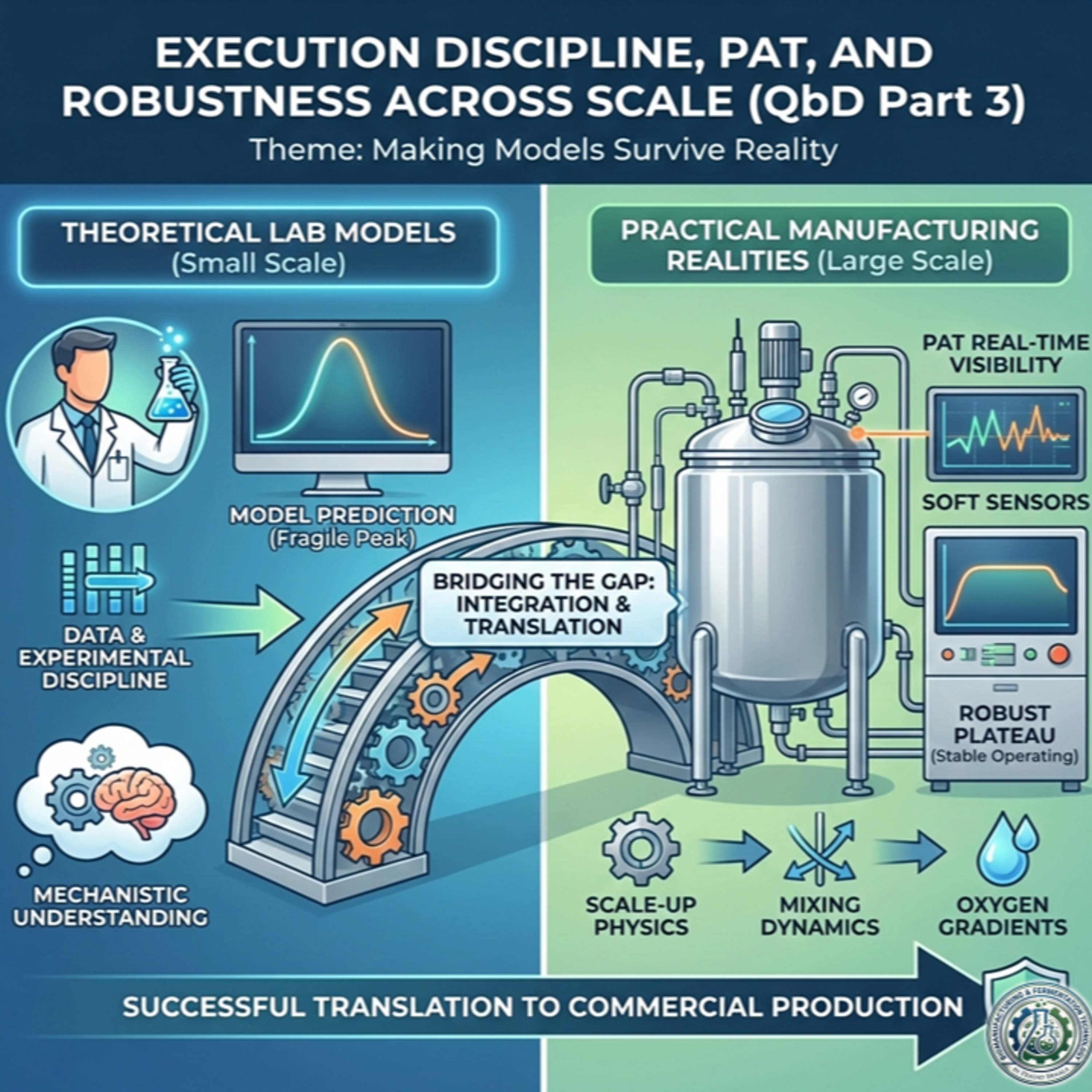
Execution Discipline, PAT, and Robustness Across Scale (QbD Part-3)
This part outlines how to bridge the gap between theoretical bioprocess models and the practical realities of large-scale manufacturing. It emphasizes that high-quality data and experimental discipline are the foundation of reliable models, particularly when transitioning from small shake flasks to complex bioreactors. The author explains how Process Analytical Technology (PAT) and soft sensors pr
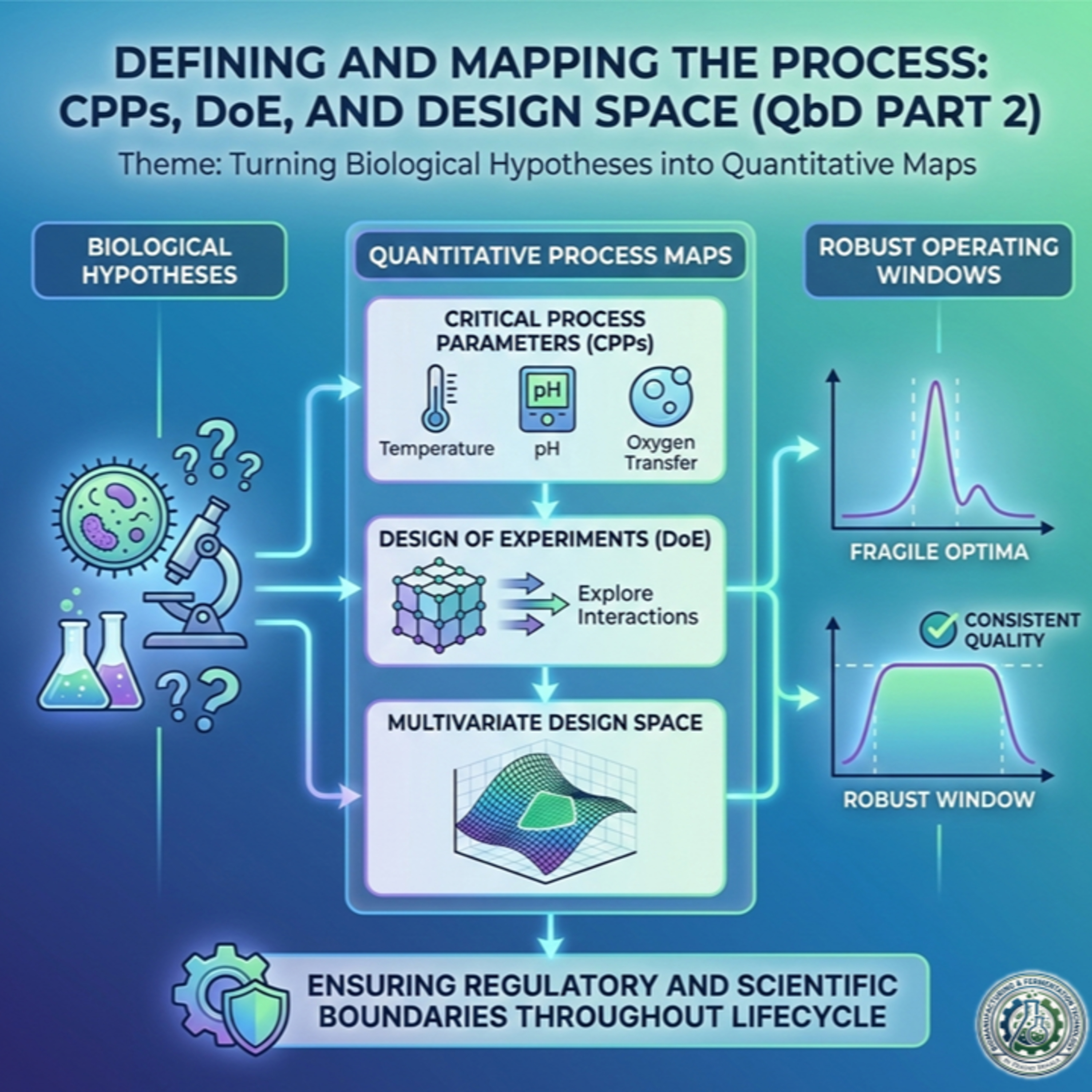
Defining and Mapping the Process CPPs, DoE, and Design Space (QbD Part-2)
This part outlines a systematic framework for applying Quality by Design (QbD) principles to bioprocessing, specifically within fermentation. It describes how to transform biological hypotheses into quantitative process maps by identifying Critical Process Parameters (CPPs) through both mechanistic understanding and statistical modeling. The discussion emphasizes the use of Design of Experiments (
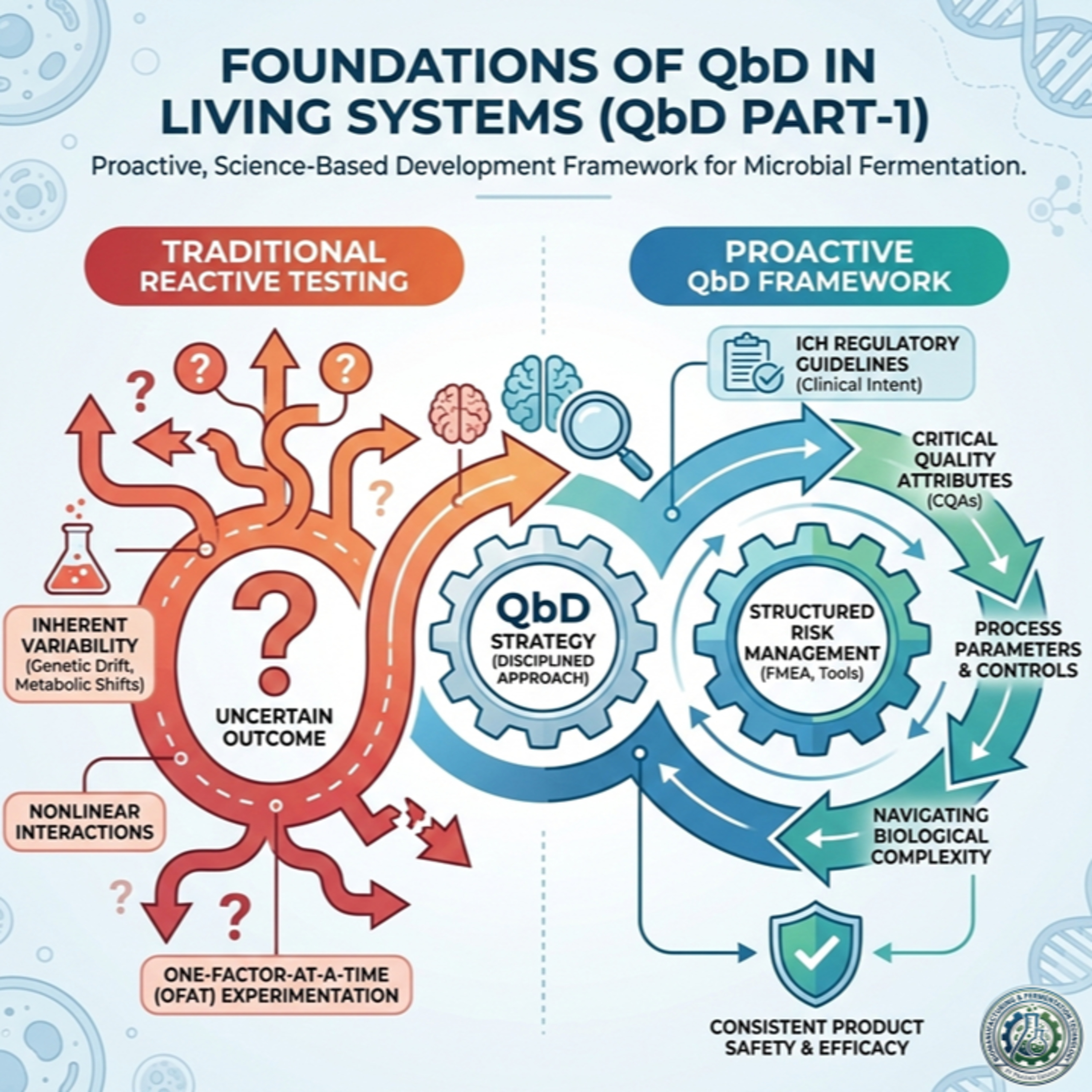
Foundations of QbD in Living Systems (QbD Part-1)
This part explores the application of Quality by Design (QbD) principles to microbial fermentation, moving away from traditional reactive testing toward a proactive, science-based development framework. It highlights how the inherent variability of living systems—driven by genetic drift, nonlinear metabolic shifts, and environmental interactions—requires a more sophisticated approach than simple o
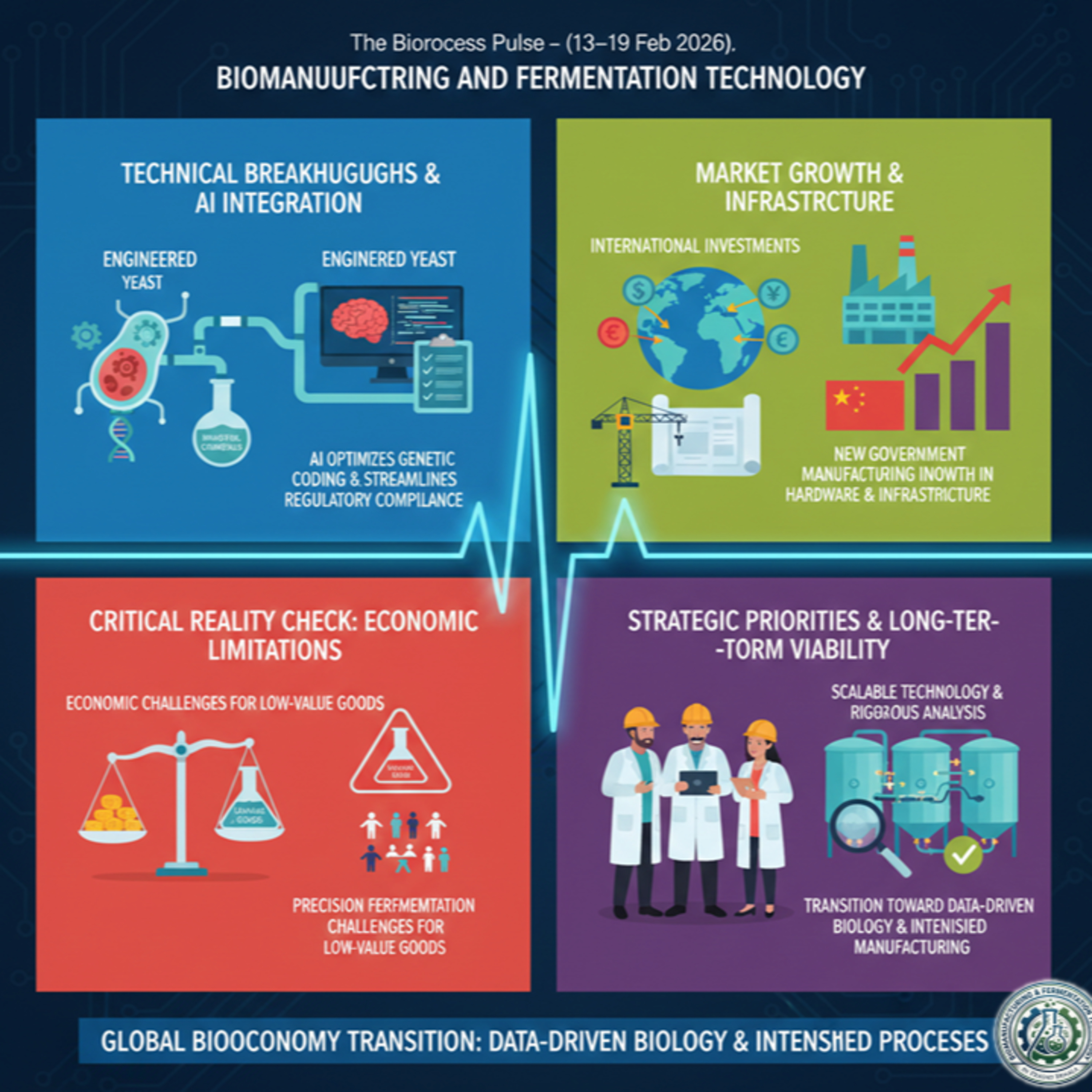
BIOMANUFACTURING AND FERMENTATION TECHNOLOGY, The Bioprocess Pulse – (13–19 Feb 2026).
This week discussion summarizes a bioprocessing industry report highlighting significant technical and economic shiftsoccurring in early 2026. Researchers have successfully engineered yeast to overcome production barriers for industrial chemicals, while artificial intelligence is now being used to optimize genetic coding and streamline complex regulatory compliance. The report forecasts substantia
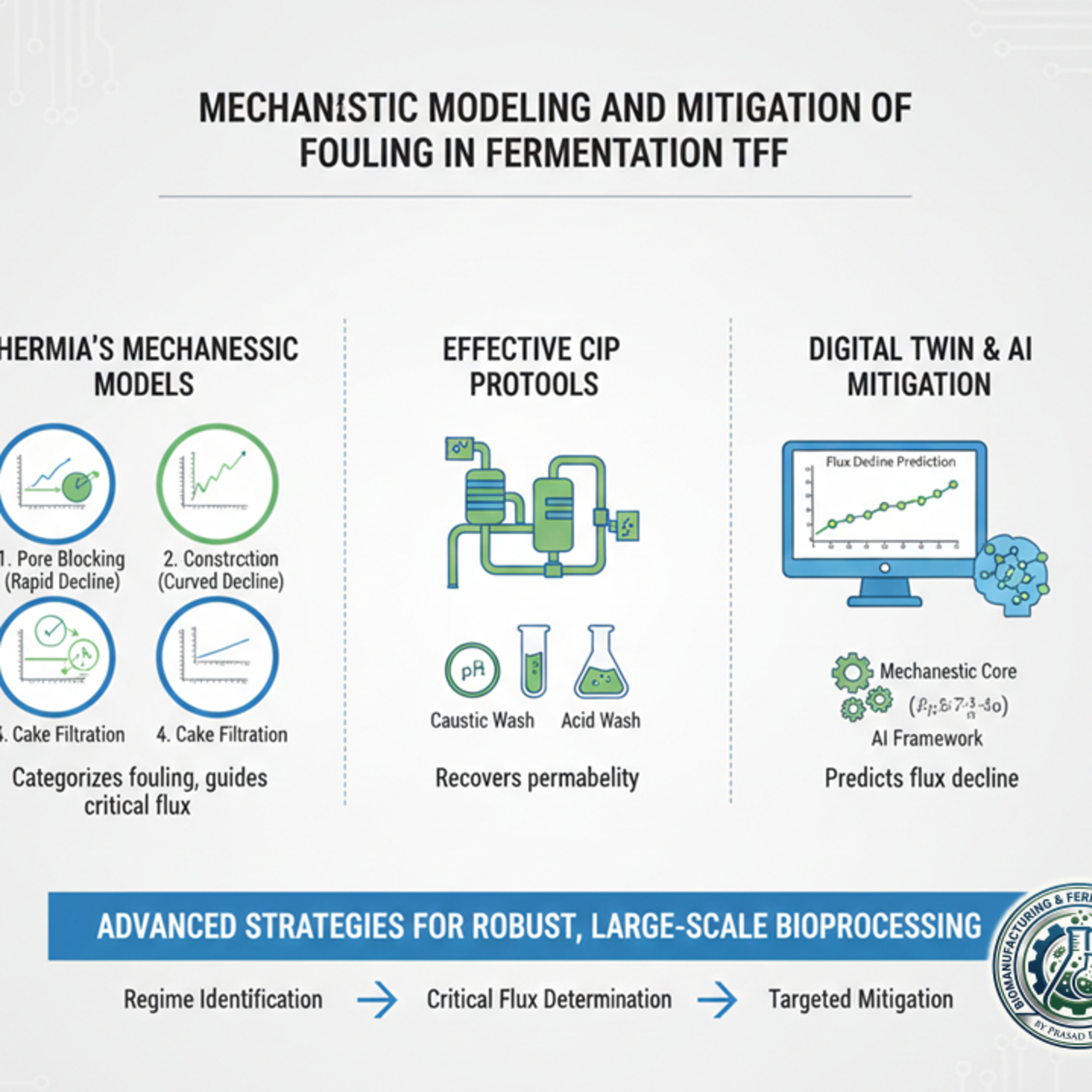
Mechanistic Modeling and Mitigation of Fouling in Fermentation TFF
Hermia’s models categorize TFF fouling into four mechanisms, guiding regime identification and critical flux determination. Effective CIP protocols use caustic/acid washes to recover permeability. Digital twins combine mechanistic cores with AI to predict flux decline.How to use the result to minimize fouling in production TFF• Set your operating flux below the measured critical flux (often with a
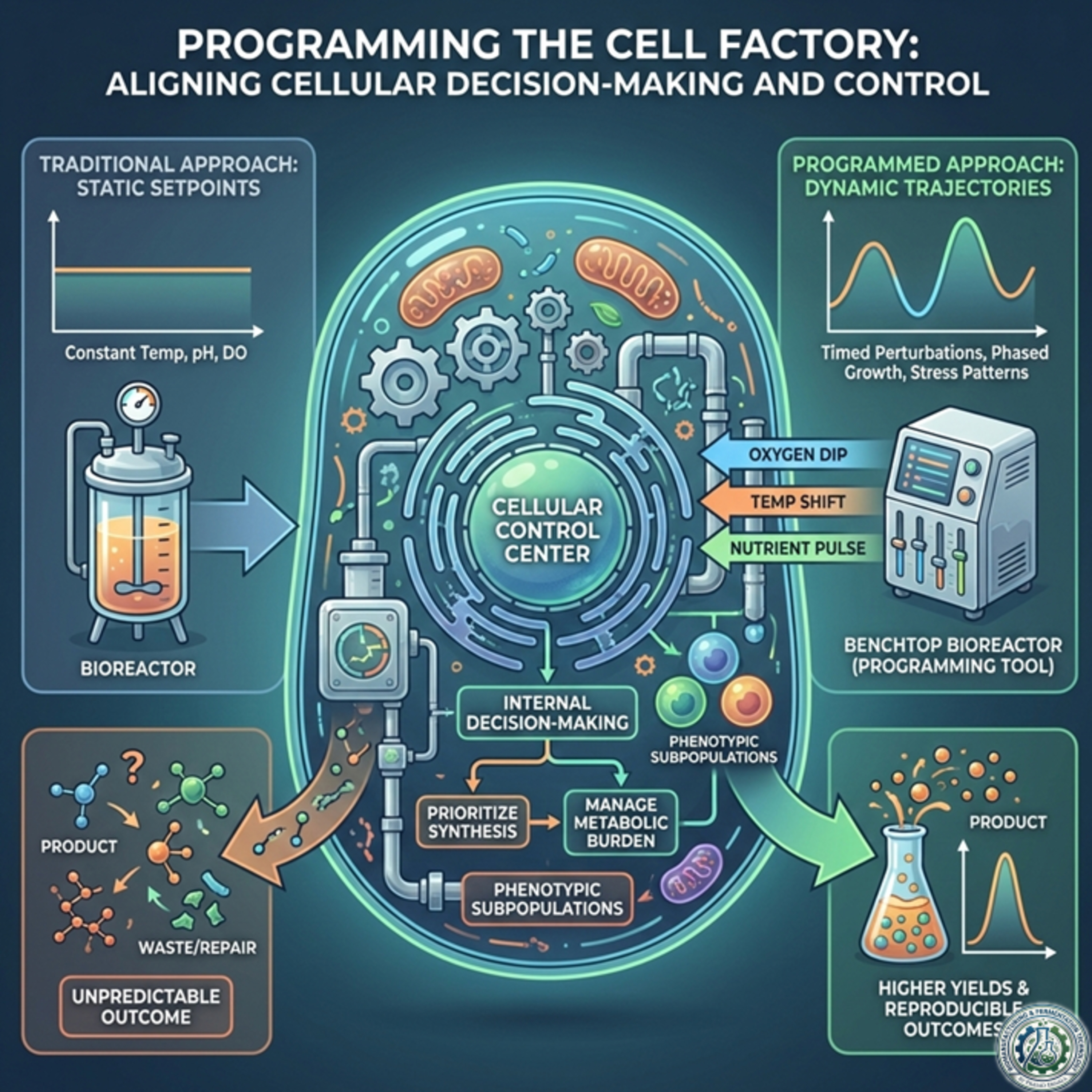
Programming the Cell Factory: Aligning Cellular Decision-Making and Control
This episode outlines a shift in bioprocessing strategy from maintaining static setpoints to designing dynamic environmental trajectories that align with internal cellular decision-making. Rather than treating microbes as passive catalysts, the author argues that scientists should use benchtop bioreactors to program specific patterns of stress, growth rates, and nutrient feeds. By treating variabl
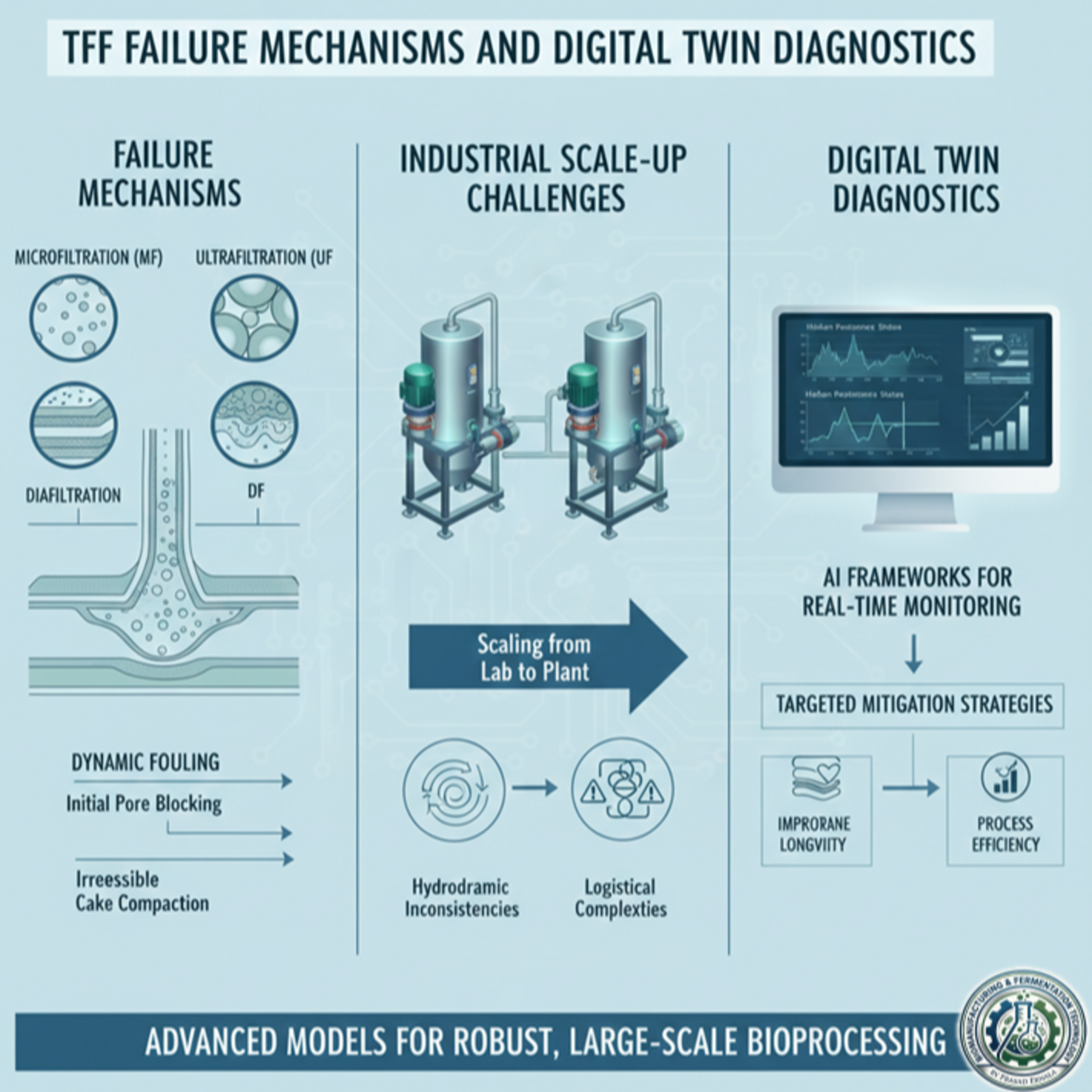
TFF Failure Mechanisms and Digital Twin Diagnostics
This episode examines the technical challenges and failure mechanisms associated with using tangential flow filtration (TFF) for processing fermentation broths. It details how microfiltration (MF), ultrafiltration (UF), and diafiltration (DF) are impacted by dynamic fouling, ranging from initial pore blocking to irreversible cake compaction. The discussion emphasize that scaling these processes to
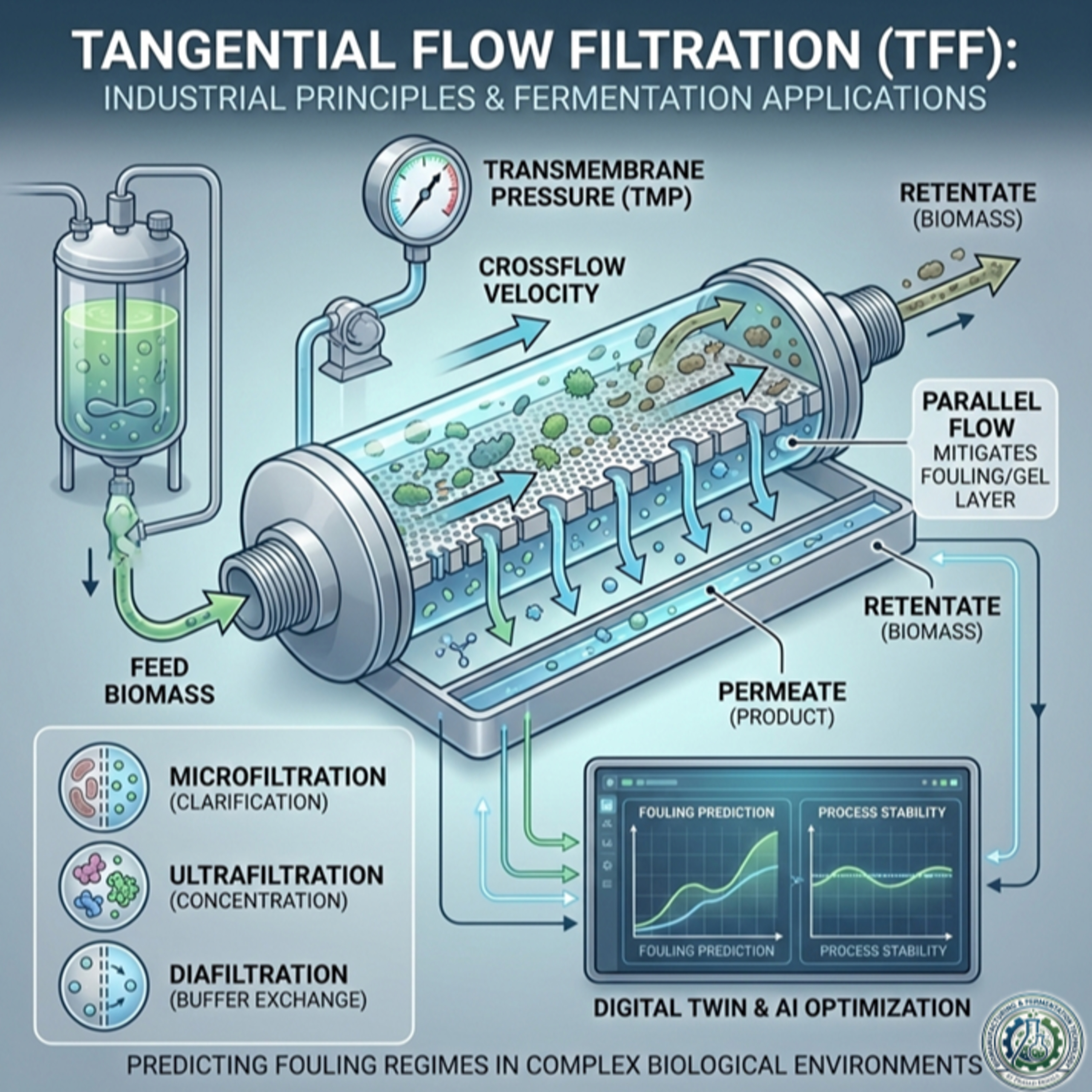
Tangential Flow Filtration: Industrial Principles and Fermentation Applications
This episode serves as a comprehensive guide to Tangential Flow Filtration (TFF) within the context of industrial fermentation, moving from foundational mechanics to advanced digital applications. It defines TFF as a pressure-driven separation process where fluid flows parallel to the membrane to mitigate, though not entirely prevent, the accumulation of debris and fouling. The discussion details
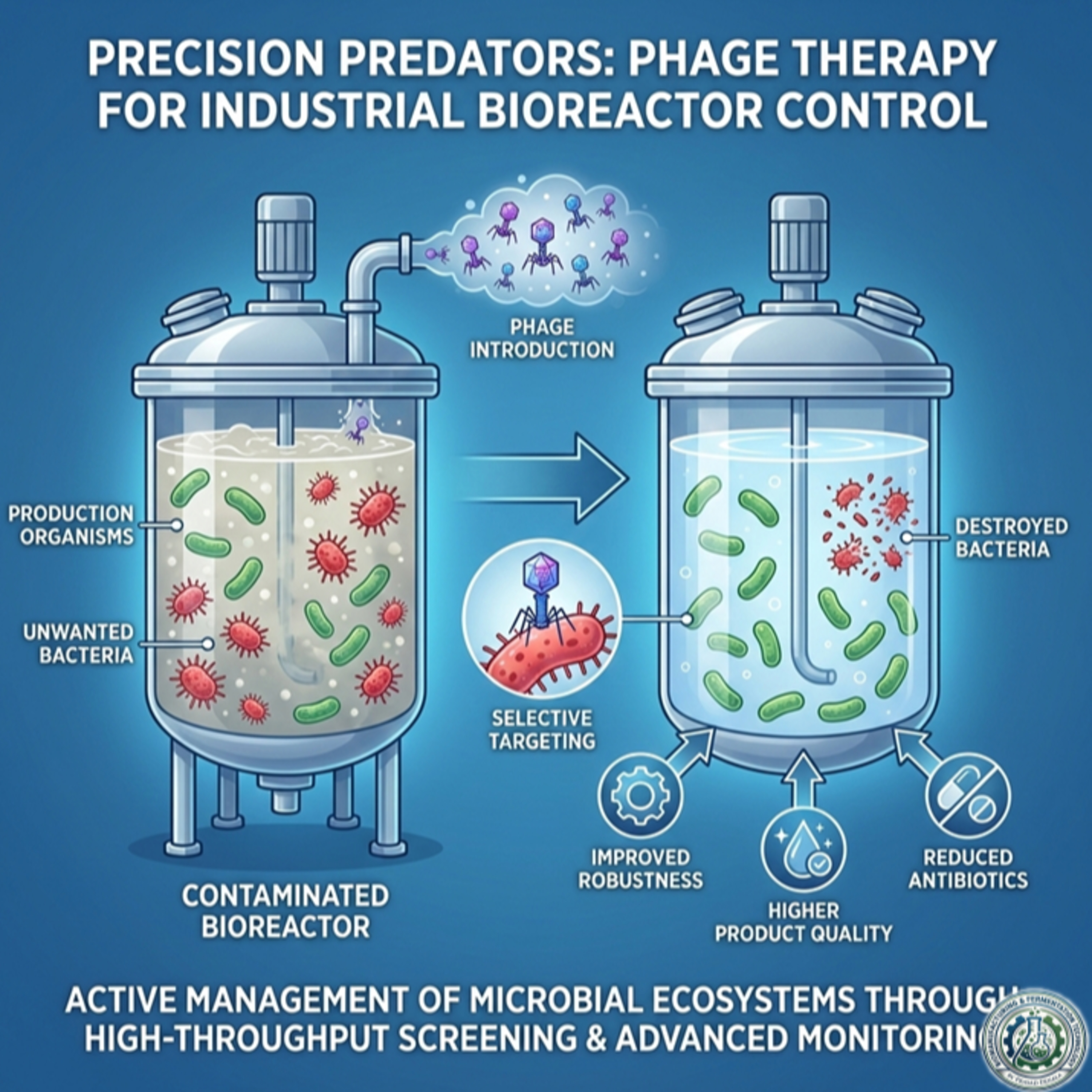
Precision Predators: Phage Therapy for Industrial Bioreactor Control
Industrial bioreactors face significant economic and operational risks due to microbial contamination, which traditional broad-spectrum sterilization methods often fail to eliminate entirely. This discussion explores the emerging strategy of industrial phage therapy, which utilizes specific viral predators to selectively target and destroy unwanted bacteria without harming the production organisms
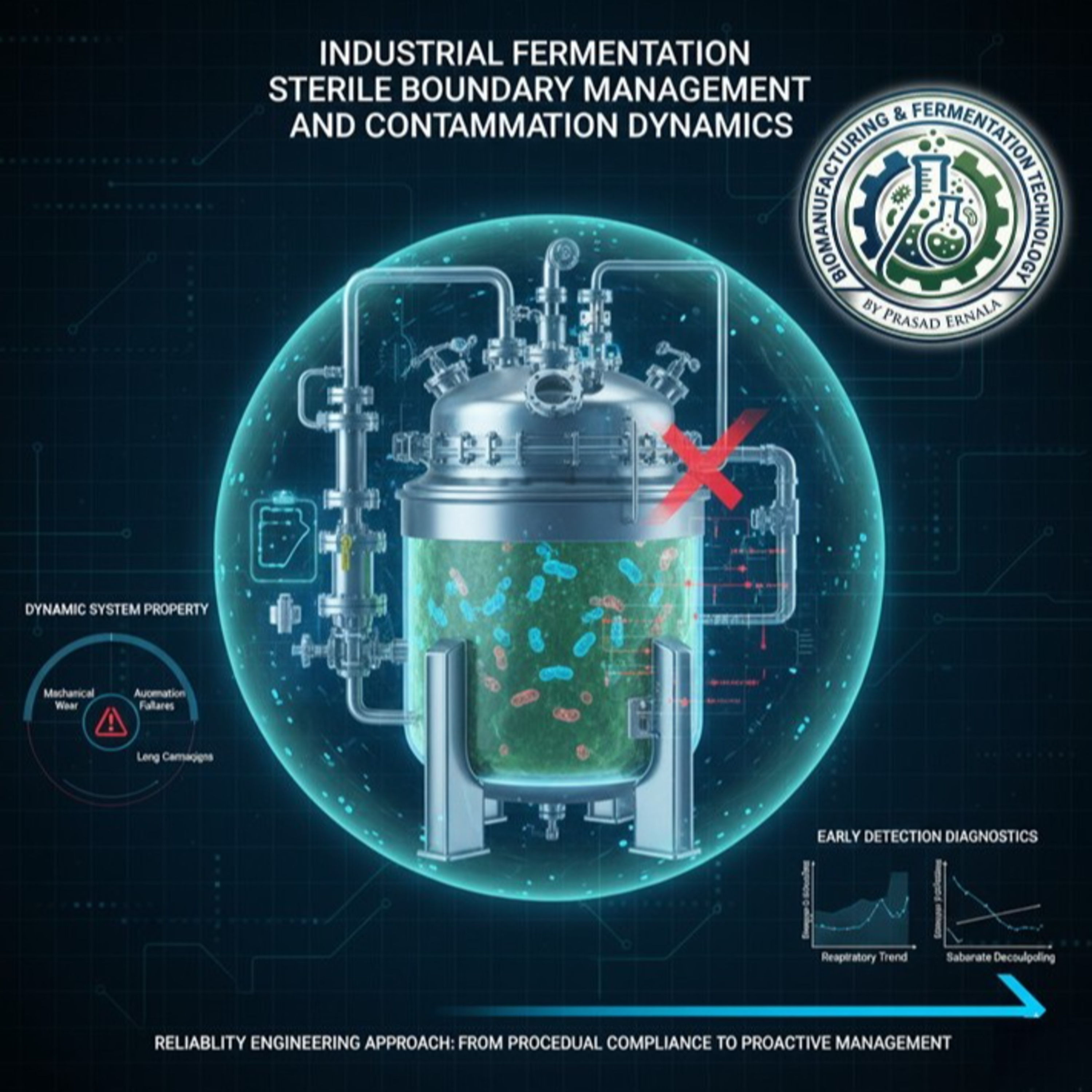
Industrial Fermentation Sterile Boundary Management and Contamination Dynamics
In this episode we explores sterile boundary management as a continuous, evolving challenge in industrial fermentation rather than a one-time achievement. My analysis highlights that boundary crossings, such as sampling and feeding, act as repeated stress tests that can lead to subclinical contamination, where foreign microbes subtly distort a culture’s metabolism without triggering traditional al
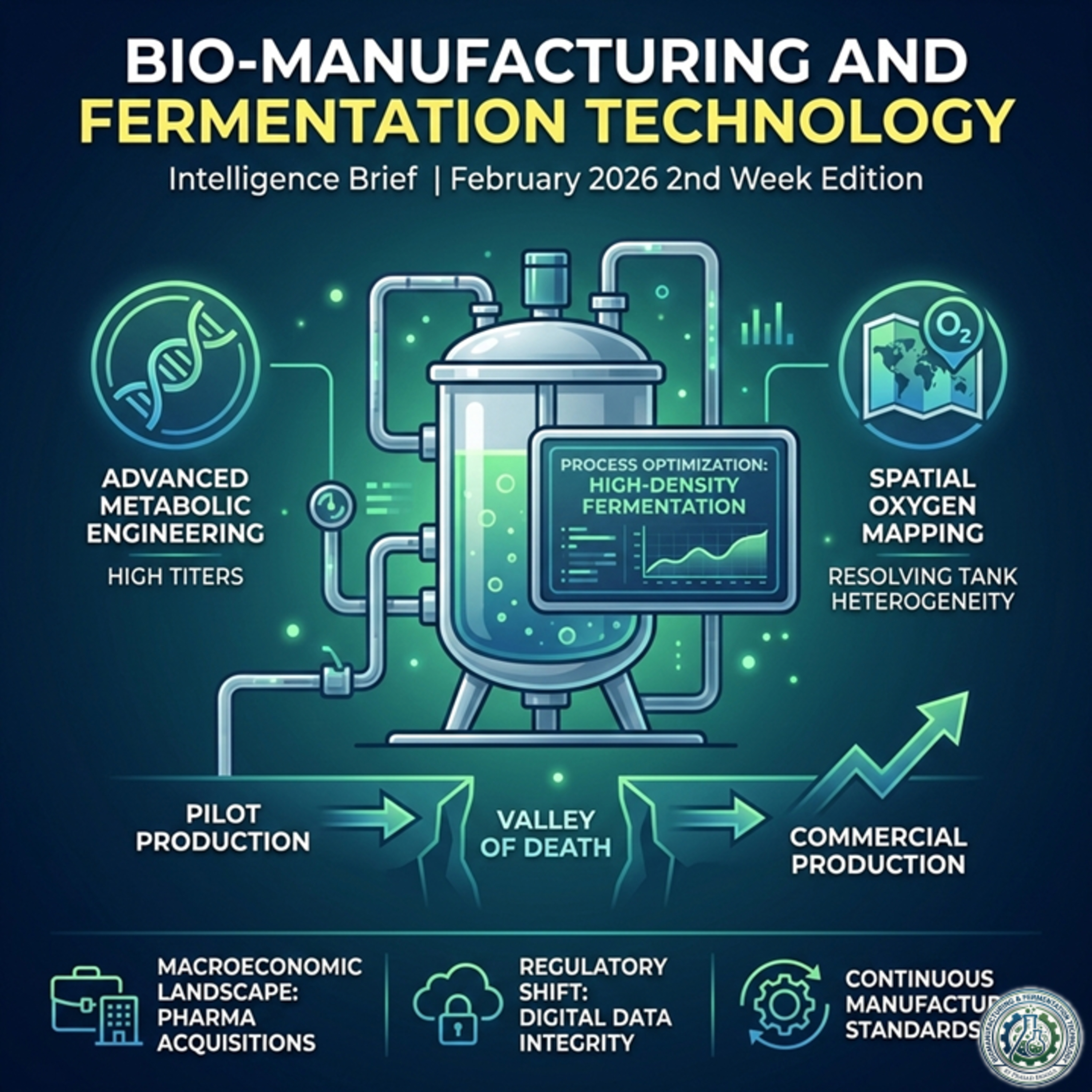
Bio-manufacturing and Fermentation Technology. (2026 February 2nd week edition)
This intelligence brief from 2nd week February 2026 identifies actionable breakthroughs in bioprocessing and biocatalysis that prioritize practical scalability over speculative science. The report highlights significant process optimizations, such as high-density microbial fermentation strategies for GLP-1 analogues and advanced metabolic engineering to achieve high titers of toxic intermediates.
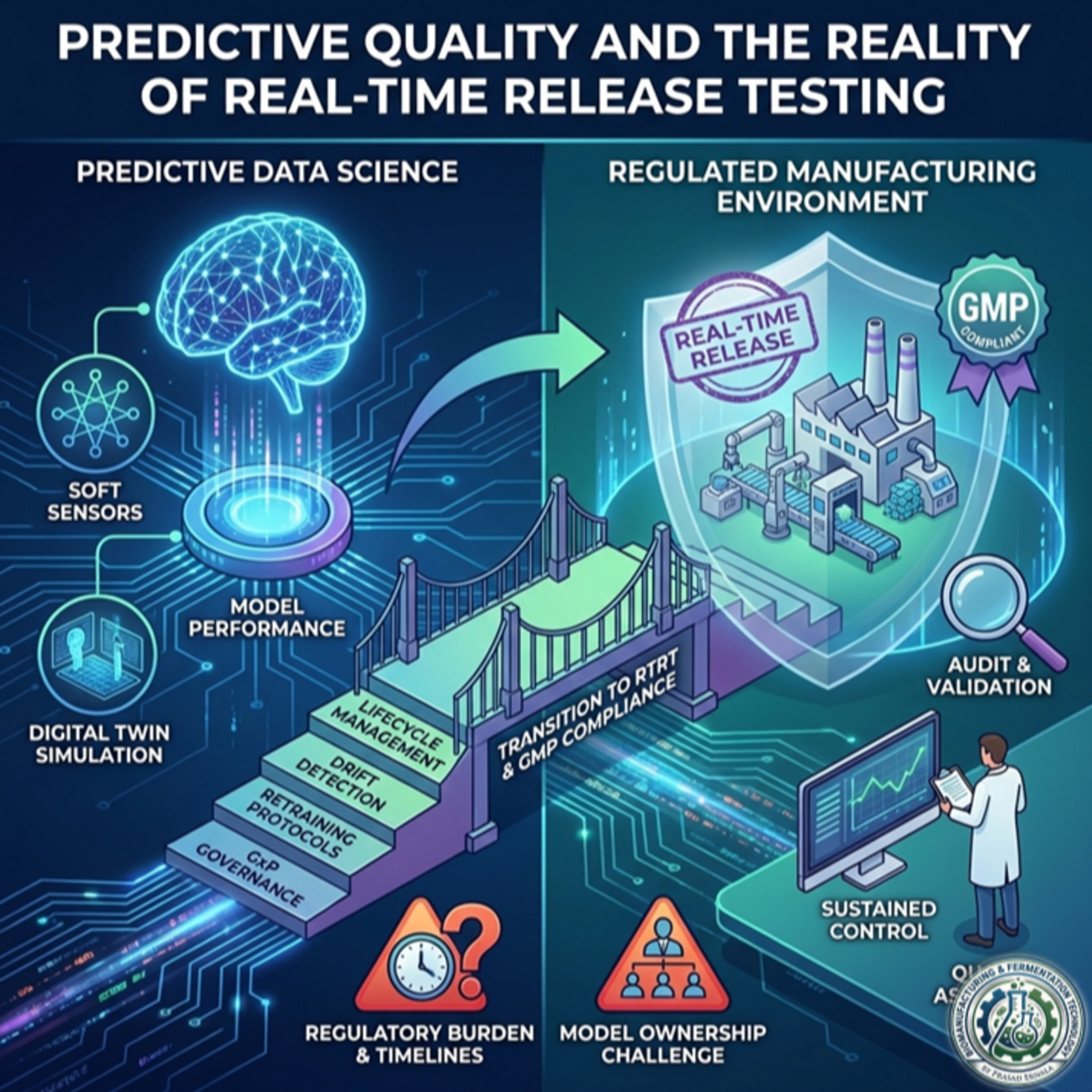
Predictive Quality and the Reality of Real-Time Release Testing
This text explores the complex transition from predictive data science to real-time release testing (RTRT) within a regulated manufacturing environment. While digital twins and soft sensors offer the potential to reduce offline testing delays, the source emphasizes that a high-performing model is not a substitute for a validated control strategy. Successful implementation requires moving beyond si
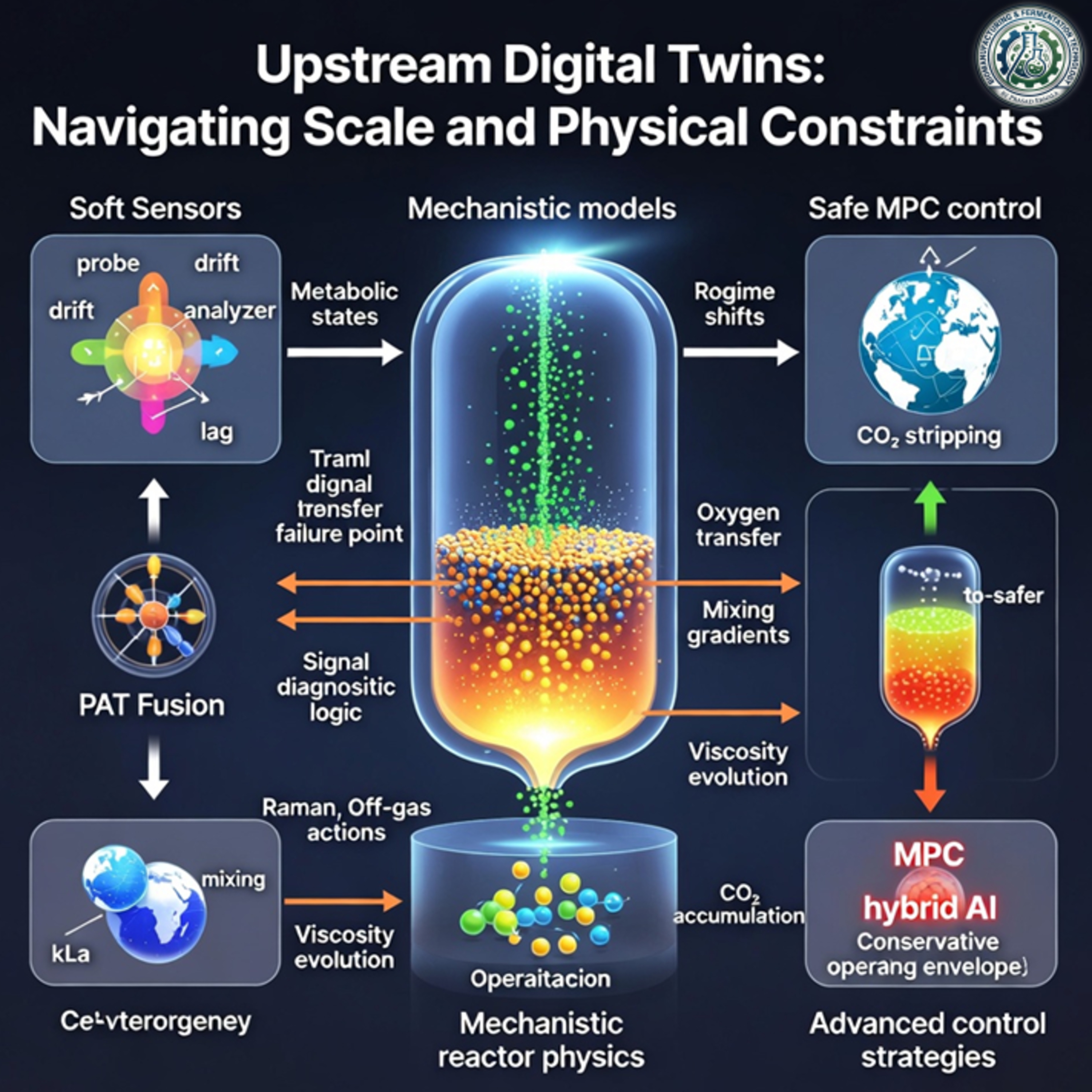
Upstream Digital Twins: Navigating Scale and Physical Constraints
Upstream digital twins use soft sensors and mechanistic models to estimate metabolic states like biomass and uptake rates. At scale, physical constraints like oxygen transfer and mixing gradients can cause model failure. Success requires sensor fusion and safe MPC control.Upstream digital twins are colliding with physical reality at scale. Oxygen transfer limits, mixing gradients, and CO₂ strippin
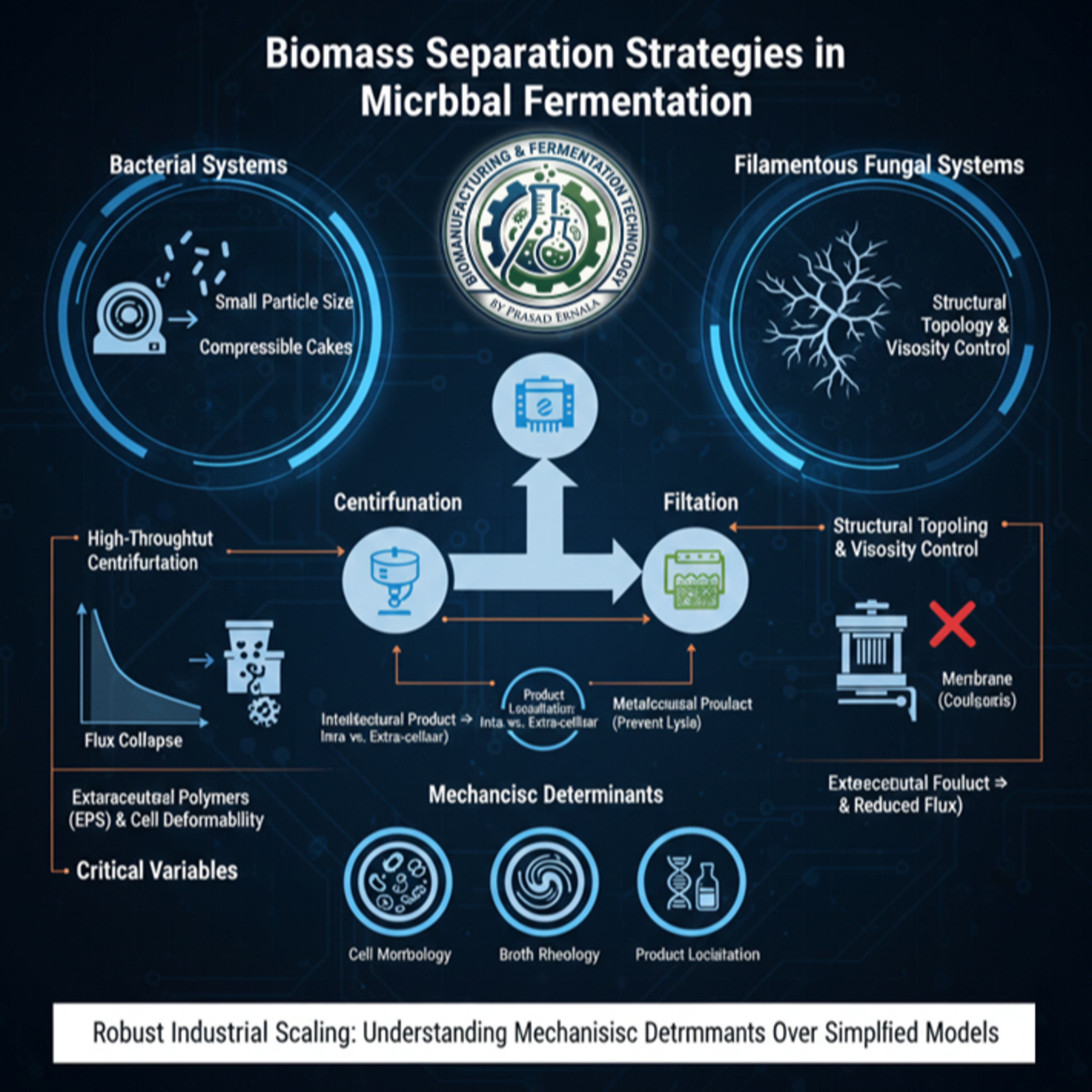
Biomass Separation Strategies in Microbial Fermentation
In this episode we focus on the technical criteria for selecting biomass separation strategies in microbial fermentation, focusing on how cell morphology, broth rheology, and product localization dictate industrial success. It explains that bacterial systems often require centrifugation due to their small size and tendency to form compressible cakes, though this carries a risk of shear-induced lys
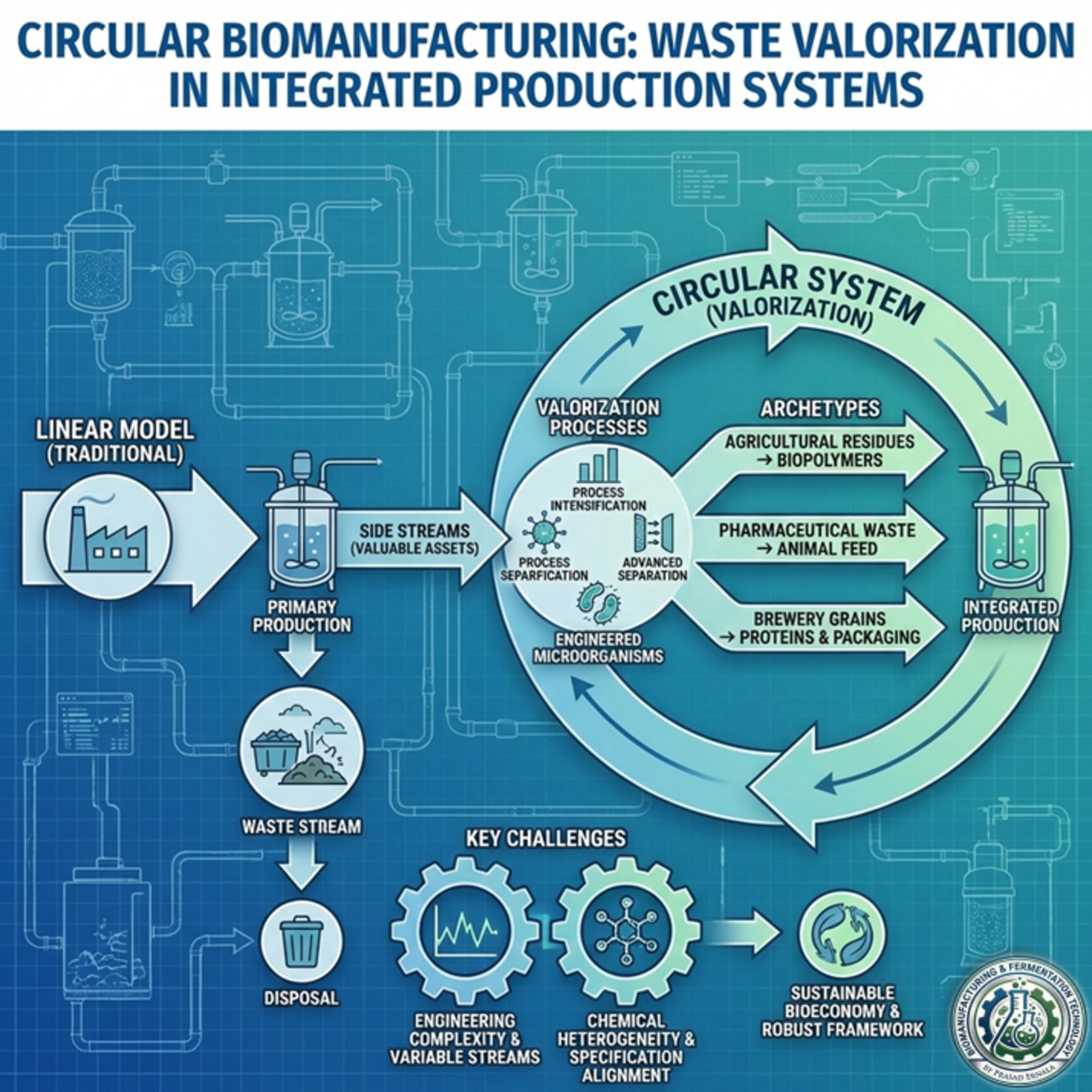
Circular Biomanufacturing: Waste Valorization in Integrated Production Systems
This episode explores the transition of industrial biomanufacturing from a linear waste-heavy model to a circular system that treats side streams as valuable assets. Successful valorization requires a multidisciplinary approach combining process intensification, sophisticated separation technologies, and engineered microorganisms capable of handling inconsistent feedstocks. The discussion highligh
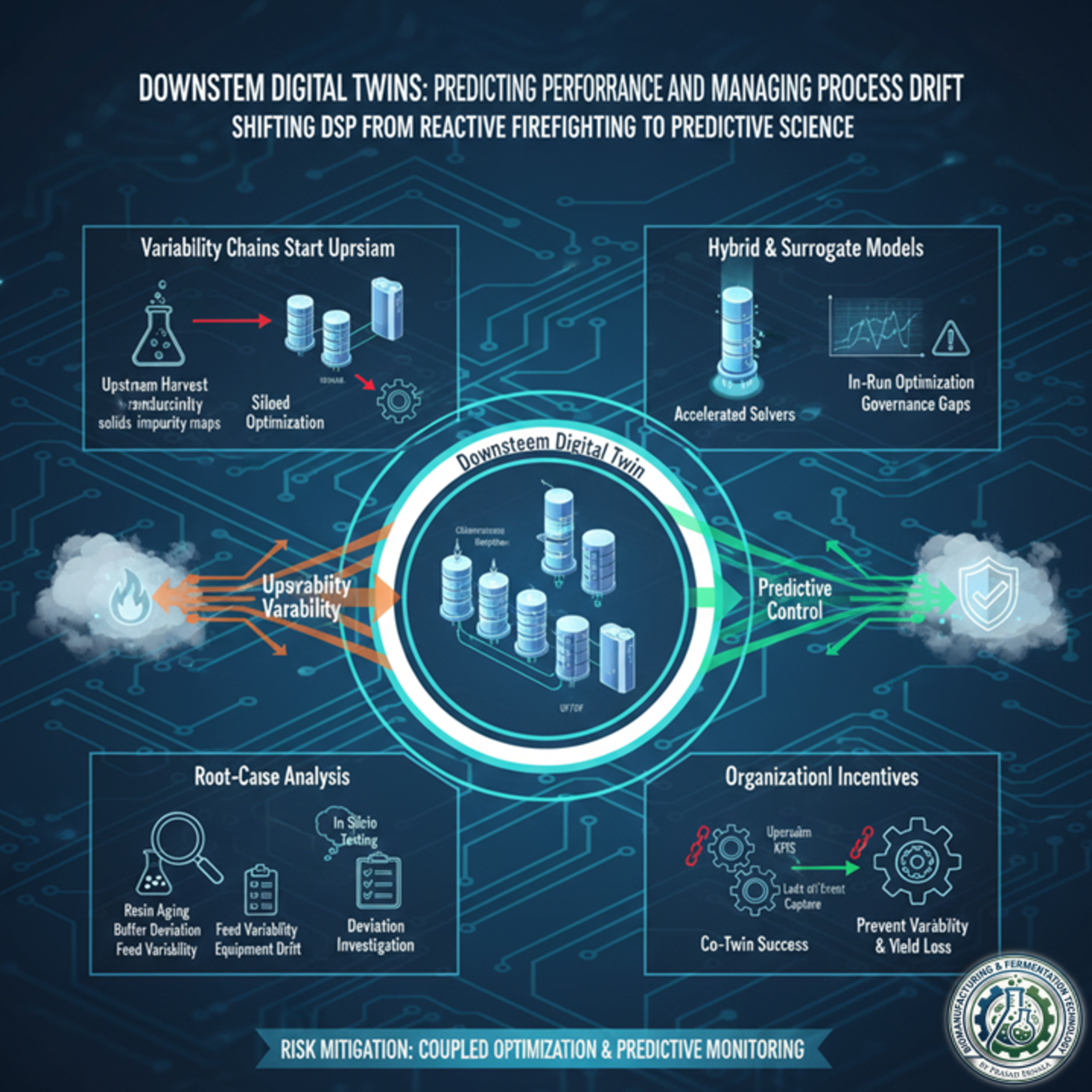
Downstream Digital Twins: Predicting Performance and Managing Process Drift
Downstream bioprocessing is often unstable due to upstream variability and equipment aging. Digital twins use mechanistic and hybrid models to predict fouling, optimize chromatography, and perform root-cause analysis, shifting DSP from reactive craft to predictive science.Downstream Digital Twins Are Shifting DSP From Reactive Firefighting to Predictive ControlMechanistic and hybrid digital twins
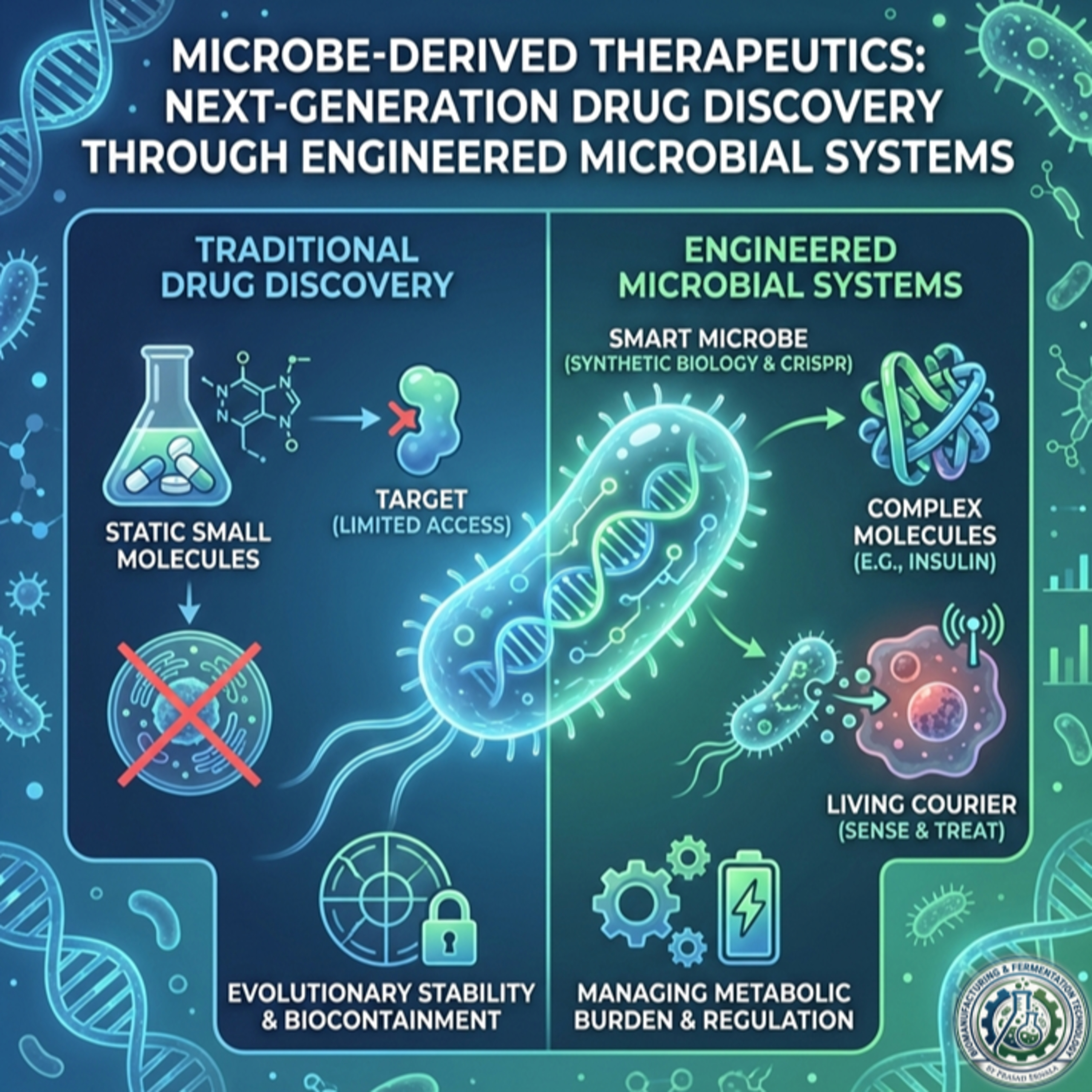
Microbe-Derived Therapeutics: Next-Generation Drug Discovery Through Engineered Microbial Systems
The emergence of microbe-derived therapeutics represents a fundamental shift from traditional drug discovery toward the use of engineered biological systems as both production factories and living medicines. These sources explain how advancements in synthetic biology and genetic engineering allow microbes to synthesize complex molecules, such as insulin, or act as intelligent couriers that sense a
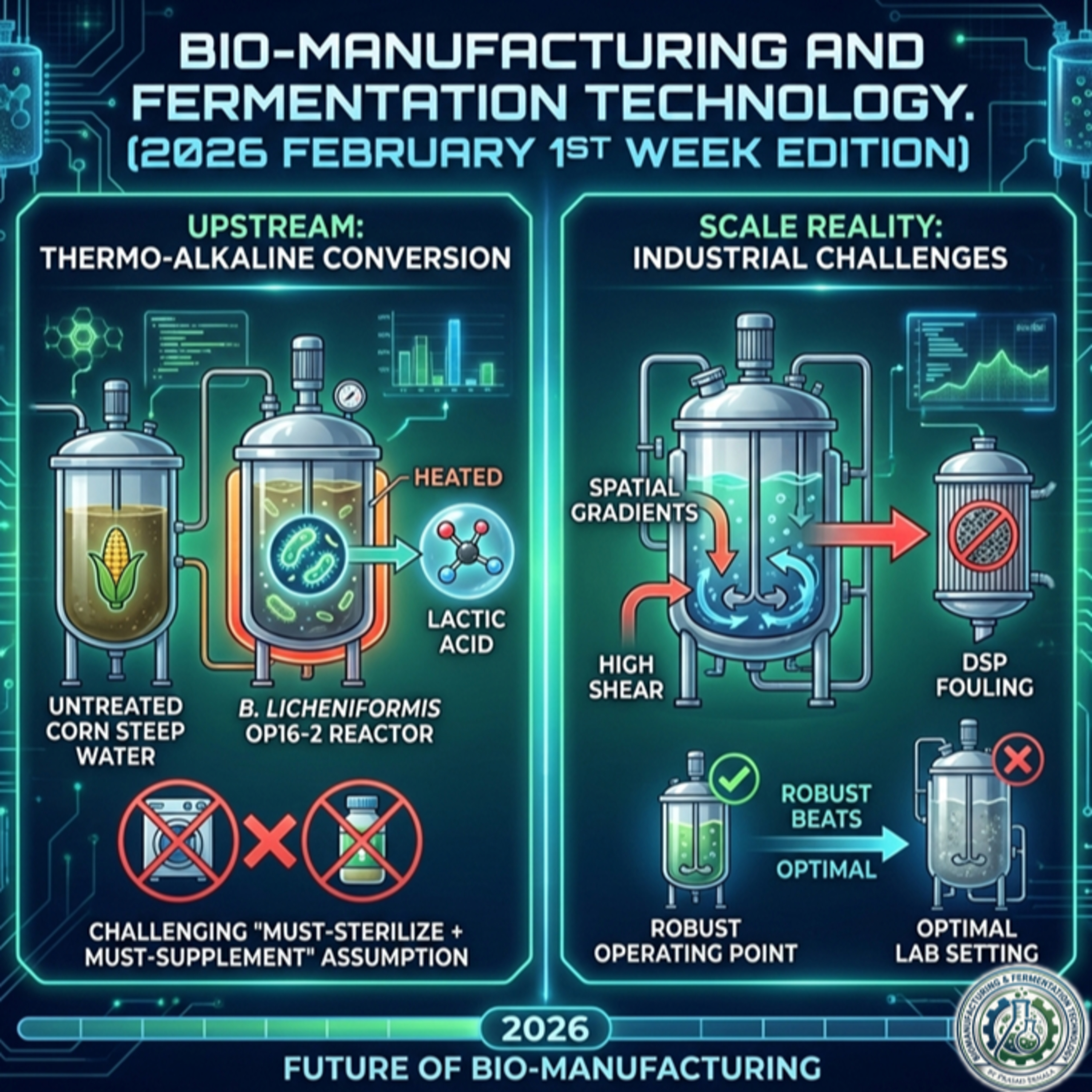
Bio-manufacturing and Fermentation Technology. (2026 February first week edition)
Across microbial fermentation and bio-catalysis, new data is forcing us to rethink where cost curves bend, where scale-up really fails, and where regulation is no longer the bottleneck we thought it was.If you are designing strains, scaling reactors, running manufacturing campaigns, or deciding where to place your next technical bet, this week’s signals matter.Upstream: B. licheniformis OP16‑2 con
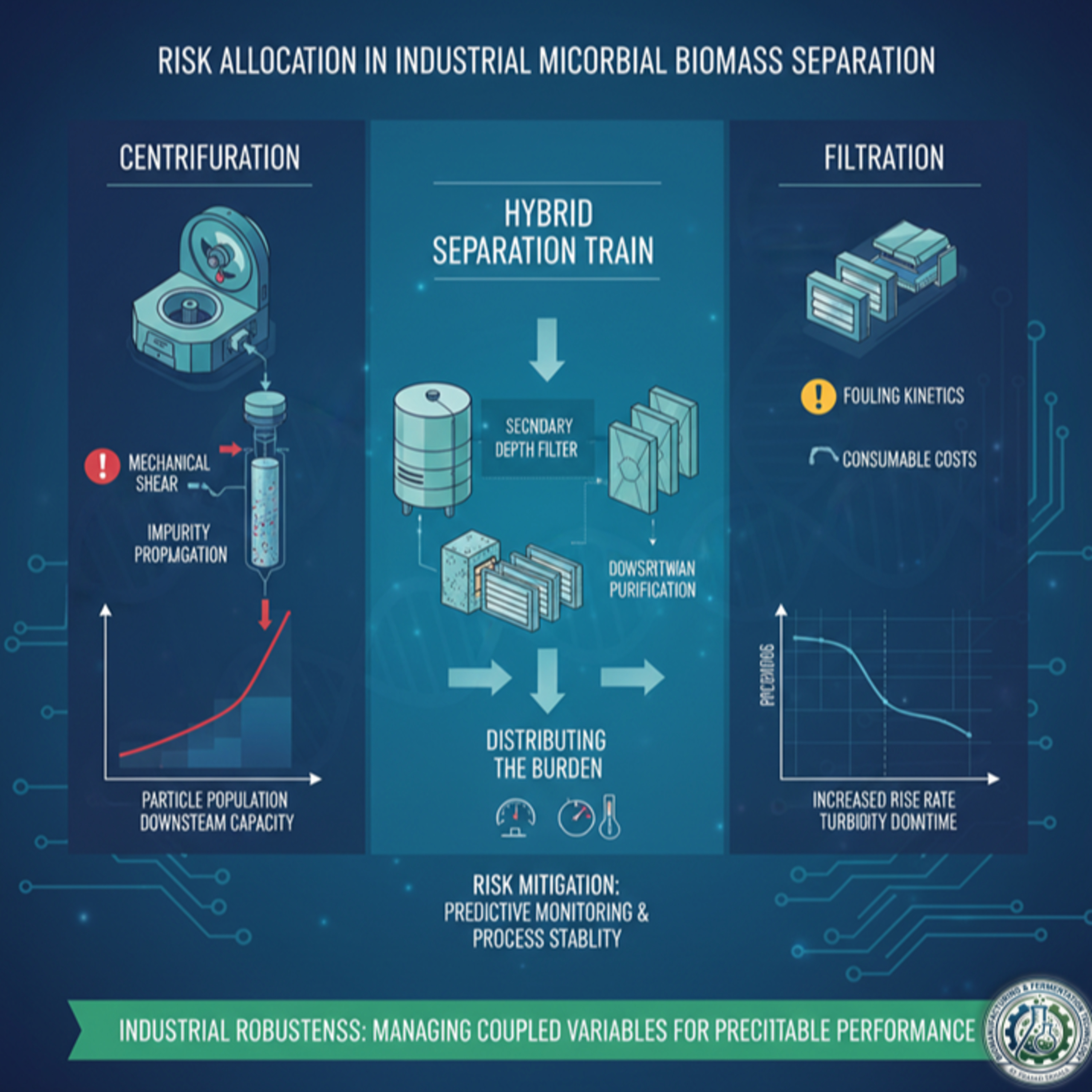
Risk Allocation in Industrial Microbial Biomass Separation
The primary focus of this episode is to explore a framework for managing biomass separation in industrial microbial manufacturing, framing it as a strategic exercise in risk allocation rather than simple efficiency maximization. It evaluates the physical and economic trade-offs between centrifugation, which carries risks related to mechanical shear and impurity propagation, and filtration, which i
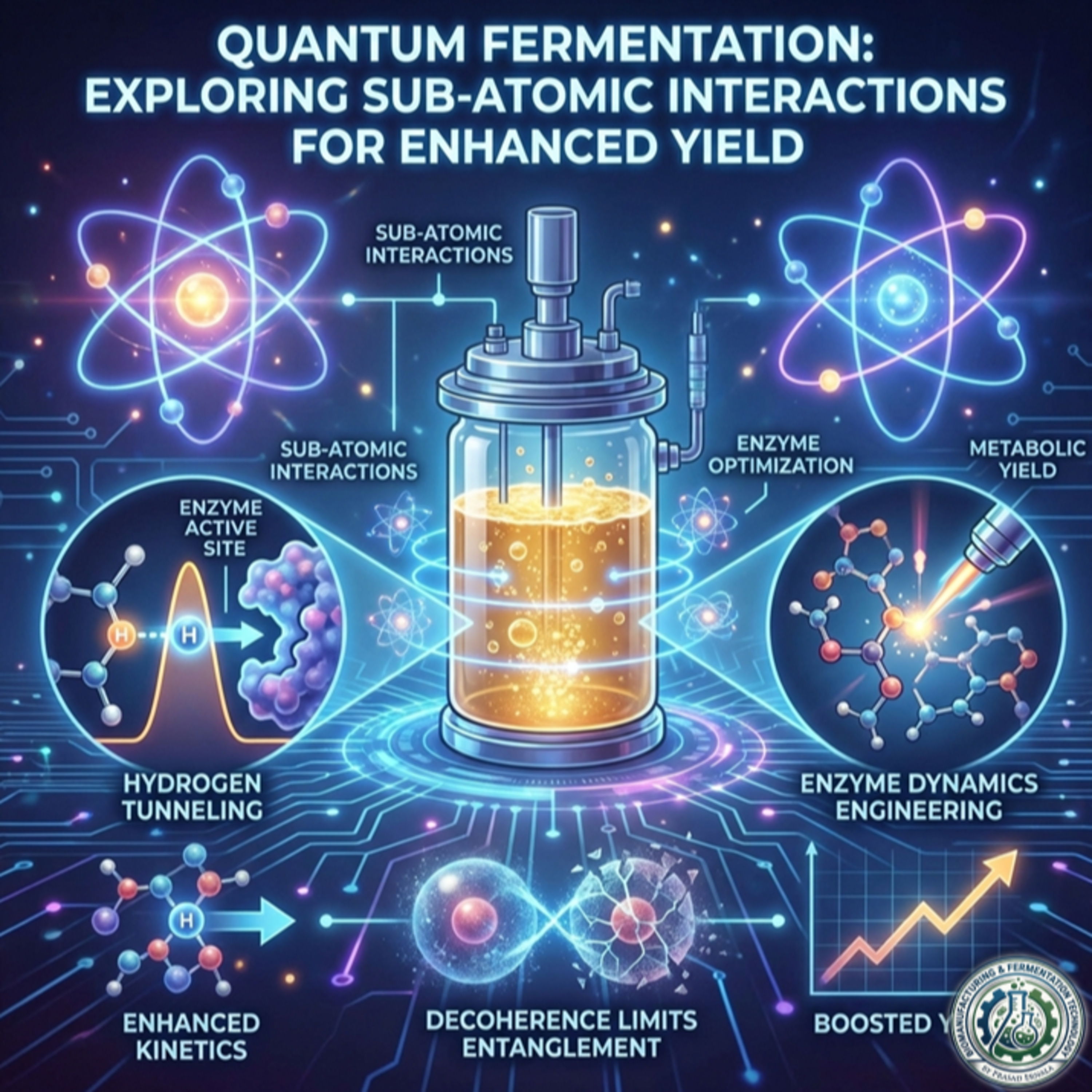
Quantum Fermentation: Exploring Sub-Atomic Interactions for Enhanced Yield
The most credible “quantum lever” in fermentation is not macroscopic entanglement across cells; it is the possibility that some rate‑limiting metabolic steps already rely partly on quantum tunneling of hydrogen, and that enzymes modulate tunneling through protein dynamics and active-site geometry. This implies a nontrivial proposition: for specific steps, improving yield may require engineering no
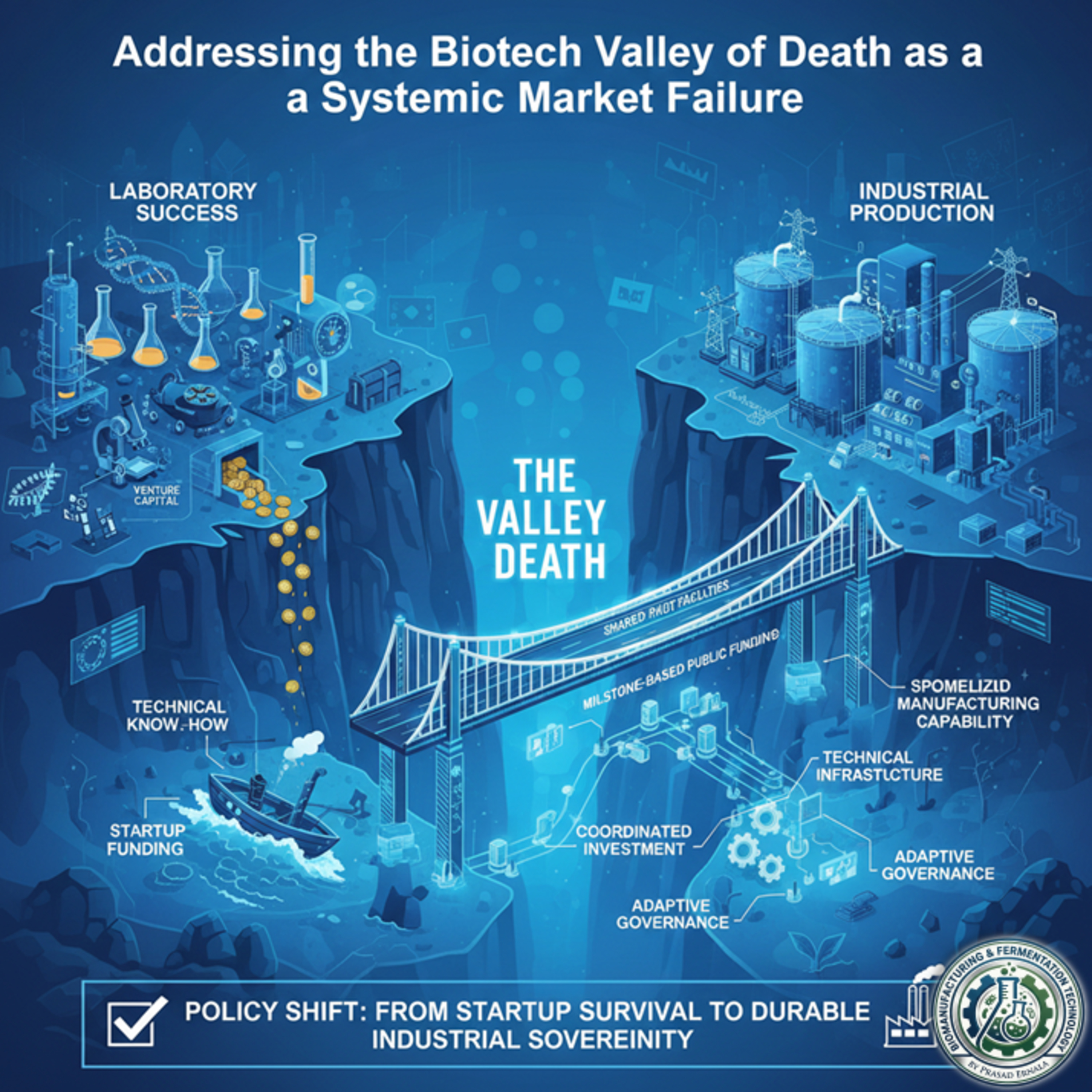
Addressing the Biotech Valley of Death as a Systemic Market Failure
The episode argues that the biotech "valley of death" is a systemic market failure rather than a simple lack of startup funding. It suggests that moving from laboratory success to industrial production requires specialized infrastructure that behaves more like a public utility than a typical private asset. Because venture capital is often poorly suited for the high costs and long timelin
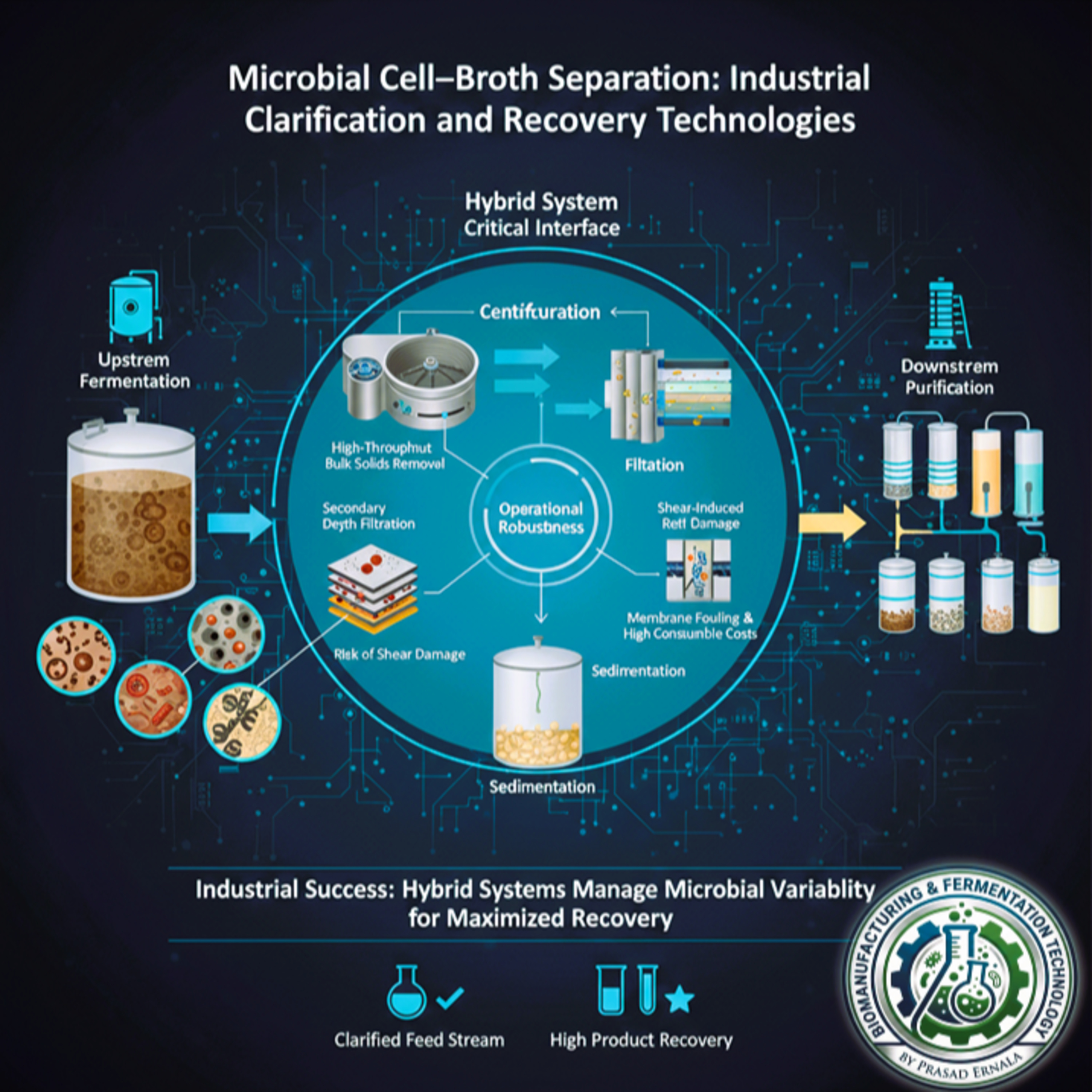
Microbial Cell–Broth Separation: Industrial Clarification and Recovery Technologies
In this episode we focus on primary cell–broth separation acts as the critical interface between upstream fermentation and downstream purification, converting raw microbial cultures into clarified feed streams. Industrial processes typically utilize centrifugation, filtration, or sedimentation, though the choice depends on complex variables like cell morphology, broth viscosity, and the risk of sh
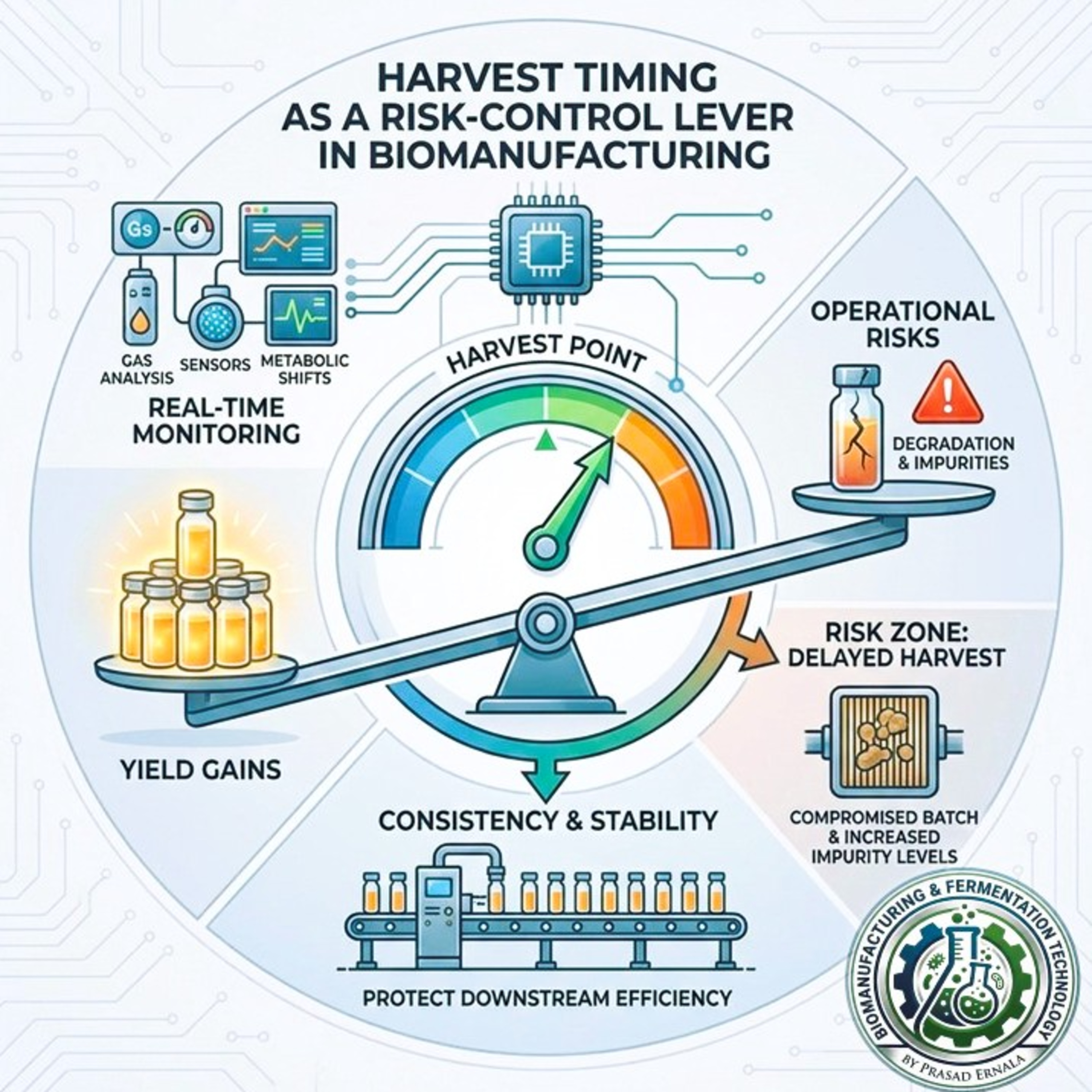
Harvest Timing as a Risk-Control Lever in Biomanufacturing
This episode examines how harvest timing serves as a vital tool for managing technical risks in industrial microbial fermentation. Rather than chasing the highest possible product concentration, manufacturers must balance marginal yield gains against the dangers of product degradation and increased impurity levels. My analysis highlights that a multi-layered decision architecture that uses real-ti
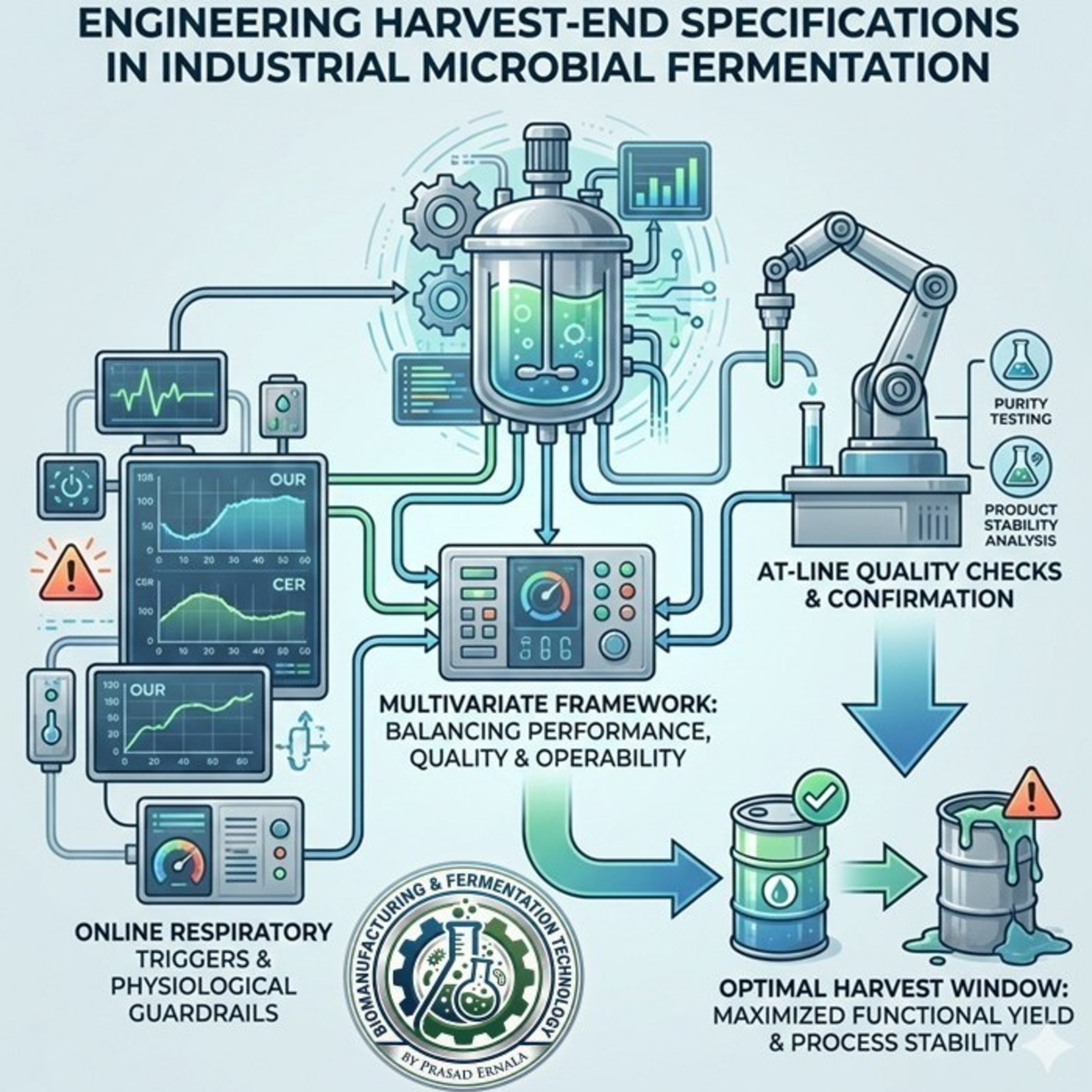
Engineering Harvest-End Specifications in Industrial Microbial Fermentation
This episode outlines a sophisticated industrial framework for determining the optimal moment to conclude microbial fermentation. Rather than relying on fixed timeframes, modern manufacturing uses a multivariate approach that balances metabolic performance, product quality, and downstream operability. The strategy employs online respiratory triggers for immediate data, at-line quality checks for c
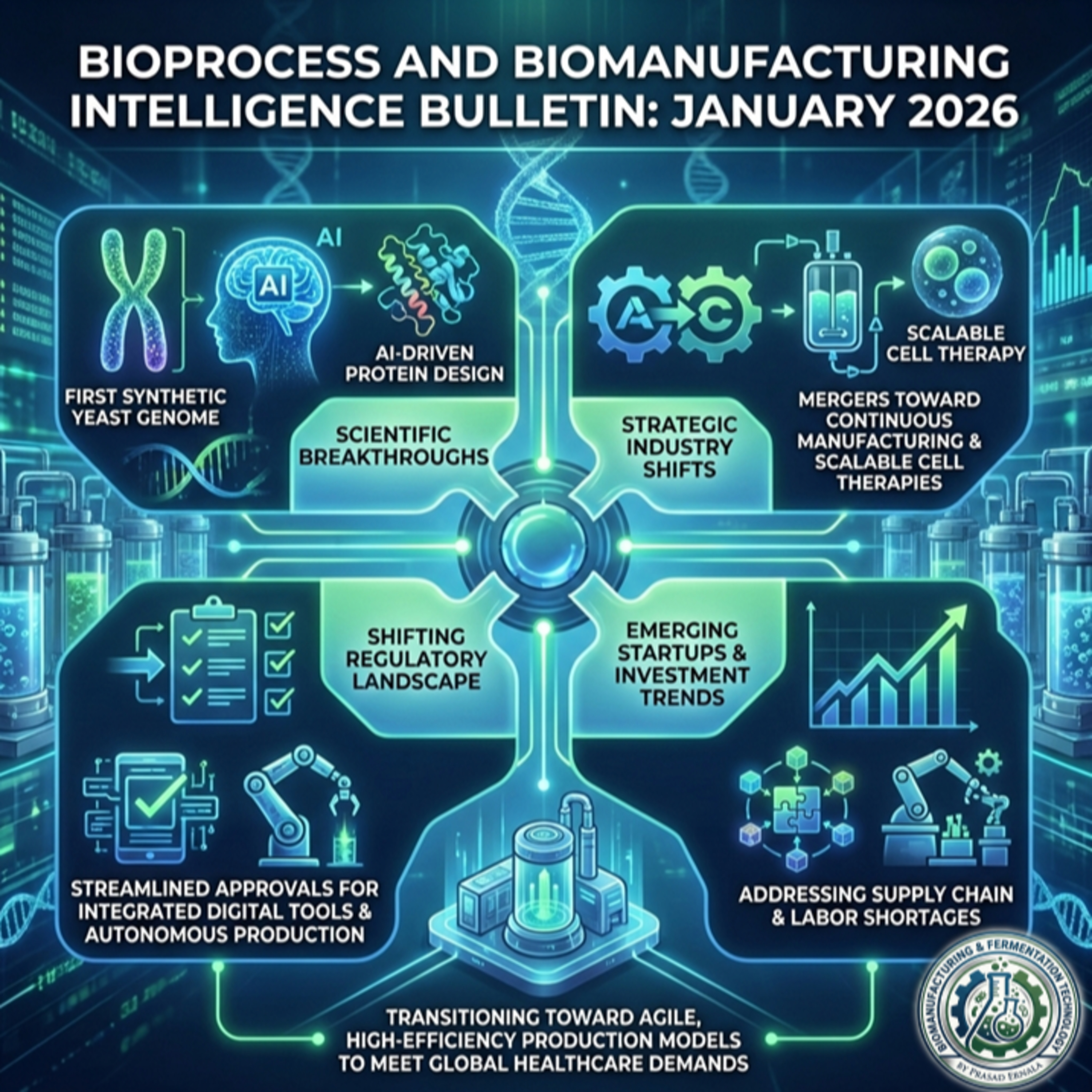
Bioprocess and Biomanufacturing Intelligence Bulletin: January 2026
The Episode of a comprehensive intelligence report detailing the latest advancements in bioprocessing and biomanufacturing as of January 2026. It highlights transformative scientific breakthroughs, such as the completion of the first synthetic yeast genome and the implementation of AI-driven protein design to maximize industrial yields. The bulletin also examines strategic industry shifts, includi
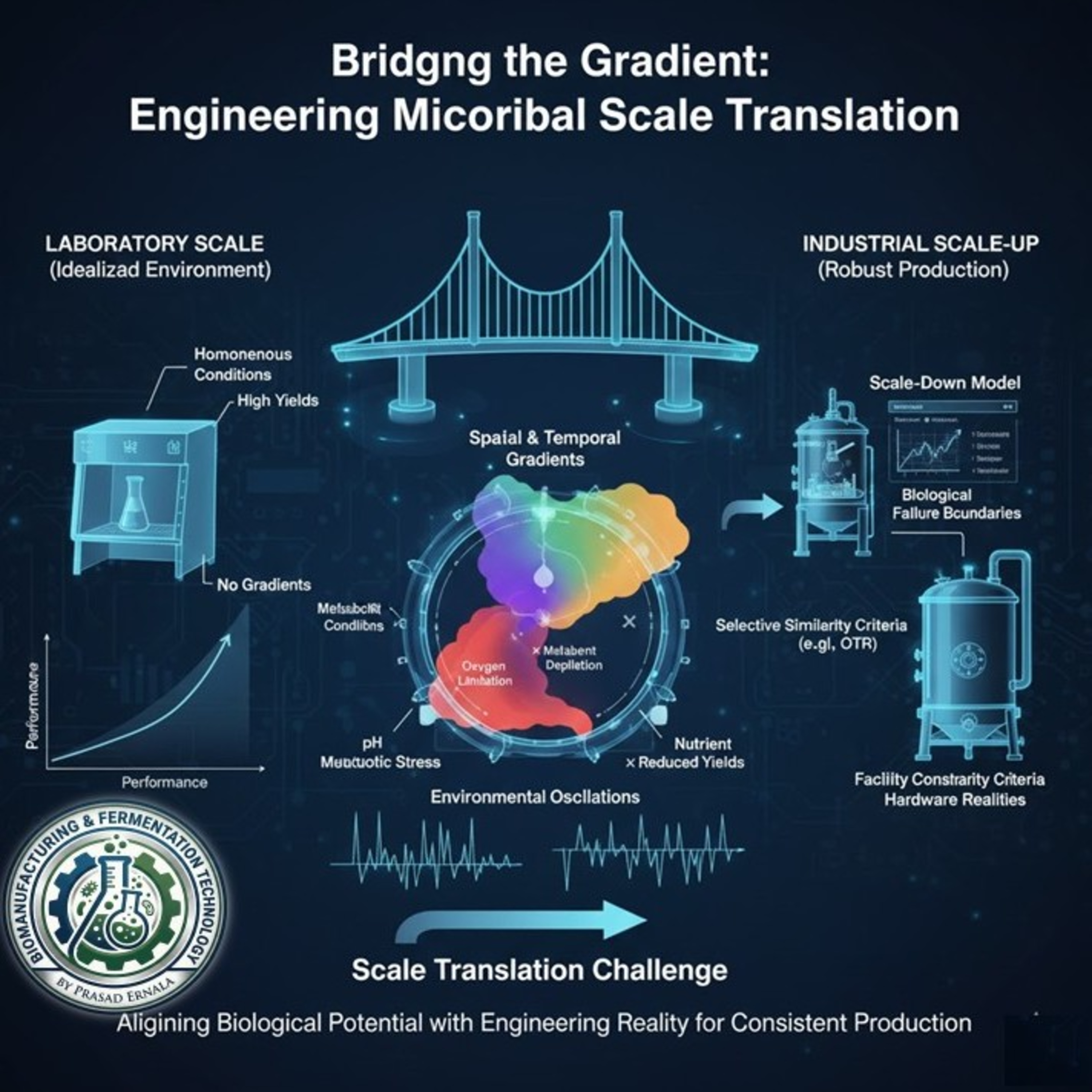
Bridging the Gradient: Engineering Microbial Scale Translation
The primary focus of this episode is on a sophisticated approach to scale-translation engineering in microbial fermentation, moving beyond simple parameter matching to focus on how cells experience fluctuating microenvironments. The core problem is that large-scale reactors create spatial and temporal gradients in oxygen, pH, and nutrients that are absent in laboratory settings, often leading to r
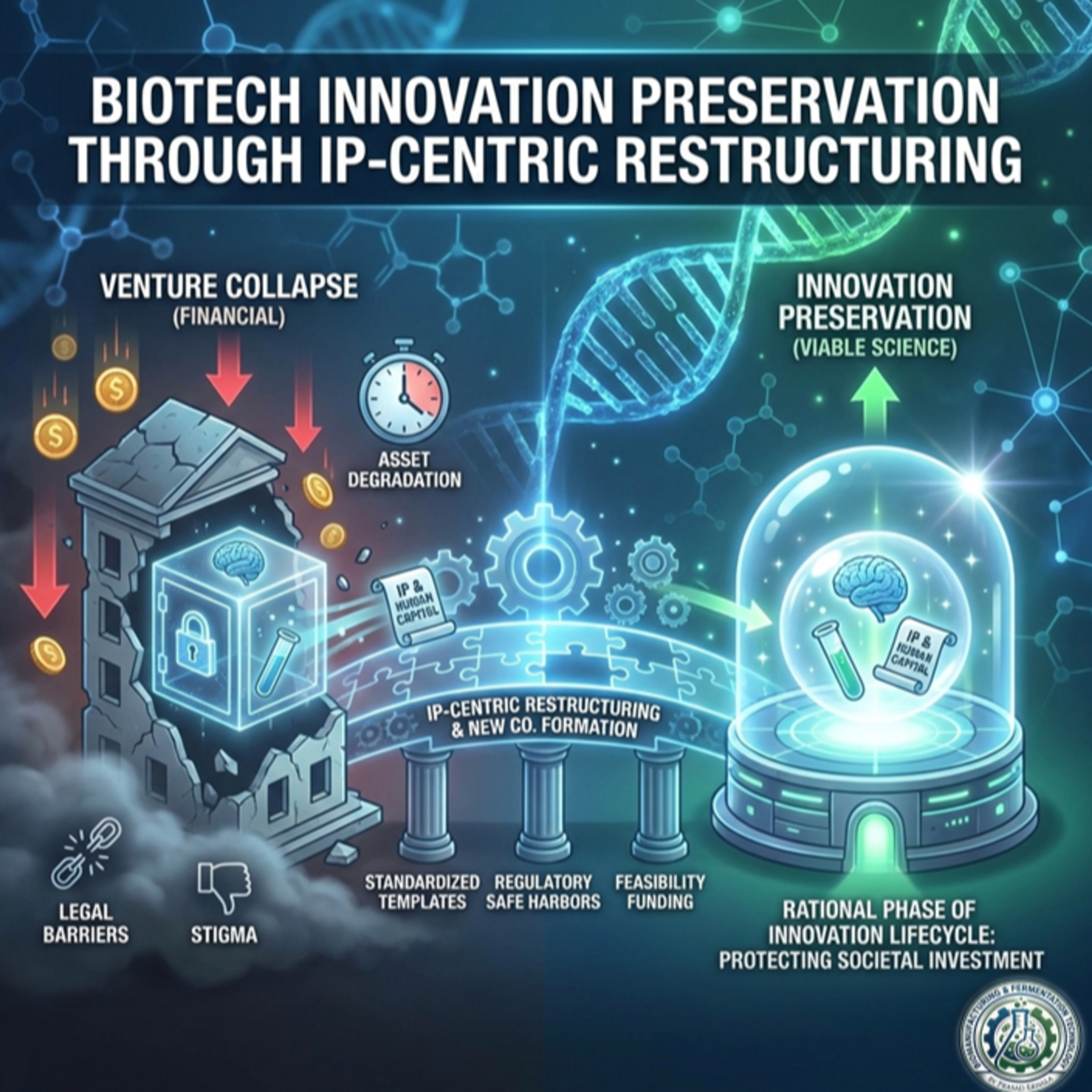
Biotech Innovation Preservation through IP-Centric Restructuring
The episode argues that biotechnology ventures often collapse financially while their underlying scientific innovations remain viable, leading to the avoidable loss of valuable intellectual property and specialized human capital. To combat this, the author proposes a policy shift toward IP-centric restructuring and the formation of new companies well before formal insolvency occurs. Current barrie
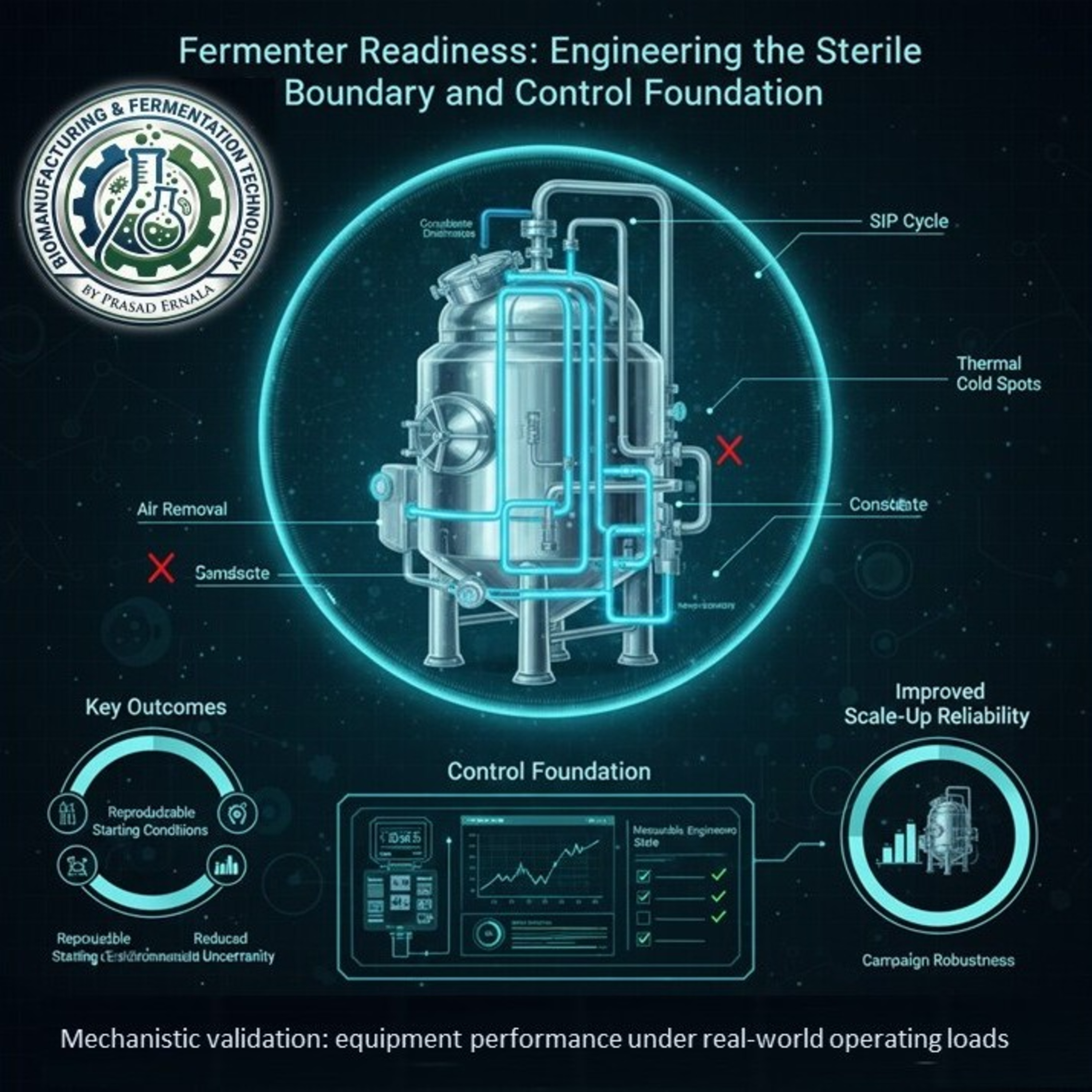
Fermenter Readiness: Engineering the Sterile Boundary and Control Foundation
The episode argues that fermenter readiness should be viewed as a measurable, engineered state rather than a simple administrative checklist. My analysis highlights that consistent biological results at an industrial scale depend on the mechanical integrity of the sterile boundary and the rigorous management of SIP (Sterilization-in-Place) cycles. Effectively managing air removal, condensate drain
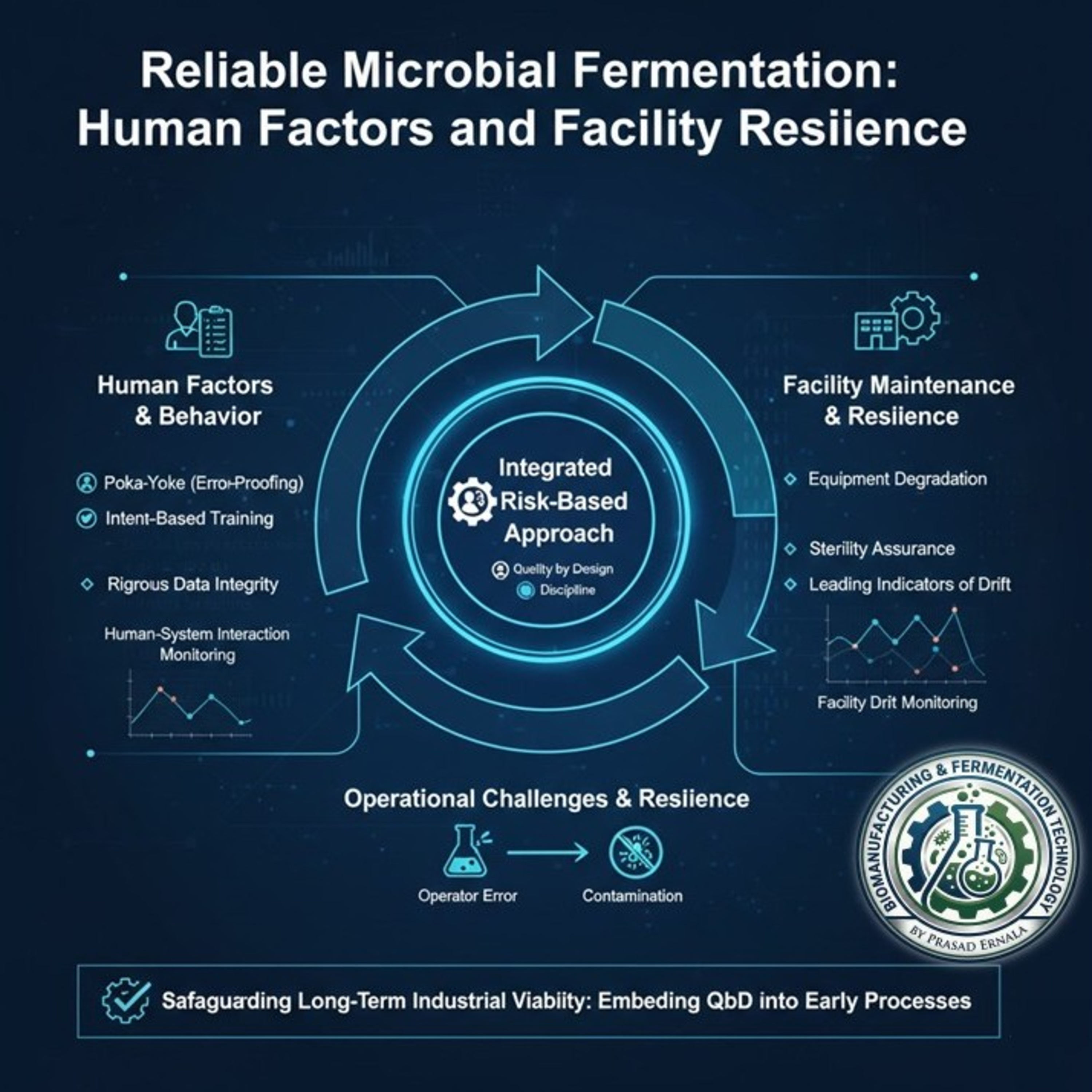
Reliable Microbial Fermentation: Human Factors and Facility Resilience
The primary focus of this episode is to explore an integrated, risk-based approach to industrial microbial fermentation that treats human behavior and facility maintenance as critical engineering variables. It argues that achieving consistent results at scale requires moving beyond laboratory models to address the socio-technical realities of manufacturing, such as operator error and equipment deg
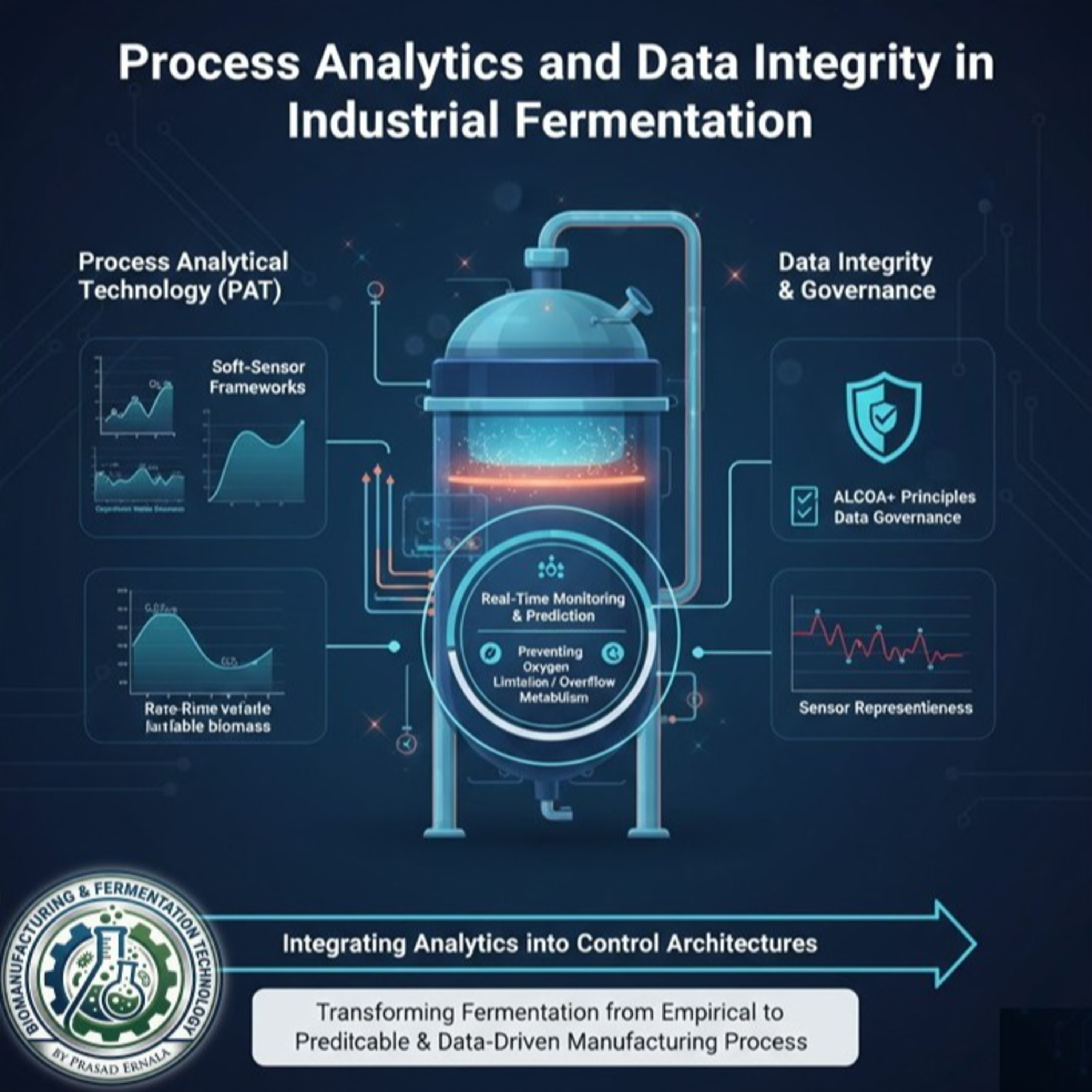
Process Analytics and Data Integrity in Industrial Fermentation
The primary focus of this episode is to discuss about how modern industrial fermentation relies on process analytics and data integrity to bridge the gap between engineering and biology. By utilizing Process Analytical Technology (PAT), such as off-gas analysis and capacitance sensors, facilities can monitor metabolic states and viable biomass in real time. These tools, often enhanced by soft-sens
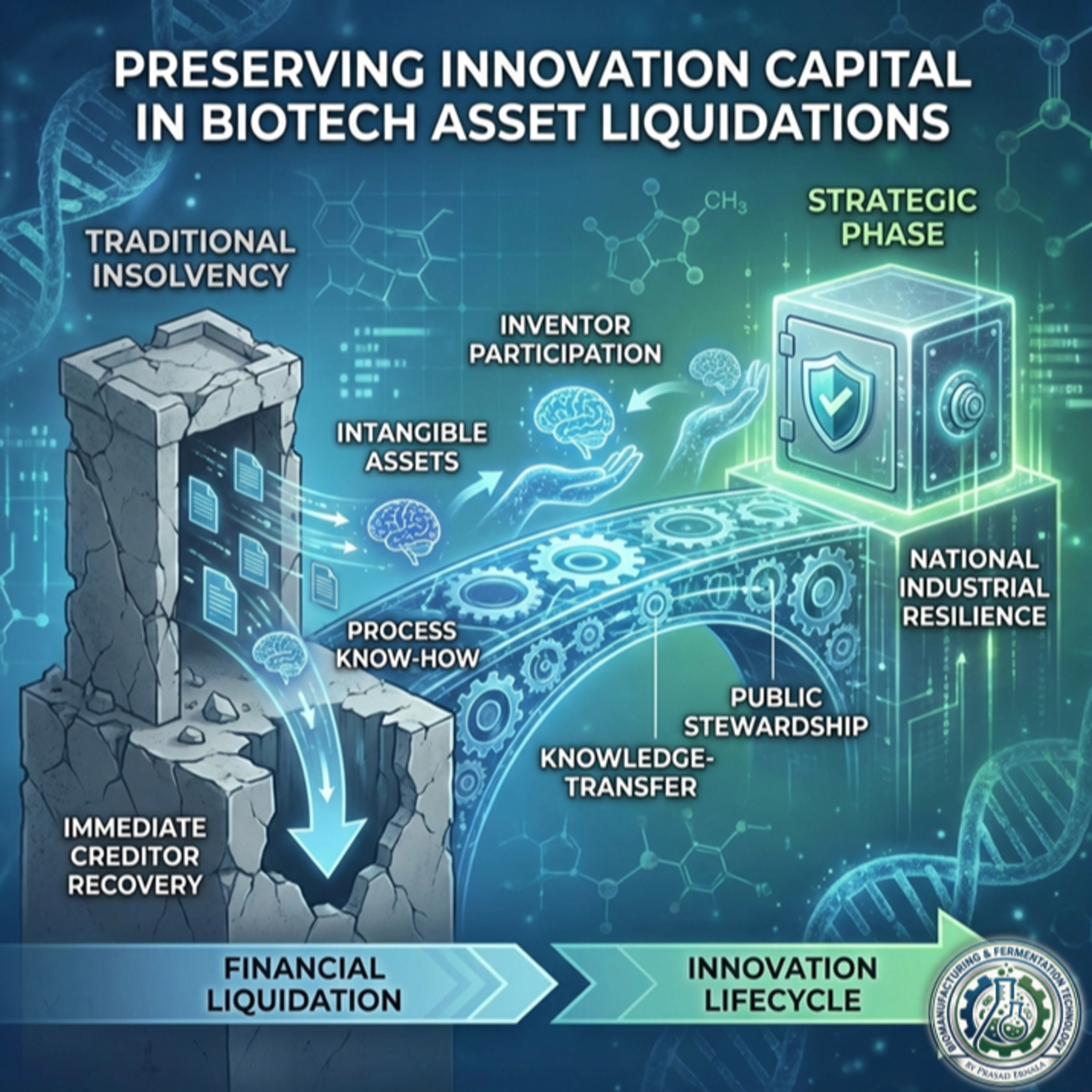
Preserving Innovation Capital in Biotech Asset Liquidations
This episode details the traditional insolvency procedures often fail to preserve the unique value of biotechnology firms, which rely heavily on intangible assets like process know-how and specialized human capital. Because standard legal frameworks prioritize immediate creditor recovery, critical innovation capital is frequently lost or undervalued when companies face financial distress. The prov
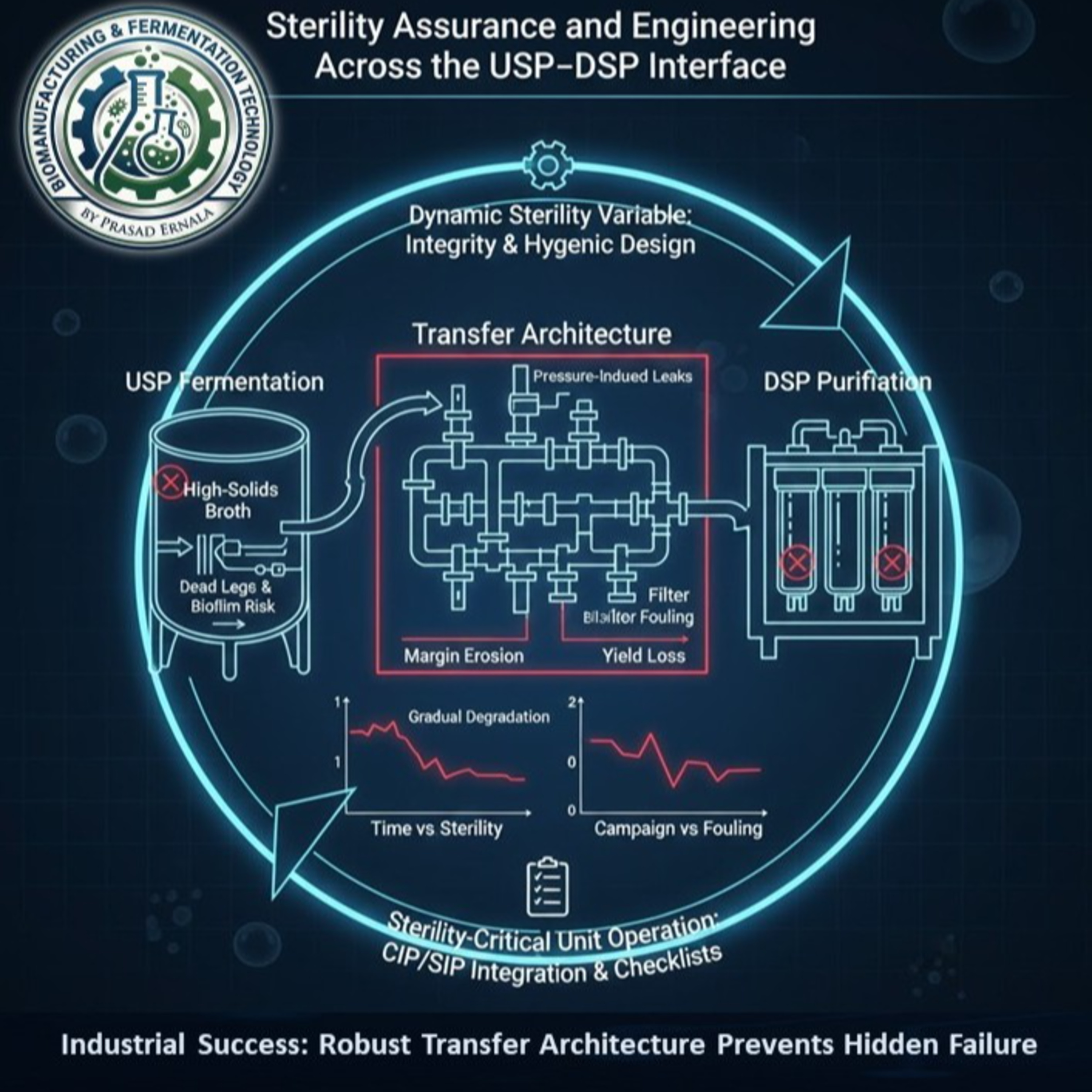
Sterility Assurance and Engineering Across the USP–DSP Interface
The primary focus this episode is on maintaining a validated sterile boundary during the transfer of material from upstream fermentation to downstream processing is a complex engineering challenge that extends beyond simple logistics. My analysis highlights that sterility is a dynamic variable influenced by mechanical integrity, equipment design, and rigorous cleaning protocols rather than a stati
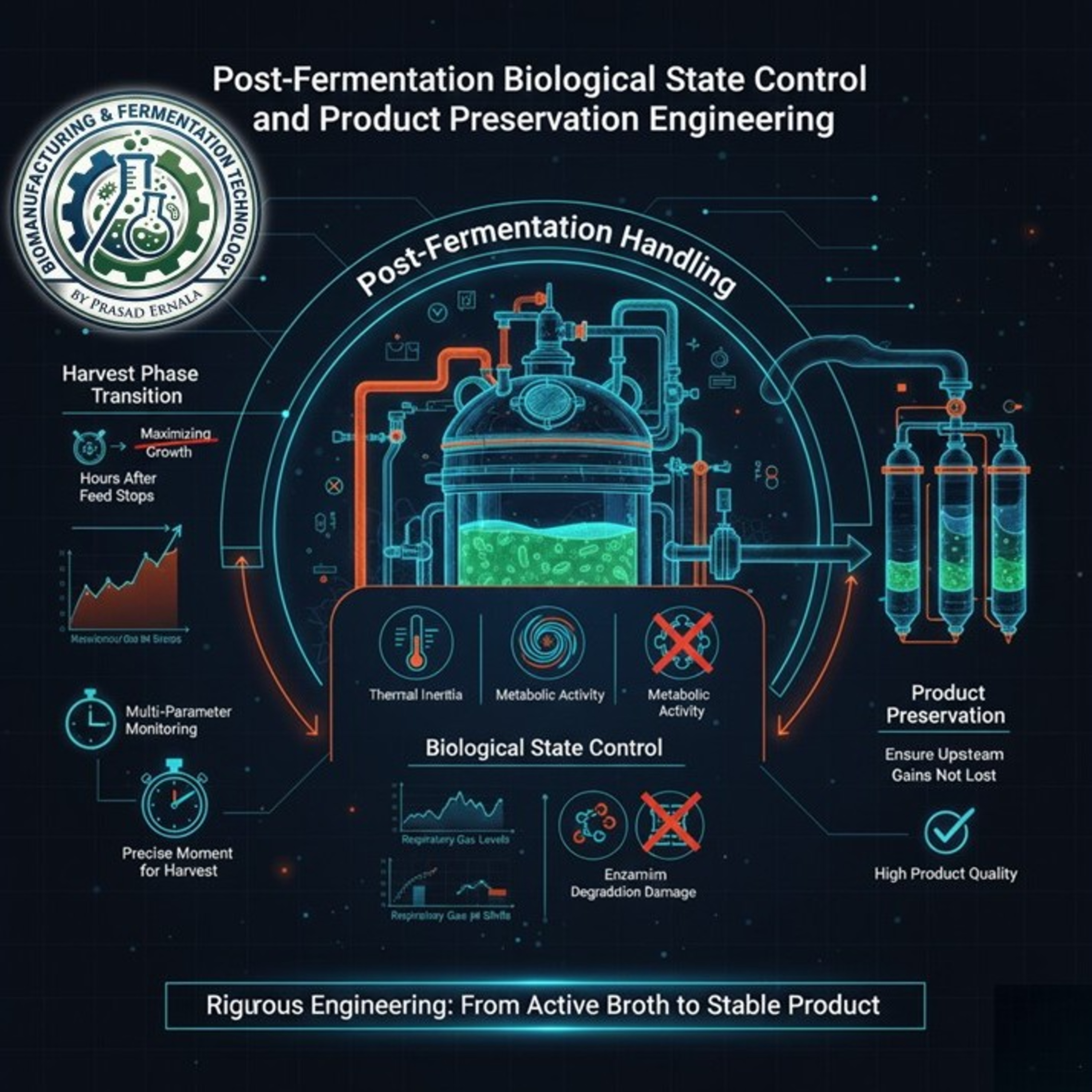
Post-Fermentation Biological State Control and Product Preservation Engineering
In this episode of industrial fermentation, the harvest phase marks a critical transition where the focus shifts from maximizing growth to preserving product integrity. At manufacturing scales, large volumes of broth remain biologically active for hours after feeding stops, making the product highly susceptible to enzymatic degradation and oxidative damage. Maintaining quality requires biological
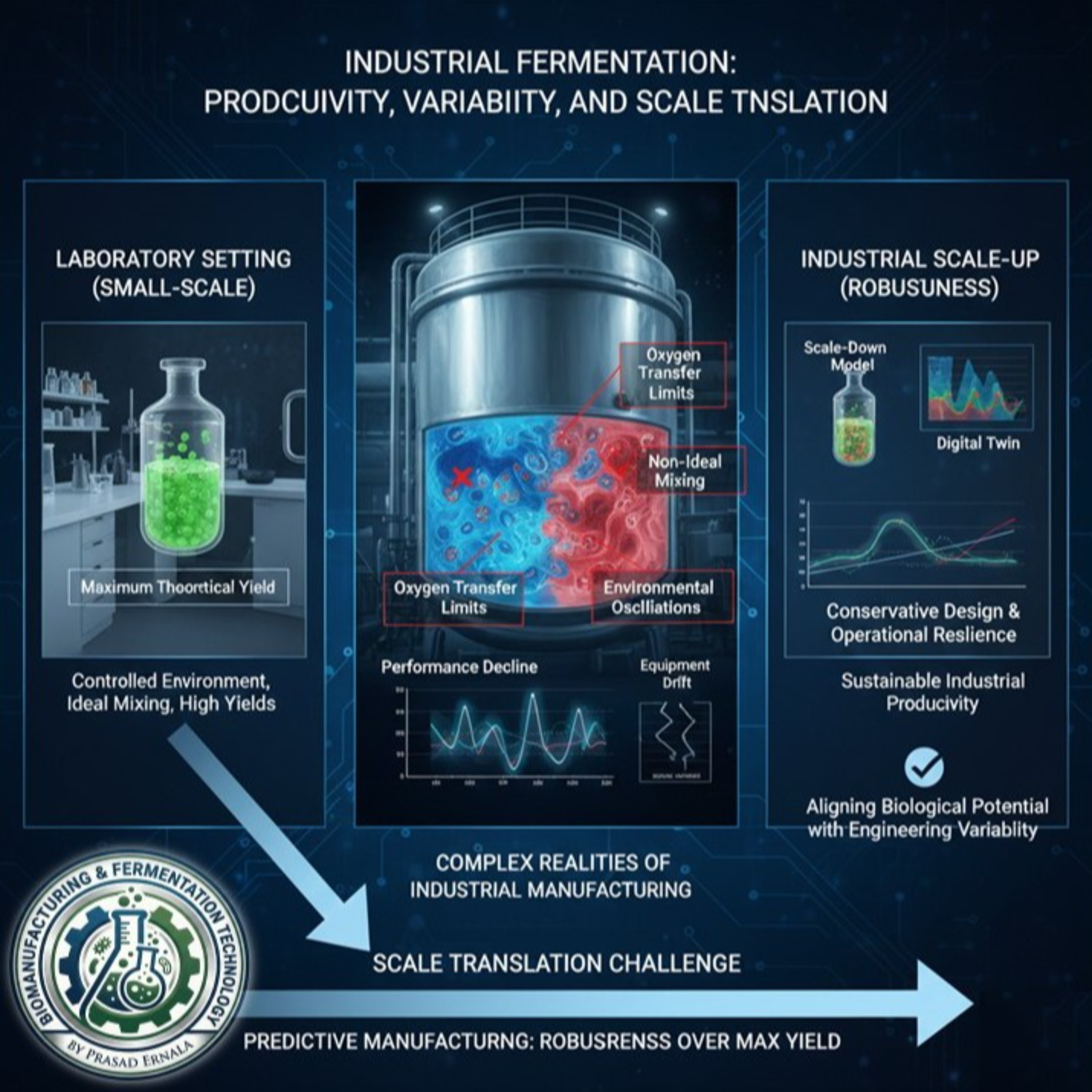
Industrial Fermentation: Productivity, Variability, and Scale Translation
In this episode we discuss transition of microbial fermentation from controlled laboratory settings to the complex realities of industrial manufacturing. It characterizes productivity not as a simple biological trait, but as an emergent property shaped by mechanical constraints like oxygen transfer limits, non-ideal mixing, and equipment drift. I would like to emphasize that performance often decl
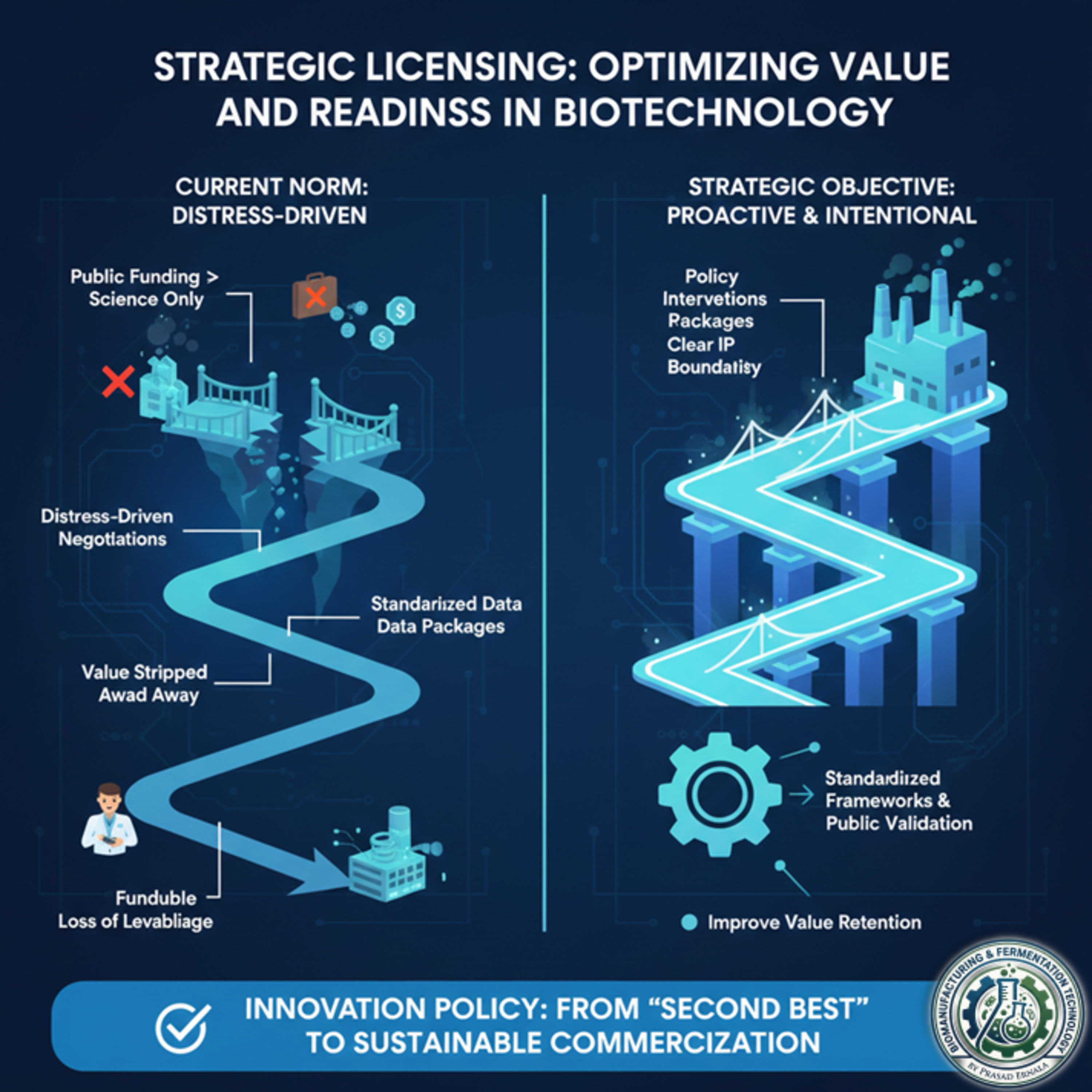
Strategic Licensing: Optimizing Value and Readiness in Biotechnology
This episode is to advocates for a fundamental shift in how the biotechnology sector approaches licensing, moving it from a last-resort response to financial failure toward a proactive strategic objective. Current industry norms often force startups into distress-driven negotiations that strip away value and leverage, largely because public funding prioritizes scientific milestones over operationa
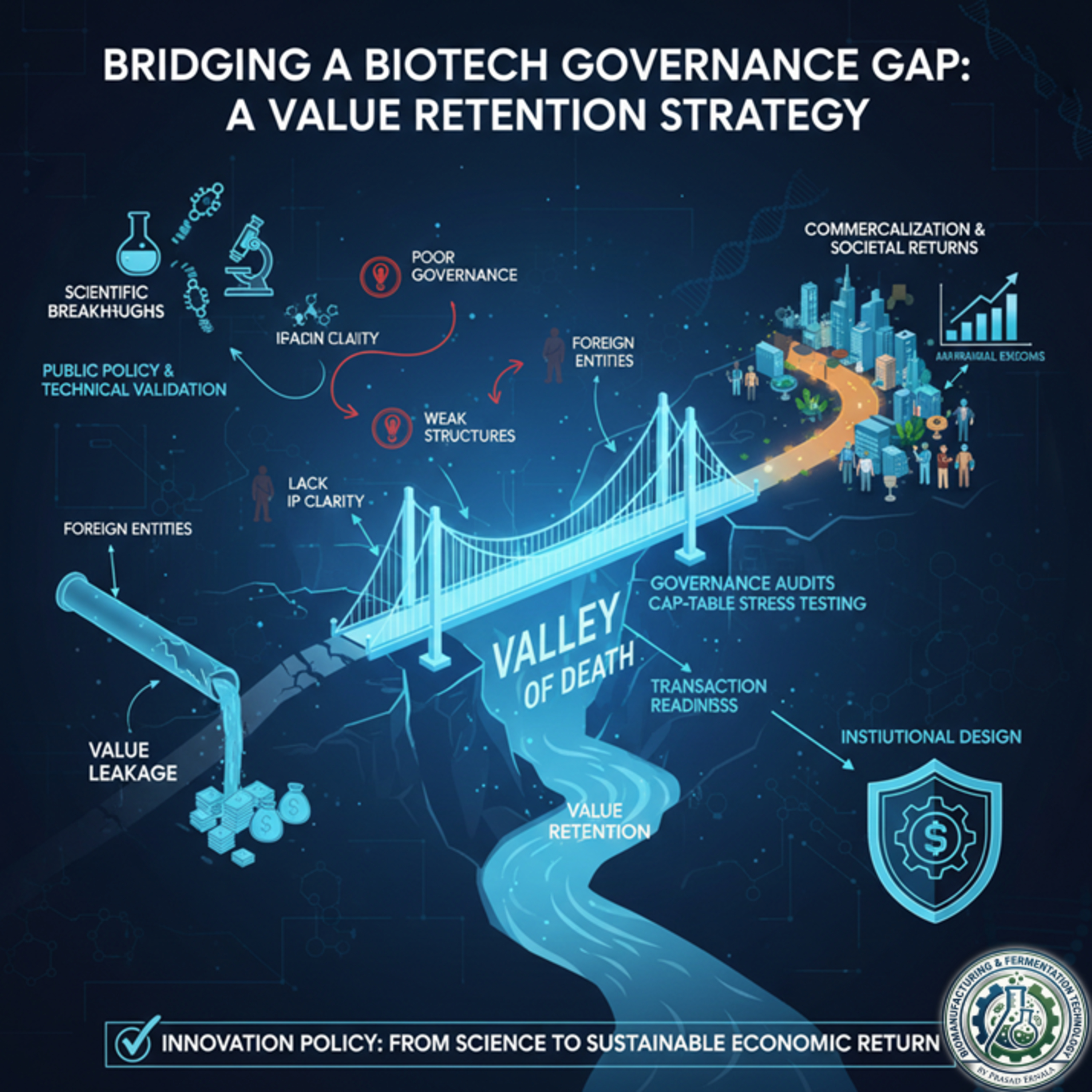
Bridging the Biotech Governance Gap: A Value Retention Strategy
In this episode we argues that biotechnology startups often fail during the transition to commercialization because of poor governance rather than scientific shortcomings. While public policy effectively supports technical validation, it frequently overlooks critical factors like intellectual property ownership, financial structures, and transaction readiness. This oversight leads to "value l
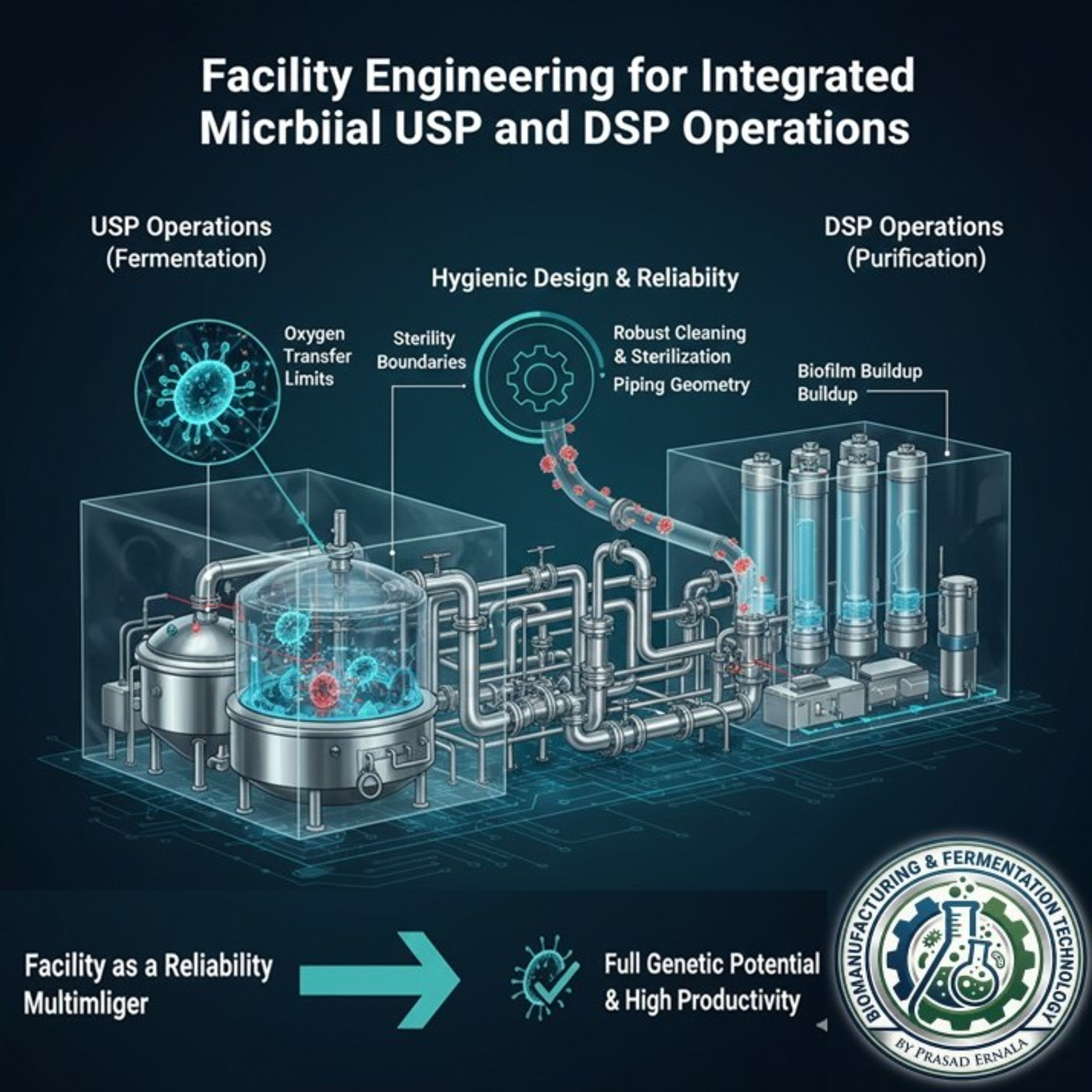
Facility Engineering for Integrated Microbial USP and DSP Operations
Facility Engineering for Integrated Microbial USP and DSP OperationsThis text examines how facility engineering acts as the primary governor of success when moving microbial fermentation from a lab to an industrial scale. It argues that while biological strains are optimized in controlled settings, large-scale manufacturing is dictated by the physical constraints of equipment, such as oxygen trans
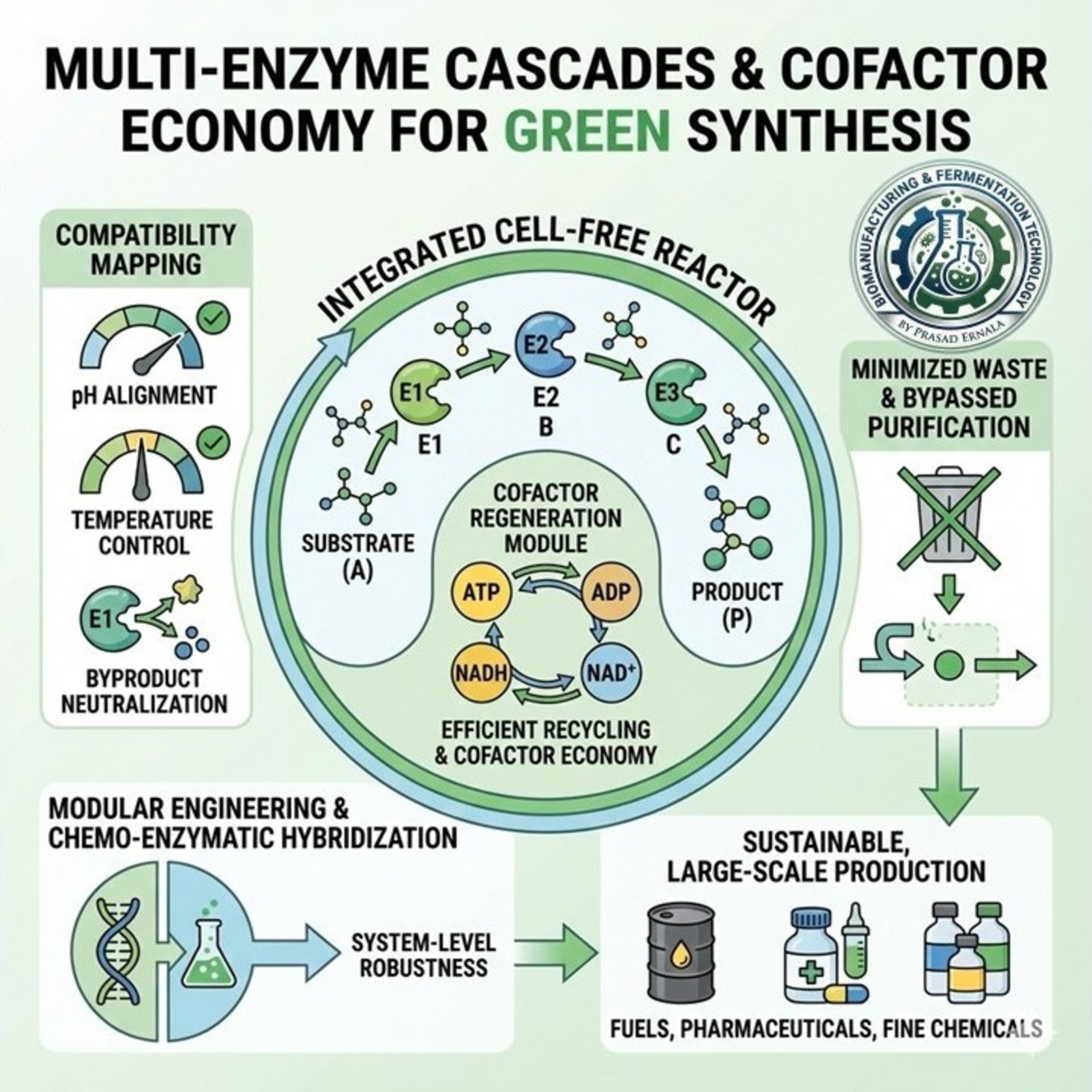
Multi‑Enzyme Cascades and Cofactor Economy for Green Synthesis
Modern bio-catalysis is shifting toward multi-enzyme cascades, which integrate several biological reactions into a single process to minimize waste and bypass complex purification steps. These engineered networks focus on cofactor economy, utilizing specialized regeneration modules to ensure expensive molecules like ATP and NADH are recycled efficiently for industrial viability. Success in this fi
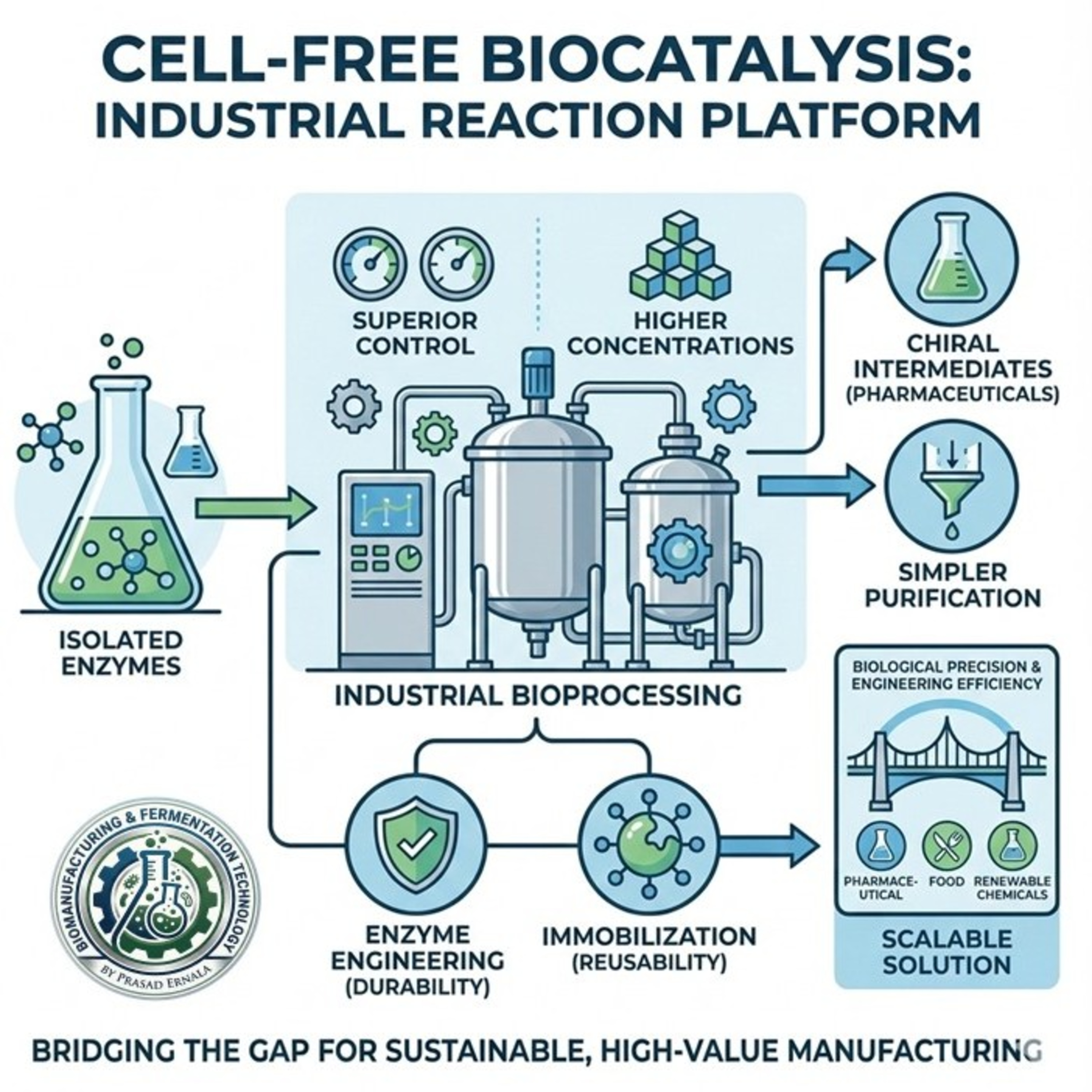
Cell-Free Bio-catalysis as an Industrially Actionable Reaction Platform
Cell-free bio-catalysis has evolved from a laboratory concept into a robust industrial manufacturing platform by removing the constraints of living cells. By using isolated enzymes, engineers can achieve superior control over reaction conditions, allowing for higher chemical concentrations and simpler purification processes than traditional fermentation. This approach is particularly effective for
Recommended

The Daily

World News Tonight with David Muir

English Vocabulary Help

The Joe Rogan Experience

TED Talks Daily

Learn English B1 with Daily News | English Listening Practice

Talk About Talk - Executive & Leadership Communication Skills

English with Olivia | Slow Conversations & Vocabulary

Stand In The Circle

SLOW ENGLISH PODCAST (A1-A2) With Subtitles | Daily Videos | English With Us Podcast

Learn English A2 with Daily News | Simple English Listening Practice

پلی لیست | PlayList
