Future of Threat Intelligence
Future of Threat Intelligence is a podcast that explores the shift from reactive detection to proactive threat management in cybersecurity. Hosts engage with top cybersecurity leaders and practitioners to uncover strategies for anticipating and neutralizing threats. Each episode provides actionable insights to help organizations stay ahead of emerging trends and technologies.
Episodes
Nebulock’s Alex Hurtado on why current logs fail to distinguish AI agents from info stealers
Over 60% of false positives trace back to vendor-provided detection rules. That finding, from a first-of-its-kind SANS report Alex Hurtado helped produce, captured why detection engineering has become its own discipline, one that treats rule management like a CI/CD pipeline.Alex, Head of Detection Strategy at Nebulock, breaks down how AI is reshaping the detection lifecycle, from query generation
Ironbridge CISO Consulting's Jim Almerico on the end of AI euphoria and the flaws emerging
The euphoria around AI is over, and the flaws are showing up at a speed nobody imagined a year ago. Jim Almerico, CISO at Ironbridge CISO Consulting, tells Eli that organizations deploying AI without understanding how it operates are repeating the mistakes of the early internet and IoT eras.Jim shares lessons from securing PsiQuantum under a 90-day CMMC deadline for a $31 million DARPA contract, w
Efani's Mark Kreitzman on the SIM swap that cost Marks and Spencer 350 million euros
In our latest episode of the Future of Threat Intelligence podcast, Mark Kreitzman, Chief Cyber Evangelist at Efani, shares how organized crime is scaling SIM swap attacks with AI, why most U.S. financial institutions still rely on SMS authentication, and how Efani's reversed MVNO model locks every carrier and phone store out of customer accounts.Mark knows these attacks firsthand. In 2017, an
Why the old phishing training is obsolete after deepfake attacks
Resource constraints, not attacker sophistication, are the biggest cyber threat facing state and local governments, and AI is widening the gap by making low-skill attackers faster and more convincing. In our latest episode of the Future of Threat Intelligence podcast, Randy Rose, VP of Security Operations and Intelligence, Center for Internet Security, shared how community defense, essential contr
Coalition's Daniel Woods on the attorney-client privilege tactic shaping every IR investigation
Daniel Woods, Principal Security Researcher at Coalition, sits at an intersection most security practitioners never access: underwriting data, claims history, and live forensics findings from the same vantage point. In this conversation, he traces how cyber insurance evolved from a 10% loss ratio product in the late 1990s to carriers reportedly hitting 130%+ during the ransomware era, and what tha
How Akira hits thousands of SMBs with $50K-$150K ransoms undetected | Alex Bovicelli
In part two of this conversation, Alex Bovicelli, Senior Director of Threat Intelligence at Tokio Marine HCC - Cyber & Professional Lines Group, gets into what the industry keeps getting wrong about ransomware targeting. The organizations getting hit most often are not the ones making headlines, and the attack methods used against them require far less sophistication than most practitioners a
The CVSS problem: why severity scores don't predict what gets exploited
Patrick Garrity, Security Researcher at VulnCheck, has a data problem with how the industry prioritizes vulnerabilities, and the data is his own. After manually categorizing roughly 800 exploited vulnerabilities by technology type each year, what he keeps finding is that the CVSS severity distribution of exploited CVEs tracks closely with the overall CVE population. Meaning the scoring system most
Unit 42's Andrew Rathbun on the Sysmon Configuration Mistake Enterprises Are Making
Andrew Rathbun, Senior Consultant at Palo Alto Networks Unit 42, has spent years tearing apart Windows endpoints across ransomware, APT, insider threat, and DPRK IT worker cases. His read on the state of enterprise Windows logging is blunt: most organizations have spent significant money on detection tooling while leaving the native forensic record so truncated that proving an intrusion timeline i
Trend AI's Robert McArdle on Criminal Business Models Surviving Tech Revolutions
After 18 years tracking cybercriminal operations at Trend AI, Robert McArdle, Director of Cybercrime Research, has developed a framework for predicting how threat actors adopt new technology: the answer consistently comes down to economics, not capability. He breaks down three rules of thumb his team uses: criminals want an easy life, any new technology must beat the ROI of their current model, an
Scott Scher on Why CTI Teams Forecast Instead of Predict
Scott Scher, Cyber Threat Intelligence Lead, makes a distinction that reframes how intel teams should think about their own value: they are forecasters, not predictors. That shift in framing has concrete consequences for how CTI programs justify themselves internally, and Scott argues that the most meaningful metric isn't alert volume or report count, but the decisions intel has actually influence
You Can't Trust Your Zoom Call Anymore. Deepfakes, DPRK & the New Attack Surface
Deepfakes have moved well past the uncanny valley and into active threat operations, and Tom Cross, Head of Threat Research at GetReal, has the client-side case studies to back it up. Tom explains how North Korean IT worker infiltration campaigns have transformed HR and video conferencing from administrative functions into active attack surface, albeit one that most security teams aren't monit
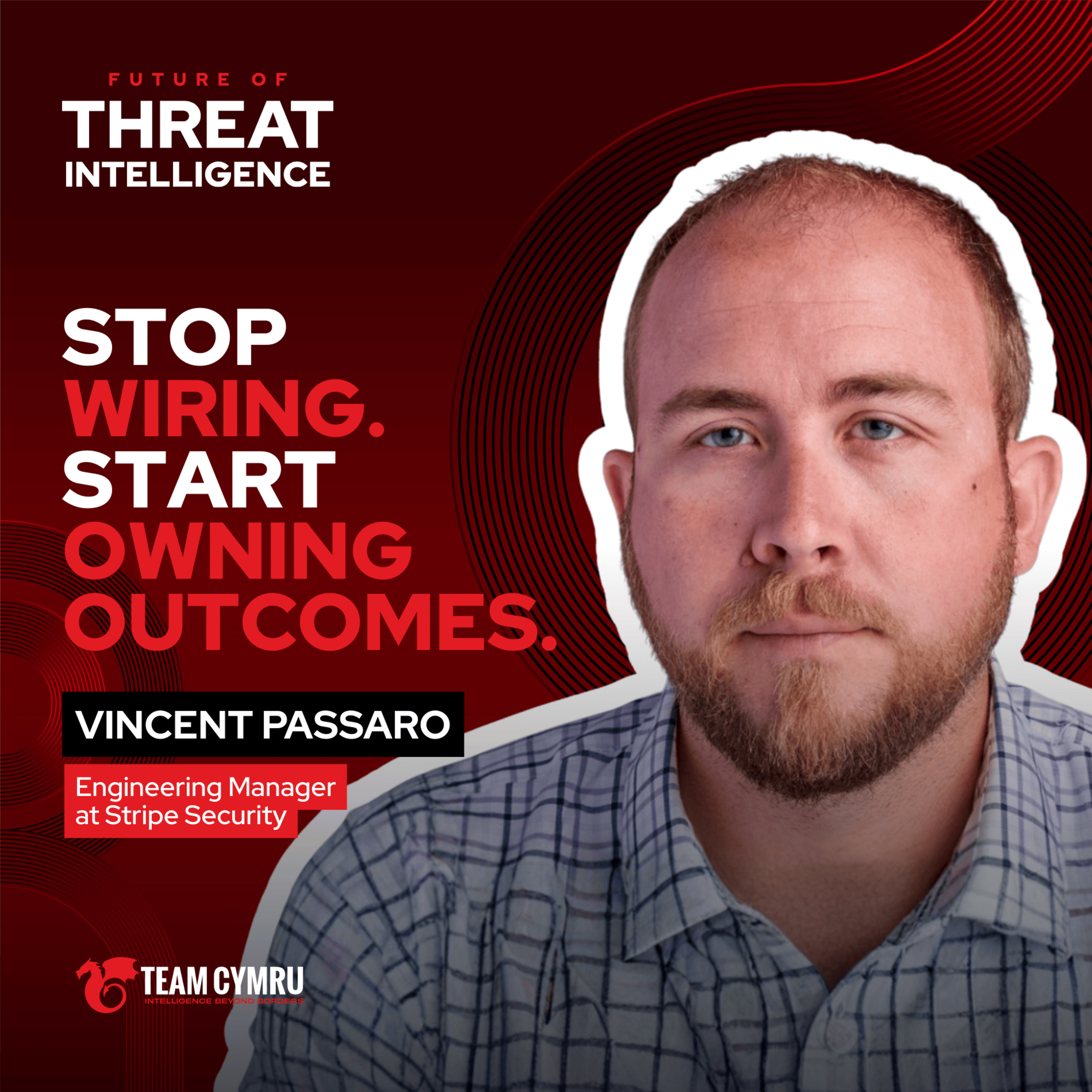
Two Minds. One Reframe. A Shift That Won't Wait.
Vincent Passaro, Engineering Manager at Stripe Security, didn't get there through a slide deck or a company mandate. He got there through a shower thought that followed a conversation with a friend, and it broke how he'd been thinking about building, leading, and even measuring his own team.The reframe was simple and did not start with "we're all going to be software developers. R
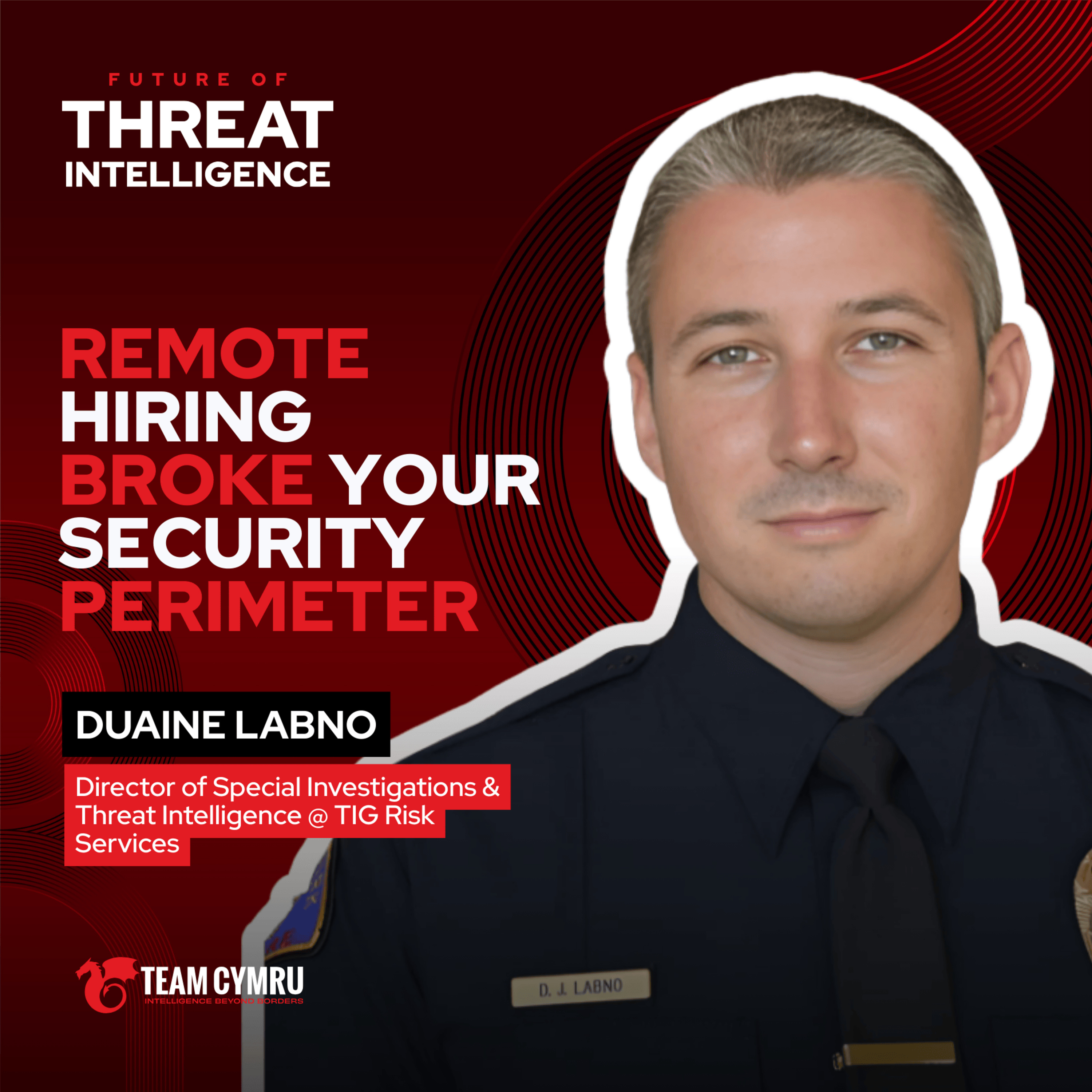
TIG Risk Services' Duaine Labno on How Remote Hiring Became an Opening for Infiltration
What happens when a DPRK IT worker operation lands inside one of your clients, and the three-letter agency you call says they can't show up? Duaine Labno, Director of Special Investigations & Threat Intelligence at TIG Risk Services, walks through exactly that case: his team built a ruse to recover the compromised laptop, staged a physical handoff at corporate HQ, filmed the courier, ran h
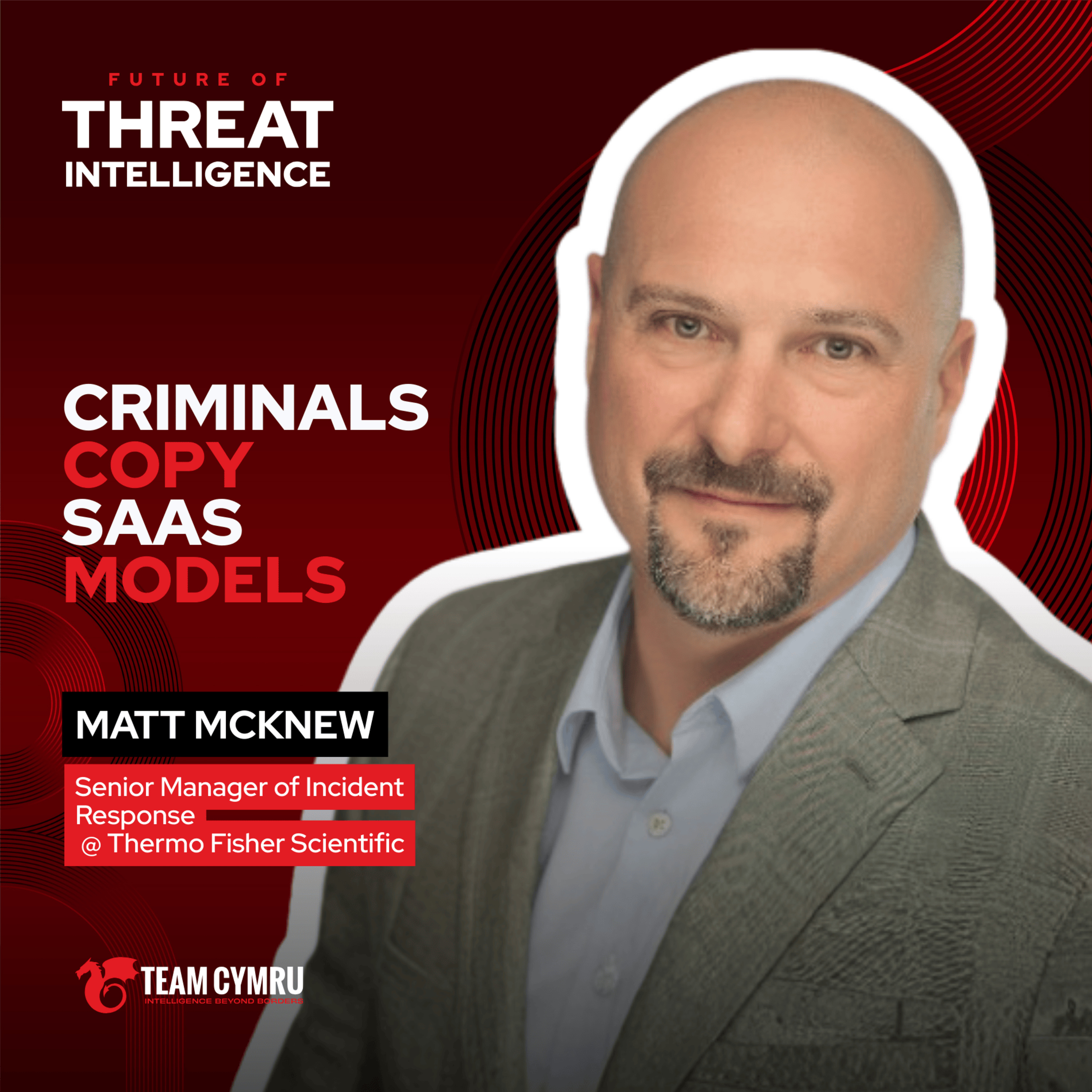
Thermo Fisher's Matt McKnew on the Evolution of Ransomware as a Service
When Matt McKnew, Senior Manager of Incident Response at Thermo Fisher, tracked down the Nimda worm in 2001 by analyzing packet captures to identify NetBIOS saturation patterns, threat actors weren't trying to get paid; they were causing disruption. Today, he's defending against ransomware groups that operate like businesses, complete with service models and affiliate networks. Matt expla
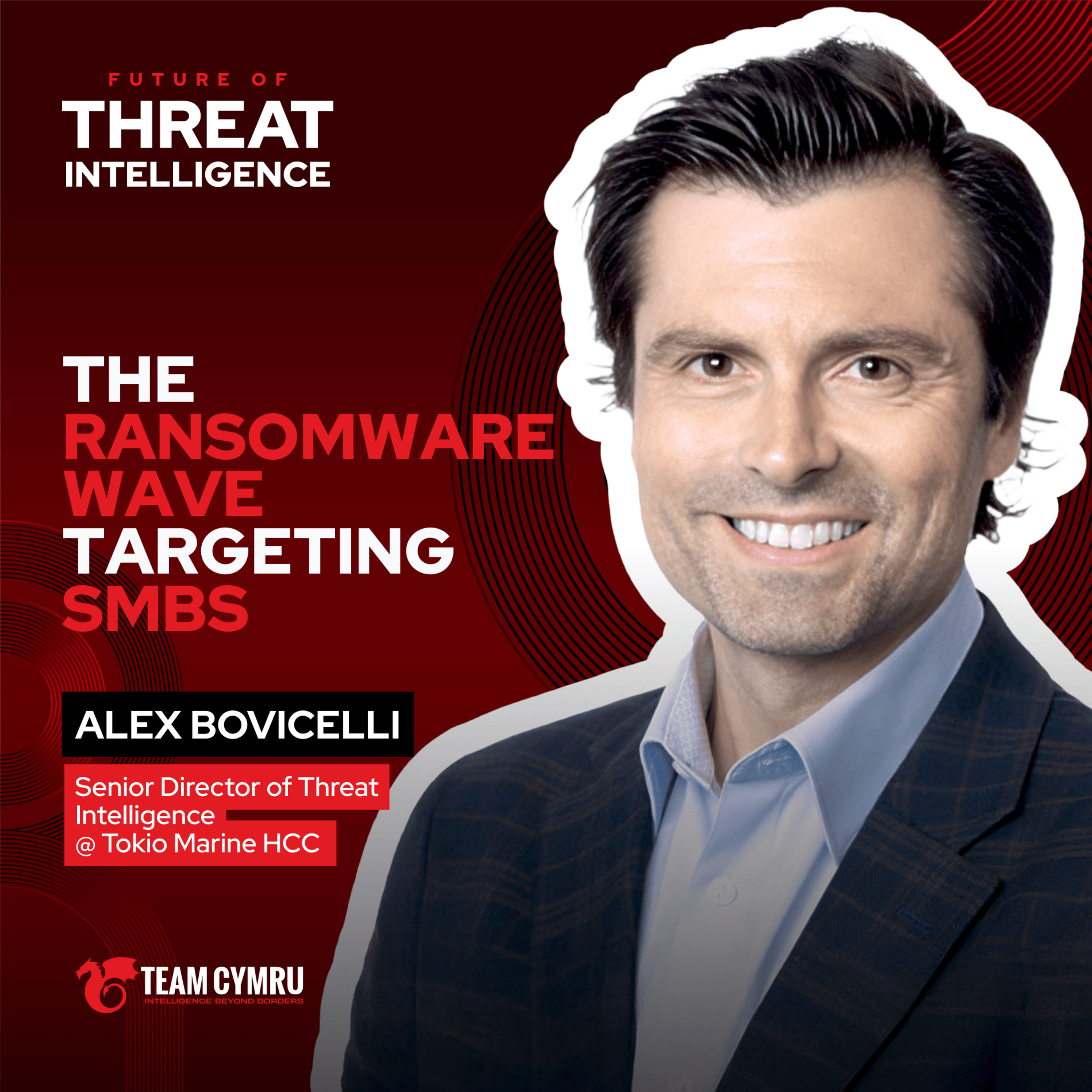
Tokio Marine HCC's Alex Bovicelli on the SMB Ransomware Wave the Industry Isn't Talking About
Running CTI at a cyber insurance carrier and across more than tens of thousands of companies forces a triage discipline most programs never need to build. Alex Bovicelli, Senior Director of Threat Intelligence at Tokio Marine HCC, describes how his team scaled by narrowing focus to one thing: the initial access vectors threat actors are actually using right now: not CVSS scores, not spray-and-pray
Coalition's Daniel Woods on What Cyber Insurance Claims Reveal About Security Controls
Daniel Woods, Principal Security Researcher, and his team at Coalition analyzed forensic reports across their 100,000-policyholder base and found 50% of ransomware incidents begin with VPN or firewall exploits. But here's the twist: 40-60% of those aren't vulnerability exploits at all, they're stolen credentials bypassing perimeter devices entirely. Organizations running Cisco ASA devi
Stripe's Vincent Passaro on Fraud Taxonomies & Generating Red Team Testing Roadmaps
Stripe's 3-person intel team created FT3 (fraud tools, tactics & techniques), a framework modeled after MITRE ATT&CK but purpose-built for financial fraud, to eliminate the communication breakdown where "fraud" required constant reverse engineering. The structured taxonomy now powers both analyst workflows and automated fraud systems operating at transaction-millisecond speed
Fortinet's Aamir Lakhani on Mapping Business Pain Points Attackers Exploit
Fortinet processes telemetry from 50% of the next-generation firewall market, giving Aamir Lakhani, Global Director of Threat Intelligence & Adversarial AI Research, and his team visibility into a looming shift: threat actors moving from exploiting a small subset of proven CVEs to weaponizing the entire vulnerability landscape through AI automation. While defenders currently concentrate resour
PayPal's Blake Butler on Finding Fraud Signals in Uncleaned Data
PayPal's fraud team catches credential stuffing before money moves by watching business intelligence signals that most organizations overlook: explosive traffic growth to legacy endpoints, mismatched phone numbers against account creation locales, and anomalies hidden in raw uncleaned data. Blake Butler, Senior Manager & Head of Fraud Threat Intelligence, applies infrastructure analysis te
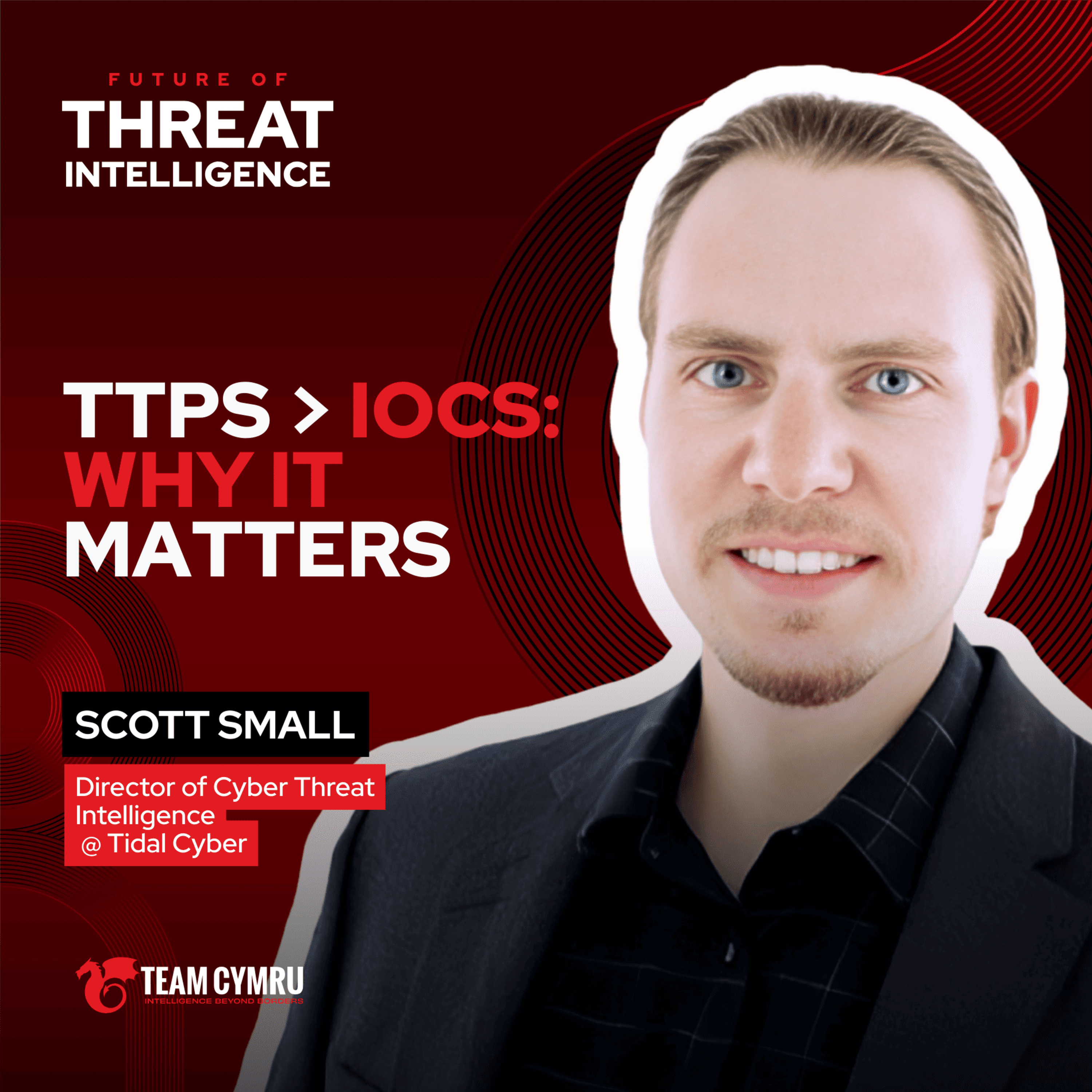
Tidal Cyber's Scott Small on Operationalizing MITRE from Intel to Validation
Tidal Cyber's Director of Cyber Threat Intelligence Scott Small reveals how his knowledge base now tracks almost 25,000 procedure-level instances across nearly 800 MITRE ATT&CK techniques and sub-techniques, capturing the command-level detail that exposes the false promise of "100% coverage" when working at technique abstraction alone. He argues that the pre-attack reconnaissance
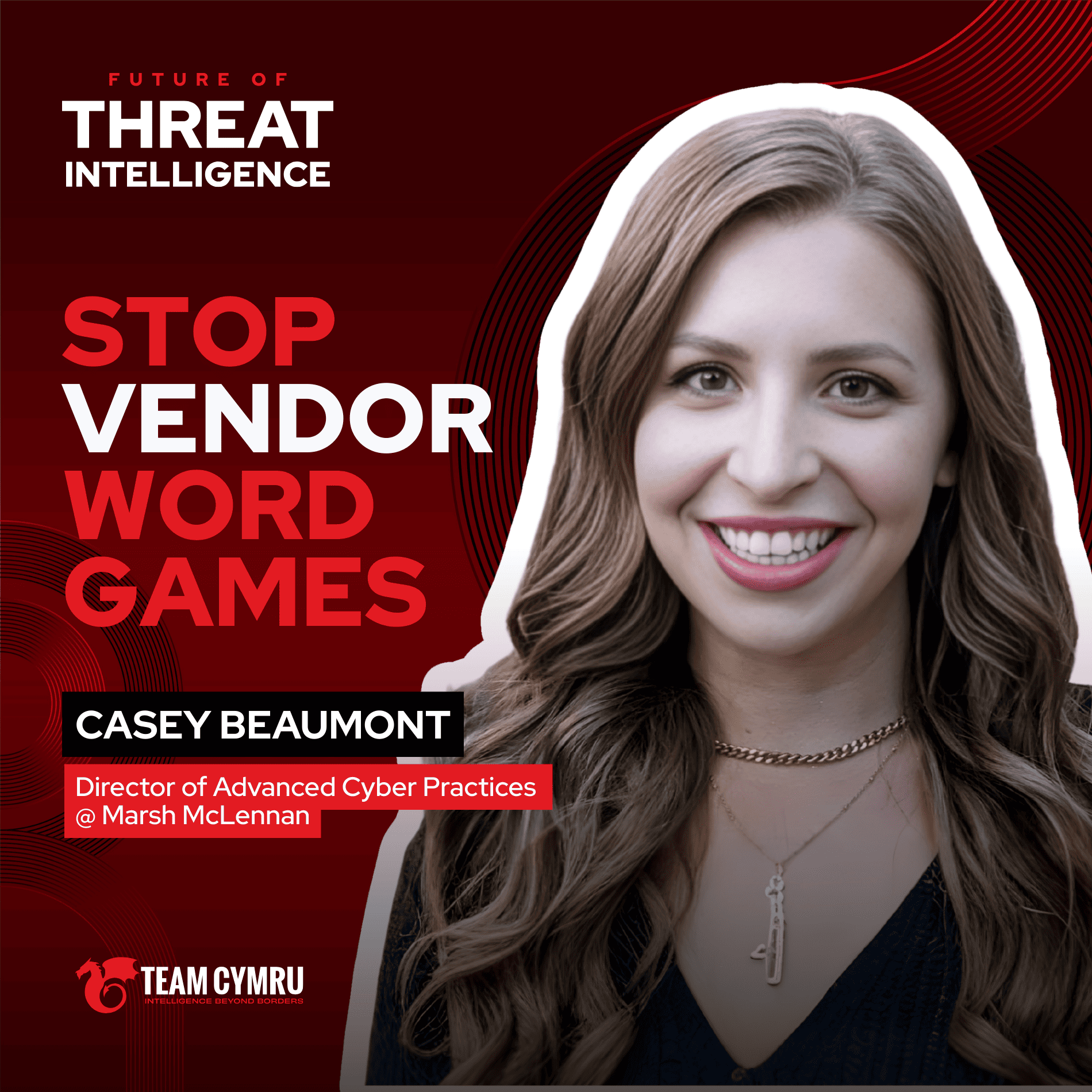
Marsh McLennan's Casey Beaumont on Vendor Breach Assessments That Cut through Legal Games
When Casey Beaumont's entire CTI team departed just before new analysts started, she found herself running threat intelligence solo for months while directing incident response, threat hunting, and red team operations. That trial by fire taught her exactly what separates tactical intelligence from strategic value, and why the best analysts invest significant personal time building trust networks t
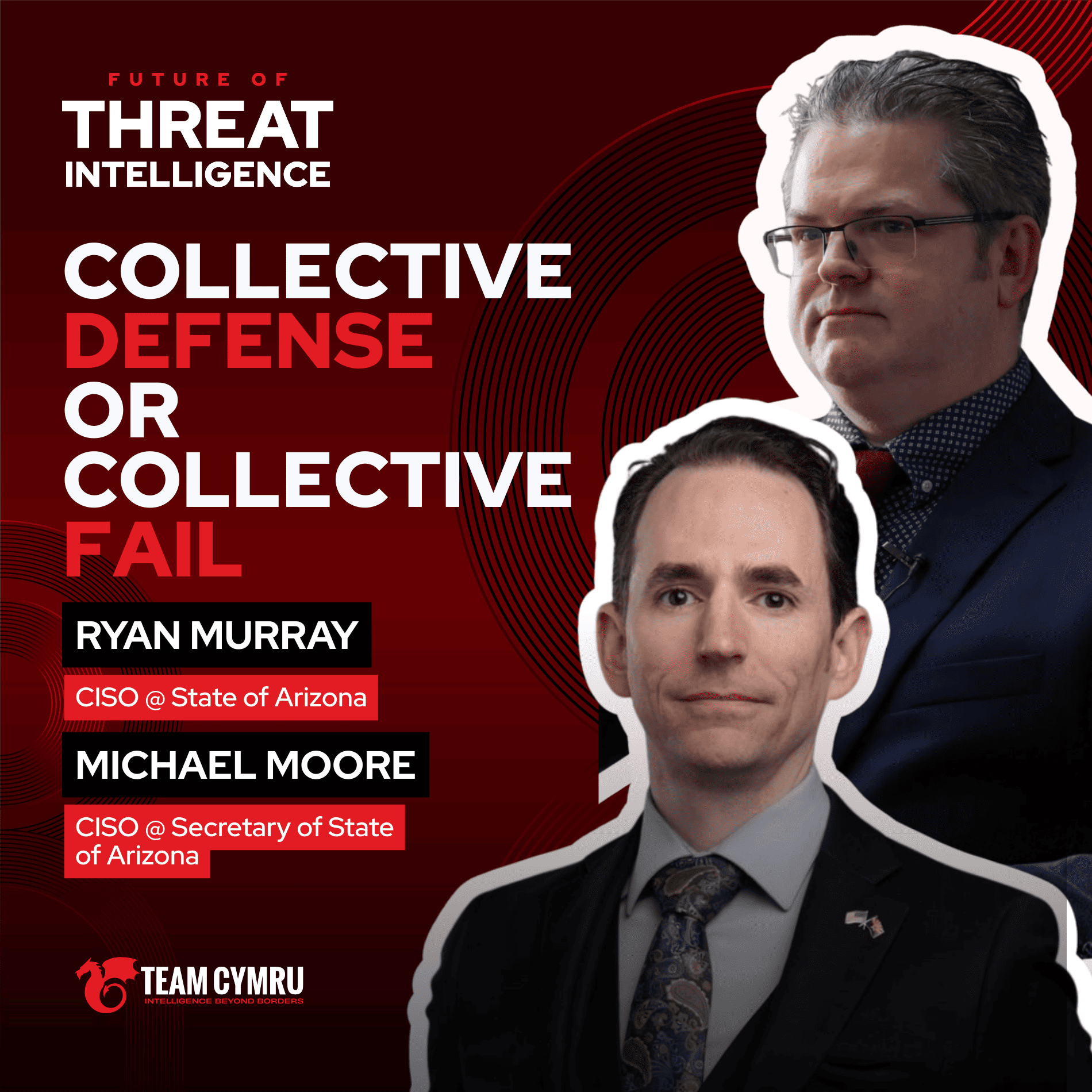
State CISOs on Why Cyberattacks Against 1 State Attack All of America
Michael Moore, CISO for the Secretary of State of Arizona's office, explains how he acts as a virtual CISO for all 15 counties by conducting physical security assessments at election facilities and providing real-time guidance during critical events. His approach treats surprise attacks as learning opportunities that should only work once, immediately sharing adversary infrastructure and TTPs acro
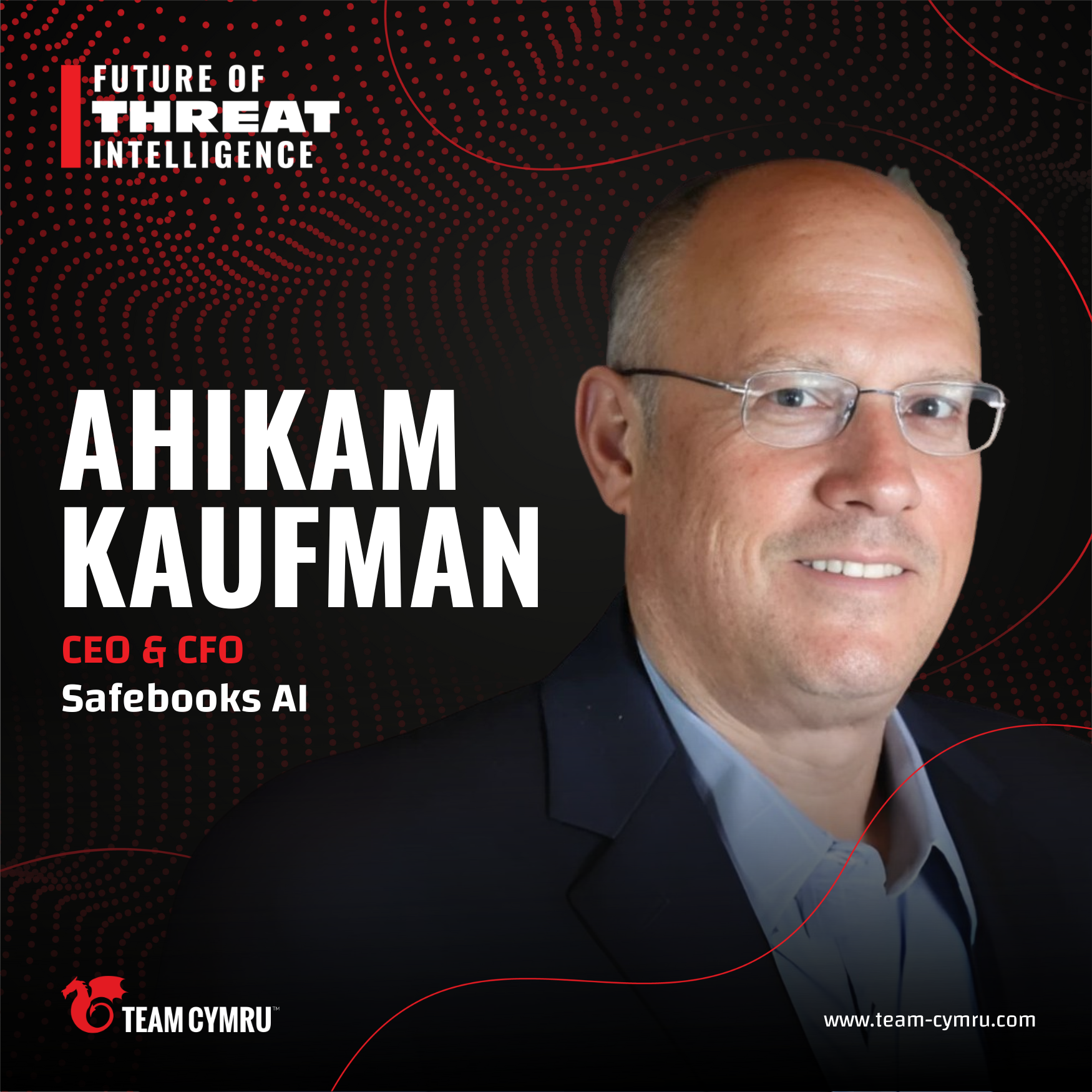
Safebooks AI’s Ahikam Kaufman on Why CFOs Need Company-Specific AI Models for Fraud Detection
Unlike CISOs who work with consistent vulnerabilities across cloud environments, CFOs face company-specific financial processes that change constantly, making automation historically complex to solve before the AI era. Ahikam Kaufman, CEO & CFO of Safebooks AI, explains why machine learning is the only viable solution to detect sophisticated embezzlement schemes that regulatory compliance dema
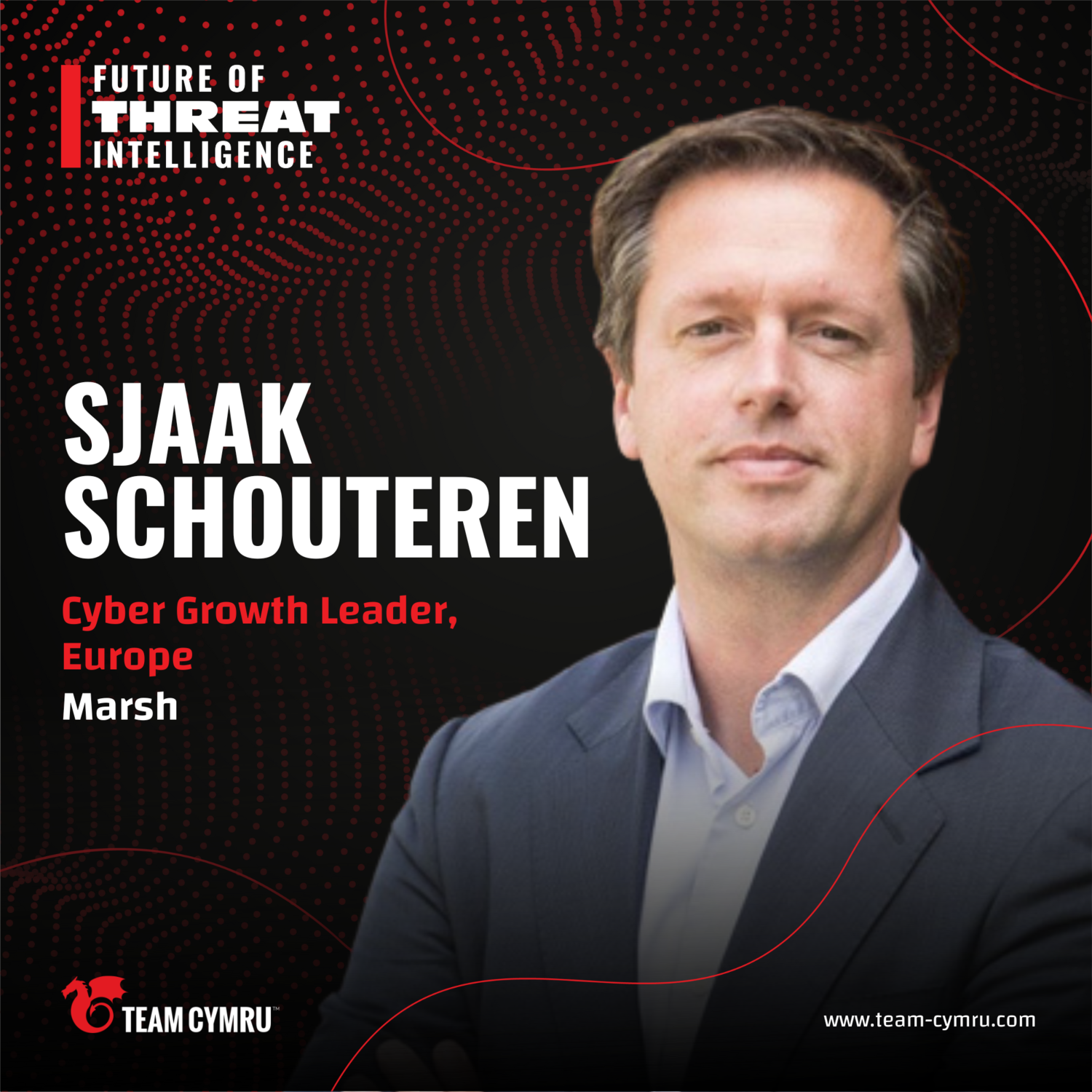
Marsh's Sjaak Schouteren on the Golden Rule of Risk Assessment
Cyber insurance has transformed from a liability-focused niche product into a comprehensive business continuity tool, but widespread misconceptions continue to prevent organizations from maximizing its strategic value. Sjaak Schouteren, Cyber Growth Leader - Europe at Marsh, offers David how they combine risk quantification with business-focused communication strategies that give security leaders
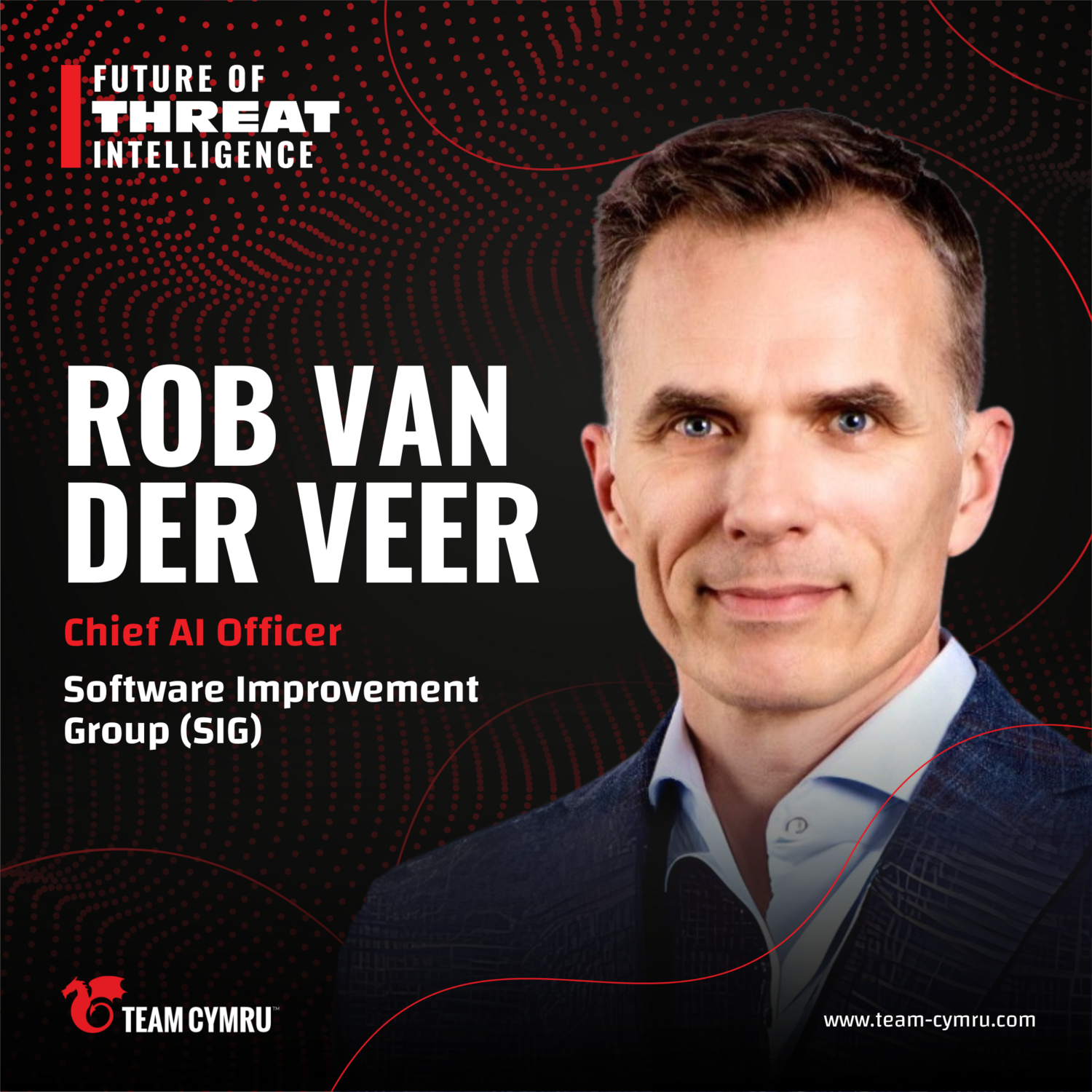
SIG's Rob van der Veer on Why "Starting Small" with AI Security Might Fail
What happens when someone who's been building AI systems for 33 years confronts the security chaos of today's AI boom? Rob van der Veer, Chief AI Officer at Software Improvement Group (SIG), spotlights how organizations are making critical mistakes by starting small with AI security — exactly the opposite of what they should do.
From his early work with law enforcement AI systems to becoming a key
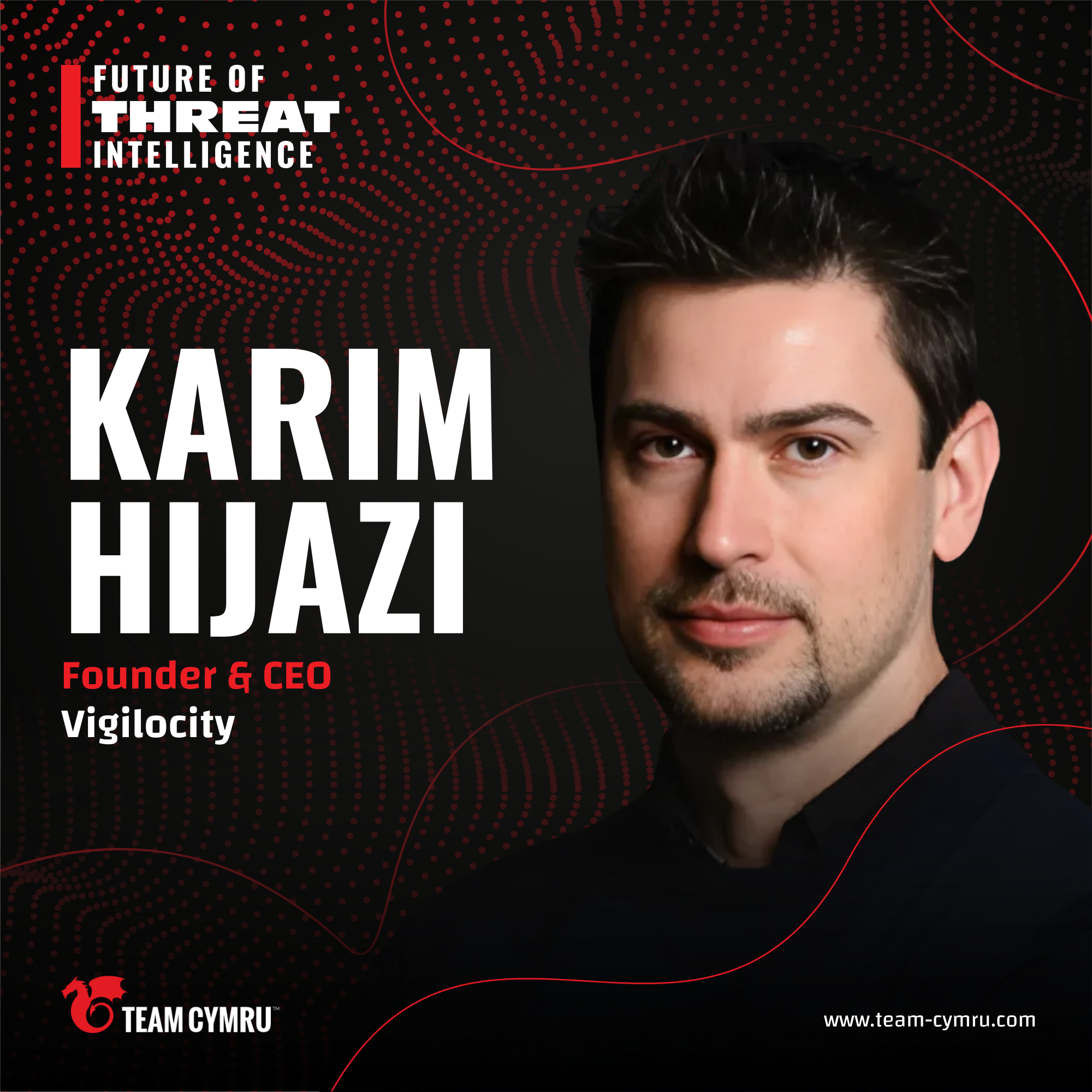
Vigilocity's Karim Hijazi on Supply Chain Threat Intelligence
Karim Hijazi’s approach to threat hunting challenges conventional wisdom about endpoint security by proving that some of the most critical intelligence exists outside organizational networks. As Founder & CEO of Vigilocity, his 30-year journey from the legendary Mariposa botnet investigation to building external monitoring capabilities demonstrates why DNS analysis remains foundational to mode
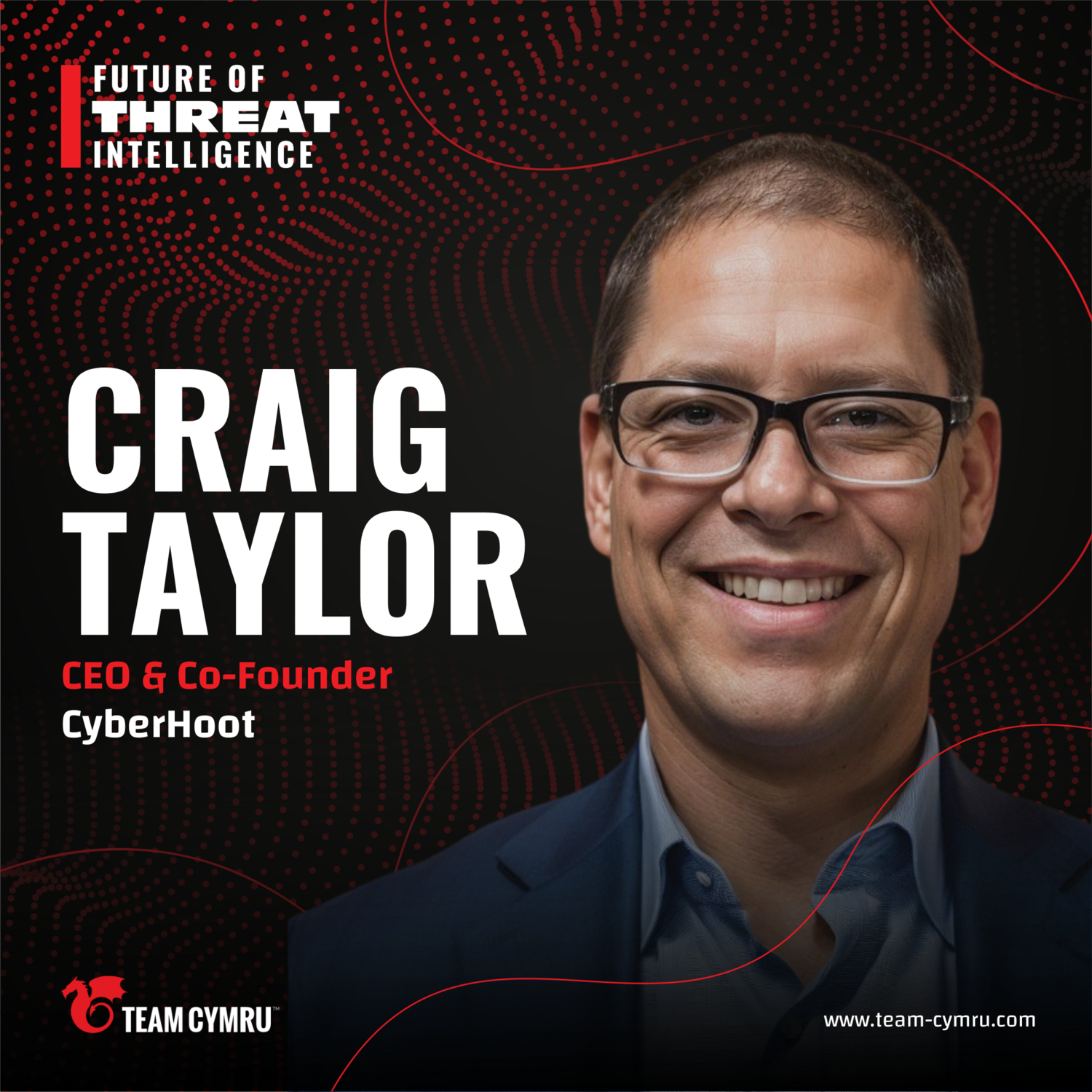
CyberHoot's Craig Taylor on Why Fear-Based Phishing Training Fails
Psychology beats punishment when building human firewalls. Craig Taylor, CEO & Co-founder of CyberHoot, brings 30 years of cybersecurity experience and a psychology background to challenge the industry's fear-based training approach. His methodology replaces "gotcha" phishing simulations with positive reinforcement systems that teach users to identify threats through skill-building rather than
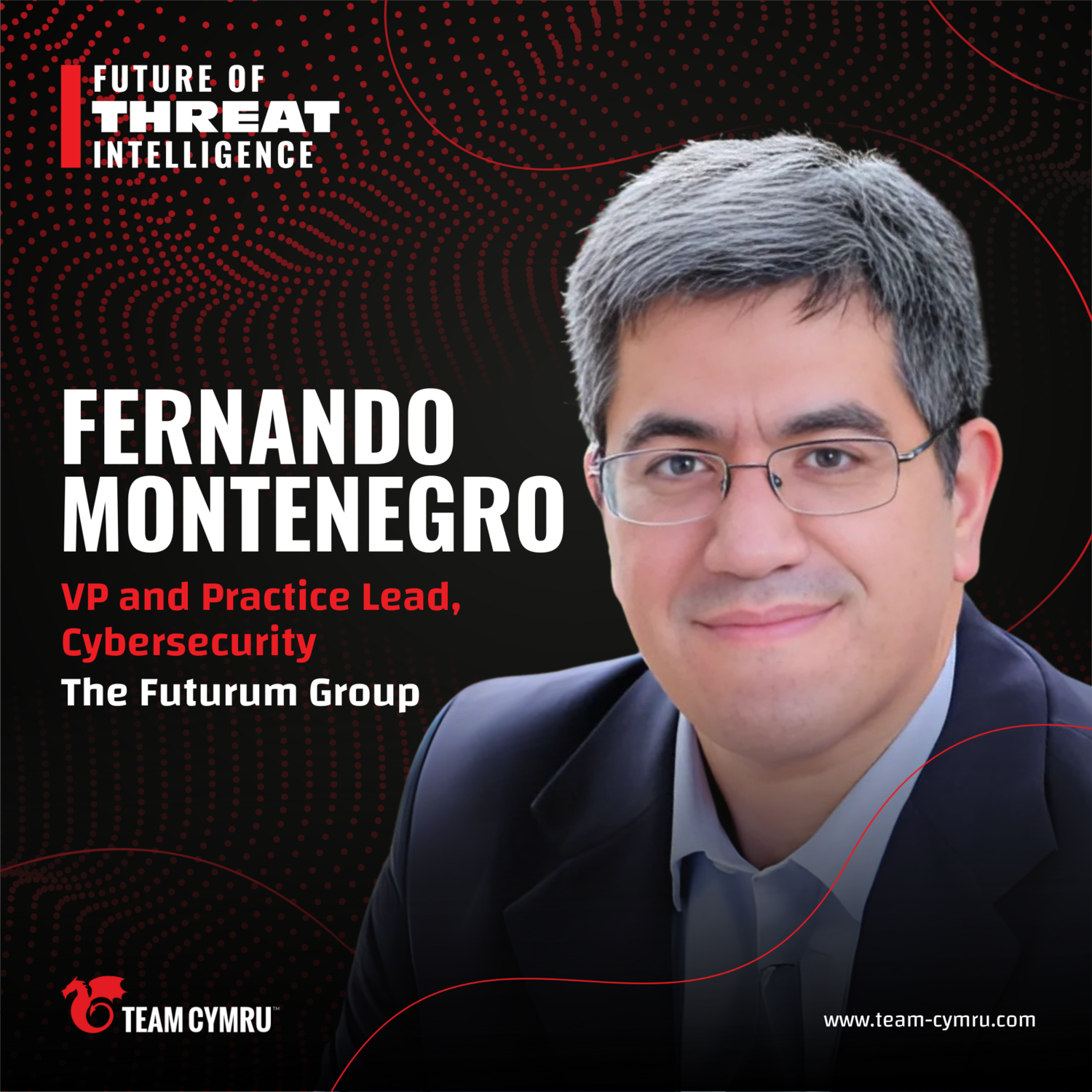
The Futurum Group's Fernando Montenegro on the OODA Loop Approach to Security Strategy
What happens when you apply economic principles like opportunity cost and comparative advantage to cybersecurity decision-making? Fernando Montenegro, VP & Practice Lead of Cybersecurity at The Futurum Group, demonstrates how viewing security through an economics lens reveals critical blind spots most practitioners miss. His approach transforms how organizations evaluate cloud migrations, meas
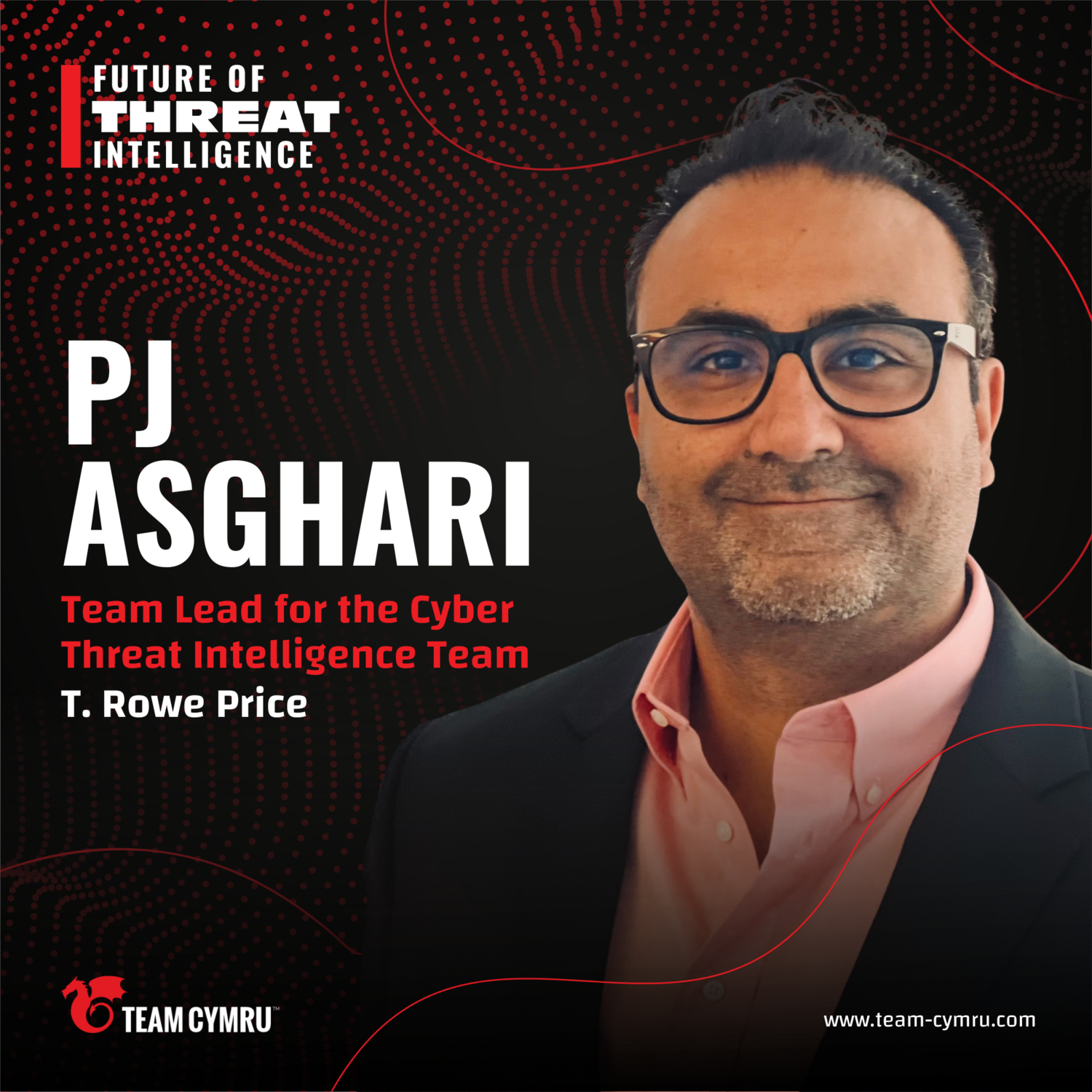
T. Rowe Price’s PJ Asghari’s "What, So What, Now What" Framework for Threat Intel
What does it take to transform a traditional event-driven SOC into an intelligence-driven operation that actually moves the needle? At T. Rowe Price, it meant abandoning the "spray and pray" approach to threat detection and building a systematic framework that prioritizes threats based on actual business risk rather than industry hype.
PJ Asghari, Team Lead for Cyber Threat Intelligence Team, walk
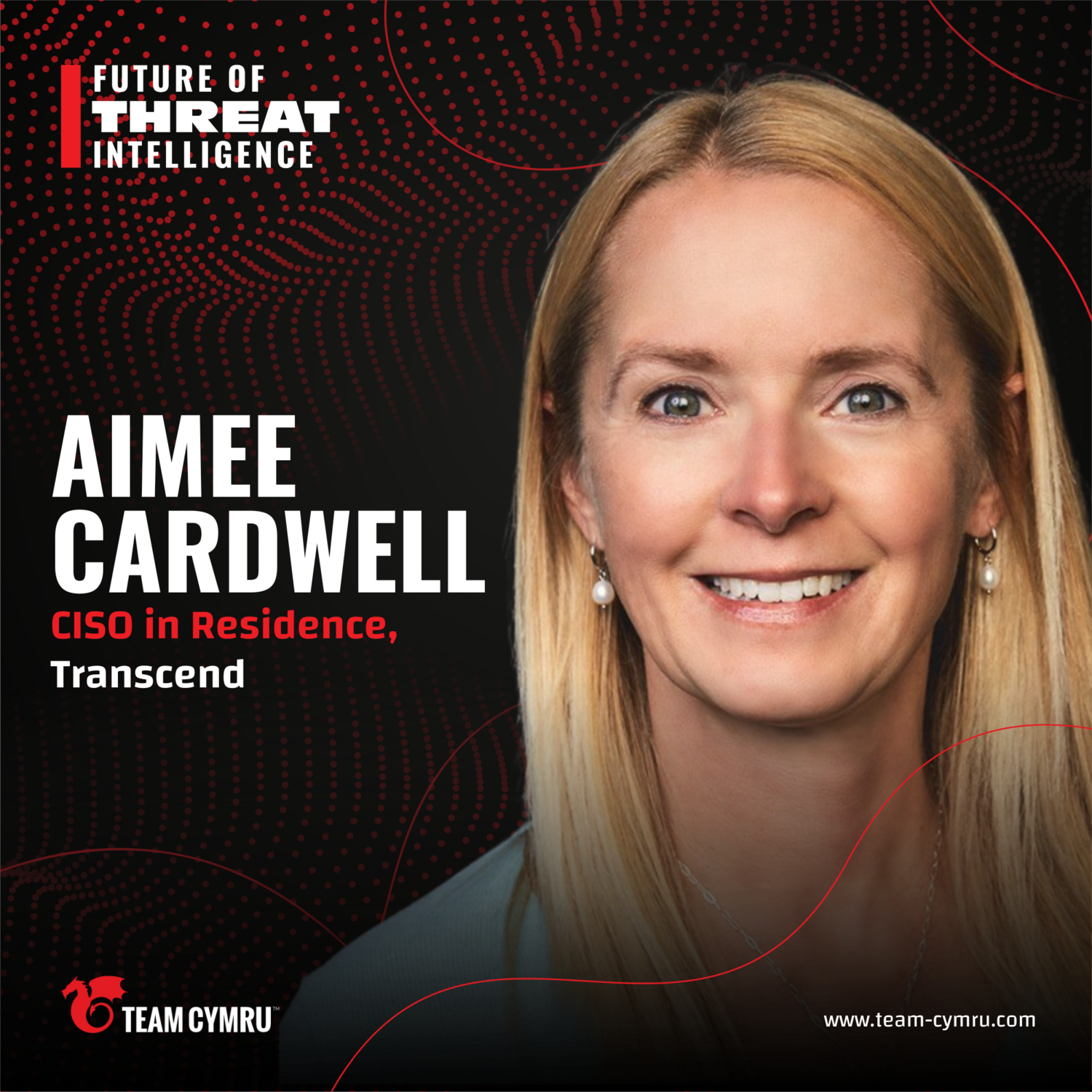
Transcend's Aimee Cardwell on Turning Security into a Growth Driver
Most security leaders position themselves as guardians against risk, but Aimee Cardwell, CISO in Residence at Transcend and Board Member at WEX, built her reputation on a different approach: balancing risk to accelerate business growth. Her unconventional path from Fortune 5 CIO to CISO of a 1,200-person security team at UnitedHealth Group showcases how technical leaders can become true business p
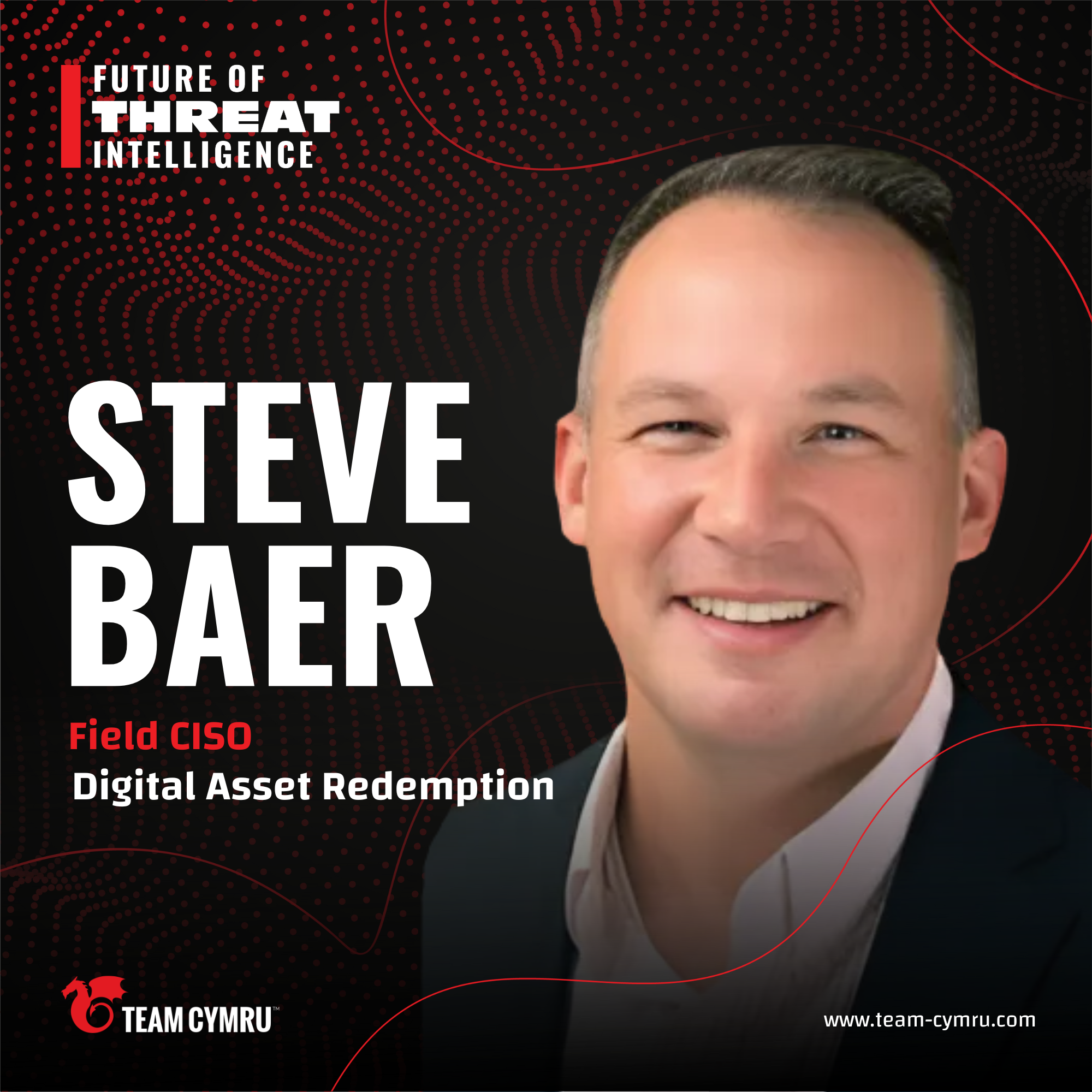
Digital Asset Redemption's Steve Baer on Criminal Business Models
The economics of ransomware reveal a sophisticated criminal enterprise that most security leaders dramatically underestimate. Steve Baer, Field CISO at Digital Asset Redemption, operates at the intersection of cybercrime and legitimate business, where his team's human intelligence gathering in Dark Web communities provides early warning systems that traditional security infrastructure cannot match
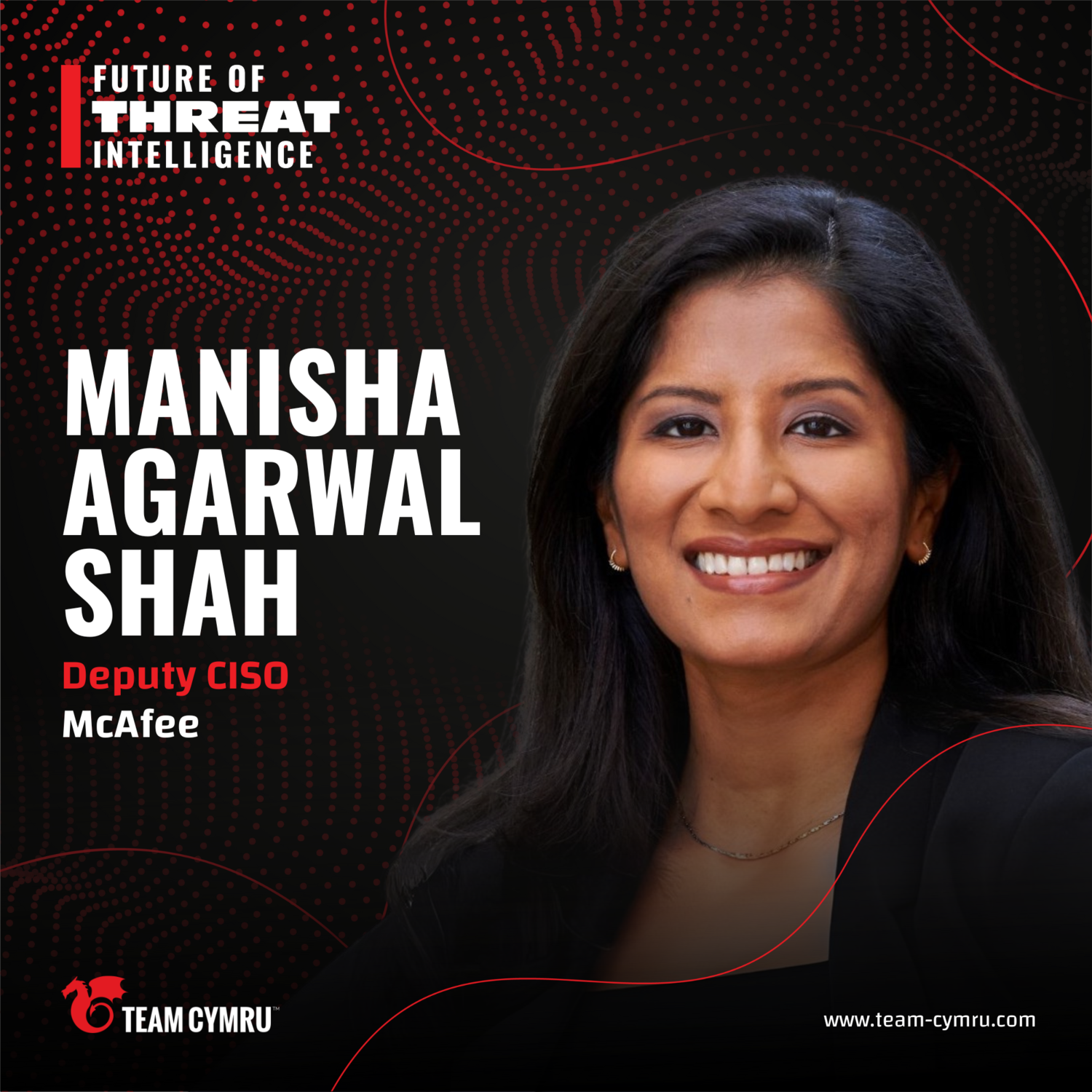
McAfee's Manisha Agarwal-Shah on Testing Ransomware Plans Before You Need Them
Most security leaders are fighting yesterday's ransomware war while today's attackers have moved to data exfiltration and reputation destruction. Manisha Agarwal-Shah, Deputy CISO at McAfee, brings 18 years of cybersecurity experience from consulting through AWS to explore why traditional ransomware defenses miss the mark against modern threat actors. Her framework for building security teams prio
Team Cymru's Threat Researchers on Operation Endgame Intelligence
Team Cymru's threat researchers have spent years developing an almost psychological understanding of cybercriminals, tracking their behavioral patterns alongside technical infrastructure to predict where attacks will emerge before they happen. Josh and Abigail share with David how their multi-year tracking of Russian cybercrime groups enabled critical contributions to Operation Endgame. Their work
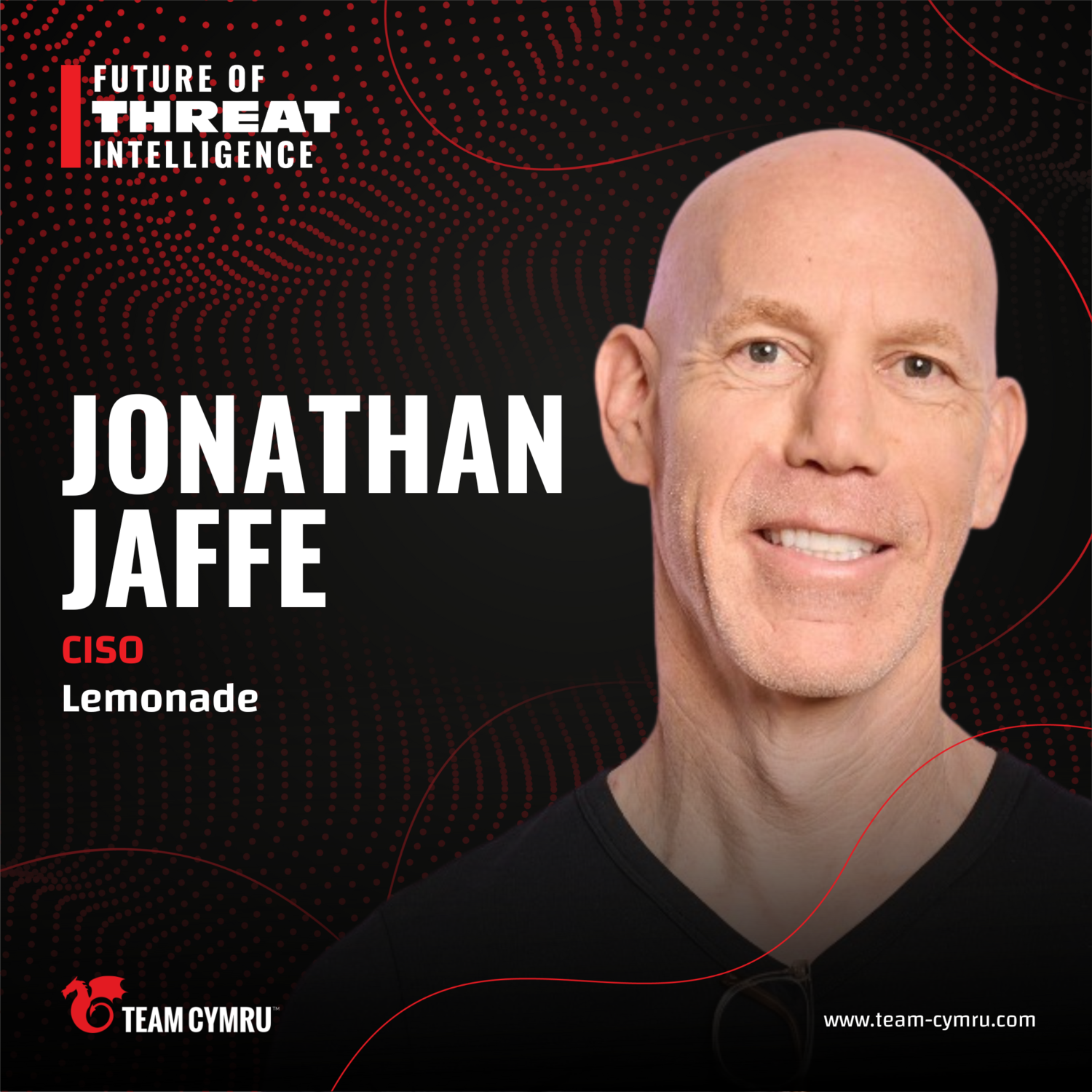
Lemonade's Jonathan Jaffe on Trading Feedback for Security Technology
Jonathan Jaffe, CISO at Lemonade, has built what he predicts will be "the perfect AI system" using agent orchestration to automate vulnerability management at machine speed, eliminating the developer burden of false positive security alerts. His unconventional approach to security combines lessons learned from practicing law against major tech companies with a systematic strategy for partnering wi
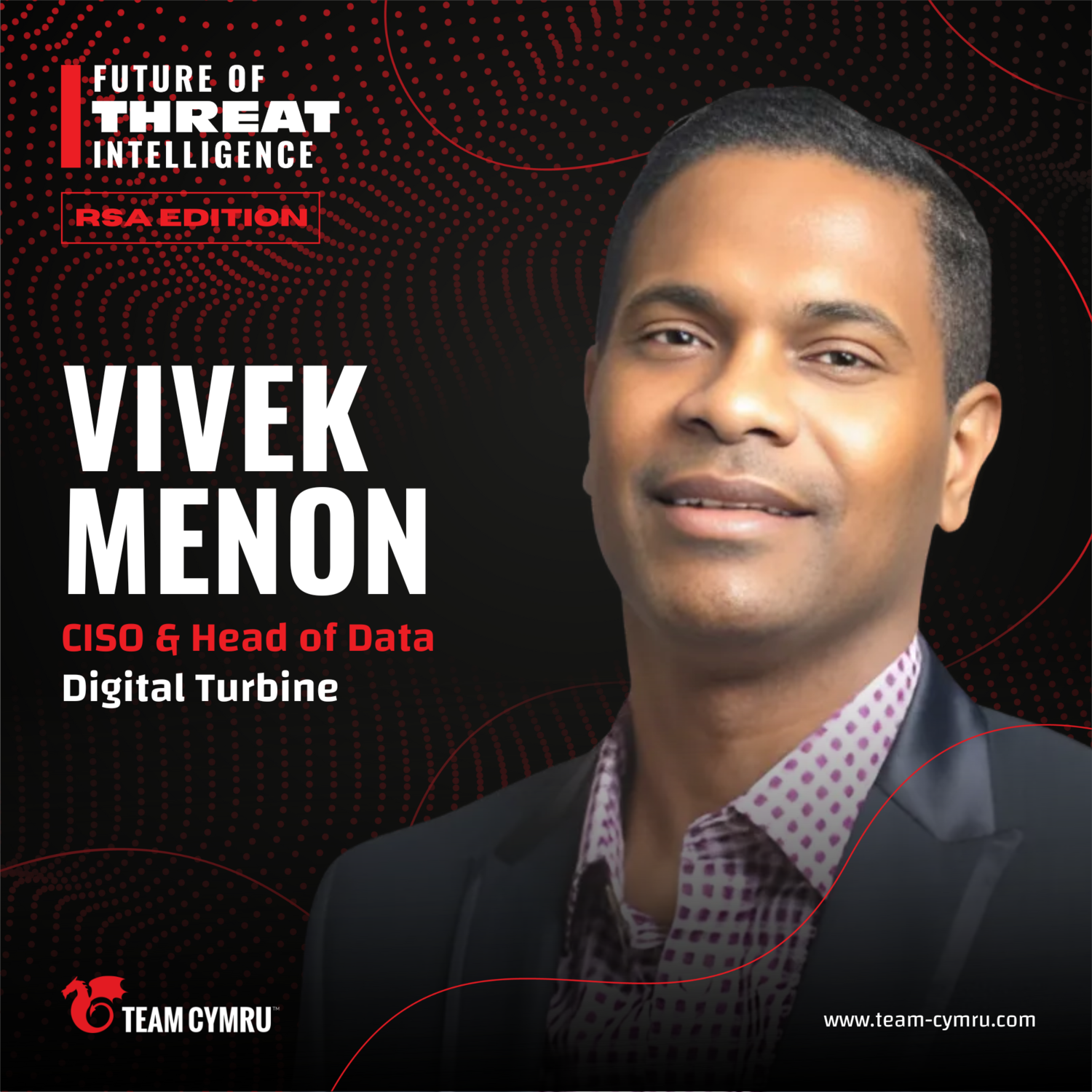
Digital Turbine's Vivek Menon on AI Acceleration vs Attack Expansion
The security industry's obsession with cutting-edge threats often overshadows a more pressing reality: the vast majority of organizations are still mastering basic AI implementation. Vivek Menon, CISO & Head of Data at Digital Turbine, brings his insights from the RSA expo floor to share why the agentic AI security rush may be premature, while highlighting the genuine opportunities AI presents
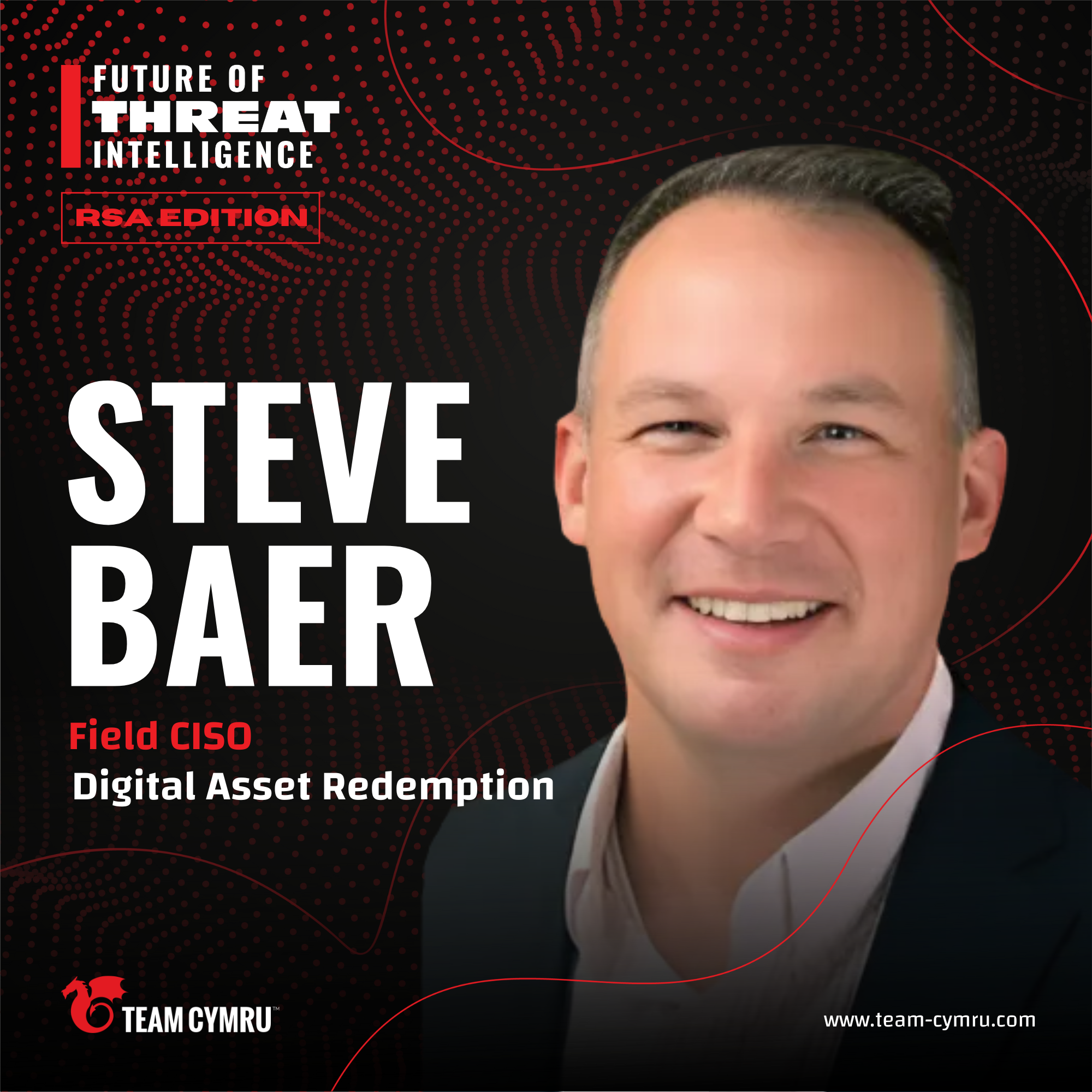
Digital Asset Redemption's Steve Baer on Why Half of Ransomware Victims Shouldn't Pay
Most organizations approach ransomware as a technical problem, but Steve Baer, Field CISO at Digital Asset Redemption, has built his career understanding it as fundamentally human. His team's approach highlights why traditional cybersecurity tools fall short against motivated human adversaries and how proactive intelligence gathering can prevent incidents before they occur.
Steve's insights from t
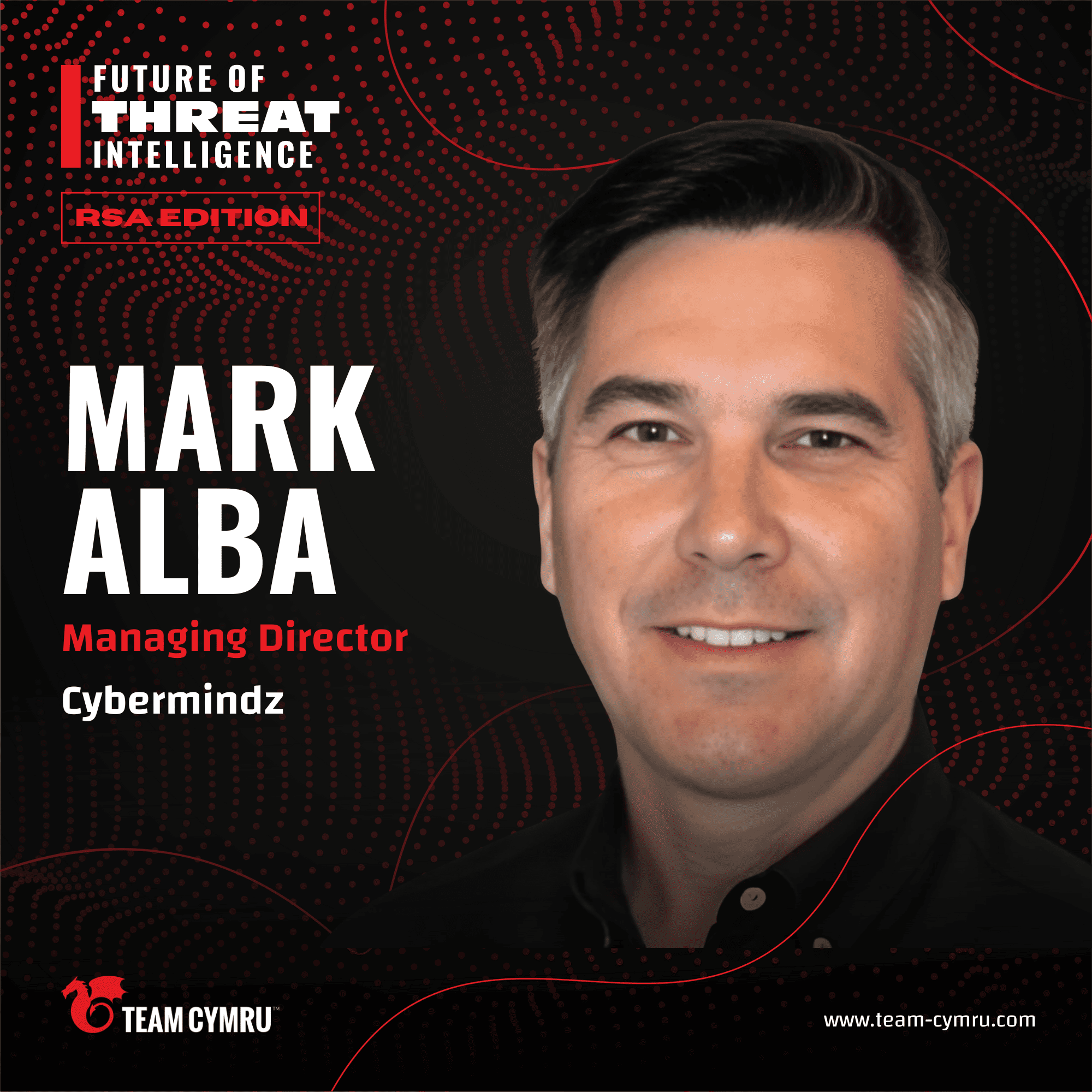
Cybermindz’s Mark Alba on Military PTSD Protocols to Treat Security Burnout
The cybersecurity industry has talked extensively about burnout, but Mark Alba, Managing Director of Cybermindz, is taking an unprecedented scientific approach to both measuring and treating it. In this special RSA episode, Mark tells David how his team applies military-grade psychological protocols originally developed for PTSD treatment to address the mental health crisis in security operations
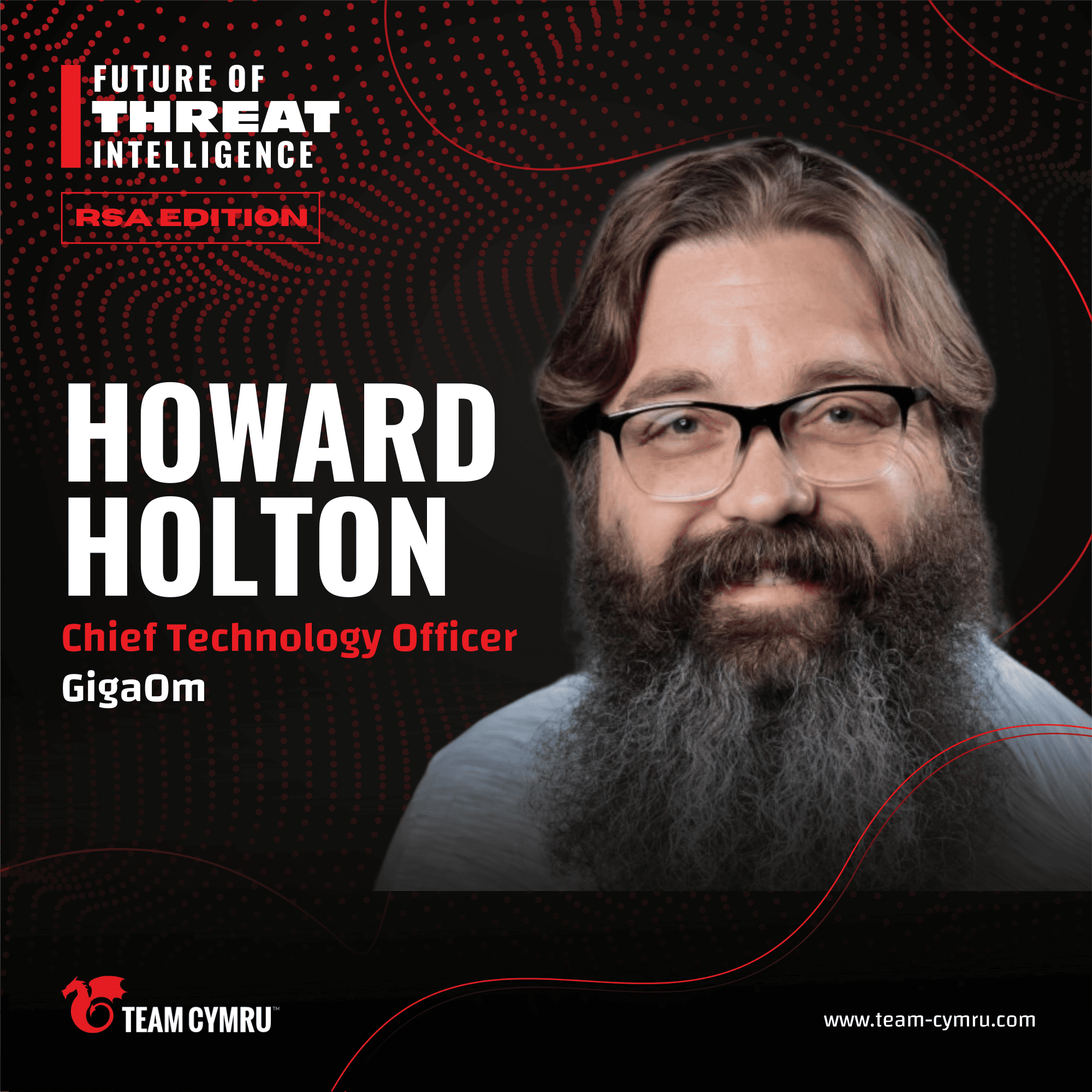
GigaOm’s Howard Holton on Why AI Will Be the OS of Security Work
The cybersecurity industry has witnessed numerous technology waves, but AI's integration at RSA 2025 signals something different from past hype cycles. Howard Holton, Chief Technology Officer at GigaOm, observed AI adoption across virtually every vendor booth, yet argues this represents genuine transformation rather than superficial marketing. His analyst perspective, backed by GigaOm's practition
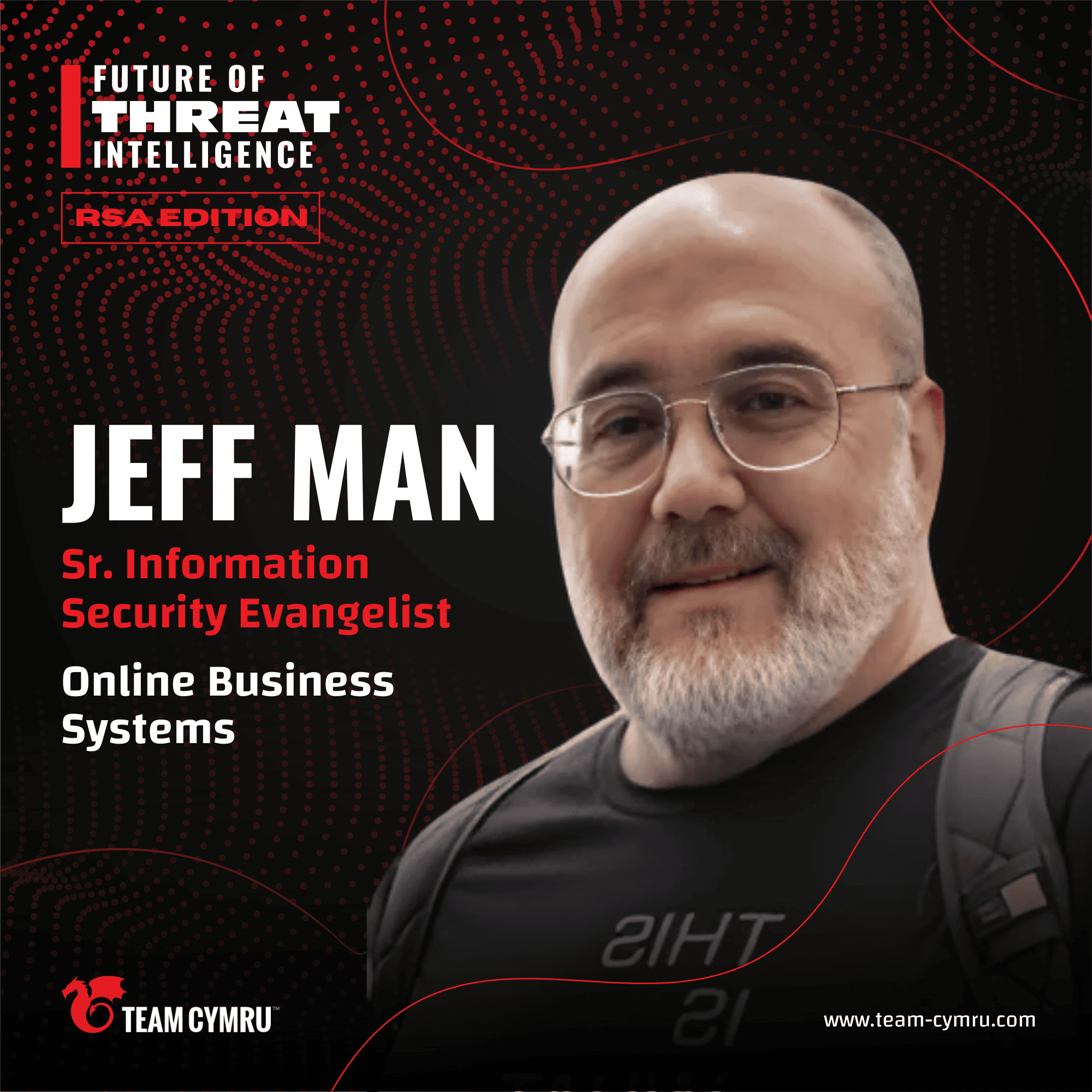
Online Business Systems' Jeff Man on PCI 4.0's Impact
The cybersecurity industry has long operated on fear-based selling and vendor promises that rarely align with practical implementation needs. Jeff Man, Sr. Information Security Evangelist at Online Business Systems, brings a pragmatic perspective after years of navigating compliance requirements and advising organizations from Fortune 100 enterprises to small e-commerce operators. His cautious opt
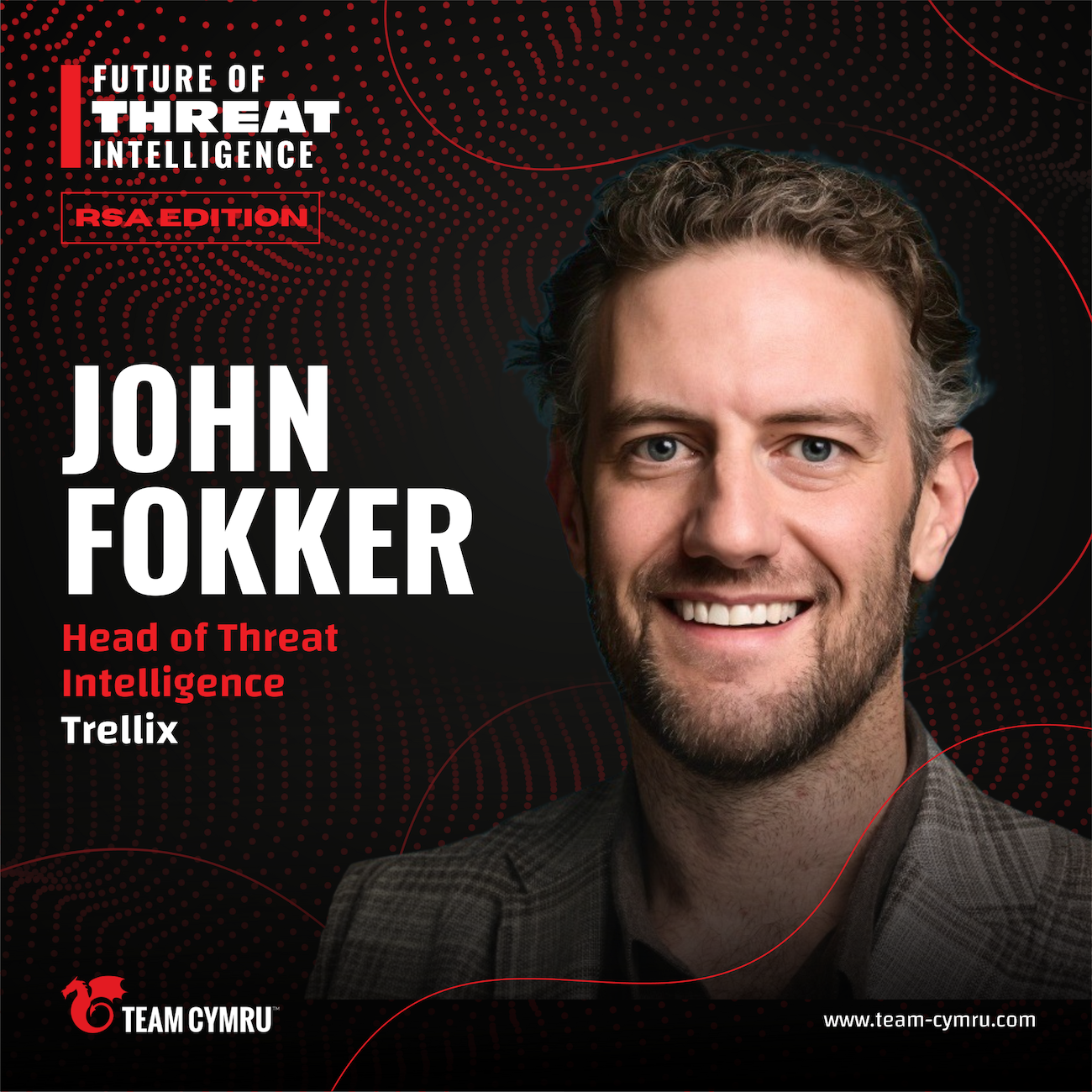
Trellix's John Fokker on Why Ransomware Groups Are Fragmenting
The criminal underground is experiencing its own version of startup disruption, with massive ransomware-as-a-service operations fragmenting into smaller, more agile groups that operate like independent businesses. John Fokker, Head of Threat Intelligence at Trellix, brings unique insights from monitoring hundreds of millions of global sensors, revealing how defenders' success in EDR detection is p
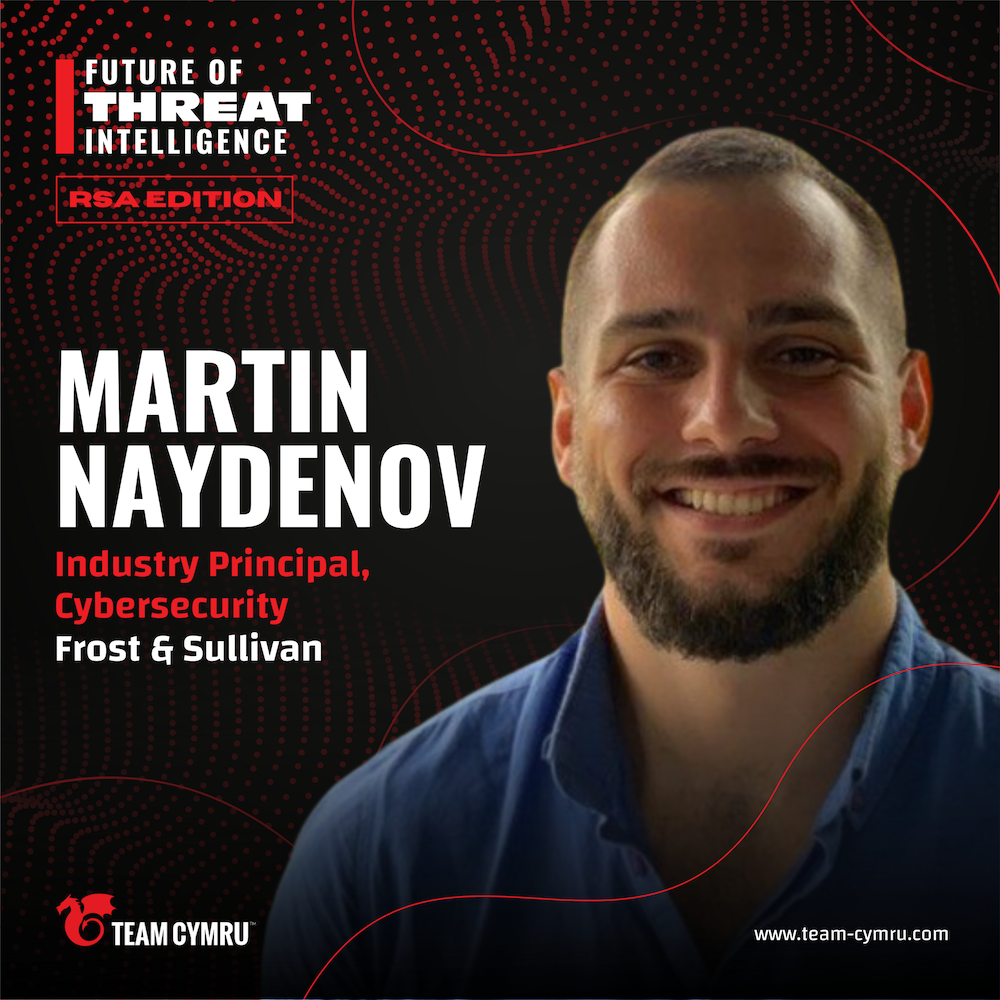
Frost & Sullivan's Martin Naydenov on AI's Cybersecurity Trust Gap
In this special RSA episode of Future of Threat Intelligence, Martin Naydenov, Industry Principal of Cybersecurity at Frost & Sullivan, offers a sobering perspective on the disconnect between AI marketing and implementation. While the expo floor buzzes with "AI-enabled" security solutions, Martin cautions that many security teams remain reluctant to use these features in their daily operations
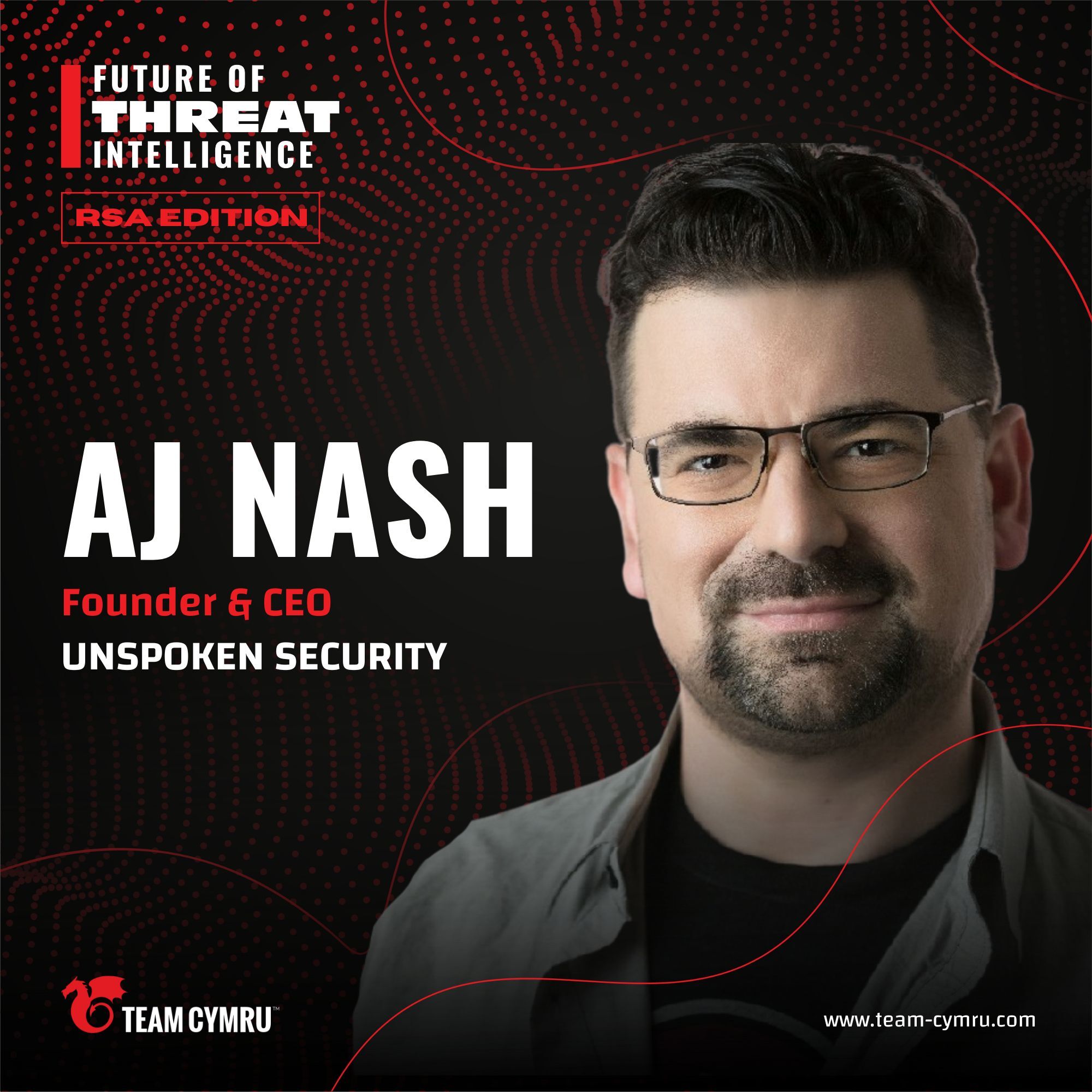
Unspoken Security’s AJ Nash on Protecting Against AI Model Poisoning
In our latest episode of The Future of Threat Intelligence, recorded at RSA Conference 2025, AJ Nash, Founder & CEO, Unspoken Security, provides a sobering assessment of AI's transformation of cybersecurity. Rather than focusing solely on hype, AJ examines the double-edged nature of AI adoption: how it simultaneously empowers defenders while dramatically lowering barriers to entry for sophisti
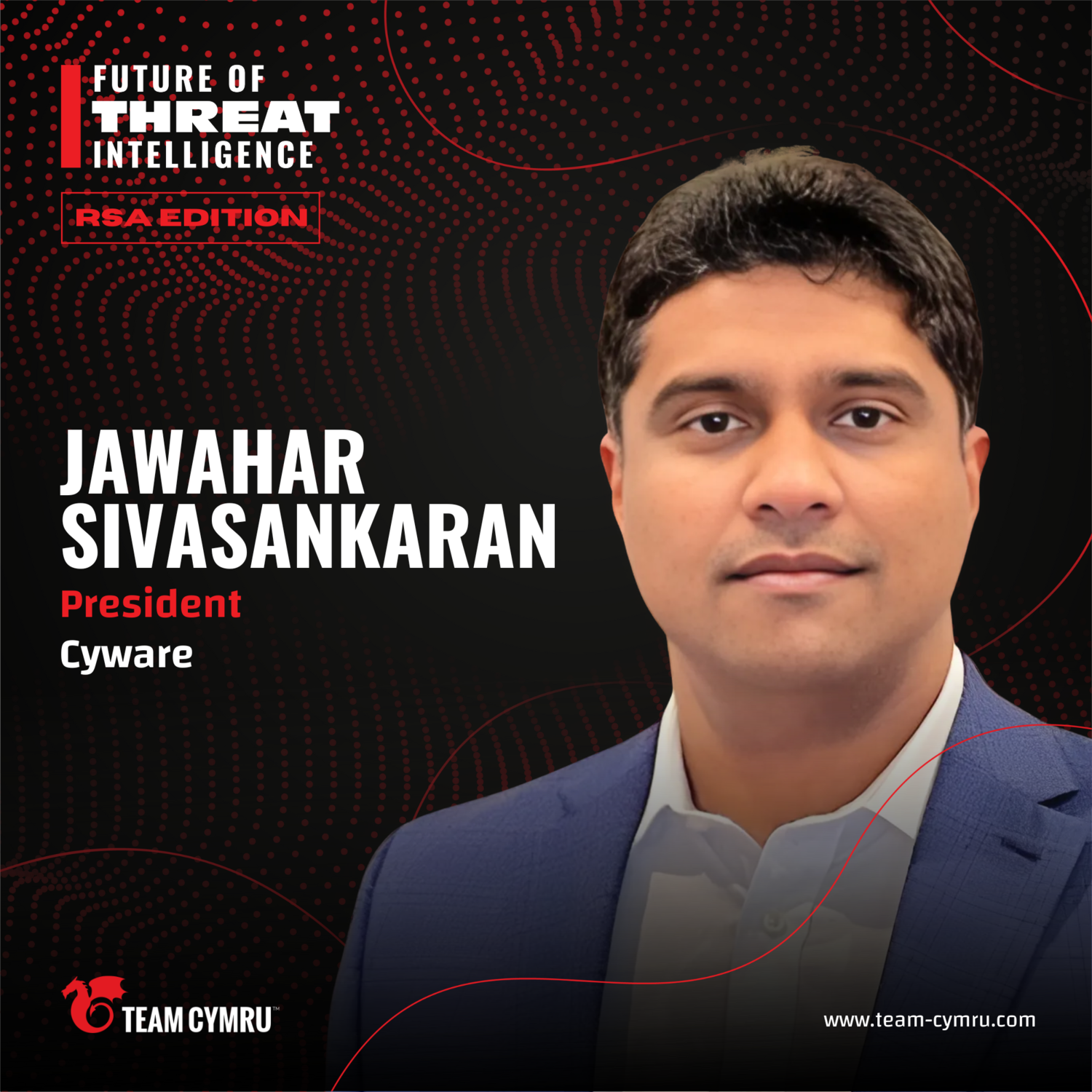
Cyware’s Jawahar Sivasankaran on Automating Threat-Centric Operations
In this special RSA 2025 episode of The Future of Threat Intelligence, David speaks with Jawahar Sivasankaran, President of Cyware, about their partnership with Team Cymru to democratize threat intelligence. Jawahar outlines how their CTI program in a box approach enables organizations to implement comprehensive threat intelligence capabilities in weeks rather than months.
Jawahar offers a unique
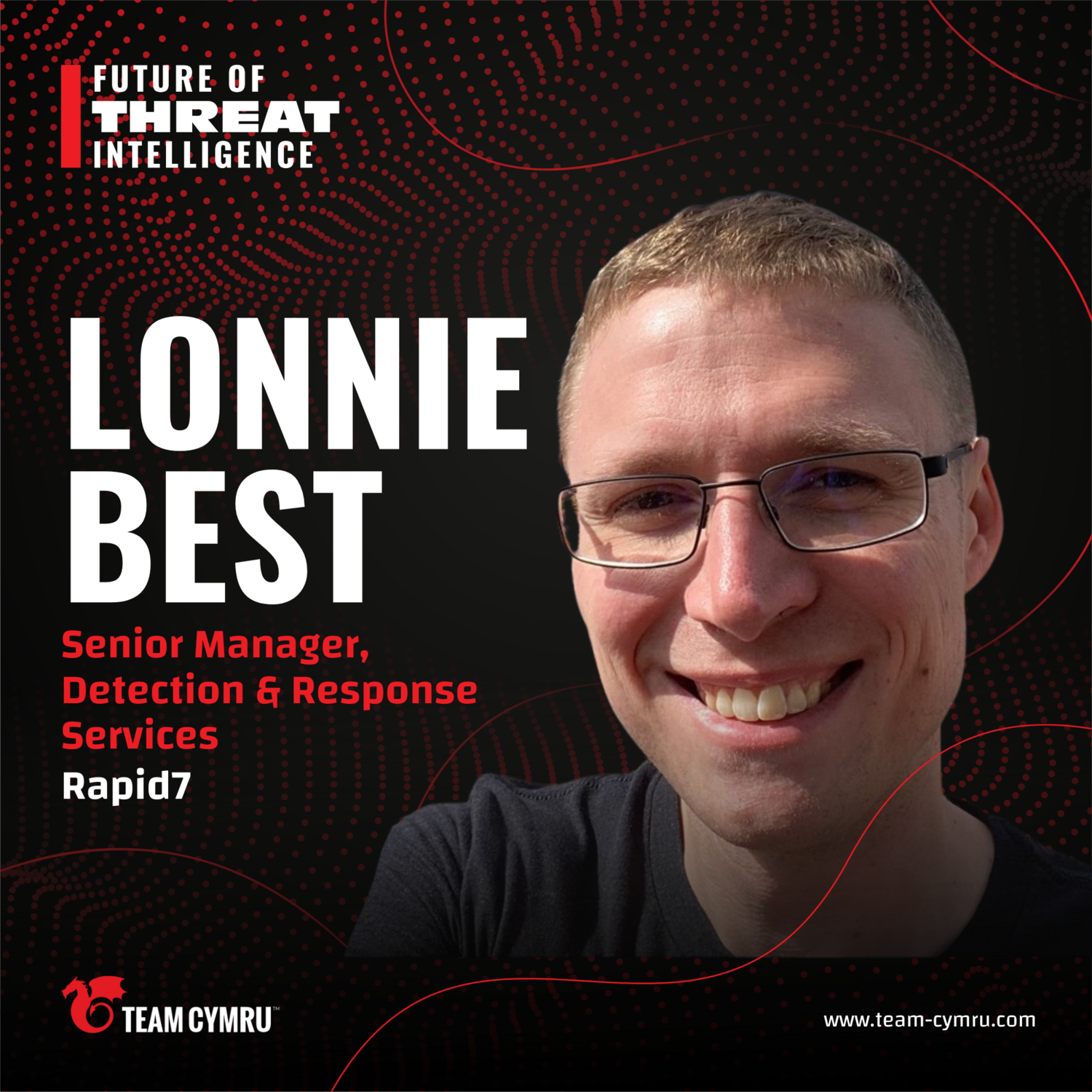
Rapid7’s Lonnie Best on Measuring SOC Success Beyond Alert Closures
In a world obsessed with cutting-edge security technology, Lonnie Best, Senior Manager of Detection & Response Services at Rapid7, makes a compelling case for mastering the fundamentals. After transitioning from craft beer journalism through nuclear security to cybersecurity, Lonnie witnessed the evolution of ransomware attacks from "spray and pray" tactics to sophisticated credential theft an
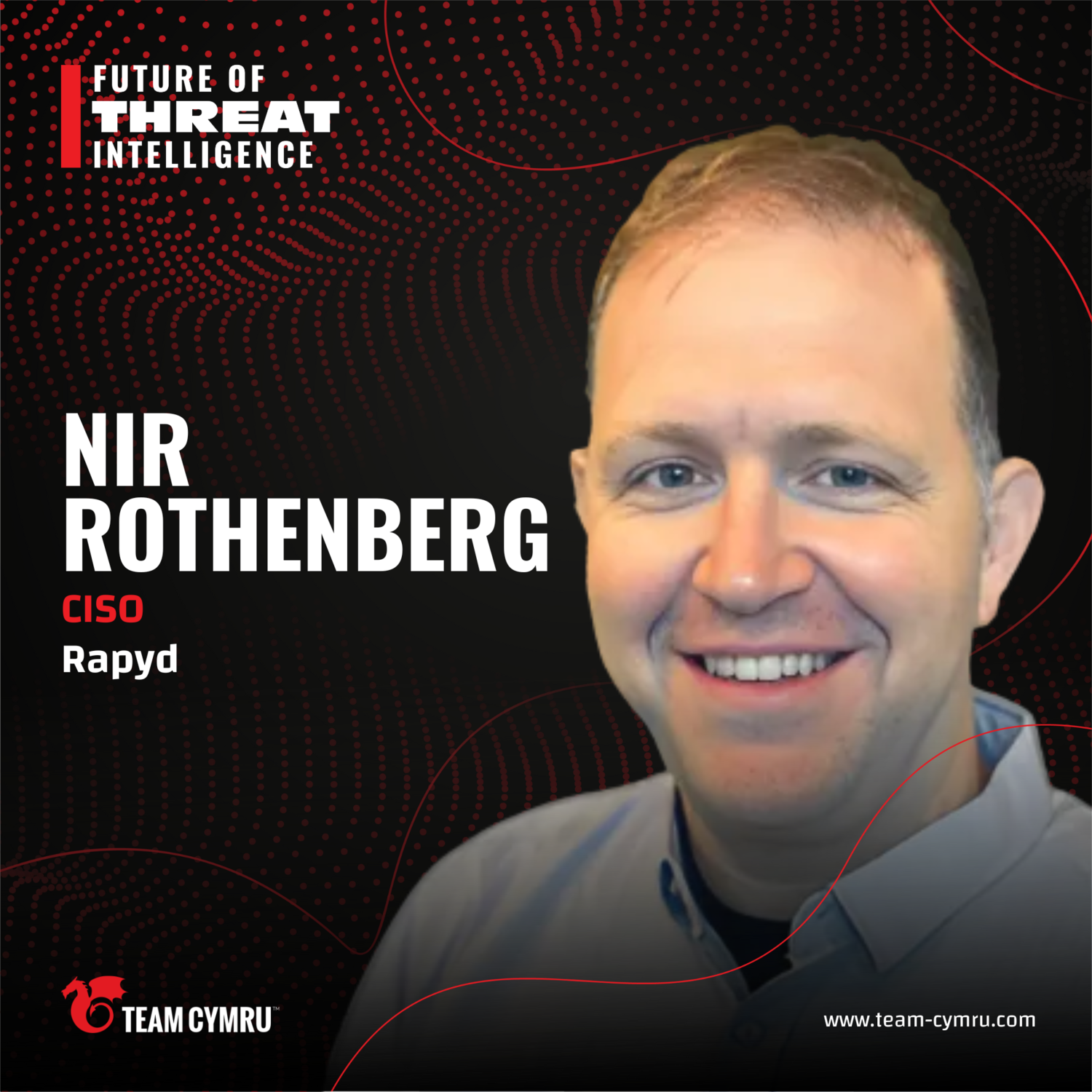
Rapyd’s Nir Rothenberg on Breaking the CISO Burnout Cycle Through Focused Priorities
From cleaning up after an insider theft of the notorious Pegasus spyware to safeguarding billions in payment transactions, Nir Rothenberg brings battlefield-tested security leadership to his role as CISO/CIO at Rapyd, and joins David on this episode of The Future of Threat Intelligence to share all his lessons learned.
In this no-holds-barred conversation , Nir delivers a wake-up call to security
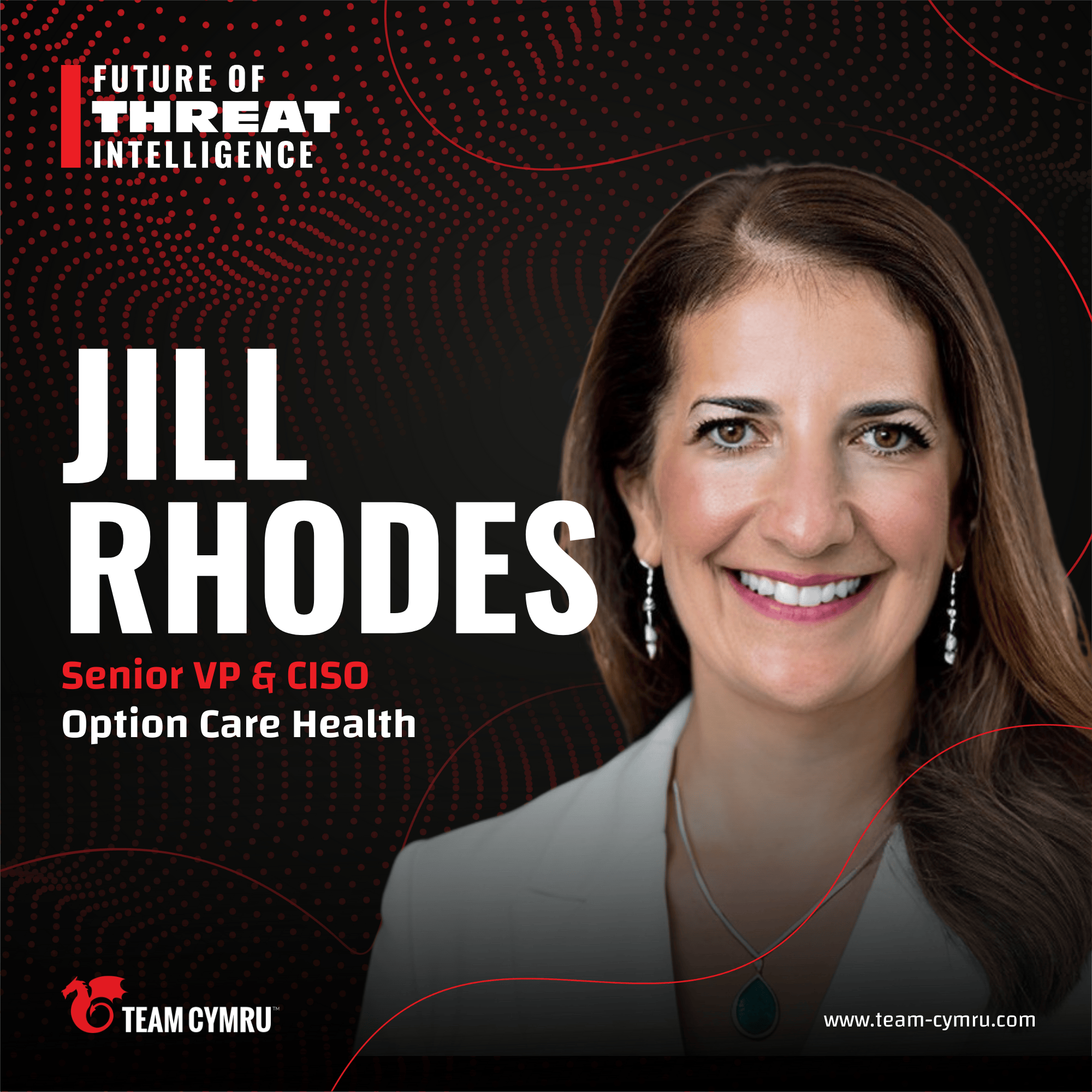
Option Care’s Jill Rhodes on Uniting Legal Expertise and Cybersecurity in Healthcare
Jill Rhodes, SVP & CISO at Option Care Health, shares her unconventional journey from international development lawyer stationed in Bolivia and Moscow to healthcare leader, where she built the security program from the ground up as the organization's first CISO. Jill outlines for David how a transformative assignment at an intelligence agency sparked her cybersecurity passion before she helped
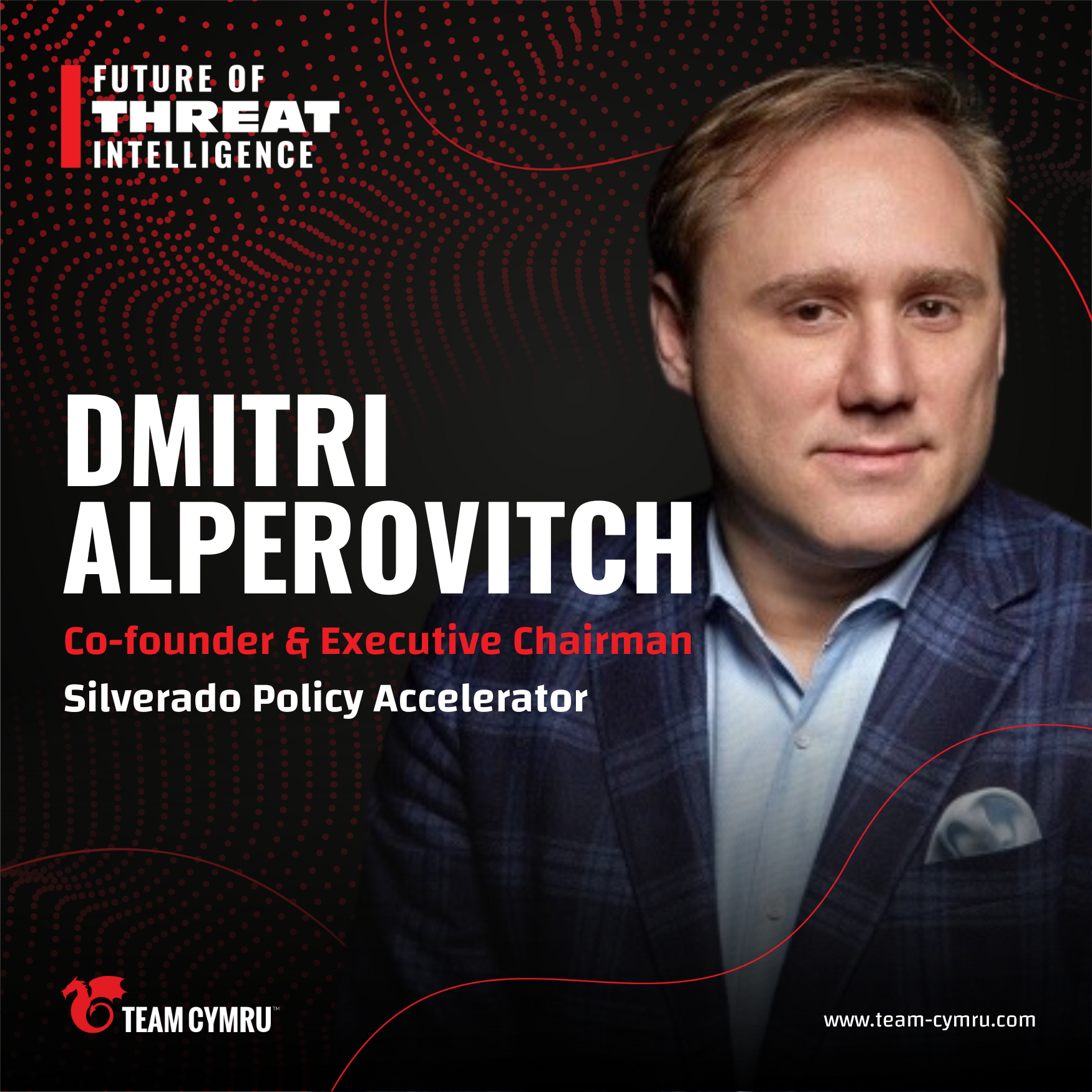
Silverado Policy Accelerator’s Dmitri Alperovitch on Hunting Intruders After They're Already In
In this episode of The Future of Threat Intelligence, Dmitri Alperovitch, Co-founder & Executive Chairman at Silverado Policy Accelerator and Author of World on the Brink: How America Can Beat China in the Race for the 21st Century, delivers a stark warning about the second Cold War with China that's unfolding, from military and nuclear arms races to space competition and technological rivalry
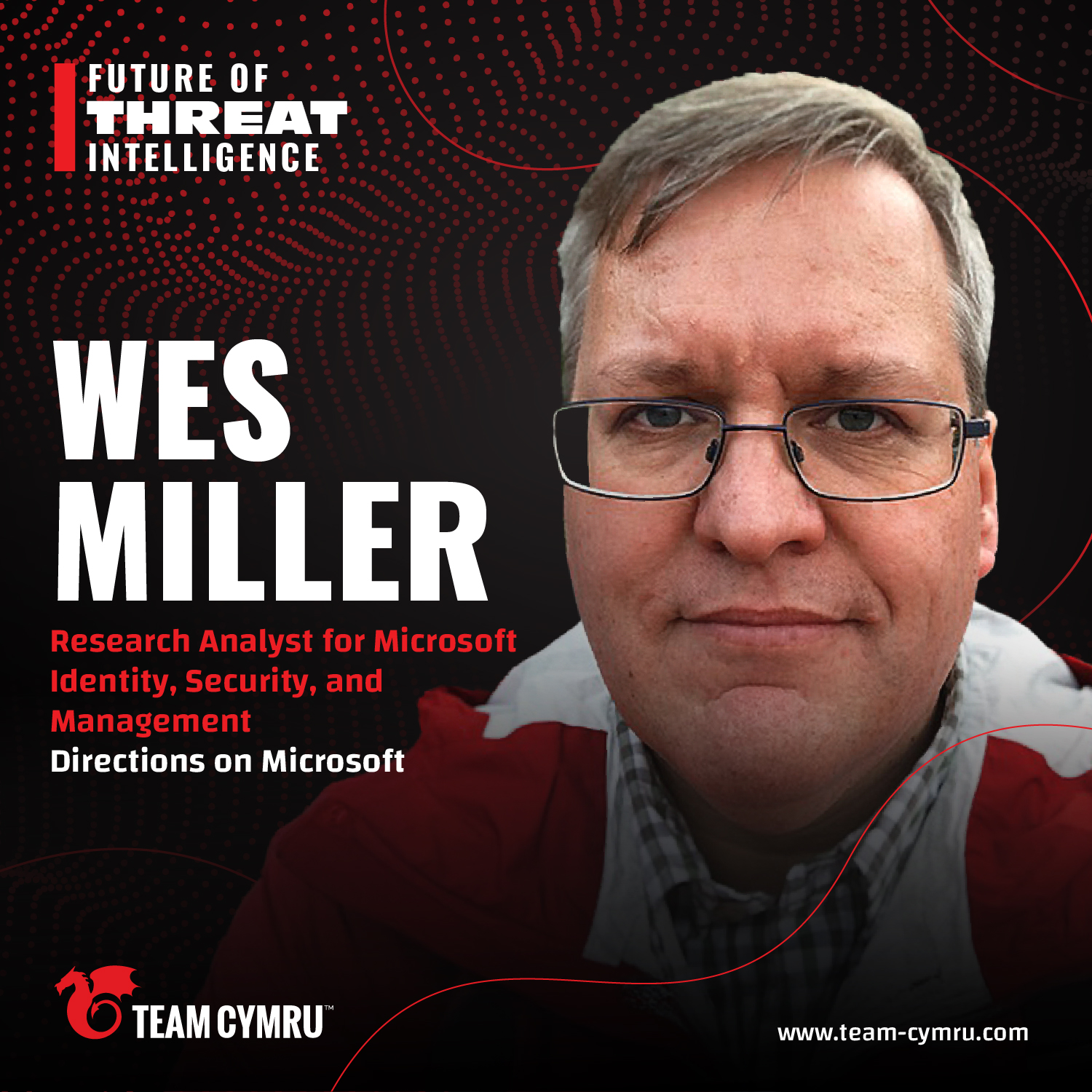
Directions on Microsoft’s Wes Miller on Harmonizing Microsoft's Security & Identity Tools
What happens when Microsoft's on-premises security falls behind while cloud innovation accelerates? In this episode of The Future of Threat Intelligence, Wes Miller, Research Analyst for Microsoft Identity, Security, and Management at Directions on Microsoft, pulls back the curtain on Microsoft's fragmented security landscape.
Having survived the historic Windows security push during his 7 years
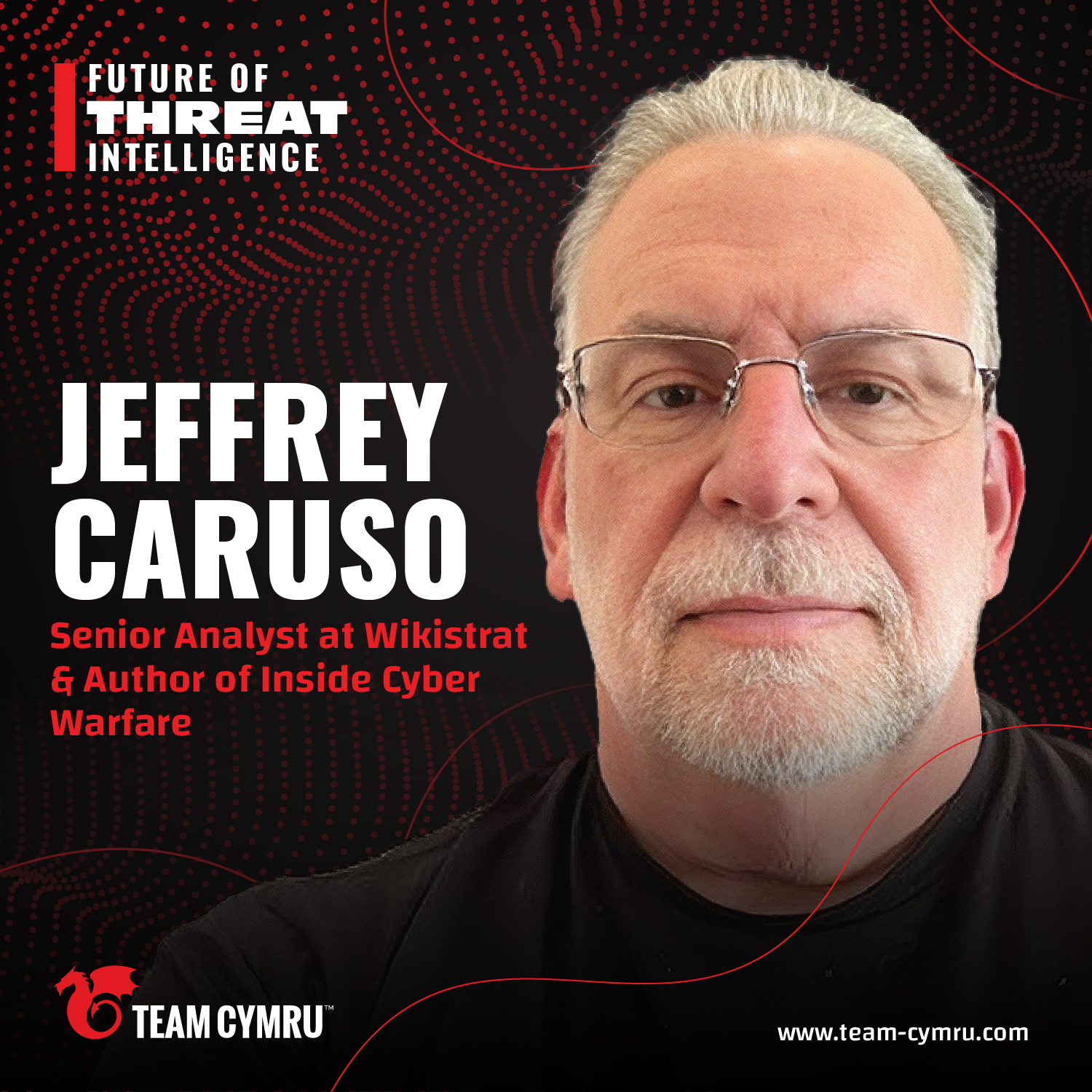
Wikistrat’s Jeffrey Caruso on New Methods in Cyber-Physical Attacks
In this episode of The Future of Threat Intelligence, Jeffrey Caruso, Senior Analyst at Wikistrat & Author of Inside Cyber Warfare, shares examples of how teams with minimal budgets achieved kinetic effects through OT system manipulation — from destroying missile research facilities to compromising subway systems and burning down FSB-affiliated banks. His findings, based on two years documenti
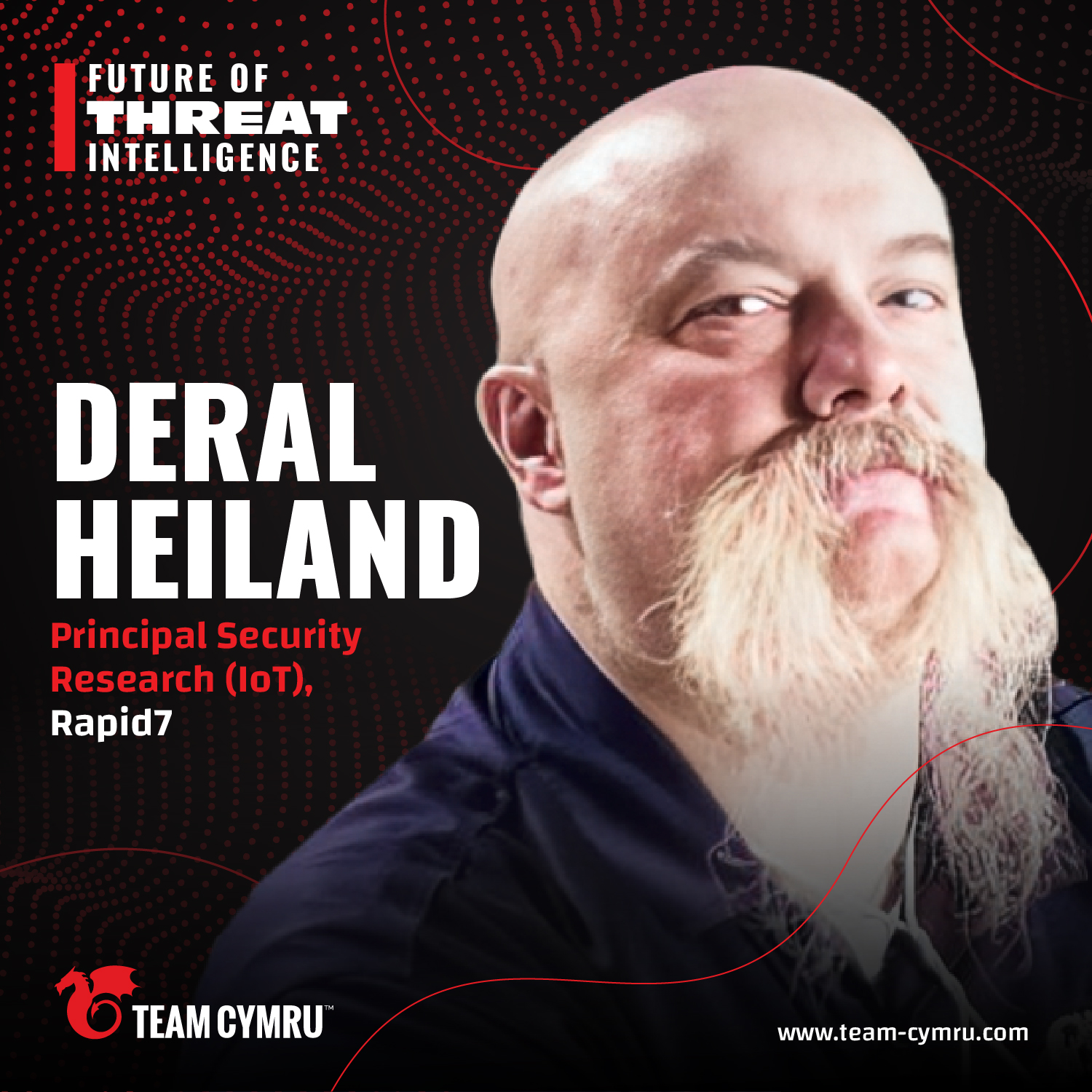
Rapid7’s Deral Heiland on Why Your Network Segmentation Strategy Overlooks IoT Risk
Deral Heiland’s research has uncovered critical vulnerabilities across the IoT spectrum, from office printers to medical devices, revealing how seemingly isolated devices can compromise entire networks. In one investigation, he discovered active credentials for five major hospital systems still present on secondhand medical equipment.
With extensive experience, including his current role as Princ
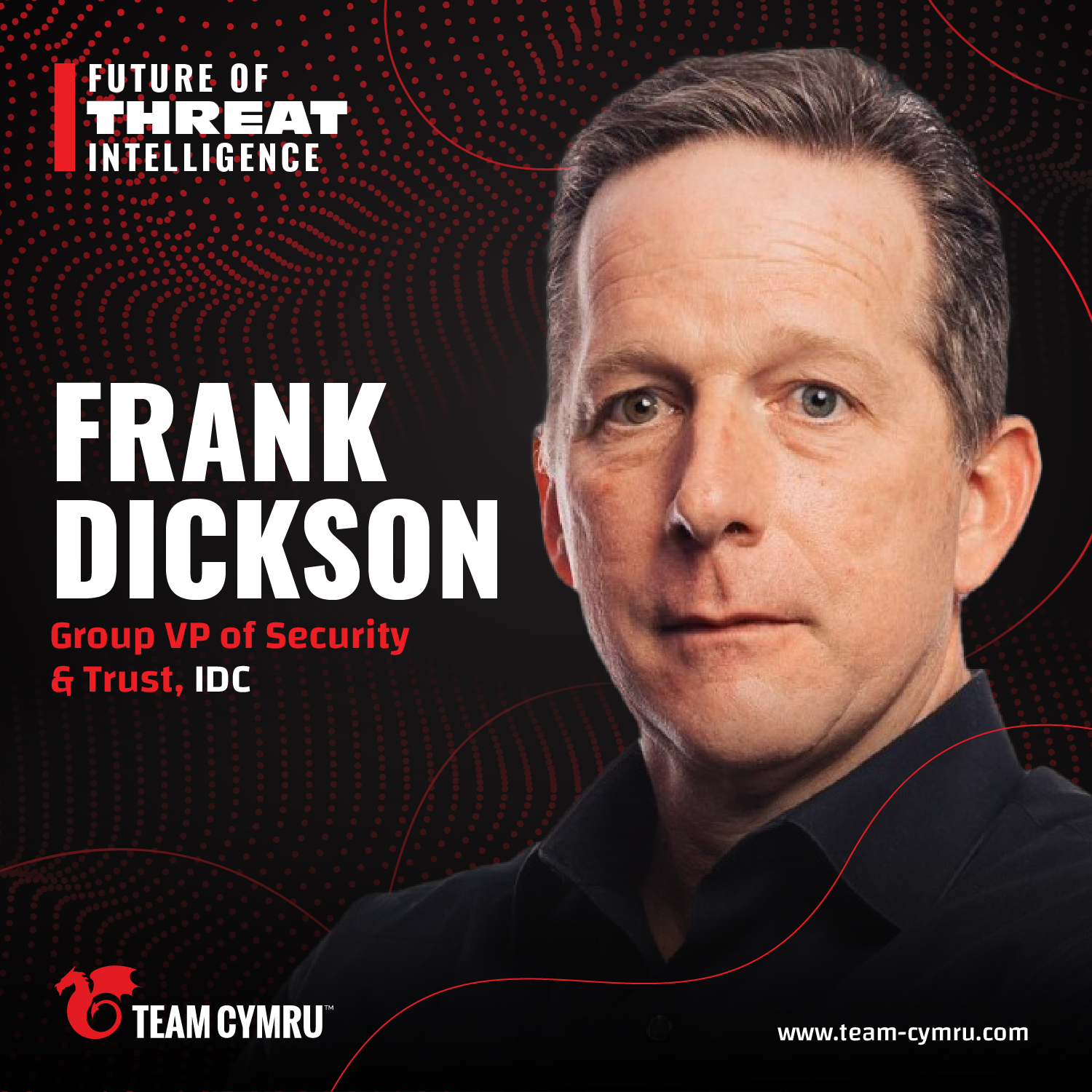
IDC's Frank Dickson on Moving from Reactive to Proactive Security Strategy
What happens when you combine market research expertise with cybersecurity strategy? On this episode of The Future of Threat Intelligence, Frank Dickson, Group VP of Security & Trust at IDC, shares his journey from market research to leading a team of 20 cybersecurity analysts advising organizations on security strategy.
Frank walks David through the industry's shift from reactive security to
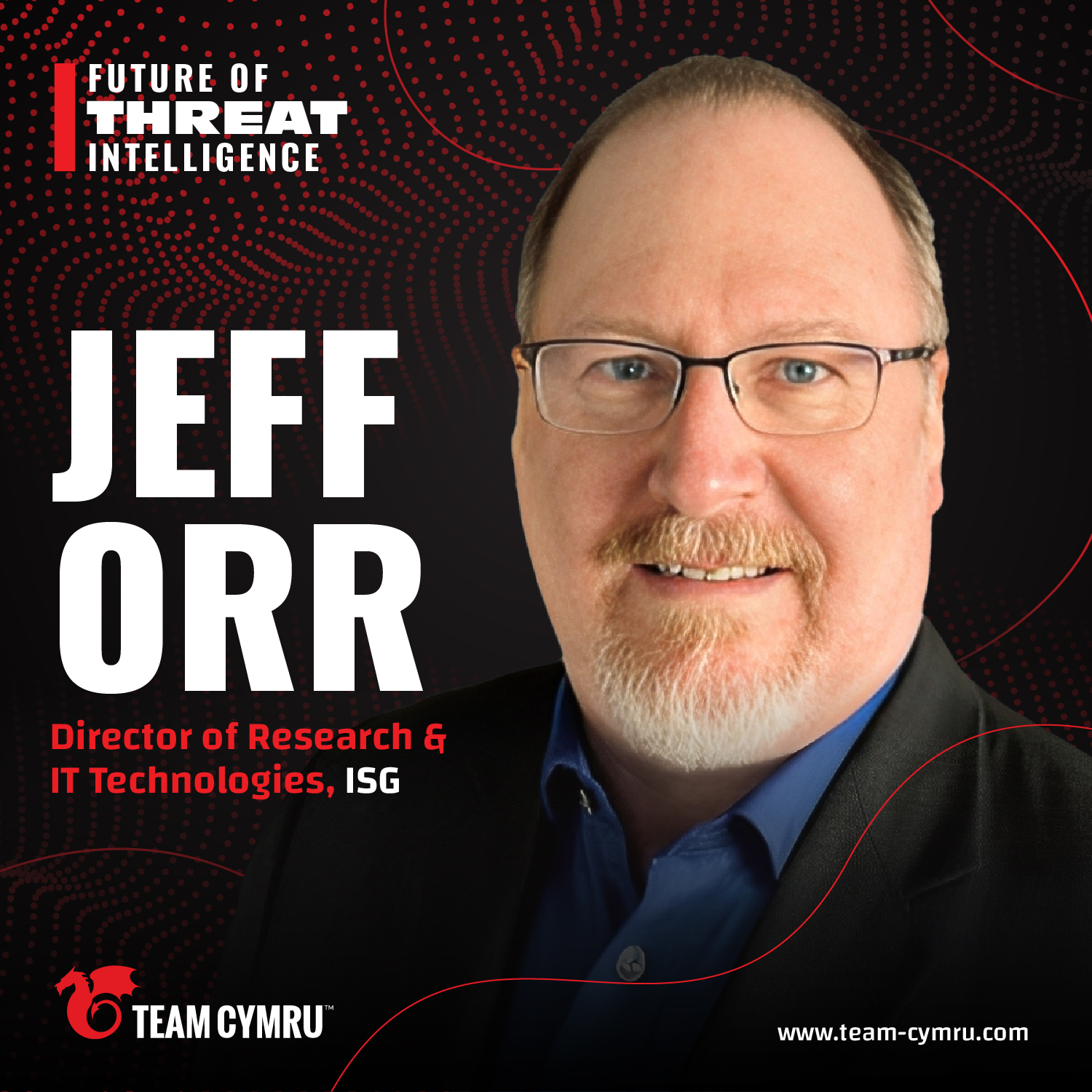
ISG's Jeff Orr on Moving Beyond Perimeter Defense to Dynamic Security
Jeff Orr, Director of Research & IT Technologies at ISG, brings over three decades of technology experience to his discussion with David about transforming enterprise security approaches. On this episode of The Future of Threat Intelligence, Jeff shares his explanation for why traditional security investments focused primarily on protection are leaving organizations vulnerable, with 98% experi
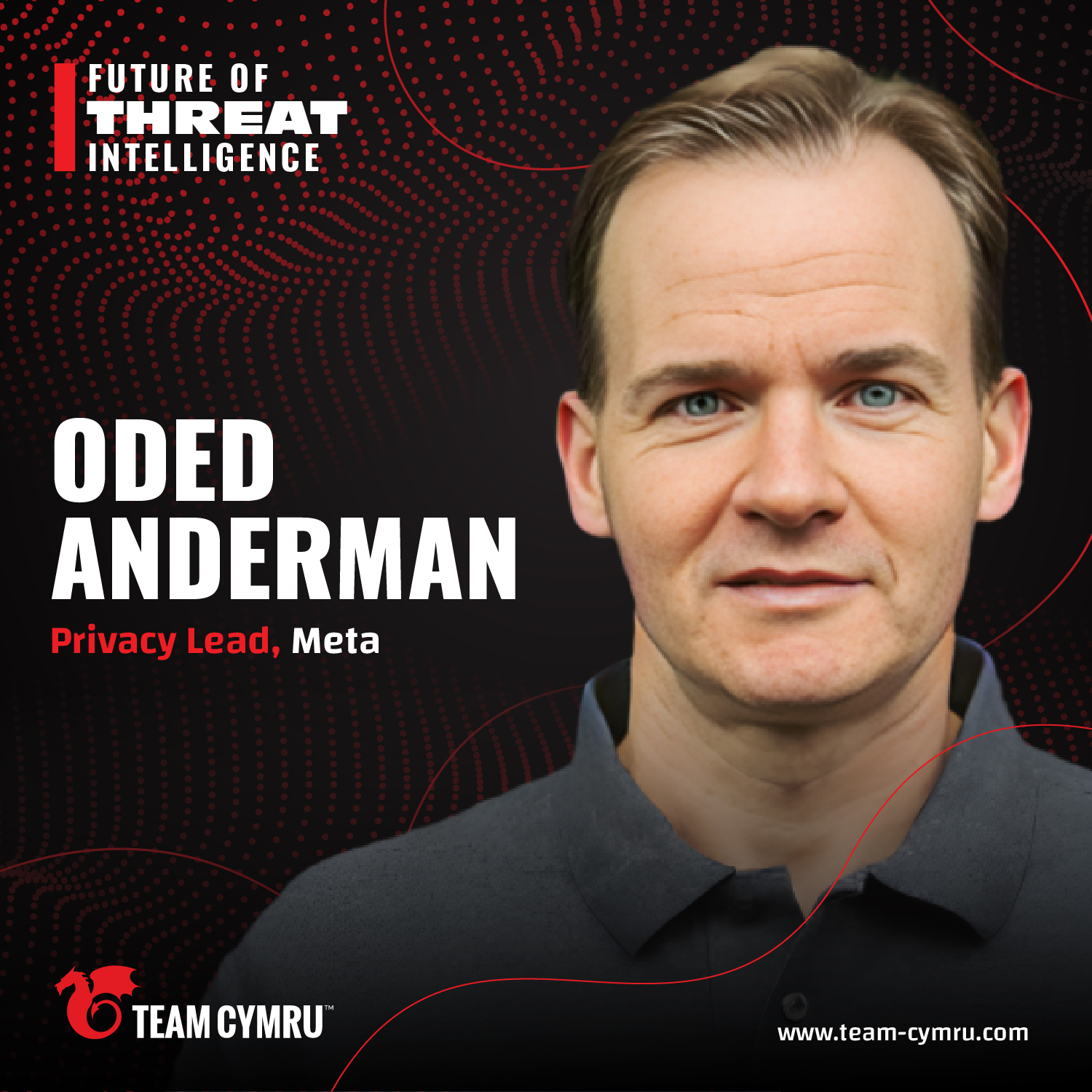
Meta's Oded Anderman on Preventing Unauthorized Data Collection
Where is the balance between data accessibility and protection in today's interconnected digital landscape? Oded Anderman, Privacy Lead at Meta, has plenty of insights on this question and more from his journey from financial services to protecting user data at one of the world's largest social platforms.
His conversation with David on this episode of The Future of Threat Intelligence explores ho
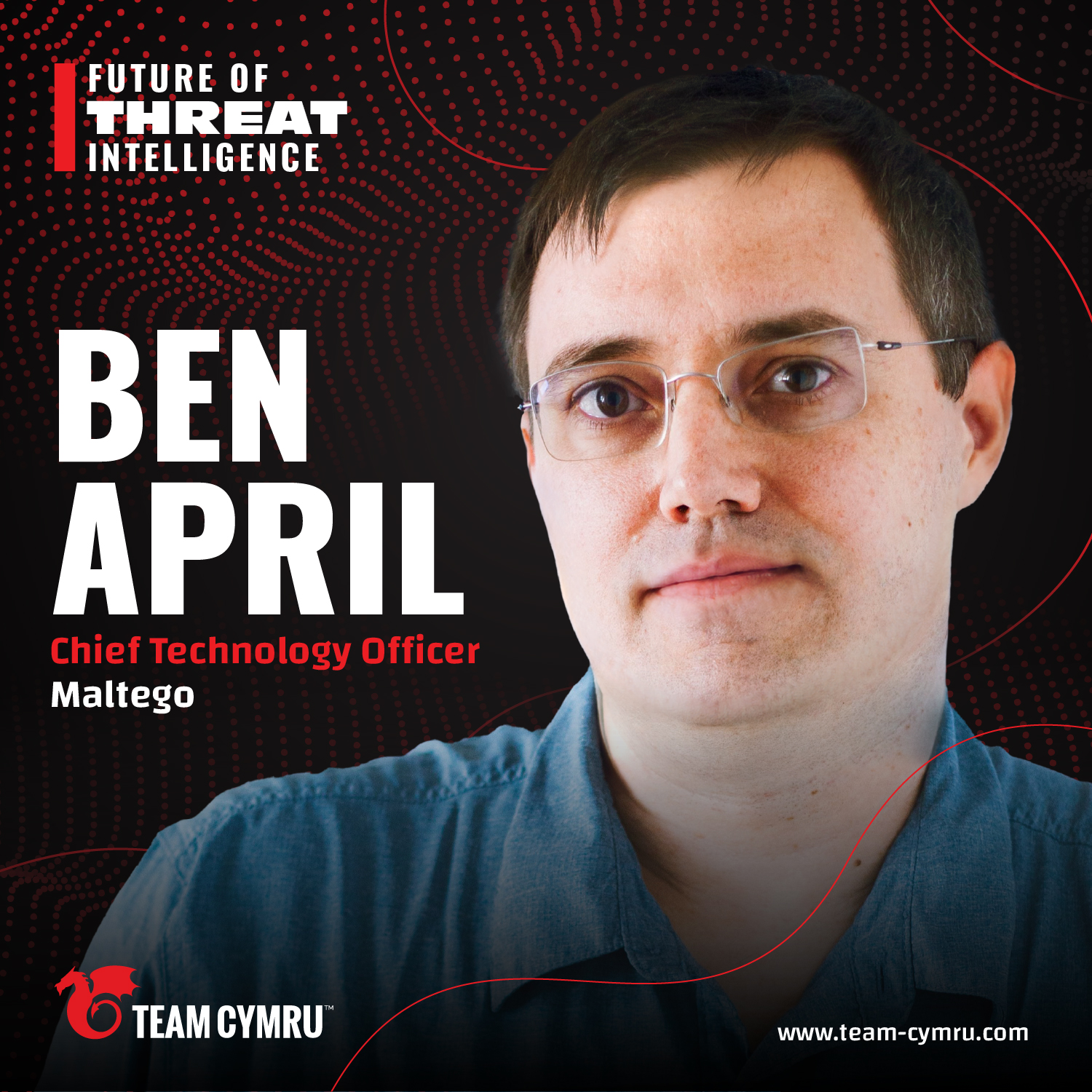
Maltego's Ben April on Using Commander's Intent for Remote Team Success
When Ben April started managing remote teams in 2005, the concept was nearly unheard of. Now, as CTO of Maltego, he brings nearly two decades of distributed team leadership experience, which he shares with David in this episode of The Future of Threat Intelligence. From implementing Commander's Intent for clear direction to ensuring mental health support during the pandemic, Ben brings practical w
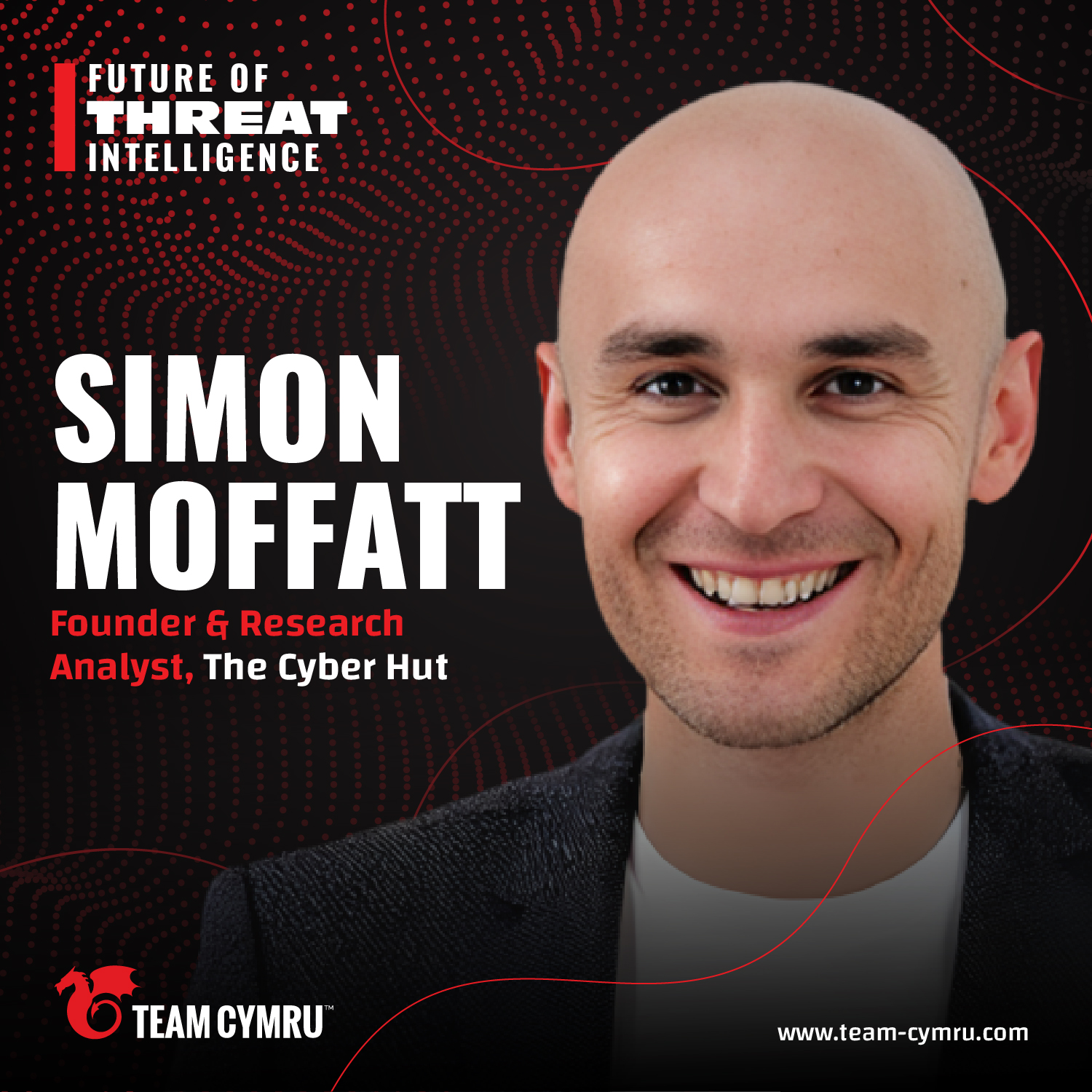
The Cyber Hut's Simon Moffatt on Transforming Identity Security from Static to Dynamic Defense
David steps into the new world of identity security with Simon Moffatt, Founder & Research Analyst at The Cyber Hut, on the latest episode of The Future of Threat Intelligence. With over two decades of experience, Simon illuminates the dramatic transformation from static directory management to dynamic, threat-informed security architecture. He walks through the challenges of modern identity s
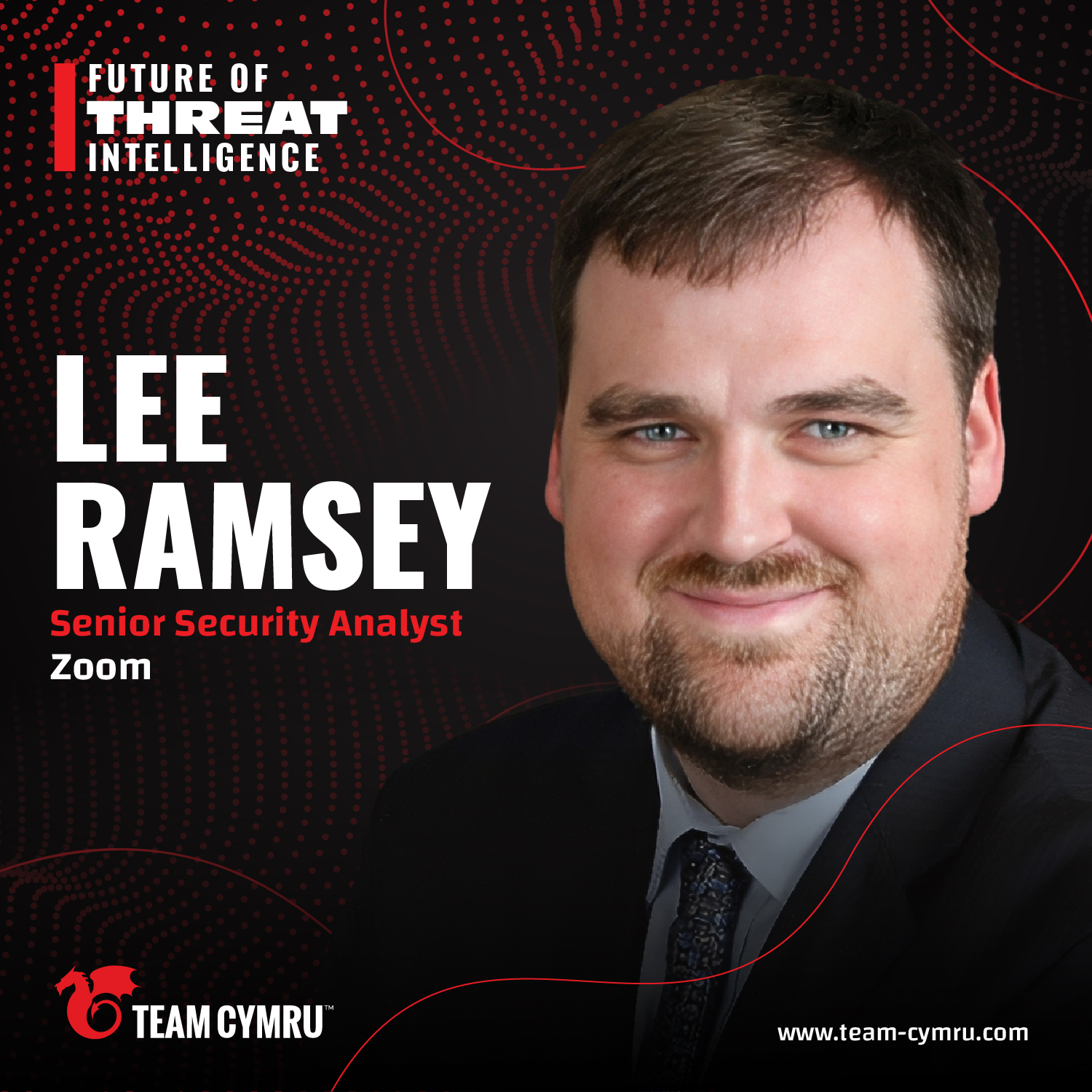
Zoom's Lee Ramsey on Transforming Customer Service Skills into Cybersecurity Success
David’s latest guest on The Future of Threat Intelligence points out the unexpected ways his customer service background enhances his cybersecurity work. From mastering the art of asking the right questions to navigating remote SOC operations, Lee Ramsey, Senior Security Analyst at Zoom shares practical insights on digital forensics, incident response, and the future of AI in security.
Drawing fr
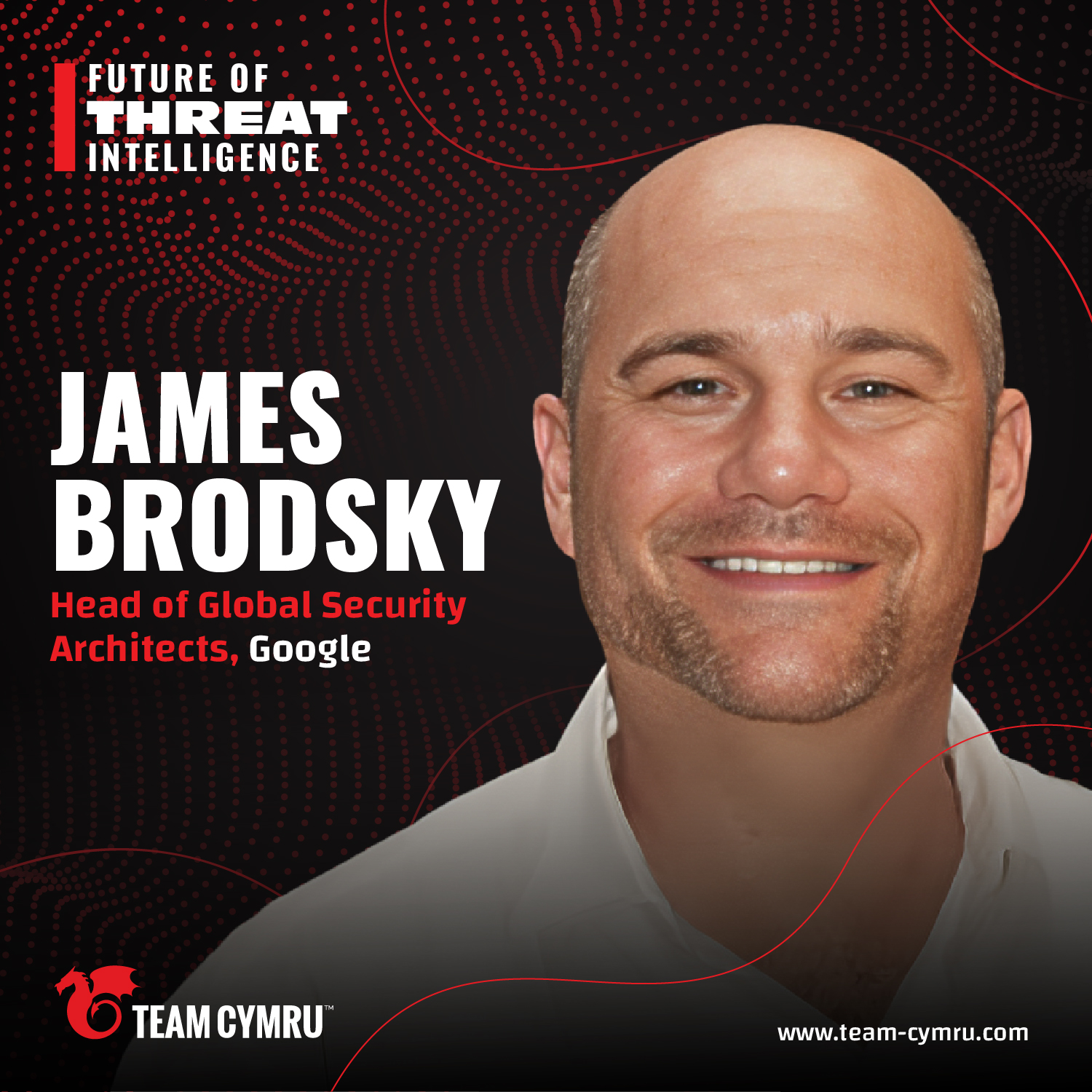
Google’s James Brodsky on Securing AI and Building Security Ecosystems
In our latest episode of the Future of Threat Intelligence podcast, David is joined by James Brodsky, Head of Global Security Architects at Google, who shares insights from his extensive career in cybersecurity. Drawing from his experience at Splunk, Okta, and now Google, James discusses the challenges of securing AI applications and infrastructure, emphasizing the importance of basic security hyg
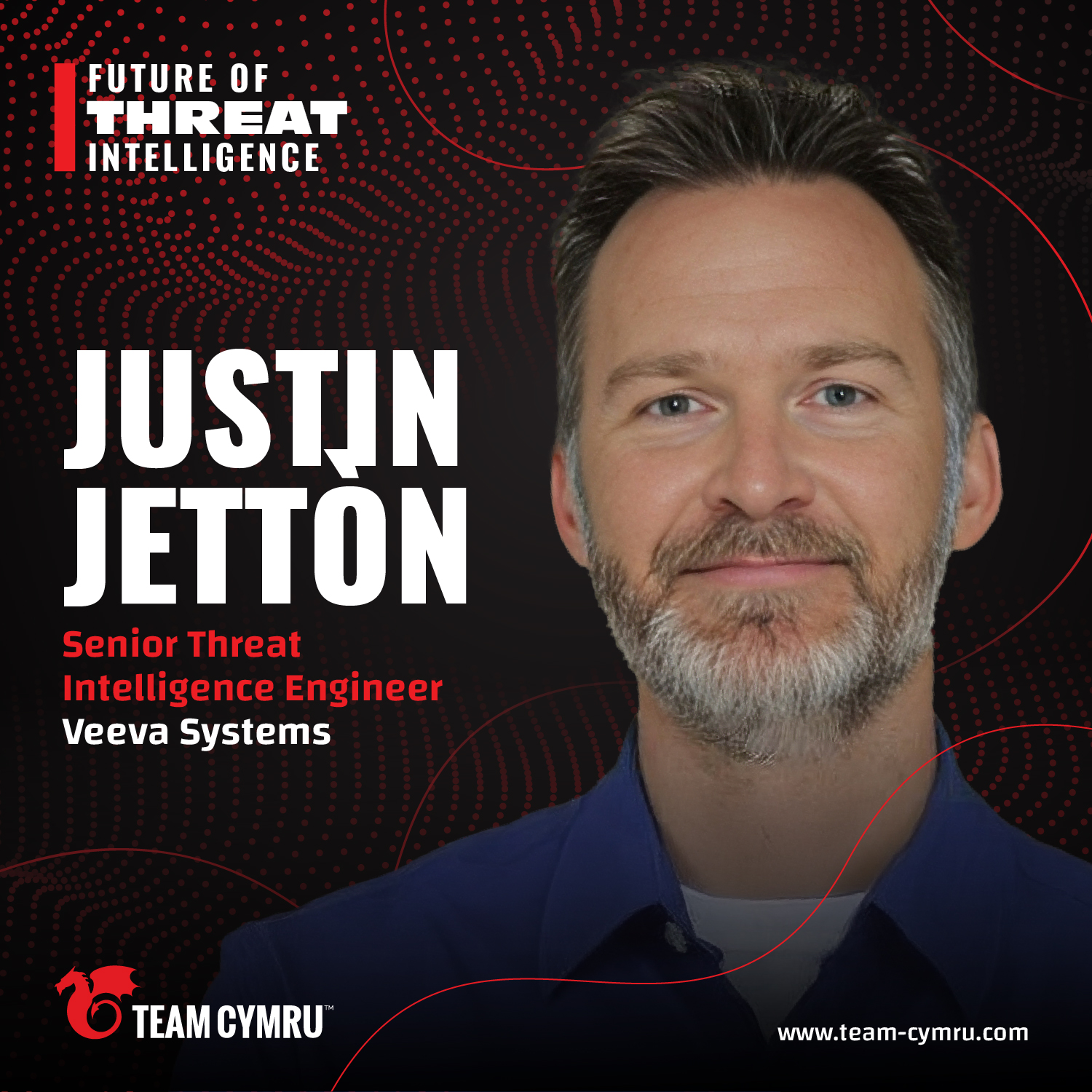
Veeva Systems’ Justin Jettòn on Balancing Human Analysis and Automation in Threat Intel
In our latest episode of the Future of Threat Intelligence podcast, David welcomes Justin Jettòn, Senior Threat Intelligence Engineer at Veeva Systems who brings his military intelligence background to discuss the evolving landscape of cybersecurity. Drawing from his experience transitioning from forensics to threat intelligence, Justin explores how AI is transforming both offensive and defensive
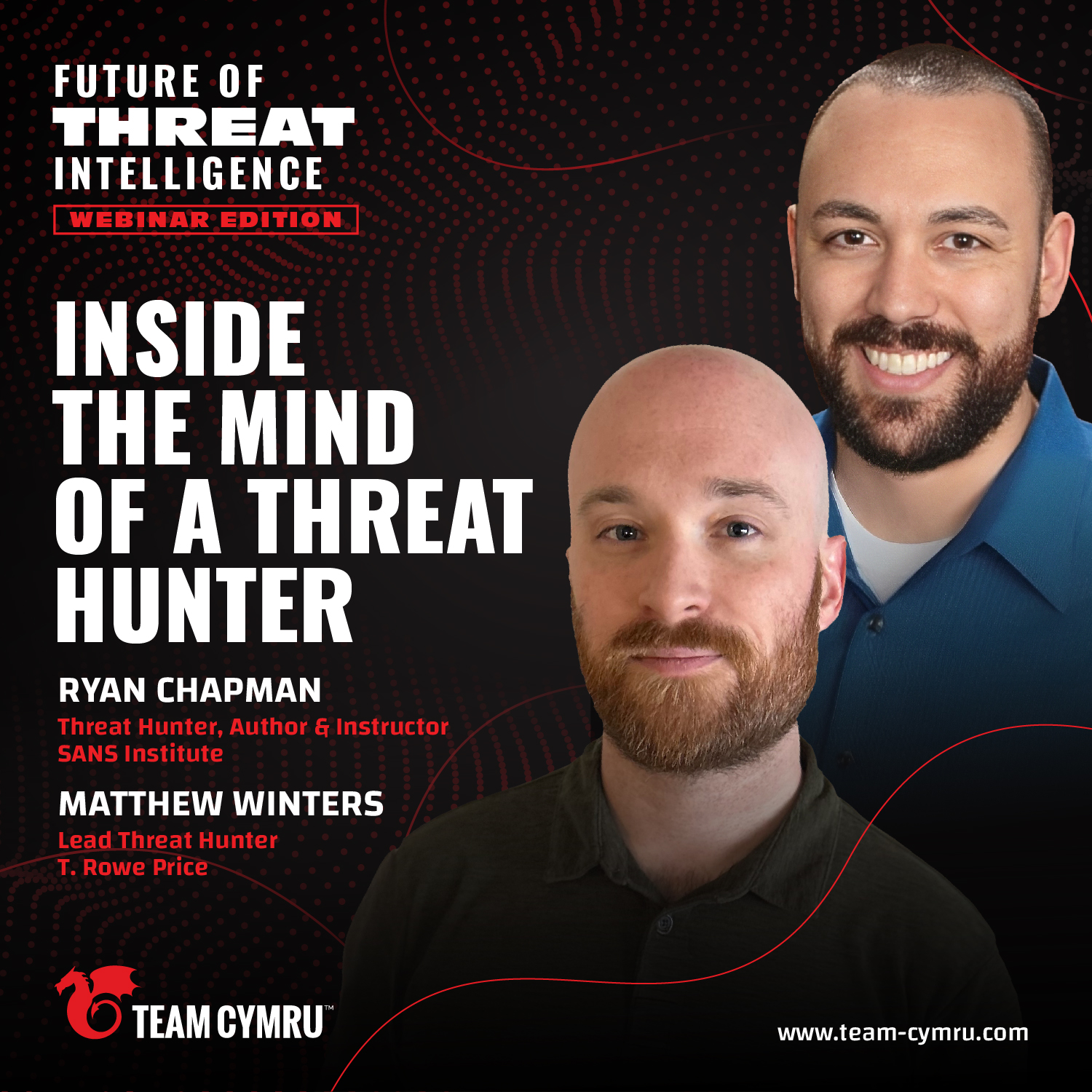
VOTH 2024 Roundtable: Building Visibility in Cybersecurity
In our special episode of the Future of Threat Intelligence podcast, David welcomes Ryan Chapman, Threat Hunter & Author and Instructor at SANS Institute and Matthew Winters, Lead Threat Hunter at T. Rowe Price, to break down Team Cymru's second annual Voice of a Threat Hunter report. Our two experts discuss the statistic that nearly 50% of organizations experienced a major security breach las
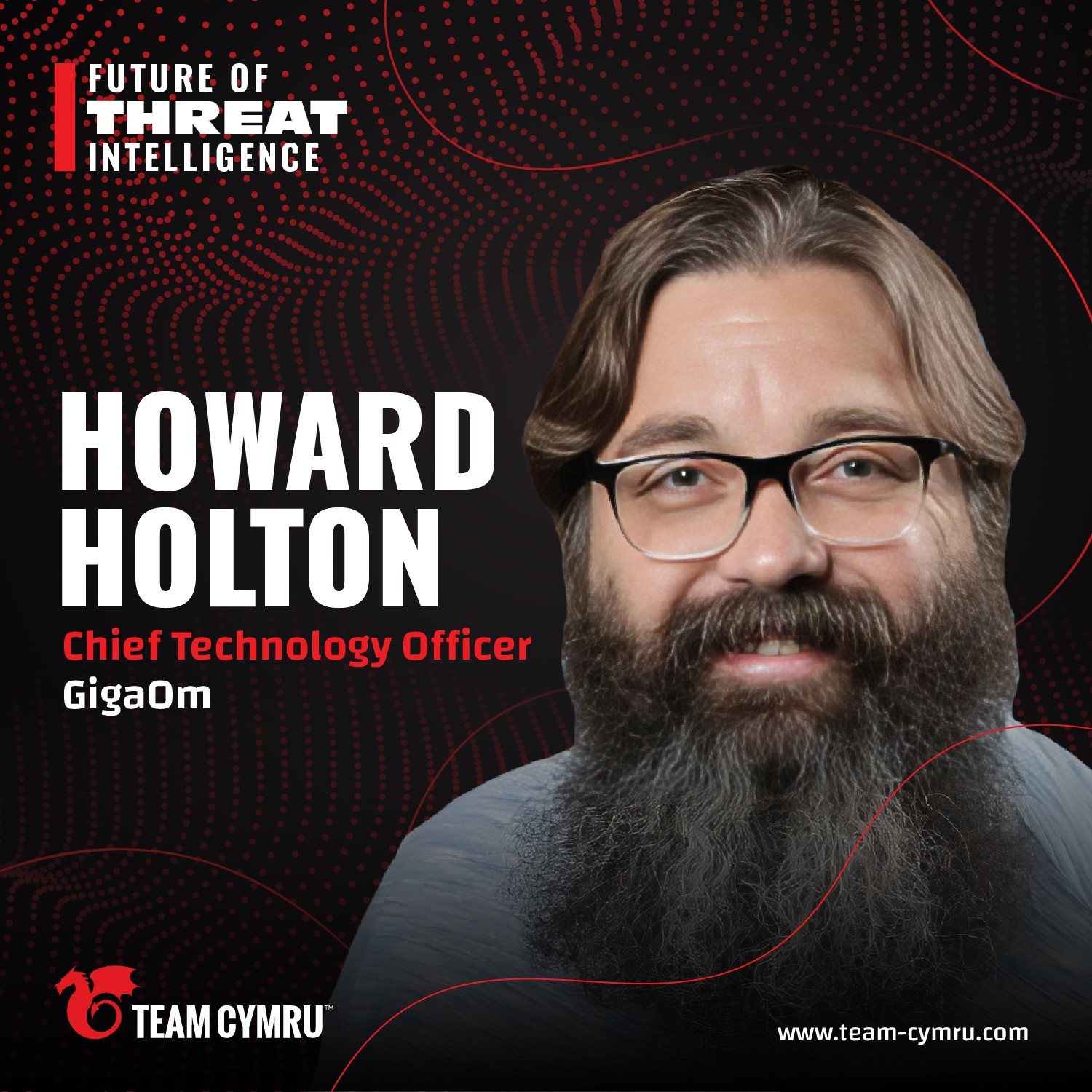
GigaOm’s Howard Holton on Cyber Threats Facing Small Businesses
In our latest episode of the Future of Threat Intelligence podcast, David speaks with Howard Holton, CTO of GigaOm. Howard shares his insights on the increasing vulnerability of small and medium-sized businesses to cyber threats because adversaries are targeting them due to their limited resources and maturity in cybersecurity practices.
Howard emphasizes the importance of understanding the bus
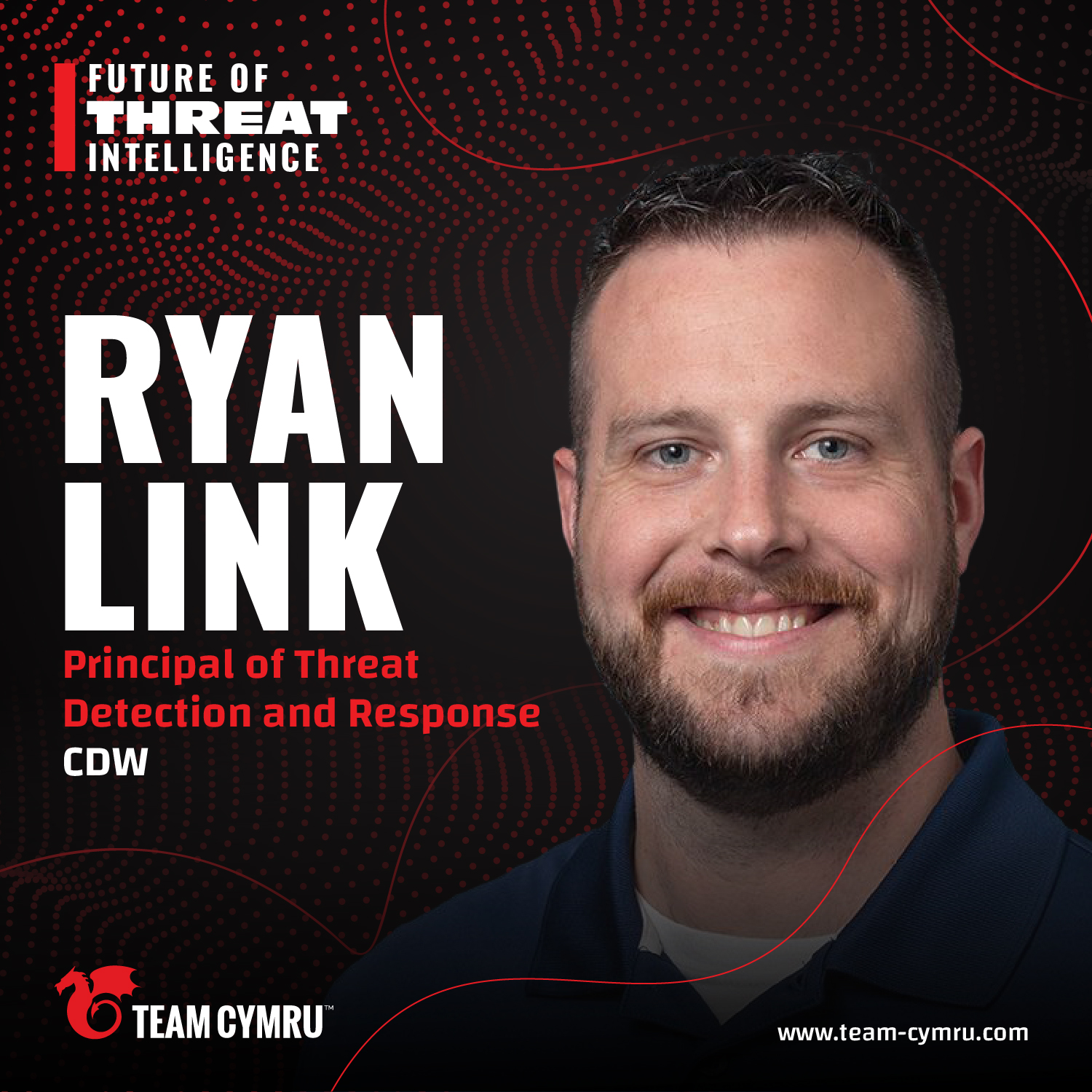
CDW’s Ryan Link on Building a Culture of Continuous Learning
In our latest episode of the Future of Threat Intelligence podcast, David sits down with Ryan Link, Principal of Threat Detection and Response at CDW. Ryan shares his decade-long journey in cybersecurity, emphasizing the importance of thinking like an attacker to enhance threat detection capabilities.
He discusses the critical role of continuous training for security teams and the integration o
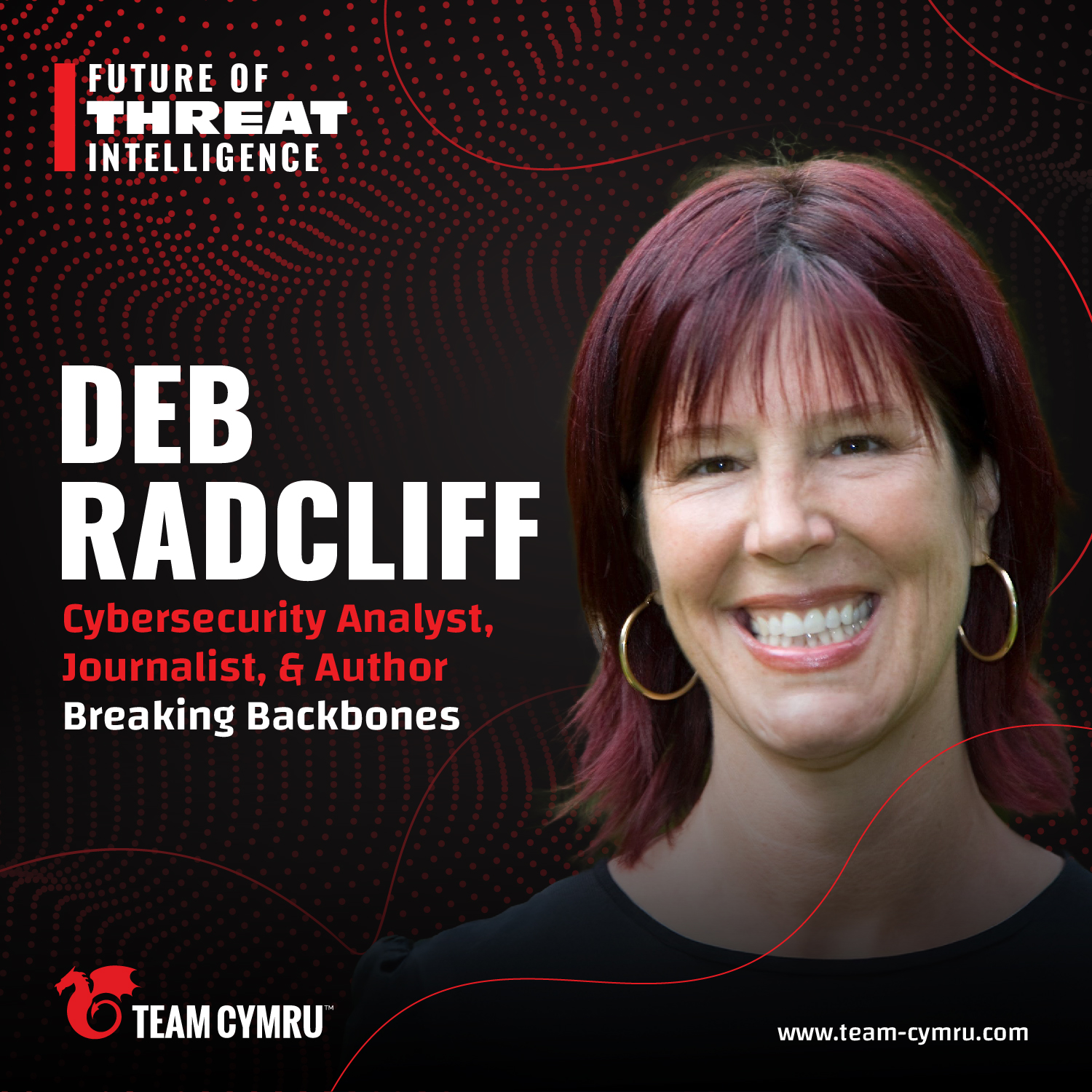
Cybersecurity Analyst & Author Deb Radcliff on the Intersection of Fiction and Cybersecurity
In our latest episode of the Future of Threat Intelligence, David speaks with Deb Radcliff, Cybersecurity Analyst, Journalist, & Author of the Breaking Backbones hacker trilogy, who shares her unique journey from investigative journalism to writing her books. She discusses the importance of understanding hacker culture and the human side of cybercrime, emphasizing that many hackers are driven
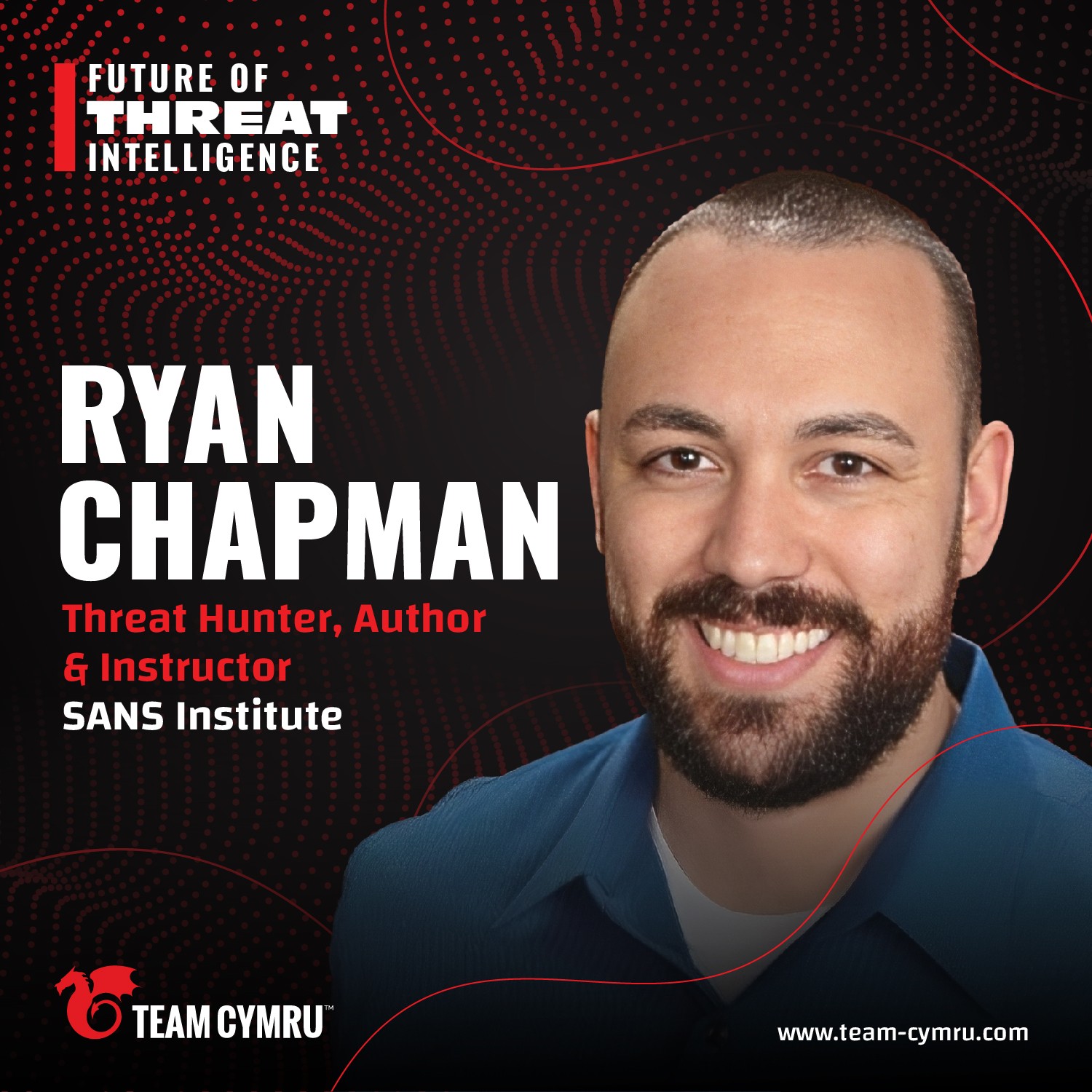
Threat Hunter Ryan Chapman on Critical Security Mistakes Against Ransomware
In our latest episode of the Future of Threat Intelligence podcast, David chats with Ryan Chapman, Threat Hunter, Author & Instructor at SANS Institute. They explore the alarming evolution of ransomware tactics, including the rise of multi-extortion strategies where attackers not only encrypt data but also threaten to leak sensitive information.
Ryan emphasizes the critical mistakes organiz
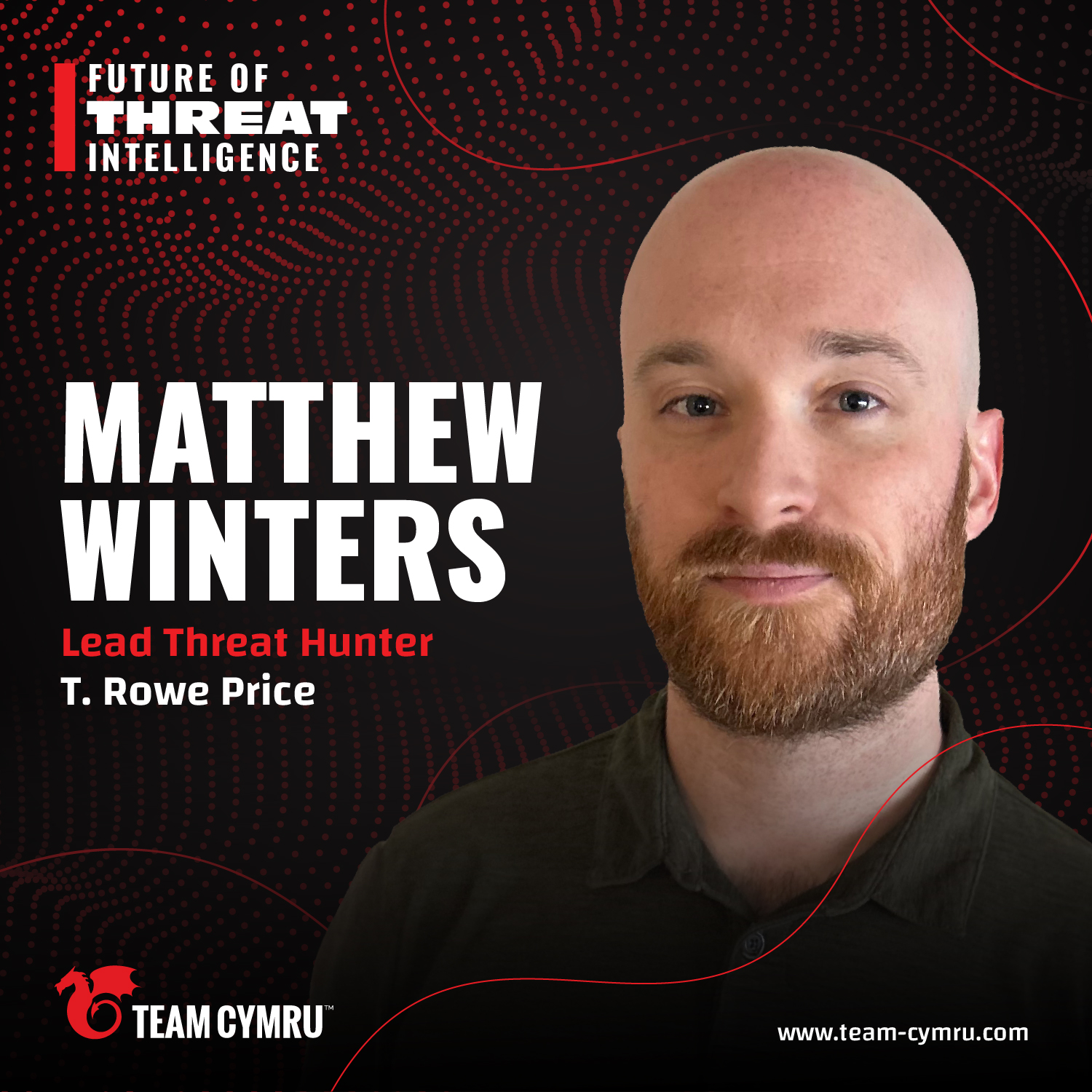
T. Rowe Price’s Matthew Winters on Threat Hunting as the Scientific Method
In our latest episode of the Future of Threat Intelligence podcast, David speaks with Matthew Winters, Lead Threat Hunter at T. Rowe Price. Matthew shares his unconventional journey into cybersecurity, highlighting the importance of soft skills and creativity in threat hunting that he has picked up along the way.
He explains that threat hunting is akin to applying the scientific method to netwo
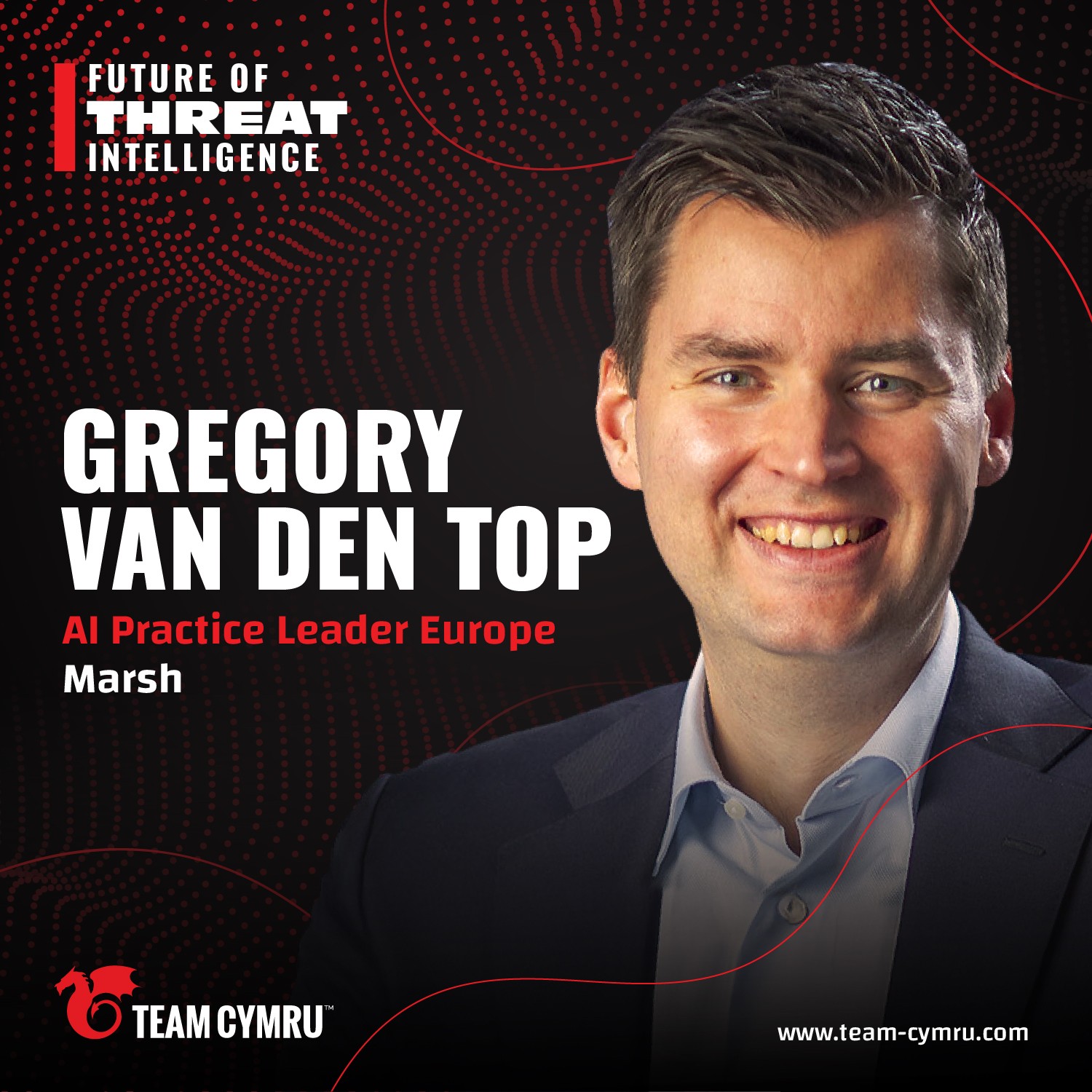
Marsh’s Gregory Van den Top on Understanding Cyber Risk in Business Strategy
In our latest episode of the Future of Threat Intelligence podcast, David speaks with Gregory Van den Top, AI Practice Leader for Europe at Marsh. They explore the critical importance of understanding cyber risk as an integral part of business strategy, rather than a technical afterthought.
Gregory emphasizes the need for organizations to conduct thorough risk assessments and quantify potential
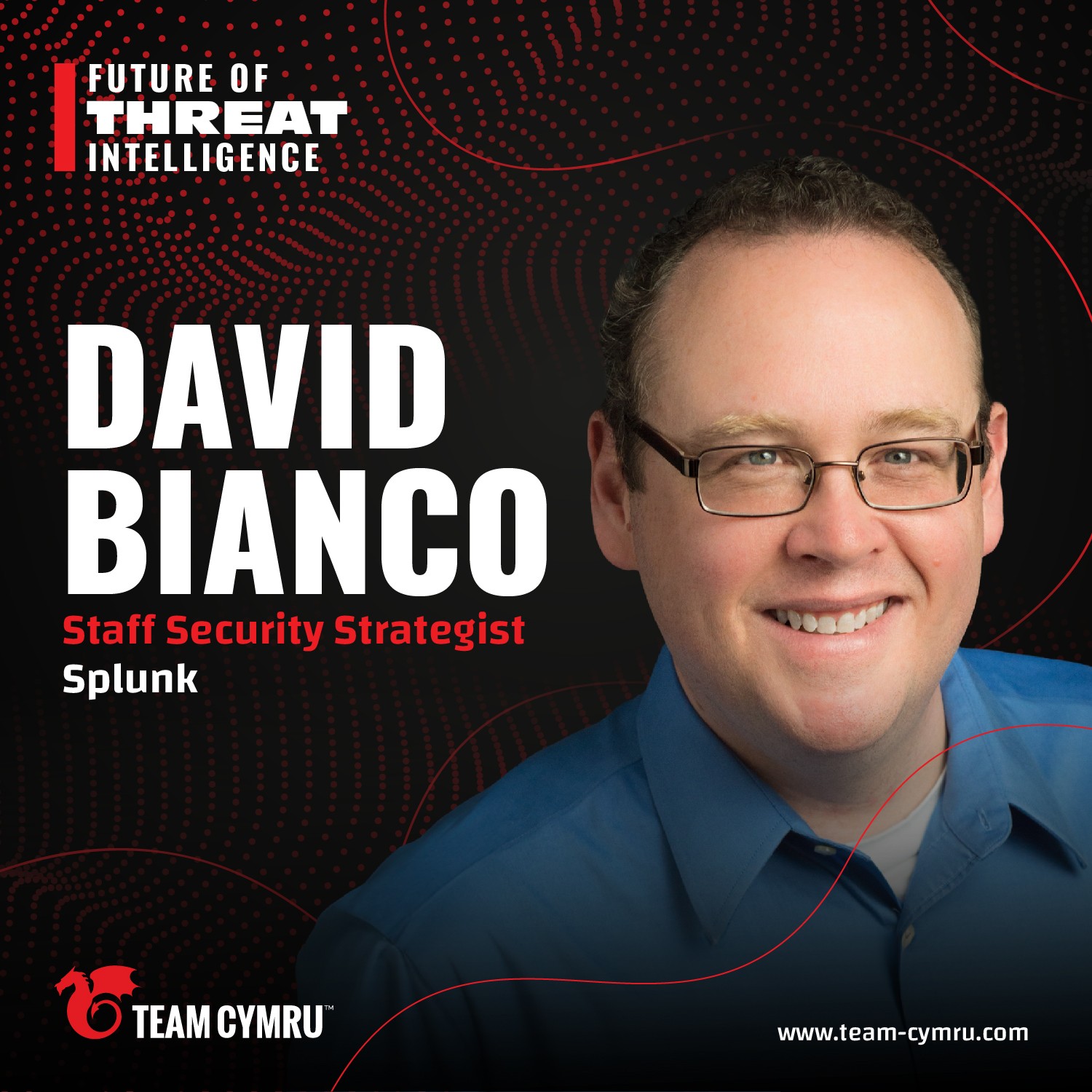
Splunk’s David Bianco on Differentiating Threat Hunting and Red Teaming
In our latest episode of the Future of Threat Intelligence podcast, David Bianco, Staff Security Strategist at Splunk, shares his insights on the evolving landscape of threat hunting. He introduces the PEAK threat hunting framework, emphasizing its role in enhancing security measures.
David also discusses the critical differences between threat hunting and red teaming, highlighting how both app
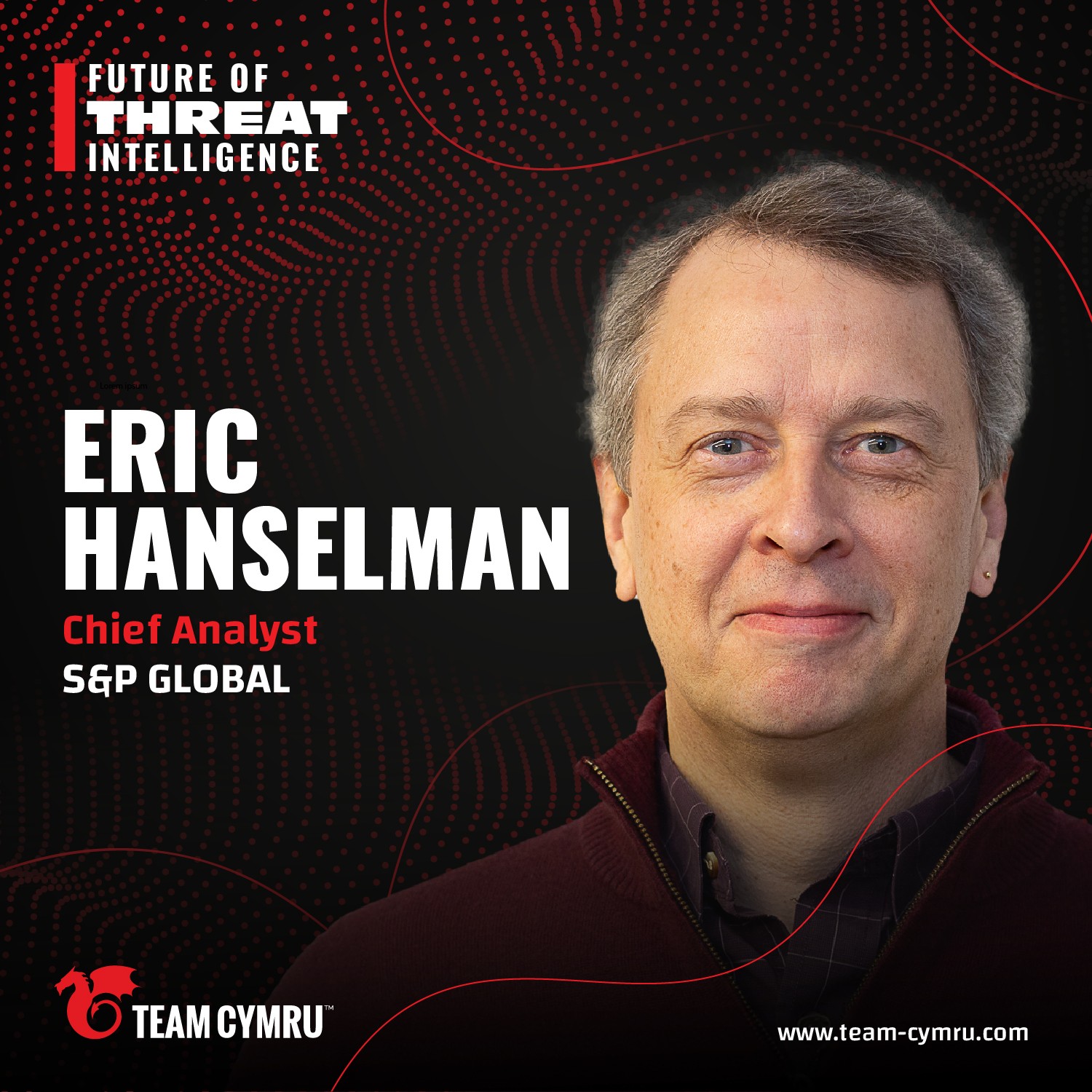
S&P Global’s Eric Hanselman on Integrating Threat Intelligence into Business Strategy
In our latest episode of the Future of Threat Intelligence podcast, David speaks with Eric Hanselman, Chief Analyst at S&P Global, about the critical role of threat intelligence in today’s cybersecurity landscape. Eric emphasizes the need for organizations to integrate threat intelligence operationally, moving beyond mere threat feeds to develop comprehensive threat models.
He discusses the
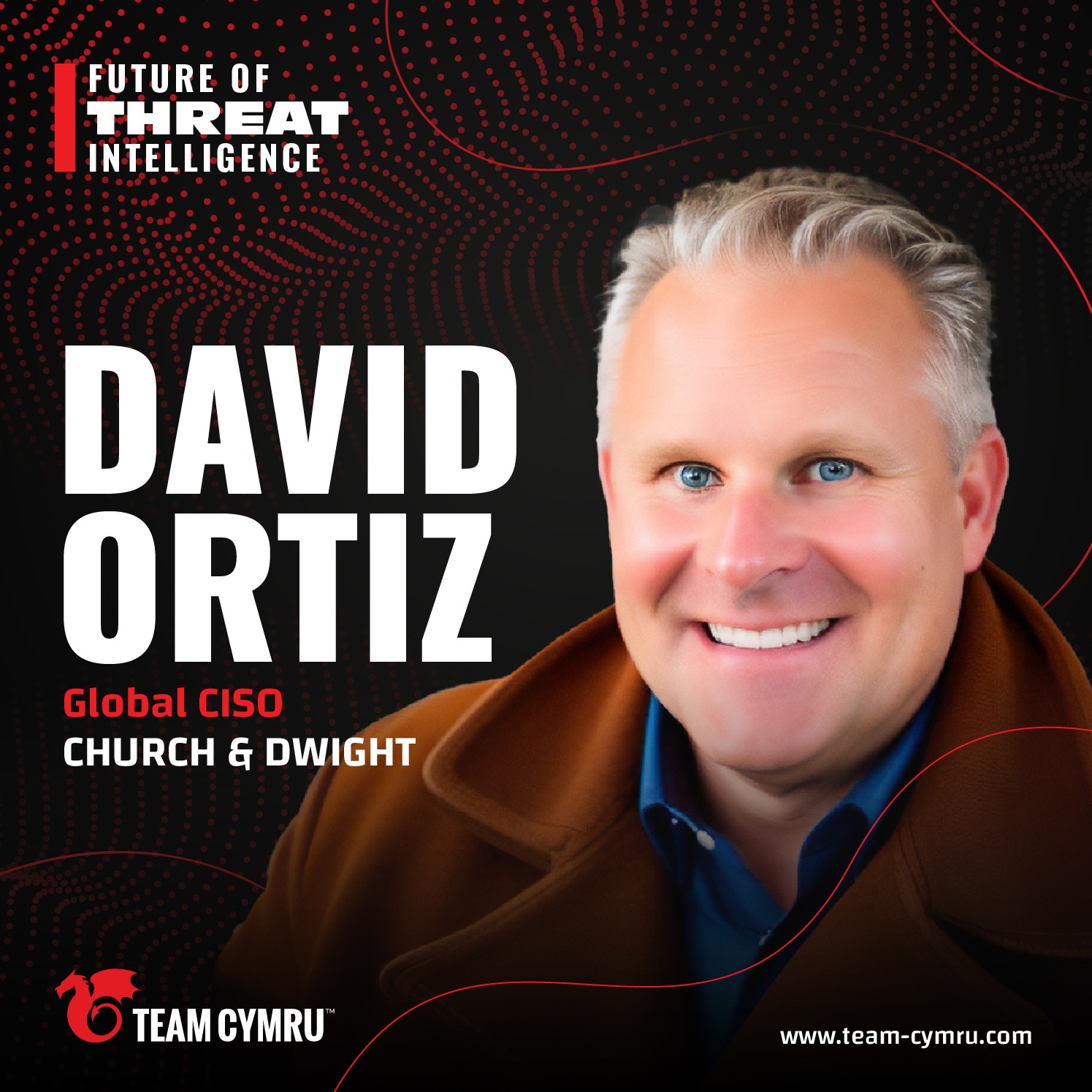
Church & Dwight’s David Ortiz on Building Effective Cyber Risk Management Strategies
In our latest episode of the Future of Threat Intelligence podcast, host David Monnier welcomes David Ortiz, Global CISO at Church & Dwight. David shares insights from his extensive career in information technology and cybersecurity, emphasizing the importance of understanding the evolving threat landscape.
David touches on the critical role of threat intelligence in decision-making, the ch
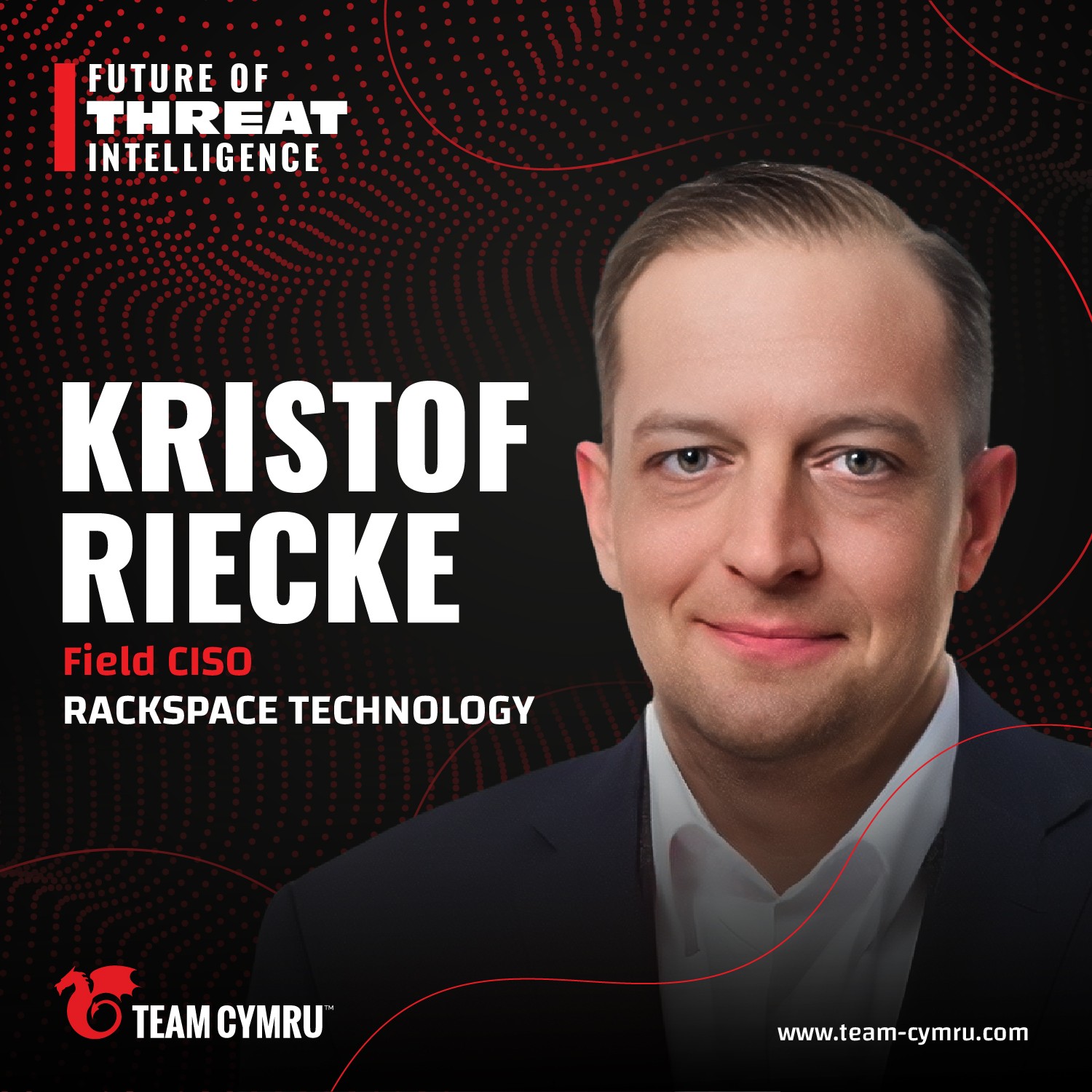
Rackspace Technology’s Kristof Riecke on Navigating Cloud Security Challenges
In our latest episode of the Future of Threat Intelligence podcast, Kristof Riecke, Field CISO at Rackspace Technology, shares his journey in cybersecurity and highlights the evolution of the industry over the past decade. He discusses the importance of effective communication in security strategies, the need for a holistic approach to threat intelligence, and the unique challenges organizations f
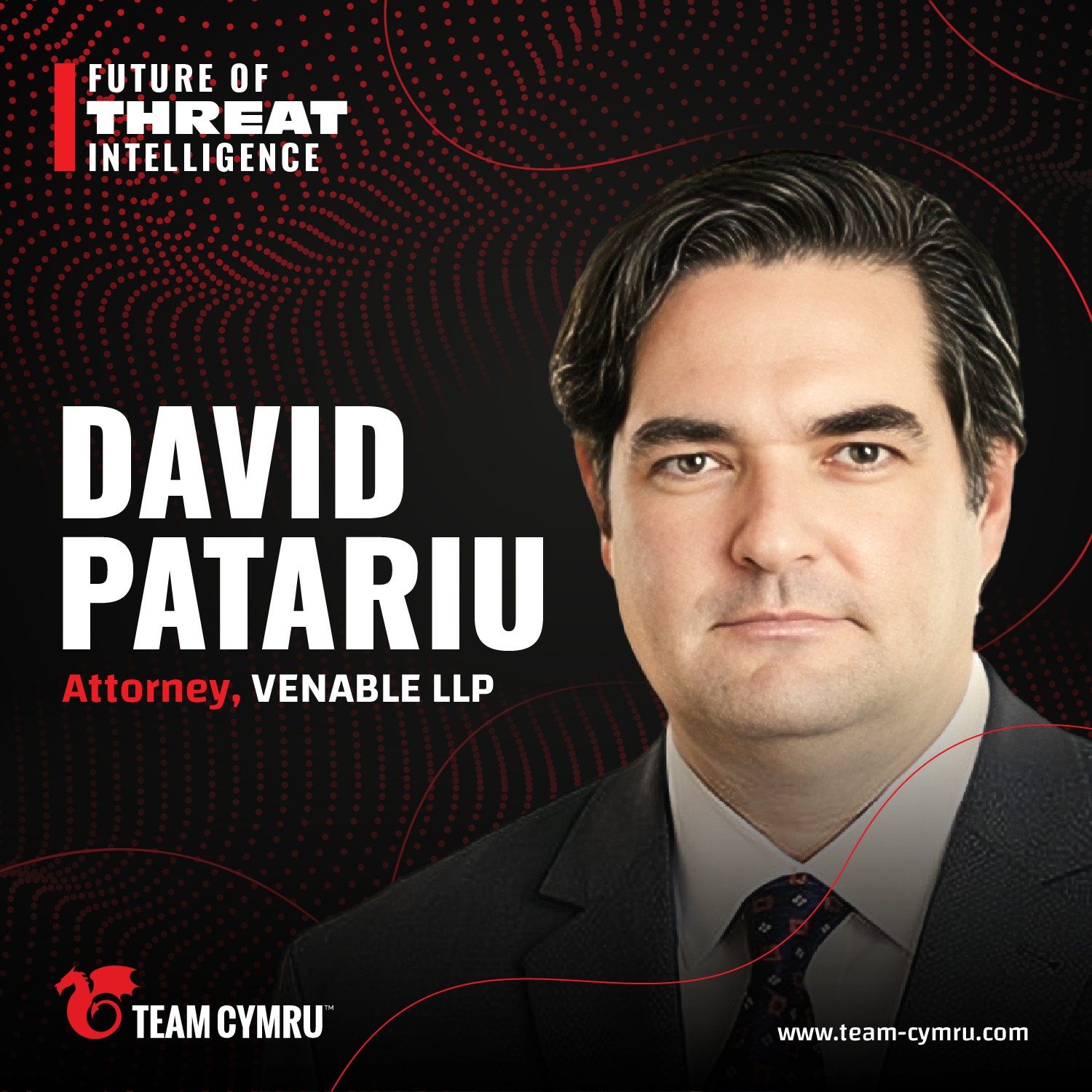
Venable LLP’s David Patariu on Building Trust Through Effective Privacy Policies
In our latest episode of the Future of Threat Intelligence podcast, we welcome David Patariu, an Attorney focusing on Privacy, Artificial Intelligence, and Cybersecurity at Venable LLP. David shares his unique journey from engineering to law, highlighting the critical intersection of technology and legal frameworks.
David sheds light on the challenges posed by unauthorized data scraping, and what
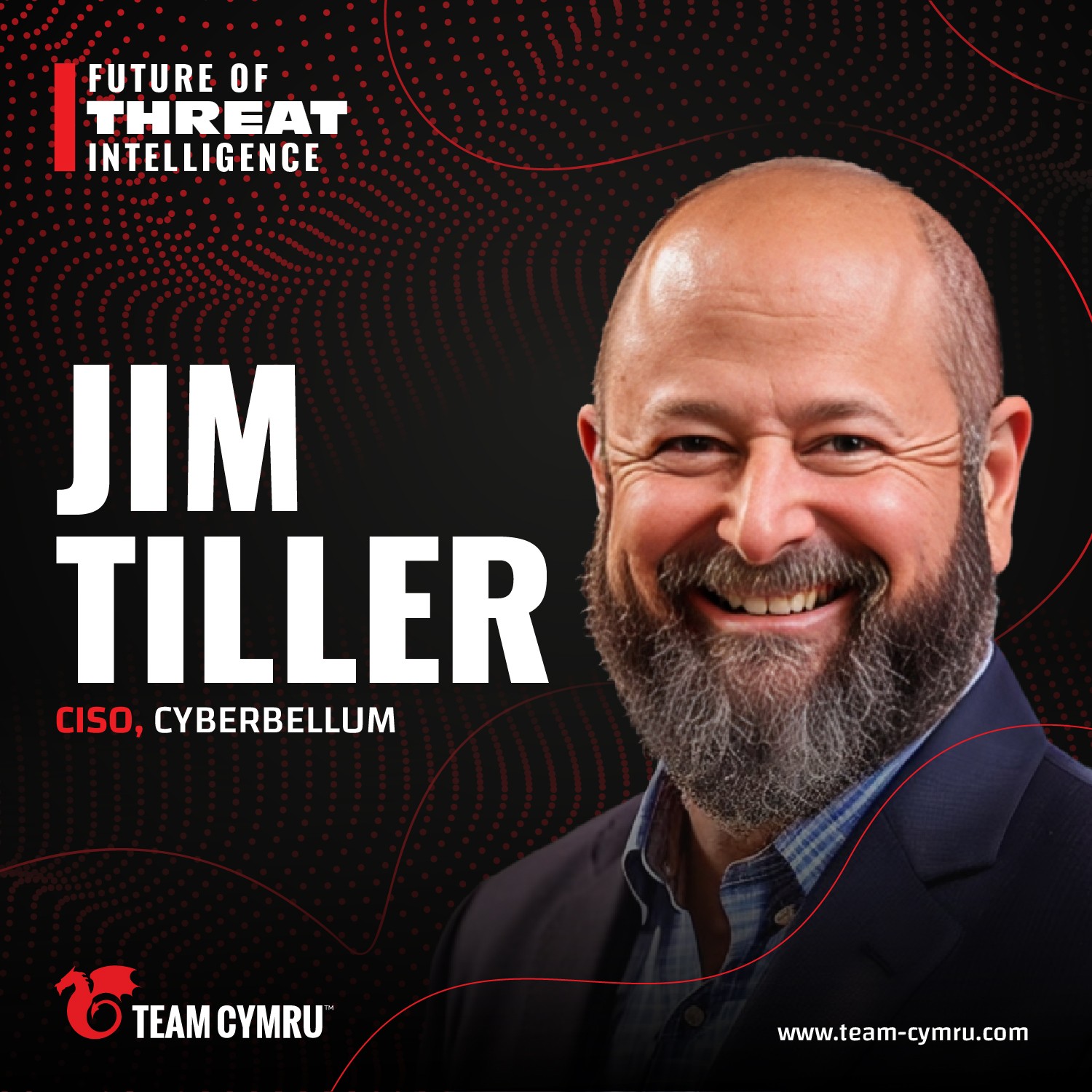
CyberBellum’s Jim Tiller on Mastering the Role of a Fractional CISO
In our latest episode of The Future of Threat Intelligence podcast, Jim Tiller, CISO at CyberBellum and a veteran in the cybersecurity industry with over 25 years of experience joins us to explore the intricacies of working as a fractional CISO.
He offers a unique perspective on the role's challenges and rewards and emphasizes the importance of understanding business nuances, building trust wit
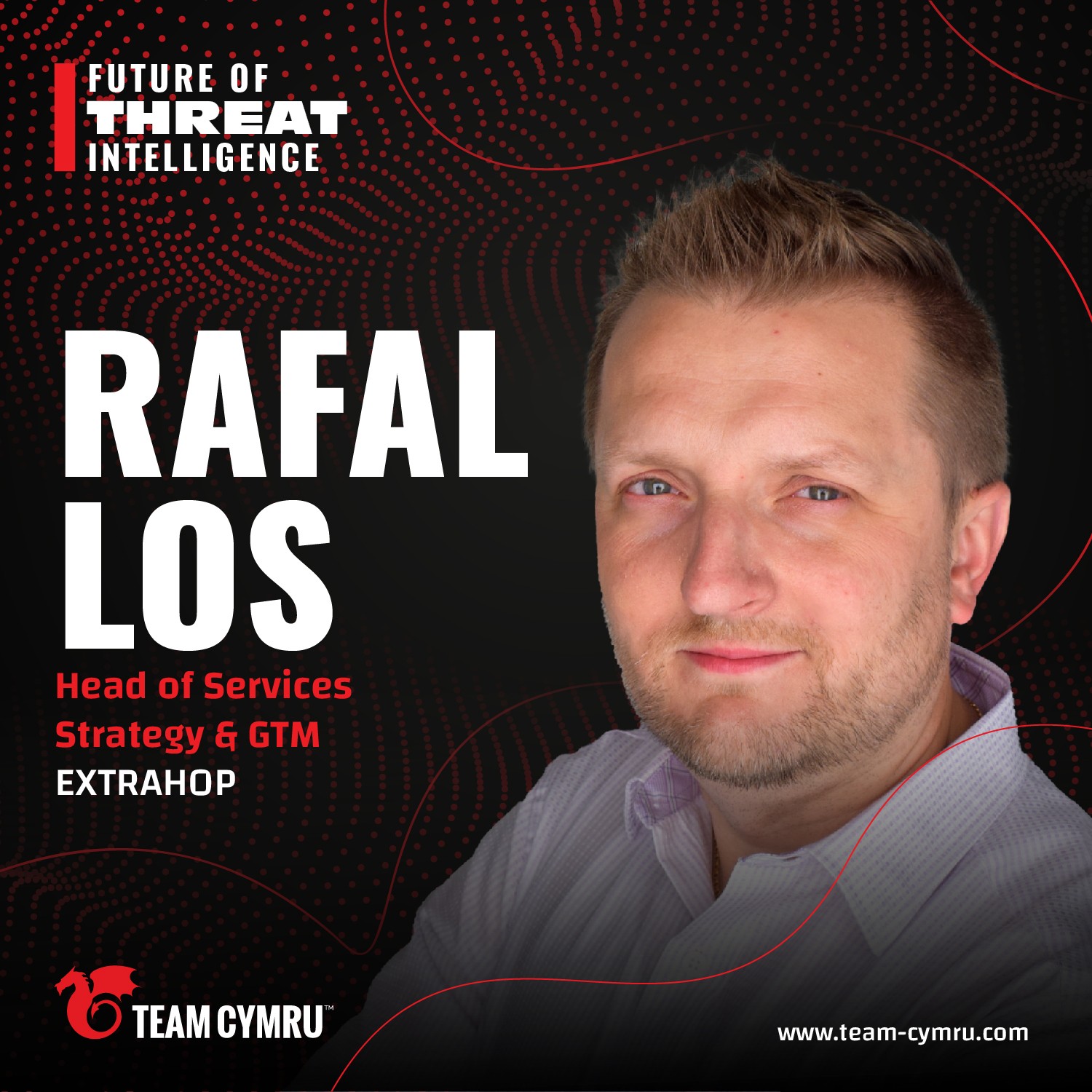
ExtraHop’s Rafal Los on Avoiding Strategic Advisement Mistakes
In our latest episode of the Future of Threat Intelligence podcast, David chats with Rafal Los, Head of Services Strategy & GTM at ExtraHop and the creative force behind the Down the Security Rabbithole podcast. Rafal discusses his journey from curiosity-driven exploration to a professional career in cybersecurity and the lessons he’s learned along the way.
Rafal shares his extensive experie
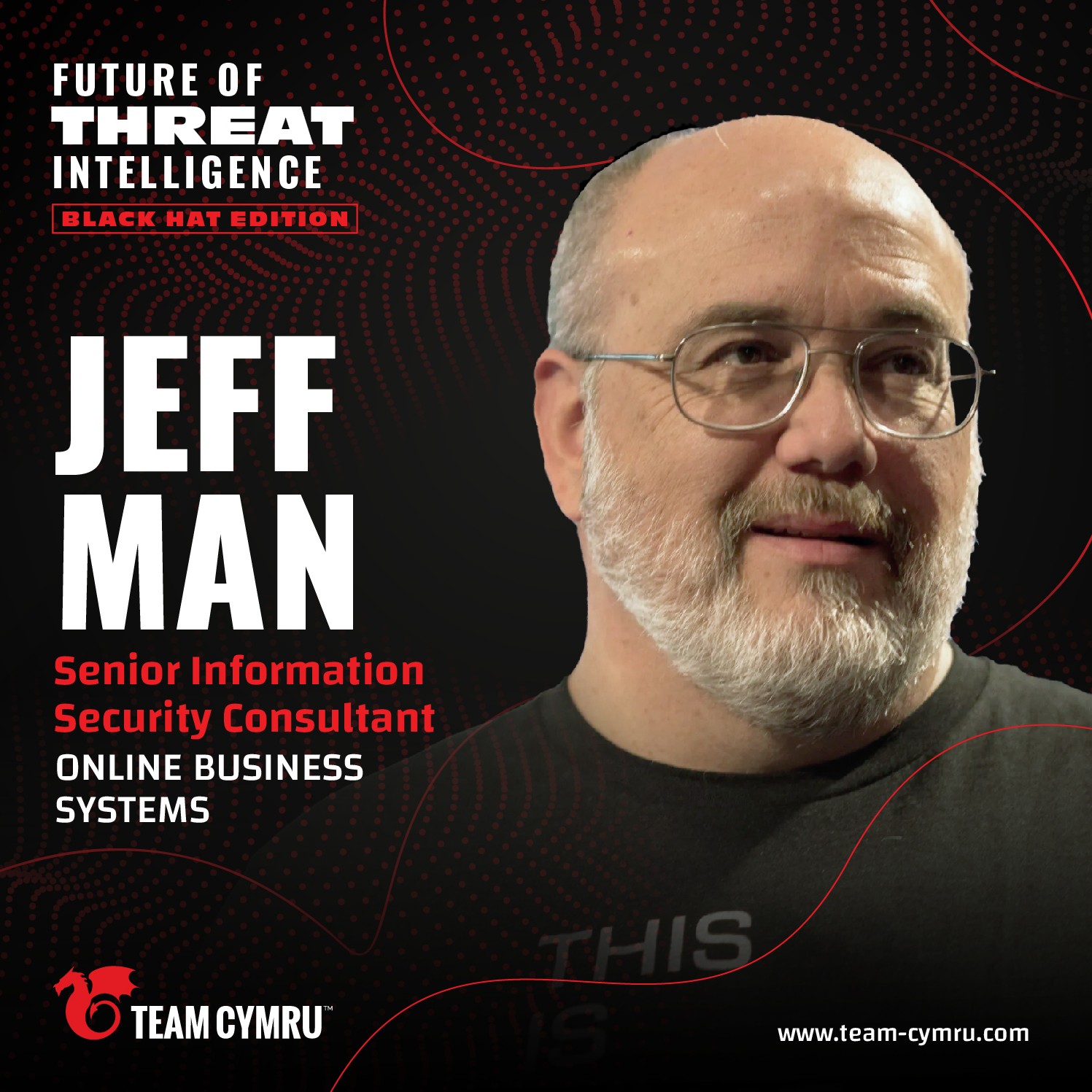
Online Business Systems’ Jeff Man on Demystifying Cybersecurity Solutions (Black Hat Edition)
In our latest special episode of the Future of Threat Intelligence podcast, David chats with cybersecurity expert Jeff Man at the Black Hat conference. Jeff is the Sr. Information Security Consultant at Online Business Systems, and he shares his extensive insights on the evolving landscape of cybersecurity and the importance of fundamental security practices to protect sensitive data.
Jeff emphas
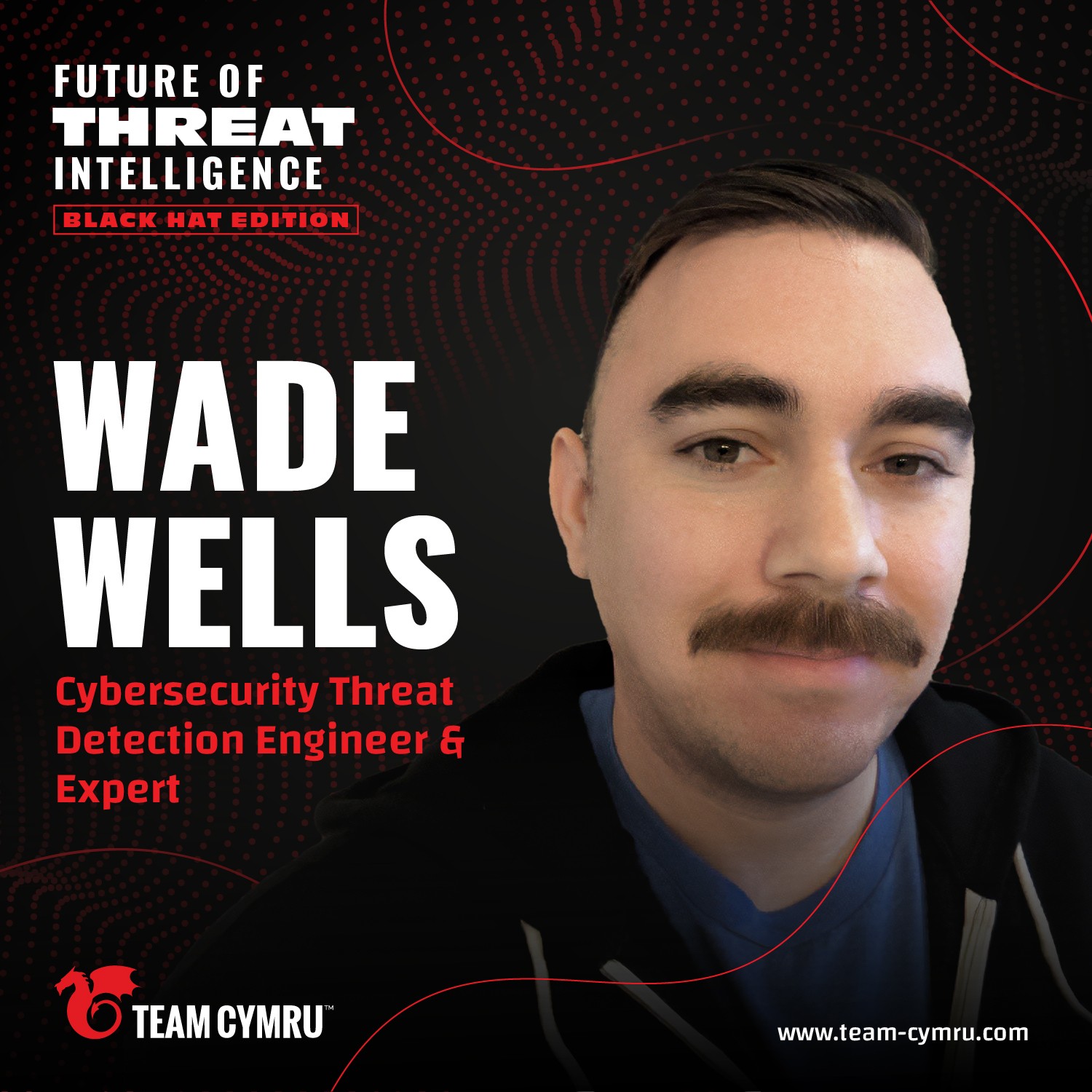
Cybersecurity Threat Detection Engineer & Expert Wade Wells on Innovative Deception Strategies for Blue Teams (Black Hat Edition)
In our latest special episode of the Future of Threat Intelligence podcast, Wade Wells, Cybersecurity Threat Detection Engineer & Expert at a Fortune 50 company, shares his insights from the Black Hat conference. He highlights the promising advancements in blue team technologies, particularly in AI applications and deception strategies.
Wade also discusses the importance of community networ
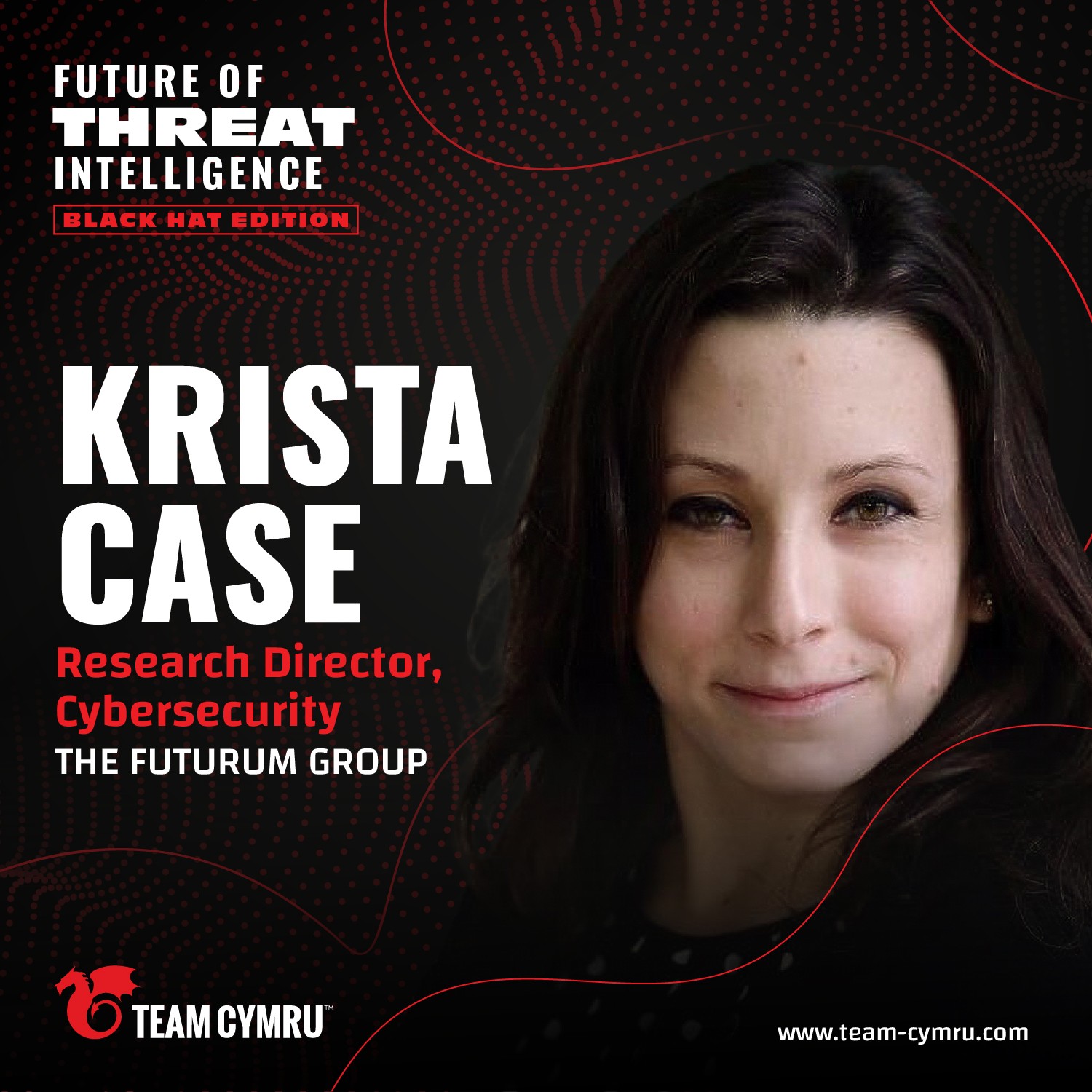
The Futurum Group’s Krista Case on the Importance of Resilience in Cybersecurity (Black Hat Edition)
In our latest episode of the Future of Threat Intelligence podcast, Krista Case, Research Director of Cybersecurity at The Futurum Group. Krista shares insights from recent research revealing that 50% of organizations plan to adopt new cybersecurity vendors in 2024, highlighting the evolving threat landscape and the expanding attack surface that organizations face today.
Krista also emphasizes
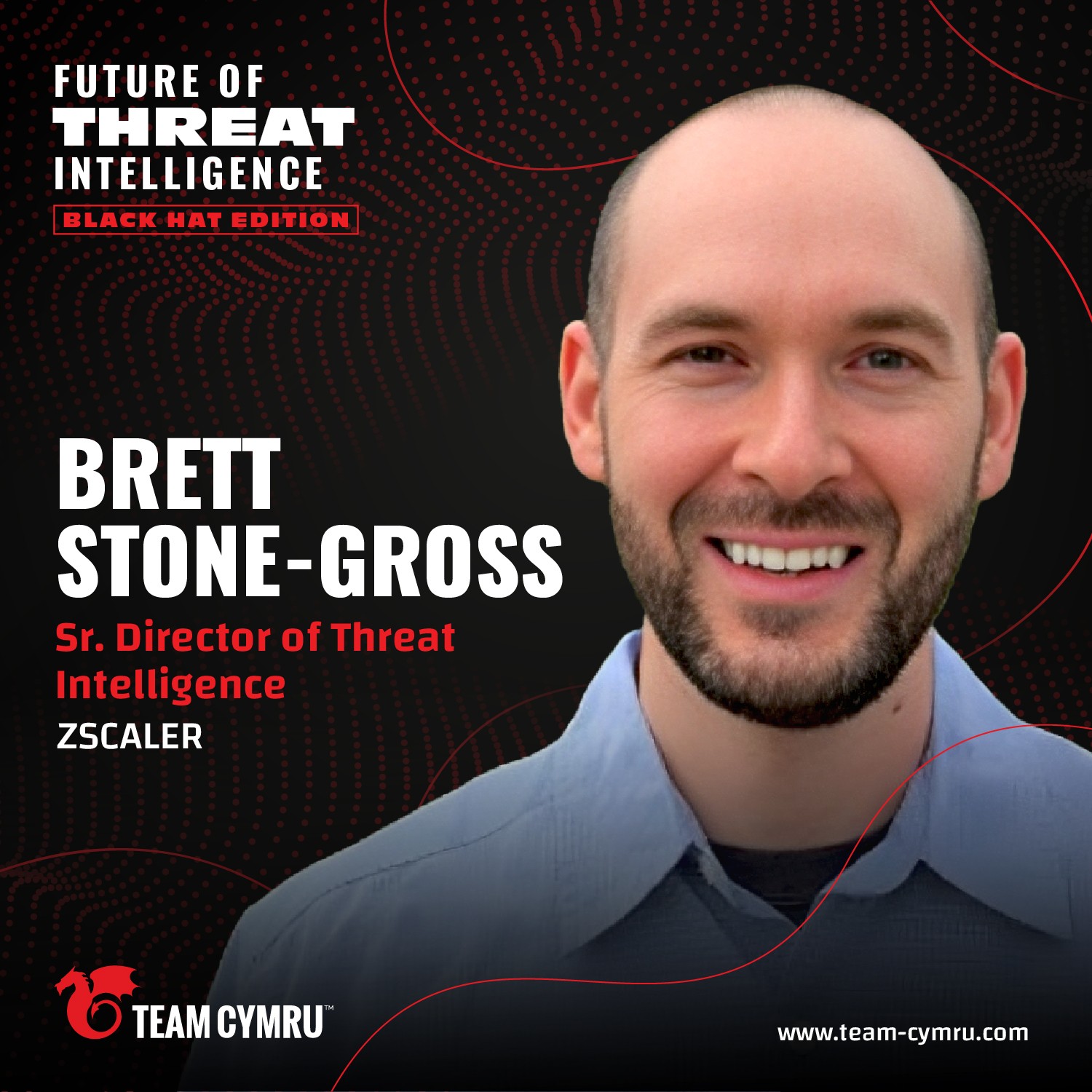
ZScaler’s Brett Stone-Gross on the Tactics of the Dark Angels Ransomware Group (Black Hat Edition)
In our latest special episode of the Future of Threat Intelligence podcast, Brett Stone-Gross, Senior Director of Threat Intelligence at Zscaler, joins us at the Black Hat conference. He shares their uncovering of the largest ransomware payment in history — $75 million — made by a Fortune 50 company to the Dark Angels group.
Brett explains the group's unique approach, which involves stealing va
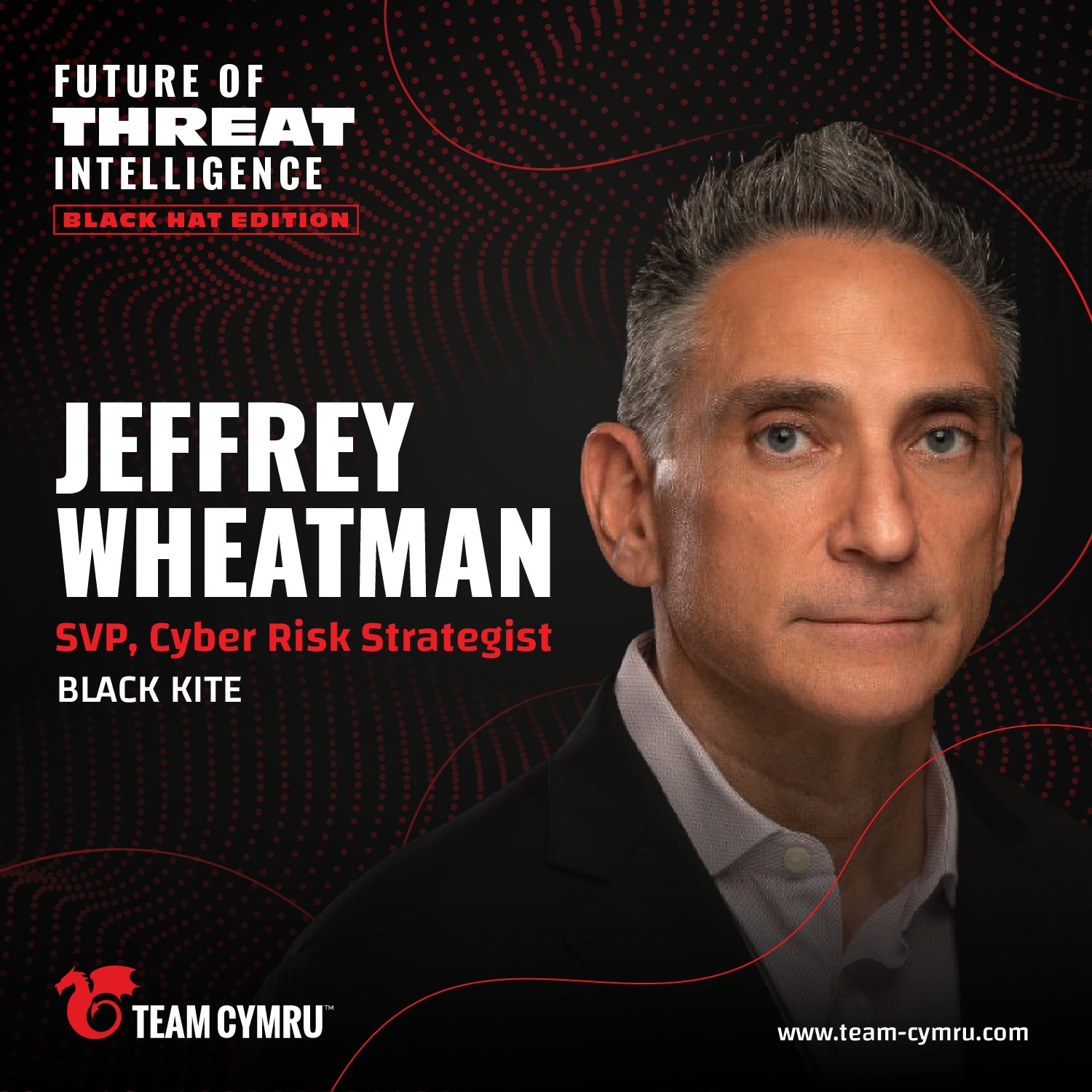
Black Kite’s Jeffrey Wheatman on How Cybersecurity Is Not A Technical Problem But A Business Problem (Black Hat Edition)
In our latest special episode of the Future of Threat Intelligence podcast, recorded at the Black Hat conference, we caught up with Jeffrey Wheatman, SVP, Cyber Risk Strategist at Black Kite. Jeffrey highlights the importance of aligning cybersecurity strategies with business objectives and understanding risk appetite.
He emphasizes the need for scenario planning to help decision-makers visuali
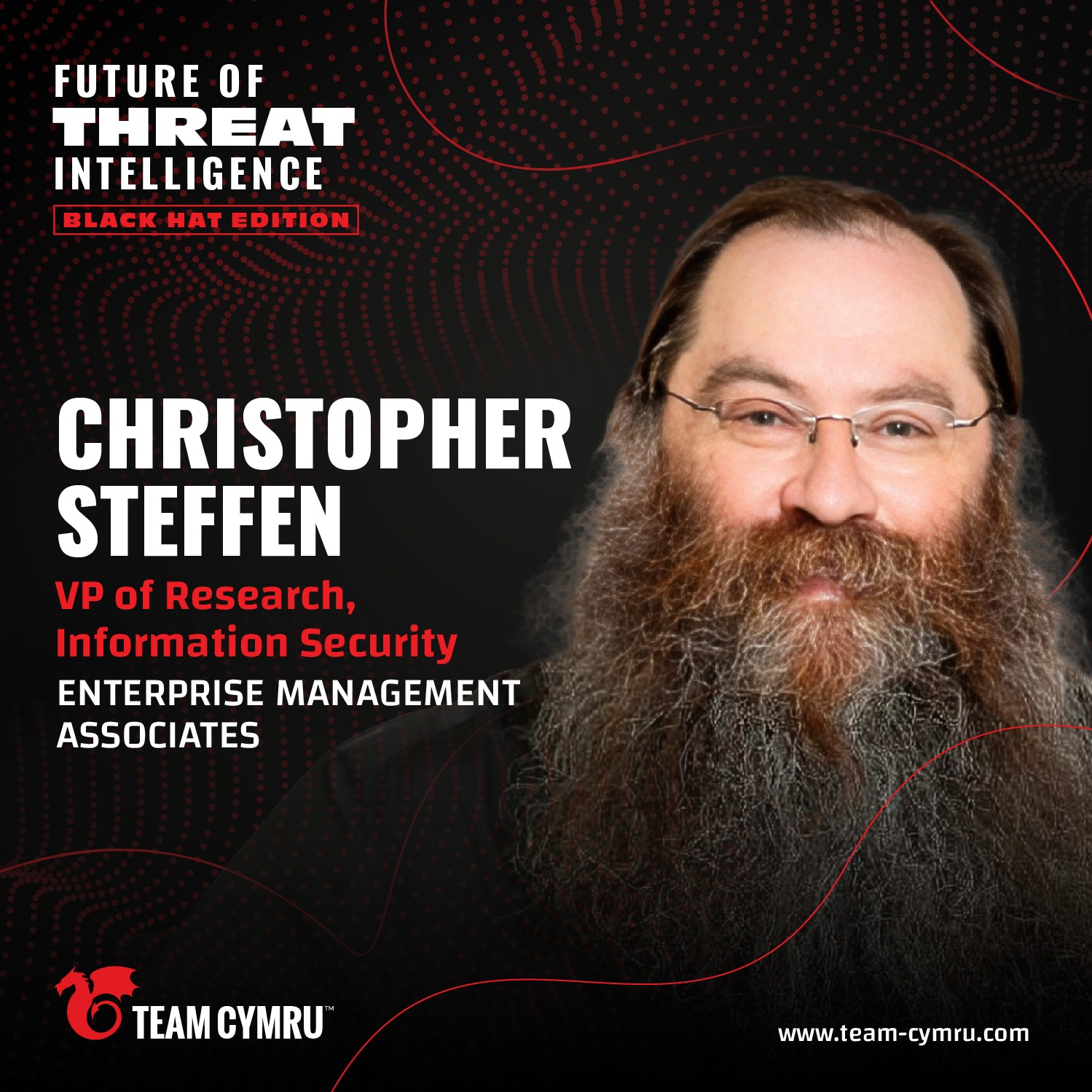
EMA’s Christopher Steffen on the Importance of Open Source Solutions in Threat Intelligence (Black Hat Edition)
In our latest special episode of the Future of Threat Intelligence podcast, David catches Christopher Steffen, VP of Research, Information Security at Enterprise Management Associates, at the Black Hat conference. They discuss the current landscape of cybersecurity, emphasizing the need for CISOs to focus on foundational technologies rather than getting caught up in the hype of AI.
Chris highli
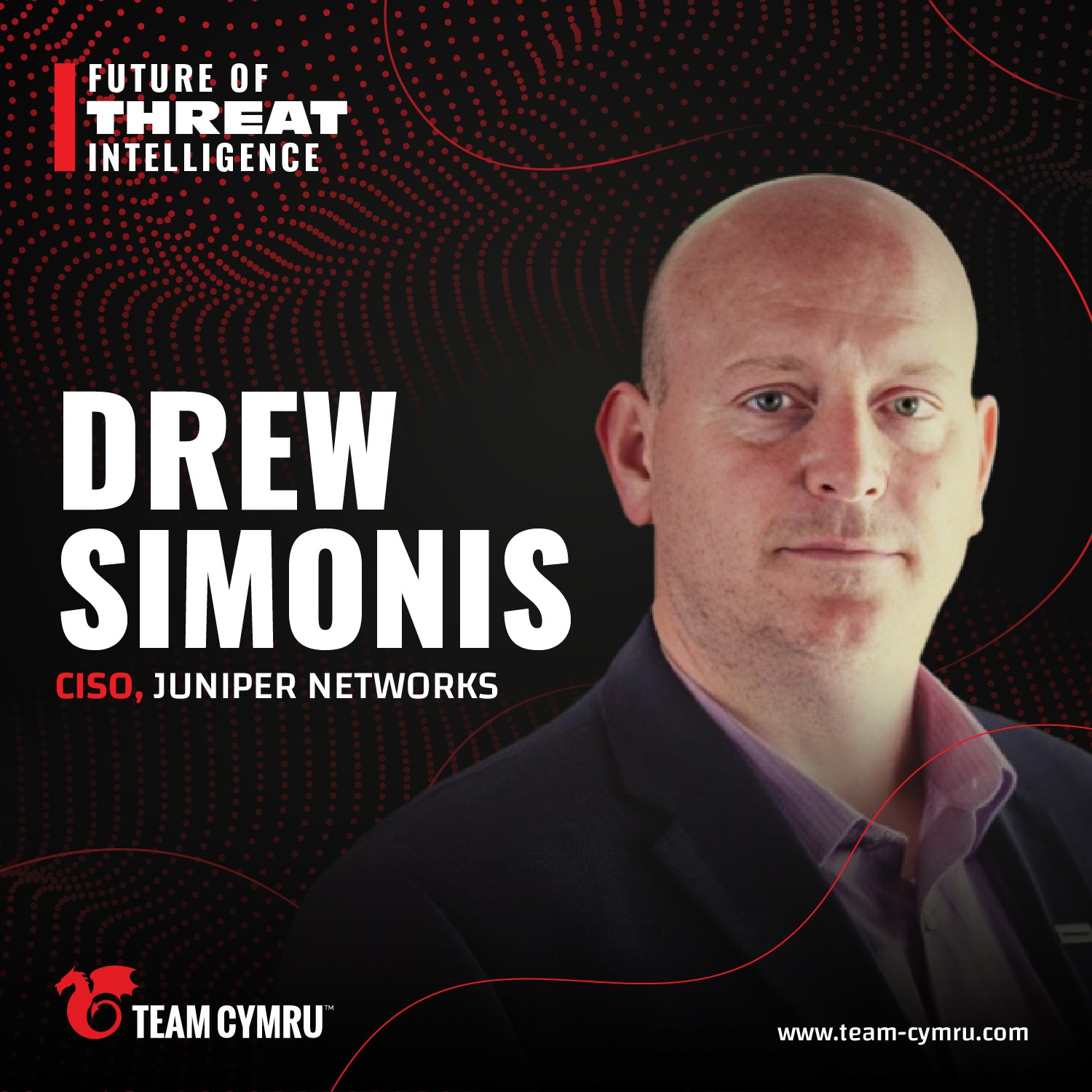
Juniper Networks’ Drew Simonis on Empathy and Leadership in Cybersecurity
In our latest episode of the Future of Threat Intelligence podcast, we speak with Drew Simonis, Chief Information Security Officer at Juniper Networks. Drew shares his insights into the evolving landscape of cybersecurity, emphasizing the crucial role of empathy and humility in effective leadership.
He also explores the transformative potential of AI in cybersecurity and offers practical advice o
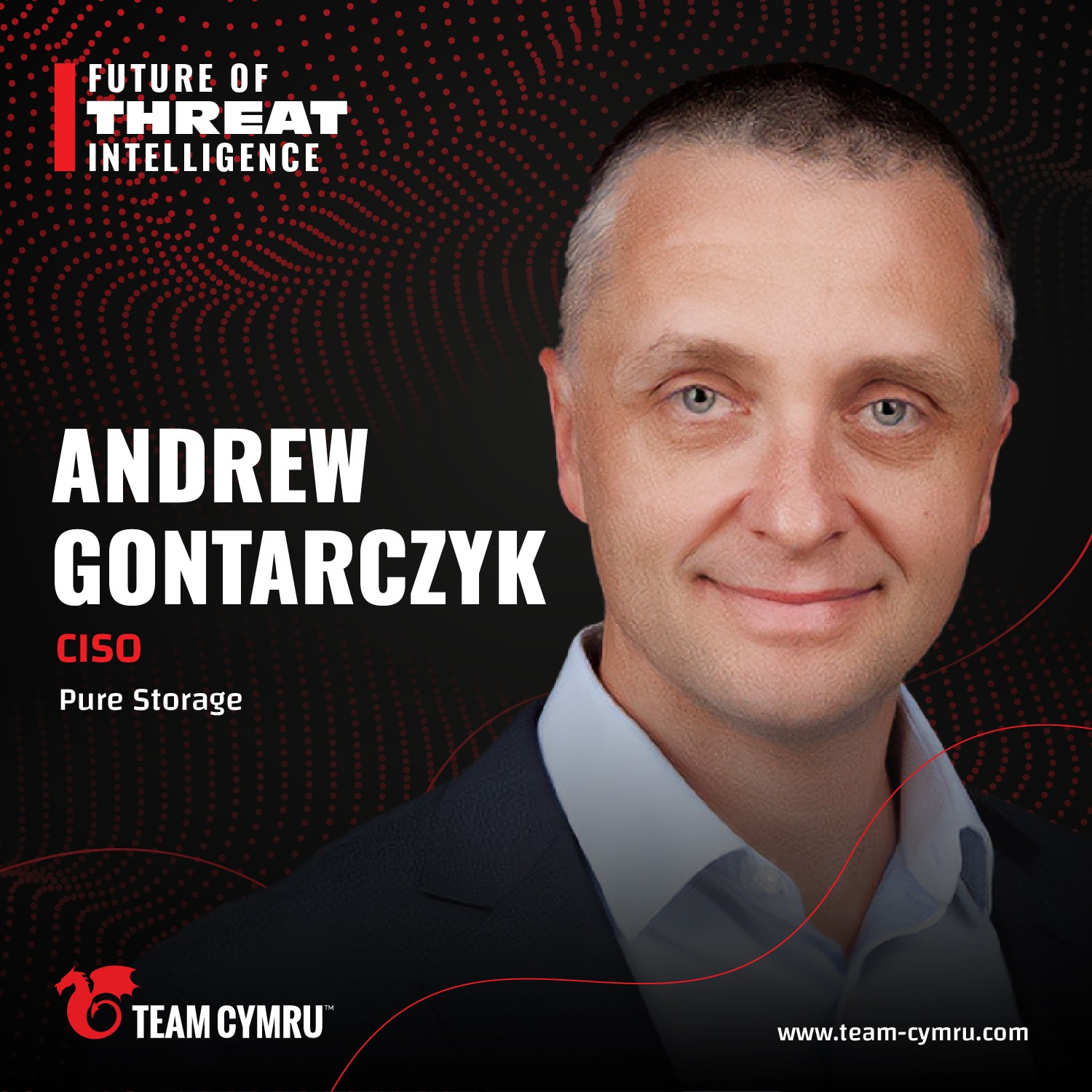
Pure Storage’s Andrew Gontarczyk on Avoiding Common Pitfalls in Cybersecurity Leadership
In our latest episode of the Future of Threat Intelligence podcast, Andrew Gontarczyk, CISO at Pure Storage, dives into the world of cybersecurity leadership. Andrew shares his invaluable insights on the importance of blending technical expertise with a strong understanding of business priorities.
He recounts his professional journey, highlighting key lessons he’s learned along the way. Andrew
Recommended

Solved Murders - True Crime Stories

紐約鳥|New York Aperture
The Swerve Podcast: Obscure Topics | Conspiracy Theories

The Bread and Banter Podcast

The Church of What's Happening Now: The New Testament

Busted Open

Deadline: White House

Panda Show - Picante

Crickets Corner

History of the Earthquake and Fire in San Francisco

Fox news

K-Drama Obsessed Mamas | Beyond “Just One More Episode!”
