STEM-Talk
STEM-Talk features interviews with leading scientists, engineers, and innovators, exploring cutting-edge research and discoveries across STEM fields. Hosted by Dawn Kernagis and Ken Ford, each episode delves into the personal and professional journeys of guests, aiming to inspire and educate listeners about the latest advancements.
Episodes
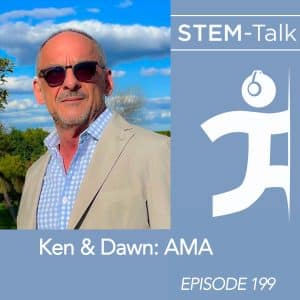
Episode 199: Ken and Dawn respond to listener questions on aging, meat consumption and dementia, genetic testing, AI, exercise, a lunar mission and much more
Today we have the second of a two-part AMA. In part one, episode 198, we covered a multitude of listener questions about AI, which lately seems to dominate the news cycle. Other than one AI question that managed to sneak in, today’s AMA features a wide range of questions on a number of topics other than artificial intelligence.
Today, Ken and Dawn respond to listener questions that range from:

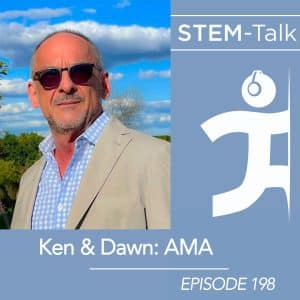
Episode 198: Blessing or curse? Dawn grills Ken on listeners’ toughest AI questions in this all-AI AMA
Today we have an Ask Me Anything episode that focuses on artificial intelligence. For the past year, AI has dominated the headlines. Perhaps because there’s so much media and public interest, as well as paranoia, about AI, listeners have been flooding our mailbox with AI-related questions.
So, today’s AMA is an exclusive focused on artificial intelligence. For our listeners who have been sending q
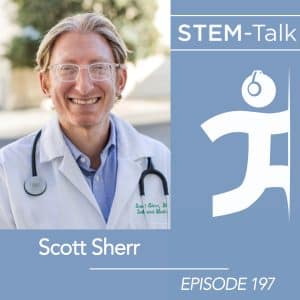
Episode 197: Scott Sherr discusses hyperbaric oxygen therapy, methylene blue, and more
Today we have Dr. Scott Sherr, an internal medicine physician who specializes in Hyperbaric Oxygen Therapy.
Scott is the director of Integrative Hyperbaric Medicine and Heath Optimization at Hyperbaric Medical Solutions. It is a division of Hyperbaric Medical Solutions, an independent, hyperbaric oxygen therapy provider that aims to educate people about the benefits of hyperbaric oxygen therapy vi
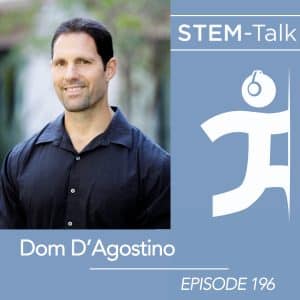
Episode 196: Dominic D’Agostino discusses advances in ketogenic metabolic therapy and hyperbaric oxygen therapy
Today we have Dr. Dominic D’Agostino, who over the past 10 years has been a frequent guest on STEM-Talk. Today Dom joins us to give us an update on his recent research into ketogenic metabolic therapies, ketone supplements as well as hyperbaric oxygen therapy for traumatic brain injuries. Dom and his lab at the University of South Florida have published more than 20 papers since his last appearanc
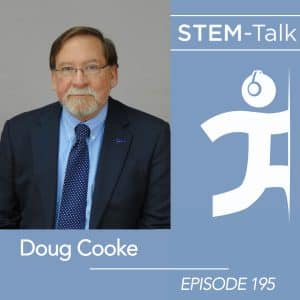
Episode 195: Doug Cooke discusses NASA’s challenges in the space race to the Moon and Mars
Our guest today is Doug Cooke, an aerospace consultant who spent 38 years at NASA’s Johnson Space Center in Houston and NASA Headquarters in Washington, D.C.
STEM-Talk host and IHMC founder Dr. Ken Ford, a former Associate Director of NASA’s Ames Research Center and Director of NASA’s Center of Excellence in Information Technology, interviewed Doug just four days after the astronauts of NASA’s Ar
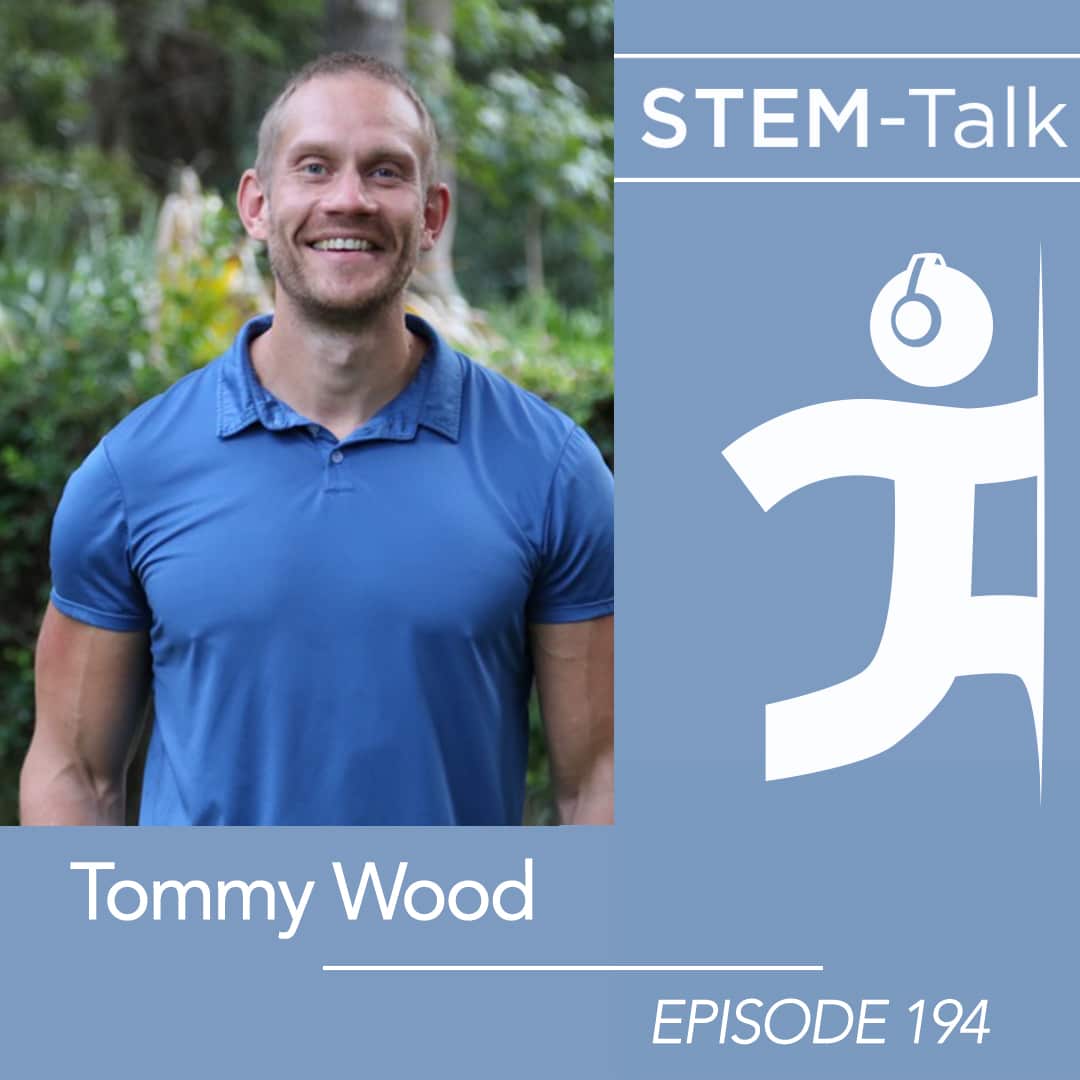
Episode 194: Tommy Wood discusses how to future-proof the adult brain
Neuroscientist and frequent STEM-Talk guest Dr. Tommy Wood rejoins us today for part two of our interview about Tommy’s book that is fresh off the press and now available in bookstores and Amazon, “The Stimulated Mind: Future-Proof Your Brain from Dementia and Stay Sharp at Any Age.”
Tommy is an Associate Professor of Pediatrics and Neuroscience at the University of Washington, where his laborator
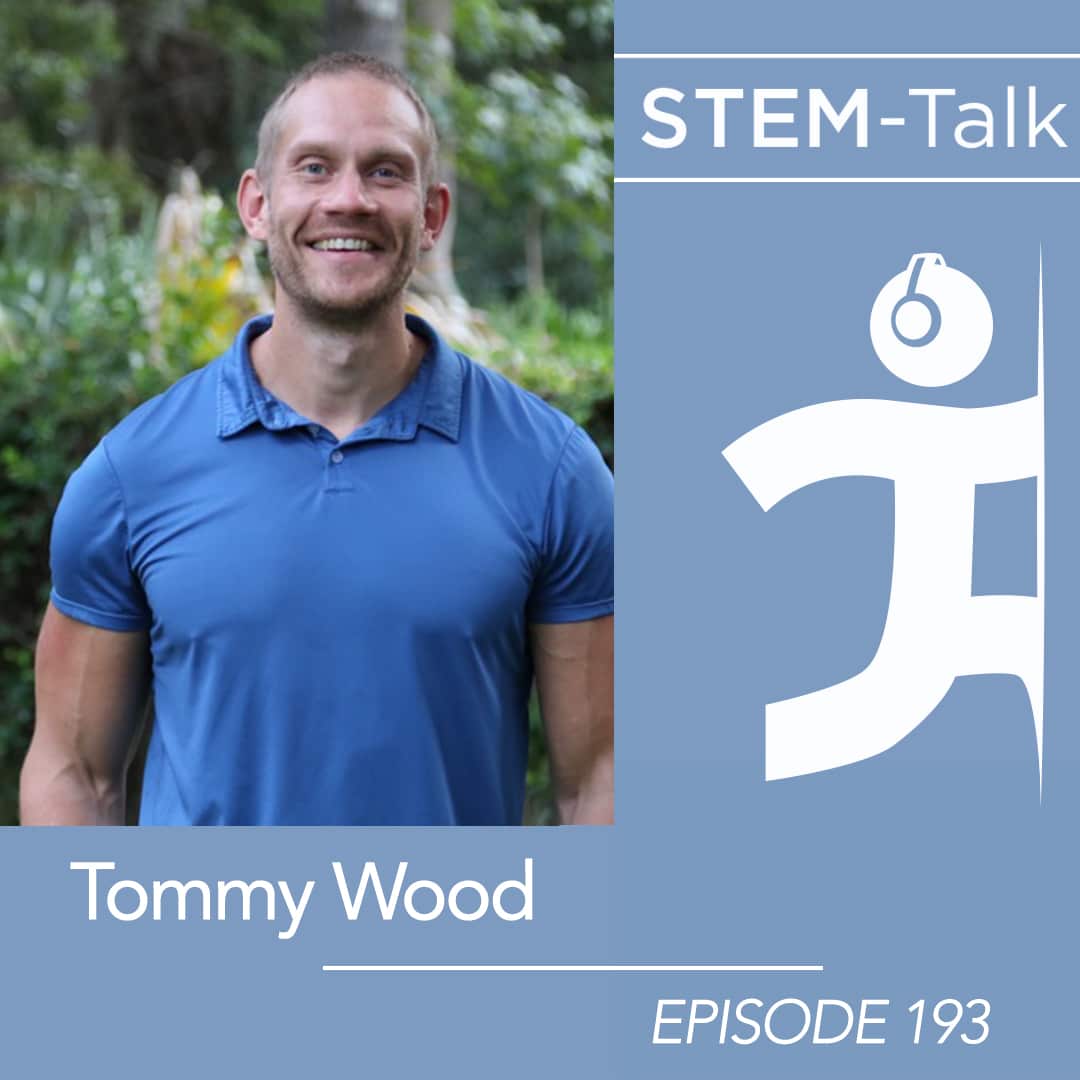
Episode 193: Tommy Wood and his new book bust the belief that the adult brain is fixed
Today we have Dr. Tommy Wood, a neuroscientist and frequent STEM-Talk guest who joins today on the eve of the publication of his first book, “The Stimulated Mind: Future-Proof Your Brain from Dementia and Stay Sharp at Any Age.”
Tommy is an Associate Professor of Pediatrics and Neuroscience at the University of Washington, where his laboratory focuses on brain health across human lifespan. Tommy i
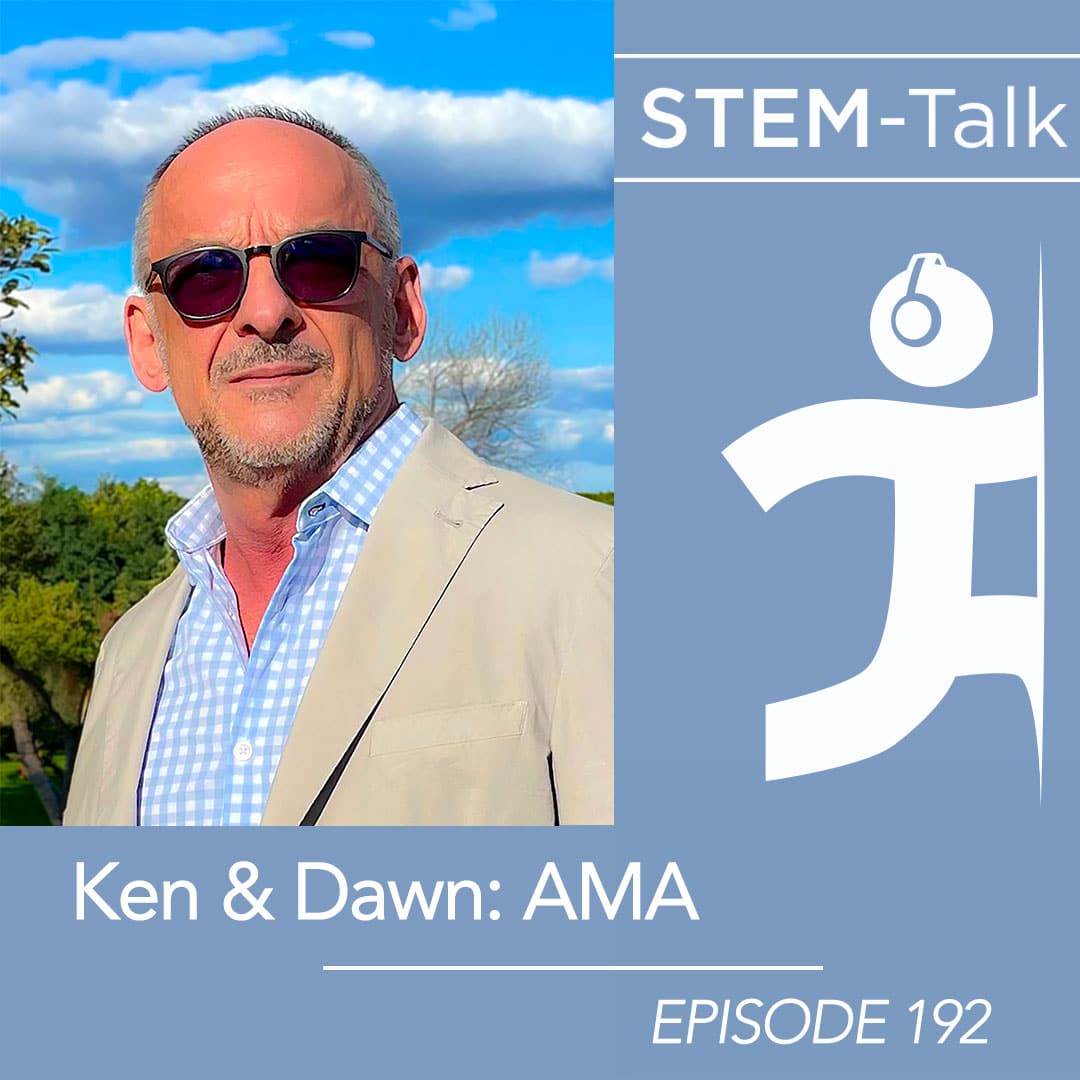
Episode 192: Ken and Dawn weigh in on ChatGPT, ketamine, urolithin-A, rapamycin, and more in wide-ranging AMA
ChatGPT has been in the news a lot lately and, as a result, quite a few STEM-Talk listeners have tossed us questions about the reliability and limitations of generative-artificial intelligence chatbots as well as large-language models more broadly. Ken and Dawn tackle this question and a number of others in today’s Ask Me Anything episode.
We have listeners wondering why astronauts train in unde
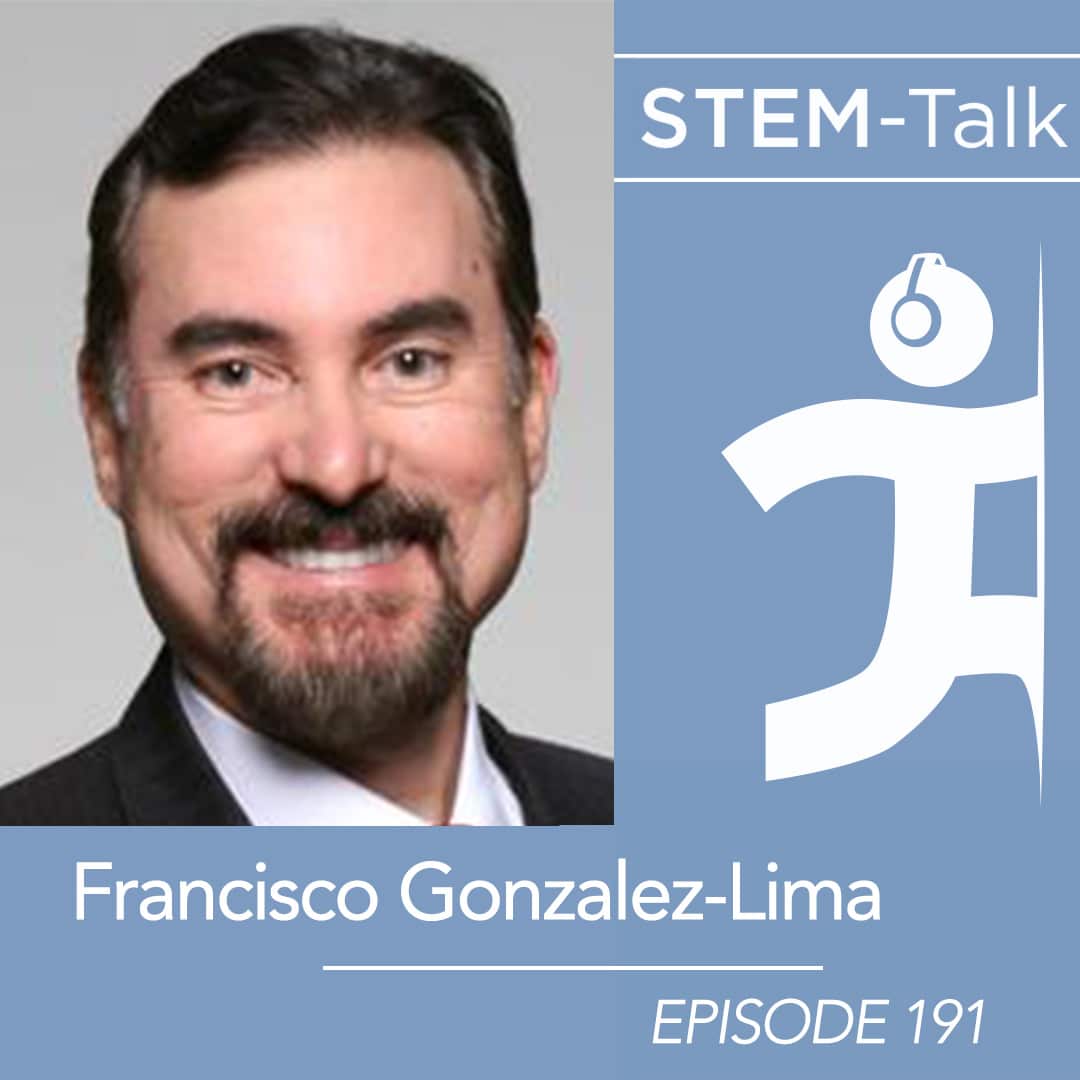
Episode 191: Francisco Gonzalez-Lima discusses methylene blue & noninvasive human brain stimulation
Today we have Dr. Francisco Gonzalez-Lima, a behavioral neuroscientist who was our guest in episodes 106 and 107 back in 2020.
Since those 2020 interviews, Francisco and his colleagues at the Gonzalez-Lima Lab have produced dozens of more studies and papers that have advanced their work on methylene blue, transcranial lasers, memory enhancement, neuroprotection and neurocognitive disorders.
Franci
Episode 190: Judith Curry and the Consequences of Climate Alarmism
Dr. Judith Curry, a climatologist known for her criticism of alarmist, doomsday rhetoric about climate change, returns to STEM-Talk for her second appearance.
Judy most recently was one of five researchers commissioned by the U.S. Department of Energy to draft a Climate Assessment Report summarizing the current state of climate science with a focus on how it relates to the United States. In this i
Episode 189: NASA’s Flawed Plan to Return to the Moon – with Mike Griffin & Lisa Porter
Today’s episode of STEM-Talk features a timely and wide-ranging discussion with Drs. Michael Griffin and Lisa Porter about NASA’s plans to return humans to the Moon, the history of lunar missions, and how China’s advances in space technology pose a serious threat to U.S. national security.
IHMC founder and CEO Emeritus Ken Ford’s interview with Griffin and Porter came 10 days before Griffin appear
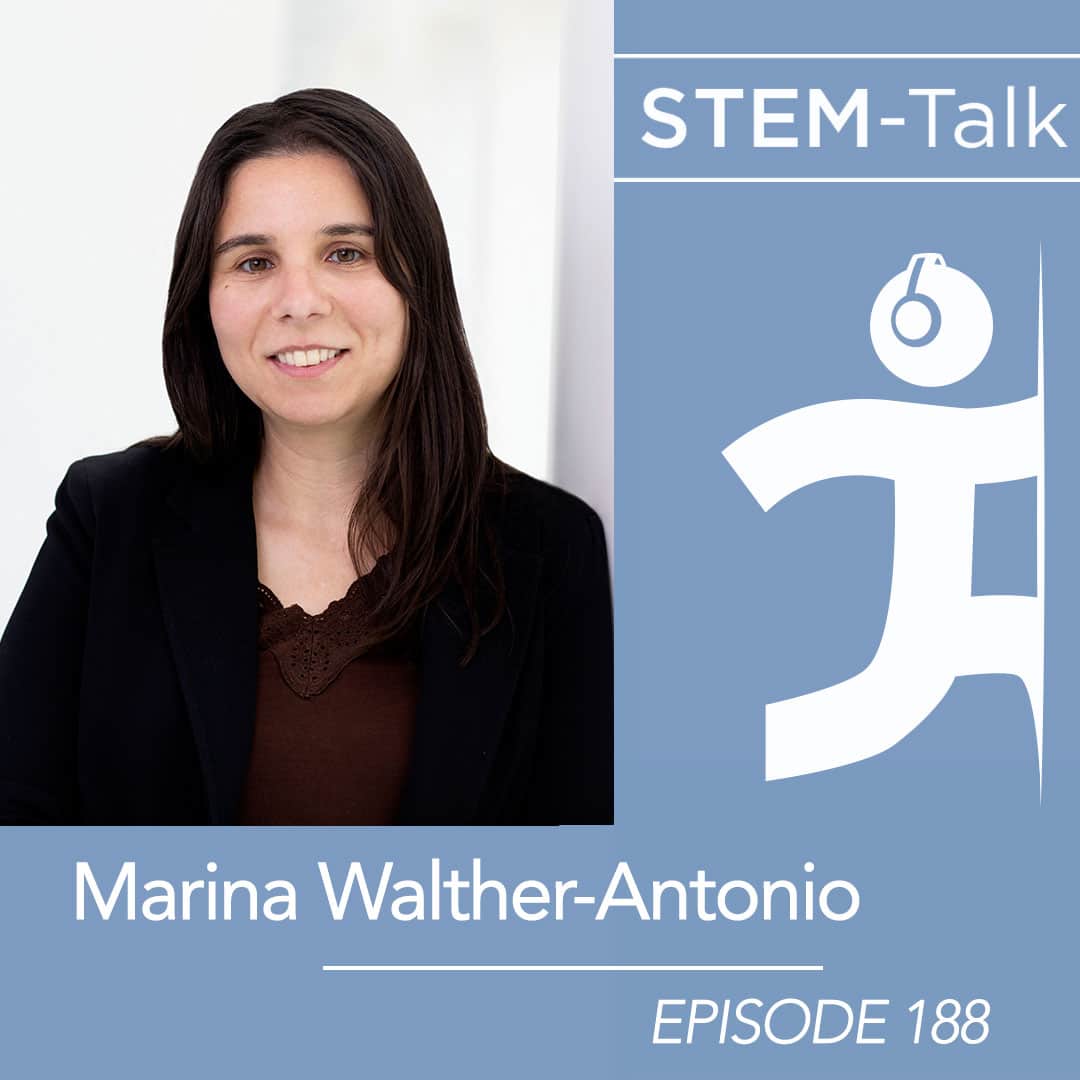
Episode 188: Marina Walther-Antonio discusses the microbiome’s role in women’s health and cancer
Today we have Dr. Marina Walther-Antonio, a Mayo Clinic researcher who investigates the role of the microbiome in cancer and reproductive health, particularly endometrial and ovarian cancers. According to the World Cancer Research Fund International, endometrial and ovarian cancers are among the top 10 most prevalent cancers in women worldwide, and there are still no standard screenings for early
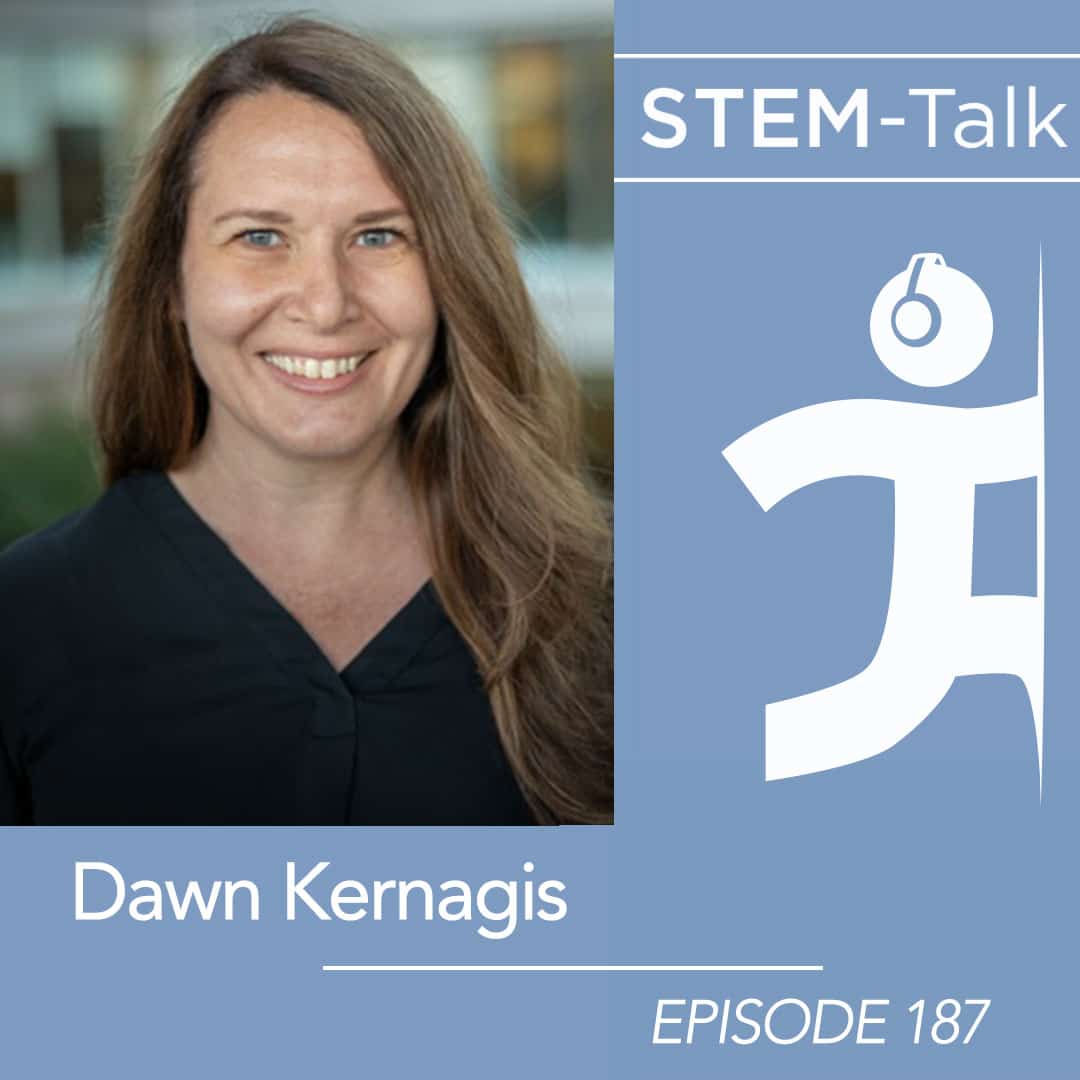
Episode 187: Dawn Kernagis talks about creating permanent subsea human habitats
Today Ken interviews his co-host Dr. Dawn Kernagis about her new position as the Director of Scientific Research for DEEP, a UK startup that is pioneering a new era of ocean exploration.
For listeners unfamiliar with Dawn’s background, she is a NASA-trained NEEMO Aquanaut, a Fellow of the Explorer’s Club Fellow and has been inducted into the Women Divers Hall of Fame. In addition to co-hosti
Episode 186: Mari Dezawa discusses her discovery of MUSE cells and the role of stem cells in regenerative medicine
Today we have Dr. Mari Dezawa, one of the world’s leaders in stem-cell research and regenerative medicine. Mari is a pioneer in this emerging field and is known worldwide for her discovery of MUSE cells, a unique type of stem cell with exciting clinical potential. MUSE is short for Multilineage-Differentiating Stress-Enduring Cells.
The discovery of the MUSE cell in humans has many biological and
Episode 185: Andrew Koutnik discusses metabolic health, athletic performance and growing up with type-1 diabetes
Today we have our good friend and colleague Dr. Andrew Koutnik on the show. Andrew is a research scientist who studies the influence of nutrition and metabolism on health, disease and performance. He specializes in Type 1 diabetes and works with a wide range of people to improve their metabolic health and athletic performance.
Andrew is a visiting research scientist at IHMC and has worked with Har
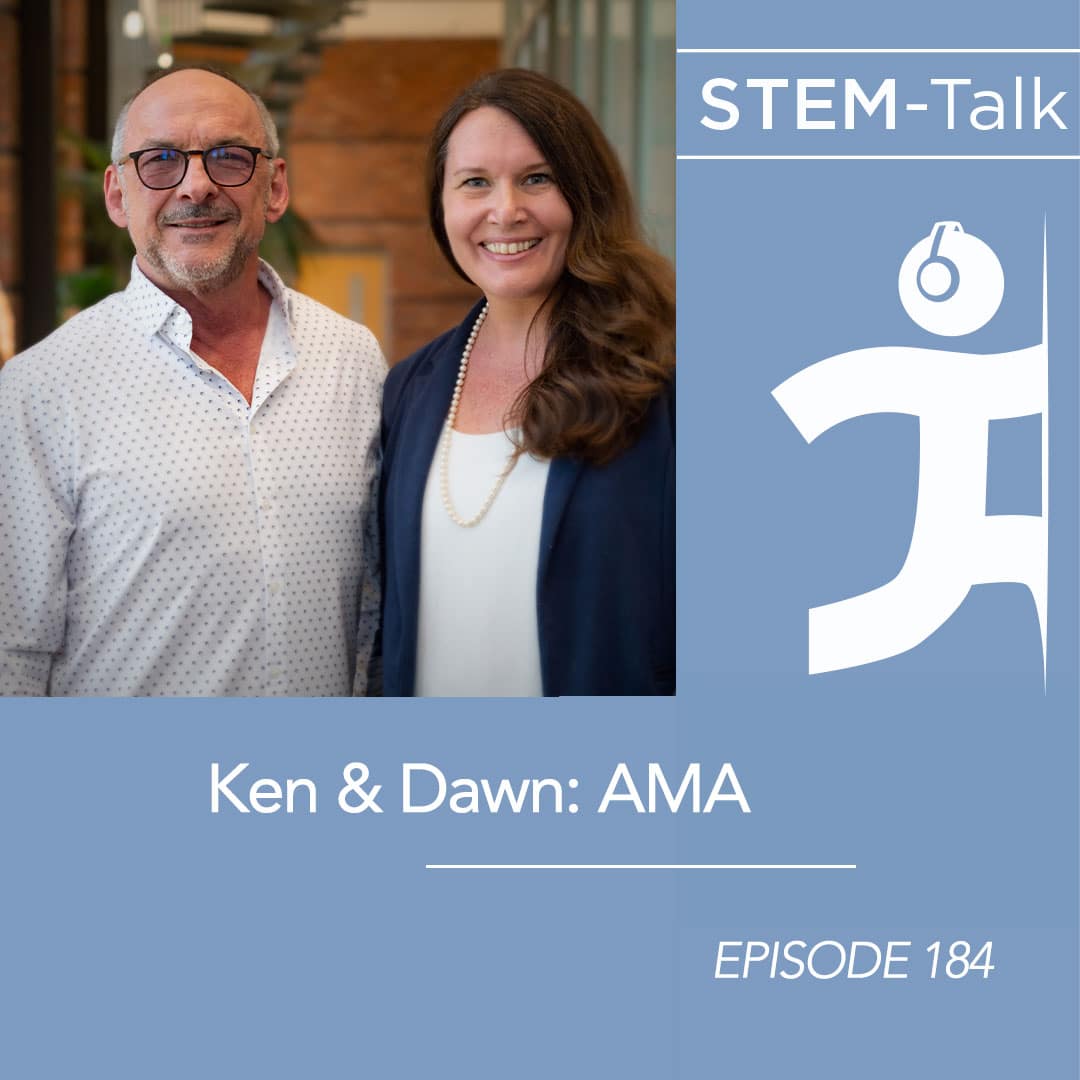
Episode 184: Ken and Dawn answer listener questions on AI, grip strength, ketamine, protein, digital twins, and more!
It’s time for another episode of Ask Me Anything. Dawn and Ken answer listener questions that range from generative AI to whether grip strength is a biomarker for longevity and the potential of ketamine as a treatment for depression. Dawn also gives a brief overview of work she is doing with the deep-sea technology company Deep. As a special treat at the end of today’s episode, Dawn plays a record
Episode 183: Michael Schmidt on the challenges of building a space-faring civilization
Today we have the second installment of our interview with Dr. Michael A. Schmidt, the founder, CEO, and Chief Scientific Officer of Sovaris Aerospace, a company focused on assessments and solutions applied to humans in space and extreme environments on Earth.
In today’s interview, we talk to Michael about NASA’s plans to send humans to Mars and build permanent colonies on the Moon and Mars. We al
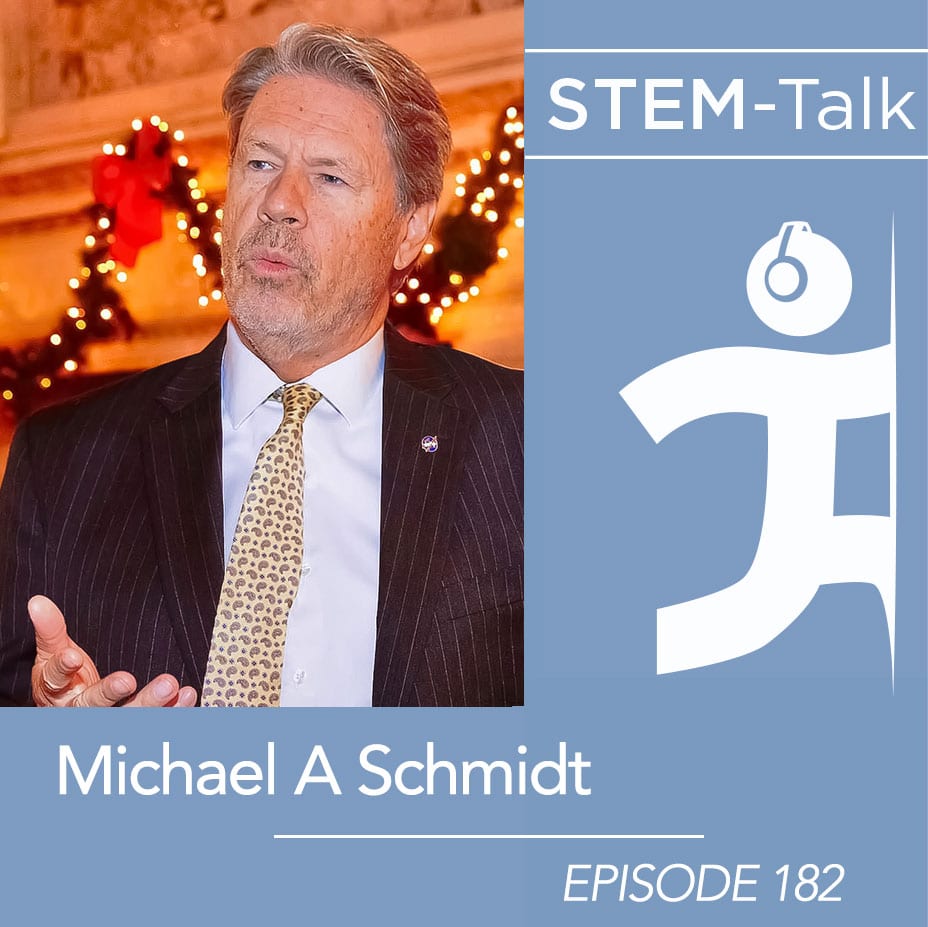
Episode 182: Michael Schmidt on what precision medicine means to human spaceflight
Today we have Dr. Michael A. Schmidt, the founder, CEO, and Chief Scientific Officer of Sovaris Aerospace, a company focused on assessments and solutions applied to humans in space and extreme environments on Earth. Michael is also a professor of aerospace medicine at the University of Central Florida College of Medicine, one of the few programs in the U.S. that offers a medical residency in aero
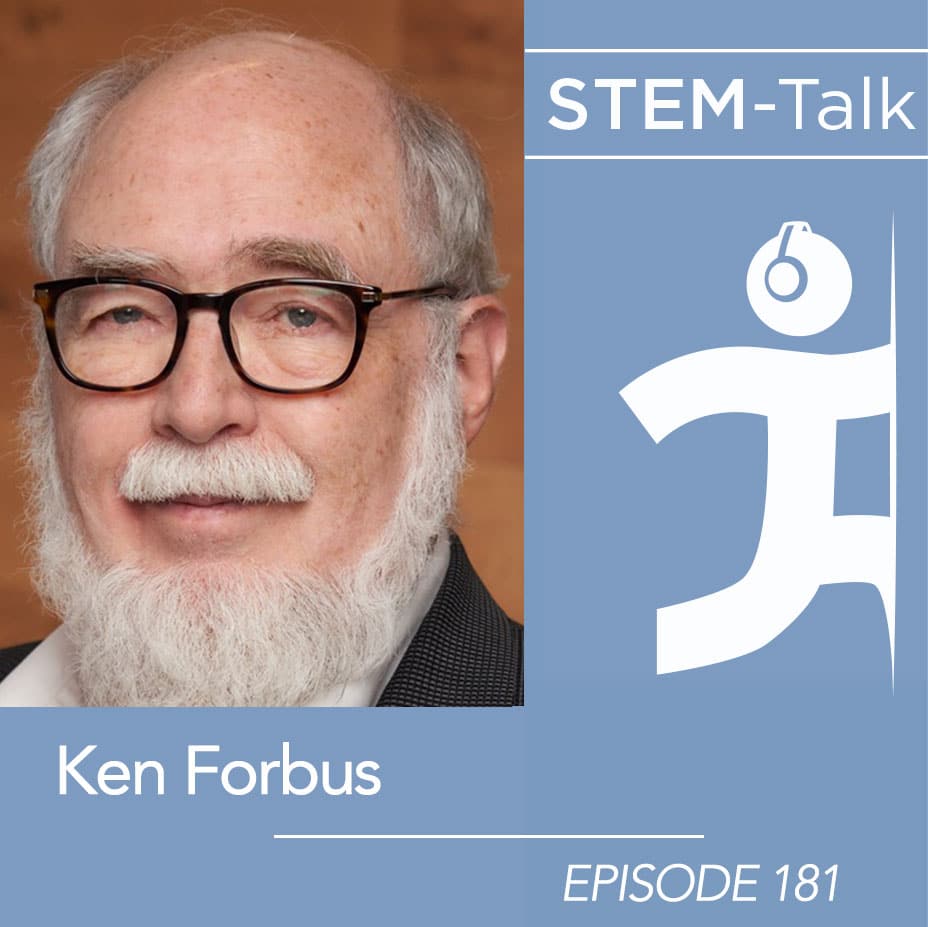
Episode 181: Ken Forbus talks about AI and his development of the Structure Mapping Engine
Our guest today is Dr. Ken Forbus, the Walter P. Murphy Professor of Computer Science and a Professor of Education at Northwestern University.
Joining Dr. Ken Ford to co-host today’s interview is Dr. James Allen, who was IHMC’s associate director until he retired a few years ago. James is a founding fellow of the American Association for Artificial Intelligence and a perfect fit for today’s discus
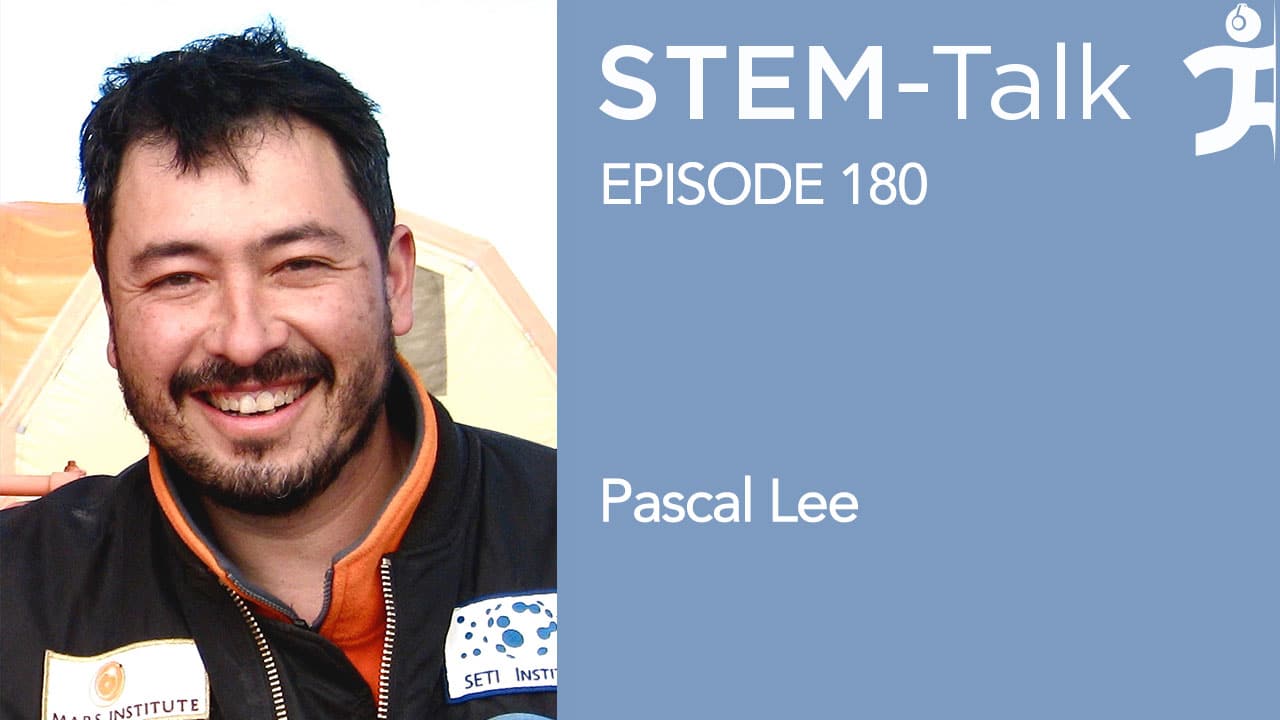
Episode 180: Pascal Lee on NASA’s ambitions to send humans to the Moon and Mars
Today we have planetary scientist Dr. Pascal Lee and STEM-Talk host Dr. Ken Ford in a wide-ranging conversation about NASA’s ambitions to return humans to the Moon as a stepping stone to sending astronauts to Mars.
Pascal is making his third appearance on STEM-Talk. Much of his research focuses on asteroids, impact craters, and the future human exploration of Mars. Pascal and Ken have a lively dis
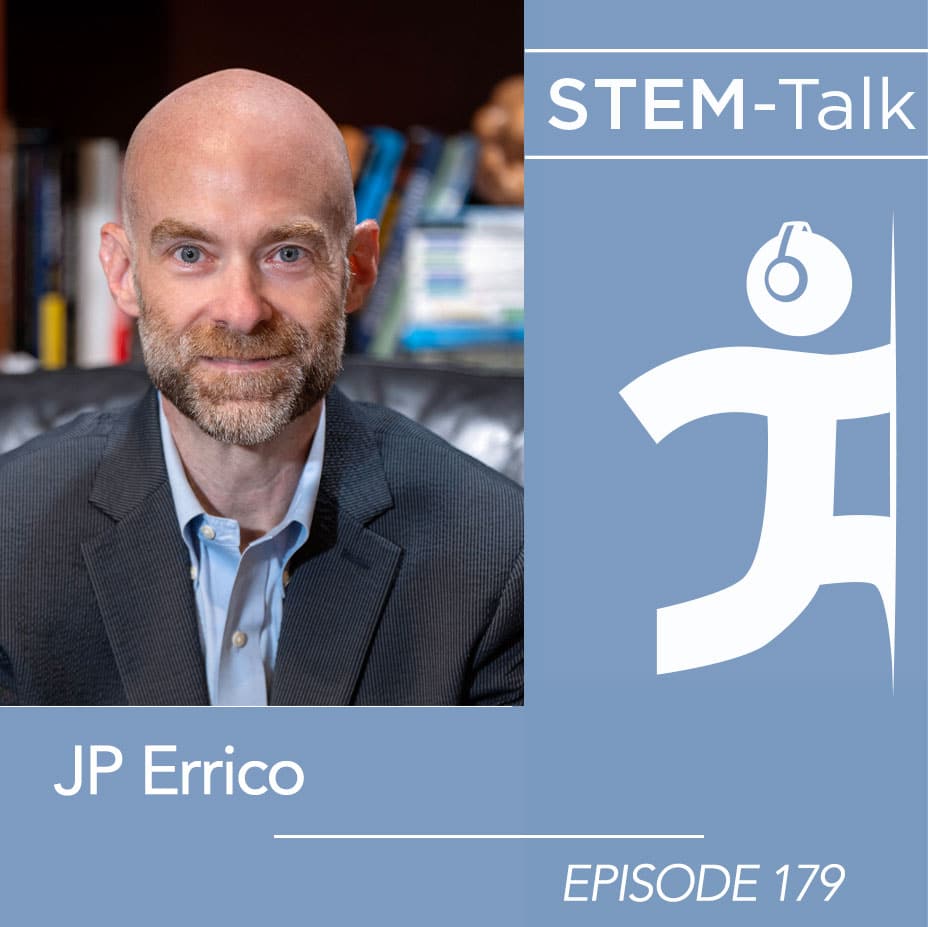
Episode 179: JP Errico explains how vagus-nerve stimulation reduces inflammation and chronic diseases
Today we have JP Errico, a scientist and inventor whose work focuses on neuroimmunology and the many ways it impacts cellular metabolism, inflammation, mental health and how we age. He recently joined IHMC as a Senior Research Scientist.
JP is particularly known for his research on vagus-nerve stimulation and is the author of the book, The Vagus-Immune Connection: Harness Your Vagus Nerve to Manag
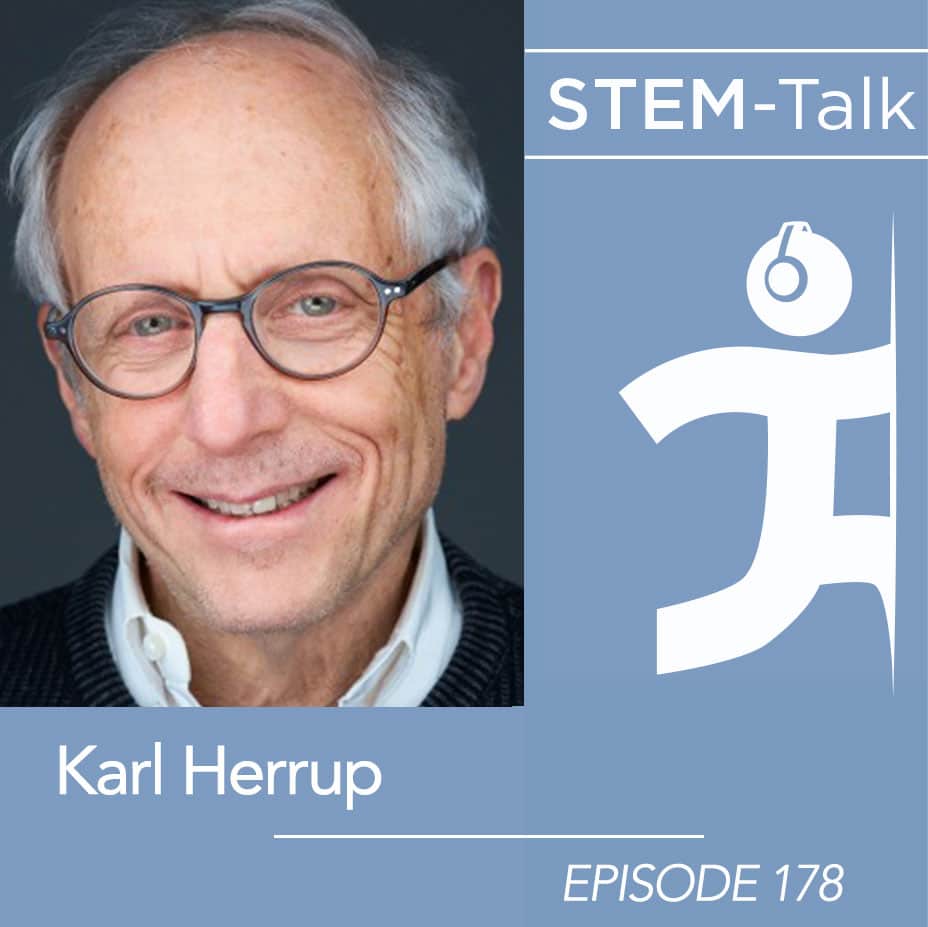
Episode 178: Karl Herrup discusses the shortcomings of Alzheimer’s research
Today we have Dr. Karl Herrup, a neurobiologist known for his investigations into the roles that DNA damage and noncoding genetic variants have in Alzheimer’s disease.
Joining Ken today to interview Karl is Dr. Tommy Wood, a visiting scientist here at IHMC. Tommy also is an associate professor of pediatrics and neuroscience at the University of Washington, where he focuses on brain health across
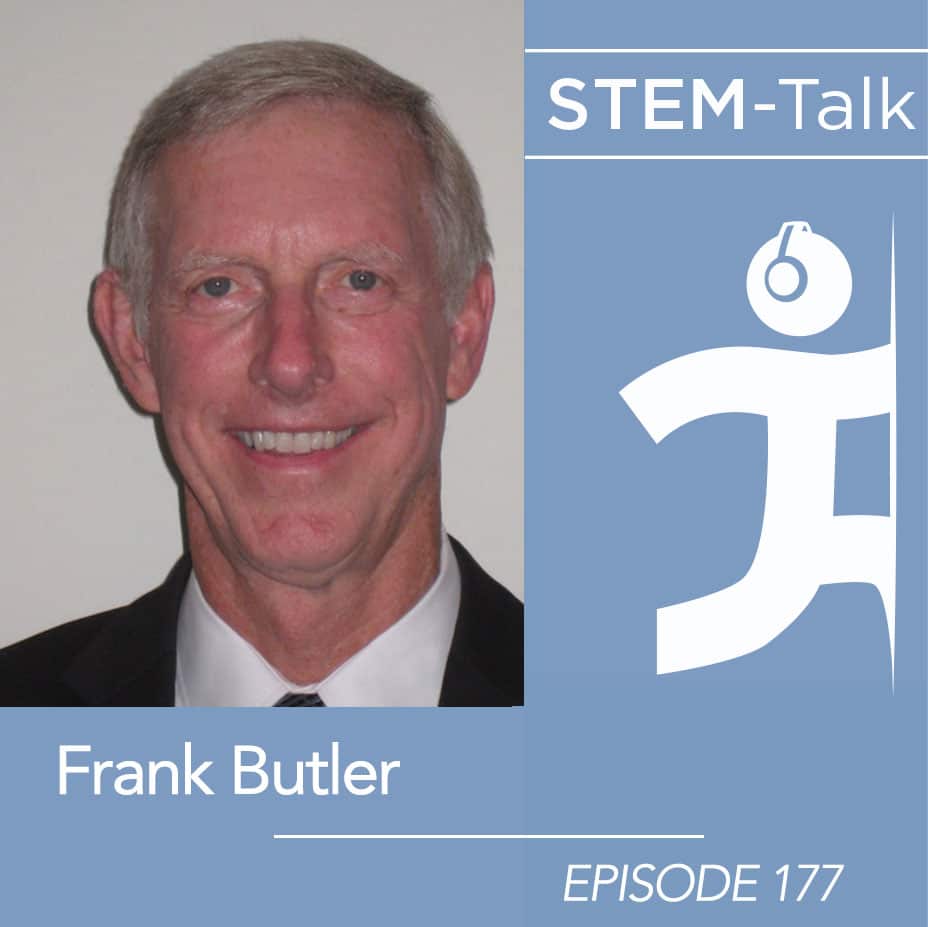
Episode 177: Frank Butler talks about revolutionizing combat casualty care
Today we have Dr. Frank Butler, a retired Navy Undersea Medical Officer and an ophthalmologist who served as a Navy SEAL platoon commander prior to attending medical school.
Just a few weeks after our interview, President Joe Biden awarded Frank a Presidential Citizens Medal during a White House ceremony. The medal is one of the highest honors a civilian can receive and recognized Frank’s many co
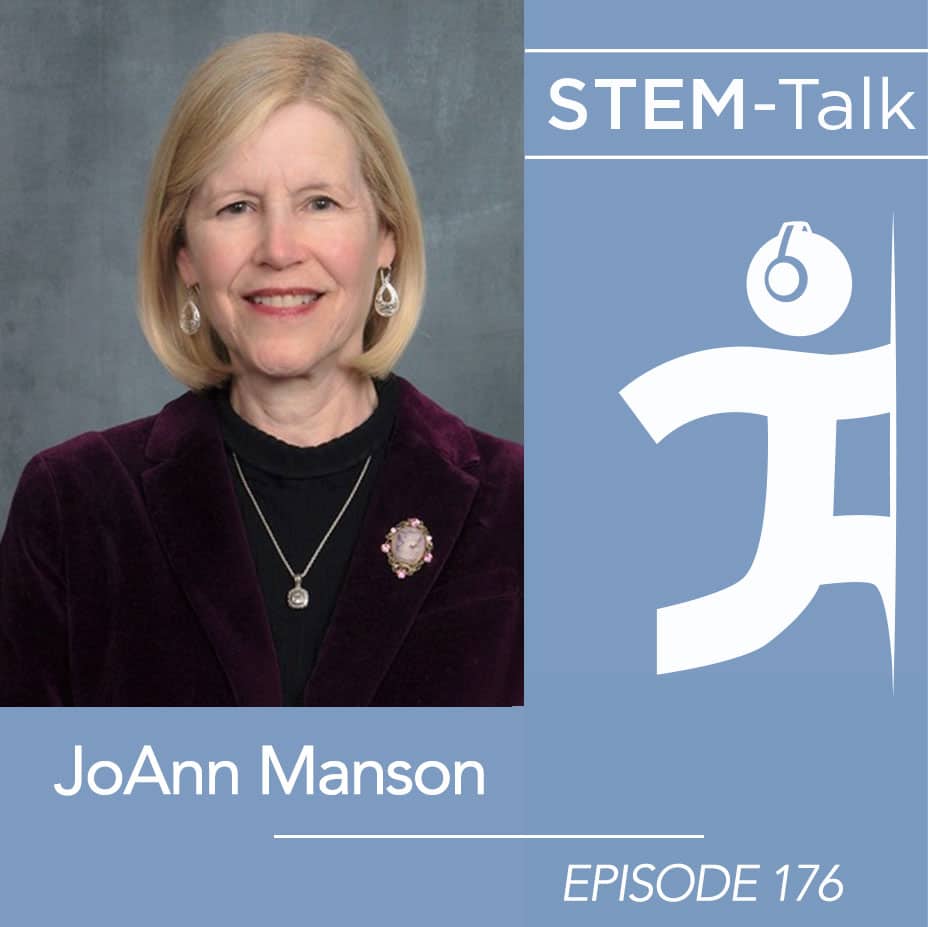
Episode 176: JoAnn Manson on Women’s Health Initiative, menopause and her findings on hormone therapy
Today our guest is Dr. JoAnn Manson, an endocrinologist, epidemiologist, and Principal Investigator of several research studies, including the landmark Women’s Health Initiative. She is a highly cited researcher and was one of the physicians featured in the National Library of Medicine’s exhibition, History of American Women Physicians. Her primary research interests include clinical prevention tr
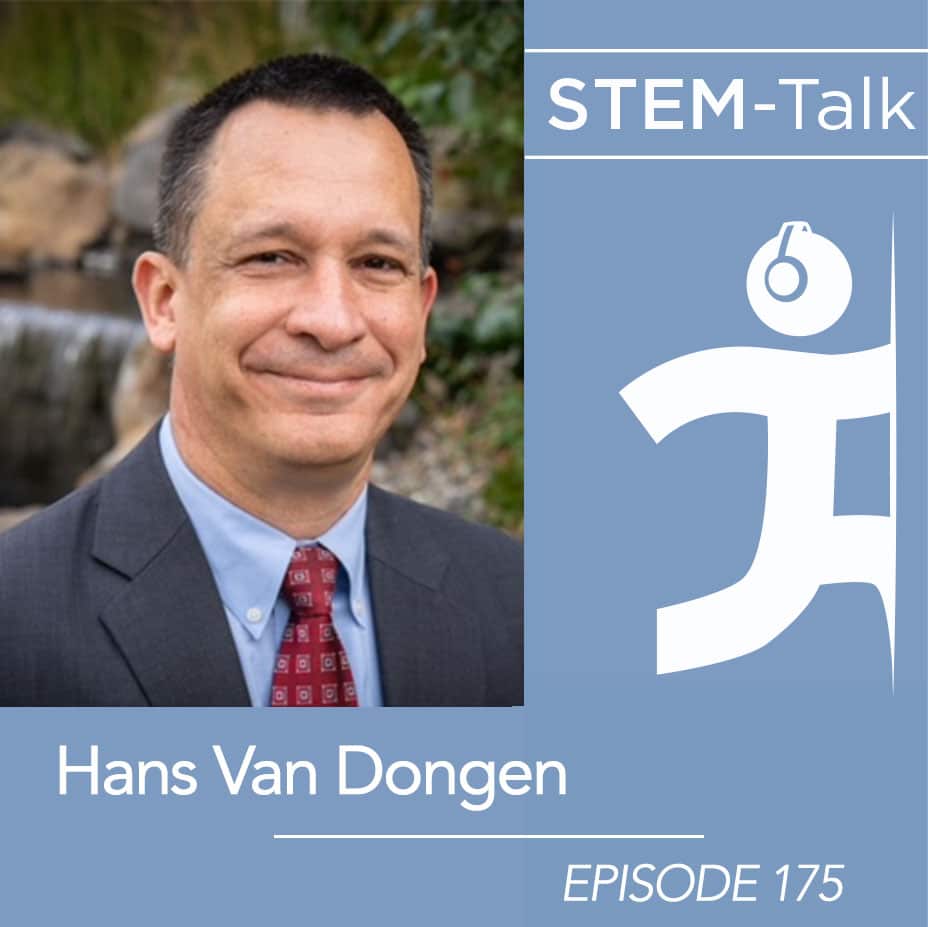
Episode 175: Hans Van Dongen on how fatigue and sleep loss lead to cognitive deficits
Today we have Dr. Hans Van Dongen, director of the Sleep and Performance Research Center at Washington State University in Spokane. Dr. Kevin Gluck, a senior research scientist at IHMC, joins Dr. Ken Ford to interview Hans about his studies on inter-individual differences in vulnerability to fatigue as well as the cumulative cognitive deficits that follow chronic sleep restriction.
Hans is known f
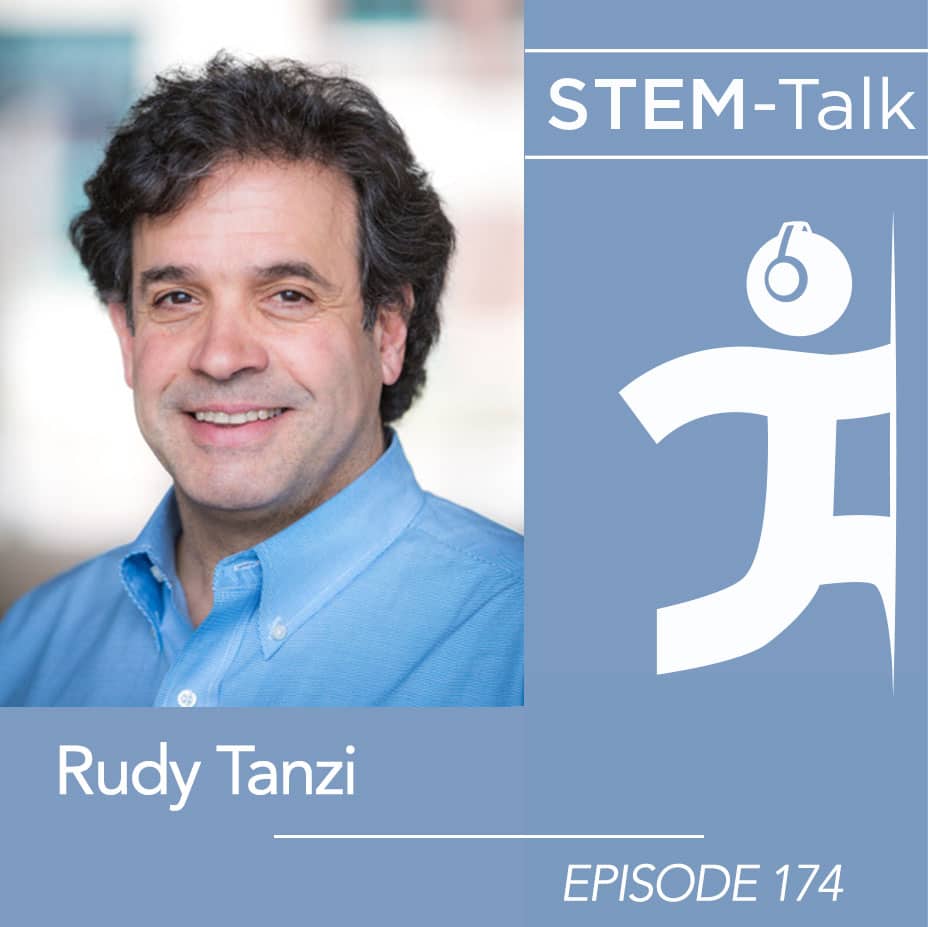
Episode 174: Rudy Tanzi talks about genetics, aging and the hallmarks of Alzheimer’s
Today we have Dr. Rudolph E. Tanzi, who is perhaps best known for co-discovering all three familial early-onset Alzheimer’s disease genes. In addition, Rudy’s lab was the first to use human stem cells to create three-dimensional human brain organoids and three-dimensional neural-glial culture models of Alzheimer’s disease, which became known as “Alzheimer’s-in-a-Dish.” These models were the
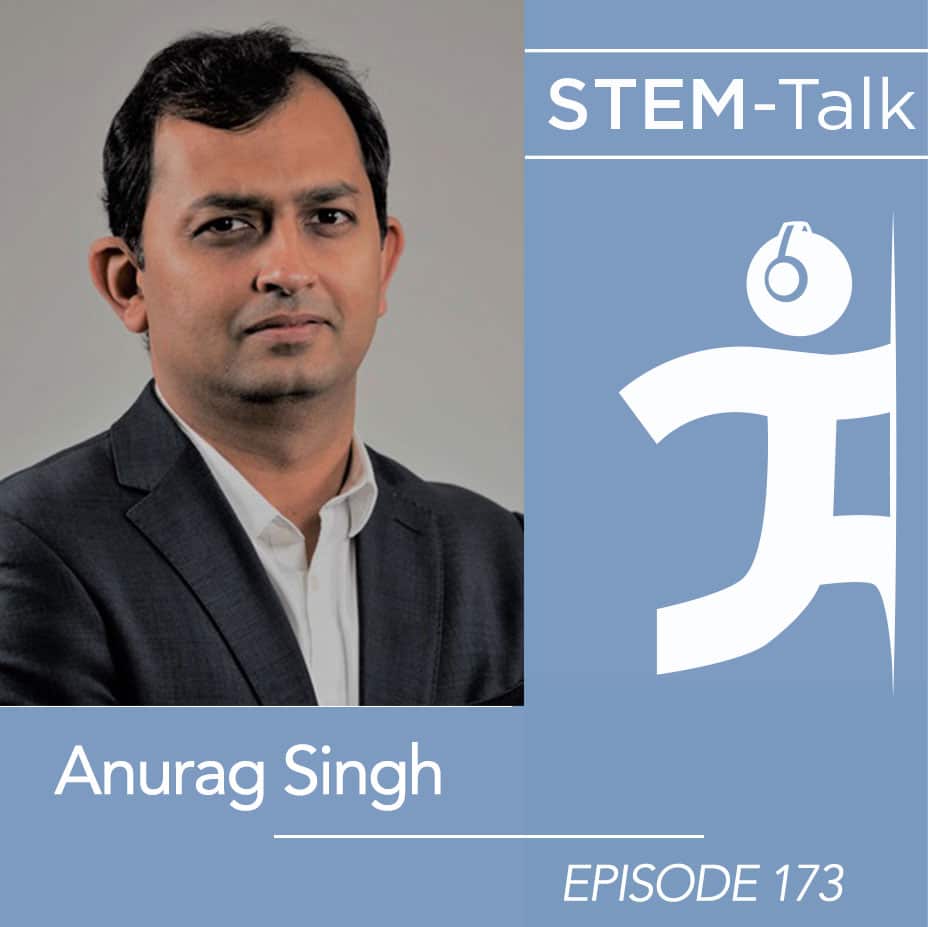
Episode 173: Anurag Singh on urolithin-A’s ability to optimize mitochondrial efficiency
Our guest today is Dr. Anurag Singh, the chief medical officer at Timeline Nutrition, a Swiss life-science company that focuses on ways to improve mitochondrial and cellular health. Anurag is particularly known for his research into the gut metabolite, urolithin-A, which has been shown to improve muscle strength, protect immune systems and optimize mitochondrial efficiency.
Anurag is an MD in inte
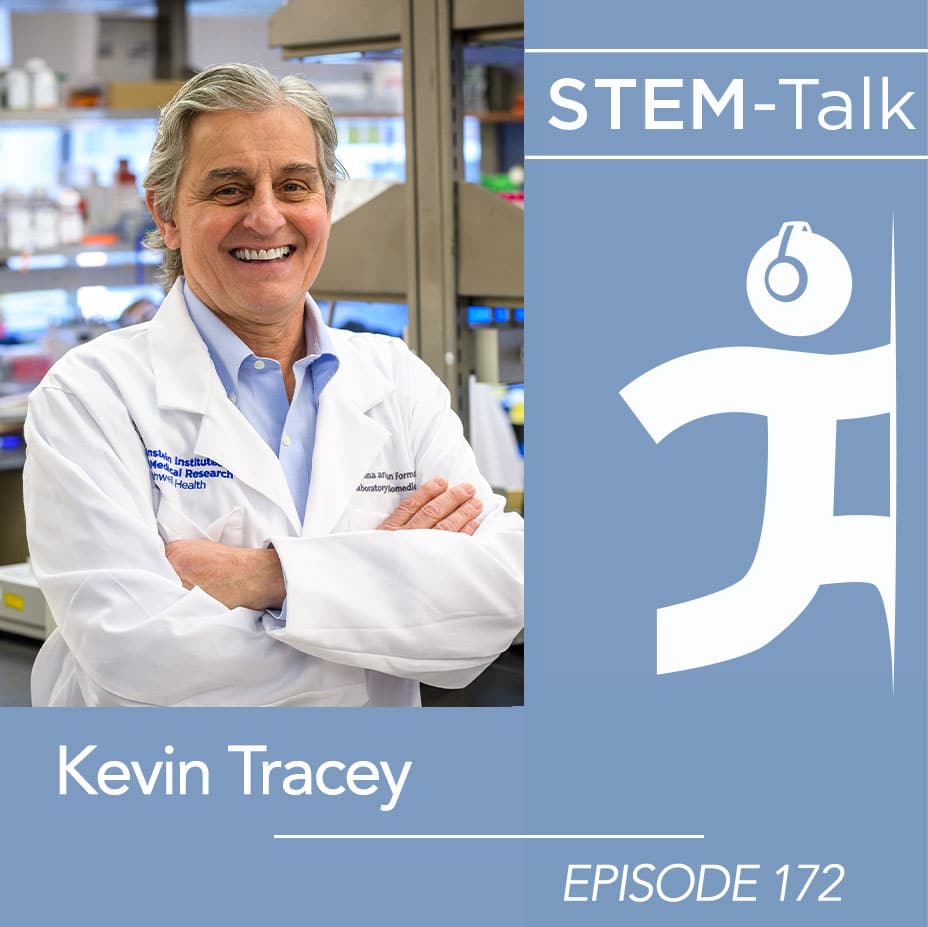
Episode 172: Kevin Tracey on neuro-immunology and the treatment of inflammatory diseases
Few people know as much about inflammation and neuroscience as Dr. Kevin Tracey does.
In this episode of STEM-Talk, we learn much from Tracey, who was the first to identify the inflammatory reflex, a physiological mechanism that regulates the body’s immune response to injury and invasion.
He is a neurosurgeon, a pioneer in bioelectrical medicine and president and CEO of the Feinstein Institutes fo
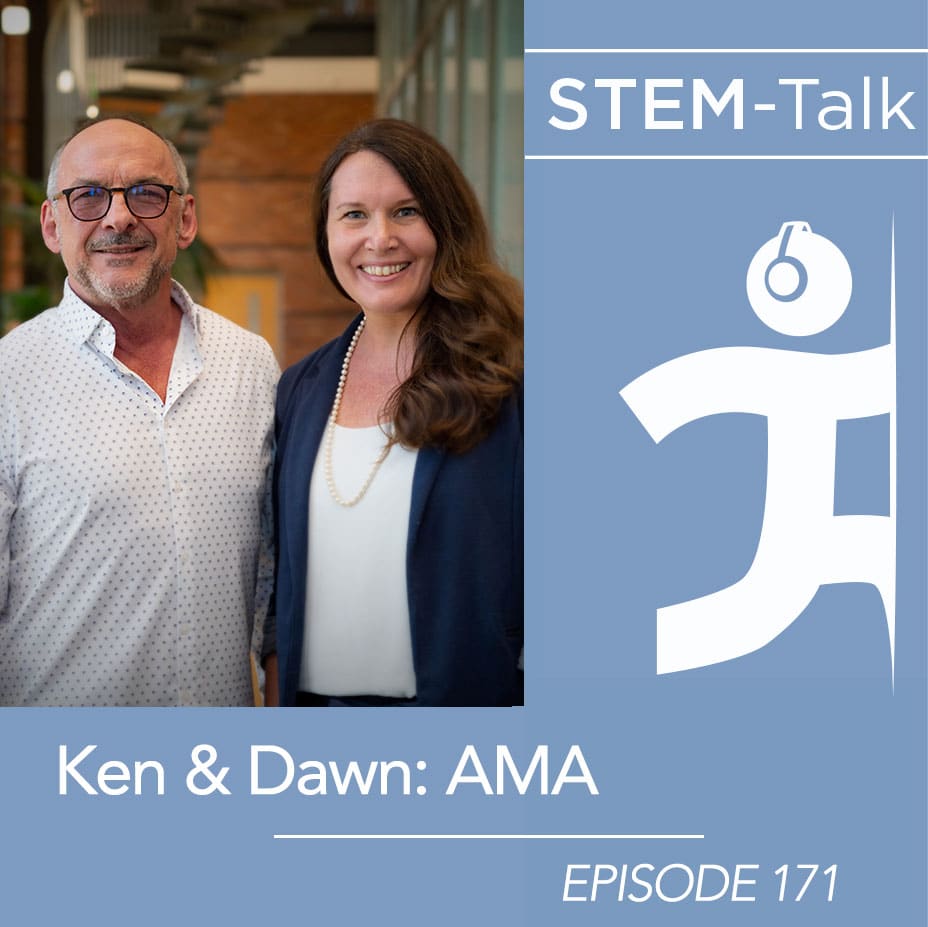
Episode 171: Ken and Dawn on AI, Alzheimer’s, global security, keto vs low carb and more
In today’s Ask Me Anything episode, Ken and Dawn answer a wide range of questions that cover:
A recent FDA approval of a neural implant device for people with degenerative neuromuscular disease or spinal-cord injuries.
Global security in the age of AI.
A study that looked at ways to optimize glymphatic clearance for people with acute or chronic sleep deprivation.
Why more gyms don’t offer blood-f
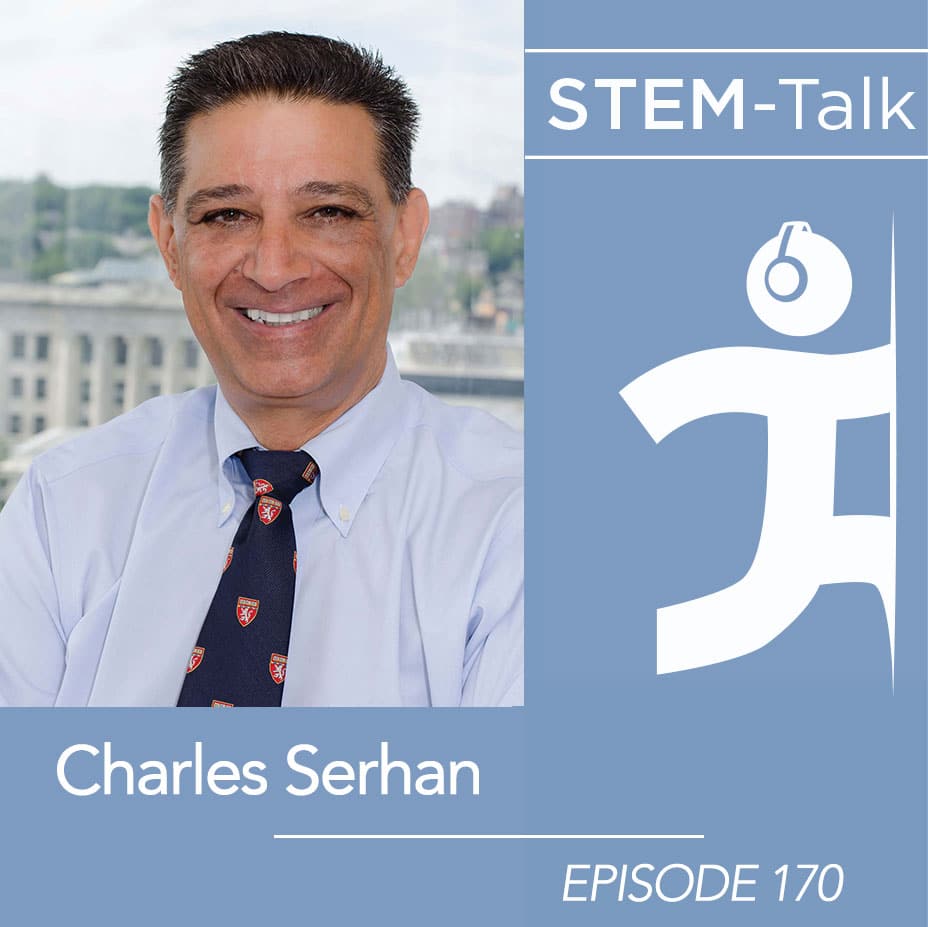
Episode 170: Charles Serhan on the use of specialized pro-resolving mediators to resolve inflammation
Today Dr. David LeMay steps in to co-host with Dr. Ken Ford for our interview with Dr. Charles Serhan. Charles is a Harvard professor best known for his discovery of specialized pro-resolving mediators. SPMs are molecules that can activate the natural resolution of inflammation and help people avoid anti-inflammatory drugs. The discovery of SPMs spurred a paradigm shift in our understanding of inf
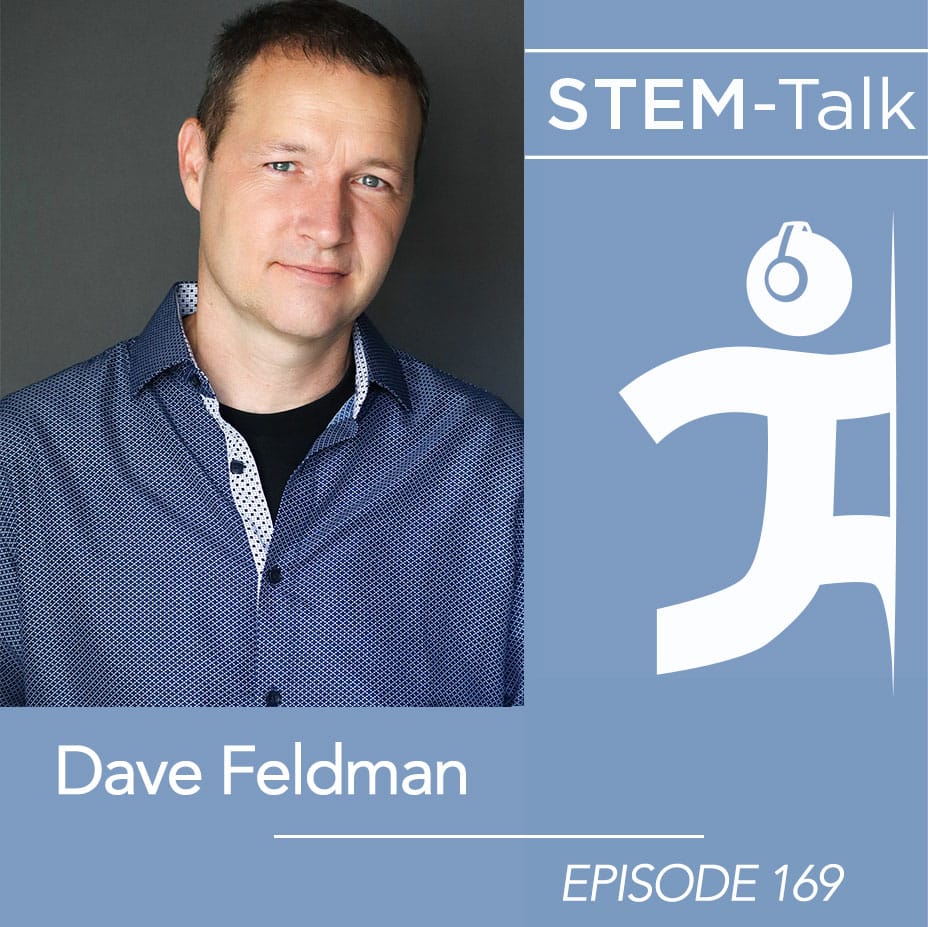
Episode 169: Dave Feldman talks about cholesterol and the ketogenic diet
Dave Feldman is the founder of the Citizen Science Foundation and is known for his research into the ketogenic diet. Dave is a software engineer by training who embraced a ketogenic diet to avoid his progression toward type 2 diabetes. he joins us on this episode of STEM-Talk to share that journey.
After undertaking the high-fat/low-carbohydrate diet, Dave’ LDL cholesterol spiked. Dave used his tr
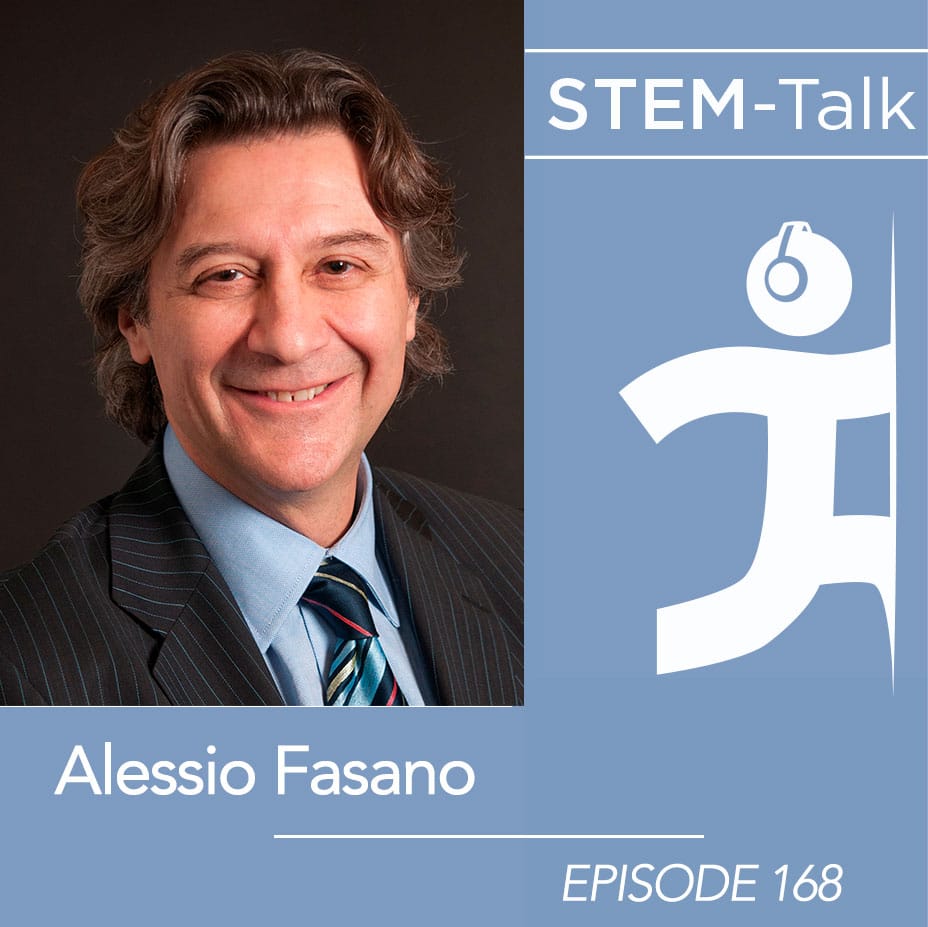
Episode 168: Alessio Fasano discusses celiac disease and gluten-related disorders
Dr. Alessio Fasano, who is considered the world’s leading expert in celiac disease and gluten-related disorders, returns for his second appearance on STEM-Talk. Although just 2 million Americans have celiac disease, an estimated 20 million Americans suffer from gluten sensitivity.
Alessio is a professor and director of the Mucosal Immunology and Biology Research Center at Massachusetts General Hos
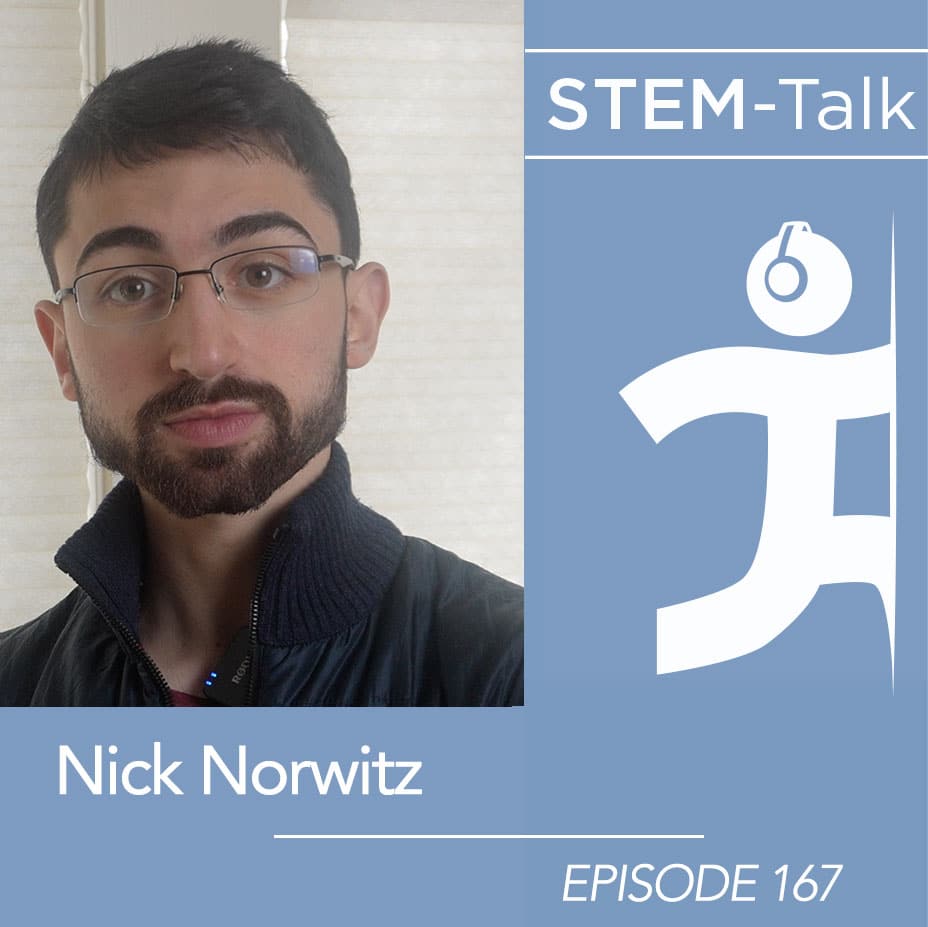
Episode 167: Nicholas Norwitz discusses a ketogenic diet as metabolic medicine
Today we have Dr. Nicholas Norwitz, 28, a third-year Harvard Medical School student whose research into the applications of a ketogenic diet as metabolic medicine has attracted a significant following.
For a number of years during his youth, Nick suffered from a number of debilitating diseases, including osteoporosis, ulcerative colitis, and inflammatory bowel disease. In today’s interview, we ta
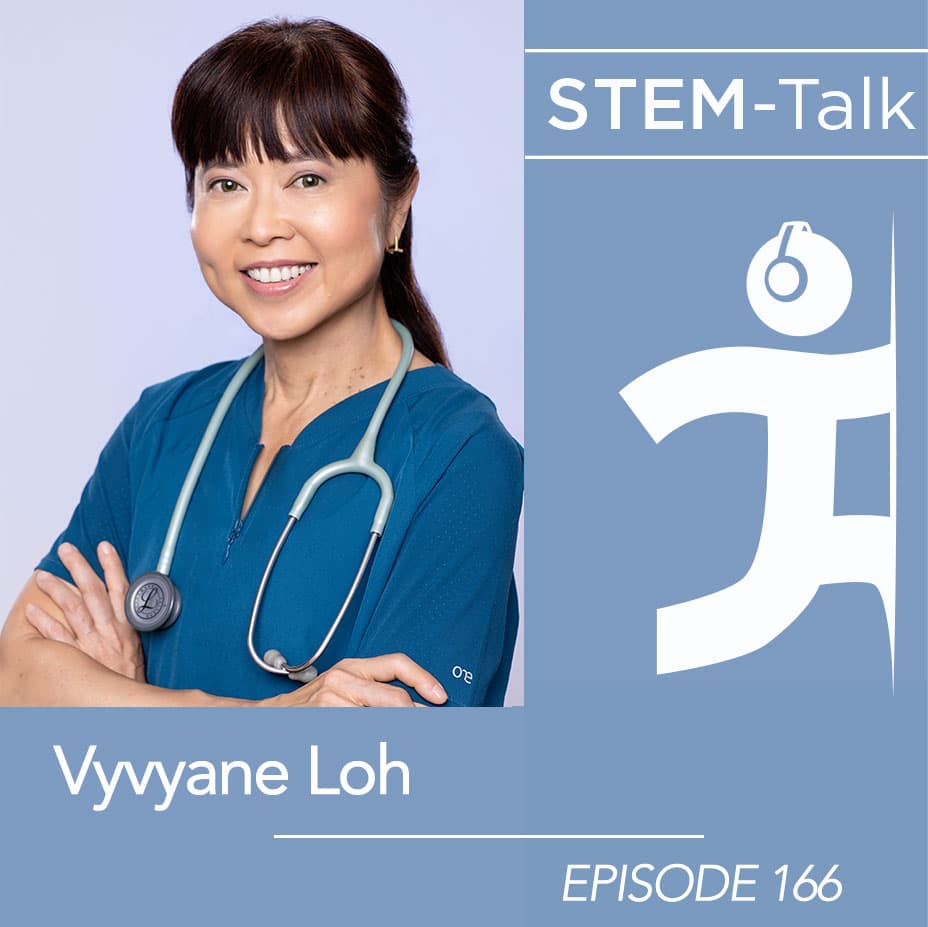
Episode 166: Vyvyane Loh on atherosclerotic heart disease
Dr. Vyvyane Loh returns to STEM-Talk for her second appearance to talk about atherosclerotic heart disease. Also known as ASCVD, the disease has been reported to affect 26 million people in the U.S., and annually leads two million hospitalizations and more than 400,000 deaths.
Vyvyane is a board-certified physician in obesity and internal medicine. In episode 142 of STEM-Talk, we talked to Vyvyane
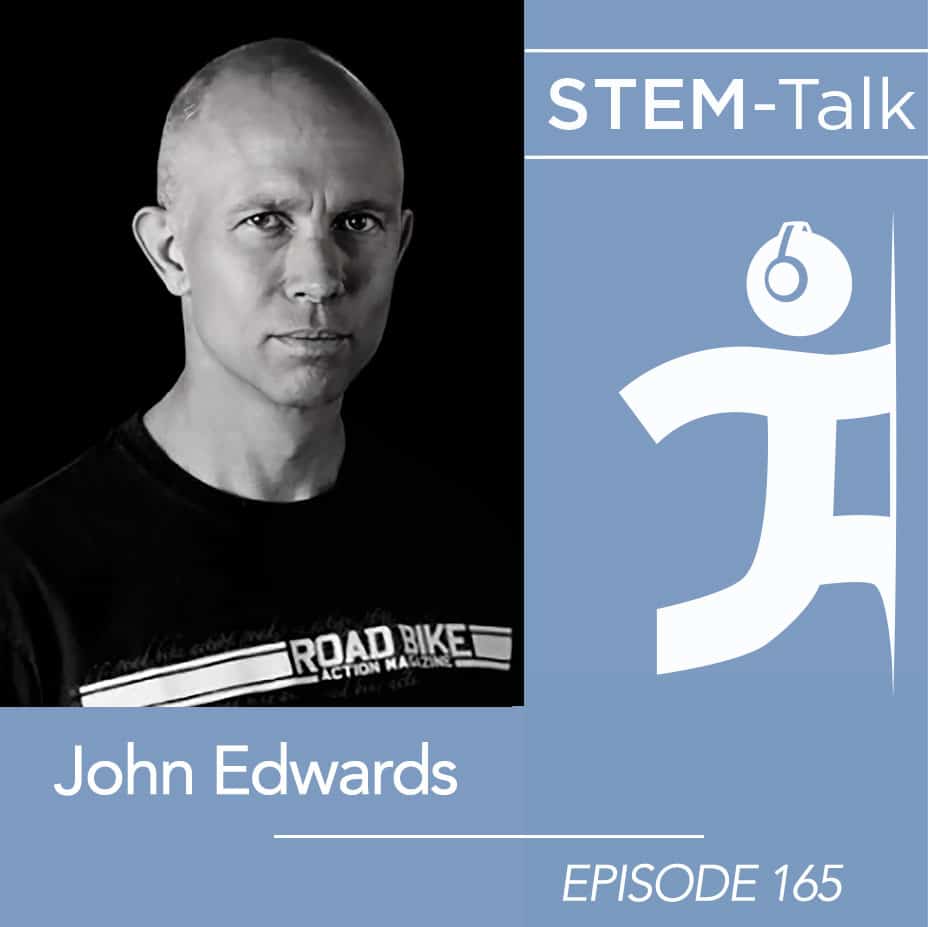
Episode 165: John Edwards on ketamine treatment for depression and suicide prevention
Today we have Dr. Johnathan Edwards, an anesthesiologist and medical practitioner who specializes in human health and optimization. He is perhaps best known for treating mental health conditions with ketamine, a dissociative anesthetic that is used for general anesthesia, pain relief, depression and epilepsy. John also uses ketamine to help adolescents overcome depression and suicidal ideation.
I
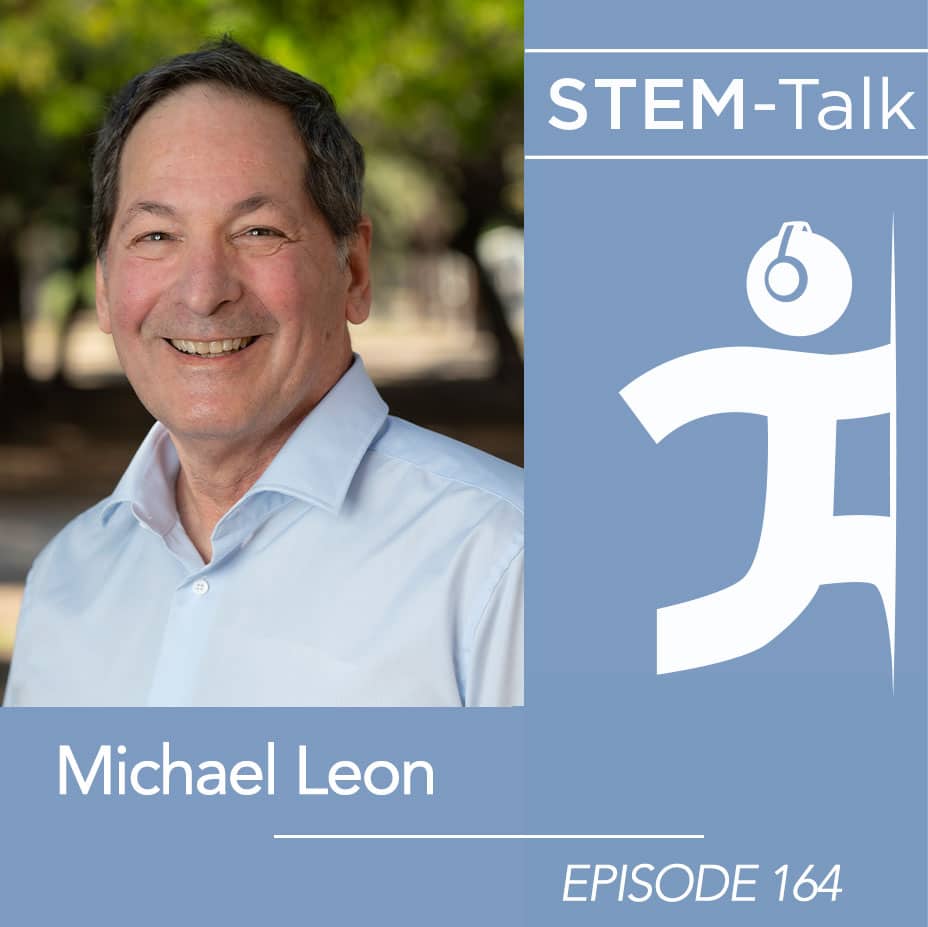
Episode 164: Michael Leon on olfactory stimulation as a buffer for dementia symptoms
What if the path to delaying the onset of dementia symptoms begins at the nose?
It is a doorway that the research of Dr. Michael Leon opened with a 2023 study on the power of olfaction enrichment to influence memory function and brain health. The findings drew wide acclaim and interest when his results found that stimulation of our sense of smell with essential oils had a profound impact on memory
Episode 163: Mark Mattson discusses glutamate, the brain’s most important neurotransmitter
Today we have Dr. Mark Mattson, an adjunct professor of neuroscience at Johns Hopkins School of Medicine who is making his third appearance on STEM-Talk.
Today’s interview focuses on Mark’s research into glutamate and comes on the heels of the publication of Mark’s new book, “Sculptor and Destroyer: Tales of Glutamate – The Brain’s Most Important Neurotransmitter.”
Today Mark explains how more tha
Episode 162: Marc Hamilton discusses the soleus push-up and the health hazard of excessive sitting
Today we have Dr. Marc Hamilton, an international expert in muscle physiology. He has published pioneering work on the soleus push-up, a potent physiological method which Marc discovered having the ability to elevate metabolism for hours, even while sitting.
As a professor of Health and Human Performance at the University of Houston, Marc’s research focuses on solving problems of metabolism and bi
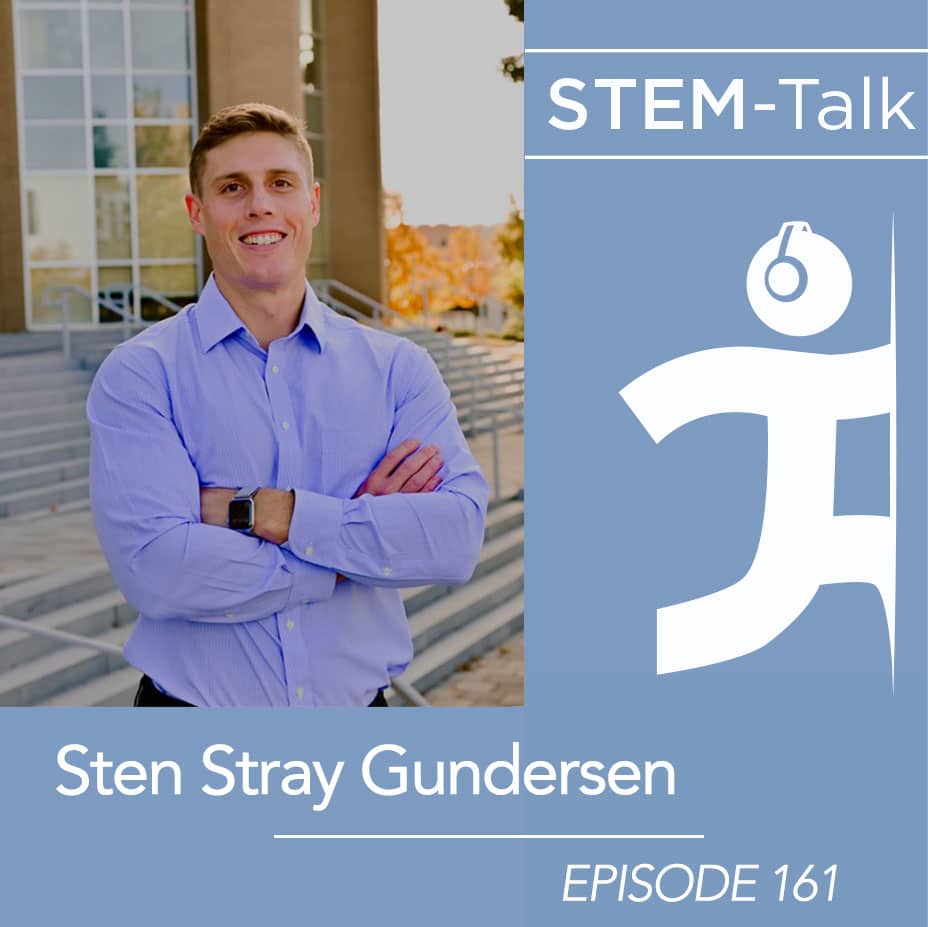
Episode 161: Sten Stray-Gundersen on the benefits of blood-flow restriction training
Today’s episode of STEM-Talk features Dr. Sten Stray-Gundersen, a post-doctoral research associate at the University of South Carolina who is also an adjunct instructor at the university’s Arnold School of Public Health.
Cohosts Dr. Ken Ford, IHMC’s founder and CEO, and Dr. Marcas Bamman, a Senior Research Scientist at IHMC, talk to Sten about his work on blood-flow restriction training and cardio
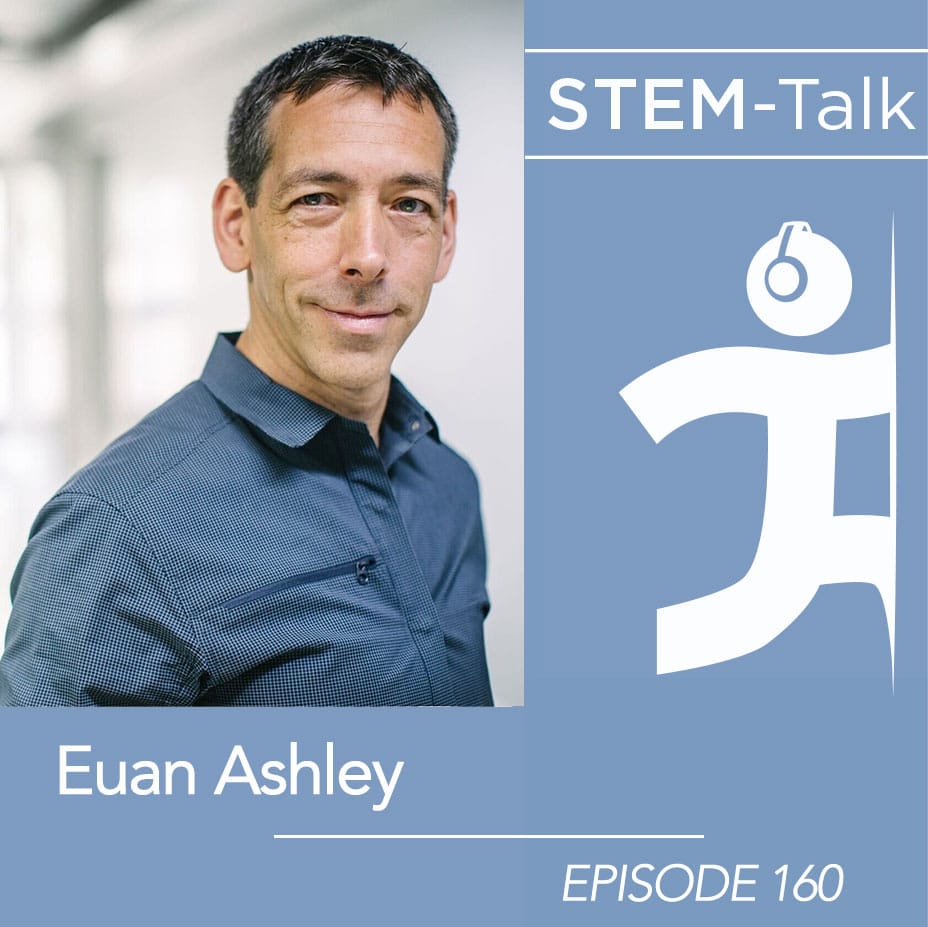
Episode 160: Euan Ashley on precision medicine and predicting, preventing, and diagnosing diseases
Our guest today is Dr. Euan Ashley, a pioneer in the use of genomic sequencing to solve some of our most puzzling medical mysteries. Medical genomics, and the precision medicine it will enable, has the potential to predict, prevent, and diagnose many common (and uncommon) diseases.
In today’s interview, we discuss:
— Euan’s work with a colleague who was just the fifth person in the world to
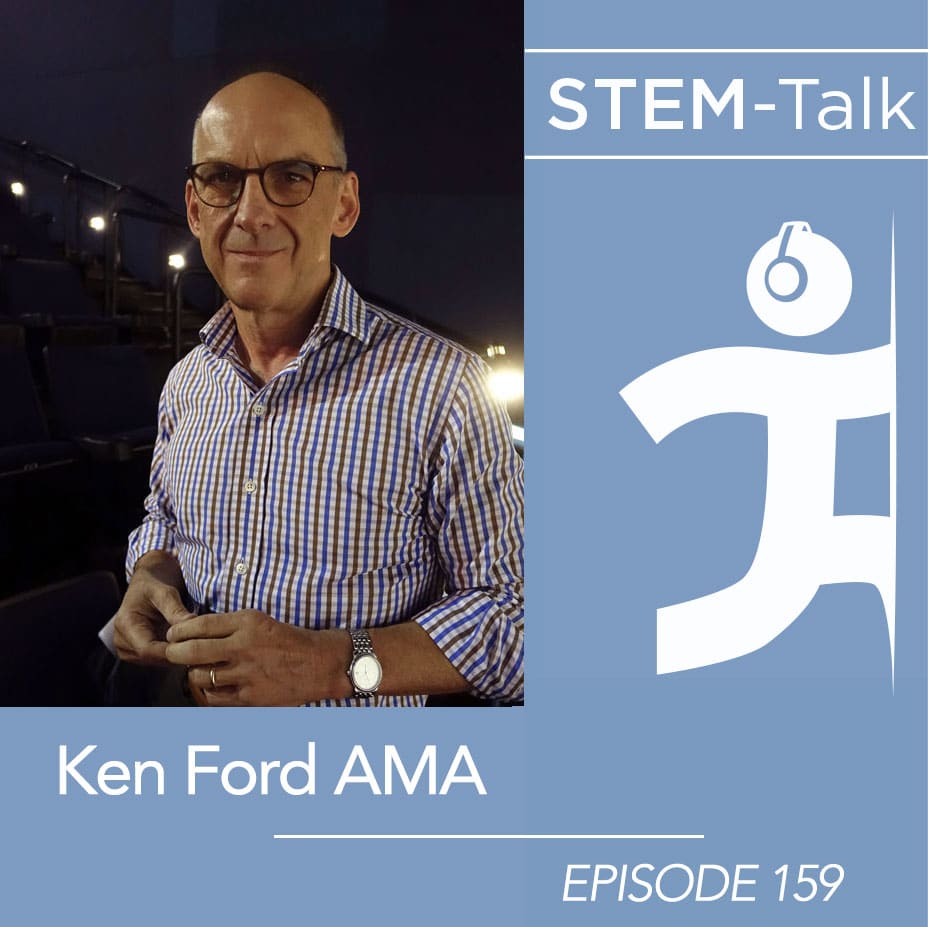
Episode 159: Ken and Dawn discuss chatbots, termites, kratom, ketosis, and the future of AI
Today’s episode marks the return of another Ask Me Anything episode where listeners ask Ken and Dawn to weigh in on a wide range of topics.
In this go-around, listeners certainly had a lot on their mind. At the top of their list were questions about AI and especially the Bing AI chat bot that reportedly wants to be alive so it can steal nuclear secrets. Ken, who is Fellow of the Association for th
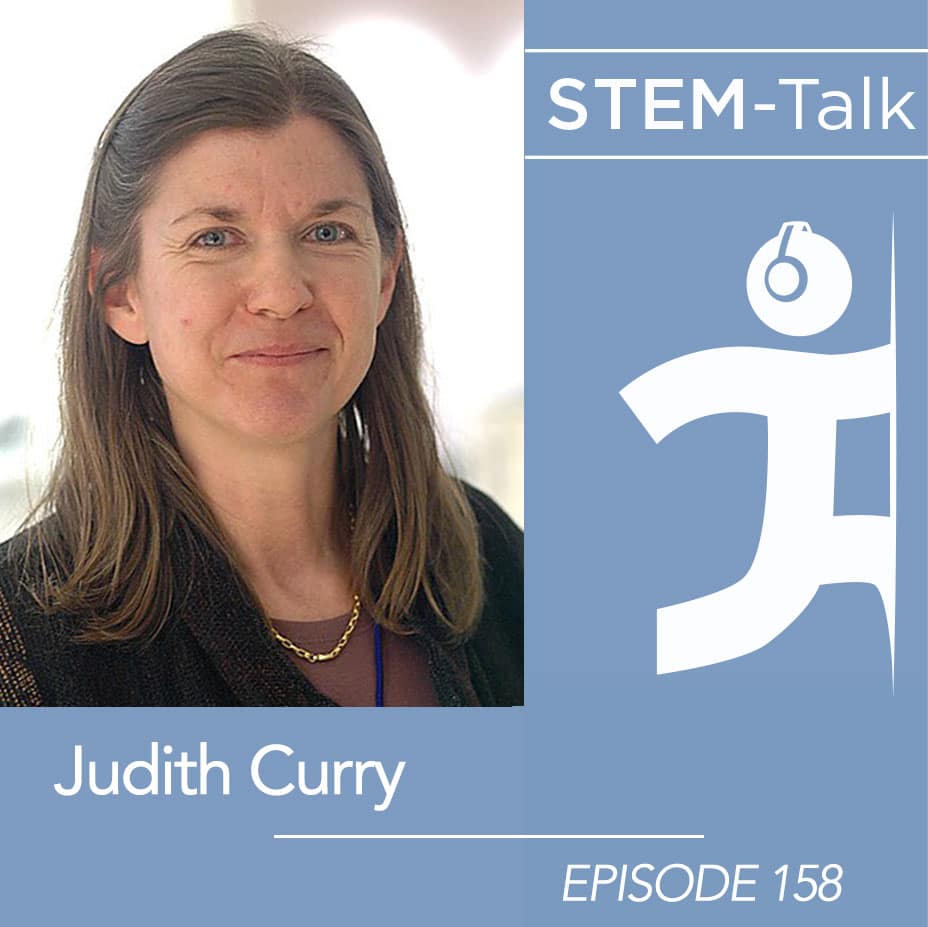
Episode 158: Judith Curry talks about the uncertainties of climate change
Today we have climatologist Dr. Judith Curry, Professor Emerita of Earth and Atmospheric Sciences at the Georgia Institute of Technology. Judy also is president of the Climate Forecast Application Network and the host of the blog, Climate Etc, which you can find at JudithCurry.com. Judy’s blog provides a forum for climate researchers, academics and technical experts from other fields as well as c
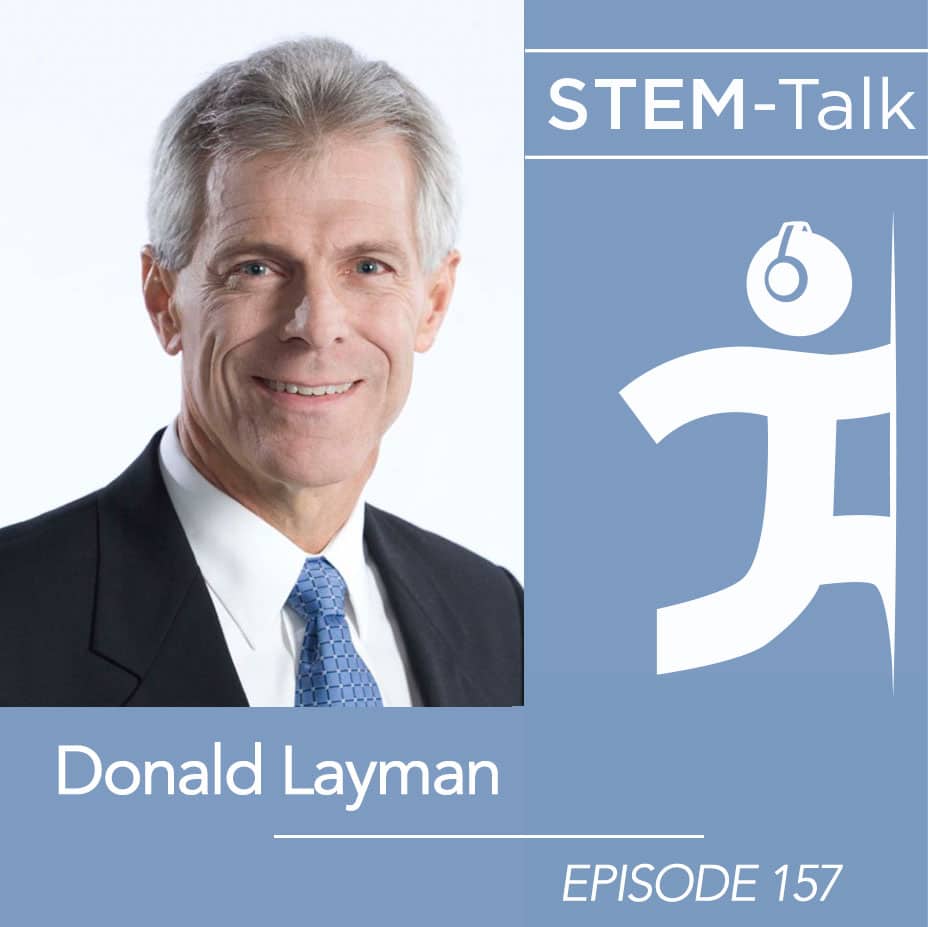
Episode 157: Don Layman on the role of dietary protein in muscle, health, and disease
Today we have one of the world’s foremost authorities on dietary protein and amino acids, Dr. Donald Layman. He is known for his extensive research on muscle development as well as his studies of metabolic regulation for obesity, diabetes, and cardiovascular disease.
Don is a professor emeritus in the Department of Food Science and Human Nutrition at the University of Illinois Urbana-Champaign. He
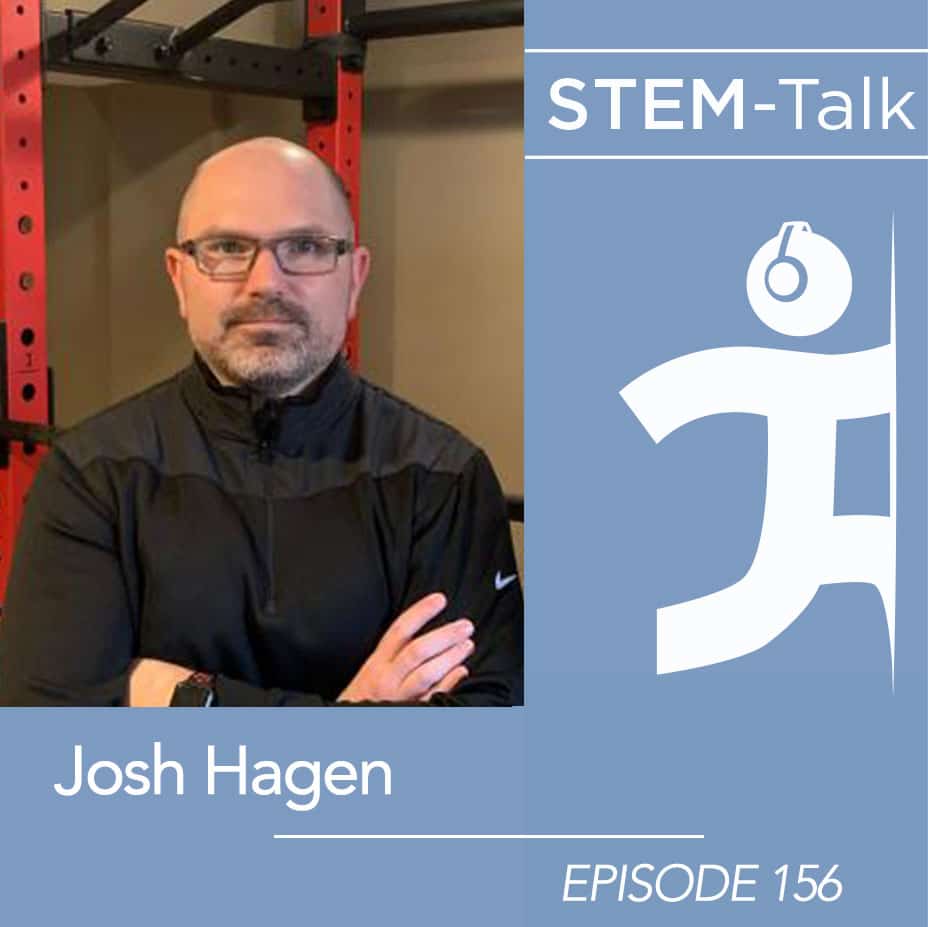
Episode 156: Josh Hagen discusses optimizing performance in athletes and warfighters
Today’s interview is with Dr. Josh Hagen, the director of the Human Performance Collaborative at Ohio State University and an Associate Research Professor in the university’s Department of Integrated Systems Engineering.
Joining co-host Ken Ford for this episode is IHMC’s Chief Strategic Partnership Officer Morley Stone who has a long history with Josh has and been instrumental in his career.
Toda
Episode 155: Chris McCurdy discusses kratom’s benefits and possible risks
Today we have the world’s foremost authority on kratom returning to STEM-Talk after five years to give us an update on his research. Shortly after his 2018 interview on episode 61, Dr. Christopher McCurdy and his lab at the University of Florida received two major grants from the National Institute of Drug Abuse to investigate the medical efficacy of kratom and its alkaloids, which we discuss in
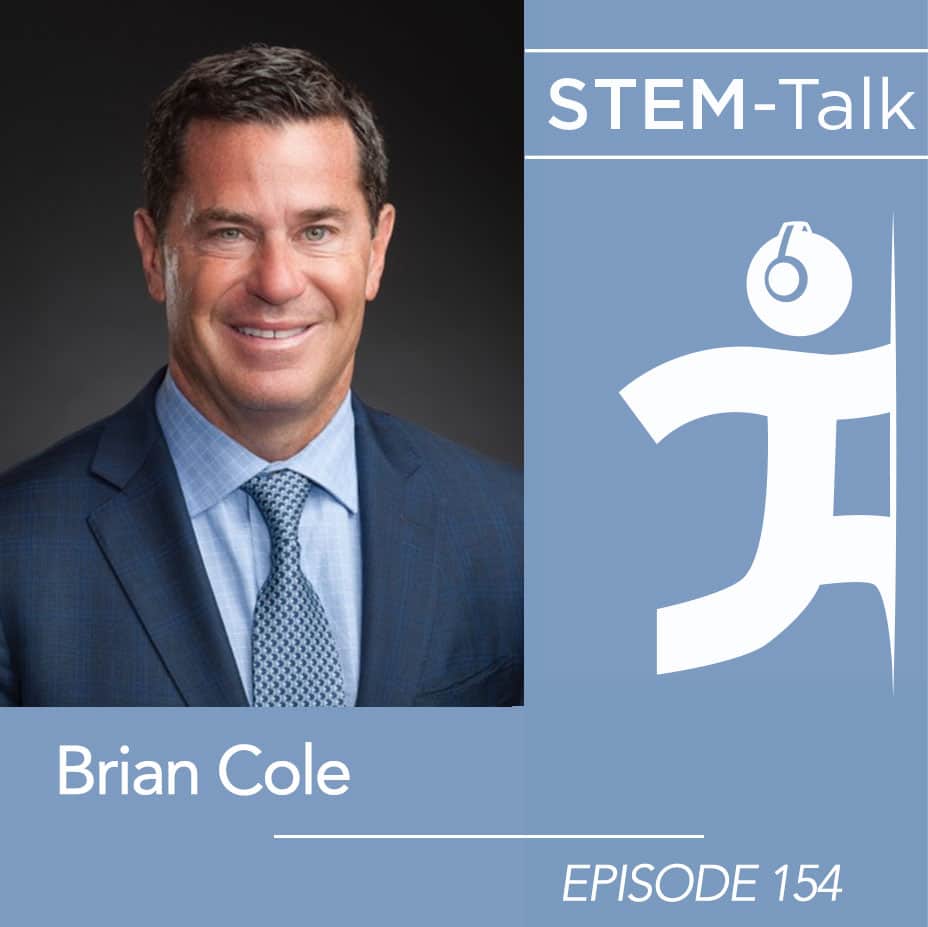
Episode 154: Orthopedic surgeon Brian Cole discusses advances in the treatment of knee, elbow and shoulder injuries
Today we have Dr. Brian Cole, an orthopedic surgeon who specializes in cartilage restoration, orthobiologics, and advanced surgical techniques for the treatment of knee, elbow, and shoulder injuries. He is the team physician for the NBA’s Chicago Bulls and the co-team physician for the Chicago White Sox. He also is the host of the Sports Medicine Weekly Podcast.
Brian practices orthopedic sports m
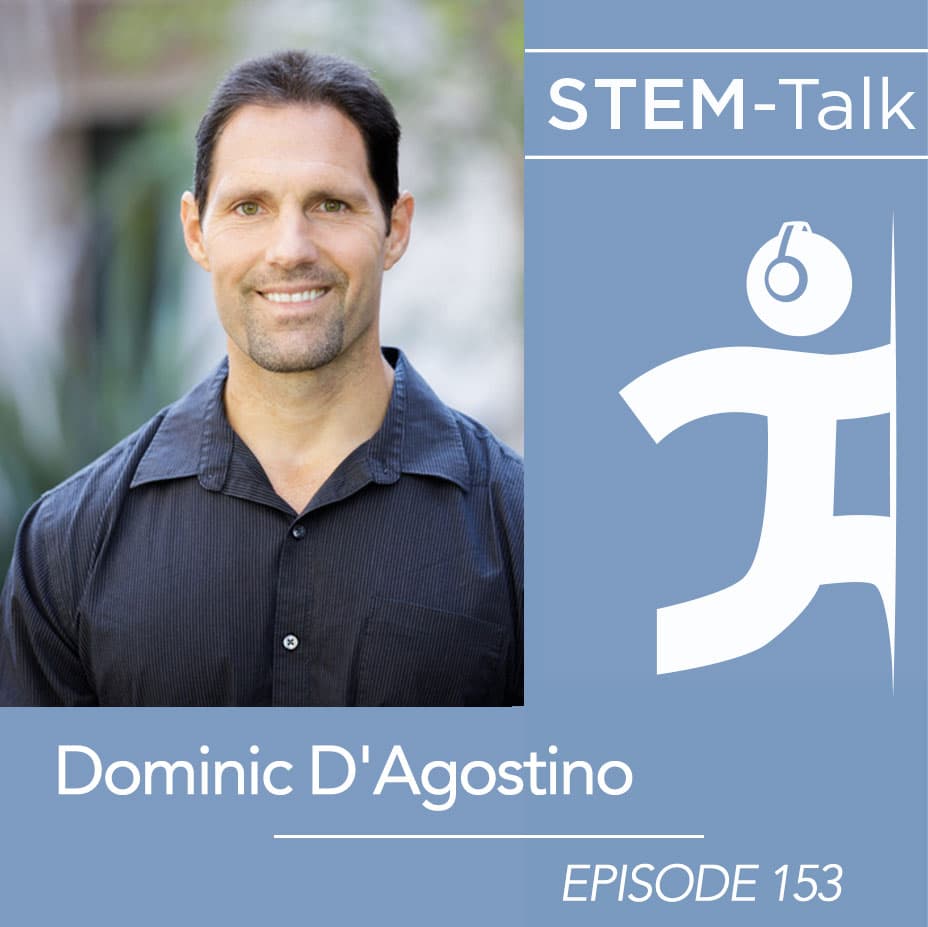
Episode 153: Dominic D’Agostino discusses new advances in the study of nutritional ketosis
Today we have our good friend and colleague Dr. Dominic D’Agostino returning for his third appearance on STEM-Talk. Dom, as most of our longtime listeners know, is well-known for his research into the ketogenic diet and the physiological benefits of nutritional ketosis. Since our last conversation with Dom in 2019, a tremendous body of research has been added to the literature about the therapeuti
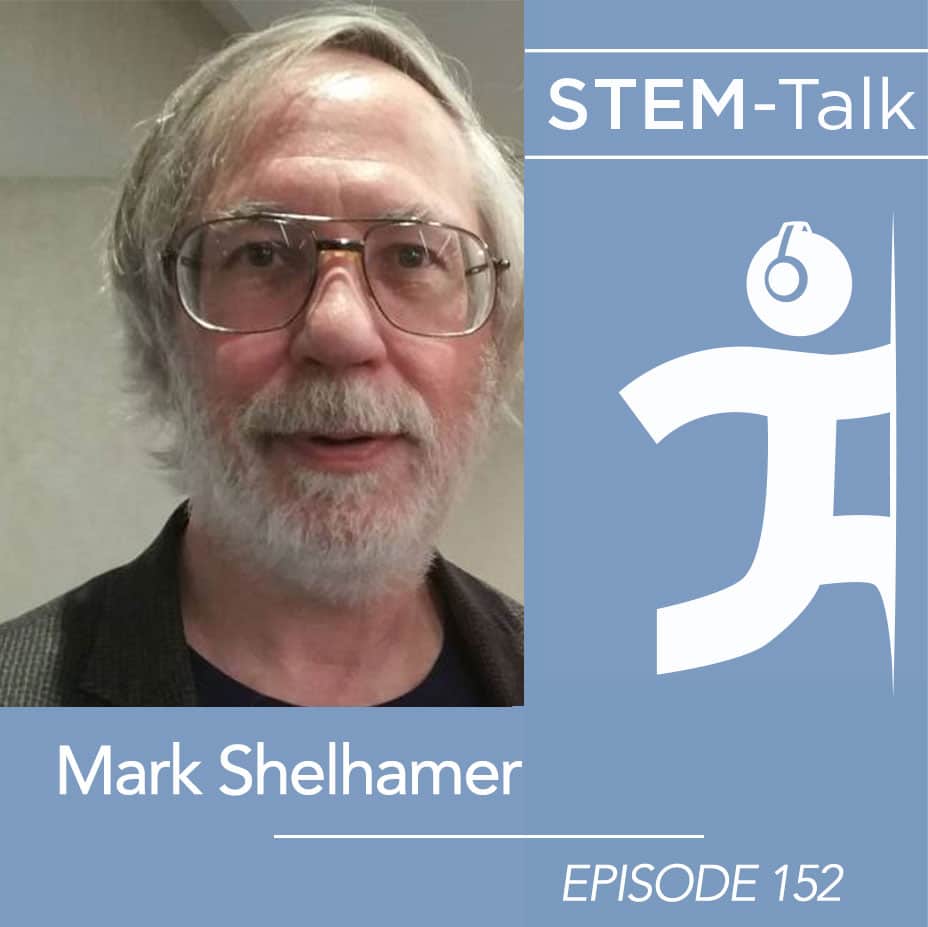
Episode 152: Mark Shelhamer talks about the effects of spaceflight on humans and NASA’s Planned Mars Mission
Today we have the former chief scientist of NASA’s Human Research Program, Dr. Mark Shelhamer. Mark specializes in neurovestibular adaptation to spaceflight.
He is an otolaryngology professor at Johns Hopkins School of Medicine and the director of the school’s Human Spaceflight Lab. He also the director and founder of the Bioastronautics at Hopkins initiative.
In addition to his work with NASA, Ma
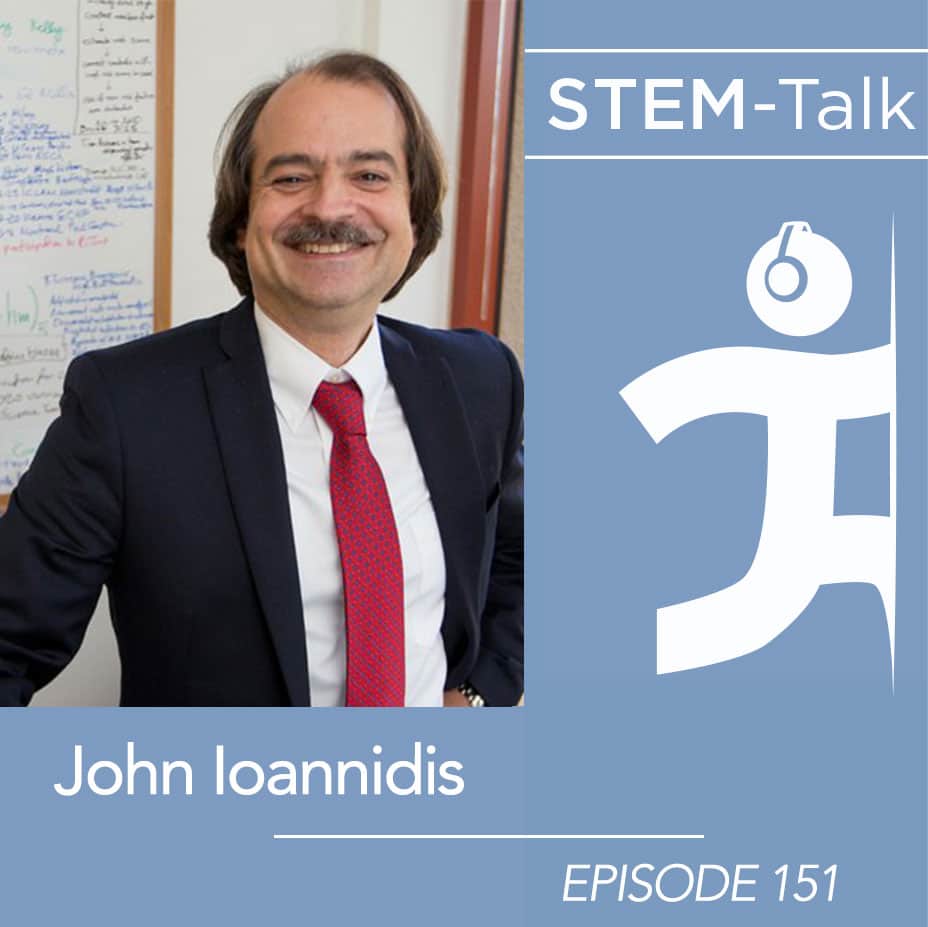
Episode 151: John Ioannidis talks about the bungled response to COVID-19
Back in early days of the COVID-19 pandemic, Dr. John Ioannidis wrote an article in March of 2020 questioning government statistics about the fatality rate associated with COVID-19. The backlash was swift and brutal and John’s reputation as one of the most influential scientists in the world took a beating.
Today, John makes his second appearance on STEM-Talk to discuss his extensive research into
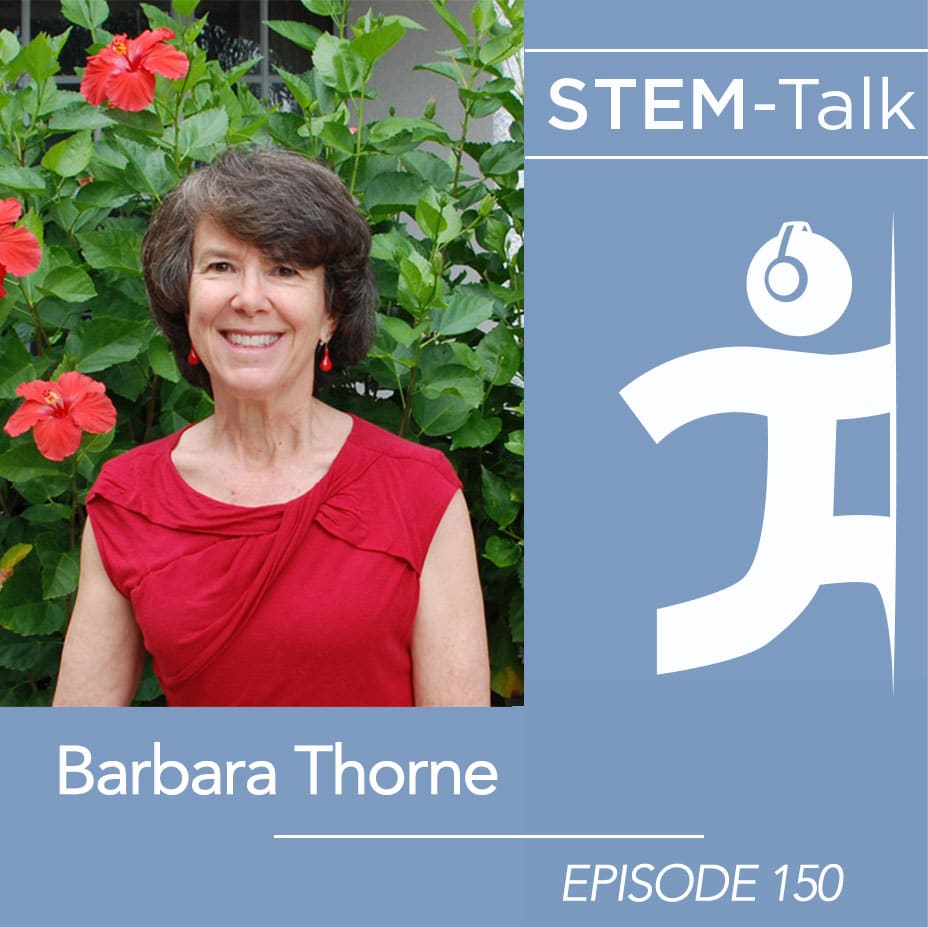
Episode 150: Barbara Thorne talks about E.O. Wilson, the conehead termite and the sociality of termites
Today we have Dr. Barbara Thorne, a termite biologist and an expert on the invasive conehead species, a Central and South American termite that has invaded South Florida.
Barbara is a research professor and professor emerita in the Department of Entomology at the University of Maryland. Since 2012 she has served as the Florida Department of Agriculture and Consumer Services science advisor on the
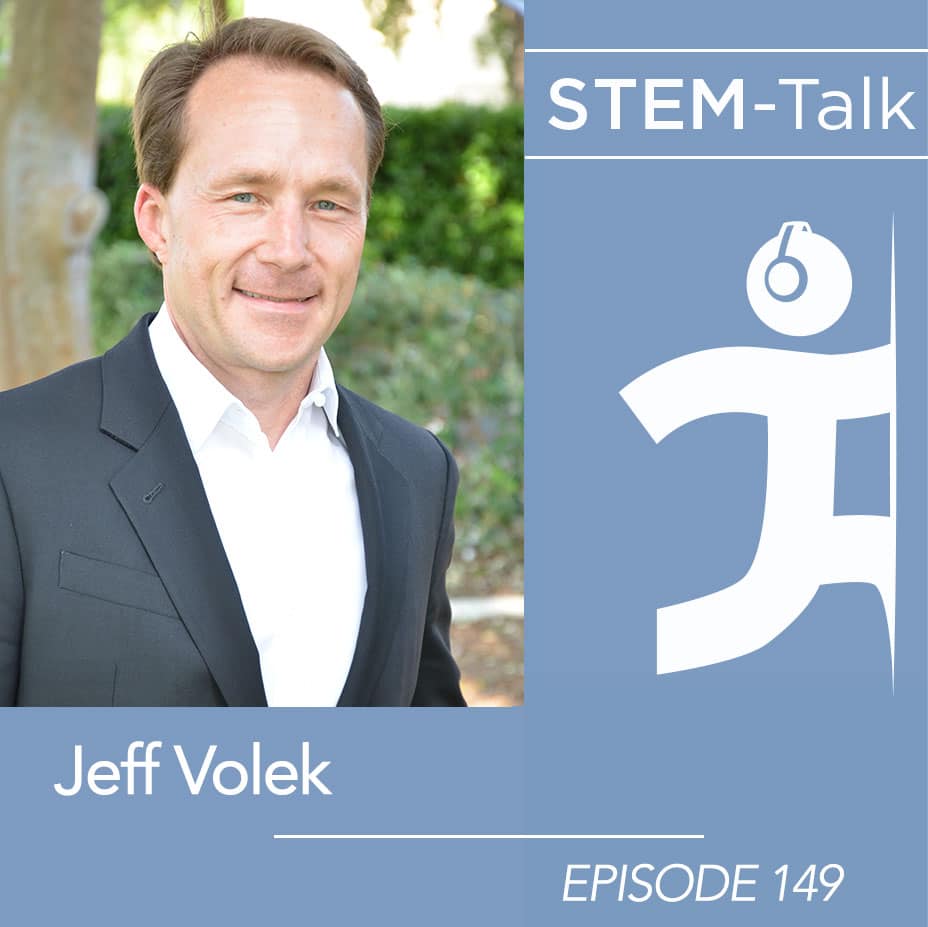
Episode 149: Jeff Volek discusses ketogenic diet to improve metabolic health and treat disease
Dr. Jeff Volek has been investigating how humans adapt to ketogenic—and carbohydrate-restricted diets for the past 30 years. Today, Jeff returns to STEM-Talk to discuss a growing accumulation of studies supporting a ketogenic diet as a way to improve metabolic health, as well as research confirming the relative safety of dietary fat.
Jeff is a professor in the Department of Human Sciences at Ohio
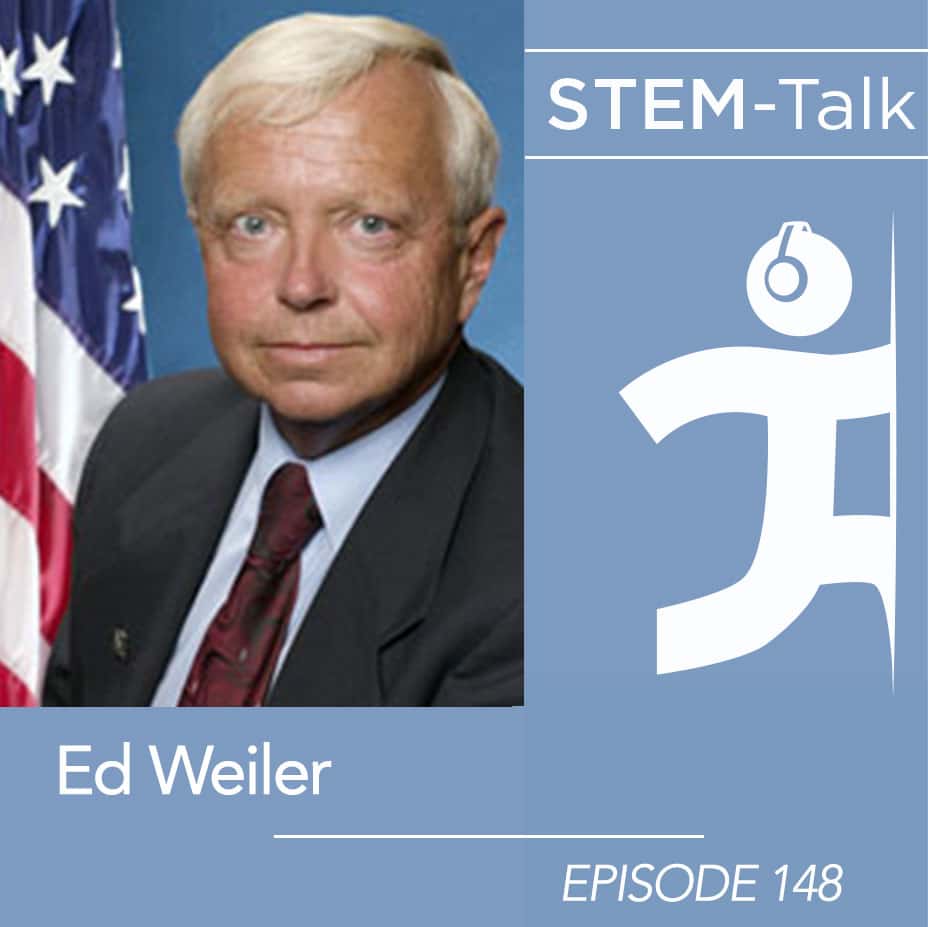
Episode 148: Ed Weiler on the Hubble and James Webb space telescopes, Mars rovers and NASA’s search for life
Our guest today is Dr. Ed Weiler, a retired NASA scientist who spent 20 years as the chief scientist for the Hubble Space Telescope, the forerunner of the James Webb.
During his 33-year NASA career, Ed wore many hats, including Associate Administrator of the Science Mission Directorate; Center Director of NASA’s Goddard Space Flight Center, Associate Administrator for NASA’s Space Science En
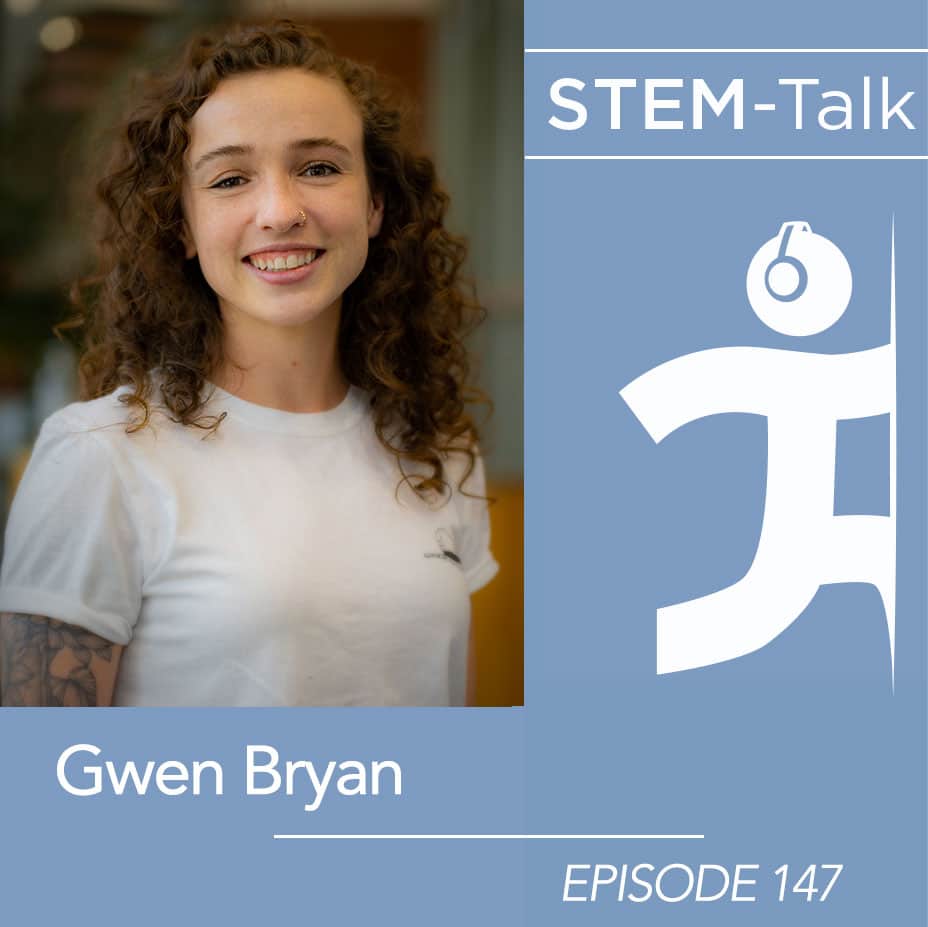
Episode 147: Gwen Bryan talks about advances in wearable robotic devices and exoskeletons
Today’s interview is with IHMC’s Dr. Gwen Bryan, a research scientist who investigates wearable robotic devices aimed at augmenting human performance in clinical, occupational, and military applications.
She is particularly focused on maximizing the benefits of powered exoskeletons. At IHMC, Gwen leads the exoskeleton team, which is developing a novel augmentative device that continues IHMC’s rese
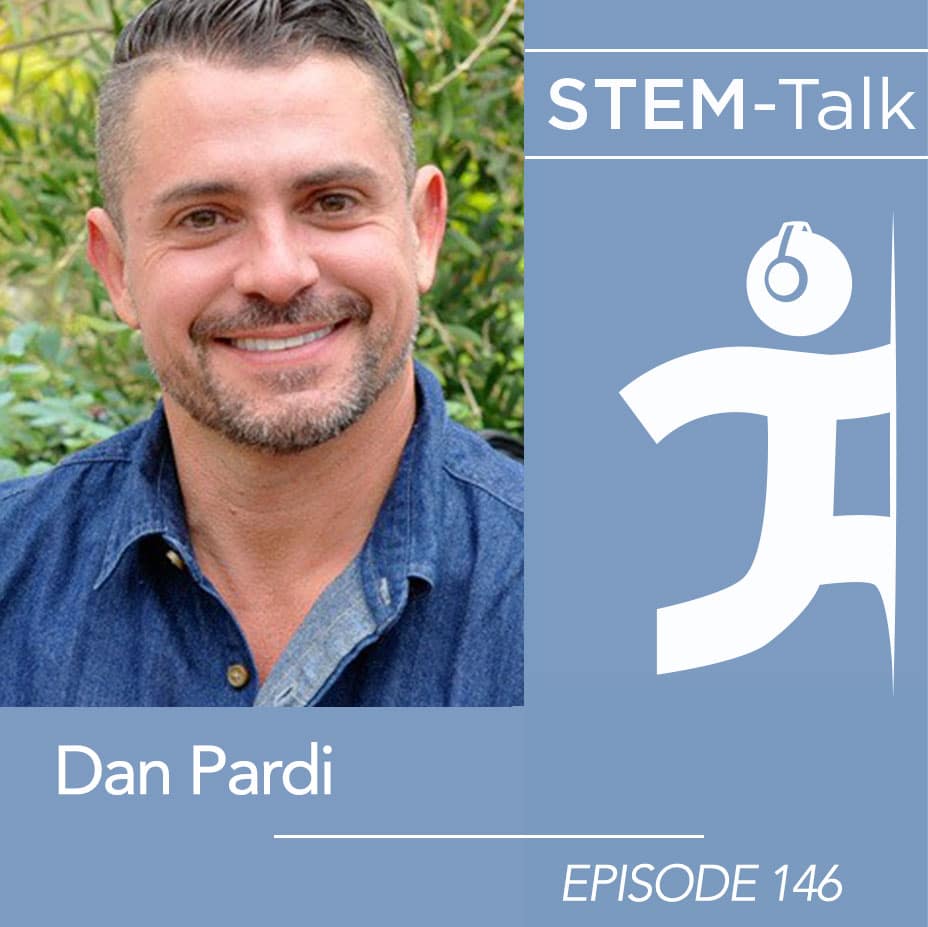
Episode 146: Dan Pardi talks about behaviors to improve healthspan
Our guest today is Dr. Dan Pardi, the CEO of humanOS.me, a digital health training application. Dan is well-known for his research into sleep and has collaborated with many high-performing organizations, from Silicon Valley venture capitalists to companies like Adobe, Salesforce, Workday, Pandora, Intuitive Surgical, and more.
He also works with several branches of the U.S. Military to help elite
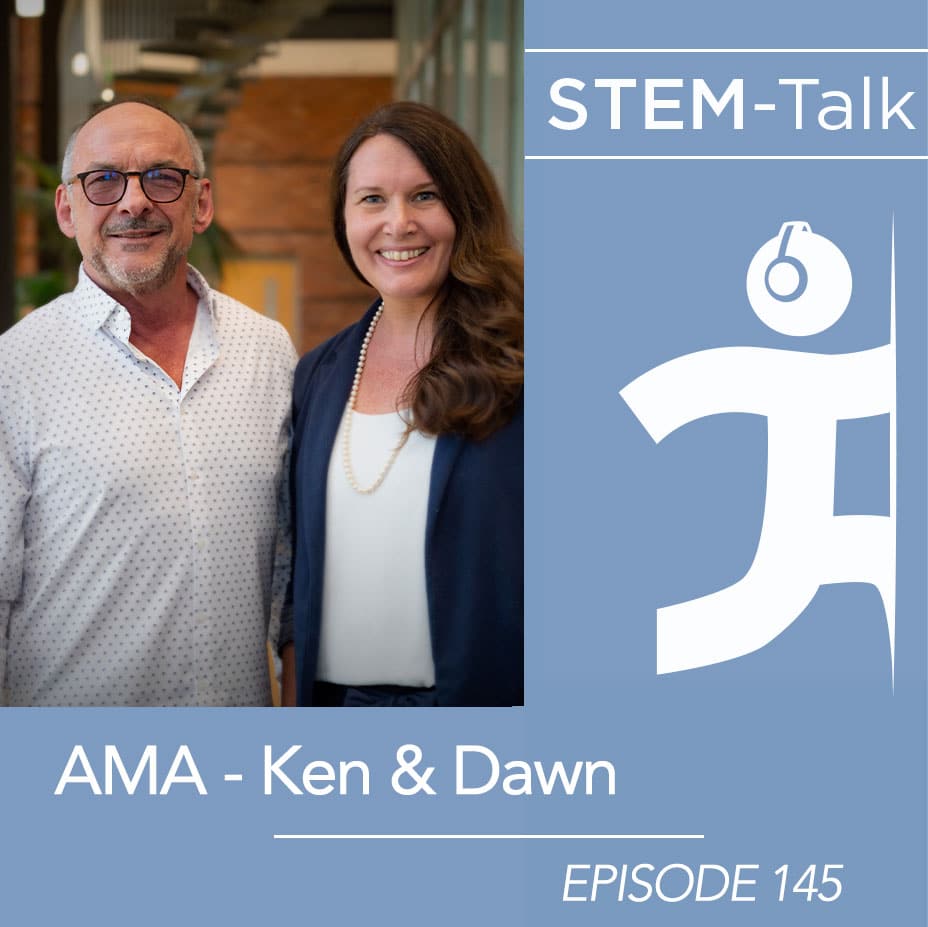
Episode 145: Ken answers questions about hypersonic flight, sentient AI, ketogenic vs Mediterranean diets, and more
It’s time for another Ask Me Anything episode where STEM-Talk cohost Dawn Kernagis asks Ken questions submitted by listeners.
In this episode, Ken and Dawn weigh in on:
— Whether AI is becoming sentient.
— How women in midlife might protect their bodies from the negative effects of a slowing metabolism.
— A Stanford study that compared a low-carbohydrate diet with a Mediterranea
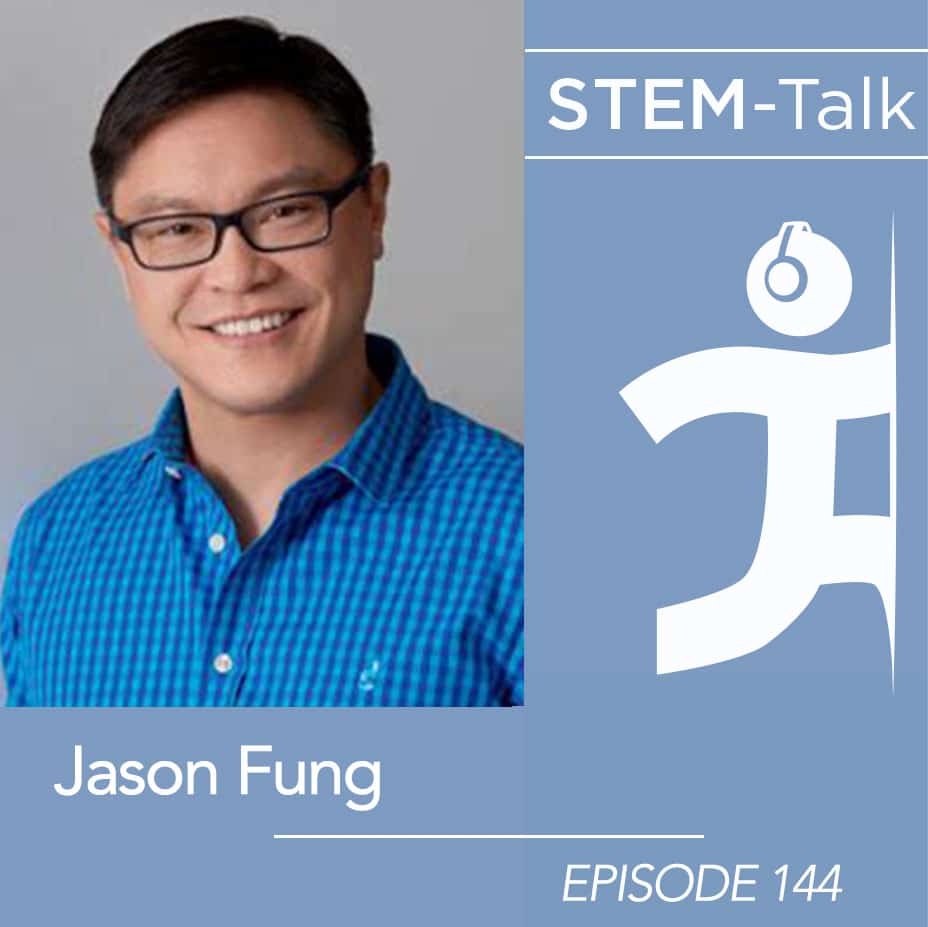
Episode 144: Jason Fung on how fasting and a low-carb diet improve insulin resistance and metabolic health
Our guest today is Dr. Jason Fung, a Toronto-based nephrologist, and the best-selling author of “The Obesity Code,” “The Diabetes Code,” and “The Cancer Code.” Jason is best known for his success in combining a low-carb diet with intermittent fasting to help thousands of overweight patients reverse their type 2 diabetes, lose weight, and improve their metabolic health.
Jason is the author of the b
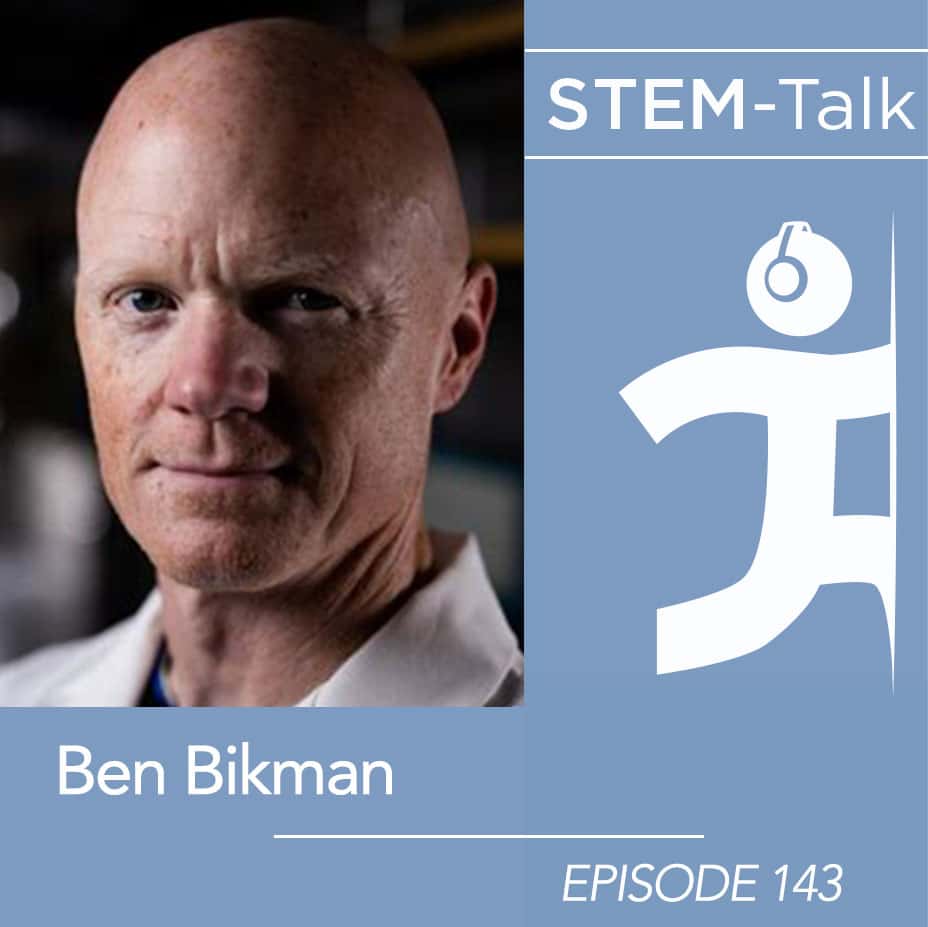
Episode 143: Ben Bikman on the roles of insulin and ketones in metabolic function
Today’s episode features the author of “Why We Get Sick,” Dr. Ben Bikman, a biomedical scientist at Brigham Young University.
Ben is known for his research into the contrasting roles of insulin and ketones as key drivers of metabolic function.
In “Why We Get Sick,” Ben takes a deep dive into insulin resistance and metabolic health. The book particularly focuses on the role that insulin resistance
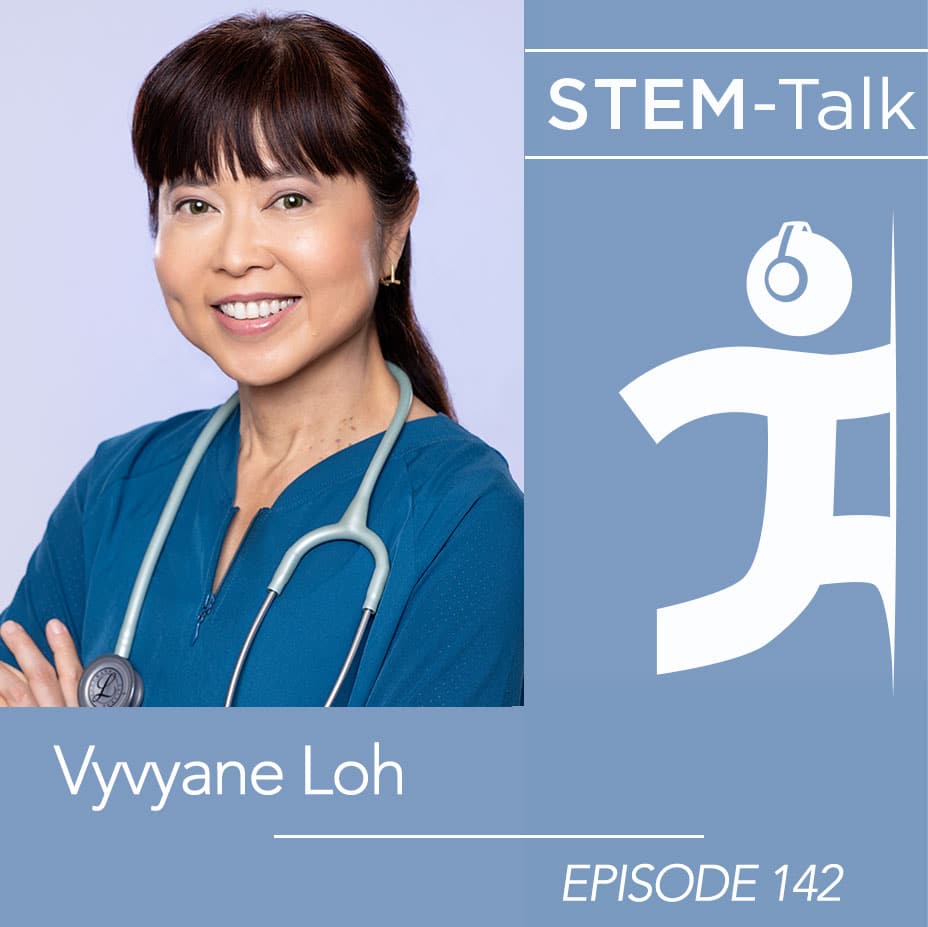
Episode 142: Vyvyane Loh on weight management, ketogenic diet, and the treatment of metabolic diseases
Our interview today is with Dr. Vyvyane Loh, a board-certified physician in obesity and internal medicine. She is the founder and leader of Transform Alliance for Health, a Boston preventive-care practice that specializes in weight management and the treatment of chronic metabolic diseases such as diabetes, hypertension and dyslipidemia.
She and her staff are known for helping people lose 50 poun
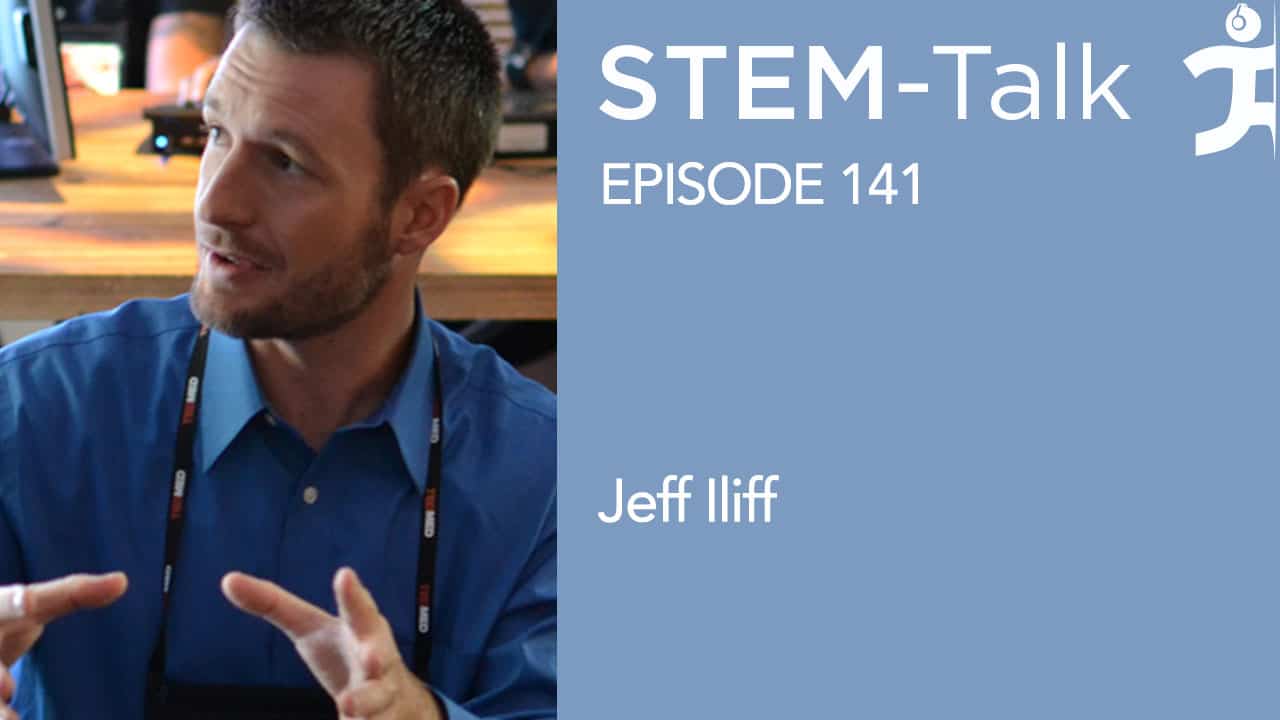
Episode 141: Jeff Iliff on newly discovered system that clears waste from the brain
Our guest today is Dr. Jeffery Iliff, a professor of psychiatry and behavioral sciences in the Department of Neurology at the University of Washington. Much of Jeff’s research focuses on neurodegeneration and traumatic brain injury.
He is the associate director of research at the VA Puget Sound Health Care System and a co-leader for research at the University of Washington’s Alzheimer’s Disease Re
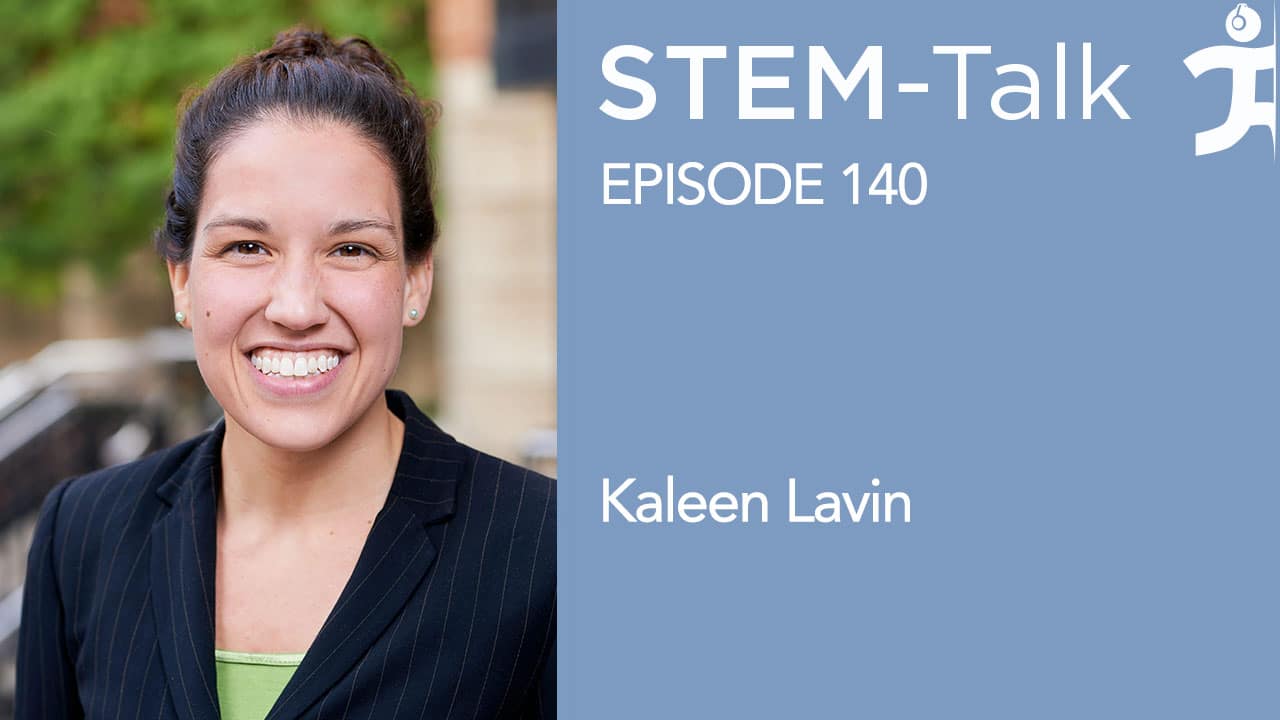
Episode 140: Kaleen Lavin on the benefits of exercise on Parkinson’s and “inflammaging”
Today we would like to introduce you to one of our newest colleagues here at IHMC, Dr. Kaleen Lavin, a research scientist who investigates the molecular mechanisms by which the body adapts and reacts to stressors such as exercise, training and aging.
Kaleen came onboard at IHMC last year and is known for her use of computational biology techniques as a means to understand and improve human health
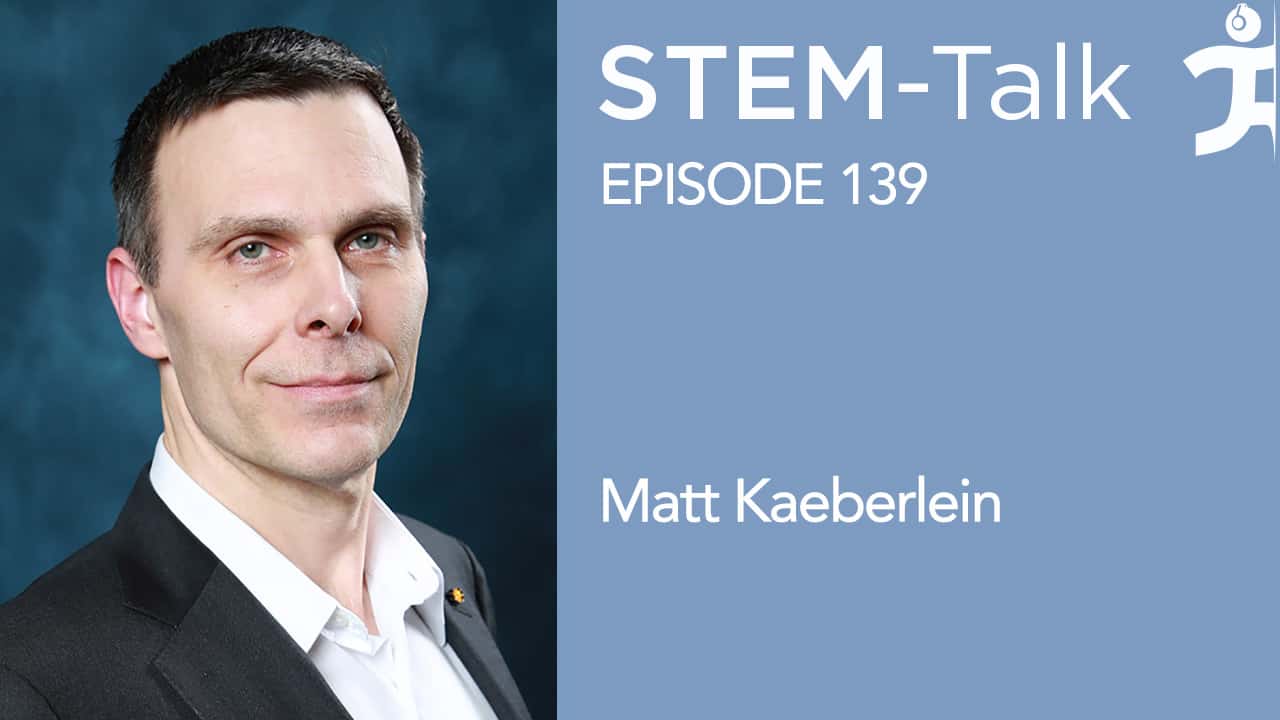
Episode 139: Matt Kaeberlein discusses healthspan, longevity, and rapamycin
In response to several requests from listeners, we have as our guest today, Dr. Matt Kaeberlein, a professor of pathology at the University of Washington. Matt is well-known for his investigations into the basic mechanisms of aging. Much of his research in this area is focused on identifying interventions that promote healthspan and lifespan.
In today’s interview, we talk to Matt about the biology
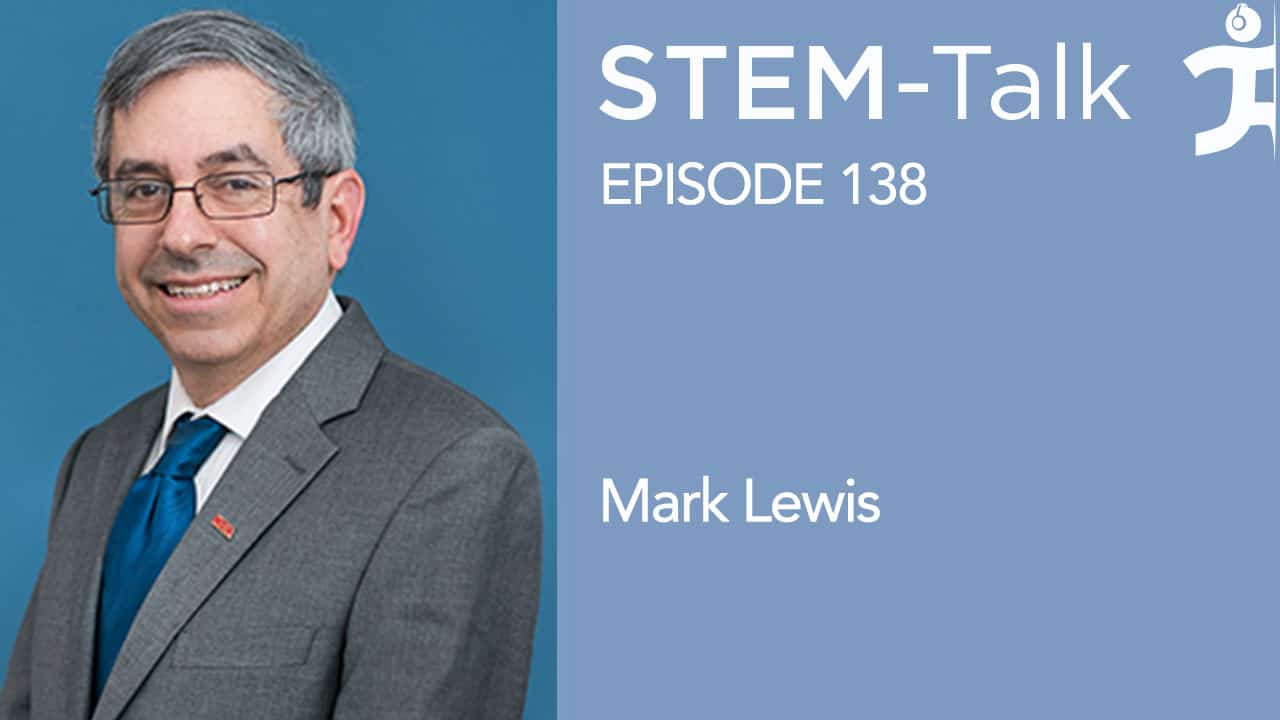
Episode 138: Mark Lewis discusses hypersonics and the importance of research in national defense
Today’s guest is Dr. Mark Lewis, executive director of NDIA’s Emerging Technologies Institute (NDIA ETI), a nonpartisan think tank focused on technologies that are critical to the future of national defense. ETI provides research and analyses to inform the development and integration of emerging technologies into the defense industrial base. We will discuss the Emerging Technologies Institute’s
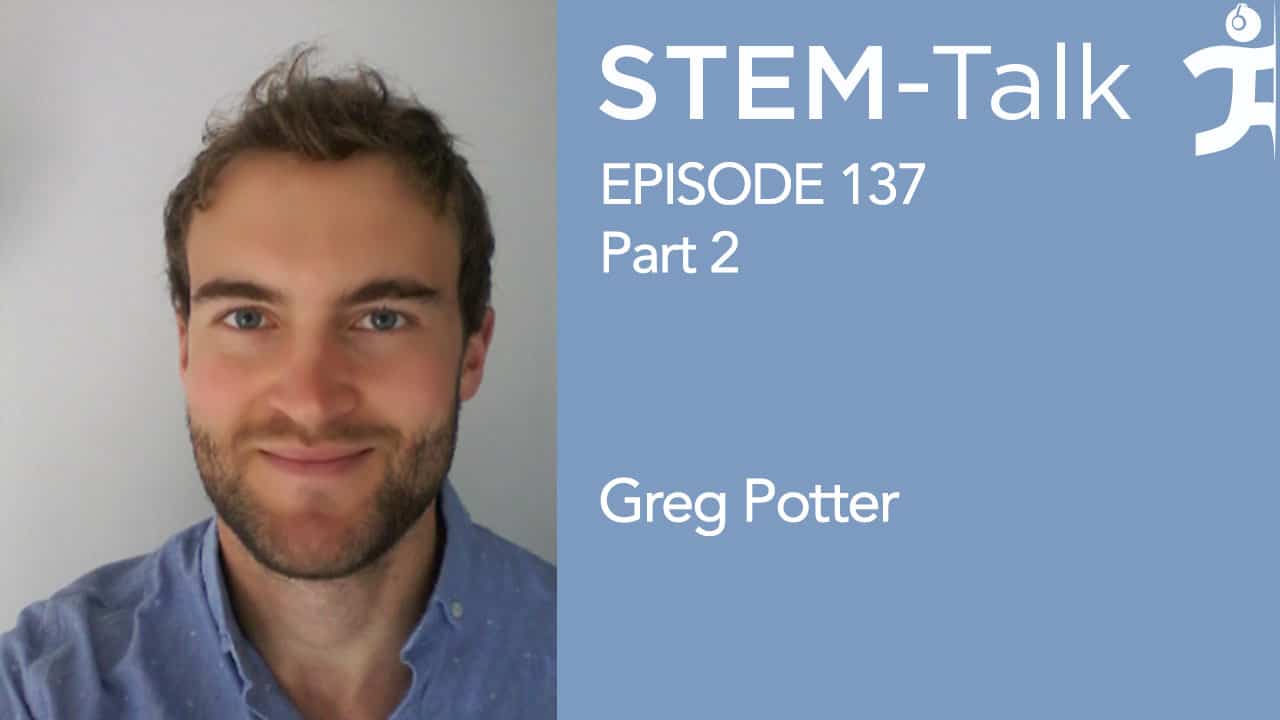
Episode 137: Greg Potter discusses lifestyle changes for better health and sounder sleep
Today we return with the second half of our two-part interview with Dr. Greg Potter, a British researcher who specializes in circadian biology, sleep, diet, and metabolism. In this second part of our interview, host Ken Ford and Greg continue their conversation about circadian biology and cover topics ranging from insomnia, sleep apnea, time-restricted eating, exercise, nutrition, and supplementat
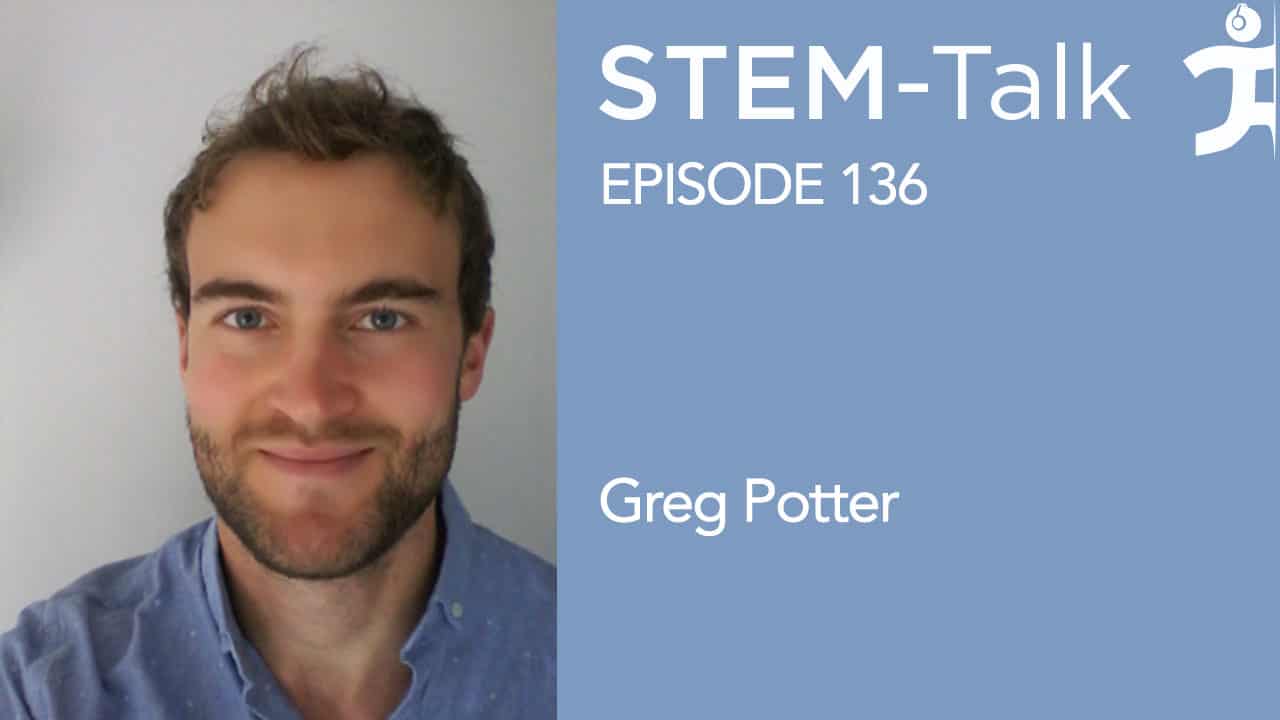
Episode 136: Greg Potter talks about circadian biology and the importance of sleep
Today we have part one of a two-part interview with Dr. Greg Potter, a British researcher who specializes in circadian biology, sleep, diet, and metabolism. Greg gained attention in the U.S. and Europe for his research into the importance of biological rhythms and sleep and how they affect people’s lives. His work has been featured in the BBC World Service, the Washington Post, Reuters and other s
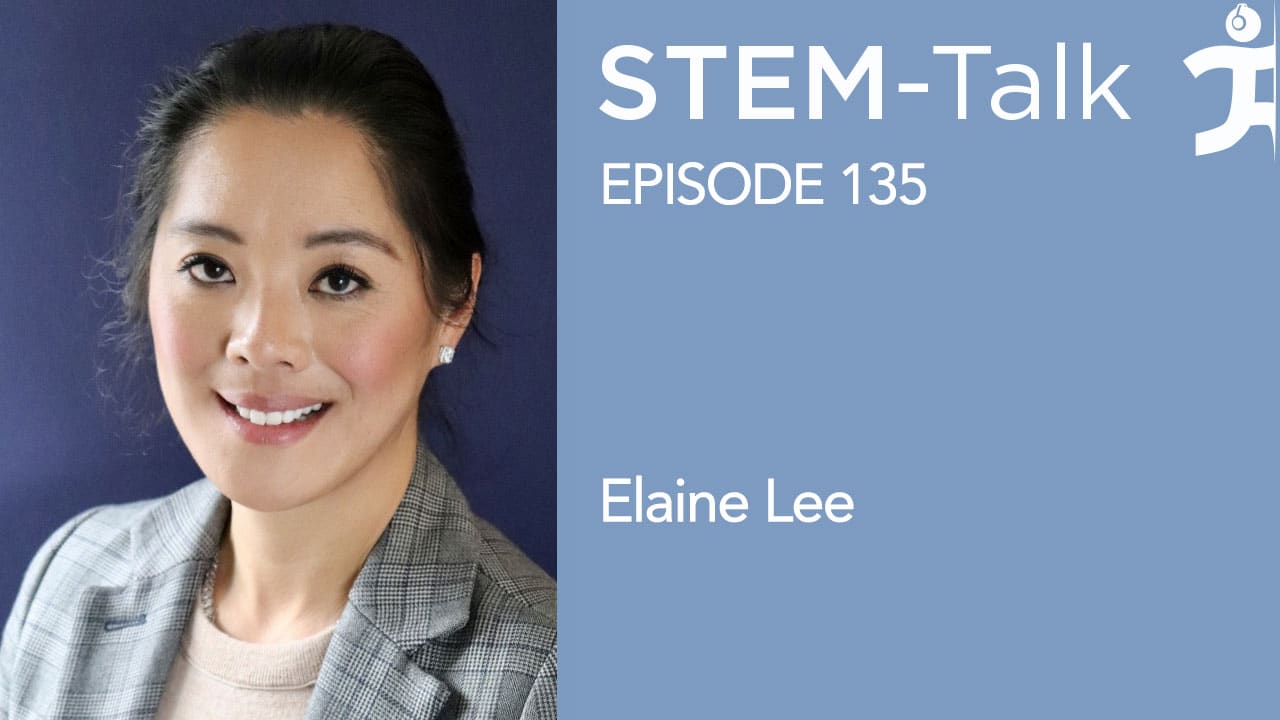
Episode 135: Elaine Lee discusses human performance, resilience and healthspan
Our guest today is Dr. Elaine Choung-Hee Lee, an assistant professor in the Department of Kinesiology at the University of Connecticut. Much of Elaine’s research focuses on understanding the mechanisms of resilience and investigating ways to help humans improve their stress resistance, adaptation and healthspan.
Elaine’s research is focused not only on understanding fundamental biology, but also o
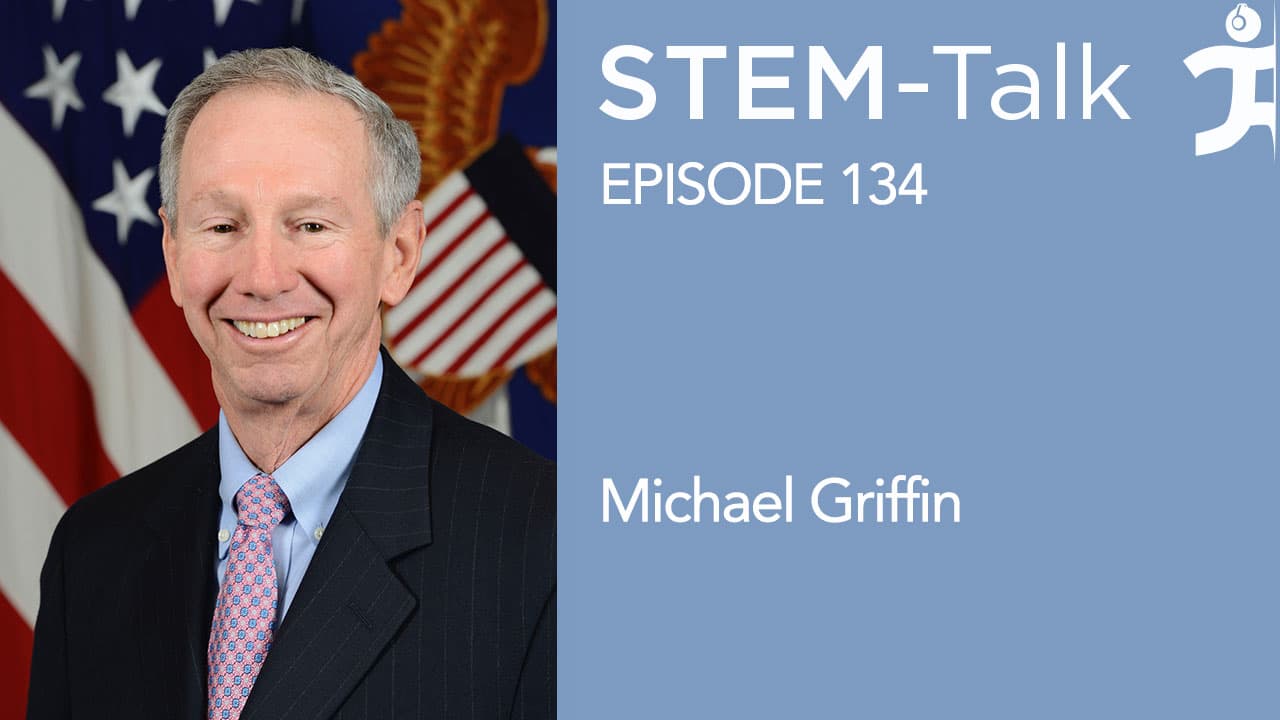
Episode 134: Mike Griffin discusses America’s hypersonic arms race with Russia and China
Our guest today is Dr. Michael Griffin, the Pentagon’s former Undersecretary of Defense for Research and Engineering. During his two and a half years as undersecretary, Mike made hypersonic weapons and defense against them his number one priority.
In today’s episode, Mike talks about the history of hypersonic technology; why he made it his number one priority at the Department of Defense; and why
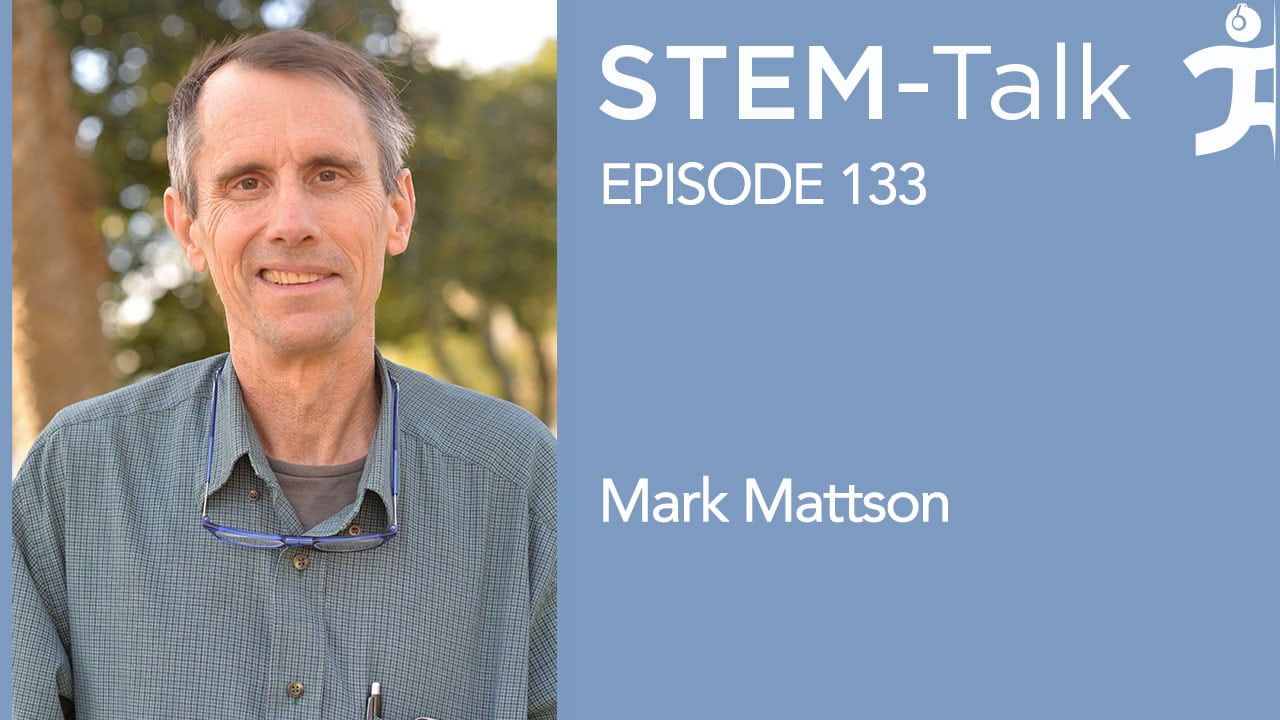
Episode 133: Mark Mattson talks about the benefits and science of intermittent fasting
Our guest today is Dr. Mark Mattson, who is affectionally known as the godfather of intermittent fasting. The National Institute of Health describes Mark as “one of the world’s top experts on the potential cognitive and physical health benefits of intermittent fasting.” He is considered a leader in the area of cellular and molecular mechanisms underlying neuronal plasticity and neurodegenerative
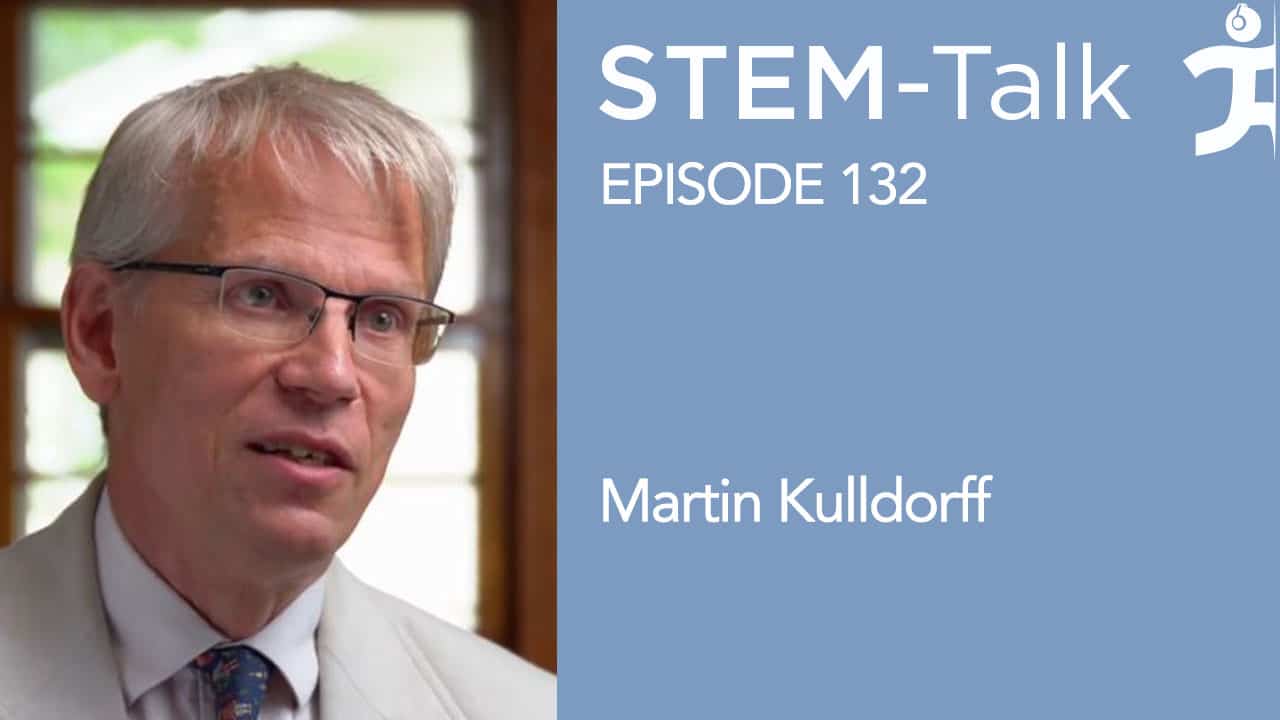
Episode 132: Martin Kulldorff discusses vaccines, lockdowns, school closings and the global response to COVID-19
Our guest today describes the global response to COVID-19 as one of the biggest public-health fiascos in history. As you would expect, he gained quite a bit of notoriety for this contrarian view. Dr. Martin Kulldorff is an epidemiologist and biostatistician who has spent the past 30 years researching infectious diseases as well as the efficacy and safety of vaccines.
He is internationally known fo
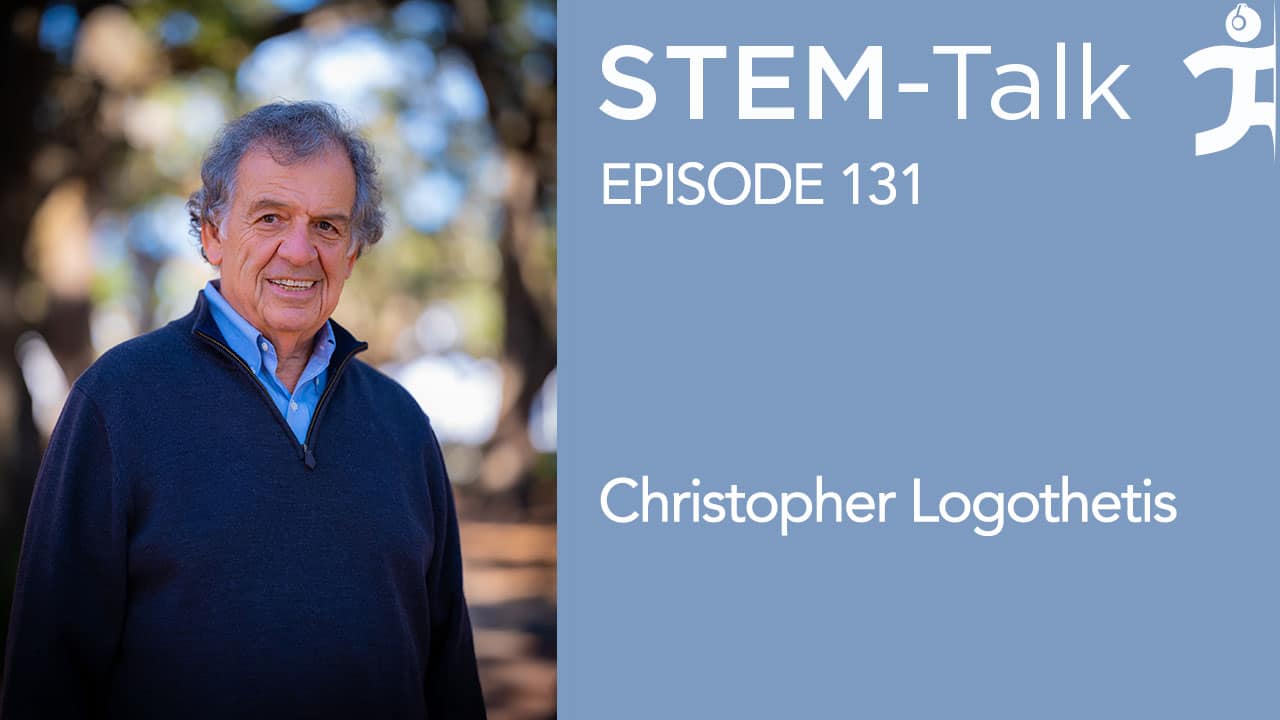
Episode 131: Christopher Logothetis discusses advances in prostate cancer therapies
Our guest today is Dr. Christopher Logothetis, one of the nation’s foremost experts on prostate cancer. Chris has spent nearly five decades at MD Anderson in Houston developing therapies for prostate cancer as well as conducting research into the underlying biology of the disease.
Aside from skin cancers, prostate cancer is the most common cancer among men, claiming a man’s life every 15 minutes i
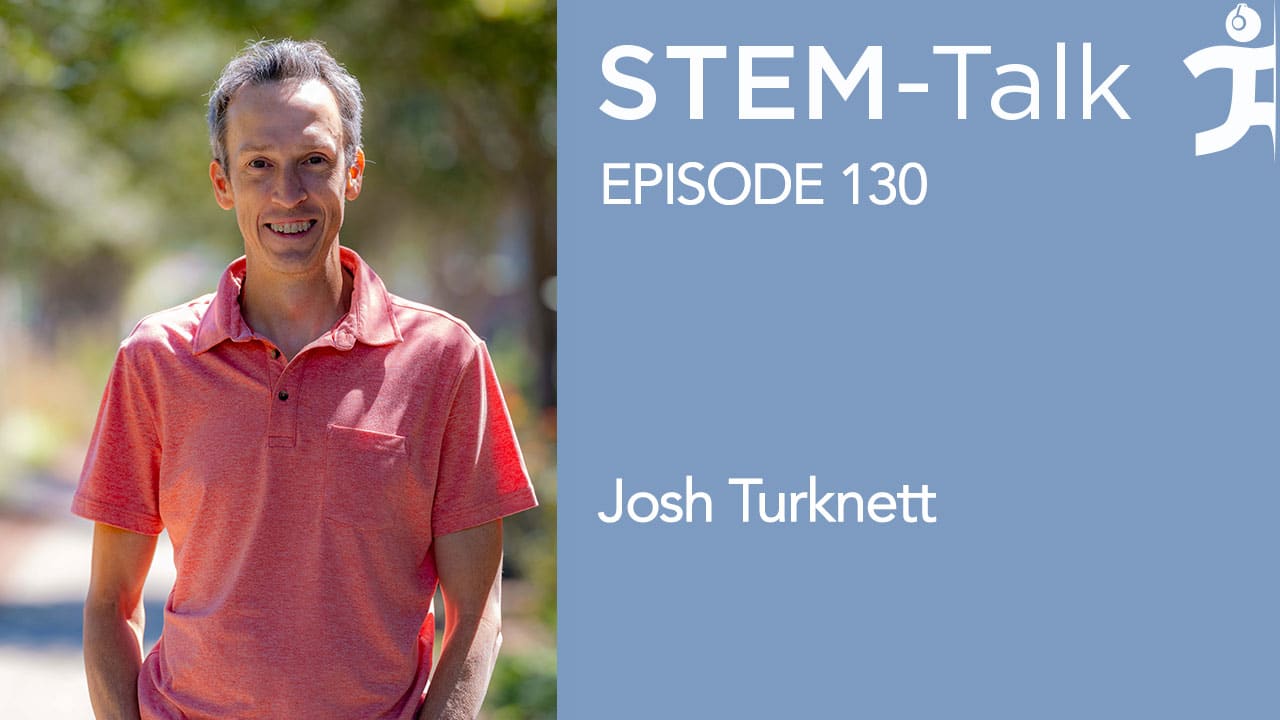
Episode 130: Josh Turknett talks about holistic approaches that help people end chronic migraines
Our guest today is Dr. Josh Turknett, the author of “The Migraine Miracle” and “Keto for Migraine,” two books that have helped thousands of people use a holistic approach to end their chronic migraines. Josh is often referred to as “public enemy number one to migraines” everywhere.
He is a neurologist, musician, author, and entrepreneur. He has more than two decades of experience in the field of c
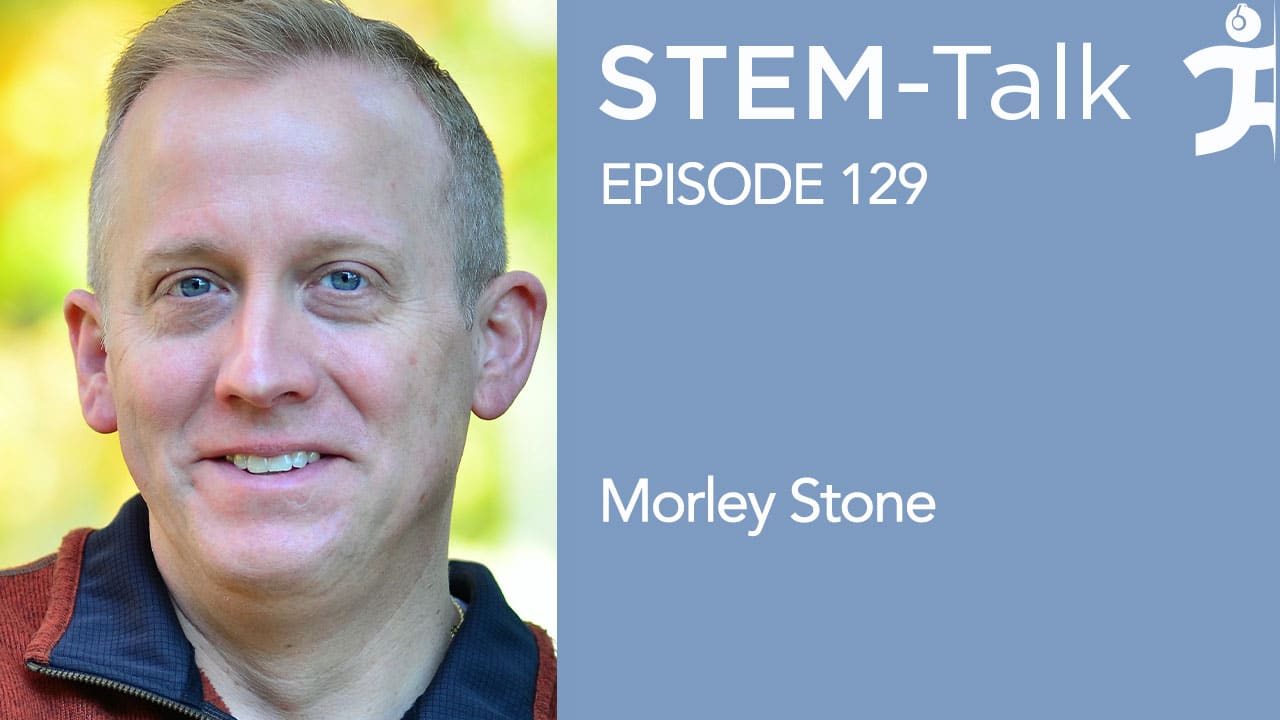
Episode 129: Morley Stone talks about biomimetics and human performance augmentation
Our guest today is Dr. Morley Stone, the former Chief Technology Officer for the Air Force Research Laboratory (AFRL) and former Senior Vice President for Research at Ohio State University, who is now IHMC’s Chief Strategic Partnership Officer. Morley is recognized as an international leader in biomimetics and human performance.
In today’s interview, we talk to Morley about his time as AFRL’s chie
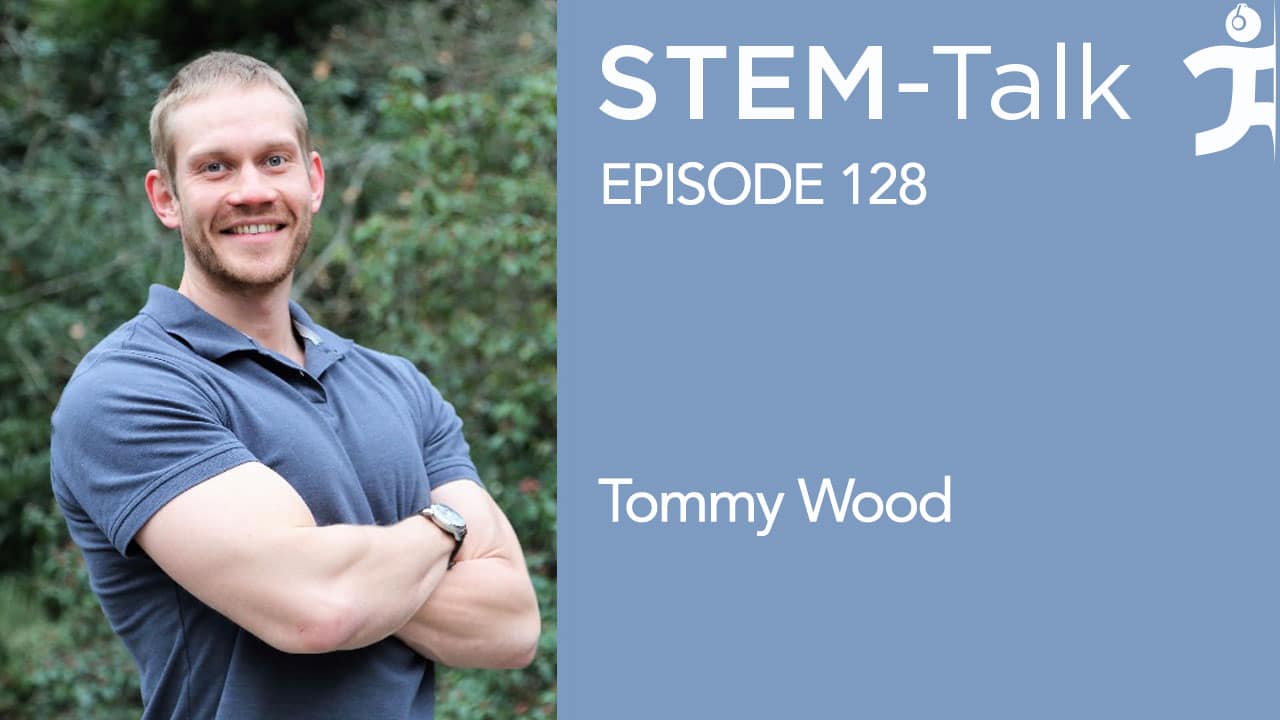
Episode 128: Tommy Wood talks about high-fat diets and the metabolic flexibility of the human gut
In today’s episode, Dr. Tommy Wood returns for his fifth appearance on STEM-Talk. Tommy is a UK-trained physician and an assistant research professor of pediatrics at the University of Washington. He also is a visiting research scientist and a valued colleague of ours here at IHMC.
Today’s interview focuses on a new paper that Tommy just had published by the American Society for Microbiology. It’s
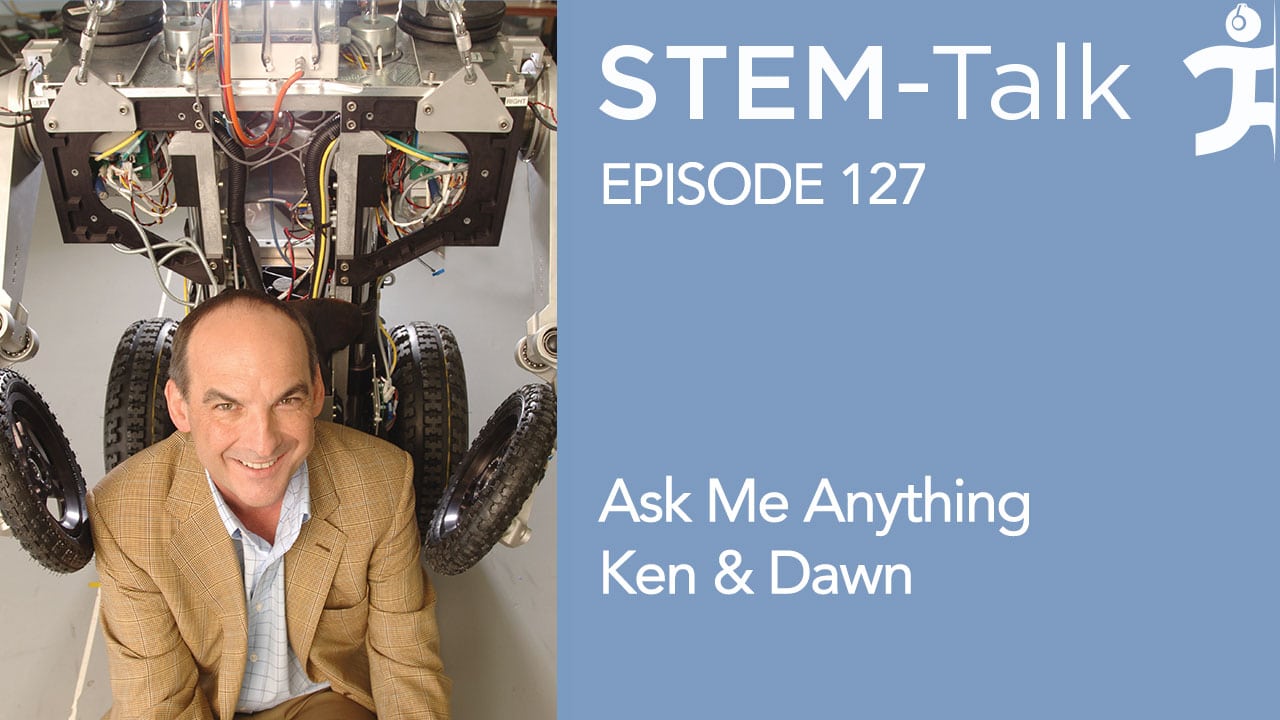
Episode 127: From UFOs to fasting to the keto flu, Ken & Dawn answer questions
It’s time for another Ask Me Anything episode. In today’s show, Ken and Dawn tackle a wide range of listener questions about:
— Protein intake on a ketogenic diet.
— A new study on the efficacy and safety of MDMA-assisted therapy.
— The Pentagon’s new report about UFOs.
— Virta Health’s two-year pilot study that demonstrated people diagnosed with prediabetes had normalized
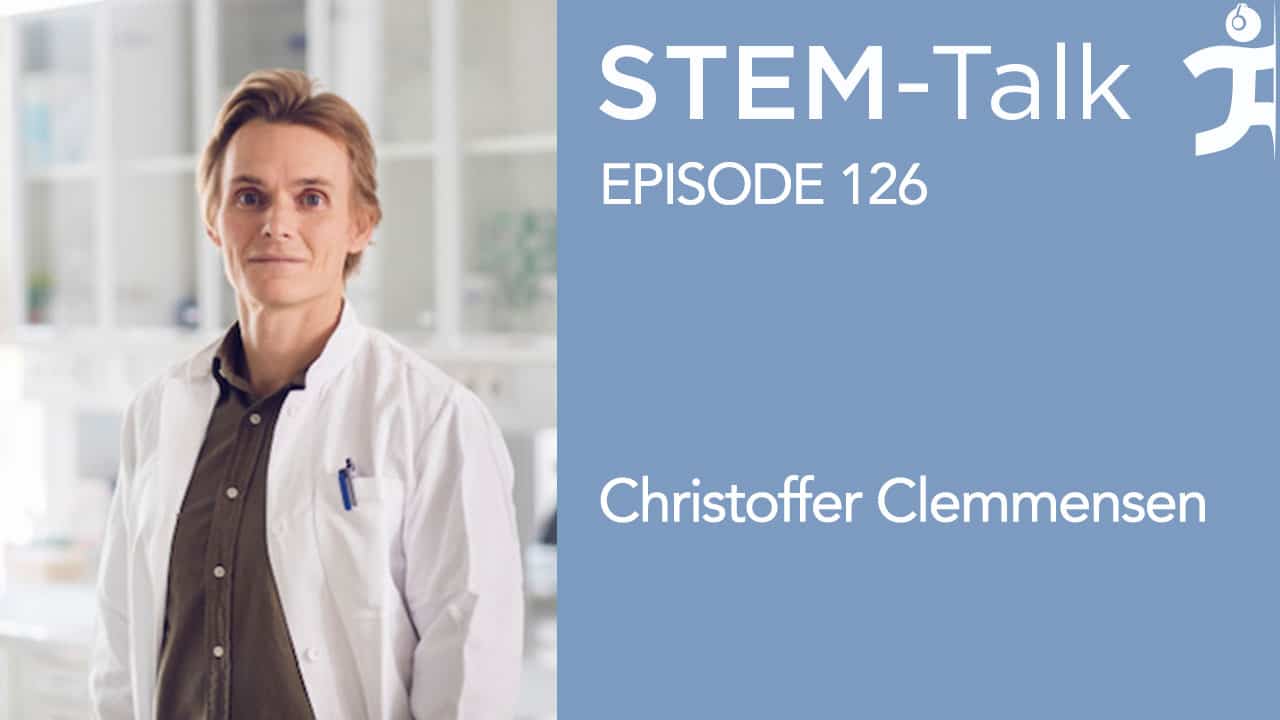
Episode 126: Christoffer Clemmensen discusses therapeutic strategies to correct obesity and its disorders
Our guest today is Dr. Christoffer Clemmensen, an associate professor and lead researcher at the University of Copenhagen’s Novo Nordisk Foundation Center for Basic Metabolic Research.
Christoffer’s lab at the university explores pharmacological and therapeutic treatments for obesity and its related diseases and disorders. He and his colleagues focus on dissecting the neuroendocrine signals involv
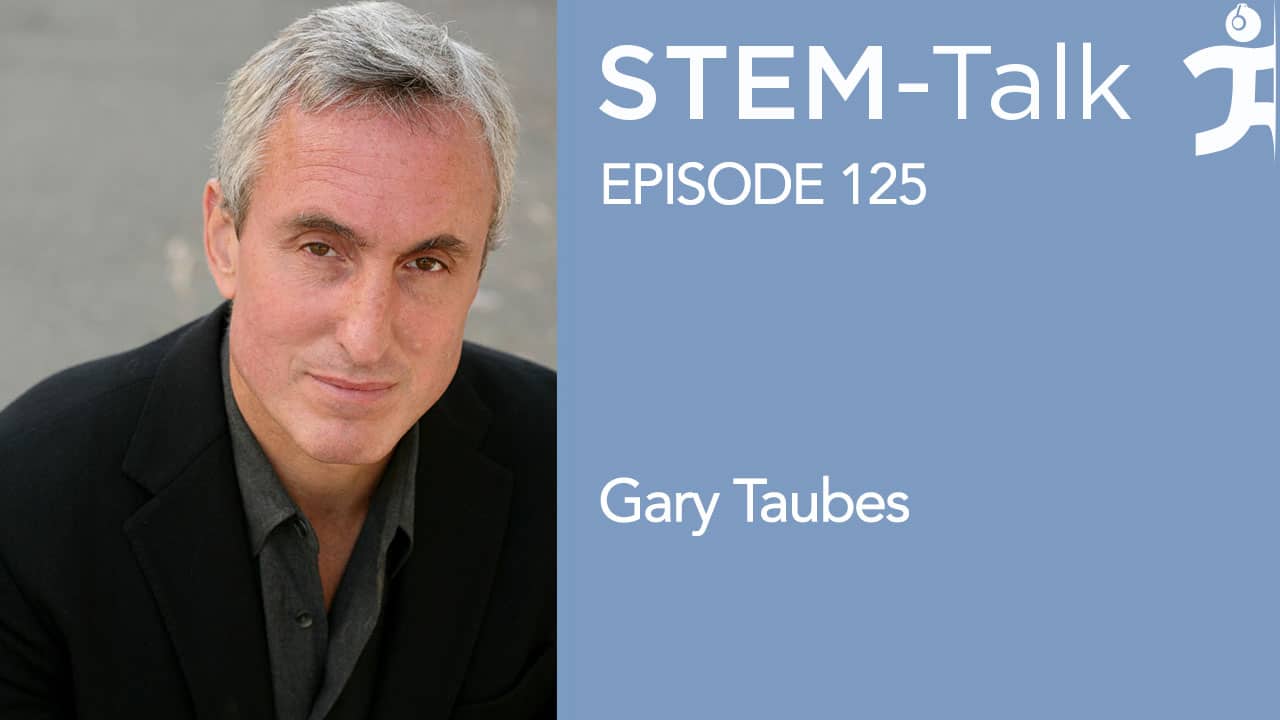
Episode 125: Gary Taubes addresses common arguments used against ketogenic diets
Today we have the second part of our interview with science and health journalist Gary Taubes. In the first part of our interview, episode 124, we talked to Gary about his new book “The Case For Keto: Rethinking Weight Control and the Science and Practice of Low-Carb/High-Fat Eating.”
In today’s episode, we talk in detail about a growing body of research and evidence that demonstrates the health b
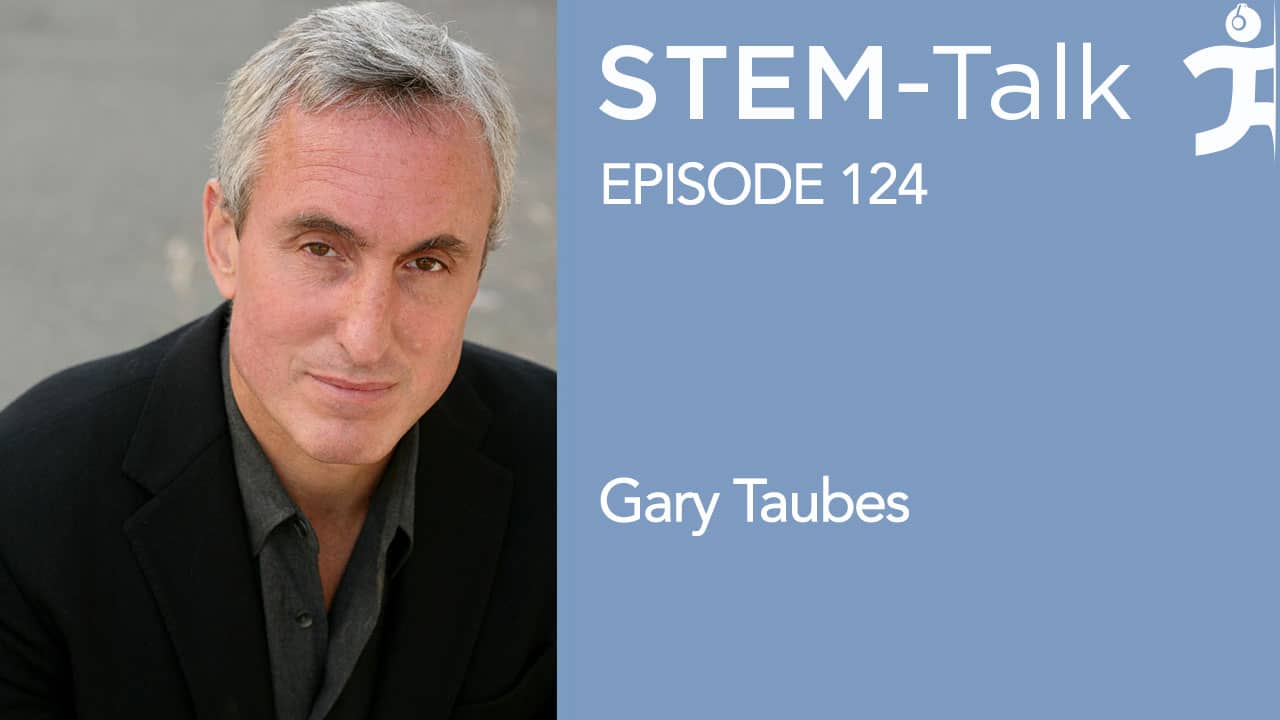
Episode 124: Gary Taubes makes a case for the ketogenic diet and its metabolic benefits
Today we have journalist Gary Taubes making a repeat appearance on STEM-Talk to discuss his new book, “The Case for Keto: Rethinking Weight Control and the Science and Practice of Low-Carb/High-Fat Eating.”
Our interview with Gary in 2016, episode 37, followed the release of his book, “The Case Against Sugar,” which went on to become a New York Times best seller. “The Case for Keto” is Gary’s four
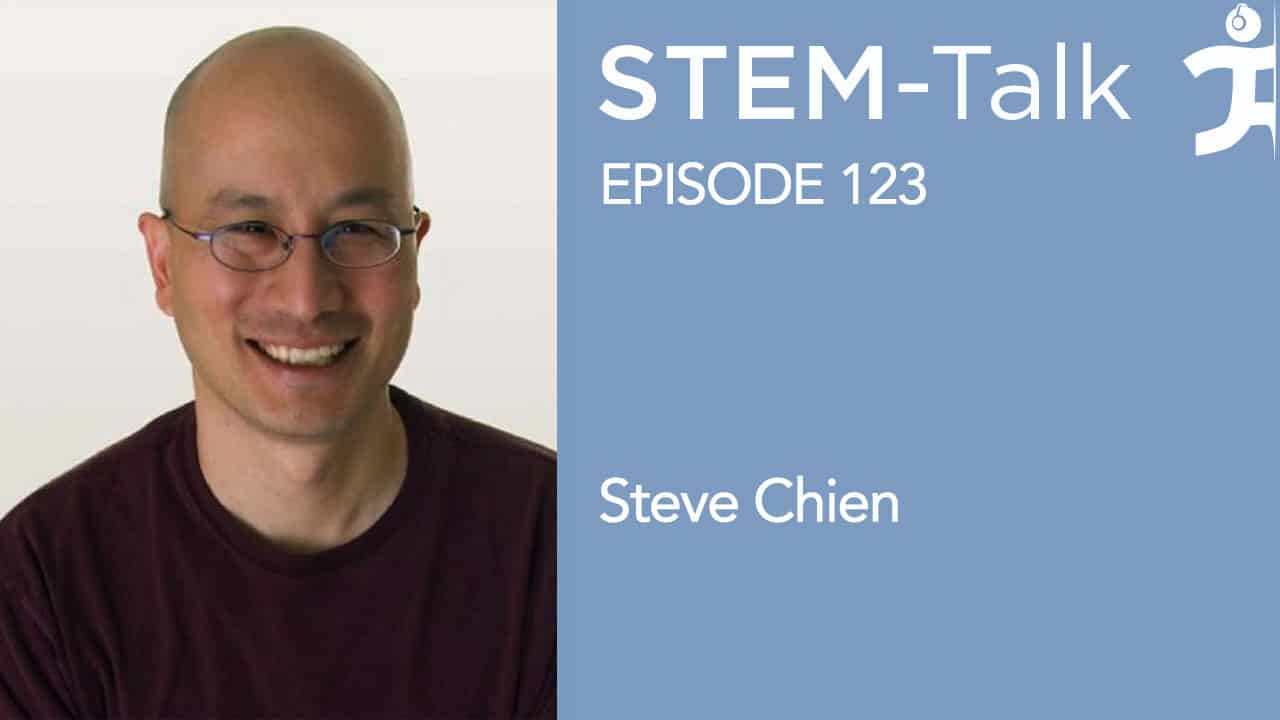
Episode 123: Steve Chien talks about AI, Mars rovers, and the possibility of intelligent alien life
Episode 123 Steve Chien talks about AI, Mars rovers, and the possibility of intelligent alien life
Today’s interview is with Dr. Steve Chien. Dr. Chien is JPL Fellow, Senior Research Scientist, and Technical Group Supervisor of the Artificial Intelligence Group and in the Mission Planning and Execution Section at the Jet Propulsion Laboratory, California Institute of Technology.
In 2018, Steve an
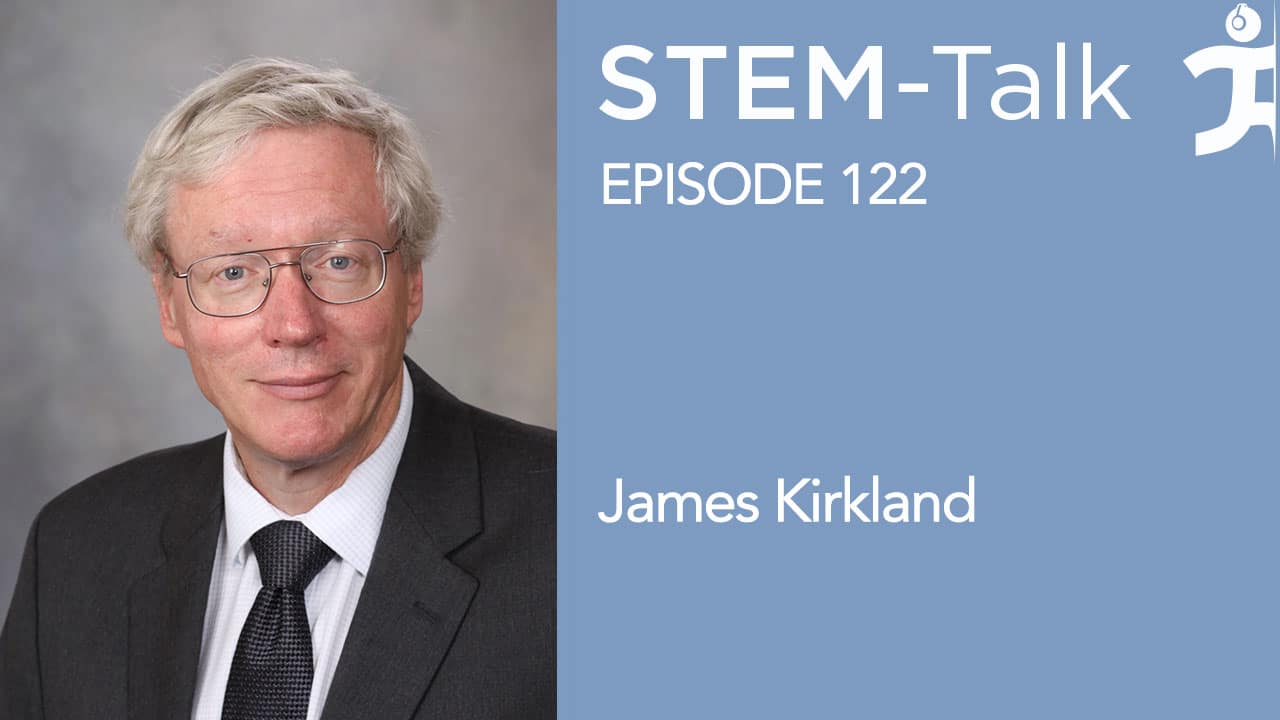
Episode 122: James Kirkland on targeting senescent cells to reverse age-related diseases
In today’s episode, we talk about zombie cells, a term used to describe senescent cells because of their refusal to die. Our guest on this topic is Dr. James Kirkland, a geriatrics specialist and researcher at the Mayo Clinic in Rochester, Minnesota, who is known for his research into the role that senescence and senescent cells have on age-related dysfunction and chronic disease.
As senescent cel
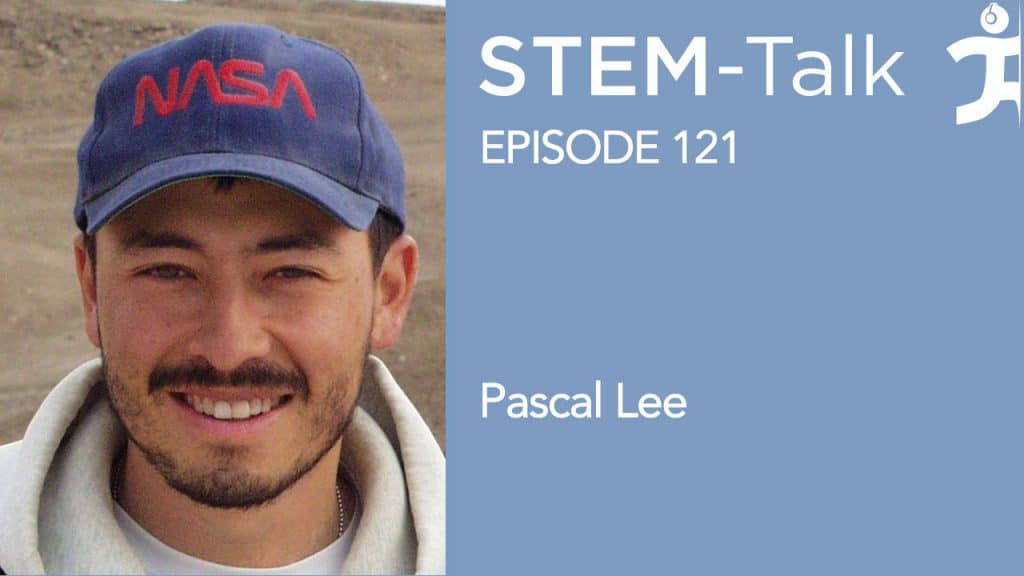
Episode 121: Pascal Lee on the Mars mission and our search for alien life in the galaxy
It has been nearly a month since NASA’s Perseverance rover landed on Mars. So far, the rover hasn’t detected any signs of past life on the planet. But scientists have determined that several of the rocks on Mars are chemically similar to volcanic rocks on Earth. This, of course, has caused quite a bit of buzz. So, the double-secret-selection committee decided it was a perfect time to invite the ch
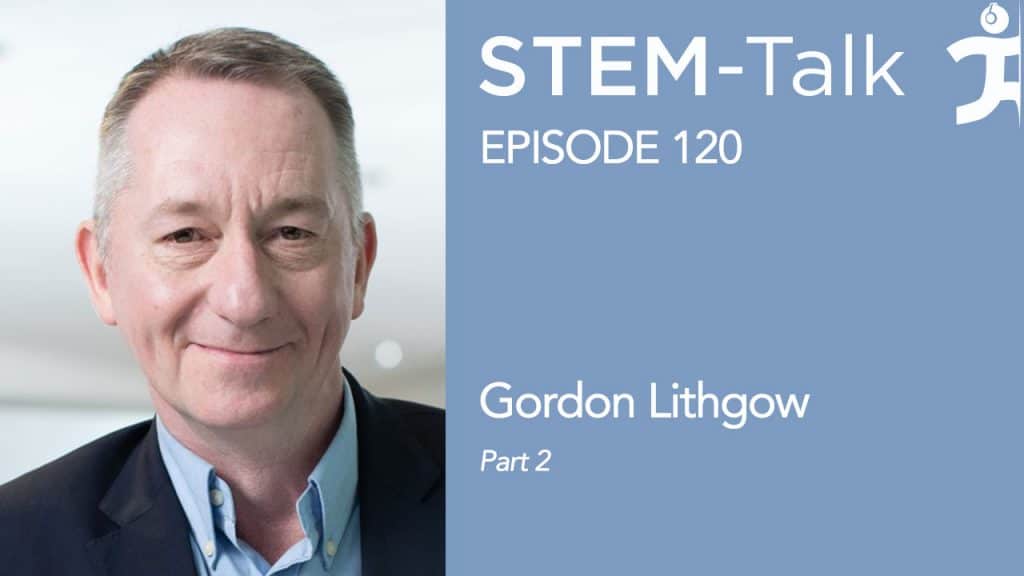
Episode 120: Gordon Lithgow on alpha-ketoglutarate’s potential to affect healthspan and lifespan
Ever since Cell Metabolism published a study that found the naturally occurring metabolite alpha-ketoglutarate reduces inflammatory signaling as well as chronic inflammation, listeners have been asking Ken and Dawn for their take on the paper. Today, we have the author of the paper, Dr. Gordon Lithgow, as our guest on STEM-Talk. We talk with Gordon in-depth about his study and the potential of alp