Interconnects
Audio essays about the latest developments in AI and interviews with leading scientists in the field. Breaking the hype, understanding what's under the hood, and telling stories.
Episodes
The Cyber Risk Discourse is Broken
I’ve had one too many discussions on the cyber risks of open models — where someone assumes that either banning open models happens in a silo (and bad actors will somehow actually be stopped) or that China is a threat and doesn’t care about AI safety — that I feel we’re going to end up making policy decisions that both limit American AI competitiveness and increases long-term cyber risk. I feel li

Debating RSI, the US-China Gap, and Jaggedness with JS Denain of Epoch AI
This episode is with Jean-Stanislas “JS” Denain of Epoch AI, who leads their Insights Team and is one of the people I find myself debating the state and trajectory of AI with more and more. We’ve had follow-on discussions of many of my favorite recent posts online and/or in private, so I wanted to dig into the nuance in a public episode.A big takeaway of this podcast is how JS and I both have so m
The current balance of power in open models
I was recently invited to brief a group of Congressional members and staff on the state of open-weight models in the lens of U.S.-China competition. I’m sharing my prepared remarks as a state of the union on open models that is accessible to a broader audience.Interconnects AI is a reader-supported publication. Consider becoming a subscriber.Recap: What is an open source v. open-weight vs. closed

Why I still haven’t bought into true RSI
We’re in an era where a few organizations are using thousands of concurrent agents to improve their processes and output. These organizations happen to be just the frontier AI labs, in particular OpenAI and Anthropic. In the last few weeks, I’ve been pondering what it means for so many employees across these organizations to rapidly update their expectations for the pace of AI progress and associa

One resignation turned the embers of AI fear into a wildfire
As AI became more powerful, it was inevitable that a different, growing group would start to take AI safety more seriously – what we did not know ahead of time, is which set of views they latched onto. We have seen that some of the most extreme views of risk, i.e. moderate probabilities of mass extinction, were the ones that reached the masses. A lot in the AI world is about to change due to this.

When will average people feel AI’s impact?
Housekeeping: Paid subscribers to Interconnects now get a permanent 40% discount on my book when purchasing at Manning.com. Access the code at the Interconnects perks page.Many AI optimists tend to compare what is happening in this AI boom to the industrial revolution, or to other periods of rapid technological advancement and diffusion into society. These comparisons fit on the scale of technolog
I wrote an AI textbook — how long until AI can do it better?
There are a lot of criticisms of AI writing, but most of them are focused on more creative, high-voice writing like this blog. Those — including my own piece — often argue that it is because good writing is high-voice, has a point of view, has a deep human expression that needs to come across, and or a process of thinking that you peek into with the chosen words. As LLMs get more refined as tools,
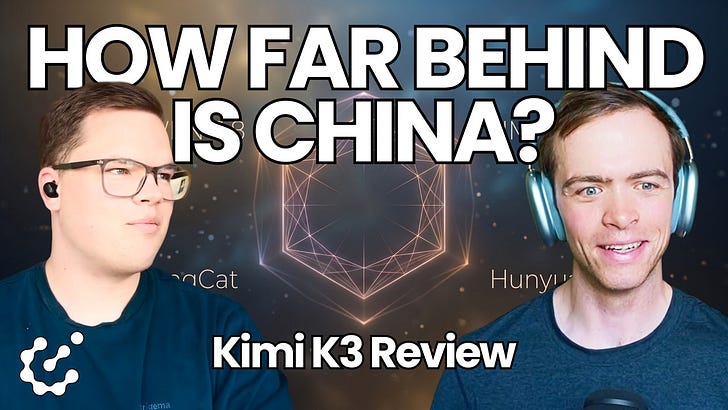
Open models recap: more on Kimi K3, Qwen 3.8, Xi's WAIC speech, distillation, the open-closed gap, and what's next
Exciting news! My book trying to share post-training knowledge with the world is done and shipping soon. Order on Manning or Amazon. Thanks for the support. It’s currently the #1 AI book on Amazon :).Nathan and Florian sit down to discuss everything happening with open models. Following the Kimi K3 release last week, it feels like everything is accelerating — geopolitics of US v China, economics o
Kimi K3: The open-weights escalation
On Thursday July 16th, Moonshot AI released their latest flagship model Kimi K3. K3 is a 2.8T parameter MoE model which will have its weights released on July 27th. Much of this article follows as a reflection on the state of the ecosystem, under the assumption that Moonshot keeps their promise of the weights release date. This is a more extreme view of the equilibrium, and many of the results end
GLM-5.2 is the step change for open agents
Housekeeping: Following my “State of the blog” post last week, noting a slight increase in paid features, it’s a good time to remind folks that I offer group subscriptions with larger discounts proportional to the number of seats. I also released a new paper today on open RL recipes for terminal agents, read more here.A bit over a week ago, when the AI world was still reeling from the shocking exp
Banning Open Source AI Would Be A Mistake
This post was originally an op-ed co-authored with Kevin Xu of Interconnected for a general, non-technical audience. The gatekeepers — the many media outlets we pitched it to — passed on publishing it. Luckily, we have our own platforms to get the message out. Please help us forward this op-ed to any one you know who is on the fence about open source AI or new to the topic and want to learn more.
State of the blog, mid-2026
As I navigate my career change after Ai2, I wanted to share my views of how this blog relates to my missions and broader work. In my farewell post, I summarized my three goals right now as:* Provide clarity in the evolution of frontier models. * Create a vibrant and diverse open (model) ecosystem.* To build institutions that make these goals possible.Within this, Interconnects is at its core a bit
Frontier post-training recipe review with Finbarr Timbers
As I’ve been recapping fundamentals of post-training to wrap up my RLHF / Post-training book I knew I needed to get Finbarr Timbers back on the podcast to talk about the state of play. Over the last few months we’ve had many discussions on what we’d need to do to take an Olmo-style recipe to the frontier, supported by Finbarr’s extensive reading of recent model technical reports.To prepare for thi

Claude Fable 5 and new AI safety fables
Edit Jun. 11: Anthropic changed their silent model manipulation of AI research queries to also use a classifier like the other safety domains. This addresses a key concern I had in the mistreatment of “safety” in the release, and props to Anthropic for a quick change, but it does not fully address the trust that has been broken. I shared more reflections here.Today, Anthropic released their Claude
Farewell Ai2
I’m departing the Allen Institute for AI (Ai2), where I got the great privilege to work on the Olmo models, to grow, to learn, and to have broad lasting impacts. This post is an attempt to reflect on why what we did was influential, despite obviously being far from the frontier in performance (even when within size buckets), and how this reflects on various paths to impact in AI today.To start, I
Open and closed models are on different exponentials
The largest debate that’ll define the future balance of power between the open and closed AI model ecosystems is primarily economic — it’s if users of AI will continue to pay dramatically more, i.e. large margins, for the top closed models. Early 2026 is a seminal time for the AI industry, as the coding agents have shown the first area where a huge AI market will continue to pay a substantial prem
Some ideas for what comes next, May 2026
As the years of AI progress go by, it’s been accompanied by a slowly rising tide of consequence. Models are getting more capable, how we work is changing quickly, economics of AI are becoming real, just as real-world risks come to the forefront. 2026 is the first year where I don’t think there’ll be any breaks from this. The hard part to prepare for is that there’s a good chance things just contin

Notes from inside China's AI labs
Staring out the window on a new, high-speed train from Hangzhou to Shanghai I’m gifted with views of dramatic ridgelines speckled with wind turbines that are silhouetted against the setting sun. The mountains cast a backdrop to a mix of spanning fields and clustered skyscrapers. I’m returning from China with great humility. It’s a very warming, human experience to go somewhere so foreign and be so
The distillation panic
‘Distillation attacks’ is a horrible term for what is happening right now. Yes, some Chinese labs are hacking or jailbreaking APIs to attempt to extract more signal from model APIs — stopping this is important to maintain the U.S.’s lead in AI capabilities. Referring to this as distillation attack is going to irrevocably associate all distillation with this behavior, and distillation generally is
My bets on open models, mid-2026
We’re living through the period of time when we’ll learn if open models can keep up with closed labs. The obvious answer is that no, they won’t. This answer is a form of saying they won’t keep up in every area. This framing closes off a popular prediction where the open models completely catch up, as in all models saturate and open and closed models only become increasingly similar. In living thro
The inevitable need for an open model consortium
Recently, I was talking with Percy Liang, Stanford professor and lead of the Marin project (another fully-open model lab), and it set in on me that there will eventually be a consortium of companies funding a foundational set of open models used across industry. It’s not clear when this’ll emerge, and Nemotron (Coalition) is Nvidia’s attempt to bankroll and bootstrap this approach within a single
Claude Mythos and misguided open-weight fearmongering
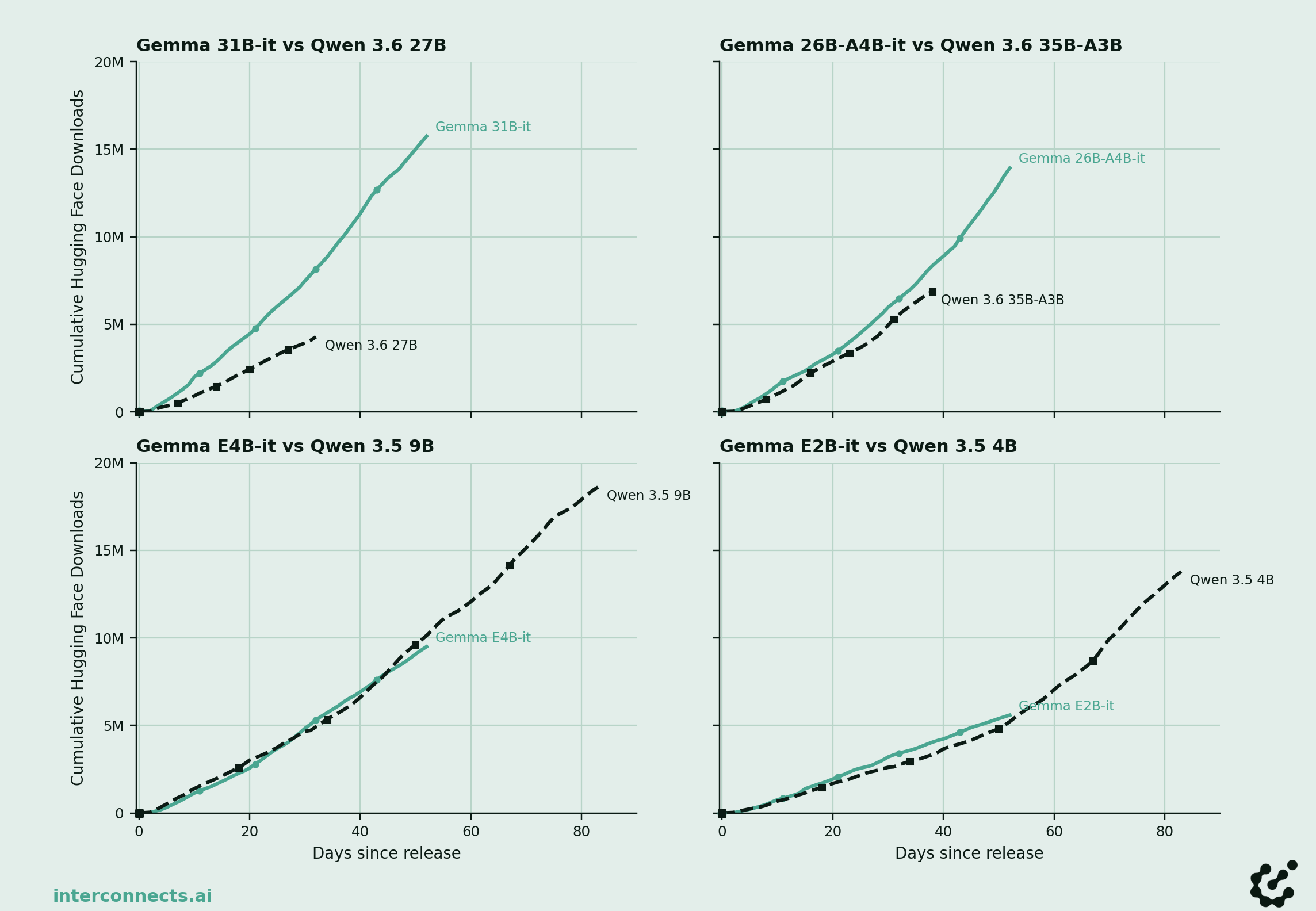
With the announcement of the Claude Mythos model this week and the admittedly very strong stated abilities, especially in cybersecurity, a new wave of anti open-weight AI model narratives surged. The TL;DR of the argument is that our digital infrastructure will not be ready in time for an open-weight version of this model, which will allow attacks to be conducted by numerous parties.The backlash a
Gemma 4 and what makes an open model succeed
Having written a lot of model release blog posts, there’s something much harder about reviewing open models when they drop relative to closed models, especially in 2026. In recent years, there were so few open models, so when Llama 3 was released most people were still doing research on Llama 2 and super happy to get an update. When Qwen 3 was released, the Llama 4 fiasco had just gone down, and a
Lossy self-improvement
Fast takeoff, the singularity, and recursive self-improvement (RSI) are all top of mind in AI circles these days. There are elements of truth to them in what’s happening in the AI industry. Two, maybe three, labs are consolidating as an oligopoly with access to the best AI models (and the resources to build the next ones). The AI tools of today are abruptly transforming engineering and research jo
GPT 5.4 is a big step for Codex
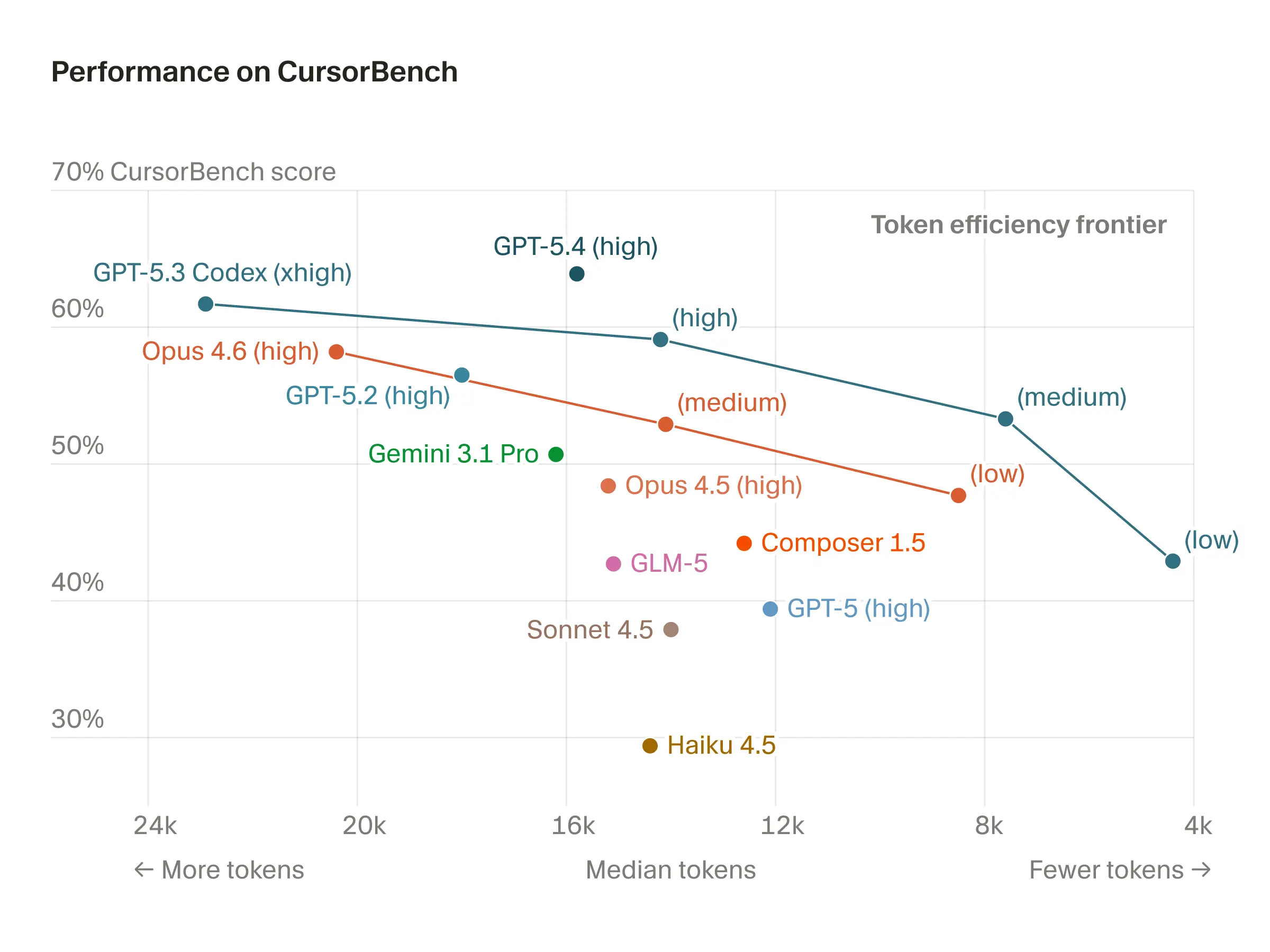
I’m a little late to this model review, but that has given me more time to think about the axes that matter for agents. Traditional benchmarks reduce model performance to a single score of correctness – they always have because that was simple, easy to quickly use to gauge performance, and so on. This is also advice that I give to people trying to build great benchmarks – it needs to reduce to one
What comes next with open models
2025 was the year where a lot of companies started to take open models seriously as a path to influence in the extremely valuable AI ecosystem — the adoption of a strategy that was massively accelerated downstream of DeepSeek R1’s breakout success. Most of this is being done as a mission of hope, principle, or generosity. Very few businesses have a real monetary reason to build open models. Well-c
Dean Ball on open models and government control
Watching history unfold between Anthropic and the Department of War (DoW) it has been obvious to me that this could be a major turning point in perspectives on open models, but one that’ll take years to be obvious. As AI becomes more powerful, existing power structures will grapple with their roles relative to existing companies. Some in open models frame this as “not your weights, not your brain,
Olmo Hybrid and future LLM architectures
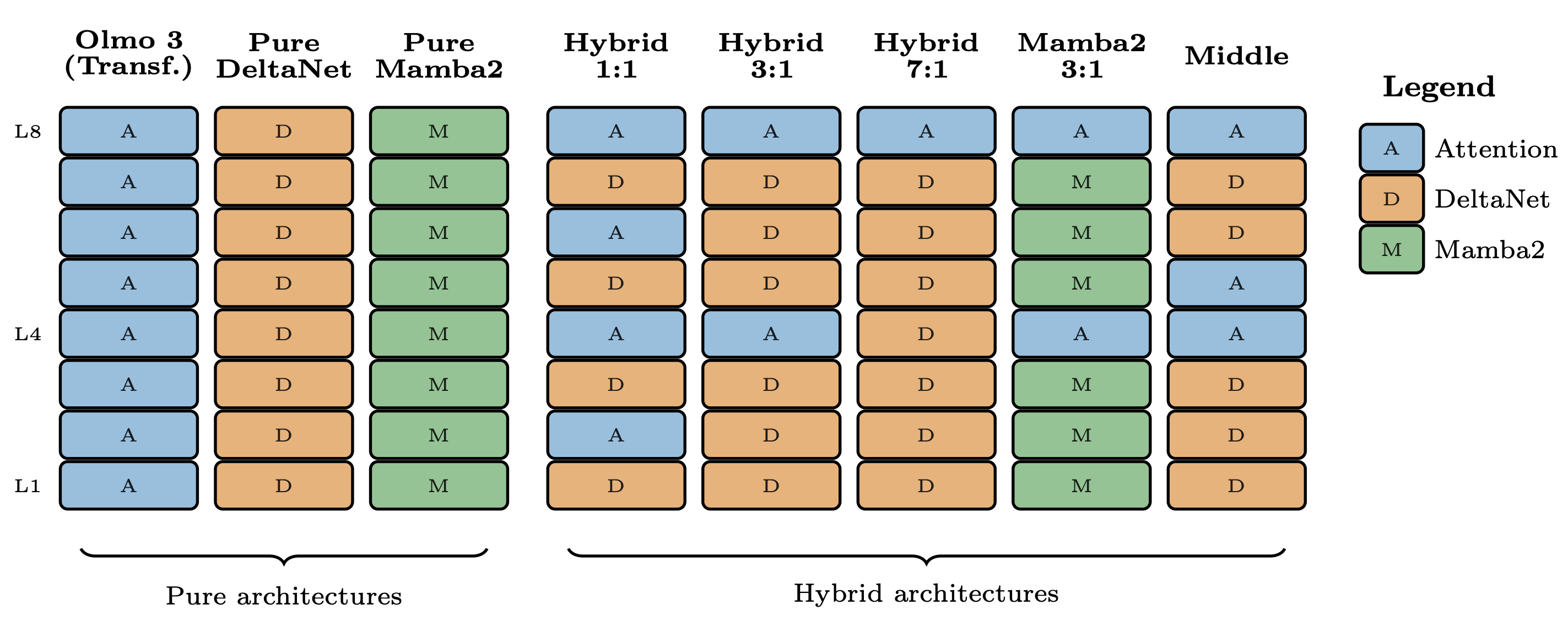
So-called hybrid architectures are far from new in open-weight models these days. We now have the recent Qwen 3.5 (previewed by Qwen3-Next), Kimi Linear last fall (a smaller release than their flagship Kimi K2 models), Nvidia’s Nemotron 3 Nano (with the bigger models expecting to drop soon), IBM Granite 4, and other less notable models. This is one of those times when a research trend looks like i
How much does distillation really matter for Chinese LLMs?
Distillation has been one of the most frequent topics of discussion in the broader US-China and technological diffusion story for AI. Distillation is a term with many definitions — the colloquial one today is using a stronger AI model’s outputs to teach a weaker model. The word itself is derived from a more technical and specific definition of knowledge distillation (Hinton, Vinyals, & Dean 2015),
Opus 4.6, Codex 5.3, and the post-benchmark era
Last Thursday, February 5th, both OpenAI and Anthropic unveiled the next iterations of their models designed as coding assistants, GPT-5.3-Codex and Claude Opus 4.6, respectively. Ahead of this, Anthropic had a firm grasp of the mindshare as everyone collectively grappled with the new world of agents, primarily driven by a Claude Code with Opus 4.5-induced step change in performance. This post doe
Why Nvidia builds open models with Bryan Catanzaro
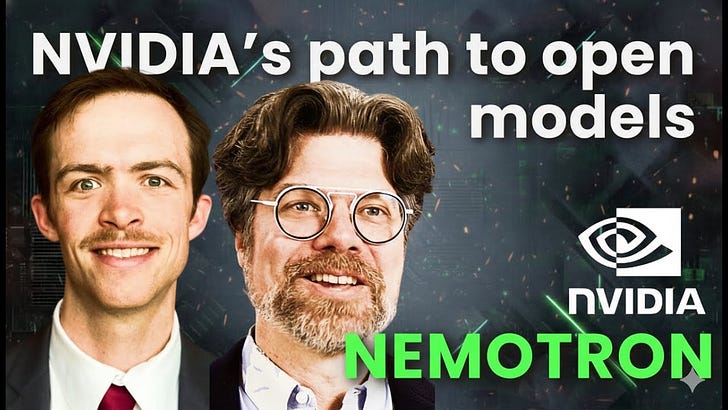
One of the big stories of 2025 for me was how Nvidia massively stepped up their open model program — more releases, higher quality models, joining a small handful of companies releasing datasets, etc. In this interview, I sat down with one of the 3 VP’s leading the effort of 500+ technical staff, Bryan Catanzaro, to discuss:* Their very impressive Nemotron 3 Nano model released in Dec. 2025, and t

Thoughts on the job market in the age of LLMs
There’s a pervasive, mutual challenge in the job market today for people working in (or wanting to work in) the cutting edge of AI. On the hiring side, it often feels impossible to close, or even get interest from, the candidates you want. On the individual side, it quite often feels like the opportunity cost of your current job is extremely high — even if on paper the actual work and life you’re
Arcee AI goes all-in on open models built in the U.S.
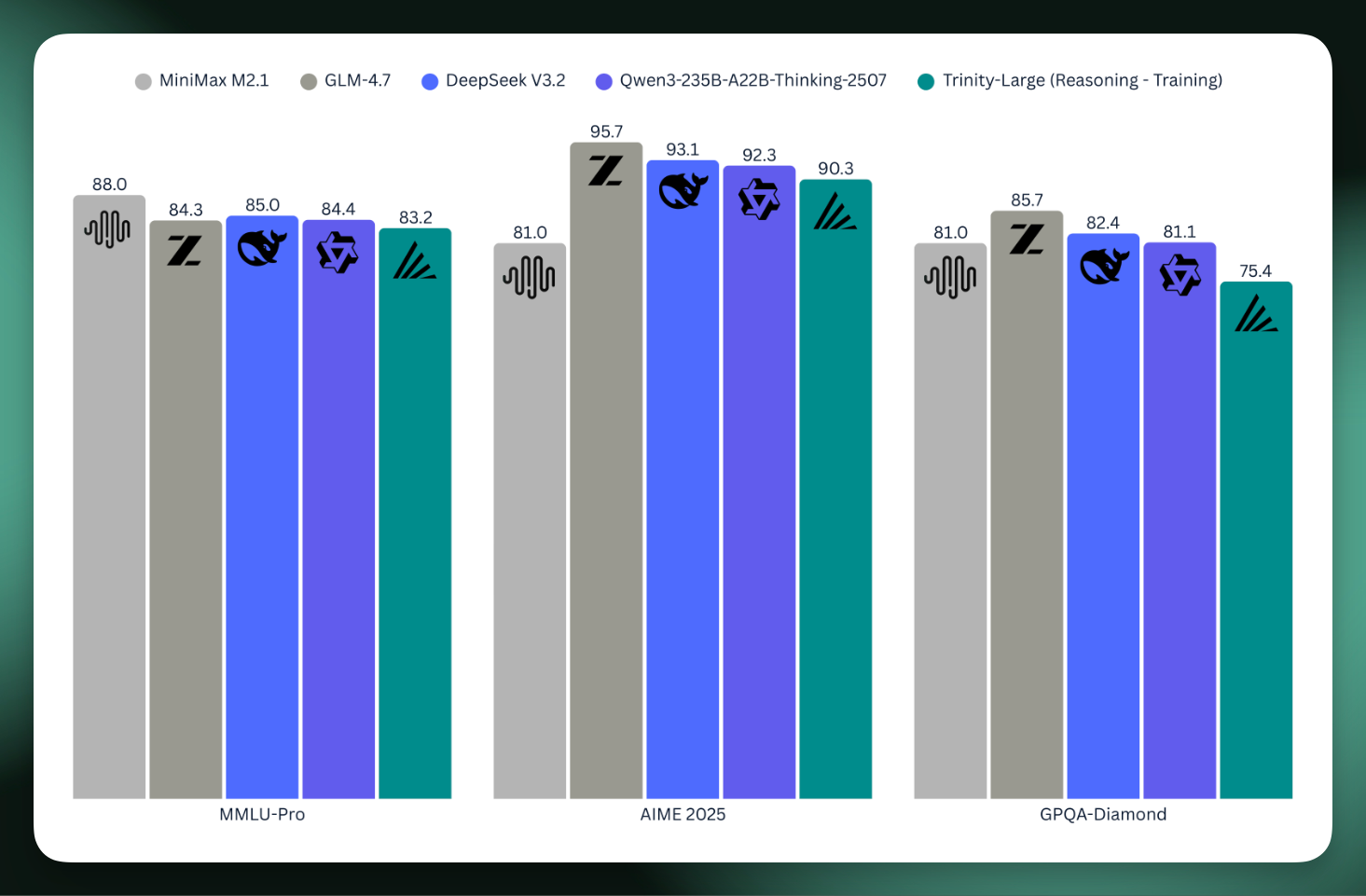
Arcee AI is a the startup I’ve found to be taking the most real approach to monetizing their open models. With a bunch of experience (and revenue) in the past in post-training open models for specific customer domains, they realized they needed to both prove themselves and fill a niche by pretraining larger, higher performance open models built in the U.S.A. They’re a group of people that are most

Get Good at Agents
Two weeks ago, I wrote a review of how Claude Code is taking the AI world by storm, saying that “software engineering is going to look very different by the end of 2026." That article captured the power of Claude as a tool and a product, and I still stand by it, but it undersold the changes that are coming in how we use these products in careers that interface with software. The more personal ang
Use multiple models
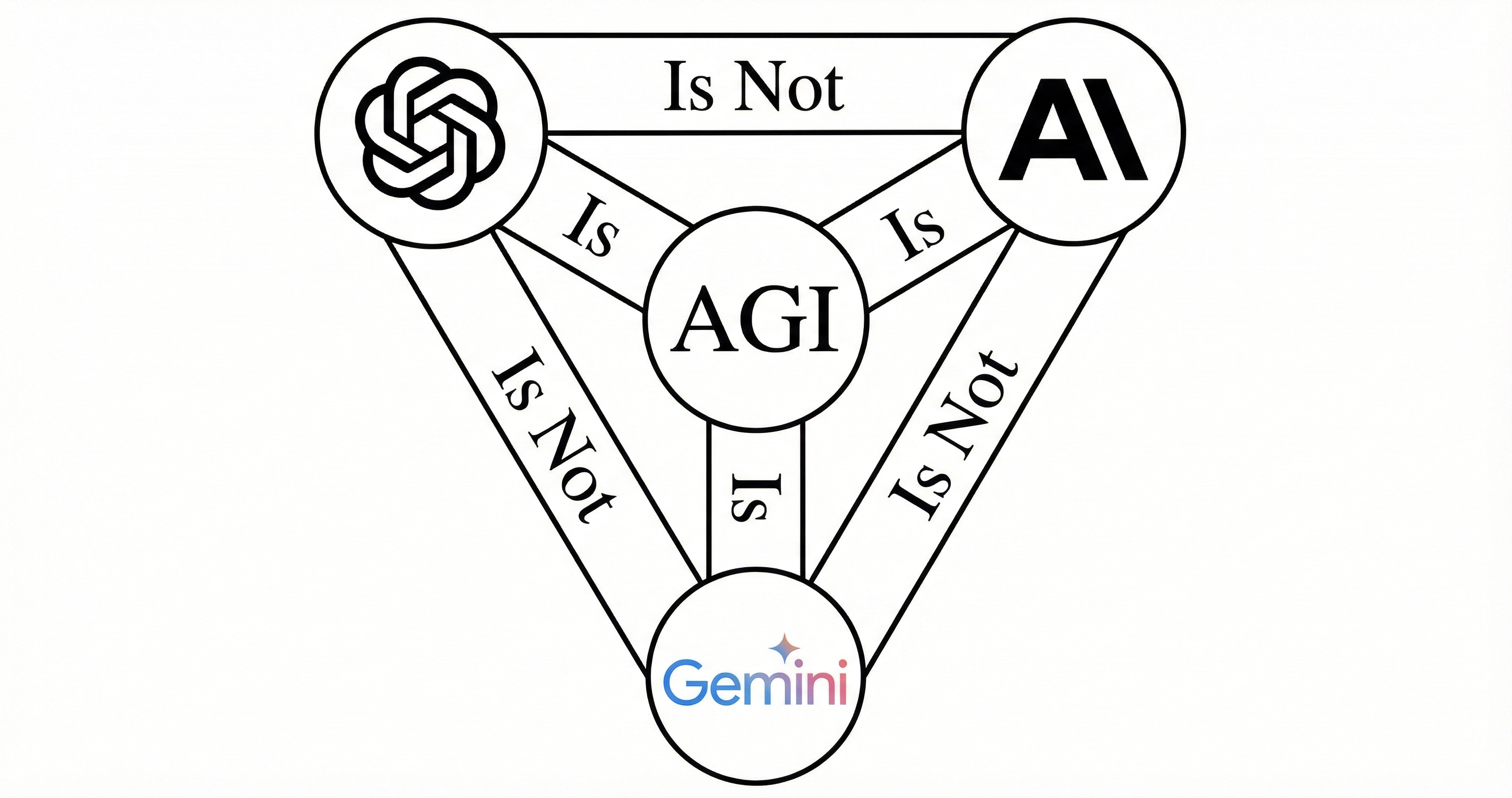
I’ll start by explaining my current AI stack and how it’s changed in recent months. For chat, I’m using a mix of:* GPT 5.2 Thinking / Pro: My most frequent AI use is getting information. This is often a detail about a paper I’m remembering, a method I’m verifying for my RLHF Book, or some other niche fact. I know GPT 5.2 can find it if it exists, and I use Thinking for queries that I think are eas
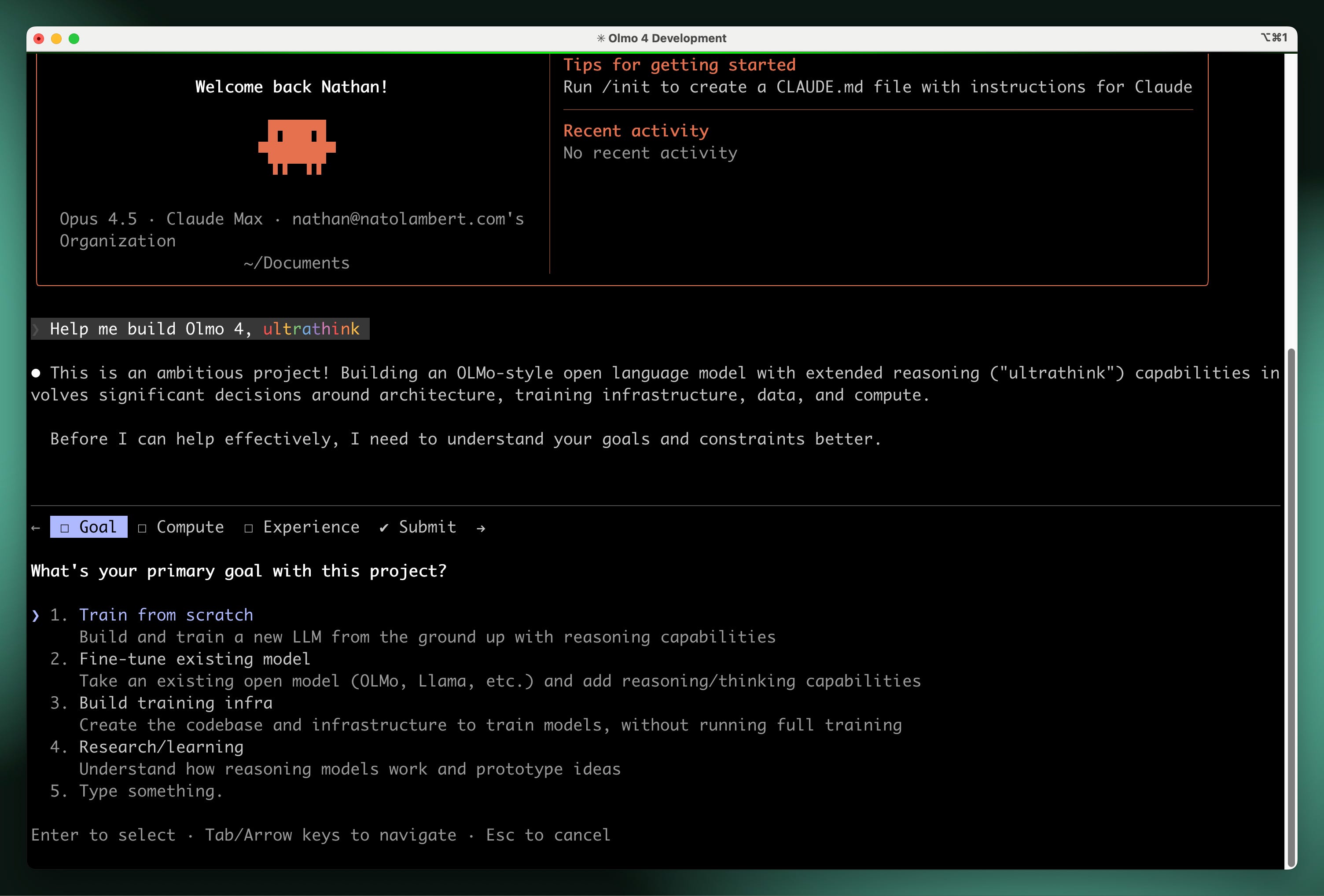
Claude Code Hits Different
There is an incredible amount of hype for Claude Code with Opus 4.5 across the web right now, which I for better or worse entirely agree with. Having used coding agents extensively for the past 6-9 months, where it felt like sometimes OpenAI’s Codex was the best and sometimes Claude, there was some meaningful jump over the last few weeks. The jump is well captured by this post, which called it the
Open models: Hot or Not with Nathan Lambert & Florian Brand
Nathan sits down with Florian, our open model analyst to get spicy into debates of which labs won and lost momentum in open models of 2025. Reflection 70B, Huawei repackaging someone else's model as their own, the fall of Llama — no drama is left unturned. We also dig into the nuances that we didn't get to in our post, predict GPT-OSS 2, the American v. China balance at the end of 2026, and many o
New Talk: Building Olmo 3 Think
It’s finally here! The public (and most complete) version of my talk covering every stage of the process to build Olmo 3 Think (slides are available). I’ve been giving this, improving it, and getting great feedback at other venues such as The Conference on Language Modeling (COLM) & The PyTorch Conference.This involves changes and new considerations of every angle of the stack, from pretraining, e
Olmo 3: America’s truly open reasoning models
We present Olmo 3, our next family of fully open, leading language models. This family of 7B and 32B models represents:* The best 32B base model.* The best 7B Western-origin thinking & instruct models.* The first 32B (or larger) fully open reasoning model.This is a big milestone for Ai2 and the Olmo project. These aren’t huge models (more on that later), but it’s crucial for the viability of fully
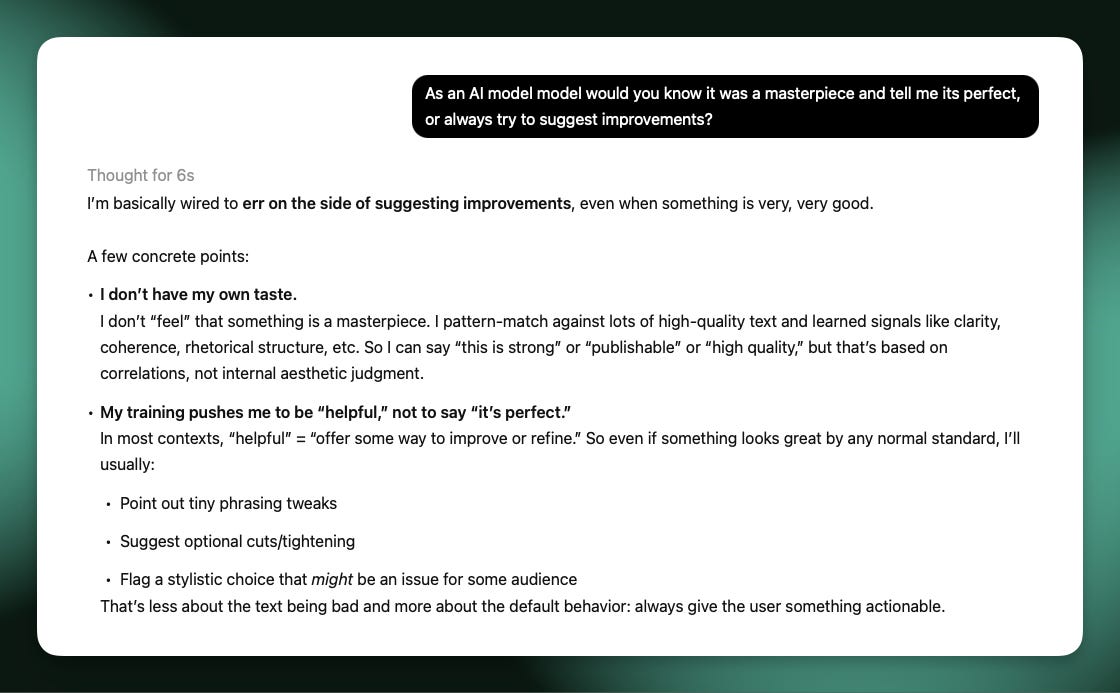
Why AI writing is mid
First, on the topic of writing, the polished, and more importantly printed, version of my RLHF Book is available for pre-order. It’s 50% off for a limited time, you can pre-order it here! Like a lot of writing, I’ve been sitting on this piece for many months thinking it’s not contributing enough, but the topic keeps coming up — most recently via Jasmine Sun — and people seem to like it, so I hope
Interview: Ant Group's open model ambitions
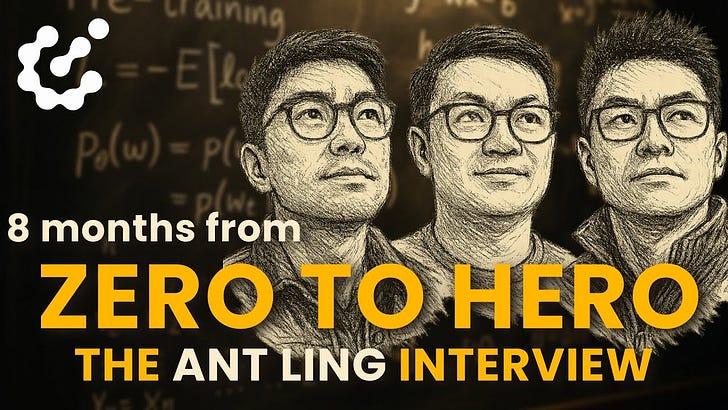
This is the first of a handful of interviews I’m doing with teams building the best open language models of the world. In 2025, the open model ecosystem has changed incredibly. It’s more populated, far more dominated by Chinese companies, and growing. DeepSeek R1 shocked the world and now there are a handful of teams in China training exceptional models. The Ling models, from InclusionAI — Ant Gro
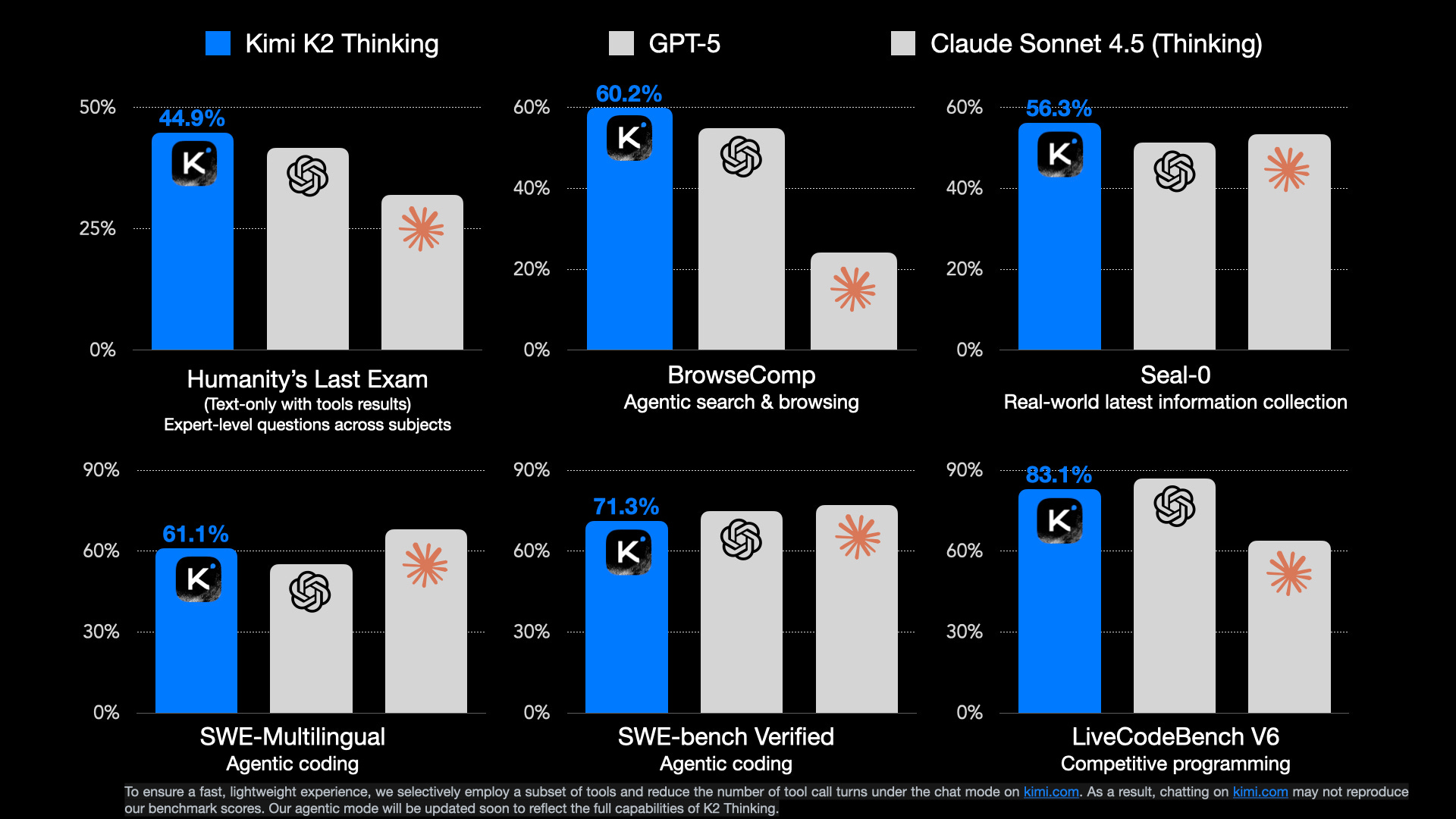
5 Thoughts on Kimi K2 Thinking
First, congrats to the Moonshot AI team, one of the 6 “AI Tigers” in China, on the awesome release of Kimi K2 Thinking. One of the overlooked and inspiring things for me these days is just how many people are learning very quickly to train excellent AI models. The ability to train leading AI models and distribute them internationally is going to be pervasive globally. As people use AI more, those

Burning out
One of the obvious topics of the Valley today is how hard everyone works. We’re inundated with comments on “The Great Lock In”, 996, 997, and now even a snarky 002 (midnight to midnight with a 2 hour break). Plenty of this is performative flexing on social media, but enough of it is real and reflecting how trends are unfolding in the LLM space. I’m affected. My friends are affected.All of this har
How to scale RL
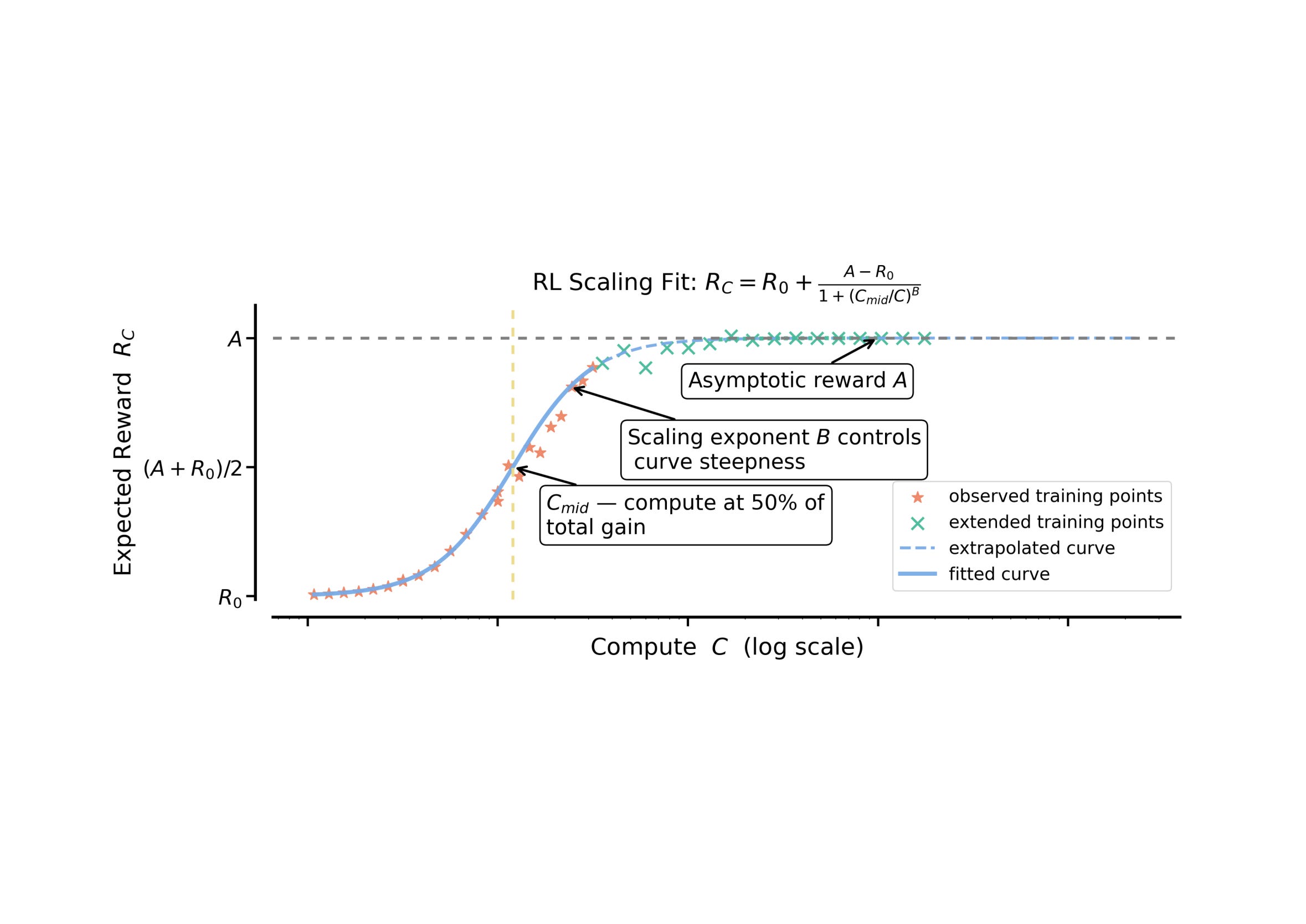
Two quick housekeeping items before I get to the post.1. I’ll be in SF this week for the PyTorch conference (22-23), AI Infra Summit (21st), and other local events. Come say hi.2. I launched a new Substack AI bundle with 8 of my favorite publications packaged together for teams of 20+. Learn more at readsail.com.Onto the post!“Scaling reinforcement learning (RL)” is the zeitgeisty way to capture t
The State of Open Models
This talk covers everything that’s happened this year in the open model landscape — DeepSeek kickstarting the Chinese open model norms, Llama’s fade, Qwen’s dominance, GPT-OSS — and what comes next. It is my attempt to share what people need to know about where open models are heading, building on all of my research here at Interconnects and in my day job of training these models, in order to help

Thoughts on The Curve
I spent the weekend debating AI timelines, among other things, at The Curve conference. This translates as spending the weekend thinking about the trajectory of AI progress with a mix of DC and SF types. This is a worthwhile event that served as a great, high-bandwidth way to check in on timelines and expectations of the AI industry.Updating timelinesMy most striking takeaway is that the AI 2027 s
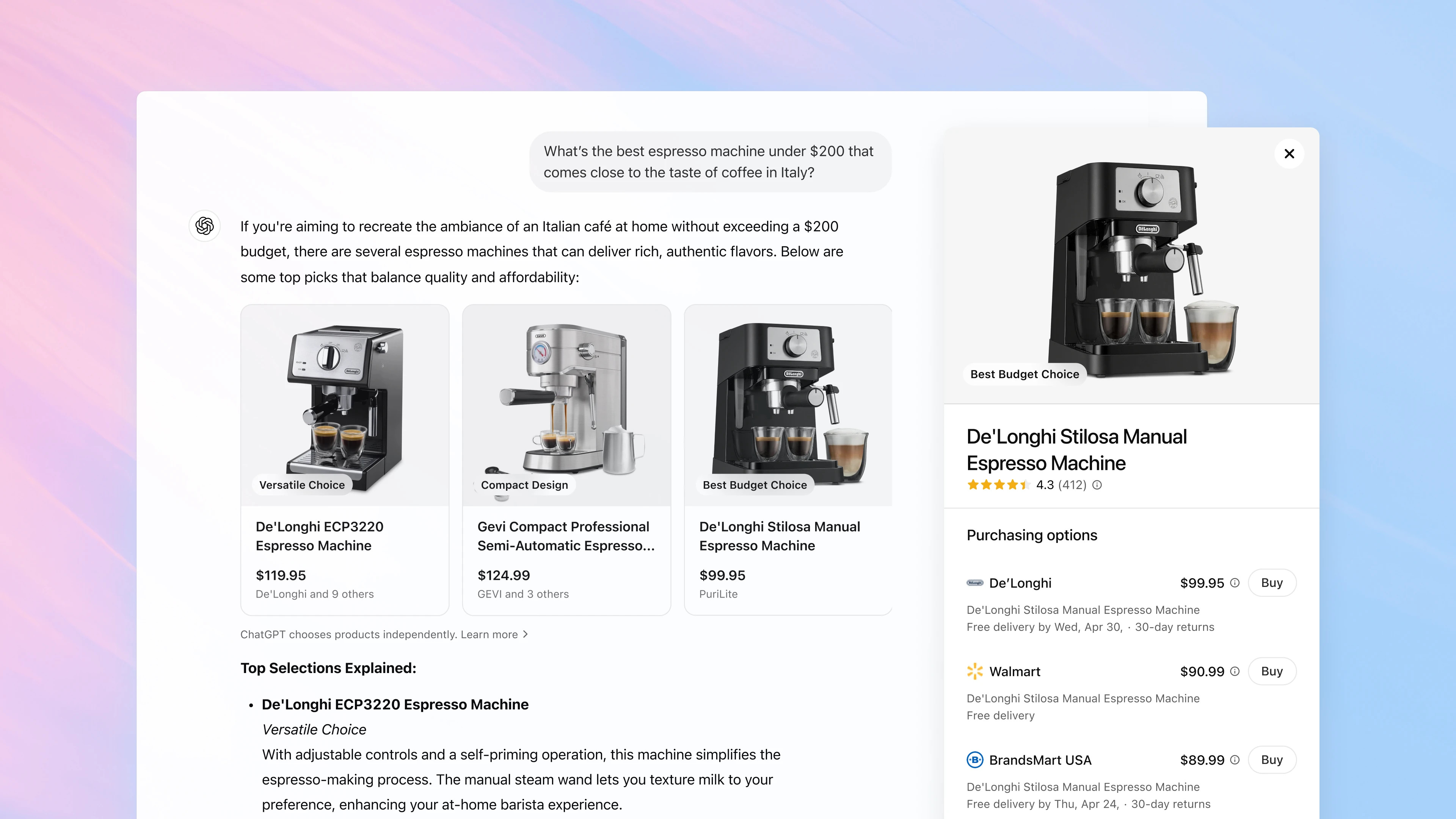
ChatGPT: The Agentic App
Ever since ChatGPT exploded in popularity, there has been a looming “how” to its monetization plans. Much has been said about shopping and advertising as the likely paths, especially with Fidji Simo joining as CEO of Applications under Sam Altman. Advertising as a business model for AI is logical but difficult to personalize and specialize. We know tons of people spend a lot of time using AI model

Thinking, Searching, and Acting
The weaknesses of today’s best models are far from those of the original ChatGPT — we see they lack speed, we fear superhuman persuasion, and we aspire for our models to be more autonomous. These models are all reasoning models that have long surpassed the original weaknesses of ChatGPT-era language models, hallucinations, total lack of recent information, complete capitulations, and other hiccups
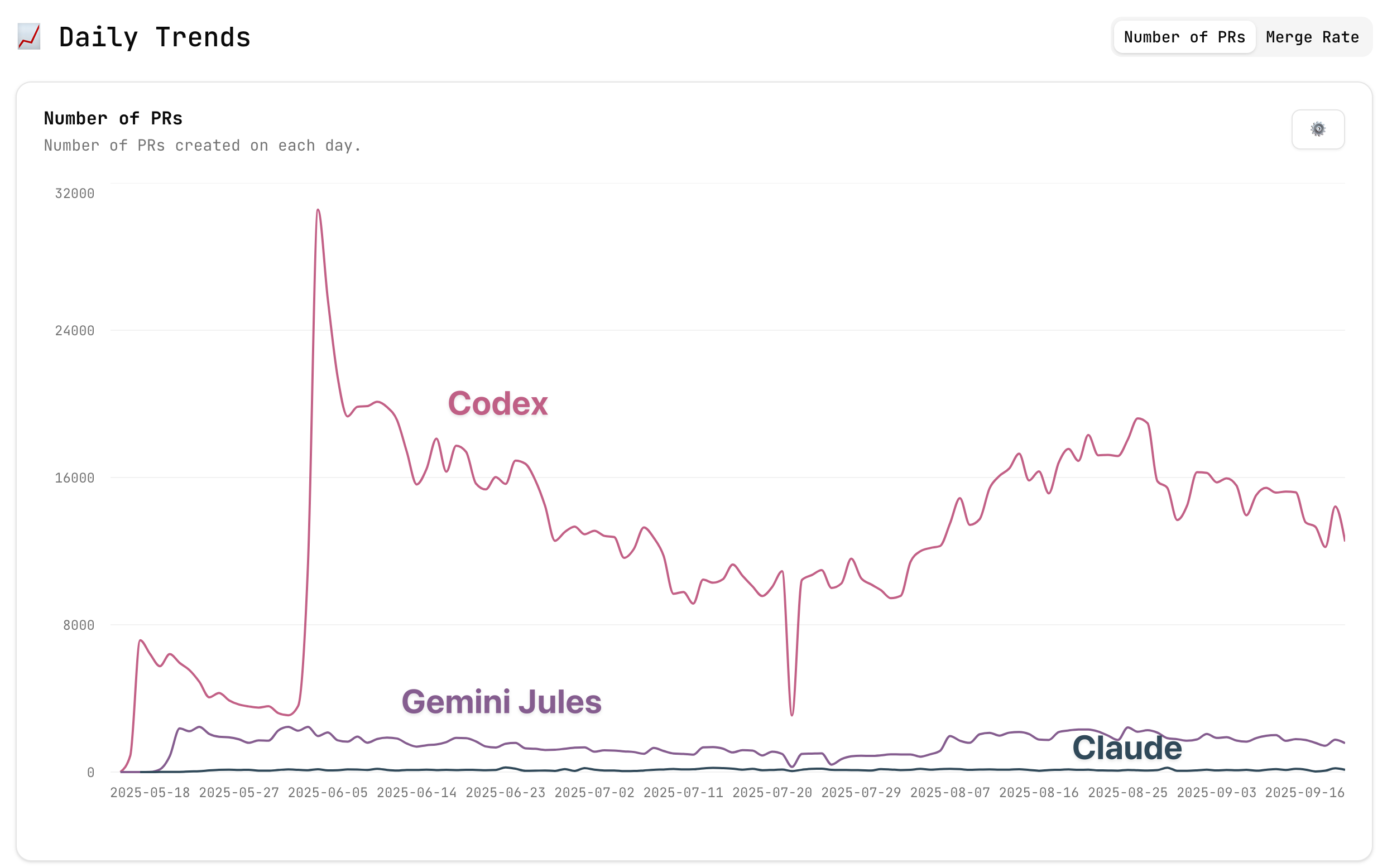
Coding as the epicenter of AI progress and the path to general agents
Coding, due to its breadth of use-cases, is arguably the last tractable, general domain of continued progress for frontier models that most people can interface with. This is a bold claim, so let’s consider some of the other crucial capabilities covered in the discourse of frontier models:* Chat and the quality of prose written by models has leveled off, other than finetuning to user measures such
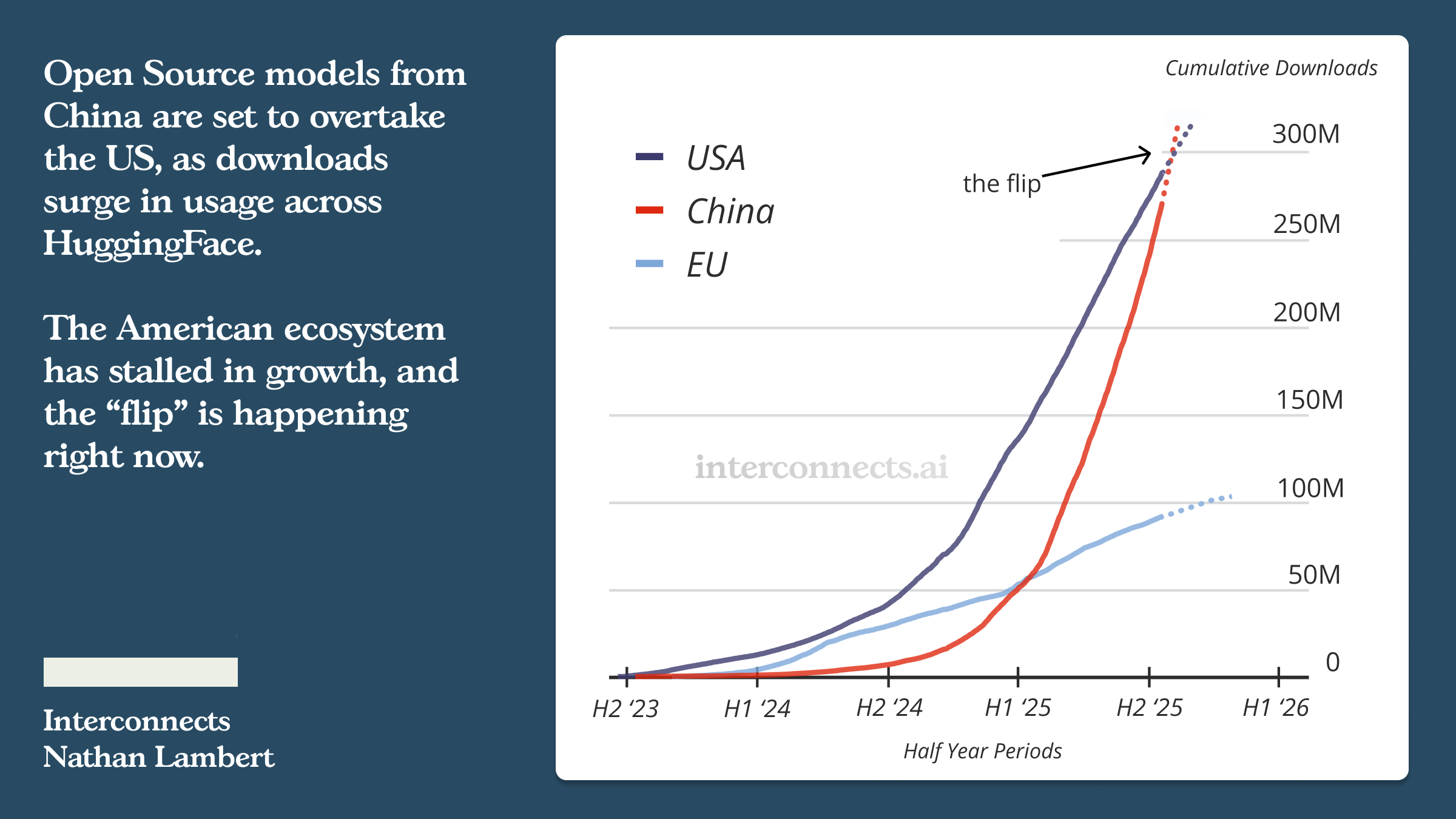
On China's open source AI trajectory
Hello everyone! I’m coming back online after two weeks of vacation. Thankfully it coincided with some of the slowest weeks of the year in the AI space. I’m excited to get back to writing and (soon) share projects that’ll wrap up in the last months of the year.It seemed like a good time to remind people of the full set of housekeeping for Interconnects. * Many people love the audio version of the
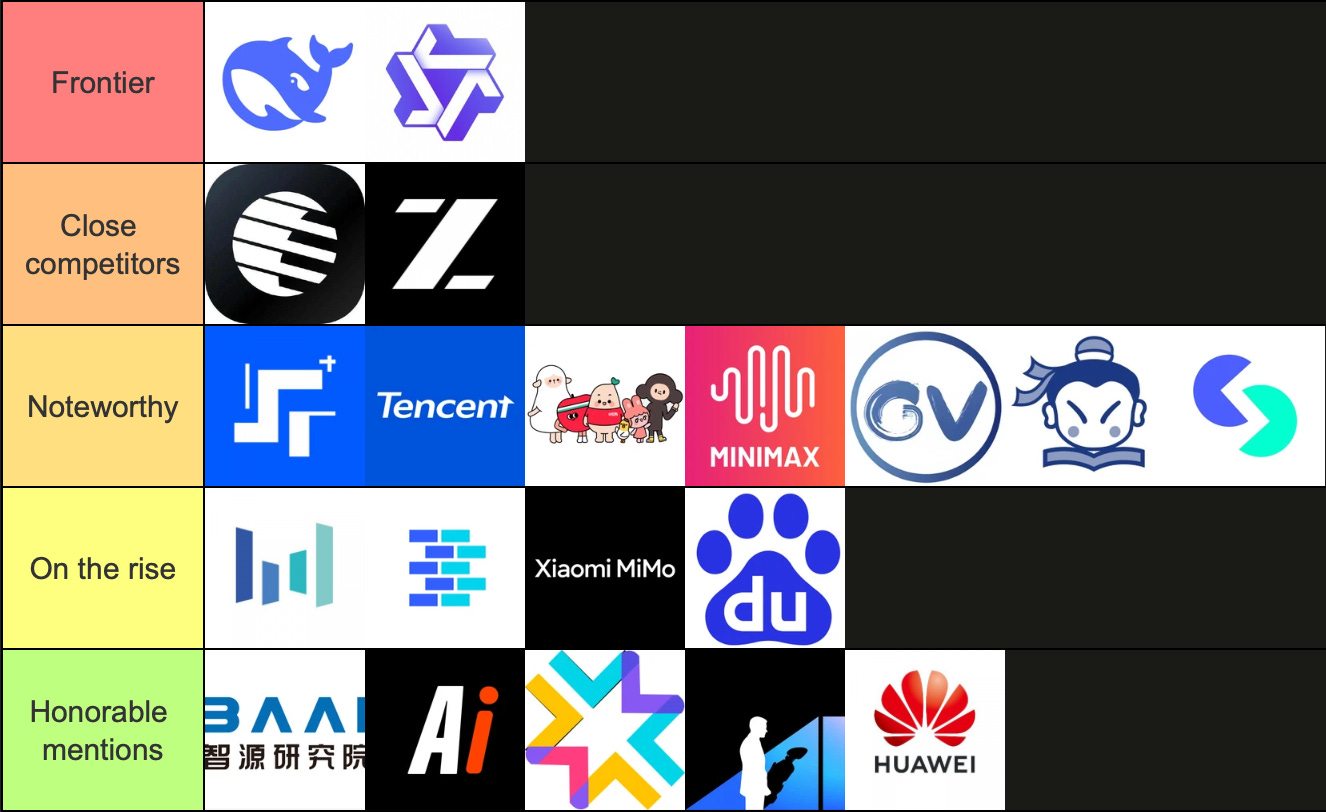
Ranking the Chinese Open Model Builders
The Chinese AI ecosystem has taken the AI world by storm this summer with an unrelenting pace of stellar open model releases. The flagship releases that got the most Western media coverage are the likes of Qwen 3, Kimi K2, or Zhipu GLM 4.5, but there is a long-tail of providers close behind in both quality and cadence of releases.In this post we rank the top 19 Chinese labs by the quality and quan

Contra Dwarkesh on Continual Learning
Dwarkesh Patel’s now well-read post on why he is extending his AI timelines focuses on the idea of continual learning. If you ask me, what we have already is AGI, so the core question is: Is continual learning a bottleneck on AI progress?In this post, I argue that continual learning as he describes it actually doesn’t matter for the trajectory of AI progress that we are on. Continual learning will
GPT-5 and the arc of progress
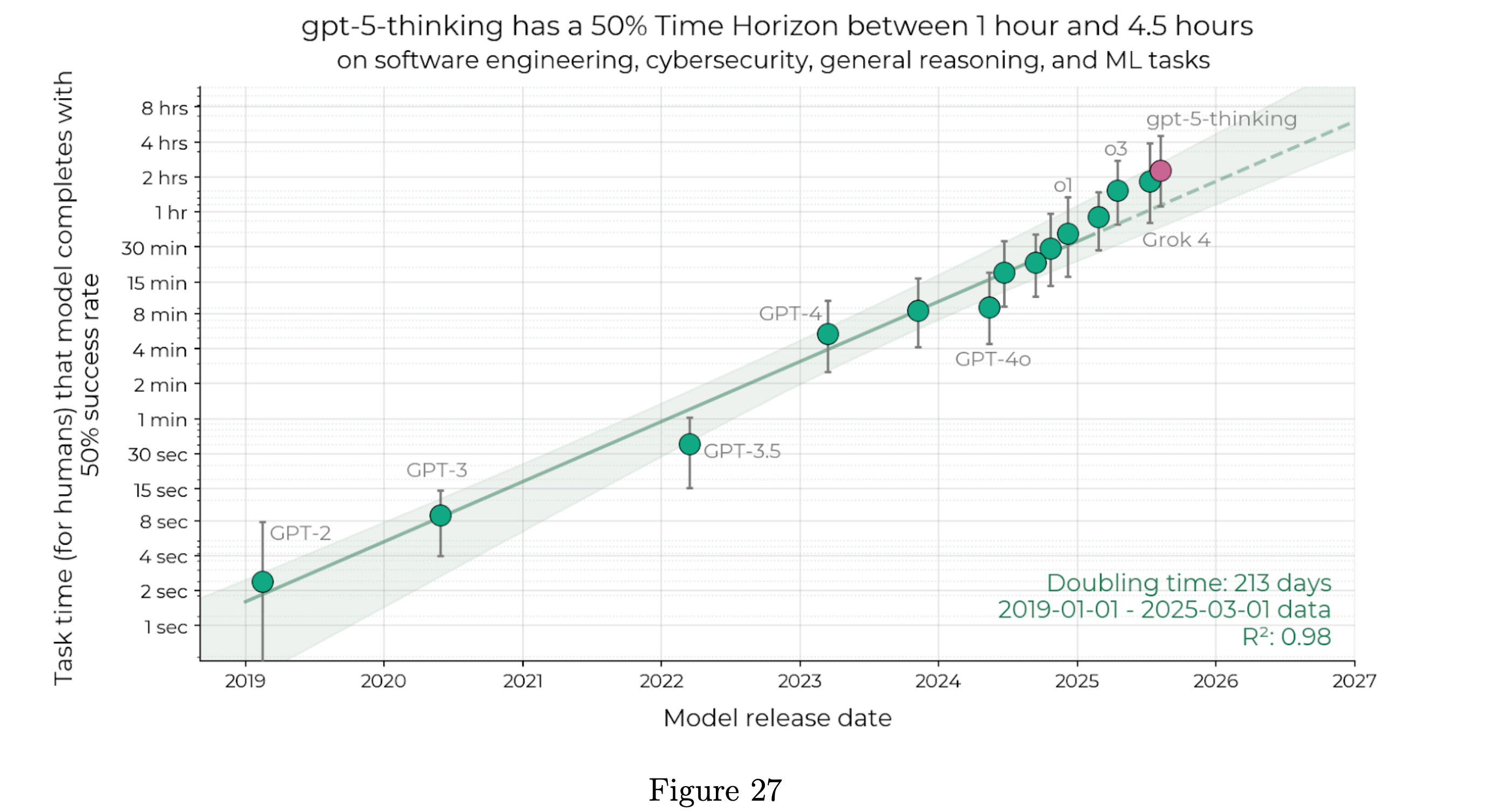
If you want a video version of this, check out the last 20 minutes of the livestream reaction (edit, fixed link) I did with Will Brown of Prime Intellect and Swyx of Smol AI & Latent Space.GPT-5 was set up to fail on some of the narratives it was expected to satisfy. The two central themes it had to decide between were the AGI (or superintelligence) narrative that Sam Altman & co. have been using
gpt-oss: OpenAI validates the open ecosystem (finally)
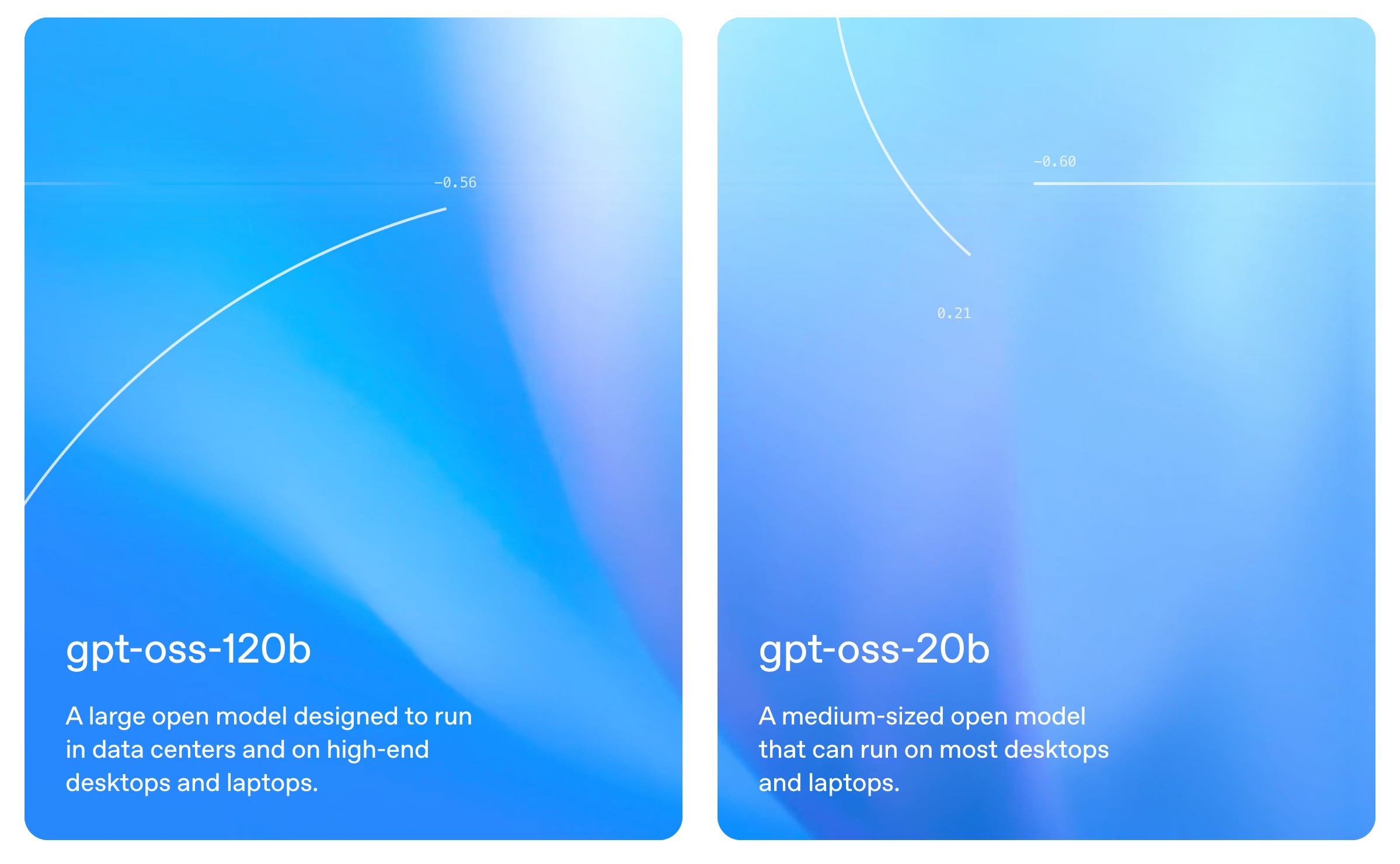
OpenAI released two open-weight, text-only reasoning models today, both mixture of experts (MoE) sized to run efficiently on a range of hardware from consumer GPUs to the cloud. These models have the Apache 2.0 license, so they’re available for distillation into other reasoning models, deployment into commercial products, and are free of downstream restrictions. These two models, the smaller gpt-o
Towards American Truly Open Models: The ATOM Project
I’m very excited to share a substantial project on invigorating investment in open language models and AI research in the U.S. The ATOM (American Truly Open Models) Project is the mature evolution of my original “American DeepSeek Project” and I hope it can help be a turning point in the current trajectory of losing open model relevance vis-a-vis China, and even the rest of the world.I’ve included
Interviewing Ross Taylor on the state of AI: Chinese open models, scaling reasoning, useful tools, and what comes next
I’m excited to welcome Ross Taylor back on the podcast (and sorry for the lack of episodes in general – I have a lot going on!). The first time Ross came on we focused on reasoning – before inference-time scaling and that sort of RL was popular, agents, Galactica, and more from his Llama days. Since then, and especially after DeepSeek R1, Ross and I have talked asynchronously about the happenings

The White House's plan for open models & AI research in the U.S.
Today, the White House released its AI Action Plan, the document we’ve been waiting for to understand how the new administration plans to achieve “global dominance in artificial intelligence (AI).” There’s a lot to unpack in this document, which you’ll be hearing a lot about from the entire AI ecosystem. This post covers one narrow piece of the puzzle — its limited comments on open models and AI r
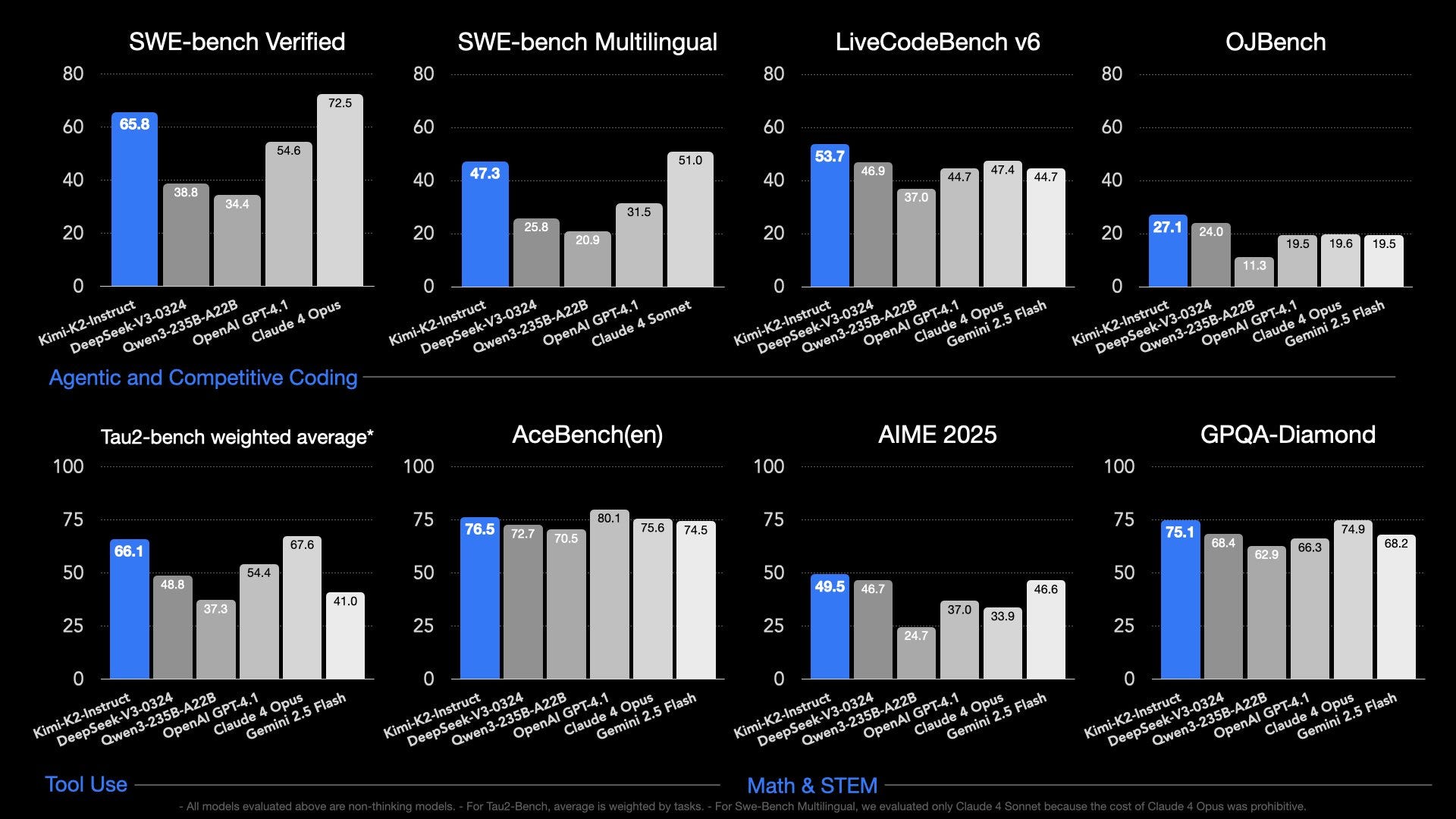
Kimi K2 and when "DeepSeek Moments" become normal
https://www.interconnects.ai/p/kimi-k2-and-when-deepseek-momentsThe DeepSeek R1 release earlier this year was more of a prequel than a one-off fluke in the trajectory of AI. Last week, a Chinese startup named Moonshot AI dropped Kimi K2, an open model that is permissively licensed and competitive with leading frontier models in the U.S. If you're interested in the geopolitics of AI and the rapid d

The American DeepSeek Project
https://www.interconnects.ai/p/the-american-deepseek-projectWhile America has the best AI models in Gemini, Claude, o3, etc. and the best infrastructure with Nvidia it’s rapidly losing its influence over the future directions of AI that unfold in the open-source and academic communities. Chinese organizations are releasing the most notable open models and datasets across all modalities, from text

Some ideas for what comes next (Jun. 2025)
https://www.interconnects.ai/p/summertime-outlook-o3s-novelty-comingSummer is always a slow time for the tech industry. OpenAI seems fully in line with this, with their open model “[taking] a little more time” and GPT-5 seemingly always delayed a bit more. These will obviously be major news items, but I’m not sure we see them until August.I’m going to take this brief reprieve in the bombardment of

Crafting a good (reasoning) model
Why are some models that are totally exceptional on every benchmark a total flop in normal use? This is a question I was hinting at in my post on GPT-4o’s sycophancy, where I described it as “The Art of The Model”:RLHF is where the art of the model is crafted and requires a qualitative eye, deep intuition, and bold stances to achieve the best outcomes. In many ways, it takes restraint to land a gr

The rise of reasoning machines
https://www.interconnects.ai/p/the-rise-of-reasoning-machinesNote: voiceover coming later in the day. I may fix a couple typos then too.A sufficiently general definition of reasoning I’ve been using is:Reasoning is the process of drawing conclusions by generating inferences from observations.Ross Taylor gave this definition on his Interconnects Interview, which I re-used on my State of Reasoning r

What comes next with reinforcement learning
https://www.interconnects.ai/p/what-comes-next-with-reinforcementFirst, some housekeeping. The blog’s paid discord (access or upgrade here) has been very active and high-quality recently, especially parsing recent AI training tactics like RLVR for agents/planning. If that sounds interesting to you, it’s really the best reason to upgrade to paid (or join if you’ve been paying and have not come hung

How I Write
https://www.interconnects.ai/p/how-i-writeMy experience with my recent years of writing is quite confusing — almost even dissociative. I've never felt like I was a good writer and no one really told me I was until some random point in time a year or two ago. In that time span, I didn't really change my motivation nor methods, but I reaped the simple rewards of practice. I'm still wired to be very

A taxonomy for next-generation reasoning models
https://www.interconnects.ai/p/next-gen-reasonersOn Monday of this week we released RewardBench 2, Ai2’s next reward model evaluation and a project I’ve been personally invested in through its whole arc. Read more of my thoughts here.Tomorrow, I’ll be presenting a version of this post at the AI Engineer World’s Fair Reasoning & RL track. Come tomorrow and say hi if you’re around the next two days!

Claude 4 and Anthropic's bet on code
https://www.interconnects.ai/p/claude-4-and-anthropics-bet-on-codeClaude’s distinctive characteristics are having a best-in-class personality and the ability to effectively perform software engineering tasks. These characteristics both appeared in force with the first version of Claude 3.5 Sonnet — a major breakthrough model at the time and the model that pulled me away from ChatGPT for the longes

People use AI more than you think
https://www.interconnects.ai/p/people-use-ai-more-than-you-thinkI was on ChinaTalk again recently to talk through some of my recent pieces and their corresponding happenings in AI.Usage and revenue growth for most AI services, especially inference APIs, has been growing like mad for a long time. These APIs have been very profitable for companies — up to 75% or higher margins at times according to

My path into AI
https://www.interconnects.ai/p/how-i-got-hereSome longer housekeeping notes this week:* I wrote briefly about a new open-source license, OpenMDW from the Linux Foundation, that seems very solid!* OpenAI launched the Reinforcement Finetuning (RFT) API. I think my take from when it was teased still holds up super well, you should read it if you haven’t:* In June, I’ll be speaking at some events in S

What people get wrong about the leading Chinese open models: Adoption and censorship
https://www.interconnects.ai/p/what-people-get-wrong-about-the-leadingTwo editor’s notes to start.* First, we released our OLMo 2 1B model last week and it’s competitive with Gemmas and Llamas of comparable size — I wrote some reflections on training it here.* Second, my Qwen 3 post had an important factual error — Qwen actually did not release the base models for their 32B and large MoE model. Th
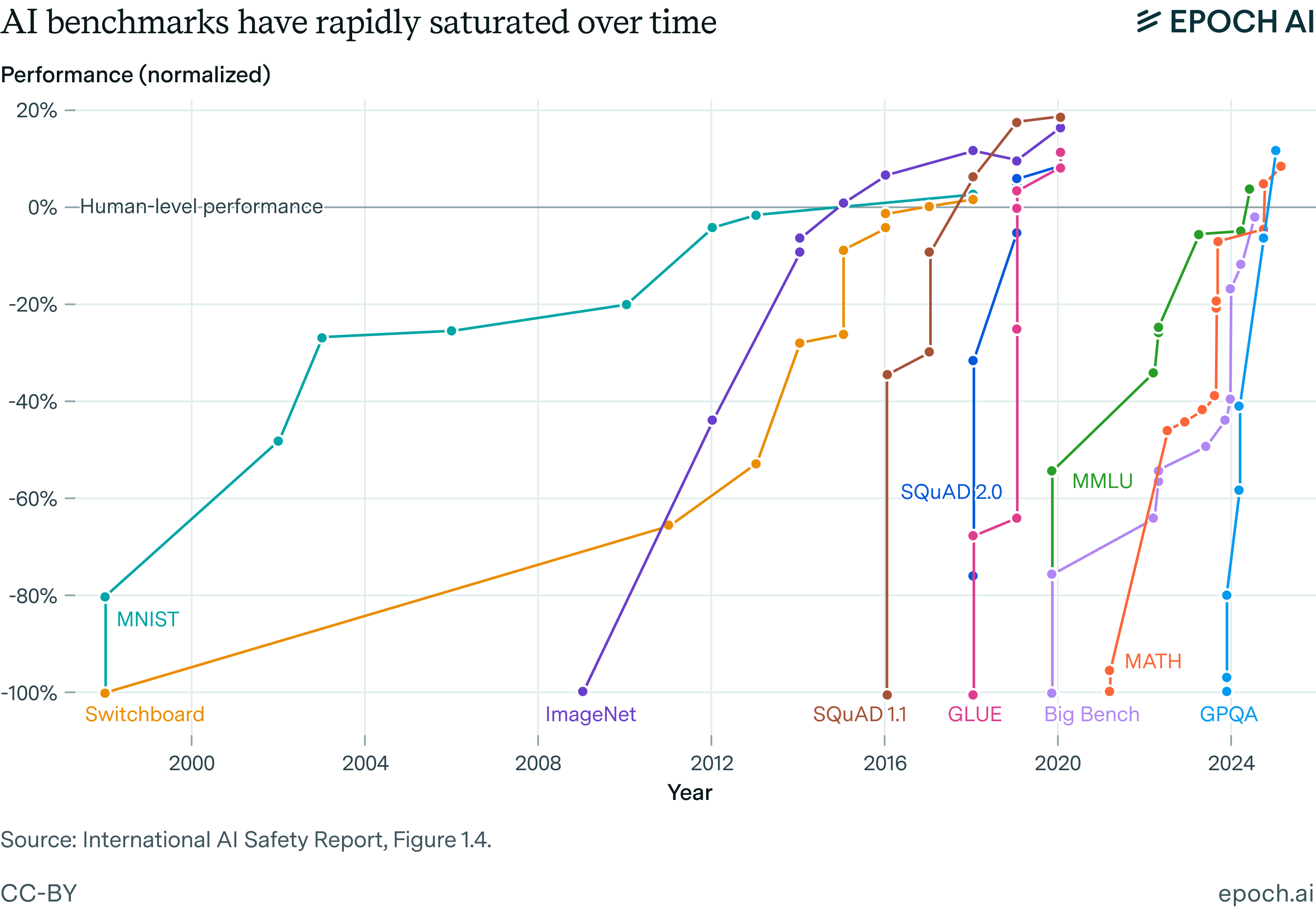
State of play of AI progress (and related brakes on an intelligence explosion)
https://www.interconnects.ai/p/brakes-on-an-intelligence-explosionIntelligence explosions are far from a new idea in the technological discourse. They’re a natural thought experiment that follows from the question: What if progress keeps going?From Wikipedia:The technological singularity—or simply the singularity—is a hypothetical point in time at which technological growth becomes uncontrollable

Transparency and (shifting) priority stacks
https://www.interconnects.ai/p/transparency-and-shifting-priorityThe fact that we get new AI model launches from multiple labs detailing their performance on complex and shared benchmarks is an anomaly in the history of technology products. Getting such clear ways to compare similar software products is not normal. It goes back to AI’s roots as a research field and growing pains into something els

OpenAI's o3: Over-optimization is back and weirder than ever
https://www.interconnects.ai/p/openais-o3-over-optimization-is-backOver-optimization is a classic problem to reinforcement learning (RL) proper, the RL from human feedback (RLHF) that gave us ChatGPT, and now what we’re seeing with new reasoning models. All of these have a distinct flavor and different impacts.Over-optimization is what happens when the optimizer is stronger than the environment or

OpenAI's GPT-4.1 and separating the API from ChatGPT
https://www.interconnects.ai/p/openais-gpt-41-and-separating-theRecently I gave another talk on RLVR experiments and I posted some thoughts on OLMoTrace — Ai2’s recent tool to let you look at the training data of OLMo 2.OpenAI has been making many small updates toward their vision of ChatGPT as a monolithic app separate from their API business. Last week OpenAI improved the ChatGPT memory feature

Llama 4: Did Meta just push the panic button?
https://www.interconnects.ai/p/llama-4Where Llama 2’s and Llama 3’s releases were arguably some of the top few events in AI for their respective release years, Llama 4 feels entirely lost. Meta has attempted to reinvent their formula of models with substantial changes in size, architecture, and personality, but a coherent narrative is lacking. Meta has fallen into the trap of taking too long to sh

RL backlog: OpenAI's many RLs, clarifying distillation, and latent reasoning
https://www.interconnects.ai/p/rl-backlog-openais-many-rls-clarifyingI have a second blog where I post half-baked thoughts, sometimes previews of what comes here. If you’re interested, I posted some musings on OpenAI’s coming open model release.It’s obvious that reinforcement learning (RL) is having a total return to glory among the broader AI community, but its real successes are mostly the thing

Gemini 2.5 Pro and Google's second chance with AI
https://www.interconnects.ai/p/gemini-25-pro-googles-second-ai-chanceGoogle, with its immense infrastructure and talent, has been the safe bet for the question of “Who will have the best models in a few years?” Google took a long time to get here, overcoming Bard’s launch and some integration headaches, and yet the model they launched today, Gemini 2.5 Pro feels like the biggest jump in evaluation

Managing frontier model training organizations (or teams)
https://www.interconnects.ai/p/how-to-manage-ai-training-organizationsIt is a closely guarded secret how the leading AI laboratories structure their training teams. As with other technology companies, the saying “you ship your org chart” still applies to training AI models. Looking at these organizational structures will reveal where research can be scaled up, the upper limits of size, and potenti
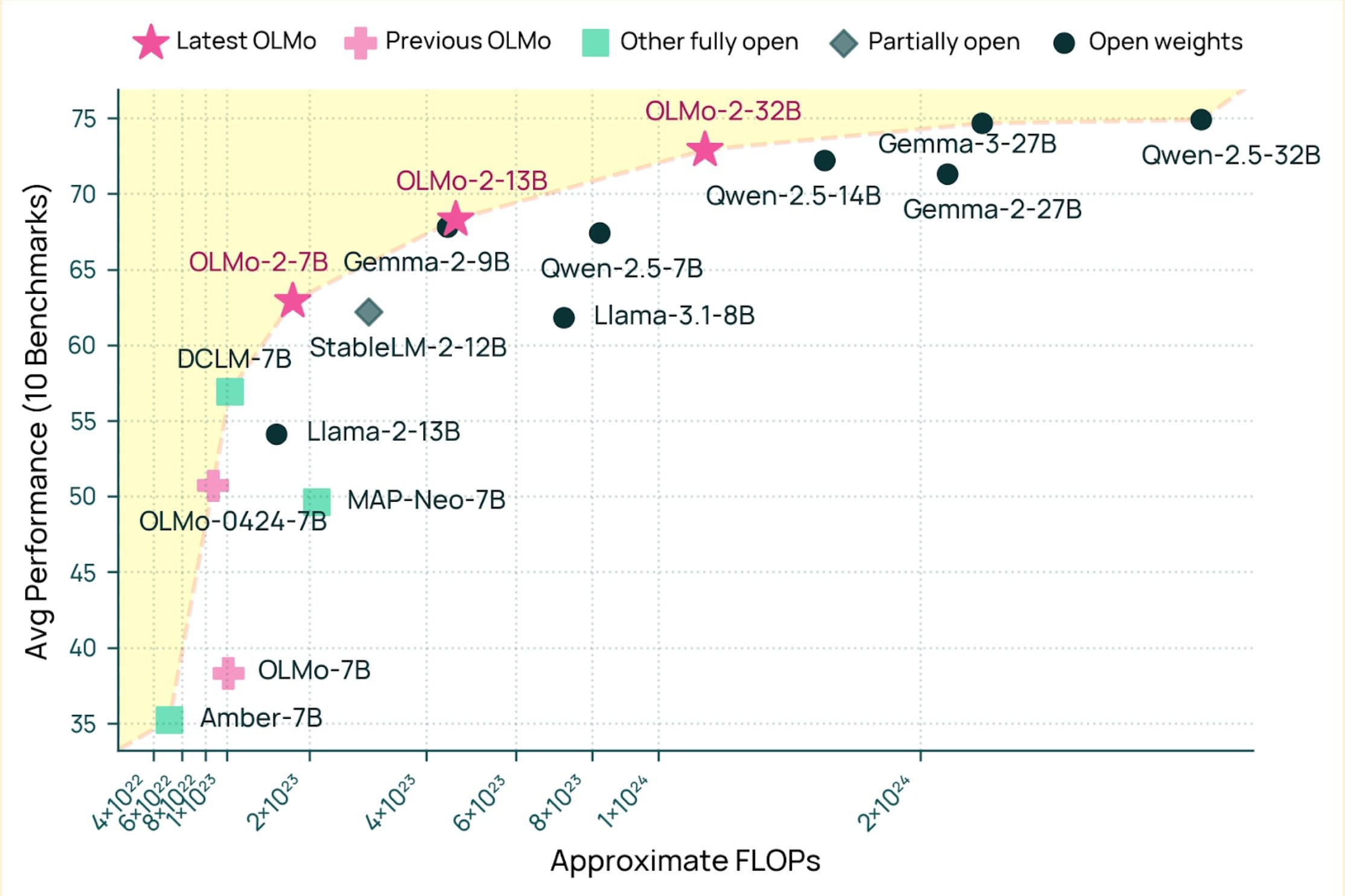
Gemma 3, OLMo 2 32B, and the growing potential of open-source AI
Post: https://www.interconnects.ai/p/gemma-3-olmo-2-32b-and-the-growingEver since the release of the original ChatGPT, much has been said about making a truly open-source version of it — with data, code, weights, etc., all available. Open-source versions increase transparency, access, long-term progress, security research, and lots more. Lots of people have used this claim to bring hype into their
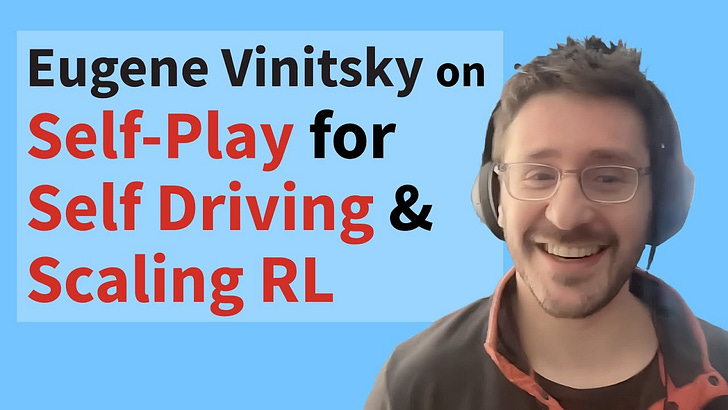
Interviewing Eugene Vinitsky on self-play for self-driving and what else people do with RL
Eugene Vinitsky is a professor a New York University department of Civil and Urban Engineering. He’s one of my original reinforcement learning friends from when we were both doing our Ph.D.’s in RL at UC Berkeley circa 2020. Eugene has extensive experience in self-driving, open endedness, multi-agent reinforcement learning, and self-play with RL. In this conversation we focus on a few key topics:*

Elicitation, the simplest way to understand post-training
Full post: https://www.interconnects.ai/p/elicitation-theory-of-post-trainingIf you look at most of the models we've received from OpenAI, Anthropic, and Google in the last 18 months, you'll hear a lot of "Most of the improvements were in the post-training phase." The most recent one was Anthropic’s CEO Dario Amodei explaining Claude 3.7 on the Hard Fork Podcast:We are not too far away from releas
Recommended

Infinite Health with Dr. Arasi Maran

The Daily

World News Tonight with David Muir

English Vocabulary Help
The Joe Rogan Experience
TED Talks Daily

Learn English B1 with Daily News | English Listening Practice

Talk About Talk - Executive & Leadership Communication Skills
English with Olivia | Slow Conversations & Vocabulary

Stand In The Circle
SLOW ENGLISH PODCAST (A1-A2) With Subtitles | Daily Videos | English With Us Podcast

Learn English A2 with Daily News | Simple English Listening Practice
