
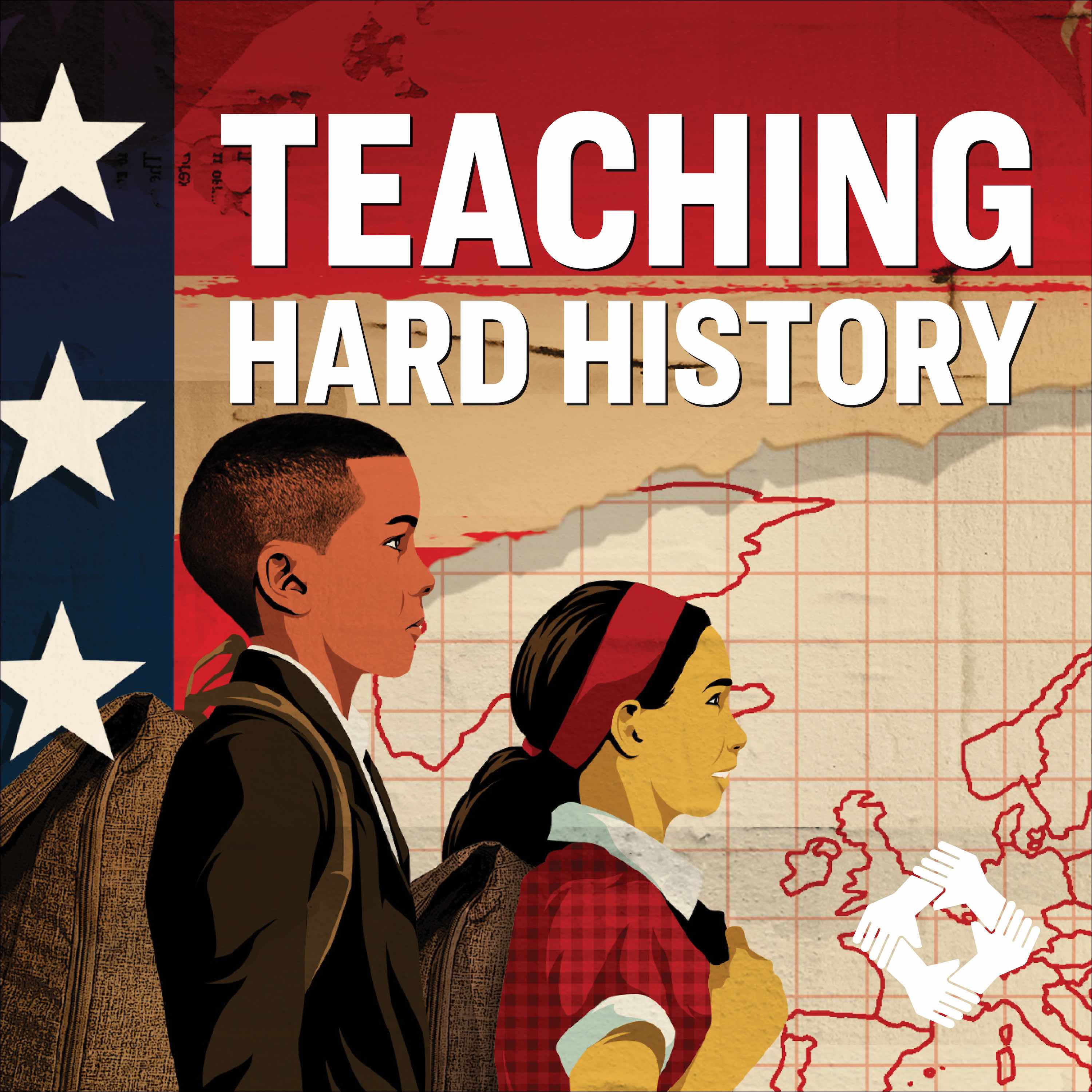
Teaching Hard History
Teaching Hard History is a podcast from Learning for Justice that explores the crucial history often omitted from American education. Hosted by Hasan Kwame Jeffries, the series covers the legacy of slavery, the Civil Rights Movement, and ongoing racial issues. Each episode features leading scholars and educators, providing resources for deeper understanding.
Episodes

Slavery Today
After the Civil War and emancipation, slavery evolved into other exploitive economic and legal systems, the legacy of which can still be seen today. Historian James Brewer Stewart discusses how modern slavery operates around the world and across the United States, connecting the past to the present. Join host Hasan Kwame Jeffries, Ph.D., and Learning for Justice, a project of the Southern Poverty

Confronting Hard History at Montpelier
At James Madison's Montpelier, an exhibit models how to explore American slavery at a historic site through the commitment to accuracy and truth about slavery and engagement with the descendants of the enslaved community. Christian Cotz, Price Thomas and Patrice Preston Grimes explain how that happened and why it is important. This episode originally aired in May 2018. Visit the new resource page

Slavery in the Supreme Court
Building on the discussion of "Slavery in the Constitution," historian Paul Finkelman examines the connections among the Constitution, the Supreme Court, politics and slavery. This episode offers insights into the ideologies and tensions that shaped the United States, led to the Civil War and continue to affect our nation today. Join host Hasan Kwame Jeffries, Ph.D., and Learning for Justice, a p
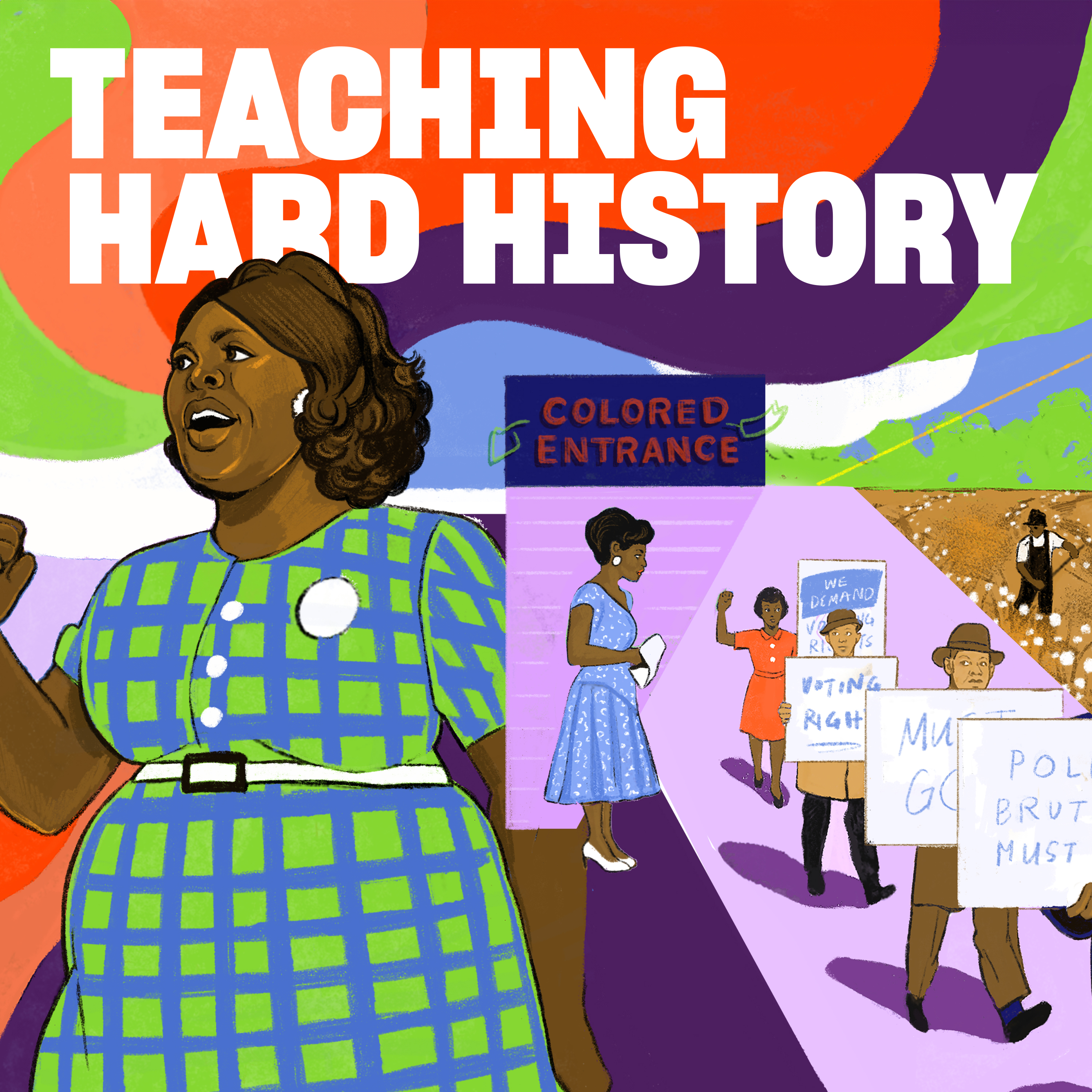
Slavery in the Constitution
Constitutional and legal historian Paul Finkelman explains the critical role slavery played in the founding of the United States and how the politics of slavery shaped the U.S. Constitution in ways that are still evident today. Join host Hasan Kwame Jeffries, Ph.D., and Learning for Justice, a project of the Southern Poverty Law Center (SPLC). (This episode originally aired in Apr. 2018.) Visit th
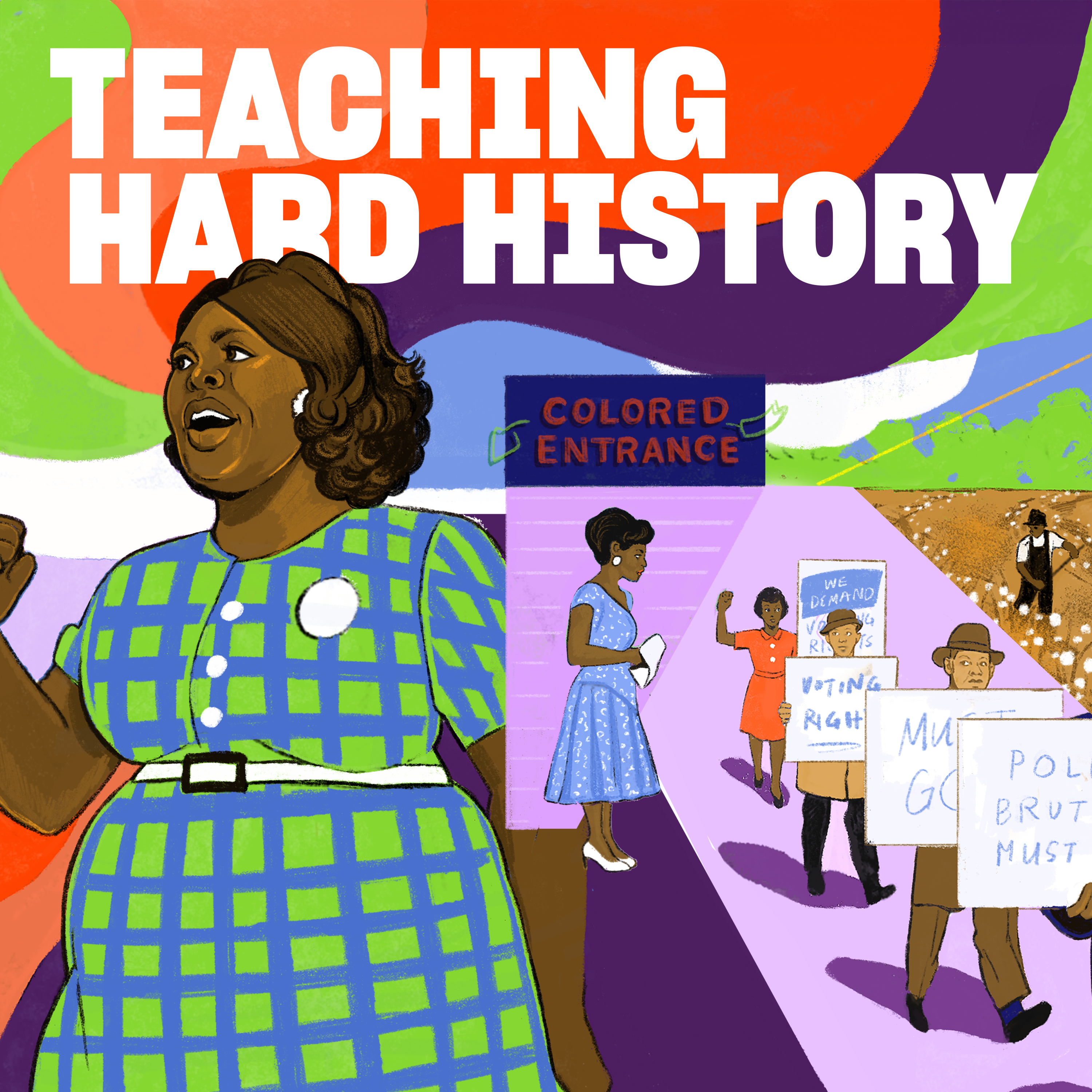
Ten More … Film and the History of Slavery
Film historian Ron Briley returns with more suggestions for teaching through film — from thought-provoking documentaries and feature films to miniseries. Spanning productions from the works of Ken Burns to the blockbuster Black Panther, this episode offers essential background information and practical strategies. Join host Hasan Kwame Jeffries, Ph.D., and Learning for Justice, a project of the So
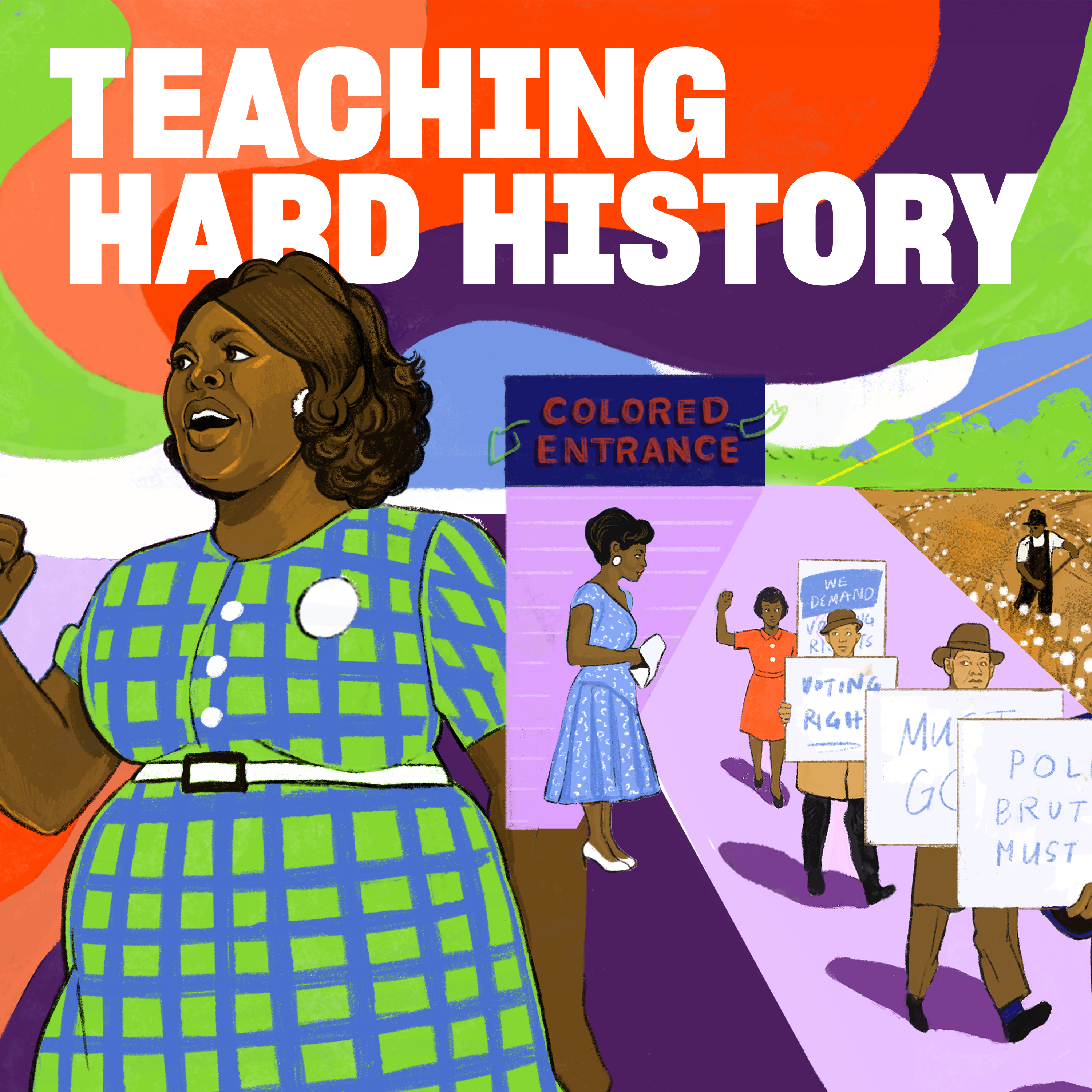
Film and the History of Slavery
Film has long shaped our nation's historical memory — for good and bad. Film historian Ron Briley offers ways to responsibly use films in the classroom to more accurately frame the narrative of American slavery and Reconstruction. Join host Hasan Kwame Jeffries, Ph.D., and Learning for Justice, a project of the Southern Poverty Law Center (SPLC). (This episode originally aired in 2018.) Visit the
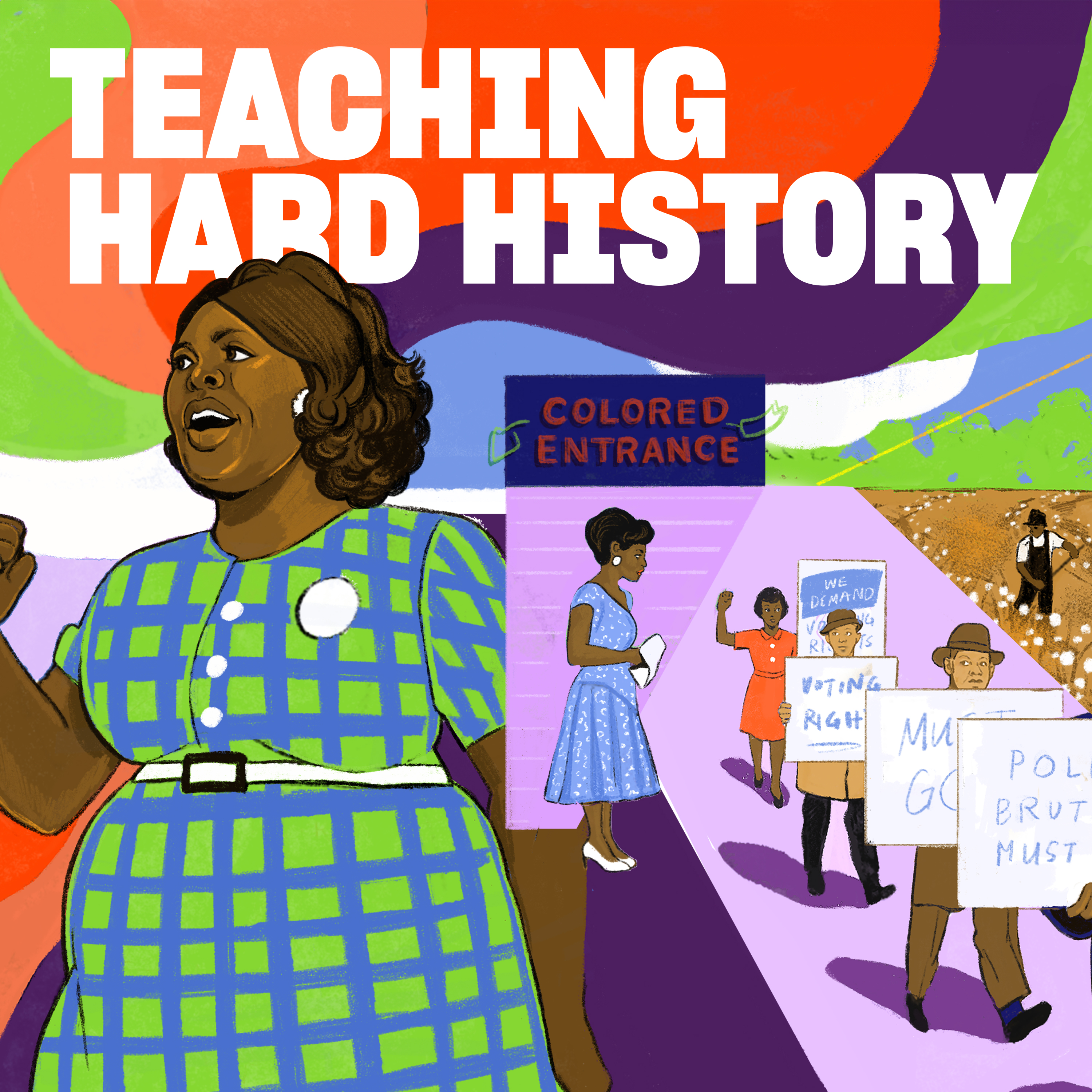
Diverse Experience of the Enslaved
The experiences of enslaved people varied greatly based on a variety of factors, including time, location, crop, labor performed, size of slaveholding and gender. Yet, most students leave school thinking enslaved people lived like the biased representation in Gone With the Wind. Deirdre Cooper Owens, Ph.D., discusses how the lived experience of slavery varied and evolved. Join host Hasan Kwame Jef
Resistance Means More Than Rebellion
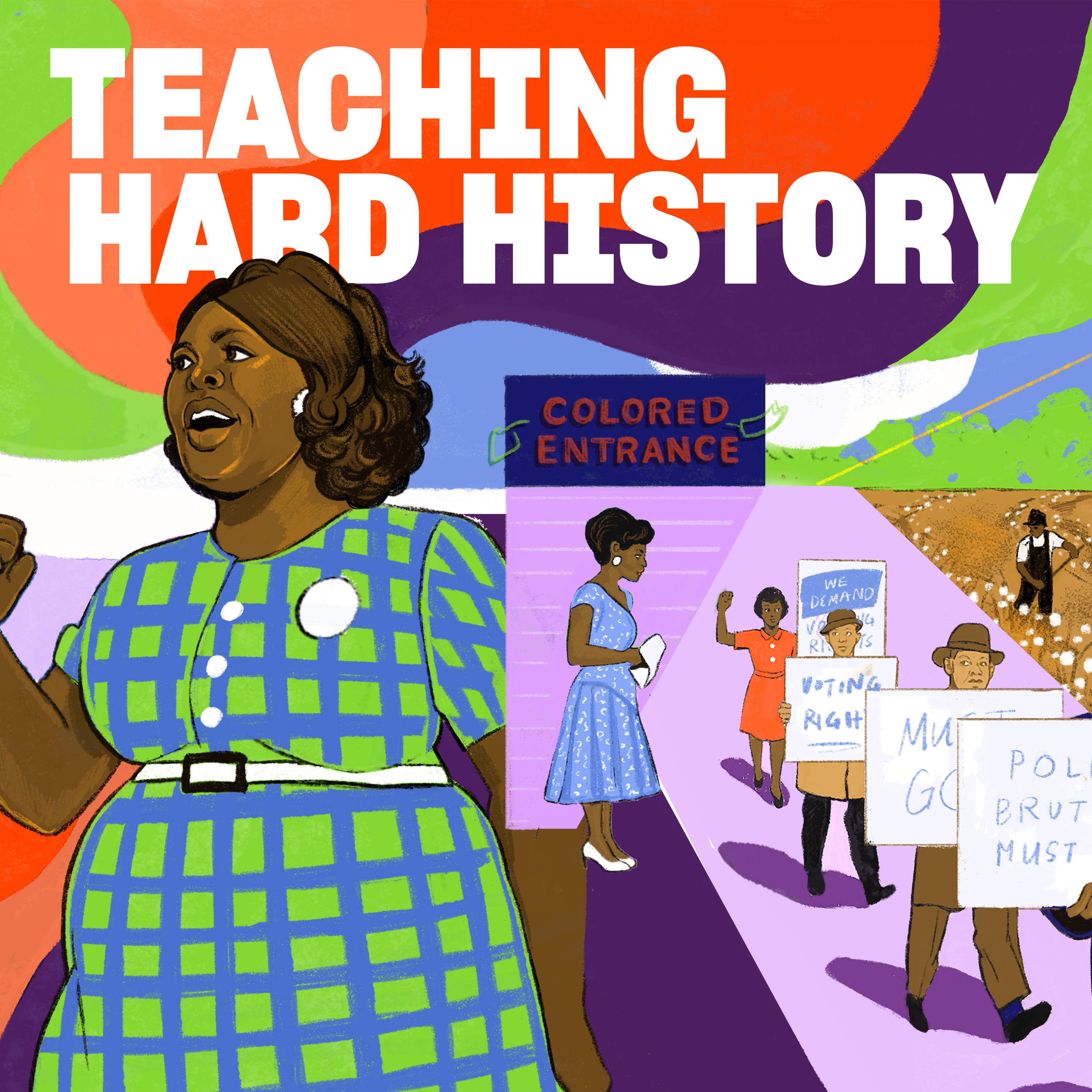
For a more complete picture of enslaved people's experiences, we need to expand our understanding of resistance. Kenneth S. Greenberg, Ph.D., examines the numerous ways enslaved African Americans incorporated resistance into every aspect of their lives, offering a lens to help students see how enslaved people fought back against the brutality of slavery. Join host Hasan Kwame Jeffries, Ph.D., and
In the Footsteps of Others: Process Drama
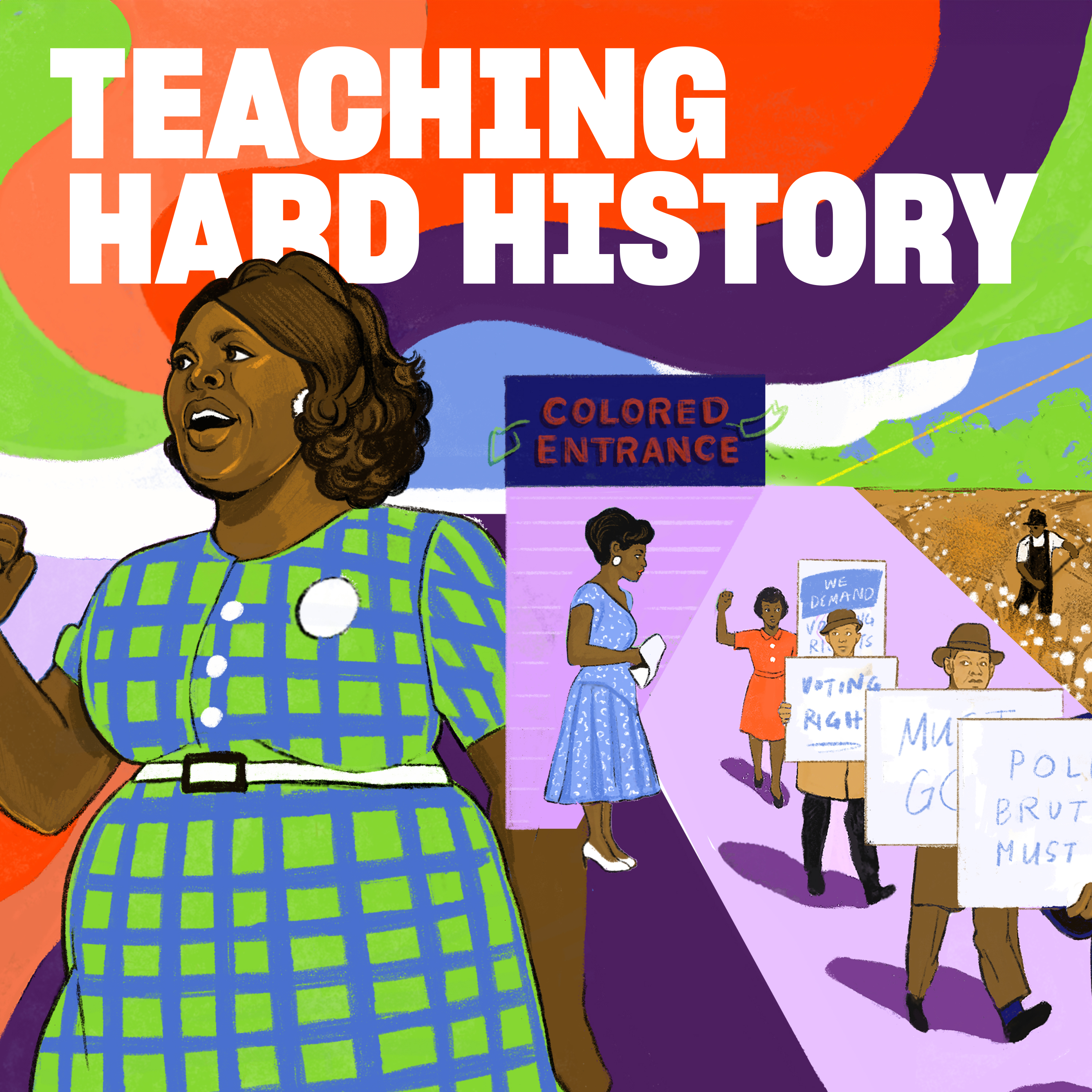
In learning about slavery, students often ask, "Why didn't enslaved people run away or revolt?" Lindsay Anne Randall explains "process drama" — a method to help build empathy and understand the risks and complexities that enslaved individuals faced. Join host Hasan Kwame Jeffries, Ph.D., and Learning for Justice, a project of the Southern Poverty Law Center (SPLC). (This episode originally aired i
Doing the Work of Teaching Hard History
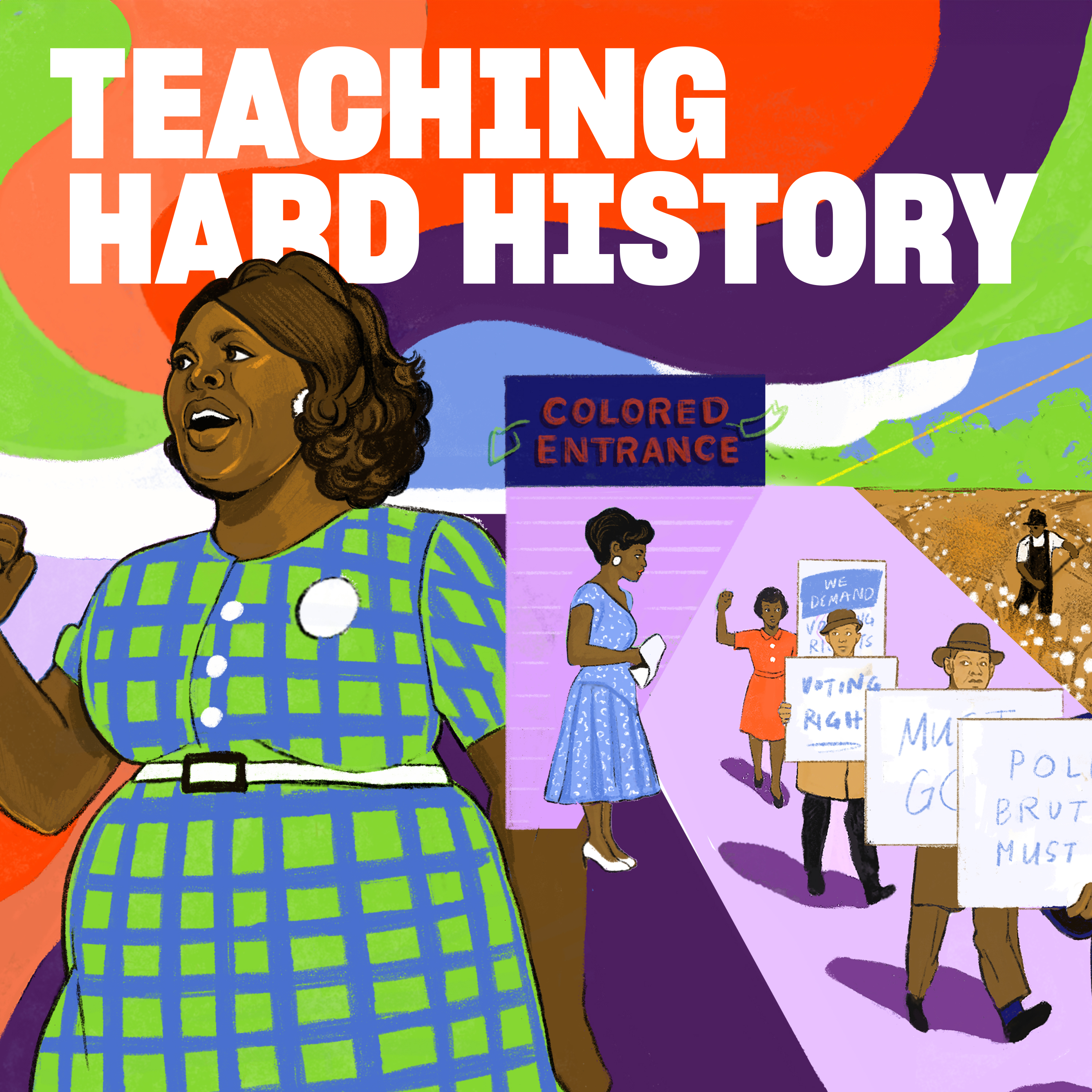
In many ways, the U.S. has fallen short of its ideals. How can we explain this to students — particularly in the context of discussing slavery? Salem State University professor Steven Thurston Oliver shares practical strategies for teaching hard history and creating supportive classroom environments in which relationships are strong enough to be able to hold challenging conversations. Join host Ha

Slavery and the Northern Economy
When we think of slavery as a strictly Southern institution, we perpetuate a "dangerous fiction," according to historian Christy Clark-Pujara. Avoid the trap with this episode about the role the North played in perpetuating slavery and the truth behind the phrase "slavery built the United States." Join host Hasan Kwame Jeffries, Ph.D., and Learning for Justice, a project of the Southern Poverty L

Slavery and the Civil War, Part 2
Salem State University professor Bethany Jay returns to examine how the actions of free and enslaved African Americans shaped the progress of the Civil War and contributed to emancipation. Join host Hasan Kwame Jeffries, Ph.D., and Learning for Justice, a project of the Southern Poverty Law Center (SPLC). (This episode originally aired in Jan. 2018.) Visit the new resource page for this episode (

Slavery and the Civil War, Part 1
What really caused the Civil War? In this episode, Salem State University Professor Bethany Jay examines the complex role that slavery played in causing the Civil War and outlines ways to teach this history and clarify our understanding of the Confederacy. Join host Hasan Kwame Jeffries, Ph.D., and Learning for Justice, a project of the Southern Poverty Law Center (SPLC). (This episode originally

Why Hard History Matters: Addressing the Legacy of Jim Crow – w/ Rep. Hakeem Jeffries
Congressman Hakeem Jeffries represents New York's 8th congressional district. Our final episode this season takes us to the U.S. House of Representatives for a conversation between Rep. Jeffries and his brother, our host, Dr. Hasan Jeffries, to discuss the lingering effects of the Jim Crow era—including voter access, prison and policing reform and other enduring injustices—and to discuss the conti

Criminalizing Blackness: Prisons, Police and Jim Crow – w/ Robert T. Chase and Brandon T. Jett
After emancipation, aspects of the legal system were reshaped to maintain control of Black lives and labor. Historian Robert T. Chase outlines the evolution of convict leasing in the prison system. And Historian Brandon T. Jett explores the commercial factors behind the transition from extra-legal lynchings to police enforcement of the color line. We examine the connections between these early pra
Music Reconstructed: Lara Downes' Classical Perspective on Jim Crow – w/ Charles L. Hughes
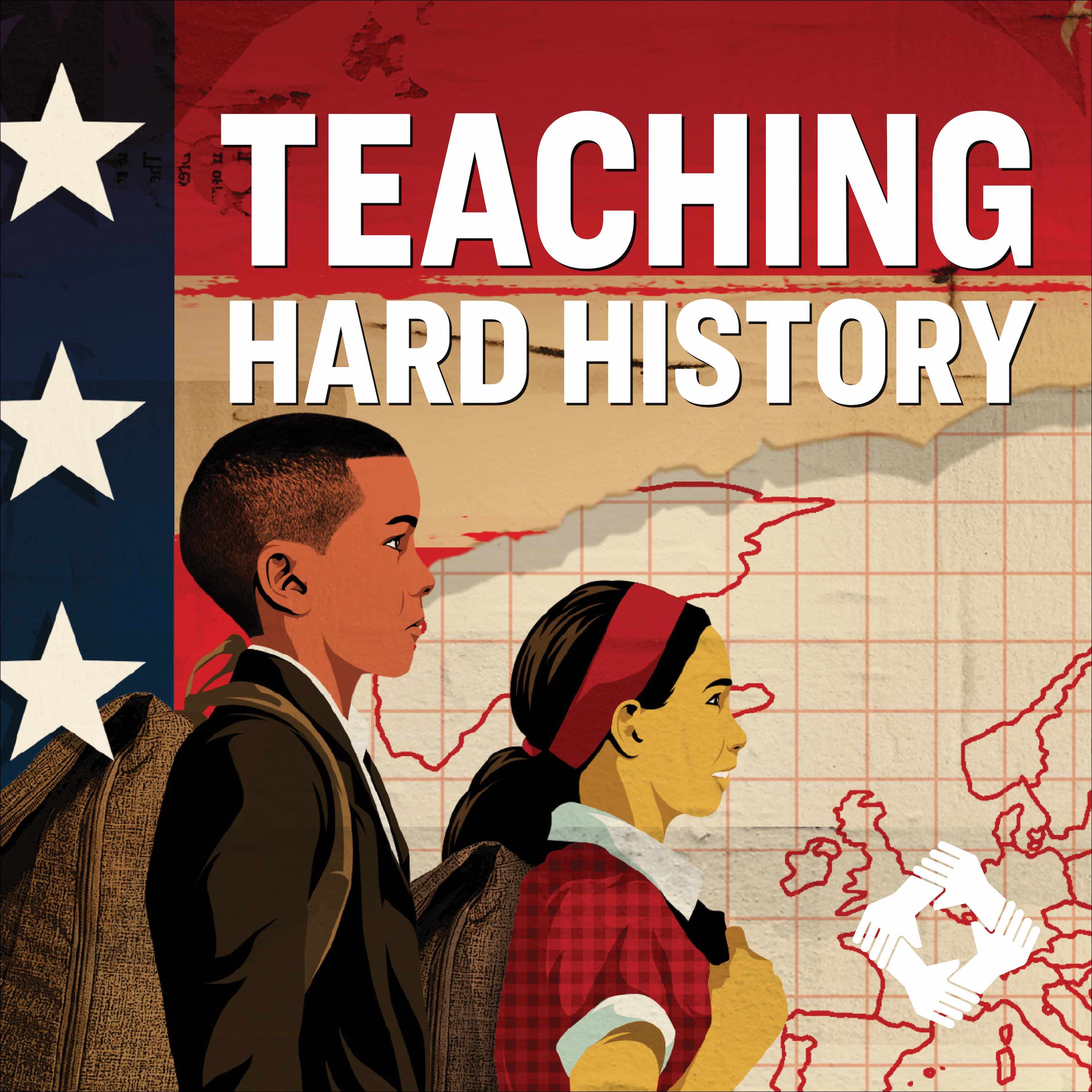
From concertos to operas, Black composers captured the changes and challenges facing African Americans during Jim Crow. Renowned classical pianist Laura Downes is bringing new appreciation to the works of artists like Florence Price and Scott Joplin. In our final installment of Music Reconstructed, Downes discusses how we can hear the complicated history of this era with historian Charles L. Hughe

Music Reconstructed: Adia Victoria and the Landscape of the Blues – w/ Charles L. Hughes
When we consider the trauma of white supremacy during the Jim Crow era—what writer Ralph Ellison describes as "the brutal experience"—it's important to understand the resilience and joy that sustained Black communities. We can experience that all through the "near-comic, near-tragic lyricism" of the blues. In part 3 of this series, acclaimed musician, songwriter and poet Adia Victoria shows how th

Black Political Thought – w/ Minkah Makalani
Black political ideologies in the early 20th century evolved against a backdrop of derogatory stereotypes and racial terrorism. Starting with Marcus Garvey and the Universal Negro Improvement Agency, historian Minkah Makalani contextualizes an era of Black intellectualism. From common goals of racial unity to fierce debates over methods, he shows how movements of the 1920s and 1930s fed into what
Music Reconstructed: Dom Flemons, Black Cowboys and the American West – w/ Charles L. Hughes
From ranches to railroads, learn about the often unrecognized role that African Americans played in the range cattle industry, as Pullman porters and in law enforcement. In part two of this special series, Grammy Award-winner Dom Flemons takes us on a musical exploration of the American West after emancipation. "The American Songster" joins historian Charles L. Hughes to discuss the complexity of
Medical Racism: A Legacy of Malpractice – w/ Deirdre Cooper Owens
This nation has a long history of exploiting Black Americans in the name of medicine. A practice which began with the Founding Fathers using individual enslaved persons for gruesome experimentation evolved into state-sanctioned injustices such as the Tuskegee Syphilis Study, among others. Award-winning author, historian Deirdre Cooper Owens details a chronology of medical malpractice and racist mi
Music Reconstructed: Jason Moran, Jazz and the Harlem Hellfighters – w/ Charles L. Hughes
This is a special four-part series where historian Charles L. Hughes introduces us to musicians who are exploring the sounds, songs and stories of the Jim Crow era. In this installment, Jazz pianist Jason Moran discusses his acclaimed musical celebration of a man he calls "Big Bang of Jazz," bandleader, arranger and composer James Reese Europe. During World War I, Europe fought as a Lieutenant wit
The Harlem Renaissance: Restructuring, Rebirth and Reckoning – w/ Julie Buckner Armstrong
During the Harlem Renaissance, more Black artists than ever before were asking key questions about the role of art in society. Oftentimes the Harlem Renaissance is misconstrued as a discrete moment in American history–not as the next iteration of a thriving Black artistic tradition that it was. Literature scholar Julie Buckner Armstrong urges educators to look deeper into the texts left to us by t
Changing the Game: Sports in the Jim Crow Era – w/ Derrick E. White and Louis Moore
In the United States, Black athletes have had to contend with two sets of rules: those of the game and those of a racist society. While they dealt with 20th century realities of breaking the color line and the politics of respectability, Black fans, educational institutions, and the Black press were building sporting congregations with their own wealth and energy. Historians Derrick White and Loui
The New Deal, Jim Crow and the Black Cabinet – w/ Jill Watts
Opportunities created by the New Deal were often denied to African Americans. And that legacy of exclusion to jobs, loans and services can be seen today in federal programs and policies as well as systemic inequities in housing, education, health and the accumulation of wealth. Historian Jill Watts examines the complicated history of the New Deal, beginning with the growing political influence of
Black Soldiers: Global Conflict During Jim Crow – w/ Adriane Lentz-Smith
U.S. involvement in world wars and the domestic Black freedom struggle shaped one another. By emphasizing the diverse stories of servicemen and women, historian Adriane Lentz-Smith situates Black soldiers as agents of American empire who were simultaneously building their own institutions at home. While white elected officials worked to systemically embed segregation into government, African Ameri
Building Black Institutions: Autonomy, Labor and HBCUs – w/ Jelani M. Favors and Tera W. Hunter
Historian Tera Hunter describes Black institution-building post-slavery and throughout the Jim Crow era, illustrating how Black workers reorganized labor to their advantage, despite virulent white resistance. During the same period, historically black colleges and universities (HBCUs) produced future leaders while cultivating resistance to white supremacy—and continue to do so. Educator Jelani Fav
Premeditation and Resilience: Tulsa, Red Summer and the Great Migration – w/ David Krugler
Naming the 1921 Tulsa massacre a "race riot" is inaccurate. Historian David Krugler urges listeners to call this and other violent attacks what they were: premeditated attempts at ethnic cleansing. Decades before, African Americans moved North in record numbers during the Great Migration. Krugler delves into connections between diaspora and violence and highlights the strength of Black communities
Lynching: White Supremacy, Terrorism and Black Resilience – w/ Kidada Williams and Kellie Carter Jackson
Black American experiences during Jim Crow were deeply affected by the ever-present threat of lynching and other forms of racist violence. Historian Kidada Williams amplifies perspectives from Black families, telling stories of lynching victims obscured by white newspapers. She and Kellie Carter Jackson urge educators to confront the role of this violence in American history, how major institution
Correcting History: Confederate Monuments, Rituals and the Lost Cause – w/ Karen Cox
The Lost Cause narrative would have us believe that Confederate monuments have always been celebrated, but people have protested them since they started going up. Historian Karen Cox unpacks how the United Daughters of the Confederacy used propaganda to dominate generations of teachings about the Civil War through textbooks, legislation, and popular culture—and how, after the war, the South and th
Reconstruction 101: Progress and Backlash – w/ Kate Masur
Just months after the Civil War ended, former Confederates had regained political footholds in Washington, D.C. In her overview of Reconstruction, Kate Masur notes how—in the face of evolving, post-slavery white supremacy—Black people claimed their citizenship and began building institutions of their own. Ahmad Ward then takes us to 1860s Mitchelville, South Carolina, where Black policing power, l
The History of Whiteness and How We Teach About Race – w/ Edward E. Baptist and Aisha White
Historian Ed Baptist provides context on the creation and enforcement of a U.S. racial binary that endures today, as well as Black resistance as a force for political change. And Aisha White urges educators to ask themselves, "What did you learn about race when you were younger?" before they engage with children. She argues that self-reflection and ongoing education are vital tools to combat the f
Creating Brave Spaces: Reckoning With Race in the Classroom – w/ Matthew R. Kay
People from all corners of public life are telling teachers to stop discussions about race and racism in the classroom, but keeping the truth of the world from students simply doesn't work. English teacher Matthew Kay urges educators to create brave spaces instead. He provides examples of classroom strategies for engaging with students at the intersections of race, literature and lived experience.

Jim Crow: Yesterday and Today
This season, we're examining the century between the Civil War and the modern civil rights movement to understand how systemic racism and slavery persisted and evolved after emancipation—and how Black Americans still developed strong institutions during this time. Co-hosts Hasan Kwame Jeffries and Bethany Jay discuss how students need to grasp this history to understand injustices many of them fac
Baseball, Civil Rights and the Anderson Monarchs Barnstorming Tour (special) - w/ Steve Bandura and Derrick White
In 2015, Coach Steve Bandura loaded the Anderson Monarchs, a little league baseball team from Philadelphia, onto a 1947 Flxible Clipper Bus for a barnstorming tour back in time. Bandura and the players recount lessons learned while visiting historic civil rights sites, meeting veteran activists and playing baseball along the way. And historian Derrick E. White, co-host of The Black Athlete podcast

Walking in Their Shoes: Using #BlackLivesMatter to Teach the Civil Rights Movement – w/ Shannon King and Nishani Frazier
The civil rights movement offers critical context for understanding the systemic police violence, voter suppression efforts, 'law and order' rhetoric and criminalization of activism we see today. It also helps us understand the strategies activists use to fight these injustices. Historians Shannon King and Nishani Frazier explain how they use 21st-century Black activism to teach the movement's his
The Black Panther Party and the Transition to Black Power – w/ Robyn C. Spencer and Jakobi Williams
The history of the Black Panther Party for Self-Defense can help us understand the transition from civil rights to Black Power, as well as contemporary issues like mass incarceration. From the Ten-Point Platform to survival programs, historian Robyn C. Spencer outlines key aspects of the party's revolutionary ideology, grassroots activism and community service. And historian Jakobi Williams joins
Malcolm X Beyond the Mythology – w/ Clarence Lang
Historian Clarence Lang joins us for a conversation about Malcolm X. We discuss his commitment to Black pride and self-determination and his rejection of the white gaze and the myth of American exceptionalism. Learn how teaching about the life and works of Malcolm X can illuminate the universe of possibilities of the civil rights movement—and the diversity of ideology, strategy and political thoug
Community Organizing, Youth Leadership and SNCC – w/ Courtland Cox, Kaia Woodford, Karlyn Forner and John B. Gartrell
In this episode, we talk with movement veteran Courtland Cox about lessons from the Student Nonviolent Coordinating Committee and his own development as a young organizer of the Emmett Till generation. We join Karlyn Forner and John B. Gartrell to tour the resources available through SNCC Digital Gateway. And we hear from student organizer Kaia Woodford about the lessons from the Civil Rights and
Listen, Look and Learn: Using Primary Sources to Teach the Freedom Struggle – w/ J. Todd Moye, Guha Shankar, and Noelle Trent
Oral histories, historic sites, archives and museums expand students' understanding of the past. They fill in gaps in our textbooks—complementing what's included and capturing what's not. This episode highlights online oral history collections including the Civil Rights History Project. It offers recommendations for students conducting their own oral histories. And it explores resources from the N
Young, Gifted and Black: Teaching Freedom Summer to K-5 Students – w/ Nicole Burrowes. La Tasha Levy and Liz Kleinrock
Teaching civil rights history to young learners creates both opportunities and challenges. The 1964 Mississippi Freedom Summer Project and the subsequent Freedom Schools offer important lessons for helping elementary students to understand the civil rights movement. In this episode, we explore community-based strategies and activities for bringing the black freedom struggle into your classroom. Ou
Making a Scene: The Movement in Literature and Film – w/ Julie Buckner Armstrong
From the hard work of organizing to the reality of everyday life under Jim Crow, films and literature can bring historical context to life for students. In this episode, we recommend several "must use" films, books, poems and plays for teaching the civil rights movement. We also discuss strategies for incorporating these works across the curricula and for turning even problematic texts into grist

The Real Rosa Parks and the Montgomery Bus Boycott – w/ Emilye Crosby
Everyone thinks they know the story, but the real history of Rosa Parks and the Montgomery Bus Boycott is even better. This episode details the events that set the stage for Ms. Parks' civil disobedience. You'll meet the leaders and organizations who transformed a moment of activism into a 13-month campaign. And you'll learn about the community that held fast in the face of legal and political att
Connecting Slavery with the Civil Rights Movement
To fully understand the United States today, we have to comprehend the central role that slavery played in our nation's past. That legacy is also the foundation for understanding the civil rights movement and its place within the history of the Black freedom struggle. This episode is a special look back at our first season. It explores and expands on the 10 key concepts that ground Teaching Tolera
Teaching the Movement's Most Iconic Figure – w/ Charles McKinney
You cannot teach the civil rights movement without talking about Dr. Martin Luther King Jr. But it's critical that students deconstruct the mythology surrounding the movement's most iconic figure to learn about the man, not just the hero. The real Dr. King held beliefs that evolved over time. A complex man, he was part of a much larger movement—one that shaped him as much as he shaped it. Our new
The Jim Crow North – w/ Patrick D. Jones
The Civil Rights Movement was never strictly a Southern phenomenon. To better understand the Jim Crow North, we explore discrimination and Black protest in places like Milwaukee, Omaha, Cleveland and New York. To examine the Black Freedom Movement beyond the South, we examine the Black-led fights to gain access to decent housing, secure quality education and end police brutality in these cities. F
Nonviolence and Self-Defense – w/ Wesley Hogan, Christopher Strain and Akinyele Umoja
Armed resistance and nonviolent direct action co-existed throughout the civil rights era. In this episode, three historians confront some comfortable assumptions about nonviolence and self-defense. Wesley Hogan examines the evolution, value and limitations of nonviolence in the movement. Christopher Strain offers a three-part strategy for rethinking this false dichotomy in the classroom.
New Film: The Forgotten Slavery of Our Ancestors – w/ Alice Qannik Glenn
Alice Qannik Glenn is the host of Coffee and Quaq and assistant producer of The Forgotten Slavery of our Ancestors. This short, classroom-ready film offers an introduction to the history of Indigenous enslavement on land that is currently the United States. This new resource from Teaching Tolerance features an extensive group of experts, many of whom will be familiar to listeners from Season 2. An
Jim Crow, Lynching and White Supremacy – w/ Stephen A. Berrey, Hannah Ayers, Lance Warren and Ahmariah Jackson
Jim Crow was more than signs and separation. It was a system of terror and violence created to control the labor and regulate the behavior of Black people. In this episode, historian Stephen Berrey unpacks the mechanics of racial oppression, the actions white people took—in and beyond the South—to maintain white supremacy, and the everyday ways Black people fought back. And the directors of the fi
A Playlist for the Movement – w/ Charles L. Hughes
Music chronicles the history of the civil rights struggle: The events, tactics and emotions of the movement are documented in songs of the era. From The Freedom Singers to Sam Cooke, historian Charles L. Hughes explains how your students can use music for both historical insight and evidence in the classroom. For more movement music, check out this episode's Spotify playlist. And you can find usef
Beyond the "Master Narrative" – w/ Nishani Frazier and Adam Sanchez
Students don't enter our classrooms as blank slates. When it comes to the civil rights movement, we often have to help our students unlearn what they think they know while we're teaching them what actually happened. The people were more complex, the strategies more complicated and the stakes more dangerous than we like to remember. In this episode, historian Nishani Frazier and social studies teac
Reframing the Movement – w/ Nishani Frazier and Adam Sanchez
Teaching the civil rights movement accurately and effectively requires deconstructing the myths and misconceptions about the civil rights movement. Most people are familiar with a very specific version of the Civil Rights Movement that exaggerates Government support and denies the existence and persistence of racism outside the South. Julian Bond called this the "Master Narrative." It celebrates s
Wrap Up: Teaching the Connections – w/ Bethany Jay
The systems that enabled and perpetuated African and Indigenous enslavement in what is now the U.S. have much in common, and their histories tell us a great deal about the present. Professors Bethany Jay and Steven Oliver join us to talk about connections between the first two seasons and how to teach them, and we preview what's to come in season three. You can find a complete transcript in the s
Hard History in Hard Times – Talking With Teachers
In this special call-in episode, listeners share their stories and questions from throughout season 2—including teaching remotely, working with families and stakeholders, and incorporating social justice into subjects like math and science. As educators, we're strongest when we support each other. And you'll hear great suggestions from fellow teachers, like these resources we discuss from Fairfax
Inseparable Separations: Slavery and Indian Removal
Indian Removal was a brutal and complicated effort that textbooks often simplify. It is also inseparably related to slavery. Enslavers seeking profit drove demand for Indigenous lands, displacing hundreds of thousands of Indigenous people. Some of these Indigenous people participated in chattel slavery. Focusing on the Chickasaw and Choctaw nations, this episode pulls the lens back to show how Rem
Slave Codes, Liberty Suits and the Charter Generation – w/ Margaret Newell
The Americas were built on the lands, labor and lives of Indigenous peoples. Despite being erased from history textbooks after the so-called first Thanksgiving, Indigenous peoples did not disappear. Colonial settlers relied on the cooperation, exploitation and forced labor of their Native neighbors to survive and thrive in what became North America. Focusing on New England, historian Margaret Newe
Using the WPA Slave Narratives – w/ Cynthia Lynn Lyerly
From 1936 to 1938, the Federal Writers' Project collected stories from people who had been enslaved. The WPA Slave Narrative Collection at the Library of Congress is a valuable resource; these oral histories are also problematic. Interpreting these narratives within literary and historical context, students can develop primary source literacy. Historian Cynthia Lynn Lyerly outlines unique insights
Groundwork for Teaching Indigenous Enslavement – w/ the Turtle Island Social Studies Collective
To better understand the United States' past and present, we need to better understand Indigenous identities—and our classrooms play a huge role. This starts with examining what's missing from our social studies, history, civics and government curricula. Throughout this episode, we reference the K-5 Framework for Teaching Hard History as we shed light on key topics like sovereignty, land and erasu
Mid-season Recap: Key Lessons on Indigenous Enslavement
Educators can no longer ignore our country's history of Indigenous enslavement. Our students need a fuller understanding of the pivotal history of slavery to comprehend the present and develop a vision for our nation's future. In this mid-season recap, we highlight key lessons about this consequential part of American history—along with teaching strategies and resources—through the voices of leadi
Silver, Resistance and the Evolution of Slavery in the West – w/ Andrés Reséndez
Throughout the 17th, 18th and 19th centuries, the forced labor and bondage of Indigenous peoples was integral to the economic and political history of what became the Southwestern United States. Historian and author Andrés Reséndez outlines the significance of silver mining, Indigenous enslavement and resistance in the history of New Mexico and Latin America. We also examine how, as white settlers
The Other Slavery – w/ Andrés Reséndez
A hundred years before the first ship carrying enslaved Africans arrived in Virginia, Europeans introduced the commercial practice of enslavement in "The New World." And for the next 400 years, millions of Indigenous people throughout the Americas were enslaved through several forms of forced labor and bondage. Historian and author Andrés Reséndez calls this "The Other Slavery," and his work is ch
Teaching Slavery through Children's Literature, Part 2 – w/ Debbie Reese
Each autumn, Thanksgiving brings a disturbing amount of inaccurate information and troubling myths into classrooms across the United States. Most students don't learn much about the history of Native nations—and even less about Indigenous peoples today. Dr. Debbie Reese explains what to look for and what to avoid (or teach with a critical lens) when selecting children's books by and about Indigeno
Teaching Slavery through Children's Literature, Part 1 – w/ Ebony Elizabeth Thomas
Children's books are often the primary way young students are exposed to the history of American slavery. But many books about slavery sugarcoat oppression. Professor Ebony Elizabeth Thomas examines what we should consider when it comes to how children's books portray African Americans and Indigenous people, their cultures and the effects of enslavement. She also explains why it's crucial to crea

In the Elementary Classroom – w/ Kate Shuster, Marian Dingle, Bria Wright, Marvin Reed and Alice Mitchell
For elementary teachers approaching the topic of slavery, it can be tempting to focus only on heroes and avoid explaining oppression. But teachers' omissions speak as loudly as what they choose to include. And what children learn in the early grades has broad consequences for the rest of their education. Dr. Kate Shuster guides us through the new Teaching Hard History K–5 framework from Teaching
Indigenous Enslavement: Part 2 – w/ Christina Snyder
Understanding Indigenous enslavement expands our conception of slavery in what is now the United States. It spread across the entire continent and affected millions of people of different backgrounds. If we define slavery too narrowly, we can fail to see its persistence over time and even its modern-day permutations. Historian Christina Snyder examines the Civil War, Lincoln and emancipation with
Indigenous Enslavement: Part 1 – w/ Christina Snyder
Millions of Indigenous people lived in North America before European colonial powers invaded. Along with an insatiable desire for free labor, Europeans brought systems of slavery that significantly differed from the historical practices of enslavement among Native nations. Historian Christina Snyder explains what happened when these worlds collided. European concepts of bondage transformed the way

The Hidden History of American Slavery – w/ Maureen Costello, Eduardo Díaz and Renée Gokey
American slavery shaped our modern world and most certainly the foundation and development of what is now the United States. The Smithsonian's Eduardo Díaz and Renée Gokey discuss the importance of learning about Indigenous enslavement. And Teaching Tolerance Director Maureen Costello explains all of the program's classroom resources available for teaching this history, including a first-of-its-ki

Wrap up: Questions from the Classroom – w/ Bethany Jay
Historian Bethany Jay returns – answering questions from educators across the country. Host Hasan Kwame Jeffries and the co-editor of Understanding and Teaching American Slavery confront teacher anxieties and counter misconceptions in our season finale. Visit the show notes for this episode to find a complete transcript and a list of resources to help you teach the ideas explored by our guests.
Young Adult Trade Books – w/ John H. Bickford
From elementary to high school, YA literature can introduce fundamental themes and information about slavery, especially when paired with primary sources. John H. Bickford shows how to capitalize on the strengths and weaknesses of trade books about slavery. And be sure to visit the show notes for this episode, for a complete transcript and resources to help you teach the ideas explored by our gue
Sample Lessons – w/ Jordan Lanfair and Tamara Spears
Using the present to explore the past. Tamara Spears and Jordan Lanfair suggest a Social Studies unit about Resistance & Kanye West, and a set of English Language Arts lessons examining holidays—from Juneteenth to Columbus Day—to understand the legacy of American slavery. Visit the show notes for this episode to find a complete transcript and a list of resources to help you teach the ideas explor
Classroom Experiences – w/ Tamara Spears and Jordan Lanfair
How it's done. Tamara Spears teaches middle school Social Studies in New York and Jordan Lanfair is a high school English Language Arts teacher in Chicago. Each has been developing additional lessons about slavery for years. They share their experiences. And be sure to visit the show notes for this episode, for a complete transcript and resources to help you teach the ideas explored by our guests
Recommended

The Human-Animal Connection - Pet Life Radio Original

Infinite Health with Dr. Arasi Maran

The Daily
World News Tonight with David Muir
The Joe Rogan Experience

English Vocabulary Help
TED Talks Daily

Learn English B1 with Daily News | English Listening Practice
Talk About Talk - Executive & Leadership Communication Skills
English with Olivia | Slow Conversations & Vocabulary
Stand In The Circle
SLOW ENGLISH PODCAST (A1-A2) With Subtitles | Daily Videos | English With Us Podcast
