
Moment Of Um
Moment of Um is a daily podcast that answers curious questions that pop up out of nowhere. Produced by the Brains On Universe team, it offers fun and educational explanations for kids and families. The show is distributed by Lemonada Media.
Episodes
We’re back! Brains On Universe has a new headquarters
We’re back! We’ve officially moved into our new headquarters! Come unpack with us and get a tour while we fill you in on some big news. Plus, new episodes of Brains On coming later this month and new Smash Boom and Forever Ago after that. If you want to support the show or drop us a line, head to brainson.org. The best way to keep us going is to join Smarty Pass or donate here: https://brainson.su

A big update about Moment of Um and the Brains On Universe
We're moving the Brains On Universe Headquarters, and that means we have to stop putting out new episodes until we get settled. We know: not cool. But, our new home is going to be bigger and better and the absolute BEST. We can't wait until it's ready for you to visit.
In the meantime, we still have some live shows planned this fall. Brains On Live will be in Dallas, TX on September 13. And Smash
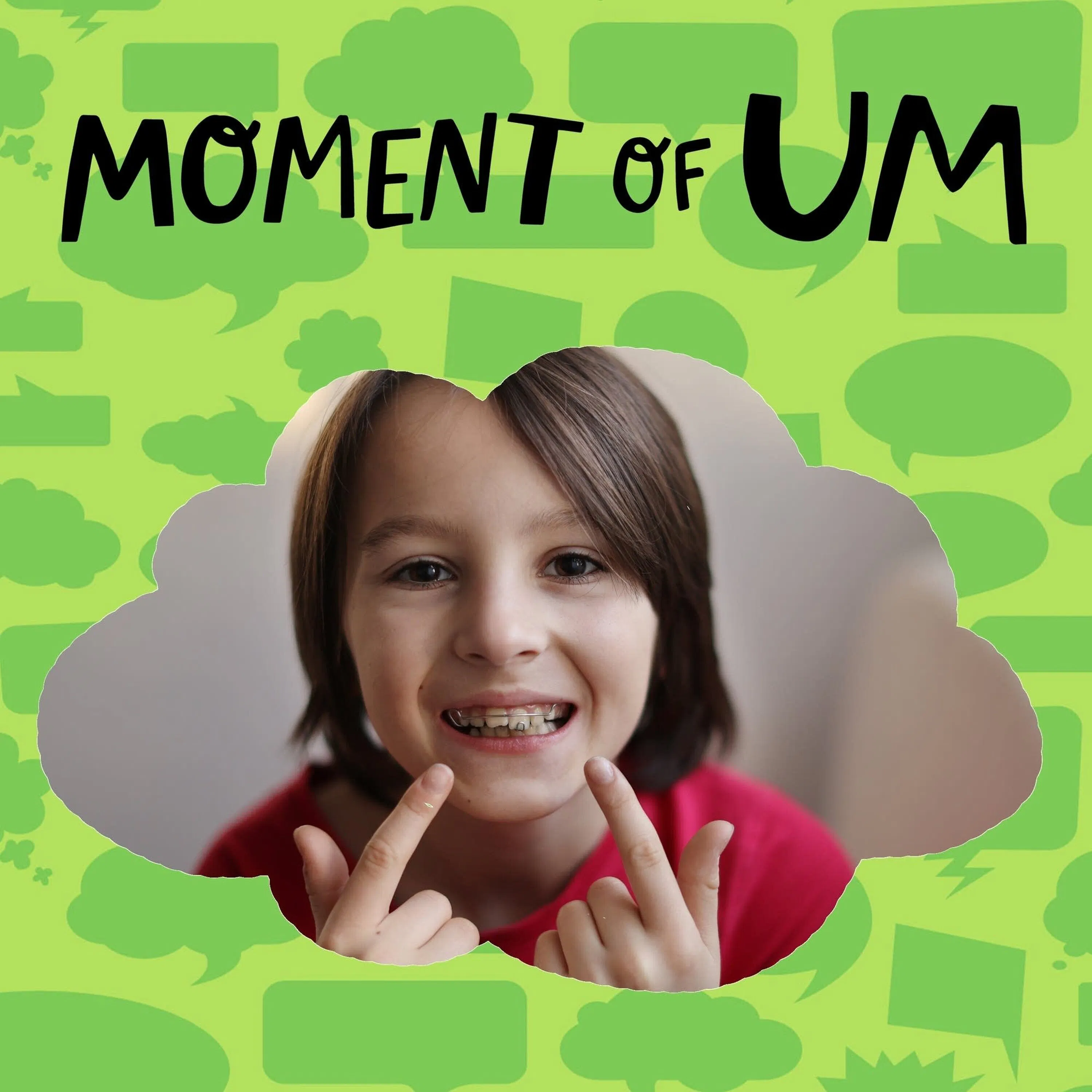
How do braces work?
They come in cool colors, catch popcorn kernels and sometimes even have spacers - it’s braces! Ever wondered how braces magically straighten teeth? We asked Dr. ArNelle Wright - a real life dentist! - to help us break down the science of these tiny metal wonders.
Bracing for a tough question? Send it to us at BrainsOn.org/contact, and we’ll help uncover the tooth.
See omnystudio.com/listener for

How did the solar system and all the planets get their names?
The Milky Way! Neptune! Uranus! Halley’s Comet! There are so many cool features in our solar system – but how did they get their names? We asked space scientist and communicator Maggie Aderin-Pocock to help us find the answer.
Got a question that’s out of this world? Send it to us at BrainsOn.org/contact, and we’ll make space for an answer.
See omnystudio.com/listener for privacy information.

How do stoplights know when to change?
Waiting for a stoplight to turn green can be really annoying, especially when you’re running late. It would be awesome if you had a magic wand you could wave to get the light to change. But alas, such things don’t exist. But how do stoplights know when to switch colors? We asked Jerry Kotzenmacher with the Minnesota Department of Transportation to help us find the answer.
Got a nagging question th

Can you control your dreams?
Have you ever had a scary or weird dream and wished you could switch your brain-television to another channel? Great news! You can learn to use “lucid dreaming,” a technique that helps you realize when you’re in a dream. Once you know you’re dreaming, you can teach yourself to shape your own storyline. So how does that work? We asked Dr. Ketema Paul, Professor, Integrative Biology And Physiology a

How did people figure out how to make yogurt?
There are all different kinds of yogurt: Greek, vanilla bean, blueberry, even sheep’s milk yogurt! But how did people first figure out how to make this yummy food? We asked journalist Allison Conroe to help us find the answer.
Got a question that’s whey cool? Send it to us at BrainsOn.org/contact, and we’ll find a legen-dairy answer.
See omnystudio.com/listener for privacy information.

Why did snakes lose their legs?
Happy Snake Week! Every episode this week explores a different question about our slithery friends. Here’s a mind blower for you: did you know the ancestors of snakes used to have legs? Somewhere along the zigzag path of evolution, they traded in their lizardy legs for a more streamlined look. But why did snakes go legless? We asked biologist and snake researcher Emily Taylor to help us find the

How do snakes make venom?
Happy Snake Week! Every episode this week explores a different question about our slithery friends. Did you know that, out of the roughly 3,000 total species of snakes, only about 10-15% are venomous? But how do those snakes make venom in their bodies? We asked snake scientist Emily Taylor to help us find the answer.
Got a question that’s biting at you? Send it to us at BrainsOn.org/contact, and

Why are snakes shaped like a stick?
Happy Snake Week! Every episode this week explores a different question about our slithery friends. Snakes come in all sizes and colors, but they have one thing in common: no arms or legs! In fact, one might argue they kind of look like sticks. We asked snake expert Emily Taylor why our reptilian neighbors are twig-shaped.
Got a question that’s slithering around your brain? Send it to us at Brain

What do zoos feed big snakes, such as pythons?
Happy Snake Week! Every episode this week explores a different question about our slithery friends. Zoos have to have all kinds of foods available to feed the different species that they care for. Animals like elephants, zebras and buffalo eat plants. Predators like lions, foxes and bears have a much meatier diet. But what’s on the menu at the snake house? Snake cake? Snake steak? Snake grapes? We

What do snakes do when they hibernate?
Happy Snake Week! Every episode this week explores a different question about our slithery friends. Did you know snakes hibernate in the winter just like bears, chipmunks and geckos? But what do they do while they’re hibernating? Do they have dreams? Do they wake up for mid-hibernation snacks? We asked snake scientist Emily Taylor to help us find the answer!
Got a question you just can’t ssssssle

Why am I allergic to raw egg but not cooked egg?
Some people have allergic reactions to foods like peanuts, sesame, and raw eggs. But when people with egg allergies eat cooked eggs, there’s no reaction. What’s up with that? We asked pediatrician Liz Placzek to help us find the answer.
Have you hatched a really great question? Send it to us at BrainsOn.org/contact, and we’ll help find EGG-xactly what you need.
See omnystudio.com/listener for priv

How do mood rings work?
Have you ever heard of a mood ring? It’s a little piece of jewelry that supposedly tells you what kind of a mood you’re in. But how the heck can it know? We asked scientist Edwin Thomas to help us find the answer.
Got a question that’s getting you in the mood to learn? Send it to us at BrainsOn.org/contact, and we’ll help w-ring out an answer.
See omnystudio.com/listener for privacy information.
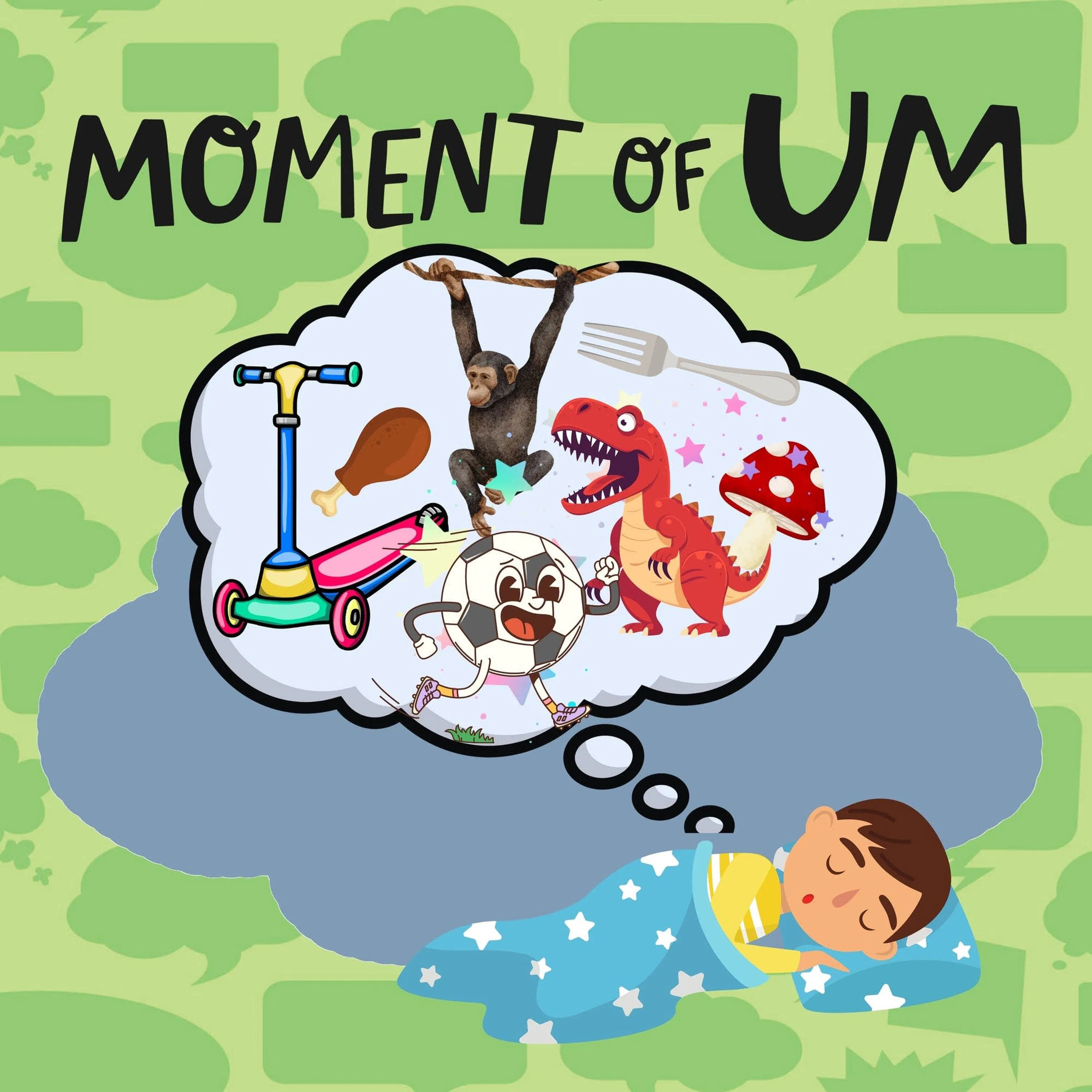
Why do we have weird dreams when we’re sick?
When you’re sick, it’s important to get plenty of rest to help your body heal. But it can be hard to sleep when your brain keeps showing you bizarre fever dreams (Like being chased by a giant fireball! Or swimming in nacho cheese!) Why do we have strange dreams when we’re sick, anyway? We asked dream researcher Michael Schredl to help us find the answer.
Got any burning questions? Send it to us at
Are brains really pink?
Quick, picture a brain! Did you imagine a rosy-colored little meatball? Us too! But are brains actually pink when they’re inside our skulls? We asked brain expert Gwenaëlle Thomas to help us find the answer.
Got a question that’s giving you a real headache? Send it to us at BrainsOn.org/contact, and we’ll wrap our brains around it!
See omnystudio.com/listener for privacy information.
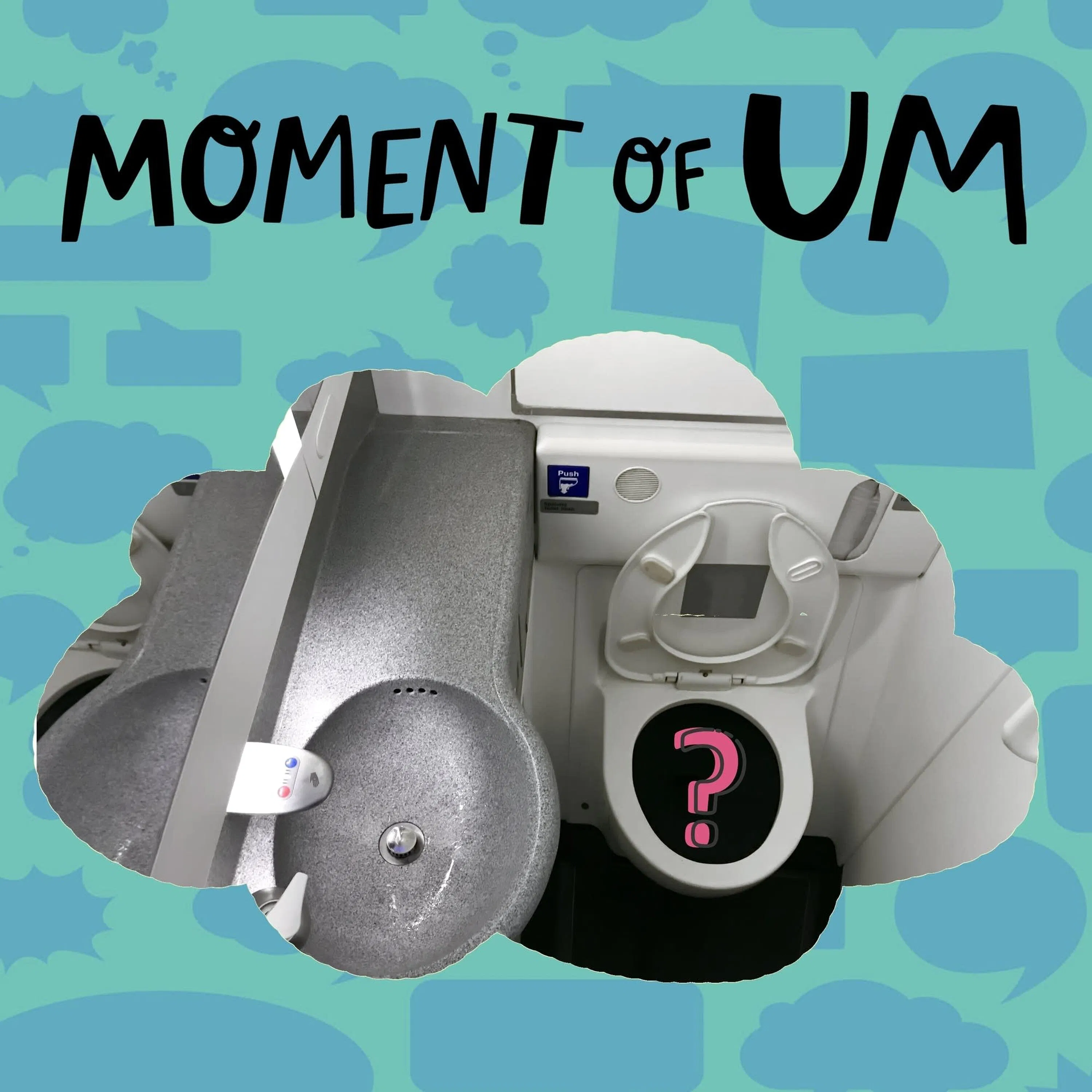
Where do poop and pee go on airplanes?
Dogs come in so many different sizes, from the tiniest teacup terrier to the giant Great Dane. How did we get such a delightful assortment of these furry best buddies? We asked Brains On producer and archaeologist Anna Goldfield to help us find the answer.
Got a question that’s been hounding you? Send it to us at BrainsOn.org/contact, and we’ll make sure to bark up the right tree!
See omnystudio.c

Could you make a candle out of earwax?
Dogs come in so many different sizes, from the tiniest teacup terrier to the giant Great Dane. How did we get such a delightful assortment of these furry best buddies? We asked Brains On producer and archaeologist Anna Goldfield to help us find the answer.
Got a question that’s been hounding you? Send it to us at BrainsOn.org/contact, and we’ll make sure to bark up the right tree!
See omnystudio.c

Does space affect an astronaut’s digestion?
We chew our food, swallow it, and our stomach goes to work on digesting! Our bodies absorb the nutrients they need and then we poop out the rest. Here on Earth, the whole process takes somewhere between one to three days. But what about in space? Do astronauts digest food as quickly as they do on Earth? We reached out to space scientist and science communicator Maggie Aderin-Pocock to get the answ

Why are some dogs so small and some so large?
Dogs come in so many different sizes, from the tiniest teacup terrier to the giant Great Dane. How did we get such a delightful assortment of these furry best buddies? We asked Brains On producer and archaeologist Anna Goldfield to help us find the answer.
Got a question that’s been hounding you? Send it to us at BrainsOn.org/contact, and we’ll make sure to bark up the right tree!
See omnystudio.c

How does the earth support heavy buildings?
Did you know the tallest building in the world is a skyscraper in Dubai called the Burj Khalifa? It has 163 floors and weighs as much as 100,000 elephants! But how can the Earth even support such a huge building?! Why doesn’t the ground just collapse underneath it? We asked geologist Rónadh Cox to help us find the answer.
Got a question that’s weighing heavily on your mind? Send it to us at Brains

Why is the moon white and why does it have different shapes?
Some planets have lots of moons. Others have none. Earth has just one moon, but it’s a really great one. It can glow bright and white and sometimes it’s shaped like a big round ball. Other times it’s skinny like the white tip of a fingernail. Makes you wonder, why does the moon look the way it does? We asked Preston Dyches from NASA’s Jet Propulsion Laboratory to help us find the answer.
Got a que

Did dinosaurs fart?
You fart. I fart. Your dog farts. We all fart! Or do we…? Birds don’t fart, and they’re the closest living descendants of the dinosaurs. So, did dinosaurs fart? We asked paleontologist Kallie Moore to help us find the answer.
Got a question rumbling around in your brain? Send it to us at BrainsOn.org/contact, and we'll find you an answer TOOT-suite!
See omnystudio.com/listener for privacy informat

What was the very first dinosaur?
Dinosaurs went extinct around 65 million years ago after an asteroid crashed into Earth. So we know when dinosaurs disappeared from the planet, but when did they appear? What was the first dinosaur, and how long ago did it live? We asked paleontologist Kallie Moore to help us find the answer.
Got a question that’s got you full of veloci-RAPTURE? Send it to us at BrainsOn.org/contact, and we’ll TR
How do we know what dinosaurs sounded like?
Happy Dinosaur Week! Every episode this week explores the ancient marvels that walked the Earth millions of years ago. Fossilized bones and footprints help scientists figure out what these prehistoric creatures looked like – but how do we know what they sounded like? We asked paleontologist and science journalist Shaena Montanari to help us find the answer.
Got a question that makes you want to ro

How did Megalodon sharks go extinct?
Megalodon was the biggest shark species that ever lived. The biggest ones were almost 60 feet long, which is longer than a school bus! These gigantic sharks went extinct millions of years ago, but why? We asked paleontologist Kallie Moore to help us find the answer.
Got a question that you megalo-don’t know how to answer? Send it to us at BrainsOn.org/contact, and we’ll hunt down an expert to expl

Did dinosaurs lay colorful eggs?
Dinosaurs were reptiles, which means they laid eggs! But what did these eggs look like? Were they big? Small? Speckly? Colorful? We asked paleontologist Kallie Moore to help us find the answer.
Got a question you just can’t egg-nore? Send it to us at BrainsOn.org/contact, and we’ll help unscramble the answer!
See omnystudio.com/listener for privacy information.

How does an immortal jellyfish go back to being a baby?
Way out in the deep blue sea, there is a remarkable creature called the immortal jellyfish. This buoyant little blob can deal with being hurt or stressed by going from its adult form back to a baby!! Then it grows up all over again. Holy moly. How does that work? We asked science writer Christina Couch to tell us all about it.
Got a question that’s a ten out of TENtacles? Send it to us at BrainsO

Why can you hear the ocean in a seashell?
The sounds of the ocean are so relaxing… the waves crashing on the sand, the gentle roar of the surf. And if you pick up a big seashell and put it to your ear, you can almost hear the ocean there too! One of our listeners wanted to know why, so we asked physicist Steve Errede to help us catch that wave.
Do you have a great question for Moment of Um? Surf on over to BrainsOn.org/contact and share

Why are we more closely related to fungi than plants?
All living things on Earth are related. To help keep track of how close those relationships are, scientists organize life on Earth into groups using a system called taxonomy. Sometimes, taxonomy can be surprising – like, did you know that humans are more closely related to mushrooms and other fungi than we are to plants? How does that work? We asked microbiologist Christine Salomon to help us find

Would a poisonous snake die if it bit itself?
We all know that bites from poisonous snakes can be really dangerous, but can a poisonous snake poison itself? We asked snake expert Lawrie Arends to give us the factssssssssss.
If you’ve got a Moment of Um question for us, slither your way over to BrainsOn.org/contactto submit it.
See omnystudio.com/listener for privacy information.

What are birthmarks?
Our skin is pretty incredible. It protects us and helps us sense the world around us. Some people have colored patches or dots on their skin called birthmarks. We wanted to know what birthmarks actually are, so we asked dermatologist Liz Farhat to help us find the answer.
Got a question that makes you say “holy MOLE-y!” Send it to us at BrainsOn.org/contact, and we’ll help spot the answer.
See omn

What makes dolphins so smart?
Dolphins are super cool sea creatures that can swim fast, jump high, and make all kinds of nifty noises. But did you know that they also have big complicated brains like humans do? How did they get those big brains, and what do they use them for? We asked science writer Vicky Stein to help us find the answer.
Got a question that’s FIN-tastic? Send it to us at BrainsOn.org/contact, and we’ll set ou

Do we sneeze in our sleep?
Being asleep is kind of a funny thing, because you don’t know if you’re doing anything in your sleep – because you’re asleep! Some people talk in their sleep, others get out of bed and walk around… but do we ever sneeze in our sleep? We asked neurologist Michael Hall if it was even possible.
Got a Moment of Um question that’s keeping you awake? Send it to us at BrainsOn.org/contact and you could

Do lizards smell with their tongues?
The sense of smell is so powerful. Without it, we couldn’t sniff out freshly-baked muffins, stinky garbage, or smoky campfires. Some animals use their noses, others use antennae or even their feet to smell. But what about lizards? They have nostrils, but do they use them to smell? We asked lizard researcher Laura Kojima to help us answer this question.
Got a question that you need to make scents

Do we have our own gravity?
You might have heard of gravity as the force that keeps us firmly on the ground and not floating off the planet. Big things (like planets, moons, and stars) have gravity that pulls other objects toward them. But what about smaller things? Like… us? Do we have our own gravity?
If there’s a question pulling at you like a powerful force, we can help with that! Submit your Moment of Um question at B

Why do beans give us gas?
Beans are delicious. From edamame to lentils, there’s a bean for everyone! But they can also make us a little tooty. Why is that? We asked pediatrician Wendy Hunter to help us find the answer.
Got a question that’s a real gas? Send it to us at BrainsOn.org/contact and we’ll rip a good one (answer, that is)!
See omnystudio.com/listener for privacy information.

Why don’t scars go away?
If you get a cut or scratch that goes deep enough into your skin, your body will form a scar. But why don’t scars themselves heal and go away? We asked dermatologist Liz Farhat to help us find the answer.
Got a question that cuts deep? Send it to us at BrainsOn.org/contact, and we’ll help stitch together an answer.
See omnystudio.com/listener for privacy information.

How do boomerangs return?
A boomerang is a specially curved wooden throwing stick that was originally used as a hunting tool by Indigenous Australians. Nowadays, you can find toy versions along with the real thing, and if you throw them just right, they’ll curve around in the air and head right back to you. At least…it works for some people. So how exactly does a boomerang fly? We asked boomerang champion Logan Broadbent t

What happens when paleontologists find a fossil?
Make no bones about it – fossils are super cool! But what do you do if you find a fossil? We asked Jingmai O’Connor, the Associate Curator of Fossil Reptiles at the Field Museum in Chicago, to help us find the answer.
Got a question that’s buried in your brain? Send it to us at BrainsOn.org/contact, and we’ll help dig up the answer!
See omnystudio.com/listener for privacy information.

What is plastic made of?
Plastic is a part of so many of the things we use every day. But just what IS it? We asked University of Minnesota professor Frank Bates to help us find the answer.
Got a question you’ve been bottling up? Send it to us at BrainsOn.org/contact, and we’ll pla-stic to the topic.
See omnystudio.com/listener for privacy information.

How does pasta turn from hard to tender?
Pasta is delicious, whether it’s rigatoni, linguine, macaroni or any shape at all! When you buy pasta from the store, it’s usually hard, crunchy, and dry. But after cooking it, the pasta is tender and toothsome! How does that work? We asked cookbook author and cooking teacher Julia Turshen to help us find the answer.
Got a question that’s spa-GHETTING you all worked up? Send it to us at BrainsOn.o

How are our brains different from other animals' brains?
Have you ever looked at an animal and wondered what they were thinking? Us, too! What’s going on in a bobcat’s brain, a newt’s noggin, or a mouse’s mind? We asked science writer and author of Innovative Octopuses, Half-Brained Birds, and More Animals with Magnificent Minds Christina Couch to help us find the answer.
Got a question that’s a real thinker? Send it to us at BrainsOn.org/contact, and w
Do zookeepers work at night?
If you go to the zoo during the day - you can see that things are hopping! Animals are being cared for, people are milling about, and there’s a lot of action to observe. But what happens at night? Who takes care of the animals then? Or is everyone just sleeping? We asked Nancy Hawkes, Director of Animal Care at Woodland Park Zoo to help us find the answer.
Got a question that’s zookeeping you up a

Why does corn have hairs on it?
Have you ever peeled the leaves off of an ear of corn and noticed the white hairy-looking stuff tucked inside? What is that, anyway? We asked chef and cookbook author Kenji Lopez-Alt to help us find the answer.
Got an a-MAIZE-ing question? Send it to us at BrainsOn.org/contact, and we’ll help find an answer that’s a cut above the rest!
See omnystudio.com/listener for privacy information.
Where does pepper come from?
Black pepper is in just about everyone’s kitchen. It’s salt’s best buddy. It comes in shakers, grinders, and little paper packets. But where does black pepper come from? We asked historian Jenna Schultz from the University of St. Thomas to help us find the answer.
Want to pepper us with questions? Drop us a line at BrainsOn.org/contact, and we’ll serve you some freshly-ground facts.
See omnystudi

Why do donuts have “nut” in the name?
If you ask us, donuts are one of the most delicious treats in the world. Chocolate frosted with rainbow sprinkles, cinnamon twists, powdered sugar, strawberry jelly-filled, we love them all! But why are they called donuts? We asked food historian Sarah Lohman to help us find the answer.
Got a question that has you feeling glazed and confused? Send it to us at BrainsOn.org/contact, and we’ll find a

Why is cotton so fluffy?
Cotton is soft and strong. It comes from cotton plants, and gets turned into everything from t-shirts to cotton balls. But why is cotton so fluffy? We asked biologist Candace Haigler to help us find the answer.
Got a question threading through your brain? Send it to us at BrainsOn.org/contact, and we’ll help spin up an answer for you.
See omnystudio.com/listener for privacy information.

How is couscous made?
Couscous is a delicious fluffy, starchy food that people enjoy all over the world. You can find the dried version in stores, but what if you wanted to make it fresh? How does couscous actually get made? We asked cookbook author Kenji Lopez-Alt to help us find the answer.
Hungry for answers to your questions? Send it to us at BrainsOn.org/contact, and we’ll dish up an answer!
See omnystudio.com/lis
Why do people stop growing taller?
Kids grow super fast and get taller and taller and taller and then – all of the sudden they stop! How do our bodies know when it’s time to stop? Why don’t we just keep growing until we reach the sky? We asked Dr. Frank Rhame to help us find the answer.
Got a question that you think is a tall order? Send it to us at BrainsOn.org/contact, and we’ll answer it shortly.
See omnystudio.com/listener for

Why can’t we feel our hair growing?
Heads up! Your hair is always growing. Like your fingernails, hair is a part of our body that will grow and grow unless you cut it. But how come we don’t feel it growing? We asked pediatrician Dr Wendy Hunter to help us find the answer.
Got a question that has you tearing your hair out? Send it to us at BrainsOn.org/contact, and we’ll help comb through research for the answer.
See omnystudio.com/l

Do plants have DNA?
DNA is the secret recipe that makes you…YOU! The color of your hair…whether you like cilantro…so many traits have something to do with this microscopic, spiralized instruction manual in your cells. But what about plants? Do they have DNA, too? We asked biologist Candace Haigler to help us find the answer.
Question gotcha twisted? Send it to us at BrainsOn.org/contact, and we’ll help decode it for

How do flat rocks skip across water?
Throwing a flat rock juuust right so that it skips across the surface of a pond or river is super satisfying. How many hops can you get? Two? Seven? Sixty-five? But how does the right kind of throw cause a rock to NOT sink as soon as it touches the water? We asked Jon Lambert of Splash Lab to help us find the answer.
Got questions skipping through your brain? Send your questions to us at BrainsOn

Why do flightless birds have wings?
Fish swim. Frogs hop. Birds fly. Well, not all birds. Penguins and ostriches, for instance, can’t spread their wings and soar. So then, why do they have wings? We asked paleontologist Jingmai O’Connor to help us find the answer.
Is there a question that’s got your tail feathers all in a twist? Send it to us at BrainsOn.org/contact and we’ll find a reliable answer – we promise not to wing it!
See

How are cheetahs so fast?
Have you ever raced a cheetah? Hopefully not, that sounds dangerous. But if you have, that cheetah probably left you in her dust. We asked Rick Schwartz from the San Diego Zoo to help us figure out why cheetahs are so fast.
Got a question that’s testing you? Send it to us at BrainsOn.org/contact, and we’ll help you find an answer so you don’t have to be a cheetah!
See omnystudio.com/listener for p
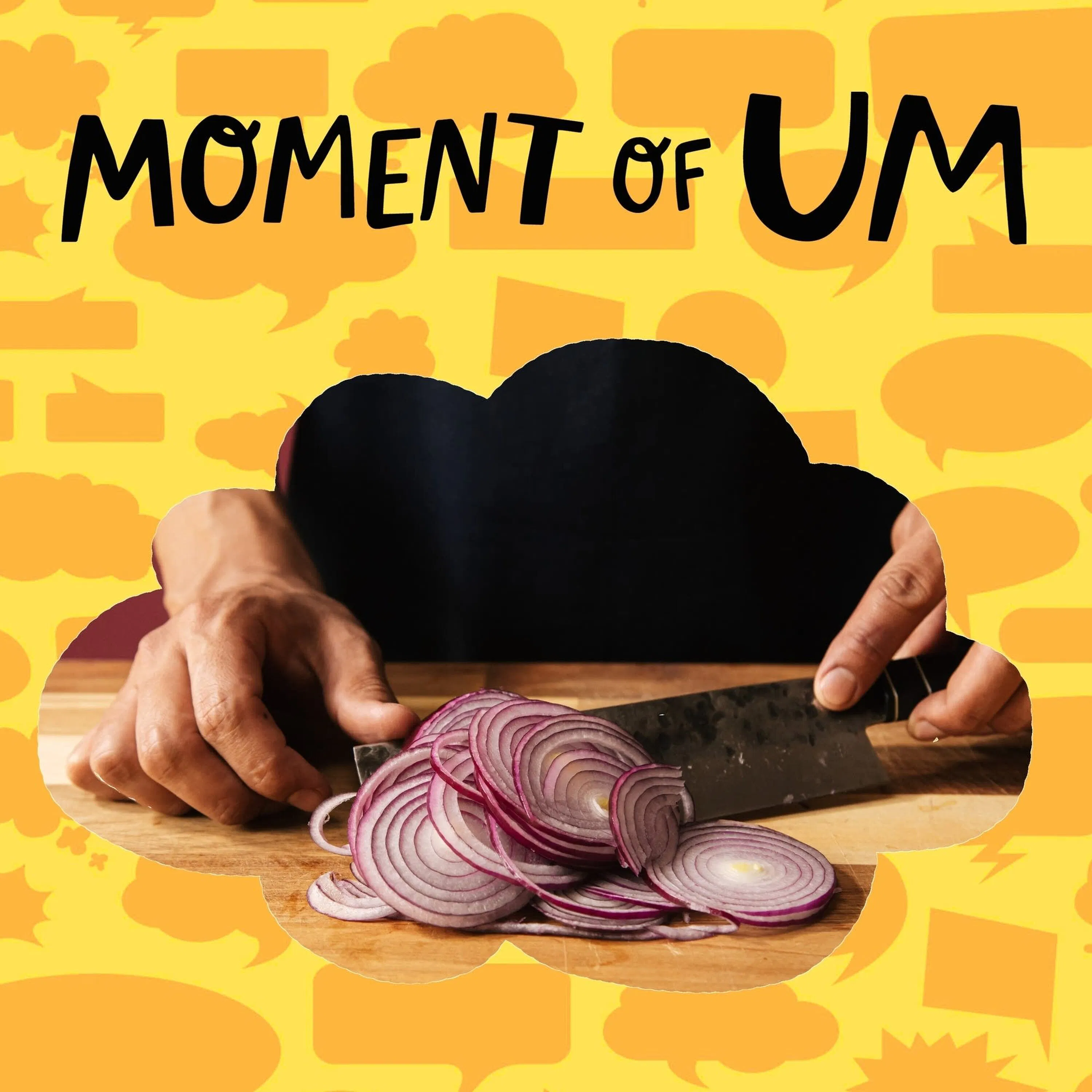
Why does cutting onions make you cry?
Onions add zesty flavor to lots of different foods, like soups, salads, omelets, and much more! But sometimes, chopping them up can make your eyes water – ugh! Why does that happen, anyway? We asked chef and cookbook author Kenji Lopez-Alt to help us find the answer.
Got a question ON-ion your mind? Send it to us at BrainsOn.org/contact and we’ll find such a great answer, you’ll weep for joy!
Se

How do lizards detach their tails?
Lizards are awesome creatures. Some have long forked tongues, others can move their eyeballs in opposite directions. And get this: some lizards can even drop their tails and grow new ones. But how and why do they do this? We asked lizard researcher Laura Kojima to help us find the answer.
Got a question that you iguana know the answer to? Send it to us at BrainsOn.org/contact, and we’ll help you f

Why is chocolate poisonous for dogs?
Whether you have a dog, want a dog, don’t like dogs, or are a dog…one thing's for sure. Dogs can’t eat chocolate! Why is it so bad for them? We asked Cassie Panning, a certified veterinary technician from the University of Minnesota, to help us find the answer.
Got a question that’s pawing at you? Send it to us at BrainsOn.org/contact, and we’ll help pup-date you on the topic!
See omnystudio.com/l
Why do we faint?
You might have seen someone faint in a movie. It usually happens after they see something shocking. They close their eyes and suddenly fall to the ground. In real life, people faint for many different reasons, not just shock. We asked pediatrician Dr. Wendy Hunter to tell us more about fainting.
Got a question that’s shockingly hard to answer? Send it to BrainsOn.org/contact, and we’ll find a swoo

Why do we feel dizzy when we twirl around?
Spinning around in circles is really fun right? And then a weird thing happens. When you stop, it’s like the world is turned upside down and you don’t know which way you’re facing and you feel dizzy and sometimes even fall down! We asked infectious disease physician Dr. Frank Rhame to help understand why that is.
Got a question that’s spinning you around in circles? Send it to us at BrainsOn.org/c

How do caves form?
There are caves all over Earth. And people discover more every day! They’re found in rock, lava, ice, and even sand. But how do caves form? We asked geologist Hazel Barton to help us find the answer.
Got a deep question? Send it to us at BrainsOn.org/contact, and we’ll help explore the answer?
See omnystudio.com/listener for privacy information.

Bedtime on Dragon Mountain
This episode is a little bit different from a regular Moment of Um. It’s a story that is specially designed to help you relax. Research shows that using your imagination to picture scenes in a story helps the brain to shake off all the thoughts from the day and cruise into a nice rest. As you listen, take some deep breaths and give your brain a little imagination vacation.
See omnystudio.com/liste
Why do we talk in our sleep?
Lots of people talk in their sleep, especially kids! Have you ever heard anyone babbling away in the middle of the night? Or maybe someone has told you that you do it? Sleep talking is totally normal, but why do we do it? We asked sleep specialist Chris Winter to help us find the answer.
Got a question that you’ve been dreaming about? Send it to us at BrainsOn.org/contact, and we’ll search thr

How long would it take a whale to swim from California to Japan?
Whales are some of the biggest animals on the planet, and they often migrate incredible distances. But how fast can they go? Like, let’s say a whale swam from California to Japan – how long would that take? We asked science writer and whale expert Vicky Stein to help us find the answer.
Got a question that’s whaley hard to figure out? Send it to us at BrainsOn.org/contact, and we’ll ba-LEAN into f

How do we know dreams aren’t real?
Have you ever had a dream that felt so real you thought it actually happened? Our brain can cook up some really vivid images while we sleep, complete with sounds and even emotions. So how do we tell the difference between dreams and real life? We asked dream researcher Tore Nielsen to help us find the answer.
Got a question that you’re dreaming about? Send it to us at BrainsOn.org/contact – we won

Why do people cuddle?
Lots of people love a good cuddle. Whether it’s snuggling with a teddy bear, or cozying up with family – cuddles can make folks feel safe and comfortable. But why is that? Why do people cuddle? We asked brain expert India Morrison to help us find the answer.
Got a question snuggled up in your noggin? Send it to us at BrainsOn.org/contact, and we’ll wrap you up in a satisfying answer!
See omnystudi
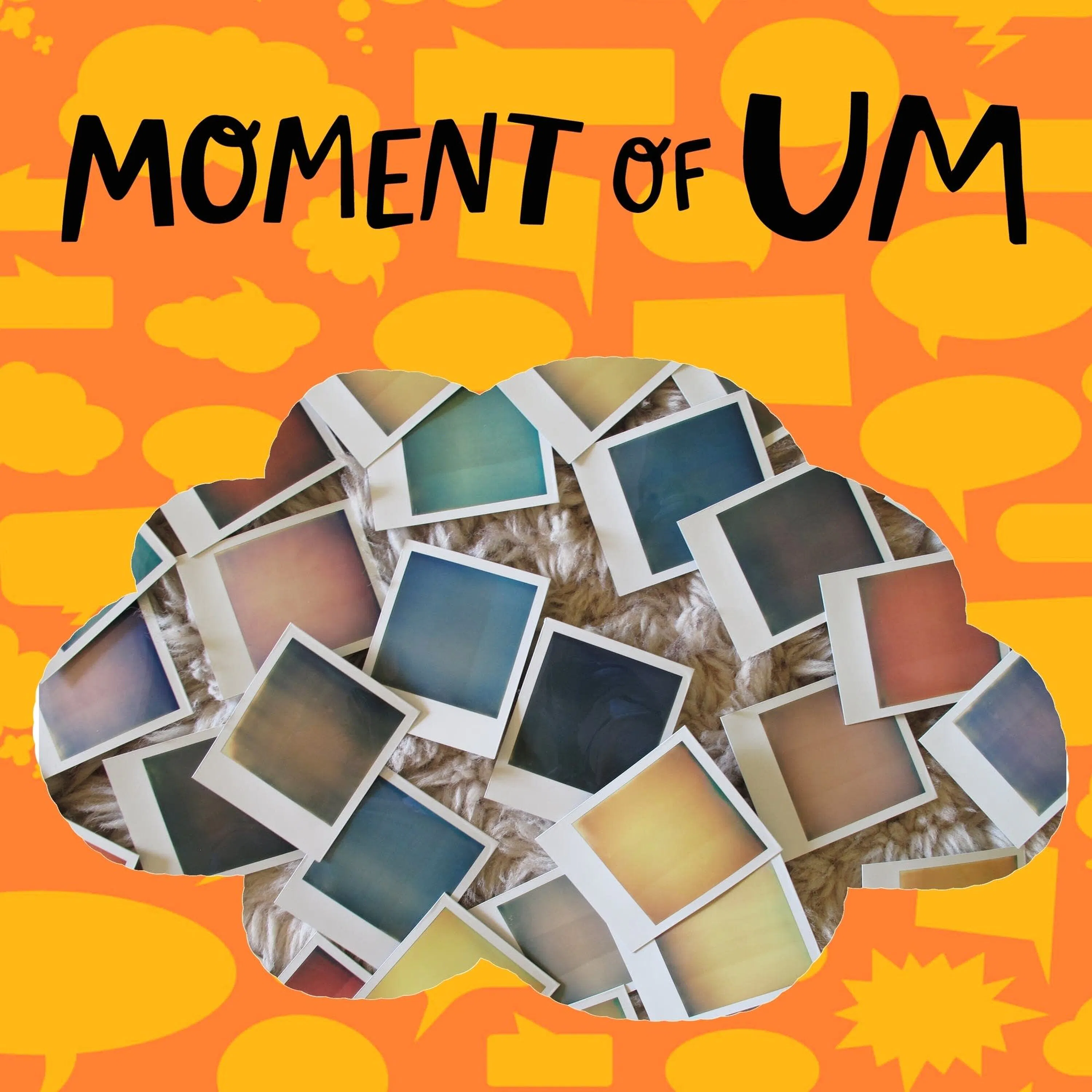
How do polaroids develop pictures so quickly?
Have you ever used a Polaroid camera? It’s a special kind of camera that takes physical photos almost instantly. As soon as you snap the button, a little piece of paper pops out of the bottom of the camera – and in just a couple minutes, a photo appears on the paper! So how does it work? We asked chemistry expert Josie Nardo to help us find the answer.
Got a question, but can’t picture the answer?

How do ballerinas stand on their toes?
Ballet dancers inspire us with their grace, twirls, and leaps. But how do they stand on their tip-toes? We asked contemporary ballet dancer and choreographer Penelope Freeh to help us find the answer.
Got a question that’s keeping you on your toes? Send it to us at BrainsOn.org/contact, and we’ll pointe you to some answers!
See omnystudio.com/listener for privacy information.
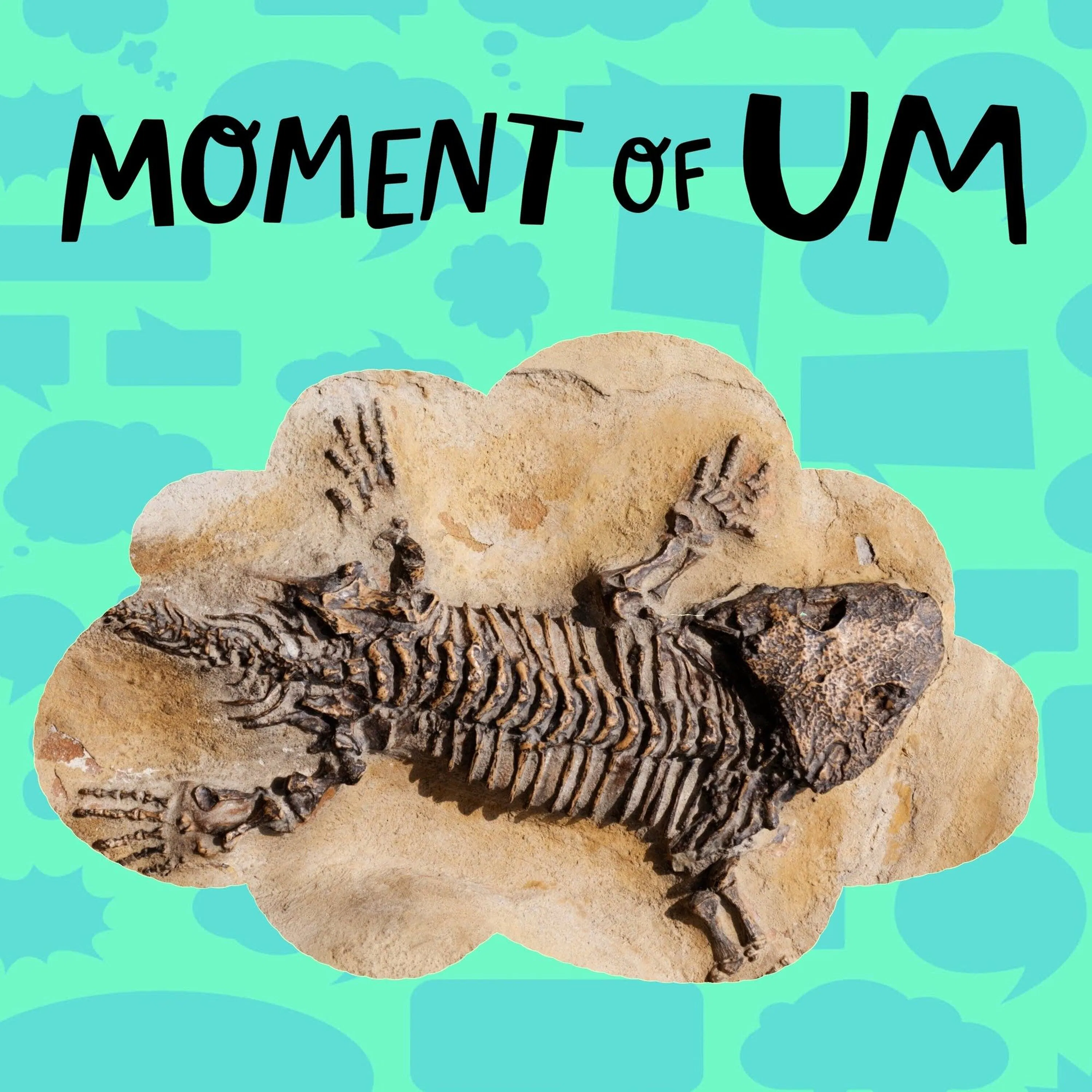
How do scientists know how old fossils are?
Have you ever seen a dinosaur fossil from millions of years ago and wondered how scientists figured out the age of those big ol’ bones? Us too! So we asked paleontologist Jingmai O’Connor to help us find the answer.
Got a question that’s absolutely petrifying? Send it to us at BrainsOn.org/contact, and we’ll help excavate the answer!
See omnystudio.com/listener for privacy information.

Does water have a taste?
Have you ever been really thirsty on a hot day? Nothing beats that thirst better than a cold glass of good old H2O. We can’t live without it! Water quenches our thirst, but does it tickle our taste buds? Does water from different places taste different? We asked Martin Riese to help us find the answer.
Are you thirsting for knowledge? Send your questions to us at BrainsOn.org/contact, and we’ll po
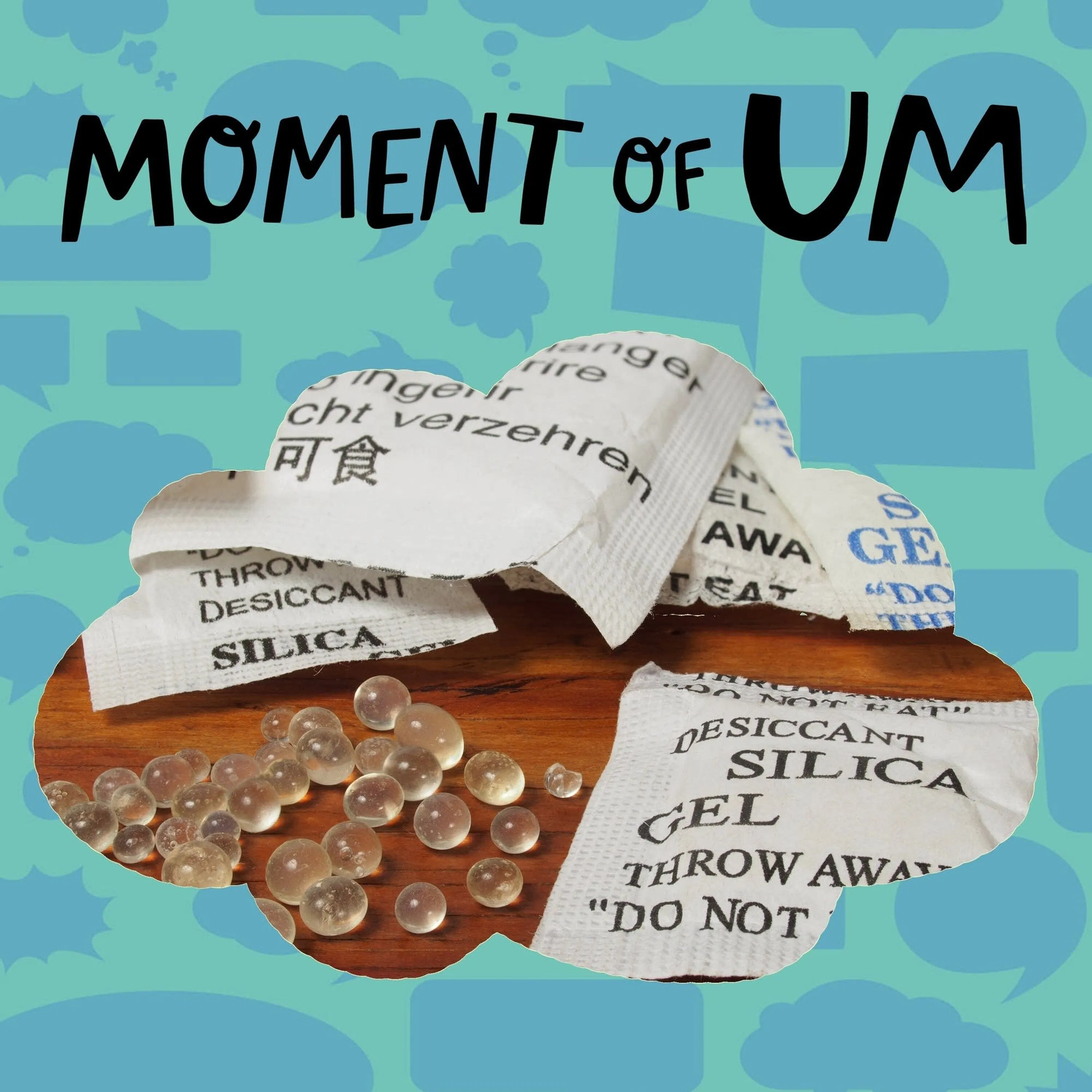
What is silica gel and why shouldn’t you eat it?
Have you ever gotten a new toy or pair of sneakers and noticed there’s a little white paper packet inside the box filled with tiny clear balls? It’s called silica gel. But what is this stuff? And why are the little packets labeled “Do not eat?” We asked science professor Mark Lorch to help us find the answer.
Got a question that’s left you high and dry? Send it to us at BrainsOn.org/contact, and w
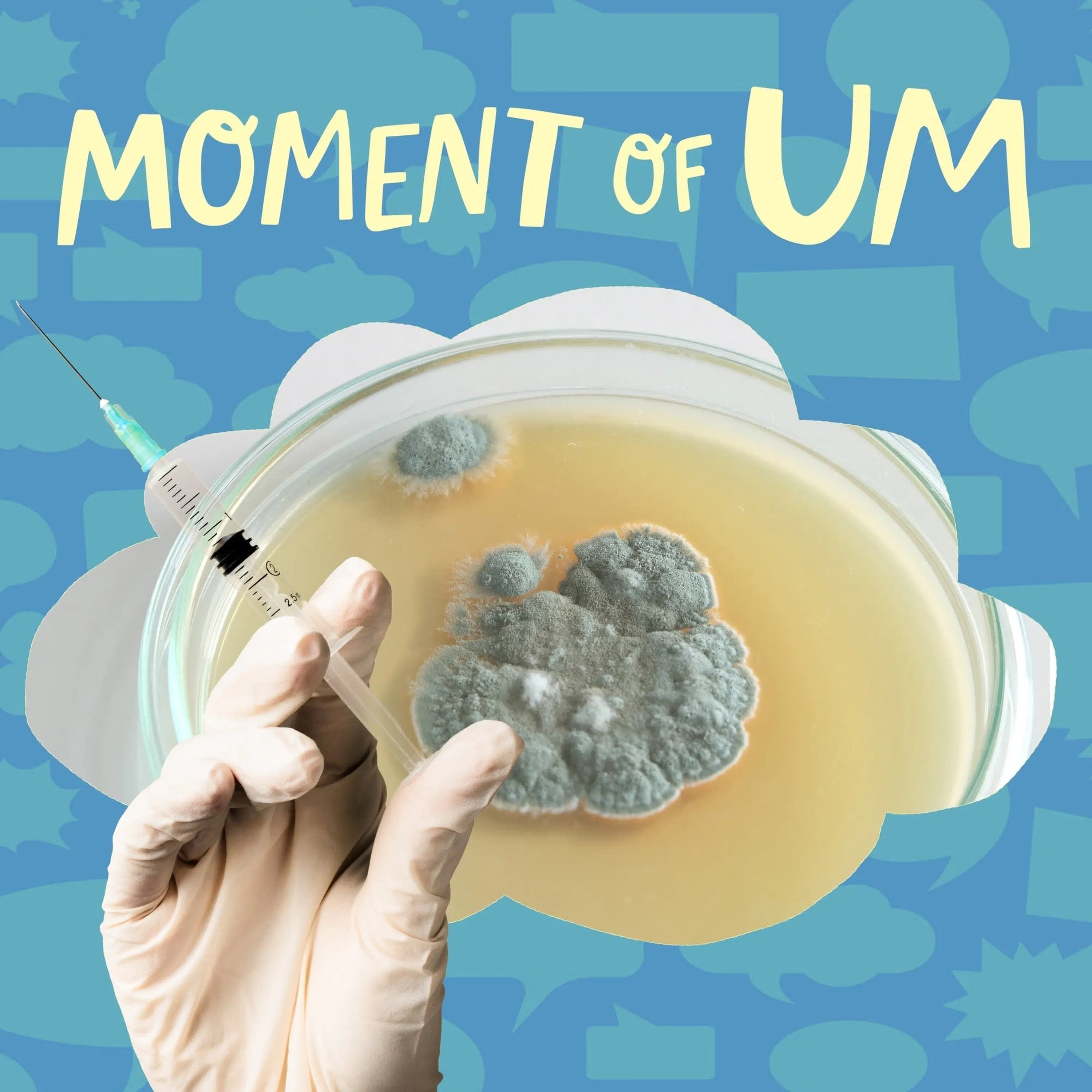
How can mold be used for medicine?
Scientists develop medicines to help fight disease and keep people healthy. Some medicines are made in a lab, some come from plants, and some…even come from mold! So how does that work? We asked microbiologist Christine Salomon to help us find the answer.
Got a question that totally breaks the mold? Send it to us at BrainsOn.org/contact, and we’ll send you our most cultured answer.
See omnystudio.

Why do our ears pop on airplanes?
Have you ever been on an airplane and noticed that pressure in your ears? And then, as you’re taking off…they pop! Just like a balloon or a bubble or a freshly opened can of dough! Why does that happen? We asked infectious disease physician Dr. Frank Rhame to help us find the answer.
Got a question that popped in your head? Send it to us at BrainsOn.org/contact, and we’ll fly in to help answer it

Why does the bowl get hotter than the food in the microwave?
If you’ve ever grabbed a flaming hot bowl of soup out of the microwave and then slurped a spoonful of icy liquid from the middle of it, you’re not alone. In fact, it feels like one of life’s great mysteries! Why does this happen to food in the microwave? We asked ceramic artist Matthew Katz to help us find the answer.
Got a scalding hot question? Send it to us at BrainsOn.org/contact, and we’ll bo

How do frogs' tongues stretch so far?
Ever wish you had a frog's tongue? You wouldn’t even have to pick up a cookie with your hand…your tongue would grab it for you! How amazing is that? But really, how DO frog tongues stretch so far? We asked Kiisa Nishikawa, a professor at Northern Arizona University, to help us find the answer.
Got a sticky question? Send it to us at BrainsOn.org/contact, and we’ll slurp up an answer for you!
See o

When did people start wearing makeup?
Colored eyeshadow, glossy lipstick, rosy blush – people use all sorts of makeup to change how they look. But when did we start using makeup? And how has it changed over time? We asked archaeologist and Brains On producer Anna Goldfield to help us find the answer.
Got a question that’s making you blush? Send it to us at BrainsOn.org/contact, and we’ll help you face the answer!
See omnystudio.com/li
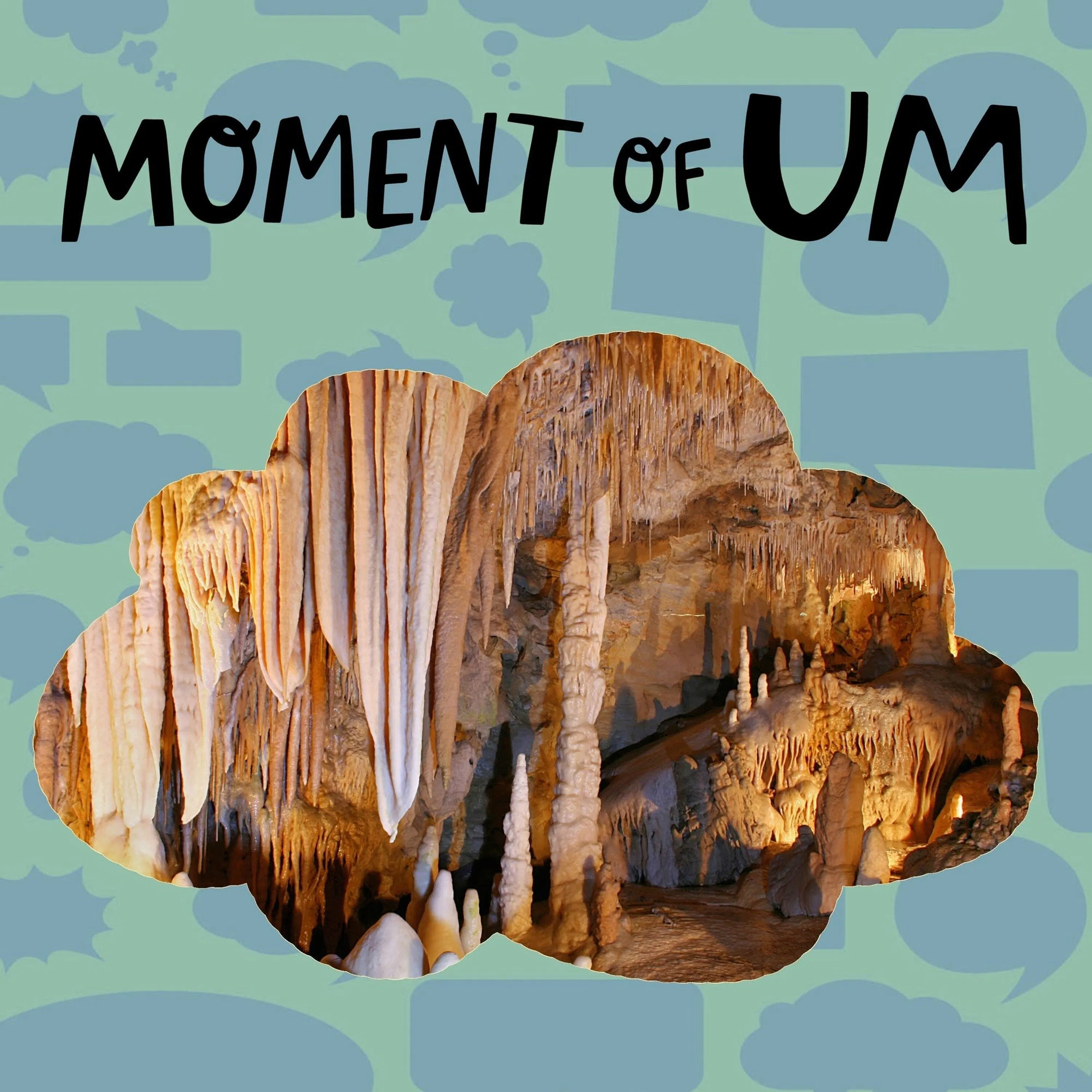
How do minerals form in caves?
Caves are full of amazing stuff: bats, hidden passageways and of course – spectacular rock formations! So where do these rock structures come from? We asked geologist Hazel Barton to help us find the answer.
Got a rock-solid question?Send it to us at BrainsOn.org/contact, and we’ll help find the answer under the surface.
See omnystudio.com/listener for privacy information.
How do sticks make fire?
People rubbing two sticks together and a fire magically appearing is a common thing you might see in movies or on television. But does it actually work? We asked engineer Vi Rapp to help us find the answer.
Got a question that’s flickering in your brain? Send it to us at BrainsOn.org/contact, and we’ll help put out the fire.
See omnystudio.com/listener for privacy information.

How do green screens work?
Movies can take us to extraordinary places, sometimes using technology! Filmmakers create new worlds, incredible creatures, and mind-bending action scenes using something called a green screen. A green screen is just what it sounds like: a bright lime green background used to create special effects! So how does a green screen make movie magic? We asked movie-maker and film professor Jeremy Royce t

Do babies understand words?
Babies. They’re cute little peanuts, huh? Babbling and drooling while their parents talk to them in widdle baby voices. But do babies understand what people say to them? When do they start learning how to communicate with language? We asked child psychologist Dr. Beverly Goldfield to help us find the right words to explain the answer.
Got a question that’s really verbing your noun? Send it to us
Recommended

Infinite Health with Dr. Arasi Maran

The Daily

World News Tonight with David Muir

The Joe Rogan Experience

English Vocabulary Help

TED Talks Daily

Learn English B1 with Daily News | English Listening Practice

Talk About Talk - Executive & Leadership Communication Skills

English with Olivia | Slow Conversations & Vocabulary
Stand In The Circle

SLOW ENGLISH PODCAST (A1-A2) With Subtitles | Daily Videos | English With Us Podcast

Learn English A2 with Daily News | Simple English Listening Practice
