Intelligent Design the Future
The ID The Future podcast explores issues central to evolution and intelligent design, providing news and views on the topic. It features brief interviews with scientists and scholars developing the theory of intelligent design, as well as commentary from Discovery Institute senior fellows and staff on scientific, educational, and legal aspects of the debate. Episode notes and archives are available at idthefuture.com.
Episodes
How an ID Framework Guides the Search for Habitable Worlds
How rare is Planet Earth in the vastness of the cosmos? Will we find other planets in space that could possibly harbor life? A new space telescope has just been launched that may help us with answers to those questions. On today's episode of ID The Future, host Andrew McDiarmid concludes a two-part conversation with physicist Dr. Bijan Nemati about his work on the Nancy Roman Space Telescope. In t

I Helped Build NASA’s Latest Space Telescope. Here’s What It Will Do.
A new space telescope was recently launched by NASA. What will it look for? Why do we need another telescope exploring the heavens? And how does an intelligent design perspective enrich both the expectations and interpretations of the telescope’s findings? Today on ID The Future, host Andrew McDiarmid is delighted to begin a two-part conversation with physicist Dr. Bijan Nemati about his work on t
The Mystery of Life’s Origin, Then and Now
On this ID the Future our of the archive, guest host Robert J. Marks interviews chemist Charles Thaxton about a seminal 1984 book he co-authored, The Mystery of Life’s Origin, foundational to the intelligent design movement. The main body of Mystery was generally praised, Thaxton explains. It was the epilogue that proved controversial. There, the three authors reviewed five proposed explanations f

How Intelligent Engineering Can Solve the Electromagnetic Spectrum Crisis
Today’s episode of ID The Future comes from our sister podcast Mind Matters News, a production of Discovery Institute’s Walter Bradley Center for Natural and Artificial Intelligence. Mind Matters regularly explores the nature of intelligence, the origin of information, and the things that make us uniquely human, all concepts that are central to the theory of intelligent design. Enjoy today’s offer
Restoring the Natural Theology Tradition That Fueled Modern Science
What is the state of the debate over evolution and intelligent design in the UK? And how will Discovery Institute's new Cambridge initiative impact the debate going forward? On this ID The Future, host Andrew McDiarmid welcomes fellow Scotsman Dr. Alistair McKitterick, a Consulting Fellow at the Center for Science & Culture’s Whewell Center in Cambridge and a Program Director at London School

Sunlight And Water Are Uniquely Fit to Sustain Life
If the sun didn't power the photosynthesis of green plants, we wouldn't be breathing right now. And without the finely tuned properties of water, Earth would be a frozen, lifeless wasteland. Coincidence? Or is something else at work? On this classic episode of ID The Future out of the archive, host Andrew McDiarmid continues his ongoing series with Dr. Jonathan McLatchie unpacking the many feature

Science Suggests Matter and Meaning Are Both Real
What is the story of everything? Is there a scientific and philosophical basis for meaning? Today on ID The Future, host Andrew McDiarmid continues exploring those questions with physicist and author Dr. Eric Hedin.
In Part 2, the conversation turns to the scientific and philosophical basis for meaning in the universe. Dr. Hedin argues that materialism "fails to describe the world we experience.

A Designed Universe Makes Meaning Real, Not Illusory
Why are we here? Does life, or the universe, mean anything? And if it does, what? Today on ID The Future, host Andrew McDiarmid explores those questions and more with physicist and author Dr. Eric Hedin. Using the recent documentary film The Story of Everything as a springboard for discussion, Hedin shows that cumulative scientific evidence is pointing to a purposeful universe, not a cosmic accide

Why Carbon is Finely Tuned for Life
In his book Darwin’s Black Box, biochemist Michael Behe writes that in order to understand the barriers to evolution, we have to “bite the bullet of complexity.” On this classic episode of ID The Future out of the vault, Dr. Jonathan McLatchie is back to help us do just that! In the latest installment of an ongoing series, Dr. McLatchie talks with host Andrew McDiarmid about the remarkable propert

Scoring the Universe: A Rubric for Cosmological Design
By now, you’re likely familiar with the multiverse hypothesis, which is actually just one of dozens of cosmological models proposed to explain away the significance of a beginning to the universe and the evidence for fine-tuning. But you may not know there’s a rigorous method to evaluate these models, which can prove helpful in understanding the flaws of each. On today's ID The Future, host Andrew

Inscrutable Dice and Bean Jars: Answering Objections to Fine-Tuning
You’re likely familiar with the evidence for the fine-tuning of the universe, and you may be aware that there are several cosmological models attempting to explain away that fine-tuning, including the popular multiverse hypothesis. But did you know an ID scientist has developed a scientifically rigorous method for scoring those models? On this ID The Future, host Andrew McDiarmid begins a two-part

Tech Entrepreneur on People-First AI Innovation in Business
Today’s episode of ID The Future comes from our sister podcast Mind Matters News, a production of Discovery Institute’s Walter Bradley Center for Natural and Artificial Intelligence. Mind Matters regularly explores the nature of intelligence, the origin of information, and the things that make us uniquely human, all concepts that are central to the theory of intelligent design. Enjoy today’s offer
The Missing 20 Years: What Designer Science Left Out
Is the intelligent design movement a short-lived phenomenon that has come and gone? Or is its steady and consistent growth evidence of a flourishing scientific program? On this ID The Future, host Andrew McDiarmid concludes his conversation with Dr. Casey Luskin about his critique of a recent book called Designer Science that portrays the ID movement as a short-lived political, cultural, and relig

Fact-Checking Designer Science: Casey Luskin on ID History Errors
Is intelligent design dying out or just warming up? On this ID The Future, host Andrew McDiarmid welcomes Dr. Casey Luskin to a new and improved podcast studio for a sit-down, in-person conversation! Today, Dr. Luskin discusses a recent book called Designer Science that portrays the ID movement as a short-lived political, cultural, and religious phenomenon. Luskin reveals some egregious errors in
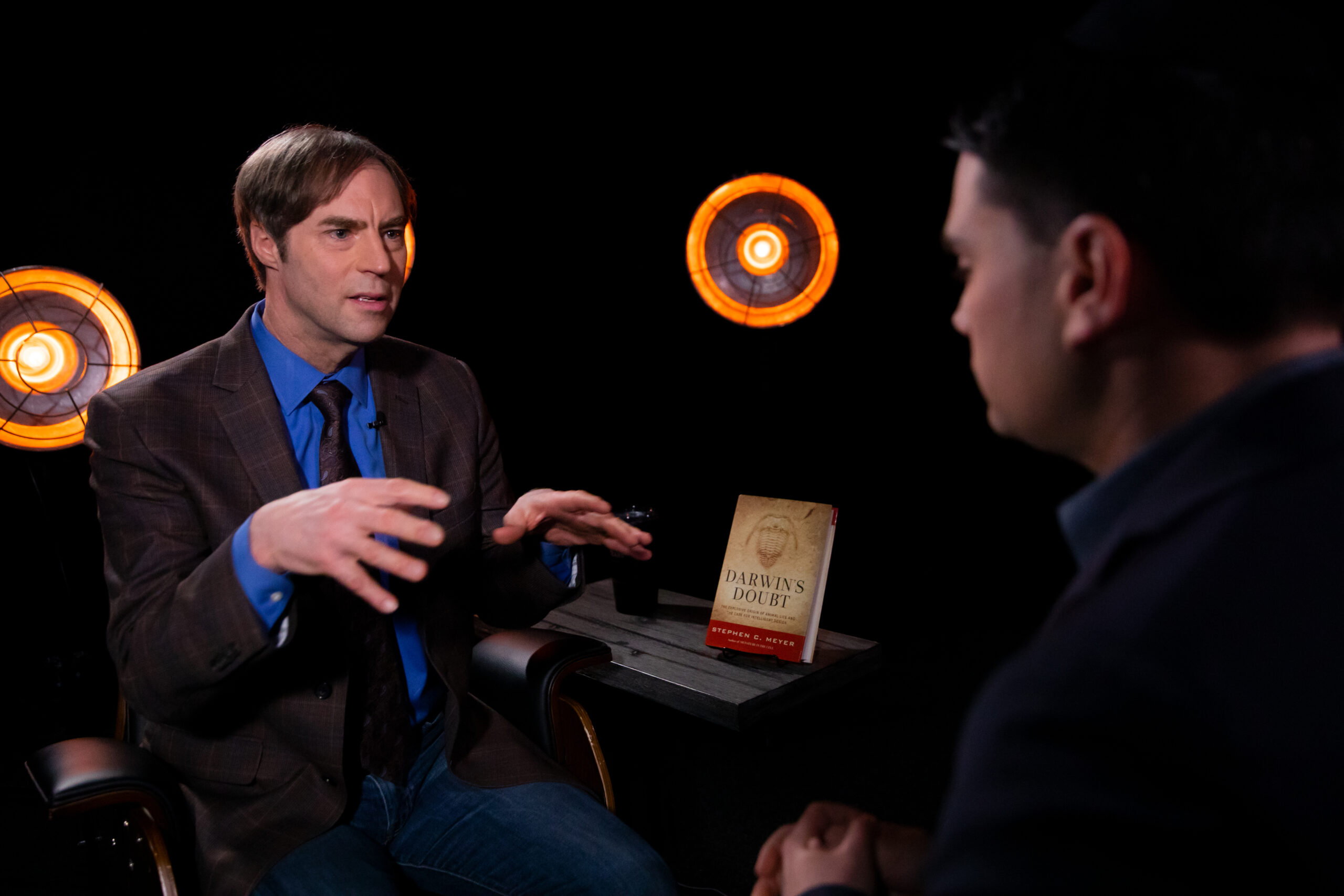
Stephen Meyer & Ben Shapiro Discuss the Origin of Information
On this episode of ID The Future from our archive, we’re bringing you the concluding half of a 2019 interview between Daily Wire host Ben Shapiro and philosopher of science Dr. Stephen C. Meyer. The conversation is now seven years old, so it's a good time to dust it off and share it with those who may have missed it or forgotten about it. Dr. Meyer considers this one of the best interviews he’s do

Priors & Proof: Brian Miller Unpacks the Meyer/Halper Debate
Are the Big Bang and the evidence for the fine-tuning of the universe evidence that supports theistic belief or undermines it? On this ID The Future, host Andrew McDiarmid welcomes Dr. Brian Miller to give us a breakdown of a recent debate between philosopher of science Dr. Stephen Meyer and science communicator Phil Halper about the Big Bang, the arguments for fine-tuning, and the compatibility o
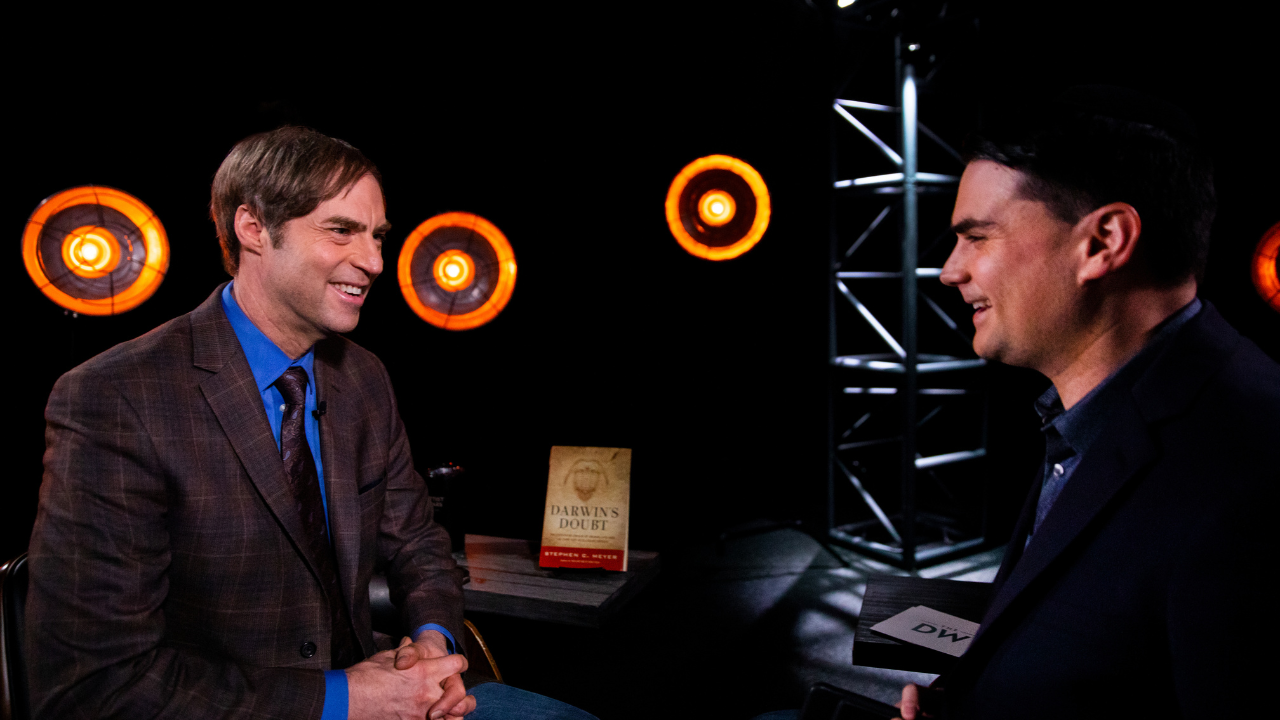
Stephen Meyer and Ben Shapiro Talk Intelligent Design
On this ID The Future selected out of the vault, we bring you the first half of Daily Wire host Ben Shapiro's 2019 interview with philosopher of science Dr. Stephen Meyer on The Ben Shapiro Sunday Special. This exchange happened seven years ago now, and we thought it was a good time to put it out there again for those who may not have heard it or don't remember it. Dr. Meyer considers this one of

Angus Menuge: A Defense of the Soul in the Age of AI
Today’s episode of ID The Future comes from our sister podcast Mind Matters News, a production of Discovery Institute’s Walter Bradley Center for Natural and Artificial Intelligence.
In this episode of Mind Matters News, hosts Dr. Robert J. Marks and Pat Flynn welcome returning guest Dr. Angus Menuge, professor of philosophy at Concordia University Wisconsin, to discuss his paper “Powers of the S

Physicist Robert Sheldon on Wonder, Discovery, and The Story of Everything
By now, you’ve likely heard of the new documentary film The Story of Everything. It’s a cinematic exploration of the evidence for intelligent design in the cosmos, from the fine-tuning of the universe to the stunning engineering in every living cell. Today on ID The Future, we continue our series of interviews with the scientists and scholars featured in The Story of Everything. Host Andrew McDiar

Medicine’s Descent From Healing to Killing
If we believe there is no qualitative distinction between animals and humans, are we more likely to protect human life or devalue it? On this episode of ID The Future out of the vault, guest host Eric Anderson talks to historian Dr. Richard Weikart about his latest book, Unnatural Death: Medicine's Descent From Healing to Killing, now available from Discovery Institute Press. The book is a wide-ra

The Real-Life Medicine and Science Behind Oppenheimer’s Demon
Most people know about the two atomic bombs dropped on Japan in 1945. But Robert Oppenheimer’s Manhattan Project had on hand another nuclear core. After claiming the lives of two scientists in separate accidents, it was dubbed the Demon Core and melted down. Some demons, however, are not so easily destroyed. Today, guest host Jonathan Witt concludes his conversation with medical doctor, disaster p

Science & Suspense: Geoffrey Simmons Talks Oppenheimer’s Demon
Have you ever read a book wherein both the origin and end of man hang in the balance? That's a rare combination that comes together in a new disaster thriller novel now available from Discovery Institute Press. On this ID The Future, DI Press executive editor and CSC senior fellow Jonathan Witt takes a turn at the hosting mic as he welcomes medical doctor, disaster preparedness expert, and novelis
Why AI and Darwinian Theory Share the Same Computational Limits
Today’s episode of ID The Future comes from our sister podcast Mind Matters News, a production of Discovery Institute's Walter Bradley Center for Natural and Artificial Intelligence.
On this episode of Mind Matters News, guest host Pat Flynn welcomes Dr. Winston Ewert to the show to discuss Ewert’s chapter in the volume Minding the Brain.
In his contribution, titled “The Human Mind’s Sophistica

Race Against the Clock: Geoff Simmons Reads From Oppenheimer’s Demon
There are many books written by intelligent design scientists and scholars that explore the scientific evidence for intelligent design and the debate over evolution. But a new book published by Discovery Institute Press manages to be concerned with “both the origin and the end of man” in the same book! On this ID The Future, distinguished physician, successful novelist, and disaster preparedness e

An Oncologist’s Journey Out of Scientific Atheism
Can a blind, evolutionary process account for who we are and why we’re here? Is there anything beyond this life? On this ID The Future, enjoy a conversation with veteran oncologist, author, and speaker Dr. Stephen Iacobini. In this conversation, originally aired on the Ex-Skeptic podcast and hosted by Jana Harmon, Dr. Iacoboni shares his journey from childhood faith to scientific atheism and back

Sleeping and Waking, By Design
Are we to credit an unguided evolutionary process for the gift of sleeping and waking? Or are these intricate systems further evidence of design? On this ID The Future selected out of the archive, host Andrew McDiarmid concludes his conversation with Dr. Eric Hedin on the intelligent design of sleep. In Part 2, the pair dig deeper into the purpose of sleep and why it’s so essential to living organ
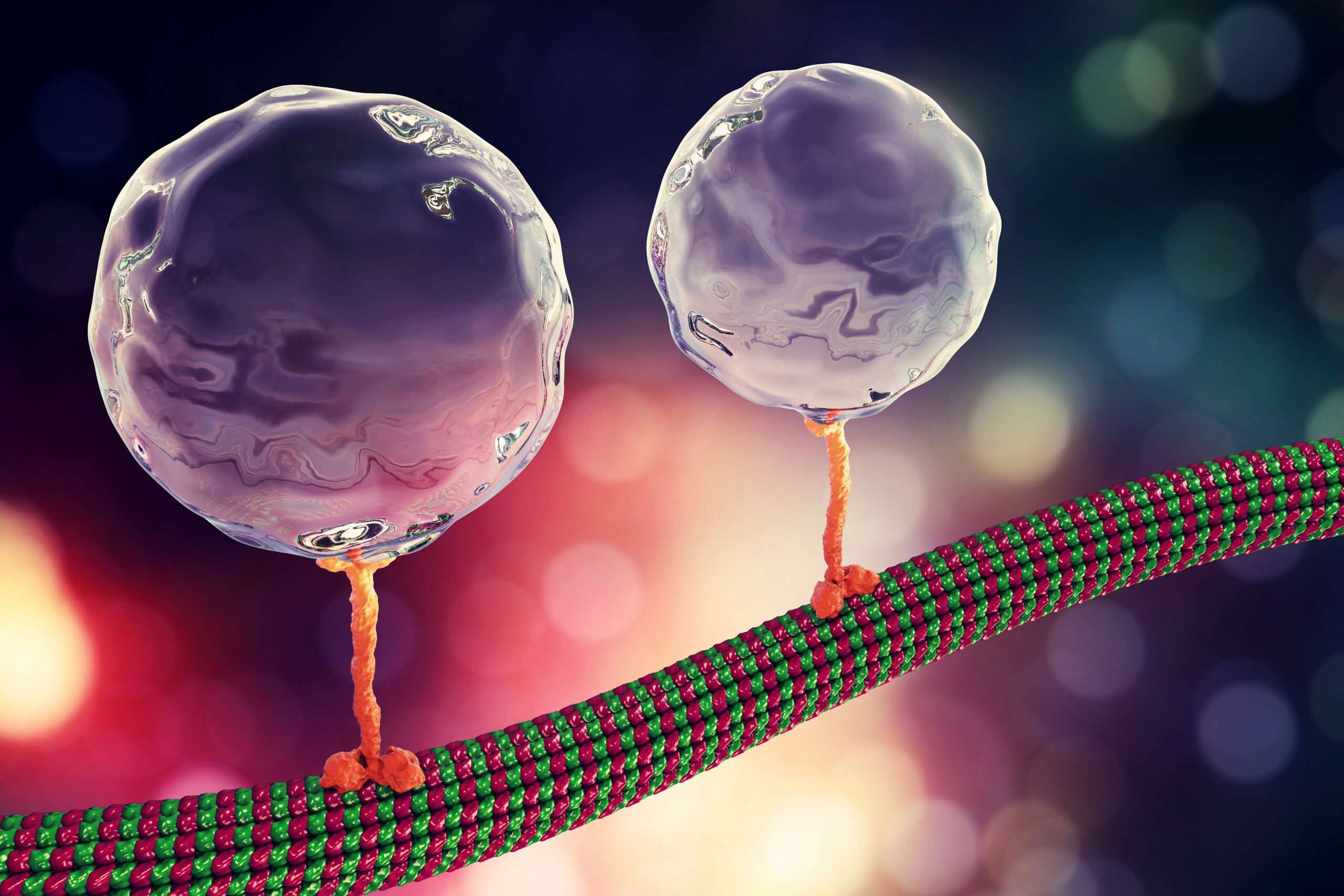
The Biochemical Challenge to Darwinian Evolution Turns 30
In 2026, one of the most influential books on science in our lifetime turns 30 years old. It’s Darwin’s Black Box, written by biochemist and professor Michael J. Behe. On this ID The Future, host Andrew McDiarmid concludes his conversation with Dr. Behe as we celebrate the milestone, revisit the book’s major insights, and examine its staying power over the last three decades. This is Part 2 of a t

Michael Behe on Thirty Years of Darwin’s Black Box
One of the seminal books of the modern intelligent design movement is Darwin’s Black Box, written by biochemist and professor Michael J. Behe. In 2026, that book turns 30. On this episode of ID The Future, host Andrew McDiarmid talks to Dr. Behe about the book's impact and the staying power of its arguments. This is Part 1 of a two-part conversation.
Source

The Intelligent Design of Sleep
We’re asleep an average of about 26 years of our life! Most people have a sense that sleep is important, but many of us aren't sure exactly why. Why is sleep so crucial to survival? And how did the processes of sleep emerge in living things? Could a gradual Darwinian process be responsible, or are the systems involved another instance of intelligent design? On this episode of ID The Future selecte

Neurosurgeon and Engineer Critique a Materialist Theory of Consciousness
Today's episode of ID The Future comes from our sister podcast Mind Matters News. Today, guest host Pat Flynn welcomes Dr. Robert Marks and Dr. Michael Egnor to the show to critique Integrated Information Theory (IIT), a popular mathematical model that attempts to explain consciousness through computational complexity.
Source
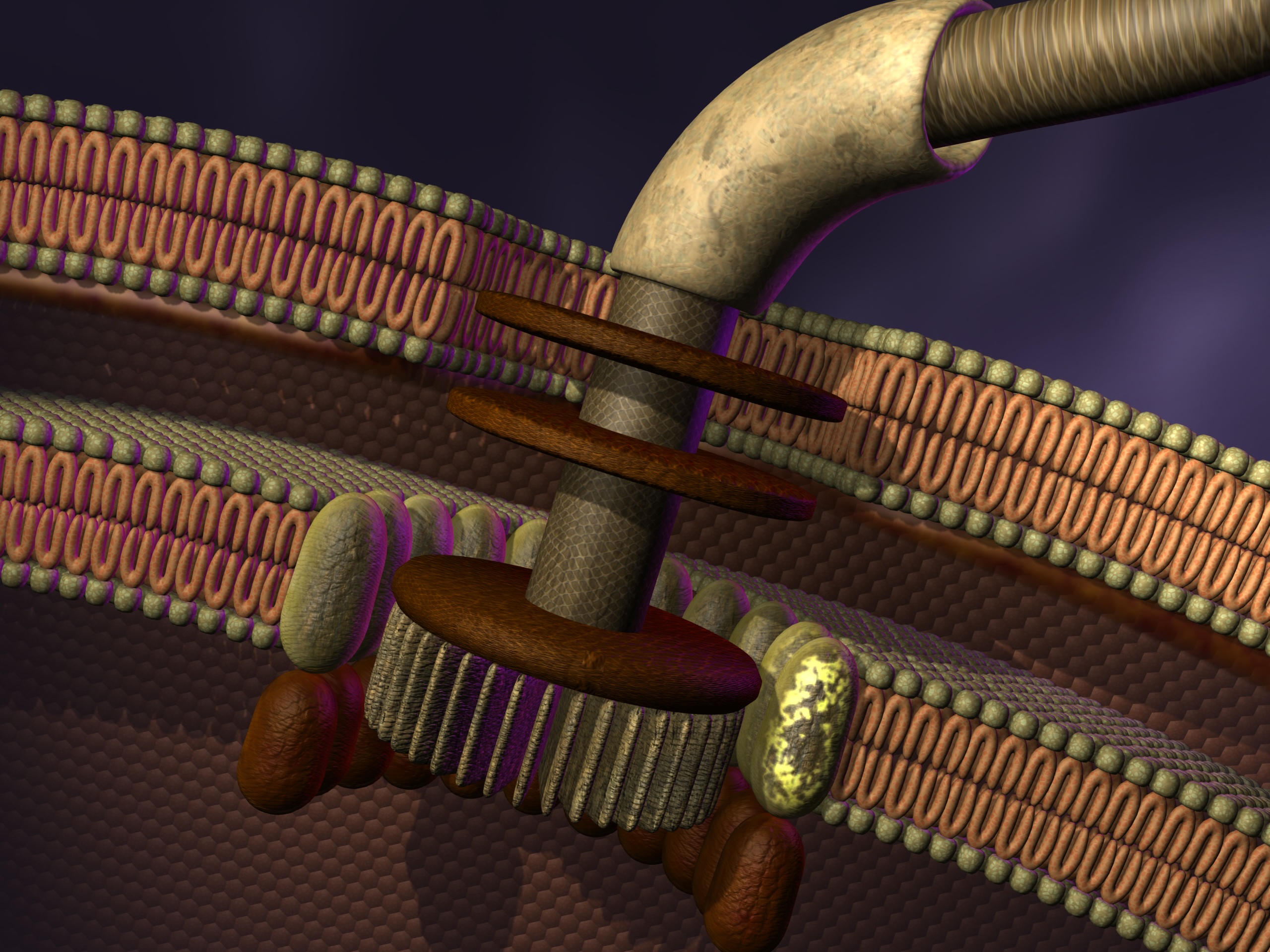
Enjoy a Reading From the Landmark Book Darwin’s Black Box
It's the book that helped launch the biochemical challenge to Darwinian evolution. It has been hailed as one of the most influential books on science in our lifetime. And this year, it celebrates thirty years in print! On today's ID the Future, host Andrew McDiarmid invites you to join him as he reads selections from Darwin's Black Box, authored by biochemist Michael J. Behe. And don't miss Andrew

Astronomer Guillermo Gonzalez Reads His Solar Eclipse Poem “Totality”
On this episode of ID The Future from our archive, host Andrew McDiarmid welcomes astrophysicist Guillermo Gonzalez back to the program to read and discuss his poem "Totality: A Celestial Theater," written to commemorate the total solar eclipse that occurred in April 2024. You may already be familiar with Gonzalez's popular book The Privileged Planet, co-authored with Dr. Jay Richards, unpacking t

Why Aliens Won’t Solve the Origin of Life on Earth
Does invoking aliens to explain the origin of life on Earth solve the problem of biological information, or does it simply kick the can down the road? On this ID The Future, enjoy the second half of a conversation with geologist Dr. Casey Luskin and his wife, science educator Kristin Marais, as they discuss intelligent design, evolution, and alien life with host Daniel Ray on the Apologetics Profi
Signs of Intelligence: ID, Evolution, and the Search for Alien Life
If alien life were to be discovered elsewhere in the cosmos, would it be evidence of intelligent design or blind evolutionary forces? On this ID The Future, host Andrew McDiarmid brings you the first half of a recent conversation with geologist Dr. Casey Luskin and his wife, science teacher Kristin Marais, that originally aired on the Apologetics Profile podcast. The conversation explores the scie
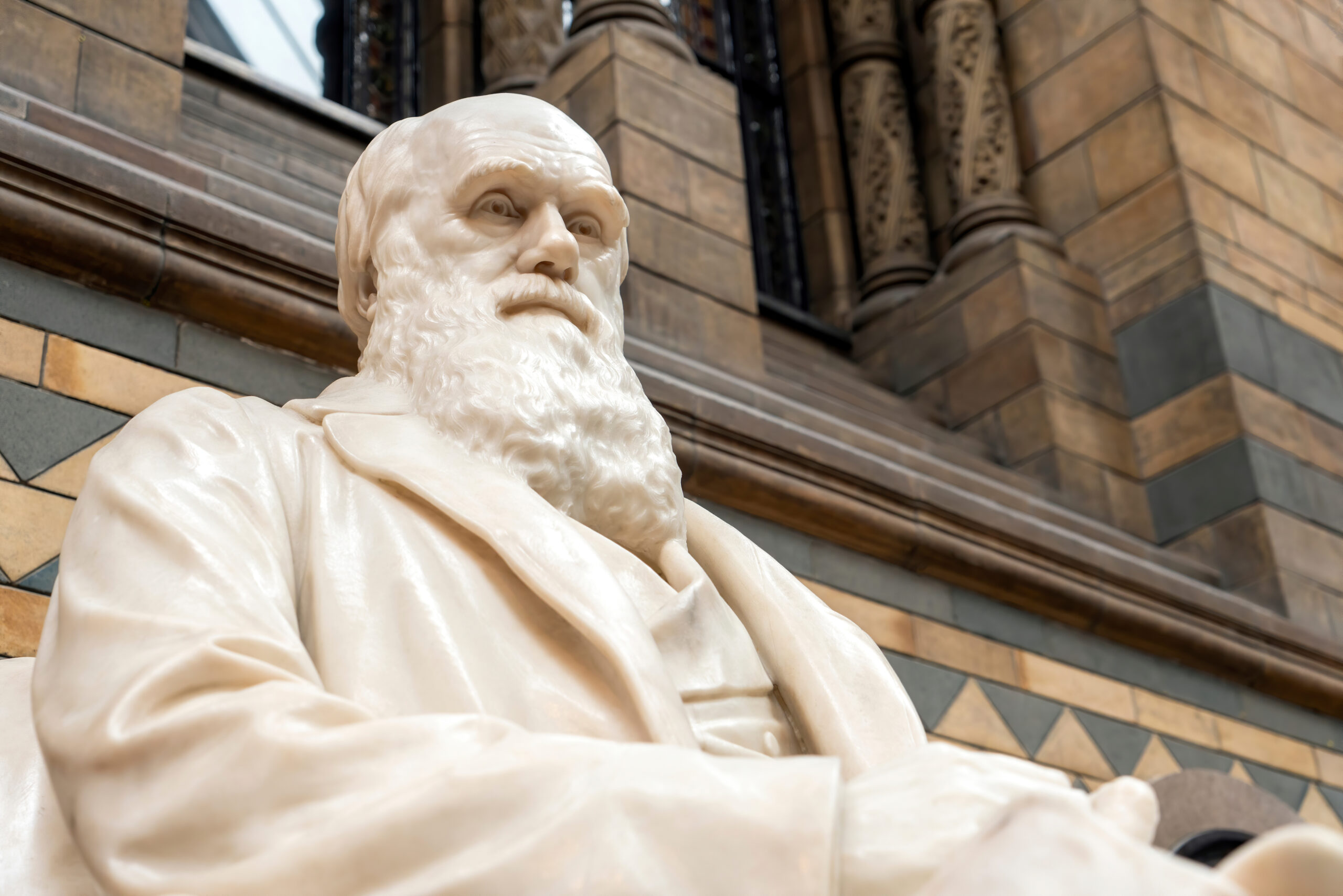
Giving Up Darwin’s “Brilliant and Beautiful Theory”
Seven years ago, Yale University professor of computer science David Gelernter wrote that he was bidding farewell to neo-Darwinian evolutionary theory. Why would he take such a bold step? What convinced him that the neo-Darwinian paradigm no longer satisfied the scientific evidence? On this classic ID The Future out of the vault, host Andrew McDiarmid reads Gelernter's important essay in full.
Sou

High School Science That Teaches an ID Perspective? Yes, Please!
Is it possible to integrate the evidence for intelligent design into full-length high school biology and chemistry courses? Of course! Are such courses currently available to homeschool students? Absolutely! Discovery Institute Academy offers innovative online science courses for homeschool students taught from the perspective that nature reflects intelligent design. On this ID The Future, host An
Stephen Meyer & Piers Morgan: The Story of Everything
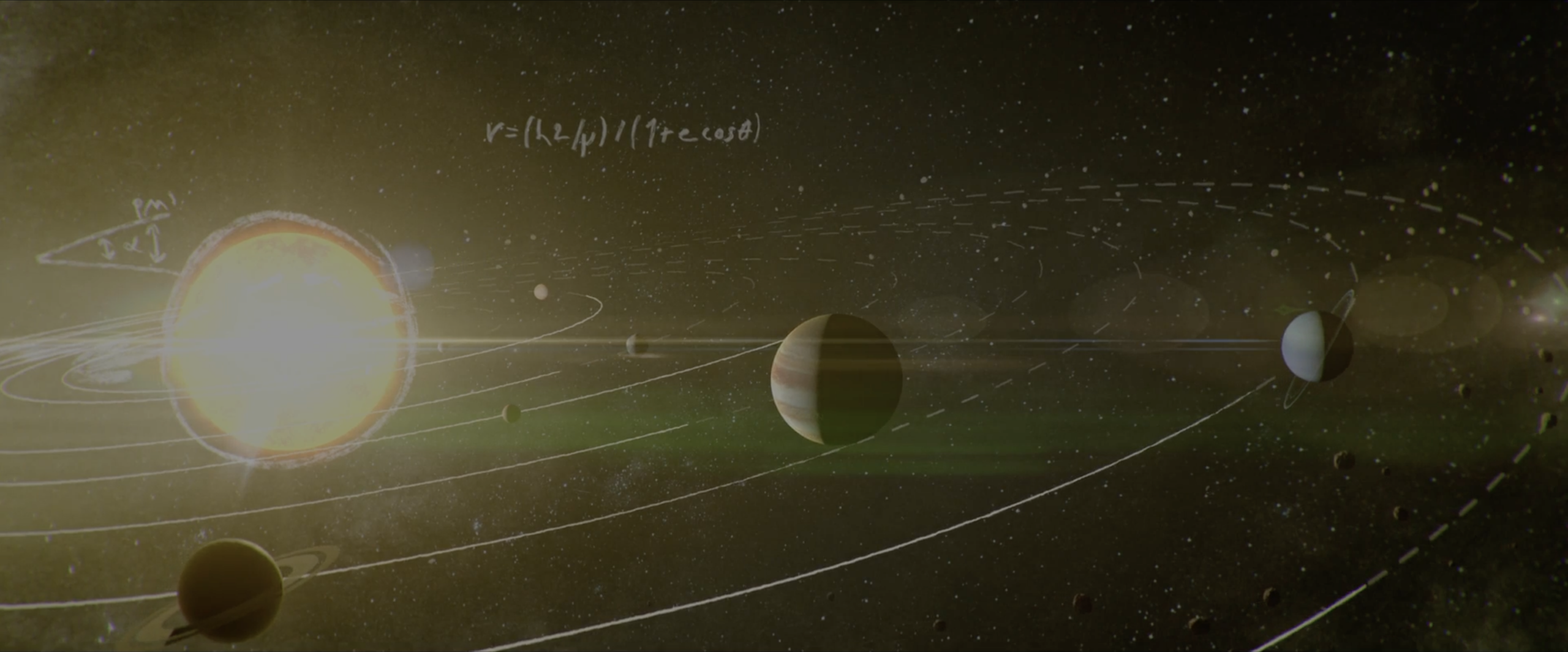
Is there clear and present scientific evidence that life and the universe were purposefully designed? On this ID The Future, we highlight Dr. Stephen Meyer's recent conversation with Piers Morgan on Piers Morgan Uncensored. This is Dr. Meyer's second interview with Morgan. Last time, he talked about scientific evidence for the existence of God. This time, he explores science, faith, and the very o

Why Human Cognition Remains Unique
Today's episode of ID The Future comes from our sister podcast Mind Matters News.
The age of AI is upon us and is already changing the way we conduct our lives. What is the optimal division of tasks between humans and machines? On this episode of Mind Matters News, host Robert J. Marks welcomes psychologist Dr. Joe McDonald to the podcast to explore the relationship between cognitive psychology a
How Modern Science Resolves the Dilemma Over Evolution
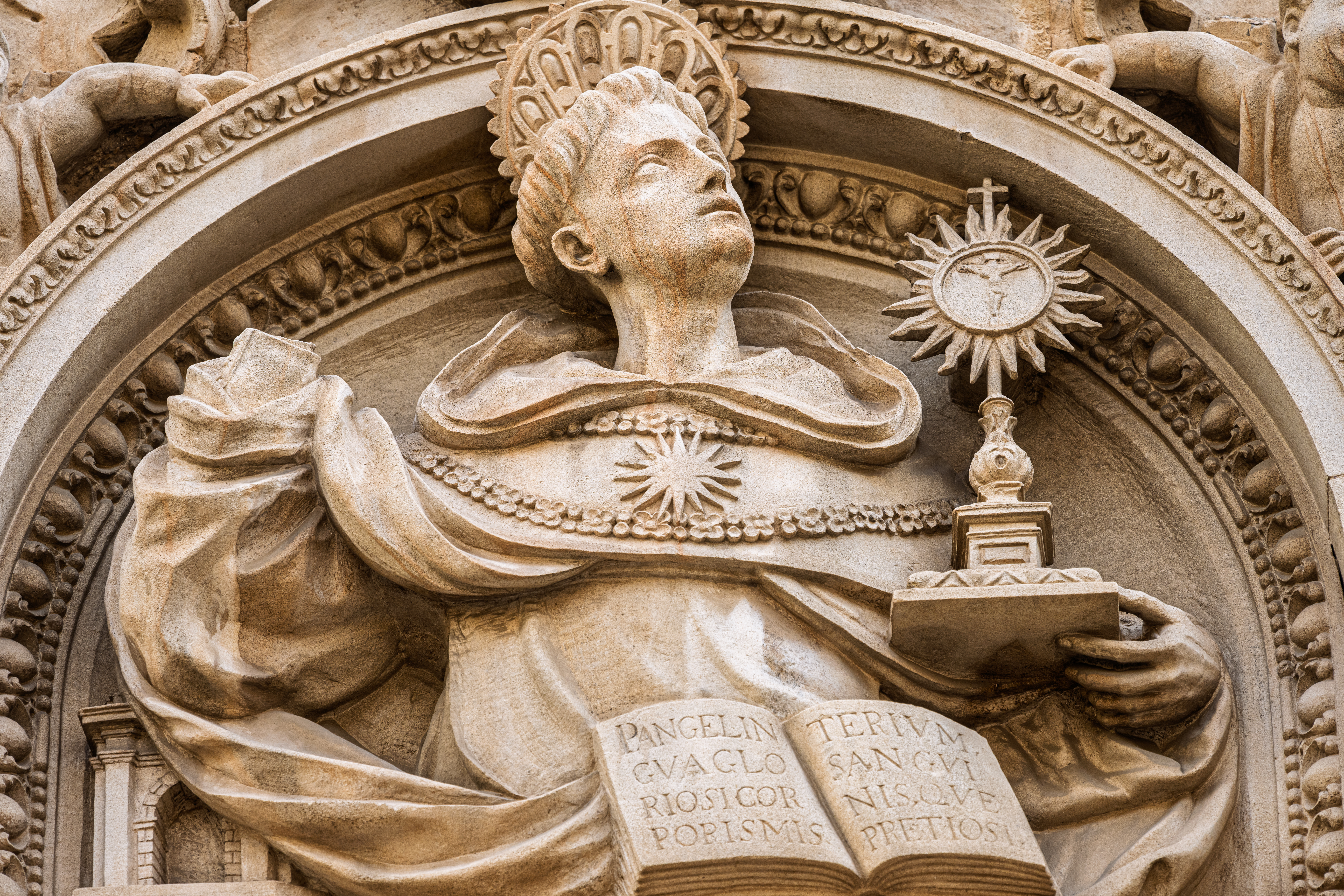
If theistic evolution doesn’t work, and Darwinian evolution is scientifically inadequate, what alternative framework better explains the origin of life and the universe? On this ID The Future, host Andrew McDiarmid concludes his two-part conversation with Father Michal Chaberek and Steve Greene, authors of a new book called Creation or Evolution? A Catholic Dilemma.
In Part 1, the discussion cent
Creation vs. Evolution: Re-evaluating a Catholic Dilemma
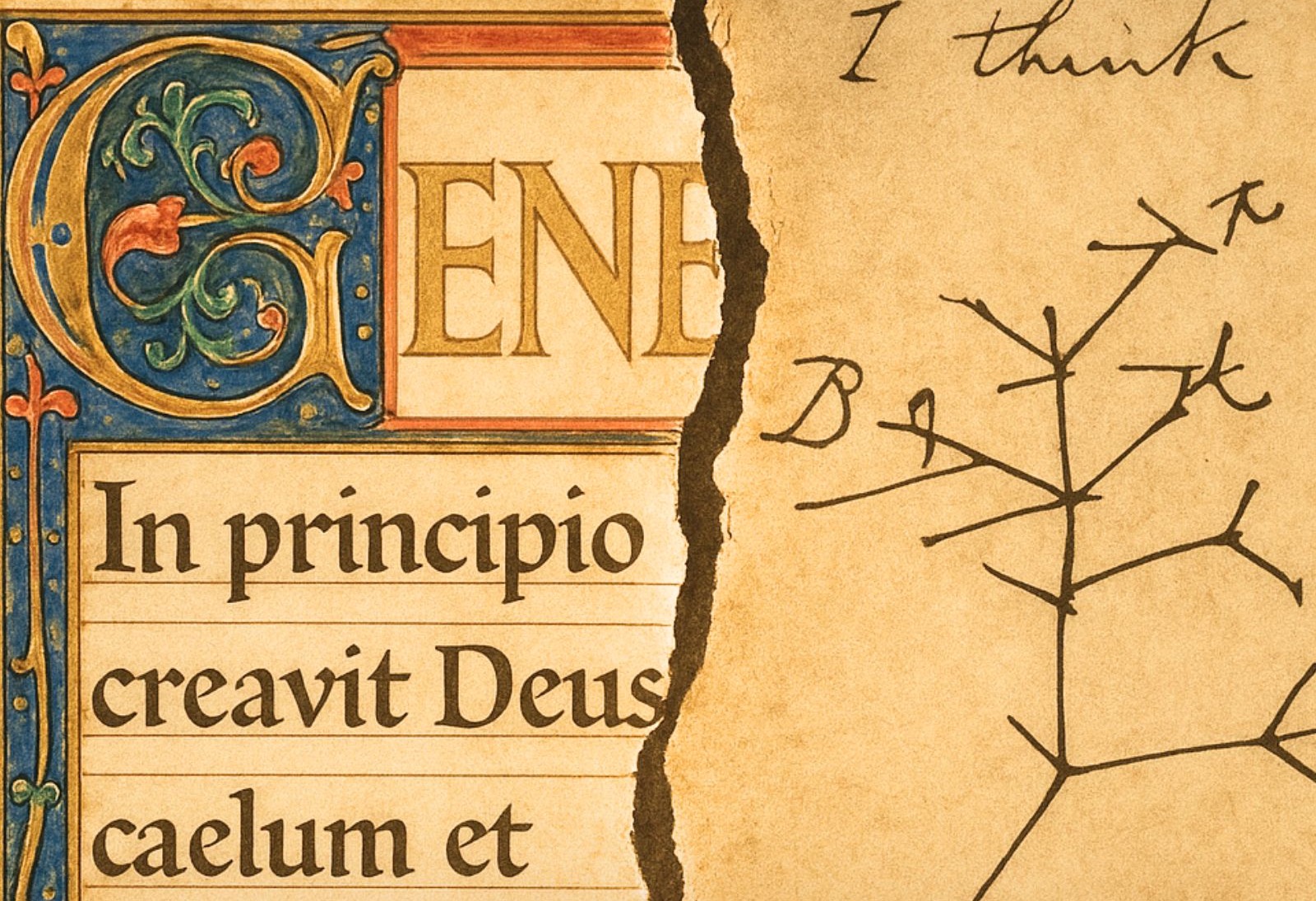
To reconcile faith and science, is it enough to say God could have used evolution? Many Christians are attracted to this idea, and it is now treated as the quasi-official Catholic position. But can this view, known as theistic evolution, really harmonize Scripture, theology, and modern science? Or is there a better approach?
On this ID The Future, host Andrew McDiarmid begins a two-part conversat

As Neo-Darwinism Fails, Vitalism Makes a Comeback
Vitalism is the age-old idea that living things possess a vital force – some fundamental element that generally does not exist in non-life. As a Darwinian paradigm took hold of the natural sciences in the late 19th and early 20th centuries, vitalism fell out of favor. But as writer and teacher Daniel Witt reports on this classic episode of ID The Future from the vault, a willingness to flirt with

Mind Over Matter: Darwin, AI, and the Future of Reason
If our minds are the product of a blind and aimless process, what reason do we have to believe what we think? But if we can be rational because a rational intelligence designed life and the universe, how does that change how we should think about thinking? On this ID The Future, host Andrew McDiarmid concludes his conversation with science teacher and writer Rebekah Valerius about an essay she rec

The Anchor of Reason: Beyond Naturalism and Materialism
Before we can ask whether the universe is designed, we should first ask if we can trust the minds we’re using to investigate it. On this ID The Future, host Andrew McDiarmid welcomes to the show science teacher and writer Rebekah Valerius to discuss an essay she recently penned unpacking the argument from reason and its implications for Darwinism, materialism, and atheism. This is Part 1 of a two-

What’s Next in the Search for Habitable Worlds
Are we common or rare? You can be on either side of the question and still be excited about the search for habitable planets capable of harboring life. On this classic episode of ID the Future from the archive, host and amateur astronomer Eric Anderson concludes his two-part conversation with Bijan Nemati, professional astronomer and expert on exoplanet search technology, to review the history of

Algorithms vs Souls: The Use of AI in Global Missions
ID The Future listeners now get to enjoy two episodes each month from our sister podcast Mind Matters News, a production of the Discovery Institute’s Walter Bradley Center for Natural and Artificial Intelligence. The Mind Matters News podcast brings you insight from computer scientists, engineers, inventors, neurosurgeons, and other experts who bring sanity to the conversation about natural and ar

Take a Tour of the Cell in an Incredible Shrinking Submarine!
Imagine you have been invited to a futuristic discovery center, a lavishly funded facility that has pioneered the ability to shrink people and objects many orders of magnitude. What if you could climb aboard an incredible shrinking submarine and travel into the heart of a living cell? This would be a tour like no other, to be sure! You’d get a glimpse of DNA, molecular machines, and cellular archi
Bijan Nemati on the Search for Habitable Planets
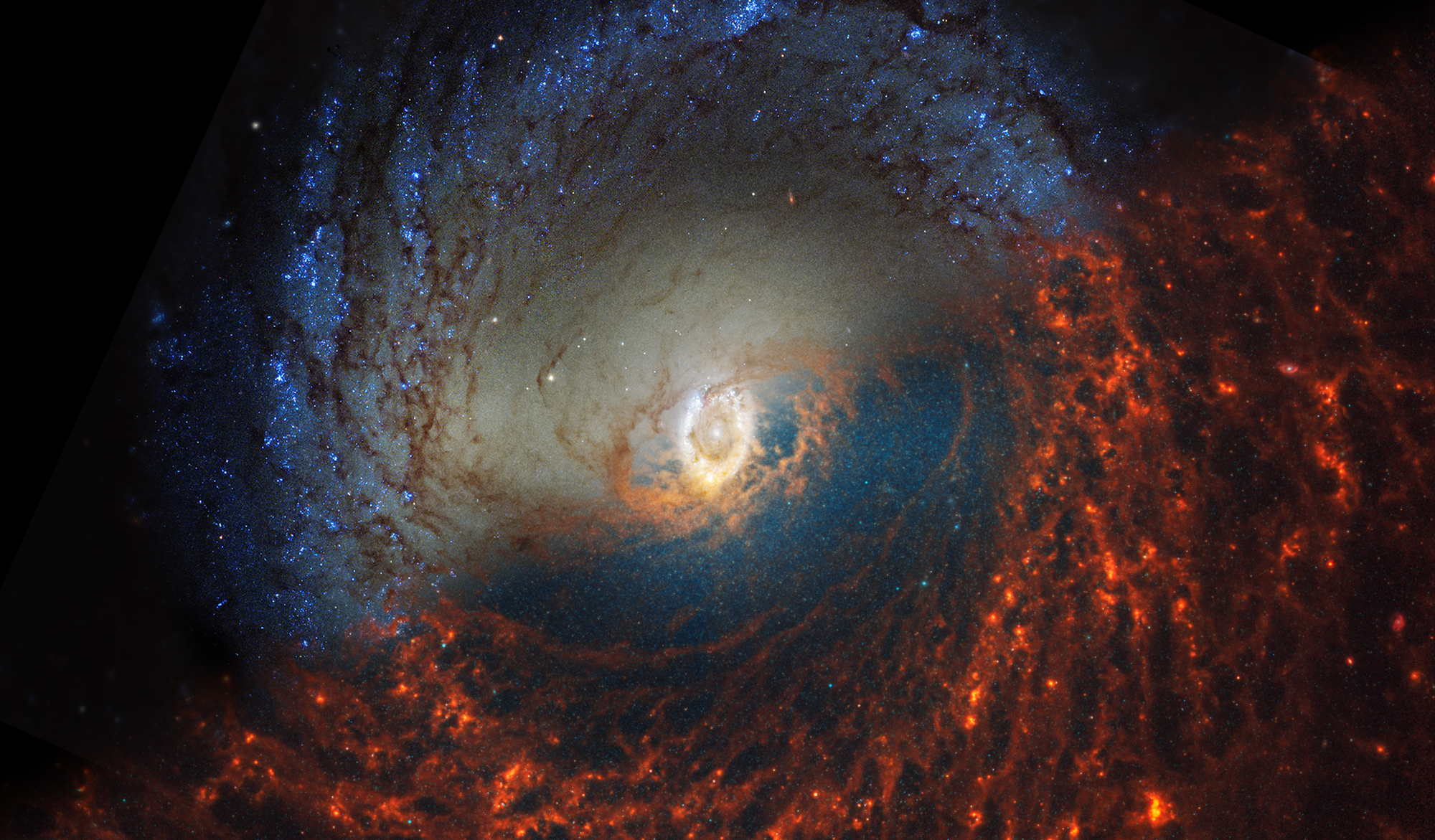
One of the most exciting areas of space research is the search for Earth-like planets around other stars. Since the first discovery some 30 years ago, thousands of exoplanets have been identified and catalogued, but the vast majority bear little resemblance to Earth and would not be conducive to even simple life, much less large organisms such as ourselves. However, during the same 30 years, plane
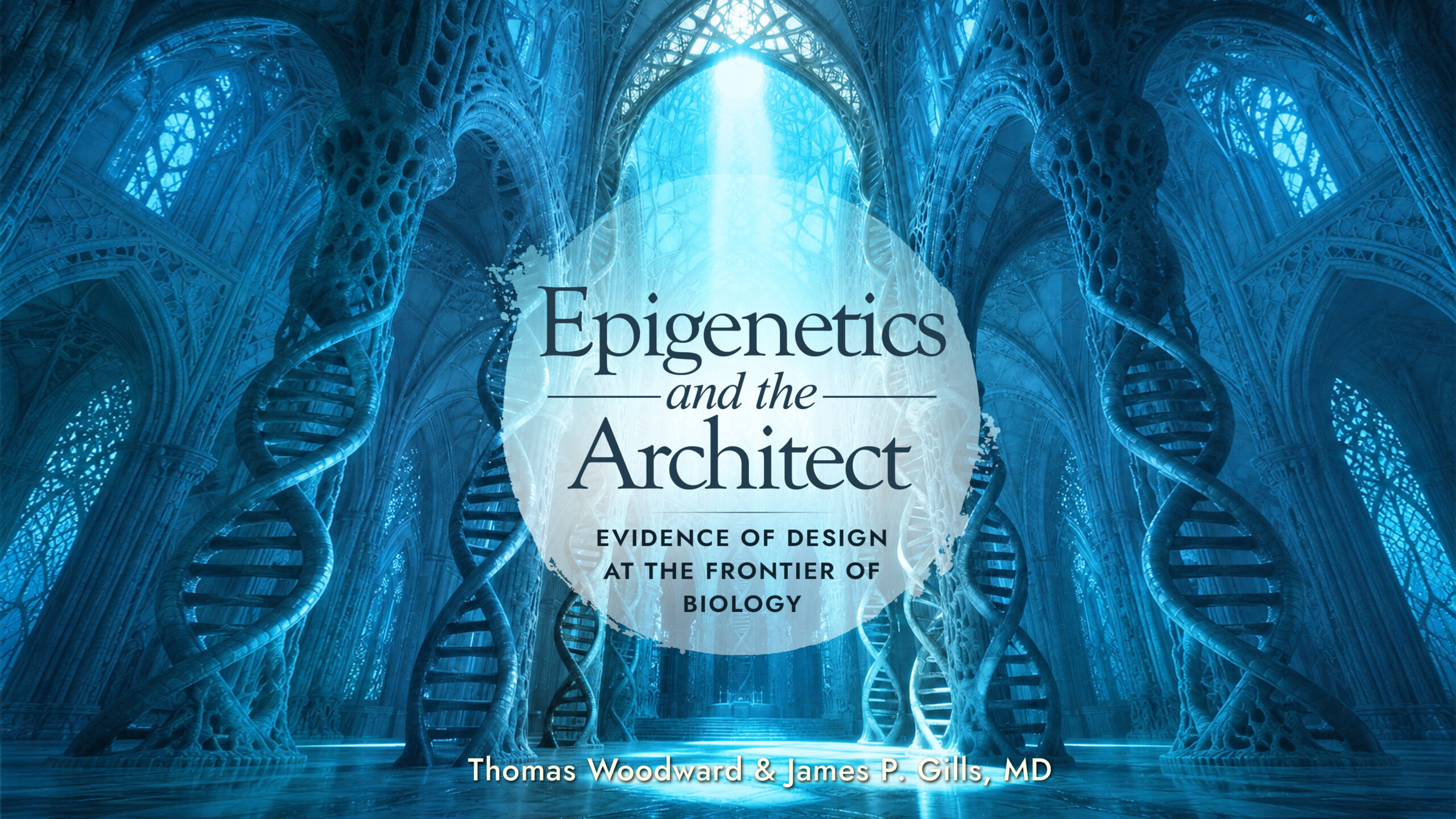
Beyond DNA: Evidence for Intelligent Design at the Frontier of Biology
A second revolution is underway in biology today. DNA isn’t the whole story for the development of living things. The deeper scientists look into the cell, the more they find layers of coding, regulation, communication, and control. Where did all this additional information come from? On today's ID The Future, host Andrew McDiarmid continues his conversation with Dr. Tom Woodward, co-author with D

DNA’s Partner in the Dance of Life
Many of us have heard about one of the biggest discoveries in modern biology: the discovery of the information code embedded in DNA. But perhaps an even bigger discovery than that would be that DNA isn’t running the show by itself. A second revolution is underway centered around a hidden layer of information beyond DNA that helps direct the development of every living thing. On this episode of ID

The Evaporating Promise of AGI: An Economist’s View
ID The Future listeners now get to enjoy two episodes each month from our sister podcast Mind Matters News, a production of the Discovery Institute’s Walter Bradley Center for Natural and Artificial Intelligence. The Mind Matters News podcast brings you insight from computer scientists, engineers, inventors, neurosurgeons, and other experts who bring sanity to the conversation about natural and ar
Stephen Meyer: New Ways to Stream and Share The Story of Everything
The new documentary film The Story of Everything is no longer available in movie theaters, but there are now new ways to stream and share this intriguing documentary! Host Andrew McDiarmid recently caught up with our friend and colleague Dr. Stephen Meyer to ask him a few questions about how The Story of Everything has been received and the exciting new ways people can enjoy the film.
Source
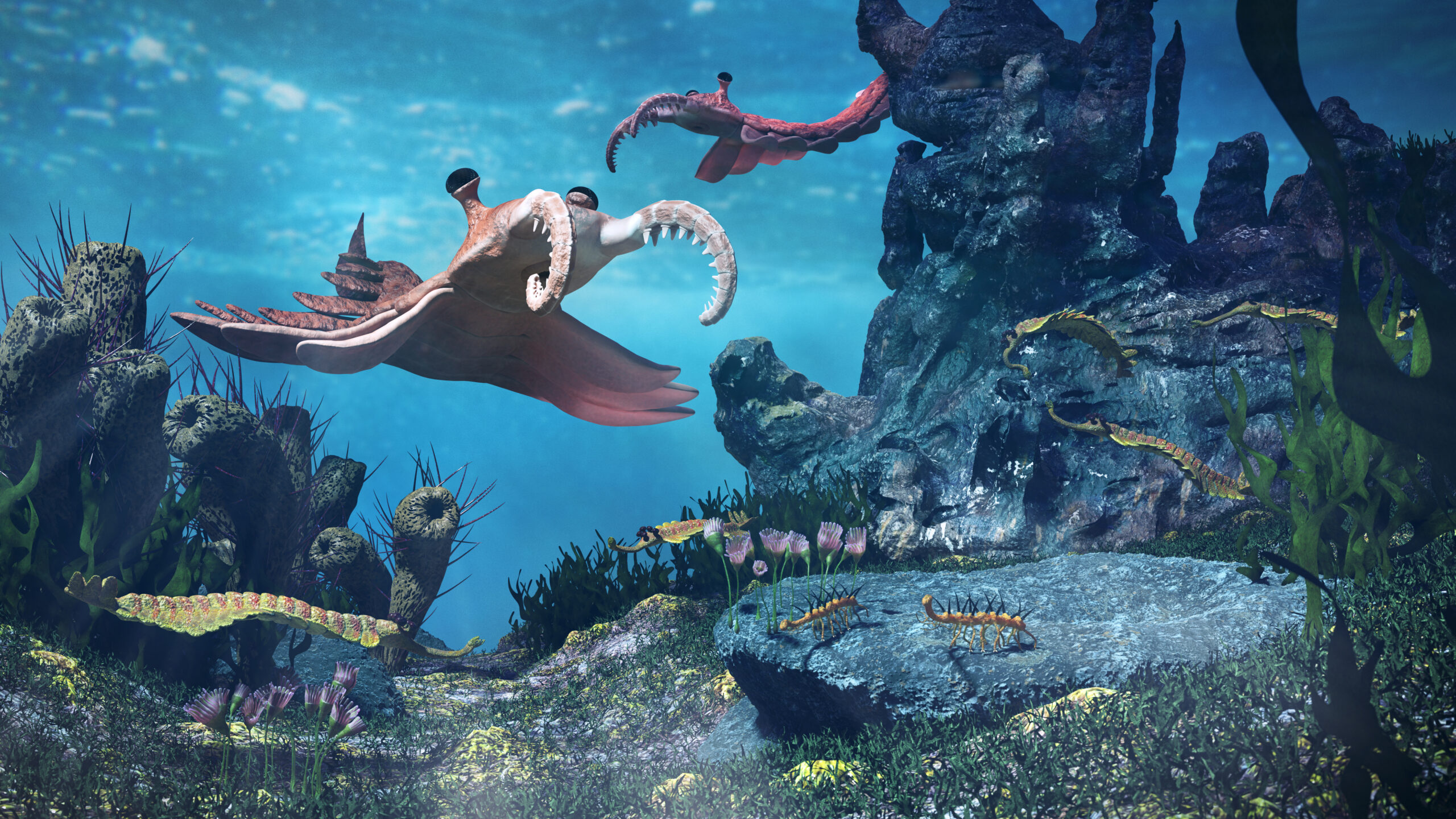
Still Zero: Why New Fossil Finds Don’t Solve Cambrian Explosion Mystery
New fossil discoveries from China are being hailed as evidence that could reshape our understanding of the origin of complex animal life. Does the new find solve the mystery of the Cambrian explosion? Are the headlines about these fossils justified? Are these in fact the long-lost ancestors of the Cambrian animals we’ve been looking for? On this ID The Future, host Andrew McDiarmid welcomes Dr. Ca

Comedian Evan Sayet on the Failure of the Atheist Origin Myth
On this classic ID The Future out of the vault, host Andrew McDiarmid welcomes comedian and author Evan Sayet to the podcast to discuss the failure of the atheist origin myth, his journey from liberalism to conservatism, and the role of humor in the scientific debate. His latest book, Magic Soup, Typing Monkeys, and Horny Aliens From Outer Space, takes a cuttingly humorous approach to dismantling

How Muscle Function Demonstrates Nested Irreducible Complexity
Today on ID The Future, host Andrew McDiarmid concludes his conversation with Dr. Robert Waltzer about the amazing molecular machinery and systems that allow muscles to generate force and movement.
How do microscopic structures help us move large objects in real time? In Part 2, Dr. Waltzer explores the remarkable molecular engineering required for nanometer-scale molecules to move massive bodies

The Genius-Level Engineering Solutions in Muscle
Every movement you make—walking across a room, lifting a cup of coffee, even blinking your eyes—depends on trillions of microscopic molecular machines working in remarkable coordination. On this ID The Future, host Andrew McDiarmid begins exploring the hidden machinery of muscle with Dr. Robert Waltzer, professor of biology at Belhaven University and longtime researcher and lecturer on intelligent

Dr. Scott Minnich on the Real Science Behind E. coli “Evolution”
Evolutionary biologist Richard Lenski hopes to demonstrate Darwinian evolution in action. But one humble scientist from Northern Idaho says not so fast! On this classic episode of ID The Future from the archive, host Eric Anderson concludes a conversation with microbiologist Dr. Scott Minnich.
In Part 2, Dr. Minnich critiques Lenski's famous Long Term Evolutionary Experiments. Through experiments

A Dose of Engineering Realism Over AI Hype
ID The Future listeners now get to enjoy two episodes each month from our sister podcast Mind Matters News, a production of the Discovery Institute’s Walter Bradley Center for Natural and Artificial Intelligence. The Mind Matters News podcast brings you insight from computer scientists, engineers, inventors, neurosurgeons, and other experts who bring sanity to the conversation about natural and ar
Aliens Would Only Strengthen the Case for Intelligent Design
Aliens are trending right now. At least the topic of alien life. It’s in the news, it’s in our movie theaters, and even the U.S. government is getting in on the action as it releases troves of documents related to unexplained phenomena and the search for extraterrestrial life. But here’s a question that isn’t getting explored as much as others: If we do find alien life, will that alien life suppor

A Microbiologist’s Journey to Intelligent Design
On this classic episode of ID The Future out of the vault, host Eric Anderson sits down with microbiologist Dr. Scott Minnich to discover what led him to microbiology and how he became an intelligent design researcher.
In Part 1, Minnich shares how he first learned about intelligent design, met philosopher of science Dr. Stephen Meyer, and eventually became involved in the well-known documentary,

Testing the Truth: Nancy Pearcey on Worldview and Reality
On today's episode of ID The Future, we’re sharing a conversation with author, speaker, and professor Nancy Pearcey that originally aired on the eX-skeptic Podcast. Before Pearcey became one of the leading Christian voices engaging questions about worldview, intelligent design, evolution, and scientific materialism, she walked away from Christianity altogether. In this candid interview, Pearcey re

Why the Human Body Outperforms the Best Human Engineering
Designing an Olympic bicycle requires the very best materials and lubricants. And the smallest of engineering choices can make the difference between winning and losing the race. On this ID The Future, host Andrew McDiarmid speaks with award-winning British engineer and designer Stuart Burgess. This time, the topic is his engineering work as lead transmission designer on the Olympic bikes used by
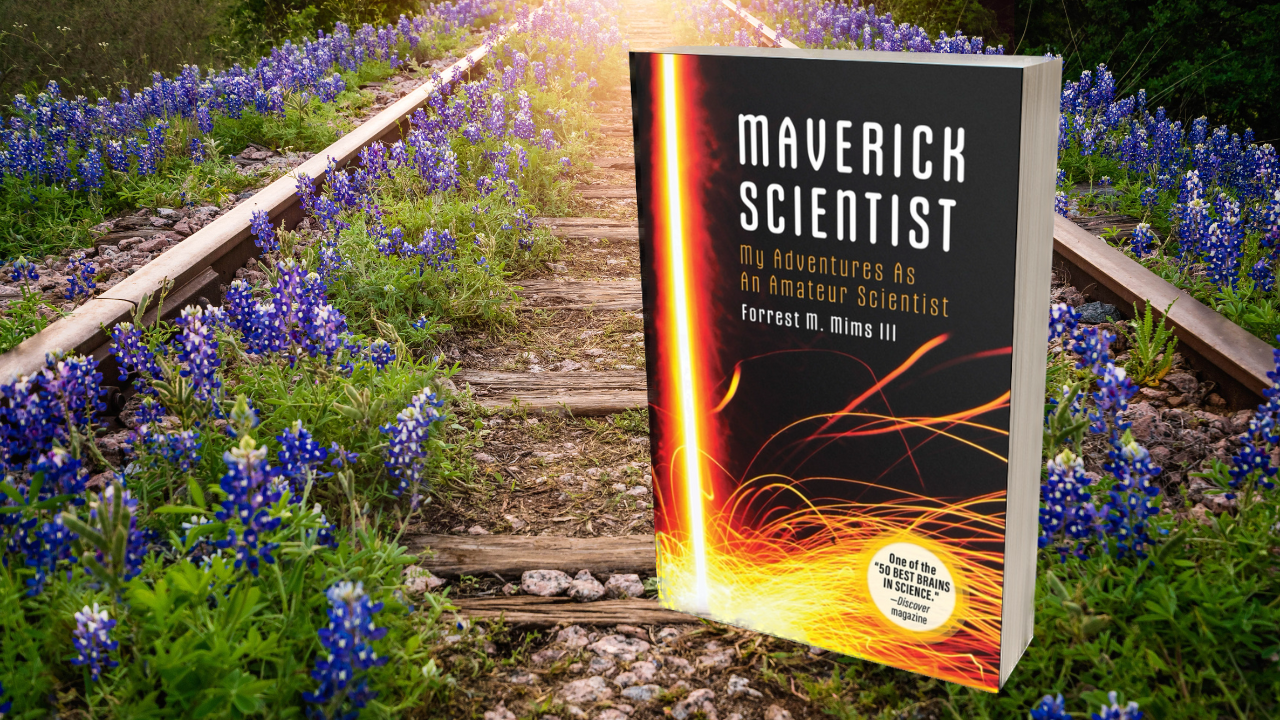
The Story of a Self-Taught Maverick Scientist
Curiosity can lead to unexpected adventures. For self-taught scientist Forrest Mims, it inspired a successful career in science and technology that continues to this day. On this classic ID The Future out of the vault, host Andrew McDiarmid reads an exclusive excerpt from Mims’s memoir Maverick Scientist: My Adventures as an Amateur Scientist.
Source

Rebutting Multiverses, Meta Laws, and Other Materialist Answers to Fine-Tuning
If a friend, family member, or colleague lodges an objection to the fine-tuning argument for intelligent design, are you ready to respond? On this installment of ID The Future, host Andrew McDiarmid concludes his two-part conversation with philosopher and intelligent design scholar Peter S. Williams. Williams reviews the most common objections to the fine-tuning arguments for intelligent design an

Defending Fine-Tuning: How to Respond to Common Objections
By now, you may be familiar with the fine-tuning argument for intelligent design. Scientists have discovered a whole suite of parameters and initial conditions appear to be exquisitely tuned to allow for complex life to exist, and the argument is that intelligent design better explains that evidence than chance or necessity. But you may not know the most common objections to the fine-tuning argume

Strategic Design: A Fighter Pilot on Military Readiness and Excellence
Major General Bobby Hollingsworth had a distinguished 38-year career as a U.S. Marine fighter pilot and in leadership roles including commanding the Marine Corps Reserve Support Command and serving as vice commander of Marine forces in the Pacific. After retiring, he was appointed by President George W. Bush to lead the National Committee for Employer Support of the Guard and Reserve.
In this ful
How to Restore Sanity to Scientific Debates
Everywhere you turn, you’re likely to see evidence of error in thinking, and the realm of science is no exception. On this ID The Future, host Andrew McDiarmid concludes his conversation with J. Budziszewski, a professor of government, philosophy, and civic leadership at the University of Texas at Austin and author of the new book Pandemic of Lunacy: How to Think Clearly When Everyone Around You S

Reclaiming Common Sense in a Pandemic of Lunacy
Bad ideas have consequences. We don't have to look far to see evidence of it. Every day the news headlines are filled with conflicting versions of the same story. Biological facts are treated as “opinions,” logic is labeled as “hate,” and to speak up for common sense is seen as a revolutionary act. We're seeing this in every area of life, including science. So what's going on? How can we get back

The Humble Origins of the Big Bang Theory
The Big Bang theory changed how we understand our universe. But who do we have to thank for it? On this classic ID The Future out of our archive, host Andrew McDiarmid concludes his conversation with esteemed cosmologist Jean-Pierre Luminet, who sets the record straight on the real heroes of the Big Bang Theory with his book The Big Bang Revolutionaries, available from Discovery Institute Press.
How Changing Your Mind Can Physically Alter Your Brain
Is it possible to personally alter the physical structure of your brain? Today’s episode of ID The Future comes to us from our sister podcast Mind Matters News. Host Dr. Michael Egnor sits down with fellow neurosurgeon and author Dr. Lee Warren to discuss his book The Life-Changing Art of Self-Brain Surgery. Dr. Warren shares how his medical training and Christian faith collided after the tragic l
Composing the Cosmos: Scoring The Story of Everything
One thing that makes the new documentary film The Story of Everything so stunning is the inspired musical score written for it. On this ID The Future, host Andrew McDiarmid welcomes composer, producer, and arranger Hannah Parrott to discuss her experiencing of putting the cosmos to music, from the farthest galaxies to the inner recesses of the cell. The movie, showing in theaters for one week only
The Real Heroes of the Big Bang Revolution
The discovery that the universe had a beginning was one of the most remarkable scientific achievements of the last century, and that story is told cinematically in the new movie The Story of Everything. The developments sparked a cosmological paradigm shift and a radical new way to understand our world. But the three scientists most responsible for the big bang revolution are largely unknown to th

Using the Logic of Surprise to Infer Cosmic Design
On a hike, you stumble upon a seemingly abandoned cabin in the woods. When you walk in, you notice a steaming cup of tea sitting on the table. On the hypothesis that the cabin is deserted, the tea would be shockingly surprising. But on the hypothesis that the cabin is inhabited, not so much. How does this little story illuminate the case for intelligent design? On this ID The Future, host Andrew M

Finding God Through Science: Astrophysicist Sarah Salviander
On this ID The Future, host Andrew McDiarmid welcomes astrophysicist Dr. Sarah Salviander, one of the experts featured in the new movie The Story of Everything. The movie, opening April 30, 2026 in theaters, is a cinematic exploration of the cosmos that traces the evidence for intelligent design from the precise laws that govern the stars to the intricate structures found in every living cell. Sal

Michael Denton: How the Universe is Uniquely Fit for Life
Did you know the ID The Future episode archive stretches back 20 years? Chances are, you've missed a few! So every Friday, we pull a gem out of the vault and air it anew. On this episode of ID the Future that first aired in 2012, Casey Luskin sits down with Dr. Michael Denton, a senior fellow of Discovery Institute's Center for Science and Culture who holds a PhD in biochemistry. Denton is the aut

Why Neo-Darwinism Can’t Take the Credit for Design of Life
If life is built on complex molecular machines and information that is both complex AND specified, can unguided evolution actually get the credit? On this ID The Future, host Andrew McDiarmid concludes a two-part conversation with molecular biologist Dr. Douglas Axe and biochemist Dr. Michael Behe, two experts featured in the new movie The Story of Everything. Over two episodes Axe and Behe are di
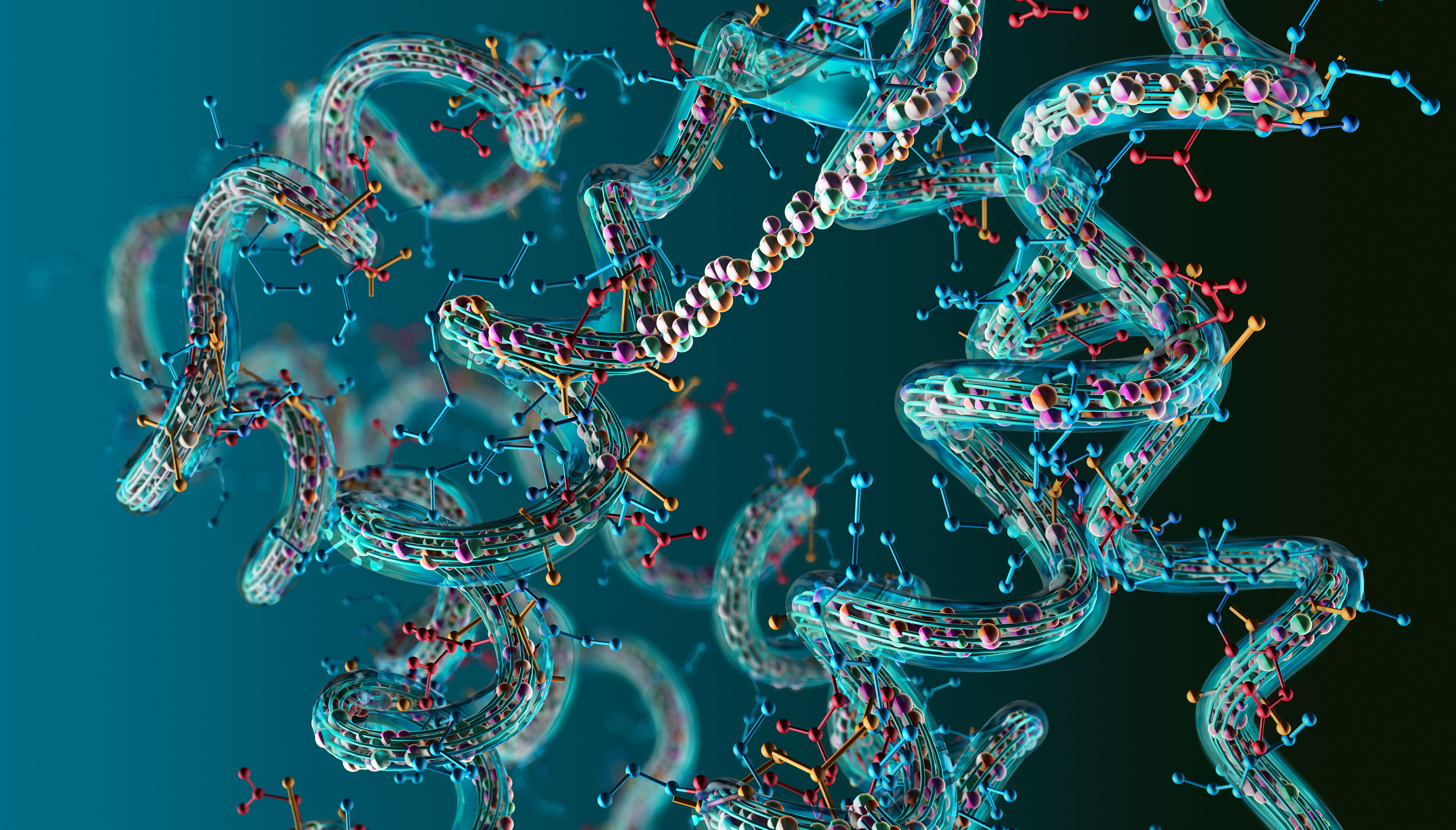
Biologists: Cell is Factory Complex of Engineered Design
You might find this hard to believe, but back in Charles Darwin’s day, the cell was thought of as little more than a piece of jelly. Thomas Henry Huxley called it a “simple, homogenous globule of undifferentiated protoplasm.” But today, thanks to discoveries in molecular biology, we’ve discovered the cell is something far more astonishing. And that begs a crucial question: if the cell is infinitel

Mirror Neurons, Consciousness, and an Irreducible Self
On this episode, Mind Matters News host Dr. Robert J. Marks welcomes Dr. Mihretu Guta to discuss one of his chapters in the volume Minding the Brain titled “Mirror Neurons, Consciousness, and the Bearer Question.” Dr. Guta discusses the concept of “mirror neurons” – a type of brain cell that fires when a person observes an action being performed, as well as when the person performs the same action
Physicist Brian Miller on The Story of Everything
By now you might have heard about The Story of Everything, the new movie based on Dr. Stephen Meyer’s book Return of the God Hypothesis. It’s a cinematic exploration of the cosmos that reveals the hidden hand behind our universe. We’re pretty excited about it, and we want you to be able to share in the excitement too! On this ID The Future, CSC Education & Outreach Director Daniel Reeves chats
Eric Esau on Directing The Story of Everything
NASA’s recent Artemis II mission pushed the limits of human possibility with a record-breaking crewed trip to the moon. Movies like Project Hail Mary and Disclosure Day are exploring the intriguing idea of extraterrestrial life. The U.S. government promises to release a trove of UFO data in the near future. It’s a great time to be asking the big questions about the universe! On this ID The F

Did First Life Come From Space? Not Likely, Says Astrobiologist
On today’s classic ID the Future out of the vault, astrobiologist Guillermo Gonzalez and host Casey Luskin discuss the idea of undirected panspermia. Gonzalez explains the basic idea and what the best current evidence says about its plausibility. The occasion is his chapter on panspermia in the anthology The Comprehensive Guide to Science and Faith, co-edited by Casey Luskin, associate director of
Recommended

megahired.com

Hard Knocks Podcast

Effective Weight Loss for Moms | High protein, Strength Training, Lose Weight, Meal Planning, Fat Loss, Healthy Habits

The Human-Animal Connection - Pet Life Radio Original

Infinite Health with Dr. Arasi Maran

The Daily

World News Tonight with David Muir

The Joe Rogan Experience

English Vocabulary Help

TED Talks Daily

Learn English B1 with Daily News | English Listening Practice

Talk About Talk - Executive & Leadership Communication Skills
