
Carnegie Connects
Carnegie Connects is a virtual event series hosted by Aaron David Miller, tackling pressing foreign policy issues through conversations with journalists, policymakers, historians, and experts. The podcast is produced by the Carnegie Endowment for International Peace, a think tank based in Washington, D.C.
Episodes
Can the U.S. Still Lead in Today’s World? A Conversation with Jake Sullivan
The United States of late seems to resemble a modern-day Gulliver—possessing tremendous strength yet increasingly challenged by powers large and small who oppose its interests and aims. The United States seems to lack a clear and realistic vision about its role in the world and a strategy for how best to advance its interests. Indeed, recent policy missteps have undermined America’s traditional al
Three Years After October 7th: Costs and Consequences
Three years after the October 7th attacks, the Middle East is roiled by instability and unresolved conflicts. Gaza remains divided, impoverished, and sporadically violent with two million Palestinians coping with terrible living conditions. Hamas remains the preeminent political actor in Gaza and Israel continues to increase the territory it controls, while Israeli settler violence in the We
Oil and the Iran War: How Bad Can It Get?
At the beginning of the U.S.-Iran war, a belief it would be a short conflict, combined with significant pre-war supply, held oil prices down. But reality has now intruded. Two of the planet's most important choke points—the Strait of Hormuz and Bab Al-Mandeb—are no longer free and unfettered; six months of lost supply is eroding commercial and strategic reserves; and the cost of diesel fuel is up
Twenty-Five Years After 9/11: Lessons Learned and Unlearned
September 11, 2001, was the second deadliest day on American soil in the country’s history, exceeded only by a single day during the 1862 Battle of Antietam. Events that day produced a rare moment of national unity, only to give way to controversy and heightened divisions over the American response. It would lead to the two longest wars in U.S. history, a global war on terror and a rethinking of A
Israel and the U.S. in a Changing Landscape: Is the Special Relationship Failing?
Since the state of Israel was established in 1948, the U.S.-Israeli relationship has had its ups and downs. Even with episodic tensions under American presidents of both parties, U.S. support for Israel remained strong. In the last few years, however, the foundational elements of the relationship—shared values, common interests, and strong bipartisan domestic support—have come under unprecedented
The Russia-Ukraine War: Not Forever, But No End in Sight
Russia’s war against Ukraine is well into its fifth year. In recent weeks, momentum has swung in Ukraine’s favor amid a remarkable series of strikes on Russia’s energy system, military logistics nodes, and defense industrial base. Nevertheless, Ukraine remains dangerously vulnerable to Russian ballistic missile attacks with little chance of improvement in the face of the global shortage of missil
Is Israel Losing America?
Israel's image and credibility in the United States have fallen to an unprecedented low. A recent Pew poll revealed that 60 percent of American adults have an unfavorable view of Israel, especially among younger respondents. Criticism of Israel among Democrats in Congress has increased substantially, and while Republicans still broadly view Israel favorably, those who hold negative views are growi
U.S.-Iran Negotiations: The Fraught Road Ahead
In their 14-point memorandum of understanding (MOU), the United States and Iran have agreed to “negotiating and achieving the final deal in maximum 60 days extendable with mutual consent." However, challenges abound at the negotiating table, including the fragile ceasefire on the Israeli-Lebanese border, the ever-problematic Strait of Hormuz, and the issue of nuclear assets and international overs
Democracy, the Military, and America’s Future: A Conversation with Admiral McRaven
“The America that they believed in was under attack, not from without, but from within,” wrote Admiral William McRaven for the New York Times in 2019, reflecting on what he sensed from his military colleagues during the first Trump administration. In that op-ed, McRaven stressed the importance of American values in the face of the erosion of institutions and norms that underpin the strength of Un
The U.S-Israel War with Iran: Is There a Way Out?
More than 100 days into the U.S.-Israel war with Iran, both sides remain trapped between the ever-present danger of serious escalation and an elusive negotiated, pathway out of the conflict. As negotiations stall, Iran and the U.S. are still struggling over core issues while Lebanon and the Strait of Hormuz have emerged as significant triggers for escalation. What are the major obstacles standing
Worlds Apart? The U.S. and Israel on Iran, Gaza, and Lebanon
As the U.S. led war with Iran approaches its fourth month, poised somewhere between escalation and a possible diplomatic off ramp, no relationship has been more important than the Trump administration’s with Israel. Are American and Israeli tactics and strategy on Iran unaligned, if not fundamentally at odds? What about on Lebanon and Gaza? And where does the relationship between President Trump a
The Trump-Xi Summit: Are We Reading China Right?
President Donald Trump is in Beijing for a delayed but much anticipated summit with China's President Xi Jinping. A successful meeting—let alone a functional and effective relationship with Beijing—will depend on America reading Xi's China right.
Beyond avoiding war with Washington, what does Xi want in his relationship with the United States? How do issues like the U.S. war with Iran, difference
What To Do About Cuba?
Cuba has presented a long-standing dilemma for American foreign policymakers. The nation was at the center of the most fraught moment in recent American history, bringing the U.S. and former Soviet Union to the cusp of nuclear during the Cuban Missile Crisis. In the decades since, U.S. presidents have continued to struggle to create an effective their policy for engaging with a Castro-dominated Cu
The U.S. and Israel’s War With Iran: Where Do We Go From Here?
Brokered by Pakistan, the United States and Iran have agreed to a fragile two-week ceasefire, dependent on an American condition that Iran agrees to the opening of the Strait of Hormuz. Israel has also agreed to cease strikes on Iran, but its campaign in Lebanon continues. Can this agreement hold? After six weeks of conflict, why did the parties agree now? What can we expect from the negotiations
Winners and Losers: Russia, China, and Europe Respond to the Iran War
Seven weeks into the U.S. and Israeli war against Iran, and with an uneasy ceasefire in place, it may be too early to predict conclusive winners and losers. How are Russia and China, two of Iran’s closet allies, faring in the balance sheet as the war drags on? And what of Europe, especially France, Germany, and Britain, who appeared blindsided by the war are now under pressure to support the Unite
Crude Diplomacy: Oil and the Iran War
More than one month in, the United States and Israel’s war against Iran has resulted in what the International Energy Agency termed the “largest supply disruption in the history of the global oil market.” Iran’s ability to control what passes through the Strait of Hormuz has disrupted a fifth of the world's daily oil supply, along with the flow of other commodities such as helium, liquid natural g
War, Peace, and the Future of the U.S.-Israeli Relationship
The Trump Administration’s war against Iran has highlighted one of the stranger paradoxes of America’s longstanding relationship with Israel—at a time when Israel’s image in the United States is at low point, cooperation and coordination with Washington has reached an all-time high. One would be hard pressed to identify any large-scale U.S. miliary campaign in decades in which there has been great
War With Iran: Why Now and What Comes Next
On February 28, the United States and Israel launched military, cyber, and intelligence operations against Iran. Supreme Leader Ayatollah Ali Khamenei was killed and strikes were conducted on a broad array of targets, including other senior Iranian leadership compounds, IRGC bases, and missile launchers and production facilities. In response, Iran launched hundreds of drones and ballistic missiles
Russia’s War Against Ukraine: Four Years and Counting
Four years on from Russia’s full-scale invasion of Ukraine, the war drags on, seemingly with no end in sight. The enormity and scale of death and destruction seem unfathomable, with a front line stretching 750 miles and little indication that either side has fundamentally altered the military balance of power. Negotiation under U.S. auspices in various venues and formats continue with no sign that
The State and Fate of America’s Republic: A Conversation With Thomas L. Friedman
A year into President Donald Trump’s second term, the state and fate of the American Republic is uncertain and precarious. At home, an unprecedented expansion of presidential power has undermined norms and institutions and threatened democratic governance. American politics remain polarized, taking on a tribal and personal character with disagreements often cast as struggles between good and bad.
Is Iran Reaching a Tipping Point?
Protests in Iran have now engulfed its major cities and all 31 provinces, creating a mass movement incorporating all elements of Iranian society, despite a comprehensive internet blackout. The regime, blaming the United States and Israel for the sweeping movement, is casting the protests as a continuation of its twelve-day war with Israel and is cracking down hard, with the death toll rising. The
Is Trump’s Foreign Policy Out of Control?
In the first year of his second term, President Donald Trump has pursued an aggressive foreign policy that has shattered the norms and conventions that have guided almost all of his Republican and Democratic predecessors. Although the administration has framed this as an “America first” agenda that will strengthen the nation’s standing around the world and bring prosperity at home, the U.S. nation
The Trump Administration and Venezuela: What Now?
The decision by the U.S. President Donald Trump administration to seize Venezuelan President Nicholás Maduro and his wife, Cilia Flores, to stand trial in the United States reflects the administration’s willingness to undertake a muscular intervention in the Western Hemisphere. Delcy Rodríguez, who served as Maduro’s vice president since 2018, has taken over as the interim president and seems to b
Phase One or Done? Assessing Trump’s Gaza Plan
As 2025 draws to a close, the fate of the Trump administration’s twenty point plan to end the war in Gaza, disarming Hamas and withdrawing Israeli forces, and facilitate good governance, security and reconstruction, has run headlong into harsh Middle Eastern realities. The administration is promising a transition to phase two by the end of the year, but the status of the International Stabilizatio
The Trump Administration and Congress: A Conversation with Senator Chris Van Hollen
It’s no coincidence that the framers—reflecting the importance of the legislative branch—laid out the responsibilities and powers of Congress in Article I, with the executive second, and the judiciary third. And yet as 2025 draws to a close, the role of Congress seems overshadowed by the other branches.What’s happened to skew the balance of power the founders intended? Does Congress still matter w
Trump and MBS: What’s in Store for U.S.-Saudi Relations?
Perhaps no country in the Middle East has attracted more interest of the Trump administration than Saudi Arabia. President Trump took his first foreign trip there during his first term and he remains focused on the possibility of Israeli-Saudi normalization as part of a regional peace agreement in pursuit of a Nobel Peace prize. The visit of Crown Prince Muhammed bin Salman (MBS) to the White Hous
America at Home and Abroad: A Conversation with Nicholas Kristof
From covering the ongoing conflicts in Gaza and South Sudan, to examining America’s evolving status on the global stage, to mounting concerns about American democracy under the Trump Administration, Pulitzer Prize winning journalist and New York Times opinion columnist Nicholas Kristof has had plenty to cover throughout 2025. Kristof’s columns always inspire discussion and debate about the most pr
Rethinking America’s North Korea Strategy
As President Donald Trump prepares for his upcoming trip to South Korea to attend the Asia-Pacific Economic Cooperation summit, a meeting with North Korean leader Kim Jong Un may be on the agenda. South Korean President Lee Jae Myung first suggested the meeting during his recent trip to Washington. Trump and Kim seem open to the possibility, with one major caveat: Kim has stated publicly that disc
October 7th Two Years On: An Assessment
As we enter the third year of the Israel-Hamas conflict, the Trump administration has offered up a plan to end the war in Gaza. But can it be implemented? The goals of the Netanyahu government and Hamas seem all but irreconcilable. Meanwhile, the hostages and the Palestinian civilian population of Gaza continue to endure horrific conditions. How does the war end? What does the future hold for the
Tomorrow is Yesterday: A Conversation With Robert Malley
Nearly two years into the Israel-Hamas war, the two-state solution is back in the news with the United Nations General Assembly voting in support. Unlike in years past, October 7 and the drawn-out conflict in Gaza has led to a wider and much more polarized conversation. European nations, Arab states, and much of the international community are advocating for Palestinian statehood, while the Trump
U.S. Leadership in a Challenging World: A Conversation With Former CIA Director William J. Burns
In a world defined by seemingly intractable conflicts, great power competition, and rising challenges posed by climate change, nuclear proliferation, and economic uncertainty, the United States often seems like a modern-day Gulliver tied up and constrained by powers large and small and at times by its own politics and illusions. How does the United States advance its national interests in the fa
Can the U.S. Broker A Durable Agreement Between Russia and Ukraine? Analyzing the Trump-Putin Summit
Presidential summits can be useful in opening serious negotiations or closing them with an agreement. President Donald Trump and Russian President Vladimir Putin’s upcoming summit in Alaska is the latest attempt by the United States to advance peace negotiations between Russia and Ukraine—now three and a half years into the war. The outcome of the summit may foreshadow the direction of future nego
The U.S., Iran and Israel: Can Crisis be Turned Into Opportunity?
The United States took unprecedented action, striking three nuclear sites on June 22, following an ongoing campaign of Israeli attacks on Iranian leadership, nuclear, and energy targets. Iran responded to Israel with a barrage of ballistic missile strikes, but following the latest U.S. bombing, Tehran attacked with a reportedly well-telegraphed symbolic strike on American assets in Qatar. For now
Explosive Triangle: The U.S., Iran and Israel
A tenuous U.S. brokered cease-fire seems to be holding. But the challenge of converting it into a more enduring cessation of hostilities, let alone a political agreement to address the Iranian nuclear program, remain formidable.Is Iran interested in a deal on the nuclear issue in the aftermath of Israeli and U.S. strikes? What are the United States’ objectives in the period ahead and do they align
Israel and Iran at War: How Does This End?
Israel’s surprise attacks last week against Iranian leadership targets, nuclear and military facilities, and Iran’s retaliation with ballistic missiles, have pushed the Israeli-Iranian conflict into unknown territory. Unlike the confrontations of April and October of 2024, this new phase is deadlier and shows no signs of abating. What are Israel’s and Iran’s objectives? Can Israel destroy Iran’s n
Self-Dealing in the Trump Administration: A Conversation With Norm Eisen
Corruption, illicit foreign bribery schemes, and family members trading on presidential reputations for self-enrichment have surrounded the American political system for years. But the Trump presidency has embarked on an unprecedented scale of self-dealing out in the open, muddying the line between the national interest and those of the Trump family’s business enterprises. At the same time, the ad
Diplomacy or War: The Trump Administration and Iran
While the Trump administration was eager to jettison the Obama-era Iran nuclear deal in its first term, it now seems serious about negotiating another agreement in its second. And Iran, though wary of that seriousness and fearful of U.S. military action, appears willing to give negotiations a chance. What are the prospects for success and the appetite for meaningful engagement with Iran? How wou
Trump and the Courts: Will Our Guardrails Hold?
Three months into his presidency, Donald Trump has embarked on an unprecedented effort to aggrandize executive power and extend his reach over the judiciary, Congress, the media, and even American culture and society. Perhaps the most alarming aspect has been his battle with the judiciary. The president has called for the impeachment of a federal judge; his executive orders have challenged, if not
Finding the Way Forward on China: A Conversation With David Rennie
China is top of mind for all these days, including U.S. officials. Whether it's because of military exercises against Taiwan, a trade war with the United States, or China's efforts to block a deal on Tik Tok, getting tough on Beijing seems to be the order of the day. But are we getting China right? Are agreements between the United States and China on core interests possible? Or is the current sta
What Comes Next for Israel? A Conversation With Former Shin Bet Director Ami Ayalon
In recent days, the Netanyahu government has doubled down on its efforts to consolidate its control and ramp up its military operations in Gaza and Lebanon. Following the firing of the former director of Shin Bet, an unprecedented decision in Israel’s history, the government has begun the more complicated process of terminating the attorney general, as well as changing the process by which judges
Does Israeli and Palestinian Public Opinion Really Matter?
Does public opinion matter in the Israeli-Palestinian conflict? Do leaders pay attention to the changing views of their respective constituencies? Each situation presents unique challenges for analysts and scholars trying to answer these questions. And those challenges have grown exponentially more complicated in the wake of October 7, 2023, and the ongoing Israel-Hamas war. How have Israeli and
Assessing Trump’s Presidency: Two Historians Reflect on the Past and Future
All Presidents, Jonathan Alter wrote, are blind dates. Donald Trump may be the first who isn’t. Political analysts and historians not only have Trump’s first term to gauge his temperament and policies, but the four years preceding the 2024 elections, where he previewed his agenda for his second non-consecutive term. Even with that foreshadowing, Trump has crashed through traditional norms and conv
A Conversation with Jake Sullivan
As President Trump pursues his “America First” foreign policy agenda, much of the world is left wondering about what role the United States will now play in global affairs and the stark contrast of this administration from those that came before. Writing in Foreign Affairs in October 2023, Jake Sullivan, then the National Security Adviser to President Joe Biden, asserted that the “essence of Pres
America’s Democracy in the Age of Trump: A Conversation with Francis Fukuyama
“The outcome of the American election will have huge implications both for American institutions and for the world,” Francis Fukuyama wrote in September of last year. Just a few weeks into his second term, with a slew of executive orders and controversial appointments, President Donald Trump seems determined to refashion the fabric of American politics and society with the aim of aggrandizing pres
Russia’s War on Ukraine Three Years On
Three years into Russia’s war against Ukraine, two undeniable realities appear to mark its future. Russian President Vladimir Putin believes time is on his side, and ongoing political changes in Washington are stirring worries that Ukraine can no longer count on sustained levels of military, economic and political assistance. The Kremlin is not deviating from its ultimate goal of making Ukraine u
What Does the Fall of the Assad Regime Mean for Syria and the Middle East?
Over the last two years, intelligence organizations and analysts failed to anticipate critical events in the Middle East that would roil the region. The sudden collapse of the Assad regime and the opening of a new chapter in Syria’s conflict-ridden story is the latest in a fraught period that has seen an of escalation of tensions in Israel, Gaza, Lebanon, and Iran. What explains the Assad regime’s
A Conversation with Efraim Halevy and Ami Ayalon
More than a year into the Israel-Hamas war, the Middle East remains mired in conflict. The war in Gaza drags on with no end in sight; the West Bank continues to seethe; the collapse of the Assad regime has activated Israeli forces along the Syrian border; and while a cease-fire deal has calmed the Israel-Lebanon border, the possibility of a serious escalation between Israel and Iran remains all to
A Conversation with U.S. Deputy Secretary of State Kurt Campbell
Beyond Russia’s invasion of Ukraine and the ongoing war between Israel and Hamas, the Biden administration has faced significant international challenges over the president’s four years in office. President Biden and his team have contended with a range of issues including strategic competition, growing threats to democracies, climate change, critical minerals supply chains, and shaping the trans
Covering Conflict: A Conversation With Clarissa Ward of CNN
With no shortage of conflicts in today’s world, journalists covering war zones provide indispensable reporting and analysis, often at great personal risk. Few war correspondents have more experience covering conflict than CNN’S Clarissa Ward, who has covered conflicts from Afghanistan to Ukraine, to Syria and Gaza, reporting from the world’s hot spots providing first-hand accounts of violent confl
Where Does America Go From Here? A Conversation With SE Cupp and Norman Ornstein
Elections have consequences. President-elect Donald Trump’s victory carries implications for America’s governance and role in the world that are uncertain, transformative, and potentially dangerous to American democracy.What explains his election? Does it presage a genuine political realignment? What are the consequences of Republican control of the White House, Senate, and potentially the House?
A Conversation with Former Israeli Prime Minister Ehud Barak
Ongoing conflicts between Israel, Hamas, Hezbollah and Iran are likely to define much of the Middle East for the foreseeable future. Israel may have escalation dominance, but this will not necessarily bring about security, let alone the political accords required to bring greater stability to the region. Most serious is the new reality created by Iranian and Israeli strikes directly on one another
Explosive Triangle: Israel, Iran, and Hezbollah in Lebanon
Israel’s military campaign against Hezbollah in Lebanon has broken a status quo that could carry potentially momentous consequences for a country and a region already marked by a year of conflict. Critical questions loom. What are Israel’s military objectives in the south and can they be achieved? Has the weakening of Hezbollah shifted Lebanon’s internal power balance and created opportunities for
Israel and Iran at War?
During the past two weeks, the possibility of a major Middle East multi-front war has increased significantly. Israel’s campaign against Hezbollah and Iran’s launching of ballistic missiles against Israel has created the potential of an escalatory ladder that both Iran and Israel might climb with dangerous consequences. Iran’s role and what they do next will be decisive. Join Aaron David Miller a
Russia’s War Against Ukraine: Where Are We Headed?
Ukraine’s Kursk offensive has added a new dynamic to an otherwise predictable grinding war of attrition between Russia and Ukraine. The war has now dragged on for the better part of three years, with neither Moscow nor Kyiv able to achieve their territorial objectives. Nor are there any prospects for serious negotiations that might pause or end the war. Are there any developments on the battlefiel
A Conversation with Abdallah BouHabib, Lebanese Minister of Foreign Affairs and Emigrants
As Lebanon was rocked by two days of exploding pagers and walkie-talkies directed at Hezbollah’s communications network, killing dozens and injuring thousands, tensions between Israel and Hezbollah have risen to new heights. In a fiery speech, Hezbollah’s leader Hassan Nasrallah vowed revenge. How has this latest escalation impacted Lebanon’s internal politics? What are Hezbollah’s options in
Political Violence and the 2024 Elections
In a recent poll, two-thirds of American adults said they were concerned that “extremists” will commit acts of violence following the 2024 election if they are unhappy with the results. This should come as no surprise. Earlier this year the U.S. Department of Homeland Security warned that among other threats the 2024 election cycle will be a “key event for possible violence.” How real is that thr
The Middle East on the Cusp of a Regional War: A Conversation with Haaretz's Amos Harel
The Middle East continues to boil. Following the Hezbollah rocket strike on a Druze town in the Golan Heights killing a dozen children, Israel targeted a top Hezbollah commander in Beirut’s southern suburbs. Two days later, the head of the Hamas Political Bureau, Ismail Haniyeh, was killed presumably by Israel in a missile strike in Tehran while attending the inauguration of the Iranian President.
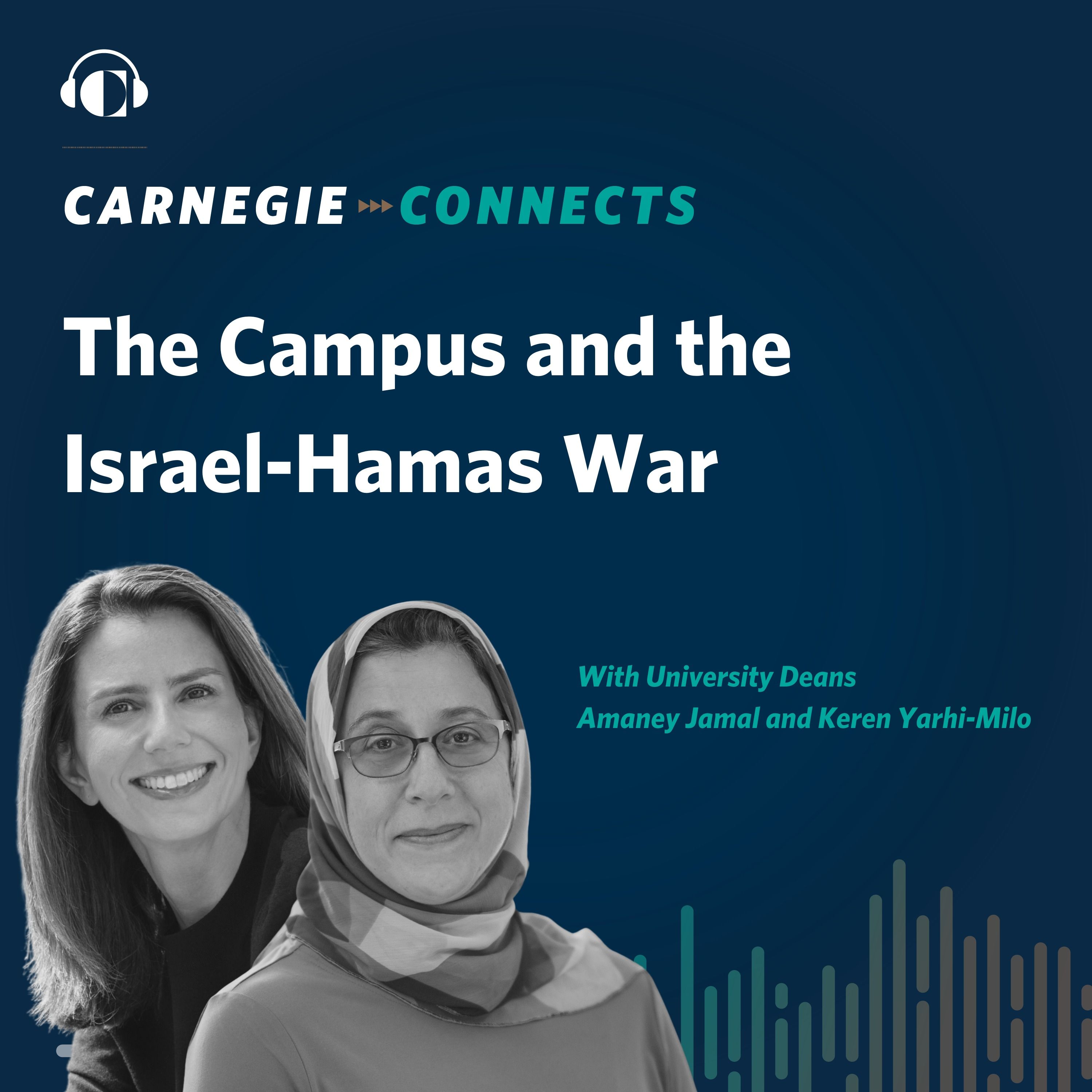
The Campus and the Israel-Hamas War
This past spring many college and university campuses were roiled by unprecedented protests sparked by the Israel-Hamas war in Gaza. Not since Vietnam has any foreign policy issue resulted in such widespread demonstrations on campuses.What explains the intensity of the reaction? Has the Israeli-Palestinian conflict become a permanent fixture of hot debate? What lessons have been learned should dem

How Does the Israel-Hamas War End?
The Israel-Hamas war drags on seemingly with no end in sight. President Biden has announced a phased plan to end the conflict, but Hamas has yet to respond and Benny Gantz, a supporter of the plan, has left the Israeli government. Meanwhile, there’s serious concern about the prospects of a major escalation between Israel and Hezbollah along the Israel-Lebanon border. What is the humanitarian situa

A Conversation with Amos Hochstein
As the Israel-Hamas war drags on, the potential for spillover effects increase. Three conflict areas have emerged that carry serious risk of escalation: first, growing tensions between Israel and Hezbollah along the Israeli-Lebanese border, attacks by Iranian-backed Houthis against international shipping in the Red Sea, threatening global supply chains and freedom of navigation, and the danger of

The Israel-Hamas War: A Conversation with Israeli Ambassador Michael Herzog
Seven months on, the Israel-Hamas war continues with seemingly no end in sight, against a backdrop of escalating regional tensions. While Israel remains determined to pursue a major military operation in Rafah, indirect negotiations between Israel and Hamas over the release of hostages and a ceasefire drag on. Following unprecedented strikes by Iran and Israel on one another’s territory, there is

Israel and Iran: How to Prevent a Regional War
The recent attacks by Iran and Israel on one another’s territory have taken the strategic rivalry between these two adversaries into uncharted and dangerous territory. The unprecedented strikes seem to have been contained for now, but it’s by no means certain that this state will hold. The underlying issues that have fueled tensions — from conflict with regional proxies to Iran’s nuclear program —
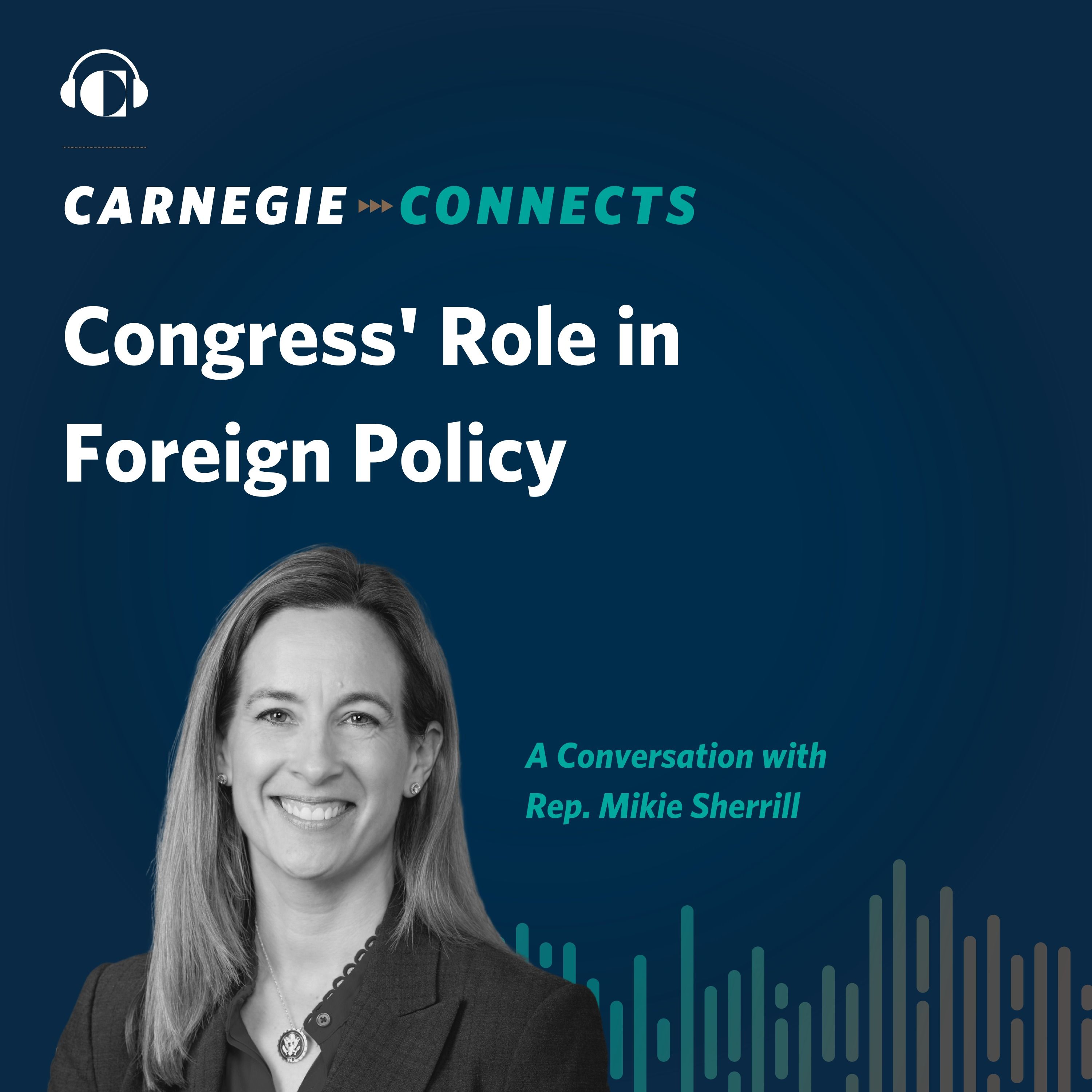
Congress’ Role in Foreign Policy: A Conversation With Rep. Mikie Sherrill
Congress is more involved in foreign policy — both formally and informally — than most Americans realize. With the war in Ukraine entering its third year, the Israeli-Hamas war continuing with no end in sight, and economic competition with China rising, Congress is likely to take a greater interest and have more influence on foreign policy in the coming year.How divided is Congress on the key fore

Can Israel Win Its War With Hamas? A Conversation With Former Israeli Prime Minister Ehud Barak
As the Israeli-Hamas war enters its sixth month, the conflict shows no signs of abating. The humanitarian plight of Gazans continues to deteriorate while the prospects of a major Israeli ground campaign in Rafah looms. At the same time, the negotiations surrounding a potential hostage deal appear stalled.What are Israel's current objectives in the conflict? How do tensions along the Israeli-Lebano

Getting China Right: A Conversation With David Rennie
Late last year, the Economist asked an intriguing question: How scary is China? President Joe Biden’s administration clearly considers China a peer competitor to the United States and many in Congress view Beijing as a mortal threat. There’s no doubt that China poses serious challenges, even dangers in some areas, for America. But is Washington overlooking China’s weaknesses and vulnerabilities, a

U.S. Policy and the Israel-Hamas War: A Conversation with Ambassador David Satterfield
As the Israel-Gaza war enters its fifth month, the humanitarian situation for 2.3 million Gazans is increasingly dire. A grinding process of inspections of trucks has slowed delivery of aid, while Israel's ground campaign in southern Gaza—where an estimated 1.9 million displaced Palestinians now reside—makes using predictable and reliable corridors for transport extremely difficult.What is the fut

Political Violence in America: A Conversation with Mary B. McCord
In its threat assessment for 2024, the U.S. Department of Homeland Security forecast that, among other threats, the 2024 election cycle will be a “key event for possible violence and foreign influence targeting our election infrastructure, processes and personnel.” Indeed, Attorney General Merrick Garland noted that in recent months there had been a “deeply disturbing spike” in threats against gov

Ukraine in 2024: In Search of the Best U.S. Policy
The Israel-Hamas war may have pushed Ukraine off the front pages, but Russia's war against Kyiv is almost certain to remain a key focus of U.S. foreign policy throughout 2024. Tough choices await. Hopes that the combination of a successful Ukrainian counter-offensive, tough sanctions, and diplomatic pressure might force Putin to alter his strategic calculus have given way to a more realistic asses

The Israeli-Hamas War: Intelligence, Strategy, and the Day After
As the Israel-Hamas war enters its second month, the role of intelligence has figured prominently. How did Israel fail to grasp Hamas’s intentions and capabilities and to anticipate the October 7 attack? Was this a failure of imagination or were there structural and bureaucratic impediments that prevented Israel’s intelligence community from identifying the dots and connecting them? Are domestic p

Is America Overstretched? A Conversation With General David Petraeus
With the ever-present possibility of tensions between the United States and China in the Indo-Pacific, the war between Russia and Ukraine with no end in sight, and a new crisis between Israel and Hamas in the Middle East that could easily escalate, the United States seems to be stretched along several political and military fronts. How should President Joe Biden’s administration think strategicall

The Israeli-Hamas War: A Conversation with Khalil Shikaki
The Israel-Hamas war has pushed the Palestinian issue to center stage both in the region and internationally. Have Hamas’s October 7 attack, Israel’s blockade and airstrikes, and the ensuing humanitarian catastrophe altered Gazans’ views on Hamas? What did Hamas hope to gain from the attack? Has the Palestinian Authority been weakened further by the escalating violence in the areas under its contr

The Israeli-Hamas War
Since October 7, the conflict between Israel and Hamas has escalated to its highest level in recent years. The brutality of the Hamas attacks, the hostage-taking, and Israel’s response to date, including devastating air strikes in Gaza and the blockade—have intensified the conflict. Will Israel launch a major ground campaign against Hamas? What is the fate of the hostages? Is there a chance that t

The Biden Administration and Iran: Where Is U.S. Policy Headed?
Relations between Iran and the United States remain fraught. A period of de-escalation has been ushered in by Iran’s release of five American hostages in exchange for five Iranian nationals and the unfreezing of around $6 billion of Iranian assets that Tehran can now access only for food and humanitarian aid. On a separate track, through indirect negotiations, the United States and Iran reached a

The Ukrainian Counteroffensive: Implications for U.S. Policy
Ukraine’s ongoing counteroffensive has perhaps unfairly left some Western policy circles disappointed. Nonetheless, the war continues seemingly with no end in sight. What are the most realistic options for Kyiv to make headway against Russia? Has the Biden administration been too risk averse in its provision of military assistance, and what kind of advanced weapons systems supplied to Ukraine migh
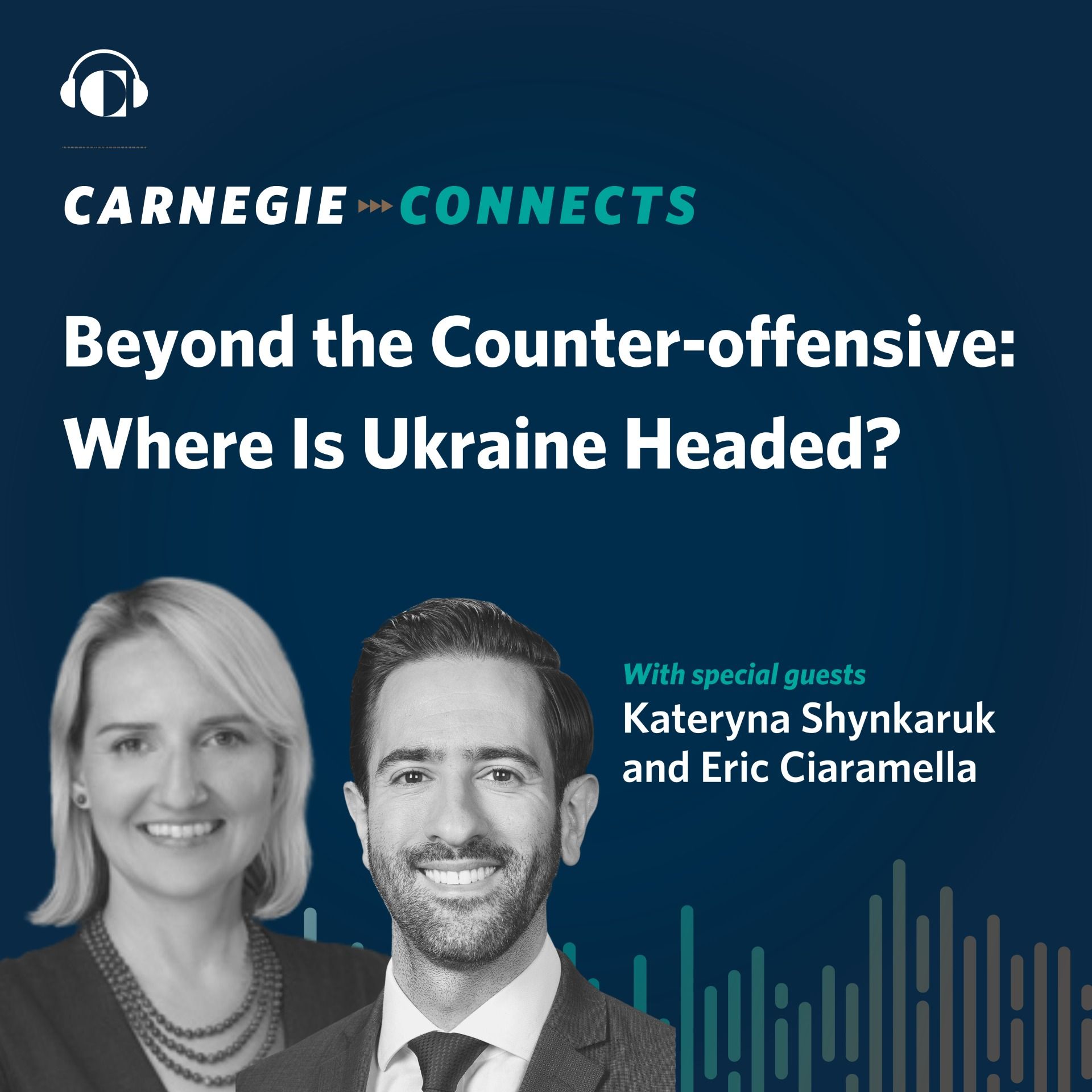
Beyond the Counter-offensive: Where Is Ukraine Headed?
Uncertainties abound as Ukraine begins its much-anticipated counter-offensive. Will it change the trajectory of the war or represent simply another phase in a lengthy stalemate? Meanwhile, next month’s NATO summit will mandate some tough choices about the war, Ukraine’s potential membership, and the unity of the alliance. To what extent will domestic politics in Washington, Moscow, Kyiv and key Eu

Carnegie Connects: What Lies Ahead for Palestinians?
The Palestinian national movement is in crisis. Divided between a Hamas-controlled Gaza and a Palestinian Authority that has lost credibility with the West Bank population it partially controls, the movement lacks not only cohesion but an effective strategy to bring about an end to Israeli occupation. Confronted by Israel's most right-wing fundamentalist government, which is committed to maintaini

Israel at Seventy-Five
As Israel turns seventy-five, protests opposing the Netanyahu government's effort to overhaul and weaken Israel's judiciary enter their twentieth week, Israel confronts unprecedented internal challenges as Israeli-Palestinian clashes in Gaza and the West Bank intensify, and Iran's nuclear program continues unconstrained. What lies ahead for Israel and the Middle East at this critical moment?Aaron

Is It Too Late To Save the Planet?
Can humanity compete in the critical race against climate change, or are we destined to succumb to a world of extreme heat, flooding, drought, and irrevocable damage to the planet’s seas and biosphere? The recent Intergovernmental Panel on Climate Change warns that time is running out but holds out hope of averting the worst. Will UN efforts like COP summits succeed soon enough? If not, who or wha
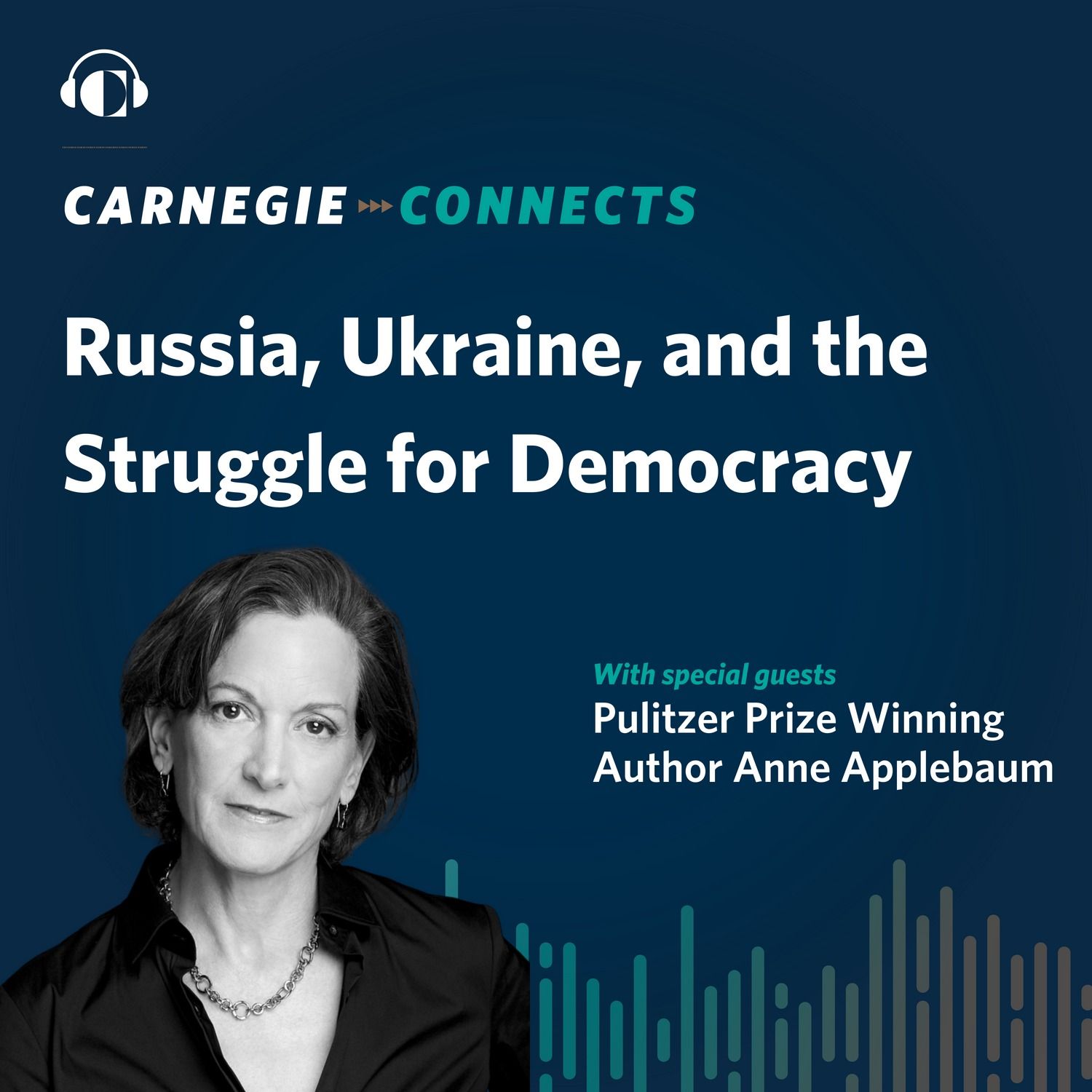
Russia, Ukraine, and the Struggle for Democracy
Well before Russia’s invasion of Ukraine, President Biden cast the main dynamic of the 21st century as a struggle between the forces of democracy and autocracy. Putin’s aggression seemed to tether Biden’s rhetoric to the bloody reality of the most serious crisis in Europe since the end of the cold war. But with two thirds of the world’s population residing in countries that have not signed on to p

U.S. Foreign Policy Today With Former National Security Advisors Tom Donilon and Stephen Hadley
America’s foreign policy challenges abound. Russia’s invasion of Ukraine has evolved into a seemingly endless war of attrition in which neither side appears poised to win decisively. Relations between the United States and China are at their worst in decades with little discernible pathway to a more productive relationship. North Korea flexes its nuclear and ballistic missile capabilities while Ir
Recommended

Fantasy Flex

زن بودن

Medicine with Meaning

Yours Truly Johnny Dollar Collection

Take Back Your Health®

CBS Radio Mystery Theater | Old Time Radio

Solved Murders - True Crime Stories

紐約鳥|New York Aperture
The Swerve Podcast: Obscure Topics | Conspiracy Theories

The Bread and Banter Podcast

The Church of What's Happening Now: The New Testament

Busted Open
