
Breaking the Paradigm
Breaking the Paradigm is a media organization focused on transforming education through Montessori and learner-centered pedagogy. The podcast explores how these approaches can create a more humane, equitable, and liberatory world. It features discussions on educational reform and innovative teaching methods.
Episodes

Crafting an Education for a World That Needed to Change Yesterday
I am so excited to announce that Developing Education has a brand new website! You’ll be able to see all of our offerings where we take the ideas in this podcast and bring them to life. Go check it out at www.developingeducation.org - we can’t wait to see you there!Maria Montessori’s birthday, August 31st, corresponded with the first day of school for me, as well as marking 10 years in education.A
An Invitation to Look Inward
I am so excited to announce that Developing Education has a brand new website! You’ll be able to see all of our offerings where we take the ideas in this podcast and bring them to life. Go check it out at www.developingeducation.org - we can’t wait to see you there!There’s a single part of a teacher or leaders practice that (in my opinion) makes or breaks whether they will succeed in creating trul
Reading, Self-Determination Theory, and Me
I am so excited to announce that Developing Education, of which this podcast is a part of, has a brand new website! You’ll be able to see all of our offerings where we take the ideas in this podcast and bring them to life. Go check it out at www.developingeducation.org - we can’t wait to see you there!It all started at a doctors appointment, as I was reading Things Become Other Things by Craig Mod
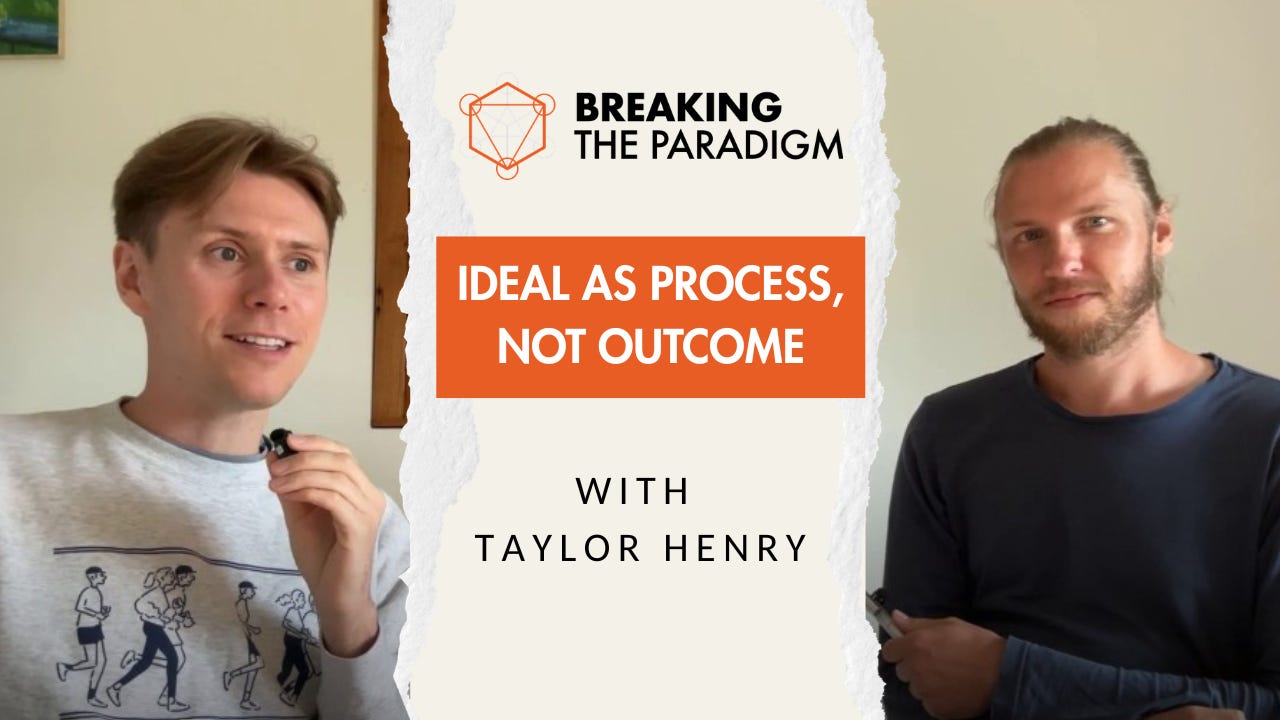
The Ideal Is a Process, Not an Outcome: A Conversation on Montessori and Letting Go with Taylor Henry
I’ve spent my career being told that shooting for the “ideal environment” for adolescents is impossible; that we must be “pragmatic” and make compromises when necessary in our work.What if the problem isn’t reality but our understanding of if? What if the “ideal environment” wasn’t a state of finality or achievement, but a never ending process that could begin immediately?In this episode of Breaki
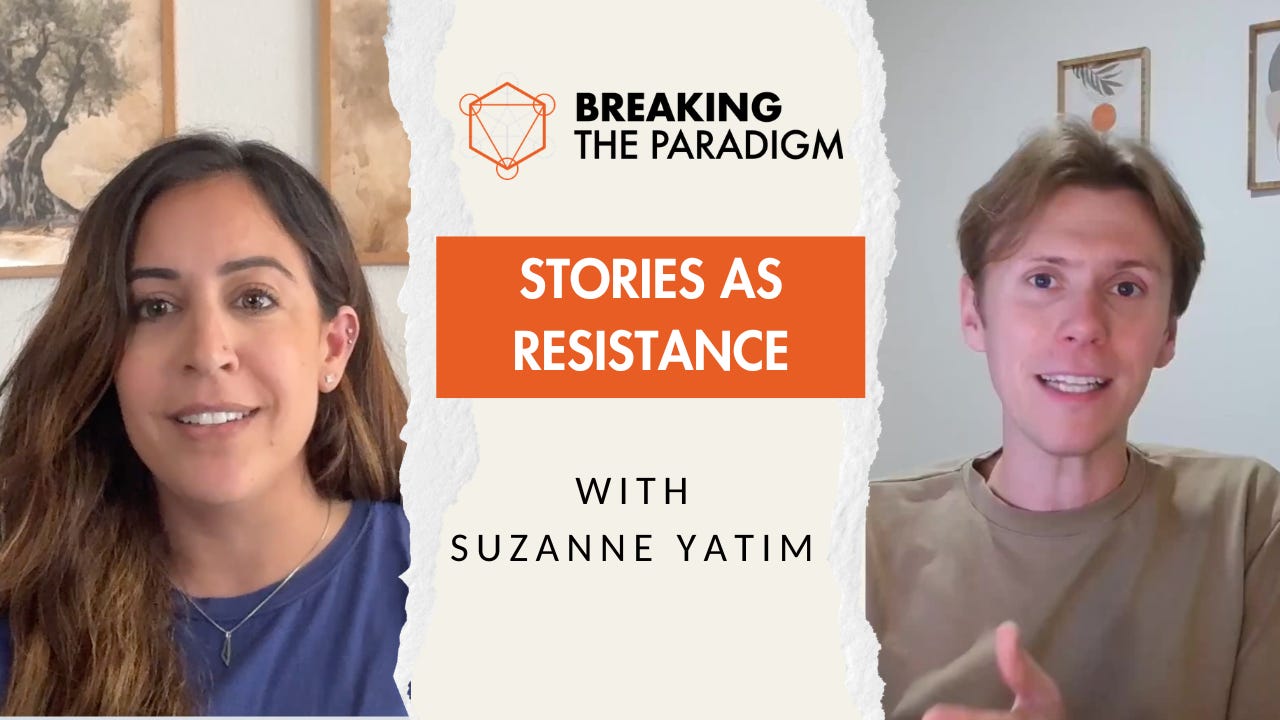
Palestinian Liberation Is Collective Liberation: A Conversation with Suzanne Yatim
Are you willing to be inconvenienced for someone else’s liberation… And your own?My guest, Suzanne Yatim, is a Palestinian-American actress, writer, filmmaker, and co-owner of Montessori Thrive. Her directorial debut, Breathe, filmed in Palestine, is currently in post-production. She’s also the bestselling author of Post Pardon Me, a dark comedy exploring motherhood and mental health. And when the
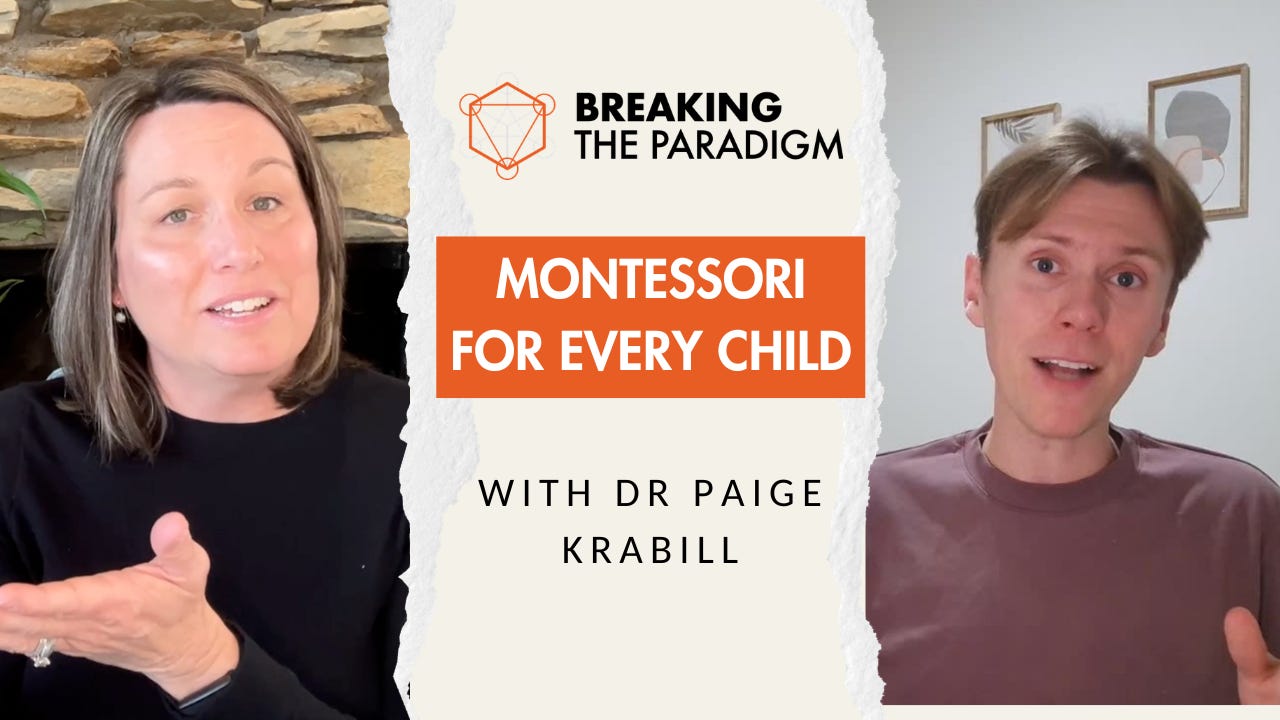
The Power of Possibility: Designing an Inclusive Montessori Environment with Dr. Paige Krabill
What is the best way to support students with diverse learning needs?It’s the question that almost every educator I know is asking.There’s a massive apparatus of intervention and support built around labels, diagnoses, and deficit-based thinking that was designed for conventional classrooms where compliance and uniformity are the goals. It’s referred to as the medical deficit model.When that appar
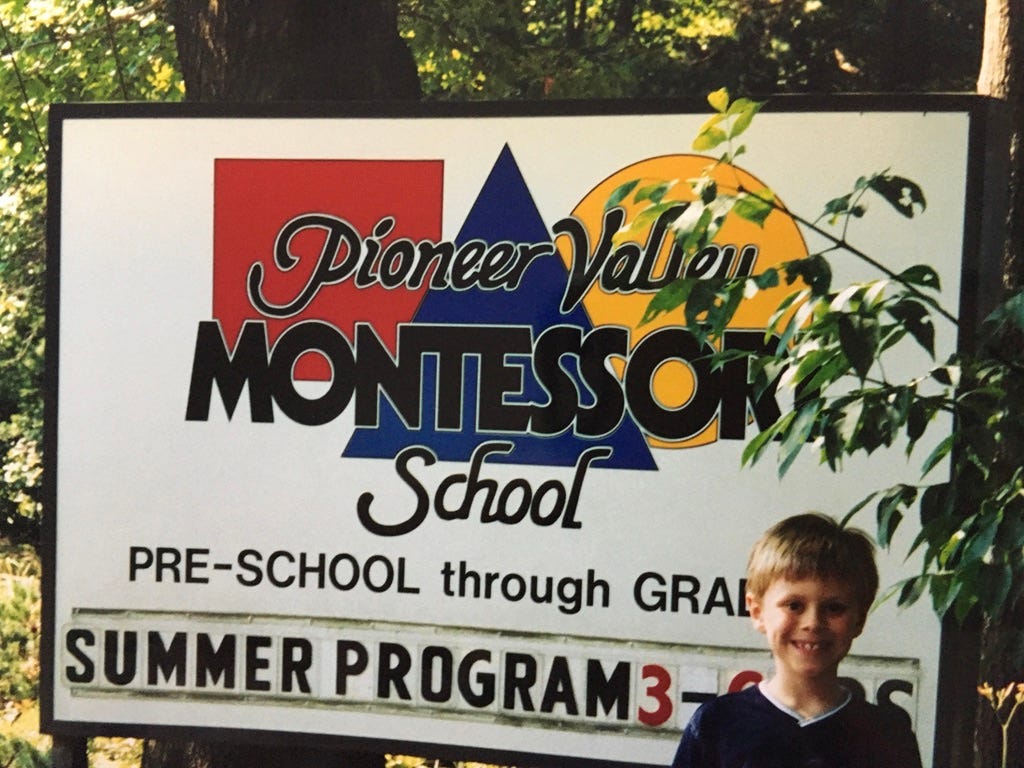
The Montessori Method, Continued: An Invitation to Change the World
I was honored to deliver the keynote at this year’s Montessori Educators of Alabama conference around their theme of “Better Together.” I wanted to use this time to sit with a question that’s been nagging at me for years: if Montessori education is so revolutionary, why haven’t we achieved the world of peace and justice that Montessori described? Why, nearly a century into this work, are we still

We're Losing the Tech Conversation Because Students Aren't a Part of It
There’s a quiet truth most schools are avoiding right now: our students are navigating AI, social media, and digital life every single day; and if we’re not in that conversation with them, something else is.Probably AI itself.That was one of the most clarifying moments from our recent webinar with Dana Anderson, Building a Positive Tech Culture at Your School (and Why It’s Not About AI Bans and Ph

Letting Go to Move Forward: The Unfinished Work of Montessori with Kathy Leitch
What if the biggest obstacle in Montessori is moving past our fear?Kathy Leitch, executive director of the International Montessori Council, joins Breaking the Paradigm to explore what it really means to carry Montessori forward as a living, experimental method rather than a fixed recipe. With decades of experience in Montessori schools around the world, Kathy makes a case that’s both provocative
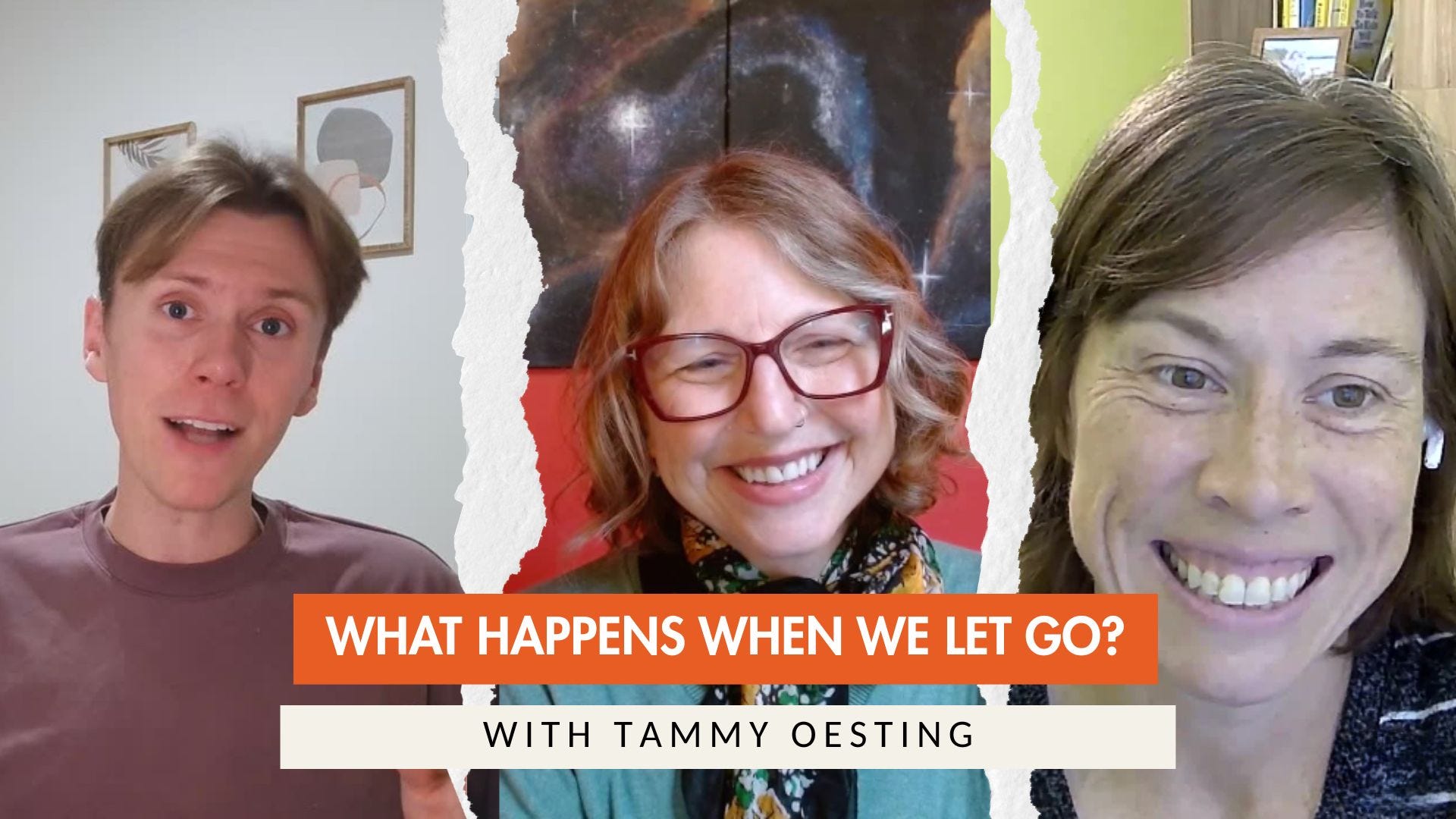
From Compliance to Emergence: Rethinking Peace Education and Montessori Teacher Preparation with Tammy Oesting
What if peace education has nothing to do with teaching kids to be calm?Here’s the provocation from Tammy Oesting in her third Breaking the Paradigm apprearance: Peace education isn’t about mindfulness exercises or conflict resolution scripts. It’s not the “kumbaya approach” where we shield children from the world’s hard truths. Real peace education creates conditions that produce a new human who
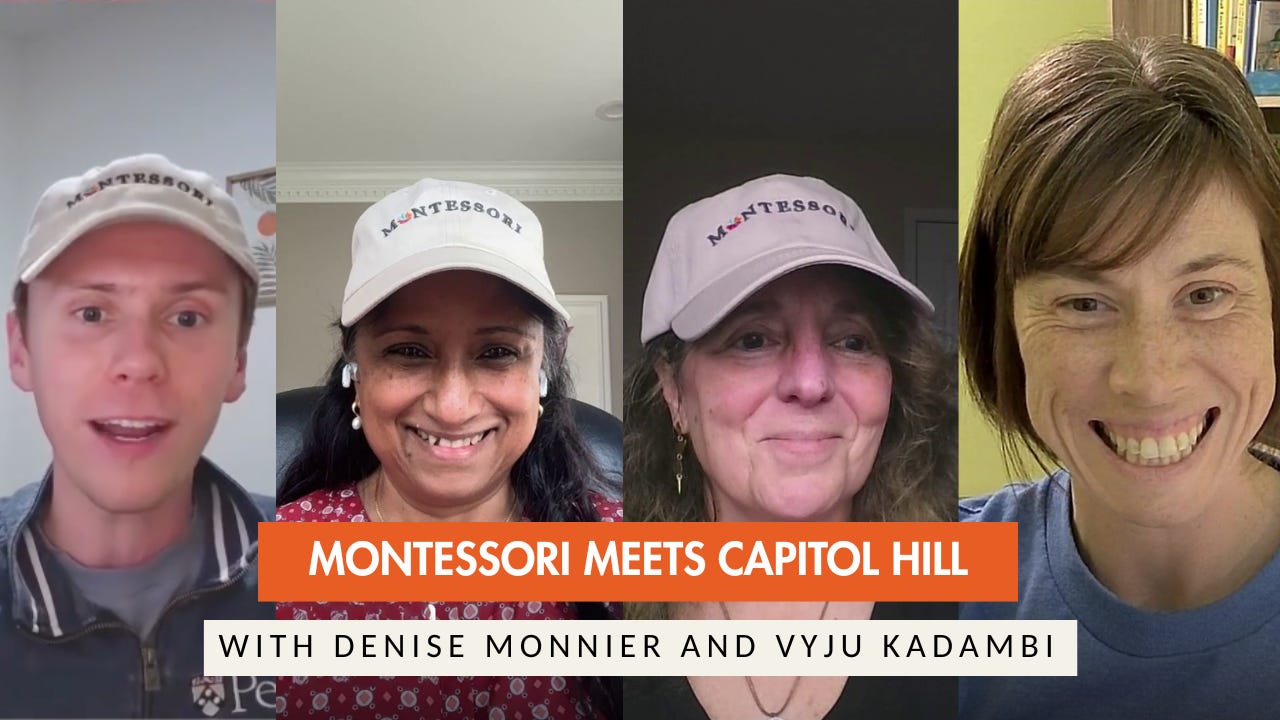
45 States, Two People, One Mission: The Work of the Montessori Public Policy Initiative
What if the most powerful thing Montessori educators could do for children right now isn’t in the classroom, but in the halls of Congress?Mixed-age groupings. The three-hour work cycle. Observation-based curriculum. Teacher preparation rooted in human development. Everything that makes Montessori transformative deserves to be reflected in the laws, funding streams, and regulations that shape what’
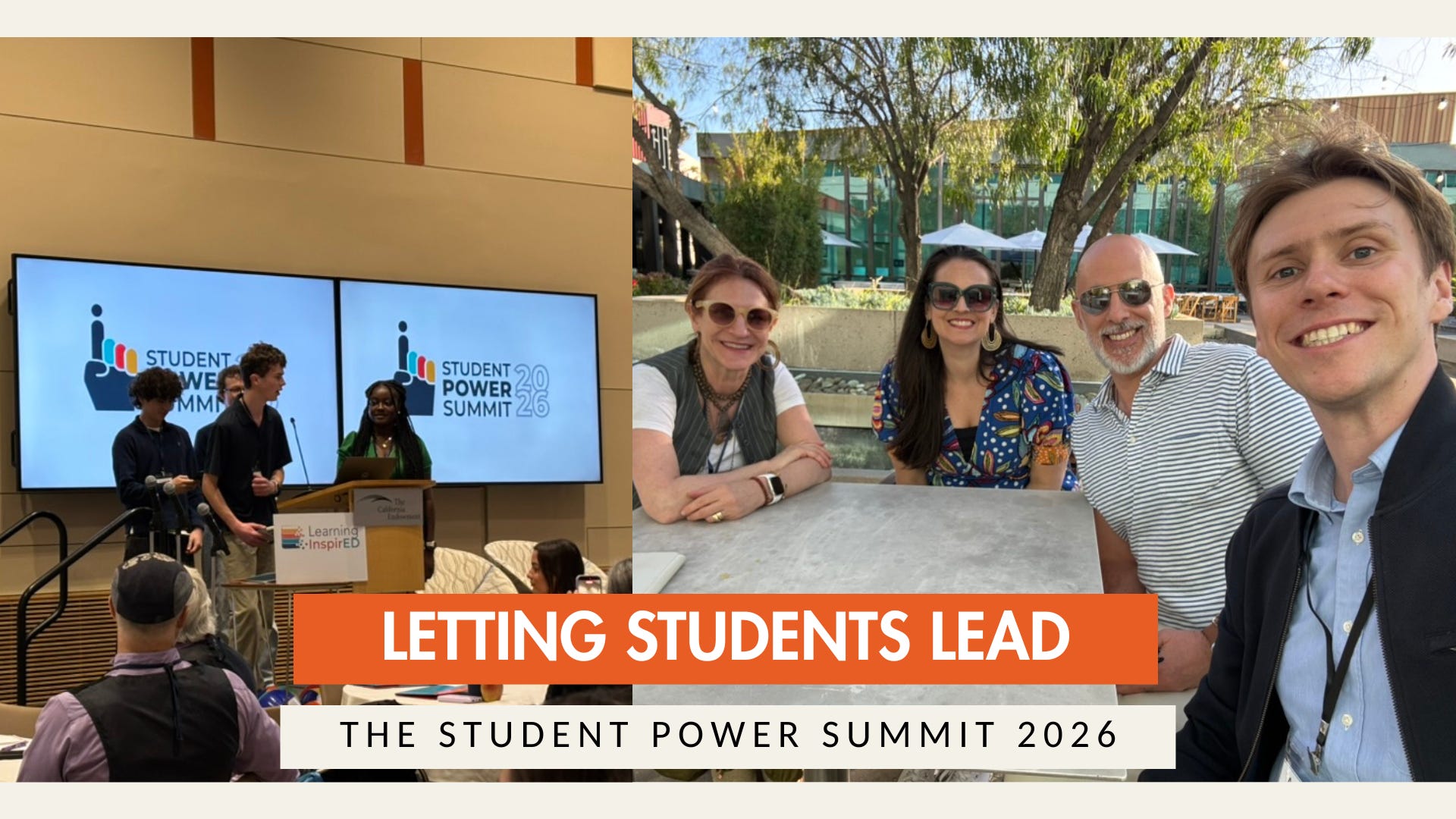
What If We Just Listened? Live from the Student Power Summit 2026
What if depression and anxiety in young people aren’t signs that something is wrong with them, but proof that something is wrong with what we’re doing to them?This is a special three-part episode recorded before, during, and after the Student Power Summit in Los Angeles: a conference that truly and authentically centered student voice. Students from across the country weren’t just in attendance, t
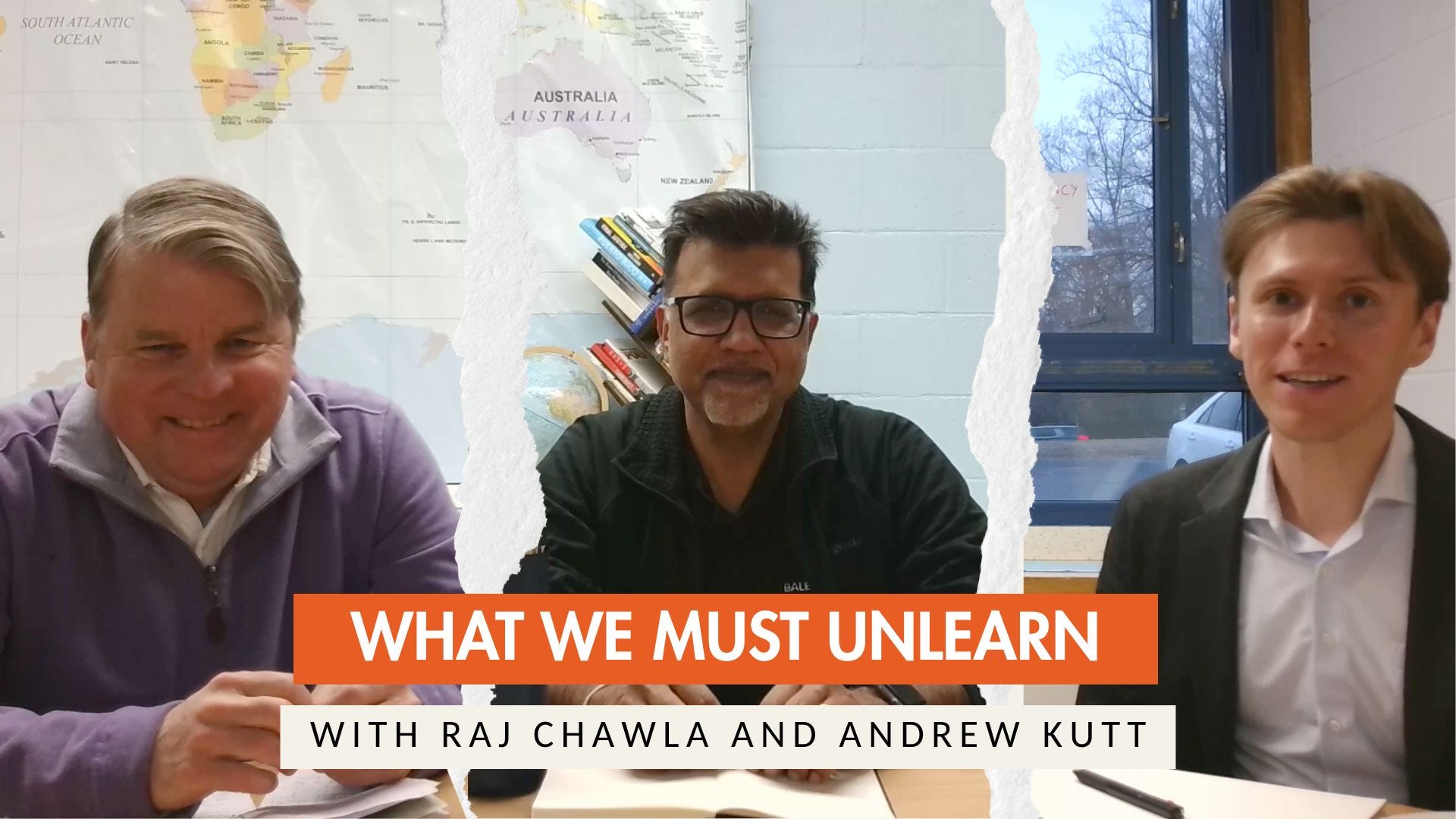
Composting Modernity: Unlearning the Stories That Are Unraveling Our World with Raj Chawla and Andrew Kutt
What if the crisis we’re facing isn’t something to be solved, but something to be composted?Raj Chawla and Andrew Kutt joined me for a conversation that asks us to slow down long enough to feel what’s actually happening beneath the surface of our world, our systems, and ourselves. What Raj illuminates so beautifully is that the assumptions driving our global unraveling: separation, domination, the

What Will Adolescents Do When We're Not Watching?
This was our first ever live stream with Breaking the Paradigm, and Kelly and I tackled a question that keeps coming up in our work: What are we really afraid adolescents will do when left unsupervised?The answers people give, ranging from mischief to far more absurd fears, reveal something deeper about how we view adolescents: That there is a fundamental mistrust that erodes our ability to truly
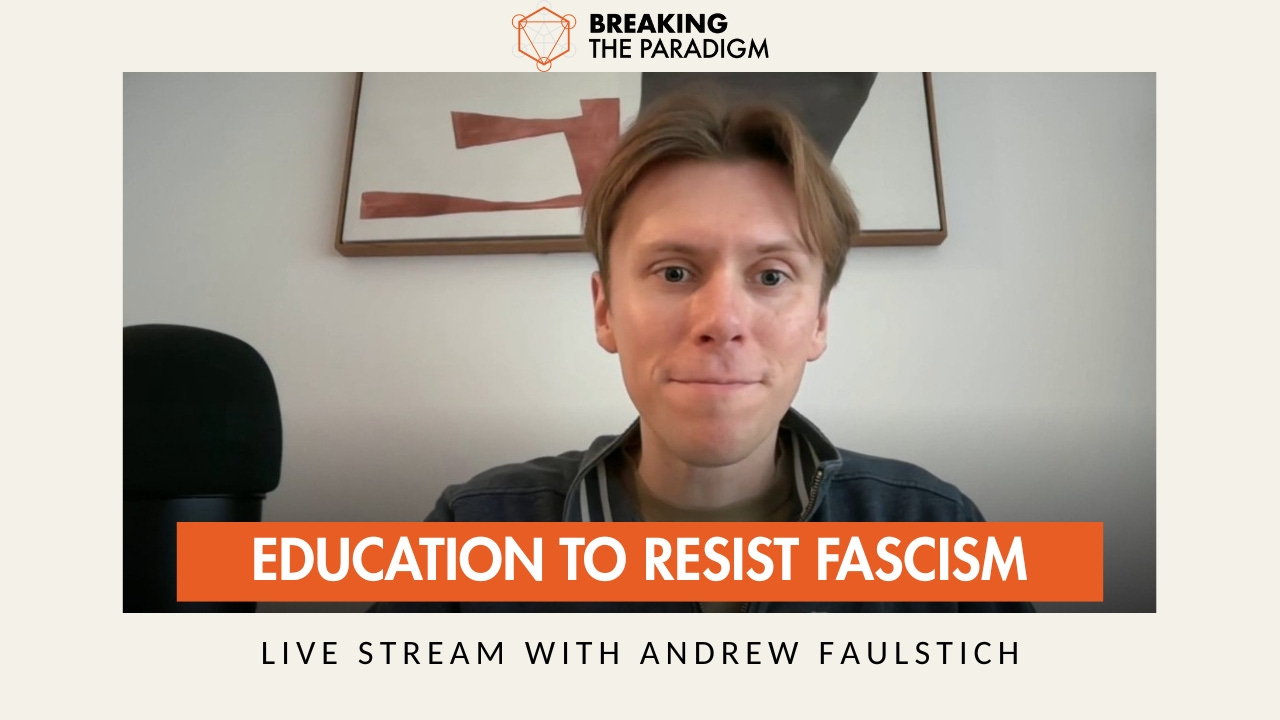
Education, ICE, and Montessori - Live Stream Recording
Yesterday, ICE murdered another innocent bystander, Alex Pretti. He was a US citizenEarlier this week, they took a 5 year old hostage in order to detain his parents. They are legally allowed in this country.Last week, they murdered Renee Good at point blank range outside of her home.These aren’t isolated incidents- it’s a call for those of us who are pushing the education revolution forward. Check
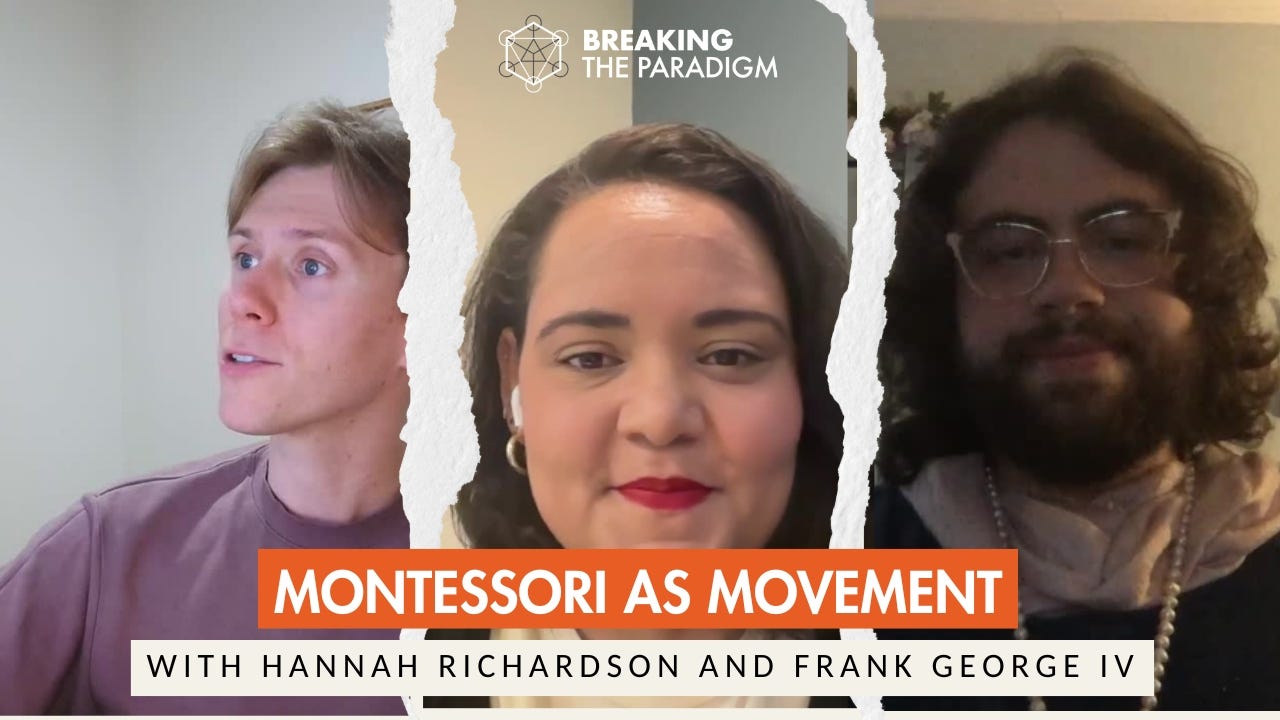
Montessori Lives in the World: Why Justice Can't Wait with Hannah Richardson and Frank George IV
What if honoring the whole child means honoring the whole of humanity?Sometimes we convince ourselves that our work stops at the classroom door- that if we just prepare beautiful environments and follow the child, peace will somehow emerge on its own. But we don’t have time to wait for perfectly prepared children to fix the world. We need justice now.In this urgent conversation with Hannah Richard
How AMI/USA Is Reimagining Collaboration and Accessibility with Dr. KaLinda Bass-Barlow
What does it mean to create a space where people truly belong?Under Dr. KaLinda Bass-Barlow’s leadership, The Association Montessori International/USA (AMI/USA) is reimagining what it means to honor Maria Montessori’s legacy while meeting the evolving needs of our time and place.In this conversation, Dr. KaLinda shares the intentional work happening at AMI/USA: opening the annual conference to all
Building the First Worker Cooperative Montessori Organization with Carolyn Sweet and Suzanne Tipton
What if we organized Montessori organizations the way we organize Montessori classrooms?When The Institute of Montessori Training’s previous organization became financially unviable, Carolyn Sweet and Suzanne Tipton faced a choice: walk away or build something radically different. They chose to create the first worker cooperative Montessori training organization, where decisions are made collectiv
Community, Courage, and California Time: Justin Tosco Interviews Andrew and Kelly on Anniversary Special
The best things I’ve ever done have been emergent- arising out of good conversation and dialogue with others.This is the MO of Breaking the Paradigm; bringing together Montessori and progressive practitioners and letting the right conversation emerge- no script, no pre-determined outcome, just trust in the power of presence.And was that spirit of emergence that led Justin Tosco, now a member of th
From Radical Acceptance to Slingshot Labs: Why Students Need Teachers Who Are Willing to Be Friends with Jarrett Arnold
What if friendship with students isn’t unprofessional- but essential?Sometimes the most radical thing we can do is challenge the unspoken rules about teacher-student relationships. When we bring our authentic selves to the classroom and treat young people as worthy of genuine connection, learning becomes possible in ways control never could.In this conversation with Jarrett Arnold—a science and ma
Trust, Control, and Fear: Confronting Authoritarianism in Montessori Education with Charles Terranova
Dear Paradigm Breakers,We are starting this post with something new and different- sharing a new chapter for us at Breaking the Paradigm/Developing Education as we start our third year of operations in January!In response to what we have heard from so many of you, that this podcast has given you a deeper sense of community and connection, we are happy to share that we are hosting a six week course
Montessori Is the Education of the Adult, Not the Child: The Quiet Revolution of Teacher Transformation with Marie Crutcher
What if the real work of education isn’t preparing children- but preparing adults?Sometimes we focus so intently on where we’re getting students, on outcomes and benchmarks, that we forget to ask: what do we (the adults) need to serve human development? When we shift our attention from the child’s future to our own preparation, everything changes.In this contemplative conversation with Marie Crutc
Why Teachers Must Be Brave Enough to Refuse the Status Quo with Bruce Robbins
What if the biggest barrier to student capability is our own fear of letting go?Sometimes we claim students “can’t” do things—but the truth is we stop them from doing things. When we step back from compulsory, coercive control and trust young people with real responsibility, they rise to meet it in ways that surprise us.In this inspiring conversation with Bruce Robbins- a secondary educator for 41

If We Want Equity Later, We Must Actualize It Now: Why the Means of Education Must Match Its Ends with Bob Blecher
What if the very structure of our schools prevents the transformation we seek?Sometimes the barriers to real education aren’t the teachers or students—they’re built into the system itself. When we fragment knowledge into isolated disciplines and organize schools around hierarchy rather than unity, we limit the understanding that’s possible.In this profound conversation with Bob Blecher—a former la

The Adjacent Possible: When Adolescents Lead Adults to Higher Consciousness with Karen Kelley
Why can’t you give an elevator speech about Montessori? What do quantum physics and indigenous research methods have in common? And how do 13-year-olds consistently operate at higher stages of moral development than most adults?Karen Kelley, doctoral candidate in the nation’s first Montessori doctoral program at University of Wisconsin River Falls, tackles these questions by arguing that Montessor
Beyond Spiritual Preparation: Creating Liberatory Cultures in Montessori Schools with Koren Clark
What happens when you discover that the inner work you've been avoiding as an educator is actually the most critical component of serving children authentically?Koren Clark, founder of Know Thyself Inc and creator of the Liberatory Montessori Framework, exposes the uncomfortable truth that most Montessori educators know but rarely address: without transformed adults, we cannot create truly liberat
Learning as Contribution: Why We Should "Assess" What Students Give, Not What They Get with Dr. Ben Freud
What if the only thing that mattered in a presentation wasn't eye contact or slide design, but whether you moved your audience to think and feel differently? What if instead of accumulating credentials that prove compliance, students earned recognition by making meaningful gifts to the world?Dr. Ben Freud, co-founder of the podcast Coconut Thinking and Head of Upper School at Green School Bali, ch
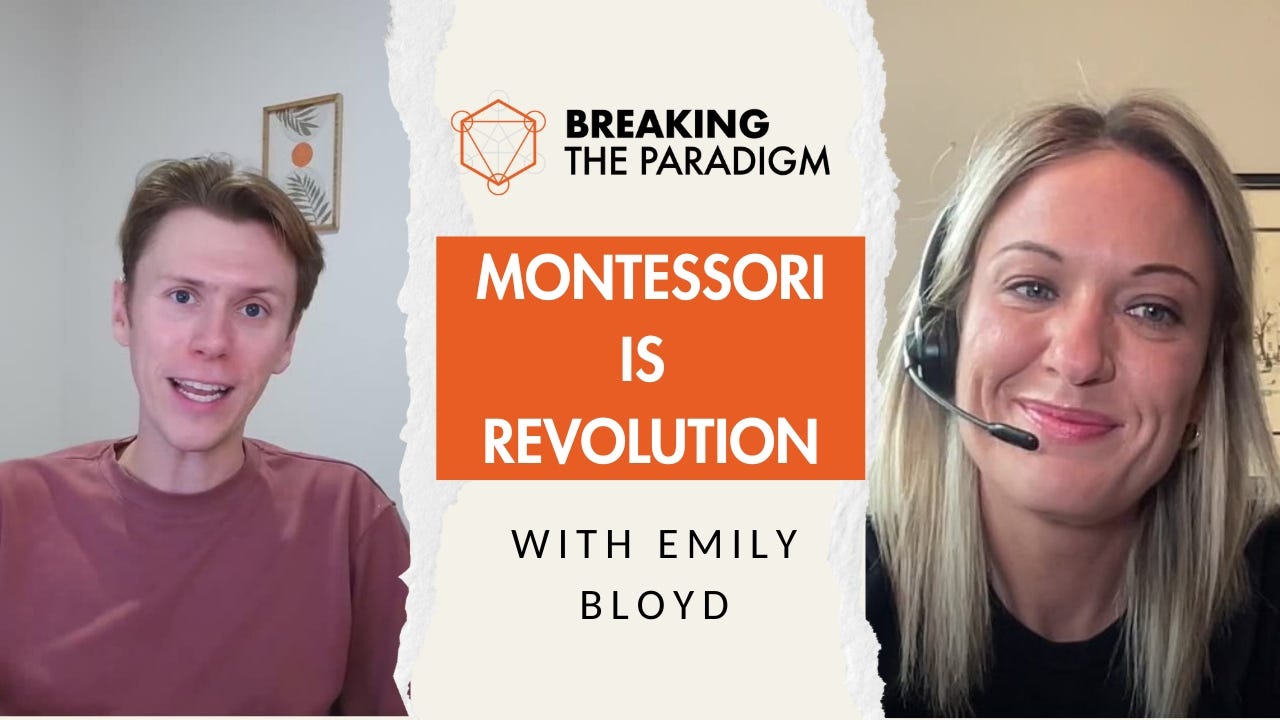
The Montessori Mafia: Breaking Down the Gates to Liberatory Education with Emily Bloyd
How did a method created for marginalized children in Rome's slums become primarily accessible to affluent white families?Emily Bloyd exposes this painful irony as Head of School in a Montessori program exclusively serving children experiencing homelessness. Her work reveals what happens when we return Montessori to its revolutionary roots instead of treating it as classroom decor for the privileg

Relationships, Meaning, and Support: What Public Montessori Teachers Really Need with Caroline Robbins
Why do we focus so intensely on child flourishing in Montessori schools while burning out the adults who make it possible? If we believe in human dignity as our core value, how should we evaluate and support teachers? And what happens when we apply self-determination theory—autonomy, competence, and relatedness—not just to children, but to the educators who guide them?These are the questions Carol
Emotional Solidarity and the Courage to Resist: Why Developmental Education Is Democracy's Best Hope with Ellen Roche
If freedom is our highest democratic value, why don't we give young people freedom in schools? Ellen Roche, my latest guest on Breaking the Paradigm, brings a unique neuroscience perspective to this question.Her research reveals something that should shake us all: we arrive in this world with agency already intact. Babies aren't passive sponges; they're active meaning-makers from day one. So what
From Deficit to Equity: Building Truly Inclusive Montessori Communities
If Maria Montessori started her work with children who had learning differences, why does modern Montessori have a reputation for not serving neurodivergent learners? If we're truly following the child, what happens when that child doesn't fit our preconceived notions of what a "Montessori child" should look like?These are the uncomfortable questions Christine Lowry forces us to confront in this p
Unscheduled: How We're Breeding Compliance When We Should Be Fostering Agency with Taylor Henry
What if efficiency is actually the enemy of deep learning?When we prioritize productivity over process, we rob both educators and students of the momentum needed for genuine discovery and growth. Real transformation happens not in rushed 45-minute meetings, but in the spacious conversations that allow ideas to emerge organically.In this thought-provoking conversation with Taylor Henry, lead guide
Radical Love and Student Agency: Creating Classrooms Where Every Student Can Dream with Sawsan Jaber, Crystal Watson, and Marlo Bagsik
What if the key to transforming education isn't new curriculum, but radical love?When we center radical love, hope, and relationality in our classrooms, we create spaces where every student can rediscover the beauty of who they are and can thrive.In this powerful conversation with three of the co-authors of Pedagogies of Voice, Marlo Bagsik, Dr. Sawsan Jaber, and Crystal Watson, we explore how stu
What Happens When... Choosing Curiosity Over Control with Jason Blair
What if stepping back actually helps students step forward?Sometimes our impulse to control becomes the very thing that limits learning. When we create space for uncertainty and exploration, students discover capabilities we never knew they had.In this thought-provoking conversation with Jason Blair, an elementary art teacher and prolific education writer from Columbus, Ohio, we dig into what happ
Dignity as our Birthright: A Lever for Global Peace with Kathy Minardi
What if the key to global peace and understanding is dignity?When we truly understand dignity as our birthright, rather than something to be earned, it points toward liberation for all. In this profound conversation with Kathy Minardi, founder of the Whole School Leadership Institute, we explore how dignity work offers a paradigm shift toward genuine global peace. This conversation reveals the sci

The Status Quo Won't Save Us: Introducing Provocations
When we talk about education- what do we really mean?Last week, I attended an alumni event called Education at a Crossroads put on by the University of Pennsylvania Graduate School of Education. The event began with a call to preserve democracy, emphasizing that education is key to a flourishing society. The presenters, Ivy League professors, argued for more equity and access in education, framing
The Power of Public Montessori with Jihane Mrad and Corey Borgman
“Montessori is only for affluent children.”Have you heard that one before?It’s one of many myths about Montessori that is propagated in the US about a Montessori education. The logic goes that because many Montessori schools in the US are private schools, they must only be successful as private schools.Yet, such an understanding leaves out the significant history of Montessori, and in particular p

Is Peace Problematic? A Conversation with Justin Tosco on Language and Montessori
The language we use has power- to restrict or to liberate.Ideally, our language points toward liberation for all, reflecting the inclusive potential of a Montessori education. However, that’s not always the case.In this thoughtful conversation with Justin Tosco, his fourth appearance on Breaking the Paradigm, we dig into the importance of rethinking and reframing the language used in Montessori ed

Challenging our "Monte-Assumptions" with Jonathan Wolff
Which of these have you heard before?* “My teacher trainer told me to do X when I did my Montessori diploma, and that’s how I’ve been doing it ever since”* “I presented this lesson the same way for 15 years and it’s “worked” every time”* “If a child is not becoming adapted to my environment, it must be that they’re not a good fit for it.”I would wager a guess that any Montessori guide, and perhaps
Cultivating Digital Citizenship in Children and Adolescents with Dana Anderson
What is your emotional response to students “cheating” using technology?The New York Times recently published an article titled “Everyone is Cheating Their Way Through College.” In it, the prospect of students using AI to complete assignments is seen as a largely negative phenomenon.In response to a similar article, I saw a commenter on LinkedIn write that she “requires all work be hand written in
The Challenge with AI Isn't the Technology: It's our System of "Schooling" with Dr. Sabba Quidwai
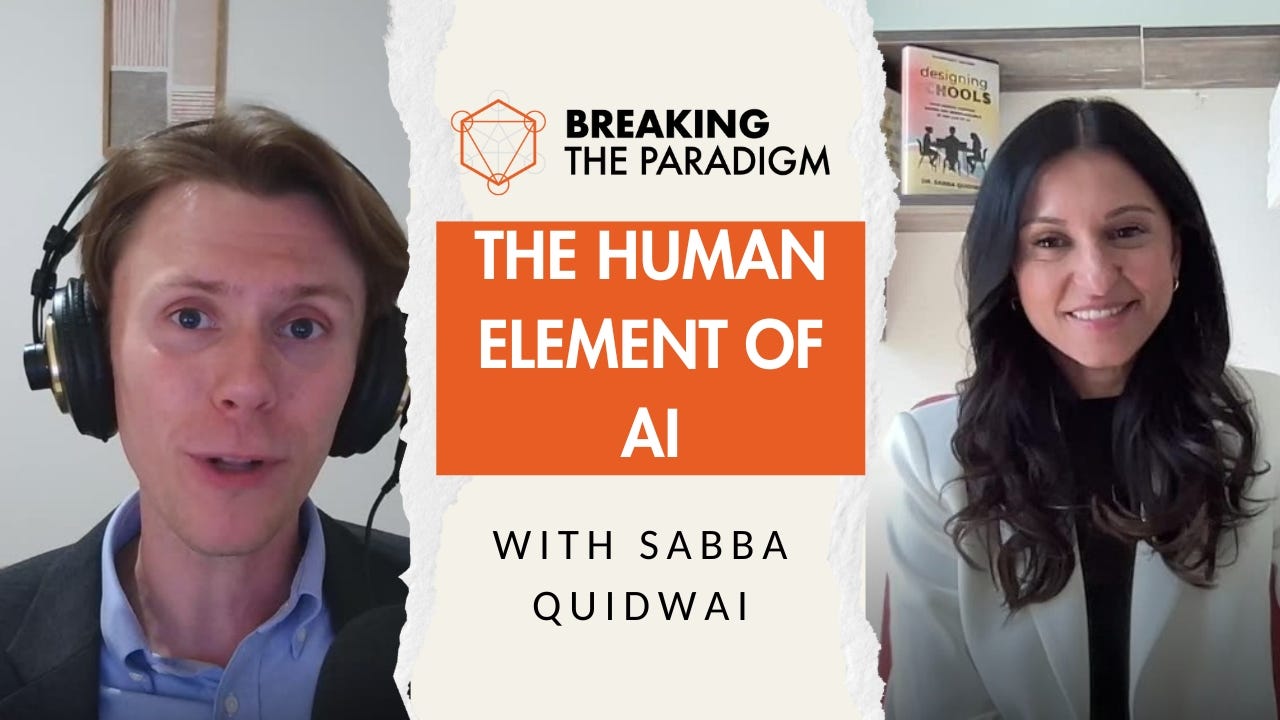
We live in an era where the term “education innovation” is thrown around constantly. New tools, techniques, apps, and trends are nearly abundant.Yet, despite all of these “innovations,” we don’t see the actual system of schooling changing in meaningful ways.The reality is, new tools or technologies won’t change the status quo of schooling which is fundamentally hurting our children; we have to cha
The Power of Reflective Practice with Sue Pritzker
In Montessori education, it’s commonplace to discuss how to support young people toward independence.We prepare environments that are designed to for children and adolescents to experiment, to try and fail as they learn about themselves and the world. Through this process, young people also become integrated into into their classroom communities in a meaningful way.What if we also built these envi
Montessori IS Social Justice with Hannah Richardson
I’ve spoken and written at length on this Substack about how Montessori cannot be separated from social justice.Montessori herself was a social revolutionary. She believed that if we fostered positive human development that our natural human tendency to live in interdependence with one another would flourish.Montessori believed that human unity already existed, but that we merely socialized oursel
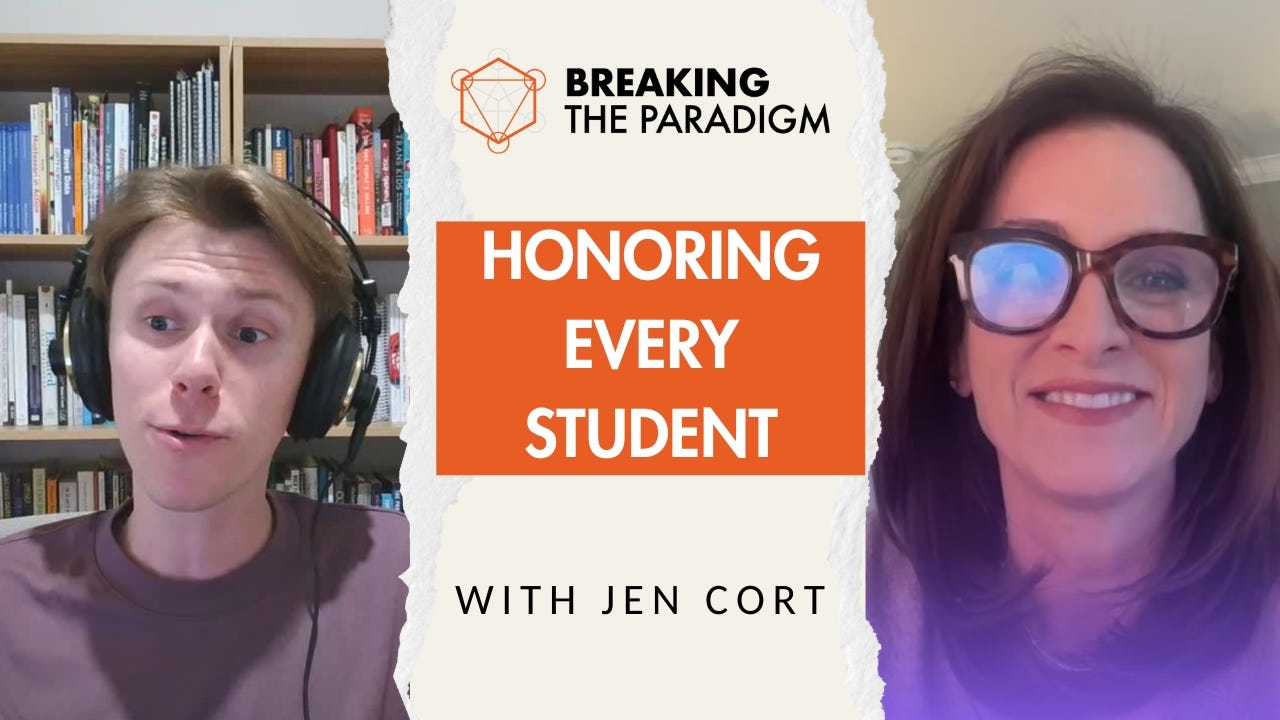
DEI is Non-Negotiable: Creating a Meaningful Experience for Every Student with Jen Cort
We are in a time where issues of diversity, equity, and inclusion are seen as “divisive” and “harmful,” and teachers and students across the country are being persecuted for engaging in DEI work.It’s why, in this moment, those of us with privilege, who have the safety to speak without the repercussions that many others face, need to speak up on the importance of DEI in our schools and our society.
Montessori's Profound Discovery: How Love Leads to Human Unity with Tammy Oesting
In The Absorbent Mind, Maria Montessori wrote the following: “Love, like that which we feel for the child, must exist potentially between man and man, because human unity does exist and there is no unity without love.”When Montessori describes love, she’s not talking about a feeling.She’s talking about a cosmic force that pulls humans toward interdependence. The force which would give us the abili
Don't Let Fear Control Your Teaching: Exploring Mindfulness and Montessori with Liz Goodman
When you observe your students, do you react or respond?This is not just a semantic difference.When we react to our students, we engage on impulse. We are not considering the impact of our actions outside of the specific moment in which they occur.When we respond to our students, we often start with a pause to ask ourselves the following: How does this student action make me feel? How can I respon
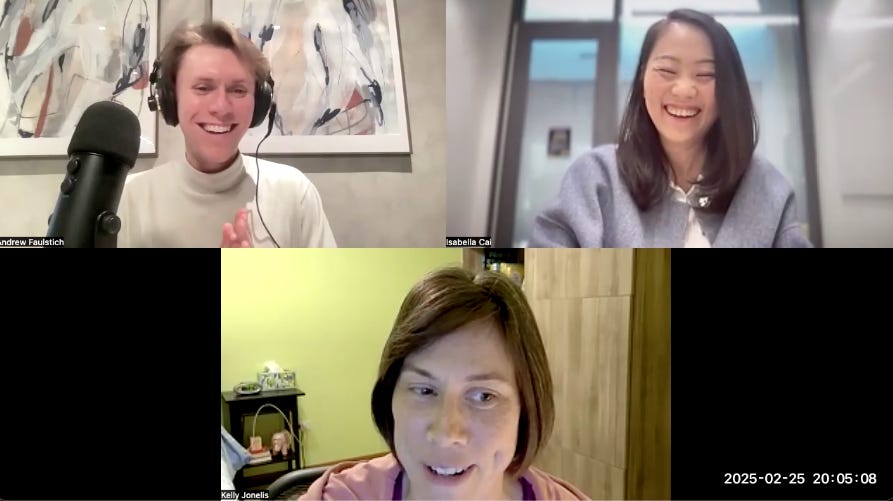
Do Parents Understand Montessori? Reimagining Parent Education With Isabella Cai
What do parents really want to know about their child’s Montessori education?As a Montessori practitioner, I could talk about the importance of a developmental education for hours, but I doubt parents would want to listen to that.In my recent conversation with Kelly Jonelis and Isabella Cai, founder of Y Montessori, we examined the question of what parents really want to know through the lens of n

The Harder We Push, the Worse it Gets: The Imperative for Student Power with Mike Nicholson
When you look at the history of educational reform in the United States, it feels like we’ve tried everything:* No Child Left Behind* Race to the Top* Common Core State Standards* The “science of” fads (which aren’t as scientific as they claim)The one thing we haven’t tried?Giving meaningful autonomy to young people.I was honored to bring Dr. Mike Nicholson on my podcast to discuss why we must giv

Boys, Masculinity, and Education Pt 2: Beyond the Gender Binary with Tom Brown and Justin Tosco
How do we support the positive development of boys in our educational spaces?How does creating a truly gender inclusive classroom lift up all young people, including boys?In my last podcast with Tom Brown and Justin Tosco, we got our “section of the choir together” to discuss the crisis of boys in schools and how that manifested in the research and our own personal experiences.If you haven’t liste
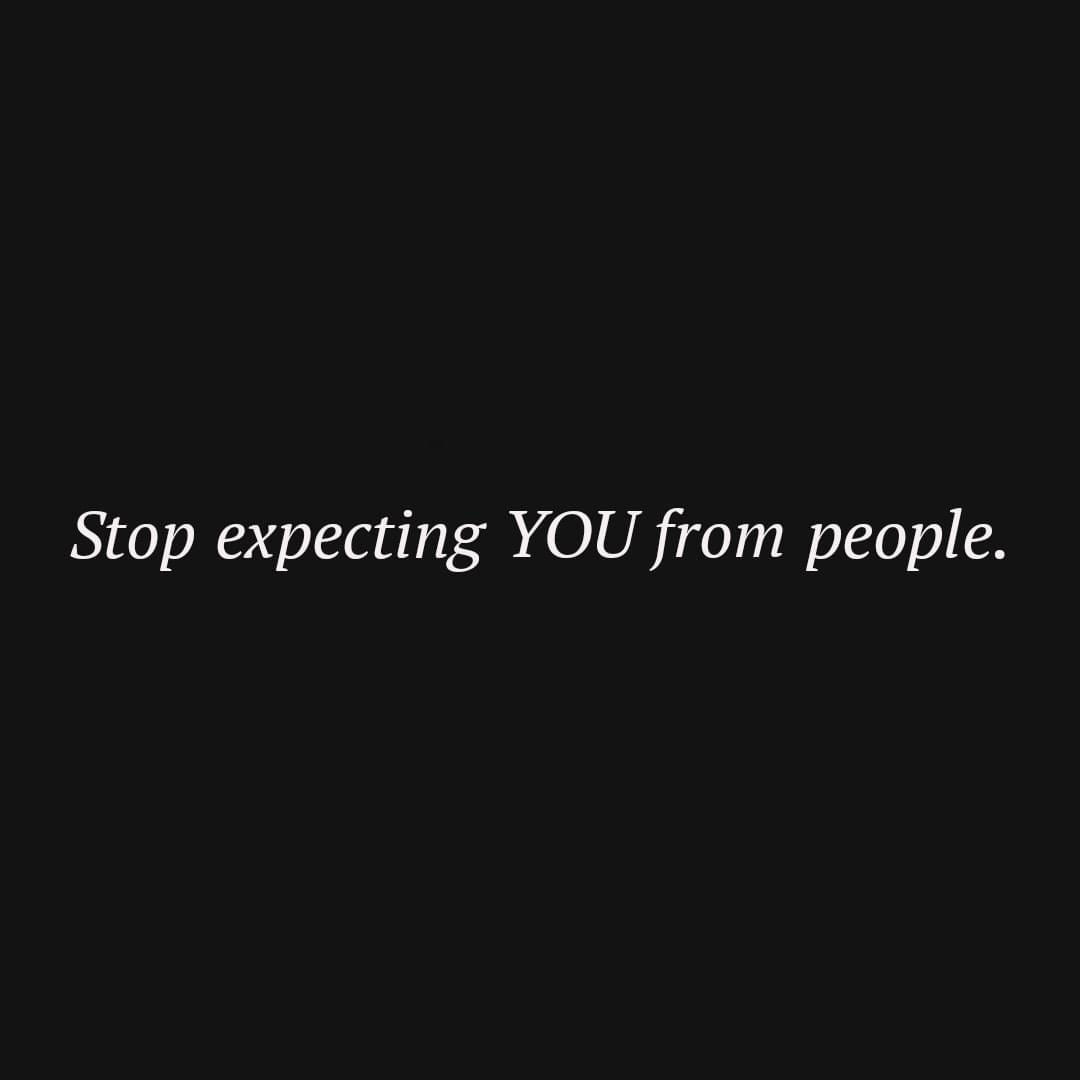
Stop Expecting You From Other People
When you interact with others, what are you expecting from them?If you asked me this question a few weeks ago, I would have said that I went into interactions with others without expectations.That completely changed with my co-host, Kelly Jonelis shared this phrase with me: Stop expecting you from other peopleThis phrase stopped me in my tracks.I reflected back on interactions I had with adults an

Boys, Masculinity, and Education with Justin Tosco and Tom Brown
Our boys are not alright.An ideal education environment support all children, and meets all of their developmental needs.However, we have a systemic problem in the US where many classrooms are not prepared to meet the developmental needs of young boys.We see this in all types of education, from traditional to Montessori. Both of my guests, Tom Brown and Justin Tosco, had boys who were counseled ou
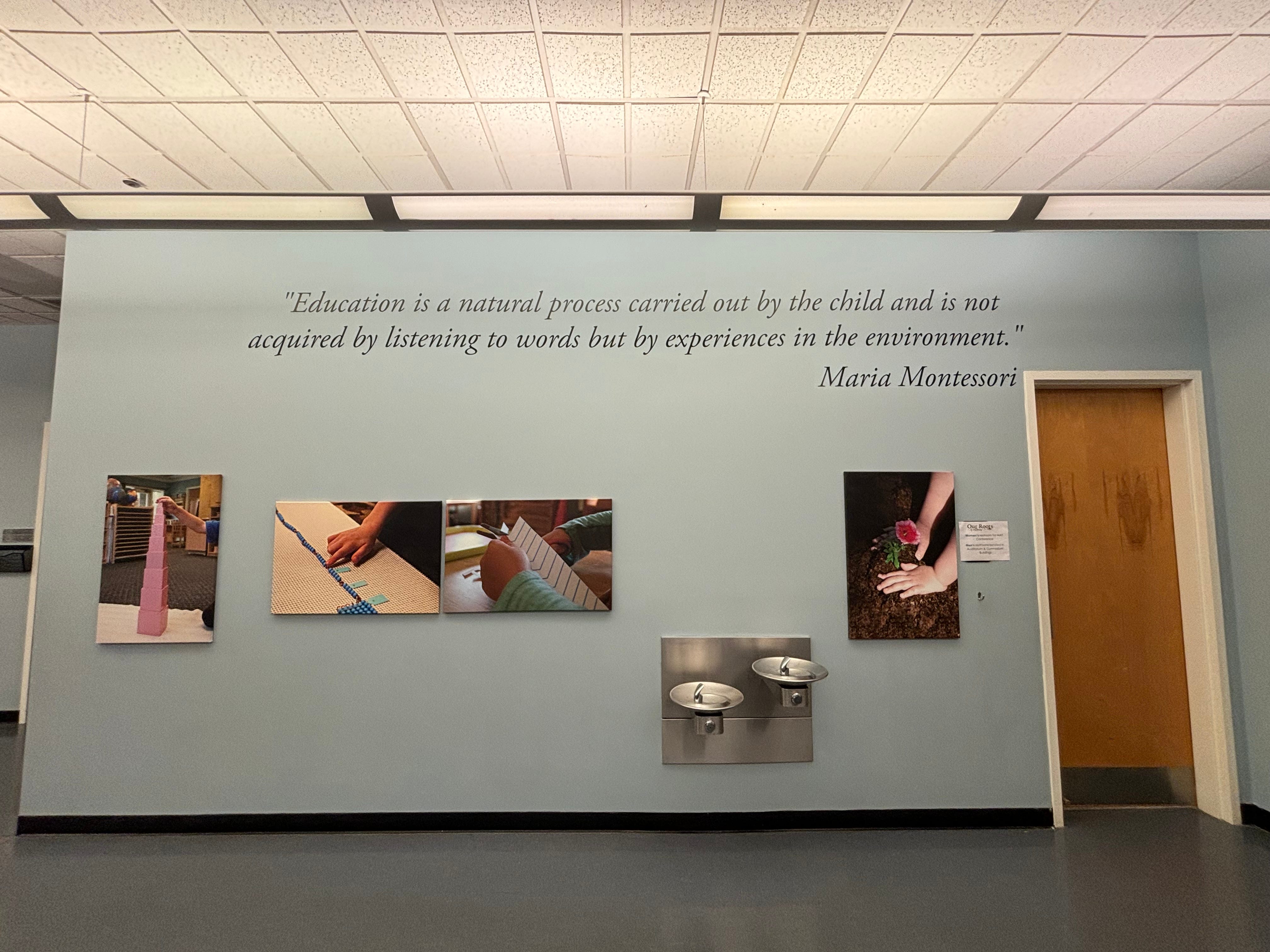
Young People Are More Capable Than You Think with Beven Barnhart
When I first observed in a Montessori toddler classroom, I was in awe.Children, as young as two years old, were handling glass plates and cups by themselves, they were engaged in solo activities, unaided by an adult, and were able to meet many of their basic human needs.The adults were either working with individuals or observing in the corner of the room.My jaw was on the floor because this reali

Montessori for All: A Conversation with Justin Tosco
What happens when two former Montessori students, now Montessori administrators and leaders, sit down to have a conversation?You get a conversation that goes beyond the scope of a typical education podcast. In typical Montessori fashion, my conversation with Justin Tosco ranged from pedagogy and social justice to family histories and the lost era of 2000’s music. Broadly titled "Montessori for All
What Matters Most in Montessori Education? Spiritual Preparation and Giving Ourselves Grace with Suzanne Tipton
How do educators balance the need to critically reflect on our actions with the importance of giving ourselves grace as we grow in our practice as educators?Our work with young people is so important, and I personally know the pressure that we educators put on ourselves to be as prepared as we can.However, despite our preparation, we will make mistakes. It’s a part of our work, and it’s how we can

Am I a Vitally Responsive Practitioner? Unpacking Spiritual Preparation of Montessori Adults with Tammy Oesting
How do we awaken to our deepest sense of purpose and connection to our work as guides and teachers?How does discovering ourselves in the context of the cosmos impact the ways in which we work with young people?What does it mean to be a vitally responsive practitioner, and what does it take to get there?The answer is the spiritual preparation of the adult guide.In Montessori educaiton, when we disc
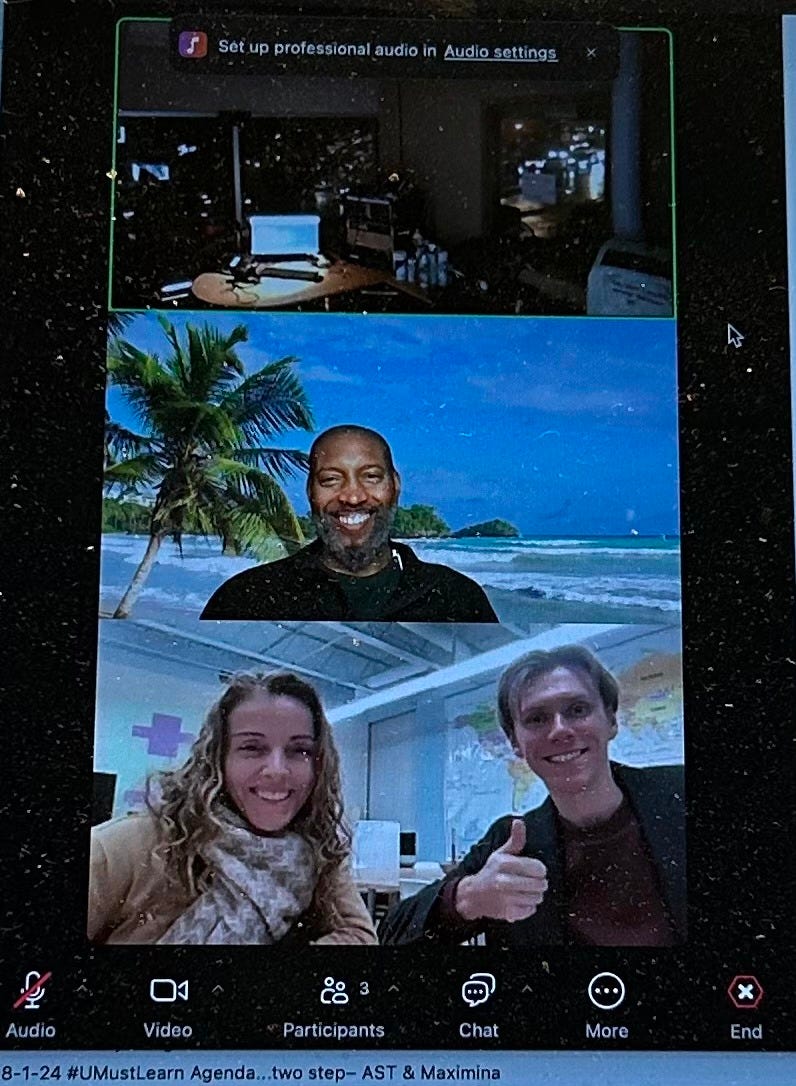
#U Must Learn: Why Montessori Education is Common Sense Education
Montessori education is designed to be an aid to life. Our goal is to support the positive human development of each student in our care, and to ensure that their fundamental needs are met.Traditional education is designed to imprint upon students certain ideas; to pour them into the “empty” brains of students and test them on their ability to remember said ideas.There is no consideration for the
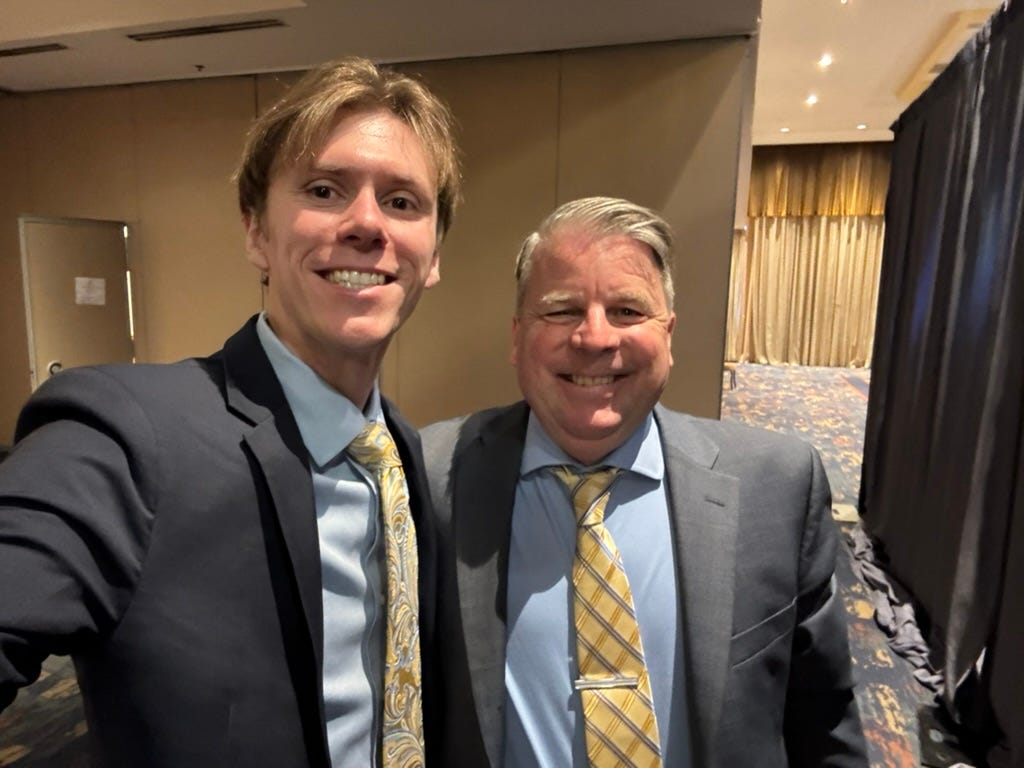
Education for the Development of the Heart with Andrew Kutt
What is the purpose of education?For Andrew Kutt, founder of the Oneness-Family Montessori School, the purpose of education is the development of the heart.Over the last 40 years, the United States spent millions of dollars in “education reform” focused on mass standardized testing of discreet, alienated skills and content. This funding has done two things:* The push toward standardization has not
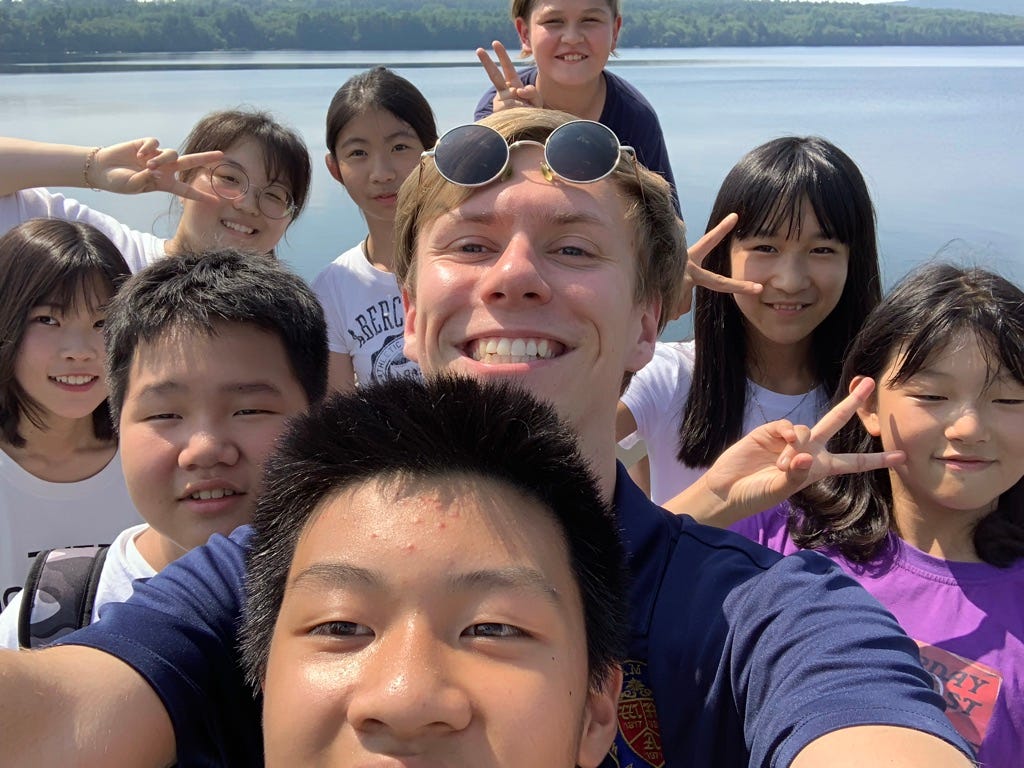
Love, Trust, and Deep Relationships: Cornerstones of a Developmental Education
What if we’re focusing on the wrong things in education?I’ve been posing this question lately. I fear that those of us in Montessori, Progressive, Learner-Centered circles are often too focused on the products of education.The stellar paper. The math project. The capstone speech. The microeconomy sale.I won’t argue that these things aren’t important, but they cannot be the most important aspects o
Why Do We Seek to Control Children? Discussing Montessori Education and Human Flourishing with Tom Brown
The idea of controlling children is one I hear often in traditional education discourse.The logic goes that we, as adults, know what our young people need, and must control them so that they get it.This is what we call adultism, and it is antithetical to the Montessori approach of following the child. In reality, young people know exactly what they need. We adults must simply be willing to listen.
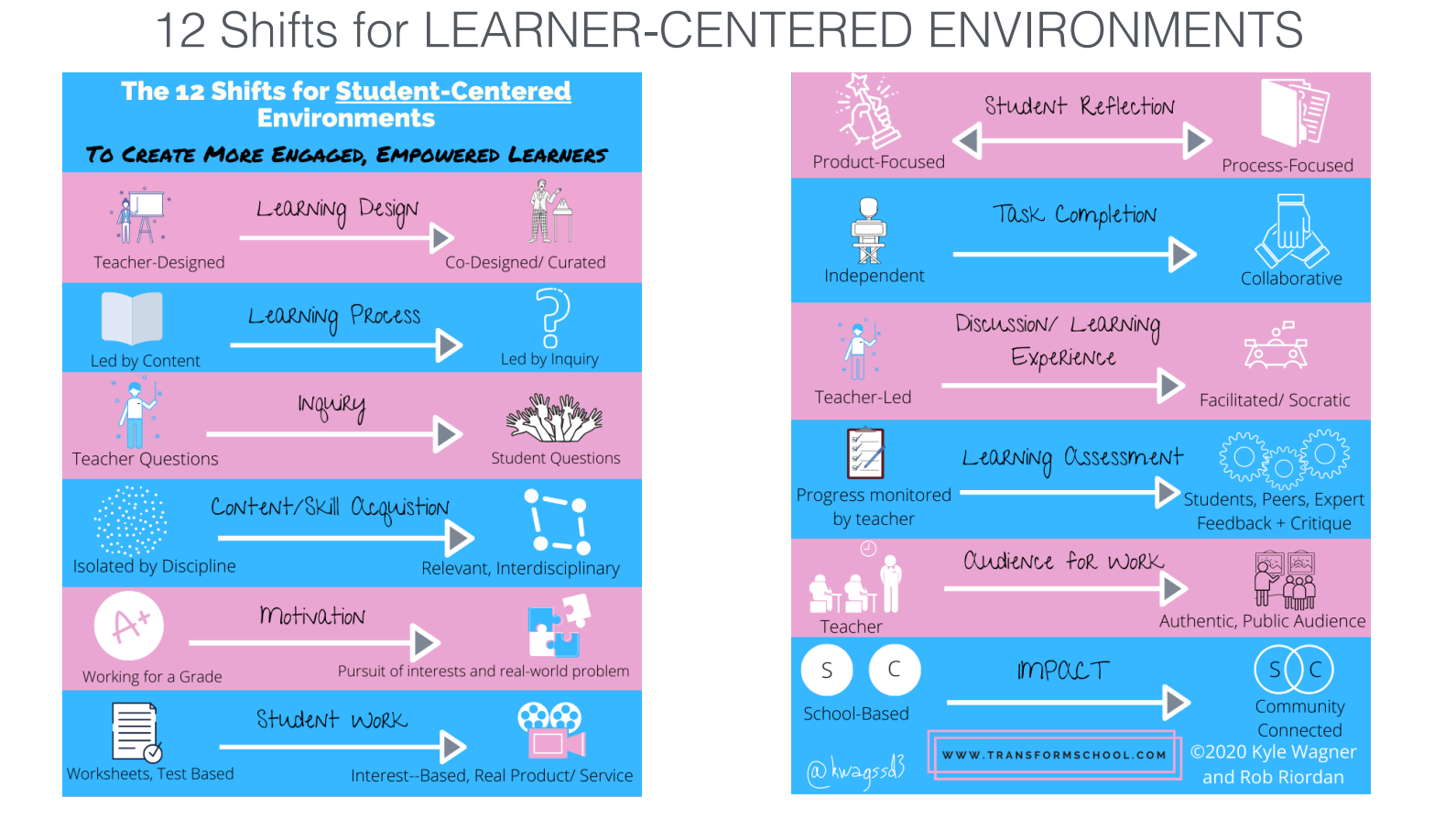
Embracing Learner-Centered Education with Kyle Wagner: Shifting from Choreographer to Coach
The most beautiful, and frustrating, aspect of learner-centered education is that there is no “single way” to go about it.Many “edu-celebrities” sell tips and tricks, but often those “active” learning exercises are just rote education dressed up to look fun. We might call those who engage students in active, but teacher-controlled, activities, the “teacher as choreographer.”But if we truly want to
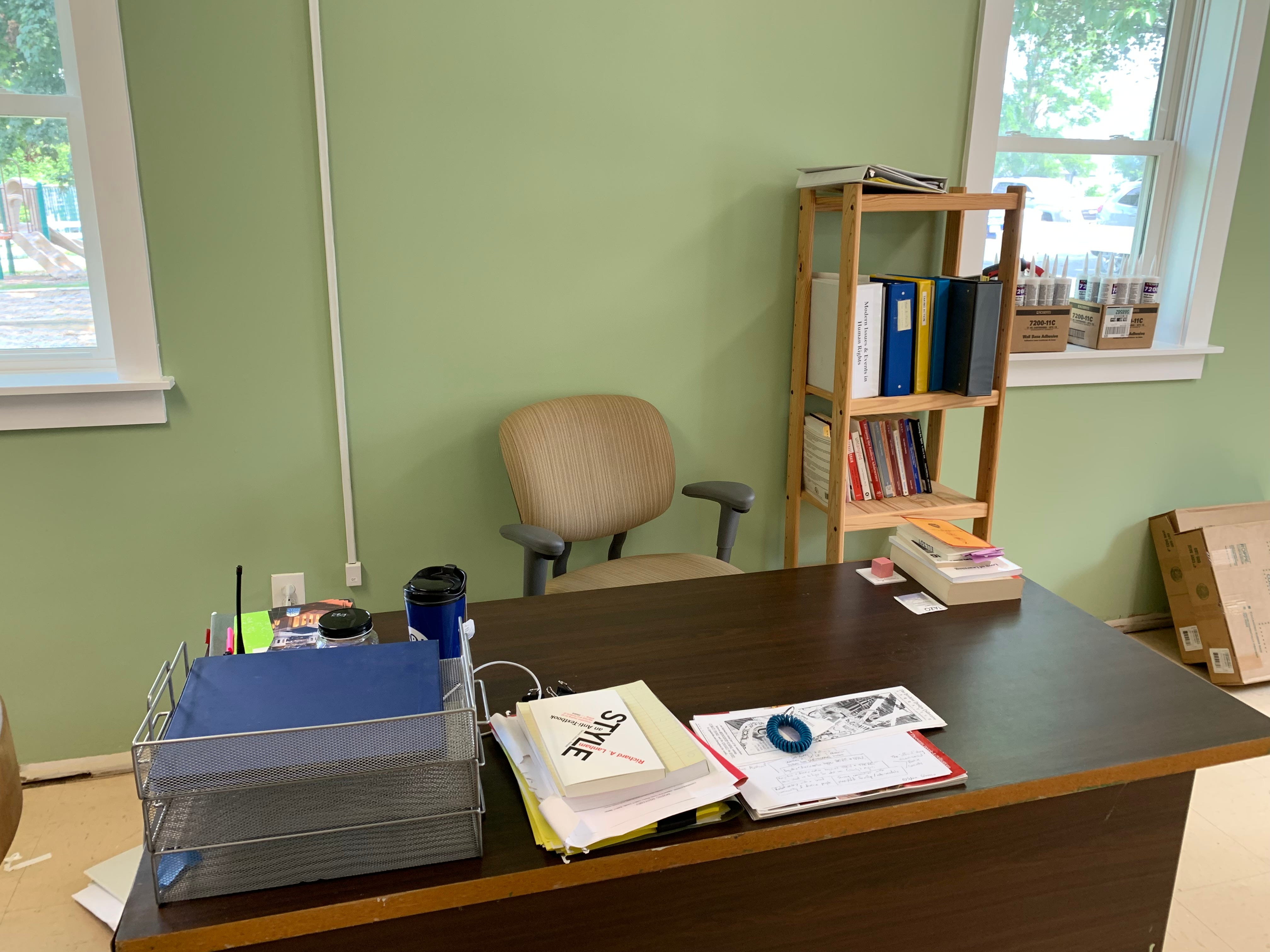
Your Teacher Desk Is Holding You Back
One of the best decisions I made as an educator was to get rid of my desk.My pedagogy and my relationships with students were hugely impacted by this small change.As I think about the key shifts that educators must make in order to enact a learner centered and/or Montessori paradigm, I continue to see how getting rid of the teachers desk is a requirement.I haven’t had a teacher desk in many years,
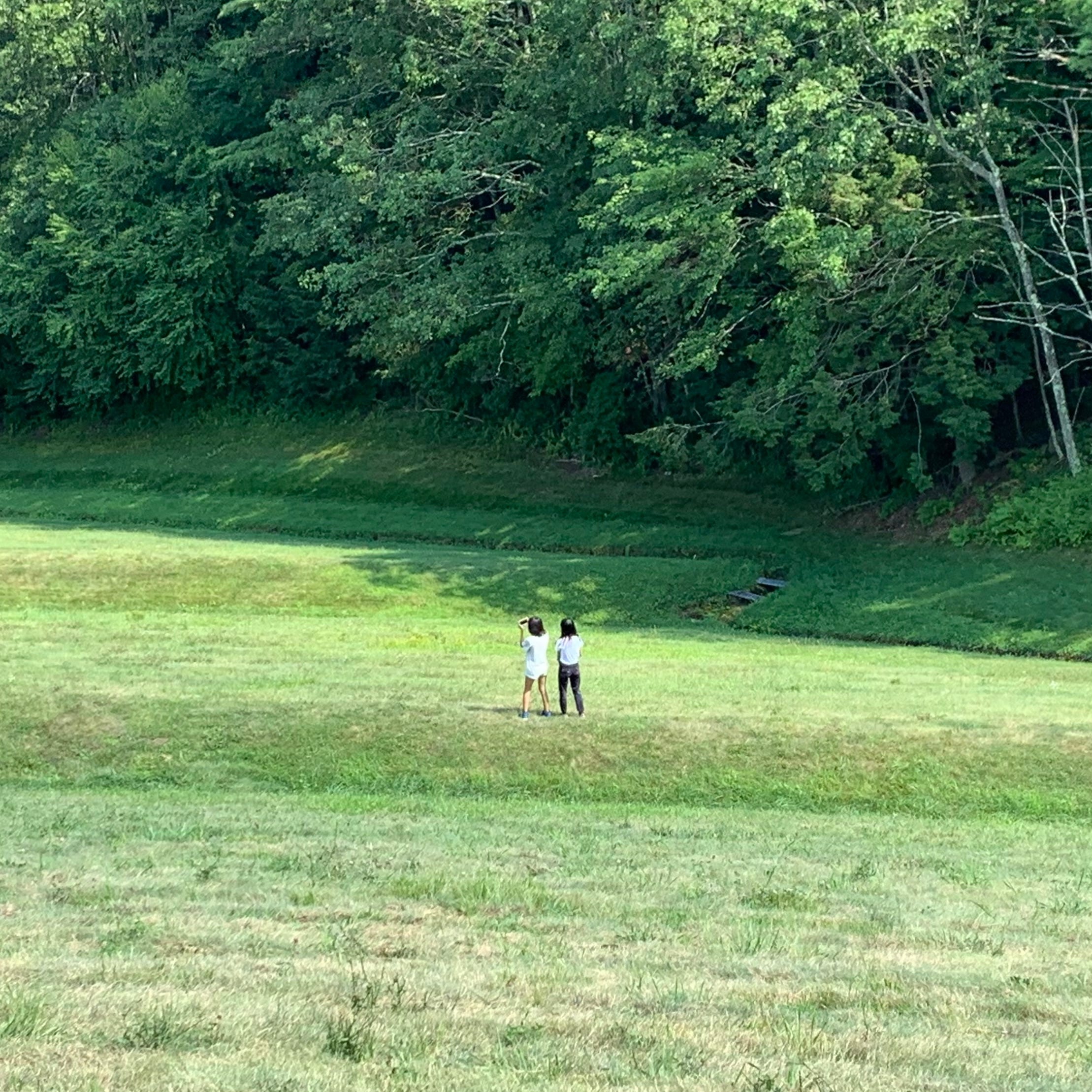
Why Young People Need Autonomy to Thrive
The traditional paradigm of education is fundamentally based on compliance and control. Getting students to sit in rows, stand in a straight line, turn in assignments on time, and regurgitate information delivered by a teacher.We know that such environments do not support intrinsic motivation and prohibit deep learning. It is also clear, through recent research, that such environments go against o
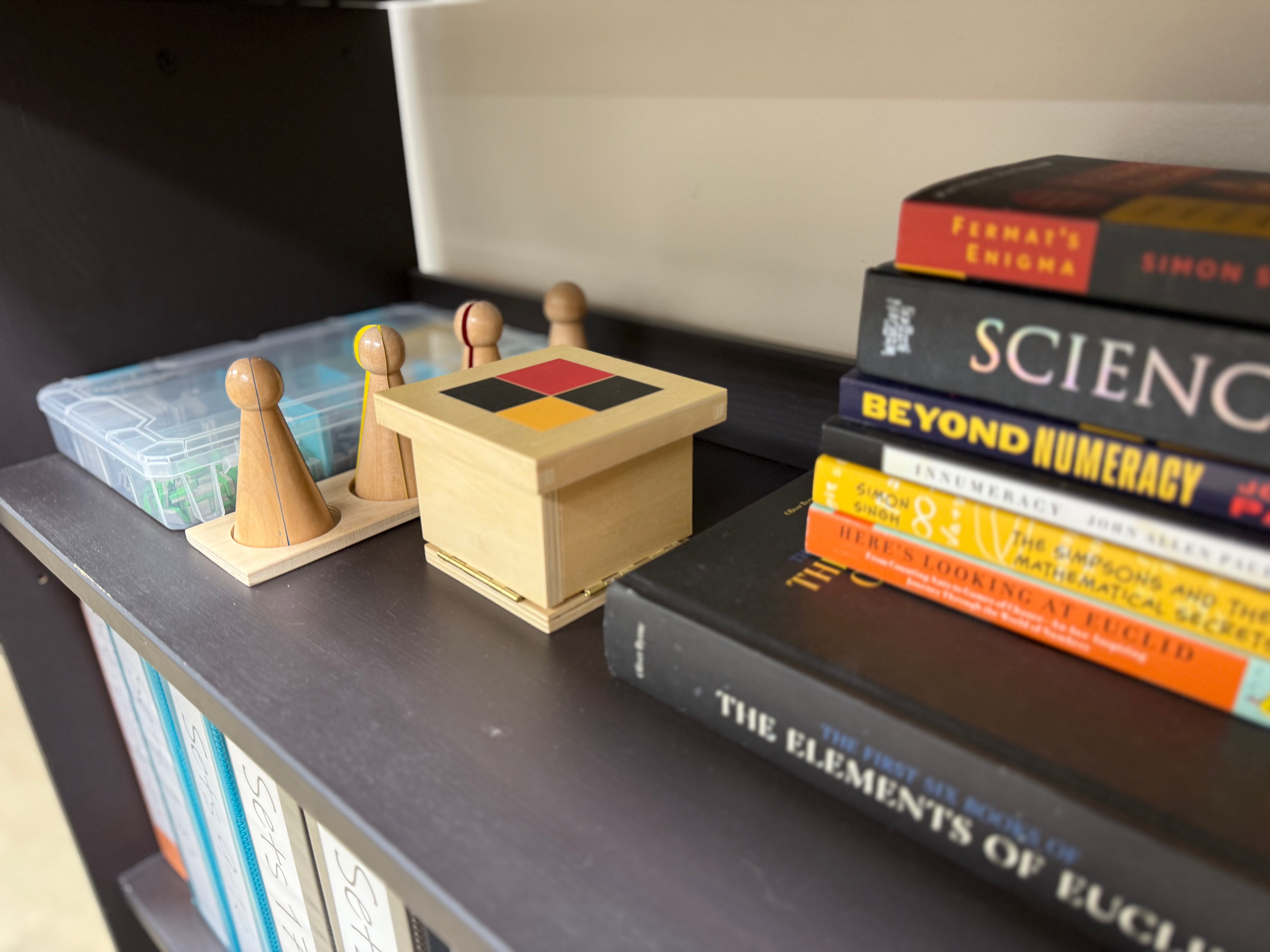
Breaking the Cycle of Math Phobia Starts With Adults: A Conversation with Kelly Jonelis, Part 2
As a language and humanities educator, I used to “comfort” students who were “not math people” like me.“It’s ok, not everyone is a ‘math person,’” I would say.This language and attitude, which stemmed from good intentions, ultimately did a disservice to my students and their relationships with math.I had developed a phobia of math because of the traditional way I was taught. The implicit biases an
You ARE Good at Math: Encouraging learners and educators to reconsider their relationship with mathematics with Kelly Jonelis
We need to break the paradigm on math education because it helps our young people unlock a richer understanding of their world and a deeper level of critical thinking.All my life, I’ve described myself as “not a math person.”If we think about this statement, it doesn’t actually make much sense.Math is a symbol system, much like language, that humans have developed to understand the world and the p
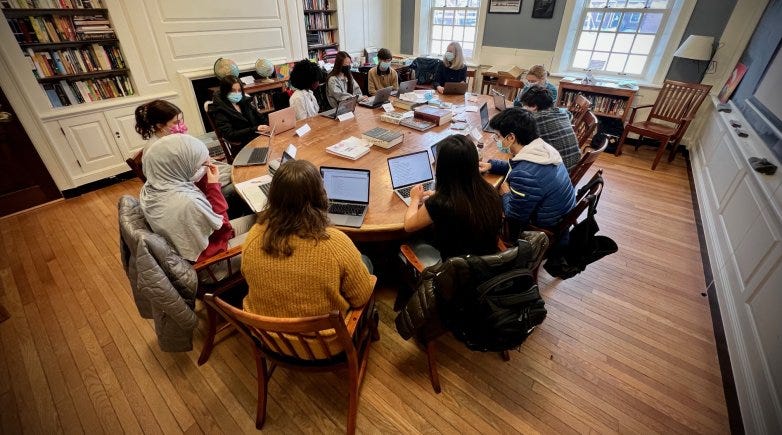
From Rows to a Circle: How Circle Practice Transforms our Pedagogy in a Learner-Driven Classroom with Carol LaLiberte
What do you picture when you envision a typical classroom?You probably think of desks in rows facing a blackboard or podium, which is reserved for the “sage on the stage” teacher.But what if we were to change the physical environment and invite learners to sit in a circle with the adult facilitator? How would this shift in our prepared environment alter our pedagogy and our view of learners and le

What Does it Take to be a Montessori Educator?
The Montessori paradigm is based on a fundamental principle; one which is so engrained in the method that we often take it for granted.We believe that every human being deserves a prepared environment where their needs are met, and that such conditions will empower each individual to live in equitable interdependence with the human and more-than-human world.This is not something that adults create

What Does It Mean to "Reimagine Education?"
What does it mean to reimagine education given our current context of chaos and inequity?This is what I discussed with my friend and colleague Wendy Fisher on the first episode of the Breaking the Paradigm podcast. We hear the phrase “reimagine education” everywhere in our public discourse. Yet, “reimagine” is often only a call to rearrange the deck chairs on the Titanic of traditional education.
Recommended

McKinsey on Consumer and Retail

megahired.com

Hard Knocks Podcast
Effective Weight Loss for Moms | High protein, Strength Training, Lose Weight, Meal Planning, Fat Loss, Healthy Habits

The Human-Animal Connection - Pet Life Radio Original

The Daily

World News Tonight with David Muir
The Joe Rogan Experience

English Vocabulary Help
TED Talks Daily

Learn English B1 with Daily News | English Listening Practice

Talk About Talk - Executive & Leadership Communication Skills
