In the Shadows of Utopia: The Khmer Rouge and the Cambodian Nightmare
A comprehensive, long-form history podcast about Cambodia, the Khmer Rouge and the Pol Pot regime.
Episodes
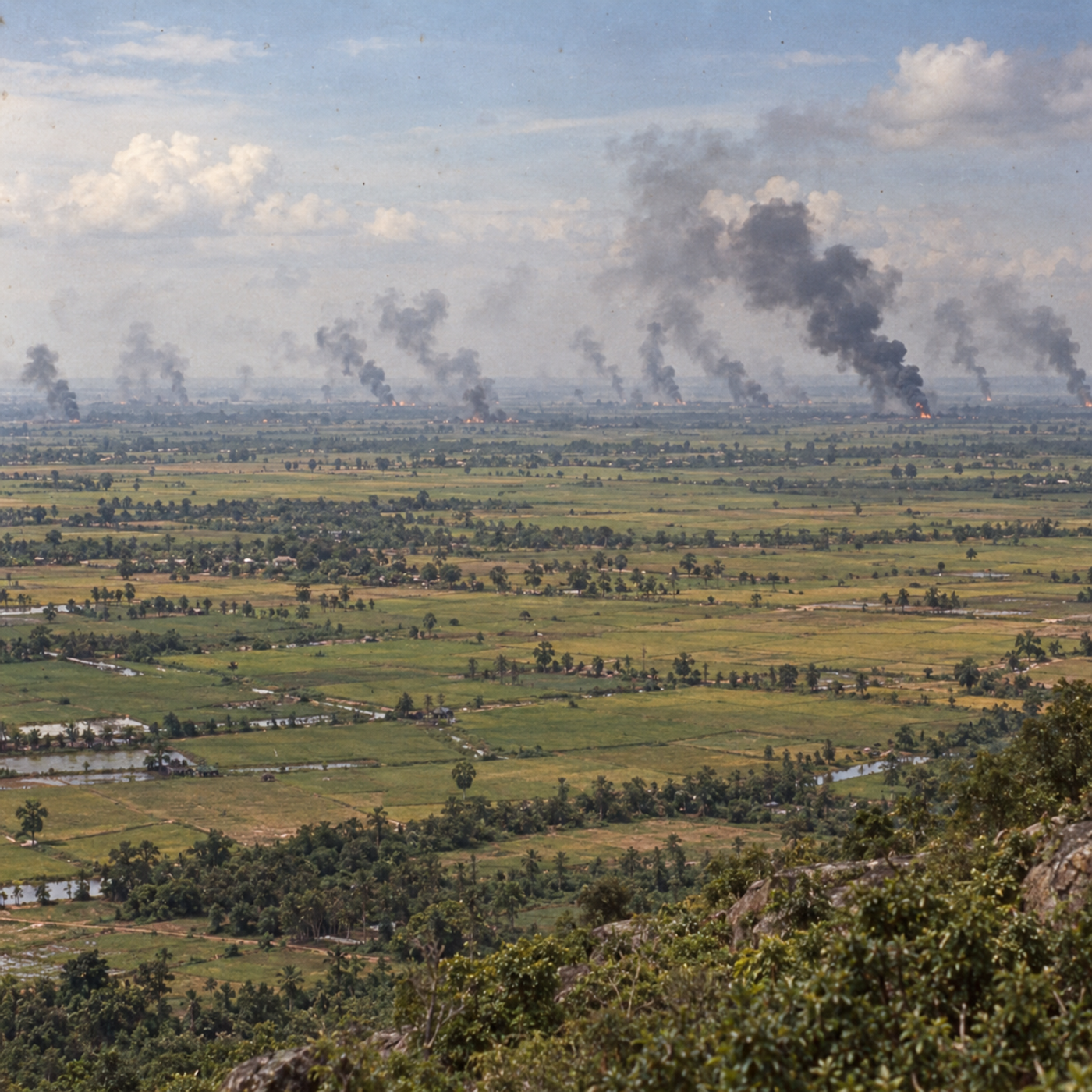
S3 Ep11: 1973 Part Two: Pull Them Up By Their Roots! Ta Mok and the 'Model' Southwest Zone
In June 1973, a young American official and his fiancée climbed a mountain on the Vietnamese border, expecting a view of farmers planting rice. What they saw instead were columns of black smoke rising from Cambodian villages as far as the horizon. They were all burning at the same time.Time Period Covered: April to December 1973Why did the Khmer Rouge begin collectivising the countryside two year
S3 Ep10: Interview: The Man Who Stole the Gods | Douglas Latchford & Cambodia’s Looted Khmer Art with Matthew Campbell
Matthew Campbell, award-winning journalist for Bloomberg Businessweek and author of The Man Who Stole the Gods, joins Lachlan Peters to discuss Douglas Latchford, the extraordinary plunder of Cambodia’s ancient Khmer antiquities, and the international art market that helped move stolen treasures from Cambodian temples into private collections and some of the world’s leading museums.The Man Who St
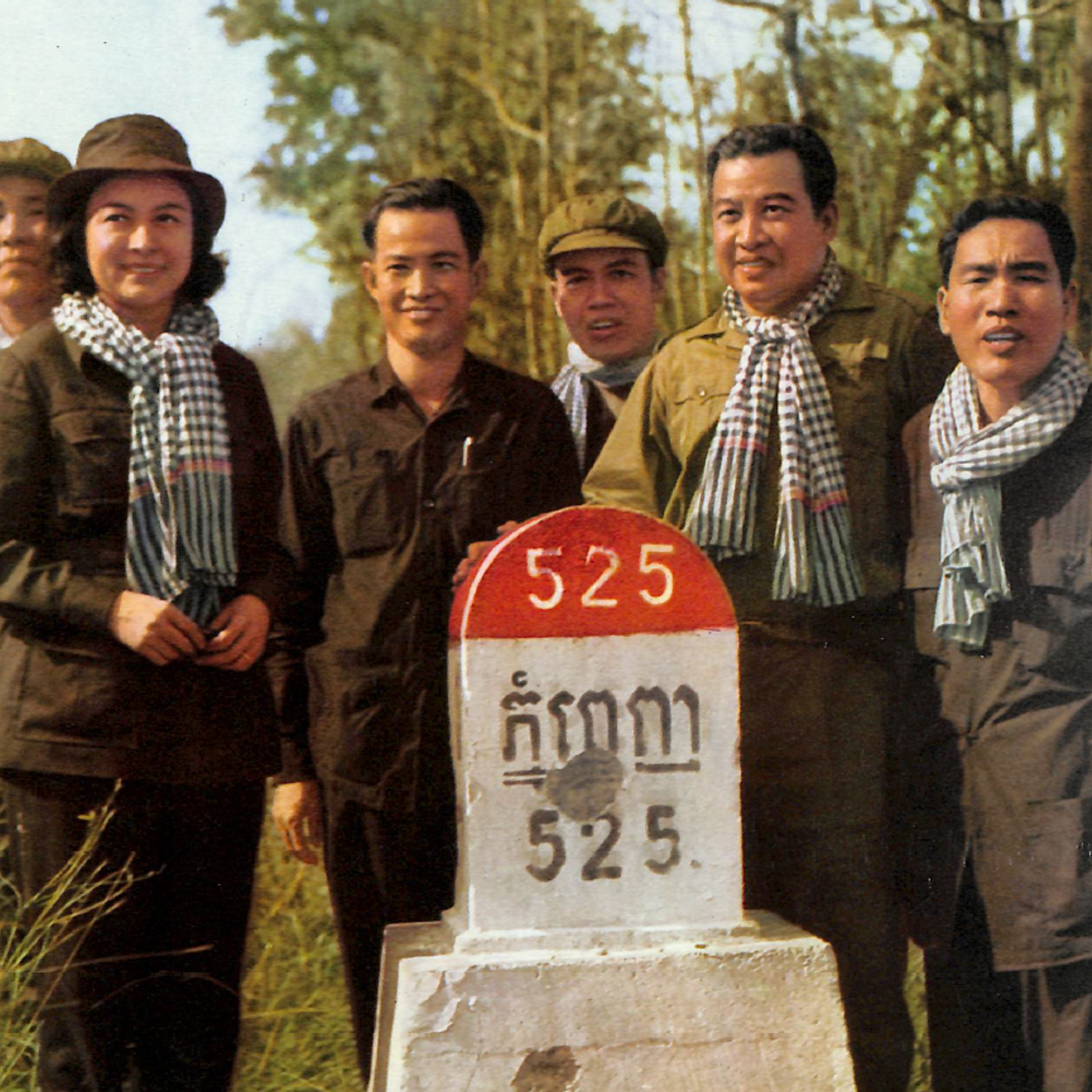
S3 Ep9: 1973 Part One: The Return of the King
In early 1973, Norodom Sihanouk travelled down the Ho Chi Minh trail and back onto Cambodian soil for the first time since the coup. China Pictorial published a special issue of photographs to prove it. In the background of several of them stand men the prince had been told not to name.Time Period Covered: January to August 1973How much did Sihanouk know about the Khmer Rouge he was selling to th
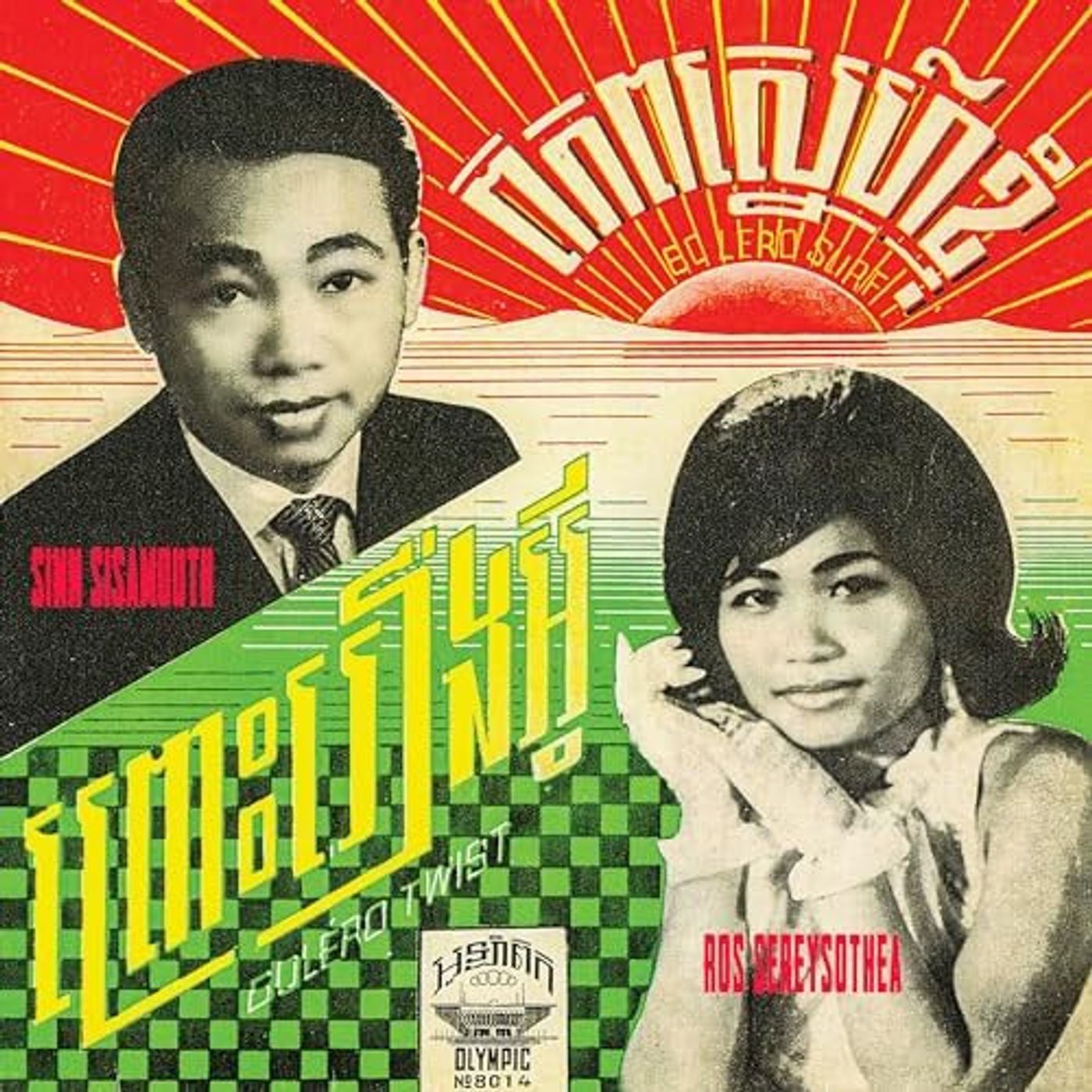
S3 Ep8: Terrorism, Rock and Roll and the Battle of Angkor Wat
At the beginning of 1972, Khmer Rouge and Vietnamese forces fought each other in the temple complex at Angkor. In Phnom Penh, a city swollen with refugees and rocked by bombings, the radios played Sinn Sisamouth and Ros Serey Sothea. It was the peak of Cambodia's golden age of music, and it had three years left.Time Period Covered: 1972How did a golden age of music emerge during the Cambodian Civ
S3 Ep7: How to Get Out of a War in Indochina: Nixon, Mao and the Paris Peace Accords
In February 1972 Richard Nixon flew to Beijing to shake Mao's hand. In May he went to Moscow. In between, North Vietnam launched the largest conventional offensive of the war and American bombers returned in force. All of it, in one way or another, was about how to leave Vietnam without appearing to lose it.Time Period Covered: 1971 to 1973How do you get out of a war without losing it? What did N
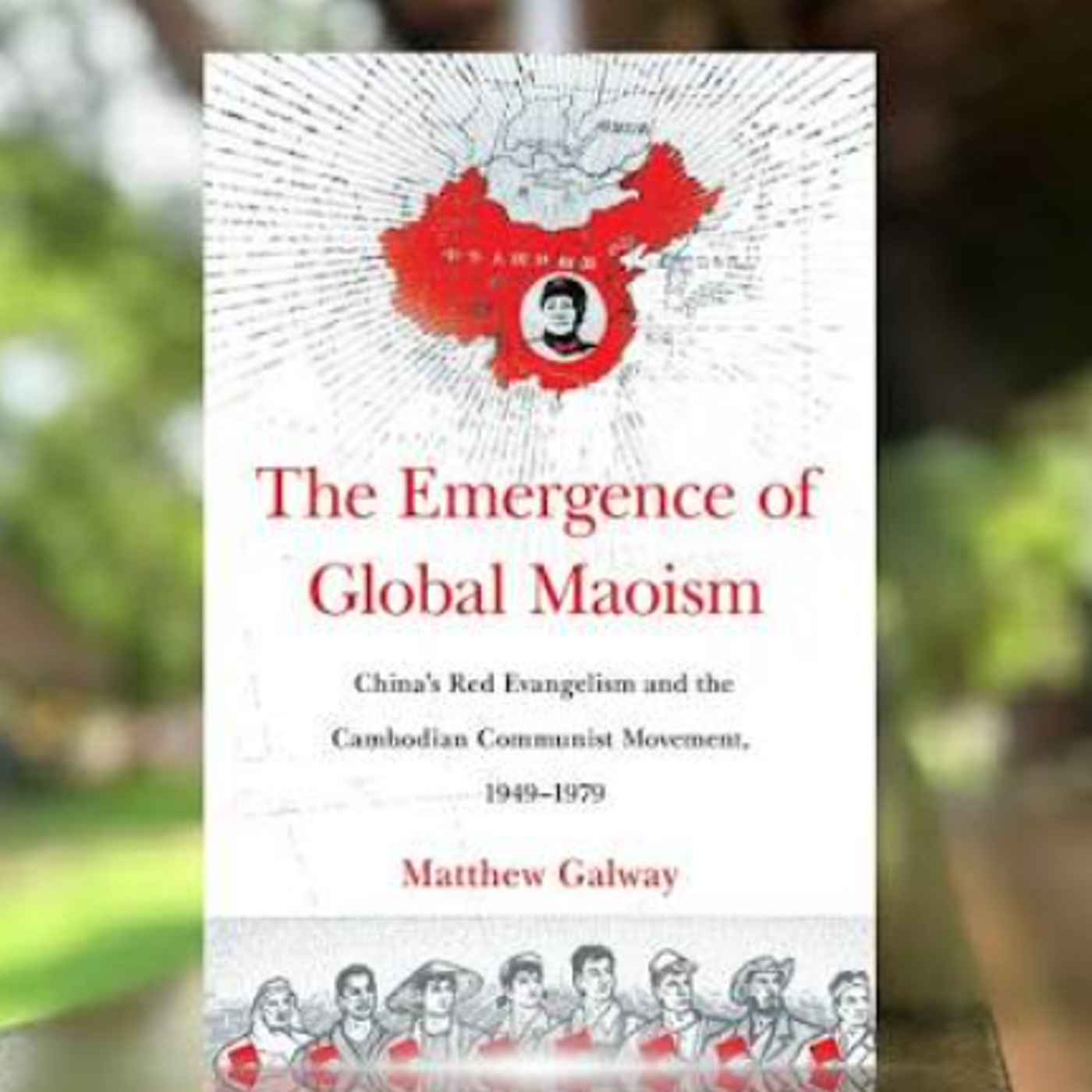
S3: Interview: Maoism, the Three Ghosts, and the Khmer Rouge with Matt Galway
In this extended interview, I’m joined by historian Matt Galway, author of Global Maoism, to unpack the intellectual, ideological, and historical foundations of Maoism and Cambodian communism.We begin with Galway’s academic background and how the Khmer Rouge became a central focus of his research, before moving into core Marxist concepts such as dialectics, contradiction, and why communists histo
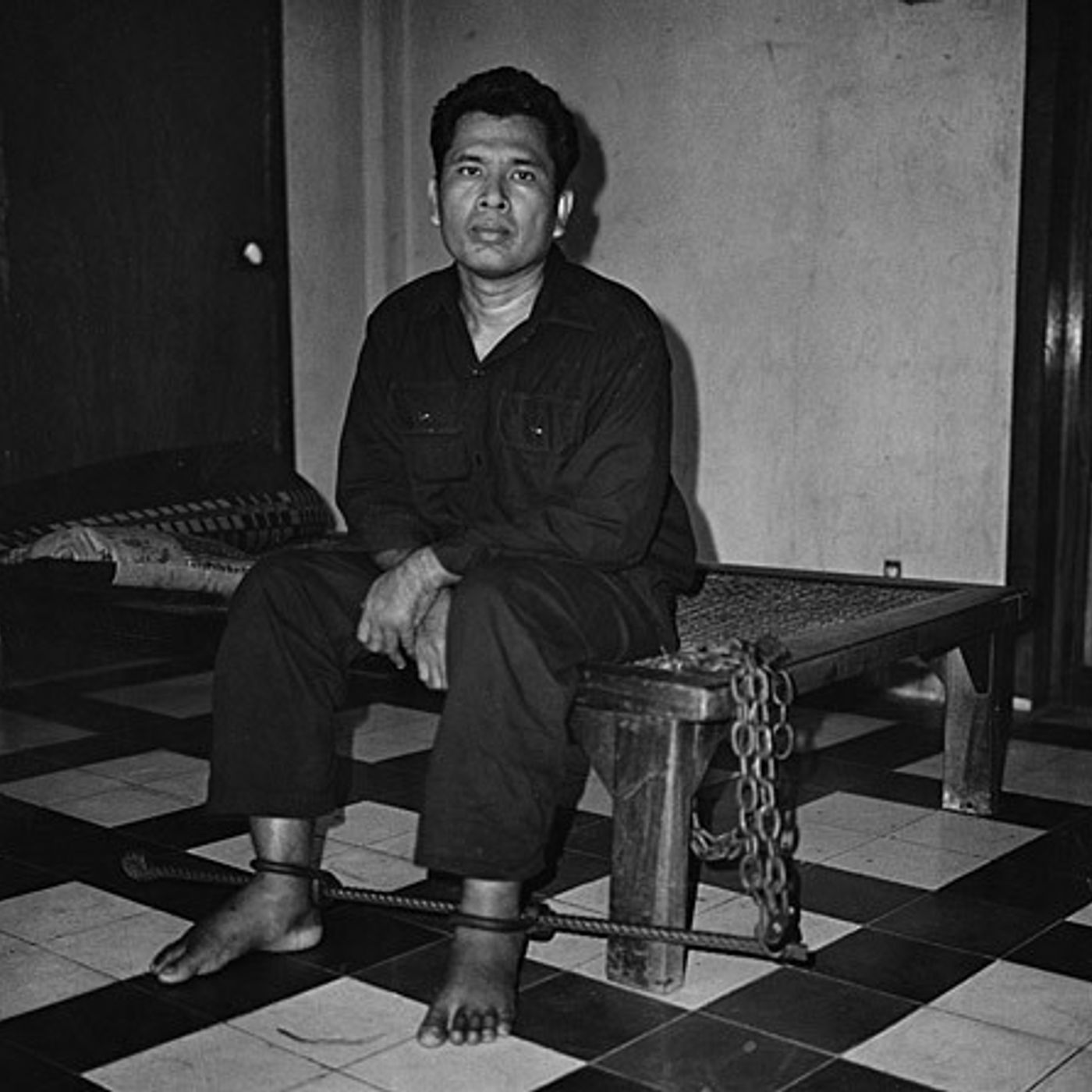
S3 Ep6: 1972 - Life (and Death) in the Liberated Zones. Regrets for the Khmer Soul and M-13
In 1972 a Phnom Penh schools inspector named Ith Sarin spent nine months inside Khmer Rouge territory and came back to write about it. Around the same time a French scholar named Francois Bizot spent three months chained in a jungle camp called M-13, interrogated daily by Duch. Between them they left the two most detailed accounts of the Khmer Rouge before it took power, and they do not describe
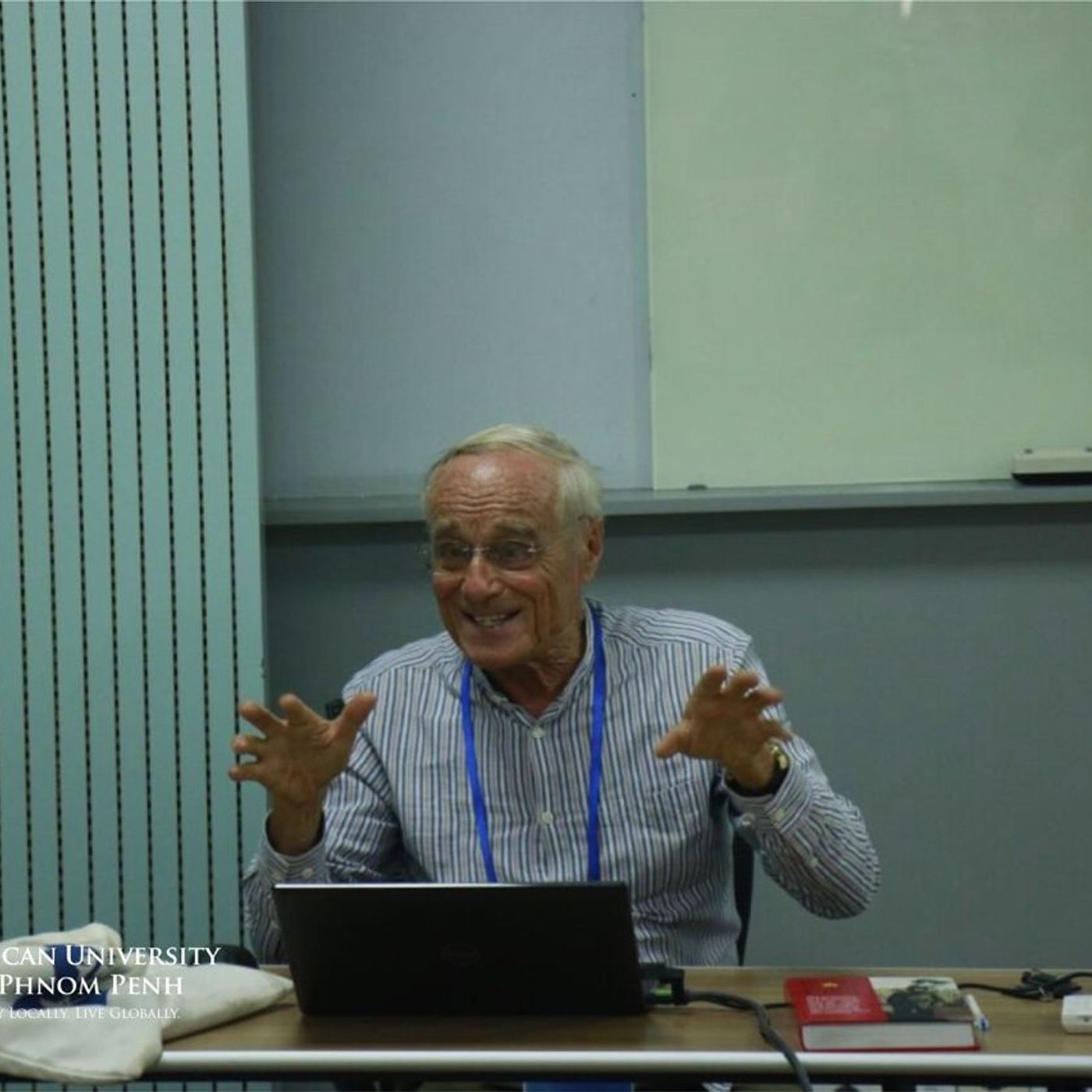
S3: Interview: The Super Great Leap Forward and the Khmer Rouge Prison System with Henri Locard
This episode is a follow-up to the two-hour discussion I had with historian Henri Locard. The video of that full conversation is available for free on Patreon right here (or just go to https://www.patreon.com/shadowsofutopia) - no sign up required.Henri Locard is a prominent scholar of the Khmer Rouge, he testified as an expert witness at the ECCC, and has written extensively on the subject. Most
S3: Interview: Who Killed Haing Ngor? With Patricia Nunan
You've seen The Killing Fields, you probably know that Haing Ngor, who played Dith Pran in the film won an oscar. You might also know that he was murdered in Los Angeles. But the version of that story you've known for years... isn't true.Patricia Nunan, or MP, is a veteran journalist who has worked for a variety of well regarded institutions. She is now tackling the murder of Haing Ngo - completel
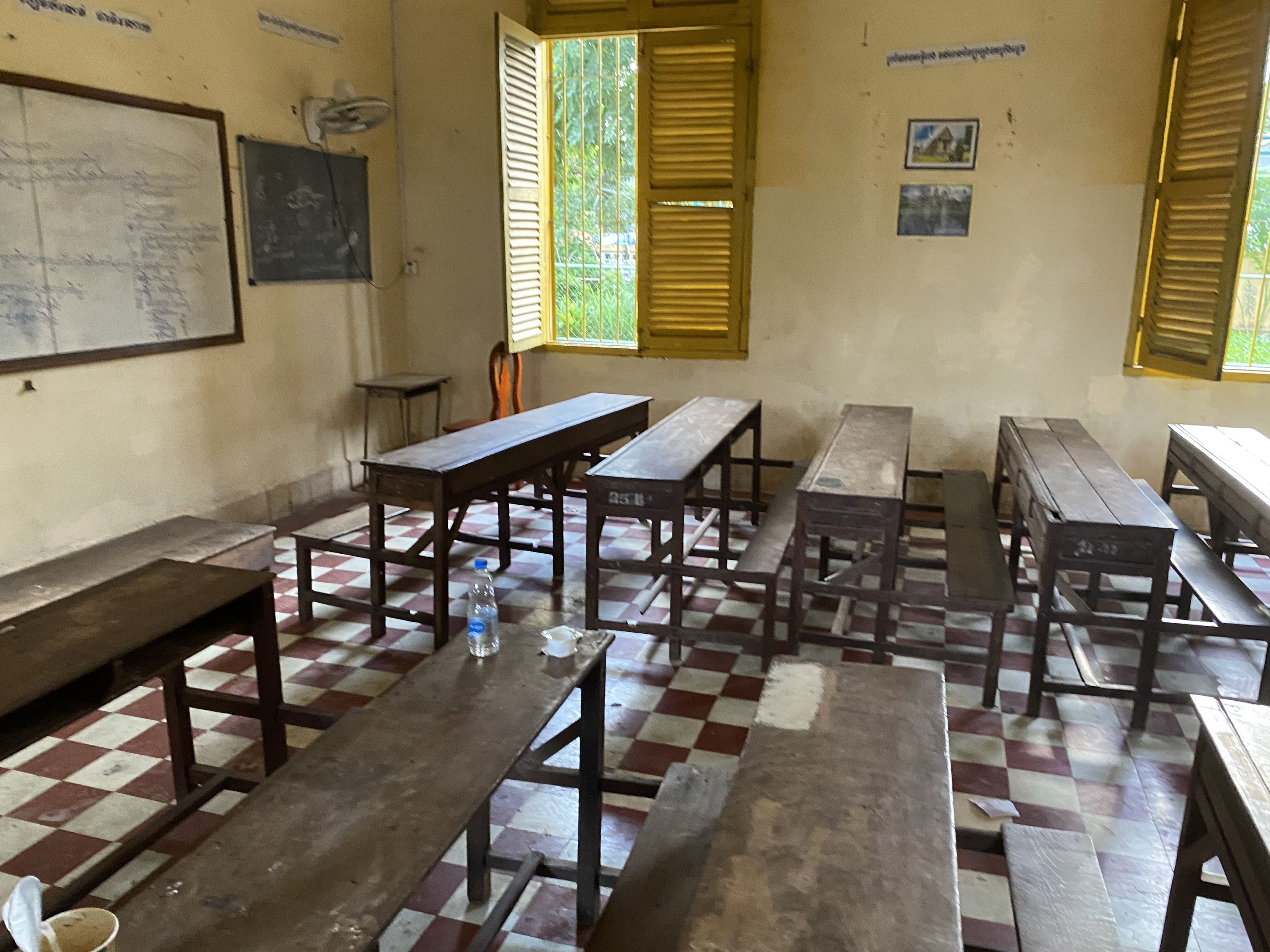
S3: Bonus: A Recount of My Interview With an Ex-Khmer Rouge Doctor
He trained as a doctor in the Khmer Rouge's main hospital during the civil war and worked as a surgeon in Phnom Penh under Democratic Kampuchea. Asked what went wrong, his answer was that nothing did, not until 1977. He does not blame Pol Pot. He blames saboteurs, factions and the Vietnamese, which is exactly what the regime told him to believe, and he still does. In this bonus episode, I sit dow
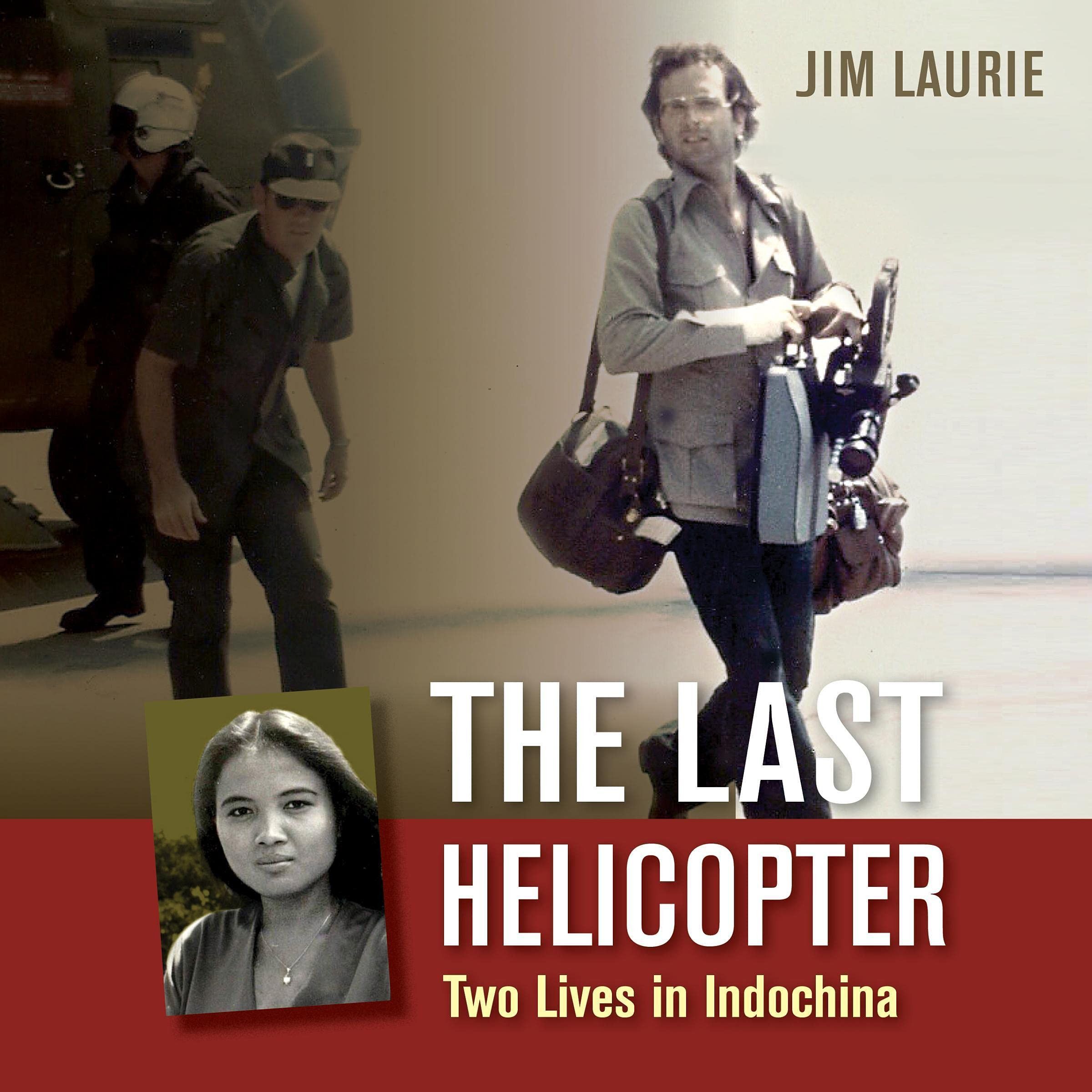
S3: Interview: Cambodian and Vietnamese Civil War Correspondant Jim Laurie
In this bonus podcast episode, I’ve invited veteran journalist Jim Laurie to reflect on a lifetime spent amid global upheaval. From the Nixon incursion into Cambodia to the oblivious tranquility of Phnom Penh before war erupted—Laurie shares his remarkable memories, including a poignant love story with a local woman, a comparison between the wars in Saigon and Cambodia, and the shock of revisiting
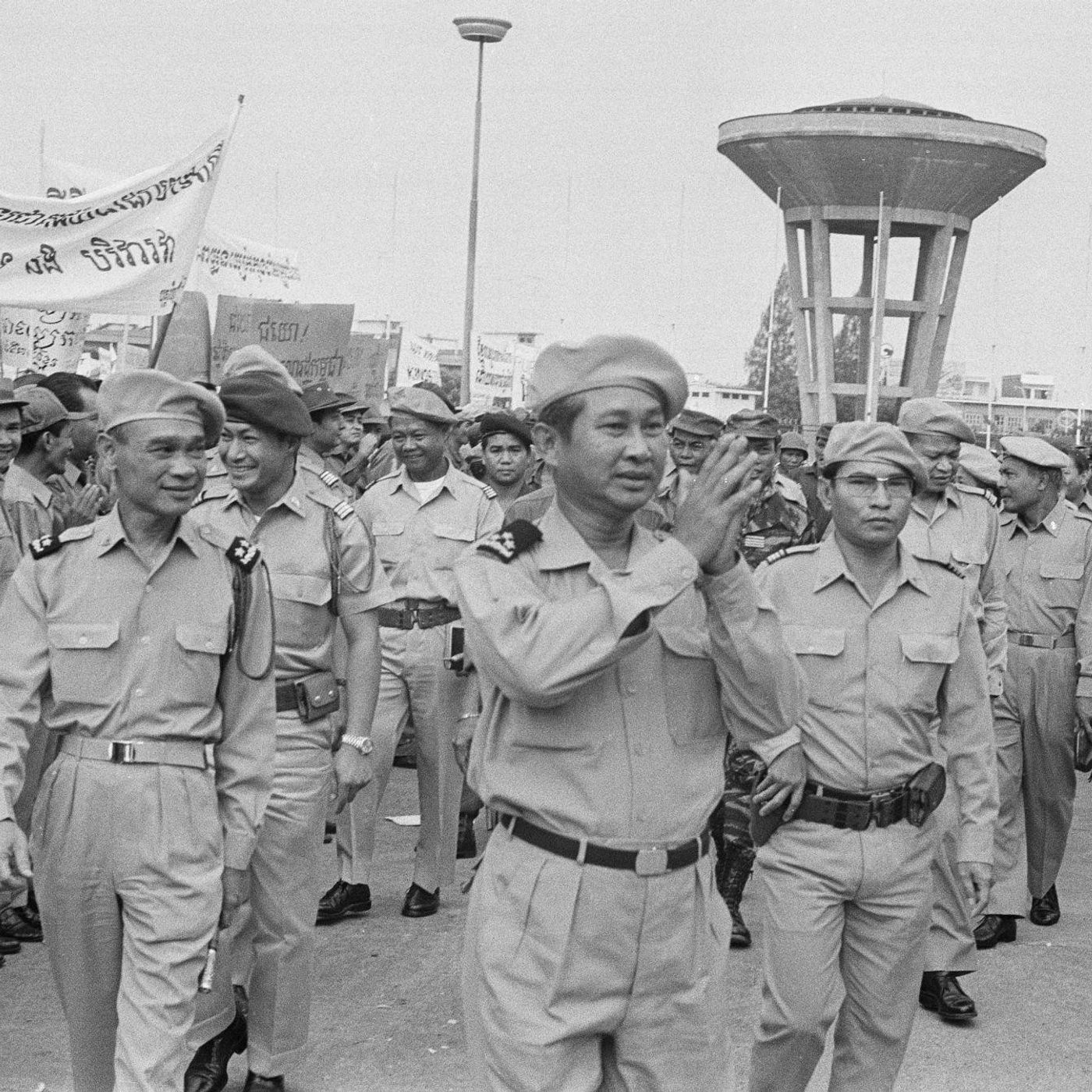
S3 Ep5: Chenla II: Lon Nol Strikes Out
In February 1971 Lon Nol suffered a stroke and was flown to Hawaii to recover. Many hoped he would not come back. He did, and by December the army under his command had suffered a defeat on Route 6 from which it never recovered.Time Period Covered: March to December 1971What was the political fallout from Lon Nol's stroke? How did race and religion become such a key theme of his regime? What led
S3: Interview: Explaining The 2025 Thai Cambodian Border Crisis with Sebastian Strangio
In this episode, I talk with journalist and author Sebastian Strangio about the border tensions between Cambodia and Thailand that have escalated in July 2025. Sebastian is the Southeast Asia editor at The Diplomat and one of the region’s leading journalists. He’s a former reporter at the Phnom Penh Post, and the author of Hun Sen’s Cambodia (re-released as Cambodia: From Pol Pot to Hun Sen and Be

S3: (Bonus) A Brief History of the Thai Cambodian Border Dispute
Hello everyone, I've put together a quick look at the long history of the Thai Cambodia border dispute to compliment what I'm sure many of you are reading and watching in newspapers and on television. The escalation is far from good, and I hope it simmers down back to - as I'll discuss - a normal state of not-quite-peaceful.I cover the history from 900 CE to 2025, and everything from the 1794 retr
S3 Ep4: The Khmer Republic: The Lon Nol Line and Operation Chenla I
In late 1970 the Khmer Republic launched its first major offensive of the war, an attempt to reopen Route 6 and relieve the town of Kompong Thom. It was the first test of whether Lon Nol's army could actually fight.Time Period Covered: June 1970 to January 1971How did the Khmer Republic try to take back control of Cambodia? What was Operation Chenla I, and what did it reveal about the Cambodian a
S3 Ep3: Pol Pot Rises
On April 3rd, 1970, a former maths teacher named Kaing Guek Eav walked out of prison in the general amnesty that followed the coup. He is better known as Duch. Within a year he would be running a jungle prison called M-13, and within five, the interrogation centre at Tuol Sleng.Time Period Covered: April 1970 to July 1971Why was Duch released from prison on April 3rd, 1970? How did Pol Pot and th
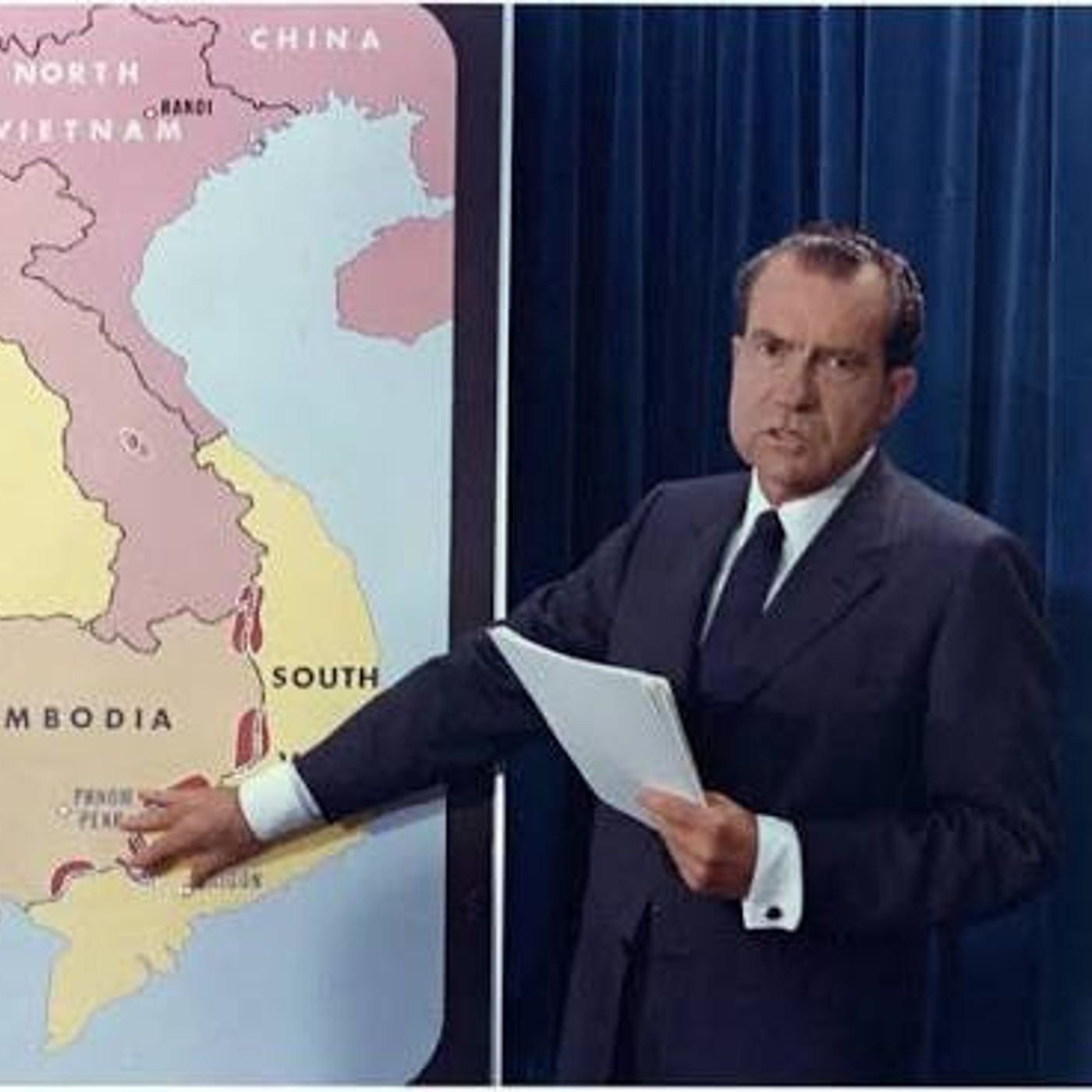
S3 Ep2: The Invasion (Part Two): Nixon's Cambodian Incursion
On April 30th, 1970, Richard Nixon went on television to announce that American and South Vietnamese troops were crossing into Cambodia. He called it an incursion, not an invasion, and promised it would be brief. Within a week four students were dead at Kent State, and within two months the Americans were gone again. The war they left behind was not.Time Period Covered: May to June 1970Why did Ni
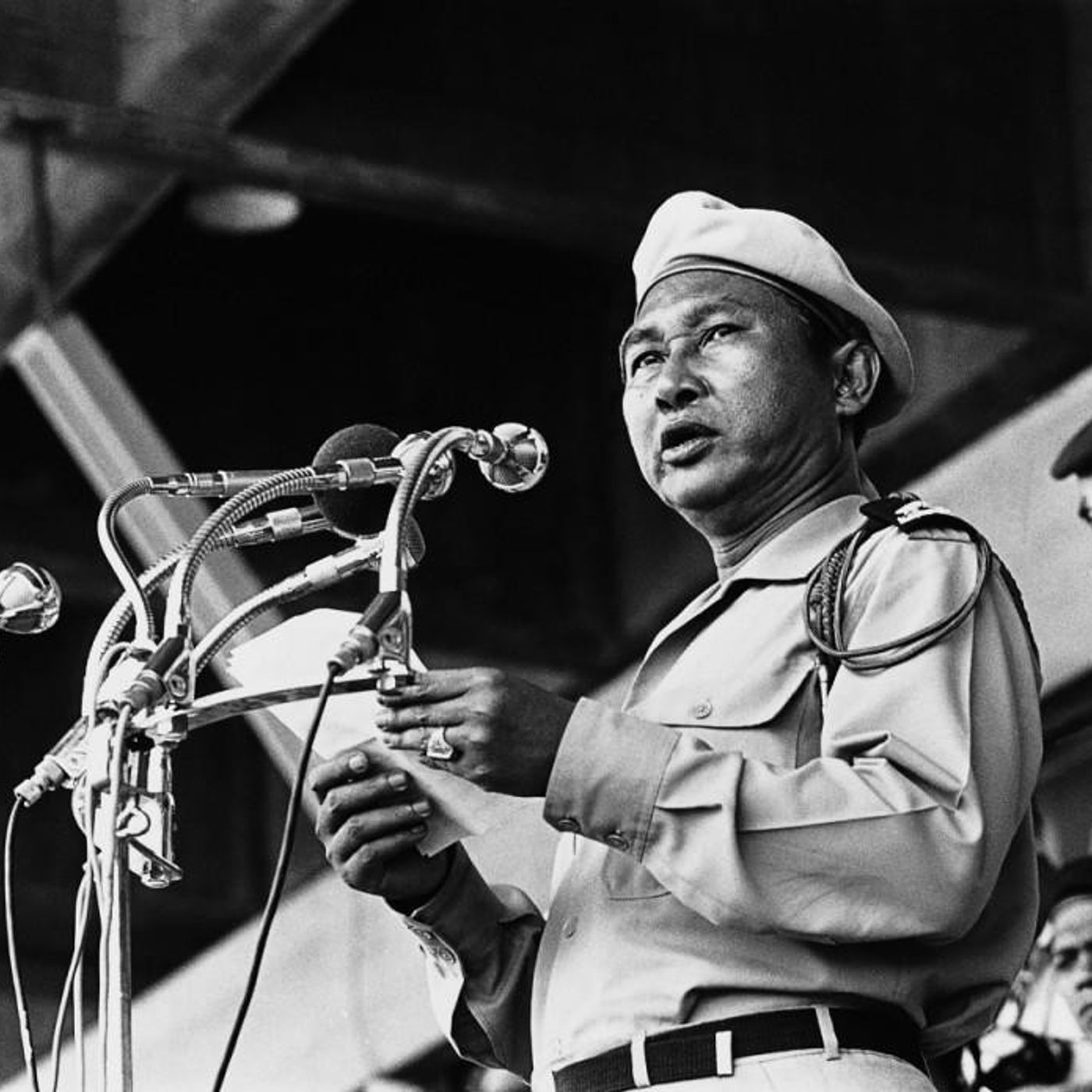
S3 Ep1: The Invasion (Part One): Counting Bodies Floating Down the Mekong
In April 1970, bodies began drifting down the Mekong into South Vietnam. They were ethnic Vietnamese civilians, killed by the forces of a Cambodian government that had held power for a matter of weeks. The new regime had declared war on an army it could not fight, and turned on the people it could reach instead.Time Period Covered: April 1970What was the crisis facing the new Cambodian government
S2 Ep19: Season 2 Recap - Cambodian History from Independence to Civil War
Season Two covers fifteen years and more than thirty hours, from a newly independent Cambodia in 1955 to the coup that ends Sihanouk's rule in March 1970. This episode is the whole arc in one sitting.Time Period Covered: 1955 to 1970How does the Communist Party of Kampuchea form, and how does a schoolteacher named Saloth Sar end up leading it?What happened to Tou Samouth?Why did the Khmer Rouge w
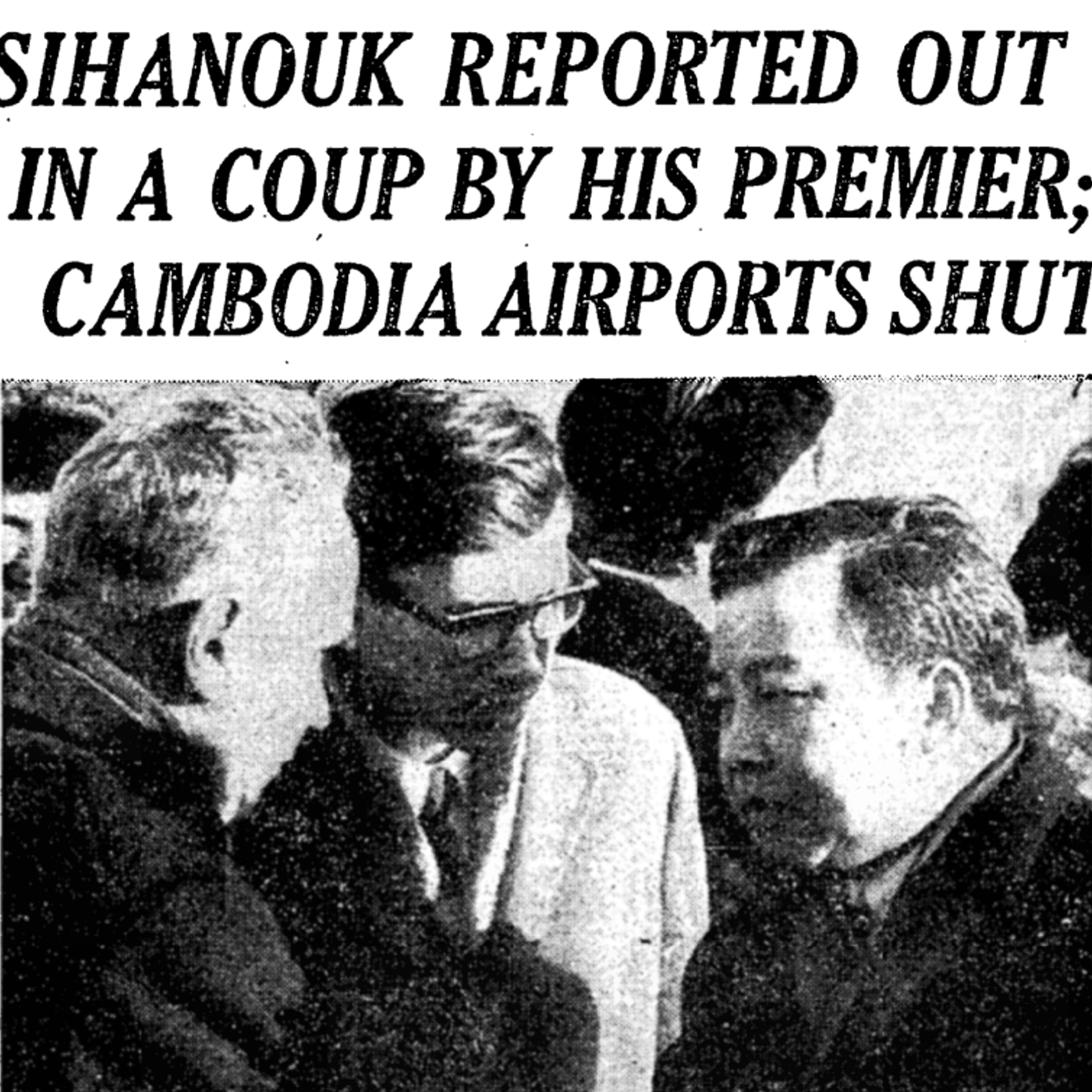
S2 Ep18: A Cambodian Coup: The Fall of Sihanouk
On March 18th, 1970, while Norodom Sihanouk was abroad, the Cambodian National Assembly voted unanimously to remove him from power. The men behind it expected to stabilise the country. Within weeks Sihanouk had joined a resistance front alongside the communists he had spent years hunting, and Cambodia was in a civil war it would not survive intact.Time Period Covered: 1969 to 1970Were the CIA res
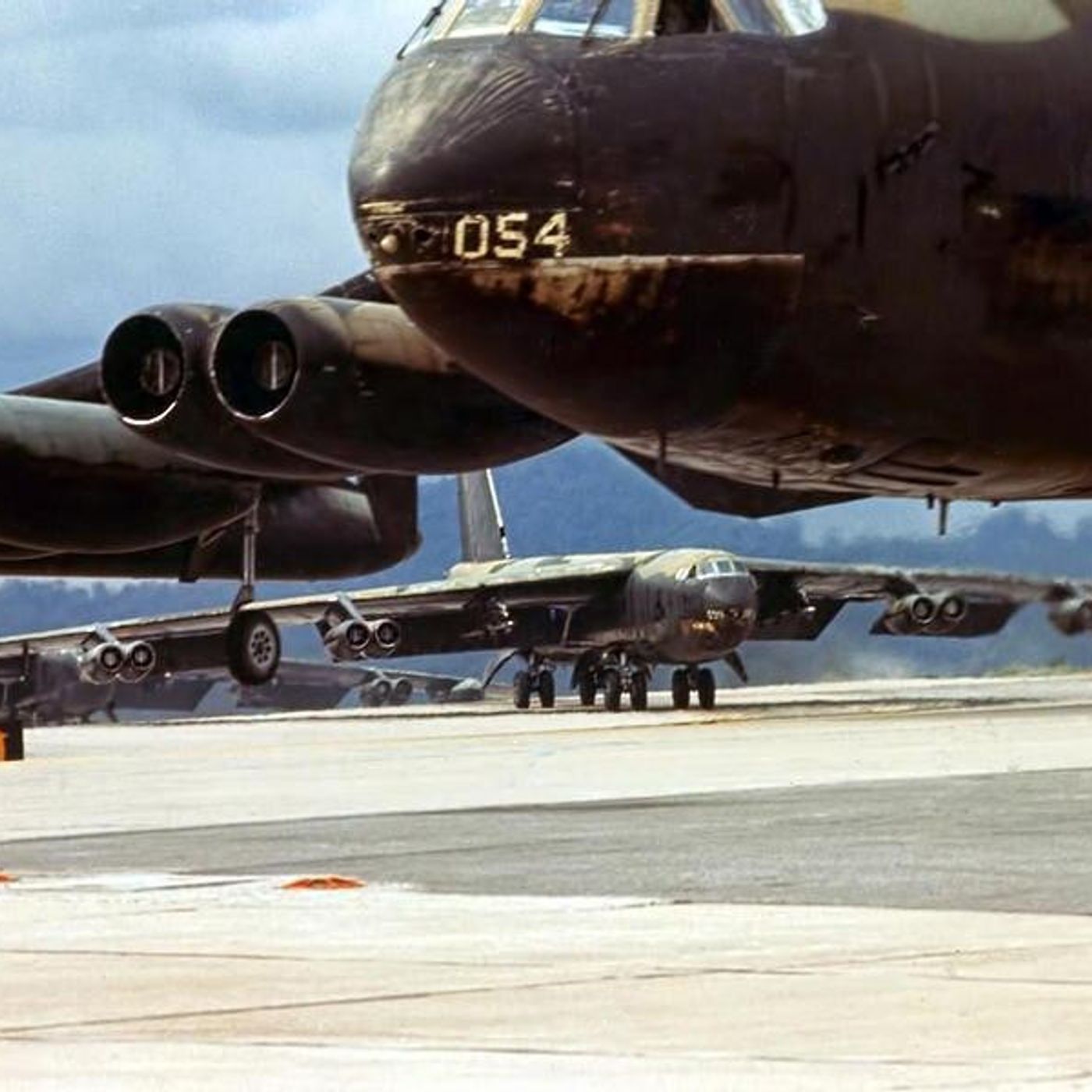
S2 Ep17: Death From Above 1969: Operation Menu and Nixon's Secret Bombing of Cambodia
In March 1969, American B-52s began bombing Cambodia, a neutral country, in an operation so secret that even the Air Force's own reporting system was falsified to hide it. The campaigns were codenamed Breakfast, Lunch, Snack, Dinner, Dessert and Supper. The menu would run for fourteen months.Time Period Covered: 1968 to 1969How did Cambodia become the 'key' to Nixon's plan to end the Vietnam War?
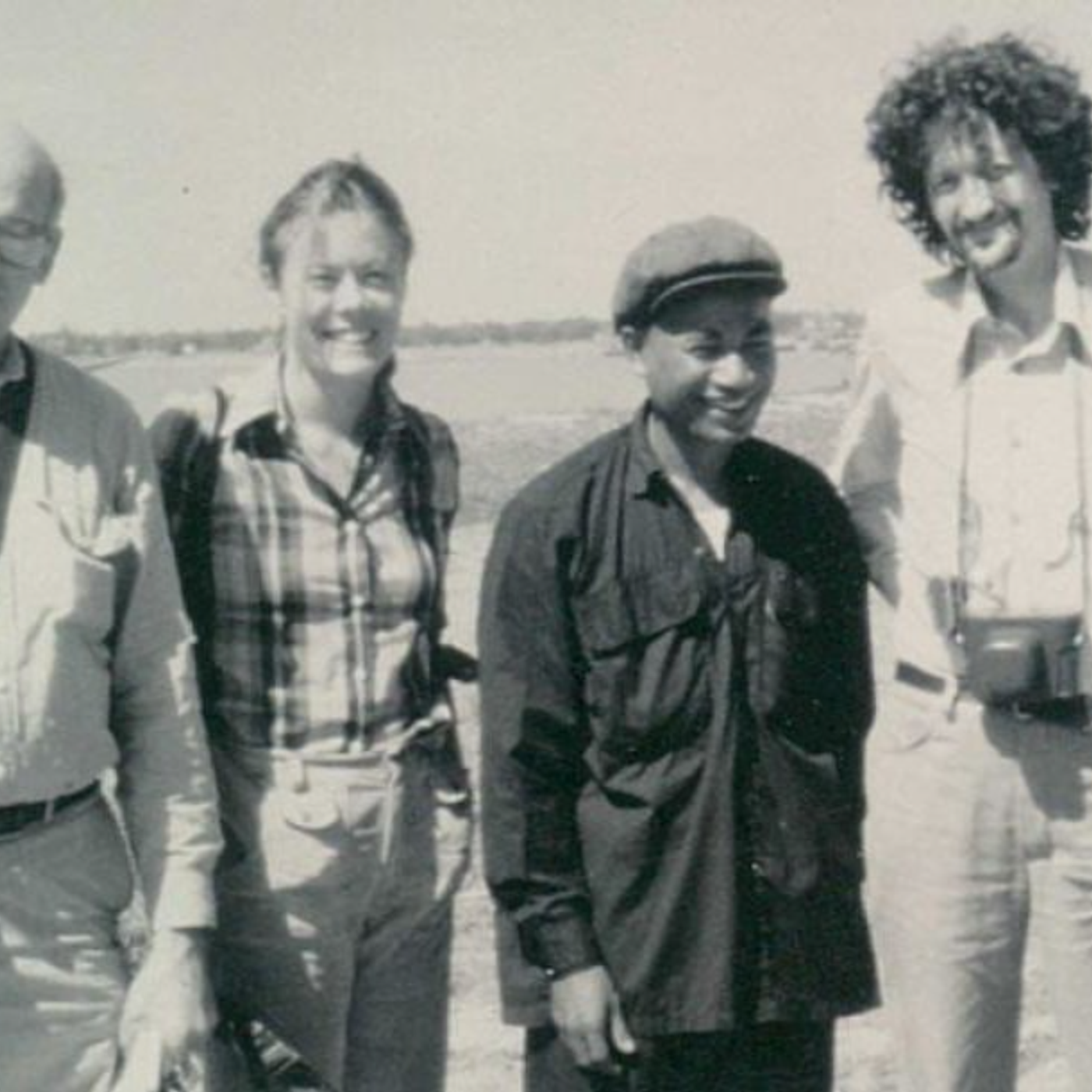
S2 Ep16: Interview: "Rendez-vous avec Pol Pot" with Elizabeth Becker
How many journalists were able to set foot in Cambodia before the revolution, during the revolution and after the revolution?Not many.Elizabeth Becker is one of those people. In 1973 she began covering the war in Cambodia, in 1978 she was part of a three person delegation which saw the first western journalists to enter into Democratic Kampuchea. There she was witness to, as she describes it a "Tw
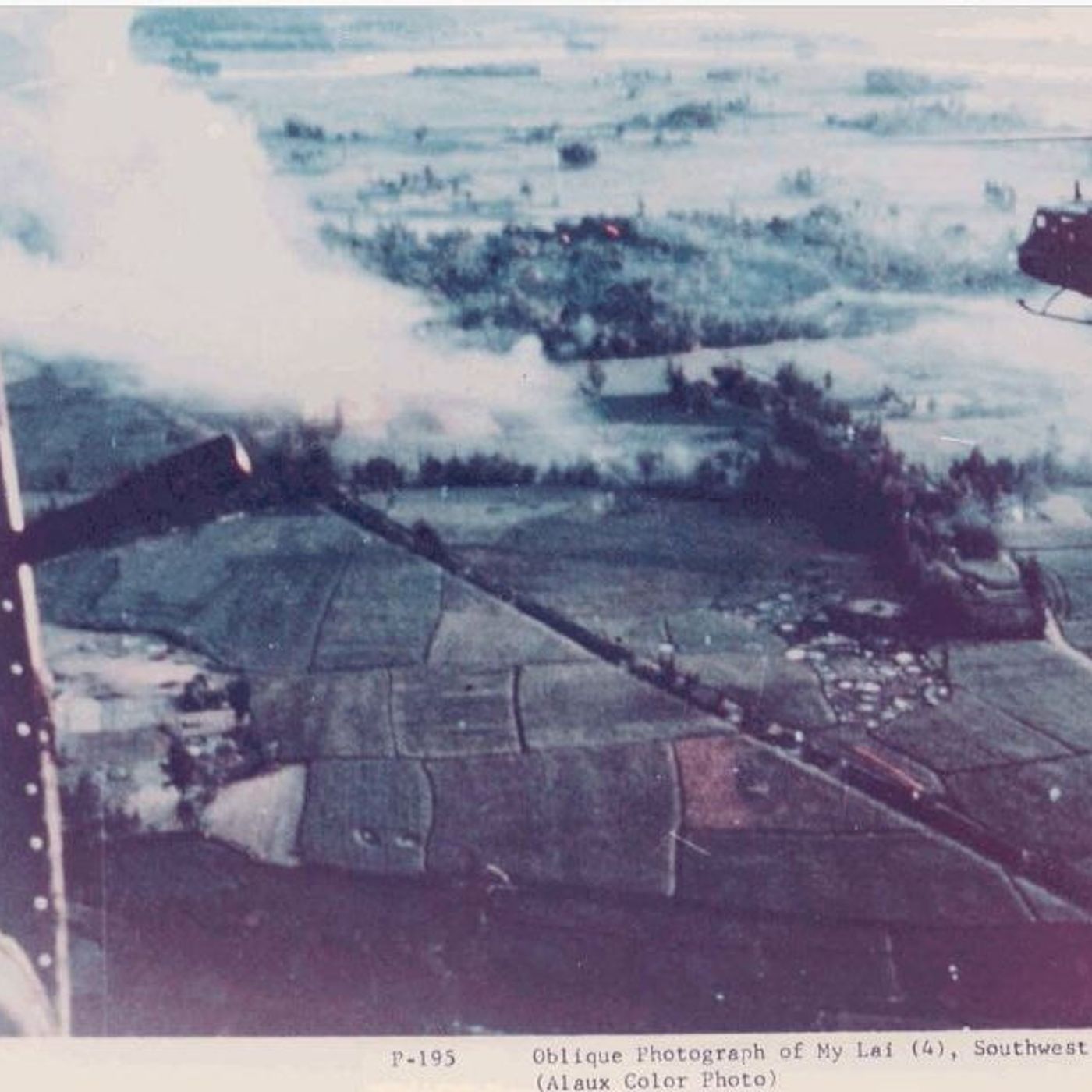
S2 Ep15: Tet (Part Two): The My Lai Massacre
On the morning of March 16th, 1968, the soldiers of Charlie Company entered the hamlet of My Lai expecting to meet a Viet Cong battalion. They met villagers eating breakfast. Over the next four hours, more than 500 civilians were killed. Nobody fired at the Americans that morning, and only one man ever went to prison.Time Period Covered: December 1967 to March 1968What role does the Tet Offensive
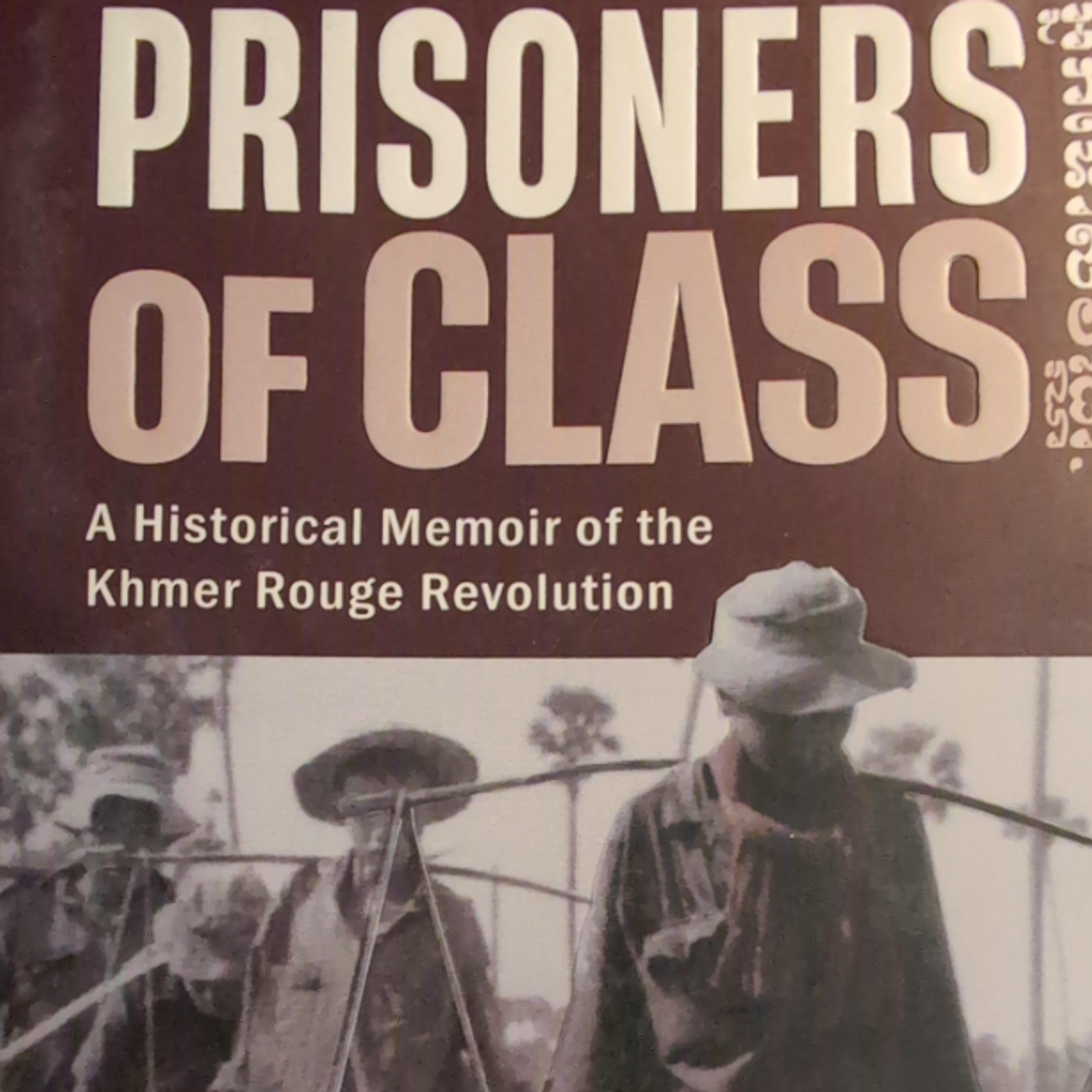
S2 Ep14: Interview: "Prisoners of Class" with Matt Madden
Lachlan sits down with Matt Madden, translator of Chan Samoeun’s Prisoners of Class. The book, having been recently released in English for the first time, is an amazing example of a Khmer Rouge survivor memoir. They discuss Matt’s journey in finding the original book, meeting the author and translating it over many years. The book itself, including amazing details and descriptions of the world o
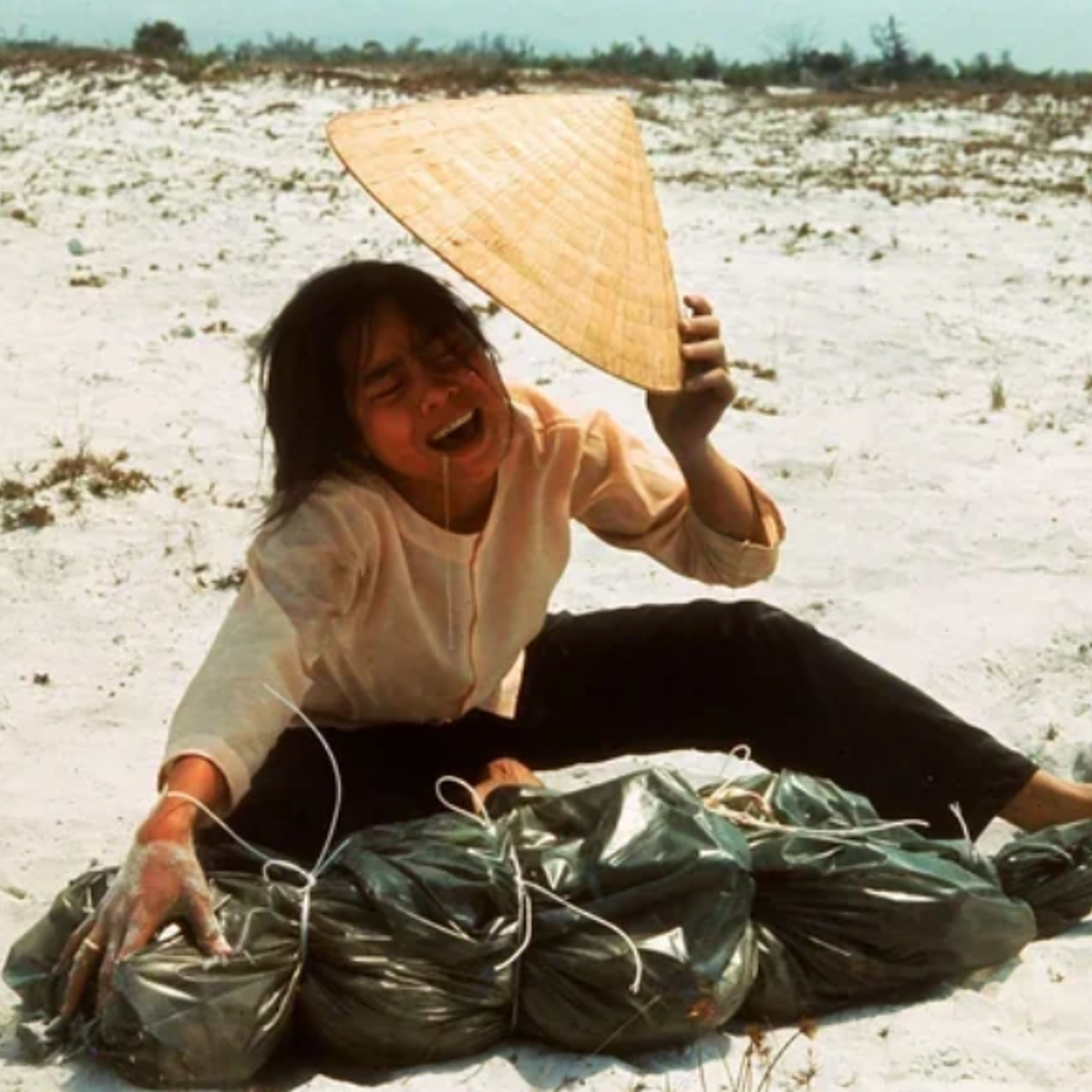
S2 Ep13: Tet (Part One): The Battle of Hue
In the early hours of January 31st, 1968, communist forces attacked more than a hundred cities and towns across South Vietnam at once. In Hue, the old imperial capital, they stayed for four weeks. When the city was retaken, mass graves held the bodies of at least 2,800 civilians.Time Period Covered: 1968What did the Tet Offensive achieve? How was the Battle of Hue waged? Why were almost 3,000 peo
S2 Ep12: The Cambodian Civil War Begins - Part Two: A Revolution Waged With Empty Hands
On January 17th, 1968, the Khmer Rouge attacked a military post at Bay Damram in Battambang province. It was the official beginning of their armed struggle, launched by a movement with almost no weapons. The phrase they used for it was a revolution waged with empty hands.Time Period Covered: 1967 to 1968How did the CPK develop their plan to genuinely start a war in Cambodia? Why did Sihanouk seek
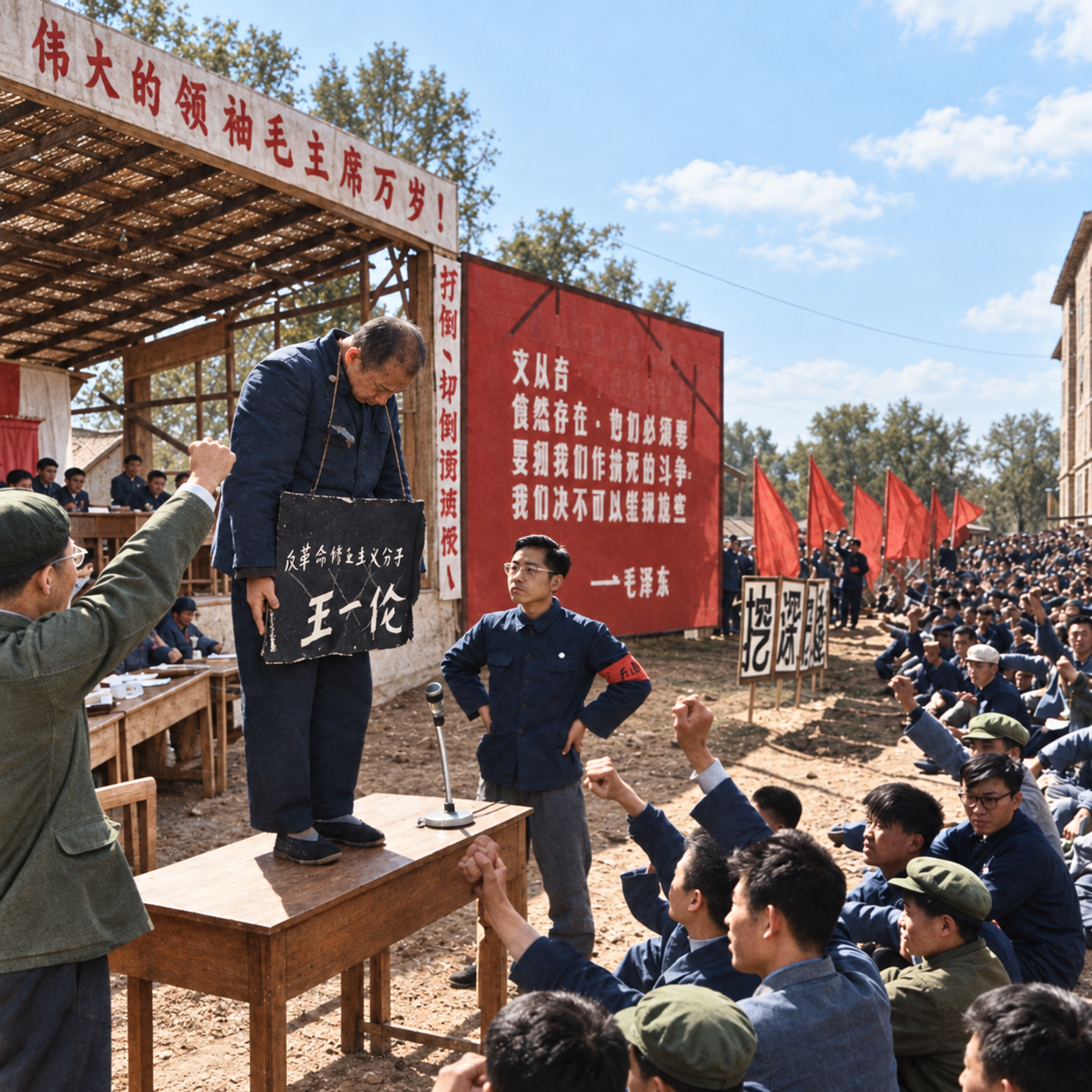
S2 Ep11: Mao's Cultural Revolution: Red Guards and a Model for the Khmer Rouge
Between 1966 and 1969, teenagers with armbands beat their teachers to death in Chinese schoolyards, and roughly a million people died at the hands of their own countrymen. Mao had asked for it. Less than a decade later, the Khmer Rouge would put children in charge of adults for reasons that were not unrelated.Time Period Covered: 1964 to 1969What led to Mao's launching of a 'cultural revolution'
S2 Ep9: Interview: "Son Ngoc Thanh, a Khmer Nationalist" with Matthew Jagel
Special guest Matthew Jagel joins Lachlan to talk about his new book: Khmer Nationalist. The book is an exploration of Cambodian history using Son Ngoc Thanh as the central focus, and they join up to talk about Cambodian nationalism, the influence of Imperial Japan, Sihanouk's antagonism, the Khmer Serei and the CIA. Visit https://www.cornellpress.cornell.edu/book/9781501769337/khmer-nationalist/
S2 Ep10: The Cambodian Civil War Begins (Part One): The Samlaut Rebellion and the Three Ghosts
On April 2nd, 1967, in the Samlaut district of Battambang province, a group of villagers killed two soldiers collecting rice. What followed was not a rebellion so much as a reprisal, and Sihanouk decided he knew exactly who was behind it. He was, for the most part, wrong.Time Period Covered: 1967What was the Samlaut Rebellion, and how did it start? Who was responsible for this outbreak of violenc
S2 Ep8: Rolling Thunder in Vietnam, Clouds Over Cambodia
In March 1965, American aircraft began a sustained bombing campaign against North Vietnam that would run for three and a half years. In the same period, Pol Pot walked out of the jungle to Hanoi and Beijing, and came back with a different idea of what Cambodian communism was for.Time Period Covered: 1964 to 1967How does the 'Vietnam War' begin? How did the Communist Party of Kampuchea get its nam
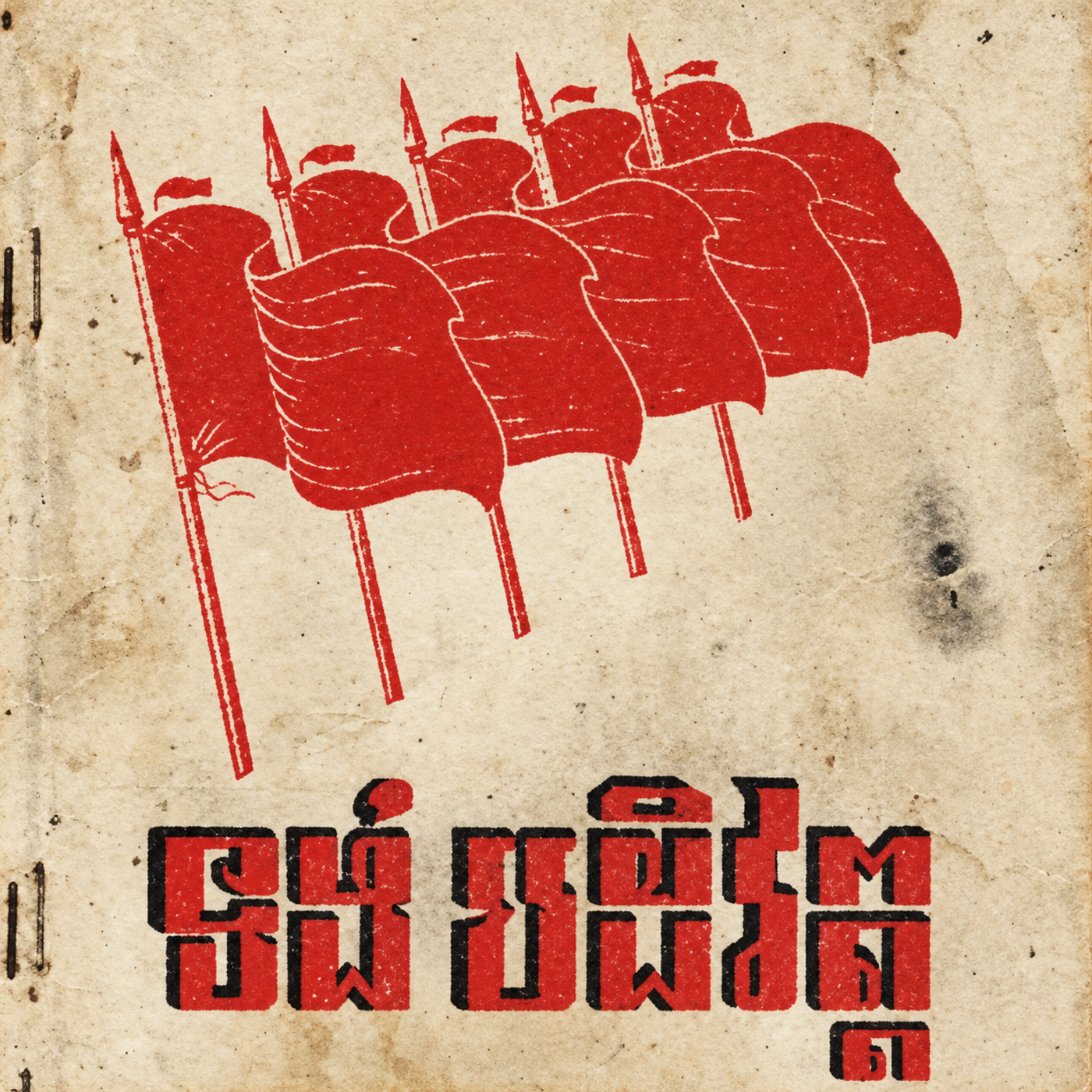
S2 Ep7: Khmer Rouge Ideology: Nuon Chea, Buddhism and Sihanouk Breaks with America
The Khmer Rouge did not sell communism to Cambodian peasants in the language of Marx. They sold it in the language of Theravada Buddhism, using its grammar, its vocabulary and its habits of thought, to carry ideas that had nothing to do with it. That translation is one of the most under-examined reasons the revolution worked.Time Period Covered: 1963 to 1965Who was Nuon Chea? What does Buddhism h
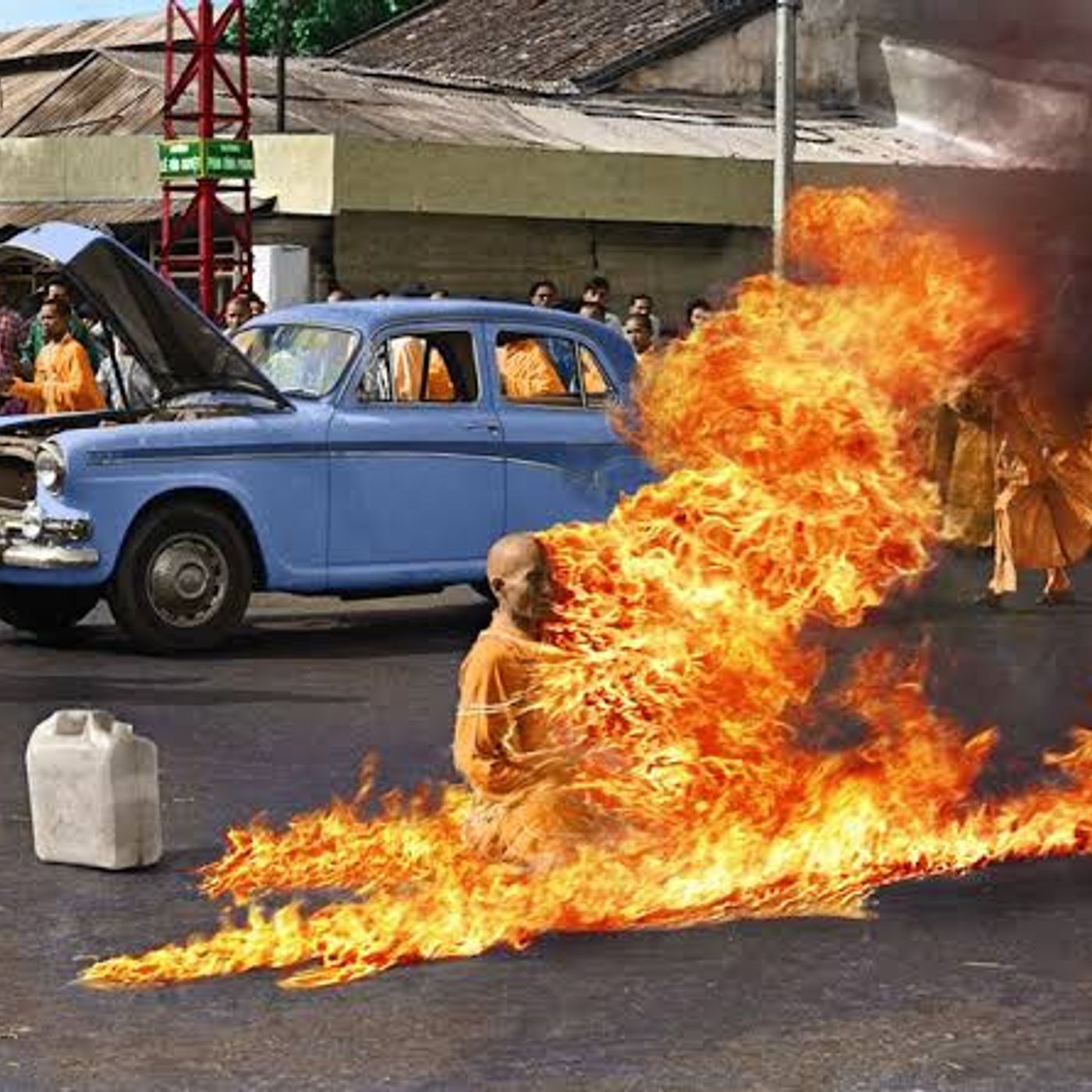
S2 Ep6: The Path to the Second Indochina War (Part Three): Agent Orange, Kennedy and the Buddhist Crisis
On June 11th, 1963, a Buddhist monk named Thich Quang Duc sat down at a Saigon intersection, was doused in petrol, and set himself alight without moving or making a sound. The photograph went around the world. Five months later Ngo Dinh Diem was dead, and three weeks after that, so was John F. Kennedy.Time Period Covered: 1961 to 1963What is Agent Orange, and why did the Kennedy Administration de
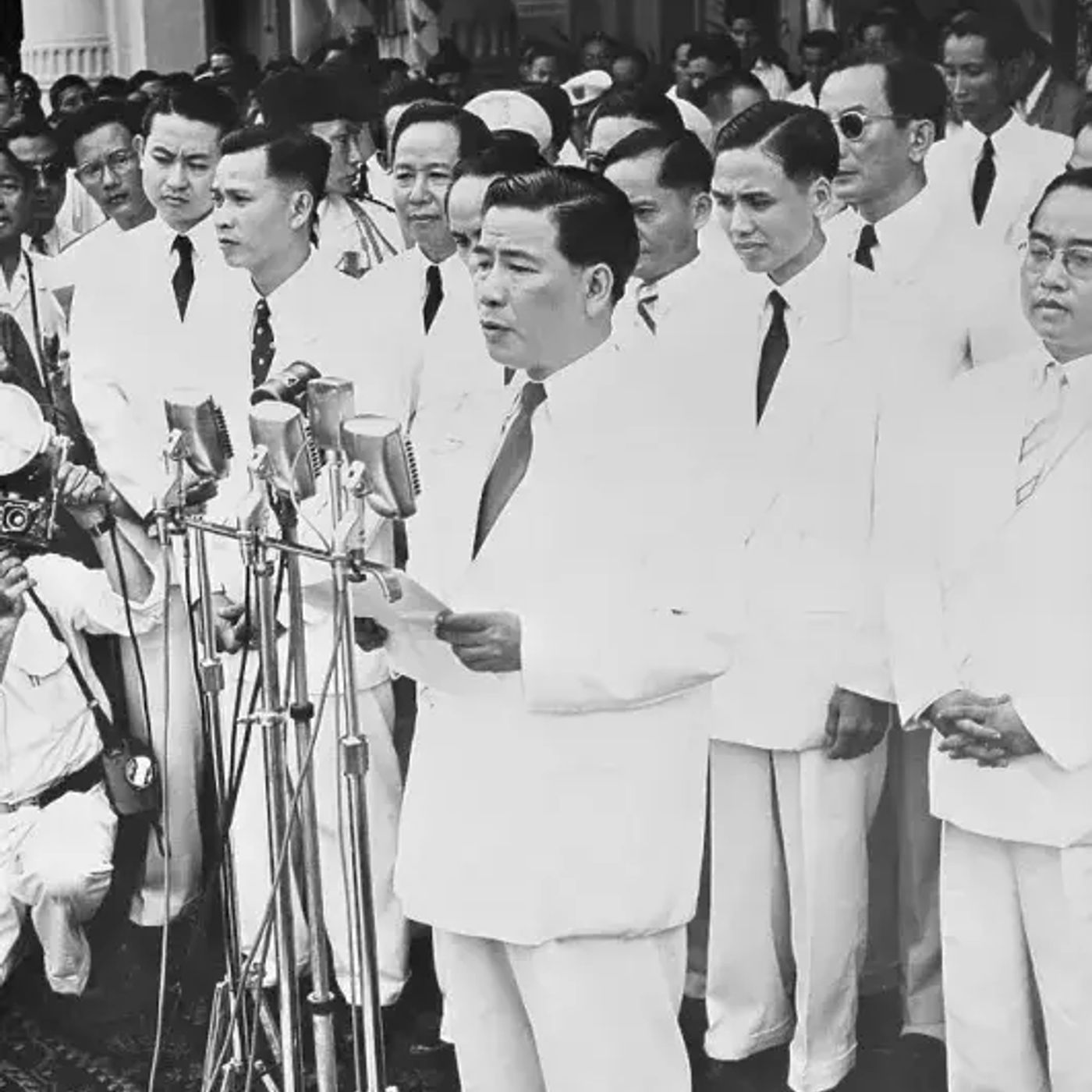
S2 Ep5: The Path to the Second Indochina War (Part Two): The CIA, the NLF and Ngo Dinh Diem
In 1954 a CIA officer named Edward Lansdale arrived in Saigon to help build a country. What he helped build was a police state run by one Catholic family in a Buddhist nation, and within a decade the United States would arrange its destruction.Time Period Covered: 1954 to 1961How did a succession of US administrations become stuck in Vietnam? How did Diem's policies create the conditions for insu
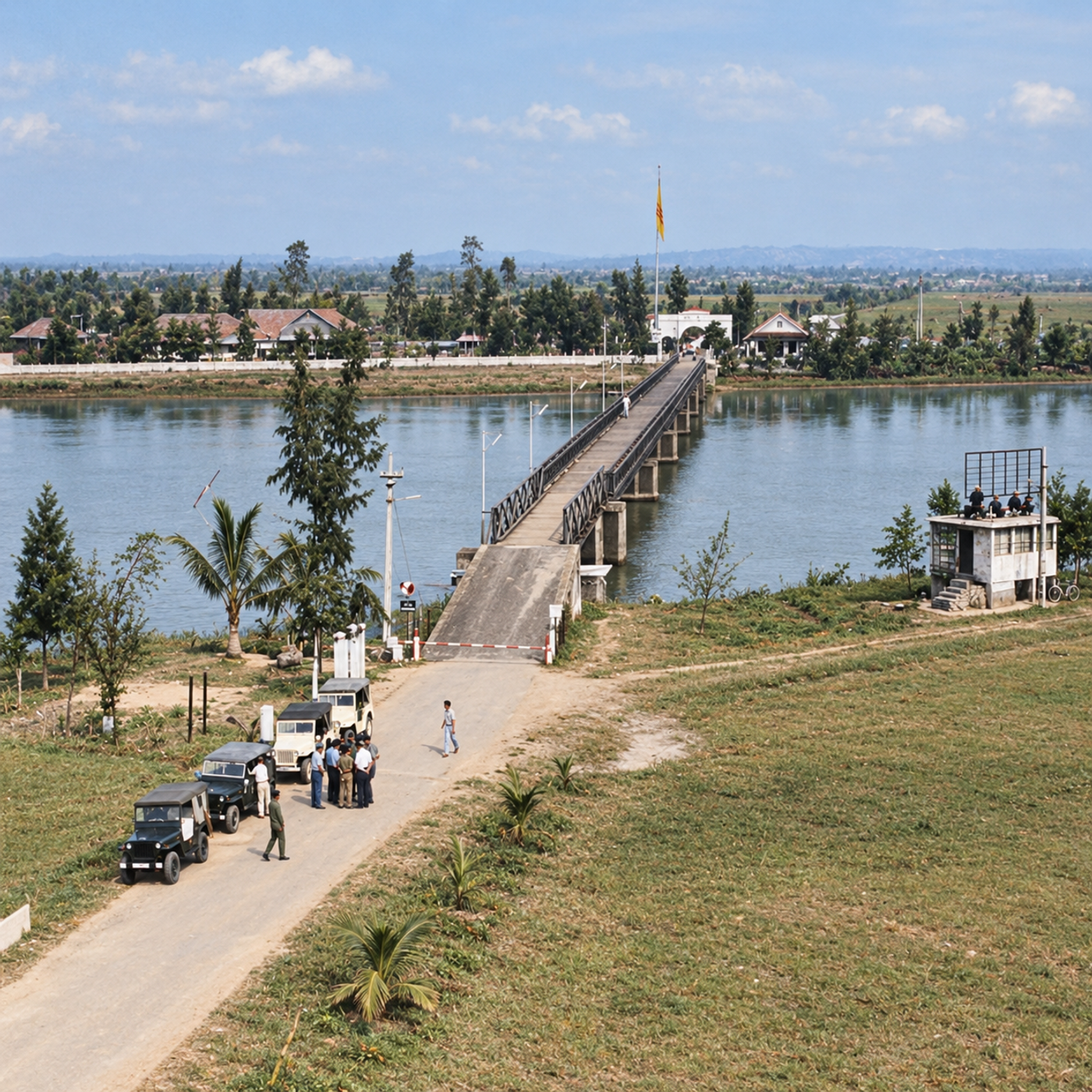
S2 Ep4: The Path to the Second Indochina War (Part One): The Two Vietnams
The Geneva Accords divided Vietnam at the seventeenth parallel and promised elections within two years. The elections never happened. Instead, two states set about building themselves in opposite directions, and both killed a great many of their own people doing it.Time Period Covered: 1954 to 1963What occurred in a divided Vietnam in the aftermath of the Geneva Accords? How did so many die durin
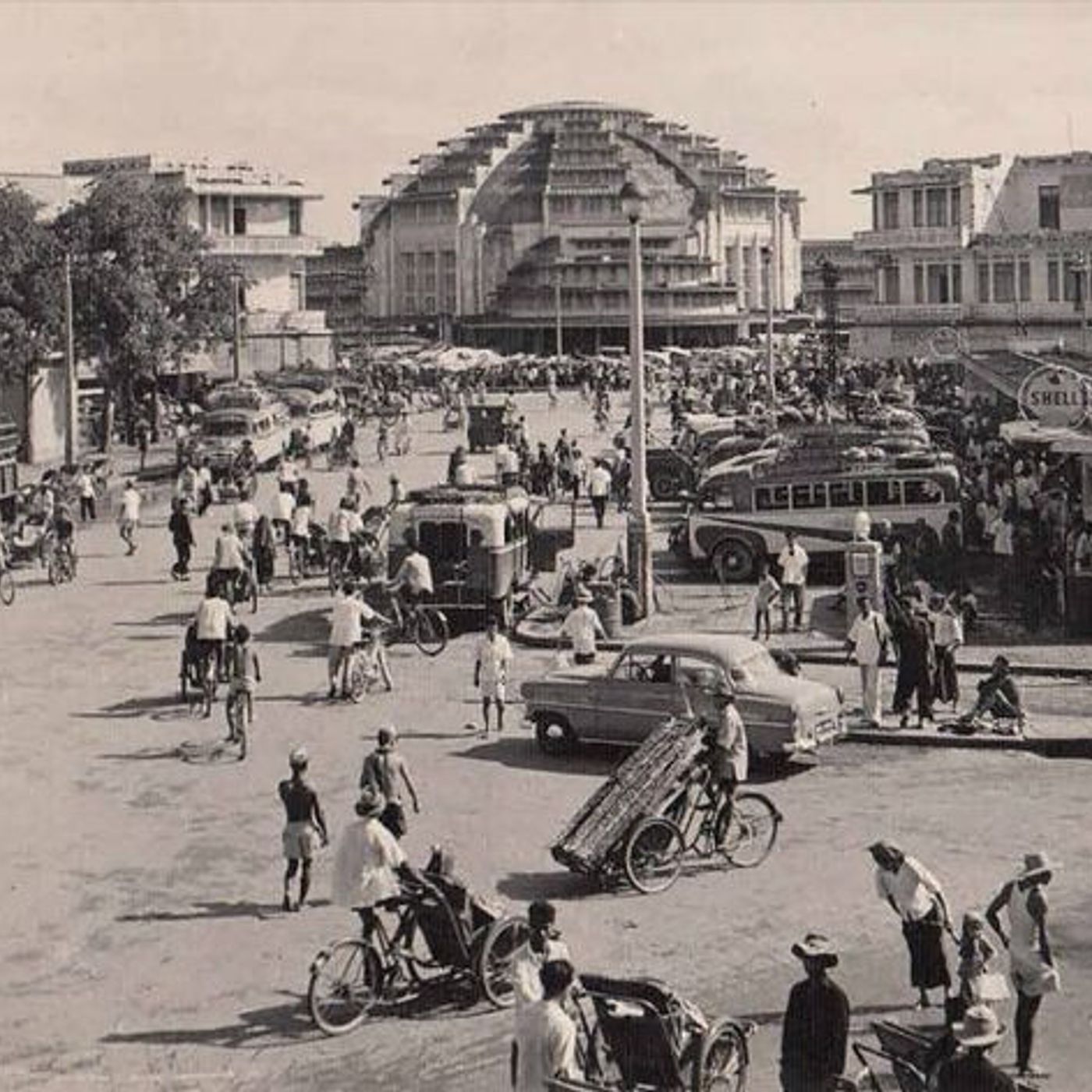
S2 Ep3: The Khmer Rouge's New Vanguard: How Pol Pot Took Over
In July 1962, the secretary of the Cambodian communist party, Tuo Samouth, left his house in Phnom Penh at night and never came back. Nobody has ever established with certainty who killed him. What is certain is who replaced him.Time Period Covered: 1960 to 1963How did Pol Pot become leader of the Khmer Rouge? What did prominent communists like Khieu Samphan do in Sihanouk's Cambodia? Were there
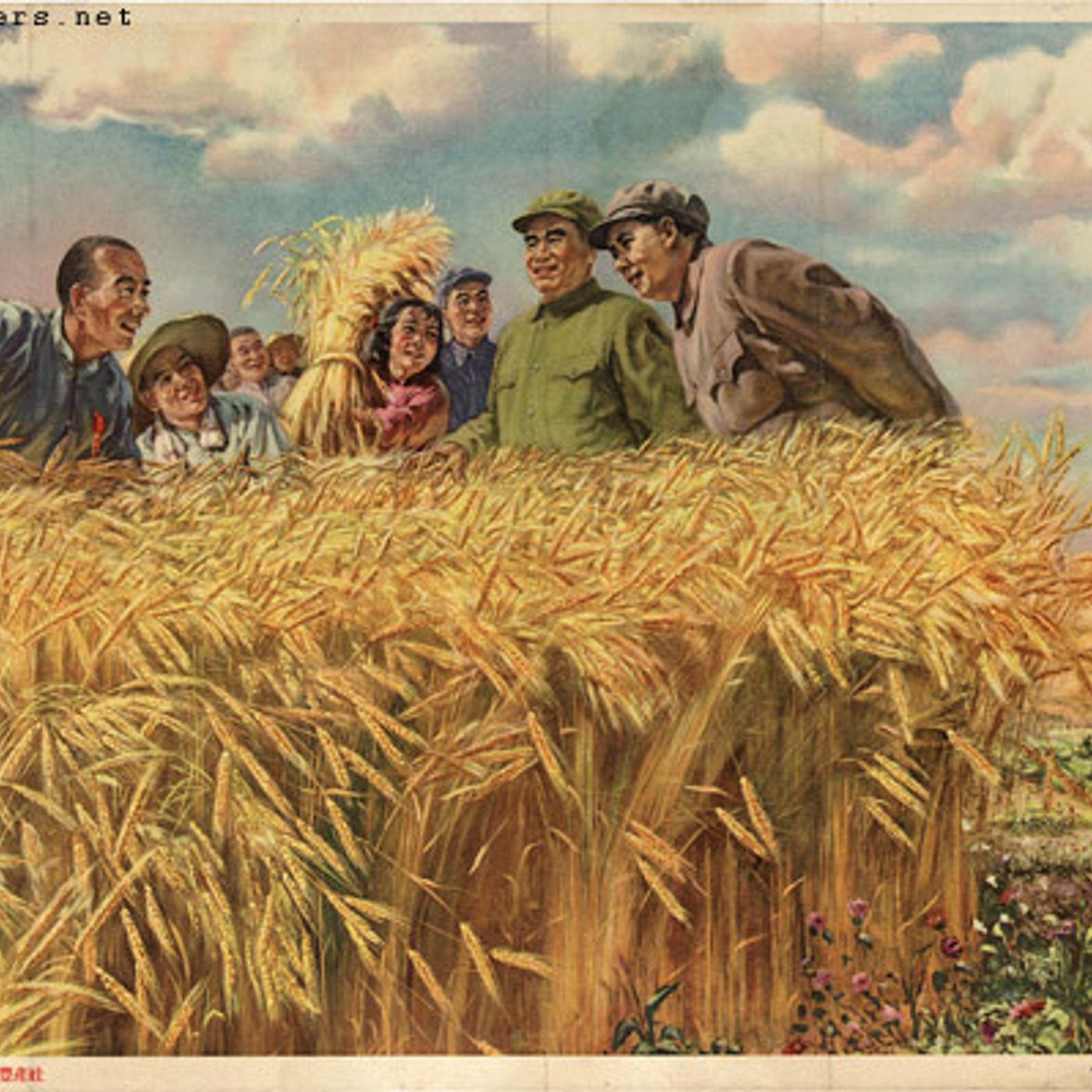
S2 Ep2: Maoism, the Great Leap Forward and the Sino-Soviet Split
One of the Khmer Rouge's central slogans called for a 'super great leap forward'. The original had killed somewhere in the order of forty-five million Chinese people less than two decades earlier, and the Cambodians knew that. They intended to do it faster.Time Period Covered: 1949 to 1962Why was one of the most prominent slogans of the Khmer Rouge about a 'super great leap forward'? What is Maoi
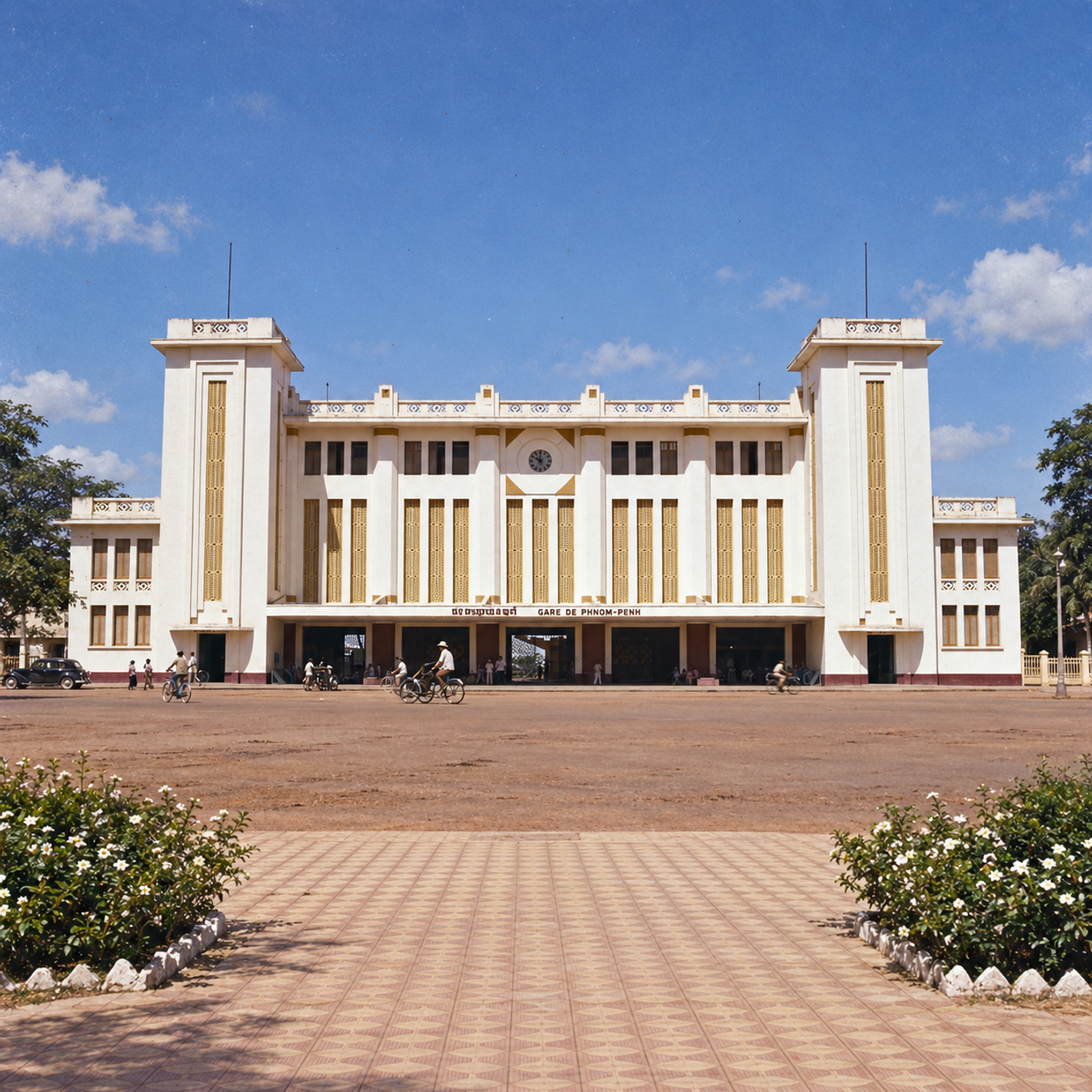
S2 Ep1: Les Khmers Rouges: Double Lives in Sihanouk's Golden Era
The Communist Party of Kampuchea was founded in 1960 at a secret congress held in a room above Phnom Penh's railway station. Among the men who came out of it with senior positions were a schoolteacher named Saloth Sar and a man who would later be known as Nuon Chea. In public they were teachers, students and clerks. The party's very existence was a secret, and would stay one for another seventeen
S1 Ep15: Season One Recap: Cambodian History from Angkor to Independence
This bonus episode covers roughly two thousand years of Cambodian history in a single sitting, from the Khmer Empire through to independence from France in 1953. It is a summary of everything in Season One, for anyone who wants a refresher before the series moves into the 1950s and 60s, or a way in without starting from episode one.Time Period Covered: Pre-history to 1955This bonus episode is for
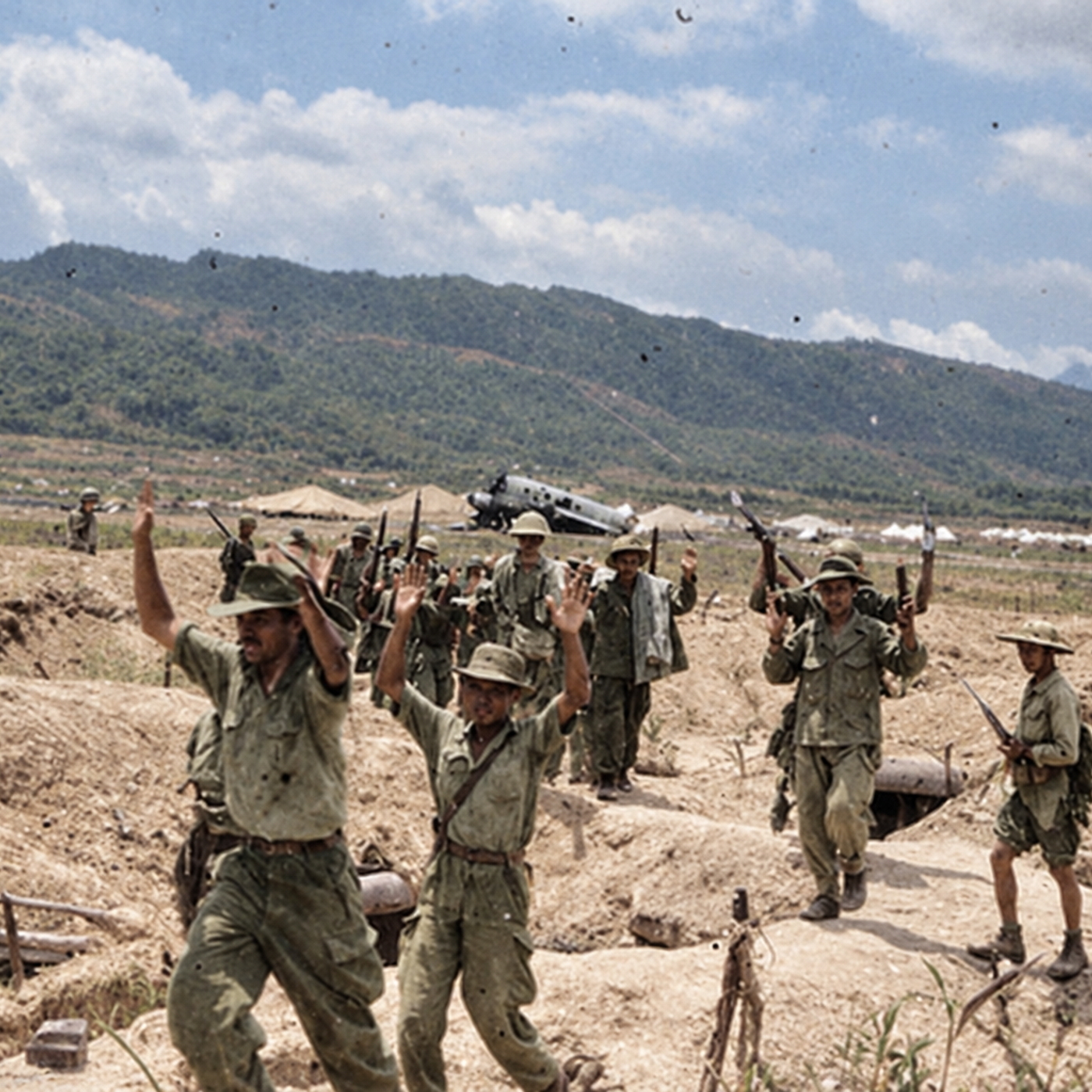
S1 Ep14: The End of French Indochina: Dien Bien Phu, the Geneva Accords and Sihanouk's "Election"
On May 7th, 1954, a French garrison in a remote valley in northwest Vietnam surrendered to the Viet Minh after fifty-six days under siege. Dien Bien Phu ended French Indochina. It also set the terms of a peace conference in Geneva where Cambodia's communists would find they had no seat, and no allies willing to give them one.Time Period Covered: December 1953 to July 1955How does the First Indoch
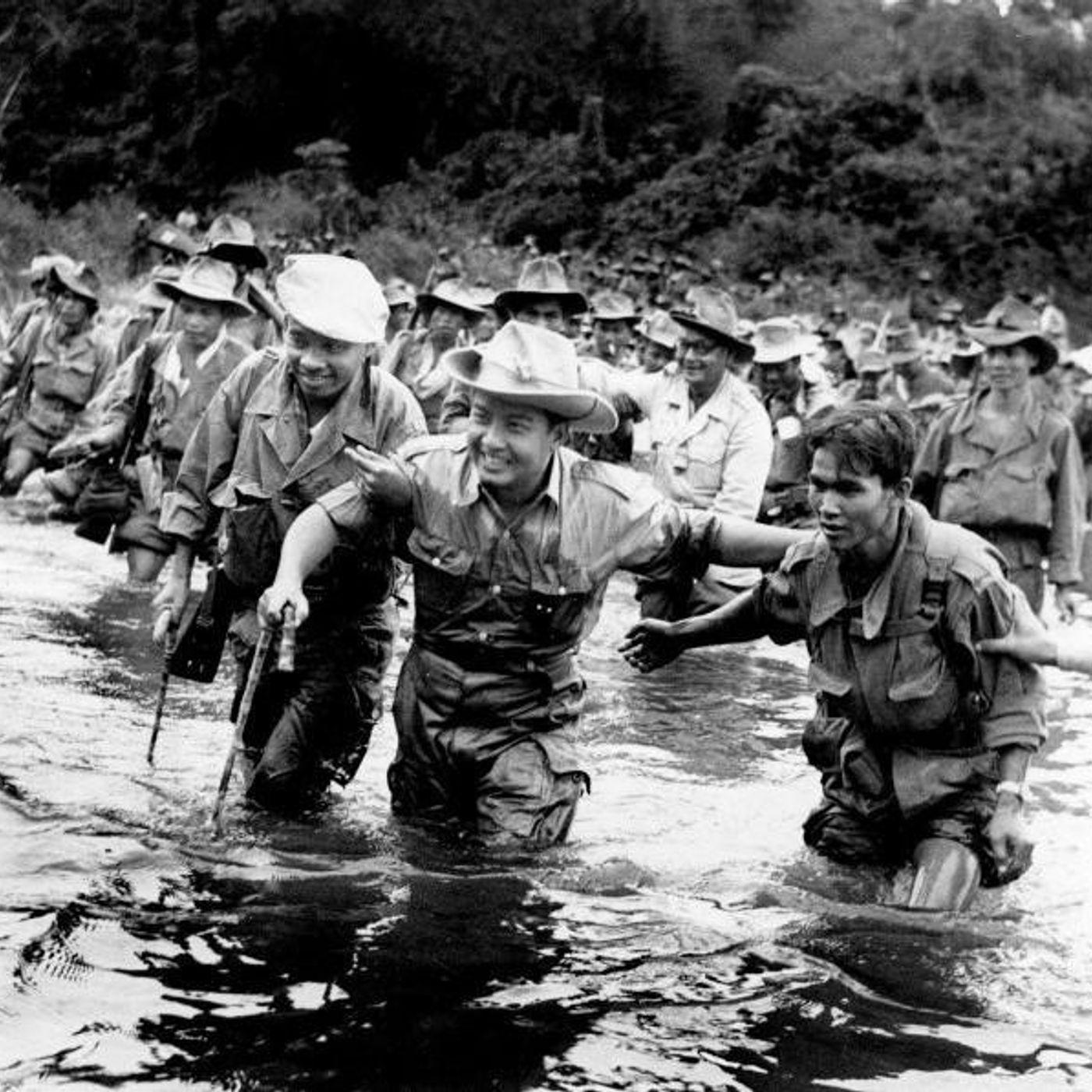
S1 Ep13: Cambodian Independence! The End of the First Indochina War, while Pol Pot Joins the Maquis
In 1953, King Norodom Sihanouk launched a one-man international campaign to force France out of Cambodia, a performance one French general described as 'that of a madman, but a madman of genius'. By November 9th, it had worked.Time Period Covered: January - December 1953How does Cambodian Independence Day originate in November 1953? What does the First Indochina War look like in Cambodia? How doe
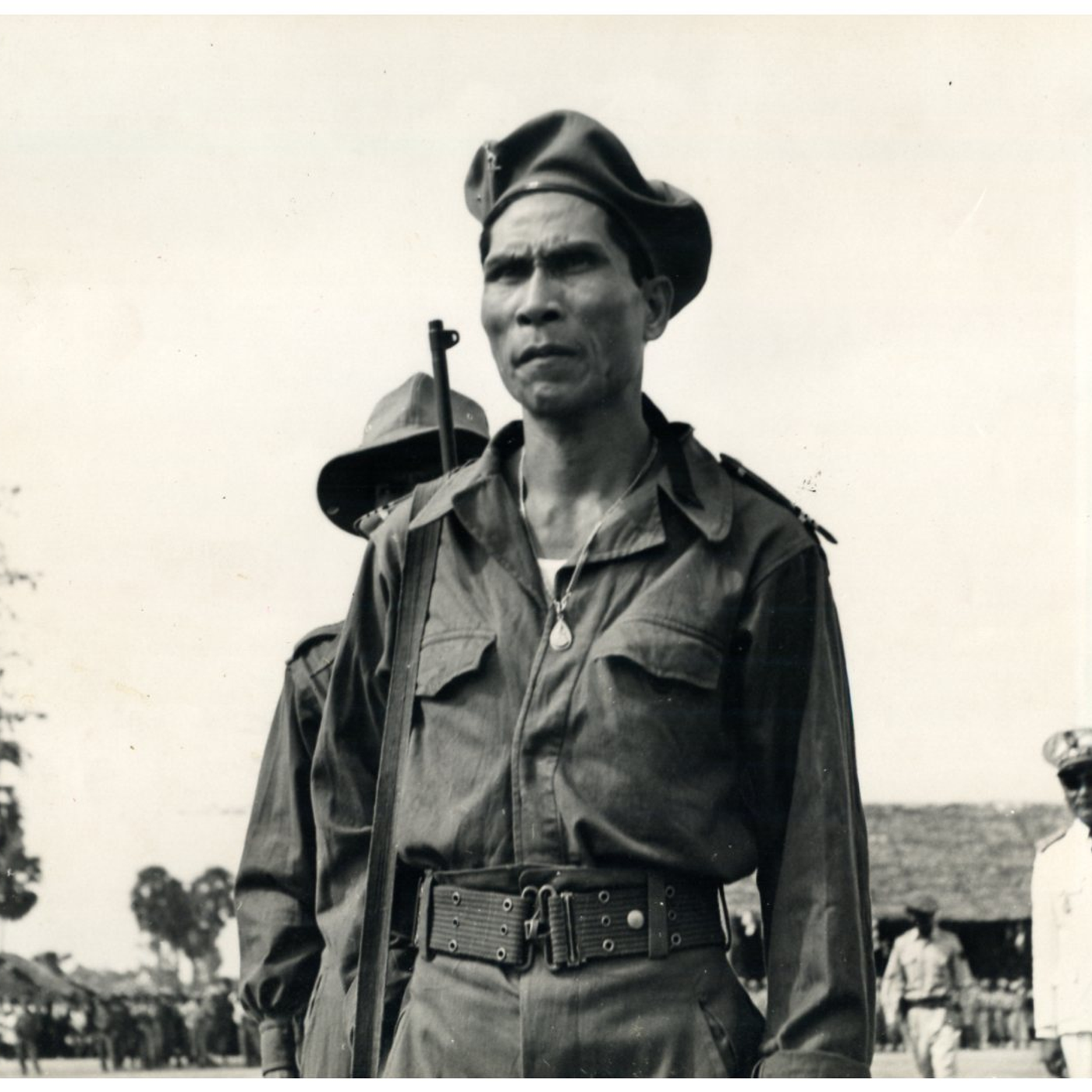
S1 Ep12: Pol Pot in Paris and the Khmer Issarak (Part Two): The Students Become Communists
In 1951, on Vietnamese initiative, the Indochinese Communist Party was dissolved and reorganised along national lines. Among its successors was a small, obscure organisation called the Khmer People's Revolutionary Party. It would eventually become the Communist Party of Kampuchea, the party of the Khmer Rouge.Time Period Covered: 1947 - 1953How did the First Indochina War become part of the Cold
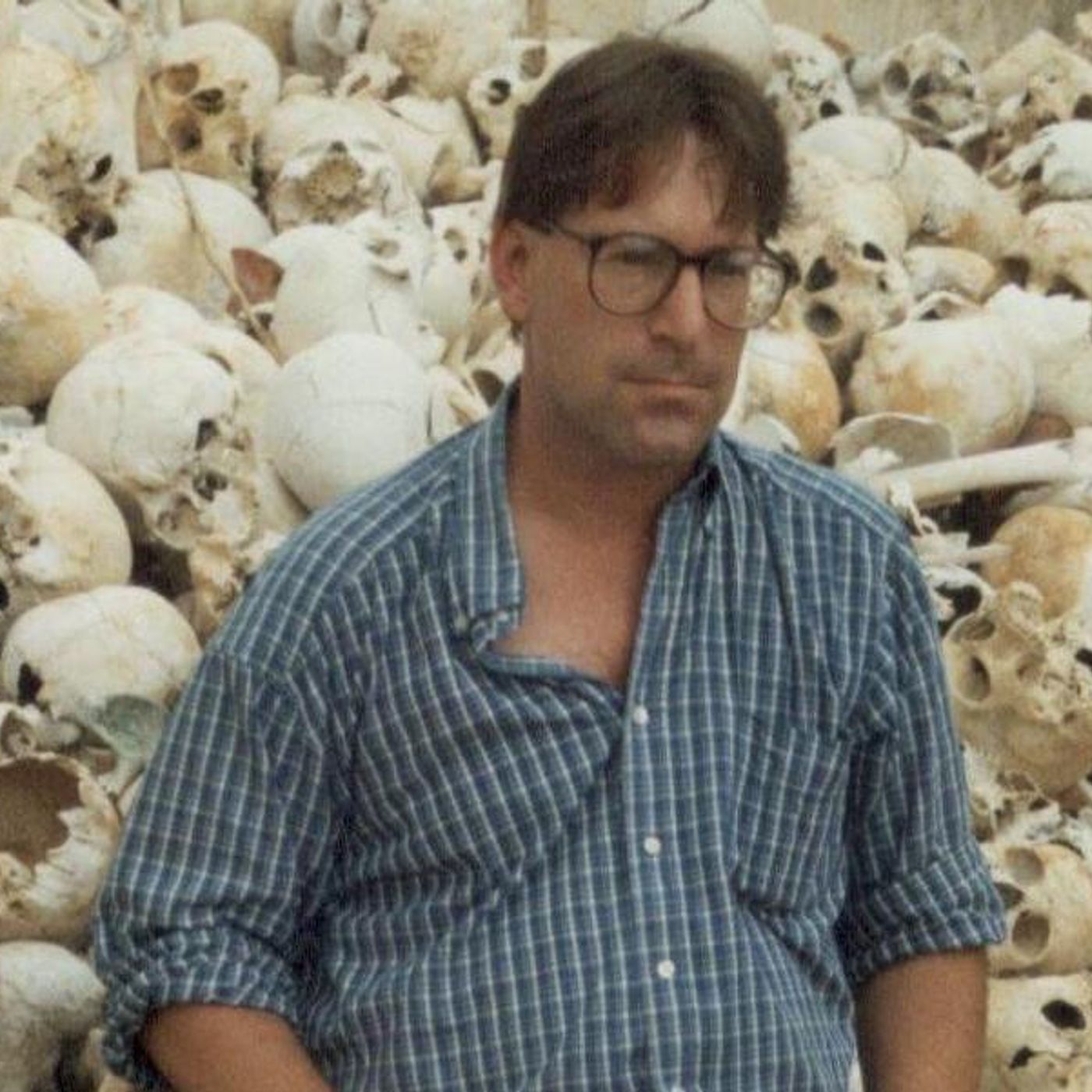
S1 Ep12: Interview: Craig Etcheson on the Khmer Rouge Tribunal, the ECCC and 'Extraordinary Justice'
Between 2006 and 2012, Craig Etcheson worked as an investigator for the prosecution at the Extraordinary Chambers in the Courts of Cambodia, the UN-backed tribunal set up to try the surviving leaders of the Khmer Rouge. He has been studying the regime for more than thirty years, was a founder of the Documentation Center of Cambodia, and testified at the tribunal as an expert witness.In this conve
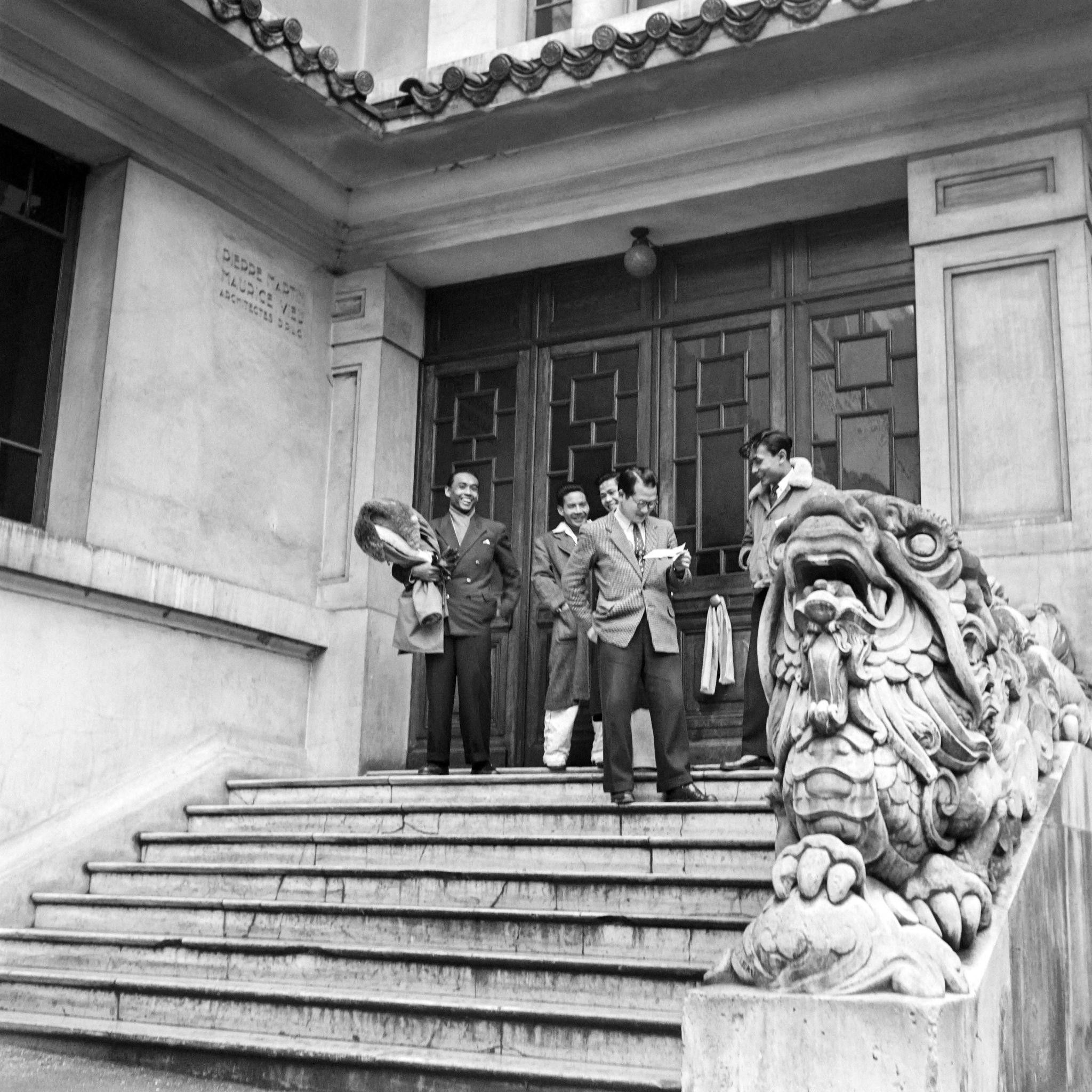
S1 Ep11: Pol Pot in Paris and the Khmer Issarak (Part One): The First Indochina War Begins
In October 1949, a young scholarship student named Saloth Sar arrived in Paris. Back home, armed resistance to the returning French was gathering under the banner of the Khmer Issarak, and across the border the Viet Minh were already at war. The paths that open in these five years will lead, eventually, to the Khmer Rouge.Time Period Covered: 1945 - 1950What does the anti-colonial scene look like
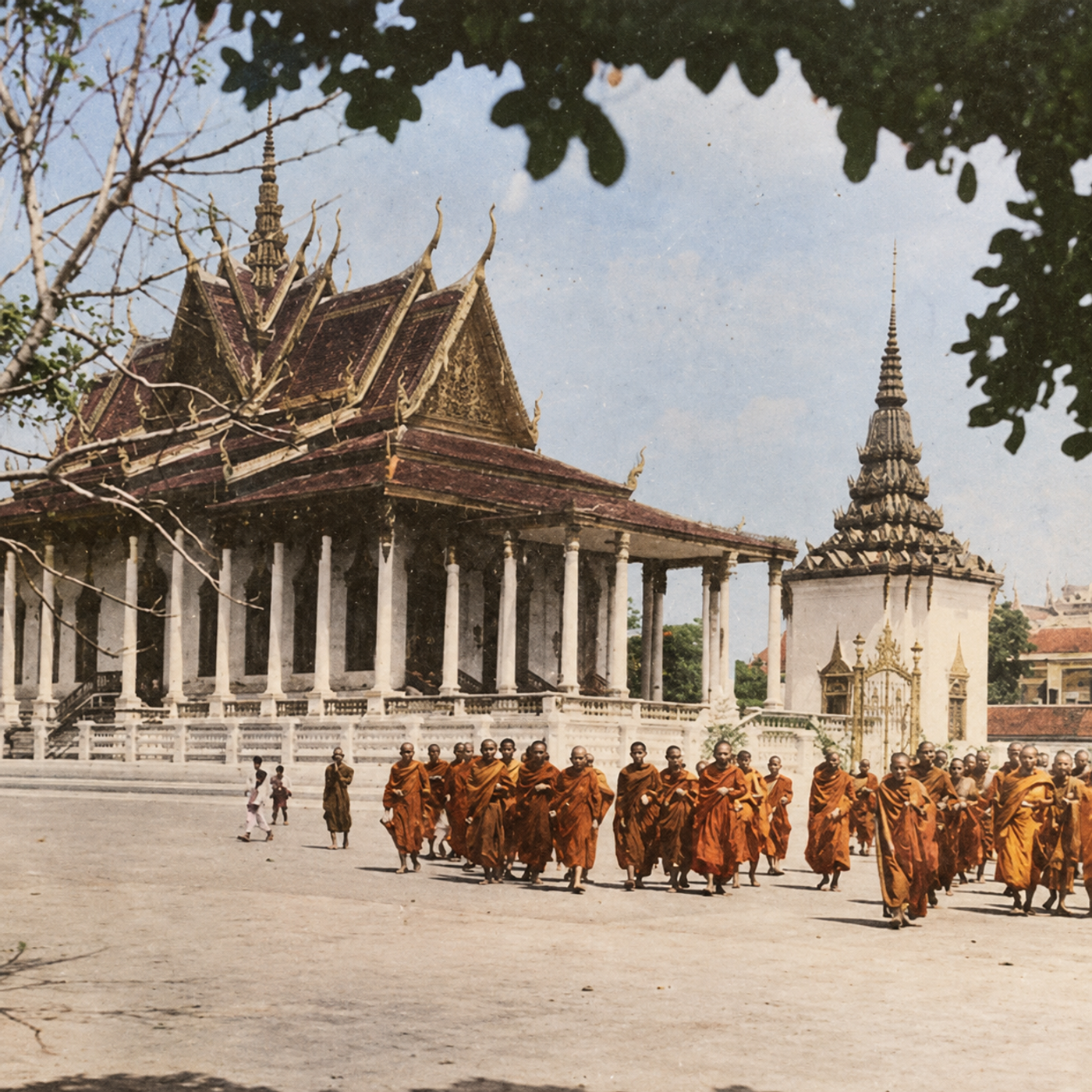
S1 Ep10: Cambodia in World War II: Son Ngoc Thanh, Imperial Japan and a Brief Independence
On the night of March 9th, 1945, Japanese forces across Indochina moved against the French administration they had coexisted with for five years. By morning the colonial order was suspended, and Cambodia found itself (briefly, and almost by accident) independent.Time Period Covered: 1939 – 1945What is the Umbrella Revolt in Cambodia? How do nationalists like Son Ngoc Thanh react to the rise of Im
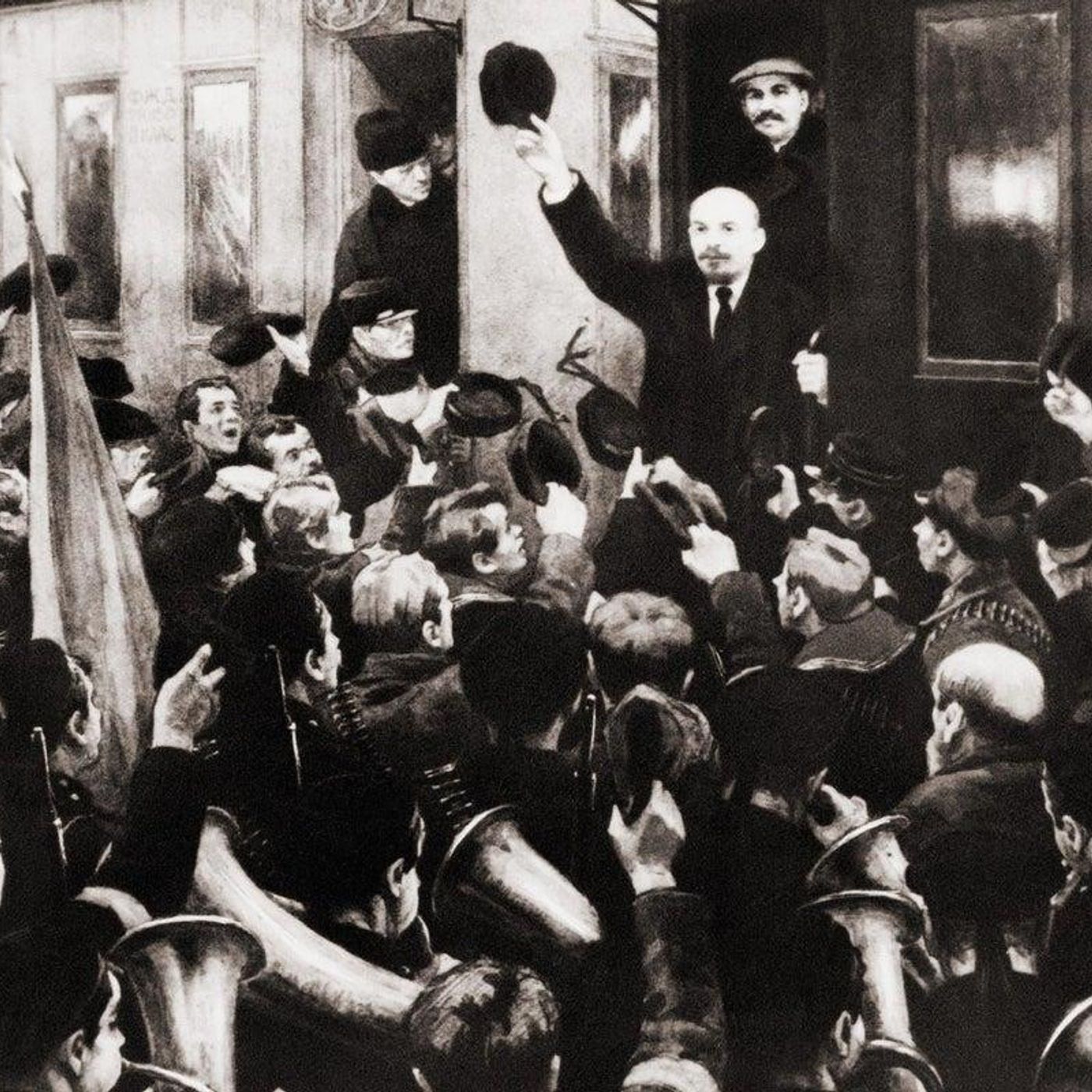
S1 Ep9: The Origins of Communism (Part Two): Marxism-Leninism, and Stalin
In April 1917, the German government put Vladimir Lenin on a train and sent him into the collapsing Russian Empire, calculating that a revolutionary might take Russia out of the war. Within five years there was a new kind of state on the map. Among the many colonised people watching from afar was a young Vietnamese man working in Paris under the name Nguyen Ai Quoc.Time Period Covered: 1917 – 193
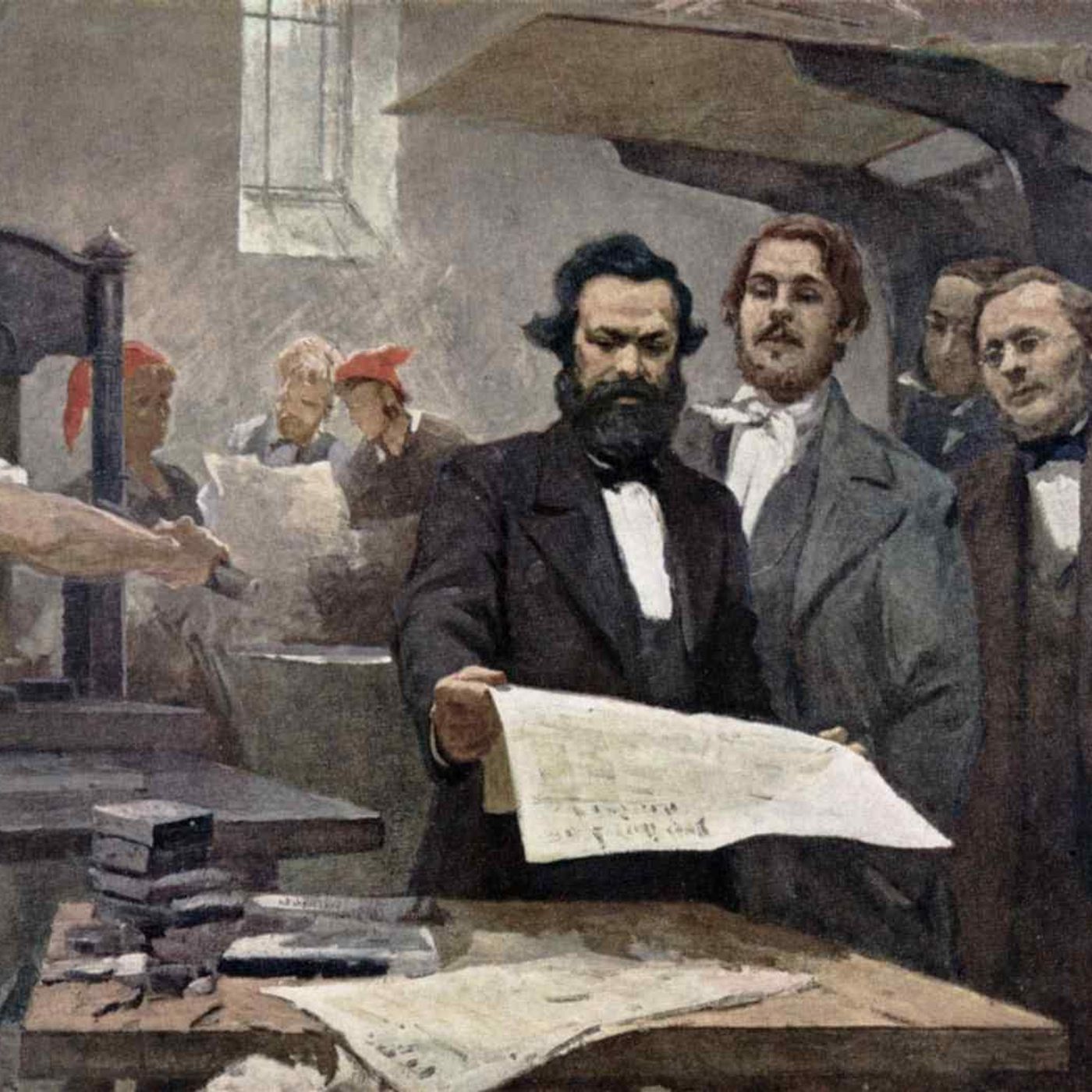
S1 Ep8: The Origins of Communism (Part One): Marx, Engels and the Communist Manifesto
'To keep you is no gain, to lose you is no loss.' That was one of the sayings of Angkar, recited by Khmer Rouge cadre to prisoners across Democratic Kampuchea. The ideology underneath it took shape more than a century earlier, in the factory towns of industrial England.Time Period Covered: 1842 – 1900Who are the proletariat? Who wrote the Communist Manifesto? What was the context in which it was
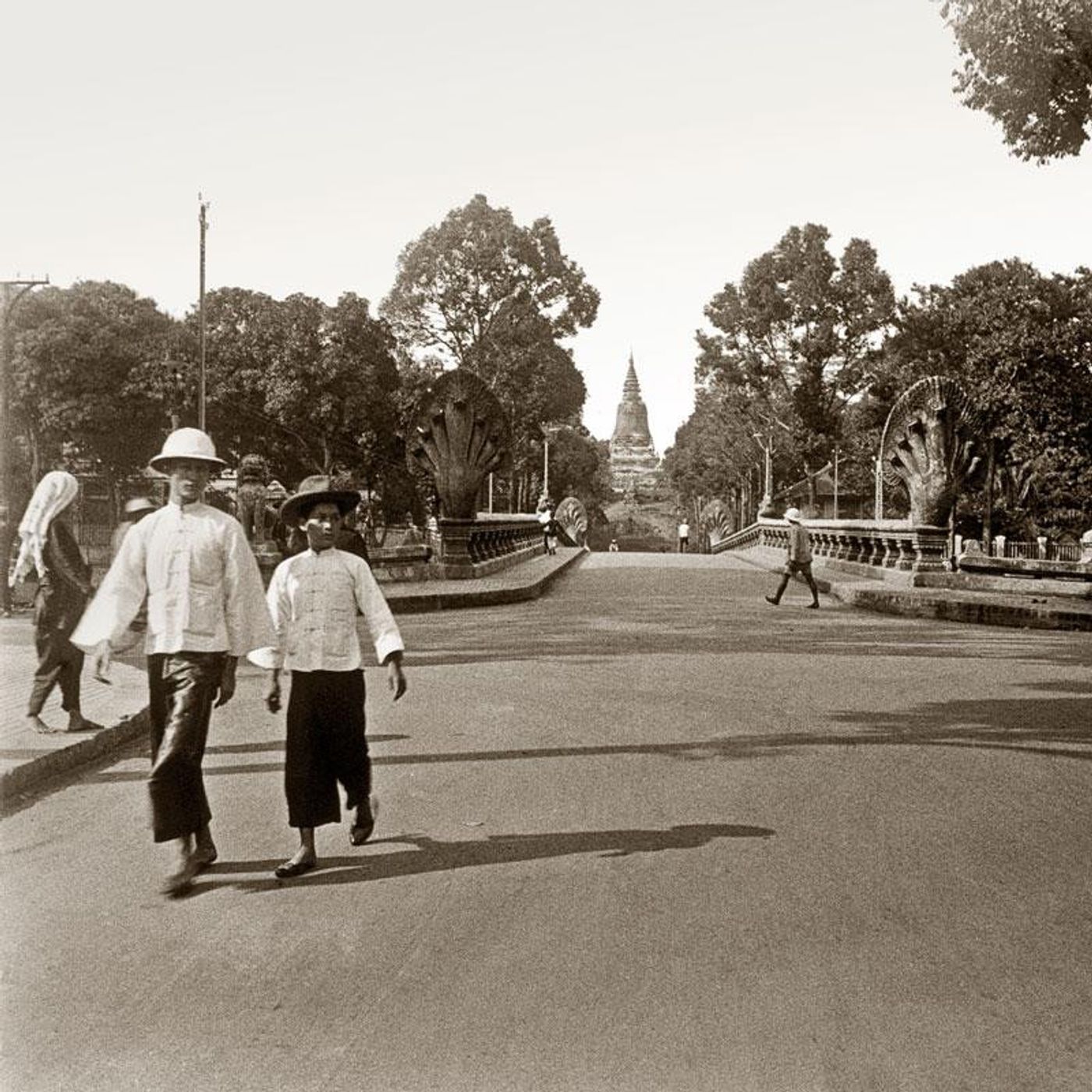
S1 Ep7: French Colonial Cambodia: A Murdered Official, Village Life, and the Young Pol Pot
In April 1925, a French resident named Félix Louis Bardez walked into the village of Kraang Laav to collect unpaid taxes. He was beaten to death, along with his militiaman and his interpreter. The trial that followed tells you more about how the protectorate actually worked than any amount of colonial paperwork.Time Period Covered: 1880 – 1938What did French control of Cambodia look like? How did
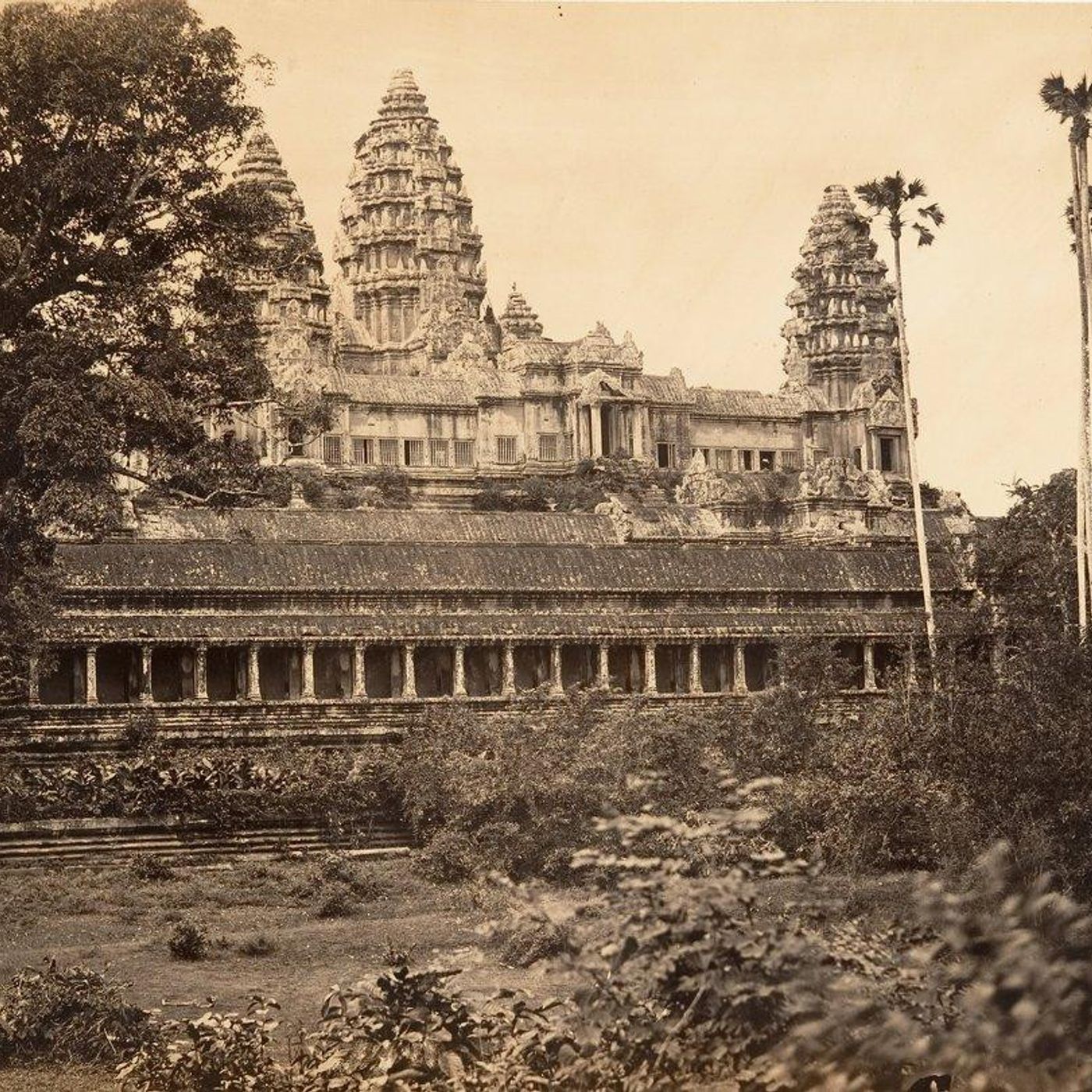
S1 Ep6: The Dawn of French Indochina: The Years of Calamity and Mouhot's Journey to Angkor
In 1860 a French naturalist named Henri Mouhot, in the region collecting beetles and birds, was guided to the ruins at Angkor. He died of fever in Laos the following year, and his journals were published posthumously in Paris and London. Within three years Cambodia was a French protectorate.Time Period Covered: 1789 – 1887What happened in the years leading up to the French colonisation of Cambodi
S1 Ep6: Interview: David Chandler on Pol Pot, the Khmer Rouge Tribunal and Whether Cambodia Was a Genocide
If you have read one book about Cambodia, there is a good chance David Chandler wrote it. A History of Cambodia has been the standard introduction for four decades, Brother Number One remains the essential biography of Pol Pot, and Voices from S-21 is the definitive study of the Khmer Rouge's central prison. He has testified twice as an expert witness at the Khmer Rouge Tribunal, against Duch in
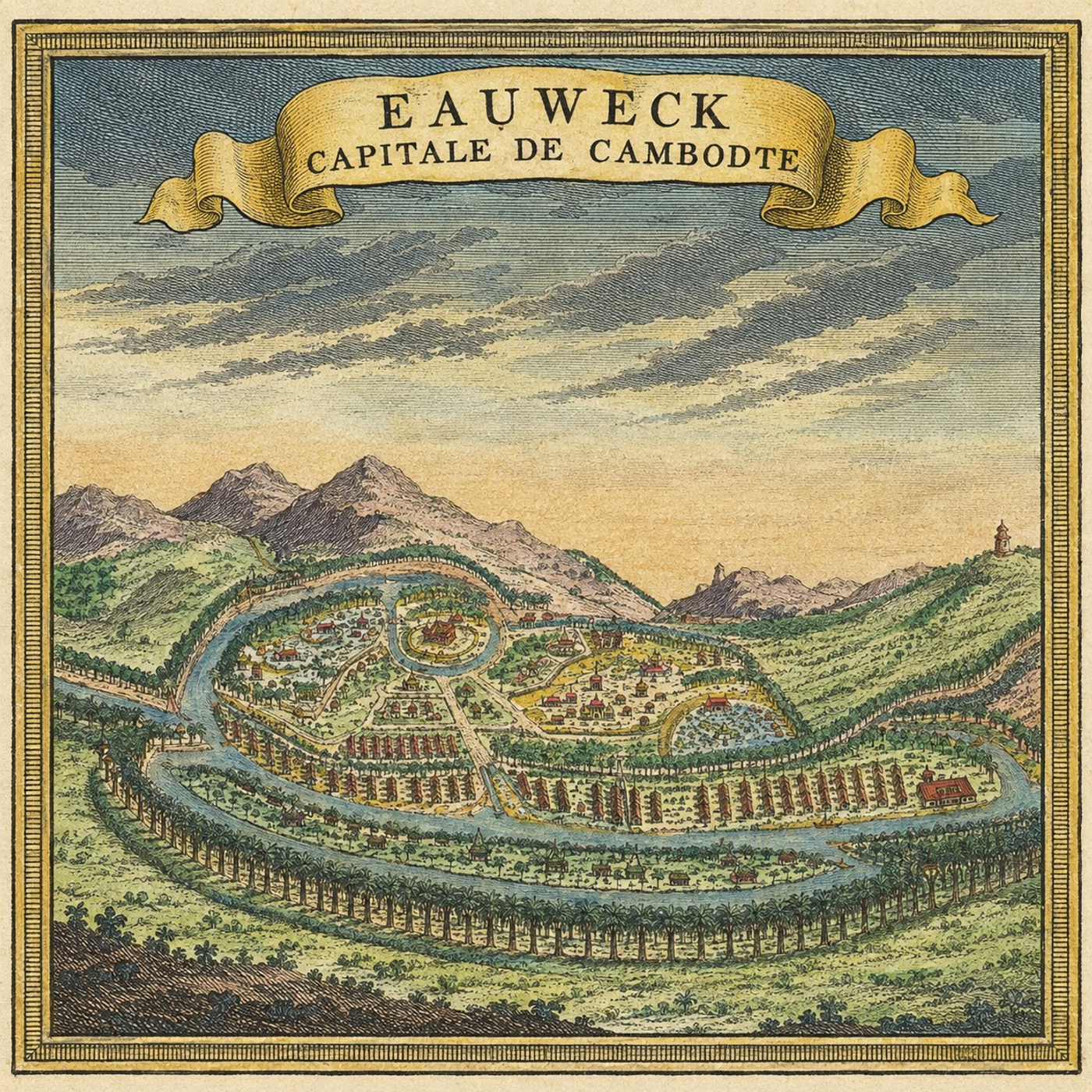
S1 Ep5: Cambodia After Angkor (Part Two): Conquistadors, Missionaries and the Master's Tea
In the 1590s a Spaniard and a Portuguese, Blas Ruiz and Diogo Veloso, arrived in Cambodia and came close to taking the country over. It ended in a massacre and a farce, and it was Europe's first serious attempt at the place. The next one, two centuries later, worked.Time Period Covered: 1500 – 1825How will the forces of imperialism and colonialism come to the region of Indochina? What role will E
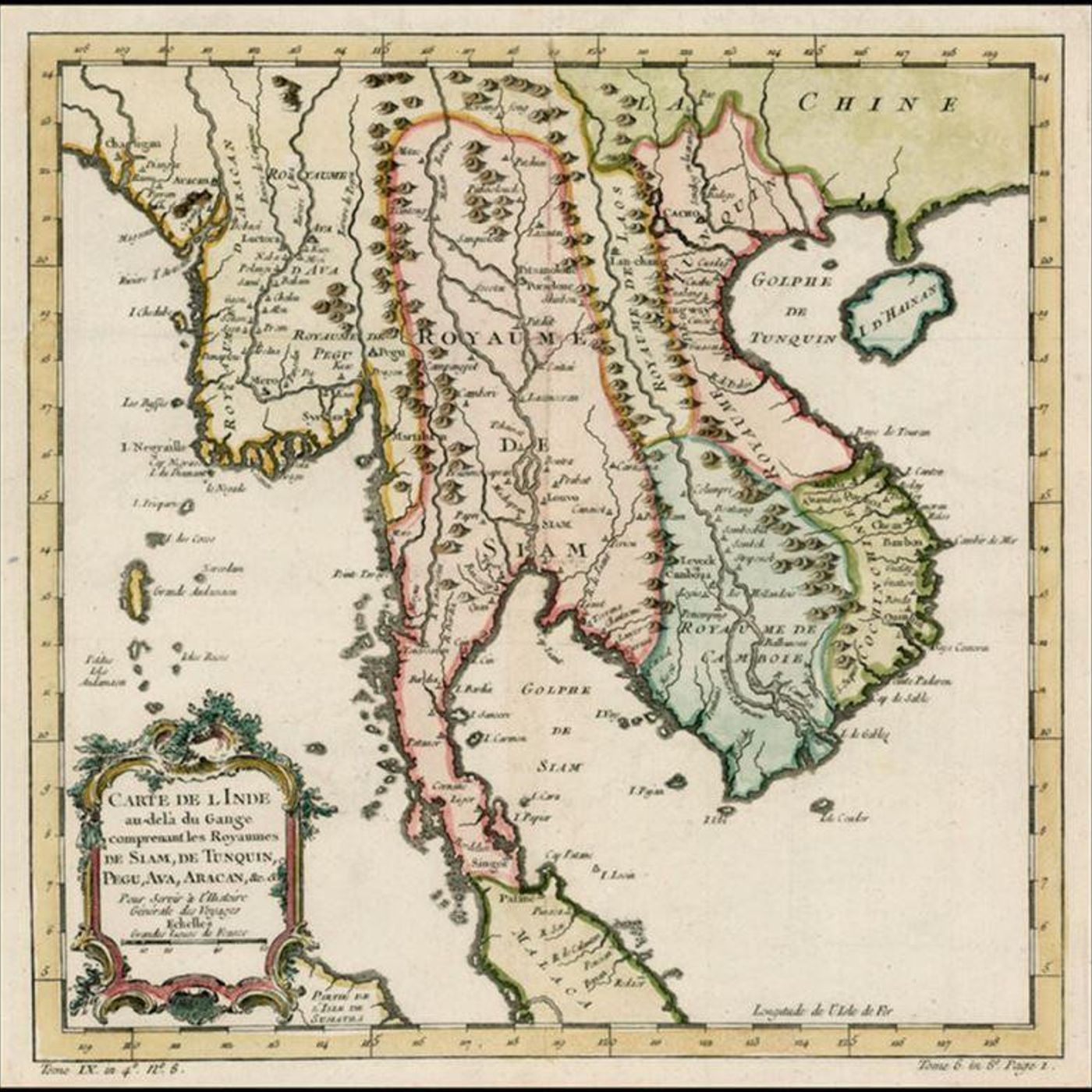
S1 Ep4: Cambodia After Angkor (Part One): Caught Between Siam and Vietnam
After Angkor was abandoned, the Khmer court moved south to the Mekong and spent the next four centuries surviving. By the eighteenth century, Cambodian kings were being installed and removed by Bangkok or Hue, and sometimes paying tribute to both at once. This is the part of Cambodian history that almost nobody covers, and it sets the terms for everything that follows.Time Period Covered: 1431 –
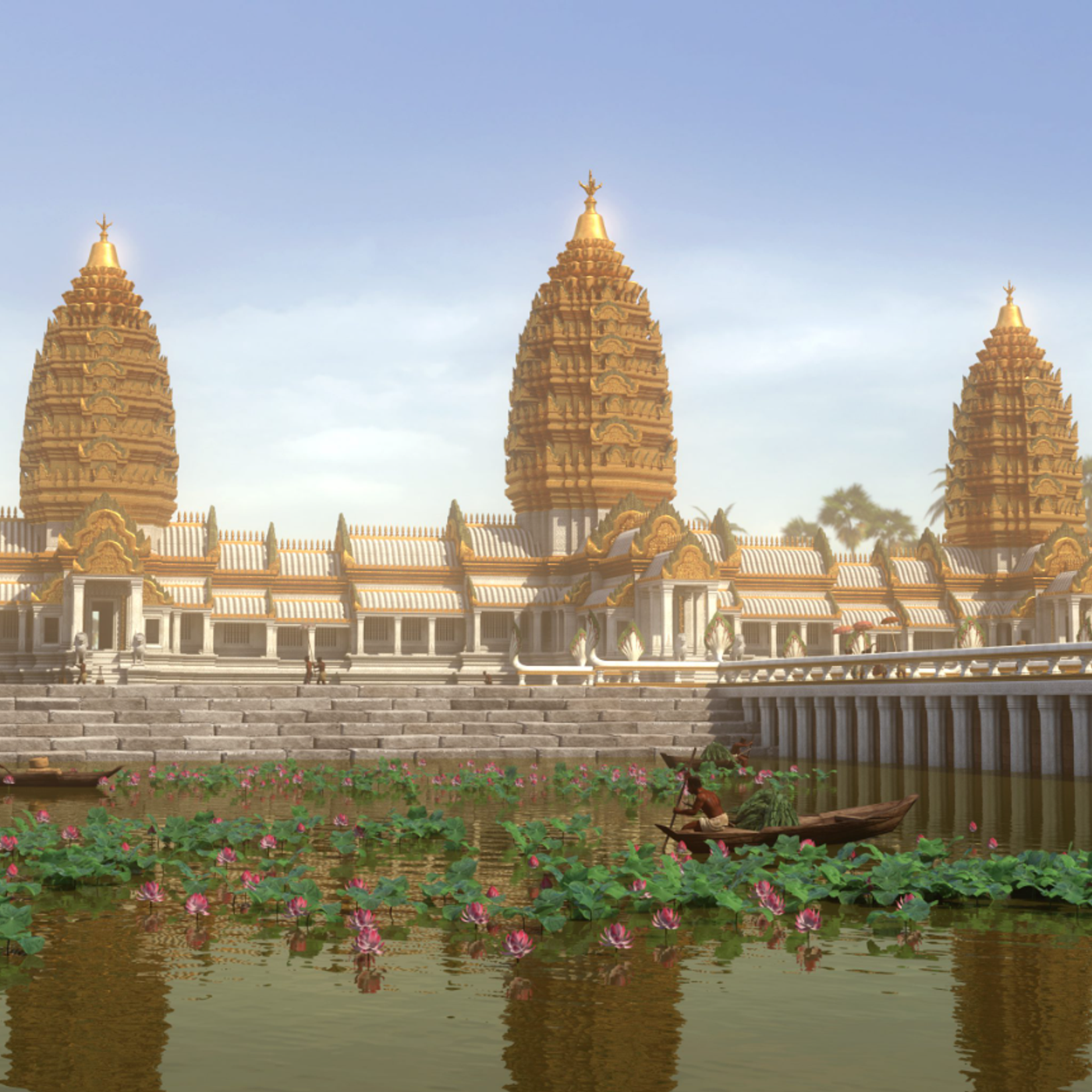
S1: Interview: 'Visualising Angkor' with Tom Chandler
Tom Chandler is a senior lecturer at Monash University. His research has focused upon the design and development of immersive simulations of the past, particularly the medieval Cambodian capital of Angkor. In what is the first interview of the series Lachlan speaks with Tom about how immersive virtual recreations can transform our imagination of the 'skeletal remains' of Angkor. The uses of this r
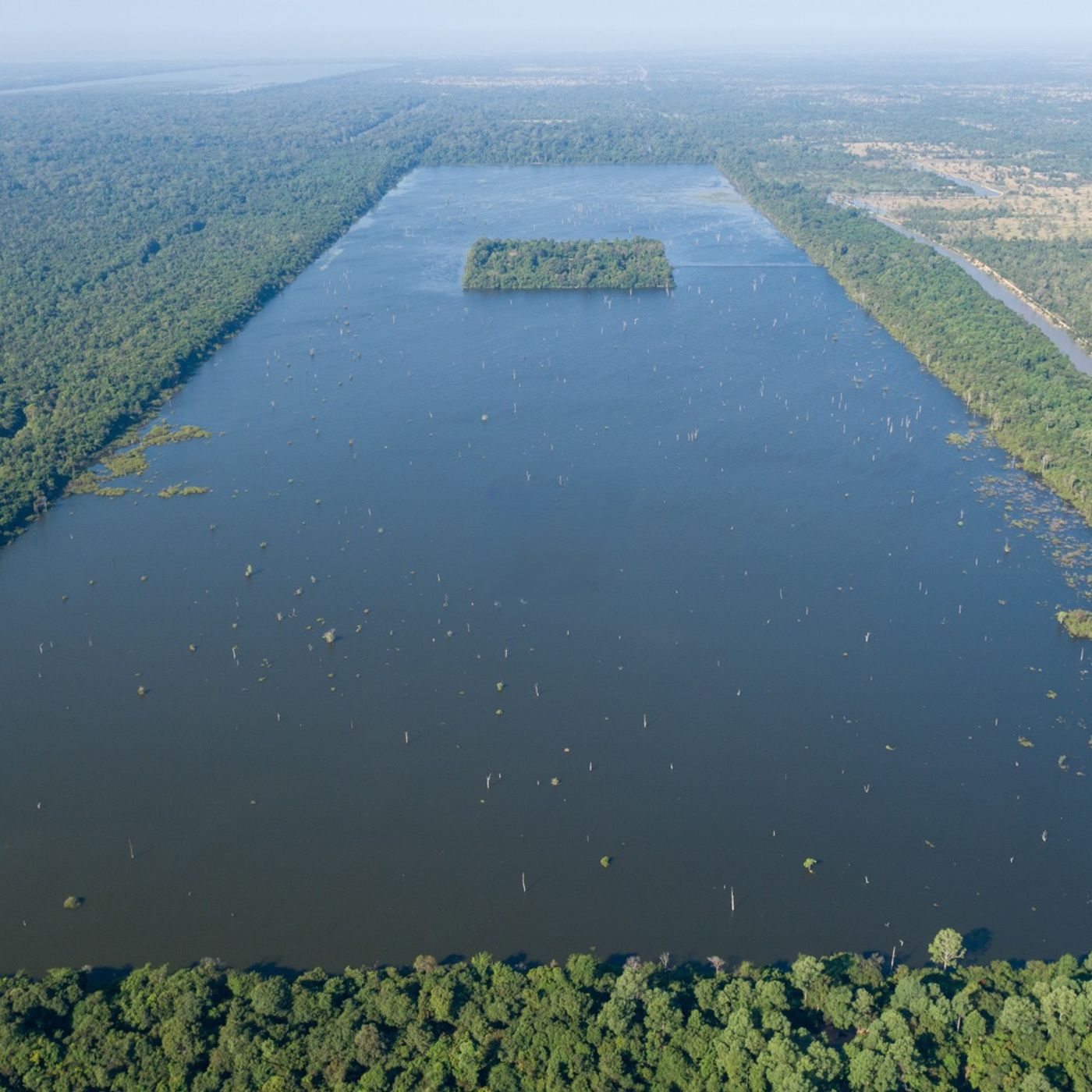
S1 Ep4: The Fall of Angkor (Part Three): What Really Happened to the Khmer Empire
What was Angkor actually like to walk through? What really happened to the Khmer Empire, and why is the standard version wrong? Was Angkor ever actually "lost"?Time Period Covered: 1296 – 1600 CEIn 1296, a Chinese diplomat named Zhou Daguan stepped off a boat at Angkor, stayed eleven months, and wrote down what he saw — the palace, the markets, the food, the gossip. His account is the only surviv
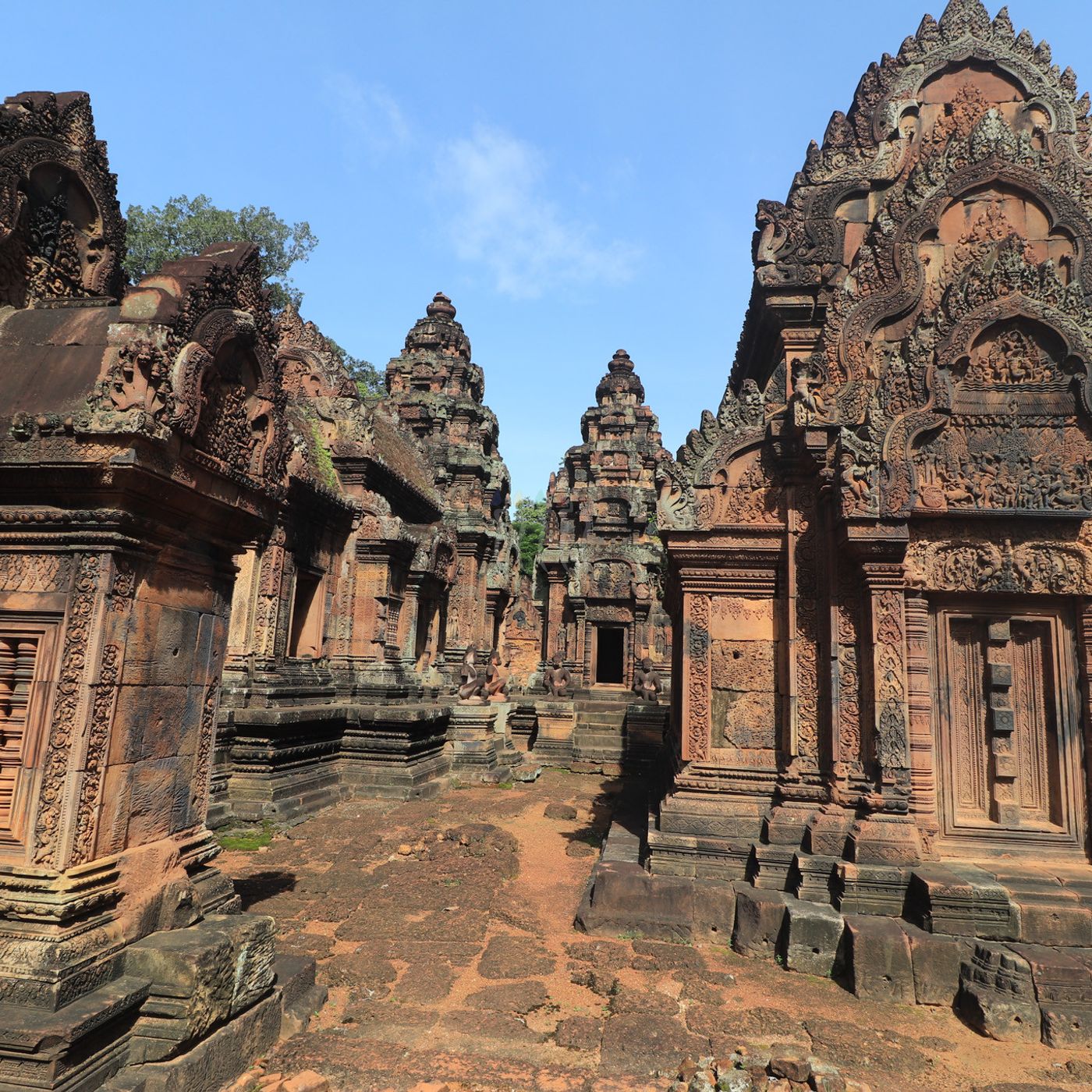
S1 Ep3: The Rise of the Khmer Empire (Part Two): Building Angkor Wat
How do you build the largest city in the medieval world? What does it actually take to construct Angkor Wat? And what happens when the greatest king in Khmer history dies and leaves an empire stretched to its limits? Time period covered: 802 – 1296 CE In this episode, Lachlan traces the rise of the Khmer Empire from Jayavarman II's ceremony on Phnom Kulen to the death of Jayavarman VII, the most
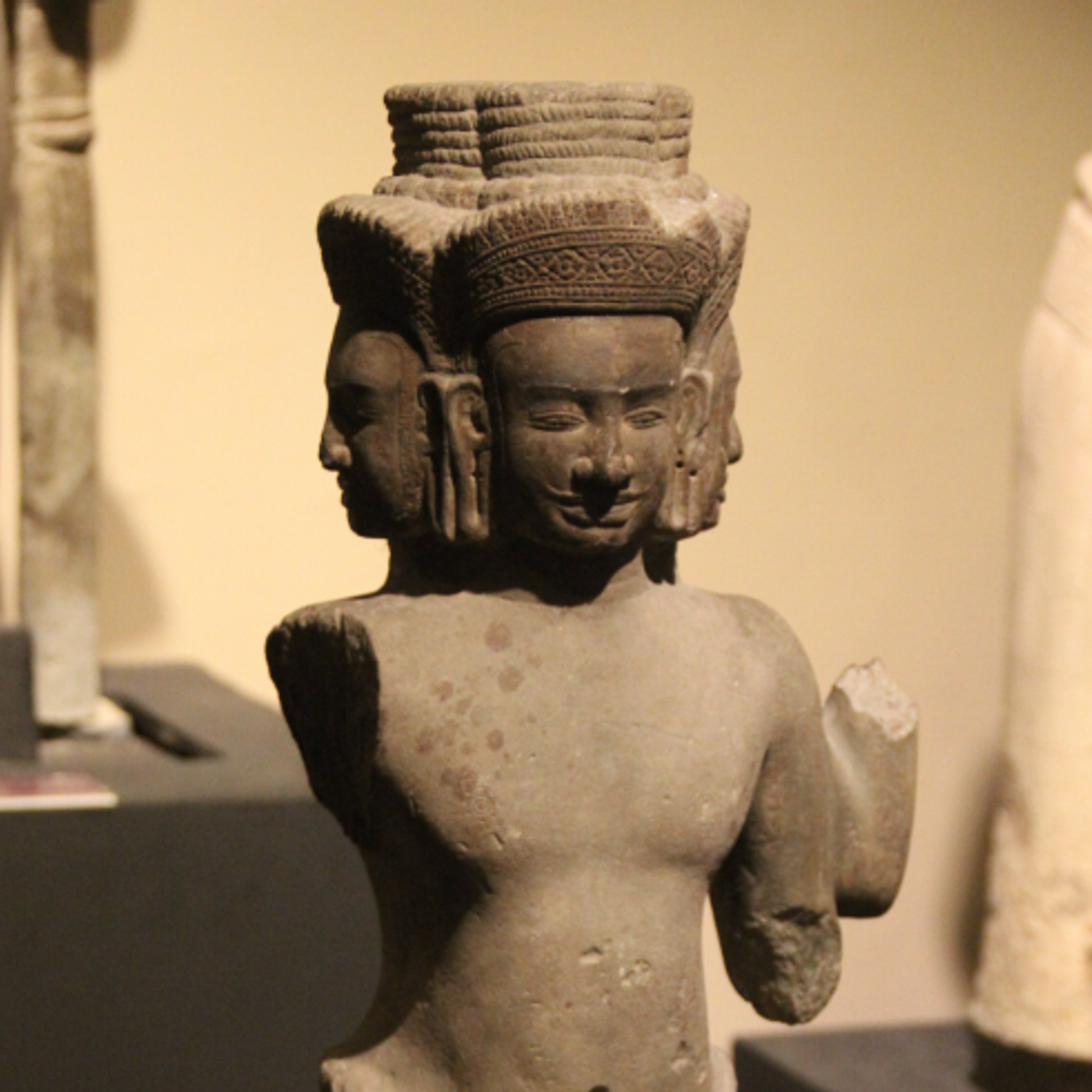
S1 Ep2: The Rise of the Khmer Empire (Part One): Before Angkor
Who are the Khmer people, and where did they come from? Why does almost everything written about early Cambodia need to be revised?Time period covered: Pre-history – 850 CEIn this episode, Lachlan introduces the landscape, the people, and the deep history of the Khmer civilisation before the era of god-kings. The monsoon cycle that defines everything. The animist world of spirits and sacred hills
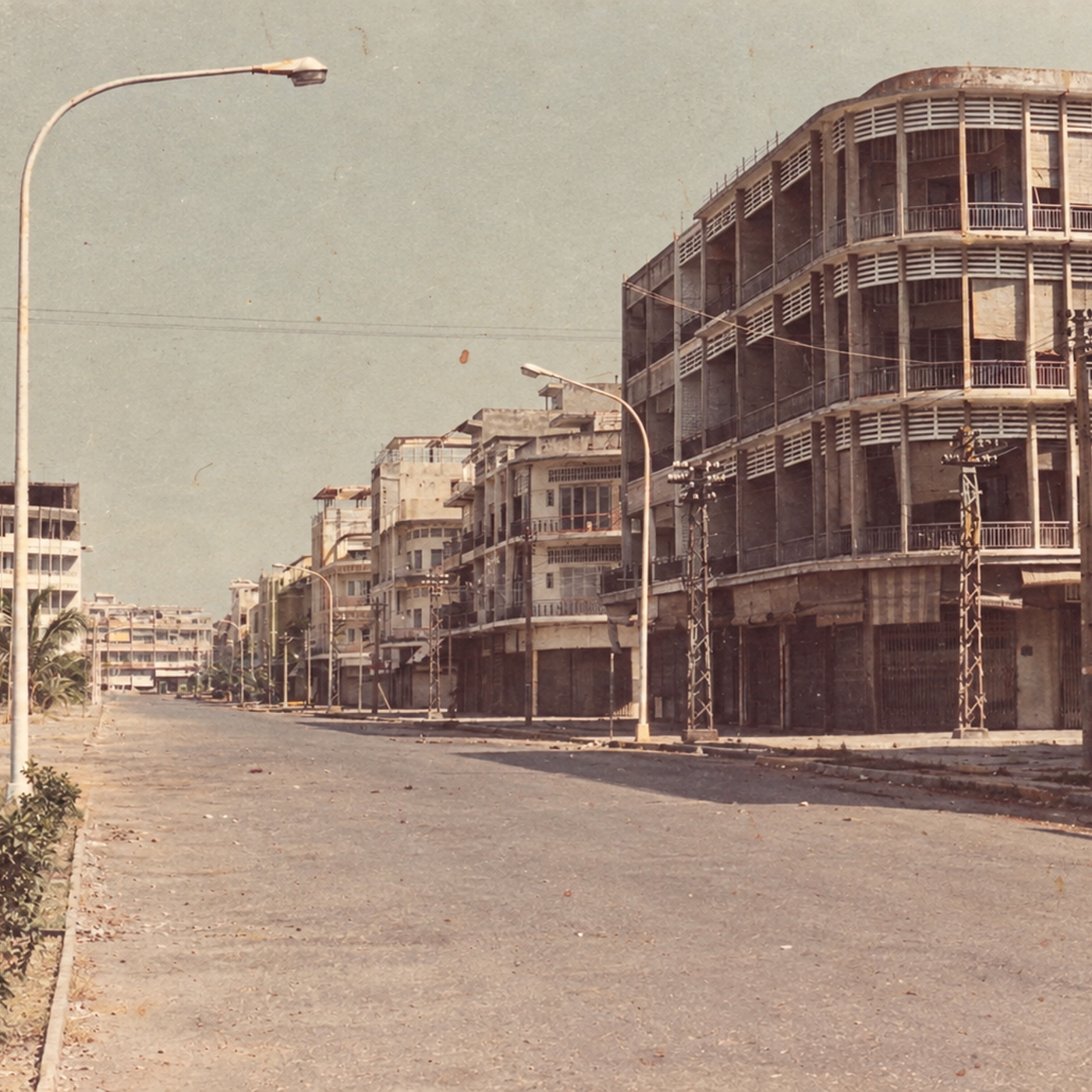
S1 Ep1: The Khmer Rouge, the Killing Fields and the 'Cambodian Genocide': An Introduction
On the morning of April 17th, 1975, the Khmer Rouge marched two million people out of Phnom Penh at gunpoint. They were told the Americans were about to bomb the city, and that they could return in three days. Phnom Penh stayed nearly empty for the next four years.How would you react to being forced out of your home at gunpoint, ordered to leave all of your belongings behind, and instructed to wa
Recommended

پلی لیست | PlayList

Conspiracy Files with Paige Carter

Bad Friends

Learn 50 English Phrases While You Sleep | Everyday English Phrases & Vocabulary

This Past Weekend w/ Theo Von

Dateline NBC

Back to the 80s Radio

Crime Stories with Nancy Grace

Bible Tea

این نقطه

TED Business

Dark Night Tales with Brian King
