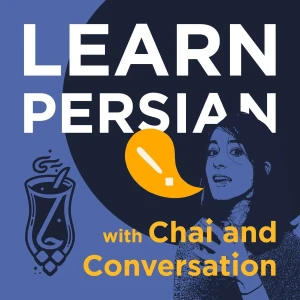
Learn Persian with Chai and Conversation
Learn Persian with Chai and Conversation teaches conversational Persian in a fun and casual manner through weekly lessons of about 15-20 minutes each. The podcast is designed for English speakers and covers practical phrases and cultural insights. It is hosted by Chai & Conversation, which provides additional resources on their website.
Episodes
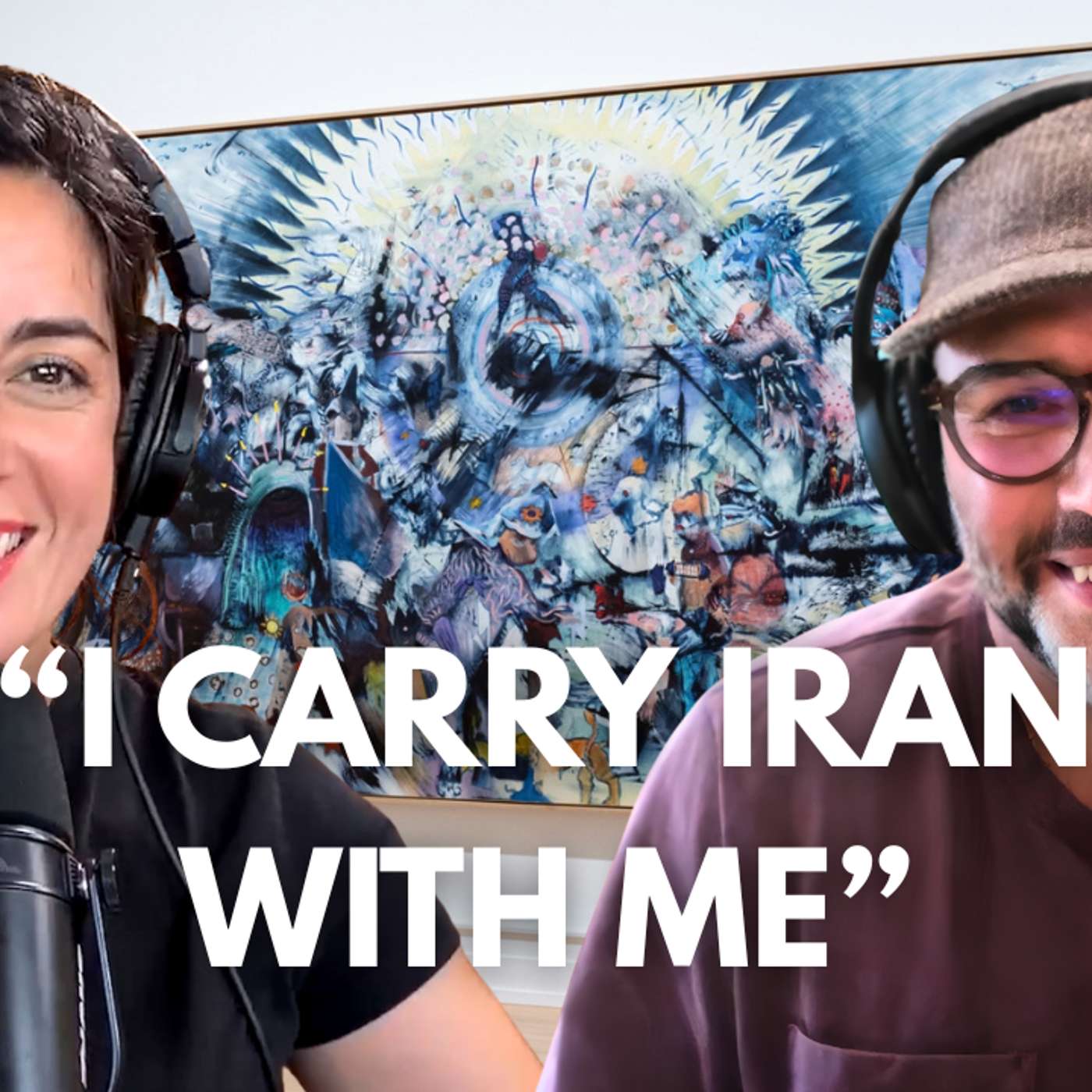
Interview | Ali Banisadr on Hearing Paintings: Synesthesia, Memory & the Temple of the Mind
In this episode, Leyla sits down with Ali Banisadr, the Tehran-born, New York–based painter whose work hangs in museum collections around the world. His exhibition Temple of the Mind at the Buffalo AKG Art Museum (on view through November 8, 2026) is the museum's first-ever artist intervention in its collection. Ali's paintings are hung throughout the galleries in conversation with Gorky,
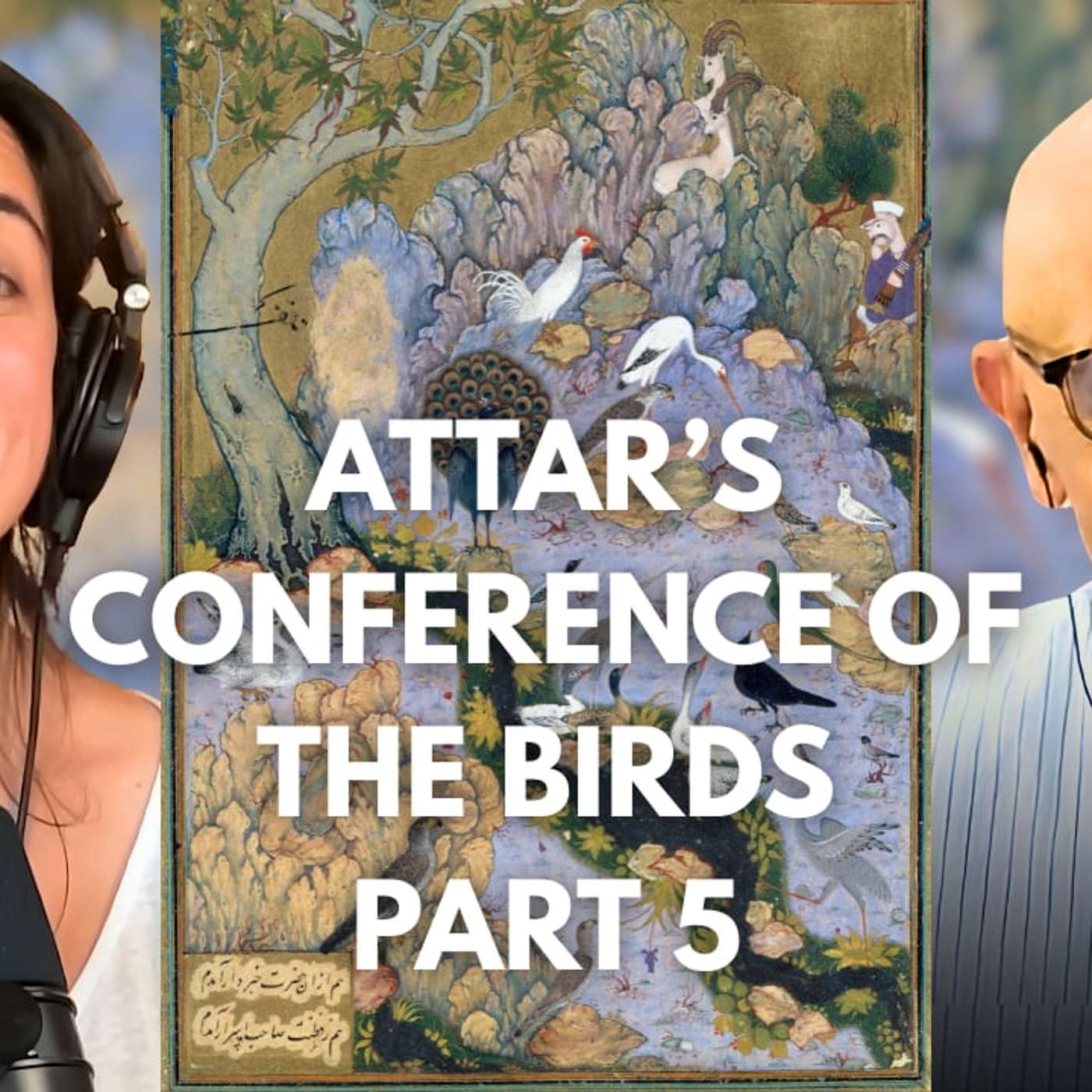
Culture | Attar's Conference of the Birds, Part 5
In the fifth and final part of our discussion of Attar's Conference of the Birds, Leyla is joined by Omid Arabian of the YOUniversal Center for the poem's climax, as the thirty surviving birds finally reach the Simorgh and discover, through Attar's wordplay on see morgh and seemorgh, that the sovereign they sought all along was themselves.For the full lesson — including the guide, the Per
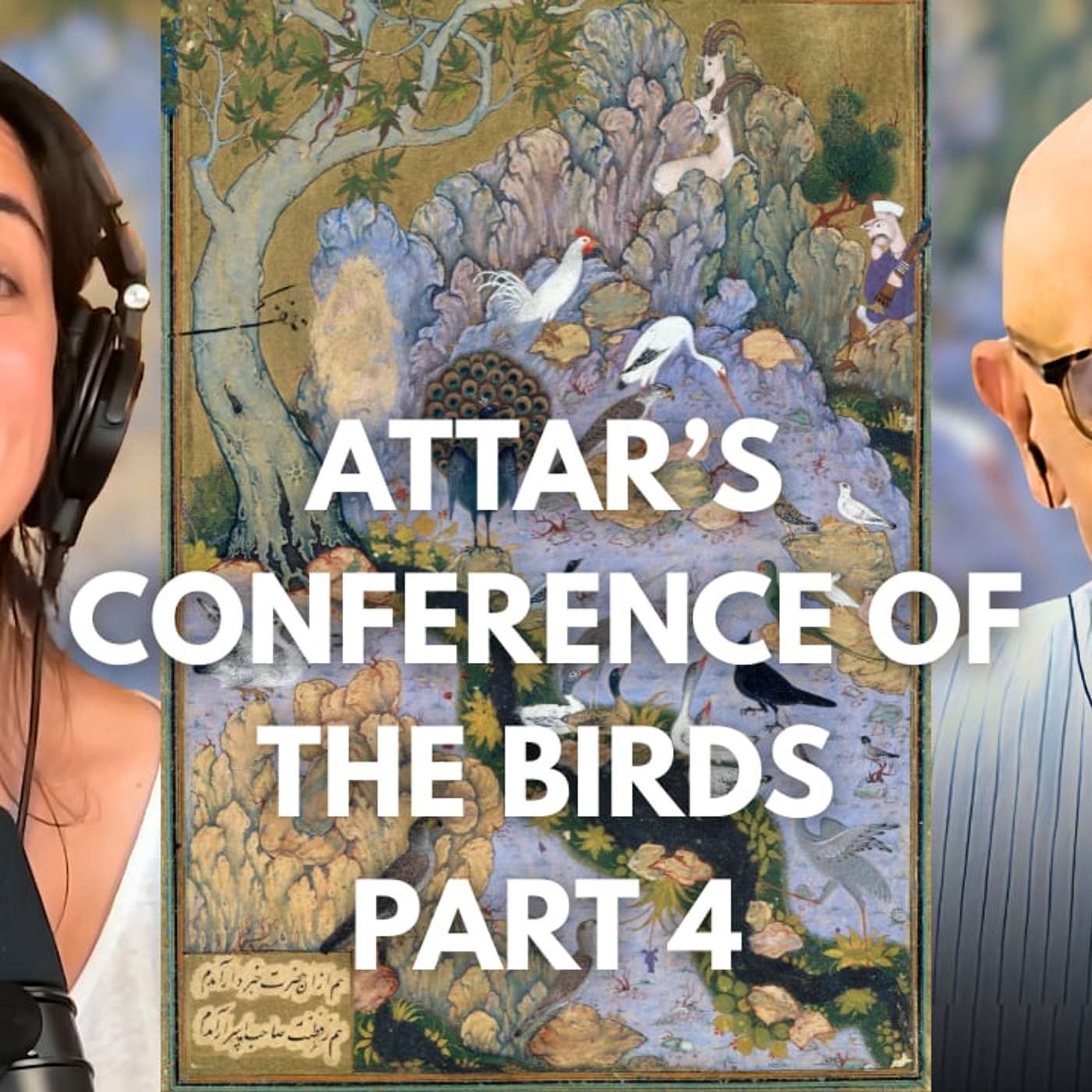
Culture | Attar's Conference of the Birds, Part 4
In the fourth part of our discussion of Attar's Conference of the Birds, Leyla is joined by Omid Arabian of the YOUniversal Center as the birds set out in dread on a road no one has ever returned from — and after a lifetime of travel, only one in a thousand arrives.For the full lesson — including the guide, the Persian text, and a printable version — visit https://chaiandconversation.com/
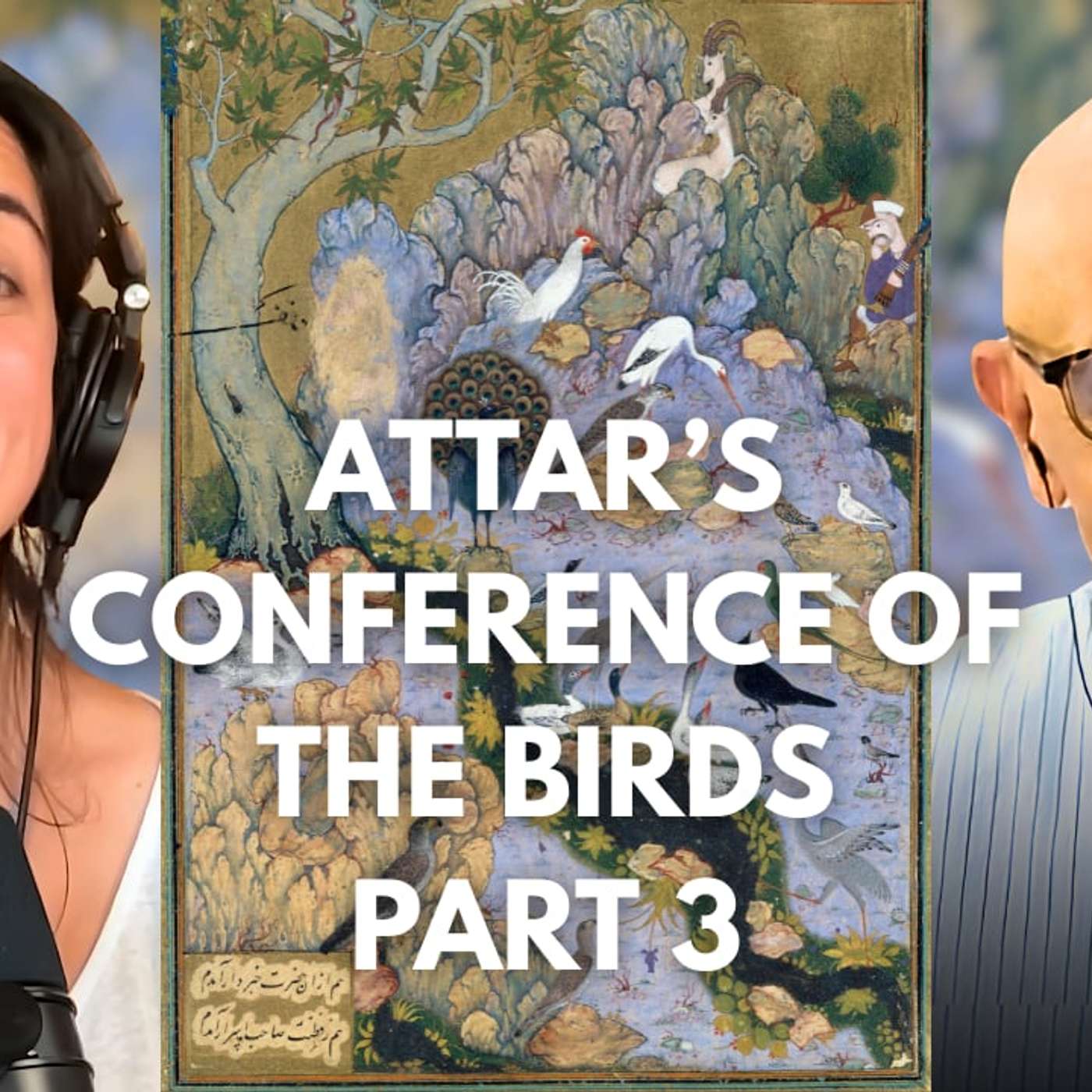
Culture | Attar's Conference of the Birds, Part 3
In the third part of our discussion of Attar's Conference of the Birds, Leyla is joined by Omid Arabian of the YOUniversal Center as hundreds of thousands of birds set out on the road — only to falter at the edge of the wilderness — and the Hoopoe lays out the seven valleys that lie between them and the Simorgh.For the full lesson — including the guide, the Persian text, and a printable v
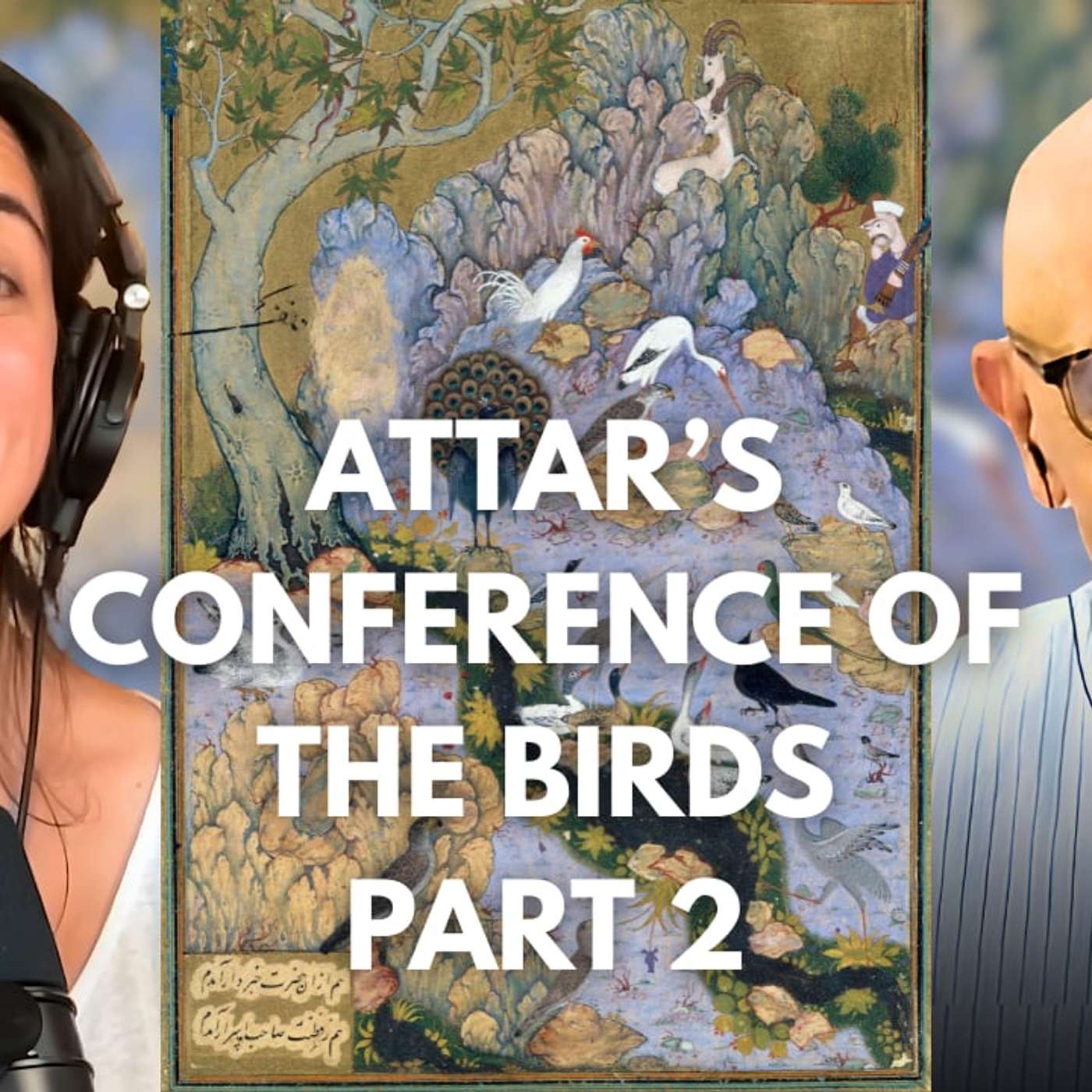
Culture | Attar's Conference of the Birds, Part 2
In the second part of our discussion of Attar's Conference of the Birds, Leyla is joined by Omid Arabian of the YOUniversal Center as the Hoopoe finally names the king the birds have been seeking — the Simorgh, near to them though they are far from it — and warns them how long the road ahead will be.For the full lesson — including the guide, the Persian text, and a printable version — vis
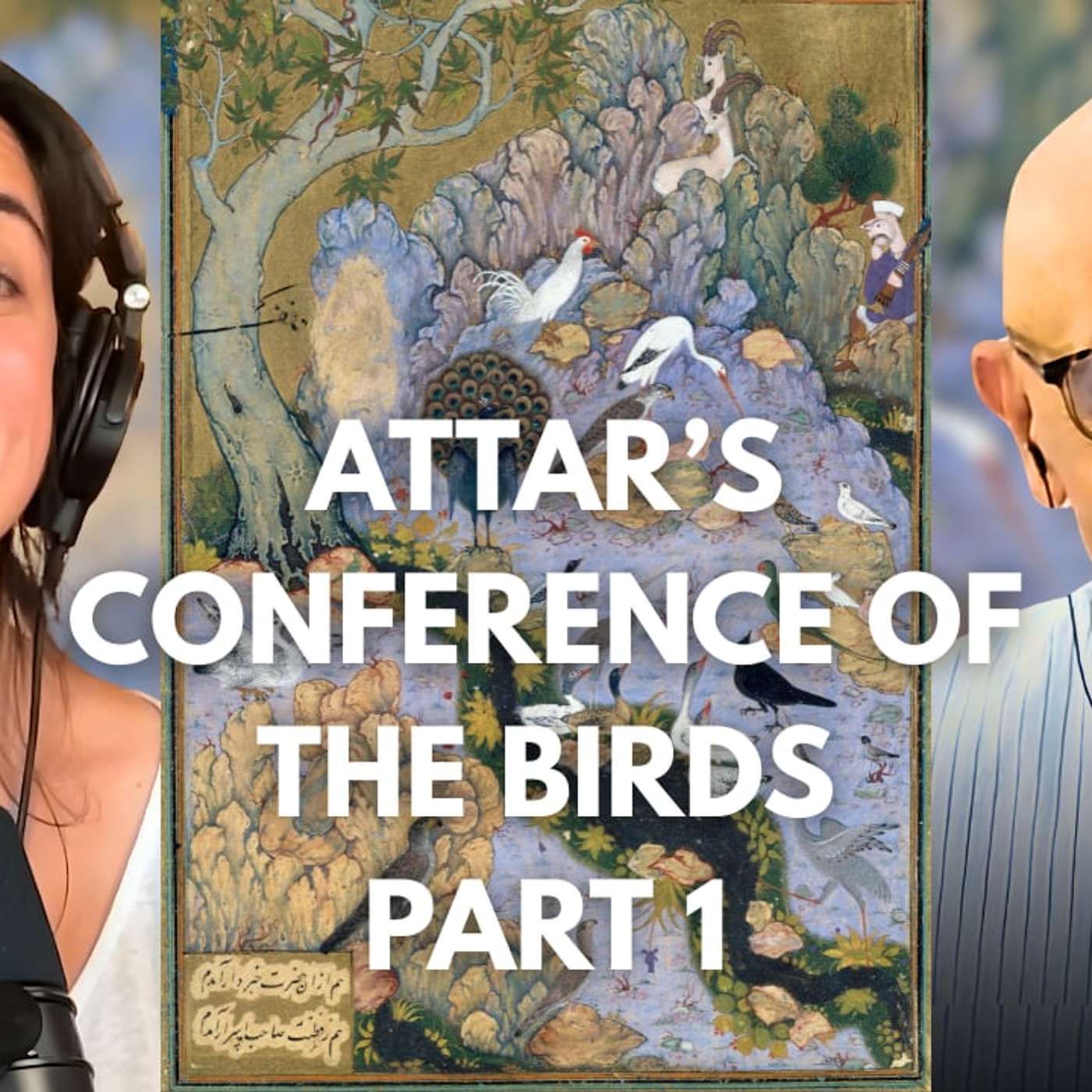
Culture | Attar's Conference of the Birds, Part 1
In this lesson, Leyla is joined by Omid Arabian of the YOUniversal Center for an overview of Attar's Conference of the Birds. Working through selected verses from across the poem, they trace the birds' journey from their first gathering to the moment thirty birds discover what they have been seeking all along.For the full lesson — including Omid's complete verse-by-verse guide, the Persia
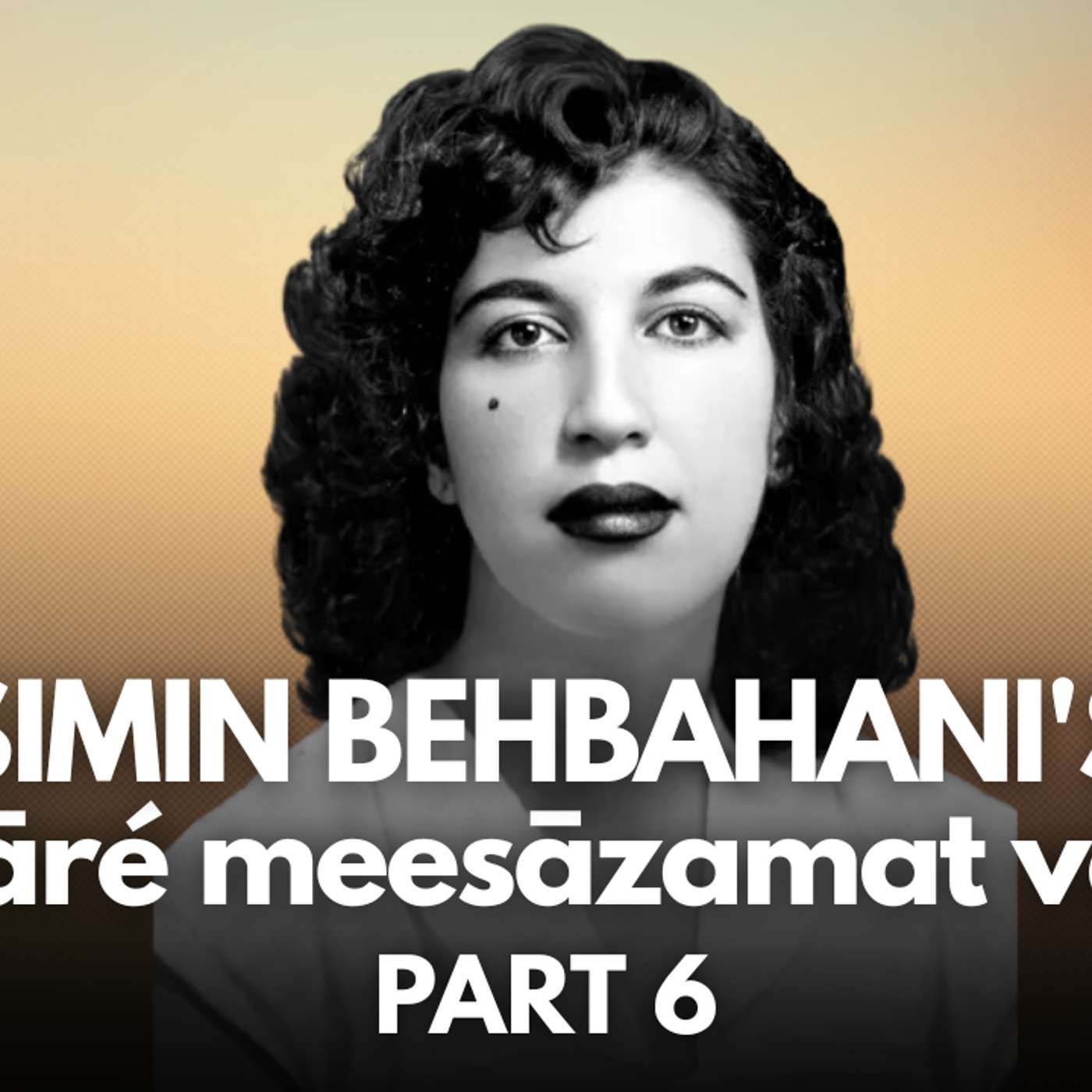
Poetry | Simin Behbahani's dobāré meesāzamet vatan, Part 6
In this final part of the discussion of Simin Behbahani's dobāré meesāzamat vatan, we go over the end of the poem in detail.
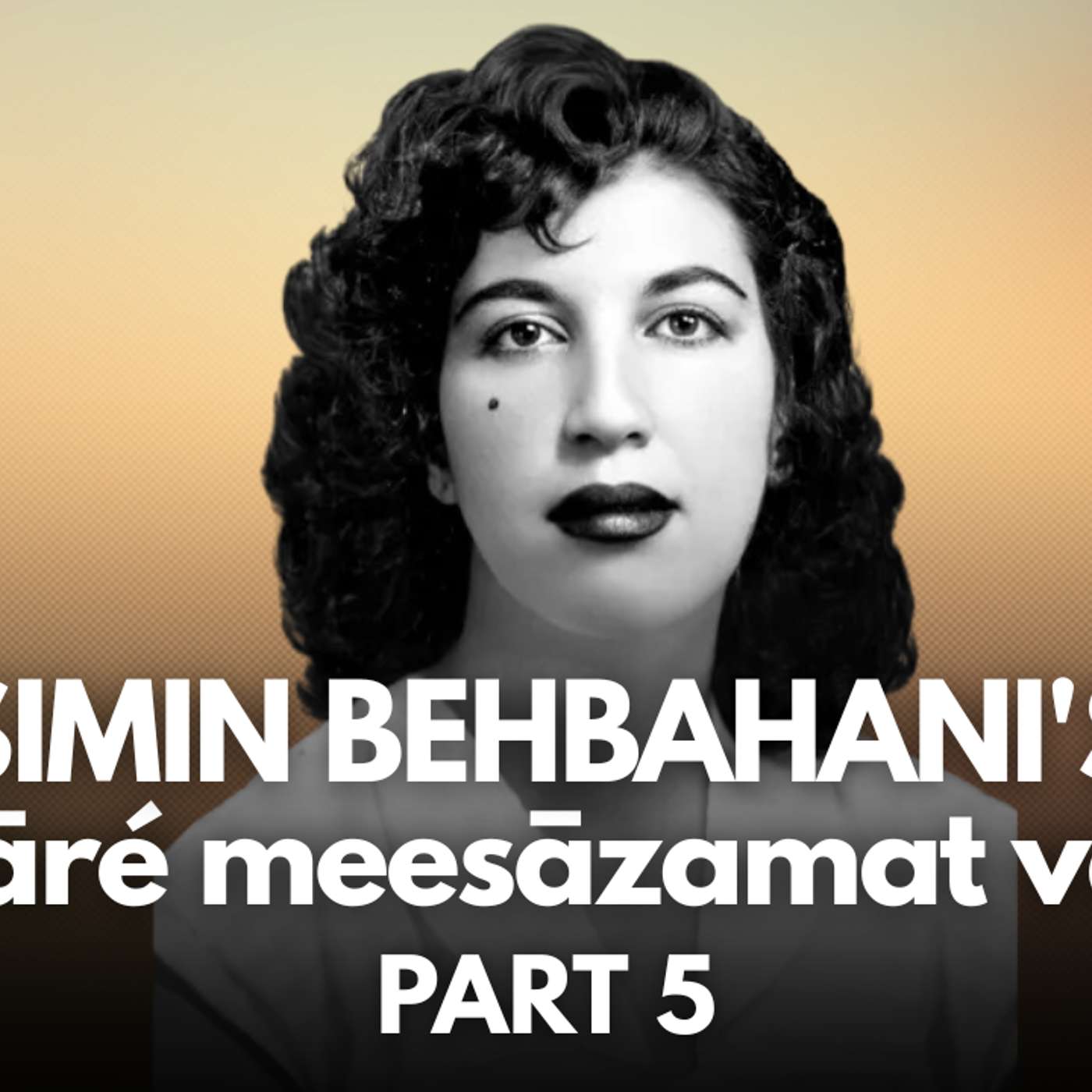
Poetry | Simin Behbahani's dobāré meesāzamet vatan, Part 5
In this fifth part of the discussion of Simin Behbahani's dobāré meesāzamat vatan, we go over the second-to-last part of the poem in detail.
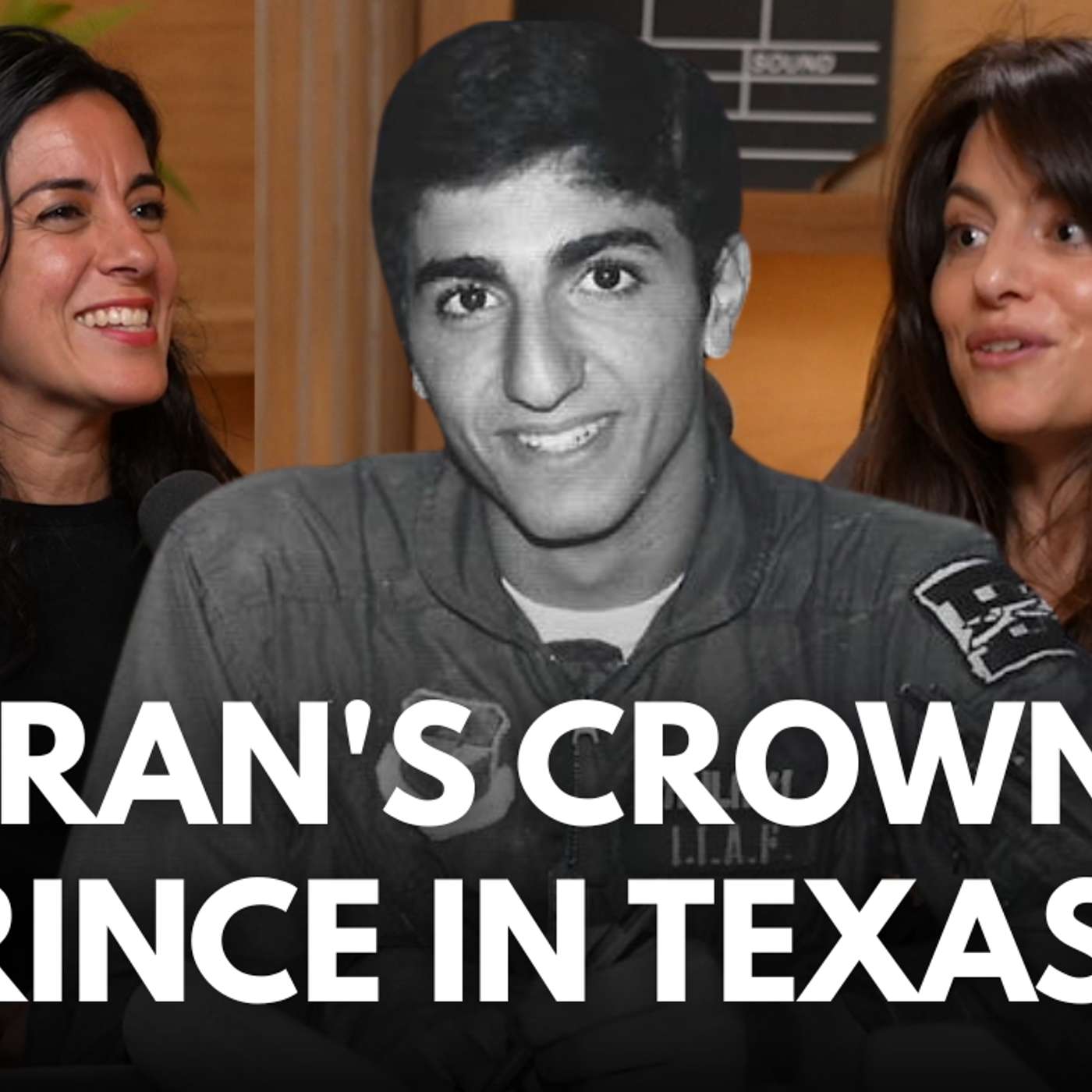
Interview | Sasha von Oldershausen on the Crown Prince of Lubbock, Texas
In this episode, Leyla sits down with Sasha von Oldershausen — an Iranian American journalist on the news and politics team at Texas Monthly, and soon to be the New York Times' first-ever Texas culture reporter.This conversation is a little different from most episodes of Growing Up Irooni: it centers on a single, remarkable story. In her Texas Monthly article "The West Texas Days of the
Poetry | Simin Behbahani's dobāré meesāzamet vatan, Part 4
In this fourth part of the discussion of Simin Behbahani's dobāré meesāzamat vatan, we go over the next six lines of the poem in detail.
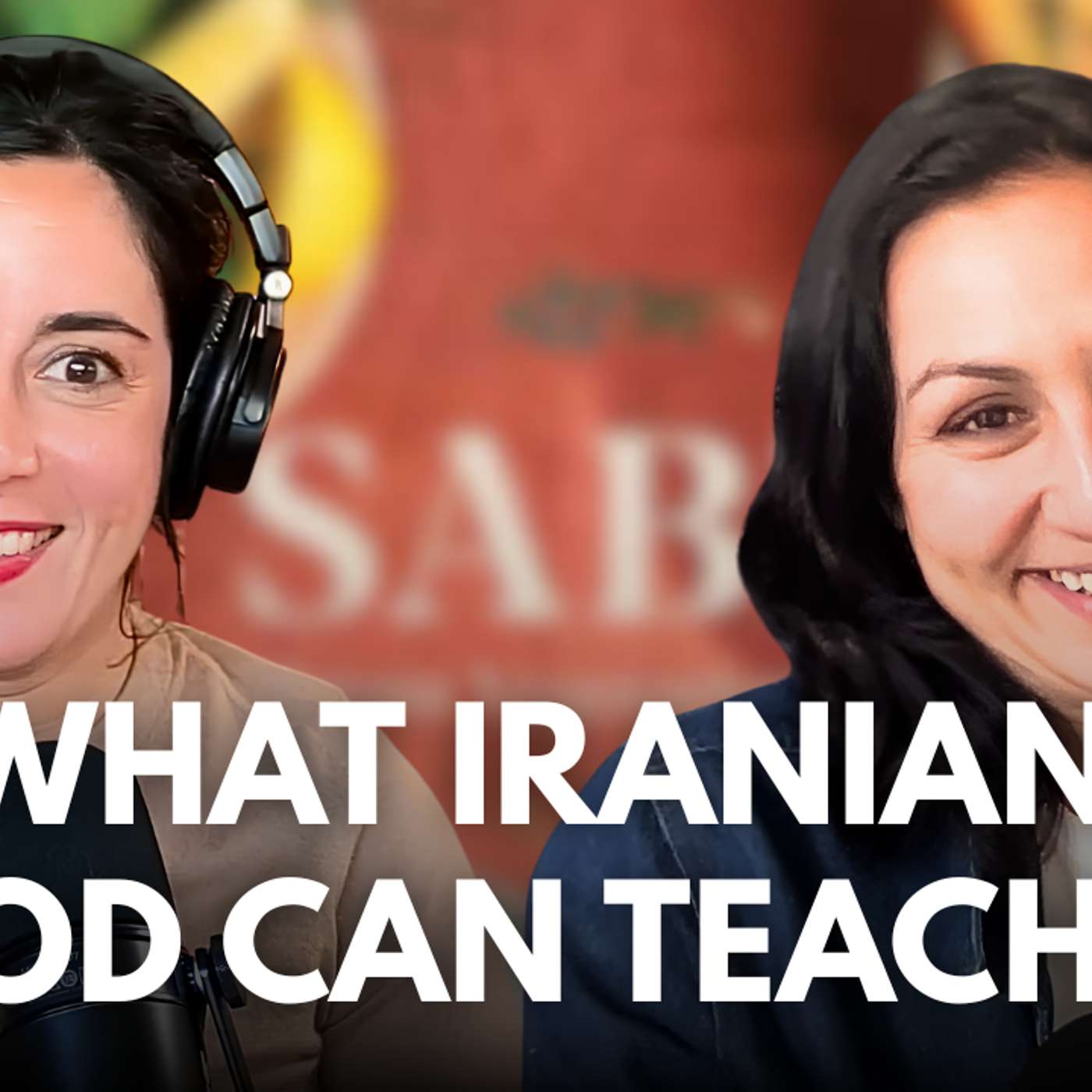
Interview | Yasmin Khan on Food, Culture & Compassion Across Borders
In this episode, Leyla sits down with Yasmin Khan — the acclaimed British-Iranian-Pakistani food writer, activist, and author of *The Saffron Tales*, *Zaitoun*, *Ripe Figs*, and her newest cookbook, *Sabzi: The Beautiful World of Persian Vegetarian Cooking*.Yasmin takes us back to her childhood in Birmingham, where her mother — a Gilaki nutritionist from a small town near the Caspian Sea
Poetry | Simin Behbahani's dobāré meesāzamet vatan, Part 3
In this third part of the discussion of Simin Behbahani's dobāré meesāzamat vatan, we go over the next six lines of the poem in detail.
Poetry | Simin Behbahani's dobāré meesāzamet vatan, Part 2
In this second part of the discussion of Simin Behbahani's dobāré meesāzamat vatan, we go over the first six lines of the poem in detail.
Poetry | Simin Behbahani's dobāré meesāzamet vatan, Introduction with Sahba Shayani
In this introductory lesson to Simin Behbahani's beautiful, important, and timely poem, dobāré meesāzamet vatan, we're joined by Dr. Sahba Shayani to talk about the general theme and meaning behind this poem.
Interview | Hamid Rahmanian on Building Persian Culture, One Story at a Time
In this episode, Leyla sits down with Hamid Rahmanian — the Iranian-American artist, filmmaker, and visionary behind some of the most ambitious Shahnameh projects of our time, including the illustrated Shahnameh: The Epic of the Persian Kings, the touring live productions Feathers of Fire and Song of the North, and most recently Rostam: Tales from the Shahnameh, a beautifully illustrated

Interview | Danesh Nosirvan on Speaking Up When Our Parents Couldn't
In this episode, Leyla sits down with Danesh Nosirvan — the Iranian-American creator known online for identifying perpetrators of public harm and holding them accountable through the court of public opinion. What began as a comedy career took an unexpected turn in 2021, when a single video calling out a child abuser went viral and reshaped the trajectory of his work entirely.Danesh shares
Culture | Ferdowsi's Shahnameh, The Story of Zahhak, Part 4
In the fourth part of our discussion about the Tale of Zahhak, Leyla and Dr. Sahba Shayani introduce the story of Fereydoon, who, as we already know by now, eventually kills Zahhak and rules Iran in his place. Zahhak tries in vain to prevent fate, and Fereydoon, even as a child, survives all of Zahhak's attempts to kill him.
Culture | Ferdowsi's Shahnameh, The Story of Zahhak, Part 3
In this lesson, we learn from Leyla and Dr. Sahba Shayani about the nature of the evil king Zahhak's reign and the beginning of his downfall.
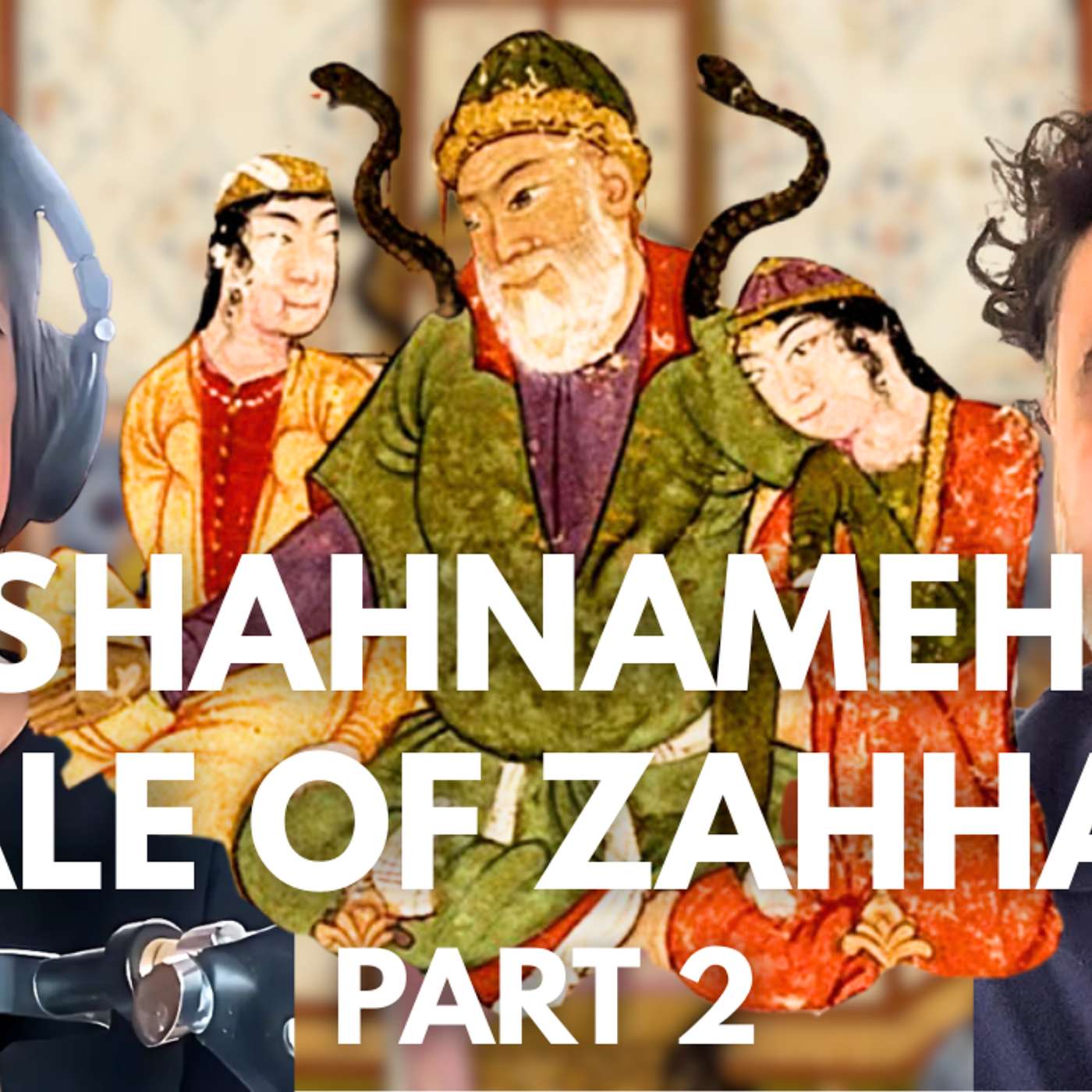
Culture | Ferdowsi's Shahnameh, The Story of Zahhak, Part 2
In this lesson, we continue our discussion of the famous Tale of Zahhak from Ferdowsi's Shahnameh with Dr. Sahba Shayani. Here, having covered the background that led to Zahhak's rise to power, we begin to delve into Zahhak's own story in earnest.
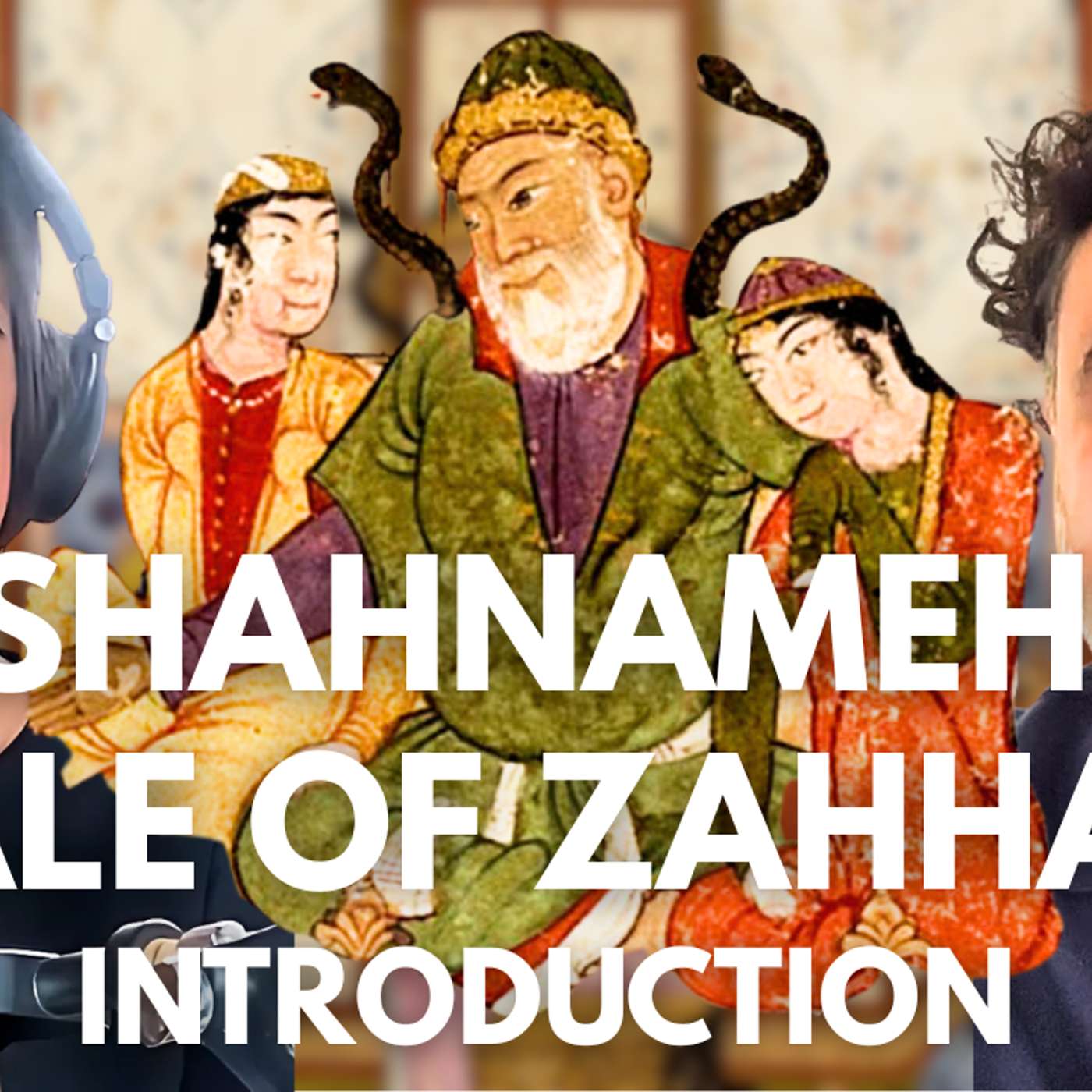
Culture | Ferdowsi's Shahnameh, The Story of Zahhak, Part 1
In this lesson, we begin our discussion of the famous Tale of Zahhak from Ferdowsi's Shahnameh with Dr. Sahba Shayani. We use the end of the story of Jamshid as a prelude and begin to learn of how Zahhak becomes an evil king.
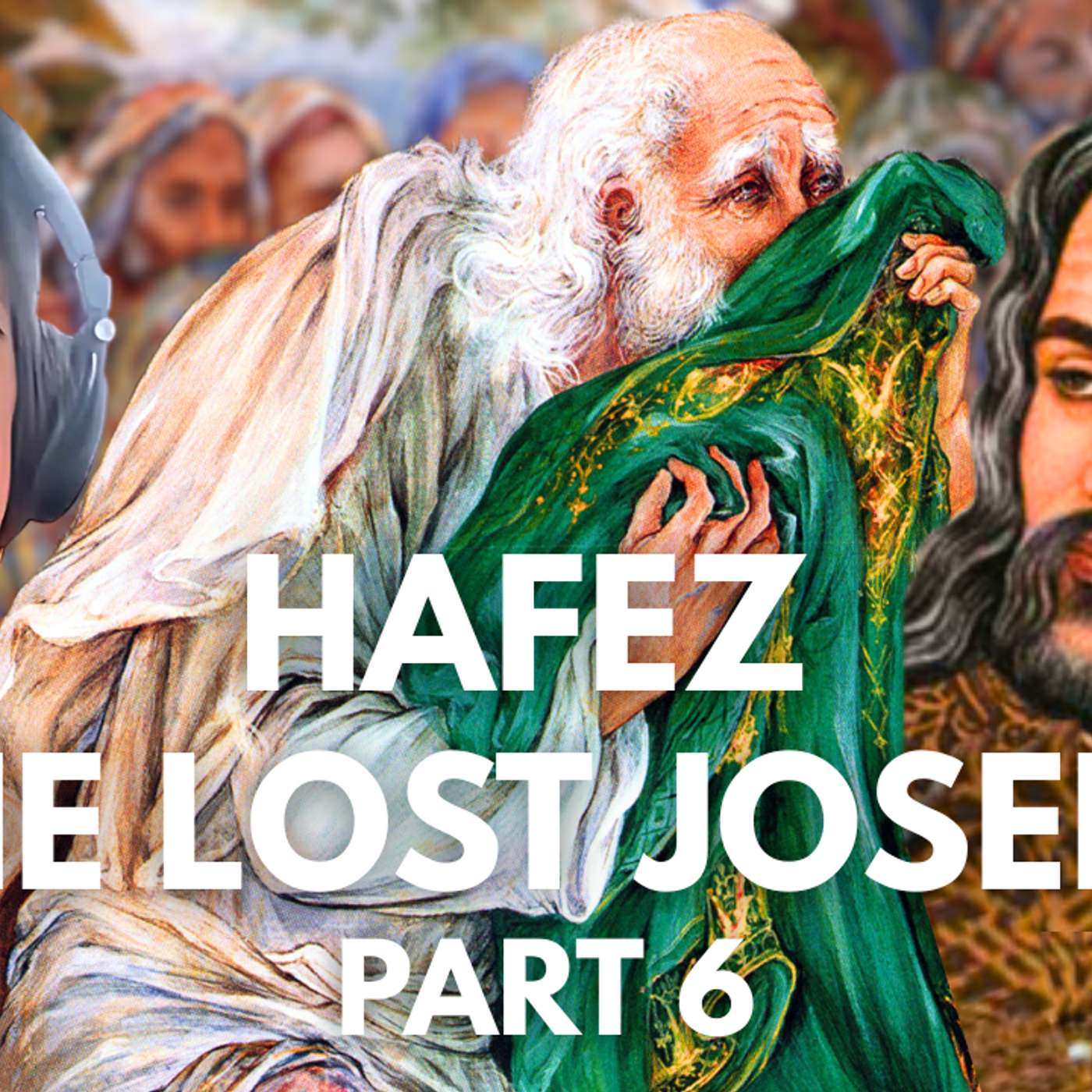
Poetry | Hafez's yoosofé gom gashté, Part 6
In this thrilling conclusion to Hafez's poem yoosofé gom gashté, we cover the words and phrases in the last four lines of the poem. Hafez concludes by acknowledging the difficulties the reader may face and reiterating his encouragement and confidence that God will help the reader overcome them.
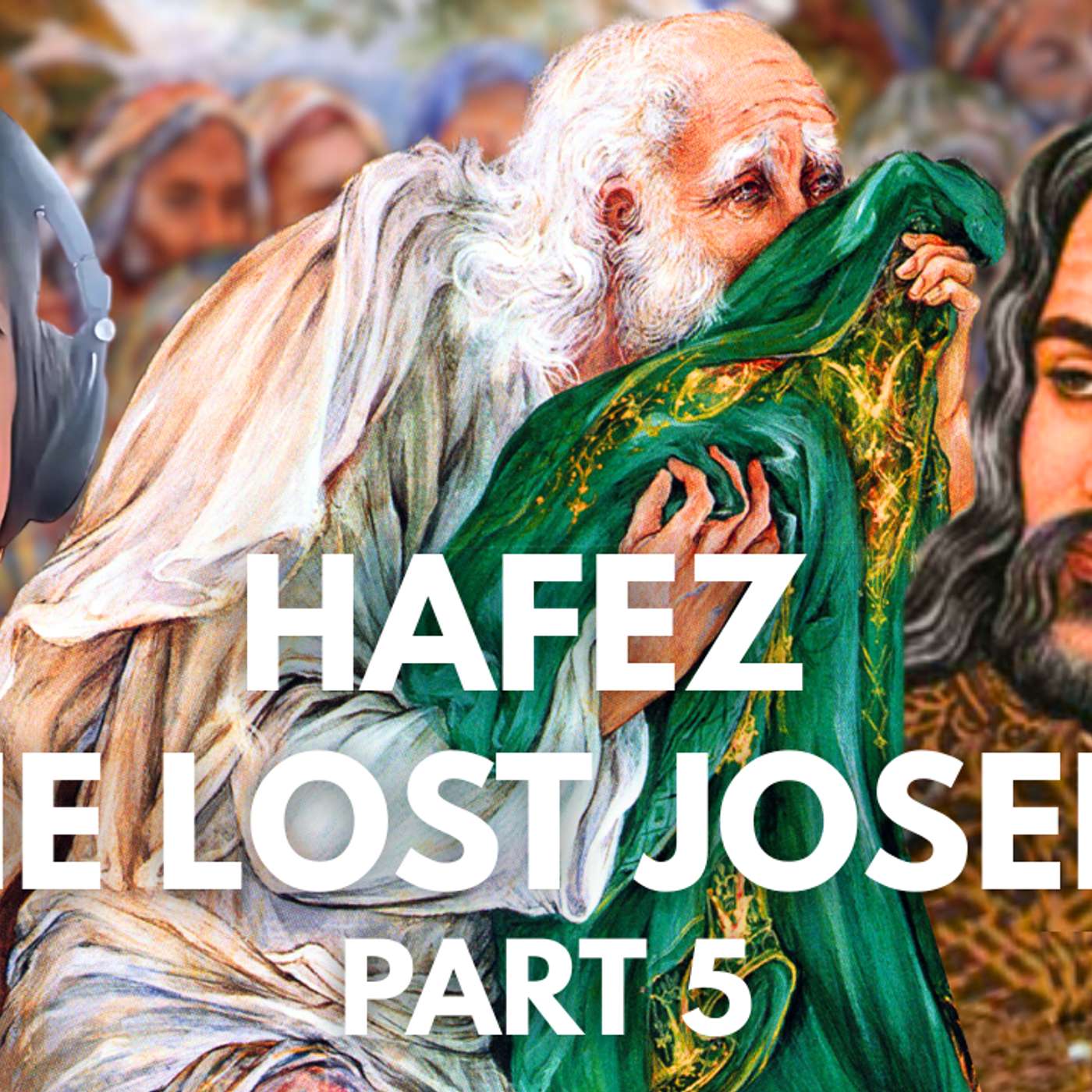
Poetry | Hafez's yoosofé gom gashté, Part 5
In this lesson, we cover the words and phrases in the next four lines of the poem yoosofé gom gashté by Hafez. In this part of the poem, Hafez provides the reader encouragement and inspiration for overcoming any difficulties they may face.
Poetry | Hafez's yoosofé gom gashté, Part 4
In this lesson, we go over more words and phrases in the next four lines of the poem yoosofé gom gashté by Hafez. Here, Hafez reassures the reader regarding forces that are beyond their control.

Poetry | Hafez's yoosofé gom gashté, Part 3
In this lesson, we go over the individual words and phrases in the next four lines of the poem yoosofé gom gashté by Hafez, which refer broadly to the nature of the heavens and earth.

Poetry | Hafez's yoosofé gom gashté, Part 2
In this lesson, we go over the individual words and phrases in the first four lines of the poem yoosofé gom gashté by Hafez.
Culture | Ferdowsi's Shahnameh, On the Creation of the World, Part 6
In this lesson, we conclude our discussion of the section “On the Creation of the World” from Ferdowsi's Shahnameh and reflect on its implications with Dr. Omid Arabian. In this last part, Ferdowsi explains the origins and significance of human beings in more detail.
Poetry | Hafez's yoosofé gom gashté, Introduction with Sahba Shayani
In this introductory lesson to Hafez's poem yoosofé gom gashté, we're joined by Prof. Sahba Shayani to talk about the general theme and meaning behind this poem.
Culture | Ferdowsi's Shahnameh, On the Creation of the World, Part 5
In this lesson, we proceed to the fifth part of our discussion of the section “On the Creation of the World” from Ferdowsi's Shahnameh with Dr. Omid Arabian. In this part of the epic poem, Ferdowsi briefly concludes his discussion of the origins of plants and animals and begins explaining the origins of human beings.
Culture | Ferdowsi's Shahnameh, On the Creation of the World, Part 4
In this lesson, we proceed to the fourth part of our discussion of the section “On the Creation of the World” from Ferdowsi's Shahnameh with Dr. Omid Arabian. This part of the epic poem explains Ferdowsi's account of the origins of plants and animals.
Culture | Ferdowsi's Shahnameh, On the Creation of the World, Part 3
In this lesson, we proceed to the third part of our discussion of the section “On the Creation of the World” from Ferdowsi's Shahnameh with Dr. Omid Arabian. This part of the epic poem discusses the formation of the Earth.
Culture | Ferdowsi's Shahnameh, On the Creation of the World, Part 2
In this lesson, we continue our discussion of the section “On the Creation of the World” from Ferdowsi's Shahnameh with Dr. Omid Arabian. This part of the epic poem discusses the very beginnings of the universe.
Culture | Ferdowsi's Shahnameh, On the Creation of the World, Part 1
In this lesson, we begin our discussion of the section of Ferdowsi's Shahnameh called “On the Creation of the World” with Dr. Omid Arabian. We begin with a discussion of just the first two lines (the first two rhyming couplets).
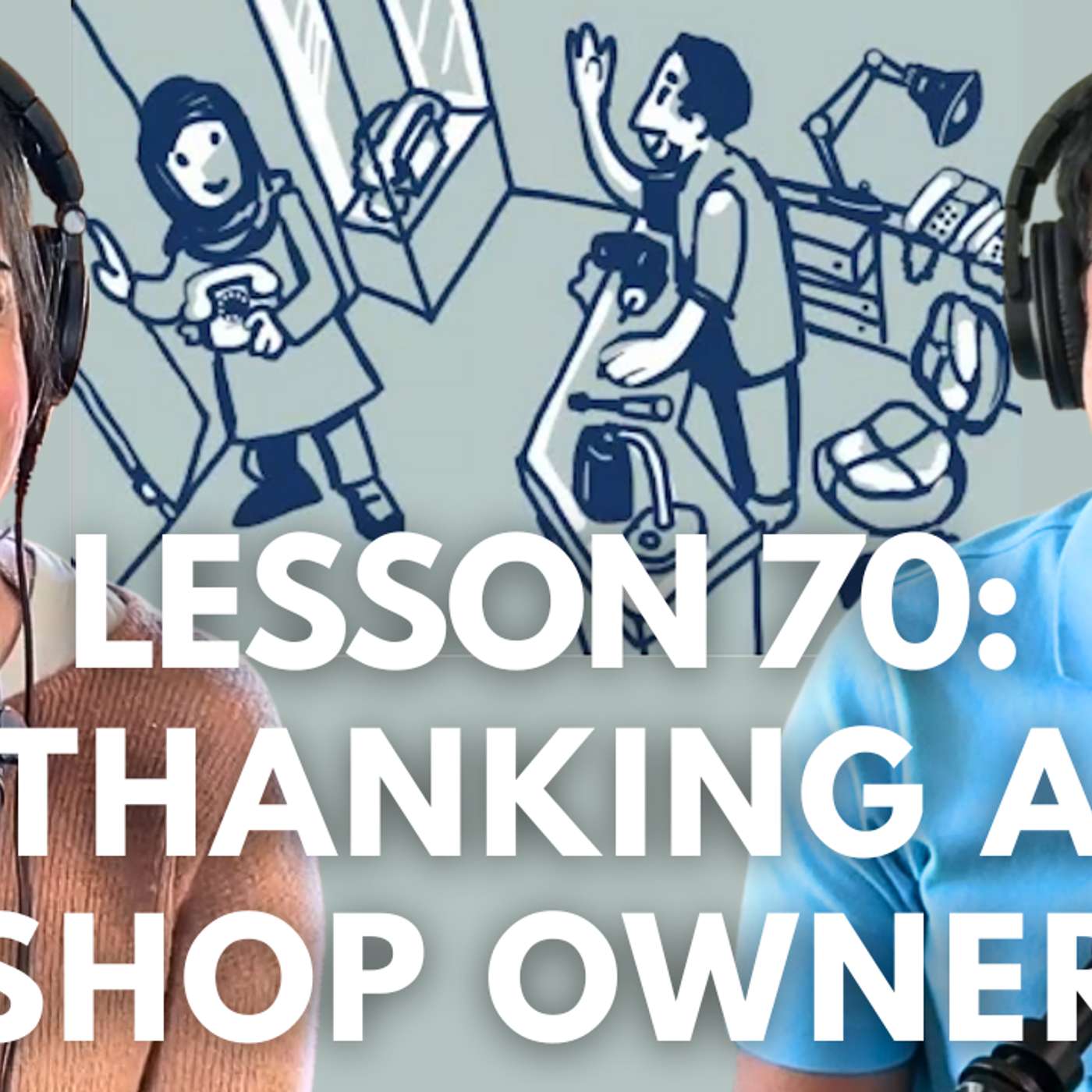
Speak Lesson 70 | Thanking a Shopowner
In this lesson, we learn some more expressions for expressing thanks, particularly in the context of visiting a jewelry store or other shop and making arrangements in advance.
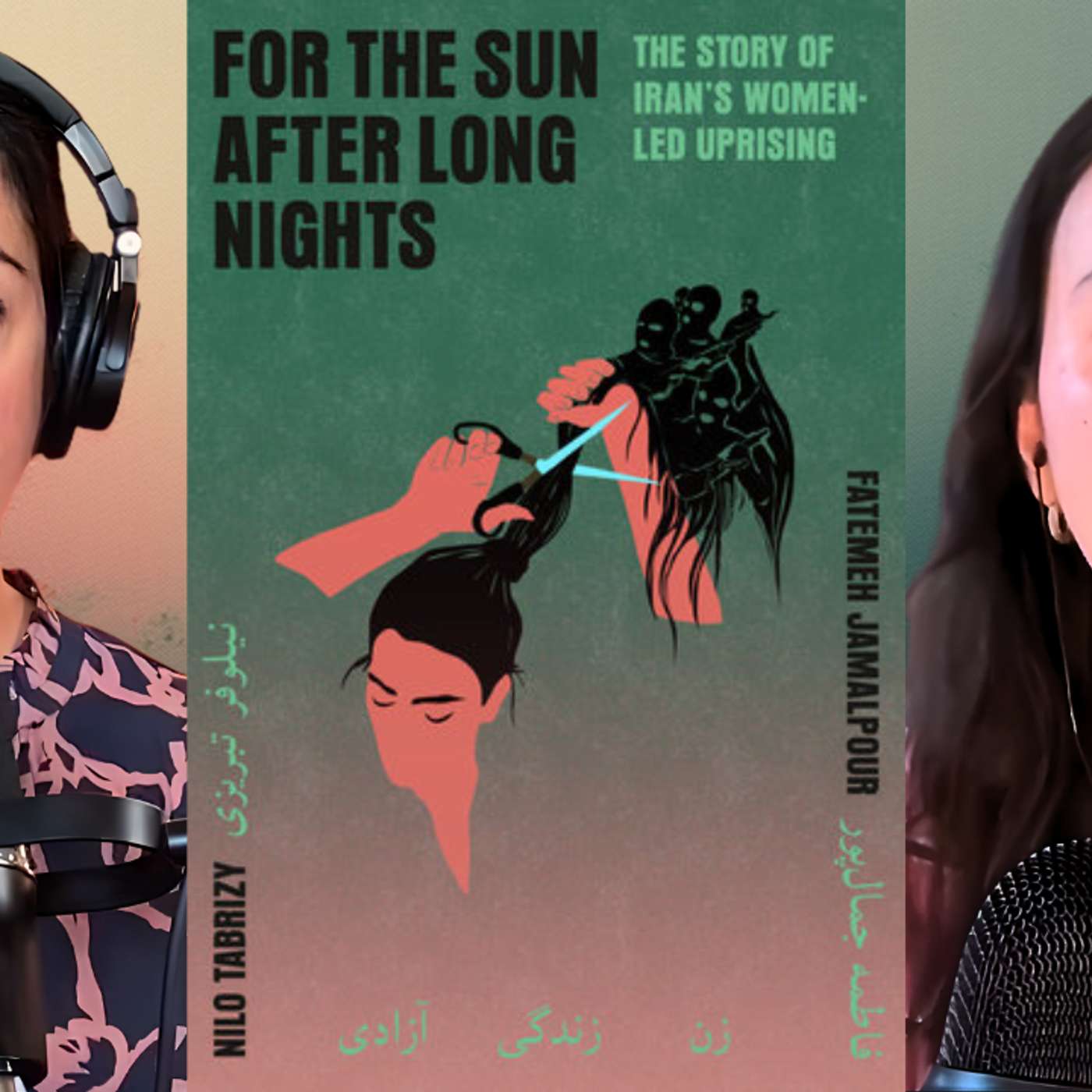
Interview | Nilo Tabrizy on the Cost of Telling Iran’s Story
In this episode of Growing Up Irooni, journalist Nilo Tabrizy joins Leyla Shams to talk about her groundbreaking book For the Sun After Long Nights — The Story of Iran’s Women-Led Uprising, recently long-listed for the National Book Award. Nilo reflects on what it means to love a country she can no longer return to, the emotional toll of reporting on Iran from afar, and her friendship and
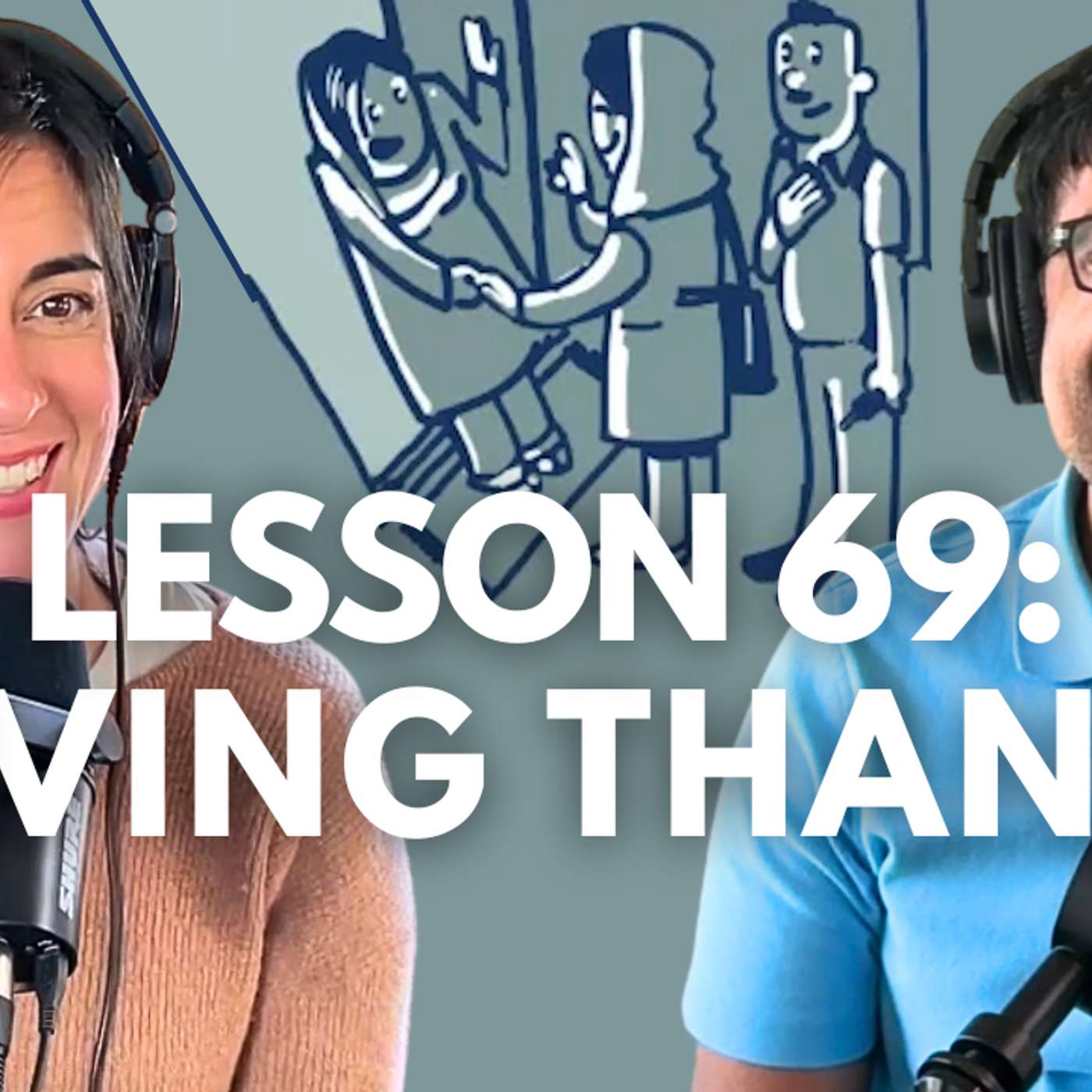
Speak Lesson 69 | Giving Thanks
In this lesson, we learn some other tārof-related expressions for expressing thanks, especially when talking to people at a party or other social gathering.
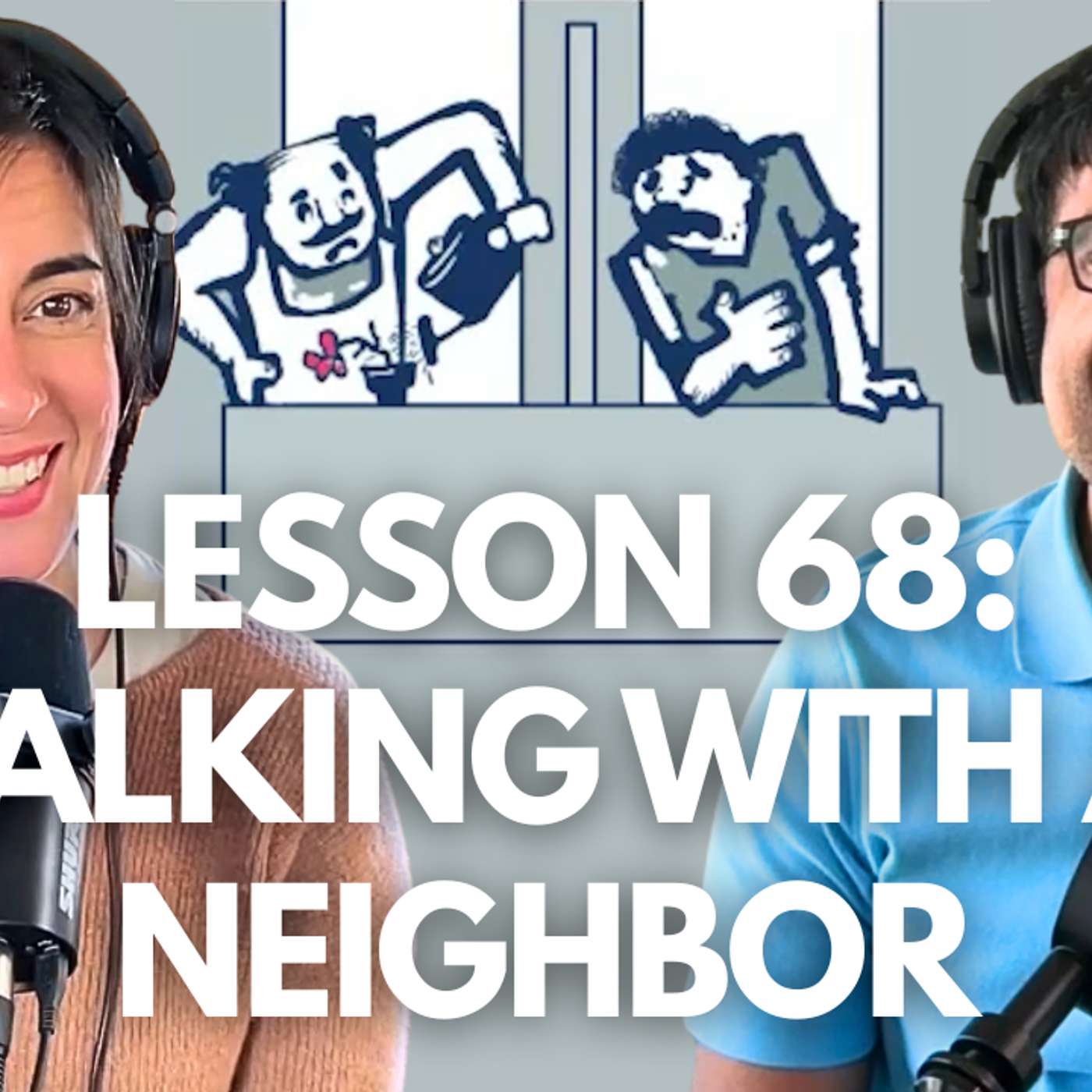
Speak Lesson 68 | Talking with a Neighbor
In this lesson, we learn a few more tārof-related expressions useful when talking with neighbors and also learn some useful phrases about gardening.
Speak Lesson 67 | How to Talk About School
In this lesson, we learn how to talk a little bit about school.
Speak Lesson 66 | Tārof When Welcoming Guests
In this lesson, we continue to explore examples of tārof relevant in situations where we have guests at our houses.
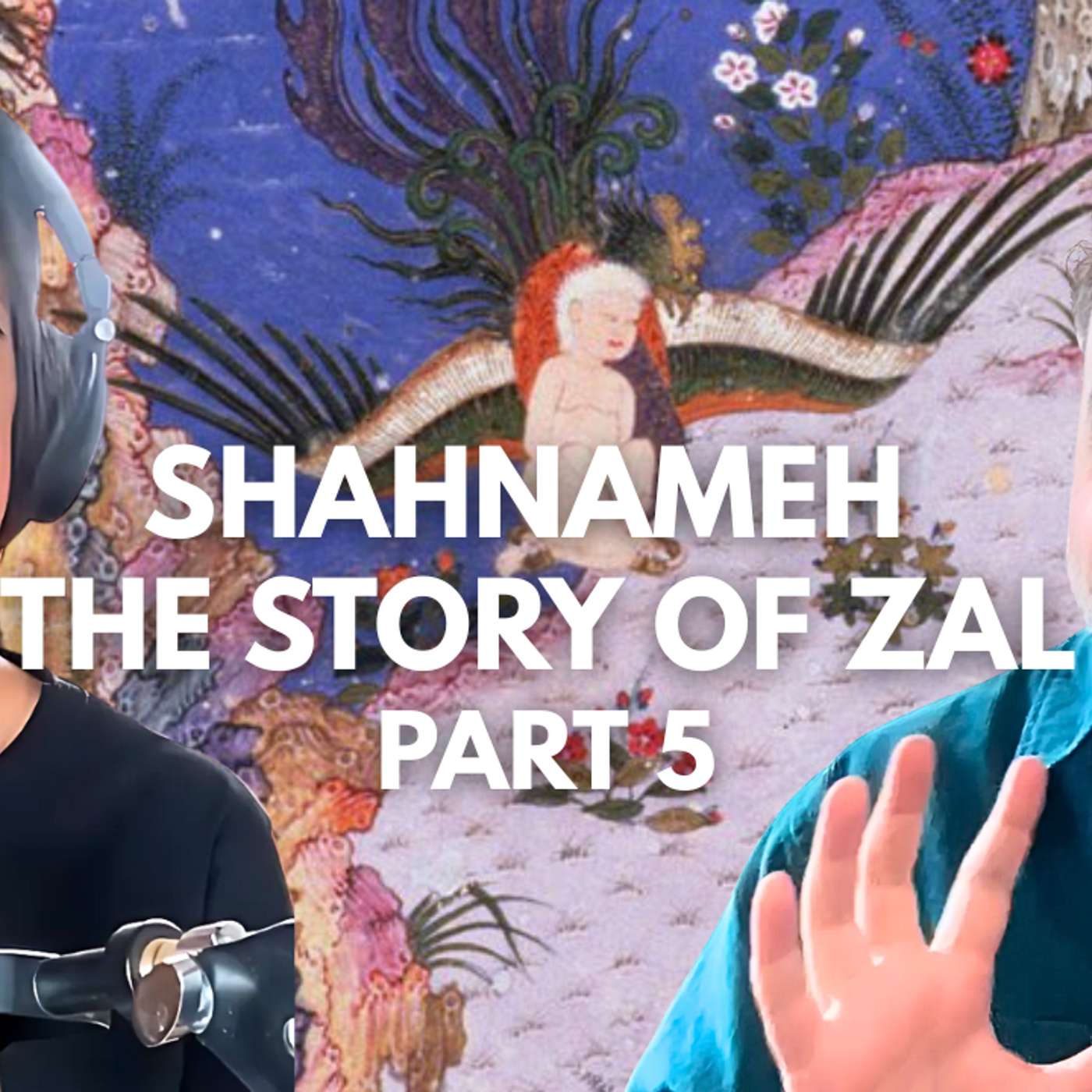
Culture | Ferdowsi's Shahnameh, Part 5
In this lesson, we cover the thrilling conclusion to the Story of Zal in the Shahnameh with Leyla and Dr. Sahba Shayani, where Zal returns with Sam to their palace in Zabulistan, where he enjoys a hero's welcome.
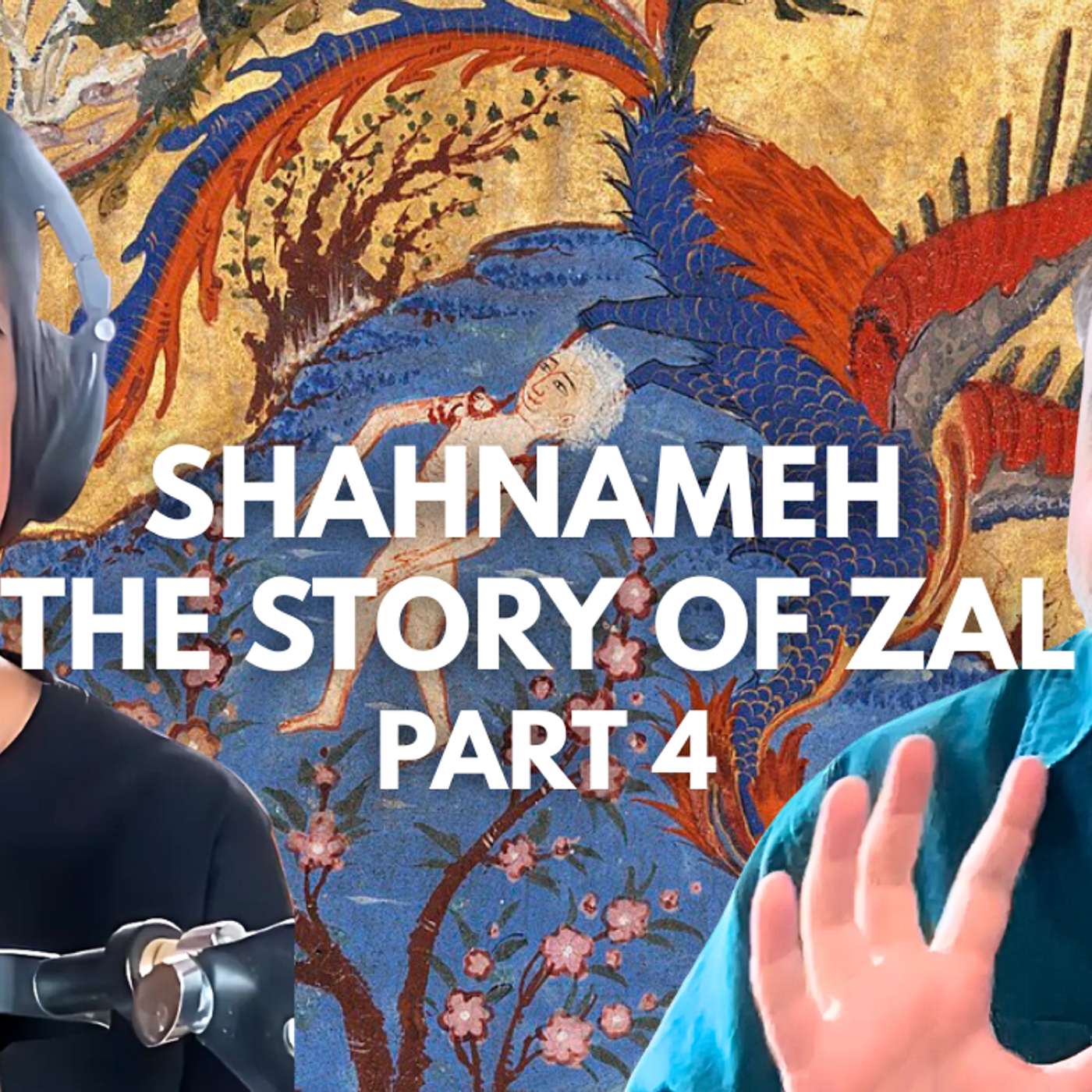
Culture | Ferdowsi's Shahnameh, Part 4
In this lesson, we continue our discussion of Ferdowsi's Shahnameh with Dr. Sahba Shayani to the fourth part of the Story of Zal, where Simorgh reunites Zal with his father, Sam.
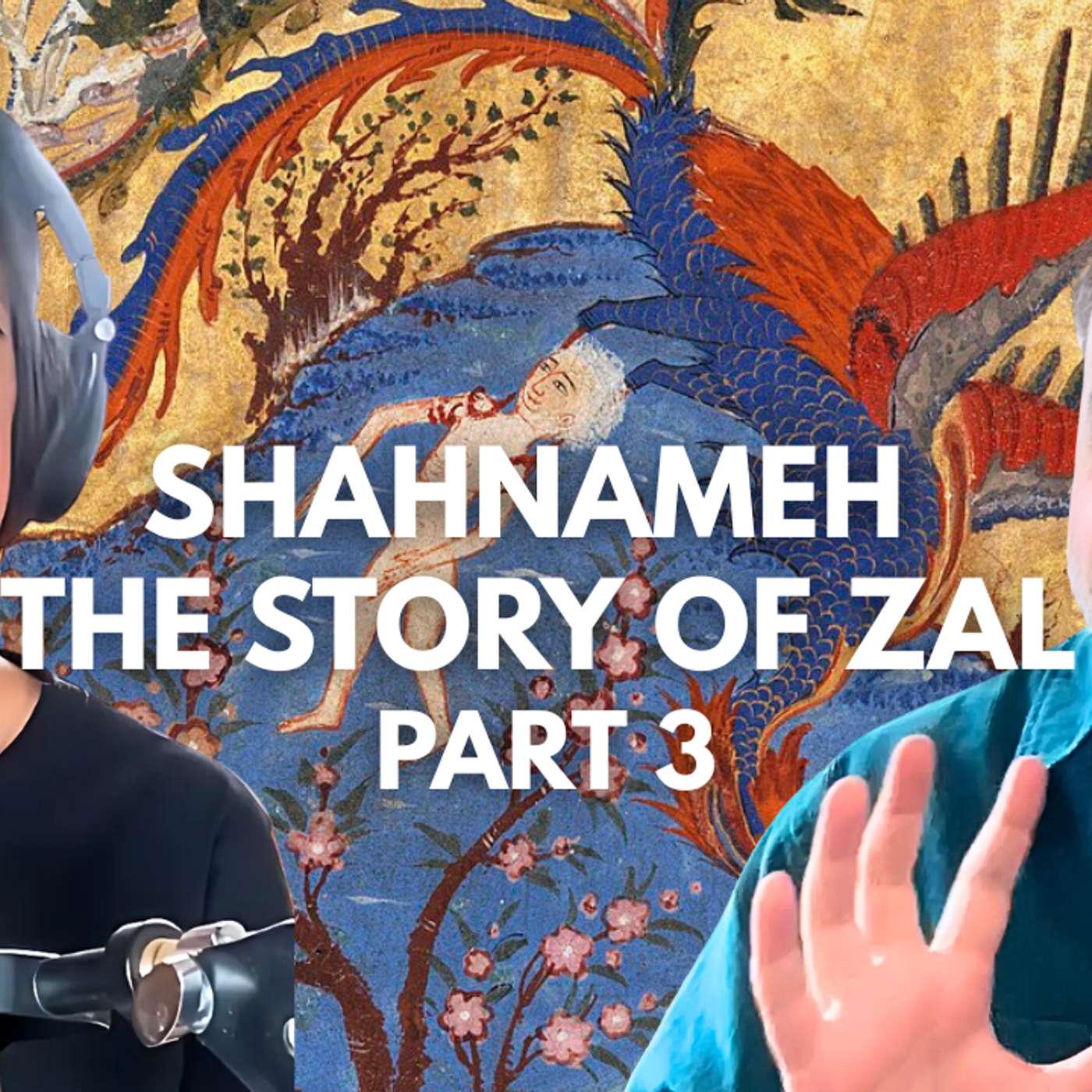
Culture | Ferdowsi's Shahnameh, Part 3
In this lesson, we continue our discussion of Ferdowsi's Shahnameh with Dr. Sahba Shayani to the third part of the Story of Zal, where Sam begins to have dreams that inspire him to search for the son he had previously abandoned.
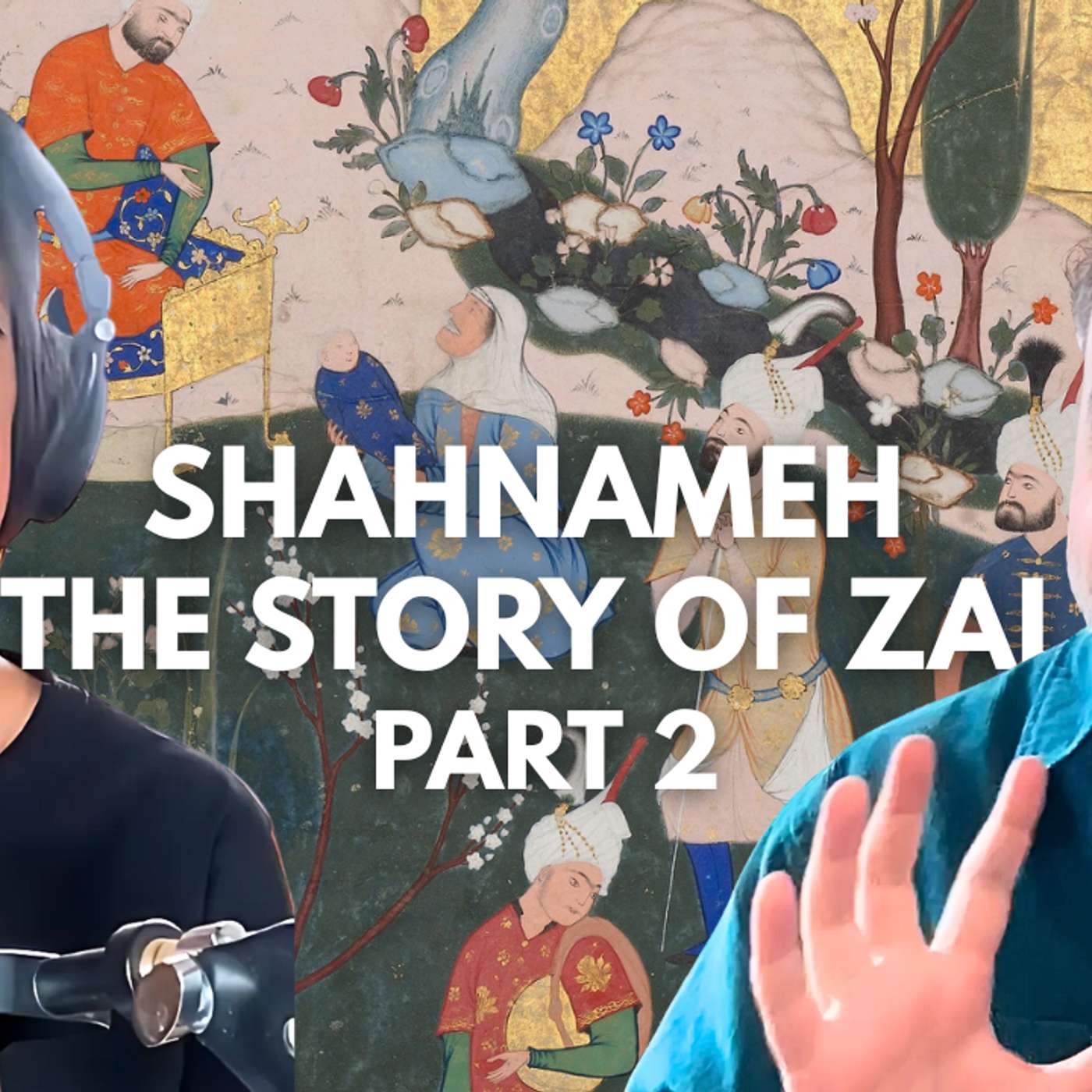
Culture | Ferdowsi's Shahnameh, Part 2
In this lesson, we continue our discussion of Ferdowsi's Shahnameh with Dr. Sahba Shayani to the second part of the Story of Zal, where Simorgh spots the abandoned baby.
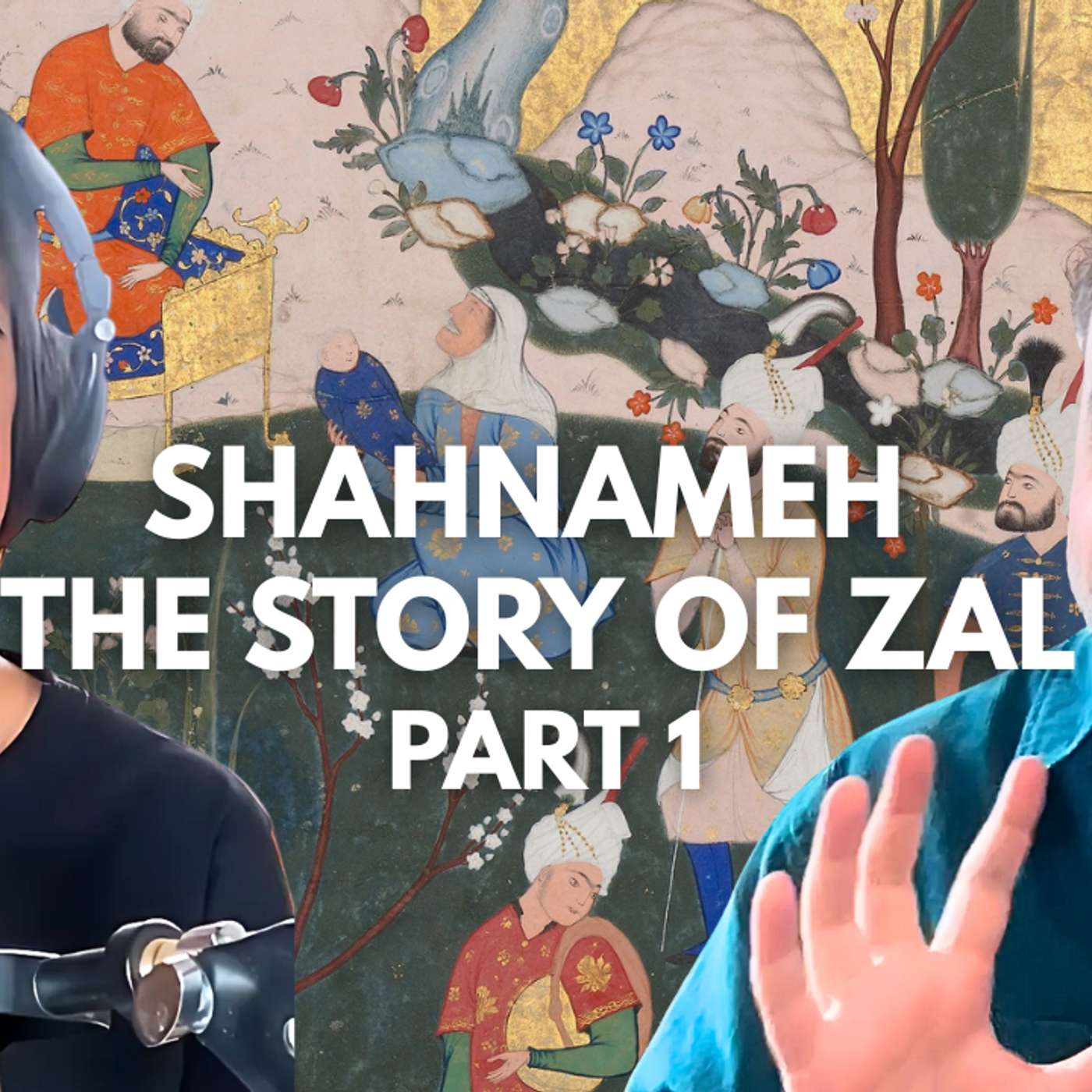
Culture | Ferdowsi's Shahnameh, Part 1
In this lesson, we begin our discussion of Ferdowsi's Shahnameh with Dr. Sahba Shayani. We specifically begin covering the first part of the Story of Zal in the Shahnameh.
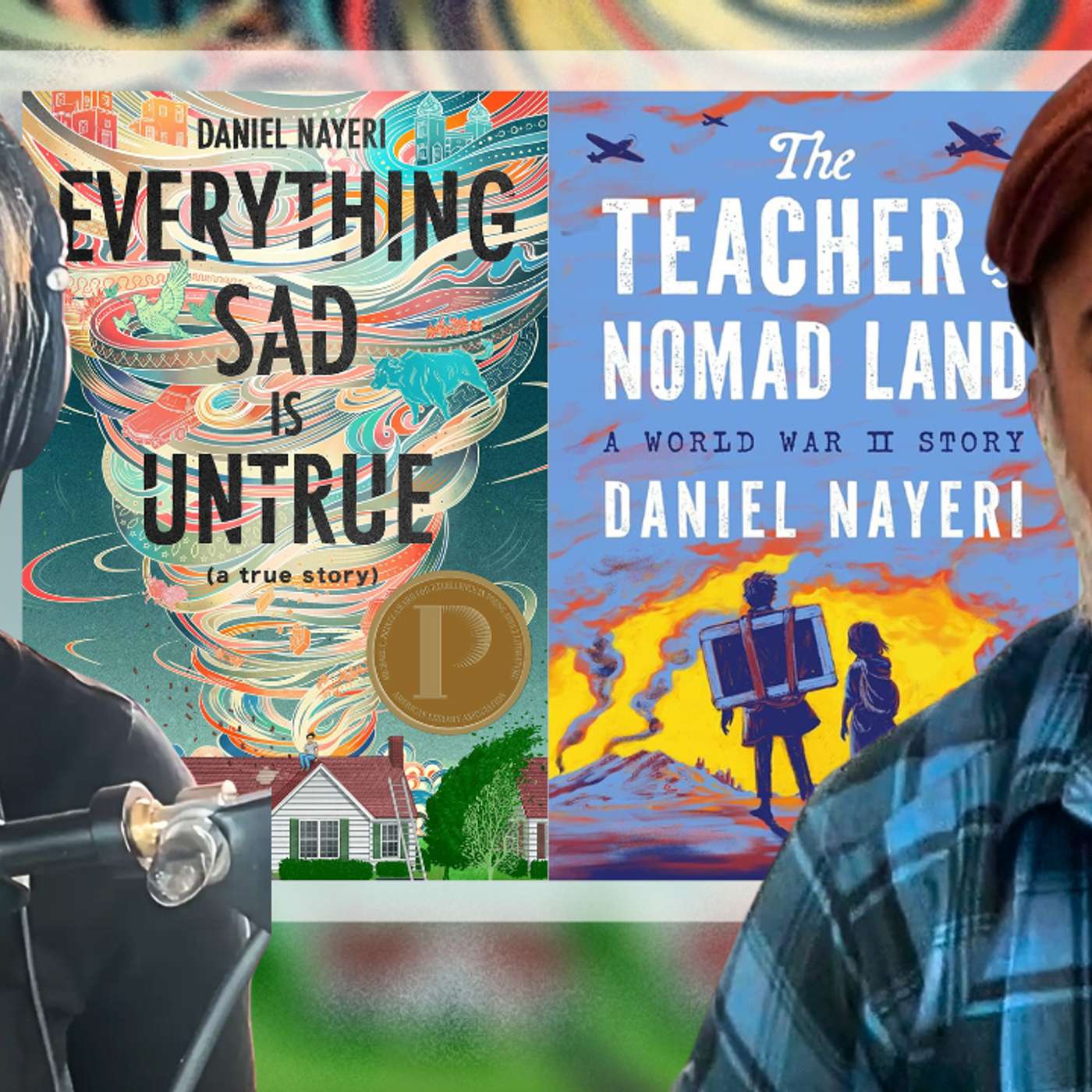
Interview | From Oklahoma to Shahnameh: Daniel Nayeri, Author of Everything Sad is Untrue on Memory, Myth and Belonging
In this deeply personal and wide-ranging conversation, Daniel Nayeri, author of the acclaimed autobiographical novel Everything Sad is Untrue, talks about growing up as an Iranian refugee in Oklahoma, the mythic structure of memory, and the stories we inherit—true or not. He reflects on what it means to carry generational trauma, how he began writing the book in a Brooklyn bathroom, and t
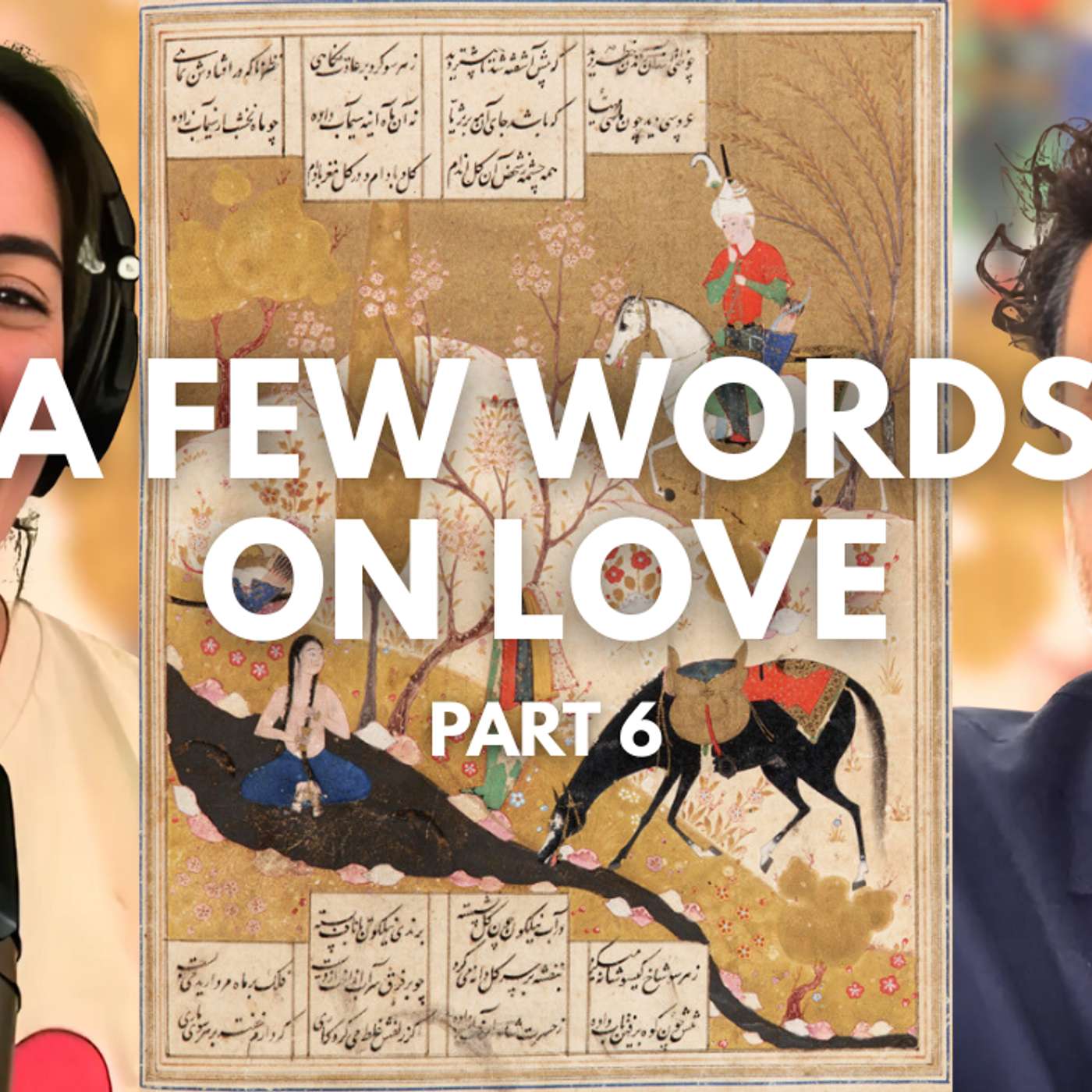
Poetry | Nizami Ganjavi's sokhanee chand dar eshgh, Part 6
In this final part of our discussion of Nizami Ganjavi's sokhanee chand dar eshgh, we cover the remaining lines, explaining how love transcends even existence on Earth and applies to the entire universe.
Poetry | Nizami Ganjavi's sokhanee chand dar eshgh, Part 5
In this fifth part of the discussion of Nizami Ganjavi's sokhanee chand dar eshgh, we cover the two more lines that describe the life-giving nature of love.
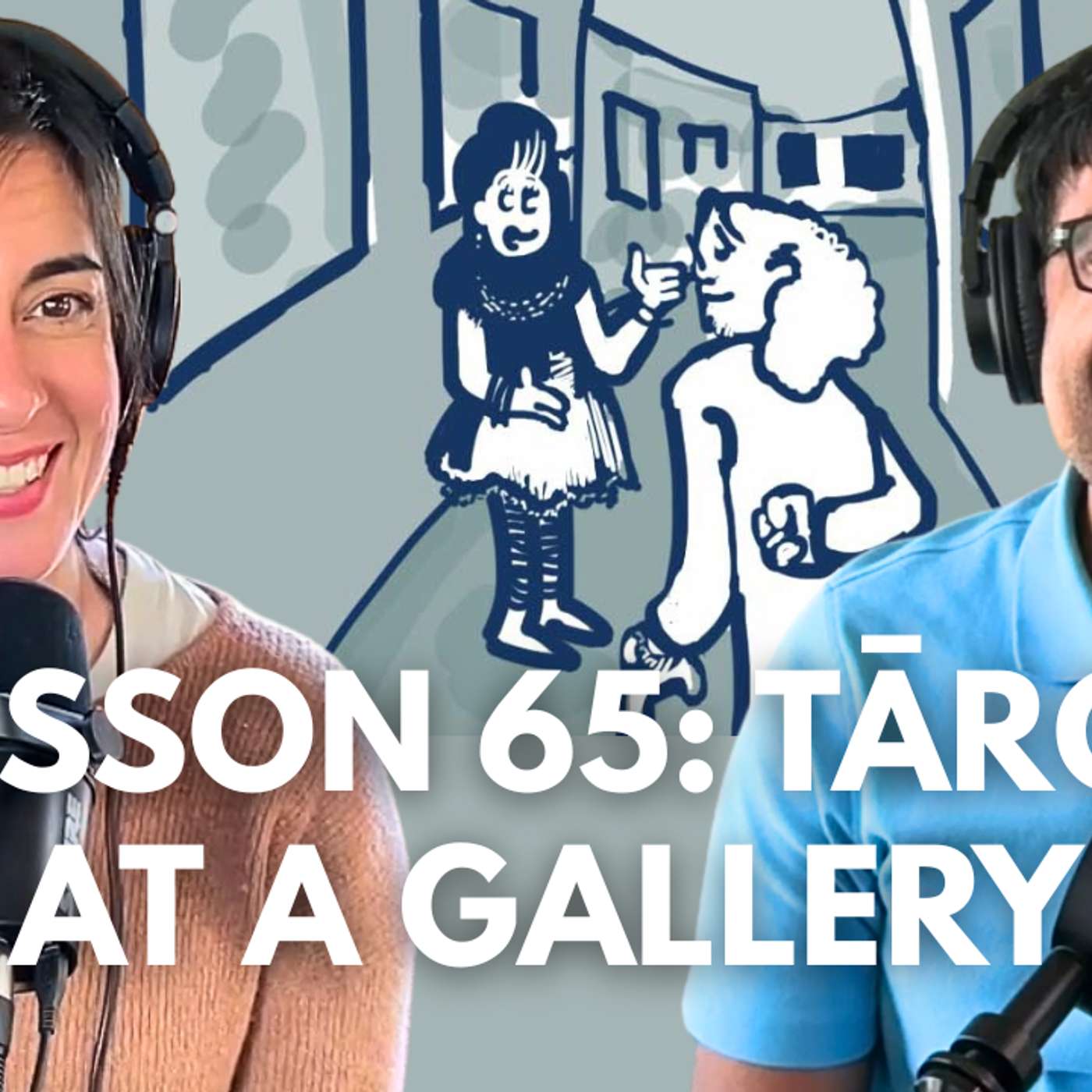
Speak Lesson 65 | Tārof at a Gallery
In this lesson, we learn some examples of tārof appropriate for talking to older people and see some examples in a conversation at an art gallery.

Interview | Tara Grammy on Identity, Comedy, and Being All Up in Your Business
In this laugh-out-loud and deeply personal conversation, Iranian Canadian actor, writer, and creator Tara Grammy joins Leyla to talk about growing up as an Iranian weirdo, navigating diaspora identity, creating her hit comedy series Soosi Lee, and embracing curiosity (aka being fusooli) as a cultural superpower. From getting discovered by Woody Harrelson in a tiny Toronto theatre to produ
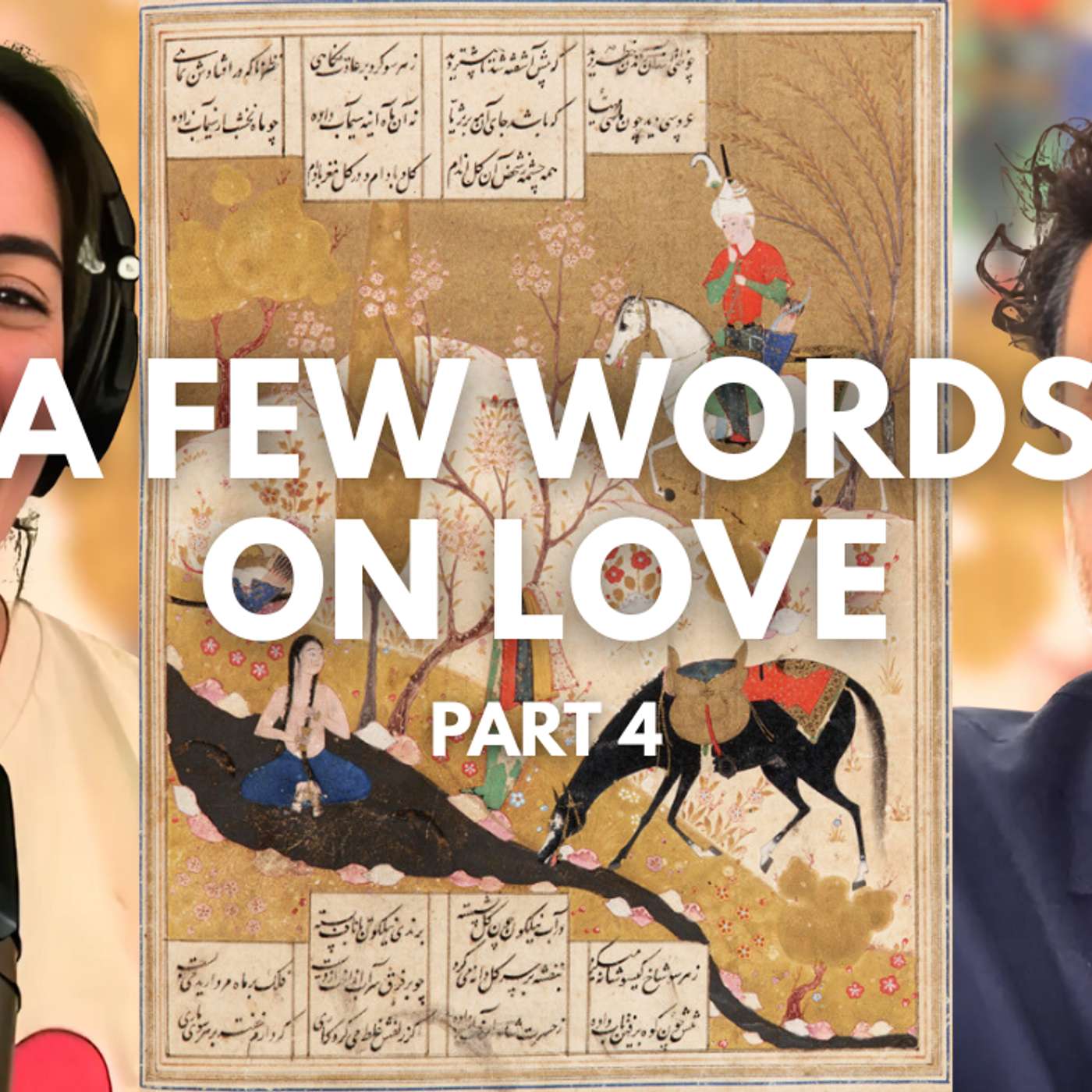
Poetry | Nizami Ganjavi's sokhanee chand dar eshgh, Part 4
In this fourth part of the discussion of Nizami Ganjavi's sokhanee chand dar eshgh, we cover the next two lines in detail, regarding the indispensability of love.
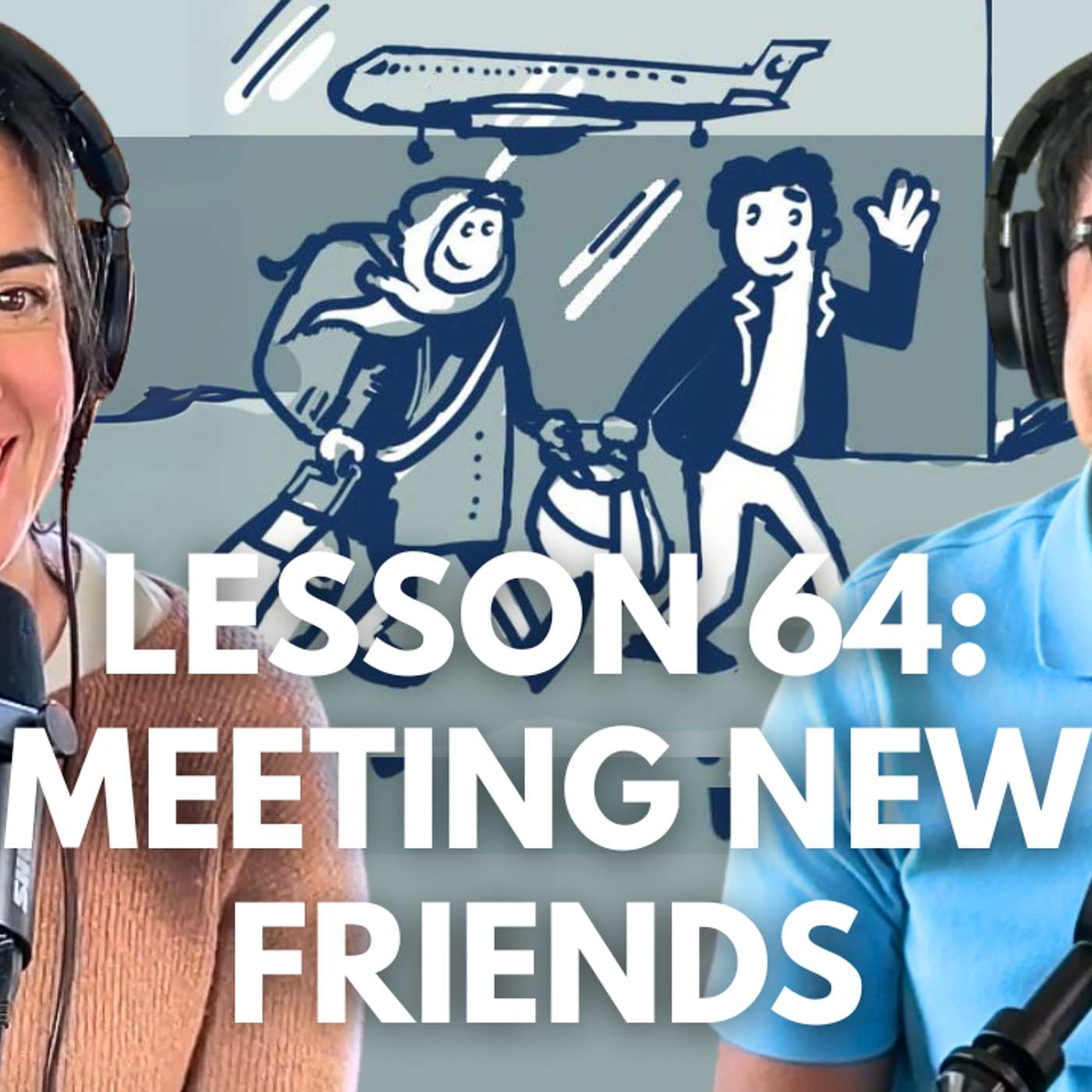
Speak Lesson 64 | Meeting New People
In this lesson, we learn some more expressions we can use when meeting new people and a new expression related to tārof.
Poetry | Nizami Ganjavi's sokhanee chand dar eshgh, Part 3
In this third part of the discussion of Nizami Ganjavi's sokhanee chand dar eshgh, we cover the next two lines in detail, beginning to contemplate the importance of love to all human beings.
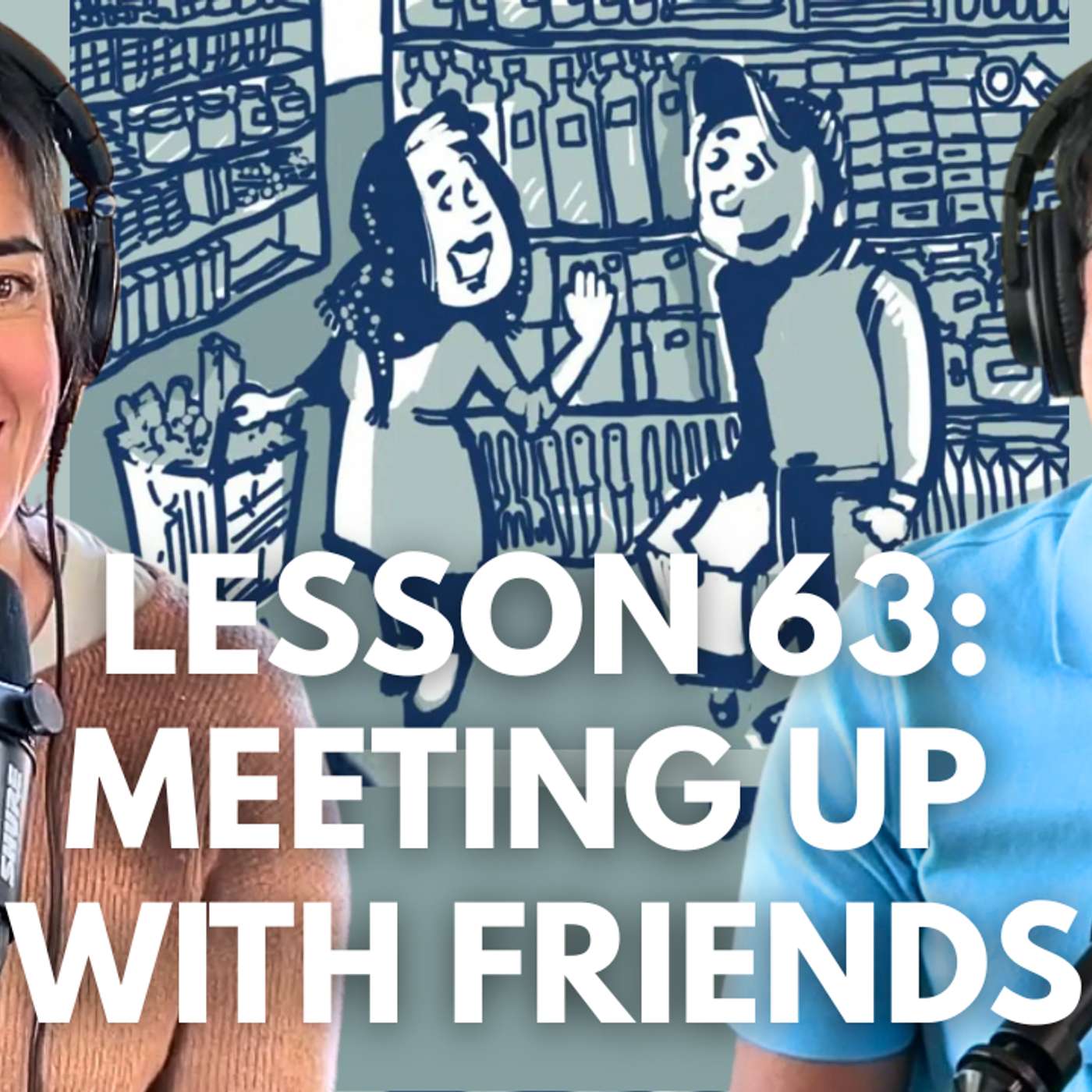
Speak Lesson 63 | Meeting Up with Friends
In this lesson, we learn some useful expressions for talking with friends or people we know, especially people who we haven't seen in a long time.
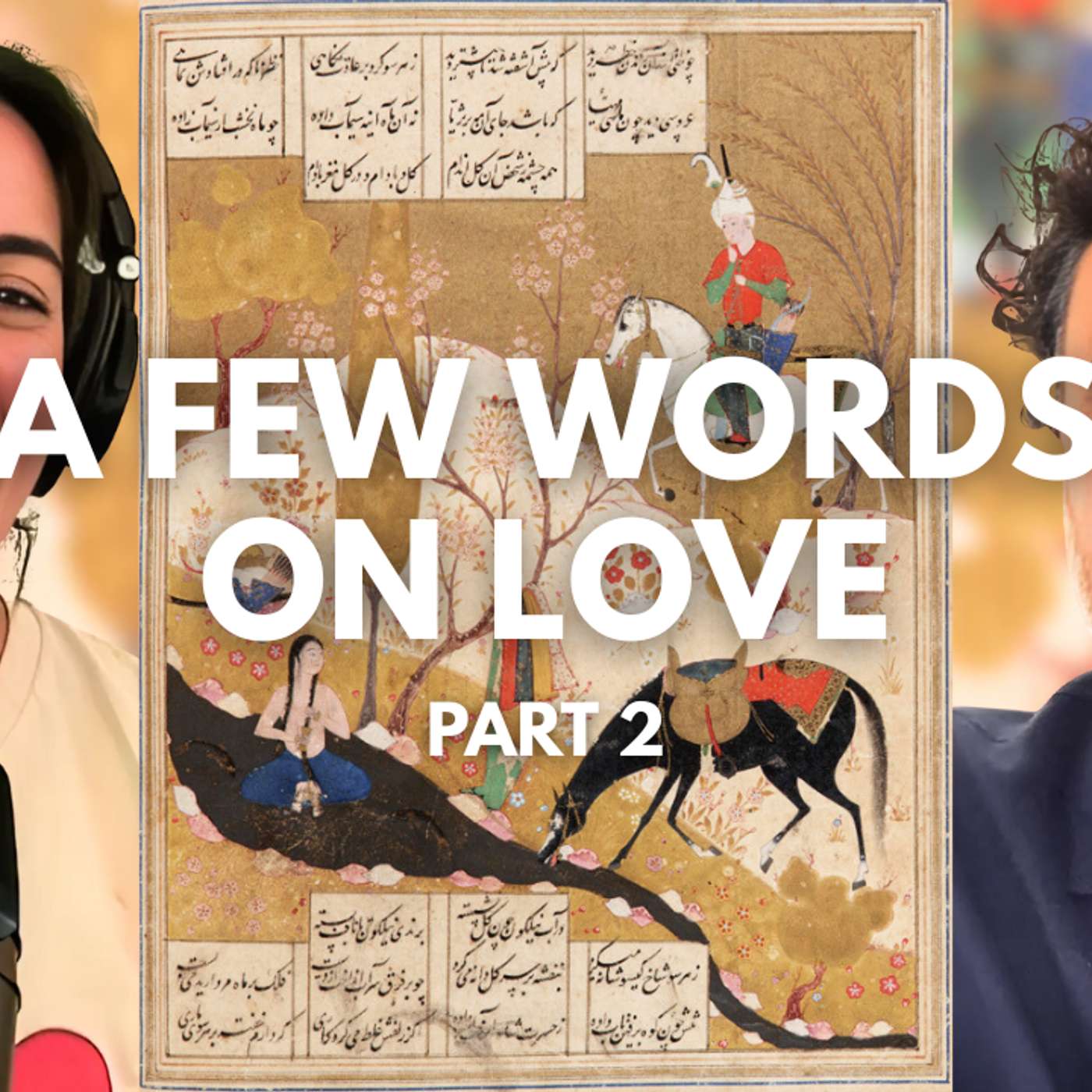
Poetry | Nizami Ganjavi's sokhanee chand dar eshgh, Part 2
In this second part of the discussion of Nizami Ganjavi's sokhanee chand dar eshgh, we go over the first two lines of the poem in detail.
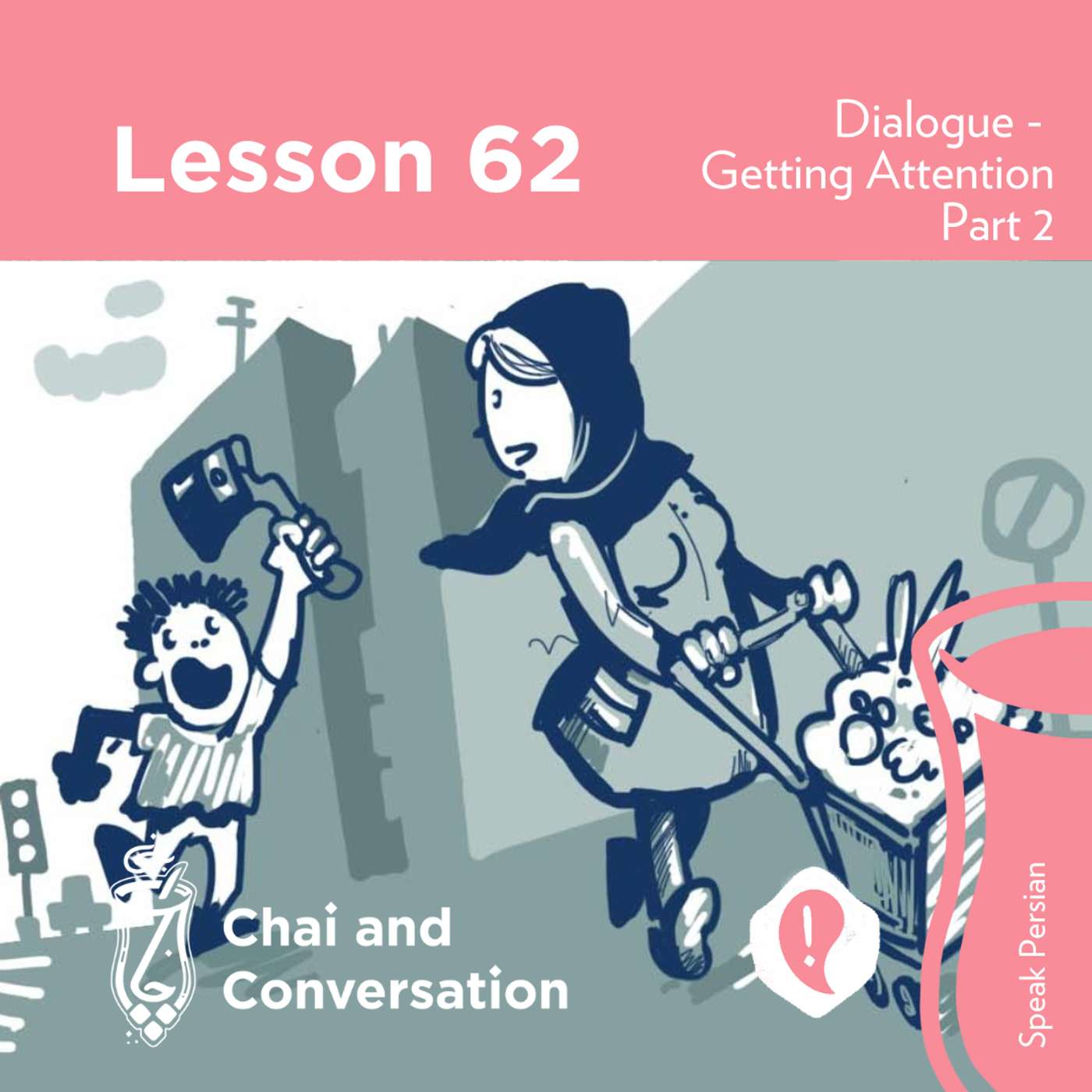
Speak Lesson 62 | Getting Attention
In this lesson, we learn a new way to call attention to someone and how to return a lost item.
Poetry | Nizami Ganjavi's sokhanee chand dar eshgh, Introduction with Dr. Sahba Shayani
In this lesson, we introduce Nizami Ganjavi, an important 12th-century poet in the cultures of Iran, Azerbaijan, Kurdistan, Afghanistan, and Tajikistan who is also considered the national poet of Azerbaijan. We are joined by Dr. Sahba Shayani to discuss sokhanee chand dar eshgh, or “A Few Words on Love,” an excerpt from Nizami Ganjavi's Romance of Khosrow and Shirin.

Speak Lesson 61 | Meeting on the Street
In this lesson, we learn some phrases that could be useful when talking to people on the street and how to talk briefly about some routine daily activities.We also introduce Vijay, his mixtape, and his YouTube playlist, which you can find here!
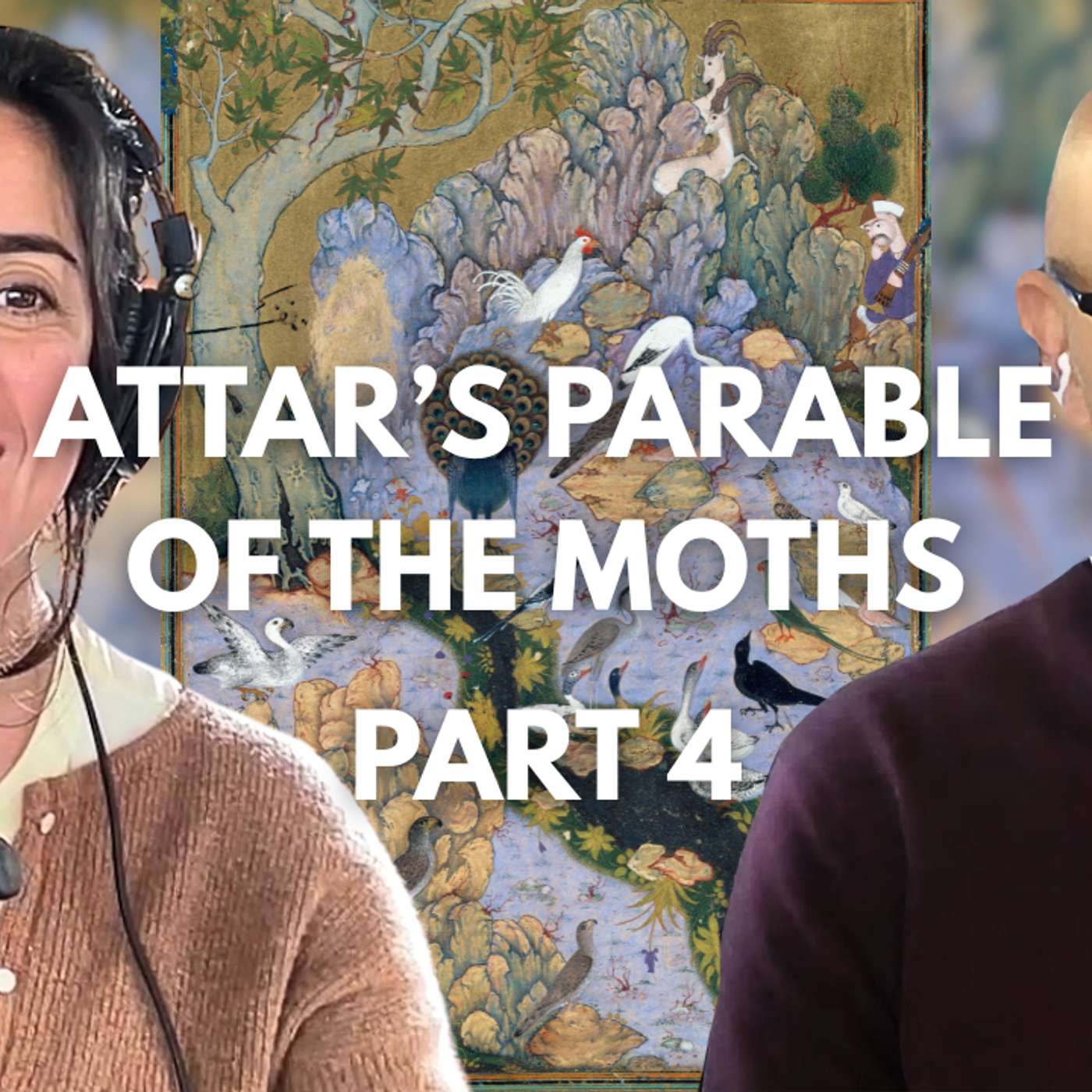
Culture | Attar's Parable of the Moths, Part 4
In this episode of Learn Persian with Chai and Conversation, we conclude The Parable of the Moths by Attar, taken from his masterpiece Conference of the Birds. I'm joined by the brilliant Omid Arabian of YOUniversal Center, who walks us through the last 4 lines of the poem—exploring its language, imagery, and deeper meaning. This lesson is perfect for those with some background in Persian
Culture | Attar's Parable of the Moths, Part 3
In this episode of Learn Persian with Chai and Conversation, we continue to the third part of The Parable of the Moths by Attar, taken from his masterpiece Conference of the Birds. I'm joined by the brilliant Omid Arabian of YOUniversal Center, who walks us through the next 4 lines of the poem—exploring its language, imagery, and deeper meaning. This lesson is perfect for those with some

Interview | Yassamin Ansari, Congresswoman from Arizona, on Politics, Protest, and Persian Identity
In this episode of Growing Up Neem-Rooni, Leyla talks with Representative Yassamin Ansari, the youngest member of Congress and the first Iranian-American Democrat to be elected. From growing up in a mostly white Arizona suburb to representing her diverse district in Washington, D.C., Yassamin shares her story of identity, community, and public service.We talk about her family's immigratio

Interview | Money, Iranian-American Identity, and Romance: Chelsea Fagan on Building a Business and Writing a Political Love Story
In this episode of Growing Up Irooni, Leyla sits down with Chelsea Fagan—founder of The Financial Diet and author of the new novel High Dive. Known for blending personal finance with cultural critique, Chelsea joins Leyla for a wide-ranging conversation that covers:Why she wrote a romance novel with a Persian American love interestNavigating privilege, assimilation, and identity in immigr
Culture | Attar's Parable of the Moths, Part 2
In this episode of Learn Persian with Chai and Conversation, we continue to the second part of The Parable of the Moths by Attar, taken from his masterpiece Conference of the Birds. I'm joined by the brilliant Omid Arabian of YOUniversal Center, who walks us through the next 4 lines of the poem—exploring its language, imagery, and deeper meaning. This lesson is perfect for those with some
Culture | Attar's Parable of the Moths, Part 1
In this episode of Learn Persian with Chai and Conversation, we begin a brand new series on one of the most powerful mystical stories in Persian literature: The Parable of the Moths by Attar, taken from his masterpiece Conference of the Birds. I'm joined by the brilliant Omid Arabian of YOUniversal Center, who walks us through the first 4 lines of the poem—exploring its language, imagery,
Interview | Comedian Neema Naz on Iranian Parents, Comedic Hustle, and Finding His Voice
In this episode of Growing Up Irooni, I sit down with Neema Naz—comedian, content creator, and the internet’s favorite Persian son—to talk about his rise from Scarborough’s multicultural neighborhood to international stages. Neema shares how being the “funny kid” at family gatherings led to his career in comedy, why his Iranian identity is core to his storytelling, and how his whole famil

Interview | Gissou Nia, Human Rights Lawyer, on Justice, Diaspora Identity, and the Power of Speaking Up
Growing Up Irooni - Gissou Nia, Human Rights Lawyer, on Justice, Diaspora Identity, and the Power of Speaking UpIn this episode, Leyla talks with Gissou Nia, a leading international human rights lawyer and Director of the Strategic Litigation Project at the Atlantic Council. Gissou shares her journey from growing up Iranian-American in New Jersey to taking on some of the world’s most urge
Interview | Babak Tafreshi on the Magic of the Night Sky
Babak Tafreshi is an incredibly inspiring Iranian photographer, science journalist and amateur astronomer. He got his start photographing in Iran, but has since moved to the United States. He is the creator and director of The World At Night, an international program in which photographers from around the world capture images of night skies as seen above notable landmarks of the planet.
Interview | Naz Deravian on How She Became the sabzé Lady
In this episode, Leyla sits down with Naz Deravian, the wonderful author of the cookbook Bottom of the Pot, to discuss how she started the tradition of growing sabzé for Nowruz (the Perisan new year) along with her international group of followers. Growing sabzé is an integral part of the Nowruz tradition. It acts as the centerpiece for the table we need to set up for Nowruz. She'll be st
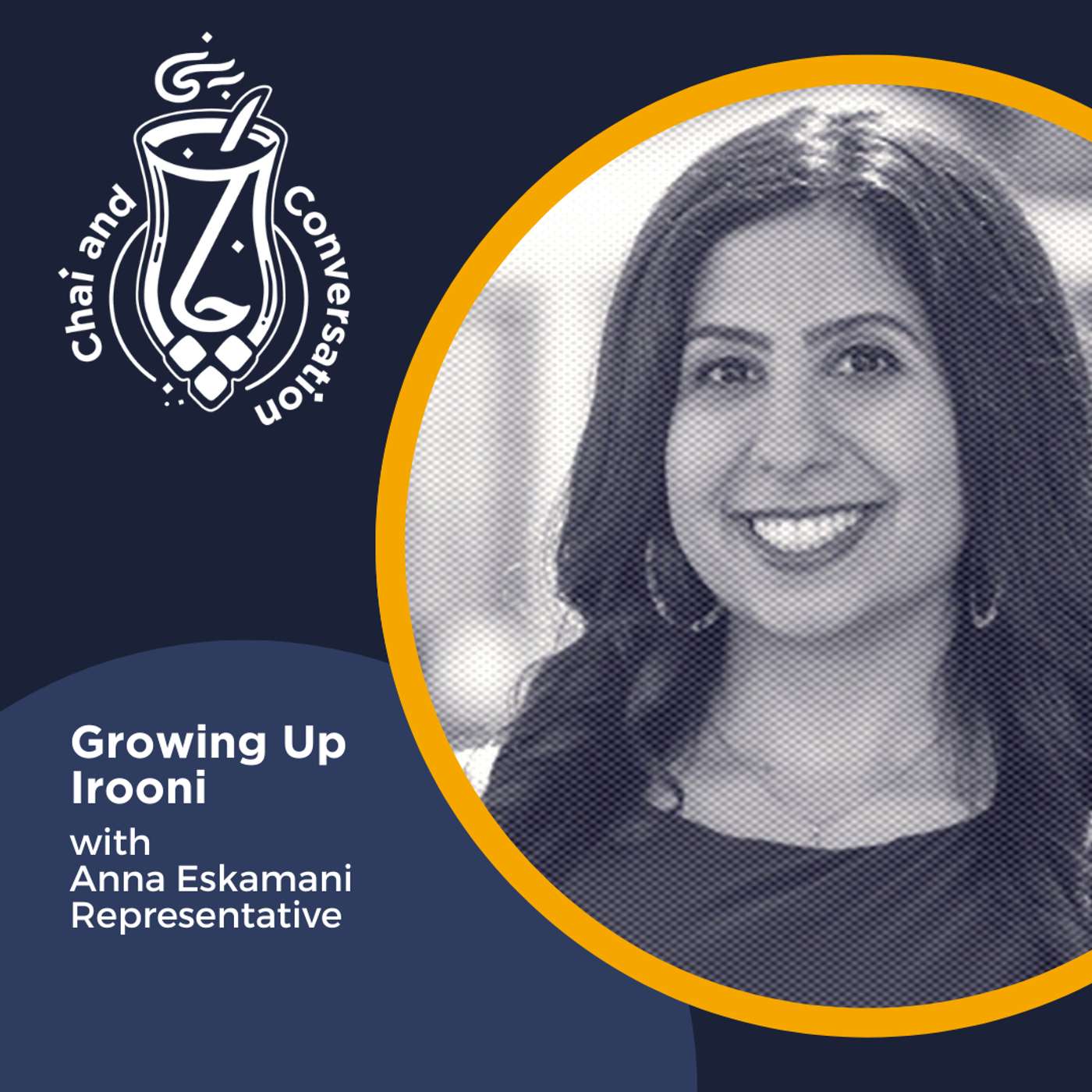
Interview | Anna Eskamani on Doing the Good Work in the Face of Hostilities
In this episode, Leyla sits down with Florida Representative Anna Eskamani, the first Iranian-American to serve in the Florida Legislature, to discuss her immigrant Iranian parents and how her mother's values continue to lead her as she's making big waves in Florida politics. Anna is a liberal politician in a sea of hostile Republican colleagues and now faces even more challenges at the f
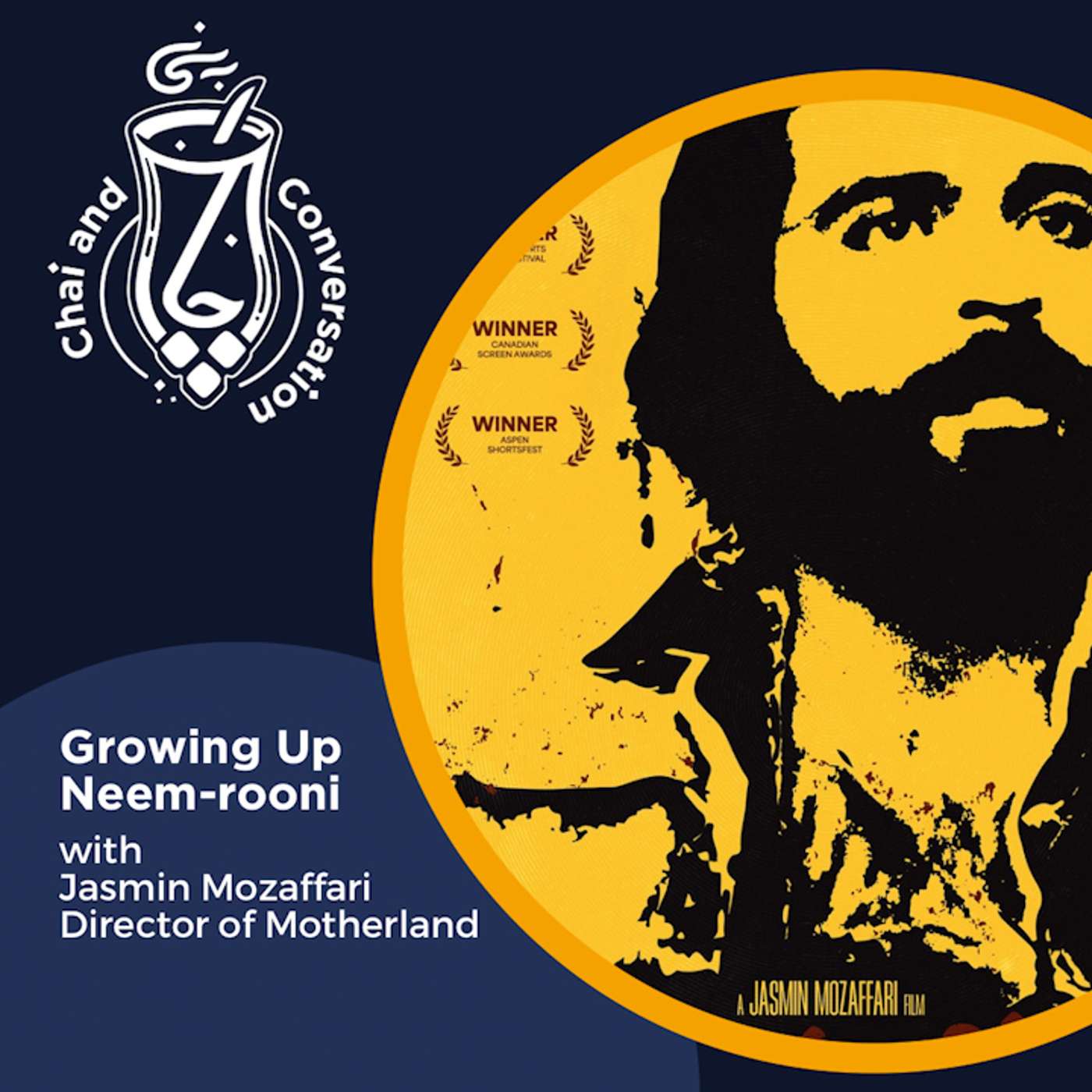
Interview | Jasmin Mozaffari, Director of Motherland, on Identity in a Problematic Time
In this episode, Leyla sits down with acclaimed filmmaker Jasmin Mozaffari to discuss her short film Motherland, a poignant exploration of cultural identity, family trauma, and resilience. Jasmin reflects on her upbringing as a neem-rooni (half-Iranian, half-Canadian) in post-9/11 North America, the generational trauma of Iranian immigrants, and how her father’s story during the Iran Host
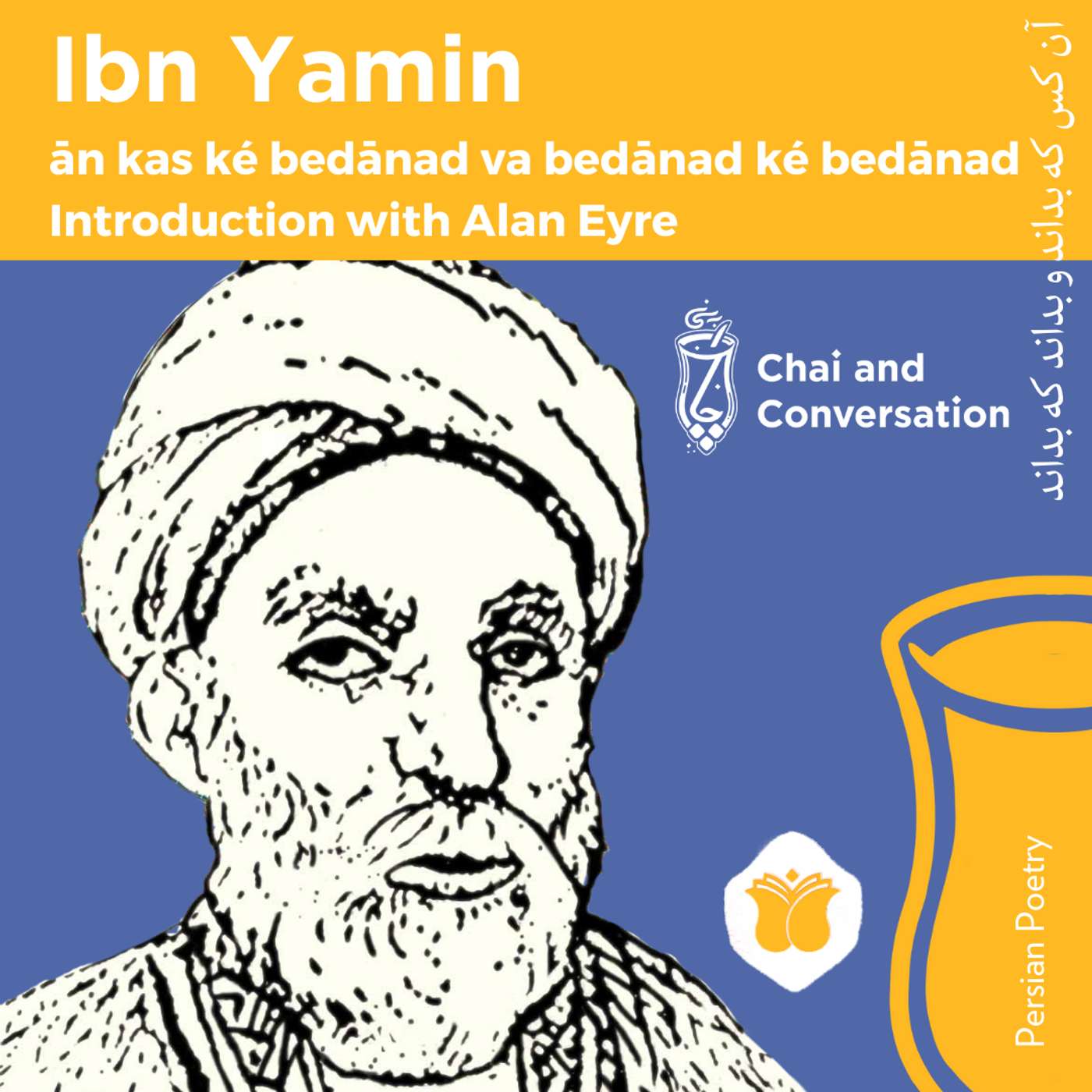
Poetry | Ibn Yamin's ān kas ké bedānad va bedānad ké bedānad, Introduction with Alan Eyre
In this lesson, we introduce the poem ān kas ké bedānad va bedānad ké bedānad by Ibn Yamin and discuss it with Alan Eyre.
Poetry | Hafez's barafshān, Part 5
In this discussion on Hafez's barafshān, we go over the last two lines of the poem.
Poetry | Hafez's barafshān, Part 4
In this discussion on Hafez's barafshān, we go over the fifth and sixth line of the poem.
Poetry | Hafez's barafshān, Part 3
In this discussion on Hafez's barafshān, we go over the third and fourth line of the poem.

Interview | Kaveh Akbar on Martyr!, Trauma, and Collateral Damage
Kaveh Akbar is the Iranian-American author of the critically acclaimed and heavily lauded novel Martyr! In our long-awaited conversation we dive deep into the themes of his powerful book, Martyr, which explores the human cost of so-called “collateral damage” and the real-world trauma often reduced to mere statistics in Western media. I had so much I wanted to ask Kaveh about the deeply pe
Poetry | Hafez's barafshān, Part 2
In this second part of the discussion for Hafez's barafshān, we go over the first two lines of the poem in detail.
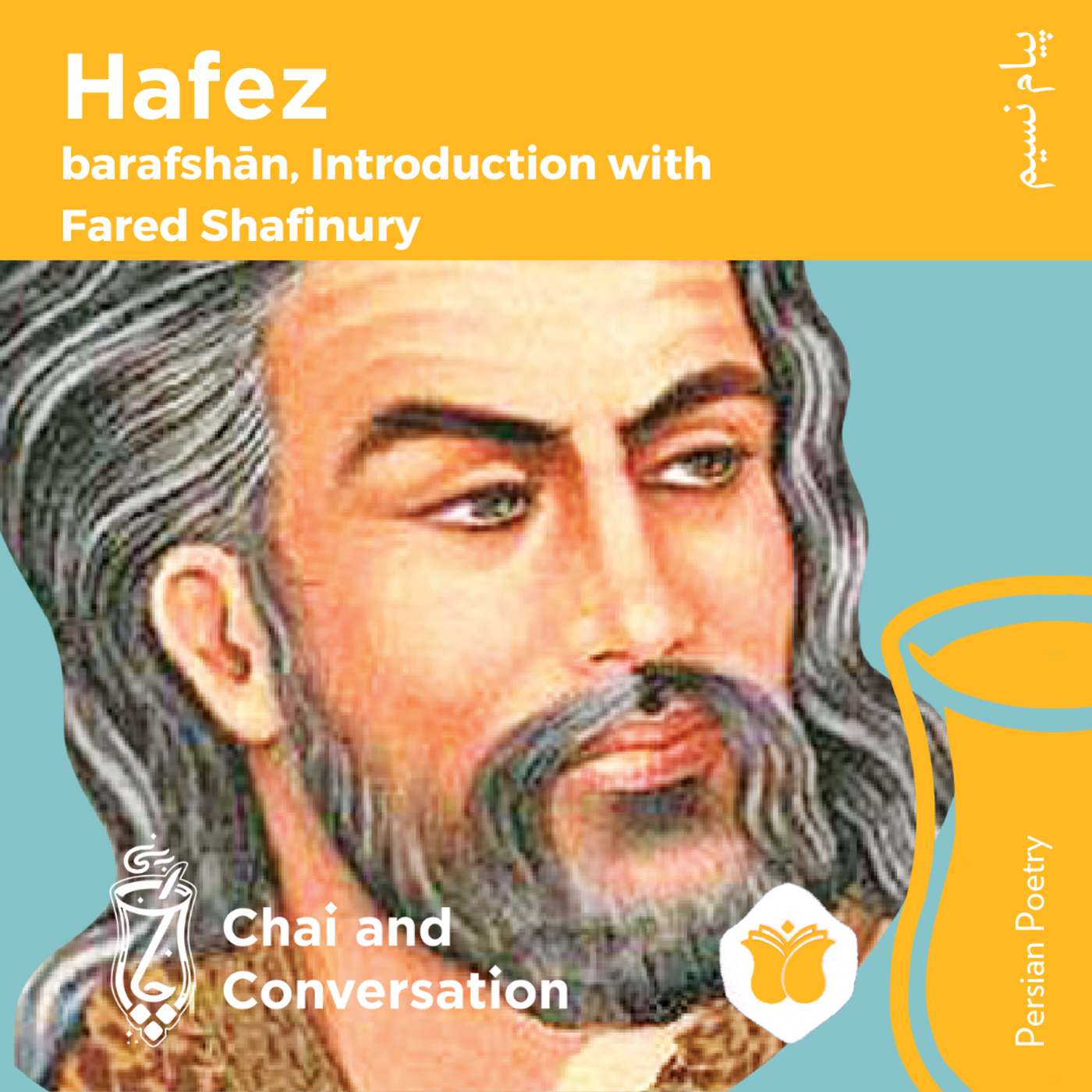
Poetry | Hafez's barafshān, Introduction with Fared Shafinury
In this introductory lesson on Hafez's poem barafshān, we're joined by musician Fared Shafinury to go over the overall meaning of the poem. You can hear Fared's version of this poem in this track from his debut album.
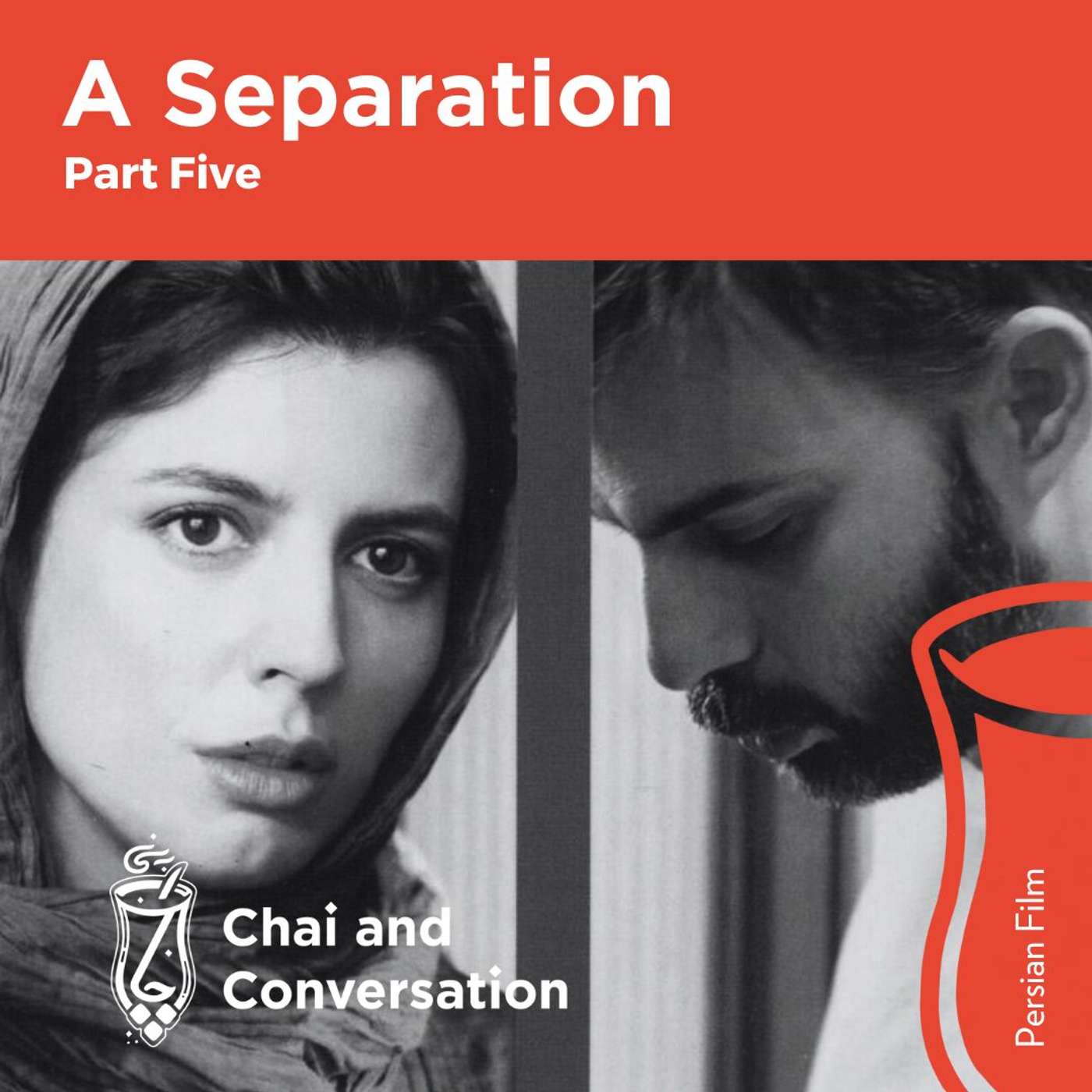
Speak Lesson 76 | A Separation, Part 5
In this lesson, we watch a clip of a heated conversation between Nader and Simin, the title characters of the movie. This is a fast paced conversation, and gives us a glimpse at a type of conversation we may not often be privy to in the Persian language. This is the final episode in our series on clips from the movie A Separation by Asghar Farahadi with guest Yara Elmjouie.
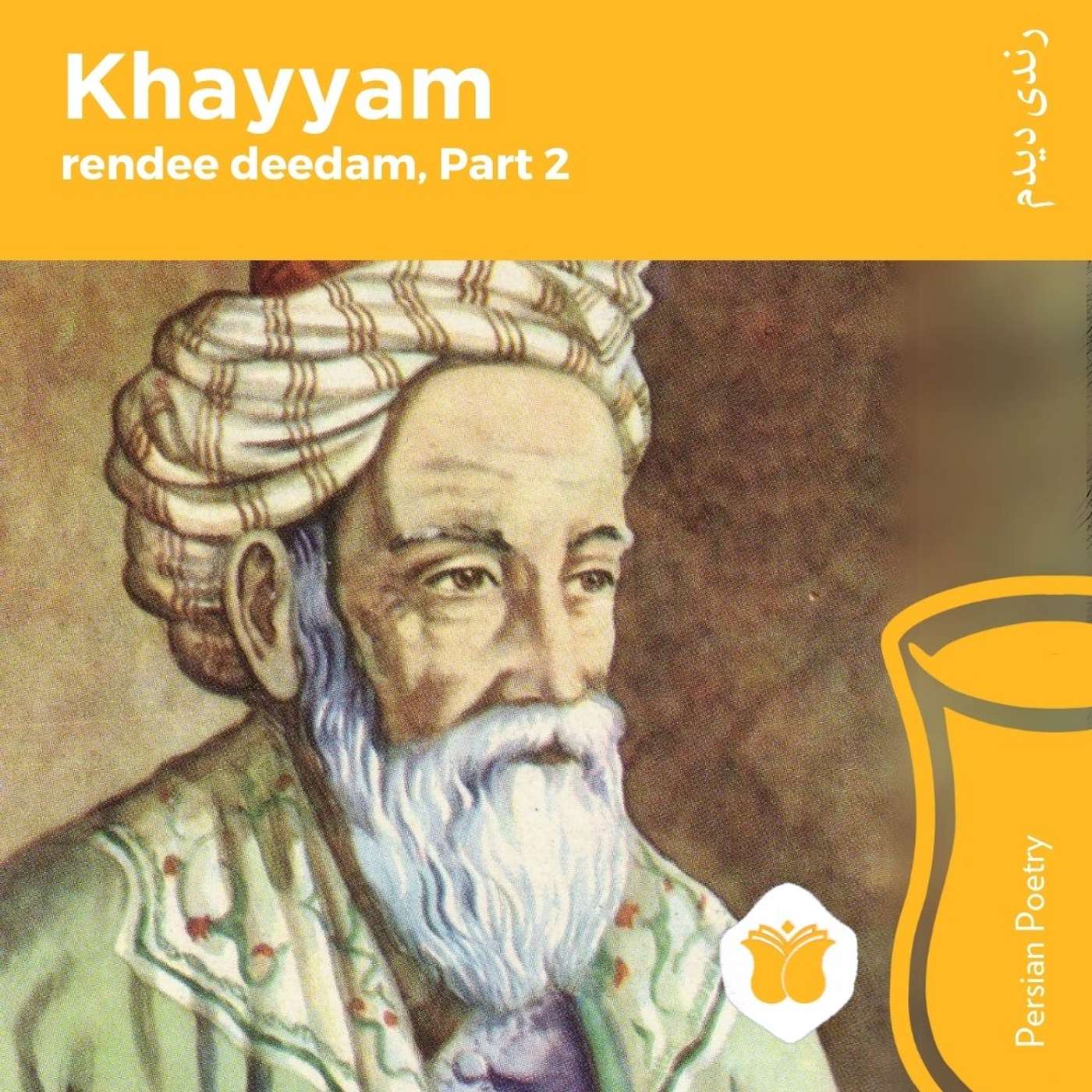
Poetry | Omar Khayyam's rendee deedam, Part 2
In this follow up episode about Khayyam's poem rendee deedam, we go over the poem word by word, line by line, to understand each part individually. We'll also learn how to use the particular words and phrases in current conversation.
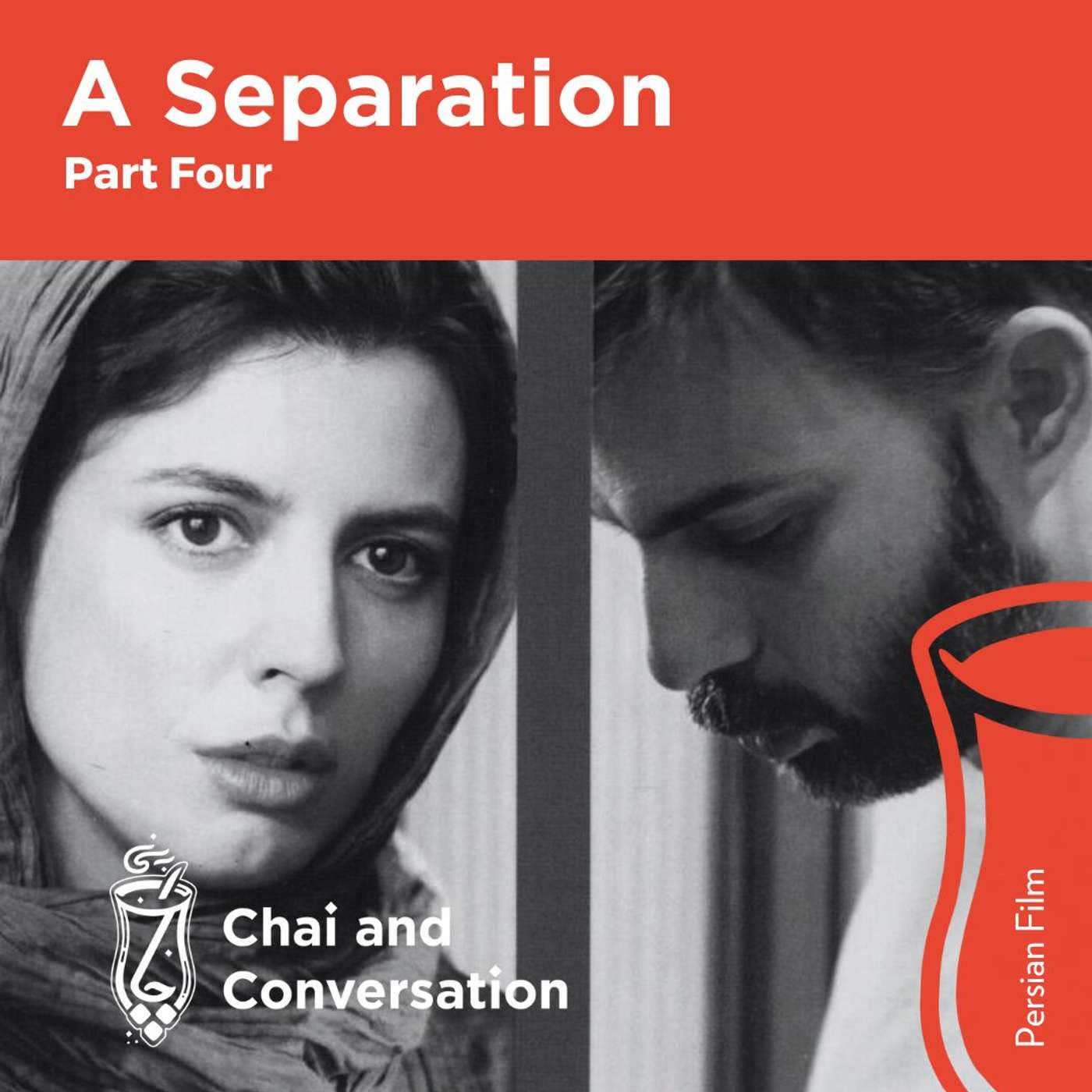
Speak Lesson 75 | A Separation, Part 4
In this lesson about clips from the movie A Separation by Asghar Farahadi, we watch a conversation between Nader and Hojjat, Razieh's husband, about potential work Hojjat will be doing for Nader. We're joined in this episode by friend of the show, Yara Elmjouie.
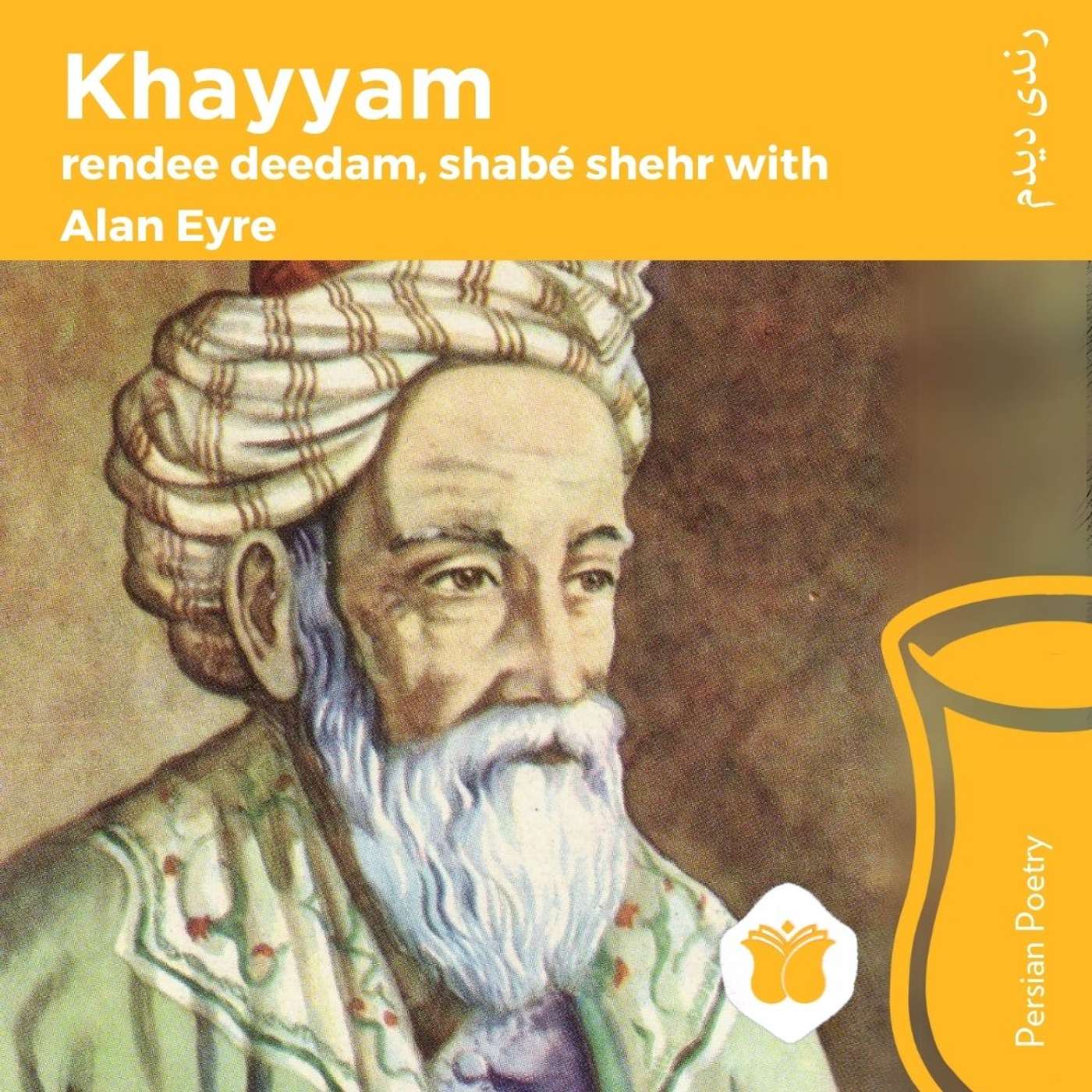
Poetry | Omar Khayyam's rendee deedam, Introduction with Alan Eyre
In this special shabé shehr episode, we are joined by Alan Eyre, the first (and last) ever Persian language spokesperson for the U.S. State Department. Alan has a little book with lines of his favorite Persian poetry, and he shares one of those poems with us in this episode.
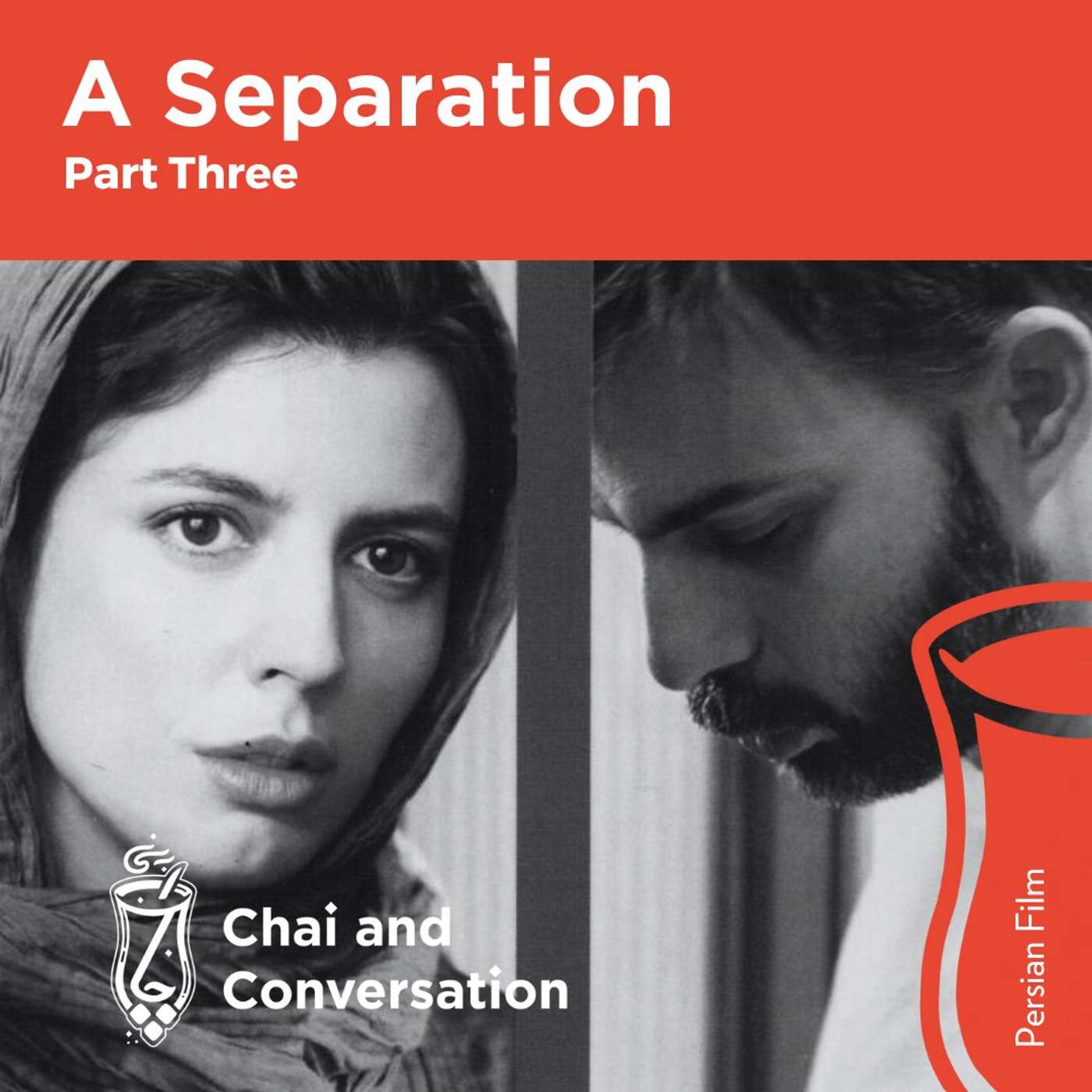
Speak Lesson 74 | A Separation, Part 3
In this lesson, we watch a clip of the movie A Separation by Asghar Farahadi in which Nader and Razieh have a conversation about the potential for her husband to come work for Nader. We're joined in this episode by friend of the show, Yara Elmjouie.