
CAPS Unlock Podcast
The CAPS Unlock Podcast is a show hosted by Peter Leonard, focusing on topics related to the CAPS Unlock community. It features discussions and insights, likely covering various subjects of interest to its audience. The podcast is distributed via Substack and is available on Apple Podcasts.
Episodes
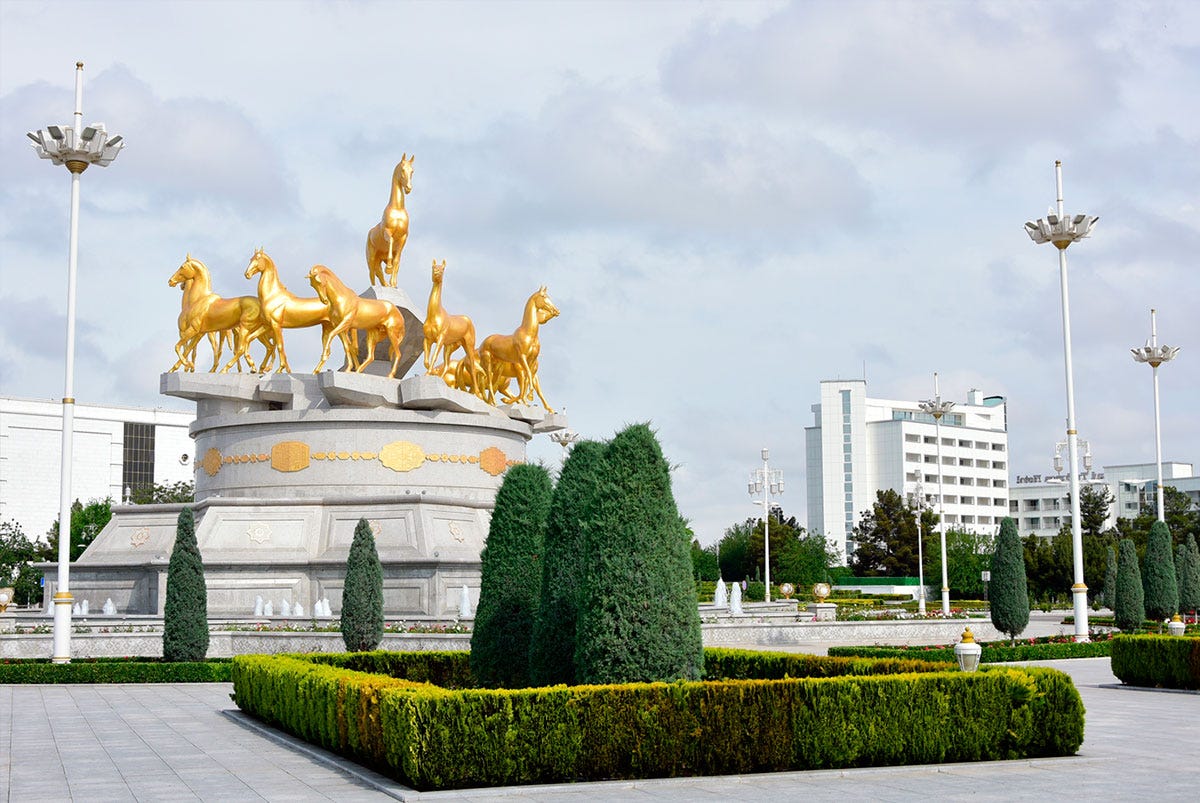
Turkmenistan’s e-visa test: A door opens... on paper
This week, we begin with Turkmenistan’s announcement that its e-visa system has finally gone live. On paper, this could remove a major obstacle for visitors. Tourists have traditionally needed a letter of invitation and a package from a licensed local agency, with hotels, transport and a guide arranged in advance. The new system is supposed to move the application online and eliminate the separate
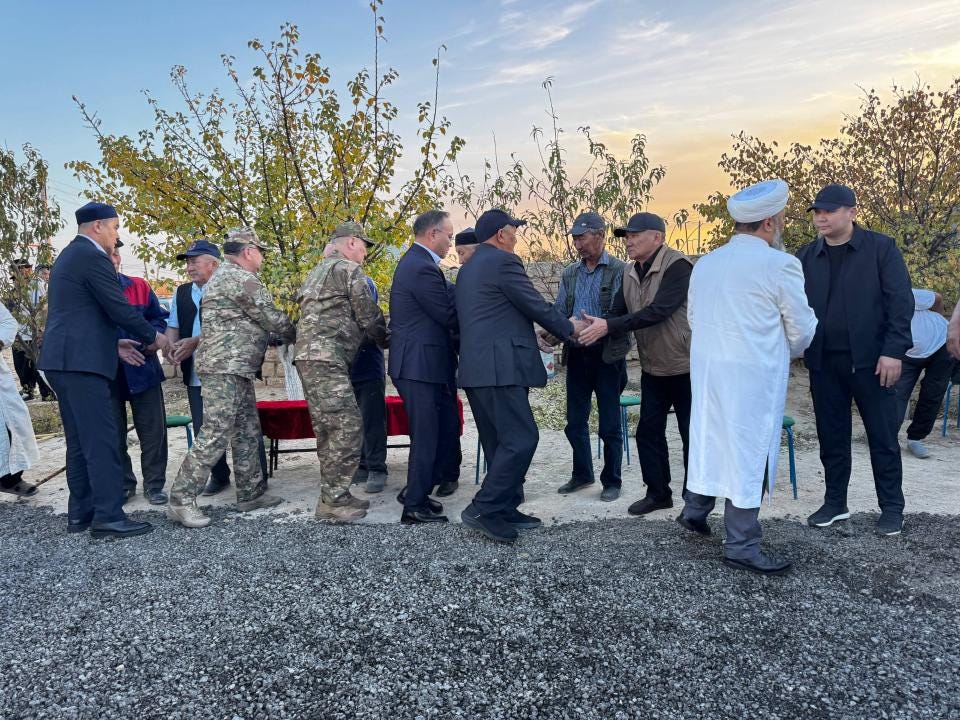
Caspian tragedy forces Kazakhstan’s army reckoning
We began this week’s edition of the CAPS Unlock podcast with the deaths of 14 Kazakh servicemen during a naval exercise on the Caspian coast. Seventeen men were swept into the sea during an amphibious landing, but only three survived. The Defence Ministry initially attributed the disaster to a sudden deterioration in the weather, but weather forecasters had already issued a warning. President Kass
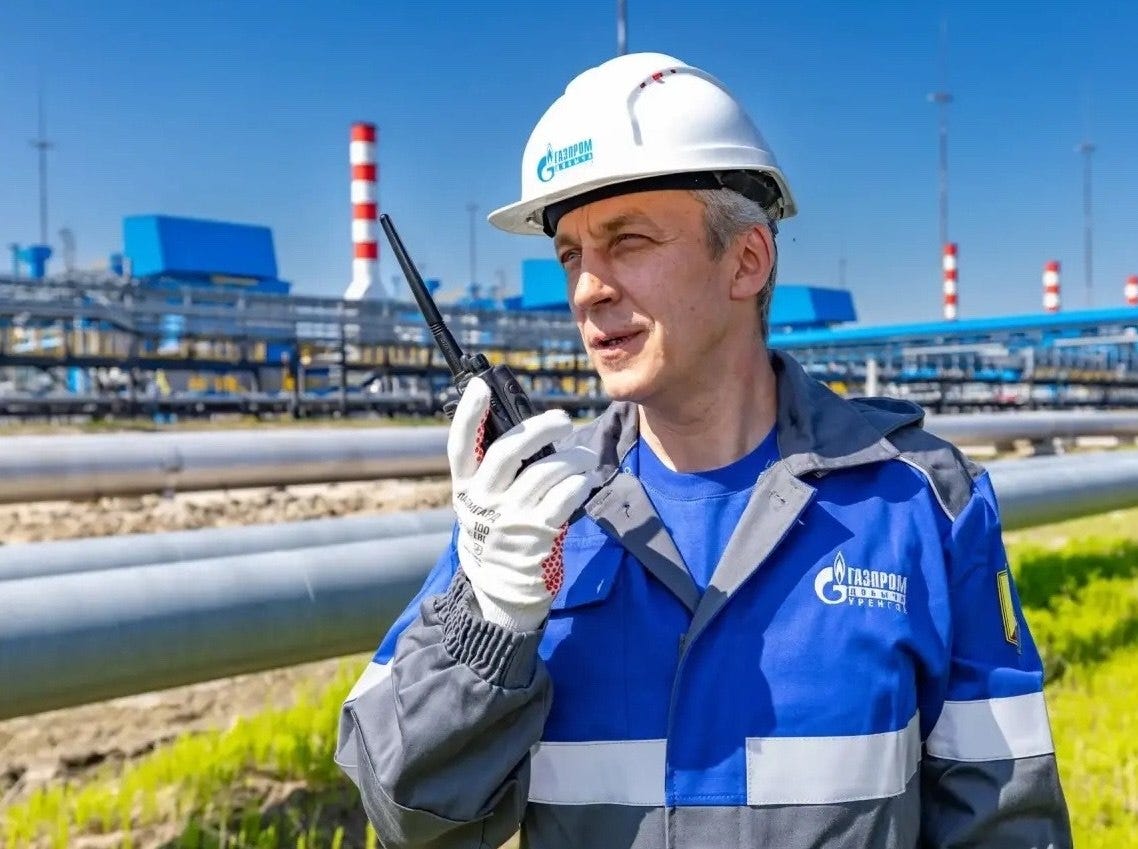
Why does gas-rich Kazakhstan need Gazprom?
This week, after an unplanned delay, we return to the podcast with a discussion of Kazakhstan’s seemingly growing reliance on Russian natural gas for its domestic needs.The country plans to buy around 11 billion cubic metres from Gazprom in 2026, almost three times last year’s volume, with another 9 billion under discussion for 2027. That sounds counterintuitive for a major oil-and-gas producer. T
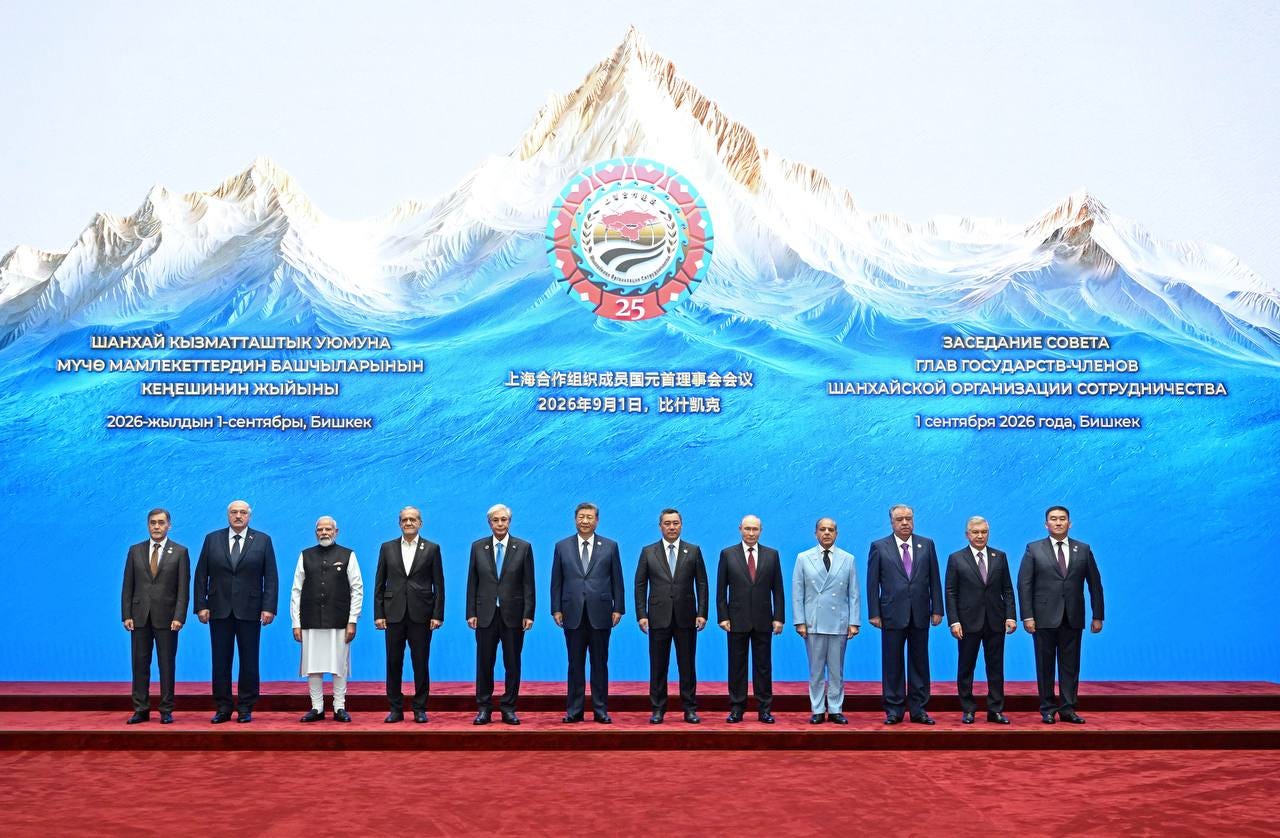
SCO’s future looking increasingly Chinese
This week, we begin in Bishkek, where leaders have gathered for a Shanghai Cooperation Organisation summit that marks 25 years since the group took its present institutional form. The prestige has come at a considerable cost for the host city, with road closures, commercial restrictions and severe disruption as Kyrgyzstan stages the summit alongside the World Nomad Games.We look back at the SCO’s
From population boom to AI diplomacy: Central Asia's next chapter
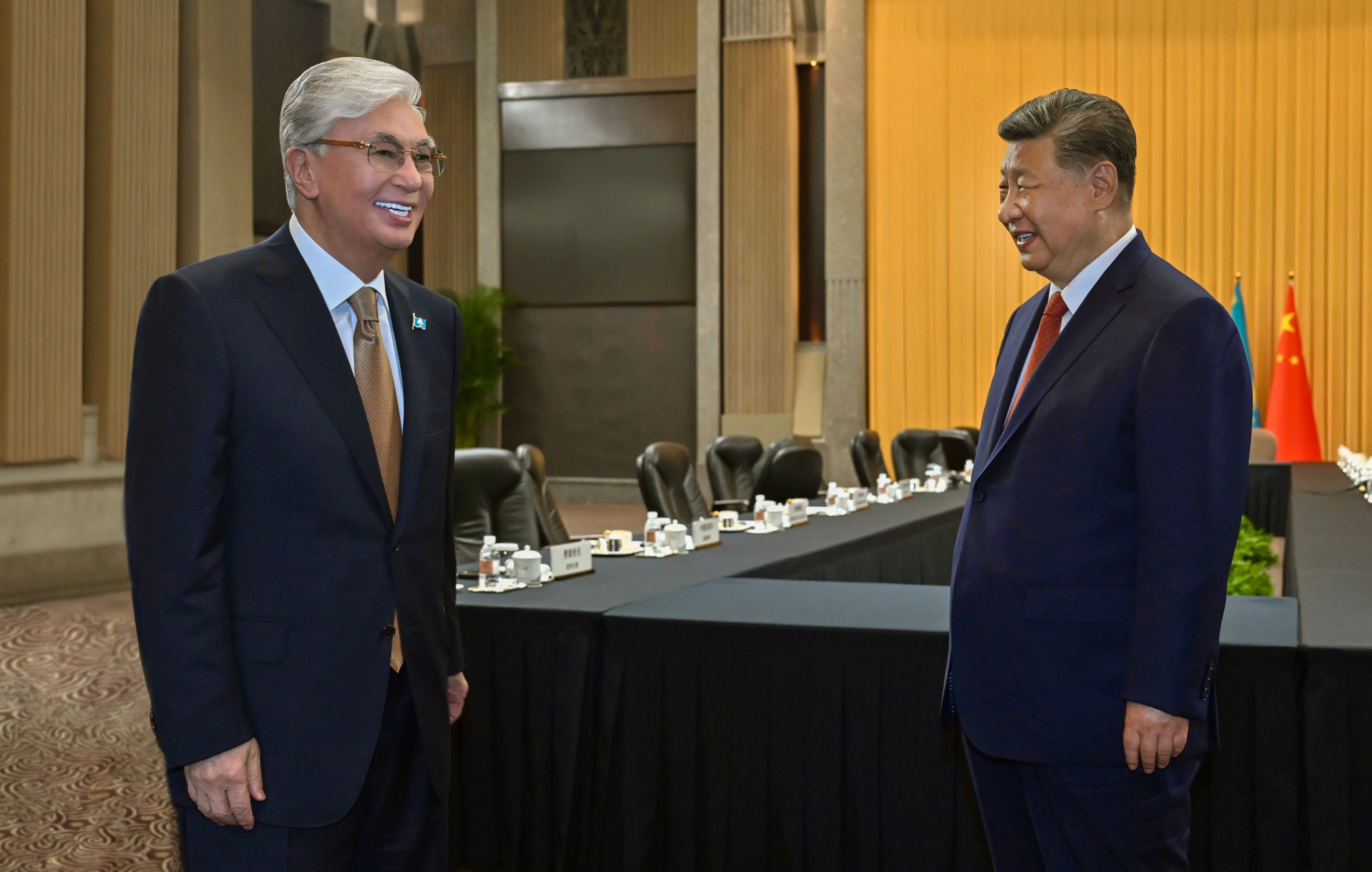
Central Asia is one of the world’s youngest and fastest-growing regions, but what do the latest demographic trends tell us about its future? This episode begins with new population figures from Kyrgyzstan, where the latest statistics point not only to continued growth but also to accelerating urbanisation. The discussion explores why Bishkek is expanding faster than the country as a whole, what fa
Kazakhstan’s uranium bargain with China
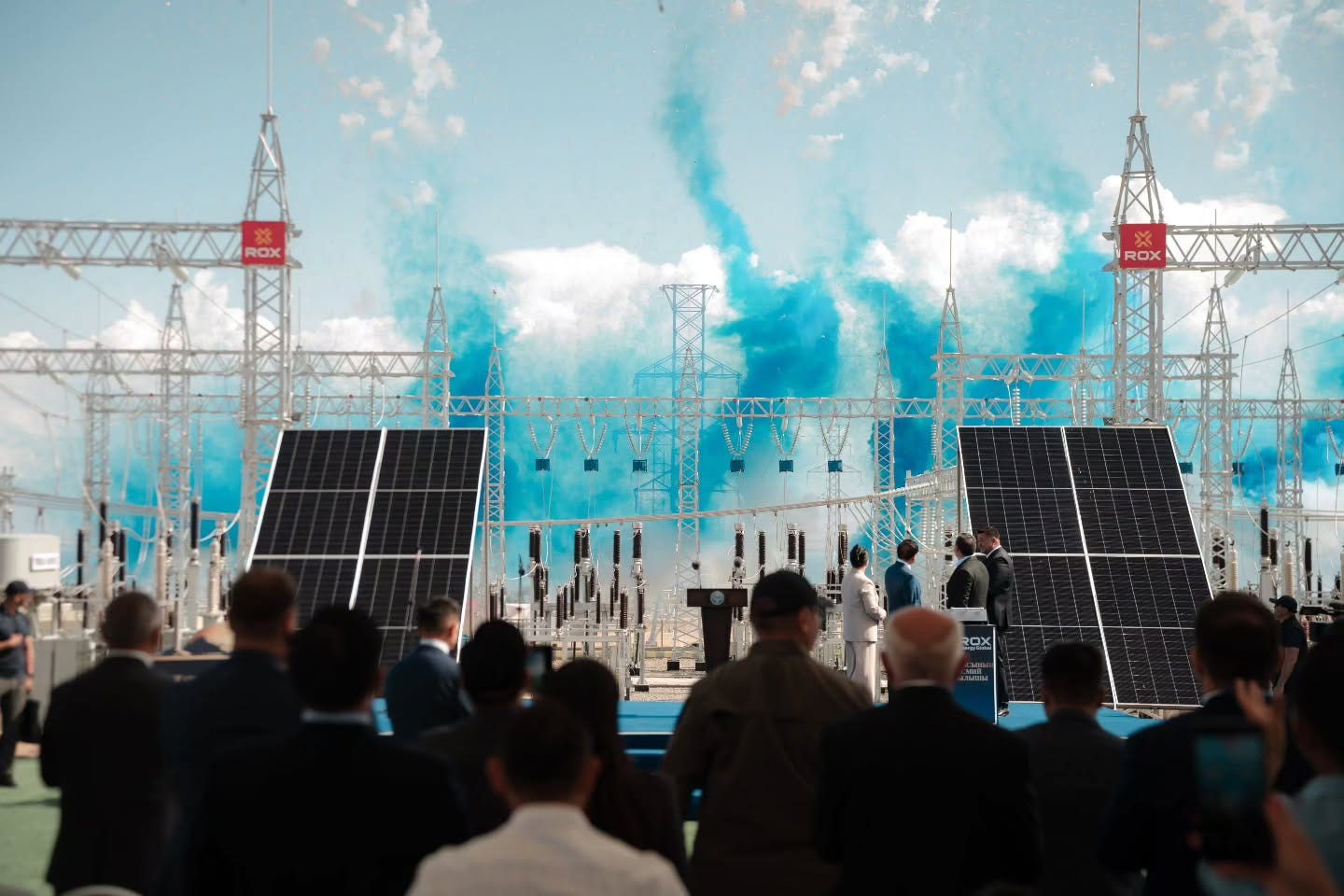
Central Asia’s electricity systems are under growing strain. Kyrgyzstan expects to import more than 4 billion kilowatt-hours of electricity this year as rising demand collides with its heavy dependence on hydropower and low water levels at the Toktogul Reservoir. Tajikistan faces a similar problem: reduced inflows into the Nurek Reservoir have cut power generation and forced the government to curb

The rise of AI surveillance in Kazakhstan
Uzbekistan’s strategic outlook continues to evolve. This week we examine President Shavkat Mirziyoyev’s landmark state visit to Georgia, the first by an Uzbek president in more than two decades. Beyond the diplomatic symbolism, we discuss what was actually agreed: plans to deepen cooperation on the Middle Corridor, new logistics infrastructure centred on Georgia’s Black Sea ports, and a growing ec
The long arm of Turkmenistan
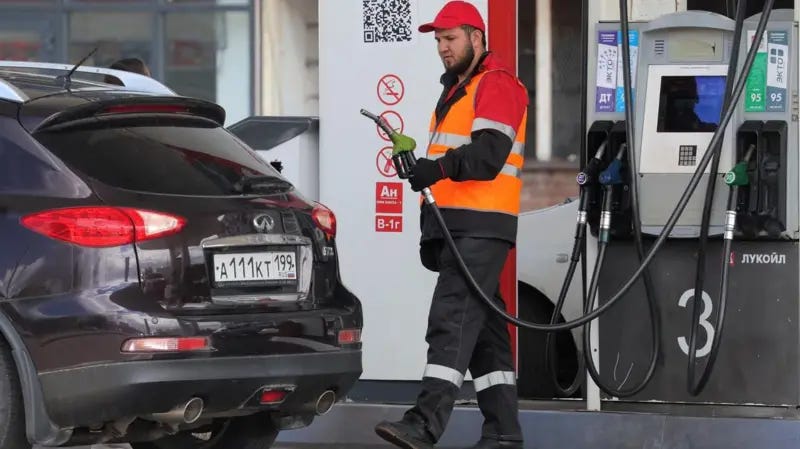
Russia’s fuel crisis is no longer just Russia’s problem. As Ukrainian strikes continue to disrupt refinery capacity, shortages are spreading across the country, forcing Moscow to manage supplies and raising difficult questions for its neighbours. We examine what this means for Kazakhstan, whose own refining capacity remains limited despite its vast oil reserves, and for Kyrgyzstan, which depends h

What Central Asia teaches us about happiness
This week’s episode begins with Uzbekistan’s historic World Cup appearance, the first by any Central Asian country. The opening match against Colombia did not deliver the result Uzbek fans wanted, but it did produce the country’s first ever World Cup goal and a striking display of regional support. From fan zones in Bishkek to messages of solidarity from neighbouring countries, Uzbekistan’s campai
How COVID became a toolkit for control in Central Asia
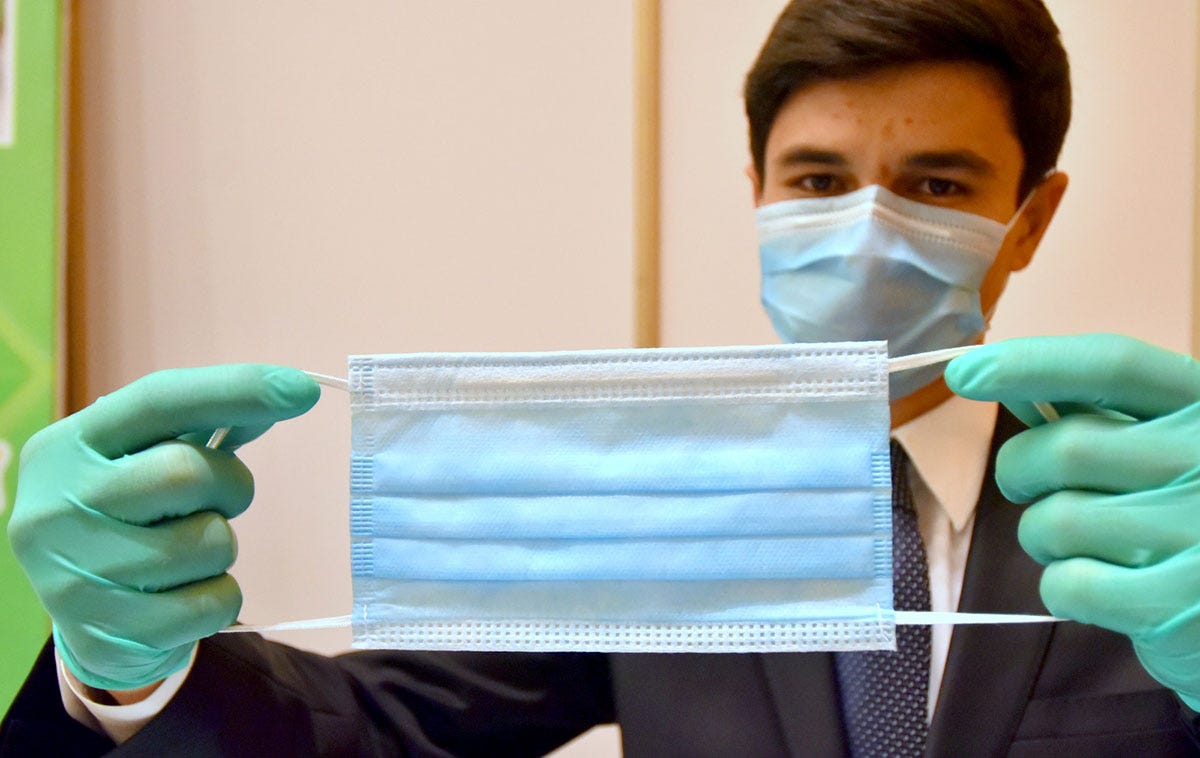
This week’s episode of the CAPS Unlock podcast is devoted to a conversation with Luca Anceschi, Senior Lecturer in Central Asian Studies at the University of Glasgow, about his newly published book, Pandemic Politics in Central Asia.The book examines how three Central Asian governments, Kazakhstan, Turkmenistan and Uzbekistan, responded to the COVID-19 pandemic. Anceschi argues that the pandemic w
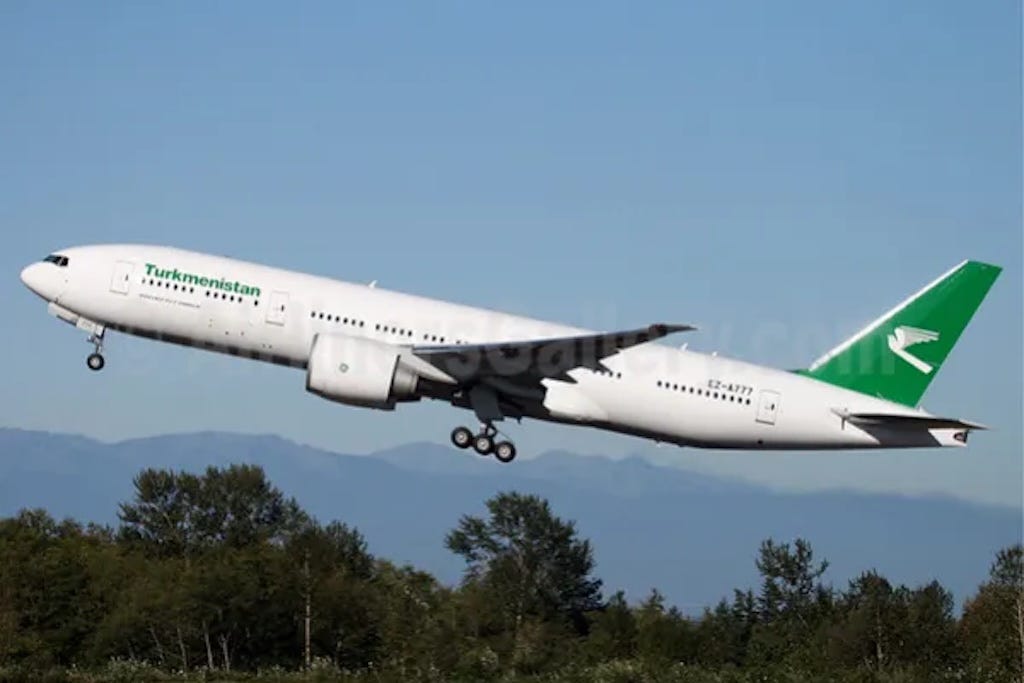
Turkmenistan’s migration trap
This week’s CAPS Unlock podcast does something different. Instead of our usual regional round-up, we devote the full episode to Turkmenistan, a country too often left at the margins of Central Asia analysis, or reduced to caricature.We speak with Gulshat Chmaisse, a PhD candidate at the Australian National University’s Centre for Arab and Islamic Studies, about her new paper, Turkmenistan’s migrat
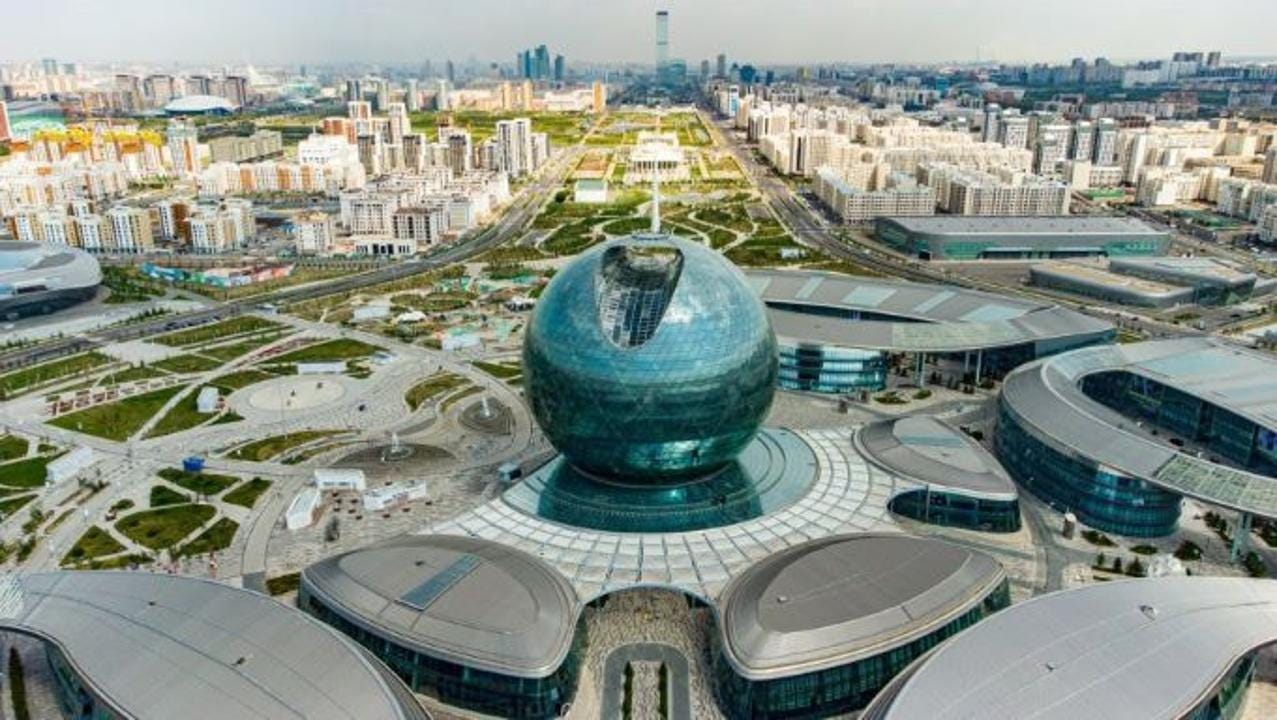
Central Asia tries to become a region
This week’s episode of the CAPS Unlock podcast begins with the legal and political dispute around Gazprom and Naftogaz in Kazakhstan. A court at the Astana International Financial Centre recognised a Swiss arbitration award of around $1.4 billion in favour of Ukraine’s Naftogaz against Russia’s Gazprom. But Kazakhstan’s justice minister later said the ruling would not be enforced, arguing that the
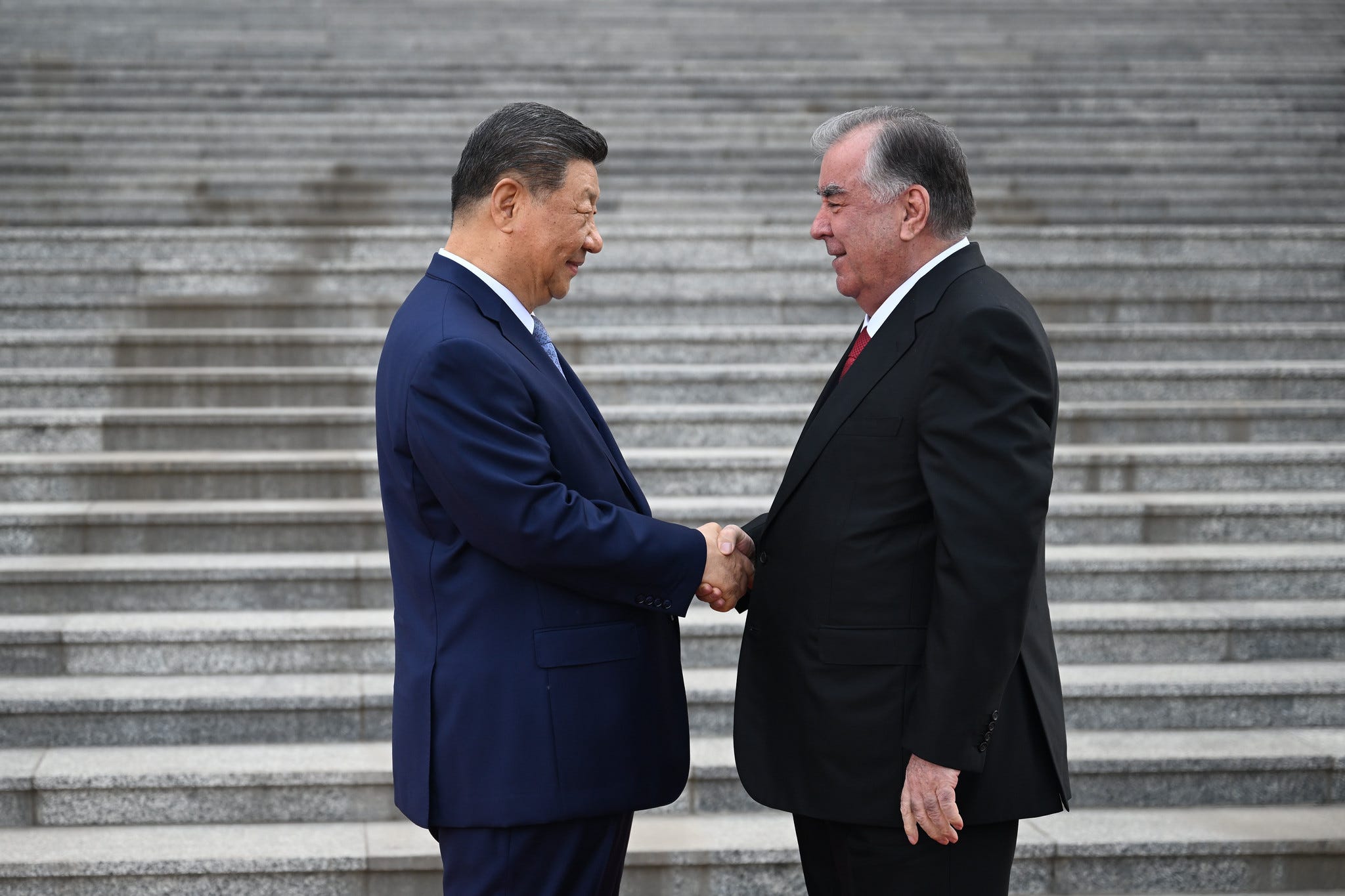
Why China cares so much about Tajikistan
This week’s episode begins with Tajik President Emomali Rahmon’s state visit to China, a trip that produced 31 agreements and a conspicuously grand treaty of “eternal friendship and good-neighbourliness.” The language was theatrical, but the substance was less silly. The visit showed how broad the China–Tajikistan relationship has become, spanning infrastructure, energy, artificial intelligence, e
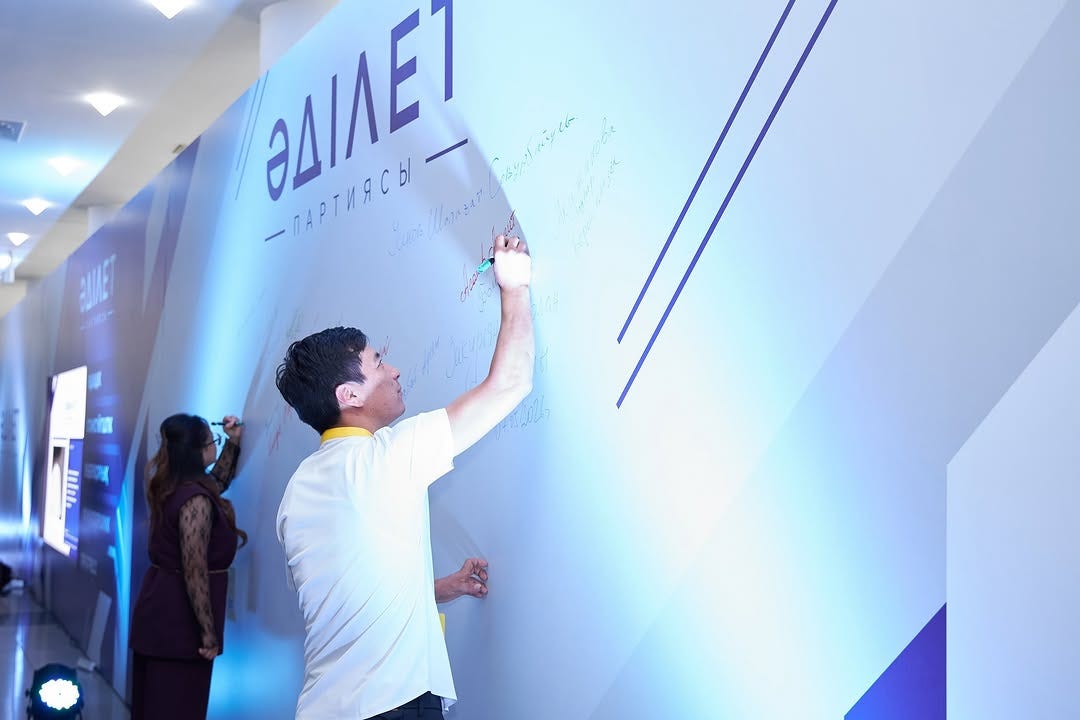
Kazakhstan’s AI future has a language problem
This week on the CAPS Unlock podcast, we begin in Kazakhstan, where a new political party has appeared just ahead of parliamentary elections expected later this year.The party is called Adilet, meaning “justice,” and its sudden emergence has already raised familiar questions about how political competition works in Kazakhstan. Its leader, Aibek Dadebay, was until very recently head of President Ka
Kyrgyzstan's sanctions headache, Kazakh permits, and information manipulation
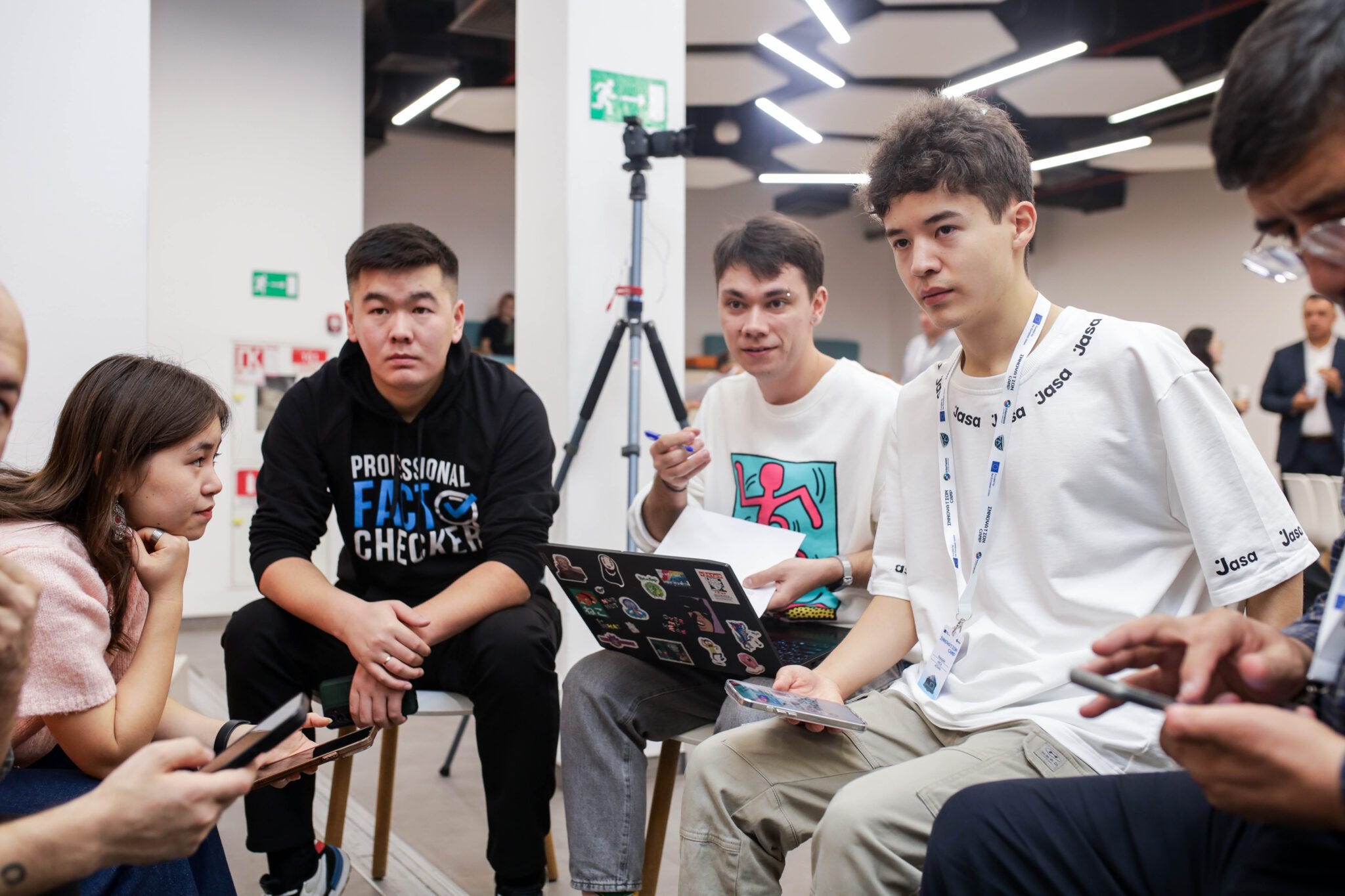
In this week’s episode of the CAPS Unlock podcast, we begin with a novelty in the European Union’s sanctions campaign toward Russia. For the first time, Brussels has applied what it calls an anti-circumvention mechanism at the level of an entire country: Kyrgyzstan.The measure is narrow but consequential. It targets specific categories of industrial equipment and financial channels that the EU bel
Kazakhstan’s oil shock, Kyrgyzstan’s crypto bet, and a new power broker
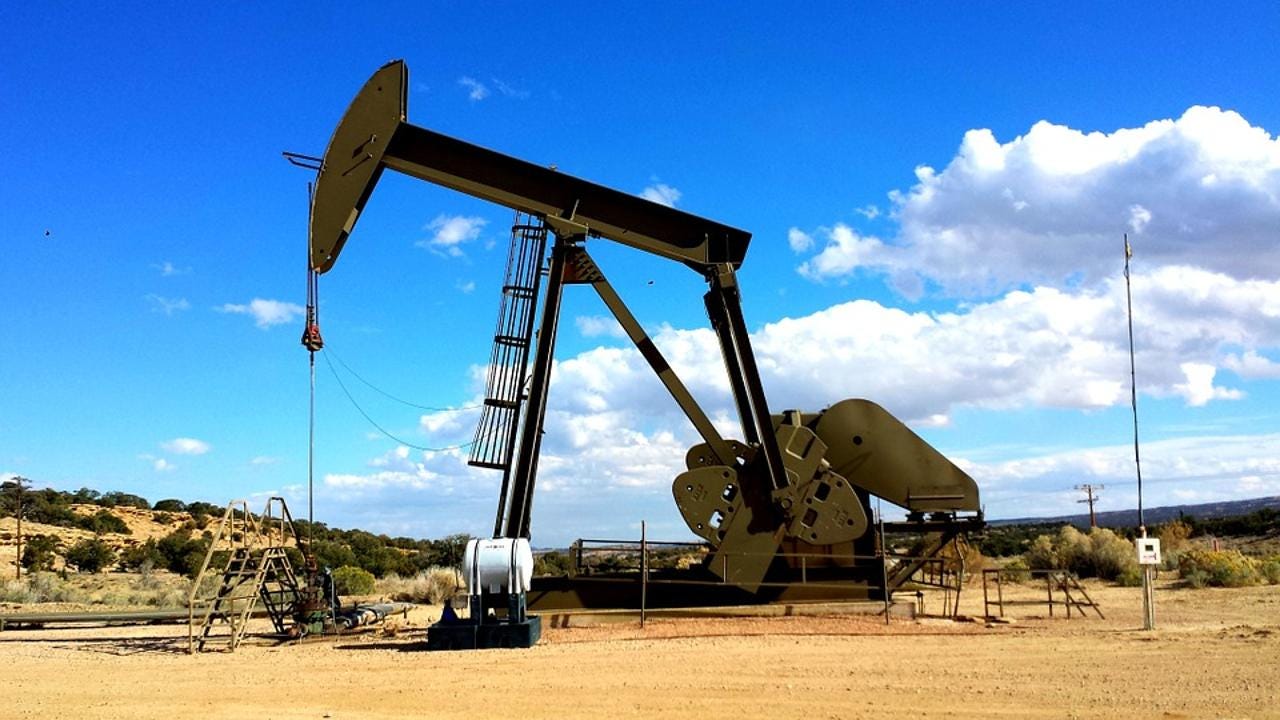
This week on the CAPS Unlock podcast, we examine two sharply different but ultimately connected economic stories from Central Asia, before turning to a revealing interview on Kazakhstan’s changing business landscape.We begin in Kazakhstan, where official data show a roughly 20 percent year-on-year drop in oil production in the first quarter. The decline reflects a convergence of disruptions: a fir
Who really rules Turkmenistan?
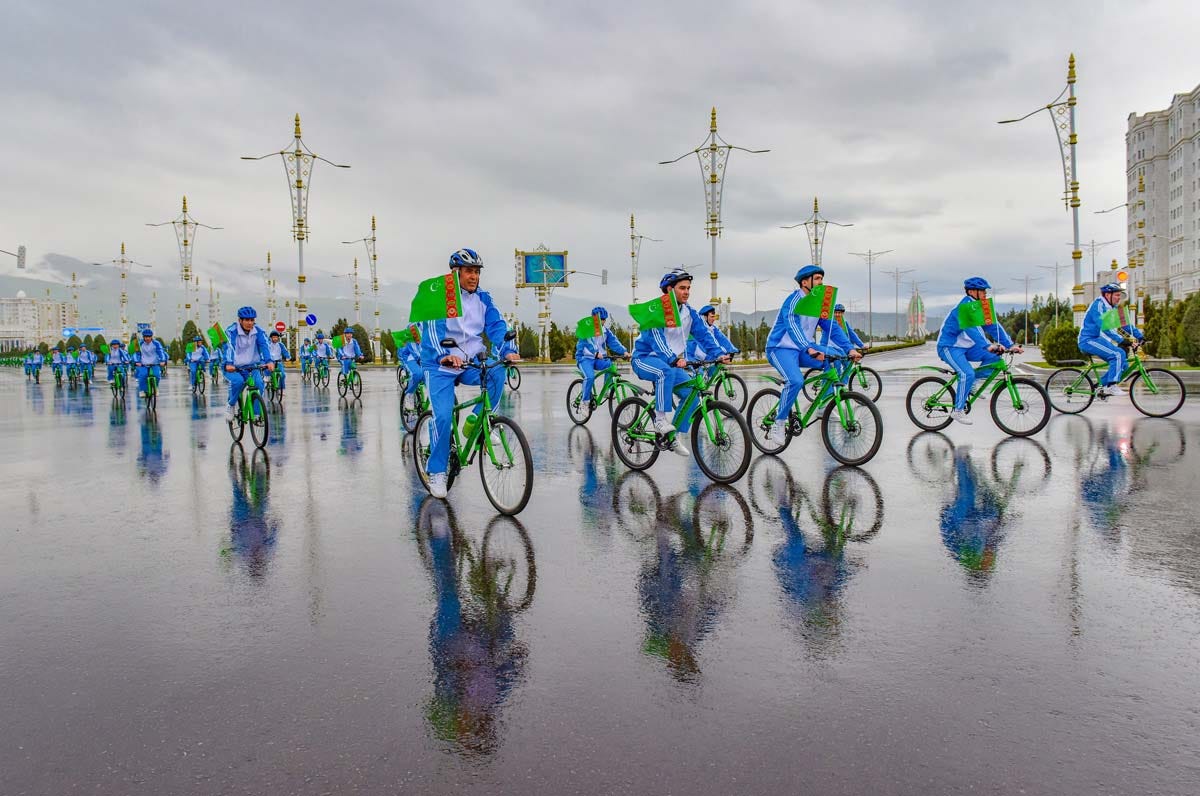
In this week’s edition of the CAPS Unlock podcast, we turned our attention to one country that rarely gets the scrutiny it deserves: Turkmenistan. Despite its strategic location, vast gas reserves, and sensitive position between Iran, Afghanistan, and the rest of Central Asia, it remains one of the hardest states in the region to read clearly. Access is limited, reporting is constrained, and much
Central Asia between hunger, the atom and war
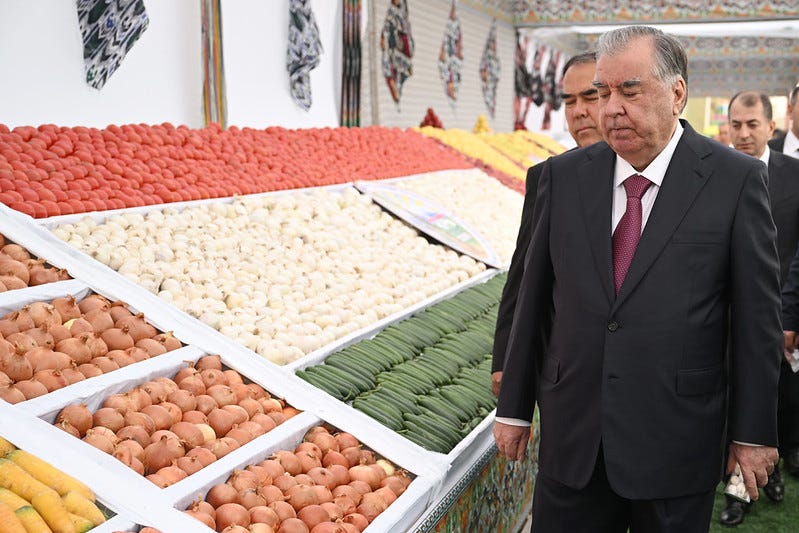
This week’s episode looks at two structural pressures shaping Central Asia’s future: food insecurity in Tajikistan and energy strategy in Kyrgyzstan, before turning to the wider regional impact of the war in Iran.We begin in Tajikistan, where President Emomali Rahmon has warned of unprecedented food price rises. His explanations point outward, to climate change and global instability, but the dome
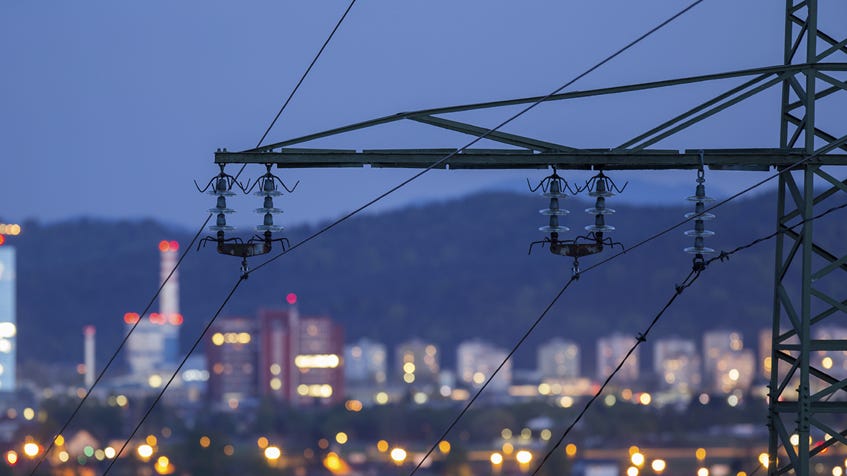
Kyrgyz political soap opera, Kazakhstan's media chill, and Central Asia's energy dilemma
This week, we return to the political soap opera unfolding in Kyrgyzstan in the wake of the February removal of security chief Kamchybek Tashiyev. The pressure on Tashiyev’s family continues to mount. His brother, Shairbek, who surrendered his parliamentary mandate after a first police interrogation earlier in March, has now been called back in for a second round of questioning.His son, Tai-Muras,
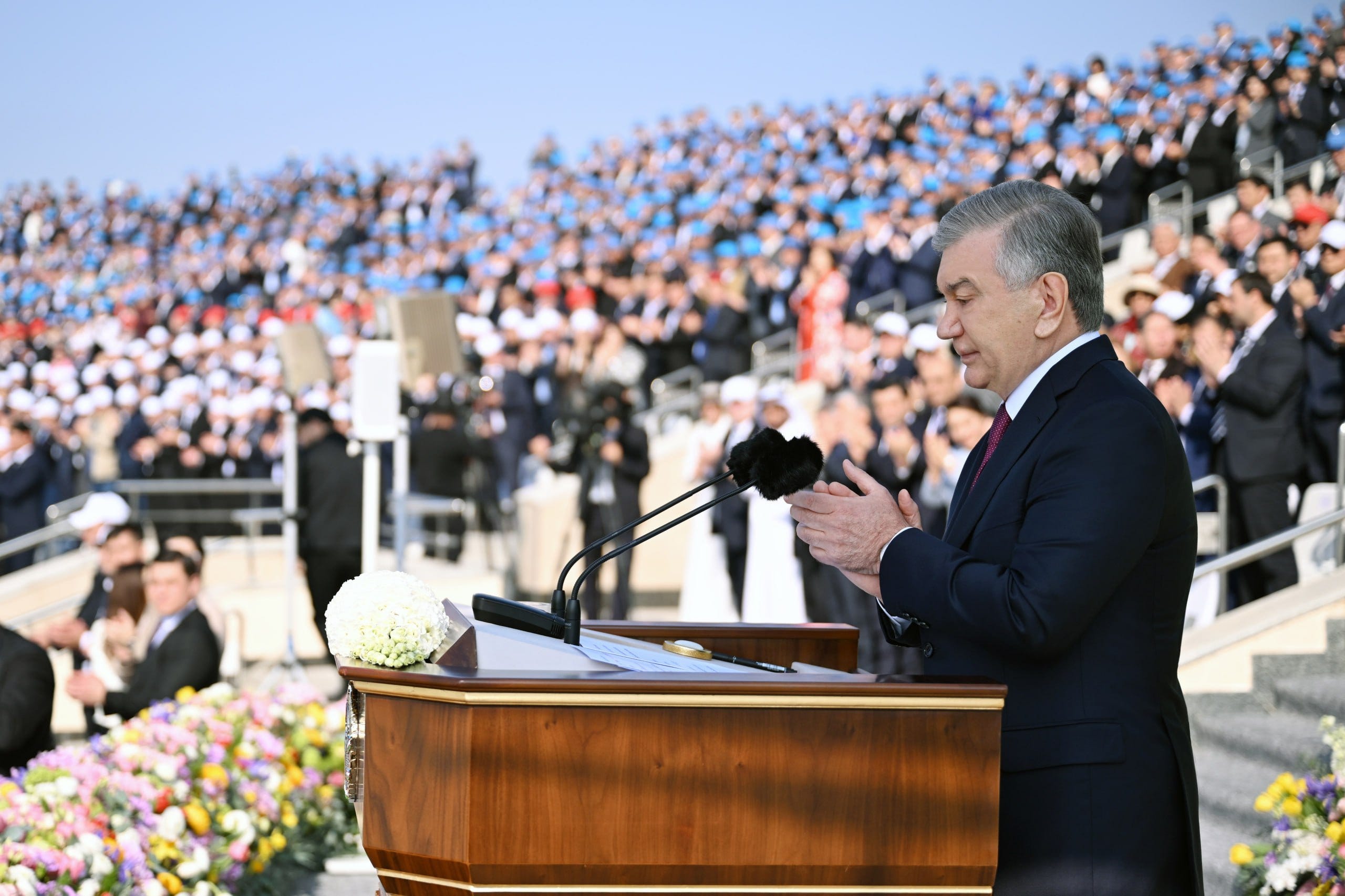
Silk Mirage: Joanna Lillis on Uzbekistan’s unfinished transition
This week’s episode of the CAPS Unlock podcast departs from the usual format for a single in-depth conversation with journalist Joanna Lillis, whose new book Silk Mirage: Through the Looking Glass in Uzbekistan draws on more than two decades of reporting to examine the country’s evolution since independence.Lillis traces Uzbekistan’s trajectory from the repressive system built under Islam Karimov
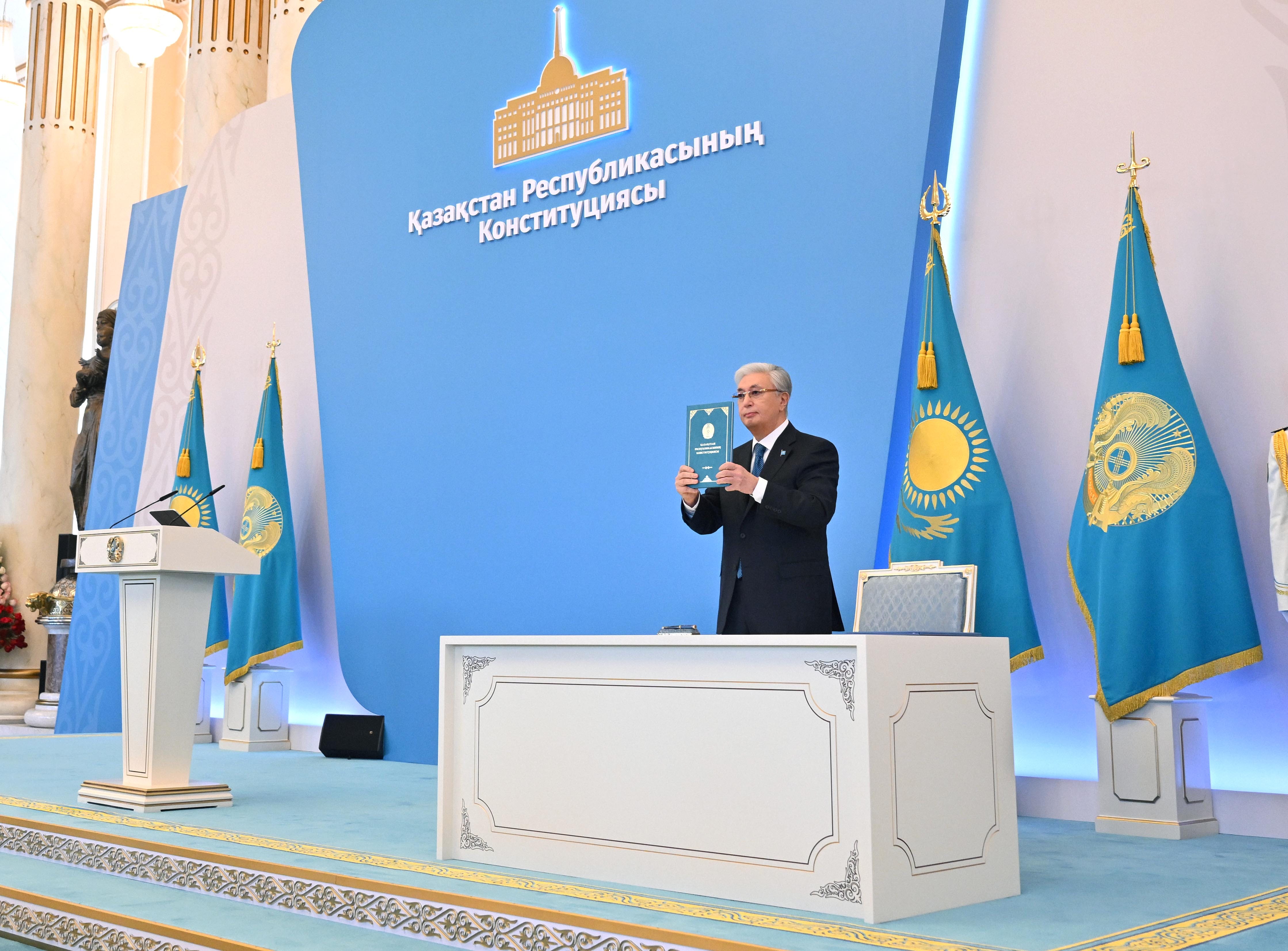
Kazakhstan's referendum, Kyrgyz purge escalates, and Central Asia's museums
In this week’s very packed episode of the CAPS Unlock podcast we cover a busy news week across two countries, and speak with a researcher whose work offers a fascinating lens on how Central Asian states construct national identity through their museums.We begin with Kazakhstan, where citizens went to the polls to approve a new constitution, the country’s third since independence. With official fig
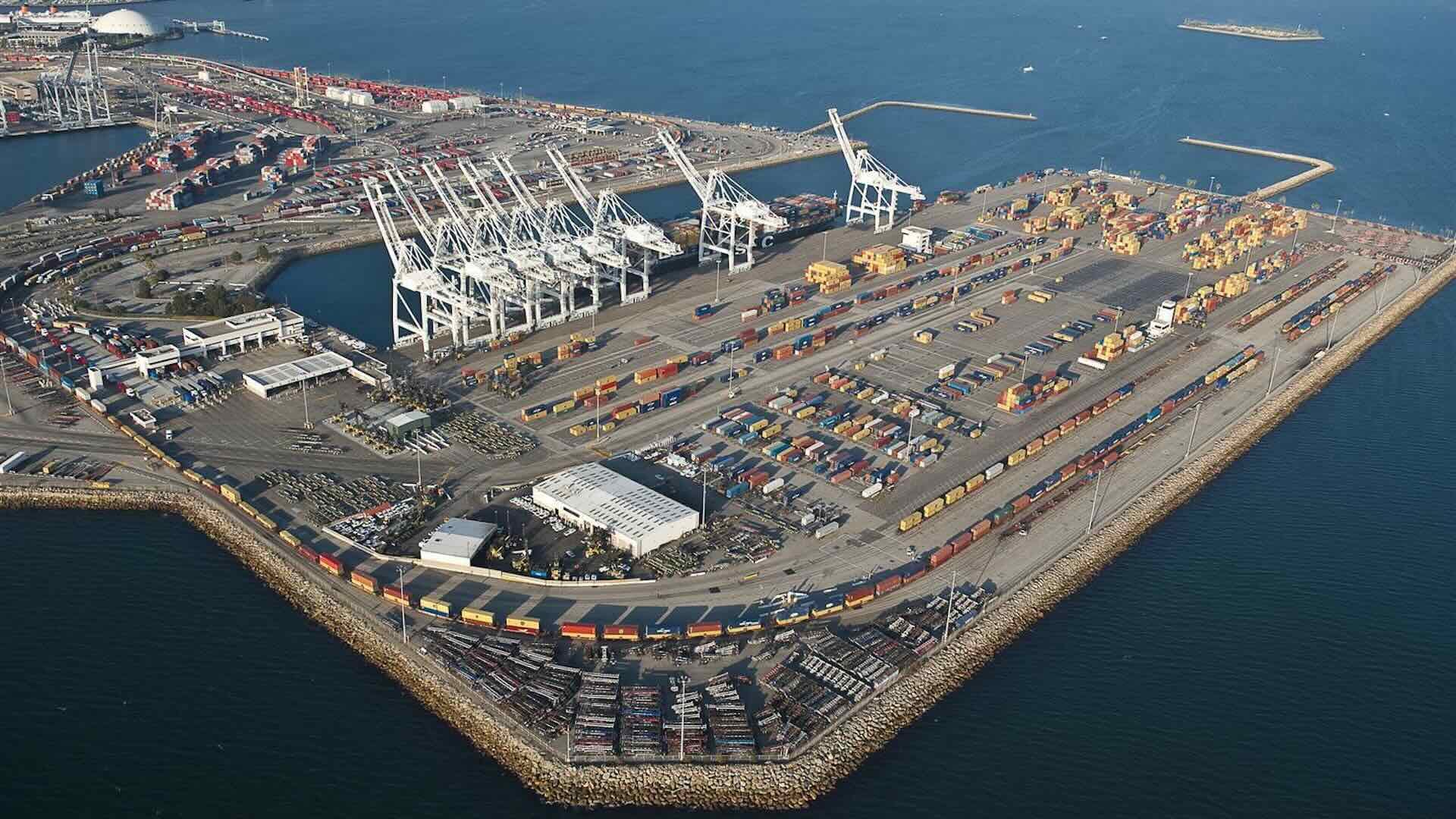
Central Asia in the ripple zone of Iran’s war
In this episode of the CAPS Unlock podcast, we speak with Eldaniz Gusseinov, head of research at Nightingale Int., about what the war between the United States, Israel and Iran could mean for Central Asia.Rather than dwelling on battlefield events, the conversation looks at the wider regional consequences of the conflict, particularly for trade routes, strategic connectivity and Central Asia’s abi
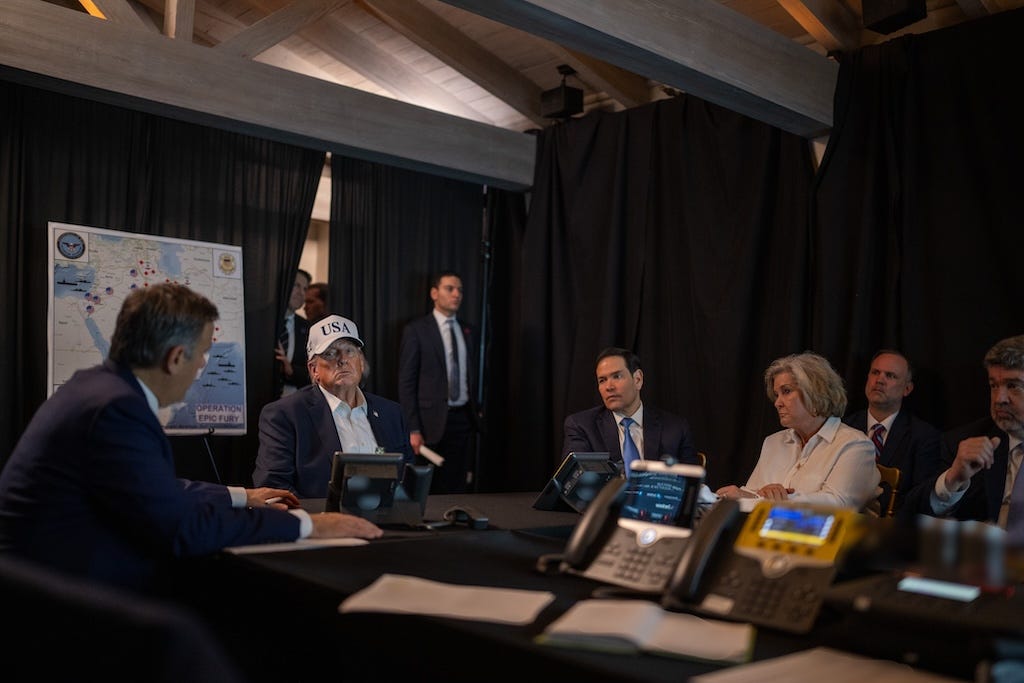
After Epic Fury: Central Asia’s balancing act
Operation Epic Fury has forced every government in Central Asia to signal where it stands. And just as importantly, how carefully it intends to stand there.We began this week’s CAPS Unlock podcast with the U.S.–Israeli military campaign against Iran and the varied responses across the five Central Asian republics. Tajikistan, the region’s only Persian-speaking state, issued unusually warm condolen
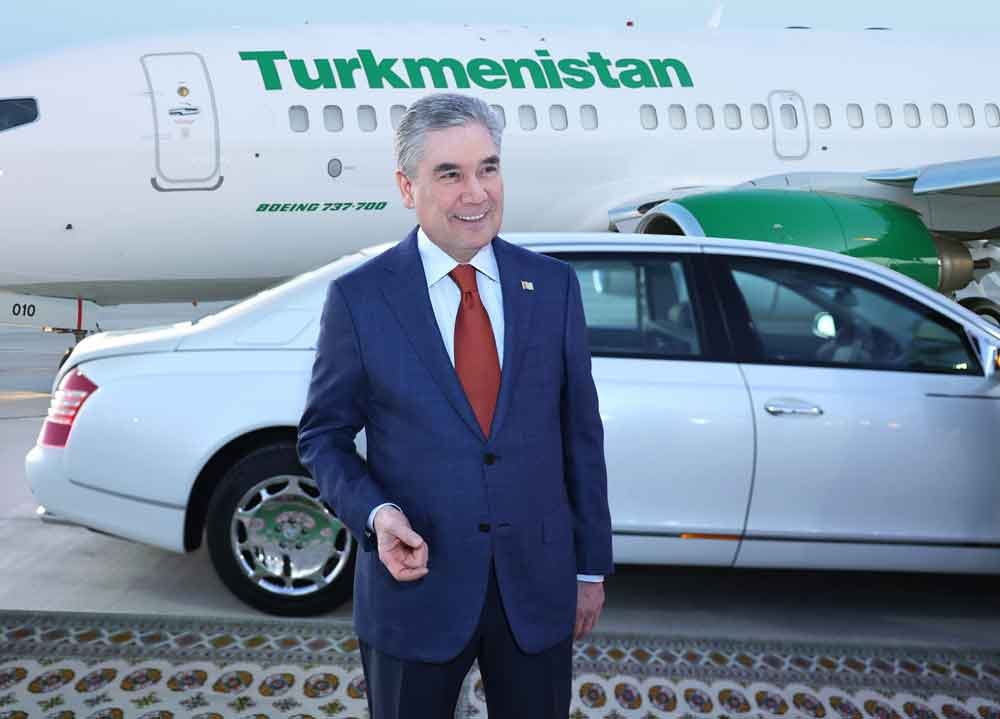
Kyrgyz sanctions, Turkmen signals, and Kazakh solar power
This week’s edition of the CAPS Unlock podcast moves across three very different but interconnected storylines shaping Central Asia’s political and economic trajectory.We begin with the European Union’s stalled 20th sanctions package against Russia and, most relevantly for us, the likely inclusion of Kyrgyzstan. Although Hungary and Slovakia blocked the package for now, Kyrgyzstan had been earmark
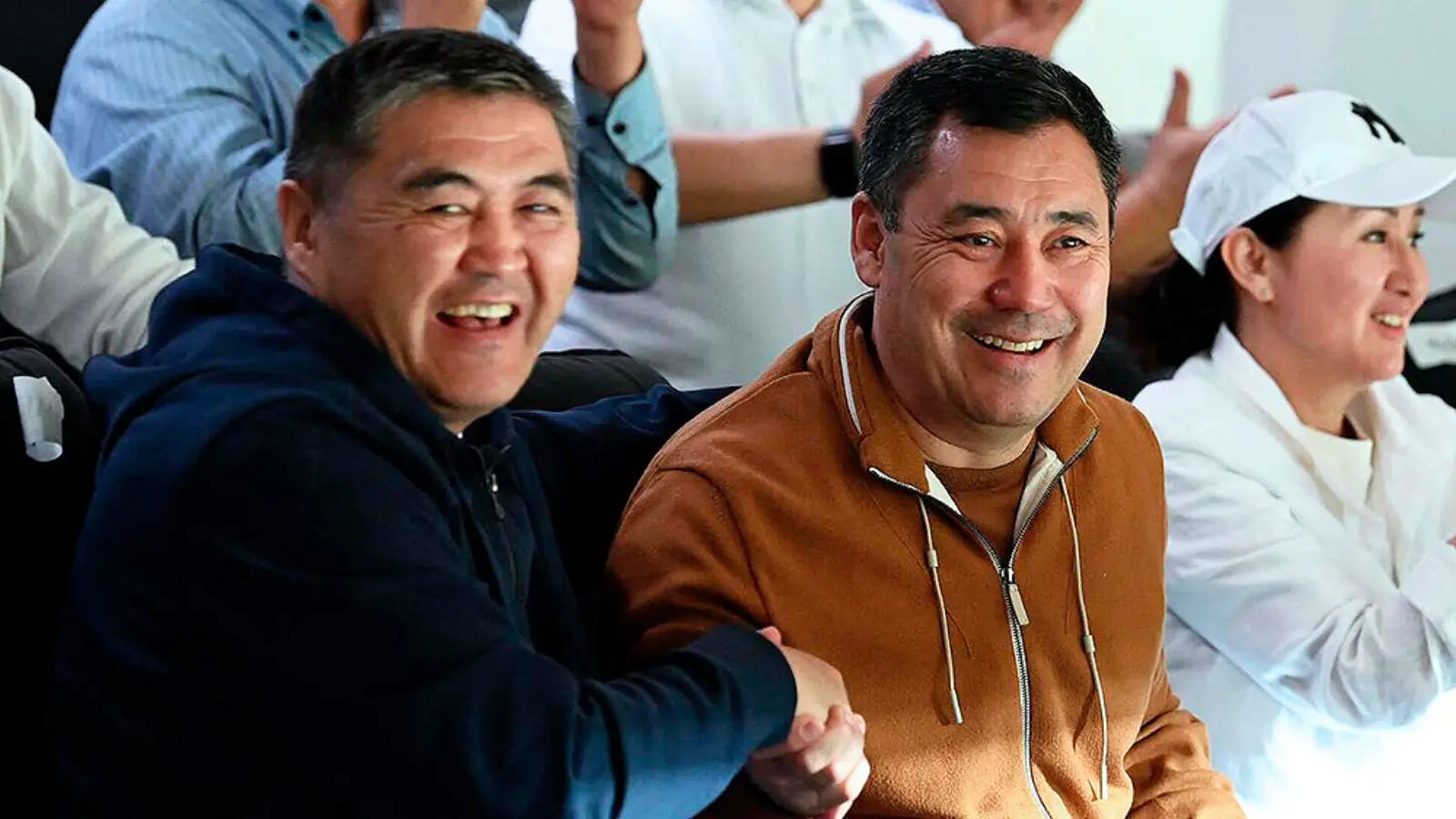
Central Asia's transition puzzle: A quiet coup, constitution-tinkering, and a vanishing leader
This week’s episode of the CAPS Unlock podcast plunges directly into political shifts unfolding across Central Asia. Developments in Kyrgyzstan, Kazakhstan, and Tajikistan are each highly specific, rooted in their own institutional histories and elite dynamics. Yet taken together, they point to a deeper and more persistent anxiety: how personalistic political systems manage transition.The entire e
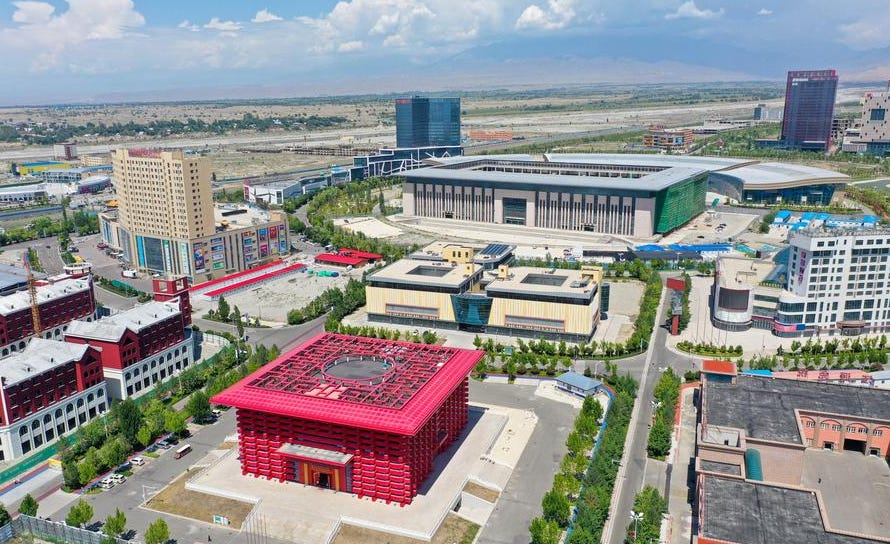
China’s $100 billion moment in Central Asia
This week’s episode of the Caps Unlock Podcast opened with a discussion of a major shift in Central Asia’s external economic orientation: China has overtaken Russia to become the region’s largest trading partner. Drawing on newly published trade data for 2025, the conversation examined what it means for China-Central Asia trade to surpass the $100 billion mark for the first time, and why that figu

Kazakhstan’s arbitration win, Russia’s healthcare squeeze, and a reading crisis
This week’s episode opened with a discussion of Kazakhstan’s provisional landmark arbitration victory against foreign oil majors over disputed costs at the Karachaganak oil and gas field. We unpacked why the ruling matters not only for the billions of dollars potentially at stake, but also for what it signals politically.Drawing on reporting by Reuters and Bloomberg, the conversation explored how
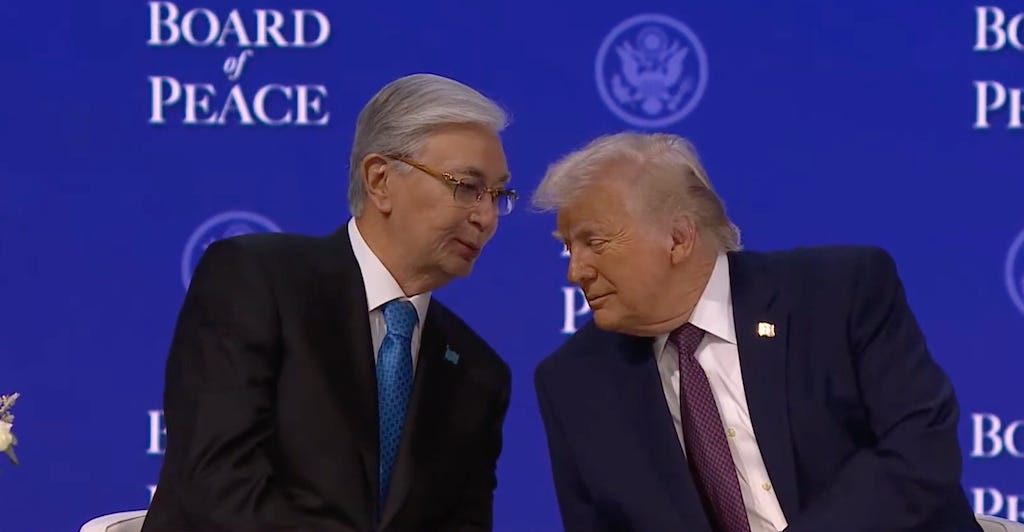
Trump’s peace club comes to Central Asia
The CAPS Unlock podcast returns after a long New Year break to track how an unsettled global agenda is pulling Central Asia into the fray.We began with U.S. President Donald Trump’s newly launched Board of Peace, an initiative that started life as a Gaza oversight mechanism but quickly hardened into something broader: a leader-centric club with an unusually vague mandate and an unusually personali

Central Asia’s pivotal year: From breakthroughs to backsliding
This end-of-year episode of the CAPS Unlock podcast is longer than usual, deliberately so.As our final instalment of 2025, it takes stock of a year that reshaped Central Asia in ways that are still coming into focus. To help make sense of it, we were joined by CAPS Unlock co-founder and senior fellow and director of the Program on Central Asia at Harvard University’s Davis Center, Nargis Kassenova
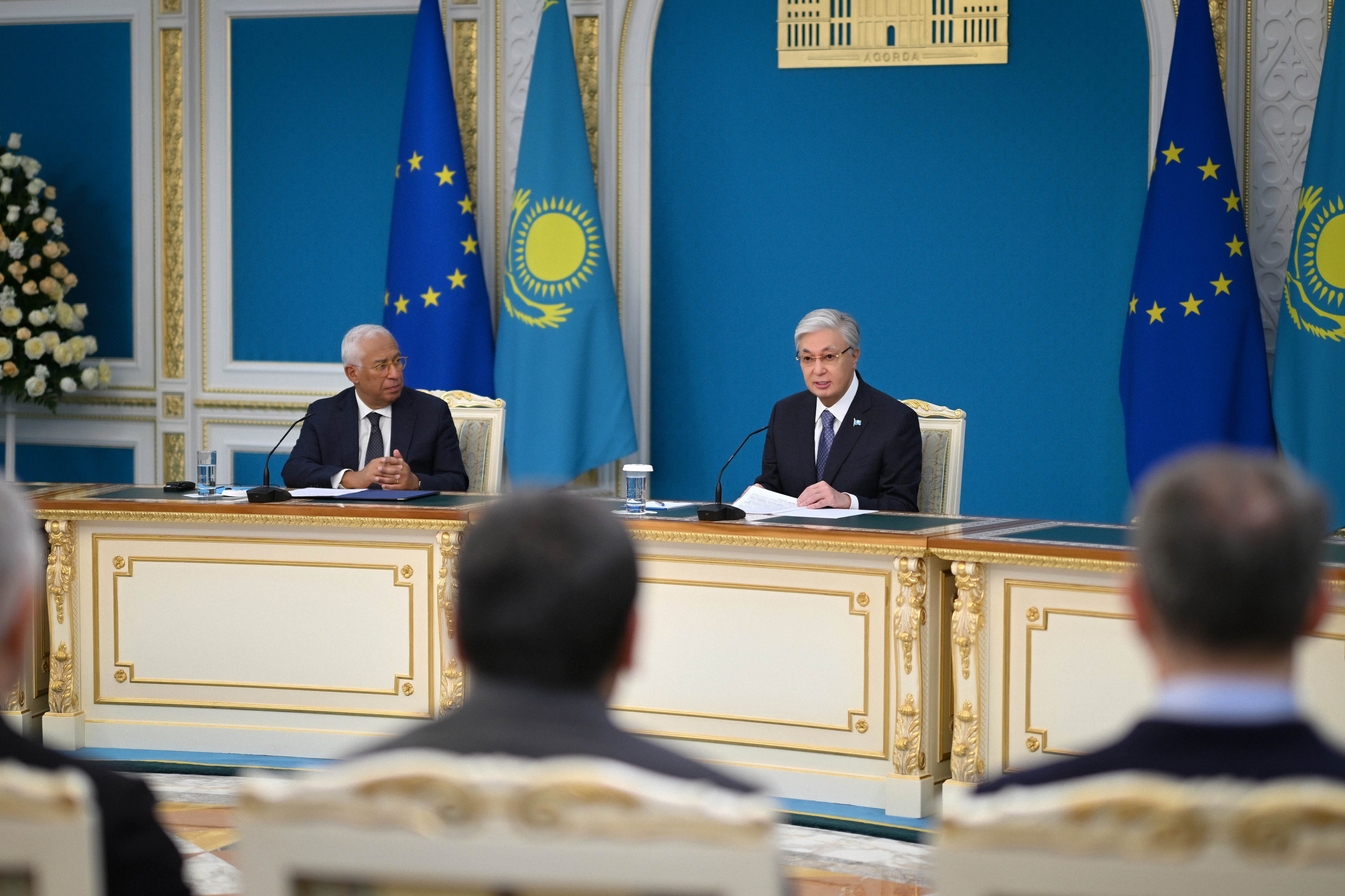
Afghan-Tajik border unrest, EU in Kazakhstan and Astana's LGBT panic
This week’s episode opens on the frontier of Afghanistan and Tajikistan, where two late-November attacks on Chinese workers killed five people and injured several others at a gold mine and road-building site.With both incidents allegedly involving fire from Afghan territory, almost no independent reporting, and only terse official statements to go on, the discussion probes what can be said with co

Agnieszka Pikulicka on telling Central Asia’s stories differently
This episode departs from our usual format. Instead of the standard three-segment structure, it’s a single extended conversation with Agnieszka Pikulicka, the journalist behind Turan Tales, a long-form newsletter and podcast examining underreported stories from Uzbekistan, Kazakhstan, Kyrgyzstan, Tajikistan, and Turkmenistan. Her premise is straightforward but oddly rare: Central Asia should be tr

Kazakhstan’s AI law and Kyrgyzstan’s winter of discontent
Kazakhstan has now adopted a dedicated law on artificial intelligence, a step the government has been signalling for more than a year. Parliament approved the measure in October, and President Kassym-Jomart Tokayev signed it into force a few days before this episode was recorded.The authorities present the legislation as a necessary foundation for developing the country’s AI sector. The stated aim
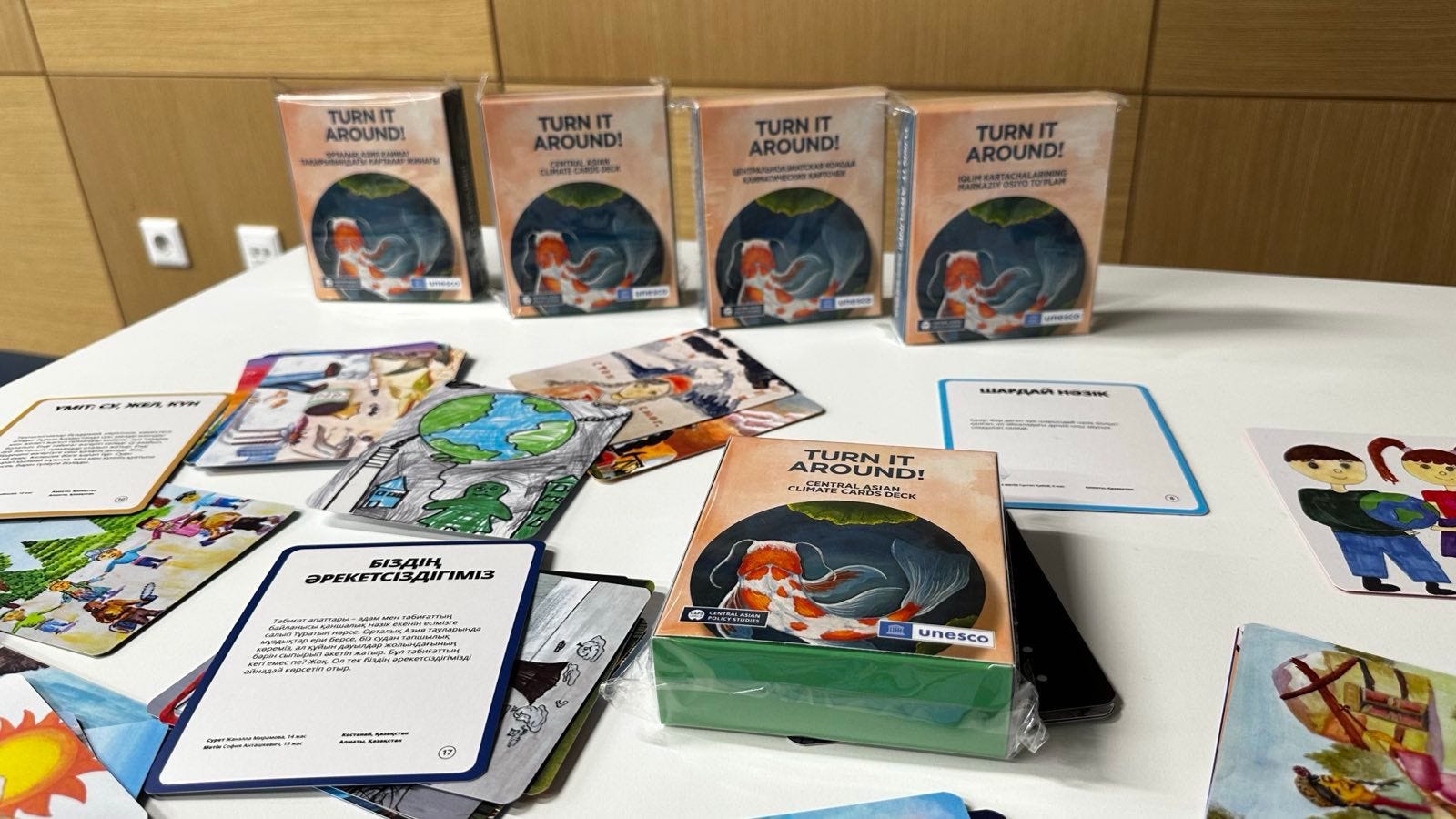
Fuel shocks, climate classrooms, and the politics of football
A sudden flare-up in Ukraine’s drone war has again rattled Central Asia’s energy nerves. This episode opens with a look at how Russian refinery shutdowns are rippling across the region. When the Novokuybyshevsk plant went offline after an October 19 strike, Kyrgyzstan and Tajikistan, which are both reliant on Russia for more than 90 percent of their fuel, were left scrambling. Petrol rationing in
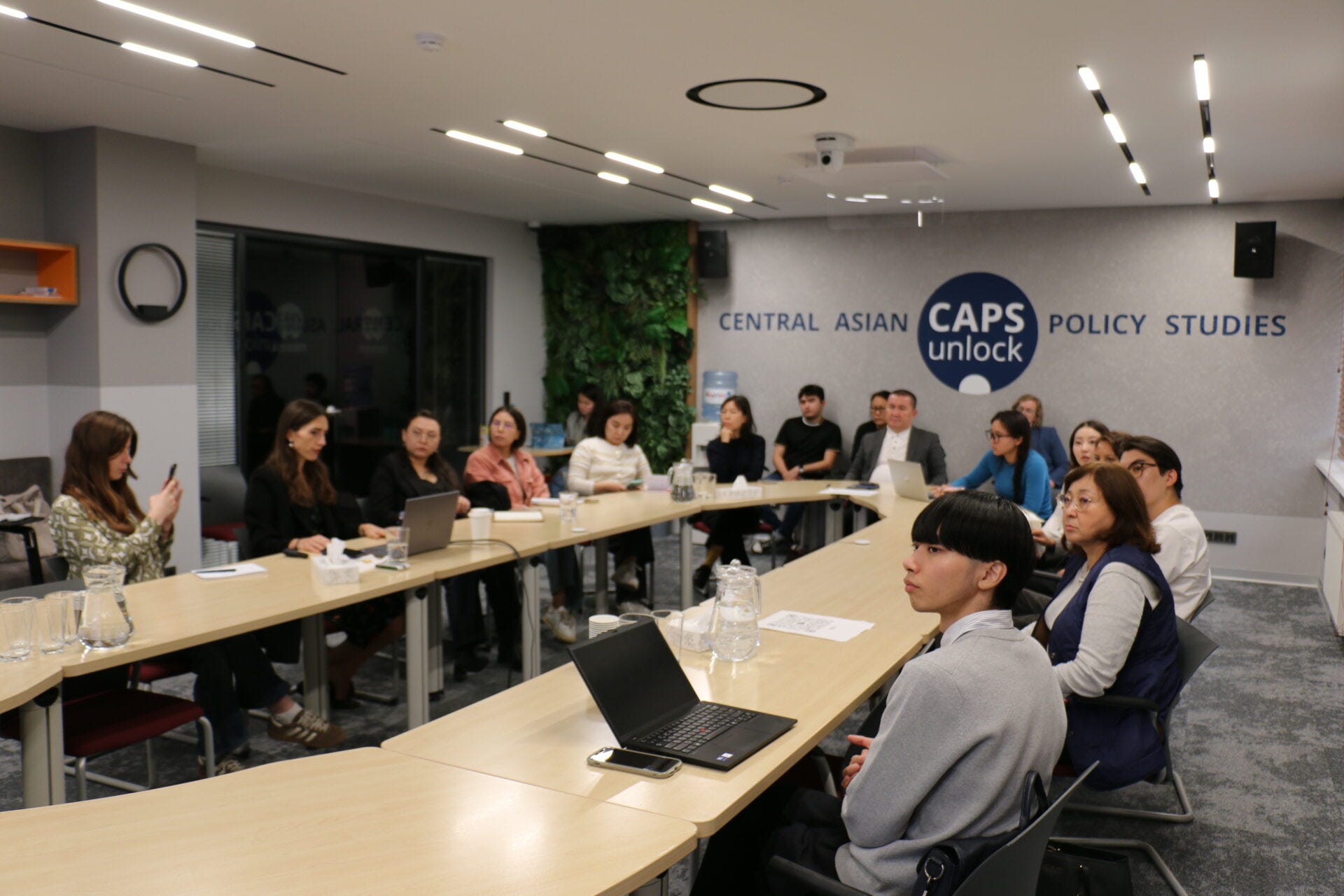
Kyrgyz rage over murder, Kazakh climate doubt, and China’s growing map
This week’s episode begins in Kyrgyzstan, where a brutal killing of a 17-year-old girl has reignited public fury and led President Sadyr Japarov to call for the return of the death penalty. The case has stirred intense debate about justice, morality, and political opportunism in a country that abolished executions nearly two decades ago. We look at how Japarov’s proposal both reflects and exploits
AI hype, think tank realities, and Kyrgyzstan’s self-abolishing parliament
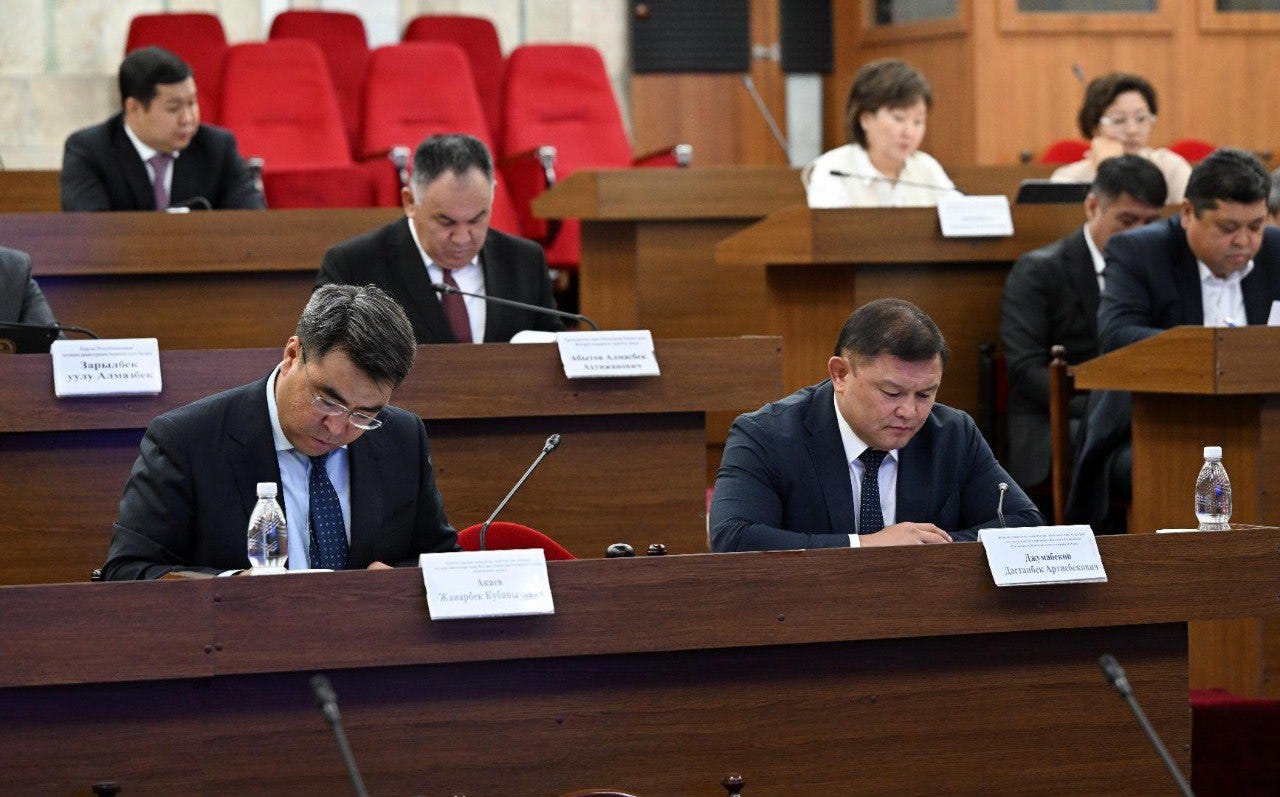
This week’s episode of the CAPS Unlock podcast begins with Kazakhstan’s ongoing fixation on artificial intelligence. Ever since President Kassym-Jomart Tokayev made AI the centrepiece of his State of the Nation address, ministries and agencies have scrambled to demonstrate their own contributions. A new ministry has been promised, AI education standards announced, and schemes for agriculture, publ
The Pamirs melt, Tokayev retools, Central Asia rallies
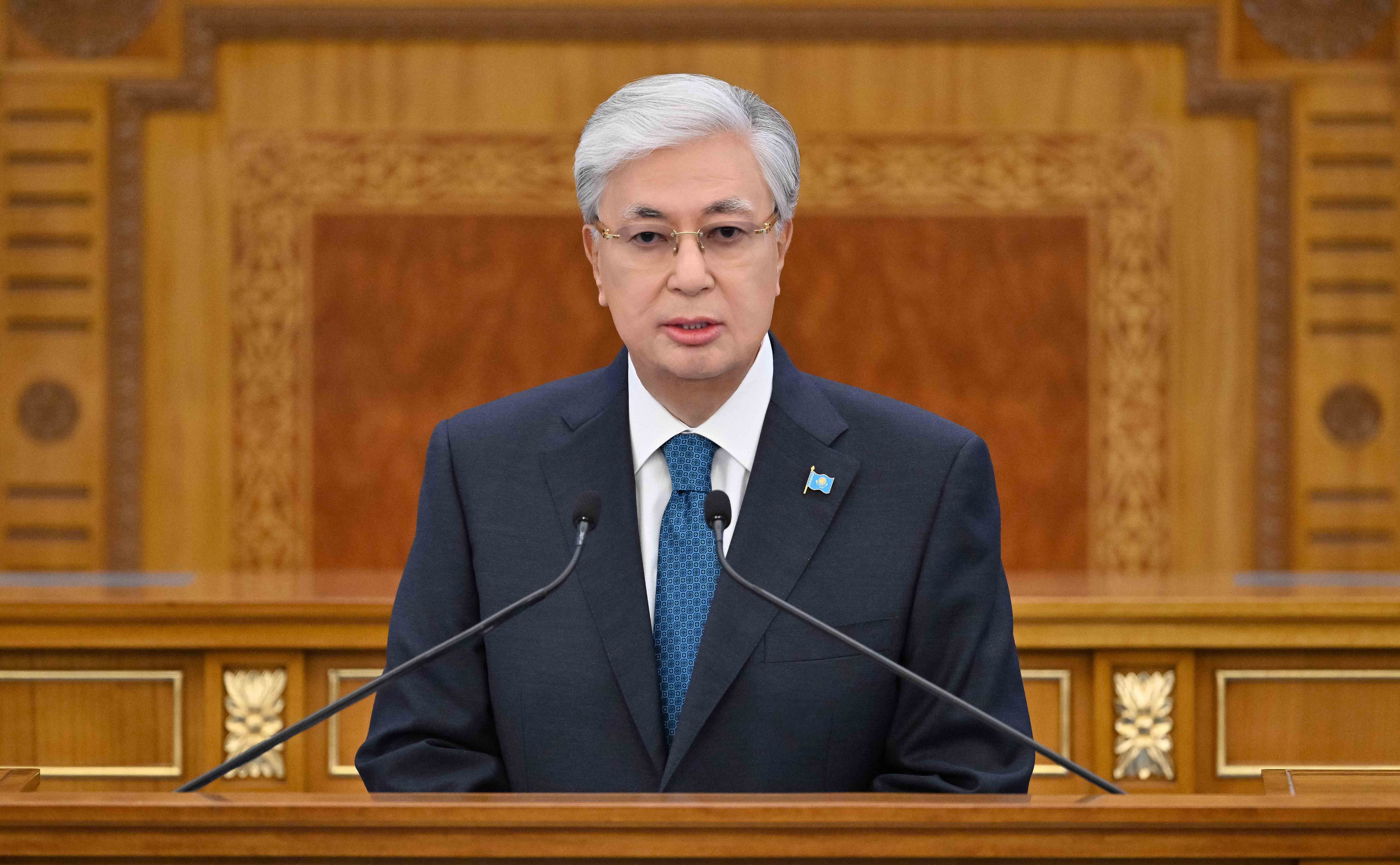
This week’s episode of the CAPS Unlock podcast opens with a discussion about a show of diplomatic unity in Central Asia. Following Israel’s strike on Qatar, all five governments of the region quickly issued statements of condemnation. Some went as far as calling the strike an act of aggression. We examine why these unusually swift and aligned reactions matter, how they highlight the region’s growi

Making and remaking culture in Soviet Central Asia
In the third and final instalment of podcasts recorded on the sidelines of a major history conference at Nazarbayev University, the CAPS Unlock podcast looks at how culture grows under pressure. We speak to Irina Sinepupova (a historical researcher currently pursuing her studies at Nazarbayev University) and Leora Eisenberg (PhD candidate, Harvard University) about two very different cases that ex
Rethinking nations: Beyond the Soviet frame
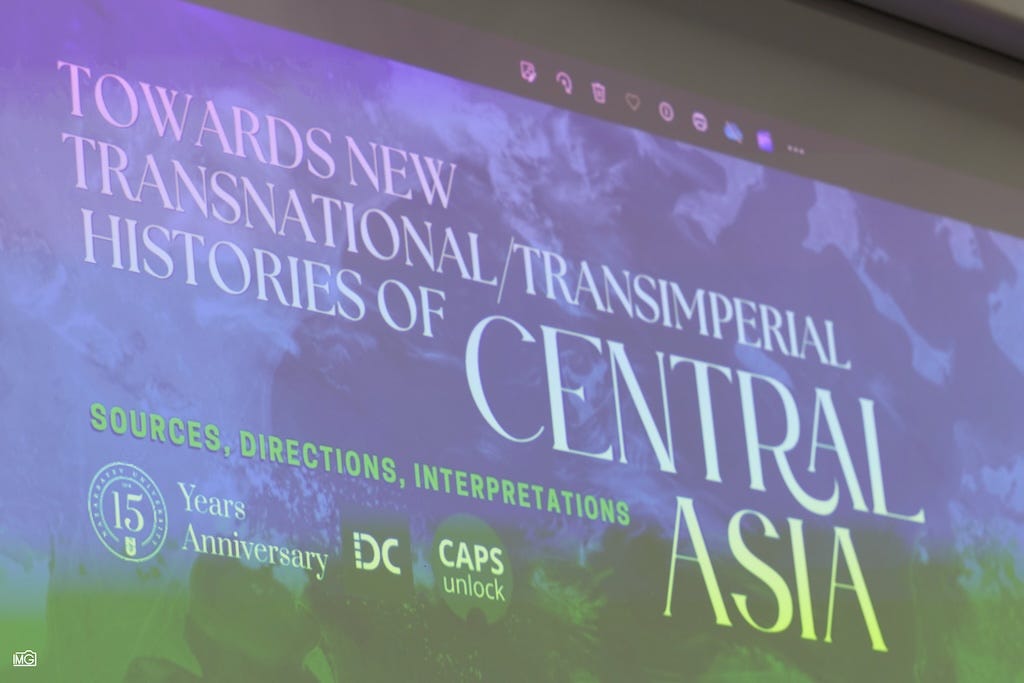
This week we continue a special series recorded on the sidelines of the international conference Toward New Transnational/Transimperial Histories of Central Asia: Sources, Directions, Interpretations, held at Nazarbayev University in Astana in August. This week we’re looking at what comes after the “nation-making” narrative and how historians are reframing the region through transnational and tran
Paper trails and memory: Exploring Central Asia’s archives
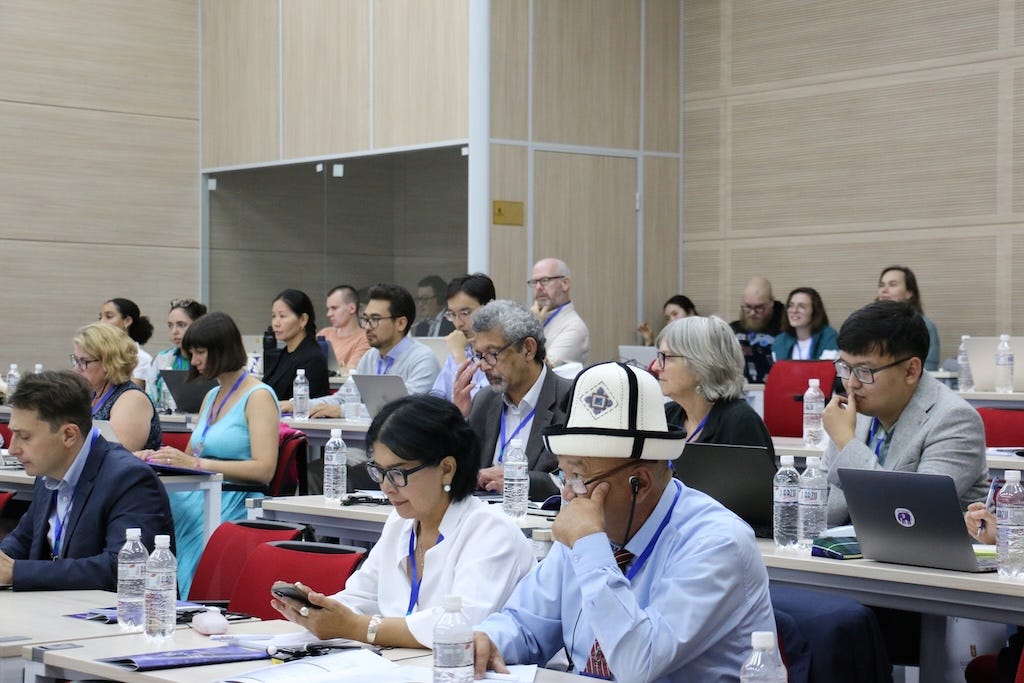
In this episode of the CAPS Unlock podcast we temporarily step away from our usual format for the first in a short series recorded on the sidelines of the international conference, Toward New Transnational/Transimperial Histories of Central Asia: Sources, Directions, Interpretations, which took place at Nazarbayev University in Astana, Kazakhstan, on August 20–22.We speak to Roman Osharov, a DPhil

An interview with Bruce Pannier, veteran Central Asia-watcher
In this week’s episode of the CAPS Unlock podcast, we break with our usual format to bring you a wide-ranging long-form conversation with Bruce Pannier, veteran Central Asia watcher and a newly minted Research Fellow at the Yorktown Institute’s Turan Research Center.Pannier reflects on three decades of reporting and analysis, from his early days gathering scraps of information in the pre-internet
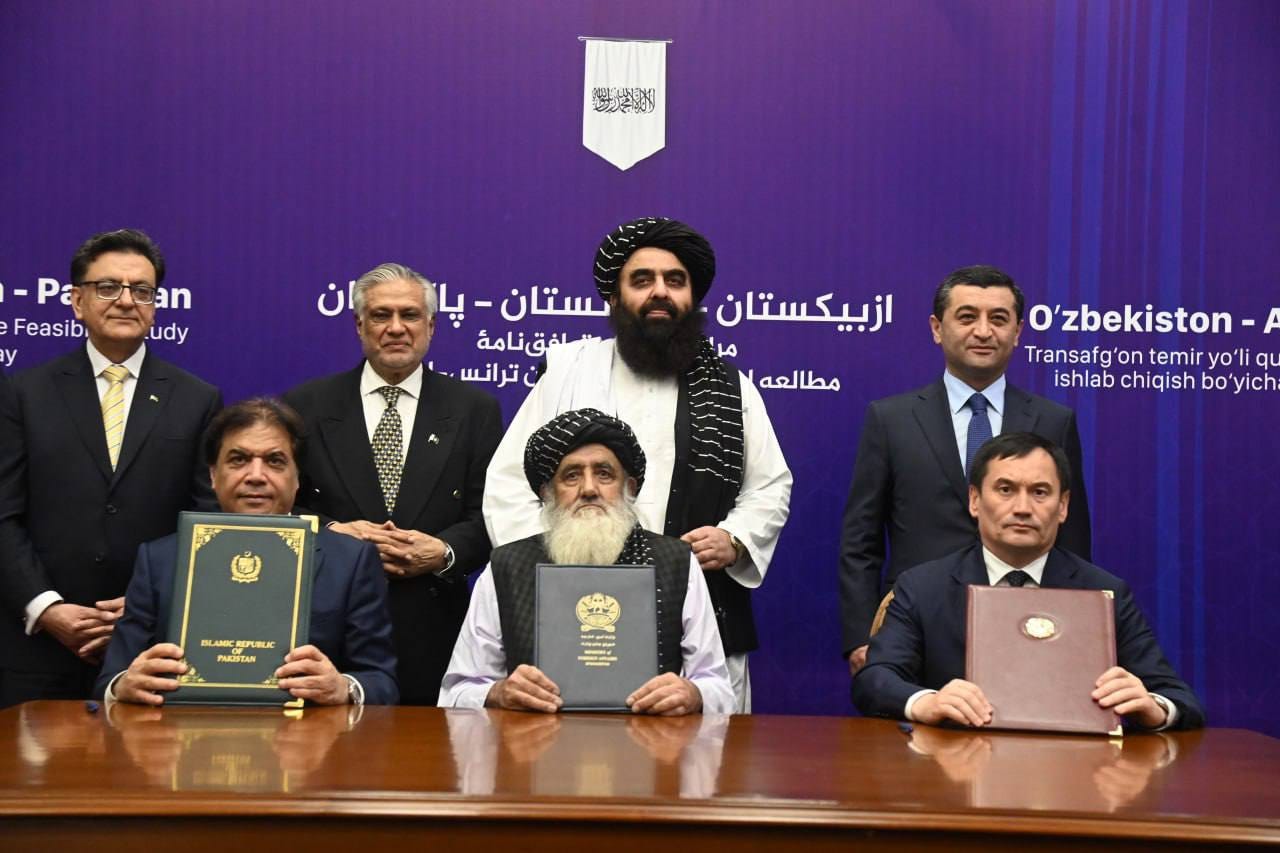
From trans-Afghan rail dreams to the EU’s critical materials catch-up game
This week’s episode of the CAPS Unlock podcast takes us from the heat-blasted plains of Turkmenistan to the mineral riches of Kazakhstan and Uzbekistan, and then to end, back to Bishkek’s street theatre of power.We begin with a dive into the mooted trans-Afghan railway, a project once seen as fantasy that now edges closer to reality. We discuss Uzbekistan, Pakistan, and Afghanistan’s newly signed
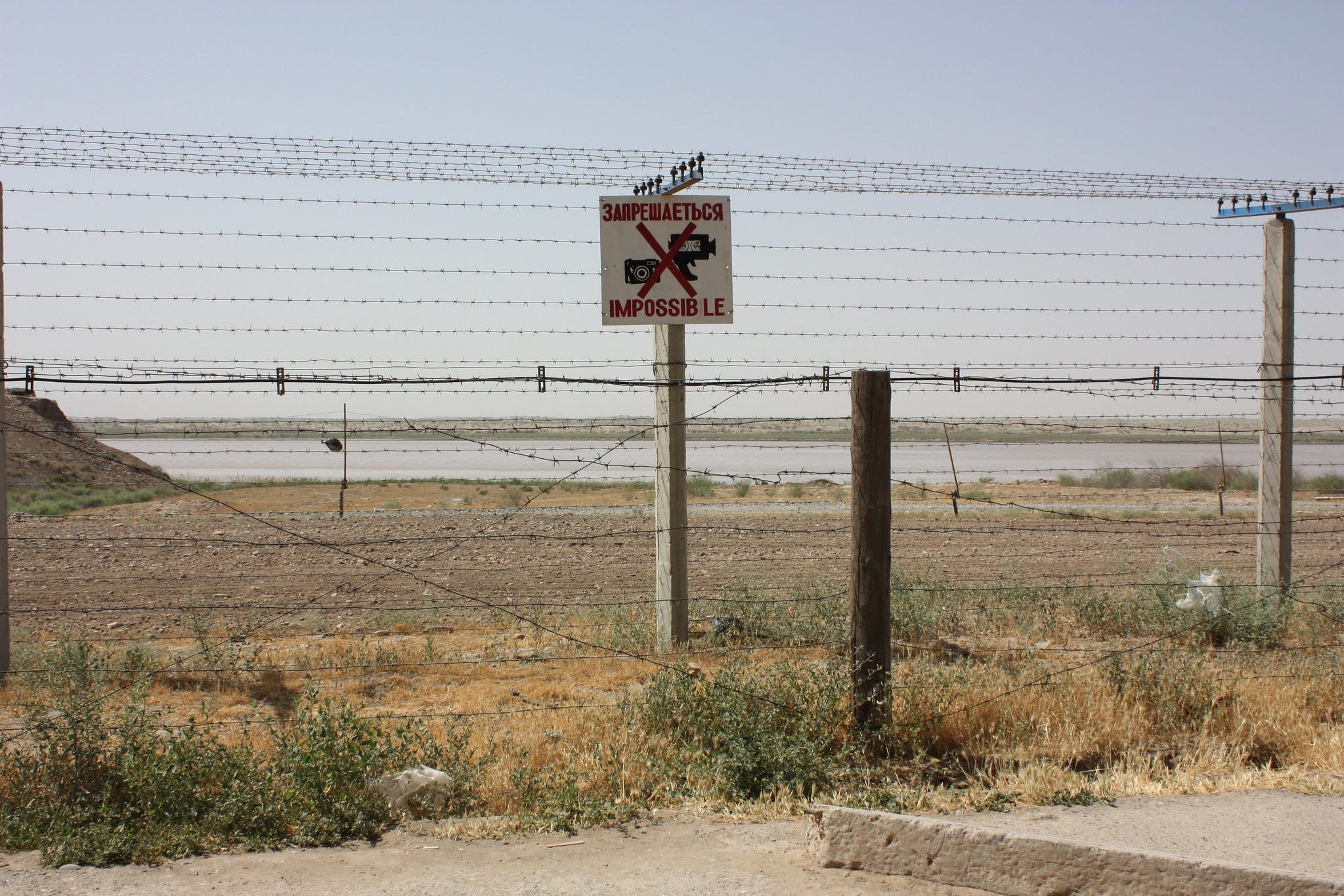
Southward bound: Central Asia’s Afghanistan pivot
This week on the CAPS Unlock podcast, we explore a consolidating trend that could redefine Central Asia’s place on the map, not just as a post-Soviet periphery, but as a key connector to South Asia and beyond.But we open with a dispatch about CAPS Unlock activities Astana, where we just wrapped up a rule-of-law training for young professionals.Then, attention turns southward. First to a Russia–Uzb
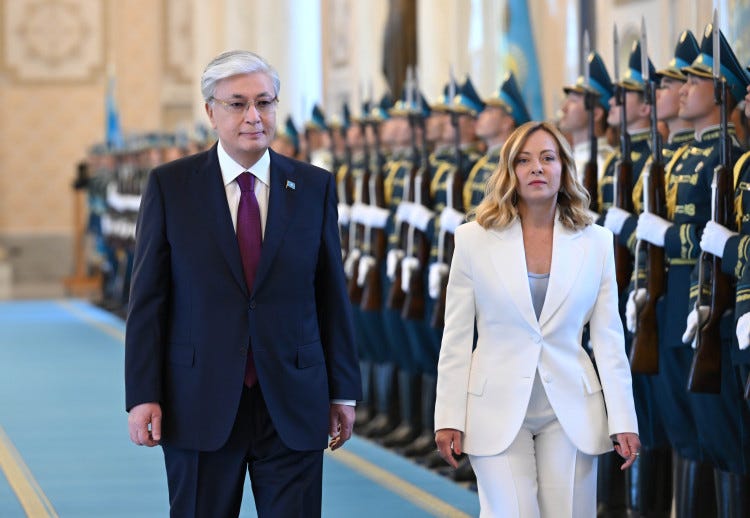
Porn bans, biofuels and blistering heat: Stories from Central Asia
This week we are looking at three very different but equally revealing stories from across Central Asia.First, we begin in Kyrgyzstan, where parliament passed a new law banning the online distribution of pornographic content. On the face of it, this may seem like a niche issue, but it speaks volumes about the evolving moral agenda of President Sadyr Japarov’s administration. Although proponents cl
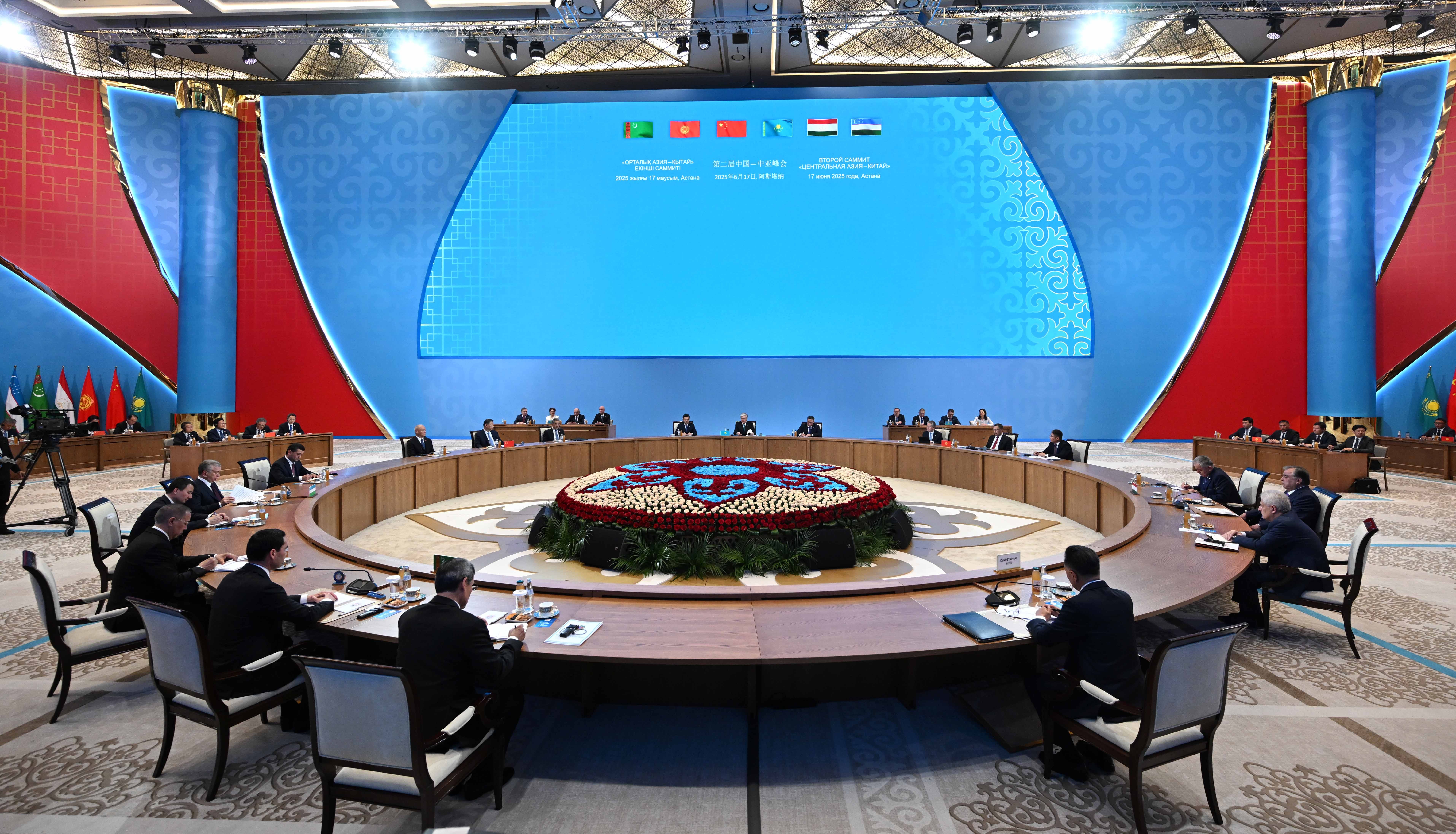
Beyond the script: Who shapes China-Central Asia ties?
This week, we focus on one major theme: China’s evolving relationship with Central Asia. The episode centres on the China–Central Asia summit held last week in Astana and features an extended interview with Temur Umarov, a fellow at the Carnegie Russia Eurasia Center and a leading expert on China’s role in the region.We unpack what’s new and what’s not in Beijing’s outreach, from 35 percent trade
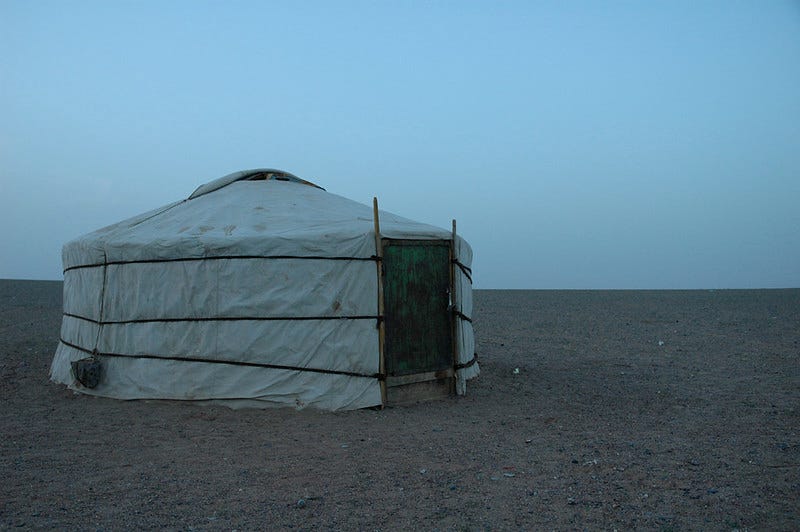
One steppe beyond: Mongolia eyes Central Asia
This week’s CAPS Unlock takes us east, to a country often left out of Central Asia’s story: Mongolia. We speak to Chimguundari Navaan-Yunden, a former advisor to the Mongolian prime minister, about her recent article exploring Mongolia’s foreign policy realignment toward Central Asia.From efforts to expand rail and trade links, to high-level diplomacy and civic vibrancy, Mongolia offers a sharp co
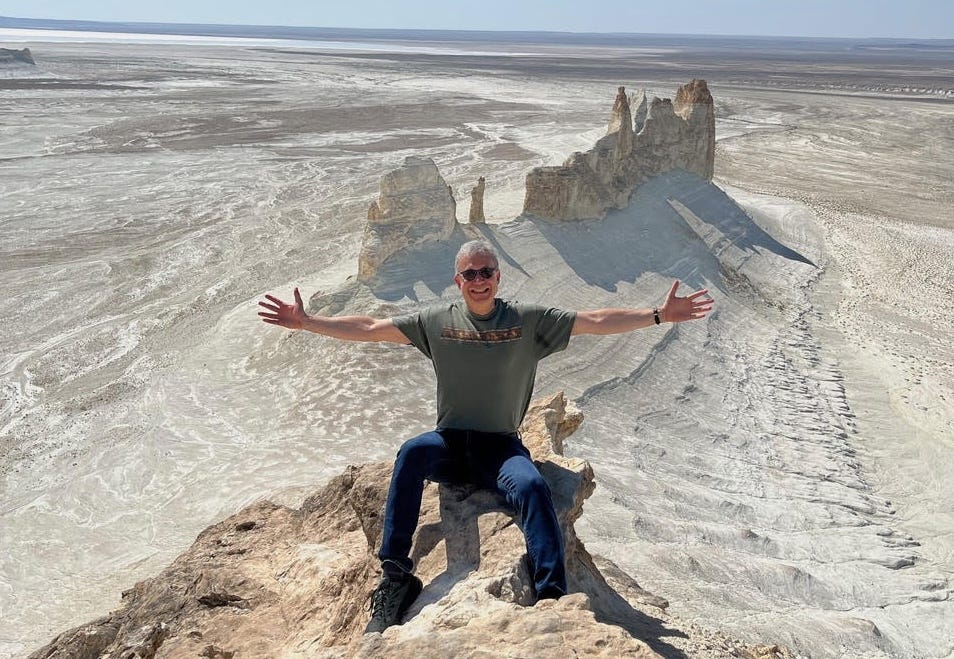
Tightropes and tradeoffs: A U.S. diplomat looks back on Central Asia
This week, an unusual edition of the CAPS Unlock podcast. I speak to Daniel Rosenblum, the recently retired U.S. ambassador to both Uzbekistan and Kazakhstan, about his decades-long engagement with Central Asia and the future of U.S. foreign policy in the region.We begin with Rosenblum’s personal journey, shaped by his family’s early activism for Soviet Jewry, and trace his career through labour u
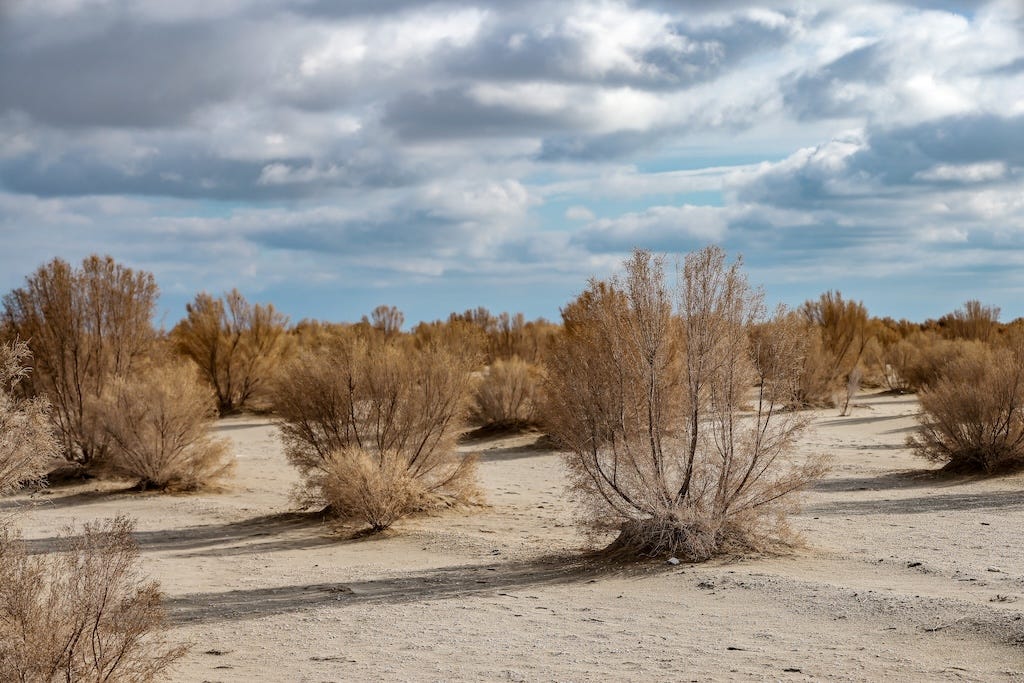
Cable chokepoints and control: inside Kazakhstan’s internet
This week’s episode opens with a conversation about an intensifying environmental threat in Central Asia: sand and dust storms. A major storm hit Tashkent last week, felling trees, halting flights, and triggering dangerous air pollution levels. The discussion explores long-term drivers of this trend, from climate change and Aral Sea degradation to unchecked urban construction. We examine how count

Kazakhstan’s oil gamble, China perceptions, and coal transition
This week’s episode opens with a look at Kazakhstan’s oil production surge and the geopolitical and economic ramifications of the country’s deviation from OPEC+ production quotas. Despite a formal commitment to restraint, Kazakhstan reached record-breaking oil output in March and remained well above quota in May. The discussion considers whether the move reflects nervousness in Astana about slowin
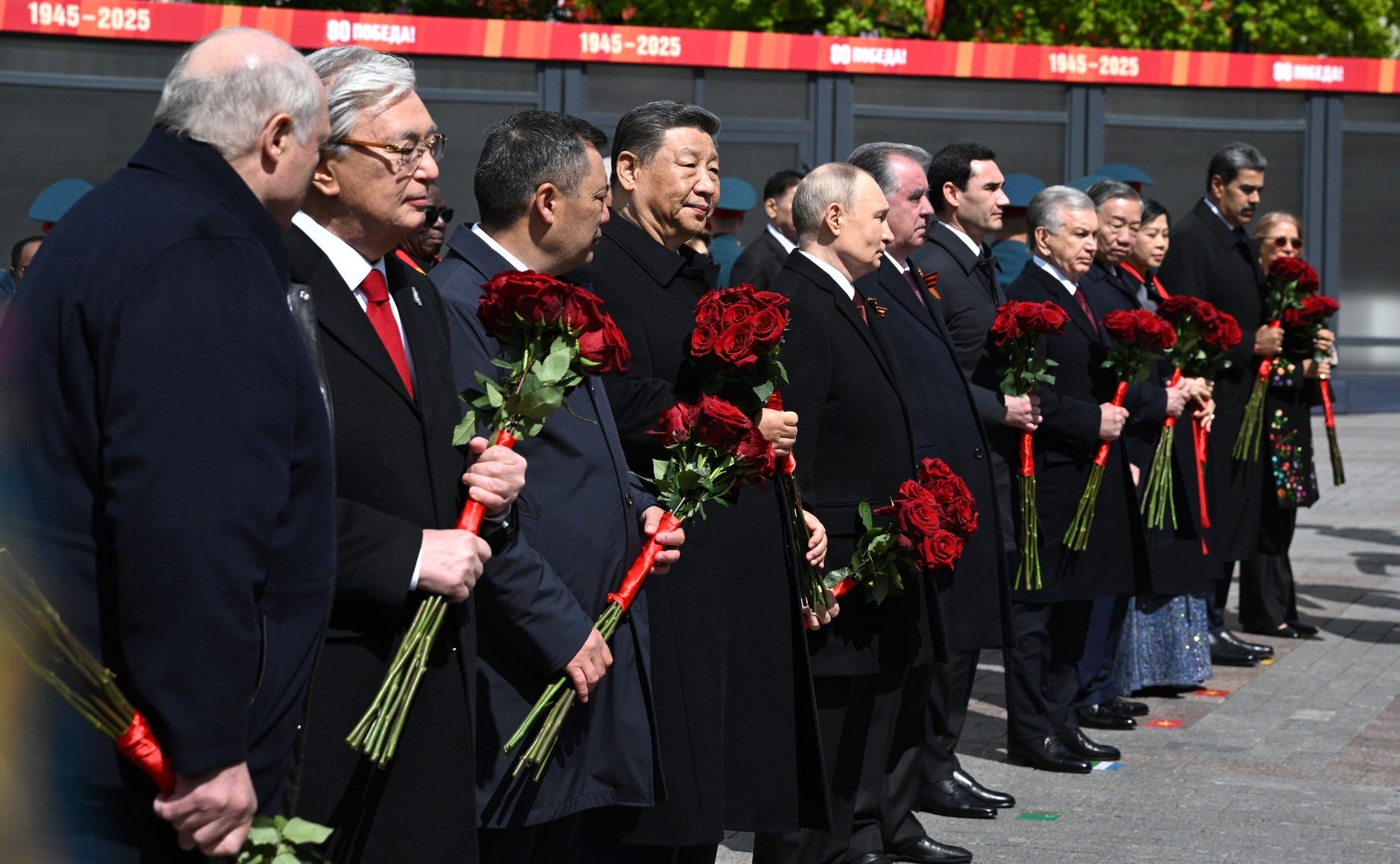
Contested memory: How Central Asia is rethinking World War II
This week’s episode opens with reflections on Victory Day, observed annually on May. This year marked the 80th anniversary of the Allied victory in World War II, and once again the leaders of all five Central Asian republics attended Moscow’s parade. Yet beneath the rituals of state ceremony lie increasingly contested memories and shifting sentiments. The discussion draws on historian Vicky Davis’
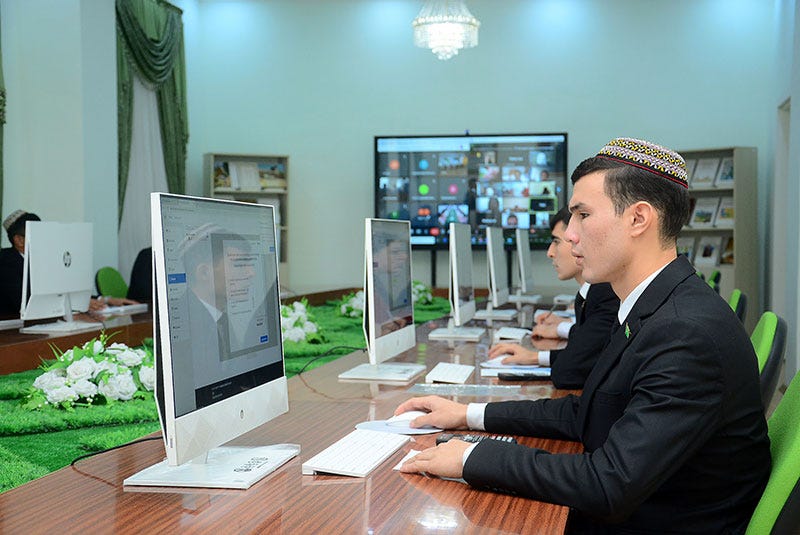
Growth slows, truth warps, internet vanishes: Central Asia’s triple threat
This week’s episode opens with a look at an intriguing, if vague, agreement between Uzbekistan and Afghanistan to jointly manage the Amu Darya river basin. Though details remain scarce, the deal suggests a growing willingness by both countries to cooperate on the region’s most urgent environmental and water management challenges.The conversation then turns to the World Bank’s latest economic updat
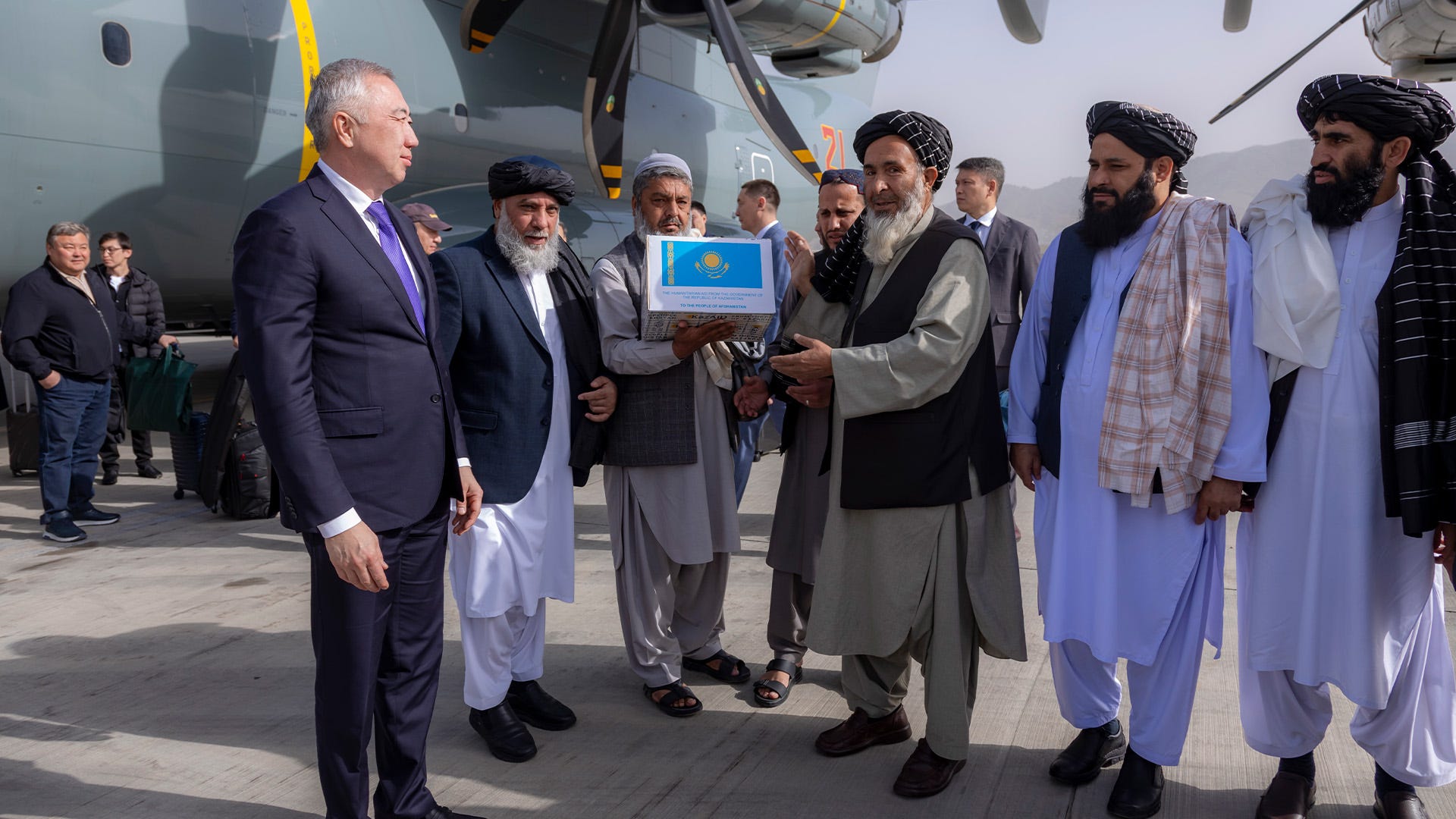
Mercenaries, media laws and railway dreams
In this week’s episode of the CAPS Unlock podcast, we tackled three stories that reveal the evolving pressures, and ambitions, shaping Central Asia’s future.We began in Kyrgyzstan, where authorities recently arrested a freelance employee from the Russian cultural centre in Osh on charges of recruiting mercenaries for Russia’s war in Ukraine. It is the country’s first high-profile case of this kind
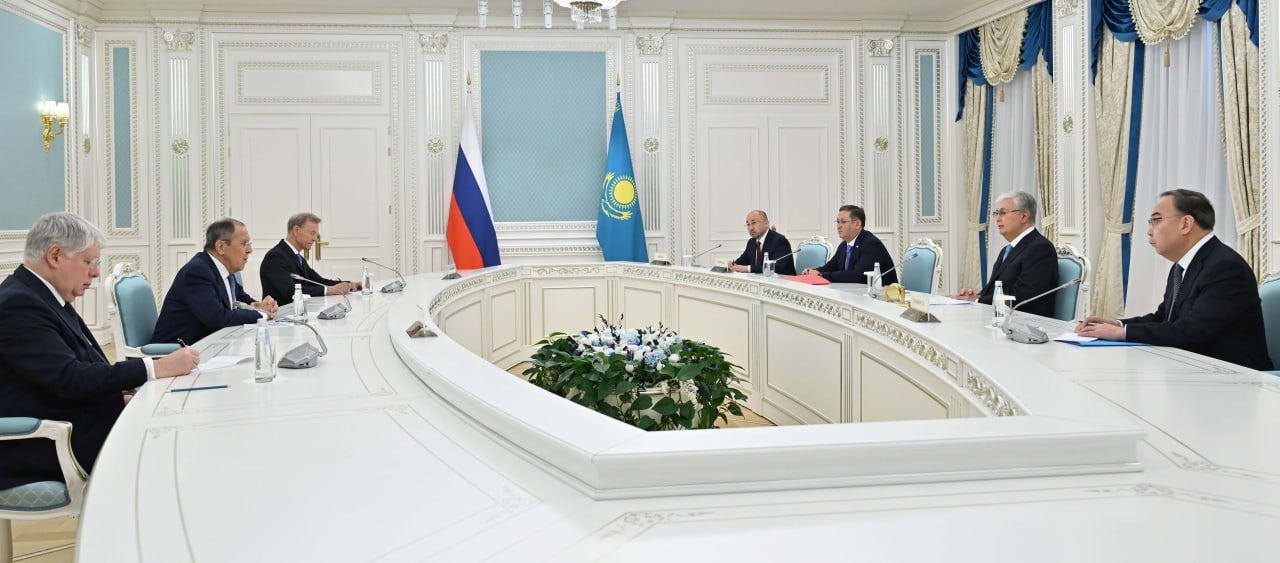
Lines in the sand: Russia, Central Asia and the politics of sovereignty
In this week’s episode of the CAPS Unlock podcast, we unpack a string of developments that reveal the shifting geopolitics of sovereignty, identity and migration in Central Asia.We begin with an eyebrow-raising rebuke from Russian Foreign Minister Sergei Lavrov, directed at Kazakhstan’s President Kassym-Jomart Tokayev. In a recent interview, Lavrov questioned Tokayev’s position on territorial inte
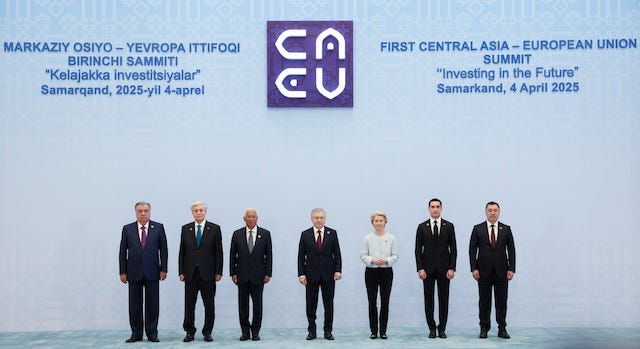
Europeans in Samarkand: Rhetoric and Reality
This episode of the CAPS Unlock podcast returns to the landmark EU–Central Asia Summit held in Samarkand earlier this month, exploring the contours of Brussels’ latest overtures to the region.The summit brought together the five Central Asian presidents and top EU leadership, who jointly proclaimed a new “strategic partnership.” A headline €12 billion pledge under the EU’s Global Gateway Initiativ

Drones, pipelines, and water diplomacy: Central Asia’s uneasy spring
In this week’s episode of the CAPS Unlock podcast, we examine two separate but revealing stories that show how Central Asia is being shaped by forces well beyond its borders, be they military drones (launched by either Russia or Ukraine) or canals being built by Afghanistan.The episode opens with a discussion of the latest drone strikes on the Caspian Pipeline Consortium (CPC) infrastructure in so

Reporting from the scene of Kyrgyzstan, Tajikistan landmark treaty signing
In this special edition of the CAPS Unlock podcast, you will hear a frontline report and in-depth discussion of one of the most significant regional developments in Central Asia in years: the signing of a border demarcation agreement between Kyrgyzstan and Tajikistan.Partially recorded from the Al-Archa presidential complex in Bishkek, the episode opens with audio impressions from the day of the t
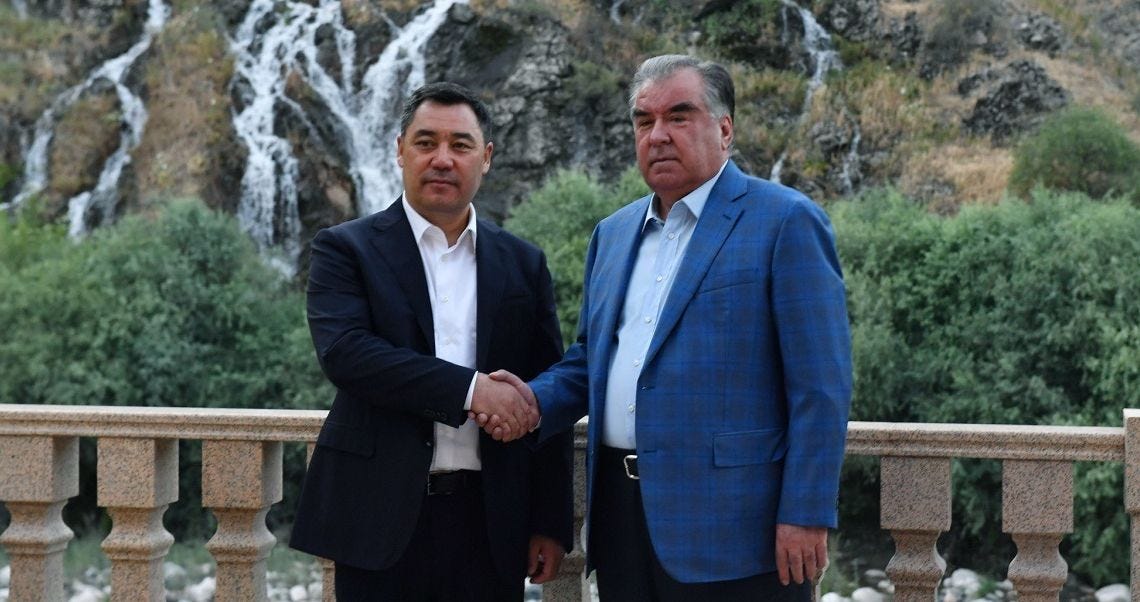
Kyrgyz-Tajik border deal, Uzbekistan's unshakeable graft habit
This week’s episode of the CAPS Unlock podcast delves into the freshly agreed Kyrgyzstan-Tajikistan border treaty, which will almost have been signed by the countries’ president soon after this edition is released, and Uzbekistan’s anti-corruption shake-up.And for this week’s interview, we speak with Aizhan Alzhanova, a representative of Mama Pro, a Kazakhstan-based organisation dedicated to suppo

Kyrgyz-Tajik border deal, Afghanistan rail, and teaching climate change
In this episode of the CAPS Unlock podcast, hosts Peter Leonard and Tlegen Kuandykov unpack two fascinating geopolitical developments in Central Asia: a (very) long-negotiated border agreement between Kyrgyzstan and Tajikistan and Uzbekistan’s deepening railway ties with Afghanistan.The episode opens with an in-depth discussion on the Kyrgyz-Tajik border deal, a historic agreement that could final
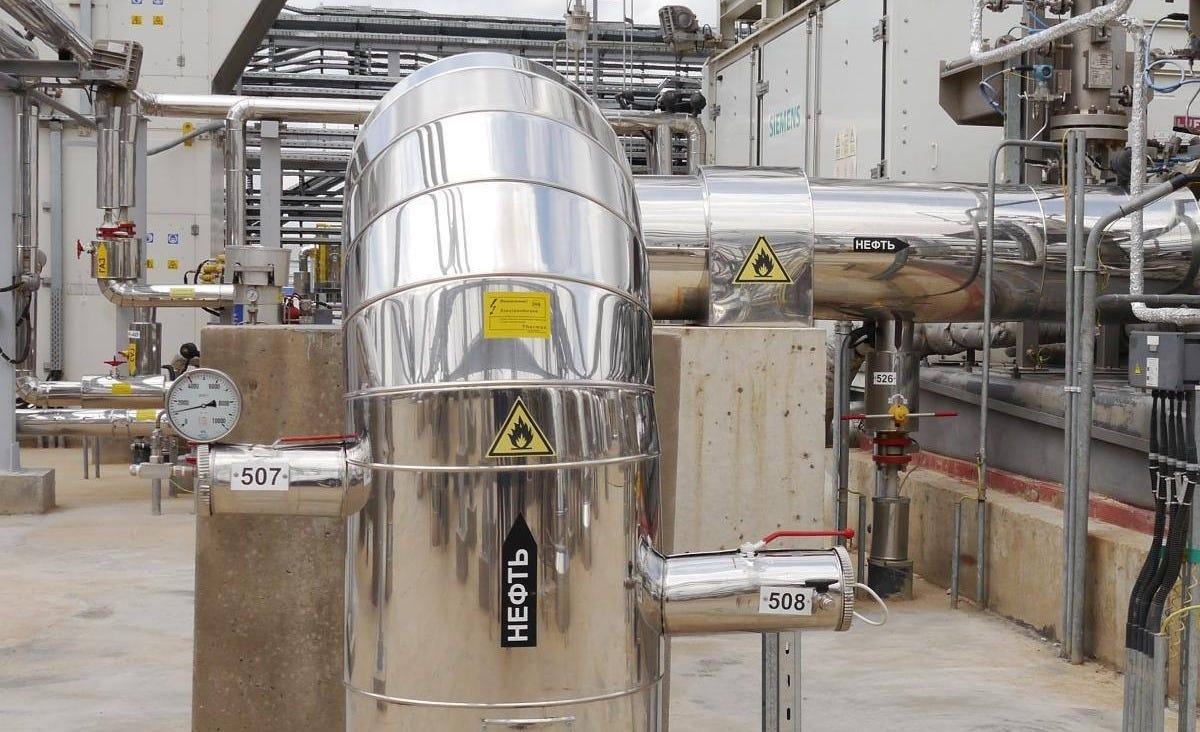
Podcast: Kazakhstan oil caught in Russia-Ukraine crossfire
In this episode of the Caps Unlock podcast, we first turn our attention to the fallout from a Ukrainian drone strike on the Caspian Pipeline Consortium (CPC), a crucial oil transit route for Kazakhstan. With potential losses in the billions, the attack puts Kazakhstan in a diplomatic bind between Ukraine, Russia, and Western energy interests. Kazakhstan is playing cool for now. But why?Next, we fe
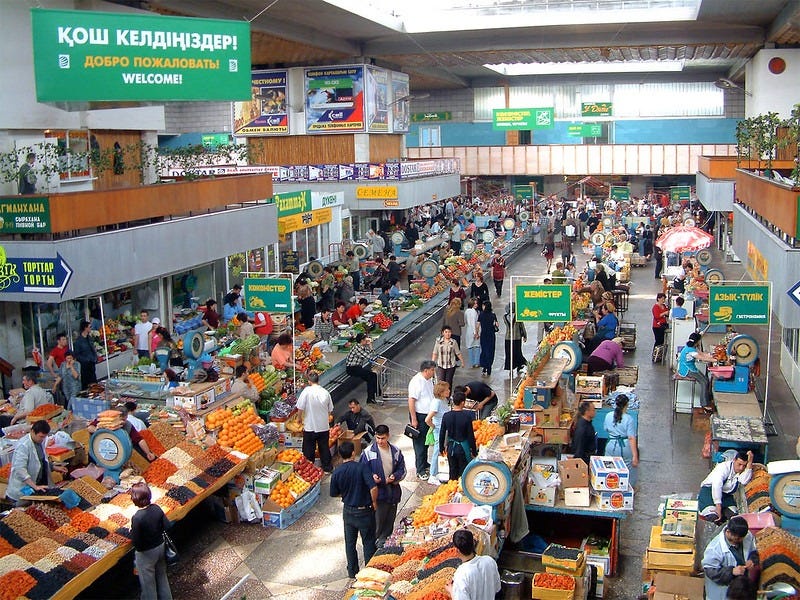
Taxing times for Kazakhstan
Welcome back to the CAPS Unlock Podcast! After a brief (ahem) break, co-hosts Peter Leonard and Tlegen Kuandykov return with another look at some fresh developments in Central Asia.In this episode:VAT hike drama in Kazakhstan: The government’s proposal to raise VAT sparked public and expert backlash. We break down what this means for the economy, businesses, and the “social contract.”EU-Central As
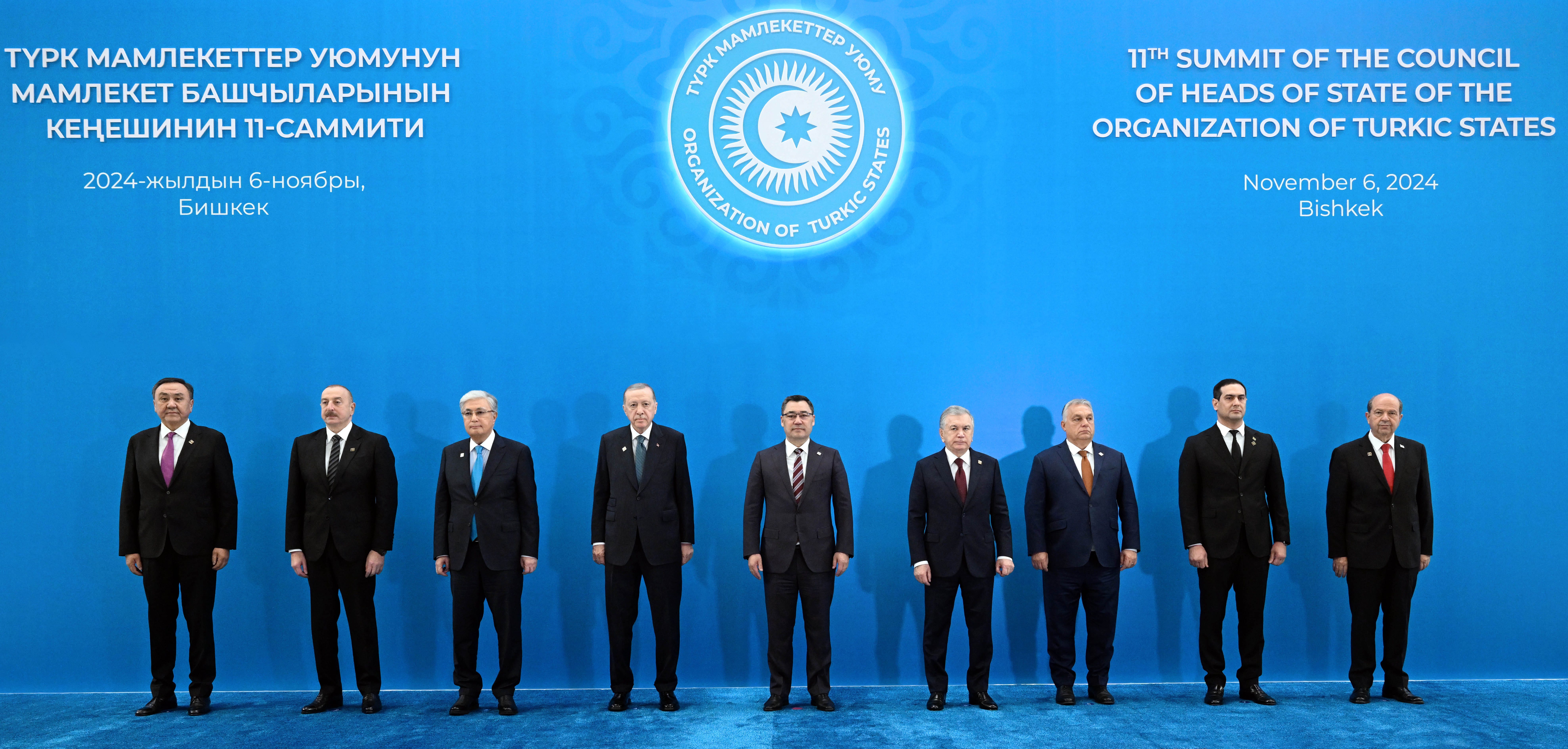
Air pollution in Central Asia and Turkey’s regional play
In this episode of the CAPS Unlock podcast, Peter Leonard and Tlegen Kuandykov explore the growing air pollution crisis in Central Asia, focusing on cities like Bishkek and Almaty, which face severe air quality challenges due to coal heating, unplanned urban development, and sandstorms. The conversation highlights governmental responses such as gasification projects, public transport reforms, and

Mister Putin goes to Astana
This week on the CAPS Unlock Podcast, co-hosts Peter Leonard and Tlegen Kuandykov delve into two major stories shaping Central Asia. First, they share a wide-ranging interview with Ambassador Terhi Hakala, the outgoing EU Special Representative for Central Asia. Ambassador Hakala reflects on the evolution of the EU’s 2019 Central Asia strategy, the region’s connectivity priorities, and initiatives

Introduction to the CAPS Unlock podcast
Welcome to the debut episode of the CAPS Unlock podcast, hosted by Peter Leonard, Communications Coordinator at CAPS Unlock. In this introductory episode, Peter is joined by executive sirector Aida Aidarkulova and program coordinator Tlegen Kuandykov to explore the mission of CAPS Unlock and the think tank landscape in Central Asia.We discuss the organization's focus on critical areas such as
Recommended

The Human-Animal Connection - Pet Life Radio Original

The Daily

World News Tonight with David Muir

The Joe Rogan Experience

English Vocabulary Help

TED Talks Daily

Learn English B1 with Daily News | English Listening Practice

Talk About Talk - Executive & Leadership Communication Skills

English with Olivia | Slow Conversations & Vocabulary

Stand In The Circle

SLOW ENGLISH PODCAST (A1-A2) With Subtitles | Daily Videos | English With Us Podcast

Learn English A2 with Daily News | Simple English Listening Practice
