Outside/In
Outside/In is a podcast that explores the connections between the natural world and everyday life. It covers topics ranging from disaster zones and pickleball courts to dog sled kennels, blending policy, pop culture, and science. The show aims to expand the boundaries of environmental journalism through storytelling. It is produced by NHPR.
Episodes

The secret origins of commercial coyote urine
Last spring, a curious listener called with an unusual question about coyote urine. Is it – as advertised by companies who sell it – an effective, all natural pest deterrent? And more importantly: “Who are the coyotes that are providing this urine?”
Since then, producer Taylor Quimby has been trying to find out… and with literal gallons of the stuff available online, he discovered the answers are

Introducing Heavyweight
Have you ever had something from your past that you just couldn't let go of? A friendship that suddenly ended, a question you never asked, or simply a moment where you've always wondered what really happened? Heavyweight is a podcast that takes those unresolved moments and does something most of us only imagine doing: it goes back and tries to resolve them. I hope you adore it as much as I do!

The deer sharpshooters of Maui
Maui has a problem: too many deer, not enough hunters. So on a dark, humid night, Nate joined a group of elite hunters as they endeavor to turn an ecological nightmare into a source of profitable, high-protein venison.
Over the course of a few hours, he watches the employees of Maui Nui Venison methodically shoot dozens of deer, collect their carcasses, and speed them to a mobile slaughterh

Decoding nature's symphony
In 1985, electronic music pioneer Bernie Krause was asked to step in to help save a stranded humpback whale. Krause was known back then for being an evangelist of Moog synthesizers, not a whale whisperer. But from that moment he would go on to become a foundational scientist in the new field of ecoacoustics, or soundscape ecology.
In this episode producer Patrick McNameeKing talks to three scient

A dry river runs through it
Albuquerque and the Rio Grande go hand in hand. The river cuts right through town, which means if you leave your office at closing time, you could have your feet in the water before 6.
But, not this past summer. This August, along the river’s middle section, more than a hundred miles ran dry. What scientists have warned about for decades – the gradual aridification of the desert Southwest –

Foiled! Napoleon's cutlery and the Aluminati
You might associate it with the foil that wraps leftover pizza and the shiny craft beer cans sold in breweries, but aluminum is literally everywhere. Scoop up a handful of soil or gravel anywhere on Earth and you’ll find atoms of bonded aluminum hidden inside.
But even before it was used in everything from airplanes to deodorant, the trade of aluminum minerals helped color the world, finance the

Did #savethebees get it wrong?
Noah Wilson-Rich has made it his mission to save the bees — from colony collapse disorder, loss of habitat, and disease. He’s doing this not just as a scientist, but also as an entrepreneur.
But is that a good thing?
And what happens when you think you know the answer to a solution, only to realize that you got it wrong? “The ‘save the bees’ movement is canceled,” he says. But what should we do

Cosmic earthquake pizza
When an Outside/In listener asked the team to weigh in on a debate between him and his wife, perhaps we should have hesitated. But it was too good to resist.
“We have eighteen-year old twin boys, and sometimes they leave pizza out on the counter. She's convinced it's bad for your health — and I don't think so! Is pizza left overnight on the counter bad for you?” Anthony asked.
For some mem

Scientists spoke up against a de-extinction company. Then the smears began.
When evolutionary biologist Vincent Lynch heard the news that a $10 billion biotech company had brought the once extinct dire wolf back to life, he called foul. He took to the media to argue that these overhyped headlines threatened public trust in science.
And that's when things started to get weird.
In a story that feels like it came right out of Jurassic Park, we look into the mur
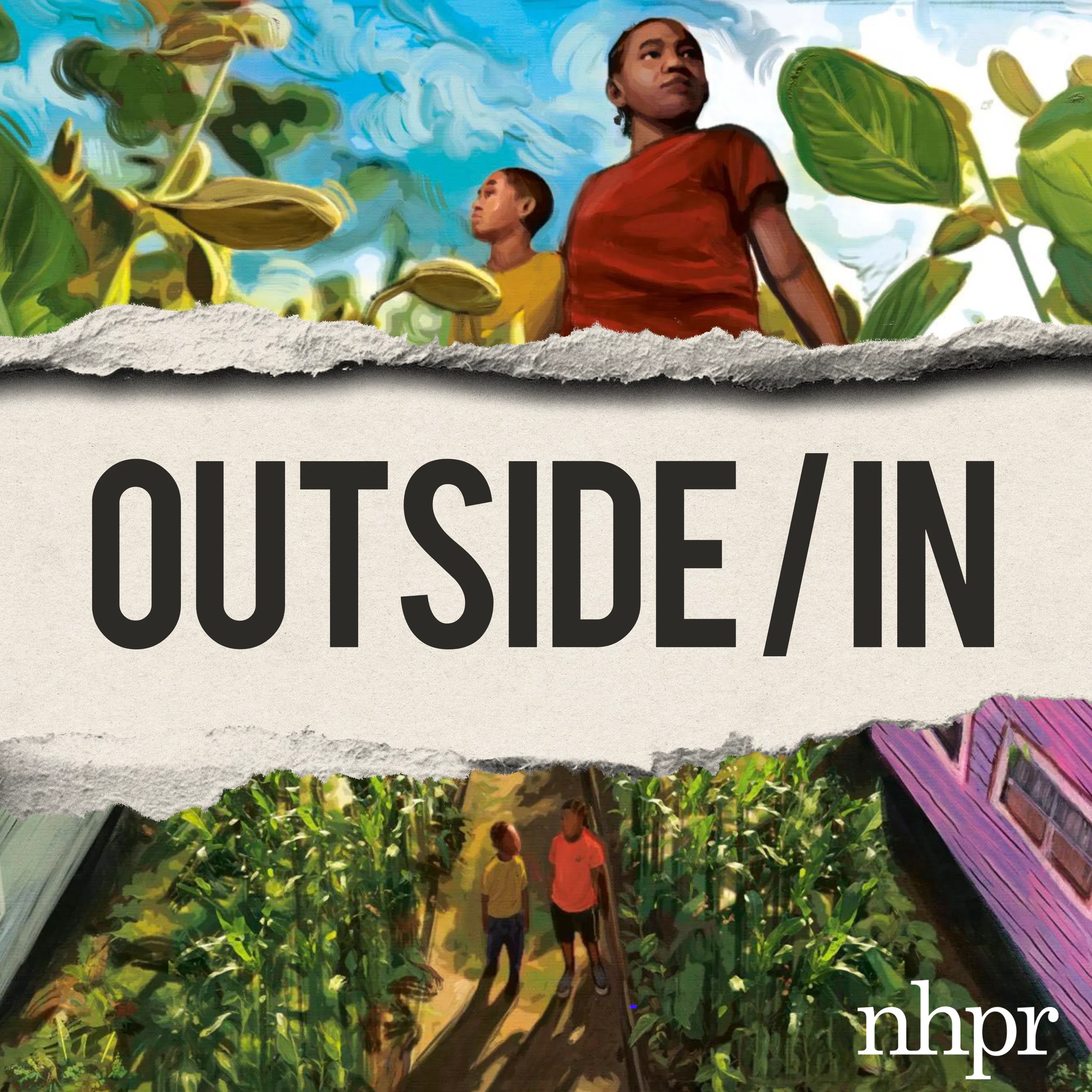
City Summer, Country Summer
Growing up, Kiese Laymon thought of himself as a city kid. But he spent his childhood with a foot in two worlds: his mom’s house in the capital city of Jackson, Mississippi and his grandma’s house in a rural country town.
It wasn’t until Kiese left Mississippi that he came to understand that this question of city versus country actually meant a lot more. It carries a lot of baggage: the tensions
If climate change were a choose-your-own-adventure story
Dean Russell had just wrapped several reporting projects on climate change, mental health, and COVID. “My world was just so serious,” he said. That’s when his boss approached Dean with an idea. What if they made a fiction podcast about climate change?
At first Dean wasn’t sold, but a few years later he’s become a full believer, and is the co-creator of WBUR’s The Midnight Rebellion, a choos

The Willy Wonka factory of product testing
Producer Felix Poon goes on a field trip to the headquarters of Consumer Reports, where they test snow blowers on wet sawdust, drop bicycle helmets on anvils, and cover space heaters in towels to see how long it takes them to catch fire.
How do they come up with this stuff? And, in a world of rampant consumerism, can Consumer Reports really be a force for good?
Featuring Barrie Rosen, Paul
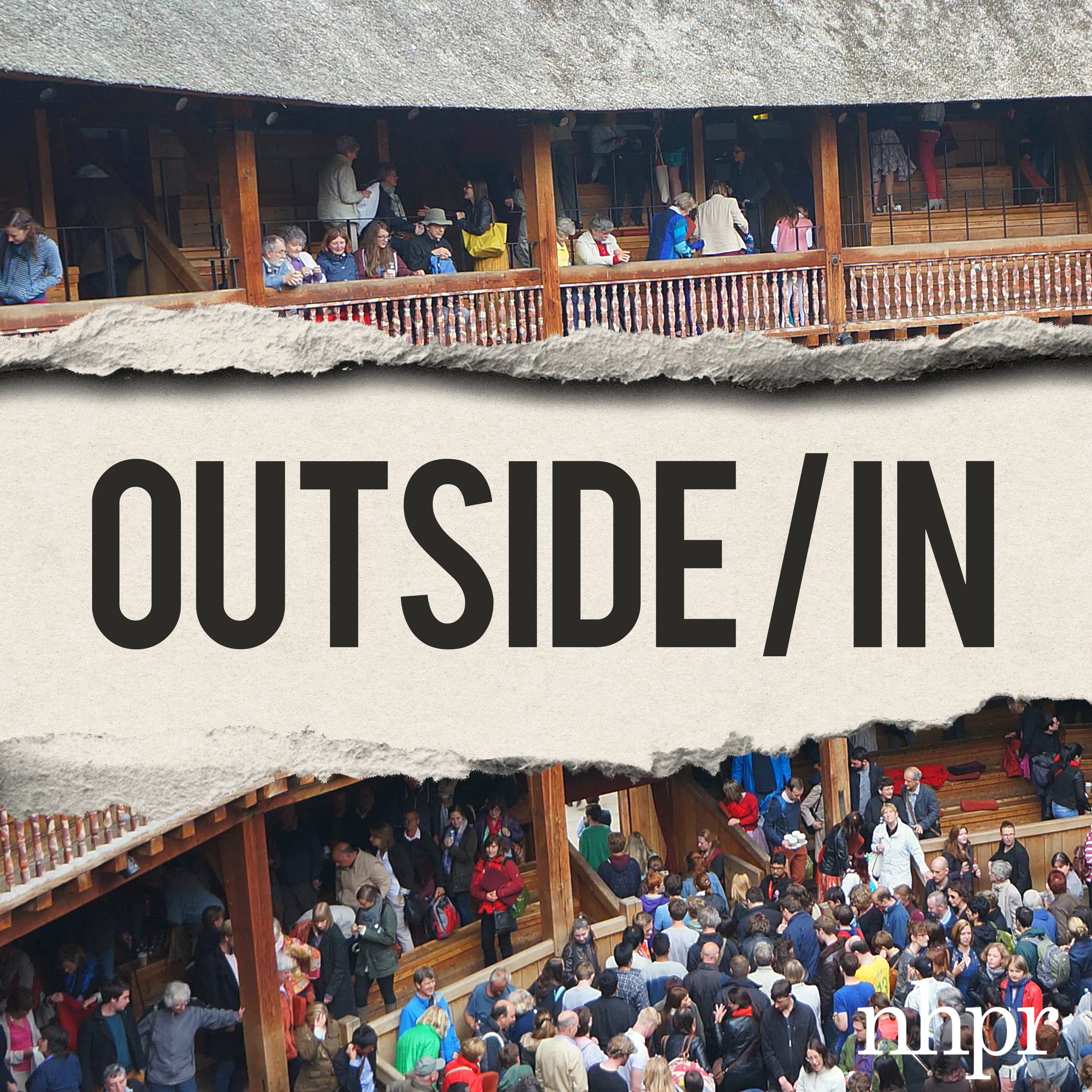
Fiasco al fresco
At the height of summer, when so many of us are grabbing picnic blankets, hitting the beach, and embracing an al fresco lifestyle, a tale of two outdoor events gone spectacularly wrong.
Featuring Anika Krause, Samuel Edward-Cook, Eloise Barker, Simon Vargas, and Stephen Deng.
Produced by Marina Henke. For full credits and transcript, visit outsideinradio.org
SUPPORT
Outside/

Night Owls
For over ten years, biologist Mark Higley has been stalking the forests of the Hoopa Valley Reservation with a shotgun. His mission? To save the endangered northern spotted owl. How? By shooting the more aggressive barred owl, which has spread from eastern forests into the Pacific Northwest.
In 2024, the federal government made a plan to scale these efforts by killing hundreds of thousands of bar

The sunscreen episode
As consumers, we’re looking for a lot in our sunscreen. Not only do we want it to protect us from sunburns and skin cancer, we also want it to be invisible, lightweight, waterproof, nontoxic, shelf-stable, and cheap.
Can we have it all in one product? Sometimes, the answer might be no.
It’s high time for the Outside/In team to take a closer look at this surprisingly high-tech lotion
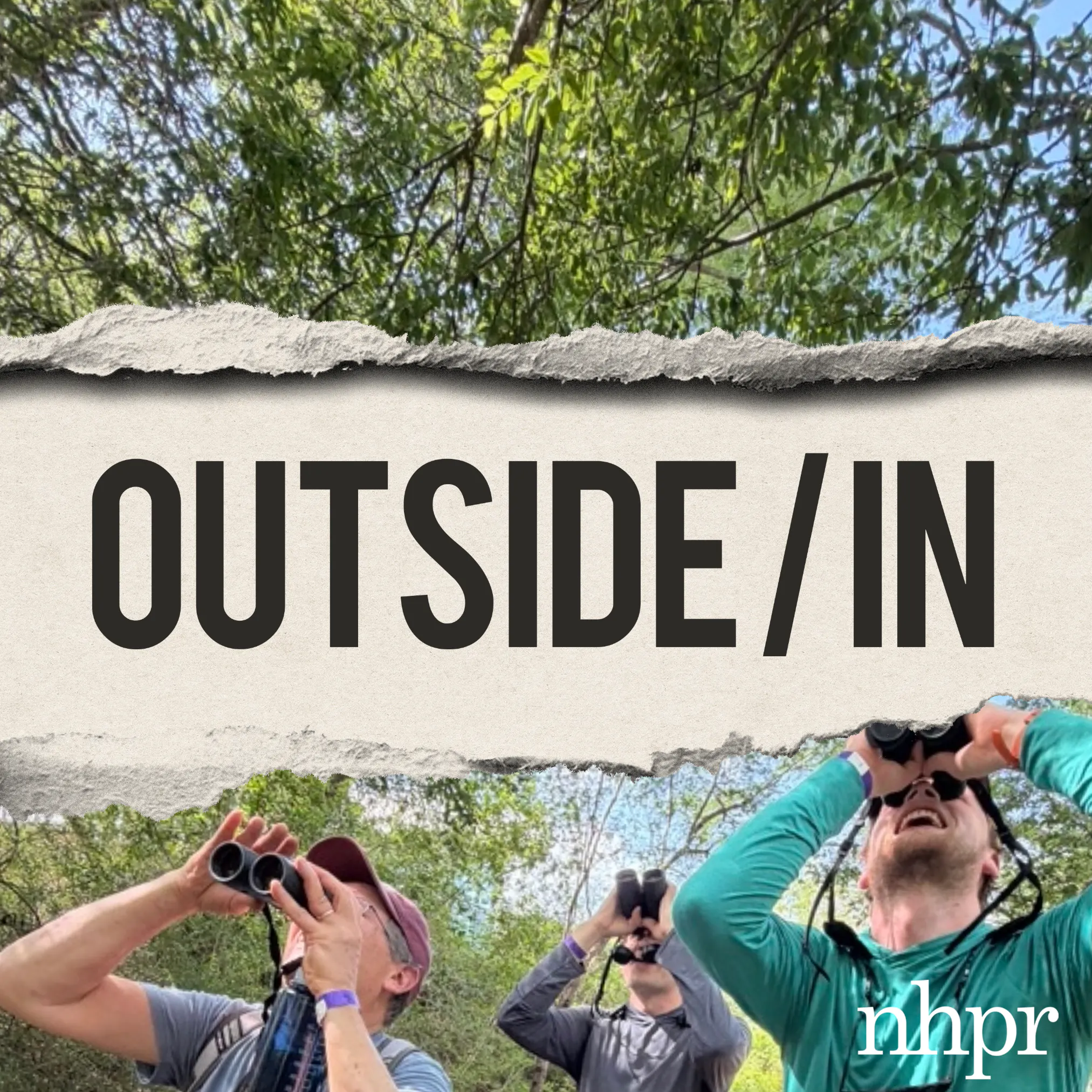
How far would you go for a crow?
To the American birder, spotting the Tamaulipas Crow is potentially a once-in-a-lifetime event. The crow's range is mostly in Mexico and extends ever so slightly into Texas, specifically in and around a dump called the Brownsville Landfill. Spotting the Tamaulipas — north of the border — means being able to check it off your American Bird Association Checklist.
So just how far will die-hard birde

The problem with pickleball
Pickleball is the fastest growing sport in America. It may also be the most hated. Tennis and basketball players are complaining about losing court space because of an “invasion” of pickleballers. Residents are losing sleep because of the incessant noise. Fights over pickleball have led to a slew of petitions, calls to the police, and even lawsuits.
So why do pickleball players love this sport so

You’ve got scorpion
A listener recently asked, “Has the entire surface of earth at some point or another been covered in poop?” Turns out, there are some questions that even we can’t answer.
In this installment of our regular mailbag segment, the Outside/Inbox, we do our best to take on your zany inquiries, or find experts who can. Here are this week’s questions:
Why was there a sudden spike in “dangerous carb

Big porpoise energy
Whales have Free Willy. Dolphins have Flipper. But what about the humble porpoise?
The porpoise doesn’t star in any Hollywood blockbusters. These shy, elusive “deer of the sea” are often overshadowed by their more charismatic cousins – but don’t let their social anxiety fool you. In fact, porpoises are speed-fiends with an insane metabolism and an outrageous sex drive.
Host Nate Hegyi and produ

A tinned fish renaissance
We launched a Patreon! Become an Outside/Insider for just $5 per month, and you can get AD-FREE episodes of the podcast, plus access to behind-the-scenes blog posts and more.
Sardines are in vogue. Literally. They are in Vogue magazine. They’re delicious (subjectively), good for you, and sustainable… right?
Recently, a listener called into the show asking about just that.
“I've always had thi
Never add sodium to your pasta water
Put salt (aka sodium chloride) in your pasta water and you’ll end up with delicious spaghetti. Put pure sodium in it instead… and it will explode.
It’s the latest edition of “The Element of Surprise,” our occasional series about the hidden stories behind the periodic table’s most unassuming atoms, isotopes, and molecules. This time we’re talking all about sodium.
It’s the periodic table’s saltie

A cow named Speckles
When 10-year-old Doug Crandell joined the 4-H program, he was supposed to learn about raising, feeding, and selling a cow. What he wound up learning was something else entirely.
“I wanted to be a hog man, like my father,” he said. “But I knew pretty early on that you couldn’t have these animals forever.”
From producer Shaina Shealy, this is the story of a boy and his cow, Speckles.
Featuring D

In defense of darkness
Megan Eaves-Egenes grew up under the very starry skies of rural New Mexico. During those years, she developed a deep appreciation for astronomy.
The fascination is, of course, not hers alone. But, a starry sky requires one pretty important ingredient: darkness. One study recently reported that since 2011, the night sky has gotten brighter at about 10% per year.
All that light pollution has brou

Life and death and psilocybin
President Trump recently signed an executive order to make certain psychedelic drugs more available to treat mental health conditions like depression and PTSD. Robert F. Kennedy Jr. and Joe Rogan were in the oval office, and President Trump even joked during the signing ceremony, “can I have some, please?”
Maybe this executive order wasn’t on your 2026 political bingo card… but interest in these
Silicon Planet
Like a typecast actor who can’t escape the blockbuster franchise they’re known for, the element of silicon is inescapably associated with Silicon Valley. But that association undersells just how important, how foundational silicon is for human civilization.
It’s another edition of “The Element of Surprise,” our occasional series about the hidden stories behind the periodic table’s most unassuming
A Dry Hot American Summer
In the spring of 1936, the producer of King Kong hauled a film crew to the desert of Arizona to shoot a sweeping romantic epic. But the heat was so punishing that it melted film stock, caused the lead actress to pass out, and killed the production’s mascot – a baby camel.
It was the beginning of a heat wave that parked itself over America for months, quickly becoming one of the deadliest natural
Like a Dirty Rotten Whale
We’re cleaning out the proverbial fridge, but instead of old food, it’s fantastic and forgotten questions from the Outside/Inbox. Conversation topics include Taylor’s humiliatingly old headlamp, the olfactory experience of a dead whale and, of course, the answers to the following queries…
Why do dogs like to roll in dead stuff?
Do humans have a mating season?
Why do so many deer coll

The Dead Bird Rabbit Hole
Every December, tens of thousands of volunteers look to the skies for an international census of wild birds.
But during migration season, a much smaller squad of New York City volunteers take on a more sobering experience: counting dead birds that have collided with glass buildings and fallen back to Earth.
In this episode, we find out what kind of people volunteer for this grisly job, visit t
The Microplastics Cleanse
With the ubiquity of plastic products, it’s maybe no surprise that a growing body of research shows tiny pieces of plastic are getting inside of us.
But what is all this plastic doing to our bodies? And once it’s there… is there any way to get it out?
Producer Haleema Shah looks at what the research says (and doesn’t say) about plastic and health, and explores a new trend in wellness: the micr

A climate activist and a gas executive walk into a bar
Zeyneb Magavi is a bona fide climate nerd; she drives an electric car, has solar panels on her roof, and worries about natural gas leaks because they’re a major source of planet-warming emissions.
Bill Akley is a lifelong natural gas guy; he grew up smelling heating oil in his kitchen, spent decades in the energy industry, and eventually became head of New England’s largest gas utility.
So what
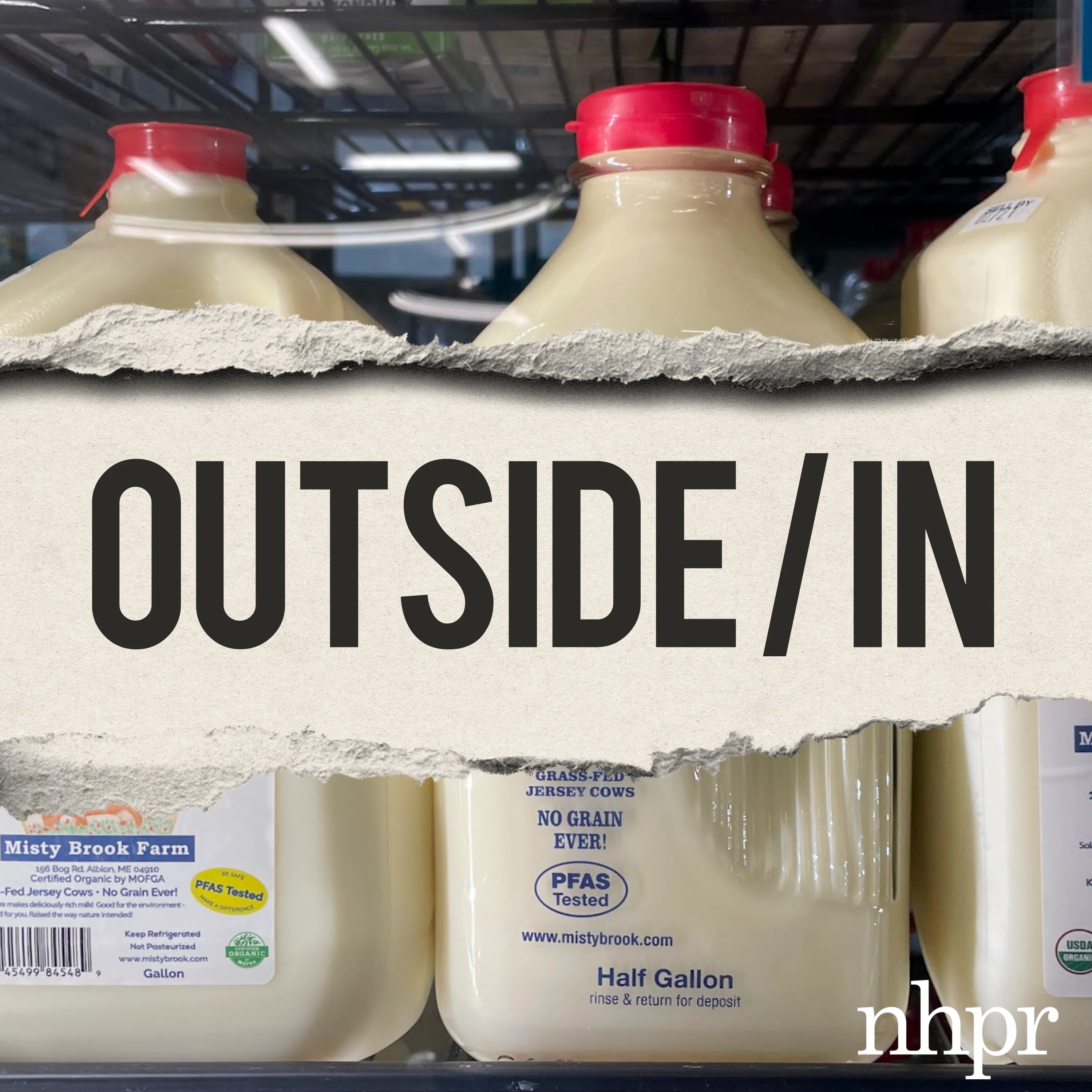
The Raw Milk Question
In 2009, the state of Maine ordered farmer Dan Brown to stop selling his raw milk. It kicked off a five-year legal battle that stoked the flames of Maine’s dairy wars. But, after Farmer Brown lost his case and hung up his milking hat, things quieted down.
Twenty years later, raw milk has surged back into the zeitgeist. Influencers are saying it tastes like ice cream, RFK Jr. is taking shots of i

Hunting Party
In 2023, dozens of strangers gathered together in the Catskill Mountains of upstate New York for three straight days. Their mission? Teach people of color how to kill, gut, and butcher a deer for the first time.
Producer Felix Poon was there as a first-time hunter. He wanted to know: what does it feel like to take an animal's life to sustain your own? Given the opportunity… would he pull the trig
Catching the Codfather
A fishing tycoon is arrested in an elaborate sting operation, but claims he’s the real hero fighting back against an overbearing state. So who is Carlos “The Codfather” Rafael really – a folk hero, a crook, a righteous rebel, or a selfish conman?
This week we’re sharing the first episode from “Catching The Codfather,” the third season of GBH’s hit podcast The Big Dig. It’s a series about fishing

Red is the warmest color
There’s few certainties in life. But the sun will always rise, the seasons will change, and the Outside/Inbox will forever remain answered.
From lighthouse paint hues to polar bear lovers, this week the team takes up your questions on all things red.
What makes cardinals red?
Why do albino animals have red eyes?
Why are so many lighthouses painted red?
Do our dogs love us?

Reefer madness and the future of hemp
Hemp used to be a staple of life in America. King James I demanded that colonists produce it. Hemp rope and fabric were ubiquitous throughout the 18th and 19th centuries. The USDA even produced a WWII newsreel called “Hemp for Victory.”
But other materials came to replace hemp – wood pulp for paper, and cotton and synthetics for fabric. Why?
For that matter, what is hemp? Is it different from we
![Goats, Ghosts, and Roadkill [Live stories from Portsmouth]](https://megaphone.imgix.net/podcasts/8f7399e6-fb1b-11f0-b1a6-e70d6a523b89/image/32b860936d86d7426f9fe6242a41ddb8.png?ixlib=rails-4.3.1&max-w=3000&max-h=3000&fit=crop&auto=format,compress)
Goats, Ghosts, and Roadkill [Live stories from Portsmouth]
A few weeks ago, Nate gathered a group of storytellers in front of a live audience in Portsmouth, N.H. to celebrate 10 years of Outside/In. From goats to ghosts and ill-fated coloring book pages, this motley crew of storytellers explored the theme of metamorphosis in a changing world.
If you’ve got a special moment or episode from Outside/In’s long history, we’d love to hear about it. Send us a

That's so raven
Ravens get a bad rap in western culture. They’re an ominous symbol of death, considered “unclean” by the bible, and star in Edgar Allen Poe’s haunting gothic poem, “The Raven.” A group of ravens is called an “unkindness.” What a burn.
But host Nate Hegyi is on a mission to show that we should give the raven a bit more credit. It’s one of the most intelligent creatures on earth — an animal that ca

The Emerald Forest
After the Irish fought for and won their independence from the British in 1921, they had a problem. Centuries of exploitation had left the island one of the least forested nations in Europe, with less than 2% tree cover.
So, they started planting a non-native American tree: fast-growing Sitka spruce capable of rebuilding their timber resources in record time. And it worked. Today, about 17% of t

Safe to Drink, Episode 1: You don’t know about this?
A New Hampshire town finds out its water has been contaminated by a chemical. The most basic question — whether the water is safe to drink — doesn’t have a clear answer. Nobody seems to know much about this so-called forever chemical, which is weird… because all of this has all happened before.
From the Document team at New Hampshire Public Radio, Safe to Drink is a four-part series about a water

Remembering Christa
Last week, we talked about the ethics and regulations around sending private citizens to space, but one thing we didn’t linger on much was the lasting impact of Christa McAuliffe; the teacher slated to become the first private citizen to space before she was killed in the Challenger disaster.
So today, we’ve got a series of stories and interviews that are all part of NHPR’s series “Remembering C

In Challenger's wake: The ethics of sending citizens to space
In 1985, high school teacher Christa McAuliffe was selected to become the first private citizen to travel to space. After the Challenger explosion that killed her and 6 other astronauts, NASA scrapped its Teacher in Space Project; it was still too risky to send private citizens to space.
40 years later, things are looking very different.
Today, celebrities and billionaires are buying trips on

Bill McKibben has changed (but not that much)
One of the very first books for the general public about climate change was written and published by Bill McKibben in 1989. In The End of Nature, Bill wrote that continuing to burn fossil fuels would “lead us, if not straight to hell, then straight to a place with a similar temperature.”
Bill was right. The planet is hotter. Climate disasters are everywhere. You’d think he’d be more upset now tha

nom nom nom
You might not think much about the sticky bottle of vanilla sitting in the back of your pantry. But that flavor – one of the most common in the world – has a fascinating history, involving a fickle orchid and a 12-year-old enslaved boy who made the discovery of a lifetime.
That’s the sort of tale that attracts poet Aimee Nezhukumatathil. From peacock feathers to the sounds of garden insects, her
Return of the Kiwi Apocalypse: 10 years of Outside/In
** We’re celebrating our 10 year anniversary and want you to come! Join us in Portsmouth, New Hampshire for a night of storytelling, featuring former Outside/In guests and hosted by our very own Nate Hegyi. Get your tickets here! **
In celebration of Outside/In’s 10th anniversary we’re looking back at our very first episode: “The Kiwi Apocalypse,” first published in December of 2015. Afterwards,

How Broadway’s SFX designers make it rain (and snow) on stage
Over the past few decades, CGI has allowed directors to put virtually anything they can imagine onto the big screen. But in the world of theater, practical effects still rule supreme.
So how do these special effects wizards make it snow, rain, and gust inside the confines of a theater, where real live audiences are sitting just feet away? And what are the challenges to dumping more than 100 gallo

The FernGully Effect
When Avatar came out in 2009, it shattered box-office records. And even though it was billed as a sci-fi epic featuring blue aliens on a far-away moon, the movie didn’t shy away from a pretty Earth-based message of environmental conservation.
So, with a third Avatar hitting theaters this weekend, we were inspired to bust out the popcorn, dim the lights, and play the part of pop culture critics.

Time heals all wounds
Did you know that some species of worms can be cut into multiple pieces and each piece will make a new worm? Some can even make a whole new brain. Wild, right?
While not all forms of healing are quite as miraculous as this, the body’s ability to repair itself is pretty darned cool. So today, we’re answering your questions about healing. Like…
Why do we pick at scabs?
Why do animals lick their wo

Of Men and Mice
At any given time, millions of lab mice are being used in research facilities nationwide. And yet nearly all of them can be connected back to a single source: The Jackson Laboratory in Bar Harbor, Maine, where the modern lab mouse was invented.
What started as a research project aimed at understanding heredity is now a global business. Research on lab mice has led to more than two dozen Nobel priz
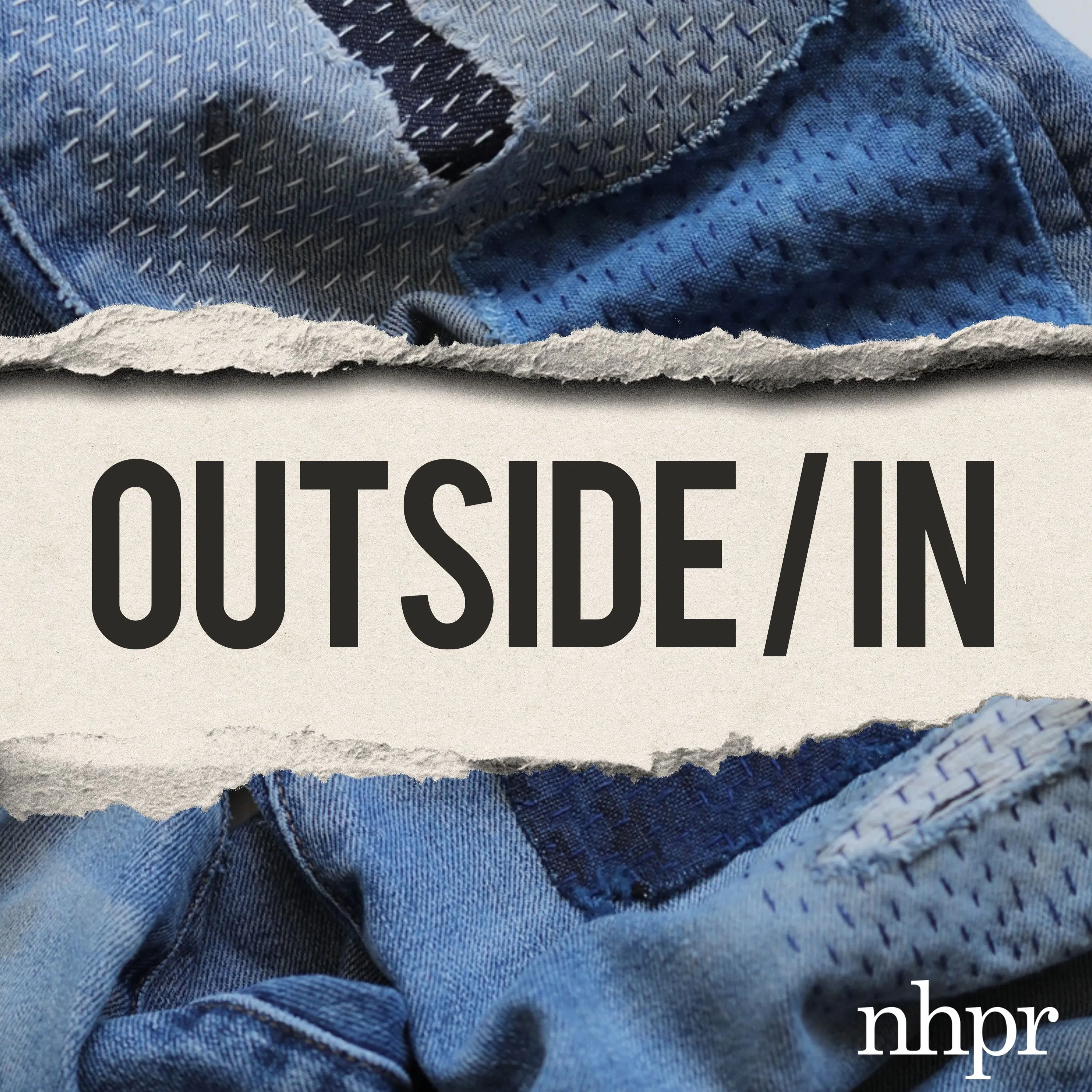
On the mend: 8 tips on how to repair your clothes
The garment industry has a giant carbon footprint, labor issues, and a massive waste problem. We have the power to change how and where we shop, but there’s another way to shift our consumption: the practice of repairing our clothes. After all, the most sustainable garment is always the one already hanging in your closet.
But mending is more than a household chore: it can also infuse new joy in o
Operation Night Cat, Episode 3: A Duck’s a Duck
“Operation Night Cat” is a special three-part series from NHPR’s Document team and Outside/In.
Episode 3: A Duck’s a Duck
Two sets of potential crimes, investigated by more than five sets of law enforcement agencies. Why most of them never took a shot at accountability.
News audio clip credit: WMUR. For a full list of credits and transcript, visit outsideinradio.org.
SUPPORT
Operation Night Cat
Operation Night Cat, Episode 2: Behind the Brick Wall
“Operation Night Cat” is a special three-part series from NHPR’s Document team and Outside/In.
Episode 2: Behind the Brick Wall
The poaching investigation takes a surprising turn when it reveals another set of potential crimes – this time, behind the brick walls of New Hampshire’s State Prison for Men.
This episode contains strong language that may not be suitable for all listeners. For a full lis
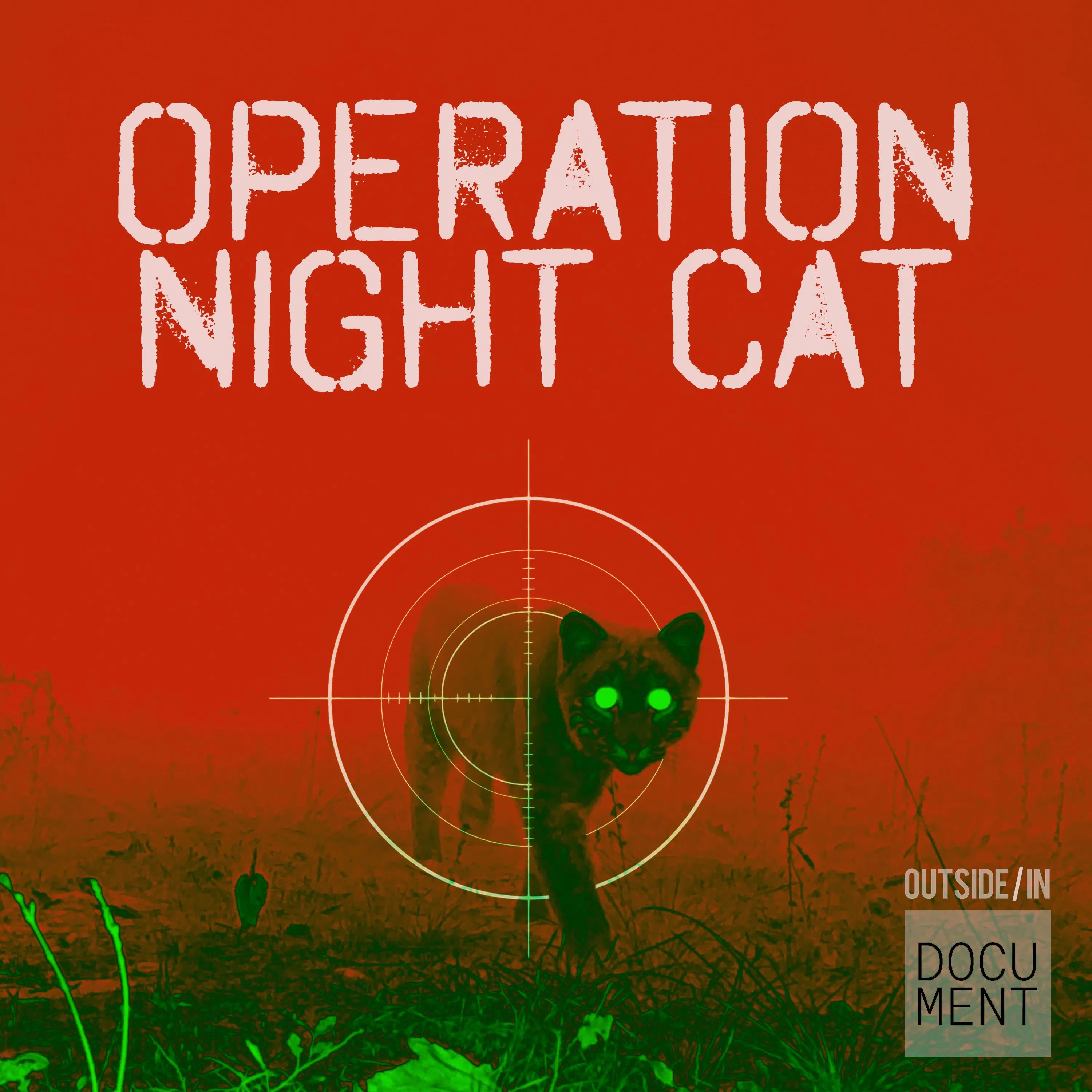
Operation Night Cat, Episode 1: Why Did the Deer Cross the Road?
“Operation Night Cat” is a special three-part series from NHPR’s Document team and Outside/In.
Episode 1: Why Did the Deer Cross the Road?
A New Hampshire Fish and Game warden follows a tip to a man’s backyard. He finds a twisted game of one-upmanship with digital trophy rooms.
This episode contains strong language. For a full list of credits and transcript, visit outsideinradio.org.
SUPPORT
Op

Introducing: Operation Night Cat
Introducing a special three-part series from NHPR’s Document team and Outside/In: Operation Night Cat.
A New Hampshire Fish and Game warden follows a tip to a man’s backyard. He finds a twisted game of one-upmanship, digital trophy rooms, and one of the biggest poaching cases in recent state history. Then, the hunting investigation takes a surprising turn when it reveals another set of potential
Time flies like an arrow. Fruit flies like a banana.
According to our unscientific office poll, the annual changing of the clocks has all the popularity of a root canal. With few exceptions, people described the shift to and from Daylight Saving Time as disorienting, arbitrary, and unwelcome.
On a more existential level, winding the clocks back and forth reminds us that no matter how concrete minutes and hours may feel, the way we perceive time is f

Critical Mast
Every so often, oak trees go into overdrive. During these so-called mast years, the gentle patter of falling acorns grows into a mighty downpour and ripples across and over ecosystems like a flood.
What happens when a small thing goes from scarce to plentiful? When a player usually hidden behind the scenes vaults onto the main stage?
From swimming squirrels and bug-infested weddings, to an expl

On the edge of the ice
Thwaites Glacier in Antarctica is massive, bigger than the state of Florida. If it collapses, it could reshape every coast on this planet during this century. That’s why it’s sometimes known as “the Doomsday Glacier.”
And yet, until recently, we knew very little about it. Because Thwaites is extremely remote, reachable only by crossing the wildest ocean on the planet, scientists had never observed
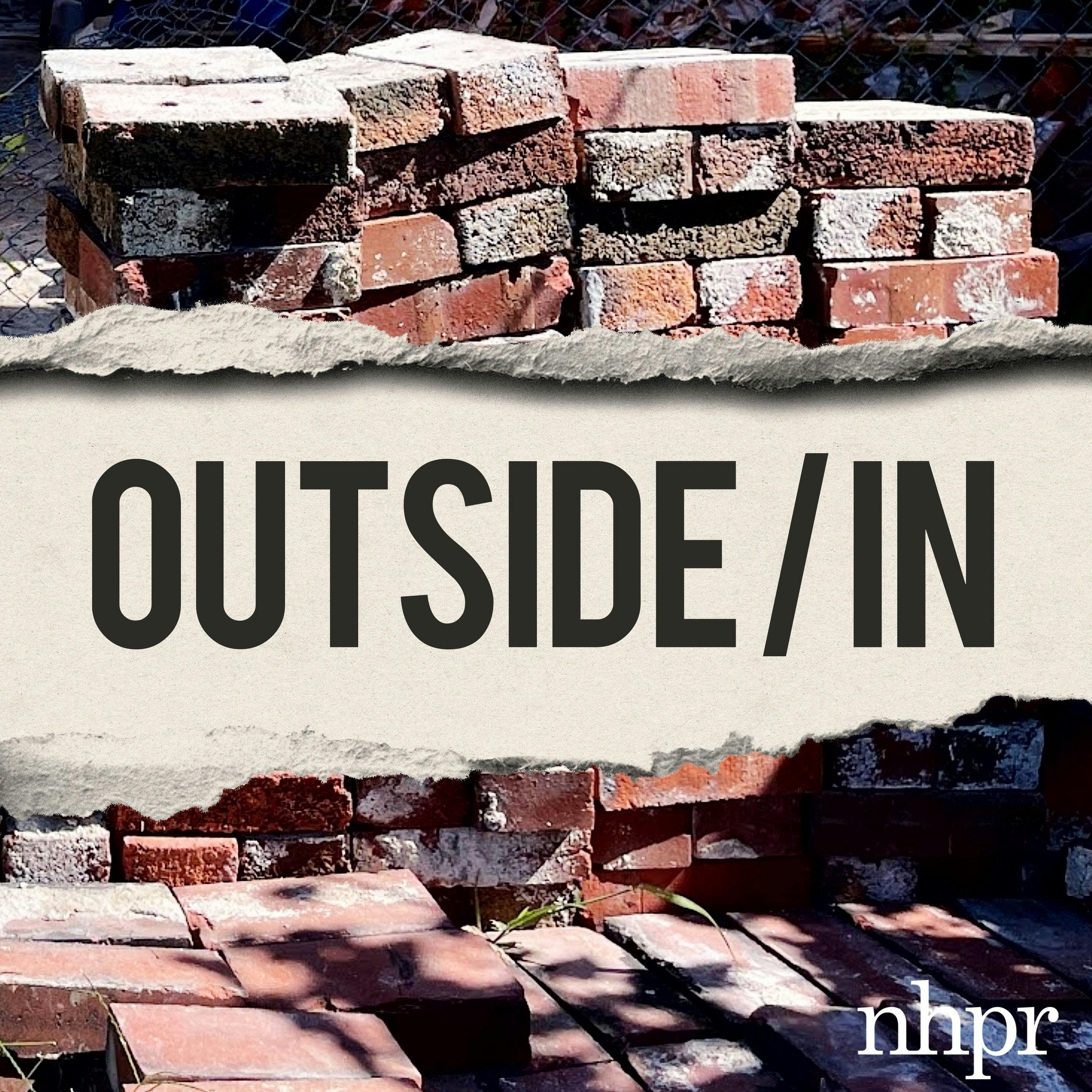
The Brick Lady of St. Louis
Ever since a tornado tore through one of St. Louis, Missouri’s poorest neighborhoods, there are piles of bricks all over the place.
It’s not just a debris problem. Bricks in St. Louis have a long and complicated history here – the darling of many historic preservationists and a good source of profit to just as many demolition crews.
Producer Marina Henke spent a week in North City, tagging along
O/I Trivia: Natural Selection
What do pastries have to do with environmental justice? Cat butts with the climate crisis? And what US president ate a half-chewed piece of salmon leftover from a bear on reality TV?
Grab a pencil (and maybe a pint?) and get ready for the inaugural Outside/In trivia episode we’re calling “Natural Selection.” We’ve got a game called “Guess That Animal!” We’re testing our panel’s knowledge on the en
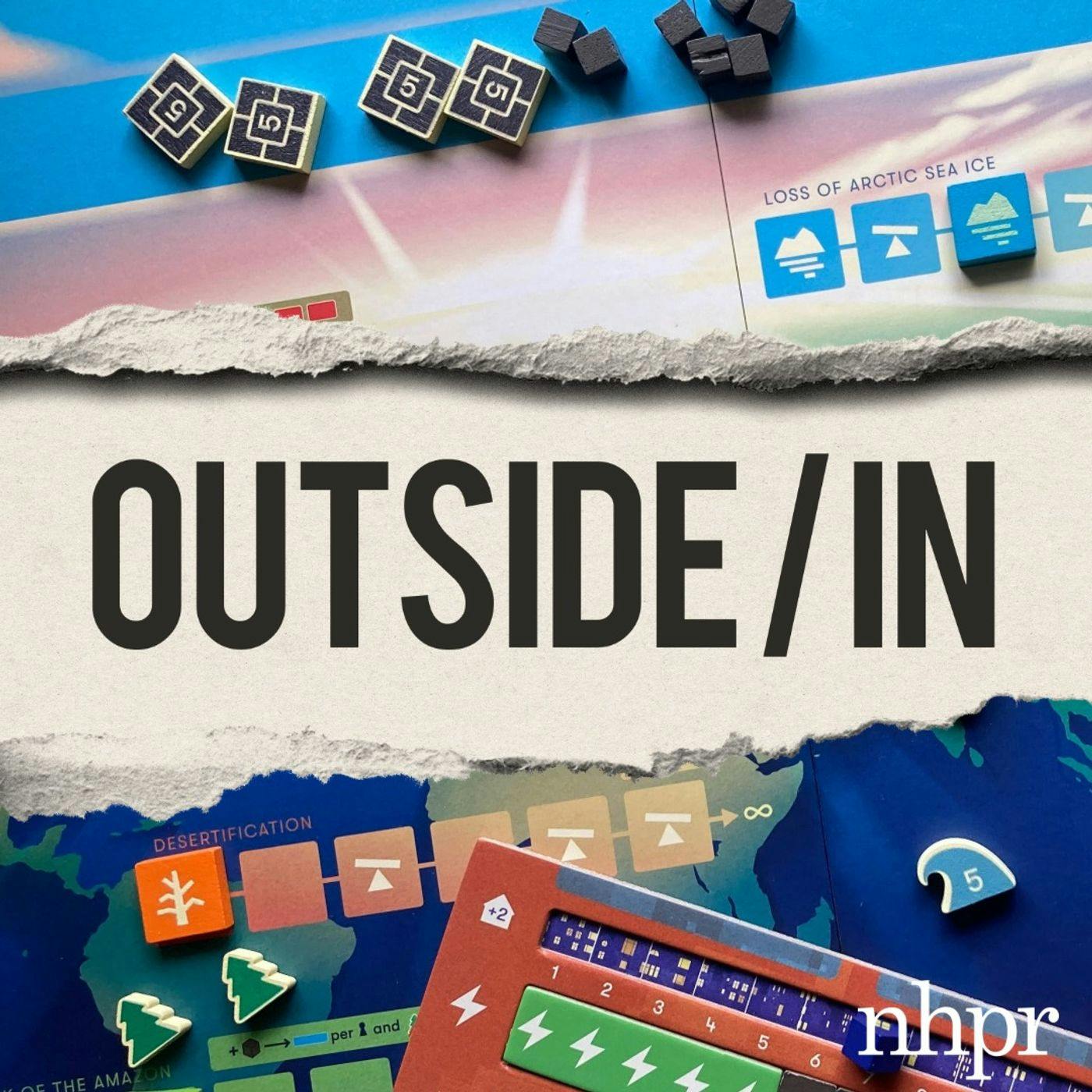
How to solve the climate crisis in 60-90 minutes
When designer Matt Leacock decided to make a board game about climate action, he knew he wanted to make it – first and foremost – fun to play. “If we sold anything as an educational game… people would run screaming and running for the hills,” he told us.
But can simulating the climate crisis really make for a good Friday night with your friends? What are the limits to gamifying social issues as c

Why is there so much roadkill?
For humans, roads epitomize freedom. For wildlife, it’s a different story: a million animals are killed by cars every day in the US alone. How did our infrastructure turn so deadly? And what are people trying to do about it?
In this episode, we look at how two very different species are impacted by roads. Along the way, we visit a turtle rescue clinic, and hear about a celebrity cougar that was tr

The cold truth about refrigeration
In the early 1900s, people didn’t trust refrigerated food. Fruits and vegetables, cuts of meat… these things are supposed to decay, right? As Nicola Twilley writes, “What kind of unnatural technology could deliver a two-year old chicken carcass that still looked as though it was slaughtered yesterday?”
But just a few decades later, Americans have done a full one-eighty. Livestock can be slaughtere

All Wings Considered
We’re catching some air this week, and talking things with wings!
Quandaries range from the practical (how do different animal and insect wings differ?) to the ethereal (this includes dragons). Here’s the questions we’ll be answering…
What makes wings different?
How have wings in nature inspired human flight?
Did we ever solve the colony collapse problem with bees?
Why do so many cultures h

Saving the shipwrecks of Stellwagen Bank
Shipwrecks captivate our imagination, and are the subject of many books, academic papers, and movies—from the world-famous Titanic, to sunken World War II warships, to ancient fishing canoes. Some describe them as time capsules of our maritime history, waiting to be discovered and opened.
But there’s a group of people who are drawn to shipwrecks for very different reasons, and it sometimes leads t

Your brain on GPS
GPS is essential these days. We use it for everything, from a hunter figuring out where the heck they are in the backcountry, to a delivery truck finding a grocery store, to keeping clocks in sync.
But our reliance on GPS may also be changing our brains. Old school navigation strengthens the hippocampus, and multiple studies suggest that our new reliance on satellite navigation may put us at highe

Taxonomy's 200-Year Mistake
Fungi used to be considered plants. Bad plants. Carl Linnaeus even referred to them as “the poorest peasants” of the vegetable class. This reputation stuck, and fungi were considered a nuisance in the Western world well into the 20th century.
Patricia Ononiwu Kaishian is trying to rewrite that narrative. Her new book, Forest Euphoria: The Abounding Queerness of Nature catalogs fungi that sprout fr

People are buying coyote urine. Where does it come from?
Last spring, a curious listener called with an unusual question about coyote urine. Is it – as advertised by companies who sell it – an effective, all natural pest deterrent? And more importantly: “Who are the coyotes that are providing this urine?”
Since then, producer Taylor Quimby has been trying to find out… and with literal gallons of the stuff available online, he discovered the answers aren

Field reports from the cutting edge of science
It’s a weird time to be an environmental scientist. The proposed cuts to federal science funding in the United States are profound, and if they come to pass, it’s not clear what American science will look like on the other side. But for many researchers, science is much more than a career: it’s a community, lifestyle, and sometimes even a family business.
Outside/In producer Justine Paradis tagge

The Element of Surprise: The $1,000 Balloon
Helium is full of contradictions. It’s the second most abundant element in the universe, but is relatively rare on Earth. It’s non-reactive, totally inert—yet the most valuable helium isotope is sourced from thermonuclear warheads.
And even though we treat it as a disposable gas, often for making funny voices and single-use party balloons, our global supply of helium will eventually run out. That

A Map to the Next World
“In the last days of the fourth world I wished to make a map for those who would climb through the hole in the sky.”
That’s the first line of the poem “A Map to the Next World” by Muscogee writer and former U.S. Poet Laureate Joy Harjo. It’s a piece that’s inspired Aquinnah Wampanoag writer Joseph Lee as he undertakes one of journalism's most nuanced beats: covering hundreds of unique tribal commu
The Trojan Seahorse
In 1970, marine architect Charlie Canby got an odd assignment: Design a 600-foot ship for an undisclosed purpose and an undisclosed customer. Only after it was built did he finally find out what it was for.
“I was dumbfounded,” he said. “I drove away in a daze. I could not believe what we were really doing.”
In this episode, reporter Daniel Ackerman tells the unbelievable story of a boat, a gover
A 2,200 Mile Podcast
Today on Outside/In, we’re sharing an episode from our friends and partners at Common Land.
Common Land explores the creation stories behind protected land. Each season takes a deep dive into the history, science and politics behind the creation of one particular patch of protected, common land.
Season two of Common Land, produced in partnership with New Hampshire Public Radio, follows documentari
What Jurassic Park got wrong (and right) about dinosaurs
When the smash-success Jurassic Park first hit theaters in 1993, it inspired a generation of dinophiliacs and helped to usher in a new “golden age of paleontology.”
But it also froze the public’s perception of dinosaurs in time, and popularized inaccuracies that people still believe are true today.
So what happens when the biggest source of information on a scientific field comes from a fictiona
Phallic windchimes and ASMR: the magic of sound
In this episode, we’re taking your questions on the subject of sound. We talk about tinnitus, “the mind’s ear,” and the celebrity voices we have strong feelings about, from Bob Ross to President Obama, Michael Barbaro to Ira Glass.
So strap your earbuds in, we’re going for a ride!
What are tintinnabula, and the first wind chimes in the world?
What exactly is ASMR, and what makes it feel good?
W
Lawn and Order
Green grass grows everywhere: on baseball fields, in backyards, in front of strip malls. Collectively, we spend billions of dollars every year keeping them fertilized and watered.
But lawns cost more than money in Western states like Utah. Despite a severe drought, residents of Utah’s towns and cities use more water per capita than any other place in the nation, and a majority of that water goes r
Cruise-o-nomics
This summer, more than 100 cruise ships will visit the small city of Portland, Maine, dropping thousands of passengers onto the city’s commercial waterfront for lobster rolls, local souvenirs and a quintessential New England experience.
But as Portland has rapidly become a landmark destination for cruise lines, a group of activists are calling into question the long held narrative that cruise shi
Where the Wild Things Grow
Growing up, Kiese Laymon thought of himself as a city kid. But he spent his childhood with a foot in two worlds: his mom’s house in the capital city of Jackson, Mississippi and his grandma’s house in a rural country town.
It wasn’t until Kiese left Mississippi that he came to understand that this question of city versus country actually meant a lot more. It carries a lot of baggage: the tensions b
A Righteous Gemstone
One of our listeners is in a pickle. He’s looking to buy an engagement ring but wants to make sure the diamond comes from an ethical and sustainable source. So he sent us an email asking for help.
This is our latest addition of “This, That, or the Other Thing.” It's a series about the choices we make in our lives to try and build a more sustainable world, whether they have any effect, and what we
Foraging made her famous
Alexis Nikole Nelson, better known to her millions of fans as @blackforager, was raised by a mother who is an avid gardener and a father who loves to cook. Foraging allowed Alexis to fuse her love for wild plants and food from a very young age.
But before Alexis became the @blackforager many know today, there was a period in her life where Alexis lost that love and connection to foraging, and wher
The future was hydrogen
Mike Strizki drives the only hydrogen-powered car on the East Coast. That’s because he’s the only person with access to fuel… which he makes, by himself, in his backyard in New Jersey.
And it’s not just his car. Mike’s house, his lawnmower, even his bicycle are all powered by hydrogen. He’s convinced that this element could be the single most important solution to the climate crisis, if only peop
Black Sheep Metal
Lead is a study in contradictions. It’s dense enough to stop an X-ray, but soft enough to scratch with your fingernail. It’s heavier than steel and iron, but also more flexible.
And, despite evidence of its toxicity, humans have been using it for all sorts of things for thousands of years.
In this edition of our series “The Element of Surprise,” we hone in on this notorious heavy metal. What che
Recommended

megahired.com

Hard Knocks Podcast
Effective Weight Loss for Moms | High protein, Strength Training, Lose Weight, Meal Planning, Fat Loss, Healthy Habits

The Human-Animal Connection - Pet Life Radio Original

Infinite Health with Dr. Arasi Maran

The Daily

World News Tonight with David Muir
The Joe Rogan Experience

English Vocabulary Help

TED Talks Daily

Learn English B1 with Daily News | English Listening Practice

Talk About Talk - Executive & Leadership Communication Skills
