
So to Speak: The Free Speech Podcast
So to Speak: The Free Speech Podcast takes an uncensored look at the world of free expression through the law, philosophy, and stories that define your right to free speech. Hosted by FIRE's Nico Perrino. New episodes post every other week.
Episodes

Ep. 284: Venezuela is a cautionary tale w/ Jim Epstein and Germania Rodriguez Poleo
For more than half a century, Radio Caracas Televisión, or RCTV, broadcast news, sports, comedies, and telenovelas in Venezuela. Its news coverage was also fiercely critical of President Hugo Chávez. When RCTV's broadcast license expired, the government refused to renew it. Minutes later, a state-funded channel took its place. RCTV was one target in a broader campaign to silence dissent. Under Hug

FIRE Reacts: Trump's media ban
FIRE staff responds to President Trump's decision to ban CNN, MS NOW, and Politico from the White House, with President Trump citing their "constant 'reporting'" of "FAKE NEWS!" Barring journalists from the White House because of their coverage raises serious First Amendment concerns and strikes at the heart of a free and independent press. FIRE experts break down what happened and answer your que

Ep. 283: Robby Soave on Trump's press ban, Macklemore, and free speech culture wars
The free speech culture wars look different than they did a decade ago. Reason senior editor and Rising host Robby Soave joins us to discuss the White House's restrictions on media access, Macklemore getting dropped from Ed Sheeran's tour, and why efforts to suppress controversial speech so often backfire. We also look back at how the free speech debate has changed since Robby and Nico began cover

Ep. 282: Breaking down our 2027 College Free Speech Rankings
Harvard, institutional neutrality, how we determine the rankings, partisan censorship, how schools can improve their ranking, and more! Timestamps: 00:00 Intro 03:18 Learn about our inaugural Soapbox conference 04:02 Preorder Nico's book Free Speech Generation 5:00 Check out FIRE's 2027 College Free Speech rankings 06:05 Who are the top- and bottom-ranked schools? 09:27 What's new with the Harvar

Ep. 281: What's the First Amendment's original meaning? w/ Jud Campbell and Stephen Solomon
The First Amendment is only 45 words long. But more than 200 years and thousands of court decisions later, we're still arguing over a basic question: what do those words mean — and what did they mean to the early Americans who adopted them? To look through history and debate what originalism can — and can't — tell us about the First Amendment's free speech clause, we are joined by: Jud Campbell

Ep. 280: Social media, speech, and kids w/ Joel Thayer and Kate Ruane
**Editor's note: This episode was recorded before Meta settled a social media addiction trial with a coalition of state attorneys general on Aug. 26, 2026. The case alleged the company knew some of its features on Facebook and Instagram could be harmful to kids and the company publicly misrepresented those risks. Social media and artificial intelligence are increasingly powerful tools for sharing

Ep. 279: Legendary lawyer Michael Tigar on juries, free speech, and the trial of John Peter Zenger
Long before the First Amendment, John Peter Zenger stood trial for publishing criticisms of New York's then colonial governor. Although the law seemed to guarantee a guilty verdict, a jury refused to convict him. Zenger's trial was an early indication that the American colonists harbored a view of liberty more expansive than that offered to them by the British Crown. Few people are better suited

Ep. 278: The Trump admin wants to change how scientific research is funded w/ Catharine Young, Evan Morris, and Ryne Weiss
In May 2026, the Office of Management and Budget proposed sweeping changes to how the federal government administers billions of dollars in federal research grants. That funding fuels scientific discovery, medical breakthroughs, and technological innovation. The proposal was open for public comment for 45 days and drew more than half a million responses. Supporters of the proposal argue that it w

Ep. 277: Ada Palmer on the history of censorship from the Renaissance to AI
Censorship is often associated with authoritarian governments. But throughout history, efforts to control ideas have taken many different forms — and they haven't always come from the state. In this episode, Nico sits down with University of Chicago professor Ada Palmer to explore the history of censorship from the Renaissance to the present day. They discuss what motivates censorship, why it evol

Ep. 276: Book banning's trial of the century w/ Anthony Aycock
Over the past five years, book bans and book challenges have become a major flashpoint in American politics. School boards, parents, librarians, and lawmakers are fighting over what students should—and shouldn't—have access to on library shelves. Supporters of library restrictions say they are protecting children. Opponents say they are censoring ideas. But this debate isn't new. In the 1970s, Ame

Ep. 275: Stress-testing the limits of the First Amendment w/ Chaz Stevens
Debates over religious freedom have shaped American life for centuries. From Quakers facing persecution in colonial America to The Crucible to South Park, fights over religious expression have repeatedly tested the country's commitment to free speech and religious liberty. At the heart of these debates are a few difficult questions: Does the Constitution protect only popular beliefs, or all of the

Ep. 274: Financial censorship: how banks silence speech w/ Rainey Reitman
What is financial censorship? Rainey Reitman joins the show to discuss what happens when people are denied access to financial services because of their lawful speech and conduct. Reitman is the author of Transaction Denied: Big Finance's Power to Punish Speech, which examines the role financial companies like Visa, Chase, and PayPal play in policing speech and silencing speakers. Timestamps: 00

Ep. 273: Debating Super PACs and campaign finance w/ Larry Lessig and Paul Sherman
In 2010, two landmark decisions transformed American campaign finance law. The first was Citizens United v. Federal Election Commission. The second was SpeechNow.org v. FEC. Together, these cases cleared the way for corporations and so-called Super PACs to raise and spend unlimited sums of money in elections. What followed was a new era in American politics where individuals, corporations, and ind

Ep. 272: FIRE Monthly Member Webinar - May 2026
Shouting down speakers, UCLA free speech, heckling, AI, doxxing, cancel culture, and more! Timestamps: 00:00 Intro 02:40 Get your tickets to Soapbox now! 06:30 Congratulations to Will on 20 years at FIRE 07:31 How is FIRE responding to shouting down speakers? 11:33 Will FIRE include viewpoint diversity in our College Free Speech Rankings? 13:48 What is FIRE's response to UCLA Law students prote

Ep. 271: Minecraft, censorship, and threats to press freedom with Clayton Weimers
Editorial note: This conversation was recorded on Friday, April 24, the day before the White House Correspondents' Dinner. Both Nico and Clayton attended the event, where a gunman breached security and opened fire before being apprehended. No one was seriously injured, but the incident serves as a reminder of the threats reporters can face in the course of their work. Since we recorded the convers

FIRE Reacts: Comey, Kimmel, ABC & the FCC
We break down the legal case against James Comey over an alleged "true threat" and how far the government can go in prosecuting speech. Plus, we examine renewed FCC pressure on ABC and Jimmy Kimmel. Timestamps: 00:00 Intro 00:57 Does the DOJ have a viable case against James Comey? 04:51 "True threats" and Comey's case 06:36 Threats against U.S. presidents and Watts v. United States 09:55 Was it a

Ep. 270: The fight for privacy and free speech in the surveillance age
The early internet opened unprecedented avenues for speech, creativity, and connection without traditional gatekeepers. But it also raised civil liberties questions: Do our offline freedoms exist online? And if so, how far do they extend? Today, those questions are more urgent than ever. Advances in AI have given governments powerful new tools to track, monitor, and analyze our behavior, raising f

Ep. 269: Is free speech declining worldwide?
Free speech has long been a cornerstone of democratic society. But today, its principles face increasing pressure. Around the world, governments are expanding speech restrictions in the name of combating misinformation, hate speech, and extremism, while new technologies make it easier to monitor and control public discourse. Many free speech advocates warn that these efforts risk eroding democracy

Ep. 268: News and misinformation in early America
In 18th century America, news traveled slowly across the Atlantic. Newspapers reprinted secondhand reports, private letters, and unverified stories from abroad, leaving readers with multiple versions of reality. In a world educated by an unverifiable news cycle, how did misinformation shape early American life? To explore how news, rumor, and misrepresentation influenced the course of the America

Ep. 267: Social media = cigarettes?
In March, juries in California and New Mexico delivered seminal verdicts holding Meta and YouTube liable for failing to protect young users from harm. Both verdicts found that the companies were negligent in the design or operation of their platforms and that each company knew their platforms could be dangerous when used by a minor. The courts found that the design elements of the platforms could

Ep. 266: How foreign censors target American speakers
Governments around the world have increasingly sought to regulate online speech well beyond their borders. If global platforms are forced to comply with the world's most restrictive laws, whose speech standards win? And what happens to a free and open internet when governments apply their censorship rules across borders? Today we are joined by Preston Byrne, an attorney and expert in internationa

Ep. 265: Anthropic, age verification laws, and press freedom
Several stories have put government power over speech and technology back in the spotlight. In this episode, we break down the Pentagon's targeting of the AI company Anthropic, the push for government-mandated age verification technologies, and the Department of Justice's raid on a Washington Post reporter's home. We are joined by: Jennifer Huddleston, senior fellow in technology policy at the
Ep. 264: Anonymity from the founding to the digital age
In the years leading up to the American Revolution, newspapers and pamphlets overflowed with essays signed "Publius," "Brutus," and "A Farmer." Those arguments helped shape a nation, but the authors' real names were nowhere to be found. Americans have long relied on anonymous speech to challenge the powerful, protect dissenters, and keep the focus on ideas rather than identities. That tradition ha
Ep. 263: Free speech in Trump 2.0
One year into Trump 2.0, we examine the administration's record on free speech and how it compares to the president's campaign pledge to "bring back free speech to America." We also discuss recent ICE protests, including the right to carry a gun and to film law enforcement, and what these encounters reveal about protest rights today. Today we are joined by: Clark Neily, senior vice president fo
Ep. 262: Escaping Iran
Recent protests in Iran have drawn renewed attention to dissent under the country's authoritarian government. The demonstrations have been met with mass arrests, internet restrictions, and even accusations of murder. While large-scale demonstrations appear to have subsided for now, reporting from Iran describes a tense calm, a heightened security presence, and widespread "disappointment and disi
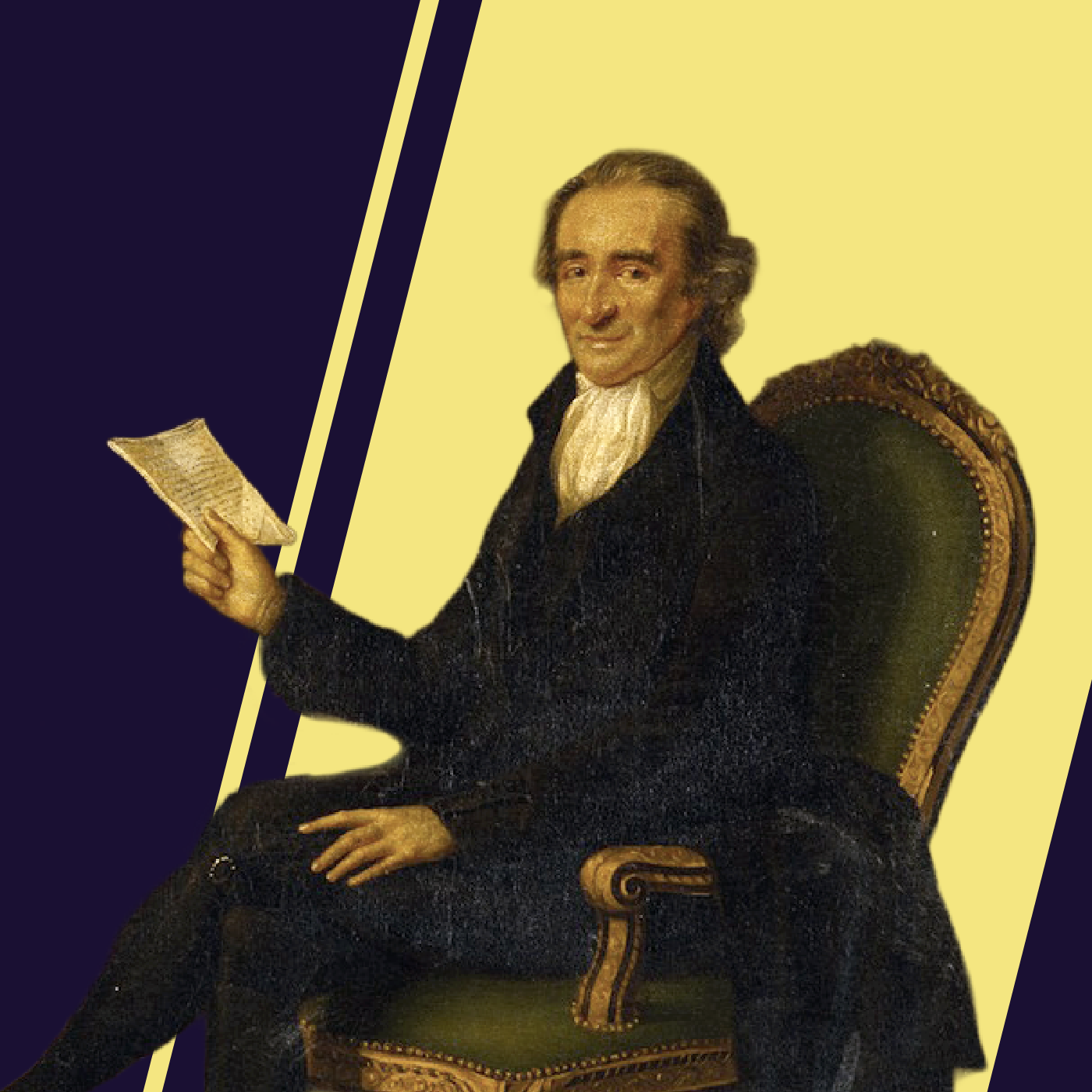
Ep. 261: Thomas Paine's rise and fall
Thomas Paine arrived in America in 1774 with little to his name and a long record of personal failure behind him. Within a year, he wrote Common Sense, one of the most influential political pamphlets in history, helping to ignite the American Revolution and catapulting Paine into the American history hall of fame. But by the end of his life, he was widely reviled, politically isolated, and persona
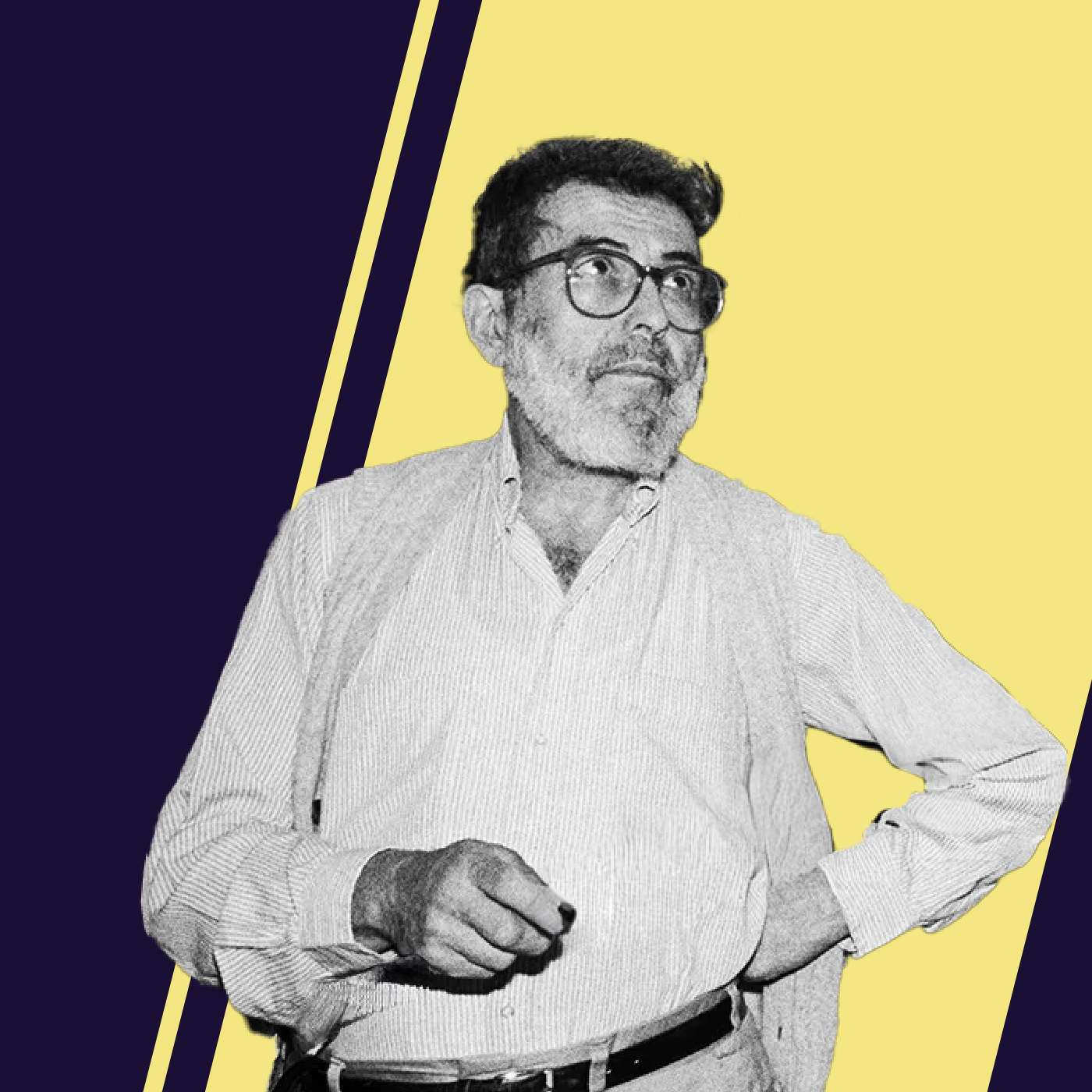
Ep. 260: Remembering 'free-thinking' writer Nat Hentoff
On January 7, 2017, The Associated Press announced that "Free-thinking author and columnist Nat Hentoff is dead at 91." For well over 60 years, Hentoff was a one of America's foremost public intellectuals and a familiar byline to free speech advocates and jazz aficionados. The First Amendment was a way of life for Nat Hentoff. He would have been 100 years old this year. To reflect on his life and
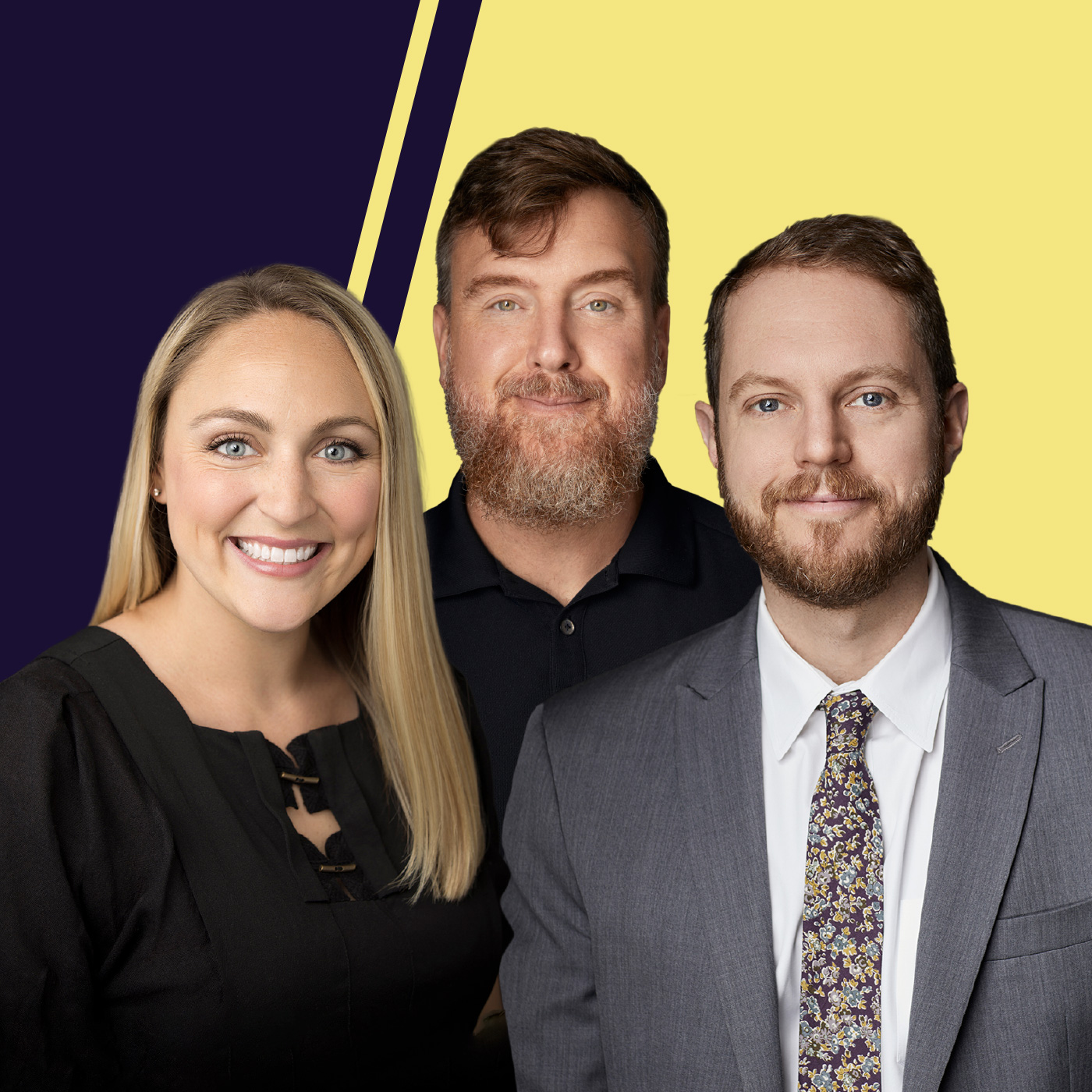
Ep. 259: FIRE answers your questions
Changes at the Pentagon, Charlie Kirk and cancel culture, free speech and misinformation, globalized censorship, Indiana University, how to support FIRE, and more! Timestamps: 00:00 Introductions 02:11 What is the Press Clause, and who does it apply to? 05:53 FIRE's position on Oklahoma student grading incident 08:50 What does FIRE need from Members besides financial support? 15:59 FIRE's Colleg
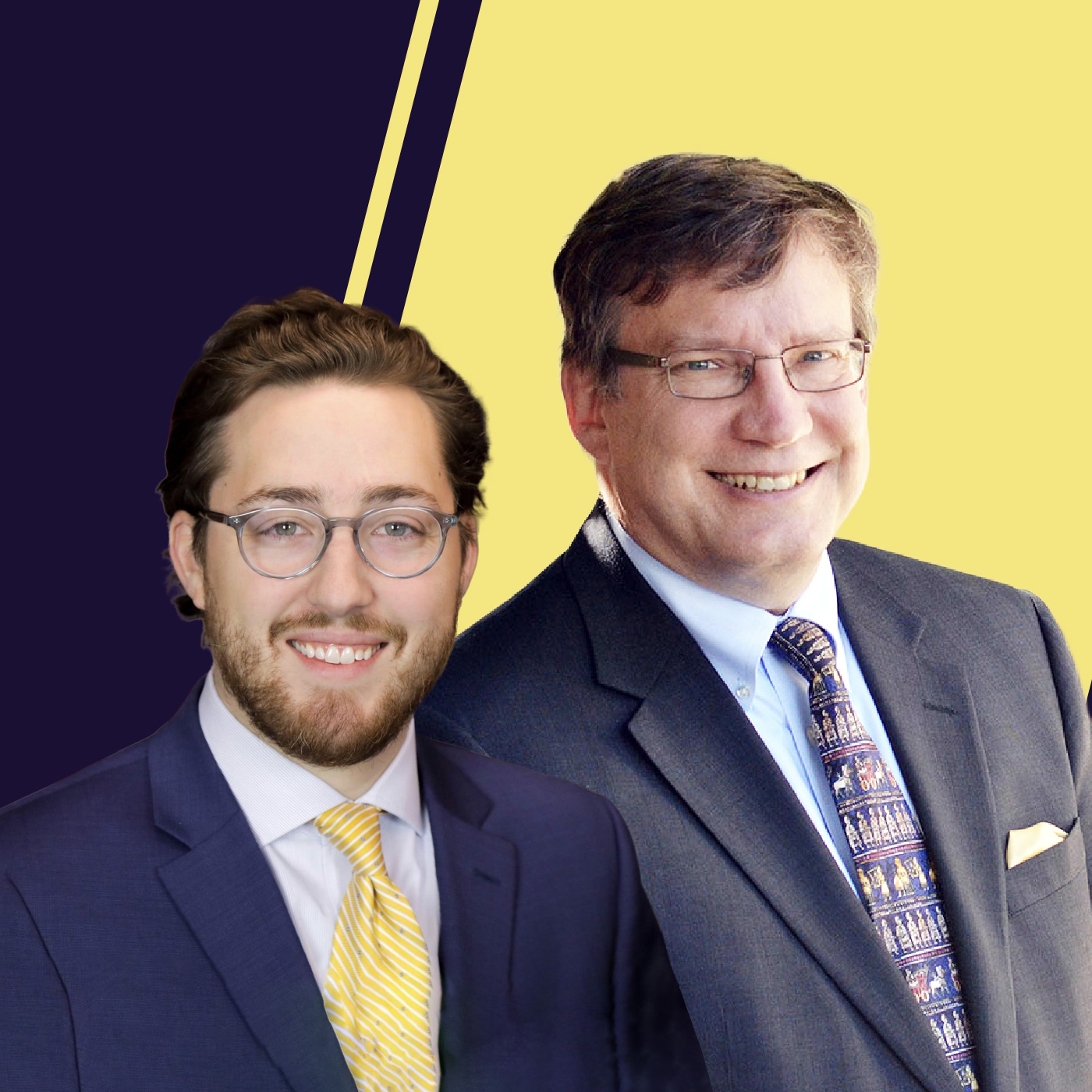
Ep. 258: Donor disclosure and campaign finance at SCOTUS
The Institute for Free Speech's Bradley Smith and Brett Nolan join the show to discuss two upcoming Supreme Court arguments involving donor disclosure (First Choice Women's Resource Centers, Inc. v. Platkin) and political party contributions to candidates (National Republican Senatorial Committee v. FEC). The conversation also explores the broader landscape for political speech and campaign regula
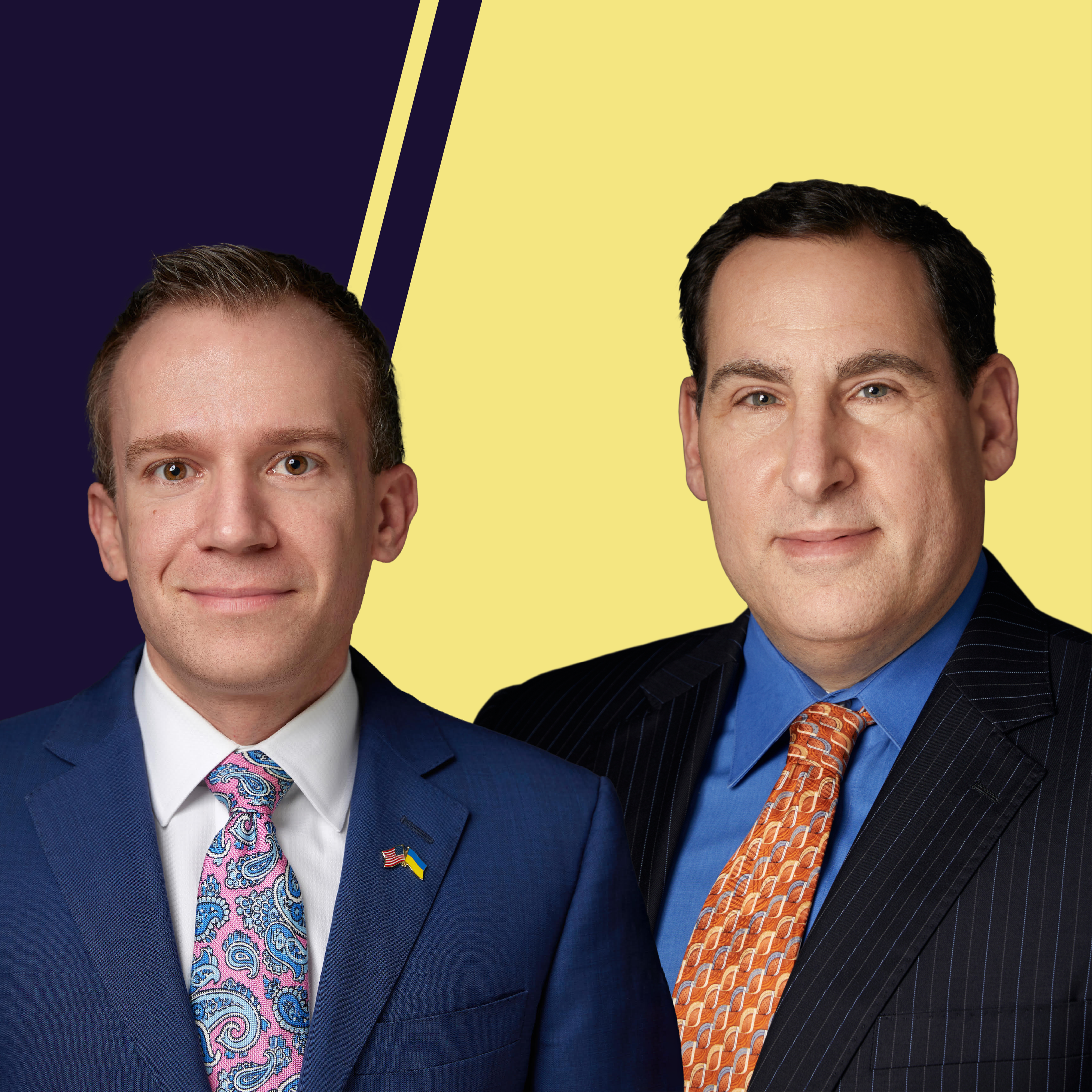
Ep. 257: Conversion therapy at the Supreme Court
FIRE's Ronnie London and Conor Fitzpatrick join the show to discuss the Supreme Court's oral argument in the conversion therapy case, the Pentagon's new press rules, Indiana University's censorship rampage, and where the situation stands with visa and green card holders who say things the feds don't like. Timestamps: 00:00 Intro 01:19 Chiles v. Salazar, the conversion therapy case 30:03 The Pe
Ep. 256: Ten arguments against free speech
We tackle ten common arguments against free speech. FIRE President and CEO Greg Lukianoff and FIRE Senior Fellow and former ACLU President Nadine Strossen are the co-authors of the new book, "War on Words: 10 Arguments Against Free Speech—And Why They Fail." Transcript Timestamps: 00:00 Intro 01:18 Book's origins 04:25 Argument #1: Words are violence 20:27 Argument #2: Words are dangerous 25:0
Ep. 255: Authoritarians in the Academy
FIRE Senior Scholar Sarah McLaughlin discusses her new book, "Authoritarians in the Academy: How the Internationalization of Higher Education and Borderless Censorship Threaten Free Speech." Timestamps: 00:00 Intro 01:17 Book origins 03:38 How China censored speech on American campuses 18:36 COVID's impact for international students' speech 22:05 What is sensitivity exploitation? 25:35 Free spee
Ep. 254: What is going on with the FCC?
What is the Federal Communications Commission, and why does its chairman think the agency can regulate Jimmy Kimmel's jokes? Note: Shortly after recording this episode, Nexstar and Sinclair announced they would return "Jimmy Kimmel Live!" to their stations. Joining us: Anna Gomez, FCC Commissioner Ronnie London, FIRE General Counsel Bob Corn-Revere, FIRE Chief Counsel Timestamps: 00:00
Ep. 253: Pam Bondi says hate speech is not free speech — is she right?
FIRE staff also take your questions on Charlie Kirk's assassination, President Trump's lawsuit against The New York Times, cancel culture, and more. Timestamps: 00:00 Intro 01:42 Attorney General Pam Bondi's comments that "hate speech" is distinct from "free speech" 02:23 Is it OK for the Department of Justice to target people for "hate speech"? 05:42 How have "hate speech" laws played out oversea
Ep. 252: America's first free speech crisis — the Sedition Act of 1798
We're joined by award-winning author, Charles (Charlie) Slack, to discuss his book, Liberty's First Crisis: Adams, Jefferson and the Misfits Who Saved Free Speech. Slack focuses on the infamous Sedition Act of 1798, which sparked the first major controversy over freedom of speech in America. Timestamps: 00:00 Intro (including note about Charlie Kirk) 03:59 Book origins 12:05 What were the Alie
Ep. 251: Free speech and 'the executive power' with Advisory Opinions
What are the limits of presidential power? How many days has it been since President Trump's TikTok ban moratorium went into place? What is the state of the conservative legal movement? And where did former FIRE president David French go on his first date? French and Sarah Isgur of the popular legal podcast "Advisory Opinions" join the show to answer these questions and discuss the few free speech
Ep. 250: Civil rights, hate speech, and the First Amendment
We know the First Amendment protects hate speech. But has it always done so? And how have civil rights groups responded when their members are the target of hate speech? University of Iowa Law Professor Samantha Barbas is the author of a new law review article, "How American Civil Rights Groups Defeated Hate Speech Laws." Timestamps: 00:00 Intro 04:04 "The Birth of a Nation" movie controversy 12:
Ep. 249: FIRE Reacts — Where does Harvard go from here? With Larry Summers
2025 has not been kind to Harvard. To date, the Trump administration has revoked nearly $3 billion in research funding to the university, demanding violations of free speech, academic freedom, and institutional autonomy in return for restoring the funding. In response, Harvard filed a lawsuit, raising First Amendment claims. Helping us unpack all things Harvard are: Larry Summers, President Em
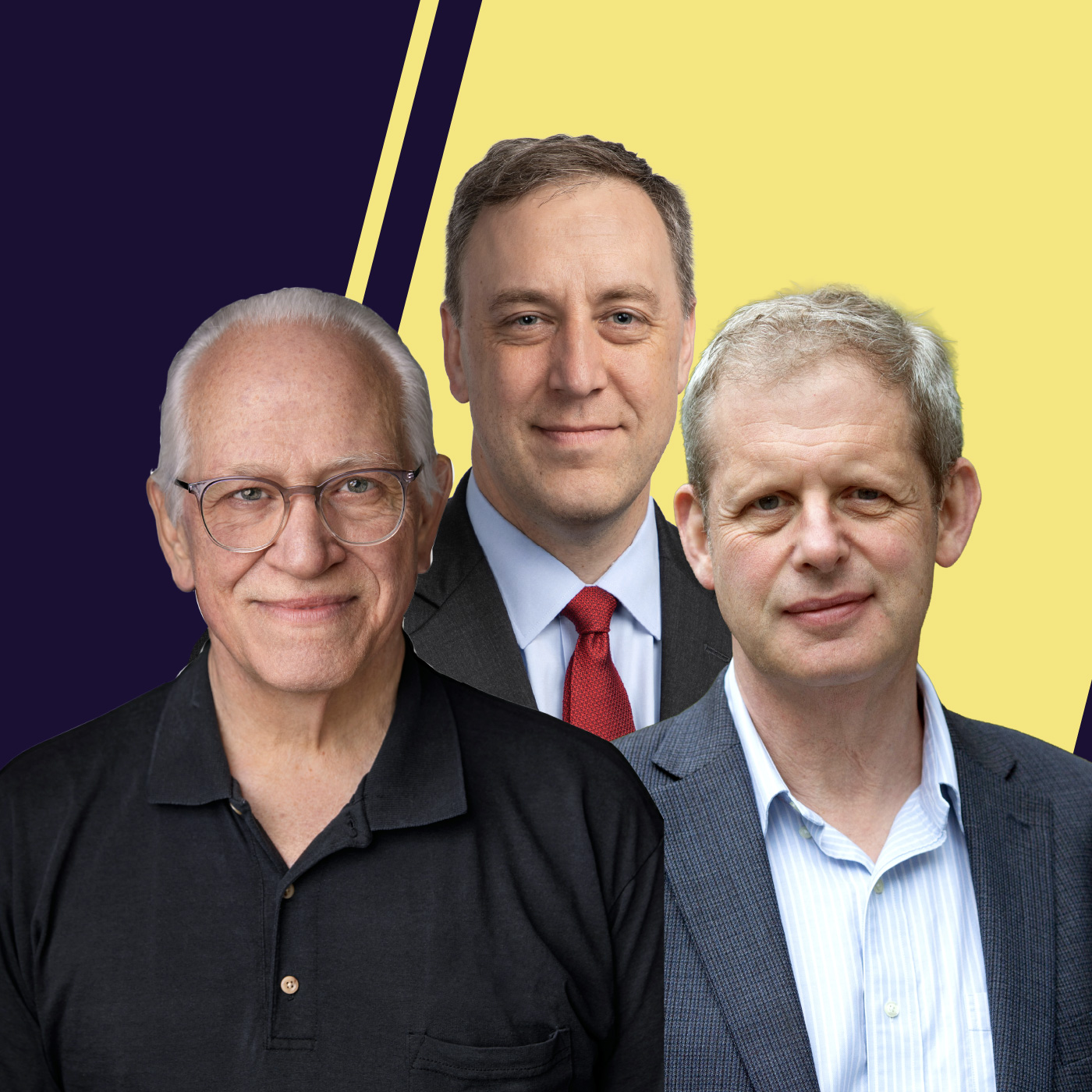
Ep. 248: Commercial speech and the First Amendment
Imagine the government forcing you to label your all-natural milk product as "imitation." Florida tried to make one dairy farm do just that, sparking a First Amendment question: Where's the line between a business's right to speak and protecting consumers from deception? In this episode, we explore how far free speech protections go for commercial speech with: Justin Pearson, managing attorney
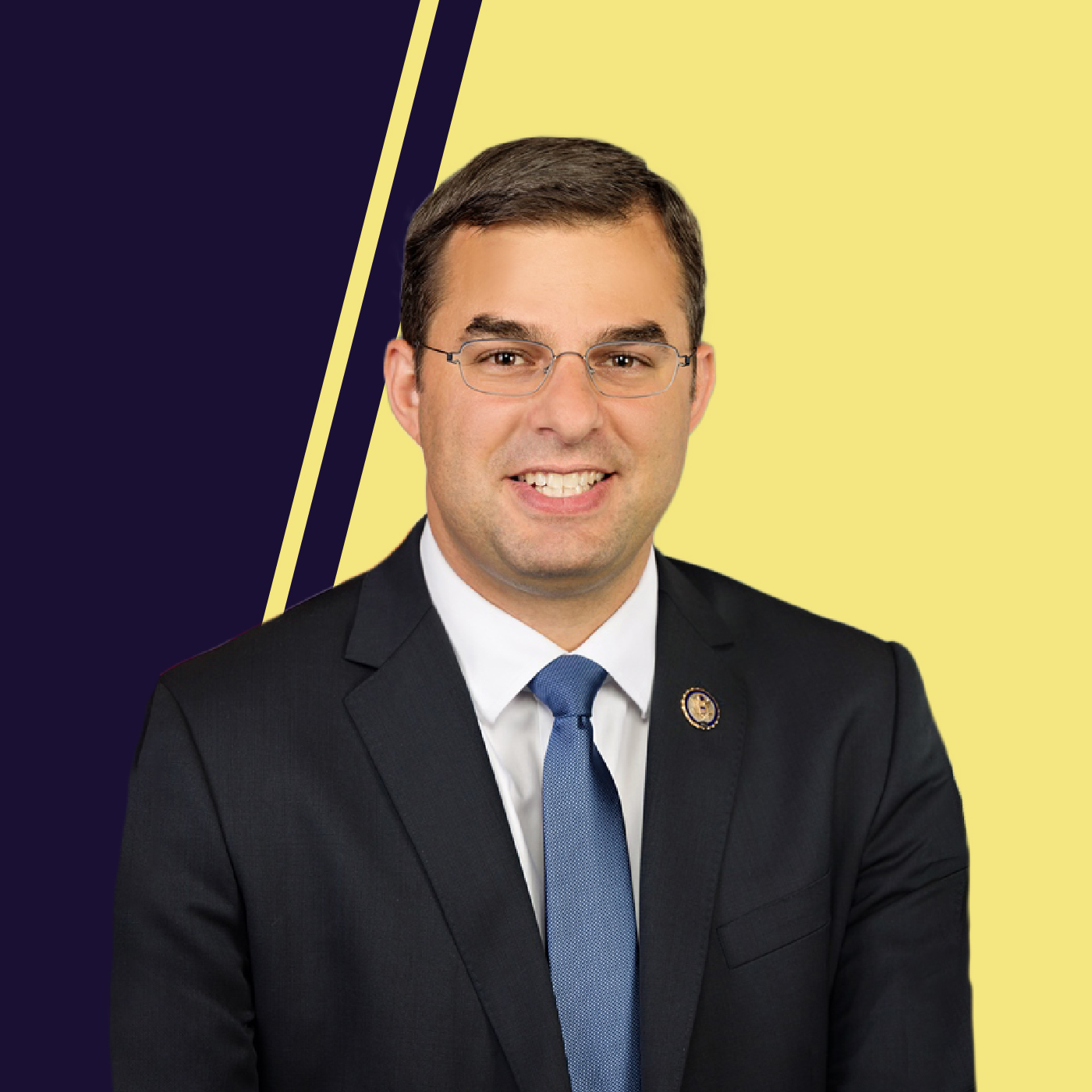
Ep. 247: Justin Amash
Throughout his career, former Congressman Justin Amash has been a strong advocate for freedom of speech, writing that "The value of free speech comes from encountering views that are unorthodox, uncommon, or unaccepted…Free speech is a barren concept if people are limited to expressing views already widely held." In this special live episode, filmed in front of 200+ high schoolers attending FIRE's
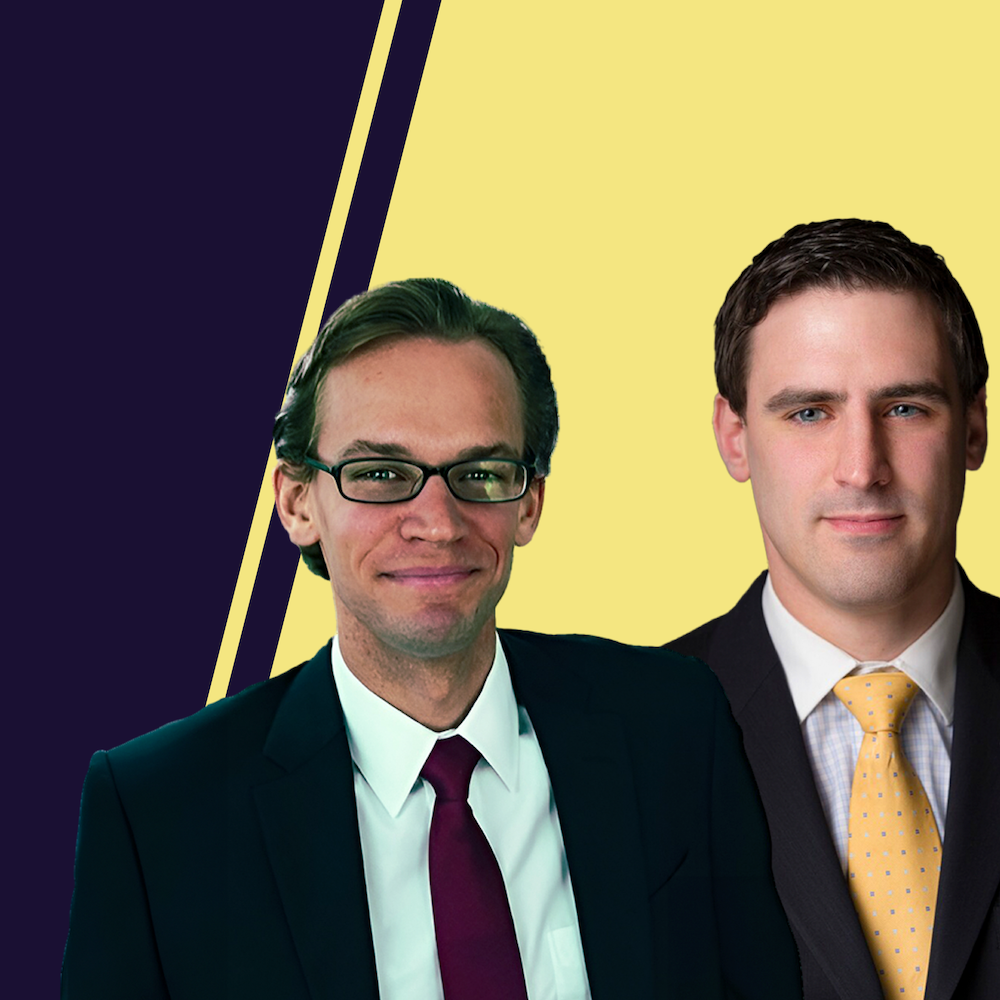
Ep. 246: Tech check — AI moratorium, Character AI lawsuit, FTC, Digital Services Act, and FSC v. Paxton
We're checking in on the latest news in tech and free speech. We cover the state AI regulation moratorium that failed in Congress, the ongoing Character A.I. lawsuit, the Federal Trade Commission's consent decree with Omnicom and Interpublic Group, the European Union's Digital Services Act, and what comes next after the Supreme Court's Free Speech Coalition v. Paxton decision. Guests: Ari Cohn — l
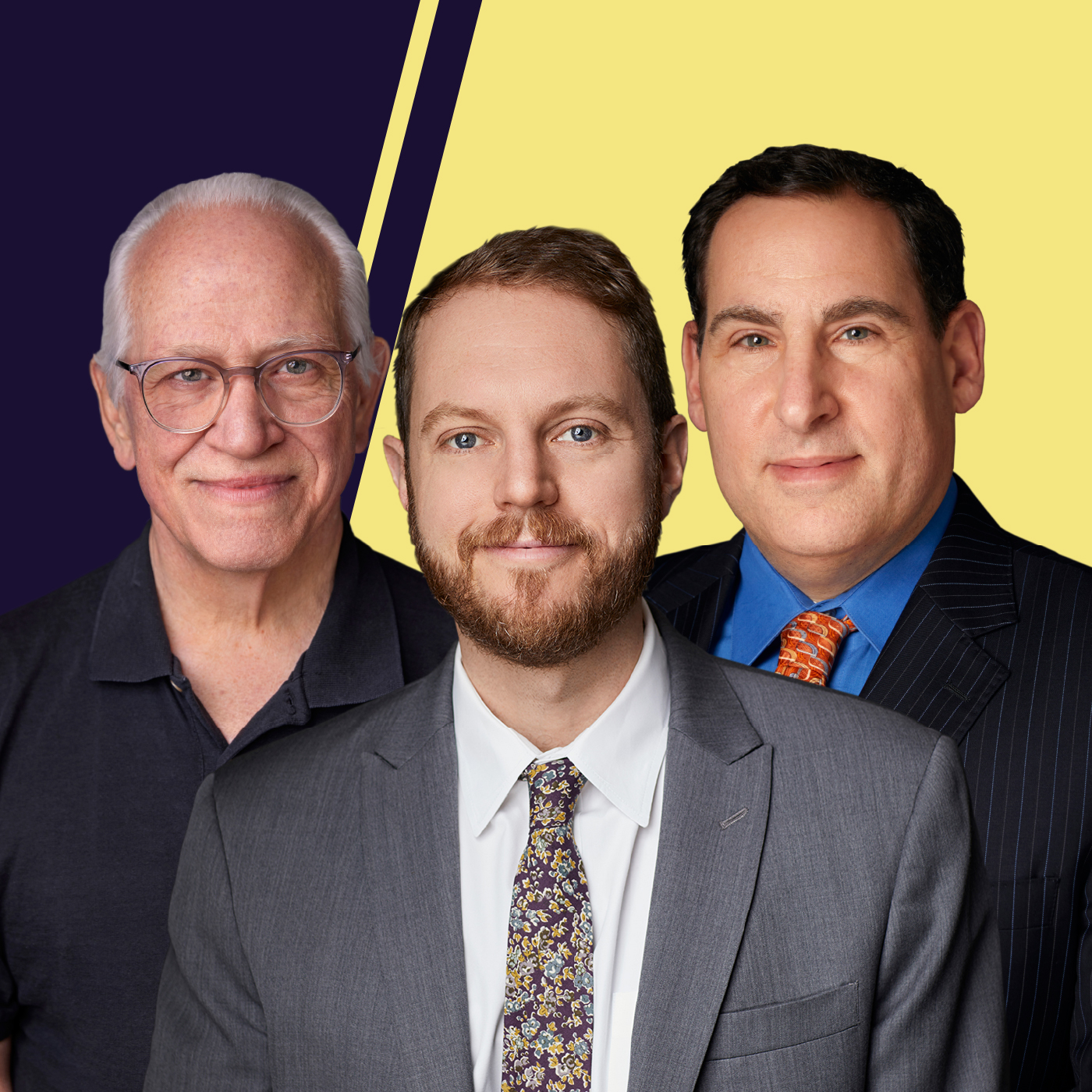
Ep. 245: The Supreme Court's decision in Free Speech Coalition v. Paxton
FIRE staff responds to the Court's decision in Free Speech Coalition v. Paxton that addresses a Texas law requiring age verification for accessing certain sexual material online. Joining us: Will Creeley — Legal director Bob Corn-Revere — Chief counsel Ronnie London — General counsel Timestamps: 01:21 How the case wound up at the Supreme Court 06:57 Bob's experience with arguing strict scrutiny in

Ep. 244: Censoring lawmakers, T-shirts, and seashells
We discuss the Supreme Court backing Maine lawmaker Laurel Libby, NPR filing suit against Trump, a years-long dispute over a student wearing a "there are only two genders" shirt, the Secret Service investigation into James Comey, the latest on Harvard vs. Trump, and more. Guests: Bob Corn-Revere — chief counsel, FIRE Lee Levine — former senior counsel, Ballard Spahr Timestamps: 00:00 Intro 03:34

Ep. 243: Heather Mac Donald on Trump and free speech
Heather Mac Donald discusses the Trump administration's free speech record amidst its battles with higher ed, mainstream media, law firms, and more. Mac Donald is Thomas W. Smith Fellow at the Manhattan Institute. Her most recent book is "When race trumps merit: How the pursuit of equity sacrifices excellence, destroys beauty, and threatens lives." Timestamps: 00:00 Intro 01:54 Mac Donald's perso

Ep. 242: Is cancel culture dead?
The co-authors of "The Canceling of the American Mind" discuss its new paperback release and where cancel culture stands a year and a half after the book's original publication. - Greg Lukianoff — President and CEO of FIRE Co-author of "The Canceling of the American Mind" - Rikki Schlott — New York Post columnist Co-author of "The Canceling of the American Mind" Timestamps: 00:00

Ep. 241: The government's money, the government's rules?
Our guests today signed onto a statement by a group of 18 law professors who opposed the Trump administration's funding threats at Columbia on free speech and academic freedom grounds. Since then, Northwestern, Cornell, Princeton, Harvard, and nearly 60 other colleges and universities are under investigation with their funding hanging in the balance, allegedly for violations of civil rights law.

Ep. 240: Is there a global free speech recession?
We travel from America to Europe, Russia, China, and more places to answer the question: Is there a global free speech recession? Guests: - Sarah McLaughlin: FIRE senior scholar, global expression - James Kirchick: FIRE senior fellow - Jacob Mchangama: FIRE senior fellow Timestamps: 00:00 Intro 03:52 Free speech global surveys 07:49 Freedom of expression deteriorating 11:43 Misinformation and

Ep. 239: Columbia University, Mahmoud Khalil, DEI, law firms, and more
We explore how censorship is impacting institutions — from universities to law firms to the Maine House of Representatives. Timestamps: 00:00 Intro 01:40 Federal government cuts Columbia's funding 16:57 Updates on the Mahmoud Khalil case 27:01 Ed Martin's Georgetown letter 34:59 Trump targeting law firms 55:01 Maine House censure of Rep. Laurel Libby 01:03:37 Outro Read the transcript. Guests: -

Ep. 238: On Mahmoud Khalil
First Amendment lawyer Marc Randazza and immigration lawyer Jeffrey Rubin join the show to discuss the arrest, detention, and possible deportation of green card holder Mahmoud Khalil. Timestamps: 00:00 Intro 00:53 Latest updates on Khalil 02:51 First Amendment implications 06:08 Legal perspectives on deportation 11:54 Chilling effects on free expression 21:06 Constitutional rights for non-citiz

Ep. 237: A tech policy bonanza! The FCC, FTC, AI regulations, and more
Does a cat stand on two legs or four? The answer to that question may tell you all you need to know about the government involving itself in social media content moderation. On today's show, we cover the latest tech policy developments involving the Federal Communications Commission, Federal Trade Commission, AI regulation, and more. Guests: - Ari Cohn, FIRE's lead counsel, tech policy. - Adam

Ep. 236: JD Vance, 60 Minutes, the Associated Press, the FCC, and more
From JD Vance's free speech critique of Europe to the Trump administration barring the Associated Press from the Oval Office, free speech news is buzzing. General Counsel Ronnie London and Chief Counsel Bob Corn-Revere unpack the latest developments. Timestamps: 00:00 Intro 01:49 JD Vance's speech in Europe 13:27 Margaret Brennan's comment on the Holocaust 15:13 Weimar fallacy 17:36 Trump admin

Ep. 235: Cancel culture, legal education, and the Supreme Court with Ilya Shapiro
Over the years, elite institutions shifted from fostering open debate to enforcing ideological conformity. But as guest Ilya Shapiro puts it, "the pendulum is swinging back." He shares his firsthand experience with cancel culture and how the American Bar Association's policies influence legal education. Shapiro also opines on major free speech cases before the Supreme Court, including the TikTok o

Ep. 234: The Chicago Canon
The University of Chicago is known for its commitment to free speech and academic freedom. Why are these values important to the university? Where do they originate? And how do they help administrators navigate conflicts and controversies? Tony Banout and Tom Ginsburg direct the University of Chicago's Forum for Free Inquiry and Expression, which received a $100 million gift last year. They are a

Ep. 233: Rethinking free speech with Peter Ives
Is the free speech conversation too simplistic? Peter Ives thinks so. He is the author of "Rethinking Free Speech," a new book that seeks to provide a more nuanced analysis of the free speech debate within various domains, from government to campus to social media. Ives is a professor of political science at the University of Winnipeg. He researches and writes on the politics of "global English,"

Ep. 232: We answer your free speech questions
FIRE staffers take your questions on the TikTok ban, mandatory DEI statements, the Kids Online Safety Act, Trump vs. the media, and more. Joining us: Ari Cohn, lead counsel for tech policy Robert Shibley, special counsel for campus advocacy Will Creeley, legal director This webinar was open to the public. Future monthly FIRE Member Webinars will not be. Become a paid subscriber today to re

Ep. 231: What is academic freedom? With Keith Whittington
"Who controls what is taught in American universities — professors or politicians?" Yale Law professor Keith Whittington answers this timely question and more in his new book, "You Can't Teach That! The Battle over University Classrooms." He joins the podcast to discuss the history of academic freedom, the difference between intramural and extramural speech, and why there is a "weaponization" of i

Ep. 230: Wilson vs. FDR: Who was worse for free speech?
Woodrow Wilson or Franklin D. Roosevelt: which president was worse for free speech? In August, FIRE posted a viral X thread, arguing that Woodrow Wilson may be America's worst-ever president for free speech. Despite the growing recognition of Wilson's censorship, there was a professor who wrote a recent book on FDR's free speech record, arguing that FDR was worse. Representing the Wilson side in

Ep. 229: Ayaan Hirsi Ali will not submit
Ayaan Hirsi Ali grew up in a culture of conformity. She was beaten and mutilated. She was told who she must marry. Eventually, she rebelled. "You don't speak up at first," she told us. "First you leave and you find a place of safety. It's only after that experience that it occurred to me to speak up about anything." Hirsi Ali is a human rights activist, a research fellow at the Hoover Institution,

Ep. 228: Does artificial intelligence have free speech rights?
In this live recording of "So to Speak" at the First Amendment Lawyers Association meeting, Samir Jain, Andy Phillips, and Benjamin Wittes discuss the legal questions surrounding free speech and artificial intelligence. Samir Jain is the vice president of policy at the Center for Democracy and Technology. Andy Phillips is the managing partner and co-founder at the law firm Meier Watkins Philips a

Ep. 227: Should there be categories of unprotected speech?
The FIRE team debates the proposition: Should there be any categories of unprotected speech? General Counsel Ronnie London and Chief Counsel Bob Corn-Revere go through each category of speech falling outside First Amendment protection to decide whether it should remain unprotected or if it's time to "remove an arrow from the government's quiver." Read the transcript. Timestamps: 00:00 Intro 17:

Ep. 226: 'Shouting fire,' deepfake laws, tenured professors, and mask bans
The FIRE team discusses Tim Walz's controversial comments on hate speech and "shouting fire in a crowded theater." We also examine California's AI deepfake laws, the punishment of tenured professors, and mask bans. Joining us are: Aaron Terr, FIRE's director of Public Advocacy; Connor Murnane, FIRE's Campus Advocacy chief of staff; and Adam Goldstein, FIRE's vice president of strategic initiativ

Ep. 225: Debating social media content moderation
Can free speech and content moderation on social media coexist? Jonathan Rauch and Renee DiResta discuss the complexities of content moderation on social media platforms. They explore how platforms balance free expression with the need to moderate harmful content and the consequences of censorship in a digital world. Jonathan Rauch is a senior fellow at the Brookings Institution and the author of

Ep. 224: Ayn Rand, Objectivism, and free speech
What happens when philosopher Ayn Rand's theories meet free speech? Tara Smith and Onkar Ghate of the Ayn Rand Institute explore Rand's Objectivist philosophy, its emphasis on reason and individual rights, and how it applies to contemporary free speech issues. Smith and Onkar are contributors to a new book, "The First Amendment: Essays on the Imperative of Intellectual Freedom." Listeners may be

Ep. 223: Teaching conservatism on a liberal college campus
Can a course on conservatism shake up the liberal status quo on campus? Tufts University professor Eitan Hersh presents his unique class on American conservatism and its impact on campus free speech and open dialogue. He discusses the challenges and opportunities of teaching conservative thought in a predominantly liberal academic environment. Eitan Hersh is a professor of political science. H

Ep. 222: John Stuart Mill's lasting impact on the Supreme Court
How has 19th-century English philosopher John Stuart Mill influenced America's conception of free speech and the First Amendment? In their new book, "The Supreme Court and the Philosopher: How John Stuart Mill Shaped U.S. Free Speech Protections," co-authors Eric Kasper and Troy Kozma look at how the Supreme Court has increasingly aligned its interpretation of free expression with Mill's philosoph

Ep. 221: Section 230 co-author, Rep. Christopher Cox
Some argue that Section 230 allows the internet to flourish. Others argue it allows harmful content to flourish. Christopher Cox knows something about Section 230: He co-wrote it. Section 230 of the Communications Decency Act is an American law passed in 1996 that shields websites from liability for content posted on their sites by users. What does Rep. Cox make of the law today? Rep. Cox was

Ep. 220: Political violence and speech
Did overheated political rhetoric lead to the assassination attempt on former President Donald Trump? On today's show we explore political violence: its history, its causes, and its relationship with free speech. Flemming Rose is a senior fellow at the Cato Institute. He previously served as foreign affairs editor and culture editor at the Danish newspaper Jyllands-Posten. In 2005, he was princi

Ep. 219: The First Amendment at the Supreme Court
The Supreme Court term is over. We review its First Amendment cases. Joining the show are FIRE Chief Counsel Bob Corn-Revere, FIRE General Counsel Ronnie London, and Institute for Justice Deputy Litigation Director Robert McNamara. Become a FIRE Member today and gain access to live monthly webinars where you can ask questions of FIRE staff. The next webinar is July 8 at 1 p.m. ET. We will take

Ep. 218: A warning label on social media?
There is a movement afoot to restrict young people's access to social media and pornography. Critics of social media and online porn argue that they can be harmful to minors, and states across the country are taking up the cause, considering laws that would impose age-verification, curfews, parental opt-ins, and other restrictions. Meanwhile, critics of the critics argue that the evidence of harm

Ep. 217: 'Defending pornography'
It is said that censorship is the strongest drive in human nature — with sex being a weak second. But what happens when these two primordial drives clash? Does censorship or sex win out? Nadine Strossen is a professor emerita at New York Law School, a former president of the ACLU, and a senior fellow at FIRE. She is also the author of "Defending Pornography: Free Speech, Sex, and the Fight for Wom

Ep. 216: Section 230 and online content moderation
Did 26 words from an American law passed in 1996 create the internet? Section 230 of the Communications Decency Act says that interactive websites and applications cannot be held legally liable for the content posted on their sites by their users. Without the law, it's likely Facebook, Amazon, Reddit, Yelp, and X wouldn't exist — at least not in their current form. But some say the law shields l

Ep. 215: 'Private Censorship' with J.P. Messina
The First Amendment forbids government censorship. Private institutions, on the other hand, are generally free to restrict speech. How should we think about private censorship and its role within a liberal society? On today's episode, we're joined by J.P. Messina, an assistant professor in the philosophy department at Purdue University and the author of the new book, "Private Censorship." Also on

Ep. 214: The Antisemitism Awareness Act
On May 1, the U.S. House of Representatives passed the Antisemitism Awareness Act by a vote of 320 to 91. Proponents of the law say it is necessary to address anti-Semitic discrimination on college campuses. Opponents argue it threatens free speech. Who's right? Kenneth Stern was the lead drafter of the definition of anti-Semitism used in the act. But he said the definition was never meant to

Ep. 213: Campus unrest - live webinar
Host Nico Perrino joins his FIRE colleagues Will Creeley and Alex Morey to answer questions about the recent campus unrest and its First Amendment implications. Timestamps 0:00 Introduction 0:41 What is FIRE?/campus unrest 5:44 What are the basic First Amendment principles for campus protest? 11:30 Student encampments 18:09 Exceptions to the First Amendment 29:01 Can administrators limit ac

Ep. 212: Should the First Amendment protect hate speech?
In America, hate speech is generally protected by the First Amendment. But should it be? Today's guest is out with a new book, "Hate Speech is Not Free: The Case Against First Amendment Protection." W. Wat Hopkins is emeritus professor of communication at Virginia Tech, where he taught communication law and cyberspace law. Transcript of Interview: https://www.thefire.org/research-learn/so-speak-

Ep. 211: Generational differences and civil liberties with Neil Howe
In late 2013, some of us at FIRE started noticing a change on college campuses. Students, who were previously the strongest constituency for free speech on campus, were turning against free speech. They began appealing to administrators more frequently for protection from different speakers and using the language of trauma and safety to justify censorship. What changed? Neil Howe may have an answ

Ep. 210: The First Amendment at the Supreme Court
"I have never seen a Supreme Court term that is as consequential as this one is going to be," said FIRE Chief Counsel Bob Corn-Revere, previewing this term's First Amendment cases. On today's show, we analyze the oral arguments in four of those cases: NRA v. Vullo, Murthy v. Missouri (formerly Missouri v. Biden), Moody v. NetChoice, LLC, and NetChoice, LLC, v. Paxton. We also discuss the court's

Ep. 209: 'Is money speech?' with Robert Breedlove
There is a recurring debate in the free speech community regarding whether money is speech. Bitcoin-focused entrepreneur, writer, and philosopher Robert Breedlove joins us today to help resolve the debate. Describing money as "the language of human action," Robert makes the case that money, like the cryptocurrency Bitcoin, is information and should be free from government regulation and manipul

Ep. 208: Dodging censorship in Russia
On today's episode, we discuss Alexei Navalny's death, Vladimir Putin, censorship in Russia, and Samizdat Online, an anti-censorship platform that grants users living under authoritarian regimes access to news and other censored content. Yevgeny "Genia" Simkin is the co-founder of Samizdat Online and Stanislav "Stas" Kucher is its chief content officer. Timestamps 0:00 Introduction 2:25 Alexe

Ep. 207 Free speech news: NetChoice, Taylor Swift, October 7, and Satan
On today's free speech news roundup, we discuss the recent NetChoice oral argument, Taylor Swift, doxxing, October 7 fallout on campus, and Satan in Iowa. Joining us on the show are Alex Morey, FIRE director of Campus Rights Advocacy; Aaron Terr, director of Public Advocacy; and Ronnie London, our general counsel. Timestamps 0:00 Introduction 0:44 NetChoice oral arguments 19:39 Taylor Swift cea
Recommended
Conspiracy Files with Paige Carter
Bad Friends

Learn 50 English Phrases While You Sleep | Everyday English Phrases & Vocabulary
This Past Weekend w/ Theo Von
Dateline NBC
Back to the 80s Radio
Crime Stories with Nancy Grace
Bible Tea

این نقطه
TED Business
Dark Night Tales with Brian King
Fantasy Flex
