Decoder with Nilay Patel
Decoder is a show from The Verge about big ideas — and other problems. Verge editor-in-chief Nilay Patel talks to a diverse cast of innovators and policymakers at the frontiers of business and technology to reveal how they’re navigating an ever-changing landscape, what keeps them up at night, and what it all means for our shared future.
Episodes

Rewind: Ronan Farrow on Sam Altman’s ‘unconstrained’ relationship with the truth
Hey everybody, it’s Nilay. We’re off today for the holiday, and we’ll be back this Thursday with new episodes. In the meantime, we wanted to revisit a conversation from earlier this year I had with investigative journalist and New Yorker contributor Ronan Farrow, all about the in-depth feature on OpenAI CEO Sam Altman he co-authored with Andrew Marantz.
The conversation holds up remarkably well,

Another billionaire thinks he can fix Warner Bros.
Acquiring Warner Bros. never goes well for anyone. AOL failed, AT&T failed, and Discovery failed — although it did succeed in flipping the assets to David Ellison’s Skydance.
So I’m talking to Peter Kafka, Business Insider chief correspondent and host of Channels, to see if Skydance has a chance at succeeding where nobody else has yet. Spoiler alert: Peter doesn’t think Skydance has a clear busin

OpenAI has a Muse problem
My guest today is Hayden Field, The Verge’s senior AI reporter, and we're discussing the new wave of consumer friendly AI agents. AI enthusiasts have been using agents for a minute now, but the launch of Meta’s Muse, OpenAI’s Dots, and XAI’s Grok Bot has brought easy to use agents to millions.
Muse, notably, is free, while Dots is not, and you’ll hear Hayden and me get into why Meta, which

Adam Schiff on AI regulation, free speech, and impeaching Trump one more time
California Sen. Adam Schiff sits on a bunch of the committees that do tech and AI oversight, so I really wanted to ask him about how we might regulate anything related to the tech industry at this moment in time.
He started our conversation by talking about the self-dealing and corruption present all through our politics now — right against the backdrop of President Trump gathering AI CEOs to the
The AI warnings are getting louder
Hey everybody, it’s Nilay. We’ve got a little bonus drop for you today — I was recently interviewed about AI safety by Shumita Basu for Apple News In Conversation, and I enjoyed the conversation so much I asked if we could share it with you all.
We’ve actually got a few bonus drops coming up this month; we’ve been having a lot of great conversations lately, and we want to get them out to yo

How Utah locals fought Kevin O'Leary's AI data center
Today I’m talking with Josh Dzieza, a longtime features writer here at The Verge, about a massive data center in Utah that does not exist, might never exist, and yet has already completely reshaped the politics of the entire state.
Josh just published a major feature this week on the struggling Stratos data center project in Utah backed by Shark Tank star Kevin O’Leary. So I invited Josh on
The SaaSpocalypse that wasn't, with Atlassian's CEO
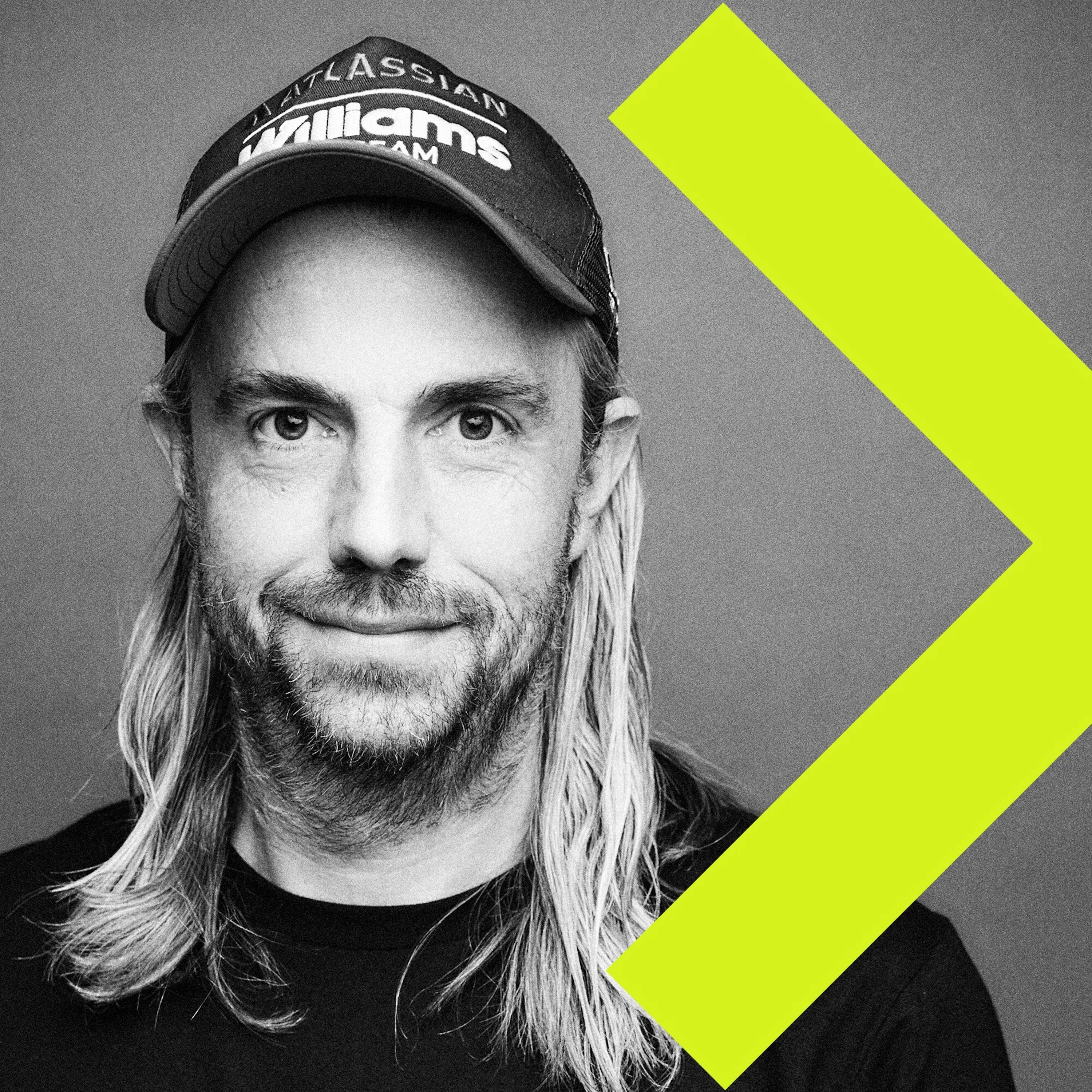
My guest today is Mike Cannon-Brookes, who is co-founder and CEO of Atlassian. Atlassian is one of those companies that every other company runs on — it makes important platform tools like Jira and Trello. This means Atlassian is also right in the middle of the way AI is changing how all these companies work.
Or, if you buy the idea of the so-called SaaSpocalypse, AI might just build all of

Can Cloudflare save the web from AI?
Cloudflare discovered in June that bots already make up more than half of internet traffic — and CEO Matthew Prince says that bots could outnumber humans a thousand to one within five years.
That's a huge change to the internet, and if the web is going to keep existing, it needs a huge change to its business model. Can Cloudflare use its place in the ecosystem to direct the money back to the peop
I have some questions for Mark Zuckerberg
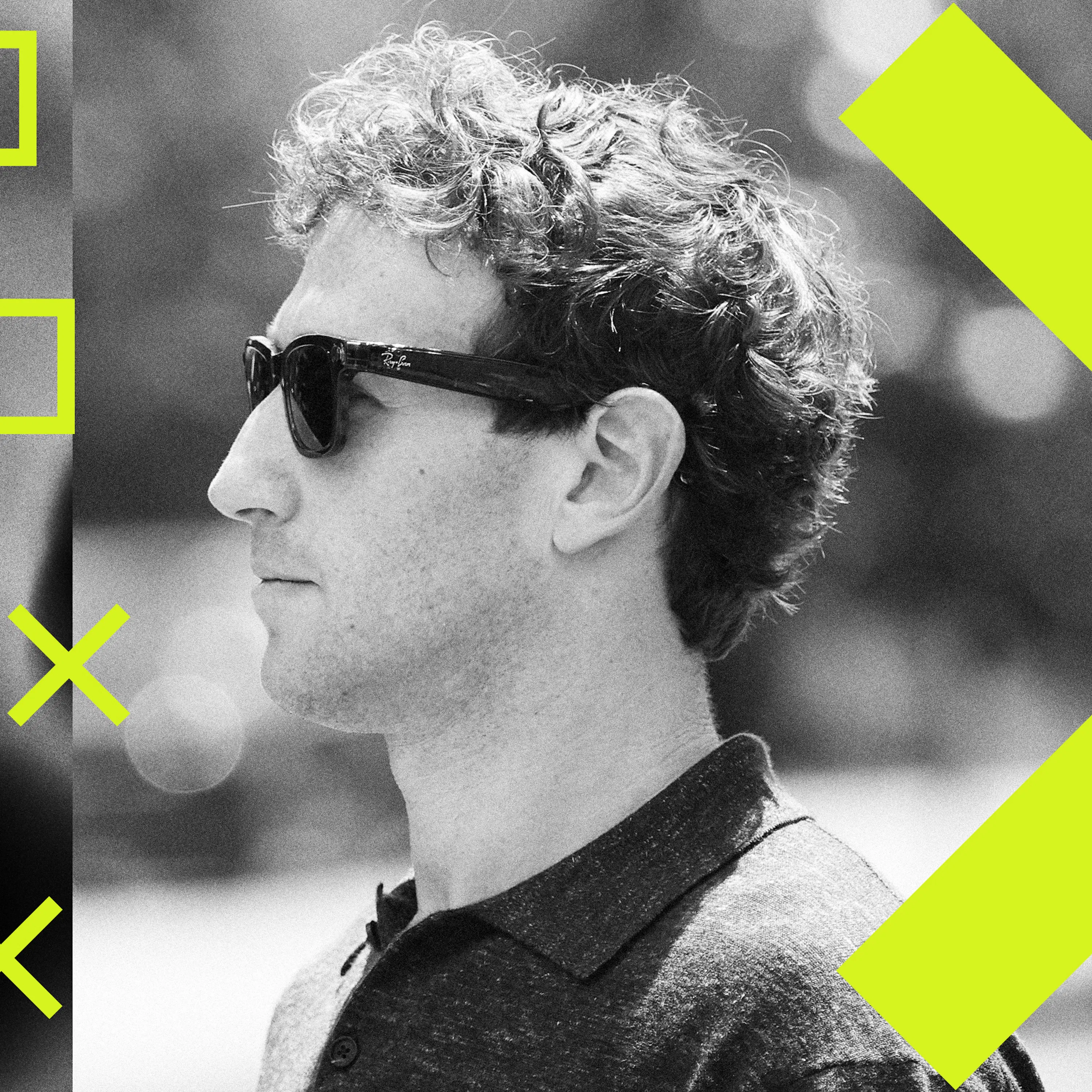
It’s a big week for Meta. The company has its big Connect conference, and the new Muse AI agent appears to be an early hit. CEO Mark Zuckerberg has been doing a lot of interviews about it all — so of course we asked for him to be on Decoder. Meta declined, for whatever reason.
But luckily Mark just did a big interview with our friend and former colleague Alex Heath on the Sources podcast. S

Can John Ternus find Apple's next big thing?
Today, I’m talking with Bloomberg’s Mark Gurman, who is the world’s best-sourced Apple reporter. Earlier this month, Apple hosted its annual iPhone hardware event, and this event was special, for a number of reasons.
It was new Apple CEO John Ternus’ first major product launch. It was also the debut of the foldable iPhone Duo. So I wanted Mark on the show to explain why this event was so im

Does AI need an antitrust exemption so it doesn't kill everyone????
The biggest story in tech right now is the spiraling debate about AI safety and regulation. The CEOs of all these companies have issued various calls to slow down development and develop regulation, including asking for antitrust exemptions so they can all coordinate on safety issues.
So to make sense of it all, I called Jonathan Kanter, the former antitrust chief for the U.S. Department of Justi

Microsoft AI CEO says AI threats are real, and Anthropic is making it worse
Today, I’m talking with Mustafa Suleyman, the CEO of Microsoft AI. As you’re no doubt aware, the biggest story in tech right now is the spiraling debate about AI safety and regulation. So I really wanted to talk to Mustafa about what he thinks is real and not in AI safety, whether the concept of alignment itself is up to the task, and whether this industry needs to slow down before it kills us all

Adam Conover explains how YouTube ruined everything
Adam Conover is a familiar face to anyone who’s spent time on the internet. He got his start at CollegeHumor back in the day, before transitioning into cable TV with Adam Ruins Everything, then onto Netflix, and all the way back to YouTube again, where he posts videos and hosts a podcast.
That is exactly the kind of career path that fascinates me, and it also happens to touch on basically every m

Why the current tech backlash feels different
We’re back with another Decoder mailbag special. This time, we focused on feedback to Nilay’s “software brain” video essay, our ongoing coverage of AI and Big Tech backlash, surveillance, interviewing politicians ahead of the midterms, and more.
Remember: we really do read every email, so please keep sending us your feedback, and letting us know what you think of our coverage and how we can impr
How Sonos rebooted itself
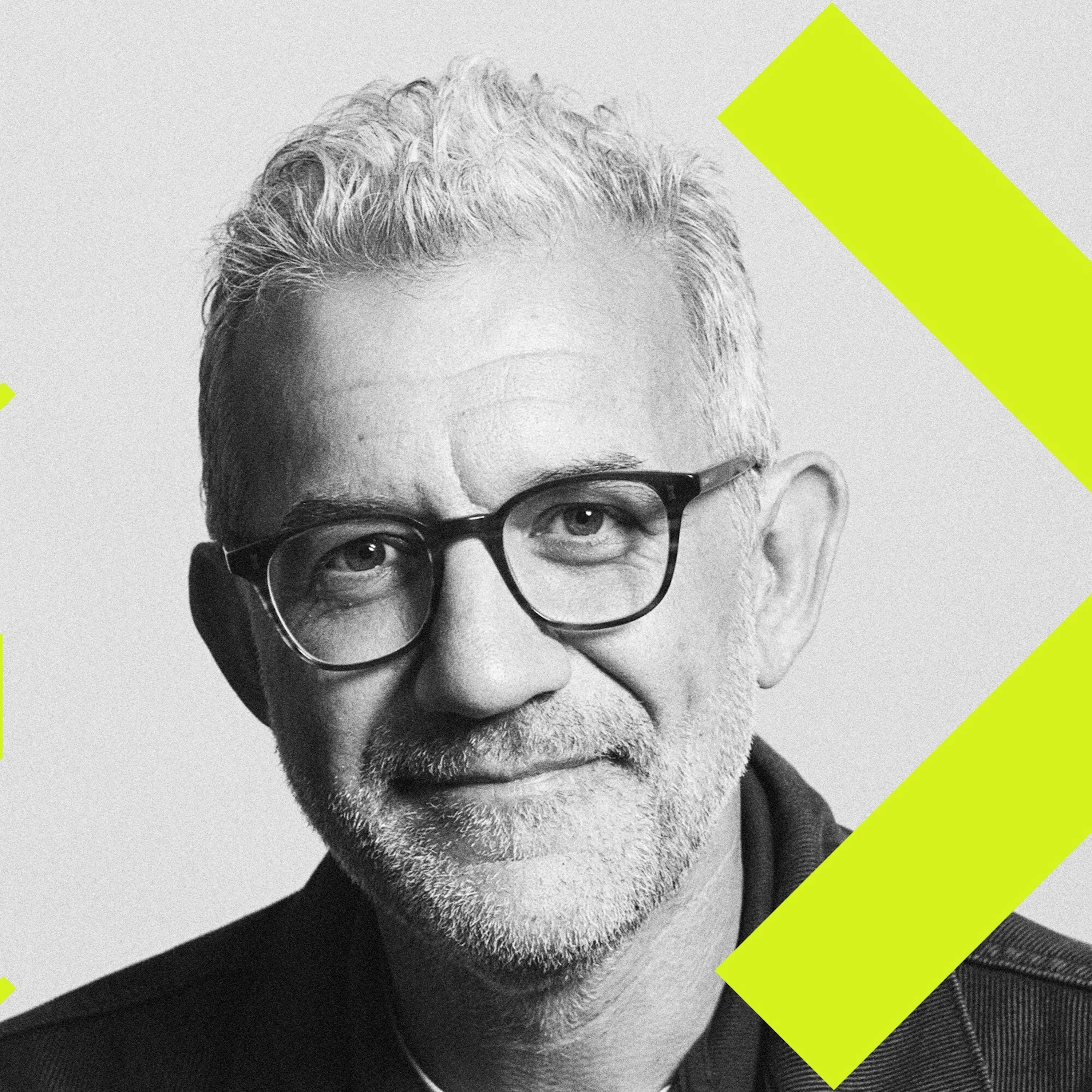
My guest today is Sonos CEO Tom Conrad. Tom was on the board at Sonos during the disastrous 2024 app redesign that threatened to crash the entire brand, and he took over as interim CEO to right the ship during that period. About a year ago, he took the permanent role.
I have been dying to have Tom on the show to talk about how the board decided to move on from previous CEO Patrick Spence, h

New York Governor Kathy Hochul thinks AI should be ‘less evil’
It’s an election year, with a shocking amount of tech policy at stake, and Gov.Hochul has taken strong positions on almost every major tech issue there is. You'll hear us talk about the settlement Meta reached with dozens of states, including New York, and about widespread age verification.
We also discussed 3D printing ghost guns; surveillance and Flock cameras; the politics of building — or no

OpenAI's executive exodus has one big winner
Today, I’m talking with Hayden Field, The Verge’s senior AI reporter, about some pure Decoder bait: the seemingly-endless org chart changes at OpenAI, and how all of them seem to consolidate power under cofounder Greg Brockman, the company’s president.
While Sam Altman is the CEO and still OpenAI’s most public face, Brockman has amassed enormous power and influence within the top ranks of the com

How GoFundMe became America's backup plan
Tim Cadogan is CEO of GoFundMe, the for-profit platform where you can donate to help people with everything from medical expenses to little league uniforms to starting a new business.
Tim took over as CEO in March 2020 — a chaotic moment when GoFundMe became a load-bearing part of American culture. So you can imagine I had a lot of questions for Tim, how he thinks about all this, and how he makes

Welcome to the AI crisis in math
My guest today is Robert Hart, The Verge’s London-based AI reporter. Robert recently wrote a fantastic story for us about the debate raging inside the world of mathematics — and the existential crisis over what it means that new frontier AI models have become very good at math in a shockingly short period of time.
I wanted to dive into all of this with Robert, who actually spoke to some of
It's about ethics in journalism, with Ben Smith
Today I’m talking to Ben Smith, the editor-in-chief of Semafor. Ben ran BuzzFeed News at the height of the Facebook traffic boom, and even wrote a book about it, called Traffic, which he discussed with me on Decoder back in 2023.
Semafor, which is only four years old, is now a fast-growing and profitable media company, which makes about half of its revenue from events. So I wanted to talk t
Does Google even want to win in AI?
My guest today is The Verge’s Hayden Field, and we’re discussing a question that’s been rocketing around the tech industry for the past week: Is Google losing the AI race?
That's because last week, the company announced a bombshell reorganization of its AI division. You can read these moves, and Google’s reaction, in a lot of different ways. So I really wanted to sit down with Hayden to dig into

Bose CEO Lila Snyder on the fight for high-quality audio
My guest today is Lila Snyder, the CEO of Bose. Lila was last on the show about four years ago, and since then she’s dramatically rearchitected the company — she sold off Bose Professional, acquired the high end audio brands McIntosh Labs and Sonus faber, and, perhaps most importantly, started licensing all that core Bose technology to other companies.
That big change in the business comes with a

The left and right agree on one thing: no data centers
Our guest today is Gaby Del Valle, a policy reporter here at The Verge, and we’re discussing the growing backlash against AI data centers. Gaby recently reported a fantastic piece about Hernando County, Florida, where last month the county commission unanimously approved a year-long moratorium on data center construction.
So I wanted Gaby to talk me through what these protests look like on the gr

Bluesky’s new CEO wants a big tent, not a bubble
Today, I’m talking with Toni Schneider, the new head of social platform Bluesky who formally took over after a short stint as interim CEO. This is one of my favorite kinds of interviews, because a couple years ago we had Bluesky’s prior CEO, Jay Graber, on the show — she’s now the company’s chief innovation officer. All of that kind of shuffle is pure Decoder bait: a new CEO often brings with them
The end of the human internet
Hey everyone, this is Nick Statt, senior producer on Decoder. We’re taking a brief publishing break while Nilay is out on vacation. We’ll resume regular programming next week, and we’ve got some great episodes in the works.
In the meantime, we wanted to share an episode from the excellent podcast The Gray Area, with host Sean Illing. In this one, Sean sat down with The Atlantic journalist C

Tariffs didn’t bring manufacturing jobs back to the US
Evan Smith, cofounder and CEO of Altana, was last on the show in early 2025 to talk about how Trump’s first few waves of tariffs were starting to affect global trade. It was a very alarming and also very illuminating chat; Evan and I got into the existential weeds of international relations and economics almost immediately.
A year and a half later, and everything is somehow even more chaotic than

What Apple’s OpenAI lawsuit is really about
Today, I’m talking with Hayden Field, The Verge’s senior AI reporter, about the major trade secrets lawsuit between Apple and OpenAI, and what this tells us about OpenAI’s future.
Hayden has been covering OpenAI for years now, and she also just talked to a bunch of lawyers who specialize in intellectual property and trade secret law to get a sense of how serious this case is. The answer is

Dr. Jill Lepore on why the AI backlash is vital for the future
Dr. Jill Lepore is one of the best writers there is at identifying institutional patterns in history, and Decoder is a show about systems and organization — so her new book, The Rise and Fall of the Artificial State, is a perfect fit for the show.
You build systems by measuring things — gathering information, quantifying it as data, and taking action on it. The book's big thesis is that this kind

Proton’s CTO: No company is going to jail for you
We’ve got the first of a two-part series on the systems that run the world: I’m talking today with Bart Butler, the CTO of Proton, the company that makes private and secure productivity software.
There’s a lot of big Decoder themes in this one. That includes how Proton has structured its ownership and architected its products to align its incentives with protecting users. At the same time, Prot

Yes, even Nvidia's head of automotive is fighting for compute
Nvidia is obviously in the news constantly because of the AI boom — but it's also a major supplier to the entire auto industry As head of Nvidia's automotive division, Xinzhou Wu has a front-row seat to all the challenges EVs and autonomous vehicles are facing, especially in the US.
And of course, you can’t talk about electric cars or vehicle autonomy in the US without talking about Elon Musk and

Why did Comcast ever buy NBC?
My guest today is Peter Kafka, chief correspondent at Business Insider and host of Channels, a podcast about the media industry. And it’s a big week for the media industry — Comcast just announced that it’s splitting itself up, into the Comcast broadband company and the NBCUniversal entertainment company.
This dream, that you can combine distribution with big splashy entertainment properties, has

Inside the big business of the creator economy, with Ali Berman and Raina Penchansky
Today I’m talking with Ali Berman and Raina Penchansky, who run the Creators Division at United Talent Agency. UTA is an enormous talent agency, and Ali and Raina's creators division represents some of the biggest creators and influencers in the world.
So I really wanted to know how Raina and Ali identify up-and-coming talent, how they work with that talent to build durable businesses, and what t
The CMO is a dying role, says Digitas' Amy Lanzi
We’ve got a special Decoder today. I had the chance to talk with Amy Lanzi, the CEO of Digitas North America, in front of a live audience at the Uber villa at the Cannes Lions advertising festival in the south of France.
There’s a lot in this one on AI, the creator economy, and the future of marketing – like I said, Amy is as sharp as they come, and I really enjoy talking to her about how the mon
He changed outdoor cooking forever — then took over Weber
It’s time for our annual Fourth of July grill episode here at Decoder, which is when we invite the CEOs of outdoor cooking companies onto the show to explain just how their businesses kind of look like every other business. And this is a very special edition.
Today we’re talking to Roger Dahle, the CEO of Weber Blackstone, a full circle moment for Decoder. Roger was our first-ever grill CEO on t
Rewind: CEO Jim Farley on Ford's EV gamble
Hey everyone, Nilay here. You might remember I took a break from Decoder last year — we had a baby, so I took some leave. In my place, we had an excellent slate of guest hosts, and we’ve been working hard to bring you those episodes in full video since we launched our official Decoder YouTube channel.
So today, we’re featuring a really great interview conducted by my very good friend Joanna Stern

Can Patreon fight fire with social media fire?
A lot has changed on the internet, in the creator landscape, and at Patreon itself since CEO Jack Conte was last on the show in 2021. AI and platform shifts have stolen creator content and decimated artists' reach and revenue streams, and Patreon has made some pretty existential changes to the way it works in response.
Read the full interview transcript on The Verge.
Links:
My thoughts on

Who decides when AI is too dangerous?
My guest today is Hayden Field, senior AI reporter for The Verge. Often when Hayden comes on the show, it’s because something has gone wrong in the world of AI. Last weekend, that something was a pretty intense mix of Anthropic, the Trump administration, and Anthropic’s new AI model, Fable 5.
Hayden actually just published a fantastic play-by-play on The Verge about how the Fable ban went d

Skydio CEO argues more drones will make us safer
Today, I’m talking with Slydio CEO Adam Bry, who runs the leading US maker of autonomous drones. We covered a lot in this conversation, including Skydio’s police and government work at a time when military use of AI is more controversial than ever and competing with Chinese drones against the backdrop of the Trump’s administration’s DJI ban.
There’s a lot in this one – maybe more than anything, i
Condé Nast CEO Roger Lynch on AI, the Met Gala & his secret succession plan
Hey! Nilay here. It’s conference season, so I’m traveling across the country and around the world a lot more than usual. Stay tuned for some very special Decoder episodes we have coming up soon, starting on Monday.
In the meantime, I wanted to share a conversation between my friend Peter Kafka and Condé Nast CEO Roger Lynch on the excellent Channels podcast. Lynch says he’s told his teams t

Microsoft AI chief thinks superintelligence is near, but won't take your job
Today I’m talking with Mustafa Suleyman, the CEO of Microsoft AI. This is a real burner of an episode. We covered everything from his approach to training new models to his criticisms of Anthropic talking about Claude as though it is conscious.
Of course, we also talked about Microsoft’s relationship with OpenAI, how Mustafa is thinking about all the negative polling and political pushback

Elon Musk is steamrolling Wall Street to become a trillionaire
My guest today is Ryan Mac, a technology reporter at The New York Times and co-author of the excellent book Character Limit: How Elon Musk Destroyed Twitter, which came out in 2024. I wanted to have Ryan on today because we’re on the cusp of the SpaceX IPO, which promises to be one of the most consequential public offerings in history for a variety of reasons.
Its biggest-ever size, of course, a

AI is blowing up music. How should the Grammys handle it?
I last talked to Recording Academy CEO Harvey Mason Jr in 2024 — when it was obvious that generative AI would upend the music industry, but not exactly clear how that would happen.
Now, Harvey says AI is “omnipresent” in music production. So what kinds of tools are musicians using, in what way, and what kind of music is it making for us? Is it any good? And how do we identify, and take care of, a
Rivian's software chief thinks you don't need CarPlay or buttons
Today, I’m talking with Wassym Bensaid, the chief software officer at Rivian, and the co-ceo of Rivian’s platform joint venture with Volkswagen. That joint venture, called RV Tech, is about a year and a half old, so I wanted to ask Wassym how it all works and Rivian’s ongoing relationship with Volkswagen.
Because it’s Rivian, I also had to ask Wassym about CarPlay. But the company also just laun

How Sundar Pichai is rethinking Google for the AI era
Connecting with Google CEO Sundar Pichai at I/O every year is one of my favorite Decoder traditions. This was our fifth year doing it, and there’s always a whole slew of new things to talk about.
This year, in addition to the news, we talked about Google Zero; picking fights with YouTube creators and publishers; and what being at “the foothills of the singularity" even means.
Read the full inte

Musk v Altman: Much ado about nothing
Musk v Altman was nominally about OpenAI's conversion to a for-profit entity, and how it went about that change. But really, the suit seems mostly to have been about Elon Musk being mad at Sam Altman — or at OpenAI, for being successful without him — and wanting him punished in some way.
Verge reporter Liz Lopatto spent the last month covering the trial, in all its chaos, and joins Decoder to ask

Exclusive: Jonah Peretti explains why he sold BuzzFeed
Just days before we spoke, BuzzFeed co-founder and CEO Jonah Peretti agreed to sell the company, which was losing money and at risk of shutting down. Now there’s a new lease on life — and new leadership. Jonah is taking on a new role as president of BuzzFeed AI, and Byron Allen will become CEO of BuzzFeed.
That’s obviously a huge structural and organizational change, and a really big decision —

How companies weaponize the terms of service against you
Brendan Ballou is founder of the Public Integrity Project and author of the new book, When Companies Run the Courts, about the rise of forced arbitration.
Forced arbitration is similarly everywhere in modern life, and there have been some very high-profile cases these past few years highlighting how deeply unfair these clauses are to consumers. Brendan’s book delves into how and why we got here

Joanna Stern is not a robot, but she lived with them
My guest today is longtime friend of the show Joanna Stern. You all know Joanna: she is the former senior personal technology columnist for The Wall Street Journal, a former Decoder guest host, one of my co-founders at The Verge, and also just one of my very closest friends.
Joanna just left that lofty perch at the Journal to start her own media company called New Things, and she’s starting with

Rewind: How AI is fueling an existential crisis in education
Hey, everyone, Nilay here. We’re off today, while the team and I are cooking on a lot of really great stuff in the coming weeks. We’ll be back with an all-new interview on Monday.
In the meantime, we really wanted to highlight this episode we first aired in the fall, because it’s about a huge subject: AI in schools. The school year is starting to wrap up now around the country, and we’re no clos
Dara Khosrowshahi on replacing Uber drivers — and himself — with AI
It’s become an annual tradition to have Uber CEO Dara Khosrowshahi join us in the studio when he comes to New York for Uber’s big Go-Get event every year. This year, the big news was that Uber's expanding into a much larger platform for travel, starting with hotel booking and services like personal shopping.
Uber is going so far as to call this an everything app, so I wanted to see how far Dara t

How to win — or lose — Decoder
This is Nick Statt, senior producer on Decoder. We last ran a mailbag episode during the holidays, and we decided it was a good idea to do that kind of thing more often. So we’re back with Nilay as the guest, answering questions and responding to feedback, criticism, and suggestions.
We talk through some recent controversial episodes like our interviews with the CEOs of Superhuman and Puck, and

That UL safety logo is a lot more complicated than it looks
Jennifer Scanlon is CEO of UL Solutions, one of those hidden-in-plain-sight companies we like to poke at here on Decoder. UL's been around for more than 100 years; it started as a way for insurance companies to standardize fire and safety testing as electricity was the new technology spreading into homes.
But now it's everywhere, and "safety" in tech doesn't just mean the hardware. UL is adapting
THE PEOPLE DO NOT YEARN FOR AUTOMATION
Today on Decoder, I want to lay out an idea that's been banging around my head for weeks now as we've been reporting on AI and having conversations here on this show. I've been calling it software brain, and it's a particular way of seeing the world that fits everything into algorithms, databases and loops.
Software brain is powerful stuff. It's a way of thinking that basically created our moder
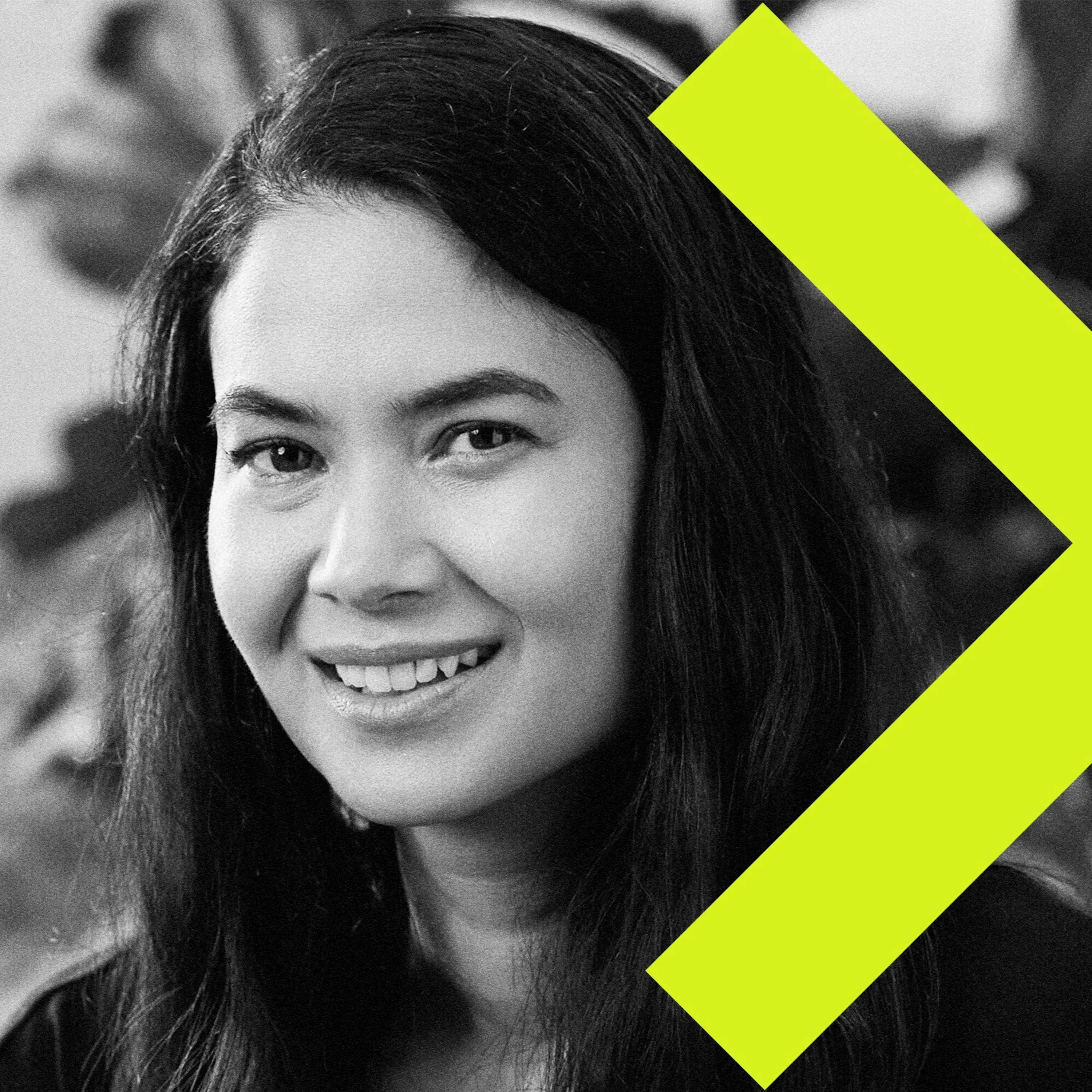
Canva's CEO on its big pivot to AI enterprise software
The last time Canva CEO Melanie Perkins was on Decoder, the company was starting a big push into enterprise. Now, she's leading it through a total reinvention, going, in Canva's words, "from a design platform with AI tools to an AI platform with design tools."
But there's a lot of competition in that AI enterprise space. Not only is Canva competing with design software like the Adobe Creative Sui

Ronan Farrow on Sam Altman's "unconstrained" relationship with the truth
Today I’m talking with Ronan Farrow, one of the biggest stars of investigative reporting working today. He broke the Harvey Weinstein story, among many, many others.
Just last week, he and co-author Andrew Marantz published an incredible deep-dive feature in The New Yorker about OpenAI CEO Sam Altman, his trustworthiness, and the rise of OpenAI itself. So Ronan came on the show to discuss the pi

Can Puck’s CEO reinvent the news business for the influencer age?
Sarah Personette is the CEO of Puck, a media company that's been around for about five years. Puck hires big star reporters who write newsletters as part of a subscription bundle. Those newsletters are often must-reads in their industries, and those reporters get equity in Puck and a share of the company's revenue.
It's a place where the financial incentives of the influencer economy crash right

The AI industry's existential race for profits
Today, let’s talk about the looming AI monetization cliff, and whether some of the biggest companies in space can become real, profitable businesses before they careen right off it.
My guest today is Hayden Field, who’s our senior AI reporter here at The Verge. She’s been keeping close tabs on both Anthropic and OpenAI, and how these two companies, both slate to go public this year, tell us a who

Cisco CEO Chuck Robbins wants data centers in space
My guest today is Cisco CEO Chuck Robbins. Cisco is one of those big companies that everyone has heard of but most of us don’t have to interact with very much; they’re not really a consumer brand. But without Cisco's actual routers and switches and silicon — and the software to make those things work — there’s no internet, no cloud, and no AI.
But a data center is a really unpleasant neighbor t

A jury says Meta and Google hurt a kid. What now?
Today, we’re talking about the landmark social media addiction trials that just resulted in two major verdicts against Big Tech — one in California against Meta and Google, and another in New Mexico against just Meta.
These are complicated cases with some huge repercussions for both how these platforms work and the very nature of speech in America. So we’ve brought on two heavy hitters: my friend
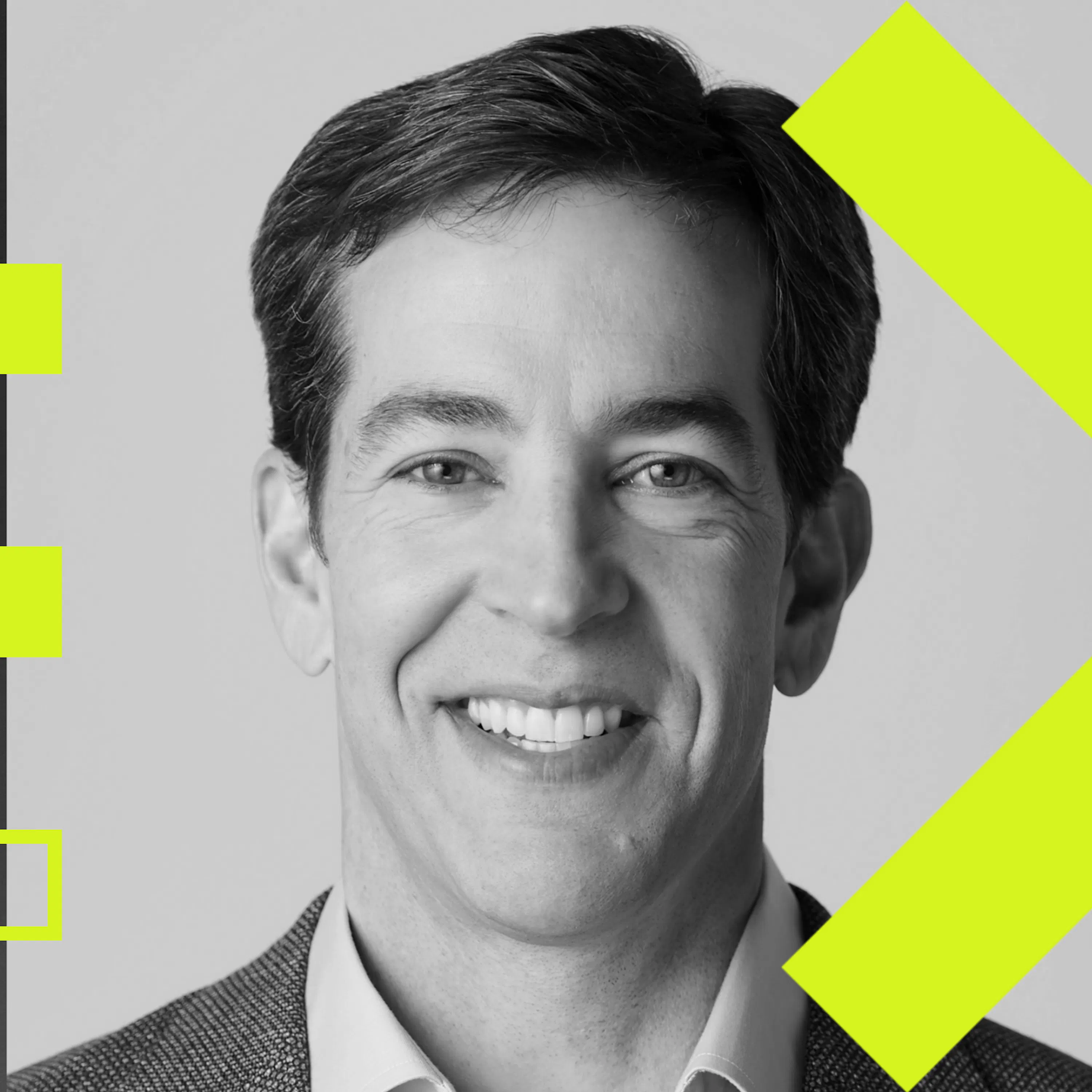
Okta's CEO is betting big on AI agent identity
My guest today is Okta CEO Todd McKinnon. Okta is a platform that big companies use to manage security and identity across all the many apps and platforms their employees use. Most of us run into it as login management at work.
SaaS companies like Okta are under a lot of pressure in the age of AI, which Todd even said on an earnings call he's "paranoid" about. But you'll also hear Todd say that f
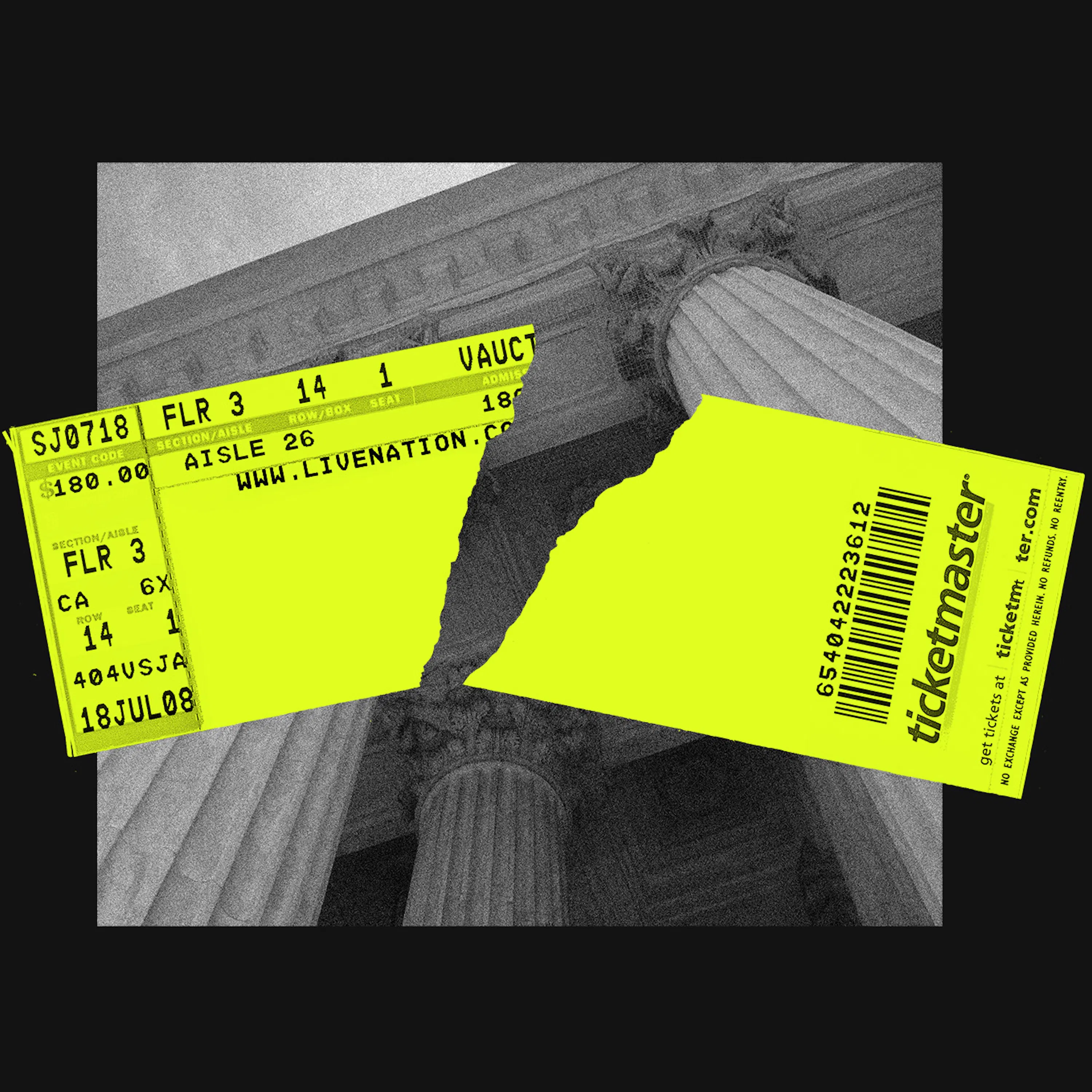
Everyone hates Ticketmaster. Why'd Trump go easy on them?
Today, we’re talking about the major antitrust lawsuit against Ticketmaster parent company Live Nation, and what it might mean for antitrust and competition law in general now that the Trump DOJ has decided to settle its part of the case — even as several states including California, New York, and Texas carry on.
To break it all down, I’m joined by Verge senior policy reporter Lauren Feiner. Lau
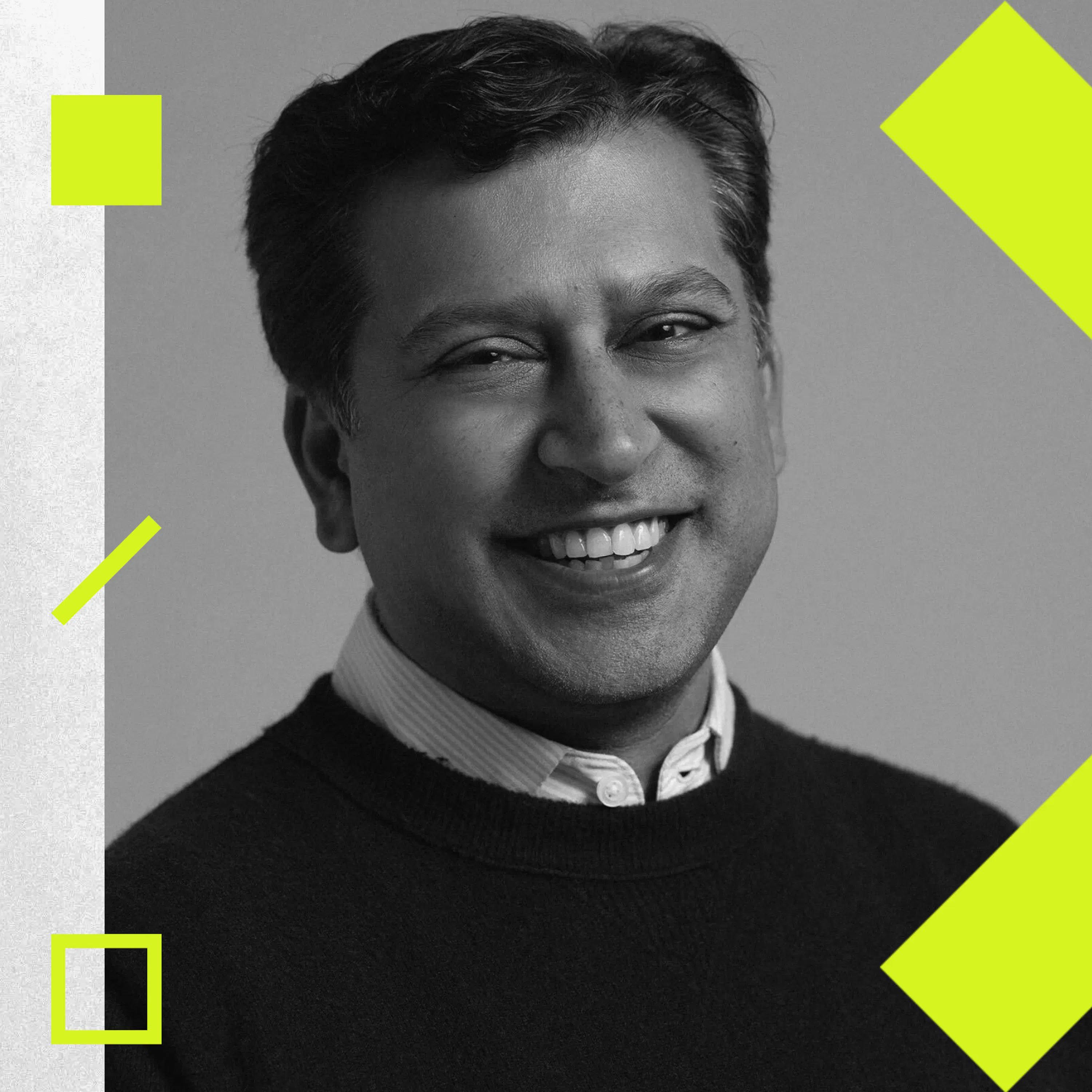
Confronting the CEO of the AI company that impersonated me
Today, I’m talking with Shishir Mehrotra, the CEO of Superhuman, the company formerly known as Grammarly, which is still its flagship product. Back in August, Grammarly shipped a feature called Expert Review, which allowed you to get writing suggestions from AI-cloned “experts,” and recently, reporters at The Verge and other outlets discovered that those experts included me, among many others.
N
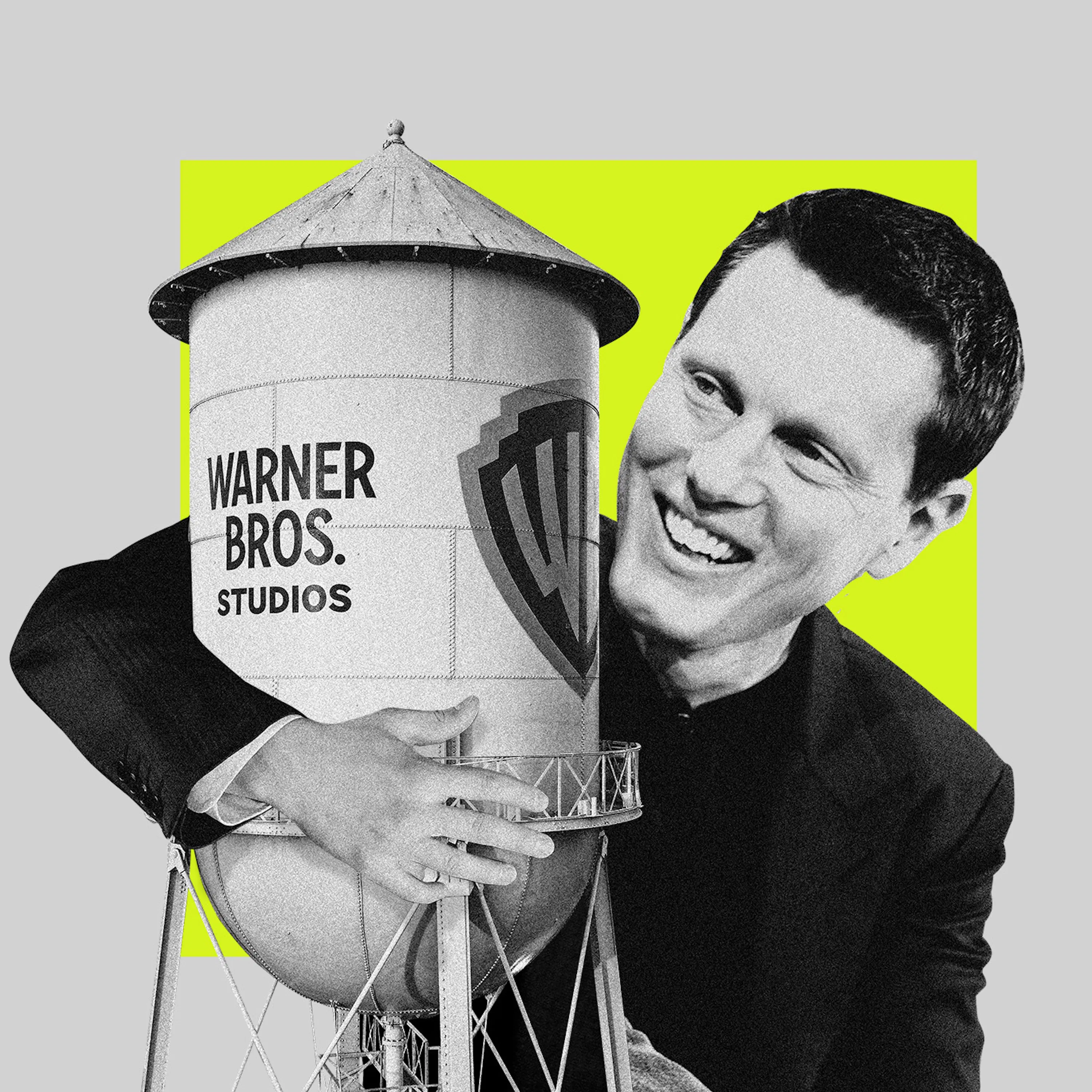
Paramount's $110 billion Warner Bros. gamble
Today, let’s talk about the big Paramount-Warner Bros. Discovery merger. Right now, Paramount head David Ellison is very much acting like he’s over the finish line after outbidding Netflix, which walked away after what seemed like a done deal.
Back in January, I asked Puck’s Julia Alexander to walk me through Netflix’s reasoning, and today I’m digging into Paramount’s with Rich Greenfield, a med

Yahoo CEO Jim Lanzone on reviving the web's homepage
Jim Lanzone is the CEO of Yahoo. It's basically impossible to sum up Yahoo's story over the last 25 years, but the short version is that once upon a time, Yahoo paid Google to run the search box on its website, and everything immediately went sideways. Jim calls it Yahoo's original sin.
But after a long series of mergers, spinouts, and a hot, weird minute as part of Verizon Yahoo is once again a

Anthropic doesn't trust the Pentagon, and neither should you
My guest today is Mike Masnick, the founder and CEO of Techdirt, the excellent and long-running tech policy blog. Mike has been writing about government overreach, privacy in the digital age, and other related topics for decades now, and he’s an expert on how the internet and the surveillance state have grown in interconnected ways over the past two decades.
I wanted to have Mike on the show to d

Hasbro's CEO lets AI Peppa Pig help design toys
Hasbro might be a toy company, but CEO Chris Cocks has spent the last several years pushing it more and more into the digital media, gaming, and collectibles space. That makes sense, since adults have money and kids don't. All those IP and licensing deals are working out for Hasbro so far.
But Hasbro is also facing a lot of risk from instability: in trade and tariffs, in politics and culture, an

Prediction markets want to be the news
Today let’s talk about prediction markets, which continue to insert themselves into the news cycle and the news in increasingly weird, unsettling, and potentially illegal ways.
My guest today is Liz Lopatto, a senior reporter at The Verge who owns what we cheerfully call the chaos beat. Liz has been writing a lot about prediction markets lately and especially why they all seem so intent on being

Zillow's CEO on growth during a housing crisis
Today, I’m talking with Zillow CEO Jeremy Wacksman. Zillow is one of those apps that really exemplifies what you might call the smartphone era of software: the company built a great mobile app for looking at real estate listings, and it turned into not just entertainment for so many of us, but what has become a vertically-integrated platform for buying, selling, and renting real estate.
Jeremy’s

Inside Xbox's executive shakeup
Today, we’re talking about the future of Xbox. Phil Spencer, a two-time Decoder guest who’s led Xbox for more than a decade, is stepping down. But in a shocking twist, his deputy long-assumed successor Sarah Bond is also out too, and the Xbox division is now in the hands of an Asha Sharma, one of Microsoft’s AI executives with no prior game industry experience.
There is no better person to talk t

Hank Green lets loose on YouTube, billionaires, and algorithms
Today, I’m talking with Hank Green, a longtime friend of Decoder and the co-founder and now former owner of Complexly, an online education company he started with his brother John in 2012. I say former owner because Hank and John have just converted Complexly into a nonprofit and given up their ownership of the company in the process.
That’s some of the purest Decoder bait that ever was, because
Money no longer matters to AI's top talent
Today we're talking about the war for AI talent. Right now, the hottest job market on the planet is for AI researchers. And the vast majority of these people are concentrated into a small number of hugely valuable, extremely fast-growing companies in the San Francisco Bay Area, most of which are now paying some of the highest salaries in the history of tech to poach from one another.
We’ve been d

Let's talk about Ring, lost dogs, and the surveillance state
Today, we're talking about the camera company Ring, lost dogs, and the surveillance state. Since it aired for a massive audience at the Super Bowl, Ring’s Search Party commercial has become a lightning rod for controversy. It’s easy to see how the same technology that can find lost dogs can be used to find people, and then used to invade our privacy in all kinds of uncomfortable ways, by cops and
The surprising case for AI judges
My guest today is Bridget McCormack, former chief justice for the Michigan Supreme Court and now president and CEO of the American Arbitration Association. For the past several years, Bridget and her team have been developing an AI-assisted arbitration platform called the AI Arbitrator.
So I sat down with her to talk about how the tool works, the pros and cons of automating parts of the arbitrat

Siemens CEO's mission to automate everything
Siemens is one of those absolutely giant, extremely important, fairly opaque companies we love to dig into on Decoder. At a very basic, reductive level, Siemens makes the hardware and software that let other companies run and automate their stuff.
We spent a lot of time talking about what happens to jobs when Siemens automates everything — and what happens to a company like Siemens when the free

Reality is losing the deepfake war
Today, we’re going to talk about reality, and whether we can label photos and videos to protect our shared understanding of the world around us. To do this, I sat down with Verge reporter Jess Weatherbed, who covers creative tools for us — a space that’s been totally upended by generative AI.
We’ve been talking about how the photos and videos taken by our phones are getting more and more process

Docusign's CEO on the dangers of trusting AI to read, and write, your contracts
Today, I’m talking with Allan Thygesen, who is the CEO of Docusign. You know Docusign, it’s the platform that lets you sign stuff online. It turns out 7,000 people work there, which is one of those facts floating around that’s always felt like perfect Decoder bait. What are all those people doing? And what kind of product roadmap does a company like Docusign even need?
Alan has only been CEO of D

Netflix is eating Hollywood — because it has to
Today, we’re talking about the bidding war over Warner Bros. Discovery, which is the biggest story in the entertainment industry right now, and for good reason. It has pretty much everything you could want in a buzzy Hollywood saga — big names, big money, and big drama.
To help me make sense of it all, I wanted to talk with Julia Alexander, a Verge alum and now media correspondent at Puck News wh
Experian's tech chief defends credit scores: 'We're not Palantir'
Experian is one of those giant multinationals convoluted enough to have multiple CEOs all over the world, so first I asked Alex Lintner, Experian's CEO of technology and software solutions, to dig into the classic Decoder questions and explain how all of that even works.
He oversees big operations like security and privacy, and now, of course, AI. If you want to participate in the modern economy
Why nobody's stopping Grok
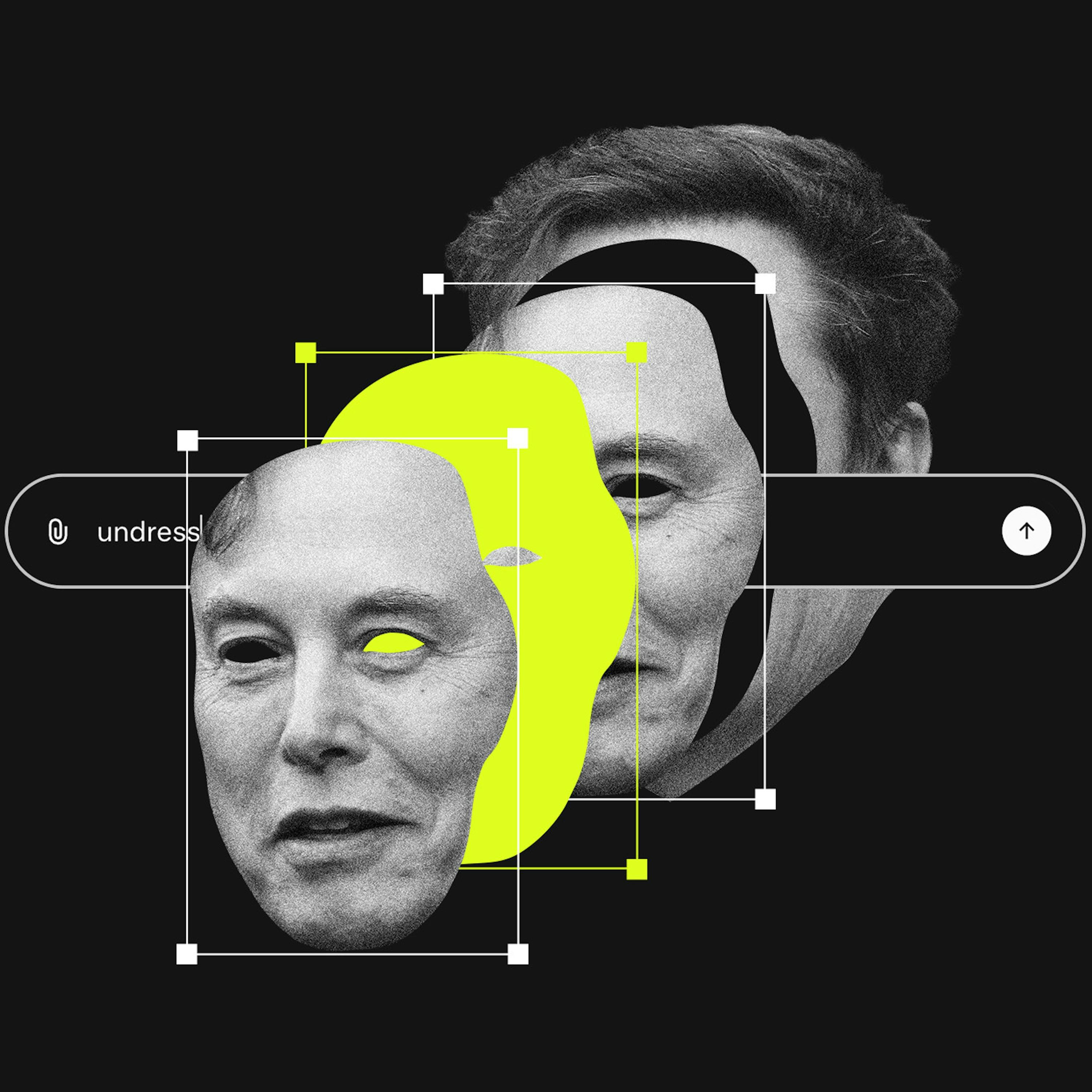
Grok, the chatbot made by Elon Musk’s xAI, is able to make all manner of AI-generated images on demand, including non-consensual intimate images of women and minors. It's the kind of "controversy" that would have completely sunk a platform five or 10 years ago, but now it seems clear that Elon wants Grok to be able to do this.
A lot of people feel like someone should be able to do something about

Razer CEO on AI in game dev, Grok, and anime waifus
We’re back to start the year with a very special live interview with Razer CEO Min-Liang Tan, which we taped in front of a terrific audience at Brooklyn Bowl in Las Vegas during CES. At this year’s show, Razer made headlines for something it calls Project Ava, an AI companion that has a physical presence in the real world, as an anime hologram that sits in a jar on your desk. It’s powered by, you
Recommended

The Church of What's Happening Now: The New Testament
Busted Open

Deadline: White House

Crickets Corner

History of the Earthquake and Fire in San Francisco

Fox news

K-Drama Obsessed Mamas | Beyond “Just One More Episode!”

True Crime Classics

The Healer Revolution

Becoming: HER with Nikki Spoelstra

Booked, Blonde & Busy w/ Olivia Ponton

McKinsey on Consumer and Retail
