
How We Survive
How We Survive is an award-winning podcast from Marketplace that explores the messy business of climate solutions. Each season takes listeners on an adventure to places like Miami, the Arizona desert, and a sinking island, examining innovative and sometimes disturbing ways people are navigating climate change. Previous seasons have covered the lithium extraction economy, Miami's vulnerable real estate market, and the U.S. military's greenhouse gas emissions. The podcast also features a spin-off series called Burning Questions that provides practical advice on climate-safe living, sustainable food choices, and maintaining hope.
Episodes
Almost Midnight, from "The Midnight Rebellion"
From WBUR, here's a new kind of story, one that's all about the big questions and decisions we face. “The Midnight Rebellion” is a pick-your-own-path podcast set 100 years in the future, where the stakes are nothing less than the planet itself. It's fiction rooted in real science, built for the kids in your life (ages 7 and up) — and the whole family. You're listening to Chapter 1 of The
Your geoengineering questions, answered!
This season, we explored large-scale climate interventions that could be our last hope. One intervention in particular, solar geoengineering, made a lot of listeners’ heads spin. (We’re right there with you.)This episode, we answer some of your most pressing questions about solar geoengineering. We get into whether solar sunshades could harm crops, what international efforts around solar
Should we mess with nature?
All season, we’ve been unpacking the controversial ways we’re messing with nature to save the planet. In this episode, we explore the wildest intervention to date: de-extinction. We take a tour of Colossal Labs, the $10 billion Dallas startup betting it can reverse-engineer extinction itself, to see how they plan to turn pigeons into dodos and Asian elephants into woolly mammoths. But whe
A Carbon Burial at Sea
We can't avoid catastrophic warming without also capturing and storing carbon dioxide — both the carbon we've already emitted and the carbon we continue to emit through industries that are tough to decarbonize, like steel, petrochemicals, and cement.Europe is a leader in Carbon Capture and Storage (CCS), with a goal of storing at least 50 million tons of captured CO2 a year by the end of
How conspiracy theories impact geoengineering efforts
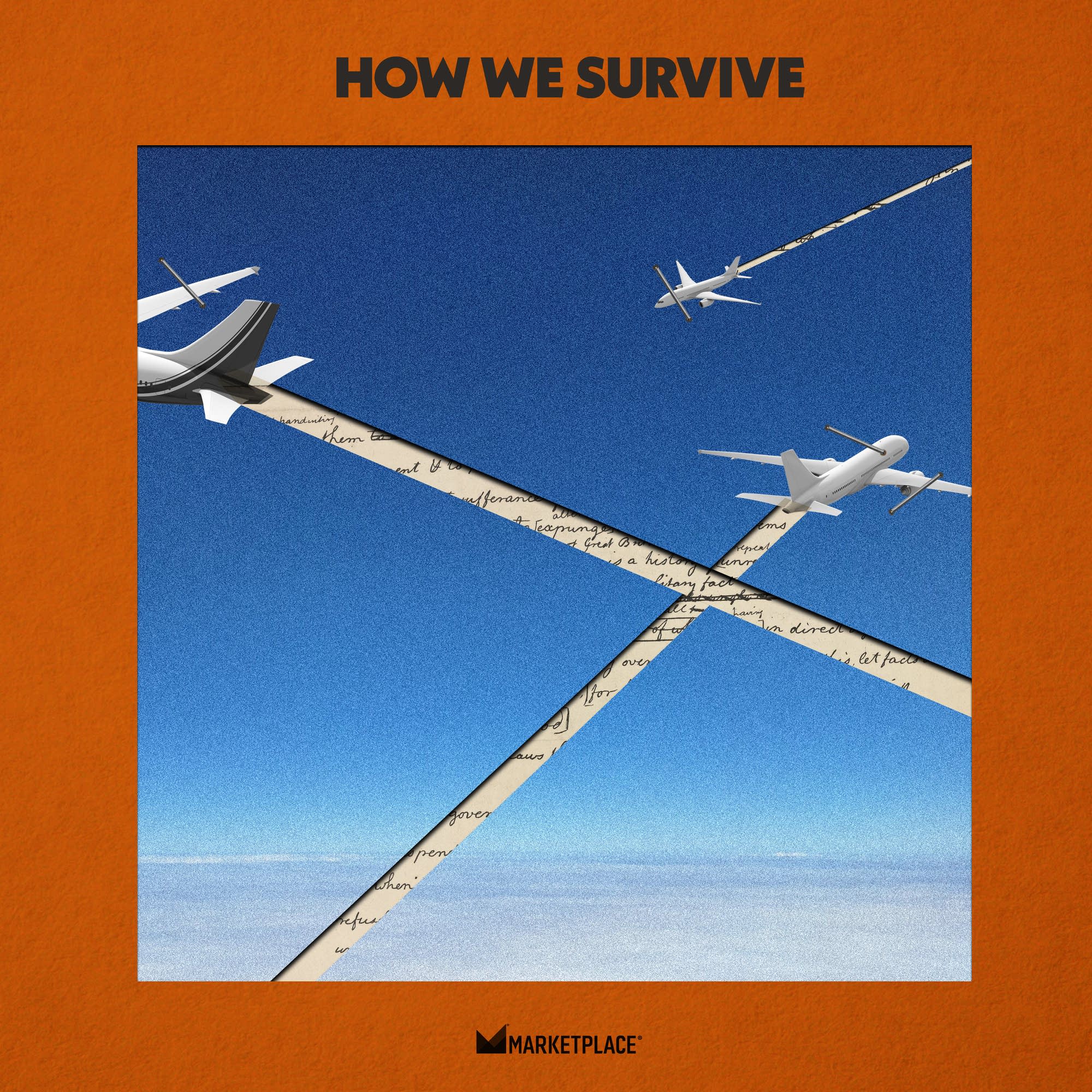
Across the country, anti-geoengineering bills are being proposed in state legislatures. These bills would ban the intentional release of chemicals into the atmosphere for the purpose of affecting sunlight or weather, and could impact future research into stratospheric aerosol injection — or even cloud seeding. But, unlike environmentalists that are advocating against the potential use of
Make It Rain
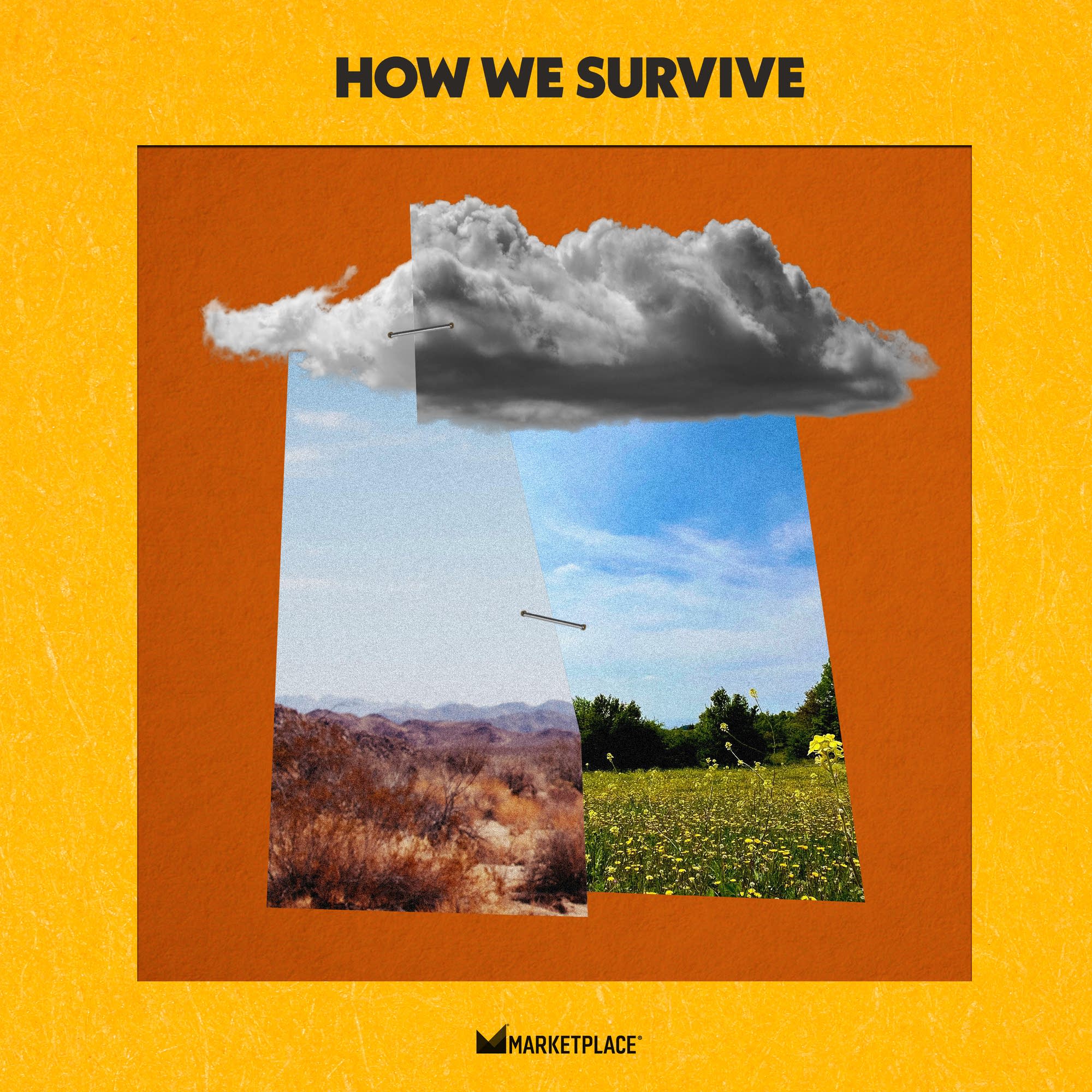
Can a technology used for war help prevent an environmental catastrophe in the making?Cloud seeding is a technique where particles, usually silver iodide, gets dispersed into clouds to help generate more rain or snow and it’s been around for 80 years. During the Vietnam War, the U.S. used cloud seeding in a top secret mission called Operation Popeye, to prolong the monsoon season in Vietn
Novel Solutions
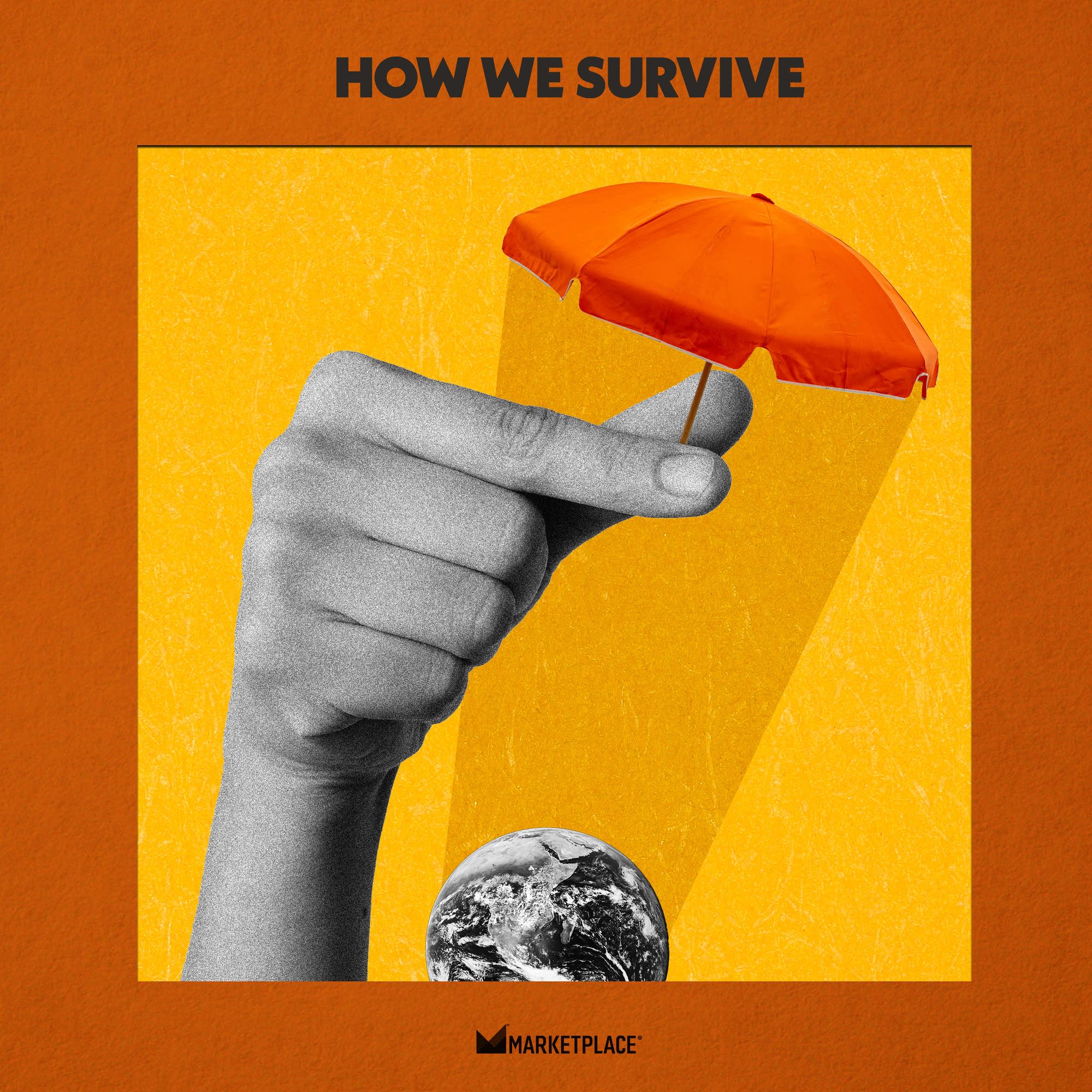
Talk to enough experts about geoengineering and the conversation eventually turns to termination shock. That’s the idea that if we were to start cooling the planet and then suddenly stop, the resulting “shock” of heat could be catastrophic. It’s also the title of a novel by bestselling sci-fi writer Neal Stephenson, who explores the science, politics, and unintended consequences of trying
How to Dim the Sun
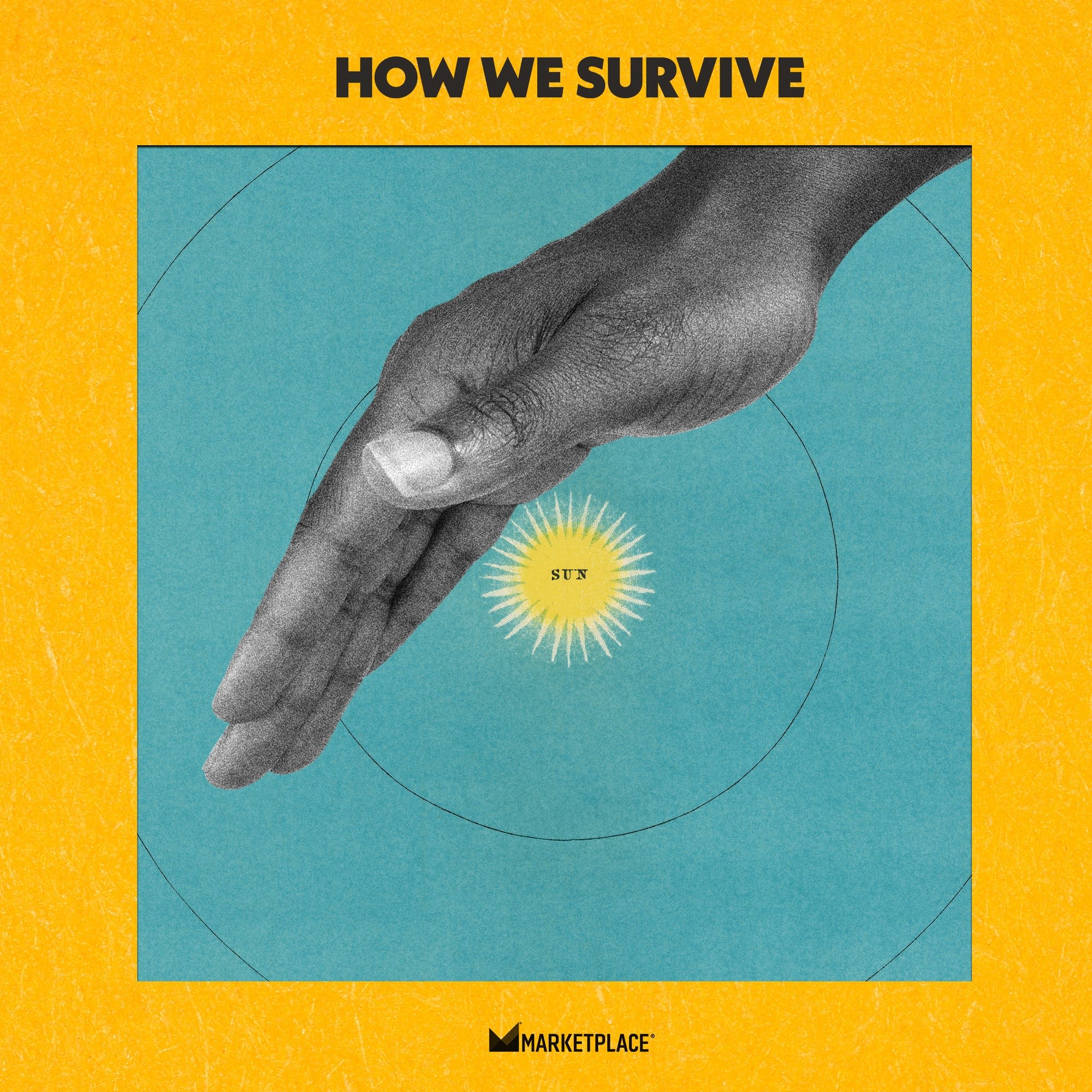
Could dimming the sun be the key to cooling things down before the climate crisis worsens? Some scientists say yes, that we can cool the Earth by launching tons of sulfur dioxide into the stratosphere. It’s a type of solar geoengineering that was once seen as preposterous, meant to exist only in the pages of a sci-fi novel. But now, it’s a reality. To find out for ourselves, we travel to
"How We Survive" returns May 27
The climate crisis is escalating. We have to decarbonize our economy, but we’re moving too slowly. So, what’s the backup plan?This season of “How We Survive” is about engineering nature: large-scale interventions that could be our last hope. We’ll explore technology being developed that could alter our weather patterns, transform our planet, and possibly save us all from the worst outcome
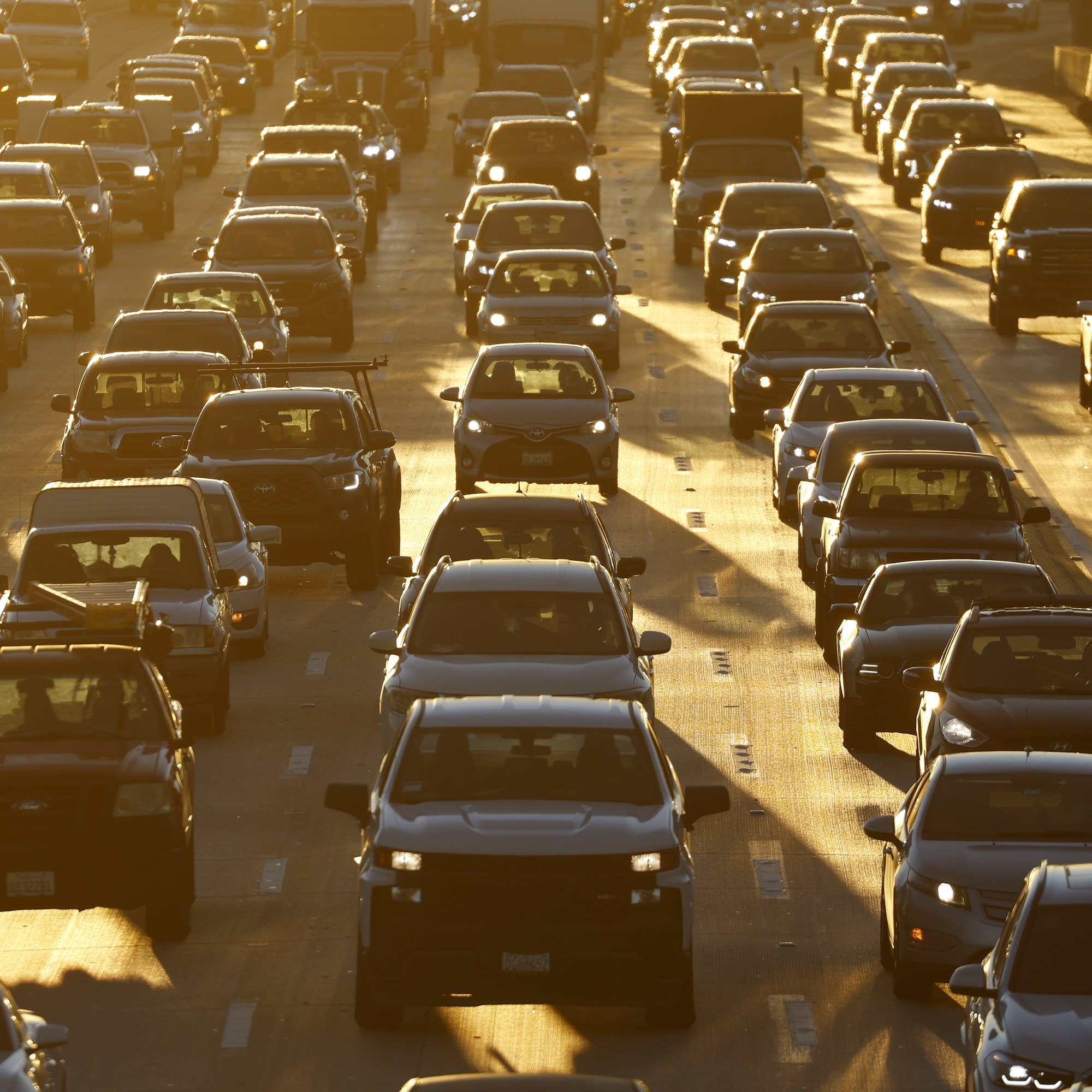
Burning Questions: The EPA repealed the endangerment finding. Who are the economic winners and losers?
Earlier this month the Trump administration revoked the endangerment finding, which gave the federal government a legal basis for regulating greenhouse gas emissions. The move is already being disputed in court. If the repeal is successful, who are the economic winners and losers?“How We Survive” host Amy Scott talks with Stanford professor Chris Field to unpack the history and legal impl

Feeding the Family (bonus episode)
We’re dropping into your feeds today to share this special bonus episode. For many people gathering around the table this holiday season, things feel a little different. Maybe it’s the cost of ingredients that’s on your mind, or cuts to USDA funding that have left your food bank running low. Or maybe it’s the simple reality of a packed schedule – there’s a lot to cook, and so little time.

Is grass-fed beef more nutritious? How can I waste less food? Is insect protein tasty?
Throughout the season, we asked you all what questions you had about food, solutions and climate change, and you did not disappoint! In this episode, we find answers to your most pressing questions, like whether grass-fed beef is more nutritious than grain-fed, if cell-cultivated meat is considered an ultra-processed food, and we find out what’s going on with insect protein (of course, a
The Dry Line
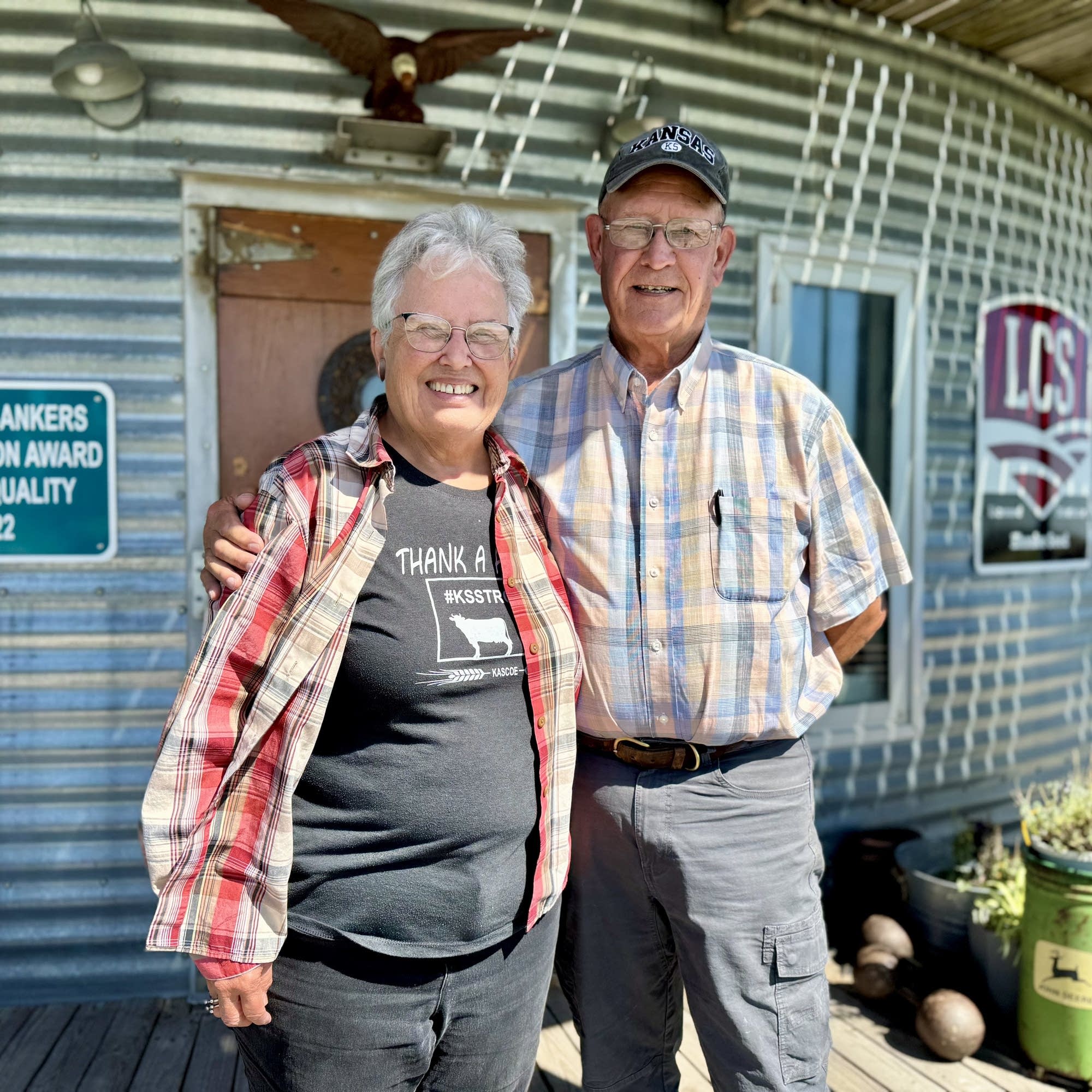
The 100th meridian is the longitudinal boundary separating the humid East and the arid West. Researchers say the dry line is moving east because of climate change, threatening some of our cheapest and most reliable crops, like wheat and corn. In this episode, Amy drives across Kansas to talk to farmers on both sides of the dry line to see how they’re adapting to climate change. And we hea
What the World’s Farmers Can Teach Us About Climate Resilience
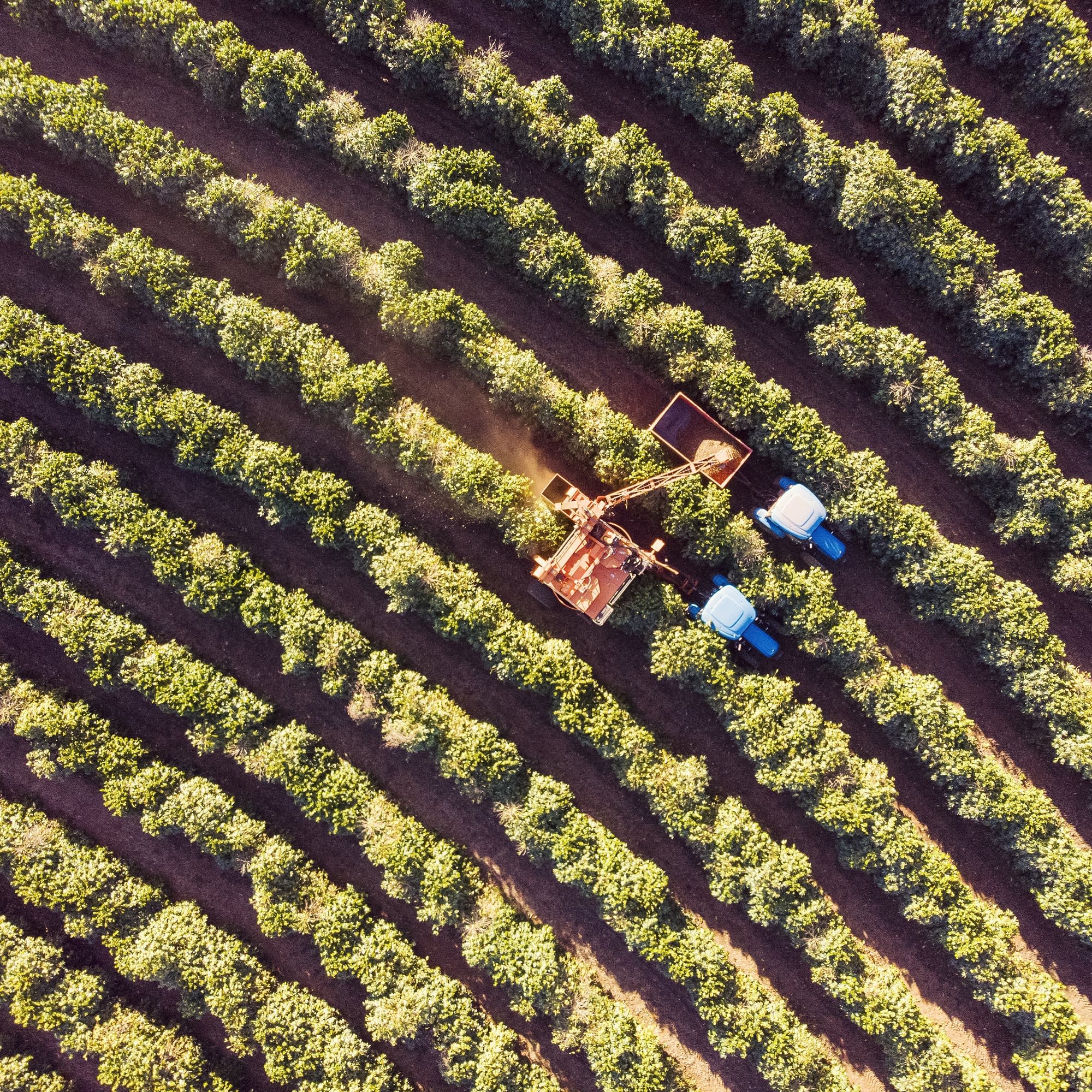
Climate change is transforming how the world grows and eats. In this episode, host Amy Scott talks with New York Times international climate correspondent Somini Sengupta about what she’s learned from farmers adapting to extreme weather. From drought-resistant crops to regenerative practices, Sengupta shows how communities on the front lines of climate change are finding new ways to survi
The Land Problem
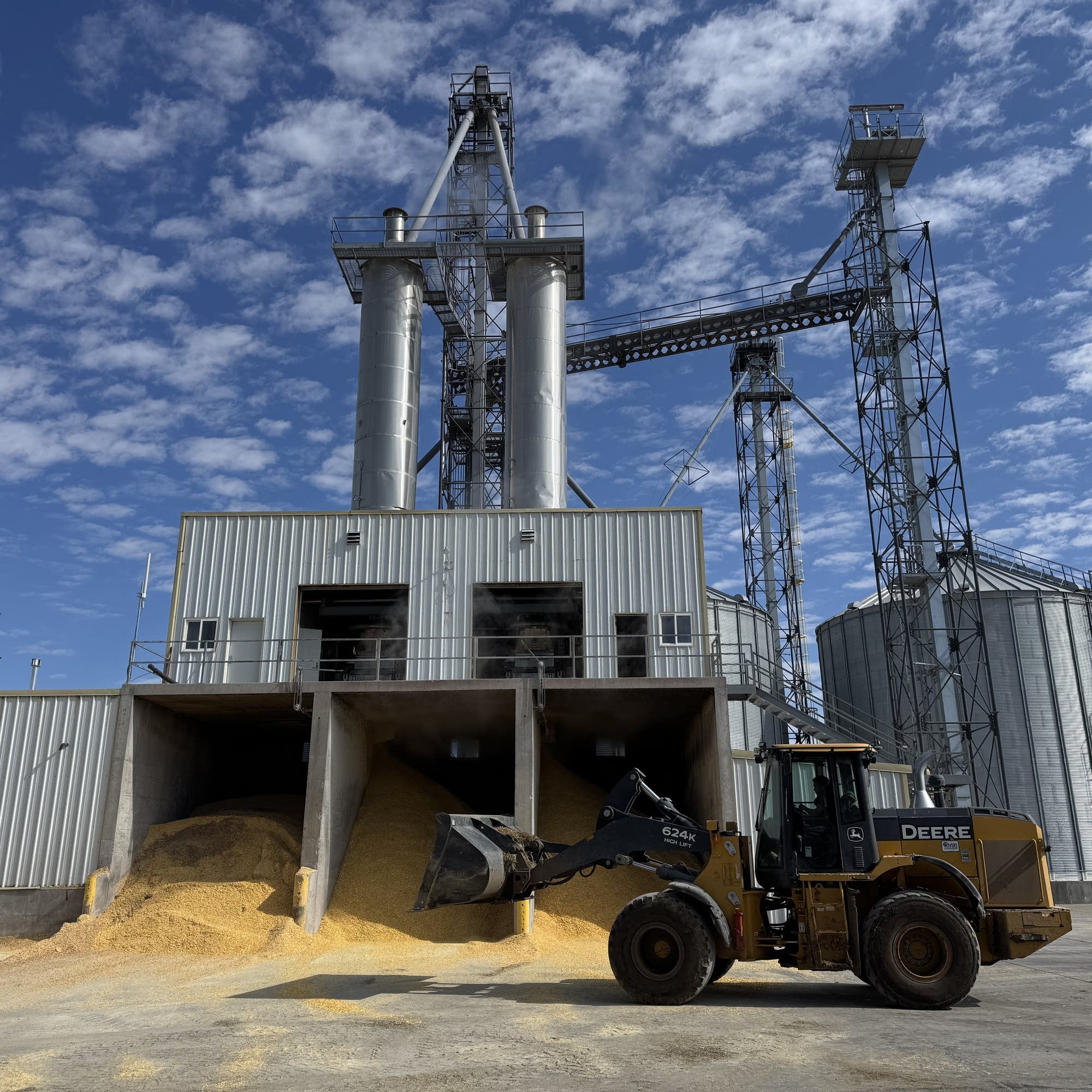
About a third of the greenhouse gases cooking our planet come from our food. Agriculture and livestock production are incredibly taxing on the planet. To curb the impact, we need to drastically reduce the amount of land we use to make food, while at the same time making more food for a growing population. How are we going to do that? In this episode we go fishing with an eccentric rancher
The Uncanny Valley of Meat
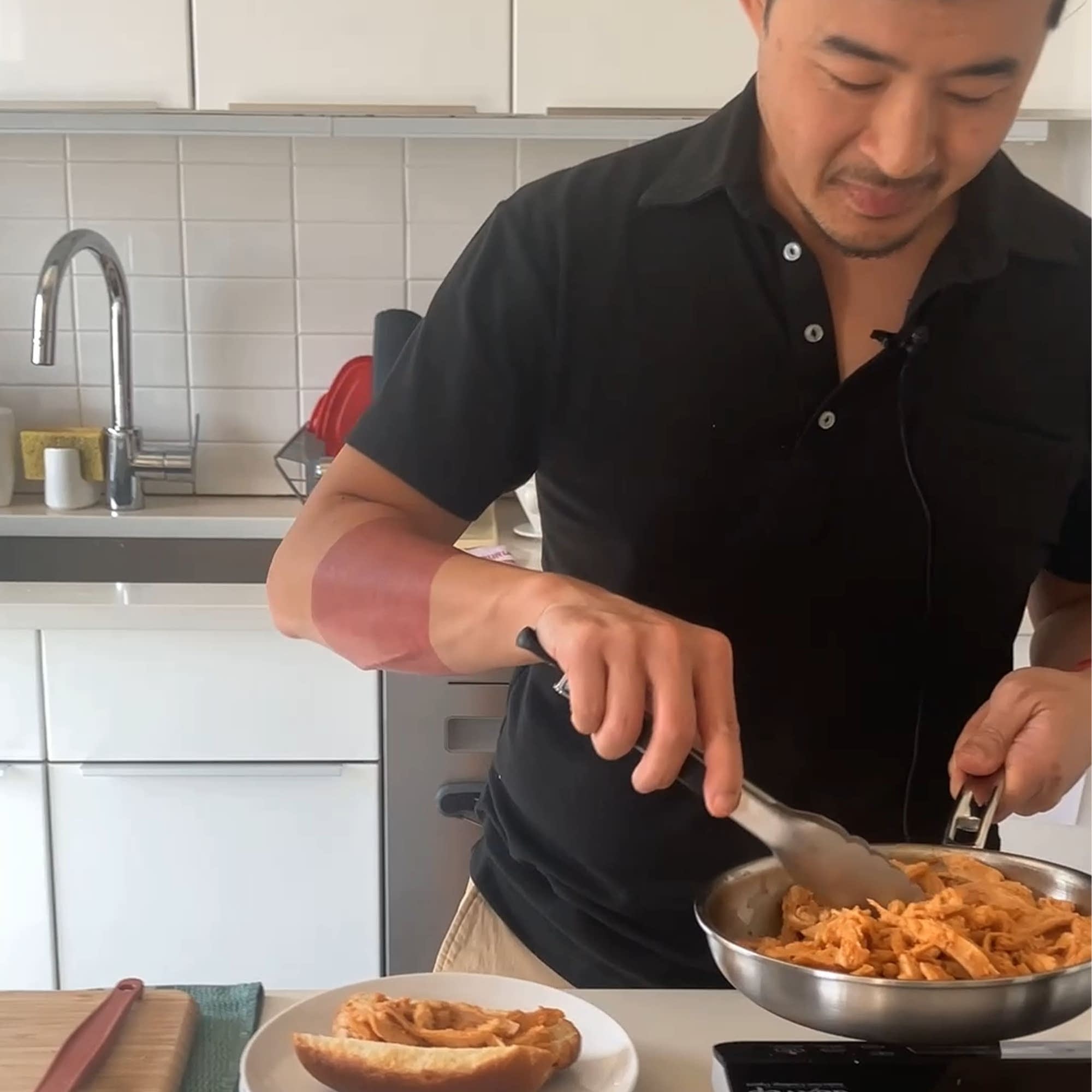
If you have ever bitten into a plant-based burger and felt dissatisfied, or even grossed out, you’re not alone. In this episode, we explore the uncanny valley of meat and dive deep into what makes meat so … meaty. Plus, “The Splendid Table” host Francis Lam joins Amy Scott for a taste test of cultivated meat and shares his go-to recipes for climate-friendly proteins.

Food Tour of the Future
Climate change is changing what we eat. As the planet heats up, foods like salmon, chocolate and coffee might be harder to come by and more expensive to buy. In this episode, the “How We Survive” team goes on a food tour around Northern California to find out how tech entrepreneurs are finding new ways to make all sorts of foods that are under threat from the impacts of the climate crisis
“How We Survive” returns Oct. 15
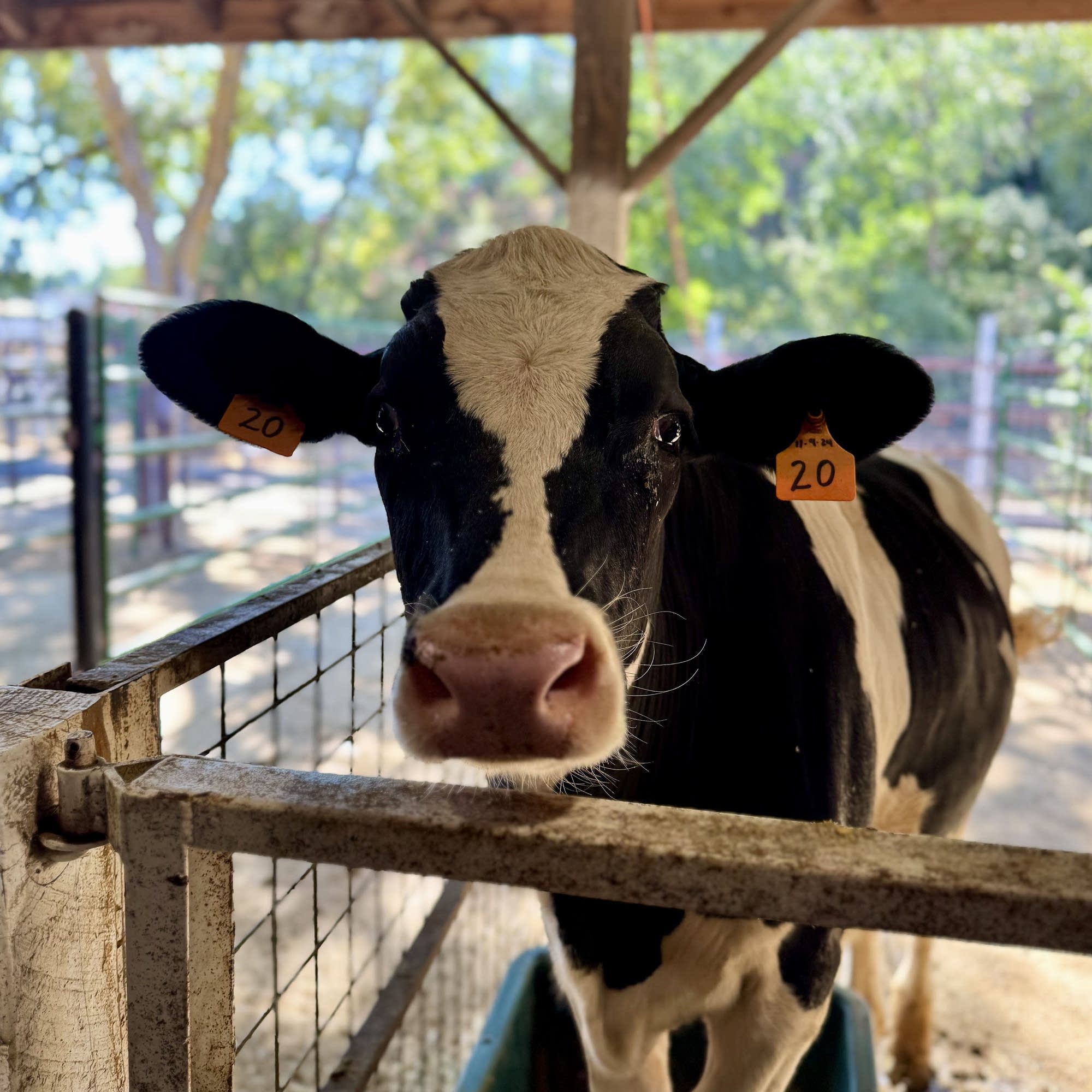
Imagine a future where chocolate and coffee are rare and expensive; where cheap, nutritional staples, like corn and wheat, are threatened.The climate crisis is a food and agriculture crisis. A third of global greenhouse gas emissions come from what’s on our plate. Cow burps, deforestation, water use and food waste all feed into making our planet unlivable. And it’s a double-edged sword, b
The climate crisis is an economic crisis (bonus episode)
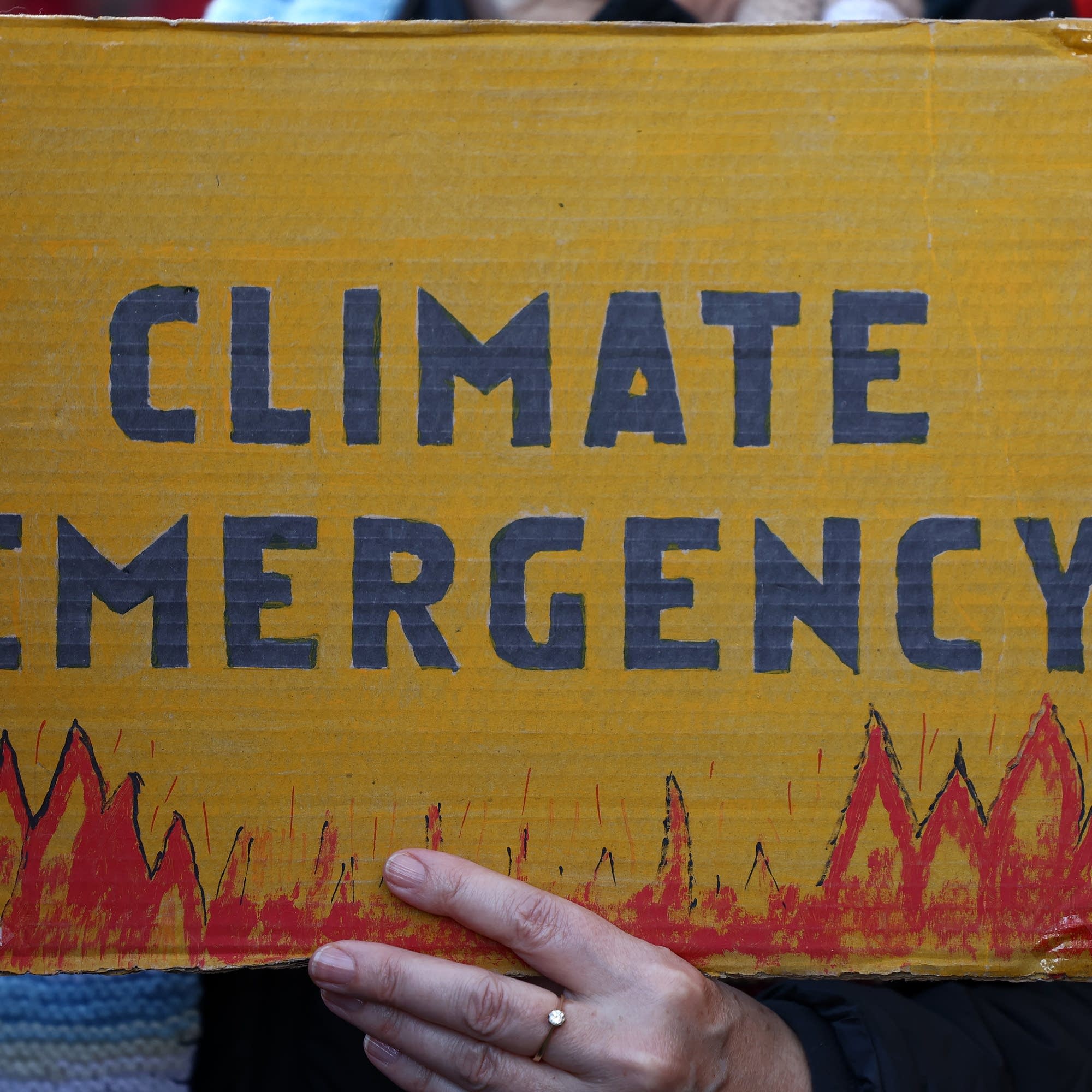
We’re dropping into your feeds today to share this special bonus episode.It’s a conversation between host Amy Scott, Marketplace host Kai Ryssdal and Pulitzer Prize-winning science writer Elizabeth Kolbert. We talk about how the accelerating climate crisis is creating economic disruption. And we get into some of the solutions that are giving us hope right now. This conversation was recor
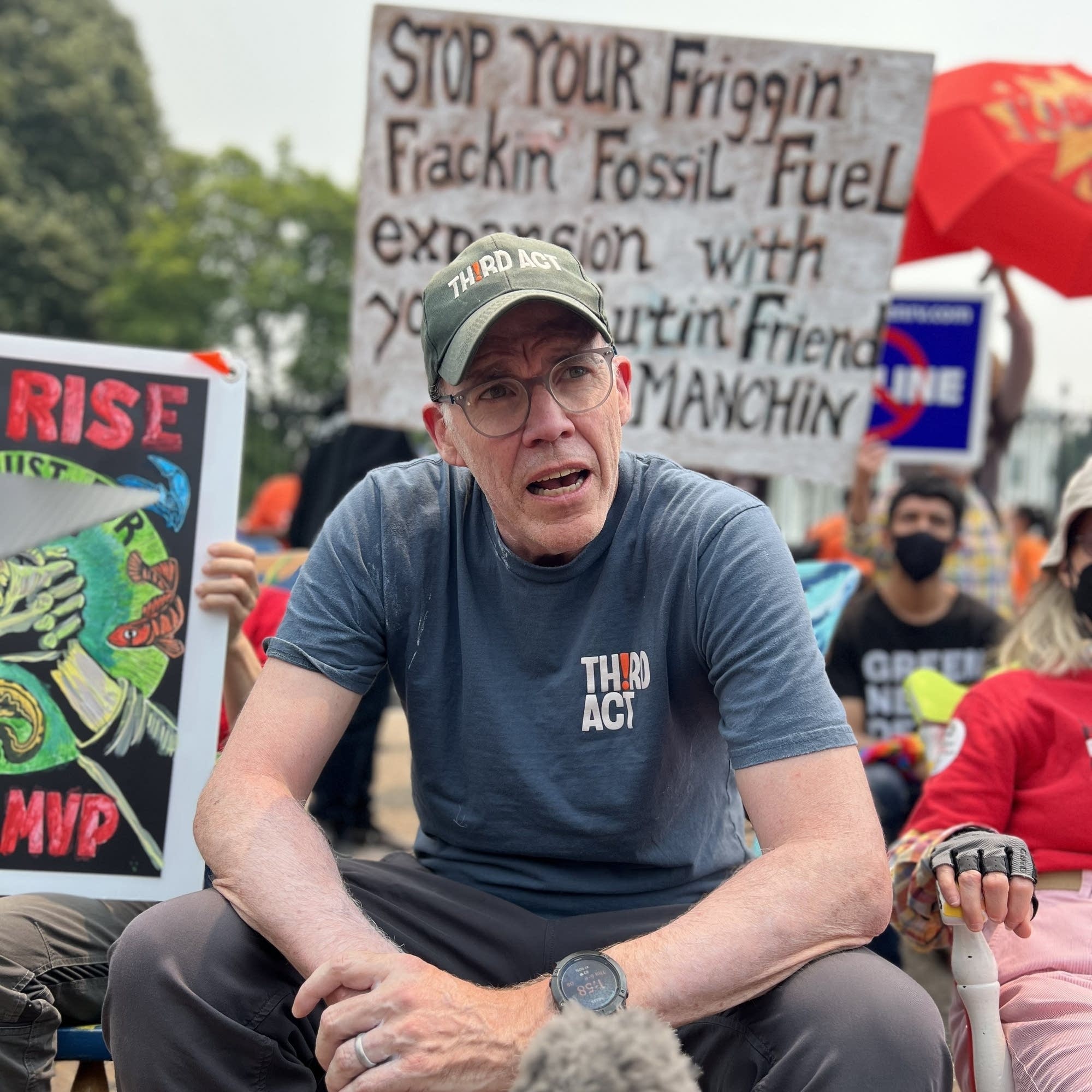
"Burning Questions:" A conversation with Bill McKibben about his new book on solar power
A cheap and accessible form of energy lies in a large ball of burning gas 93 million miles up in the sky: the sun. So why haven’t we adopted solar energy more widely? “How We Survive” host Amy Scott recently talked with longtime climate writer and activist Bill McKibben about his upcoming book “Here Comes the Sun: A Last Chance for the Climate and a Fresh Chance for Civilization.” In this
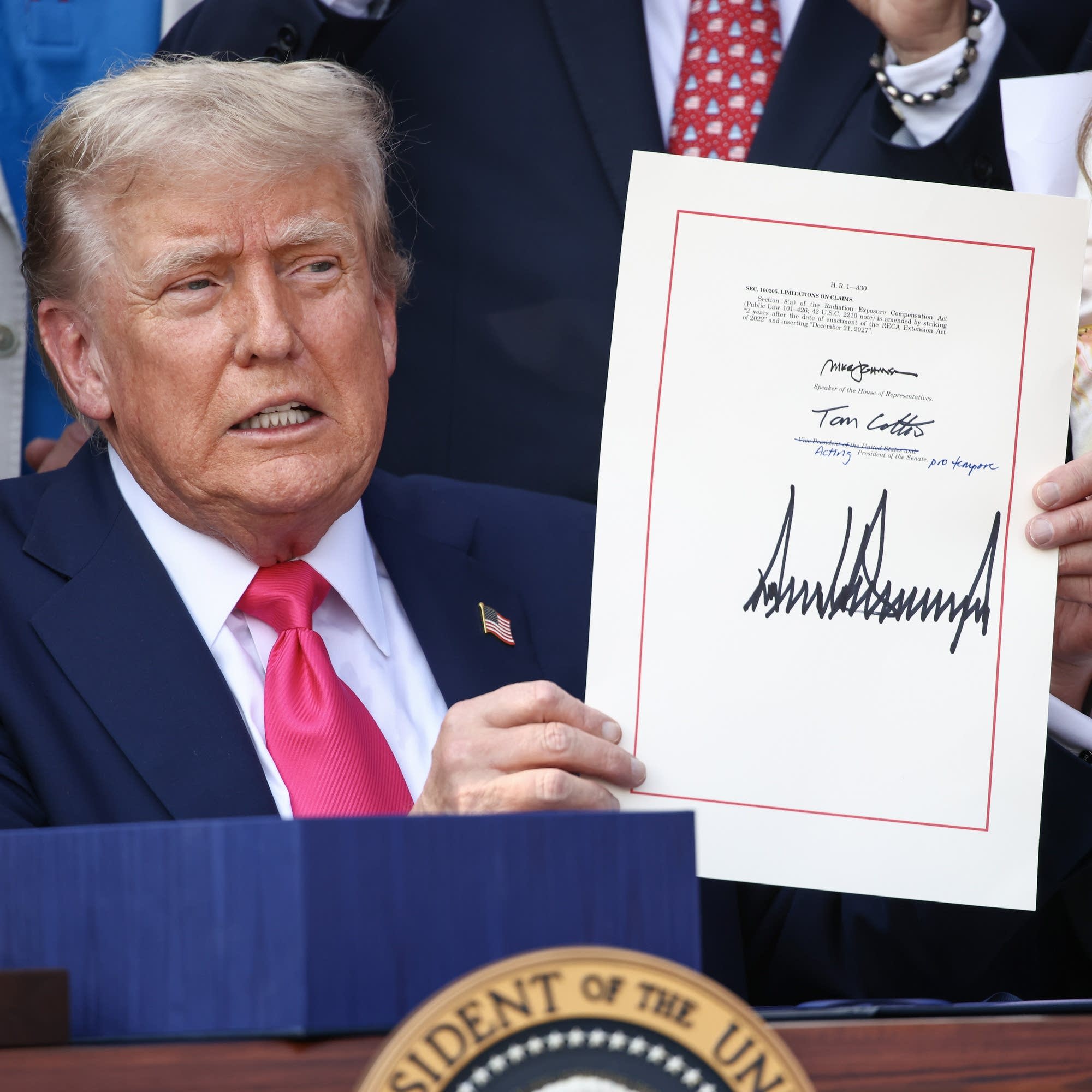
Burning Questions: Trump’s “Big Beautiful Bill” passed. What now for the climate?
Last week’s massive spending and tax bill, named the “One, Big, Beautiful Bill Act,” was signed into law by President Trump. It includes major cuts to clean energy incentives, pushed forward by the Biden Administration’s signature climate law, the 2022 Inflation Reduction Act (IRA). The new law is a huge setback against cutting emissions and transitioning to clean energy. “How We Survive
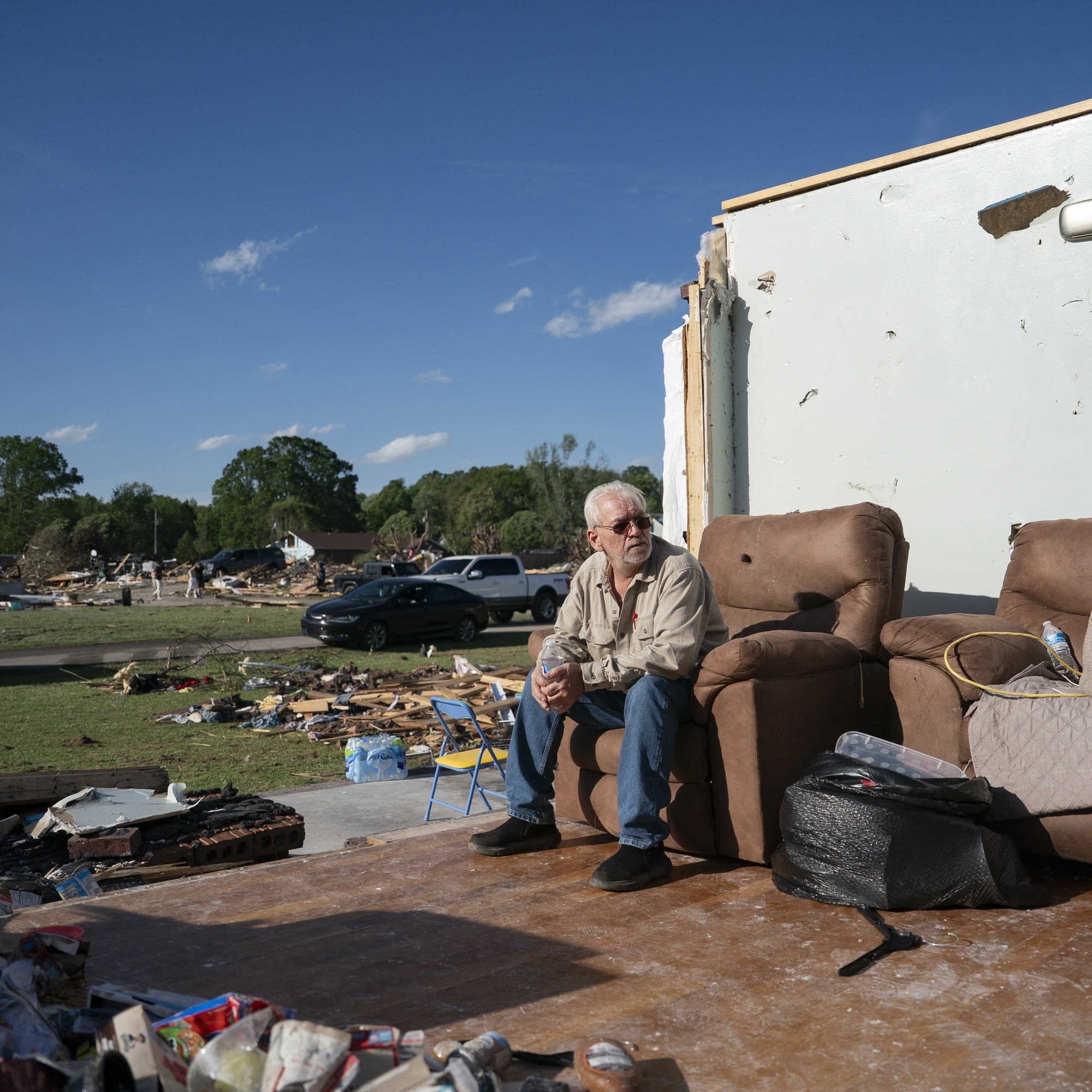
Burning Questions: How do cuts to NOAA impact all of us?
June marks the start of hurricane season but thanks to the climate crisis we’re dealing with extreme weather year-round. Just in the past month, deadly storms have devastated Kentucky and a brutal heat-wave is surging across the country. With the recent cuts to NOAA and the National Weather Service, weather stations are understaffed and weather forecasting might be impacted. In this episo

ESG, Reincarnated
Can we invest our way out of the climate crisis? That’s the question we started this series with, and in this episode, we try to answer that question. Host Amy Scott pops the hood of her own retirement investments to look at how to reduce their carbon impact, and she shows you how you can too. We visit a battery storage farm in the Bronx to see how New York City is leveraging its sharehol

The Death of ESG
In recent years, ESG investing moved from a mainstream strategy promoted by the biggest asset managers in the world, to a polarizing topic. Financial firms scrubbed the acronym from their websites, dropped out of net-zero initiatives, and stopped advertising their climate efforts. Some have proclaimed ESG dead and buried. But if so, who killed it and why?In this episode – our ESG whodunit
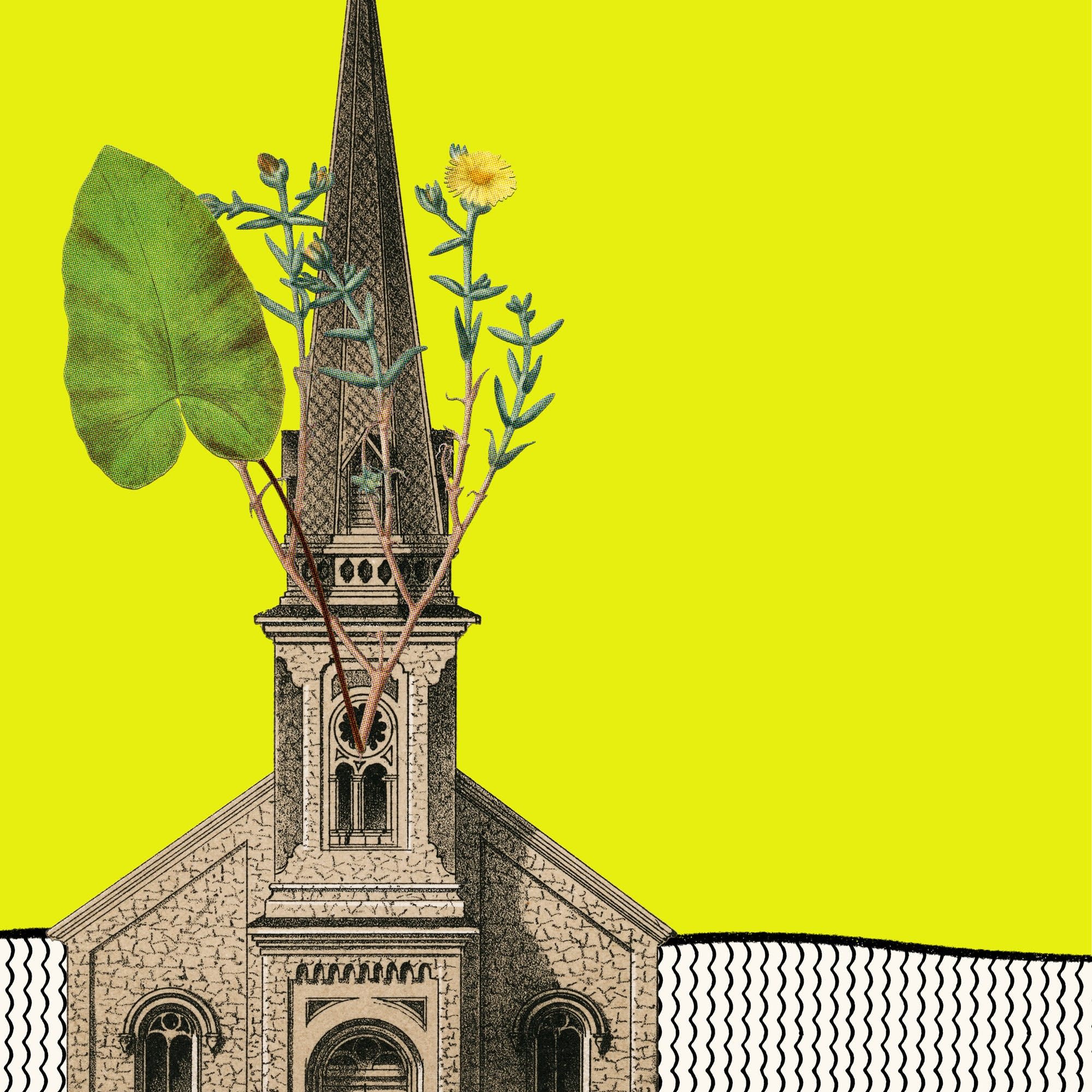
The God Box
To understand the fierce and widespread backlash to environmental, social and governance investing — and more specifically, climate-conscious investing — it helps to first understand its humble origins. Part of that history began about as far from Wall Street as possible, spiritually anyway, with faith-based investors. In this episode of “How We Survive,” we travel to the hub for religio

“How We Survive” returns April 9
Can capitalism save us? In 2020, it seemed like the answer was “possibly.” That year, BlackRock CEO Larry Fink shook up the investment world in his annual letter to companies, in which he made climate change a major focus. On CNBC he stated, “We believe a portfolio that focuses on sustainability and climate change will be a portfolio that outperforms … and it will also help the planet.” B

Burning Questions: Is the future insurable?
Since early January, historic wildfires have been burning across Los Angeles. Over two dozen people have died, and more than 10,000 homes have been destroyed. Insured losses may exceed $20 billion. In the months prior to the fires, thousands of Los Angeles homeowners were dropped by insurers. Some moved over to the state-funded insurance FAIR plan while many others remained insurance-less
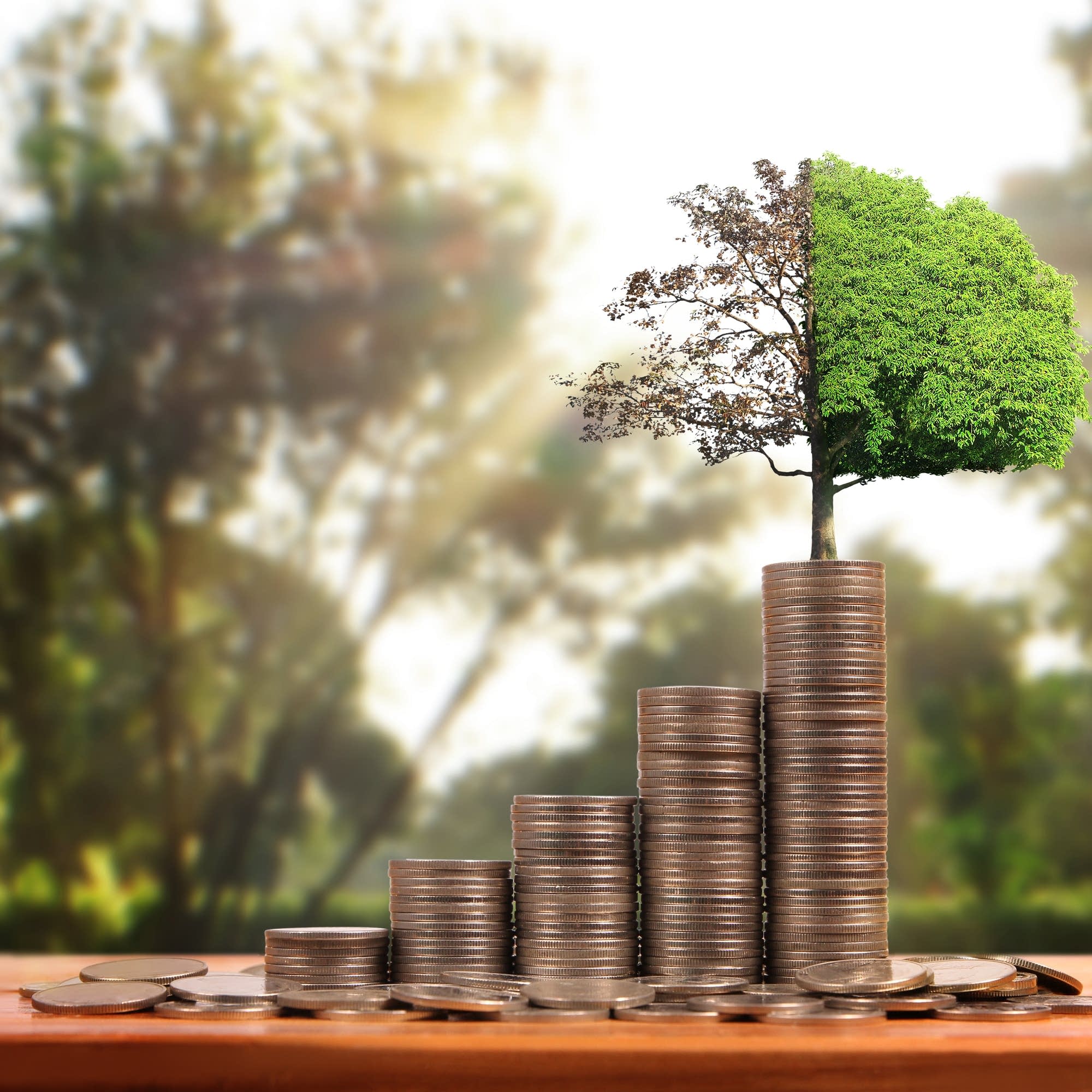
The Banks Growing Money on Trees (bonus episode from “Outside Podcast”)
This week, we’re sharing another podcast we like from our friends at Outside Magazine.A quarter of the money at the world’s largest banks goes directly to funding fossil fuel projects. But what if it didn’t? In this episode of “Outside Podcast,” reporter Cat Jaffee calls customer service at her bank — one of the world’s largest financial institutions — to ask them if they might consider i

Burning Questions: What are the climate wins and setbacks from the election?
Last week’s elections delivered climate wins and setbacks. What will a second Donald Trump presidency mean for climate policy going forward? What can President Joe Biden accomplish in the remainder of his term? And how did state climate measures perform? Host Amy Scott talks with Washington Post climate reporter Shannon Osaka to unpack it all.

Burning Questions: What’s driving climate misinformation (and what to do about it)?
In the wake of Hurricane Helene and Hurricane Milton, the internet was flooded with conspiracy theories and misinformation, ranging from false claims that the government geo-engineerd the storm on purpose, to false rumors around FEMA blocking aid from people who needed it.In this installment of “Burning Questions,” “How We Survive” host Amy Scott interviews climate scientist Katharine Hay
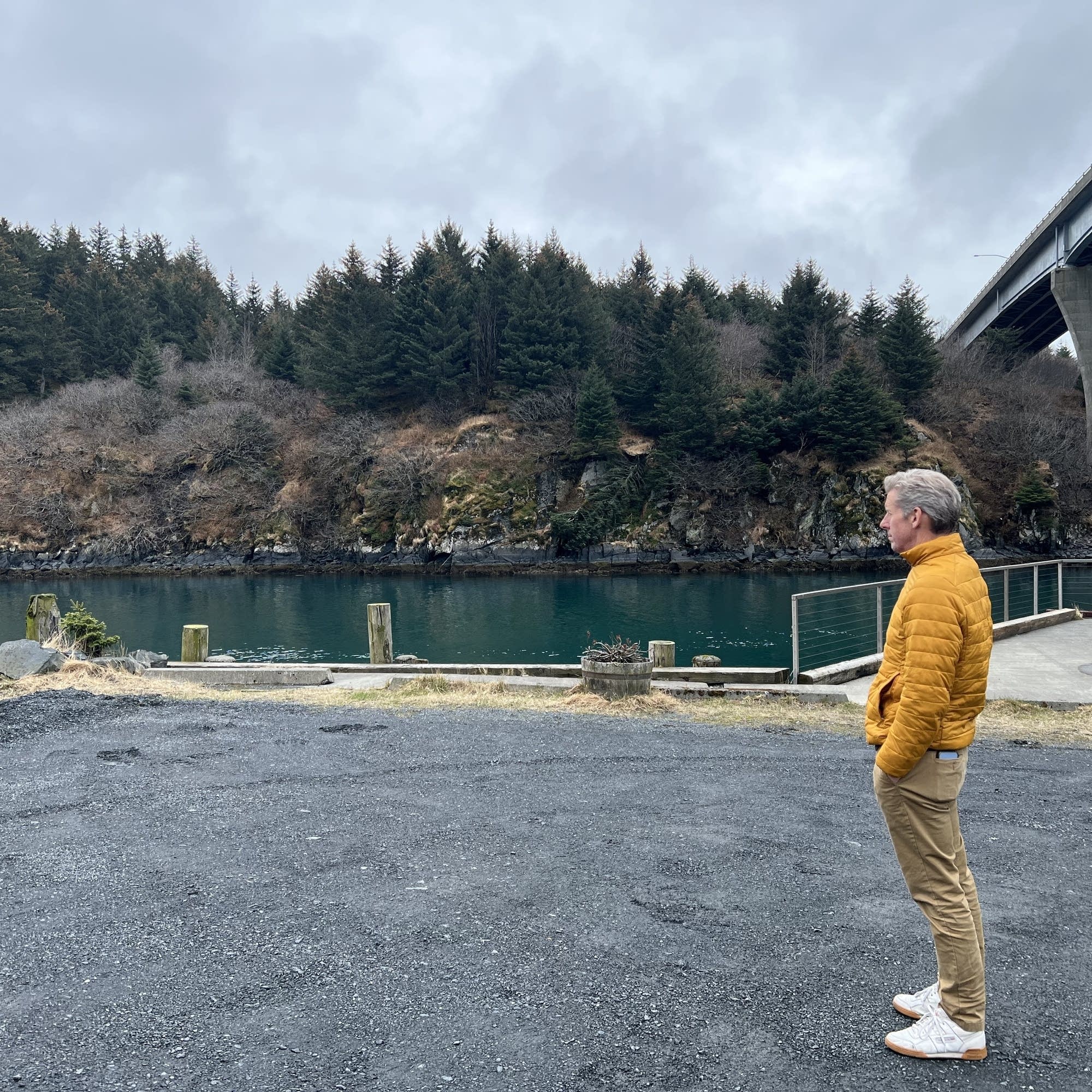
The Uncertain Future
After spending nearly a year exploring U.S. national security and climate change, some big questions remain: Should the American military be smaller? Is that even possible? And what about the upcoming election; Could it upend the military’s climate focus? In our last episode of the season, host Kai Ryssdal reflects on his past and explores the possibilities for the military’s future. To
Wargames
Imagine it’s 2044. We’ve failed to control global warming and temperatures have risen 2 degrees Celsius. Northern South America is suffering from extreme heat, mudslides, agricultural collapse and rolling blackouts. Governments are falling apart and 2 million people are on the move. If you were president of the United States, what would you do?The U.S. military has used simulated scenario
The Disappearing Islands
On Jan. 20, a 20-foot wave crashed into a community center on a U.S. military base in the Marshall Islands. The wave broke down the door, smashed windows and even dragged people under. Waves and storm-driven flooding aren’t uncommon in the Marshall Islands. But this one hit a base that’s vital to U.S. national security. It’s where the United States conducts missile testing. Very few peopl

Embrace the (Energy) Suck
The Department of Defense is an enormous consumer of energy, using 73 million barrels of fuel annually. An F-22 Raptor, a fighter jet, burns 15 gallons of gas every minute when cruising. And more than a third of the DoD’s emissions come from powering its estimated 750 bases around the world.On the flip side, the Pentagon has an enormous budget, about $850 billion a year. So how is it leve
The Last Frontier
The Arctic is warming three to four times faster than the rest of the world, and as it warms, a whole new set of national security issues is emerging. This episode, host Kai Ryssdal traverses the frozen terrain that could be the center stage for global conflict. We hitch a ride with the Coast Guard, drop in on training exercises in the frigid Alaskan mountain range and uncover vital milit
The Changing Threat
Today, the White House and the Department of Defense recognize climate change as a threat to national security. And the military is on the front lines of having to deal with the fallout.In this episode, “Marketplace” host Kai Ryssdal remembers what it was like serving in the military during the Cold War tensions of the 1980s. He visits a Navy research lab that studies warfighter performan

“How We Survive” is back Sept. 11
For “Marketplace” host Kai Ryssdal, joining the Navy fresh out of college was one of the most consequential times of his life. It was the 1980s; the Cold War and the Soviet “evil empire,” in President Ronald Reagan’s words, was the greatest threat. Fast-forward through 40 years and one career change, and the threat looks different. Climate change does not have a face or a flag, but it wil
Burning Questions: How to fight off climate dread
To an individual, the climate crisis can feel overwhelming. There’s only so much composting you can do, right? It can be tempting to bury your head in the sand. But what if instead we imagine that we can succeed in fighting climate change? That’s the subject of Ayana Johnson’s new book, “What If We Get It Right?” Amy talks with Johnson about how we can fight off climate dread and work tow
Burning Questions: How can I make my home climate friendly?
One important way individuals can make a difference in their carbon emissions is to electrify their home. But that can feel like a daunting change when you’re just getting started. In this episode, Amy talks with Donnel Baird, founder of BlocPower, a start up that’s focused on electrifying homes and buildings. They dive into all the climate conscious changes, big and small, you can make i
Burning Questions: How can I eat for the planet (without getting stressed out)?
Do I need to stop eating meat if I care about the planet? Does it really matter where I buy my food? How can I make climate-friendly food choices if I’m short on time? Amy chats with Melissa Nelson, professor of Indigenous sustainability at Arizona State University, about how our day-to-day food choices can make a difference to the planet.Learn more:Find locally grown food with the U.S. D
Burning Questions: Where Should I Live?
“How We Survive” listener Anna wants to know: “Where should I live? Every now and then I look at maps and try to determine the safest place to live, but I don’t even know where to start when it comes to evaluating climate risks.” In this episode of “Burning Questions,” Amy talks with Marketplace climate reporter Samantha Fields about the practical tools buyers and renters can use to figur
Burning Questions: What’s the deal with 1.5 degrees?
In the past decade, 1.5 has become an important number when talking about the climate crisis. (As in 1½ degrees Celsius, which equates to 2.7 degrees Fahrenheit.) It’s considered the maximum increase in temperature since preindustrial times that Earth can handle before all sorts of terrible things happen. But on the surface, 1.5 degrees doesn’t sound like a huge number. So what gives? In

“Burning Questions” is back!
Have you ever wondered where it’s safe to buy (or rent) a home? Maybe you’re looking to make more environmentally friendly choices at the supermarket. Or, you’d like to know how to keep climate despair at bay. We’re here to help! The “Burning Questions” series from “How We Survive” responds to your concerns, big and small, about the climate crisis. Join us as we navigate how our choices i
The Worth of Water
The Colorado River, vital to the American West, faces a crisis as demand surpasses its supply due to rising temperatures and unsustainable usage practices. As millions depend on its waters for survival, challenges like rampant growth and water-intensive farming further strain this precious resource. Across the region, communities must rethink water distribution and utilization to adapt to
Send us your climate questions!
We are working on another season of our series Burning Questions and we want to hear from you! What are your most pressing climate questions? Are you trying to figure out when to invest in an electric car? Or maybe you want to make climate-friendly changes to your diet?Whatever your question is you can send us a note or a voice memo to survive@marketplace.org
Introducing: Ripple (bonus episode)
We have a special episode for you today. We’re sharing an episode of the new podcast from APM Studios and Western Sound called “Ripple.”The largest oil spill in American history captivated the public’s attention for the entire summer of 2010. Authorities told a story of a herculean response effort that made shorelines safe and avoided a worst case scenario. Was that really the whole pictu
Is composting really doing anything? (Bonus episode from “The Anti-Dread Climate Podcast”)
Participate in the cycle of life and sequester some carbon while you’re at it — even if you don’t have a city-provided green bin! Caleigh Wells and Candice Dickens-Russell geek out about their own composting methods, and discuss what they’ve learned from an urban farm owner.
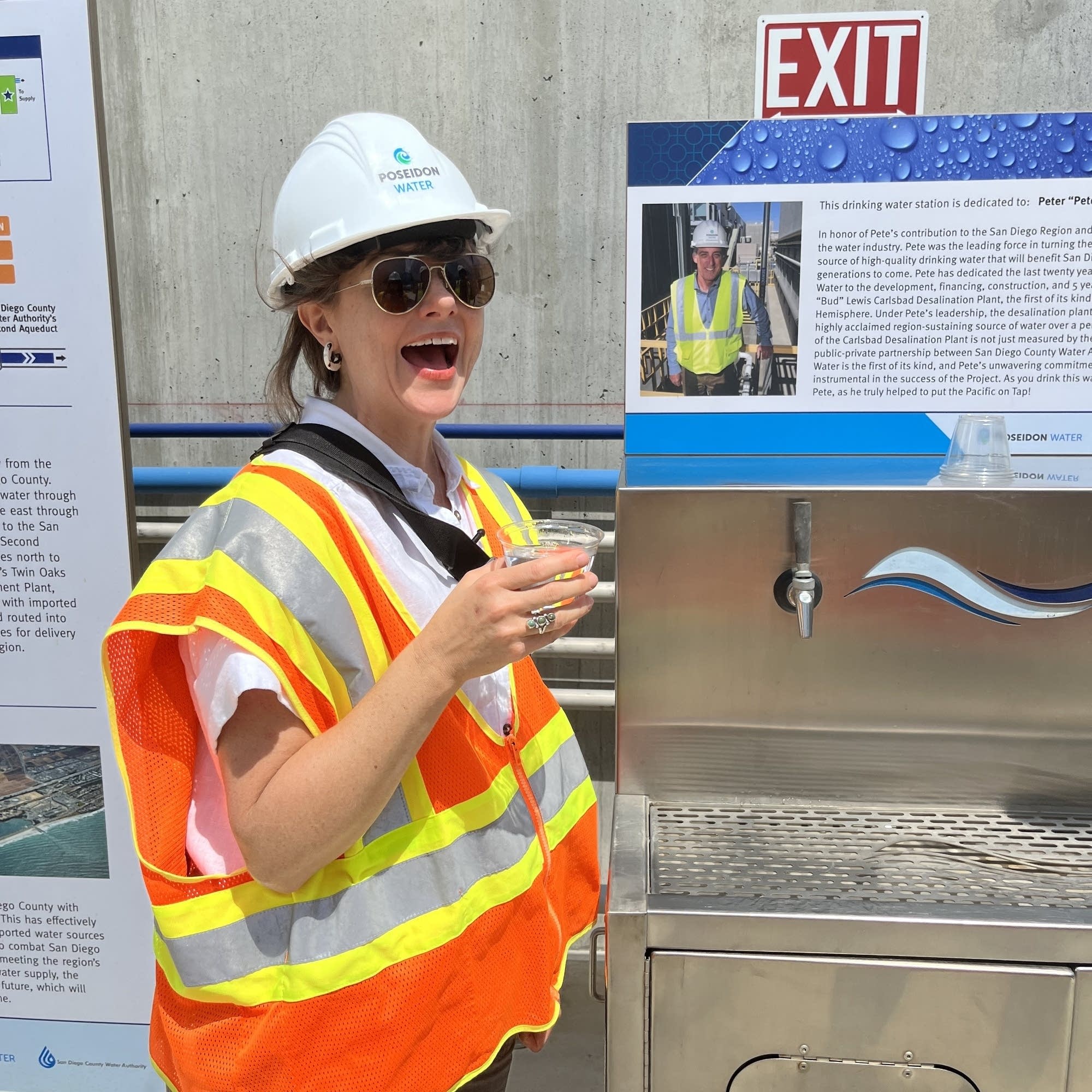
A thanks and a note from Amy
It’s been quite a year! The “How We Survive” team piloted a new series, “Burning Questions,” answering your most pressing climate concerns. We also spent months traveling across the South West, from Arizona and New Mexico to Nevada and California, to report on the West’s water crisis for our fourth season. We could not have done this kind of reporting without your support. So thank you! Y
Rights of Rivers
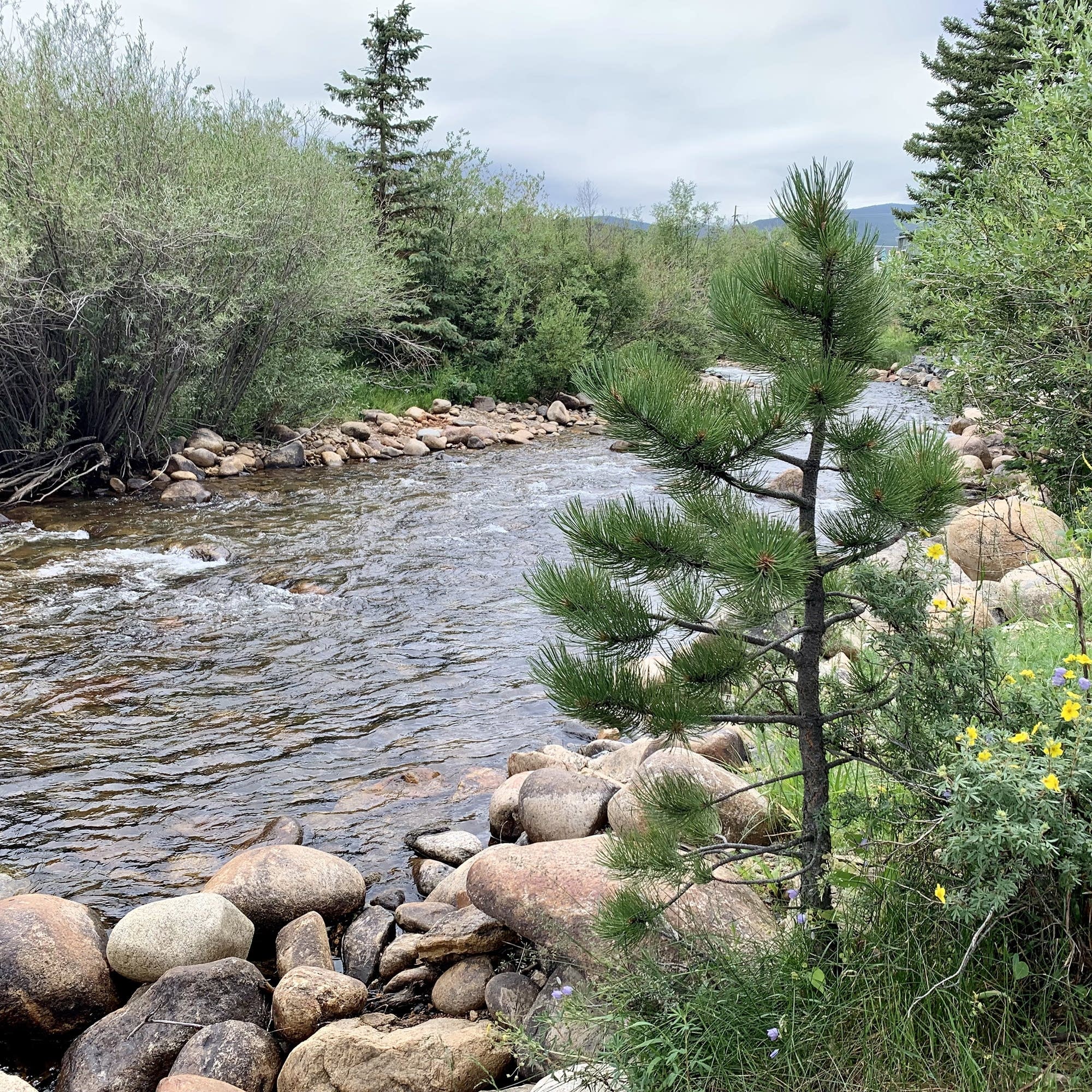
The Colorado River has been carved up and relentlessly fought over for decades. But has anyone ever asked what the river wants? Until recently, that answer was ‘no.’There’s a growing movement, rooted in Indigenous values, to give nature — rivers, fish, crops and trees — the same rights as people (and corporations). It’s known as Rights of Nature. In our last episode of the season we trave
Water, water, everywhere
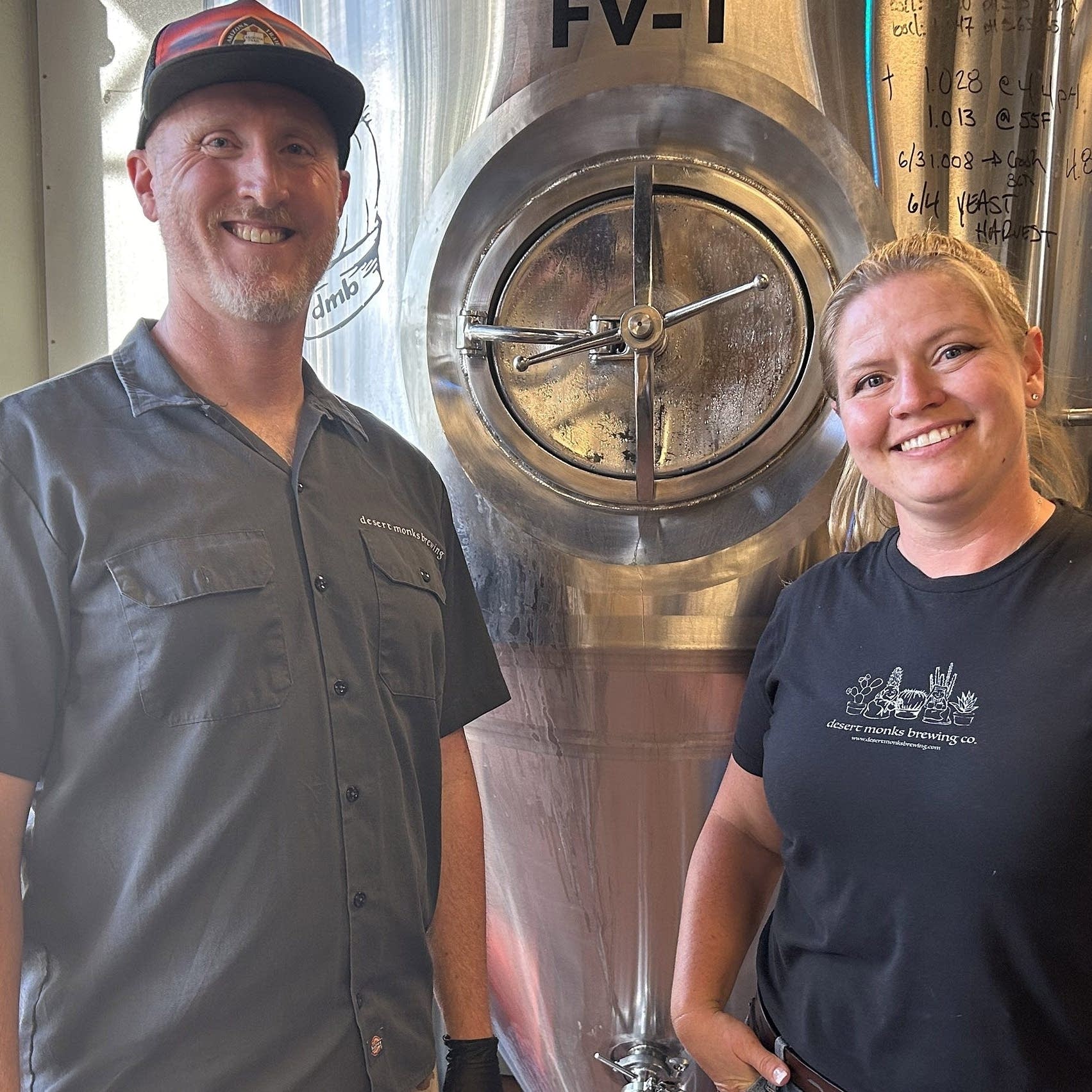
As water supplies in the west dry up, finding solutions is critical. The good news is that water is all around us, if you know where to look and how to treat it. In this episode, we’re going on a road trip to check out the fascinating technology producing water from the sewer, the ocean and even out of the sky! Plus, Amy tastes the next generation of water and shares her favorite.

Betting on Conservation
Las Vegas is a fantastical Disneyland for adults in the middle of the desert. It features fabulous displays of water — like the thousand dancing fountains of the Bellagio Hotel or the winding canals that recreate Venice at the Venetian Hotel. But surprisingly, it’s a city that has also become known for water conservation and innovation.In this episode, we sit down with Pat Mulroy, who was
The Price of Paradise
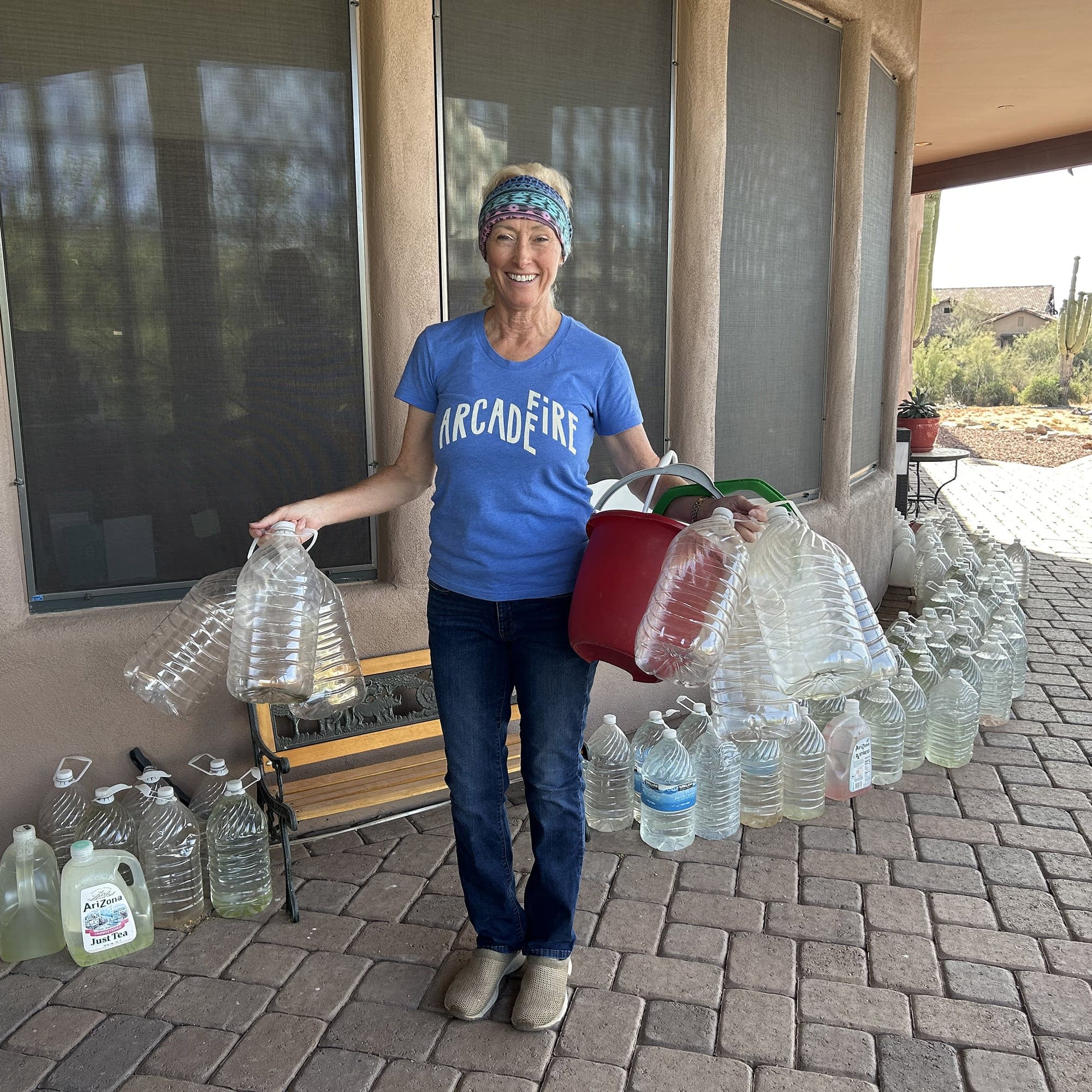
When Leigh Harris and her husband, Franck Avril, moved into their dream home, Leigh said she felt like the luckiest person in the world. The home is in Rio Verde Foothills, Arizona, outside Scottsdale, in unincorporated Maricopa County. It’s a large stucco house, with high ceilings, a fireplace and 35 windows to take in the mountain views.There was just one downside. Their home was built
Groundwater Wars
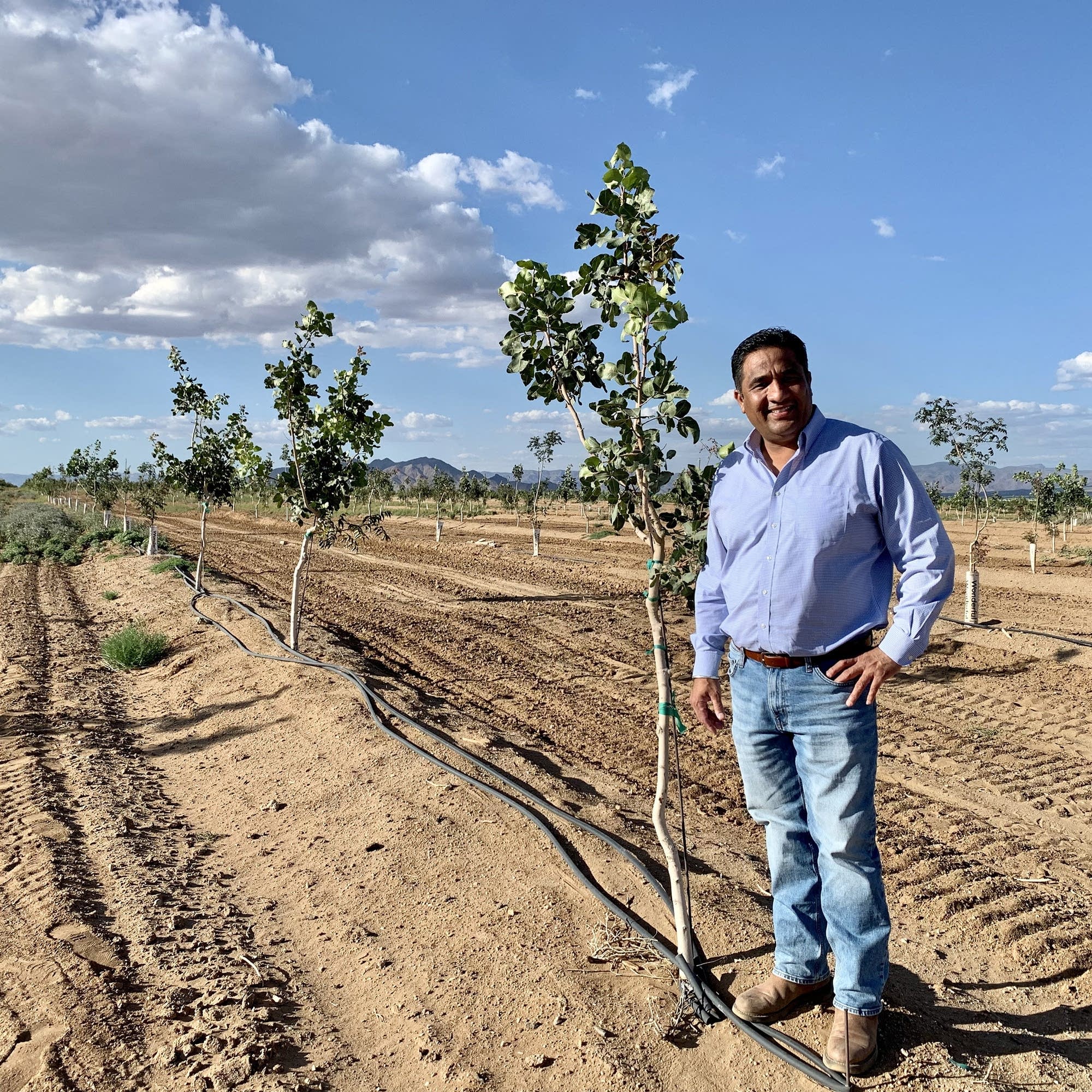
Kingman, Arizona, a small farming town in the desert, is a cautionary tale in the West’s water crisis.About a decade ago, large corporate farms started moving into the desert of Mohave County, growing thirsty crops like alfalfa and nuts. At the time, there were practically no rules restricting groundwater pumping, and local officials worried the farms would run the town dry. So local lead
Rewriting the Rules
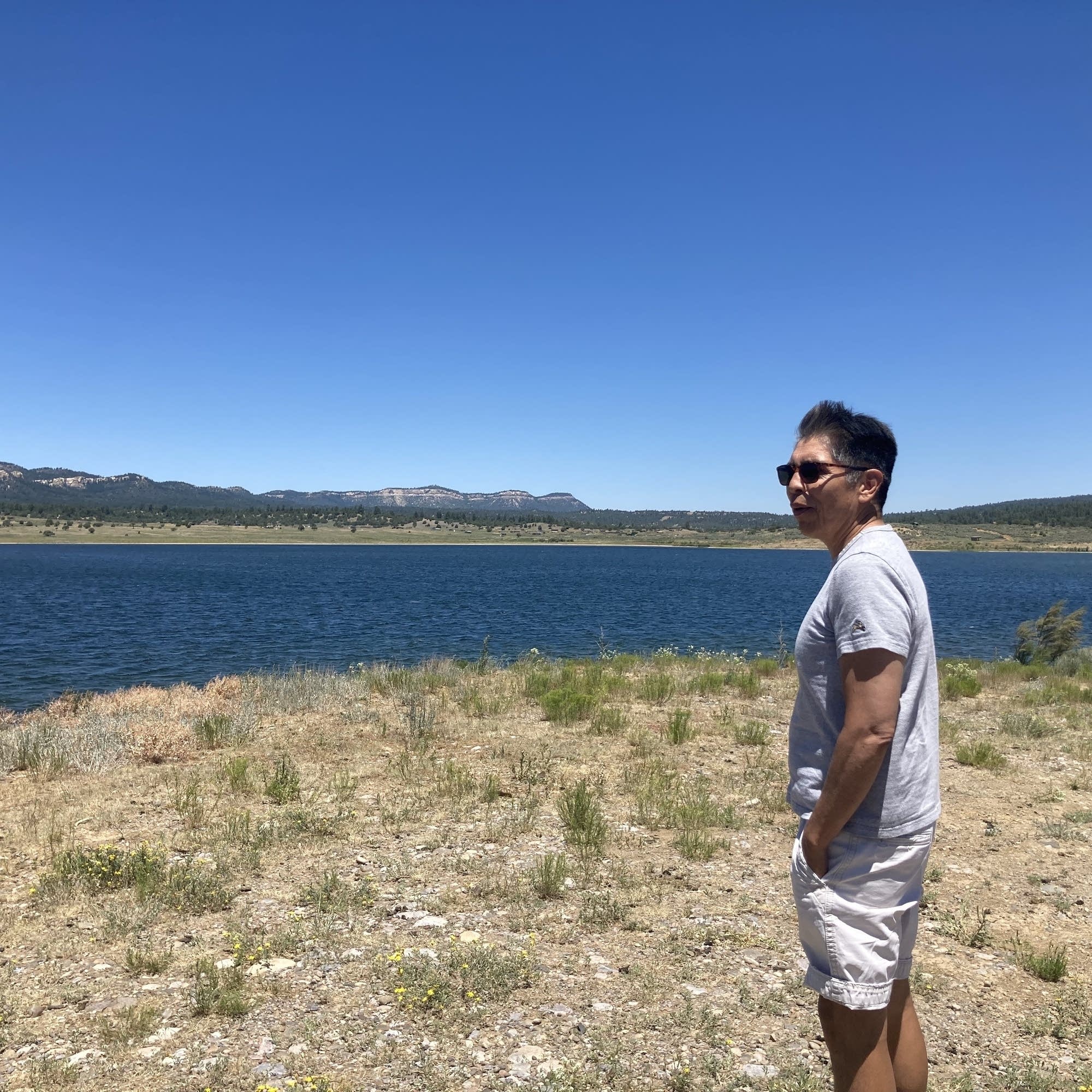
The city of Albuquerque exists in part because of the Azotea Tunnel, a massive infrastructure project that effectively rerouted part of the Colorado River into the Rio Grande. The project helped sustain Albuquerque’s rapid population growth. Meanwhile, some communities lost out. Water that would have flowed through the Jicarilla Apache Nation was instead diverted via the tunnel.In this ep
Stolen River
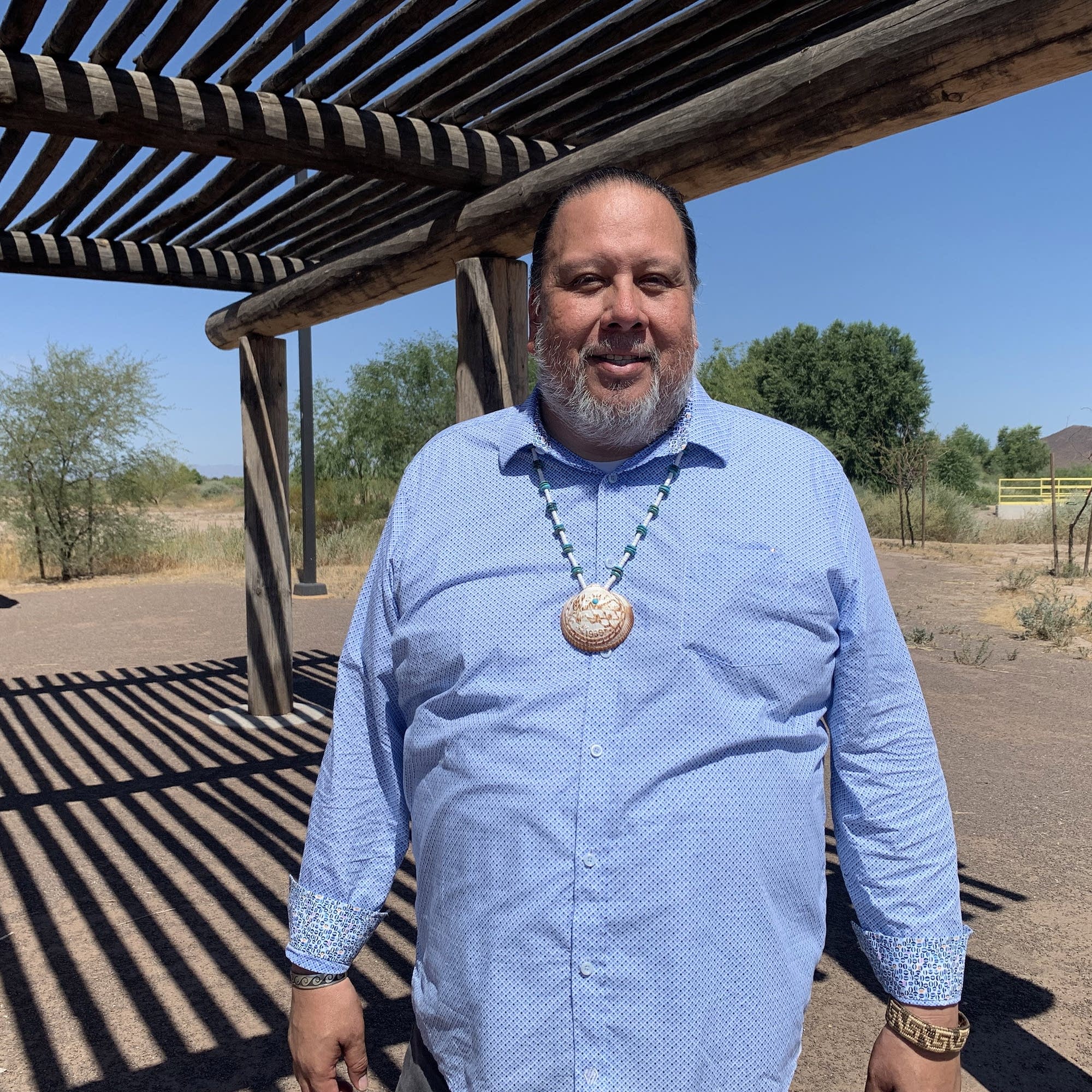
Over a century after its namesake river — the Gila — was stolen by colonization, the Gila River Indian Community won its water rights back. Now the community is using the water to restore its farming economy, build back wetlands that long ago dried up and help stabilize the Colorado River system.
The $80 Million Acre
Buckeye, Arizona, is a small city with dreams of becoming “the next Phoenix.” It’s one of the fastest-growing cities in the country. In the past few decades, its population has ballooned more than twentyfold, and the city plans to add more than 100,000 new homes in coming years.The only catch? Growth requires water. And Buckeye doesn’t have enough. So what’s a small city with big dreams t
Introducing “How We Survive: The Worth of Water”
The Colorado River is the lifeblood of the American West. Millions of people rely on it to live. But we’re using more water than the river has to give, and it’s already lost trillions of gallons to rising temperatures since 2000. Meanwhile, rampant growth and water-intensive farming have depleted groundwater supplies. This means Western states must fundamentally rethink how water is divid
Burning Questions: Can AI save the planet?
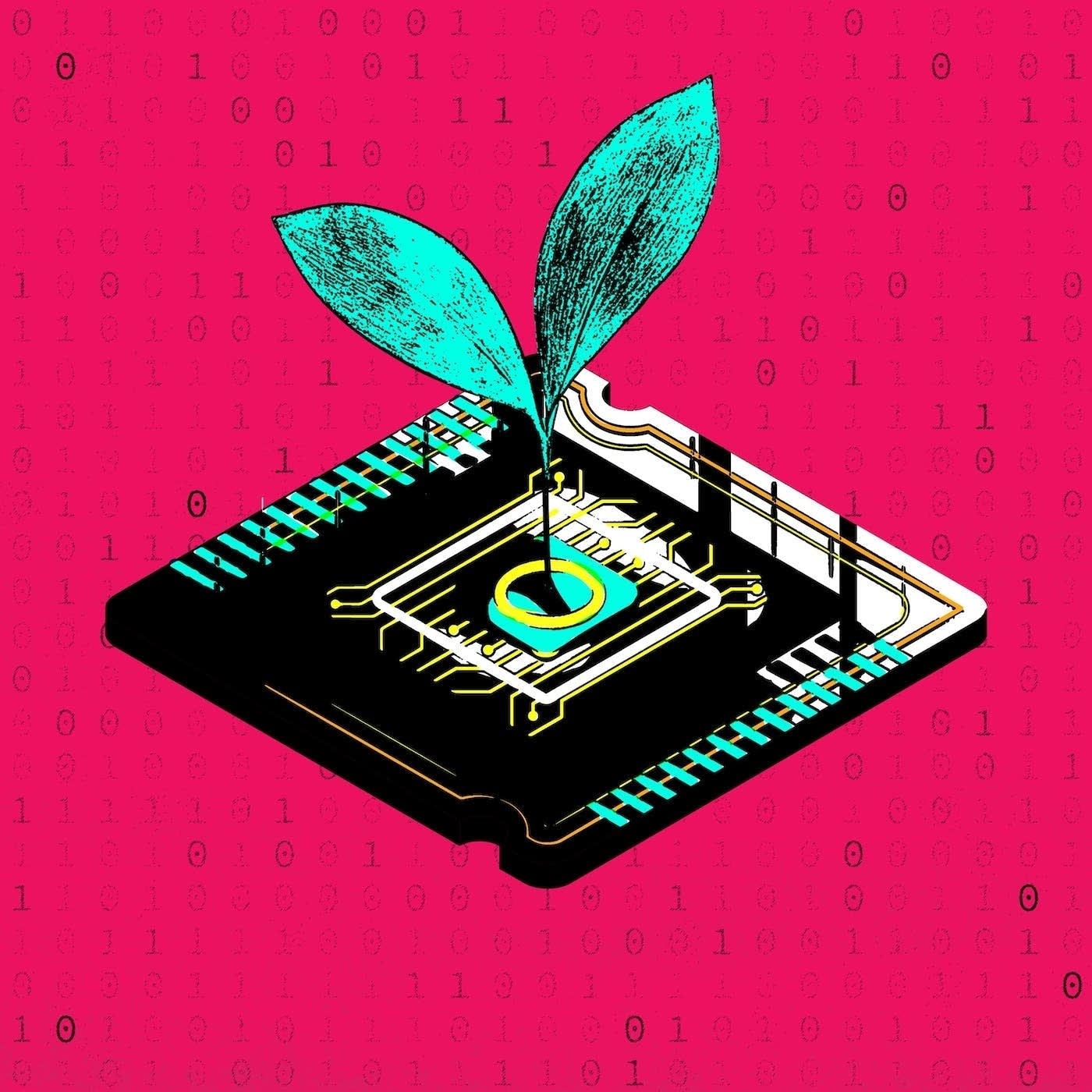
When it comes to solving the climate crisis, artificial intelligence can be a powerful tool, but it comes with some significant risks. Marketplace’s AI reporter Matt Levin talks with Priya Donti, Assistant Professor at MIT and co-founder Climate Change AI about the promises and perils of AI.WATCH: Can AI Help Solve the Climate Crisis? – TED READ: How Big Tech AI models nailed forecast for
Burning Questions: Can we eat our way out of the climate crisis?
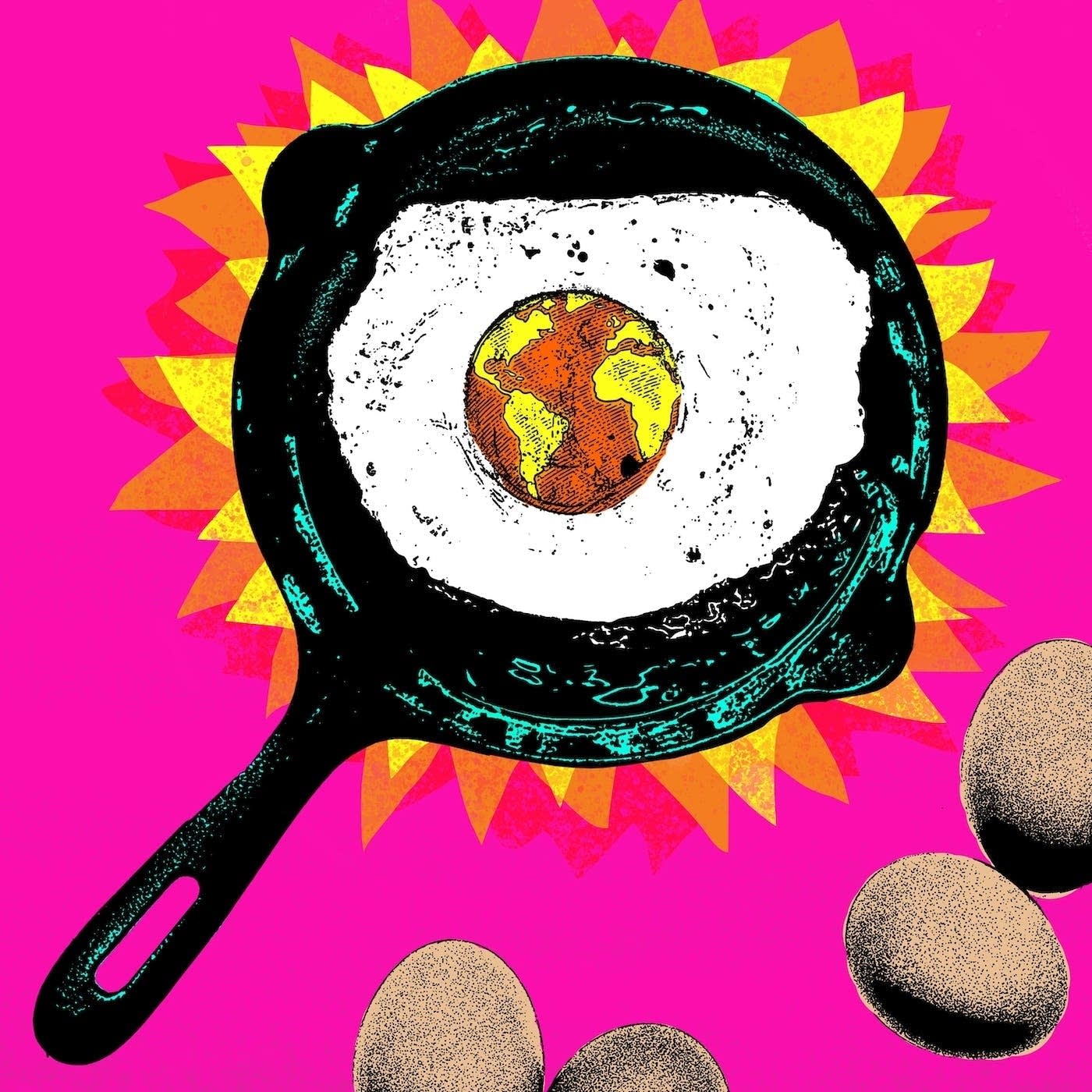
Do my food choices really matter? What about solutions like composting? In this installment of Burning Questions, NYT’s food journalist and best-selling cookbook author Priya Krishna is in conversation with restaurateur and founder of Zero Foodprint, Anthony Myint, to chat through the personal and structural changes we can make to our food choices to better the climate.CHECK OUT: The impa
Burning Questions: Should we blow it all up?
Some climate activists think it’s time to ramp up their efforts by vandalizing multimillion-dollar artworks and even sabotaging key infrastructure. Should activists move beyond peaceful protests? Host Amy Scott talks with filmmakers Daniel Goldhaber and Ariela Barer about some of these ideas that show up in their environmental thriller “How to Blow Up a Pipeline.”Related Links: OPINION:
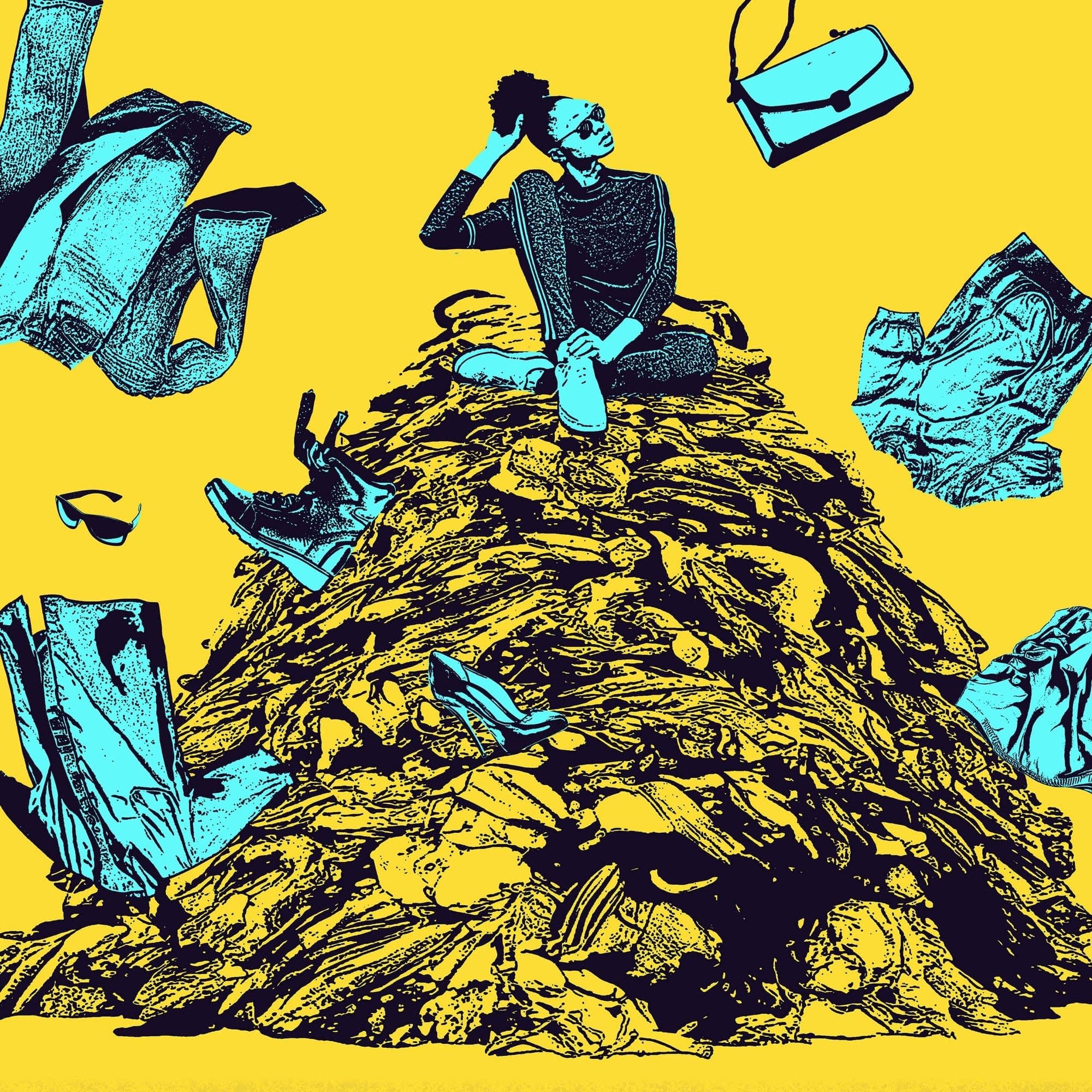
Burning Questions: Can I be fashionable without hurting the planet?
Is it really that bad to buy a shirt from a fast fashion company? How can I tell if a company is really committed to sustainable practices? Do things like the quality of fabric matter to the environment? LAist’s Josie Huang sits down with fast-fashion expert and Columbia University professor Elizabeth Cline to discuss the impacts of what we wear.Consume Less, Learn More: Read: “Fashion Cr
Introducing “How We Survive’s” Burning Questions
Ever wonder how our food choices impact the climate? Or how to make smarter selections when it comes to buying fast fashion? Us, too! “How We Survive’s” Burning Questions video series explores those questions we’ve all had about how our actions contribute to the climate crisis. Join us as we find climate solutions big and small.
Bonus: Earth Day fundraiser
We’re hard at work on the next season of “How We Survive,” but we’re dropping into your feed today to say thank you.To show our thanks, we’re going to give you a little peek behind the curtain to show you how we make “How We Survive.” We’ll also play a few stories that’ll be new to our podcast audience about the dangers of the climate crisis and the solutions that help people live safely
No Place Like Home
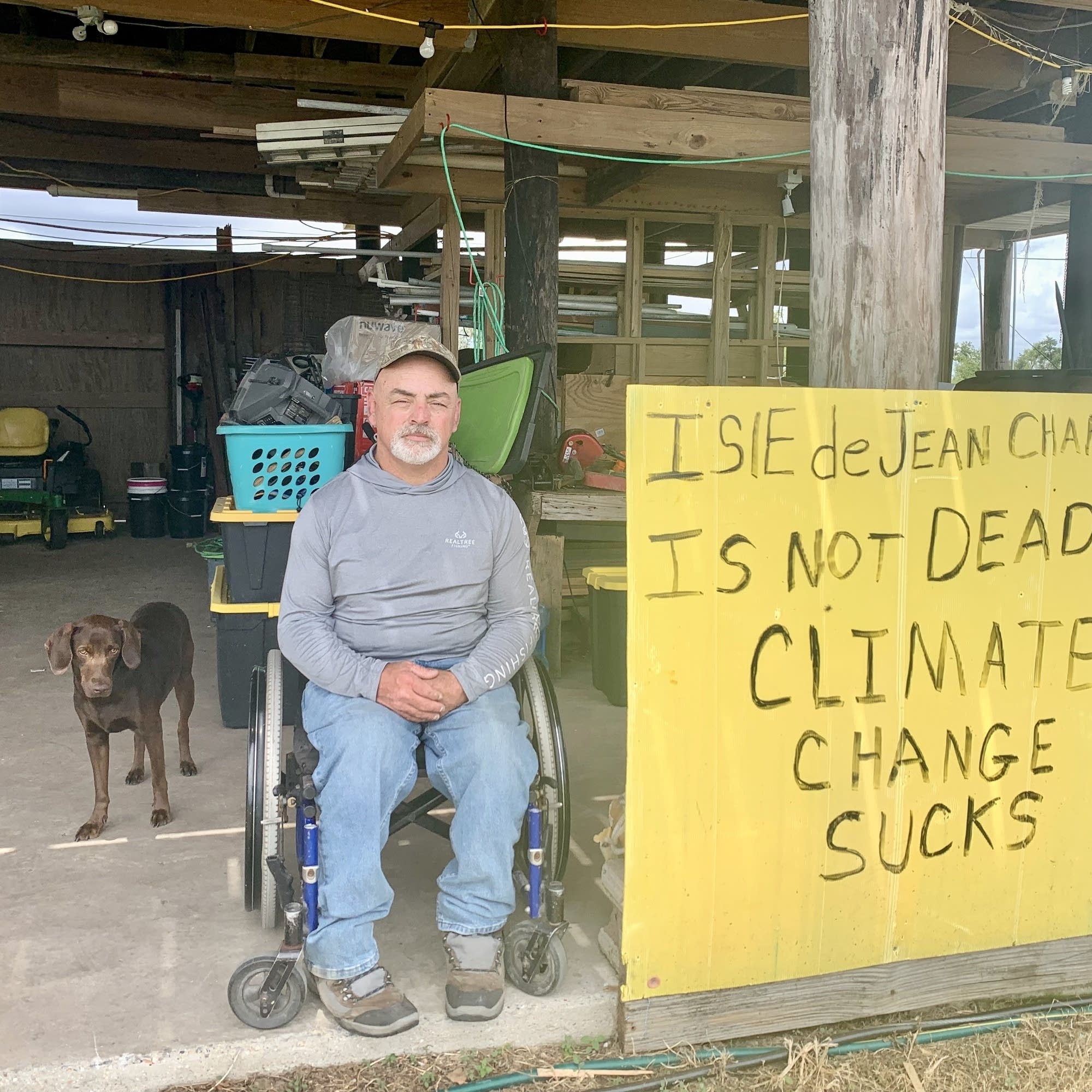
You’ve raised your house up on stilts and your town has added higher seawalls and pumping stations, but sea level rise is relentless. Eventually, you may have to consider the ultimate solution: Leaving your home, giving the land back to nature and starting over somewhere else. There’s a jargony sounding name for this solution: Managed Retreat.In our season finale, we head to a small islan
Swampland for Sale
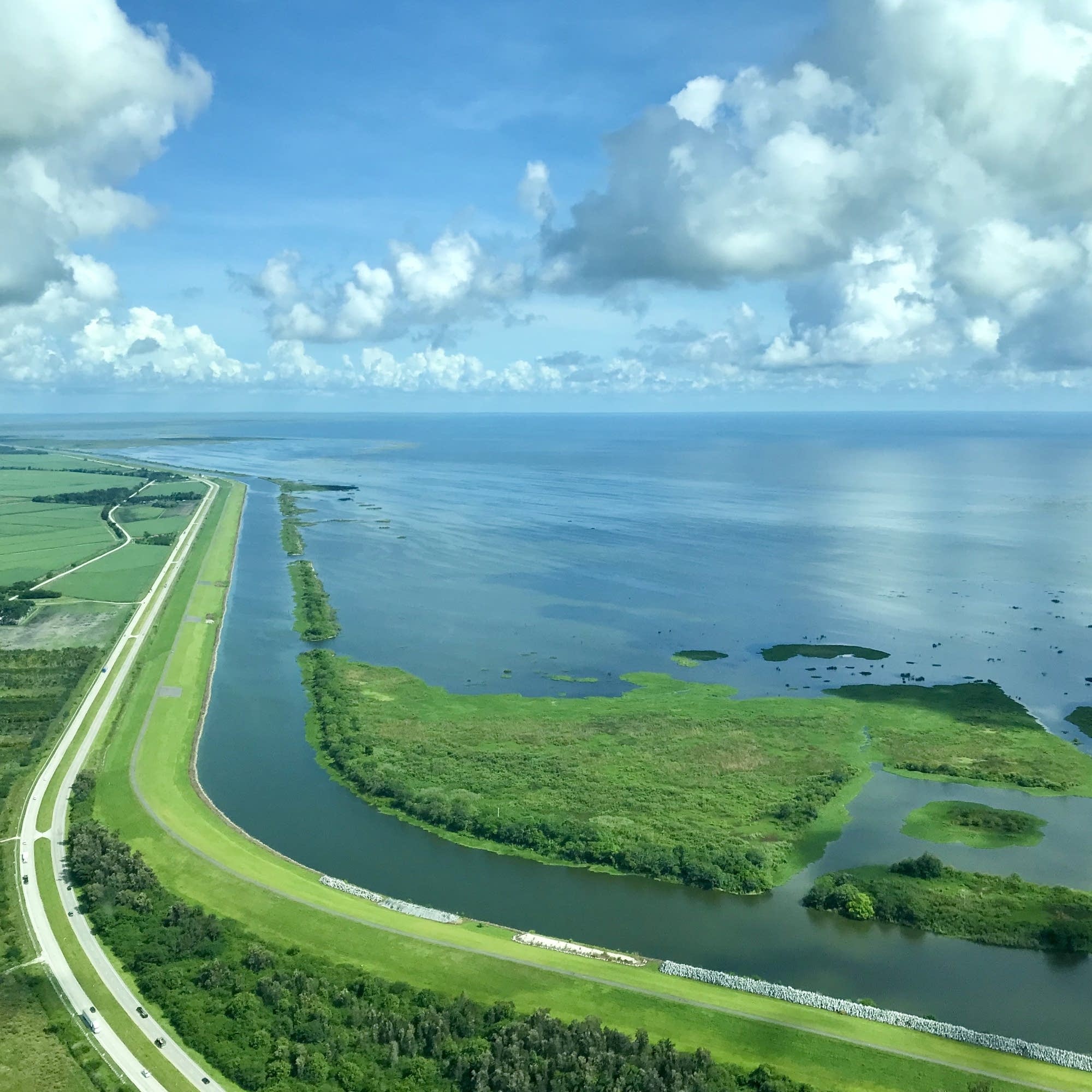
In this episode, we travel back in time to the place South Florida used to be — the Everglades before it was drained, developed and transformed into the megalopolis we know today. We start with a bird’s-eye view of the ecosystem. Then we get down on the ground to look at the consequences of drainage up close. Finally we discuss why a restoration plan passed more than two decades ago is mo
Betting Against a Storm
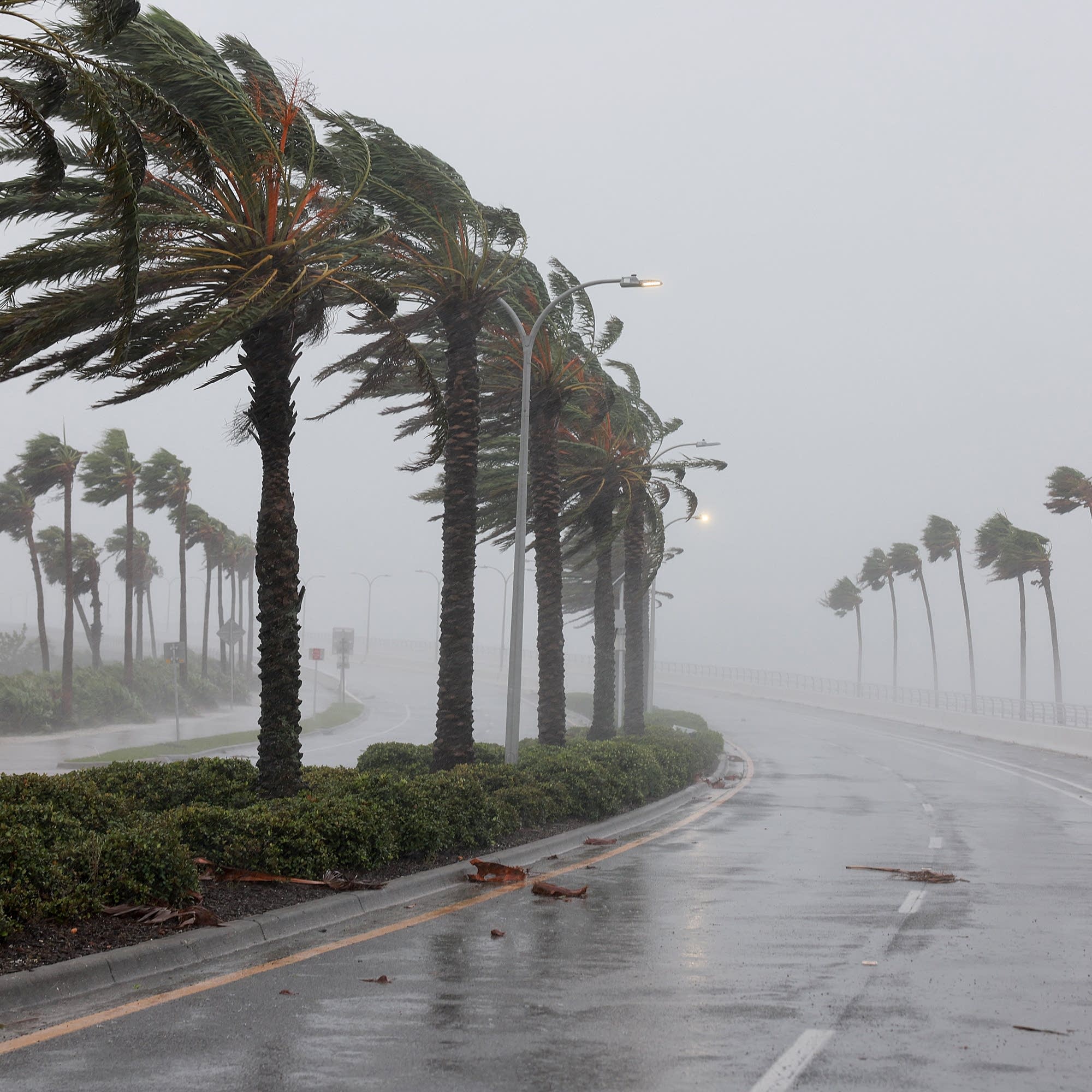
We’ve told you the insurance industry in Florida is in crisis. Or as one industry insider put it, it’s holding on by “a piece of chewing gum.”In this episode, we explore possible solutions. We dive into the business of reinsurance, or insurance for insurers (turns out you can insure almost anything, including insurance policies); and we look at another possible solution that was born from
Special Episode: Ask Amy Anything
You asked, we answered. Listeners wrote in wanting to know: “Who the hell loans these people money for mortgages” in risky coastal areas? Who ultimately owns the risk? Do certain investments, like REITs, drive gentrification (and what the heck is a REIT, anyway)? And finally, we tackle the age-old riddle: to rent or to buy? This episode is devoted to answering listener questions.
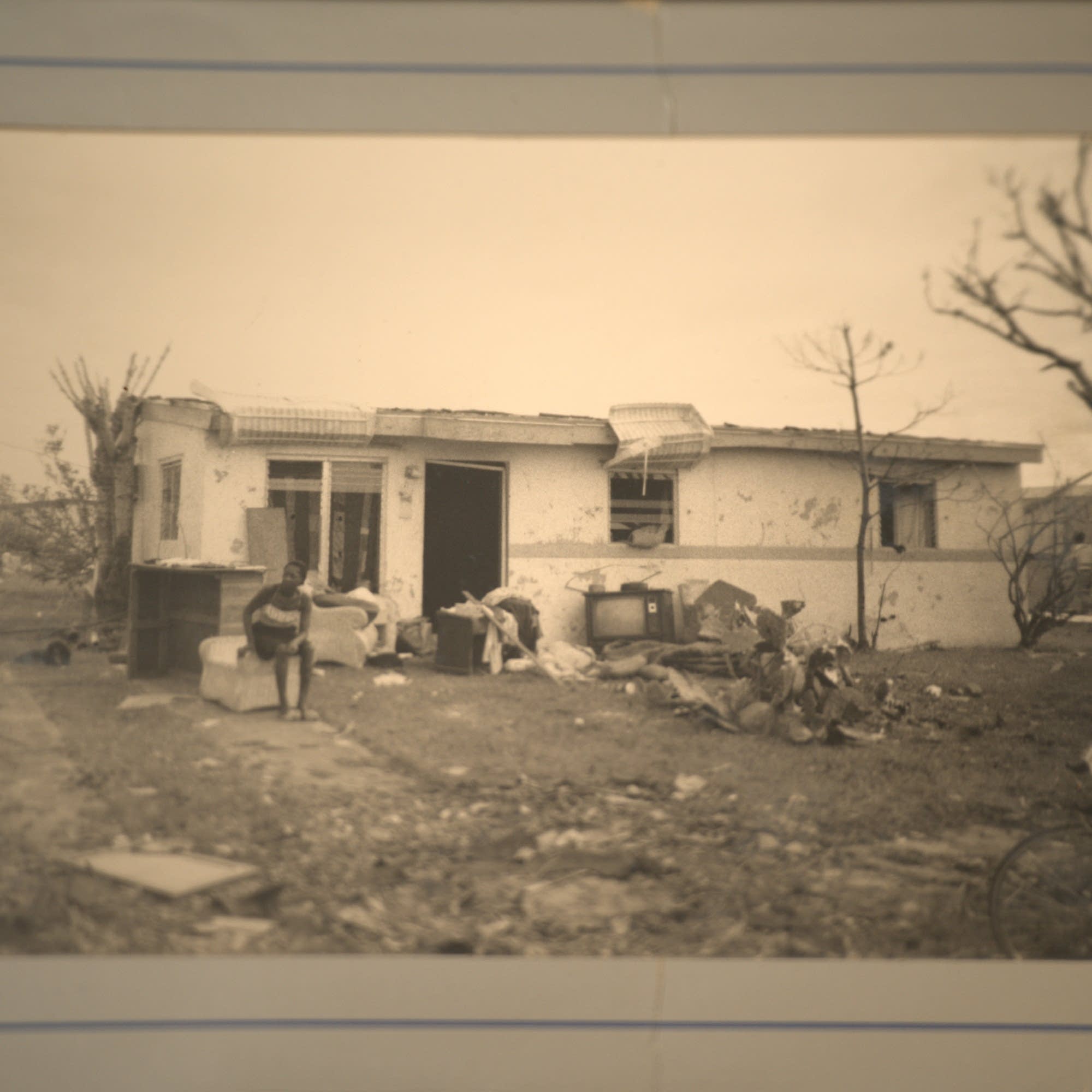
Risky Business
The insurance industry quietly rules our lives. It determines where and what we build. It’s also a linchpin of the housing market. Without it, homeowners can’t get mortgages. And without mortgages, most people can’t buy homes, and the whole housing market starts to collapse.In this episode, we dig into Florida’s broken insurance market and what’s at stake if we don’t fix it. And we look b
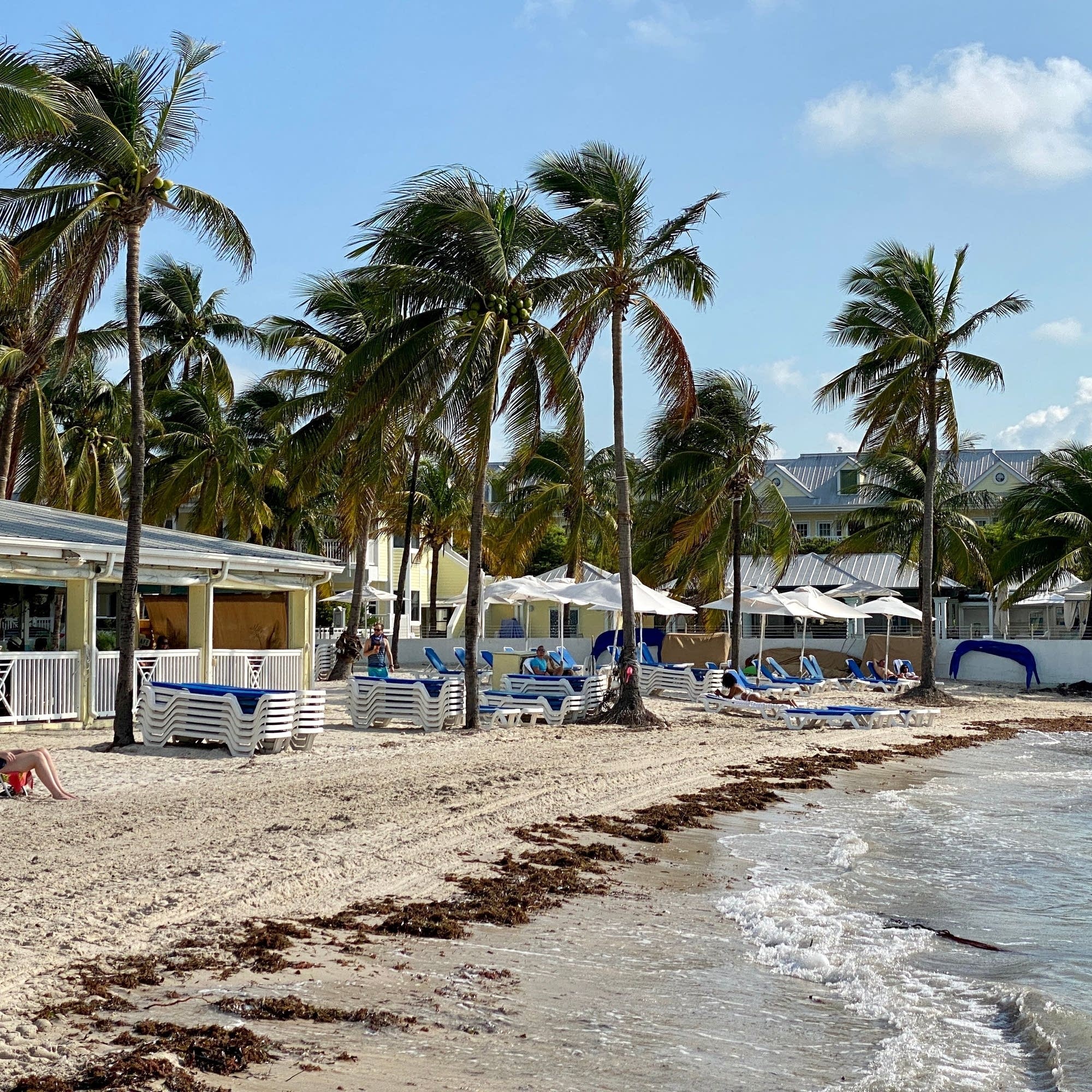
Built to Last
What do a burning shed, a beautiful above-ground bunker and an island of misfits all have in common? They are all places we visit on our hunt for solutions.This episode, we find out what it will take to stay in the places we love. We play around at a research lab where scientists are figuring out how to make our homes and buildings more resilient to the elements. Then, we leave the lab to
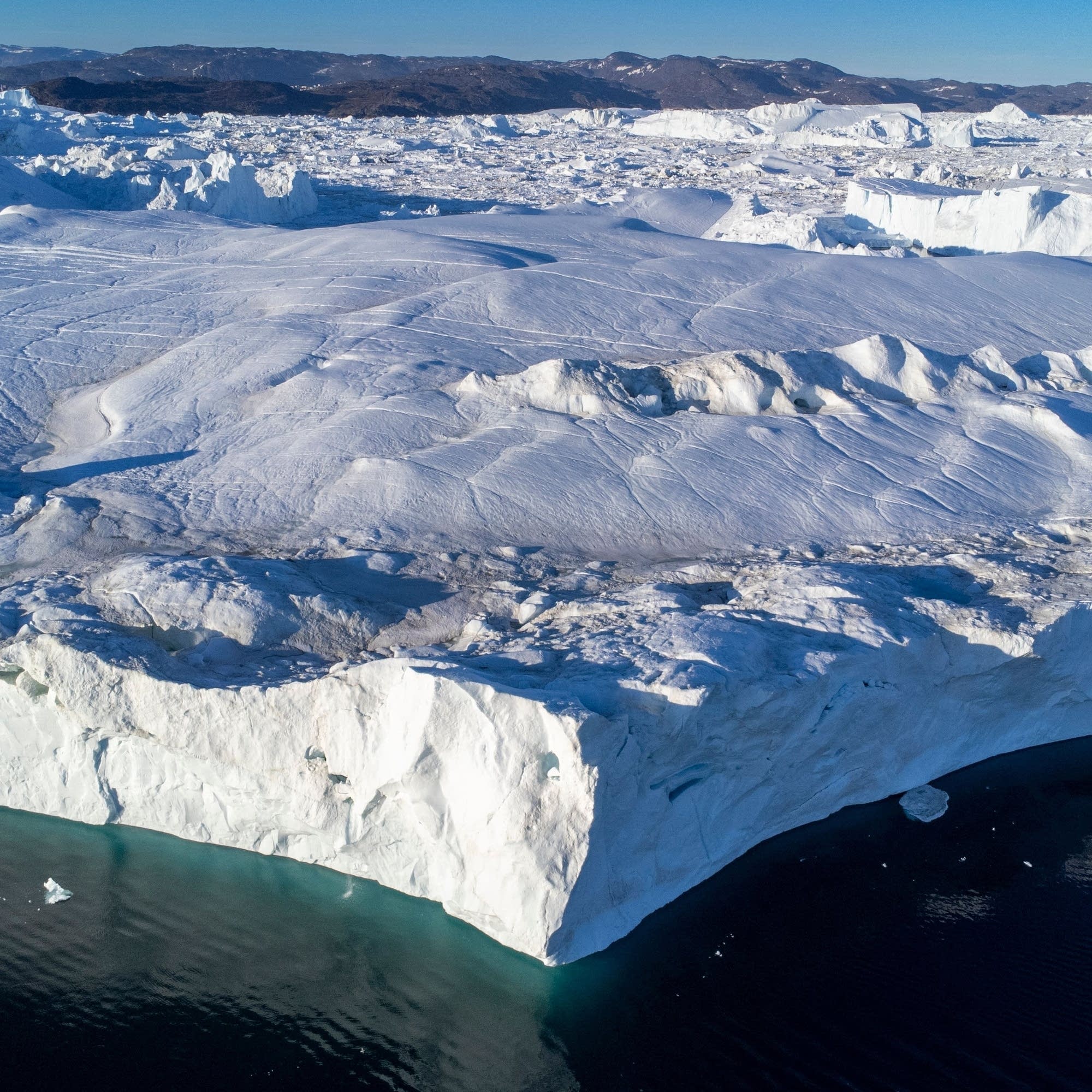
Science Meets Fiction
Buckle up, grab a hard hat, a tent (and maybe a snack). It’s going to be a bumpy ride! From camping on top of a glacier, right before billions of tons of ice melt off of it, to dealing with the aftermath of a hurricane that destroys Miami, this episode we’re diving head first into the realclimate predictions — and the imagined ways society will handle them. We’re unpacking why a glacier h
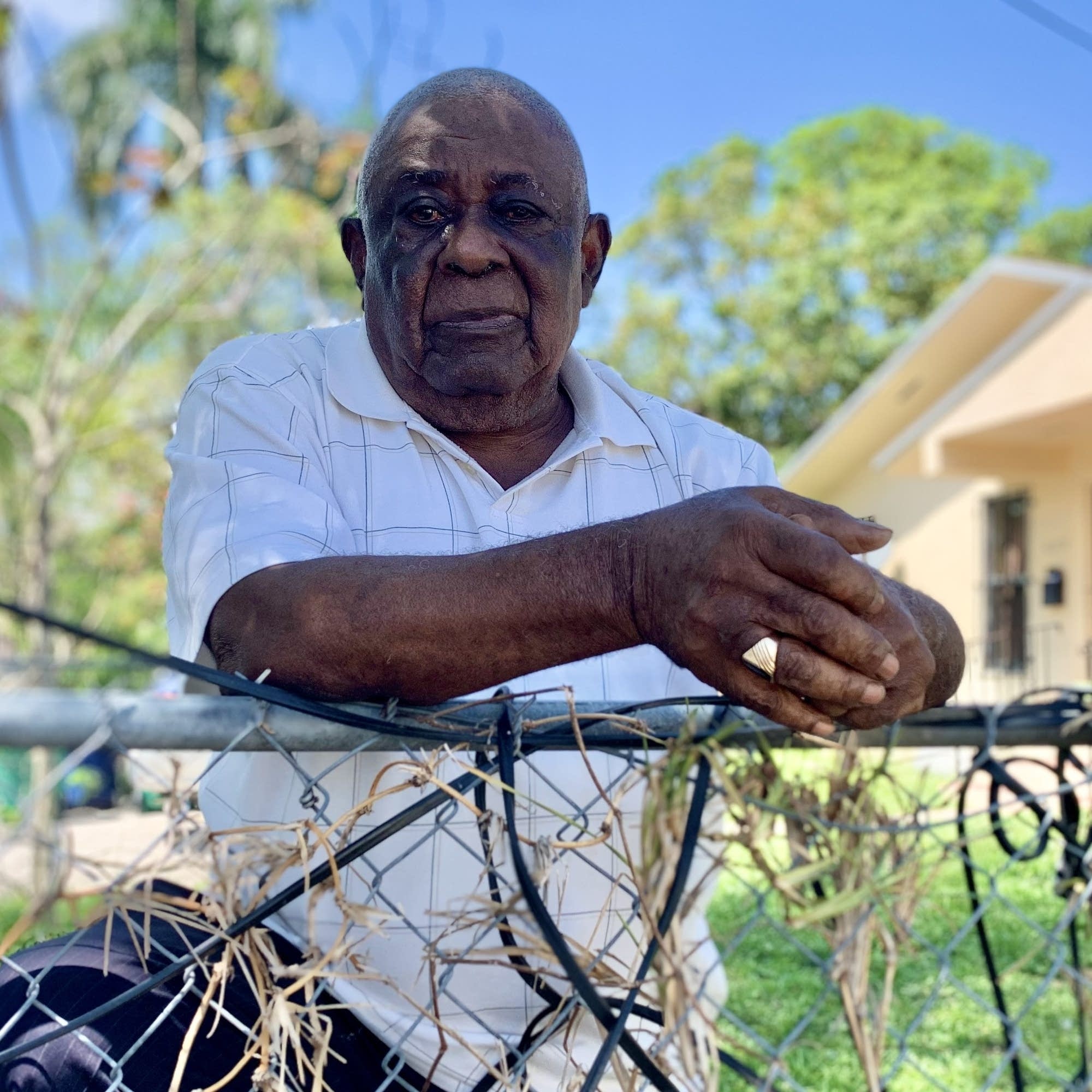
Little River
The Little River community in Miami is known for frequent flooding during heavy rains, high tides and storms. And when the neighborhood floods, sewage can spill into the yard; toilets back up. Even though it floods, the housing market here is hot. Long-time residents face displacement. This episode looks at flooding and flipping and how the two are related.
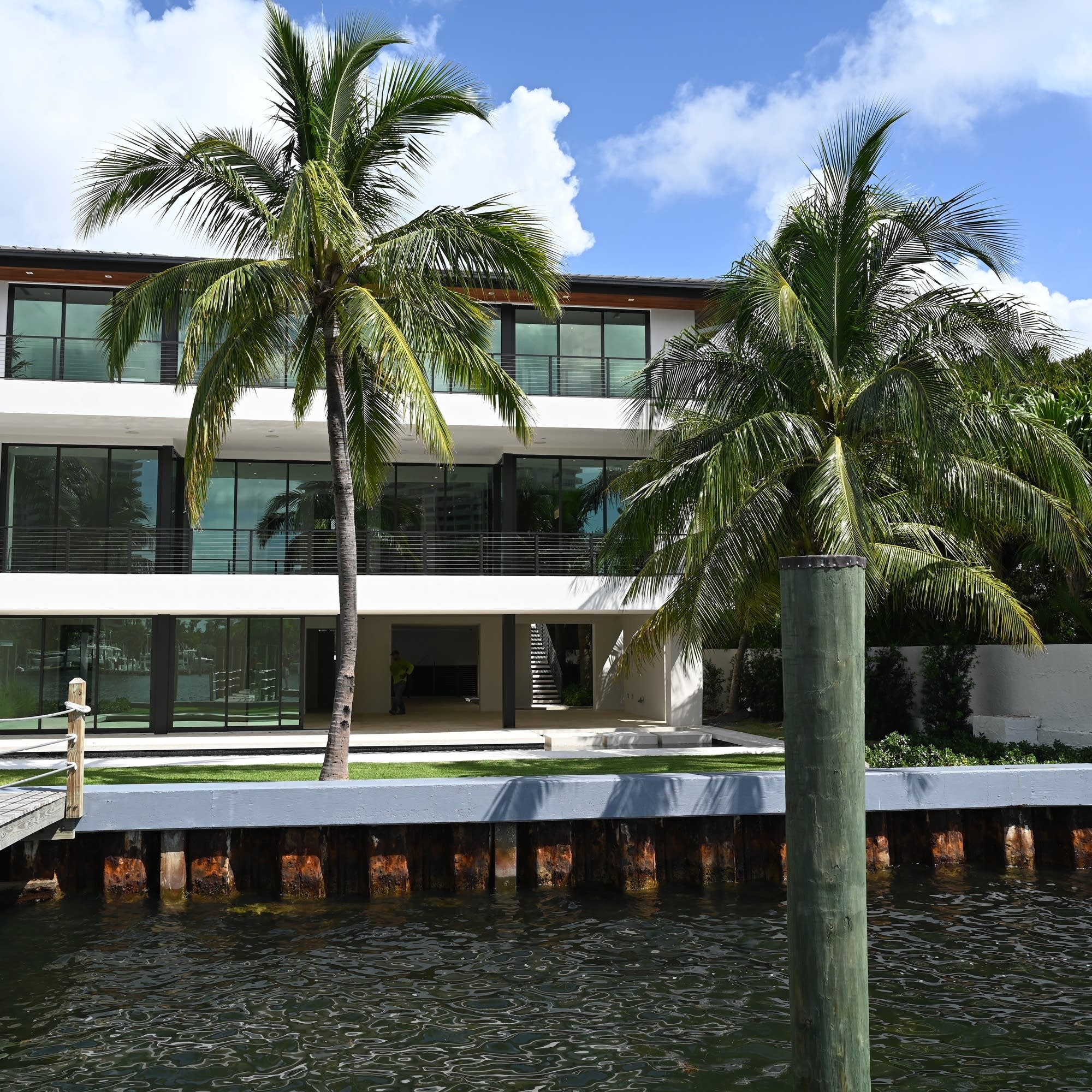
Selling Miami
Whether you live on the coast or not, sea-level rise will have profound impacts on all of us. So we packed up our bags and headed to Miami, a city that is considered one of the most vulnerable coastal cities in the world. How Miami responds will serve as a test case for how other places around the country survive the effects of climate change. Experts say seas here could rise by 5 feet or
Prologue: Tracking a Catastrophe
A powerful hurricane was churning toward the southwest coast of Florida. It looked like it was going to be bad. So we hopped on a plane and headed first to Boston where we embedded with a team of catastrophe modelers who were tracking the disaster and calculating the potential losses.The number they came up with is staggering high: $100 billion. And only $63 billion of that is insured.We
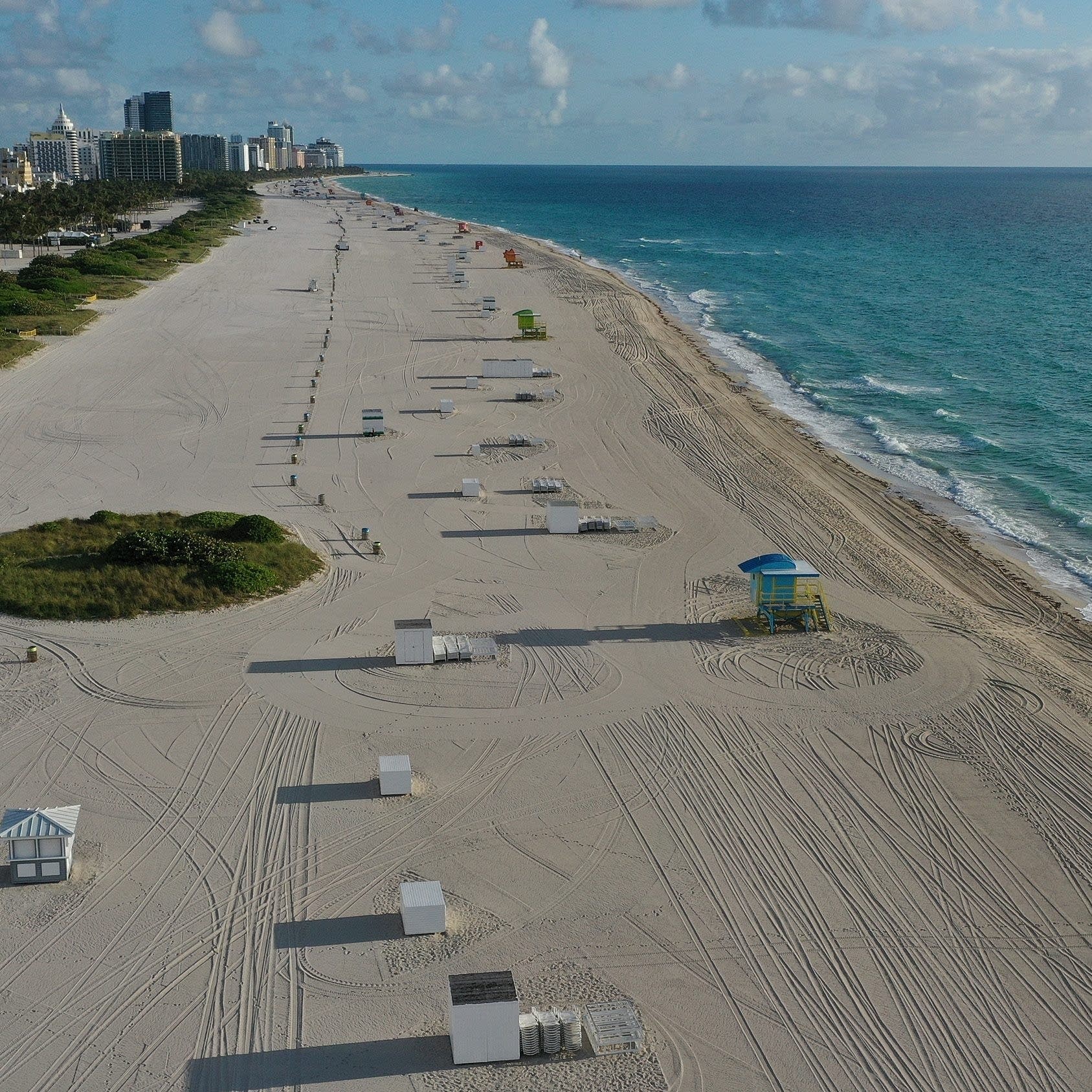
Introducing “How We Survive Season 2: Saving Miami”
There’s the mythical version of Miami, the version that’s all about wealth and glamour and a never-ending party on the beach. And then there’s the real Miami, a deeply unequal place that could eventually be swallowed up by the Atlantic Ocean because of glaciers melting halfway around the world. Miami has been called the most vulnerable coastal city in the world because of climate change.
How We Change
Technology will help us avoid the worst outcomes of the climate crisis, and it’ll help us adapt to a warming planet. But technology alone can’t save us. Humans need to make profound changes. We need to change our behavior, our consumption, our policies and our mindsets.In the final episode of the season, we talk to a climate psychologist about how our minds react to change and hear from a

The Better Battery
Imagine a future where all the lithium we need has already been extracted from the ground and is endlessly recycled. Or where the batteries we use to store renewable energy are made from abundantly available materials — like salt.This episode, we visit a lab where a couple of brilliant scientists are trying to build the batteries of the future. And we drop in on a company that’s extending
Sci-Fi Intermission
Our favorite place to look for climate solutions: Science fiction. In fact, sci-fi (and its sub-genre, cli-fi) is what got us thinking about adaptation in the first place. Cli-fi can get a little bleak — weather turns deadly; earth becomes uninhabitable; humans flee to space. And while it’s entertaining to imagine the worst-case scenarios, the best of the writing is hopeful. It allows us
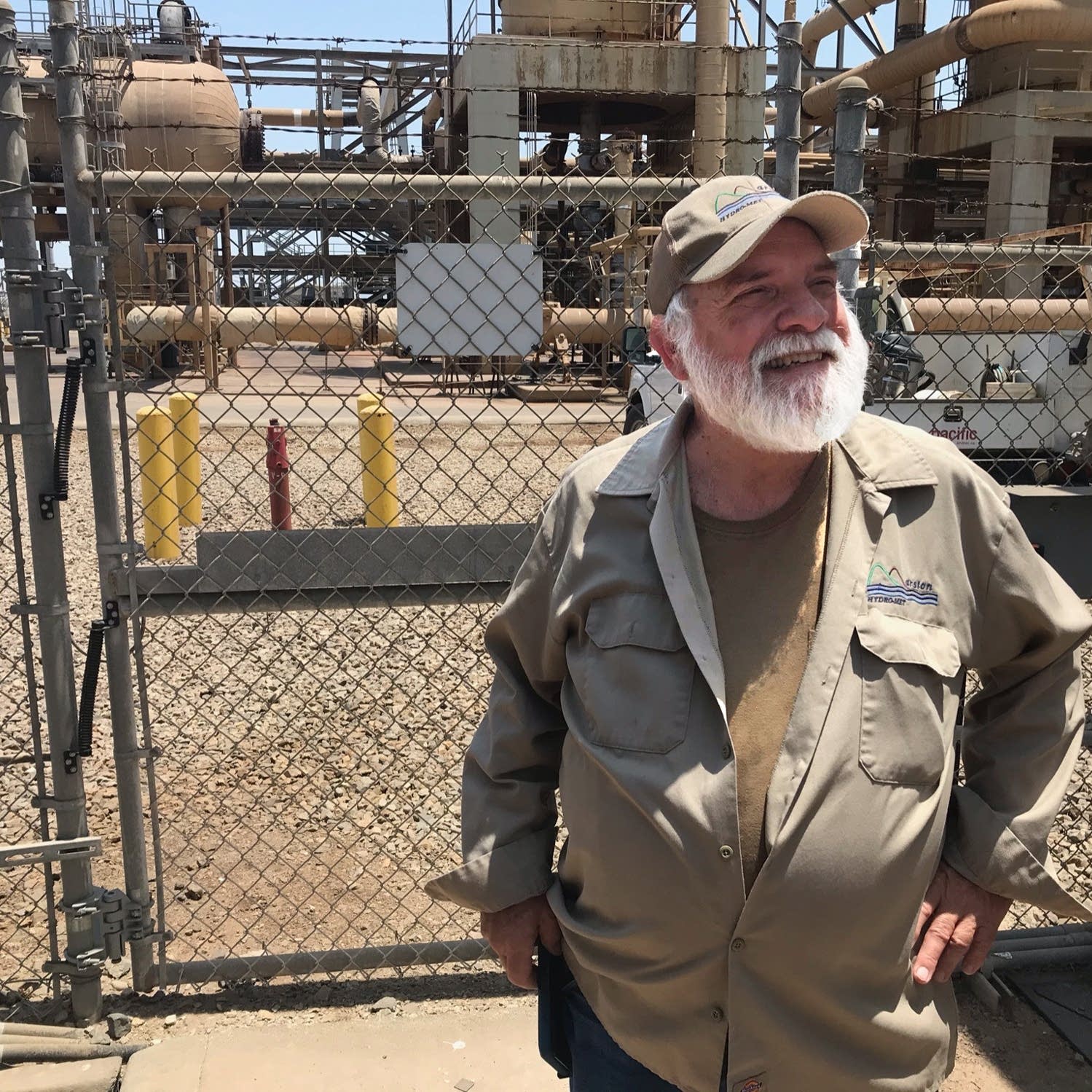
Gnarly Brine
Our journey through the California desert continues. We visit the quiet front-runner in the race to extract lithium from the superhot, corrosive brine bubbling underground. And we dive into the past to look at an earlier attempt to harvest lithium from the Salton Sea. That project ended in failure, but its patents live on. And those patents could be a roadblock for the companies racing to
The Resource
We’re back on the road this week, to California’s Salton Sea, a salty lake in the desert that was once marketed as “Palm Springs with water.” Today the water is receding and increasingly toxic. The community that once thrived here now has one of the highest unemployment rates in the country. But there is some hope. There’s a huge amount of lithium all around the Salton Sea in the bubbling
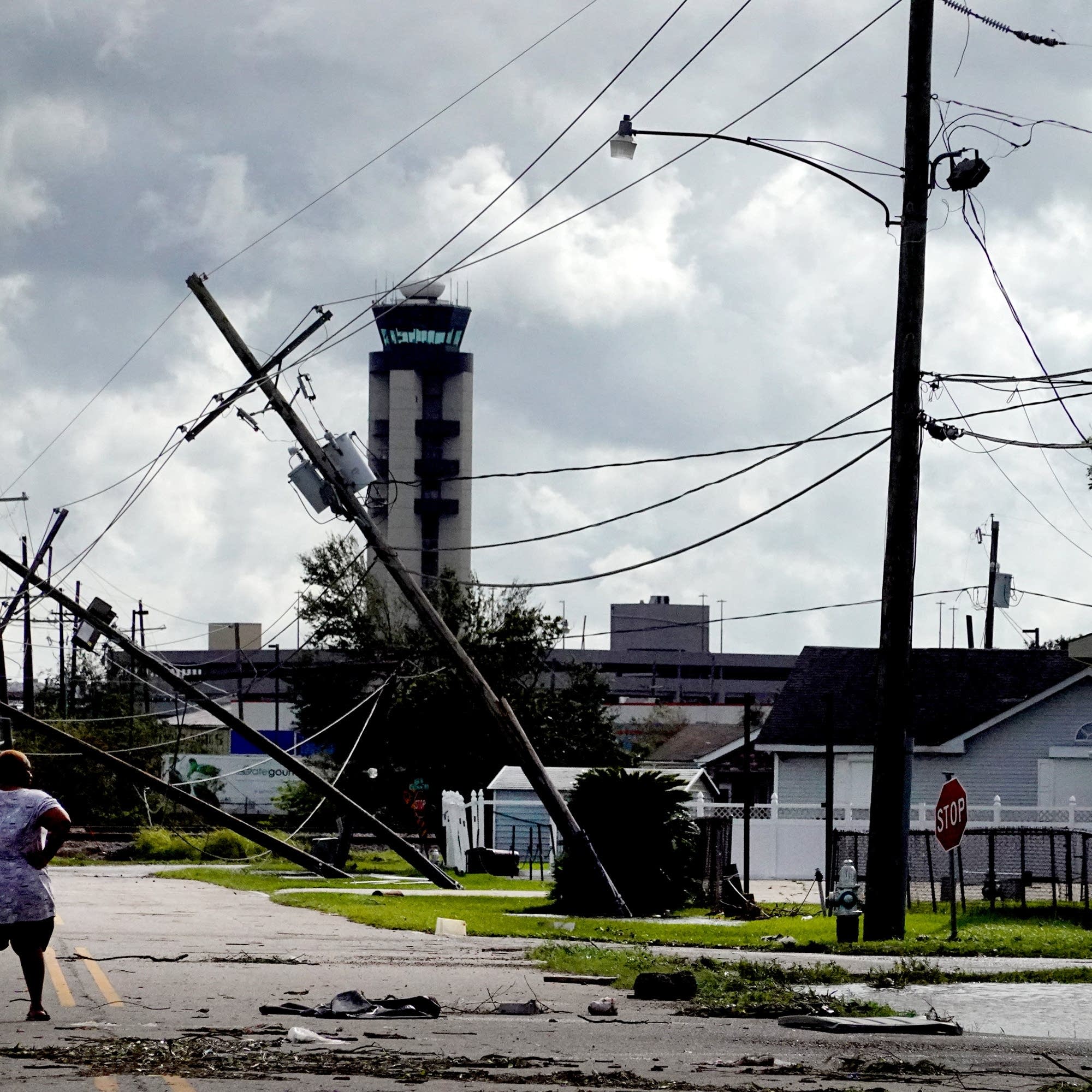
Electrify Everything
To survive the climate crisis, we need to electrify everything: our cars, of course, but also our appliances, homes, mass transit, entire neighborhoods and cities. Everything. That’s no small task. So to better understand why electrifying everything matters, and how we’re going to do it, we look at the aftermath of a natural disaster and talk to one man who used batteries to save lives. T
Recommended

The Daily

World News Tonight with David Muir

English Vocabulary Help
The Joe Rogan Experience

TED Talks Daily

Learn English B1 with Daily News | English Listening Practice

Talk About Talk - Executive & Leadership Communication Skills

English with Olivia | Slow Conversations & Vocabulary
Stand In The Circle

SLOW ENGLISH PODCAST (A1-A2) With Subtitles | Daily Videos | English With Us Podcast

Learn English A2 with Daily News | Simple English Listening Practice

پلی لیست | PlayList
