The Indicator from Planet Money
A bite-sized show about big ideas. From the people who make Planet Money, The Indicator helps you make sense of what's happening in today's economy. It's a quick hit of insight into money, work, and business. Monday through Friday, in 10 minutes or less.
Episodes

A rebate runaround, a car rental rip-off and … roaches?!
A labyrinthine rebate process. Shrinking cereal boxes. Mystery rental car charges. Cockroaches?! We share listener tales of Consumer Rage and unpack the economic forces driving that ANGER.Fact checking by Sierra Juarez.Your Next Listen –Consumers are mad as hell and aren't gonna take it anymore–Over 2,000 episodes in our archive on the NPR AppConnect with The Indicator from Planet Money–The Indica
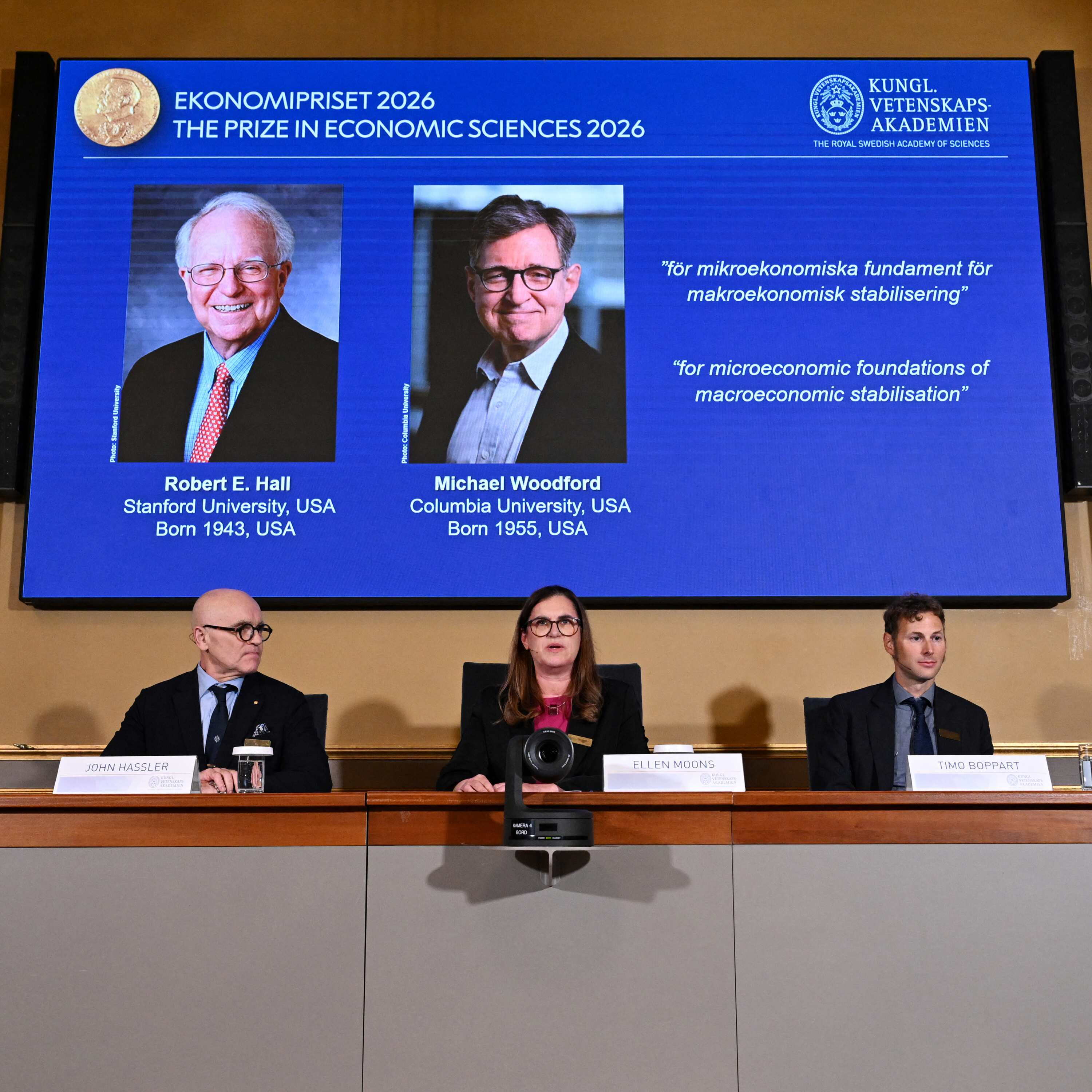
How did we get a Nobel Prize in economics?
This year's Nobel Prize for Economics went to American economists Robert E. Hall and Michael Woodford! Their research focused on macroeconomic models and economic shocks.But … How did we get a Nobel Prize in economics, or as it’s actually called, the more long-winded “Swedish Central Bank Prize in Economic Sciences in memory of Alfred Nobel”? And why did nearly 70 years pass between the first Nobe

The echo of the bison (Encore)
Nearly 30 million bison once roamed North America, from modern Canada to Mexico. In the late 1800s, white settlers and the U.S. military annihilated the population of bison, bringing these creatures to the brink of extinction. The consequences for the people who relied on the bison were dire — and still being felt today. In an episode that first aired in August 2023, we spoke to one economist who

SNAP strains, youth baseball's class divide, and Meta's bug bounty
This week our top indicators include changes to the funding model for SNAP, private equity’s influence on youth baseball and Meta’s attempt to find flaws in its brand new AI assistant. Fact checking by Sierra Juarez.Your Next Listen –Why Trump's spending bill could close your grocery store–Over 2,000 episodes in our archive on the NPR AppConnect with The Indicator from Planet Money–The Indicator n
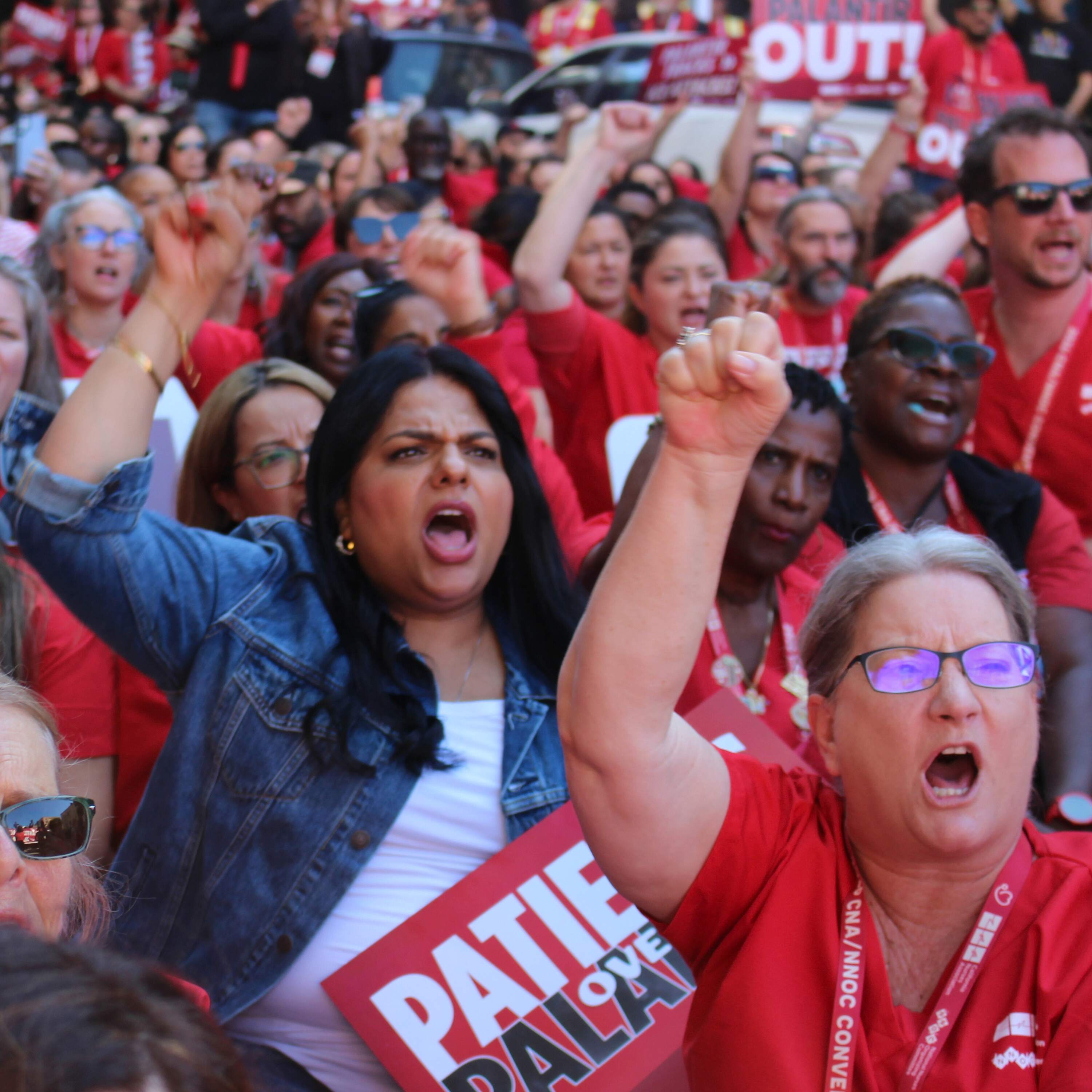
The chilling effect of ICE in hospitals
Federal immigration enforcement arrests reached record highs this past summer, and under the second Trump administration, immigration agents can now more easily access so-called sensitive areas, including hospitals. Today on the show: how both patients and healthcare workers are bearing the physical and economic costs of these deportation campaigns. Featuring Dr. William D. Lopez, author of Raidin
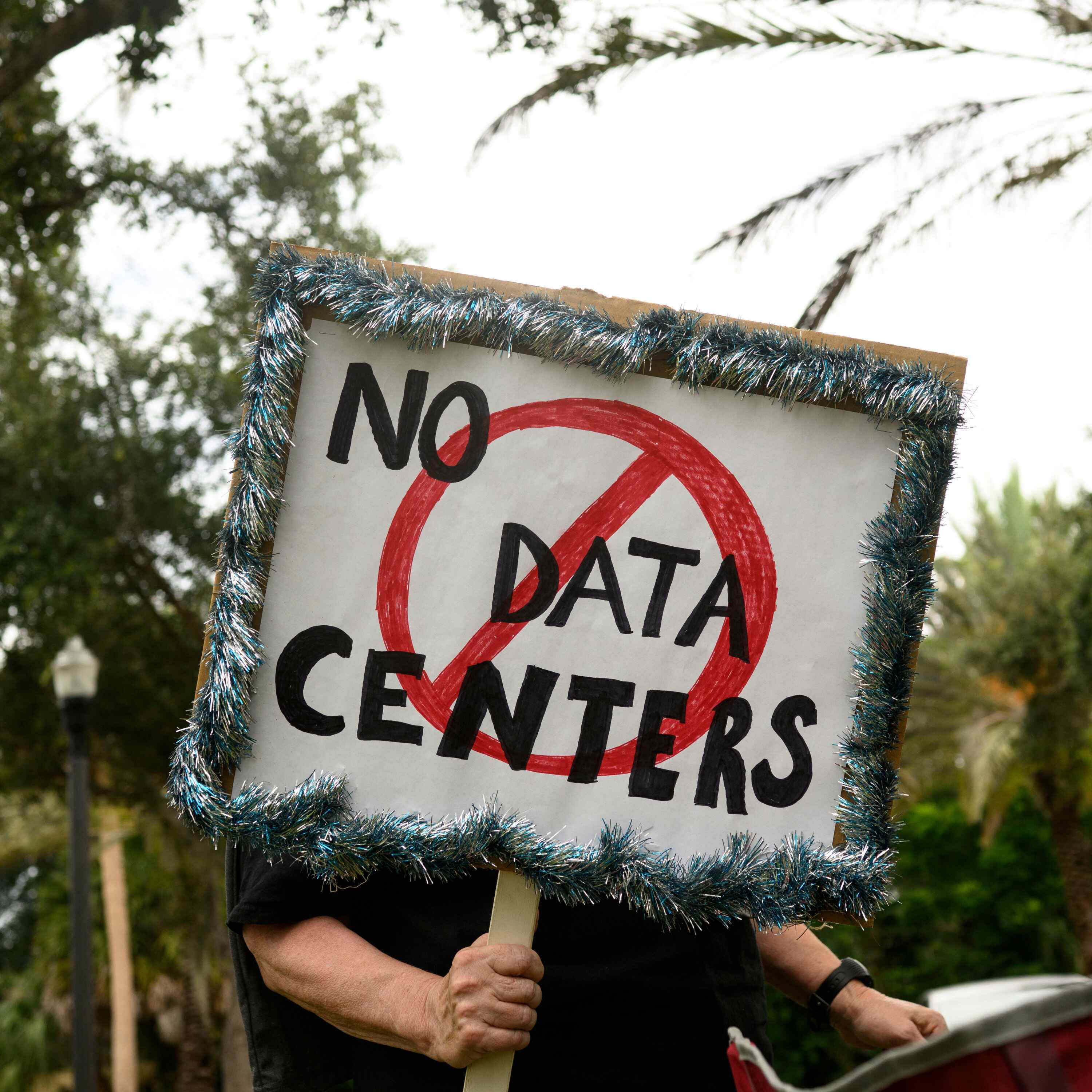
One economist's answer to data center anxiety
Rising electricity prices are one of the primary reasons why data centers are a public enemy this election cycle. But is it realistic to expect energy prices to stay high forever? Fact checking by Sierra Juarez.Your Next Listen No AI data centers in my backyard!Over 2,000 episodes in our archive on the NPR AppConnect with The Indicator from Planet MoneyThe Indicator newsletter — a weekly roundup o

Inside Norway's sovereign wealth fund dilemma to divest from Israel
Norway has the world’s largest sovereign wealth fund, but it’s facing a self-imposed dilemma. Should the fund's investments include companies that directly or indirectly contribute to the ongoing Israel-Hamas war? On today’s show, the ethical tightrope Norway is walking to invest its oil riches responsibly. Fact checking by Sierra Juarez.Your Next Listen —How would a US sovereign wealth fund even
The proper etiquette of the Venmo nudge
How do you ask your friends to pay you back in a timely way? We’ve got an etiquette coach to help with that. Fact checking by Sierra Juarez.Your Next Listen — Is this a bank?Connect with The Indicator — Sign up for The Indicator’s weekly newsletter! — Buy the Planet Money book — Find our socials, YouTube and more! — For sponsor-free episodes, subscribe to NPR+ Support public media with NPR+ and en

Can we make Social Security better for blue-collar workers?
Most workers can’t start collecting full Social Security benefits until age 67. But a new proposal from Michigan Congresswoman Haley Stevens would allow workers in “physically demanding jobs” to receive full retirement benefits at 60. Today, two social security experts tell us the pros and cons. Fact checking by Sierra Juarez.Your Next Listen — Iceberg ahead for Social SecurityConnect with The Ind

New college degrees designed to job-proof graduates
What do influencing, AI and health sciences have in common? They’re all degree programs colleges have launched in the last few years to attract students looking for a new career path. On today's show, how colleges are rethinking degrees for a changing job market.Fact checking by Leyla Doss. Your Next Listen — Community colleges are kind of underrated Connect with The Indicator — Sign up for The In

Is investing in sports worth it for universities?
Universities spend millions of dollars every year on their athletics programs. But does that investment pay off? Today, we interrogate the “Doug Flutie Effect.” Fact checking by Cooper Katz McKim.Your Next Listen — How college sports juiced Olympic developmentConnect with The Indicator — Sign up for The Indicator’s weekly newsletter! — Buy the Planet Money book — Find our socials, YouTube and more
What does every business need but not every industry has?
What rhymes with "snakes" and helps the government classify economic activity? NAICS — or the North American Industry Classification System. These codes categorize every industry from artificial turf installation to zucchini farming. But they’re not exactly easy to get. Today we look at one business’ quest for a NAICS code and what makes them so valuable. Fact checking by Leyla Doss. Your Next Lis
How the rich make money by losing money
Decades ago, rich Americans used to pay taxes as high as 40% on their investments. Nowadays, an obscure investment strategy is helping them slash that figure toward … 0%. Today on the show, Bloomberg reporter Loukia Gyftopoulou, tells us about this generation’s “great American tax dodge,” and the “mad genius” behind it.A Tax Strategy for the Rich Built the World’s Largest Hedge Fund - BloombergFac
Unaffordability index: Rent, GLP-1s, Obamacare
This week’s indicators: Rent is squeezing middle-income earners, the Trump admin is squeezing ACA enrollees, and GLP-1s are squeezing employers.Fact checking by Julia Ritchey.Your Next Listen —Why GLP-1s aren't lowering employers' costsConnect with The Indicator — Sign up for The Indicator’s weekly newsletter! — Buy the Planet Money book — Find our socials, YouTube ad more! — For sponsor-free epis

What Doordash, Dell and Palantir all have in common
President Trump and his money managers made more stock trades since his second term started than all members of Congress combined. The White House says there is no conflict of interest. Today on the show, we look at three companies he’s traded in that raise ethical flags because of their relationship with the federal government. Fact checking by Sierra Juarez.Your Next Listen — Did Trump enable in
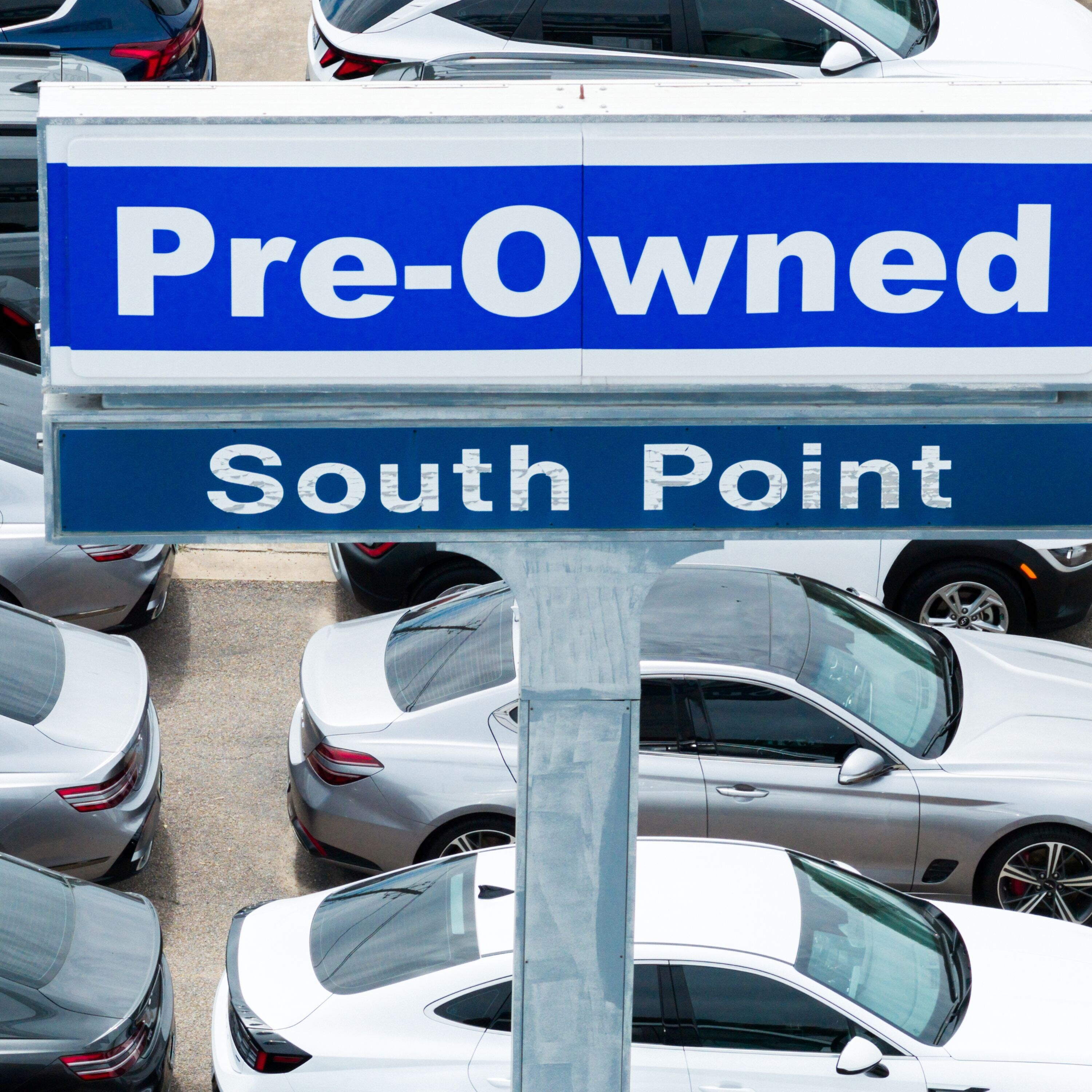
Why are used cars priced like new cars?
The used car market is out of control and there doesn’t seem to be an easy fix for high prices. Today, three reasons why finding an affordable car is so difficult.Fact checking by Sierra Juarez.Your Next Listen — Prepping for a rainy day and higher used car pricesConnect with The Indicator — Sign up for The Indicator’s weekly newsletter! — Buy the Planet Money book — Find our socials, YouTube and

How will the US refill its dwindling oil reserves?
Whether it’s oil from Venezuela or somewhere else, the U.S. Strategic Petroleum Reserve needs to be refilled. The SPR is widely considered critical for energy security. On today’s show, the challenges to refilling the reserves at a time of high federal debt and climbing gas prices. Fact-checking by Sierra Juarez. Your Next Listen — So… how long before these oil prices get REALLY bad? Connect with

How Hemp-THC businesses are bracing for a near total ban
Follow us to Tennessee where hemp farmers are already pivoting in the face of a state ban and soon, a looming federal ban on basically all THC-derived hemp products. Will Congress step in to save this $28 billion industry? Fact checking by Sierra Juarez.Your Next Listen — How would-be weed merchants hit a ‘grass ceiling’ Connect with The Indicator — Sign up for The Indicator’s weekly newsletter!

OpenAI's waiting game, gas pump pain, and severe sulfur strain!
This week’s indicators: Tracking your pain at the gas pump in real-time; OpenAI’s IPO hard-launch tug-of-war; one unexpected ingredient is making fertilizer—and potentially your groceries—a whole lot more expensive.Fact checking by Schuyler Swenson.Your Next Listen — What Iran teaches us about why wars startConnect with The Indicator — Sign up for The Indicator’s weekly newsletter! — Buy the Plane

Strait talk: Why the oil crisis is getting worse
A vital artery for Saudi oil exports is under siege and it’s not the Strait of Hormuz. Today on the show, we explain what’s going on in the Bab el-Mandeb shipping lane connected to the Red Sea, why it’s important, and why the global oil crisis is poised to get even worse. Fact checking by Sierra Juarez.Your Next Listen — Fixing the oil crisis might not fix the Persian Gulf Connect with The Indic
How the bond market is handling AI risks
Big tech companies are borrowing billions of dollars to finance the build-out of AI data centers, and your 401(k) might be helping to fuel that. Today on the show, what AI hyperscalers are doing to the bond market.Fact checking by Sierra Juarez.Your Next Listen — Who's financing Meta's massive AI data center?Connect with The Indicator — Sign up for The Indicator’s weekly newsletter! — Buy the Plan
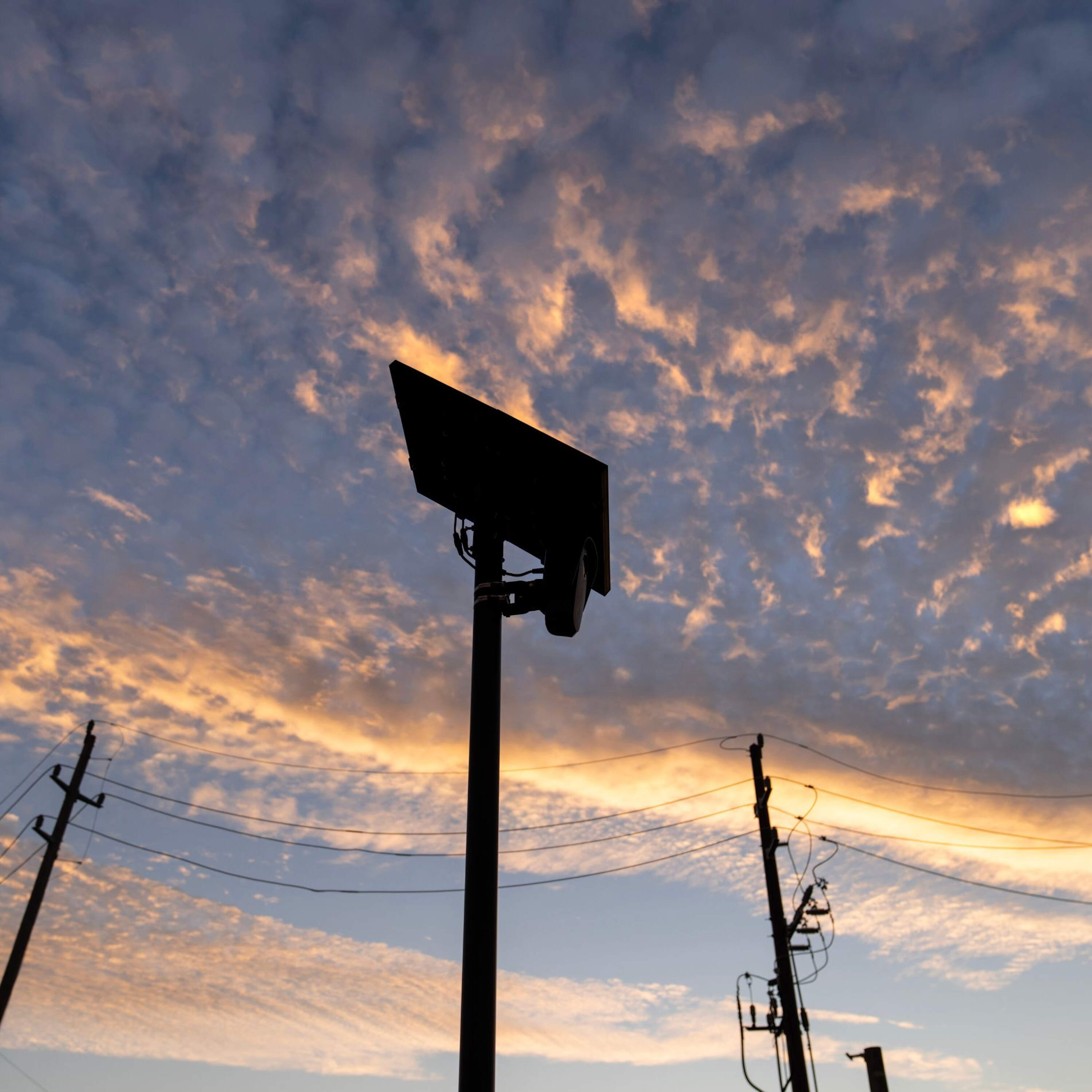
How much safer do Flock cameras make us?
Flock cameras promise to reduce crimes like car theft. But these automated license plate readers come with a trade-off: a wide-reaching surveillance network. Today on the show, does Flock actually make communities safer?Fact checking by Sierra Juarez.Your Next Listen — Stuck In China’s PanopticonConnect with The Indicator — Sign up for The Indicator’s weekly newsletter! — Buy the Planet Money book

A beautiful bill, Mamdani's market, and stock subscriptions
It’s time for another Indicator Quiz! For today’s quiz, we’re testing the Indicator knowledge of a brilliant mathematician. Will we stump his theoretician brain? Tune in and find out! Interested in being a contestant on our next Indicator Quiz? Email us your name and phone number to indicator@npr.org and put "Indicator Quiz" in the subject.Fact checking by Sierra Juarez.Your Next Listen — An urban

Bessent's yen bet, cold Argentine data centers set, and the summer box office net
This week’s indicators: Is The U.S. Treasury Department futzing with financial markets?; Is Patagonia’s pretty picturesque setting … for data centers?; Was the summer box office actually swell? Fact checking by Sierra Juarez.Your Next Listen — A Treasury showdown with the bond marketConnect with The Indicator — Sign up for The Indicator’s weekly newsletter! — Buy the Planet Money book — Find our s

Are small town colleges going extinct?
Our favorite entry on the regional economy from the latest Beige Book reveals a troubling development in higher education. Fact checking by Sierra Juarez.Your Next Listen — Community colleges are kind of underratedConnect with The Indicator — Sign up for The Indicator’s weekly newsletter! — Buy the Planet Money book — Find our socials, YouTube and more! — For sponsor-free episodes, subscribe to NP

Let's play ... Who Wants To Be a Bank!
Why do so many fintech companies — like Square and Mercury — want to be banks? And what does it take to get there? Find out today when we play our fake game show … Who Wants To Be A Bank!Fact checking by Sierra Juarez.Your Next Listen —Is this a bank?Connect with The Indicator — Sign up for The Indicator’s weekly newsletter! — Buy the Planet Money book — Find our socials, YouTube and more! — For s
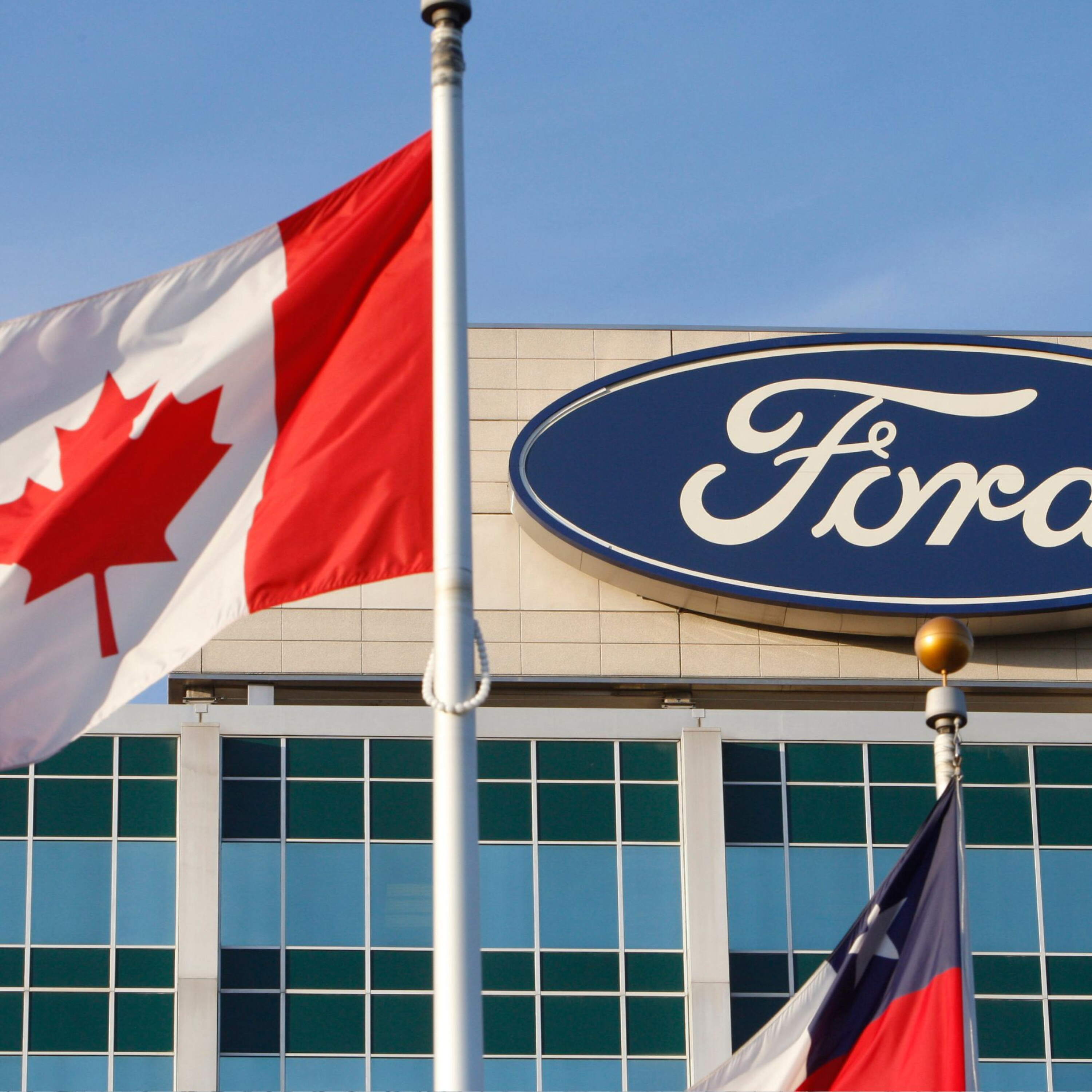
Canada fights tariffs with tariffs
The era of friendly diplomacy has fallen to the wayside once again as the U.S. - Canada trade war enters a new phase. This time, Canada is countering the latest round of tariffs with their own, targeting American dairy, steel and electronics. Today on the show, we hear from the host of CBC’s Cost of Living podcast Paul Haavardsrud on Canada’s trade war strategy.Fact checking by Sierra Juarez.Your
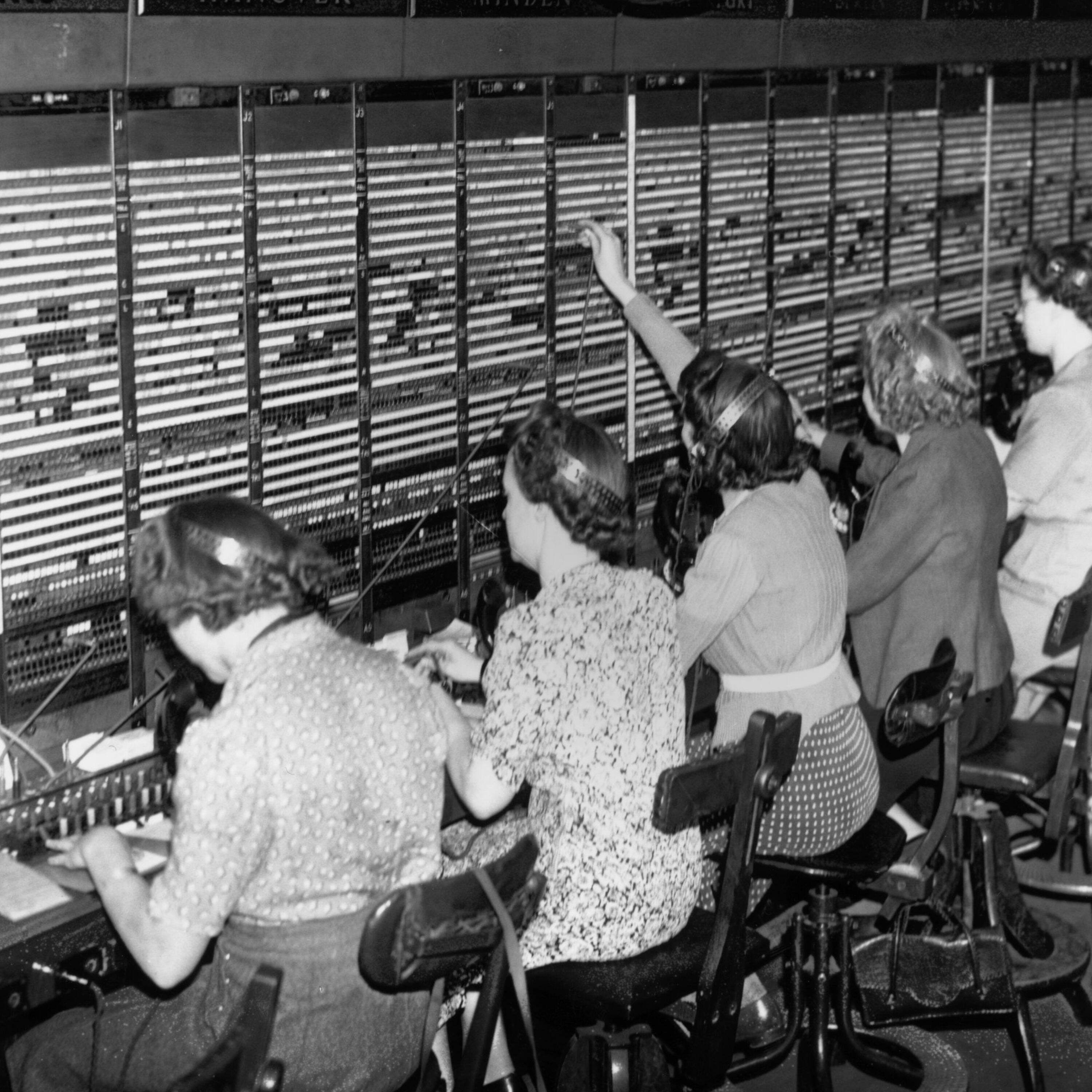
Which jobs are future-proofed?
With AI disrupting the workplace, is your job going to exist in ten years? The Bureau of Labor Statistics has just the handbook for that. Today on the show, we flip through the Occupational Outlook Handbook and answer your questions about the future of work.This episode originally aired on May 8th, 2026Fact checking by Sierra Juarez.Your Next Listen — How AI is shrinking the job market for teensCo

Are job hoppers better at their jobs?
People with jobs are not always eager to leave them … but there are exceptions. Call them job hoppers. While many employers look down on this sort of professional promiscuity, new research suggests there are benefits to switching jobs frequently. Fact checking by Sierra Juarez.Your Next Listen — I'm just here for the health benefitsConnect with The Indicator — Sign up for The Indicator’s weekly n
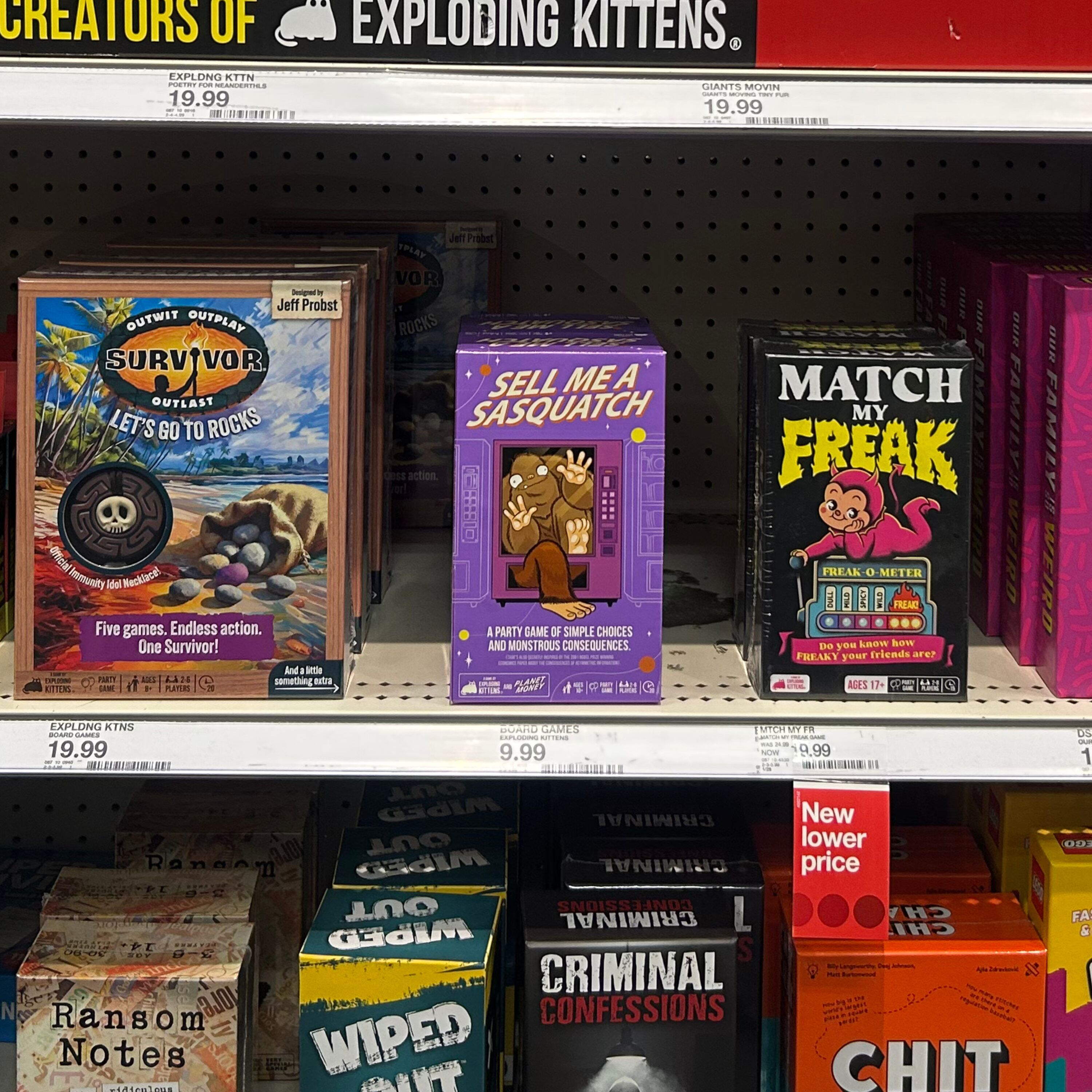
Does Planet Money’s game pass the shelf test? We go undercover to find out
We go undercover at a big box store for an inside look at the secret shelf test the makers of Exploding Kittens use for their hit games.Fact checking by Sierra Juarez.Your Next Listen — Who decides what big box sells? Our GAME got us answersConnect with The Indicator — Sign up for The Indicator’s weekly newsletter! — Buy the Planet Money book — Find our socials, YouTube and more! — For sponsor-fre

For a lot of Gen Z, gambling is investing
Why are more than half of Gen Zers using investment dollars for sports gambling? It’s been eight years since sports betting became widely legal. Today we look at its impact on a new generation of sports bettors and efforts to curb gambling’s more harmful effects. Fact checking by Sierra Juarez.Your Next Listen — Prediction markets are threatening national security. Who's gonna fix it?Connect with
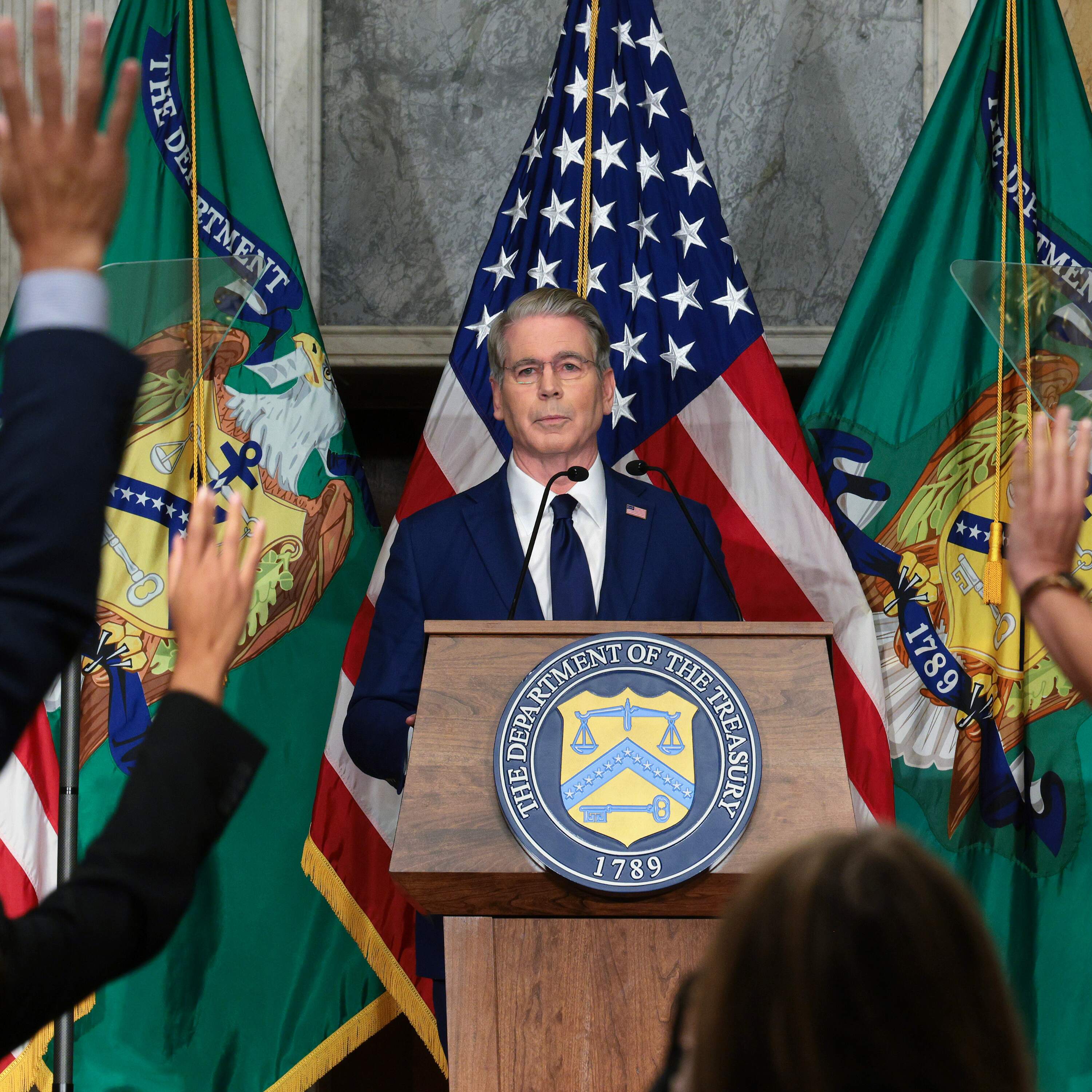
A Treasury showdown with the bond market
Why is the U.S. Treasury planning to buyback at least double the number of long-dated government bonds it usually does? And will Treasury Secretary Scott Bessent’s buyback plan pit him against both the bond markets and the Federal Reserve? Today we explain what the Treasury’s up to and what it means for you. Fact checking by Sierra Juarez.Your Next Listen —Bond vigilantes. Who they are, what they

How ICE arrests are creating 'economies of fear'
Immigration and Customs Enforcement (ICE) arrested nearly 50,000 people in July, marking the biggest month for ICE arrests of President Trump’s second term. We talk to a researcher who thinks this increased ICE activity is creating an “economy of fear” in cities around the country — and has the data to prove it.Fact checking by Sierra Juarez.Your Next Listen — How ending TPS is squeezing workers,

The teacher pay penalty, Meta's major settlement, and a footwear flop
This week’s indicators: The teacher pay penalty; Meta’s massive settlement; Nike and Dick’s Sporting Goods are struggling. Fact checking by Sierra Juarez.Correction: An earlier version of this story incorrectly said that comparable college graduates in other professions make around 25% more than teachers. Those workers make about 33% more.Your Next Listen — Why infinite scroll's inventor wants to

Coyote vs. Acme finally gets its big break
Coyote vs. Acme will finally get its theatrical release on Friday after a years-long saga involving supposed tax write-downs, negotiations and multibillion-dollar studio deals. It's a drama almost straight out of a Hollywood screenplay. Today we have the story from the inside. This episode is an update of an episode from December 2023.Fact checking by Sierra Juarez.Your Next Listen — Why Paramount
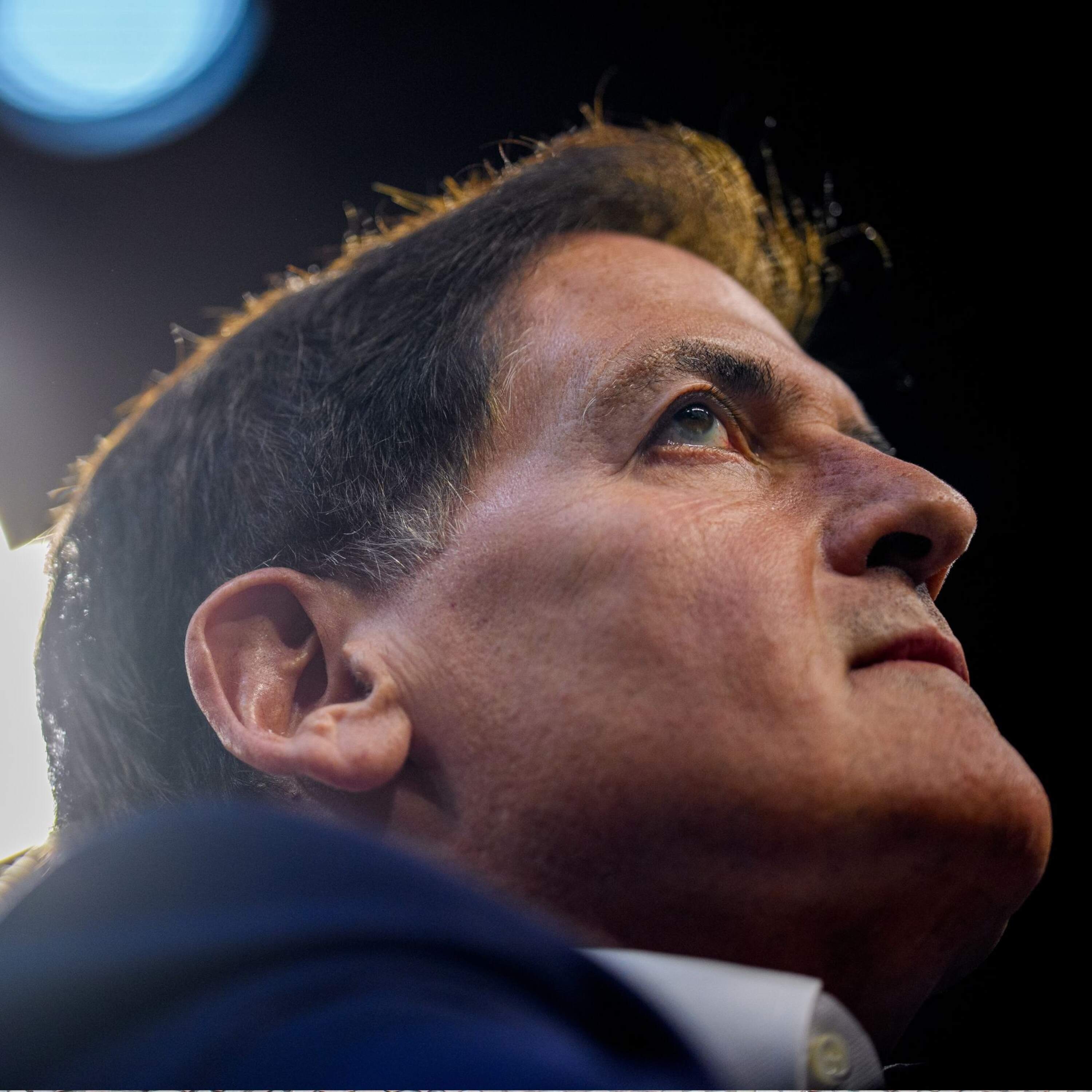
What Mark Cuban REALLY thinks of Medicare for All
Medicare for All could save the U.S. trillions… or maybe way less than that? In our second episode on Medicare for All, we look at the convoluted figures behind the hot political topic. We hear directly from billionaire and healthcare voice Mark Cuban on what works about Medicare for All, and why its actual cost is so complicated. Fact checking by Vito Emanuel.Your Next Listen — Why do hospitals k

Medicare for All is not Medicare for All
As midterms near, Medicare for All is back in the spotlight and Michigan U.S. Senate candidate Abdul El-Sayed has become the newest face for it. Today, we dig into what Medicare for All would actually do and hear directly from El-Sayed on why he thinks it’s critical to figure out. Tomorrow, billionaire Mark Cuban joins the show as we continue our discussion on Medicare for All.Fact checking by Vit

Could politics put your city's funding at risk?
The Trump administration recently admitted to pulling grants over politics. This practice could become more common. How do cities use grant money, and how will they adapt?Fact checking by Sierra Juarez.Your Next Listen — How far can philanthropy go to fill government gaps?Connect with The Indicator — Sign up for The Indicator’s weekly newsletter! — Buy the Planet Money book — Find our socials, You

EV sales slow, US Treasury yields grow, 'Niu Lai' has impressive box office mojo
This week’s indicators: EV sales sputter in North America but flutter internationally; U.S. Treasury Yields … RISE!; a low-budget movie so terrible, it became a box office hit in China. Fact checking by Julia RitcheyYour Next Listen — The story of China and Hollywood's big-screen romanceConnect with The Indicator — Sign up for The Indicator’s weekly newsletter! — Buy the Planet Money book — Find o

Is bankruptcy really all that bad?
Bankruptcy has a negative stigma surrounding it. But what if we told you it’s not as bad as you may think? In fact, economists think we should actually see more of it! Based on the radio story: More Americans are going bankrupt. What does that mean?Fact checking by Sierra Juarez.Your Next Listen — We're in a renter's market (believe it or not)Connect with The Indicator — Sign up for The Indicator’

Have a bad manager? Science explains why.
The best manager isn’t necessarily the best employee. Turns out it isn't so easy to predict what DOES make a good manager. Today on the show, we turn to science to help answer that very question.Fact checking by Sierra Juarez.Your Next Listen — Productivity and workforce whiplashConnect with The Indicator — Sign up for The Indicator’s weekly newsletter! — Buy the Planet Money book — Find our socia
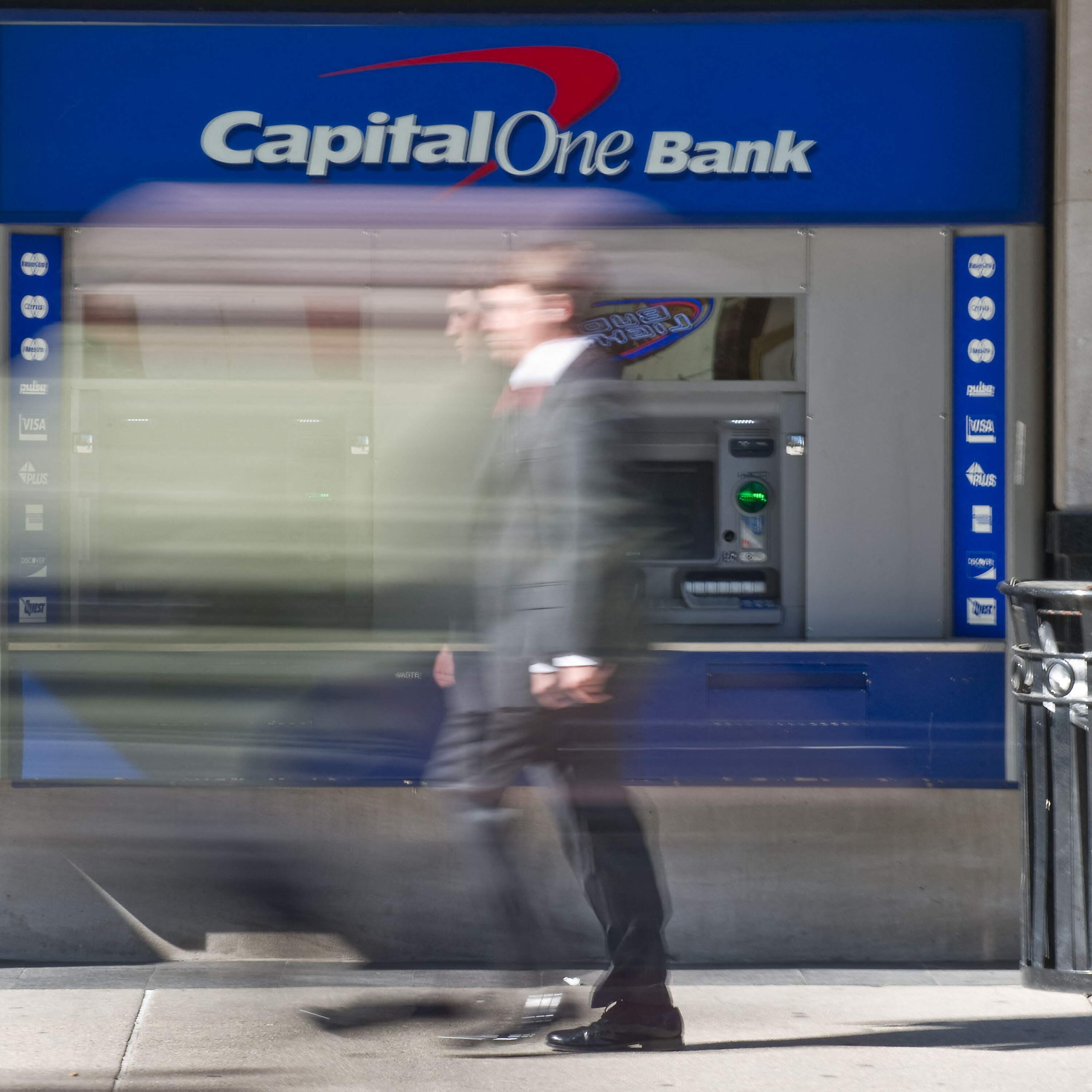
Trump versus Capital One
The Trump Organization has sued Capital One for closing its bank accounts. The organization says it did so out of political reasons. But banks can close accounts for a zillion reasons. They don’t have to say why. Capital One cited money laundering as a concern. On today’s show, how banks decide to close accounts, how much politics plays a role and what the bank might have seen in its crime-stoppin
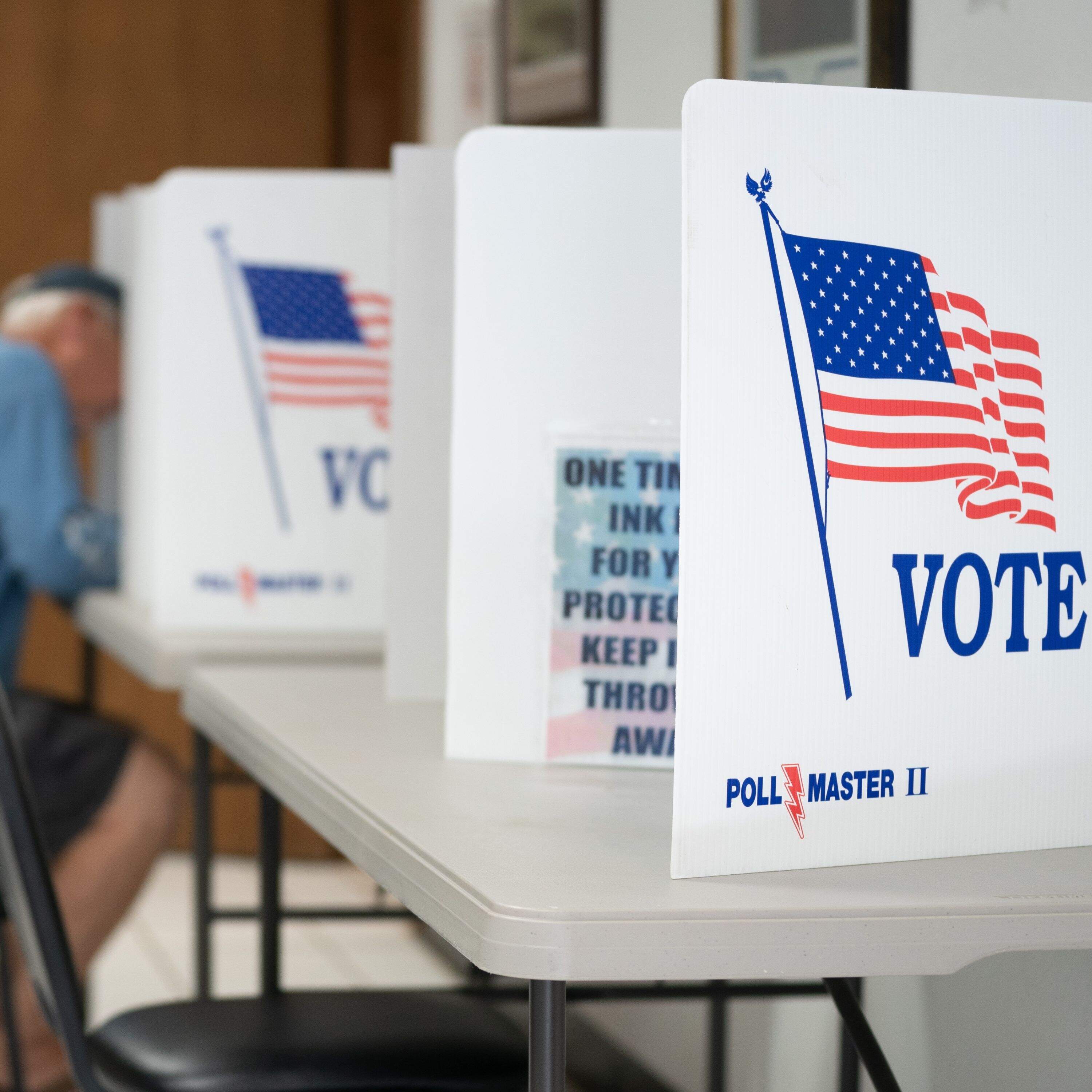
Did you know companies can vote in Delaware?
Fenwick Island, Del. has only around 900 people on its voting rolls, but some of those registered voters are not human. Many are family trusts and a few are companies. The town says its system works for its tiny beach community. So why are some lawmakers trying to stop it?Fact checking by Sierra Juarez.Your Next Listen — Who’s behind that shell company? Connect with The Indicator — Sign up for The

Retiree benefits bump, credit repayment slump, and a dating app in the dumps
It’s Indicators of the Week!On today’s episode: Retirees get a bump in benefits; credit card debt delinquency at a historically high level; and the dating app Bumble on a serious decline — Men first! IRL events! What will work! Fact checking by Cooper Katz McKim and Vito Emanuel.Your Next Listen — Trying to fix the dating app backlashConnect with The Indicator — Sign up for The Indicator’s weekly
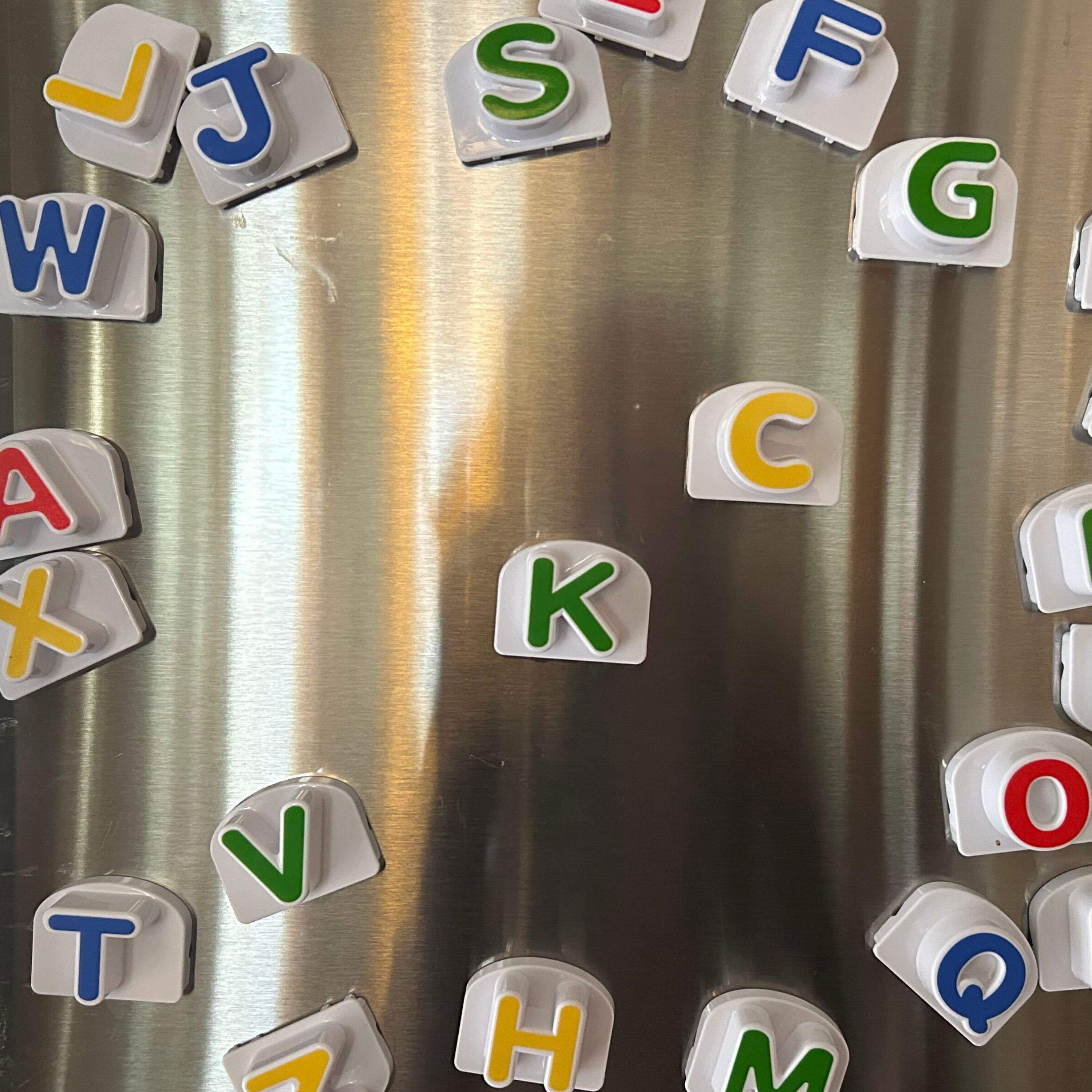
C is for C-shaped economy
Which letter best describes how the U.S. economy is shaped: C or K? We examine the arguments for both and why there’s so much disagreement over who’s faring best in today’s economy. Fact checking by Sierra Juarez.Your Next Listen — We resolve to watch these 2026 indicators Connect with The Indicator — Sign up for The Indicator’s weekly newsletter!— Buy the Planet Money book— Find our socials, Yo

Consumers are mad as hell and aren't gonna take it anymore
Rage. That’s what consumers are feeling right now. A new survey found consumer complaints hit a record high this year. Another from last year found a huge share of consumers felt ‘rage’ with a product or service problem. Just think about the modern consumer experience: hidden fees, ballooning customer support wait times (perpetually experiencing higher call volumes than usual) … shrinkflation! Arg
Borrowing money to invest! What could go wrong?
The total amount of investors using margin aka borrowing money to help pay for a trade is at an all time high of over $1.5 trillion. Is this something we should worry about? We spoke to Jurrien Tinner at Fidelity Investments. Note: Jurrien Timmer's views are his own and not representative of Fidelity. Fact checking by Sierra Juarez.Your Next Listen — How AI might mess with financial marketsConnec
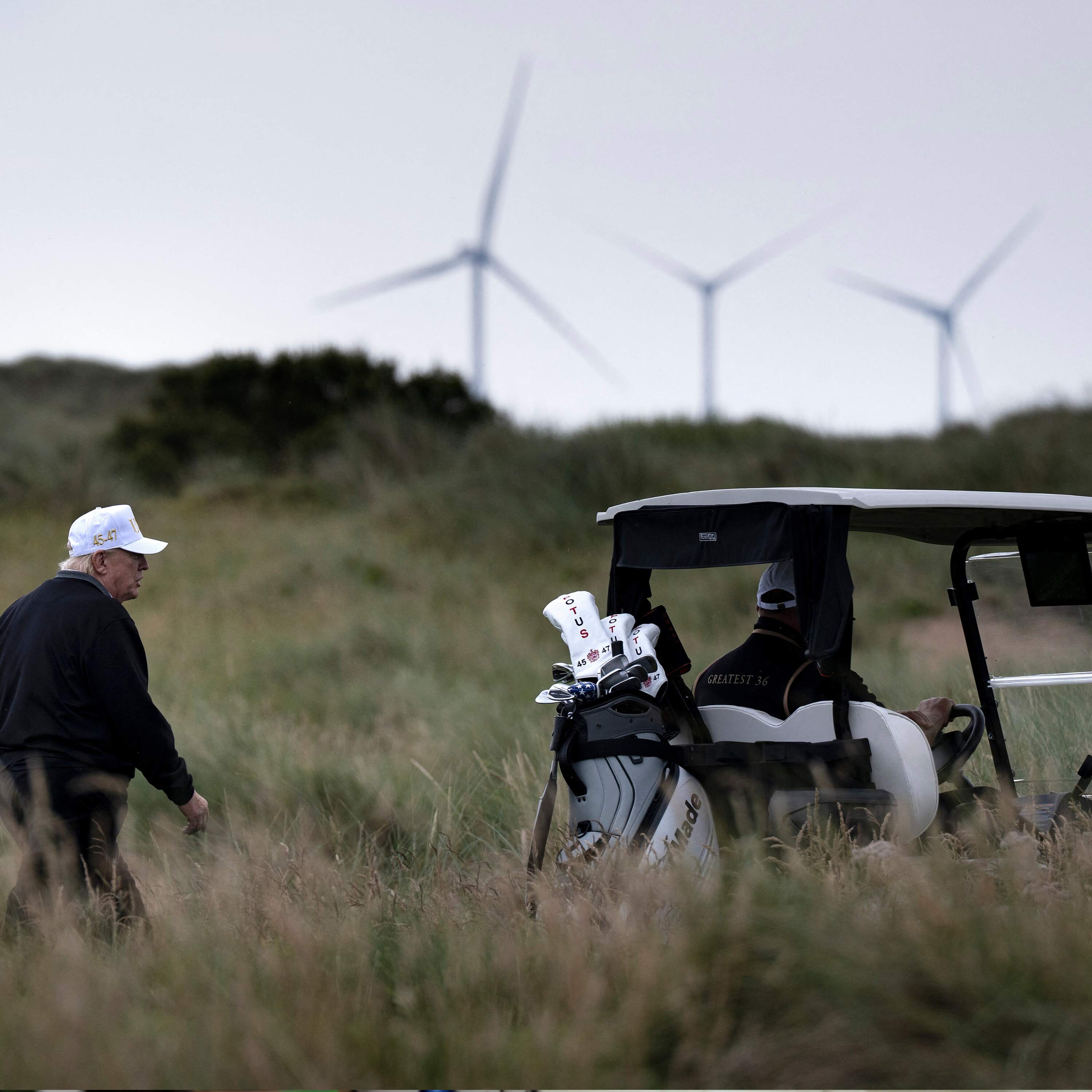
Why is Trump paying to stop wind farms?
President Trump is no fan of wind farms. And his administration is putting taxpayer money where his mouth is, paying companies billions of dollars to NOT build them. On today’s show, Trump’s plan to squelch wind farms with the public purse. Fact checking by Tyler Jones. Your Next Listen — Wind boom, wind bust (Two Windicators)Connect with The Indicator — Sign up for The Indicator’s brand new newsl

I'm just here for the health benefits
Dependable health insurance is keeping more people in their jobs. Rising health costs don't help. Today we look at the repercussions this kind of job lock has on the wider economy. Fact checking by Sierra Juarez.Your Next Listen — The ghosts of Obamacare past, present and future Connect with The Indicator — Sign up for The Indicator’s weekly newsletter!— Buy the Planet Money book— Find our socials

Following the Chipotle playbook for the cyclospora crisis
Taco Bell and Taylor Farms are taking hits to their reputation due to the cyclosporiasis outbreak across the country. They could learn a thing or two from Chipotle, which went through its own public relations battle during a similar outbreak about a decade ago.Fact checking by Sierra Juarez.Your Next Listen — Big Lettuce meets Small IntestineConnect with The Indicator — Sign up for The Indicator’s
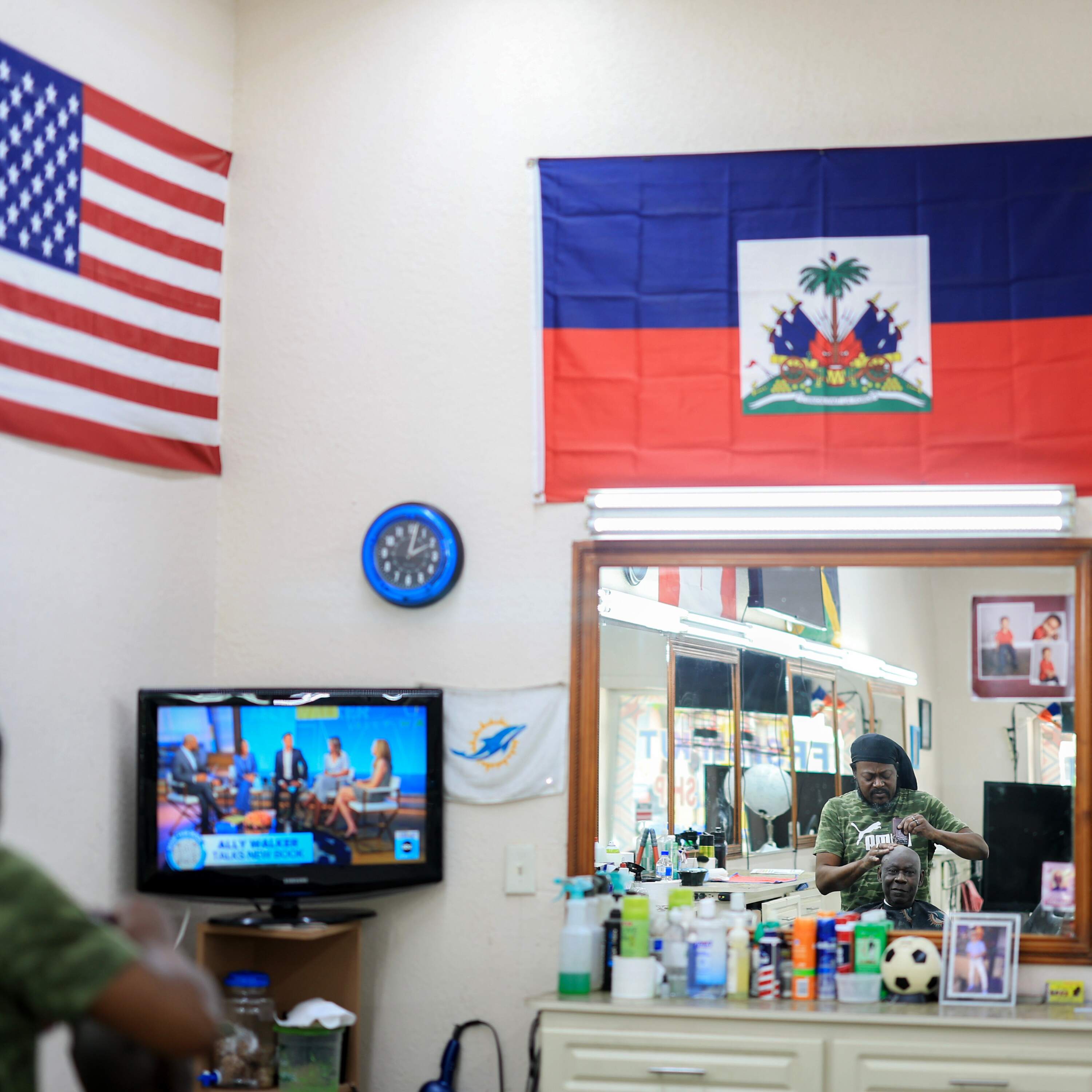
How ending TPS is squeezing workers, businesses and (soon) consumers
What happens when roughly a million people working legally in the U.S. suddenly lose that right to stay here? We’re starting to find out in places like Miami, Florida, home to one of the largest Haitian communities in the country. There, we talk to people on what the end of Temporary Protected Status (TPS) means for their businesses and the wider economy. Fact checking by Sierra Juarez.Your Next L

Why we're short on blood, water and helium
Shortages are in the news again! Here’s why the supply of blood, water and helium are at concerningly low levels.Fact checking by Sierra Juarez.Your Next Listen — How Colorado towns are trying to get some water certaintyConnect with The Indicator — Sign up for The Indicator’s weekly newsletter!— Buy the Planet Money book— Find our socials, YouTube and more!Support public media with NPR+ and enjoy

Who is a music industry plant? And does it matter?
Musicians from the Rolling Stones to up-and-coming pop star Bella Kay have one thing in common: Influencers are being paid to promote their songs. On today's show: Who is an industry plant and why does it matter? Fact checking by Tyler Jones. Your Next Listen — Two Indicators: the influencer industryConnect with The Indicator — Sign up for The Indicator’s weekly newsletter! — Buy the Planet Money

Mamdani markets, America bets, Gen Z drinks
It’s Indicators of the Week! On today’s episode: The inner workings of Mamdani’s marts; how much Americans gamble; and Gen-Z aren’t the sober generation we’ve been led to believe! Fact checking by Corey Bridges. Your Next Listen — Is gambling the reason we have pro sports?Connect with The Indicator — Sign up for The Indicator’s brand new newsletter — Find our socials, YouTube and more! — For spons

Trump’s new Truth Social plan: pay $100K
President Trump’s social media company, Truth Social, wants to sell investors early access to its posts. When Trump announces tariffs or new strikes on Iran, those milliseconds matter in the market. Is this corruption? Is this legal? And what does corruption mean for the U.S. economy? Ray Fisman’s book with Miriam A. Golden is Corruption: What Everyone Needs to Know.Fact checking by Tyler Jones. Y

Even Moore’s law can't save affordable tech
For decades, consumer tech like laptops and gaming systems got better AND cheaper. Memory shortages caused by the AI boom are making those lower prices a thing of the past. Fact checking by Sierra Juarez.Your Next Listen — SK Hynix to the moon, Gen-Z to their rooms, and Connecticut tax reform loomsConnect with The Indicator — Sign up for The Indicator’s weekly newsletter!— Buy the Planet Money boo

You had housing questions. An economist answered them
The U.S. housing market is pretty weird right now. Whether you’re a buyer, seller or a renter, it leads to all kinds of questions, like: How did we end up with a housing shortage? Is housing still a good investment? What policies might unlock the housing inventory held by baby boomers? So we called up someone with answers: Redfin’s chief economist, Daryl Fairweather. On today’s show, your housing
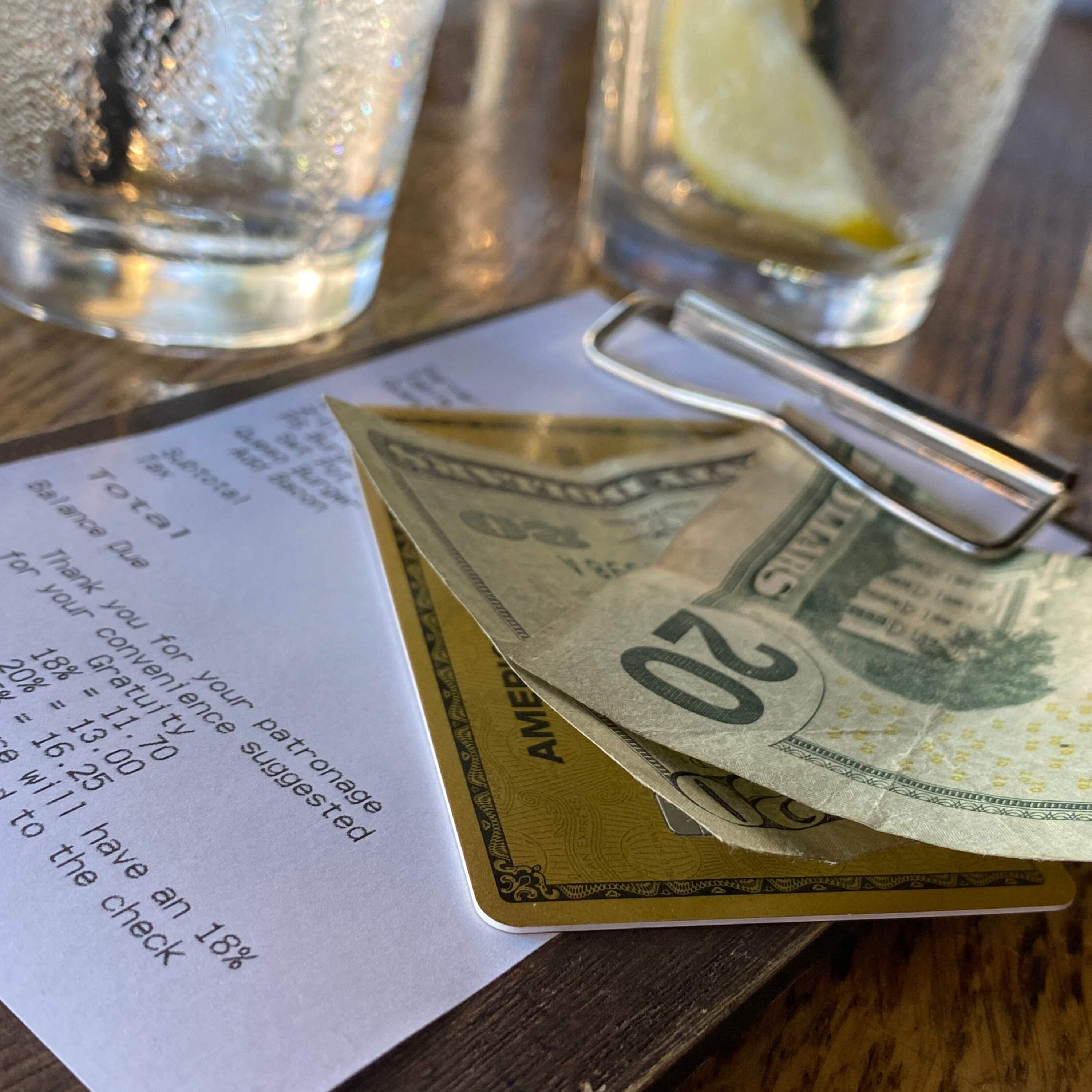
Petty! Econ! Grievances!
We have some grievances. Economic ones. And we’re airing them out. On today’s show: Redeeming fast food rewards points in airports, not knowing the full price of your meal upfront, and the pen-and-paper restaurant bill slowdown. Fact checking by Sierra Juarez. Your Next Listen — Three beefs: U.S. and Brazil, Taco Bell and liability, Waymo and trial lawyersConnect with The Indicator — Sign up for

Three beefs: U.S. and Brazil, Taco Bell and liability, Waymo and trial lawyers
It’s Indicators of the Week! Today on the show: Brazil’s fast payments system that’s got the Trump administration huffy, why Taco Bell might be liable for their role in cyclospora infections and why some lawyers are lobbying against driverless cars. Fact checking by Emma Ferrara and Corey Bridges. Your Next Listen — Can I get my tariff money back now? Connect with The Indicator — Sign up for The I

Can Paramount "gift" its way past the FCC?
Paramount’s $111 billion merger with Warner Bros. Discovery has a few hurdles ahead of it. One of them is an FCC approval. But a recent investigation shows that Paramount and the FCC have a dubious relationship, one with potential conflicts of interest.Fact checking by Sierra Juarez.Your Next Listen — Why Paramount went looney tunes for Warner Bros.Connect with The Indicator — Sign up for The Indi
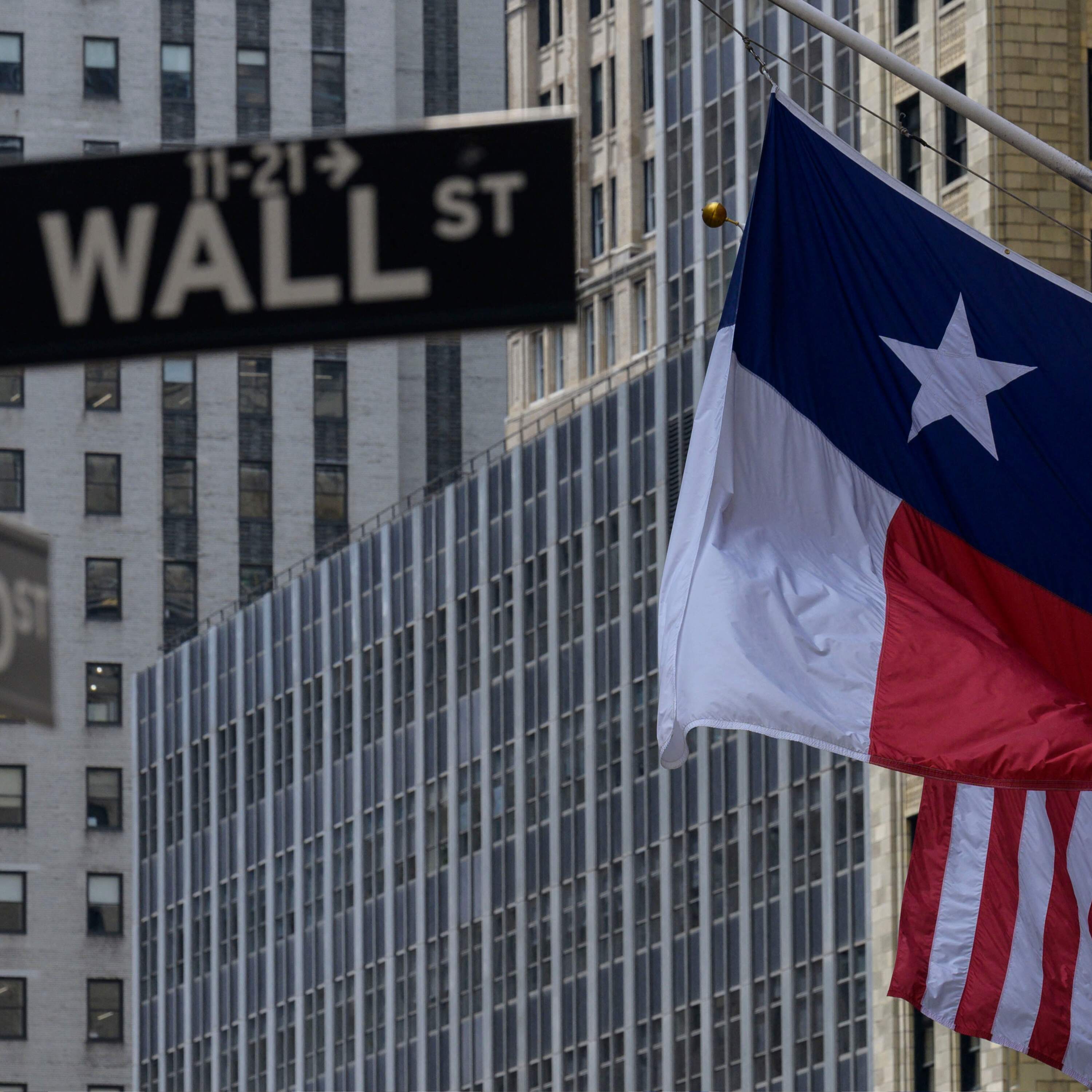
Can Y’all Street outflank Wall Street?
Biz-friendly Texas is opening a stock exchange, built and based in the state. Can it become—or best—Wall Street? And how has politics influenced the birth of Y’all Street?Fact checking by Sierra Juarez.Your Next Listen — ESG bans cost TexasConnect with The Indicator — Sign up for The Indicator’s weekly newsletter!— Buy the Planet Money book— Find our socials, YouTube and more!— For sponsor-free ep

Tale of Two Cities
The formerly sleepy economies of suburban Austin, Texas and Syracuse, NY are getting two new semiconductor chip plants. They’re bringing thousands of jobs and dollars to the area but while Austin’s housing market seems to be handling the change well, Syracuse is in the midst of an affordability crisis. On today’s show, why?Fact checking by Sierra Juarez. Your Next Listen — A solution to the housin

Why doesn't the US have better sunscreen?
Why has the Food and Drug Administration taken so long to approve new sunscreens? Unlike the rest of the world, the FDA only just approved its first new ingredient in nearly three decades. We learn about a proposal to speed up drug and sunscreen innovation, and a skincare influencer who lobbied for change. Fact checking by Sierra Juarez. Your Next Listen — The sneaky way companies get new chemica

New NPR Series: "We Keep Us Safe" from the Embedded podcast
In the summer of 2020, sixteen-year-old Antonio Mays Jr. traveled a thousand miles to join the racial justice movement of his generation in the wake of George Floyd's killing. Antonio arrived in Seattle during the Capitol Hill Occupied Protest, known as CHOP. Less than a week later, he was shot and killed there. The case remains unsolved.In this eight-part series, hosts Sydney Brownstone of The Se

The Strait of Hormuz no-fee, China cuts down on pollution and IMAX's economic Odyssey
It’s Indicators of the Week (now on YouTube!). On today’s episode: What happened to Trump’s proposed Strait of Hormuz fee?; China’s pollution takes a dip … and maybe solves a mystery?; IMAX is expensive. But BIG. (For our eyes and theater owners.) Fact checking by Julia Ritchey and Cooper Katz McKim. Your Next Listen —The curious rise of novelty popcorn bucketsConnect with The Indicator — Sign up

Why the Pope wants to disarm AI
Over 100 years ago, Pope Leo XIII wrote a seminal letter encouraging workers to unionize in the face of industrialization. The current Pope Leo XIV in his seminal letter warned of an economic disruption from today that threatens workers - Artificial Intelligence.Fact checking by Sierra Juarez.Your Next Listen — Jobs numbers, immigrants in healthcare, and ... Jesus Christ?Connect with The Indicator

Why your neighbor might be paying less for their car
Many Gulf states like the United Arab Emirates are diversifying away from oil, but how do you actually measure that? After China resumed buying American soybeans, what are farmers doing now? And is your neighbor paying less for their car than you? Today on the show, we explore YOUR listener questions. Fact checking by Sierra Juarez & Emma Ferrara. Your Next Listen — What do farmers do in a trade w
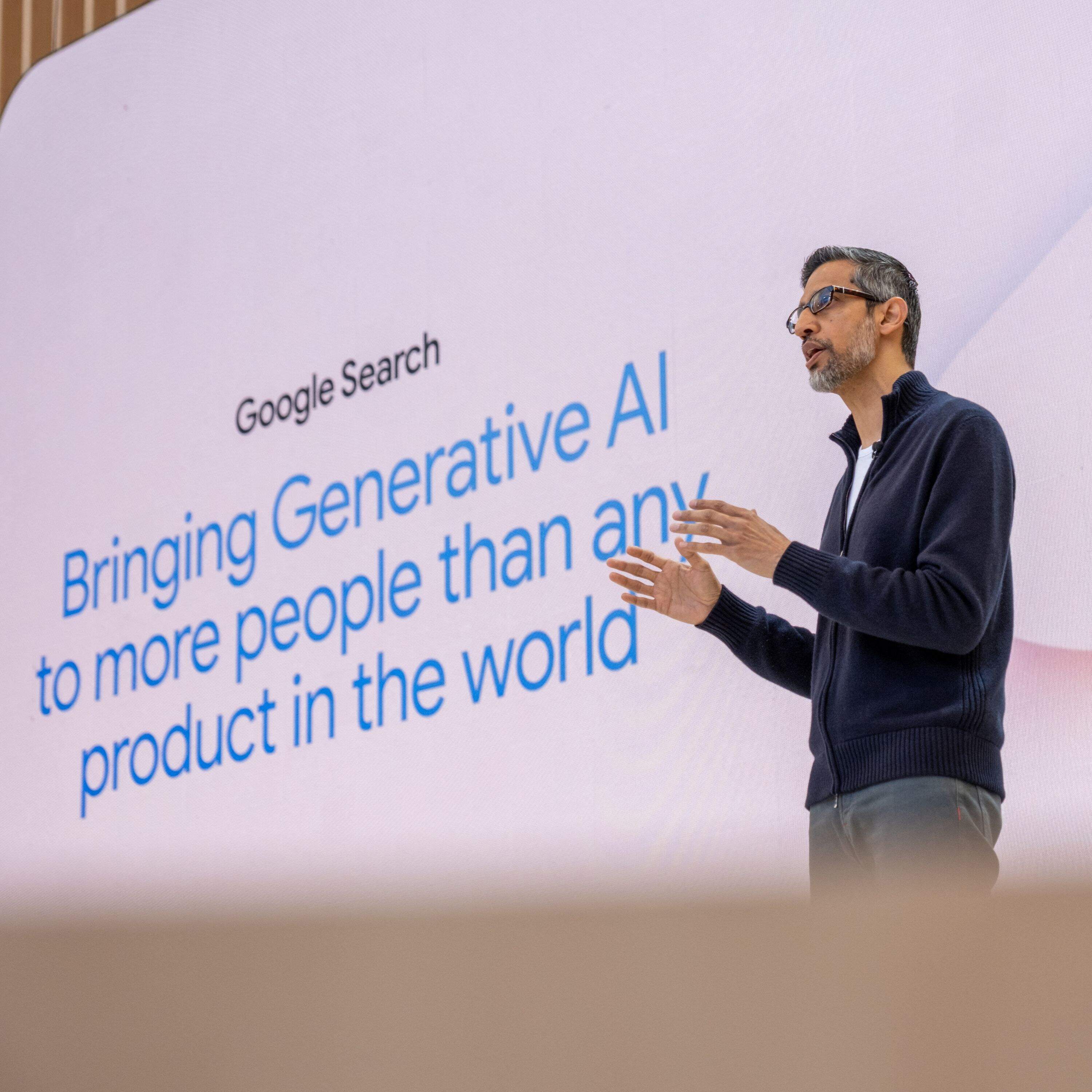
Can the internet survive AI summaries?
AI summaries are gaining traction and making the potential for a “zero click web” increasingly real. What does that mean for the internet as we know it today? Fact checking by Sierra Juarez.Your Next Listen — AI is pumping out books. Are they any good?Connect with The Indicator — Sign up for The Indicator’s brand new newsletter— Buy the Planet Money book— Find our socials, YouTube and more!— For s

Young people aren’t paying their car loans. We can help.
About one in 20 car loans made to young people are in serious delinquency. That’s the highest rate since the global financial crisis. Today on the show, former FDIC chair Sheila Bair answers young listeners' car buying questions. Sheila Bair’s book is How Not to Lose a Million Dollars: A Young Person's Guide to Avoiding the Tricks and Traps of Our Financial System Fact checking by Sierra Juarez. Y

SK Hynix to the moon, Gen-Z to their rooms, and Connecticut tax reform looms
It’s Indicators of the Week (now on YouTube!). On today’s episode: You could’ve septupled your money if you invested in this scalding-hot South Korean memory chip stock; nearly half of all adults under 30 are moving back in with the ‘rents; and a new democracy is born … in Connecticut. Fact checking by Julia Ritchey and Corey Bridges. Your Next Listen — Why Americans don't want to move for jobs a

Why Google fell behind in the AI race
When it comes to AI, Google’s Gemini does not have the same household recognition that Claude and ChatGPT do. One big explanation: the innovator’s dilemma. We explain how Google DeepMind CEO Demis Hassabis is trying to fight a lumbering company’s constraints to build AI superintelligence. Sebastian Mallaby’s book is The Infinity Machine: Demis Hassabis, DeepMind, and the Quest for Superintelligenc
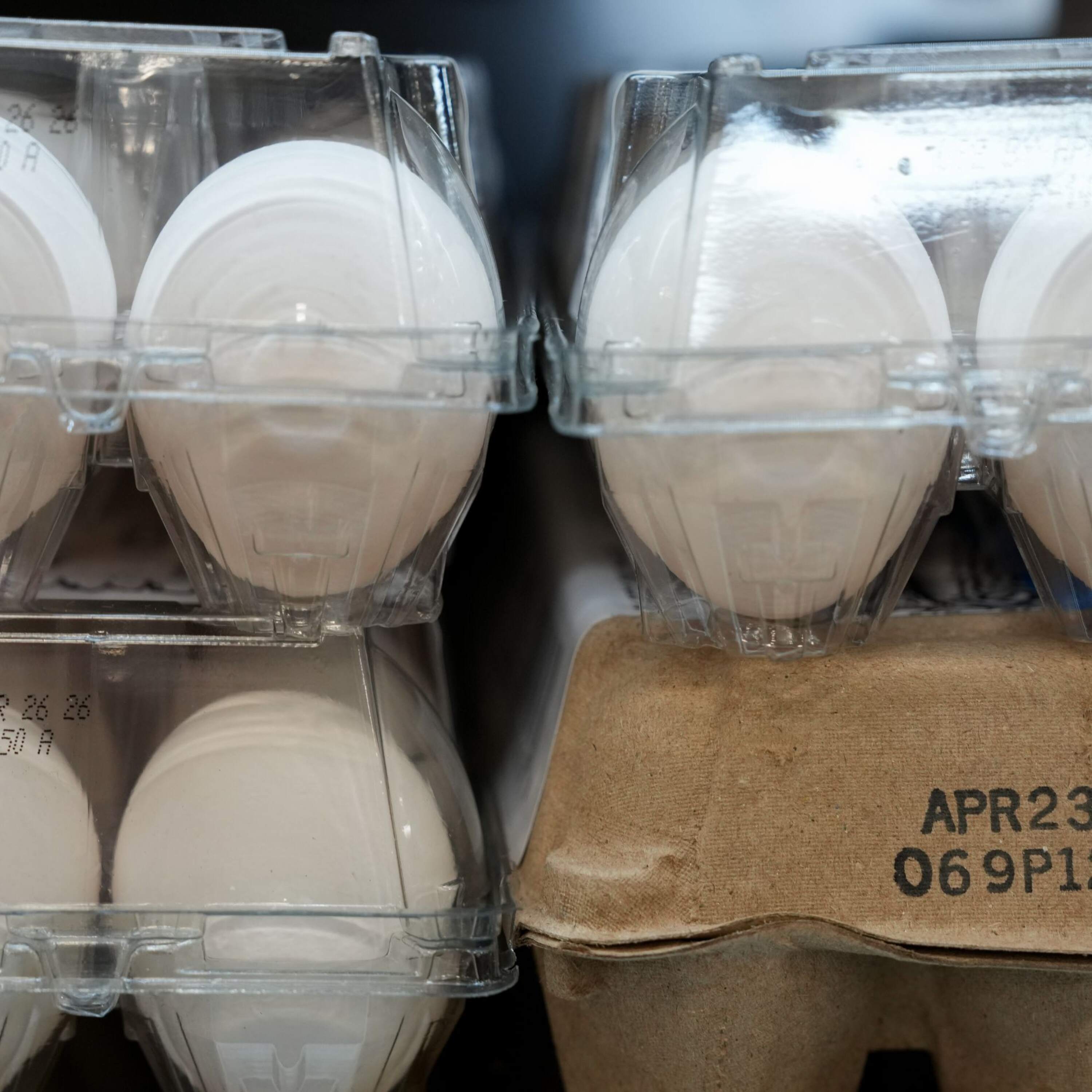
Cracking down on egg prices
Too much news, there’s just too much news. Today on the show, we tackle three big stories we’re following: Venezuela’s ever-increasing debt problem, the real story behind high egg prices, and how gaming companies are paying the pied piper. Fact checking by Sierra Juarez. Your Next Listen — What the cluck is happening with egg prices? Connect with The Indicator — Sign up for The Indicator’s brand n

We're in a renter's market (believe it or not)
Depends on where you live, but renters have a lot of power right now in the United States. What’s behind this trend and how might you be able to take advantage of the renters’ market at your next lease renewal. Fact checking by Sierra Juarez.Your Next Listen — Corporate landlords aren't the real villainConnect with The Indicator — Sign up for The Indicator’s brand new newsletter— Buy the Planet Mo

Why the US is losing the drone war
The US defense industry is struggling to keep up with the revolution in cheap drones vs. expensive reusable military equipment. Today on the show, we talk with Stacie Pettyjohn, the director of the Defense Program at the Center for a New American Security on the three big reasons the U.S. is falling behind.Fact checking by Sierra Juarez.Your Next Listen — How Iran is wasting American resourcesConn

Obama's new Presidential Center and his tricky relationship with the South Side
How do residents of the South Side of Chicago feel about their new neighbor: the Obama Presidential Center? A mixture of pride and excitement, tempered with some concerns about what it could do to housing affordability. On today’s show, we’re bringing you an episode from our friends at Code Switch on the new center and its relationship to the historically Black neighborhoods around it. Connect wit

Does the new Fed chair care about jobs?
Last month, new Fed Chair Kevin Warsh presided over his first interest rate decision and press conference … but he didn't talk much about maximum employment. How much does Kevin Warsh care about the jobs side of the Fed’s dual mandate?Fact checking by Sierra Juarez.Your Next Listen — Are we in a new era of permanently higher prices?Connect with The Indicator — Sign up for The Indicator’s brand new
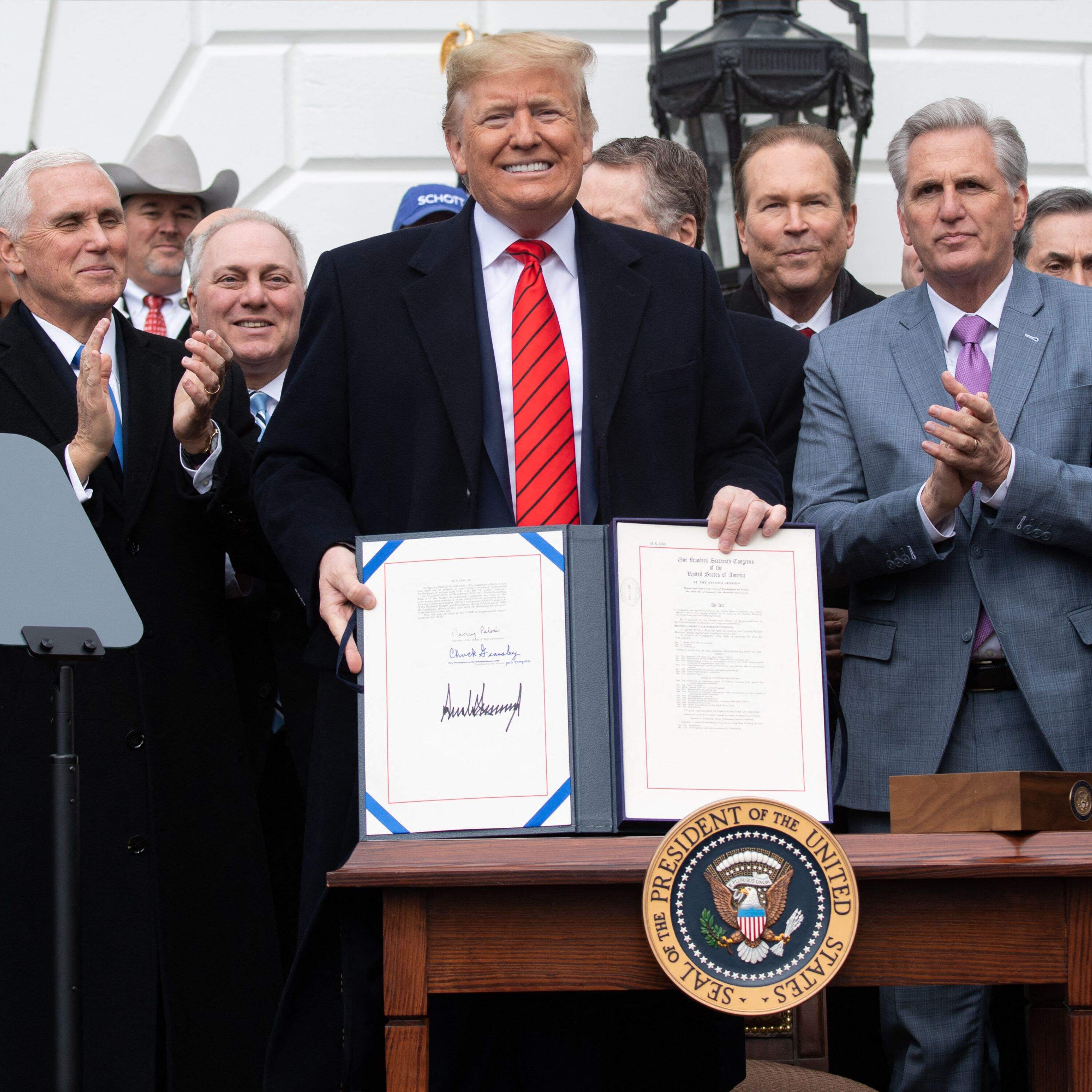
Why Trump wants to rip up his own trade deal
During President Donald Trump’s first term, he touted the USMCA as the largest and most fair trade deal ever achieved. So why is he now talking about ‘terminating’ it? Fact checking by Sierra Juarez.Your Next Listen — Are Trump’s trade deals the real deal?Connect with The Indicator — Sign up for The Indicator’s brand new newsletter— Buy the Planet Money book— Find our socials, YouTube and more!— F

What Iran teaches us about why wars start
If war is so costly, why do we keep fighting them? We dig into the wars in Iran, Ukraine and Gaza to understand the incentives that lead countries into violence. Today on the show, the five factors that lead to war. Chris Blattman’s book is Why We Fight: The Roots of War and the Paths to Peace.Fact checking by Sierra Juarez. Your Next Listen — The new economic arms race Connect with The Indicator

What you should know about your student loans
For many of the 43 million Americans with federal student loans, July 1 is a day to mark on the calendar. Trump’s One Big Beautiful Bill Act is introducing stricter borrowing caps and new repayment plans. Today on the show, we talk with NPR’s Education Reporter Cory Turner about the impact.Fact checking by Sierra Juarez.Your Next Listen — Will new loan limits lower the cost of grad school?Connect

GLP-1 and women, the AI office boom, and RTO: CEO ego?
It’s Indicators of the Week (now on YouTube!).On today’s episode: The effect of GLP-1s on women and the workplace; NYC’s once flailing office space is BACK; your boss asking you to come back to the office miiiight be a narcissist. Fact checking by Emma Ferrara and Corey Bridges. Your Next Listen —Why GLP-1s aren't lowering employers' costsConnect with The Indicator — Sign up for The Indicator’s br
Recommended

Solved Murders - True Crime Stories

紐約鳥|New York Aperture
The Swerve Podcast: Obscure Topics | Conspiracy Theories

The Bread and Banter Podcast

The Church of What's Happening Now: The New Testament

Busted Open

Deadline: White House

Crickets Corner
History of the Earthquake and Fire in San Francisco

Fox news

K-Drama Obsessed Mamas | Beyond “Just One More Episode!”

True Crime Classics
