Songs from the Dead: 10-Minute Histories of Legendary Songs
Each weekly episode of this podcast takes a legendary song and digs into its strange and often dark history, all in under ten minutes. The show covers murder ballads, folk standards, lost anthems, and melodies that have refused to disappear. Alongside the history, it presents a brand-new reinterpretation of the song. It is aimed at listeners who enjoy music history, dark stories, and fresh takes on ancient songs.
Episodes
Für Elise: The Woman, the Mystery, and the Melody
One of the most familiar piano pieces in the world may have the wrong woman's name on it.Beethoven wrote the piece we call Für Elise around 1810, but he never published it. The manuscript later disappeared. When Ludwig Nohl finally printed the music in 1867, he said it was dedicated “Für Elise.” Perhaps he read it correctly. Perhaps the page actually said “Für Therese.” Nobody can check.This e
Bonus Episode: Thank You, Courtney Love!
A thank-you to Courtney Love for sharing our In the Pines episode on Instagram.
Ode to Joy: From Beethoven to Sister Act and Mr. Brightside
You know Ode to Joy. You may know it from Beethoven’s Ninth Symphony, a church hymn, A Clockwork Orange, the European anthem, Sister Act 2, or possibly a few suspicious seconds of Mr. Brightside.What is strange is how quietly it begins. Before the huge choir arrives, Beethoven gives the melody to the cellos and double basses: a plain little tune that hardly seems capable of carrying everything lat
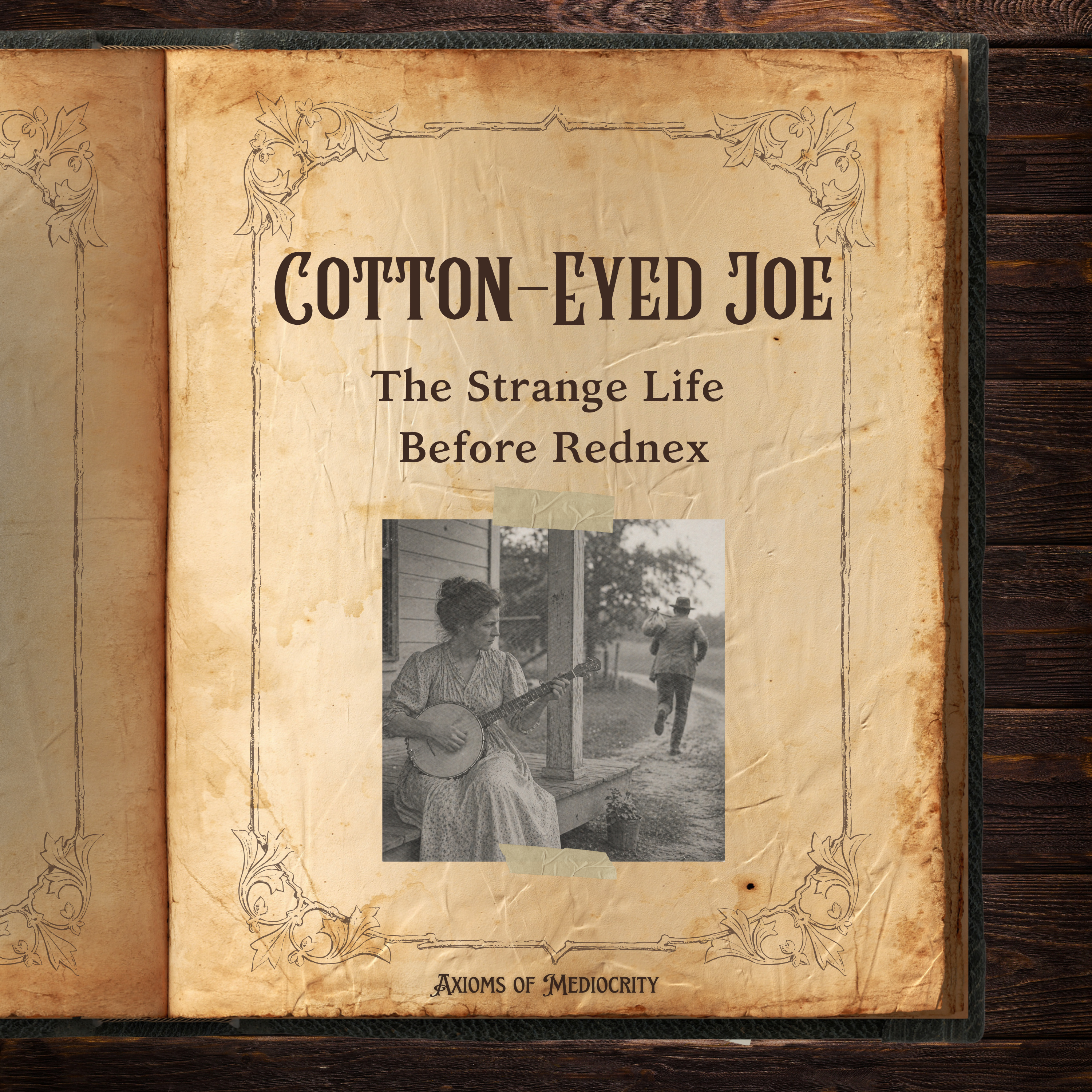
Cotton-Eyed Joe: The Strange Life Before Rednex
Most people know Cotton Eye Joe as the 1994 Rednex hit: fiddle, banjo, enormous dance beat, and a chorus capable of making an entire wedding party regret its knees the next morning.But Rednex arrived very late.Cotton-Eyed Joe was already circulating in the American South in the nineteenth century, long before recording technology could capture it. Nobody knows who wrote it, what its first melody s
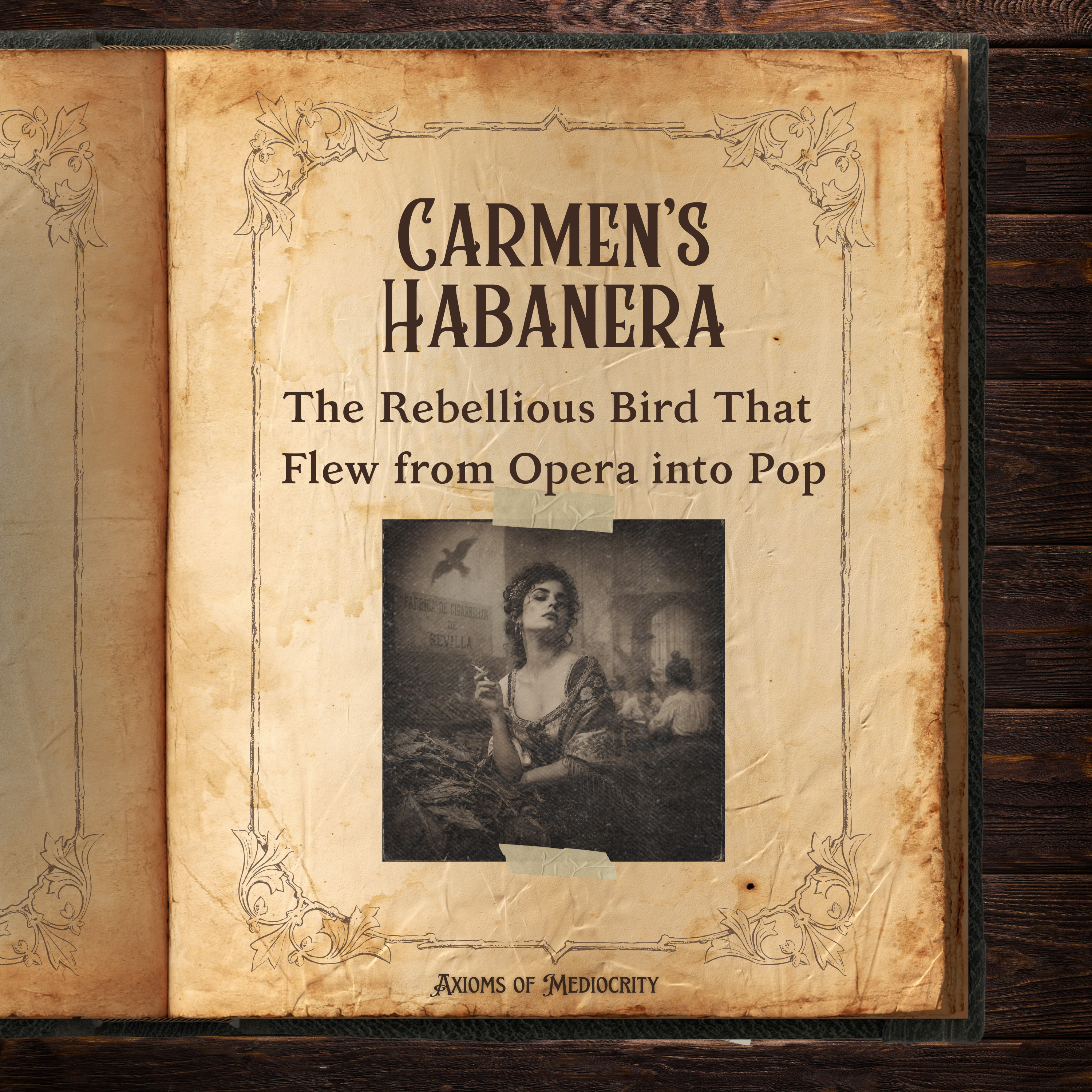
Carmen’s Habanera: The Rebellious Bird That Flew from Opera into Pop
Carmen walks into a public square and explains her theory of love: it is a wild bird. You cannot command it, bargain with it, or make it stay.That argument became one of the most recognizable melodies in opera.This episode follows the Habanera from Georges Bizet’s Carmen back to Sebastián Iradier’s 1863 song El Arreglito and further still to the Cuban dance rhythm that crossed the Atlantic and ret
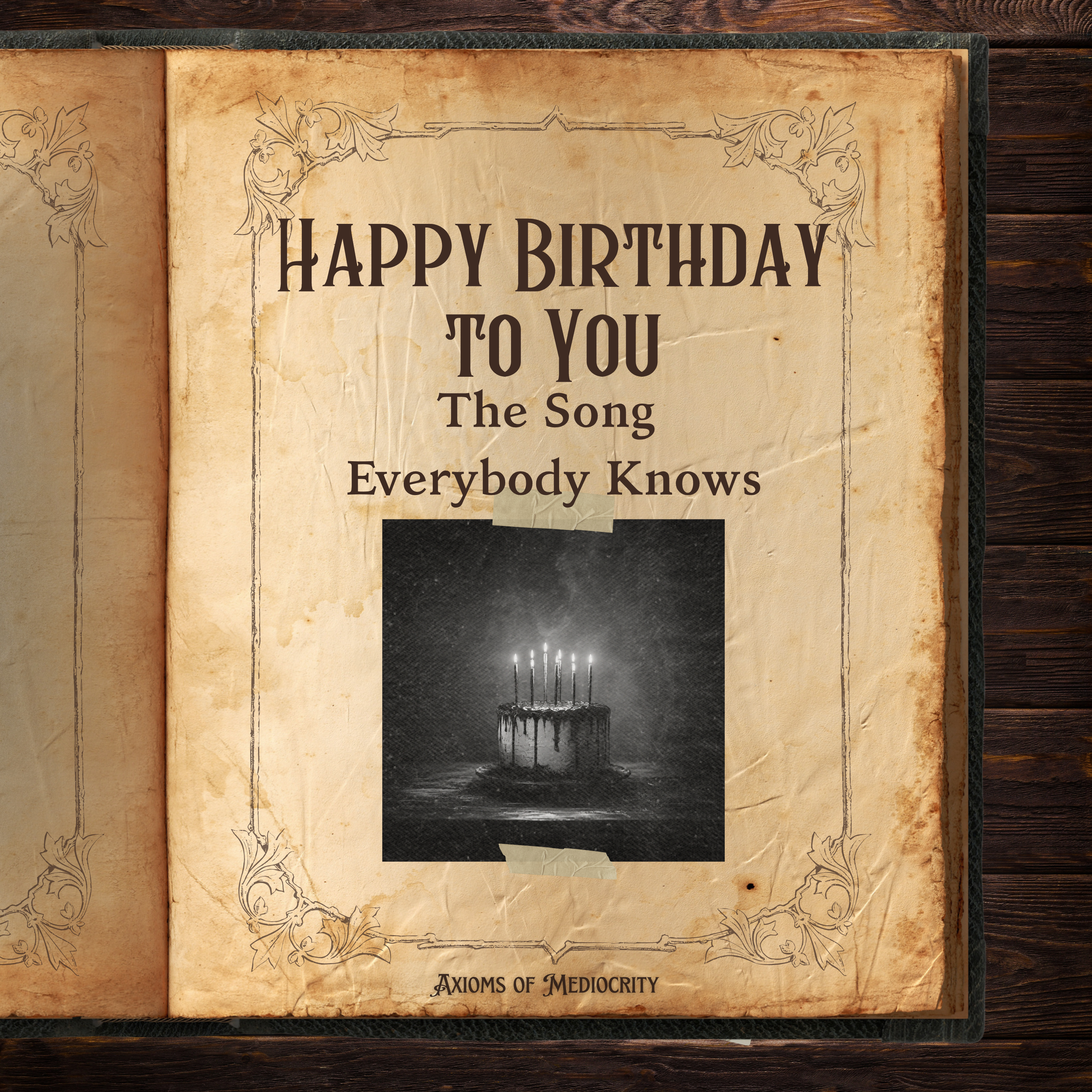
Happy Birthday to You: The Song Everybody Knows
You know Happy Birthday to You before anyone sings a word.A cake appears. Someone dims the lights. Two notes begin, and the whole room knows what comes next. The melody is so familiar that people can sing it badly, start too high, stretch impossible names across the third line, and still never lose the song.This episode asks why.The tune began not as a birthday song, but as *Good Morning to All*,
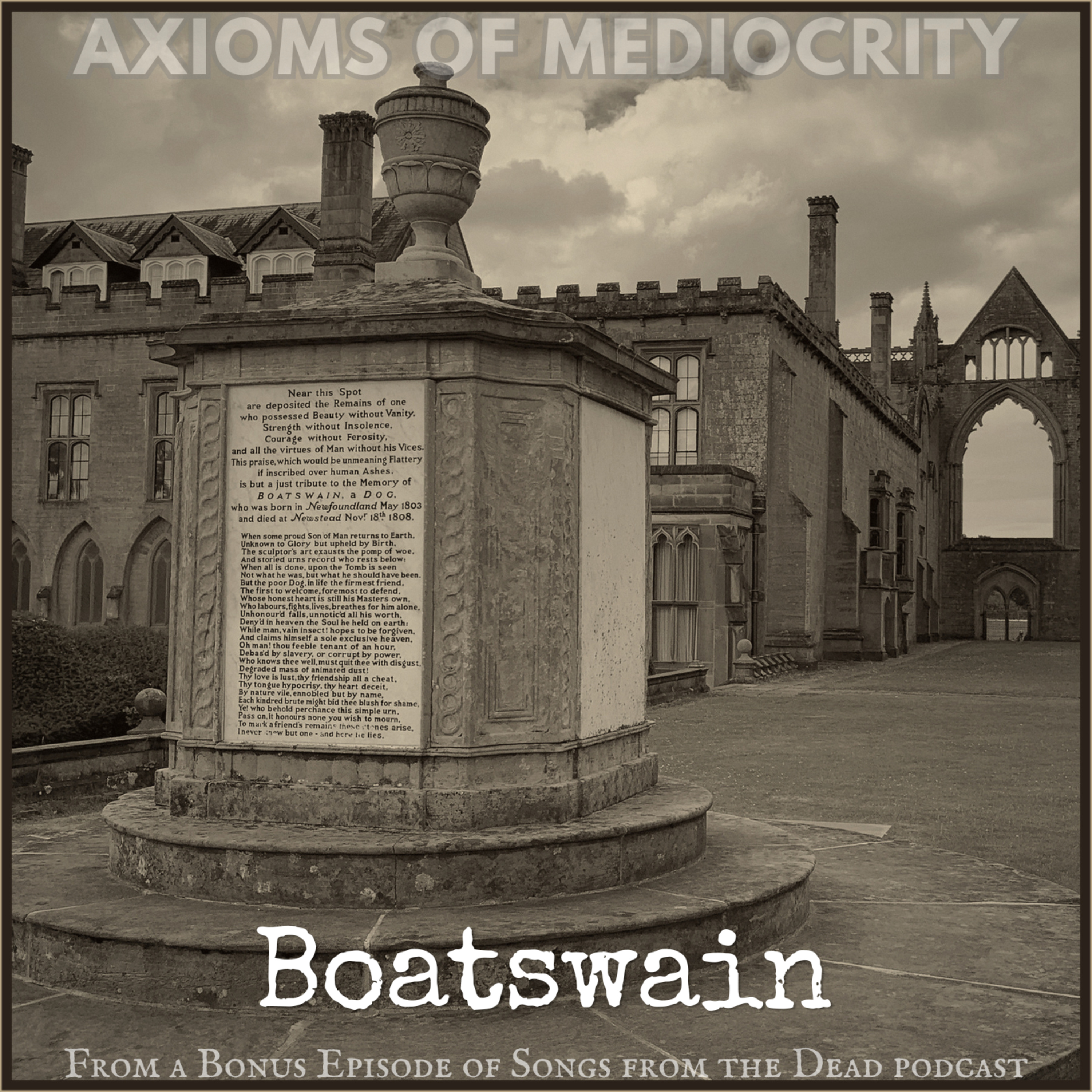
Boatswain: Byron's Epitaph for His Dog (Bonus episode)
This time, Songs from the Dead is doing something unusual. Instead of an old song, this bonus episode begins with a poem.In 1808, twenty-year-old George Gordon Byron's Newfoundland dog Boatswain died of rabies at Newstead Abbey. Byron had nursed him through the disease despite knowing the danger, then built him an extraordinary monument and wrote an epitaph that begins with the death of a dog
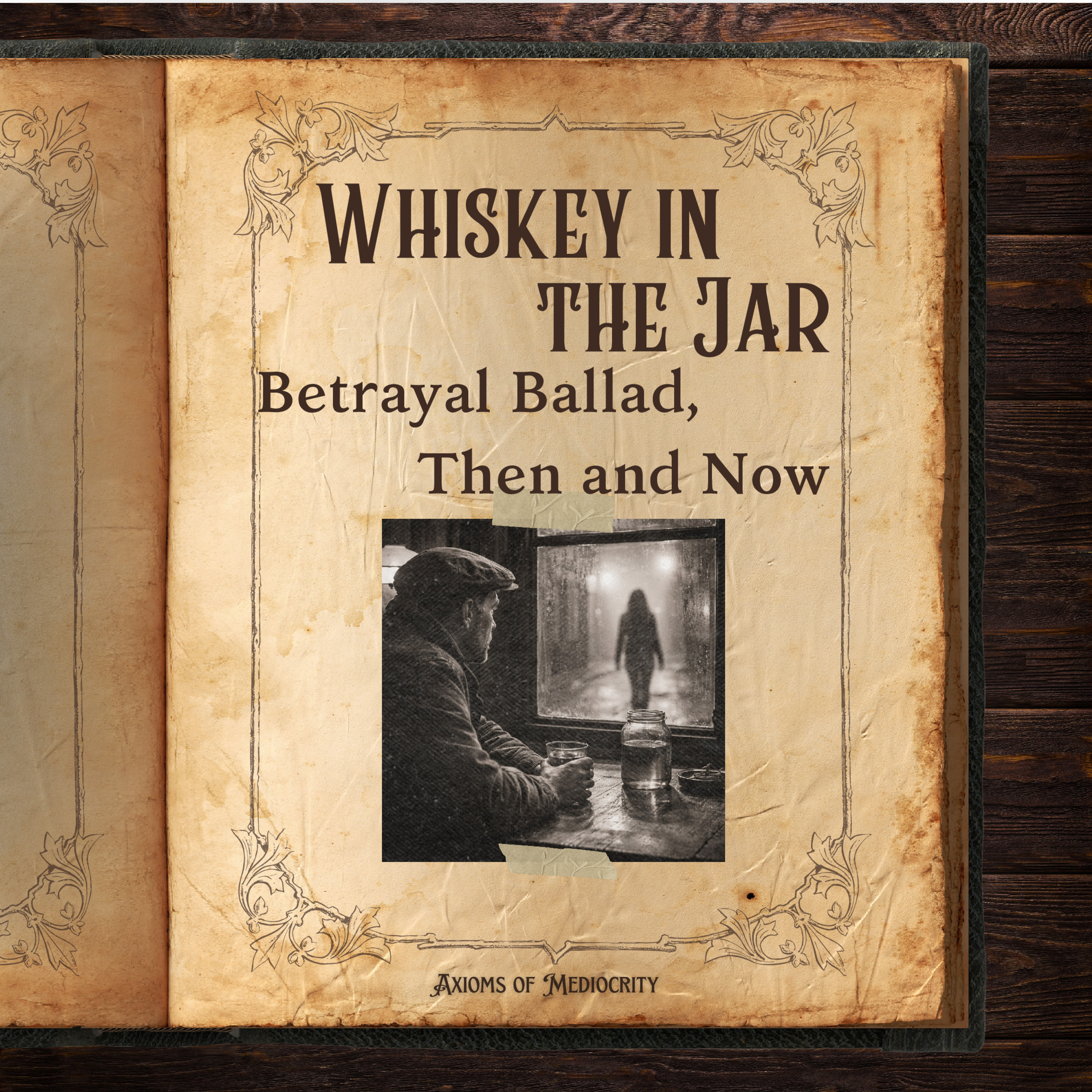
Whiskey in the Jar: Betrayal Ballad, Then and Now
"Whiskey in the Jar" is a betrayal ballad that keeps changing clothes.At its core, the story is simple: a robber meets Captain Farrell, steals his money, takes it home to Jenny or Molly, and is betrayed while he sleeps. His weapons are sabotaged, the authorities arrive, and the chorus keeps arriving too: "musha ring dum a do dum a da".The song may reach back to seventeenth-cent
Where to Start with Songs from the Dead
Every Monday, we take one legendary song, uncover its strange history, and play a brand-new reinterpretation.In about ten minutes, we try to bring old songs back to life: murder ballads, folk standards, lost anthems, and melodies that refused to disappear.If you like music history, dark stories, and fresh versions of ancient songs, this is for you.So, where should you start?
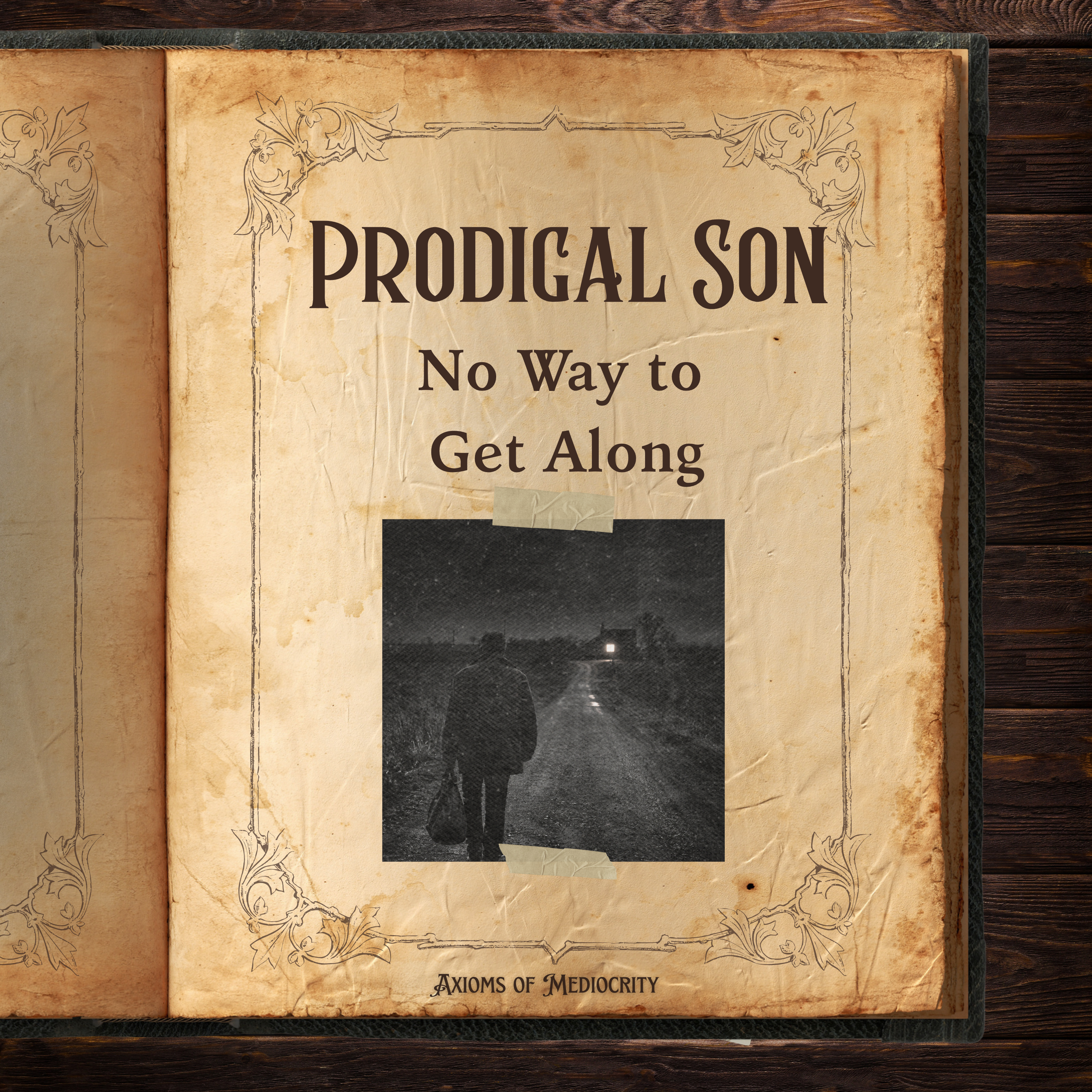
Prodigal Son: No Way to Get Along
Robert Wilkins put two men on the same road.In 1929, he recorded "That’s No Way to Get Along", a blues song about a wounded man trying to get away. Women have treated him badly. He wants to tell his mother, find a train, and leave his troubles behind.More than thirty years later, Wilkins used the same musical body for a very different journey. Now the traveller is the prodigal son from t
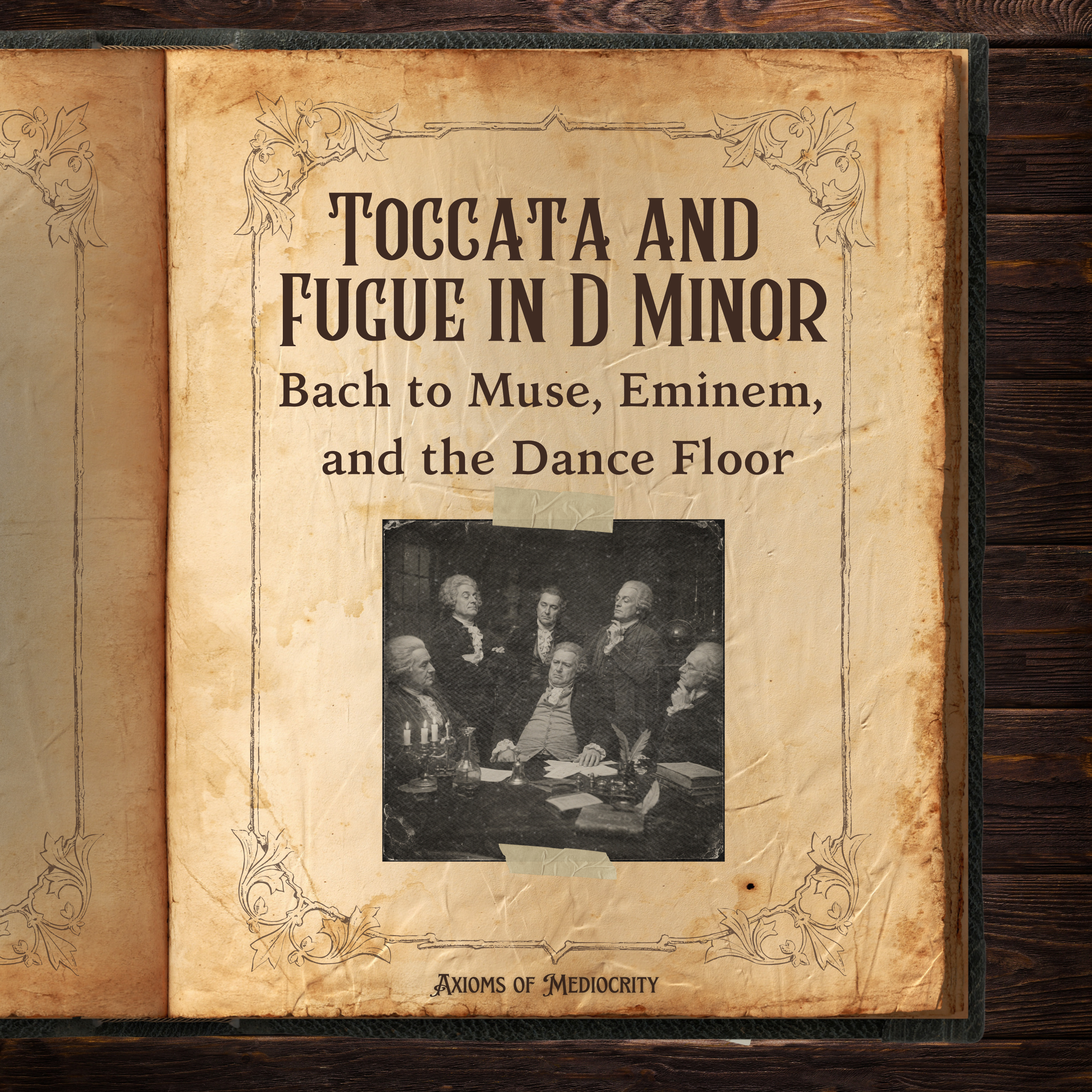
Toccata and Fugue in D Minor: Bach to Muse, Eminem, and the Dance Floor
You know Bach’s Toccata and Fugue in D minor even if you have never seen the title. Three sharp notes, a pause, then the famous fall down the organ keyboard. In cartoons and horror films, it usually means castles, capes, lightning, or unsafe laboratory conditions.But BWV 565 is more than Gothic scenery. This episode looks at why the piece works so well: the theatrical freedom of the toccata, the o
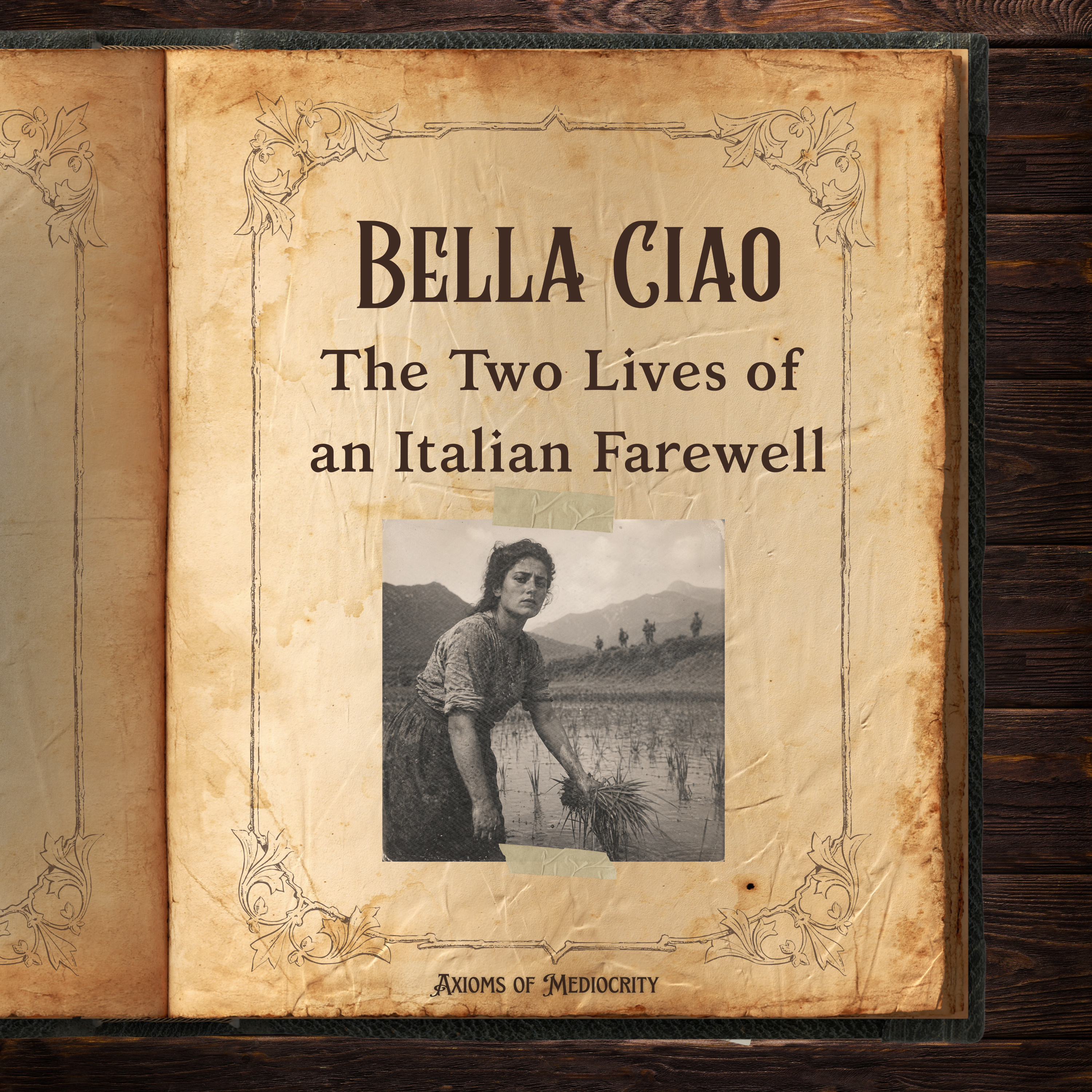
Bella Ciao: The Two Lives of an Italian Farewell
Bella Ciao means “Goodbye, beautiful.” Most people know it as an anti-fascist anthem: sung at demonstrations, football terraces, protests, remixes, and in Money Heist. But its history is not as tidy as the familiar story suggests.The usual version says that a song of women working in the rice fields became a song of partisans fighting fascism, then travelled around the world. The truth is messier.
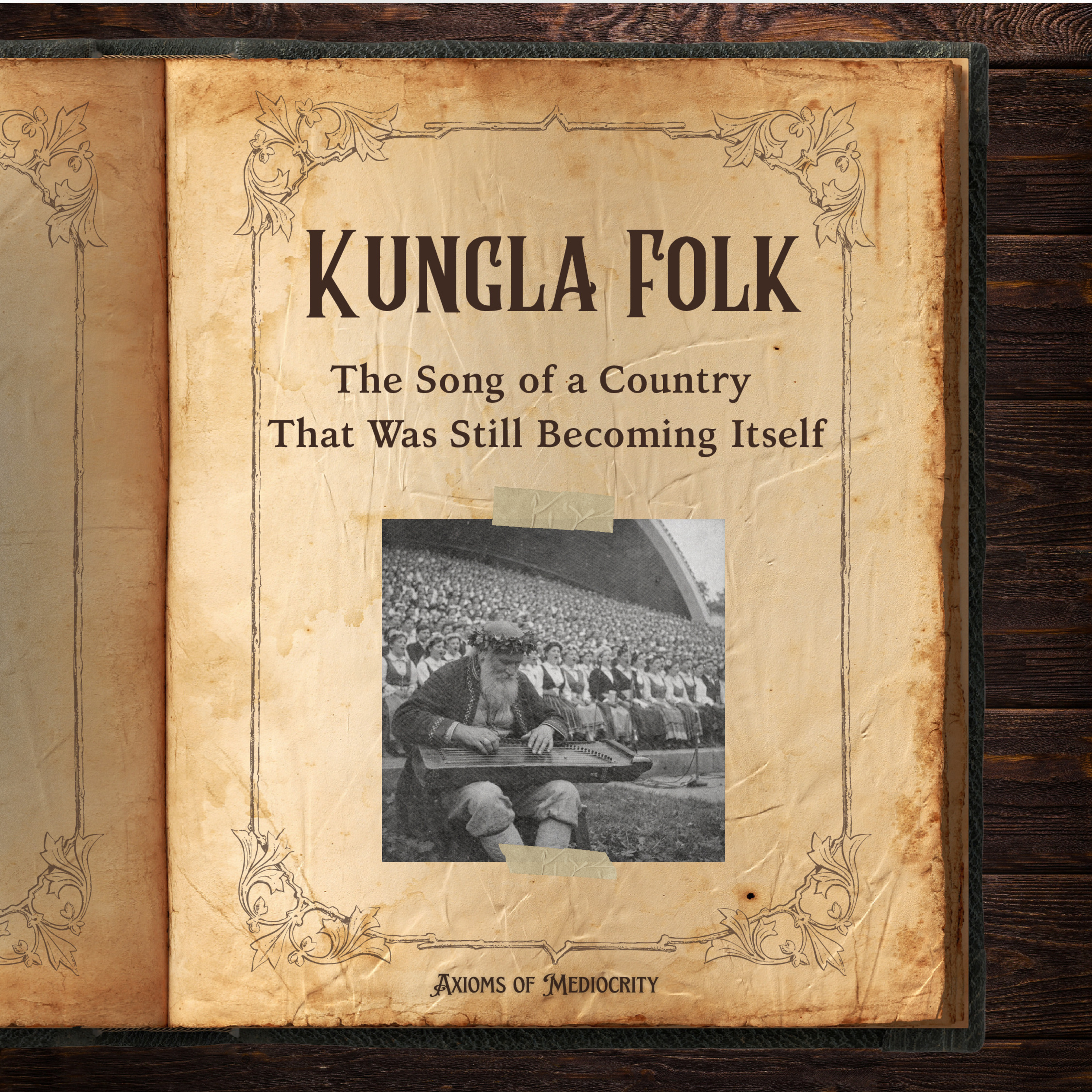
Kungla Folk: The Song of a Country That Was Still Becoming Itself
Kungla Folk sounds ancient: a golden realm, Vanemuine with his kannel, birds and trees catching the tune, and the Estonian people learning to sing.But this national song is not an anonymous folk relic. It was written in 1869 by Friedrich Kuhlbars, set the following year to a melody by the German composer Carl Friedrich Zöllner, and later reshaped by Karl August Hermann into the version Estonia now

Mars, the Bringer of War: How Violence Became a Machine
Gustav Holst’s Mars, the Bringer of War does not make war magnificent. It makes war mechanical.Written in 1914, just before the First World War supplied the world with images of mechanized violence, the first movement of The Planets gives war no face, no hero, and no noble banner. It gives it a rhythm. Instead of the steady two or four beats of a military march, Holst uses five, so the body keeps
God’s Gonna Cut You Down: The Long Life of a Short Warning
God’s Gonna Cut You Down is a short warning with a very long life.Many modern listeners know it first through Johnny Cash: slow, dark, wooden, and final. But the song entered recorded history almost sixty years earlier, through the African American jubilee quartet tradition. The Golden Gate Quartet’s 1946 recording is fast, bright, rhythmic, and almost cheerful, which somehow makes the judgment sh
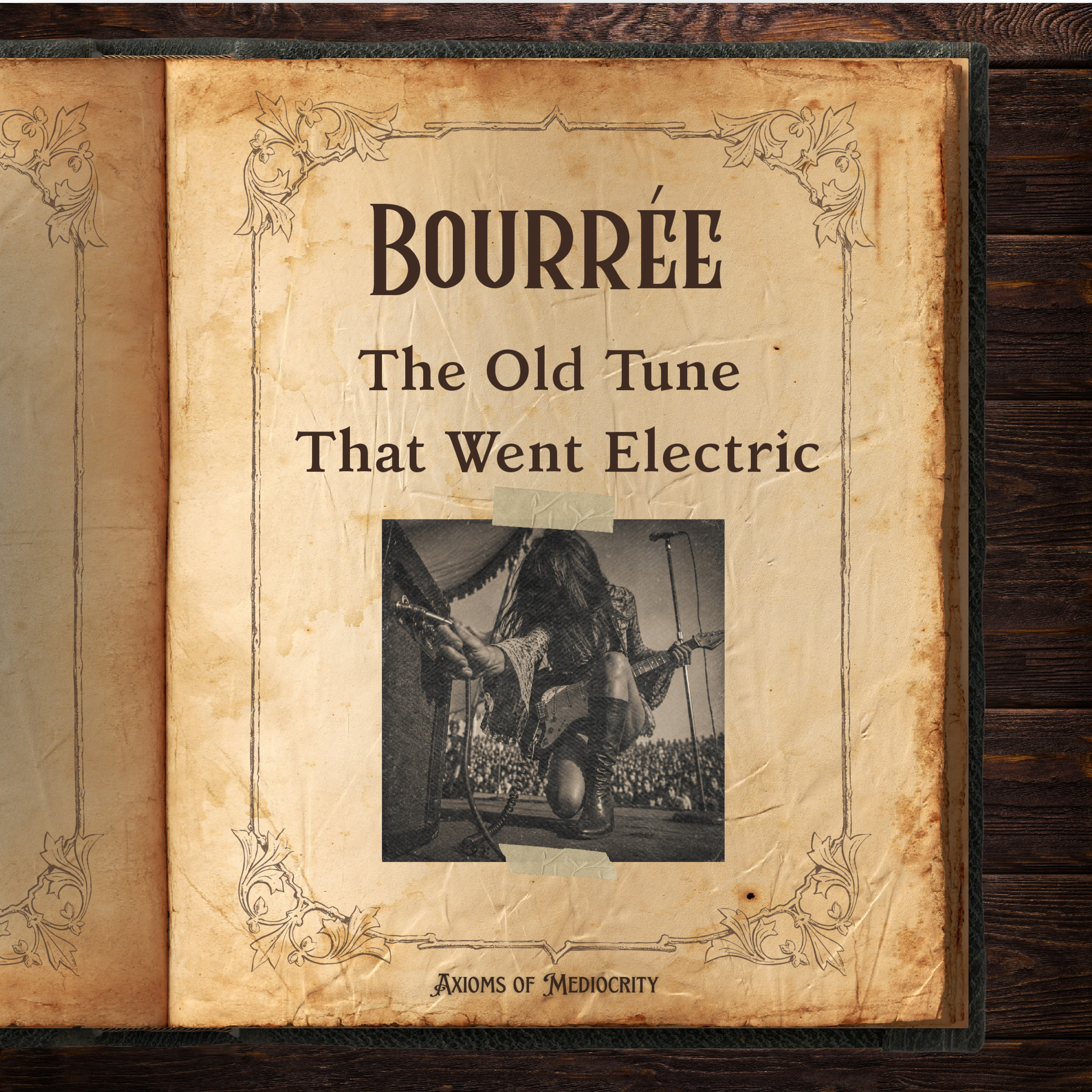
Bourrée: The Old Tune That Went Electric
Bach’s Bourrée in E minor is a small piece with unusually long legs.This episode follows how the fifth movement of the Suite in E minor, BWV 996, escaped the world of Baroque dance and became a practical tool for modern musicians: a guitar lesson, a riff, a bass line, a joke, a rock chorus, and a way of learning how moving parts fit together.The story begins in the late 1960s, with Ian Anderson li
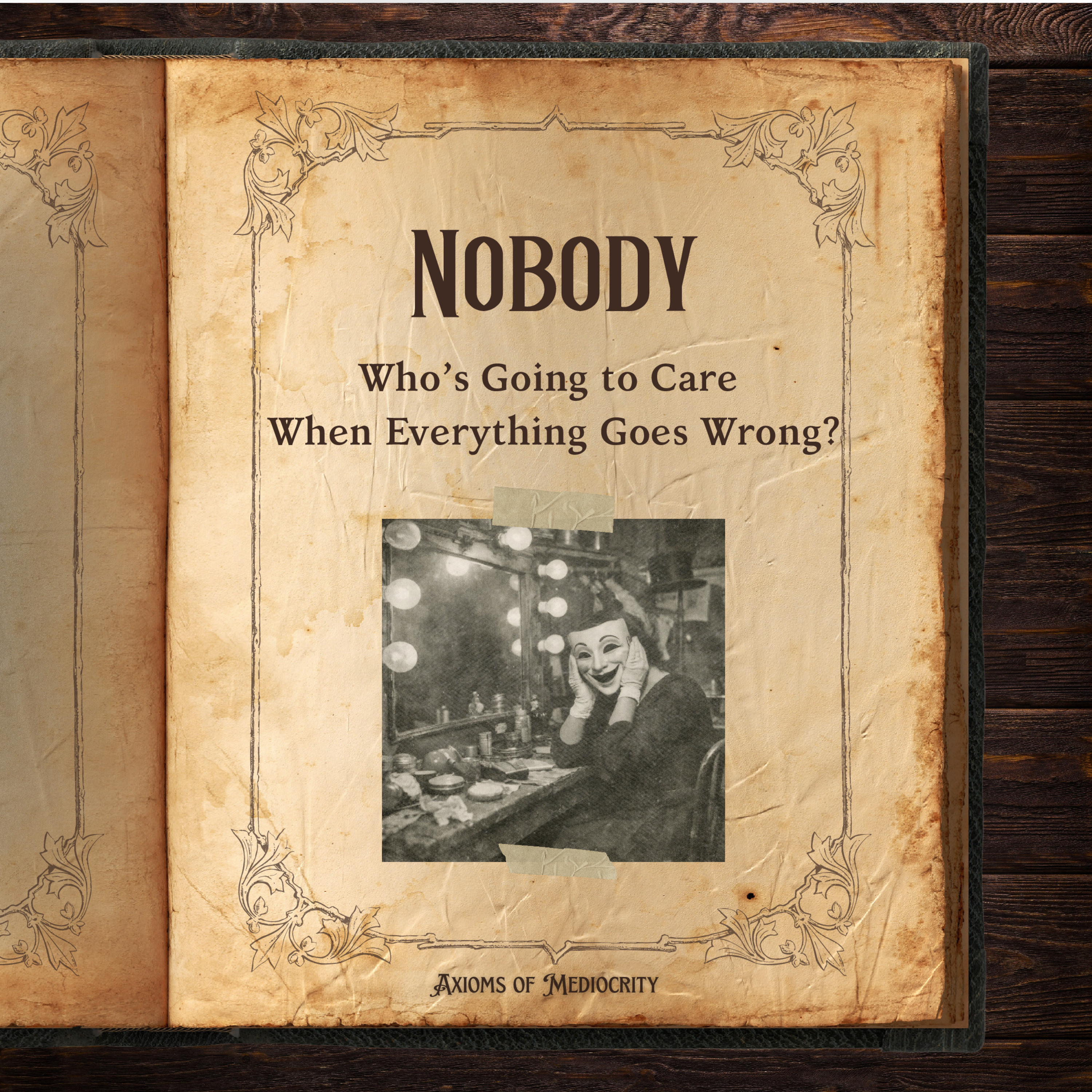
Nobody: The Saddest Joke in the Room
Nobody is a comic song built around one brutal answer.Written by Alex Rogers and Bert Williams, published in 1905, and made famous by Williams in 1906, the song seems at first like antique vaudeville: a man asks the world for help, sympathy, friendship, romance, or basic recognition, and the answer is always the same. Nobody.But the joke is darker than it sounds. Williams performed inside a theatr
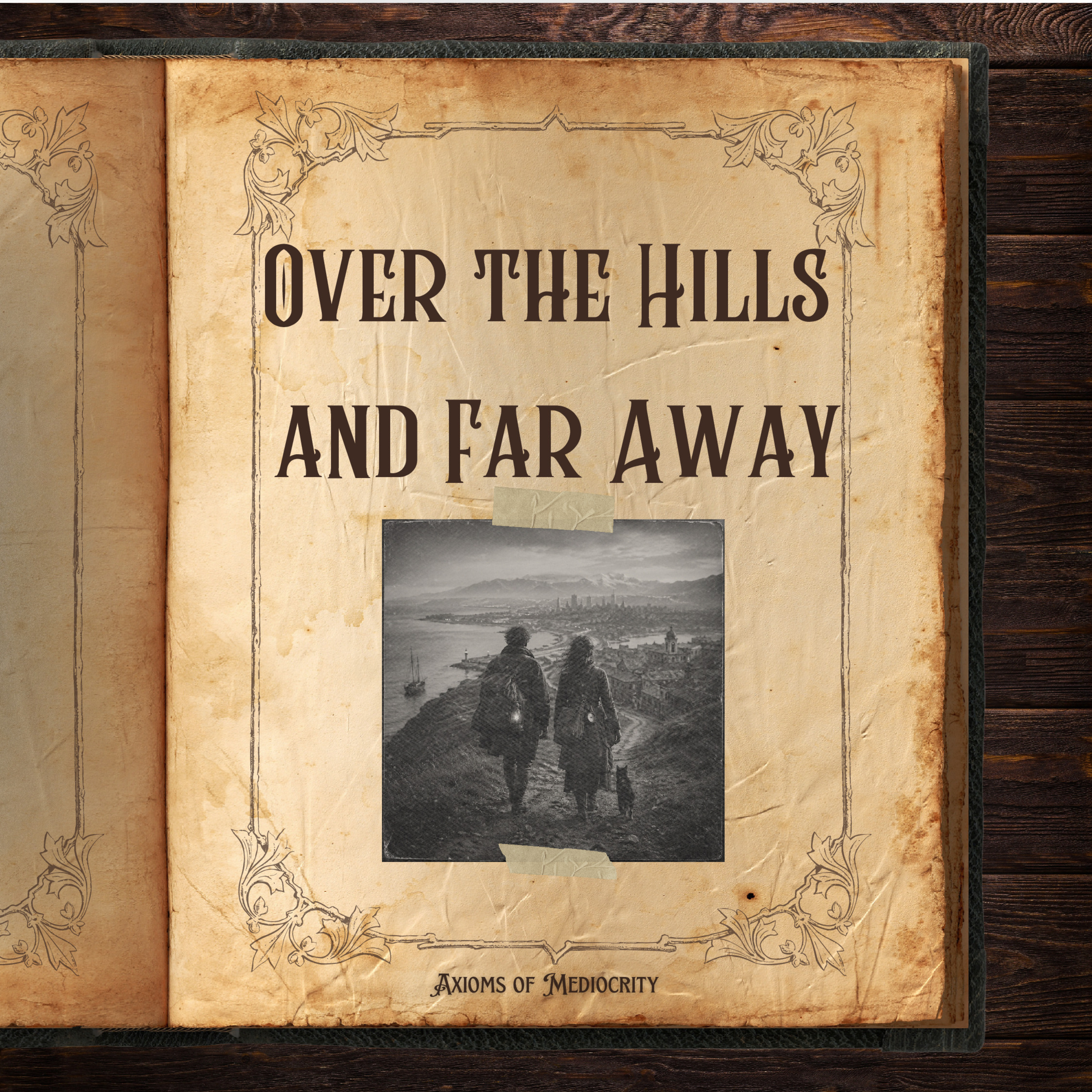
Over the Hills and Far Away: A Song for Leaving, Longing, and Finding Your Place
Three songs. One title. Almost nothing else in common.Over the Hills and Far Away can mean escape, adventure, exile, longing, or the place your mind goes when your body is stuck somewhere ordinary. This episode follows that phrase across three very different lives.The oldest version goes back at least to the late seventeenth or early eighteenth century. In one form, it is a love complaint. In anot
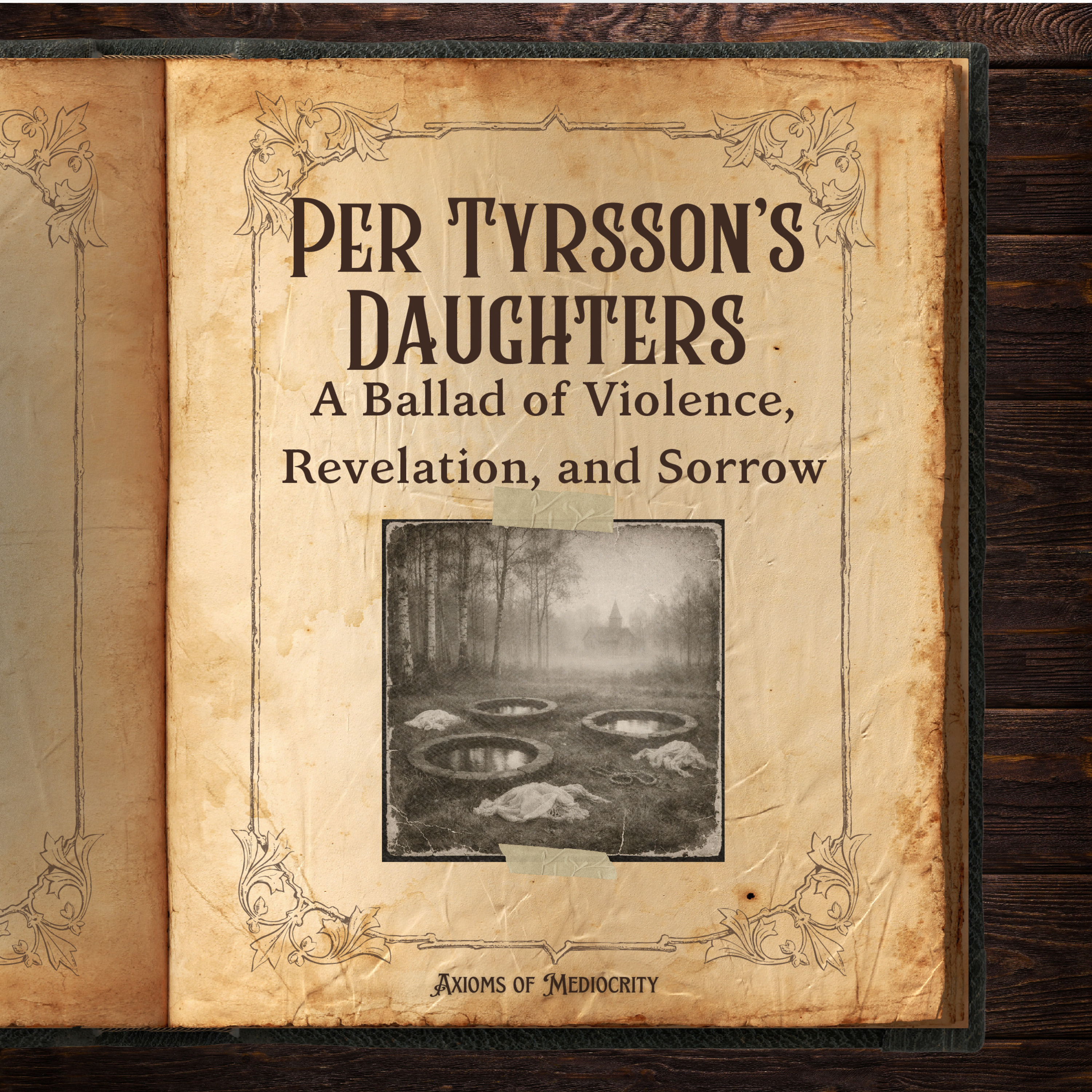
Per Tyrsson’s Daughters: The Murder Ballad That Built a Church
Per Tyrsson’s Daughters is a murder ballad that explains a place.The song, known in Swedish as Töres döttrar i Wänge, gives an origin story to Kärna Church in Östergötland and to the springs associated with Vänge. It takes a real landscape, a church, a quiet yard, strange springs, and answers the question folk songs love most: what happened here?The answer is murder, miracle, and memory.This episo
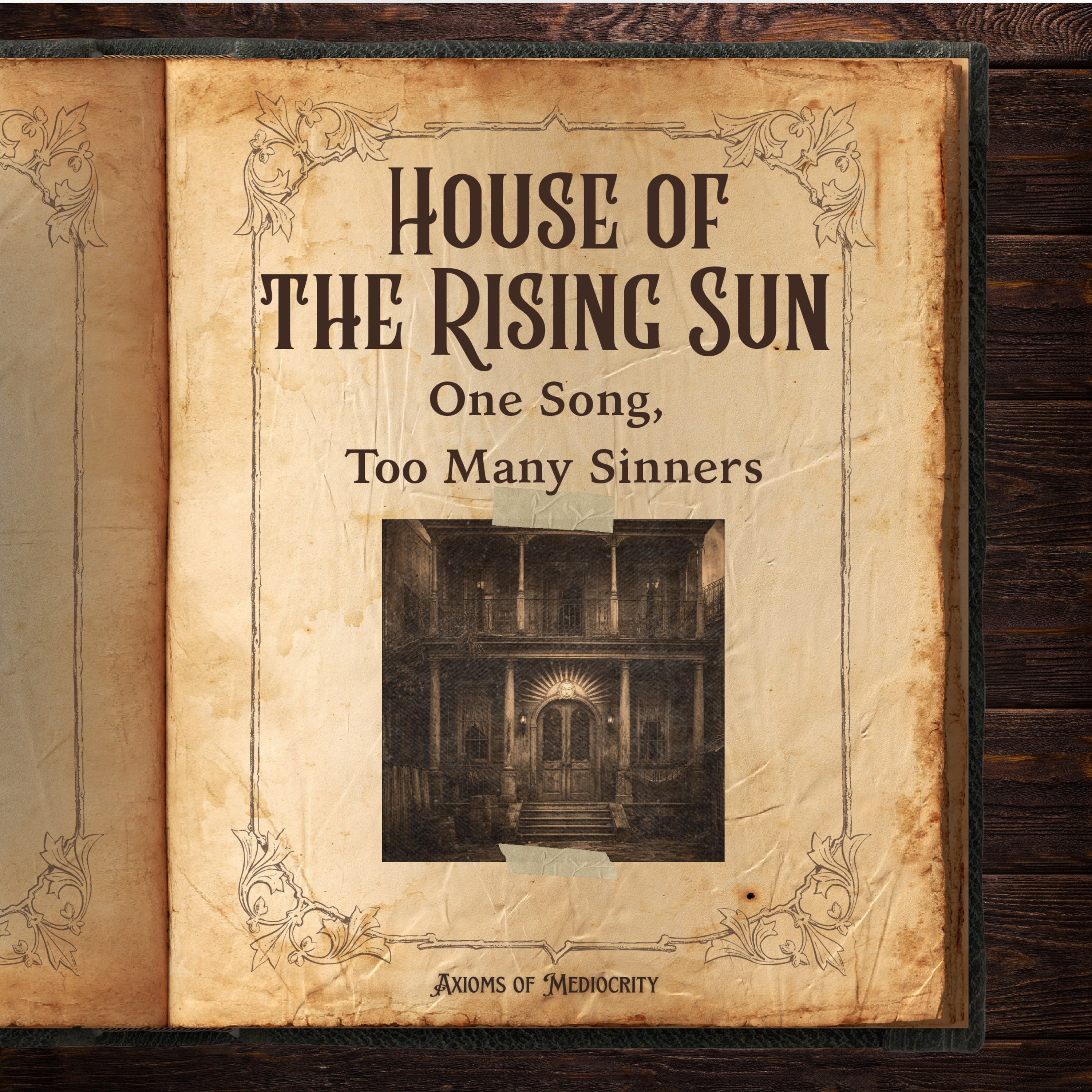
House of the Rising Sun: The Building That Ruins Everyone
The House of the Rising Sun is a song about a building. In New Orleans. They call it the Rising Sun. It ruins people.Most people know the song from The Animals’ 1964 recording, with Hilton Valentine’s unforgettable guitar, Alan Price’s organ, and Eric Burdon singing as if there is no tomorrow. That version became definitive. But the song is much older, stranger, and harder to pin down.No one fully
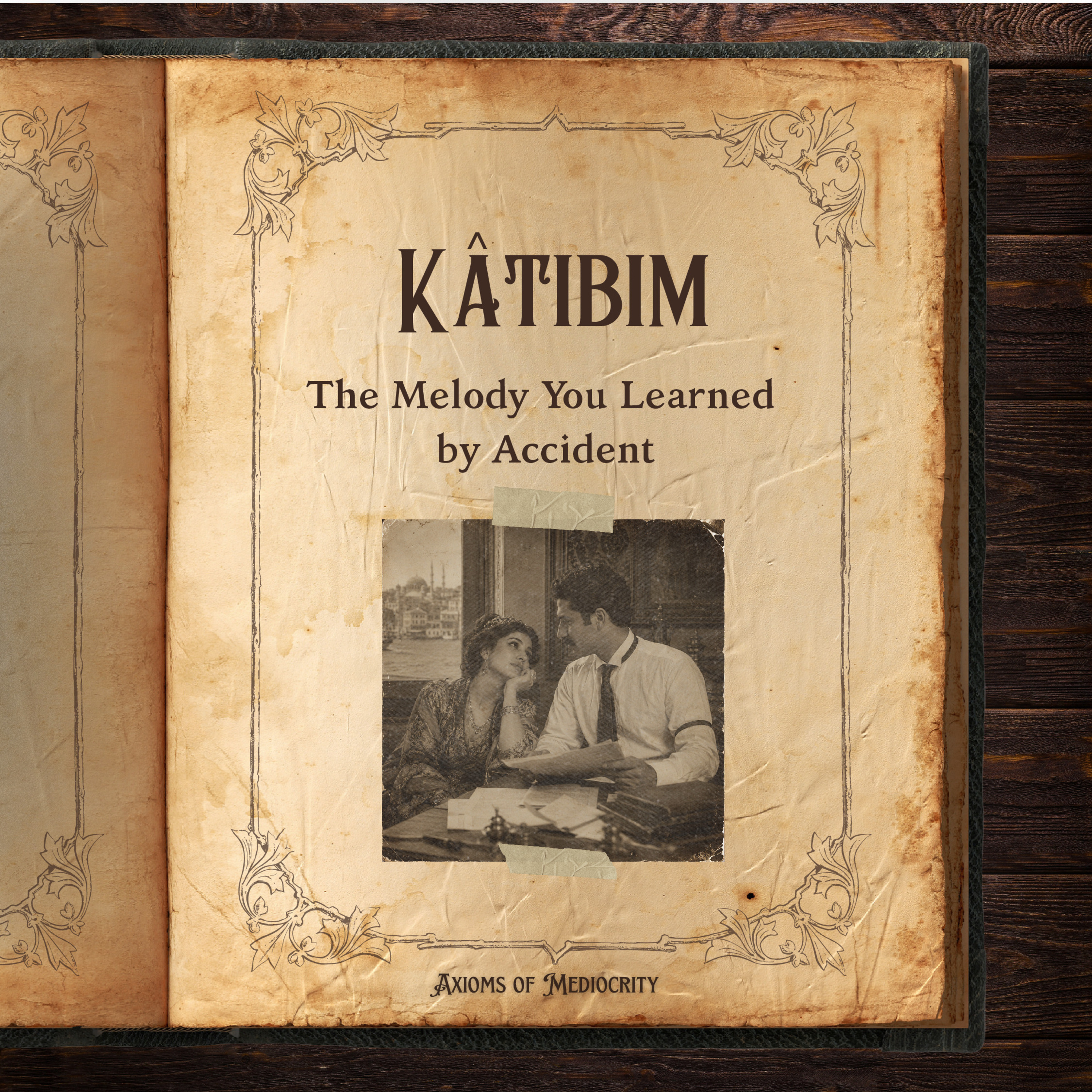
Kâtibim: The Melody You Learned by Accident
You know this melody. You may think you know it from Boney M’s Rasputin: the disco chorus, the theatrical history lesson, the “ra ra” that refuses to leave your head.But long before that, the melody belonged to another story entirely.Kâtibim, also known as Üsküdar’a gider iken, is an Ottoman-era song about a woman walking to Üsküdar in the rain with her kâtib, her clerk, secretary, companion, or p
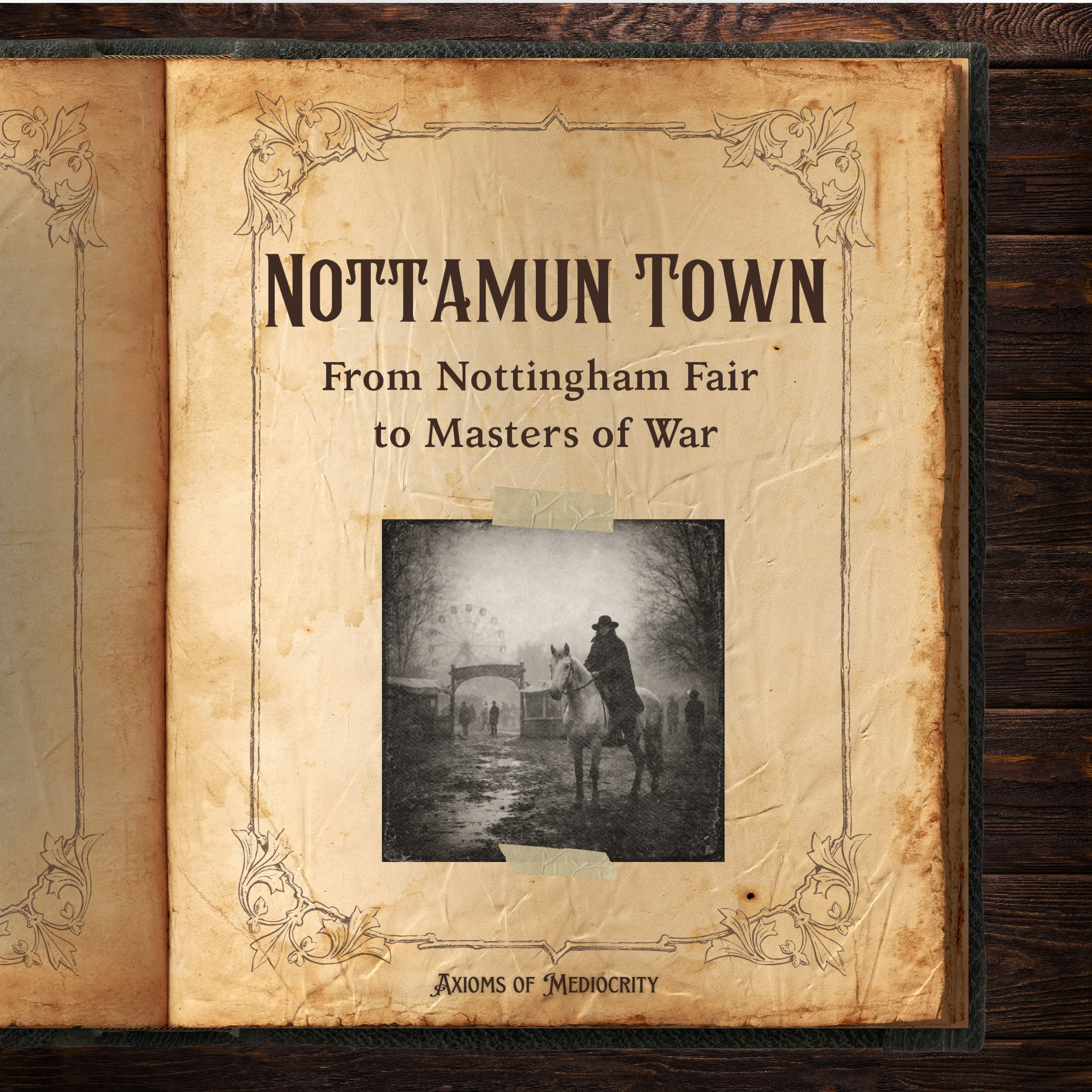
Nottamun Town: The Song That Became Masters of War
Nottamun Town sounds like nonsense until it starts sounding familiar.A rider enters a strange town where nobody helps, nobody speaks plainly, and responsibility seems to have dissolved into fog. The word “Nottamun” may simply be a folk-process version of “Nottingham,” but it also opens another door: “not a man,” a place where human agency has disappeared.This episode follows the song from the Ritc
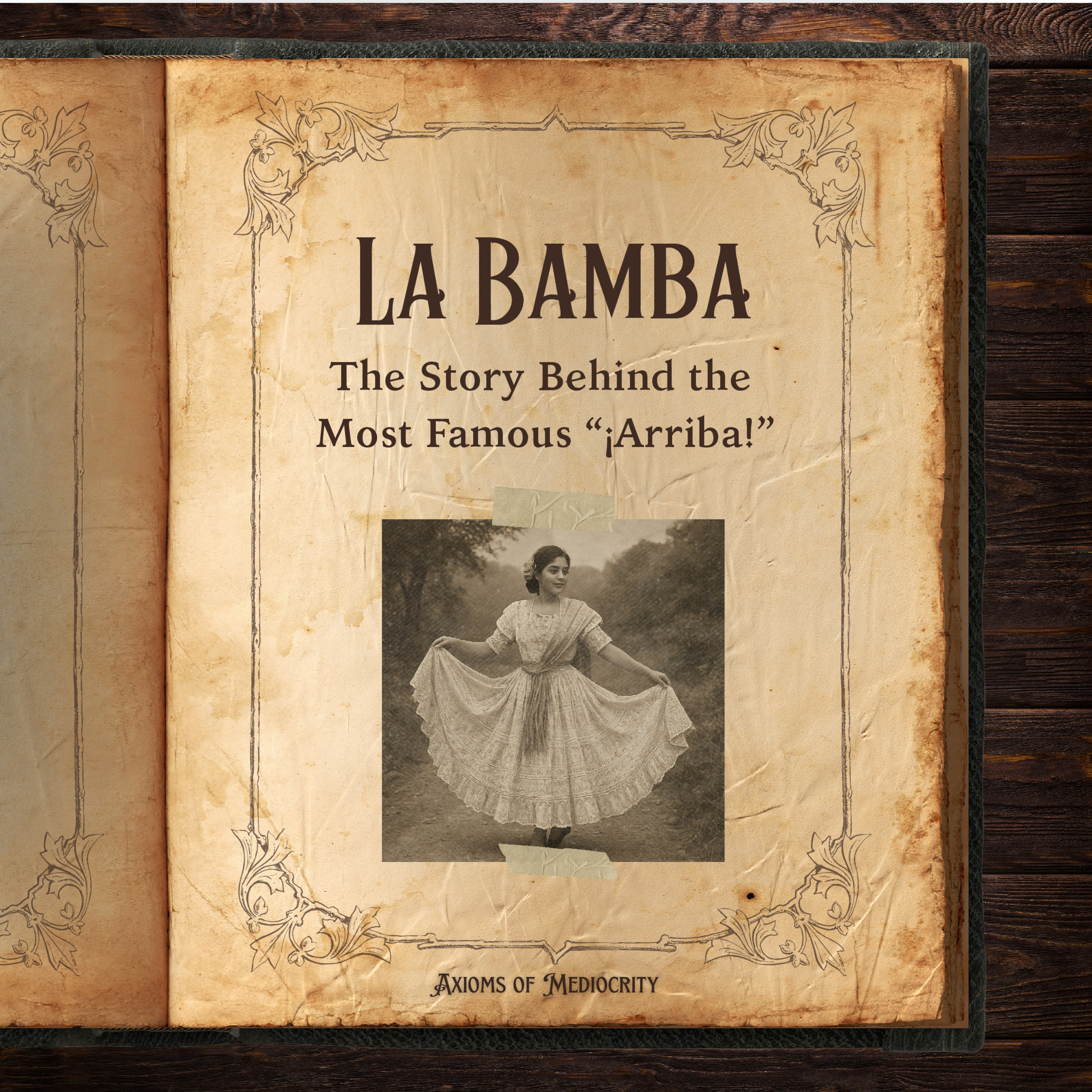
La Bamba: The Story Behind the Most Famous "Arriba"
La Bamba sounds like pure joy: three chords, a shout, a dance, and a chorus almost everyone knows.But before it became a rock and roll classic, La Bamba lived in the son jarocho tradition of Veracruz: a world of wooden platforms, dancing feet, weddings, gatherings, Spanish strings, Indigenous themes, Caribbean circulation, and African-rooted rhythm. In that world, dance was not decoration. The dan
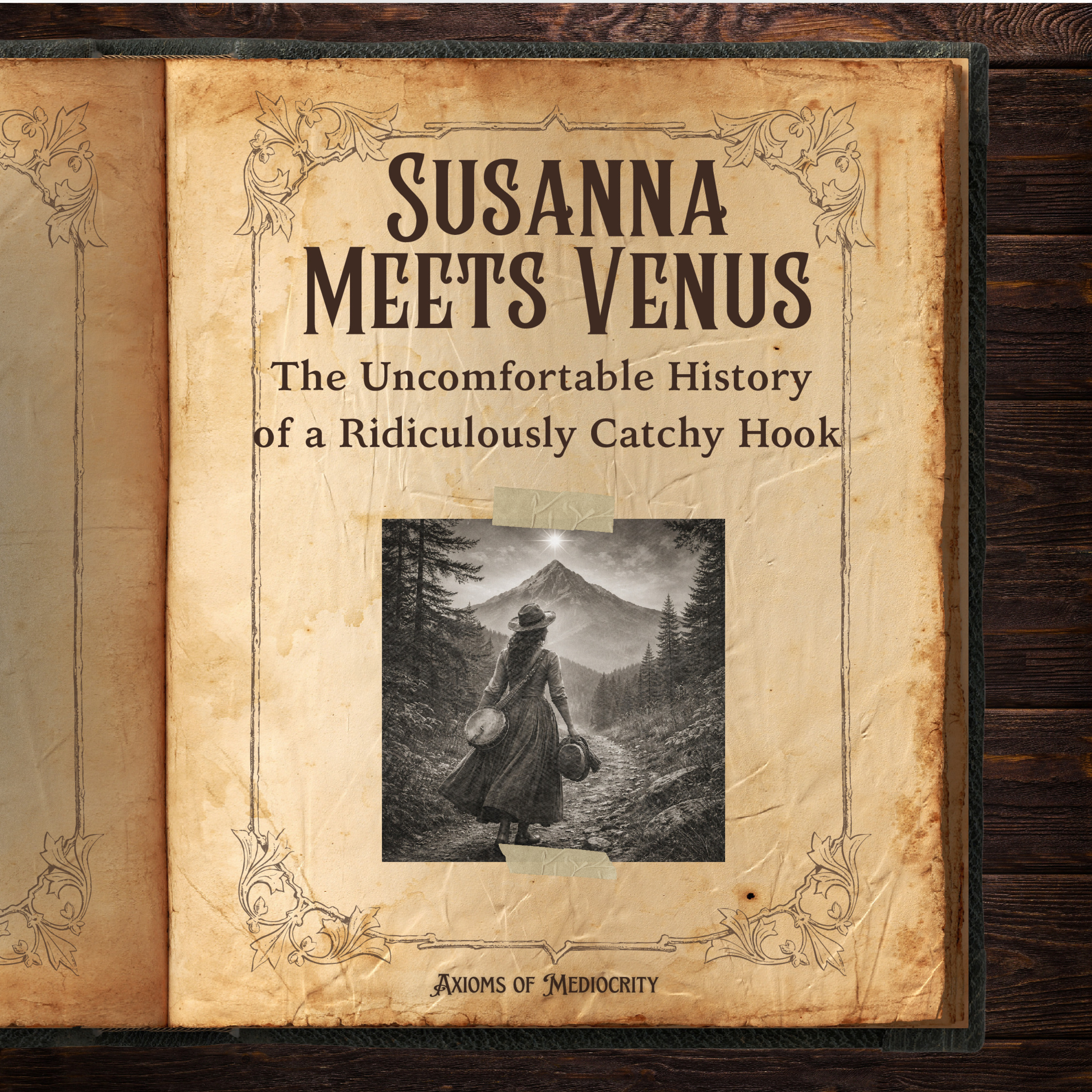
Susanna Meets Venus: The Uncomfortable History Behind a Ridiculously Catchy Hook
Oh! Susanna is one of the most famous American songs ever written. It is also one of the strangest.Written by Stephen Foster in 1847 and published in 1848, the song began in the blackface minstrel tradition, with racist language that cannot be brushed aside. Yet over time it was copied, pirated, cleaned up, rewritten, taught to children, sung by folk revivalists, and separated from the uglier part
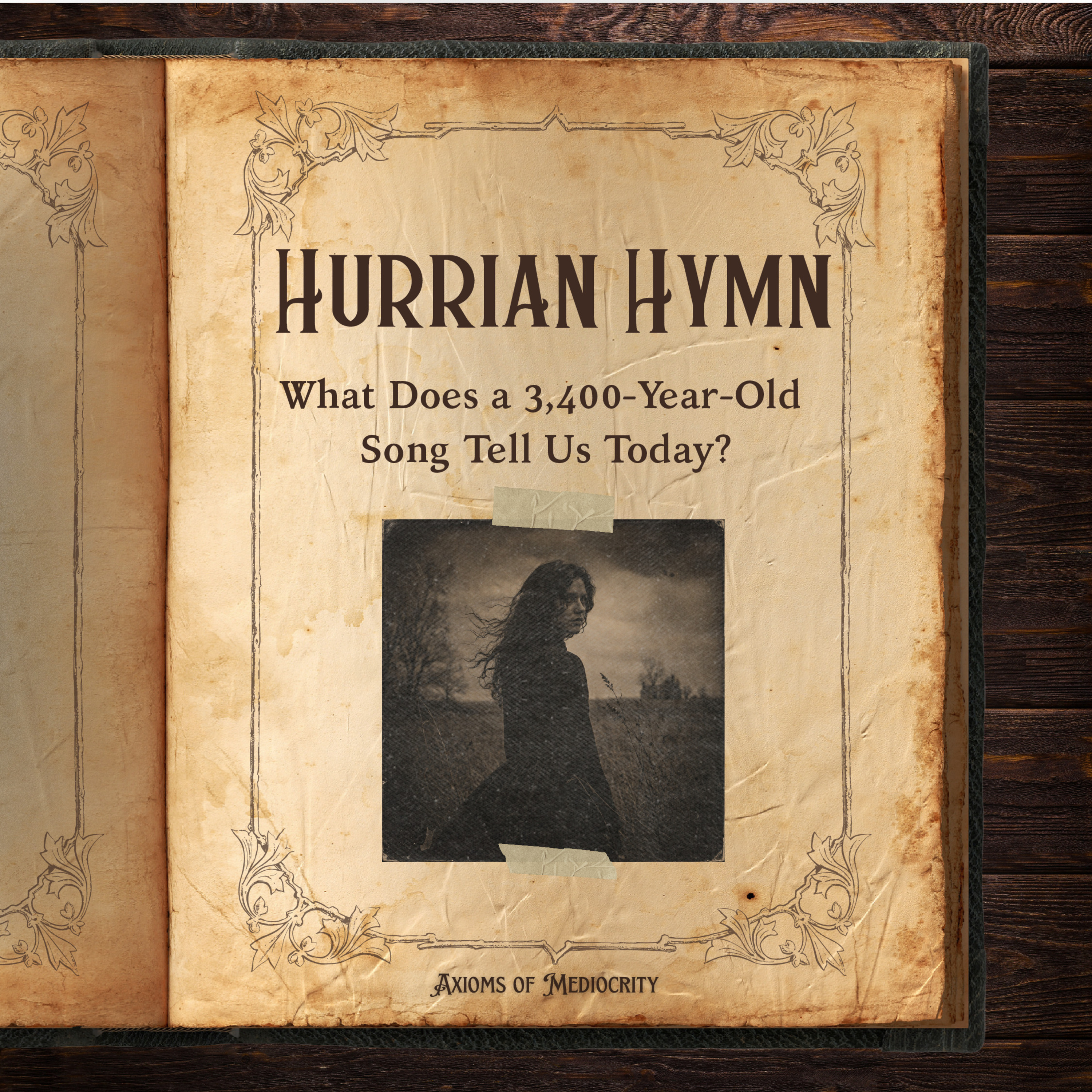
Hurrian Hymn: What Does a 3,400-Year-Old Song Tell Us Today?
Someone wrote a song down 3,400 years ago. Then the city fell, the palace collapsed, the tablet broke, and the people who understood the notation vanished.But the song survived.Hurrian Hymn no. 6, also called H6 or the Hymn to Nikkal, comes from ancient Ugarit in present-day Syria and is usually dated to around 1400 BCE. It is one of the oldest known examples of written musical notation, and the o
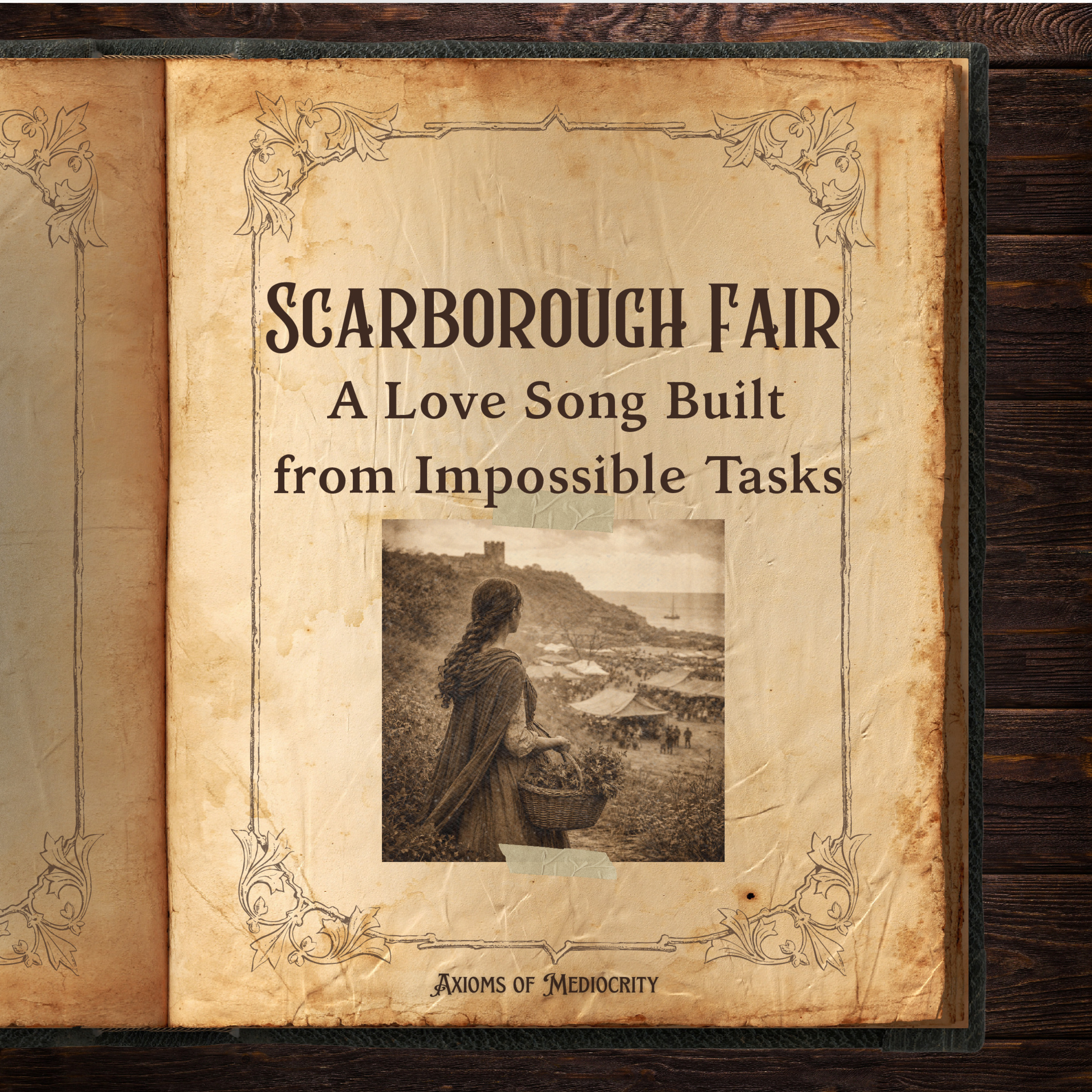
Scarborough Fair: A Love Song Built from Impossible Tasks
Scarborough Fair sounds delicate, but it runs on impossible demands.Most people know it as a beautiful folk song: herbs, harmony, and an air of medieval calm. Underneath that surface, though, sits a much older structure. The song belongs to the family of The Elfin Knight, where courtship takes the form of a riddle duel and lovers answer one another with tasks that cannot be done.This episode follo

We Sold Our Land: When Leaving Home Isn't a Choice
Vi sålde våra hemman is not a song about adventure. It is a song about the moment home becomes unrecoverable.Usually translated as We Sold Our Homesteads, the title carries more than property. In nineteenth-century Swedish, a hemman was a holding, a farmstead, a place in the world: land, status, continuity, memory. The song begins not with the journey, but with the sale. By the time the emigrants
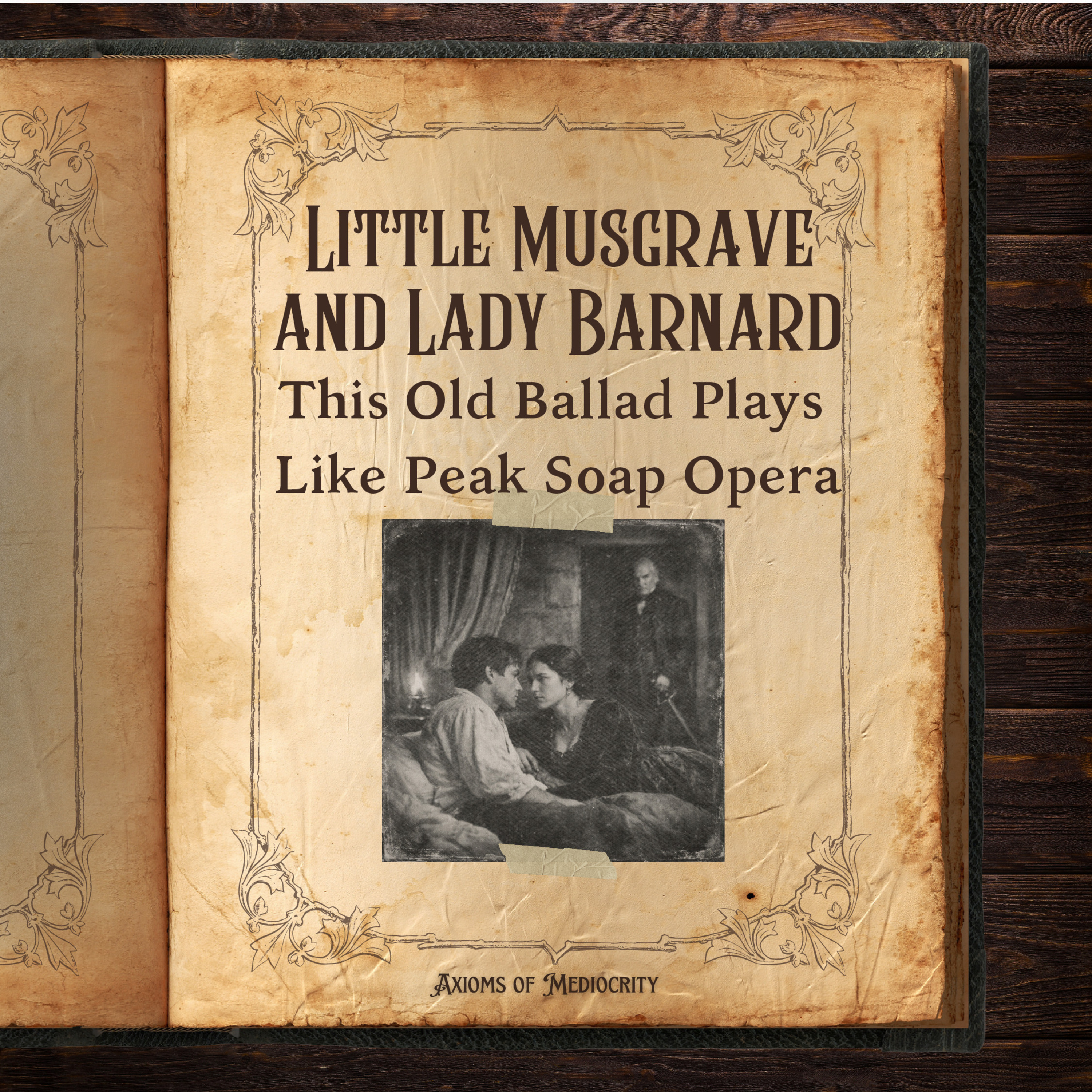
Little Musgrave and Lady Barnard: This Old Ballad Plays Like Peak Soap Opera
Little Musgrave and Lady Barnard is not a dusty relic. It is a scandal with a body count.Known in later versions as Matty Groves, this ballad was already in writing by 1613 and had probably been circulating orally long before that. The plot is brutally efficient: a young man and a noblewoman begin an affair, a page sees what happens and reports it, Lord Barnard arrives, kills Musgrave, kills his w
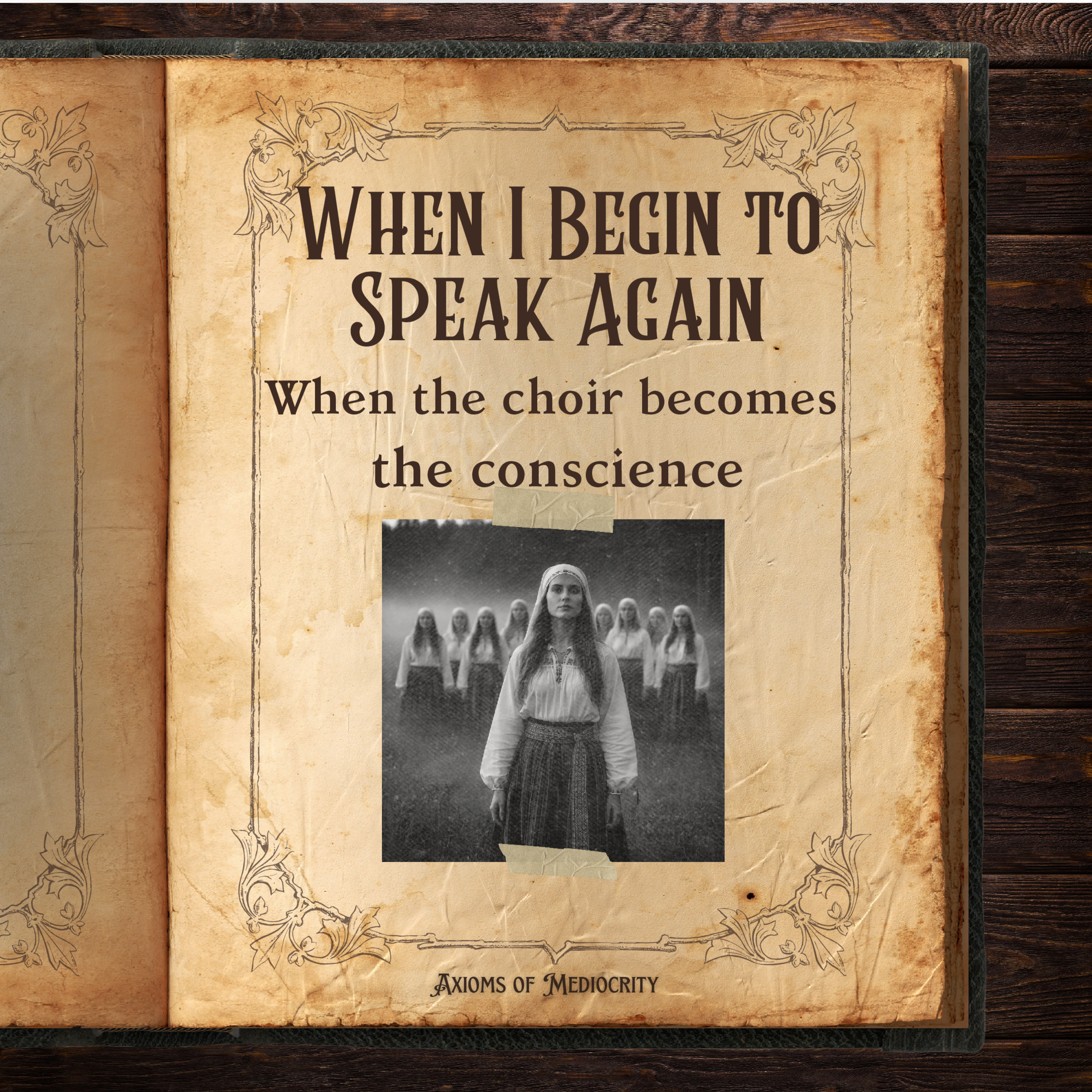
When I Begin to Speak Again: When the Choir Becomes the Conscience
“When I begin to sing” sounds like a simple beginning. In an Estonian runic song, it is already a social event.This episode explores Kui mina hakkan laulemaie, a regilaul with roots more than a thousand years old, where a solo voice is never truly alone. The structure is built on repetition, return, and response. A line is answered, echoed, and reshaped by others. What begins as singing becomes so
Scottish Waltzes: How a Place Becomes More Than a Place
Some songs describe places. Others turn places into emotions.This episode follows a small family of Scottish waltzes where landscape becomes something deeper: longing, belonging, grief, and the strange persistence of memory. Beginning with Paul McCartney’s Mull of Kintyre—a bagpipe waltz that somehow became the biggest-selling single in British history—the episode traces how melodies tied to speci
Wayfaring Stranger: Why the Oldest Songs Sound Like Grunge?
“Wayfaring Stranger” doesn’t begin with hope. It begins with exhaustion.Often heard today as a gentle folk hymn, the song is something else entirely: a document of displacement, written for people who already know the road is hard and keep moving anyway. Its voice is not heroic or triumphant. It belongs to someone passing through, unsure they will survive the crossing.This episode traces how the s
El Cóndor Pasa: The Sound of Wanting to Be Free Without Knowing How
“El Cóndor Pasa” sounds ancient. Panpipes, mountains, and a melody that feels like it drifted down from somewhere above the clouds. But the song didn’t begin as anonymous folk music. It was written in 1913 by the Peruvian composer Daniel Alomía Robles for a zarzuela staged in Lima. The famous theme was originally just one instrumental moment inside a theatrical story.Over time the melody slipped i
In the Pines: The History of "Where Did You Sleep Last Night?"
You know the chorus: "In the pines, in the pines, where the sun never shines..."You might know the title as "Where Did You Sleep Last Night?" or "Black Girl."But do you know what actually happened in the pines?This episode traces the history of a song that never settled on a single story. Across 100 years, "In the Pines" has been blamed on jealousy, on a train wreck, and on death. Each explanation
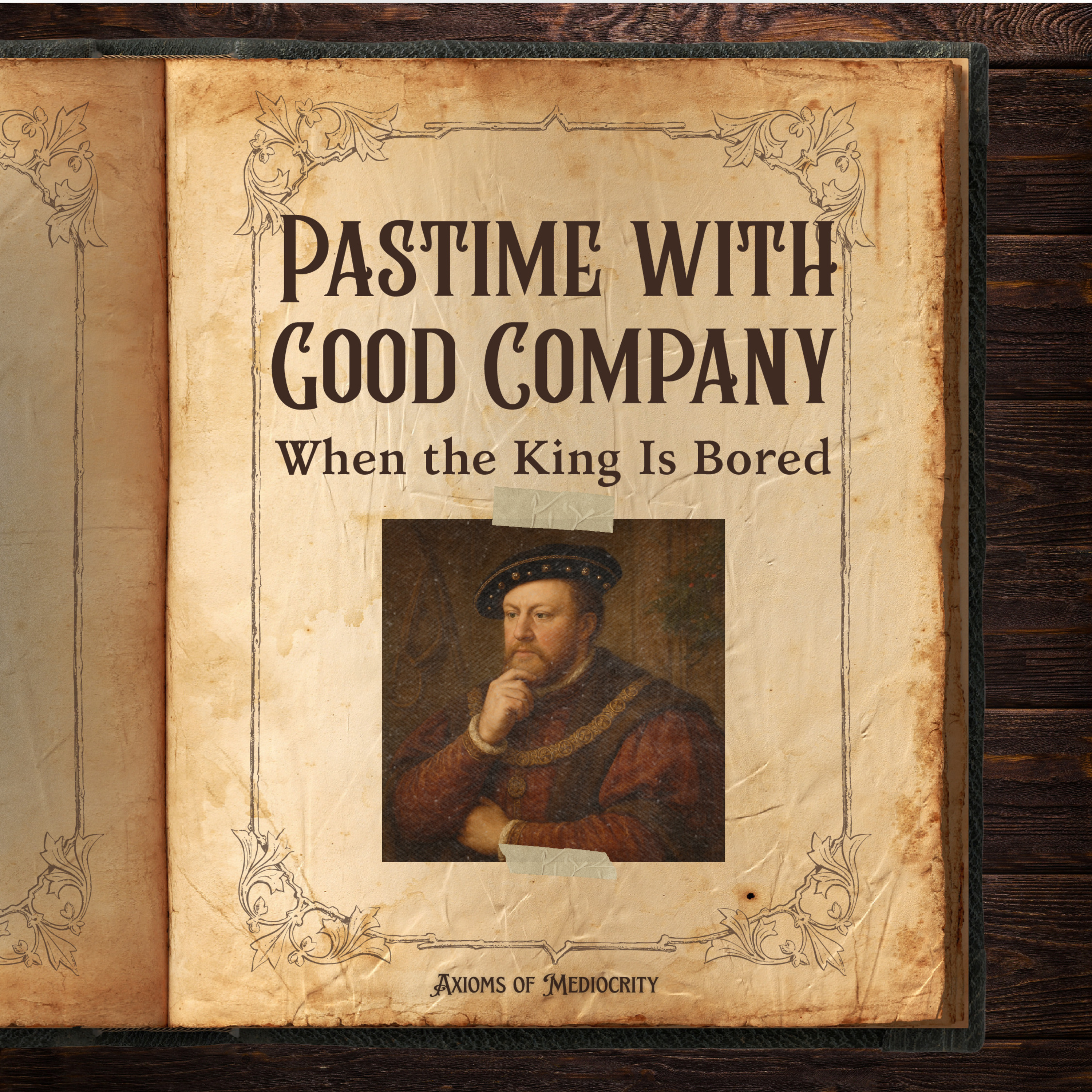
Pastime with Good Company: When the King Is Bored
Pastime with Good Company is a song that sounds cheerful, innocent, and familiar. You may know it as The King's Ballad or King Henry's Madrigal by Jethro Tull. A Renaissance tune about pleasure, fellowship, and staying busy.It was written in 1513 by a young King Henry VIII, decades before history hardened him into a tyrant. At the time, Henry was everything a Renaissance king was supposed to be: a
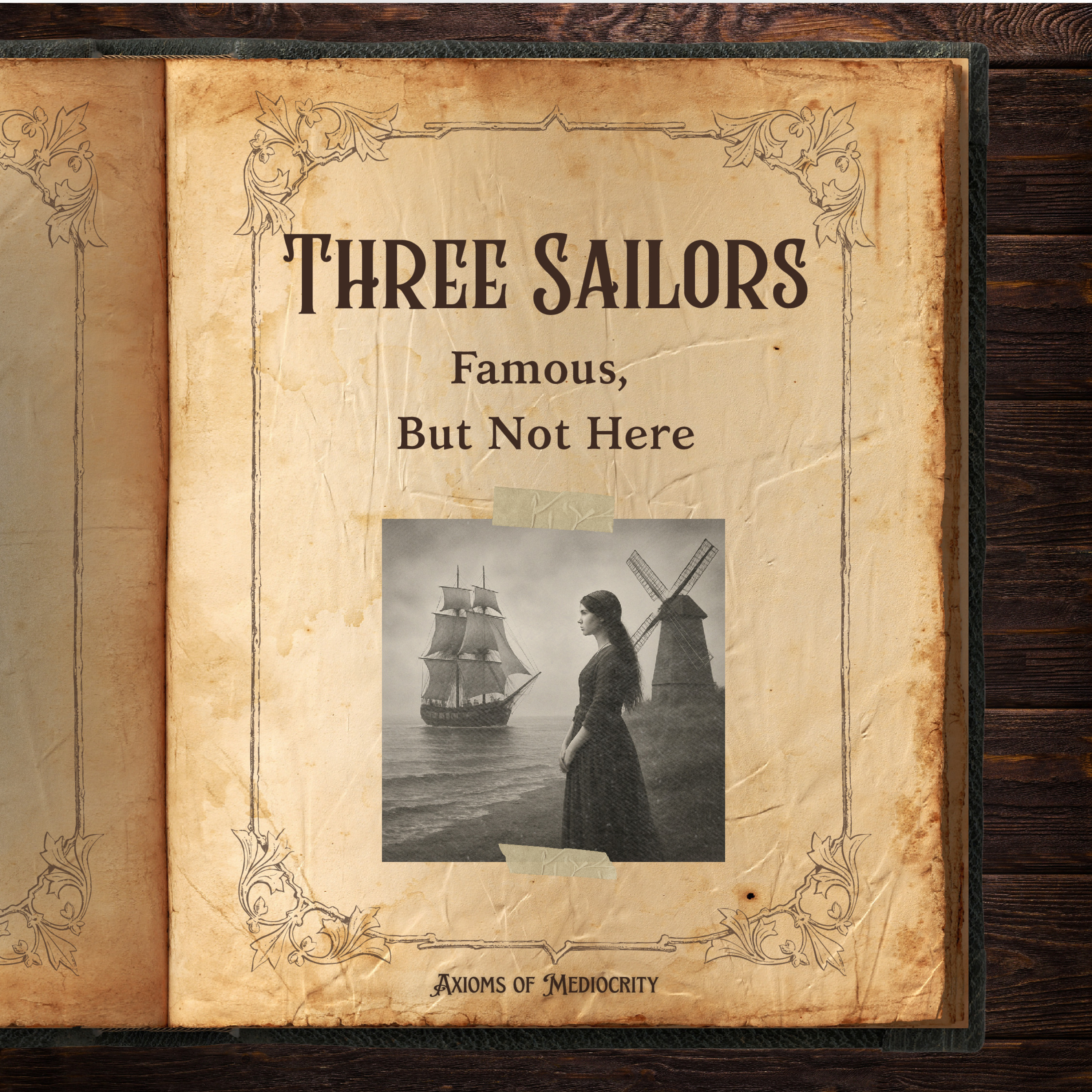
Three Sailors: Famous, But Not Here
Three Sailors is a song many people recognize.And almost no one in the English-speaking world knows.The melody comes from Tri Martolod, a Breton folk song dating back to at least the eighteenth century. Sung for generations as a communal dance song, it tells a modest story: three young sailors leave home, cross the Atlantic to Newfoundland, and encounter a woman who remembers a promise made long a
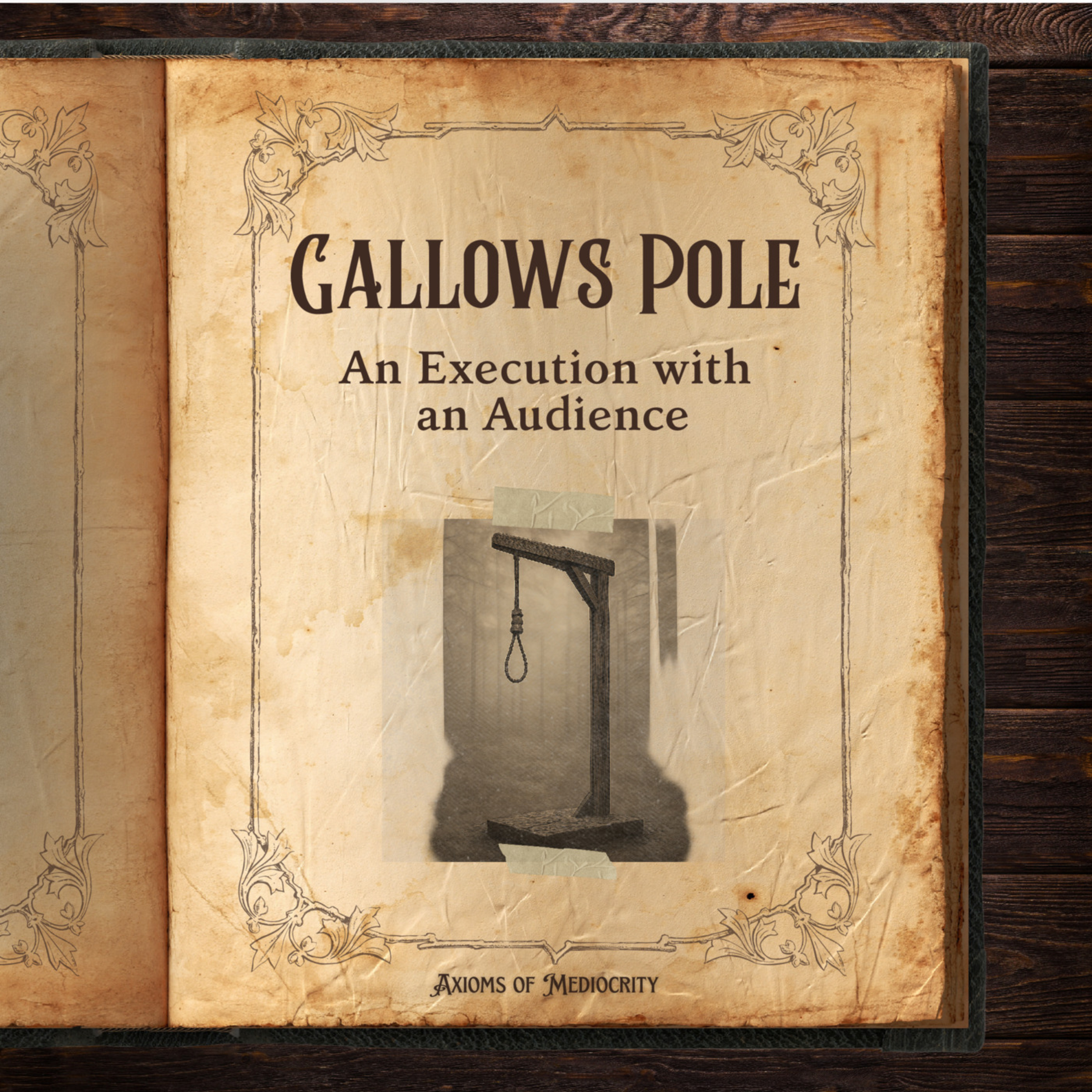
Gallows Pole: An Execution with an Audience
Most people know Gallows Pole as a Led Zeppelin song.But the song is much older than that. And it was never really about the hanging.This ballad circulated across Europe for centuries under names like The Maid Freed from the Gallows or Hangman. The story is simple. Someone is about to be executed. People keep arriving. Each time, the same question is asked. Did you bring the money?Verse by verse,
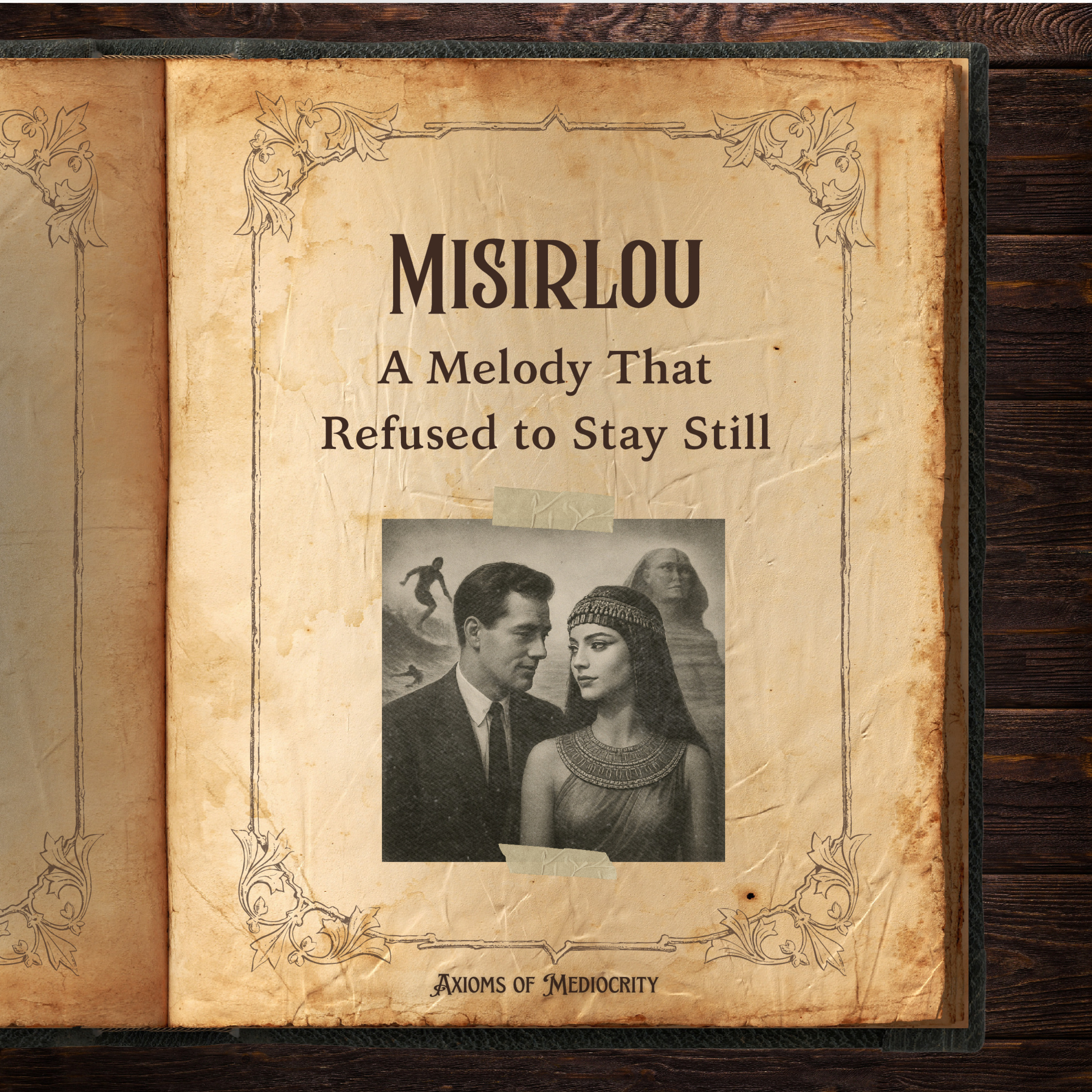
Misirlou: A Melody That Refused to Stay Still
You know this song.Pulp Fiction.Dick Dale’s surf rock instrumental.Fast. Aggressive. All adrenaline.For many listeners, this is Misirlou.That version made the song famous, but it was not where the song began.Misirlou started as a love song in the Eastern Mediterranean, likely emerging from Greek and Ottoman musical traditions in the early twentieth century. The original lyrics describe an intense,
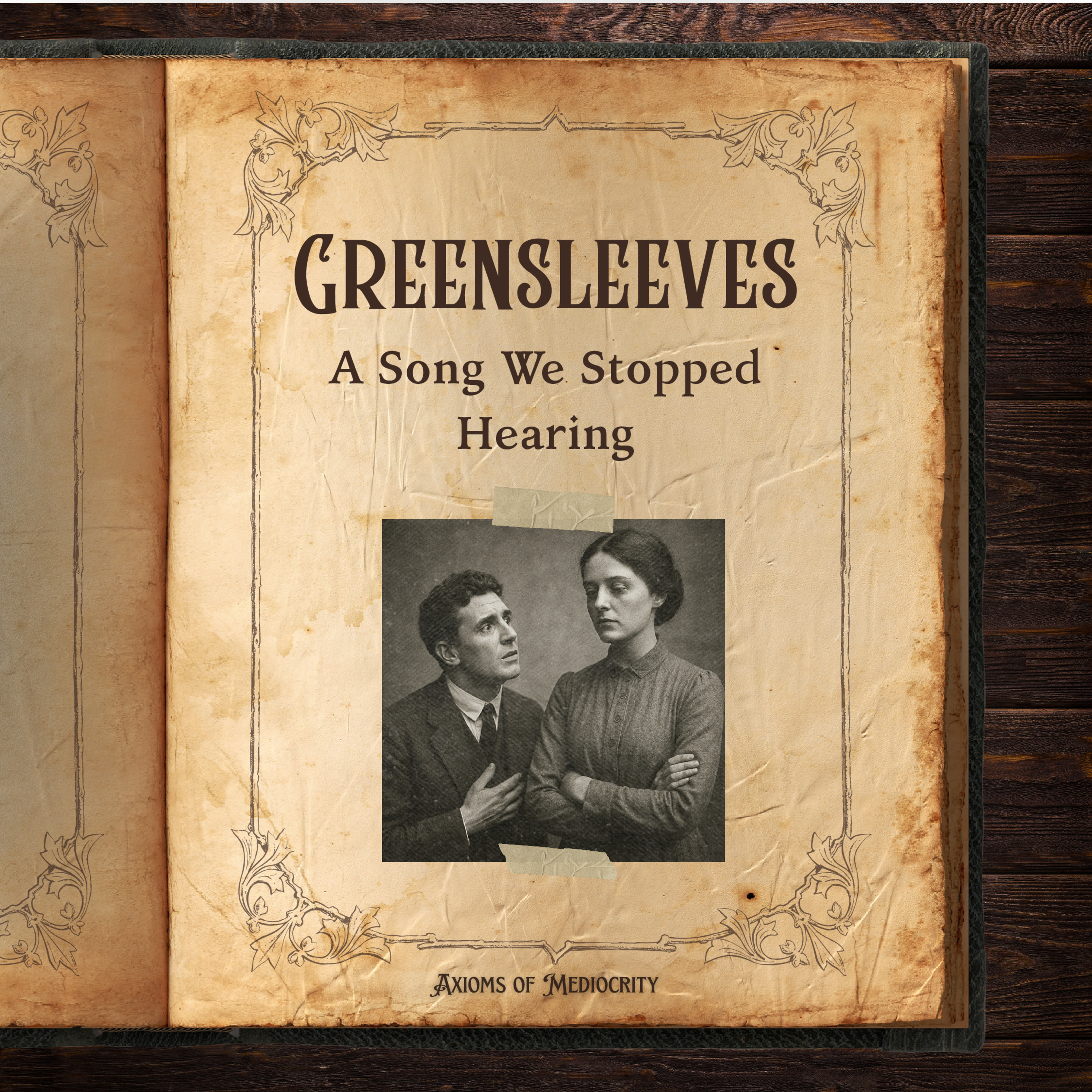
Greensleeves: A Song We Stopped Hearing
“Greensleeves” is one of the most familiar melodies in Western music.Today it often sounds like a Christmas song, or background music, or something so old that it no longer asks for attention.That was not how it began.First published in England in 1580, “Greensleeves” was a song about rejection, longing, and resentment. A man addresses a woman who has taken his devotion and his gifts, and then ref
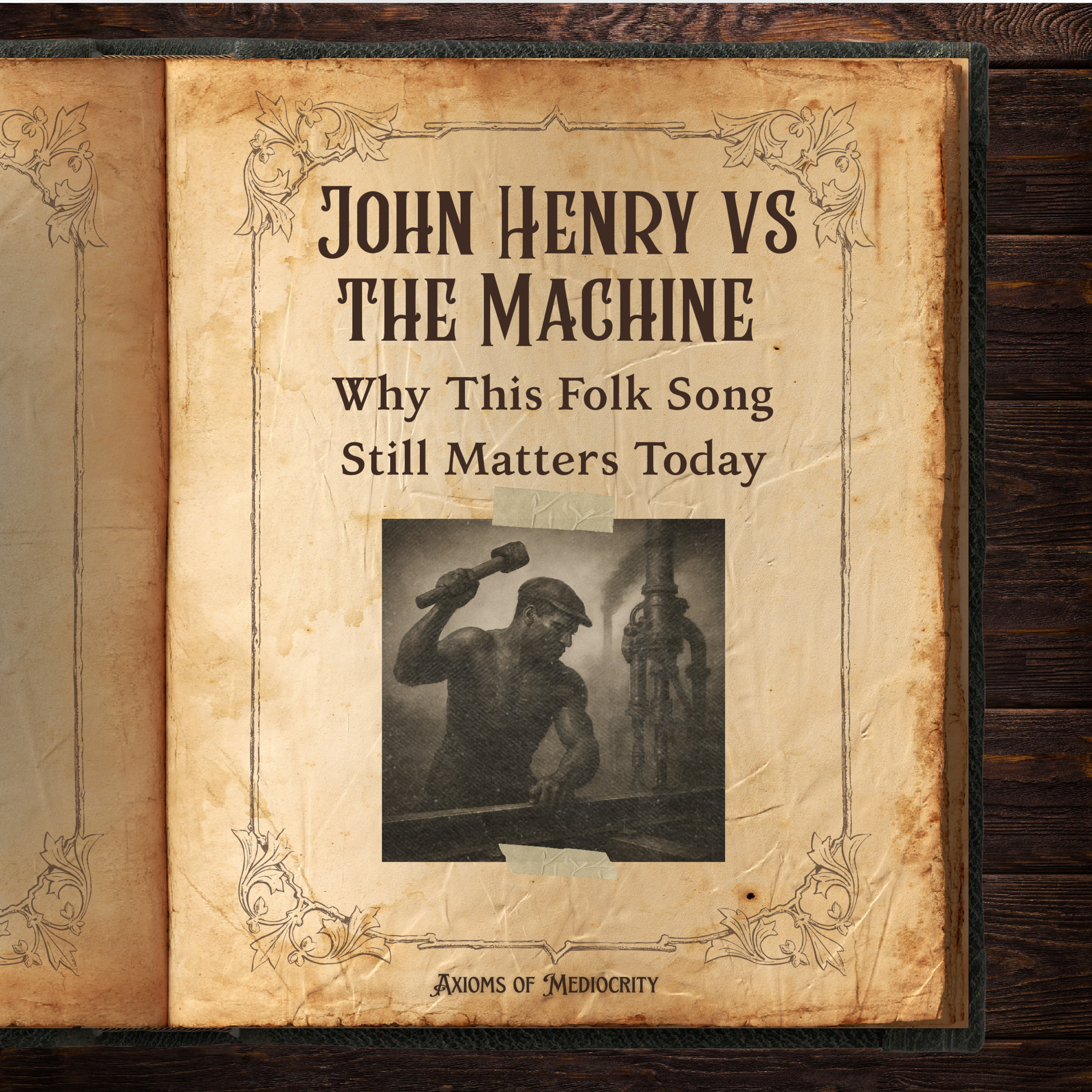
John Henry vs the Machine: Why This Folk Song Still Matters Today
John Henry is a folk song about a man who races a machine and wins.Then he dies.The ballad emerged in the late nineteenth century from the African American work camps that built America’s railroads. It tells the story of a steel-driver who competes against a steam drill during tunnel construction, proving that a man can outperform a machine at a fatal cost.This episode follows the song from its or
Recommended

The Daily

World News Tonight with David Muir

The Joe Rogan Experience

English Vocabulary Help

TED Talks Daily

Learn English B1 with Daily News | English Listening Practice

Talk About Talk - Executive & Leadership Communication Skills

English with Olivia | Slow Conversations & Vocabulary

Stand In The Circle

SLOW ENGLISH PODCAST (A1-A2) With Subtitles | Daily Videos | English With Us Podcast

Learn English A2 with Daily News | Simple English Listening Practice

پلی لیست | PlayList
