
The Bottom Line
A weekly take on US politics and policies and how they affect the world.
Episodes
How will Iran war fallout impact upcoming US elections? | The Bottom Line
President Donald Trump was able to purge his most vocal critics within the Republican Party, as Americans voted for the congressional candidates who will run in November’s midterm elections. One of the most prominent politicians to be unseated was Representative Thomas Massie, who pushed for the release of the Epstein files. The Democratic Party partially released a report about performance that n
Former US negotiator with Iran: Trump falling into Vietnam trap
When United States President Donald Trump measures success by counting how many Iranian leaders the US and Israel have killed or how many Iranian boats or missile launchers have been destroyed, he’s looking at the “wrong metric”, argues a former US special envoy to Iran, Rob Malley. Malley told host Steve Clemons that the only way out of this war is “a settlement that respects our core interests,
Is the US empire in the middle of a long decline?
When the United States threatens to take over countries and destroy civilisations, “these are the wild gesticulations of a sinking enterprise”, argues Richard Wolff, professor emeritus of economics at the University of Massachusetts. Wolff tells host Steve Clemons that US leaders refuse to face the reality that the US empire is in decline. Around the world, he adds, people are “deeply internalisin

Israel’s strategy of ‘permanent war’: A race against time? | The Bottom Line
Israel is in a race against time to “lock in its domination” across the Middle East, argues former Israeli negotiator Daniel Levy. Levy, president of the US/Middle East Project, tells host Steve Clemons that Israel’s strategy of “permanent war” allows for only two types of countries in the region: either dependent, or “too collapsed, failed and fragile to pose any challenge”. Israel can try to blo
Has Iran exposed the limits of what US can achieve by force? | The Bottom Line
Despite on-again, off-again negotiations, the United States has no other option but to pursue a diplomatic solution with Iran, argues Vali Nasr, professor of international affairs and Middle East studies at Johns Hopkins University. Nasr tells host Steve Clemons that the US-Israel war on Iran has shown the limits of military force. “You don't go to the table to demand surrender. The other side is
What would it take for the Iran-US talks to succeed? | The Bottom Line
Iran will not be left alone to live in peace and prosperity “unless and until it normalises its relationship with the US and accepts Israel as a legitimate player in the Middle East”, argues University of South Florida political scientist Mohsen Milani. Milani and former White House official Elisa Ewers tell host Steve Clemons that another major stumbling block in Iran-US talks is uranium enrichme
How shaky is the Iran-US ceasefire? | The Bottom Line
In this episode, experts with divergent world views agreed on one thing: it’s unlikely that the United States will resume the war on Iran. Former US National Security Advisor John Bolton tells host Steve Clemons that he still hopes for “regime collapse” in Iran, but that US President Donald Trump has failed to achieve his goals. In the second half, Georgetown University Associate Professor Nader H
Mearsheimer: No signs of quick end to US-Israel war on Iran | The Bottom Line
The greatest threat to stability in the Middle East is not Iran, but “the US working closely together with Israel”, argues United States political scientist John Mearsheimer. Mearsheimer tells host Steve Clemons that the notion that the US and Israel are making a safer, more stable Middle East is “ludicrous”. And the idea that Iran is “the great destabiliser” in the region is “a myth that the US a
Why does Trump say the US ‘already won’ the Iran war? | The Bottom Line
“The US has won” because Iran has become “incapable of being a significant threat” to the United States for at least three years, argues retired Lieutenant Colonel James Carafano, senior fellow at the Heritage Foundation, a conservative think tank. Carafano tells host Steve Clemons that even if Iran were to rebound, “Trump will just mow the grass… and bomb them back to where they were.” The import
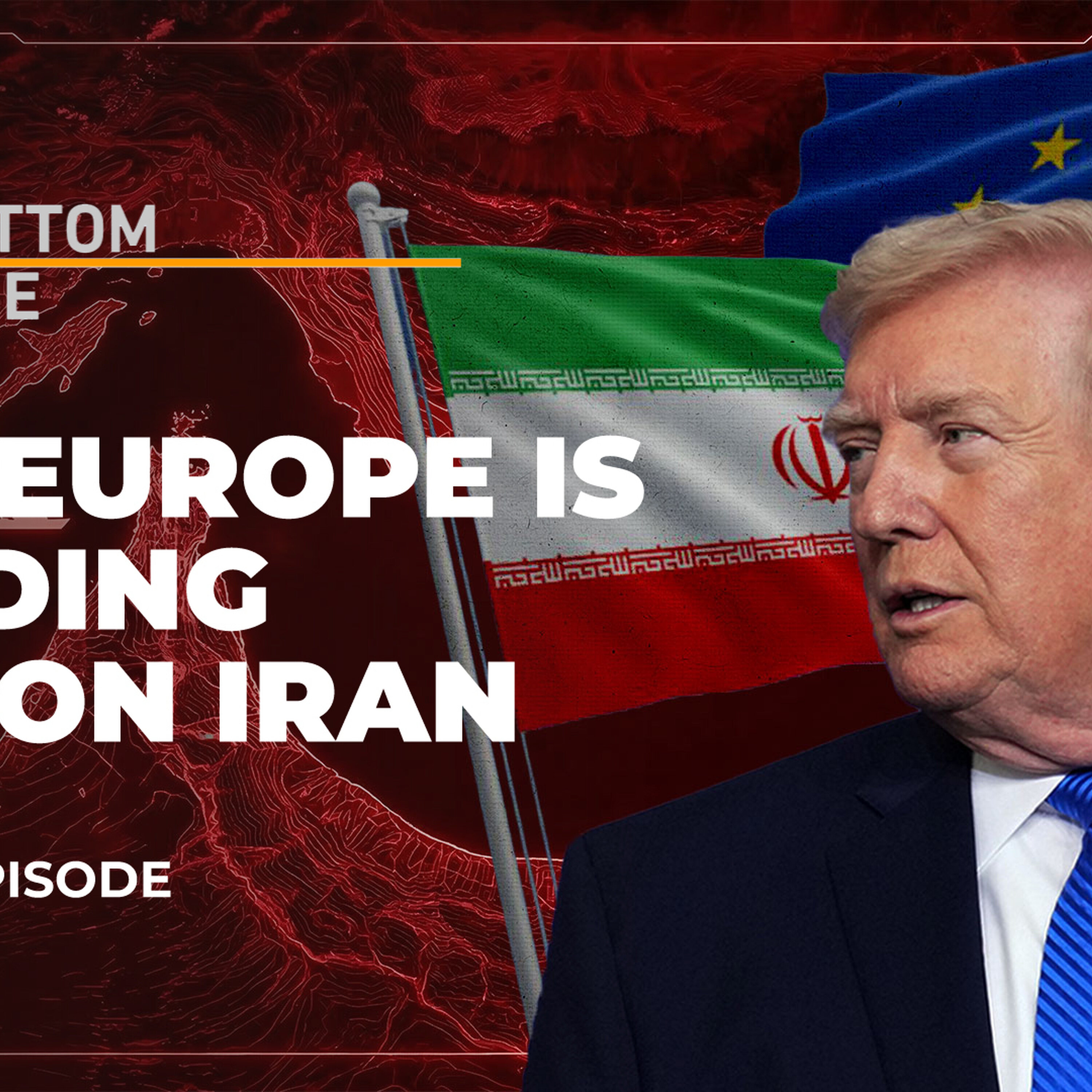
Why is Trump asking for Europe’s help in war on Iran? | The Bottom Line
“There is no good outcome” that can be gained from the United States-Israel war on Iran, argues the former ambassador of France to the US, Gerard Araud. Responding to US President Donald Trump’s attempts to get European countries more involved in the war effort, Araud tells host Steve Clemons that “If you wanted us at the landing, you should have thought of us at the takeoff.” Araud says the curre
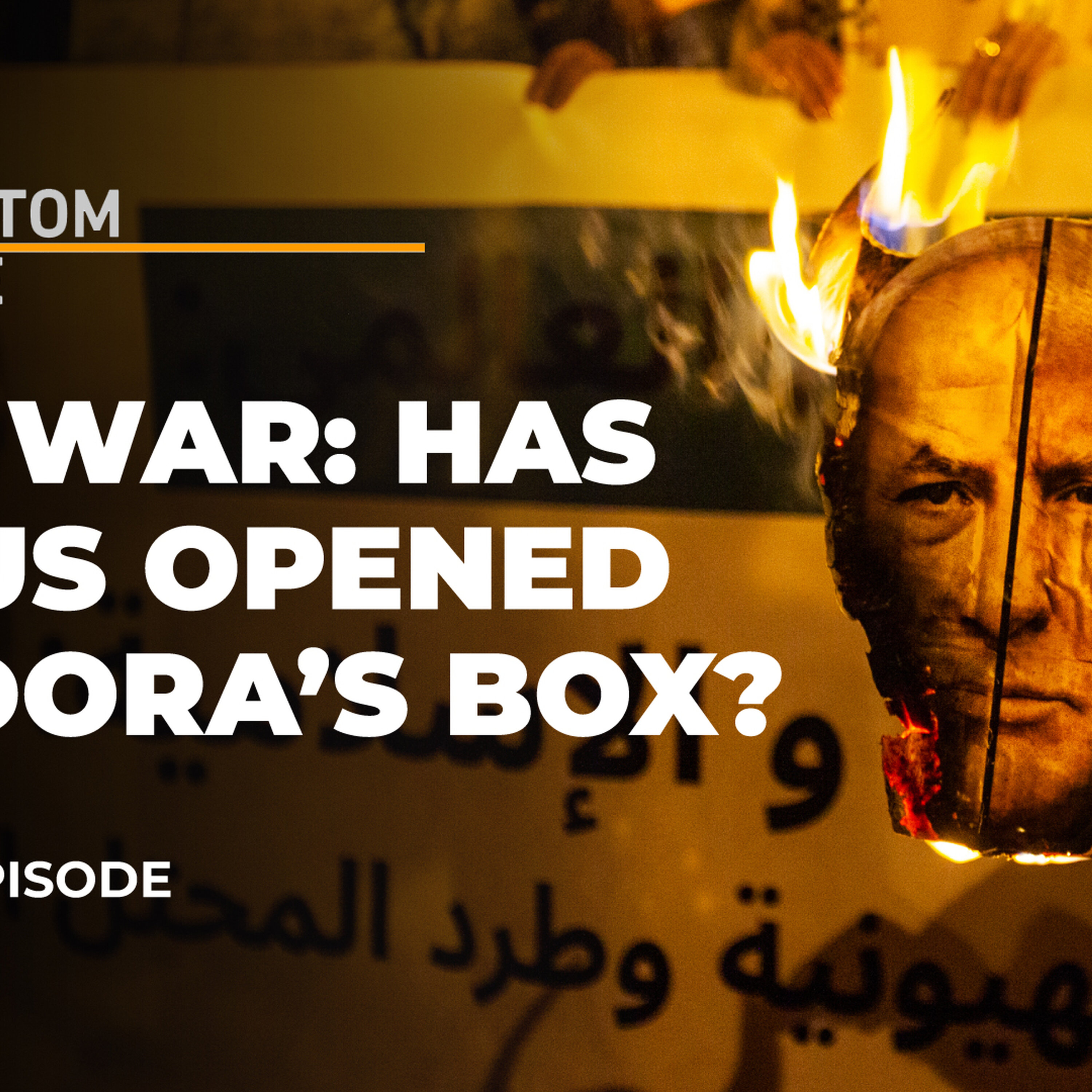
US Senator Van Hollen: Trump ‘has no idea where this war is going’ | The Bottom Line
Israel’s leaders have finally found a United States president “stupid enough and reckless enough” to join them in a war against Iran, argues US Senator Chris Van Hollen. Van Hollen, a Democrat, tells host Steve Clemons that the US capacity to degrade the Iranian military has never been in question. “The question is to what end, both in lives and treasure,” he says. On the attempts by Israeli and U
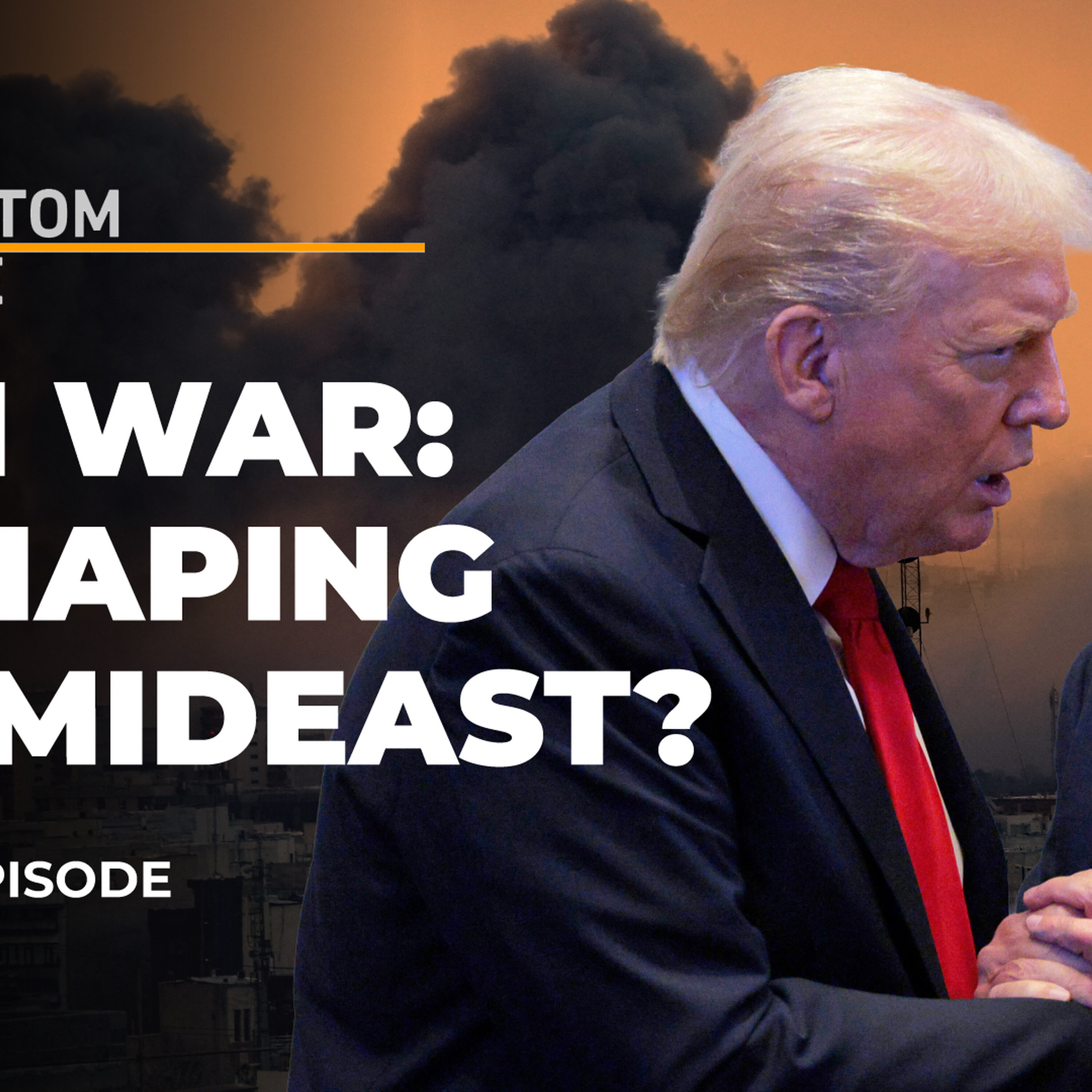
Iran war: Redrawing the map of the Middle East, Israeli style? | The Bottom Line
Even though the joint United States-Israeli war on Iran is in its early days, “we already are in a scenario where the US has lost control of this war,” argues Vali Nasr, professor of international affairs and Middle East studies at Johns Hopkins University. Nasr tells host Steve Clemons that Iran is the weaker party, but it “has the capability to create a much longer mayhem” than envisioned by the
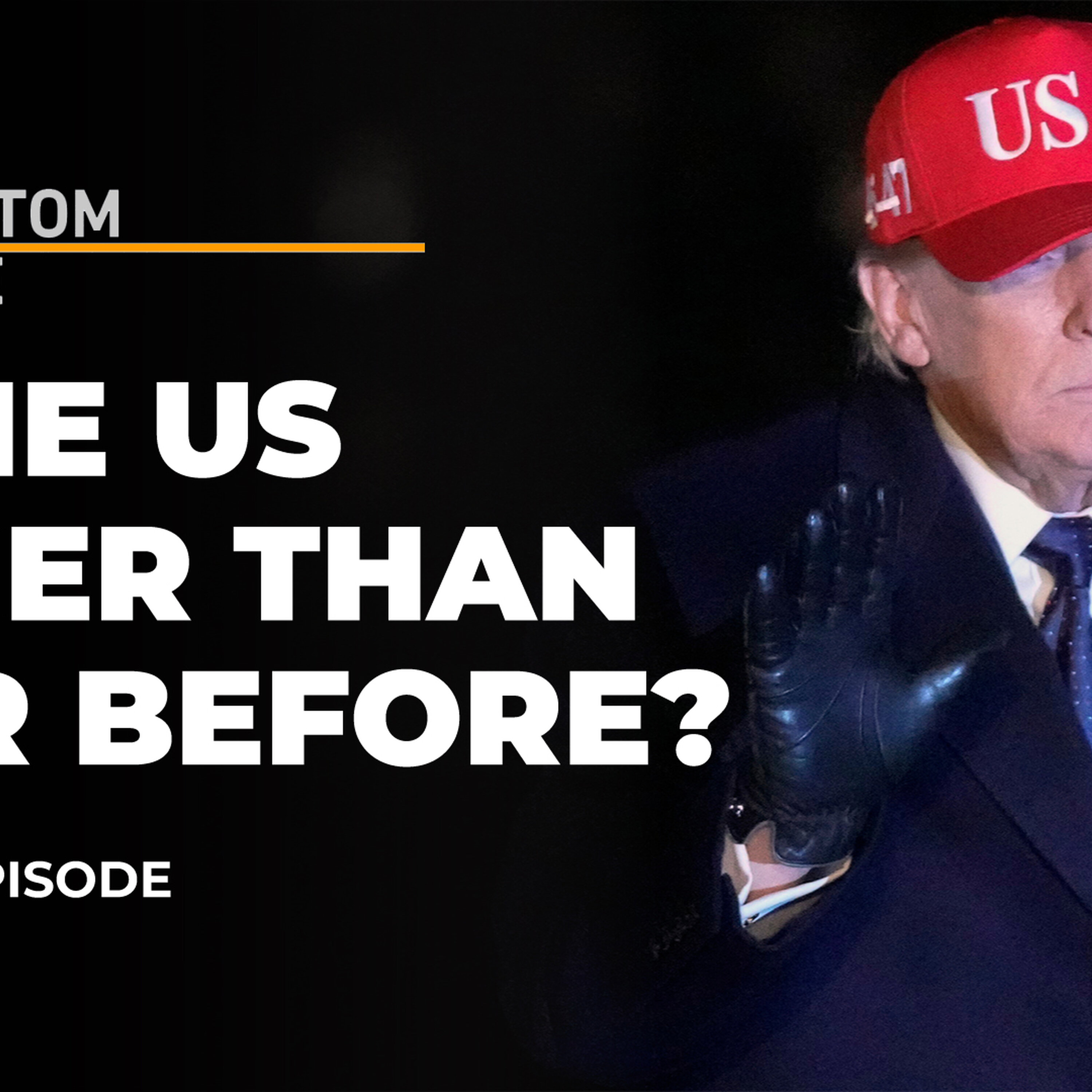
Do Americans agree that Trump has made the US ‘better, richer’? | The Bottom Line
US President Donald Trump is falling into the same trap as his predecessor, Joe Biden, when he tries to convince Americans that they’re better off financially, argues YouTuber Brian Tyler Cohen. Cohen and Matt Duss, executive vice president at the Center for International Policy, join host Steve Clemons to dissect Trump’s State of the Union address and vision for the United States. One of Trump’s
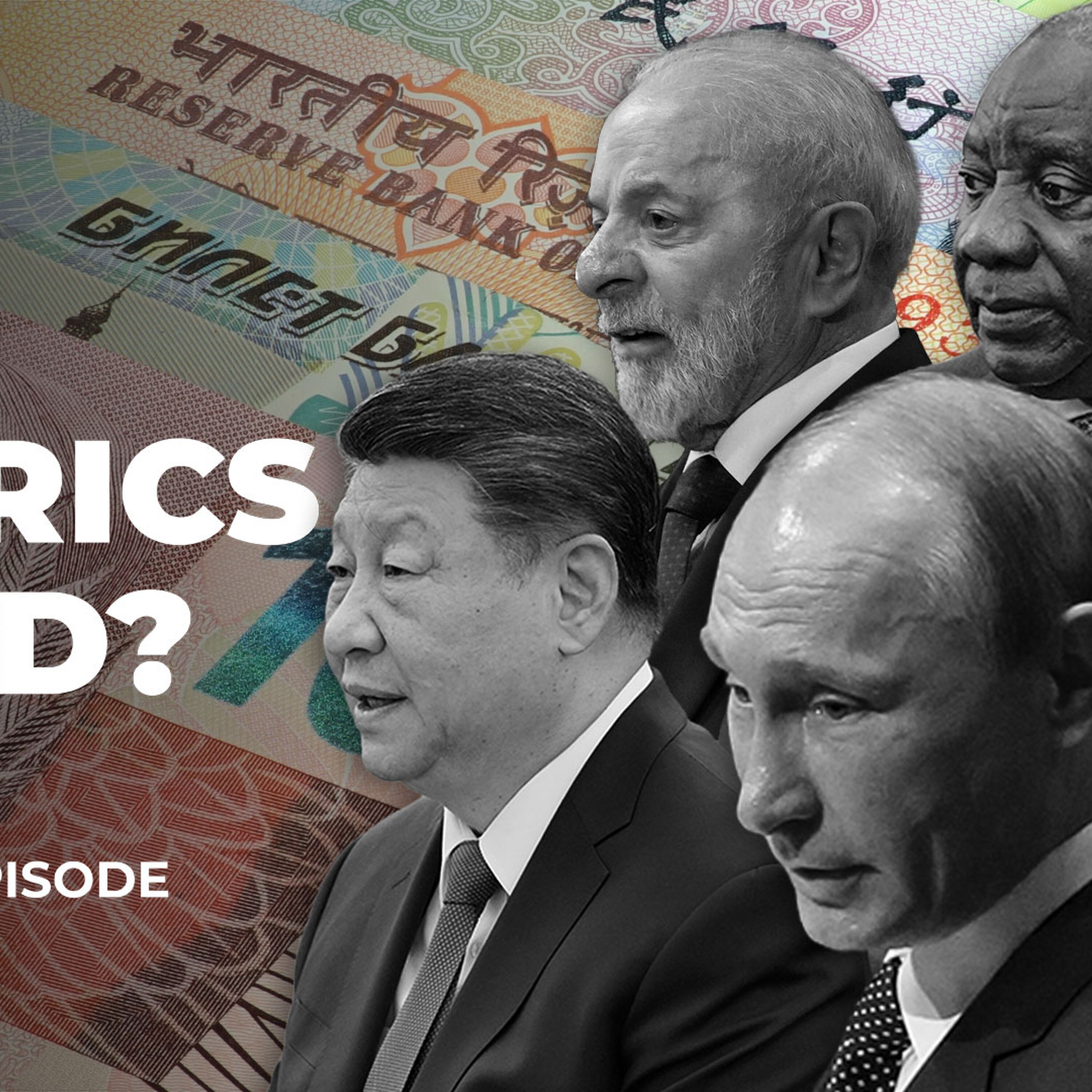
Has BRICS given up on challenging Western economic dominance? | The Bottom Line
At its peak, the BRICS coalition of economies – Brazil, Russia, India, China and South Africa – was seen as a serious attempt to move away from the United States dollar and the domination of Western economic institutions like the World Bank, Group of Seven (G7), and International Monetary Fund (IMF). But BRICS members have different political agendas, and new forces are at play, argues economist J
Is Trumpism losing steam?
The Republican Party currently controls the White House and both houses of Congress in the United States. But will that change in November? Among Republican voters, US President Donald Trump is still wildly popular, despite criticism over uneven economic conditions and brutal anti-immigration tactics. And within the Democratic Party establishment, there is no sign of a desire to shift towards a mo
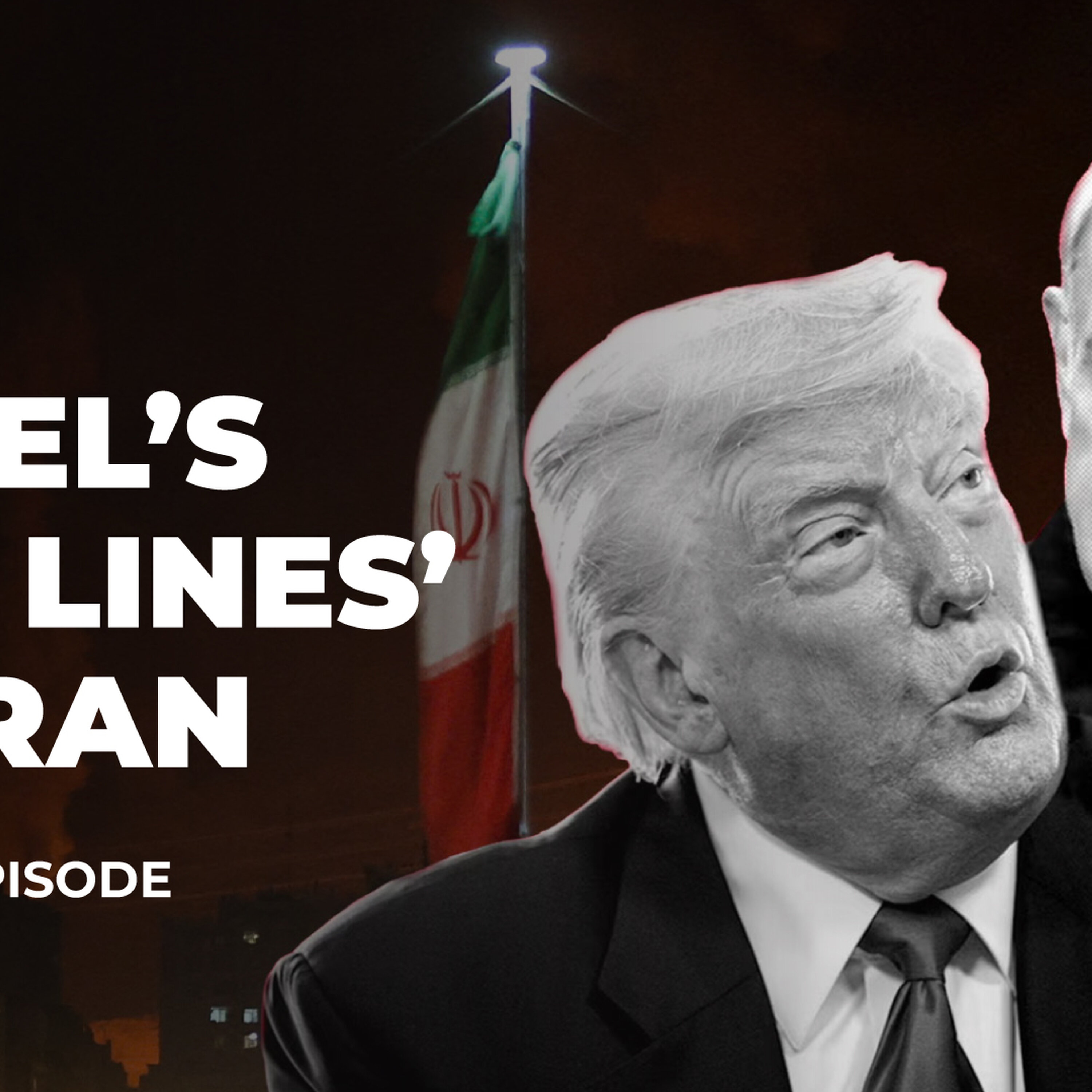
Will Trump adopt Israel’s ‘red lines’ on Iran? | The Bottom Line
If the Trump administration adopts Israel’s “red lines” in the negotiations with Iran, the talks are doomed, argues Trita Parsi, executive vice president of the Quincy Institute for Responsible Statecraft. Parsi tells host Steve Clemons that Iran is willing to reach a deal on its nuclear programme, as it did in 2015 with then-President Barack Obama. But a lot depends on “whether the US is willing
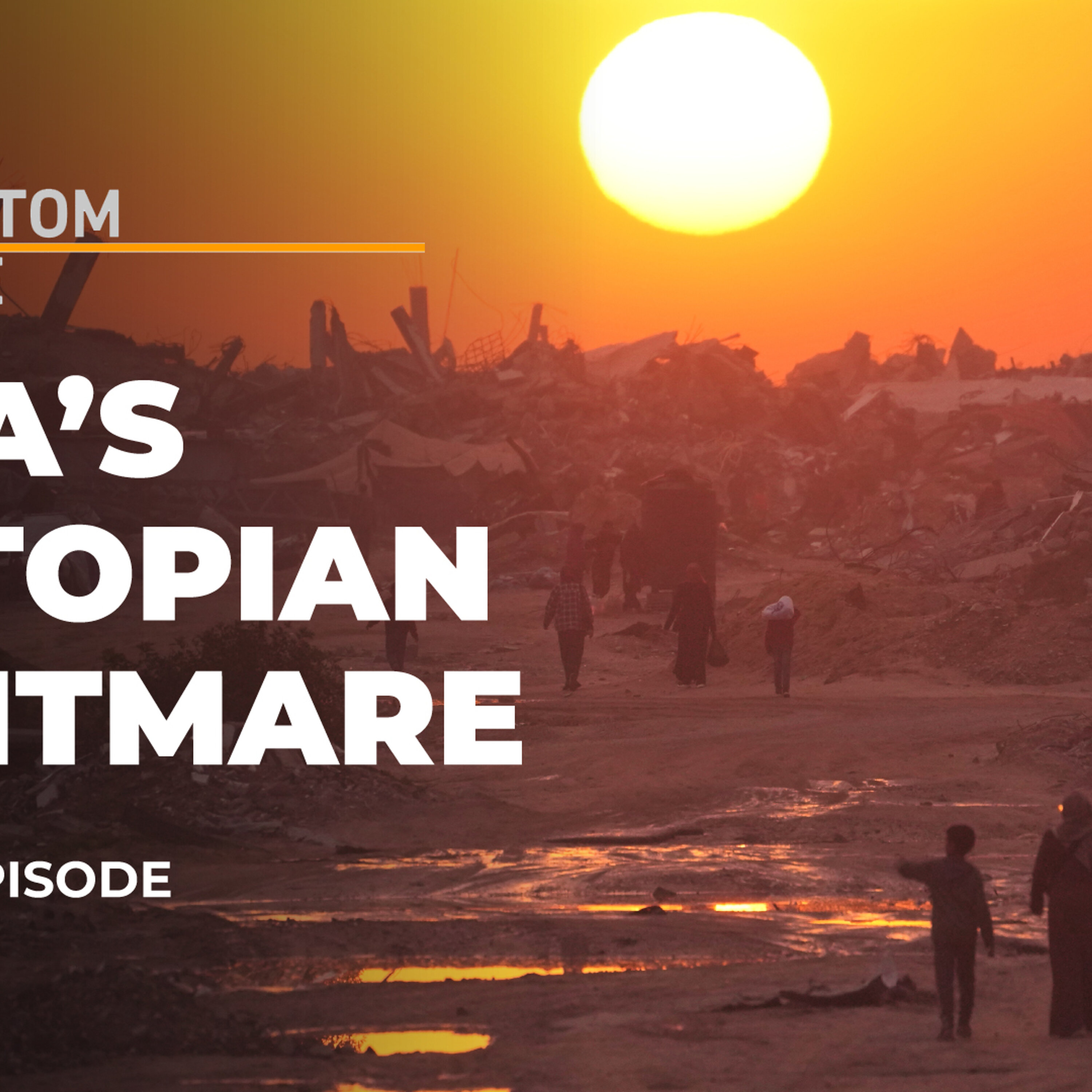
Gaza’s daily nightmare vs US talk of AI-driven smart cities | The Bottom Line
United States plans for Gaza amount to a “theme park of dispossession” for Palestinians, argues Drop Site News Middle East Editor Sharif Abdel Kouddous. Abdel Kouddous tells host Steve Clemons the draconian measures planned for the two million shell-shocked Palestinians in Gaza are an Orwellian labyrinth of biometrics, bureaucracy and “a lab for government surveillance” – all meant to drive them o
Why is Trump upending 80 years of US foreign policy? | The Bottom Line
United States President Donald Trump realises “the rules-based international order” never existed, and he’s “willing to turn his back on that”, former Trump administration official Christian Whiton argues. Whiton tells Steve Clemons that US foreign policy remained fairly consistent over the past 80 years while Trump is happy to upset “the globalists and the establishment unity party in Washington
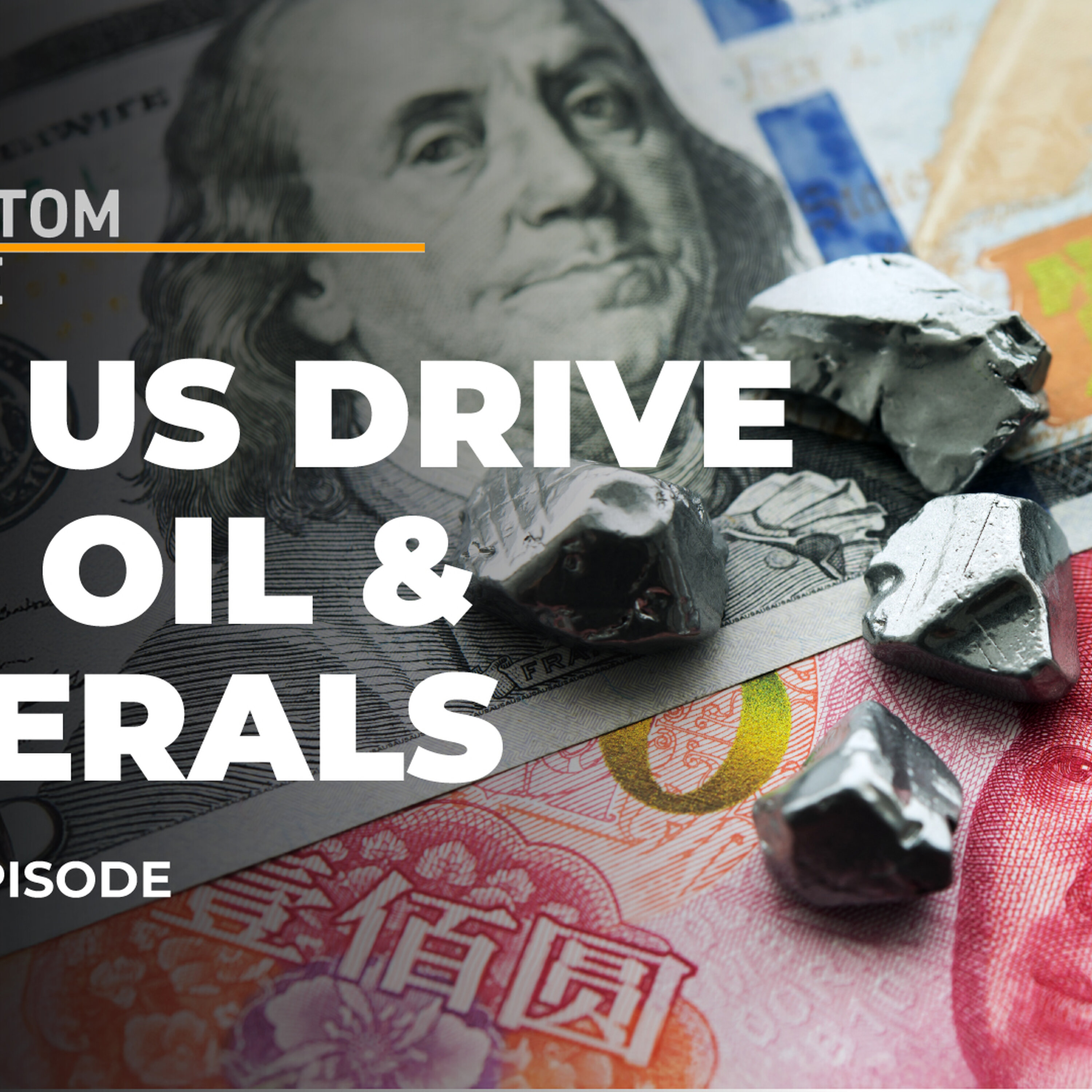
How much of Trump’s foreign policy is driven by minerals and oil? | The Bottom Line
China’s domination of minerals - especially the copper needed for electrification, data centres, robots, cellphones and defence technology - is pushing the United States to ramp up its control of oil and minerals worldwide, argues Daniel Yergin, one of the world’s top experts in the economics of oil. In this episode, Yergin explains how Venezuela, Greenland, Iran, Russia and other issues are conne
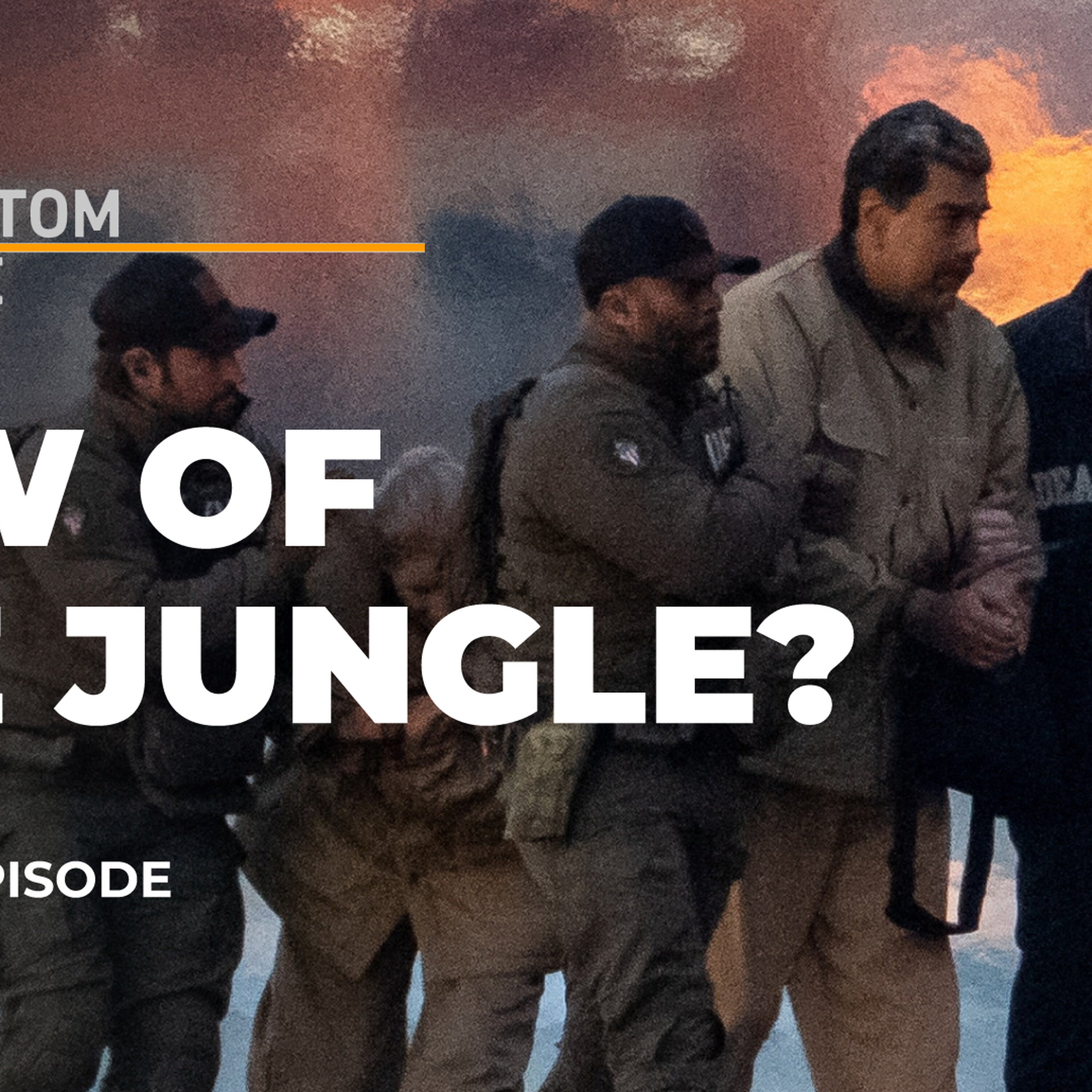
After Maduro: Is the US driving global instability? | The Bottom Line
America First foreign policy means that the United States is becoming a country that opposes the rule of law, free trade and collective security, argues Ian Bremmer, president of the risk analysis firm Eurasia Group. Bremmer tells host Steve Clemons that the international system built by the US over decades “was going to reach a geopolitical bust” regardless of the advent of President Donald Trump
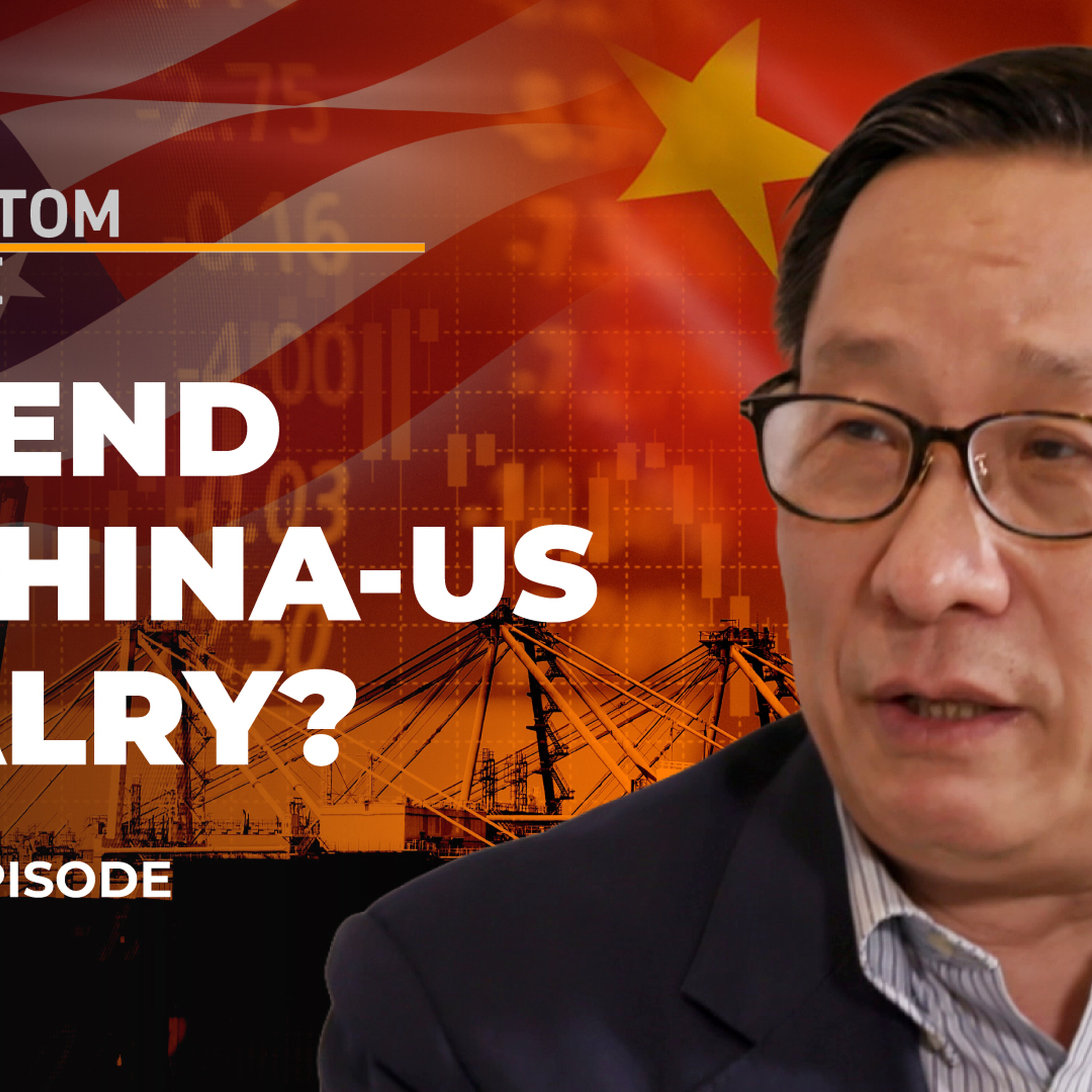
Has the US made peace with the rise of China?
The United States has realised it cannot keep “trying to police the whole world”, argues Victor Gao, the vice president of the Center for China and Globalization in Beijing. Gao tells host Steve Clemons that improved China-US relations are “inevitable” although he warns that some American policymakers still view China as the number one threat and Chinese officials “never underestimate what America
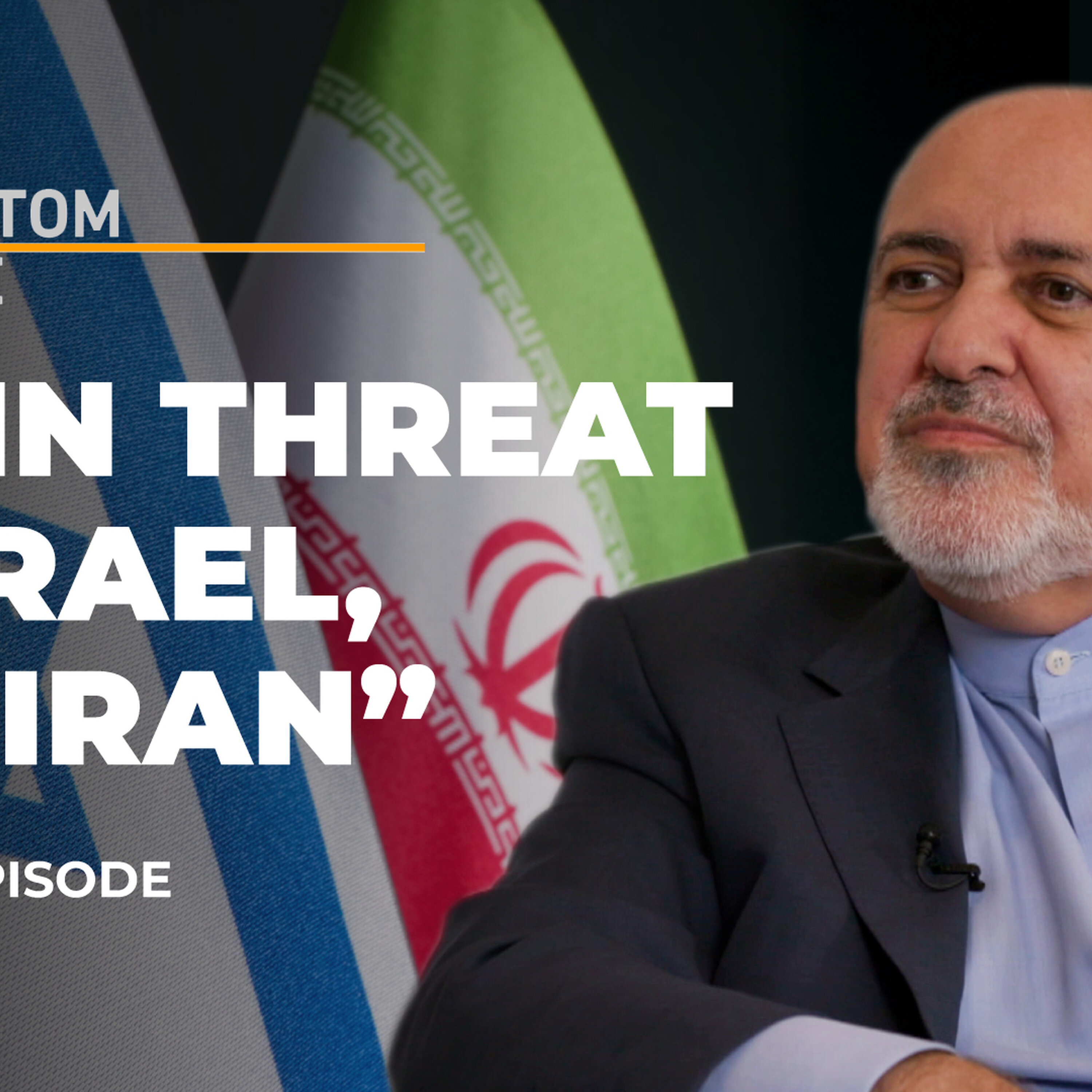
Javad Zarif: Main threat to the Middle East is Israel, not Iran | The Bottom Line
Months after being attacked by the United States and Israel, Iran finds itself in the crosshairs again, with Israeli officials lobbying US President Donald Trump to address Tehran's ballistic missiles. Veteran Iranian diplomat Javad Zarif tells host Steve Clemons that "everybody lost any faith in diplomacy" after Israel and the US attacked Iran following five rounds of reconciliation talks between
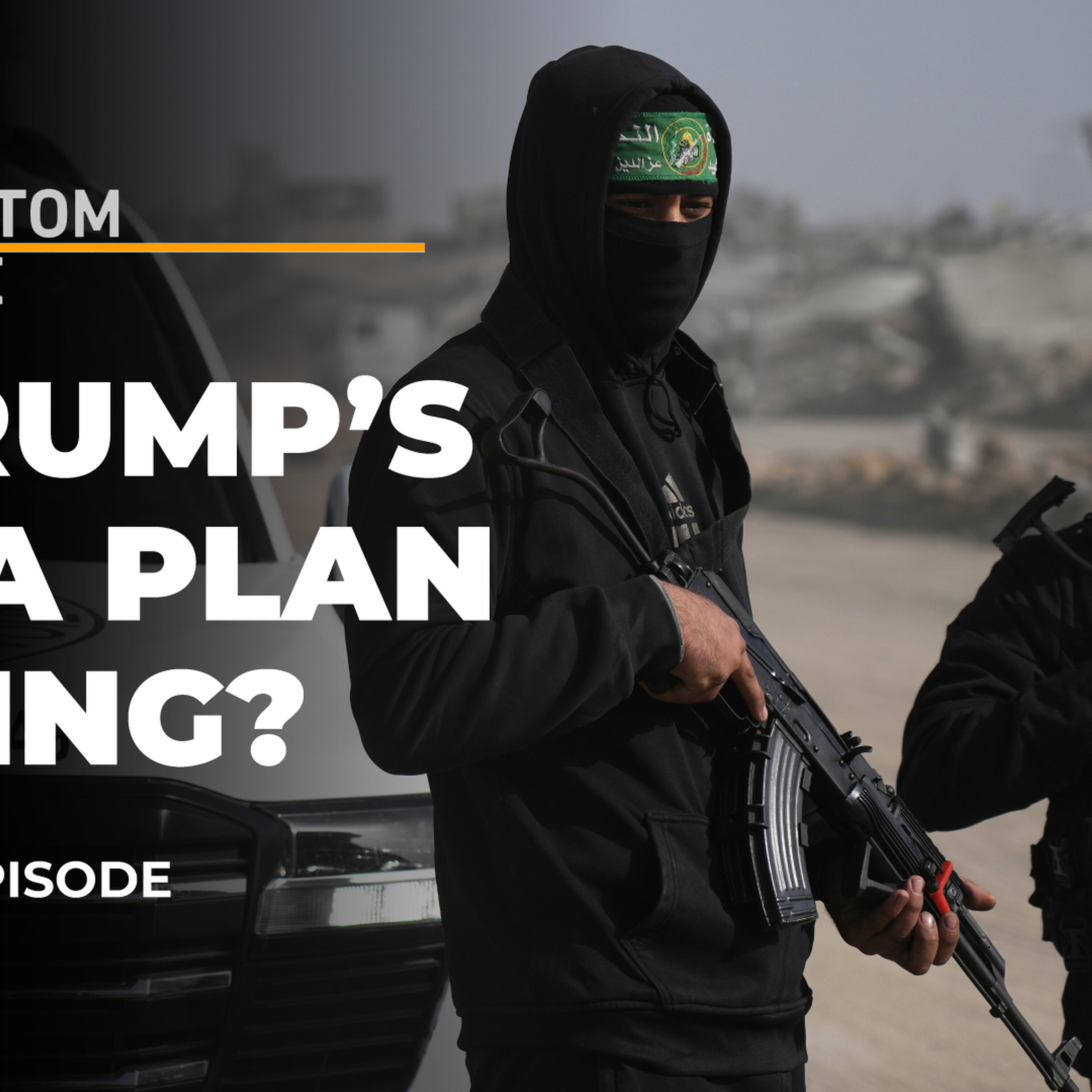
Trump declared a 'new Middle East’ – but what has changed? | The Bottom Line
Two months ago, United States President Donald Trump held an international gala to celebrate his 20-point plan for peace in Gaza, but his plan has been stuck in phase one since then. Bronwen Maddox, the director of Chatham House – one of the world’s leading think tanks – argues that while Trump’s ceasefire slowed the horrific Israeli bombing of Gaza, “that doesn't mean we've got a plan for the fut

Will Trump’s ‘imperfect plan’ for ending the Ukraine war work? | The Bottom Line
After years of support from the United States for the Ukraine war to continue “as long as it takes”, the Trump administration is now pushing to end Europe’s war – quickly and imperfectly. While details are still under negotiation, they include issues such as ensuring Ukraine never joins NATO and Russia’s control over about 20 percent of Ukraine. To understand the implications for Europe, the US an
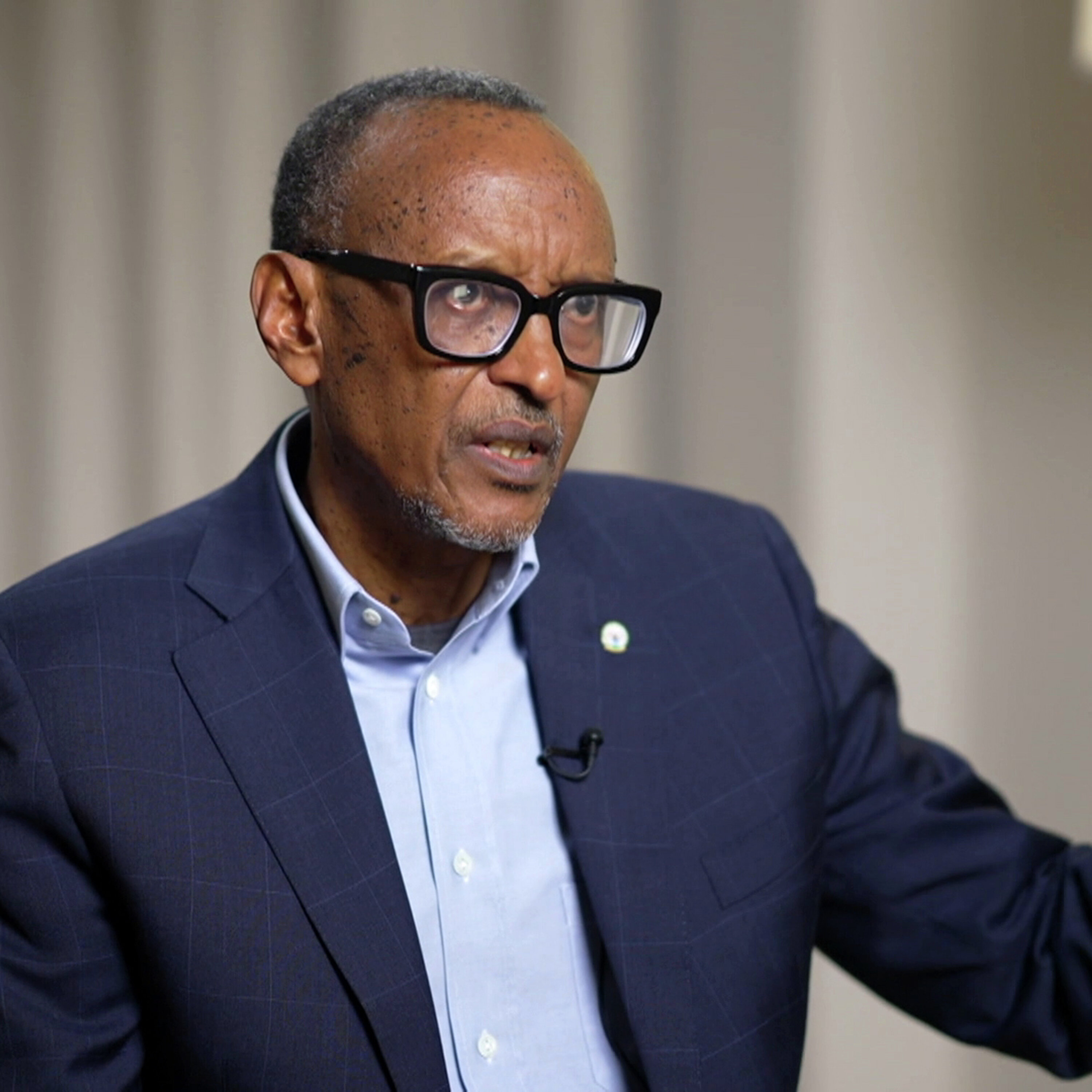
Kagame: ‘Never seen this much attention’ to ending Africa war
US diplomacy under President Donald Trump has a bigger chance of success because it focuses on transactional deals that “translate into improvements of people’s lives” instead of “theories about democracy, freedom and human rights”, argues Rwandan President Paul Kagame. Kagame, who has led Rwanda for more than 30 years, tells host Steve Clemons that he’s “never seen the level of focus, attention,

Trump says US economy is in a ‘golden age’. Do Americans agree? | The Bottom Line
United States President Donald Trump insists he’s “created the greatest economy in the history of our country”, but to middle-class and poor Americans, argues economist Peter Atwater, the president sounds out of touch. Atwater tells host Steve Clemons that the economy has taken on a “K” shape, where the arrow pointing up indicates more wealth for the already rich, while the rest are pushed downwar
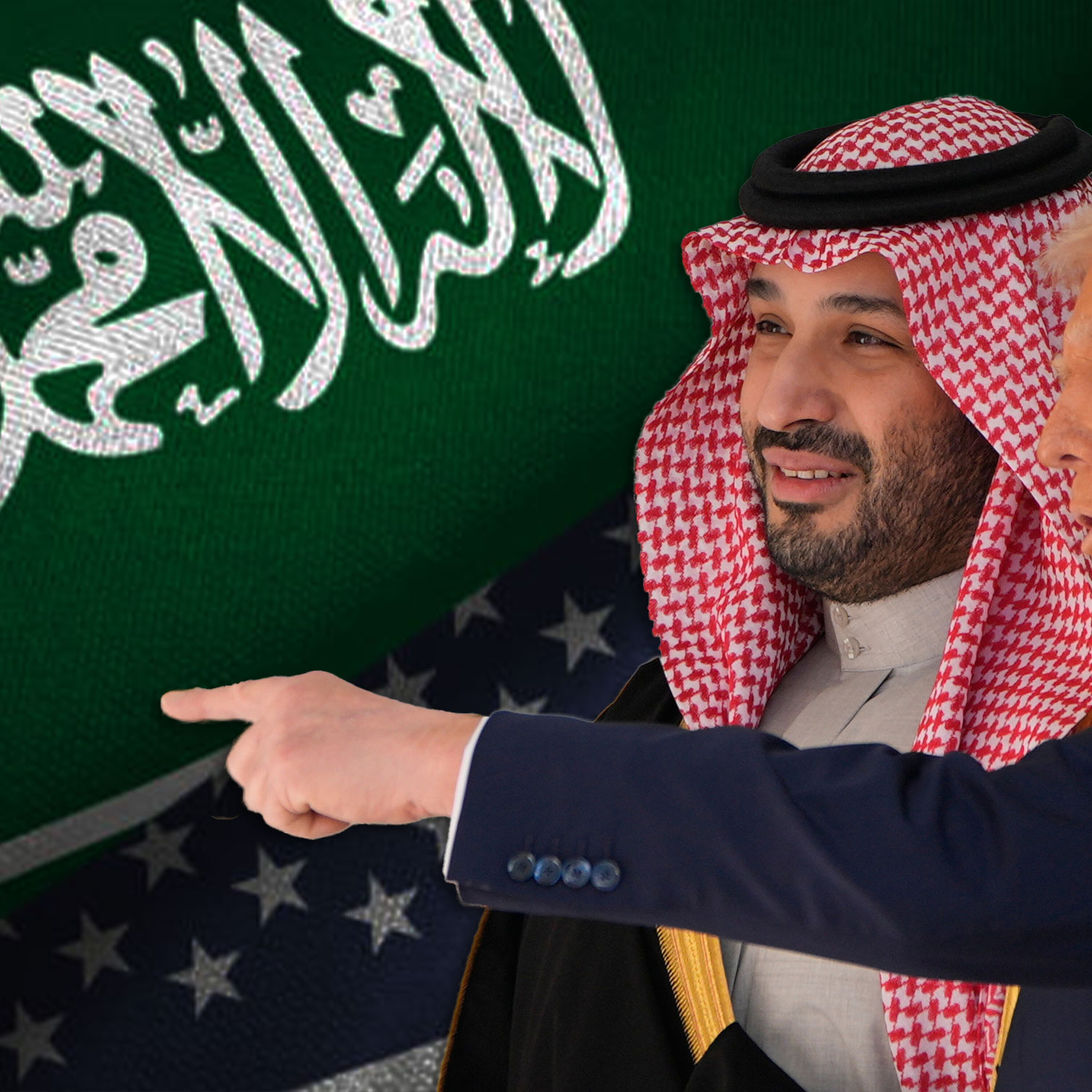
Why is Saudi Arabia doubling down on its relations with the US?
United States President Donald Trump “looks at Saudi Arabia like a piggy bank or an ATM machine” and that’s why the recent Saudi-US summit focused on deals instead of strategic regional issues, such as Sudan, Palestine, Iran and Syria, argues political scientist Gregory Gause, professor emeritus of international affairs at Texas A&M University. Gause tells host Steve Clemons that if Riyadh can sea
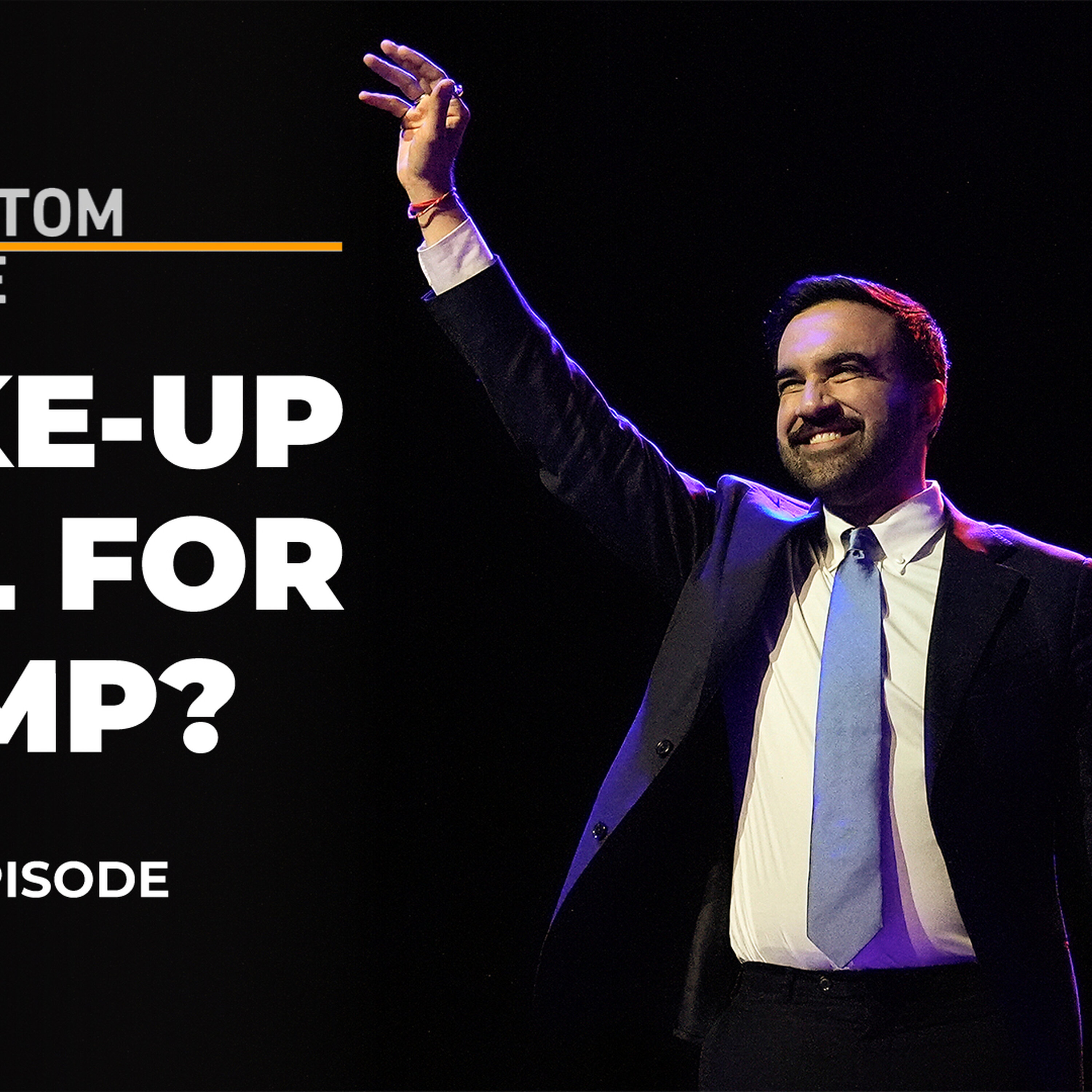
Does the rise of Mamdani indicate a major shift in the US | The Bottom Line
After the capital of capitalism voted for socialism and Democrats in two states trounced Republicans, United States President Donald Trump is worried that he won’t be able to impose his domestic vision for the nation, Republican strategist John Feehery argues. Feehery tells host Steve Clemons that Trump needs to refocus his energy from foreign policy to the domestic concerns facing Americans, espe
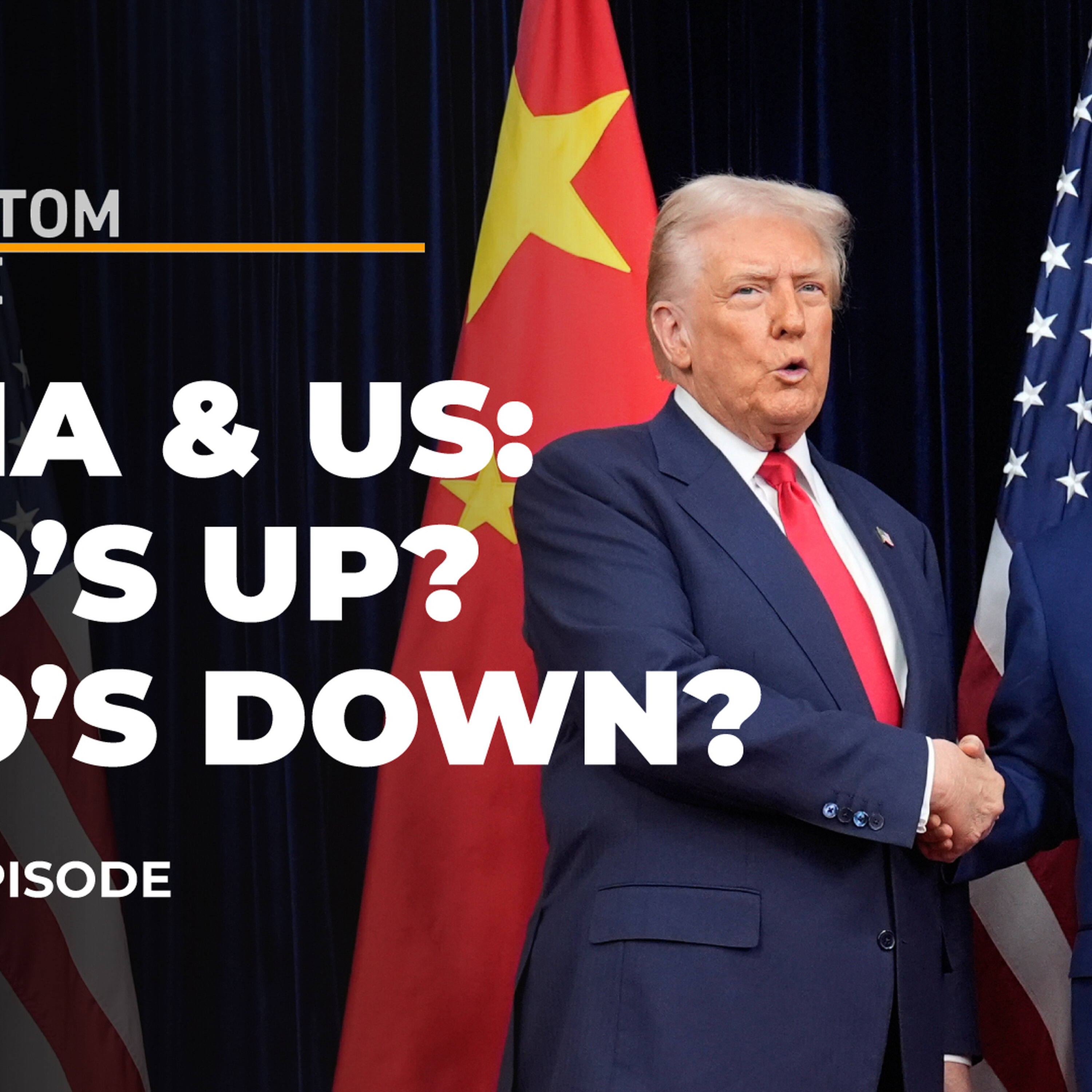
Who has the upper hand in China-US relations? | The Bottom Line
The United States and China have declared a truce in the trade war launched by US President Donald Trump in April, argues Evan Medeiros, former US National Security Council director for China. Medeiros tells host Steve Clemons that the deal reached between Chinese President Xi Jinping and Trump resolves the urgent trade issues between the two sides - tariff rates, soya beans and rare earth mineral
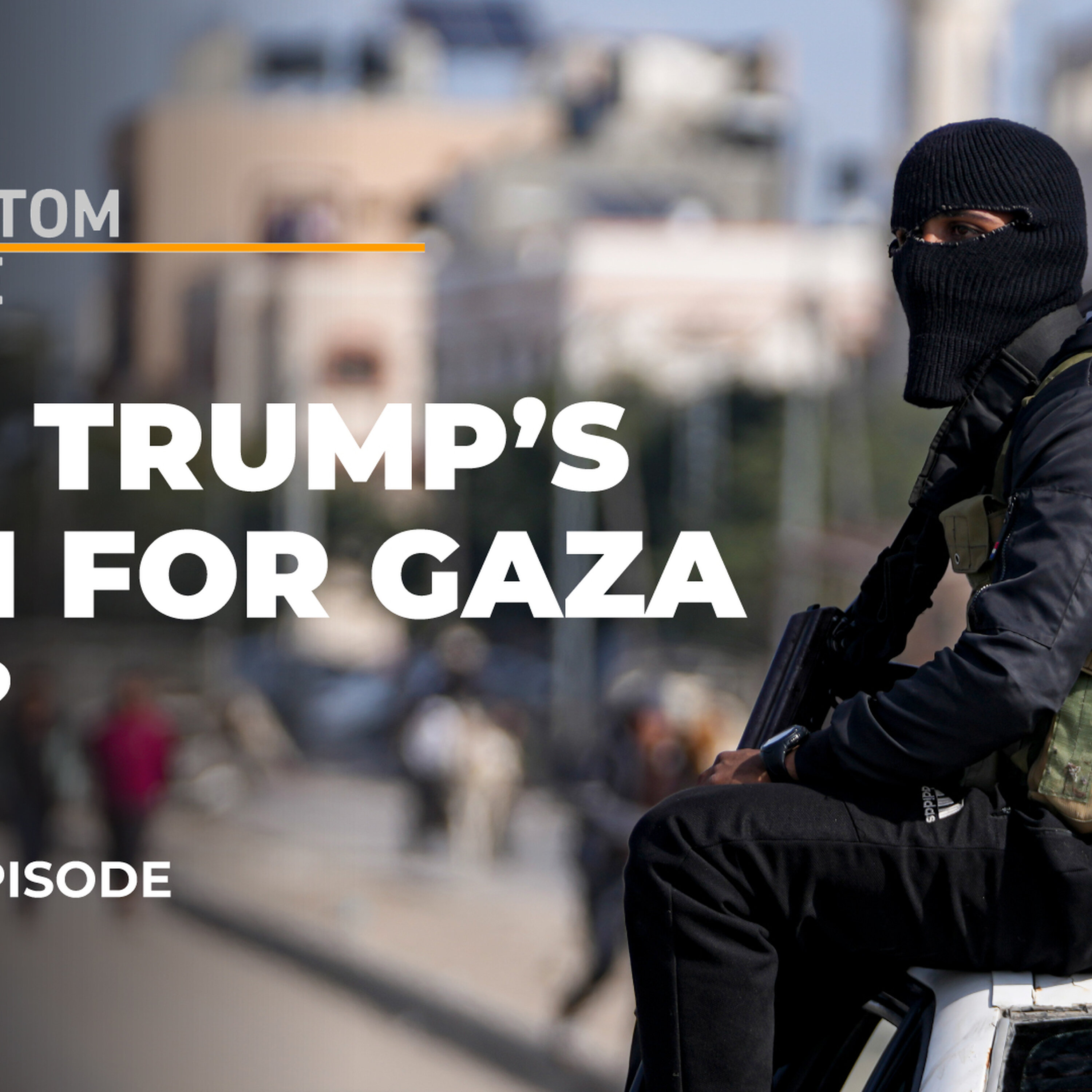
Does Trump’s Gaza plan stop Israel’s genocidal agenda? | The Bottom Line
Trump’s Gaza plan is in danger of going the way of the Oslo Accords, argues US journalist Chris Hedges: Never to be implemented beyond the first phase. Hedges tells host Steve Clemons that there are no guarantees that the US-brokered deal “will actually thwart the genocidal project that Israel is intending to carry out in Gaza and … the West Bank”. While a parade of US officials visited Israel to
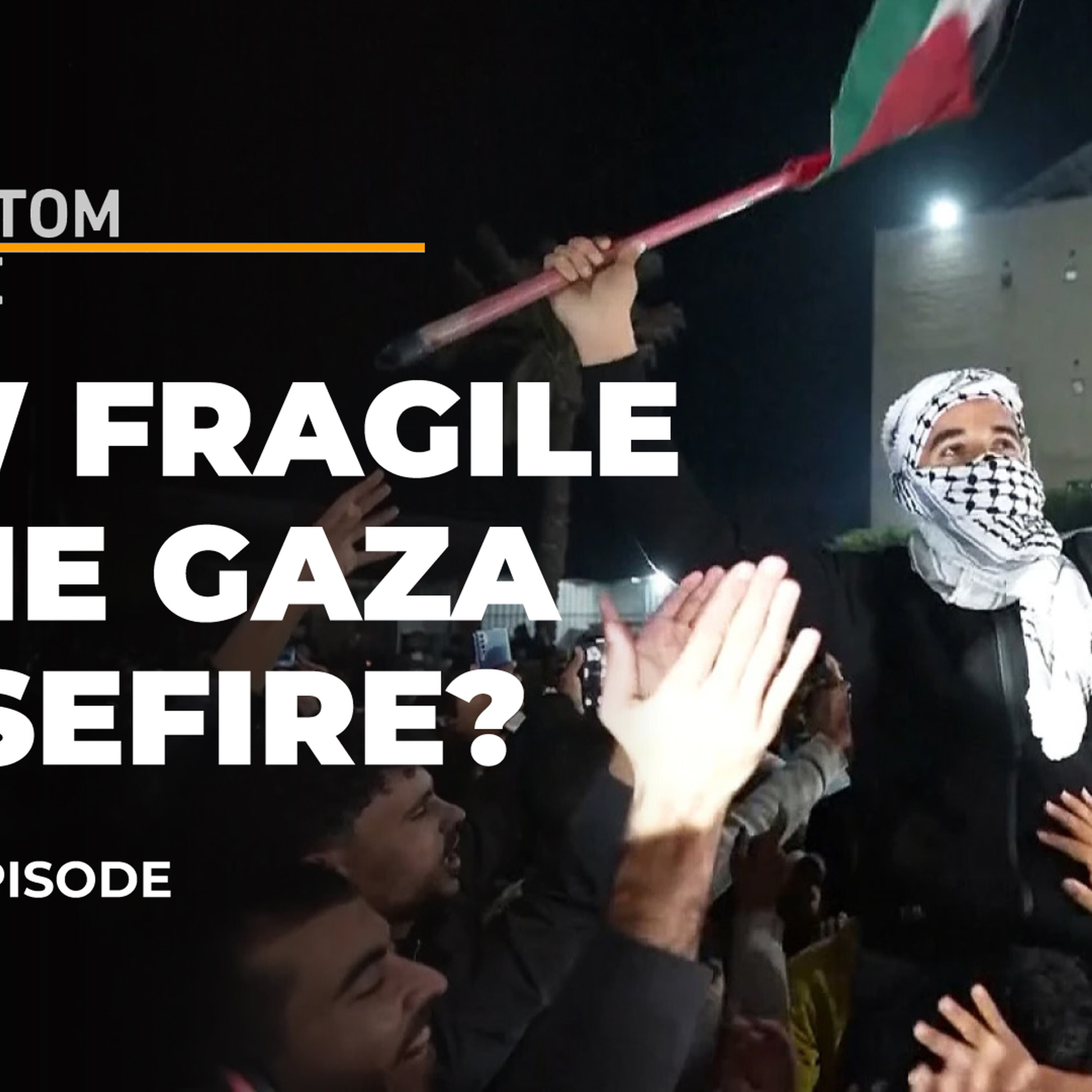
Can the Gaza ceasefire hold? | The Bottom Line
The US has forced Israel to end its war on Gaza, but now the challenge is “to be engaged every single day, several times a day” to make sure the ceasefire holds, says Israeli American activist Gershon Baskin, the cofounder of Alliance for Two States. Baskin tells host Steve Clemons that President Donald Trump was convinced by Israeli Prime Minister Benjamin Netanyahu that Israel could force the Pa

Why is Trump deploying forces to US cities? | The Bottom Line
Arguing that some places in the United States – primarily those governed by Democratic officials – are rampantly crime-infested, President Donald Trump has been deploying military forces to cities from Los Angeles to Washington, DC. Former National Security Council official Kori Schake tells host Steve Clemons that Trump is trying to enlist the US military to get involved in his culture war issues
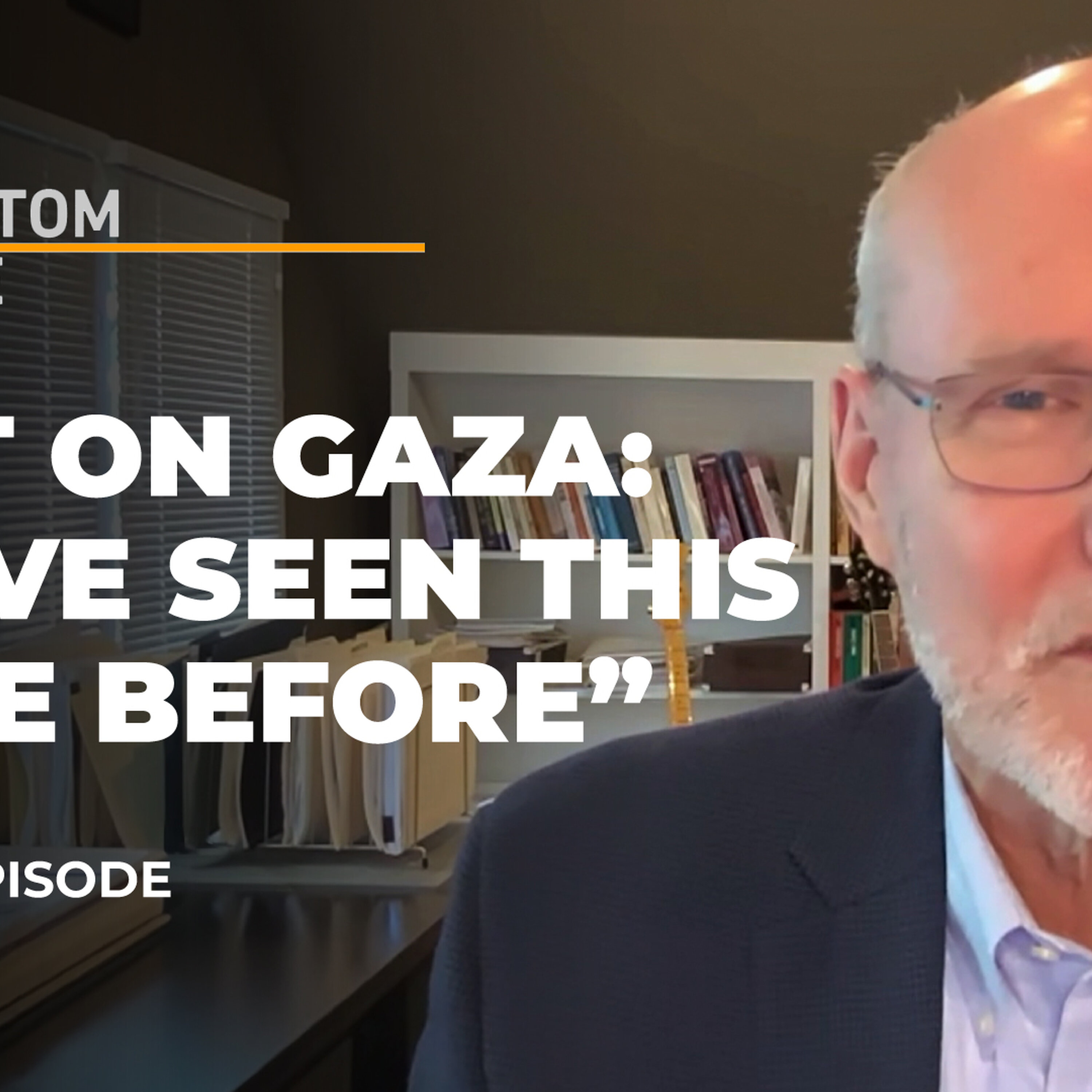
Can a ‘one-sided, unserious’ US plan deliver peace to Gaza? | The Bottom Line
The US plan to end Israel’s war on Gaza is designed, supervised and administered “primarily by people who are very staunchly pro-Israel,” and has little chance of delivering peace, argues Stephen Walt, professor of international relations at Harvard University. “We’ve seen this movie before,” Walt tells host Steve Clemons. According to the terms announced by US President Donald Trump, Israel can a
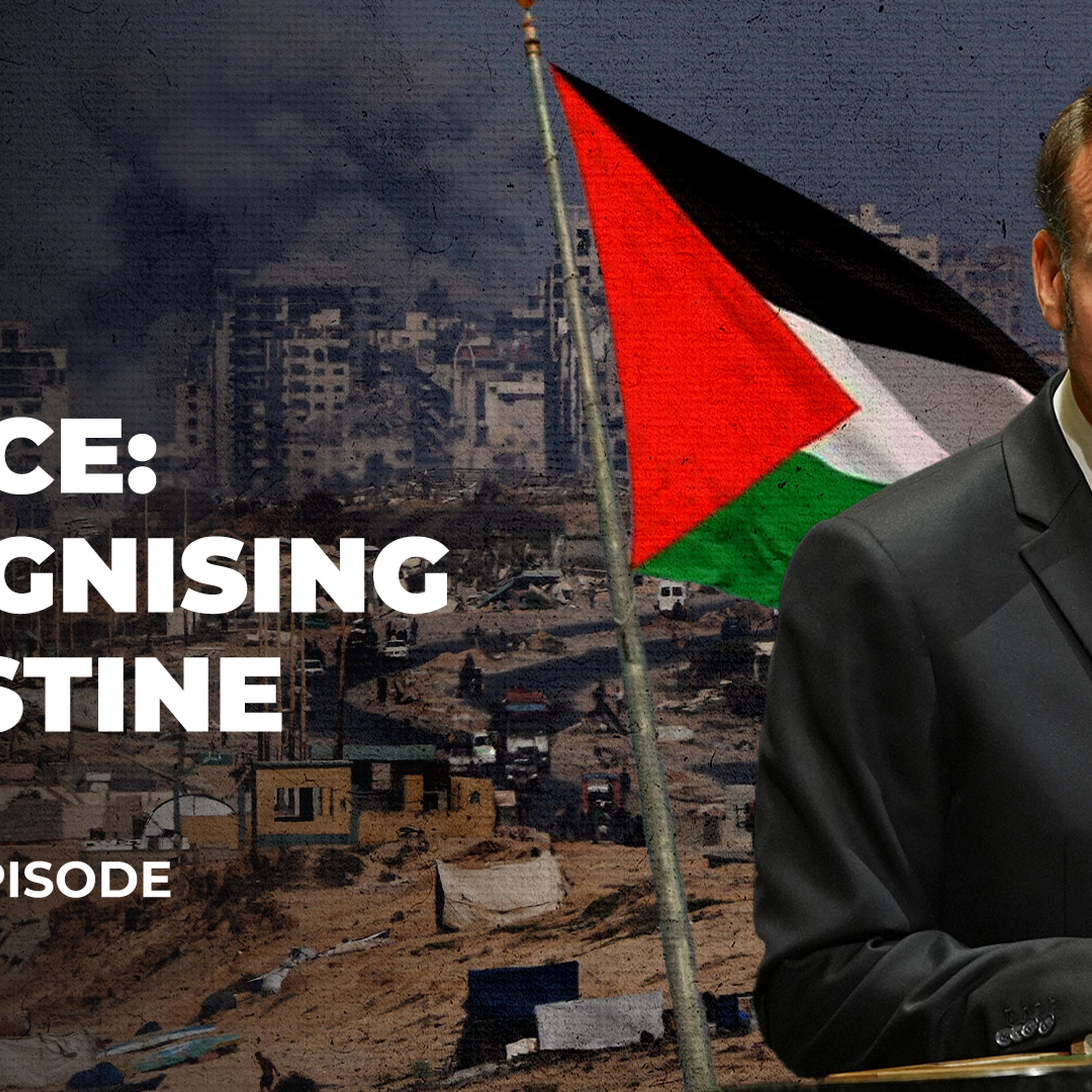
Recognising Palestine vs holding Israel accountable? | The Bottom Line
French official Pascal Confavreux says the French-Saudi initiative takes the two-state solution "out of the moral danger" it was in. Pascal, spokesperson of the French Foreign Ministry, tells host Steve Clemons that France aims to end Israel’s war on Gaza by sidelining Hamas, reshaping the Palestinian Authority to make it more palatable to Israel’s right-wing government, and involving some Arab an
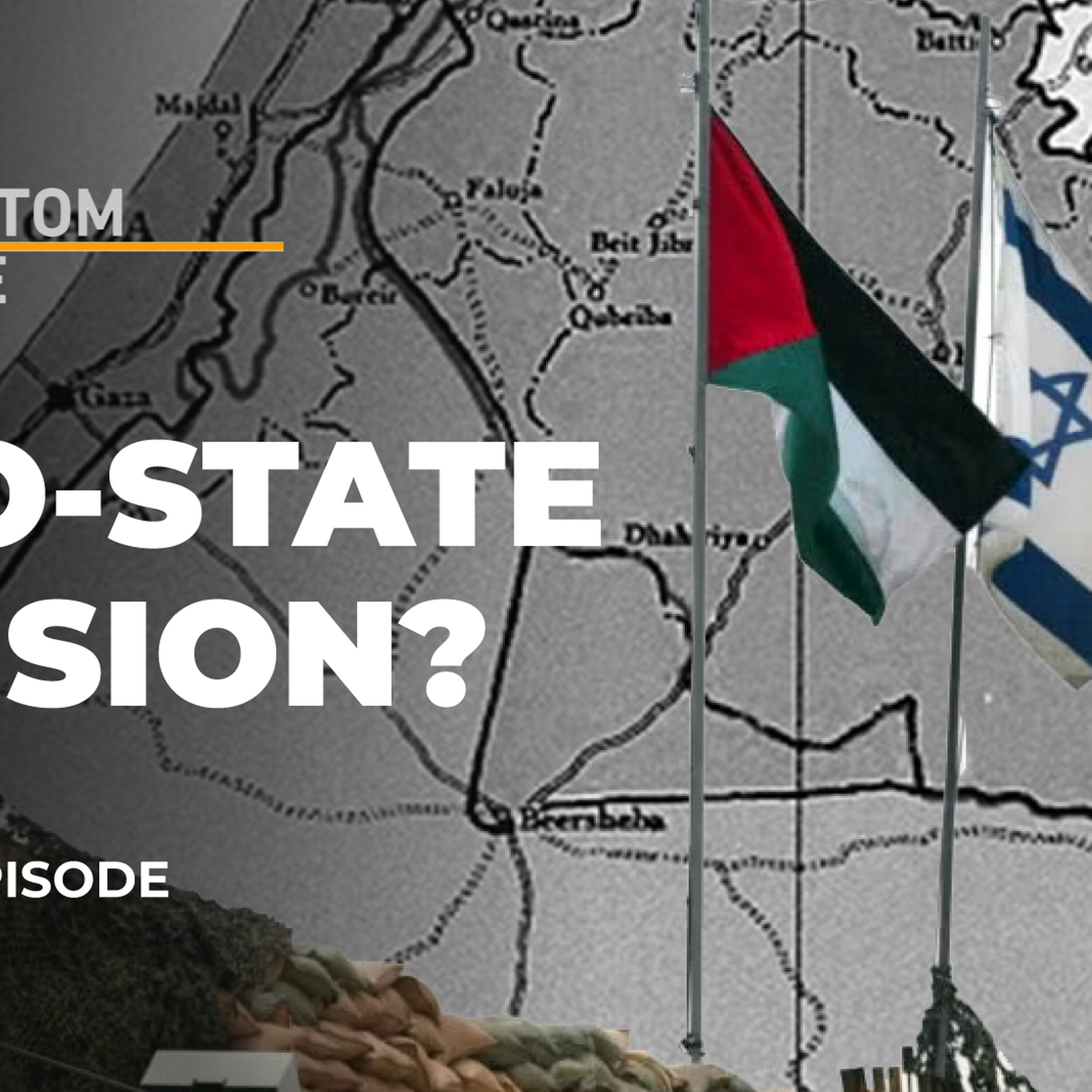
Palestinian statehood: Two-state solution or two-state delusion? | The Bottom Line
New initiatives to support Palestinian statehood, while reflecting growing international attention, are “perpetuating the illusion” that a two-state solution can resolve the conflict with Israel, argues former US diplomat Rob Malley. Malley was a leading United States negotiator across the Middle East for decades, and was on the cusp of a new Iran-US deal in 2023 when he was suspended by then-US P
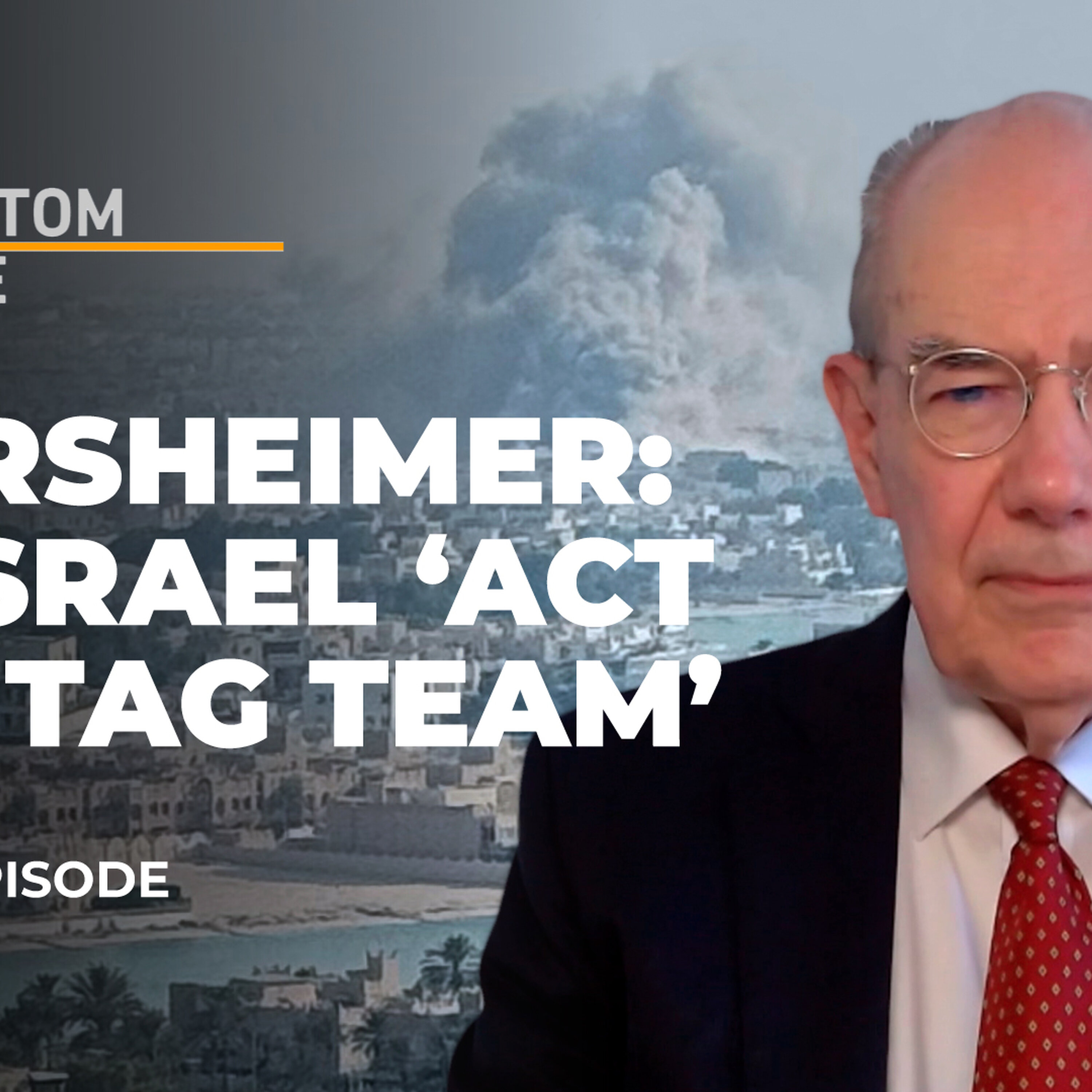
More Middle East mayhem amid unconditional US support for Israel? | The Bottom Line
In the aftermath of an Israeli attack on Qatar targeting the leadership of Hamas, American political scientist John Mearsheimer argues, “The Israelis are interested in making sure there are no negotiations that settle the conflict in Gaza.” Mearsheimer tells host Steve Clemons that the United States and Israel “basically act as a tag team”, and despite a mild rebuke by President Donald Trump, “the
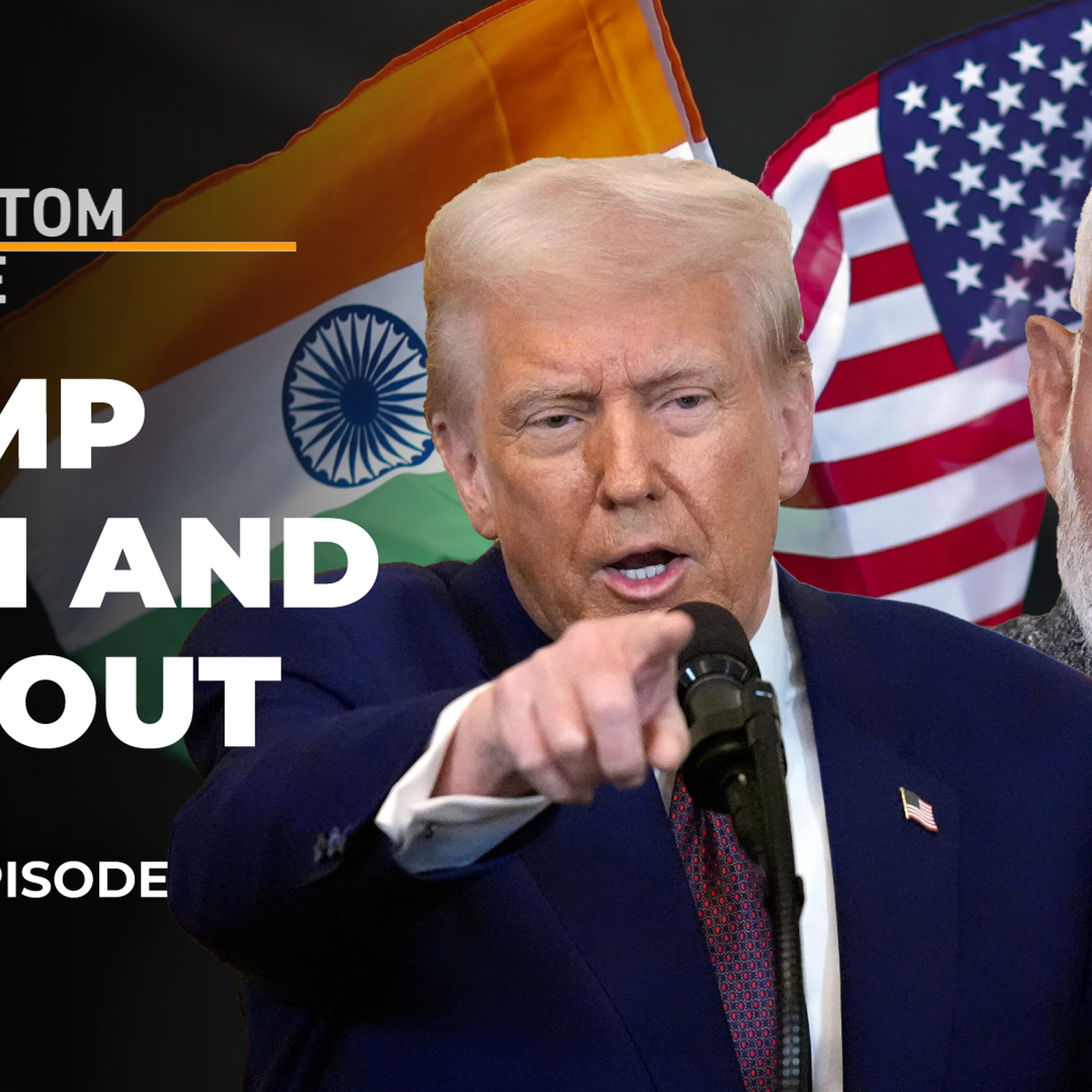
How did India-US relations decline so suddenly? | The Bottom Line
For decades, the United States has been courting India as a counterbalance to China in Asia. But after Indian Prime Minister Narendra Modi refused to agree with US President Donald Trump's insistence that he had ended a Pakistan-India military conflict in May, Trump slapped 50 percent tariffs on Indian goods entering the US market. He also insisted that New Delhi stop buying discounted Russian oil
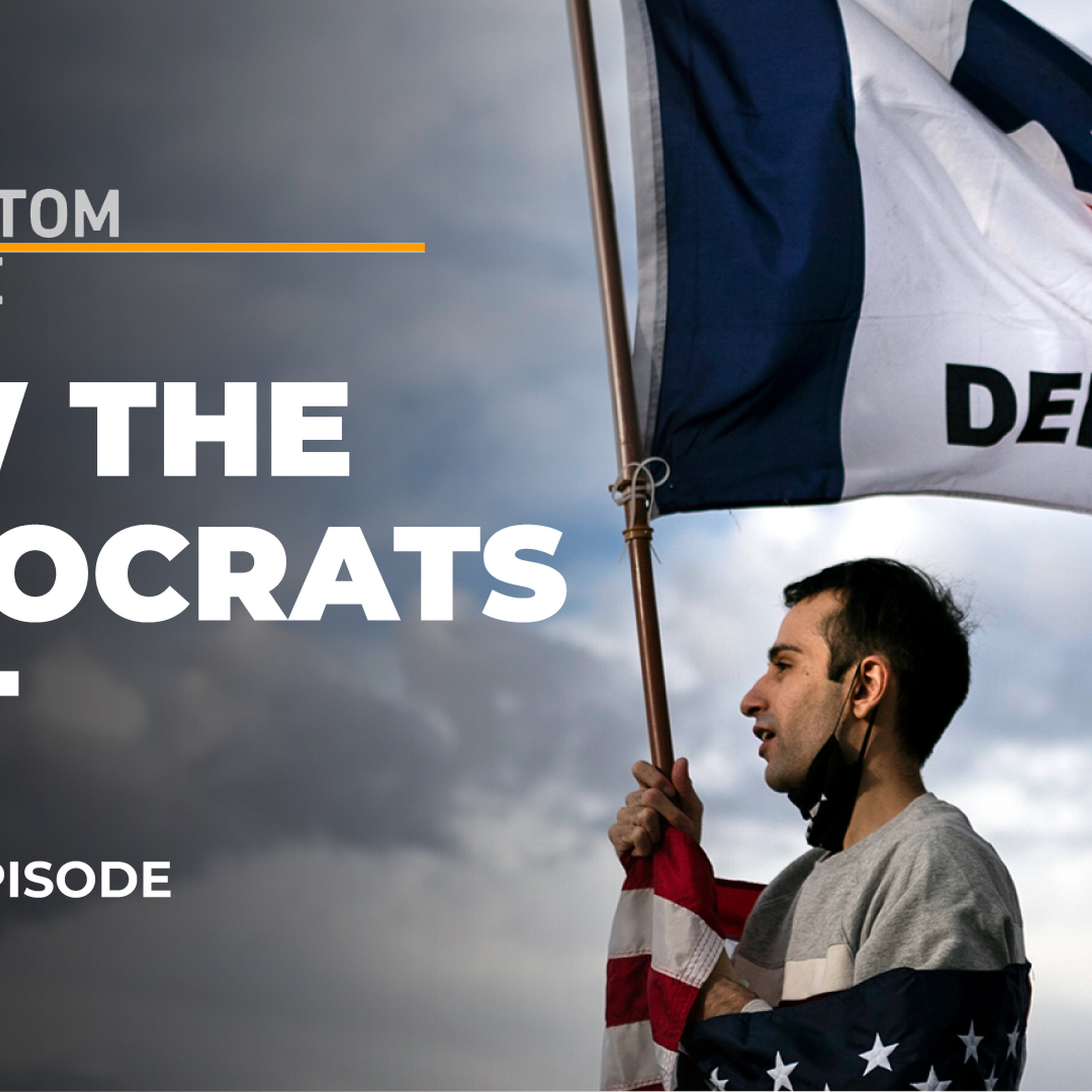
How elites destroyed the Democratic Party in the US and fuelled populism
As the popularity of the United States Democratic Party reaches historic lows, author Joan Williams argues that the party’s elitism is still pushing people away. Williams is the founder of the Equality Action Center at the College of Law at the University of California at San Francisco and author of Outclassed: How the Left Lost the Working Class and How to Win Them Back. She tells host Steve Clem
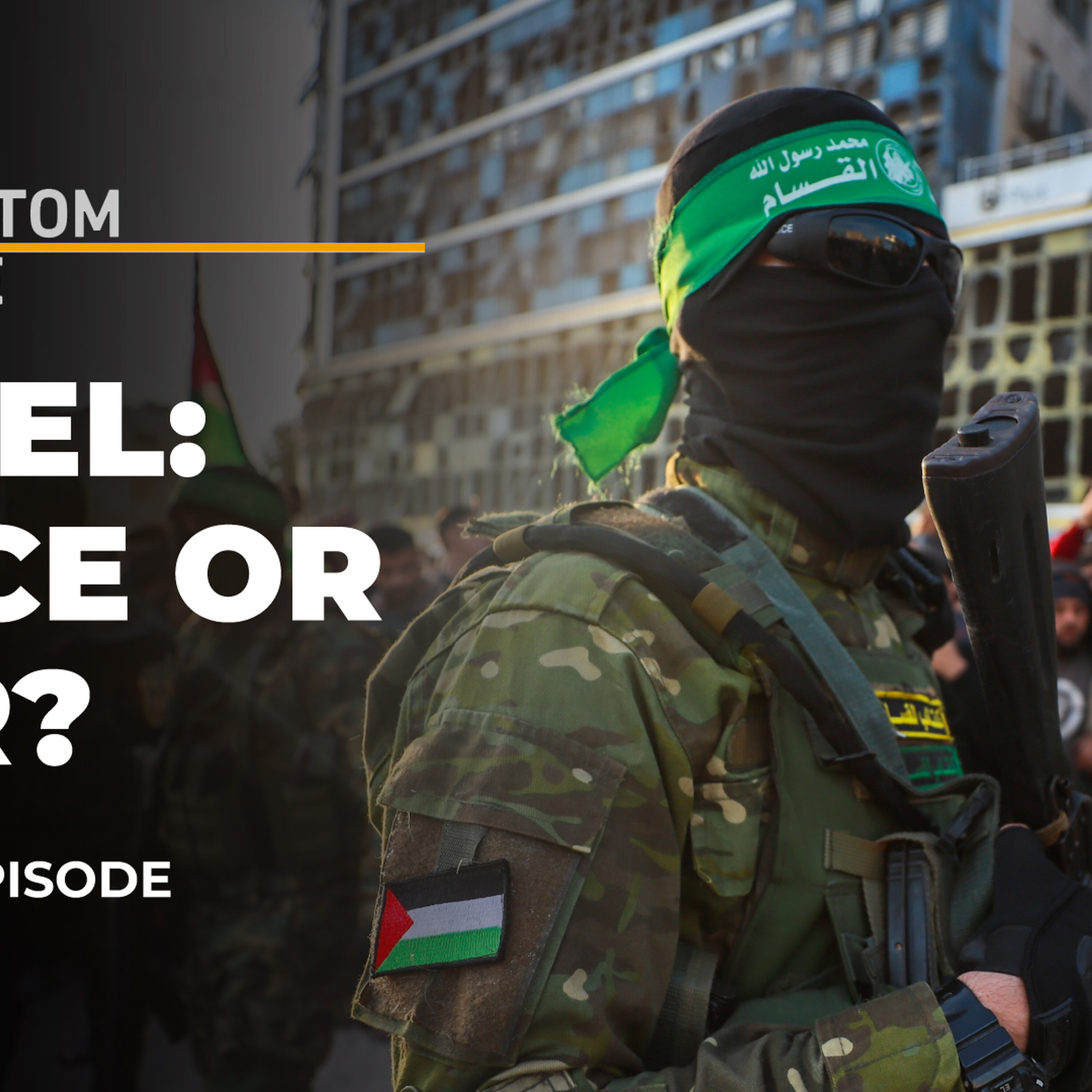
Will Israel choose truce or war? | The Bottom Line
If Israel rejects the latest offer to pause its War on Gaza, it’s a sign that Israel “doesn’t want any deal,” argues US journalist and author Jeremy Scahill. Scahill, the co-founder of Drop Site News, tells host Steve Clemons that Hamas has offered major concessions on sticking points such as the number of Palestinian prisoners to be released, Israeli withdrawal from the border with Egypt, and the
Will Trump’s ‘fast deals’ policy prevent peace for Ukraine, Gaza? | The Bottom Line
As Russian President Vladimir Putin prepared to meet his US counterpart in Alaska, there were no indications that a deal to end the Ukraine war was imminent. Editor of the National Interest, Jacob Heilbrunn, tells host Steve Clemons that US President Donald Trump “will try and reach an agreement with Putin and impose it upon Ukraine. If Ukraine refuses, then he'll wash his hands of it and say that
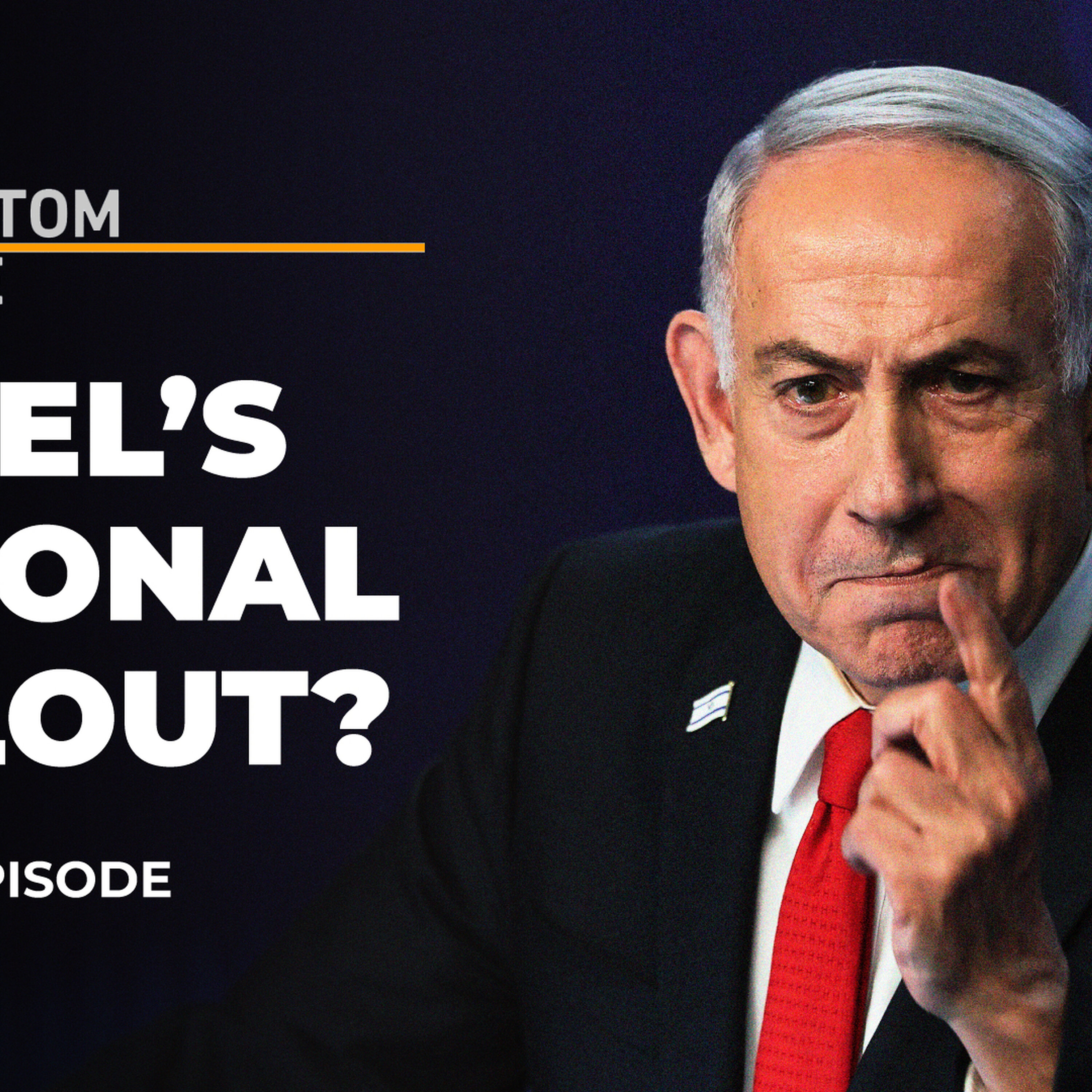
Israel’s gambit: Massacre the Palestinians, subjugate the region? | The Bottom Line
By offering nothing except continual massacre for the Palestinians, and attempting to subjugate the surrounding areas to its will, Israel finds itself “in a predicament of its own making”, argues former Israeli adviser Daniel Levy. Levy, president of the US/Middle East Project, tells host Steve Clemons that Israel has put Arab leaders in a bind, as regional disgust grows towards Israel for its war
Where does Trump stand on Israel’s starvation of Palestinians? | The Bottom Line
Despite some pushback from his party to deal with the genocide of Palestinians in Gaza - especially Israel’s starvation policy - the US governing Republican Party remains unmoved. Republicans overwhelmingly support Israel’s tactics against the Palestinians, as support for Israel plummets among Independent and Democratic voters. Trump says he wants more food to reach Gaza via the militarised distri
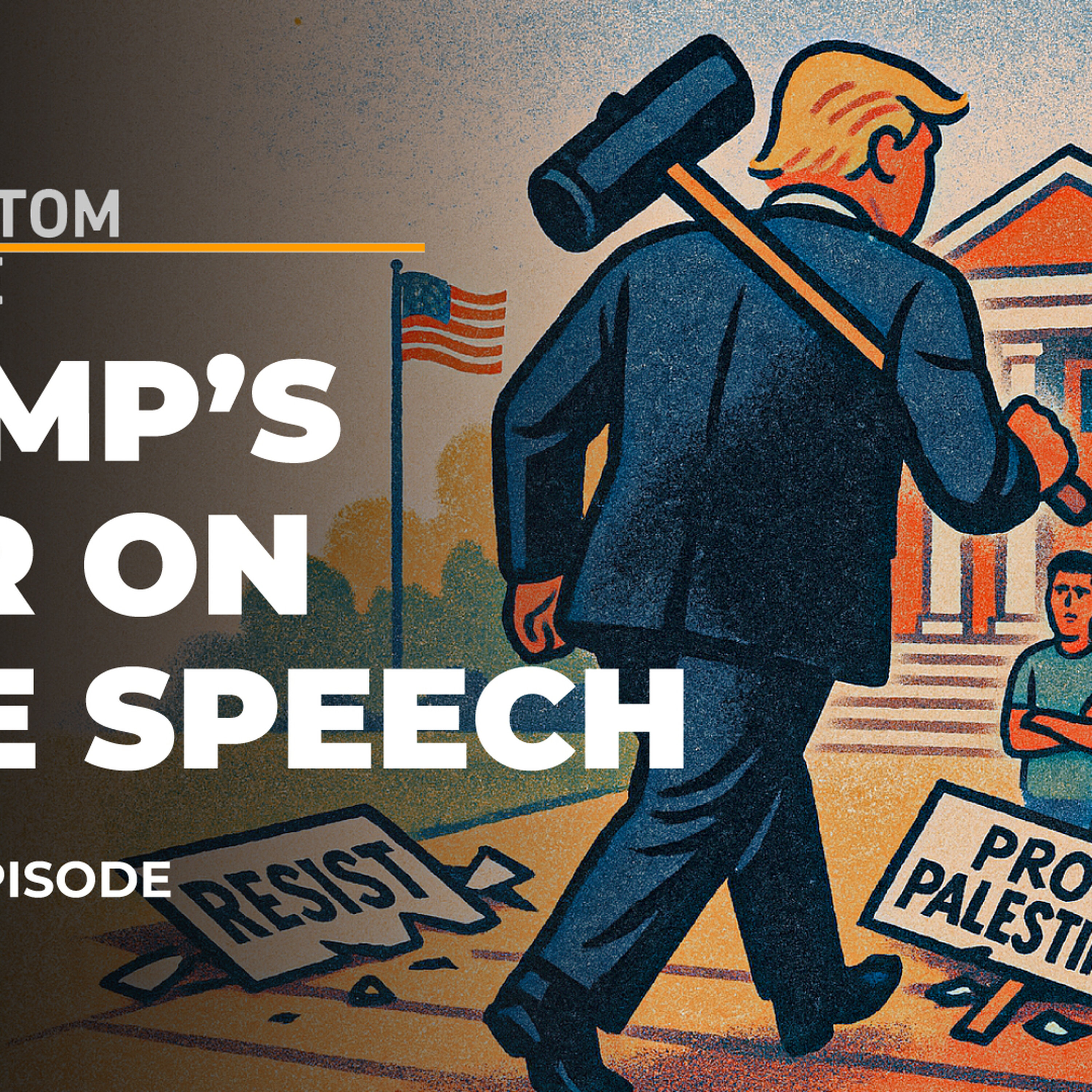
Has the US cancelled free speech? | The Bottom Line
Several groups of professors in the United States are suing the Trump administration over its policy of arresting, detaining, cancelling visas, and deporting students who participate in pro-Palestinian advocacy. The crackdown on free speech is creating a chilling effect across US academia, argues Jamil Jaffer, executive director of the Knight First Amendment Institute at Columbia University, which
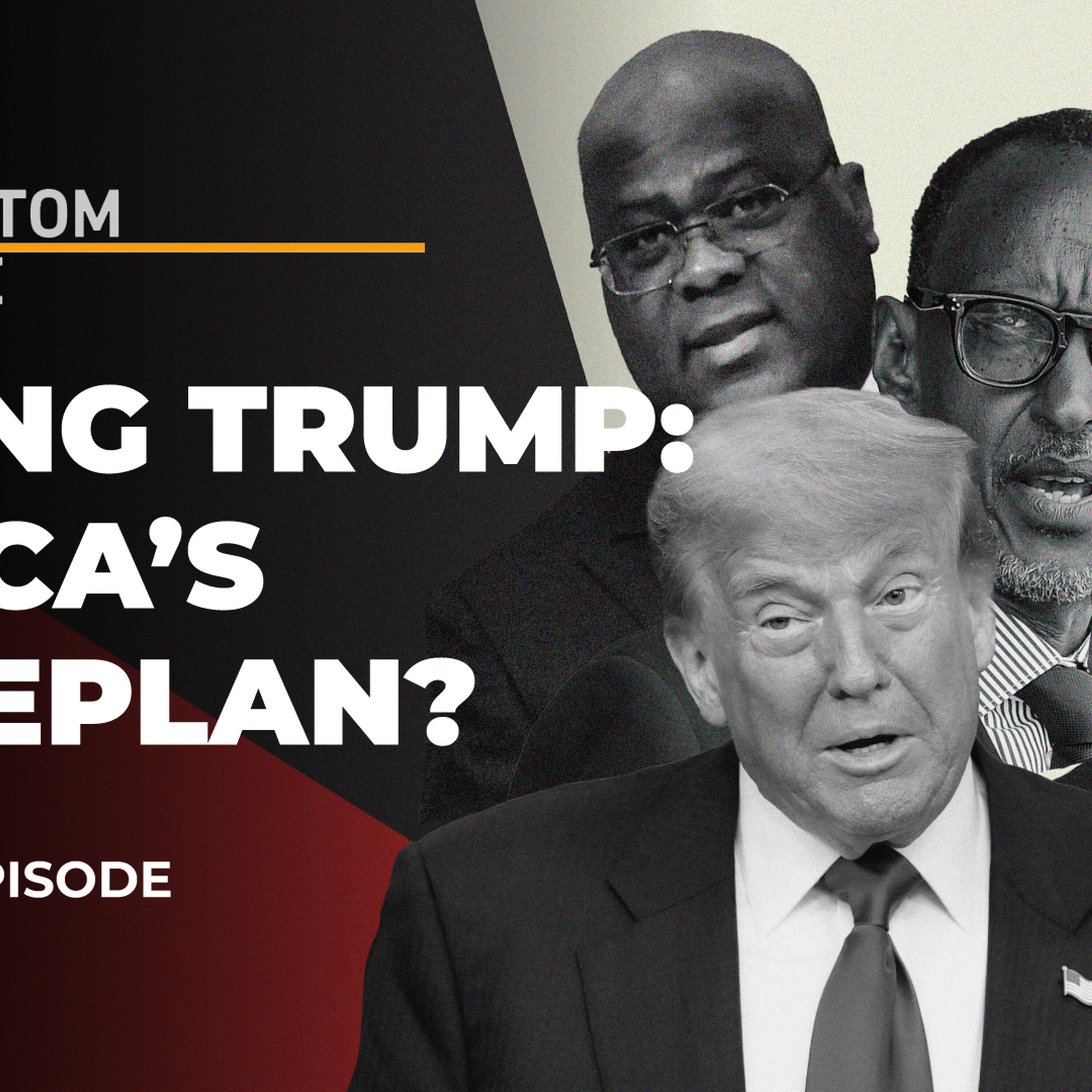
Do Africa’s leaders have a ‘game plan’ to deal with Trump? | The Bottom Line
Africa’s leaders have no one to blame but themselves if they cannot reach equitable trade deals with the United States, argues the former representative of the African Union to the US, Arikana Chihombori-Quao. Chihombori-Quao tells host Steve Clemons that US President Donald Trump’s “trade, not aid” policy opens up “an opportunity that African leaders were not awarded by the colonisers, the Europe
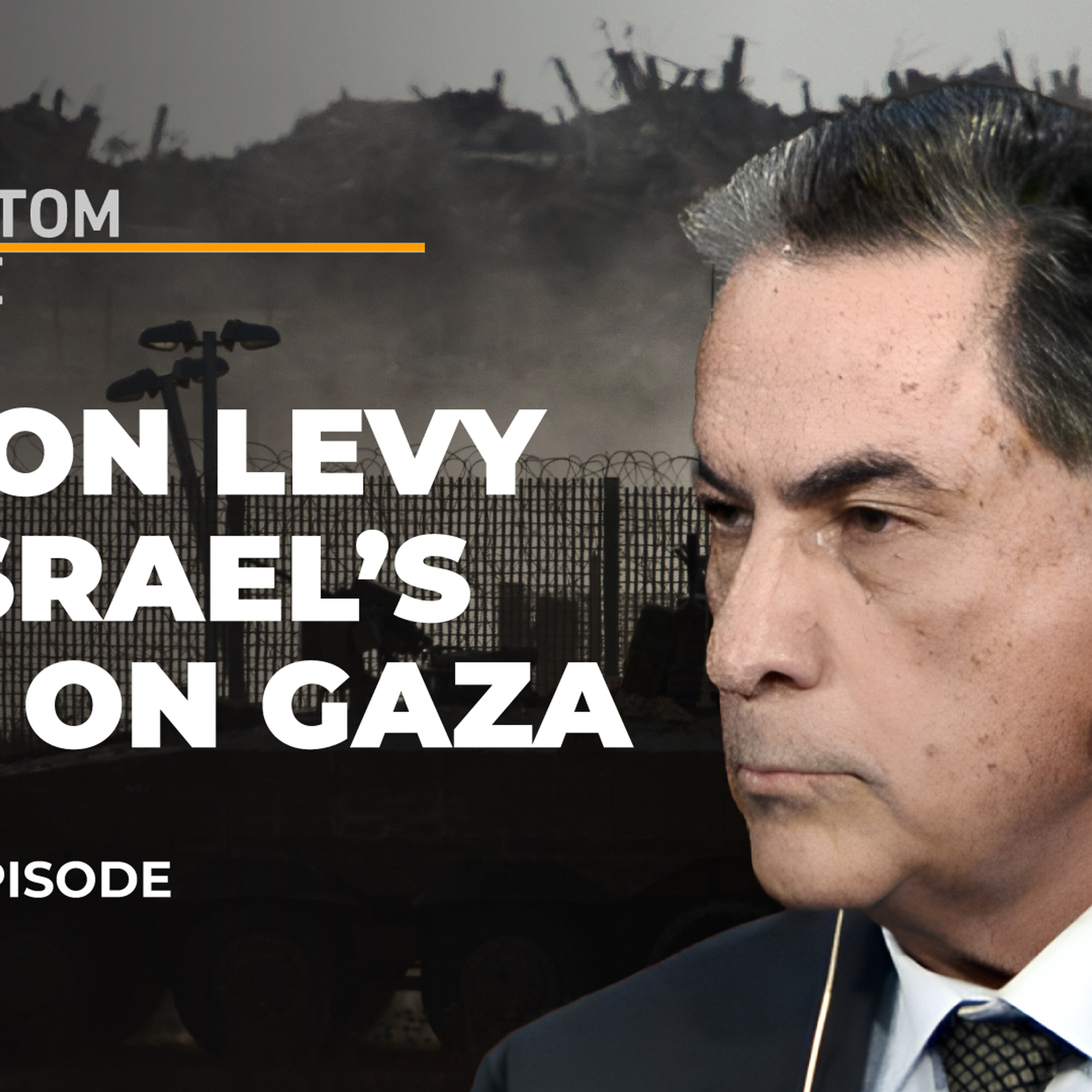
Why does Israel want to prolong the war on Gaza? | The Bottom Line
Israeli columnist Gideon Levy tells host Steve Clemons that almost all Israelis believe their country “has the right to do whatever it wants”. This includes war crimes and plans to create concentration camps for Palestinians in Gaza, in preparation for expulsion. Levy argues that it makes no difference if a Republican or Democratic administration were in power in the United States or if Prime Mini
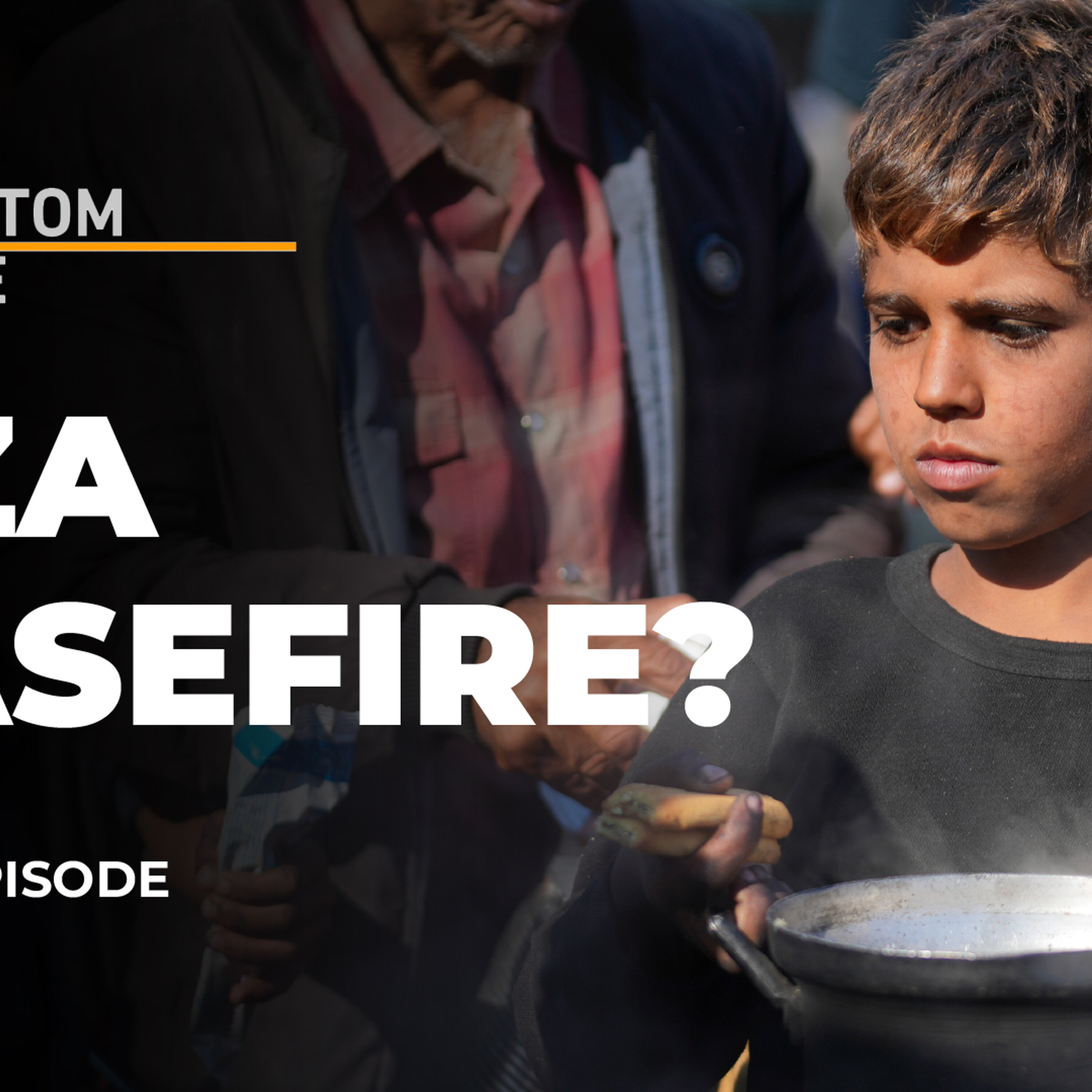
Will Gaza finally get a ceasefire? | The Bottom Line
Although it’s not clear that Israeli leaders want to end the "Forever War" they launched in the aftermath of the Hamas attack of October 7, 2023, the US has enough leverage to force a truce, argues Georgetown University visiting scholar, Khaled Elgindy. Annelle Sheline, a former State Department official who quit in protest of President Biden’s Gaza policies, argues that Israel’s war was “not real
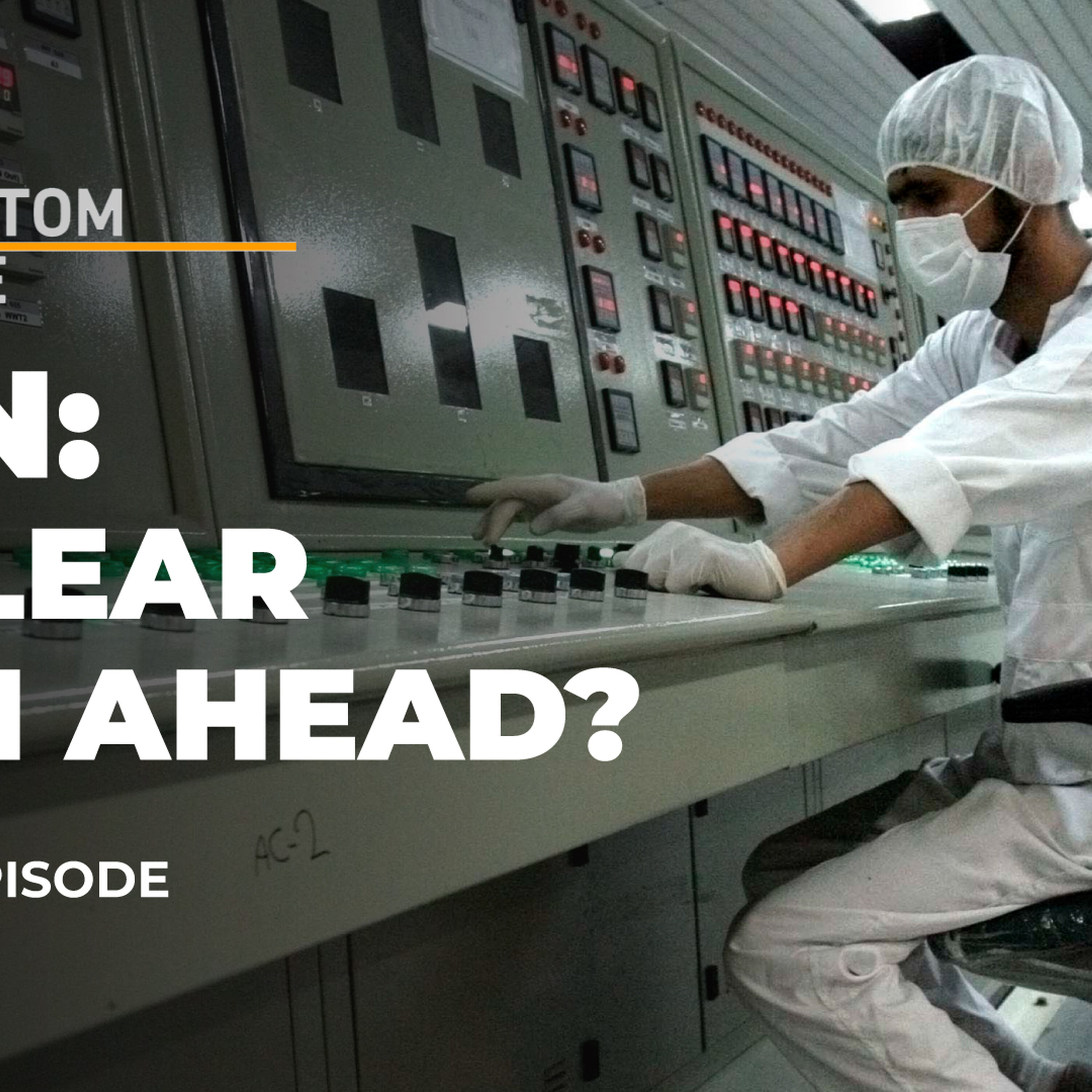
Will Iran double down on its nuclear programme after the war? | The Bottom Line
United States President Donald Trump can force Israel to end the war on Gaza if he shows the same gumption as he did with Iran, argues Trita Parsi, executive vice president of the Quincy Institute for Responsible Statecraft. Parsi discusses the wider implications of the 12-day war on Iran with host Steve Clemons, including: Will Iran double down on its nuclear weapons programme? Will improved Iran
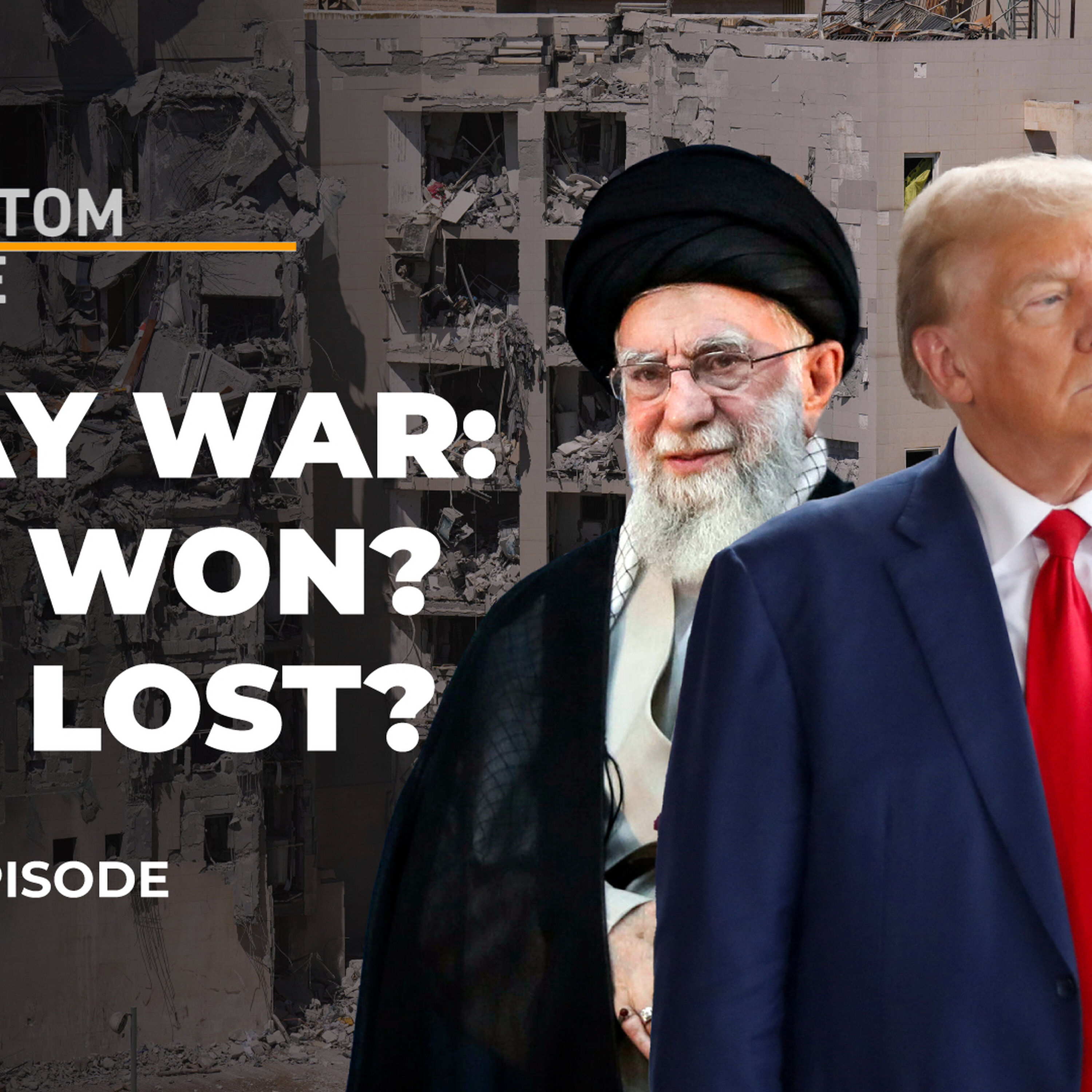
Was the Iran war to establish Israel's control over the Middle East? | The Bottom Line
Direct US involvement in Israel’s unprovoked attack on Iran was a dangerous decision, argues Vali Nasr, professor of international affairs and Middle East history at Johns Hopkins University. Hours before a ceasefire between the US, Israel and Iran was announced, Nasr told host Steve Clemons that “the US doesn’t have a regime change option in Iran” and should be wary of humiliating Tehran, which w
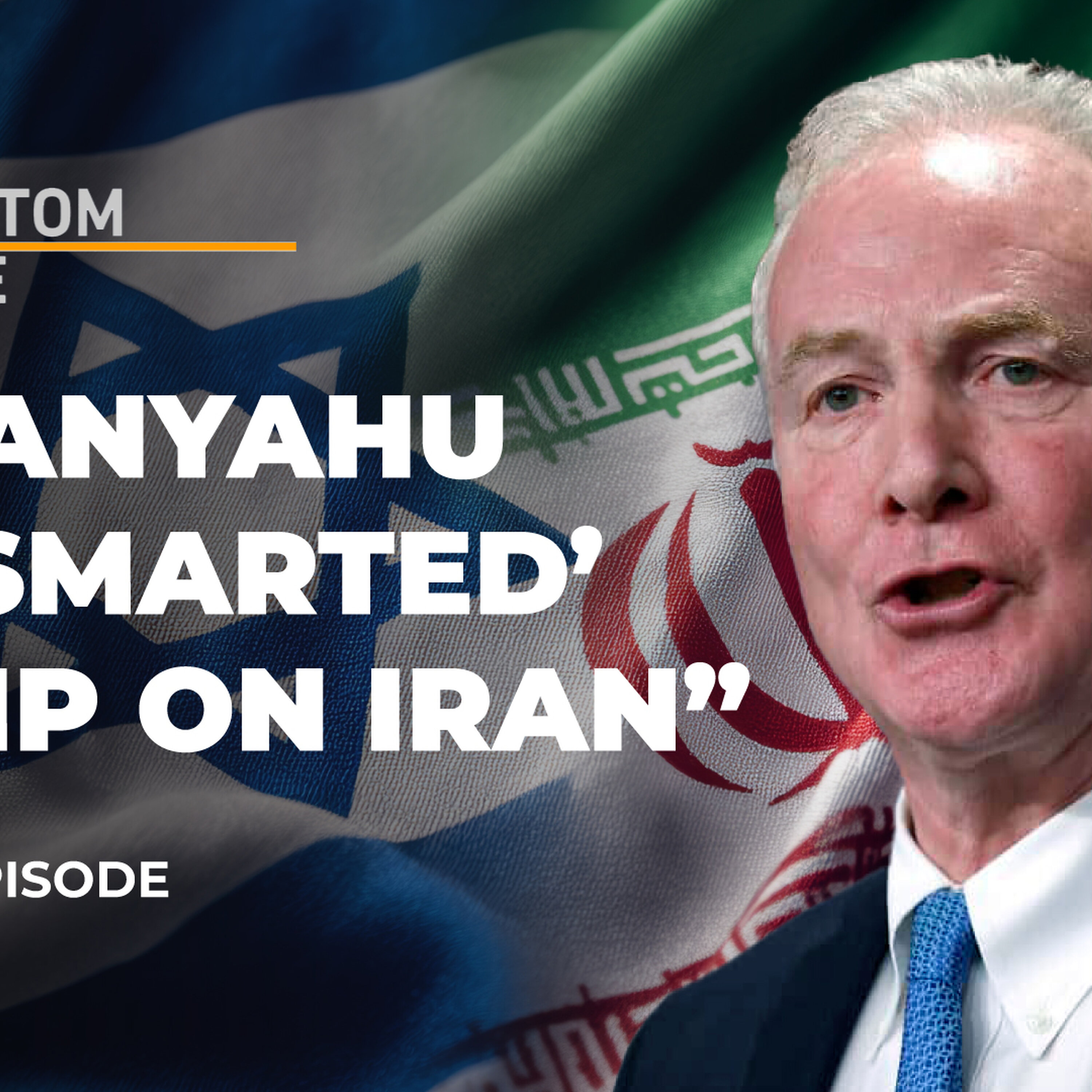
Trump has made US a ‘subcontractor’ to Netanyahu: Senator Van Hollen | The Bottom Line
US President Donald Trump has made his administration “a subcontractor, a junior partner” to Israeli Prime Minister Benjamin Netanyahu’s objectives in the Middle East, argues Democratic Senator Chris Van Hollen. As the president mulls further involvement in Israel’s attack on Iran, Senator Van Hollen tells host Steve Clemons that “This notion that you can just drop a few big bombs and be done with
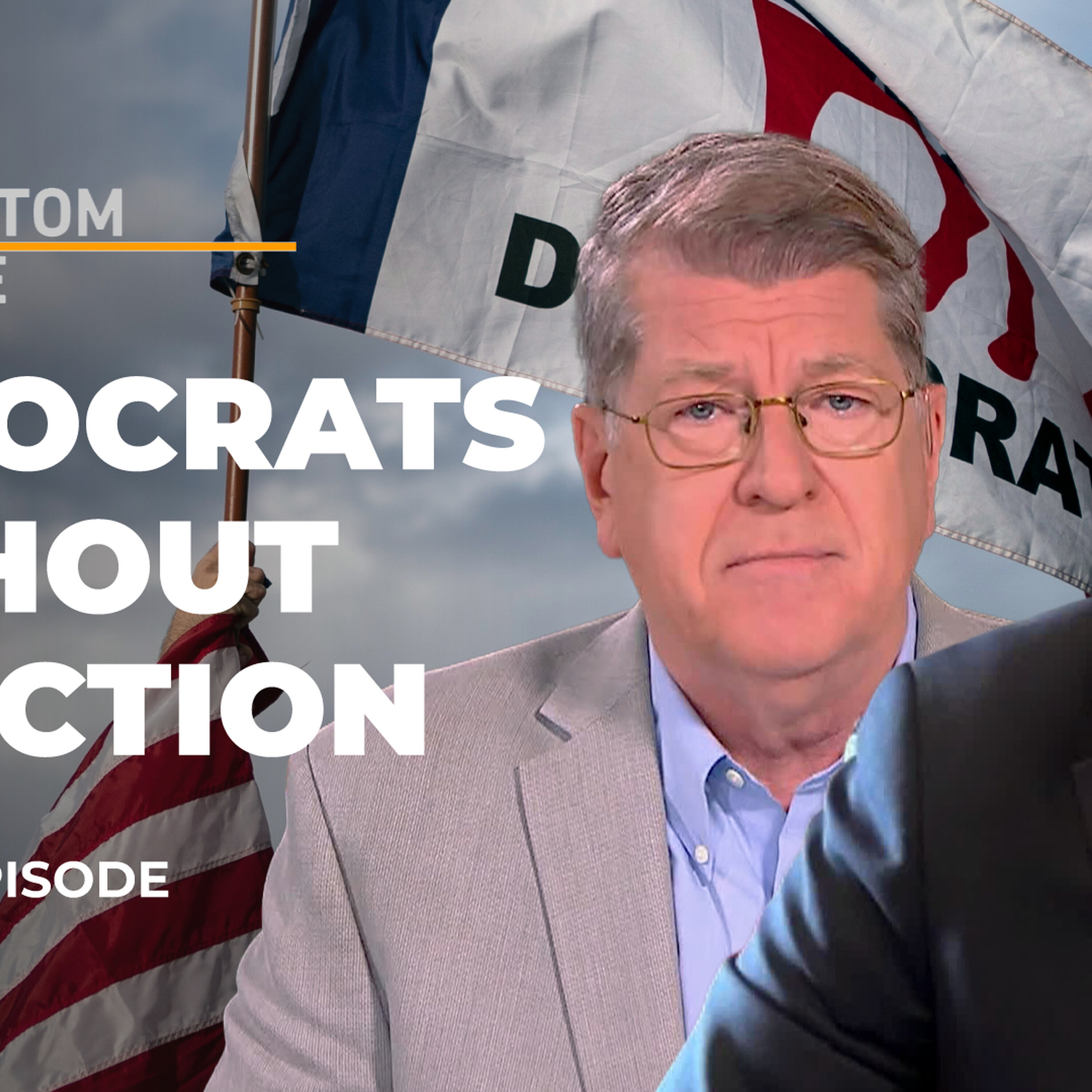
US Democrats criticise Trump, but do they have an alternative? | The Bottom Line
United States President Donald Trump promised Americans that his crackdown on immigration would lead to a better life, but “now they’re seeing that isn’t working”, argues Democratic Congressman Rohit Khanna. Khanna tells host Steve Clemons that the Democratic Party “needs to respect American voters”. Americans “want to have hope again in America ... They’re tired of threatening to arrest each othe
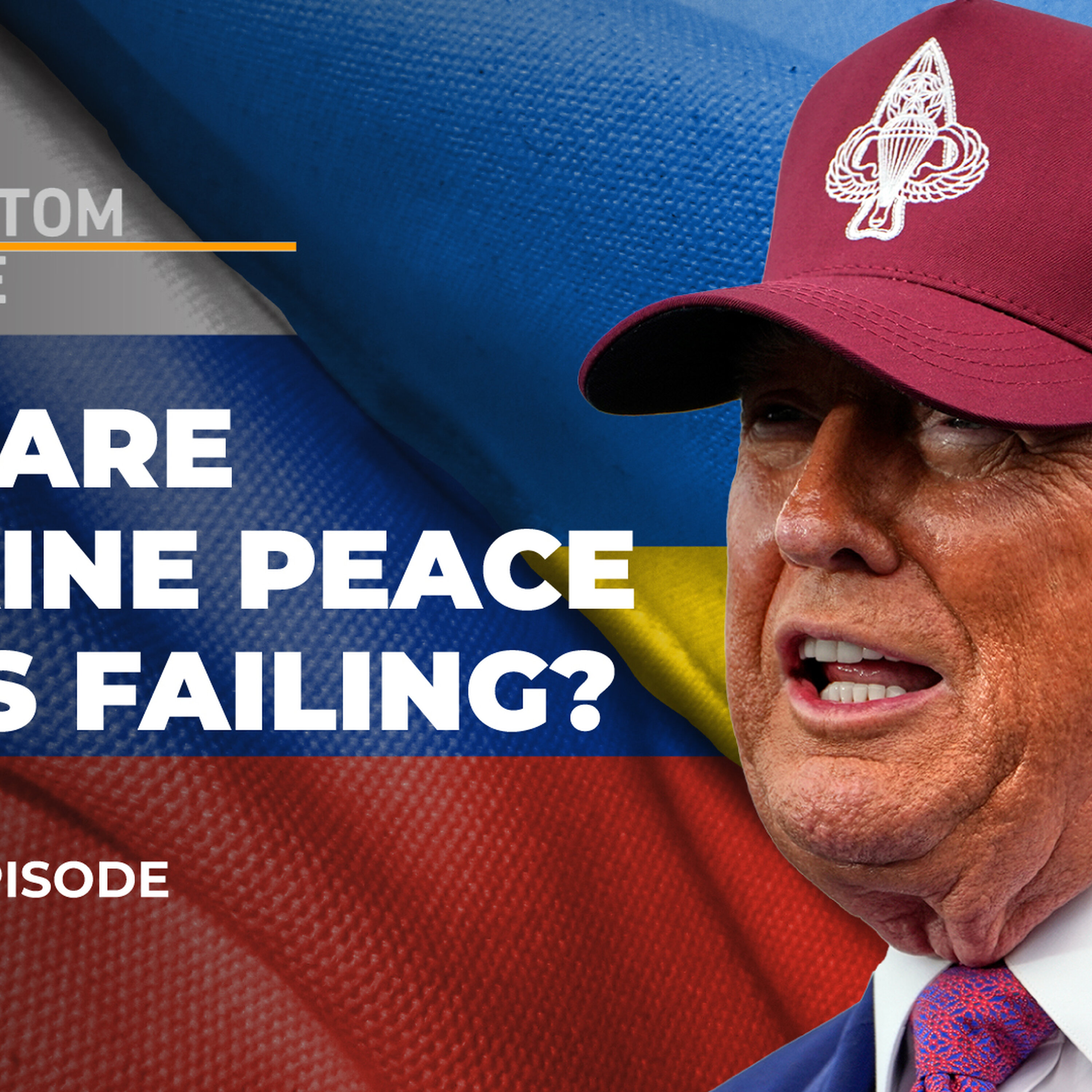
Why Trump’s attempts to make peace in Ukraine will fail | The Bottom Line
Despite the White House pressure to end the Ukraine war, which has resulted in face-to-face talks, it has only worsened. Andrey Kortunov, the former director of the Russian International Affairs Council, tells host Steve Clemons that war is a high priority for Moscow, and a low priority for Washington, so Russia is not in a rush to resolve the conflict according to United States President Donald T
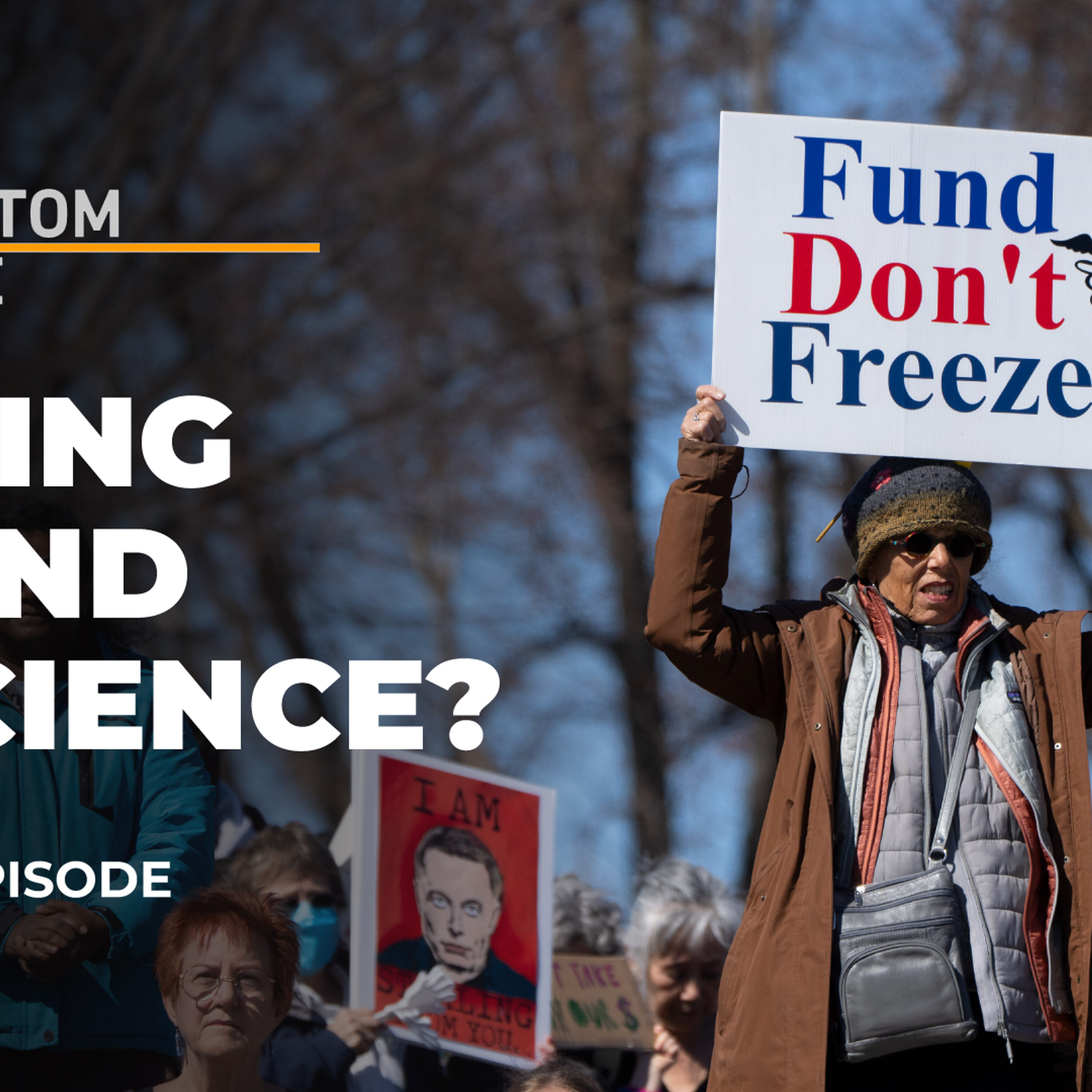
Is the US losing its place as the world leader in science? | The Bottom Line
By cracking down on immigration and defunding scientific research, the United States is slowly losing its position as the world leader in research and development, argues Holden Thorp, editor of Science journal and former chancellor of the University of North Carolina at Chapel Hill. Thorp tells host Steve Clemons that the US government had made a concerted effort over the past 80 years to fund sc
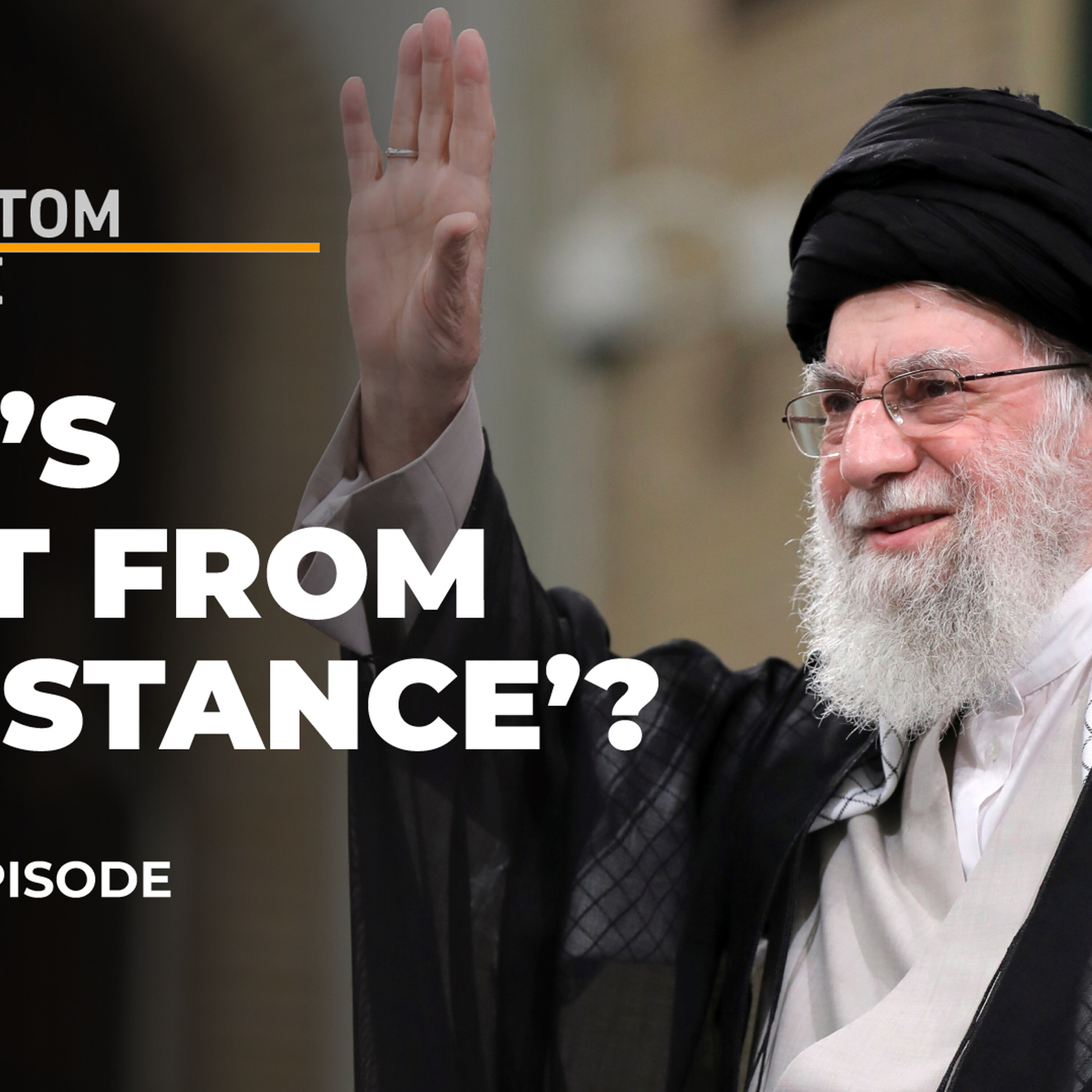
How desperate is Iran for a deal with the US? | The Bottom Line
With a battered economy and a restless population, Iran is as desperate as the United States to come together, Johns Hopkins University Professor Vali Nasr argues. Nasr told host Steve Clemons that US President Donald Trump's administration is eager to reach an arms control deal with Iran, and Iran is eager to grow economically. “Both of them have arrived, after 40 some years, at a juncture where
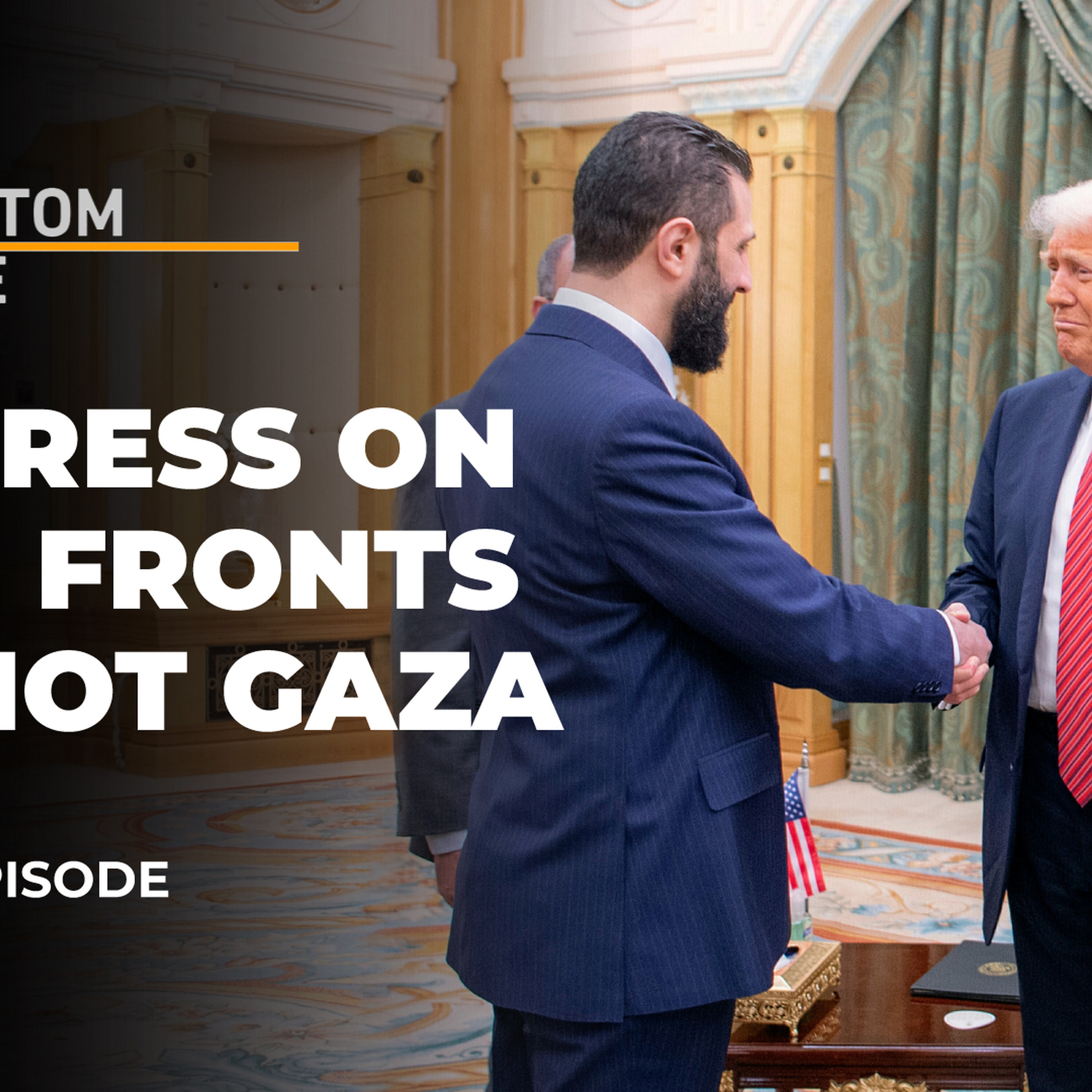
US policy shifts on Syria, Yemen, Iran – but not Israel | The Bottom Line
Subscribe to our channel: http://bit.ly/AJSubscribe Follow us on X : https://twitter.com/AJEnglish Find us on Facebook: https://www.facebook.com/aljazeera Check our website: http://www.aljazeera.com/ Check out our Instagram page: https://www.instagram.com/aljazeeraenglish/ Download AJE Mobile App: https://aje.io/AJEMobile #aljazeera #aljazeeraenglish #aljazeeranewslive
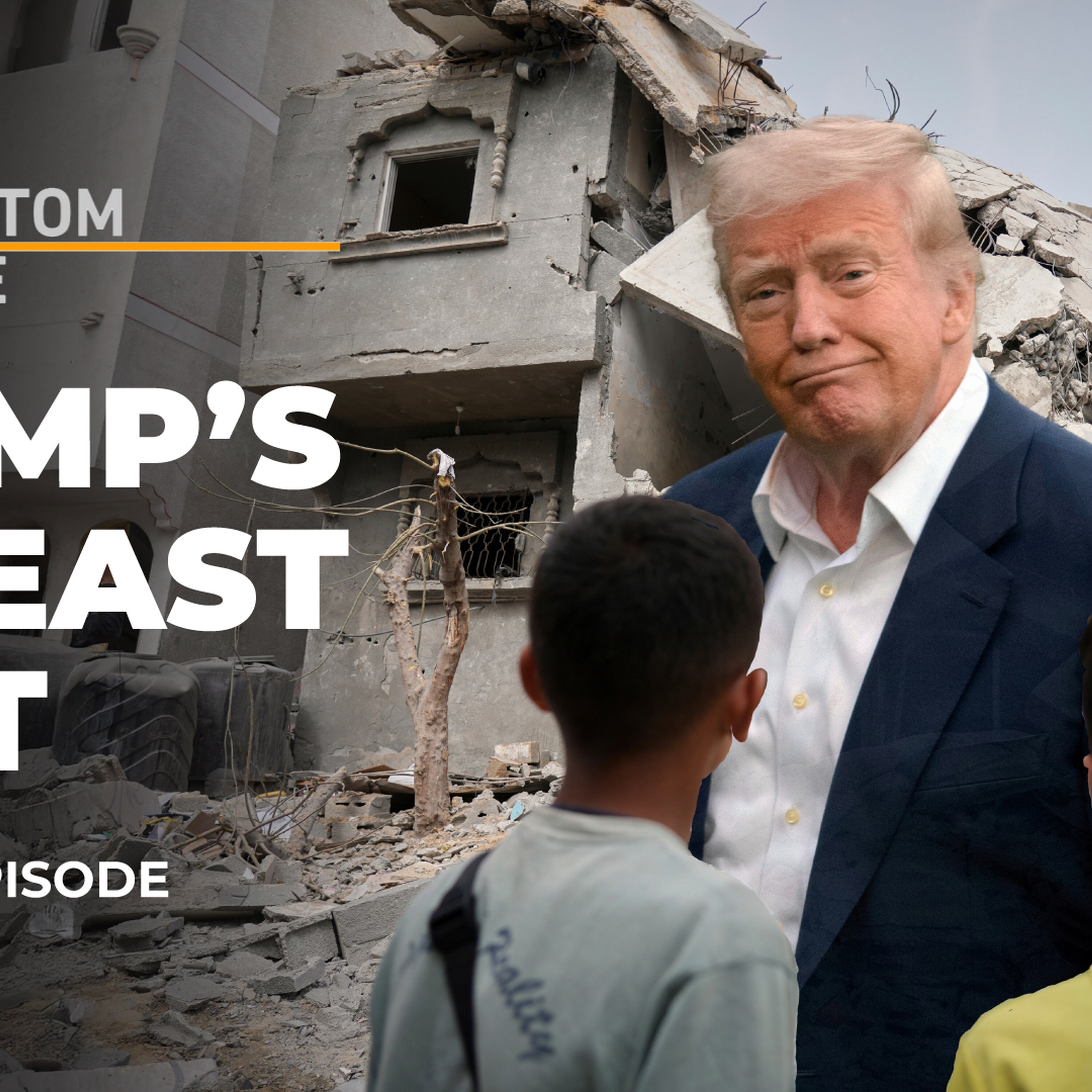
Why is Trump going to the Middle East? | The Bottom Line
United States President Donald Trump plans to tout trillions of dollars of Arab investments in the US as a major achievement, but other issues are at stake, says University of Maryland professor Shibley Telhami. Israel is threatening to further destroy the Gaza Strip unless progress is made in its ceasefire talks with Hamas. Meanwhile, Israel has refused to allow any food to enter Gaza - home to m
Rapid US transformation: Is Trump succeeding?
Is United States President Donald Trump leading his nation into economic ruin and authoritarian dystopia or correcting its course after decades of inertia? Republican strategist James Davis and Democratic strategist Joel Rubin tell host Steve Clemons that Trump has delivered on his promise to “shake the place up”. But not all Americans believe that the economic pain caused by trade wars will lead
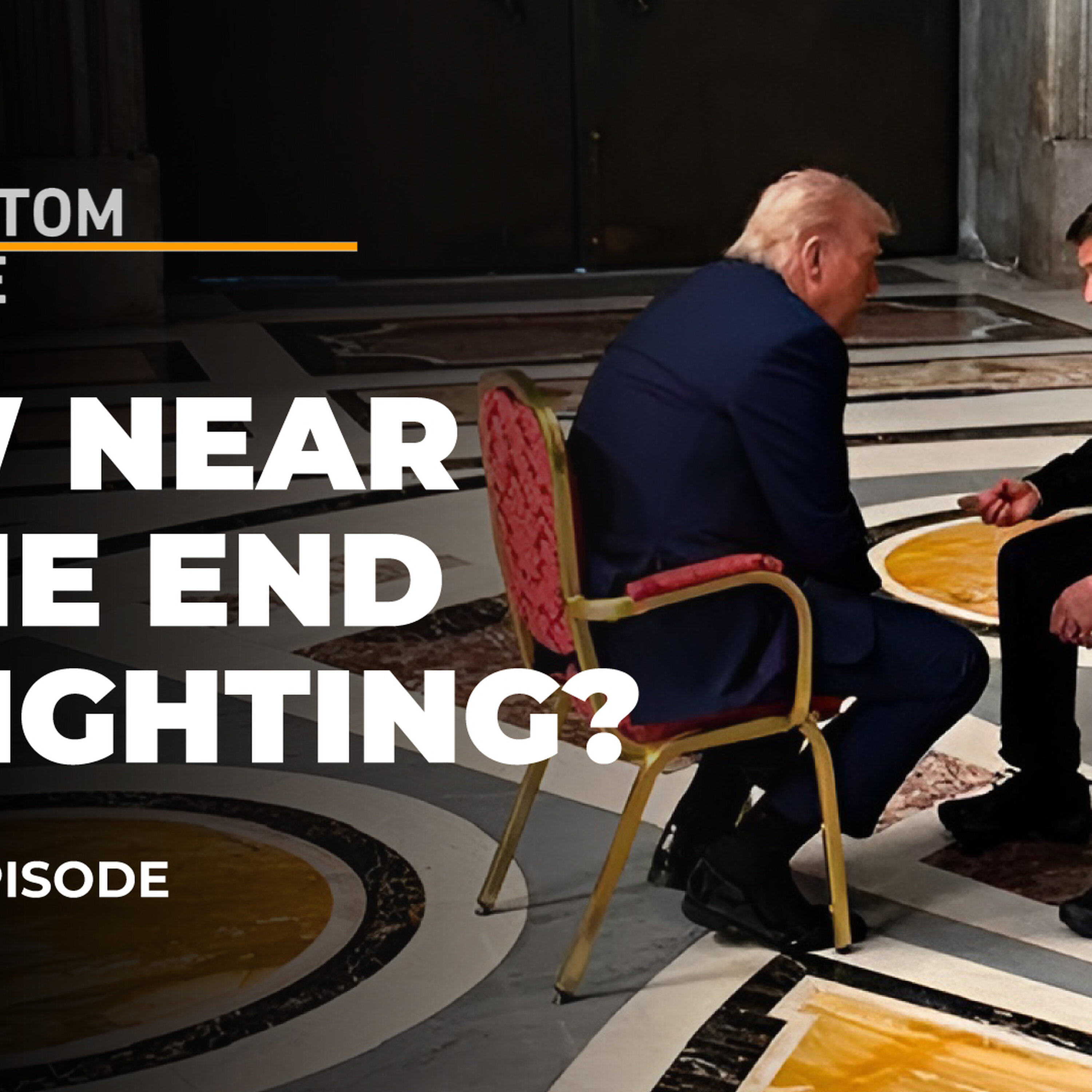
Can the US broker a Ukraine ceasefire? | The Bottom Line
The deal offered by the United States is an “unfortunate compromise” that should be accepted by Russia and Ukraine, argues Anatol Lieven, director of the Eurasia programme at the Quincy Institute for Responsible Statecraft. Lieven tells host Steve Clemons that Ukraine’s leaders should acknowledge that the Ukrainian territories occupied by Russia over the past years are lost. He adds that Russia –
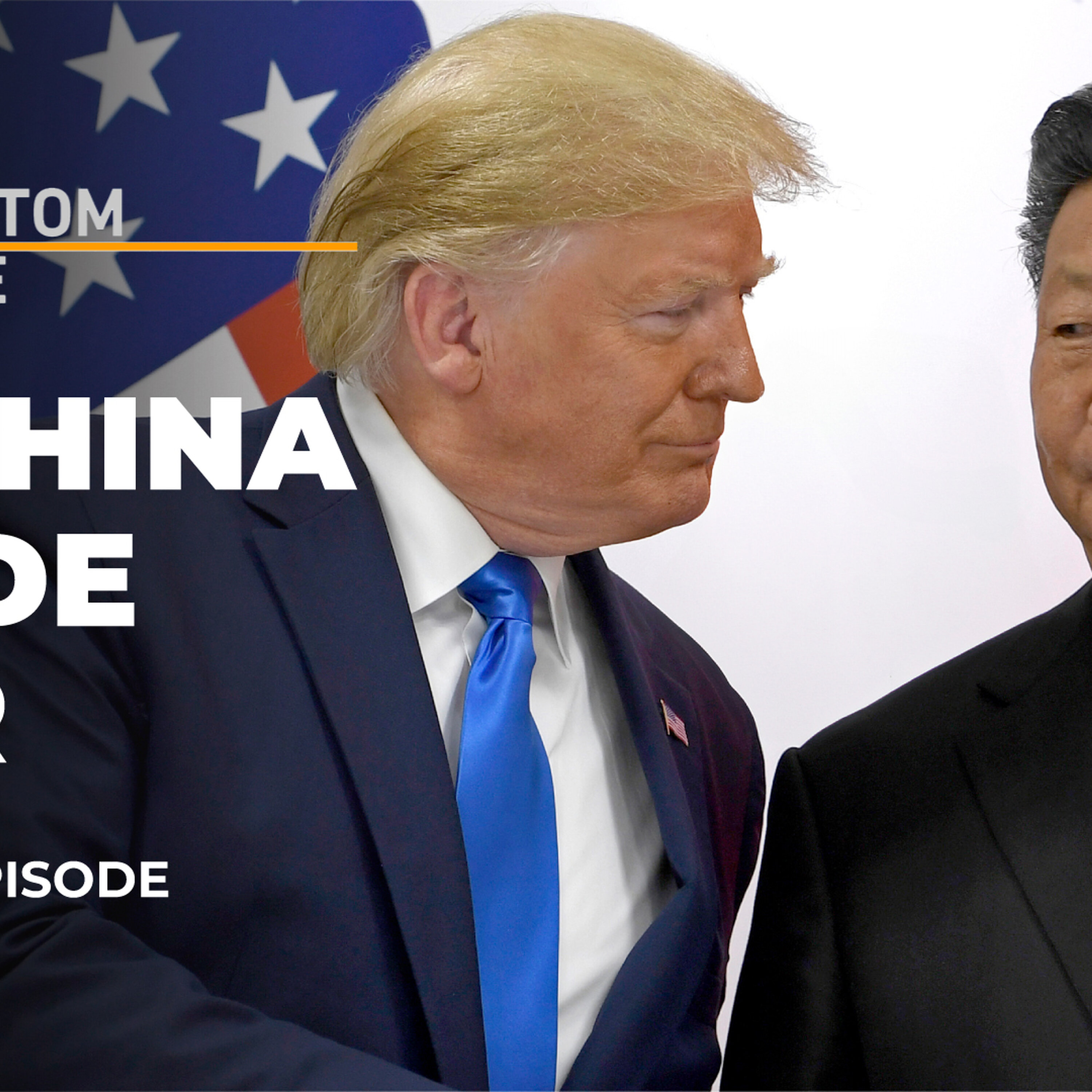
China-US trade war: Can Trump win? | The Bottom Line
Veteran Singaporean diplomat Kishore Mahbubani argues that it’s “legitimate” for US President Donald Trump to be worrying about the widening gap between rich and poor in the United States, but his idea to force factory jobs back to the US is probably not going to work. Mahbubani tells host Steve Clemons that China will be damaged by the current trade war with the US, but “the Chinese are prepared
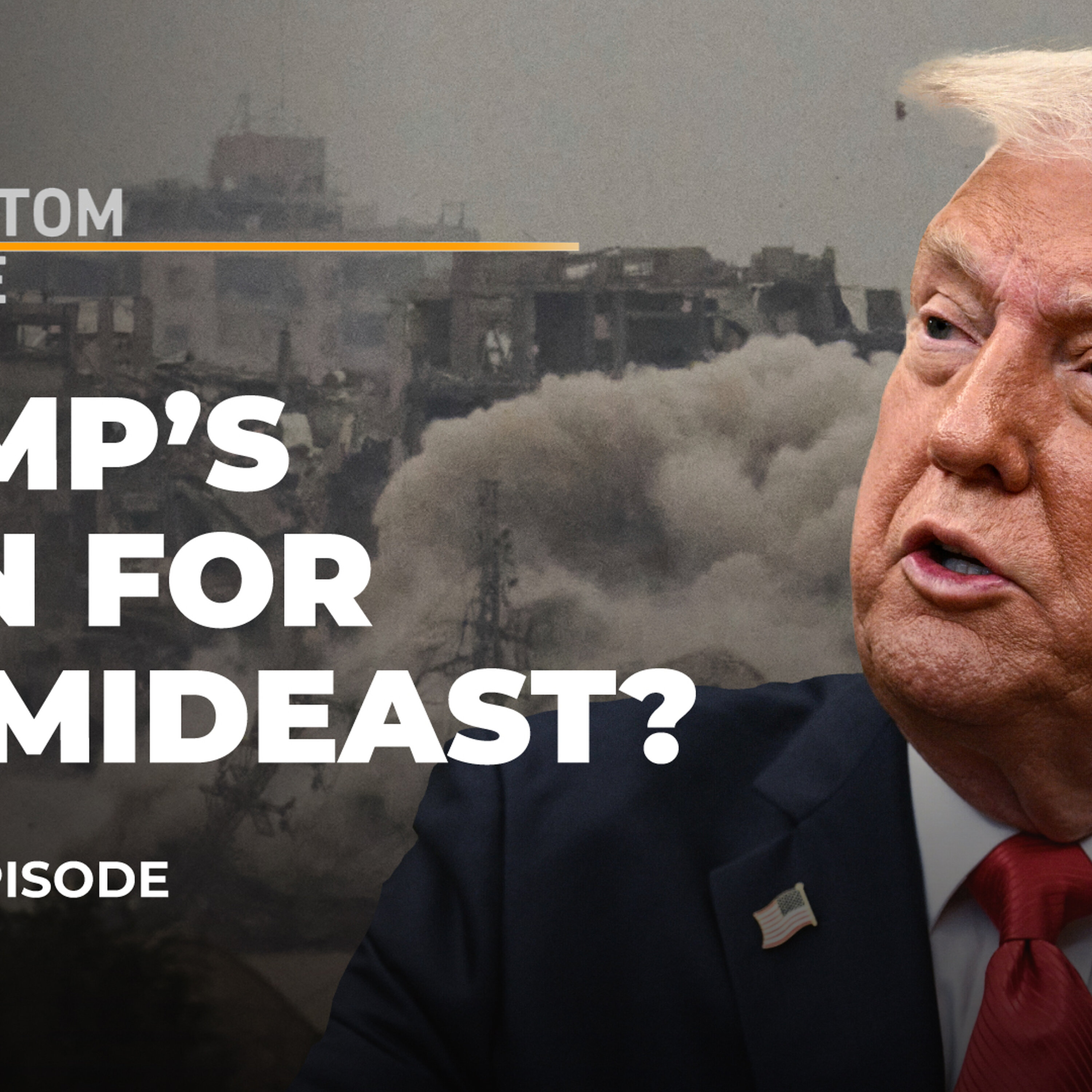
Does Trump want a Gaza ceasefire before his Middle East trip? | The Bottom Line
US President Donald Trump and his predecessor Barack Obama want the same things in the Middle East, argues Steven Cook, senior fellow at the Council on Foreign Relations: “disentangling the US from its foreign adventures”. Cook tells host Steve Clemons that Trump wants a deal with Iran, and may be pressuring Israel to end its war on Gaza before his proposed trip to the Gulf region next month. Ther
Why has Trump decided to upend the global trade order? | The Bottom Line
As the US government imposed tariffs on goods from all other countries, President Donald Trump has asked Americans to “hang tough". But economists are warning of negative consequences for American households and businesses. Georgetown University professor Michael Strain, who heads economic policy studies at the American Enterprise Institute, tells host Steve Clemons that “the risk of recession is
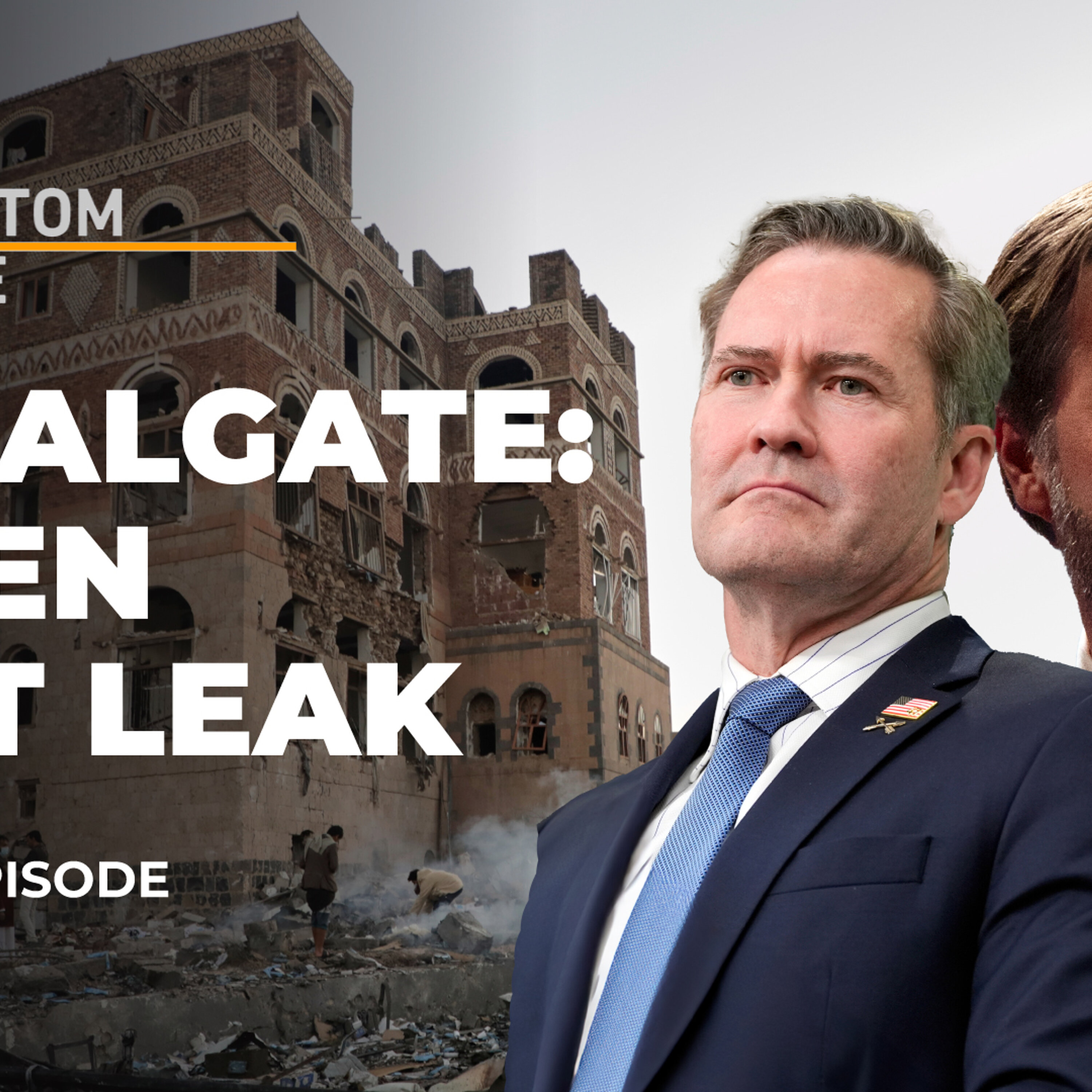
Yemen chat leak: What does it tell us about Trump’s administration? | The Bottom Line
If the sharing of private chats of top United States intelligence officials with a reporter “were a part of an episode of Veep [a satirical US TV series], I wouldn’t have believed it”, former Pentagon official Alex Wagner says. The chats touched on Yemen, Europe, and other foreign and domestic policy concerns. Wagner and military affairs journalist Kevin Baron tell host Steve Clemons that the inad
Will Trump’s threats against Yemen, Iran and Palestine work? | The Bottom Line
In a span of days, Israel resumed its bombing campaign against the people of Gaza, the US launched a war with Yemen, and President Donald Trump threatened Iran to negotiate with Washington or else face war. But despite all the aggression, is the US getting its way? Not necessarily, argues Vali Nasr, professor of international affairs and Middle East studies at the Johns Hopkins School of Advanced
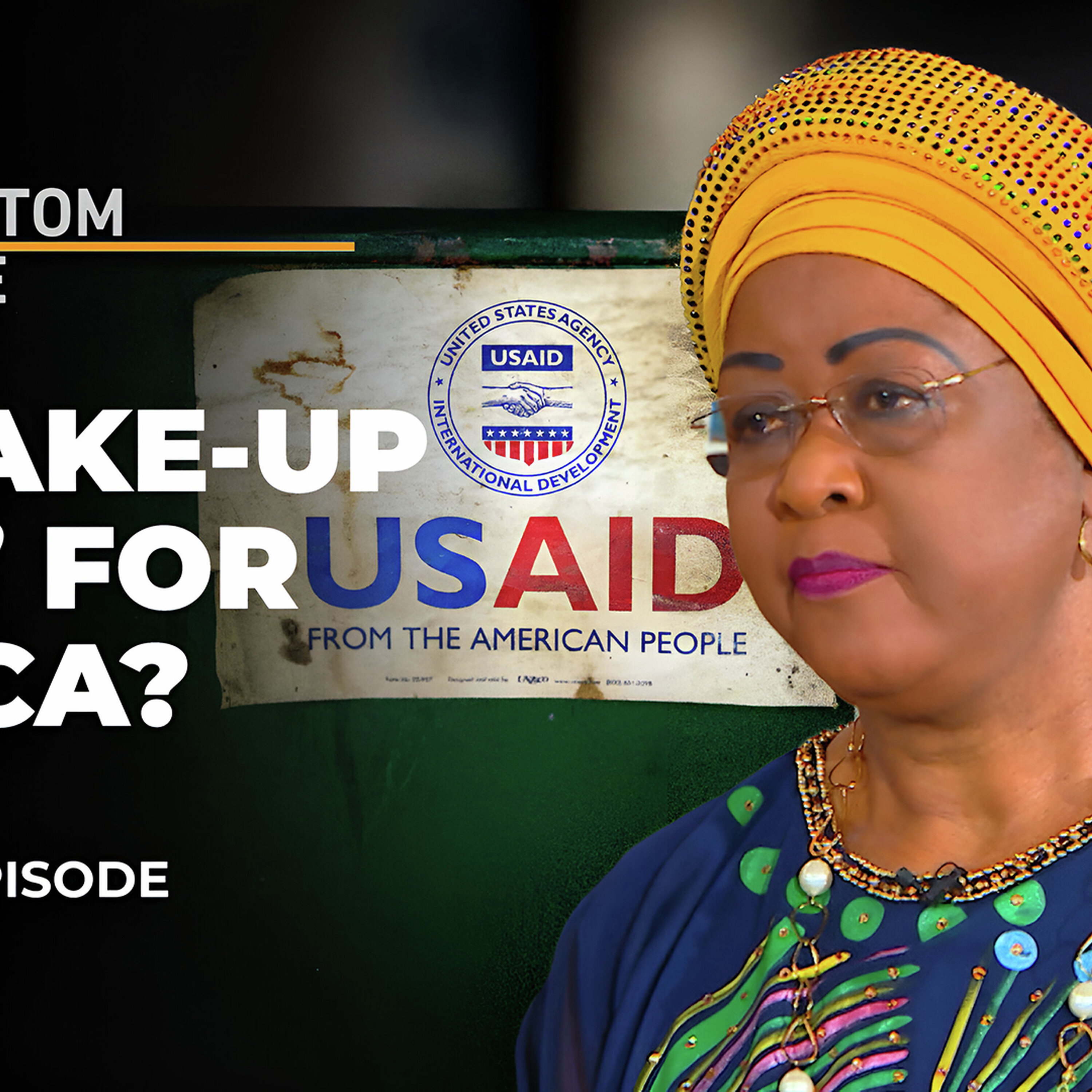
Chihombori-Quao: USAID was ‘a wolf in sheep’s clothing’ in Africa | The Bottom Line
Far from being a tragedy for Africa, the demise of the United States Agency for International Development (USAID) at the hands of President Donald Trump's administration should be cause for celebration, argues Arikana Chihombori-Quao, the former ambassador of the African Union to the US. Chihombori-Quao tells host Steve Clemons that USAID doesn’t have much to show for its decades of education and
Why is Israel trying to rewrite the Gaza ceasefire? | The Bottom Line
As long as Israel keeps moving the goalposts, former Israeli government adviser Daniel Levy argues, there's no way to reach phase two of the ceasefire in Gaza, which Israel itself signed. Levy, president of the US/Mideast Project, tells host Steve Clemons that the biggest question is whether the United States, which is the guarantor of the agreement, will allow Israel to scuttle it. Phase two requ
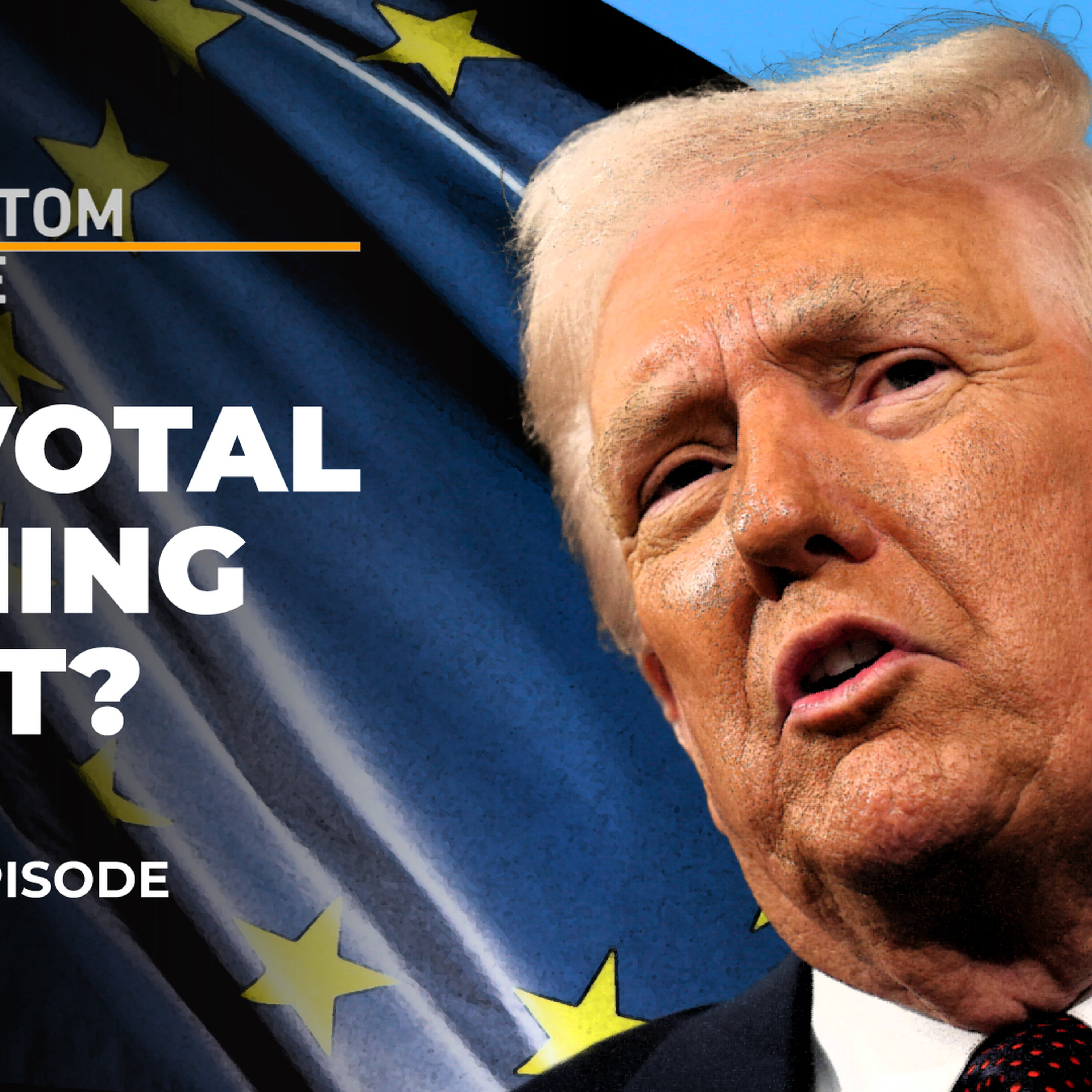
End of an era in US-European relations? | The Bottom Line
United States President Donald Trump sees many European countries as extensions of the Democratic Party abroad, and thus his “adversaries”, argues Ed Luce, the US national editor at the Financial Times. Luce tells host Steve Clemons that the string of European leaders “bringing fruits to the volcano” in Washington will not be able to change Trump’s views on Ukraine or Europe in general. “America n
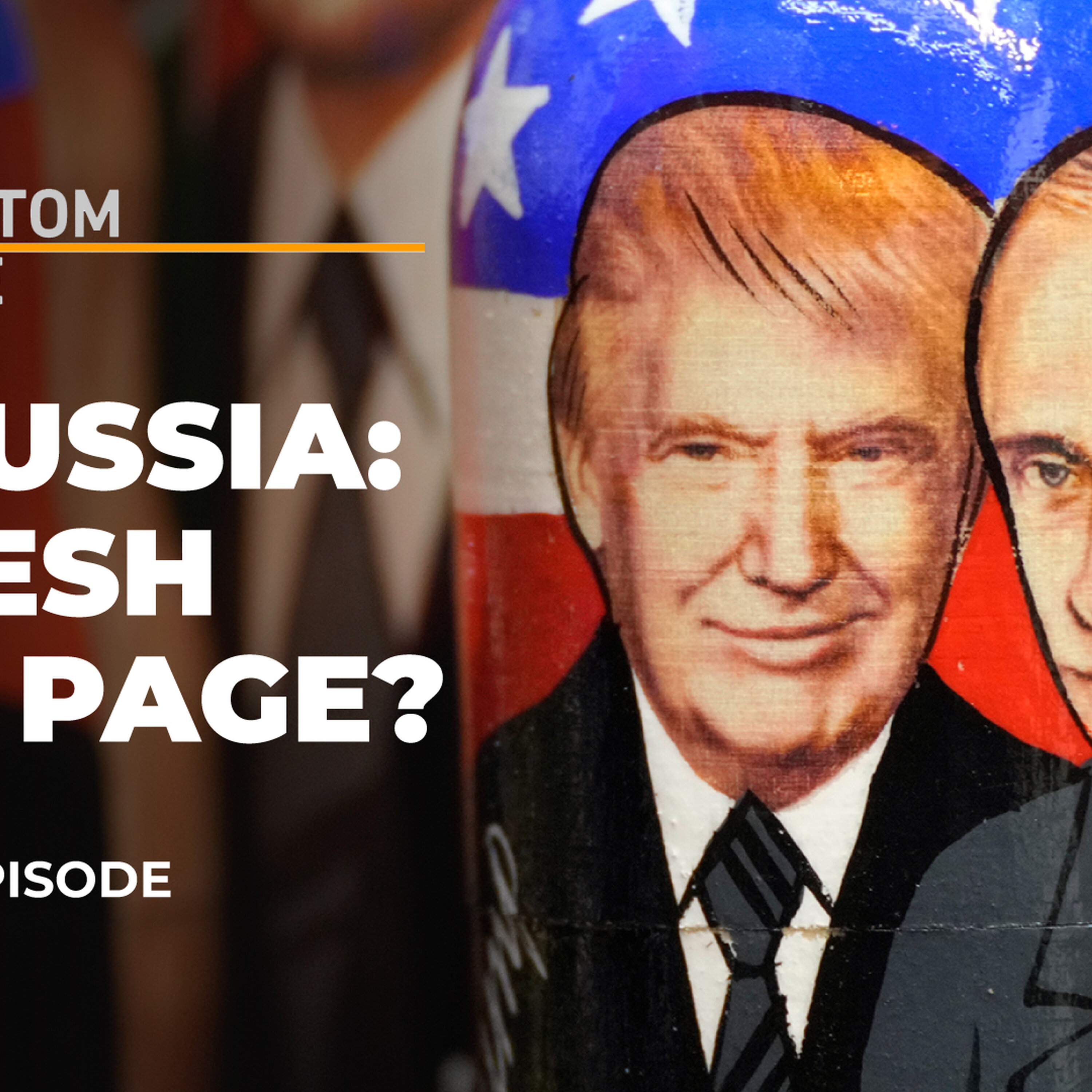
Will US-Russia ties strain Europe? | The Bottom Line
United States President Donald Trump's administration flipped the script on US-Europe relations in February. European officials were berated for being antidemocratic and were told their involvement was not needed in ending the Ukraine war. Meanwhile, US and Russian officials started meetings to end that war. Anatol Lieven, director of the Eurasia Program at the Quincy Institute, argues that Europe
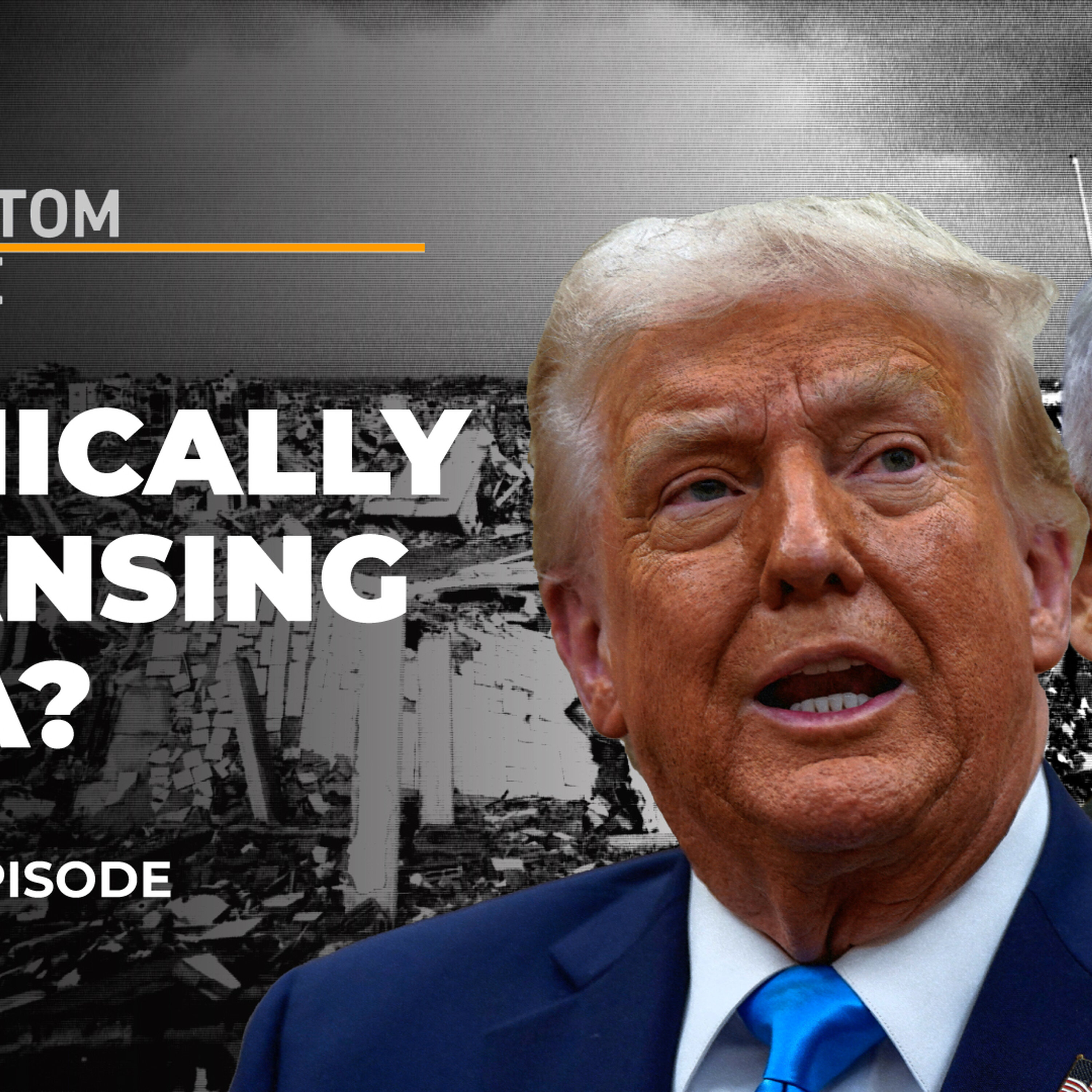
Will the US and Israel succeed in ethnic cleansing of Gaza? | The Bottom Line
Western ideals of morality and international law have been dealt a fatal blow by Israel’s war on Gaza, argues author Pankaj Mishra. Mishra, whose latest book is The World After Gaza: A History, tells host Steve Clemons that US and Israeli leaders are normalising the idea of mass expulsion of the two million Palestinians who live in the Gaza Strip and may eventually succeed in carrying it out as th
Will Trump back down from his threats of tariffs and trade wars? | The Bottom Line
Though cost cuts pursued by US President Donald Trump may be popular among many Americans, economists differ in their assessment of these measures' potential outcomes. Peterson Institute for International Economics senior fellow Joseph Gagnon tells host Steve Clemons that Trump’s idea that tariffs on imported goods can replace taxes is unrealistic. The United States government is bloated and needs
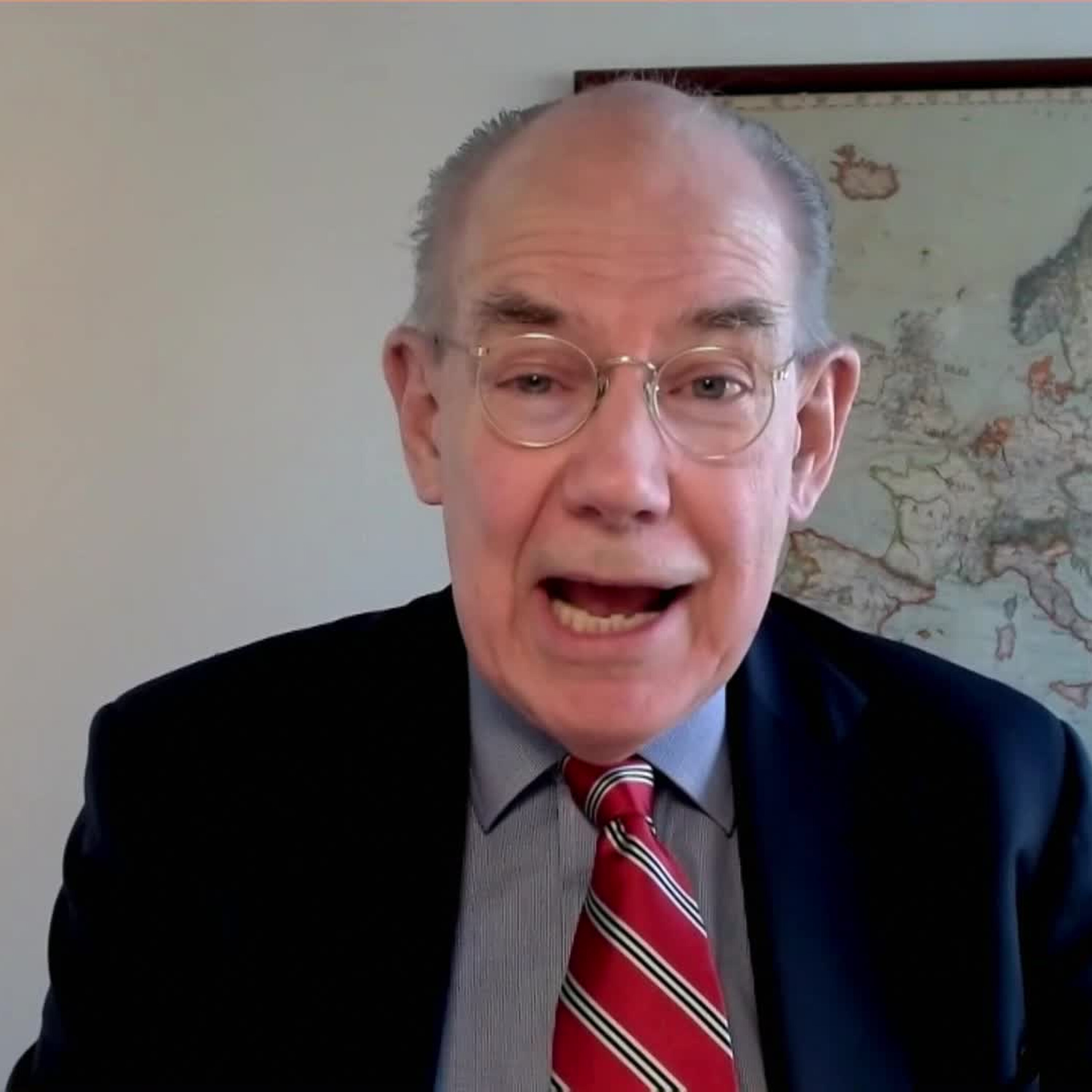
Mearsheimer: ‘The Israelis lost in Gaza’ | The Bottom Line
Despite the rhetoric, US President Donald Trump will not be able to ethnically cleanse Gaza nor resolve the Ukraine war, argues University of Chicago political scientist John Mearsheimer. Mearsheimer tells host Steve Clemons that Arab governments fear “the risk of being overthrown by their populations” should they bend to Trump’s desire to “clean out” the Palestinian people in Gaza. On Ukraine, Me
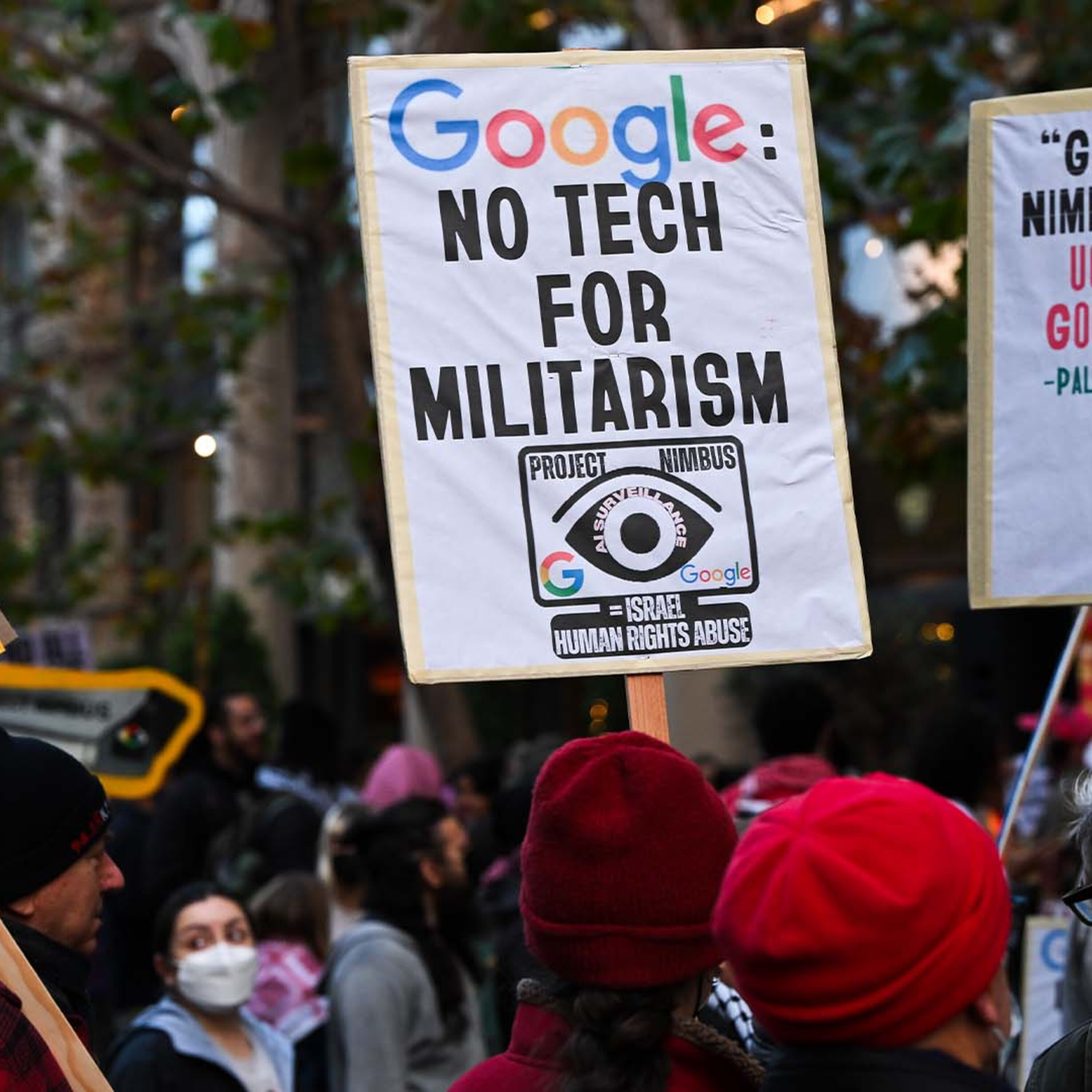
What role do US tech giants play in powering Israeli war crimes? | The Bottom Line
After Amazon and Google signed a $1.2bn contract to launch Project Nimbus, providing cloud technology to the Israeli government and the military, tech workers started to notice more Israeli use of artificial intelligence against the Palestinian people.Many of those engineers have become activists for “No Tech for Genocide”, including Zelda Montes, who was one of the dozens of Google staff who were
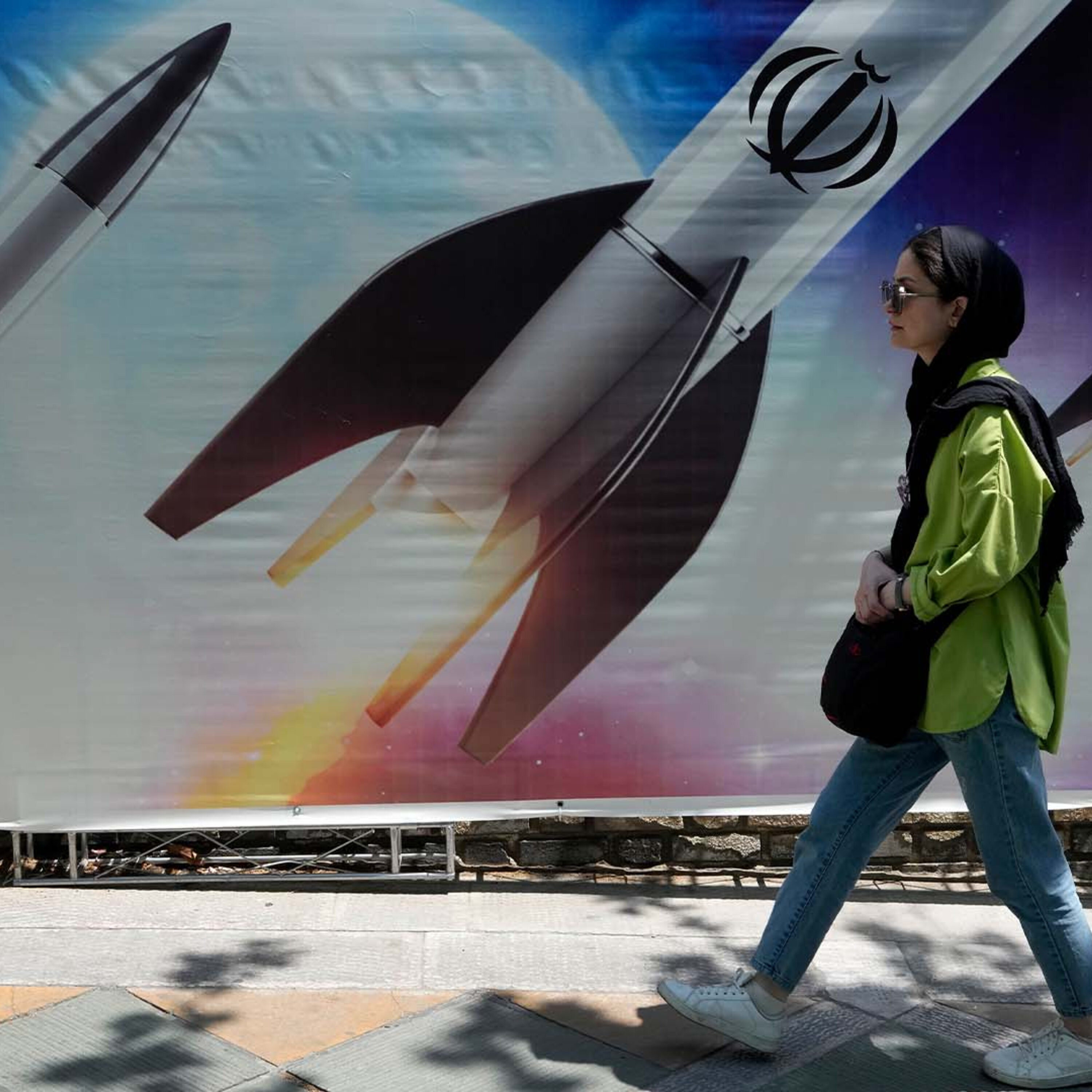
US calls for ‘de-escalation’, but tensions rise in the Middle East | The Bottom Line
In this episode, host Steve Clemons speaks with Ussama Makdisi, professor of history at the University of California, Berkeley; and Ali Vaez, Iran project director at the International Crisis Group.The exchange of direct attacks between Iran and Israel is likely to subside, but the shadow war goes on, which could intensify as long as the war on Gaza continues, argues Vaez.And as long as the wider
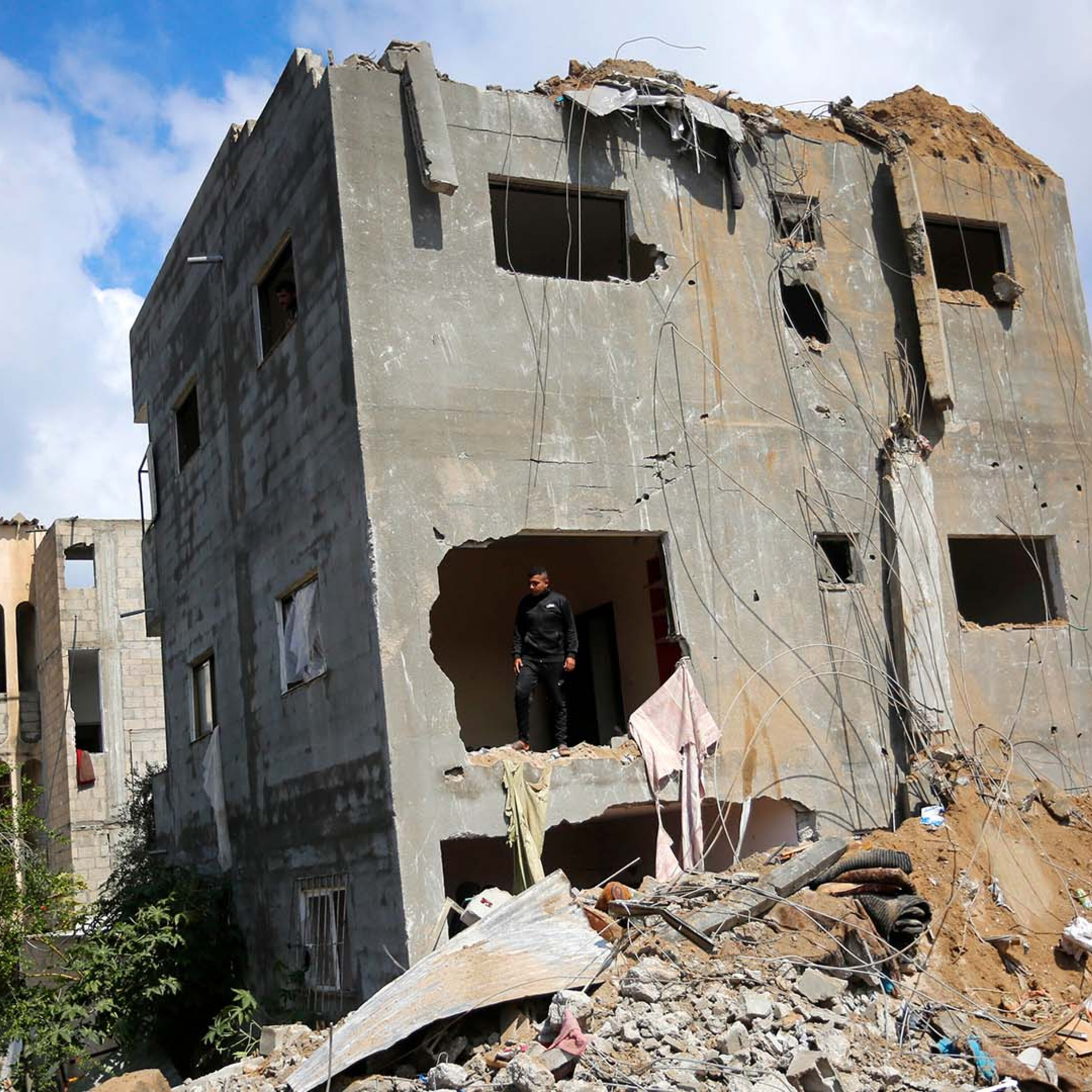
Does Israel twist humanitarian law to justify Gaza carnage? | The Bottom Line
To the United Nations official tasked with reporting on Palestinian human rights, international law is clear: Israel should withdraw from the territories it occupied in 1967.Instead, Israel aims for the “impossibility to continue civil life in Gaza,” as UN Special Rapporteur on the occupied Palestinian territories Francesca Albanese tells host Steve Clemons.Israel doesn’t deny the killings and mas
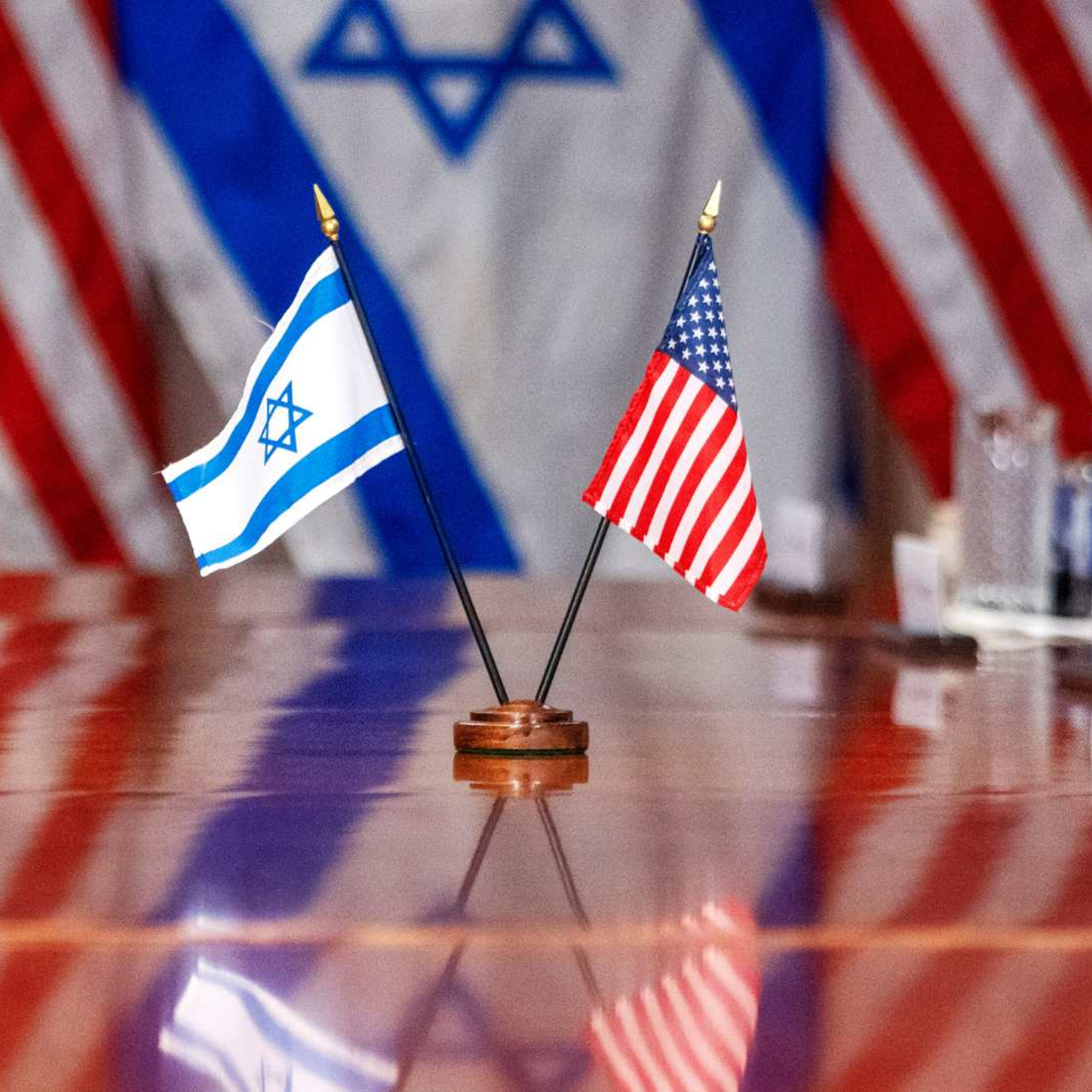
How credible is US rhetoric on ‘policy change’ towards Israel? | The Bottom Line
In this episode, Annelle Sheline tells host Steve Clemons that the contradictions in US policy toward Israel’s war in Gaza made her job as a State Department officer in the Bureau of Democracy, Human Rights, and Labor “so difficult”. Sheline announced her resignation publicly on March 27.And Khaled Elgindy, a political scientist at the Middle East Institute, argues that US President Joe Biden is a
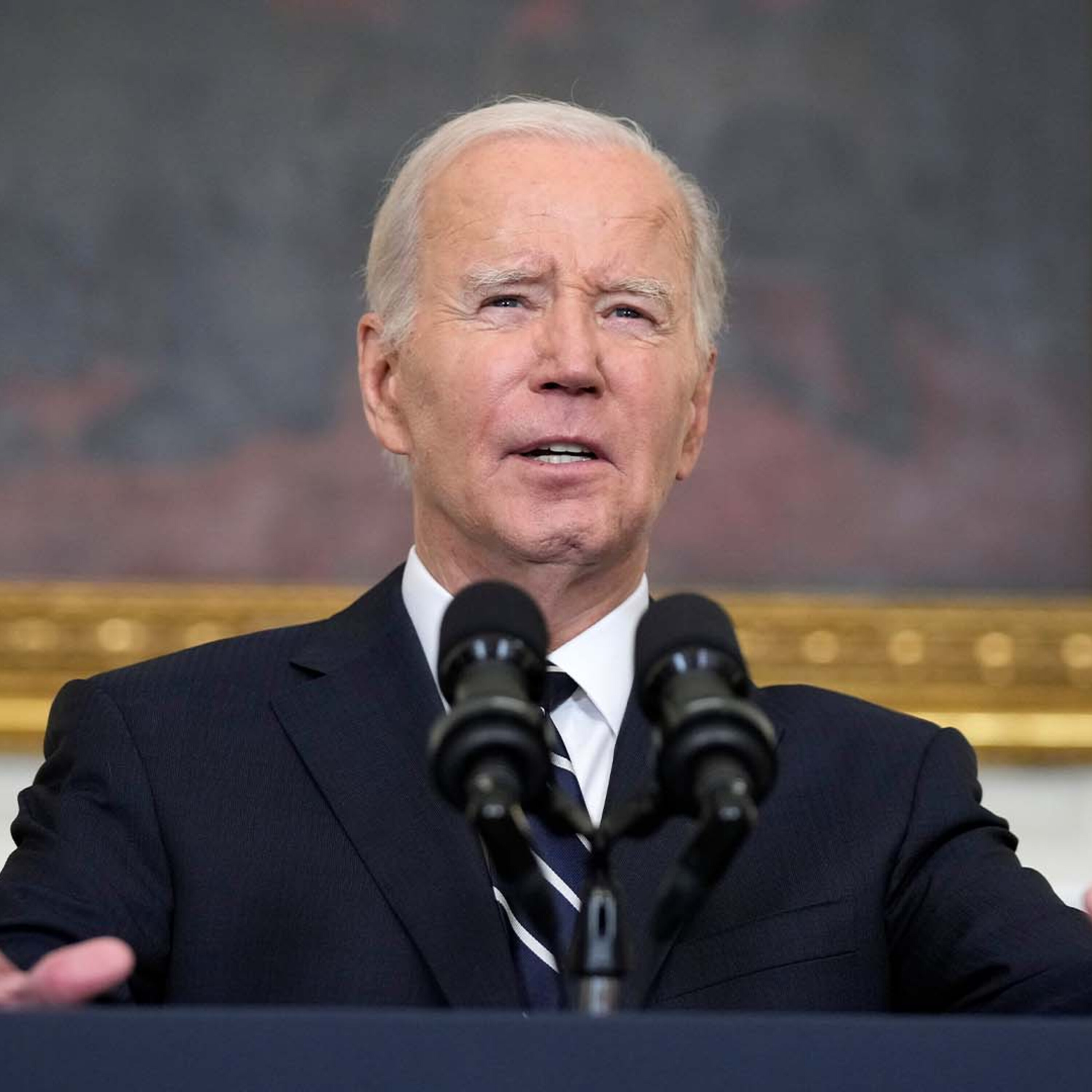
Biden’s 'double talk' on Gaza: Cynical election politics? | The Bottom Line
The Biden administration has fallen into a predictable pattern on Gaza, according to Kenneth Roth, former head of Human Rights Watch: Talk about concern for civilian casualties, but undercut any pressure on Israel to stop the war.Roth tells host Steve Clemons that US President Joe Biden is engaging in “cynical” election politics by refusing to enforce the UN resolution calling for a ceasefire, or
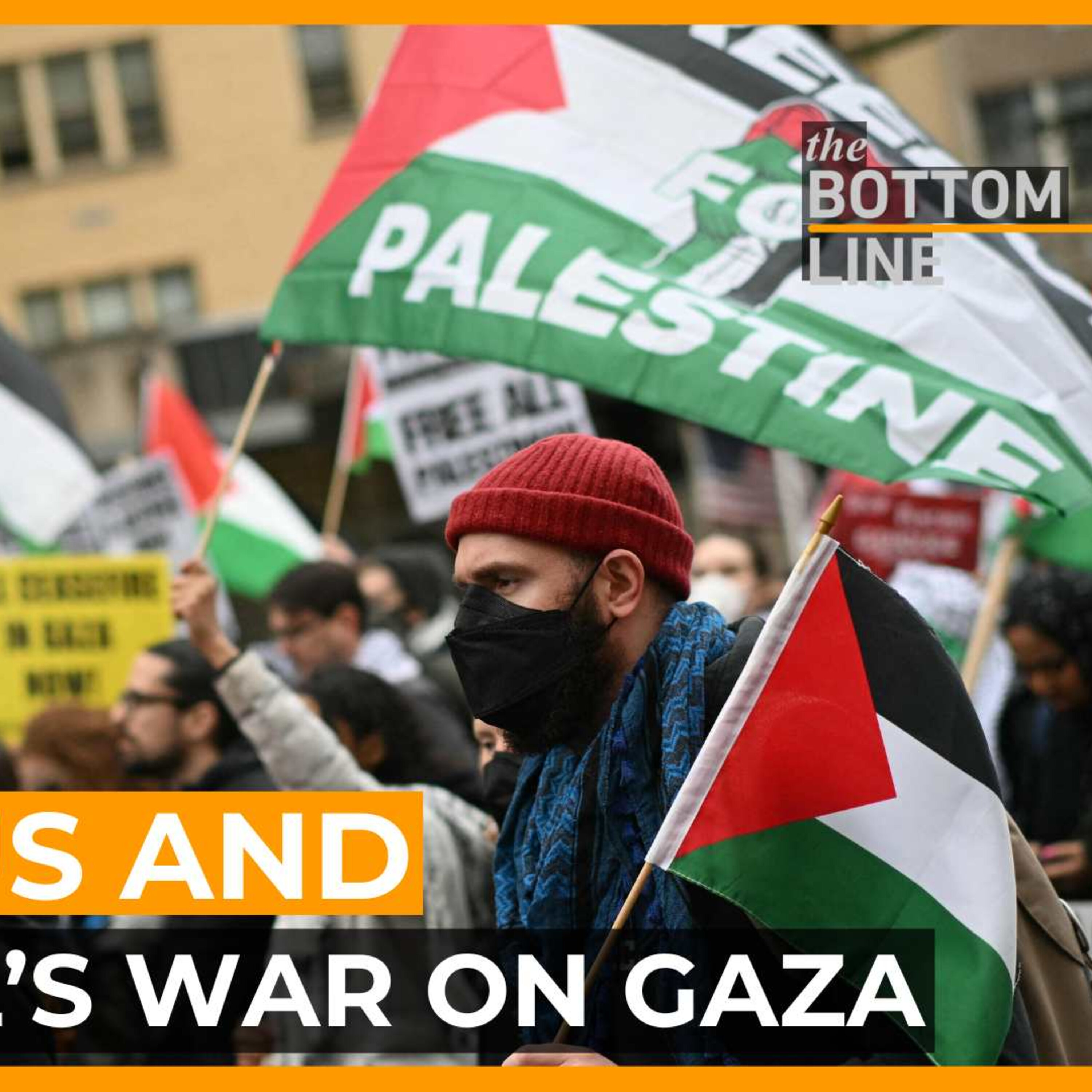
Does Israel need to be forced by the US to end the war in Gaza? | The Bottom Line
All of Israel’s modern wars have ended with US intervention, but the current war in Gaza has gone on for half a year because “Biden is a slow learner”, argues University of Pennsylvania political scientist Ian Lustick.Israel needs an outside power to blame when it cannot achieve its aims. “That's because the war aims are fundamentally political, and the military cannot achieve them,” says Lustick.
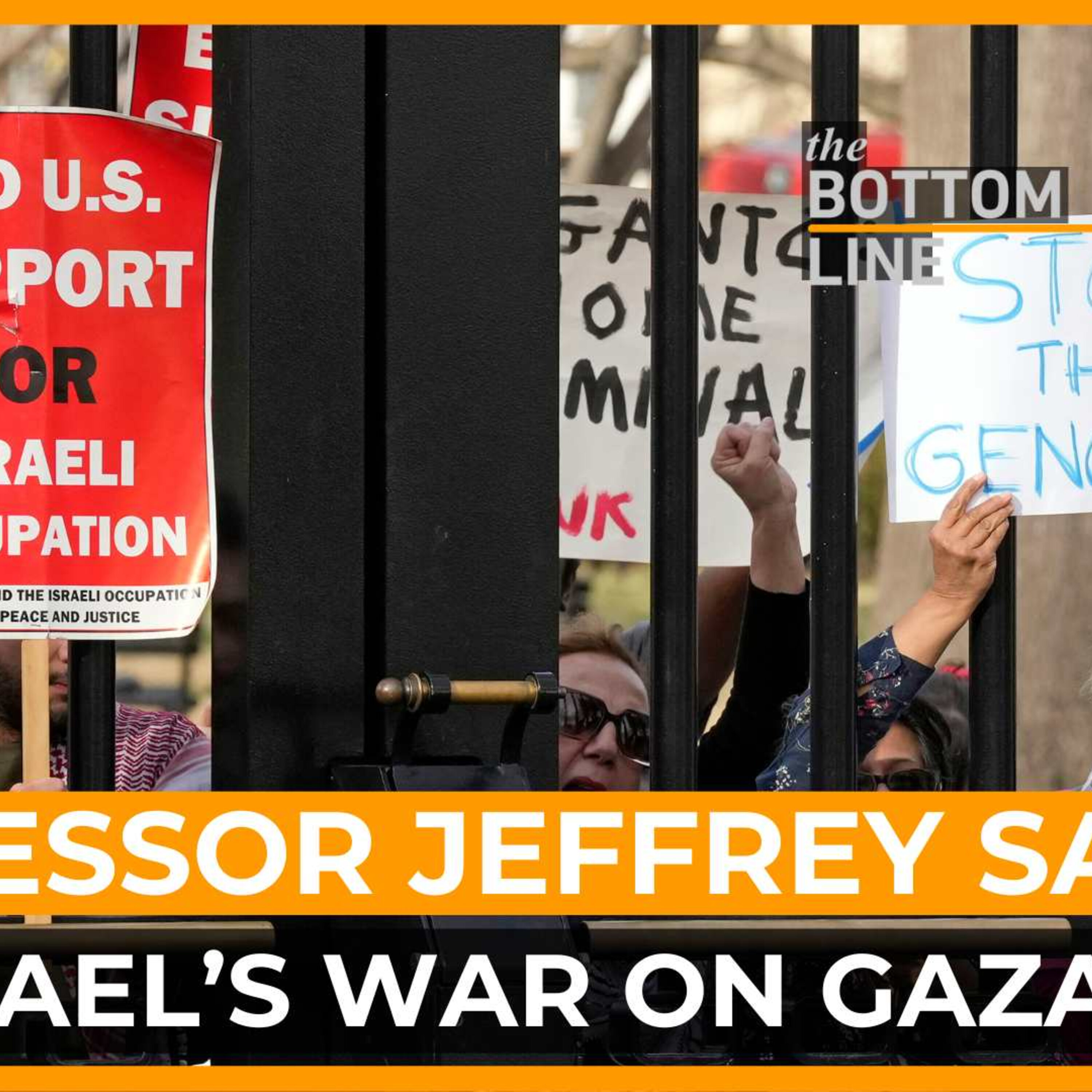
Professor Jeffrey Sachs: ‘US is complicit in Israeli genocide’ | The Bottom Line
“Does the United States want to be complicit in genocide?” This is the question that US leaders should be asking themselves as Israel’s war on Gaza continues, argues Columbia University Professor Jeffrey Sachs.Sachs tells host Steve Clemons that Israel could not continue “for one day” without US support, and the rhetoric from top Democrats criticising Israeli Prime Minister Benjamin Netanyahu is “
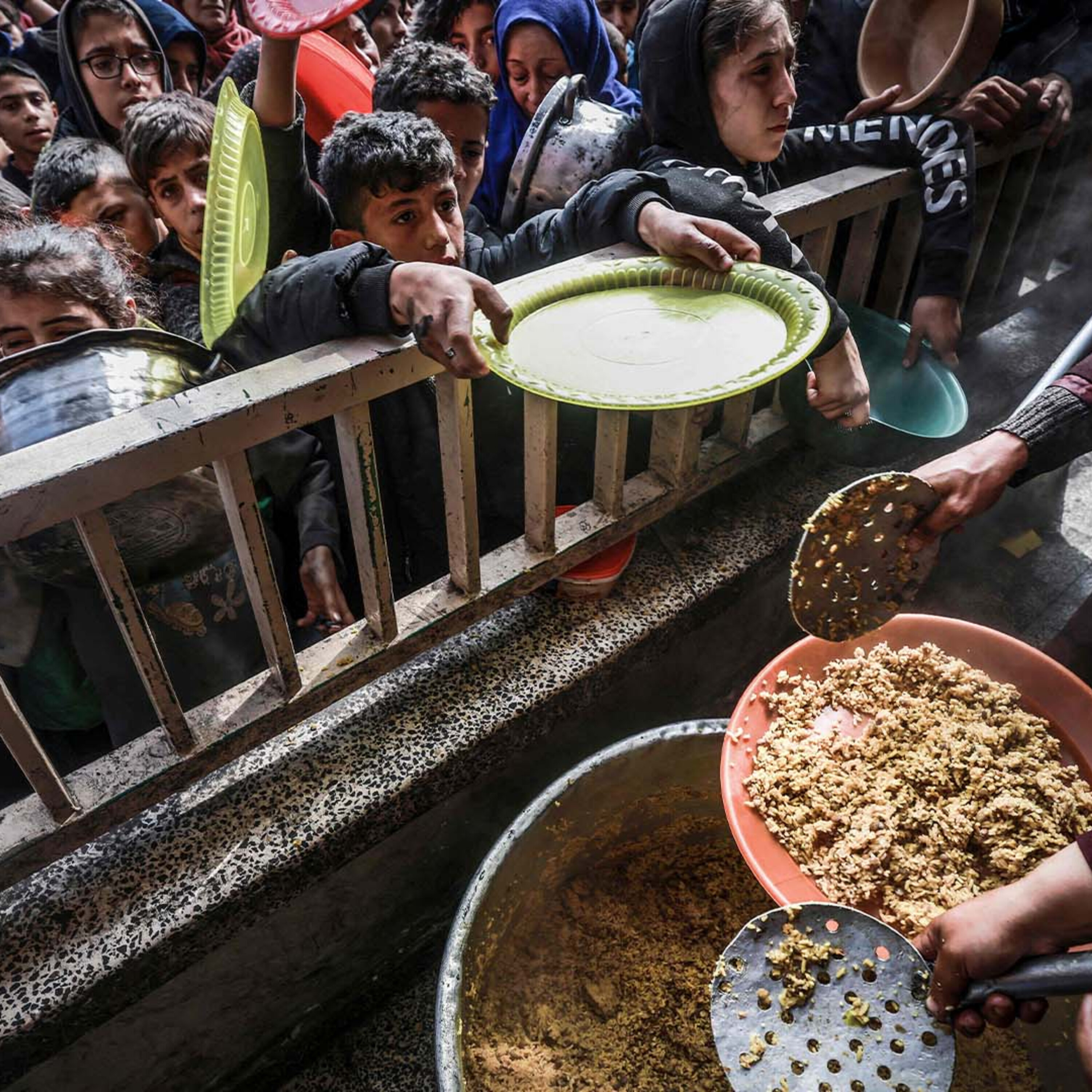
Will Israel be allowed to continue its Gaza starvation strategy? | The Bottom Line
US Senator Chris Van Hollen says it is time for the Biden administration to tell Israel, “If you continue to ignore us, there will be consequences.”Senator Van Hollen, who is one of seven senators (out of 100) to have called for a permanent ceasefire in Israel’s war on Gaza, tells host Steve Clemons that Hamas’s surprise attack last year “does not justify the humanitarian catastrophe that we’re wi
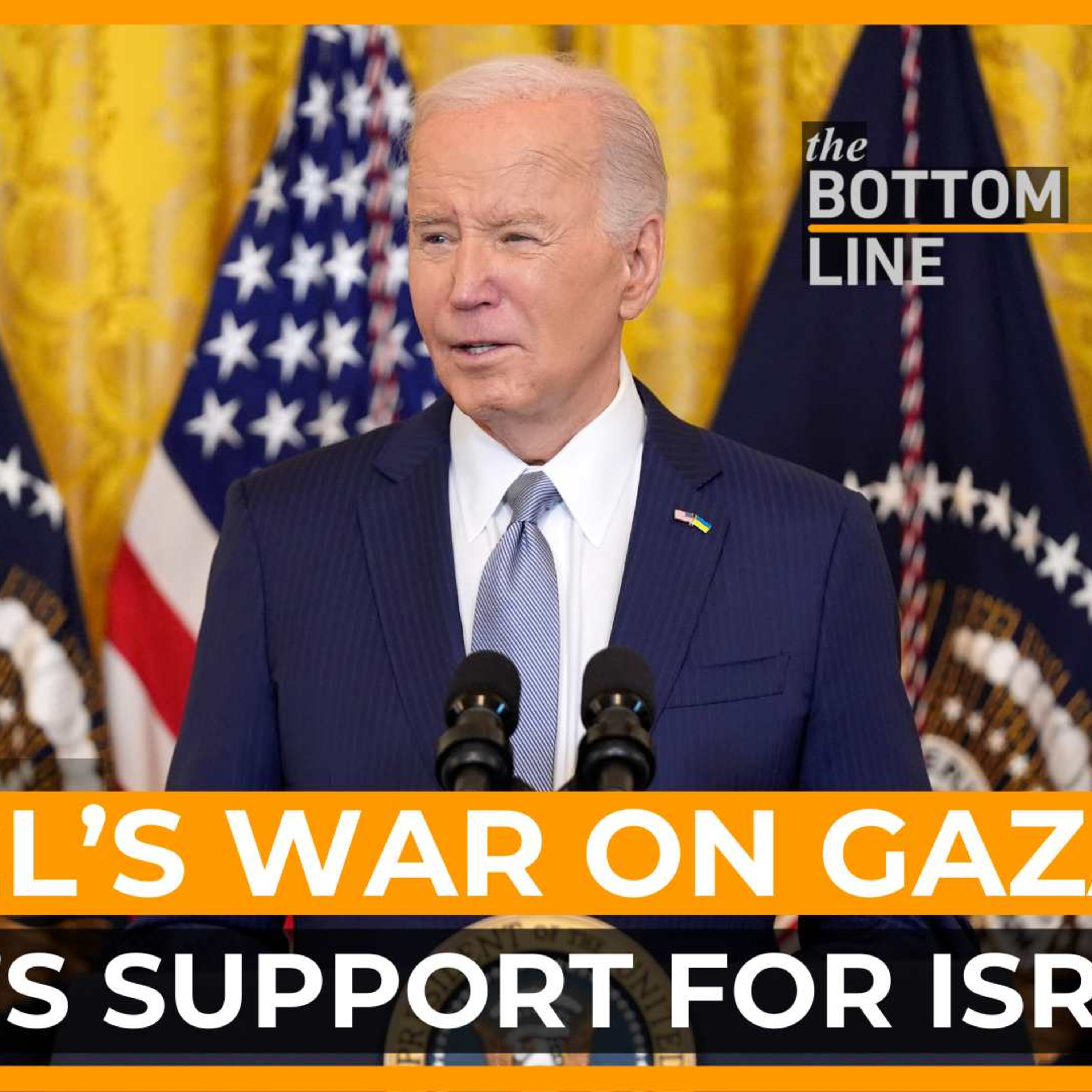
Will Biden reconsider his unconditional support for Israel? | The Bottom Line
US policy on Israel “looks incoherent because it is incoherent,” argues Matt Duss, former adviser to Senator Bernie Sanders, and this is making the United States look “feckless and weak”.Duss tells host Steve Clemons that Israel is violating US law by using US-supplied weapons while preventing humanitarian aid. But President Joe Biden “has simply taken the tools of leverage off the table”.Duss, th
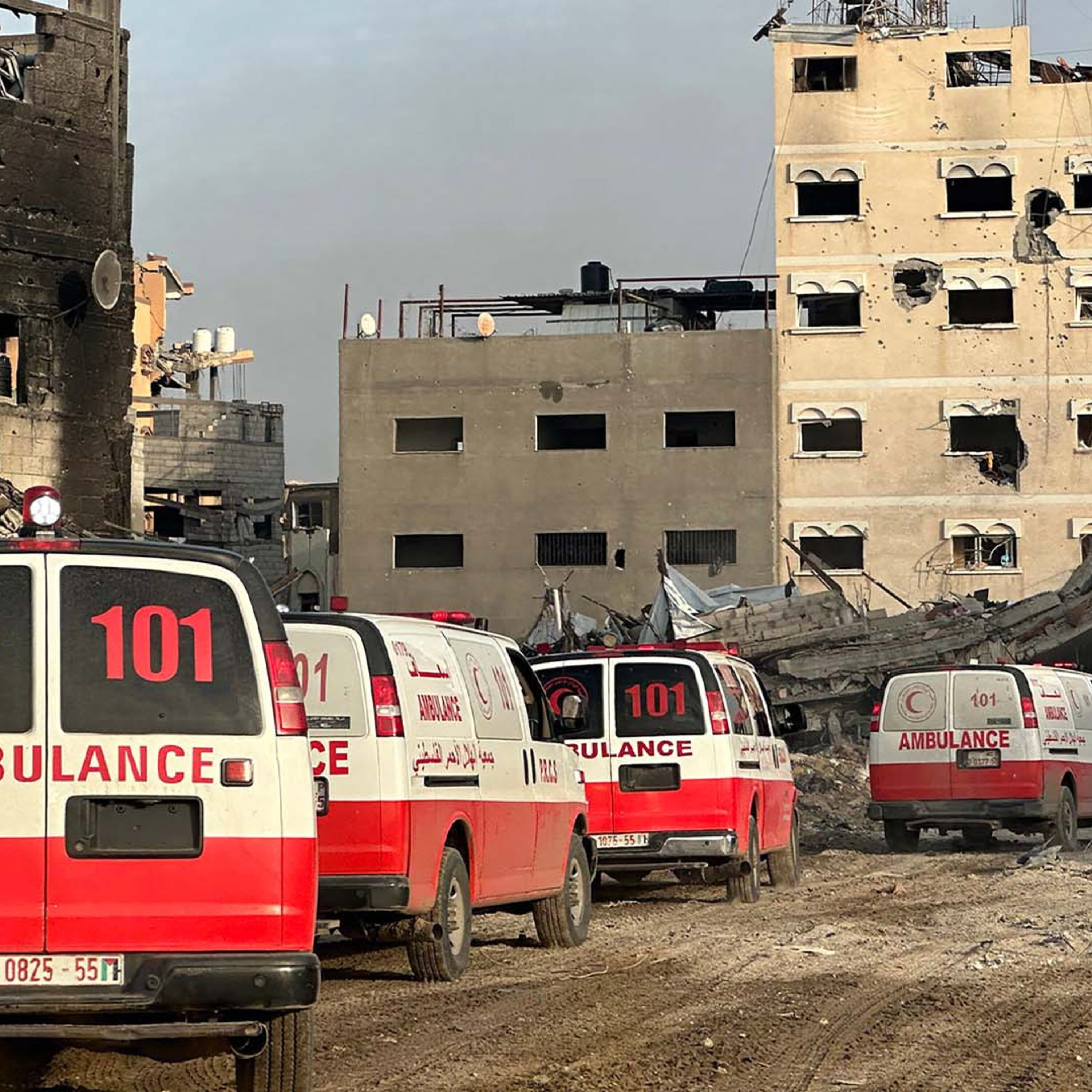
What happens when Gaza’s health system collapses? | The Bottom Line
The Nasser Hospital in Khan Younis was the last big medical facility in the Gaza Strip destroyed by Israel’s war.The World Health Organization says Israel killed 627 doctors, nurses, ambulance drivers and other healthcare workers between October and January.With almost no supplies entering Gaza, what is next for the 2.3 million Palestinians forced to live in inhuman conditions?Host Steve Clemons s
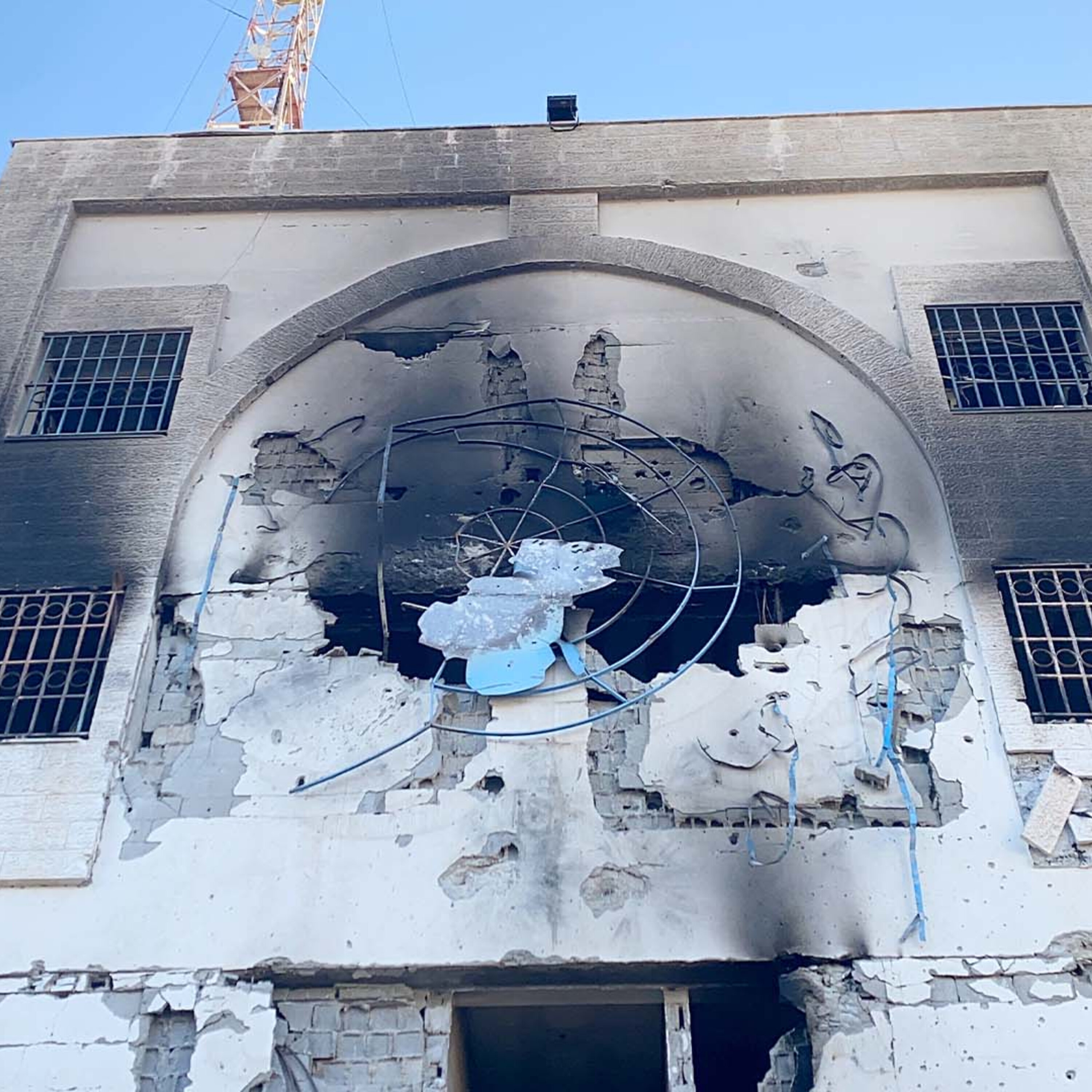
Why are Israel and its Western allies targeting UNRWA? | The Bottom Line
About 20 countries have announced suspension of funding to UNRWA, the agency that has been providing services to Palestinian refugees since 1950.The official reason for the suspension was Israel’s accusation that a dozen UNRWA employees in Gaza had participated in the October 7 Hamas attacks.To understand the potential consequences of undermining UNRWA – especially amid a humanitarian catastrophe
Recommended

紐約鳥|New York Aperture
The Swerve Podcast: Obscure Topics | Conspiracy Theories

The Bread and Banter Podcast

The Church of What's Happening Now: The New Testament

Busted Open
Deadline: White House

Crickets Corner

History of the Earthquake and Fire in San Francisco

Fox news

K-Drama Obsessed Mamas | Beyond “Just One More Episode!”

True Crime Classics

The Healer Revolution
