
Dhamma Audio
Dhamma Audio is a podcast dedicated to providing education in Buddhism. It offers study materials on Dhamma, Suttas, and Vinaya, emphasizing the authentic teachings of the Buddha. The show aims to help listeners develop a correct understanding of life and live in accordance with the Dhamma.
Episodes

The Reason and condition for the doing of bad deeds, for the doing of good deeds
Mahāli Sutta.On one occasion the Blessed One was dwelling near Vesālī, in the Great Wood, in the hall with the peaked roof. Then Mahāli the Licchavi approached the Blessed One. Having approached and saluted the Blessed One, he sat down to one side. Seated to one side, Mahāli the Licchavi said this to the Blessed One: “Venerable sir, what is the reason, what is the condition for the doing of bad de

How to Abandon Fear or Trepidation or Terror
At Savatthi. There the Blessed One addressed the bhikkhus thus: “Bhikkhus!”“Venerable sir!” those bhikkhus replied. The Blessed One said this:“Bhikkhus, once in the past the devas and the asuras were arrayed for battle. Then Sakka, lord of the devas, addressed the Tavatiṁsa devas thus: ‘Dear sirs, when the devas are engaged in battle, if fear or trepidation or terror should arise, on that occasion

The Simile of the Mountain
At Sāvatthi.King Pasenadi of Kosala sat to one side, and the Buddha said to him, “So, Great King, where are you coming from in the middle of the day?”“Sir, there are anointed aristocratic kings who are infatuated with authority, and obsessed with greed for sensual pleasures. They have attained stability in the country, occupying a vast conquered territory. Today I have been busy fulfilling the dut

The Discourse about the King
THUS I HEARD: At one time the Gracious One was dwelling near Sāvatthī, in Jeta’s Wood, at Anāthapiṇḍika’s monastery. Then at that time the Kosalan King Pasenadi had gone to the top of the royal palace with Queen Mallikā. Then the Kosalan King Pasenadi said this to Queen Mallikā: “Is there anyone, Mallikā, you love more than yourself?”“There is no one, Great King, I love more than myself. But is th

The Discourse on the Unrighteous
The Discourse on the Unrighteous‘‘Bhikkhus, when kings are unrighteous, at that time royal officials are also unrighteous. When royal officials are unrighteous, at that time brahmins and householders are also unrighteous. When brahmins and householders are unrighteous, at that time the people of the towns and countryside are also unrighteous. When the people of the towns and countryside are unrigh
Wheel-Turning
Wheel-Turning“Bhikkhus, even a wheel-turning monarch, a righteous king who rules by the Dhamma, does not turn the wheel without a king above him.”When this was said, a certain bhikkhu said to the Blessed One: “But, Bhante, who is the king above a wheel-turning monarch, a righteous king who rules by the Dhamma?”“It is the Dhamma, bhikkhu,” the Blessed One said. “Here, bhikkhu, a wheel-turning monar

Dependent Origination
Dependent Origination. Translated by Bhikkhu Bodhi THUS HAVE I HEARD. On one occasion the Blessed One was dwelling at Savatthī in Jeta’s Grove, Anathapiṇḍika’s Park. There the Blessed One addressed the bhikkhus thus: “Bhikkhus!”“Venerable sir!” those bhikkhus replied. The Blessed One said this:“Bhikkhus, I will teach you dependent origination. Listen to that and attend closely, I will speak.”–“Yes

Nonanger
Akkodhasutta Translated by Bhikkhu BodhiTHUS HAVE I HEARD. On one occasion the Blessed One was dwelling at Savatthī in Jeta’s Grove, Anathapiṇḍika’s Park. There the Blessed One said this:“Bhikkhus, once in the past Sakka, lord of the devas, instructing the Tavatiṁsa devas in the Sudhamma assembly hall, on that occasion recited this verse:“‘Do not let anger overpower you;Do not become angry at thos

The Discourse on the Uposatha with Nine Qualities
The Discourse on the Uposatha with Nine Qualities“Monks, an Uposatha observed, endowed with nine qualities, is of great fruit, great benefit, great splendor, and great pervasiveness. How, monks, is an Uposatha observed, endowed with nine qualities, of great fruit, great benefit, great splendor, and great pervasiveness? Here, monks, a noble disciple reflects thus: ‘Throughout their lives, Arahants
For What Purpose?
At Savatthi. Then a number of bhikkhus approached the Blessed One…. Sitting to one side, those bhikkhus said to the Blessed One:“Here, venerable sir, wanderers of other sects ask us: ‘For what purpose, friends, is the holy life lived under the ascetic Gotama?’ When we are asked thus, venerable sir, we answer those wanderers thus: ‘It is, friends, for the full understanding of suffering that the ho

Perils
Perils“Bhikkhus, the uninstructed worldling speaks of these three perils that separate mother and son. What three?“There comes a time when a great conflagration arises. When the great conflagration has arisen, it burns up villages, towns, and cities. When villages, towns, and cities are burning up, the mother does not find her son and the son does not find his mother. This is the first peril that

Heedfulness
Heedfulness.“Monks, heedfulness should be practiced in four situations. In which four? Monks, abandon misconduct in body, develop good conduct in body; and do not be heedless in that. Monks, abandon misconduct in speech, develop good conduct in speech; and do not be heedless in that. Monks, abandon misconduct in mind, develop good conduct in mind; and do not be heedless in that. Monks, abandon wro

The Lowlife
The LowlifeSo I have heard. At one time the Buddha was staying near Sāvatthi in Jeta’s Grove, Anāthapiṇḍika’s monastery. Then the Buddha robed up in the morning and, taking his bowl and robe, entered Sāvatthi for alms. Now at that time in the brahmin Bhāradvāja the Fire-Worshiper’s home the sacred flame had been kindled and the oblation prepared. Wandering indiscriminately for almsfood in Sāvatthi

The Discourse on Living Happily
The Discourse on Living HappilyThis was spoken by the Blessed One, spoken by the Arahant; thus have I heard— “Monks, a bhikkhu endowed with two qualities lives happily in this very life, unafflicted, undismayed, unfeverish; with the breaking up of the body, after death, a good destination is to be expected. Which two? Guarding the doors of the senses, and knowing moderation in food. Monks, a bhik

The Way
The Way. Translated by Bhikkhu BodhiAt Savatthī. “Bhikkhus, whether for a layperson or one gone forth, I do not praise the wrong way. Whether it is a layperson or one gone forth who is practising wrongly, because of undertaking the wrong way of practice he does not attain the method, the Dhamma that is wholesome. And what, bhikkhus, is the wrong way? It is: wrong view, wrong intention, wrong speec
Adhamma Sutta
Adhamma Sutta“Unrighteousness, bhikkhus, is to be known, and what is unbeneficial; righteousness is to be known, and what is beneficial. Having known unrighteousness and what is unbeneficial, and having known righteousness and what is beneficial, one should practice in accordance with righteousness and what is beneficial. “And what, bhikkhus, is unrighteousness and what is unbeneficial? Wrong vie

Five ways of removing ill will
“Monks, there are these five ways of removing ill will, by which a monk should completely remove any ill will that has arisen. Which five? Monks, if ill will arises towards a certain person, one should cultivate loving-kindness towards that person; in this way, ill will towards that person should be removed. Monks, if ill will arises towards a certain person, one should cultivate compassion toward

Being alert and mindful, develop concentration that is measureless
“Bhikkhus, being alert and mindful, develop concentration that is measureless. When, alert and mindful, you develop concentration that is measureless, five kinds of knowledge arise that are personally yours. What five? The knowledge arises that is personally yours: ‘This concentration is presently pleasant and in the future has a pleasant result.’ The knowledge arises that is personally yours: ‘Th

Concentration
At Savatthi. “Bhikkhus, develop concentration. A bhikkhu who is concentrated understands things as they really are.“And what does he understand as it really is? He understands as it really is: ‘This is suffering.’ He understands as it really is: ‘This is the origin of suffering.’ He understands as it really is: ‘This is the cessation of suffering.’ He understands as it really is: ‘This is the way

The Discourse on the Youngsters
The Discourse on the YoungstersTHUS HAVE I HEARD: At one time the Bhagavā was staying at Sāvatthī, in Jeta’s Grove, Anāthapiṇḍika’s monastery. Now at that time, many youngsters were catching fish between Sāvatthī and Jeta’s Grove. Then the Bhagavā, having dressed in the morning, and taking his bowl and robe, entered Sāvatthī for alms. The Bhagavā saw those many youngsters catching fish between Sāv

The Sutta on Debt
The Sutta on Debt“Is poverty, bhikkhus, suffering in the world for one who enjoys sensual pleasures?” “Yes, Bhante.” “That a poor, destitute, and unfortunate person takes a loan—is taking a loan, bhikkhus, suffering in the world for one who enjoys sensual pleasures?” “Yes, Bhante.”“That a poor, destitute, and unfortunate person, having taken a loan, agrees to interest—is interest, bhikkhus, suffer

Impermanent
ImpermanentAt Savatthi. “Bhikkhus, form is impermanent. What is impermanent is suffering. What is suffering is nonself. What is nonself should be seen as it really is with correct wisdom thus: ‘This is not mine, this I am not, this is not my self.’ When one sees this thus as it really is with correct wisdom, the mind becomes dispassionate and is liberated from the taints by nonclinging.“Feeling is

The Spiritual Life
The Spiritual Life.“Bhikkhus, this spiritual life is not lived for the sake of deceiving people and cajoling them; nor for the benefit of gain, honor, and praise; nor for the benefit of winning in debates; nor with the thought: ‘Let the people know me thus.’ But rather, this spiritual life is lived for the sake of restraint, abandoning, dispassion, and cessation.”The Blessed One taught the spiritu

Trainings
Trainings. “Monks, these four types of individuals are to be found existing in the world. Which four? The one who practices for his own benefit but not for that of others. The one who practices for the benefit of others but not for his own. The one who practices neither for his own benefit nor for that of others. The one who practices for his own benefit and for that of others.“And how is one an i

The Discourse on Abusive Speech
The Discourse on Abusive SpeechAt one time the Blessed One was dwelling in Rājagaha, in the Bamboo Grove, at the Squirrels’ Feeding Ground. The brahmin Akkosaka Bhāradvāja heard, “It seems that a brahmin of the Bhāradvāja clan has gone forth from home into homelessness in the presence of the ascetic Gotama.” Angry and displeased, he went to where the Blessed One was; having approached, he abused a

The one-way path for the purification of beings
The one-way path for the purification of beings. Thus have I heard. On one occasion the Blessed One was dwelling at Vesali in Ambapali’s Grove. There the Blessed One addressed the bhikkhus thus: “Bhikkhus!”“Venerable sir!” the bhikkhus replied. The Blessed One said this:“Bhikkhus, this is the one-way path for the purification of beings, for the overcoming of sorrow and lamentation, for the passing

Giving
Giving. Translated by John D. Ireland“Bhikkhus, if beings knew, as I know, the result of giving and sharing, they would not eat without having given, nor would they allow the stain of meanness to obsess them and take root in their minds. Even if it were their last morsel, their last mouthful, they would not eat without having shared it, if there were someone to share it with. But, bhikkhus, as bei
The Layperson’S Proper Practice
The Layperson’S Proper PracticeThen the householder Anāthapiṇḍika approached the Blessed One…. The Blessed One said to him:“Householder, a noble disciple who possesses four qualities is practicing the way proper to the layperson, a way that brings the attainment of fame and leads to heaven. What four?“Here, householder, a noble disciple serves the Saṅgha of bhikkhus with robes; he serves the Saṅgh

Impossible
Impossible. Translated by Bhikkhu Bodhi“Bhikkhus, if anyone should speak thus: ‘Without having made the breakthrough to the noble truth of suffering as it really is, without having made the breakthrough to the noble truth of the origin of suffering as it really is, without having made the breakthrough to the noble truth of the cessation of suffering as it really is, without having made the breakth

The Siṁsapa Grove
The Siṁsapa Grove. Translated by Bhikkhu BodhiOn one occasion the Blessed One was dwelling at Kosambi in a siṁsapa grove. Then the Blessed One took up a few siṁsapa leaves in his hand and addressed the bhikkhus thus: “What do you think, bhikkhus, which is more numerous: these few siṁsapa leaves that I have taken up in my hand or those in the siṁsapa grove overhead?”“Venerable sir, the siṁsapa leav
The Discourse on Teaching
The Discourse on TeachingThis was said by the Blessed One, said by the Arahant, so I heard: ‘‘Bhikkhus, there are two discourses on Dhamma given by the Tathāgata, the Arahant, the Perfectly Self-Enlightened One, in due course. Which two? ‘See evil as evil’—this is the first discourse on Dhamma; ‘Having seen evil as evil, become disgusted with it, dispassionate towards it, and liberated from it’—t

The Four Noble Truths
The Four Noble Truths. Translated by Bhikkhu Bodhi“Bhikkhus, there are these Four Noble Truths. What four? The noble truth of suffering, the noble truth of the origin of suffering, the noble truth of the cessation of suffering, the noble truth of the way leading to the cessation of suffering.“And what, bhikkhus, is the noble truth of suffering? It should be said: the five aggregates subject to cli

The Inscription
The Inscription.“Bhikkhus, these three types of individuals exist, are found in the world. Which three? The individual like an inscription on rock, the individual like an inscription on earth, the individual like an inscription on water. And which, bhikkhus, is the individual like an inscription on rock? Here, bhikkhus, a certain individual frequently gets angry. And that anger of his persists for

The Discourse to Dhanañjāni
Dhanañjānisutta — The Discourse to Dhanañjāni Thus have I heard: At one time the Blessed One was staying in Rājagaha, in the Bamboo Grove, at the Squirrels’ Feeding Place. Now at that time, a brahmin woman named Dhanañjāni, of the Bhāradvāja clan, had firm faith in the Buddha, the Dhamma, and the Saṅgha. Then the brahmin woman Dhanañjāni, while serving food to the brahmin of the Bhāradvāja clan, s

Non-Decline
Non-Decline. Translated by Bhikkhu Bodhi“Bhikkhus, a bhikkhu who possesses four qualities is incapable of decline and is in the vicinity of nibbāna. What four? Here, a bhikkhu is accomplished in virtuous behavior, guards the doors of the sense faculties, observes moderation in eating, and is intent on wakefulness.“And how is a bhikkhu accomplished in virtuous behavior? Here, a bhikkhu is virtuous;
The Seed
The Seed. Translated by Thanissaro Bhikkhu“When a person has wrong view, wrong resolve, wrong speech, wrong action, wrong livelihood, wrong effort, wrong mindfulness, wrong concentration, wrong knowledge, & wrong release, whatever bodily deeds he undertakes in line with that view, whatever verbal deeds… whatever mental deeds he undertakes in line with that view, whatever intentions, whatever d
Harmless
Harmless. Translated by Bhikkhu Sujato At Sāvatthī. Then the brahmin Bhāradvāja the Harmless went up to the Buddha, and exchanged greetings with him. When the greetings and polite conversation were over, he sat down to one side and said, “I am Harmless, worthy Gotama, I am Harmless!”“If you were really like your name, then you’d be Harmless. But a truly harmless person does no harm by way of body,

Ignorance Is the Forerunner in the Entry Upon Unwholesome States
Ignorance. Translated by Bhikkhu BodhiTHUS HAVE I HEARD . On one occasion the Blessed One was dwelling at Savatthī in Jeta’s Grove, Anathapiṇḍika’s Park. There the Blessed One addressed the bhikkhus thus: “Bhikkhus!”“Venerable sir!” those bhikkhus replied. The Blessed One said this:“Bhikkhus, ignorance is the forerunner in the entry upon unwholesome states, with shamelessness and fearlessness of w

Ignorance
Ignorance. Translated by Bhikkhu BodhiSitting to one side, that bhikkhu said to the Blessed One: “Venerable sir, it is said, ‘ignorance, ignorance.’ What is ignorance, venerable sir, and in what way is one immersed in ignorance?”“Bhikkhu, not knowing suffering, not knowing the origin of suffering, not knowing the cessation of suffering, not knowing the way leading to the cessation of suffering: th
The Benefits of Training
The Benefits of Training. Translated by Bhikkhu Sujato“Mendicants, this spiritual life is lived with training as its benefit, with wisdom as its overseer, with freedom as its core, and with mindfulness as its ruler.And how is training its benefit? Firstly, I laid down for my disciples the training that deals with supplementary regulations in order to inspire confidence in those without it and to i

Three failures and three accomplishments
Three failures and three accomplishments. Translated by Bhikkhu Sujato“Mendicants, there are three failures. What three? Failure in ethics, mind, and view.And what is failure in ethics? It’s when someone kills living creatures, steals, commits sexual misconduct, and uses speech that’s false, backbiting, harsh, or nonsensical. This is called ‘failure in ethics’.And what is failure in mind? It’s whe

Depopulation
Palokasutta, Depopulation. Aṅguttara Nikāya 3.56. Translated by Bhikkhu BodhiThen a certain affluent brahmin approached the Blessed One … and said to him:“Master Gotama, I have heard older brahmins who are aged, burdened with years, teachers of teachers, saying: ‘In the past this world was so thickly populated one would think there was no space between people. The villages, towns, and capital citi

Diligence
Diligence, AppamādasuttaAN 6.53. Translated by Bhikkhu SujatoThen a certain brahmin went up to the Buddha, and exchanged greetings with him.When the greetings and polite conversation were over, he sat down to one side and said to the Buddha:“Worthy Gotama, is there one thing that, when developed and cultivated, secures benefits for both this life and lives to come?”“There is, brahmin.”“So what is

Worldly Conditions
Paṭhamalokadhammasutta AN 8.5 Worldly Conditions. Translated by Bhikkhu Bodhi“Bhikkhus, these eight worldly conditions revolve around the world, and the world revolves around these eight worldly conditions. What eight? Gain and loss, disrepute and fame, blame and praise, and pleasure and pain. These eight worldly conditions revolve around the world, and the world revolves around these eight worldl

Three Kinds of Suffering
Dukkhatāsutta SN 45.165, Suffering. Translated by Bhikkhu Bodhi“Bhikkhus, there are these three kinds of suffering. What three? Suffering due to pain, suffering due to formations, suffering due to change. These are the three kinds of suffering. The Noble Eightfold Path is to be developed for direct knowledge of these three kinds of suffering, for the full understanding of them, for their utter des

Possessions, honor, and popularity came to Devadatta for his own ruin and downfall
Devadattasutta AN 4.68 Translated by Bhikkhu Sujato At one time the Buddha was staying near Rājagaha, on the Vulture’s Peak Mountain, not long after Devadatta had left. There the Buddha spoke to the mendicants about Devadatta:“Possessions, honor, and popularity came to Devadatta for his own ruin and downfall.It’s like a banana plant, or a bamboo, or a reed, all of which bear fruit to their own rui

Inner Stains
Antarāmalasutta Iti 88, Inner Stains. Translated by Bhikkhu SujatoThis was said by the Buddha, the Perfected One: that is what I heard.“Mendicants, there are these three inner stains, inner foes, inner enemies, inner killers, and inner adversaries.What three?Greed,hate,and delusion.These three are inner stains, inner foes, inner enemies, inner killers, and inner adversaries.”The Buddha spoke this

Good Will
Mettāsutta AN 11.15, Good Will. Translated by Thanissaro Bhikkhu“Monks, for one whose awareness-release through good will is cultivated, developed, pursued, handed the reins and taken as a basis, given a grounding, steadied, consolidated, and well-undertaken, eleven benefits can be expected. Which eleven?“One sleeps easily, wakes easily, dreams no evil dreams. One is dear to human beings, dear to

Battle (2nd)
Dutiyasaṅgāmasutta, Battle (2nd) SN 3.15. Translated by Bhikkhu SujatoThen King Ajātasattu of Magadha, son of the princess of Videha, mobilized an army of four divisions and marched to Kāsi to attack King Pasenadi of Kosala. When King Pasenadi heard of this, he mobilized an army of four divisions and marched to Kāsi to defend it against Ajātasattu. Then the two kings met in battle. And in that bat

Battle (1st)
Paṭhamasaṅgāmasutta, Battle (1st) SN 3.14. Translated by Bhikkhu SujatoAt Sāvatthī.Then King Ajātasattu of Magadha, son of the princess of Videha, mobilized an army of four divisions and marched to Kāsi to attack King Pasenadi of Kosala. When King Pasenadi heard of this, he mobilized an army of four divisions and marched to Kāsi to defend it against Ajātasattu. Then the two kings met in battle. An

To be Associated With
Sevitabbasutta AN 3.26, To be Associated With. Translated by Bhikkhu Bodhi“Bhikkhus, there are these three kinds of persons found existing in the world. What three? There is a person who is not to be associated with, followed, and served; a person who is to be associated with, followed, and served; and a person who is to be associated with, followed, and served with honor and respect.“And what kin

King Pasenadi asks of the things that cause suffering when they arise in oneself
Purisasutta SN 3.2. Translated by Bhikkhu SujatoAt Sāvatthī.Then King Pasenadi of Kosala went up to the Buddha, bowed, sat down to one side, and said to the Buddha, “Sir, how many things arise inside a person for their harm, suffering, and discomfort?” “Great king, three things arise inside a person for their harm, suffering, and discomfort. What three? Greed, hate, and delusion. These three thing

The Dhamma Is Directly Visible
Aññatarabrāhmaṇasutta, Aṅguttara Nikāya 3.53. Translated by Bhikkhu BodhiThen a certain brahmin approached the Blessed One … and said to him:“Master Gotama, it is said: ‘A directly visible Dhamma, a directly visible Dhamma.’ In what way is the Dhamma directly visible, immediate, inviting one to come and see, applicable, to be personally experienced by the wise?”“Brahmin, one excited by lust, overc

The kind of fragrance that spreads with the wind, and against it, and both
Gandhajātasutta AN 3.79. Translated by Bhikkhu SujatoThen Venerable Ānanda went up to the Buddha, bowed, sat down to one side, and said to him:“Sir, there are these three kinds of fragrance that spread only with the wind, not against it. What three? The fragrance of roots, heartwood, and flowers. These are the three kinds of fragrance that spread only with the wind, not against it. Is there a kind

What Is the Goal?
Kimatthiyasutta AN 11.1. Translated by Bhikkhu SujatoSO I HAVE HEARD. At one time the Buddha was staying near Sāvatthī in Jeta’s Grove, Anāthapiṇḍika’s monastery.Then Venerable Ānanda went up to the Buddha, bowed, sat down to one side, and said to him:“Sir, what is the goal and benefit of skillful ethics?”“Ānanda, having no regrets is the goal and benefit of skillful ethics.”“But what is the goal

Gaining the four continents is not worth a sixteenth part of gaining the four factors of stream-entry
Cakkavattirājasutta SN 55.1. Translated by Bhikkhu Sujato“Mendicants, suppose a wheel-turning monarch were to rule as sovereign lord over these four continents. And when his body breaks up, after death, he’s reborn in a good place, a heavenly realm, in the company of the gods of the thirty-three. There he entertains himself in the Garden of Delight, escorted by a band of nymphs, and supplied and p

Yoke with a Hole
Paṭhamachiggaḷayugasutta Saṁyutta Nikāya 56.47. Translated by Bhikkhu Bodhi“Bhikkhus, suppose a man would throw a yoke with a single hole into the great ocean, and there was a blind turtle which would come to the surface once every hundred years. What do you think, bhikkhus, would that blind turtle, coming to the surface once every hundred years, insert its neck into that yoke with a single hole?”

The Buddha encourages Anāthapiṇḍika to not rest short with generosity, but to practice meditation too
Pītisutta Aṅguttara Nikāya 5.176. Translated by Bhikkhu SujatoThen the householder Anāthapiṇḍika, escorted by around five hundred lay followers, went up to the Buddha, bowed, and sat down to one side. The Buddha said to him:“Householders, you have supplied the mendicant Saṅgha with robes, almsfood, lodgings, and medicines and supplies for the sick. But you should not be content with just this much

Hatthaka of Āḷavī sustains his large retinue by the four means of sustaining a favorable relationship
Dutiyahatthakasutta Aṅguttara Nikāya 8.24. Translated by Bhikkhu BodhiOn one occasion the Blessed One was dwelling at Āḷavī at the Aggāḷava Shrine. Then Hatthaka of Āḷavī, accompanied by five hundred lay followers, approached the Blessed One, paid homage to him, and sat down to one side. The Blessed One then said to him:“Your retinue is large, Hatthaka. How do you sustain this large retinue?”“I do

The four means of sustaining a favorable relationship
Saṅgahasutta Aṅguttara Nikāya 4.32. Translated by Bhikkhu Bodhi“Bhikkhus, there are these four means of sustaining a favorable relationship. What four? Giving, endearing speech, beneficent conduct, and impartiality. These are the four means of sustaining a favorable relationship.”Giving, endearing speech,beneficent conduct, and impartialityunder diverse worldly conditions,as is suitable to fit eac
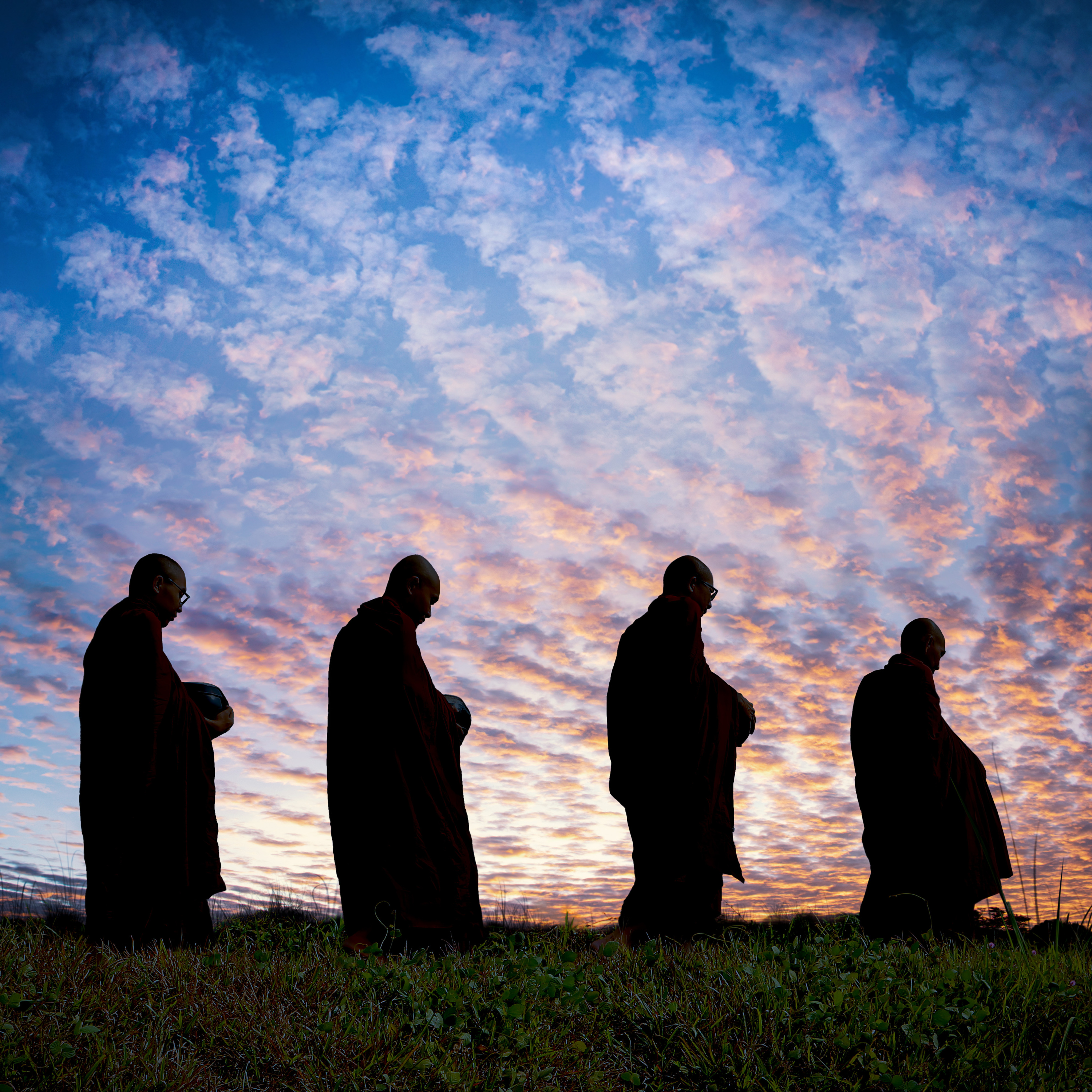
The Five Powers
Vitthatasutta Aṅguttara Nikāya 5.14. Translated by Bhikkhu Bodhi“Bhikkhus, there are these five powers. What five? The power of faith, the power of energy, the power of mindfulness, the power of concentration, and the power of wisdom.“And what, bhikkhus, is the power of faith? Here, a noble disciple is endowed with faith. He places faith in the enlightenment of the Tathāgata thus: ‘The Blessed One

Support
Nivesakasutta, Support. Translated by Bhikkhu SujatoThen Venerable Ānanda went up to the Buddha, bowed, and sat down to one side. The Buddha said to him:“Ānanda, those who you have sympathy for, and those worth listening to—friends and colleagues, relatives and family—should be encouraged, supported, and established in three things. What three?Experiential confidence in the Buddha: ‘That Blessed O
The Discourse about the Leper Suppabuddha
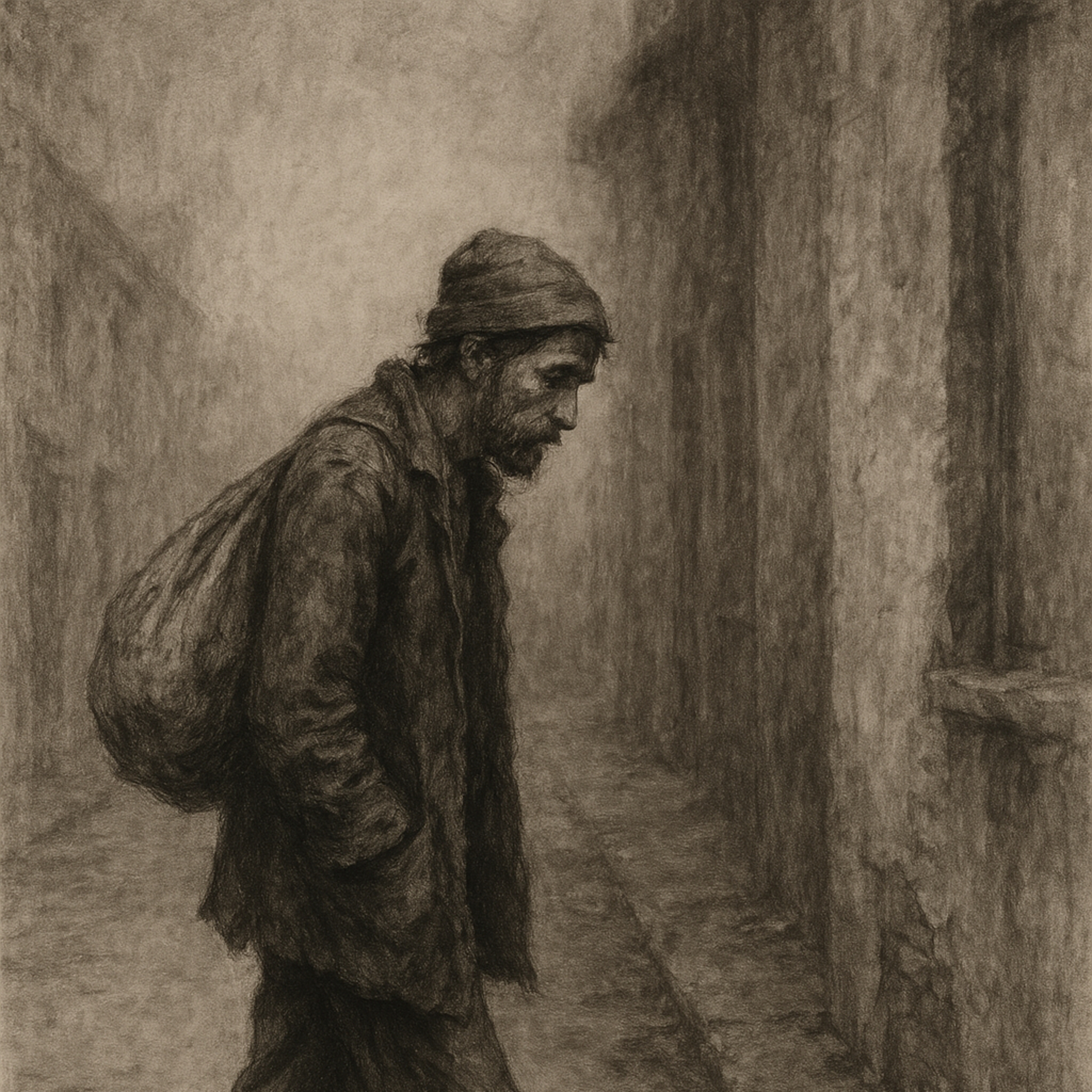
Suppabuddhakuṭṭhisutta, Udāna 5.3. The Discourse about the Leper Suppabuddha. Translated by Bhikkhu ĀnandajotiTHUS I HEARD: At one time the Gracious One was dwelling near Rājagaha, in Bamboo Wood, at the Squirrels’ Feeding Place. Then at that time the leper known as Suppabuddha Wide Awake was in Rājagaha, a poor man, a wretched man, a miserable man.Then at that time the Gracious One was sitting te

When the head of a family is endowed with faith, the people in the family who depend on him grow in three ways
Pabbatarājasutta Aṅguttara Nikāya 3.48. Translated by Bhikkhu Bodhi“Bhikkhus, based on the Himalayas, the king of mountains, great sal trees grow in three ways. What three? They grow in branches, leaves, and foliage; they grow in bark and shoots; and they grow in softwood and heartwood. Based on the Himalayas, the king of mountains, great sal trees grow in these three ways.“So too, when the head o

The reciprocal ways in which monks and lay supporters benefit one another
Bahukārasutta, Very Helpful. Translated by John D. Ireland“Bhikkhus, brahmins and householders are very helpful to you. They provide you with the requisites of robes, almsfood, lodgings, and medicine in time of sickness. And you, bhikkhus, are very helpful to brahmins and householders, as you teach them the Dhamma that is good at the outset, good in the middle, and good at the end, with its correc

The three persons are helpful to another person
Bahukārasutta, Aṅguttara Nikāya 3.24. Translated by Bhikkhu Bodhi“Bhikkhus, these three persons are helpful to another person. What three?“The person through whom another has gone for refuge to the Buddha, the Dhamma, and the Saṅgha. This person is helpful to the other person.“Again, the person through whom another comes to understand as it really is: ‘This is suffering,’ and ‘This is the origin o

The account of the going forth of Sāriputta and Moggallāna
Mahākhandhaka, The account of the going forth of Sāriputta and Moggallāna. Translated by Bhikkhu BrahmaliAt that time the wanderer Sañcaya was staying at Rājagaha with a large group of two hundred and fifty wanderers, including Sāriputta and Moggallāna. The two of them had made an agreement that whoever reached freedom from death first would inform the other.Just then, Venerable Assaji robed up in

What arises is only suffering arising, what ceases is only suffering ceasing
Kaccānagottasutta Saṁyutta Nikāya 12.15. Translated by Bhikkhu BodhiAt Savatthī. Then the Venerable Kaccanagotta approached the Blessed One, paid homage to him, sat down to one side, and said to him: “Venerable sir, it is said, ‘right view, right view.’ In what way, venerable sir, is there right view?”“This world, Kaccana, for the most part depends upon a duality—upon the notion of existence and t

The Noble Eightfold Path
Vibhaṅgasutta Saṁyutta Nikāya 45.8. Translated by Bhikkhu BodhiAt Savatthī. “Bhikkhus, I will teach you the Noble Eightfold Path and I will analyse it for you. Listen to that and attend closely, I will speak.”“Yes, venerable sir,” those bhikkhus replied. The Blessed One said this:“And what, bhikkhus, is the Noble Eightfold Path? Right view, right intention, right speech, right action, right liveli

The Development of Loving-kindness
Mettābhāvanāsutta, The Development of Loving-kindness. Translated by John D. IrelandThis was said by the Lord…“Bhikkhus, whatever grounds there are for making merit productive of a future birth, all these do not equal a sixteenth part of the mind-release of loving-kindness. The mind-release of loving-kindness surpasses them and shines forth, bright and brilliant.“Just as the radiance of all the st

Two bright things protect the world
Kammakaraṇavagga Numbered Discourses 7–9. Translated by Bhikkhu Sujato“These two things, mendicants, are dark. What two? Lack of conscience and prudence. These are the two things that are dark.”“These two things, mendicants, are bright. What two? Conscience and prudence. These are the two things that are bright.”“These two bright things, mendicants, protect the world. What two? Conscience and prud

When a good person is born in a family, it is for the good, welfare, and happiness of many people
Sappurisasutta Aṅguttara Nikāya 5.42 Translated by Bhikkhu Bodhi“Bhikkhus, when a good person is born in a family, it is for the good, welfare, and happiness of many people. It is for the good, welfare, and happiness of his mother and father, his wife and children, his slaves, workers, and servants, his friends and companions, and ascetics and brahmins. Just as a great rain cloud, nurturing all th

Never Stop Trying
Kammakaraṇavagga, Translated by Bhikkhu Sujato“Mendicants, I have learned these two things for myself—to never be content with skillful qualities, and to never stop trying.I never stopped trying, thinking: ‘Gladly, let only skin, sinews, and bones remain! Let the flesh and blood waste away in my body! I will not stop trying until I have achieved what is possible by human strength, energy, and vigo

The Discourse on the Two Paths
Dvidhāpathasutta, The Discourse on the Two Paths. Translated by Bhikkhu ĀnandajotiTHUS I HEARD: At one time the Gracious One was going along the high road amongst the Kosalans with venerable Nāgasamāla as the attendent ascetic who followed behind him.The venerable Nāgasamāla saw two paths on the road, and having seen that, he said this to the Gracious One: “This is the path, reverend Sir, let us g
Knowing The Buddha by His Words
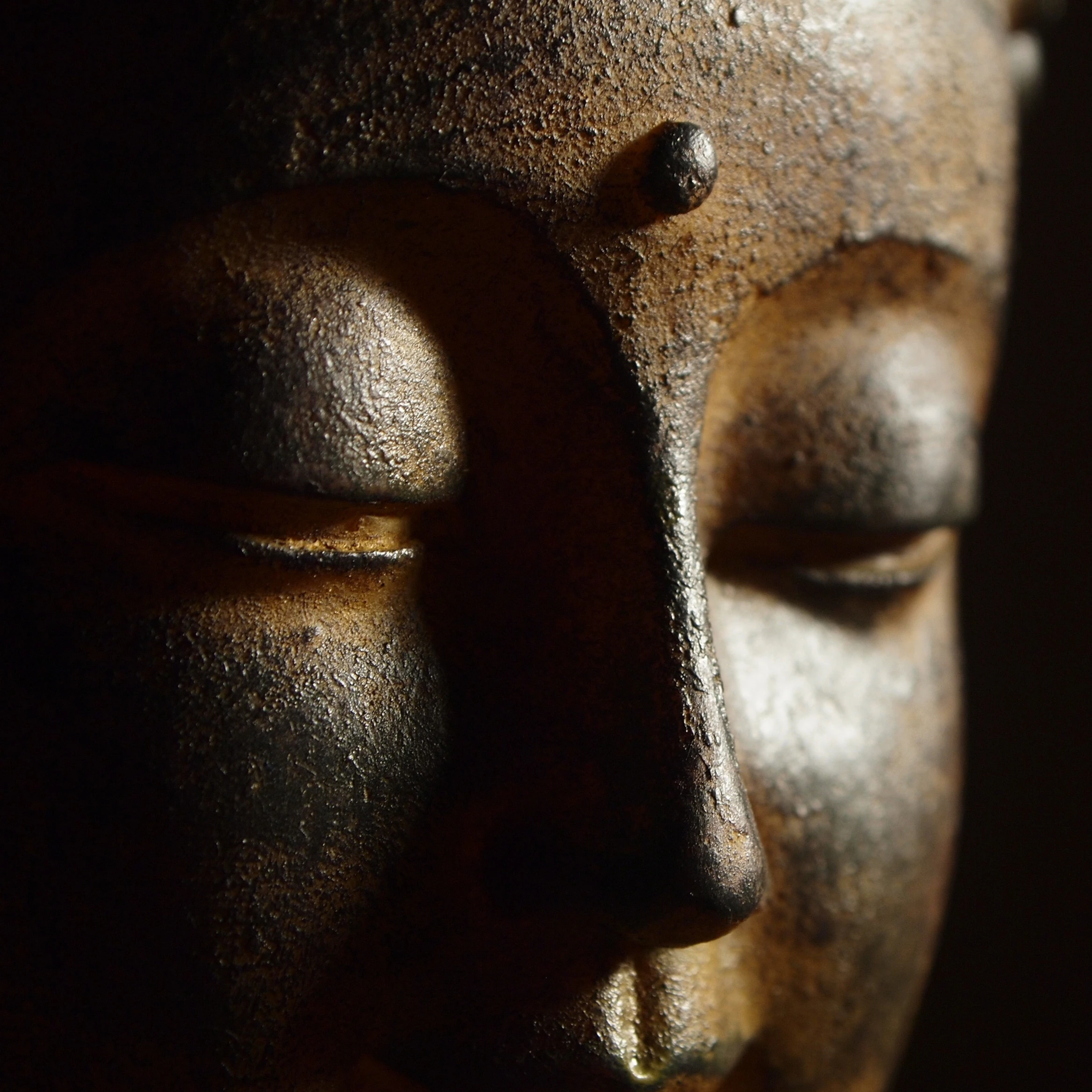
Doṇasutta Aṅguttara Nikāya 4.36. Translated by Bhikkhu BodhiOn one occasion the Blessed One was traveling along the highway between Ukkaṭṭhā and Setavya. The brahmin Doṇa was also traveling along the highway between Ukkaṭṭhā and Setavya. The brahmin Doṇa then saw the thousand-spoked wheels of the Blessed One’s footprints, with their rims and hubs, complete in all respects, and thought: “It is asto

The Highest Blessing
Maṅgalasutta, Blessing, Translated by Bhikkhu SujatoSO I HAVE HEARD. At one time the Buddha was staying near Sāvatthī in Jeta’s Grove, Anāthapiṇḍika’s monastery. Then, late at night, a glorious deity, lighting up the entire Jeta’s Grove, went up to the Buddha, bowed, and stood to one side. That deity addressed the Buddha in verse:“Many gods and humanshave thought about blessingsdesiring well-being

Aspiring to three forms of bliss, wise people should guard their virtue
Sukhapatthanāsutta, Wishing for Happiness, Translated by Bhikkhu SujatoThis was said by the Buddha, the Perfected One: that is what I heard.“Mendicants, an astute person who wishes for three kinds of happiness should take care of their ethics. What three? ‘May I be be praised!’ ‘May I become rich!’ ‘When my body breaks up, after death, may I be reborn in a good place, a heavenly realm!’ An astute

On the fifteenth, the uposatha day, the four great kings themselves wander over this world
“Bhikkhus, on the eighth of the fortnight, the ministers and assembly members of the four great kings wander over this world, thinking: ‘We hope there are many people who behave properly toward their mother and father, behave properly toward ascetics and brahmins, honor the elders of the family, observe the uposatha, keep the extra observance days, and do meritorious deeds.’ On the fourteenth of t

Brahmā is a designation for mother and father
Sabrahmakasutta Aṅguttara Nikāya 3.31. Translated by Bhikkhu Bodhi“Bhikkhus, those families dwell with Brahmā where at home the mother and father are revered by their children. Those families dwell with the first teachers where at home the mother and father are revered by their children. Those families dwell with the gift-worthy where at home the mother and father are revered by their children.“‘B

All conditions are impermanence, suffering, and not-self
“Mendicants, whether Realized Ones arise or not, this law of nature persists, this regularity of natural principles, this surety of natural principles: all conditions are impermanent. A Realized One awakens to this and comprehends it, then he explains, teaches, asserts, establishes, clarifies, analyzes, and reveals it: ‘All conditions are impermanent.’Whether Realized Ones arise or not, this law o
Recommended

The Healer Revolution

Becoming: HER with Nikki Spoelstra

Booked, Blonde & Busy w/ Olivia Ponton

McKinsey on Consumer and Retail

megahired.com

Hard Knocks Podcast

Effective Weight Loss for Moms | High protein, Strength Training, Lose Weight, Meal Planning, Fat Loss, Healthy Habits

The Human-Animal Connection - Pet Life Radio Original

Infinite Health with Dr. Arasi Maran

The Daily

World News Tonight with David Muir

The Joe Rogan Experience
