The Ho Center for Buddhist Studies at Stanford
The Ho Center for Buddhist Studies at Stanford podcast features faculty, graduate students, visiting speakers, and alumni in conversation with Miles Osgood and Leah Chase about the history, philosophy, and practice of Buddhism. Interviews are intended to be both academic and accessible. Topics range from scholarly publications and insights to personal journeys and reflections. Interview videos are also posted on YouTube, and more information about events, speakers, and research is available at buddhiststudies.stanford.edu.
Episodes
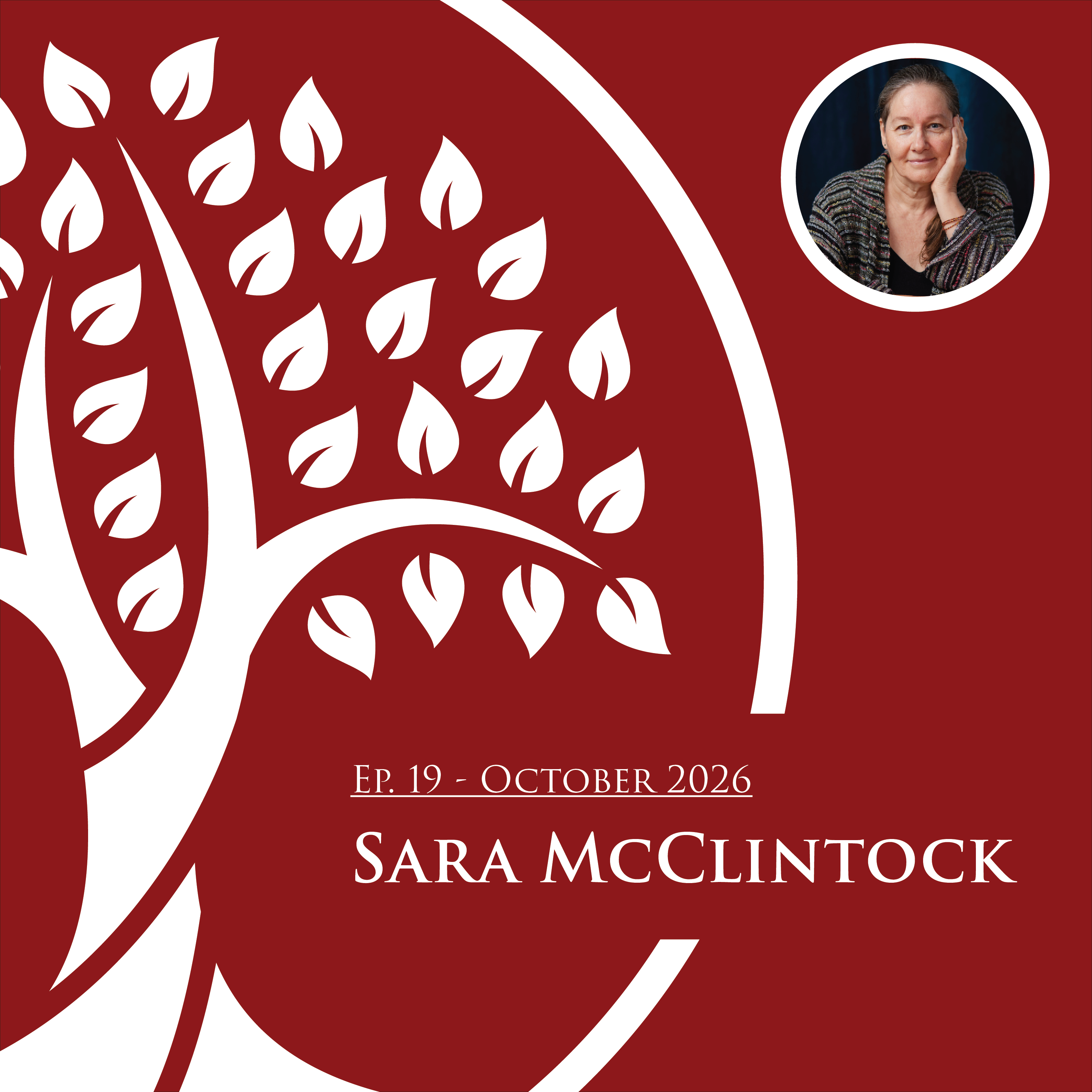
Sara McClintock: The Two Truths in Action
Sara McClintock talks about “dharmic omniscience” in the arguments of 8th-century Madhyamaka scholars Śāntarakṣita and Kamalaśīla, what happens when Buddhist teachers adapt the “rhetoric of reason” for different audiences, and the varied forms that truth can take: as camouflage, fiction, narrative, and action. Interview by Miles Osgood.
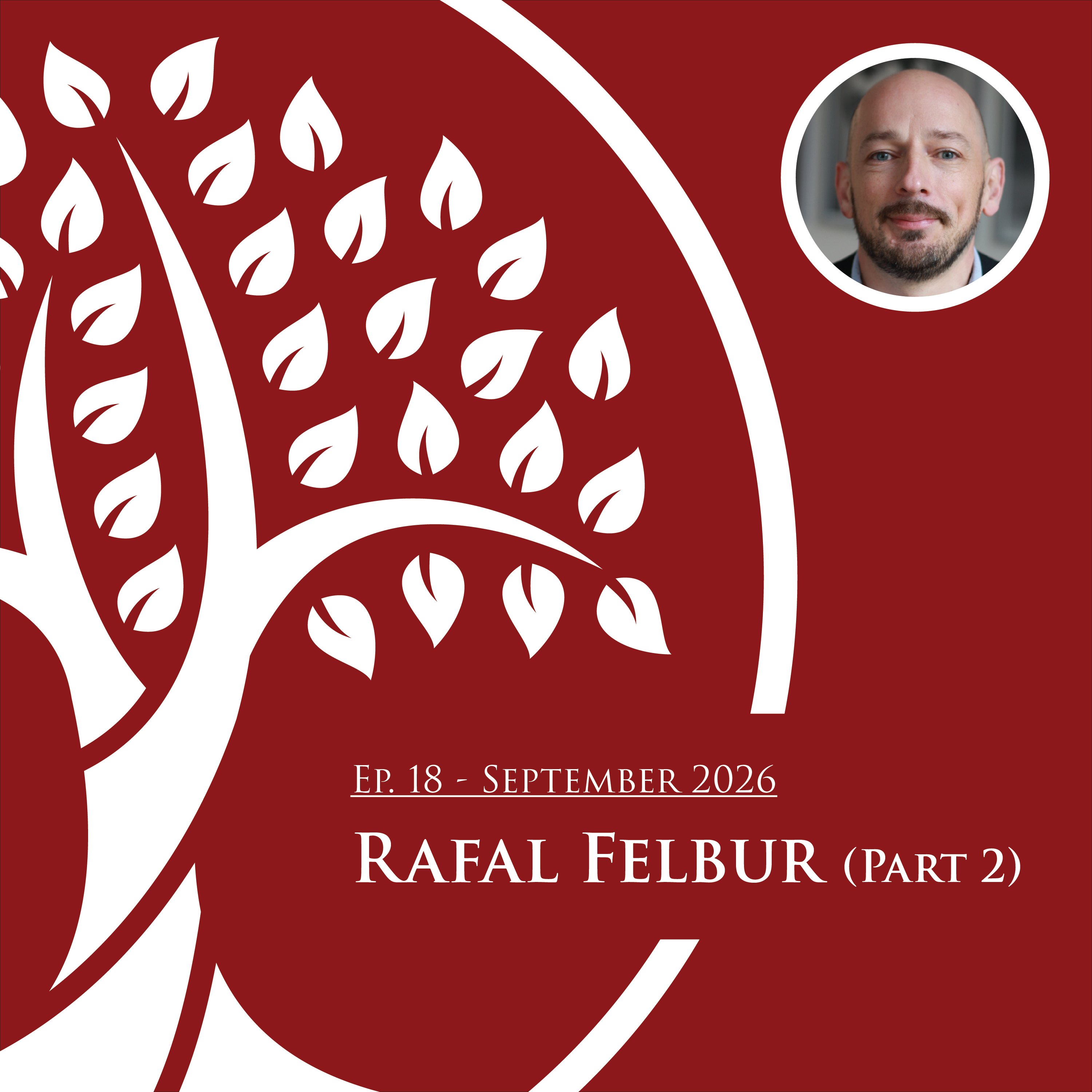
Rafal Felbur: The Sūrata-sūtra and Forgotten Mahāyāna Scriptures (Part 2)
Rafal Felbur talks about the surviving Chinese and Tibetan versions of the Sūrata-sūtra, their depictions of a charismatic preacher bringing Buddhism to new frontiers, and what forgotten Mahāyāna scriptures like these reveal about the relation between monastics and monarchs. Interview by Miles Osgood. Part 2 of 2.
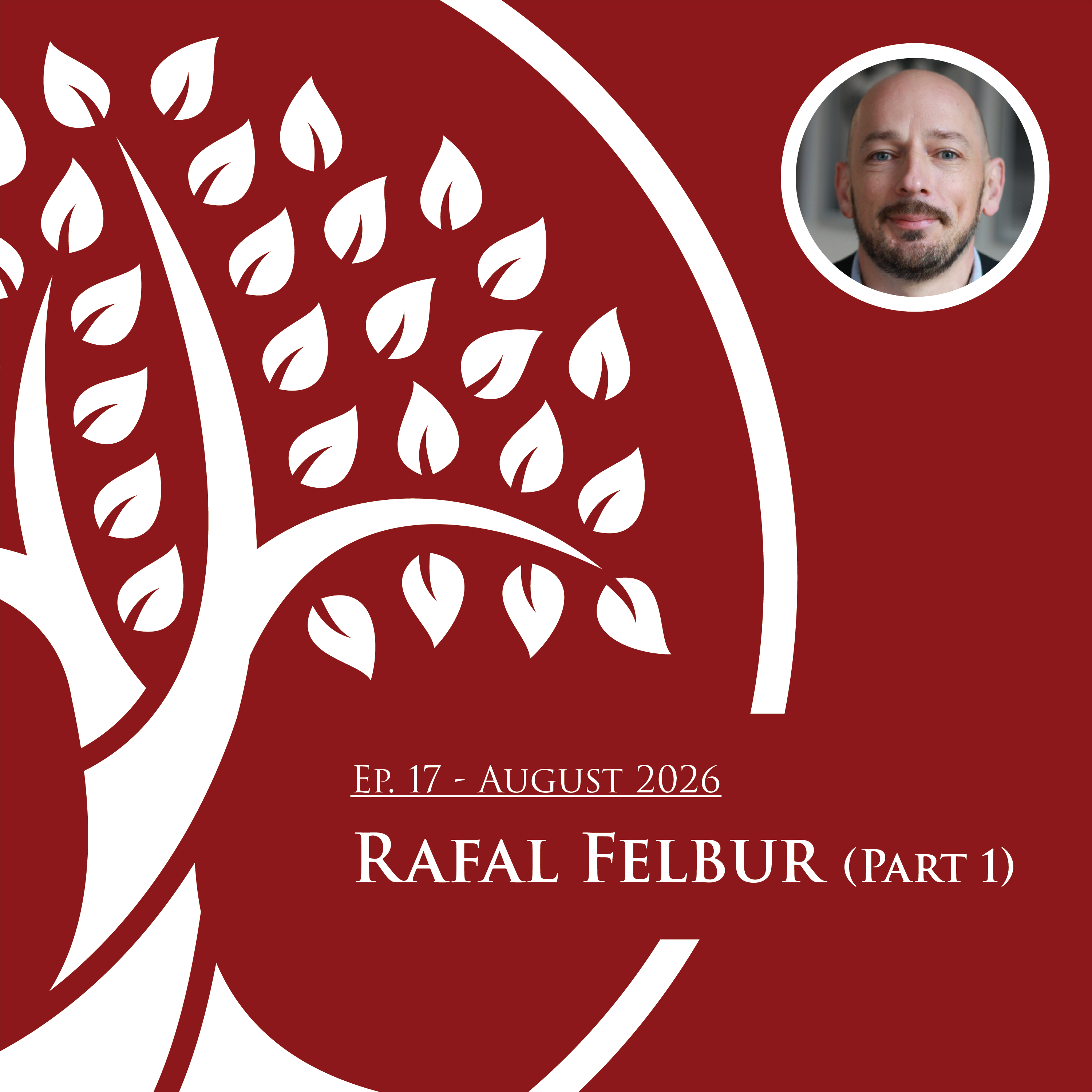
Rafal Felbur: From the Chinese Canon to the Large Language Model (Part 1)
Rafal Felbur talks about Chinese and Tibetan texts that preserve Indic sources lost in Sanskrit, the early Chinese exegetes who imposed a restrictive orthodoxy even while compiling their inclusive Buddhist canon, and the digital tools that can help us triangulate the content of original scriptures from these enduring translations. Interview by Miles Osgood. Part 1 of 2.Part 2 of this interview wil
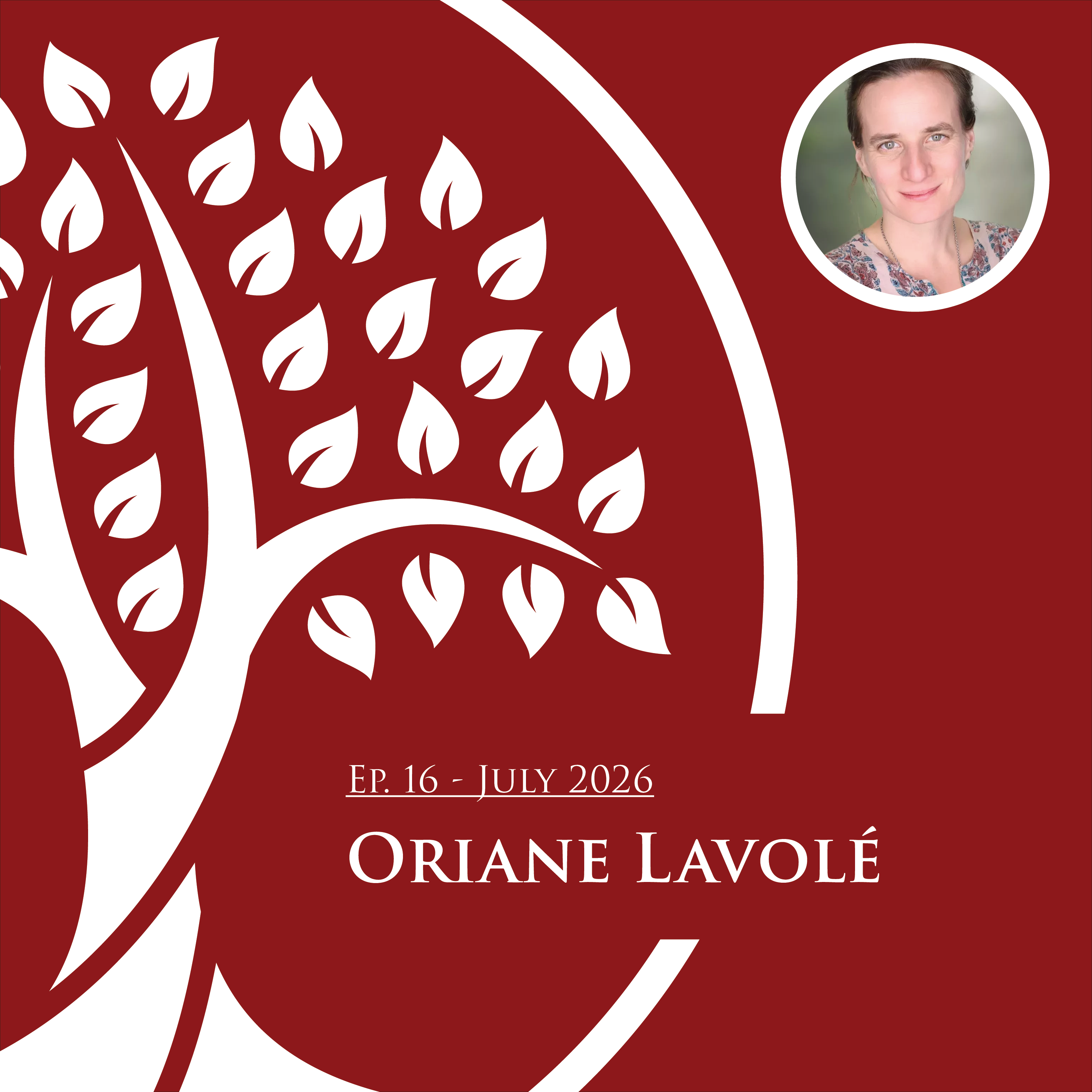
Oriane Lavolé: Revealing Treasures in Tibet
Oriane Lavolé talks about the history of treasure revealers (tertöns) from 11th-century Tibet to contemporary Nepal, how apologists for the treasure tradition (terma) have responded to skeptics who dismiss its material foundations, and what site guides to sacred territories can teach Western Buddhists about the ecological roots of the religion. Interview by Miles Osgood.
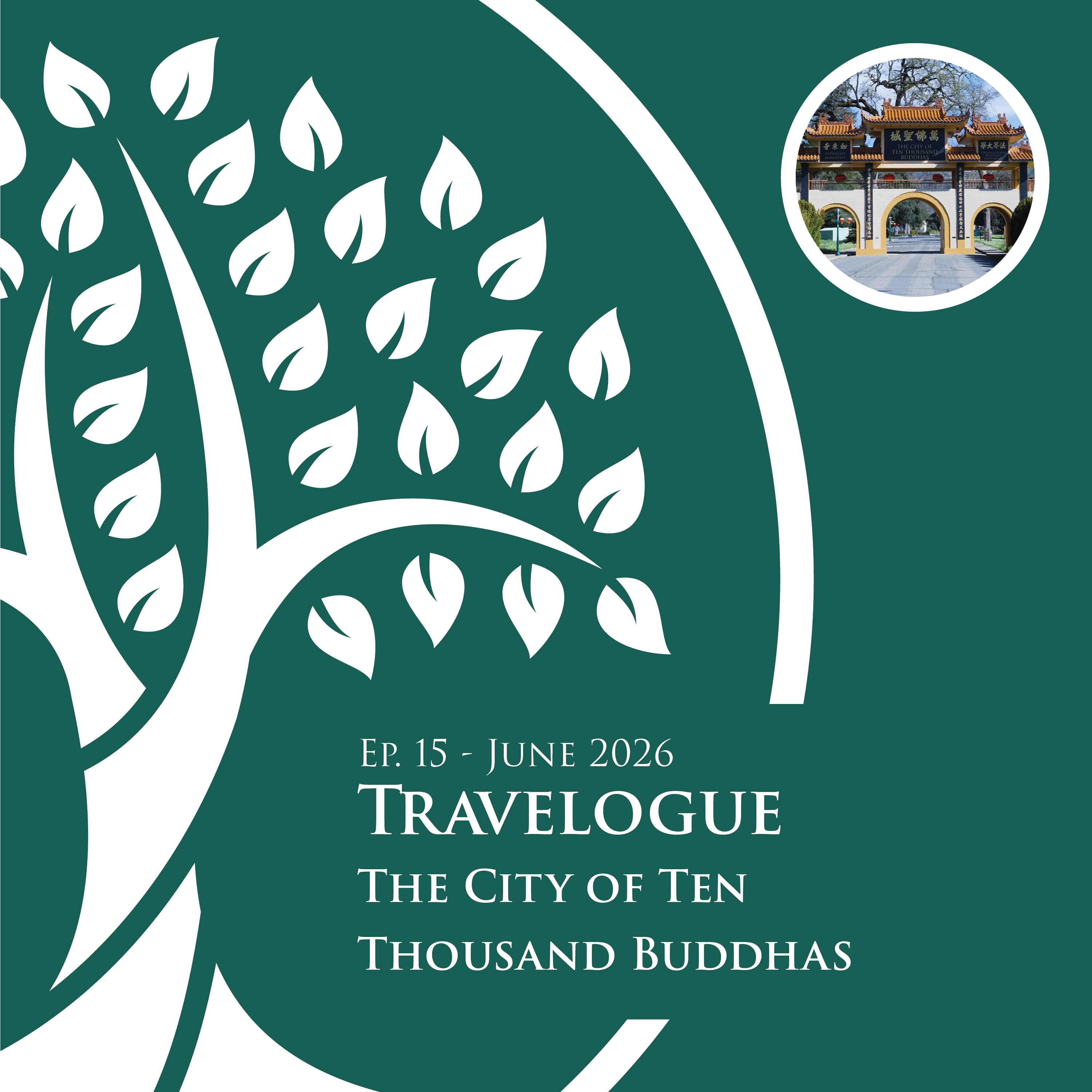
Travelogue: The City of Ten Thousand Buddhas
At the City of Ten Thousand Buddhas in Ukiah, California, we talk to professors, monastics, and laypeople about the acquisition of the historic property and the 600-mile bowing pilgrimage that inaugurated it, the transformative relationship between monasticism and education, and the importance of community as the City continues to evolve and expand.Interview by Leah ChaseThe music in this episode
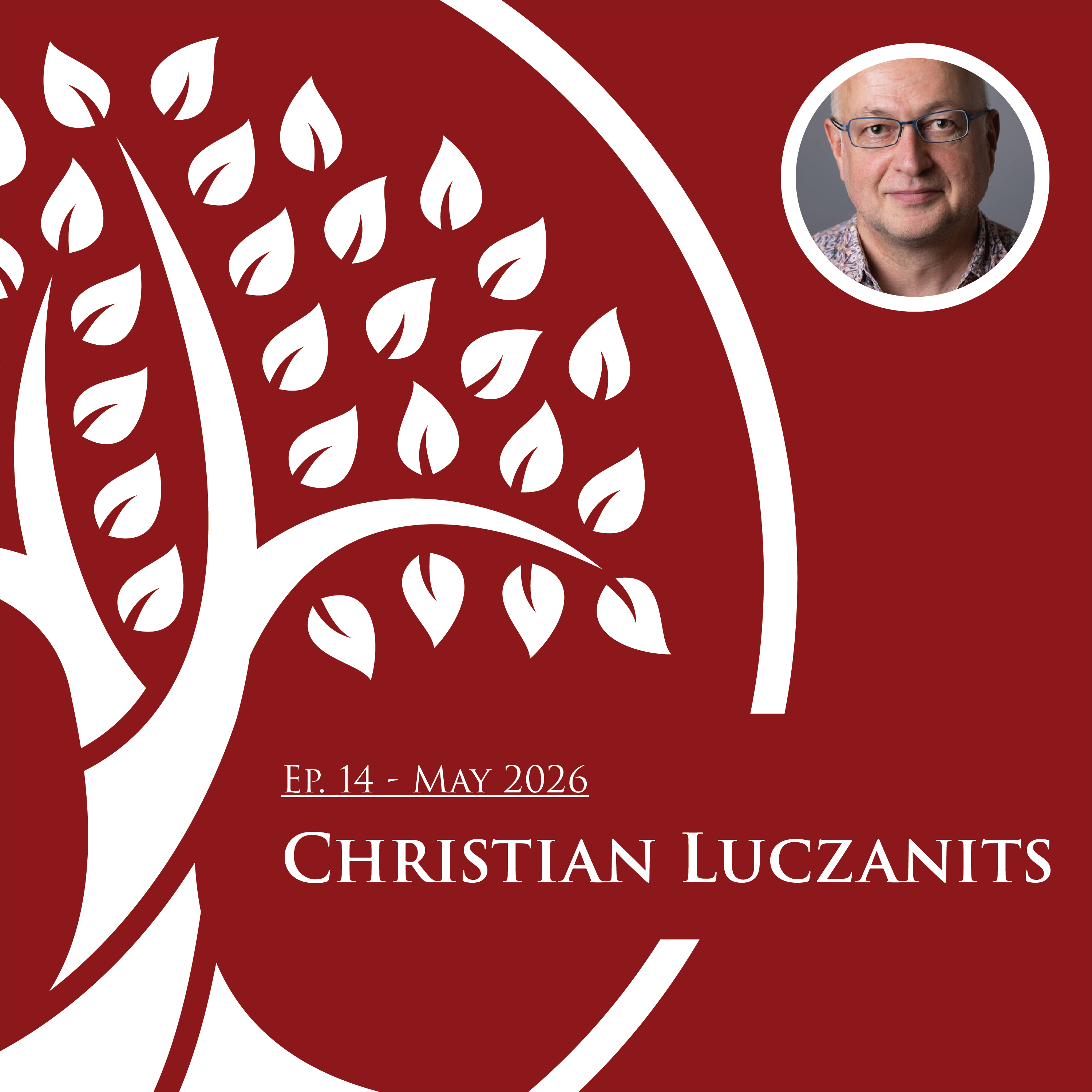
Christian Luczanits: Mustang Art and the Myth of the Hidden Kingdom
Christian Luczanits talks about the eccentricities of early Buddhist art in the Mustang region of the Himalayas, the intellectual exchange that ran through the region long before its 15th-century kingdom, and the importance of documenting the manuscripts and sculptures of mountain monasteries in situ. Interview by Miles Osgood.
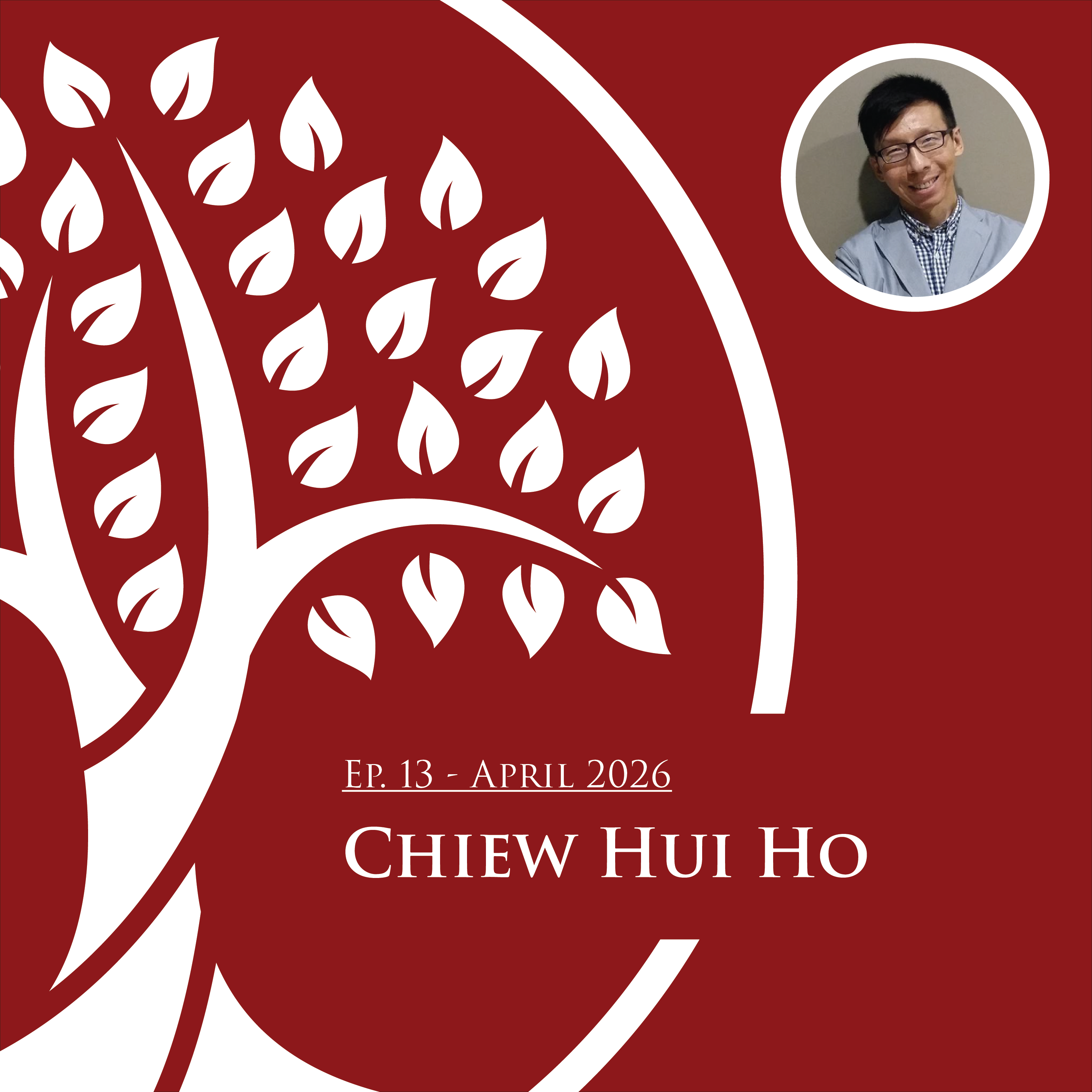
Chiew Hui Ho: The Lives of Sūtras
Chiew Hui Ho talks about parasutraic texts in medieval China that chronicle devotion to specific sūtras, how these histories give us a picture of “Buddhism on the ground” distinct from that of miracle tales, and how scriptures like the Diamond Sūtra and Lotus Sūtra thereby develop lives and biographies of their own. Interview by Miles Osgood.
Joshua Capitanio: The Work of the Scholar-Librarian
Joshua Capitanio talks about his graduate work on medieval Chinese Buddho-Daoism, how translation projects and “second book” arguments are valued inside and outside the professoriate, and what it takes to make a career transition to the university library. Interview by Miles Osgood.
Book Notes: Meir Shahar, "Kings of Oxen and Horses"
Meir Shahar talks about the cult worship of the “Ox King” and the “Horse King” in China. Working at the intersection of scriptural studies and field research, Shahar connects the two animal gods back to Sākyamuni and Avalokiteśvara through locally transmitted manuscripts and their Indic sources, and he describes the unorthodox Buddhist priests in Guizhou Province who perform rituals for draft anim
Book Notes: Adeana McNicholl, "Of Ancestors and Ghosts"
Adeana McNicholl talks about the misunderstood realm of the “pretas,” typically translated as the home of “hungry ghosts” but in fact host to an entire history of the ancestral “departed.” Following Indic "preta" narratives from their Brahmanical ritual origins through the construction of a Buddhist karmic cosmology, McNicholl considers the moral aesthetics of punishments designed to disgust, the
Travelogue: Gil Fronsdal and the Insight Meditation Center
Gil Fronsdal talks about studying in Buddhist monasteries from Big Sur to Bangkok, founding the Insight Meditation Center in Redwood City, and creating an integrated Buddhist world culture through the practice of vipassana meditation.Gil Fronsdal is the founding teacher and a co-guiding teacher at the Insight Meditation Center in Redwood City, California and the Insight Retreat Center in Santa Cru
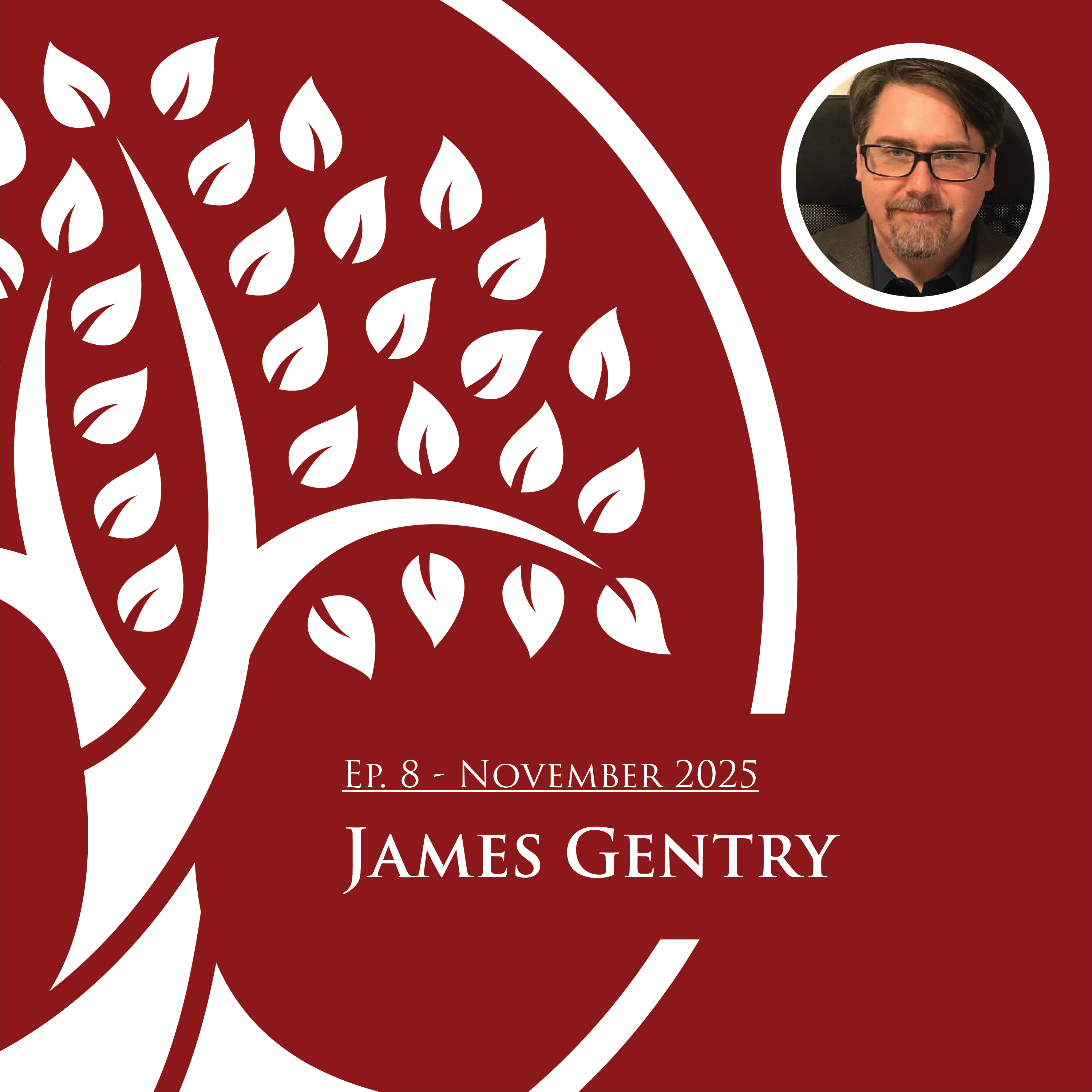
James Gentry: The Bodhisattva’s Body in a Pill
James Gentry talks about the thousand-year history of the Tibetan maṇi pill, back to its medieval origins in an age of Mongol invasions and epidemics, through an infusion of psychoactive fungi for experimental meditation in the 13th century, and as a shared token for today’s global Tibetan Buddhist diaspora.James Gentry is Assistant Professor of Religious Studies at Stanford. He specializes i
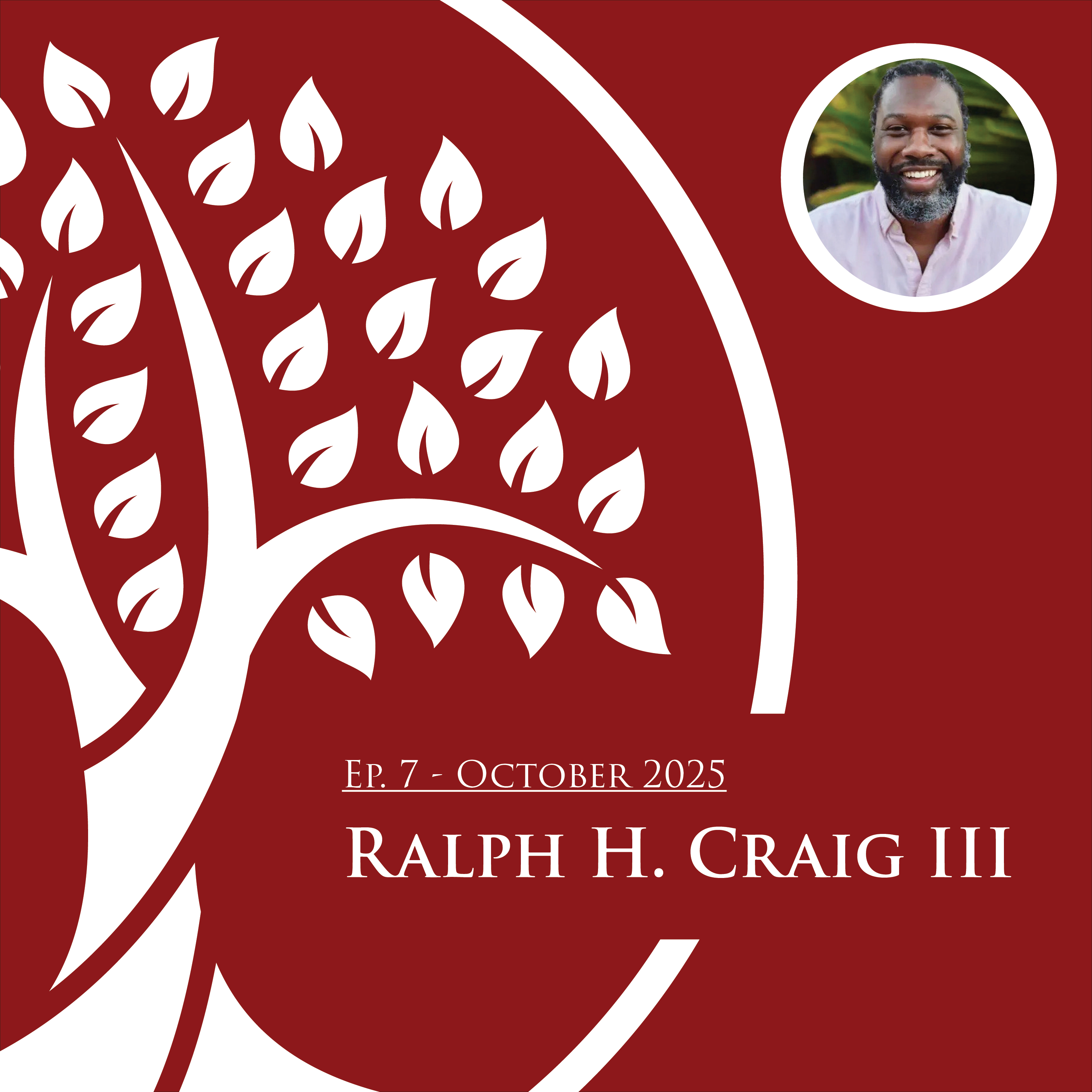
Ralph H. Craig III: Preachers and Teachers, from the Dharmabhāṇakas to Tina Turner
Ralph H. Craig III talks about crafting constructive analogies between Christian and Buddhist liturgies, characterizing the ideal preachers (dharmabhāṇakas) described in Mahāyāna sūtras, and Tina Turner’s contributions to Buddhist pedagogy.Ralph H. Craig III is an interdisciplinary scholar of religion, whose research focuses on South Asian Buddhism and American Buddhism. He received his B.A. in Th

Allan Ding: Chan Ritual and the Zhāi Feast
Allan Ding talks about why the Chan monk Moheyan lost the 8th-century “Samyé Debate” over the future of Tibetan Buddhism, how medieval Chinese Buddhists shifted from “antiritualism” to accepting the “zhāi” feast, and what forms of religious imagination scholars can adopt from liturgical practices.Yi (Allan) Ding received his bachelor's degree from Fudan University (2008) and his PhD in Religi

Marcus Bingenheimer: AI and Total Translation
Marcus Bingenheimer talks about why new tools in the Digital Humanities demand new genres of scholarship, what network analysis reveals about the transmission of religious ideas in medieval China, and how AI’s large language models will help arcane texts reach a new global readership.Marcus Bingenheimer is Associate Professor in the Department of Religion at Temple University in Philadel
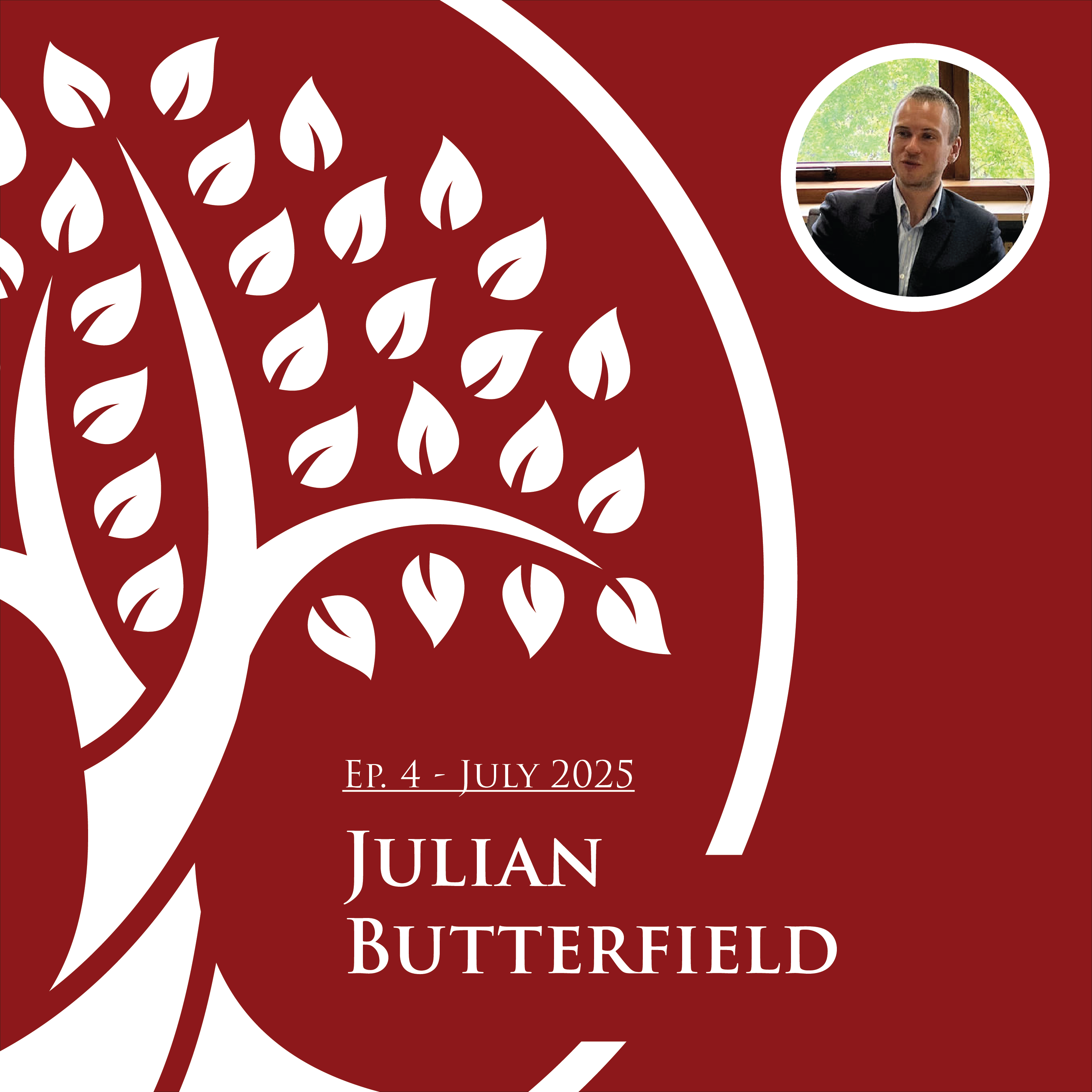
Julian Butterfield: Joy in the Lotus Sūtra
Julian Butterfield talks about the winding path to a dissertation topic, overcoming exegetical resistance to emotional affect in religious literature, and the central role of joyful anumodanā (隨喜 suixi) in the Lotus Sūtra.Julian Butterfield holds a BA in Comparative Literature and Religious Studies (2016) and an MA in Religious Studies (2018), both from the University of Toronto, and a PhD from St

Pia Brancaccio: Cave Monasteries and the Cotton Road in Western Deccan
Pia Brancaccio talks about the Buddhist cave monasteries of Western Deccan, the inter-continental exchange of "Maritime Buddhism" along the "Cotton Road," and the competition between Buddhism and Shaivism at the end of the first millennium C.E.Pia Brancaccio is currently a Professor of Indian Art and Archaeology at the Università degli Studi di Napoli “L’Orientale” in Italy and at Drexel Universit

Stephen Bokenkamp: Daoism and Buddhism in China
Stephen Bokenkamp talks about his fieldwork in China after the Cultural Revolution, how to better understand the original encounter between Daoism and Buddhism in the 2nd to 6th centuries C.E., and what Daoist and Buddhist Studies can learn from one another today.Stephen R. Bokenkamp (Ph.D. University of California, Berkeley, 1986) specializes in the study of medieval Chinese Daoism, with a specia

Ven. Bhikkhunī Dhammadinnā: Integrating Academic and Monastic Lives
Ven. Bhikkhunī Dhammadinnā talks about the journey of her research in relation to the historical transmission of Buddhist texts, the process of integrating her two lives as an academic and monastic, and the relevance of Buddhism’s “two truths” doctrine in the present day.Born in Italy in 1980, Bhikkhunī Dhammadinnā went forth as a monastic in the Theravāda Buddhist tradition of Sri Lanka in 2012.
Recommended
History of the Earthquake and Fire in San Francisco

Fox news

K-Drama Obsessed Mamas | Beyond “Just One More Episode!”

True Crime Classics

The Healer Revolution

Becoming: HER with Nikki Spoelstra

Booked, Blonde & Busy w/ Olivia Ponton

McKinsey on Consumer and Retail

megahired.com

Hard Knocks Podcast

Effective Weight Loss for Moms | High protein, Strength Training, Lose Weight, Meal Planning, Fat Loss, Healthy Habits

The Human-Animal Connection - Pet Life Radio Original
