
Virtual Curbside
Virtual Curbside is a podcast for pediatricians, created by pediatricians and available anywhere. It presents curbside consults in podcast form, offering practical clinical discussions and peer-to-peer advice. The show is produced by the American Academy of Pediatrics, Utah Chapter.
Episodes

Episode 405: #94-2 Vitamin K Deficiency: Guidance & Supplementation
In Episode 2 of our series on vitamin K deficiency bleeding (VKDB), our host Paul Wirkus, MD, FAAP and two experts, Kristan Scott, MD, MSHP and Sarah Coggins, MD, MSCE explore why intramuscular (IM) vitamin K is recommended for newborns, how current supplementation guidelines were established, and what the evidence tells us about its effectiveness. We compare oral and IM administration, d

Episode 404: #94-1 Vitamin K Deficiency: Newborn Recommendations
This month, we begin a new series on Vitamin K Deficiency with host Paul Wirkus, MD, FAAP and two experts, Kristan Scott, MD, MSHP and Sarah Coggins, MD, MSCE joining us to explore why newborns are particularly vulnerable to vitamin K deficiency and how our approach to prevention has evolved over time.In this first episode, we discuss the history and progression of vitamin K use in newbo

Episode 403: #93-4 Psychosis: Q & A
In this Q&A episode, we wrap up our series on psychosis by exploring the important role of family, relationships, and support systems in caring for children and adolescents experiencing psychosis. Our host Paul Wirkus, MD, FAAP and guest Kristi Kleinschmit, MD discuss how household dynamics can influence recovery, including the importance of predictability, stability, and a supportive

Episode 402: #93 Angelo's Book Club
This week, we take a brief detour from our series on psychosis for a special Book Club episode. Our host and guest discuss Stephen Covey’s classic The 7 Habits of Highly Effective People, exploring the seven habits and the ideas behind them.The conversation also considers how some of Covey’s principles can apply to pediatric practice and the everyday work of caring for patients and famili

Episode 401: #93-3 Psychosis: Hallucinations& Delusions
This week on The Virtual Curbside, we take a closer look at hallucinations and delusions in children and adolescents. Our host Paul Wirkus, MD, FAAP and guest Kristi Kleinschmit, MD discuss how to approach the diagnosis while keeping safety at the forefront. A thorough history is essential, including the patient’s family history, recent illnesses or infections, travel, changes in function

Episode 400: #93-2 Psychosis: Schizophrenia
In Episode 2 of our series on psychosis, we take a closer look at schizophrenia in children and adolescents, including the typical onset of symptoms, the role of genetics, and the relationship between cannabis use and psychosis. Our host Paul Paul Wirkus, MD, FAAP and guest Kristi Kleinschmit, MD review the disorders and conditions that commonly overlap with schizophrenia or occur at high

Episode 399: #93-1 Psychosis
This month we turn to psychiatric topics, beginning with an important clinical question: when a child or adolescent presents with unusual thoughts, perceptions, or behaviors, how do we distinguish psychosis from other psychiatric or medical conditions?In this episode, our host Paul Wirkus, MD and guest Kristi Kleinschmit, MD discuss psychotic experiences and how they can occur in conditio

Episode 398: #92-4 Parenting Advice: Relational Health
This week we wrap up our series on supporting children’s social, emotional, and relational health with a conversation focused on what pediatricians and other clinicians can take from the series and put into practice. Our host Paul Wirkus, MD and guests Neal Davis, MD and Quang-Tuyen "Q" Nguyen join us to reflect on the key messages from the previous episodes and explore how clinicians can

Episode 397: #92-3 Parenting Advice: Screentime & Digital Wellness
This week, we turn to one of the most common parenting questions in pediatric practice: screen time and digital wellness. Our host Paul Wirkus, MD, FAAP and guest Mark Witt, MD, discuss the unique role pediatricians have in helping families navigate technology use, while recognizing the challenge of addressing an increasingly complex topic within the limited time of a well-child visit.Rat

Episode 396: #92-2 Parenting Advice: Emotional Resilience in Children & Families
In Episode 2 of our quality improvement series on parenting advice in pediatric practice, we focus on the role pediatricians can play in supporting emotional resilience for both children and their parents. Host Paul Wirkus, MD, FAAP and guest Ryan Gottfredson, DO begin by discussing why quality improvement matters in clinical practice and how small, intentional changes can help pediatrici

Episode 395: #92-1 Parenting Advice: Social & Emotional Health for Children
This month, we begin a new series on quality improvement initiatives that pediatric practices can implement to support families. Our first episode focuses on promoting social and emotional health by equipping pediatricians with practical strategies to help parents foster resilience, healthy relationships, and emotional well-being in their children.Our host Paul Wirkus, MD, FAAP and Cindy

Episode 394: #91-4 POTS: Q & A
In this Q&A episode of our Postural Orthostatic Tachycardia Syndrome (POTS) series, host Paul Wirkus, MD, FAAP and guest Kirti Sivakoti, MD, answer listener questions about diagnosing and managing POTS in pediatric patients. The discussion explores how to distinguish POTS from conditions with overlapping symptoms, including Mast Cell Activation Syndrome (MCAS) and other common POTS mi

Episode 393: #91-3 POTS: Future
In this episode of our Postural Orthostatic Tachycardia Syndrome (POTS) series, we look beyond diagnosis and treatment to discuss what the future holds for children and adolescents living with POTS. Host Paul Wirkus, MD, FAAP and guest Kirti Sivakoti, MD, review the long-term prognosis, highlighting what is currently known about recovery, symptom progression, and functional outcomes over

Episode 392: #91-2 POTS: Treatment Options
In Episode 2 of our series on Postural Orthostatic Tachycardia Syndrome (POTS), we focus on evidence-based treatment strategies to help children and adolescents manage symptoms and improve daily functioning. Host Paul Wirkus, MD, FAAP and guest Kirti Sivakoti, MD, review the foundation of POTS management, emphasizing lifestyle interventions such as maintaining adequate hydration, increasi

Episode 391: #91-1 POTS: Diagnostic Criteria
This month we begin a new series on Postural Orthostatic Tachycardia Syndrome (POTS), exploring the diagnosis and management of this increasingly recognized condition in pediatric patients. In this episode, host Paul Wirkus, MD, FAAP and guest Kirti Sivakoti, MD, provide an overview of POTS before discussing current approaches to diagnosis and recent updates in the field. We review the di

Episode 390: #90 Angelo's Book Club
In months with five weeks, The Virtual Curbside takes a break from clinical topics for a pediatric book club discussion. This month, host Paul Wirkus, MD, FAAP, is joined by regular book club guest Angelo Giardino, MD, FAAP, and a special guest, fifth-grader Harry Thatcher, to discuss The Anxious Generation: A Graphic Novel by Jonathan Haidt.Together, they explore the book's central theme

Episode 389: #90-4 Pediatric Neurology: Q & A
In this Q&A episode of our pediatric neurology series, we answer listener questions about some of the most rapidly evolving areas in neurology and genetics. The discussion begins with the relationship between child abuse evaluations and Brief Resolved Unexplained Events (BRUE), including important considerations when assessing infants with unexplained symptoms.Host Paul Wirkus, MD, FA

Episode 388: #90-3 Pediatric Neurology: Gene Therapy
In this episode of our pediatric neurology series, host Paul Wirkus, MD, FAAP and guest Josh Bonkowsky, MD explore the rapidly evolving field of gene therapy and its potential to transform the care of children with neurologic disorders. Our guest explains the science behind gene therapy, including how these treatments work to target the underlying causes of genetic disease.The conversatio

Episode 386: #90-2 Pediatric Neurology: Genome Testing
In Episode 2 of our pediatric neurology series, we explore how advances in diagnostic technology have transformed the field of neurology. Our guests discuss the evolution of neurologic evaluation - from early ultrasound imaging to CT and MRI - and how modern imaging has revolutionized the ability to diagnose and understand neurologic disease in children.Host Paul Wirkus, MD, FAAP and gues

Episode 385: #90-1 Pediatric Neurology: FND
This month we begin a new series on pediatric neurology issues, starting with a discussion with Josh Bonkowsky, MD, PhD, about his book Dancing Eyes, Dancing Feet. In this episode, our host Paul Wirkus, MD, FAAP and Dr. Bonkowsky trace the evolution of how clinicians understand and approach unexplained events in infants and children - from Sudden Infant Death Syndrome (SIDS) to Apparent L

Episode 387: #89-4 Infant Formula: Q & A
In this Q&A episode of our infant formula and nutrition series, host Paul Wirkus, MD, FAAP and guest Steve Abrams, MD address common questions pediatricians hear from families during the newborn period. The discussion explores the role of lactose in infant formula, including when lactose-free options may - or may not - be appropriate. We also talk about normal newborn fussiness in the

Episode 384: #89-3 Infant Formula: Understanding Recalls
In this episode of our infant formula and nutrition series, host Paul Wirkus, MD, FAAP and guest Steve Abrams, MD take a closer look at formula regulation, importation, and the growing influence of social media on infant feeding decisions. Our guests discuss the FDA registration process for infant formulas, what it means when products are not FDA registered, and the potential benefits and

Episode 383: #89-2 Infant Formula: Regulatory Changes
In Episode 2 of our infant formula and nutrition series, host Paul Wirkus, MD, FAAP and guest Steve Abrams, MD explore the question many families ask: how closely should infant formula resemble breast milk, and does it matter? Our guests discuss the science behind common formula ingredients, including oligosaccharides, prebiotics, postbiotics, and lactose, and review what evidence current

Episode 382: #89-1 Infant Formula: Regulations & Safety
This month we turn our focus to infant formula and nutrition, beginning with a discussion of formula safety and supply. In this episode, our host Paul Wirkus, MD, FAAP and guest Steve Abrams, MD revisit Operation Fly Formula and the broader challenges of maintaining a safe and reliable formula supply in the U.S. We review safety concerns related to contamination - including bacteria, viru

Episode 381: #88-4 Psychiatric Grab Bag: Q&A
In this Q&A episode of our psychiatric “grab bag” series, host Paul Wirkus, MD, FAAP and Jeremy Kendrick, MD tackle common and challenging scenarios related to panic and anxiety in pediatric patients. The discussion clarifies how panic disorders differ from OCD, helping clinicians distinguish overlapping symptoms and guide appropriate treatment.We also address school refusal, explorin

Episode 380: #88-3 Psychiatric Grab Bag: Angry Adolescents
In the third episode of our psychiatric “grab bag” series, we focus on the “angry adolescent” and the complex factors that can drive irritability and behavioral outbursts. Host Paul Wirkus, MD, FAAP and Jeremy Kendrick, MD discuss Disruptive Mood Dysregulation Disorder (DMDD) and how it differs from other mood and behavioral conditions. We explore how coexisting factors—such as substance

Episode 379: #88-2 Psychiatric Grab Bag: Panic Disorder
In this episode of our psychiatric “grab bag” series, we focus on panic disorders and how they present in pediatric patients. Host Paul Wirkus, MD, FAAP and Jeremy Kendrick, MD discuss the differences between panic and general anxiety, helping clinicians recognize key features that distinguish acute panic episodes from broader anxiety conditions.The conversation also explores the role of

Episode 378: #88-1 Psychiatric Grab Bag: Risk Assessment
This month we shift to a psychiatric “grab bag” series, beginning with a focused discussion on suicide risk assessment in pediatric practice. Host Paul Wirkus, MD, FAAP and Jeremy Kendrick, MD review how to ask about suicide in a direct, developmentally appropriate way and explore the differences between passive thoughts and active risk. The conversation also addresses the limits of risk

Episode 377: #87 Angelo's Book Club
In months with five weeks, The Virtual Curbside steps away from clinical topics for a pediatric book club discussion. In this month’s book club episode, we explore Humbitious: The Power of Low-Ego, High-Drive Leadership by Amer Kaissi. Our hosts Paul Wirkus, MD, FAAP and Angelo Giardino, MD, FAAP reflect on the concept of “humbition” - balancing humility with ambition - and discuss how th
Episode 376: #87-4 Poison Control: Q & A
In this Q&A episode of our Poison Control series, Host Paul Wirkus, MD, FAAP and guest Michael Moss, MD address emerging trends and high-risk behaviors contributing to pediatric and adolescent poison exposures. Our experts discuss substances sometimes used in social media challenges - including diphenhydramine, combination cold medications like NyQuil, and household items such as salt
Episode 375: #87-3 Poison Control: Prevention
In recognition of Poison Prevention Week, this episode of our Poison Control series focuses on practical strategies to prevent pediatric poison exposures. Host Paul Wirkus, MD, FAAP and guest Michael Moss, MD, discuss the importance of safe medication and household product storage, correct medication dosing, and how tools such as pill imprint codes can help identify unknown medications. T
Episode 374: #87-2 Poison Control: High Risk Substances
In this episode of our Poison Control series, host, Paul Wirkus, MD, FAAP and guest Michael Moss, MD, focus on several high-risk exposures commonly encountered in pediatrics. Our guests review toxic thresholds for medications such as acetaminophen, discuss the dangers of prescription medication ingestions, and highlight particularly hazardous household items, including button batteries, m
Episode 373: #87-1 Poison Control: How it Works
This month we turn our attention to Poison Control, beginning with an overview of why children are uniquely vulnerable to toxic exposures. In this episode, our host, Paul Wirkus, MD, FAAP and guest Michael Moss, MD review common pediatric ingestions, household risks, and explain factors that increase children's vulnerabilities.We also take a behind-the-scenes look at how the nation’s pois

Episode 372: #86-4 NOWS: Q & A
In this Q&A episode of our neonatal opioid withdrawal syndrome (NOWS) series, we address challenging and nuanced clinical questions surrounding withdrawal, toxicology testing, and newborn exposures. Our host, Paul Wirkus, MD, FAAP, and guest Camille Fung, MD, review the early signs of withdrawal and discuss the process of obtaining consent for neonatal toxicology screening, clarifying

Episode 371: #86-3 NOWS: Management and Discharge Protocols
In this episode, we continue our series on neonatal opioid withdrawal syndrome (NOWS) with a discussion of substance exposure in the perinatal period and the practical considerations surrounding testing and discharge planning. Our host, Paul Wirkus, MD, FAAP and guest Camille Fung, MD review the fundamentals of prenatal substance exposure and the rationale for testing, including what diff

Episode 371: #86-2 NOWS: Management and Discharge Protocols
In this episode, we continue our series on neonatal opioid withdrawal syndrome (NOWS) with a discussion of substance exposure in the perinatal period and the practical considerations surrounding testing and discharge planning. Our host, Paul Wirkus, MD, FAAP and guest Camille Fung, MD review the fundamentals of prenatal substance exposure and the rationale for testing, including what diff

Episode 370: #86-2 NOWS: Clinical Features of NOWS
In this episode, we continue our discussion of neonatal opioid withdrawal syndrome (NOWS), focusing on clinical features, treatment, and care after discharge. Our host, Paul Wirkus, MD, FAAP and guest Camille Fung, MD review the signs and symptoms clinicians use to recognize and assess withdrawal, along with current approaches to medication management and supportive care in the hospital s

Episode 369: #86-1 NOWS: Scope, Features and Clinical Presentation
This month we are focusing on neonatal opioid withdrawal syndrome (NOWS), with an emphasis on the underlying physiology and clinical presentation. Our host, Paul Wirkus, MD, FAAP and guest Camille Fung, MD review the mechanisms of opioid exposure and withdrawal, including neuroexcitability and the gastrointestinal and autonomic manifestations commonly seen in affected newborns. The discus

Episode 368: #85-4 Common Eye Issues: Q & A
In this Q&A episode, Host Paul Wirkus, MD, FAAP and Ophthalmologist Mitchell Strominger, MD address common clinical questions related to pediatric red eye presentations. The discussion covers key elements of the differential diagnosis, including how to approach cloudy corneas and other concerning findings. We also review practical questions pediatricians frequently encounter, such as

Episode 367: #85-3 Common Eye Issues: Allergic Conjunctivitis
In this episode, we turn our focus to allergic conjunctivitis. Host Paul Wirkus, MD, FAAP and Ophthalmologist Mitchell Strominger, MD guests review the clinical features of ocular allergy and discuss how characteristics such as discharge and symptom patterns can help distinguish allergic conjunctivitis from viral, bacterial, and other etiologies. The conversation also covers important mim

Episode 366: #85-2 Common Eye Issues: Bacterial Conjunctivitis
This week’s episode focuses on bacterial conjunctivitis and practical considerations for pediatric care. Host Paul Wirkus, MD, FAAP and Ophthalmologist Mitchell Strominger, MD discuss key principles of infection control, how to recognize concerning findings and distinguish uncomplicated conjunctivitis from more serious conditions such as orbital cellulitis, and when escalation of care is

Episode 365: #85-1 Common Eye Issues: Viral Conjunctivitis
This month we begin a new series on common pediatric eye issues, starting with viral conjunctivitis. In this episode, host Paul Wirkus, MD, FAAP and Ophthalmologist Mitchell Strominger, MD review the clinical features that help distinguish viral conjunctivitis from other causes of red and pink eye, discuss typical disease course, and address common misconceptions around treatment and cont

Episode 363: #84 Angelo's Book Club
In months with five weeks, The Virtual Curbside steps away from clinical topics for a pediatric book club discussion. This month, we explore The Self-Driven Child: The Science and Sense of Giving Your Kids More Control Over Their Lives by Ned Johnson and William Stixrud.Our hosts Paul Wirkus, MD, FAAP and Angelo Giardino, MD, FAAP, reflect on the science behind autonomy, stress, and motiv
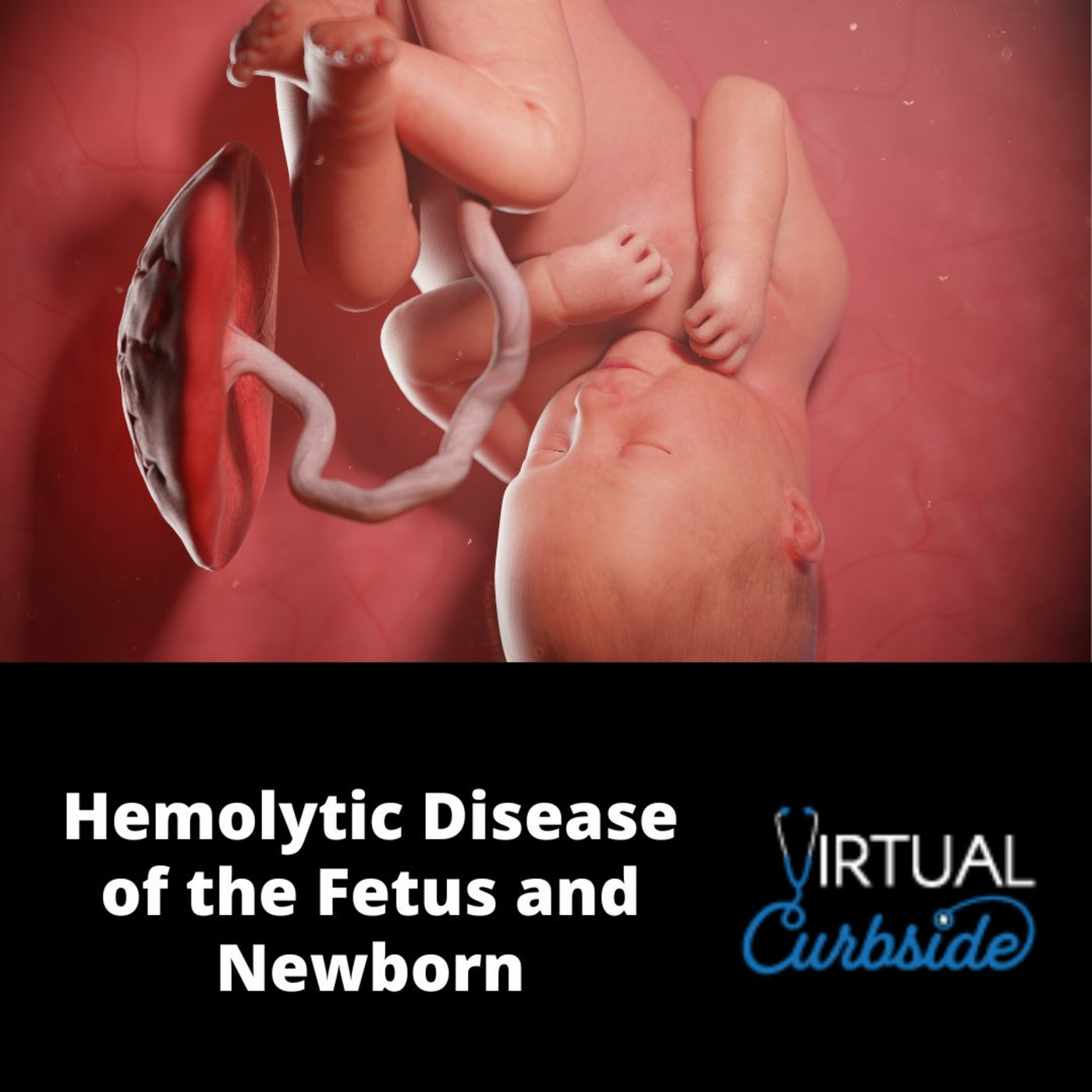
Episode 364: #84-4 Hemolytic Disease of the Fetus and Newborn: Q & A
In this Q&A episode, host Paul Wirkus, MD, FAAP and guest Tim Bahr, MD, FAAP address important clinical questions surrounding hyperbilirubinemia, with a focus on longer-term complications and complex presentations. The discussion explores outcomes associated with severe or prolonged hyperbilirubinemia, including cases with late presentation or persistent jaundice, and how these scenar
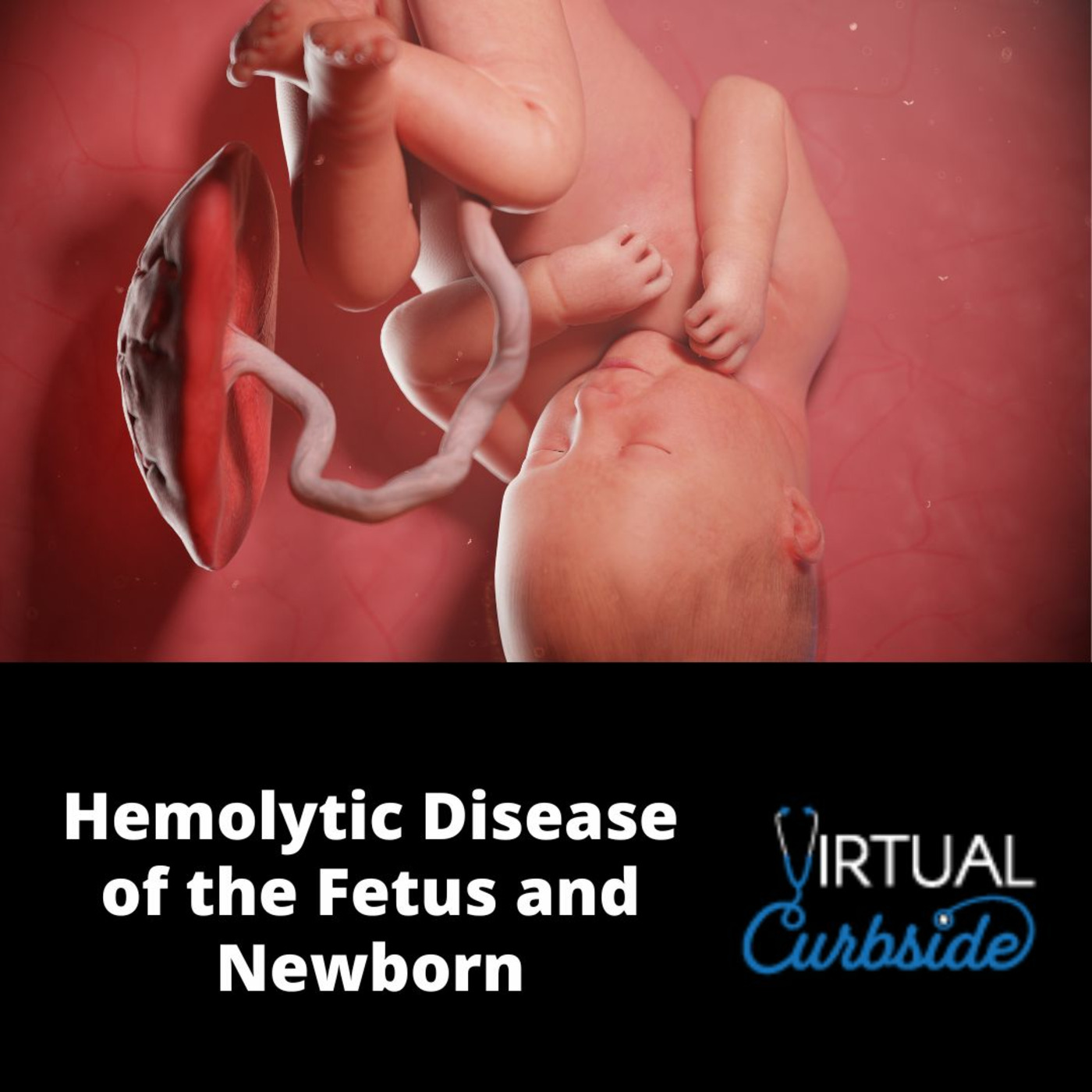
Episode 362: #84-3 Hemolytic Disease of the Fetus and Newborn: Management
In Episode 3 of our hemolytic disease of the fetus and newborn (HDFN) series, host Paul Wirkus, MD, FAAP and guest Tim Bahr, MD, FAAP focus on clinical management and emerging consensus around care. Our discussion reviews key elements of the recently published consensus paper, including proposed guidelines for evaluation, monitoring, and treatment across the perinatal and neonatal periods
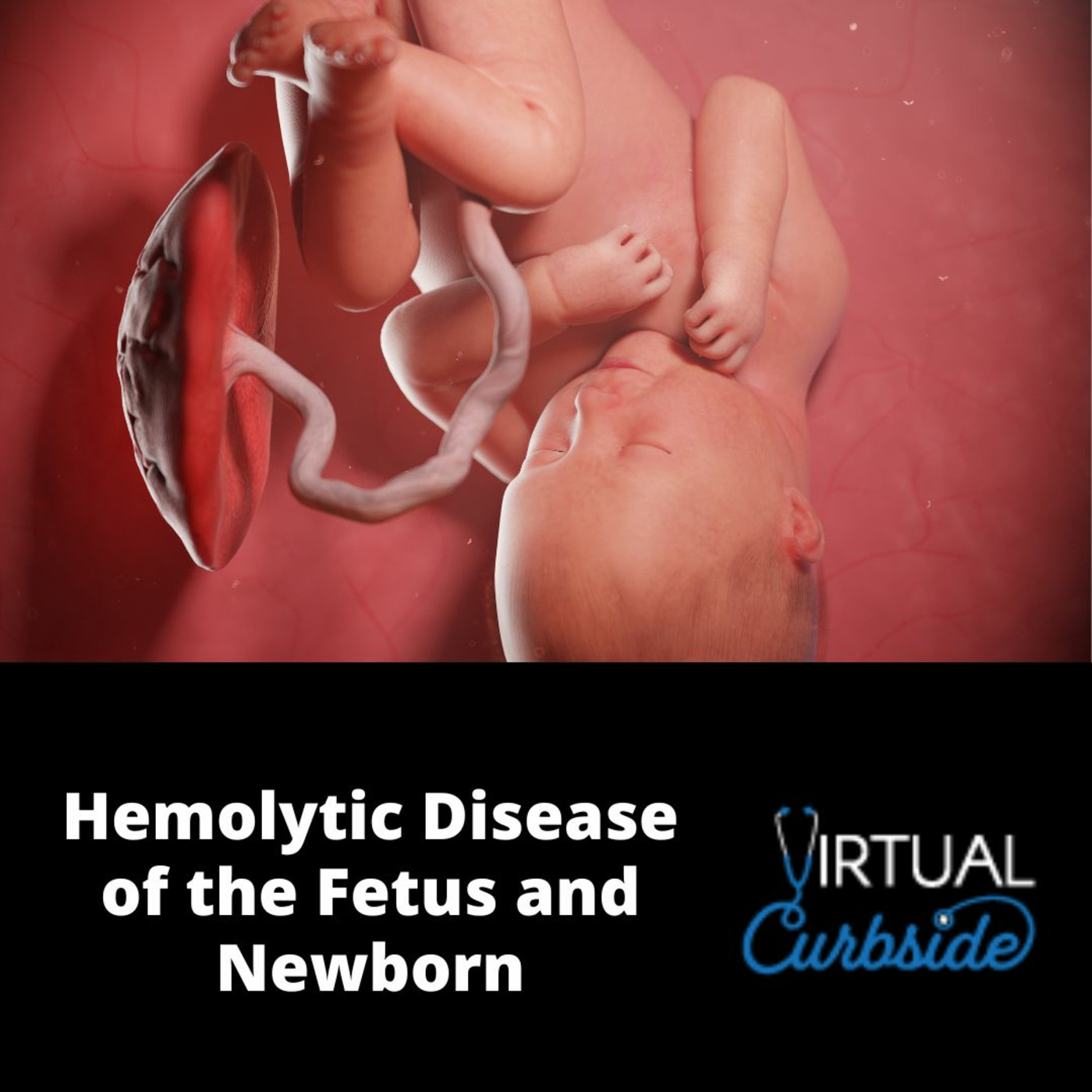
Episode 361: #84-2 Hemolytic Disease of the Fetus and Newborn: Testing
This week’s episode host Paul Wirkus, MD, FAAP and guest Tim Bahr, MD, FAAP take a deep dive into evaluating newborn jaundice and identifying early signs of hemolysis. We walk through the key elements of maternal testing that set the stage for newborn risk assessment, then explore how to interpret bilirubin trajectories to distinguish normal patterns from concerning trends. Our guests als
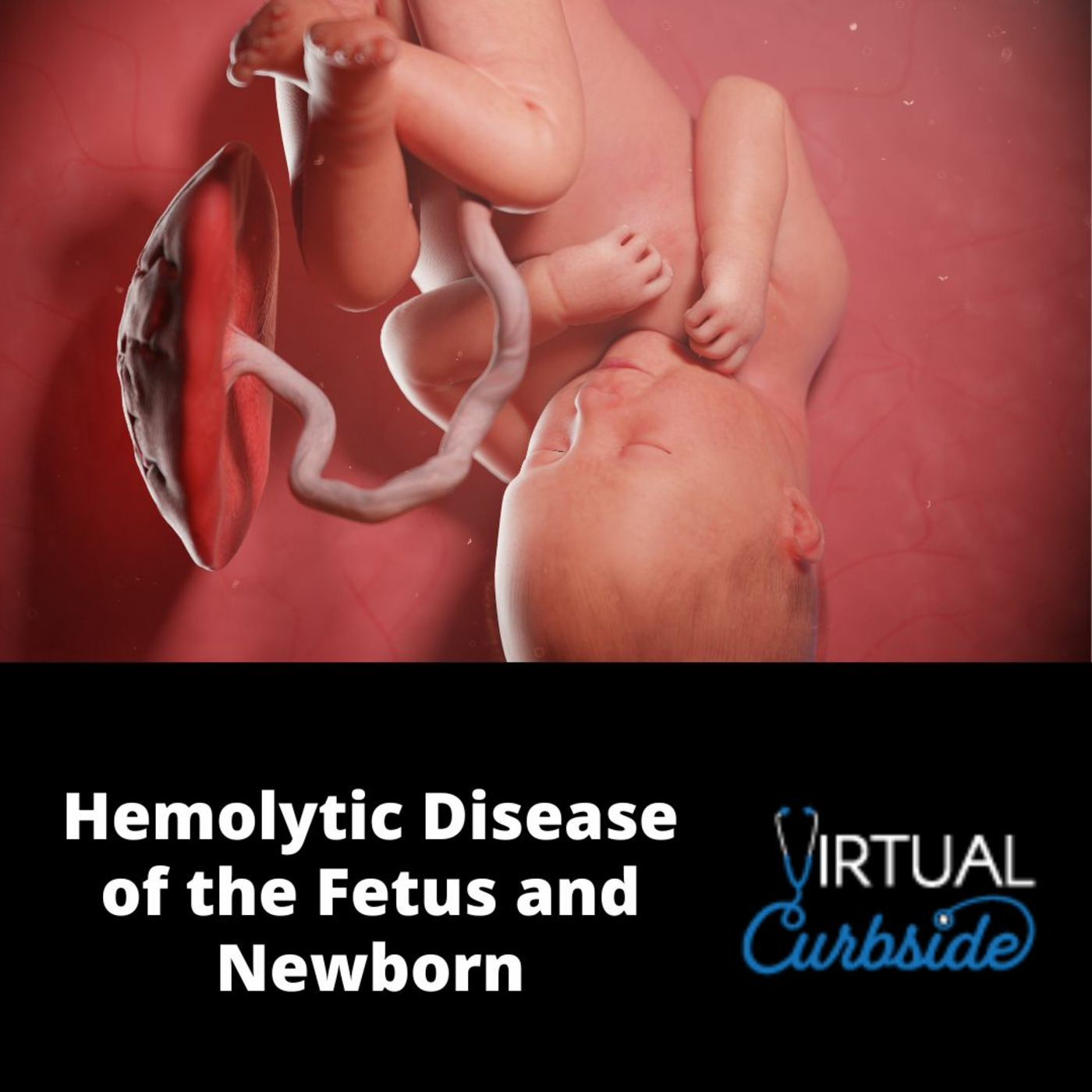
Episode 360: #84-1 Hemolytic Disease of the Fetus and Newborn: Alloimmunization
This week’s episode focuses on alloimmunization the prevention of hemolytic disease of the fetus and newborn (HDFN). Our host Paul Wirkus, MD, FAAP and Tim Bahr, MD break down the immunologic mechanisms behind HDFN, discuss how maternal sensitization occurs, and explain why timely screening and prophylaxis are essential. We review current recommendations, practical considerations for pedi

Episode 359: #83-4 Upper Extremity Spasticity: Q & A
In this Q&A episode, host Paul Wirkus, MD, FAAP and Shawn Mendenhall, MD address common clinical questions related to managing upper extremity spasticity in children. The conversation explores how to balance orthopedic readiness and bone maturity with developmental readiness and family goals - highlighting the importance of individualized timing and shared decision-making. They also d

Episode 358: #83-3 Upper Extremity Spasticity: Measuring Success & Looking to the Future
In the third episode of our upper extremity spasticity series, host Paul Wirkus, MD, FAAP and Shawn Mendenhall, MD focus on what success truly looks like - both in the short term and long term. Our guests discuss how to measure meaningful outcomes for children, from functional gains to improved comfort and participation in daily activities. We also look ahead to the future of spasticity c

Episode 357: #83-2 Upper Extremity Spasticity: Individualized Surgical Planning
In this episode, host Paul Wirkus, MD, FAAP and Shawn Mendenhall, MD continue our discussion on upper extremity spasticity—focusing on individualized surgical planning. Our guests explore the range of surgical options available, emphasizing how treatment decisions should be tailored to each child’s functional goals, pattern of spasticity, and overall care plan. The conversation highlights

Episode 356: #83-1 Upper Extremity Spasticity
This week’s episode with host Paul Wirkus, MD, FAAP and Shawn Mendenhall, MD focuses on recognizing and correctly identifying upper extremity spasticity in pediatric patients. Our discussion covers key clinical features, surgical updates, common causes, and practical assessment techniques to distinguish spasticity. Understanding these nuances is essential for accurate diagnosis and timely

Episode 355: #82-4 Foster Care: Foster Youth Experiences
In this week’s episode, host Paul Wirkus, MD, FAAP, is joined by Arianna Nunez and Faith Smart. In this episode, youth with lived experience in foster care share their perspectives on medical care - what worked, what didn’t, and what they wish healthcare providers understood. They reflect on the importance of being spoken to directly, knowing what to expect during exams, and feeling respe

Episode 354: #82-3 Foster Care: Optimizing Care
In this week’s episode, host Paul Wirkus, MD, FAAP, is joined by Kristine Fortin, MD. They will focus on what it takes to optimize care for children and youth in foster care. Our guest discusses how pediatricians can apply trauma-informed practices to foster trust, enhance communication, and address the distinct healthcare needs of this population. The conversation also explores common ba

Episode 353: #82-2 Foster Care: Recommended Visits for Children in Foster Care
In this episode of The Virtual Curbside, host Paul Wirkus, MD, FAAP, is joined by Kristine Fortin, MD. Listen in to the discussion on what is best when providing care for children in foster care with unique challenges. This week, we discuss how often these children should be seen and how to tailor visits using a trauma-informed approach. We explore when it’s appropriate to involve childre

Episode 352: #82-1 Foster Care: DCFS
In this episode of The Virtual Curbside, host Paul Wirkus, MD, FAAP, is joined by Kyla Clark, Strengthening Families Program Administrator, provides an inside look at how the Division of Child and Family Services (DCFS) works to protect children and support families. She explains the different types of foster care placements, the circumstances under which children may be removed from thei

Episode 351: #81 Angelo's Book Club
Bonus Episode: Book Club with Paul Wirkus, MD, FAAP and Angelo Giardino, MD, FAAP In months with five weeks, The Virtual Curbside pauses clinical discussions for something a little different - a pediatric book club. This month, host Paul Wirkus, MD, FAAP, sits down with Angelo Giardino, MD, FAAP, to explore Everything is Tuberculosis by John Green. Together, they reflect on the global imp

Episode 350: #81-4 Neurodevelopment & CHD: Q & A
In the final episode of our congenital heart disease and neurodevelopment series, host Paul Wirkus, MD, FAAP, is joined by experts Kristi Glotzbach, MD, Sarah Winter, MD, and Laura Wood, PhD. Together, they answer listener questions and share practical resources to help providers support children with CHD and related developmental challenges. Have a question? Email questions@vcurb.com.Fo

Episode 349: #81-3 Neurodevelopment & CHD: Role of PCP in Comprehensive Neurodevelopmental Care
In this episode of The Virtual Curbside, host Paul Wirkus, MD, FAAP, is joined by experts Sarah Winter, MD, and Laura Wood, PhD, who explore the connection between congenital heart disease (CHD) and neurodevelopmental challenges. The conversation highlights the outpatient resources available to help children thrive - speech, developmental, occupational, and physical therapies - as well a

Episode 348: #81-2 Neurodevelopment & CHD: Understanding Common Developmental Challenges
This week on The Virtual Curbside, host Paul Wirkus, MD, FAAP, is joined by experts Sarah Winter, MD, and Jori Harris, MS, to discuss the neurodevelopmental challenges frequently seen in children with congenital heart disease (CHD). Together, they outline the common phenotypes associated with CHD, why these patterns matter for long-term outcomes, and how pediatricians can recognize and ad

Episode 347: #81-1: Neurodevelopment & CHD: Risk Stratification and Challenges
In this week's episode, host Paul Wirkus, MD, FAAP, and guests Kristi Glotzbach, MD, and Laura Wood, PhD discuss recommendations for recognizing and addressing neurodevelopmental risks in infants and children with congenital heart disease (CHD). Listen in as they review strategies for risk identification, protection, screening, and evaluation, and focus on how clinicians can stratify risk

Episode 346: #80-4 Pediatric Hearing Health: Q & A
This week, host Paul Wirkus, MD, FAAP is joined by Albert Park, MD, and Adrienne Johnson, AuD, to answer listener questions, including how the language pediatric providers use can shape families’ understanding and follow-through with additional testing, as well as how advances in technology are transforming implants and hearing aids. Have a question? Email questions@vcurb.com. For more in

Episode 345: #80-3 Pediatric Hearing Health: Implants
In this episode, host Paul Wirkus, MD, FAAP is joined by Albert Park, MD, and Adrienne Johnson, AuD, to explore why failed newborn hearing screens should never be overlooked. The discussion covers how to interpret screening results, the most common risk factors for hearing loss in infants, and when to act quickly for follow-up testing and intervention. Learn practical tips for counseling

Episode 344: #80-2 Pediatric Hearing Health: Importance of Failed Newborn Screens
In this episode, host Paul Wirkus, MD, FAAP is joined by Albert Park, MD, and Adrienne Johnson, AuD, to explore why failed newborn hearing screens should never be overlooked. The discussion covers how to interpret screening results, the most common risk factors for hearing loss in infants, and when to act quickly for follow-up testing and intervention. Learn practical tips for counseling

Episode 343: #80-1 Pediatric Hearing Health: What PCPs Need to Know
In this episode, host Paul Wirkus, MD, FAAP, is joined by Albert Park, MD, and Adrienne Johnson, AuD, for an important discussion on hearing evaluations for infants and children. They explore how hearing can be assessed at any age, the basics of diagnostic testing, and why early identification is crucial for a child’s development. Whether you’re a pediatrician, audiologist, or simply want

Episode 342: #79-4 Nutrition: Q&A
This week, we’re answering your questions about eating disorders in adolescents. From recognizing early warning signs to understanding when to seek help, host Dr. Paul Wirkus, talks with Megan Jensen, CEDS, MPH, RDN, CD, and Nicole Holland, RD Intern, to address common concerns submitted by our listeners. Tune in for practical insights to help you better support teens who may be strugglin

Episode 341: #79-3 Nutrition: Talking with Kids and Families about Resources
This week on The Virtual Curbside, host Paul Wirkus, MD, FAAP, is joined by Megan Jensen, CEDS, MPH, RDN, CD, and Nicole Holland, RD Intern, for a thoughtful conversation on how to talk with children and families about eating disorders. Together, they discuss how pediatricians can recognize early warning signs, approach sensitive conversations with empathy, and connect families with the r

Episode 340: #79-2 Nutrition: Healthy Eating Patterns
This week, host Paul Wirkus, MD, FAAP, sits down with experts Megan Jensen, CEDS, MPH, RDN, CD and Nicole Holland, Intern (RD) to explore how pediatricians can support healthy eating patterns in children and families. From addressing common nutritional pitfalls to offering practical guidance on balanced diets, the conversation covers what works—and how to talk about food in a way that emp

Episode 339: #79-1 Nutrition: Recognize Eating Disorders in Adolescents
This month, host Dr. Paul Wirkus is joined by experts Megan Jensen, CEDS, MPH, RDN, CD and Nicole Holland, Intern (RD) to discuss how pediatric providers can better recognize the early signs and symptoms of eating disorders. They’ll cover red flags to watch for in clinical settings, subtle behavioral cues, and how early identification can lead to timely, life-saving intervention.Tune in f

Episode 337: #78 Angelo's Book Club
Bonus Episode: Book Club with Dr. Paul Wirkus and Dr. Angelo Giardino In months with five weeks, The Virtual Curbside takes a break from clinical topics for something a little different—a pediatrician book club. This month, host Paul Wirkus, MD, FAAP, is joined by Angelo Giardino, MD, FAAP, to discuss The Nature Fix by Florence Williams, an exploration of how nature impacts our brains, bo
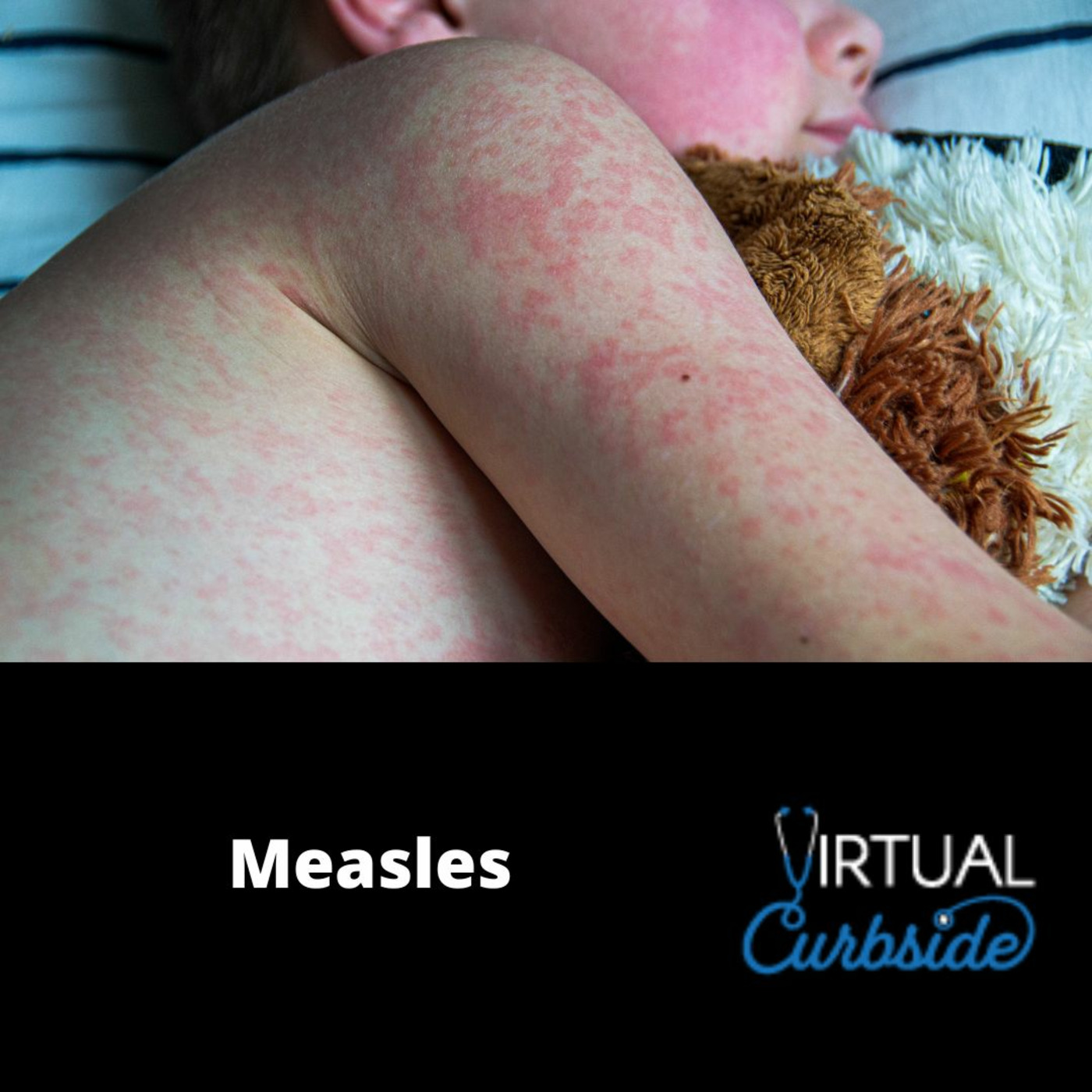
Episode 338: #78-4 Measles: Q&A
This Week on The Virtual Curbside: Measles Q&A In this final episode of the measles series, host Paul Wirkus, MD, FAAP, is joined by experts Andy Pavia, MD, and TW Jones, MD, to answer listener questions. The conversation covers practical clinical concerns around measles, including diagnosis, outbreak response, and prevention strategies. The group also dives into broader vaccine topi
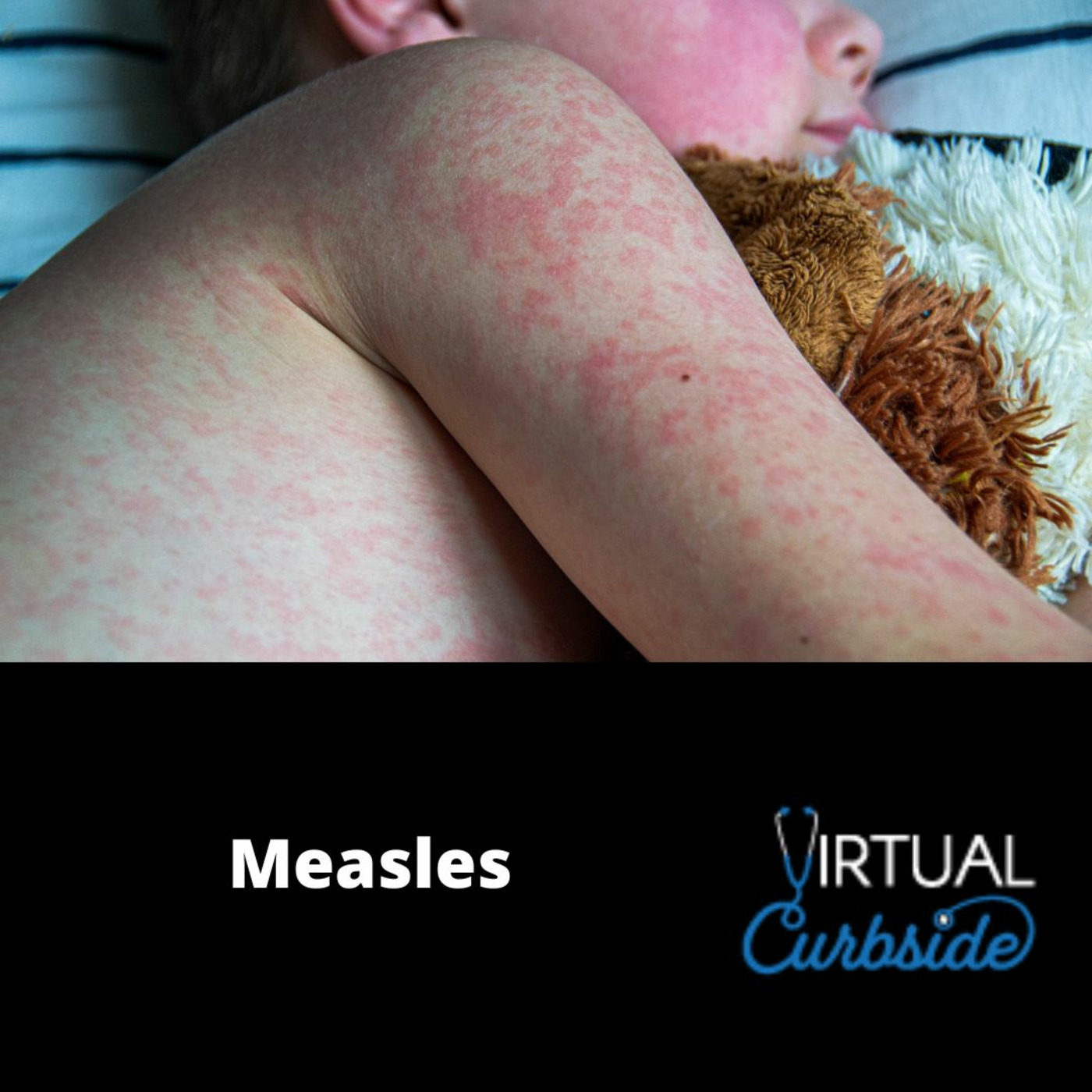
Episode 336: #78-3 Measles: Controlling the Spread
This Week on The Virtual Curbside: Containing Measles – What Works and What Doesn’t In this episode, we focus on containing the spread of measles—what pediatricians need to know about effective infection control, public health coordination, and common missteps. Host Dr. Paul Wirkus and Andy Pavia, MD along with TW Jones, MD, and Mary Fortini, DO also tackle the misunderstood role of Vitam
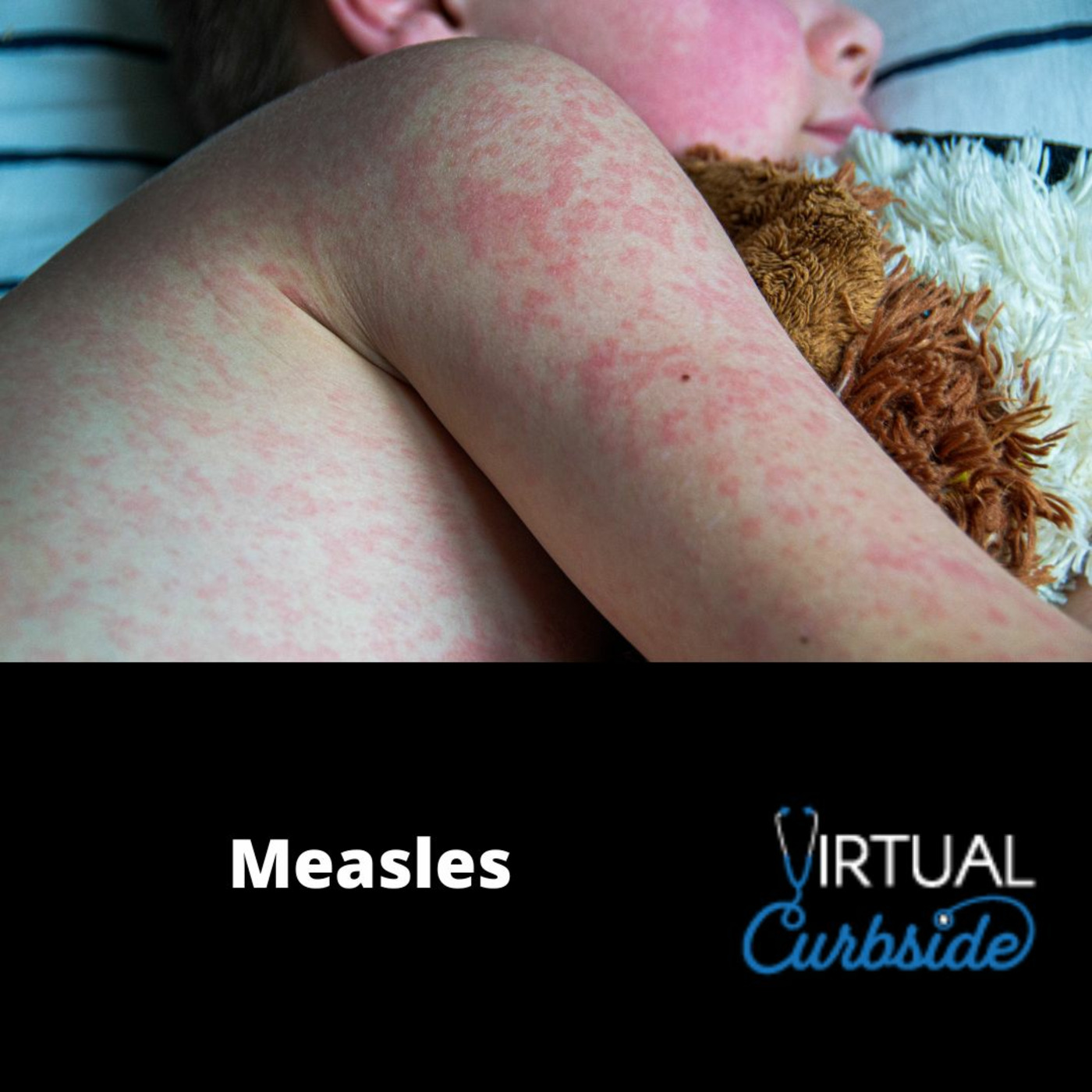
Episode 335: #78-2 Measles: Management
In this episode, we go beyond the clinical basics to explore the history of measles, common complications, and current approaches to diagnosis and management. Our guests also tackle the rise in misinformation and share strategies for having effective, empathetic conversations with families about measles and the MMR vaccine. Listen to the fascinating discussion with host Dr. Paul Wirkus, w
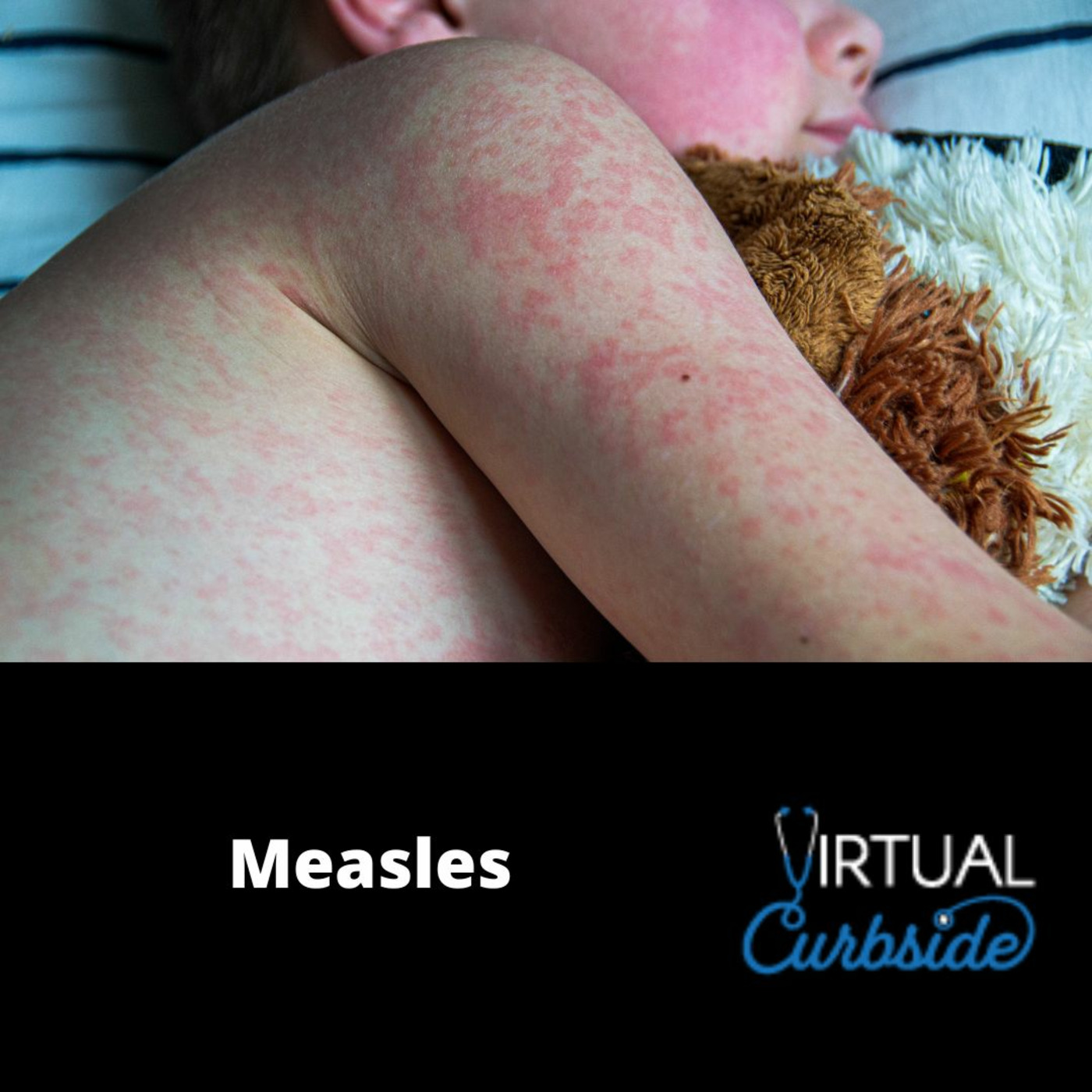
Episode 334: #78-1 Measles
Measles was once considered nearly eliminated in North America - but in recent years, cases have reemerged across the U.S. and Canada, raising serious public health concerns. In this episode, host Dr. Paul Wirkus is joined by Mary Fortini, DO, TW Jones, MD and Andy Pavia, MD to explore the factors driving the resurgence of measles in 2025. They’ll cover current epidemiology, outbreak tren
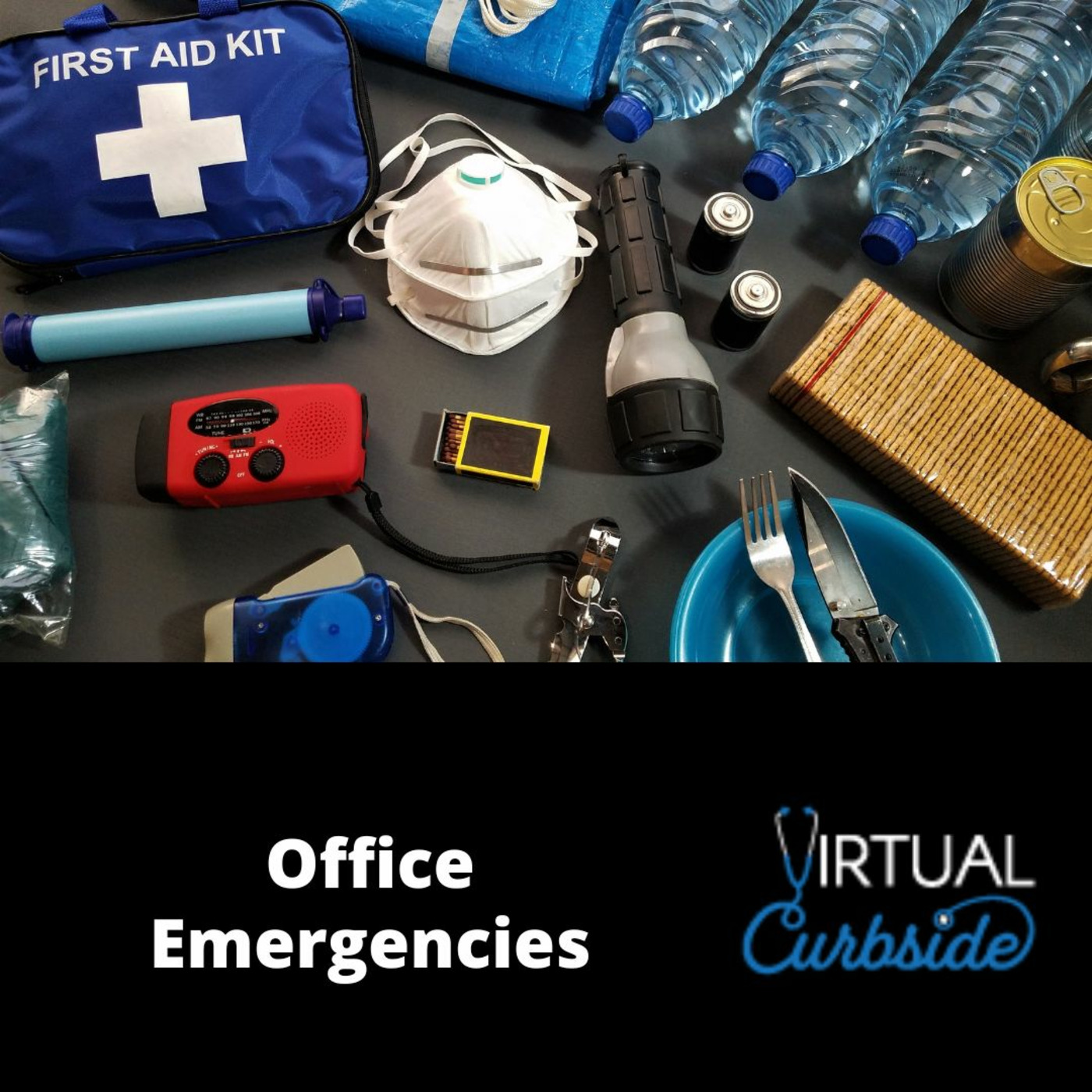
Episode 333: #77-4 Office Emergencies: Q & A
This week wraps up our Office Emergencies series on The Virtual Curbside! Tune in as host Paul Wirkus, MD, FAAP, and guest expert Stephanie Spanos, MD, answer listener questions and bring this insightful series to a close. Don’t miss this final episode filled with practical takeaways, real-world scenarios, and thoughtful discussion to help your practice stay prepared. Have a question? Ema
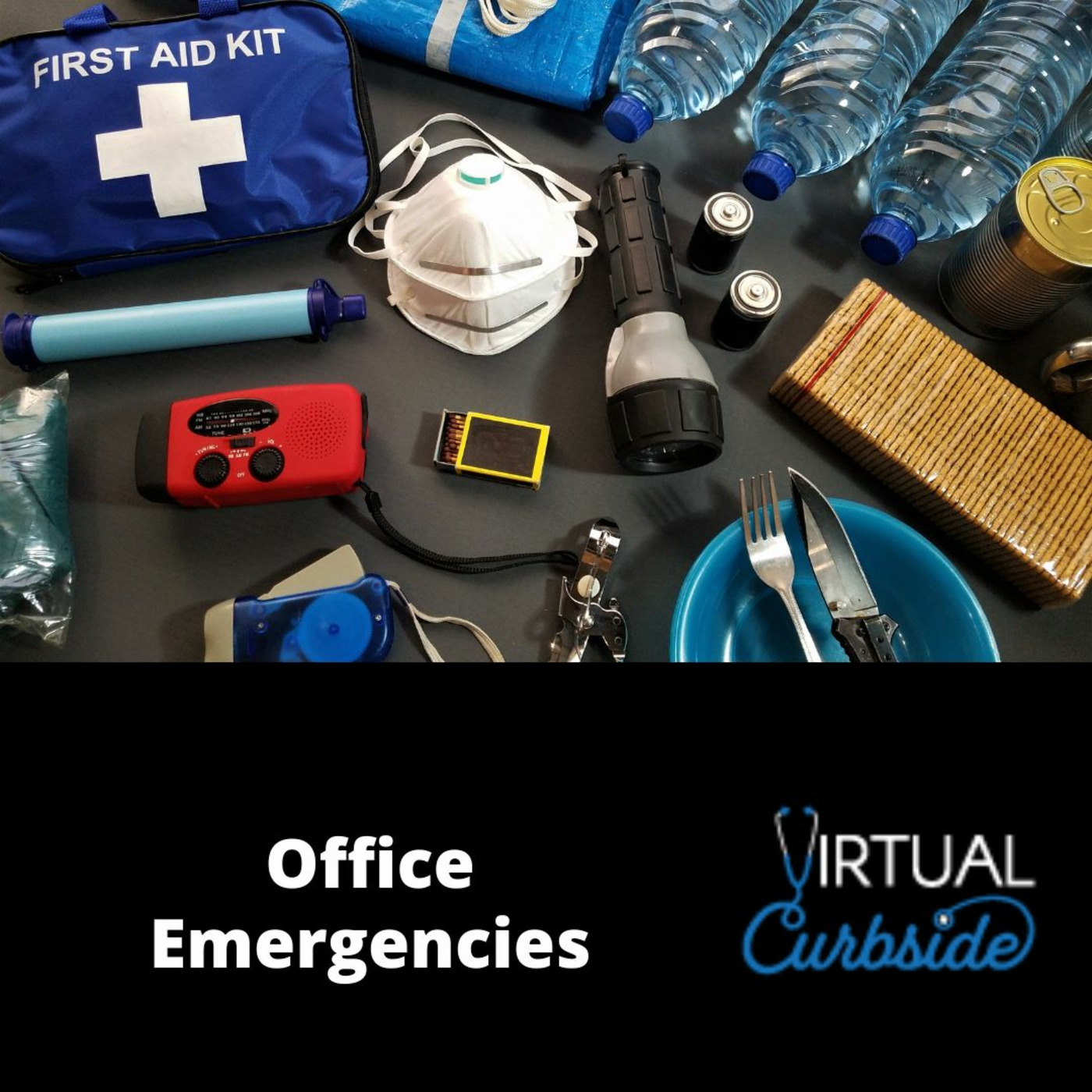
Episode 332: #77-3 Office Emergencies: Planning
This week on The Virtual Curbside, host Paul Wirkus, MD, FAAP, is joined by Stephanie Spanos, MD, to talk all things planning and preparedness. From ambulatory bags and AEDs to team roles and EMS coordination, they break down what every pediatric office needs to be ready for emergencies. Tune in for practical tips, real-world scenarios, and tools to help your entire team stay calm and cap
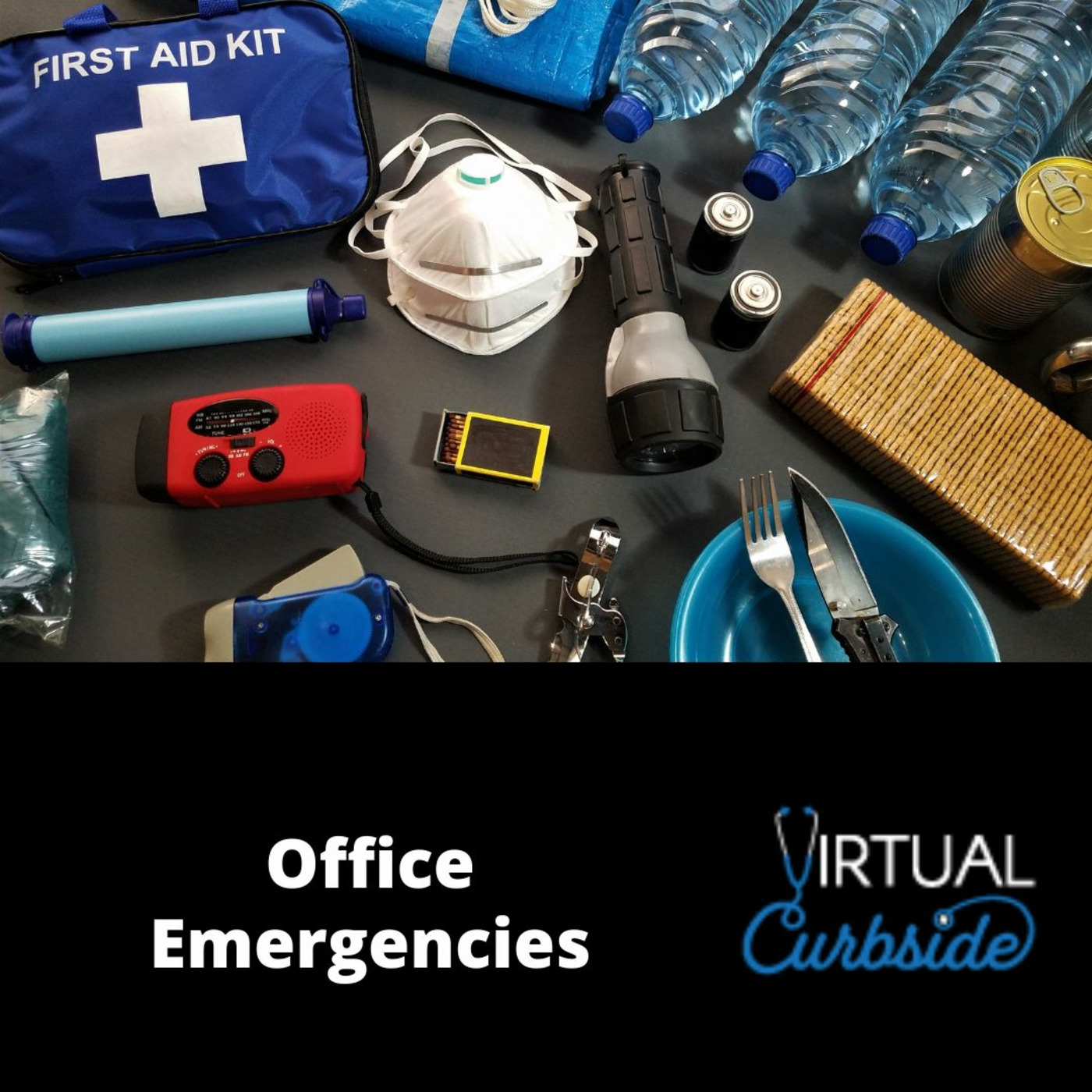
Episode 331: #77-2 Office Emergencies: The Power of Simulations
This week on The Virtual Curbside, we’re talking about one of the most practical tools in pediatric emergency preparedness: simulations. From front desk protocols to medical assistant roles and procedure planning, simulations help ensure every member of the care team knows what to do - and has what they need - when seconds count. Host Paul Wirkus, MD, FAAP, and guest Stephanie Spanos, MD,
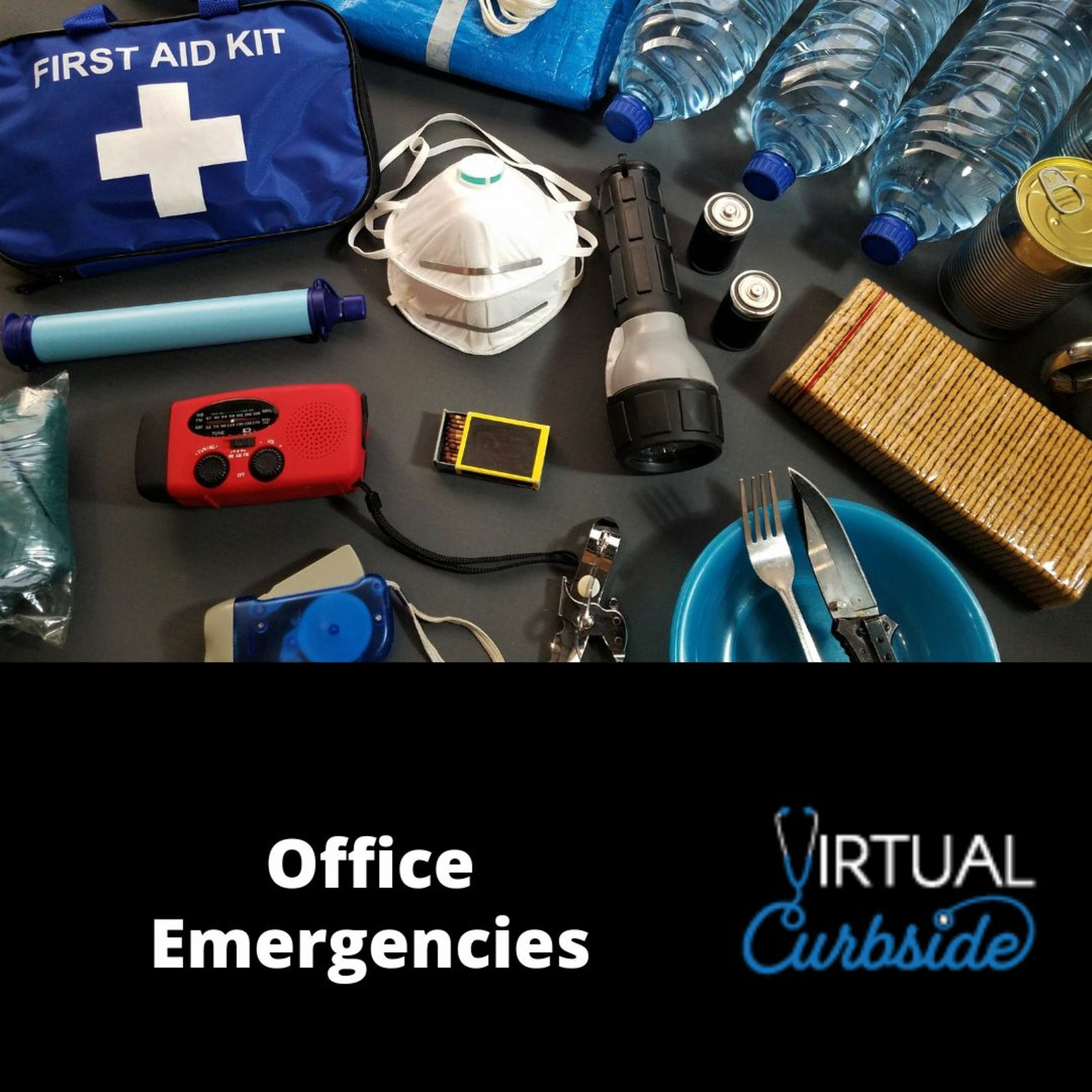
Episode 330: #77-1 Office Emergencies: Preparation
This month on The Virtual Curbside, we’re diving into a topic every pediatric office needs but hopes they never have to use — emergency preparedness. From natural disasters to medical emergencies, having a solid office emergency plan is essential for protecting patients, families, and staff. Join host Paul Wirkus, MD, FAAP, and emergency preparedness expert Stephanie Spanos, MD, for a pra

Episode 329: #76-4 Neonatology: Q & A
This week marks the final episode of our Neonatology series on The Virtual Curbside! Don’t miss the opportunity to hear listener questions answered by neonatology experts. Join host Paul Wirkus, MD, FAAP, and special guest Tara DuPont, MD, for an engaging and informative discussion as they wrap up this outstanding series. Have a question? Email questions@vcurb.com. Want more information a

Episode 328: #76-3 Neonatology: Adjusting Age for Milestones
This week, adjusting age for milestones for NICU graduates will be discussed with host Paul Wirkus, MD, FAAP, and Tara DuPont, MD.Have a question? Email questions@vcurb.com. Your questions will be answered next week.Want more information about Common Problems in Pediatrics, June 3-4, 2025? Register now. For more information about available credit, visit vCurb.com.ACCME Accreditation State

Episode 327: #76-2 Neonatology: Growth Monitoring in NICU Graduates
Join us this week for the conversation about monitoring growth with NICU graduates with host Paul Wirkus, MD, FAAP, and Tara DuPont, MD.Have a question? Email questions@vcurb.com. Your questions will be answered next week.Want more information about Common Problems in Pediatrics, June 3-4, 2025? Register now. For more information about available credit, visit vCurb.com.ACCME Accreditation












