The Reading Instruction Show
The Reading Instruction Show is hosted by Dr. Andy Johnson and focuses on reading instruction and related educational topics. It offers informed discussion with a bit of attitude, aiming to inform and entertain listeners. The host emphasizes that he is not selling books, curriculum, or programs and does not accept speaking fees or seek consulting work. Episodes explore teaching practices, literacy, and other issues in education.
Episodes
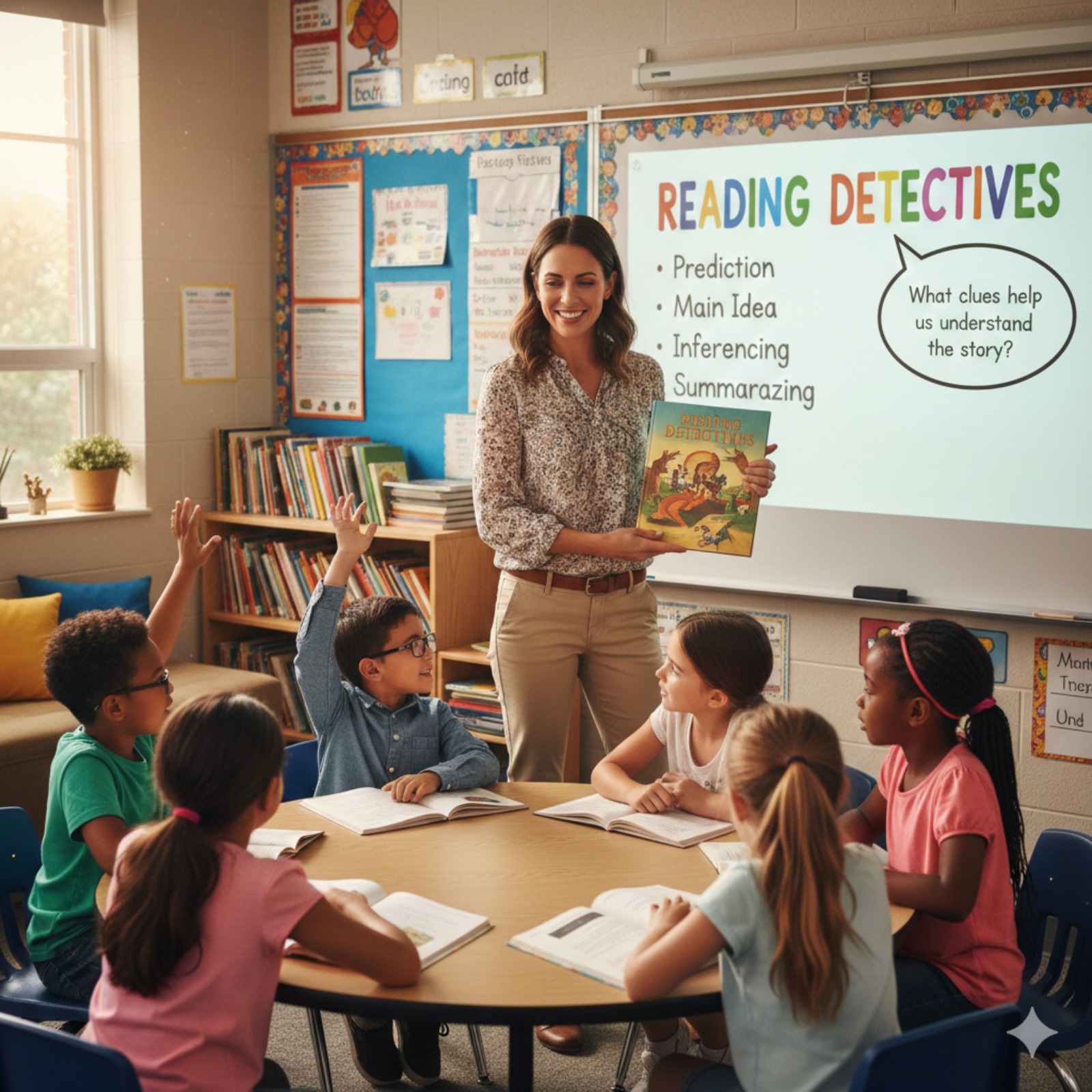
Conversation with Kathy Brown, Master Educator
If you’re looking for accessible, research-based information that slices through the endless loads of overly worded baloney, I would encourage you to subscribe to my free Substack, The Reading Instruction Show. Substack: The Reading Instruction Showhttps://thereadinginstructionshow.substack.com/

Reading Instruction, Word Confirmation, and Confirmation Bias
Purpose statement: The reader will become more effective in evaluating online sources related to reading instruction. Behavioral objective: Readers will be able to identify instances in which confirmation bias results in an over-use of quotations and a misrepresentation of authors’ original ideas. Important Terms• Word recognition – encountering a word in print and instantly knowing what it is. •

Quiet, Piggy: A Trumpian Response to Science of Reading Critics
If you’re looking for accessible, research-based information that slices through the endless loads of overly worded baloney, I would encourage you to subscribe to my free Substack, The Reading Instruction Show. Substack: The Reading Instruction Showhttps://thereadinginstructionshow.substack.com/
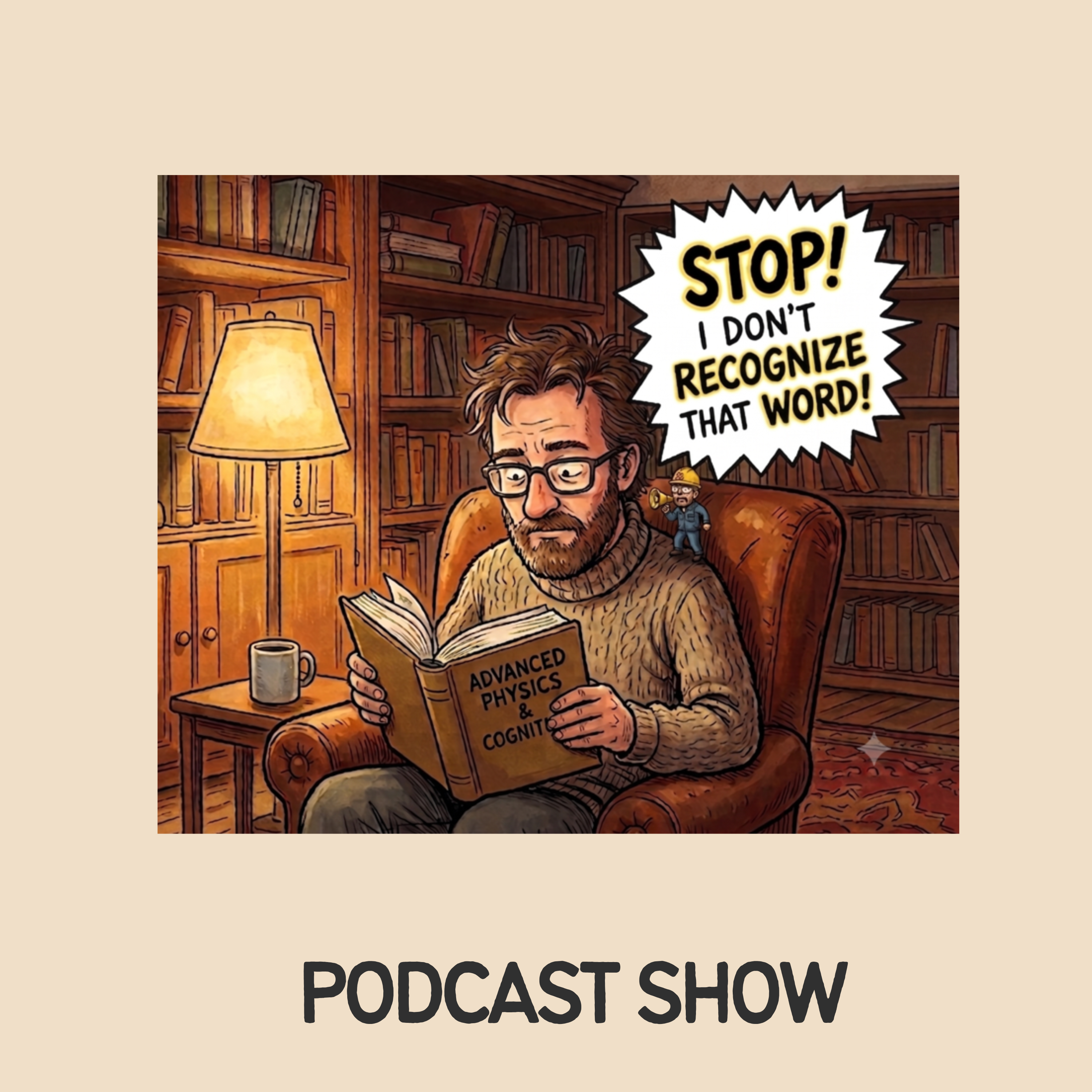
Recognizing Words, the Three-Cueing System, and Identifying Words
• Purpose: Readers will understand how the three cueing system is used to recognize words.• Behavioral objective: After reading this chapter, the reader will throw a pie in the face of any clown who suggests that the three-cueing system (a) is a strategy, (b) is an approach to reading instruction, or (c) that it teaches students to guess at words.
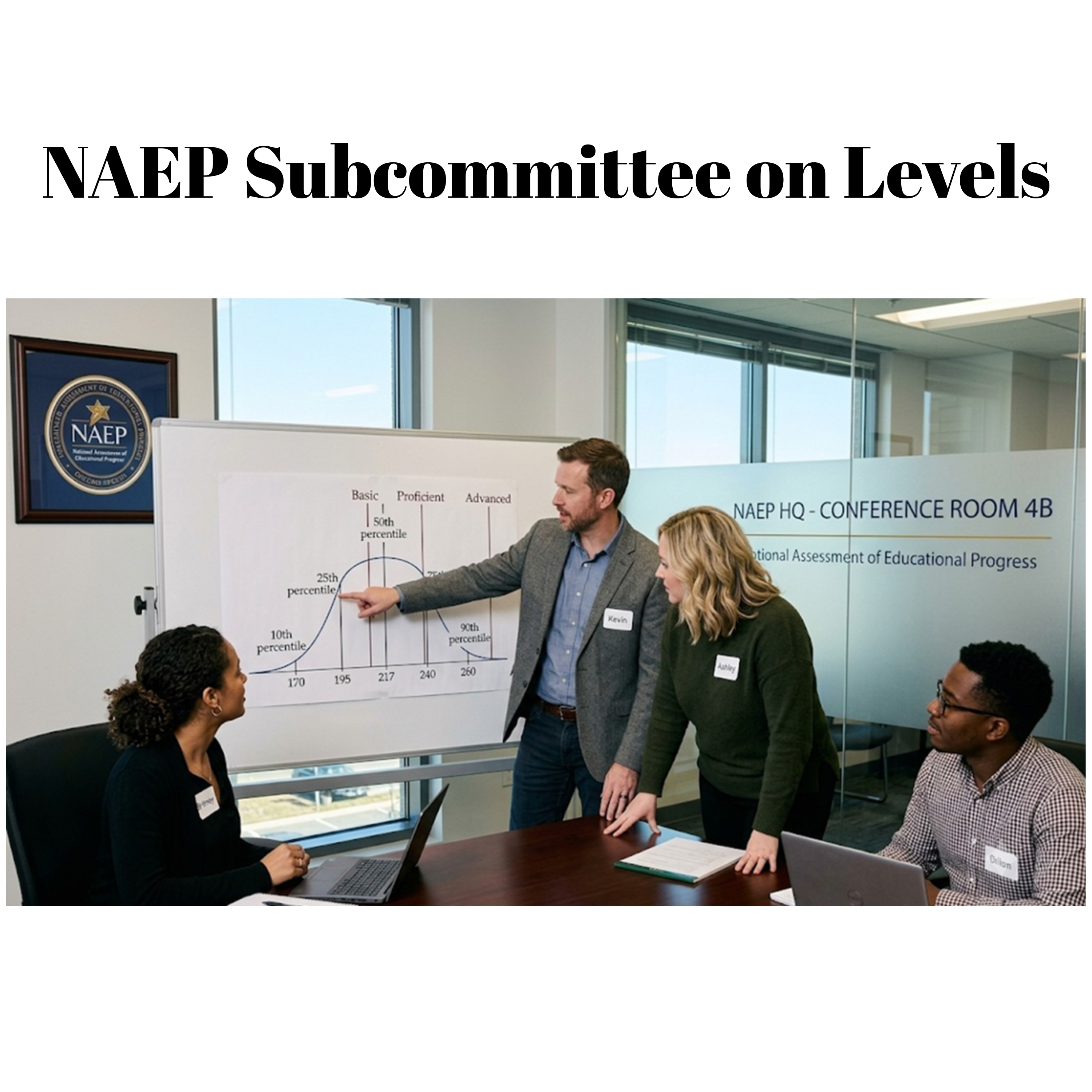
How NAEP Created a Perpetual Reading Crisis
The NAEP proficiency levels were arbitrarily defined (Bracey, 2008; Ravitch, 2012; Reinking, Hruby, & Risko, 2023). These levels should be interpreted with extreme caution (Vaulton, 2025). The National Center for Education Statistics website provides three reasons for this (NCES, 2025):1. Proficiency levels are based on desired expectations. Meaning that these levels are aspirational not ma
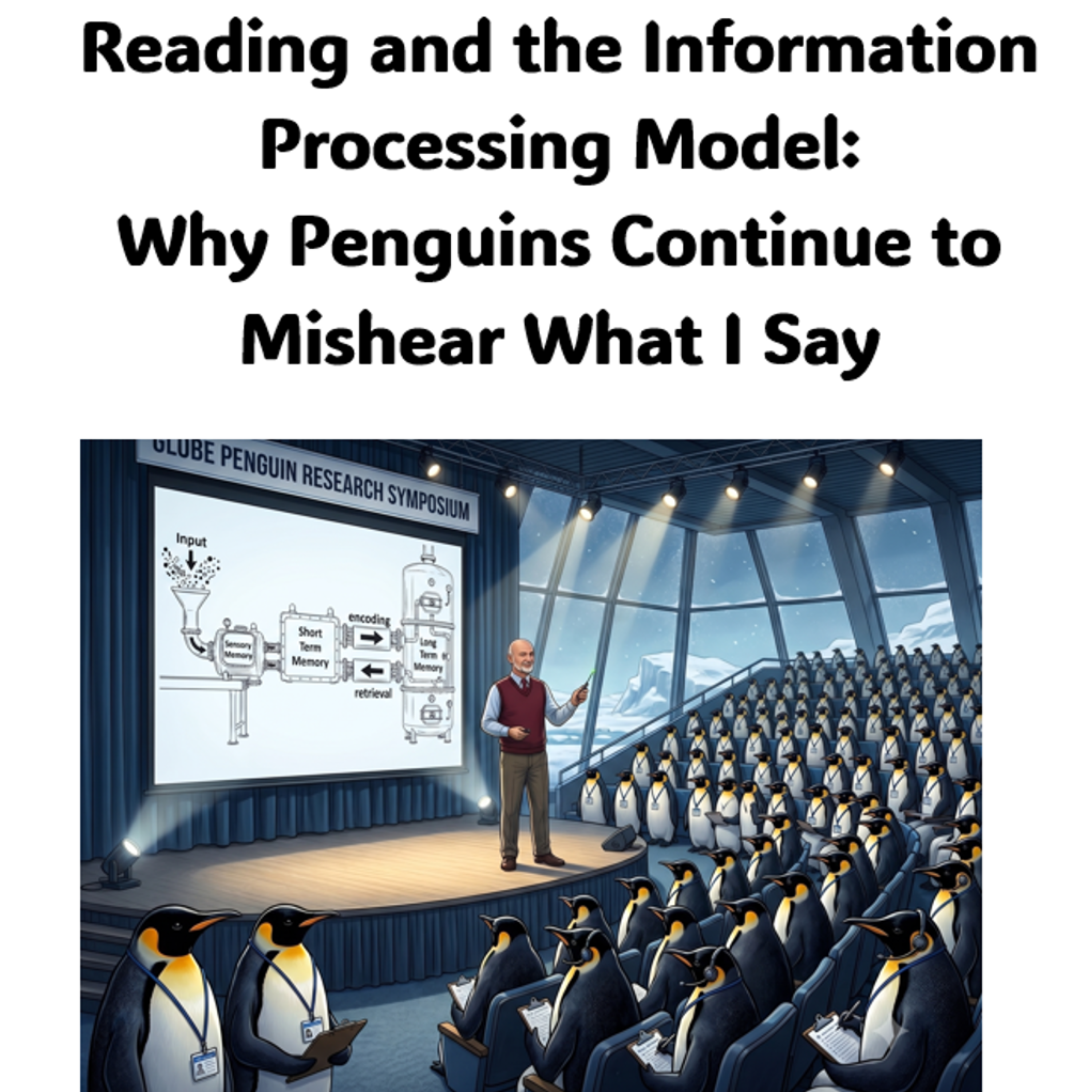
Reading and the Information Processing Model: Why Penguins Continue to Mishear What I Say
Reading is a thinking process, not a responding-to-stimuli process or a sounding-out-words process. And since cognitive psychology studies human thinking; it makes good sense to examine the reading process from a cognitive or thinking perspective using the information processing model.• Purpose statement: The reader will develop a basic understanding of reading from a cognitive perspective.• Beha

Little Timmy, Round-Robin Reading, and Kindly, Old Mrs. Peterson
Important Terms• Round-robin reading – going around the table or around the room and having each student in turn read a section of text out loud. This is a teaching strategy that should very rarely (if ever) be used.• Popcorn reading – a form of round-robin reading except that the teacher randomly selects students to read a section of text out loud. This is designed to keep all students paying a

Understanding Reading from a Neurological Perspective: The Basics
If you’re looking for accessible, research-based information that slices through the endless loads of overly worded baloney, I would encourage you to subscribe to my free Substack, The Reading Instruction Show. Substack: The Reading Instruction Showhttps://thereadinginstructionshow.substack.com/
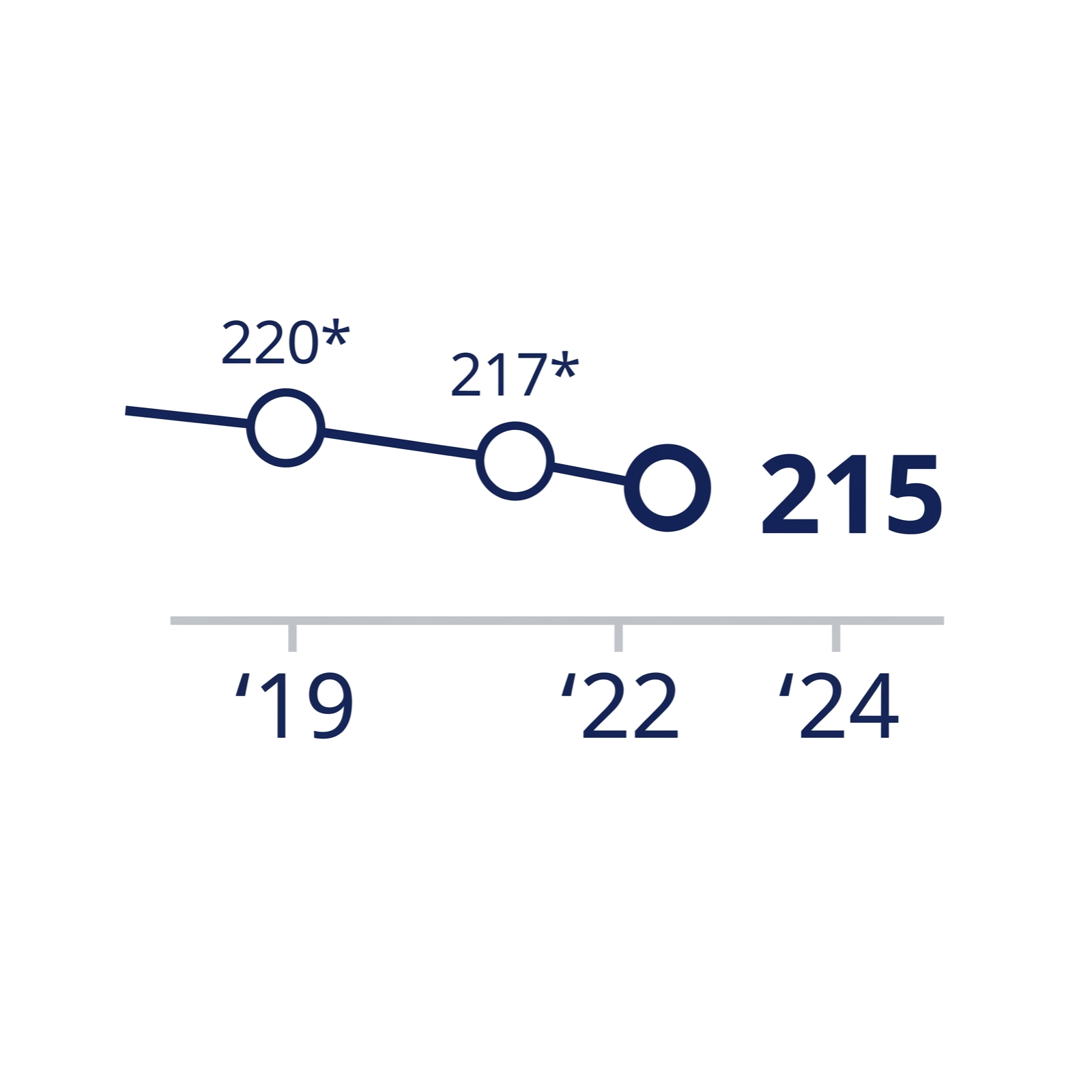
The Latest NCTQ Technical Report Does Not Meet Basic Academic Standards
The National Council on Teacher Quality (NCTQ) recently put out another technical report. This technical report graded 700 teacher preparation programs across the country (Ellis, et al., 2026). However, a critical evaluation shows why this report can’t be taken seriously. It contains an abundance of misinformation, disinformation, and convenient inaccuracies. It’s not known if these were inten

My MAGA Friends Tell Me Not to Judge Them
Matthew 7: 1-2.“Judge not, that you be not judged. For with the judgment you pronounce you will be judged, and with the measure you use it will be measured to you.”My MAGA Christian friends tell me I’m not supposed to judge them. They quote Matthew 7: 1-2 as if it’s a get-out-of-jail card, then they do whatever the hell they want to do.https://dr731.substack.com/p/my-maga-friends-tell-me-not-to-ju
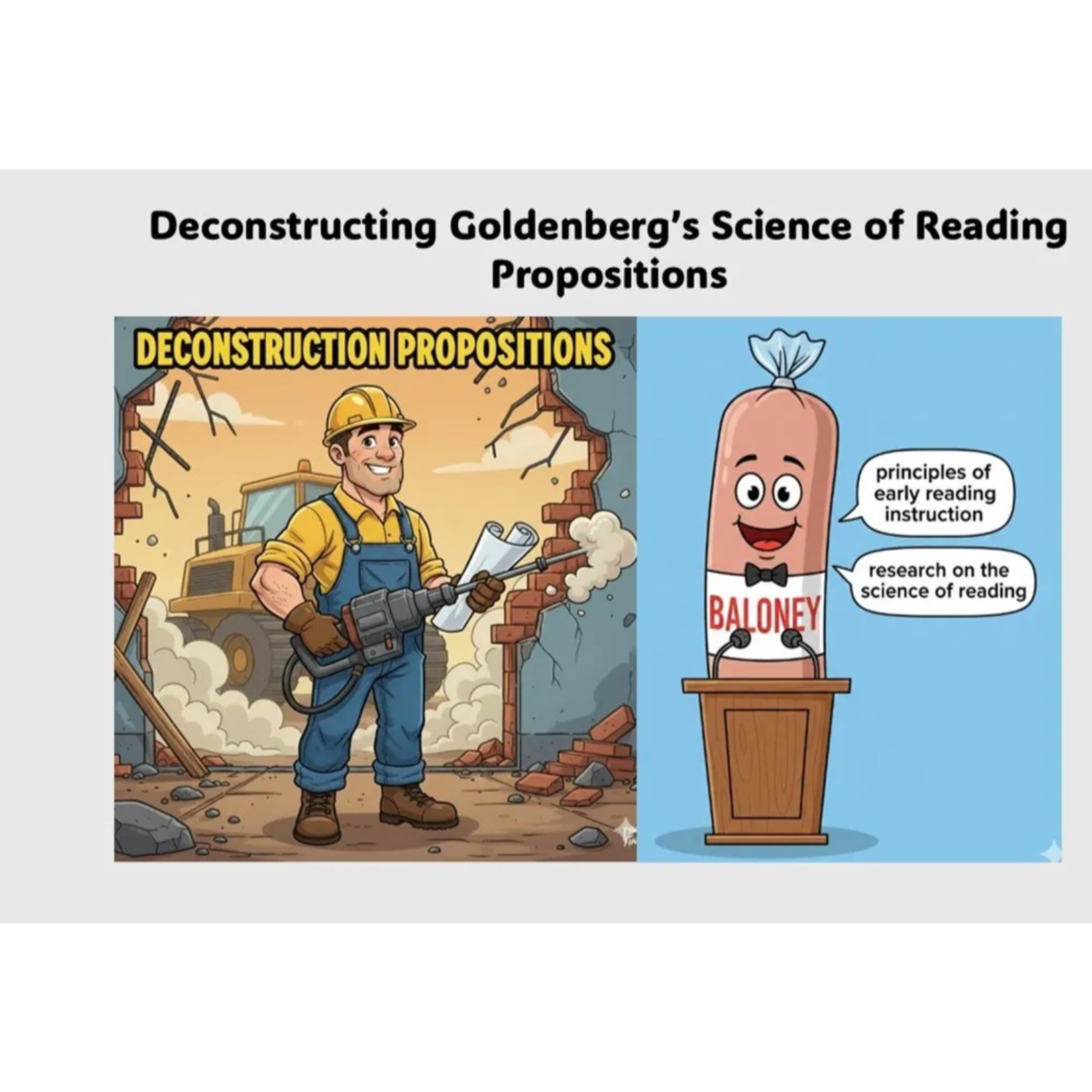
Deconstructing Goldenberg's Science of Reading Propositions
If you’re looking for accessible, research-based information that slices through the endless loads of overly worded baloney, I would encourage you to subscribe to my free Substack, The Reading Instruction Show. Substack: The Reading Instruction Showhttps://thereadinginstructionshow.substack.com/

Reading Instruction, Whole Language, and a Flux Capacitor
In 2026, the Minnesota Department of Education requires teachers to be toadies who follow approved teachers’ manuals with fidelity. All the love of reading has been stomped out of students. Reading, writing, listening, thinking, and critically evaluating information has been replaced by remembering, responding, regurgitating, and filling in bubbles on standardized tests. Th
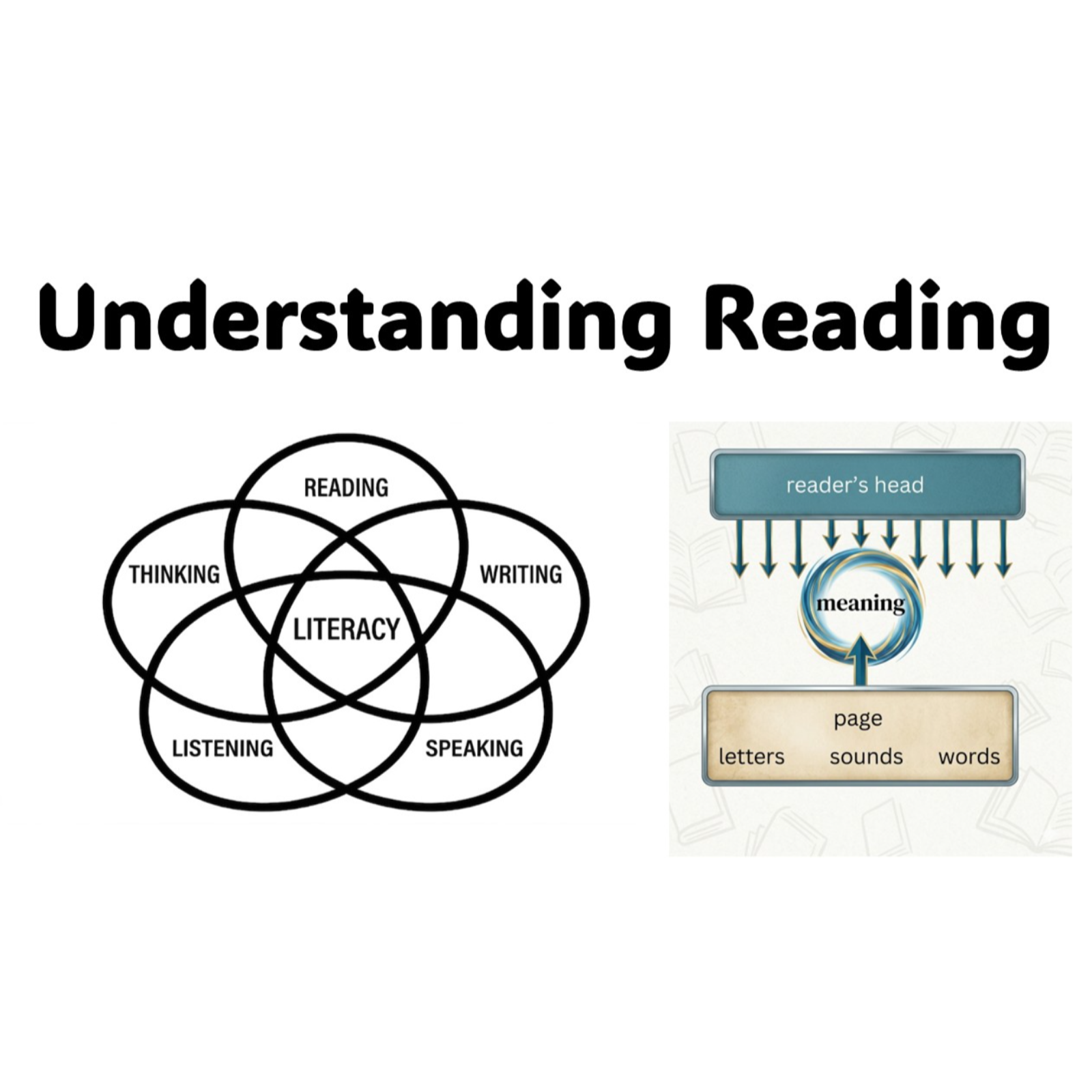
Understanding Reading
If you’re looking for accessible, research-based information that slices through the endless loads of overly worded baloney, I would encourage you to subscribe to my free Substack, The Reading Instruction Show. Substack: The Reading Instruction Showhttps://thereadinginstructionshow.substack.com/

Limitations of Brain Imaging Research for Reading Instruction
Just because a book, article, or presentation includes pictures of a brain or uses a whole bunch of big brain words, does not mean the information presented is always accurate or scientific. We must be responsible consumers of all information, and this includes brain imaging research for reading instruction.

The Story of the International Literacy Educators Coalition (ILEC)
By Dr. Andy Johnson, Executive Director, ILECPush back against top-down SoR mandates that disempower teachers. Get involved with the International Literacy Educators Coalition (ILEC). It’s free.https://docs.google.com/forms/d/e/1FAIpQLSd-nZ_vlQu1b-TfDLj3Ryk01lVfJuRWTTMeuyIaEdAKKMiWBQ/viewform?usp=sharing&ouid=104234491744726588097

Dr. Johnson is Vulgard, Common, and Shameful
Warning: The academic aristrocacy do not want you to listen to this podcast.

Dr. Johnson is Not Very Smart
Push back against top-down SoR mandates that disempower teacher. Get involved with ILEC. Sign up at this link:https://docs.google.com/forms/d/e/1FAIpQLSd-nZ_vlQu1b-TfDLj3Ryk01lVfJuRWTTMeuyIaEdAKKMiWBQ/viewform?usp=sharing&ouid=104234491744726588097
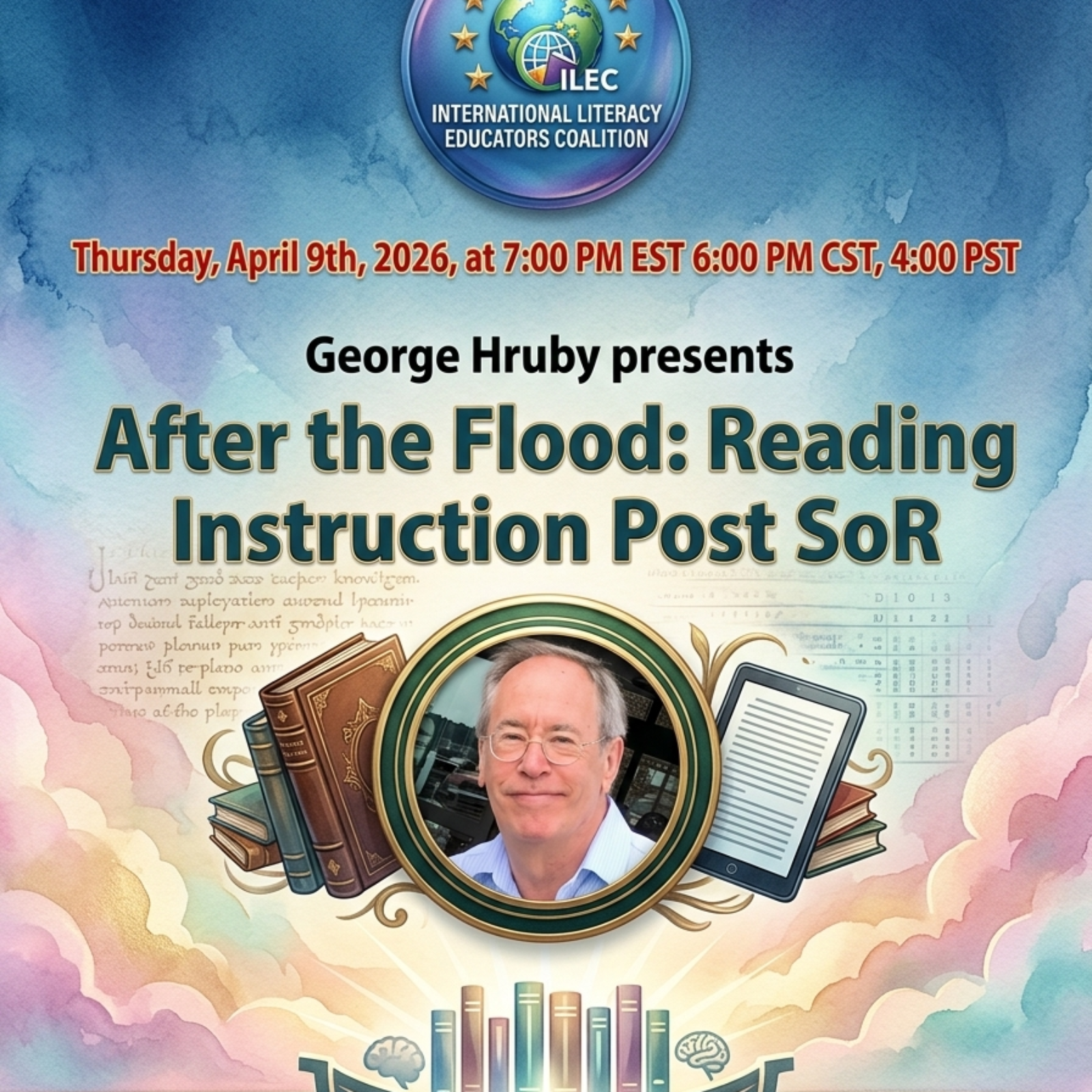
George Hruby presents After the Flood: Reading Instruction Post SoR
Feeling deluged by SOR media, materials, and mandates? Science of Reading’s murky waters have crested, says Dr. Hruby. Our classrooms are ours to reclaim if we strategize now. Join Dr. Hruby in a conversation about why SOR may be on the outs, the backstories behind it, and how we can take back control of our teaching and students’ learning.

Minnesota, Reading Legislation, and Tarot Cards
In Minnesota our special reading law called The Read Act. The Read Act makes certain kinds of reading instruction mandatory and other kinds illegal. I will confess that during the last two years at Minnesota State University, Mankato, I’ve been teaching illegal reading instruction. Every day I expect masked READ agents to kick down my door, handcuff me, and drag me off to a LETRS training facil

Living Your Values, MAGA, and Christianity
Prince of Peace. How’s that working out for you? How’s that peace thing going? I have to be honest, I don’t see a lot of peace coming out of my Jesus-loving MAGA friends. I see anger, hatred, retribution, violence, and lies. Peace on earth, goodwill toward men (and women and children and animal life and our planet). How’s that goodwill working out for you? Are you feeling it? Is your will go
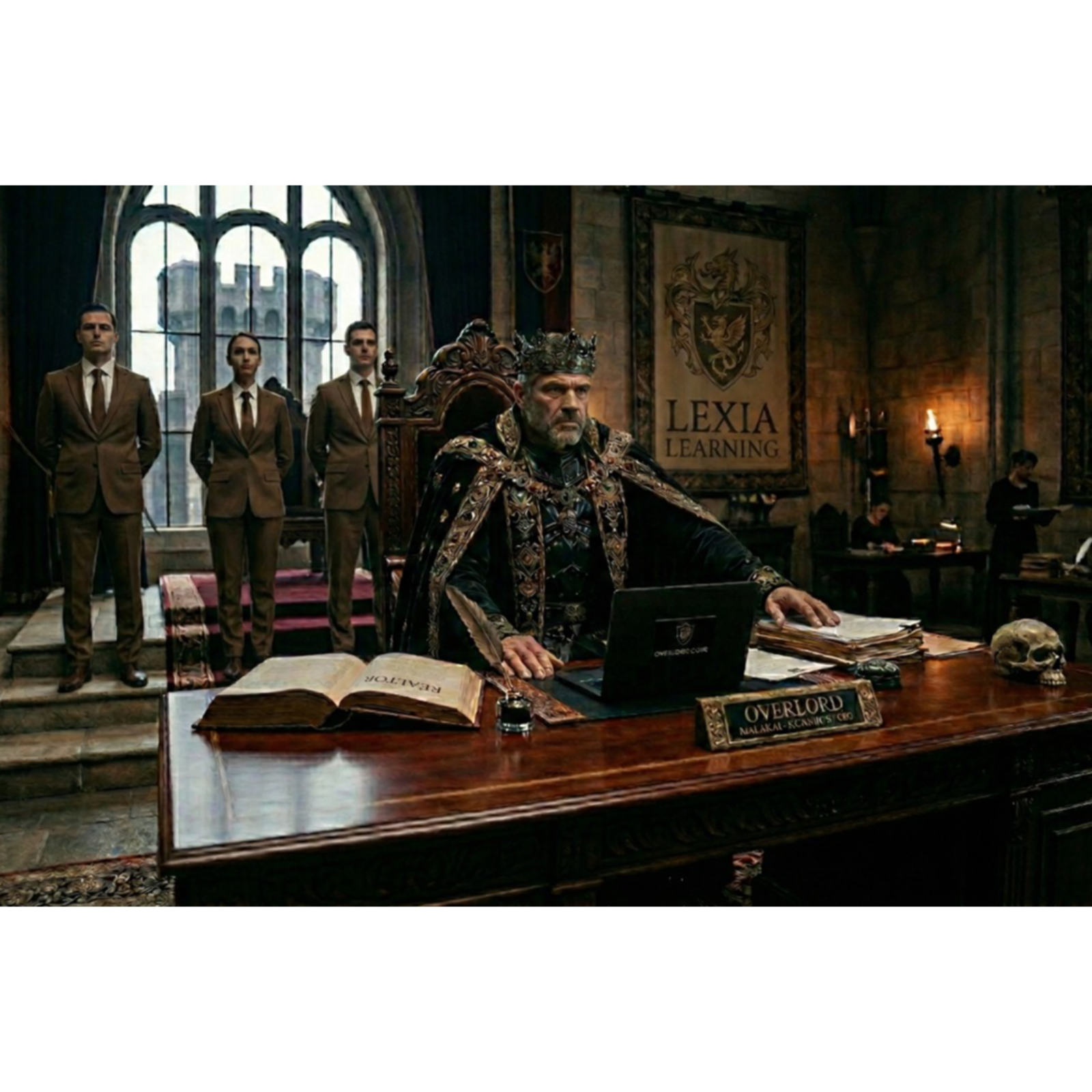
Trained Seals, Reading Instruction, and Educational Overlords
Effective teachers are reflective teachers (Sternberg & Williams, 2010; Zeichner & Liston, 2010). They think about what they’re doing, what they did, and what they’re going to do. There are two levels of reflection: surface level and deep meaning. Both are necessary. But one without the other is not sufficient.

The Rich Man, Brother Lazarus, and Donald J. Trump
The bible is quite clear on this point: To hell with you who support the Rich Man while Brother Lazarus is sick and starving. To hell with you. To hell with you who turn your back on the poor, the sick, and the strangers among us. To hell with those of you who protect the people who raped and trafficked young girls. To hell with you. The bible cannot be more clear on this point.https://substack.co

God Exists
Videos, articles, and much more at my free Substack: Transpersonal Christianityhttps://dr731.substack.com/

The Importance of Argument in Reading Instruction
The argumentation process is the foundation of academic discourse within the academy. It’s worked well for centuries, enabling our various academic fields to continually evolve. These arguments usually take place in academic journals, academic conferences, and various other academic presentations.

Teaching Reading at Home: Tips for Parents
This podcast describes simple, pragmatic, research-based tips for parents to help their child with reading at home and over the summer.

God Has a Plan
Videos, articles, and much more at my free Substack: Transpersonal Christianityhttps://dr731.substack.com/
The National Reading Panel: Comprehension
This podcast reviews and applies the research related to Comprehension.
The National Reading Panel: Phonics and Word Work
Research-based strategies to addres phonics and word work.

Introduction to Systemic Racism
This is a good time to revist systemic racism. Trump posted a racist tweet, showing the heads of Barak and Michelle Obama on Monkeys. He won’t apologize for this. Many Trump Republican supporters refused to call him out for this.

Twisted Scripture
Somebody accused me of twisting scripture to fit my political perspective. I didn’t know that wanting to stop the bullying, beating, imprisonment, and killing was a political perspective. I didn’t know that wanting to feed the hungry, attend to the sick and poor was a political perspective. In this Sermon Short I will twist some more biblical scripture at you.Psalm 51:10 says, “Create in me a

A Journalist is NOT a Literacy Scholar
Jurnalists should not get a free pass on ignorance. This podcast describes the difference between journalists and literacy scholars.

Conference Presentation: LETRS - Behind the Pretty Words
Just because it says it’s ‘research-based’ or ‘scientifically based’ doesn’t mean that it is. Dr. Louisa Moats’ website states that, “Moats developed the landmark professional development program LETRS for teachers and reading specialists and the scientifically based LANGUAGE!” This presentation will demonstrate (a) how Moats misrepresents the results of her own research, (b) how she falsifies a

Sunday Sermon: Bat Shit Crazy Ramblings
There are travelers who have been beaten, robbed, and left on the side of the road. Why are you walking by? Stop the abuse. Stop ICE.Psalm 119:105 Your word is a lamp to my feet and a light to my path. Matthew 9:17 - Nor do people put new wine into old wineskins; otherwise the wineskins burst, and the wine pours out and the wineskins are ruined; but they put new wine into fresh wineskins, and
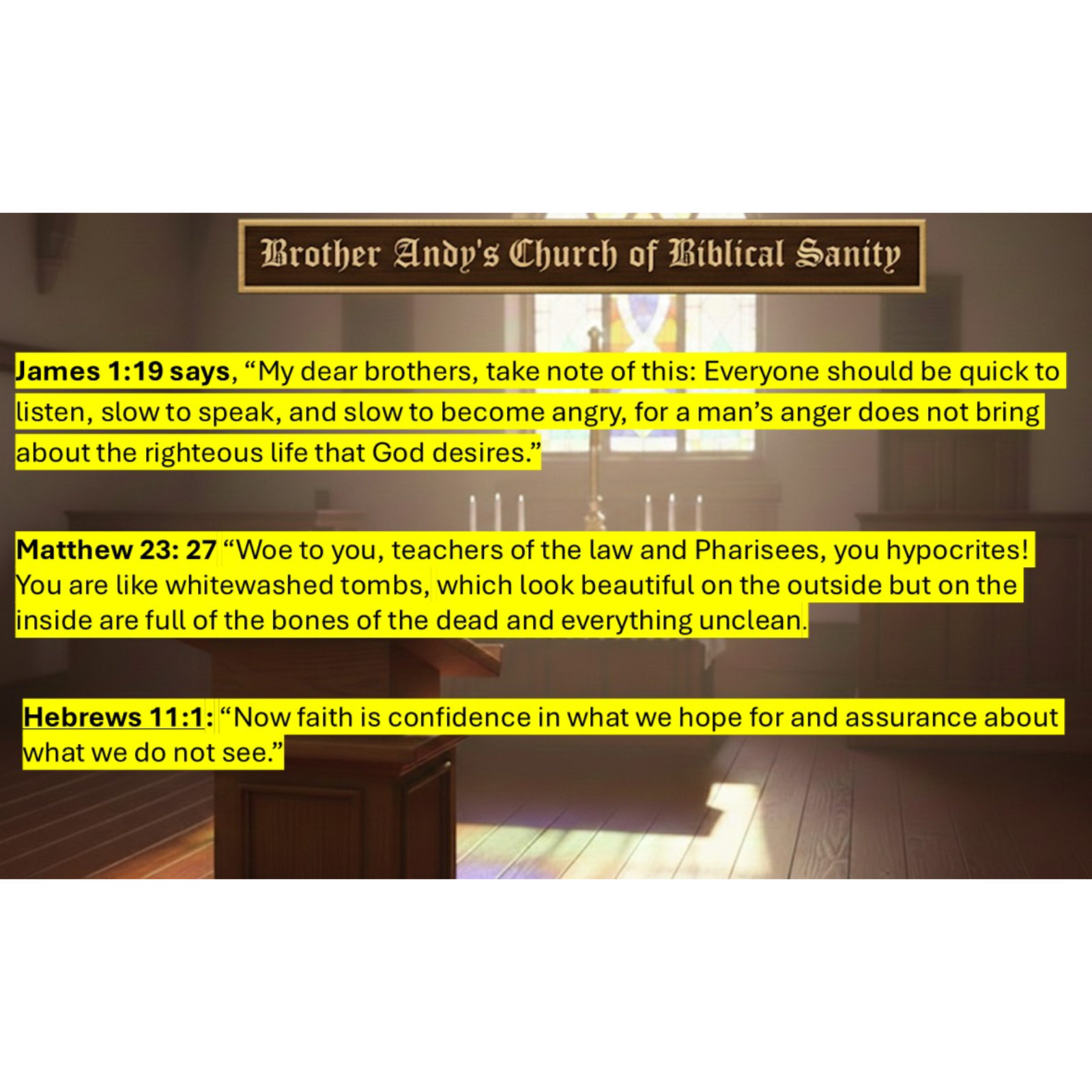
Sunday Sermon: People of Faith or People of Belief?
James 1:19 says, “My dear brothers, take note of this: Everyone should be quick to listen, slow to speak, and slow to become angry, for a man’s anger does not bring about the righteous life that God desires.” Matthew 23: 27 “Woe to you, teachers of the law and Pharisees, you hypocrites! You are like whitewashed tombs, which look beautiful on the outside but on the inside are full of the bones of

Sunday Sermon: The Lord Detests These Things
“There are six things the Lord hates, seven that are detestable to him: (a) haughty eyes, (b) a lying tongue, (c) hands that shed innocent blood, (d) a heart that devises wicked schemes, (e) feet that are quick to rush into evil, (f) a false witness who pours out lies, and (g) a man who stirs up dissension among brothers.”
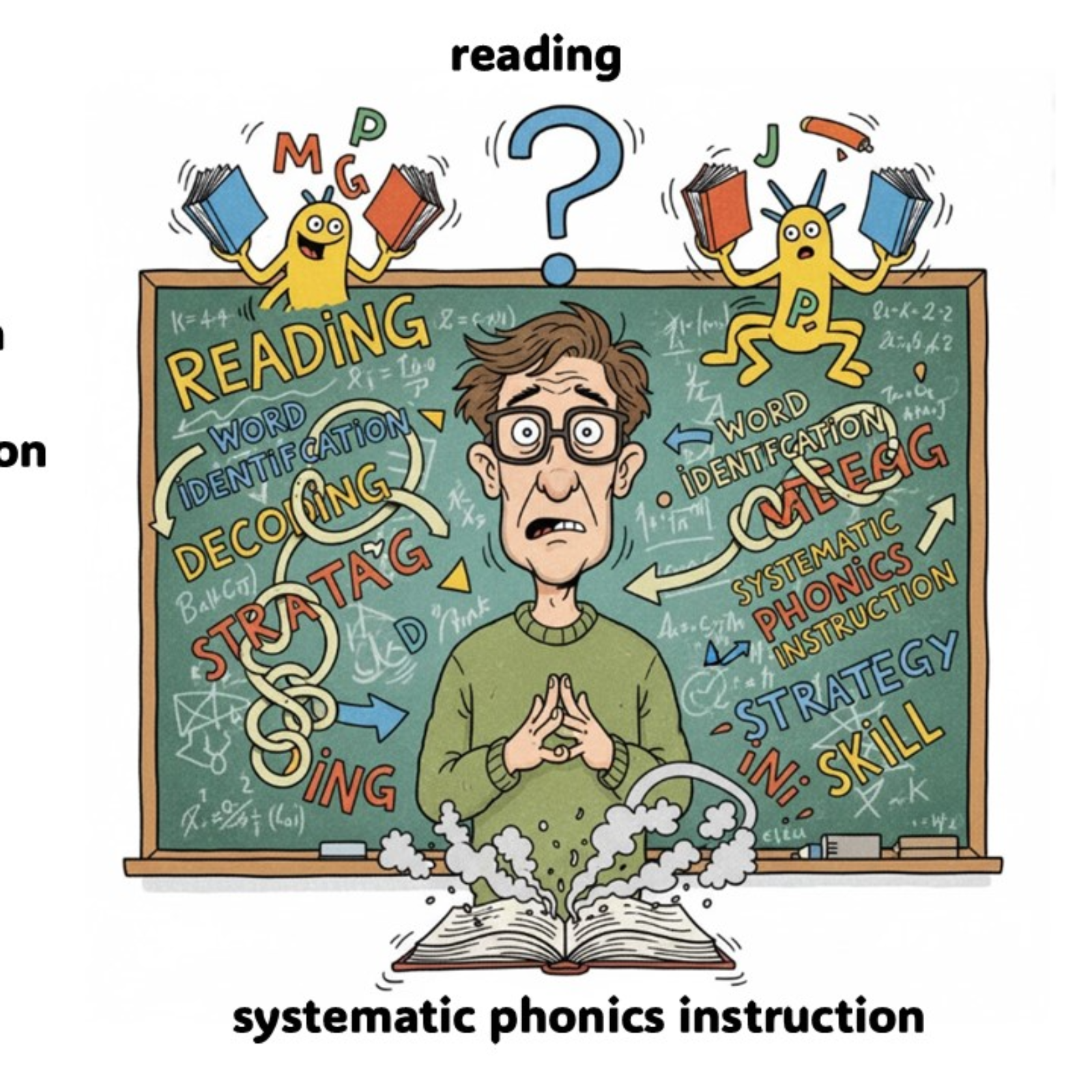
8 Comonly Misunderstoond Terms in Reading Instruction
This podcast explains eight commonly misunderstood terms related to reading instruction.• Reading. • Word recognition. • Word identification• Decoding• Strategy. • Skill• Systematic phonics instruction. • A balanced approach.

The Importance of Academic Journals: John Stossel Doesn't Know What they Are
Below are seven big ideas that you should take from this chapter.1. Having a body of knowledge is important in any field.2. Disagreement followed by academic discourse enables a field to evolve.3. Silencing opposing views results in cognitive inbreeding.4. Academic journals are essential for disseminating new knowledge and for academic discourse within a field.5. The process used to get scholarly
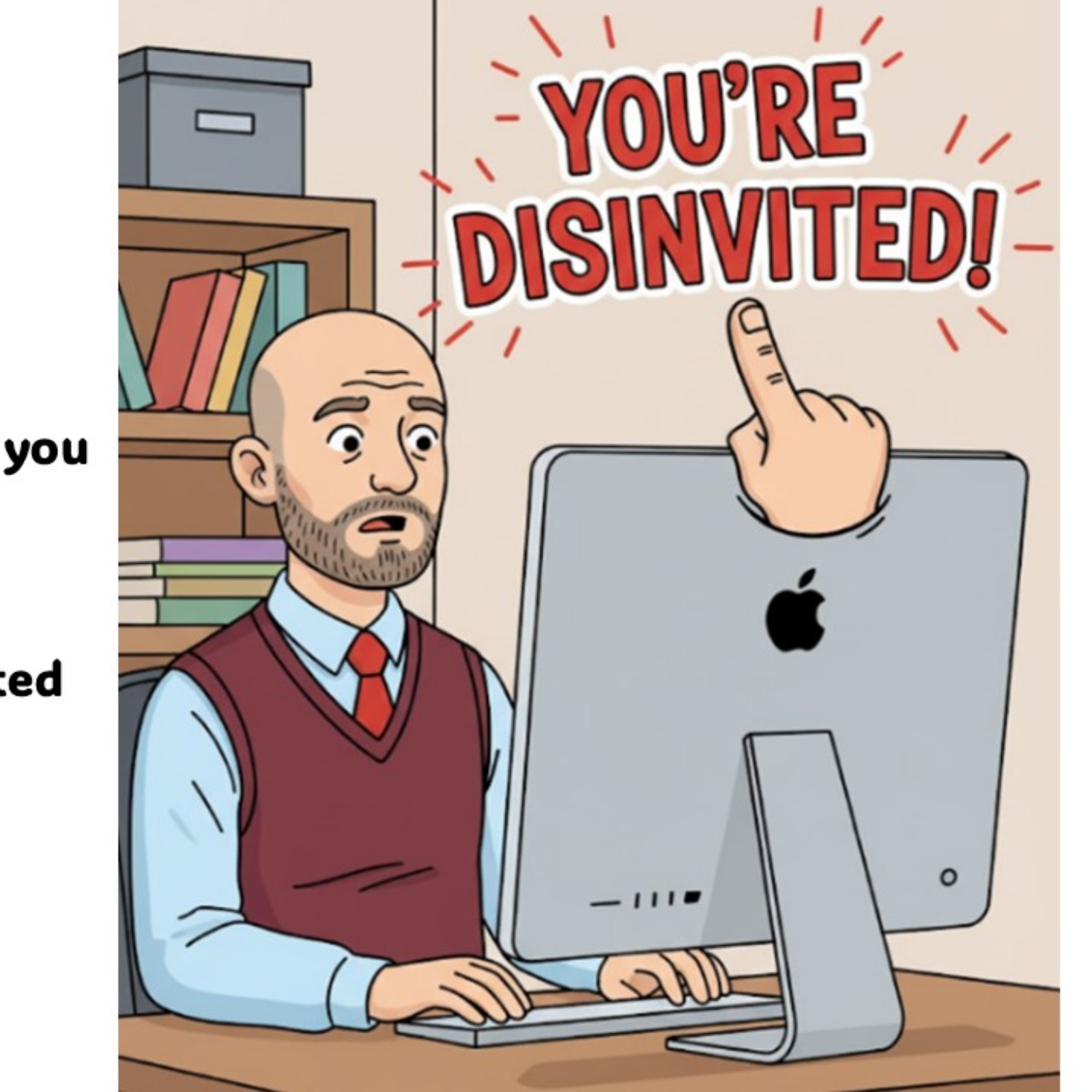
Dyslexia Summits, Disinvitations, and Reading Camps
Let’s review. A couple of months ago, I recorded an online interview for a dyslexia summit. I also put together and recorded a short video presentation. These were both to be shown at a dyslexia summit. I was to then attend the online summit for a live question-and-answer session. On the day of the summit, I emailed to see what time I needed to be online. It was at this point that I was told
John Stossel: My Adventure in Television – Part I
It is very hard to have a serious and substantive discussion about a topic like reading instruction with somebody whose knowledge base is shallow and disjointed. You end up in a teaching role.

Dyslexia Summits, Disinvitations, and Abrasiveness
The abrasiveness of a writing tone is determined largely by the cognitive framework held by the reader. A cognitive framework is the mentally constructed structures that guide individuals in interpreting the world. It becomes the lens through which the world is viewed. Much like a theory, a cognitive framework is used to explain facts and understand phenomena. Some see my writing as abrasive an
Academic Buzzwords, Weasel Words, and Propagating Lexiconic Locution: Claude Goldenberg, and the International Dyslexia Association
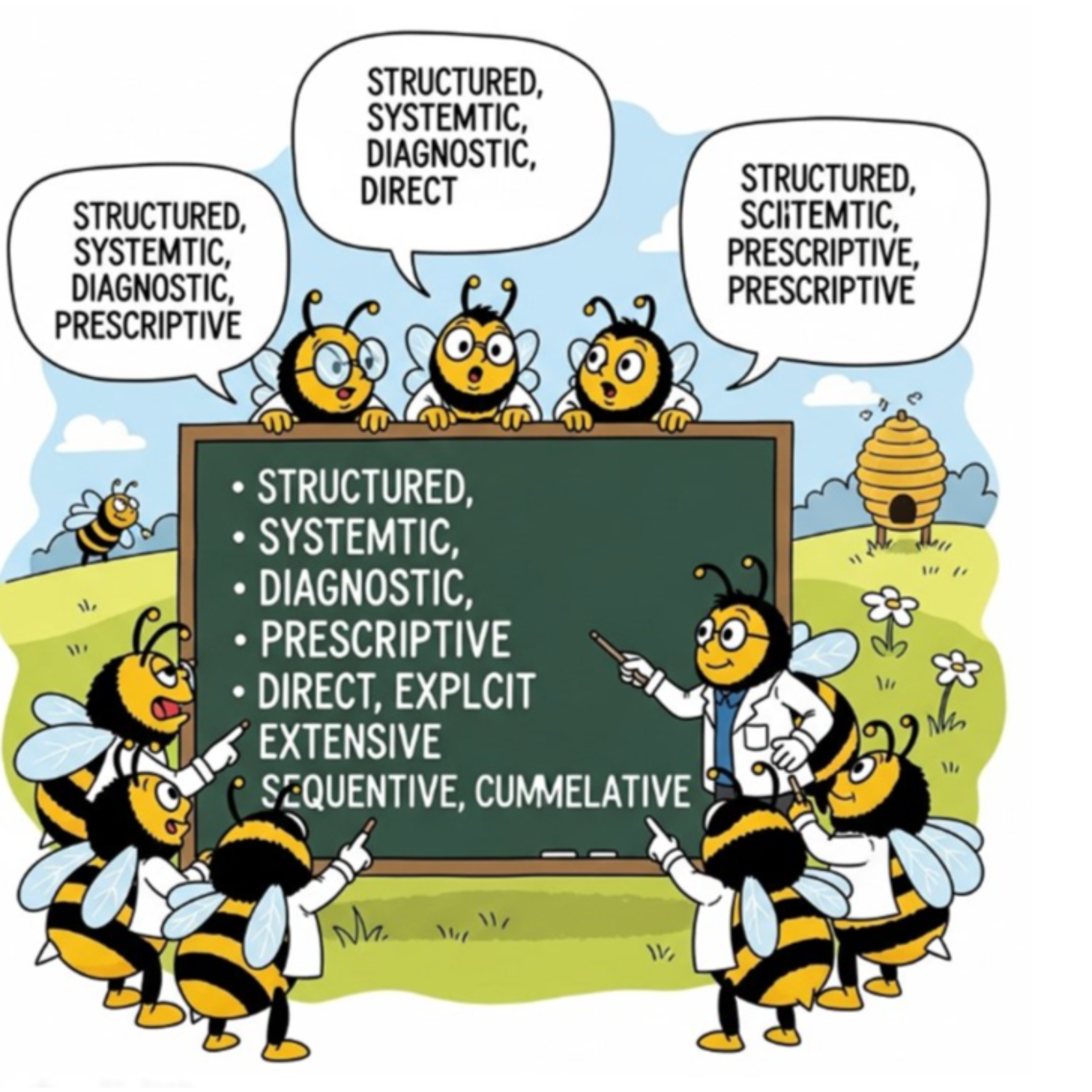
This podcast describes the following:Words - sound groups that represent things in the real world.Buzzwords - are words used to elicit an emotional response rather than accurately transmitting information. Propagating lexiconic locution – an overuse of academic buzzwords.Weasel words - words are used to give the impression of something without really saying something. Strawman argument – Creating

Selective Umbrage: Emily Hanford is an Alexa App
In a recent show, I referred to Emily Hanford as the Alexa App of reading instruction. This was a metaphor, a common literary device in which one makes a comparison without using the words ‘like’ or ‘as’. It creates an image. When we say America is a melting pot, we don’t literally mean there’s a big pot bubbling somewhere. Metaphors create images and communicate things that lists of words can
Show Me "The Research'
If somebody makes the claim that research says something, one has an obligation to have read a research article at least once in their life. And if somebody says, “Show me the research,” that person should know what research is and how to read and interpret it.
Legitimate Professional Development for Reading Teachers
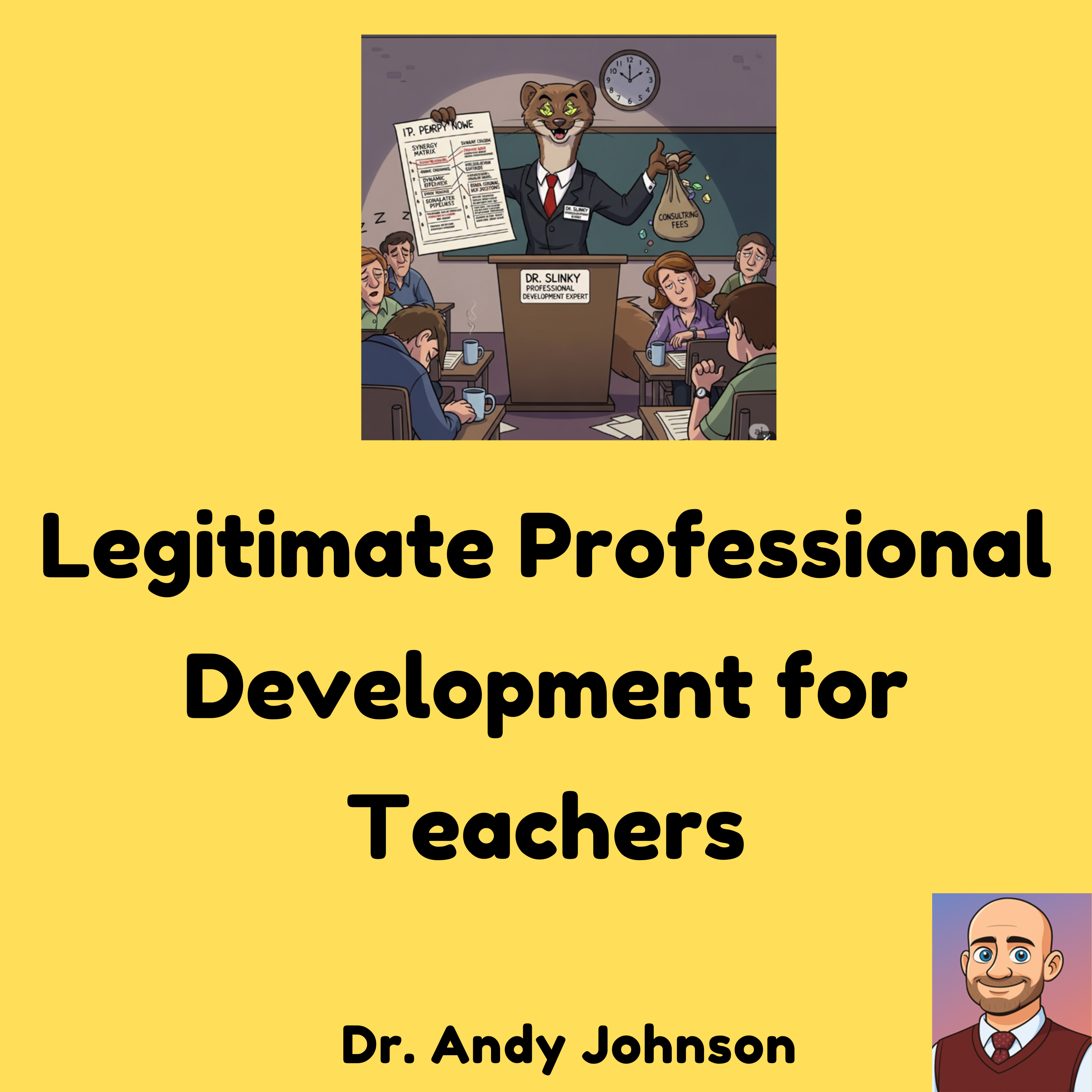
Legitimate professional development for teachers is necessary. I used the term ‘legitimate’ to exclude programs and services that are profit-based. These are usually little more than infomercials disguised as professional development. Here, there is no check and balance. There is no blind peer review of the information provided. Only the information that supports their product or service is p

Toadys, Transaction, and Reading Instruction
Toadys sometimes call themselves “consultants”. They promote methods and say things that just happen to coincide with the products and services being sold by Big Publishing. Quite a coincidence, yes? Right and wrong are not determined based on what’s right and wrong; rather, by what will sell.

The Ideology of Reading
Despite having the word “science” in their title, the proposals put forth by the SoR are not grounded in science at all, but in pseudo-science, I-think-isms, and anecdotal evidence. In fact, they are promoting an ideology. Real science. Real science puts forth conclusions and recommendations based on a wide body of research. Real science uses systematic methods to collect and analyze data. Rea

Forward to the Past: Writer Over to People
One of the reasons why the Science of Reading people have been so successful is that they’ve been writing to the people over there. They’ve used stories and radio documentaries that sound very much like the way people talk. They’ve enabled the people over there to see and hear real people while our quiet very reasoned third-person voice has been ignored

Reading Wars and the Education Science Reform Act of 2002
There never was a reading war. A war assumes there are two armies meeting on a field of battle. This didn’t happen. But there was a reading coup. There was a hostile takeover of the field of literacy instruction by profiteers who saw public education as their own private ATM machine. This group of profiteers is part of the educational industrial complex which includes Cambium-Lexia Learning,

Cognitive Science and Reading
Neuroscience is a study of the nervous system including the brain, spinal cord, and neurons (NIH, 2025). The neuroscience of reading looks at how the brain functions during reading using imaging techniques to detect blood flow and electrical energy (Gotlieb, et al., 2022). Cognitive science is based on the word ‘cognition’ which means thinking. Cognitive science looks at human thinking (Robinso

Orthographic Mapping: Weak or Robust Theory?
In this podcast, I try to make sense of orthographic mapping, a term invented by Linnea Ehri and introduced in Chapter 15 (Ehri, 2014). We’ll start with her definition: “Orthographic mapping occurs when, in the course of reading specific words, readers form connections between written unit, either single graphemes or larger spelling patterns, and spoken units, either phonemes, syllables, or morp

Everybody Uses Direct Instruction For Reading
The term “direct and explicit instruction” is often used to sell products or to persuade state legislators to make bad decisions. But everybody already uses direct instruction in some form. It's not the 'what' of direct instruction that is in question; it's the 'how' and 'how much' of direct instruction. T

Research to Support the Three-Cueing Systems
Our big human brains have evolved to become very efficient predicting machines (Hawkins, 2004). They are constantly accessing multiple data sources in order to give us a sense of what will happen next. Most of this is done at levels below our conscious awareness. For example, baseball players are able to run to the right spot to catch balls in the outfield because they can predict where it’s go
Orton-Gillingham: Behind the Pretty Words
The problem with Orton-Gillingham and similar for-profit products (Lindamood, Wilson Language Training, Barton System, etc.) is that they try to reduce teaching to an algorithm. An algorithm is a formula for solving problems in which you follow a step-by-step set of procedures (with fidelity) to achieve a specific outcome. In other words, by correctly following a prescribed set of steps in the s

Defining the Science of Reading
When somebody askes you, “What’s the Science of Reading?” what do you say? Is it a process? Is it a set of strategies? An approach or method? A reading program? A group or organization? In this chapter, I will attempt to define the Science of Reading. And notice that I’m using capital letters. This enables us to differentiate between a science of reading as one of several sciences of readi
What Elephants Can Teach Us About Reading Instruction
The really big point is this: It’s the semantic connections that are most important, not orthographic, graphemic, or phonemic connections. When you encounter the words ‘elephant’ you don’t connect with short /e/ words. You don’t activate words containing the /ant/ letter pattern or words with silent ‘ph’ blends. You connect with elephant things, regardless of the letter sounds or patterns.Just

The 3 Q-ing Systems: What it Isn't and Is
1. It’s not a strategy to teach students.2. It’s not a pedagogical strategy that teachers use.3. It doesn’t exclude phonics instruction.4. It doesn’t encourage children to use picture clues to figure out words.5. It’s not an approach to teaching reading.6. It’s not a method of “decoding” printed text.7. It’s not a “staple of early reading instruction”.8. It’s not whole language9. It doesn’t exclud

Metaphysicial Perspectives
In his book, Global Mind Change (1989), Willis Harman describes three views of reality which he calls metaphysical perspectives. Metaphysical here refers to ontology or the question of the origins of the universe and the nature of reality. These perspectives are materialistic monism, dualism, and transcendental monism.

Belief Systems and Mental Sets
Why do we sometimes believe the unbelievable? Why is it our views are sometimes data-resistant? We like to think that reality determines our beliefs; however, at higher levels of belief systems, our beliefs determine reality. It's just the way of things.

Being and Becoming Responsible Consumers of Educational Research
There’s a difference between (a) reading research related to reading instruction and (b) reading what others have said about research related to reading instruction. It’s important to know the difference. When you read research articles, you get to evaluate the methodology and interpret that data. When you read what somebody else has written about research, you must trust that their evaluation

The Psycholinguistic Guessing Game
This is what Ken Goodman wrote in 1967: “Reading is a psycholinguistic guessing game. It involves an interaction between thought and language. Efficient reading does not result from precise perception and identification of all elements, but from skill in selecting the fewest, most productive cues necessary to produce guesses which are right the first time. The ability to anticipate tha

Whole Language and Evidence-Based Reading Instruction
In 1967, Ken Goodman published an article in Reading Research Quarterly with the title` Reading: A Psycholinguistic Guessing Game (Goodman, 1967). Here he applies Psycholinguistic Theory to the reading process. A pretty good article. I highly recommend reading it. However, two words have been pulled from the title ‘reading’ and ‘guessing’. These two words have become a Rorschach inkblot test

Conversation with Claude Goldenberg
This is a wonderful conversation that I had with Claude Goldenberg. He has different ideas about things but he is a delight to talk with.

The Music of Balaned Literacy Instruction
As said throughout this book: if you are against something, you should at the very least know a little somebody about that which you are against. SoR enthusiasts are often against something that isn’t. In this case, they are against what they call balanced literacy, but it certainly isn’t balanced literacy. It turns out that they’re against their un-understanding of balanced literacy. So let’s

Whole-to-Part vs. Part-to-Whole Reading Instruction
Structured literacy is based on the idea that people learn complex things best by mastering each little part separately and then putting the parts together to create the whole. This is called part-to-whole instruction or Humpty-Dumptianism. Applied to reading, you would pull apart each of the eight strands of Scarborough’s reading rope, then teach all the little subparts related to each of the e

Little Timmy Learns to Read: A True Story
Phonics is important, but if that’s all you’re teaching, you limit students’ ability to recognize words and create meaning with print. And that is the end goal – to create meaning, not to fill out phonics worksheets, or pass end-of-unit tests, or sound out words in isolation

Chilren of the Code: Hard-Wired to Learn Reading
I was having a discussion with a fellow online who insisted that early reading instruction should consist primarily of direct instruction of phonics. His argument was that unlike learning to use oral language, learning to use written language is not a natural process for humans. “We’re not wired to learn these skills” he insisted. “Reading is a uniquely human invention,” he said. According to

Defining the Science of Reading and SoR Research Standards
If you threw a rock into the middle of a pond but that rock was not a rock, can you still be said to have thrown a rock? Likewise, can a standard be said to be a standard if it is not standardized? We know that science is a good thing, and using science in reading instruction is a good thing. But what exactly is meant by the “science of reading”? What exactly is the Science of Reading? Is it a

Understanding Science, Research, and Research Methods
Basic terms are often misunderstood or misapplied by SoR advocates. My goal in this podcast is to bring a little more clarity to three important and often misunderstood terms: science, research, and research methods. In doing so, I hope to move the needle a little bit in helping you become more critical consumers of educational researchScience is both a noun and a verb. It’s a noun when it refer

Dr. Elana Aydarova. Science of Reading Mythologies
Dr. Elena Aydarova is an Assistant Professor in the Department of Educational Policy Studies at the University of Wisconsin-Madison and a fellow with the National Education Policy Center. Dr. Aydarova’s research examines the interaction between educational policies, education reforms, and policy advocacy. She is an award-winning author of over 40 publications. Dr. Aydarova received postdoctoral fe

It’s Easier to Blame Teachers than to Fix Problems
If you can blame students, teachers, and colleges of education, we won’t see the social problems that impact learning. It’s much easier to blame teachers than to fix the actual cause of social problems. However, there is one thing of which we can be certain: If Cengage Learning, Houghton Mifflin Harcourt, McGraw-Hill Education, Pearson Education, and Scholastic could sell products to fix one of

The Ample Testimony of Reading
To fully understand this current reading “crisis” (which really isn’t a crisis at all), it must be seen in the context of similar “crises” occurring in the past (which weren’t really crises either). This current “crisis” is not the first reading crisis to come along (Aydarova, 2024; Berliner & Biddle, 1995; McQuillan, 1998; Thomas, 2024), and it certainly won’t be the last. And when this cri

Understanding the Limitations of Data and Research in Educational Research
The thing about research is that it doesn’t prove anything, at least not in the social sciences. There is no single research that conclusively proves anything once and for all about reading instruction. Research may support a hypothesis. It may provide evidence for something, show something, indicate something, or demonstrate something, but in the social sciences, research doesn’t prove things. Th

The Reading Crisis the Isn't: Context Matters
Words are always encountered in the context of a sign, product, or sentence. In the same way, to be understood, data must be understood and evaluated in the context in which it was collected. Reading research can only be fully understood in the context of a wider array of research studies within a theoretical perspective. And theories must be understood in the context of a paradigm. The Scienc

Reading Instruction in the Context of Crisis
If you were to consume a lot of popular media today related to education, you would be led to believe that there is a reading crisis. Apparently, it’s all “deeply concerning”. I can’t help but wonder if this current crisis is a new crisis or an extension of an old crisis. In 1983 the United States was said to be “at risk” because of a crisis that started in 1963 (National Commission on Excelle

LETRS Does Not Meet Basic SoR Standards
ConclusionsThe Science of Reading promotes the exclusionary use of strategies and practices that have been shown to be effective using controlled experimental or quasi-experimental research conducted in actual classroom settings. Further, this standard should be the basis upon which decisions should be made about reading instruction and reading policies. LETRS fails to meet this basic SoR standa

LETRS: Weasels or Engery Efficient Light Bubls
This podcast examines Language Essentials for Teachers of Reading and Special (Lexia) or LETRS. I wanted to find the “reliable, trustworthy, and valid evidence” that “has demonstrated” that LETRS had “a record of success in increasing students' reading competency in the areas of phonological and phonemic awareness, phonics, vocabulary development, reading fluency, and reading comprehension”. I was

Of Mice and Minnesota: Mouse World and Reading Instruction
Yes, state legislatures have the right to impose statues. Absolutely. But teacher's unions have the right, and the moral obligation to respond. The Read Act and other SoR mandates strip away teachers' right and obligation to provide the type of instruction that is best for their mice-students. They’re forcing teachers to spend hours in state-mandated professional development programs, paid for

Emily Hanford is the Alexa App of Reading Instruction
A fact may be true. But the truth of the fact is limited to the context in which it was found. Outside a meaningful context, the fact may mean something different. Also, facts without context can be misapplied and misunderstood. This is true of many of the facts used to support SoR structured approaches to reading instruction known as structured literacy. It is a house built on a series of de

The New Reading Anti-Science Movement in Minnesota
This is an interview with a Minnesota reading Professor. Ideology has replaced science when it comes to reading instruction in Minnesota.

12 Essential Elements of a Comprehensive Reading Program
In 1997 Congress asked the National Institute of Children’s Health and Development to work with the U.S. Department of Education to establish a National Reading Panel. Their task was to evaluate existing research in order to find the best ways of teaching children to read. In 2000 the panel issued their 500-page report (National Reading Panel, 2000). This report has been widely cite
Recommended

Conspiracy Files with Paige Carter

Bad Friends

Learn 50 English Phrases While You Sleep | Everyday English Phrases & Vocabulary

This Past Weekend w/ Theo Von

Dateline NBC

Back to the 80s Radio

Crime Stories with Nancy Grace

Bible Tea

این نقطه

TED Business

Dark Night Tales with Brian King

Fantasy Flex
