
Why It Matters
Each episode of Why It Matters breaks down an issue that is shaping our world's future. Join host Gabrielle Sierra as she speaks with the leaders and thinkers who are facing these questions head on. Fueled by the minds at the Council on Foreign Relations, Why It Matters brings some of the world's most compelling stories home to you.
Episodes
How Demand for GLP-1s Overwhelmed the Global Drug System
GLP-1 drugs such as Ozempic have become some of the world's most-wanted medicines, but soaring demand has also turned them into a stress test for the global drug system. On this episode of Why It Matters, Gabrielle Sierra and CFR Senior Fellow Prashant Yadav trace how the GLP-1 trend led to shortages, a booming gray market, and steep price gaps driven by patent laws that vary across borders.
Hos

Honey, I Tracked the War
This episode explores how drones, cell phones, and other widely-available intelligence tools are turning civilians and aid workers into frontline witnesses—documenting war in real time, guiding humanitarian aid, and helping build evidence that could power future war crimes cases.
Host:
Gabrielle Sierra, Director of Podcasting, Council on Foreign Relations (CFR)
Guest:
Anthony Vinci, Cofo

One Woman's Path From a U.S. College Campus to the Ukrainian Battlefield
This episode traces one young woman's journey home to a new kind of war—and Ukraine’s fight for survival.
Host:
Gabrielle Sierra, Director of Podcasting, Council on Foreign Relations (CFR)
Guest:
Catarina Buchatskiy, Co-Founder & Director of Analytics, Snake Island Institute
We discuss:
The story of a young Ukrainian woman who left college in the U.S. to join the fight at home withi

Allies, Partners, or Frenemies?
This episode outlines the global network sustaining both sides of the war in Ukraine, with NATO allies on one side and Russia with backing from China, Iran, and North Korea on the other, and how the limits and tensions within these alliances are shaping the war’s next phase and raising broader global security risks.
Host:
Gabrielle Sierra, Director of Podcasting, Council on Foreign Relations (

We Are in a New Era of Warfare
This episode explores how the emergence of drone warfare and innovation under fire is transforming power and forcing nations to rethink strategy and military capacity.
Host:
Gabrielle Sierra, Director of Podcasting, Council on Foreign Relations (CFR)
Guests:
Michael C. Horowitz, Senior Fellow for Technology and Innovation, Council on Foreign Relations (CFR)
Erin D. Dumbacher, Stanton Nuclea

The Risk Report for 2026
As 2025 draws to a close, U.S. foreign policy stands at an inflection point. Under the second Trump administration, traditional alliances have been tested, a hard-edged national security strategy has been rolled out, and for the first time, CFR’s annual Preventive Priorities Survey has ranked a military conflict with Venezuela as a top threat facing the U.S. in 2026.
Whether these and other fla
Where Does U.S. Trade Go From Here?
The unprecedented trade policies since the beginning of this year, driven largely by the Donald Trump administration’s pro-tariff agenda, have propelled the United States into uncertain and rocky territory. When it comes to our trading partners, the potential damage to U.S. alliances has left economists and policymakers in Washington questioning what’s next. Where do experts foresee U.S. trade pol
Mind the Trade Gap
Is having a trade deficit necessarily a bad thing? Many experts argue that the U.S. trade deficit is largely good for our economy. It allows Americans to enjoy a wider variety of cheap goods, attracts foreign investment, and reflects the strength of the U.S. dollar. Others believe it’s a warning sign that we’re relying too much on imports, hurting American jobs, and racking up debt owed to other c
Why It Matters Live!: Food Diplomacy
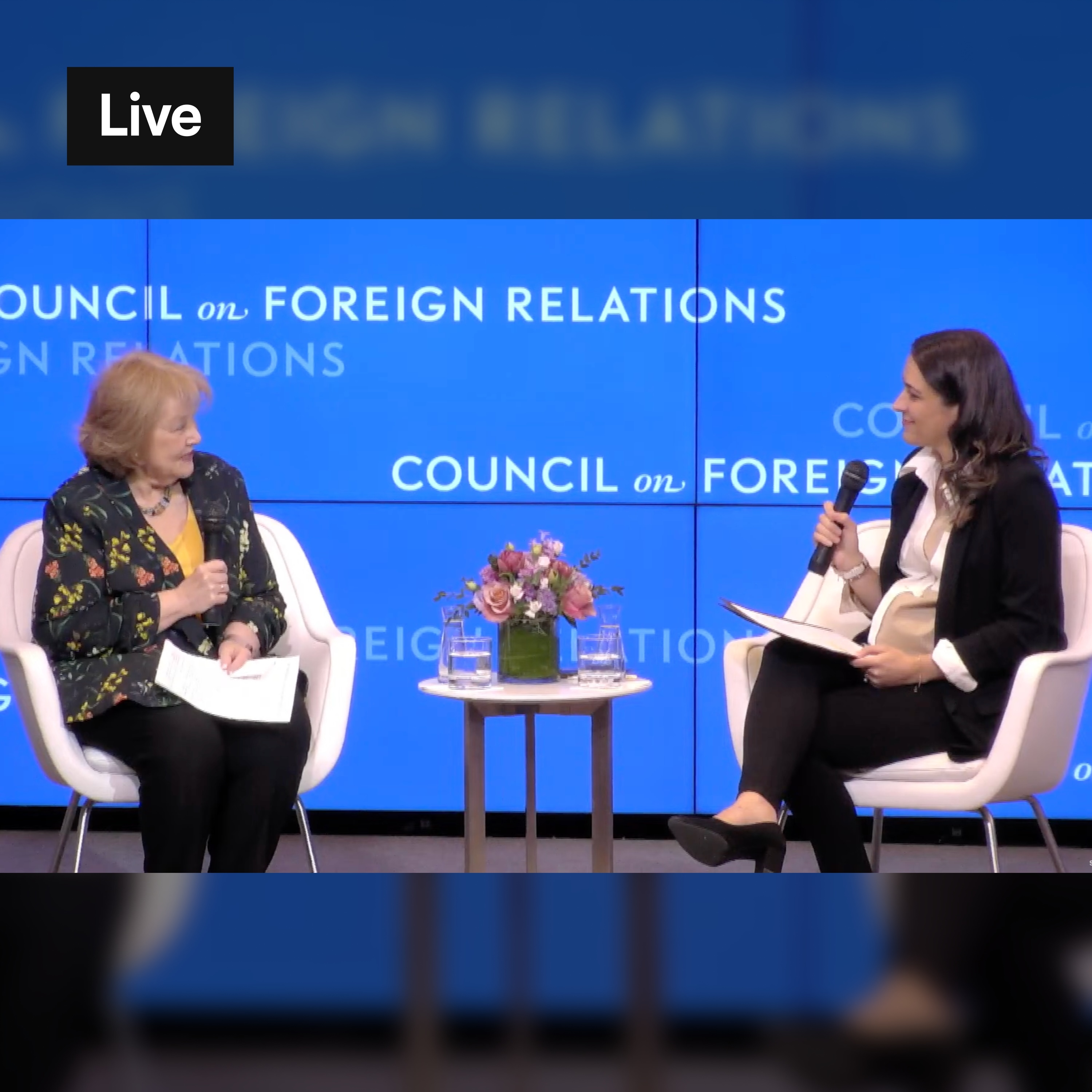
Host Gabrielle Sierra and podcast guests Johanna Mendelson Forman and Matthew Costello discuss food diplomacy, share stories from White House state dinners, and unpack how food has helped to create lasting international partnerships.
This taping was originally recorded on April 17, 2025.
Featured Guests
Johanna Mendelson Forman (Distinguished Fellow at the Stimson Center, Adjunct Professor a
Trade Agreements: Deal or No Deal
What role does the president have when it comes to making trade deals? In this episode, we dig into the expansive powers of the U.S. president when it comes to trade. From unilateral authority to congressional oversight, we unpack who truly calls the shots when the U.S. negotiates trade agreements.
This season, Why It Matters is taking you through the ins and outs of trade. In this episode, Why I
Tariff Turmoil, Part 2: Steel and Dog Gelato
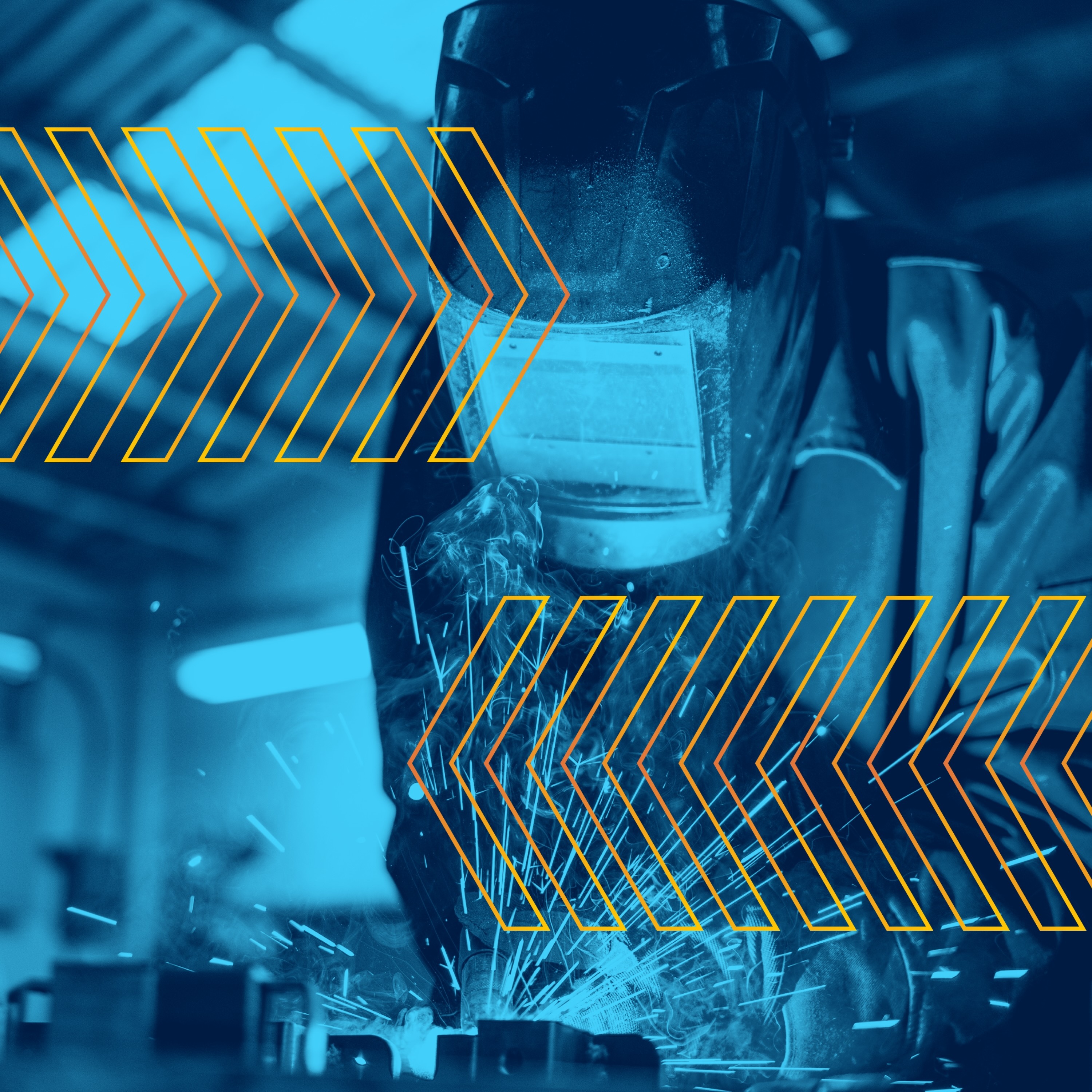
Tariffs have sparked intense debate in Washington, but their consequences land far from Capitol Hill. Tariffs can shape paychecks, shift prices for consumers, and affect markets. At best, tariffs offer short-term protection for certain industries. At worst, they can uproot the lives of American workers. In this episode, Why It Matters looks at what tariffs mean for a U.S. steel manufacturer and sm
Tariff Turmoil, Part 1: How Tariffs Are Affecting Farmers
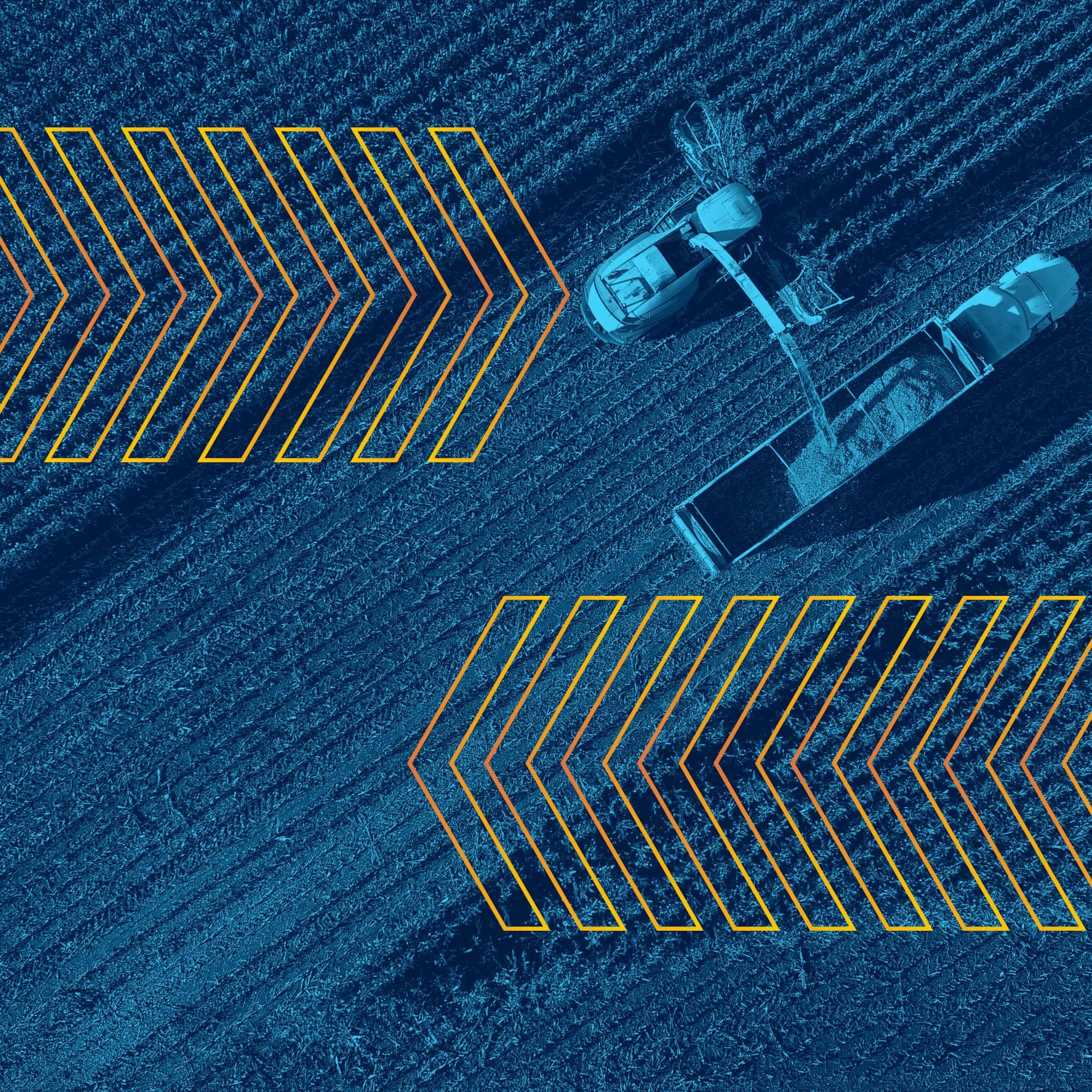
Tariffs are often discussed in big, abstract terms—trade wars, economic strategy, global power struggles. But for ginseng farmers in Wisconsin, their effects are painfully personal. In this episode, Why It Matters dives into how tariffs work and how they’re hitting one of America's most niche yet lucrative exports: Wisconsin-grown ginseng.
Featured Guests
Matthew P. Goodman, Distinguished Fell
The Washington Consensus Could Not Hold
When it comes to trade, there is no consensus in Washington. The issue has become deeply polarizing, with lawmakers split over whether free trade agreements benefit or harm the U.S. economy. While some argue that open markets are essential for global leadership and economic growth, others believe that such policies disproportionately harm American workers and industries, fueling the rise of protec
We’ve Been Looking At Trade All Wrong
There was once a broad consensus in Washington that trade was a force for good—a way to connect, grow, and prosper. But today, trade has evolved into something much bigger than just the exchange of goods. It’s become a powerful tool to rewrite the rules of foreign policy, reshape how the United States is viewed by the rest of the world, and steer us toward an increasingly uncertain future. When di
Why Trade Matters
Why It Matters is back and this time we are dedicating an entire season to talking about trade. Alongside CFR’s leading experts, we are bringing you stories from Americans around the country and trying to figure out where Washington went wrong when it comes to U.S. trade policy.
Why Climate Matters: Nuclear Energy
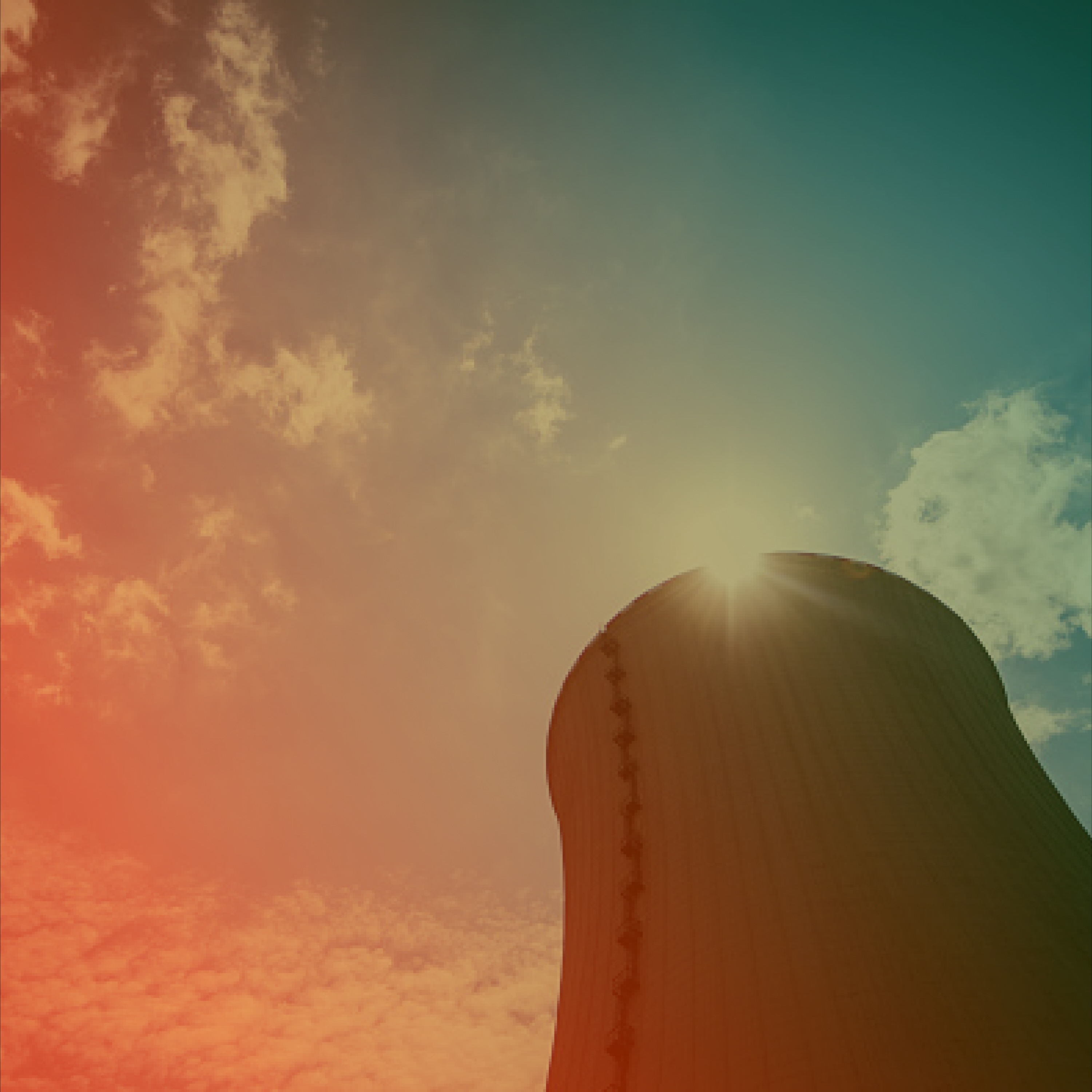
As the climate crisis intensifies, so do discussions about the utilization of nuclear energy. In the aftermath of nuclear meltdowns such as Chernobyl and Fukushima, climate skeptics say the environmental benefits do not outweigh the associated costs and risks. But others think that nuclear energy might be the best option for a greener future. Weighed against the world’s continued reliance on fossi
New Podcast Spotlight: The Interconnect
Emerging technologies are transforming international relations and our country’s economy. So how do we connect science and engineering labs with Washington and the world of business?
The Interconnect, a new podcast series from the Council on Foreign Relations and the Stanford Emerging Technology Review, brings together leading minds in cutting-edge technology and foreign policy to explore recen
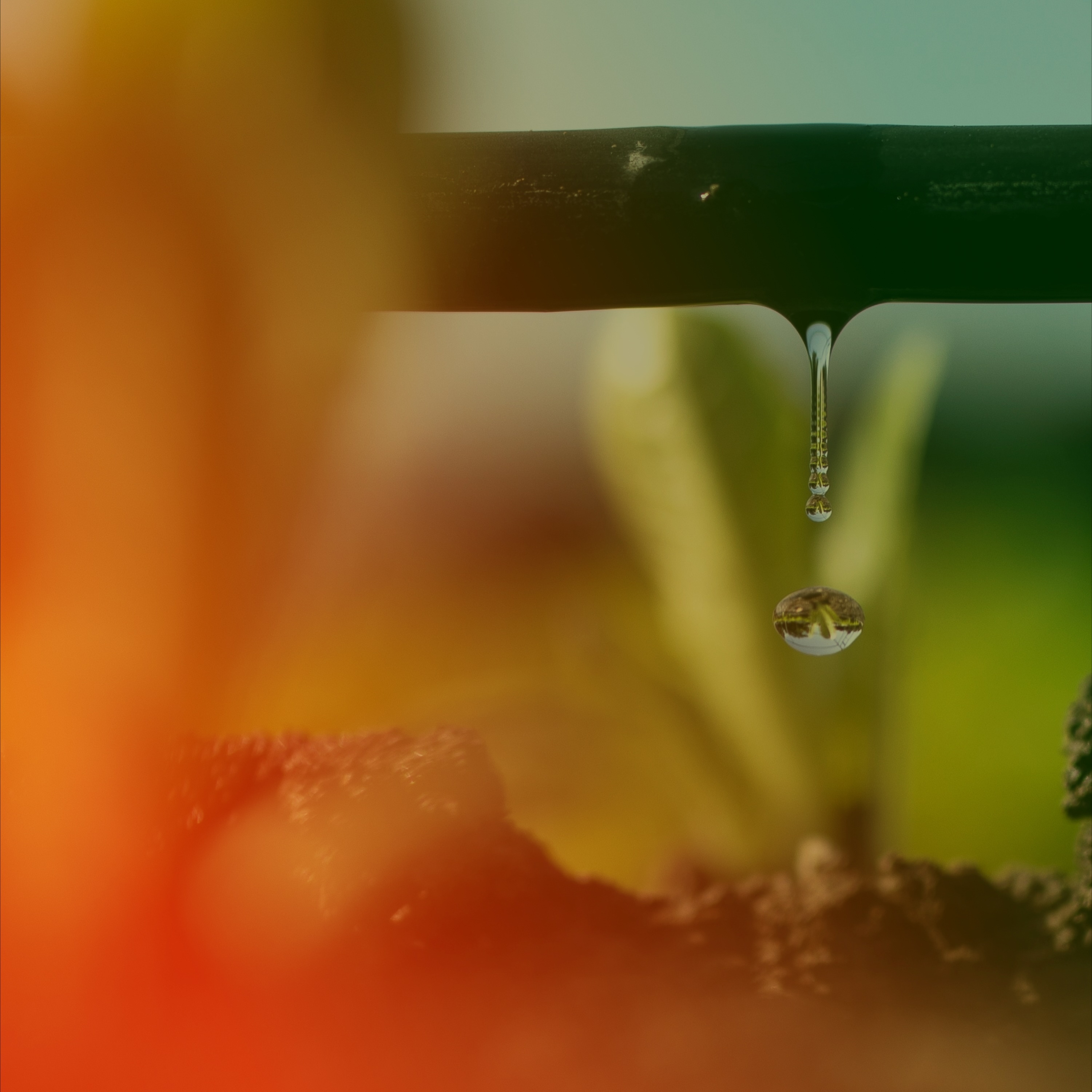
Why Climate Matters: Water Scarcity
Fresh water sustains all life, but in many regions, especially arid ones, it is becoming increasingly scarce due to climate change. Aging infrastructure and ineffective policies are only making the situation worse, affecting communities, economies, and even the political stability of some countries. As water shortages intensify, it’s crucial to rethink how we manage this vital resource and develop
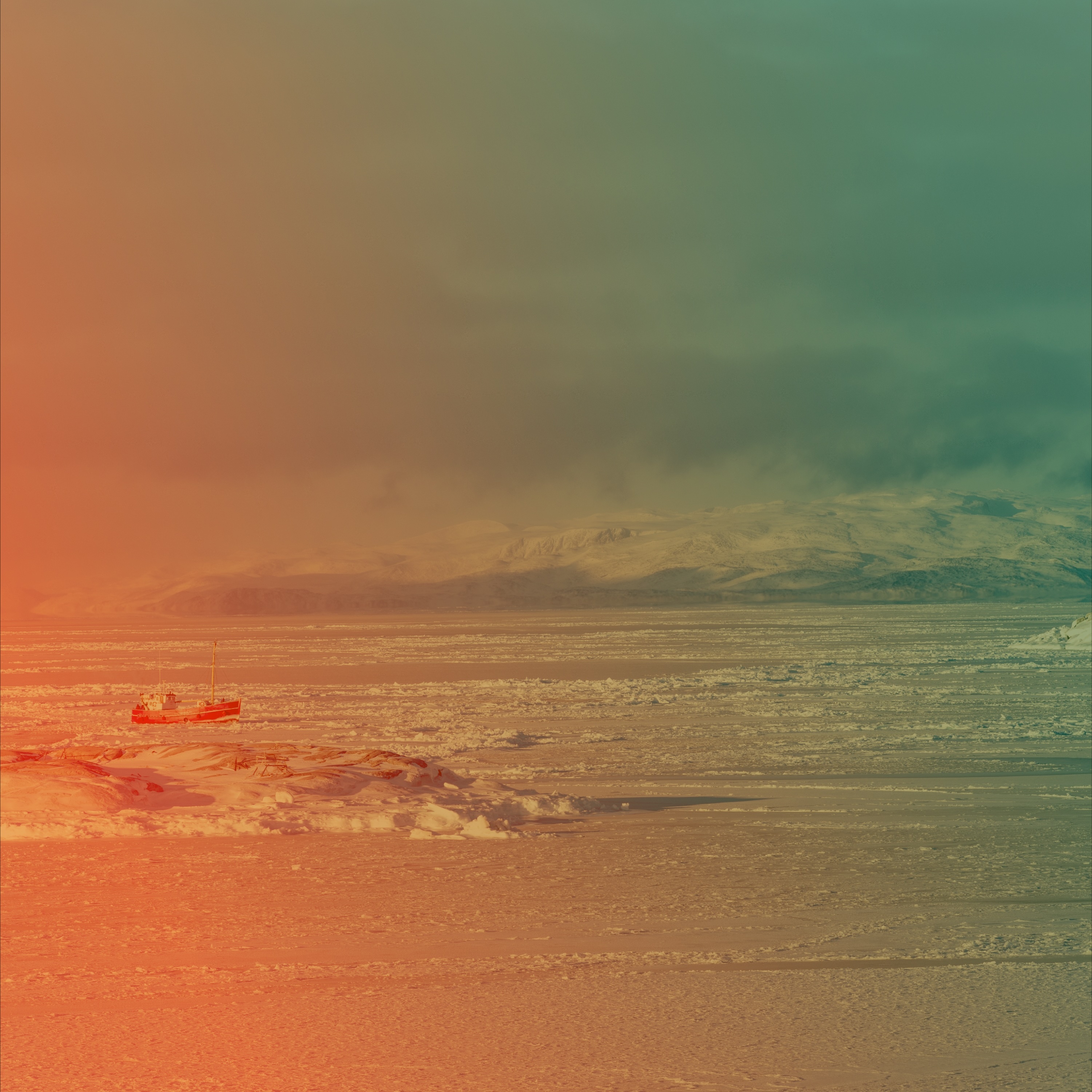
Why Climate Matters: The Arctic
Under international law, the North Pole and the Arctic waters surrounding it are not owned by any country. But this January, President Donald Trump announced his plans to buy the Arctic territory of Greenland, testing the claims of rivals and opening up a greater conversation around who governs the Arctic Circle. On top of these icy tensions, the North Pole is warming. Melting ice caps are opening

Why Climate Matters: Pricing Climate
What does it mean to price our climate? The goal of fees like the “carbon tax” is to put a price on pollutants such as carbon dioxide that contribute to climate change, and incentivize businesses to reduce their emissions and make cleaner choices. But many companies are continuing to value profit over protecting the planet, backing out of their clean energy goals and sinking more money into fossil
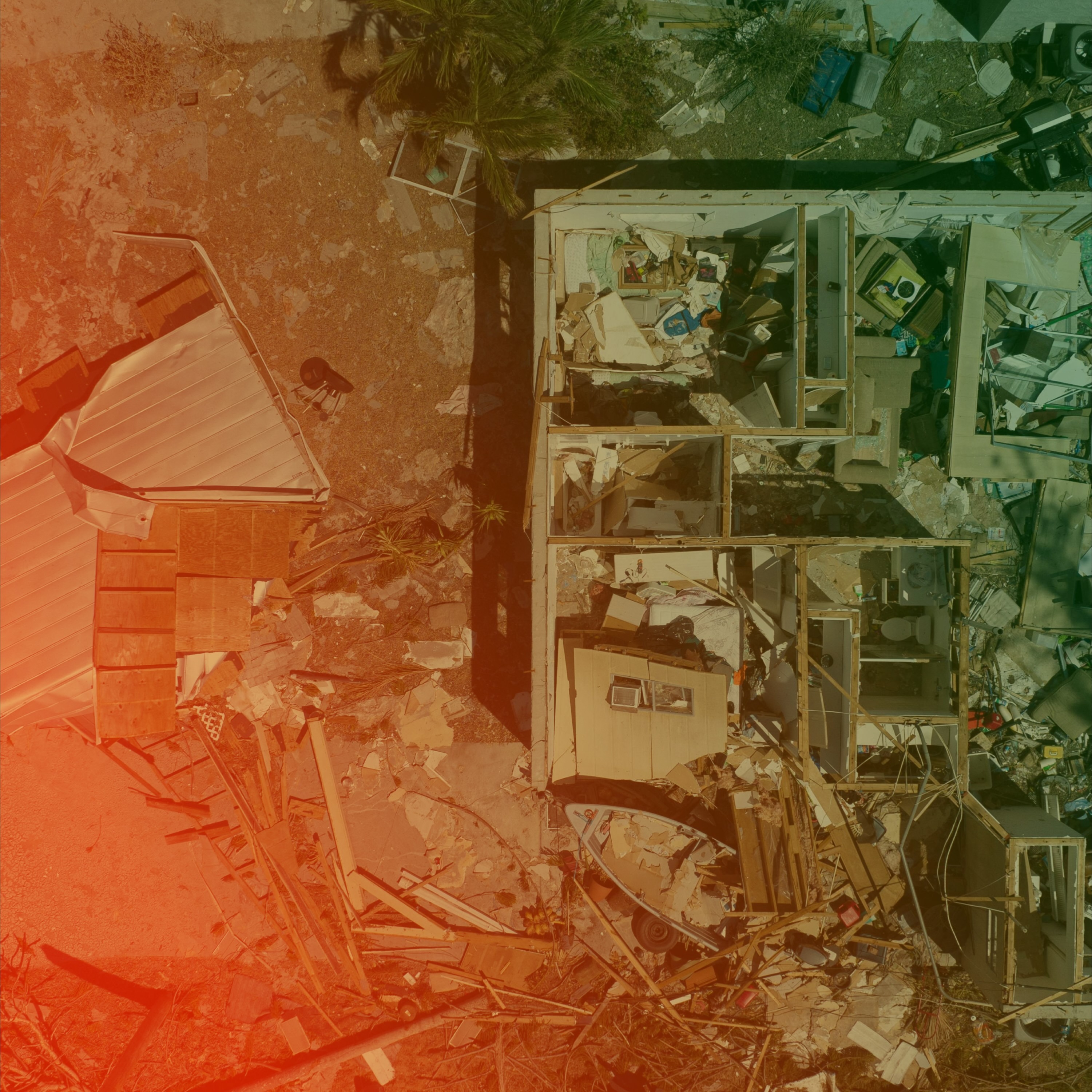
Why Climate Matters: Home Insurance
For decades, U.S. homeowners have counted on property insurance to protect them from catastrophic loss if their homes are destroyed. But last year, private companies pulled their coverage in multiple climate-sensitive states, only months before the fires in Los Angeles and the hurricanes in the Southeast region wreaked havoc. As climate disasters become more frequent, can home insurance hold up?
Why Climate Matters
Our editors top picks of Why It Matters episodes on climate.

The Dirty Energy Powering AI
What powers artificial intelligence (AI)? As global electricity use is surging, with unprecedented demand coming from an increase in data centers, AI’s dependence on fossil fuels presents a serious issue for the planet. In the United States, data center power usage is on track to double by 2030, largely due to the proliferation of AI technology. But while the application of AI shows potential to m
Why the World Next Week Matters
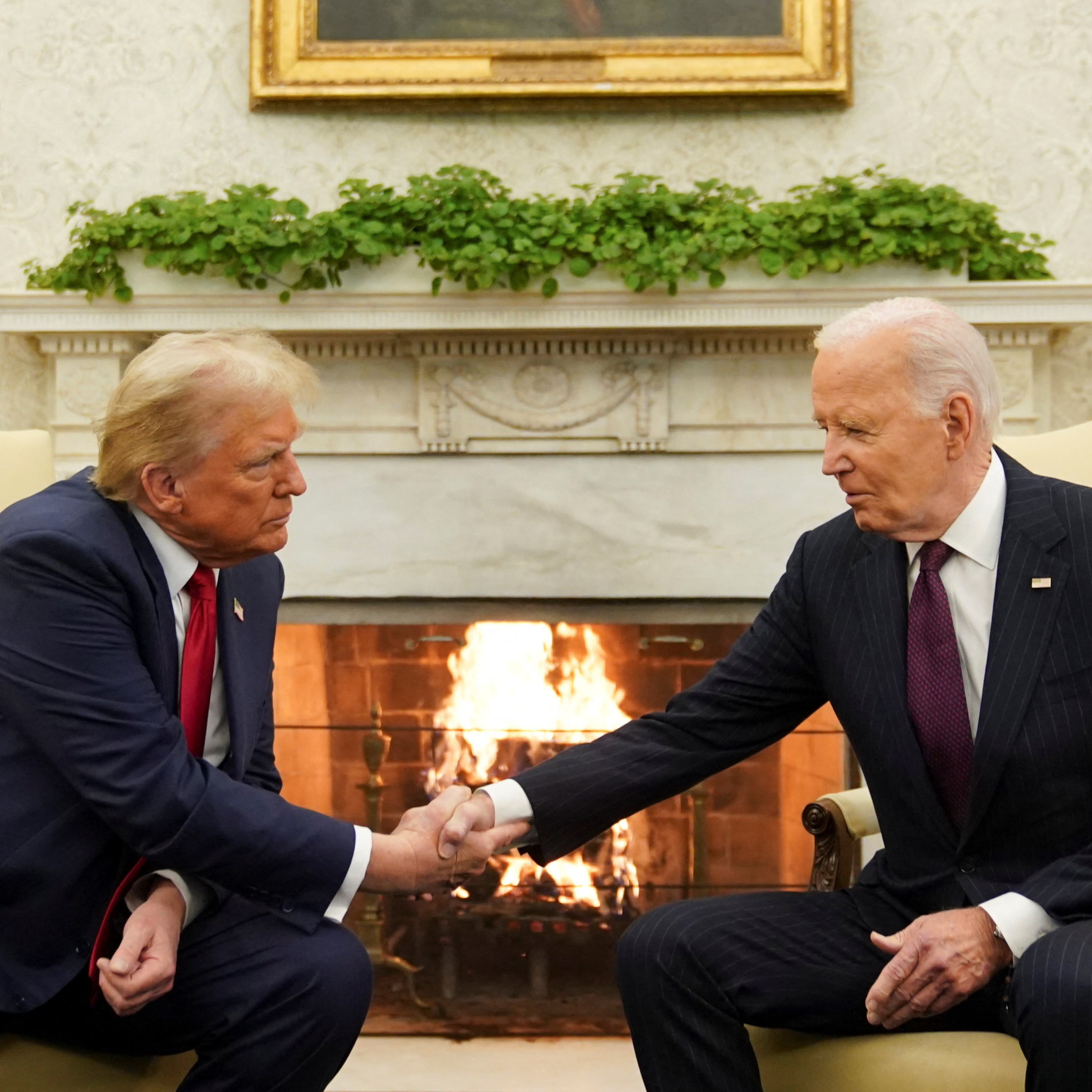
Tumultuous events have rocked the last four years: the COVID-19 pandemic, Europe’s largest land war in eighty years, and an escalating Middle Eastern conflict between Israel and Iran-backed forces. On top of that, the United States faces an intensifying geopolitical struggle with China and Russia. Now, U.S. President Joe Biden is running out of time to secure his legacy while the transition to a s

The New Tech World Order
For most of our history, the realm of international relations was dominated by nation-states. They waged wars and signed treaties through the framework of governance. But today, more so than ever before, tech titans are acting as unilateral decision-makers, upsetting the balance and structure of global power around the world.
Featured Guests:
Rana Foroohar (Global Business Columnist and Associat

A World Under the Influence
With the rise of social media, influencers around the world have increasingly taken on the role of newscaster without a traditional media organization behind them. Some say it has democratized journalism, but with the rise of misinformation, influencers who capture massive audiences online also run the risk of spreading false or even harmful information. How much have influencers altered the media
Who’s Afraid of the National Debt?
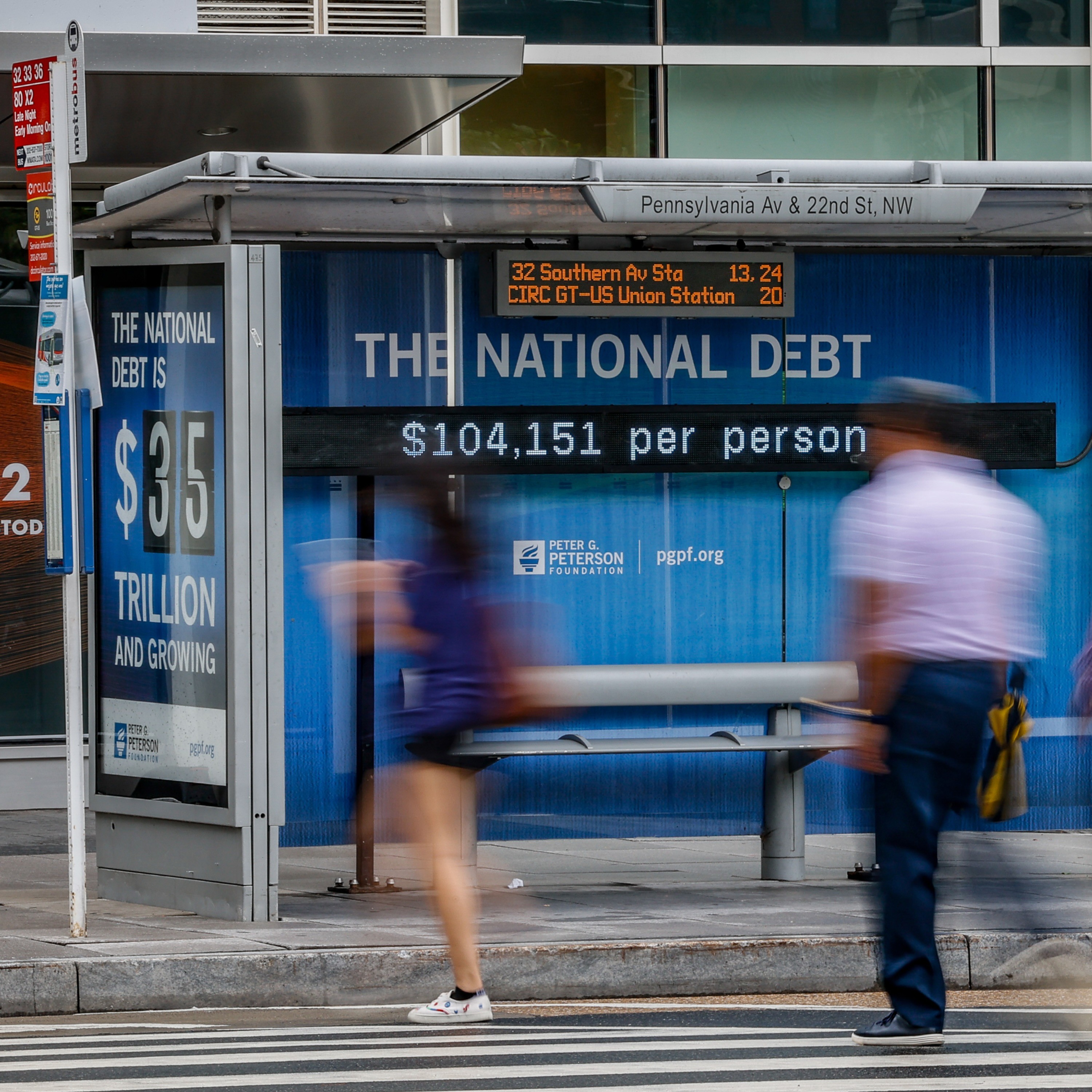
The United States national debt is rising to levels not seen since World War II. Many economists say Washington is on an unsustainable track, but no one knows when it will pass the point of crisis. What is at risk if U.S. debt continues to grow?
Featured Guests:
Maya MacGuineas (President of the Committee for a Responsible Federal Budget)
Roger W. Ferguson Jr. (Steven A. Tananbaum Distinguished
Why Is the World Obsessed With the U.S. Election? Ask Germany
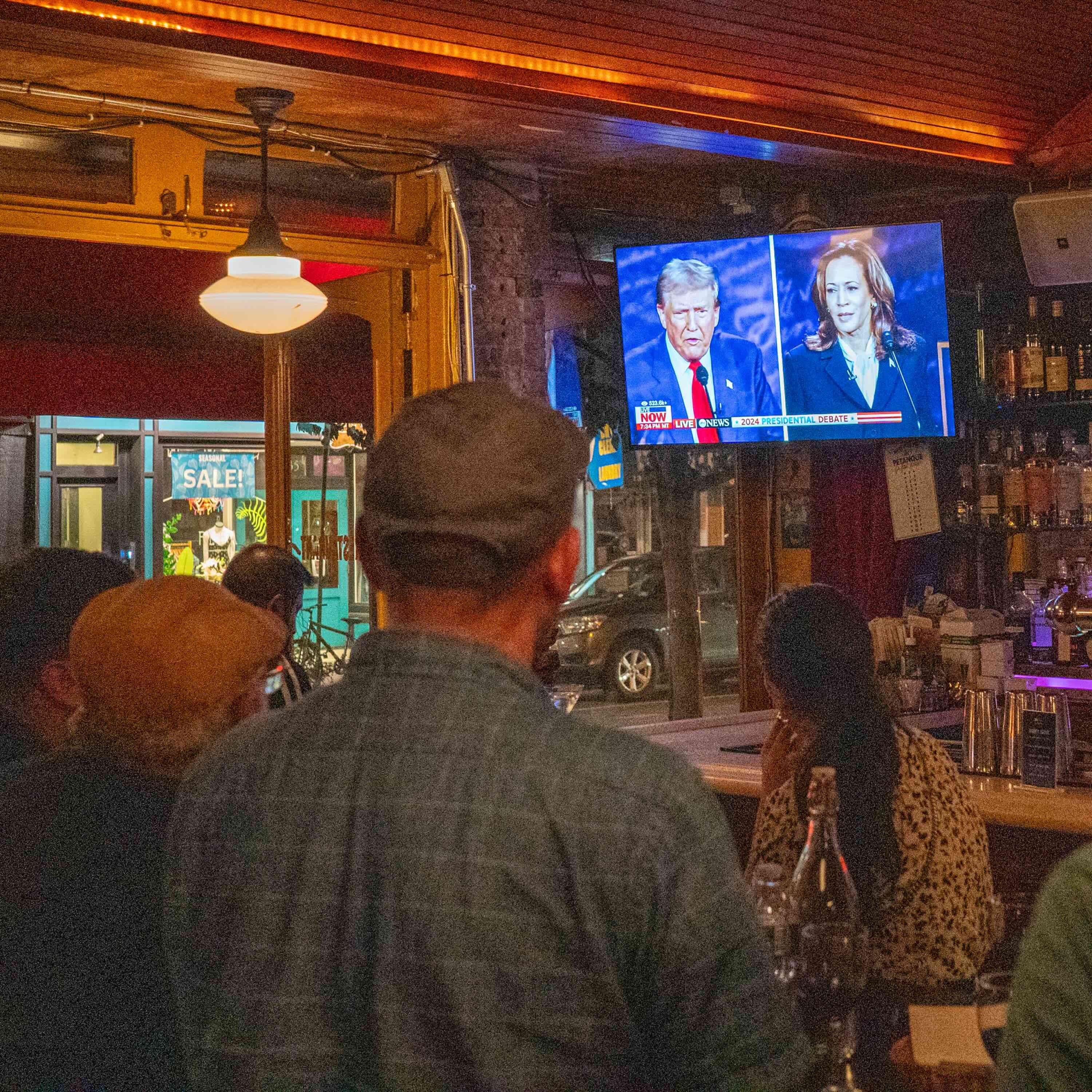
The world is watching the U.S. presidential contest between former President Donald Trump and Vice President Kamala Harris with intense interest. Few countries are tracking the race more closely than Germany, Europe's biggest economy and a founding member of the NATO alliance. Its experiences provide insights into how this election is reverberating globally.
Featured Guests:
Liana Fix (Fellow fo
Can West Africa Curb Its Brain Drain?
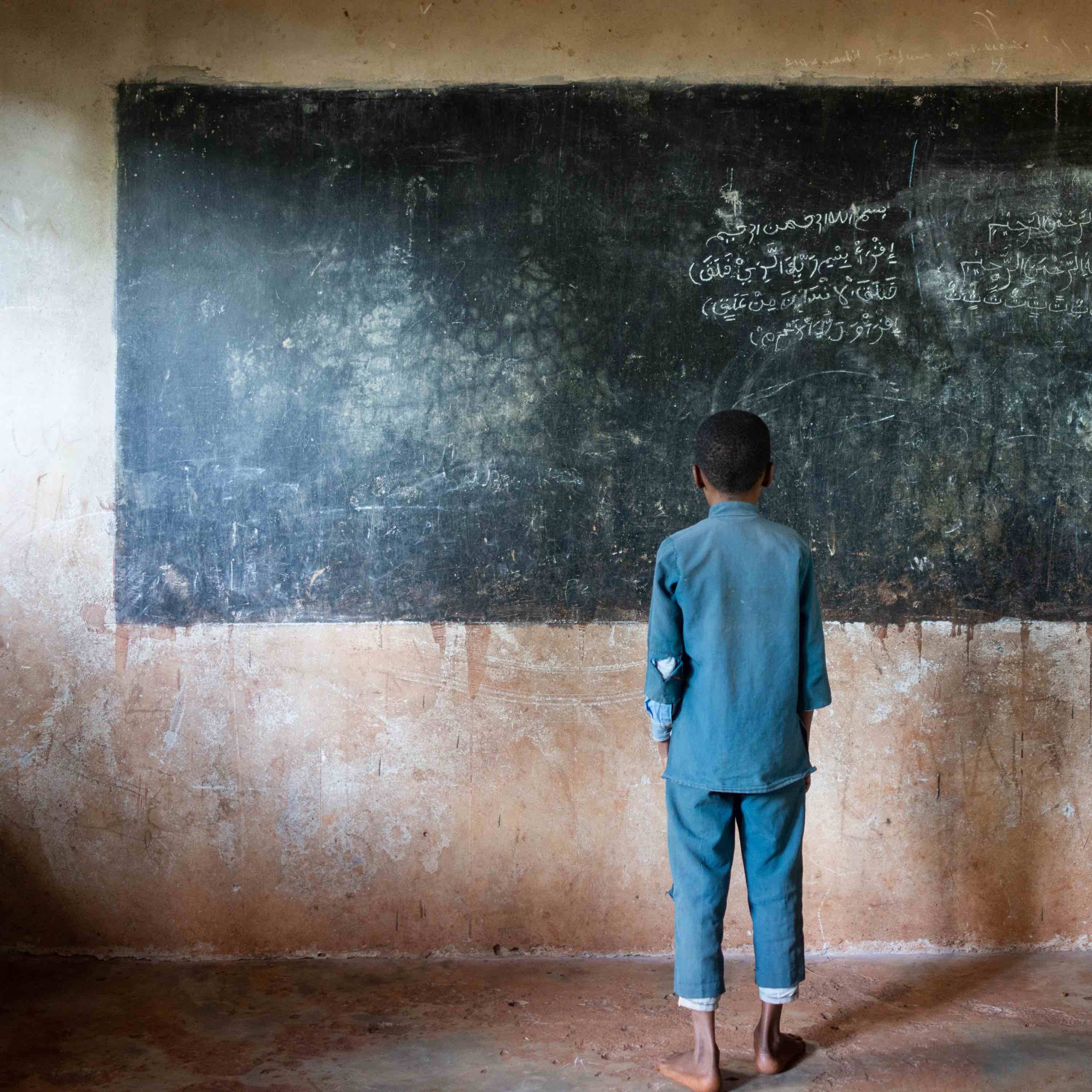
West Africa is losing many of its best and brightest. Across the region, doctors, lawyers, and engineers are leaving, depriving some of the world’s youngest countries of the minds they need to develop sustainably. At the same time, coups have rocked the nearby Sahel, threatening to create a corrosive cycle of instability. Can West Africa quell the tide of emigration?
Featured Guests:
Aanu Adeoye

Global Abortion Access After Roe
In the past thirty years, sixty countries have expanded access to abortion care as an underpinning of maternal health. The 2022 U.S. Supreme Court decision overturning Roe v. Wade made the United States the fourth country ever to decrease access to abortion—and the world took notice. Some countries have since reinforced protections for abortion care, while others have moved to further restrict it.

India, Modi, and Hindu Nationalism
Prime Minister Narendra Modi is the most popular man in India. On track to be elected for a third term, he has boosted the country’s global standing and propelled strong economic growth while consolidating power and galvanizing majoritarian support for his Hindu nationalist agenda—all while growing closer to the United States. How could Hindu nationalism reshape India?
Ashok Swain (Head of Depar

Publishing in a Polarized World
A free and independent press is at the core of many democracies. But threats to the safety of journalists abound worldwide, and the rise of generative artificial intelligence has raised concerns about the future of media. At the same time, more people have access to high quality news now than perhaps ever before. Where does all this leave the state of the current media climate?
In this episode, H
Can Israel and Iran Step Back From the Brink? (Podcast Takeover)
A little over a week ago, Iran directly attacked Israel from its own territory for the first time in history. And while the United States and Israel shot down almost all of the missiles and drones, the attack remains unprecedented. Since the release of this episode, Israel has launched a relatively moderate counter strike, and tensions appear to be cooling. But the Middle East might still be on th
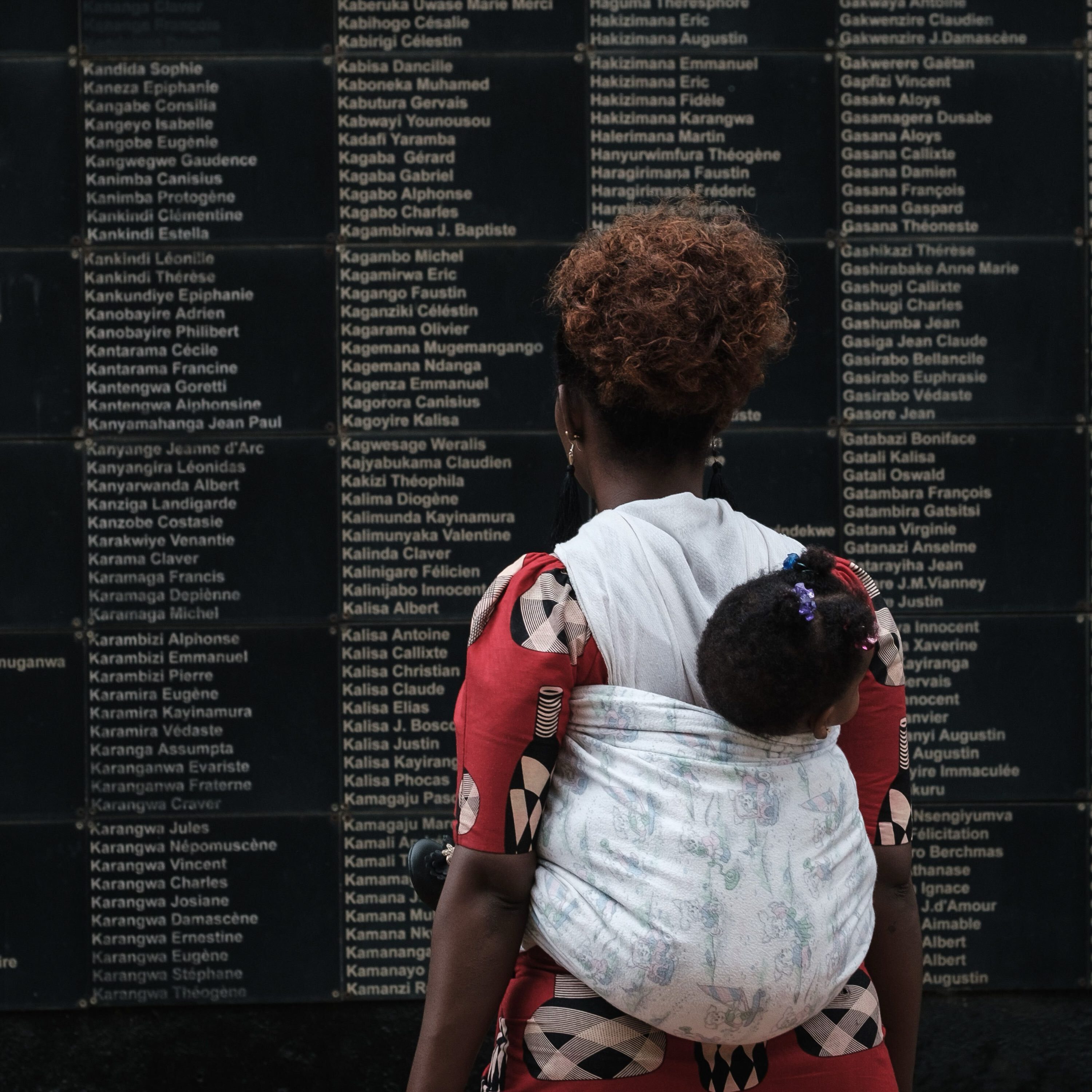
Remembering the Rwandan Genocide
Thirty years ago, Rwanda’s government began a campaign to eradicate the country’s largest minority group. In just one hundred days in 1994, roving militias killed around eight hundred thousand people. Would-be killers were incited to violence by the radio, which encouraged extremists to take to the streets with machetes. The United Nations stood by amid the bloodshed, and many foreign governments,
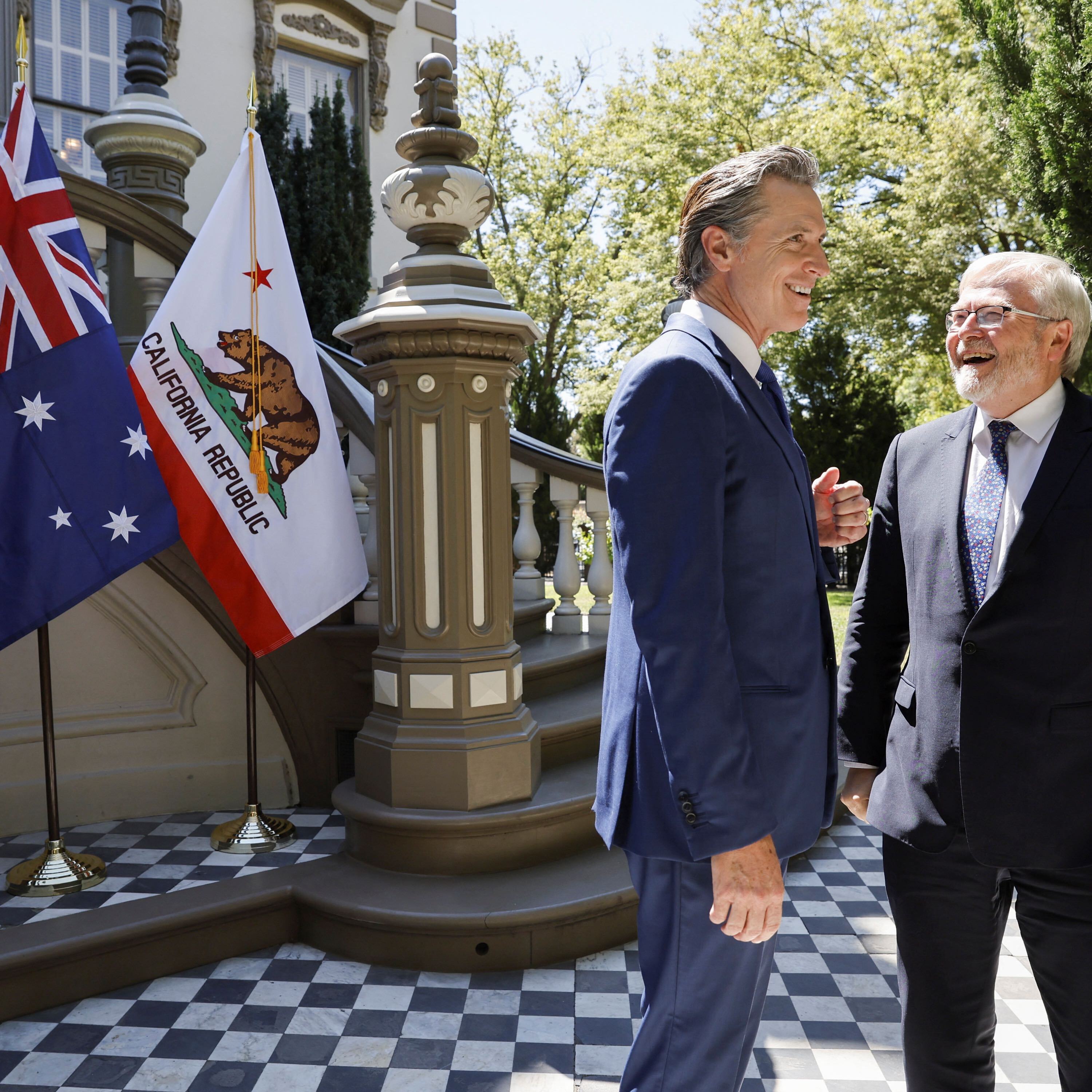
Local Leaders in the Global Economy
Many Americans are losing faith in the benefits of internationalism. But whether it’s wars in the Gaza Strip and Ukraine, worsening extreme weather as a result of climate change, or the trade-offs of globalization, events abroad are increasingly having a local impact. At the same time, more state and local officials in the United States are becoming involved in global affairs, conducting their ow
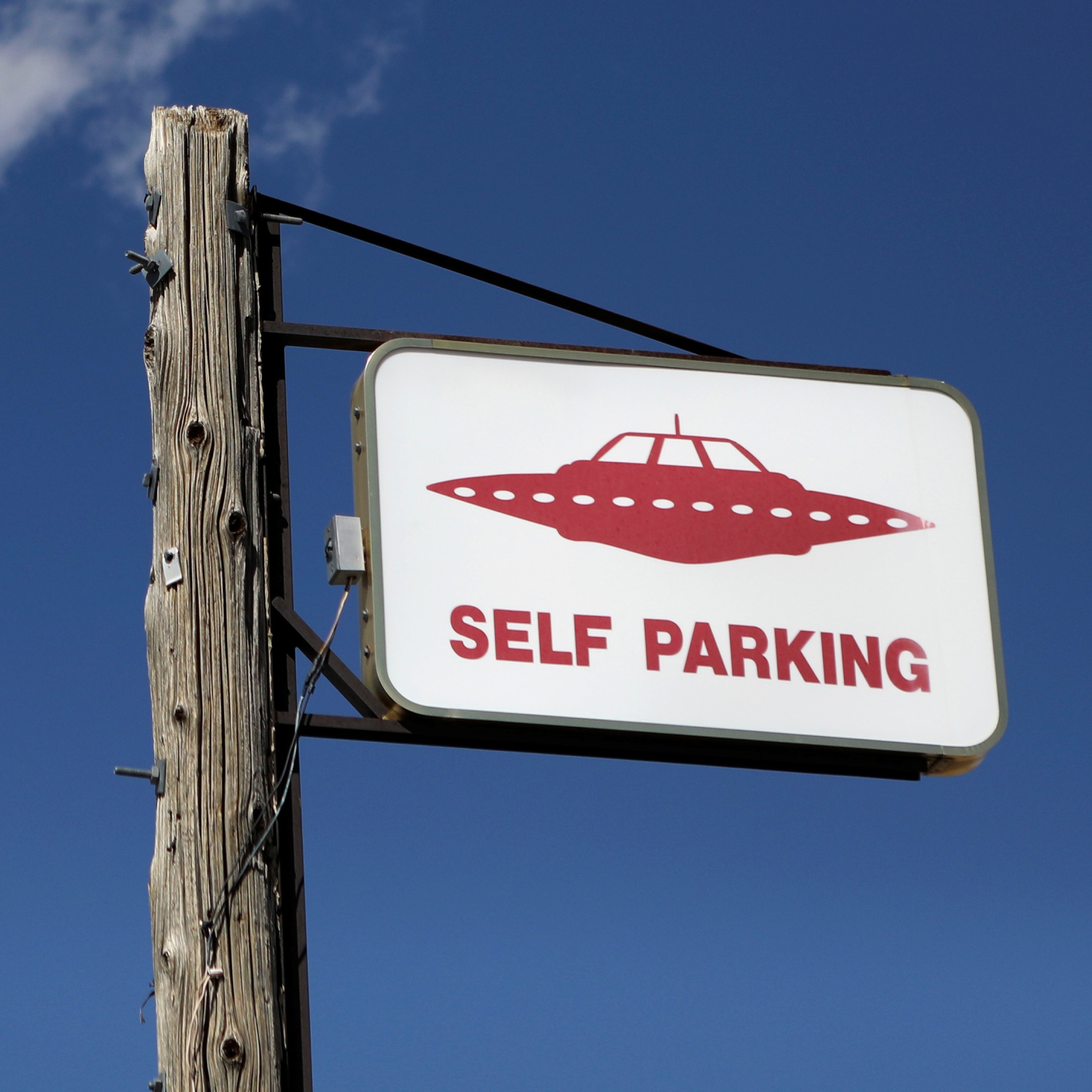
UFOs: Close Encounters of the National Security Kind
Unidentified flying objects (UFOs) are real. And the truth about them is often hidden from the public, for reasons related to national security. That secrecy has fed conspiracy theories about the possibility of alien life on Earth, creating a stigma around the legitimate scientific search for life on other planets. Why are UFOs considered a defense concern? And does a defense framing of UFOs inhib
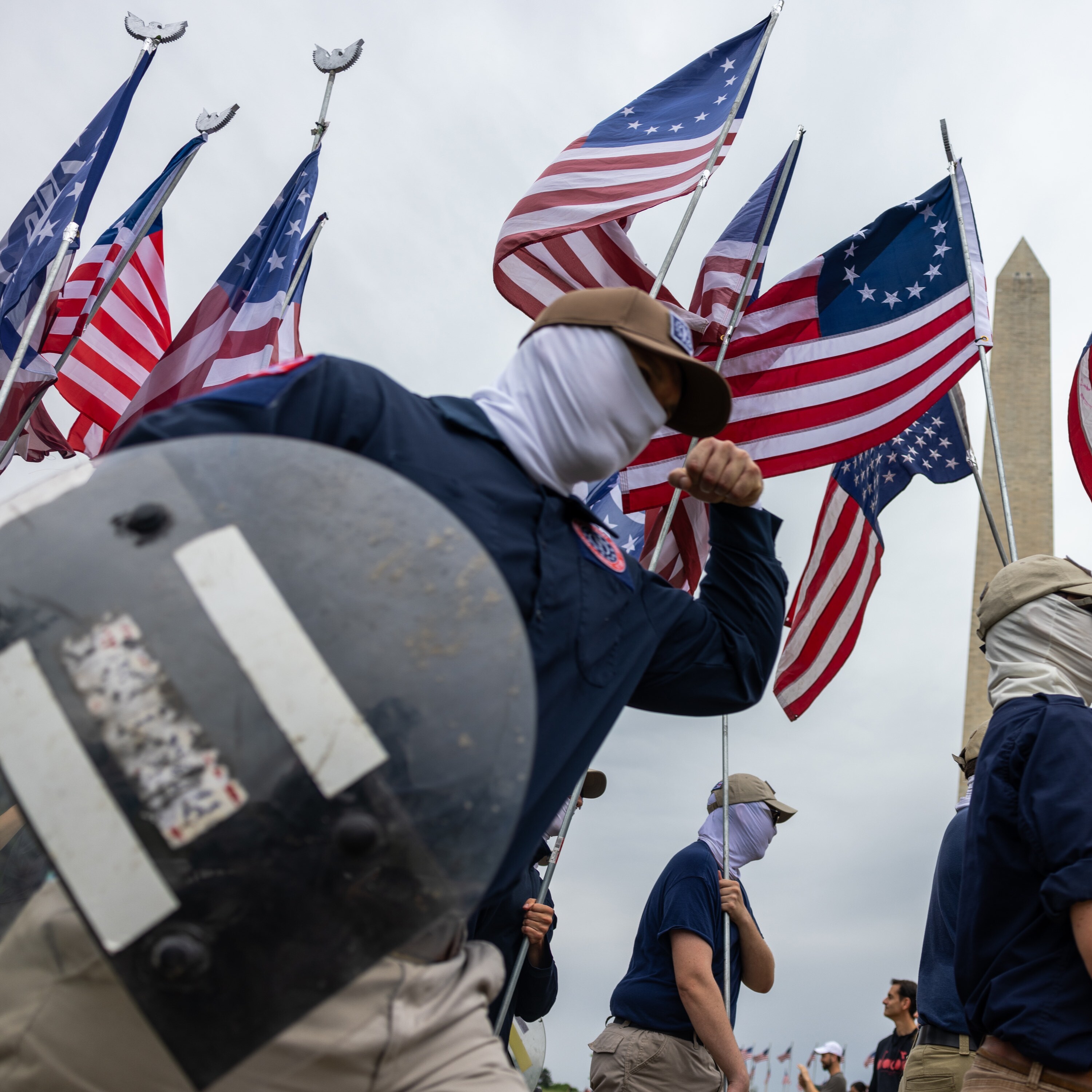
2024: What’s the Worst That Could Happen?
Every January, CFR’s annual Preventive Priorities Survey analyzes the conflicts most likely to occur in the year ahead and measures their potential impact. For the first time, the survey predicts that this year/in 2024 the United States will contend not only with a slew of global threats, but also a high risk of upheaval within its own borders. Is the country prepared for the eruption of election-
The Year of AI and Elections
Billions of people will take to the polls next year, marking the world’s largest-ever electoral field. But this historic scale is not the only thing that will make 2024 unique. As new threats like deep fakes become cheaper and more widespread, these upcoming elections could serve as a test run for democracy in the artificial intelligence (AI) era. What risks does AI pose to elections next year? An
Will India Take America’s Side Against China? (Podcast Takeover)
The United States and India have a long and complex history. In recent years, the two democracies have grown closer, linked by their shared concern about the rise of China. But the relationship has also been marked by a number of challenges. Just last week, U.S. authorities foiled a plot by an Indian national to assassinate a Sikh separatist on U.S. soil. Is the United States thinking about India
Understanding the U.S. Role in the Israel-Hamas War
Israel and the Palestinian militant group Hamas are again at war. The most recent iteration of the conflict, which erupted after Hamas attacked Israel on October 7, 2023, has stoked public debate throughout the world. In the United States, heated debates about the issue have played out at universities, in boardrooms, and on social media. Thus far, the U.S. government has strongly supported Israel’
A Turning Point for Global Trade
International trade has shaped the world for much of the past century. Countries benefited from the global flow of goods, and the world became richer and safer. At the same time, many Americans lost their jobs to cheaper overseas competitors. Now, a series of compounding challenges, including great power competition and climate change, have led U.S. officials to rethink trade policy. What's next f
America’s Fentanyl Epidemic: The China Connection
Over the past few years, a new threat has emerged as a leading cause of death in the United States: fentanyl. Yet even as the drug wreaks havoc on Americans lives, preventing its flow into the United States is complicated, partially because of the supply’s overseas origins, which is often China. What is China’s role in the U.S. fentanyl crisis?
Featured Guests:
Tom Bollyky (Senior Fellow for G
The Case for Rebuilding Ukraine
Russia has caused unprecedented damage in Ukraine. And with no diplomatic end in sight to the conflict, many Ukrainians are wondering when, if ever, they will be able to go back to their homes. According to many experts, the answer is actually sooner rather than later. Can reconstruction begin before a war ends? Who pays, and where should world leaders begin?
Featured Guests:
Sam Greene (Direct
Could Climate Change Break Home Insurance?
For decades, U.S. homeowners have counted on property insurance to protect them from catastrophic loss if their homes are destroyed—and the U.S. economy has rested on the functionality of that model. But as this summer’s extreme weather broke records, private companies reduced their coverage. As climate disasters become more frequent, can home insurance hold up?
Featured Guests:
David Marlett (M
Who Runs the World?... Not Women
Female representation in politics leads to numerous benefits, but the vast majority of the world’s most powerful politicians are men. Using the Council on Foreign Relations’ Women’s Power Index tool to track women’s leadership across the globe, this episode examines the problems that arise from a shortage of female leaders.
Featured Guests:
Sandra Pepera (Senior Associate and Director for Gende
Taiwan, China, and the Threat of War
A small island one hundred miles off the coast of China could be the flashpoint that determines the future of great-power competition. Experts increasingly warn that a Chinese invasion of Taiwan would be globally catastrophic, regardless of its success or if the United States intervenes. How concerned should Americans be?
James Lin (Assistant Professor at the University of Washington )
David Sac
AI Meets World, Part Two
The rapid emergence of artificial intelligence (AI) has brought lawmakers and industry leaders to the same conclusion: regulation is necessary to ensure the technology changes the world for the better. The similarities could end there, as governments and industry clash on what those laws should do, and different governments take increasingly divergent approaches. What are the stakes of the debate
AI Meets World, Part One
After decades of seeming like another sci-fi catchphrase, artificial intelligence (AI) is having its moment. Some experts predict that AI will usher in an era of boundless productivity and techno-utopia; others see a new realm of great-power competition and the end of humanity. Nearly all agree that AI will change the world. But will it be for the better?
Featured Guests:
Janet Haven (Executive
Down and Dirty: The Global Fertilizer Dilemma
Feeding the world's eight billion people has never been easy. Since the Russian invasion of Ukraine shocked the market for fertilizer, that task has gotten even harder. The fertilizer crisis threatens to exacerbate food insecurity worldwide, especially in low-income countries already reeling from record-high inflation and rapidly depreciating currencies. What is fertilizer’s role in the food suppl
A New Nuclear Age
Before the Russian invasion of Ukraine, the possibility of nuclear war felt like a problem of days past. Now, as great-power competition heats up, the potential for nuclear conflict seems higher than at any point in decades. How did the nuclear taboo fade, and what does nuclear proliferation mean for the United States?
Featured Guests:
J. Andrés Gannon (Stanton Nuclear Security Fellow, CFR)
Rupa
Army of Some: Recruiting Trouble for the All-Volunteer Force
All current U.S. military personnel have one thing in common: they volunteered. But falling recruitment has raised questions of national security, military readiness, and the health of U.S. society. Can the all-volunteer force handle a changing international security landscape?
Featured Guests:
Max Boot (Jeane J. Kirkpatrick Senior Fellow for National Security Studies, CFR)
Amy Bushatz (Director
Silencing the Messenger: Global Threats to Press Freedom
Freedom of the press is under attack around the globe, but for journalists in Latin America in particular, reporting has become a matter of life and death. Populist leaders in the region have consolidated power and clamped down on press freedom, making the area the deadliest in the world for reporters. With anti-journalist sentiment on the rise, can a free and fair press prevail in an increasingly
What’s Cracking in the Arctic
As rising global temperatures thaw the ice at the North Pole of the planet, competition between nuclear-powered states threatens to heat up the Arctic Circle even further. An increasingly minable Arctic, which contains vast natural resources, has piqued the economic interests of oil-hungry great powers, even as the warmer climate jeopardizes Indigenous tribes. Here’s how the Arctic could become th
2023: What’s the Worst That Could Happen?
The world is entering a new era of great-power competition. As U.S. policymakers look ahead, it pays to know what global threats to anticipate. Every January, the Council on Foreign Relations publishes a survey that analyzes the conflicts most likely to occur in the twelve months ahead and rates their potential impact on the United States. But can the country prepare itself for mass immigration, c
Another Year of Living Dangerously
In 2022, several major events reverberated around the world: a war in Europe, a global economic downturn, historic protests in Iran, the death of a queen. But these stories couldn’t cover everything that happened in our interconnected world.
To find out what else happened this year, Gabrielle Sierra sat down with CFR President Richard Haass and three of CFR’s regional specialists to break down
The Three Internets
For years, the world thought of the internet as a borderless zone that brought people from around the world together. But as governments pursue very different regulatory paths, the monolithic internet is breaking apart. Now, where there had been one, there are at least three internets: one led by the United States, one by China, and one by the European Union.
Featured Guests:
Anu Bradford (Henry
A Troubled Cup for the Beautiful Game
The 2022 FIFA World Cup has kicked off in Qatar, and billions of fans worldwide are tuning in to the world’s most popular live event. And yet as in years past, the Qatar Cup is transpiring under the shadow of controversy.
Featured Guests
Laurent Dubois (Academic Director, Karsh Institute of Democracy and John L. Nau III Bicentennial Professor of the History & Principles of Democracy, University
Climate Adaptation: Rising Tides in Coastal Cities (Flashback Episode)
The world is already witnessing the effects of climate change. One inescapable and irreversible consequence is sea-level rise, which could destroy coastal cities. How will the world adapt to rising tides?
Featured Guests:
Alice C. Hill (David M. Rubenstein Senior Fellow for Energy and the Environment, Council on Foreign Relations)
Klaus Jacob (Geophysicist and Emeritus Research Professor, Lam
The Cost of the U.S. Arms Trade
The global arms trade is big business and the United States accounts for more than 40 percent of the world’s weapons exports. Aside from the profit motivation, selling arms abroad can be an effective foreign policy tool, allowing the United States to exert influence over conflict and security worldwide without having to put boots on the ground. But are the risks worth the reward?
Featured Guests
Update on Ukraine, With Richard Haass: How Will It End?
How does a war end? In this special episode, Why It Matters speaks with CFR President Richard Haass on the conflict in Ukraine. We ask if and how this war can come to a close and discuss what compromises might have to be made.
This conversation took place on Monday, October 10 and was only lightly edited.
Featured Guest:
Richard Haass (President, Council on Foreign Relations)
For an episode
The Saudi Exception
The U.S.-Saudi relationship is fraught with complications. Saudi Arabia has the largest oil reserves in the world, giving it influence over what Americans pay at the gas pump. At the same time, the kingdom’s human rights abuses are at odds with the United States’ stated democratic values. Who holds the power in this partnership? And what compromises are being made so the countries can work togethe
Trouble Brewing for Coffee
Beware, coffee lovers: climate change could disrupt your precious morning cup of joe. Coffee beans could lose half of their farmable land by 2050 as temperatures and weather patterns become more extreme and less predictable. This could lead to scarcer yields and pricier brews. But there is hope that unique varieties and novel farming techniques could change coffee’s destiny. The transition will re
Hip-Hop Diplomacy
Hip-hop is a phenomenon that has captured hearts around the world. Its musical form ranges from party anthems to critical social commentary. But the genre plays another role: it is an influential soft-power tool for the United States. Like its predecessors jazz and rock, hip-hop is utilized by the U.S. State Department to connect with young minds, and its unique ability to inspire goodwill toward
The Power of the Pope
For the past two thousand years, the pope has been a major player in global affairs. He is frequently called upon to act as a peace broker, a mediator, an advocate, and an influencer; and with over 1.3 billion followers around the world, the pope and his governmental arm, the Holy See, have the power to shape the future. How has the pope's power changed over time, and what is his role today?
Tim
Update on Ukraine, With Richard Haass
In this special episode, Why It Matters follows up with CFR President Richard Haass to hear his insights on the war in Ukraine.
Featured Guests:
Richard Haass (President, Council on Foreign Relations)
For an episode transcript and show notes, visit us at:
https://www.cfr.org/podcasts/update-on-ukraine-with-richard-haass
What in the World Is a Global Minimum Tax?
For years, large corporations have exploited international tax laws to pay less taxes. But last year, 137 countries backed a potential solution: a 15 percent corporate tax applied regardless of a company’s location. The reform could raise global tax revenues by $150 billion a year, but as advocates garner political support, there are significant roadblocks.
Featured Guests:
Shu-Yi Oei (Profess
Quantum Leap
How can the world create better medicines? More powerful solar cells? New batteries? The answers could come from a revolutionary research tool known as the quantum computer. It can seem like magic—harnessing the power of quantum physics to tackle the world’s most pressing challenges. But there are unmitigated risks too, as the technology continues to develop. What would a quantum-led future hold?
Climate Adaptation: Rising Tides in Coastal Cities
The world is already witnessing the effects of climate change. One inescapable and irreversible consequence is sea-level rise, which could destroy coastal cities. How will the world adapt to rising tides?
Featured Guests:
Alice C. Hill (David M. Rubenstein Senior Fellow for Energy and the Environment, Council on Foreign Relations)
Klaus Jacob (Geophysicist and Emeritus Research Professor, Lam
Perspective on Ukraine, With Richard Haass
In this special episode, Why It Matters sits down with CFR President Richard Haass to ask the basic questions about the war in Ukraine, Russian President Vladimir Putin’s frame of mind, and his threat to world order.
Featured Guest:
Richard Haass (President, Council on Foreign Relations)
For an episode transcript and show notes, visit us at:
https://www.cfr.org/podcasts/perspective-ukraine-r
CFR Resources for the Ukraine Crisis
As the conflict in Ukraine escalates, here are some resources from the Council on Foreign Relations to stay informed:
Charles A. Kupchan, “Why Putin’s War With Ukraine Is a Miscalculation,” CFR.org, February 24, 2022
“TWNW Special: Russia’s Invasion of Ukraine,” The World Next Week, February 24, 2022
“Ukraine’s Struggle for Independence in Russia’s Shadow,” CFR.org, February 24, 2022
“Cri
Batteries Not Included
The world is moving toward electric vehicles and clean energy, but a green future doesn’t depend on wind turbines, solar panels, and Teslas alone. It will also require a vast supply of advanced batteries. As a result, global demand for lithium—an essential battery ingredient—is outpacing supply, with the gap expected to grow in the years to come.
Featured Guests:
Frank Fannon (Managing Director
Season Five Trailer
Why It Matters is back for a fifth season, asking the important questions about the global issues, problems, and trends that will affect the future. What role does American music play in international relations? Will the global supply chain put the path to clean energy at risk? What the heck is quantum computing?
For more information on our first four seasons, be sure to visit us at https://www.
Teaser: Nine Questions for the World
The Why It Matters team is pleased to introduce a new CFR series, Nine Questions for the World.
The world is changing, and its future is forming around high-stakes challenges such as climate change and shifting geopolitical power. In this limited series, Council on Foreign Relations President Richard Haass sits down with nine extraordinary thinkers to explore fundamental questions about the cen
Hyperventilating Over Hypersonics
Last summer, China tested a hypersonic missile that traveled through orbit. The test shocked many observers and led to widespread concern about the potential for nuclear-armed missiles that can evade detection and defense systems. The technology is not as new as it might seem, but this latest test highlights an underlying threat that the world has been living with for decades.
Featured Guests:
The Climate for Nuclear Energy
Nuclear energy is critical for decarbonization in the fight against climate change. But high-profile accidents, substantial costs, and concerns about waste management have kneecapped its expansion. As the climate crisis intensifies, the world is rethinking how to use nuclear energy to tackle ambitious climate targets.
Featured Guests:
Leslie Dewan (CEO, RadiantNano)
Shirley Ann Jackson (Presi
Mexico
Experts argue that Mexico affects daily life in the United States more than any other country. For years, U.S. and Mexican officials have attempted to tackle immigration, trade, and security challenges, and their success has depended on cooperation. With so much at stake, Why It Matters investigates the complex relationship and the factors that threaten it.
Featured Guests:
Shannon K. O’Neil (V
Sexual Assault in the U.S. Military
Female service members are more likely to be sexually assaulted by a fellow service member than shot by an enemy combatant at war. As the reports increase, the controversial military justice system remains intact. The current policy gives commanders authority over the prosecution, often allowing perpetrators to evade accountability. The consequences are dire for survivors and the armed services at
Podcast Takeover: Nuclear Security, From The President’s Inbox
Why It Matters is pleased to present an episode from its sister podcast, The President’s Inbox. Today, U.S. national security is dependent on international nuclear agreements. How does the world regulate nuclear weapons as countries continue to advance their arsenals?
Featured Guests:
James M. Lindsey (Senior Vice President, Director of Studies, and Maurice R. Greenberg Chair, Council on Foreig
Spying 101
The glamour and thrill of espionage, brought to life on screen by characters such as James Bond, have long captivated imaginations. But this profession is deeply misunderstood, and it is always changing. Today, spycraft hangs in the balance as new technologies emerge and societies change.
Featured Guests:
Edward Lucas (Senior Fellow, Center for European Policy Analysis)
Emily Harding (Deputy
Perspective on Afghanistan, With Richard N. Haass
The U.S. withdrawal from Afghanistan, and the Taliban’s swift takeover of the country, has prompted a moment of national debate about the war’s cost and legacy. Many are asking what went wrong and what the conflict accomplished.
For insight, Why It Matters turned to CFR President Richard N. Haass, who has spent four decades studying and advising on Afghanistan. As head of policy planning for the
Recommended
World News Tonight with David Muir
The Joe Rogan Experience

English Vocabulary Help
TED Talks Daily

Learn English B1 with Daily News | English Listening Practice

Talk About Talk - Executive & Leadership Communication Skills

English with Olivia | Slow Conversations & Vocabulary

Stand In The Circle

SLOW ENGLISH PODCAST (A1-A2) With Subtitles | Daily Videos | English With Us Podcast

Learn English A2 with Daily News | Simple English Listening Practice

پلی لیست | PlayList
Conspiracy Files with Paige Carter
