Art of History is a podcast that explores historical episodes through the lens of great works of art. Each episode is hosted by Amanda Matta, an art historian and royal commentator, and requires no prior background in history or art. New episodes are released monthly. The show connects visual culture with the people, events, and stories of the past.
Episodes
Free as a Verb: Art, Speech, and Conflict in Antebellum America
What did “free speech” mean before the Civil War...and what did it cost? Today, I'm exploring how Americans have debated the meaning of liberty through words, images, and even violence beginning with Samuel Jennings’s 1792 painting 'Liberty Displaying the Arts and Sciences' in 1790. Commissioned by Philadelphia’s Library Company, this version of liberty is imagined as a goddess who uses her staff
The New Modern: The Post-Impressionists
In the final installment of our Impressionism primer, we meet the artists who broke away from light and surface to paint something deeper.
From Van Gogh’s turbulent skies to Gauguin’s mythic Tahitian scenes, Cézanne’s geometric still lifes to Seurat’s scientific dots, the Post-Impressionists transformed 19th-century visual experiments into something stranger, bolder, and more modern. We’ll also d
The Real Venus: Simonetta Vespucci (presenting ArtMuse Podcast)
In this feed swap episode with ArtMuse, host Grace Anna dives into the life of Simonetta Vespucci: the Genoese noblewoman often credited as the muse for Botticelli’s The Birth of Venus and Primavera. Hailed as the most beautiful woman in Florence, Simonetta captivated the city’s most powerful leaders, artists, and intellectuals. But her story has long been shrouded in romantic legend.
Who was
Breaking the Frame: Rise of the Impressionists
In Part 2 of our Impressionism series, we leave the floating world of Japan behind and step into the bustling studios, salons, and sun-drenched riverbanks of 19th-century France. This time, we meet the artists who dared to defy the rules (Monet, Morisot, Manet, Degas, Renoir, Cassatt) and the dealer, Paul Durand-Ruel, who bet everything on their vision.
We’ll explore how these painters broke with

Influencing the Impressionists: Hokusai’s Great Wave
Before Monet painted water lilies or Degas sketched ballerinas, a wave was crashing in from the East. In this episode, we explore how Japanese woodblock prints—especially Hokusai’s ‘The Great Wave off Kanagawa’—reshaped the way Western artists thought about space, subject, and form. From flattened perspective to everyday scenes, ukiyo-e wasn’t just decorative—it was revolutionary.
We’ll unpack th
Mme. Tussaud, Witness to the Revolution (with Gavin Whitehead)
In this special episode, the host and producer of The Art of Crime, Gavin Whitehead, joins us to explore the fascinating life of Madame Tussaud.
Known for founding the world-renowned wax museum, Tussaud’s story intersects with the dramatic history of the French Revolution, art, and even true crime.
Tune in for a captivating discussion on how Tussaud’s legacy continues to captivate audiences tod
Lucrezia Borgia: Art, Power, and Legacy
In 1501, Lucrezia Borgia—daughter of the infamous Pope Alexander VI—briefly ruled the Vatican in his absence, a moment as shocking then as it is now. But how did she gain this rare position of power? And how does Frank Cadogan Cowper’s striking Pre-Raphaelite painting mirror our cultural perception of her?
Unravel the myths surrounding Lucrezia Borgia, explore the evolution of women’s roles in th
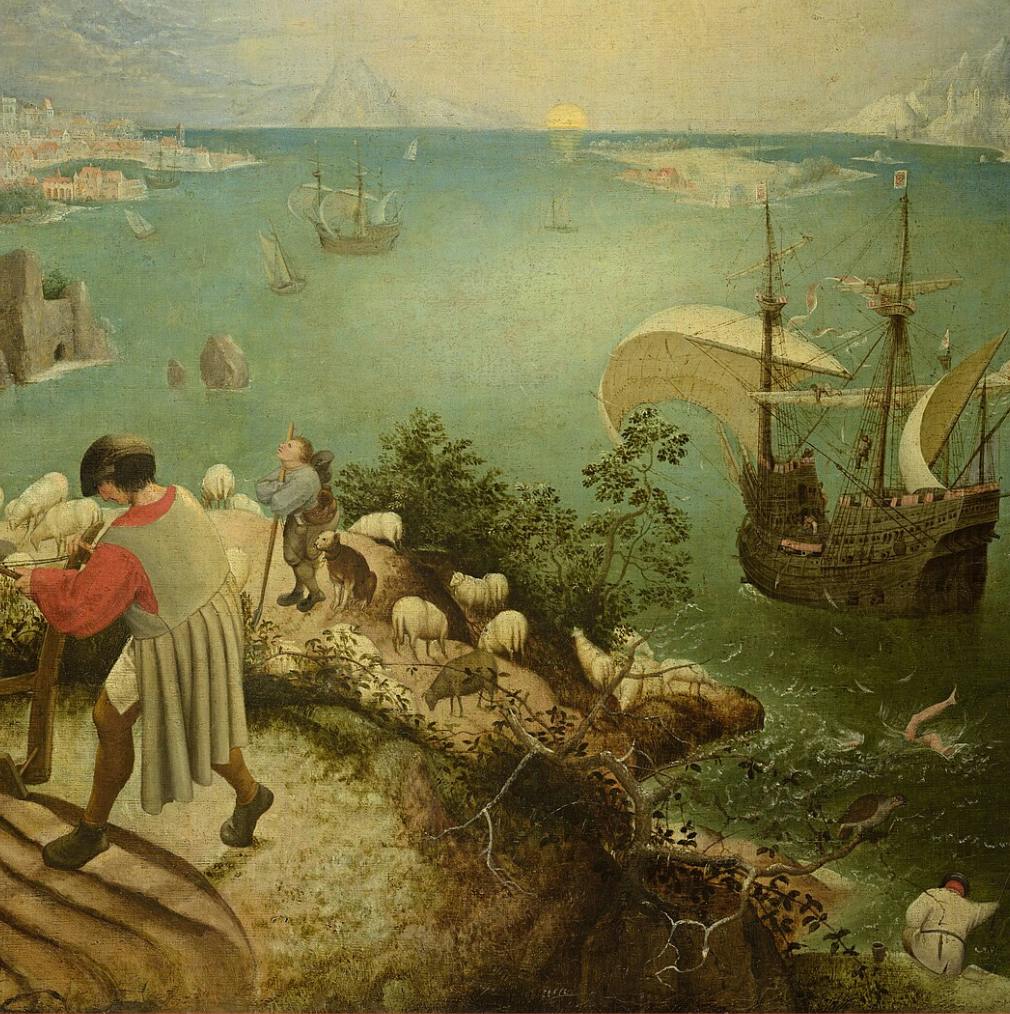
The Fall of Icarus: A Myth Reframed
Pieter Bruegel the Elder's Landscape with the Fall of Icarus reimagines Ovid's Metamorphoses, transforming the myth of Icarus into a meditation on human indifference and folly. This episode unpacks how Bruegel intertwines visual storytelling with contemporary Dutch and Flemish proverbs, reframing Icarus’ tragic fall as a subtle commentary on the world’s disregard for individual suffering.
Today’s

Art Bite: Queen or Cake?
Inspired by The Rainbow Portrait of Queen Elizabeth I at Hatfield Park, an extravagant cake was recently unveiled by Emma Jayne Cake Design, for Cake International 2024. Learn the secrets of this enthralling portrait and its cake twin on today's art bite!
Today's works:
Emma Jayne Cake Design, "Elizabeth I" and Unknown Artist, Rainbow Portrait of Queen Elizabeth I (c. 1600-1603). Hatfield House, U

Darkness and Desire: Witchcraft in Art
Witchcraft has captivated the imagination of society for centuries, and is today viewed as an enigmatic symbol of limitless power and feminine agency. But this wasn’t always the case. Through art, we can track how witches, once considered monstrous agents of the devil, have been recast as complex figures of mystery, strength, and even allure.
Today's Images: Martin Schongauer, ‘The Temptation of S

Madame X, Unveiled
The story behind John Singer Sargent’s iconic painting, Portrait of Madame X, rarely focuses on on the life of its subject, Virginie Amélie Avegno Gautreau. A prominent Parisian socialite known for her striking beauty, Amélie's story before and after Sargent's portrait speaks volumes about attitudes towards women in the elite circles of Belle Époque Paris.
Today's artwork: John Singer Sargent, Por
In the Margins of History: Washington & Slavery
George Washington was many things: general, president, family man, and slaveholder. This giant of American history had a complex relationship with the enslaved—and often invisible—laborers who made his achievements possible. But through the art historical record, we can catch glimpses of these individuals and discover how they impacted Washington's life...and legacy.
Today's image: John Trumbull,
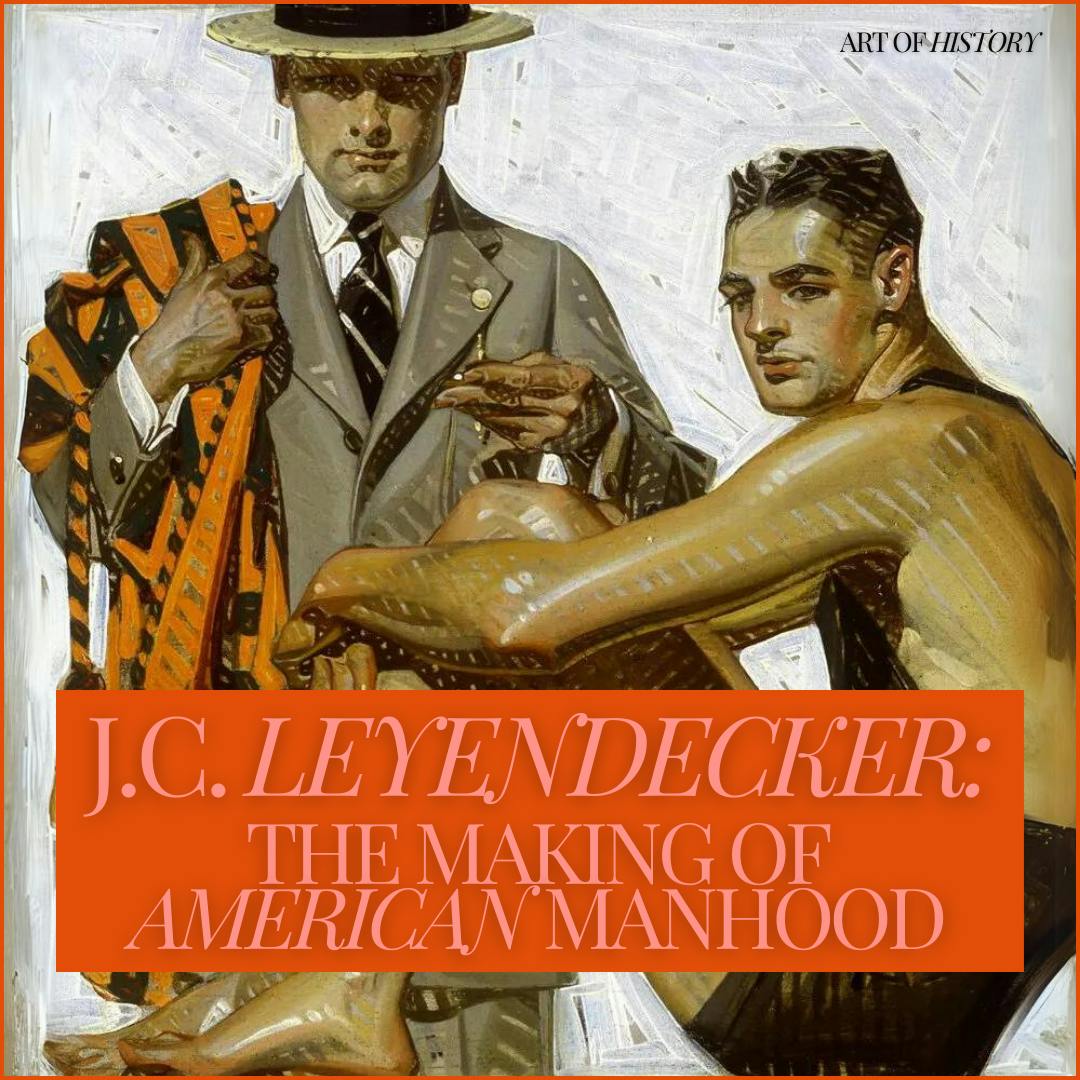
J.C. Leyendecker: The Making of American Manhood
Artist and illustrator J.C. Leyendecker (1874-1951) helped shape modern American visual culture as the mind behind advertising campaigns like the legendary “Arrow Collar Man.” He was also responsible for countless covers for the Saturday Evening Post—one more, in fact, than Norman Rockwell.
Modern biographers also hold that Leyendecker was a gay man. Critics are now asking themselves whether his

History Daily: The Discovery of China’s Terracotta Army & The Execution of King Louis XVI
I'm on vacation, and I hope you'll get some time away soon, too! Our featured podcast today is one that you'll 100% want to listen to on your summer travels: History Daily.
Each weekday on History Daily, host Lindsay Graham (not the senator) takes you back in time to explore a momentous event that happened ‘on this day’ in history. History Daily is there to tell you the true stories of the people

Art Bite: King Charles' New Royal Portrait
The internet has been ablaze with hot takes on King Charles III's brand-new royal portrait by British artist Jonathan Yeo. Does it depict a strong, capable monarch? Or one who is overshadowed by the chaotic state of his institution and modern world?
______
New episodes every month. Let's keep in touch!
Subscribe to my newsletter, The Fascinator.
Email: artofhistorypod@gmail.com
Patreon: https://ww
Portrait of a Woman: Adélaïde Labille-Guiard (with Bridget Quinn)
Adélaïde Labille-Guiard (1749–1803) rose from shopkeeper’s daughter to an official portraitist of the French royal court—only to have her achievements reduced to ash by the Revolution. While she defied societal barriers to build a remarkable artistic career, Adélaïde's legacy was long overshadowed by celebrated portraitist and memoirist Élisabeth Vigée-Lebrun.
Today, we’re joined by Bridget Quinn,

Double Agent: Chevalier d'Éon
The Chevalier d'Éon (1728–1810) is known as a transgender icon, living the first half of their life as a man, and the second as a woman. Theirs is also a life that is remarkably documented in contemporary artwork. But how much can we conclusively determine about how the Chevalier viewed themselves from their portraits?
Today's Image(s): Alexandre-Auguste Robineau, The Fencing-Match between the Che
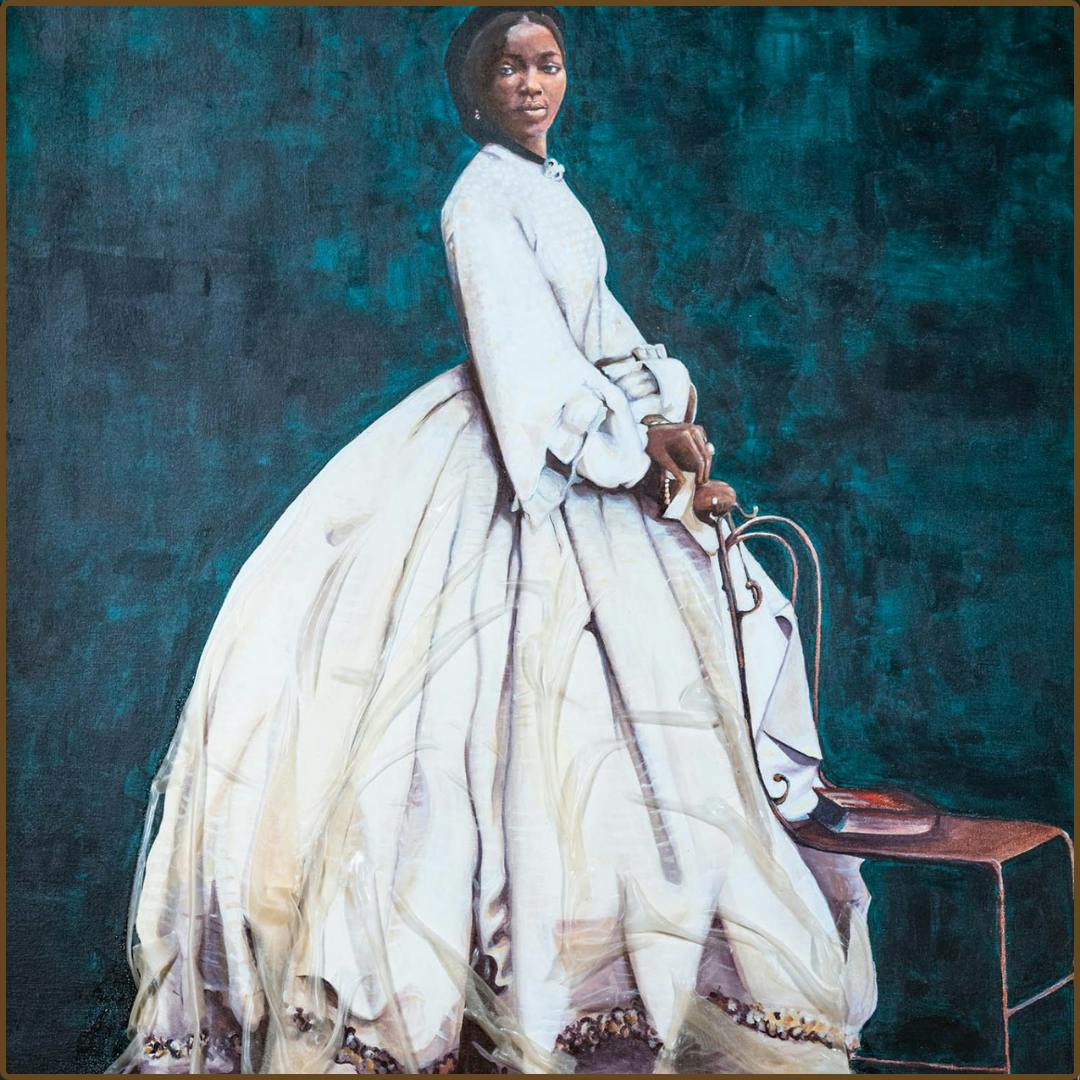
Aina: The Forgotten Princess
How did the daughter of an African ruler become goddaughter to Queen Victoria? A young black girl named Aina, later called Sarah Forbes Bonetta (1843–1880), began life in West Africa. But she would grow up to become a popular member of Victorian royal circles.
Today's Image: Hannah Uzor, Aina, Sarah Forbes Bonetta Davies (2020). Acrylic & fabric on canvas, 120x80 cm. Osborne House, United Kingdom.

The Death of Lady Jane
With the tragic demise of Lady Jane Grey (1537-1554) serving as inspiration for countless works of art, it was hard to select just one to focus our attention on. But I did it, and in this episode, we dive into the short life of England’s Nine Days Queen.
Today's Image: Paul Delaroche, The Execution of Lady Jane Grey (1833). Oil on Canvas. National Gallery, London.
______
Join me in traveling this

The Other Side: Women Artists and the Spirit World
Amanda is joined on the podcast for this special episode by Jennifer Higgie, author of The Other Side: A Story of Women in Art and the Spirit World.
Uncover the role that spiritualism has played in art, particularly since the dawn of modernism, and delve into the biographies of some trailblazing female artists who were all influenced by the occult.
The first major work of art history to focus on

Unheard Melodies: Hildegard von Bingen
At age 42, a nun named Hildegard von Bingen (1098-1179) decided to heed the command—which she believed came from God—to write down that which she saw and heard. It just so happened that what she saw and heard were visions from Heaven, containing extraordinary sights and sounds that would capture the attention of Popes and Emperors alike for centuries to come.
Today's artwork: Hildegard von Bingen,

Joséphine: More than a Queen
It may have been easy for Joséphine de Beauharnais (1763-1814) to scoff at the “extraordinary destiny” once promised to her by a fortune-teller. From the Island of Martinique, where she spent her girlhood, to the shadow of the guillotine, where she became a single mother, Josephine likely never would have predicted her remarkable rise to become “more than a queen”—until, that is, she met one Napol

Art History Horror Story: The Nightmare
Swiss painter Henry Fuseli (1741-1825) was the man behind one of art history’s most famous spooky paintings: ‘The Nightmare.’ But how much do you actually know about this dream-fuelled Gothic image?
Henry Fuseli, The Nightmare (1781). Oil on Canvas. Detroit Institute of Arts, Michigan.
______
New episodes every month. Let's keep in touch!
Email: artofhistorypod@gmail.com
Patreon: https://www.patre

Eighth Wonder, Vanished: The Amber Room
Last seen in 1945, the Amber Room is the world’s most valuable missing piece of art, valued as highly as $500 million. Looted by the Nazis after Operation Barbarossa, this “Eighth Wonder of the World” once symbolized peace and unity. Today, it instead represents one of art history’s greatest mysteries.
Today's Artwork: The Amber Room. Catherine Palace/Tsarskoye Selo State Museum and Heritage Site.
Cities of Women: Christine de Pizan with Dr. Kathleen B. Jones
Dr. Kathleen B. Jones joins us on the podcast to discuss not only her new book, CITIES OF WOMEN, but also to dive into the life of literary and artistic icon Christine de Pizan (1364/65-1431).
Listen to our conversation to hear how Christine became not only the first professional female writer in Europe, but also the first person in France to earn a living as a writer, period. Plus, we discuss the

Art Bite: Thomas Cromwell's Book of Hours
When historians first made the link between a book of hours at Trinity College, Cambridge and two others belonging to Catherine of Aragon and Anne Boleyn, they weren't just identifying who owned it. Yes, yes - the book was owned by Henry VIII's right-hand-man (for a time, at least): Thomas Cromwell. But this remarkable book has now become the only object from any 16th-century portrait to survive t

Art Bite: Anne of Cleves' House
Divorced, beheaded, died... divorced...
A house connected to Anne of Cleves (1515-1557), Henry VIII's fourth wife, is currently on the market! Let's discuss the Grade I listed property and a tidbit of Anne's story in this Art Bite.
_________
Thanks HelloFresh! Go to HelloFresh.com/arthistory50 and use code arthistory50 for 50% off plus free shipping!
_________
New episodes every month. Let's keep
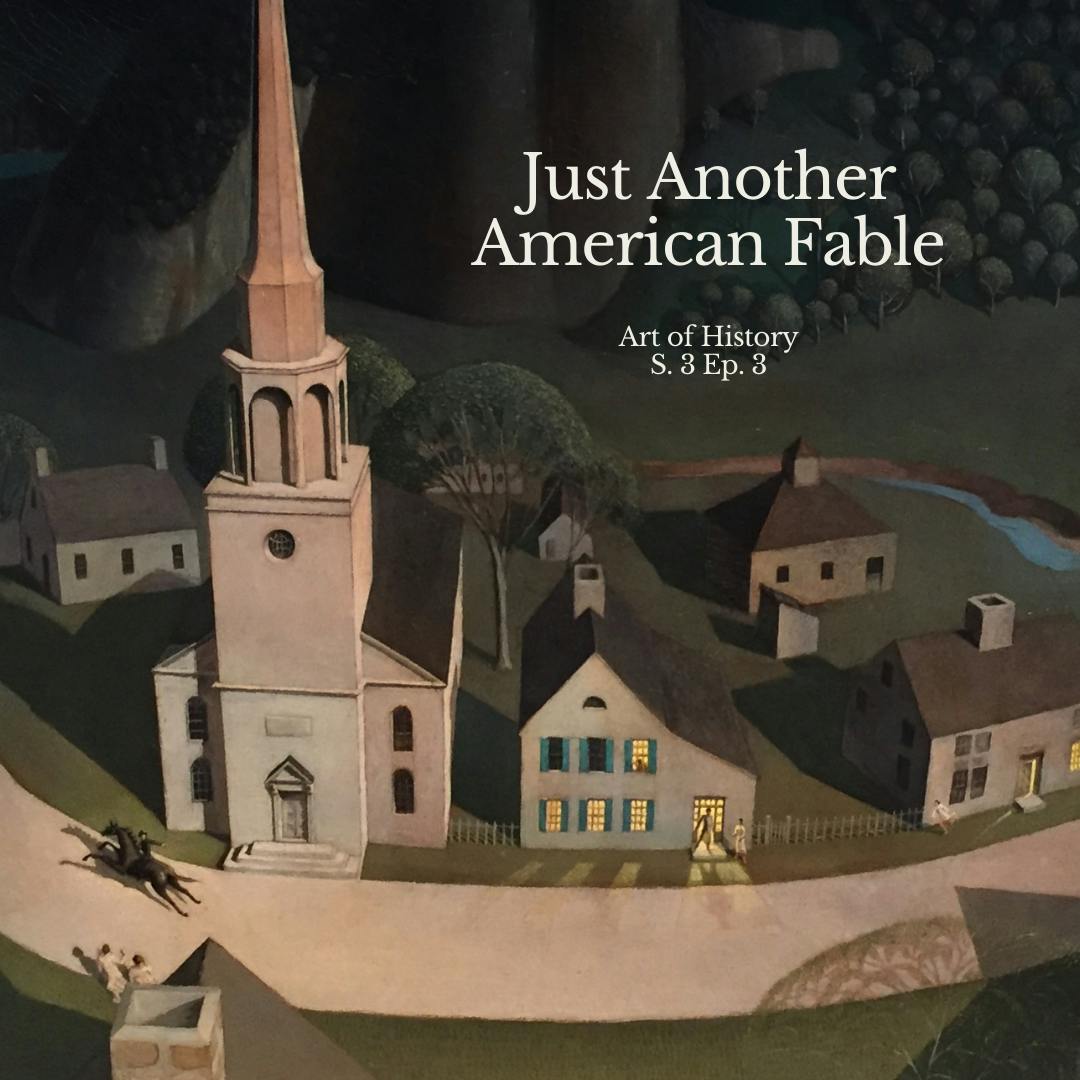
Just Another American Fable: Grant Wood
Grant Wood (1891-1942) is probably best known for his double portrait depicting a man and woman on a farmstead - that icon of American painting, American Gothic. But his career encompassed so much more, and was marked by an uncanny ability to weave and deconstruct "American values"—whatever those are.
In The Midnight Ride of Paul Revere, Wood builds us a dreamscape in which we can confront the fa

Art Bite: A New Portrait of Henry VIII's Final Queen
I’m so excited to be bringing you the first of a NEW offering on the Art of History podcast! 🎉
These “Art Bites,” as I’m calling them, will be a casual place to discuss pieces of news that pertain to topics we’ve either discussed on the show, or which activate my art history brain.
Our first Art Bite is centered on an upcoming auction at Sotheby's, where a privately-owned portrait of Katherine P

Silence is So Accurate: Mark Rothko & Abstract Expressionism
Mark Rothko (1903-1970) was at the forefront of a generation of American artists who revolutionized the scene, right down to the way we understand the very essence of the artistic process.
Even as he rejected both the label of Abstract Expressionism and even the idea that his paintings were technical masterpieces, he is nonetheless a “key protagonist” of the Abstract Expressionist movement and a f
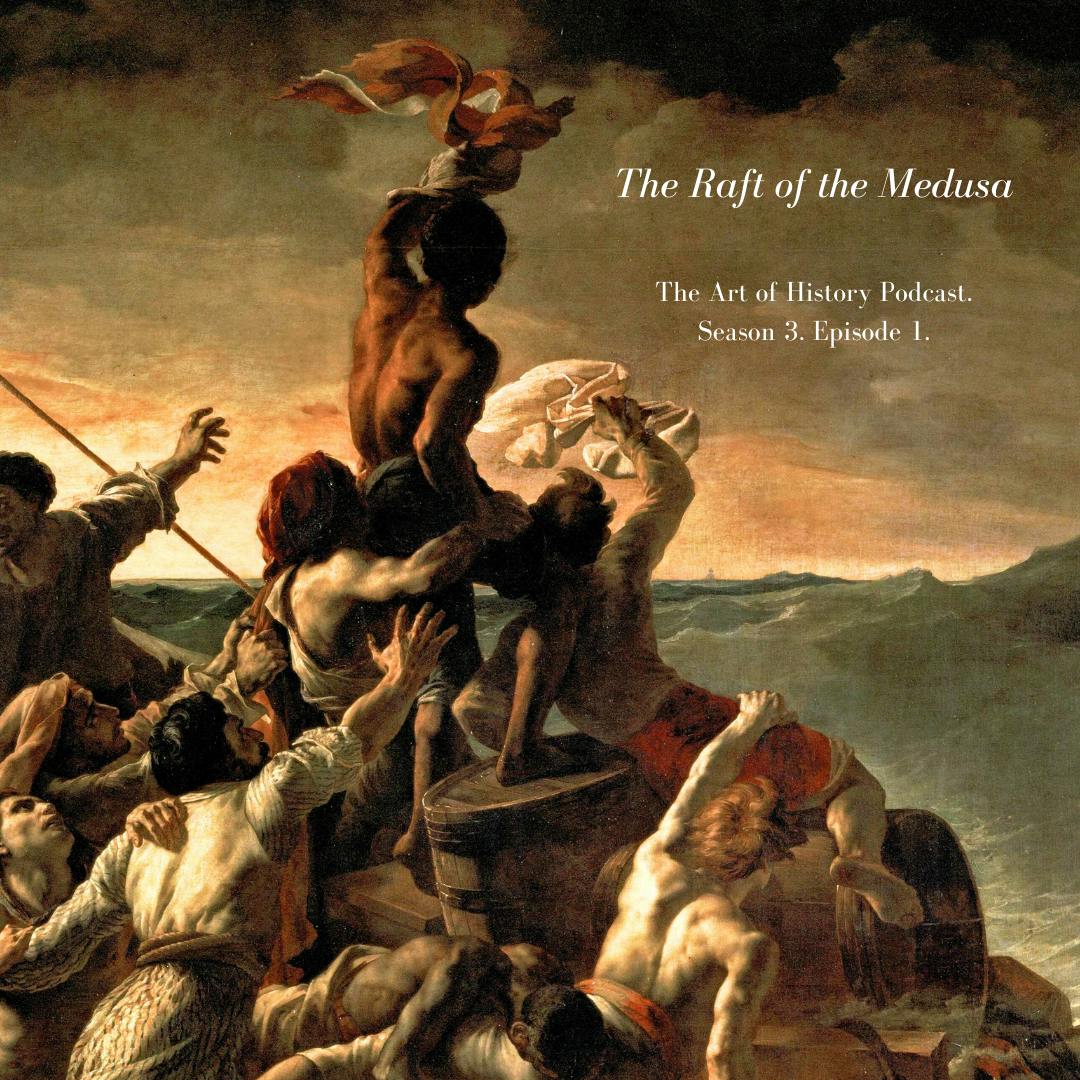
Romantic Getaway: Gèricault's Raft of the Medusa
Despite his short life, French painter Thèodore Gèricault (1791-1824) is remembered of one of the giants of art history. In his evocative masterpiece The Raft of the Medusa, Gèricault laid the groundwork for the Romantic era in the visual arts.
It's easy to get swept up in the vast spectrum of human emotion on display in the canvas. But how much of this painting was drawn from real life events?
T
Genius Has No Sex: Rosa Bonheur
Marie-Rosalie, or Rosa, Bonheur (1822-1899) has been lauded as the most celebrated woman artist of her time. Her breathtaking animal paintings showcase not only her technical skill, but also her so-called “radical” ideals. But just how “radical” was Rosa—who has been lauded as a feminist art historical figure—actually setting out to be?
Today's Image: Rosa Bonheur, The Horse Fair (1852–55). Oil on
The Baroque Bearded Lady: Magdalena Ventura
Today, gender is largely understood as a fluid concept. And while an increasingly loud minority insist that "men are men and women are women," and that’s simply the way it’s always been…a look through the lens of art history is just one way to quickly realize how flawed that worldview just might be.
Jusepe de Ribera (1591-1652) provides that lens in his 1631 portrait of Magdalena Ventura, subtitle

Death of Cleopatra - Edmonia Lewis, Pt. 2
Part II of Edmonia Lewis' story takes us for a closer look at her masterpiece: the 1876 sculpture, 'Death of Cleopatra.'
In an echo of Edmonia’s approach to her own biography, the work shows Egypt’s last queen “sealing her fate and having the last word on how she’ll be recorded in history.”
Today's Image: Edmonia Lewis, Death of Cleopatra (1876). Marble. Smithsonian American Art Museum.
______
New

History Daily: The Accident that Changed King Henry VIII & The Death of Queen Elizabeth I
Today on Art of History, I am beyond thrilled to bring you two episodes of a show that has quickly become a staple in my daily podcast listening: History Daily.
Every weekday, host Lindsay Graham (American Scandal, American History Tellers) takes you back in time to explore a momentous event that happened ‘on this day’ in history. Whether it’s to remember the tragedy of December 7th, 1941, the da

Forever Free - Edmonia Lewis, Pt. 1
Edmonia Lewis (1844-1907) was history’s first internationally recognized sculptor of African American and Native American descent, and (as you might expect!) a woman with a multifaceted life story.
Today's Image: Edmonia Lewis, Forever Free (The Morning of Liberty) (1867). Marble, 41.25 x 22 x 17 in. Howard University Gallery of Art, Washington, D.C.
______
New episodes every month. Let's keep in
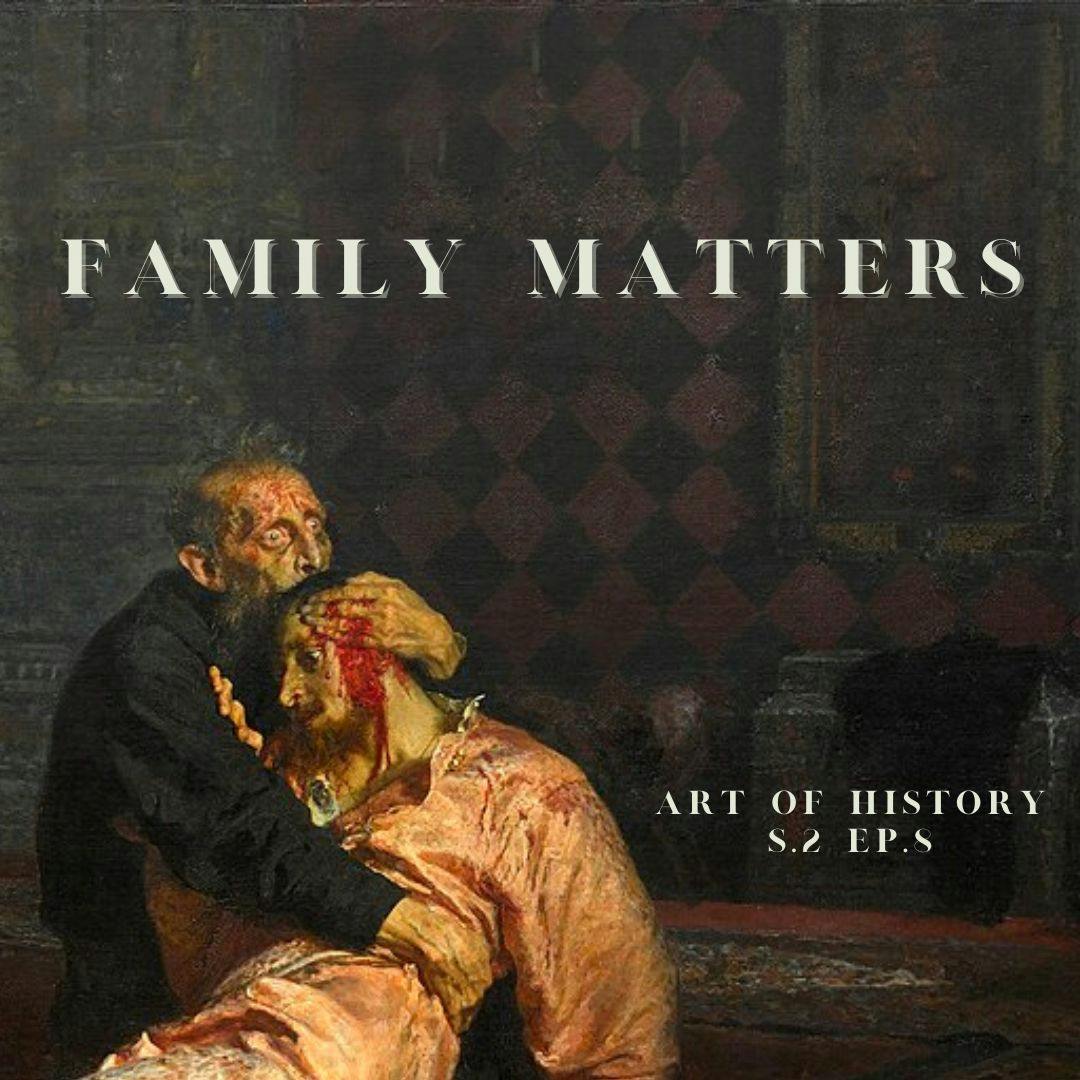
Family Matters: Ivan the Terrible and His Son Ivan
Ilya Repin (1844-1930) was one of Russia’s leading realist painters, known for his evocative portrayals of 19th-century working conditions. He was also known for his charged depictions of episodes from Russia’s past - such as an 1885 canvas showing Ivan the Terrible moments after striking his son and heir with a deadly blow.
We’ll dive deep into this…unique father-son bond, and explore the motiva

Ghosts at the Palace
Two things are true of history podcasts: Everyone loves a bit of Tudor History, and everyone loves a good ghost story. Today, we explore a bit of both!
When visiting Henry VIII’s magnificent Hampton Court Palace, it’s often the darker episodes from its past that get the best reactions. Using Tudor portraiture as our guide, let’s explore the origin of some of the Palace’s ghostly tales and the live

Who ARTed: Han van Meegeren
This episode comes to you courtesy of Kyle Wood, host of an art podcast that fans of Art of History NEED to have on their radar.
Who ARTed brings you weekly art history for all ages. Whether you are cramming for your art history exam, trying to learn a few facts so you can sound smart at fashionable dinner parties, or just looking to hear something with a more positive tone, Kyle's got you covered

Art is Political: The “Degenerate” Art Exhibition
85 years ago, a groundbreaking art exhibition was held in Munich. It showcased the work of 120 artists, many of these internationally renowned modernists. The show was attended by one million people in its first six weeks.
But this landmark show, while one-of-a-kind, is not something to be celebrated. Entartete Kunst (‘Degenerate Art’) was organized at the behest of Adolf Hitler, under Joseph Goeb
Flower Power: Tulipmania and Those who Painted It
Tulipmania has stuck in our collective memory as one of the biggest economic calamities to ever strike the western world. The popular narrative holds that in 17th century Holland, homes were mortgaged, reputations were ruined, and livelihoods were lost—all so that tulip bulbs could be bought at higher and higher prices. And when the “bubble” burst, chaos ensued.
In fact, the truth was far less s

HRH The Duchess of Baltimore
Elizabeth Patterson Bonaparte (1785-1879) was one of America’s first international celebrities and self-made women. But how did this Baltimore girl come to count royalty among her in-laws—a century or two before the likes of Wallis Simpson and Meghan Markle snagged their princes? The answer may lie in her unique triple-view portrait by Gilbert Stuart…or is that only part of Elizabeth’s story?
Toda

The Man and His Muse
Andrew Wyeth (1917-2009) is considered one of American’s greatest modern artists. His works combine a regionalist simplicity with a surrealist view of the inner world. But without the people and places that inspired him and allowed him to channel his emotions onto the canvas, we might never have seen that inner world at all.
Let’s take a walk through the life of Andrew Wyeth, encountering the seve

Spring in Her Step
Sandro Botticelli (c.1455-1510) is credited as the man behind some of the greatest mythological paintings in Western art history—a great feat, especially considering that we still don’t fully know the meaning behind his most ambitious work.
Primavera, or Spring (c. 1480) is brimming with allegorical puzzle pieces. Rather than using the Primavera to tell a story from the past, this week we’ll take

Elizabeth: The Early Years
In this episode, I put my art history degree to good use (finally) as we discuss a lesser-known portrait of Elizabeth I as she appeared late in the reign of her sister, Mary I, or early in her own reign. Painted in the image of her father, Henry VIII, Elizabeth is trying to communicate many things to many people all at once in this image. How can a single portrait represent her desire to overcome

A Call to Arms
This episode has everything: snakes, missing limbs, a true crime case, and sculptor Michelangelo di Lodovico Buonarroti Simoni being annoyed.
Today’s artwork: Agesander of Rhodes, Athenodoros, and Polydorus (attr.), Laocoön and His Sons (Hellenistic Period?). Marble. Vatican Museums, Vatican City.
New episodes every month. Let's keep in touch!
Email: artofhistorypod@gmail.com
Support on Patreon:

The Real Queen Charlotte
The depiction of Queen Charlotte (1744-1818) as a woman of color in the Netflix series Bridgerton brought her to the forefront of a conversation about non-white historical figures. There’s been much debate over this Georgian queen’s character as a result. Was Queen Charlotte that formidable? And was she really mixed race? Much of the speculation over Charlotte’s ancestry comes from interpretations

A Swing Called Love
Jean-Honoré Fragonard’s (1732-1806) painting The Swing is an icon of the Rococo era and a widely-celebrated depiction of innocent, carefree leisure. Or...is it? We’re unpacking some of the, er, erotically charged symbols that you might have missed when you first saw this painting in Disney’s Frozen. Listener discretion is advised for this episode, unless you’re a parent who is prepared to get real

Mr. Lincoln, I Presume?
In 1872, Mary Todd Lincoln (1818-1882) visited the photography studio of one William H. Mumler (1832-1884), who claimed to be able to capture images of deceased loved ones on film. A byproduct of Mrs. Lincoln's spiritualist beliefs, the photograph on which today's episode centers offers us a glimpse at the strange practices which Civil War-era Americans would resort to in their efforts to find com

Becoming Joan
Jules Bastien-Lepage's life-size depiction of Joan of Arc (1412-1431) shows her at the very beginning of her journey to sainthood. But a lot happened between her spiritual awakening in 1425 and her canonization as the patron saint of France in 1920. So, how did she get there? And how was her image molded by the national and spiritual needs of a nation?
Today's image: Jules Bastien-Lepage, Joan of
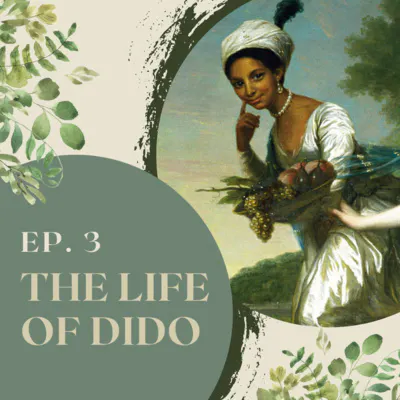
The Life of Dido
In the mid-1770s, the Earl of Mansfield (1705-1793) commissioned a portrait of his two great-nieces, Elizabeth Murray (1760-1825) and Dido Belle (1761-1804). But it was Elizabeth's name that would be remembered through history, and Dido's would only be rediscovered in the 1990s. In this episode, we discuss her origins, her position in her great-uncles stately home, and how she is portrayed in the

Who Tells Your Story?
Jean-Paul Marat (1743-1793) was a giant of the French Revolution. I guess you could say that one thing led to another, though, and he ended up dead in a bathtub. His friend, artist Jacques-Louis David (1748-1845), memorialized that gruesome event in today's artwork and in the process, spun the narrative to better serve their shared political aims.
Today's image: Jacques-Louis David, The Death of M
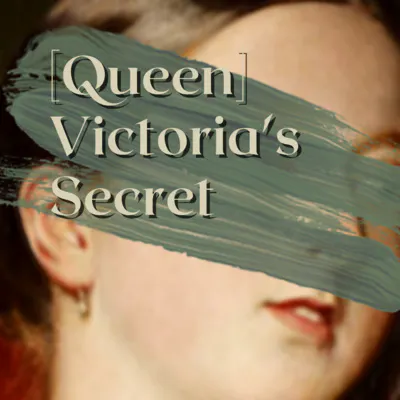
(Queen) Victoria's Secret
Our popular image of Queen Victoria (1819-1901) paints her as a monarch, a mother, a wife, and a widow. But today we are looking at a portrait of Victoria that shows us the woman, not her roles. Join me for a bit of historically sanctioned snooping into the hidden side of Victoria, her relationship with her hubby, and their love language of choice.
Today's image: Franz Xaver Winterhalter, Queen V

Introducing the Art of History Podcast!
Join me for episodes from history, viewed through great works of art. No pre-reqs required!
---
Support this podcast: https://anchor.fm/amanda-matta/support
Recommended

Learn English A2 with Daily News | Simple English Listening Practice

Bad Friends

Learn 50 English Phrases While You Sleep | Everyday English Phrases & Vocabulary

Dateline NBC

True Crime Classics

Yours Truly Johnny Dollar Collection
Suspense OTR

پلی لیست | PlayList

Crime Stories with Nancy Grace

Conspiracy Files with Paige Carter

Bible Tea

Dark Night Tales with Brian King
