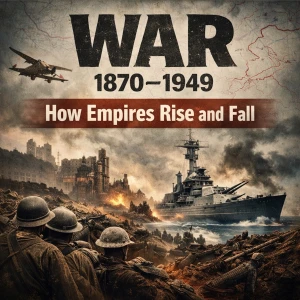
WAR 1870–1949: How Empires Rise and Fall
Nik Osterman 29 episodes Feb 16, 2026
WAR 1870–1949 explores why wars happen even when no one seems to want them, focusing on the decades before and around the World Wars. It challenges the simple story that the First World War began solely with the assassination in Sarajevo. Instead, it treats that event as a spark and asks why the world was already so flammable. The series examines the deeper political, imperial, and human forces behind the rise and fall of empires.
Episodes
The Economy of War
Hello and welcome back. This is WAR 1870–1949: How Empires Rise and Fall. Today’s episode is The Economy of War—the machinery beneath the speeches, the quiet engine that makes conflict not only possible but increasingly likely. You asked the right questions: who, why, when. And you framed it perfectly: this becomes more and more ardent. It doesn’t stay a background detail. It moves forward until i
The Victors in Fear: Britain and France Hold the Line
Hello and welcome back. This is WAR 1870–1949: How Empires Rise and Fall. Episode Four of our buildup arc is The Victors in Fear: Britain and France Hold the Line.If you want to understand the interwar period properly, you have to strip away the victory photographs. The leaders look composed. The flags look proud. The map looks controlled. But underneath, Britain and France are not walking into pe
Russia: Retreat, Revolution, and the New Empire
Hello and welcome back. This is WAR 1870–1949: How Empires Rise and Fall. Episode Three of our buildup arc is Russia: Retreat, Revolution, and the New Empire.If Germany is the story of a crown falling and a republic trying to stand upright in a storm, Russia is something else entirely. Russia is what happens when an empire doesn’t merely lose a war, but loses the right to command reality. It is th
The Crown Falls-The Republic Bleeds.
Hello and welcome back. This is WAR 1870–1949: How Empires Rise and Fall. Episode Two of our buildup arc is Germany: The Crown Falls, the Republic Bleeds.The most dangerous moment in a collapsing empire is not the day it loses. It’s the day it loses and then must decide what the loss means. Because meaning is power. Meaning determines who is blamed, who is trusted, who is allowed to rule, and what
1918–1919: The Peace That Continued the War
Hello and welcome back. This is WAR 1870–1949: How Empires Rise and Fall. Episode One of our buildup arc is 1918–1919: The Peace That Continued the War.The first thing to understand about the armistice is that it doesn’t feel like victory in the bodies of the people who survived. It feels like the gun finally stopping after you’ve lived so long with noise that silence itself is suspicious. The wor
The Age of Attrition 1918 — The Armistice and the Peace That Wasn’t Peace
1918 — The Armistice and the Peace That Wasn’t PeaceBy the time the guns stopped, the war had already done its deepest work. Not only on borders, but on minds. What ended in November 1918 was the shooting. What did not end was the pressure that produced the shooting in the first place. That pressure simply changed form. It moved into treaties, reparations, revolutions, resentments, and the private
The Age of Attrition 1918 — The Last Gamble
1918 — The Last GambleIn early 1918 the war reached a strange moment of imbalance. Russia was out. The Eastern Front, which had consumed German divisions for years, had vanished. German leaders believed they finally had what they had been missing since 1914: a temporary window—just a few months—when they could concentrate force in the west before the United States could fully arrive. It was not o
The Age of Attrition 1917 — Mutiny, Submarines, and the Breaking Point
1917 — Mutiny, Submarines, and the Breaking PointBy 1917, the war had entered a phase no one had planned for and no one could control. The optimism of 1914 was long dead, and even the grim determination of 1916 had begun to rot from within. The armies still faced each other across the Western Front, but beneath the surface, the foundations of the war effort were cracking. This was no longer only a
The Age of Attrition 1917: The War Breaks the World
By 1917 the war no longer pretended to be about glory. Whatever illusions survived 1914 had been buried in mud, wire, and arithmetic. This was now a war of exhaustion, and everyone involved knew it, even if they could not yet say it aloud. The question was no longer who would win quickly, but who could endure longer—economically, politically, psychologically.On the Western Front the lines still ra
The Age of Attrition. 1916 — Verdun, The Somme, and the Arithmetic of Endurance.
Hello and welcome to War — 1870 to 1949: How Empires Rise and Fall. Season Two: World War One — The Age of Attrition. Episode Three: 1916 — Verdun, The Somme, and the Arithmetic of Endurance.By 1916, the war has stopped pretending. The speeches can still use the old words—honor, duty, glory—but the battlefield is now speaking a newer language, colder and more precise. It speaks in tonnage, in supp
The Age of Attrition. 1915 — Trenches, Stalemate, and the Invention of Modern Suffering.
Hello and welcome to War — 1870 to 1949: How Empires Rise and Fall. Season Two: World War One — The Age of Attrition. Episode Two: 1915 — Trenches, Stalemate, and the Invention of Modern Suffering.By the start of 1915 the great illusion of 1914 had already collapsed, but it hadn’t been replaced by clarity. What replaced it was something worse: a kind of stubborn fog. Leaders, generals, newspapers,
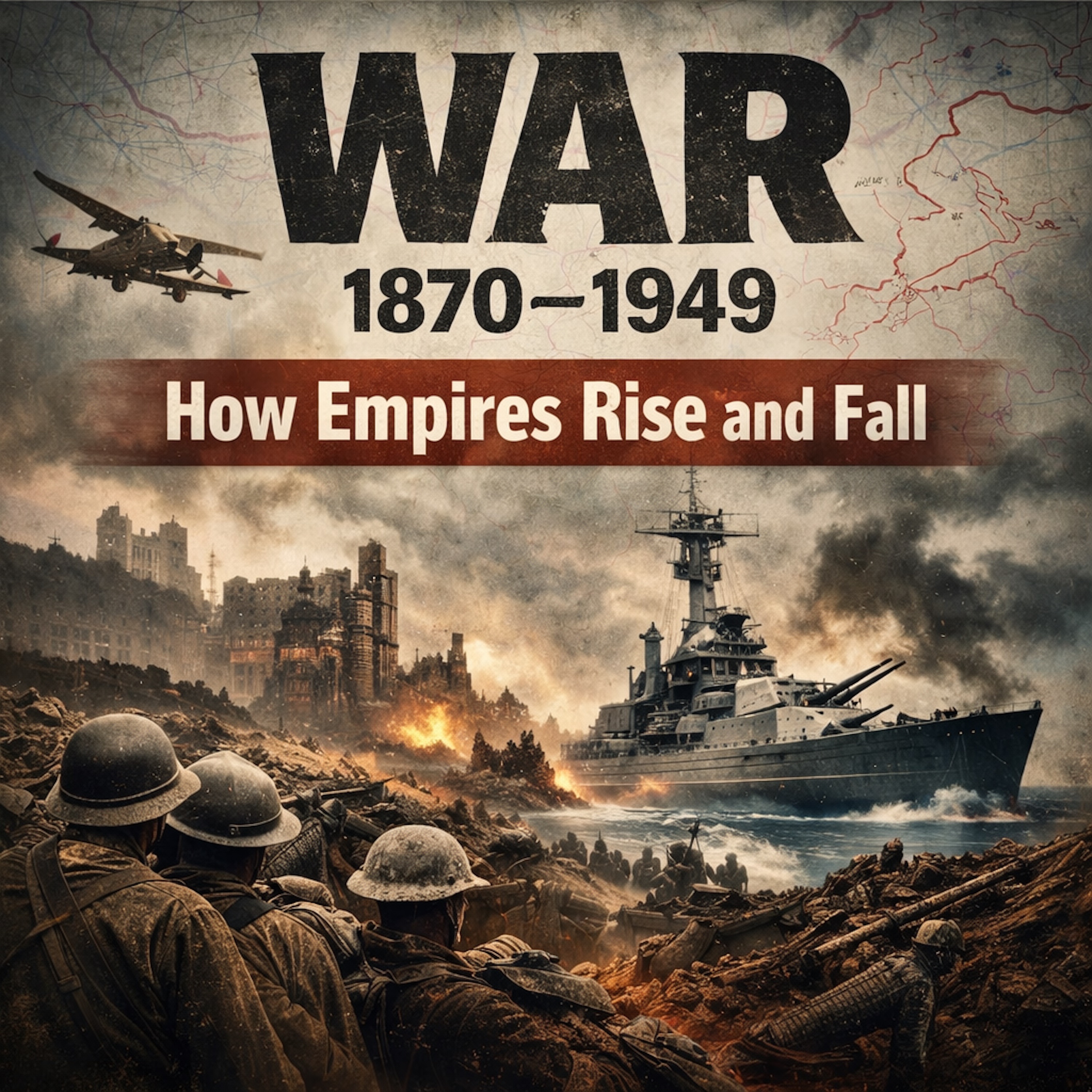
World War One — The Age of Attrition 1914 — The Illusion of a Short War
In the summer of 1914, Europe did not feel like a continent about to commit suicide. It felt like a machine that had been running smoothly for decades, loud but familiar, proud of its engineering, proud of its empires, proud of its armies, and confident that history belonged to it. The cities were electric with modern life: trains, telegraphs, newspapers, factories, parliaments, stock exchanges, c
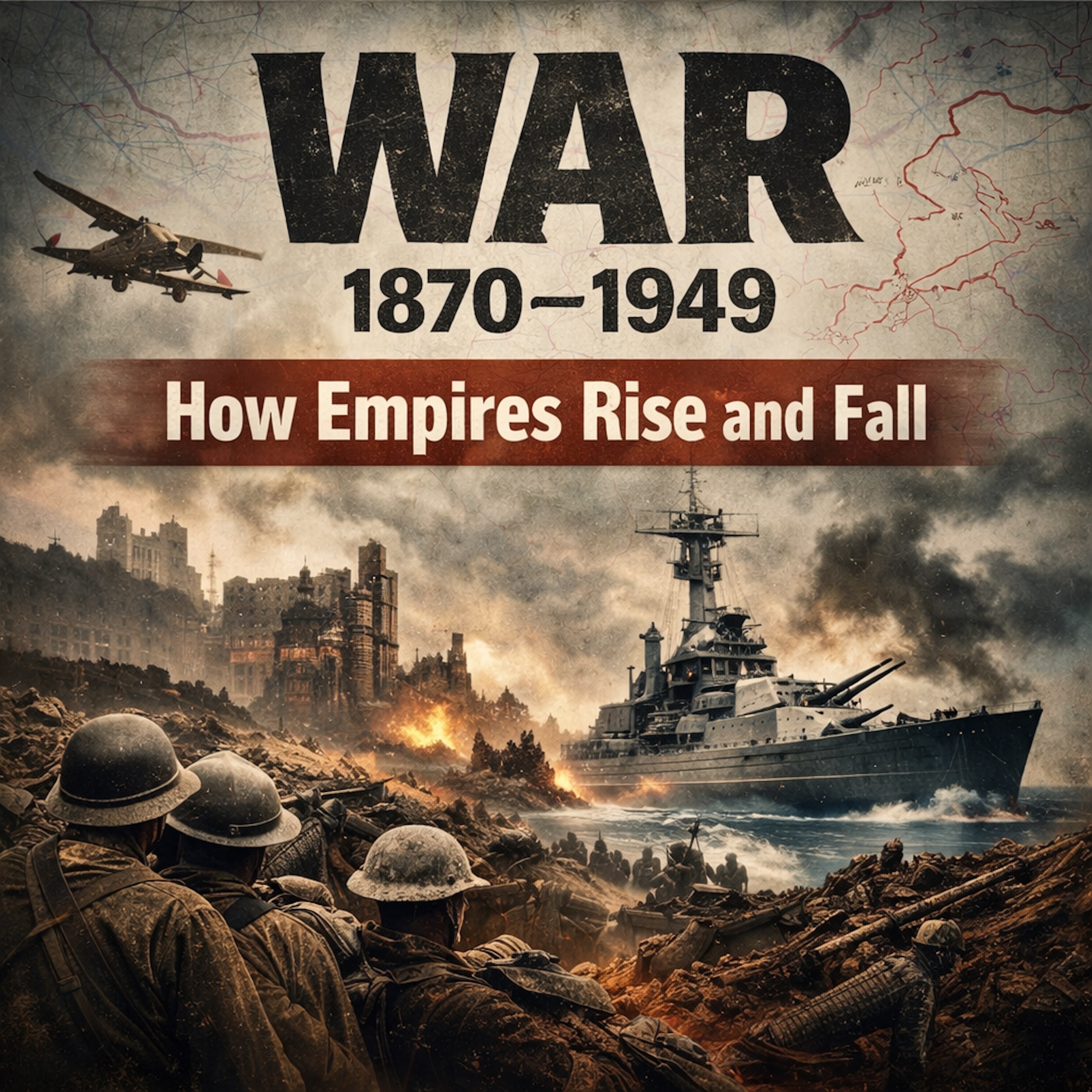
War 1870 - 1949 How Empires Rise and Fall 1914: Ultimatum and Mobilizations
1914: Ultimatum and MobilizationHello and welcome back. This is WAR 1870–1949: How Empires Rise and Fall. We’ve moved into the Balkans, into the seam where old empires crack and new nations sharpen themselves like blades. And now we come to something that feels, at first, almost reassuring: the crises before 1914, the near misses, the moments when Europe comes close to the abyss and then steps bac
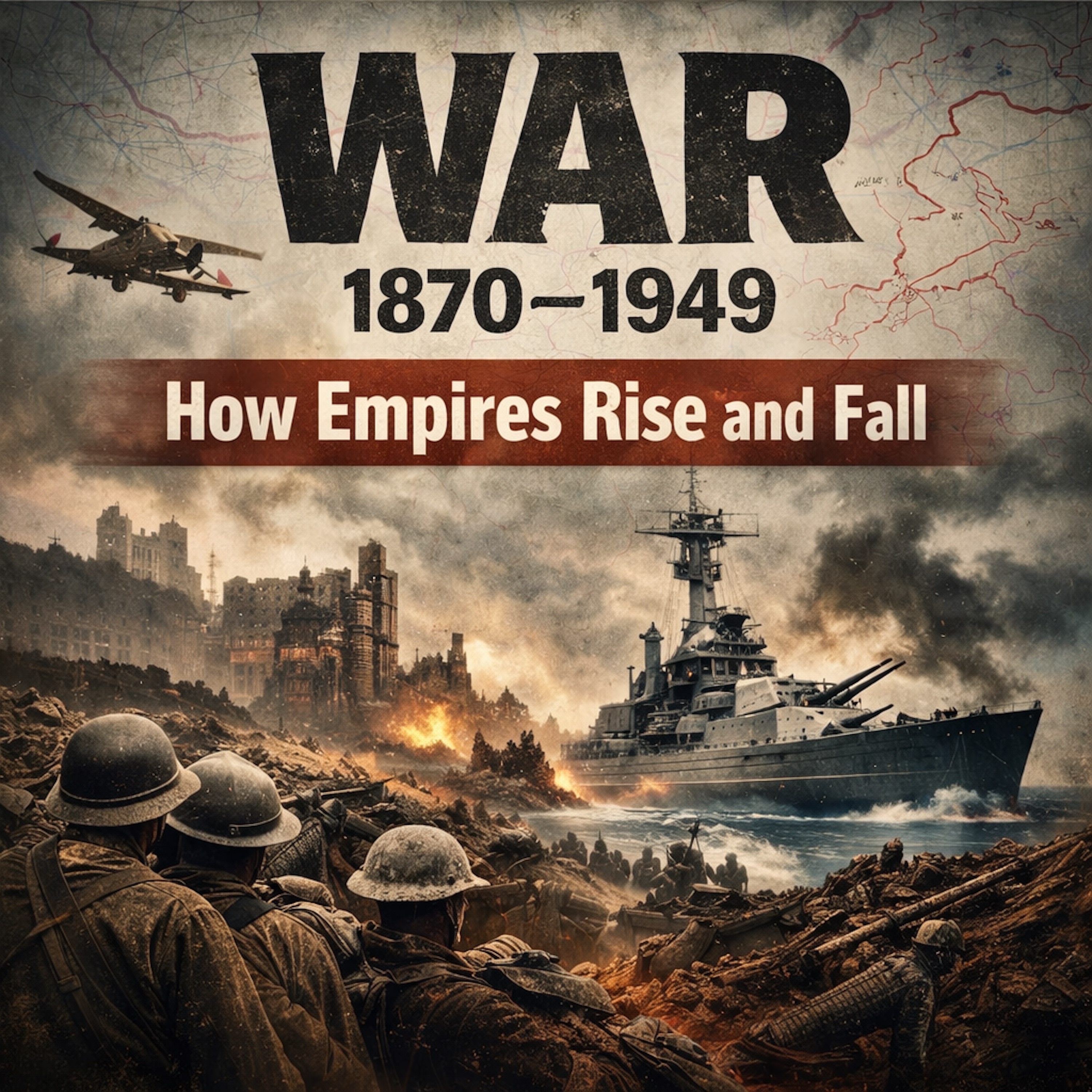
War 1870 - 1949 How Empires Rise and Fall The Balkans: The Loaded Corner
Hello and welcome back. This is WAR 1870–1949: How Empires Rise and Fall. Last time we built the alliance machine—how fear becomes commitment, how commitment becomes credibility, and how credibility becomes a trap. Today we move to the place where that machine is most likely to seize and throw sparks.The Balkans.I want you to picture the Balkans not as a simple region on a map, but as a fault line
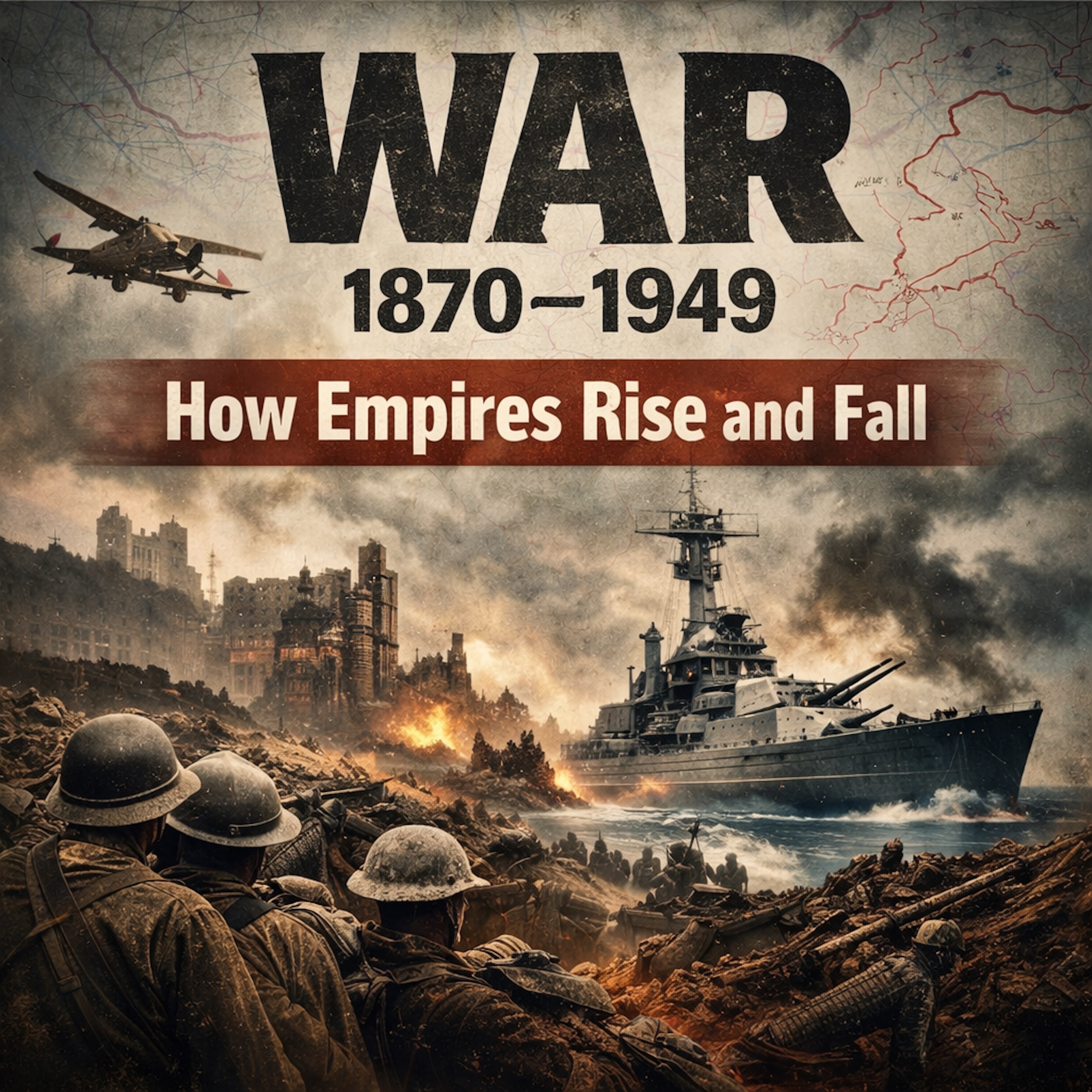
War 1870 - 1949 How Empires Rise and Fall Alliances: Promises That Become Traps
War 1870 - 1949 How Empires Rise and Fall Alliances: Promises That Become TrapsHello and welcome back. This is WAR 1870–1949: How Empires Rise and Fall. We’ve walked through nationalism as faith, empire as prestige addiction, and the naval race as fear made visible. And now we come to the architecture that ties all of it together—the thing that turns anxiety into obligation, and obligation into ca
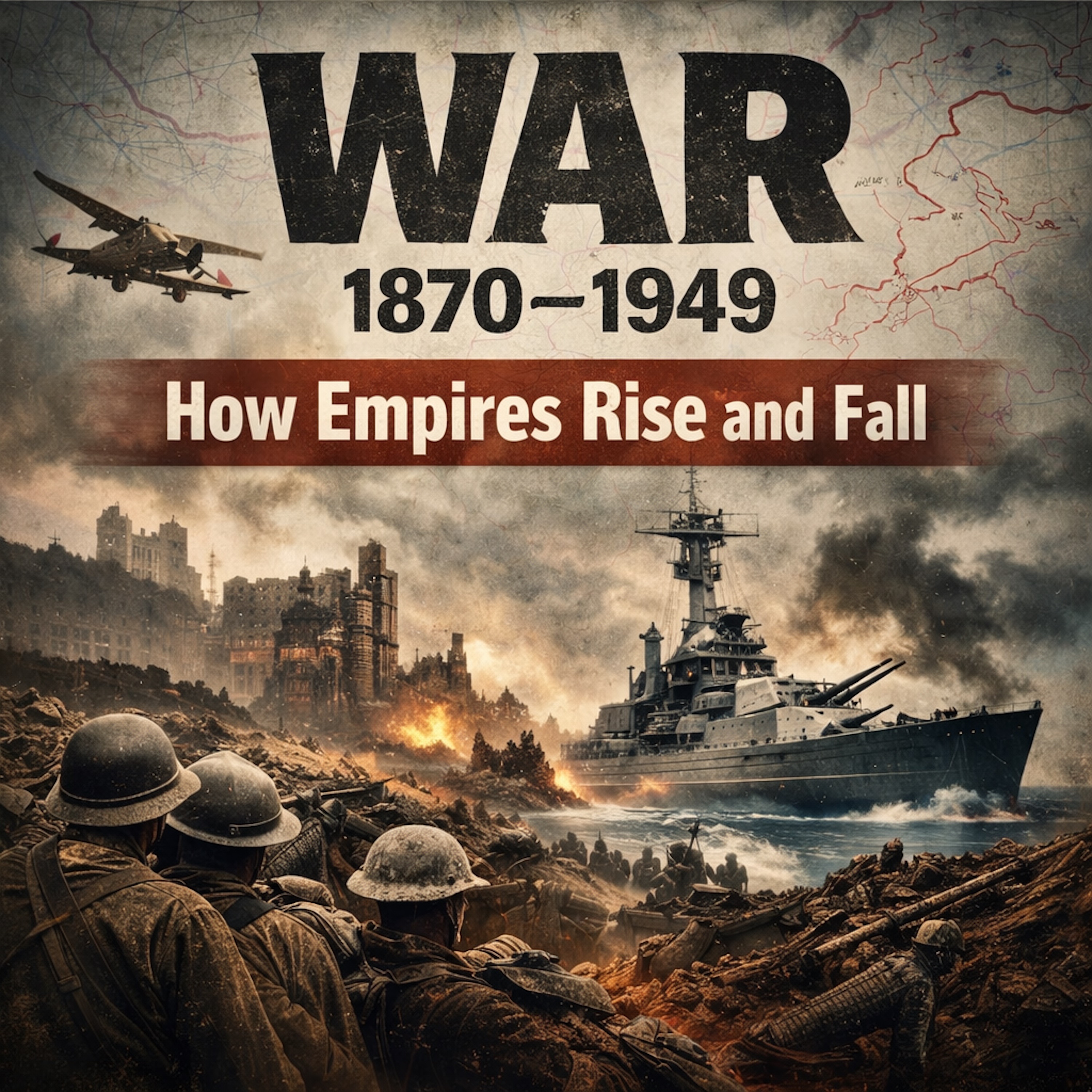
Empires Overseas, Rivalries at Home (colonies, prestige, and the pressure valve that fails)
Empires Overseas, Rivalries at Home (colonies, prestige, and the pressure valve that fails)Hello and welcome back. This is WAR 1870–1949: How Empires Rise and Fall. Last time we talked about the new religion—nationalism—and how modern states learn to shape identity through schools, flags, rituals, and mass politics. That was the inner engine, the part that lives inside the chest.Today we’re going
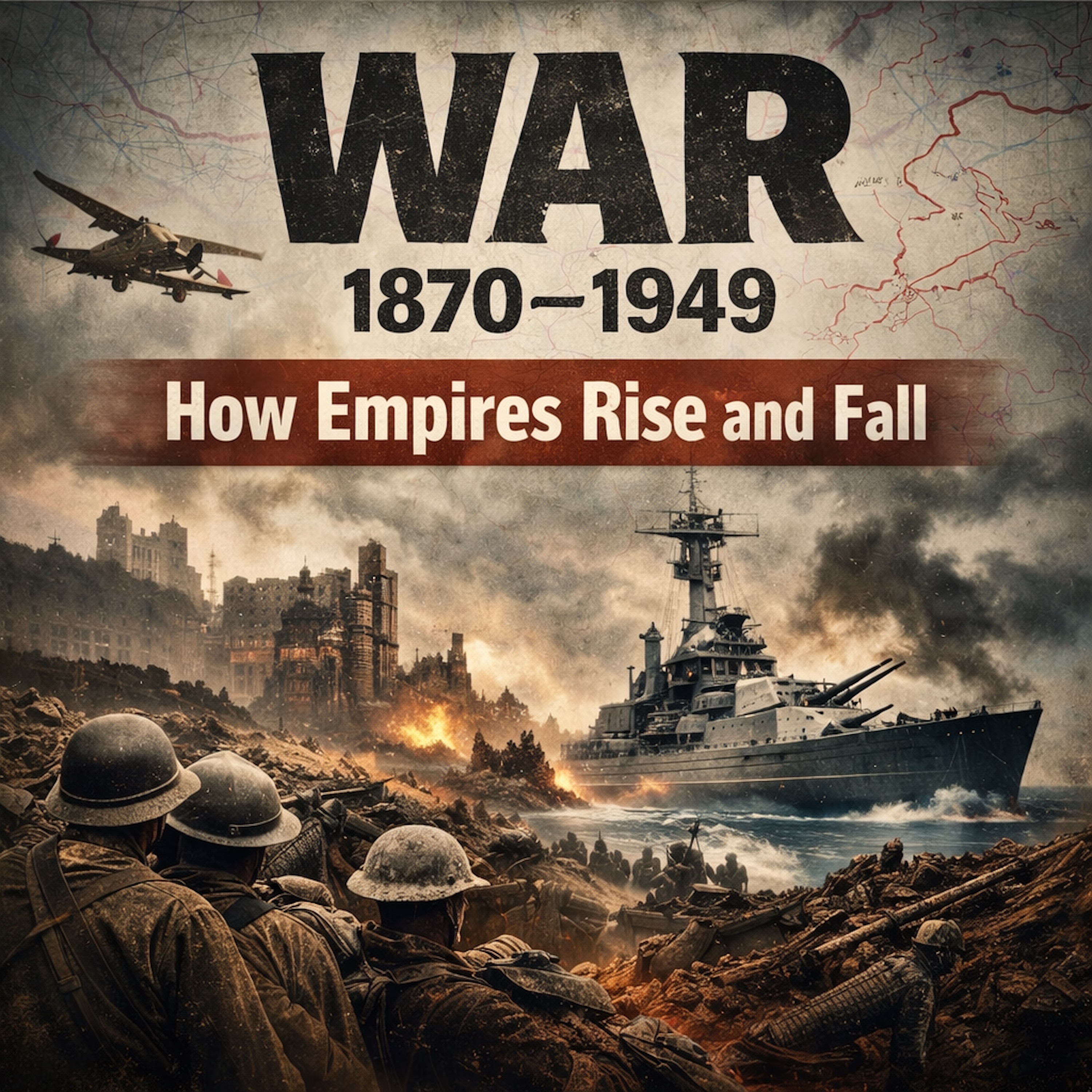
Steel, Coal, Rail: When Industry Changes War (why the scale becomes unstoppable)
Steel, Coal, Rail: When Industry Changes War (why the scale becomes unstoppable)Hello and welcome back. This is WAR 1870–1949: How Empires Rise and Fall. And if you’ve been listening to the first steps of this season, you can already feel what’s happening: the map is changing, the alliances are beginning to stiffen, the great powers are recalibrating around a new Germany, and everyone is quietly p
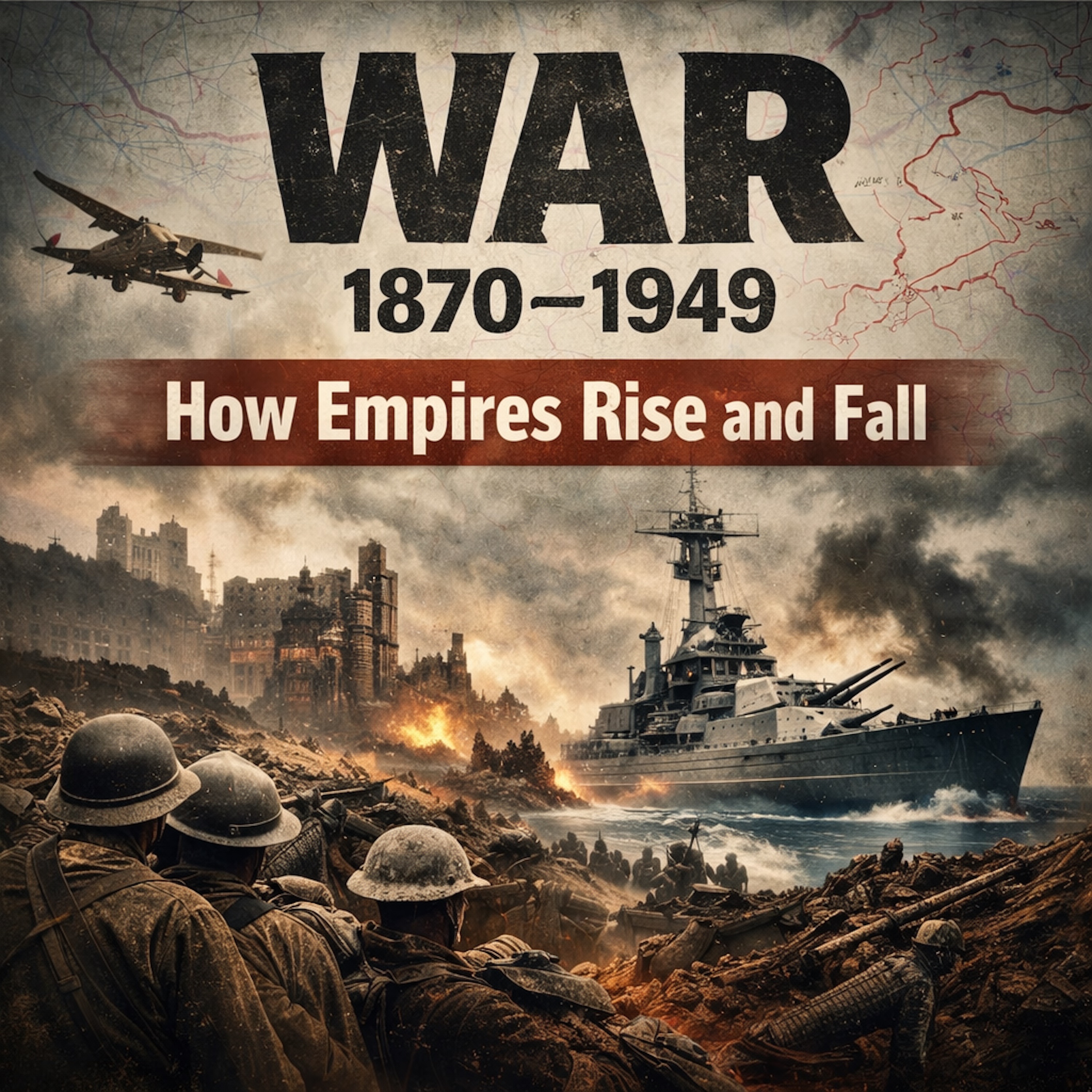
Germany Rises, France Remembers (humiliation, revanche, and the psychology of a wounded nation)
Germany Rises, France Remembers (humiliation, revanche, and the psychology of a wounded nation)Hello and welcome back. This is WAR 1870–1949: How Empires Rise and Fall. Last time we began in 1870 because the catastrophe doesn’t begin with a match. It begins with a room filling with powder. And in 1871, that powder doesn’t just sit there. It settles into the lungs of Europe. It becomes memory. It b
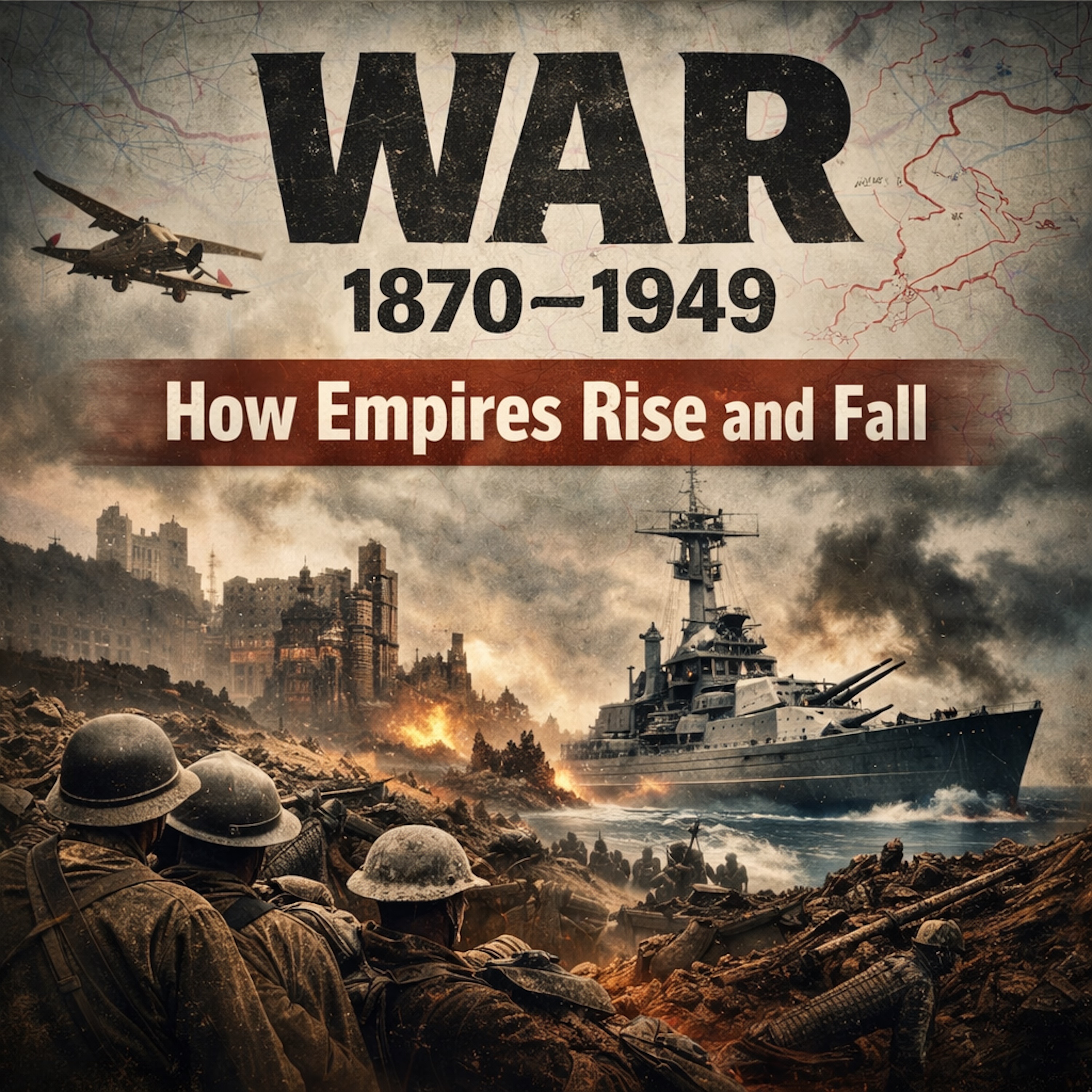
1870: The Spark Before the Fire (Franco-Prussian War and the birth of a new Germany)
1870: The Spark Before the Fire (Franco-Prussian War and the birth of a new Germany)Hello and welcome. This is WAR 1870–1949: How Empires Rise and Fall. And today we begin where the modern catastrophe starts to take shape—not with a gunshot in Sarajevo, not with a trench, not with a dictator on a balcony, but with a war that looks, on the surface, almost old-fashioned. Two armies, two states, a ca
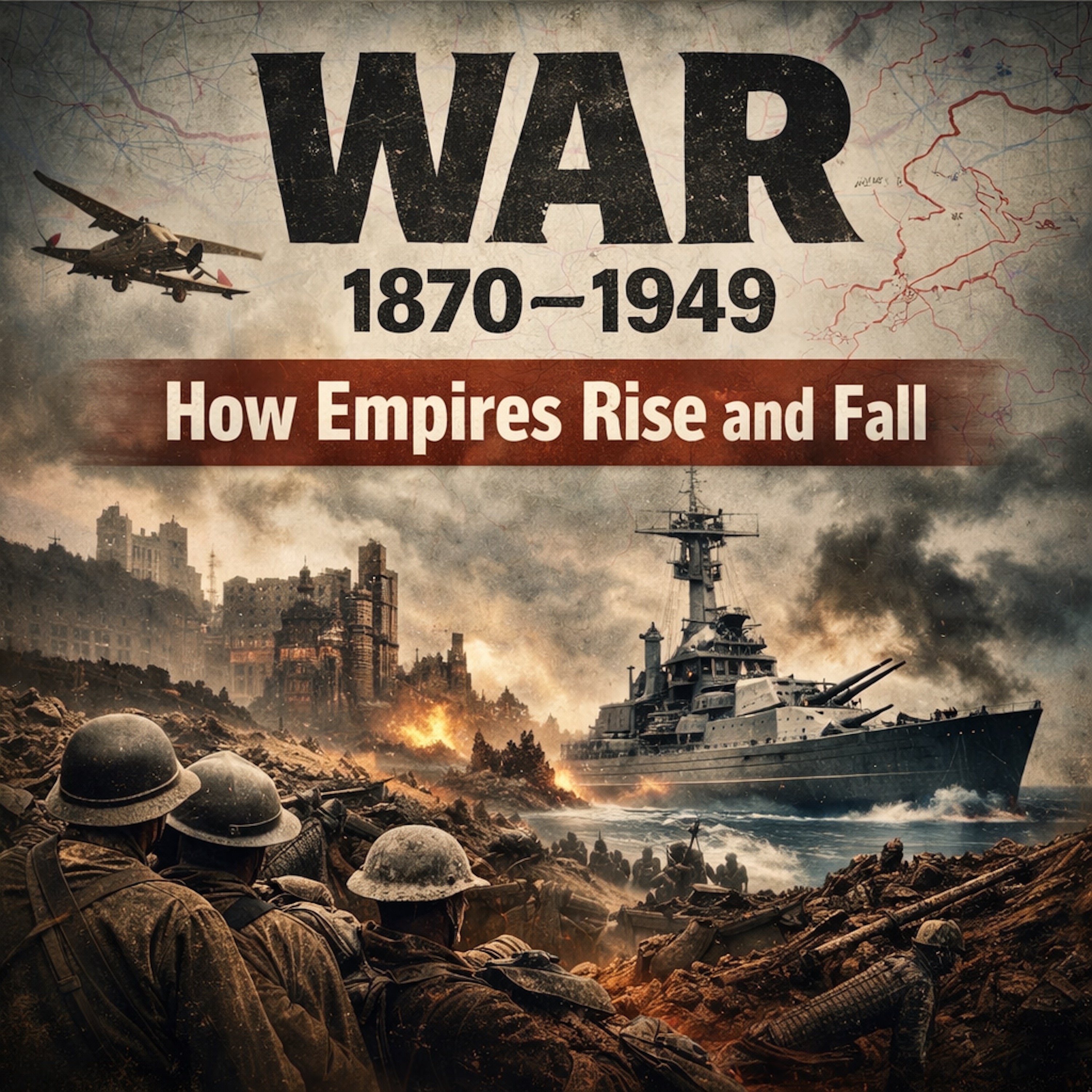
About WAR 1870–1949: How Empires Rise and Fall
About WAR 1870–1949: How Empires Rise and FallThis is a story about why war happens when nobody truly wants it—until suddenly, everyone does.If you grew up with the usual explanation, you were told the First World War begins with a gunshot in Sarajevo. A young man steps forward, fires two rounds, and the world falls apart. It’s neat. It’s cinematic. It has a villain, a victim, a turning point, and
WAR 1870–1949: How Empires Rise and Fall-Hitler and Churchill
Hello and welcome back. This is WAR 1870–1949: How Empires Rise and Fall. We’ve just walked out of Versailles—the great paper ending that doesn’t end anything—and now we take the next step exactly where you want it: into two men who had every reason, as human beings, to understand what modern war really is… and who still carried the old dreams forward anyway.This is not an episode about “great men
WAR 1870–1949: How Empires Rise and Fall-Coming Home
Hello and welcome back. This is WAR 1870–1949: How Empires Rise and Fall. Today’s episode is called After the Guns: The War That Stayed in the Mind. Because the deeper claim is simple and brutal: 1914–1918 doesn’t end. It mutates. It changes the nervous system, the language, the politics, the moral imagination. The armistice stops the artillery. It does not stop the war inside the people who had t
WAR 1870–1949: How Empires Rise and Fall.-After the War
Hello and welcome back. This is WAR 1870–1949: How Empires Rise and Fall. Today’s episode is about what the war did after the war. About how 1914 to 1918 didn’t just end with an armistice. It went underground. It moved into language, into nerves, into politics, into the way whole societies learned to see the world. It became a new operating system for humanity.Because war on this scale doesn’t onl
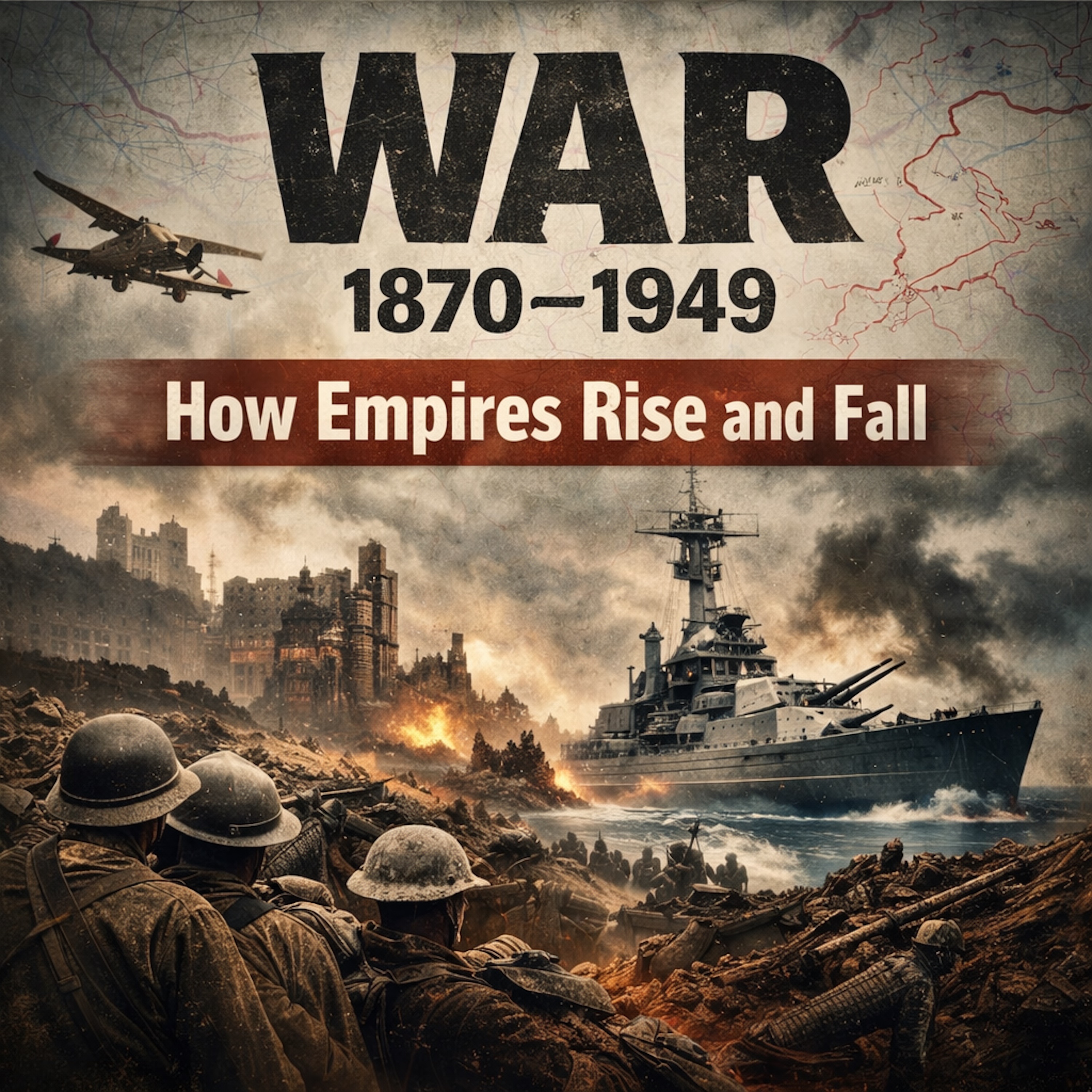
WAR 1870–1949: How Empires Rise and Fall-The Mailbag
Hello and welcome back. This is WAR 1870–1949: How Empires Rise and Fall. We’re keeping the format, keeping the big machine in view, but we’re going to keep pressing the ear to the envelope—because the ugly truth isn’t in the treaty language, it’s in what a person can barely bring themselves to write.Picture the mail bag moving in the opposite direction of the front. It is the strangest artery of
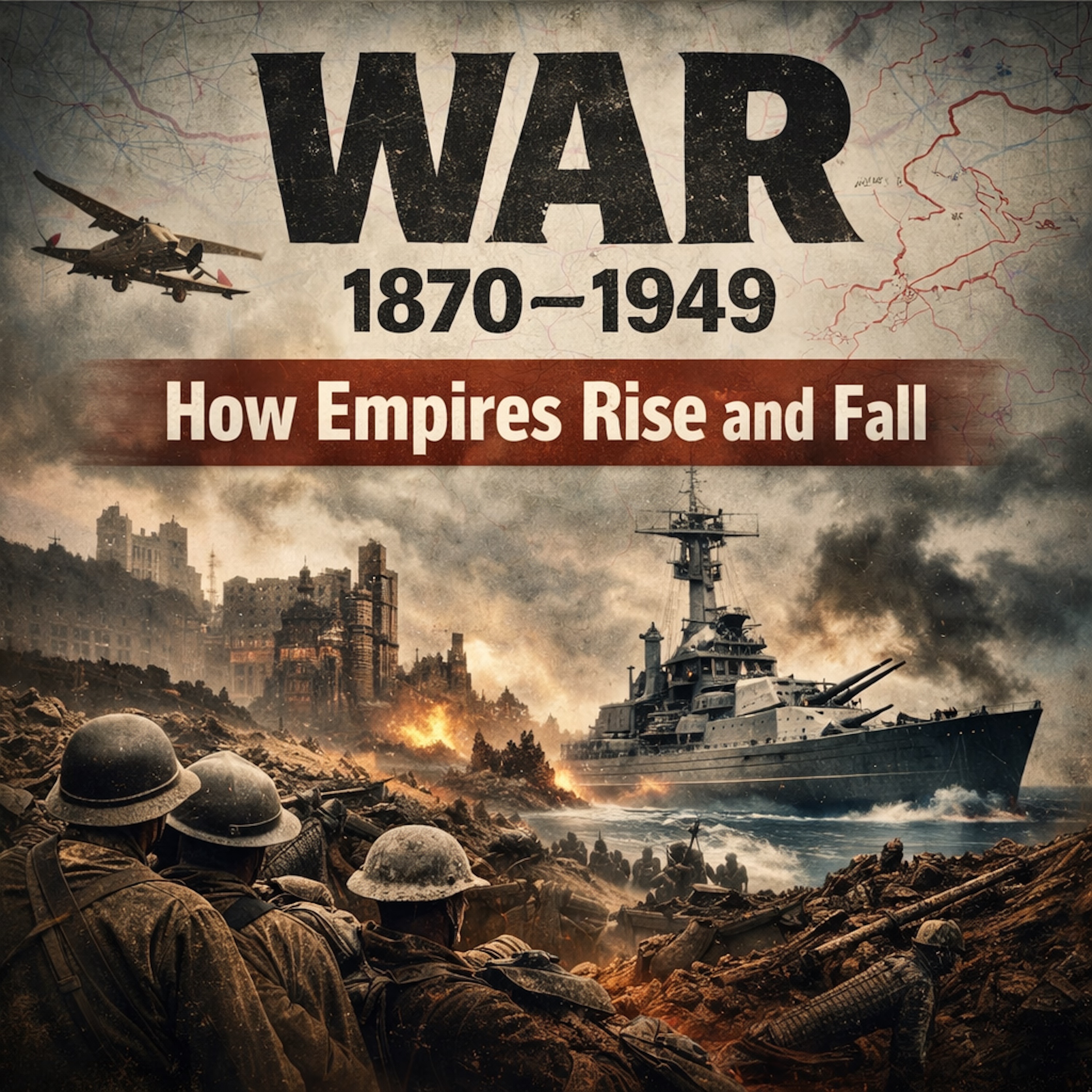
WAR 1870–1949: How Empires Rise and Fall-The Attack
Hello and welcome back. This is WAR 1870–1949: How Empires Rise and Fall. Lets keep the larger format, keep the bigger-picture engine running, but deepen the personal enough that the disgrace and terror can’t be politely ignored. Not “war is hell” as a slogan. The lived thing. The human nervous system inside the machine.Lets do this in one continuous flow, with the war’s voices pressed closer to t
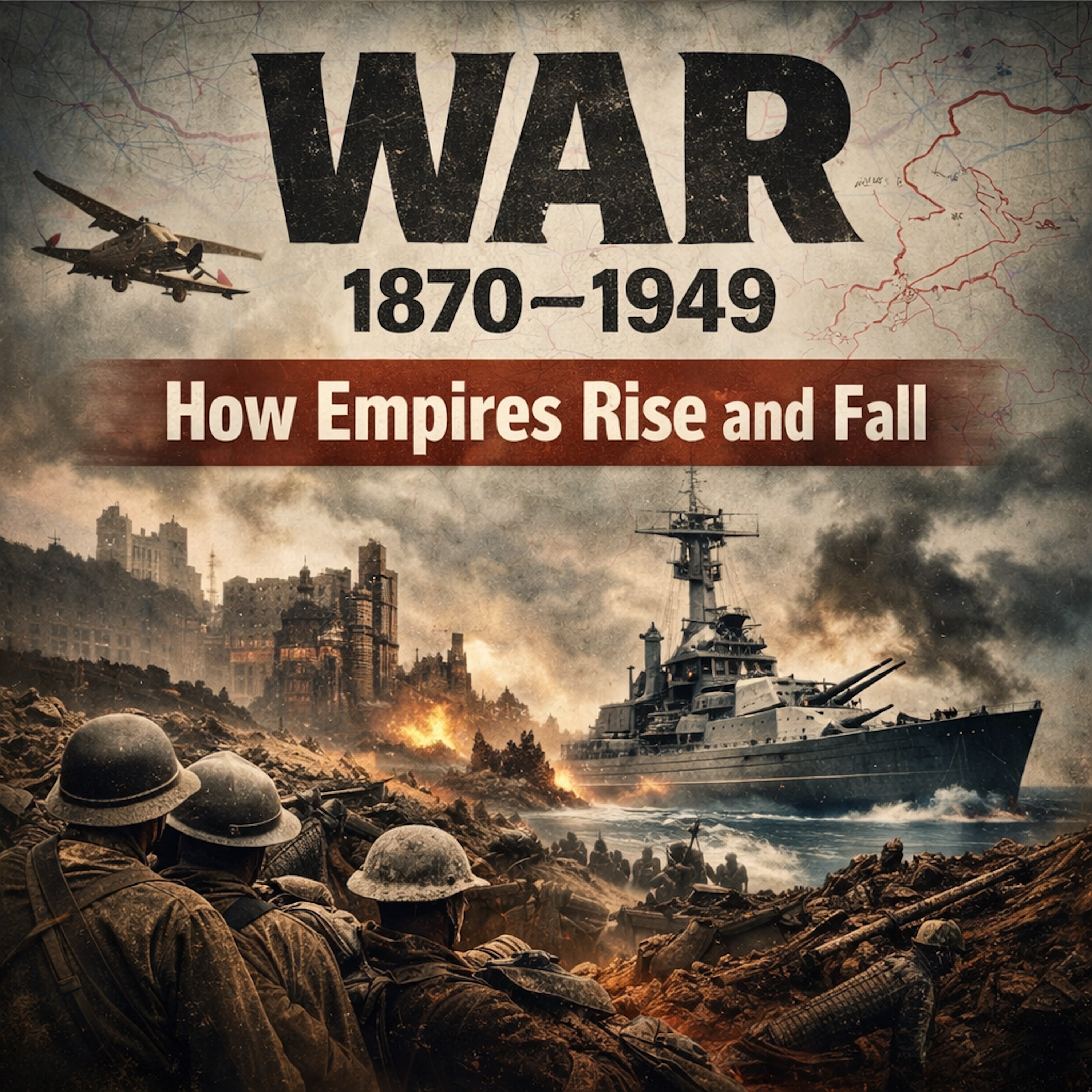
WAR 1870–1949: How Empires Rise and Fall-The Letters
Hello and welcome back. This is WAR 1870–1949: How Empires Rise and Fall. Today we’re going to listen to the war the way most people actually encountered it at the time: through letters, speeches, headlines, sermons, royal proclamations, casualty lists, and rumors that moved faster than truth. We’re going to sit inside the gap between what the empires said and what the ordinary person lived. Becau
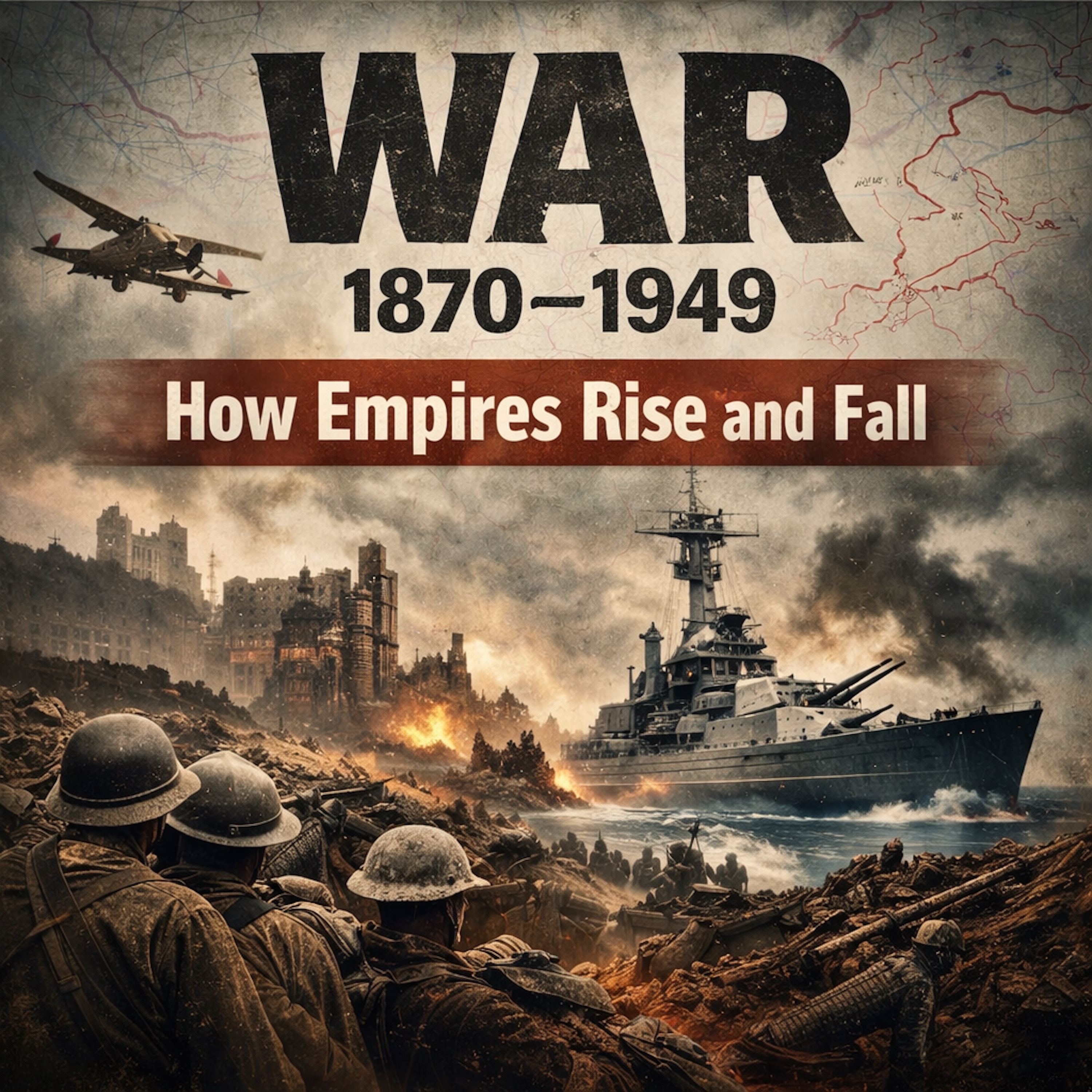
WAR 1870–1949: How Empires Rise and Fall-The Slaughter
Hello and welcome back. This is WAR 1870–1949: How Empires Rise and Fall. And today we’re going to do what polite history often avoids. We’re going to go down into the slaughter field and stay there long enough that it stops being “strategy” and becomes what it really was for the people who lived it: noise, mud, waiting, terror, and the steady realization that the state had turned the human body i
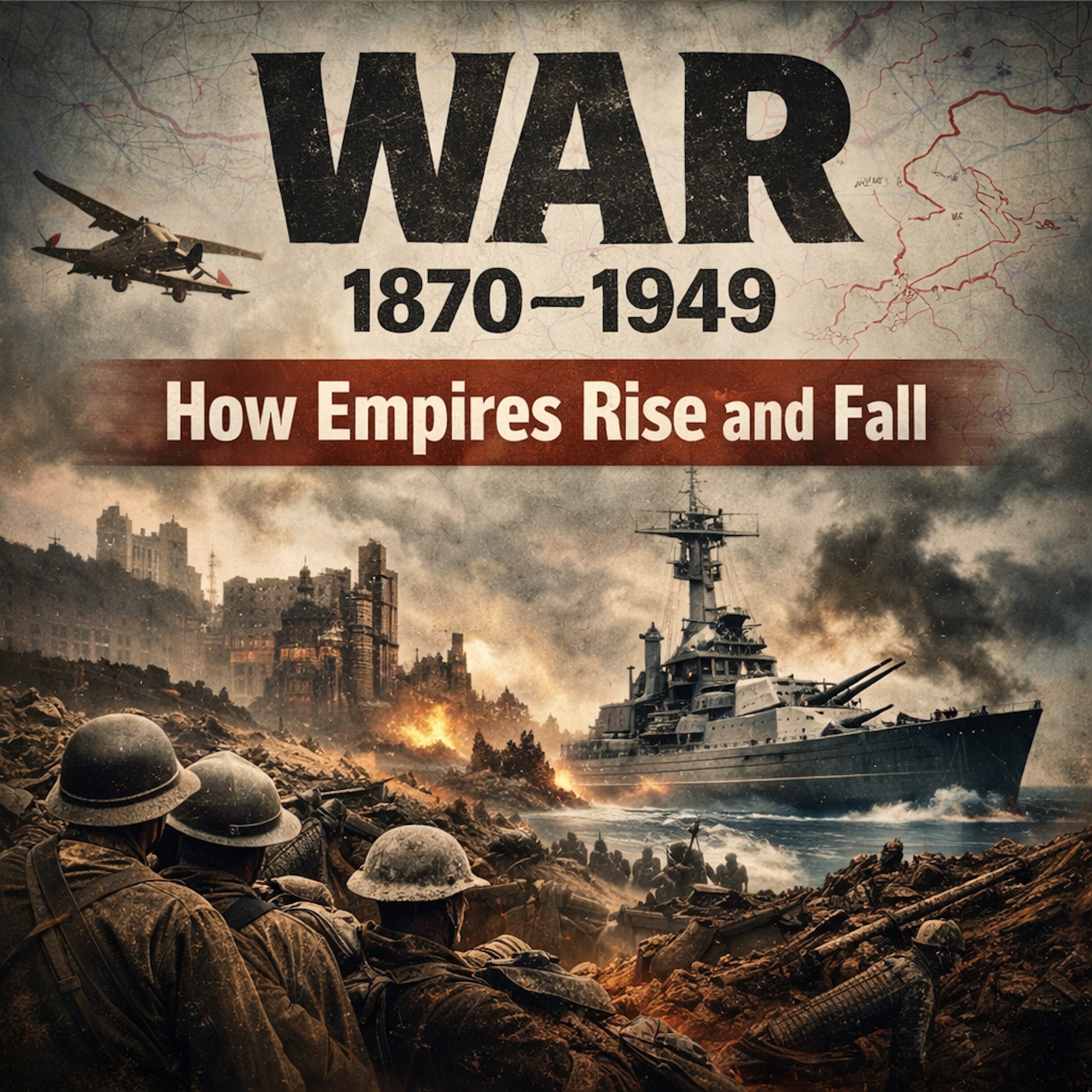
WAR 1870–1949: How Empires Rise and Fall-Why Soldiers Went
Hello and welcome back. This is WAR 1870–1949: How Empires Rise and Fall. And before we step into the July Crisis and the opening months of 1914 and something that deserves to be said plainly, without flinching: the ordinary human being—young men especially, but also the families, the workers, the civilians—became cannon fodder in the millions and millions for imperial calculations and nationalist
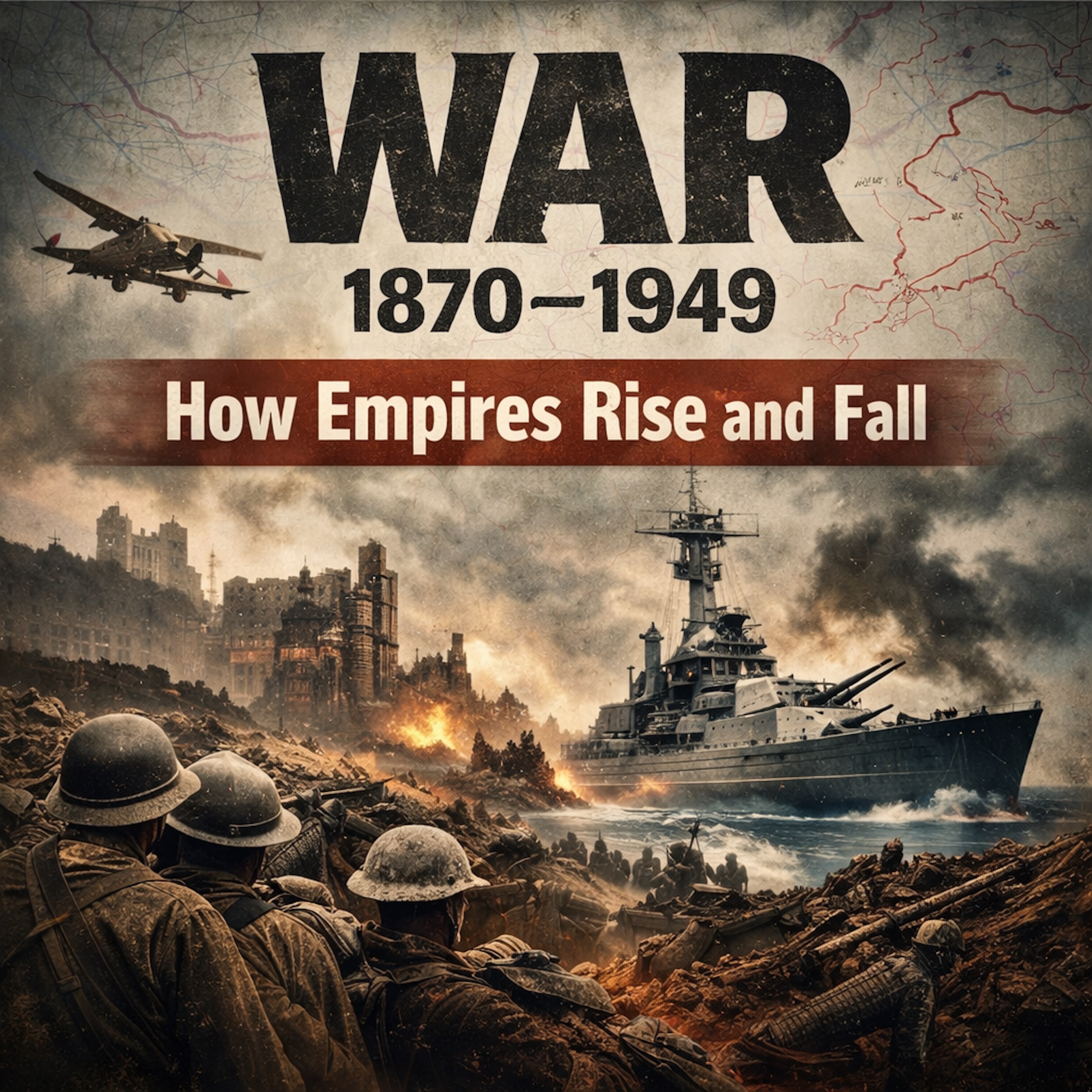
WAR 1870–1949: How Empires Rise and Fall - The Rehearsals
Hello and welcome back. This is WAR 1870–1949: How Empires Rise and Fall. We’ve moved into the Balkans, into the seam where old empires crack and new nations sharpen themselves like blades. And now we come to something that feels, at first, almost reassuring: the crises before 1914, the near misses, the moments when Europe comes close to the abyss and then steps back.But here is the cruel truth. N
Recommended

Medicine with Meaning
Homemaking with Jesus | Weekly Devotionals, Biblical Application, Simple Living, Home Management, Healthy Relationships

Disney+ Hulu Throwbacks Podcast

The Daily

World News Tonight with David Muir

English Vocabulary Help
The Joe Rogan Experience

TED Talks Daily
SLOW ENGLISH PODCAST (A1-A2) With Subtitles | Daily Videos | English With Us Podcast

Stand In The Circle

English with Olivia | Slow Conversations & Vocabulary

Talk About Talk - Executive & Leadership Communication Skills
