Home
Podcasts
The History of Rock and Roll Podcast: A Wild Ride Through Bands, Legends, Music, Rebellion, and Rock History
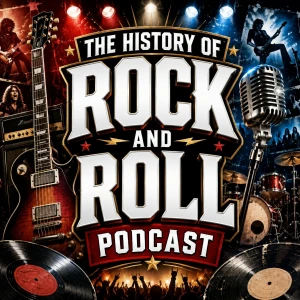
The History of Rock and Roll Podcast: A Wild Ride Through Bands, Legends, Music, Rebellion, and Rock History
Podily 640 episodes Nov 11, 2026
The History of Rock and Roll Podcast explores the bands, artists, songs, and cultural moments that shaped rock music. It traces rock’s roots in blues, R&B, country, gospel, and early electric music through stadium acts, punk, metal, and alternative rock. Episodes look at legendary performers, influential labels and producers, iconic performances, and controversial moments. The show also examines how guitars, amplifiers, recording studios, synthesizers, and other technologies changed the sound of rock.
Episodes

Chess Records: The Battle Over Blues Royalties
This episode unpacks how Chicago’s Chess Records, the launchpad for legends like Muddy Waters and Willie Dixon, built an industry model that left many blues artists underpaid. From mechanical fees to performance royalties, we trace legal fights, corporate acquisitions, and modern streaming disputes that reveal why fair compensation is still a moving target.
Learn more about your ad choices. Visit

When Brian Jones Fell: How His Death Transformed the Rolling Stones
This episode traces Brian Jones’ death and its ripple effect on the Rolling Stones, examining how the band shifted from a multi‑instrumental ensemble to a streamlined rock powerhouse driven by Mick Jagger and Keith Richards. We dissect the musical, personnel, and business changes that followed, revealing the hidden dynamics behind one of rock’s most dramatic turns.
Learn more about your

How Rush’s 2112 Survived Label Pressure – The Myth of Commercial Survival
This episode traces how Rush’s sprawling concept album 2112 broke Mercury Records’ demand for pop singles, charted modestly at first yet grew into a progressive rock landmark. We uncover the studio techniques, thematic influences, and record‑label dynamics that turned artistic risk into lasting legacy.
Learn more about your ad choices. Visit megaphone.fm/adchoices

From Two‑Minute Rules to Epic Epics: The Evolution of Long Songs in Rock
Explore how the 1950s single‑length constraint gave way to album‑oriented radio, progressive suites, MTV visuals, and streaming—tracing the people, tech, and cultural forces that allowed rock songs to stretch from a few minutes to an hour or more.
Learn more about your ad choices. Visit megaphone.fm/adchoices

In Utero: Nirvana’s Grudge Match Against Mainstream Polish
After Nevermind’s explosive hit parade, Nir Kurt Cobain and his band confronted a major label’s push toward radio friendliness. In Utero saw them lock the studio, refuse the glossy sheen, and deliver an unfiltered grunge attack that kept the band true to their roots while topping the charts.
Learn more about your ad choices. Visit megaphone.fm/adchoices

MC5 and the Birth of Proto‑Punk: Detroit’s Ferocious Factory Sound
The episode explores how Detroit’s MC5 forged a raw, live‑energy sound that laid the groundwork for proto‑punk, blending political protest with relentless guitar riffs. It examines their landmark 1968 live album Kick Out the Jams, the role of manager John Sinclair and the White Panther Party, and how Elektra Records’ risk‑taking helped bring a rebellious band to national attention. The discussion

How Blondie Turned New Wave Edge into Global Pop Stardom
This episode traces how Blondie's roots in CBGB’s punk scene evolved into a cross‑genre powerhouse that blended disco, reggae, rap and synthpop while navigating the record industry, video culture, and shifting musical tastes of the late 70s and early 80s.
Learn more about your ad choices. Visit megaphone.fm/adchoices

How Frippertronics Turned Tape Into an Endless Guitar Landscape
This episode dives into how Brian Eno’s tape‑delay experiments evolved into Robert Fripp’s Frippertronics loop system, shaping ambient sounds and influencing later looper technology. It examines the engineering behind two reel‑to‑reel decks, the musical shifts it prompted in King Crimson, and its legacy across shoegaze, post‑rock and modern looping pedals.
Learn more about your ad choices. Visit m

How Jimi Hendrix Turned Woodstock’s ‘Star‑Spangled Banner’ into a Sonic Protest
In this episode we unpack Jimi Hendrix’s legendary 1969 rendition of the U.S. anthem at Woodstock—an explosive mix of amplified distortion, electric guitar wizardry, and cultural defiance that turned a flag into a battlefield. We trace the technical choices behind the sound, the political undercurrents of the era, and how this performance reshaped the role of live guitar in protest music.
Learn mo

How Glenn Branca’s Massed Guitars Rewired Alternative Rock
This episode explores how Glenn Branca’s experimental guitar orchestras in New York lofts forged a new sonic language that rippled into the alt‑rock scene, influencing Sonic Youth, Nirvana, and later acts. By dissecting Branca’s tuning experiments, volume strategies, and live‑recorded ethos, we trace the technical and cultural lineage to modern layered guitars and noise‑driven aesthetics.
Learn mo

Surf’s Up: The Beach Boys’ Descent From Sunshine Pop To Psychedelic Rejection
This episode traces how the Beach Boys moved from carefree beach anthems to the complex, key‑shifting lament of ‘Surf’s Up,’ revealing Brian Wilson’s struggle with the Smile sessions, Van Dyke Parks’s lyrical vision, and Capitol Records’ commercial pressures that ultimately reshaped the band’s legacy.
Learn more about your ad choices. Visit megaphone.fm/adchoices

From Soviet Labs to Psychedelic Stage: The Theremin’s Rock Odyssey
Explore how Léon Theremin’s touch‑free oscillator evolved from Cold‑War espionage tool into a signature sound for sci‑fi films and psychedelic rock. This episode traces the instrument’s path through studio experimentation, stage theatrics, and its lasting influence on electronic music in rock.
Learn more about your ad choices. Visit megaphone.fm/adchoices

Flaming Lips: Studio Chaos Meets Psychedelic Genius
This episode digs into the Flaming Lips’ evolution from 1980s lo‑budget tape loops to Zaireeka’s multitrack live experiments, exploring how they turned every recording room and performance space into a psychedelic laboratory. We unpack their unconventional microphone setups, tape manipulation techniques, and the digital‑analog hybrids that kept their sound ever‑evolving, while tracing the influenc

Uriah Heep: The Overlooked Giants of 1970s British Heavy Rock
This episode unpacks how Uriah Heep carved out a distinct riff‑heavy, prog‑inflected sound in the late ’60s and early ’70s, detailing their London origins, studio experiments, touring fortunes across Europe, and the cultural forces that kept them a cult classic abroad while they slipped under the radar stateside. It traces the band’s key personnel, production techniques at Abbey Road, and market d

The Who’s Live Sequencer Revolution – Turning Rock’s Stage into a Precise Engine
This episode unpacks how The Who integrated tape‑loop sequencing and Moog modulars into their early ’70s shows, turning the stage into an engineered rhythm machine. We explore the technical setup, rehearsal discipline, audience reception, and the ripple of influence on later bands that embedded pre‑programmed parts in live performances.
Learn more about your ad choices. Visit megaphone.fm/adchoice

Frank Sinatra’s Reprise Records: Birth of Artist‑Led Labels in Rock History
Frank Sinatra’s creation of Reprise Records marked a turning point for musicians seeking control over their art. The episode traces how the label gave Sinatra and artists like Neil Young, Jimi Hendrix, and Fleetwood Mac a new platform, reshaping business models and inspiring later artist‑owned ventures. Listeners see why Reprise proved that independent ownership could coexist with major‑

Headley Grange: From Workhouse to Led Zeppelin’s Sonic Workshop
This episode explores how the crumbling 19th‑century Headley Grange in East Hampshire became a living instrument for Led Zeppelin’s landmark fourth album, revealing the building’s unique acoustics, the band’s resourceful studio techniques, and the long‑term impact on rock recording practice.
Learn more about your ad choices. Visit megaphone.fm/adchoices

When 17‑Year‑olds Meet on a Dartford Platform – The Origin of the Stones’ Creative Duo
This episode follows Mick Jagger and Keith Richards’ first meeting at Dartford station in October 1961, detailing how their shared love for American R&B and Chuck Berry’s riffs led to a songwriting partnership that would define the Rolling Stones. It traces their early collaborations, first recordings, Decca deal, and the impact this duo had on British rock and the broader music world.
Learn

How ‘Smells Like Teen Spirit’ Sparked Commercial Alternative Rock
This episode digs into Kurt Cobain’s 1989 riff that became Nirvana’s breakout hit, how the single catapulted a fledgling genre into mainstream markets, and what studio choices at Smart Studios helped create a sound that echoed across alt‑rock. It explores the record‑label shift that moved DGC toward grunge, the music‑video surge on MTV, and how ‘Smells Like Teen Spirit’ changed expectations for al

How Prepared Pianos Became Studio Labs: From Cage to Bowie
This episode traces the evolution of prepared piano, from John Cage’s early 1940s experiments in Seattle through 1970s pop‑studio innovations by artists like Bowie and Roxy Music. We examine how inserting metal bolts or rubber pads altered acoustic tones, how engineers re‑used tape loops and mic techniques to amplify these sounds, and how the technique shaped studio creativity across classical and

How Steve Perry’s Voice Turned Journey From Prog Into Arena‑Rock Legends
Journey began as a prog‑heavy band rooted in San Francisco’s late ’70s scene. This episode follows how the arrival of Steve Perry shifted their sound toward soaring arena rock, reshaping production techniques, radio strategies, and touring tactics that launched them to mainstream fame. We unpack the musical, technological, and business changes that turned a niche act into stadium‑ready legend

How Roy Orbison Revived His Legacy in the Late 80s
This episode traces how Roy Orbison’s career was resurrected from a landmark HBO "Black & White Night" concert to his role in the Traveling Wilburys and the posthumous release of *Mystery Girl*, exploring how he adapted, collaborated, and left an enduring mark on rock. It looks at the personal, technological, and cultural forces that turned his later years into one of rock’s most compelling comeb

Sun Records: How Memphis Sparked a Revolution in Rock and Roll
From the modest back‑room studio on Union Avenue to the rise of Elvis Presley and Johnny Cash, this episode unpacks how Sun Records’ single‑mic technique, slap‑back echo, and inclusive ethos turned Memphis into a breeding ground for rock. We chart its influence on artists across generations— from the Beatles to contemporary producers—and examine the business model that made an independent label a

How The Kingsmen’s Louie Louie Sparked a 1960s Moral Panic
The episode traces how Richard Berry’s simple riff became a raw garage‑band hit, examines the technology and studio limits that gave The Kingsmen’s version its brutal edge, and unpacks the state ban and FBI investigation that turned a pop single into an enduring cultural controversy. It looks at what this says about early rock censorship, mythmaking, and the power of lo‑fi production to capture na

How The Clash’s ‘Magnificent Seven’ Bridged Punk and Hip‑Hop
In this episode, Tony dives into how The Clash’s 1981 track “Magnificent Seven” fused punk rock with the burgeoning New York rap scene, revealing early cross‑genre experimentation that prefigured hip‑hop‑rock collaborations. He examines the groove‑laden bass line, Joe Strummer’s rhythmic delivery, and the recording techniques that linked a London punk band with underground DJs spinning funk loops

How Yes and Genesis Pioneered Progressive Rock
Discover how progressive rock erupted in the early 1970s with bands like Yes and Genesis turning long suites, odd meters, and cutting‑edge studio techniques into a new musical architecture. From psychedelic experimentation to complex arrangements, their pioneering work reshaped the limits of what a rock record could be and laid groundwork for countless later genres.
Learn more about your ad choice

When Tracks Fade Away: The Story Behind Rock's Endless Endings
From vinyl grooves to psychedelic reverbs, this episode traces how the fade‑out evolved from a practical necessity into an expressive device that shaped rock music’s narrative and emotional arc. It follows early Beatles experiments, 1970s progressive plays, and contemporary artists’ deliberate use of fading sound—examining technology, studio tricks, and cultural appetites across decades.
Learn mor

From AC30 to AV40: How Vox Amplifiers Rose With Beatlemania
The episode traces how Vox’s 25‑watt AC30 grew into the AV40, AV50, and beyond as the Beatles’ stadium concerts demanded louder, cleaner amplification. It looks at stage volume, studio needs, British engineering and how those amps shaped later guitar tech and arena rock culture.
Learn more about your ad choices. Visit megaphone.fm/adchoices

Shelter Records: The Artist‑Run Incubator That Shaped Southern Rock
Shelter Records, launched in 1969 by Leon Russell and Denny Cordell, gave musicians studio access, ownership of masters, and creative freedom, a rare model at the time. The episode follows how the Tulsa‑based label nurtured Southern rock pioneers—Tom Petty, J.J. Cale—and pushed genre boundaries with reggae, soul, and blues while navigating internal disputes and distribution challenges. It also exp

Parental Advisory: The PMRC, Labels, and the Sound of Censorship
This episode follows the 1985 PMRC hearings that forced a clash between rock artists and political watchdogs, explains how record companies devised the “Parental Advisory” sticker, and shows how that icon shaped marketing, censorship, and consumer behavior for decades—ending with its echoes in today’s streaming era.
Learn more about your ad choices. Visit megaphone.fm/adchoices

Def Jam’s Cross‑Genre Revolution: Hip‑Hop Meets Hard‑Rock
This episode traces how Rick Rubin and Russell Simmons turned Def Jam into a platform where hip‑hop met hard rock, spotlighting the Run D.M.C.–Aerosmith collaboration that cracked charts and TV. It digs into the label’s business strategies, studio techniques, and cultural fallout that reshaped both genres’ trajectories.
Learn more about your ad choices. Visit megaphone.fm/adchoices

How Sam Phillips’ Echo Turned Elvis into a Sonic Icon
The episode traces how a single speaker‑to‑mic trick at Sun Studio—known as slapback echo—gives Elvis Presley's vocals their haunting depth, and how that technique reshaped studio vocal production for generations of rock musicians.
Learn more about your ad choices. Visit megaphone.fm/adchoices

How Dire Straits’ ‘Money for Nothing’ Sparked Rock’s Digital Revolution
The episode dives into how Dire Straits’ 1985 hit fused cutting‑edge video animation, early digital sampling and layered studio production to usher rock music into a high‑tech era. We examine the song’s recording, the collaboration with Sting, the pioneering CGI video by Steve Barron, and the broader impact on MTV, studio techniques and the evolution of music videos.
Learn more about your ad choic

Machine Head and the Birth of Hard‑Rock: Inside Deep Purple’s Mark II
Deep Purple’s 1972 classic Machine Head was captured in a Swiss hotel after a fire, using a mobile studio to preserve the band’s live ferocity and minimal overdubs. The recording decisions—from raw organ-guitar clashes to the improvisational “Space Truckin'”—helped define hard‑rock’s aggressive sound and influenced countless bands that followed.
Learn more about your ad choices. Visit megaphone.fm

Altamont 1971: The Stones’ Festival Turning Point
The episode unpacks the Rolling Stones’ Altamont free‑gig gone wrong, detailing the Hells Angels security, the crowd’s violent outburst, the documentary footage of "Gimme Shelter", and the lasting impact on festival safety protocols. It traces how an idealistic counterculture vision collapsed into a tragic reality that reshaped rock history.
Learn more about your ad choices. Visit megaphone.fm/adc

Alice In Chains Unplugged: How a Grunge Band Transformed Acoustic Darkness
This episode dives into Alice in Chains’ 1996 MTV Unplugged set, unpacking how the band translated their signature heavy riffing and haunting melodies into an acoustic framework. We trace the musical decisions—tuned‑down guitars, layered vocal harmonies, and subtle studio techniques—that let a grunge powerhouse deliver intensity without amps, and examine the cultural impact of redefining rock

How the Internet Ignited Indie Rock
This episode traces how dial‑up bulletin boards, MP3 torrents, MySpace, music blogs, Pitchfork reviews, and streaming platforms dismantled traditional gatekeepers and propelled indie bands like Modest Mouse, Interpol, The National, Franz Ferdinand, and Arcade Fire into mainstream visibility. It looks at the music, technology, business models, and culture that made the shift possible.
Learn more ab

The Invisible Hand of Kraftwerk: How German Synths Shaped Modern Rock
This episode explores how Kraftwerk’s pioneering use of sequencers, drum machines and vocal processing in the 1970s set a blueprint for modern rock—propelling artists from Devo to Nine Inch Nails, Radiohead and beyond. By tracing the technology, studio tricks and cultural ripple effects, we uncover the hidden path from Düsseldorf to every club and studio that now relies on machine‑made groove.
Lea

Grand Funk Railroad: When Arena Rock Met Criticism
This episode traces how Grand Funk Railroad’s hard‑hitting Michigan sound broke through Billboard charts and sold out stadiums in the early 1970s, while a wave of critics dismissed them as commercial white blues. We dig into the band’s touring machine, production choices, and business strategies that turned raw riffs into arena‑scale power, and how those elements clashed with the era’s artistic ex

How the Small Faces Built the Mod Sound that Sparked 60s British Rock
This episode follows the rise of London’s Small Faces and how their razor‑sharp riffing, organ swells, and studio experimentation forged the mod aesthetic that would ripple through psychedelic, hard‑rock, and punk circles. From the Immediate Records launch to landmark tracks like “All or Nothing” and “Itchycoo Park,” we trace the sonic tools, label strategies, and cultural currents that made the b

Little Richard Returns to Britain: The Unexpected Catalyst of the British Invasion
This episode unpacks how Little Richard’s 1962‑64 UK tour—opening for the Beatles, the Rolling Stones and meeting a young Jimi Hendrix—re‑ignited his career while bridging black R&B with white British audiences. We trace the music, touring logistics, business deals, backstage exchanges, and how this period shaped the rise of the British Invasion and subsequent record‑label practices.
Learn more ab

From Vinyl to Streaming: How Digital Platforms Rewrote Rock’s Legacy
In this episode, we trace the seismic shift from vinyl‑centric commerce to algorithm‑driven streaming, exploring how digital platforms alter revenue models, catalog visibility, global reach, and the very notion of what makes a rock classic. From playlist curation to sync deals, we uncover how streaming reshapes artists’ creative decisions, fan discovery, and the preservation—or erosion—of rock her

How The Cure Laid the Foundations of Goth Rock
From Sunderland’s basement demos to the towering ambience of ‘Disintegration,’ this episode follows The Cure’s musical evolution and shows how their sonic choices—delayed guitars, sparse drumming, whispered vocals—cemented a new gothic aesthetic. It also traces the ripple effect across later emo, indie and alternative acts that adopted similar textures, production techniques, and lyrical themes.
L

Charlie Watts: The Silent Drummer Who Kept the Stones Rolling
Meet Charlie Watts, the Rolling Stones’ unassuming drummer whose jazz‑infused timing became the bedrock of their sound. From graphic design student to studio perfectionist, we explore how Watts’ understated precision shaped iconic tracks and earned him an anti‑rock‑star reputation. His legacy shows that in rock, subtle rhythm can outshine flashy showmanship.
Learn more about your ad choices.

From Synth‑Pop Roots to Industrial Machines: Tracing Ministry’s Metal Evolution
The episode follows Ministry’s journey from the synth‑pop‑infused sound of the early ’80s into the hard, machine‑driven industrial metal that defined their later work. It explores how the band merged abrasive sampling, programmed drums and a stark visual aesthetic to create an immersive sensory experience, and why that shift mattered for the evolution of heavy music.
Learn more about your ad choic

How Santana’s Woodstock Drum Solo Ignited Latin‑Rock at the Epic Festival
This episode delves into Carlos Santana’s accidental LSD‑assisted set at Woodstock, Michael Shrieve’s legendary drum solo in “Soul Sacrifice,” and how that performance—along with its film coverage—launched a new wave of Latin‑infused rock. We explore the musical textures, festival context, label dynamics, and the lasting influence on drumming, fusion bands, and 1969 counterculture.
Learn more abou

How the Byrds’ 12‑String Jangle Defined Folk‑Rock
In this episode we unpack how Roger McGuinn’s Rickenbacker twelve‑string shaped the Byrds’ signature folk‑rock sound, pushed the band into psychedelic experimentation, and created a template that later bands like R.E.M., Tom Petty, and the Eagles would emulate. We trace the guitars, studio tricks, label decisions, and cultural currents that turned a folk cover into a rock revolution.
Learn mo

R.E.M.: How Athens’ Lo‑Fi Band Laid the Blueprint for American Alternative Rock
This episode traces R.E.M.’s journey from a basement band in Athens, Georgia, to an alt‑rock powerhouse—examining their lo‑fi recordings, studio experiments, and strategic label moves that forged a new mainstream sound. From the jangly riffs of early albums through the MTV breakthrough “Losing My Religion,” we uncover how the group blended independent ethos with commercial success, influencing cou

How David Bowie Became a Blueprint for Endless Reinvention
This episode dissects how David Bowie's relentless reinventions—from Ziggy Stardust to the Berlin Trilogy, Tin Machine, and beyond—transformed not just his own music but the broader rock landscape. It traces the sonic innovations, visual iconography, business strategies, and cultural moments that made Bowie’s chameleon‑like career a masterclass in artistic evolution.
Learn more about your ad choi

Pet Sounds Reimagined: Brian Wilson, Studio Innovation, and the Birth of Album‑Centric Rock
This episode unpacks how Brian Wilson used Pet Sounds to transform the recording studio into a creative instrument, layering unconventional sounds, complex harmonies, and experimental techniques that set new standards for pop albums. It examines the personnel, technology, and business decisions behind the project, the album’s influence on subsequent artists, and the cultural moment that turne

The Gospel Choir Revolution That Transformed Rock
This episode explores how gospel choirs added spiritual depth and emotional power to classic rock recordings, examining landmark uses by the Rolling Stones, Elton John, U2, and others. It looks at the musical techniques, studio practices, cultural impact, and political resonance that made these collaborations unforgettable.
Learn more about your ad choices. Visit megaphone.fm/adchoices

Apple Corps Unveiled: The Beatles’ Bold Attempt to Rewrite Rock Business
An inside look at Apple Corps, the Beatles' 1968 vision for a self‑managed multimedia empire. From boutique retail experiments to studio ambition and tangled legal battles, the episode traces how their idealism collided with hard‑nosed industry realities.
Learn more about your ad choices. Visit megaphone.fm/adchoices

Buddy Holly as Songwriter: Pioneering the DIY Roots of Rock & Roll
This episode unpacks how Buddy Holly wrote, performed, and recorded his own material in a small, cost‑conscious studio, turning a three‑chord loop into a radio hit. We trace the practical choices he made—live tracking, minimal overdubs, and strict creative control—and show how these habits became a blueprint for the next generation of rock bands. By examining specific tracks and production tactics

The Mamas & The Papas: Harmony's Rise and Rupture
From the birth of "California Dreaming" to the group’s eventual breakup, this episode follows the Mamas & The Papas’ groundbreaking vocal harmony tradition, the studio techniques that defined their sound, and how personal tensions eroded their unity. It also looks at how they shaped later folk‑rock ensembles and why the story still resonates in modern pop.
Learn more about your ad choices. Visit m

How David Bowie and Brian Eno Rewired Rock with Berlin Minimalism
This episode traces the partnership of David Bowie and Brian Eno in late‑70s Berlin, where they used minimal loops, tape manipulation and analog delay to craft the albums *Low* and *Heroes*. The sessions at Hansa Studios introduced a new sonic palette that would seed ambient, post‑rock, techno and beyond. We unpack how their experimental techniques changed production practices and reshaped rock’s

How the Fender Rhodes Added Warmth to 1970s Rock
In this episode we trace the journey of the Fender Rhodes, an electric piano born from wartime tinkering that became a staple of soft‑rock and progressive textures. We look at how its unique metal-tine design, pickup amplification, and studio mic techniques gave it a consistent tone and vocal warmth that shaped tracks from Don McLean to Steely Dan.
Learn more about your ad choices. Visit mega

Hard Piano: The Early Rock Revolution of Keyboard Distortion
This episode unpacks how pioneers such as Jerry Lee Lewis and Little Richard pushed acoustic pianos into the hard‑hitting zone by smashing keys, micting aggressively, and exploiting tape saturation. From Sun Studio’s first saturated takes to Nicky Hopkins’ later studio work, we trace the tech, studio tricks, and cultural forces that turned a hymn‑book instrument into a rock staple.
Learn more abou

How 'Don’t Stop Believin' Became an Enduring Anthem
This episode traces Journey's 1980s hit ‘Don’t Stop Believin’ from a simple kitchen riff to its global resurgence through films, sports events and streaming playlists. We unpack the songwriting process, Paramount Studio techniques, and cultural moments that turned a modest track into a rally cry.
Learn more about your ad choices. Visit megaphone.fm/adchoices

Debbie Harry: From Play‑Boy Bunny to New Wave Icon – How Visual Power Shaped a Genre
A deep dive into Debbie Harry’s rise from Playboy bunny to Blondie frontwoman, exploring how her daring look, stage presence and provocative imagery set a new standard for female performers while simultaneously blending punk energy with pop sensibilities—mixing disco strings, reggae beats, and early rap elements. The episode uncovers the cultural and commercial forces that turned visual spectacle

How Pink Floyd Turned Projection Into the Heart of Their Live Shows
In this episode we trace how Pink Floyd moved from early inflatable props and lightboxes in the 1970s to laser‑guided LED walls that synchronized with their music. We examine the technical breakthroughs, stage designers, and conceptual choices that made visual storytelling an inseparable part of the band’s live legacy.
Learn more about your ad choices. Visit megaphone.fm/adchoices

From Tape Splicing to Cloud DAWs: How Digital Studios Transformed Rock Production
From tape splicing and bouncing to cloud‑based digital audio workstations, this episode investigates how each technological jump transformed how musicians build songs, shape sounds, and challenge creative limits. It looks at the tension between constraint and freedom that drove Beatles‑era ingenuity versus the almost limitless possibilities of today’s DAWs.
Learn more about your ad choices. Visit

How the Kinks’ ‘You Really Got Me’ Sparked Rock’s Distortion Revolution
The episode follows Dave Davies’ accidental speaker breakage that produced the first mainstream distorted guitar tone, examines how it altered studio practices and audience expectations, and traces its influence from the 1960s British scene through psychedelic rock to heavy metal and punk. It separates myth from documented history while spotlighting key figures—engineers, producers, and fellow mus

The Four Freshmen: The Secret Blueprint that Shaped Brian Wilson’s Vocal Genius
Explore how the 1948‑formed Indiana quartet’s jazz‑style close harmony became the foundation for Brian Wilson’s pioneering vocal arrangements with the Beach Boys, and why those harmonic innovations reverberate across decades of rock music.
Learn more about your ad choices. Visit megaphone.fm/adchoices

How The Black Keys Revived Modern Blues‑Rock
This episode explores how Akron duo Dan Auerbach and Patrick Carney took lo‑fi garage roots into mainstream success while keeping analog authenticity at the core. We follow their early DIY sessions, label moves from Alive to Nonesuch and beyond, studio choices—including Muscle Shoals and Akon Analog—and stylistic shifts from “Big Come Up” to the recent “No Rain, No Flowers.” The story shows how th

How Elton John Turned the Piano into a Rock Stage Icon
This episode traces how Elton John redefined the role of piano in rock performance—from amplified grand to theatrical stage centerpiece—by exploring his amplification rigs, collaboration with Bernie Taupin, and live‑performance innovations. We examine studio practices, touring gear, visual flair, and show how John’s approach shaped a generation of keyboardists and cemented the piano as the core of

How Van Halen’s 'Ain't Talkin' ’Bout Love' Engineered a New Guitar Riff Language
In this episode we break down Van Halen's iconic riff from “Ain’t Talkin’ ’Bout Love,” exploring how Eddie Van Halen combined palm‑muted percussive playing, high‑gain tone, and early flanging to craft a hard‑rock staple. We trace the studio setting at Hollywood Sound, the gear choices including his Frankenstrat guitar and Marshall Plexi, and the ripple effect this riff had on metal and modern rock

Geffen Records and the 1980s Rock Boom: From Axl Rose to MTV Powerhouses
In this episode I trace how David Geffen turned an independent label into a powerhouse in the early ’80s, signing hard‑rock acts like Guns N’ Roses and Aerosmith while pioneering MTV‑driven marketing, studio experimentation, and new distribution deals with Warner Bros. The story shows how bold A&R choices, strategic business models, and creative control reshaped touring economies, album packaging,

Alice in Chains’ MTV Unplugged: The Last Acoustic Farewell
This episode delves into Alice in Chains’ final live appearance on MTV Unplugged, examining Layne Staley’s frail vocals and Jerry Cantrell’s acoustic approach, the deliberate production choices that revealed raw vulnerability, the audience’s emotional response, and how the performance fits into the broader narrative of grunge’s decline and rock history’s shifting balance between authenticity and c

AI Source Separation: Unmasking Hidden Layers of Classic Mono Recordings
This episode explores how machine‑learning models can isolate individual instruments and vocals from the Beatles’ old mono master tapes, the engineering workflow behind such projects, and the ethical, technical, and historical questions that arise when remixing iconic recordings.
Learn more about your ad choices. Visit megaphone.fm/adchoices

The Kinks: Carving an English Voice in Rock’s DNA
This episode investigates how The Kinks forged a distinctively British identity in rock music, beginning with the blistering riff on "You Really Got Me" and culminating in narrative albums that celebrated everyday English life. Through their innovative studio techniques, lyrical wit, and cultural commentary, Ray Davies created a new template for storytelling within pop‑rock that later generations—

How Stax Records Forged the Memphis Soul Sound
Explore how Jim Stewart’s Stax label and Booker T. & the M.G.’s crafted a gritty, gospel‑inspired soul sound in Memphis that rippled through funk, rock, and hip‑hop. The episode unpacks studio tech, integrated musicianship, business decisions, and the ripple effect on later artists—from Otis Redding to James Brown. See how a single‑room studio shaped an era.
Learn more about your ad choices. Visit

From Tape Splice to Digital Copy‑Paste: The Evolution of the Rock Chorus
Explore how rock’s signature choruses evolved from live, hand‑spliced analog takes to precise digital loops. We trace the technology—from multitracking in the ’50s to Pro Tools’ clip‑copying—to the aesthetic trade‑offs and industry impact that reshaped production, performance, and listeners’ expectations. The episode unpacks how this seemingly mundane editing tool became a defining element of mode

How Elvis Presley Transformed Blues into a Global Rock Superstar
This episode traces how Elvis Presley's early recordings with Sun Records and his partnership with Sam Phillips—then his move to RCA—turned an electric guitar‑driven blend of R&B and country into a worldwide icon. We dig into the studio work, business deals, cultural forces, and controversies that shaped him as both mythic legend and tangible history.
Learn more about your ad choices. Visit megap

From Muddy Waters’ ‘Rollin’ Stone’ to The Rolling Stones: How a Chicago Blues B‑Side Inspired an Iconic Name
An in‑depth look at how Muddy Waters’ 1950 single "Rollin’ Stone" – a low‑profile Chicago blues track released by Chess Records – sparked the British band Brian Jones, Mick Jagger and friends to christen themselves The Rolling Stones. The episode explores the musical lineage, studio techniques, and transatlantic flow of influence that shaped both the band’s identity and the wider British Invasion.

How Bach and Paganini Sparked a New Wave of Metal Virtuosity
This episode traces the unexpected lineage from Baroque masterpieces to neoclassical metal, uncovering how guitarists like Ritchie Blackmore, Randy Rhoads, and Yngwie Malmsteen transposed Bach’s counterpoint and Paganini’s caprices onto amplified electric guitars. We explore the technical innovations—multi‑track overdubs, high‑gain amplifiers, sweep picking—that turned classical theory into a blue

How The Beatles Used Backward Vocals to Revolutionize Recording
In this episode we examine the single "Rain", the Beatles’ first use of a reversed vocal and varispeed, and how those studio tricks paved the way for their later Revolver experiments.
We trace George Martin’s experimental approach, the recording techniques used, and the ripple effects on radio play and future producers.
Learn more about your ad choices. Visit megaphone.fm/adchoices

College Radio’s Secret Factory: Forging Alternative Before Mainstream
This episode traces how student‑run stations, indie labels, fanzines and campus venues cultivated the sound and ethos that would become alternative rock. It shows how underground airwaves became a testing ground for new music before mainstream charts caught on, and explains what changed when college culture stepped into the wider industry. The story reveals how grassroots networks produced, distri

Cinematic Echoes: How Film Sound Design Shaped Rock Production
This episode explores how techniques born in Hollywood sound studios—echo chambers, foley work, and spatial mixing—were adopted by rock producers from Phil Spector’s Gold Star to today’s digital audio workstations. We trace the journey through key tracks such as The Beatles’ “A Day In The Life,” Pink Floyd’s “Interstellar Overdrive,” and modern songs that still lean on cinematic textures to creat

How the Kinks’ ‘You Really Got Me’ Sparked Heavy Guitar
Explore how the Kinks' 1964 hit "You Really Got Me" used a cracked amplifier to create an iconic distorted riff, setting the stage for hard‑rock and heavy metal. The episode traces Ray Davies’ songwriting, Dave Davies’ accidental distortion, Shel Talmy’s production choices, and the ripple effect through generations of guitarists.
Learn more about your ad choices. Visit megaphone.fm/adchoices

Surf Rock’s Reverb Revolution: California’s Sonic Wave
The episode follows how the 1960s Californian surf scene pioneered echo chambers and tremolo picking, turning reverb from a studio trick into an identity marker. From Dick Dale’s shredding waves to the Beach Boys’ lush vocal tapestries, we trace how that sonic experimentation seeded West Coast studios and later rock acts, reshaping studio craft across decades.
Learn more about your ad choices. Vis
Recommended

TED Business
Ranger Bill | Old Time Radio Adventure & Family Drama

زن بودن
Christmas Old Time Radio
The Adventures of Superman | Old Time Radio
Booked, Blonde & Busy w/ Olivia Ponton

The Human-Animal Connection - Pet Life Radio Original

Medicine with Meaning

Homemaking with Jesus | Weekly Devotionals, Biblical Application, Simple Living, Home Management, Healthy Relationships

Disney+ Hulu Throwbacks Podcast

The Daily

World News Tonight with David Muir
